EP3979698A1 - Verfahren und vorrichtung zur netzwerkelementauswahl - Google Patents
Verfahren und vorrichtung zur netzwerkelementauswahl Download PDFInfo
- Publication number
- EP3979698A1 EP3979698A1 EP21193229.8A EP21193229A EP3979698A1 EP 3979698 A1 EP3979698 A1 EP 3979698A1 EP 21193229 A EP21193229 A EP 21193229A EP 3979698 A1 EP3979698 A1 EP 3979698A1
- Authority
- EP
- European Patent Office
- Prior art keywords
- network element
- subscription information
- session management
- communications system
- management function
- Prior art date
- Legal status (The legal status is an assumption and is not a legal conclusion. Google has not performed a legal analysis and makes no representation as to the accuracy of the status listed.)
- Granted
Links
Images





Classifications
-
- H—ELECTRICITY
- H04—ELECTRIC COMMUNICATION TECHNIQUE
- H04W—WIRELESS COMMUNICATION NETWORKS
- H04W28/00—Network traffic management; Network resource management
- H04W28/16—Central resource management; Negotiation of resources or communication parameters, e.g. negotiating bandwidth or QoS [Quality of Service]
- H04W28/18—Negotiating wireless communication parameters
-
- H—ELECTRICITY
- H04—ELECTRIC COMMUNICATION TECHNIQUE
- H04L—TRANSMISSION OF DIGITAL INFORMATION, e.g. TELEGRAPHIC COMMUNICATION
- H04L12/00—Data switching networks
- H04L12/02—Details
- H04L12/14—Charging, metering or billing arrangements for data wireline or wireless communications
-
- H—ELECTRICITY
- H04—ELECTRIC COMMUNICATION TECHNIQUE
- H04L—TRANSMISSION OF DIGITAL INFORMATION, e.g. TELEGRAPHIC COMMUNICATION
- H04L12/00—Data switching networks
- H04L12/02—Details
- H04L12/14—Charging, metering or billing arrangements for data wireline or wireless communications
- H04L12/1403—Architecture for metering, charging or billing
- H04L12/1407—Policy-and-charging control [PCC] architecture
-
- H—ELECTRICITY
- H04—ELECTRIC COMMUNICATION TECHNIQUE
- H04M—TELEPHONIC COMMUNICATION
- H04M15/00—Arrangements for metering, time-control or time indication ; Metering, charging or billing arrangements for voice wireline or wireless communications, e.g. VoIP
-
- H—ELECTRICITY
- H04—ELECTRIC COMMUNICATION TECHNIQUE
- H04M—TELEPHONIC COMMUNICATION
- H04M15/00—Arrangements for metering, time-control or time indication ; Metering, charging or billing arrangements for voice wireline or wireless communications, e.g. VoIP
- H04M15/66—Policy and charging system
-
- H—ELECTRICITY
- H04—ELECTRIC COMMUNICATION TECHNIQUE
- H04M—TELEPHONIC COMMUNICATION
- H04M15/00—Arrangements for metering, time-control or time indication ; Metering, charging or billing arrangements for voice wireline or wireless communications, e.g. VoIP
- H04M15/82—Criteria or parameters used for performing billing operations
- H04M15/8228—Session based
-
- H—ELECTRICITY
- H04—ELECTRIC COMMUNICATION TECHNIQUE
- H04W—WIRELESS COMMUNICATION NETWORKS
- H04W48/00—Access restriction; Network selection; Access point selection
- H04W48/18—Selecting a network or a communication service
-
- H—ELECTRICITY
- H04—ELECTRIC COMMUNICATION TECHNIQUE
- H04W—WIRELESS COMMUNICATION NETWORKS
- H04W72/00—Local resource management
- H04W72/04—Wireless resource allocation
-
- H—ELECTRICITY
- H04—ELECTRIC COMMUNICATION TECHNIQUE
- H04W—WIRELESS COMMUNICATION NETWORKS
- H04W76/00—Connection management
- H04W76/10—Connection setup
-
- H—ELECTRICITY
- H04—ELECTRIC COMMUNICATION TECHNIQUE
- H04W—WIRELESS COMMUNICATION NETWORKS
- H04W8/00—Network data management
- H04W8/02—Processing of mobility data, e.g. registration information at HLR [Home Location Register] or VLR [Visitor Location Register]; Transfer of mobility data, e.g. between HLR, VLR or external networks
-
- H—ELECTRICITY
- H04—ELECTRIC COMMUNICATION TECHNIQUE
- H04W—WIRELESS COMMUNICATION NETWORKS
- H04W8/00—Network data management
- H04W8/18—Processing of user or subscriber data, e.g. subscribed services, user preferences or user profiles; Transfer of user or subscriber data
-
- H—ELECTRICITY
- H04—ELECTRIC COMMUNICATION TECHNIQUE
- H04W—WIRELESS COMMUNICATION NETWORKS
- H04W80/00—Wireless network protocols or protocol adaptations to wireless operation
- H04W80/08—Upper layer protocols
- H04W80/10—Upper layer protocols adapted for application session management, e.g. SIP [Session Initiation Protocol]
-
- H—ELECTRICITY
- H04—ELECTRIC COMMUNICATION TECHNIQUE
- H04W—WIRELESS COMMUNICATION NETWORKS
- H04W88/00—Devices specially adapted for wireless communication networks, e.g. terminals, base stations or access point devices
- H04W88/02—Terminal devices
- H04W88/06—Terminal devices adapted for operation in multiple networks or having at least two operational modes, e.g. multi-mode terminals
-
- H—ELECTRICITY
- H04—ELECTRIC COMMUNICATION TECHNIQUE
- H04W—WIRELESS COMMUNICATION NETWORKS
- H04W4/00—Services specially adapted for wireless communication networks; Facilities therefor
- H04W4/24—Accounting or billing
-
- H—ELECTRICITY
- H04—ELECTRIC COMMUNICATION TECHNIQUE
- H04W—WIRELESS COMMUNICATION NETWORKS
- H04W8/00—Network data management
- H04W8/22—Processing or transfer of terminal data, e.g. status or physical capabilities
-
- H—ELECTRICITY
- H04—ELECTRIC COMMUNICATION TECHNIQUE
- H04W—WIRELESS COMMUNICATION NETWORKS
- H04W84/00—Network topologies
- H04W84/02—Hierarchically pre-organised networks, e.g. paging networks, cellular networks, WLAN [Wireless Local Area Network] or WLL [Wireless Local Loop]
- H04W84/04—Large scale networks; Deep hierarchical networks
- H04W84/042—Public Land Mobile systems, e.g. cellular systems
Definitions
- This application relates to the field of wireless communications technologies, and in particular, to a network element selection method and apparatus.
- 5G 5th generation
- UE User Equipment
- 4G 4th generation
- a mobility management entity Mobility Management Entity, MME
- MME Mobility Management Entity
- the MME selects a co-located session management function network element for the UE to establish a connection.
- the UE does not need to use a service of a 5G network or does not subscribe to a service of a 5G network, in other words, the UE supporting the 4G system and the 5G system has no interworking requirement. Therefore, in this case, the MME does not need to select a co-located session management function network element for the UE. Therefore, a network element is improperly selected in the foregoing case, and relatively heavy load of the co-located session management function network element may be caused.
- Embodiments of this application provide a network element selection method and apparatus, so that UE that supports a 4G system and a 5G system and that has no interworking requirement can properly select a network element.
- this application provides a network element selection method, and the method includes: receiving, by a first network element in a first communications system, a first message sent by a terminal device, where the first message is used to request to establish a session; and in response to the first message, determining, by the first network element in the first communications system, a target session management function network element based on first subscription information and second subscription information, where the first subscription information includes subscription information of the terminal device in the first communications system, and the second subscription information includes subscription information of the terminal device in a second communications system.
- the first network element in the first communications system can select a suitable network element as the target session management function network element based on the first subscription information and the second subscription information.
- a terminal device that supports the 4G system and the 5G system and that has no interworking requirement can properly select a network element, and load of a co-located session management function network element can be reduced.
- the first subscription information may be subscription information corresponding to one or more data network identities of the terminal device in the first communications system.
- the second subscription information may also be subscription information corresponding to one or more data network identities of the terminal device in the second communications system.
- the first subscription information may be indication information that indicates whether the terminal device subscribes to a data network identity in the first communications system, and the second subscription information may also be indication information that indicates whether the terminal device subscribes to a data network identity in the second communications system.
- the determining, by the first network element in the first communications system, a target session management function network element based on first subscription information and second subscription information may be specifically: determining the target session management function network element based on a capability of the terminal device, the first subscription information, and the second subscription information. Therefore, the first network element in the first communications system may determine the target session management function network element with reference to the capability of the terminal device, the first subscription information, and the second subscription information.
- the first communications system is a 4G system
- the second communications system is a 5G system
- the first network element in the first communications system is an MME.
- the MME selects a co-located session management function network element as the target session management network element, where a network element having a session management capability of the 5G system and a session management capability of the 4G system is the co-located session management function network element.
- the MME may select the co-located session management function network element as the target session management function network element for a terminal device having both an interworking capability and an interworking requirement.
- the first communications system is a 4G system
- the second communications system is a 5G system
- the first network element in the first communications system is an MME.
- the first network element in the first communications system determines the target session management function network element based on the capability of the terminal device, the first subscription information, and the second subscription information
- the terminal device supports the first communications system and the second communications system
- the first subscription information includes subscription information corresponding to a data network identity of the session
- the second subscription information does not include the subscription information corresponding to the data network identity of the session
- the MME selects a session management function network element in the 4G system as the target session management network element.
- the MME may select the session management function network element in the 4G system as the target session management network element for a terminal device having an interworking capability but having no interworking requirement (that is, the terminal device does not need to use a service of a 5G network or does not subscribe to a service of a 5G network). In this way, a session requirement can be met, so that load of a co-located session management function network element can be reduced.
- the first communications system is a 5G system
- the second communications system is a 4G system
- the first network element in the first communications system is an AMF.
- the AMF selects a co-located session management function network element as the target session management network element, where a network element having a session management capability of the 5G system and a session management capability of the 4G system is the co-located session management function network element.
- the AMF may select the co-located session management function network element as the target session management function network element for a terminal device having both an interworking capability and an interworking requirement.
- the first communications system is a 5G system
- the second communications system is a 4G system
- the first network element in the first communications system is an AMF.
- the first network element in the first communications system determines the target session management function network element based on the capability of the terminal device, the first subscription information, and the second subscription information
- the terminal device supports the first communications system and the second communications system
- the first subscription information includes subscription information corresponding to a data network identity of the session
- the second subscription information does not include the subscription information corresponding to the data network identity of the session
- the AMF selects a session management function network element in the 5G system as the target session management network element.
- the AMF may select the session management function network element in the 5G system as the target session management network element for a terminal device having an interworking capability but having no interworking requirement (that is, the terminal device does not need to use a service of a 4G network or does not subscribe to a service of a 4G network). In this way, a session requirement can be met, so that load of a co-located session management function network element can be reduced.
- the method further includes: sending, by the first network element in the first communications system, a second message to the target session management function network element, so that the target session management function network element determines a policy control network element and a charging system based on the second message.
- the second message includes instruction information instructing the target session management function network element to select a co-located policy control network element and a co-located charging system, or a policy control network element and a charging system that are in the first communications system.
- the MME may instruct, by using the second message, a co-located session management function network element to select a policy control network element and a charging system that are in the 4G system for a terminal device having an interworking capability but having no interworking requirement (that is, the terminal device does not need to use a service of a 5G network or does not subscribe to a service of a 5G network), so that load of the co-located policy control network element and load of the co-located charging system can be reduced.
- the AMF may instruct, by using the second message, a co-located session management function network element to select a policy control network element and a charging system that are in the 5G system for a terminal device having an interworking capability but having no interworking requirement (that is, the terminal device does not need to use a service of a 4G network or does not subscribe to a service of a 4G network), so that load of the co-located policy control network element and load of the co-located charging system can be reduced.
- this application provides another network element selection method, and the method includes: receiving, by a first network element in a first communications system, a first message sent by a terminal device, where the first message is used to request to establish a session; and in response to the first message, determining, by the first network element in the first communications system, a target session management function network element based on a capability of the terminal device and third subscription information of the terminal. Therefore, the first network element in the first communications system can select a suitable network element as the target session management function network element based on the third subscription information of the terminal.
- a terminal device that supports the 4G system and the 5G system and that has no interworking requirement can properly select a network element, and load of a co-located session management function network element can be reduced.
- the first communications system is a 4G system
- the second communications system is a 5G system
- the first network element in the first communications system is an MME.
- the third subscription information of the terminal may be indication information indicating whether a data network identity APN corresponding to the session supports interworking with the 5G system (or referred to as a 5GC).
- the indicating whether a data network identity APN corresponding to the session supports interworking with the 5G system (or referred to as a 5GC) further includes:
- the third subscription information of the terminal is indication information indicating whether the data network identity APN corresponding to the session supports interworking with a DNN and a network slice identification S-NSSAI.
- the determining, by the first network element in the first communications system, a target session management function network element based on a capability of the terminal device and third subscription information of the terminal includes: if the terminal device supports the first communications system and the second communications system, and the third subscription information of the terminal indicates that a data network identity APN corresponding to the session supports interworking with the 5G system, selecting, by the MME, a co-located session management function network element as the target session management network element.
- the co-located session management function network element may be a network element having both a session management capability of the 4G system and a session management capability of the 5G system, for example, an SMF+PGW-C. Therefore, the MME may select the co-located session management function network element as the target session management function network element for a terminal device having both an interworking capability and an interworking requirement.
- the first communications system is a 4G system
- the second communications system is a 5G system
- the first network element in the first communications system is an MME.
- the third subscription information of the terminal may be indication information indicating whether a data network identity APN corresponding to the session supports interworking with the 5G system (or referred to as a 5GC).
- the indicating whether a data network identity APN corresponding to the session supports interworking with the 5G system (or referred to as a 5GC) further includes:
- the third subscription information of the terminal is indication information indicating whether the data network identity APN corresponding to the session supports interworking with a DNN and a network slice identification S-NSSAI.
- the determining, by the first network element in the first communications system, a target session management function network element based on a capability of the terminal device and third subscription information of the terminal includes: if the terminal device supports the first communications system and the second communications system, and the third subscription information indicates that a data network identity APN of the session does not support interworking with the 5G system, skipping, by the MME, selecting a co-located session management function network element as the target session management network element.
- the skipping, by the MME, selecting a co-located session management function network element as the target session management network element includes: selecting, by the MME as the target session management network element, a session management function network element that is not specially used for interworking.
- the MME may select a session management function network element in the 4G system as the target session management network element for a terminal device having an interworking capability but having no interworking requirement (that is, an APN that does not support interworking with 5G). In this way, a session requirement can be met, so that load of the co-located session management function network element can be reduced.
- the first communications system is a 5G system
- the second communications system is a 4G system
- the first network element in the first communications system is an AMF.
- the third subscription information of the terminal may be indication information indicating whether a data network identity DNN corresponding to the session supports interworking with the 4G system (or referred to as an EPS).
- the indicating whether a data network identity DNN corresponding to the session supports interworking with the 4G system (or referred to as an EPS) further includes:
- the third subscription information of the terminal is indication information indicating whether the data network identity DNN and a network slice identification S-NSSAI that correspond to the session support interworking with 4G (or referred to as an EPS).
- the determining, by the first network element in the first communications system, a target session management function network element based on a capability of the terminal device and third subscription information of the terminal includes: if the terminal device supports the first communications system and the second communications system, and the third subscription information of the terminal indicates that a data network identity DNN corresponding to the session supports interworking with the 4G system (or referred to as an EPS), selecting, by the AMF, a co-located session management function network element as the target session management network element.
- the co-located session management function network element may be a network element having both a session management capability of the 5G system and a session management capability of the 4G system, for example, an SMF+PGW-C. Therefore, the AMF may select the co-located session management function network element as the target session management function network element for a terminal device having both an interworking capability and an interworking requirement.
- the first communications system is a 5G system
- the second communications system is a 4G system
- the first network element in the first communications system is an AMF.
- the third subscription information of the terminal may be indication information indicating whether a data network identity DNN corresponding to the session supports interworking with the 4G system (or referred to as an EPS).
- the indicating whether a data network identity DNN corresponding to the session supports interworking with the 4G system (or referred to as an EPS) further includes:
- the third subscription information of the terminal is indication information indicating whether the data network identity DNN and a network slice identification S-NSSAI that correspond to the session support interworking with 4G (or referred to as an EPS).
- the determining, by the first network element in the first communications system, a target session management function network element based on a capability of the terminal device and third subscription information of the terminal includes: if the terminal device supports the first communications system and the second communications system, and the third subscription information indicates that a data network identity DNN of the session does not support interworking with the 4G system, skipping, by the AMF, selecting a co-located session management function network element as the target session management network element.
- the skipping, by the AMF, selecting a co-located session management function network element as the target session management network element includes: selecting, by the AMF as the target session management network element, a session management function network element that is not specially used for interworking.
- the AMF may select a session management function network element in the 5G system as the target session management network element for a terminal device having an interworking capability but having no interworking requirement (that is, a DNN that does not support interworking with 4G). In this way, a session requirement can be met, so that load of the co-located session management function network element can be reduced.
- the method further includes: sending, by the first network element in the first communications system, a second message to the target session management function network element, so that the target session management function network element determines a policy control network element and a charging system based on the second message.
- the second message includes instruction information instructing the target session management function network element to select a co-located policy control network element and a co-located charging system, or a policy control network element and a charging system that are in the first communications system.
- the MME may instruct, by using the second message, a co-located session management function network element to select a policy control network element and a charging system that are in the 4G system for a terminal device having an interworking capability but having no interworking requirement (that is, the terminal device does not need to use a service of a 5G network or does not subscribe to a service of a 5G network), so that load of the co-located policy control network element and load of the co-located charging system can be reduced.
- the AMF may instruct, by using the second message, a co-located session management function network element to select a policy control network element and a charging system that are in the 5G system for a terminal device having an interworking capability but having no interworking requirement (that is, the terminal device does not need to use a service of a 4G network or does not subscribe to a service of a 4G network), so that load of the co-located policy control network element and load of the co-located charging system can be reduced.
- a network element selection apparatus includes: a receiving unit, configured to receive a first message sent by a terminal device, where the first message is used to request to establish a session; and a processing unit, configured to: in response to the first message, determine a target session management function network element based on first subscription information and second subscription information, where the first subscription information includes subscription information of the terminal device in a first communications system, and the second subscription information includes subscription information of the terminal device in a second communications system.
- the processing unit is specifically configured to determine the target session management function network element based on a capability of the terminal device, the first subscription information, and the second subscription information.
- the first communications system is a 4G system
- the second communications system is a 5G system
- the apparatus is an MME
- the processing unit is specifically configured to: if the terminal device supports the first communications system and the second communications system, and both the first subscription information and the second subscription information include subscription information corresponding to a data network identity of the session, select a co-located session management function network element as the target session management network element, where a network element having a session management capability of the 5G system and a session management capability of the 4G system is the co-located session management function network element.
- the first communications system is a 4G system
- the second communications system is a 5G system
- the apparatus is an MME
- the processing unit is specifically configured to: if the terminal device supports the first communications system and the second communications system, the first subscription information includes subscription information corresponding to a data network identity of the session, and the second subscription information does not include the subscription information corresponding to the data network identity of the session, select a session management function network element in the 4G system as the target session management network element.
- the first communications system is a 5G system
- the second communications system is a 4G system
- the apparatus is an AMF
- the processing unit is specifically configured to: if the terminal device supports the first communications system and the second communications system, and both the first subscription information and the second subscription information include subscription information corresponding to a data network identity of the session, select a co-located session management function network element as the target session management network element, where a network element having a session management capability of the 5G system and a session management capability of the 4G system is the co-located session management function network element.
- the first communications system is a 5G system
- the second communications system is a 4G system
- the apparatus is an AMF
- the processing unit is specifically configured to: if the terminal device supports the first communications system and the second communications system, the first subscription information includes subscription information corresponding to a data network identity of the session, and the second subscription information does not include the subscription information corresponding to the data network identity of the session, select a session management function network element in the 5G system as the target session management network element.
- the apparatus further includes: a sending unit, configured to send a second message to the target session management function network element, so that the target session management function network element determines a policy control network element and a charging system based on the second message.
- a fourth aspect of the present invention discloses another network element selection apparatus, and the apparatus includes:
- the first communications system is a 5G system
- the second communications system is a 4G system
- the network element selection apparatus is an access and mobility management function network element AMF in the 5G system
- the processing unit is specifically configured to: if the terminal device supports the first communications system and the second communications system, and the third subscription information of the terminal indicates that a data network identity DNN corresponding to the session supports interworking with the 4G system, select a co-located session management function network element as the target session management network element.
- the first communications system is a 5G system
- the second communications system is a 4G system
- the network element selection apparatus is an access and mobility management function network element AMF in the 5G system
- the processing unit is specifically configured to: if the terminal device supports the first communications system and the second communications system, and the third subscription information indicates that a data network identity DNN of the session does not support interworking with the 4G system, skip selecting a co-located session management function network element as the target session management network element.
- the skipping selecting a co-located session management function network element as the target session management network element includes: selecting a session management function network element in the 5G system as the target session management network element.
- the first communications system is a 4G system
- the second communications system is a 5G system
- the network element selection apparatus is a mobility management function network element MME in the 4G system
- the processing unit is specifically configured to: if the terminal device supports the first communications system and the second communications system, and the third subscription information of the terminal indicates that a data network identity APN corresponding to the session supports interworking with the 5G system, select a co-located session management function network element as the target session management network element.
- the first communications system is a 4G system
- the second communications system is a 5G system
- the network element selection apparatus is a mobility management function network element MME in the 4G system
- the processing unit is specifically configured to: if the terminal device supports the first communications system and the second communications system, and the third subscription information indicates that a data network identity APN of the session does not support interworking with the 5G system, skip selecting a co-located session management function network element as the target session management network element.
- the skipping selecting a co-located session management function network element as the target session management network element includes: selecting a session management function network element in the 4G system as the target session management network element.
- the apparatus further includes: a sending unit, configured to send a second message to the target session management function network element, so that the target session management function network element determines a policy control network element and a charging system based on the second message.
- an embodiment of this application provides a network element selection apparatus, and the apparatus may be a first network element in a first communications system, or may be a chip in a first network element in a first communications system.
- the apparatus may include a processing unit and a transceiver unit.
- the processing unit may be a processor
- the transceiver unit may be a transceiver.
- the first network element in the first communications system may further include a storage unit, and the storage unit may be a memory.
- the storage unit is configured to store an instruction, and the processing unit executes the instruction stored in the storage unit, so that the first network element in the first communications system performs the method in any one of the first aspect or the possible designs of the first aspect.
- the processing unit may be a processor, and the transceiver unit may be an input/output interface, a pin, a circuit, or the like.
- the processing unit executes an instruction stored in the storage unit, and the storage unit is configured to store the instruction.
- the storage unit may be a storage unit (for example, a register or a cache) in the chip, or may be a storage unit (for example, a read-only memory or a random access memory) that is located out of the chip and that is in the first network element in the first communications system, so that the first network element in the first communications system performs the method in any one of the first aspect or the possible designs of the first aspect.
- a storage unit for example, a register or a cache
- a storage unit for example, a read-only memory or a random access memory
- an embodiment of this application further provides a computer readable storage medium, and the computer readable storage medium stores a computer program.
- the computer program runs on a computer, the computer is enabled to perform the method in the first aspect or the second aspect.
- an embodiment of this application further provides a computer program product including a program.
- the computer program product runs on a computer, the computer is enabled to perform the method in the first aspect or the second aspect.
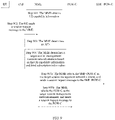
- FIG. 1 is a schematic diagram of a specific application scenario according to an embodiment of this application. It should be understood that FIG. 1 is only an example and is not used to limit this application.
- a 4G network and a 5G network share a user plane function (User Plane Function, UPF)+packet data network gateway user plane function (Packet Data Network Gateway User Plane Function, PGW-U), a session management function (Session Management Function, SMF)+protocol data unit gateway control plane function (Protocol Data Unit Gateway Control plane function, PGW-C), a policy control function (Policy Control Function, PCF)+policy and charging rules function (Policy and Charging Rules Function, PCRF), and a home subscriber server (Home Subscriber Server, HSS)+unified data management (Unified Data Management, UDM).
- UPF User Plane Function
- PGW-U Packet Data Network Gateway User Plane Function
- SMF Session Management Function
- PGW-C Provided Data Unit Gateway Control plane function
- Policy Control Function Policy Control Function
- PCRF Policy and Charging Rules Function
- HSS Home Subscriber Server
- the UPF is a user plane function network element in 5G
- the PGW-U is a PDU gateway user plane function network element that is in 4G and that corresponds to the UPF
- the UPF+PGW-U is a co-located user plane function network element, and has a user plane function of the 5G system and a user plane function of the 4G system.
- the SMF is a session management function network element in 5G
- the PGW-C is a PDU gateway control plane function network element that is in 4G and that corresponds to the SMF
- the SMF+PGW-C is a co-located session management function network element, and has a session management capability of the 5G system and a session management capability of the 4G system.
- the PCF is a policy and charging rules function network element in 5G
- the PCRF is a policy control function network element in 4G
- an online charging system online charging system, OCS
- an offline charging system offline charging system, OFCS
- the PCF+PCRF is a co-located policy and charging rules function network element, and has a policy and charging rules function of the 5G system and a policy and charging rules function of the 4G system.
- the UDM is configured to manage user data in 5G, for example, the user data in 5G includes subscription information of a user in 5G.
- the HSS corresponds to the UDM, and is configured to manage user data in 4G, for example, the user data in 4G includes subscription information of a user in 4G.
- the HSS+UDM is a co-located user data management network element.
- a next generation radio access network (Next Generation Radio Access Networks, NG-RAN) in FIG. 1 is an access network device in 5G
- an evolved UMTS terrestrial radio access network (Evolved UMTS Terrestrial Radio Access Network, E-UTRAN) is an access network device in 4G.
- an MME communicates with the E-UTRAN by using a serving gateway (Serving Gateway, SGW) and the UPF+PGW-U or by using a serving gateway and the SMF+PGW-C.
- SGW Serving Gateway
- the interworking architecture may further include a pure 4G network element, for example, may include at least one of the PGW-U, the PGW-C, the PCRF, and the HSS.
- the interworking architecture may further include a pure 5G network element, for example, may include at least one of the UPF, the SMF, the PCF, and the UDM.
- an access and mobility management function (Core Access and Mobility Management Function, AMF) determines that the UE can support the 4G system and the 5G system, the AMF selects a co-located session management function network element for the UE to establish a connection.
- the UE does not need to use a service of the 4G network or does not subscribe to a service of the 4G network. That is, UE supporting the 4G system and the 5G system may have no interworking requirement. Therefore, in this case, the AMF does not need to select a co-located session management function network element for the UE.
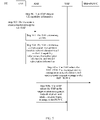
- an embodiment of this application provides a network element selection method. As shown in FIG. 2 , to enable UE that supports a 4G system and a 5G system and that has no interworking requirement to properly select a network element, the method includes the following steps.
- Step 200 A first network element in a first communications system receives a first message sent by a terminal device, where the first message is used to request to establish a session.
- the first message is used to request to establish a session.
- the first network element determines, based on a message type or a message name of the first message, that the message is used to request to establish a session.
- the first message is a PDU session establishment request (PDU Session Establishment Request), or the first message is a PDU connectivity request (PDN Connectivity Request), and the first network element may determine, based on the message name, that the message is used to request to establish a session.
- the first message is an attach request (Attach Request), and the first network element may determine, based on the message type, that after successfully registering on a network side, the UE needs to request to establish a session.
- Step 210 In response to the first message, the first network element in the first communications system determines a target session management function network element based on first subscription information and second subscription information, where the first subscription information includes subscription information of the terminal device in the first communications system, and the second subscription information includes subscription information of the terminal device in a second communications system.
- the first subscription information may be subscription information corresponding to one or more data network identities of the terminal device in the first communications system.
- the second subscription information may also be subscription information corresponding to one or more data network identities of the terminal device in the second communications system.
- the first subscription information may be indication information that indicates whether the terminal device subscribes to a data network identity in the first communications system
- the second subscription information may also be indication information that indicates whether the terminal device subscribes to a data network identity in the second communications system.
- the first network element in the first communications system needs to obtain the first subscription information and the second subscription information.
- the first network element in the first communications system sends a third message to a co-located user data management network element, and the third message is used to obtain the first subscription information and the second subscription information.
- the first network element in the first communications system stores the first subscription information and the second subscription information.
- the first network element in the first communications system separately queries a user data management network element in the first communications system for the first subscription information, and queries a user data management network element in the second communications system for the second subscription information. Therefore, the first network element in the first communications system may prestore the first subscription information and the second subscription information.
- the first network element in the first communications system sends a fourth message to a co-located user data management network element, and the fourth message is used to query the first subscription information and the second subscription information.
- the first network element in the first communications system separately queries a user data management network element in the first communications system for the first subscription information, and queries a user data management network element in the second communications system for the second subscription information. Therefore, the first network element in the first communications system may query the first subscription information and the second subscription information in real time.
- the co-located user data management network element may be the HSS+UDM shown in FIG. 1 .
- the first network element in the first communications system may further determine a data network identity of a current session, then obtain, as the first subscription information, subscription information corresponding to the data network identity of the terminal device in the first communications system, and obtain, as the second subscription information, subscription information corresponding to a data network identity that corresponds to the data network identity and that is of the terminal device in the second communications system.
- the first network element in the first communications system obtains the first subscription information and the second subscription information is not limited in this application.
- the first network element may simultaneously obtain the first subscription information and the second subscription information, or may first obtain the first subscription information and then obtain the second subscription information.
- the first network element in the first communications system first obtains the first subscription information; and if it is determined that the first subscription information exists, the first network element then obtains the second subscription information; or if it is determined that the first subscription information does not exist, the first network element rejects a current session establishment request, and optionally, no longer obtains the second subscription information.
- the first network element in the first communications system may determine the target session management function network element based on a capability of the terminal device, the first subscription information, and the second subscription information.
- the first network element in the first communications system receives a non-access stratum (Non Access Stratum, NAS) message sent by the terminal device, and the NAS message carries capability information of the terminal device.
- the first message carries capability information of the terminal device.
- the capability information of the terminal device includes information about whether the terminal device supports the first communications system and information about whether the terminal device supports the second communications system; or the capability information of the terminal device includes indication information indicating whether the terminal device supports the first communications system and the second communications system. Therefore, the first network element in the first communications system may determine, based on the capability information of the terminal device, whether the terminal device supports the first communications system and the second communications system.
- a specific process in which the first network element in the first communications system determines the target session management function network element based on the capability of the terminal device, the first subscription information, and the second subscription information is described below with reference to specific application scenarios.
- the first communications system is a 4G system
- the second communications system is a 5G system
- the first network element in the first communications system is an MME
- the scenario 1 may specifically include two possible cases.
- the MME selects a co-located session management function network element as the target session management network element, for example, the SMF+PGW-C shown in FIG. 1 .
- the MME selects a session management function network element in the 4G system as the target session management network element, for example, the PGW-C shown in FIG. 1 .
- the MME needs to determine the target session management network element by using two determining steps.
- An order of performing the two determining steps is not limited in this application.
- One determining step is determining whether the terminal device supports the first communications system and the second communications system.
- the MME may determine, based on the capability information of the terminal device, that the terminal device supports the first communications system and the second communications system.
- the other determining step is determining whether both the first subscription information and the second subscription information include the subscription information corresponding to the data network identity of the session.
- the MME needs to determine the data network identity of the session.
- the data network identity of the session is an access point name (Access Point Name, APN).
- APN Access Point Name
- the first message carries the data network identity of the session, and the MME may determine the data network identity of the session based on the first message.
- the first message does not carry the data network identity, and the MME may determine an APN, for example, a default APN, or determine a configured APN for the session based on a local policy, a local configuration, or the like.
- the following method of determining the data network identity of the session by the MME is consistent with the method herein. Repeated content is not described again.
- the MME determines or obtains the first subscription information and the second subscription information based on the determined APN.
- the first subscription information is subscription information of the APN of the terminal device in the 4G system, or may be indication information that indicates whether the terminal device subscribes to the APN.
- the second subscription information is subscription information of a data network name (Data Network Name, DNN) that corresponds to the APN and that is of the terminal device in the 5G system, or may be indication information that indicates whether the terminal device subscribes to the DNN, and the APN corresponds to the DNN.
- DNN Data Network Name
- the second subscription information is subscription information of a DNN+single network slice selection assistance information (Single Network Slice Selection Assistance information, S-NSSAI) that corresponds to the APN and that is of the terminal device in the 5G system, or may be indication information that indicates whether the terminal device subscribes to the DNN+S-NSSAI, and the APN corresponds to the DNN+S-NSSAI.
- S-NSSAI Single Network Slice Selection Assistance information
- a manner in which the MME determines that both the first subscription information and the second subscription information include the subscription information corresponding to the data network identity of the session is as follows:
- the terminal device has the subscription information of the APN in the 4G system, and the terminal device has the subscription information of the DNN that corresponds to the APN and that is in the 5G system; or the terminal device has the subscription information of the APN in the 4G system, and the terminal device has the subscription information of the DNN+S-NSSAI that corresponds to the APN and that is in the 5G system.
- a manner in which the MME determines that the first subscription information includes the subscription information corresponding to the data network identity of the session, and that the second subscription information does not include the subscription information corresponding to the data network identity of the session is as follows:
- the terminal device has the subscription information of the APN in the 4G system, and the terminal device has no subscription information of the DNN that corresponds to the APN and that is in the 5G system; or the terminal device has the subscription information of the APN in the 4G system, and the terminal device has no subscription information of the DNN+S-NSSAI that corresponds to the APN and that is in the 5G system.
- the subscription information of the DNN+S-NSSAI in this application is subscription information having a granularity of a DNN plus S-NSSAI.
- Subscription information of a DNN+S-NSSAI below has a same meaning as the subscription information of the DNN+S-NSSAI herein. Repeated content is not described again.
- the MME first obtains all subscription information of the terminal device in the 4G system and all subscription information of the terminal device in the 5G system.
- the first subscription information includes subscription information corresponding to each APN to which the terminal device subscribes in the 4G system
- the second subscription information includes subscription information corresponding to each DNN to which the terminal device subscribes in the 5G system
- the second subscription information includes subscription information corresponding to each DNN+S-NSSAI to which the terminal device subscribes in the 5G system.
- a manner in which the MME determines that both the first subscription information and the second subscription information include the subscription information corresponding to the data network identity of the session is as follows: The MME determines that the first subscription information includes subscription information corresponding to the APN, and the second subscription information includes subscription information of a DNN corresponding to the APN; or the first subscription information includes subscription information corresponding to the APN, and the second subscription information includes subscription information of a DNN+S-NSSAI corresponding to the APN.
- a manner in which the MME determines that the first subscription information includes the subscription information corresponding to the data network identity of the session, and that the second subscription information does not include the subscription information corresponding to the data network identity of the session is as follows: The MME determines that the first subscription information includes subscription information corresponding to the APN, and that the second subscription information does not include subscription information of a DNN corresponding to the APN; or the MME determines that the first subscription information includes subscription information corresponding to the APN, and that the second subscription information does not include subscription information of a DNN+S-NSSAI corresponding to the APN.
- the MME first obtains all subscription information of the terminal device in the 4G system, and the first subscription information includes subscription information corresponding to each APN to which the terminal device subscribes in the 4G system. Then the MME determines or obtains the second subscription information based on the determined APN, and the second subscription information is subscription information of a DNN that corresponds to the APN and that is of the terminal device in the 5G system, or may be indication information that indicates whether the terminal device subscribes to the DNN. Alternatively, the second subscription information is subscription information of a DNN+S-NSSAI that corresponds to the APN and that is of the terminal device in the 5G system, or may be indication information that indicates whether the terminal device subscribes to the DNN+S-NSSAI.
- a manner in which the MME determines that both the first subscription information and the second subscription information include the subscription information corresponding to the data network identity of the session is as follows:
- the first subscription information includes subscription information corresponding to the APN, and the terminal device has the subscription information of the DNN that corresponds to the APN and that is in the 5G system; or the first subscription information includes subscription information corresponding to the APN, and the terminal device has the subscription information of the DNN+S-NSSAI that corresponds to the APN and that is in the 5G system.
- a manner in which the MME determines that the first subscription information includes the subscription information corresponding to the data network identity of the session, and that the second subscription information does not include the subscription information corresponding to the data network identity of the session is as follows:
- the first subscription information includes subscription information corresponding to the APN, and the terminal device has no subscription information of the DNN that corresponds to the APN and that is in the 5G system; or the first subscription information includes subscription information corresponding to the APN, and the terminal device has no subscription information of the DNN+S-NSSAI that corresponds to the APN and that is in the 5G system.
- subscription information corresponding to all APNs included in the first subscription information is not in a one-to-one correspondence with subscription information of DNNs in the second subscription information, and subscription information of only some APNs is in a one-to-one correspondence with subscription information of DNNs in the 5G system.
- subscription information corresponding to all APNs included in the first subscription information is not in a one-to-one correspondence with subscription information of DNNs+S-NSSAI in the second subscription information, and subscription information of only some APNs is in a one-to-one correspondence with subscription information of DNNs+S-NSSAI in the 5G system.
- the MME sends a fifth message to a co-located user data management network element, and the fifth message is used to query whether subscription information corresponding to a DNN corresponding to the APN exists in subscription information corresponding to the APN.
- the MME receives a query result sent by the co-located user data management network element. If the query result indicates that the subscription information corresponding to the DNN corresponding to the APN exists in the subscription information corresponding to the APN, the MME selects the co-located session management function network element.
- the MME selects the session management function network element in the 4G system.
- the terminal device supports the first communications system and the second communications system
- the MME determines the APN
- the MME sends a fifth message to a co-located user data management network element, and the fifth message is used to query whether subscription information corresponding to a DNN+S-NSSAI corresponding to the APN exists in subscription information corresponding to the APN.
- the MME receives a query result sent by the co-located user data management network element.
- the MME selects the co-located session management function network element. If the query result indicates that the subscription information corresponding to the DNN+S-NSSAI corresponding to the APN does not exist in the subscription information corresponding to the APN, the MME selects the session management function network element in the 4G system.
- the MME sends a sixth message to a co-located user data management network element, the sixth message is used to obtain a mapping relationship between an APN and a DNN, and the mapping relationship indicates that subscription information of the APN corresponds to subscription information of a DNN.
- the MME receives the mapping relationship sent by the co-located user data management network element, and stores the mapping relationship. For example, the MME may send the sixth message to the co-located user data management network element before receiving the first message sent by the terminal device, or the MME may send the sixth message to the co-located user data management network element after receiving the first message sent by the terminal device. After determining the APN, the MME queries the mapping relationship based on the APN.
- the MME selects the co-located session management function network element. If the mapping relationship indicates that the APN corresponds to no DNN, the MME selects the session management function network element in the 4G system. Likewise, the foregoing design is also applicable to a case in which the APN corresponds to a DNN and S-NSSAI. Details are not described herein.
- the terminal device subscribes to three APNs in the 4G system, including an APN 1, an APN 2, and an APN 3, and subscribes to four DNNs in the 5G system, including a DNN 1, a DNN 2, a DNN 3, and a DNN 4.
- the APN 1 corresponds to the DNN 2
- the APN 3 corresponds to the DNN 3.
- the mapping relationship includes a mapping relationship between the APN 1 and the DNN 2 and a mapping relationship between the APN 3 and the DNN 3.
- the MME determines the APN 2
- the MME queries the mapping relationship based on the APN 2 and determines that the APN 2 corresponds to no DNN, and the MME selects the session management function network element in the 4G system.
- the MME determines the APN 3
- the MME queries the mapping relationship based on the APN 3 and determines that a DNN corresponding to the APN 4 is the DNN 3, and the MME selects the co-located session management function network element.
- the MME may select the co-located session management function network element as the target session management function network element for a terminal device having both an interworking capability and an interworking requirement.
- the MME may select the session management function network element in the 4G system as the target session management network element for a terminal device having an interworking capability but having no interworking requirement (that is, the terminal device does not need to use a service of a 5G network or does not subscribe to a service of a 5G network). In this way, a session requirement can be met, so that load of a co-located session management function network element can be reduced.
- Scenario 2 The first communications system is a 5G system, the second communications system is a 4G system, and the first network element in the first communications system is an AMF.
- the scenario 2 may specifically include two possible cases.
- the AMF selects a co-located session management function network element as the target session management network element, for example, the SMF+PGW-C shown in FIG. 1 .
- the terminal device supports the first communications system and the second communications system
- the first subscription information includes subscription information corresponding to a data network identity of the session
- the second subscription information does not include the subscription information corresponding to the data network identity of the session
- the AMF selects a session management function network element in the 5G system as the target session management network element, and the session management function network element in the 5G system is an SMF.
- the AMF needs to determine the target session management network element by using two determining steps.
- An order of performing the two determining steps is not limited.
- One determining step is determining whether the terminal device supports the first communications system and the second communications system.
- the AMF may determine, based on the capability information of the terminal device, that the terminal device supports the first communications system and the second communications system.
- the other determining step is determining, by the AMF, whether both the first subscription information and the second subscription information include the subscription information corresponding to the data network identity of the session.
- the AMF determines the data network identity of the current session.
- the data network identity of the session is a DNN, or a DNN and S-NSSAI.
- a specific DNN determining manner or a specific manner of determining the DNN and S-NSSAI is not limited in this application.
- the first message carries the data network identity of the session, and the AMF may determine the data network identity of the session based on the first message.
- the first message does not carry the data network identity
- the AMF may determine a DNN, or a DNN and S-NSSAI, for example, a default DNN, or a default DNN and S-NSSAI, or determine a configured DNN or a configured DNN and S-NSSAI for the session based on a local policy, a local configuration, or the like.
- the following method of determining the data network identity of the session by the AMF is consistent with the method herein. Repeated content is not described again.
- the AMF determines or obtains the first subscription information and the second subscription information based on the determined DNN.
- the first subscription information is subscription information of the DNN of the terminal device in the 5G system, or may be indication information that indicates whether the terminal device subscribes to the DNN.
- the second subscription information is subscription information of an APN that corresponds to the DNN and that is of the terminal device in the 4G system, and the APN corresponds to the DNN; or the second subscription information is subscription information of an APN that corresponds to the DNN and S-NSSAI and that is of the terminal device in the 4G system, and the APN corresponds to the DNN+S-NSSAI, or the second subscription information may be indication information that indicates whether the terminal device subscribes to the APN.
- a manner in which the AMF determines that both the first subscription information and the second subscription information include the subscription information corresponding to the data network identity of the session is as follows:
- the terminal device has the subscription information of the DNN in the 5G system, and the terminal device has the subscription information of the APN that corresponds to the DNN and that is in the 4G system; or the terminal device has subscription information of the DNN+S-NSSAI in the 5G system, and the terminal device has the subscription information of the APN that corresponds to the DNN+S-NSSAI and that is in the 4G system.
- a manner in which the AMF determines that the first subscription information includes the subscription information corresponding to the data network identity of the session, and that the second subscription information does not include the subscription information corresponding to the data network identity of the session is as follows:
- the terminal device has the subscription information of the DNN in the 5G system, and the terminal device has no subscription information of the APN that corresponds to the DNN and that is in the 4G system; or the terminal device has subscription information of the DNN+S-NSSAI in the 5G system, and the terminal device has no subscription information of the APN that corresponds to the DNN+S-NSSAI and that is in the 4G system.
- the AMF first obtains all subscription information of the terminal device in the 4G system and all subscription information of the terminal device in the 5G system.
- the first subscription information includes subscription information corresponding to each DNN to which the terminal device subscribes in the 5G system, or the first subscription information includes subscription information corresponding to each DNN+S-NSSAI to which the terminal device subscribes in the 5G system.
- the second subscription information includes subscription information of each APN to which the terminal device subscribes in the 4G system.
- a manner in which the AMF determines that both the first subscription information and the second subscription information include the subscription information corresponding to the data network identity of the session is as follows: The AMF determines that the first subscription information includes subscription information corresponding to the DNN, and that the second subscription information includes subscription information of an APN corresponding to the DNN. Alternatively, the AMF determines that the first subscription information includes subscription information corresponding to the DNN+S-NSSAI, and that the second subscription information includes subscription information of an APN corresponding to the DNN+S-NSSAI.
- a manner in which the AMF determines that the first subscription information includes the subscription information corresponding to the data network identity of the session, and that the second subscription information does not include the subscription information corresponding to the data network identity of the session is as follows: The AMF determines that the first subscription information includes subscription information corresponding to the DNN, and that the second subscription information does not include subscription information of an APN corresponding to the DNN. Alternatively, the AMF determines that the first subscription information includes subscription information corresponding to the DNN+S-NSSAI, and that the second subscription information does not include subscription information of an APN corresponding to the DNN+S-NSSAI.
- the AMF first obtains all subscription information of the terminal device in the 5G system, and the first subscription information includes subscription information of each DNN to which the terminal device subscribes in the 5G system, or the first subscription information includes subscription information corresponding to each DNN+S-NSSAI to which the terminal device subscribes in the 5G system.
- the AMF determines or obtains the second subscription information based on the determined DNN or the determined DNN+S-NSSA, and the second subscription information is subscription information of an APN that corresponds to the DNN or the DNN+S-NSSA and that is of the terminal device in the 4G system, or may be indication information that indicates whether the terminal device subscribes to the APN.
- a manner in which the AMF determines that both the first subscription information and the second subscription information include the subscription information corresponding to the data network identity of the session is as follows:
- the first subscription information includes subscription information corresponding to the DNN, and the terminal device has subscription information of the APN that corresponds to the DNN and that is in the 4G system; or the first subscription information includes subscription information corresponding to the DNN+S-NSSAI, and the terminal device has subscription information of the APN that corresponds to the DNN+S-NSSAI and that is in the 4G system.
- a manner in which the AMF determines that the first subscription information includes the subscription information corresponding to the data network identity of the session, and that the second subscription information does not include the subscription information corresponding to the data network identity of the session is as follows:
- the first subscription information includes subscription information corresponding to the DNN, and the terminal device has no subscription information of the APN that corresponds to the DNN and that is in the 4G system; or the first subscription information includes subscription information corresponding to the DNN+S-NSSAI, and the terminal device has no subscription information of the APN that corresponds to the DNN+S-NSSAI and that is in the 4G system.
- subscription information corresponding to all DNNs included in the first subscription information is not in a one-to-one correspondence with subscription information of APNs in the second subscription information, and subscription information of only some DNNs is in a one-to-one correspondence with subscription information of APNs in the 4G system.
- subscription information corresponding to all DNNs+S-NSSAI included in the first subscription information is not in a one-to-one correspondence with subscription information of APNs in the second subscription information, and subscription information of only some DNNs+S-NSSAI is in a one-to-one correspondence with subscription information of APNs in the 4G system.
- the AMF sends a seventh message to a co-located user data management network element, and the seventh message is used to query whether subscription information corresponding to an APN corresponding to the DNN exists in subscription information corresponding to the DNN.
- the AMF receives a query result sent by the co-located user data management network element. If the query result indicates that it is determined that the subscription information corresponding to the APN corresponding to the DNN exists, the AMF selects the co-located session management function network element.
- the AMF selects the session management function network element in the 5G system.
- the terminal device supports the first communications system and the second communications system
- the AMF determines the DNN+S-NSSAI
- the AMF sends a seventh message to a co-located user data management network element, and the seventh message is used to query whether subscription information of an APN corresponding to the DNN+S-NSSAI exists in subscription information corresponding to the DNN+S-NSSAI.
- the AMF receives a query result sent by the co-located user data management network element.
- the AMF selects the co-located session management function network element. If the query result indicates that the subscription information corresponding to the APN corresponding to the DNN+S-NSSAI does not exist in the subscription information corresponding to the DNN+S-NSSAI, the AMF selects the session management function network element in the 5G system.
- the AMF sends an eighth message to a co-located user data management network element, the eighth message is used to obtain a mapping relationship between a DNN and an APN, and the AMF receives the mapping relationship sent by the co-located user data management network element, and stores the mapping relationship.
- the AMF may send the eighth message to the co-located user data management network element before receiving the first message sent by the terminal device, or the AMF may send the eighth message to the co-located user data management network element after receiving the first message sent by the terminal device.
- the AMF queries the mapping relationship based on the DNN.
- mapping relationship indicates that the DNN corresponds to an APN
- the AMF selects the co-located session management function network element. If the mapping relationship indicates that the DNN corresponds to no APN, the AMF selects the session management function network element in the 5G system. Likewise, the foregoing design is also applicable to a case in which the DNN+S-NSSAI corresponds to the APN. Details are not described herein.
- the terminal device subscribes to three APNs in the 4G system, including an APN 1, an APN 2, and an APN 3, and subscribes to four DNNs in the 5G system, including a DNN 1, a DNN 2, a DNN 3, and a DNN 4.
- the APN 1 corresponds to the DNN 2
- the APN 3 corresponds to the DNN 3.
- the mapping relationship includes a mapping relationship between the APN 1 and the DNN 2 and a mapping relationship between the APN 3 and the DNN 3.
- the AMF determines the DNN 2
- the AMF queries the mapping relationship based on the DNN 2 and determines that an APN corresponding to the DNN 2 is the APN 1, and the AMF selects the co-located session management function network element.
- the AMF determines the DNN 1
- the AMF queries the mapping relationship based on the DNN 1 and determines that the DNN 1 corresponds to no APN, and the AMF selects the session management function network element in the 5G system.
- the AMF may select the co-located session management function network element as the target session management function network element for a terminal device having both an interworking capability and an interworking requirement.
- the AMF may select the session management function network element in the 5G system as the target session management network element for a terminal device having an interworking capability but having no interworking requirement (that is, the terminal device does not need to use a service of a 4G network or does not subscribe to a service of a 4G network). In this way, a session requirement can be met, so that load of the co-located session management function network element can be reduced.
- the first network element in the first communications system may further determine a second message based on the capability of the terminal device, the first subscription information, and the second subscription information, and send the second message to the target session management function network element, so that the target session management function network element determines a policy control network element and a charging system based on the second message.
- the second message includes instruction information instructing the target session management function network element to select a co-located policy control network element and a co-located charging system, or a policy control network element and a charging system that are in the first communications system.
- the first communications system is a 4G system
- the second communications system is a 5G system
- the first network element in the first communications system is an MME
- the MME selects a co-located session management function network element, and the MME sends the second message to the co-located session management function network element, so that the co-located session management function network element determines, based on the second message, that a policy control network element and a charging system are a policy control network element and a charging system that are in the 4G system.
- the second message includes the instruction information instructing the co-located session management function network element to select the policy control network element and the charging system that are in the 4G system.
- the MME may instruct, by using the second message, the co-located session management function network element to select the policy control network element and the charging system that are in the 4G system for a terminal device that has an interworking capability but has no interworking requirement (in other words, the terminal device does not need to use a service of the 5G network or does not subscribe to a service of the 5G network), so that load of the co-located policy control network element and load of the co-located charging system can be reduced.
- a policy control network element in 4G may be a PCRF
- charging system network elements in 4G may be an OCS and an OFCS.
- the MME may send the second message to the SMF+PGW-C, and the second message includes instruction information instructing the SMF+PGW-C to select and access the policy control network element and the charging system that are in 4G.
- the MME may instruct the co-located session management function network element to select the policy control network element and the charging system that are in the 4G system, so that load of the co-located policy control network element and load of the co-located charging system can be reduced.
- the first communications system is a 5G system
- the second communications system is a 4G system
- the first network element in the first communications system is an AMF.
- the AMF selects a co-located session management function network element, and the AMF sends the second message to the co-located session management function network element, so that the co-located session management function network element determines, based on the second message, that a policy control network element and a charging system are a policy control network element and a charging system that are in 5G.
- the second message includes the instruction information instructing the co-located session management function network element to select the policy control network element and the charging system that are in the 5G system.
- the AMF may instruct, by using the second message, the co-located session management function network element to select the policy control network element and the charging system that are in the 5G system for a terminal device that has an interworking capability but has no interworking requirement (in other words, the terminal device does not need to use a service of the 4G network or does not subscribe to a service of the 4G network), so that load of the co-located policy control network element and load of the co-located charging system can be reduced.
- the AMF can select only an SMF+PGW-C.
- the AMF sends the second message to the SMF+PGW-C, and the second message includes the instruction information instructing the SMF+PGW-C to select and access the policy control network element and the charging system that are in 5G, for example, a PCF.
- the AMF may instruct the co-located session management function network element to select the policy control network element and the charging system that are in the 5G system, so that load of the co-located policy control network element and load of the co-located charging system can be reduced.
- FIG. 3 shows a specific process 1 in which UE establishes a session connection in a 4G network.
- Step 301 An MME obtains UE capability information.
- the UE in an attach (Attach) procedure or track area update (Track area update, TAU) procedure, the UE sends a NAS message to the MME.
- the NAS message carries the UE capability information (UE capabilities), and the UE capabilities include information about whether the UE supports a 4G system, information about whether the UE supports a 5G system, and the like, or the UE capabilities include indication information indicating whether the UE supports both a 4G system and a 5G system.
- the MME stores the UE capabilities.
- Step 302 The UE sends a session request message to the MME, and the session request message may also be included in an attach request (Attach request).
- the session request message may be a NAS message.
- Step 303 The MME determines an APN.
- the session request message carries the APN.
- the session request message does not carry the APN, and the MME may determine an APN, for example, a default APN.
- Step 304 The MME determines a target session management function network element based on the UE capability information, first subscription information, and second subscription information. If the terminal device supports the 4G system and the 5G system, and both the first subscription information and the second subscription information include subscription information corresponding to the APN, the MME performs step 305a. If the terminal device supports the 4G system and the 5G system, the first subscription information includes subscription information corresponding to the APN, and the second subscription information does not include the subscription information corresponding to the APN, the MME performs step 305b.
- the MME before step 302, for example, in the attach procedure or TAU procedure, the MME sends a third message to an HSS+UDM, and the third message is used to obtain the first subscription information and the second subscription information.
- the MME stores the first subscription information and the second subscription information.
- the MME after step 303, the MME sends a fourth message to the HSS+UDM, and the fourth message is used to query the first subscription information and the second subscription information.
- Step 305a The MME selects an SMF+PGW-C as the target session management network element, and sends a session request message to the SMF+PGW-C.
- Step 305b The MME selects a PGW-C as the target session management network element, and sends a session request message to the PGW-C.
- a subsequent session establishment procedure mainly includes configuration of radio resources, establishment of a user plane tunnel, and the like. For details, refer to the prior art.
- FIG. 4 shows a specific process 2 in which UE establishes a session connection in a 4G network. All PGW-Cs are upgraded to SMFs+PGW-Cs, but a policy control network element and a charging system-related network element are not upgraded.
- the policy control network element in 4G is a PCRF
- charging system network elements in 4G are an OCS and an OFCS
- a policy control network element and a charging system that are in 5G are PCFs.
- Step 401 to step 403 are the same as step 301 to step 303.
- Step 404 The MME determines a target policy control network element and a target charging system based on the UE capability information, first subscription information, and second subscription information. If the terminal device supports a 4G system and a 5G system, and both the first subscription information and the second subscription information include subscription information corresponding to the APN, the MME performs step 405a. If the terminal device supports the 4G system and the 5G system, the first subscription information includes subscription information corresponding to the APN, and the second subscription information does not include the subscription information corresponding to the APN, the MME performs step 405b.
- Step 405a The MME sends a session request message to an SMF+PGW-C.
- the session request message may not carry instruction information, or may carry first instruction information.
- the first instruction information instructs the SMF+PGW-C to select a co-located policy control network element and a co-located charging system. Therefore, the target policy control network element and the target charging system are the co-located policy control network element and the co-located charging system.
- Step 405b The MME sends a session request message to the SMF+PGW-C, the session request message carries second instruction information, and the second instruction information instructs the SMF+PGW-C to select a policy control network element and a charging system that are in 4G. Therefore, the target policy control network element and the target charging system are the policy control network element and the charging system that are in 4G.
- FIG. 5 shows a specific process 1 in which UE establishes a session connection in a 5G network. Only an example in which a DNN corresponds to an APN is used below for description. A processing procedure in which a DNN+S-NSSAI corresponds to an APN is similar. Details are not described herein again.
- Step 501 An AMF obtains UE capability information.
- the UE in a registration (Registration) procedure or re-registration (Re-registration) procedure, the UE sends a NAS message to the AMF.
- the NAS message carries the UE capability information (UE capabilities), and the UE capabilities include information about whether the UE supports a 4G system, information about whether the UE supports a 5G system, and the like, or the UE capabilities include indication information indicating whether the UE supports both a 4G system and a 5G system.
- the AMF stores the UE capabilities.
- Step 502 The UE sends a session request message to the AMF, and the session request message is a NAS message.
- Step 503 The AMF determines a DNN.
- the session request message carries the DNN.
- the session request message does not carry the DNN, and the AMF may determine an APN, for example, a default DNN.
- Step 504 The AMF determines a target session management function network element based on the UE capability information, first subscription information, and second subscription information. If the terminal device supports the 4G system and the 5G system, and both the first subscription information and the second subscription information include subscription information corresponding to the DNN, the AMF performs step 505a. If the terminal device supports the 4G system and the 5G system, the first subscription information includes subscription information corresponding to the DNN, and the second subscription information does not include the subscription information corresponding to the DNN, the AMF performs step 505b.
- the AMF before step 502, for example, in the registration procedure or re-registration procedure, the AMF sends a third message to an HSS+UDM, and the third message is used to obtain the first subscription information and the second subscription information.
- the AMF stores the first subscription information and the second subscription information.
- the AMF after step 503, the AMF sends a fourth message to the HSS+UDM, and the fourth message is used to query the first subscription information and the second subscription information.
- Step 505a The AMF selects an SMF+PGW-C as the target session management network element, and sends a session request message to the SMF+PGW-C.
- Step 505b The AMF selects an SMF as the target session management network element, and sends a session request message to the SMF.
- a subsequent session establishment procedure mainly includes configuration of radio resources, establishment of a user plane tunnel, and the like. For details, refer to the prior art.
- FIG. 6 shows a specific process 2 in which UE establishes a session connection in a 5G network.
- Deployment of a pure SMF device has not started, in other words, all SMFs+PGW-Cs are obtained by upgrading PGW-Cs, but a policy control network element and a charging system-related network element are not upgraded.
- a policy control network element in 4G is a PCRF
- charging systems in 4G are an OCS and an OFCS.
- Step 601 to step 603 are the same as step 501 to step 503.
- Step 604 The AMF determines a target policy control network element and a target charging system based on the UE capability information, the first subscription information, and the second subscription information. If the terminal device supports a 4G system and a 5G system, and both the first subscription information and the second subscription information include subscription information corresponding to the DNN, the AMF performs step 605a. If the terminal device supports a 4G system and a 5G system, the first subscription information includes subscription information corresponding to the DNN, and the second subscription information does not include the subscription information corresponding to the DNN, the AMF performs step 605b.
- Step 605a The AMF sends a session request message to an SMF+PGW-C.
- the session request message may not carry instruction information, or may carry first instruction information.
- the first instruction information instructs the SMF+PGW-C to select a co-located policy control network element and a co-located charging system. Therefore, the target policy control network element and the target charging system are the co-located policy control network element and the co-located charging system.
- Step 605b The AMF sends a session request message to the SMF+PGW-C, the session request message carries second instruction information, and the second instruction information instructs the SMF+PGW-C to select and access a policy control network element and a charging system that are in 5G. Therefore, the target policy control network element and the target charging system are the policy control network element and the charging system that are in 4G.
- an embodiment of this application provides a network element selection apparatus. As shown in FIG. 7 , the apparatus 700 includes:
- the processing unit 702 is specifically configured to determine the target session management function network element based on a capability of the terminal device, the first subscription information, and the second subscription information.
- the first communications system is a 4G system
- the second communications system is a 5G system
- the apparatus is an MME
- the processing unit 702 is specifically configured to: if the terminal device supports the first communications system and the second communications system, and both the first subscription information and the second subscription information include subscription information corresponding to a data network identity of the session, select a co-located session management function network element as the target session management network element, where a network element having a session management capability of the 5G system and a session management capability of the 4G system is the co-located session management function network element.
- the first communications system is a 4G system
- the second communications system is a 5G system
- the apparatus is an MME
- the processing unit 702 is specifically configured to: if the terminal device supports the first communications system and the second communications system, the first subscription information includes subscription information corresponding to a data network identity of the session, and the second subscription information does not include the subscription information corresponding to the data network identity of the session, select a session management function network element in the 4G system as the target session management network element.
- the first communications system is a 5G system
- the second communications system is a 4G system
- the apparatus is an AMF
- the processing unit 702 is specifically configured to: if the terminal device supports the first communications system and the second communications system, and both the first subscription information and the second subscription information include subscription information corresponding to a data network identity of the session, select a co-located session management function network element as the target session management network element, where a network element having a session management capability of the 5G system and a session management capability of the 4G system is the co-located session management function network element.
- the first communications system is a 5G system
- the second communications system is a 4G system
- the apparatus is an AMF
- the processing unit 702 is specifically configured to: if the terminal device supports the first communications system and the second communications system, the first subscription information includes subscription information corresponding to a data network identity of the session, and the second subscription information does not include the subscription information corresponding to the data network identity of the session, select a session management function network element in the 5G system as the target session management network element.
- the apparatus further includes: a sending unit 703, configured to send a second message to the target session management function network element, so that the target session management function network element determines a policy control network element and a charging system based on the second message.
- division of the units is merely division of logical functions, and during actual implementation, all or some of the units may be integrated into one physical entity, or may be physically separated.
- these units may all be implemented by using software through invoking by a processing element, or may all be implemented in a form of hardware.
- some units are implemented by using software through invoking by a processing element, and some units are implemented in a form of hardware.
- steps in the foregoing methods or the foregoing units can be implemented by using a hardware integrated logic circuit in a processing element, or by using instructions in a form of software.
- the foregoing units may be configured as one or more integrated circuits for implementing the foregoing methods, for example, one or more application-specific integrated circuits (Application Specific Integrated Circuit, ASIC), or one or more microprocessors (digital signal processor, DSP), or one or more field programmable gate arrays (Field Programmable Gate Array, FPGA).
- ASIC Application Specific Integrated Circuit
- DSP digital signal processor
- FPGA Field Programmable Gate Array
- the processing element may be a general-purpose processor, such as a central processing unit (Central Processing Unit, CPU) or another processor that can invoke the program.
- CPU central processing unit
- these units may be integrated together, and are implemented in a form of a system-on-a-chip (system-on-a-chip, SOC).
- an embodiment of this application provides a network element selection apparatus.
- the network element selection apparatus may be a chip, the apparatus includes a processor and an interface, and the interface may be an input/output interface.
- the processor implements the functions of the processing unit 702, and the interface implements the functions of the receiving unit 701 and the functions of the sending unit 702.
- the apparatus may further include a memory.
- the memory is configured to store a program that can run on the processor. When the processor executes the program, the method of the embodiment shown in FIG. 2 is performed.
- an embodiment of this application further provides a first network element in a first communications system. As shown in FIG.
- the network element 800 includes a transceiver 801, a processor 802, and a memory 803.
- the memory 803 is configured to store a computer program.
- the processor 802 invokes the computer program stored in the memory 803, and performs, by using the transceiver 801, the method shown in FIG. 2 .
- the processor may be a CPU, a network processor (network processor, NP), a hardware chip, or any combination thereof.
- the memory may include a volatile memory (volatile memory), for example, a random access memory (random access memory, RAM).
- the memory may include a non-volatile memory (non-volatile memory), such as a read-only memory (read-only memory, ROM), a flash memory (flash memory), a hard disk drive (hard disk drive, HDD), or a solid-state drive (solid-state drive, SSD).
- non-volatile memory such as a read-only memory (read-only memory, ROM), a flash memory (flash memory), a hard disk drive (hard disk drive, HDD), or a solid-state drive (solid-state drive, SSD).
- non-volatile memory such as a read-only memory (read-only memory, ROM), a flash memory (flash memory), a hard disk drive (hard disk drive, HDD), or a solid-state drive (solid-state drive, SSD).
- the memory may include a combination of the foregoing types of memories.
- the apparatus in the embodiment shown in FIG. 7 may be implemented by using the network element 800 shown in FIG. 8 .
- the processing unit 702 may be implemented by the processor 802
- the receiving unit 701 and the sending unit 703 may be implemented by the transceiver 801.
- a structure of the network element 800 does not constitute a limitation on the embodiments of this application.
- FIG. 9 shows a specific process 1 in which UE establishes a session connection in a 4G network.
- Step 901 An MME obtains UE capability information.
- the UE in an attach (Attach) procedure or track area update (Track area update, TAU) procedure, the UE sends a NAS message to the MME.
- the NAS message carries the UE capability information (UE capabilities), and the UE capabilities include information about whether the UE supports a 4G system, information about whether the UE supports a 5G system, and the like, or the UE capabilities include indication information indicating whether the UE supports both a 4G system and a 5G system.
- the MME stores the UE capabilities.
- Step 902 The UE sends a session request message to the MME, and the session request message may also be included in an attach request (Attach request).
- the session request message may be a NAS message.
- Step 903 The MME determines an APN.
- the session request message in step 902 carries the APN.
- the session request message does not carry the APN, and the MME may determine an APN, for example, a default APN.
- An APN determining manner is described above. Details are not described again.
- Step 904 The MME determines a target session management function network element based on the UE capability information (or referred to as a capability of a terminal) and third subscription information. Specifically, if the capability of the terminal indicates that the UE supports the 4G system and the 5G system, and the third subscription of the terminal indicates that a data network identity APN corresponding to the session supports interworking with the 5G system (or referred to as a 5GC), the MME selects a co-located session management function network element as the target session management network element, and performs step 905a.
- the UE capability information or referred to as a capability of a terminal
- third subscription of the terminal indicates that a data network identity APN corresponding to the session supports interworking with the 5G system (or referred to as a 5GC)
- the MME selects a co-located session management function network element as the target session management network element, and performs step 905a.
- the third subscription of the terminal indicates that a data network identity APN corresponding to the session supports interworking with the 5G system (or referred to as a 5GC) further includes:
- the third subscription information of the terminal is indication information indicating that the data network identity APN corresponding to the session supports interworking with a DNN and a network slice identification S-NSSAI.
- the co-located session management function network element may be a network element having both a session management capability of the 4G system and a session management capability of the 5G system, for example, an SMF+PGW-C.
- the MME does not select a co-located session management function network element as the target session management network element, and performs step 905b. That the MME does not select a co-located session management function network element as the target session management network element includes: selecting, by the MME as the target session management network element, a session management function network element that is not specially used for interworking, for example, a PGW-C or a PGW in a pure 4G system. Therefore, the MME may select the co-located session management function network element as the target session management function network element for a terminal device having both an interworking capability and an interworking requirement.
- the MME may further determine a second message based on the capability of the terminal device and the third subscription information, and send the second message to the target session management function network element, so that the target session management function network element determines a policy control network element and a charging system based on the second message.
- the second message includes instruction information instructing the target session management function network element to select a co-located policy control network element and a co-located charging system, or a policy control network element and a charging system that are in the first communications system.
- Step 905a The MME selects an SMF+PGW-C as the target session management network element, and sends a session request message to the SMF+PGW-C.
- Step 905b The MME selects a PGW-C as the target session management network element, and sends a session request message to the PGW-C.
- a subsequent session establishment procedure mainly includes configuration of radio resources, establishment of a user plane tunnel, and the like. For details, refer to the prior art.
- the MME may select a session management function network element in the 4G system as the target session management network element for a terminal device having an interworking capability but having no interworking requirement (that is, the terminal device does not support interworking with 5G). In this way, a session requirement can be met, so that load of the co-located session management function network element can be reduced.
- the MME may instruct the co-located session management network element to select a policy control network element and a charging system that are in the 4G system for a terminal device having an interworking capability but having no interworking requirement (that is, the terminal device does not support interworking with 5G), so that load of the co-located policy control network element and load of the co-located charging system can be reduced.
- FIG. 7 a logical structure of the MME in FIG. 9 may be shown in FIG. 7 , and the steps described in FIG. 9 may be implemented by using the processing unit, the receiving unit, and the sending unit that are in FIG. 7 .
- the apparatus in the embodiment shown in FIG. 7 may be implemented by using the network element 800 shown in FIG. 8 .
- the processing unit 702 may be implemented by the processor 802
- the receiving unit 701 and the sending unit 703 may be implemented by the transceiver 801.
- a structure of the network element 800 does not constitute a limitation on the embodiments of this application.
- FIG. 10 shows a specific process 1 in which UE establishes a session connection in a 5G network.
- Step 1001 An AMF obtains UE capability information.
- the UE in a registration (Registration) procedure or re-registration (Re-registration) procedure, the UE sends a NAS message to the AMF.
- the NAS message carries the UE capability information (UE capabilities), and the UE capabilities include information about whether the UE supports a 4G system, information about whether the UE supports a 5G system, and the like, or the UE capabilities include indication information indicating whether the UE supports both a 4G system and a 5G system.
- the AMF stores the UE capabilities.
- Step 1002 The UE sends a session request message to the AMF, and the session request message is a NAS message.
- Step 1003 The AMF determines a DNN.
- the session request message in step 1002 carries the DNN.
- the session request message does not carry the DNN, and the AMF may determine an APN, for example, a default DNN.
- a DNN determining manner is described above. Details are not described again.
- Step 1004 The AMF determines a target session management function network element based on the UE capability information (or referred to as a capability of a terminal) and third subscription information. Specifically, if the capability of the terminal indicates that the UE supports the 4G system and the 5G system, and the third subscription of the terminal indicates that a data network identity DNN corresponding to the session supports interworking with the 4G system (or referred to as an EPS or an EPC), the AMF selects a co-located session management function network element as the target session management network element, and performs step 1005a.
- the UE capability information or referred to as a capability of a terminal
- third subscription of the terminal indicates that a data network identity DNN corresponding to the session supports interworking with the 4G system (or referred to as an EPS or an EPC)
- the AMF selects a co-located session management function network element as the target session management network element, and performs step 1005a.
- the third subscription of the terminal indicates that a data network identity DNN corresponding to the session supports interworking with the 4G system (or referred to as an EPS or an EPC) further includes:
- the third subscription information of the terminal is indication information indicating that the data network identity DNN and a network slice identification S-NSSAI that correspond to the session support interworking.
- the co-located session management function network element may be a network element having both a session management capability of the 4G system and a session management capability of the 5G system, for example, an SMF+PGW-C.
- the AMF does not select a co-located session management function network element as the target session management network element, and performs step 1005b. That the AMF does not select a co-located session management function network element as the target session management network element includes: selecting, by the AMF as the target session management network element, a session management function network element that is not specially used for interworking, for example, an SMF in a pure 5G system. Therefore, the AMF may select the co-located session management function network element as the target session management function network element for a terminal device having both an interworking capability and an interworking requirement.
- the AMF may further determine a second message based on the capability of the terminal device and the third subscription information, and send the second message to the target session management function network element, so that the target session management function network element determines a policy control network element and a charging system based on the second message.
- the second message includes instruction information instructing the target session management function network element to select a co-located policy control network element and a co-located charging system, or a policy control network element and a charging system that are in the first communications system.
- Step 1005a The AMF selects an SMF+PGW-C as the target session management network element, and sends a session request message to the SMF+PGW-C.
- Step 1005b The AMF selects an SMF as the target session management network element, and sends a session request message to the SMF.
- a subsequent session establishment procedure mainly includes configuration of radio resources, establishment of a user plane tunnel, and the like. For details, refer to the prior art.
- the AMF may select a session management function network element in the 5G system as the target session management network element for a terminal device having an interworking capability but having no interworking requirement (that is, the terminal device does not support interworking with 4G). In this way, a session requirement can be met, so that load of a co-located session management function network element can be reduced.
- the AMF may instruct the co-located session management network element to select a policy control network element and a charging system that are in the 5G system for a terminal device having an interworking capability but having no interworking requirement (that is, the terminal device does not support interworking with 4G), so that load of the co-located policy control network element and load of the co-located charging system can be reduced.
- FIG. 7 a logical structure of the AMF in FIG. 10 may be shown in FIG. 7 , and the steps described in FIG. 10 may be implemented by using the processing unit, the receiving unit, and the sending unit that are in FIG. 7 .
- the apparatus in the embodiment shown in FIG. 7 may be implemented by using the network element 800 shown in FIG. 8 .
- the processing unit 702 may be implemented by the processor 802
- the receiving unit 701 and the sending unit 703 may be implemented by the transceiver 801.
- a structure of the network element 800 does not constitute a limitation on the embodiments of this application.
- An embodiment of this application further provides a computer readable storage medium.
- the computer readable storage medium stores a computer program.
- the computer program runs on a computer, the computer is enabled to perform the method of the embodiment shown in FIG. 2 , the processor is enabled to perform the steps corresponding to the MME shown in FIG. 9 , and the processor is also enabled to perform the steps corresponding to the AMF shown in FIG. 10 .
- a first network element in a first communications system receives a first message sent by a terminal device, and the first message is used to request to establish a session.
- the first network element in the first communications system determines a target session management function network element based on first subscription information and second subscription information.
- the MME may select a co-located session management function network element as the target session management function network element for a terminal device having both an interworking capability and an interworking requirement.
- the MME may select a session management function network element in the 4G system as the target session management network element for a terminal device having an interworking capability but having no interworking requirement (that is, the terminal device does not need to use a service of a 5G network or does not subscribe to a service of a 5G network). In this way, a session requirement can be met, so that load of a co-located session management function network element can be reduced.
- the AMF may select a co-located session management function network element as the target session management function network element for a terminal device having both an interworking capability and an interworking requirement.
- the AMF may select a session management function network element in the 5G system as the target session management network element for a terminal device having an interworking capability but having no interworking requirement (that is, the terminal device does not need to use a service of a 4G network or does not subscribe to a service of a 4G network). In this way, a session requirement can be met, so that load of a co-located session management function network element can be reduced.
- the MME may instruct, by using a second message, a co-located session management function network element to select a policy control network element and a charging system that are in the 4G system for a terminal device having an interworking capability but having no interworking requirement (that is, the terminal device does not need to use a service of a 5G network or does not subscribe to a service of a 5G network), so that load of a co-located policy control network element and load of a co-located charging system can be reduced.
- the AMF may instruct, by using a second message, a co-located session management function network element to select a policy control network element and a charging system that are in the 5G system for a terminal device having an interworking capability but having no interworking requirement (that is, the terminal device does not need to use a service of a 4G network or does not subscribe to a service of a 4G network), so that load of a co-located policy control network element and load of a co-located charging system can be reduced.
- the embodiments of this application may be provided as a method, a system, or a computer program product. Therefore, the embodiments of this application may use a form of hardware only embodiments, software only embodiments, or embodiments with a combination of software and hardware. Moreover, the embodiments of this application may use a form of a computer program product that is implemented on one or more computer-usable storage media (including but not limited to a magnetic disk memory, a CD-ROM, an optical memory, and the like) that include computer-usable program code.
- computer-usable storage media including but not limited to a magnetic disk memory, a CD-ROM, an optical memory, and the like
- These computer program instructions may be provided for a general-purpose computer, a dedicated computer, an embedded processor, or a processor of another programmable data processing device to generate a machine, so that the instructions executed by a computer or a processor of another programmable data processing device generate an apparatus for implementing a specific function in one or more processes in the flowcharts and/or in one or more blocks in the block diagrams.
- These computer program instructions may be stored in a computer readable memory that can instruct the computer or another programmable data processing device to work in a specific manner, so that the instructions stored in the computer readable memory generate an artifact that includes an instruction apparatus.
- the instruction apparatus implements a specific function in one or more processes in the flowcharts and/or in one or more blocks in the block diagrams.
- These computer program instructions may be loaded onto a computer or another programmable data processing device, so that a series of operations and steps are performed on the computer or the another programmable device, thereby generating computer-implemented processing. Therefore, the instructions executed on the computer or the another programmable device provide steps for implementing a specific function in one or more processes in the flowcharts and/or in one or more blocks in the block diagrams.
- Embodiment 1 A network element selection method, wherein the method comprises:
- Embodiment 2 The method according to embodiment 1, wherein the determining, by the first network element in the first communications system, a target session management function network element based on first subscription information and second subscription information comprises: determining, by the first network element in the first communications system, the target session management function network element based on a capability of the terminal device, the first subscription information, and the second subscription information.
- Embodiment 3 The method according to embodiment 2, wherein the first communications system is a 4G system, the second communications system is a 5G system, and the first network element in the first communications system is a mobility management entity MME; and the determining, by the first network element in the first communications system, the target session management function network element based on a capability of the terminal device, the first subscription information, and the second subscription information comprises: if the terminal device supports the first communications system and the second communications system, and both the first subscription information and the second subscription information comprise subscription information corresponding to a data network identity of the session, selecting, by the MME, a co-located session management function network element as the target session management network element, wherein a network element having a session management capability of the 5G system and a session management capability of the 4G system is the co-located session management function network element.
- MME mobility management entity
- Embodiment 4 The method according to embodiment 2, wherein the first communications system is a 4G system, the second communications system is a 5G system, and the first network element in the first communications system is an MME; and the determining, by the first network element in the first communications system, the target session management function network element based on a capability of the terminal device, the first subscription information, and the second subscription information comprises: if the terminal device supports the first communications system and the second communications system, the first subscription information comprises subscription information corresponding to a data network identity of the session, and the second subscription information does not comprise the subscription information corresponding to the data network identity of the session, selecting, by the MME, a session management function network element in the 4G system as the target session management network element.
- Embodiment 5 The method according to embodiment 2, wherein the first communications system is a 5G system, the second communications system is a 4G system, and the first network element in the first communications system is an access and mobility management function AMF; and the determining, by the first network element in the first communications system, the target session management function network element based on a capability of the terminal device, the first subscription information, and the second subscription information comprises: if the terminal device supports the first communications system and the second communications system, and both the first subscription information and the second subscription information comprise subscription information corresponding to a data network identity of the session, selecting, by the AMF, a co-located session management function network element as the target session management network element, wherein a network element having a session management capability of the 5G system and a session management capability of the 4G system is the co-located session management function network element.
- Embodiment 6 The method according to embodiment 2, wherein the first communications system is a 5G system, the second communications system is a 4G system, and the first network element in the first communications system is an AMF; and the determining, by the first network element in the first communications system, the target session management function network element based on a capability of the terminal device, the first subscription information, and the second subscription information comprises: if the terminal device supports the first communications system and the second communications system, the first subscription information comprises subscription information corresponding to a data network identity of the session, and the second subscription information does not comprise the subscription information corresponding to the data network identity of the session, selecting, by the AMF, a session management function network element in the 5G system as the target session management network element.
- Embodiment 7 The method according to any one of embodiments 1 to 6, further comprising: sending, by the first network element in the first communications system, a second message to the target session management function network element, so that the target session management function network element determines a policy control network element and a charging system based on the second message.
- Embodiment 8 A network element selection method, wherein the method comprises:
- Embodiment 9 The method according to embodiment 8, wherein the first network element in the first communications system is an access and mobility management function network element AMF, and the determining, by the first network element in the first communications system, a target session management function network element based on a capability of the terminal device and third subscription information of the terminal comprises: if the terminal device supports the first communications system and a second communications system, and the third subscription information of the terminal indicates that a data network identity DNN corresponding to the session supports interworking with a 4G system, selecting, by the AMF, a co-located session management function network element as the target session management network element, wherein the first communications system is a 5G system, and the second communications system is a 4G system.
- AMF access and mobility management function network element AMF
- Embodiment 10 The method according to embodiment 8, wherein the first network element in the first communications system is an access and mobility management function network element AMF, and the determining, by the first network element in the first communications system, a target session management function network element based on a capability of the terminal device and third subscription information of the terminal comprises: if the terminal device supports the first communications system and a second communications system, and the third subscription information indicates that a data network identity DNN of the session does not support interworking with a 4G system, skipping, by the AMF, selecting a co-located session management function network element as the target session management network element, wherein the first communications system is a 5G system, and the second communications system is a 4G system.
- AMF access and mobility management function network element
- Embodiment 11 The method according to embodiment 10, wherein the skipping, by the AMF, selecting a co-located session management function network element as the target session management network element comprises: selecting, by the AMF, a session management function network element in the 5G system as the target session management network element.
- Embodiment 12 The method according to embodiment 8, wherein the first network element in the first communications system is a mobility management function network element MME, and the determining, by the first network element in the first communications system, a target session management function network element based on a capability of the terminal device and third subscription information of the terminal comprises: if the terminal device supports the first communications system and a second communications system, and the third subscription information of the terminal indicates that a data network identity APN corresponding to the session supports interworking with a 5G system, selecting, by the MME, a co-located session management function network element as the target session management network element, wherein the first communications system is a 4G system, and the second communications system is a 5G system.
- MME mobility management function network element
- Embodiment 13 The method according to embodiment 8, wherein the first network element in the first communications system is a mobility management function network element MME, and the determining, by the first network element in the first communications system, a target session management function network element based on a capability of the terminal device and third subscription information of the terminal comprises: if the terminal device supports the first communications system and a second communications system, and the third subscription information indicates that a data network identity APN of the session does not support interworking with a 5G system, skipping, by the MME, selecting a co-located session management function network element as the target session management network element, wherein the first communications system is a 4G system, and the second communications system is a 5G system.
- MME mobility management function network element
- Embodiment 14 The method according to embodiment 13, wherein the skipping, by the MME, selecting a co-located session management function network element as the target session management network element comprises: selecting, by the MME, a session management function network element in the 4G system as the target session management network element.
- Embodiment 15 The method according to any one of embodiments 8 to 14, further comprising: sending, by the first network element in the first communications system, a second message to the target session management function network element, so that the target session management function network element determines a policy control network element and a charging system based on the second message.
- Embodiment 16 A network element selection apparatus, wherein the apparatus comprises:
- Embodiment 17 The apparatus according to embodiment 16, wherein the processing unit is specifically configured to: determine the target session management function network element based on a capability of the terminal device, the first subscription information, and the second subscription information.
- Embodiment 18 The apparatus according to embodiment 17, wherein the first communications system is a 4G system, the second communications system is a 5G system, and the apparatus is an MME; and the processing unit is specifically configured to: if the terminal device supports the first communications system and the second communications system, and both the first subscription information and the second subscription information comprise subscription information corresponding to a data network identity of the session, select a co-located session management function network element as the target session management network element, wherein a network element having a session management capability of the 5G system and a session management capability of the 4G system is the co-located session management function network element.
- Embodiment 19 The apparatus according to embodiment 17, wherein the first communications system is a 4G system, the second communications system is a 5G system, and the apparatus is an MME; and the processing unit is specifically configured to: if the terminal device supports the first communications system and the second communications system, the first subscription information comprises subscription information corresponding to a data network identity of the session, and the second subscription information does not comprise the subscription information corresponding to the data network identity of the session, select a session management function network element in the 4G system as the target session management network element.
- Embodiment 20 The apparatus according to embodiment 17, wherein the first communications system is a 5G system, the second communications system is a 4G system, and the apparatus is an AMF; and the processing unit is specifically configured to: if the terminal device supports the first communications system and the second communications system, and both the first subscription information and the second subscription information comprise subscription information corresponding to a data network identity of the session, select a co-located session management function network element as the target session management network element, wherein a network element having a session management capability of the 5G system and a session management capability of the 4G system is the co-located session management function network element.
- Embodiment 21 The apparatus according to embodiment 17, wherein the first communications system is a 5G system, the second communications system is a 4G system, and the apparatus is an AMF; and the processing unit is specifically configured to: if the terminal device supports the first communications system and the second communications system, the first subscription information comprises subscription information corresponding to a data network identity of the session, and the second subscription information does not comprise the subscription information corresponding to the data network identity of the session, select a session management function network element in the 5G system as the target session management network element.
- the first communications system is a 5G system
- the second communications system is a 4G system
- the apparatus is an AMF
- the processing unit is specifically configured to: if the terminal device supports the first communications system and the second communications system, the first subscription information comprises subscription information corresponding to a data network identity of the session, and the second subscription information does not comprise the subscription information corresponding to the data network identity of the session, select a session management function network element in the 5G system as the target session management network element.
- Embodiment 22 The apparatus according to any one of embodiments 16 to 21, further comprising: a sending unit, configured to send a second message to the target session management function network element, so that the target session management function network element determines a policy control network element and a charging system based on the second message.
- a sending unit configured to send a second message to the target session management function network element, so that the target session management function network element determines a policy control network element and a charging system based on the second message.
- Embodiment 23 A network element selection apparatus, wherein the apparatus comprises: a receiving unit, configured to receive a first message sent by a terminal device, wherein the first message is used to request to establish a session; and a processing unit, configured to: in response to the first message, determine a target session management function network element based on a capability of the terminal device and third subscription information of the terminal.
- Embodiment 24 The apparatus according to embodiment 23, wherein the processing unit is specifically configured to: if the terminal device supports the first communications system and a second communications system, and the third subscription information of the terminal indicates that a data network identity DNN corresponding to the session supports interworking with a 4G system, select a co-located session management function network element as the target session management network element, wherein the first communications system is a 5G system, the second communications system is a 4G system, and the network element selection apparatus is an access and mobility management function network element AMF in the 5G system.
- Embodiment 25 The apparatus according to embodiment 23, wherein the processing unit is specifically configured to: if the terminal device supports the first communications system and a second communications system, and the third subscription information indicates that a data network identity DNN of the session does not support interworking with a 4G system, skip selecting a co-located session management function network element as the target session management network element, wherein the first communications system is a 5G system, the second communications system is a 4G system, and the network element selection apparatus is an access and mobility management function network element AMF in the 5G system.
- Embodiment 26 The apparatus according to embodiment 25, wherein the skipping selecting a co-located session management function network element as the target session management network element comprises: selecting a session management function network element in the 5G system as the target session management network element.
- Embodiment 27 The apparatus according to embodiment 23, wherein the processing unit is specifically configured to: if the terminal device supports the first communications system and a second communications system, and the third subscription information of the terminal indicates that a data network identity APN corresponding to the session supports interworking with a 5G system, select a co-located session management function network element as the target session management network element, wherein the first communications system is a 4G system, the second communications system is a 5G system, and the network element selection apparatus is a mobility management function network element MME in the 4G system.
- Embodiment 28 The apparatus according to embodiment 23, wherein the processing unit is specifically configured to: if the terminal device supports the first communications system and a second communications system, and the third subscription information indicates that a data network identity APN of the session does not support interworking with a 5G system, skip selecting a co-located session management function network element as the target session management network element, wherein the first communications system is a 4G system, the second communications system is a 5G system, and the network element selection apparatus is a mobility management function network element MME in the 4G system.
- Embodiment 29 The apparatus according to embodiment 28, wherein the skipping selecting a co-located session management function network element as the target session management network element comprises: selecting a session management function network element in the 4G system as the target session management network element.
- Embodiment 30 The apparatus according to any one of embodiments 23 to 29, wherein the apparatus further comprises: a sending unit, configured to send a second message to the target session management function network element, so that the target session management function network element determines a policy control network element and a charging system based on the second message.
- a sending unit configured to send a second message to the target session management function network element, so that the target session management function network element determines a policy control network element and a charging system based on the second message.
- Embodiment 31 A computer storage medium, wherein the computer storage medium stores a computer software instruction, and when the computer instruction is executed, the method according to any one of embodiments 1 to 7 is performed.
- Embodiment 32 A computer storage medium, wherein the computer storage medium stores a computer software instruction, and when the computer instruction is executed, the method according to any one of embodiments 8 to 15 is performed.
- Embodiment 33 A computer program product, wherein the computer program product comprises an instruction, and when the instruction is executed, the method according to any one of embodiments 1 to 7 is performed.
- Embodiment 34 A computer program product, wherein the computer program product comprises an instruction, and when the instruction is executed, the method according to any one of embodiments 8 to 15 is performed.
- Embodiment 35 A key obtaining apparatus, wherein the apparatus comprises a processor and a transceiver, the processor is configured to support the apparatus in performing a corresponding function in the method according to any one of embodiments 1 to 7, and the transceiver is configured to support communication between the apparatus and another network device.
- Embodiment 36 A key obtaining apparatus, wherein the apparatus comprises a processor and a transceiver, the processor is configured to support the apparatus in performing a corresponding function in the method according to any one of embodiments 8 to 15, and the transceiver is configured to support communication between the apparatus and another network device.
- the apparatus comprises a processor and a transceiver
- the processor is configured to support the apparatus in performing a corresponding function in the method according to any one of embodiments 8 to 15
- the transceiver is configured to support communication between the apparatus and another network device.
- Embodiment 37 A key obtaining apparatus, wherein the apparatus is configured to perform the method according to any one of embodiments 1 to 7.
- Embodiment 38 A key obtaining apparatus, wherein the apparatus is configured to perform the method according to any one of embodiments 8 to 15.
Landscapes
- Engineering & Computer Science (AREA)
- Computer Networks & Wireless Communication (AREA)
- Signal Processing (AREA)
- Databases & Information Systems (AREA)
- Computer Security & Cryptography (AREA)
- Quality & Reliability (AREA)
- Business, Economics & Management (AREA)
- Accounting & Taxation (AREA)
- Mobile Radio Communication Systems (AREA)
- Computer And Data Communications (AREA)
Applications Claiming Priority (4)
| Application Number | Priority Date | Filing Date | Title |
|---|---|---|---|
| CN201810432656 | 2018-05-08 | ||
| CN201810481106.6A CN110461013B (zh) | 2018-05-08 | 2018-05-18 | 一种网元选择方法及装置 |
| EP19783965.7A EP3598796B1 (de) | 2018-05-08 | 2019-04-17 | Verfahren und vorrichtung zur netzwerkelementauswahl |
| PCT/CN2019/082963 WO2019214407A1 (zh) | 2018-05-08 | 2019-04-17 | 一种网元选择方法及装置 |
Related Parent Applications (1)
| Application Number | Title | Priority Date | Filing Date |
|---|---|---|---|
| EP19783965.7A Division EP3598796B1 (de) | 2018-05-08 | 2019-04-17 | Verfahren und vorrichtung zur netzwerkelementauswahl |
Publications (3)
| Publication Number | Publication Date |
|---|---|
| EP3979698A1 true EP3979698A1 (de) | 2022-04-06 |
| EP3979698C0 EP3979698C0 (de) | 2024-12-18 |
| EP3979698B1 EP3979698B1 (de) | 2024-12-18 |
Family
ID=68480525
Family Applications (2)
| Application Number | Title | Priority Date | Filing Date |
|---|---|---|---|
| EP19783965.7A Active EP3598796B1 (de) | 2018-05-08 | 2019-04-17 | Verfahren und vorrichtung zur netzwerkelementauswahl |
| EP21193229.8A Active EP3979698B1 (de) | 2018-05-08 | 2019-04-17 | Verfahren, system, chip und computerprogrammprodukt zur auswahl von netzwerkelementen |
Family Applications Before (1)
| Application Number | Title | Priority Date | Filing Date |
|---|---|---|---|
| EP19783965.7A Active EP3598796B1 (de) | 2018-05-08 | 2019-04-17 | Verfahren und vorrichtung zur netzwerkelementauswahl |
Country Status (6)
| Country | Link |
|---|---|
| US (2) | US10856218B2 (de) |
| EP (2) | EP3598796B1 (de) |
| JP (1) | JP6825793B2 (de) |
| KR (1) | KR102285054B1 (de) |
| CN (2) | CN110461013B (de) |
| BR (1) | BR112019022249A2 (de) |
Families Citing this family (11)
| Publication number | Priority date | Publication date | Assignee | Title |
|---|---|---|---|---|
| CN112019578B (zh) * | 2019-05-29 | 2021-10-15 | 华为技术有限公司 | 一种用户面连接的建立方法、装置及系统 |
| KR102811969B1 (ko) * | 2019-10-18 | 2025-05-23 | 삼성전자 주식회사 | 통신 기능을 제어하기 위한 전자 장치 및 그의 동작 방법 |
| CN112954627B (zh) * | 2019-12-11 | 2022-10-18 | 华为技术有限公司 | 会话管理网元发现的方法、设备及系统 |
| US11564265B2 (en) * | 2020-02-12 | 2023-01-24 | T-Mobile Usa, Inc. | Service-based policy for cellular communications |
| CN113747547B (zh) * | 2020-05-28 | 2023-05-05 | 维沃移动通信有限公司 | 业务获取方法、装置、通信设备及可读存储介质 |
| US11490312B2 (en) * | 2020-11-19 | 2022-11-01 | Apple Inc. | Enhancement for multiple secondary cell group failures |
| CN115175271B (zh) * | 2021-04-02 | 2023-08-01 | 中国移动通信集团河南有限公司 | 一种终端频点接入的控制方法及装置 |
| CN114363912B (zh) * | 2021-12-28 | 2024-08-06 | 天翼物联科技有限公司 | 异构网络的数据传输方法、系统、计算机装置和存储介质 |
| CN116437332A (zh) * | 2021-12-31 | 2023-07-14 | 华为技术有限公司 | 一种签约管理方法及相关装置 |
| WO2023173360A1 (en) * | 2022-03-17 | 2023-09-21 | Telefonaktiebolaget Lm Ericsson (Publ) | Method and apparatus for exchanging packet data network gateway related information |
| CN120224486A (zh) * | 2023-12-25 | 2025-06-27 | 维沃移动通信有限公司 | 通信处理方法、装置、终端及网络侧设备 |
Citations (1)
| Publication number | Priority date | Publication date | Assignee | Title |
|---|---|---|---|---|
| WO2015182111A1 (en) * | 2014-05-30 | 2015-12-03 | Nec Corporation | Apparatus, system and method for dedicated core network |
Family Cites Families (34)
| Publication number | Priority date | Publication date | Assignee | Title |
|---|---|---|---|---|
| US8219087B2 (en) * | 2007-03-21 | 2012-07-10 | Cellco Partnership | Method, apparatus, computer program product and system for providing dynamic assignment of session capabilities |
| CN101277521B (zh) | 2007-03-30 | 2012-04-25 | 华为技术有限公司 | 会话准入控制方法和网络系统 |
| US20100284333A1 (en) | 2009-05-08 | 2010-11-11 | Qualcomm Incorporated | Method and apparatus for data session suspend control in a wireless communication system |
| CN102045867B (zh) * | 2009-10-19 | 2014-04-30 | 中兴通讯股份有限公司 | 网络连接建立方法及装置、pcc策略制定方法及系统 |
| KR101609580B1 (ko) * | 2010-02-10 | 2016-04-07 | 삼성전자주식회사 | 무선 통신 시스템 및 그의 사용자 단말기와 이동성 관리 엔티티 간 연결 방법 |
| WO2011110020A1 (zh) * | 2010-09-26 | 2011-09-15 | 华为技术有限公司 | 策略控制器选择方法、系统以及直径协议路由代理实体 |
| US10104540B2 (en) * | 2013-01-23 | 2018-10-16 | Qualcomm Incorporated | Determining to use multi-RAN interworking by correlating different RAN identifiers |
| US10257078B2 (en) * | 2016-04-01 | 2019-04-09 | Qualcomm Incorporated | Interworking with legacy radio access technologies for connectivity to next generation core network |
| US10362511B2 (en) | 2016-05-17 | 2019-07-23 | Lg Electronics Inc. | Method and apparatus for determining PDU session identity in wireless communication system |
| CN107889175A (zh) | 2016-09-30 | 2018-04-06 | 中兴通讯股份有限公司 | 网络切换方法、装置及系统,网络接入方法及装置 |
| WO2018076298A1 (zh) | 2016-10-28 | 2018-05-03 | 华为技术有限公司 | 一种安全能力协商方法及相关设备 |
| CN110192406A (zh) * | 2016-12-15 | 2019-08-30 | Lg 电子株式会社 | 用于在无线通信系统中执行切换的方法及其设备 |
| CN108235376B (zh) * | 2016-12-21 | 2020-03-06 | 电信科学技术研究院 | 一种用户面锚点选择方法及装置 |
| US11228949B2 (en) * | 2017-01-06 | 2022-01-18 | Samsung Electronics Co., Ltd. | Intra-RAT handover for next generation system |
| CN112888036A (zh) * | 2017-03-20 | 2021-06-01 | 华为技术有限公司 | 一种通信系统间移动方法、用户设备和存储介质 |
| CN107018542A (zh) * | 2017-03-27 | 2017-08-04 | 中兴通讯股份有限公司 | 网络系统中状态信息的处理方法、装置及存储介质 |
| CN109005565B (zh) * | 2017-06-06 | 2022-11-04 | 大唐移动通信设备有限公司 | 一种会话管理方法和装置 |
| CN109548093B (zh) * | 2017-08-02 | 2021-02-12 | 中兴通讯股份有限公司 | 网络切换的方法、装置及系统 |
| US10757611B2 (en) * | 2017-09-22 | 2020-08-25 | Ofinno, Llc | SMF and AMF relocation during UE registration |
| US11026128B2 (en) * | 2017-10-19 | 2021-06-01 | Qualcomm Incorporated | Mechanism to enable interworking between network slicing and evolved packet core connectivity |
| WO2019075741A1 (zh) * | 2017-10-20 | 2019-04-25 | Oppo广东移动通信有限公司 | 一种切换业务承载网络的方法、设备及计算机存储介质 |
| US10306580B1 (en) * | 2017-11-20 | 2019-05-28 | Intel IP Corporation | Single registration mode support for interworking between 5GC and EPC |
| CN109819486B (zh) * | 2017-11-21 | 2022-04-08 | 中兴通讯股份有限公司 | 承载标识的确定方法及装置、存储介质 |
| US10681593B2 (en) * | 2017-11-30 | 2020-06-09 | At&T Intellectual Property I, L.P. | Session transfer for packet data network connection |
| EP3721674B1 (de) * | 2017-12-04 | 2022-07-13 | Telefonaktiebolaget LM Ericsson (publ) | Verfahren, computerprogramm, datenträger mit dem computerprogramm und drahtlose vorrichtung zur unterstützung mehrerer zugangsnetzwerke |
| US10616934B2 (en) * | 2017-12-08 | 2020-04-07 | Comcast Cable Communications, Llc | User plane function selection for isolated network slice |
| CN110022586B (zh) * | 2018-01-08 | 2020-10-09 | 电信科学技术研究院 | 一种传输下行数据的方法及设备 |
| US11137755B2 (en) * | 2018-01-10 | 2021-10-05 | Qualcomm Incorporated | Aerial vehicle identification based on session connectivity |
| KR20190108252A (ko) * | 2018-03-14 | 2019-09-24 | 삼성전자주식회사 | 무선 베어러를 설정하는 방법 및 장치 |
| US10609154B2 (en) * | 2018-03-30 | 2020-03-31 | Ofinno, Llc | Data transmission over user plane for cellular IoT |
| US11019668B2 (en) * | 2018-04-09 | 2021-05-25 | Ofinno, Llc | PDU session establishment for cellular IoT |
| US11323934B2 (en) * | 2018-04-09 | 2022-05-03 | Nokia Technologies Oy | Session context conversion |
| EP3788763A1 (de) * | 2018-04-30 | 2021-03-10 | Lenovo (Singapore) Pte. Ltd. | Aufbau einer ip-multimedia-subsystemsitzung |
| BR112020025742A2 (pt) * | 2018-08-10 | 2021-03-16 | Telefonaktiebolaget Lm Ericsson (Publ) | Métodos em um primeiro e um segundo nó para facilitar um procedimento de sessão de unidade de dados de protocolo para um equipamento de usuário, primeiro e segundo nós, e, meio legível por máquina |
-
2018
- 2018-05-18 CN CN201810481106.6A patent/CN110461013B/zh active Active
- 2018-05-18 CN CN202410761938.9A patent/CN118678398A/zh active Pending
-
2019
- 2019-04-17 EP EP19783965.7A patent/EP3598796B1/de active Active
- 2019-04-17 JP JP2019547504A patent/JP6825793B2/ja active Active
- 2019-04-17 EP EP21193229.8A patent/EP3979698B1/de active Active
- 2019-04-17 BR BR112019022249-9A patent/BR112019022249A2/pt unknown
- 2019-04-17 KR KR1020197027905A patent/KR102285054B1/ko active Active
- 2019-09-26 US US16/584,242 patent/US10856218B2/en active Active
-
2020
- 2020-09-04 US US17/013,127 patent/US11284341B2/en active Active
Patent Citations (1)
| Publication number | Priority date | Publication date | Assignee | Title |
|---|---|---|---|---|
| WO2015182111A1 (en) * | 2014-05-30 | 2015-12-03 | Nec Corporation | Apparatus, system and method for dedicated core network |
Non-Patent Citations (4)
| Title |
|---|
| ERICSSON: "P-CR on Subscription information for DÉCOR", vol. SA WG2, no. Sapporo, Japan; 20141013 - 20141017, 8 October 2014 (2014-10-08), XP050890960, Retrieved from the Internet <URL:http://www.3gpp.org/ftp/tsg_sa/WG2_Arch/TSGS2_105_Sapporo/Docs/> [retrieved on 20141008] * |
| HUAWEI: "Cell selection for NR non-standalone and NR standalone UE operation", vol. RAN WG2, no. Reno, Nevada, US; 20161114 - 20161118, 5 November 2016 (2016-11-05), XP051193100, Retrieved from the Internet <URL:http://www.3gpp.org/ftp/tsg_ran/WG2_RL2/TSGR2_96/Docs/> [retrieved on 20161105] * |
| KDDI ET AL: "TS 23.501 clause 5.17.2.1 PGW Selection based on UE Network Capability for 5G UE", vol. SA WG2, no. Hangzhou; 20170515 - 20170519, 20 May 2017 (2017-05-20), XP051289421, Retrieved from the Internet <URL:http://www.3gpp.org/ftp/tsg_sa/WG2_Arch/TSGS2_121_Hangzhou/Docs/> [retrieved on 20170520] * |
| NTT DOCOMO ET AL: "Discussion on Core Network Type Selection based on the Subscription Information - REPORT OF OFFLINE DISCUSSION", 3GPP TSG-SA WG2 #100 S2-134328, 1 November 2013 (2013-11-01), San Francisco, pages 1 - 26, XP055360553 * |
Also Published As
| Publication number | Publication date |
|---|---|
| US20200022076A1 (en) | 2020-01-16 |
| KR102285054B1 (ko) | 2021-08-04 |
| EP3598796A1 (de) | 2020-01-22 |
| CN110461013B (zh) | 2024-07-05 |
| CN118678398A (zh) | 2024-09-20 |
| CN110461013A (zh) | 2019-11-15 |
| EP3598796B1 (de) | 2021-09-08 |
| US11284341B2 (en) | 2022-03-22 |
| JP2020522147A (ja) | 2020-07-27 |
| EP3979698C0 (de) | 2024-12-18 |
| KR20190129883A (ko) | 2019-11-20 |
| US20200404585A1 (en) | 2020-12-24 |
| BR112019022249A2 (pt) | 2020-12-08 |
| EP3598796A4 (de) | 2020-06-17 |
| EP3979698B1 (de) | 2024-12-18 |
| JP6825793B2 (ja) | 2021-02-03 |
| US10856218B2 (en) | 2020-12-01 |
Similar Documents
| Publication | Publication Date | Title |
|---|---|---|
| EP3979698B1 (de) | Verfahren, system, chip und computerprogrammprodukt zur auswahl von netzwerkelementen | |
| US12395902B2 (en) | Inter-network change method and apparatus, and related device | |
| US11272440B2 (en) | Network slice selection method and apparatus | |
| EP3923671B1 (de) | Sitzungsaufbauverfahren und -vorrichtung | |
| EP2528381B1 (de) | Verfahren und Gerät zum Zugreifen auf und Beziehen von Anwendegeräteumgebungsinformation | |
| US10827395B2 (en) | Methods and apparatus for selecting a serving gateway for a session of a user equipment (UE) in a mobile network having 5G non-standalone (NSA) architecture deployments | |
| WO2018228192A1 (zh) | 插入smf的方法及amf实体 | |
| EP3739959B1 (de) | Verfahren zur aktualisierung einer pdu-sitzung und netzwerkseitige vorrichtung | |
| CN101500270A (zh) | 一种负荷均衡的方法和装置 | |
| EP3634080B1 (de) | Sitzungsverarbeitungsverfahren, -vorrichtung und -system | |
| EP2487986B1 (de) | Verfahren, vorrichtung und system zur verarbeitung der verbindung der angerufenen partei | |
| US20220337637A1 (en) | Communication Method and Apparatus | |
| WO2019024617A1 (zh) | 一种终端接入核心网的方法、基站及终端 | |
| KR101669165B1 (ko) | 사설망 서비스 제공방법 및 이를 위한 이동성관리장치 | |
| CN108811006A (zh) | 一种信息处理方法及装置 | |
| JP7546154B2 (ja) | Pgw失敗におけるpdn接続の復元 | |
| CN108024326A (zh) | 一种网络注册方法和终端 | |
| WO2019214407A1 (zh) | 一种网元选择方法及装置 | |
| CN112020109B (zh) | 一种用户终端上下文处理方法及装置 | |
| WO2024068464A1 (en) | Update of non-native network access policy | |
| CN117793612A (zh) | 终端接入控制方法、amf、通信系统以及存储介质 | |
| WO2018023644A1 (zh) | 协调网络功能的方法和装置 |
Legal Events
| Date | Code | Title | Description |
|---|---|---|---|
| PUAI | Public reference made under article 153(3) epc to a published international application that has entered the european phase |
Free format text: ORIGINAL CODE: 0009012 |
|
| STAA | Information on the status of an ep patent application or granted ep patent |
Free format text: STATUS: REQUEST FOR EXAMINATION WAS MADE |
|
| 17P | Request for examination filed |
Effective date: 20210826 |
|
| AC | Divisional application: reference to earlier application |
Ref document number: 3598796 Country of ref document: EP Kind code of ref document: P |
|
| AK | Designated contracting states |
Kind code of ref document: A1 Designated state(s): AL AT BE BG CH CY CZ DE DK EE ES FI FR GB GR HR HU IE IS IT LI LT LU LV MC MK MT NL NO PL PT RO RS SE SI SK SM TR |
|
| REG | Reference to a national code |
Ref country code: DE Ipc: H04W0076120000 Ref legal event code: R079 Ref document number: 602019063838 Country of ref document: DE Free format text: PREVIOUS MAIN CLASS: H04W0028180000 |
|
| GRAP | Despatch of communication of intention to grant a patent |
Free format text: ORIGINAL CODE: EPIDOSNIGR1 |
|
| STAA | Information on the status of an ep patent application or granted ep patent |
Free format text: STATUS: GRANT OF PATENT IS INTENDED |
|
| RIC1 | Information provided on ipc code assigned before grant |
Ipc: H04W 92/02 20090101ALN20230629BHEP Ipc: H04W 88/14 20090101ALN20230629BHEP Ipc: H04W 76/12 20180101AFI20230629BHEP |
|
| INTG | Intention to grant announced |
Effective date: 20230714 |
|
| GRAJ | Information related to disapproval of communication of intention to grant by the applicant or resumption of examination proceedings by the epo deleted |
Free format text: ORIGINAL CODE: EPIDOSDIGR1 |
|
| STAA | Information on the status of an ep patent application or granted ep patent |
Free format text: STATUS: REQUEST FOR EXAMINATION WAS MADE |
|
| INTC | Intention to grant announced (deleted) | ||
| GRAP | Despatch of communication of intention to grant a patent |
Free format text: ORIGINAL CODE: EPIDOSNIGR1 |
|
| STAA | Information on the status of an ep patent application or granted ep patent |
Free format text: STATUS: GRANT OF PATENT IS INTENDED |
|
| RIC1 | Information provided on ipc code assigned before grant |
Ipc: H04W 92/02 20090101ALN20231221BHEP Ipc: H04W 88/14 20090101ALN20231221BHEP Ipc: H04W 76/12 20180101AFI20231221BHEP |
|
| INTG | Intention to grant announced |
Effective date: 20240122 |
|
| GRAJ | Information related to disapproval of communication of intention to grant by the applicant or resumption of examination proceedings by the epo deleted |
Free format text: ORIGINAL CODE: EPIDOSDIGR1 |
|
| STAA | Information on the status of an ep patent application or granted ep patent |
Free format text: STATUS: REQUEST FOR EXAMINATION WAS MADE |
|
| INTC | Intention to grant announced (deleted) | ||
| GRAP | Despatch of communication of intention to grant a patent |
Free format text: ORIGINAL CODE: EPIDOSNIGR1 |
|
| STAA | Information on the status of an ep patent application or granted ep patent |
Free format text: STATUS: GRANT OF PATENT IS INTENDED |
|
| RIC1 | Information provided on ipc code assigned before grant |
Ipc: H04W 92/02 20090101ALN20240614BHEP Ipc: H04W 88/14 20090101ALN20240614BHEP Ipc: H04W 76/12 20180101AFI20240614BHEP |
|
| RIC1 | Information provided on ipc code assigned before grant |
Ipc: H04W 92/02 20090101ALN20240627BHEP Ipc: H04W 88/14 20090101ALN20240627BHEP Ipc: H04W 76/12 20180101AFI20240627BHEP |
|
| INTG | Intention to grant announced |
Effective date: 20240708 |
|
| GRAS | Grant fee paid |
Free format text: ORIGINAL CODE: EPIDOSNIGR3 |
|
| GRAA | (expected) grant |
Free format text: ORIGINAL CODE: 0009210 |
|
| STAA | Information on the status of an ep patent application or granted ep patent |
Free format text: STATUS: THE PATENT HAS BEEN GRANTED |
|
| AC | Divisional application: reference to earlier application |
Ref document number: 3598796 Country of ref document: EP Kind code of ref document: P |
|
| AK | Designated contracting states |
Kind code of ref document: B1 Designated state(s): AL AT BE BG CH CY CZ DE DK EE ES FI FR GB GR HR HU IE IS IT LI LT LU LV MC MK MT NL NO PL PT RO RS SE SI SK SM TR |
|
| REG | Reference to a national code |
Ref country code: CH Ref legal event code: EP |
|
| REG | Reference to a national code |
Ref country code: DE Ref legal event code: R096 Ref document number: 602019063838 Country of ref document: DE |
|
| REG | Reference to a national code |
Ref country code: IE Ref legal event code: FG4D |
|
| U01 | Request for unitary effect filed |
Effective date: 20241218 |
|
| U07 | Unitary effect registered |
Designated state(s): AT BE BG DE DK EE FI FR IT LT LU LV MT NL PT RO SE SI Effective date: 20250110 |
|
| PG25 | Lapsed in a contracting state [announced via postgrant information from national office to epo] |
Ref country code: HR Free format text: LAPSE BECAUSE OF FAILURE TO SUBMIT A TRANSLATION OF THE DESCRIPTION OR TO PAY THE FEE WITHIN THE PRESCRIBED TIME-LIMIT Effective date: 20241218 |
|
| PG25 | Lapsed in a contracting state [announced via postgrant information from national office to epo] |
Ref country code: NO Free format text: LAPSE BECAUSE OF FAILURE TO SUBMIT A TRANSLATION OF THE DESCRIPTION OR TO PAY THE FEE WITHIN THE PRESCRIBED TIME-LIMIT Effective date: 20250318 |
|
| PG25 | Lapsed in a contracting state [announced via postgrant information from national office to epo] |
Ref country code: GR Free format text: LAPSE BECAUSE OF FAILURE TO SUBMIT A TRANSLATION OF THE DESCRIPTION OR TO PAY THE FEE WITHIN THE PRESCRIBED TIME-LIMIT Effective date: 20250319 |
|
| PG25 | Lapsed in a contracting state [announced via postgrant information from national office to epo] |
Ref country code: RS Free format text: LAPSE BECAUSE OF FAILURE TO SUBMIT A TRANSLATION OF THE DESCRIPTION OR TO PAY THE FEE WITHIN THE PRESCRIBED TIME-LIMIT Effective date: 20250318 |
|
| U20 | Renewal fee for the european patent with unitary effect paid |
Year of fee payment: 7 Effective date: 20250430 |
|
| PG25 | Lapsed in a contracting state [announced via postgrant information from national office to epo] |
Ref country code: SM Free format text: LAPSE BECAUSE OF FAILURE TO SUBMIT A TRANSLATION OF THE DESCRIPTION OR TO PAY THE FEE WITHIN THE PRESCRIBED TIME-LIMIT Effective date: 20241218 |
|
| PG25 | Lapsed in a contracting state [announced via postgrant information from national office to epo] |
Ref country code: PL Free format text: LAPSE BECAUSE OF FAILURE TO SUBMIT A TRANSLATION OF THE DESCRIPTION OR TO PAY THE FEE WITHIN THE PRESCRIBED TIME-LIMIT Effective date: 20241218 |
|
| PG25 | Lapsed in a contracting state [announced via postgrant information from national office to epo] |
Ref country code: ES Free format text: LAPSE BECAUSE OF FAILURE TO SUBMIT A TRANSLATION OF THE DESCRIPTION OR TO PAY THE FEE WITHIN THE PRESCRIBED TIME-LIMIT Effective date: 20241218 |
|
| PG25 | Lapsed in a contracting state [announced via postgrant information from national office to epo] |
Ref country code: IS Free format text: LAPSE BECAUSE OF FAILURE TO SUBMIT A TRANSLATION OF THE DESCRIPTION OR TO PAY THE FEE WITHIN THE PRESCRIBED TIME-LIMIT Effective date: 20250418 |
|
| PG25 | Lapsed in a contracting state [announced via postgrant information from national office to epo] |
Ref country code: SK Free format text: LAPSE BECAUSE OF FAILURE TO SUBMIT A TRANSLATION OF THE DESCRIPTION OR TO PAY THE FEE WITHIN THE PRESCRIBED TIME-LIMIT Effective date: 20241218 |
|
| PG25 | Lapsed in a contracting state [announced via postgrant information from national office to epo] |
Ref country code: CZ Free format text: LAPSE BECAUSE OF FAILURE TO SUBMIT A TRANSLATION OF THE DESCRIPTION OR TO PAY THE FEE WITHIN THE PRESCRIBED TIME-LIMIT Effective date: 20241218 |
|
| PLBE | No opposition filed within time limit |
Free format text: ORIGINAL CODE: 0009261 |
|
| STAA | Information on the status of an ep patent application or granted ep patent |
Free format text: STATUS: NO OPPOSITION FILED WITHIN TIME LIMIT |
|
| REG | Reference to a national code |
Ref country code: CH Ref legal event code: L10 Free format text: ST27 STATUS EVENT CODE: U-0-0-L10-L00 (AS PROVIDED BY THE NATIONAL OFFICE) Effective date: 20251029 |
|
| REG | Reference to a national code |
Ref country code: CH Ref legal event code: H13 Free format text: ST27 STATUS EVENT CODE: U-0-0-H10-H13 (AS PROVIDED BY THE NATIONAL OFFICE) Effective date: 20251125 |
|
| 26N | No opposition filed |
Effective date: 20250919 |