EP3979535B1 - Verfahren zur verwaltung von zeitgeber- und sendeinformationen, endgerätevorrichtung und netzwerkvorrichtung - Google Patents
Verfahren zur verwaltung von zeitgeber- und sendeinformationen, endgerätevorrichtung und netzwerkvorrichtung Download PDFInfo
- Publication number
- EP3979535B1 EP3979535B1 EP21209520.2A EP21209520A EP3979535B1 EP 3979535 B1 EP3979535 B1 EP 3979535B1 EP 21209520 A EP21209520 A EP 21209520A EP 3979535 B1 EP3979535 B1 EP 3979535B1
- Authority
- EP
- European Patent Office
- Prior art keywords
- terminal device
- timer
- sps
- pdcch
- determining
- Prior art date
- Legal status (The legal status is an assumption and is not a legal conclusion. Google has not performed a legal analysis and makes no representation as to the accuracy of the status listed.)
- Active
Links
Images
Classifications
-
- H—ELECTRICITY
- H04—ELECTRIC COMMUNICATION TECHNIQUE
- H04L—TRANSMISSION OF DIGITAL INFORMATION, e.g. TELEGRAPHIC COMMUNICATION
- H04L1/00—Arrangements for detecting or preventing errors in the information received
- H04L1/12—Arrangements for detecting or preventing errors in the information received by using return channel
- H04L1/16—Arrangements for detecting or preventing errors in the information received by using return channel in which the return channel carries supervisory signals, e.g. repetition request signals
- H04L1/18—Automatic repetition systems, e.g. Van Duuren systems
- H04L1/1867—Arrangements specially adapted for the transmitter end
- H04L1/188—Time-out mechanisms
-
- H—ELECTRICITY
- H04—ELECTRIC COMMUNICATION TECHNIQUE
- H04W—WIRELESS COMMUNICATION NETWORKS
- H04W72/00—Local resource management
- H04W72/12—Wireless traffic scheduling
-
- H—ELECTRICITY
- H04—ELECTRIC COMMUNICATION TECHNIQUE
- H04L—TRANSMISSION OF DIGITAL INFORMATION, e.g. TELEGRAPHIC COMMUNICATION
- H04L1/00—Arrangements for detecting or preventing errors in the information received
- H04L1/12—Arrangements for detecting or preventing errors in the information received by using return channel
- H04L1/16—Arrangements for detecting or preventing errors in the information received by using return channel in which the return channel carries supervisory signals, e.g. repetition request signals
- H04L1/1607—Details of the supervisory signal
-
- H—ELECTRICITY
- H04—ELECTRIC COMMUNICATION TECHNIQUE
- H04W—WIRELESS COMMUNICATION NETWORKS
- H04W72/00—Local resource management
- H04W72/20—Control channels or signalling for resource management
- H04W72/23—Control channels or signalling for resource management in the downlink direction of a wireless link, i.e. towards a terminal
-
- H—ELECTRICITY
- H04—ELECTRIC COMMUNICATION TECHNIQUE
- H04L—TRANSMISSION OF DIGITAL INFORMATION, e.g. TELEGRAPHIC COMMUNICATION
- H04L1/00—Arrangements for detecting or preventing errors in the information received
- H04L1/12—Arrangements for detecting or preventing errors in the information received by using return channel
- H04L1/16—Arrangements for detecting or preventing errors in the information received by using return channel in which the return channel carries supervisory signals, e.g. repetition request signals
-
- H—ELECTRICITY
- H04—ELECTRIC COMMUNICATION TECHNIQUE
- H04L—TRANSMISSION OF DIGITAL INFORMATION, e.g. TELEGRAPHIC COMMUNICATION
- H04L1/00—Arrangements for detecting or preventing errors in the information received
- H04L1/12—Arrangements for detecting or preventing errors in the information received by using return channel
- H04L1/16—Arrangements for detecting or preventing errors in the information received by using return channel in which the return channel carries supervisory signals, e.g. repetition request signals
- H04L1/18—Automatic repetition systems, e.g. Van Duuren systems
- H04L1/1822—Automatic repetition systems, e.g. Van Duuren systems involving configuration of automatic repeat request [ARQ] with parallel processes
-
- H—ELECTRICITY
- H04—ELECTRIC COMMUNICATION TECHNIQUE
- H04L—TRANSMISSION OF DIGITAL INFORMATION, e.g. TELEGRAPHIC COMMUNICATION
- H04L1/00—Arrangements for detecting or preventing errors in the information received
- H04L1/12—Arrangements for detecting or preventing errors in the information received by using return channel
- H04L1/16—Arrangements for detecting or preventing errors in the information received by using return channel in which the return channel carries supervisory signals, e.g. repetition request signals
- H04L1/18—Automatic repetition systems, e.g. Van Duuren systems
- H04L1/1829—Arrangements specially adapted for the receiver end
- H04L1/1848—Time-out mechanisms
-
- H—ELECTRICITY
- H04—ELECTRIC COMMUNICATION TECHNIQUE
- H04L—TRANSMISSION OF DIGITAL INFORMATION, e.g. TELEGRAPHIC COMMUNICATION
- H04L5/00—Arrangements affording multiple use of the transmission path
- H04L5/003—Arrangements for allocating sub-channels of the transmission path
- H04L5/0053—Allocation of signalling, i.e. of overhead other than pilot signals
-
- H—ELECTRICITY
- H04—ELECTRIC COMMUNICATION TECHNIQUE
- H04W—WIRELESS COMMUNICATION NETWORKS
- H04W72/00—Local resource management
- H04W72/04—Wireless resource allocation
- H04W72/11—Semi-persistent scheduling
-
- H—ELECTRICITY
- H04—ELECTRIC COMMUNICATION TECHNIQUE
- H04L—TRANSMISSION OF DIGITAL INFORMATION, e.g. TELEGRAPHIC COMMUNICATION
- H04L1/00—Arrangements for detecting or preventing errors in the information received
- H04L1/12—Arrangements for detecting or preventing errors in the information received by using return channel
- H04L1/16—Arrangements for detecting or preventing errors in the information received by using return channel in which the return channel carries supervisory signals, e.g. repetition request signals
- H04L1/18—Automatic repetition systems, e.g. Van Duuren systems
- H04L1/1812—Hybrid protocols; Hybrid automatic repeat request [HARQ]
Definitions
- Embodiments of this application relate to the communications field, and more specifically, to a data retransmission method, a terminal device, and a network device.
- NR new radio
- SPS semi-persistent scheduling
- C-RNTI cell radio network temporary identifier
- a timer management method, as in claim 1, and a system as in claim 9 are the claimed invention.
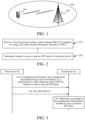
- FIG. 1 is a schematic diagram of an application scenario according to an embodiment of this application.
- a communications system 100 may include a terminal device 110 and a network device 120.
- the network device 120 may communicate with the terminal device 110 through an air interface. Multi-service transmission between the terminal device 110 and the network device 120 is supported.
- the communications system 100 is merely used as an example to describe the embodiments of this application, but the embodiments of this application are not limited thereto. That is, the technical solutions of the embodiments of this application may be applied to various communications systems, for example, a long term evolution (LTE) system, an LTE time division duplex (TDD), a universal mobile telecommunication system (UMTS), and the like.
- LTE long term evolution
- TDD time division duplex
- UMTS universal mobile telecommunication system
- NR new radio
- the network device 120 may refer to any entity on the network side used to send or receive signals.
- the network device 120 may be user equipment of machine type communication (MTC), an evolved Node B (eNB or eNodeB) in LTE, a base station device in a 5G network, and the like.
- MTC machine type communication
- eNB evolved Node B
- eNodeB evolved Node B
- 5G network 5G network
- the terminal device 110 may be any terminal device. Specifically, the terminal device 110 may communicate with one or more core networks by using a radio access network (RAN), and may also be referred to as an access terminal, user equipment (UE), a subscriber unit, a subscriber station, a mobile station, a mobile console, a remote station, a remote terminal, a mobile device, a user terminal, a terminal, a wireless communications device, a user agent, or a user apparatus.
- RAN radio access network
- the terminal device may be a cellular phone, a cordless phone, a session initiation protocol (SIP) phone, a wireless local loop (WLL) station, a personal digital assistant (PDA), a handheld device having a wireless communication function, a computing device, another processing device connected to a wireless modem, an in-vehicle device, a wearable device, or a terminal device in a 5G network.
- SIP session initiation protocol
- WLL wireless local loop
- PDA personal digital assistant
- NR new radio
- SPS semi-persistent scheduling
- the timer cannot be started or stopped or started with dynamic resources scheduled based on a cell radio network temporary identifier (C-RNTI), and is less compatible with the existing system framework.
- C-RNTI cell radio network temporary identifier
- a timer management method is provided, to effectively improve compatibility between the SPS timer and the existing system framework.
- FIG. 2 is a schematic flowchart of a timer management method according to an embodiment of this application.
- the method includes:
- the terminal device descrambles a PDCCH through a C-RNTI or an SPS-RNTI, to obtain scheduling information.
- the terminal device determines a resource location of a physical downlink shared channel (PDSCH) according to the scheduling information, and obtains downlink data at the resource location of the PDSCH.
- PDSCH physical downlink shared channel
- resources obtained after the terminal device descrambles the PDCCH through the C-RNTI to obtain scheduling information are dynamic scheduling resources
- resources obtained after the terminal device descrambles the PDCCH through the SPS-RNTI to obtain scheduling information may be semi-persistent scheduling SPS resources (for example, resources after SPS is activated), or may be dynamic resources (for example, resources used for retransmission).
- the timer when the SPS timer is running, the timer is first stopped and then restarted after the terminal device receives the dynamic resources scheduled based on the semi-persistent RNTI. After the SPS timer receives dynamic resources scheduled based on a cell radio network temporary identifier (C-RNTI), there are no relevant regulations on the SPS timer.
- C-RNTI cell radio network temporary identifier
- the terminal device after receiving the first PDCCH, the terminal device causes the SPS timer to be started or stopped or started with dynamic resources scheduled based on the C-RNTI, thereby effectively improving compatibility between the SPS timer and the existing system framework.
- the following describes an implementation in which the SPS timer is stopped or started after the terminal device receives the first PDCCH.
- the terminal device when meeting a preset condition, determines to stop or start the SPS timer, the preset condition being a criterion for the terminal device to determine whether to stop or start the SPS timer after the terminal device obtains the first PDCCH.
- the following describes an example of an implementation in which the SPS timer is stopped after the terminal device receives the first PDCCH.
- the terminal device determines to stop the SPS timer, the first condition being a criterion for the terminal device to determine whether to stop the SPS timer after the terminal device obtains the first PDCCH.
- the terminal device stops the SPS timer when determining that a hybrid automatic repeat request HARQ process corresponding to the first PDCCH sends uplink data by using resources scheduled by a PDCCH that is scrambled by an SPS RNTI before using resources scheduled by the first PDCCH.
- the terminal device when determining that a hybrid automatic repeat request HARQ process corresponding to the first PDCCH of the terminal device sends uplink data by using SPS resources before using resources scheduled by the first PDCCH, the terminal device stops the SPS timer.
- the terminal device when determining that the SPS timer is running, the terminal device stops the SPS timer.
- the terminal device may send new data to the network device on the SPS resources, or retransmission data to the network device on resources scheduled by a second PDCCH that is scrambled by using an SPS radio network temporary identifier. Therefore, the terminal device starts the SPS timer.
- the following describes an example of an implementation in which the SPS timer is stopped after the terminal device receives the first PDCCH.
- the terminal device determines to start or restart the SPS timer, the second condition being a criterion for the terminal device to determine whether to start the SPS timer after the terminal device obtains the first PDCCH.
- the terminal device when determining that the terminal device is configured with SPS resources, the terminal device starts or restarts the SPS timer.
- the terminal device when determining that the terminal device is configured with SPS resources and the SPS resources are activated, the terminal device starts or restarts the SPS timer.
- the terminal device may receive configuration information sent by the network device, the configuration information being used to determine, by the terminal device, after obtaining the first PDCCH, whether to stop or start the SPS timer.
- the terminal device determines, according to the configuration information, whether to stop or start the SPS timer.
- FIG. 3 is a schematic flowchart of an information transmission method according to an embodiment of this application.
- the method includes:
- the terminal device receives radio resource control RRC signaling sent by the network device, the RRC signaling including the configuration information.
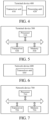
- FIG. 4 is a schematic block diagram of a terminal device 400 according to an embodiment of this application. It should be understood that, the terminal device includes a semi-persistent scheduling SPS timer.
- the terminal device 400 includes:
- the processing unit 420 is specifically configured to: determine to stop the SPS timer when a first condition is met, the first condition being a criterion for the terminal device to determine whether to stop the SPS timer after the terminal device obtains the first PDCCH.
- the processing unit 420 is more specifically configured to: stop, when determining that a hybrid automatic repeat request HARQ process corresponding to the first PDCCH sends uplink data by using resources scheduled by a PDCCH that is scrambled by an SPS RNTI before using resources scheduled by the first PDCCH, the SPS timer.
- the processing unit 420 is more specifically configured to: stop, when determining that a hybrid automatic repeat request HARQ process corresponding to the first PDCCH of the terminal device sends uplink data by using SPS resources before using resources scheduled by the first PDCCH, the SPS timer.
- the processing unit 420 is more specifically configured to: stop, when determining that the SPS timer is running, the SPS timer.
- the processing unit 420 is more specifically configured to: determine to start or restart the SPS timer when a second condition is met, the second condition being a criterion for the terminal device to determine whether to start the SPS timer after the terminal device obtains the first PDCCH.
- the processing unit 420 is more specifically configured to: start or restart the SPS timer when it is determined that the terminal device is configured with SPS resources.
- the processing unit 420 is more specifically configured to: start or restart the SPS timer when it is determined that the terminal device is configured with SPS resources and the SPS resources are activated.
- the transceiver unit 410 is further configured to: receive configuration information sent by a network device before whether to stop or start the SPS timer is determined, the configuration information being used to determine, by the terminal device, after obtaining the first PDCCH, whether to stop or start the SPS timer, where the processing unit 420 is more specifically configured to: determine, according to the configuration information, whether to stop or start the SPS timer.
- the transceiver unit 410 is specifically configured to: receive radio resource control RRC signaling sent by the network device, the RRC signaling including the configuration information.
- the transceiver unit 410 is further configured to: send, before the processing unit 420 determines whether to stop or start the SPS timer, new data to the network device on the SPS resources, or retransmission data to the network device on resources scheduled by a second PDCCH that is scrambled by using an SPS radio network temporary identifier; and the processing unit 420 is further configured to start the SPS timer.
- a terminal device 500 may include a processor 510, a transceiver 520, and a memory 530.
- the memory 530 may be configured to store indication information, and may be further configured to store code, instructions, and the like to be executed by the processor 510.
- Various components of the terminal device 500 are connected to each other by using a bus system.
- the bus system further includes a power bus, a control bus, and a status signal bus.
- the terminal device 500 shown in FIG. 5 can implement various processes implemented by the terminal device in the method embodiment of FIG. 2 . To avoid repetition, details are not described herein again. That is, the method embodiments in the embodiments of this application may be implemented by the processor and the transceiver.
- FIG. 6 is a schematic block diagram of a network device 600 according to an embodiment of this application.
- the network device 600 includes: a transceiver unit 610, configured to send a first physical downlink control channel PDCCH scrambled by using a cell radio network temporary identifier C-RNTI to a terminal device.
- a transceiver unit 610 configured to send a first physical downlink control channel PDCCH scrambled by using a cell radio network temporary identifier C-RNTI to a terminal device.
- the transceiver unit 610 is further configured to: send, before sending the first physical downlink control channel PDCCH scrambled by using the cell radio network temporary identifier C-RNTI to the terminal device, configuration information to the terminal device, the configuration information being used to determine, by the terminal device, after obtaining resources indicated by the first PDCCH, whether to stop or start a semi-persistent scheduling SPS timer of the terminal device.
- the transceiver unit 610 is specifically configured to: send radio resource control RRC signaling to the terminal device, the RRC signaling including the configuration information.
- the transceiver unit 610 is further configured to: receive, before sending the first physical downlink control channel PDCCH scrambled by using the cell radio network temporary identifier C-RNTI to the terminal device, new data sent by the network device, on semi-persistent scheduling SPS resources, or retransmission data sent by the terminal device, on resources scheduled by the first PDCCH that is scrambled by using an SPS radio network temporary identifier.
- the transceiver unit 610 may be implemented by a transceiver.
- a network device 700 may include a processor 710, a transceiver 720, and a memory 730.
- the memory 730 may be configured to store indication information, and may be further configured to store code, instructions, and the like to be executed by the processor 710.
- Various components of the network device 700 are connected to each other by using a bus system.
- the bus system further includes a power bus, a control bus, and a status signal bus.
- the network device 700 shown in FIG. 7 can implement various processes implemented by the network device in the method embodiment of FIG. 2 . To avoid repetition, details are not described herein again. That is, the method embodiments in the embodiments of this application may be implemented by the processor and the transceiver.
- the steps of the method embodiment of the embodiments of this application may be implemented by using a hardware integrated logic circuit in the processor or implemented by using an instruction in a software form. More specifically, steps of the methods disclosed with reference to the embodiments of this application may be directly executed and completed by means of a hardware decoding processor, or may be executed and completed by using a combination of hardware and software modules in the decoding processor.
- the software module may be located in a mature storage medium in the field, such as a random access memory, a flash memory, a read-only memory, a programmable read-only memory, an electrically-erasable programmable memory, or a register.
- the storage medium is located in the memory, and the processor reads information in the memory and completes the steps in the foregoing methods in combination with hardware of the processor.
- the processor in the embodiments of this application may be an integrated circuit chip, has a signal processing capability, and can implement or perform various methods, steps, and logical block diagrams disclosed in the embodiments of this application.
- the foregoing processor may be a general purpose processor, a digital signal processor (DSP), an application-specific integrated circuit (ASIC), a field programmable gate array (FPGA), or another programmable logical device, or transistor logical device, or discrete hardware component.
- the general purpose processor may be a microprocessor or the processor may be any conventional processor and the like.
- the memory mentioned in the embodiments of this application may be a volatile memory or a nonvolatile memory, or may include a volatile memory and a nonvolatile memory.
- the non-volatile memory may be a read-only memory (ROM), a programmable read-only memory (PROM), an erasable programmable read-only memory (EPROM), an electrically erasable programmable read-only memory (EEPROM) or a flash memory.
- the volatile memory may be a random access memory (RAM), and is used as an external cache. It should be understood that, the foregoing memory is described as an example other than a limitation.
- the memory in this embodiment of this application may be further a static random access memory (SRAM), a dynamic random access memory (DRAM), a synchronous dynamic random access memory (SDRAM), a double data rate synchronous dynamic random access memory (DDR SDRAM), an enhanced synchronous dynamic random access memory (ESDRAM), a synchlink dynamic random access memory (SLDRAM), a direct rambus random access memory (DR RAM), or the like.
- SRAM static random access memory
- DRAM dynamic random access memory
- SDRAM synchronous dynamic random access memory
- DDR SDRAM double data rate synchronous dynamic random access memory
- ESDRAM enhanced synchronous dynamic random access memory
- SLDRAM synchlink dynamic random access memory
- DR RAM direct rambus random access memory
- words “when” used herein may be explained as “if” or “on condition that” or “while” or “in response to determining” or “in response to detection”.
- phrases “if determining” or “if detecting (a stated condition or event)” may be explained as “when determining” or “in response to determining” or “when detecting (the stated condition or event)” or “in response to detecting (the stated condition or event)”.
- the disclosed system, apparatus, and method may be implemented in other manners.
- the described apparatus embodiment is merely exemplary.
- the unit division is merely logical function division and may be other division in actual implementation.
- a plurality of units or components may be combined or integrated into another system, or some features may be ignored or not performed.
- the displayed or discussed mutual couplings or direct couplings or communication connections may be implemented through some interfaces.
- the indirect couplings or communication connections between the apparatuses or units may be implemented in electrical, mechanical or other forms.
- the units described as separate parts may or may not be physically separate, and parts displayed as units may or may not be physical units, may be located in one position, or may be distributed on a plurality of network units. Some or all of the units may be selected according to actual needs to achieve the objectives of the embodiments of this application.
- the functional units When the functional units are implemented in a form of a software functional module and sold or used as an independent product, the functional units may be stored in a computer-readable storage medium.
- the computer software product is stored in a storage medium, and includes several instructions for instructing a computer device (which may be a personal computer, a server, a network device, and the like) to perform all or a part of the steps of the method described in the embodiments of this application.
- the foregoing storage medium includes: any medium that can store program codes, such as a USB flash disk, a removable hard disk, a read-only memory, a random access memory, a magnetic disk, or an optical disk.
Landscapes
- Engineering & Computer Science (AREA)
- Signal Processing (AREA)
- Computer Networks & Wireless Communication (AREA)
- Mobile Radio Communication Systems (AREA)
- Computer Security & Cryptography (AREA)
Claims (9)
- Informationsübertragungsverfahren, wobei das Verfahren Folgendes umfasst:Senden (310) eines ersten physikalischen Downlink-Steuerkanals, PDCCH, durch ein Netzwerkgerät an ein Endgerät,Senden (320) von Konfigurationsinformationen durch das Netzwerkgerät an das Endgerät, wenn der erste PDCCH mit Hilfe einer C-RNTI, Cell Radio Network Temporary Identifier, gescrambelt wird, wobei die Konfiguration von dem Endgerät verwendet wird, um zu bestimmen, ob ein Zeitgeber anzuhalten, zu starten oder neu zu starten ist, wobei der Zeitgeber ein SPS-, Semi-Persistant-Scheduling-Zeitgeber ist,wobei die Konfiguration ferner für Folgendes verwendet wird:Bestimmen (330) durch das Endgerät, den Zeitgeber zu starten oder neu zu starten, wenn eine zweite Bedingung erfüllt ist, wobei die zweite Bedingung ein Kriterium für das Endgerät ist, um zu bestimmen, ob der Zeitgeber zu starten ist, undStarten oder Neustarten des Zeitgebers durch das Endgerät, wenn bestimmt wird, dass das Endgerät mit SPS-Ressourcen konfiguriert ist, wobei die konfigurierten SPS-Ressourcen nicht verwendet werden, um eine Übertragung durchzuführen, wenn der SPS-Zeitgeber läuft.
- Verfahren nach Anspruch 1, wobei das Senden von Konfigurationsinformationen durch das Netzwerkgerät an das Endgerät Folgendes umfasst:
Senden von Funkressourcensteuerungs-, RRC-, Signalisierung durch das Netzwerkgerät an das Endgerät, wobei die RRC-Signalisierung die Konfigurationsinformationen umfasst. - Verfahren nach Anspruch 1 oder 2, wobei das Verfahren vor dem Senden eines ersten physikalischen Downlink-Steuerkanals, PDCCH, durch ein Netzwerkgerät an ein Endgerät ferner Folgendes umfasst:
Empfangen neuer Daten, die von dem Netzwerkgerät gesendet werden, an dem Netzwerkgerät auf SPS-, Semi-Persistant-Scheduling-, -Ressourcen oder Neuübertragungsdaten, die durch das Endgerät gesendet werden, auf Ressourcen, die durch den ersten PDCCH geplant werden, der mit Hilfe einer SPS-RNTI, -Radio Network Temporary Identifier, gescrambelt wird. - Verfahren nach Anspruch 1, wobei das Bestimmen, ob ein Zeitgeber anzuhalten, zu starten oder neu zu starten ist, ferner Folgendes umfasst:
Bestimmen durch das Endgerät, den Zeitgeber anzuhalten, wenn eine erste Bedingung erfüllt ist, wobei die erste Bedingung ein Kriterium für das Endgerät ist, um zu bestimmen, ob der Zeitgeber anzuhaltenist. - Verfahren nach Anspruch 4, wobei das Bestimmen durch das Endgerät, den Zeitgeber anzuhalten, wenn eine erste Bedingung erfüllt ist, Folgendes umfasst:
Anhalten des Zeitgebers durch das Endgerät, wenn bestimmt wird, dass ein HARQ-, Hybrid Automatic Repeat reQuest-, Prozess, der dem ersten PDCCH entspricht, Uplink-Daten mit Hilfe von Ressourcen sendet, die durch einen PDCCH geplant werden, der durch eine SPS-RNTI gescrambelt wird, bevor Ressourcen verwendet werden, die durch den ersten PDCCH geplant werden. - Verfahren nach Anspruch 4, wobei das Bestimmen durch das Endgerät, den Zeitgeber anzuhalten, wenn eine erste Bedingung erfüllt ist, Folgendes umfasst:
Anhalten des Zeitgebers durch das Endgerät, wenn bestimmt wird, dass ein HARQ-, Hybrid Automatic Repeat reQuest-, Prozess, der dem ersten PDCCH des Endgeräts entspricht, Uplink-Daten mit Hilfe von SPS-Ressourcen sendet, bevor Ressourcen verwendet werden, die durch den ersten PDCCH geplant werden. - Verfahren nach Anspruch 4, wobei das Bestimmen durch das Endgerät, den Zeitgeber anzuhalten, wenn eine erste Bedingung erfüllt ist, Folgendes umfasst:
Anhalten des Zeitgebers durch das Endgerät, wenn bestimmt wird, dass der Zeitgeber läuft. - Verfahren nach Anspruch 1, wobei das Starten oder Neustarten des Zeitgebers durch das Endgerät, wenn bestimmt wird, dass das Endgerät mit SPS-Ressourcen konfiguriert ist, Folgendes umfasst:
Starten oder Neustarten des Zeitgebers durch das Endgerät, wenn bestimmt wird, dass das Endgerät mit SPS-Ressourcen konfiguriert ist und die SPS-Ressourcen aktiviert sind. - Kommunikationssystem, ein Netzwerkgerät und ein Endgerät umfassend, die dafür konfiguriert sind, das Verfahren nach einem der Ansprüche 1 bis 8 auszuführen.
Priority Applications (1)
| Application Number | Priority Date | Filing Date | Title |
|---|---|---|---|
| EP21209520.2A EP3979535B1 (de) | 2017-12-29 | 2017-12-29 | Verfahren zur verwaltung von zeitgeber- und sendeinformationen, endgerätevorrichtung und netzwerkvorrichtung |
Applications Claiming Priority (3)
| Application Number | Priority Date | Filing Date | Title |
|---|---|---|---|
| EP17935974.0A EP3716513B1 (de) | 2017-12-29 | 2017-12-29 | Verfahren zur verwaltung von zeitgeber- und sendeinformationen und endgerätevorrichtung |
| EP21209520.2A EP3979535B1 (de) | 2017-12-29 | 2017-12-29 | Verfahren zur verwaltung von zeitgeber- und sendeinformationen, endgerätevorrichtung und netzwerkvorrichtung |
| PCT/CN2017/120128 WO2019127465A1 (zh) | 2017-12-29 | 2017-12-29 | 管理定时器、传输信息的方法、终端设备和网络设备 |
Related Parent Applications (2)
| Application Number | Title | Priority Date | Filing Date |
|---|---|---|---|
| EP17935974.0A Division EP3716513B1 (de) | 2017-12-29 | 2017-12-29 | Verfahren zur verwaltung von zeitgeber- und sendeinformationen und endgerätevorrichtung |
| EP17935974.0A Division-Into EP3716513B1 (de) | 2017-12-29 | 2017-12-29 | Verfahren zur verwaltung von zeitgeber- und sendeinformationen und endgerätevorrichtung |
Publications (2)
| Publication Number | Publication Date |
|---|---|
| EP3979535A1 EP3979535A1 (de) | 2022-04-06 |
| EP3979535B1 true EP3979535B1 (de) | 2023-04-26 |
Family
ID=67064462
Family Applications (2)
| Application Number | Title | Priority Date | Filing Date |
|---|---|---|---|
| EP21209520.2A Active EP3979535B1 (de) | 2017-12-29 | 2017-12-29 | Verfahren zur verwaltung von zeitgeber- und sendeinformationen, endgerätevorrichtung und netzwerkvorrichtung |
| EP17935974.0A Active EP3716513B1 (de) | 2017-12-29 | 2017-12-29 | Verfahren zur verwaltung von zeitgeber- und sendeinformationen und endgerätevorrichtung |
Family Applications After (1)
| Application Number | Title | Priority Date | Filing Date |
|---|---|---|---|
| EP17935974.0A Active EP3716513B1 (de) | 2017-12-29 | 2017-12-29 | Verfahren zur verwaltung von zeitgeber- und sendeinformationen und endgerätevorrichtung |
Country Status (8)
| Country | Link |
|---|---|
| US (1) | US10912102B2 (de) |
| EP (2) | EP3979535B1 (de) |
| JP (1) | JP7153075B2 (de) |
| KR (1) | KR102422101B1 (de) |
| CN (2) | CN111641482B (de) |
| AU (1) | AU2017444779B2 (de) |
| TW (1) | TW201931926A (de) |
| WO (1) | WO2019127465A1 (de) |
Families Citing this family (6)
| Publication number | Priority date | Publication date | Assignee | Title |
|---|---|---|---|---|
| WO2021208075A1 (en) * | 2020-04-17 | 2021-10-21 | Qualcomm Incorporated | Transmission of repetitions of a transport block based on uplink configured grants |
| CN114501624B (zh) | 2020-10-23 | 2025-08-26 | 大唐移动通信设备有限公司 | 一种信息传输处理方法、装置及终端 |
| CN117751648A (zh) | 2021-04-06 | 2024-03-22 | 诺基亚技术有限公司 | 用于mbs的可靠sps配置 |
| CN115915497B (zh) * | 2021-09-30 | 2025-09-05 | 大唐移动通信设备有限公司 | 传输处理方法、装置及终端设备 |
| CN118202755A (zh) * | 2021-12-10 | 2024-06-14 | Oppo广东移动通信有限公司 | 重传方式的确定方法及定时器的控制方法、装置 |
| US12348320B2 (en) * | 2021-12-29 | 2025-07-01 | Qualcomm Incorporated | Semi-persistent scheduling timer for reliable transmission |
Family Cites Families (13)
| Publication number | Priority date | Publication date | Assignee | Title |
|---|---|---|---|---|
| CN102625432B (zh) * | 2011-01-28 | 2016-01-27 | 华为技术有限公司 | 一种非连续接收的方法和装置 |
| CN102769926B (zh) * | 2011-05-02 | 2015-05-27 | 上海贝尔股份有限公司 | 蜂窝通信系统中的随机接入方法、用户设备和基站 |
| CN102355334B (zh) * | 2011-07-22 | 2017-06-09 | 中兴通讯股份有限公司 | 一种半静态调度方式下数据的传输方法及用户设备 |
| CN102300331B (zh) * | 2011-08-19 | 2013-11-27 | 电信科学技术研究院 | 数据传输方法和设备 |
| US9635657B2 (en) * | 2012-12-21 | 2017-04-25 | Blackberry Limited | Resource scheduling in direct device to device communications systems |
| HK1215507A1 (zh) * | 2013-04-03 | 2016-08-26 | 美国博通公司 | 在無線網絡中處理下行鏈路半持續調度重傳 |
| US20150049678A1 (en) * | 2013-08-15 | 2015-02-19 | General Dynamics Broadband, Inc. | Apparatus and Methods for Semi-Persistent Scheduling |
| JP2017005708A (ja) * | 2015-06-12 | 2017-01-05 | エイスーステック コンピューター インコーポレーテッドASUSTeK COMPUTER INC. | 無線通信システムで設定されたリソースの使用方法および装置 |
| CN106470399B (zh) * | 2015-08-14 | 2019-08-23 | 普天信息技术有限公司 | 集群组呼业务中半持续调度重激活的方法及系统 |
| WO2017047445A1 (ja) * | 2015-09-18 | 2017-03-23 | シャープ株式会社 | 端末装置、基地局装置、通信方法、および、集積回路 |
| US10383147B2 (en) * | 2015-12-28 | 2019-08-13 | Samsung Electronics Co., Ltd. | Methods and apparatus for resource collision avoidance in vehicle to vehicle communication |
| US10506402B2 (en) * | 2016-03-31 | 2019-12-10 | Samsung Electronics Co., Ltd. | Method and apparatus for transmission of control and data in vehicle to vehicle communication |
| CN111279774B (zh) * | 2017-08-10 | 2023-07-21 | 夏普株式会社 | 用于不具有授权的上行链路传输的过程、基站和用户设备 |
-
2017
- 2017-12-29 EP EP21209520.2A patent/EP3979535B1/de active Active
- 2017-12-29 CN CN202010472827.8A patent/CN111641482B/zh active Active
- 2017-12-29 KR KR1020207020321A patent/KR102422101B1/ko active Active
- 2017-12-29 EP EP17935974.0A patent/EP3716513B1/de active Active
- 2017-12-29 AU AU2017444779A patent/AU2017444779B2/en active Active
- 2017-12-29 WO PCT/CN2017/120128 patent/WO2019127465A1/zh not_active Ceased
- 2017-12-29 JP JP2020535097A patent/JP7153075B2/ja active Active
- 2017-12-29 CN CN201780095815.4A patent/CN111213333B/zh active Active
-
2018
- 2018-12-27 TW TW107147525A patent/TW201931926A/zh unknown
-
2020
- 2020-05-27 US US16/884,707 patent/US10912102B2/en active Active
Also Published As
| Publication number | Publication date |
|---|---|
| AU2017444779A1 (en) | 2020-07-09 |
| CN111641482A (zh) | 2020-09-08 |
| CN111213333B (zh) | 2025-05-27 |
| AU2017444779B2 (en) | 2021-06-10 |
| EP3716513A1 (de) | 2020-09-30 |
| EP3716513A4 (de) | 2020-12-02 |
| KR102422101B1 (ko) | 2022-07-15 |
| JP7153075B2 (ja) | 2022-10-13 |
| JP2021508207A (ja) | 2021-02-25 |
| KR20200099179A (ko) | 2020-08-21 |
| CN111213333A (zh) | 2020-05-29 |
| WO2019127465A1 (zh) | 2019-07-04 |
| US10912102B2 (en) | 2021-02-02 |
| US20200288483A1 (en) | 2020-09-10 |
| TW201931926A (zh) | 2019-08-01 |
| EP3979535A1 (de) | 2022-04-06 |
| CN111641482B (zh) | 2023-08-22 |
| EP3716513B1 (de) | 2021-12-29 |
Similar Documents
| Publication | Publication Date | Title |
|---|---|---|
| US11489648B2 (en) | Timer-based bandwidth part switching method, terminal device, and network device | |
| US10912102B2 (en) | Method and terminal device for managing timer and transmitting information | |
| US11082164B2 (en) | Data transmission method, terminal device, and network device | |
| CN114375606B (zh) | 用于共享非特许频谱上的信道占用时间的方法及设备 | |
| CN113574952B (zh) | 无线通信的方法、终端设备和网络设备 | |
| US11134507B2 (en) | Method and apparatus for processing scheduling request | |
| WO2020087369A1 (zh) | 一种计数方法、终端设备及装置 | |
| EP4333489A1 (de) | Sdt-fehlermeldeverfahren, endgerätevorrichtung und netzwerkvorrichtung | |
| WO2018126364A1 (zh) | 通信方法、终端设备和网络设备 | |
| CN113728706A (zh) | 无线通信方法、终端设备和网络设备 | |
| WO2017166319A1 (zh) | 上行数据传输的方法和设备 | |
| WO2019191954A1 (zh) | 传输信息的方法和终端设备 | |
| WO2019134089A1 (zh) | 波束失败恢复的配置方法、装置及通信系统 | |
| WO2019095113A1 (zh) | 数据重传的方法、终端设备和网络设备 | |
| JP7605963B2 (ja) | データ送信のための方法および装置 | |
| CN116803159A (zh) | Cg资源维护方法、终端设备和网络设备 | |
| CN109644090B (zh) | 重传数据的方法、终端设备和网络设备 | |
| WO2020169049A1 (zh) | 数据传输方法和终端设备 | |
| CN112806087B (zh) | 一种随机接入方法、电子设备及存储介质 | |
| CN109548166B (zh) | 无线通信的方法和终端设备 | |
| WO2026036412A1 (zh) | 一种无线通信方法及设备、存储介质 |
Legal Events
| Date | Code | Title | Description |
|---|---|---|---|
| PUAI | Public reference made under article 153(3) epc to a published international application that has entered the european phase |
Free format text: ORIGINAL CODE: 0009012 |
|
| STAA | Information on the status of an ep patent application or granted ep patent |
Free format text: STATUS: THE APPLICATION HAS BEEN PUBLISHED |
|
| AC | Divisional application: reference to earlier application |
Ref document number: 3716513 Country of ref document: EP Kind code of ref document: P |
|
| AK | Designated contracting states |
Kind code of ref document: A1 Designated state(s): AL AT BE BG CH CY CZ DE DK EE ES FI FR GB GR HR HU IE IS IT LI LT LU LV MC MK MT NL NO PL PT RO RS SE SI SK SM TR |
|
| STAA | Information on the status of an ep patent application or granted ep patent |
Free format text: STATUS: REQUEST FOR EXAMINATION WAS MADE |
|
| 17P | Request for examination filed |
Effective date: 20221005 |
|
| RBV | Designated contracting states (corrected) |
Designated state(s): AL AT BE BG CH CY CZ DE DK EE ES FI FR GB GR HR HU IE IS IT LI LT LU LV MC MK MT NL NO PL PT RO RS SE SI SK SM TR |
|
| GRAP | Despatch of communication of intention to grant a patent |
Free format text: ORIGINAL CODE: EPIDOSNIGR1 |
|
| STAA | Information on the status of an ep patent application or granted ep patent |
Free format text: STATUS: GRANT OF PATENT IS INTENDED |
|
| INTG | Intention to grant announced |
Effective date: 20221221 |
|
| GRAS | Grant fee paid |
Free format text: ORIGINAL CODE: EPIDOSNIGR3 |
|
| GRAA | (expected) grant |
Free format text: ORIGINAL CODE: 0009210 |
|
| STAA | Information on the status of an ep patent application or granted ep patent |
Free format text: STATUS: THE PATENT HAS BEEN GRANTED |
|
| AC | Divisional application: reference to earlier application |
Ref document number: 3716513 Country of ref document: EP Kind code of ref document: P |
|
| AK | Designated contracting states |
Kind code of ref document: B1 Designated state(s): AL AT BE BG CH CY CZ DE DK EE ES FI FR GB GR HR HU IE IS IT LI LT LU LV MC MK MT NL NO PL PT RO RS SE SI SK SM TR |
|
| REG | Reference to a national code |
Ref country code: GB Ref legal event code: FG4D |
|
| REG | Reference to a national code |
Ref country code: CH Ref legal event code: EP |
|
| REG | Reference to a national code |
Ref country code: DE Ref legal event code: R096 Ref document number: 602017068218 Country of ref document: DE |
|
| REG | Reference to a national code |
Ref country code: AT Ref legal event code: REF Ref document number: 1563601 Country of ref document: AT Kind code of ref document: T Effective date: 20230515 |
|
| REG | Reference to a national code |
Ref country code: IE Ref legal event code: FG4D |
|
| P01 | Opt-out of the competence of the unified patent court (upc) registered |
Effective date: 20230525 |
|
| REG | Reference to a national code |
Ref country code: LT Ref legal event code: MG9D |
|
| REG | Reference to a national code |
Ref country code: NL Ref legal event code: MP Effective date: 20230426 |
|
| REG | Reference to a national code |
Ref country code: AT Ref legal event code: MK05 Ref document number: 1563601 Country of ref document: AT Kind code of ref document: T Effective date: 20230426 |
|
| PG25 | Lapsed in a contracting state [announced via postgrant information from national office to epo] |
Ref country code: NL Free format text: LAPSE BECAUSE OF FAILURE TO SUBMIT A TRANSLATION OF THE DESCRIPTION OR TO PAY THE FEE WITHIN THE PRESCRIBED TIME-LIMIT Effective date: 20230426 |
|
| PG25 | Lapsed in a contracting state [announced via postgrant information from national office to epo] |
Ref country code: SE Free format text: LAPSE BECAUSE OF FAILURE TO SUBMIT A TRANSLATION OF THE DESCRIPTION OR TO PAY THE FEE WITHIN THE PRESCRIBED TIME-LIMIT Effective date: 20230426 Ref country code: PT Free format text: LAPSE BECAUSE OF FAILURE TO SUBMIT A TRANSLATION OF THE DESCRIPTION OR TO PAY THE FEE WITHIN THE PRESCRIBED TIME-LIMIT Effective date: 20230828 Ref country code: NO Free format text: LAPSE BECAUSE OF FAILURE TO SUBMIT A TRANSLATION OF THE DESCRIPTION OR TO PAY THE FEE WITHIN THE PRESCRIBED TIME-LIMIT Effective date: 20230726 Ref country code: ES Free format text: LAPSE BECAUSE OF FAILURE TO SUBMIT A TRANSLATION OF THE DESCRIPTION OR TO PAY THE FEE WITHIN THE PRESCRIBED TIME-LIMIT Effective date: 20230426 Ref country code: AT Free format text: LAPSE BECAUSE OF FAILURE TO SUBMIT A TRANSLATION OF THE DESCRIPTION OR TO PAY THE FEE WITHIN THE PRESCRIBED TIME-LIMIT Effective date: 20230426 |
|
| PG25 | Lapsed in a contracting state [announced via postgrant information from national office to epo] |
Ref country code: RS Free format text: LAPSE BECAUSE OF FAILURE TO SUBMIT A TRANSLATION OF THE DESCRIPTION OR TO PAY THE FEE WITHIN THE PRESCRIBED TIME-LIMIT Effective date: 20230426 Ref country code: PL Free format text: LAPSE BECAUSE OF FAILURE TO SUBMIT A TRANSLATION OF THE DESCRIPTION OR TO PAY THE FEE WITHIN THE PRESCRIBED TIME-LIMIT Effective date: 20230426 Ref country code: LV Free format text: LAPSE BECAUSE OF FAILURE TO SUBMIT A TRANSLATION OF THE DESCRIPTION OR TO PAY THE FEE WITHIN THE PRESCRIBED TIME-LIMIT Effective date: 20230426 Ref country code: LT Free format text: LAPSE BECAUSE OF FAILURE TO SUBMIT A TRANSLATION OF THE DESCRIPTION OR TO PAY THE FEE WITHIN THE PRESCRIBED TIME-LIMIT Effective date: 20230426 Ref country code: IS Free format text: LAPSE BECAUSE OF FAILURE TO SUBMIT A TRANSLATION OF THE DESCRIPTION OR TO PAY THE FEE WITHIN THE PRESCRIBED TIME-LIMIT Effective date: 20230826 Ref country code: HR Free format text: LAPSE BECAUSE OF FAILURE TO SUBMIT A TRANSLATION OF THE DESCRIPTION OR TO PAY THE FEE WITHIN THE PRESCRIBED TIME-LIMIT Effective date: 20230426 Ref country code: GR Free format text: LAPSE BECAUSE OF FAILURE TO SUBMIT A TRANSLATION OF THE DESCRIPTION OR TO PAY THE FEE WITHIN THE PRESCRIBED TIME-LIMIT Effective date: 20230727 |
|
| PG25 | Lapsed in a contracting state [announced via postgrant information from national office to epo] |
Ref country code: FI Free format text: LAPSE BECAUSE OF FAILURE TO SUBMIT A TRANSLATION OF THE DESCRIPTION OR TO PAY THE FEE WITHIN THE PRESCRIBED TIME-LIMIT Effective date: 20230426 |
|
| PG25 | Lapsed in a contracting state [announced via postgrant information from national office to epo] |
Ref country code: SK Free format text: LAPSE BECAUSE OF FAILURE TO SUBMIT A TRANSLATION OF THE DESCRIPTION OR TO PAY THE FEE WITHIN THE PRESCRIBED TIME-LIMIT Effective date: 20230426 |
|
| REG | Reference to a national code |
Ref country code: DE Ref legal event code: R097 Ref document number: 602017068218 Country of ref document: DE |
|
| PG25 | Lapsed in a contracting state [announced via postgrant information from national office to epo] |
Ref country code: SM Free format text: LAPSE BECAUSE OF FAILURE TO SUBMIT A TRANSLATION OF THE DESCRIPTION OR TO PAY THE FEE WITHIN THE PRESCRIBED TIME-LIMIT Effective date: 20230426 Ref country code: SK Free format text: LAPSE BECAUSE OF FAILURE TO SUBMIT A TRANSLATION OF THE DESCRIPTION OR TO PAY THE FEE WITHIN THE PRESCRIBED TIME-LIMIT Effective date: 20230426 Ref country code: RO Free format text: LAPSE BECAUSE OF FAILURE TO SUBMIT A TRANSLATION OF THE DESCRIPTION OR TO PAY THE FEE WITHIN THE PRESCRIBED TIME-LIMIT Effective date: 20230426 Ref country code: EE Free format text: LAPSE BECAUSE OF FAILURE TO SUBMIT A TRANSLATION OF THE DESCRIPTION OR TO PAY THE FEE WITHIN THE PRESCRIBED TIME-LIMIT Effective date: 20230426 Ref country code: DK Free format text: LAPSE BECAUSE OF FAILURE TO SUBMIT A TRANSLATION OF THE DESCRIPTION OR TO PAY THE FEE WITHIN THE PRESCRIBED TIME-LIMIT Effective date: 20230426 Ref country code: CZ Free format text: LAPSE BECAUSE OF FAILURE TO SUBMIT A TRANSLATION OF THE DESCRIPTION OR TO PAY THE FEE WITHIN THE PRESCRIBED TIME-LIMIT Effective date: 20230426 |
|
| PLBE | No opposition filed within time limit |
Free format text: ORIGINAL CODE: 0009261 |
|
| STAA | Information on the status of an ep patent application or granted ep patent |
Free format text: STATUS: NO OPPOSITION FILED WITHIN TIME LIMIT |
|
| 26N | No opposition filed |
Effective date: 20240129 |
|
| PG25 | Lapsed in a contracting state [announced via postgrant information from national office to epo] |
Ref country code: SI Free format text: LAPSE BECAUSE OF FAILURE TO SUBMIT A TRANSLATION OF THE DESCRIPTION OR TO PAY THE FEE WITHIN THE PRESCRIBED TIME-LIMIT Effective date: 20230426 |
|
| PG25 | Lapsed in a contracting state [announced via postgrant information from national office to epo] |
Ref country code: SI Free format text: LAPSE BECAUSE OF FAILURE TO SUBMIT A TRANSLATION OF THE DESCRIPTION OR TO PAY THE FEE WITHIN THE PRESCRIBED TIME-LIMIT Effective date: 20230426 Ref country code: IT Free format text: LAPSE BECAUSE OF FAILURE TO SUBMIT A TRANSLATION OF THE DESCRIPTION OR TO PAY THE FEE WITHIN THE PRESCRIBED TIME-LIMIT Effective date: 20230426 |
|
| REG | Reference to a national code |
Ref country code: CH Ref legal event code: PL |
|
| PG25 | Lapsed in a contracting state [announced via postgrant information from national office to epo] |
Ref country code: LU Free format text: LAPSE BECAUSE OF NON-PAYMENT OF DUE FEES Effective date: 20231229 |
|
| PG25 | Lapsed in a contracting state [announced via postgrant information from national office to epo] |
Ref country code: MC Free format text: LAPSE BECAUSE OF FAILURE TO SUBMIT A TRANSLATION OF THE DESCRIPTION OR TO PAY THE FEE WITHIN THE PRESCRIBED TIME-LIMIT Effective date: 20230426 |
|
| REG | Reference to a national code |
Ref country code: BE Ref legal event code: MM Effective date: 20231231 |
|
| PG25 | Lapsed in a contracting state [announced via postgrant information from national office to epo] |
Ref country code: MC Free format text: LAPSE BECAUSE OF FAILURE TO SUBMIT A TRANSLATION OF THE DESCRIPTION OR TO PAY THE FEE WITHIN THE PRESCRIBED TIME-LIMIT Effective date: 20230426 Ref country code: LU Free format text: LAPSE BECAUSE OF NON-PAYMENT OF DUE FEES Effective date: 20231229 |
|
| REG | Reference to a national code |
Ref country code: IE Ref legal event code: MM4A |
|
| PG25 | Lapsed in a contracting state [announced via postgrant information from national office to epo] |
Ref country code: IE Free format text: LAPSE BECAUSE OF NON-PAYMENT OF DUE FEES Effective date: 20231229 |
|
| PG25 | Lapsed in a contracting state [announced via postgrant information from national office to epo] |
Ref country code: BE Free format text: LAPSE BECAUSE OF NON-PAYMENT OF DUE FEES Effective date: 20231231 |
|
| PG25 | Lapsed in a contracting state [announced via postgrant information from national office to epo] |
Ref country code: CH Free format text: LAPSE BECAUSE OF NON-PAYMENT OF DUE FEES Effective date: 20231231 |
|
| PG25 | Lapsed in a contracting state [announced via postgrant information from national office to epo] |
Ref country code: IE Free format text: LAPSE BECAUSE OF NON-PAYMENT OF DUE FEES Effective date: 20231229 Ref country code: CH Free format text: LAPSE BECAUSE OF NON-PAYMENT OF DUE FEES Effective date: 20231231 Ref country code: BE Free format text: LAPSE BECAUSE OF NON-PAYMENT OF DUE FEES Effective date: 20231231 |
|
| PG25 | Lapsed in a contracting state [announced via postgrant information from national office to epo] |
Ref country code: BG Free format text: LAPSE BECAUSE OF FAILURE TO SUBMIT A TRANSLATION OF THE DESCRIPTION OR TO PAY THE FEE WITHIN THE PRESCRIBED TIME-LIMIT Effective date: 20230426 |
|
| PG25 | Lapsed in a contracting state [announced via postgrant information from national office to epo] |
Ref country code: BG Free format text: LAPSE BECAUSE OF FAILURE TO SUBMIT A TRANSLATION OF THE DESCRIPTION OR TO PAY THE FEE WITHIN THE PRESCRIBED TIME-LIMIT Effective date: 20230426 |
|
| PG25 | Lapsed in a contracting state [announced via postgrant information from national office to epo] |
Ref country code: CY Free format text: LAPSE BECAUSE OF FAILURE TO SUBMIT A TRANSLATION OF THE DESCRIPTION OR TO PAY THE FEE WITHIN THE PRESCRIBED TIME-LIMIT; INVALID AB INITIO Effective date: 20171229 |
|
| PG25 | Lapsed in a contracting state [announced via postgrant information from national office to epo] |
Ref country code: HU Free format text: LAPSE BECAUSE OF FAILURE TO SUBMIT A TRANSLATION OF THE DESCRIPTION OR TO PAY THE FEE WITHIN THE PRESCRIBED TIME-LIMIT; INVALID AB INITIO Effective date: 20171229 |
|
| PG25 | Lapsed in a contracting state [announced via postgrant information from national office to epo] |
Ref country code: TR Free format text: LAPSE BECAUSE OF FAILURE TO SUBMIT A TRANSLATION OF THE DESCRIPTION OR TO PAY THE FEE WITHIN THE PRESCRIBED TIME-LIMIT Effective date: 20230426 |
|
| PGFP | Annual fee paid to national office [announced via postgrant information from national office to epo] |
Ref country code: DE Payment date: 20251212 Year of fee payment: 9 |
|
| PGFP | Annual fee paid to national office [announced via postgrant information from national office to epo] |
Ref country code: GB Payment date: 20251211 Year of fee payment: 9 |
|
| PGFP | Annual fee paid to national office [announced via postgrant information from national office to epo] |
Ref country code: FR Payment date: 20251212 Year of fee payment: 9 |