EP3940980B1 - Rekonfigurieren von übertragungsressourcen - Google Patents
Rekonfigurieren von übertragungsressourcen Download PDFInfo
- Publication number
- EP3940980B1 EP3940980B1 EP21185022.7A EP21185022A EP3940980B1 EP 3940980 B1 EP3940980 B1 EP 3940980B1 EP 21185022 A EP21185022 A EP 21185022A EP 3940980 B1 EP3940980 B1 EP 3940980B1
- Authority
- EP
- European Patent Office
- Prior art keywords
- transmission
- resource
- sidelink
- given number
- sidelink transmissions
- Prior art date
- Legal status (The legal status is an assumption and is not a legal conclusion. Google has not performed a legal analysis and makes no representation as to the accuracy of the status listed.)
- Active
Links
Images


Classifications
-
- H—ELECTRICITY
- H04—ELECTRIC COMMUNICATION TECHNIQUE
- H04W—WIRELESS COMMUNICATION NETWORKS
- H04W72/00—Local resource management
- H04W72/50—Allocation or scheduling criteria for wireless resources
- H04W72/54—Allocation or scheduling criteria for wireless resources based on quality criteria
- H04W72/542—Allocation or scheduling criteria for wireless resources based on quality criteria using measured or perceived quality
-
- H—ELECTRICITY
- H04—ELECTRIC COMMUNICATION TECHNIQUE
- H04L—TRANSMISSION OF DIGITAL INFORMATION, e.g. TELEGRAPHIC COMMUNICATION
- H04L1/00—Arrangements for detecting or preventing errors in the information received
- H04L1/12—Arrangements for detecting or preventing errors in the information received by using return channel
- H04L1/16—Arrangements for detecting or preventing errors in the information received by using return channel in which the return channel carries supervisory signals, e.g. repetition request signals
- H04L1/18—Automatic repetition systems, e.g. Van Duuren systems
- H04L1/1867—Arrangements specially adapted for the transmitter end
- H04L1/188—Time-out mechanisms
-
- H—ELECTRICITY
- H04—ELECTRIC COMMUNICATION TECHNIQUE
- H04W—WIRELESS COMMUNICATION NETWORKS
- H04W72/00—Local resource management
- H04W72/12—Wireless traffic scheduling
- H04W72/1263—Mapping of traffic onto schedule, e.g. scheduled allocation or multiplexing of flows
-
- H—ELECTRICITY
- H04—ELECTRIC COMMUNICATION TECHNIQUE
- H04L—TRANSMISSION OF DIGITAL INFORMATION, e.g. TELEGRAPHIC COMMUNICATION
- H04L1/00—Arrangements for detecting or preventing errors in the information received
- H04L1/0001—Systems modifying transmission characteristics according to link quality, e.g. power backoff
- H04L1/0023—Systems modifying transmission characteristics according to link quality, e.g. power backoff characterised by the signalling
- H04L1/0026—Transmission of channel quality indication
-
- H—ELECTRICITY
- H04—ELECTRIC COMMUNICATION TECHNIQUE
- H04L—TRANSMISSION OF DIGITAL INFORMATION, e.g. TELEGRAPHIC COMMUNICATION
- H04L1/00—Arrangements for detecting or preventing errors in the information received
- H04L1/12—Arrangements for detecting or preventing errors in the information received by using return channel
- H04L1/16—Arrangements for detecting or preventing errors in the information received by using return channel in which the return channel carries supervisory signals, e.g. repetition request signals
- H04L1/1607—Details of the supervisory signal
- H04L1/1628—List acknowledgements, i.e. the acknowledgement message consisting of a list of identifiers, e.g. of sequence numbers
-
- H—ELECTRICITY
- H04—ELECTRIC COMMUNICATION TECHNIQUE
- H04L—TRANSMISSION OF DIGITAL INFORMATION, e.g. TELEGRAPHIC COMMUNICATION
- H04L5/00—Arrangements affording multiple use of the transmission path
- H04L5/003—Arrangements for allocating sub-channels of the transmission path
- H04L5/0053—Allocation of signalling, i.e. of overhead other than pilot signals
- H04L5/0057—Physical resource allocation for CQI
-
- H—ELECTRICITY
- H04—ELECTRIC COMMUNICATION TECHNIQUE
- H04L—TRANSMISSION OF DIGITAL INFORMATION, e.g. TELEGRAPHIC COMMUNICATION
- H04L5/00—Arrangements affording multiple use of the transmission path
- H04L5/0091—Signalling for the administration of the divided path, e.g. signalling of configuration information
- H04L5/0094—Indication of how sub-channels of the path are allocated
-
- H—ELECTRICITY
- H04—ELECTRIC COMMUNICATION TECHNIQUE
- H04W—WIRELESS COMMUNICATION NETWORKS
- H04W28/00—Network traffic management; Network resource management
- H04W28/02—Traffic management, e.g. flow control or congestion control
- H04W28/0231—Traffic management, e.g. flow control or congestion control based on communication conditions
- H04W28/0236—Traffic management, e.g. flow control or congestion control based on communication conditions radio quality, e.g. interference, losses or delay
-
- H—ELECTRICITY
- H04—ELECTRIC COMMUNICATION TECHNIQUE
- H04W—WIRELESS COMMUNICATION NETWORKS
- H04W28/00—Network traffic management; Network resource management
- H04W28/02—Traffic management, e.g. flow control or congestion control
- H04W28/0268—Traffic management, e.g. flow control or congestion control using specific QoS parameters for wireless networks, e.g. QoS class identifier [QCI] or guaranteed bit rate [GBR]
-
- H—ELECTRICITY
- H04—ELECTRIC COMMUNICATION TECHNIQUE
- H04W—WIRELESS COMMUNICATION NETWORKS
- H04W28/00—Network traffic management; Network resource management
- H04W28/02—Traffic management, e.g. flow control or congestion control
- H04W28/04—Error control
-
- H—ELECTRICITY
- H04—ELECTRIC COMMUNICATION TECHNIQUE
- H04W—WIRELESS COMMUNICATION NETWORKS
- H04W28/00—Network traffic management; Network resource management
- H04W28/16—Central resource management; Negotiation of resources or communication parameters, e.g. negotiating bandwidth or QoS [Quality of Service]
- H04W28/26—Resource reservation
-
- H—ELECTRICITY
- H04—ELECTRIC COMMUNICATION TECHNIQUE
- H04W—WIRELESS COMMUNICATION NETWORKS
- H04W4/00—Services specially adapted for wireless communication networks; Facilities therefor
- H04W4/30—Services specially adapted for particular environments, situations or purposes
- H04W4/40—Services specially adapted for particular environments, situations or purposes for vehicles, e.g. vehicle-to-pedestrians [V2P]
-
- H—ELECTRICITY
- H04—ELECTRIC COMMUNICATION TECHNIQUE
- H04W—WIRELESS COMMUNICATION NETWORKS
- H04W40/00—Communication routing or communication path finding
- H04W40/02—Communication route or path selection, e.g. power-based or shortest path routing
- H04W40/22—Communication route or path selection, e.g. power-based or shortest path routing using selective relaying for reaching a BTS [Base Transceiver Station] or an access point
-
- H—ELECTRICITY
- H04—ELECTRIC COMMUNICATION TECHNIQUE
- H04W—WIRELESS COMMUNICATION NETWORKS
- H04W72/00—Local resource management
- H04W72/20—Control channels or signalling for resource management
-
- H—ELECTRICITY
- H04—ELECTRIC COMMUNICATION TECHNIQUE
- H04W—WIRELESS COMMUNICATION NETWORKS
- H04W92/00—Interfaces specially adapted for wireless communication networks
- H04W92/16—Interfaces between hierarchically similar devices
- H04W92/18—Interfaces between hierarchically similar devices between terminal devices
Definitions
- the exemplary and non-limiting embodiments of the invention relate generally to wireless communication systems. Embodiments of the invention relate especially to apparatuses and methods in wireless communication networks.
- Wireless communication systems are under constant development. Wireless communication amongst vehicles has been under study during recent years. It has been estimated that development of Intelligent transportation systems, ITS, will improve road safety and traffic efficiency. Communication between vehicles and between infrastructure is a vital part of ITS. Vehicle-to-vehicle communication, V2V, and vehicle-to-infrastructure communication, V2I, will enable communication related to various use cases, such as broadcasting situation awareness messages for assisted driving, sending emergency alerts (braking and vulnerable road user detection, for example) to increase safety, executing cooperative manoeuvres such as lane merging or platooning and more.
- V2V Vehicle-to-vehicle communication
- V2I vehicle-to-infrastructure communication
- C-V2X Cellular Vehicle to Everything
- 5G New Radio, NR
- Direct Vehicle to Vehicle communication without a link via a Radio Access Network, RAN, node is denoted as sidelink.
- VIVO "Remaining issues on mode 2 resource allocation mechanism", R1-2001661, discloses a method for triggering resource reselection for a given transport block as known in the art.
- the resource reselection may be based on one or more DTX/NACK status received from an RX UE.
- WO 2019/096145 A1 discloses a method for avoiding consecutive failures of data packet transmission as known in the art.
- a ratio of survival time to cycle time may be calculated and a transmission parameter adjusted based thereon.
- a communications system typically comprises more than one (e/g)NodeB in which case the (e/g)NodeBs may also be configured to communicate with one another over links, wired or wireless, designed for the purpose. These links may be used for signalling purposes.
- the (e/g)NodeB is a computing device configured to control the radio resources of communication system it is coupled to.
- the NodeB may also be referred to as a base station, an access point or any other type of interfacing device including a relay station capable of operating in a wireless environment.
- the (e/g)NodeB includes or is coupled to transceivers. From the transceivers of the (e/g)NodeB, a connection is provided to an antenna unit that establishes bi-directional radio links to devices.
- the antenna unit may comprise a plurality of antennas or antenna elements.
- the (e/g)NodeB is further connected to the core network 106 (CN or next generation core NGC).
- the device also called a subscriber unit, user device, user equipment (UE), user terminal, terminal device, etc.
- UE user equipment
- terminal device etc.
- a relay node An example of such a relay node is a layer 3 relay (self-backhauling relay) towards the base station.
- the device typically refers to a device (e.g. a portable or non-portable computing device) that includes wireless mobile communication devices operating with or without an universal subscriber identification module (USIM), including, but not limited to, the following types of devices: a mobile station (mobile phone), smartphone, personal digital assistant (PDA), handset, device using a wireless modem (alarm or measurement device, etc.), laptop and/or touch screen computer, tablet, game console, notebook, and multimedia device.
- a device may also be a nearly exclusive uplink only device, of which an example is a camera or video camera loading images or video clips to a network.
- a device may also be a device having capability to operate in Internet of Things (IoT) network which is a scenario in which objects are provided with the ability to transfer data over a network without requiring human-to-human or human-to-computer interaction, e.g. to be used in smart power grids and connected vehicles.
- IoT Internet of Things
- the device may also utilise cloud.
- a device may comprise a user portable device with radio parts (such as a watch, earphones or eyeglasses) and the computation is carried out in the cloud.
- the device (or in some embodiments a layer 3 relay node) is configured to perform one or more of user equipment functionalities.
- CPS cyber-physical system
- ICT interconnected information and communications technology
- devices sensors, actuators, processors microcontrollers, etc.
- mobile cyber physical systems in which the physical system in question has inherent mobility, are a subcategory of cyber-physical systems. Examples of mobile physical systems include mobile robotics and electronics transported by humans or animals.
- apparatuses have been depicted as single entities, different units, processors and/or memory units (not all shown in Fig. 1 ) may be implemented.
- 5G enables using multiple input - multiple output (MIMO) antennas, many more base stations or nodes than the Long Term Evolution, LTE (a so-called small cell concept), including macro sites operating in co-operation with smaller stations and employing a variety of radio technologies depending on service needs, use cases and/or spectrum available.
- MIMO multiple input - multiple output
- 5G mobile communications supports a wide range of use cases and related applications including video streaming, augmented reality, different ways of data sharing and various forms of machine type applications (such as (massive) machine-type communications (mMTC), including vehicular safety, different sensors and real-time control.
- 5G is expected to have multiple radio interfaces, e.g.
- 5G is planned to support both inter-RAT operability (such as LTE-5G) and inter-RI operability (inter-radio interface operability, such as below 6GHz - cmWave, 6 or above 24 GHz - cmWave and mmWave).
- inter-RAT operability such as LTE-5G
- inter-RI operability inter-radio interface operability, such as below 6GHz - cmWave, 6 or above 24 GHz - cmWave and mmWave.
- network slicing in which multiple independent and dedicated virtual sub-networks (network instances) may be created within the same infrastructure to run services that have different requirements on latency, reliability, throughput and mobility.
- the current architecture in LTE networks is fully distributed in the radio and fully centralized in the core network.
- the low latency applications and services in 5G require to bring the content close to the radio which leads to local break out and multi-access edge computing (MEC).
- MEC multi-access edge computing
- 5G enables analytics and knowledge generation to occur at the source of the data. This approach requires leveraging resources that may not be continuously connected to a network such as laptops, smartphones, tablets and sensors.
- MEC provides a distributed computing environment for application and service hosting. It also has the ability to store and process content in close proximity to cellular subscribers for faster response time.
- Edge computing covers a wide range of technologies such as wireless sensor networks, mobile data acquisition, mobile signature analysis, cooperative distributed peer-to-peer ad hoc networking and processing also classifiable as local cloud/fog computing and grid/mesh computing, dew computing, mobile edge computing, cloudlet, distributed data storage and retrieval, autonomic self-healing networks, remote cloud services, augmented and virtual reality, data caching, Internet of Things (massive connectivity and/or latency critical), critical communications (autonomous vehicles, traffic safety, real-time analytics, time-critical control, healthcare applications).
- the communication system is also able to communicate with other networks 112, such as a public switched telephone network, or a VoIP network, or the Internet, or a private network, or utilize services provided by them.
- the communication network may also be able to support the usage of cloud services, for example at least part of core network operations may be carried out as a cloud service (this is depicted in Fig. 1 by "cloud" 114).
- the communication system may also comprise a central control entity, or a like, providing facilities for networks of different operators to cooperate for example in spectrum sharing.
- Edge cloud may be brought into a radio access network (RAN) by utilizing network function virtualization (NFV) and software defined networking (SDN).
- RAN radio access network
- NFV network function virtualization
- SDN software defined networking
- Using the technology of edge cloud may mean access node operations to be carried out, at least partly, in a server, host or node operationally coupled to a remote radio head or base station comprising radio parts. It is also possible that node operations will be distributed among a plurality of servers, nodes or hosts.
- Application of cloudRAN architecture enables RAN real time functions being carried out at or close to a remote antenna site (in a distributed unit, DU 108) and non-real time functions being carried out in a centralized manner (in a centralized unit, CU 110).
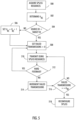
- the flowchart of Fig. 3 illustrates an embodiment.
- the flowchart illustrates an example of the operation of an apparatus.
- the apparatus may be a terminal device, a part of a terminal device or any other apparatus capable of executing following steps.
- the apparatus is transmitting via periodical resources, e.g. by utilising SPS/CG sidelink communication.
- the resource reconfiguration may be performed by the apparatus autonomously, e.g. if the apparatus applies NR SL mode 2.
- the apparatus may send a message to the resource allocation entity and obtains a resource reconfiguration from that entity accordingly.
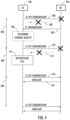
- the second apparatus 102 may transmit a transmission 404 to the apparatus 100.
- the transmission may be an acknowledgement/non-acknowledgement to a retransmission and/or other sidelink control/data information transmission and it uses a resource out of the collided SPS/CG resource used by the apparatus 100.
- the apparatus 100 is configured to transmit to the second apparatus 102 with a given SPS/CG periodicity 408. Thus, the apparatus 100 transmits a second transmission 410 over the next periodic resource and does not receive HARQ feedback 412 on this transmission.
- the given number of consecutive transmissions is a system-configured parameter.
- the number of needed consecutive failed detections of HARQ feedback to trigger an SPS/CG reconfiguration/reselection may be denoted as reconfiguration threshold ⁇ RC .
- ⁇ is a system parameter.
- it may be configured by a protocol layer (such as PHY, MAC, RRC or V2X/application layer).
- the protocol layer may dynamically configure the value of ⁇ based on quality of service (QoS) requirements of the services utilising sidelink communication, and/or sidelink radio condition, e.g. measured channel busy ratio (CBR).
- QoS quality of service
- CBR channel busy ratio
- the value of ⁇ may not exceed 1, as it will lead to the problem that the peer UE may not successfully receive the data packets in a duration of survival time.
- the first apparatus 100 when the first apparatus 100 determines missing HARQ feedback(s), it may be configured to query the second apparatus for the reason for missing feedback(s).
- the query may indicate the periodic transmission resources where the first apparatus 100 transmitted to the second apparatus but did not receive HARQ feedback.
- the second apparatus may perform resource reconfiguration if it detects resource collision.
- the second apparatus may send back a response message to indicate the reason for the first apparatus 100 for missing feedback(s). Accordingly, the first apparatus 100 may reconfigure its periodic resources.
- step 500 the apparatus 100 acquires SPC/CG resources for transmission.
- the apparatus checks if the ID of the apparatus is smaller than the ID of the second apparatus.
- the ID may be a radio layer and/or application layer ID.
- the apparatus is configured to increase in step 506 the value of the reconfiguration threshold ⁇ RC .
- step 510 the apparatus transmits using the acquired SPC/CG resources.
- step 512 the apparatus checks whether HARQ feedback is obtained from the second apparatus 102. If yes, the procedure continues from step 508.
- the apparatus increments the number of failed transmissions in step 514.
- step 510 the procedure continues in step 510 by transmitting using the acquired SPC/CG resources.
- the apparatus is configured to reconfigure SPS/CG resources in step 518.
- Fig. 6 is a flowchart illustrating an embodiment of the operation of the apparatus 100.
- the type of reconfiguration may depend on the survival time and/ or the resource reservation interval RRI.
- step 600 the apparatus 100 has determined that the number of consecutive transmissions with missing HARQ feedback has reached the reconfiguration threshold ⁇ RC .
- step 602 the apparatus 100 reconfigures SPS/CG resources.
- the reconfigured SPS/CG resources may be used to carry out the future sidelink transmissions. It is noted, if there is/are still collision(s) after the resource reconfiguration 602 at the apparatus 100, the number of missing HARQ feedbacks will increase.
- the apparatus 100 uses the reconfigured resource(s) for sidelink transmission(s) and monitor the corresponding reception status feedback(s) from the peer UE.
- step 604 the apparatus 100 continuously checks whether the tx st is much greater than the number of consecutive transmissions with missing HARQ feedbacks which may include missing HARQ feedbacks before and/or after the reconfiguration at 602. In practise, it is checked whether tx st is greater than the number of the missing HARQ feedbacks with a given predetermined margin, for example.
- the apparatus is configured to in step 608 continue with the reconfigured SPS/CG resources.
- the apparatus is configured to configure in step 606 at least one set of new resources for transmission, in addition to the current SPS/CG resources.
- the apparatus is configured to configure in step 606 at least one set of new resources for transmission, in addition to the current SPS/CG resources.
- multiple sets of SPS/CG may be configured.
- there are at least two sets of SPS/CG resources available for use at the apparatus i.e. the current SPS/CG reconfigured onstep 602 and additional SPS/CG configuration(s) performed in step 606.
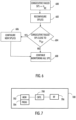
- Fig. 7 illustrates an embodiment.
- the figure illustrates a simplified example of an apparatus applying embodiments of the invention.
- the apparatus may be user equipment or terminal device 100 or a part of user equipment or a terminal device.
- the apparatus is depicted herein as an example illustrating some embodiments. It is apparent to a person skilled in the art that the apparatus may also comprise other functions and/or structures and not all described functions and structures are required. Although the apparatus has been depicted as one entity, different modules and memory may be implemented in one or more physical or logical entities.
- the apparatus 100 of the example includes a control circuitry 700 configured to control at least part of the operation of the apparatus.
- the apparatus may comprise a memory 702 for storing data. Furthermore, the memory may store software 704 executable by the control circuitry 700. The memory may be integrated in the control circuitry.
- the apparatuses or controllers able to perform the above-described steps may be implemented as an electronic digital computer, processing system or a circuitry which may comprise a working memory (random access memory, RAM), a central processing unit (CPU), and a system clock.
- the CPU may comprise a set of registers, an arithmetic logic unit, and a controller.
- the processing system, controller or the circuitry is controlled by a sequence of program instructions transferred to the CPU from the RAM.
- the controller may contain a number of microinstructions for basic operations. The implementation of microinstructions may vary depending on the CPU design.
- the apparatus may also be implemented as one or more integrated circuits, such as application-specific integrated circuits ASIC.
- Other hardware embodiments are also feasible, such as a circuit built of separate logic components.
- a hybrid of these different implementations is also feasible.
Landscapes
- Engineering & Computer Science (AREA)
- Signal Processing (AREA)
- Computer Networks & Wireless Communication (AREA)
- Quality & Reliability (AREA)
- Mobile Radio Communication Systems (AREA)
Claims (12)
- Vorrichtung in einem Kommunikationssystem, die Folgendes umfasst:
einen Prozessor; und einen Speicher mit Anweisungen, wobei die Anweisungen, wenn sie vom Prozessor ausgeführt werden, die Vorrichtung zu Folgendem veranlassen:Übertragen (300) von mehr als einer Sidelinkübertragung zu einer zweiten Vorrichtung;Bestimmen (302), dass mit Bezug auf eine gegebene Anzahl von Sidelinkübertragungen keine Empfangsstatusrückmeldungen empfangen wurden;dadurch gekennzeichnet, dass die Anweisungen die Vorrichtung ferner zu Folgendem veranlassen:Bestimmen eines Verhältnisses einer Überlebenszeit zu einem Ressourcenreservierungsintervall;Neuauslegen (306) einer Übertragungsressource, die für eine Sidelinkübertragung verwendet wird, auf Basis der Bestimmung durch Neuauslegen der verwendeten Ressource für eine Übertragung, wenn das Verhältnis um eine gegebene Marge größer ist als die gegebene Anzahl von aufeinanderfolgenden Sidelinkübertragungen; wobei die Vorrichtung ferner zu Folgendem veranlasst wird:Vergleichen der ID der Vorrichtung mit der ID der zweiten Vorrichtung, von der bestimmt wurde, dass Rückmeldungen mit Bezug auf die gegebene Anzahl von aufeinanderfolgenden Sidelinkübertragungen nicht empfangen wurden;Neuauslegen einer Übertragungsressource, wenn die ID der Vorrichtung kleiner ist als die ID der zweiten Vorrichtung. - Vorrichtung nach Anspruch 1, wobei der Speicher und der Computerprogrammcode dazu ausgelegt sind, die Vorrichtung mit dem Prozessor ferner zu Folgendem zu veranlassen:Bestimmen auf Basis einer Qualität einer Übertragung, die von der zweiten Vorrichtung empfangen wurde, dass fehlende Bestätigungen nicht durch eine Kanalqualität zwischen der Vorrichtung und der zweiten Vorrichtung begründet sind,Berücksichtigen der Bestimmung bei der Neuauslegung der Übertragungsressource.
- Vorrichtung nach Anspruch 1 oder 2, wobei der Speicher und der Computerprogrammcode dazu ausgelegt sind, die Vorrichtung mit dem Prozessor ferner zu Folgendem zu veranlassen:
Durchführen einer Neuauslegung auf Basis einer Überlebenszeit und eines Ressourcenreservierungsintervalls, das für das System oder einen Dienst definiert ist. - Vorrichtung nach Anspruch 1 oder 2, wobei die gegebene Anzahl von Sidelinkübertragungen ein vom System ausgelegter Parameter ist.
- Vorrichtung nach einem der vorhergehenden Ansprüche, wobei der Speicher und der Computerprogrammcode dazu ausgelegt sind, die Vorrichtung mit dem Prozessor ferner zu Folgendem zu veranlassen:
Bestimmen einer gegebenen Anzahl von aufeinanderfolgenden Sidelinkübertragungen θRC als
- Vorrichtung nach einem der vorhergehenden Ansprüche, wobei die neuausgelegten Übertragungsressourcen verglichen mit den bestimmten Ressourcen, bei denen mit Bezug auf eine gegebene Anzahl von Sidelinkübertragungen keine Rückmeldungen empfangen wurden, verschiedene Zeitdomänenressourcen beinhalten können.
- Verfahren in einer Vorrichtung in einem Kommunikationssystem, das die folgenden Schritte umfasst:Übertragen (300) von mehr als einer Sidelinkübertragung zu einer zweiten Vorrichtung;Bestimmen (302), dass mit Bezug auf eine gegebene Anzahl von Sidelinkübertragungen keine Empfangsstatusrückmeldungen empfangen wurden;dadurch gekennzeichnet, dass das Verfahren ferner die folgenden Schritte umfasst:Bestimmen eines Verhältnisses einer Überlebenszeit zu einem Ressourcenreservierungsintervall;Neuauslegen (306) einer Übertragungsressource, die für eine Sidelinkübertragung verwendet wird, auf Basis der Bestimmung durch Neuauslegen der verwendeten Ressource für eine Übertragung, wenn das Verhältnis um eine gegebene Marge größer ist als die gegebene Anzahl von aufeinanderfolgenden Sidelinkübertragungen; wobei das Verfahren ferner Folgendes umfasst:Vergleichen der ID der Vorrichtung mit der ID der zweiten Vorrichtung, von der bestimmt wurde, dass Rückmeldungen mit Bezug auf die gegebene Anzahl von aufeinanderfolgenden Sidelinkübertragungen nicht empfangen wurden;Neuauslegen einer Übertragungsressource, wenn die ID der Vorrichtung kleiner ist als die ID der zweiten Vorrichtung.
- Verfahren nach Anspruch 7, das ferner Folgendes umfasst
Bestimmen auf Basis einer Qualität einer Übertragung, die von der zweiten Vorrichtung empfangen wurde, dass fehlende Bestätigungen nicht durch eine Kanalqualität zwischen der Vorrichtung und der zweiten Vorrichtung begründet sind, und Berücksichtigen der Bestimmung bei der Neuauslegung der Übertragungsressource. - Verfahren nach Anspruch 7 oder 8, das ferner Folgendes umfasst
Durchführen einer Neuauslegung auf Basis einer Überlebenszeit und eines Ressourcenreservierungsintervalls, das für das System oder einen Dienst definiert ist. - Verfahren nach einem der vorhergehenden Ansprüche 7 bis 9, das ferner Folgendes umfasst:
Bestimmen einer gegebenen Anzahl von aufeinanderfolgenden Sidelinkübertragungen θRC als
- Verfahren nach einem der vorhergehenden Ansprüche 7 bis 10, wobei die neuausgelegten Übertragungsressourcen verglichen mit den bestimmten Ressourcen, bei denen mit Bezug auf eine gegebene Anzahl von Sidelinkübertragungen keine Rückmeldungen empfangen wurden, verschiedene Zeitdomänenressourcen beinhalten können.
- Computerprogramm, das Anweisungen zum Veranlassen einer Vorrichtung, mindestens Folgendes durchzuführen, umfasst:Übertragen (300) von mehr als einer Sidelinkübertragung zu einer zweiten Vorrichtung;Bestimmen (302), dass mit Bezug auf eine gegebene Anzahl von Sidelinkübertragungen keine Empfangsstatusrückmeldungen empfangen wurden;dadurch gekennzeichnet, dass die Anweisungen die Vorrichtung ferner veranlassen, Folgendes durchzuführen:Bestimmen eines Verhältnisses einer Überlebenszeit zu einem Ressourcenreservierungsintervall;Neuauslegen (306) einer Übertragungsressource, die für eine Sidelinkübertragung verwendet wird, auf Basis der Bestimmung durch Neuauslegen der verwendeten Ressource für eine Übertragung, wenn das Verhältnis um eine gegebene Marge größer ist als die gegebene Anzahl von aufeinanderfolgenden Sidelinkübertragungen; und wobei die Anweisungen dem Veranlassen der Vorrichtung dienen, ferner Folgendes durchzuführen:Vergleichen der ID der Vorrichtung mit der ID der zweiten Vorrichtung, von der bestimmt wurde, dass Rückmeldungen mit Bezug auf die gegebene Anzahl von aufeinanderfolgenden Sidelinkübertragungen nicht empfangen wurden;Neuauslegen einer Übertragungsressource, wenn die ID der Vorrichtung kleiner ist als die ID der zweiten Vorrichtung.
Applications Claiming Priority (1)
| Application Number | Priority Date | Filing Date | Title |
|---|---|---|---|
| FI20205755 | 2020-07-15 |
Publications (2)
| Publication Number | Publication Date |
|---|---|
| EP3940980A1 EP3940980A1 (de) | 2022-01-19 |
| EP3940980B1 true EP3940980B1 (de) | 2025-04-16 |
Family
ID=77179858
Family Applications (1)
| Application Number | Title | Priority Date | Filing Date |
|---|---|---|---|
| EP21185022.7A Active EP3940980B1 (de) | 2020-07-15 | 2021-07-12 | Rekonfigurieren von übertragungsressourcen |
Country Status (3)
| Country | Link |
|---|---|
| US (1) | US11523402B2 (de) |
| EP (1) | EP3940980B1 (de) |
| CN (1) | CN113950158B (de) |
Families Citing this family (5)
| Publication number | Priority date | Publication date | Assignee | Title |
|---|---|---|---|---|
| US12289720B2 (en) * | 2020-10-05 | 2025-04-29 | Qualcomm Incorporated | Transmission configuration determination for grant-free transmissions in full-duplex systems |
| US12531715B2 (en) | 2020-10-05 | 2026-01-20 | Qualcomm Incorporated | Flow control feedback for full-duplex communications |
| US12519603B2 (en) | 2020-10-05 | 2026-01-06 | Qualcomm Incorporated | Techniques for precoding in full duplex wireless communications systems |
| US12328288B2 (en) | 2020-10-05 | 2025-06-10 | Qualcomm Incorporated | Techniques for grant free transmissions in full duplex wireless communication systems |
| US12328713B2 (en) | 2020-10-05 | 2025-06-10 | Qualcomm Incorporated | Techniques for slot aggregation in full duplex wireless communications systems |
Family Cites Families (10)
| Publication number | Priority date | Publication date | Assignee | Title |
|---|---|---|---|---|
| EP2742753B1 (de) * | 2011-08-12 | 2019-11-20 | Nokia Solutions and Networks Oy | Neukonfiguration von ressourcen für uplink-übertragung |
| EP3515135B1 (de) | 2014-01-29 | 2021-03-10 | Interdigital Patent Holdings, Inc. | Ressourcenauswahl zur entdeckung von vorrichtung zu vorrichtung oder kommunikation |
| EP3596866A1 (de) * | 2017-03-15 | 2020-01-22 | Intel IP Corporation | Bestimmung einer ressource eines physikalischen uplink-steuerkanals (pucch) in new radio (nr) für rückkopplung der bestätigung hybrider automatischer wiederholungsanfanfragen (harq-ack) |
| CN109788509B (zh) * | 2017-11-15 | 2023-03-10 | 华为技术有限公司 | 连续数据包传输失败的规避方法及装置 |
| CN110972101A (zh) | 2018-09-28 | 2020-04-07 | 展讯半导体(南京)有限公司 | 副链路资源的分配和获取方法及装置、以及计算机可读介质 |
| CN111010264B (zh) | 2018-10-04 | 2022-07-12 | 华硕电脑股份有限公司 | 请求无线通信中的侧链路重新传送的资源的方法和设备 |
| WO2020091458A1 (ko) | 2018-11-01 | 2020-05-07 | 주식회사 아이티엘 | 무선통신 시스템에서 전송 캐리어를 선택/재선택하는 방법 및 장치 |
| CN111277345B (zh) | 2019-01-07 | 2022-05-17 | 维沃移动通信有限公司 | 资源分配方法、上行传输方法、终端设备及网络设备 |
| EP3925404A1 (de) * | 2019-02-12 | 2021-12-22 | IDAC Holdings, Inc. | Verfahren zur überwachung von sidelink-funkverbindungen und bestimmung von funkverbindungsausfällen |
| US11438794B2 (en) * | 2019-05-02 | 2022-09-06 | Mediatek Inc. | Radio link monitoring in sidelink communications |
-
2021
- 2021-07-12 EP EP21185022.7A patent/EP3940980B1/de active Active
- 2021-07-13 US US17/374,215 patent/US11523402B2/en active Active
- 2021-07-14 CN CN202110794782.0A patent/CN113950158B/zh active Active
Also Published As
| Publication number | Publication date |
|---|---|
| US20220022195A1 (en) | 2022-01-20 |
| CN113950158B (zh) | 2023-02-14 |
| US11523402B2 (en) | 2022-12-06 |
| EP3940980A1 (de) | 2022-01-19 |
| CN113950158A (zh) | 2022-01-18 |
Similar Documents
| Publication | Publication Date | Title |
|---|---|---|
| EP3940980B1 (de) | Rekonfigurieren von übertragungsressourcen | |
| US12003460B2 (en) | Data transmission using bandwidth parts | |
| US20240205690A1 (en) | Method for sharing baseband computing resources | |
| EP4289092B1 (de) | Hybride automatische wiederholungsanfragerückkopplung für groupcast | |
| US11870585B1 (en) | Adapting hybrid automatic repeat requests | |
| EP4072181A1 (de) | Gegenmassnahmen zu angriffsnachrichten | |
| US12232206B2 (en) | Low-latency communication with discontinuous transmission | |
| WO2020120825A1 (en) | Packet communications | |
| US20220286405A1 (en) | Method for controlling communication availability in a cyber-physical system | |
| CN112740778B (zh) | 下行链路小数据传输 | |
| EP4241523B1 (de) | Verzögerungsinformation | |
| US20220030588A1 (en) | Resource Allocation for Data Transmission | |
| US20230232455A1 (en) | Enhanced carrier selection | |
| US20240267893A1 (en) | Inter-ue coordination in groupcast transmissions | |
| WO2023016632A1 (en) | Method and apparatus for transmissions via unlicensed radio channels | |
| FI20215076A1 (en) | Enhanced carrier selection | |
| WO2025209823A1 (en) | Switching between transmission modes | |
| WO2024256080A1 (en) | Ue power saving during dynamic pdcch allocations |
Legal Events
| Date | Code | Title | Description |
|---|---|---|---|
| PUAI | Public reference made under article 153(3) epc to a published international application that has entered the european phase |
Free format text: ORIGINAL CODE: 0009012 |
|
| STAA | Information on the status of an ep patent application or granted ep patent |
Free format text: STATUS: THE APPLICATION HAS BEEN PUBLISHED |
|
| AK | Designated contracting states |
Kind code of ref document: A1 Designated state(s): AL AT BE BG CH CY CZ DE DK EE ES FI FR GB GR HR HU IE IS IT LI LT LU LV MC MK MT NL NO PL PT RO RS SE SI SK SM TR |
|
| STAA | Information on the status of an ep patent application or granted ep patent |
Free format text: STATUS: REQUEST FOR EXAMINATION WAS MADE |
|
| 17P | Request for examination filed |
Effective date: 20220719 |
|
| RBV | Designated contracting states (corrected) |
Designated state(s): AL AT BE BG CH CY CZ DE DK EE ES FI FR GB GR HR HU IE IS IT LI LT LU LV MC MK MT NL NO PL PT RO RS SE SI SK SM TR |
|
| STAA | Information on the status of an ep patent application or granted ep patent |
Free format text: STATUS: EXAMINATION IS IN PROGRESS |
|
| 17Q | First examination report despatched |
Effective date: 20231219 |
|
| GRAP | Despatch of communication of intention to grant a patent |
Free format text: ORIGINAL CODE: EPIDOSNIGR1 |
|
| STAA | Information on the status of an ep patent application or granted ep patent |
Free format text: STATUS: GRANT OF PATENT IS INTENDED |
|
| INTG | Intention to grant announced |
Effective date: 20241206 |
|
| GRAJ | Information related to disapproval of communication of intention to grant by the applicant or resumption of examination proceedings by the epo deleted |
Free format text: ORIGINAL CODE: EPIDOSDIGR1 |
|
| STAA | Information on the status of an ep patent application or granted ep patent |
Free format text: STATUS: EXAMINATION IS IN PROGRESS |
|
| GRAP | Despatch of communication of intention to grant a patent |
Free format text: ORIGINAL CODE: EPIDOSNIGR1 |
|
| STAA | Information on the status of an ep patent application or granted ep patent |
Free format text: STATUS: GRANT OF PATENT IS INTENDED |
|
| INTC | Intention to grant announced (deleted) | ||
| GRAS | Grant fee paid |
Free format text: ORIGINAL CODE: EPIDOSNIGR3 |
|
| INTG | Intention to grant announced |
Effective date: 20250211 |
|
| GRAA | (expected) grant |
Free format text: ORIGINAL CODE: 0009210 |
|
| STAA | Information on the status of an ep patent application or granted ep patent |
Free format text: STATUS: THE PATENT HAS BEEN GRANTED |
|
| AK | Designated contracting states |
Kind code of ref document: B1 Designated state(s): AL AT BE BG CH CY CZ DE DK EE ES FI FR GB GR HR HU IE IS IT LI LT LU LV MC MK MT NL NO PL PT RO RS SE SI SK SM TR |
|
| REG | Reference to a national code |
Ref country code: GB Ref legal event code: FG4D |
|
| REG | Reference to a national code |
Ref country code: CH Ref legal event code: EP |
|
| REG | Reference to a national code |
Ref country code: IE Ref legal event code: FG4D |
|
| REG | Reference to a national code |
Ref country code: DE Ref legal event code: R096 Ref document number: 602021029142 Country of ref document: DE |
|
| PGFP | Annual fee paid to national office [announced via postgrant information from national office to epo] |
Ref country code: GB Payment date: 20250529 Year of fee payment: 5 |
|
| REG | Reference to a national code |
Ref country code: NL Ref legal event code: MP Effective date: 20250416 |
|
| PG25 | Lapsed in a contracting state [announced via postgrant information from national office to epo] |
Ref country code: NL Free format text: LAPSE BECAUSE OF FAILURE TO SUBMIT A TRANSLATION OF THE DESCRIPTION OR TO PAY THE FEE WITHIN THE PRESCRIBED TIME-LIMIT Effective date: 20250416 |
|
| REG | Reference to a national code |
Ref country code: AT Ref legal event code: MK05 Ref document number: 1786561 Country of ref document: AT Kind code of ref document: T Effective date: 20250416 |
|
| PG25 | Lapsed in a contracting state [announced via postgrant information from national office to epo] |
Ref country code: PT Free format text: LAPSE BECAUSE OF FAILURE TO SUBMIT A TRANSLATION OF THE DESCRIPTION OR TO PAY THE FEE WITHIN THE PRESCRIBED TIME-LIMIT Effective date: 20250818 Ref country code: ES Free format text: LAPSE BECAUSE OF FAILURE TO SUBMIT A TRANSLATION OF THE DESCRIPTION OR TO PAY THE FEE WITHIN THE PRESCRIBED TIME-LIMIT Effective date: 20250416 Ref country code: FI Free format text: LAPSE BECAUSE OF FAILURE TO SUBMIT A TRANSLATION OF THE DESCRIPTION OR TO PAY THE FEE WITHIN THE PRESCRIBED TIME-LIMIT Effective date: 20250416 |
|
| PGFP | Annual fee paid to national office [announced via postgrant information from national office to epo] |
Ref country code: DE Payment date: 20250604 Year of fee payment: 5 |
|
| REG | Reference to a national code |
Ref country code: LT Ref legal event code: MG9D |
|
| PG25 | Lapsed in a contracting state [announced via postgrant information from national office to epo] |
Ref country code: NO Free format text: LAPSE BECAUSE OF FAILURE TO SUBMIT A TRANSLATION OF THE DESCRIPTION OR TO PAY THE FEE WITHIN THE PRESCRIBED TIME-LIMIT Effective date: 20250716 Ref country code: GR Free format text: LAPSE BECAUSE OF FAILURE TO SUBMIT A TRANSLATION OF THE DESCRIPTION OR TO PAY THE FEE WITHIN THE PRESCRIBED TIME-LIMIT Effective date: 20250717 |
|
| PG25 | Lapsed in a contracting state [announced via postgrant information from national office to epo] |
Ref country code: PL Free format text: LAPSE BECAUSE OF FAILURE TO SUBMIT A TRANSLATION OF THE DESCRIPTION OR TO PAY THE FEE WITHIN THE PRESCRIBED TIME-LIMIT Effective date: 20250416 |
|
| PGFP | Annual fee paid to national office [announced via postgrant information from national office to epo] |
Ref country code: IT Payment date: 20250623 Year of fee payment: 5 |
|
| PG25 | Lapsed in a contracting state [announced via postgrant information from national office to epo] |
Ref country code: BG Free format text: LAPSE BECAUSE OF FAILURE TO SUBMIT A TRANSLATION OF THE DESCRIPTION OR TO PAY THE FEE WITHIN THE PRESCRIBED TIME-LIMIT Effective date: 20250416 |
|
| PG25 | Lapsed in a contracting state [announced via postgrant information from national office to epo] |
Ref country code: HR Free format text: LAPSE BECAUSE OF FAILURE TO SUBMIT A TRANSLATION OF THE DESCRIPTION OR TO PAY THE FEE WITHIN THE PRESCRIBED TIME-LIMIT Effective date: 20250416 |
|
| PG25 | Lapsed in a contracting state [announced via postgrant information from national office to epo] |
Ref country code: AT Free format text: LAPSE BECAUSE OF FAILURE TO SUBMIT A TRANSLATION OF THE DESCRIPTION OR TO PAY THE FEE WITHIN THE PRESCRIBED TIME-LIMIT Effective date: 20250416 |
|
| PG25 | Lapsed in a contracting state [announced via postgrant information from national office to epo] |
Ref country code: RS Free format text: LAPSE BECAUSE OF FAILURE TO SUBMIT A TRANSLATION OF THE DESCRIPTION OR TO PAY THE FEE WITHIN THE PRESCRIBED TIME-LIMIT Effective date: 20250716 |
|
| PG25 | Lapsed in a contracting state [announced via postgrant information from national office to epo] |
Ref country code: IS Free format text: LAPSE BECAUSE OF FAILURE TO SUBMIT A TRANSLATION OF THE DESCRIPTION OR TO PAY THE FEE WITHIN THE PRESCRIBED TIME-LIMIT Effective date: 20250816 |
|
| PG25 | Lapsed in a contracting state [announced via postgrant information from national office to epo] |
Ref country code: LV Free format text: LAPSE BECAUSE OF FAILURE TO SUBMIT A TRANSLATION OF THE DESCRIPTION OR TO PAY THE FEE WITHIN THE PRESCRIBED TIME-LIMIT Effective date: 20250416 |
|
| PG25 | Lapsed in a contracting state [announced via postgrant information from national office to epo] |
Ref country code: SM Free format text: LAPSE BECAUSE OF FAILURE TO SUBMIT A TRANSLATION OF THE DESCRIPTION OR TO PAY THE FEE WITHIN THE PRESCRIBED TIME-LIMIT Effective date: 20250416 Ref country code: DK Free format text: LAPSE BECAUSE OF FAILURE TO SUBMIT A TRANSLATION OF THE DESCRIPTION OR TO PAY THE FEE WITHIN THE PRESCRIBED TIME-LIMIT Effective date: 20250416 |
|
| REG | Reference to a national code |
Ref country code: DE Ref legal event code: R097 Ref document number: 602021029142 Country of ref document: DE |
|
| PG25 | Lapsed in a contracting state [announced via postgrant information from national office to epo] |
Ref country code: CZ Free format text: LAPSE BECAUSE OF FAILURE TO SUBMIT A TRANSLATION OF THE DESCRIPTION OR TO PAY THE FEE WITHIN THE PRESCRIBED TIME-LIMIT Effective date: 20250416 |
|
| PG25 | Lapsed in a contracting state [announced via postgrant information from national office to epo] |
Ref country code: EE Free format text: LAPSE BECAUSE OF FAILURE TO SUBMIT A TRANSLATION OF THE DESCRIPTION OR TO PAY THE FEE WITHIN THE PRESCRIBED TIME-LIMIT Effective date: 20250416 |
|
| PG25 | Lapsed in a contracting state [announced via postgrant information from national office to epo] |
Ref country code: RO Free format text: LAPSE BECAUSE OF FAILURE TO SUBMIT A TRANSLATION OF THE DESCRIPTION OR TO PAY THE FEE WITHIN THE PRESCRIBED TIME-LIMIT Effective date: 20250416 Ref country code: SK Free format text: LAPSE BECAUSE OF FAILURE TO SUBMIT A TRANSLATION OF THE DESCRIPTION OR TO PAY THE FEE WITHIN THE PRESCRIBED TIME-LIMIT Effective date: 20250416 |
|
| PLBE | No opposition filed within time limit |
Free format text: ORIGINAL CODE: 0009261 |
|
| STAA | Information on the status of an ep patent application or granted ep patent |
Free format text: STATUS: NO OPPOSITION FILED WITHIN TIME LIMIT |
|
| REG | Reference to a national code |
Ref country code: CH Ref legal event code: H13 Free format text: ST27 STATUS EVENT CODE: U-0-0-H10-H13 (AS PROVIDED BY THE NATIONAL OFFICE) Effective date: 20260224 |
|
| REG | Reference to a national code |
Ref country code: CH Ref legal event code: L10 Free format text: ST27 STATUS EVENT CODE: U-0-0-L10-L00 (AS PROVIDED BY THE NATIONAL OFFICE) Effective date: 20260225 |
|
| PG25 | Lapsed in a contracting state [announced via postgrant information from national office to epo] |
Ref country code: LU Free format text: LAPSE BECAUSE OF NON-PAYMENT OF DUE FEES Effective date: 20250712 |