EP3931349B1 - Apoe-genotyping in der krebsprognose und -therapie - Google Patents
Apoe-genotyping in der krebsprognose und -therapie Download PDFInfo
- Publication number
- EP3931349B1 EP3931349B1 EP20763347.0A EP20763347A EP3931349B1 EP 3931349 B1 EP3931349 B1 EP 3931349B1 EP 20763347 A EP20763347 A EP 20763347A EP 3931349 B1 EP3931349 B1 EP 3931349B1
- Authority
- EP
- European Patent Office
- Prior art keywords
- cancer
- polymorphisms
- subject
- apoe
- allele
- Prior art date
- Legal status (The legal status is an assumption and is not a legal conclusion. Google has not performed a legal analysis and makes no representation as to the accuracy of the status listed.)
- Active
Links
Images






Classifications
-
- A—HUMAN NECESSITIES
- A61—MEDICAL OR VETERINARY SCIENCE; HYGIENE
- A61K—PREPARATIONS FOR MEDICAL, DENTAL OR TOILETRY PURPOSES
- A61K31/00—Medicinal preparations containing organic active ingredients
- A61K31/185—Acids; Anhydrides, halides or salts thereof, e.g. sulfur acids, imidic, hydrazonic or hydroximic acids
- A61K31/19—Carboxylic acids, e.g. valproic acid
- A61K31/195—Carboxylic acids, e.g. valproic acid having an amino group
-
- A—HUMAN NECESSITIES
- A61—MEDICAL OR VETERINARY SCIENCE; HYGIENE
- A61K—PREPARATIONS FOR MEDICAL, DENTAL OR TOILETRY PURPOSES
- A61K31/00—Medicinal preparations containing organic active ingredients
- A61K31/33—Heterocyclic compounds
- A61K31/335—Heterocyclic compounds having oxygen as the only ring hetero atom, e.g. fungichromin
- A61K31/337—Heterocyclic compounds having oxygen as the only ring hetero atom, e.g. fungichromin having four-membered rings, e.g. taxol
-
- A—HUMAN NECESSITIES
- A61—MEDICAL OR VETERINARY SCIENCE; HYGIENE
- A61K—PREPARATIONS FOR MEDICAL, DENTAL OR TOILETRY PURPOSES
- A61K39/00—Medicinal preparations containing antigens or antibodies
- A61K39/395—Antibodies; Immunoglobulins; Immune serum, e.g. antilymphocytic serum
- A61K39/39533—Antibodies; Immunoglobulins; Immune serum, e.g. antilymphocytic serum against materials from animals
- A61K39/3955—Antibodies; Immunoglobulins; Immune serum, e.g. antilymphocytic serum against materials from animals against proteinaceous materials, e.g. enzymes, hormones, lymphokines
-
- A—HUMAN NECESSITIES
- A61—MEDICAL OR VETERINARY SCIENCE; HYGIENE
- A61K—PREPARATIONS FOR MEDICAL, DENTAL OR TOILETRY PURPOSES
- A61K45/00—Medicinal preparations containing active ingredients not provided for in groups A61K31/00 - A61K41/00
- A61K45/06—Mixtures of active ingredients without chemical characterisation, e.g. antiphlogistics and cardiaca
-
- A—HUMAN NECESSITIES
- A61—MEDICAL OR VETERINARY SCIENCE; HYGIENE
- A61P—SPECIFIC THERAPEUTIC ACTIVITY OF CHEMICAL COMPOUNDS OR MEDICINAL PREPARATIONS
- A61P35/00—Antineoplastic agents
-
- A—HUMAN NECESSITIES
- A61—MEDICAL OR VETERINARY SCIENCE; HYGIENE
- A61P—SPECIFIC THERAPEUTIC ACTIVITY OF CHEMICAL COMPOUNDS OR MEDICINAL PREPARATIONS
- A61P35/00—Antineoplastic agents
- A61P35/04—Antineoplastic agents specific for metastasis
-
- A—HUMAN NECESSITIES
- A61—MEDICAL OR VETERINARY SCIENCE; HYGIENE
- A61P—SPECIFIC THERAPEUTIC ACTIVITY OF CHEMICAL COMPOUNDS OR MEDICINAL PREPARATIONS
- A61P43/00—Drugs for specific purposes, not provided for in groups A61P1/00-A61P41/00
-
- C—CHEMISTRY; METALLURGY
- C07—ORGANIC CHEMISTRY
- C07K—PEPTIDES
- C07K16/00—Immunoglobulins [IG], e.g. monoclonal or polyclonal antibodies
- C07K16/18—Immunoglobulins [IG], e.g. monoclonal or polyclonal antibodies against material from animals or humans
- C07K16/28—Immunoglobulins [IG], e.g. monoclonal or polyclonal antibodies against material from animals or humans against receptors, cell surface antigens or cell surface determinants
- C07K16/2803—Immunoglobulins [IG], e.g. monoclonal or polyclonal antibodies against material from animals or humans against receptors, cell surface antigens or cell surface determinants against the immunoglobulin superfamily
- C07K16/2818—Immunoglobulins [IG], e.g. monoclonal or polyclonal antibodies against material from animals or humans against receptors, cell surface antigens or cell surface determinants against the immunoglobulin superfamily against CD28 or CD152
-
- C—CHEMISTRY; METALLURGY
- C12—BIOCHEMISTRY; BEER; SPIRITS; WINE; VINEGAR; MICROBIOLOGY; ENZYMOLOGY; MUTATION OR GENETIC ENGINEERING
- C12Q—MEASURING OR TESTING PROCESSES INVOLVING ENZYMES, NUCLEIC ACIDS OR MICROORGANISMS; COMPOSITIONS OR TEST PAPERS THEREFOR; PROCESSES OF PREPARING SUCH COMPOSITIONS; CONDITION-RESPONSIVE CONTROL IN MICROBIOLOGICAL OR ENZYMOLOGICAL PROCESSES
- C12Q1/00—Measuring or testing processes involving enzymes, nucleic acids or microorganisms; Compositions therefor; Processes of preparing such compositions
- C12Q1/68—Measuring or testing processes involving enzymes, nucleic acids or microorganisms; Compositions therefor; Processes of preparing such compositions involving nucleic acids
- C12Q1/6876—Nucleic acid products used in the analysis of nucleic acids, e.g. primers or probes
- C12Q1/6883—Nucleic acid products used in the analysis of nucleic acids, e.g. primers or probes for diseases caused by alterations of genetic material
- C12Q1/6886—Nucleic acid products used in the analysis of nucleic acids, e.g. primers or probes for diseases caused by alterations of genetic material for cancer
-
- A—HUMAN NECESSITIES
- A61—MEDICAL OR VETERINARY SCIENCE; HYGIENE
- A61K—PREPARATIONS FOR MEDICAL, DENTAL OR TOILETRY PURPOSES
- A61K39/00—Medicinal preparations containing antigens or antibodies
- A61K2039/505—Medicinal preparations containing antigens or antibodies comprising antibodies
-
- A—HUMAN NECESSITIES
- A61—MEDICAL OR VETERINARY SCIENCE; HYGIENE
- A61K—PREPARATIONS FOR MEDICAL, DENTAL OR TOILETRY PURPOSES
- A61K39/00—Medicinal preparations containing antigens or antibodies
- A61K2039/505—Medicinal preparations containing antigens or antibodies comprising antibodies
- A61K2039/507—Comprising a combination of two or more separate antibodies
-
- C—CHEMISTRY; METALLURGY
- C07—ORGANIC CHEMISTRY
- C07K—PEPTIDES
- C07K2317/00—Immunoglobulins specific features
- C07K2317/70—Immunoglobulins specific features characterized by effect upon binding to a cell or to an antigen
- C07K2317/76—Antagonist effect on antigen, e.g. neutralization or inhibition of binding
-
- C—CHEMISTRY; METALLURGY
- C12—BIOCHEMISTRY; BEER; SPIRITS; WINE; VINEGAR; MICROBIOLOGY; ENZYMOLOGY; MUTATION OR GENETIC ENGINEERING
- C12Q—MEASURING OR TESTING PROCESSES INVOLVING ENZYMES, NUCLEIC ACIDS OR MICROORGANISMS; COMPOSITIONS OR TEST PAPERS THEREFOR; PROCESSES OF PREPARING SUCH COMPOSITIONS; CONDITION-RESPONSIVE CONTROL IN MICROBIOLOGICAL OR ENZYMOLOGICAL PROCESSES
- C12Q2600/00—Oligonucleotides characterized by their use
- C12Q2600/106—Pharmacogenomics, i.e. genetic variability in individual responses to drugs and drug metabolism
-
- C—CHEMISTRY; METALLURGY
- C12—BIOCHEMISTRY; BEER; SPIRITS; WINE; VINEGAR; MICROBIOLOGY; ENZYMOLOGY; MUTATION OR GENETIC ENGINEERING
- C12Q—MEASURING OR TESTING PROCESSES INVOLVING ENZYMES, NUCLEIC ACIDS OR MICROORGANISMS; COMPOSITIONS OR TEST PAPERS THEREFOR; PROCESSES OF PREPARING SUCH COMPOSITIONS; CONDITION-RESPONSIVE CONTROL IN MICROBIOLOGICAL OR ENZYMOLOGICAL PROCESSES
- C12Q2600/00—Oligonucleotides characterized by their use
- C12Q2600/156—Polymorphic or mutational markers
Definitions
- This invention relates generally to methods and reagents for cancer prognosis and treatment and more specifically to methods and reagents for cancer prognosis and treatment based on APOE genotyping.
- Cancer remains one of the leading causes of death in the United States.
- Clinically a broad variety of medical approaches, including surgery, radiation therapy, and chemotherapeutic drug therapy are currently being used in the treatment of human cancer.
- it is recognized that such approaches continue to be limited by a fundamental inability to accurately predict the likelihood of metastasis and tumor recurrence or the most efficacious treatment regime for minimizing the occurrence of these negative outcomes.
- Benn M., et al. discloses a method of treating cancer with statin in a individuals genotyped for APOE R112C (rs429358) and R158C (rs7412) polymorphisms.
- Speidell A., et al. (2018-10-04) relates to female APOE3 and APOE4 homozygous mice that were either left untreated or treated with the most commonly used breast cancer therapeutic agent, doxorubicin.
- WO 2015/065505 A1 (UNIV DUKE [US] ) is directed to a method for preventing or treating a subject suffering from or at risk of suffering from an estrogen dependent cancer. Intratumoral concentration of 27-hydroxy cholesterol decreased upon treatment with GW273297X in E0771 tumor bearing APOE3 mice. Chang N.W., et al. (2009-03-01) relates to thirty-three women with breast cancer that were recruited to examine the APOE polymorphism and fasting plasma lipid profiles before and after tamoxifen treatment for 6 months.
- US 2015/150941 A1 discloses a methods for identifying a subject responsive to treatment with a chemotherapeutic agent, wherein the subject is afflicted with chronic lymphocytic leukemia, including detecting the presence or absence of at least one APOE4 allele in a biological sample of the subject, wherein the presence of at least one APOE4 allele identifies the subject as a subject whose chronic lymphocytic leukemia is responsive to treatment with the chemotherapeutic agent.
- this disclosure addresses the need mentioned above in a number of aspects.
- this disclosure provides a method of treating cancer in a subject having at least one ⁇ 4 allele from polymorphisms at rs7412 or rs429358 or ⁇ 3 alleles from polymorphisms at rs7412 and rs429358 in the ApoE gene on chromosome 19.
- the method comprises administering to the subject an effective amount of an LXR ⁇ agonist, or a pharmaceutically acceptable salt thereof.
- this disclosure provides a method of treating cancer in a subject.
- the method comprises: (a) providing a subject identified as having at least one ⁇ 4 allele from polymorphisms at rs7412 or rs429358 or ⁇ 3 alleles from polymorphisms at rs7412 and rs429358 in the ApoE gene on chromosome 19; and (b) administering to the subject an effective amount of an LXR ⁇ agonist, or a pharmaceutically acceptable salt thereof.
- the method comprises: (a) providing a subject identified as having at least one ⁇ 4 allele from polymorphisms at rs7412 or rs429358 or ⁇ 3 alleles from polymorphisms at rs7412 and rs429358 in the ApoE gene on chromosome 19 and identified as likely to benefit from treatment with an LXR ⁇ agonist, or a pharmaceutically acceptable salt thereof, based on the presence of the at least one ⁇ 4 allele from polymorphisms at rs7412 or rs429358 or ⁇ 3 alleles from polymorphisms at rs7412 and rs429358; and (b) administering to the identified subject an effective amount of the LXR ⁇ agonist, or a pharmaceutically acceptable salt thereof.
- the method comprises (a) obtaining a sample containing nucleic acid from the subject; (b) performing a genotyping assay on the sample and detecting the presence of at least one ⁇ 4 allele from polymorphisms at rs7412 or rs429358 or ⁇ 3 alleles from polymorphisms at rs7412 and rs429358 in the ApoE gene on chromosome 19; (c) identifying the subject having the at least one ⁇ 4 allele from polymorphisms at rs7412 or rs429358 or ⁇ 3 alleles from polymorphisms at rs7412 and rs429358 in the ApoE gene on chromosome 19 as having an increased likelihood of benefiting from treatment with an LXR ⁇ agonist, or a pharmaceutically acceptable salt thereof; and (d) administering an effective amount of the LXR ⁇ agonist, or a pharmaceutically acceptable salt thereof, to the identified subject, whereby the cancer is treated.
- this disclosure also provides a method of identifying an individual having a cancer who may benefit from treatment with an LXR ⁇ agonist, or a pharmaceutically acceptable salt thereof.
- the method comprises: (a) obtaining a sample containing nucleic acid from the subject; (b) performing a genotyping assay on the sample and detecting the presence of at least one ⁇ 4 allele from polymorphisms at rs7412 or rs429358 or ⁇ 3 alleles from polymorphisms at rs7412 and rs429358 in the ApoE gene on chromosome 19; and (c) identifying the subject having the at least one ⁇ 4 allele from polymorphisms at rs7412 or rs429358 or ⁇ 3 alleles from polymorphisms at rs7412 and rs429358 in the ApoE gene on chromosome 19 as having an increased likelihood of benefiting from treatment with an LXR ⁇ agonist, or a pharmaceutically acceptable salt thereof, thereby
- the LXR ⁇ agonist can be 2-[3-[(3R)-3-[[2-chloro-3-(trifluoromethyl)phenyl]methyl-(2,2-diphenylethyl)amino]butoxy]phenyl]acetic acid having the structure: or a pharmaceutically acceptable salt thereof.
- this disclosure further provides a method of treating cancer in a subject having at least one ⁇ 4 allele from polymorphisms at rs7412 or rs429358 or ⁇ 3 alleles from polymorphisms at rs7412 and rs429358 in the ApoE gene on chromosome 19.
- the method comprises administering an effective amount of a PD-1 inhibitor (e.g., nivolumab, pembrolizumab, pidilizumab, BMS 936559, and atezolizumab) or PD-L1 inhibitor (e.g., atezolizumab and durvalumab), or a pharmaceutically acceptable salt thereof, to the subject.
- a PD-1 inhibitor e.g., nivolumab, pembrolizumab, pidilizumab, BMS 936559, and atezolizumab
- PD-L1 inhibitor e.g., atezolizumab and durvaluma
- this disclosure provides a method of treating cancer in a subject in need thereof.
- the method comprises: (a) providing a subject identified as having at least one ⁇ 4 allele from polymorphisms at rs7412 or rs429358 or ⁇ 3 alleles from polymorphisms at rs7412 and rs429358 in the ApoE gene on chromosome 19; and (b) administering to the subject an effective amount of a PD-1 inhibitor (e.g., nivolumab, pembrolizumab, pidilizumab, BMS 936559, and atezolizumab) or PD-L1 inhibitor ( e.g., atezolizumab and durvalumab), or a pharmaceutically acceptable salt thereof.
- a PD-1 inhibitor e.g., nivolumab, pembrolizumab, pidilizumab, BMS 936559, and atezolizumab
- the method comprises: (a) providing a subject identified as having at least one ⁇ 4 allele from polymorphisms at rs7412 or rs429358 or ⁇ 3 alleles from polymorphisms at rs7412 and rs429358 in the ApoE gene on chromosome 19 and identified as likely to benefit from treatment with a PD-1 inhibitor or PD-L1 inhibitor, or a pharmaceutically acceptable salt thereof, based on the presence of the at least one ⁇ 4 allele from polymorphisms at rs7412 or rs429358 or ⁇ 3 alleles from polymorphisms at rs7412 and rs429358; and (b) administering an effective amount of the PD-1 inhibitor or PD-L1 inhibitor to the identified subject.
- the method comprises: (a) obtaining a sample containing nucleic acid from the subject; (b) performing a genotyping assay on the sample and detecting the presence of at least one ⁇ 4 allele from polymorphisms at rs7412 or rs429358 or ⁇ 3 alleles from polymorphisms at rs7412 and rs429358 in the ApoE gene on chromosome 19; (c) identifying the subject having the at least one ⁇ 4 allele from polymorphisms at rs7412 or rs429358 or ⁇ 3 alleles from polymorphisms at rs7412 and rs429358 in the ApoE gene on chromosome 19 as having an increased likelihood of benefiting from treatment with a PD-1 inhibitor or PD-L1 inhibitor, or a pharmaceutically acceptable salt thereof; and (d) administering an effective amount of the PD-1 inhibitor or PD-L1 inhibitor, or a pharmaceutically acceptable salt thereof, to the identified
- this disclosure provides a method of identifying an individual having a cancer who may benefit from treatment with a PD-1 inhibitor or PD-L1 inhibitor.
- the method comprises: (a) obtaining a sample containing nucleic acid from the subject; (b) performing a genotyping assay on the sample and detecting the presence of at least one ⁇ 4 allele from polymorphisms at rs7412 or rs429358 or ⁇ 3 alleles from polymorphisms at rs7412 and rs429358 in the ApoE gene on chromosome 19; and (c) identifying the subject having the at least one ⁇ 4 allele from polymorphisms at rs7412 or rs429358 or ⁇ 3 alleles from polymorphisms at rs7412 and rs429358 in the ApoE gene on chromosome 19 as having an increased likelihood of benefiting from treatment with a PD-1 inhibitor or PD-L1 inhibitor, or a pharmaceutically acceptable salt thereof
- the subject has been previously administered a CTLA-4 inhibitor, or a pharmaceutically acceptable salt thereof.
- the presence of at least one ⁇ 4 allele from polymorphisms at rs7412 or rs429358 or ⁇ 3 alleles from polymorphisms at rs7412 and rs429358 in the ApoE gene on chromosome 19 is determined by Polymerase Chain Reaction (PCR).
- the presence of at least one ⁇ 4 allele from polymorphisms at rs7412 or rs429358 or ⁇ 3 alleles from polymorphisms at rs7412 and rs429358 in the ApoE gene on chromosome 19 is determined by the expression level of APOE3 protein or APOE4 protein in the subject.
- the cancer is breast cancer, colon cancer, renal cell cancer, lung cancer, hepatocellular carcinoma, gastric cancer, ovarian cancer, pancreatic cancer, esophageal cancer, prostate cancer, sarcoma, bladder cancer, head and neck cancer, glioblastoma, diffuse large B-cell lymphoma, leukemia, or melanoma.
- the cancer is melanoma, small cell lung cancer, or non-small cell lung cancer.
- the cancer is metastatic and/or locally advanced. In some embodiments, the cancer is unresectable.
- the effective amount comprises an amount effective to suppress metastatic colonization of the cancer (e.g., metastatic colonization to the liver and/or brain).
- the cancer is resistant to platinum-containing chemotherapy, a PD-1 inhibitor, a PD-L1 inhibitor, a CTLA-4 inhibitor, an antimitotic agent, a topoisomerase inhibitor, an antimetabolite, an angiogenesis inhibitor, a kinase inhibitor, and/or an alkylating agent.
- the cancer progressed on or after treatment with platinum-containing chemotherapy, a PD-1 inhibitor, a PD-L1 inhibitor, an angiogenesis inhibitor, a kinase inhibitor, and/or an alkylating agent.
- the cancer has been determined to be, or is predicted to be, resistant to a PD-1 inhibitor, a PD-L1 inhibitor, a CTLA-4 inhibitor, a topoisomerase inhibitor, an antimetabolite, an angiogenesis inhibitor, a kinase inhibitor, and/or an alkylating agent.
- the method further comprises administering an additional anti-cancer therapy to the subject.
- the additional anti-cancer therapy comprises surgery, radiation, chemotherapy, and/or immunotherapy.
- the additional anti-cancer therapy comprises chemotherapy and/or immunotherapy.
- the chemotherapy comprises docetaxel, carboplatin or cisplatin, pemetrexed, and/or pembrolizumab.
- the method further comprises administering to the subject an effective amount of folic acid, vitamin B12, corticosteroids, a statin, an anti-emetic agent, an anti-diarrheal agent, an appetite stimulant, a general stimulant, a bisphosphonate, a gonadotrophin-releasing hormone agonist, growth factors, and/or an LHRH agonist.
- the subject has ⁇ 3 alleles from polymorphisms at rs7412 and rs429358 in the ApoE gene. In some embodiments, the subject has at least one ⁇ 4 allele from polymorphisms at rs7412 or rs429358 in the ApoE gene. In some embodiments, the subject has ⁇ 4 alleles from polymorphisms at rs7412 and rs429358, an ⁇ 3 allele and an ⁇ 4 allele from polymorphisms at rs7412 and rs429358, or an ⁇ 2 and an ⁇ 4 allele from polymorphisms at rs7412 and rs429358 in the ApoE gene. In some embodiments, the subject has ⁇ 4 alleles from polymorphisms at rs7412 and rs429358 in the ApoE gene.
- this disclosure further provides a method of treating cancer in a subject having at least one ⁇ 2 allele from polymorphisms at rs7412 or rs429358 in the ApoE gene on chromosome 19.
- the method comprises administering an aggressive treatment to the subject.
- this disclosure provides a method of treating cancer in a subject in need thereof.
- the method comprises: (a) providing a subject identified as having at least one ⁇ 2 allele from polymorphisms at rs7412 or rs429358 in the ApoE gene on chromosome 19; and (b) administering to the subject an aggressive treatment.
- the method comprises: (a) providing a subject identified as having at least one ⁇ 2 allele from polymorphisms at rs7412 or rs429358 in the ApoE gene on chromosome 19 and identified as likely to benefit from an aggressive treatment based on the presence of the at least one ⁇ 2 allele from polymorphisms at rs7412 or rs429358; and (b) administering an aggressive treatment to the identified subject.
- the method comprises: (a) obtaining a sample containing nucleic acid from the subject; (b) performing a genotyping assay on the sample and detecting the presence of at least one ⁇ 2 allele from polymorphisms at rs7412 or rs429358 in the ApoE gene on chromosome 19; (c) identifying the subject having the at least one ⁇ 2 allele from polymorphisms at rs7412 or rs429358 in the ApoE gene on chromosome 19 as having an increased likelihood of benefiting from an aggressive treatment; and (d) administering an aggressive treatment to the identified subject, whereby the cancer is treated.
- this disclosure provides a method of identifying an individual having a cancer who may benefit from an aggressive treatment.
- the method comprises: (a) obtaining a sample containing nucleic acid from the subject; (b) performing a genotyping assay on the sample and detecting the presence of at least one ⁇ 2 allele from polymorphisms at rs7412 or rs429358 in the ApoE gene on chromosome 19; and (c) identifying the subject having the at least one ⁇ 2 allele from polymorphisms at rs7412 or rs42935 8 in the ApoE gene on chromosome 19 as having an increased likelihood of benefiting from an aggressive treatment, thereby identifying the individual having a cancer who may benefit from an aggressive treatment.
- the presence of at least one ⁇ 2 allele from polymorphisms at rs7412 or rs429358 in the ApoE gene on chromosome 19 is determined by PCR. In some embodiments, the presence of at least one ⁇ 2 allele from polymorphisms at rs7412 or rs429358 in the ApoE gene on chromosome 19 is determined by the expression level of APOE2 protein in the subject.
- the subject has ⁇ 2 alleles from polymorphisms at rs7412 and rs429358 or an ⁇ 2 allele and an ⁇ 3 allele from polymorphisms at rs7412 and rs429358 in the ApoE gene on chromosome 19.
- the aggressive treatment comprises administering 2-[3-[(3R)-3-[[2-chloro-3-(trifluoromethyl)phenyl]methyl-(2,2-diphenylethyl)amino]butoxy]phenyl]acetic acid, or a pharmaceutically acceptable salt thereof and an immunotherapy in amounts that together are effective.
- the aggressive treatment further comprises performing surgery on the subject.
- the 2-[3-[(3 R )-3-[[2-chloro-3-(trifluoromethyl)phenyl]methyl-(2,2-diphenylethyl)amino]butoxy]phenyl]acetic acid, or a pharmaceutically acceptable salt thereof is administered prior to the surgery.
- the 2-[3-[(3 R )-3-[[2-chloro-3-(trifluoromethyl)phenyl]methyl-(2,2-diphenylethyl)amino]butoxy]phenyl]acetic acid, or a pharmaceutically acceptable salt thereof is administered after the surgery.
- the immunotherapy is a PD-1 inhibitor, a PD-L1 inhibitor, or a CTLA-4 inhibitor.
- this disclosure additionally provides a kit comprising a probe having a first nucleic acid sequence complementary to a second nucleic acid sequence selected from the group consisting of APOE2, APOE3, and APOE4, wherein the probe hybridizes to the second nucleic acid sequence under a stringent condition.
- the first nucleic acid sequence is 15-200 bases in length.
- the kit comprises labeled probes having sequences that are complementary to APOE2, APOE3, and APOE4, respectively.
- the second nucleic acid comprises a sequence selected from the group consisting of SEQ ID NOs: 1-3.
- the kit further comprises a pair of primers configured to specifically bind sequences flanking a genomic region to allow PCR amplification of at least one of APOE2, APOE3, and APOE4 harboring the genomic region.
- the pair of primers comprises a primer having a sequence selected from the group consisting of SED ID NOs: 4-16.
- the probe is linked with a detection label.
- the detection label is selected from the group consisting of a fluorophore, a dye, a radiolabel, an enzyme, and a biotin.
- this disclosure also provides an array comprising a support having a plurality of unique locations, wherein the array consists essentially of at least a nucleic acid having a sequence complementary to a nucleic acid sequence selected from the group consisting of APOE2, APOE3, and APOE4.
- the nucleic acid sequence is selected from the group consisting of SEQ ID NOs: 1-3.
- This disclosure provides methods and reagents for cancer prognosis, based, in part, on an unexpected discovery that in human melanoma common genetic germline polymorphisms of APOE, present in approximately 39% of Caucasians, predict cancer progression and survival outcomes.
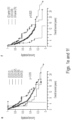
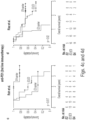
- Analysis of the Cancer Genome Atlas (TCGA) revealed that carriers of the APOE2 variant experienced worse melanoma survival outcomes relative to those bearing the more common APOE3 variant.
- carriers of the APOE4 variant exhibited improved melanoma survival relative to APOE3 homozygotes.
- APOE glycoprotein Apolipoprotein E
- stratifying patients by bi-allelic APOE genotype revealed a gene dosage effects on survival (median survival of 3.6, 3.9, 5.8, 9.4 years and median survival not reached for E2;E2, E2;E3, E3;E3, E3;E4, and E4;E4, respectively) ( FIG. 1f and FIG. 3h ).
- Patients with an advanced local disease are at increased risk for metastatic progression and thus require careful consideration for systemic therapy. Because such therapies carry mortality and morbidity risks, they would be ideally administered to those at highest risk for progression.
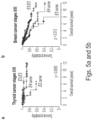
- the association of APOE genotype with survival was maintained in patients with stage melanoma was further assessed.
- APOE genotype stratified patient survival among this subgroup, suggesting that APOE genotype could be employed for risk stratifying these patients ( FIG. 1e ).
- APOE genotype was significantly associated with survival in melanoma in a gene-dosage-dependent fashion.
- mice in which the endogenous murine APOE locus is replaced with one of the three human APOE variants were utilized.
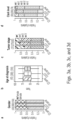
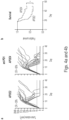
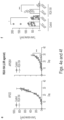
- Using the Braf-mutant YUMM1.7 melanoma model we observed significantly slower tumor progression in E4;E4 and faster tumor progression in E2;E2 mice in comparison with E3;E3 mice consistent with APOE genotype causally impacting melanoma progression ( FIG. 2a ).
- allelic frequency 9.6% in Caucasians
- APOE3 and APOE4 are the most prevalent alleles ( Farrer, L. A. etal. JAMA 278, 1349-1356 (1997 )).
- results described herein reveal that genetic variants present in the germlines can predict and influence the progression of a common human cancer.
- common variants of APOE a pleiotropic suppressor of metastatic melanoma phenotypes, exhibit differential effects on tumor progression.
- this disclosure provides methods for treating cancer based on the presence of APOE genotypes. Additionally, this disclosure provides methods for making medical and clinical decisions on neoadjuvant and adjuvant therapy, tumor surveillance, and the likelihood of disease progression based on the presence of APOE genotypes that are casually associated with tumor progression.
- this disclosure provides a method of treating cancer in a subject having at least one ⁇ 4 allele from polymorphisms at rs7412 or rs429358 or ⁇ 3 alleles from polymorphisms at rs7412 and rs429358 in the ApoE gene on chromosome 19.
- the method comprises administering to the subject an effective amount of anti-cancer or anti-tumor agent, or a pharmaceutically acceptable salt thereof.
- the anti-cancer or anti-tumor agent is an LXR ⁇ agonist.
- APOE is polymorphic with three major alleles/isoforms, as defined by two single nucleotide polymorphisms (SNPs), rs429358 and rs7412, known as ApoE- ⁇ 2, ApoE- ⁇ 3, and ApoE- ⁇ 4.
- SNPs single nucleotide polymorphisms
- rs429358 single nucleotide polymorphisms
- rs7412 The proteins produced by these genes are called ApoE2, ApoE3, and ApoE4.
- the proteins produced by these genes are called ApoE2, ApoE3, and ApoE4.
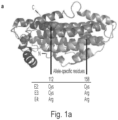
- APOE2 may include Cys112 and Cys158 residues
- APOE3 may include Cys112 and Arg158 residues
- APOE4 may include Arg112 and Arg158 residues.
- allelic forms differ from each other by only one or two amino acids at positions 112 and 158, these differences alter APOE structure and function.
- the nucleotide sequences of human APOE2, APOE3, and APOE4 are shown in Table 1.
- the particular APOE genotype may include an APOE gene having a sequence of SEQ ID NOs: 1-3. Table 1. Sequences of APOE variants SEQ ID NO SEQUENCES OTHER INFORMATI ON SEQ ID NO: 1 APOE2 SEQ ID NO: 2 APOE3 SEQ ID NO: 3 APOE4
- the terms “subject” and “patient” are used interchangeably irrespective of whether the subject has or is currently undergoing any form of treatment.
- the terms “subject” and “subjects” may refer to any vertebrate, including, but not limited to, a mammal (e.g., cow, pig, camel, llama, horse, goat, rabbit, sheep, hamsters, guinea pig, cat, dog, rat, and mouse, a non-human primate (for example, a monkey, such as a cynomolgus monkey, chimpanzee, etc.) and a human).
- the subject may be a human or a non-human.
- a "normal,” “control,” or “reference” subject patient or population is/are one(s) that exhibit(s) no detectable disease or disorder, respectively.
- a "normal,” “control,” or “reference” subject has an APOE3 genotype.
- the mammal is a human.
- the expression "a subject in need thereof' or "a patient in need thereof' means a human or non-human mammal that exhibits one or more symptoms or indications of cancer or tumor, and/or who has been diagnosed with tumor or cancer, including a solid tumor and who needs treatment for the same.
- the expression includes subjects with primary, established, or recurrent tumor lesions.
- the expression includes human subjects that have and/or need treatment for a solid tumor.
- the expression also includes subjects with primary or metastatic tumors (advanced malignancies).
- the expression includes patients with a solid tumor that is resistant to or refractory to or is inadequately controlled by prior therapy (e.g., surgery or treatment with an anti-cancer agent such as carboplatin or docetaxel).
- the expression includes patients with a tumor lesion that has been treated with one or more lines of prior therapy (e.g., surgically removed), but which has subsequently recurred.
- the expression includes subjects with a tumor or cancer who are not candidates for curative surgery or curative radiation, or for whom conventional anti-cancer therapy is inadvisable, for example, due to toxic side effects.
- the expression includes subjects with a tumor lesion for which surgical removal is planned.
- the expression includes subjects for whom the risk of recurrence is high due to a prior history of recurrence after surgery.
- cancer As used to describe the present invention, "cancer,” “tumor,” and “malignancy” all relate equivalently to hyperplasia of a tissue or organ. If the tissue is a part of the lymphatic or immune system, malignant cells may include non-solid tumors of circulating cells. Malignancies of other tissues or organs may produce solid tumors.
- the methods of the present invention may be used in the treatment of lymphatic cells, circulating immune cells, and solid tumors.
- Cancers that can be treated include tumors that are not vascularized or are not substantially vascularized, as well as vascularized tumors. Cancers may comprise non-solid tumors (such as hematologic tumors, e.g ., leukemias and lymphomas) or may comprise solid tumors.
- the types of cancers to be treated with the compositions of the present invention include, but are not limited to, carcinoma, blastoma and sarcoma, and certain leukemias or malignant lymphoid tumors, benign and malignant tumors and malignancies, e . g ., sarcomas, carcinomas, and melanomas. Also included are adult tumors/cancers and pediatric tumors/cancers.
- the cancer is breast cancer, colon cancer, renal cell cancer, lung cancer, hepatocellular carcinoma, gastric cancer, ovarian cancer, pancreatic cancer, esophageal cancer, prostate cancer, sarcoma, bladder cancer, head and neck cancer, glioblastoma, diffuse large B-cell lymphoma, leukemia, or melanoma.
- the cancer is melanoma, small cell lung cancer, or non-small cell lung cancer.
- the cancer is metastatic and/or locally advanced. In some embodiments, the cancer is unresectable.
- the terms "treating,” “treat,” or the like refer to alleviating or reducing the severity of at least one symptom or indication, eliminating the causation of symptoms either on a temporary or permanent basis, delaying or inhibiting tumor growth, reducing tumor cell load or tumor burden, promoting tumor regression, causing tumor shrinkage, necrosis and/or disappearance, preventing tumor recurrence, preventing or inhibiting metastasis, inhibiting metastatic tumor growth, eliminating the need for surgery, and/or increasing duration of survival of the subject.
- agent is used herein to denote a chemical compound, a mixture of chemical compounds, a biological macromolecule (such as a nucleic acid, an antibody, a protein or portion thereof, e.g., a peptide), or an extract made from biological materials such as bacteria, plants, fungi, or animal (particularly mammalian) cells or tissues.
- a biological macromolecule such as a nucleic acid, an antibody, a protein or portion thereof, e.g., a peptide
- an extract made from biological materials such as bacteria, plants, fungi, or animal (particularly mammalian) cells or tissues.
- the activity of such agents may render it suitable as a "therapeutic agent,” which is a biologically, physiologically, or pharmacologically active substance (or substances) that acts locally or systemically in a subject.
- therapeutic agent refers to a molecule or compound that confers some beneficial effect upon administration to a subject.
- the beneficial effect includes enablement of diagnostic determinations; amelioration of a disease, symptom, disorder, or pathological condition; reducing or preventing the onset of a disease, symptom, disorder, or condition; and generally counteracting a disease, symptom, disorder or pathological condition.
- the term "pharmaceutically acceptable” refers to a material, such as a carrier or diluent, which does not abrogate the biological activity or properties of the composition, and is relatively non-toxic, i.e., the material may be administered to an individual without causing undesirable biological effects or interacting in a deleterious manner with any of the components of the composition in which it is contained.
- pharmaceutically acceptable carrier includes a pharmaceutically acceptable salt, pharmaceutically acceptable material, composition or carrier, such as a liquid or solid filler, diluent, excipient, solvent or encapsulating material, involved in carrying or transporting a compound(s) of the present invention within or to the subject such that it may perform its intended function. Typically, such compounds are carried or transported from one organ, or portion of the body, to another organ, or portion of the body.
- Each salt or carrier must be “acceptable” in the sense of being compatible with the other ingredients of the formulation, and not injurious to the subject.
- materials that may serve as pharmaceutically acceptable carriers include: sugars, such as lactose, glucose, and sucrose; starches, such as corn starch and potato starch; cellulose, and its derivatives, such as sodium carboxymethyl cellulose, ethyl cellulose, and cellulose acetate; powdered tragacanth; malt; gelatin; talc; excipients, such as cocoa butter and suppository waxes; oils, such as peanut oil, cottonseed oil, safflower oil, sesame oil, olive oil, corn oil, and soybean oil; glycols, such as propylene glycol; polyols, such as glycerin, sorbitol, mannitol, and polyethylene glycol; esters, such as ethyl oleate and ethyl laurate; agar; buffering agents, such as magnesium hydroxide and aluminum hydroxide; alginic acid; pyrogen-free water; isotonic saline
- pharmaceutically acceptable carrier also includes any and all coatings, antibacterial and antifungal agents, and absorption delaying agents, and the like that are compatible with the activity of one or more components of the invention, and are physiologically acceptable to the subject. Supplementary active compounds may also be incorporated into the compositions.
- an effective amount is defined as an amount sufficient to achieve or at least partially achieve a desired effect.
- a “therapeutically effective amount” or “therapeutically effective dosage” of a drug or therapeutic agent is any amount of the drug that, when used alone or in combination with another therapeutic agent, promotes disease regression evidenced by a decrease in severity of disease symptoms, an increase in frequency and duration of disease symptom-free periods, or a prevention of impairment or disability due to the disease affliction.
- a “prophylactically effective amount” or a “prophylactically effective dosage” of a drug/agent is an amount of the drug that, when administered alone or in combination with another therapeutic agent to a subject at risk of developing a disease or of suffering a recurrence of disease, inhibits the development or recurrence of the disease.
- the ability of a therapeutic or prophylactic agent to promote disease regression or inhibit the development or recurrence of the disease can be evaluated using a variety of methods known to the skilled practitioner, such as in human subjects during clinical trials, in animal model systems predictive of efficacy in humans, or by assaying the activity of the agent in in vitro assays.
- the effective amount comprises an amount effective to suppress metastatic colonization of the cancer.
- this disclosure provides a method of treating cancer in a subject.
- the method comprises: (a) providing a subject identified as having at least one ⁇ 4 allele from polymorphisms at rs7412 or rs429358 or ⁇ 3 alleles from polymorphisms at rs7412 and rs429358 in the ApoE gene on chromosome 19; and (b) administering to the subject an effective amount of an anti-cancer or anti-tumor agent (e.g., LXR ⁇ agonist), or a pharmaceutically acceptable salt thereof.
- an anti-cancer or anti-tumor agent e.g., LXR ⁇ agonist
- the method comprises: (a) providing a subject identified as having at least one ⁇ 4 allele from polymorphisms at rs7412 or rs429358 or ⁇ 3 alleles from polymorphisms at rs7412 and rs429358 in the ApoE gene on chromosome 19 and identified as likely to benefit from treatment with an anti-cancer or anti-tumor agent (e.g., LXR ⁇ agonist), or a pharmaceutically acceptable salt thereof, based on the presence of the at least one ⁇ 4 allele from polymorphisms at rs7412 or rs429358 or ⁇ 3 alleles from polymorphisms at rs7412 and rs429358; and (b) administering an effective amount of the anti-cancer or antitumor agent (e.g., LXR ⁇ agonist), or a pharmaceutically acceptable salt thereof, to the identified subject.
- an anti-cancer or anti-tumor agent e.g., LXR
- the method comprises: (a) providing a subject identified as having at least one ⁇ 4 allele from polymorphisms at rs7412 or rs429358 or ⁇ 3 alleles from polymorphisms at rs7412 and rs429358 in the ApoE gene on chromosome 19 and identified as likely to benefit from treatment with an LXR ⁇ agonist, or a pharmaceutically acceptable salt thereof, based on the presence of the at least one ⁇ 4 allele from polymorphisms at rs7412 or rs429358 or ⁇ 3 alleles from polymorphisms at rs7412 and rs429358; and (b) administering an effective amount of the LXR ⁇ agonist, or a pharmaceutically acceptable salt thereof, to the identified subject.
- the method comprises (a) obtaining a sample containing nucleic acid from the subject; (b) performing a genotyping assay on the sample and detecting the presence of at least one ⁇ 4 allele from polymorphisms at rs7412 or rs429358 or ⁇ 3 alleles from polymorphisms at rs7412 and rs429358 in the ApoE gene on chromosome 19; (c) identifying the subject having the at least one ⁇ 4 allele from polymorphisms at rs7412 or rs429358 or ⁇ 3 alleles from polymorphisms at rs7412 and rs429358 in the ApoE gene on chromosome 19 as having an increased likelihood of benefiting from treatment with an anti-cancer or anti-tumor agent (e.g., LXR ⁇ agonist), or a pharmaceutically acceptable salt thereof; and (d) administering an effective amount of the anti-cancer or anti-tumor agent (e.
- the method comprises (a) obtaining a sample containing nucleic acid from the subject; (b) performing a genotyping assay on the sample and detecting the presence of at least one ⁇ 4 allele from polymorphisms at rs7412 or rs429358 or ⁇ 3 alleles from polymorphisms at rs7412 and rs429358 in the ApoE gene on chromosome 19; (c) identifying the subject having the at least one ⁇ 4 allele from polymorphisms at rs7412 or rs429358 or ⁇ 3 alleles from polymorphisms at rs7412 and rs429358 in the ApoE gene on chromosome 19 as having an increased likelihood of benefiting from treatment with an LXR ⁇ agonist, or a pharmaceutically acceptable salt thereof; and (d) administering an effective amount of the LXR ⁇ agonist, or a pharmaceutically acceptable salt thereof, to the identified subject, whereby the cancer is treated.
- sample can be a sample of, serum, urine, plasma, amniotic fluid, cerebrospinal fluid, cells (e.g., antibody-producing cells) or tissue.
- cells e.g., antibody-producing cells
- tissue e.g., tissue-derived cells
- Such a sample can be used directly as obtained from a patient or can be pre-treated, such as by filtration, distillation, extraction, concentration, centrifugation, inactivation of interfering components, addition of reagents, and the like, to modify the character of the sample in some manner as discussed herein or otherwise as is known in the art.
- sample and “biological sample” as used herein generally refer to a biological material being tested for and/or suspected of containing an analyte of interest such as antibodies.
- the sample may be any tissue sample from the subject.
- the sample may comprise protein from the subject.
- any cell type, tissue, or bodily fluid may be utilized to obtain a sample.
- Such cell types, tissues, and fluid may include sections of tissues such as biopsy and autopsy samples, frozen sections taken for histologic purposes, blood (such as whole blood), plasma, serum, sputum, stool, tears, mucus, saliva, hair, skin, red blood cells, platelets, interstitial fluid, ocular lens fluid, cerebral spinal fluid, sweat, nasal fluid, synovial fluid, menses, amniotic fluid, semen, etc.
- Cell types and tissues may also include lymph fluid, ascetic fluid, gynecological fluid, urine, peritoneal fluid, cerebrospinal fluid, a fluid collected by vaginal rinsing, or a fluid collected by vaginal flushing.
- a tissue or cell type may be provided by removing a sample of cells from an animal, but can also be accomplished by using previously isolated cells (e.g., isolated by another person, at another time, and/or for another purpose). Archival tissues, such as those having treatment or outcome history, may also be used. Protein purification may not be necessary.
- test sample can comprise further moieties in addition to the analyte of interest, such as antibodies, antigens, haptens, hormones, drugs, enzymes, receptors, proteins, peptides, polypeptides, oligonucleotides or polynucleotides.
- the sample can be a whole blood sample obtained from a subject.
- test sample particularly whole blood
- pretreatment reagent e.g., a pretreatment reagent
- pretreatment optionally can be done for mere convenience (e.g., as part of a regimen on a commercial platform).
- the sample may be used directly as obtained from the subject or following a pretreatment to modify a characteristic of the sample. Pretreatment may include extraction, concentration, inactivation of interfering components, and/or the addition of reagents.
- the terms “increased,” “increase” or “enhance” or “activate” are all used herein to generally mean an increase by a statically significant amount; for the avoidance of any doubt, the terms “increased,” “increase” or “enhance” or “activate” means an increase of at least 10% as compared to a reference level, for example, an increase of at least about 20%, or at least about 30%, or at least about 40%, or at least about 50%, or at least about 60%, or at least about 70%, or at least about 80%, or at least about 90% or up to and including a 100% increase or any increase between 10-100% as compared to a reference level, or at least about a 2-fold, or at least about a 3-fold, or at least about a 4-fold, or at least about a 5-fold or at least about a 10-fold increase, or any increase between 2-fold and 10-fold or greater as compared to a reference level.
- this disclosure also provides a method of identifying an individual having a cancer who may benefit from treatment with an LXR ⁇ agonist, or a pharmaceutically acceptable salt thereof.
- the method comprises: (a) obtaining a sample containing nucleic acid from the subject; (b) performing a genotyping assay on the sample and detecting the presence of at least one ⁇ 4 allele from polymorphisms at rs7412 or rs429358 or ⁇ 3 alleles from polymorphisms at rs7412 and rs429358 in the ApoE gene on chromosome 19; and (c) identifying the subject having the at least one ⁇ 4 allele from polymorphisms at rs7412 or rs429358 or ⁇ 3 alleles from polymorphisms at rs7412 and rs429358 in the ApoE gene on chromosome 19 as having an increased likelihood of benefiting from treatment with an LXR ⁇ agonist, or a pharmaceutically acceptable salt thereof, thereby
- the LXR ⁇ agonist can be 2-[3-[(3 R )-3-[[2-chloro-3-(trifluoromethyl)phenyl]methyl-(2,2-diphenylethyl)amino]butoxy]phenyl]acetic acid, or a pharmaceutically acceptable salt thereof.
- the LXR ⁇ agonist has a structure represented by:
- this disclosure further provides a method of treating cancer in a subject having at least one ⁇ 4 allele from polymorphisms at rs7412 or rs429358 or ⁇ 3 alleles from polymorphisms at rs7412 and rs429358 in the ApoE gene on chromosome 19.
- the method comprises administering an effective amount of a PD-1 inhibitor (e.g., nivolumab, pembrolizumab, pidilizumab, BMS 936559, and atezolizumab) or PD-L1 inhibitor (e.g., atezolizumab and durvalumab), or a pharmaceutically acceptable salt thereof, to the subject.
- a PD-1 inhibitor e.g., nivolumab, pembrolizumab, pidilizumab, BMS 936559, and atezolizumab
- PD-L1 inhibitor e.g., atezolizumab and durvaluma
- the method of treating cancer in a subject in need thereof comprises: (a) providing a subject identified as having at least one ⁇ 4 allele from polymorphisms at rs7412 or rs429358 or ⁇ 3 alleles from polymorphisms at rs7412 and rs429358 in the ApoE gene on chromosome 19; and (b) administering to the subject an effective amount of a PD-1 inhibitor (e.g., nivolumab, pembrolizumab, pidilizumab, BMS 936559, and atezolizumab) or PD-L1 inhibitor (e.g., atezolizumab and durvalumab), or a pharmaceutically acceptable salt thereof.
- a PD-1 inhibitor e.g., nivolumab, pembrolizumab, pidilizumab, BMS 936559, and atezolizumab
- PD-L1 inhibitor e.g., atezoli
- the method comprises: (a) providing a subject identified as having at least one ⁇ 4 allele from polymorphisms at rs7412 or rs429358 or ⁇ 3 alleles from polymorphisms at rs7412 and rs429358 in the ApoE gene on chromosome 19 and identified as likely to benefit from treatment with a PD-1 inhibitor or PD-L1 inhibitor, or a pharmaceutically acceptable salt thereof, based on the presence of the at least one ⁇ 4 allele from polymorphisms at rs7412 or rs429358 or ⁇ 3 alleles from polymorphisms at rs7412 and rs429358; and (b) administering an effective amount of the PD-1 inhibitor or PD-L1 inhibitor to the identified subject.
- the method comprises: (a) obtaining a sample containing nucleic acid from the subject; (b) performing a genotyping assay on the sample and detecting the presence of at least one ⁇ 4 allele from polymorphisms at rs7412 or rs429358 or ⁇ 3 alleles from polymorphisms at rs7412 and rs429358 in the ApoE gene on chromosome 19; (c) identifying the subject having the at least one ⁇ 4 allele from polymorphisms at rs7412 or rs429358 or ⁇ 3 alleles from polymorphisms at rs7412 and rs429358 in the ApoE gene on chromosome 19 as having an increased likelihood of benefiting from treatment with a PD-1 inhibitor or PD-L1 inhibitor, or a pharmaceutically acceptable salt thereof; and (d) administering an effective amount of the PD-1 inhibitor or PD-L1 inhibitor, or a pharmaceutically acceptable salt thereof, to the identified
- this disclosure provides a method of identifying an individual having a cancer who may benefit from treatment with a PD-1 inhibitor or PD-L1 inhibitor.
- the method comprising: (a) obtaining a sample containing nucleic acid from the subject; (b) performing a genotyping assay on the sample and detecting the presence of at least one ⁇ 4 allele from polymorphisms at rs7412 or rs429358 or ⁇ 3 alleles from polymorphisms at rs7412 and rs429358 in the ApoE gene on chromosome 19; and (c) identifying the subject having the at least one ⁇ 4 allele from polymorphisms at rs7412 or rs429358 or ⁇ 3 alleles from polymorphisms at rs7412 and rs429358 in the ApoE gene on chromosome 19 as having an increased likelihood of benefiting from treatment with a PD-1 inhibitor or PD-L1 inhibitor, or a pharmaceutically acceptable salt
- the subject has been previously administered a CTLA-4 inhibitor, or a pharmaceutically acceptable salt thereof.
- the presence of at least one ⁇ 4 allele from polymorphisms at rs7412 or rs429358 or ⁇ 3 alleles from polymorphisms at rs7412 and rs429358 in the ApoE gene on chromosome 19 is determined by Polymerase Chain Reaction (PCR).
- the presence of at least one ⁇ 4 allele from polymorphisms at rs7412 or rs429358 or ⁇ 3 alleles from polymorphisms at rs7412 and rs429358 in the ApoE gene on chromosome 19 is determined by the expression level of APOE3 protein or APOE4 protein in the subject.
- the level of APOE proteins may be measured by determining or estimating a protein level or mRNA level.
- Methods for determining or estimating a protein level or mRNA level are well known in the art.
- the protein level (e.g., protein expression level) of APOE proteins can be determined by SDS-PAGE, Western blot, or an immunoassay (e.g., immunoblotting assay, immunoprecipitation assay).
- the mRNA level may be determined by RT-PCR.
- Measuring the levels of APOE proteins can be performed by assaying the proteins themselves (by Western blotting, ELISA, RIA, and other techniques known to one skilled in the art), by assaying the mRNA encoding these proteins (such as quantitative PCR, Northern blotting, RNAse protection assay, RNA dot-blotting, and other techniques known to one skilled in the art), or by assaying the activity of the regulatory elements of the genes for APOE proteins.
- reporter constructs consisting of DNA segments from the promoter, enhancer, and/or intronic elements coupled to cDNAs encoding reporters (such as luciferase, beta-galactosidase, green fluorescent protein, or other reporting genes that can be easily assayed).
- reporter constructs can be transfected into cells, either stably, or transiently.
- the cancer is resistant, or has failed to respond to prior treatment with, to platinum-containing chemotherapy, a PD-1 inhibitor, a PD-L1 inhibitor, a CTLA-4 inhibitor, an antimitotic agent, a topoisomerase inhibitor, an antimetabolite, an angiogenesis inhibitor, a kinase inhibitor, and/or an alkylating agent.
- the cancer progressed on or after treatment with platinum-containing chemotherapy, a PD-1 inhibitor, a PD-L1 inhibitor, an angiogenesis inhibitor, a kinase inhibitor, and/or an alkylating agent.
- the cancer has been determined to be, or is predicted to be, resistant to a PD-1 inhibitor, a PD-L1 inhibitor, a CTLA-4 inhibitor, a topoisomerase inhibitor, an antimetabolite, an angiogenesis inhibitor, a kinase inhibitor, and/or an alkylating agent.
- the method further comprises administering an additional anti-cancer therapy to the subject.
- the additional anti-cancer therapy comprises surgery, radiation, chemotherapy, and/or immunotherapy.
- the additional anti-cancer therapy comprises chemotherapy and/or immunotherapy.
- the chemotherapy comprises docetaxel, carboplatin or cisplatin, pemetrexed, and/or pembrolizumab.
- the method further comprises administering to the subject an effective amount of folic acid, vitamin B12, corticosteroids, a statin, an anti-emetic agent, an anti-diarrheal agent, an appetite stimulant, a general stimulant, a bisphosphonate, a gonadotrophin-releasing hormone agonist, growth factors, and/or an LHRH agonist.
- the subject has ⁇ 3 alleles from polymorphisms at rs7412 and rs429358 in the ApoE gene. In some embodiments, the subject has at least one ⁇ 4 allele from polymorphisms at rs7412 or rs429358 in the ApoE gene. In some embodiments, the subject has ⁇ 4 alleles from polymorphisms at rs7412 and rs429358, an ⁇ 3 allele and an ⁇ 4 allele from polymorphisms at rs7412 and rs429358, or an ⁇ 2 and an ⁇ 4 allele from polymorphisms at rs7412 and rs429358 in the ApoE gene. In some embodiments, the subject has ⁇ 4 alleles from polymorphisms at rs7412 and rs429358 in the ApoE gene.
- this disclosure further provides a method of treating cancer in a subject having at least one ⁇ 2 allele from polymorphisms at rs7412 or rs429358 in the ApoE gene on chromosome 19.
- the method comprises administering an aggressive treatment to the subject.
- this disclosure provides a method of treating cancer in a subject in need thereof.
- the method comprises: (a) providing a subject identified as having at least one ⁇ 2 allele from polymorphisms at rs7412 or rs429358 in the ApoE gene on chromosome 19; and (b) administering to the subject an aggressive treatment.
- the method comprises: (a) providing a subject identified as having at least one ⁇ 2 allele from polymorphisms at rs7412 or rs429358 in the ApoE gene on chromosome 19 and identified as likely to benefit from an aggressive treatment based on the presence of the at least one ⁇ 2 allele from polymorphisms at rs7412 and rs429358; and (b) administering an aggressive treatment to the identified subject.
- the method comprises: (a) obtaining a sample containing nucleic acid from the subject; (b) performing a genotyping assay on the sample and detecting the presence of at least one ⁇ 2 allele from polymorphisms at rs7412 or rs429358 in the ApoE gene on chromosome 19; (c) identifying the subject having the at least one ⁇ 2 allele from polymorphisms at rs7412 or rs429358 in the ApoE gene on chromosome 19 as having an increased likelihood of benefiting from an aggressive treatment; and (d) administering an aggressive treatment to the identified subject, whereby the cancer is treated.
- this disclosure provides a method of identifying an individual having a cancer who may benefit from an aggressive treatment.
- the method comprises: (a) obtaining a sample containing nucleic acid from the subject; (b) performing a genotyping assay on the sample and detecting the presence of at least one ⁇ 2 allele from polymorphisms at rs7412 or rs429358 in the ApoE gene on chromosome 19; and (c) identifying the subject having the at least one ⁇ 2 allele from polymorphisms at rs7412 or rs42935 8 in the ApoE gene on chromosome 19 as having an increased likelihood of benefiting from an aggressive treatment, thereby identifying the individual having a cancer who may benefit from an aggressive treatment.
- the presence of at least one ⁇ 2 allele from polymorphisms at rs7412 or rs429358 in the ApoE gene on chromosome 19 is determined by Polymerase Chain Reaction (PCR). In some embodiments, the presence of at least one ⁇ 2 allele from polymorphisms at rs7412 or rs429358 in the ApoE gene on chromosome 19 is determined by the expression level of APOE2 protein in the subject.
- PCR Polymerase Chain Reaction
- the subject has ⁇ 2 alleles from polymorphisms at rs7412 and rs429358 or an ⁇ 2 allele and an ⁇ 3 allele from polymorphisms at rs7412 and rs429358 in the ApoE gene on chromosome 19.
- the aggressive treatment comprises administering 2-[3-[(3R)-3-[[2-chloro-3-(trifluoromethyl)phenyl]methyl-(2,2-diphenylethyl)amino]butoxy]phenyl]acetic acid, or a pharmaceutically acceptable salt thereof and an immunotherapy in amounts that together are effective.
- the aggressive treatment further comprises performing surgery on the subject.
- the 2-[3-[(3 R )-3-[[2-chloro-3-(trifluoromethyl)phenyl]methyl-(2,2-diphenylethyl)amino]butoxy]phenyl]acetic acid, or a pharmaceutically acceptable salt thereof is administered prior to the surgery.
- the 2-[3-[(3 R )-3-[[2-chloro-3-(trifluoromethyl)phenyl]methyl-(2,2-diphenylethyl)amino]butoxy]phenyl]acetic acid, or a pharmaceutically acceptable salt thereof is administered after the surgery.
- the immunotherapy is a PD-1 inhibitor, a PD-L1 inhibitor, or a CTLA-4 inhibitor.
- the additional therapeutic agent may be administered to the subject before, after, or concurrently with the second therapeutic agent.
- the anti-cancer or anti-tumor agent e.g., LXR ⁇ agonist, PD-1 inhibitor, or PD-L1 inhibitor
- a pharmaceutical composition thereof can be administered as a single dose or more commonly can be administered on multiple occasions. Intervals between single dosages can be, for example, weekly, monthly, every three months or yearly. Intervals can also be irregular as indicated by measuring blood levels of anti-cancer or anti-tumor agent (e.g., LXR ⁇ agonist, PD-1 inhibitor, or PD-L1 inhibitor) to the patient.
- the anti-cancer or anti-tumor agent e.g., LXR ⁇ agonist, PD-1 inhibitor, or PD-L1 inhibitor
- a pharmaceutical composition thereof can be administered via one or more routes of administration using one or more of a variety of methods known in the art.
- the route and/or mode of administration will vary depending upon the desired results.
- the routes of administration for the anti-cancer or anti-tumor agent include intravenous, intramuscular, intradermal, intraperitoneal, subcutaneous, spinal or other parenteral routes of administration, for example by injection or infusion.
- parenteral administration means modes of administration other than enteral and topical administration, usually by injection, and includes, without limitation, intravenous, intramuscular, intraarterial, intrathecal, intracapsular, intraorbital, intracardiac, intradermal, intraperitoneal, transtracheal, subcutaneous, subcuticular, intraarticular, subcapsular, subarachnoid, intraspinal, epidural, and intrasternal injection and infusion.
- the anti-cancer or anti-tumor agent can be administered via a non-parenteral route, such as a topical, epidermal or mucosal route of administration, for example, intranasally, orally, vaginally, rectally, sublingually or topically.
- a non-parenteral route such as a topical, epidermal or mucosal route of administration, for example, intranasally, orally, vaginally, rectally, sublingually or topically.
- the anti-cancer or anti-agent, or a pharmaceutical composition thereof can be administered intratumorally, intravenously, subcutaneously, intraosseously, orally, transdermally, in sustained release, in controlled release, in delayed release, as a suppository, or sublingually.
- Dosage regimens are adjusted to provide the optimum desired response (e.g., a therapeutic response). For example, a single bolus may be administered, several divided doses may be administered over time, or the dose may be proportionally reduced or increased as indicated by the exigencies of the therapeutic situation. It is especially advantageous to formulate parenteral compositions in dosage unit form for ease of administration and uniformity of dosage.
- Dosage unit form as used herein refers to physically discrete units suited as unitary dosages for the subjects to be treated; each unit contains a predetermined quantity of active ingredient calculated to produce the desired therapeutic effect in association with the required pharmaceutical carrier.
- the specification for the dosage unit forms of the invention are dictated by and directly dependent on (a) the unique characteristics of the active compound and the particular therapeutic effect to be achieved, and (b) the limitations inherent in the art of compounding such an active ingredient for the treatment of sensitivity in individuals.
- the dosage ranges from about 0.0001 to 100 mg/kg, and more usually 0.01 to 5 mg/kg, of the host body weight.
- An exemplary treatment regime entails administration once per week, once every two weeks, once every three weeks, once every four weeks, once a month, once every 3 months or once every three to 6 months.
- the anti-cancer or anti-tumor agent can be administered as a sustained release formulation, in which case less frequent administration is required. Dosage and frequency vary depending on the half-life of the anti-cancer or anti-tumor agent in the patient. The dosage and frequency of administration can vary depending on whether the treatment is prophylactic or therapeutic. In prophylactic applications, a relatively low dosage is administered at relatively infrequent intervals over a long period of time. Some patients continue to receive treatment for the rest of their lives. In therapeutic applications, a relatively high dosage at relatively short intervals is sometimes required until progression of the disease is reduced or terminated, and preferably until the patient shows partial or complete amelioration of symptoms of the disease. Thereafter, the patient can be administered a prophylactic regime.
- Actual dosage levels of the active ingredients in the pharmaceutical compositions of the present invention may be varied so as to obtain an amount of the active ingredient which is effective to achieve the desired therapeutic response for a particular patient, composition, and mode of administration, without being toxic to the patient.
- the selected dosage level will depend upon a variety of pharmacokinetic factors including the activity of the particular compositions of the present invention employed, the route of administration, the time of administration, the rate of excretion of the particular active ingredient being employed, the duration of the treatment, other drugs, compounds and/or materials used in combination with the particular compositions employed, the age, sex, weight, condition, general health and prior medical history of the patient being treated, and like factors well known in the medical arts.
- the anti-cancer or anti-tumor agent e.g., LXRP agonist, PD-1 inhibitor, or PD-L1 inhibitor
- the combination therapy can include an LXR ⁇ agonist, a PD-1 inhibitor, or PD-L1 inhibitor combined with at least one additional therapeutic agent, such as another anti-cancer or anti-tumor agent, including chemotherapeutic agents and immunotherapeutic agents, as provided above.
- chemotherapeutic agent is a chemical compound useful in the treatment of cancer.
- examples of chemotherapeutic agents include alkylating agents such as thiotepa and cyclophosphamide (CYTOXANTM); alkyl sulfonates such as busulfan, improsulfan and piposulfan; aziridines such as benzodopa, carboquone, meturedopa, and uredopa; ethylenimines and methylamelamines including altretamine, triethylenemelamine, trietylenephosphoramide, triethylenethiophosphaoramide and trimethylolomelamine; acetogenins (especially bullatacin and bullatacinone); a camptothecin (including the synthetic analogue topotecan); bryostatin; callystatin; CC-1065 (including its adozelesin, carzelesin and bizelesin synthetic analogues); cryptophycins
- calicheamicin see, e.g., Agnew Chem. Intl. Ed. Engl. 33:183-186 (1994 ); dynemicin, including dynemicin A; an esperamicin; as well as neocarzinostatin chromophore and related chromoprotein enediyne antibiotic chromomophores), aclacinomysins, actinomycin, authramycin, azaserine, bleomycins, cactinomycin, carabicin, caminomycin, carzinophilin, chromomycins, dactinomycin, daunorubicin, detorubicin, 6-diazo-5-oxo-L-norleucine, doxorubicin (including morpholino-doxorubicin, cyanomorpholino-doxorubicin, 2-pyrrolino-doxorubicin and deoxydoxorubicin), epirubici
- paclitaxel TAXOL ® , Bristol-Myers Squibb Oncology, Princeton, N.J.
- doxetaxel TAXOTERE ® , Rhone-Poulenc Rorer, Antony, France
- chlorambucil gemcitabine
- 6-thioguanine mercaptopurine
- methotrexate platinum analogs such as cisplatin and carboplatin; vinblastine; platinum; etoposide (VP-16); ifosfamide; mitomycin C; mitoxantrone; vincristine; vinorelbine; navelbine; novantrone; teniposide; daunomycin; aminopterin; xeloda; ibandronate; CPT-11; topoisomerase inhibitor RFS 2000; difluoromethylornithine (DMFO); retinoic acid; capecitabine; and pharmaceutically acceptable salts, acids or derivatives of any of the above.
- anti-hormonal agents that act to regulate or inhibit hormone action on tumors
- anti-estrogens including for example tamoxifen, raloxifene, aromatase inhibiting 4(5)-imidazoles, 4-hydroxytamoxifen, trioxifene, keoxifene, LY117018, onapristone, and toremifene (Fareston); and anti-androgens such as flutamide, nilutamide, bicalutamide, leuprolide, and goserelin; and pharmaceutically acceptable salts, acids or derivatives of any of the above.
- immunotherapeutic agent is a biological agent useful in the treatment of cancer.
- immunotherapeutic agents include atezolizumab, avelumab, blinatumomab, daratumumab, cemiplimab, durvalumab, elotuzumab, laherparepvec, ipilimumab, nivolumab, obinutuzumab, ofatumumab, pembrolizumab, and talimogene.
- the subject has been administered an immune checkpoint inhibitor or an LXR agonist (e.g., RGX-104).
- immune checkpoint inhibitors may include antibodies targeting CTLA-4, PD-1, PD-L1, PD-L2, killer immunoglobulin receptor (KIR), LAG3, B7-H3, B7-H4, TIM3, A2aR, CD40L, CD27, OX40, 4-IBB, TCR, BTLA, ICOS, CD28, CD80, CD86, ICOS-L, B7-H4, HVEM, 4-1BBL, OX40L, CD70, CD40, or GALS.
- the immune checkpoint inhibitor is an anti-PD-1 antibody.
- co-administration refers to the administration of at least two agent(s) or therapies to a subject. In some embodiments, the co-administration of two or more agents/therapies is concurrent. In other embodiments, a first agent/therapy is administered prior to a second agent/therapy.
- formulations and/or routes of administration of the various agents/therapies used may vary.
- This disclosure also provides a method for assessing the prognosis of a subject that has or is at risk of having a cancer.
- the method includes (i) obtaining a sample from the subject; (ii) determining the presence of a particular APOE genotype in the sample; and (iii) determining a prognostic outcome of the subject based on the presence of the particular APOE genotype, such as APOE2, APOE3, or APOE4 genotype.
- the method additionally includes administrating to the subject a drug for treating the cancer based on the presence of the particular APOE genotype to achieve a better prognostic outcome than the determined prognostic outcome.
- the sample may include a sample of cells, tissues, or bodily fluid from the subject, such as a tumor tissue or a blood sample.
- the presence of the particular APOE genotype in the sample can be determined by PCR.
- PCR primers are preferably chosen based on a known sequence of the genome that will result in amplification of specific fragments of genomic DNA. Computer programs that are well known in the art are useful in the design of primers with the required specificity and optimal amplification properties, such as Oligo version 5.0 (National Biosciences).
- the PCR primer includes a sequence of SED ID NOs: 4-16.
- determining the presence of the particular APOE genotype includes determining the presence of a particular APOE variant protein in the sample. Determining the presence of the particular APOE variant protein in the sample can be performed using an antibody or fragment thereof that binds specifically to the particular APOE variant protein.
- Such APOE variant protein-specific antibodies may include, without limitation, APOE2 specific antibody: clone F48.1 (Research Diagnostics, NJ, USA), APOE4 specific antibody: clone 4E4 (Novus Biologicals, cat# NBP1-49529)
- APOE2 specific antibody clone F48.1 (Research Diagnostics, NJ, USA)
- APOE4 specific antibody clone 4E4 (Novus Biologicals, cat# NBP1-49529)
- Assays can be used to determine the presence of the particular APOE variant protein using an antibody or fragment thereof, such as electrochemiluminescence assay, enhanced chemiluminescence assay, enzyme-linked immunosorbent assay (ELISA), and co-immunoprecipitation (co-IP).
- Genotyping APOE polymorphism in a biological sample can provide an early indication of recovery or lack thereof.
- the presence of the APOE2 genotype is indicative of a poor prognosis for the subject
- the presence of the APOE4 genotype is indicative of a good prognosis for the subject.
- the prognosis of disease course includes a risk for metastasis, recurrence, and relapse.
- a good prognosis is indicative of longer survival rates relative to subjects with a poor prognosis.
- the prognostic methods described herein provide information useful in prognostication, identifying progression of and management of conditions that are characterized by uncontrolled, autonomous cell growth.
- the information more specifically assists the clinician in designing chemotherapeutic or other treatment regimens to eradicate such conditions from the body of an afflicted subject, such as a human.
- the methods can be used to determine whether a subject is suitable to be administered with an agent (e.g., an agonist, antagonist, peptidomimetic, protein, peptide, nucleic acid, small molecule, or other drug candidate) to treat a disorder associated with uncontrolled, autonomous cell growth.
- an agent e.g., an agonist, antagonist, peptidomimetic, protein, peptide, nucleic acid, small molecule, or other drug candidate
- prognosis refers to a prediction of the probable course and outcome of a clinical condition or disease.
- a prognosis is usually made by evaluating factors or symptoms of a disease that are indicative of a favorable or unfavorable course or outcome of the disease.
- assessing the prognosis or “determining the prognosis” as used herein refers to the process by which the skilled artisan can predict the course or outcome of a condition in a patient.
- prognosis does not refer to the ability to predict the course or outcome of a condition with 100% accuracy instead, the skilled artisan will understand that the term “prognosis” refers to an increased probability that a certain course or outcome will occur; that is, that a course or outcome is more likely to occur in a patient exhibiting a given condition, when compared to those individuals not exhibiting the condition.
- good prognosis “favorable prognosis,” and “positive prognosis,” or “poor prognosis,” “unfavorable prognosis,” and “negative prognosis” as used herein are relative terms for the prediction of the probable course and/or likely outcome of a condition or a disease.
- a good, favorable or positive prognosis predicts a better outcome for a condition than a poor, unfavorable or negative prognosis.
- a "good prognosis,” “favorable prognosis,” and “positive prognosis,” is an outcome that is relatively better than many other possible prognoses that could be associated with a particular condition
- a “poor prognosis,” “unfavorable prognosis,” and “negative prognosis” predicts an outcome that is relatively worse than many other possible prognoses that could be associated with a particular condition.
- Typical examples of a good, favorable or positive prognosis include a better than average cure rate, a lower propensity for metastasis, a longer than expected life expectancy, differentiation of a benign process from a cancerous process, and the like.
- a positive prognosis is one where a patient has a 50% probability of being cured of a particular cancer after treatment, while the average patient with the same cancer has only a 25% probability of being cured.
- a "good prognosis,” “favorable prognosis,” and “positive prognosis” of an APOE4 carrier is relative to the prognostic outcome of an APOE3 carrier (considered the "neutral” APOE genotype).
- a "poor prognosis,” “unfavorable prognosis,” and “negative prognosis” of an APOE2 carrier is relative to the prognostic outcome of an APOE3 carrier.
- the prognostic methods described herein can be used to determine whether a subject is suitable for or needs a treatment, e.g., surgery or administering with a therapeutic agent (such as an agonist, antagonist, peptidomimetic, protein, peptide, nucleic acid, small molecule, or other drug).
- a therapeutic agent such as an agonist, antagonist, peptidomimetic, protein, peptide, nucleic acid, small molecule, or other drug.
- a therapeutic agent such as an agonist, antagonist, peptidomimetic, protein, peptide, nucleic acid, small molecule, or other drug.
- certain methods described herein optionally further comprise treating the subject (e.g., with one or more pharmaceutical compositions for a period of time or by surgery) if a subject receives a poor prognosis.
- the subject receiving the prognostic analysis has a cancer or is at risk of having a cancer.
- the cancer can be any one of oral cancer, oropharyngeal cancer, nasopharyngeal cancer, respiratory cancer, urogenital cancer, gastrointestinal cancer, central or peripheral nervous system tissue cancer, an endocrine or neuroendocrine cancer or hematopoietic cancer, glioma, sarcoma, carcinoma, lymphoma, melanoma, fibroma, meningioma, brain cancer, oropharyngeal cancer, nasopharyngeal cancer, renal cancer, biliary cancer, pheochromocytoma, pancreatic islet cell cancer, Li-Fraumeni tumors, thyroid cancer, parathyroid cancer, pituitary tumors, adrenal gland tumors, osteogenic sarcoma tumors, multiple neuroendocrine type I and type II tumors, breast cancer, lung cancer, head and neck cancer, prostate cancer, esophen
- kits and arrays embodying the above-described methods can be prepared from readily available materials and reagents and can come in a variety of embodiments.
- the kit includes a probe having a nucleic acid sequence complementary to the nucleic acid sequence of APOE2, APOE3, or APOE4. Such a probe can hybridize to the nucleic acid sequence of APOE2, APOE3, or APOE4 under a stringent condition.
- the kit includes labeled probes having sequences that are complementary to APOE2, APOE3, and APOE4, respectively.
- the nucleic acid sequences of APOE2, APOE3, and APOE4 comprise the sequences of SEQ ID NOs: 1-3, respectively.
- the nucleic acid sequence of the probe is 15-200 bases in length.
- the probe is linked with a detection label.
- the detection label can be a fluorophore, a dye, a radiolabel, an enzyme, a biotin, or an antibody (or fragment thereof).
- the kit also includes primers configured to specifically bind sequences flanking a genomic region to allow PCR amplification of at least one of APOE2, APOE3, and APOE4 harboring the genomic region.
- the primer may have a sequence of SED ID NOs: 4-16.
- the kit can comprise a calibrator or control, e.g ., purified, and optionally lyophilized, antigens, antibodies or combinations thereof.
- the kit can include at least one container (e.g., tube, microtiter plates or strips, which can be already coated with a suitable antigen or antibody) for conducting the assay, and/or a buffer, such as an assay buffer or a wash buffer, either one of which can be provided as a concentrated solution, a substrate solution for the detectable label (e.g., an enzymatic label), or a stop solution.
- the kit comprises all components, i.e., reagents, standards, buffers, diluents, etc., which are necessary to perform the assay.
- the antibodies, calibrators and/or controls can be provided in separate containers or pre-dispensed into an appropriate assay format, for example, into microtiter plates.
- the kit includes quality control components (for example, sensitivity panels, calibrators, and positive controls).
- quality control components for example, sensitivity panels, calibrators, and positive controls.
- Preparation of quality control reagents is well-known in the art and is described on insert sheets for a variety of diagnostic products.
- Sensitivity panel members optionally are used to establish assay performance characteristics, and further optionally are useful indicators of the integrity of the kit reagents, and the standardization of assays.
- the kit can also optionally include other reagents required to conduct a diagnostic assay or facilitate quality control evaluations, such as buffers, salts, enzymes, enzyme co-factors, substrates, detection reagents, and the like.
- Other components such as buffers and solutions for the isolation and/or treatment of a test sample (e.g., pretreatment reagents), also can be included in the kit.
- the kit can additionally include one or more other controls.
- One or more of the components of the kit can be lyophilized, in which case the kit can further comprise reagents suitable for the reconstitution of the lyophilized components.
- kits for holding or storing a sample (e.g., a container or cartridge for a urine sample).
- a sample e.g., a container or cartridge for a urine sample
- the kit optionally also can contain reaction vessels, mixing vessels, and other components that facilitate the preparation of reagents or the test sample.
- the kit can also include one or more instrument for assisting with obtaining a test sample, such as a syringe, pipette, forceps, measured spoon, or the like.
- the kit can contain a solid phase, such as a magnetic particle, bead, test tube, microtiter plate, cuvette, membrane, scaffolding molecule, film, filter paper, a quartz crystal, disc or chip.
- the kit may also include a detectable label that can be or is conjugated to an antigen or an antibody.
- the detectable label can, for example, be a direct label, which may be an enzyme, oligonucleotide, nanoparticle chemiluminophore, fluorophore, fluorescence quencher, chemiluminescence quencher, or biotin. Kits may optionally include any additional reagents needed for detecting the label.
- kits can contain one or more of additional anti-cancer therapeutic agents, such as one or more chemotherapeutic or immunotherapeutic agents mentioned herein or known in the art.
- additional anti-cancer therapeutic agents such as one or more chemotherapeutic or immunotherapeutic agents mentioned herein or known in the art.
- kits can include commercial packaging and/or printed information about the antibodies, anti-bacterium therapeutic agents and methods of their use.
- Kits can contain instructions for their use. Instructions included in kits can be affixed to packaging material or can be included as a package insert. While the instructions are typically written or printed materials, they are not limited to such. Any medium capable of storing such instructions and communicating them to an end user is contemplated by this disclosure. Such media include, but are not limited to, electronic storage media (e.g., magnetic discs, tapes, cartridges, chips), optical media (e.g., CD ROM), and the like. As used herein, the term "instructions" can include the address of an internet site that provides the instructions. The instructions also can include instructions for generating a standard curve or a reference standard for purposes of quantifying a target.
- electronic storage media e.g., magnetic discs, tapes, cartridges, chips
- optical media e.g., CD ROM
- the term "instructions" can include the address of an internet site that provides the instructions.
- the instructions also can include instructions for generating a standard curve or a reference standard for purposes of
- the biochip/array may contain a solid or semi-solid substrate having an attached probe or plurality of probes described herein.
- the probes may be capable of hybridizing to a target sequence under stringent hybridization conditions.
- the probes may be attached at the spatially defined address on the substrate. More than one probe per target sequence may be used, with either overlapping probes or probes to different sections of a particular target sequence.
- the probes may be capable of hybridizing to target sequences associated with a single disorder appreciated by those in the art.
- the probes may either be synthesized first, with subsequent attachment to the biochip or may be directly synthesized on the biochip.
- this disclosure provides an array comprising a support having a plurality of unique locations.
- the array may include at least a nucleic acid or a probe having a sequence complementary to a nucleic acid sequence of APOE2, APOE3, or APOE4.
- the nucleic acid sequence is one of SEQ ID NOs: 1-3.
- the solid substrate can be a material that may be modified to contain discrete individual sites appropriate for the attachment or association of the probes and is amenable to at least one detection method.
- substrates include glass and modified or functionalized glass, plastics (including acrylics, polystyrene, and copolymers of styrene and other materials, polypropylene, polyethylene, polybutylene, polyurethanes, TEFLON, etc.), polysaccharides, nylon or nitrocellulose, resins, silica or silica-based materials including silicon and modified silicon, carbon, metals, inorganic glasses, and plastics.
- the substrates may allow optical detection without appreciably fluorescing.
- the substrate can be planar, although other configurations of substrates may be used as well.
- probes may be placed on the inside surface of a tube, for flow-through sample analysis to minimize sample volume.
- the substrate may be flexible, such as flexible foam, including closed-cell foams made of particular plastics.
- the array/biochip and the probe may be derivatized with chemical functional groups for subsequent attachment of the two.
- the biochip may be derivatized with a chemical functional group including, but not limited to, amino groups, carboxyl groups, oxo groups or thiol groups.
- the probes may be attached using functional groups on the probes either directly or indirectly using a linker.
- the probes may be attached to the solid support by either the 5' terminus, 3' terminus, or via an internal nucleotide.
- the probe may also be attached to the solid support non-covalently.
- biotinylated oligonucleotides can be made, which may bind to surfaces covalently coated with streptavidin, resulting in attachment.
- probes may be synthesized on the surface using techniques such as photopolymerization and photolithography.
- Detailed discussion of methods for linking nucleic acids to a support substrate can be found in, e.g., U.S. Patent Nos. 5837832 , 6087112 , 5215882 , 5707807 , 5807522 , 5958342 , 5994076 , 6004755 , 6048695 , 6060240 , 6090556 , and 6040138 .
- allele refers to one or more alternative forms of a gene occupying a given locus on a chromosome.
- gene refers to a natural (e.g., genomic) or synthetic gene comprising transcriptional and/or translational regulatory sequences and/or a coding region and/or non-translated sequences (e.g., introns, 5'- and 3'-untranslated sequences).
- the coding region of a gene may be a nucleotide sequence coding for an amino acid sequence or a functional RNA, such as tRNA, rRNA, catalytic RNA, siRNA, miRNA, or antisense RNA.
- a gene may also be an mRNA or cDNA corresponding to the coding regions (e.g., exons and miRNA) optionally comprising 5'- or 3'-untranslated sequences linked thereto.
- a gene may also be an amplified nucleic acid molecule produced in vitro comprising all or a part of the coding region and/or 5'- or 3'-untranslated sequences linked thereto.
- the term also includes pseudogenes, which are dysfunctional relatives of known genes that have lost their protein-coding ability or are otherwise no longer expressed in a cell.
- Nucleic acid or “oligonucleotide” or “polynucleotide” as used herein refers to at least two nucleotides covalently linked together.
- the depiction of a single strand also defines the sequence of the complementary strand.
- a nucleic acid also encompasses the complementary strand of a depicted single strand.
- Many variants of a nucleic acid may be used for the same purpose as a given nucleic acid.
- a nucleic acid also encompasses substantially identical nucleic acids and complements thereof.
- a single strand provides a probe that may hybridize to a target sequence under stringent hybridization conditions.
- a nucleic acid also encompasses a probe that hybridizes under stringent hybridization conditions.
- Nucleic acids may be single-stranded or double-stranded or may contain portions of both double-stranded and single-stranded sequence.
- the nucleic acid may be DNA, both genomic and cDNA, RNA, or a hybrid, where the nucleic acid may contain combinations of deoxyribo- and ribo-nucleotides, and combinations of bases including uracil, adenine, thymine, cytosine, guanine, inosine, xanthine hypoxanthine, isocytosine, and isoguanine.
- Nucleic acids may be obtained by chemical synthesis methods or by recombinant methods.
- Polypeptide is used in its conventional meaning, i.e., as a sequence of amino acids.
- the polypeptides are not limited to a specific length of the product.
- Peptides, polypeptides, and proteins are included within the definition of polypeptide, and such terms can be used interchangeably herein unless specifically indicated otherwise.
- This term also includes post-expression modifications of the polypeptide, for example, glycosylations, acetylations, phosphorylations and the like, as well as other modifications known in the art, both naturally occurring and non-naturally occurring.
- a polypeptide can be an entire protein or a subsequence thereof.
- primer refers to any nucleic acid that is capable of hybridizing at its 3' end to a complementary nucleic acid molecule, and that provides a free 3' hydroxyl terminus which can be extended by a nucleic acid polymerase.
- amplification primers are a pair of nucleic acid molecules that can anneal to 5' or 3' regions of a gene (plus and minus strands, respectively, or vice-versa) and contain a short region in between. Under appropriate conditions and with appropriate reagents, such primers permit the amplification of a nucleic acid molecule having the nucleotide sequence flanked by the primers.
- a cell or tissue sample can be prepared and immobilized on a support, such as a glass slide, and then contacted with a probe that can hybridize to RNA.
- a probe that can hybridize to RNA.
- Alternative methods for amplifying nucleic acids corresponding to expressed RNA samples include those described in, e.g., U.S. Patent No. 7,897,750 .
- probe refers to an oligonucleotide capable of binding to a target nucleic acid of complementary sequence through one or more types of chemical bonds, usually through complementary base pairing, usually through hydrogen bond formation. Probes may bind target sequences lacking complete complementarity with the probe sequence depending upon the stringency of the hybridization conditions. There may be any number of base pair mismatches which will interfere with hybridization between the target sequence and the single-stranded nucleic acids described herein. However, if the number of mutations is so great that no hybridization can occur under even the least stringent of hybridization conditions, the sequence is not a complementary target sequence.
- a probe may be single-stranded or partially single and partially double-stranded. The strandedness of the probe is dictated by the structure, composition, and properties of the target sequence. Probes may be directly labeled or indirectly labeled such as with biotin to which a streptavidin complex may later bind.
- “Complement” or “complementary” as used herein to refer to a nucleic acid may mean Watson-Crick (e.g., A-T/U and C-G) or Hoogsteen base pairing between nucleotides or nucleotide analogs of nucleic acid molecules.
- a full complement or fully complementary may mean 100% complementary base pairing between nucleotides or nucleotide analogs of nucleic acid molecules.
- Stringent hybridization conditions refers to conditions under which a first nucleic acid sequence (e.g., probe) hybridizes to a second nucleic acid sequence (e.g., target), such as in a complex mixture of nucleic acids.
- Stringent conditions are sequence-dependent and different under different circumstances and can be suitably selected by one skilled in the art.
- Stringent conditions may be selected to be about 5-10°C lower than the thermal melting point (Tm) for the specific sequence at a defined ionic strength pH.
- the Tm may be the temperature (under defined ionic strength, pH, and nucleic concentration) at which 50% of the probes complementary to the target hybridize to the target sequence at equilibrium (as the target sequences are present in excess, at Tm, 50% of the probes are occupied at equilibrium).
- Stringent conditions may be those in which the salt concentration is less than about 1.0 M sodium ion, such as about 0.01-1.0 M sodium ion concentration (or other salts) at pH 7.0 to 8.3 and the temperature is at least about 30°C for short probes (e.g., about 10-50 nucleotides) and at least about 60°C for long probes (e.g., greater than about 50 nucleotides).
- Stringent conditions may also be achieved with the addition of destabilizing agents such as formamide.
- a positive signal may be at least 2 to 10 times background hybridization.
- Exemplary stringent hybridization conditions include the following: 50% formamide, 5xSSC, and 1% SDS, incubating at 42°C, or, 5xSSC, 1% SDS, incubating at 65°C., with wash in 0.2xSSC, and 0.1% SDS at 65°C.
- factors other than temperature such as salt concentration, can influence the stringency of hybridization and one skilled in the art can suitably select the factors to accomplish a similar stringency.
- Hybridization means the Watson-Crick base-pairing of essentially complementary nucleotide sequences (polymers of nucleic acids) to form a double-stranded molecule.
- Attached or “immobilized” as used herein to refer to a nucleic acid (e.g., a probe) and a solid support may mean that the binding between the probe and the solid support is sufficient to be stable under conditions of binding, washing, analysis, and removal.
- the binding may be covalent or non-covalent. Covalent bonds may be formed directly between the probe and the solid support or may be formed by a crosslinker or by the inclusion of a specific reactive group on either the solid support or the probe or both molecules.
- Non-covalent binding may be one or more of electrostatic, hydrophilic, and hydrophobic interactions.
- non-covalent binding is the covalent attachment of a molecule, such as streptavidin, to the support and the non-covalent binding of a biotinylated probe to the streptavidin. Immobilization may also involve a combination of covalent and non-covalent interactions.
- determining means determining determining if a characteristic, trait, or feature is present or not. Assessing may be relative or absolute. "Assessing the presence of' a target includes determining the amount of the target present, as well as determining whether it is present or absent.
- treating refers to administration of a compound or agent to a subject who has a disorder or is at risk of developing the disorder with the purpose to cure, alleviate, relieve, remedy, delay the onset of, prevent, or ameliorate the disorder, the symptom of the disorder, the disease state secondary to the disorder, or the predisposition toward the disorder.
- in vitro refers to events that occur in an artificial environment, e.g., in a test tube or reaction vessel, in cell culture, etc., rather than within a multi-cellular organism.
- in vivo refers to events that occur within a multi-cellular organism, such as a non-human animal.
- the term “approximately” or “about” refers to a range of values that fall within 25%, 20%, 19%, 18%, 17%, 16%, 15%, 14%, 13%, 12%, 11%, 10%, 9%, 8%, 7%, 6%, 5%, 4%, 3%, 2%, 1%, or less in either direction (greater than or less than) of the stated reference value unless otherwise stated or otherwise evident from the context (except where such number would exceed 100% of a possible value).
- the term “about” is intended to include values, e.g ., weight percents, proximate to the recited range that are equivalent in terms of the functionality of the individual ingredient, the composition, or the embodiment.
- each when used in reference to a collection of items, is intended to identify an individual item in the collection but does not necessarily refer to every item in the collection. Exceptions can occur if explicit disclosure or context clearly dictates otherwise.
- EXAMPLE 1 Impact of APOE genotype on survival in human melanoma in the TCGA-SKCM cohort
- APOE genotype abundance in the normal population is reported as assessed for Caucasian patients in the ARIC study, given that participants were comparable regarding age and ethnicity ( Blair, C. K., et al. (2005) Neurology, 64(2), 268-276 ). To test for differences in genotype distributions ⁇ 2 tests were employed.
- EXAMPLE 4 Genetically initiated model of melanoma progression
- B16F10 cells were cultured in DMEM medium with Pyruvate and Glutamine (11995, GIBCO) supplemented with 10 % FBS (F4135, SIGMA), Penicillin-Streptomycin (15140, GIBCO), and Amphotericin B (17-936E, LONZA).
- YUMM1.7 cells were cultured in DMEM/F-12 medium with L-Glutamine, and 15mM HEPES (11330, Gibco) supplemented with 10 % FBS, Penicillin-Streptomycin, Amphotericin B, and 1 % non-essential amino acids (111400, GIBCO). Contamination with mycoplasma was ruled out by PCR testing according to standard protocols ( Young, L. et al. Nature Protocols 5, 929-934 (2010 )).
- Genotyping of Tyrr.CreER; Braf V600E /+ ;Pten - / - mice was performed to distinguish between mouse and human APOE using standard PCR with independent reactions for mouse and human APOE (PCR product lengths of 200bp and approximately 600bp, respectively).
- PCR-restriction fragment length polymorphism genotyping Hixson, J. E. & Vernier, D. T. Journal of lipid research 31, 545-548 (1990 ) was used.
- a 244bp fragment of APOE was amplified using standard PCR, digested with Hhal (R0139S, New England Biolabs), and allele-specific products were resolved on a 15% polyacrylamide gel.
- the following primers were used for the indicated PCR reactions:
- YUMM1.7 cells were subcutaneously injected into the flank of 6-10-weeks-old, sex-matched human APOE targeted replacement mice.
- Cells were injected in a total volume of 100 ⁇ L, and YUMM1.7 cells were mixed 1:1 with growth factor reduced Matrigel (356231, Corning) before injection. Tumor size was measured on the indicated days using digital calipers, and tumor volume was calculated as (small diameter) 2 ⁇ (large diameter) ⁇ ⁇ / 6.
- 5 ⁇ 10 5 cells resuspended in PBS were injected subcutaneously into the flank.
- mice were administered chow supplemented with the synthetic LXR-agonist RGX-104 (Rgenix ( Tavazoie, M., et al. (2016) Cell, 172(4), 825-840 )) at 628.5 mg/kg chow (Research Diets, approximate target dose of 100 mg/kg body weight) starting on day 3 post injection.
- LXR-agonistic treatment mice were administered chow supplemented with the synthetic LXR-agonist RGX-104 (Rgenix ( Tavazoie, M., et al. (2016) Cell, 172(4), 825-840 )) at 628.5 mg/kg chow (Research Diets, approximate target dose of 100 mg/kg body weight) starting on day 3 post injection.
- anti-PD1 treatment mice were injected intraperitoneally with 250 ⁇ g and 125 ⁇ g of anti-PD-1 antibody (BioXCell, clone RMP1-14) on days 6 and 9 post tumor cell injection, respectively. Control mice received PBS injection
- EXAMPLE 8 Analysis of APOE genotype in the TCGA cohorts
- TCGA Cancer Genome Atlas
- Clinical data including survival times and clinical response were used as recently curated ( Liu, J., et al. (2016) Cell, 173(2), 400-416 .).
- the R package ⁇ TCGAbiolinks' was used to add clinical data for Breslow depth and Clark level ( Colaprico, A., et al. (2016) Nucleic Acids Res, 44(8), e71 ).
- Kaplan-Meier survival analyses were performed, and statistical significance was assessed with the log-rank test using the 'survival' and 'survminer' packages ( Therneau, T. M. (2015) A Package for Survival Analysis in S.
- EXAMPLE 9 Analysis of APOE genotype in the anti-PD1 melanoma studies
- EXAMPLE 10 APOE genotype modulates cancer survival in the context of immunotherapies
- LXR Liver-X-receptors
- EXAMPLE 11 APOE genotype modulates outcome of thyroid and breast cancer
- APOE genotype was significantly associated with survival ( FIGs. 5a-b ), with patients carrying the APOE2 genotype exhibiting the shortest survival.
- EXAMPLE 12 The impact of APOE genotype on breast cancer survival interacts with tumor immune-cell infiltration
- RGX-104 was administered to patients with solid cancers as a monotherapy or in combination with either docetaxel, nivolumab, or ipilimumab. Fifty-one patients were evaluable for both radiographic assessment of tumor response and ApoE genotype. Below is a table showing the number of patients with each genotype and the number of clinical responses (Partial Responses) to the therapy. ApoE genotype Number of patients Number of Partial Responses Percent of patients with a Partial Response E2/E4 3 1 33.3% E3/E4 8 1 12.5% E3/E3 30 1 3.3% E2/E3 10 0 0 %
Landscapes
- Health & Medical Sciences (AREA)
- Chemical & Material Sciences (AREA)
- Life Sciences & Earth Sciences (AREA)
- General Health & Medical Sciences (AREA)
- Organic Chemistry (AREA)
- Medicinal Chemistry (AREA)
- Veterinary Medicine (AREA)
- Public Health (AREA)
- Animal Behavior & Ethology (AREA)
- Pharmacology & Pharmacy (AREA)
- Immunology (AREA)
- Proteomics, Peptides & Aminoacids (AREA)
- Epidemiology (AREA)
- Engineering & Computer Science (AREA)
- Genetics & Genomics (AREA)
- Analytical Chemistry (AREA)
- Wood Science & Technology (AREA)
- Zoology (AREA)
- Pathology (AREA)
- Bioinformatics & Cheminformatics (AREA)
- Microbiology (AREA)
- Molecular Biology (AREA)
- Chemical Kinetics & Catalysis (AREA)
- General Chemical & Material Sciences (AREA)
- Nuclear Medicine, Radiotherapy & Molecular Imaging (AREA)
- Oncology (AREA)
- Biochemistry (AREA)
- Biophysics (AREA)
- Physics & Mathematics (AREA)
- Biotechnology (AREA)
- Hospice & Palliative Care (AREA)
- General Engineering & Computer Science (AREA)
- Mycology (AREA)
- Endocrinology (AREA)
- Measuring Or Testing Involving Enzymes Or Micro-Organisms (AREA)
- Medicines That Contain Protein Lipid Enzymes And Other Medicines (AREA)
- Pharmaceuticals Containing Other Organic And Inorganic Compounds (AREA)
- Medicines Containing Antibodies Or Antigens For Use As Internal Diagnostic Agents (AREA)
- Acyclic And Carbocyclic Compounds In Medicinal Compositions (AREA)
- Apparatus Associated With Microorganisms And Enzymes (AREA)
Claims (5)
- LXRβ-Agonist oder ein pharmazeutisch akzeptables Salz davon zur Verwendung in einem Verfahren zur Behandlung von Krebs bei einem Patienten mit mindestens einem ε4-Allel aus Polymorphismen bei rs7412 oder rs429358 oder ε3-Allelen aus Polymorphismen bei rs7412 und rs429358 im ApoE-Gen auf Chromosom 19, wobei das Verfahren die Verabreichung einer wirksamen Menge des LXRβ-Agonisten oder eines pharmazeutisch annehmbaren Salzes davon an das Subjekt umfasst, wobei der LXRβ-Agonist vorzugsweise 2-[3-[(3R)-3-[[2-Chlor-3-(trifluormethyl)phenyl]methyl-(2,2-diphenylethyl)amino]butoxy]phenyl]essigsäure oder ein pharmazeutisch annehmbares Salz davon ist.
- LXRβ-Agonist oder ein pharmazeutisch akzeptables Salz davon zur Verwendung in einem Verfahren zur Behandlung von Krebs bei einem Patienten, der dessen bedarf, wobei das Verfahren umfasst:(a) Bereitstellen eines Patienten, der als Träger von mindestens einem ε4-Allel aus Polymorphismen bei rs7412 oder rs429358 oder ε3-Allelen aus Polymorphismen bei rs7412 und rs429358 im ApoE-Gen auf Chromosom 19 identifiziert wurde, wobei das Subjekt vorzugsweise auf der Grundlage des Vorhandenseins mindestens eines ε4-Allels aus den Polymorphismen bei rs7412 oder rs429358 oder ε3-Allelen aus den Polymorphismen bei rs7412 und rs429358 als wahrscheinlich von einer Behandlung mit dem LXRβ-Agonisten oder einem pharmazeutisch akzeptablen Salz davon profitierend identifiziert wird; und(b) Verabreichung einer wirksamen Menge des LXRβ-Agonisten oder eines pharmazeutisch akzeptablen Salzes davon an das Patienten, wobei es sich bei dem LXRβ-Agonisten vorzugsweise um 2-[3-[(3R)-3-[[2-Chlor-3-(trifluormethyl)phenyl]methyl-(2,2-diphenylethyl)amino]butoxy]phenyl]essigsäure oder ein pharmazeutisch akzeptables Salz davon handelt.
- LXRβ-Agonist oder ein pharmazeutisch annehmbares Salz davon zur Verwendung in einem Verfahren zur Behandlung von Krebs bei einem Patienten, wobei das Verfahren umfasst:(a) Erhalten einer Nukleinsäure enthaltenden Probe von dem Patienten;(b) Durchführen eines Genotypisierungstests an der Probe und Nachweisen des Vorhandenseins von mindestens einem ε4-Allel aus Polymorphismen bei rs7412 oder rs429358 oder ε3-Allelen aus Polymorphismen bei rs7412 und rs429358 im ApoE-Gen auf Chromosom 19;(c) Identifizierung des Patienten mit mindestens einem ε4-Allel aus den Polymorphismen bei rs7412 oder rs429358 oder ε3-Allelen aus den Polymorphismen bei rs7412 und rs429358 im ApoE-Gen auf Chromosom 19 als Person, die eine erhöhte Wahrscheinlichkeit hat, von der Behandlung mit dem LXRβ-Agonisten oder einem pharmazeutisch akzeptablen Salz davon zu profitieren; und(d) Verabreichung einer wirksamen Menge des LXRβ-Agonisten oder eines pharmazeutisch akzeptablen Salzes davon an das identifizierte Subjekt, wobei es sich bei dem LXRβ-Agonisten vorzugsweise um 2-[3-[(3R)-3-[[2-Chlor-3-(trifluormethyl)-phenyl]-methyl-(2,2-diphenylethyl)-amino]-butoxy]-phenyl]-essigsäure oder ein pharmazeutisch akzeptables Salz davon handelt, wodurch der Krebs behandelt wird.
- Verfahren zur Identifizierung eines Individuums mit Krebs, das von einer Behandlung mit einem LXRβ-Agonisten oder einem pharmazeutisch akzeptablen Salz davon profitieren kann, wobei das Verfahren umfasst:(a) Erhalten einer Nukleinsäure enthaltenden Probe von dem Patienten;(b) Durchführung eines Genotypisierungstests an der Probe und Nachweis des Vorhandenseins von mindestens einem ε4-Allel aus Polymorphismen bei rs7412 oder rs429358 oder ε3-Allelen aus Polymorphismen bei rs7412 und rs429358 im ApoE-Gen auf Chromosom 19; und(c) Identifizierung des Subjekts, das mindestens ein ε4-Allel aus den Polymorphismen bei rs7412 oder rs429358 oder ε3-Allele aus den Polymorphismen bei rs7412 und rs429358 im ApoE-Gen auf Chromosom 19 aufweist, als Person, die eine erhöhte Wahrscheinlichkeit hat, von der Behandlung mit dem LXRβ-Agonisten oder einem pharmazeutisch akzeptablen Salz davon zu profitieren,wodurch die Person mit einem Krebs identifiziert wird, die von einer Behandlung mit einem LXRβ-Agonisten oder einem pharmazeutisch akzeptablen Salz davon profitieren kann,wobei der LXRβ-Agonist vorzugsweise 2-[3-[(3R)-3-[[2-Chlor-3-(trifluormethyl)-phenyl]-methyl-(2,2-diphenylethyl)-amino]-butoxy]-phenyl]-essigsäure oder ein pharmazeutisch akzeptables Salz davon ist.
- LXRβ-Agonist oder ein pharmazeutisch annehmbares Salz davon zur Verwendung nach einem der Ansprüche 1 bis 3, wobei das Vorhandensein von mindestens einem ε4-Allel aus Polymorphismen bei rs7412 oder rs429358 oder ε3-Allelen aus Polymorphismen bei rs7412 und rs429358 im ApoE-Gen auf Chromosom 19 durch Polymerase-Kettenreaktion (PCR) bestimmt wird, oder wobei das Vorhandensein mindestens eines ε4-Allels aus den Polymorphismen bei rs7412 oder rs429358 oder ε3-Allelen aus den Polymorphismen bei rs7412 und rs429358 im ApoE-Gen auf Chromosom 19 durch die Expressionsmenge des APOE3-Proteins oder des APOE4-Proteins in der Person bestimmt wird,
wobei vorzugsweise:(a) der Krebs Brustkrebs, Dickdarmkrebs, Nierenzellkrebs, Lungenkrebs, hepatozelluläres Karzinom, Magenkrebs, Eierstockkrebs, Bauchspeicheldrüsenkrebs, Speiseröhrenkrebs, Prostatakrebs, Sarkom, Blasenkrebs, Kopf- und Halskrebs, Glioblastom, diffuses großzelliges B-Zell-Lymphom, Leukämie oder Melanom ist, wobei der Krebs vorzugsweise Melanom, kleinzelliger Lungenkrebs oder nichtkleinzelliger Lungenkrebs ist,(b) der Krebs ist metastasiert und/oder lokal fortgeschritten,(c) der Krebs ist nicht resektabel,(d) die wirksame Menge umfasst eine Menge, die wirksam ist, um die metastatische Besiedlung des Krebses zu unterdrücken,(e) das Verfahren ferner die Verabreichung einer zusätzlichen Anti-Krebs-Therapie an das Subjekt umfasst, wobei die zusätzliche Anti-Krebs-Therapie vorzugsweise eine Operation, Bestrahlung, Chemotherapie und/oder Immuntherapie umfasst, wobei die zusätzliche Anti-Krebs-Therapie vorzugsweise eine Chemotherapie und/oder Immuntherapie umfasst, und wobei die Chemotherapie vorzugsweise Docetaxel, Ipilimumab, Carboplatin oder Cisplatin, Pemetrexed und/oder Pembrolizumab umfasst,(f) das Verfahren umfasst ferner die Verabreichung einer wirksamen Menge an Folsäure, Vitamin B12, Kortikosteroiden, einem Statin, einem Antiemetikum, einem Mittel gegen Durchfall, einem Appetitstimulans, einem allgemeinen Stimulans, einem Bisphosphonat, einem Gonadotropin-Releasing-Hormon-Agonisten, Wachstumsfaktoren und/oder einem LHRH-Agonisten an den Patienten,(g) der Proband hat ε3-Allele von Polymorphismen bei rs7412 und rs429358 im ApoE-Gen,(h) der Proband mindestens ein ε4-Allel von Polymorphismen an rs7412 oder rs429358 im ApoE-Gen aufweist oder(i) der Proband hat ε4 Allele aus Polymorphismen bei rs7412 und rs429358, ein ε3-Allel und ein ε4-Allel aus Polymorphismen bei rs7412 und rs429358, oder ein ε2-Allel und ein ε4-Allel aus Polymorphismen an rs7412 und rs429358 im ApoE-Gen, weiter bevorzugt, wobei das Subjekt ε4-Allele aus Polymorphismen an rs7412 und rs429358 im ApoE-Gen hat.
Applications Claiming Priority (2)
| Application Number | Priority Date | Filing Date | Title |
|---|---|---|---|
| US201962811575P | 2019-02-28 | 2019-02-28 | |
| PCT/US2020/020349 WO2020176846A2 (en) | 2019-02-28 | 2020-02-28 | Apoe genotyping in cancer prognostics and treatment |
Publications (5)
| Publication Number | Publication Date |
|---|---|
| EP3931349A2 EP3931349A2 (de) | 2022-01-05 |
| EP3931349A4 EP3931349A4 (de) | 2023-02-08 |
| EP3931349B1 true EP3931349B1 (de) | 2024-12-11 |
| EP3931349C0 EP3931349C0 (de) | 2024-12-11 |
| EP3931349B8 EP3931349B8 (de) | 2025-01-15 |
Family
ID=72238668
Family Applications (1)
| Application Number | Title | Priority Date | Filing Date |
|---|---|---|---|
| EP20763347.0A Active EP3931349B8 (de) | 2019-02-28 | 2020-02-28 | Apoe-genotyping in der krebsprognose und -therapie |
Country Status (6)
| Country | Link |
|---|---|
| US (2) | US20220127680A1 (de) |
| EP (1) | EP3931349B8 (de) |
| JP (2) | JP7654202B2 (de) |
| AU (1) | AU2020228660A1 (de) |
| CA (1) | CA3129331A1 (de) |
| WO (1) | WO2020176846A2 (de) |
Families Citing this family (3)
| Publication number | Priority date | Publication date | Assignee | Title |
|---|---|---|---|---|
| MX2022007164A (es) | 2019-12-13 | 2022-09-12 | Inspirna Inc | Sales metálicas y usos de estas. |
| RU2769543C2 (ru) * | 2021-07-21 | 2022-04-01 | Федеральное государственное бюджетное учреждение "Национальный медицинский исследовательский центр радиологии" Министерства здравоохранения Российской Федерации (ФГБУ "НМИЦ радиологии" Минздрава России) | Способ оценки первичного ответа на проводимую комбинированную химиотерапию спорадического рака яичников III и IV стадий |
| KR20250040126A (ko) * | 2023-09-14 | 2025-03-24 | 가톨릭대학교 산학협력단 | 아포지질단백질 e 유전자 다형성 분석에 의한 한국인 특이적 정상안압 녹내장 발병 위험도 판별방법 |
Family Cites Families (14)
| Publication number | Priority date | Publication date | Assignee | Title |
|---|---|---|---|---|
| CA2111503A1 (en) * | 1993-12-15 | 1995-06-16 | Mcgill University | Apolipoprotein e polymorphism and alzheimer's disease |
| US5945289A (en) * | 1996-12-20 | 1999-08-31 | Lehrer; Steven | Method for detecting prostate cancer by apolipoprotein E (Apo-E) genotyping |
| PT1529116E (pt) * | 2002-08-07 | 2009-09-10 | Novartis Ag | Métodos para o tratamento da demência com base no genótipo da apo e |
| US7902147B2 (en) * | 2007-11-05 | 2011-03-08 | Duke University | Chronic lymphocytic leukemia prognosis and treatment |
| US20120231457A1 (en) * | 2011-03-10 | 2012-09-13 | Nikolaos Tezapsidis | Compositions and methods for assessing a genetic risk of developing late-onset alzheimer's disease (load) |
| ME02660B (de) * | 2012-03-16 | 2017-06-20 | Vitae Pharmaceuticals Inc | Leber-x-rezeptormodulatoren |
| CN110037999B (zh) | 2012-08-13 | 2023-01-13 | 洛克菲勒大学 | 治疗和诊断黑素瘤 |
| WO2015065505A1 (en) * | 2013-10-29 | 2015-05-07 | Duke University | Use of cyp27a1 inhibitors, statin, or lxr antagonists alone or in combination with conventional therapy for the treatment of breast cancer |
| EP3091970B1 (de) * | 2014-01-10 | 2020-10-28 | Rgenix, Inc. | Lxr-agonisten und verwendungen davon |
| WO2017062672A2 (en) * | 2015-10-06 | 2017-04-13 | Alector Llc | Anti-trem2 antibodies and methods of use thereof |
| US10744116B2 (en) * | 2016-03-16 | 2020-08-18 | The Regents Of The University Of California | Detection and treatment of anti-PD-1 therapy resistant metastatic melanomas |
| WO2017181163A2 (en) * | 2016-04-16 | 2017-10-19 | Oncocyte Corporation | Methods and compositions for detection and diagnosis of breast cancer |
| HRP20201993T1 (hr) * | 2016-09-14 | 2021-02-05 | Abbvie Biotherapeutics Inc. | Protutijela protiv pd-1 |
| CN109251974A (zh) * | 2018-02-14 | 2019-01-22 | 重庆京因生物科技有限责任公司 | 基于poct模式的apoe2和apoe4基因型快速检测试剂盒 |
-
2020
- 2020-02-28 EP EP20763347.0A patent/EP3931349B8/de active Active
- 2020-02-28 JP JP2021549974A patent/JP7654202B2/ja active Active
- 2020-02-28 CA CA3129331A patent/CA3129331A1/en active Pending
- 2020-02-28 US US17/434,359 patent/US20220127680A1/en not_active Abandoned
- 2020-02-28 WO PCT/US2020/020349 patent/WO2020176846A2/en not_active Ceased
- 2020-02-28 AU AU2020228660A patent/AU2020228660A1/en active Pending
-
2024
- 2024-05-13 JP JP2024078254A patent/JP2024105519A/ja not_active Withdrawn
-
2025
- 2025-02-25 US US19/062,247 patent/US20250250642A1/en active Pending
Also Published As
| Publication number | Publication date |
|---|---|
| EP3931349A4 (de) | 2023-02-08 |
| WO2020176846A3 (en) | 2020-12-10 |
| EP3931349A2 (de) | 2022-01-05 |
| US20250250642A1 (en) | 2025-08-07 |
| JP2024105519A (ja) | 2024-08-06 |
| WO2020176846A2 (en) | 2020-09-03 |
| EP3931349C0 (de) | 2024-12-11 |
| CA3129331A1 (en) | 2020-09-03 |
| JP7654202B2 (ja) | 2025-04-01 |
| EP3931349B8 (de) | 2025-01-15 |
| US20220127680A1 (en) | 2022-04-28 |
| JP2022523773A (ja) | 2022-04-26 |
| AU2020228660A1 (en) | 2021-08-26 |
Similar Documents
| Publication | Publication Date | Title |
|---|---|---|
| US20250250642A1 (en) | Apoe genotyping in cancer prognostics and treatment | |
| EP2776586B1 (de) | Biomarker der reaktion auf proteasomenhemmer | |
| WO2008089465A2 (en) | Gene polymorphisms as sex-specific predictors in cancer therapy | |
| CA2937896A1 (en) | Use of mubritinib for the treatment of poor prognosis acute myeloid leukemia | |
| US11459617B2 (en) | Targeted measure of transcriptional activity related to hormone receptors | |
| US8216781B2 (en) | Gene polymorphisms as predictors of tumor progression and their use in cancer therapy | |
| WO2006066240A2 (en) | Methods for assessing patients with acute myeloid leukemia | |
| US20100152202A1 (en) | Tissue Factor Promoter Polymorphisms | |
| US20110160216A1 (en) | Thymidylate Synthase Haplotype is Associated with Tumor Recurrence in Stage II and Stage III Colon Cancer Patients | |
| HK40066335B (en) | Apoe genotyping in cancer prognostics and treatment | |
| HK40066335A (en) | Apoe genotyping in cancer prognostics and treatment | |
| US12590335B2 (en) | Targeted measure of transcriptional activity related to hormone receptors | |
| US8568968B2 (en) | EGFR polymorphisms predict gender-related treatment | |
| US20130023430A1 (en) | Cancer stem cell gene variants are associated with tumor recurrence | |
| WO2023196676A1 (en) | Treating tuberous sclerosis complex-associated diseases | |
| BR112018072286B1 (pt) | Método in vitro para determinar a sensibilidade endócrina tumoral de um indivíduo com câncer de mama | |
| WO2011146411A1 (en) | Grp78 gene polymorphism rs391957 is associated with tumor recurrence and survival in gastrointestinal cancer patients | |
| WO2013172922A1 (en) | Lmtk3 genotype analysis for use in predicting outcome and therapy selection |
Legal Events
| Date | Code | Title | Description |
|---|---|---|---|
| STAA | Information on the status of an ep patent application or granted ep patent |
Free format text: STATUS: THE INTERNATIONAL PUBLICATION HAS BEEN MADE |
|
| PUAI | Public reference made under article 153(3) epc to a published international application that has entered the european phase |
Free format text: ORIGINAL CODE: 0009012 |
|
| STAA | Information on the status of an ep patent application or granted ep patent |
Free format text: STATUS: REQUEST FOR EXAMINATION WAS MADE |
|
| 17P | Request for examination filed |
Effective date: 20210810 |
|
| AK | Designated contracting states |
Kind code of ref document: A2 Designated state(s): AL AT BE BG CH CY CZ DE DK EE ES FI FR GB GR HR HU IE IS IT LI LT LU LV MC MK MT NL NO PL PT RO RS SE SI SK SM TR |
|
| DAV | Request for validation of the european patent (deleted) | ||
| DAX | Request for extension of the european patent (deleted) | ||
| REG | Reference to a national code |
Ref country code: HK Ref legal event code: DE Ref document number: 40066335 Country of ref document: HK |
|
| RIC1 | Information provided on ipc code assigned before grant |
Ipc: A61P 43/00 20060101ALI20221028BHEP Ipc: A61K 45/06 20060101ALI20221028BHEP Ipc: A61K 31/337 20060101ALI20221028BHEP Ipc: A61K 31/195 20060101ALI20221028BHEP Ipc: C12Q 1/6886 20180101AFI20221028BHEP |
|
| REG | Reference to a national code |
Ref country code: DE Ref legal event code: R079 Free format text: PREVIOUS MAIN CLASS: C12Q0001680000 Ipc: C12Q0001688600 Ref country code: DE Ref legal event code: R079 Ref document number: 602020042992 Country of ref document: DE Free format text: PREVIOUS MAIN CLASS: C12Q0001680000 Ipc: C12Q0001688600 |
|
| A4 | Supplementary search report drawn up and despatched |
Effective date: 20230111 |
|
| RIC1 | Information provided on ipc code assigned before grant |
Ipc: A61P 43/00 20000101ALI20230104BHEP Ipc: A61K 45/06 19740701ALI20230104BHEP Ipc: A61K 31/337 20000101ALI20230104BHEP Ipc: A61K 31/195 19740701ALI20230104BHEP Ipc: C12Q 1/6886 20180101AFI20230104BHEP |
|
| GRAP | Despatch of communication of intention to grant a patent |
Free format text: ORIGINAL CODE: EPIDOSNIGR1 |
|
| STAA | Information on the status of an ep patent application or granted ep patent |
Free format text: STATUS: GRANT OF PATENT IS INTENDED |
|
| INTG | Intention to grant announced |
Effective date: 20240627 |
|
| RIN1 | Information on inventor provided before grant (corrected) |
Inventor name: GONSALVES, FOSTER Inventor name: TAVAZOIE, MASOUD Inventor name: OSTENDORF, BENJAMIN N. Inventor name: TAVAZOIE, SOHAIL F. |
|
| GRAS | Grant fee paid |
Free format text: ORIGINAL CODE: EPIDOSNIGR3 |
|
| GRAA | (expected) grant |
Free format text: ORIGINAL CODE: 0009210 |
|
| STAA | Information on the status of an ep patent application or granted ep patent |
Free format text: STATUS: THE PATENT HAS BEEN GRANTED |
|
| GRAT | Correction requested after decision to grant or after decision to maintain patent in amended form |
Free format text: ORIGINAL CODE: EPIDOSNCDEC |
|
| AK | Designated contracting states |
Kind code of ref document: B1 Designated state(s): AL AT BE BG CH CY CZ DE DK EE ES FI FR GB GR HR HU IE IS IT LI LT LU LV MC MK MT NL NO PL PT RO RS SE SI SK SM TR |
|
| RAP1 | Party data changed (applicant data changed or rights of an application transferred) |
Owner name: INSPIRNA, INC. |
|
| REG | Reference to a national code |
Ref country code: DE Ref legal event code: R081 Ref document number: 602020042992 Country of ref document: DE Owner name: THE ROCKEFELLER UNIVERSITY, NEW YORK, US Free format text: FORMER OWNER: INSPIRNA, INC., LONG ISLAND CITY, NY, US Ref country code: DE Ref legal event code: R081 Ref document number: 602020042992 Country of ref document: DE Owner name: INSPIRNA, INC., LONG ISLAND CITY, US Free format text: FORMER OWNER: INSPIRNA, INC., LONG ISLAND CITY, NY, US Ref country code: GB Ref legal event code: FG4D |
|
| REG | Reference to a national code |
Ref country code: CH Ref legal event code: EP |
|
| REG | Reference to a national code |
Ref country code: CH Ref legal event code: PK Free format text: BERICHTIGUNG B8 |
|
| RAP2 | Party data changed (patent owner data changed or rights of a patent transferred) |
Owner name: INSPIRNA, INC. Owner name: THE ROCKEFELLER UNIVERSITY |
|
| REG | Reference to a national code |
Ref country code: IE Ref legal event code: FG4D |
|
| REG | Reference to a national code |
Ref country code: DE Ref legal event code: R096 Ref document number: 602020042992 Country of ref document: DE |
|
| U01 | Request for unitary effect filed |
Effective date: 20250109 |
|
| U07 | Unitary effect registered |
Designated state(s): AT BE BG DE DK EE FI FR IT LT LU LV MT NL PT RO SE SI Effective date: 20250116 |
|
| U20 | Renewal fee for the european patent with unitary effect paid |
Year of fee payment: 6 Effective date: 20250227 |
|
| PG25 | Lapsed in a contracting state [announced via postgrant information from national office to epo] |
Ref country code: HR Free format text: LAPSE BECAUSE OF FAILURE TO SUBMIT A TRANSLATION OF THE DESCRIPTION OR TO PAY THE FEE WITHIN THE PRESCRIBED TIME-LIMIT Effective date: 20241211 |
|
| PG25 | Lapsed in a contracting state [announced via postgrant information from national office to epo] |
Ref country code: ES Free format text: LAPSE BECAUSE OF FAILURE TO SUBMIT A TRANSLATION OF THE DESCRIPTION OR TO PAY THE FEE WITHIN THE PRESCRIBED TIME-LIMIT Effective date: 20241211 |
|
| PGFP | Annual fee paid to national office [announced via postgrant information from national office to epo] |
Ref country code: IE Payment date: 20250227 Year of fee payment: 6 |
|
| PGFP | Annual fee paid to national office [announced via postgrant information from national office to epo] |
Ref country code: NO Payment date: 20250227 Year of fee payment: 6 |
|
| PG25 | Lapsed in a contracting state [announced via postgrant information from national office to epo] |
Ref country code: GR Free format text: LAPSE BECAUSE OF FAILURE TO SUBMIT A TRANSLATION OF THE DESCRIPTION OR TO PAY THE FEE WITHIN THE PRESCRIBED TIME-LIMIT Effective date: 20250312 |
|
| PGFP | Annual fee paid to national office [announced via postgrant information from national office to epo] |
Ref country code: CH Payment date: 20250304 Year of fee payment: 6 |
|
| PGFP | Annual fee paid to national office [announced via postgrant information from national office to epo] |
Ref country code: GB Payment date: 20250227 Year of fee payment: 6 |
|
| PG25 | Lapsed in a contracting state [announced via postgrant information from national office to epo] |
Ref country code: RS Free format text: LAPSE BECAUSE OF FAILURE TO SUBMIT A TRANSLATION OF THE DESCRIPTION OR TO PAY THE FEE WITHIN THE PRESCRIBED TIME-LIMIT Effective date: 20250311 |
|
| PGFP | Annual fee paid to national office [announced via postgrant information from national office to epo] |
Ref country code: TR Payment date: 20250224 Year of fee payment: 6 |
|
| PG25 | Lapsed in a contracting state [announced via postgrant information from national office to epo] |
Ref country code: SM Free format text: LAPSE BECAUSE OF FAILURE TO SUBMIT A TRANSLATION OF THE DESCRIPTION OR TO PAY THE FEE WITHIN THE PRESCRIBED TIME-LIMIT Effective date: 20241211 |
|
| PG25 | Lapsed in a contracting state [announced via postgrant information from national office to epo] |
Ref country code: PL Free format text: LAPSE BECAUSE OF FAILURE TO SUBMIT A TRANSLATION OF THE DESCRIPTION OR TO PAY THE FEE WITHIN THE PRESCRIBED TIME-LIMIT Effective date: 20241211 |
|
| PG25 | Lapsed in a contracting state [announced via postgrant information from national office to epo] |
Ref country code: IS Free format text: LAPSE BECAUSE OF FAILURE TO SUBMIT A TRANSLATION OF THE DESCRIPTION OR TO PAY THE FEE WITHIN THE PRESCRIBED TIME-LIMIT Effective date: 20250411 |
|
| PG25 | Lapsed in a contracting state [announced via postgrant information from national office to epo] |
Ref country code: SK Free format text: LAPSE BECAUSE OF FAILURE TO SUBMIT A TRANSLATION OF THE DESCRIPTION OR TO PAY THE FEE WITHIN THE PRESCRIBED TIME-LIMIT Effective date: 20241211 |
|
| PG25 | Lapsed in a contracting state [announced via postgrant information from national office to epo] |
Ref country code: CZ Free format text: LAPSE BECAUSE OF FAILURE TO SUBMIT A TRANSLATION OF THE DESCRIPTION OR TO PAY THE FEE WITHIN THE PRESCRIBED TIME-LIMIT Effective date: 20241211 |
|
| PG25 | Lapsed in a contracting state [announced via postgrant information from national office to epo] |
Ref country code: MC Free format text: LAPSE BECAUSE OF FAILURE TO SUBMIT A TRANSLATION OF THE DESCRIPTION OR TO PAY THE FEE WITHIN THE PRESCRIBED TIME-LIMIT Effective date: 20241211 |
|
| PLBE | No opposition filed within time limit |
Free format text: ORIGINAL CODE: 0009261 |
|
| STAA | Information on the status of an ep patent application or granted ep patent |
Free format text: STATUS: NO OPPOSITION FILED WITHIN TIME LIMIT |
|
| 26N | No opposition filed |
Effective date: 20250912 |