EP3917523B1 - Bicyclic pyridine compounds for use in treating cancer - Google Patents
Bicyclic pyridine compounds for use in treating cancer Download PDFInfo
- Publication number
- EP3917523B1 EP3917523B1 EP20749196.0A EP20749196A EP3917523B1 EP 3917523 B1 EP3917523 B1 EP 3917523B1 EP 20749196 A EP20749196 A EP 20749196A EP 3917523 B1 EP3917523 B1 EP 3917523B1
- Authority
- EP
- European Patent Office
- Prior art keywords
- compound
- cancer
- cdk8
- comparative compound
- compounds
- Prior art date
- Legal status (The legal status is an assumption and is not a legal conclusion. Google has not performed a legal analysis and makes no representation as to the accuracy of the status listed.)
- Active
Links
Images











Classifications
-
- C—CHEMISTRY; METALLURGY
- C07—ORGANIC CHEMISTRY
- C07D—HETEROCYCLIC COMPOUNDS
- C07D471/00—Heterocyclic compounds containing nitrogen atoms as the only ring hetero atoms in the condensed system, at least one ring being a six-membered ring with one nitrogen atom, not provided for by groups C07D451/00 - C07D463/00
- C07D471/02—Heterocyclic compounds containing nitrogen atoms as the only ring hetero atoms in the condensed system, at least one ring being a six-membered ring with one nitrogen atom, not provided for by groups C07D451/00 - C07D463/00 in which the condensed system contains two hetero rings
- C07D471/04—Ortho-condensed systems
-
- C—CHEMISTRY; METALLURGY
- C07—ORGANIC CHEMISTRY
- C07D—HETEROCYCLIC COMPOUNDS
- C07D495/00—Heterocyclic compounds containing in the condensed system at least one hetero ring having sulfur atoms as the only ring hetero atoms
- C07D495/02—Heterocyclic compounds containing in the condensed system at least one hetero ring having sulfur atoms as the only ring hetero atoms in which the condensed system contains two hetero rings
-
- A—HUMAN NECESSITIES
- A61—MEDICAL OR VETERINARY SCIENCE; HYGIENE
- A61K—PREPARATIONS FOR MEDICAL, DENTAL OR TOILETRY PURPOSES
- A61K31/00—Medicinal preparations containing organic active ingredients
- A61K31/33—Heterocyclic compounds
- A61K31/395—Heterocyclic compounds having nitrogen as a ring hetero atom, e.g. guanethidine or rifamycins
- A61K31/41—Heterocyclic compounds having nitrogen as a ring hetero atom, e.g. guanethidine or rifamycins having five-membered rings with two or more ring hetero atoms, at least one of which being nitrogen, e.g. tetrazole
- A61K31/4164—1,3-Diazoles
- A61K31/4166—1,3-Diazoles having oxo groups directly attached to the heterocyclic ring, e.g. phenytoin
-
- A—HUMAN NECESSITIES
- A61—MEDICAL OR VETERINARY SCIENCE; HYGIENE
- A61K—PREPARATIONS FOR MEDICAL, DENTAL OR TOILETRY PURPOSES
- A61K31/00—Medicinal preparations containing organic active ingredients
- A61K31/33—Heterocyclic compounds
- A61K31/395—Heterocyclic compounds having nitrogen as a ring hetero atom, e.g. guanethidine or rifamycins
- A61K31/55—Heterocyclic compounds having nitrogen as a ring hetero atom, e.g. guanethidine or rifamycins having seven-membered rings, e.g. azelastine, pentylenetetrazole
- A61K31/551—Heterocyclic compounds having nitrogen as a ring hetero atom, e.g. guanethidine or rifamycins having seven-membered rings, e.g. azelastine, pentylenetetrazole having two nitrogen atoms, e.g. dilazep
-
- A—HUMAN NECESSITIES
- A61—MEDICAL OR VETERINARY SCIENCE; HYGIENE
- A61K—PREPARATIONS FOR MEDICAL, DENTAL OR TOILETRY PURPOSES
- A61K45/00—Medicinal preparations containing active ingredients not provided for in groups A61K31/00 - A61K41/00
- A61K45/06—Mixtures of active ingredients without chemical characterisation, e.g. antiphlogistics and cardiaca
-
- A—HUMAN NECESSITIES
- A61—MEDICAL OR VETERINARY SCIENCE; HYGIENE
- A61P—SPECIFIC THERAPEUTIC ACTIVITY OF CHEMICAL COMPOUNDS OR MEDICINAL PREPARATIONS
- A61P35/00—Antineoplastic agents
-
- A—HUMAN NECESSITIES
- A61—MEDICAL OR VETERINARY SCIENCE; HYGIENE
- A61P—SPECIFIC THERAPEUTIC ACTIVITY OF CHEMICAL COMPOUNDS OR MEDICINAL PREPARATIONS
- A61P35/00—Antineoplastic agents
- A61P35/02—Antineoplastic agents specific for leukemia
-
- A—HUMAN NECESSITIES
- A61—MEDICAL OR VETERINARY SCIENCE; HYGIENE
- A61P—SPECIFIC THERAPEUTIC ACTIVITY OF CHEMICAL COMPOUNDS OR MEDICINAL PREPARATIONS
- A61P35/00—Antineoplastic agents
- A61P35/04—Antineoplastic agents specific for metastasis
-
- C—CHEMISTRY; METALLURGY
- C07—ORGANIC CHEMISTRY
- C07D—HETEROCYCLIC COMPOUNDS
- C07D495/00—Heterocyclic compounds containing in the condensed system at least one hetero ring having sulfur atoms as the only ring hetero atoms
- C07D495/02—Heterocyclic compounds containing in the condensed system at least one hetero ring having sulfur atoms as the only ring hetero atoms in which the condensed system contains two hetero rings
- C07D495/04—Ortho-condensed systems
Definitions
- CDK8 and CDK19 two closely related transcription-regulating kinases, have become a burgeoning novel cancer drug target ( Philip, S. et al., J Med Chem 2018, 61, 5073-5092 ).
- CDK8/19 inhibitors were shown to be efficacious in castration-refractory prostate cancer (CRPC) ( Chen, Roninson, US Patent 9,636,342 , WO2014/071143 ) in acute myeloid leukemia ( Pelish et al., Nature. 2015 Oct 8;526(7572):273-276 ), in hepatic metastases of colon cancer ( Liang et al., Cancer Res.
- CDK8/19 inhibitor In vivo administration of a CDK8/19 inhibitor also improved the effect of a chemotherapeutic drug doxorubicin in a lung cancer model (Porter et al., ibid .), indicating the utility of CDK8/19 inhibitors for the treatment of different cancers when combined with a variety of DNA-damaging agents.
- CDK8/19 inhibitors show promise in inflammation-associated diseases ( US Patent Pub. No. 2014/0309224 to Porter, D. C. ; Johnannessen, L., et al., Nat Chem Biol 2017, 13, 1102-1108 ); cardiovascular diseases ( Hall, D., et al., JCI Insight 2017, 2 ; International Patent Pub. No. WO 2016/100782 to Roninson, I.B. ); ribosomopathies; conditions characterized by reduced number of hematopoietic stem cells and/or progenitor cells; and bone anabolic disorders (International Patent Pub. No. WO 2017/076968 to Flygare, J. ).
- CDK8/19 inhibitors have been reported ( Philip et al., J Med Chem. 2018 Jun 28;61(12):5073-5092. doi: 10.1021/acs.jmedchem.7b00901 ). These include certain quinazoline-based compounds developed by some of the instant inventors that are highly selective for CDK8/19, such as SNX2-1-53 (a.k.a. Senexin A) ( Porter, D.C., et al., Proc Natl Acad Sci USA 2012, 109, 13799-804 ; US Patent 8,598,344 to Porter, D.C. ) and SNX2-1-165 (a.k.a.
- Senexin B US Patent 9,321,737 to Roninson, I.B.
- highly CDK8/19-selective quinoline-based compounds U.S. Patent Appl. Nos. 62/720,774 and 62/720,776 ].
- Other CDK8/19 inhibitors have been reported recently ( Hatcher, J.M. et al., ACS Med Chem Lett 2018, 9, 540-545 ; Nakamura, A.
- Thienopyridines are a class of compounds having a bicyclic aromatic ring.
- Various thienopyridines have been disclosed, including in U.S. Patent 6,964,956 , U.S. Patent Pub. 2007/0219234 , International Patent Pub. WO 2017/076968 , Saito, K. et al., Bioorg Med Chem 2013, 21, 1628-42 , and Saito et al., Bioorg Med Chem Lett 2019, 29, 1769-73 .
- U.S. Patent 6,964,956 discloses several thienopyridines inhibit the IKB kinase (IKK) complex. Saito and U.S. Patent Pub.
- Comparative Compound 15w was shown to have the highest bone anabolic activity in a cell-based assay (Saito, 2013).
- Kinome profiling also showed Comparative Compounds 15w (or DBA-7) and 15k (or DBA-6) to be selective inhibitors of CDK8 and CDK19 ( WO 2017/076968 ).
- Comparative Compound 15w showing high bone anabolic activity in vitro Comparative Compound 15w had poor pharmacokinetics (PK) with low C max (Saito, 2013).
- CDK8/19 inhibitors None of the CDK8/19 inhibitors have yet demonstrated clinical efficacy, which is determined not only by the ability of a compound to inhibit CDK8/19 but also by its off-target activities, which can be either beneficial for therapy or may cause adverse effects, as well as by the pharmacokinetics (PK) of the compound.
- PK pharmacokinetics
- bicyclic pyridine compounds for use in the treatment of cancer wherein the compound is selected from: or a pharmaceutically acceptable salt thereof.
- the cancer is a prostate cancer, a leukemia, a breast cancer, colon cancer, ovarian cancer, pancreatic cancer, or melanoma.
- the cancer is a prostate cancer, such as a castration refractory prostate cancer or a prostate cancer resistant to an androgen deprivation therapy.
- the cancer is a leukemia, such as acute myeloid leukemia.
- the cancer is a breast cancer such as a metastatic breast cancer or a triple negative breast cancer.
- compositions may selectively inhibit kinases CDK8 and CDK19 and, in some cases, RIOK2, CSNK1A1, and CSNK1E as well.
- the inhibition of each of these kinases are beneficial for the treatment of conditions such as cancer.
- the deuterated analogue 15u_D6 also had a high AUC, which is comparable to or better than 15u (Examples 4 and 12).
- Comparative Compound 15w_D6 not only had greater inhibitory power than its nondeuterated counterpart, Comparative Compound 15w, but it also had a superior AUC (Examples 4 and 12).
- the compounds disclosed herein also specifically inhibit kinases CDK8 and CDK19. For example, compounds 15u and 15u_D6 demonstrated high specificity for these kinase targets (Example 3).
- the compounds disclosed herein demonstrate the ability to treat or inhibit the progression of various cancers.
- the compounds disclosed herein have shown in vivo efficacy against prostate cancer, breast cancer, and leukemia (Examples 5 and -9).
- the compounds disclosed herein possess favorable PK, in vivo activity against several different cancers, together with favorable kinome profiles, the compounds are effective CDK8/19 inhibitors for the treatment of cancers linked to CDK8/19 activity.
- thienopyridine compounds for use in treating cancer.
- the compound is selected from: or a pharmaceutically acceptable salt thereof.
- thienopyridines 15u and, 15u_D6 demonstrate suitable PK characteristics for the preparation of pharmaceutical compositions and for use in the treatment of cancers.
- intravenous and oral administration of these compounds results in high C 0 and C max concentrations, slow elimination, and large AUCs in in vivo mouse models.
- an asterisk "*" or a plus sign "+” may be used to designate the point of attachment for any radical group or a substituent group.
- the compounds of the disclosure may contain one or more chiral centers and/or double bonds and, therefore, exist as stereoisomers, such as geometric isomers, enantiomers or diastereomers.
- stereoisomers when used herein consist of all geometric isomers, enantiomers or diastereomers. These compounds may be designated by the symbols "R” or "S,” depending on the configuration of substituents around the stereogenic carbon atom.
- the present invention encompasses various stereo isomers of these compounds and mixtures thereof. Stereoisomers include enantiomers and diastereomers.
- compositions comprising substantially purified stereoisomers, epimers, or enantiomers are contemplated herein (e.g ., a composition comprising at least about 90%, 95%, or 99% pure stereoisomer, epimer, or enantiomer.)
- the compounds for use in treating cancer herein may be formulated as pharmaceutical compositions that include: (a) a therapeutically effective amount of one or more compounds as disclosed herein; and (b) one or more pharmaceutically acceptable carriers, excipients, or diluents.
- the pharmaceutical composition may include the compound in a range of about 0.1 to 2000 mg (preferably about 0.5 to 500 mg, and more preferably about 1 to 100 mg).
- the pharmaceutical composition may be administered to provide the compound at a daily dose of about 0.1 to 100 mg/kg body weight (preferably about 0.5 to 20 mg/kg body weight, more preferably about 0.1 to 10 mg/kg body weight).
- the concentration of the compound at the site of action is about 1 nM to 100 ⁇ M.
- the compounds for use in treating cancer herein may be formulated as a pharmaceutical composition in solid dosage form, although any pharmaceutically acceptable dosage form can be utilized.
- exemplary solid dosage forms include, but are not limited to, tablets, capsules, sachets, lozenges, powders, pills, or granules, and the solid dosage form can be, for example, a fast melt dosage form, controlled release dosage form, lyophilized dosage form, delayed release dosage form, extended release dosage form, pulsatile release dosage form, mixed immediate release and controlled release dosage form, or a combination thereof.
- the compounds for use in treating cancer herein may be formulated as a pharmaceutical composition that includes a carrier.
- the carrier may be selected from the group consisting of proteins, carbohydrates, sugar, talc, magnesium stearate, cellulose, calcium carbonate, and starch-gelatin paste.
- the compounds for use in treating cancer herein may be formulated as a pharmaceutical composition that includes one or more binding agents, filling agents, lubricating agents, suspending agents, sweeteners, flavoring agents, preservatives, buffers, wetting agents, disintegrants, and effervescent agents.
- Filling agents may include lactose monohydrate, lactose anhydrous, and various starches;
- binding agents are various celluloses and crosslinked polyvinylpyrrolidone, microcrystalline cellulose, such as Avicel ® PH101 and Avicel ® PH102, microcrystalline cellulose, and silicified microcrystalline cellulose (ProSolv SMCC TM ).
- Suitable lubricants may include colloidal silicon dioxide, such as Aerosil ® 200, talc, stearic acid, magnesium stearate, calcium stearate, and silica gel.
- colloidal silicon dioxide such as Aerosil ® 200, talc, stearic acid, magnesium stearate, calcium stearate, and silica gel.
- sweeteners may include any natural or artificial sweetener, such as sucrose, xylitol, sodium saccharin, cyclamate, aspartame, and acesulfame.
- sweeteners may include any natural or artificial sweetener, such as sucrose, xylitol, sodium saccharin, cyclamate, aspartame, and acesulfame.
- flavoring agents are Magnasweet ® (trademark of MAFCO), bubble gum flavor, and fruit flavors, and the like.
- preservatives may include potassium sorbate, methylparaben, propylparaben, benzoic acid and its salts, other esters of parahydroxybenzoic acid such as butylparaben, alcohols such as ethyl or benzyl alcohol, phenolic compounds such as phenol, or quaternary compounds such as benzalkonium chloride.
- Suitable diluents may include pharmaceutically acceptable inert fillers, such as microcrystalline cellulose, lactose, dibasic calcium phosphate, saccharides, and mixtures of any of the foregoing.
- diluents include microcrystalline cellulose, such as Avicel ® PH101 and Avicel ® PH102; lactose such as lactose monohydrate, lactose anhydrous, and Pharmatose ® DCL21; dibasic calcium phosphate such as Emcompress ® ; mannitol; starch; sorbitol; sucrose; and glucose.
- Suitable disintegrants include lightly crosslinked polyvinyl pyrrolidone, corn starch, potato starch, maize starch, and modified starches, croscarmellose sodium, cross-povidone, sodium starch glycolate, and mixtures thereof.
- effervescent agents are effervescent couples such as an organic acid and a carbonate or bicarbonate.
- Suitable organic acids include, for example, citric, tartaric, malic, fumaric, adipic, succinic, and alginic acids and anhydrides and acid salts.
- Suitable carbonates and bicarbonates include, for example, sodium carbonate, sodium bicarbonate, potassium carbonate, potassium bicarbonate, magnesium carbonate, sodium glycine carbonate, L-lysine carbonate, and arginine carbonate.
- only the sodium bicarbonate component of the effervescent couple may be present.
- the compounds for use in treating cancer herein may be formulated as a pharmaceutical composition for delivery via any suitable route.
- the pharmaceutical composition may be administered via oral, intravenous, intramuscular, subcutaneous, topical, and pulmonary route.
- Examples of pharmaceutical compositions for oral administration include capsules, syrups, concentrates, powders and granules.
- the compounds for use in treating cancer herein may be administered in conventional dosage forms prepared by combining the active ingredient with standard pharmaceutical carriers or diluents according to conventional procedures well known in the art. These procedures may involve mixing, granulating and compressing or dissolving the ingredients as appropriate to the desired preparation.
- compositions comprising the compounds may be adapted for administration by any appropriate route, for example by the oral (including buccal or sublingual), rectal, nasal, topical (including buccal, sublingual or transdermal), vaginal or parenteral (including subcutaneous, intramuscular, intravenous or intradermal) route.
- Such formulations may be prepared by any method known in the art of pharmacy, for example by bringing into association the active ingredient with the carrier(s) or excipient(s).
- compositions adapted for oral administration may be presented as discrete units such as capsules or tablets; powders or granules; solutions or suspensions in aqueous or non-aqueous liquids; edible foams or whips; or oil-in-water liquid emulsions or water-in-oil liquid emulsions.
- compositions adapted for transdermal administration may be presented as discrete patches intended to remain in intimate contact with the epidermis of the recipient for a prolonged period of time.
- the active ingredient may be delivered from the patch by iontophoresis.
- compositions adapted for topical administration may be formulated as ointments, creams, suspensions, lotions, powders, solutions, pastes, gels, impregnated dressings, sprays, aerosols or oils and may contain appropriate conventional additives such as preservatives, solvents to assist drug penetration and emollients in ointments and creams.
- the pharmaceutical compositions are preferably applied as a topical ointment or cream.
- the compound When formulated in an ointment, the compound may be employed with either a paraffinic or a water-miscible ointment base. Alternatively, the compound may be formulated in a cream with an oil-in-water cream base or a water-in-oil base.
- Pharmaceutical compositions adapted for topical administration to the eye include eye drops where the active ingredient is dissolved or suspended in a suitable carrier, especially an aqueous solvent.
- compositions adapted for topical administration in the mouth include lozenges, pastilles and mouth washes.
- compositions adapted for rectal administration may be presented as suppositories or enemas.
- compositions adapted for nasal administration where the carrier is a solid include a coarse powder having a particle size (e.g ., in the range 20 to 500 microns) which is administered in the manner in which snuff is taken ( i.e ., by rapid inhalation through the nasal passage from a container of the powder held close up to the nose).
- Suitable formulations where the carrier is a liquid, for administration as a nasal spray or as nasal drops, include aqueous or oil solutions of the active ingredient.
- compositions adapted for administration by inhalation include fine particle dusts or mists which may be generated by means of various types of metered dose pressurized aerosols, nebulizers or insufflators.
- compositions adapted for vaginal administration may be presented as pessaries, tampons, creams, gels, pastes, foams or spray formulations.
- compositions adapted for parenteral administration include aqueous and non-aqueous sterile injection solutions which may contain anti-oxidants, buffers, bacteriostats and solutes which render the formulation isotonic with the blood of the intended recipient; and aqueous and non-aqueous sterile suspensions which may include suspending agents and thickening agents.
- the formulations may be presented in unit-dose or multi-dose containers, for example sealed ampoules and vials, and may be stored in a freeze-dried (lyophilized) condition requiring only the addition of the sterile liquid carrier, for example water for injections, immediately prior to use.
- Extemporaneous injection solutions and suspensions may be prepared from sterile powders, granules and tablets.
- Tablets and capsules for oral administration may be in unit dose presentation form, and may contain conventional excipients such as binding agents, for example syrup, acacia, gelatin, sorbitol, tragacanth, or polyvinylpyrrolidone; fillers, for example lactose, sugar, maize-starch, calcium phosphate, sorbitol or glycine; tabletting lubricants, for example magnesium stearate, talc, polyethylene glycol or silica; disintegrants, for example potato starch; or acceptable wetting agents such as sodium lauryl sulphate.
- the tablets may be coated according to methods well known in normal pharmaceutical practice.
- Oral liquid preparations may be in the form of, for example, aqueous or oily suspensions, solutions, emulsions, syrups or elixirs, or may be presented as a dry product for reconstitution with water or other suitable vehicle before use.
- Such liquid preparations may contain conventional additives, such as suspending agents, for example sorbitol, methyl cellulose, glucose syrup, gelatin, hydroxyethyl cellulose, carboxymethyl cellulose, aluminium stearate gel or hydrogenated edible fats, emulsifying agents, for example lecithin, sorbitan monooleate, or acacia; non-aqueous vehicles (which may include edible oils), for example almond oil, oily esters such as glycerine, propylene glycol, or ethyl alcohol; preservatives, for example methyl or propyl p-hydroxybenzoate or sorbic acid, and, if desired, conventional flavoring or coloring agents.
- suspending agents for example sorbitol, methyl cellulose, glucose syrup, gelatin, hydroxyethyl cellulose, carboxymethyl cellulose, aluminium stearate gel or hydrogenated edible fats, emulsifying agents, for example lecithin, sorbitan monooleate, or
- compositions for use in treating cancer herein may be administered as pharmaceutical compositions and, therefore, pharmaceutical compositions incorporating the compounds are considered to be embodiments of the compositions disclosed herein.
- Such compositions may take any physical form that is pharmaceutically acceptable; illustratively, they can be orally administered pharmaceutical compositions.
- Such pharmaceutical compositions contain an effective amount of a disclosed compound, which effective amount is related to the daily dose of the compound to be administered.
- Each dosage unit may contain the daily dose of a given compound or each dosage unit may contain a fraction of the daily dose, such as one-half or one-third of the dose.
- the amount of each compound to be contained in each dosage unit can depend, in part, on the identity of the particular compound chosen for the therapy and other factors, such as the indication for which it is given.
- the pharmaceutical compositions disclosed herein may be formulated so as to provide quick, sustained, or delayed release of the active ingredient after administration to the patient by employing well known procedures.
- the compounds for use in treating cancer herein may be administered as a single compound or a combination of compounds.
- a compound that treats cancer activity may be administered as a single compound or in combination with another compound that treats cancer or that has a different pharmacological activity.
- pharmaceutically acceptable salts of the compounds are contemplated and also may be utilized in the disclosed methods.
- pharmaceutically acceptable salt refers to salts of the compounds that are substantially non-toxic to living organisms.
- Typical pharmaceutically acceptable salts include those salts prepared by reaction of the compounds as disclosed herein with a pharmaceutically acceptable mineral or organic acid or an organic or inorganic base. Such salts are known as acid addition and base addition salts. It will be appreciated by the skilled reader that most or all of the compounds as disclosed herein are capable of forming salts and that the salt forms of pharmaceuticals are commonly used, often because they are more readily crystallized and purified than are the free acids or bases.
- Acids commonly employed to form acid addition salts may include inorganic acids such as hydrochloric acid, hydrobromic acid, hydroiodic acid, sulfuric acid, phosphoric acid, and the like, and organic acids such as p-toluenesulfonic, methanesulfonic acid, oxalic acid, p-bromophenylsulfonic acid, carbonic acid, succinic acid, citric acid, benzoic acid, acetic acid, and the like.
- inorganic acids such as hydrochloric acid, hydrobromic acid, hydroiodic acid, sulfuric acid, phosphoric acid, and the like
- organic acids such as p-toluenesulfonic, methanesulfonic acid, oxalic acid, p-bromophenylsulfonic acid, carbonic acid, succinic acid, citric acid, benzoic acid, acetic acid, and the like.
- Suitable pharmaceutically acceptable salts may include the sulfate, pyrosulfate, bisulfate, sulfite, bisulfate, phosphate, monohydrogenphosphate, dihydrogenphosphate, metaphosphate, pyrophosphate, bromide, iodide, acetate, propionate, decanoate, caprylate, acrylate, formate, hydrochloride, dihydrochloride, isobutyrate, caproate, heptanoate, propiolate, oxalate, malonate, succinate, suberate, sebacate, fumarate, maleat-, butyne-.1,4-dioate, hexyne-1,6-dioate, benzoate, chlorobenzoate, methylbenzoate, hydroxybenzoate, methoxybenzoate, phthalate, xylenesulfonate, phenylacetate, phenylpropionate, phenylbuty
- Base addition salts include those derived from inorganic bases, such as ammonium or alkali or alkaline earth metal hydroxides, carbonates, bicarbonates, and the like.
- Bases useful in preparing such salts include sodium hydroxide, potassium hydroxide, ammonium hydroxide, potassium carbonate, sodium carbonate, sodium bicarbonate, potassium bicarbonate, calcium hydroxide, calcium carbonate, and the like.
- the particular counter-ion forming a part of any salt of a compound disclosed herein is may not be critical to the activity of the compound, so long as the salt as a whole is pharmacologically acceptable and as long as the counterion does not contribute undesired qualities to the salt as a whole.
- Undesired qualities may include undesirably solubility or toxicity.
- esters and amides of the compounds can also be employed in the compositions and methods disclosed herein.
- suitable esters include alkyl, aryl, and aralkyl esters, such as methyl esters, ethyl esters, propyl esters, dodecyl esters, benzyl esters, and the like.
- suitable amides include unsubstituted amides, monosubstituted amides, and disubstituted amides, such as methyl amide, dimethyl amide, methyl ethyl amide, and the like.
- solvate forms of the compounds or salts, esters, and/or amides, thereof.
- Solvate forms may include ethanol solvates, hydrates, and the like.
- compositions described are for use in treating cancer .
- treating or “to treat” each mean to alleviate symptoms, eliminate the causation of resultant symptoms either on a temporary or permanent basis, and/or to prevent or slow the appearance or to reverse the progression or severity of resultant symptoms of the named disease or disorder.
- the methods disclosed herein encompass both therapeutic and prophylactic administration.
- a “subject” may be interchangeable with “patient” or “individual” and means an animal, which may be a human or non-human animal, in need of treatment.
- a “subject in need of treatment” is a subject having cancer.
- the term "effective amount” refers to the amount or dose of the compound, upon single or multiple dose administration to the subject, which provides the desired effect in the subject under diagnosis or treatment.
- an effective amount can be readily determined by the attending diagnostician, as one skilled in the art, by the use of known techniques and by observing results obtained under analogous circumstances.
- determining the effective amount or dose of compound administered a number of factors can be considered by the attending diagnostician, such as: the species of the subject; its size, age, and general health; the degree of involvement or the severity of the disease or disorder involved; the response of the individual subject; the particular compound administered; the mode of administration; the bioavailability characteristics of the preparation administered; the dose regimen selected; the use of concomitant medication; and other relevant circumstances.
- a typical daily dose may contain from about 0.01 mg/kg to about 100 mg/kg (such as from about 0.05 mg/kg to about 50 mg/kg and/or from about 0.1 mg/kg to about 25 mg/kg) of each compound used in the present method of treatment.
- compositions can be formulated in a unit dosage form, each dosage containing from about 1 to about 500 mg of each compound individually or in a single unit dosage form, such as from about 5 to about 300 mg, from about 10 to about 100 mg, and/or about 25 mg.
- unit dosage form refers to a physically discrete unit suitable as unitary dosages for a patient, each unit containing a predetermined quantity of active material calculated to produce the desired therapeutic effect, in association with a suitable pharmaceutical carrier, diluent, or excipient.
- the cancer is a prostate cancer, suitably a castration refractory prostate cancer or a prostate cancer resistant to an androgen deprivation therapy.
- a prostate cancer suitably a castration refractory prostate cancer or a prostate cancer resistant to an androgen deprivation therapy.
- castration refractory prostate cancer or “castrate-resistant prostate cancer” or “CRPC” is a prostate cancer that keeps growing even when the amount of testosterone in the body is reduced to very low levels. Many early-stage prostate cancers need substantially normal levels of testosterone to grow, whereas CRPC does not.
- Androgen deprivation therapy is a prostate cancer hormone therapy.
- Androgen deprivation therapy may include a treatment to lower androgen levels, such as surgical or chemical castration, or a treatment to inhibit the activity of cancer-promoting activity of androgens. Lowering androgen levels or inhibiting androgen activity may result in slowing of the growth of the prostate tumor, and in some cases shrinkage of the tumor.
- Suitable treatments to inhibit the activity of cancer-promoting androgens include the administration of anti-androgens, which may bind to an androgen receptor.
- Anti-androgens include, without limitation, cyproterone acetate, megestrol acetate, chlormadinone acetate, spironolactone, oxendolone, flutamide, bicalutamide, nilutamide, topilutamide, enzalutamide, abiraterone or apalutamide.
- the presently disclosed compounds may be for use for treating subjects who are unresponsive to androgen deprivation therapy.
- Some prostate cancers, such as CRPC may not respond to or become resistant to androgen deprivation therapy.
- 15u is effective in suppressing prostate tumor growth of CRPC.
- 15u may be for use to treat a subject having previously undergone an androgen deprivation therapy or to those subjects unresponsive to androgen deprivation therapy.
- the presently disclosed compounds may also be for use for treating subjects currently undergoing androgen deprivation therapy.
- 15u is effective in suppressing prostate tumor growth of CRPC when co-administered with an anti-androgen.
- 15u may be for use to treat a subject currently undergoing androgen deprivation therapy.
- the cancer is a leukemia, suitably an acute myeloid leukemia.
- the cancer is a breast cancer, suitably a metastatic breast cancer.
- compositions described are useful for inhibiting CDK8 and/or CDK19.
- inhibiting CDK8 or “inhibiting CDK19” means to inhibit the activity of CDK8 or CDK18, respectively, by any suitable mechanism, including competitive binding.
- the method of inhibiting CDK8 and/or CDK19 may comprise contacting any of the compounds or compositions described herein with CDK8 or CDK19.
- the extent of inhibition may be measured by the assays taught in the Examples in this Specification, including assay conditions employed by the service providers utilized herein. Results of these assays are commonly expressed herein as percent of control (POC), with the control being no compound being present. Alternatively, the results may be expressed as IC50.
- the POC is less than 35%, suitably less than 30%, 25%, 20%, 15%, 10%, 5%, or 1% for an effective amount of any of the compounds of compositions described herein.
- the IC50 is less than 2000 nM, 1500 nM, 1000 nM, 750 nM, 500 nM, 250 nM, 200 nM 150 nM, 100 nM, 75 nM, 50, nM, 40 nM, 30 nM, or 25 nM.
- the compounds and compositions disclosed herein specifically inhibit CDK8 or CDK19.
- a compound or composition that "specifically inhibits CDK8” or “specifically inhibits CDK19” is a compound or composition that inhibits one or more CDK8 or CDK19, respectively, to a greater extent than it inhibits certain other CDKs.
- such compounds further inhibit CDK8 and/or CDK19 to a greater extent than CDK2, CDK3, CDK4, CDK5, CDK7, CDK9, CDK11A, CDK11B, CDK13, CDK14, CDK15, CDK16, CDK17, CDK18, CDKL1, CDKL3, or CDKL5.
- such greater extent is at least 2-fold more, or at least 3-fold more, than CDK2, CDK3, CDK4, CDK5, CDK7, CDK9, CDK11A, CDK11B, CDK13, CDK14, CDK15, CDK16, CDK17, CDK18, CDKL1, CDKL3, or CDKL5.
- the terms “include” and “including” have the same meaning as the terms “comprise” and “comprising.”
- the terms “comprise” and “comprising” should be interpreted as being “open” transitional terms that permit the inclusion of additional components further to those components recited in the claims.
- the terms “consist” and “consisting of” should be interpreted as being “closed” transitional terms that do not permit the inclusion additional components other than the components recited in the claims.
- the term “consisting essentially of” should be interpreted to be partially closed and allowing the inclusion only of additional components that do not fundamentally alter the nature of the claimed subject matter.
- Example 1 Thienopyridine derivatives inhibit CDK8/19 activity in a cell-based assay.
- NF ⁇ B Activity Assay We used a cell-based assay to measure the inhibition of CDK8/19 activity by thienopyridine derivatives. This assay, based on the role of CDK8/19 in NF ⁇ B-driven transcription ( Li et al., Characterizing CDK8/19 Inhibitors through a NFxB-Dependent Cell-Based Assay, Cells 2019, 8(10), 1208 ), measures the effects of CDK8/19 on the expression of firefly luciferase reporter from a NF ⁇ B-dependent promoter in 293 cells.
- Lentiviral vector pHAGE-NFKB-TA-LUC-UBC-dTomato-W (Addgene #49335) was introduced into 293 cells and a clonal cell line showing the strongest induction of luciferase expression upon TNF ⁇ treatment was established and used as the reporter cell line.
- a control for CDK8/19 dependence of NF ⁇ B inhibition we have also introduced the same reporter construct into 293 cells with CRISPR/CAS9 knockout of both CDK8 and CDK19.
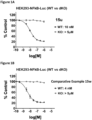
- Figs. 1A and 1B show the effects of different concentrations of 15u and Comparative Compound 15w on NF ⁇ B reporter activity in parental 293 and in CDK8/19 deficient (double-knockout) reporter cells. While these compounds inhibited the reporter induction at IC50 values of 10 and 4 nM, respectively, they had no effect on NF ⁇ B activation in CDK8/19-deficient cells, demonstrating that the inhibitory effects of both compounds depend on the presence of CDK8/19 and not on other determinants of NF ⁇ B activity, such as IKK.
- Fig. 1C and Table 1 compares the IC50 values for different thienopyridines measured in the NF ⁇ B reporter assay in parental 293-derived reporter cell line to the cell-based activity values measured for the same compounds by Saito (2013) based on their effect on alkaline phosphatase (ALPase), an indicator of differentiation to osteoblasts in the mouse bone marrow stromal cell line ST2.
- ALPase alkaline phosphatase
- the latter effects are expressed as EC 200 , a concentration that enhances ALPase activity to 200% of control.
- the IC50 values in the CDK8/19 NFkB assay are very strongly correlated with ALPase EC 200 values ( Fig.
- Table 2 shows the kinome profile of 15u_D6 and 15u as measured via the KINOMEscan TM site-directed competition binding assay at 2000 nM concentration.
- Compounds that bind the kinase active site and directly (sterically) or indirectly (allosterically) prevent kinase binding to the immobilized ligand, will reduce the amount of kinase captured on the solid support.
- test molecules that do not bind the kinase have no effect on the amount of kinase captured on the solid support. Screening "hits" are identified by measuring the amount of kinase captured in test versus control samples by using a quantitative, precise and ultra-sensitive qPCR method that detects the associated DNA label.
- Kds dissociation constants
- %Ctrl Percent Control
- Table 2 compares the results of kinome profiling between 15u and 15u_D6. Both 15u and 15u_D6 are highly selective for CDK8 and CDK19. Although 15u_D6 showed somewhat greater inhibition for most of the off-target kinases, the effect of 15u_D6 on CDK8 and CDK19 was much greater than the effect of 15u.
- the %Ctrl of 15u for CDK8 and CDK19 are 2.6 and 13, respectively.
- the %Ctrl of 15u_D6 for CDK8 and CDK19 are 0.25 and 0, respectively.
- the structural difference between 15u and 15u_D6 results in a major difference in target selectivity.
- Table 2 ScanMAX panel of 15u and 15u_D6 at 2000 nM.
- Entrez Gene Symbol 15u (%Ctr l) 15u_D 6 (%Ctr l) Entrez Gene Symbol 15u (%Ctr l) 15u_D 6 (%Ctr l)
- AAK1 94 90 MAK 100 91 ABL1(E255K)-phosphorylated 100 82 MAP3K1 84 90 ABL1(F317I)-nonphosphorylated 100 93 MAP3K15 97 92 ABL1(F317I)-phosphorplated 88 84 MAP3K2 98 86 ABL1(F317L)-nonphosphorylated 99 100 MAP3K3 100 72 ABL1(F317L)-phosphorylated 97 82 MAP3K4 90 100 ABL1(H396P)-nonphosphorylated 100 76 MAP4K2 84 66 ABL1(H396P)-
- the CDK8 and CDK19 K d values for 15u and Comparative Compound 15w are almost an order of magnitude higher than their IC50 values for CDK8/19 inhibition in a cell-based assay ( Figs. 1A and 1B ), indicating that the competition for ATP analog binding does not fully reflect the inhibitory activity of these compounds.
- the principal other kinases inhibited by 15u with K d values less than 4 times higher than for CDK8 are RIOK2 (also strongly inhibited by Comparative Compound 15w).
- CSNK1A1 and CSNK1E were not tested against Comparative Compound 15w.
- RIOK2 an atypical kinase regulating ribosomal biogenesis was identified as the target of a compound that selectively inhibited growth of prostate cancer cell lines carrying an oncogenic gene fusion that activates ERG gene in many prostate cancers.
- the same RIOK2-binding compound had only minimal effect on normal prostate or endothelial cells or ERG-negative tumor cell lines ( Mohamed, AA et al., Cancer Res. 2018 Jul 1;78(13):3659-3671. doi: 10.1158/0008-5472.CAN-17-2949 ).
- CSNK1A1 has been implicated as an oncogenic factor in a variety of leukemias and solid tumors ( Mannis, S. et al. J Hematol Oncol. 2017 Oct 2;10(1):157. doi: 10.1186/s13045-017-0529-5 ; Richter, J. et al., BMC Cancer. 2018 Feb 6;18(1):140. doi: 10.1186/s12885-018-4019-0 ) and CSNK1A1 inhibitors synergized with lysosomotropic agents to inhibit growth and promote tumor cell death in KRAS-driven cancers ( Cheong, J.K. et al., J Clin Invest. 2015 Apr;125(4):1401-18.
- CSNK1E inhibition was reported to have selective antiproliferative activity in several types of tumor cells ( Yang, WS, et al., Genome Biol. 2008;9(6):R92. doi: 10.1186/gb-2008-9-6-r92 ; Kim, S.Y. et al., PLoS One. 2010 Feb 1;5(2):e8979. doi: 10.1371/journal.pone.0008979 ; Toyoshima, M., et al., Proc Natl Acad Sci USA. 2012 Jun 12;109(24):9545-50.
- PK Pharmacokinetics Assay. To measure mouse pharmacokinetics (PK), thienopyridine derivatives were dissolved in 5% dextrose and administered to female FVB mice at different dosing conditions; blood samples were collected at different time points and compound concentrations in the serum were measured by LC/MS/MS.
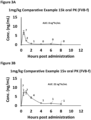
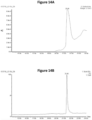
- Figs. 2A-2D and Table 4 show the PK curves and calculated parameters for Comparative Compound 15k, Comparative Compound 15v, and 15u, which were mixed and administered to mice intravenously (i.v.) at 0.5 mg/kg of each compound.
- 15u showed the highest and Comparative Compound 15k the lowest availability i.v., as indicated by the values of Area Under the Curve (AUC) and Elimination half-time (t 1/2 ).
- Figs. 3A-3C and Table 5 shows the PK curves and calculated parameters for the same mixture of Comparative Compound 15k, Comparative Compound 15v, and 15u, administered orally (by gavage) at 1 mg/kg of each compound.
- Comparative Compound 15w was also administered orally at 1 mg/kg.
- 15u showed by far the highest availability (AUC value), followed by Comparative Compound 15w, Comparative Compound 15v and Comparative Compound 15k.
- SnxB showed a similar AUC to Comparative Compound 15w ( Fig. 3E ). Table 5.
- Comparative Compound 15k Comparison of pharmacokinetics of Comparative Compound 15k, Comparative Compound 15v, 15u, and Comparative Compound 15w administered orally Comparative Compound 15k Comparative Compound 15v 15u Comparative Compound 15w C max (ng/mL) 6.7 7.2 35.1 35.0 t 1 ⁇ 2 (hr) 0.3 1.2 1.3 0.3 AUC (ng*hr/mL) 7.6 21.8 79.3 29.2 Bioavailability (F%) 9% 18% 43%
- Oral PK was also determined at higher dosages, approximating the expected therapeutic doses, for a mixture of the two most active compounds, Comparative Compound 15w and 15u, administered to female CD1 mice at 30 mg/kg of each compound in 0.5% carboxylmethyl cellulose.
- the results shown in Fig. 4A and 4B demonstrate that 15u (but not Comparative Compound 15w) shows excellent PK, with high AUC (6.9 times higher than the AUC of Comparative Compound 15w) and very slow clearance, as the average serum concentration of 15u at the latest timepoint (8 hrs) was 64.4% of C max (vs. 11.5% for Comparative Compound 15w).
- PKs of deuterated derivatives of 15u and Comparative Compound 15w eight to twelve-week-old female CD-1 mice were treated with 15u or 15u-D6 at 30mg/kg or Comparative Compound 15w, Comparative Compound 15w-D2, Comparative Compound 15w-D6 at 16 or 18 mg/kg by oral gavage in solution.
- Blood samples 70 ⁇ 100 ⁇ L were collected into BD Microtainer blood collection tubes for serum separation at different time points (1, 2, 6, 8 hours post administration) with heparinized microhematocrit capillary tubes from retro-orbital veins of anesthetized animals.
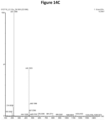
- Serum samples were processed for LCMSMS to determine drug concentration using compound-specific MRMs (15u: 439-394; 15u-D6: 445-394; Comparative Compound 15w: 453-436; Comparative Compound 15w-D2: 455-438; Comparative Compound 15w-D6: 459-442).
- Drug concentrations were plotted against time points to generate PK curves with GraphPad software and AUCs (area under the curve) within the first eight hours after dosing were calculated with Excel Software to compare PK profiles of undeuterated and deuterated compounds.
- CDK8/19 inhibition decreases the expression of certain androgen-receptor (AR) inducible genes including PSA, the most common marker of prostate cancer, and the growth of castration-refractory prostate cancers (CRPC).
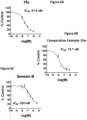
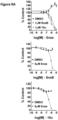
- Figs. 6A-6C show the effects of different concentrations of three CDK8/19 inhibitors, thienopyridine derivatives 15u and Comparative Compound 15w, and Senexin B, on PSA expression in cell culture supernatant of a CRPC cell line C4-2 after 4-day treatment in FBS-supplemented regular media. All 3 inhibitors suppressed PSA expression, with IC50 values of 27.6 nM for 15u, 15.7 nM for Comparative Compound 15w, and 255 nM for Senexin B.
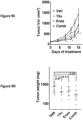
- CRPC cell line 22rv1 was grown as a xenograft in castrated male nude mice.
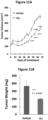
- 15u treatment strongly suppressed the tumor growth, as also demonstrated by the weight of tumors at the end of the study ( Fig. 7B ).
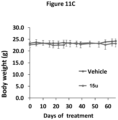
- 15u treatment showed no apparent adverse effects and no diminution of mouse body weight ( Fig. 7C ).
- 4T1 is a murine triple-negative breast cancer (TNBC) cell line, which is highly metastatic to the lungs.
- TNBC triple-negative breast cancer
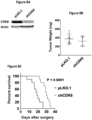
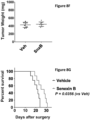
- the effect of CDK8 on lung metastasis in this model was demonstrated in the study shown in Fig. 8A-8C .
- CDK8-targeting shRNA was used to knock down CDK8 expression in 4T1 cells almost completely ( Fig. 8A ; these cells do not express detectable CDK19 protein).
- Senexin B treatment provided a statistically significant but moderate increase in survival ( Fig. 8G ).
- the favorable PK of 15u (Example 3) and its in vivo activities (Examples 4,5), together with its favorable kinome profile (Example 2) indicate that 15u is an effective CDK8/19 inhibitor and composition for use in the treatment of cancers linked to CDK8/19 activity.
- MYC-CaP-CR cells Ellis L. et al., 2012. Prostate 72(6):587-591 ) were selected for castration resistance from genetically engineered MYC-CaP cells that express MYC from an AR-responsive promoter ( Watson PA, et al., 2005. Cancer Res 65(24):11565-11571 ). Castration resistance in these cells is associated with the overexpression of full-length AR rather than an AR variant, such as AR-V7 in 22rv1 ( Olson BM, et al., 2017. Cancer immunology research 5(12):1074-1085 ).
- the anti-leukemic properties of 15u were investigated in an acute myeloid leukemia (AML) cell line MV4-11, previously shown to be sensitive to CDK8/19 inhibition in vitro and in vivo ( Pelish HE, et al., 2015. Nature 526(7572):273-276 ).
- the population of MV4-11 cells used for in vivo studies was made to express Luciferase and ZsGreen by lenviral infection with pHIV-Luc-ZsGreen, to enable leukemia growth analysis by bioluminescence imaging (BLI).
- the initial Luciferase-ZsGreen transduced cell population was sorted for ZsGreen positivity with fluorescence activated cell sorting.
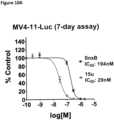
- This MV4-11 cell population was tested for sensitivity to 15u. 15u strongly inhibited MV4-11 proliferation, and was deemed anti-proliferative with an IC50 value of 25 nM ( Figure 10A ).
- mice 7-week-old female NSG mice (Jackson Laboratories) were injected with 2 x 10 6 luciferase-expressing MV4-11 cells in the tail vein. Following engraftment, BLI was performed on the inoculated mice 5 days after cell inoculation. After BLI, the mice were sorted into two matching cohorts of 10 mice and one cohort of 5 mice. BLI detection was done with IVIS Lumina II Series Hardware for In-Vivo Imaging with optional XFOV lens and Living Image software. The IVIS setting for sorting mice into cohorts was set for high sensitivity: Bin 8, F1.2, 180 sec. Subsequent exposures (week 1-5) were set for increased resolution: Bin 4, F1.2, 120 sec.
- mice received Vehicle only (5% carboxylmethyl cellulose) by gavage (200 ⁇ l).
- Ten mice received 30 mg/kg 15u suspended in the Vehicle twice daily by gavage (200 ⁇ l).
- 5 mice were treated with medicated food (chow) containing 15u at 1 g/kg in a custom Teklad diet prepared by Envigo (Madison, WI). This diet matches the diet used for normal mouse feeding, with the exception of added dye and 15u.
- the control MV4-11 xenografted mice (Vehicle) developed a vigorous tumor population as detected by BLI ( Figure 10B-10C ).
- mice treated with 15u by oral gavage demonstrated superior survival rates.
- TNBC cells Human MDA-MB-468 triple-negative breast cancer (TNBC) cells were found to be responsive to 15u and other CDK8/19 inhibitors upon long-term treatment in vitro.
- TNBC triple-negative breast cancer
- MTD maximum tolerated dose
- 8-week-old male or female CD-1 mice were randomly assigned to different dose groups and treated with 15u at escalating doses through either oral gavage in solution or medicated food.
- female CD-1 mice were treated with gavage twice a day (b.i.d.) providing 5, 10, 15, 30, 60 or 120 mg/kg of 15u and male CD-1 mice were treated with gavage b.i.d. providing 60 or 120 mg/kg for 14 days.
- No detrimental effects were observed in male mice of any treated groups (60 and 120 mg/kg b.i.d.) and female mice of the groups treated with 15u at doses up to 60mg/kg b.i.d.
- the highest dose 120mg/kg b.i.d. caused about 10% body weight loss in female mice after 7-10 days of treatment but no further deterioration was observed through the rest of the treatment period ( Figure 12A ).
- a docking model for compounds 15u, Comparative Compound 15w, Comparative Compound 15w_APP, Comparative Compound 15w_PP, and Comparative Compound 15u_CN binding to CDK8 was generated using Schrodinger Induced Fit docking.
- the Induced Fit protocol docks an active ligand with Glide and then to generate a diverse ensemble of ligand poses, the procedure uses reduced van der Waals radii and an increased Coulomb-vdW cutoff, to temporarily remove highly flexible side chains during the docking step.
- a Prime structure prediction is then used to accommodate the ligand by reorienting nearby side chains. These residues and the ligand are then minimized.
- each ligand is re-docked into its corresponding low energy protein structures and the resulting complexes are ranked according to GlideScore. This model was used to guide the design of the following predicted novel structures.
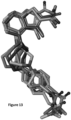
- Figure 13 displays an overlay of the binding modes of 15u, Comparative Compound 15w, Comparative Compound 15w_APP, Comparative Compound 15w_PP, Comparative Compound 15w_CN with CDK8.
- the results indicate the similarly in binding between the different thienopyridines and pyrrolopyridines.
- Comparison of 15u and Comparative Compound 15w to Comparative Compound 15w_APP indicates that the -NH- group replacing the sulfur does not alter the binding mode.
- Comparative Compound 15w_App and provides an extra H-bond donor to the hinge region of CDK8.
- the PP compounds display similar binding interactions to the APP analogs.
- Table 6 summarizes the structure activity relationship for compositions described herein.
- the NF ⁇ B Activity Assay HEK238-NFxB-Luc Assay
- theMV4-11 assay MV4-11-Luc Assay
- eight to twelve-week-old female CD-1 mice were treated with tested inhibitors at indicated doses (15-30 mg/kg) through oral gavage in a solution formulation (10% N-Methyl-2-Pyrrolidone (NMP), 27% Propylene Glycol (PG), 63% polyethylene glycol 400 (PEG-400)).
- NMP N-Methyl-2-Pyrrolidone
- PG Propylene Glycol
- PEG-400 polyethylene glycol 400
- Blood samples (70 ⁇ 100 ⁇ L) were collected into BD Microtainer blood collection tubes for serum separation at different time points (1, 2, 6, 8 hours post administration) with heparinized microhematocrit capillary tubes from retro-orbital veins of anesthetized animals. Serum samples were processed for LCMSMS to determine drug concentration using compound-specific MRMs (15u: 439-394; 15u-D6: 445-394; Comparative Compound 15w: 453-436; Comparative Compound 15w-D2: 455-438; Comparative Compound 15w-D6: 459-442).
- compound-specific MRMs 15u: 439-394; 15u-D6: 445-394; Comparative Compound 15w: 453-436; Comparative Compound 15w-D2: 455-438; Comparative Compound 15w-D6: 459-442).
- Scheme 1 shows a general synthetic procedure for preparing compounds disclosed herein. Preparation of specific compounds is provided below.
Landscapes
- Health & Medical Sciences (AREA)
- Chemical & Material Sciences (AREA)
- Organic Chemistry (AREA)
- Life Sciences & Earth Sciences (AREA)
- General Health & Medical Sciences (AREA)
- Veterinary Medicine (AREA)
- Public Health (AREA)
- Pharmacology & Pharmacy (AREA)
- Medicinal Chemistry (AREA)
- Animal Behavior & Ethology (AREA)
- Chemical Kinetics & Catalysis (AREA)
- General Chemical & Material Sciences (AREA)
- Nuclear Medicine, Radiotherapy & Molecular Imaging (AREA)
- Oncology (AREA)
- Epidemiology (AREA)
- Hematology (AREA)
- Pharmaceuticals Containing Other Organic And Inorganic Compounds (AREA)
- Nitrogen Condensed Heterocyclic Rings (AREA)
- Heterocyclic Carbon Compounds Containing A Hetero Ring Having Oxygen Or Sulfur (AREA)
Applications Claiming Priority (2)
| Application Number | Priority Date | Filing Date | Title |
|---|---|---|---|
| US201962800239P | 2019-02-01 | 2019-02-01 | |
| PCT/US2020/016394 WO2020160537A1 (en) | 2019-02-01 | 2020-02-03 | Bicyclic pyridine compositions and methods of using the same for cancer therapy |
Publications (4)
| Publication Number | Publication Date |
|---|---|
| EP3917523A1 EP3917523A1 (en) | 2021-12-08 |
| EP3917523A4 EP3917523A4 (en) | 2022-10-19 |
| EP3917523C0 EP3917523C0 (en) | 2024-09-11 |
| EP3917523B1 true EP3917523B1 (en) | 2024-09-11 |
Family
ID=71842384
Family Applications (1)
| Application Number | Title | Priority Date | Filing Date |
|---|---|---|---|
| EP20749196.0A Active EP3917523B1 (en) | 2019-02-01 | 2020-02-03 | Bicyclic pyridine compounds for use in treating cancer |
Country Status (8)
| Country | Link |
|---|---|
| US (1) | US11572369B2 (enExample) |
| EP (1) | EP3917523B1 (enExample) |
| JP (1) | JP7628252B2 (enExample) |
| CN (1) | CN113677341B (enExample) |
| AU (1) | AU2020216498B2 (enExample) |
| CA (1) | CA3128377A1 (enExample) |
| ES (1) | ES2991429T3 (enExample) |
| WO (1) | WO2020160537A1 (enExample) |
Families Citing this family (1)
| Publication number | Priority date | Publication date | Assignee | Title |
|---|---|---|---|---|
| WO2024193640A1 (zh) * | 2023-03-22 | 2024-09-26 | 上海齐鲁制药研究中心有限公司 | Cdk抑制剂 |
Family Cites Families (29)
| Publication number | Priority date | Publication date | Assignee | Title |
|---|---|---|---|---|
| US4271723A (en) | 1976-11-19 | 1981-06-09 | Caterpillar Tractor Co. | Power train with an auxiliary creeper drive system |
| GB9402029D0 (en) | 1994-02-03 | 1994-03-30 | Smithkline Beecham Plc | Novel formulation |
| DE60325051D1 (de) | 2002-06-06 | 2009-01-15 | Boehringer Ingelheim Pharma | SUBSTITUIERTE 3-AMINO-THIENO(2,3-b)PYRIDINE-2-AMIDE UND HERSTELLUNGSVERFAHREN SOWIE DEREN VERWENDUNG |
| US7205308B2 (en) * | 2002-09-04 | 2007-04-17 | Schering Corporation | Trisubstituted 7-aminopyrazolopyrimidines as cyclin dependent kinase inhibitors |
| EP1764367A1 (en) * | 2004-04-12 | 2007-03-21 | Sankyo Company, Limited | Thienopyridine derivatives |
| US20070021927A1 (en) | 2005-07-21 | 2007-01-25 | Searete Llc, A Limited Liability Corporation Of The State Of Delaware | Selective resonance of chemical structures |
| US20070207201A1 (en) | 2006-03-06 | 2007-09-06 | Wyeth | Liquid and Semi-Solid Pharmaceutical Formulations and Processes |
| JP2008260693A (ja) * | 2007-04-10 | 2008-10-30 | Daiichi Sankyo Co Ltd | チエノピリジン−2−カルボキサミド誘導体を含有する医薬組成物 |
| US8598344B2 (en) | 2009-11-30 | 2013-12-03 | Senex Biotechnology | CDKI pathway inhibitors and uses thereof |
| EP2489354A1 (en) | 2011-02-18 | 2012-08-22 | Vironova AB | Pharmaceutical formulation of B220 for topical treatment of herpes |
| EA027531B1 (ru) | 2011-09-13 | 2017-08-31 | Игорь Ронинсон | ЛЕЧЕНИЕ ЗАБОЛЕВАНИЙ И НАРУШЕНИЙ, ВЫЗВАННЫХ АКТИВНОСТЬЮ ТРАНСКРИПЦИОННОГО ФАКТОРА NF-κB |
| KR20150023223A (ko) | 2012-02-02 | 2015-03-05 | 세넥스 바이오테크놀러지 인코포레이티드 | Cdk8/cdk19 선택성 억제제 및 암에 대한 항-전이 및 화학예방 방법에서 이들의 용도 |
| KR20160014568A (ko) * | 2012-11-01 | 2016-02-11 | 유니버시티 오브 싸우스 캐롤라이나 | 전립선암을 치료하는 방법 |
| WO2014087240A2 (en) * | 2012-12-04 | 2014-06-12 | Dalhousie University | Compositions, methods and kits for preventing, reducing, and eliminating cancer metastasis |
| CN103012428A (zh) * | 2013-01-08 | 2013-04-03 | 中国药科大学 | 4-(五元杂环并嘧啶/吡啶取代)氨基-1H-3-吡唑甲酰胺类CDK/Aurora双重抑制剂及其用途 |
| WO2014134169A1 (en) * | 2013-02-26 | 2014-09-04 | Senex Biotechnology, Inc. | Inhibitors of cdk8/19 for use in treating estrogen receptor positive breast cancer |
| WO2014164543A1 (en) * | 2013-03-13 | 2014-10-09 | The Regents Of The University Of Michigan | Compositions comprising thienopyrimidine and thienopyridine compounds and methods of use thereof |
| WO2014194245A2 (en) | 2013-05-31 | 2014-12-04 | Nimbus Iris, Inc. | Cdk8 inhibitors and uses thereof |
| US9937153B2 (en) | 2013-08-30 | 2018-04-10 | Merck Sharp & Dohme Ltd. | Oral pharmaceutical formulation of omarigliptin |
| AU2014369834B2 (en) | 2013-12-24 | 2018-12-20 | President And Fellows Of Harvard College | Cortistatin analogues and syntheses and uses thereof |
| US9566280B2 (en) * | 2014-01-28 | 2017-02-14 | Massachusetts Institute Of Technology | Combination therapies and methods of use thereof for treating cancer |
| NZ722345A (en) * | 2014-02-14 | 2018-02-23 | Inception 2 Inc | Pyrazolone compounds and uses thereof |
| WO2016018511A2 (en) | 2014-06-10 | 2016-02-04 | University Of South Carolina | Methods and compositions for treatment of her-positive cancers |
| JP2017522324A (ja) * | 2014-07-17 | 2017-08-10 | メルク パテント ゲゼルシャフト ミット ベシュレンクテル ハフツングMerck Patent Gesellschaft mit beschraenkter Haftung | 新規ナフチリジン及びイソキノリンならびにcdk8/19阻害剤としてのその使用 |
| WO2016041618A1 (en) * | 2014-09-15 | 2016-03-24 | Merck Patent Gmbh | Substituted indazoles and related heterocycles |
| US20210322651A1 (en) | 2014-12-18 | 2021-10-21 | Senex Biotechnology, Inc. | Suppression of neointimal formation following vascular surgeru using cdk8 inhibitors |
| AU2016348659B2 (en) * | 2015-11-03 | 2022-07-28 | Apriligen, Inc. | Compounds for treatment of hypoproliferative disorders |
| US11014906B2 (en) | 2018-08-21 | 2021-05-25 | University Of South Carolina | Quinoline-based compounds and methods of inhibiting CDK8/19 |
| WO2020237014A1 (en) * | 2019-05-21 | 2020-11-26 | University Of South Carolina | 3-amino-4-(4-(4 (dimethylcarbamoyl) phenyl)-1,4-diazepan-1-yl) thieno [2,3-b] pyridine-2-carboxamide for use in cancer therapy and formulations comprising the same |
-
2020
- 2020-02-03 CN CN202080026293.4A patent/CN113677341B/zh active Active
- 2020-02-03 AU AU2020216498A patent/AU2020216498B2/en active Active
- 2020-02-03 CA CA3128377A patent/CA3128377A1/en active Pending
- 2020-02-03 WO PCT/US2020/016394 patent/WO2020160537A1/en not_active Ceased
- 2020-02-03 ES ES20749196T patent/ES2991429T3/es active Active
- 2020-02-03 EP EP20749196.0A patent/EP3917523B1/en active Active
- 2020-02-03 JP JP2021544801A patent/JP7628252B2/ja active Active
- 2020-02-03 US US17/427,487 patent/US11572369B2/en active Active
Also Published As
| Publication number | Publication date |
|---|---|
| CN113677341A (zh) | 2021-11-19 |
| WO2020160537A1 (en) | 2020-08-06 |
| AU2020216498A1 (en) | 2021-09-23 |
| CA3128377A1 (en) | 2020-08-06 |
| CN113677341B (zh) | 2024-07-05 |
| US11572369B2 (en) | 2023-02-07 |
| EP3917523A4 (en) | 2022-10-19 |
| EP3917523C0 (en) | 2024-09-11 |
| AU2020216498B2 (en) | 2025-08-28 |
| JP2022523742A (ja) | 2022-04-26 |
| US20220135583A1 (en) | 2022-05-05 |
| ES2991429T3 (es) | 2024-12-03 |
| EP3917523A1 (en) | 2021-12-08 |
| JP7628252B2 (ja) | 2025-02-10 |
Similar Documents
| Publication | Publication Date | Title |
|---|---|---|
| KR101920456B1 (ko) | 신규한 이미다조피리딘 유도체, 이의 제조방법 및 이를 유효성분으로 함유하는 암의 예방 또는 치료용 약학적 조성물 | |
| EP3778604B1 (en) | Lrrk2 inhibitors and methods of making and using the same | |
| EP3587422A2 (en) | Pyrrolo-pyrimidine derivative compound, preparation method therefor, and pharmaceutical composition comprising same compound as effective ingredient for preventing or treating protein kinase-related disease | |
| KR102782739B1 (ko) | 2,4,5-치환된 피리미딘 유도체, 이의 제조방법 및 이를 유효성분으로 포함하는 암의 예방 또는 치료용 약학적 조성물 | |
| KR102901976B1 (ko) | 2,4,5-치환된 피리미딘 유도체, 이의 제조방법 및 이를 유효성분으로 포함하는 암 또는 염증질환의 예방 또는 치료용 약학적 조성물 | |
| US12479847B2 (en) | Pyrrolopyrimidine inhibitors of wild-type and mutant forms of LRRK2 | |
| EP3604304B1 (en) | Pyrrolo-pyridine derivative compound, method for preparing same, and pharmaceutical composition containing same as active ingredient for prevention or treatment of protein kinase-related diseases | |
| US11014906B2 (en) | Quinoline-based compounds and methods of inhibiting CDK8/19 | |
| US20220226343A1 (en) | 3-amino-4-[4-[4 (dimethylcarbamoyl) phenyl]-1,4-diazepan-1-yl]thieno[2,3-b]pyridine-2-carboxamide for use in cancer therapy and formulations comprising the same | |
| CN112867493A (zh) | 野生型和突变型lrrk2的氮杂吲哚抑制剂 | |
| EP3917523B1 (en) | Bicyclic pyridine compounds for use in treating cancer | |
| US20110230481A2 (en) | Derivatives of tetrabromobenzimidazole, a process for the preparation thereof, a pharmaceutical composition comprising the same, a method of using the same, a method for modulating or regulating serine/threonine kinases, and serine/threonine kinases modulating agent | |
| KR102328435B1 (ko) | 신규 피리도-피리미딘 유도체, 이의 제조방법 및 이를 유효성분으로 함유하는 단백질 키나아제 관련 질환의 예방 또는 치료용 약학적 조성물 | |
| KR102293980B1 (ko) | 디하이드로피라노[3,2-g]크로멘-2-온 유도체 및 이를 유효성분으로 함유하는 암의 예방 또는 치료용 약학적 조성물 | |
| KR20200006495A (ko) | N-(3-(이미다조[1,2-b]피리다진-3-일에티닐)-4-메틸페닐)-5-페닐-4,5-다이하이드로-1H-피라졸-1-카복사마이드 유도체 및 이를 유효성분으로 포함하는 키나아제 관련 질환 치료용 약학적 조성물 | |
| KR20200088945A (ko) | 벤조[b][1,4]옥사제핀 유도체 및 이를 유효성분으로 포함하는 키나아제 관련 질환 치료용 약학적 조성물 | |
| US12281080B2 (en) | Quinoline-based compounds and methods of inhibiting CDK8/19 | |
| KR102328423B1 (ko) | 신규 트리아졸로-피리미딘 유도체, 이의 제조방법 및 이를 유효성분으로 함유하는 단백질 키나아제 관련 질환의 예방 또는 치료용 약학적 조성물 | |
| KR102286701B1 (ko) | 피리도[2,3-d]피리미딘 유도체, 이의 제조방법 및 이를 유효성분으로 포함하는 암의 예방 또는 치료용 약학적 조성물 | |
| US20230391775A1 (en) | Substituted diarylamine compound, pharmaceutical composition thereof, preparation method therefor, and use thereof | |
| KR20200105592A (ko) | 4-((1h-피라졸-3-일)아미노)프탈라진-1(2h)-온 유도체 및 이를 유효성분으로 포함하는 암의 예방 또는 치료용 약학적 조성물 | |
| HK40044616A (en) | Lrrk2 inhibitors and methods of making and using the same | |
| HK40045412A (en) | Lrrk2 inhibitors and methods of making and using the same |
Legal Events
| Date | Code | Title | Description |
|---|---|---|---|
| STAA | Information on the status of an ep patent application or granted ep patent |
Free format text: STATUS: THE INTERNATIONAL PUBLICATION HAS BEEN MADE |
|
| PUAI | Public reference made under article 153(3) epc to a published international application that has entered the european phase |
Free format text: ORIGINAL CODE: 0009012 |
|
| STAA | Information on the status of an ep patent application or granted ep patent |
Free format text: STATUS: REQUEST FOR EXAMINATION WAS MADE |
|
| 17P | Request for examination filed |
Effective date: 20210831 |
|
| AK | Designated contracting states |
Kind code of ref document: A1 Designated state(s): AL AT BE BG CH CY CZ DE DK EE ES FI FR GB GR HR HU IE IS IT LI LT LU LV MC MK MT NL NO PL PT RO RS SE SI SK SM TR |
|
| DAV | Request for validation of the european patent (deleted) | ||
| DAX | Request for extension of the european patent (deleted) | ||
| REG | Reference to a national code |
Ref country code: DE Ipc: A61K0031551000 Ref country code: DE Ref legal event code: R079 Ref document number: 602020037572 Country of ref document: DE Free format text: PREVIOUS MAIN CLASS: A61K0031436500 Ipc: A61K0031551000 |
|
| A4 | Supplementary search report drawn up and despatched |
Effective date: 20220915 |
|
| RIC1 | Information provided on ipc code assigned before grant |
Ipc: C07D 471/04 20060101ALI20220909BHEP Ipc: A61K 45/06 20060101ALI20220909BHEP Ipc: A61K 31/4166 20060101ALI20220909BHEP Ipc: A61P 35/02 20060101ALI20220909BHEP Ipc: A61P 35/00 20060101ALI20220909BHEP Ipc: C07D 495/04 20060101ALI20220909BHEP Ipc: A61K 31/4365 20060101ALI20220909BHEP Ipc: A61K 31/551 20060101AFI20220909BHEP |
|
| STAA | Information on the status of an ep patent application or granted ep patent |
Free format text: STATUS: EXAMINATION IS IN PROGRESS |
|
| 17Q | First examination report despatched |
Effective date: 20231102 |
|
| GRAP | Despatch of communication of intention to grant a patent |
Free format text: ORIGINAL CODE: EPIDOSNIGR1 |
|
| STAA | Information on the status of an ep patent application or granted ep patent |
Free format text: STATUS: GRANT OF PATENT IS INTENDED |
|
| RIN1 | Information on inventor provided before grant (corrected) |
Inventor name: MCINNES, CAMPBELL Inventor name: ZHANG, LI Inventor name: LIANG, JIAXIN Inventor name: LI, JING Inventor name: CHEN, MENGQIAN Inventor name: RONINSON, IGOR B. |
|
| INTG | Intention to grant announced |
Effective date: 20240410 |
|
| GRAS | Grant fee paid |
Free format text: ORIGINAL CODE: EPIDOSNIGR3 |
|
| GRAA | (expected) grant |
Free format text: ORIGINAL CODE: 0009210 |
|
| STAA | Information on the status of an ep patent application or granted ep patent |
Free format text: STATUS: THE PATENT HAS BEEN GRANTED |
|
| AK | Designated contracting states |
Kind code of ref document: B1 Designated state(s): AL AT BE BG CH CY CZ DE DK EE ES FI FR GB GR HR HU IE IS IT LI LT LU LV MC MK MT NL NO PL PT RO RS SE SI SK SM TR |
|
| REG | Reference to a national code |
Ref country code: GB Ref legal event code: FG4D |
|
| REG | Reference to a national code |
Ref country code: CH Ref legal event code: EP |
|
| REG | Reference to a national code |
Ref country code: DE Ref legal event code: R096 Ref document number: 602020037572 Country of ref document: DE |
|
| REG | Reference to a national code |
Ref country code: IE Ref legal event code: FG4D |
|
| U01 | Request for unitary effect filed |
Effective date: 20241004 |
|
| U07 | Unitary effect registered |
Designated state(s): AT BE BG DE DK EE FI FR IT LT LU LV MT NL PT RO SE SI Effective date: 20241028 |
|
| REG | Reference to a national code |
Ref country code: ES Ref legal event code: FG2A Ref document number: 2991429 Country of ref document: ES Kind code of ref document: T3 Effective date: 20241203 |
|
| PG25 | Lapsed in a contracting state [announced via postgrant information from national office to epo] |
Ref country code: HR Free format text: LAPSE BECAUSE OF FAILURE TO SUBMIT A TRANSLATION OF THE DESCRIPTION OR TO PAY THE FEE WITHIN THE PRESCRIBED TIME-LIMIT Effective date: 20240911 |
|
| PG25 | Lapsed in a contracting state [announced via postgrant information from national office to epo] |
Ref country code: RS Free format text: LAPSE BECAUSE OF FAILURE TO SUBMIT A TRANSLATION OF THE DESCRIPTION OR TO PAY THE FEE WITHIN THE PRESCRIBED TIME-LIMIT Effective date: 20241211 |
|
| REG | Reference to a national code |
Ref country code: GR Ref legal event code: EP Ref document number: 20240402885 Country of ref document: GR Effective date: 20250120 |
|
| PG25 | Lapsed in a contracting state [announced via postgrant information from national office to epo] |
Ref country code: RS Free format text: LAPSE BECAUSE OF FAILURE TO SUBMIT A TRANSLATION OF THE DESCRIPTION OR TO PAY THE FEE WITHIN THE PRESCRIBED TIME-LIMIT Effective date: 20241211 Ref country code: HR Free format text: LAPSE BECAUSE OF FAILURE TO SUBMIT A TRANSLATION OF THE DESCRIPTION OR TO PAY THE FEE WITHIN THE PRESCRIBED TIME-LIMIT Effective date: 20240911 |
|
| U20 | Renewal fee for the european patent with unitary effect paid |
Year of fee payment: 6 Effective date: 20250227 |
|
| PG25 | Lapsed in a contracting state [announced via postgrant information from national office to epo] |
Ref country code: IS Free format text: LAPSE BECAUSE OF FAILURE TO SUBMIT A TRANSLATION OF THE DESCRIPTION OR TO PAY THE FEE WITHIN THE PRESCRIBED TIME-LIMIT Effective date: 20250111 |
|
| PG25 | Lapsed in a contracting state [announced via postgrant information from national office to epo] |
Ref country code: SM Free format text: LAPSE BECAUSE OF FAILURE TO SUBMIT A TRANSLATION OF THE DESCRIPTION OR TO PAY THE FEE WITHIN THE PRESCRIBED TIME-LIMIT Effective date: 20240911 |
|
| PGFP | Annual fee paid to national office [announced via postgrant information from national office to epo] |
Ref country code: ES Payment date: 20250303 Year of fee payment: 6 |
|
| PGFP | Annual fee paid to national office [announced via postgrant information from national office to epo] |
Ref country code: IE Payment date: 20250227 Year of fee payment: 6 |
|
| PGFP | Annual fee paid to national office [announced via postgrant information from national office to epo] |
Ref country code: NO Payment date: 20250227 Year of fee payment: 6 |
|
| PGFP | Annual fee paid to national office [announced via postgrant information from national office to epo] |
Ref country code: GR Payment date: 20250226 Year of fee payment: 6 |
|
| PG25 | Lapsed in a contracting state [announced via postgrant information from national office to epo] |
Ref country code: CZ Free format text: LAPSE BECAUSE OF FAILURE TO SUBMIT A TRANSLATION OF THE DESCRIPTION OR TO PAY THE FEE WITHIN THE PRESCRIBED TIME-LIMIT Effective date: 20240911 Ref country code: PL Free format text: LAPSE BECAUSE OF FAILURE TO SUBMIT A TRANSLATION OF THE DESCRIPTION OR TO PAY THE FEE WITHIN THE PRESCRIBED TIME-LIMIT Effective date: 20240911 |
|
| PG25 | Lapsed in a contracting state [announced via postgrant information from national office to epo] |
Ref country code: SK Free format text: LAPSE BECAUSE OF FAILURE TO SUBMIT A TRANSLATION OF THE DESCRIPTION OR TO PAY THE FEE WITHIN THE PRESCRIBED TIME-LIMIT Effective date: 20240911 |
|
| PLBE | No opposition filed within time limit |
Free format text: ORIGINAL CODE: 0009261 |
|
| STAA | Information on the status of an ep patent application or granted ep patent |
Free format text: STATUS: NO OPPOSITION FILED WITHIN TIME LIMIT |
|
| 26N | No opposition filed |
Effective date: 20250612 |
|
| PG25 | Lapsed in a contracting state [announced via postgrant information from national office to epo] |
Ref country code: MC Free format text: LAPSE BECAUSE OF FAILURE TO SUBMIT A TRANSLATION OF THE DESCRIPTION OR TO PAY THE FEE WITHIN THE PRESCRIBED TIME-LIMIT Effective date: 20240911 |
|
| REG | Reference to a national code |
Ref country code: CH Ref legal event code: PL |
|
| PG25 | Lapsed in a contracting state [announced via postgrant information from national office to epo] |
Ref country code: CH Free format text: LAPSE BECAUSE OF NON-PAYMENT OF DUE FEES Effective date: 20250228 |
|
| U20 | Renewal fee for the european patent with unitary effect paid |
Year of fee payment: 7 Effective date: 20260227 |
|
| PGFP | Annual fee paid to national office [announced via postgrant information from national office to epo] |
Ref country code: GB Payment date: 20260227 Year of fee payment: 7 |