EP3916111A1 - General-purpose primer sets for detecting flaviviruses and use thereof - Google Patents
General-purpose primer sets for detecting flaviviruses and use thereof Download PDFInfo
- Publication number
- EP3916111A1 EP3916111A1 EP20744348.2A EP20744348A EP3916111A1 EP 3916111 A1 EP3916111 A1 EP 3916111A1 EP 20744348 A EP20744348 A EP 20744348A EP 3916111 A1 EP3916111 A1 EP 3916111A1
- Authority
- EP
- European Patent Office
- Prior art keywords
- flavivirus
- viruses
- detecting
- primer
- virus
- Prior art date
- Legal status (The legal status is an assumption and is not a legal conclusion. Google has not performed a legal analysis and makes no representation as to the accuracy of the status listed.)
- Granted
Links
Images




















Classifications
-
- C—CHEMISTRY; METALLURGY
- C12—BIOCHEMISTRY; BEER; SPIRITS; WINE; VINEGAR; MICROBIOLOGY; ENZYMOLOGY; MUTATION OR GENETIC ENGINEERING
- C12Q—MEASURING OR TESTING PROCESSES INVOLVING ENZYMES, NUCLEIC ACIDS OR MICROORGANISMS; COMPOSITIONS OR TEST PAPERS THEREFOR; PROCESSES OF PREPARING SUCH COMPOSITIONS; CONDITION-RESPONSIVE CONTROL IN MICROBIOLOGICAL OR ENZYMOLOGICAL PROCESSES
- C12Q1/00—Measuring or testing processes involving enzymes, nucleic acids or microorganisms; Compositions therefor; Processes of preparing such compositions
- C12Q1/70—Measuring or testing processes involving enzymes, nucleic acids or microorganisms; Compositions therefor; Processes of preparing such compositions involving virus or bacteriophage
- C12Q1/701—Specific hybridization probes
-
- Y—GENERAL TAGGING OF NEW TECHNOLOGICAL DEVELOPMENTS; GENERAL TAGGING OF CROSS-SECTIONAL TECHNOLOGIES SPANNING OVER SEVERAL SECTIONS OF THE IPC; TECHNICAL SUBJECTS COVERED BY FORMER USPC CROSS-REFERENCE ART COLLECTIONS [XRACs] AND DIGESTS
- Y02—TECHNOLOGIES OR APPLICATIONS FOR MITIGATION OR ADAPTATION AGAINST CLIMATE CHANGE
- Y02A—TECHNOLOGIES FOR ADAPTATION TO CLIMATE CHANGE
- Y02A50/00—TECHNOLOGIES FOR ADAPTATION TO CLIMATE CHANGE in human health protection, e.g. against extreme weather
- Y02A50/30—Against vector-borne diseases, e.g. mosquito-borne, fly-borne, tick-borne or waterborne diseases whose impact is exacerbated by climate change
Definitions
- the present invention was made with the support of the Ministry of Health and Welfare, Republic of Korea, under Project No. HG18C0028, which was executed in the research project named "Proposal of standardization methods for efficient surveillance of infectious disease vectors (hard ticks and mosquitoes) and studies of ecological characteristics of infectious disease vectors for efficient management thereof” in the research program titled “ Infectious disease crisis response technology development (Government-wide R&D Fund project for infectious disease research)” by the Industry Foundation of Chonnam National University under management of the Korea Health Industry Development Institute, from 01 August 2018 to 31 December 2020 .
- the present invention relates to general-purpose primer sets for detecting flaviviruses and uses thereof.
- Dengue virus, yellow fever virus, Japanese encephalitis virus, West Nile virus, and Zika virus all belong to the genus Flavivirus and the family Flaviviridae, and the diseases therefrom are spread between an animal and a person and between a person and a person by disease-transmitting mosquitoes living inside and outside Korea, such as Aedes albopictus, Aedes aegypti, Culex pipiens, Culex tritaeniorhynchus, and Aedes vexans.
- Dengue fever caused by dengue virus, is a very painful disease, which occurs in more than 100 countries around the world, and about 2.5 billion people, 40% of the world's population, are exposed to the dengue infection. This disease is mainly distributed in the tropical and subtropical regions and is widely spread up to 35 degrees north/south latitude based on the equator. Korea is not an endemic area for dengue fever, but the number of cases reported in Korea after being infected overseas every year is steadily increasing from 6 cases in 2001 to 313 cases in 2016.
- Yellow fever is a type of acute viral hemorrhagic fever prevalent in Africa, South America, and North America. Yellow fever virus is known as a causative pathogen, and Aedes aegypti has been known to be a major disease vector. There is fever, general pain, vomiting, or the like after the latent period of 3 to 6 days, and shock and coma symptoms occur within 7 to 10 days if appropriate measures are not taken after the onset of symptoms. If jaundice occurs later, the mortality rate is 20 to 50%.
- a method of detecting viral antigens by using antigen/antibody responses through the isolation of viruses from the blood or biopsy and a method of diagnosing the presence or absence of viruses through RT-PCR after the extraction of viral RNA from a sample are mainly used.
- Japanese encephalitis is caused by Japanese encephalitis virus, and Culex tritaeniorhynchus and Culex pipiens are known to be main vectors therefor.
- Japanese encephalitis is a mosquito-borne viral disease naturalized in Korea as of 2018. Every year, the Korea Centers for Disease Control and Prevention and the Regional Center for Vector Surveillance in climate Change collect Culex tritaeniorhynchus, and then issue a Japanese encephalitis watch across the country in the event of detection of Culex tritaeniorhynchus and a Japanese encephalitis warning across the country when the average number of individuals collected per day is 500 or more and the amount of collection exceeds 50% of the total mosquito collection, thereby contributing to the protection of the public health.
- Japanese encephalitis is mainly found in Asia on the Pacific coast, and more than 1.7 billion people in more than 10 countries are at risk of infection.
- Japanese encephalitis is endemic in Malaysia and Indonesia and thus continues to plague the inhabitants.
- Japanese encephalitis is prevalently spread in China, Japan, Korea, and the like at the end of hot and humid summer, and especially, between August and November when mosquitoes are active by Korean standards.
- Japanese encephalitis like typical viral diseases, has no special treatment, so prevention is the best.
- a vaccine therefor has been developed, and in cases of Koreans, the incidence of the disease is remarkably low due to the vaccination at birth and during infancy.
- viral diagnosis is made by using antibodies from the blood or by molecular diagnosis using RT-PCR after extraction of viral RNA.
- West Nile fever caused by West Nile virus, was announced as a designated infectious disease in July 2007 and as a fourth group legal infectious disease in 2011 in Korea.
- the West Nile case was first reported around 2012, and as a result of epidemiological investigation, the case was found to develop the disease in Korea after residing in Guinea, Africa.
- West Nile is a disease that is retained in birds and then transmitted via mosquito vectors to humans and horses, and is prevalent in Africa, Middle East, and Europe. Since West Nile fever is prevalent on a large scale in the eastern part of the United States, West Nile fever is highly likely to flow into Korea, which has many exchanges with the United States, via humans or imported birds.
- viral diagnosis can be made by a culture method of isolating virus from a sample and culturing and identifying the virus, an antigen/antibody method using an antibody, or RT-PCR-based molecular diagnostics of detecting a virus-specific gene after nucleic acid extraction.
- Zika virus like yellow fever virus and dengue virus, is transmitted via mosquitoes, and it has been reported that Zika virus may be transmitted via Aedes aegypti and Aedes albopictus. Since Aedes albopictus live in Korea, Zika virus is considered as one of the main vector-borne diseases that can be naturalized in Korea. Zika virus causes a minor Zika fever, but it has been reported that a pregnant woman, when infected, may give birth to a baby with microcephaly, and it has been reported that Zika virus may be transmitted through blood transfusion and sexual contact, and thus extreme concern about Zika virus is spreading all over the world. It has not been long since the Zika virus has been identified as a problematic disease, and thus rather than rapid diagnostics using antibodies, many molecular diagnostics where viral RNA is extracted and Zika virus-specific genes are detected by RT-PCR have been developed.
- Flavivirus Since these major pathogens belonging to the genus Flavivirus are spread via mosquitoes, the Centers for Disease Control and Prevention and related institutions around the world are conducting bio-surveillance tasks of continuously surveilling whether new viruses flow into a corresponding region by continuously collecting mosquitoes in the region every year, extracting viral RNA, and performing PCR-based molecular diagnosis.
- quarantine agencies the Regional Center for Vector Surveillance in climate Change, the local government Research Institute of Public Health and Environment, and the like are executing related tasks, and are continuously observing the domestic influx of dengue virus, yellow fever virus, Japanese encephalitis virus, West Nile virus, and Zika virus by using RT-PCR and real-time PCR.
- Vina-Rodriguez et al. developed a method for detecting new viruses by combining RT-qPCR and a microarray technique to detect new flaviviruses, and this method presented a method of detecting viruses from a sample by using primer sets that detect the NS5 gene sequence possessed by the flavivirus, like in Yang, and then analyzing a PCR product using a microarray.
- the present inventors endeavored to develop general-purpose primers capable of promptly and accurately detecting various types of flaviviruses.
- the present inventors designed a pair set of primers having optimal amplification efficiency and specificity by aligning the nucleotide sequences of dengue viruses, Japanese encephalitis viruses, West Nile viruses, yellow fever viruses, and Zika viruses, selecting the conserved region, and then performing secondary structure analysis and sequence modification of primers, and established that the use of the primer set can early detect the influx of flaviviruses and the infection with flaviviruses with high sensitivity, and thus completed the present invention.
- an aspect of the present invention is to provide a general-purpose primer set for detecting a flavivirus.
- Another aspect of the present invention is to provide a kit for diagnosing a flavivirus, the kit including a general-purpose primer set for flavivirus detection.
- Still another aspect of the present invention is to provide a method for diagnosing a flavivirus.
- the present invention is directed to a general-purpose primer set for detecting a flavivirus, to a kit for diagnosing a flavivirus, the kit including the primer set, and to a method for diagnosing a flavivirus by using the same, wherein the use of the primer set of the present invention can detect various types of flaviviruses from a sample with high sensitivity.
- a general-purpose primer set for detecting a flavivirus including a primer consist of the nucleotide sequence of SEQ ID NO: 1 and a primer consist of the nucleotide sequence of SEQ ID NO: 2.
- primer refers to a short nucleic acid sequence having a free 3'-hydroxyl group, which can form base pairs with a complementary template of a plant nucleic acid and serves as a starting point for template strand replication.
- oligonucleotides used as the primers may include a nucleotide analogue, for example, a locked nucleic acid (LNA), a phosphorothioate, an alkyl phosphorothioate, or a peptide nucleic acid, or may include an intercalating agent.
- LNA locked nucleic acid
- phosphorothioate phosphorothioate
- alkyl phosphorothioate an alkyl phosphorothioate
- peptide nucleic acid or may include an intercalating agent.
- the general-purpose primers for detecting a flavivirus include a locked nucleic acid (LNA).
- LNA locked nucleic acid
- the general-purpose primers for detecting a flavivirus can be used in the detection of various type of viruses belonging to the genus Flavivirus.
- flavivirus refers to a positive single-stranded RNA virus with a size of 40-50 nm belonging to the genus Flavivirus and the family Flaviviridae, wherein main vectors for the flavivirus are mosquitoes or ticks and the flavivirus causes febrile or encephalitis diseases in infected animals or humans.
- Examples of the flavivirus detectable using the general-purpose primers for detecting a flavivirus of the present invention are dengue viruses, Japanese encephalitis viruses, West Nile viruses, yellow fever viruses, and Zika viruses.
- kits for diagnosing a flavivirus including a general-purpose primer set for flavivirus detection, the primer set being composed of a set of primers of SEQ ID NO: 1 and SEQ ID NO: 2.
- the kit may be used to diagnose or detect a flavivirus from a sample.
- the kit may include not only a general-purpose primer set for detecting a flavivirus, the primer set including a primer consist of the nucleotide sequence of SEQ ID NO: 1 and a primer consist of the nucleotide sequence of SEQ ID NO: 2, but also a composition of one or more other components, a solution, or a device, which is suitable for analysis.
- the kit may be a composition containing essential components necessary to perform PCR analysis, and the kit may include, in addition to respective primer sets, test tubes or other suitable containers, reaction buffers (pH and magnesium concentration being varied), deoxynucleotides (dNTPs), enzymes such as Taq-polymerase, DNase, RNAse inhibitors, DEPC-water, sterile water, and the like.
- reaction buffers pH and magnesium concentration being varied
- dNTPs deoxynucleotides
- enzymes such as Taq-polymerase, DNase, RNAse inhibitors, DEPC-water, sterile water, and the like.
- the kit is not limited to a specific form, and may be implemented in various forms.
- the kit may include a set of lyophilized primers contained in a container (e.g., disposable PCR tubes, etc.).
- a method for diagnosing a flavivirus including:
- the sample may be at least one selected from the group consisting of tissues, blood, saliva, urine, semen, and body fluids, but is not limited thereto, and any sample in which a flavivirus can be detected may be used.
- a gene amplification reaction may be performed using a primer pair that binds to cDNA synthesized from total RNA obtained from a target virus in a sample.
- the RT-PCR performing step may be conducted by a reaction at 40 to 60°C for 5 to 30 minutes, but may be conducted by an ordinary method that can be understood within the level of skill in the art, but is not particularly limited thereto.
- the target sequence amplifying step may be conducted by a reaction at 90 to 97°C for 2 to 15 minutes and an amplification of 30 to 45 cycles of 90 to 97°C for 5 to 30 seconds, 56 to 60°C for 5 seconds to 1 minute, 72°C for 10 seconds to 1 minute, and 80 to 85°C for 2 to 10 seconds, but the target sequence amplifying step may be conducted within the level of skill in the art and thus is not particularly limited thereto.
- the RT-PCR performing step and the target sequence amplifying step may be consecutively conducted in a single tube, but are not limited thereto.
- the detecting step may be conducted using at least one type selected from the group consisting of capillary electrophoresis, DNA chip, gel electrophoresis, radiometric measurement, fluorescence measurement, and phosphorescence measurement, but is not limited thereto. Any detection method by which the amplified product can be detected may be used.
- an amplification product of 257 bp is obtained in the detecting step, it can be determined that the sample has been infected with a flavivirus, and if the melting peak of the sample is observed at 81°C or higher as a result of the melt curve analysis, it can be determined that the sample has been infected with a flavivirus.
- the present invention is directed to a general-purpose primer set for detecting a flavivirus, to a kit for diagnosing a flavivirus, the kit including the primer set, and to a method for diagnosing a flavivirus, wherein Dengue virus type 1, Dengue virus type 2, Dengue virus type 3, Dengue virus type 4, Japanese encephalitis viruses, West Nile viruses, yellow fever viruses, and Zika viruses can be all detected from a sample by using a pair set of general-purpose primers for detecting a flavivirus. Furthermore, through the reduction of a false positive reaction, which is a chronic problem of a conventional general-purpose primer set for detecting a flavivirus, the influx of flaviviruses and infection with flaviviruses can be effectively detected.
- a general-purpose primer set for detecting a flavivirus including a primer consist of the nucleotide sequence of SEQ ID NO: 1 and a primer consist of the nucleotide sequence of SEQ ID NO: 2
- Viruses harmful to the human body are difficult to culture, and can be handled in only facilities with a biosafety level of 3 or higher due to viral risks.
- molecular diagnostic markers if viral genome information is known, only a target site can be partially synthesized and used as a template for PCR-based molecular diagnostics.
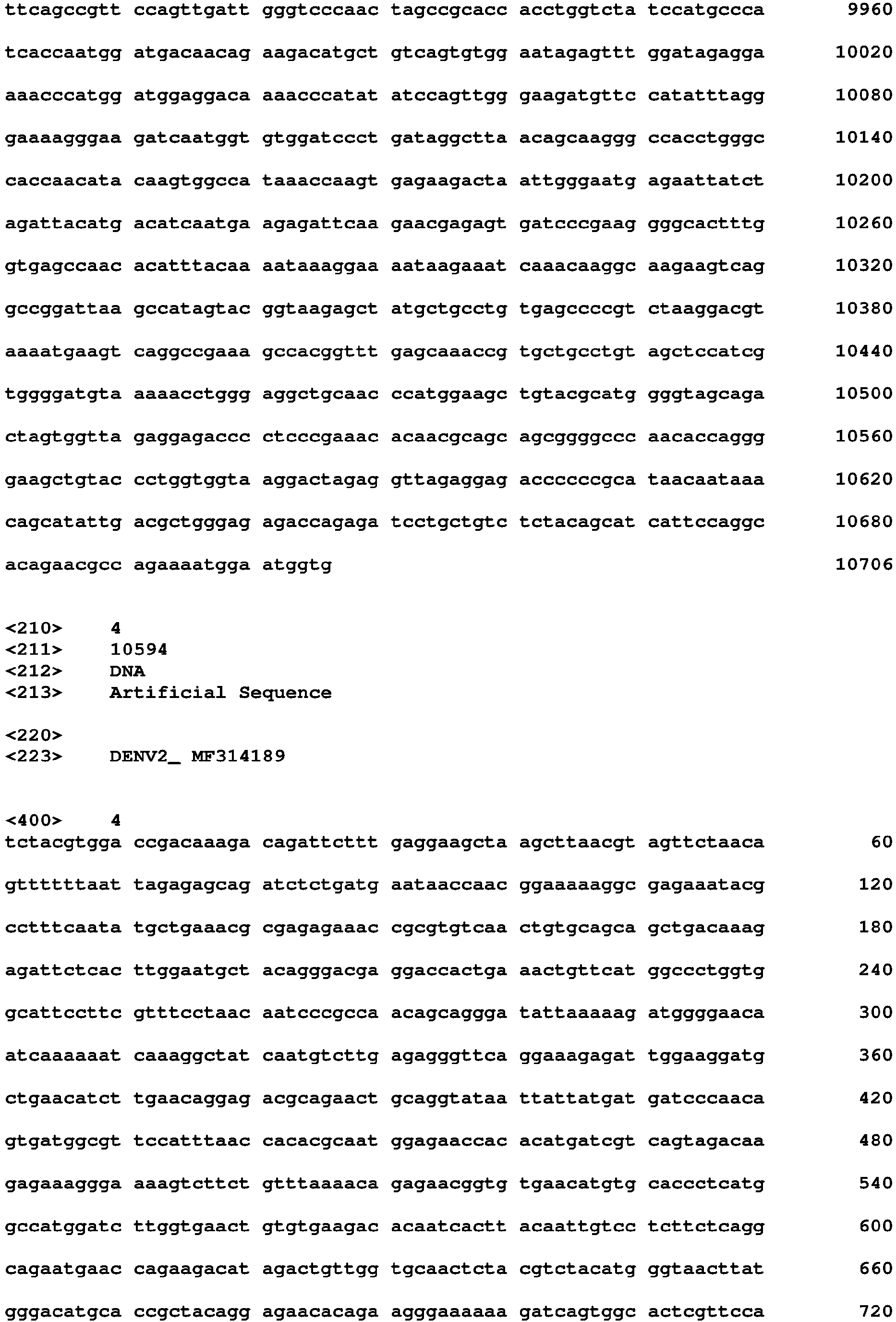
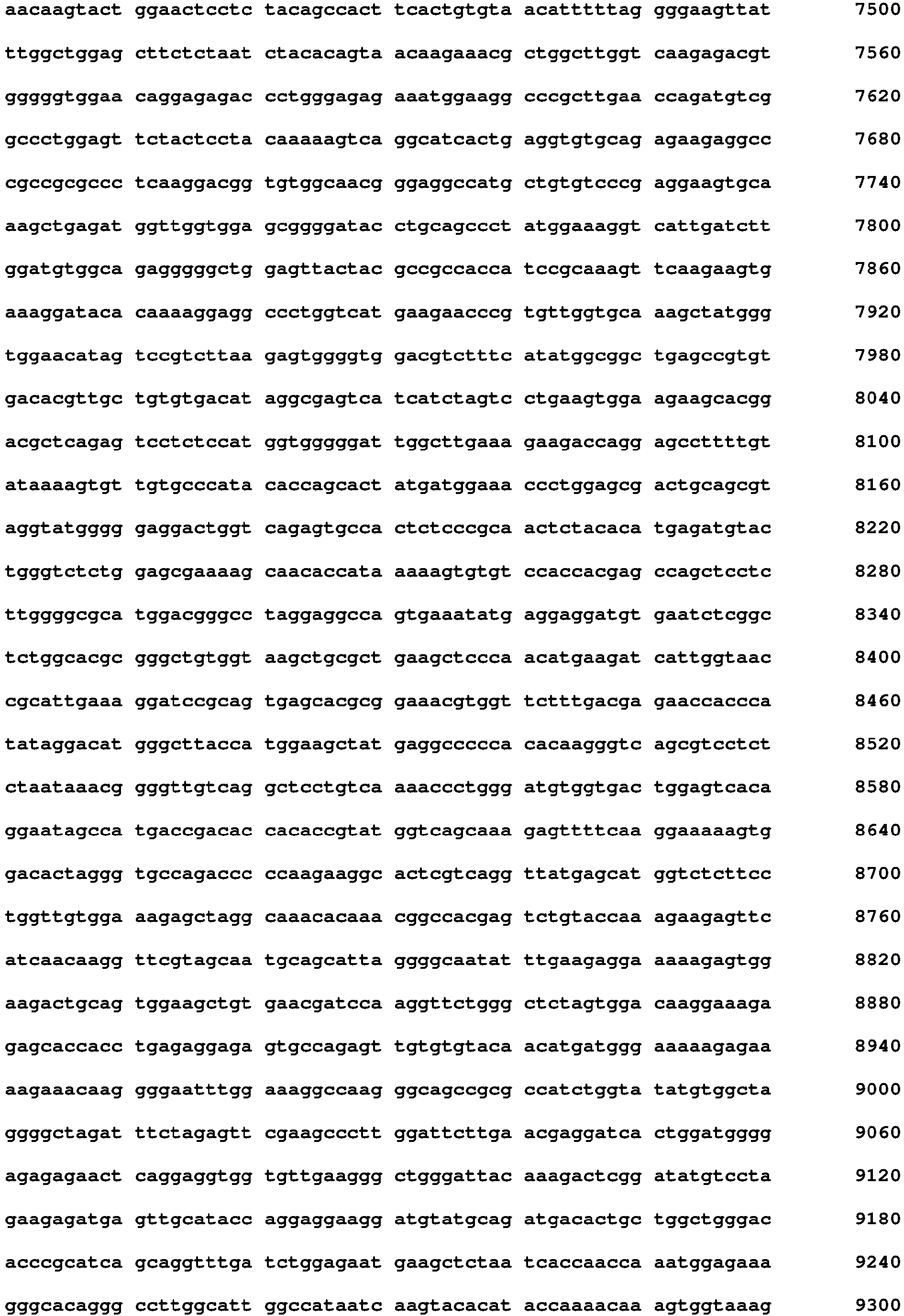
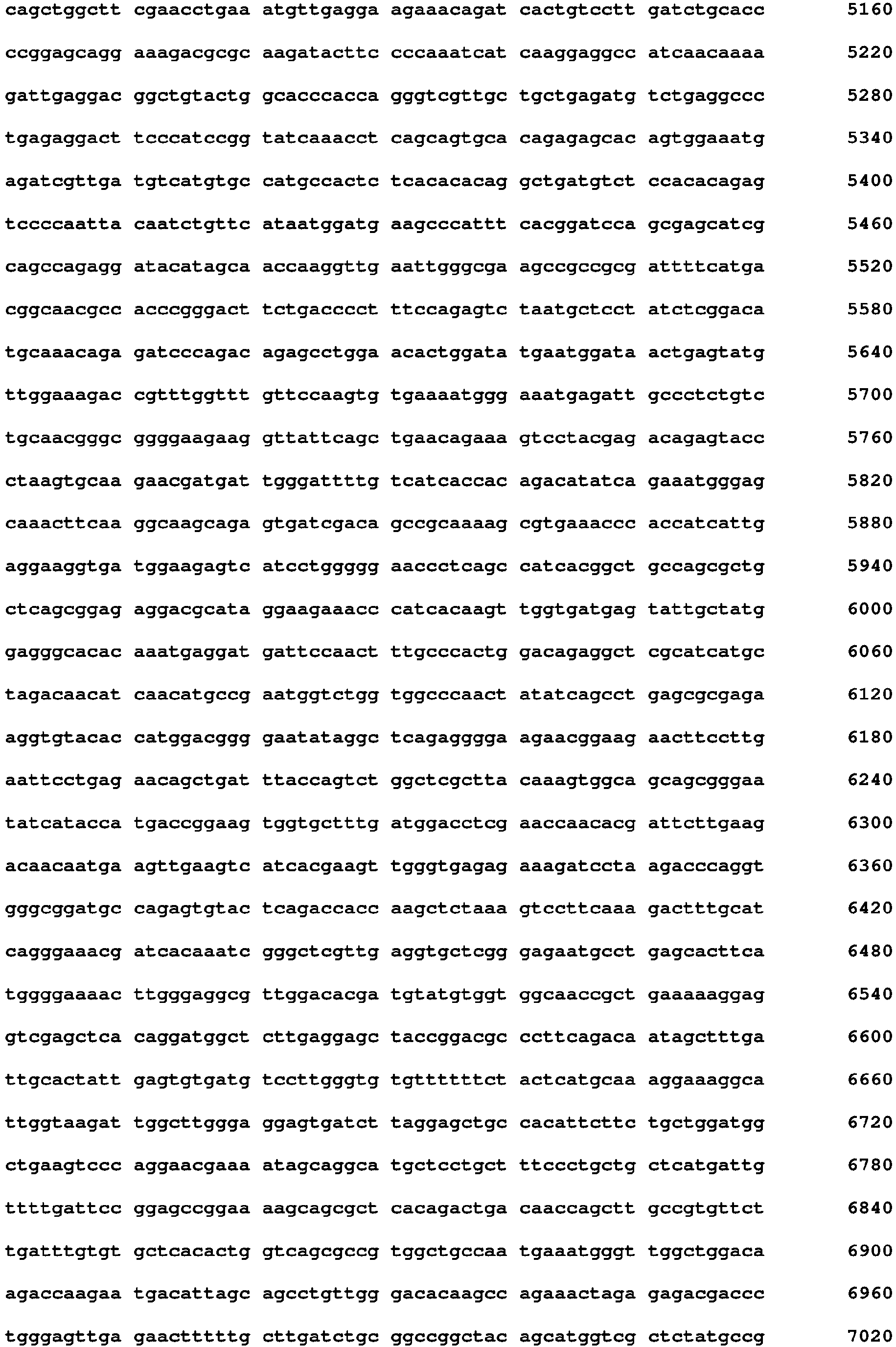
- a synthetic gene used in the present invention was newly prepared using a gene synthesis service of Bioneer Co., Ltd., and genetic information was referred to the Genbank DB shown in Table 2.
- the synthetic gene was obtained as dsDNA in the form in which the gene was inserted in the pBHA plasmid vector.
- the immediate use of dsDNA may result in a substantially different virus since the flavivirus is a RNA virus. Therefore, RNA transcription was performed using the synthesized dsDNA as a template, and then the RNA was purified and used as a template for a diagnostic marker.
- nucleotide sequence of SEQ ID NO: 11 was added to the 5'-end of the synthetic sequence and the nucleotide sequence of SEQ ID NO: 12 was added to the 3'-end thereof.
- Panel (KT359349
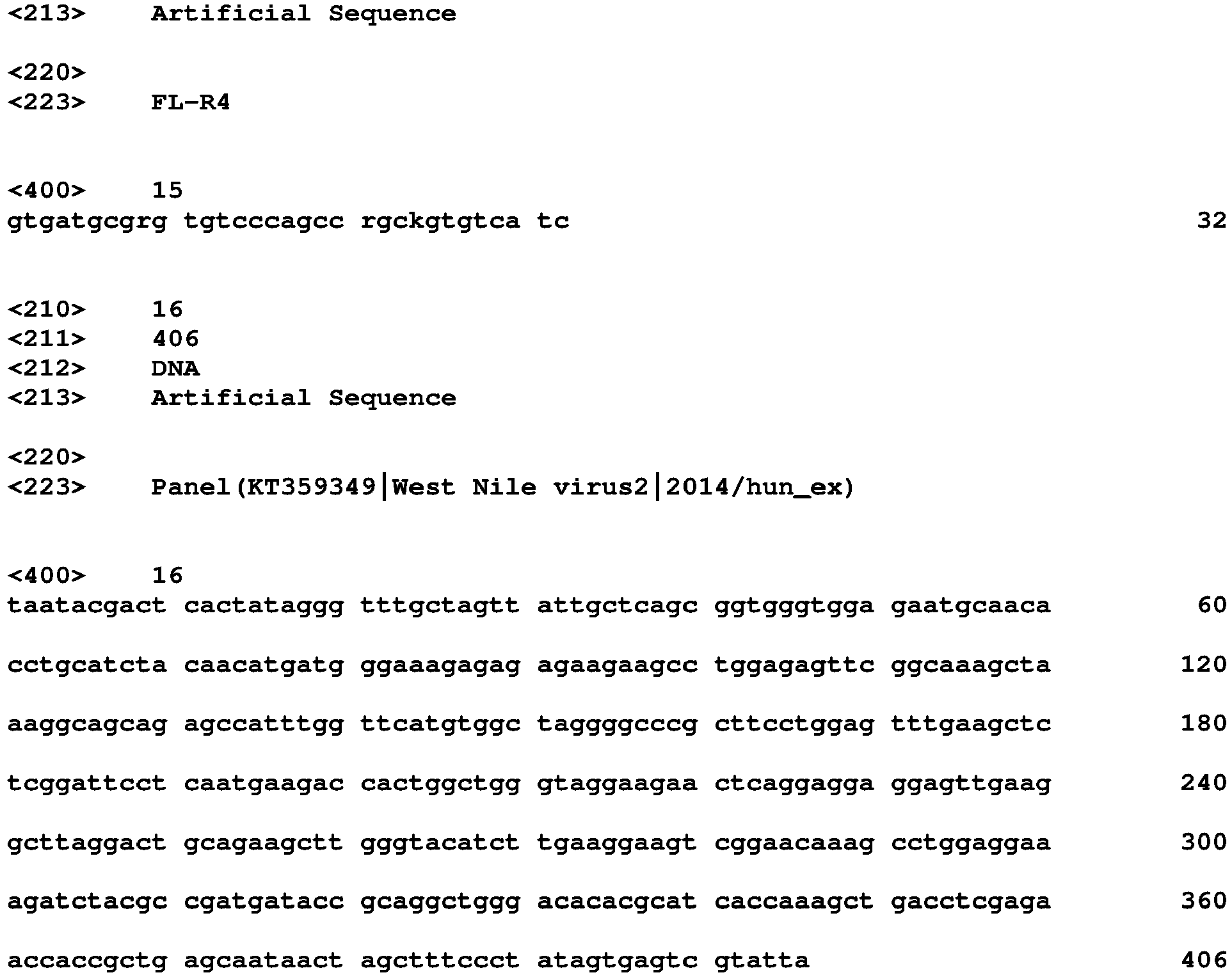
- the 1st to 20th parts in the nucleotide sequence of SEQ ID NO: 16 are the sequence of T7 promoter, and when the corresponding sequence is present, T7 RNA polymerase may bind to the T7 promoter to transcribe RNA using DNA as a template. Thereafter, the sensitivity and accuracy of the molecular diagnostic marker were evaluated using the synthesized dsRNA as a template.
- RNA was isolated from a sample, and PCR is performed by 1-step RT-PCR wherein reverse transcription and PCR occur sequentially in the same tube, according to the conditions of Table 4 with the composition of Table 3. The results are shown in FIGS. 3A to 3H and Table 6.
- dengue virus type 1 dengue virus type 2, dengue virus type 3, dengue virus type 4, Japanese encephalitis virus, West Nile virus, yellow fever virus, and Zika virus all could be detected (257 bp).
- Primer dimers were not observed in low concentrations and no template control. All the types of viruses were detected, and PCR bands were also obviously shown.
- the lowest detection concentration limit of the primer set of the present invention selected through oligonucleotide sequence modification and primer structure optimization for increasing specificity and sensitivity was 3 to 300 copies/rxn, which was significantly improved compared with 3,000,000 copies/rxn, the lowest detection concentration limit of a conventional general-purpose primer set for detecting a flavivirus. Therefore, the primer set of the present invention has no false-positive problem, which is a chronic problem of a conventional general-purpose primer set for detecting a flavivirus.
- the primer set of the present invention in Table 1 showed a sensitivity of up to 1,000,000 times higher than that of the primer set in Table 6 described in the standard test method of the Korea Centers for Disease Control and Prevention.
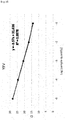
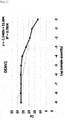
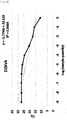
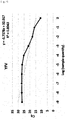
- the primer set of the present invention and the primer set described in the standard test method of the Korea Centers for Disease Control and Prevention were evaluated for linearity through the Ct value change depending on the template dilution factor, and the results are shown in FIGS. 6A to 6H and 7A to 7H .
- the linearity is higher as the R 2 value is closer to 1.
- the target gene is difficult to quantify when the linearity is low since the CT value is measured regardless of the amount of the target gene.
- the R 2 value was 0.99 on average, close to 1 when the primer set of the present invention was used, but the R 2 value was 0.75, indicating low linearity when the detection primer set of the Korea Centers for Disease Control and Prevention was used.
- a PCR efficiency of 90-110% is ideal.
- the gene detection sensitivity becomes low when the PCR efficiency is much lower than 90%, and the PCR efficiency is higher than 110% when a false-positive reaction occurs or the PCR inhibitor is high in a sample.
- the PCR efficiency depending on the template dilution factor was evaluated, and shown in Tables 12 and 13.
- the detection method of the present invention showed a PCR efficiency of 80-100%.
- the standard test method of the Korea Centers for Disease Control and Prevention showed a PCR efficiency of 265-10930%.
- the present invention relates to general-purpose primer sets for detecting flaviviruses and uses thereof.
Landscapes
- Chemical & Material Sciences (AREA)
- Life Sciences & Earth Sciences (AREA)
- Health & Medical Sciences (AREA)
- Organic Chemistry (AREA)
- Zoology (AREA)
- Engineering & Computer Science (AREA)
- Immunology (AREA)
- Wood Science & Technology (AREA)
- Proteomics, Peptides & Aminoacids (AREA)
- Virology (AREA)
- Biotechnology (AREA)
- Microbiology (AREA)
- Molecular Biology (AREA)
- Physics & Mathematics (AREA)
- Biophysics (AREA)
- Analytical Chemistry (AREA)
- Biochemistry (AREA)
- Bioinformatics & Cheminformatics (AREA)
- General Engineering & Computer Science (AREA)
- General Health & Medical Sciences (AREA)
- Genetics & Genomics (AREA)
- Measuring Or Testing Involving Enzymes Or Micro-Organisms (AREA)
Abstract
Description
- The present invention was made with the support of the Ministry of Health and Welfare, Republic of Korea, under Project No. HG18C0028, which was executed in the research project named "Proposal of standardization methods for efficient surveillance of infectious disease vectors (hard ticks and mosquitoes) and studies of ecological characteristics of infectious disease vectors for efficient management thereof" in the research program titled "Infectious disease crisis response technology development (Government-wide R&D Fund project for infectious disease research)" by the Industry Foundation of Chonnam National University under management of the Korea Health Industry Development Institute, from 01 August 2018 to 31 December 2020.
- This application claims priority to and the benefit of
Korean Patent Application No. 10-2019-0009813 filed in the Korean Intellectual Property Office on 25 January 2019 - The present invention relates to general-purpose primer sets for detecting flaviviruses and uses thereof.
- Dengue virus, yellow fever virus, Japanese encephalitis virus, West Nile virus, and Zika virus all belong to the genus Flavivirus and the family Flaviviridae, and the diseases therefrom are spread between an animal and a person and between a person and a person by disease-transmitting mosquitoes living inside and outside Korea, such as Aedes albopictus, Aedes aegypti, Culex pipiens, Culex tritaeniorhynchus, and Aedes vexans.
- Dengue fever, caused by dengue virus, is a very painful disease, which occurs in more than 100 countries around the world, and about 2.5 billion people, 40% of the world's population, are exposed to the dengue infection. This disease is mainly distributed in the tropical and subtropical regions and is widely spread up to 35 degrees north/south latitude based on the equator. Korea is not an endemic area for dengue fever, but the number of cases reported in Korea after being infected overseas every year is steadily increasing from 6 cases in 2001 to 313 cases in 2016. There have been reported four genotypes of dengue virus (
Type 1,Type 2,Type 3, and Type 4), and it has been known that early treatment in the event of an infection brings a mortality rate of 1% but the mortality rate increases to 20% when the infection develops to severe diseases and causes hemorrhagic fever symptoms, and thus, early diagnosis is a very important. A method of performing a simple test by using a specific antibody after symptom onset and recovery or a method of extracting viral RNA from the blood at the early of symptoms to perform an early viral diagnosis through PCR is used. - Yellow fever is a type of acute viral hemorrhagic fever prevalent in Africa, South America, and North America. Yellow fever virus is known as a causative pathogen, and Aedes aegypti has been known to be a major disease vector. There is fever, general pain, vomiting, or the like after the latent period of 3 to 6 days, and shock and coma symptoms occur within 7 to 10 days if appropriate measures are not taken after the onset of symptoms. If jaundice occurs later, the mortality rate is 20 to 50%. As for yellow fever, a method of detecting viral antigens by using antigen/antibody responses through the isolation of viruses from the blood or biopsy and a method of diagnosing the presence or absence of viruses through RT-PCR after the extraction of viral RNA from a sample are mainly used.
- Japanese encephalitis is caused by Japanese encephalitis virus, and Culex tritaeniorhynchus and Culex pipiens are known to be main vectors therefor. Japanese encephalitis is a mosquito-borne viral disease naturalized in Korea as of 2018. Every year, the Korea Centers for Disease Control and Prevention and the Regional Center for Vector Surveillance in Climate Change collect Culex tritaeniorhynchus, and then issue a Japanese encephalitis watch across the country in the event of detection of Culex tritaeniorhynchus and a Japanese encephalitis warning across the country when the average number of individuals collected per day is 500 or more and the amount of collection exceeds 50% of the total mosquito collection, thereby contributing to the protection of the public health. Japanese encephalitis is mainly found in Asia on the Pacific coast, and more than 1.7 billion people in more than 10 countries are at risk of infection. Japanese encephalitis is endemic in Malaysia and Indonesia and thus continues to plague the inhabitants. Japanese encephalitis is prevalently spread in China, Japan, Korea, and the like at the end of hot and humid summer, and especially, between August and November when mosquitoes are active by Korean standards. Japanese encephalitis, like typical viral diseases, has no special treatment, so prevention is the best. However, fortunately, a vaccine therefor has been developed, and in cases of Koreans, the incidence of the disease is remarkably low due to the vaccination at birth and during infancy. Also for Japanese encephalitis diagnosis, viral diagnosis is made by using antibodies from the blood or by molecular diagnosis using RT-PCR after extraction of viral RNA.
- West Nile fever, caused by West Nile virus, was announced as a designated infectious disease in July 2007 and as a fourth group legal infectious disease in 2011 in Korea. In Korea, the West Nile case was first reported around 2012, and as a result of epidemiological investigation, the case was found to develop the disease in Korea after residing in Guinea, Africa. West Nile is a disease that is retained in birds and then transmitted via mosquito vectors to humans and horses, and is prevalent in Africa, Middle East, and Europe. Since West Nile fever is prevalent on a large scale in the eastern part of the United States, West Nile fever is highly likely to flow into Korea, which has many exchanges with the United States, via humans or imported birds. Also for West Nile virus, viral diagnosis can be made by a culture method of isolating virus from a sample and culturing and identifying the virus, an antigen/antibody method using an antibody, or RT-PCR-based molecular diagnostics of detecting a virus-specific gene after nucleic acid extraction.
- Zika virus, like yellow fever virus and dengue virus, is transmitted via mosquitoes, and it has been reported that Zika virus may be transmitted via Aedes aegypti and Aedes albopictus. Since Aedes albopictus live in Korea, Zika virus is considered as one of the main vector-borne diseases that can be naturalized in Korea. Zika virus causes a minor Zika fever, but it has been reported that a pregnant woman, when infected, may give birth to a baby with microcephaly, and it has been reported that Zika virus may be transmitted through blood transfusion and sexual contact, and thus extreme concern about Zika virus is spreading all over the world. It has not been long since the Zika virus has been identified as a problematic disease, and thus rather than rapid diagnostics using antibodies, many molecular diagnostics where viral RNA is extracted and Zika virus-specific genes are detected by RT-PCR have been developed.
- Since these major pathogens belonging to the genus Flavivirus are spread via mosquitoes, the Centers for Disease Control and Prevention and related institutions around the world are conducting bio-surveillance tasks of continuously surveilling whether new viruses flow into a corresponding region by continuously collecting mosquitoes in the region every year, extracting viral RNA, and performing PCR-based molecular diagnosis. In Korea, quarantine agencies, the Regional Center for Vector Surveillance in Climate Change, the local government Research Institute of Public Health and Environment, and the like are executing related tasks, and are continuously observing the domestic influx of dengue virus, yellow fever virus, Japanese encephalitis virus, West Nile virus, and Zika virus by using RT-PCR and real-time PCR. In Korea, for such public health tasks, a standard test method for detecting viruses from disease-transmitting mosquitoes was constructed, and this method was created on the basis of a thesis reported in 2010 by Yang et al. This paper presented a method for detecting 212bp by using SYBR Green I-based real-time PCR and FL-F1, FL-R3, and FL-R4 primer sets that detect the NS5 gene sequence common to flaviviruses, and presented a method for determining the type of virus through melt curve analysis.
- In 2017, Vina-Rodriguez et al. developed a method for detecting new viruses by combining RT-qPCR and a microarray technique to detect new flaviviruses, and this method presented a method of detecting viruses from a sample by using primer sets that detect the NS5 gene sequence possessed by the flavivirus, like in Yang, and then analyzing a PCR product using a microarray.
- Studies have been reported to detect various types of viruses from mosquitoes, but the two papers did not resolve false negatives and false positives, and in particular, Yang's method, which is adopted as a standard test method in Korea, dramatically degrades the sensitivity of molecular diagnosis due to structural problems of the primers used for the test, and has a strong false-positive response due to the primer dimerization problem, and therefore, additional tests for re-identifying viral infections need to be carried out. Therefore, there is a need to develop a detection method for dengue virus, yellow fever virus, Japanese encephalitis virus, West Nile virus, and Zika virus, suitable for bio-surveillance.
- The present inventors endeavored to develop general-purpose primers capable of promptly and accurately detecting various types of flaviviruses. As a result, the present inventors designed a pair set of primers having optimal amplification efficiency and specificity by aligning the nucleotide sequences of dengue viruses, Japanese encephalitis viruses, West Nile viruses, yellow fever viruses, and Zika viruses, selecting the conserved region, and then performing secondary structure analysis and sequence modification of primers, and established that the use of the primer set can early detect the influx of flaviviruses and the infection with flaviviruses with high sensitivity, and thus completed the present invention.
- Accordingly, an aspect of the present invention is to provide a general-purpose primer set for detecting a flavivirus.
- Another aspect of the present invention is to provide a kit for diagnosing a flavivirus, the kit including a general-purpose primer set for flavivirus detection.
- Still another aspect of the present invention is to provide a method for diagnosing a flavivirus.
- The present invention is directed to a general-purpose primer set for detecting a flavivirus, to a kit for diagnosing a flavivirus, the kit including the primer set, and to a method for diagnosing a flavivirus by using the same, wherein the use of the primer set of the present invention can detect various types of flaviviruses from a sample with high sensitivity.
- Hereinafter, the present invention will be described in more detail.
- In accordance with an aspect of the present invention, there is provided a general-purpose primer set for detecting a flavivirus, the primer set including a primer consist of the nucleotide sequence of SEQ ID NO: 1 and a primer consist of the nucleotide sequence of SEQ ID NO: 2.
- As used herein, the term "primer" refers to a short nucleic acid sequence having a free 3'-hydroxyl group, which can form base pairs with a complementary template of a plant nucleic acid and serves as a starting point for template strand replication.
- In the present invention, oligonucleotides used as the primers may include a nucleotide analogue, for example, a locked nucleic acid (LNA), a phosphorothioate, an alkyl phosphorothioate, or a peptide nucleic acid, or may include an intercalating agent.
- According to an embodiment of the present invention, the general-purpose primers for detecting a flavivirus include a locked nucleic acid (LNA).
- The general-purpose primers for detecting a flavivirus can be used in the detection of various type of viruses belonging to the genus Flavivirus.
- As used herein, the term "flavivirus" refers to a positive single-stranded RNA virus with a size of 40-50 nm belonging to the genus Flavivirus and the family Flaviviridae, wherein main vectors for the flavivirus are mosquitoes or ticks and the flavivirus causes febrile or encephalitis diseases in infected animals or humans.
- Examples of the flavivirus detectable using the general-purpose primers for detecting a flavivirus of the present invention are dengue viruses, Japanese encephalitis viruses, West Nile viruses, yellow fever viruses, and Zika viruses.
- In accordance with another aspect of the present invention, there is provided a kit for diagnosing a flavivirus, the kit including a general-purpose primer set for flavivirus detection, the primer set being composed of a set of primers of SEQ ID NO: 1 and SEQ ID NO: 2.
- The kit may be used to diagnose or detect a flavivirus from a sample.
- The kit may include not only a general-purpose primer set for detecting a flavivirus, the primer set including a primer consist of the nucleotide sequence of SEQ ID NO: 1 and a primer consist of the nucleotide sequence of SEQ ID NO: 2, but also a composition of one or more other components, a solution, or a device, which is suitable for analysis.
- The kit may be a composition containing essential components necessary to perform PCR analysis, and the kit may include, in addition to respective primer sets, test tubes or other suitable containers, reaction buffers (pH and magnesium concentration being varied), deoxynucleotides (dNTPs), enzymes such as Taq-polymerase, DNase, RNAse inhibitors, DEPC-water, sterile water, and the like.
- The kit is not limited to a specific form, and may be implemented in various forms. For example, the kit may include a set of lyophilized primers contained in a container (e.g., disposable PCR tubes, etc.).
- In accordance with another aspect of the present invention, there is provided a method for diagnosing a flavivirus, the method including:
- an extracting step of extracting RNA from a sample;
- a reverse transcription (RT)-PCR performing step of performing RT-PCR by using the extracted RNA as a template and a primer consist of the nucleotide sequence of SEQ ID NO: 1 and a primer consist of the nucleotide sequences of SEQ ID NO: 2;
- a target sequence amplifying step of performing PCR by using the RT-PCR product as a template and a primer consist of the nucleotide sequence of SEQ ID NO: 1 and a primer consist of the nucleotide sequence of SEQ ID NO: 2; and
- a detecting step of detecting the amplified product.
- In the present invention, the sample may be at least one selected from the group consisting of tissues, blood, saliva, urine, semen, and body fluids, but is not limited thereto, and any sample in which a flavivirus can be detected may be used.
- In an embodiment of the present invention, a gene amplification reaction may be performed using a primer pair that binds to cDNA synthesized from total RNA obtained from a target virus in a sample.
- In the present invention, the RT-PCR performing step may be conducted by a reaction at 40 to 60°C for 5 to 30 minutes, but may be conducted by an ordinary method that can be understood within the level of skill in the art, but is not particularly limited thereto.
- In the present invention, the target sequence amplifying step may be conducted by a reaction at 90 to 97°C for 2 to 15 minutes and an amplification of 30 to 45 cycles of 90 to 97°C for 5 to 30 seconds, 56 to 60°C for 5 seconds to 1 minute, 72°C for 10 seconds to 1 minute, and 80 to 85°C for 2 to 10 seconds, but the target sequence amplifying step may be conducted within the level of skill in the art and thus is not particularly limited thereto.
- In the present invention, the RT-PCR performing step and the target sequence amplifying step may be consecutively conducted in a single tube, but are not limited thereto.
- In the present invention, the detecting step may be conducted using at least one type selected from the group consisting of capillary electrophoresis, DNA chip, gel electrophoresis, radiometric measurement, fluorescence measurement, and phosphorescence measurement, but is not limited thereto. Any detection method by which the amplified product can be detected may be used.
- If an amplification product of 257 bp is obtained in the detecting step, it can be determined that the sample has been infected with a flavivirus, and if the melting peak of the sample is observed at 81°C or higher as a result of the melt curve analysis, it can be determined that the sample has been infected with a flavivirus.
- The present invention is directed to a general-purpose primer set for detecting a flavivirus, to a kit for diagnosing a flavivirus, the kit including the primer set, and to a method for diagnosing a flavivirus, wherein
Dengue virus type 1,Dengue virus type 2,Dengue virus type 3,Dengue virus type 4, Japanese encephalitis viruses, West Nile viruses, yellow fever viruses, and Zika viruses can be all detected from a sample by using a pair set of general-purpose primers for detecting a flavivirus. Furthermore, through the reduction of a false positive reaction, which is a chronic problem of a conventional general-purpose primer set for detecting a flavivirus, the influx of flaviviruses and infection with flaviviruses can be effectively detected. -
-
FIG. 1 shows information on flavivirus genomic sequences for use in the designing of a general-purpose primer set for detecting a flavivirus according to an example of the present invention. -
FIG. 2A shows a vector constructed for synthesizing an artificial virus sequence for diagnostics verification according to an example of the present invention. -
FIG. 2B is a diagram of the synthesis of an artificial virus sequence for diagnostics verification according to an example of the present invention. -
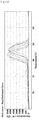
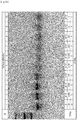
FIG. 3A shows the DENV4 detection results using a general-purpose primer set for detecting a flavivirus according to an example of the present invention. -
FIG. 3B shows the DENV3 detection results using a general-purpose primer set for detecting a flavivirus according to an example of the present invention. -
FIG. 3C shows the DENV2 detection results using a general-purpose primer set for detecting a flavivirus according to an example of the present invention. -
FIG. 3D shows the DENV1 detection results using a general-purpose primer set for detecting a flavivirus according to an example of the present invention. -
FIG. 3E shows the YFV detection results using a general-purpose primer set for detecting a flavivirus according to an example of the present invention. -
FIG. 3F shows the ZIKA detection results using a general-purpose primer set for detecting a flavivirus according to an example of the present invention. -
FIG. 3G shows the JEV detection results using a general-purpose primer set for detecting a flavivirus according to an example of the present invention. -
FIG. 3H shows the WNV detection results using a general-purpose primer set for detecting a flavivirus according to an example of the present invention. -
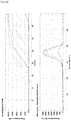
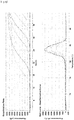
FIG. 4A shows an amplification curve identified through a RNA panel-based reverse transcription real-time polymerase chain reaction according to an example of the present invention. -
FIG. 4B shows a melt curve identified through a diluted RNA panel-based reverse transcription real-time polymerase chain reaction according to an example of the present invention. -
FIG. 4C shows amplification and melt curves identified through a RNA panel-based reverse transcription real-time polymerase chain reaction for DENV1 according to an example of the present invention. -
FIG. 4D shows amplification and melt curves identified through a RNA panel-based reverse transcription real-time polymerase chain reaction for DENV2 according to an example of the present invention. -
FIG. 4E shows amplification and melt curves identified through a RNA panel-based reverse transcription real-time polymerase chain reaction for DENV3 according to an example of the present invention. -
FIG. 4F shows amplification and melt curves identified through a RNA panel-based reverse transcription real-time polymerase chain reaction for DENV4 according to an example of the present invention. -
FIG. 4G shows amplification and melt curves identified through a RNA panel-based reverse transcription real-time polymerase chain reaction for JEV ANYANG300 according to an example of the present invention. -
FIG. 4H shows amplification and melt curves identified through a RNA panel-based reverse transcription real-time polymerase chain reaction for WNV2 according to an example of the present invention. -
FIG. 4i shows amplification and melt curves identified through a RNA panel-based reverse transcription real-time polymerase chain reaction for YFV according to an example of the present invention. -
FIG. 4J shows amplification and melt curves identified through a RNA panel-based reverse transcription real-time polymerase chain reaction for ZIKA according to an example of the present invention. -
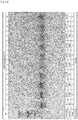
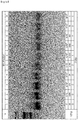
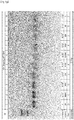
FIG. 5A shows the DENV4 detection results using a primer set indicated in the vector-borne flavivirus standard test method according to an example of the present invention. -
FIG. 5B shows the DENV3 detection results using a primer set indicated in the vector-borne flavivirus standard test method according to an example of the present invention. -
FIG. 5C shows the DENV2 detection results using a primer set indicated in the vector-borne flavivirus standard test method according to an example of the present invention. -
FIG. 5D shows the DENV1 detection results using a primer set indicated in the vector-borne flavivirus standard test method according to an example of the present invention. -
FIG. 5E shows the YFV detection results using a primer set indicated in the vector-borne flavivirus standard test method according to an example of the present invention. -
FIG. 5F shows the ZIKA detection results using a primer set indicated in the vector-borne flavivirus standard test method according to an example of the present invention. -
FIG. 5G shows the JEV detection results using a primer set indicated in the vector-borne flavivirus standard test method according to an example of the present invention. -
FIG. 5H shows the WNV detection results using a primer set indicated in the vector-borne flavivirus standard test method according to an example of the present invention. -
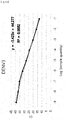
FIG. 6A shows the linearity evaluation results through the Ct value change in reverse transcription real-time polymerase chain reaction performed on DENV1 by using a general-purpose primer set for detecting a flavivirus according to an example of the present invention. -
FIG. 6B shows the linearity evaluation results through the Ct value change in reverse transcription real-time polymerase chain reaction performed on DENV3 by using a general-purpose primer set for detecting a flavivirus according to an example of the present invention. -
FIG. 6C shows the linearity evaluation results through the Ct value change in reverse transcription real-time polymerase chain reaction performed on DENV2 by using a general-purpose primer set for detecting a flavivirus according to an example of the present invention. -
FIG. 6D shows the linearity evaluation results through the Ct value change in reverse transcription real-time polymerase chain reaction performed on DENV4 by using a general-purpose primer set for detecting a flavivirus according to an example of the present invention. -
FIG. 6E shows the linearity evaluation results through the Ct value change in reverse transcription real-time polymerase chain reaction performed on JEV by using a general-purpose primer set for detecting a flavivirus according to an example of the present invention. -
FIG. 6F shows the linearity evaluation results through the Ct value change in reverse transcription real-time polymerase chain reaction performed on YFV by using a general-purpose primer set for detecting a flavivirus according to an example of the present invention. -
FIG. 6G shows the linearity evaluation results through the Ct value change in reverse transcription real-time polymerase chain reaction performed on WNV by using a general-purpose primer set for detecting a flavivirus according to an example of the present invention. -
FIG. 6H shows the linearity evaluation results through the Ct value change in reverse transcription real-time polymerase chain reaction performed on ZIKA by using a general-purpose primer set for detecting a flavivirus according to an example of the present invention. -
FIG. 7A shows the linearity evaluation results through the Ct value change in reverse transcription real-time polymerase chain reaction performed on DENV1 by using a primer set indicated in the standard test method for vector-borne flavivirus according to an example of the present invention. -
FIG. 7B shows the linearity evaluation results through the Ct value change in reverse transcription real-time polymerase chain reaction performed on DENV3 by using a primer set indicated in the standard test method for vector-borne flavivirus according to an example of the present invention. -
FIG. 7C shows the linearity evaluation results through the Ct value change in reverse transcription real-time polymerase chain reaction performed on DENV2 by using a primer set indicated in the standard test method for vector-borne flavivirus according to an example of the present invention. -
FIG. 7D shows the linearity evaluation results through the Ct value change in reverse transcription real-time polymerase chain reaction performed on DENV4 by using a primer set indicated in the standard test method for vector-borne flavivirus according to an example of the present invention. -
FIG. 7E shows the linearity evaluation results through the Ct value change in reverse transcription real-time polymerase chain reaction performed on JEV by using a primer set indicated in the standard test method for vector-borne flavivirus according to an example of the present invention. -
FIG. 7F shows the linearity evaluation results through the Ct value change in reverse transcription real-time polymerase chain reaction performed on YFV by using a primer set indicated in the standard test method for vector-borne flavivirus according to an example of the present invention. -
FIG. 7G shows the linearity evaluation results through the Ct value change in reverse transcription real-time polymerase chain reaction performed on WNV by using a primer set indicated in the standard test method for vector-borne flavivirus according to an example of the present invention. -
FIG. 7H shows the linearity evaluation results through the Ct value change in reverse transcription real-time polymerase chain reaction performed on ZIKA by using a primer set indicated in the standard test method for vector-borne flavivirus according to an example of the present invention. - A general-purpose primer set for detecting a flavivirus, the primer set including a primer consist of the nucleotide sequence of SEQ ID NO: 1 and a primer consist of the nucleotide sequence of SEQ ID NO: 2
- Hereinafter, the present disclosure will be described in more detail by the following examples. However, these examples are used only for illustration, and the scope of the present disclosure is not limited by these examples.
- After 1993 species of
dengue virus type 1, 1471 species ofdengue virus type 2, 943 species ofdengue virus type 3, 228 species ofdengue virus type 4, 335 species of Japanese encephalitis viruses (types type 1 and type 2), 147 species of yellow fever viruses, and 766 species of Zika viruses (African and Asian types) were subjected to multiple sequence alignment, the most conserved region was selected. Then, through secondary structure analysis and sequence modification of primers, a pair set of primers with optimal amplification efficiency and specificity was prepared as shown in Table 1 below.TABLE 1 SEQ ID NO: Name sequence (5'-3') 1 L2CNU3- F_Pflavi 
2 L2CNU3-R5 Pflavi C+CR+GCRGTRTCATCRGCRTASA +A, +T, +G, +C is LNA(locked nucleic acid). TABLE 2 SEQ ID NO: Virus Genbank no. L2CNU3- F_Pflavi Location 3 DENV1 MF314188 8915 - 8943 4 DENV2 MF314189 8914 - 8942 5 DENV3 KF954947 8883 - 8911 6 DENV4 HQ332173 8916 - 8944 7 Zika virus KU501216 8917 - 8945 8 Yellow fever virus JN628281 8993 - 9021 9 Japanese encephalitis virus anyang300 KF711994 8941 - 8969 10 West Nile virus KT359349 9006 - 9034 TABLE 3 SEQ ID NO: Virus Genbank no. L2CNU3- R5_Pflavi Location 3 DENV1 MF314188 9150 - 9171 4 DENV2 MF314189 9150 - 9171 5 DENV3 KF954947 9118 - 9139 6 DENV4 HQ332173 9151 - 9172 7 Zika virus KU501216 9152 - 9173 8 Yellow fever virus JN628281 9228 - 9249 9 Japanese encephalitis virus anyang300 KF711994 9176 - 9197 10 West Nile virus KT359349 9241 - 9262 - Viruses harmful to the human body, such as dengue, Zika, and West Nile viruses, are difficult to culture, and can be handled in only facilities with a biosafety level of 3 or higher due to viral risks. As for the development of molecular diagnostic markers, if viral genome information is known, only a target site can be partially synthesized and used as a template for PCR-based molecular diagnostics. A synthetic gene used in the present invention was newly prepared using a gene synthesis service of Bioneer Co., Ltd., and genetic information was referred to the Genbank DB shown in Table 2.
- As shown in
FIG. 2 , the synthetic gene was obtained as dsDNA in the form in which the gene was inserted in the pBHA plasmid vector. However, the immediate use of dsDNA may result in a substantially different virus since the flavivirus is a RNA virus. Therefore, RNA transcription was performed using the synthesized dsDNA as a template, and then the RNA was purified and used as a template for a diagnostic marker. - To this end, the nucleotide sequence of SEQ ID NO: 11 was added to the 5'-end of the synthetic sequence and the nucleotide sequence of SEQ ID NO: 12 was added to the 3'-end thereof.
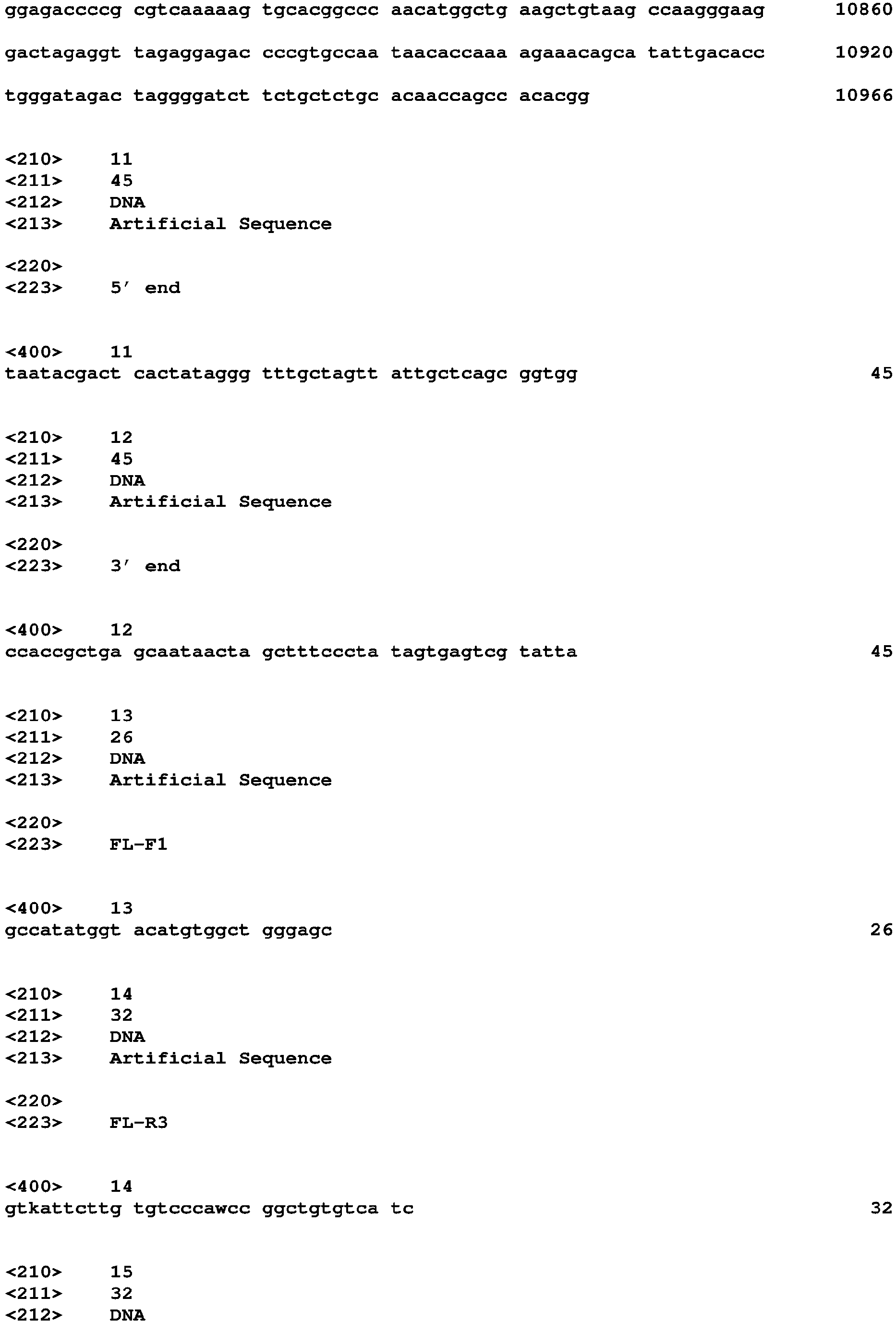
- SEQ ID NO: 11
TAATACGACTCACTATAGGGTTTGCTAGTTATTGCTCAGCGGTGG - SEQ ID NO: 12
CCACCGCTGAGCAATAACTAGCTTTCCCTATAGTGAGTCGTATTA - For example, Panel (KT359349|West Nile virus2|2014/hun) is as in the nucleotide sequence of SEQ ID NO: 16. The 1st to 20th parts in the nucleotide sequence of SEQ ID NO: 16 are the sequence of T7 promoter, and when the corresponding sequence is present, T7 RNA polymerase may bind to the T7 promoter to transcribe RNA using DNA as a template. Thereafter, the sensitivity and accuracy of the molecular diagnostic marker were evaluated using the synthesized dsRNA as a template.
- RNA was isolated from a sample, and PCR is performed by 1-step RT-PCR wherein reverse transcription and PCR occur sequentially in the same tube, according to the conditions of Table 4 with the composition of Table 3. The results are shown in
FIGS. 3A to 3H and Table 6.TABLE 4 Element usage 2x qRT- PCR master mix 10 ul Primer (10pmole/ul) Fw 1 ul Primer (10pmole/ul) Rev 1 ul RNA 5 ul Molecular biology grade water 3 ul TABLE 5 Step Temperature Time cycle RT reaction 50□ 15 min 1 cycle Hot start 95□ 10 min 1 cycle Denature 95□ 10 sec 40 Annealing 58□ 15 sec cycle Extension 72□ 15 sec Detection 83□ 5 sec Dissociation 65□-95□
0.5□/5secTABLE 6 Sample Virus Copies/reaction Cq Melting temperature 1 DENV1 3*E9 9.74 81.5 2 DENV1 3*E8 14.52 81.5 3 DENV1 3*E7 17.48 81.5 4 DENV1 3*E6 21.24 81.5 5 DENV1 3*E5 25.07 81.5 6 DENV1 3*E4 28.83 81.5 7 DENV1 3*E3 31.85 81.5 8 DENV1 3*E2 38.04 82 9 DENV1 3*E1 No Cq 74.5 10 DENV1 3*E0 No Cq 67.5 11 DENV2 3*E9 10.28 82 12 DENV2 3*E8 15.84 82 13 DENV2 3*E7 18.56 82 14 DENV2 3*E6 22.23 82 15 DENV2 3*E5 26.1 82 16 DENV2 3*E4 29.81 82.5 17 DENV2 3*E3 33.57 82.5 18 DENV2 3*E2 36.49 82.5 19 DENV2 3*E1 39.22 83.5 20 DENV2 3*E0 No Cq 75 21 DENV3 3*E9 8.54 81.5 22 DENV3 3*E8 12.93 81.5 23 DENV3 3*E7 16.36 81.5 24 DENV3 3*E6 19.98 81.5 25 DENV3 3*E5 23.99 81.5 26 DENV3 3*E4 27.7 81.5 27 DENV3 3*E3 32.02 82 28 DENV3 3*E2 35.42 82 29 DENV3 3*E1 36.97 82.5 30 DENV3 3*E0 39.09 85.5 31 DENV4 3*E9 13.69 82.5 32 DENV4 3*E8 18.4 82.5 33 DENV4 3*E7 20.34 82.5 34 DENV4 3*E6 23.97 82.5 35 DENV4 3*E5 27.83 82.5 36 DENV4 3*E4 31.42 82.5 37 DENV4 3*E3 35 83 38 DENV4 3*E2 39 83 39 DENV4 3*E1 No Cq 65 40 DENV4 3*E0 No Cq 65 41 JEV ANYANG 3*E9 10.74 83.5 42 JEV ANYANG 3*E8 15.33 83 43 JEV ANYANG 3*E7 18.46 83 44 JEV ANYANG 3*E6 22.19 83.5 45 JEV ANYANG 3*E5 26.1 83.5 46 JEV ANYANG 3*E4 29.9 83.5 47 JEV ANYANG 3*E3 33.7 83.5 48 JEV ANYANG 3*E2 38.24 84 49 JEV ANYANG 3*E1 No Cq 65 50 JEV ANYANG 3*E0 No Cq 95 51 WNV 3*E9 11.72 83.5 52 WNV 3*E8 16.62 83.5 53 WNV 3*E7 19.87 83.5 54 WNV 3*E6 23.66 83.5 55 WNV 3*E5 27.53 84 56 WNV 3*E4 31.35 84 57 WNV 3*E3 34.66 84 58 WNV 3*E2 36.56 85 59 WNV 3*E1 No Cq 65 60 WNV 3*E0 No Cq 67.5 61 YFV 3*E9 9.48 83 62 YFV 3*E8 14.12 83 63 YFV 3*E7 16.99 83 64 YFV 3*E6 20.78 83 65 YFV 3*E5 24.55 83 66 YFV 3*E4 28.19 83 67 YFV 3*E3 32.14 83 68 YFV 3*E2 36.35 83 69 YFV 3*E1 No Cq 67 70 YFV 3*E0 No Cq 67.5 71 ZIKA 3*E9 10.45 83 72 ZIKA 3*E8 15.03 83 73 ZIKA 3*E7 18.22 83 74 ZIKA 3*E6 22.04 83 75 ZIKA 3*E5 26.18 83.5 76 ZIKA 3*E4 30.28 83.5 77 ZIKA 3*E3 33.96 83.5 78 ZIKA 3*E2 36.87 83.5 79 ZIKA 3*E1 No Cq 67.5 80 ZIKA 3*E0 No Cq 67 81 NTC NTC No Cq 76.5 82 NTC NTC No Cq 75.5 - As can be confirmed in
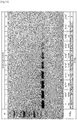
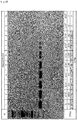
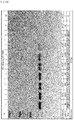
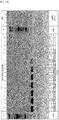
FIGS. 3A to 3H ,dengue virus type 1,dengue virus type 2,dengue virus type 3,dengue virus type 4, Japanese encephalitis virus, West Nile virus, yellow fever virus, and Zika virus all could be detected (257 bp). Primer dimers were not observed in low concentrations and no template control. All the types of viruses were detected, and PCR bands were also obviously shown. - As can be confirmed in Table 6, as low as 3 copies of
dengue virus type 3 could be detected; as low as 30 copies ofdengue virus type 4 andtype 2 could be detected; as low as 300 copies ofdengue virus type 1, yellow fever virus, Zika virus, Japanese encephalitis virus, and West Nile virus could be detected. - The lowest detection concentration limit of the primer set of the present invention selected through oligonucleotide sequence modification and primer structure optimization for increasing specificity and sensitivity was 3 to 300 copies/rxn, which was significantly improved compared with 3,000,000 copies/rxn, the lowest detection concentration limit of a conventional general-purpose primer set for detecting a flavivirus. Therefore, the primer set of the present invention has no false-positive problem, which is a chronic problem of a conventional general-purpose primer set for detecting a flavivirus.
- According to the standard test method for vector-borne flavivirus detection, positivity was determined based on the melt curve after real-time PCR was performed using Verso SYBR Green 1-Step RT-qPCR, Thermo Fisher Scientific. Information of primers for pathogen detection is shown in Table 7; the composition of a reagent used is shown in Table 8; the real-time reverse transcription-PCR conditions are shown in Table 9; and the melt curve analysis method is shown in Table 10. In order to distinguish whether the fluorescence signal shown in the amplification plot analysis is a virus-specific product or is a primer dimer or a non-specific product, the melt curve was analyzed under the conditions shown in Table 10, and the results are shown in
FIGS. 4A to 4H . In addition, PCR was performed through the method, and then the amplified product was subjected to electrophoresis, and the results are shown inFIGS. 5A to 5H .TABLE 7 Name Polarity Sequence (5' to 3') SEQ ID NO: FL-F1 sense GCCATATGGTACATGTGGCTGGGAGC 13 FL-R3 antisense 
14 FL- R4 antisense 
15 TABLE 8 Reaction mixture Volume Final concentration Verso Enzyme Mix 0.25µℓ 1-Step QPCR SYBR ROX Mix 12.5µℓ 1X RT Enhancer 1.25µℓ Forward primer, FL-F1 (1uM) 1.75µℓ 70nM Reverse primer, FL-R3 (1uM) 1.75µℓ 70nM Reverse primer, FL-R4 (1uM) 1. 75µℓ 70nM ultra pure water 0.75µℓ RNA 5µℓ 1pg~100ng Total reaction volume 25µℓ TABLE 9 Step Temperature Time Cycle cDNA synthesis 50□ 30min 1 cycle Inactivation of Reverse transcriptase 95□ 15min Denaturation 94□ 15sec 45cycles Annealing 58□ 20sec Extension* 72□ 30sec * In this step, we set it to read the fluorescent signal. TABLE 10 Step Temperature Explanation Denaturation 95□ 30sec Starting temp. 60□ 30sec Melting step ~ 90□ Heating 0.5°C by cycle, holding for 10 seconds each cycle and fluorescence analysis TABLE 11 borne diseases melting temperature Japanese encephalitis virus 83-84□ West Nile virus 83-84□ Dengue fever virus 81-82□ Negative control (primer dimer) 79□ - As can be confirmed in
FIGS. 4A and4B , when the primer set is used, neither amplification curve nor melt curve were observed in even the negative control, and thus the number of re-tests can be reduced, the time and cost for additional analysis tests can be saved, and the influx of viruses or infection with viruses can be early detected through a more sensitive detection. - As can be confirmed in
FIGS. 5A to 5H , strong primer dimers were observed and bands were not clear in low concentrations of templates and no template control, and WNV was not detected. - As can be confirmed in
FIGS. 3 and5 , the primer set of the present invention in Table 1 showed a sensitivity of up to 1,000,000 times higher than that of the primer set in Table 6 described in the standard test method of the Korea Centers for Disease Control and Prevention. - The primer set of the present invention and the primer set described in the standard test method of the Korea Centers for Disease Control and Prevention were evaluated for linearity through the Ct value change depending on the template dilution factor, and the results are shown in
FIGS. 6A to 6H and7A to 7H . The linearity is higher as the R2 value is closer to 1. The target gene is difficult to quantify when the linearity is low since the CT value is measured regardless of the amount of the target gene. - As can be confirmed in
FIGS. 6A to 6H and7A to 7H , the R2 value was 0.99 on average, close to 1 when the primer set of the present invention was used, but the R2 value was 0.75, indicating low linearity when the detection primer set of the Korea Centers for Disease Control and Prevention was used. - A PCR efficiency of 90-110% is ideal. The gene detection sensitivity becomes low when the PCR efficiency is much lower than 90%, and the PCR efficiency is higher than 110% when a false-positive reaction occurs or the PCR inhibitor is high in a sample. The PCR efficiency depending on the template dilution factor was evaluated, and shown in Tables 12 and 13.
TABLE 12 Slope Efficiency DENV1 -3.621 88.87166 DENV2 -3.54 91.35902 DENV3 -3.423 95.94825 DENV4 -3.353 98.71945 JEV ANYANG 300 -3.678 87.0195 WNV -3.712 85.95016 YFV -3.57 90.59524 ZIKA -3.846 81.97444 TABLE 13 Slope Efficiency DENV1 -1.64479 305.4909 DENV2 -1.56418 335.8247 DENV3 -1.67188 296.3962 DENV4 -1.788 262.4801 JEV ANYANG 300 -1.6023 320.8251 WNV -0.48958 10930.24 YFV -1.73806 276.1438 ZIKA -1.778 265.115 - As can be confirmed in Table 12, the detection method of the present invention showed a PCR efficiency of 80-100%. As can be confirmed in Table 13, the standard test method of the Korea Centers for Disease Control and Prevention showed a PCR efficiency of 265-10930%. These results are made when a high CT value is shown in even a sample with a small amount of templates due to a false-positive reaction by primer dimers.
- The present invention relates to general-purpose primer sets for detecting flaviviruses and uses thereof.








Claims (7)
- A general-purpose primer set for detecting a flavivirus, the primer set comprising a primer consist of the nucleotide sequence of SEQ ID NO: 1 and a primer consist of the nucleotide sequence of SEQ ID NO: 2.
- The primer set of claim 1, wherein the flavivirus is at least one selected from the group consisting of Dengue viruses, Japanese encephalitis viruses, West Nile viruses, Yellow fever viruses, and Zika viruses.
- A kit for diagnosing a flavivirus, the kit comprising a general-purpose primer set for flavivirus detection, the primer set comprising a primer consist of the nucleotide sequence of SEQ ID NO: 1 and a primer consist of the nucleotide sequence of SEQ ID NO: 2.
- The kit of claim 3, wherein the flavivirus is at least one selected from the group consisting of Dengue viruses, Japanese encephalitis viruses, West Nile viruses, Yellow fever viruses, and Zika viruses.
- A method for diagnosing a flavivirus, the method comprising:an extracting step of extracting RNA from a sample;a reverse transcription (RT)-PCR performing step of performing RT-PCR by using the extracted RNA as a template and a primer consist of the nucleotide sequence of SEQ ID NO: 1 and a primer consist of the nucleotide sequences of SEQ ID NO: 2;a target sequence amplifying step of performing PCR by using the RT-PCR product as a template and a primer consist of the nucleotide sequence of SEQ ID NO: 1 and a primer consist of the nucleotide sequence of SEQ ID NO: 2; anda detecting step of detecting the amplified product.
- The method of claim 5, wherein the flavivirus is at least one selected from the group consisting of Dengue viruses, Japanese encephalitis viruses, West Nile viruses, Yellow fever viruses, and Zika viruses.
- The method of claim 5, wherein the sample is at least one selected from the group consisting of tissues, blood, saliva, urine, semen, and body fluids.
Applications Claiming Priority (2)
| Application Number | Priority Date | Filing Date | Title |
|---|---|---|---|
| KR1020190009813A KR102181996B1 (en) | 2019-01-25 | 2019-01-25 | Universal Primer Sets for Detecting Flavivirus and Use Thereof |
| PCT/KR2020/000886 WO2020153673A1 (en) | 2019-01-25 | 2020-01-17 | General-purpose primer sets for detecting flaviviruses and use thereof |
Publications (3)
| Publication Number | Publication Date |
|---|---|
| EP3916111A1 true EP3916111A1 (en) | 2021-12-01 |
| EP3916111A4 EP3916111A4 (en) | 2022-03-16 |
| EP3916111B1 EP3916111B1 (en) | 2023-08-09 |
Family
ID=71736406
Family Applications (1)
| Application Number | Title | Priority Date | Filing Date |
|---|---|---|---|
| EP20744348.2A Active EP3916111B1 (en) | 2019-01-25 | 2020-01-17 | General-purpose primer sets for detecting flaviviruses and use thereof |
Country Status (4)
| Country | Link |
|---|---|
| EP (1) | EP3916111B1 (en) |
| KR (1) | KR102181996B1 (en) |
| BR (1) | BR112021014503A2 (en) |
| WO (1) | WO2020153673A1 (en) |
Families Citing this family (2)
| Publication number | Priority date | Publication date | Assignee | Title |
|---|---|---|---|---|
| CN114540552A (en) * | 2022-03-25 | 2022-05-27 | 云南省寄生虫病防治所 | Mosquito-borne flavivirus specificity qPCR detection method |
| CN121065401A (en) * | 2025-07-21 | 2025-12-05 | 广州动物园(挂广州市野生动物研究中心牌子) | RPA detection primer group for Asian otter yellow virus and application |
Family Cites Families (6)
| Publication number | Priority date | Publication date | Assignee | Title |
|---|---|---|---|---|
| KR20070121853A (en) * | 2003-03-31 | 2007-12-27 | 에프. 호프만-라 로슈 아게 | Compositions and methods for detecting specific flaviviruses comprising members of the Japanese encephalitis virus serogroup |
| KR100942388B1 (en) * | 2009-05-11 | 2010-02-17 | 대한민국 | A primer set, internal control rna and rt-pcr kit using said primer set and internal control rna and pcr method using said rt-pcr kit thereby |
| KR101236197B1 (en) * | 2011-01-25 | 2013-02-26 | 대한민국 | Differential detection of West nile virus and Japanese encephalitis virus |
| CN109417811B (en) | 2016-06-30 | 2023-02-17 | Lg 电子株式会社 | Method and apparatus for reporting channel state information in wireless communication system |
| EP3497246A1 (en) * | 2016-08-08 | 2019-06-19 | The Secretary of State for Health | Flavivirus diagnostic assay |
| KR101997133B1 (en) * | 2017-02-27 | 2019-10-01 | 서경대학교 산학협력단 | Primer set for diagnosing Zika virus, kit with the same, and method of diagnosing Zika virus using the same |
-
2019
- 2019-01-25 KR KR1020190009813A patent/KR102181996B1/en active Active
-
2020
- 2020-01-17 EP EP20744348.2A patent/EP3916111B1/en active Active
- 2020-01-17 BR BR112021014503-6A patent/BR112021014503A2/en unknown
- 2020-01-17 WO PCT/KR2020/000886 patent/WO2020153673A1/en not_active Ceased
Also Published As
| Publication number | Publication date |
|---|---|
| EP3916111A4 (en) | 2022-03-16 |
| KR102181996B1 (en) | 2020-11-23 |
| BR112021014503A2 (en) | 2021-10-13 |
| WO2020153673A1 (en) | 2020-07-30 |
| KR20200092653A (en) | 2020-08-04 |
| EP3916111B1 (en) | 2023-08-09 |
Similar Documents
| Publication | Publication Date | Title |
|---|---|---|
| de Oliveira Poersch et al. | Dengue virus infections: comparison of methods for diagnosing the acute disease | |
| Mota et al. | Recombinase polymerase amplification in the molecular diagnosis of microbiological targets and its applications | |
| Wacharapluesadee et al. | Ante-and post-mortem diagnosis of rabies using nucleic acid-amplification tests | |
| CN108330210B (en) | Zika virus, dengue virus and chikungunya virus nucleic acid detection kit and application thereof | |
| Hayasaka et al. | Development of simple and rapid assay to detect viral RNA of tick-borne encephalitis virus by reverse transcription-loop-mediated isothermal amplification | |
| KR102739275B1 (en) | Composition and method for detecting or discriminating classical swine fever viruses | |
| US10378069B2 (en) | Compositions and methods for detecting zika virus | |
| KR20210122632A (en) | PNA Probe and Primer for Detecting SARS-CoV-2 Causing Covid-19 Using RT-LAMP and Method for Detecting SARS-CoV-2 Infection Using Thereof | |
| CN105936946A (en) | One step method inverse transcription PCR kit for detecting and differentiating Zika viruses and detection method thereof | |
| EP3916111B1 (en) | General-purpose primer sets for detecting flaviviruses and use thereof | |
| Callens et al. | Highly sensitive detection of swine vesicular disease virus based on a single tube RT-PCR system and DIG-ELISA detection | |
| US7553957B2 (en) | Methods and kits for detecting classical swine fever virus | |
| KR100942388B1 (en) | A primer set, internal control rna and rt-pcr kit using said primer set and internal control rna and pcr method using said rt-pcr kit thereby | |
| CN101724714B (en) | Loop mediated isothermal amplification kit for detecting encephalitis B virus | |
| CN114214455A (en) | Hepatitis B virus DNA rapid quantitative primer probe and CRISPR/Cas12b detection system thereof | |
| JP6027023B2 (en) | Compositions and methods for identifying and distinguishing viral components of multivalent transport fever vaccines | |
| Birkenheuer et al. | Molecular evidence of prevalent dual piroplasma infections in North American raccoons (Procyon lotor) | |
| JP2007514440A (en) | Sensitive and specific test to detect SARS coronavirus | |
| CN111454943A (en) | Novel coronavirus detection kit | |
| KR101758609B1 (en) | Compositions for detecting Japanese encephalitis virus and identifying genotype | |
| US20040072145A1 (en) | Method of detecting norwalk-like virus (gII) | |
| AU2022414203A1 (en) | Sample preparation reagents | |
| KR101540717B1 (en) | One-step real-time reverse transcriptase chain reaction method using probe and primer set for Ebola and Marburg virus detection | |
| TW201028691A (en) | Loop-mediated isothermal amplification (LAMP) method for the rapid identification of Neospora caninum | |
| CN105861753A (en) | Nested RT-PCR method, primers and reagent kit for detecting Zika virus |
Legal Events
| Date | Code | Title | Description |
|---|---|---|---|
| STAA | Information on the status of an ep patent application or granted ep patent |
Free format text: STATUS: THE INTERNATIONAL PUBLICATION HAS BEEN MADE |
|
| PUAI | Public reference made under article 153(3) epc to a published international application that has entered the european phase |
Free format text: ORIGINAL CODE: 0009012 |
|
| STAA | Information on the status of an ep patent application or granted ep patent |
Free format text: STATUS: REQUEST FOR EXAMINATION WAS MADE |
|
| 17P | Request for examination filed |
Effective date: 20210714 |
|
| AK | Designated contracting states |
Kind code of ref document: A1 Designated state(s): AL AT BE BG CH CY CZ DE DK EE ES FI FR GB GR HR HU IE IS IT LI LT LU LV MC MK MT NL NO PL PT RO RS SE SI SK SM TR |
|
| A4 | Supplementary search report drawn up and despatched |
Effective date: 20220216 |
|
| RIC1 | Information provided on ipc code assigned before grant |
Ipc: C12Q 1/70 20060101AFI20220210BHEP |
|
| DAV | Request for validation of the european patent (deleted) | ||
| DAX | Request for extension of the european patent (deleted) | ||
| GRAP | Despatch of communication of intention to grant a patent |
Free format text: ORIGINAL CODE: EPIDOSNIGR1 |
|
| STAA | Information on the status of an ep patent application or granted ep patent |
Free format text: STATUS: GRANT OF PATENT IS INTENDED |
|
| INTG | Intention to grant announced |
Effective date: 20230317 |
|
| RIN1 | Information on inventor provided before grant (corrected) |
Inventor name: BAE, YOUNG, MIN Inventor name: JO, YONG, HUN Inventor name: PARK, KI, BEOM Inventor name: HAN, YEON, SOO |
|
| GRAS | Grant fee paid |
Free format text: ORIGINAL CODE: EPIDOSNIGR3 |
|
| GRAA | (expected) grant |
Free format text: ORIGINAL CODE: 0009210 |
|
| STAA | Information on the status of an ep patent application or granted ep patent |
Free format text: STATUS: THE PATENT HAS BEEN GRANTED |
|
| AK | Designated contracting states |
Kind code of ref document: B1 Designated state(s): AL AT BE BG CH CY CZ DE DK EE ES FI FR GB GR HR HU IE IS IT LI LT LU LV MC MK MT NL NO PL PT RO RS SE SI SK SM TR |
|
| REG | Reference to a national code |
Ref country code: GB Ref legal event code: FG4D |
|
| REG | Reference to a national code |
Ref country code: CH Ref legal event code: EP |
|
| REG | Reference to a national code |
Ref country code: DE Ref legal event code: R096 Ref document number: 602020015511 Country of ref document: DE |
|
| REG | Reference to a national code |
Ref country code: IE Ref legal event code: FG4D |
|
| REG | Reference to a national code |
Ref country code: LT Ref legal event code: MG9D |
|
| REG | Reference to a national code |
Ref country code: NL Ref legal event code: MP Effective date: 20230809 |
|
| REG | Reference to a national code |
Ref country code: AT Ref legal event code: MK05 Ref document number: 1597581 Country of ref document: AT Kind code of ref document: T Effective date: 20230809 |
|
| PG25 | Lapsed in a contracting state [announced via postgrant information from national office to epo] |
Ref country code: GR Free format text: LAPSE BECAUSE OF FAILURE TO SUBMIT A TRANSLATION OF THE DESCRIPTION OR TO PAY THE FEE WITHIN THE PRESCRIBED TIME-LIMIT Effective date: 20231110 |
|
| PG25 | Lapsed in a contracting state [announced via postgrant information from national office to epo] |
Ref country code: IS Free format text: LAPSE BECAUSE OF FAILURE TO SUBMIT A TRANSLATION OF THE DESCRIPTION OR TO PAY THE FEE WITHIN THE PRESCRIBED TIME-LIMIT Effective date: 20231209 |
|
| PG25 | Lapsed in a contracting state [announced via postgrant information from national office to epo] |
Ref country code: SE Free format text: LAPSE BECAUSE OF FAILURE TO SUBMIT A TRANSLATION OF THE DESCRIPTION OR TO PAY THE FEE WITHIN THE PRESCRIBED TIME-LIMIT Effective date: 20230809 Ref country code: RS Free format text: LAPSE BECAUSE OF FAILURE TO SUBMIT A TRANSLATION OF THE DESCRIPTION OR TO PAY THE FEE WITHIN THE PRESCRIBED TIME-LIMIT Effective date: 20230809 Ref country code: PT Free format text: LAPSE BECAUSE OF FAILURE TO SUBMIT A TRANSLATION OF THE DESCRIPTION OR TO PAY THE FEE WITHIN THE PRESCRIBED TIME-LIMIT Effective date: 20231211 Ref country code: NO Free format text: LAPSE BECAUSE OF FAILURE TO SUBMIT A TRANSLATION OF THE DESCRIPTION OR TO PAY THE FEE WITHIN THE PRESCRIBED TIME-LIMIT Effective date: 20231109 Ref country code: NL Free format text: LAPSE BECAUSE OF FAILURE TO SUBMIT A TRANSLATION OF THE DESCRIPTION OR TO PAY THE FEE WITHIN THE PRESCRIBED TIME-LIMIT Effective date: 20230809 Ref country code: LV Free format text: LAPSE BECAUSE OF FAILURE TO SUBMIT A TRANSLATION OF THE DESCRIPTION OR TO PAY THE FEE WITHIN THE PRESCRIBED TIME-LIMIT Effective date: 20230809 Ref country code: LT Free format text: LAPSE BECAUSE OF FAILURE TO SUBMIT A TRANSLATION OF THE DESCRIPTION OR TO PAY THE FEE WITHIN THE PRESCRIBED TIME-LIMIT Effective date: 20230809 Ref country code: IS Free format text: LAPSE BECAUSE OF FAILURE TO SUBMIT A TRANSLATION OF THE DESCRIPTION OR TO PAY THE FEE WITHIN THE PRESCRIBED TIME-LIMIT Effective date: 20231209 Ref country code: HR Free format text: LAPSE BECAUSE OF FAILURE TO SUBMIT A TRANSLATION OF THE DESCRIPTION OR TO PAY THE FEE WITHIN THE PRESCRIBED TIME-LIMIT Effective date: 20230809 Ref country code: GR Free format text: LAPSE BECAUSE OF FAILURE TO SUBMIT A TRANSLATION OF THE DESCRIPTION OR TO PAY THE FEE WITHIN THE PRESCRIBED TIME-LIMIT Effective date: 20231110 Ref country code: FI Free format text: LAPSE BECAUSE OF FAILURE TO SUBMIT A TRANSLATION OF THE DESCRIPTION OR TO PAY THE FEE WITHIN THE PRESCRIBED TIME-LIMIT Effective date: 20230809 Ref country code: AT Free format text: LAPSE BECAUSE OF FAILURE TO SUBMIT A TRANSLATION OF THE DESCRIPTION OR TO PAY THE FEE WITHIN THE PRESCRIBED TIME-LIMIT Effective date: 20230809 |
|
| PG25 | Lapsed in a contracting state [announced via postgrant information from national office to epo] |
Ref country code: PL Free format text: LAPSE BECAUSE OF FAILURE TO SUBMIT A TRANSLATION OF THE DESCRIPTION OR TO PAY THE FEE WITHIN THE PRESCRIBED TIME-LIMIT Effective date: 20230809 |
|
| PG25 | Lapsed in a contracting state [announced via postgrant information from national office to epo] |
Ref country code: ES Free format text: LAPSE BECAUSE OF FAILURE TO SUBMIT A TRANSLATION OF THE DESCRIPTION OR TO PAY THE FEE WITHIN THE PRESCRIBED TIME-LIMIT Effective date: 20230809 |
|
| PG25 | Lapsed in a contracting state [announced via postgrant information from national office to epo] |
Ref country code: SM Free format text: LAPSE BECAUSE OF FAILURE TO SUBMIT A TRANSLATION OF THE DESCRIPTION OR TO PAY THE FEE WITHIN THE PRESCRIBED TIME-LIMIT Effective date: 20230809 Ref country code: RO Free format text: LAPSE BECAUSE OF FAILURE TO SUBMIT A TRANSLATION OF THE DESCRIPTION OR TO PAY THE FEE WITHIN THE PRESCRIBED TIME-LIMIT Effective date: 20230809 Ref country code: ES Free format text: LAPSE BECAUSE OF FAILURE TO SUBMIT A TRANSLATION OF THE DESCRIPTION OR TO PAY THE FEE WITHIN THE PRESCRIBED TIME-LIMIT Effective date: 20230809 Ref country code: EE Free format text: LAPSE BECAUSE OF FAILURE TO SUBMIT A TRANSLATION OF THE DESCRIPTION OR TO PAY THE FEE WITHIN THE PRESCRIBED TIME-LIMIT Effective date: 20230809 Ref country code: DK Free format text: LAPSE BECAUSE OF FAILURE TO SUBMIT A TRANSLATION OF THE DESCRIPTION OR TO PAY THE FEE WITHIN THE PRESCRIBED TIME-LIMIT Effective date: 20230809 Ref country code: CZ Free format text: LAPSE BECAUSE OF FAILURE TO SUBMIT A TRANSLATION OF THE DESCRIPTION OR TO PAY THE FEE WITHIN THE PRESCRIBED TIME-LIMIT Effective date: 20230809 Ref country code: SK Free format text: LAPSE BECAUSE OF FAILURE TO SUBMIT A TRANSLATION OF THE DESCRIPTION OR TO PAY THE FEE WITHIN THE PRESCRIBED TIME-LIMIT Effective date: 20230809 |
|
| REG | Reference to a national code |
Ref country code: DE Ref legal event code: R097 Ref document number: 602020015511 Country of ref document: DE |
|
| PG25 | Lapsed in a contracting state [announced via postgrant information from national office to epo] |
Ref country code: IT Free format text: LAPSE BECAUSE OF FAILURE TO SUBMIT A TRANSLATION OF THE DESCRIPTION OR TO PAY THE FEE WITHIN THE PRESCRIBED TIME-LIMIT Effective date: 20230809 |
|
| PLBE | No opposition filed within time limit |
Free format text: ORIGINAL CODE: 0009261 |
|
| STAA | Information on the status of an ep patent application or granted ep patent |
Free format text: STATUS: NO OPPOSITION FILED WITHIN TIME LIMIT |
|
| 26N | No opposition filed |
Effective date: 20240513 |
|
| PG25 | Lapsed in a contracting state [announced via postgrant information from national office to epo] |
Ref country code: SI Free format text: LAPSE BECAUSE OF FAILURE TO SUBMIT A TRANSLATION OF THE DESCRIPTION OR TO PAY THE FEE WITHIN THE PRESCRIBED TIME-LIMIT Effective date: 20230809 |
|
| PG25 | Lapsed in a contracting state [announced via postgrant information from national office to epo] |
Ref country code: MC Free format text: LAPSE BECAUSE OF FAILURE TO SUBMIT A TRANSLATION OF THE DESCRIPTION OR TO PAY THE FEE WITHIN THE PRESCRIBED TIME-LIMIT Effective date: 20230809 |
|
| PG25 | Lapsed in a contracting state [announced via postgrant information from national office to epo] |
Ref country code: MC Free format text: LAPSE BECAUSE OF FAILURE TO SUBMIT A TRANSLATION OF THE DESCRIPTION OR TO PAY THE FEE WITHIN THE PRESCRIBED TIME-LIMIT Effective date: 20230809 |
|
| REG | Reference to a national code |
Ref country code: CH Ref legal event code: PL |
|
| PG25 | Lapsed in a contracting state [announced via postgrant information from national office to epo] |
Ref country code: LU Free format text: LAPSE BECAUSE OF NON-PAYMENT OF DUE FEES Effective date: 20240117 |
|
| PG25 | Lapsed in a contracting state [announced via postgrant information from national office to epo] |
Ref country code: LU Free format text: LAPSE BECAUSE OF NON-PAYMENT OF DUE FEES Effective date: 20240117 |
|
| PG25 | Lapsed in a contracting state [announced via postgrant information from national office to epo] |
Ref country code: BE Free format text: LAPSE BECAUSE OF NON-PAYMENT OF DUE FEES Effective date: 20240131 |
|
| PG25 | Lapsed in a contracting state [announced via postgrant information from national office to epo] |
Ref country code: CH Free format text: LAPSE BECAUSE OF NON-PAYMENT OF DUE FEES Effective date: 20240131 |
|
| PG25 | Lapsed in a contracting state [announced via postgrant information from national office to epo] |
Ref country code: CH Free format text: LAPSE BECAUSE OF NON-PAYMENT OF DUE FEES Effective date: 20240131 Ref country code: BE Free format text: LAPSE BECAUSE OF NON-PAYMENT OF DUE FEES Effective date: 20240131 |
|
| REG | Reference to a national code |
Ref country code: BE Ref legal event code: MM Effective date: 20240131 |
|
| PG25 | Lapsed in a contracting state [announced via postgrant information from national office to epo] |
Ref country code: BG Free format text: LAPSE BECAUSE OF FAILURE TO SUBMIT A TRANSLATION OF THE DESCRIPTION OR TO PAY THE FEE WITHIN THE PRESCRIBED TIME-LIMIT Effective date: 20230809 |
|
| PG25 | Lapsed in a contracting state [announced via postgrant information from national office to epo] |
Ref country code: BG Free format text: LAPSE BECAUSE OF FAILURE TO SUBMIT A TRANSLATION OF THE DESCRIPTION OR TO PAY THE FEE WITHIN THE PRESCRIBED TIME-LIMIT Effective date: 20230809 |
|
| PG25 | Lapsed in a contracting state [announced via postgrant information from national office to epo] |
Ref country code: IE Free format text: LAPSE BECAUSE OF NON-PAYMENT OF DUE FEES Effective date: 20240117 |
|
| PG25 | Lapsed in a contracting state [announced via postgrant information from national office to epo] |
Ref country code: IE Free format text: LAPSE BECAUSE OF NON-PAYMENT OF DUE FEES Effective date: 20240117 |
|
| PG25 | Lapsed in a contracting state [announced via postgrant information from national office to epo] |
Ref country code: CY Free format text: LAPSE BECAUSE OF FAILURE TO SUBMIT A TRANSLATION OF THE DESCRIPTION OR TO PAY THE FEE WITHIN THE PRESCRIBED TIME-LIMIT; INVALID AB INITIO Effective date: 20200117 |
|
| PG25 | Lapsed in a contracting state [announced via postgrant information from national office to epo] |
Ref country code: HU Free format text: LAPSE BECAUSE OF FAILURE TO SUBMIT A TRANSLATION OF THE DESCRIPTION OR TO PAY THE FEE WITHIN THE PRESCRIBED TIME-LIMIT; INVALID AB INITIO Effective date: 20200117 |
|
| PG25 | Lapsed in a contracting state [announced via postgrant information from national office to epo] |
Ref country code: TR Free format text: LAPSE BECAUSE OF FAILURE TO SUBMIT A TRANSLATION OF THE DESCRIPTION OR TO PAY THE FEE WITHIN THE PRESCRIBED TIME-LIMIT Effective date: 20230809 |
|
| PGFP | Annual fee paid to national office [announced via postgrant information from national office to epo] |
Ref country code: GB Payment date: 20251212 Year of fee payment: 7 |
|
| PGFP | Annual fee paid to national office [announced via postgrant information from national office to epo] |
Ref country code: FR Payment date: 20251212 Year of fee payment: 7 |
|
| PGFP | Annual fee paid to national office [announced via postgrant information from national office to epo] |
Ref country code: DE Payment date: 20251212 Year of fee payment: 7 |