EP3898955B1 - Dna aptamers specific of adenovirus types - Google Patents
Dna aptamers specific of adenovirus types Download PDFInfo
- Publication number
- EP3898955B1 EP3898955B1 EP19820677.3A EP19820677A EP3898955B1 EP 3898955 B1 EP3898955 B1 EP 3898955B1 EP 19820677 A EP19820677 A EP 19820677A EP 3898955 B1 EP3898955 B1 EP 3898955B1
- Authority
- EP
- European Patent Office
- Prior art keywords
- aptamer
- adenovirus
- adenovirus type
- bound
- detecting
- Prior art date
- Legal status (The legal status is an assumption and is not a legal conclusion. Google has not performed a legal analysis and makes no representation as to the accuracy of the status listed.)
- Active
Links
Images


Classifications
-
- C—CHEMISTRY; METALLURGY
- C12—BIOCHEMISTRY; BEER; SPIRITS; WINE; VINEGAR; MICROBIOLOGY; ENZYMOLOGY; MUTATION OR GENETIC ENGINEERING
- C12N—MICROORGANISMS OR ENZYMES; COMPOSITIONS THEREOF; PROPAGATING, PRESERVING, OR MAINTAINING MICROORGANISMS; MUTATION OR GENETIC ENGINEERING; CULTURE MEDIA
- C12N15/00—Mutation or genetic engineering; DNA or RNA concerning genetic engineering, vectors, e.g. plasmids, or their isolation, preparation or purification; Use of hosts therefor
- C12N15/09—Recombinant DNA-technology
- C12N15/11—DNA or RNA fragments; Modified forms thereof; Non-coding nucleic acids having a biological activity
- C12N15/115—Aptamers, i.e. nucleic acids binding a target molecule specifically and with high affinity without hybridising therewith ; Nucleic acids binding to non-nucleic acids, e.g. aptamers
-
- G—PHYSICS
- G01—MEASURING; TESTING
- G01N—INVESTIGATING OR ANALYSING MATERIALS BY DETERMINING THEIR CHEMICAL OR PHYSICAL PROPERTIES
- G01N33/00—Investigating or analysing materials by specific methods not covered by groups G01N1/00 - G01N31/00
- G01N33/48—Biological material, e.g. blood, urine; Haemocytometers
- G01N33/50—Chemical analysis of biological material, e.g. blood, urine; Testing involving biospecific ligand binding methods; Immunological testing
- G01N33/53—Immunoassay; Biospecific binding assay; Materials therefor
- G01N33/5308—Immunoassay; Biospecific binding assay; Materials therefor for analytes not provided for elsewhere, e.g. nucleic acids, uric acid, worms, mites
-
- C—CHEMISTRY; METALLURGY
- C12—BIOCHEMISTRY; BEER; SPIRITS; WINE; VINEGAR; MICROBIOLOGY; ENZYMOLOGY; MUTATION OR GENETIC ENGINEERING
- C12N—MICROORGANISMS OR ENZYMES; COMPOSITIONS THEREOF; PROPAGATING, PRESERVING, OR MAINTAINING MICROORGANISMS; MUTATION OR GENETIC ENGINEERING; CULTURE MEDIA
- C12N2310/00—Structure or type of the nucleic acid
- C12N2310/10—Type of nucleic acid
- C12N2310/16—Aptamers
-
- G—PHYSICS
- G01—MEASURING; TESTING
- G01N—INVESTIGATING OR ANALYSING MATERIALS BY DETERMINING THEIR CHEMICAL OR PHYSICAL PROPERTIES
- G01N2333/00—Assays involving biological materials from specific organisms or of a specific nature
- G01N2333/005—Assays involving biological materials from specific organisms or of a specific nature from viruses
- G01N2333/01—DNA viruses
- G01N2333/075—Adenoviridae
-
- G—PHYSICS
- G01—MEASURING; TESTING
- G01N—INVESTIGATING OR ANALYSING MATERIALS BY DETERMINING THEIR CHEMICAL OR PHYSICAL PROPERTIES
- G01N33/00—Investigating or analysing materials by specific methods not covered by groups G01N1/00 - G01N31/00
- G01N33/48—Biological material, e.g. blood, urine; Haemocytometers
- G01N33/50—Chemical analysis of biological material, e.g. blood, urine; Testing involving biospecific ligand binding methods; Immunological testing
- G01N33/53—Immunoassay; Biospecific binding assay; Materials therefor
- G01N33/569—Immunoassay; Biospecific binding assay; Materials therefor for microorganisms, e.g. protozoa, bacteria, viruses
- G01N33/56983—Viruses
Definitions
- the invention is directed to aptamers specific of one or more Adenovirus types and their applications.
- Enteric viruses enteric viruses (enteroviruses, noroviruses, adenoviruses and hepatitis A and E viruses among others) are present in faeces of infected persons in high concentrations and can be spread subsequently in the aquatic environment by the way of wastewater effluents. These viruses are mainly transmitted from person to person, or through contaminated food and drinking water, and bathing or recreational activities. Among these viruses, human adenoviruses (HAdV) are capable of causing many diseases, including gastroenteritis, conjunctivitis, myocarditis and pneumonia. Geographically, these viruses are distributed worldwide and commonly found in various water sources including river water, seawater or groundwater. In comparison to other enteric viruses (e.g.
- enteroviruses or noroviruses they are usually more abundant (Lee and Kim, 2008; Verheyen et al.,2009; Wyn-Jones et al., 2011), found throughout the year and have noteworthy survival characteristics in water (Enriquez et al., 1995; Ogorzaly et al., 2010).
- AdV Adenoviruses
- PCR polymerase chain reaction
- ELISA enzyme linked immunosorbent assays
- Prior art patent document published US 2017/0114420 A1 discloses aptamers specifically binding to noroviruses.
- the aptamers are used for detecting the presence of noroviruses and for capturing and/or concentrating noroviruses from test samples.
- the invention has for technical problem to provide rapid, sensitive and effective tools for Adenovirus-type analysis in samples.
- the invention has also for technical problem to provide a solution which is not expensive.
- the invention is directed to a single stranded nucleic acid aptamer able to specifically bind to at least one Adenovirus type, said aptamer comprising or consisting of one of sequences SEQ ID NO:1 to 3, or variants thereof having at least 50% sequence identity.
- the invention is also directed to a composition
- a composition comprising at least one single stranded nucleic acid aptamer able to specifically bind to at least one Adenovirus type, said aptamer comprising or consisting of one of sequences SEQ ID NO:1 to 3 or variants thereof having at least 50% sequence identity and at least one Adenovirus type.
- the invention is also directed to the use of a single stranded nucleic acid aptamer able to specifically bind to at least one Adenovirus type, said aptamer comprising or consisting of one of sequences SEQ ID NO:1 to 3 or variants thereof having at least 50% sequence identity, for detecting, capturing, quantifying and/or concentrating at least one Adenovirus type.
- the invention is also directed to an in vitro method for capturing at least one Adenovirus type in a sample, comprising the step of contacting the sample with a single strand nucleic acid aptamer able to specifically bind to at least one Adenovirus type, said aptamer comprising or consisting of one of sequences SEQ ID NO:1 to 3 or variants thereof having at least 50% sequence identity.
- the invention is also directed to an in vitro method for detecting and/or quantifying at least one Adenovirus type in a sample, comprising: performing the in vitro method for capturing according to the invention, quantifying, or detecting the presence or absence of bound aptamer to Adenovirus; deducing therefrom the amount or the presence or absence of Adenovirus in the sample.
- quantifying, or detecting the presence or absence of bound aptamer to Adenovirus is performed via comparison with a control group.
- detecting the presence or absence of bound aptamer to Adenovirus in the sample is carried out by performing a PCR intended to amplify said aptamer, said PCR being performed with a set of two primers corresponding to sequences 5'-GTGCCAGCTATGCCATTG-3' and 5'-GCAGCAGAGATAGACGCTA-3' and/or by Enzyme-Linked Aptamer Sorbent Assay.
- the at least one aptamer comprises a detectable label and detecting the presence or absence of bound aptamer to Adenovirus in the sample is carried out by detecting the label.
- kits for detecting, quantifying, capturing and/or concentrating at least one Adenovirus type comprising at least one single strand of nucleic acid aptamer able to specifically bind to at least one Adenovirus type, said aptamer comprising or consisting of one of sequences SEQ ID NO:1 to 3 or variants thereof having at least 50% sequence identity.
- said kit further comprises a support or a solution with at least one capture element of the at least one Adenovirus type and/or detection means.
- the at least one capture element comprises one or more of the at least one aptamer.
- the detection means comprises one or more of the aptamers with a detectable label linked thereto.
- the detectable label is bound to the 5' or 3' end of the aptamer.
- a set of two primers able to bound the at least one aptamer and corresponding to sequences 5'-GTGCCAGCTATGCCATTG-3' and 5'-GCAGCAGAGATAGACGCTA -3' in order to amplify the aptamer bound to Adenovirus.
- the invention is particularly interesting in that aptamers of the invention are specific of adenovirus types and are able to specifically bind different adenovirus types with high affinity.
- the aptamers can be used instead of commercial monoclonal antibodies.
- the aptamers show similar affinity to Adenovirus types as antibodies.
- the aptamers present a long-term stability.
- the aptamers are also advantageous is that they are of lower cost compared to antibodies and are easy to preserve.
- the methods and kit of the invention are easy to use and/or perform for quantifying, detecting, capturing and/or concentrating at least one Adenovirus types.
- HAdV-2 Human adenovirus type 2 was chosen to perform the selection of aptamers.
- HAdV-2 was obtained from the Health Protection Agency culture collection (NCPV#213) and was propagated on the human embryonic kidney cell line 293A (Invitrogen). The cells were grown in Dulbecco's Modified Eagle Medium (D-MEM) containing high glucose concentration and Glutamax (Life Technologies), and supplemented with 1% of non-essential amino acids (Life Technologies) and 5% of non-heat inactivated foetal bovine serum (Life Technologies).
- D-MEM Dulbecco's Modified Eagle Medium
- HAdV-2 stock was prepared from infected 293A monolayers by freeze-thaw lysis followed by centrifugation (1200 rpm, 10 min, 4°C) to remove cell debris.
- the viral suspension was then purified by cesium chloride equilibrium density gradient centrifugation.
- the purified AdV band was collected using a syringe and directly injected into a float-a-lyser dialysis device with a molecular weight cut off of 100 KDa (Spectrum Labs, USA).
- the dialysis device was placed in a 2L container filled with Dubelcco's PBS (DPBS) (Gibco) with gentle rotation (50 rpm) at 4°C.
- DPBS Dubelcco's PBS
- the DPBS was changed after 2-4 hours, 6-8 hours and 12-14 hours. After the dialysis step, the viral suspension was collected and stored at 4°C. The quantification of the purified HAdV-2 stock was performed by a most probable number (MPN) assay using 293A cells (Ogorzaly et al. 2013).
- a 65 base pair combinatorial DNA library (GTGCCAGCTATGCCATTG-N28-TAGCGTCTATCTCTGCTGC) with a constant forward and reverse regions and a 28 base-pair random region (N28) containing equimolar incorporation of A, T, C and G at each position was synthetized (Eurogentec).
- ss DNA single-stranded DNA pool in the selection buffer (herein referred to as SB) (consisting of DPBS (Gibco) supplemented with MgCl 2 (3 mM) and NaCl 2 (20 mM) at pH 7.4, and sterilised by autoclave followed by 0.2 ⁇ m membrane filtration), was heated to 95°C to denature the DNA, then allowed to cool to room temperature for 30 min before incubating with the virus.
- SB selection buffer
- the following table 1 discloses the oligonucleotides used in the selection of aptamers for AdV.
- Table 1 Details of oligonucleotides Sequence 5-3' D1-DNA Lib D1 DNA aptamer library D1-Rev_Ph D1 Phosphorylated Reverse P-GCAGCAGAGATAGACGCTA D1-For D1 Forward GTGCCAGCTATGCCATTG D1-Rev D1 Reverse GCAGCAGAGATAGACGCTA
- the target complex for SELEX was produced by immobilising purified HAdV-2 to the antibody-magnetic bead complex.
- Biotinylated monoclonal antibody 8C4 (HyTest, Finland) against AdV was conjugated to Streptavidin Dynabeads (ThermoFisher Scientific Aalst, Belgium) according to manufacturer's instructions.
- 100 ⁇ L of Streptavidin Dynabeads were aliquot and washed three times with wash buffer DPBS-T (PBS containing 0.005% Tween20).
- biotinylated monoclonal antibody 8C4 (30 ⁇ g) was bound to the Streptavidin Dynabeads by incubating for 1 hour at room temperature with mixing by pipetting every 5-10 minutes.
- the antibody-bead complex was separated by a magnet, washed three times with DPBS-T and eluted in 100 ⁇ L DPBS containing 0.05% bovine serum albumin (BSA, Sigma Darmstadt, Germany).
- BSA bovine serum albumin
- One hundred ⁇ L of the purified HAdV-2 stock (corresponding to about 10 7 MPN/mL) was mixed with 10 ⁇ L of antibody-bead complex suspended in 490 ⁇ L of SB and incubated 2 hours at room temperature.
- the target complex HAdV-2-antibody-bead was washed three-times with PBS supplemented by 0.1% BSA and finally re-suspended in 20 ⁇ L of DPBS.
- SELEX was performed using the target complex (HAdV-2-antibody-bead) and negative SELEX was performed using the antibody-bead complex. Briefly 500 pmol / 500 ⁇ L of the DNA library in selection buffer, was denatured by heating to 95°C for 5 min and cooled to room temperature for 30 min. A negative selection was performed initially by incubating the DNA library with the antibody-bead complex for 45 min at room temperature, in-order to reduce the non-specific interactions of the DNA pool with the surface. The bound DNA was separated by magnet and the supernatant (recovered DNA library) was used directly for the first round of SELEX.
- the recovered DNA was added to 10 ⁇ L of target complex (corresponding to approximatively 10 7 infectious viral particles/reaction) and incubated at room temperature for 30 min.
- the bound DNA sequences were recovered by magnetic capture and washed three times with DPBS-T to facilitate the removal of non-binders and/or poor binders.
- One hundred microliters of nuclease free water were added to the beads and the sample heated to 90°C for 5 min to release the DNA.
- the ss-DNA was amplified by PCR using the constant forward primer and the phosphorylated reverse primer (Table 1). The PCR final volume was 50 ⁇ L of which 10 ⁇ L contained the DNA target.
- the reaction was performed on a Biometra T-Advanced 96SG System, (Germany) and the following conditions applied, 95°C for 2 min followed by various cycles of 95°C for 15 sec, 67°C for 1 min, 72°C for 30 sec and a final extension of 72°C for 2 min.
- the PCR products were visualized on a 4% agarose gel stained with ethidium bromide. The PCR reaction was stopped when the 65 bp band appeared on the agarose gel.
- the double stranded DNA (ds DNA) was purified using spin columns (Nucleospin Gel and PCR clean-up system, Machery and Nagel).
- the ssDNA obtained from the 9 th , 10 th and 11 th SELEX rounds were amplified by non-modified primers (D1 Forward and reverse in Table 1) at the same conditions described previously.
- the products were analyzed by 4% agarose gel stained with ethidium bromide and the 65 bp band excised and purified using the Purelink Quick gel extraction and PCR purification combo kit (Invitrogen).
- the purified products were cloned into a dual promoter PCR2.1 TOPO vector using the TOPO TA cloning kit (Invitrogen) according to manufacturer's instructions. In total, eighty-six white clones were selected for sequencing which was performed on the Sanger sequencer (Applied Biosystems).
- a direct ELASA (Enzyme Linked Aptamer Sorbent Assay) method was undertaken to test the binding activity of each of the selected aptamers.
- Ninety-six-well polystyrene plates (Greiner) were coated with HAdV-2 particles at a concentration of 10 7 MPN/mL (approximately 10 6 particles/well) and incubated at 37°C for one hour. After washing five times with 300 ⁇ L of DPBS, wells were blocked with 300 ⁇ L of 3% BSA overnight at 4°C.
- the plate was washed three times with 300 ⁇ L of DPBS and developed with 50 ⁇ L of TMB substrate solution (ThermoScientific) for 30 min in the dark at room temperature. Finally, 50 ⁇ L of 2M sulphuric acid was added to each well and the absorbance recorded at 450 nm (Tecan). Based on the results, the top three aptamers were chosen for further analysis.
- the binding affinity of the selected aptamers were analyzed using the ELASA method described previously.
- HAdV-2 at a concentration of 10 7 MPN/mL was coated onto 96 well polystyrene plates (Greiner) and reacted with varying concentrations (0-1000 nM) of the biotinylated aptamers 10 and 20.
- the plates were read at 450 nm and the OD values were inputted into SigmaPlot software and processed using one site saturation equation with non-specific binding to determine the Kd values.
- Figure 1 represents the results obtained for direct ELASA of purified HAdV-2 incubated with various biotinylated candidate aptamers at 1 ⁇ M.
- Figure 2 and 3 represent the ELASA binding study of HAdV-2 and aptamer 10. The results indicate that aptamer 10 is able to specifically bind to HAdV-2 with high affinity.
- the Kd of said aptamer was calculated to be 3.6 ⁇ 0.7 nM. Each point is the mean of 6 independent experiments.
- Figure 4 represents the ELASA binding study of HAdV-2 and aptamers 20. The results show that aptamer 20 is able to specifically bind to HAdV-2 with high affinity. The Kd value was estimated to be 75.9 ⁇ 68.6 nM. Each point is the mean of 7 independent experiments.
- the specificity of the aptamers 10 and 20 were analyzed by ELASA using various types of adenoviruses (Ovine adenovirus type 1 and bovine adenovirus type 9) and various types of other waterborne viruses (F-specific RNA bacteriophages strain MS2, GA, Q ⁇ and SP). Target and non-target viruses were coated on the plate at the same initial concentration (approximatively 10 7 viral particles/well) and tested against an 80 nM concentration of aptamers 10 and 20, respectively, according to the ELASA protocol previously described.
- Aptamers 10, 18 and 20 respectively comprise SEQ ID NO:1, SEQ ID NO:2, SEQ ID NO:3.
- the invention provides single stranded nucleic acid aptamer comprising or consisting of one of sequences SEQ ID NO:1 to 3, or variants thereof having at least 50% sequence identity.
- the variants have at least 80% sequence identity, more preferably 90%.
- the aptamers have at least one stem-loop structure.
- the invention also provides a composition comprising at least one single stranded nucleic acid aptamer comprising or consisting of one of sequences SEQ ID NO:1 to 3 or variants thereof having at least 50% sequence identity and at least one Adenovirus type.
- the Adenovirus type can for example be a human or animal adenovirus.
- the invention also provides the use of a single stranded nucleic acid aptamer comprising or consisting of one of sequences SEQ ID NO:1 to 3 or variants thereof having at least 50% sequence identity, for detecting, capturing, quantifying and/or concentrating at least one Adenovirus type.
- the invention also provides an in vitro method for capturing at least one Adenovirus type in a sample, comprising the step of contacting the sample with a single strand nucleic acid aptamer comprising or consisting of one of sequences SEQ ID NO:1 to 3 or variants thereof having at least 50% sequence identity.
- the invention also provides an in vitro method for detecting and/or quantifying at least one Adenovirus type in a sample, comprising the steps of: performing the in vitro method for capturing as defined above, quantifying, or detecting the presence or absence of bound aptamer; and deducing therefrom the amount or the presence or absence of Adenovirus in the sample. Quantifying, or detecting the presence or absence of bound aptamer is performed via comparison with a control group.
- the method can comprise a step of removing unbound aptamer prior to the step of quantifying, or detecting the presence or absence of bound aptamer.
- Detecting the presence or absence of bound aptamer in the sample is carried out by performing a PCR intended to amplify said bound aptamer, said PCR being performed with a set of two primers corresponding to sequences 5'-GTGCCAGCTATGCCATTG-3' (forward) and 5'-GCAGCAGAGATAGACGCTA-3' (reverse) and/or by Enzyme-Linked Aptamer Sorbent Assay (ELASA).
- the at least one aptamer comprises a detectable label, detecting the presence or absence of bound aptamer to Adenovirus in the sample is carried out by detecting the label.
- the invention also provides a kit for detecting, quantifying, capturing and/or concentrating at least one Adenovirus type comprising at least one single strand of nucleic acid comprising or consisting of one of sequences SEQ ID NO:1 to 3 or variants thereof having at least 50% sequence identity.
- the kit further comprises a support or a solution with at least one capture element of the at least one Adenovirus type and/or detection means.
- the support can be a solid support such as a polystyrene plate, magnetic beats or an extraction, chromatography or affinity column but are not limited to.
- the at least one capture element of the at least one Adenovirus type is at least one aptamer immobilized on the support or in solution.
- the kit can also comprise detection means of bound aptamer with an adenovirus.
- the detection means comprises one or more of the aptamers with a detectable label linked thereto.
- the detectable label may be a moiety, which may be detected by methods known in the art.
- the detectable label may be an optical label, an electrochemical label, a radioisotope or a combination thereof.
- the detectable label may be attached to a specific base of the aptamer, a specific site of a specific structure such as a hairpin-loop structure of the aptamer, or a 3'-end or 5'-end of the aptamer.
- the optical label may be, for example, a fluorescent material.
- the optical label may be an enzyme, and such an enzyme may be used for enzyme-linked immunosorbent assay (ELISA). Other materials may be appropriately selected by one of ordinary skill in the art.
- the kit further comprises a set of two primers able to bound the at least one aptamer and corresponding to sequences 5'-GTGCCAGCTATGCCATTG-3' and 5'-GCAGCAGAGATAGACGCTA-3' in order to amplify the aptamer bound to Adenovirus.
- the kit may further include instructions for use.
- the kit may further comprise a positive control, for example an inactivated adenovirus particle and a negative control.
- the samples can be clinical samples such as faeces, blood; environmental samples such as water, sediment and/or food samples but are not limited to.
Landscapes
- Health & Medical Sciences (AREA)
- Life Sciences & Earth Sciences (AREA)
- Engineering & Computer Science (AREA)
- Biomedical Technology (AREA)
- Molecular Biology (AREA)
- Chemical & Material Sciences (AREA)
- Genetics & Genomics (AREA)
- Immunology (AREA)
- Biotechnology (AREA)
- Biochemistry (AREA)
- Physics & Mathematics (AREA)
- Bioinformatics & Cheminformatics (AREA)
- Microbiology (AREA)
- Wood Science & Technology (AREA)
- Zoology (AREA)
- General Engineering & Computer Science (AREA)
- Urology & Nephrology (AREA)
- General Health & Medical Sciences (AREA)
- Organic Chemistry (AREA)
- Hematology (AREA)
- Plant Pathology (AREA)
- Cell Biology (AREA)
- Tropical Medicine & Parasitology (AREA)
- Biophysics (AREA)
- Food Science & Technology (AREA)
- Medicinal Chemistry (AREA)
- Analytical Chemistry (AREA)
- General Physics & Mathematics (AREA)
- Pathology (AREA)
- Measuring Or Testing Involving Enzymes Or Micro-Organisms (AREA)
- Pharmaceuticals Containing Other Organic And Inorganic Compounds (AREA)
- Micro-Organisms Or Cultivation Processes Thereof (AREA)
Description
- The invention is directed to aptamers specific of one or more Adenovirus types and their applications.
- Enteric viruses (enteroviruses, noroviruses, adenoviruses and hepatitis A and E viruses among others) are present in faeces of infected persons in high concentrations and can be spread subsequently in the aquatic environment by the way of wastewater effluents. These viruses are mainly transmitted from person to person, or through contaminated food and drinking water, and bathing or recreational activities. Among these viruses, human adenoviruses (HAdV) are capable of causing many diseases, including gastroenteritis, conjunctivitis, myocarditis and pneumonia. Geographically, these viruses are distributed worldwide and commonly found in various water sources including river water, seawater or groundwater. In comparison to other enteric viruses (e.g. enteroviruses or noroviruses), they are usually more abundant (Lee and Kim, 2008; Verheyen et al.,2009; Wyn-Jones et al., 2011), found throughout the year and have noteworthy survival characteristics in water (Enriquez et al., 1995; Ogorzaly et al., 2010).
- Adenoviruses (AdV) belong to the Adenoviridae family, a family of non-enveloped viruses, double stranded DNA genome. Depending on the analytical framework and on the kind of samples (clinical, food or environmental samples), different detection methods targeting either the viral genome or the capsid can be applied, each with its advantages and drawbacks. Molecular amplification methods, i.e. polymerase chain reaction (PCR) are commonly used in food and environmental settings, while immunological techniques such as enzyme linked immunosorbent assays (ELISA) using antibodies are the rule for clinical samples. Antigenic methods work properly on samples presenting a high virus concentration but it is not sensitive enough for environmental and food samples. Moreover, the binding capacity of antibodies can be affected by complex matrices of the sample. Hence, there is a need to develop alternative AdV diagnostic tools to complement the existing ones, and thus provide a rapid, sensitive and effective method which will allow the relevant authorities to reduce the risk of infection from enteric illnesses and other diseases and limit the spread of the virus.
- Prior art patent document published
US 2017/0114420 A1 discloses aptamers specifically binding to noroviruses. The aptamers are used for detecting the presence of noroviruses and for capturing and/or concentrating noroviruses from test samples. However, there is no disclosure of a solution for detecting, capturing Adenovirus. - Prior art patent document published
US 9,562,900 B2 - Prior art documents published
EP 2 859 121 B1EP 2 613 147 B1 - The invention has for technical problem to provide rapid, sensitive and effective tools for Adenovirus-type analysis in samples. The invention has also for technical problem to provide a solution which is not expensive.
- The invention is directed to a single stranded nucleic acid aptamer able to specifically bind to at least one Adenovirus type, said aptamer comprising or consisting of one of sequences SEQ ID NO:1 to 3, or variants thereof having at least 50% sequence identity.
- The invention is also directed to a composition comprising at least one single stranded nucleic acid aptamer able to specifically bind to at least one Adenovirus type, said aptamer comprising or consisting of one of sequences SEQ ID NO:1 to 3 or variants thereof having at least 50% sequence identity and at least one Adenovirus type.
- The invention is also directed to the use of a single stranded nucleic acid aptamer able to specifically bind to at least one Adenovirus type, said aptamer comprising or consisting of one of sequences SEQ ID NO:1 to 3 or variants thereof having at least 50% sequence identity, for detecting, capturing, quantifying and/or concentrating at least one Adenovirus type.
- The invention is also directed to an in vitro method for capturing at least one Adenovirus type in a sample, comprising the step of contacting the sample with a single strand nucleic acid aptamer able to specifically bind to at least one Adenovirus type, said aptamer comprising or consisting of one of sequences SEQ ID NO:1 to 3 or variants thereof having at least 50% sequence identity.
- The invention is also directed to an in vitro method for detecting and/or quantifying at least one Adenovirus type in a sample, comprising: performing the in vitro method for capturing according to the invention, quantifying, or detecting the presence or absence of bound aptamer to Adenovirus; deducing therefrom the amount or the presence or absence of Adenovirus in the sample.
- According to a preferred embodiment, quantifying, or detecting the presence or absence of bound aptamer to Adenovirus is performed via comparison with a control group.
- According to a preferred embodiment, wherein detecting the presence or absence of bound aptamer to Adenovirus in the sample is carried out by performing a PCR intended to amplify said aptamer, said PCR being performed with a set of two primers corresponding to sequences 5'-GTGCCAGCTATGCCATTG-3' and 5'-GCAGCAGAGATAGACGCTA-3' and/or by Enzyme-Linked Aptamer Sorbent Assay.
- According to a preferred embodiment, wherein the at least one aptamer comprises a detectable label and detecting the presence or absence of bound aptamer to Adenovirus in the sample is carried out by detecting the label.
- The invention is also directed to kits for detecting, quantifying, capturing and/or concentrating at least one Adenovirus type comprising at least one single strand of nucleic acid aptamer able to specifically bind to at least one Adenovirus type, said aptamer comprising or consisting of one of sequences SEQ ID NO:1 to 3 or variants thereof having at least 50% sequence identity.
- According to a preferred embodiment, said kit further comprises a support or a solution with at least one capture element of the at least one Adenovirus type and/or detection means.
- According to a preferred embodiment, the at least one capture element comprises one or more of the at least one aptamer.
- According to a preferred embodiment, the detection means comprises one or more of the aptamers with a detectable label linked thereto.
- According to a preferred embodiment, the detectable label is bound to the 5' or 3' end of the aptamer.
- According to a preferred embodiment, further comprising a set of two primers able to bound the at least one aptamer and corresponding to sequences 5'-GTGCCAGCTATGCCATTG-3' and 5'-GCAGCAGAGATAGACGCTA -3' in order to amplify the aptamer bound to Adenovirus.
- The invention is particularly interesting in that aptamers of the invention are specific of adenovirus types and are able to specifically bind different adenovirus types with high affinity. The aptamers can be used instead of commercial monoclonal antibodies. The aptamers show similar affinity to Adenovirus types as antibodies. The aptamers present a long-term stability. The aptamers are also advantageous is that they are of lower cost compared to antibodies and are easy to preserve. The methods and kit of the invention are easy to use and/or perform for quantifying, detecting, capturing and/or concentrating at least one Adenovirus types.
-
-
Figure 1 represents direct ELISA results of HAdV-2 (approximatively 107 MPN/well) incubated with twenty biotinylated candidate aptamers. All aptamers were used at the same concentration of 1 µM. -
Figure 2 shows the percentage of bound HAdV-2 according to the concentration ofaptamer 10 comprising SEQ ID NO:1. The concentration of aptamer ranges from 0 to 1000 nM. -
Figure 3 is an enlarged view ofFigure 2 for concentration of aptamer ranging from 0 to 20 nM -
Figure 4 shows the percentage of bound HAdV-2 according to the concentration ofaptamer 20 comprising SEQ ID NO:3. The concentration of aptamer ranges from 0 to 1000 nM. -
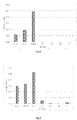
Figure 5 shows the specificity ofaptamer 10 for various viruses. -
Figure 6 shows the specificity ofaptamer 20 for various viruses. - HAdV-2 (Human adenovirus type 2) was chosen to perform the selection of aptamers. HAdV-2 was obtained from the Health Protection Agency culture collection (NCPV#213) and was propagated on the human embryonic kidney cell line 293A (Invitrogen). The cells were grown in Dulbecco's Modified Eagle Medium (D-MEM) containing high glucose concentration and Glutamax (Life Technologies), and supplemented with 1% of non-essential amino acids (Life Technologies) and 5% of non-heat inactivated foetal bovine serum (Life Technologies). HAdV-2 stock was prepared from infected 293A monolayers by freeze-thaw lysis followed by centrifugation (1200 rpm, 10 min, 4°C) to remove cell debris. The viral suspension was then purified by cesium chloride equilibrium density gradient centrifugation. The purified AdV band was collected using a syringe and directly injected into a float-a-lyser dialysis device with a molecular weight cut off of 100 KDa (Spectrum Labs, USA). The dialysis device was placed in a 2L container filled with Dubelcco's PBS (DPBS) (Gibco) with gentle rotation (50 rpm) at 4°C. The DPBS was changed after 2-4 hours, 6-8 hours and 12-14 hours. After the dialysis step, the viral suspension was collected and stored at 4°C. The quantification of the purified HAdV-2 stock was performed by a most probable number (MPN) assay using 293A cells (Ogorzaly et al. 2013).
- A 65 base pair combinatorial DNA library (GTGCCAGCTATGCCATTG-N28-TAGCGTCTATCTCTGCTGC) with a constant forward and reverse regions and a 28 base-pair random region (N28) containing equimolar incorporation of A, T, C and G at each position was synthetized (Eurogentec). Before selection, 1 µM of the single-stranded DNA (ss DNA) pool in the selection buffer (herein referred to as SB) (consisting of DPBS (Gibco) supplemented with MgCl2 (3 mM) and NaCl2 (20 mM) at pH 7.4, and sterilised by autoclave followed by 0.2 µm membrane filtration), was heated to 95°C to denature the DNA, then allowed to cool to room temperature for 30 min before incubating with the virus.
- The following table 1 discloses the oligonucleotides used in the selection of aptamers for AdV.
[Table 1] Details of oligonucleotides Sequence 5-3' D1-DNA Lib D1 DNA aptamer library 
D1-Rev_Ph D1 Phosphorylated Reverse P-GCAGCAGAGATAGACGCTA D1-For D1 Forward GTGCCAGCTATGCCATTG D1-Rev D1 Reverse GCAGCAGAGATAGACGCTA - The target complex for SELEX was produced by immobilising purified HAdV-2 to the antibody-magnetic bead complex. Biotinylated monoclonal antibody 8C4 (HyTest, Finland) against AdV was conjugated to Streptavidin Dynabeads (ThermoFisher Scientific Aalst, Belgium) according to manufacturer's instructions. In brief, 100 µL of Streptavidin Dynabeads were aliquot and washed three times with wash buffer DPBS-T (PBS containing 0.005% Tween20). A three-fold excess of biotinylated monoclonal antibody 8C4 (30 µg) was bound to the Streptavidin Dynabeads by incubating for 1 hour at room temperature with mixing by pipetting every 5-10 minutes. The antibody-bead complex was separated by a magnet, washed three times with DPBS-T and eluted in 100 µL DPBS containing 0.05% bovine serum albumin (BSA, Sigma Darmstadt, Germany). One hundred µL of the purified HAdV-2 stock (corresponding to about 107 MPN/mL) was mixed with 10 µL of antibody-bead complex suspended in 490 µL of SB and incubated 2 hours at room temperature. The target complex HAdV-2-antibody-bead was washed three-times with PBS supplemented by 0.1% BSA and finally re-suspended in 20 µL of DPBS.
- SELEX was performed using the target complex (HAdV-2-antibody-bead) and negative SELEX was performed using the antibody-bead complex. Briefly 500 pmol / 500 µL of the DNA library in selection buffer, was denatured by heating to 95°C for 5 min and cooled to room temperature for 30 min. A negative selection was performed initially by incubating the DNA library with the antibody-bead complex for 45 min at room temperature, in-order to reduce the non-specific interactions of the DNA pool with the surface. The bound DNA was separated by magnet and the supernatant (recovered DNA library) was used directly for the first round of SELEX. The recovered DNA was added to 10 µL of target complex (corresponding to approximatively 107 infectious viral particles/reaction) and incubated at room temperature for 30 min. The bound DNA sequences were recovered by magnetic capture and washed three times with DPBS-T to facilitate the removal of non-binders and/or poor binders. One hundred microliters of nuclease free water were added to the beads and the sample heated to 90°C for 5 min to release the DNA. The ss-DNA was amplified by PCR using the constant forward primer and the phosphorylated reverse primer (Table 1). The PCR final volume was 50 µL of which 10 µL contained the DNA target. The reaction was performed on a Biometra T-Advanced 96SG System, (Germany) and the following conditions applied, 95°C for 2 min followed by various cycles of 95°C for 15 sec, 67°C for 1 min, 72°C for 30 sec and a final extension of 72°C for 2 min. The PCR products were visualized on a 4% agarose gel stained with ethidium bromide. The PCR reaction was stopped when the 65 bp band appeared on the agarose gel. The double stranded DNA (ds DNA) was purified using spin columns (Nucleospin Gel and PCR clean-up system, Machery and Nagel). For the separation of the dsDNA, 1 µL of 1U Lambda exonuclease (Thermo Scientific, UK) was incubated for 1 hour at 37°C followed by ssDNA confirmation by 4% agarose gel electrophoresis. All selection rounds were carried out in the same manner, however with decreasing concentrations of HAdV-2 infectious particles and decreasing concentrations of DNA pool. The incubation time was also decreased between each round and the washing steps increased both in volume and in amount to increase the selection pressure on the process.
- The ssDNA obtained from the 9th, 10th and 11th SELEX rounds were amplified by non-modified primers (D1 Forward and reverse in Table 1) at the same conditions described previously. The products were analyzed by 4% agarose gel stained with ethidium bromide and the 65 bp band excised and purified using the Purelink Quick gel extraction and PCR purification combo kit (Invitrogen). The purified products were cloned into a dual promoter PCR2.1 TOPO vector using the TOPO TA cloning kit (Invitrogen) according to manufacturer's instructions. In total, eighty-six white clones were selected for sequencing which was performed on the Sanger sequencer (Applied Biosystems).
- A direct ELASA (Enzyme Linked Aptamer Sorbent Assay) method was undertaken to test the binding activity of each of the selected aptamers. Ninety-six-well polystyrene plates (Greiner) were coated with HAdV-2 particles at a concentration of 107 MPN/mL (approximately 106 particles/well) and incubated at 37°C for one hour. After washing five times with 300 µL of DPBS, wells were blocked with 300 µL of 3% BSA overnight at 4°C. After washing five times with 300 µL of DPBS, 1 µM of each biotinylated candidate aptamer diluted in 100 µL of selection buffer, were added to the wells and allowed to incubate for 1 hour at room temperature. Wells were washed twice with 300 µL of DPBS-T and twice with 300 µL of 1% BSA. One hundred microliters of streptavidin conjugated HRP (1/300, ThermoScientific) diluted in 1% BSA were added to each well and incubated for 30 min at room temperature in the dark. The plate was washed three times with 300 µL of DPBS and developed with 50 µL of TMB substrate solution (ThermoScientific) for 30 min in the dark at room temperature. Finally, 50 µL of 2M sulphuric acid was added to each well and the absorbance recorded at 450 nm (Tecan). Based on the results, the top three aptamers were chosen for further analysis.
- The binding affinity of the selected aptamers were analyzed using the ELASA method described previously. HAdV-2 at a concentration of 107 MPN/mL was coated onto 96 well polystyrene plates (Greiner) and reacted with varying concentrations (0-1000 nM) of the
biotinylated aptamers -
Figure 1 represents the results obtained for direct ELASA of purified HAdV-2 incubated with various biotinylated candidate aptamers at 1 µM. - Based on results from
Figure 1 aptamers -
Figure 2 and3 represent the ELASA binding study of HAdV-2 andaptamer 10. The results indicate thataptamer 10 is able to specifically bind to HAdV-2 with high affinity. The Kd of said aptamer was calculated to be 3.6 ± 0.7 nM. Each point is the mean of 6 independent experiments. -
Figure 4 represents the ELASA binding study of HAdV-2 andaptamers 20. The results show thataptamer 20 is able to specifically bind to HAdV-2 with high affinity. The Kd value was estimated to be 75.9 ± 68.6 nM. Each point is the mean of 7 independent experiments. - The specificity of the
aptamers Ovine adenovirus type 1 and bovine adenovirus type 9) and various types of other waterborne viruses (F-specific RNA bacteriophages strain MS2, GA, Qβ and SP). Target and non-target viruses were coated on the plate at the same initial concentration (approximatively 107 viral particles/well) and tested against an 80 nM concentration ofaptamers - The results are represented on
Figures 5 and 6 and show that aptamers 10 and 20 are specific for adenovirus types. It produces a signal only for the adenoviruses and not for the other waterborne viruses. - Motif analysis was carried out by the online software program, MEME motif discovery tool. The predicted 2D folding of each aptamer was carried out by the online software program, MFOLD.
Apt. ID dG Value SELEX Round Random Region Sequence 10 6,83 11 
18 7,72 11 
20 -7,44 11 
- The following sequences have been identified:
- SEQ ID NO:1:

- SEQ ID NO:2:

- SEQ ID NO:3:

- Aptamers 10, 18 and 20 respectively comprise SEQ ID NO:1, SEQ ID NO:2, SEQ ID NO:3.
- The invention provides single stranded nucleic acid aptamer comprising or consisting of one of sequences SEQ ID NO:1 to 3, or variants thereof having at least 50% sequence identity. Preferably, the variants have at least 80% sequence identity, more preferably 90%.
- The aptamers have at least one stem-loop structure.
- The invention also provides a composition comprising at least one single stranded nucleic acid aptamer comprising or consisting of one of sequences SEQ ID NO:1 to 3 or variants thereof having at least 50% sequence identity and at least one Adenovirus type.
- The Adenovirus type can for example be a human or animal adenovirus.
- The invention also provides the use of a single stranded nucleic acid aptamer comprising or consisting of one of sequences SEQ ID NO:1 to 3 or variants thereof having at least 50% sequence identity, for detecting, capturing, quantifying and/or concentrating at least one Adenovirus type.
- The invention also provides an in vitro method for capturing at least one Adenovirus type in a sample, comprising the step of contacting the sample with a single strand nucleic acid aptamer comprising or consisting of one of sequences SEQ ID NO:1 to 3 or variants thereof having at least 50% sequence identity.
- The invention also provides an in vitro method for detecting and/or quantifying at least one Adenovirus type in a sample, comprising the steps of: performing the in vitro method for capturing as defined above, quantifying, or detecting the presence or absence of bound aptamer; and deducing therefrom the amount or the presence or absence of Adenovirus in the sample. Quantifying, or detecting the presence or absence of bound aptamer is performed via comparison with a control group. The method can comprise a step of removing unbound aptamer prior to the step of quantifying, or detecting the presence or absence of bound aptamer.
- Detecting the presence or absence of bound aptamer in the sample is carried out by performing a PCR intended to amplify said bound aptamer, said PCR being performed with a set of two primers corresponding to sequences 5'-GTGCCAGCTATGCCATTG-3' (forward) and 5'-GCAGCAGAGATAGACGCTA-3' (reverse) and/or by Enzyme-Linked Aptamer Sorbent Assay (ELASA). Alternatively, the at least one aptamer comprises a detectable label, detecting the presence or absence of bound aptamer to Adenovirus in the sample is carried out by detecting the label.
- The invention also provides a kit for detecting, quantifying, capturing and/or concentrating at least one Adenovirus type comprising at least one single strand of nucleic acid comprising or consisting of one of sequences SEQ ID NO:1 to 3 or variants thereof having at least 50% sequence identity. According to an embodiment, the kit further comprises a support or a solution with at least one capture element of the at least one Adenovirus type and/or detection means. The support can be a solid support such as a polystyrene plate, magnetic beats or an extraction, chromatography or affinity column but are not limited to. According to an embodiment of the invention, the at least one capture element of the at least one Adenovirus type is at least one aptamer immobilized on the support or in solution.
- The kit can also comprise detection means of bound aptamer with an adenovirus. According to an embodiment, the detection means comprises one or more of the aptamers with a detectable label linked thereto.
- The detectable label may be a moiety, which may be detected by methods known in the art. For example, the detectable label may be an optical label, an electrochemical label, a radioisotope or a combination thereof. The detectable label may be attached to a specific base of the aptamer, a specific site of a specific structure such as a hairpin-loop structure of the aptamer, or a 3'-end or 5'-end of the aptamer. The optical label may be, for example, a fluorescent material. In addition, the optical label may be an enzyme, and such an enzyme may be used for enzyme-linked immunosorbent assay (ELISA). Other materials may be appropriately selected by one of ordinary skill in the art.
- The kit further comprises a set of two primers able to bound the at least one aptamer and corresponding to sequences 5'-GTGCCAGCTATGCCATTG-3' and 5'-GCAGCAGAGATAGACGCTA-3' in order to amplify the aptamer bound to Adenovirus.
- The kit may further include instructions for use. The kit may further comprise a positive control, for example an inactivated adenovirus particle and a negative control.
- The samples can be clinical samples such as faeces, blood; environmental samples such as water, sediment and/or food samples but are not limited to.
Claims (14)
- Single stranded nucleic acid aptamer able to specifically bind to at least one Adenovirus type, said aptamer comprising or consisting of one of sequences SEQ ID NO:1 to 3, or variants thereof having at least 50% sequence identity.
- Composition comprising at least one single stranded nucleic acid aptamer able to specifically bind to at least one Adenovirus type, said aptamer comprising or consisting of one of sequences SEQ ID NO:1 to 3 or variants thereof having at least 50% sequence identity and at least one Adenovirus type.
- Single stranded nucleic acid aptamer able to specifically bind to at least one Adenovirus type, said aptamer comprising or consisting of one of sequences SEQ ID NO:1 to 3 or variants thereof having at least 50% sequence identity, for use in a method for treatment of at least one Adenovirus type.
- In vitro method for capturing at least one Adenovirus type in a sample, comprising the step of contacting the sample with a single strand nucleic acid aptamer able to specifically bind to at least one Adenovirus type, said aptamer comprising or consisting of one of sequences SEQ ID NO:1 to 3 or variants thereof having at least 50% sequence identity.
- In vitro method for detecting and/or quantifying at least one Adenovirus type in a sample, comprising:- performing the in vitro method for capturing according to claim 4,- quantifying, or detecting the presence or absence of bound aptamer to Adenovirus;- deducing therefrom the amount or the presence or absence of Adenovirus in the sample.
- In vitro method according to claim 5, wherein quantifying, or detecting the presence or absence of bound aptamer to Adenovirus is performed via comparison with a control group.
- In vitro method according to any one of claims 5 and 6, wherein detecting the presence or absence of bound aptamer to Adenovirus in the sample is carried out by performing a PCR intended to amplify said aptamer, said PCR being performed with a set of two primers corresponding to sequences 5'-GTGCCAGCTATGCCATTG-3' and 5'-GCAGCAGAGATAGACGCTA-3' and/or by Enzyme-Linked Aptamer Sorbent Assay.
- In vitro method according to any one of claims 5 and 6, wherein the at least one aptamer comprises a detectable label and detecting the presence or absence of bound aptamer to Adenovirus in the sample is carried out by detecting the label.
- Kit for detecting, quantifying, capturing and/or concentrating at least one Adenovirus type comprising at least one single strand of nucleic acid aptamer able to specifically bind to at least one Adenovirus type, said aptamer comprising or consisting of one of sequences SEQ ID NO:1 to 3 or variants thereof having at least 50% sequence identity.
- Kit according to claim 9, wherein said kit further comprises a support or a solution with at least one capture element of the at least one Adenovirus type and/or detection means.
- Kit according to claim 10, wherein the at least one capture element comprises one or more of the at least one aptamer.
- Kit according to any one of claims 10 and 11, wherein the detection means comprises one or more of the aptamers with a detectable label linked thereto.
- Kit according to claim 12, wherein the detectable label is bound to the 5' or 3' end of the aptamer.
- Kit according to any one of claims 9 to 13, further comprising a set of two primers able to bound the at least one aptamer and corresponding to sequences 5'-GTGCCAGCTATGCCATTG-3' and 5'-GCAGCAGAGATAGACGCTA -3' in order to amplify the aptamer bound to Adenovirus.
Applications Claiming Priority (2)
| Application Number | Priority Date | Filing Date | Title |
|---|---|---|---|
| LU101073A LU101073B1 (en) | 2018-12-21 | 2018-12-21 | Dna aptamers specific of adenovirus types |
| PCT/EP2019/083284 WO2020126435A1 (en) | 2018-12-21 | 2019-12-02 | Dna aptamers specific of adenovirus types |
Publications (2)
| Publication Number | Publication Date |
|---|---|
| EP3898955A1 EP3898955A1 (en) | 2021-10-27 |
| EP3898955B1 true EP3898955B1 (en) | 2023-03-22 |
Family
ID=65201654
Family Applications (1)
| Application Number | Title | Priority Date | Filing Date |
|---|---|---|---|
| EP19820677.3A Active EP3898955B1 (en) | 2018-12-21 | 2019-12-02 | Dna aptamers specific of adenovirus types |
Country Status (8)
| Country | Link |
|---|---|
| US (1) | US12344844B2 (en) |
| EP (1) | EP3898955B1 (en) |
| JP (1) | JP7516380B2 (en) |
| KR (1) | KR102933409B1 (en) |
| CN (1) | CN113227363B (en) |
| ES (1) | ES2947471T3 (en) |
| LU (1) | LU101073B1 (en) |
| WO (1) | WO2020126435A1 (en) |
Families Citing this family (3)
| Publication number | Priority date | Publication date | Assignee | Title |
|---|---|---|---|---|
| WO2021236828A1 (en) * | 2020-05-20 | 2021-11-25 | The Board Of Trustees Of The University Of Illinois | Methods and compositions for rapid direct detection and differentiation of infectious from noninfectious virus |
| CN112462061A (en) * | 2020-12-15 | 2021-03-09 | 武汉大学 | Kit for detecting H1N1, RSV-A and ADV3 and application thereof |
| WO2023207918A1 (en) * | 2022-04-25 | 2023-11-02 | Beijing Hanmoluojie Technology Co., Ltd. | Aav capsid 3d molecular surface feature mapping |
Family Cites Families (14)
| Publication number | Priority date | Publication date | Assignee | Title |
|---|---|---|---|---|
| US5538848A (en) * | 1994-11-16 | 1996-07-23 | Applied Biosystems Division, Perkin-Elmer Corp. | Method for detecting nucleic acid amplification using self-quenching fluorescence probe |
| US6936467B2 (en) * | 2000-03-27 | 2005-08-30 | University Of Delaware | Targeted chromosomal genomic alterations with modified single stranded oligonucleotides |
| ATE437216T1 (en) * | 2001-09-06 | 2009-08-15 | Genomic Profiling Systems Inc | RAPID DETECTION OF REPLICATING CELLS |
| AU2004215133B2 (en) * | 2003-02-27 | 2010-10-14 | Yeda Research And Development Co. Ltd. | Nucleic acid molecules, polypeptides, antibodies and compositions containing same useful for treating and detecting influenza virus infection |
| HUE025489T2 (en) | 2006-01-17 | 2016-04-28 | Somalogic Inc | Multiplexed analyses of test samples |
| US9018138B2 (en) * | 2007-08-16 | 2015-04-28 | The Johns Hopkins University | Compositions and methods for generating and screening adenoviral libraries |
| US9562900B2 (en) | 2008-02-21 | 2017-02-07 | Otc Biotechnologies, Llc | Methods and compositions of nucleic acid ligands for detection of foodborne and waterborne pathogens |
| EP2239675A1 (en) * | 2009-04-07 | 2010-10-13 | BIOCRATES Life Sciences AG | Method for in vitro diagnosing a complex disease |
| SG11201407274SA (en) * | 2012-06-04 | 2014-12-30 | Nec Solution Innovators Ltd | Nucleic acid molecule binding to influenza virus and use therefor |
| US20150141259A1 (en) * | 2012-06-07 | 2015-05-21 | Somalogic, Inc. | Aptamer-Based Multiplexed Assays |
| CN104073570B (en) * | 2013-03-26 | 2016-03-30 | 中国人民解放军军事医学科学院微生物流行病研究所 | For the identification of the primer pair of human adenovirus 55 type, primed probe composition and their application |
| CN103725800B (en) * | 2014-01-15 | 2015-03-11 | 湖南圣维尔医学检验所有限公司 | Human adenovirus detection kit |
| US10308989B2 (en) * | 2014-06-13 | 2019-06-04 | North Carolina State University | Aptamers with binding affinity to norovirus |
| JP2018170985A (en) * | 2017-03-31 | 2018-11-08 | Necソリューションイノベータ株式会社 | Nucleic acid molecule and use thereof |
-
2018
- 2018-12-21 LU LU101073A patent/LU101073B1/en active IP Right Grant
-
2019
- 2019-12-02 KR KR1020217023144A patent/KR102933409B1/en active Active
- 2019-12-02 WO PCT/EP2019/083284 patent/WO2020126435A1/en not_active Ceased
- 2019-12-02 ES ES19820677T patent/ES2947471T3/en active Active
- 2019-12-02 CN CN201980085287.3A patent/CN113227363B/en active Active
- 2019-12-02 EP EP19820677.3A patent/EP3898955B1/en active Active
- 2019-12-02 JP JP2021533338A patent/JP7516380B2/en active Active
- 2019-12-02 US US17/416,735 patent/US12344844B2/en active Active
Also Published As
| Publication number | Publication date |
|---|---|
| CN113227363B (en) | 2025-02-25 |
| US20220073920A1 (en) | 2022-03-10 |
| ES2947471T3 (en) | 2023-08-09 |
| WO2020126435A1 (en) | 2020-06-25 |
| JP7516380B2 (en) | 2024-07-16 |
| LU101073B1 (en) | 2020-06-24 |
| JP2022512231A (en) | 2022-02-02 |
| KR20210107077A (en) | 2021-08-31 |
| US12344844B2 (en) | 2025-07-01 |
| KR102933409B1 (en) | 2026-03-03 |
| CN113227363A (en) | 2021-08-06 |
| EP3898955A1 (en) | 2021-10-27 |
Similar Documents
| Publication | Publication Date | Title |
|---|---|---|
| JP5524990B2 (en) | DNA aptamer that specifically binds to pLDH, malaria diagnostic composition, and malaria diagnostic kit | |
| JP4291247B2 (en) | Methods for isolating nucleic acids | |
| EP2505666B1 (en) | Methods and compositions for enriching either target polynucleotides or non-target polynucleotides from a mixture of target and non-target polynucleotides | |
| US8288115B2 (en) | Method for enriching a prokaryotic DNA | |
| US12344844B2 (en) | DNA aptamers specific of adenovirus types | |
| CN111073892B (en) | A nucleic acid aptamer that recognizes cells infected by grouper iridovirus and its construction method and application | |
| JP2025106472A (en) | How to Pool Blood Samples | |
| WO2010131748A1 (en) | Aptamer that recognizes peptide | |
| CA2873099A1 (en) | Aptamer-based multiplexed assays | |
| CN114127282A (en) | Method for screening aptamer and immunoassay method using aptamer | |
| JP2021121809A (en) | Hemolytic reagent | |
| Conrad et al. | Detecting immobilized protein kinase C isozymes with RNA aptamers | |
| EP1201753B1 (en) | Methods for the analysis of non-proteinaceous components using a protease from a bacillus strain | |
| CN110643611A (en) | A kind of nucleic acid aptamer and its construction method and its application in detecting grouper iridovirus | |
| AU758744B2 (en) | Methods for the analysis of non-proteinaceous components using a protease from a bacillus strain | |
| CN111454956B (en) | Nucleic acid aptamer for Chinese soft-shelled turtle iridovirus as well as construction method and application thereof | |
| WO2014166558A1 (en) | Dna aptamers to diagnose mycobacterium tuberculosis bacteria and treat tuberculosis disease, specific for m. tuberculosis bacteria | |
| KR101351647B1 (en) | DNA aptamer specifically binding to human cardiac troponin Ⅰ | |
| KR20210004884A (en) | A dna aptamer specifically biding to severe fever with thrombocytopenia syndrome virus and immunoassay using the aptamer | |
| Navani et al. | In vitro selection of protein-binding DNA aptamers as ligands for biosensing applications | |
| JP2009247301A (en) | Double-stranded rna-binding protein and concentration-purification method for double-stranded rna using the same | |
| KR100390371B1 (en) | RNA Specifically Binding to Regulatory Protein for Hepatitis C Virus Proliferation and Kit for Diagnosing HCV Infection Using Thereof | |
| EP1201752A1 (en) | Methods for the analysis of non-proteinaceous components using a protease from a Bacillus strain |
Legal Events
| Date | Code | Title | Description |
|---|---|---|---|
| STAA | Information on the status of an ep patent application or granted ep patent |
Free format text: STATUS: UNKNOWN |
|
| STAA | Information on the status of an ep patent application or granted ep patent |
Free format text: STATUS: THE INTERNATIONAL PUBLICATION HAS BEEN MADE |
|
| PUAI | Public reference made under article 153(3) epc to a published international application that has entered the european phase |
Free format text: ORIGINAL CODE: 0009012 |
|
| STAA | Information on the status of an ep patent application or granted ep patent |
Free format text: STATUS: REQUEST FOR EXAMINATION WAS MADE |
|
| 17P | Request for examination filed |
Effective date: 20210719 |
|
| AK | Designated contracting states |
Kind code of ref document: A1 Designated state(s): AL AT BE BG CH CY CZ DE DK EE ES FI FR GB GR HR HU IE IS IT LI LT LU LV MC MK MT NL NO PL PT RO RS SE SI SK SM TR |
|
| DAV | Request for validation of the european patent (deleted) | ||
| DAX | Request for extension of the european patent (deleted) | ||
| GRAP | Despatch of communication of intention to grant a patent |
Free format text: ORIGINAL CODE: EPIDOSNIGR1 |
|
| STAA | Information on the status of an ep patent application or granted ep patent |
Free format text: STATUS: GRANT OF PATENT IS INTENDED |
|
| INTG | Intention to grant announced |
Effective date: 20220930 |
|
| GRAS | Grant fee paid |
Free format text: ORIGINAL CODE: EPIDOSNIGR3 |
|
| GRAA | (expected) grant |
Free format text: ORIGINAL CODE: 0009210 |
|
| STAA | Information on the status of an ep patent application or granted ep patent |
Free format text: STATUS: THE PATENT HAS BEEN GRANTED |
|
| AK | Designated contracting states |
Kind code of ref document: B1 Designated state(s): AL AT BE BG CH CY CZ DE DK EE ES FI FR GB GR HR HU IE IS IT LI LT LU LV MC MK MT NL NO PL PT RO RS SE SI SK SM TR |
|
| REG | Reference to a national code |
Ref country code: GB Ref legal event code: FG4D |
|
| REG | Reference to a national code |
Ref country code: CH Ref legal event code: EP |
|
| REG | Reference to a national code |
Ref country code: NL Ref legal event code: FP Ref country code: IE Ref legal event code: FG4D |
|
| REG | Reference to a national code |
Ref country code: DE Ref legal event code: R096 Ref document number: 602019026736 Country of ref document: DE |
|
| REG | Reference to a national code |
Ref country code: AT Ref legal event code: REF Ref document number: 1555312 Country of ref document: AT Kind code of ref document: T Effective date: 20230415 |
|
| REG | Reference to a national code |
Ref country code: LT Ref legal event code: MG9D |
|
| PG25 | Lapsed in a contracting state [announced via postgrant information from national office to epo] |
Ref country code: RS Free format text: LAPSE BECAUSE OF FAILURE TO SUBMIT A TRANSLATION OF THE DESCRIPTION OR TO PAY THE FEE WITHIN THE PRESCRIBED TIME-LIMIT Effective date: 20230322 Ref country code: NO Free format text: LAPSE BECAUSE OF FAILURE TO SUBMIT A TRANSLATION OF THE DESCRIPTION OR TO PAY THE FEE WITHIN THE PRESCRIBED TIME-LIMIT Effective date: 20230622 Ref country code: LV Free format text: LAPSE BECAUSE OF FAILURE TO SUBMIT A TRANSLATION OF THE DESCRIPTION OR TO PAY THE FEE WITHIN THE PRESCRIBED TIME-LIMIT Effective date: 20230322 Ref country code: LT Free format text: LAPSE BECAUSE OF FAILURE TO SUBMIT A TRANSLATION OF THE DESCRIPTION OR TO PAY THE FEE WITHIN THE PRESCRIBED TIME-LIMIT Effective date: 20230322 Ref country code: HR Free format text: LAPSE BECAUSE OF FAILURE TO SUBMIT A TRANSLATION OF THE DESCRIPTION OR TO PAY THE FEE WITHIN THE PRESCRIBED TIME-LIMIT Effective date: 20230322 |
|
| REG | Reference to a national code |
Ref country code: ES Ref legal event code: FG2A Ref document number: 2947471 Country of ref document: ES Kind code of ref document: T3 Effective date: 20230809 |
|
| REG | Reference to a national code |
Ref country code: AT Ref legal event code: MK05 Ref document number: 1555312 Country of ref document: AT Kind code of ref document: T Effective date: 20230322 |
|
| PG25 | Lapsed in a contracting state [announced via postgrant information from national office to epo] |
Ref country code: SE Free format text: LAPSE BECAUSE OF FAILURE TO SUBMIT A TRANSLATION OF THE DESCRIPTION OR TO PAY THE FEE WITHIN THE PRESCRIBED TIME-LIMIT Effective date: 20230322 Ref country code: GR Free format text: LAPSE BECAUSE OF FAILURE TO SUBMIT A TRANSLATION OF THE DESCRIPTION OR TO PAY THE FEE WITHIN THE PRESCRIBED TIME-LIMIT Effective date: 20230623 Ref country code: FI Free format text: LAPSE BECAUSE OF FAILURE TO SUBMIT A TRANSLATION OF THE DESCRIPTION OR TO PAY THE FEE WITHIN THE PRESCRIBED TIME-LIMIT Effective date: 20230322 |
|
| PG25 | Lapsed in a contracting state [announced via postgrant information from national office to epo] |
Ref country code: SM Free format text: LAPSE BECAUSE OF FAILURE TO SUBMIT A TRANSLATION OF THE DESCRIPTION OR TO PAY THE FEE WITHIN THE PRESCRIBED TIME-LIMIT Effective date: 20230322 Ref country code: RO Free format text: LAPSE BECAUSE OF FAILURE TO SUBMIT A TRANSLATION OF THE DESCRIPTION OR TO PAY THE FEE WITHIN THE PRESCRIBED TIME-LIMIT Effective date: 20230322 Ref country code: PT Free format text: LAPSE BECAUSE OF FAILURE TO SUBMIT A TRANSLATION OF THE DESCRIPTION OR TO PAY THE FEE WITHIN THE PRESCRIBED TIME-LIMIT Effective date: 20230724 Ref country code: EE Free format text: LAPSE BECAUSE OF FAILURE TO SUBMIT A TRANSLATION OF THE DESCRIPTION OR TO PAY THE FEE WITHIN THE PRESCRIBED TIME-LIMIT Effective date: 20230322 Ref country code: AT Free format text: LAPSE BECAUSE OF FAILURE TO SUBMIT A TRANSLATION OF THE DESCRIPTION OR TO PAY THE FEE WITHIN THE PRESCRIBED TIME-LIMIT Effective date: 20230322 |
|
| PG25 | Lapsed in a contracting state [announced via postgrant information from national office to epo] |
Ref country code: SK Free format text: LAPSE BECAUSE OF FAILURE TO SUBMIT A TRANSLATION OF THE DESCRIPTION OR TO PAY THE FEE WITHIN THE PRESCRIBED TIME-LIMIT Effective date: 20230322 Ref country code: PL Free format text: LAPSE BECAUSE OF FAILURE TO SUBMIT A TRANSLATION OF THE DESCRIPTION OR TO PAY THE FEE WITHIN THE PRESCRIBED TIME-LIMIT Effective date: 20230322 Ref country code: IS Free format text: LAPSE BECAUSE OF FAILURE TO SUBMIT A TRANSLATION OF THE DESCRIPTION OR TO PAY THE FEE WITHIN THE PRESCRIBED TIME-LIMIT Effective date: 20230722 |
|
| REG | Reference to a national code |
Ref country code: DE Ref legal event code: R097 Ref document number: 602019026736 Country of ref document: DE |
|
| PLBE | No opposition filed within time limit |
Free format text: ORIGINAL CODE: 0009261 |
|
| STAA | Information on the status of an ep patent application or granted ep patent |
Free format text: STATUS: NO OPPOSITION FILED WITHIN TIME LIMIT |
|
| PG25 | Lapsed in a contracting state [announced via postgrant information from national office to epo] |
Ref country code: SI Free format text: LAPSE BECAUSE OF FAILURE TO SUBMIT A TRANSLATION OF THE DESCRIPTION OR TO PAY THE FEE WITHIN THE PRESCRIBED TIME-LIMIT Effective date: 20230322 Ref country code: DK Free format text: LAPSE BECAUSE OF FAILURE TO SUBMIT A TRANSLATION OF THE DESCRIPTION OR TO PAY THE FEE WITHIN THE PRESCRIBED TIME-LIMIT Effective date: 20230322 Ref country code: CZ Free format text: LAPSE BECAUSE OF FAILURE TO SUBMIT A TRANSLATION OF THE DESCRIPTION OR TO PAY THE FEE WITHIN THE PRESCRIBED TIME-LIMIT Effective date: 20230322 |
|
| 26N | No opposition filed |
Effective date: 20240102 |
|
| PG25 | Lapsed in a contracting state [announced via postgrant information from national office to epo] |
Ref country code: MC Free format text: LAPSE BECAUSE OF FAILURE TO SUBMIT A TRANSLATION OF THE DESCRIPTION OR TO PAY THE FEE WITHIN THE PRESCRIBED TIME-LIMIT Effective date: 20230322 |
|
| PG25 | Lapsed in a contracting state [announced via postgrant information from national office to epo] |
Ref country code: MC Free format text: LAPSE BECAUSE OF FAILURE TO SUBMIT A TRANSLATION OF THE DESCRIPTION OR TO PAY THE FEE WITHIN THE PRESCRIBED TIME-LIMIT Effective date: 20230322 |
|
| REG | Reference to a national code |
Ref country code: IE Ref legal event code: MM4A |
|
| PG25 | Lapsed in a contracting state [announced via postgrant information from national office to epo] |
Ref country code: IE Free format text: LAPSE BECAUSE OF NON-PAYMENT OF DUE FEES Effective date: 20231202 |
|
| PG25 | Lapsed in a contracting state [announced via postgrant information from national office to epo] |
Ref country code: IE Free format text: LAPSE BECAUSE OF NON-PAYMENT OF DUE FEES Effective date: 20231202 |
|
| PG25 | Lapsed in a contracting state [announced via postgrant information from national office to epo] |
Ref country code: BG Free format text: LAPSE BECAUSE OF FAILURE TO SUBMIT A TRANSLATION OF THE DESCRIPTION OR TO PAY THE FEE WITHIN THE PRESCRIBED TIME-LIMIT Effective date: 20230322 |
|
| PG25 | Lapsed in a contracting state [announced via postgrant information from national office to epo] |
Ref country code: BG Free format text: LAPSE BECAUSE OF FAILURE TO SUBMIT A TRANSLATION OF THE DESCRIPTION OR TO PAY THE FEE WITHIN THE PRESCRIBED TIME-LIMIT Effective date: 20230322 |
|
| PG25 | Lapsed in a contracting state [announced via postgrant information from national office to epo] |
Ref country code: CY Free format text: LAPSE BECAUSE OF FAILURE TO SUBMIT A TRANSLATION OF THE DESCRIPTION OR TO PAY THE FEE WITHIN THE PRESCRIBED TIME-LIMIT; INVALID AB INITIO Effective date: 20191202 |
|
| PG25 | Lapsed in a contracting state [announced via postgrant information from national office to epo] |
Ref country code: HU Free format text: LAPSE BECAUSE OF FAILURE TO SUBMIT A TRANSLATION OF THE DESCRIPTION OR TO PAY THE FEE WITHIN THE PRESCRIBED TIME-LIMIT; INVALID AB INITIO Effective date: 20191202 |
|
| REG | Reference to a national code |
Ref country code: CH Ref legal event code: R18 Free format text: ST27 STATUS EVENT CODE: U-0-0-R10-R18 (AS PROVIDED BY THE NATIONAL OFFICE) Effective date: 20251031 |
|
| PG25 | Lapsed in a contracting state [announced via postgrant information from national office to epo] |
Ref country code: TR Free format text: LAPSE BECAUSE OF FAILURE TO SUBMIT A TRANSLATION OF THE DESCRIPTION OR TO PAY THE FEE WITHIN THE PRESCRIBED TIME-LIMIT Effective date: 20230322 |
|
| REG | Reference to a national code |
Ref country code: CH Ref legal event code: U11 Free format text: ST27 STATUS EVENT CODE: U-0-0-U10-U11 (AS PROVIDED BY THE NATIONAL OFFICE) Effective date: 20260101 |
|
| PGFP | Annual fee paid to national office [announced via postgrant information from national office to epo] |
Ref country code: GB Payment date: 20251229 Year of fee payment: 7 |
|
| PGFP | Annual fee paid to national office [announced via postgrant information from national office to epo] |
Ref country code: IT Payment date: 20251219 Year of fee payment: 7 |
|
| PGFP | Annual fee paid to national office [announced via postgrant information from national office to epo] |
Ref country code: LU Payment date: 20251229 Year of fee payment: 7 Ref country code: NL Payment date: 20251226 Year of fee payment: 7 Ref country code: FR Payment date: 20251226 Year of fee payment: 7 |
|
| PGFP | Annual fee paid to national office [announced via postgrant information from national office to epo] |
Ref country code: BE Payment date: 20251229 Year of fee payment: 7 |
|
| PGFP | Annual fee paid to national office [announced via postgrant information from national office to epo] |
Ref country code: ES Payment date: 20260102 Year of fee payment: 7 |
|
| PGFP | Annual fee paid to national office [announced via postgrant information from national office to epo] |
Ref country code: DE Payment date: 20251229 Year of fee payment: 7 |
|
| PGFP | Annual fee paid to national office [announced via postgrant information from national office to epo] |
Ref country code: CH Payment date: 20260101 Year of fee payment: 7 |