EP3889285B1 - Smelting method of high-nitrogen and high- chromium plastic mold steel and and heat treatment thereof - Google Patents
Smelting method of high-nitrogen and high- chromium plastic mold steel and and heat treatment thereof Download PDFInfo
- Publication number
- EP3889285B1 EP3889285B1 EP19889385.1A EP19889385A EP3889285B1 EP 3889285 B1 EP3889285 B1 EP 3889285B1 EP 19889385 A EP19889385 A EP 19889385A EP 3889285 B1 EP3889285 B1 EP 3889285B1
- Authority
- EP
- European Patent Office
- Prior art keywords
- nitrogen
- steel
- plastic mold
- mold steel
- temperature
- Prior art date
- Legal status (The legal status is an assumption and is not a legal conclusion. Google has not performed a legal analysis and makes no representation as to the accuracy of the status listed.)
- Active
Links
Images

Classifications
-
- C—CHEMISTRY; METALLURGY
- C22—METALLURGY; FERROUS OR NON-FERROUS ALLOYS; TREATMENT OF ALLOYS OR NON-FERROUS METALS
- C22C—ALLOYS
- C22C38/00—Ferrous alloys, e.g. steel alloys
- C22C38/02—Ferrous alloys, e.g. steel alloys containing silicon
-
- C—CHEMISTRY; METALLURGY
- C22—METALLURGY; FERROUS OR NON-FERROUS ALLOYS; TREATMENT OF ALLOYS OR NON-FERROUS METALS
- C22C—ALLOYS
- C22C38/00—Ferrous alloys, e.g. steel alloys
- C22C38/18—Ferrous alloys, e.g. steel alloys containing chromium
- C22C38/40—Ferrous alloys, e.g. steel alloys containing chromium with nickel
- C22C38/44—Ferrous alloys, e.g. steel alloys containing chromium with nickel with molybdenum or tungsten
-
- C—CHEMISTRY; METALLURGY
- C21—METALLURGY OF IRON
- C21C—PROCESSING OF PIG-IRON, e.g. REFINING, MANUFACTURE OF WROUGHT-IRON OR STEEL; TREATMENT IN MOLTEN STATE OF FERROUS ALLOYS
- C21C7/00—Treating molten ferrous alloys, e.g. steel, not covered by groups C21C1/00 - C21C5/00
- C21C7/04—Removing impurities by adding a treating agent
- C21C7/072—Treatment with gases
-
- C—CHEMISTRY; METALLURGY
- C21—METALLURGY OF IRON
- C21D—MODIFYING THE PHYSICAL STRUCTURE OF FERROUS METALS; GENERAL DEVICES FOR HEAT TREATMENT OF FERROUS OR NON-FERROUS METALS OR ALLOYS; MAKING METAL MALLEABLE, e.g. BY DECARBURISATION OR TEMPERING
- C21D1/00—General methods or devices for heat treatment, e.g. annealing, hardening, quenching or tempering
- C21D1/18—Hardening; Quenching with or without subsequent tempering
- C21D1/19—Hardening; Quenching with or without subsequent tempering by interrupted quenching
-
- C—CHEMISTRY; METALLURGY
- C21—METALLURGY OF IRON
- C21D—MODIFYING THE PHYSICAL STRUCTURE OF FERROUS METALS; GENERAL DEVICES FOR HEAT TREATMENT OF FERROUS OR NON-FERROUS METALS OR ALLOYS; MAKING METAL MALLEABLE, e.g. BY DECARBURISATION OR TEMPERING
- C21D1/00—General methods or devices for heat treatment, e.g. annealing, hardening, quenching or tempering
- C21D1/18—Hardening; Quenching with or without subsequent tempering
- C21D1/19—Hardening; Quenching with or without subsequent tempering by interrupted quenching
- C21D1/20—Isothermal quenching, e.g. bainitic hardening
-
- C—CHEMISTRY; METALLURGY
- C21—METALLURGY OF IRON
- C21D—MODIFYING THE PHYSICAL STRUCTURE OF FERROUS METALS; GENERAL DEVICES FOR HEAT TREATMENT OF FERROUS OR NON-FERROUS METALS OR ALLOYS; MAKING METAL MALLEABLE, e.g. BY DECARBURISATION OR TEMPERING
- C21D1/00—General methods or devices for heat treatment, e.g. annealing, hardening, quenching or tempering
- C21D1/26—Methods of annealing
-
- C—CHEMISTRY; METALLURGY
- C21—METALLURGY OF IRON
- C21D—MODIFYING THE PHYSICAL STRUCTURE OF FERROUS METALS; GENERAL DEVICES FOR HEAT TREATMENT OF FERROUS OR NON-FERROUS METALS OR ALLOYS; MAKING METAL MALLEABLE, e.g. BY DECARBURISATION OR TEMPERING
- C21D1/00—General methods or devices for heat treatment, e.g. annealing, hardening, quenching or tempering
- C21D1/26—Methods of annealing
- C21D1/28—Normalising
-
- C—CHEMISTRY; METALLURGY
- C21—METALLURGY OF IRON
- C21D—MODIFYING THE PHYSICAL STRUCTURE OF FERROUS METALS; GENERAL DEVICES FOR HEAT TREATMENT OF FERROUS OR NON-FERROUS METALS OR ALLOYS; MAKING METAL MALLEABLE, e.g. BY DECARBURISATION OR TEMPERING
- C21D1/00—General methods or devices for heat treatment, e.g. annealing, hardening, quenching or tempering
- C21D1/26—Methods of annealing
- C21D1/30—Stress-relieving
-
- C—CHEMISTRY; METALLURGY
- C21—METALLURGY OF IRON
- C21D—MODIFYING THE PHYSICAL STRUCTURE OF FERROUS METALS; GENERAL DEVICES FOR HEAT TREATMENT OF FERROUS OR NON-FERROUS METALS OR ALLOYS; MAKING METAL MALLEABLE, e.g. BY DECARBURISATION OR TEMPERING
- C21D1/00—General methods or devices for heat treatment, e.g. annealing, hardening, quenching or tempering
- C21D1/26—Methods of annealing
- C21D1/32—Soft annealing, e.g. spheroidising
-
- C—CHEMISTRY; METALLURGY
- C21—METALLURGY OF IRON
- C21D—MODIFYING THE PHYSICAL STRUCTURE OF FERROUS METALS; GENERAL DEVICES FOR HEAT TREATMENT OF FERROUS OR NON-FERROUS METALS OR ALLOYS; MAKING METAL MALLEABLE, e.g. BY DECARBURISATION OR TEMPERING
- C21D6/00—Heat treatment of ferrous alloys
- C21D6/004—Heat treatment of ferrous alloys containing Cr and Ni
-
- C—CHEMISTRY; METALLURGY
- C21—METALLURGY OF IRON
- C21D—MODIFYING THE PHYSICAL STRUCTURE OF FERROUS METALS; GENERAL DEVICES FOR HEAT TREATMENT OF FERROUS OR NON-FERROUS METALS OR ALLOYS; MAKING METAL MALLEABLE, e.g. BY DECARBURISATION OR TEMPERING
- C21D6/00—Heat treatment of ferrous alloys
- C21D6/005—Heat treatment of ferrous alloys containing Mn
-
- C—CHEMISTRY; METALLURGY
- C21—METALLURGY OF IRON
- C21D—MODIFYING THE PHYSICAL STRUCTURE OF FERROUS METALS; GENERAL DEVICES FOR HEAT TREATMENT OF FERROUS OR NON-FERROUS METALS OR ALLOYS; MAKING METAL MALLEABLE, e.g. BY DECARBURISATION OR TEMPERING
- C21D6/00—Heat treatment of ferrous alloys
- C21D6/008—Heat treatment of ferrous alloys containing Si
-
- C—CHEMISTRY; METALLURGY
- C21—METALLURGY OF IRON
- C21D—MODIFYING THE PHYSICAL STRUCTURE OF FERROUS METALS; GENERAL DEVICES FOR HEAT TREATMENT OF FERROUS OR NON-FERROUS METALS OR ALLOYS; MAKING METAL MALLEABLE, e.g. BY DECARBURISATION OR TEMPERING
- C21D9/00—Heat treatment, e.g. annealing, hardening, quenching or tempering, adapted for particular articles; Furnaces therefor
- C21D9/0068—Heat treatment, e.g. annealing, hardening, quenching or tempering, adapted for particular articles; Furnaces therefor for particular articles not mentioned below
-
- C—CHEMISTRY; METALLURGY
- C22—METALLURGY; FERROUS OR NON-FERROUS ALLOYS; TREATMENT OF ALLOYS OR NON-FERROUS METALS
- C22C—ALLOYS
- C22C1/00—Making non-ferrous alloys
- C22C1/02—Making non-ferrous alloys by melting
-
- C—CHEMISTRY; METALLURGY
- C22—METALLURGY; FERROUS OR NON-FERROUS ALLOYS; TREATMENT OF ALLOYS OR NON-FERROUS METALS
- C22C—ALLOYS
- C22C33/00—Making ferrous alloys
- C22C33/04—Making ferrous alloys by melting
-
- C—CHEMISTRY; METALLURGY
- C22—METALLURGY; FERROUS OR NON-FERROUS ALLOYS; TREATMENT OF ALLOYS OR NON-FERROUS METALS
- C22C—ALLOYS
- C22C38/00—Ferrous alloys, e.g. steel alloys
- C22C38/001—Ferrous alloys, e.g. steel alloys containing N
-
- C—CHEMISTRY; METALLURGY
- C22—METALLURGY; FERROUS OR NON-FERROUS ALLOYS; TREATMENT OF ALLOYS OR NON-FERROUS METALS
- C22C—ALLOYS
- C22C38/00—Ferrous alloys, e.g. steel alloys
- C22C38/04—Ferrous alloys, e.g. steel alloys containing manganese
-
- C—CHEMISTRY; METALLURGY
- C21—METALLURGY OF IRON
- C21D—MODIFYING THE PHYSICAL STRUCTURE OF FERROUS METALS; GENERAL DEVICES FOR HEAT TREATMENT OF FERROUS OR NON-FERROUS METALS OR ALLOYS; MAKING METAL MALLEABLE, e.g. BY DECARBURISATION OR TEMPERING
- C21D1/00—General methods or devices for heat treatment, e.g. annealing, hardening, quenching or tempering
- C21D1/56—General methods or devices for heat treatment, e.g. annealing, hardening, quenching or tempering characterised by the quenching agents
- C21D1/607—Molten salts
-
- C—CHEMISTRY; METALLURGY
- C21—METALLURGY OF IRON
- C21D—MODIFYING THE PHYSICAL STRUCTURE OF FERROUS METALS; GENERAL DEVICES FOR HEAT TREATMENT OF FERROUS OR NON-FERROUS METALS OR ALLOYS; MAKING METAL MALLEABLE, e.g. BY DECARBURISATION OR TEMPERING
- C21D6/00—Heat treatment of ferrous alloys
- C21D6/002—Heat treatment of ferrous alloys containing Cr
Definitions
- the present invention relates to the field of metal materials, in particular to a high-nitrogen and high-chromium plastic mold steel and a smelting method and a heat treatment method thereof.
- plastic mold steel 3Cr17NiMo has been developed in China.
- the steel is developed on the basis of comprehensive analysis of the advantages and disadvantages of S136 steel from Sweden and 1.2316 steel from Germany, and is widely applied in the production of PVC and other plastic products with a strong corrosive effect.
- JP H11 335782 A discloses a plastic mold steel comprising, by weight, C: 0.15 to 0.45%, Si: 1.0% or less, Mn: 2.0% or less, Cr: 13 to 25%, Ni: 4.0% or less, Mo: 3.0% or less, and N: 0.05 to 0.20%, provided that C + N: less than 0.50%, the balance has an alloy composition consisting of unavoidable impurities and Fe.
- US 2018/0179618 A1 relates to a powder metallurgy wear and corrosion resistance alloy including chemical components by mass percent of: C: 2.36%-3.30%, W: 0.1%-1.0%, Mo: -s1.8%, Cr: 12.6%-18.0%, V: 6.0%-12.5%, Nb: 0.5%-2.1%, Co: 0.1%-0.5%, Si:1.0%, Mn: 0.2%-1.0%, N: 0.05%-0.35%, with balance iron and impurities; wherein a carbide component of the powder metallurgy wear and corrosion resistance alloy is an MX carbide and a M 7 C 3 carbide, wherein the MX carbide has a NaCl type face-centered cubic lattice structure; an M element of the MX carbide comprises V and Nb, and an X element of the MX carbide comprises C and N and a method for preparing the alloy.
- a carbide component of the powder metallurgy wear and corrosion resistance alloy is an MX carbide and a M 7 C
- EP 0 688 883 A1 relates to a martensitic heat-resisting steel excellent in HAZ (heat-affected zone)-softening resistance and used in a high temperature and high pressure environment.
- the steel is produced by adding titanium, zirconium, tantalum and hafnium to a molten steel having the above-specified chemical composition during the period from 10 minutes before the completion of refining to the completion of refining, then casting and working the refined steel, subjecting the worked steel to solution heat-treatment suspending the cooling step at 950 to 1000°C, and holding the steel thus treated at that temperature for 5-60 minutes.
- JP 2017 150045 A describes a martensitic stainless steel which contains 0.15-0.40 mass% of C, 1.0 mass% or less of Si, 2.0 mass% or less of Mn, 0.60 mass% or less of Ni, 12.0-17.0 mass% of Cr, 2.0 mass% or less of Mo, 0.1-1.5 mass% of Cu and 0.07-0.15 mass% of N.
- the balance is Fe with inevitable impurities.
- the present invention is set out in the appended set of claims, wherein the drawings and respective description relate to advantageous embodiments thereof.
- the technical problem to be solved by the present invention is to provide a smelting method of the high-nitrogen and high-chromium plastic mold steel.
- the smelting method comprises the following steps:
- the step D of the smelting method of the high-nitrogen and high-chromium plastic mold steel further comprises forging or rolling into 180 - 250 mm thick flat steel after casting into ingots.
- the IF steel is an IF steel billet or IF steel scrap.
- the smelting temperature is 1630 - 1650°C.
- the pressure in the furnace is 1 standard atmospheric pressure.
- the nitrogen blowing time is 10 - 20min.
- a second aspect of the present invention is a heat treatment method comprising the following steps:
- the heating rate for heating to 940 - 960°C is 90 - 100°C/h.
- the cooling rate for cooling to 760 - 780°C is 40 - 50°C/h.
- the cooling rate for cooling below 500°C is 40 - 50°C/h.
- the heating rate for heating to 810 - 830°C is 90 - 100°C/h.
- the heating rate for heating to 1030 - 1060°C is 90 - 100°C/h.
- the salt bath treatment lasts for 15 - 20min.
- the tempering at 550 - 650°C lasts for 5 - 8h.
- the present invention puts forward the design idea of adding N for alloying and reducing the use of Mo, and nitrogen alloying is achieved directly by blowing nitrogen to provide excellent corrosion resistance, together with the heat treatment process of spheroidizing annealing-isothermal quenching-tempering.
- the high-nitrogen and high-chromium plastic mold steel of the present invention comprises the following chemical components by mass: 0.25 - 0.35% of C, 0.45 - 0.8% of Si, 0.4 - 0.7% of Mn, 16.5 - 17.5% of Cr, 0.1 - 0.3% ofNi, 0.1 - 0.5% of Mo, 0.06 - 0.10% of N, and the rest of Fe and inevitable impurity elements.
- the other impurity elements comprise Al ⁇ 0.02%, P ⁇ 0.025%, S ⁇ 0.005%, O ⁇ 0.003% and H ⁇ 0.0002%.
- the chemical elements are: C, Si, Mn, Cr, N, Fe, Ni, Al, P, S, O and H.
- the smelting process mainly comprises the following steps:
- the heat treatment method of the high-nitrogen and high-chromium plastic mold steel mainly comprises the following steps:
- the temperature of the flat steel put into the annealing furnace is controlled below 500°C in the step A.
- the mold steel is heated to 940 - 960°C at a controlled rate of 90 - 100°C/h in the step A.
- the mold steel is cooled to 760 - 780°C at a controlled cooling rate of 40 - 50°C/h and held for 7 - 10h, and then cooled below 500°C at a cooling rate of 40 - 50°C/h.
- step A of the present invention the formation of martensite is avoided by speeding up cooling.
- the temperature of the mold steel put into the heating furnace is controlled below 450°C in the step B.
- the mold steel is heated to 810 - 830°C at a controlled rate of 90 - 100°C/h and held for 5 - 8h, and then continuously heated to 1030 - 1060°C at a rate of 90 - 100°C/h and held for 1 - 1.5h.
- the tempering temperature is controlled at 550 - 650°C.
- users can take the following approaches: spheroidizing annealing in the step A, then processing into the corresponding molds, and isothermal quenching-tempering in the step B; or spheroidizing annealing in the step A, then isothermal quenching-tempering in the step B, and processing into the corresponding molds, based on their own processing capability and requirements for comprehensive mechanical properties and corrosion resistance of finished mold products.
- Example 1 The components and content of the product prepared in Example 1 are shown in Table 1 below.
- Table 1 Chemical Components ( wt %) C Si Mn Cr Ni Mo N Al P S O H 0.33 0.6 0.65 17.2 0.25 0.2 0.09 0.02 0.021 0.004 0.0028 0.0002
Landscapes
- Chemical & Material Sciences (AREA)
- Engineering & Computer Science (AREA)
- Materials Engineering (AREA)
- Metallurgy (AREA)
- Organic Chemistry (AREA)
- Mechanical Engineering (AREA)
- Physics & Mathematics (AREA)
- Thermal Sciences (AREA)
- Crystallography & Structural Chemistry (AREA)
- Health & Medical Sciences (AREA)
- Child & Adolescent Psychology (AREA)
- Heat Treatment Of Articles (AREA)
- Heat Treatment Of Steel (AREA)
- Heat Treatment Of Sheet Steel (AREA)
- Solid-Phase Diffusion Into Metallic Material Surfaces (AREA)
Description
- The present invention relates to the field of metal materials, in particular to a high-nitrogen and high-chromium plastic mold steel and a smelting method and a heat treatment method thereof.
- With the rapid development of the plastic mold industry, higher corrosion resistance is required for plastic mold steel in addition to high strength and toughness, especially in the production of plastic products made of PVC, fluoroplastics and flame retardant ABS. Hydrogen chloride, hydrogen fluoride and sulfur dioxide decomposed from plastics in a molten state have a strong corrosive effect on mold cavities.
- In order to meet the above service conditions, plastic mold steel 3Cr17NiMo has been developed in China. The steel is developed on the basis of comprehensive analysis of the advantages and disadvantages of S136 steel from Sweden and 1.2316 steel from Germany, and is widely applied in the production of PVC and other plastic products with a strong corrosive effect.
-
JP H11 335782 A -
US 2018/0179618 A1 relates to a powder metallurgy wear and corrosion resistance alloy including chemical components by mass percent of: C: 2.36%-3.30%, W: 0.1%-1.0%, Mo: -s1.8%, Cr: 12.6%-18.0%, V: 6.0%-12.5%, Nb: 0.5%-2.1%, Co: 0.1%-0.5%, Si:1.0%, Mn: 0.2%-1.0%, N: 0.05%-0.35%, with balance iron and impurities; wherein a carbide component of the powder metallurgy wear and corrosion resistance alloy is an MX carbide and a M7C3 carbide, wherein the MX carbide has a NaCl type face-centered cubic lattice structure; an M element of the MX carbide comprises V and Nb, and an X element of the MX carbide comprises C and N and a method for preparing the alloy. -
EP 0 688 883 A1 relates to a martensitic heat-resisting steel excellent in HAZ (heat-affected zone)-softening resistance and used in a high temperature and high pressure environment. The steel is produced by adding titanium, zirconium, tantalum and hafnium to a molten steel having the above-specified chemical composition during the period from 10 minutes before the completion of refining to the completion of refining, then casting and working the refined steel, subjecting the worked steel to solution heat-treatment suspending the cooling step at 950 to 1000°C, and holding the steel thus treated at that temperature for 5-60 minutes.JP 2017 150045 A - However, with the increasing demand for plastic products in the market and cost problems resulting from fierce competition, it is required that plastic molds have higher corrosion resistance to meet the long life of plastic mold cavities.
- The present invention is set out in the appended set of claims, wherein the drawings and respective description relate to advantageous embodiments thereof. The technical problem to be solved by the present invention is to provide a smelting method of the high-nitrogen and high-chromium plastic mold steel. According to a first aspect of the present invention, the smelting method comprises the following steps:
- A. smelting: smelting an IF steel in an electric furnace until the IF steel is completely melted;
- B. refining: pouring the completely melted molten steel into an LF furnace for slagging and alloying;
- C. nitriding: blowing nitrogen for nitrogen alloying; and
- D. tapping: tapping and casting into ingots after nitrogen blowing, wherein
- the tapping control temperature of the molten steel is 1540 - 1560°C in step D,
- the high-nitrogen and high-chromium plastic mold steel comprises the following chemical components by mass: 0.25 - 0.35% of C, 0.45 - 0.8% of Si, 0.4 - 0.7% of Mn, 16.5 - 17.5% of Cr, 0.1 - 0.3% of Ni, 0.1 - 0.5% of Mo, 0.06 - 0.10% of N, and the rest of Fe and inevitable impurity elements and
- the impurity elements comprise Al ≤0.02%, P ≤0.025%, S ≤0.005%, O ≤0.003% and H ≤0.0002%.
- In a further embodiment, the step D of the smelting method of the high-nitrogen and high-chromium plastic mold steel further comprises forging or rolling into 180 - 250 mm thick flat steel after casting into ingots.
- In a preferred embodiment, in the step A of the smelting method of the high-nitrogen and high-chromium plastic mold steel, the IF steel is an IF steel billet or IF steel scrap.
- In another embodiment, in the step A of the smelting method of the high-nitrogen and high-chromium plastic mold steel, the smelting temperature is 1630 - 1650°C. The pressure in the furnace is 1 standard atmospheric pressure.
- Preferably, in the step C of the smelting method of the high-nitrogen and high-chromium plastic mold steel, the nitrogen blowing time is 10 - 20min.
- The second technical problem to be solved by the present invention is to provide a heat treatment method of the high-nitrogen and high-chromium plastic mold steel. Therefore, a second aspect of the present invention is a heat treatment method comprising the following steps:
- A. spheroidizing annealing: heating the flat steel below 500°C obtained by the smelting method of the high-nitrogen and high-chromium plastic mold steel according to the first aspect, wherein step D further comprises forging or rolling into 180 - 250 mm thick flat steel after casting into ingots, to 940 - 960°C and holding 8 - 12 h, then cooling to 760 - 780°C and holding 7 - 10 h, cooling below 500°C, discharging and air-cooling to room temperature;
- B. isothermal quenching-tempering: heating the flat steel below 450°C obtained in the step A to 810 - 830°C and holding 5 - 8 h, and then heating to 1030 - 1060°C and holding 1 - 1.5 h; then putting the heated flat steel in a salt bath for salt bath treatment, taking the treated flat steel out for tempering at 550 - 650°C, discharging and air-cooling to room temperature, wherein
- In a preferred embodiment, in the step A of the heat treatment method of the high-nitrogen and high-chromium plastic mold steel, the heating rate for heating to 940 - 960°C is 90 - 100°C/h.
- In a preferred embodiment, in the step A of the heat treatment method of the high-nitrogen and high-chromium plastic mold steel, the cooling rate for cooling to 760 - 780°C is 40 - 50°C/h.
- In a more preferred embodiment, in the step A of the heat treatment method of the high-nitrogen and high-chromium plastic mold steel, the cooling rate for cooling below 500°C is 40 - 50°C/h.
- In a preferred embodiment, in the step B of the heat treatment method of the high-nitrogen and high-chromium plastic mold steel, the heating rate for heating to 810 - 830°C is 90 - 100°C/h.
- In another preferred embodiment, in the step B of the heat treatment method of the high-nitrogen and high-chromium plastic mold steel, the heating rate for heating to 1030 - 1060°C is 90 - 100°C/h.
- In one embodiment, in the step B of the heat treatment method of the high-nitrogen and high-chromium plastic mold steel, the salt bath treatment lasts for 15 - 20min.
- In another embodiment, in the step B of the heat treatment method of the high-nitrogen and high-chromium plastic mold steel, the tempering at 550 - 650°C lasts for 5 - 8h.
- The present invention puts forward the design idea of adding N for alloying and reducing the use of Mo, and nitrogen alloying is achieved directly by blowing nitrogen to provide excellent corrosion resistance, together with the heat treatment process of spheroidizing annealing-isothermal quenching-tempering.
-
-
Fig. 1 shows a metallographic structure after spheroidizing annealing according to example 1; -
Fig. 2 shows a metallographic structure after tempering according to example 1; -
Fig. 3 shows a metallographic structure after spheroidizing annealing according to example 2; -
Fig. 4 shows a metallographic structure after tempering according to example 2; -
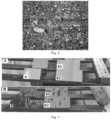
Fig. 5 shows physical comparison of salt spray corrosion; in which, a is the conventional 3Cr17NiMo, b1 is a product in example 1 of the present invention, b2 is a product in example 2 of the present invention, Fig. A shows the result after corrosion for 1h, and Fig. B shows the result after corrosion for 24h. - The high-nitrogen and high-chromium plastic mold steel of the present invention comprises the following chemical components by mass: 0.25 - 0.35% of C, 0.45 - 0.8% of Si, 0.4 - 0.7% of Mn, 16.5 - 17.5% of Cr, 0.1 - 0.3% ofNi, 0.1 - 0.5% of Mo, 0.06 - 0.10% of N, and the rest of Fe and inevitable impurity elements.
- Preferably, in the high-nitrogen and high-chromium plastic mold steel, the other impurity elements comprise Al ≤0.02%, P ≤0.025%, S ≤0.005%, O ≤0.003% and H ≤0.0002%.
- The chemical elements are: C, Si, Mn, Cr, N, Fe, Ni, Al, P, S, O and H.
- According to the smelting method of the high-nitrogen and high-chromium plastic mold steel, the smelting process mainly comprises the following steps:
- (1) selecting an IF steel billet or IF steel scrap based on the above chemical components, and smelting in an electric furnace at a smelting temperature of 1630 - 1650°C and pressure in the furnace of 1 standard atmospheric pressure;
- (2) pouring the molten steel into an LF furnace after the metal material in the electric furnace is completely melted, starting to blow argon, and adding a slagging agent made up of lime, fluorite, lime sand and aluminum oxide 5 - 10min later;
- (3) adding a prepared carburant and an alloy successively after slagging and desulfurization, and inserting an electrode bar for heating and smelting;
- (4) taking samples and fine-tuning components of the alloy based on test results 15 - 30min later;
- (5) stopping blowing argon, blowing high-purity nitrogen instead for 10 - 20min, and adjusting the pressure based on the rolling state at the liquid level;
- (6) at the end of blowing nitrogen, taking samples, fine-tuning the nitrogen blowing time based on component results and adjusting the temperature of the molten steel at 1540 - 1560°C; and
- (7) tapping, casting into ingots, and forging or rolling into finished products.
- The heat treatment method of the high-nitrogen and high-chromium plastic mold steel mainly comprises the following steps:
- A. spheroidizing annealing: placing the flat steel below 500°C obtained by the smelting method of the high-nitrogen and high-chromium plastic mold steel according to the present invention, wherein step D further comprises forging or rolling into 180 - 250 mm thick flat steel after casting into ingots, heating to 940 - 960°C at a rate of 90 - 100°C/h and holding for 8 - 12h, then cooling to 760 - 780°C at a cooling rate of 40 - 50°C/h and holding for 7 - 10h, and finally cooling to ≤500°C at a cooling rate of 40 - 50°C/h, discharging and air-cooling to room temperature; and
- B. isothermal quenching-tempering: putting the mold steel subject to spheroidizing annealing into a quenching furnace at a temperature lower than 450°C, heating to 810 - 830°C at a rate of 90 - 100°C/h and holding for 5 - 8h, keeping heating to 1030 - 1060°C at a rate of 90 - 100°C/h and holding for 1-1.5h, and placing the heated mold steel quickly into a 210 - 230°C salt bath consisting of NH4NO2 and KNOz which are mixed at a mass ratio of 1:1.5, and holding for 15 - 20min; then taking out the steel subject to salt bath treatment quickly, putting the steel into a tempering furnace heated to 550 - 650°C and holding for 5 - 8h, discharging and air-cooling to room temperature.
- In order to completely release residual stress during deformation, the temperature of the flat steel put into the annealing furnace is controlled below 500°C in the step A.
- In order to prevent thermal cracks or prevent affecting the production efficiency, the mold steel is heated to 940 - 960°C at a controlled rate of 90 - 100°C/h in the step A.
- In order to ensure the spheroidizing effect, in the step A, the mold steel is cooled to 760 - 780°C at a controlled cooling rate of 40 - 50°C/h and held for 7 - 10h, and then cooled below 500°C at a cooling rate of 40 - 50°C/h.
- In the step A of the present invention, the formation of martensite is avoided by speeding up cooling. In order to prevent cracks during heating, the temperature of the mold steel put into the heating furnace is controlled below 450°C in the step B.
- In order to prevent thermal cracks, in the step B, the mold steel is heated to 810 - 830°C at a controlled rate of 90 - 100°C/h and held for 5 - 8h, and then continuously heated to 1030 - 1060°C at a rate of 90 - 100°C/h and held for 1 - 1.5h.
- In order to obtain the products with excellent mechanical properties and corrosion resistance, the tempering temperature is controlled at 550 - 650°C.
- According to the present invention, users can take the following approaches: spheroidizing annealing in the step A, then processing into the corresponding molds, and isothermal quenching-tempering in the step B; or spheroidizing annealing in the step A, then isothermal quenching-tempering in the step B, and processing into the corresponding molds, based on their own processing capability and requirements for comprehensive mechanical properties and corrosion resistance of finished mold products.
- Smelting of a high-nitrogen and high-chromium plastic mold steel in the following steps:
- (1) placing an IF steel billet mainly containing the following elements by mass: 0.002% of C, 0.01% of Si, 0.1% of Mn, 0.012% of P, 0.010% of S, 0.015% of Al, and the rest of Fe and other inevitable impurities into an electric furnace for primary smelting at a temperature of 1640±10°C;
- (2) pouring the molten steel into an LF furnace after the metal material in the electric furnace is completely melted, starting to blow argon, and adding a slagging agent (lime, fluorite, lime sand and aluminum oxide) 5min later;
- (3) adding a prepared carburant and an alloy successively after slagging and desulfurization, and inserting an electrode bar for heating and smelting;(4) taking samples and fine-tuning components of the alloy based on test results 30min later;
- (5) stopping blowing argon, blowing high-purity nitrogen instead for 15min, and adjusting the pressure based on the rolling state at the liquid level;
- (6) at the end of blowing nitrogen, taking samples, fine-tuning the nitrogen blowing time based on the component results and adjusting the temperature of molten steel at 1550±10°C; and
- (7) tapping, casting into ingots, then upsetting and stretching for two times into finished products after high-temperature homogenization treatment.
- Heat treatment of a new high-nitrogen and high-chromium plastic mold steel in the following steps:
- (1) spheroidizing annealing: putting the mold steel into an annealing furnace at a temperature lower than 500°C, heating the mold steel to 950±10°C at a rate of 95°C/h and holding for 12h, then cooling the mold steel to 760°C at a cooling rate of 40°C/h and holding for 9h, finally cooling the mold steel to ≤500°C at a cooling rate of 45°C/h, discharging and air-cooling to room temperature, with the metallographic structure as shown in
Fig. 1 . - (2) Isothermal quenching-tempering
- Putting the mold steel subject to spheroidizing annealing into a quenching furnace at a temperature lower than 450°C, heating to 830°C at a rate of 100°C/h and holding for 8h, keeping heating to 1060°C at a rate of 100°C/h and holding for 1.5h, placing the heated mold steel quickly into a 220°C salt bath consisting of NH4NO2 and KNO2 which are mixed at a ratio of 1:1.5, and holding for 20min; then taking out the mold steel subject to salt bath treatment quickly, putting the treated mold steel into a tempering furnace heated to 580°C and holding for 8h, discharging and air-cooling to room temperature, with the metallographic structure as shown in
Fig. 2 . - The components and content of the product prepared in Example 1 are shown in Table 1 below.
Table 1 Chemical Components (wt%) C Si Mn Cr Ni Mo N Al P S O H 0.33 0.6 0.65 17.2 0.25 0.2 0.09 0.02 0.021 0.004 0.0028 0.0002 - Smelting of a new high-nitrogen and high-chromium plastic mold steel in the following steps:
- (1) placing an IF steel billet mainly containing the following elements by mass: 0.0015% of C, 0.011% of Si, 0.12% of Mn, 0.011% of P, 0.010% of S, 0.015% of Al, and the rest of Fe and other inevitable impurities into an electric furnace for primary smelting at a temperature of 1640±10°C;
- (2) pouring the molten steel into an LF furnace after the metal material in the electric furnace is completely melted, starting to blow argon, and adding a slagging agent (lime, fluorite, lime sand and aluminum oxide) 5min later;
- (3) adding a prepared carburant and an alloy successively after slagging and desulfurization, and inserting an electrode bar for heating and smelting;
- (4) taking samples and fine-tuning components of the alloy based on test results 30min later;
- (5) stopping blowing argon, blowing high-purity nitrogen instead for 15min, and adjusting the pressure based on the rolling state at the liquid level;
- (6) at the end of blowing nitrogen, taking samples, fine-tuning the nitrogen blowing time based on the component results and adjusting the temperature of molten steel at 1550±10°C; and
- (7) tapping, casting into ingots, then upsetting and stretching for two times into finished products after high-temperature homogenization treatment.
- Heat treatment of a new high-nitrogen and high-chromium plastic mold steel in the following steps:
- (1) spheroidizing annealing: putting the mold steel into an annealing furnace at a temperature lower than 500°C, heating the mold steel to 950±10°C at a rate of 95°C/h and holding for 12h, then cooling the mold steel to 760°C at a cooling rate of 40°C/h and holding for 9h, finally cooling the mold steel to ≤500°C at a cooling rate of 45°C/h, discharging and air-cooling to room temperature, with the metallographic structure as shown in
Fig. 3 . - (2) Isothermal quenching-tempering
- Putting the mold steel subject to spheroidizing annealing into a quenching furnace at a temperature lower than 450°C, heating to 820°C at a rate of 95°C/h and holding for 8h, keeping heating to 1050°C at a rate of 100°C/h and holding for 1.5h, and placing the heated mold steel quickly into a 230°C salt bath consisting of NH4NO2 and KNOz which are mixed at a ratio of 1:1.5, and holding for 20min; then taking out the mold steel subject to salt bath treatment quickly, putting the treated mold steel into a tempering furnace heated to 590°C and holding for 8h, discharging and air-cooling to room temperature, with the metallographic structure as shown in
Fig. 4 . - The components and content of the product prepared in Example 2 are shown in Table 2 below.
Table 2 Chemical Components (wt%) C Si Mn Cr Ni Mo N Al P S O H 0.31 0.45 0.62 16.9 0.22 0.24 0.08 0.02 0.022 0.004 0.0029 0.0002 - The results of samples prepared in examples 1 and 2 of the present invention and the conventional 3Cr17NiMo under the same salt spray corrosion conditions are shown in
Fig. 5 . As can be seen from the figure, the conventional 3Cr17NiMo is severely corroded, while the plastic mold steel of the present invention is slightly corroded, indicating that the plastic mold steel of the present invention has better corrosion resistance.
Claims (7)
- A smelting method of the high-nitrogen and high-chromium plastic mold steel, characterized by comprising the following steps:A. smelting: smelting an IF steel in an electric furnace until the IF steel is completely melted;B. refining: pouring the completely melted molten steel into an LF furnace for slagging and alloying;C. nitriding: blowing nitrogen for nitrogen alloying; andD. tapping: tapping and casting into ingots after nitrogen blowing, whereinthe tapping control temperature of the molten steel is 1540 - 1560°C in step D,the high-nitrogen and high-chromium plastic mold steel comprises the following chemical components by mass: 0.25 - 0.35% of C, 0.45 - 0.8% of Si, 0.4 - 0.7% of Mn, 16.5 - 17.5% of Cr, 0.1 - 0.3% of Ni, 0.1 - 0.5% of Mo, 0.06 - 0.10% of N, and the rest of Fe and inevitable impurity elements andthe impurity elements comprise Al ≤0.02%, P ≤0.025%, S ≤0.005%, O ≤0.003% and H ≤0.0002%.
- The smelting method of the high-nitrogen and high-chromium plastic mold steel according to claim 1, characterized in that step D further comprises forging or rolling into 180 - 250 mm thick flat steel after casting into ingots.
- The smelting method of the high-nitrogen and high-chromium plastic mold steel according to claim 1 or 2, characterized in that the smelting temperature is 1630 - 1650°C in step A.
- The smelting method of the high-nitrogen and high-chromium plastic mold steel according to claim 1 or 2, characterized in that the nitrogen blowing time is 10 - 20min in step C.
- A heat treatment method of the high-nitrogen and high-chromium plastic mold steel, characterized by comprising the following steps:A. spheroidizing annealing: heating the flat steel below 500°C obtained by the smelting method of the high-nitrogen and high-chromium plastic mold steel according to claim 2 to 940 - 960°C and holding 8 - 12 h, then cooling to 760 - 780°C and holding 7 - 10 h, cooling below 500°C, discharging and air-cooling to room temperature;B. isothermal quenching-tempering: heating the flat steel below 450°C obtained in the step A to 810 - 830°C and holding 5 - 8 h, and then heating to 1030 - 1060°C and holding 1 - 1.5 h; then putting the heated flat steel in a salt bath for salt bath treatment, taking the treated flat steel out for tempering at 550 - 650°C, discharging and air-cooling to room temperature, whereinin step B the salt bath consists of NH4NO2 and KNOz which are mixed at a mass ratio of 1:1.5 - 2.0 and the temperature of the salt bath is 210 - 230°C.
- The heat treatment method of the high-nitrogen and high-chromium plastic mold steel according to claim 5, characterized in that in step A, at least any one of the following is satisfied:the heating rate for heating to 940 - 960°C is 90 - 100°C/h;the temperature is held at 940 - 960°C for 8-12h;the cooling rate for cooling to 760 - 780°C is 40 - 50°C/h;the cooling rate for cooling below 500°C is 40-50°C/h; andthe temperature is held at 760 - 780°C for 7-10h.
- The heat treatment method of high-nitrogen and high-chromium plastic mold steel according to claim 5, characterized in that in step B, at least any one of the following is satisfied:the heating rate for heating to 810 - 830°C is 90 - 100°C/h;the temperature is held at 810 - 830°C for 5 - 8h;the heating rate for heating to 1030 - 1060°C is 90 - 100°C/h;the temperature is held at 1030 - 1060°C for 1 - 1.5h;the salt bath consists of NH4NO2 and KNO2 which are mixed at a mass ratio of 1:1.5 - 2.0, preferably at a mass ratio of 1:1.5;the temperature of the salt bath is 210 - 230°C;the salt bath treatment lasts for 15 - 20min; andthe tempering at 550 - 650°C lasts for 5 - 8h.
Applications Claiming Priority (2)
| Application Number | Priority Date | Filing Date | Title |
|---|---|---|---|
| CN201811433208.7A CN109266970B (en) | 2018-11-28 | 2018-11-28 | High-nitrogen high-chromium plastic die steel and smelting and heat treatment method thereof |
| PCT/CN2019/110868 WO2020108123A1 (en) | 2018-11-28 | 2019-10-12 | High-nitrogen and high-chromium plastic die steel, and smelting method and thermal processing method therefor |
Publications (3)
| Publication Number | Publication Date |
|---|---|
| EP3889285A1 EP3889285A1 (en) | 2021-10-06 |
| EP3889285A4 EP3889285A4 (en) | 2022-07-06 |
| EP3889285B1 true EP3889285B1 (en) | 2024-02-21 |
Family
ID=65186218
Family Applications (1)
| Application Number | Title | Priority Date | Filing Date |
|---|---|---|---|
| EP19889385.1A Active EP3889285B1 (en) | 2018-11-28 | 2019-10-12 | Smelting method of high-nitrogen and high- chromium plastic mold steel and and heat treatment thereof |
Country Status (5)
| Country | Link |
|---|---|
| EP (1) | EP3889285B1 (en) |
| KR (1) | KR102597090B1 (en) |
| CN (1) | CN109266970B (en) |
| UA (1) | UA128733C2 (en) |
| WO (1) | WO2020108123A1 (en) |
Families Citing this family (13)
| Publication number | Priority date | Publication date | Assignee | Title |
|---|---|---|---|---|
| CN108707730B (en) * | 2018-06-13 | 2020-01-14 | 东南大学 | Efficient continuous annealing method for tool and die steel |
| CN109266970B (en) * | 2018-11-28 | 2020-11-10 | 攀钢集团攀枝花钢铁研究院有限公司 | High-nitrogen high-chromium plastic die steel and smelting and heat treatment method thereof |
| CN110423859A (en) * | 2019-08-21 | 2019-11-08 | 河南中原特钢装备制造有限公司 | A kind of low-phosphorous smelting process of martensitic stain less steel main shaft |
| CN110408848B (en) * | 2019-09-10 | 2021-11-16 | 成都先进金属材料产业技术研究院股份有限公司 | Flat steel ingot for corrosion-resistant mold and process method thereof |
| CN111809115B (en) * | 2020-07-07 | 2021-09-14 | 鞍钢股份有限公司 | Super-thick plastic die steel with excellent impact corrosion wear resistance and preparation method thereof |
| CN114717392B (en) * | 2022-03-22 | 2023-10-10 | 江苏大学 | Dievar steel and heat treatment method thereof |
| CN115181901B (en) * | 2022-04-07 | 2023-09-26 | 燕山大学 | A kind of high strength, toughness, hard low temperature bainitic hot work die steel and preparation method thereof |
| KR102856720B1 (en) * | 2022-11-30 | 2025-09-08 | 현대트랜시스 주식회사 | Method for harmonic reducer member having high strength with high toughness and harmonic reducer member manufactured using the same |
| CN116904865B (en) * | 2023-09-14 | 2023-12-01 | 成都先进金属材料产业技术研究院股份有限公司 | Large-specification 3Cr17 plastic die steel and production method thereof |
| CN118600165B (en) * | 2024-03-29 | 2025-05-06 | 中国机械总院集团北京机电研究所有限公司 | A high-hardness, micro-deformation, clean heat treatment control method for cold working dies |
| CN118762917B (en) * | 2024-07-09 | 2026-01-06 | 江西大有科技有限公司 | A semi-annular iron-based nanocrystalline magnetic core with high permeability and low loss and its preparation method |
| CN118895411B (en) * | 2024-07-19 | 2025-02-11 | 广东润德利科技有限公司 | Plastic mold steel and heat treatment process |
| CN119506729B (en) * | 2024-11-15 | 2026-04-28 | 山西太钢不锈钢股份有限公司 | A pre-hardened, free-machining, corrosion-resistant die steel thick plate and its preparation method |
Family Cites Families (13)
| Publication number | Priority date | Publication date | Assignee | Title |
|---|---|---|---|---|
| CN1039036C (en) * | 1993-12-28 | 1998-07-08 | 新日本制铁株式会社 | Martensitic heat-resisting steel having excellent resistance to HAZ softening and process for producing the steel |
| JP3965779B2 (en) * | 1998-05-22 | 2007-08-29 | 大同特殊鋼株式会社 | Steel for plastic molds |
| CN101967608A (en) * | 2010-11-12 | 2011-02-09 | 上海大学 | Nitrogen-containing corrosion-resistance plastic die steel and preparation process thereof |
| CN104878298B (en) * | 2015-05-15 | 2017-05-03 | 安泰科技股份有限公司 | Powder metallurgy wearing-resistant corrosion-resistant alloy |
| JP2017150045A (en) * | 2016-02-26 | 2017-08-31 | 山陽特殊製鋼株式会社 | Martensitic stainless steel |
| CN106636895A (en) * | 2016-11-30 | 2017-05-10 | 重庆材料研究院有限公司 | Special bearing steel and manufacturing method thereof |
| CN108220766B (en) * | 2016-12-13 | 2020-05-29 | 鞍钢股份有限公司 | Cr-V hot work die steel and preparation method thereof |
| CN108315656B (en) * | 2017-01-16 | 2020-08-25 | 宝山钢铁股份有限公司 | Heat treatment-free cold heading steel for 8.8-grade fastener and manufacturing method thereof |
| CN106917045B (en) * | 2017-03-07 | 2019-03-05 | 广西大学行健文理学院 | Cast the manufacturing method of cold upsetting die of car |
| CN107699801B (en) * | 2017-09-04 | 2019-04-05 | 唐山志威科技有限公司 | A kind of plastic mold steel ZW616 containing V for mold core and preparation method thereof |
| CN107747066B (en) * | 2017-11-13 | 2019-12-27 | 吉林大学 | Endogenous nano TiC ceramic particle in-situ reinforced cast high-chromium hot-work die steel and preparation method thereof |
| CN108893682B (en) * | 2018-08-01 | 2020-10-09 | 攀钢集团攀枝花钢铁研究院有限公司 | Die steel billet and preparation method thereof |
| CN109266970B (en) * | 2018-11-28 | 2020-11-10 | 攀钢集团攀枝花钢铁研究院有限公司 | High-nitrogen high-chromium plastic die steel and smelting and heat treatment method thereof |
-
2018
- 2018-11-28 CN CN201811433208.7A patent/CN109266970B/en active Active
-
2019
- 2019-10-12 EP EP19889385.1A patent/EP3889285B1/en active Active
- 2019-10-12 WO PCT/CN2019/110868 patent/WO2020108123A1/en not_active Ceased
- 2019-10-12 KR KR1020217014235A patent/KR102597090B1/en active Active
- 2019-10-12 UA UAA202102693A patent/UA128733C2/en unknown
Also Published As
| Publication number | Publication date |
|---|---|
| CN109266970B (en) | 2020-11-10 |
| EP3889285A1 (en) | 2021-10-06 |
| WO2020108123A1 (en) | 2020-06-04 |
| EP3889285A4 (en) | 2022-07-06 |
| UA128733C2 (en) | 2024-10-09 |
| KR102597090B1 (en) | 2023-11-01 |
| CN109266970A (en) | 2019-01-25 |
| KR20210091156A (en) | 2021-07-21 |
Similar Documents
| Publication | Publication Date | Title |
|---|---|---|
| EP3889285A1 (en) | High-nitrogen and high-chromium plastic die steel, and smelting method and thermal processing method therefor | |
| KR102562391B1 (en) | Corrosion-resistant mirror die steel and manufacturing method thereof | |
| CN109207846A (en) | A kind of high anti-corrosion section nickel high-nitrogen austenitic stainless steel | |
| CN102433513B (en) | Preparation and heat treatment method of low-alloy heat-resistant high-strength steel memebers | |
| CN104789833B (en) | High-strength magnesium-containing aluminum alloy material and treatment process thereof | |
| EP3196328A1 (en) | Enamel steel having high-temperature baking hardenability and manufacturing method therefor | |
| CN111893381A (en) | High-nitrogen stainless bearing steel and preparation method thereof | |
| WO2023098919A1 (en) | Manufacturing method for low-carbon nitrogen-containing austenitic stainless steel bar | |
| CN109136653A (en) | For the nickel-base alloy of nuclear power generating equipment and its manufacturing method of hot rolled plate | |
| JP7665090B2 (en) | High strength and high toughness maraging stainless steel for ultra-low temperature engineering and its manufacturing method | |
| CN111500928A (en) | Low-temperature high-toughness high-temperature high-strength and high-hardenability hot die steel and preparation technology thereof | |
| CN110541124A (en) | Nitrogen-containing plastic mold flat steel ingot and process method thereof | |
| CN109371332A (en) | A kind of 16MnCrS5 gear steel and production method thereof | |
| CN103540859B (en) | High-heat-resistance stainless steel coffee pot material and preparation method thereof | |
| CN113774270A (en) | High-strength high-toughness precipitation hardening stainless steel bar and preparation method thereof | |
| CN102796959B (en) | A kind of corrosion-resistant plastic die steel and manufacture method thereof | |
| CN118186319B (en) | A 1.5GPa grade high-strength cold-rolled stainless steel and a preparation method thereof | |
| CN113584380A (en) | High-hardness and high-toughness antirust die steel and production process thereof | |
| CN115786632A (en) | Manufacturing method of nitrogen-containing corrosion-resistant plastic die steel forged material | |
| CN116695028A (en) | High-strength high-corrosion-resistance nuclear power austenitic stainless steel and manufacturing method thereof | |
| CN108396230A (en) | A kind of uniform wear-resisting mould steel preparation method of case hardness | |
| CN115181900A (en) | A kind of austenitic age-hardening heat-resistant steel and preparation method thereof | |
| CN119571109B (en) | Cobalt-based superalloy HS-25 hot-rolled plate and manufacturing method thereof | |
| CN112111637A (en) | Heat treatment method of stainless steel | |
| CN119307831B (en) | A high-purity, high-strength steel and its manufacturing method |
Legal Events
| Date | Code | Title | Description |
|---|---|---|---|
| STAA | Information on the status of an ep patent application or granted ep patent |
Free format text: STATUS: THE INTERNATIONAL PUBLICATION HAS BEEN MADE |
|
| PUAI | Public reference made under article 153(3) epc to a published international application that has entered the european phase |
Free format text: ORIGINAL CODE: 0009012 |
|
| STAA | Information on the status of an ep patent application or granted ep patent |
Free format text: STATUS: REQUEST FOR EXAMINATION WAS MADE |
|
| 17P | Request for examination filed |
Effective date: 20210521 |
|
| AK | Designated contracting states |
Kind code of ref document: A1 Designated state(s): AL AT BE BG CH CY CZ DE DK EE ES FI FR GB GR HR HU IE IS IT LI LT LU LV MC MK MT NL NO PL PT RO RS SE SI SK SM TR |
|
| DAV | Request for validation of the european patent (deleted) | ||
| DAX | Request for extension of the european patent (deleted) | ||
| RIC1 | Information provided on ipc code assigned before grant |
Ipc: C21D 1/32 20060101ALI20220428BHEP Ipc: C21D 6/00 20060101ALI20220428BHEP Ipc: C22C 33/04 20060101ALI20220428BHEP Ipc: C21D 1/20 20060101ALI20220428BHEP Ipc: C22C 38/44 20060101ALI20220428BHEP Ipc: C22C 38/02 20060101AFI20220428BHEP |
|
| A4 | Supplementary search report drawn up and despatched |
Effective date: 20220609 |
|
| RIC1 | Information provided on ipc code assigned before grant |
Ipc: C21D 1/30 20060101ALI20220602BHEP Ipc: C21D 1/28 20060101ALI20220602BHEP Ipc: F27B 14/06 20060101ALI20220602BHEP Ipc: F27B 3/08 20060101ALI20220602BHEP Ipc: C21C 7/072 20060101ALI20220602BHEP Ipc: C21D 1/32 20060101ALI20220602BHEP Ipc: C21D 6/00 20060101ALI20220602BHEP Ipc: C22C 33/04 20060101ALI20220602BHEP Ipc: C21D 1/20 20060101ALI20220602BHEP Ipc: C22C 38/44 20060101ALI20220602BHEP Ipc: C22C 38/02 20060101AFI20220602BHEP |
|
| STAA | Information on the status of an ep patent application or granted ep patent |
Free format text: STATUS: EXAMINATION IS IN PROGRESS |
|
| 17Q | First examination report despatched |
Effective date: 20230720 |
|
| REG | Reference to a national code |
Free format text: PREVIOUS MAIN CLASS: C22C0038020000 Ref country code: DE Ref legal event code: R079 Ref document number: 602019047104 Country of ref document: DE Ipc: C21D0001190000 |
|
| GRAP | Despatch of communication of intention to grant a patent |
Free format text: ORIGINAL CODE: EPIDOSNIGR1 |
|
| STAA | Information on the status of an ep patent application or granted ep patent |
Free format text: STATUS: GRANT OF PATENT IS INTENDED |
|
| RIC1 | Information provided on ipc code assigned before grant |
Ipc: C21D 1/32 20060101ALN20231023BHEP Ipc: C21D 1/607 20060101ALN20231023BHEP Ipc: C21D 6/00 20060101ALN20231023BHEP Ipc: C21D 1/30 20060101ALI20231023BHEP Ipc: C22C 33/04 20060101ALI20231023BHEP Ipc: C21D 1/28 20060101ALI20231023BHEP Ipc: C21D 1/20 20060101ALI20231023BHEP Ipc: C21C 7/072 20060101ALI20231023BHEP Ipc: C22C 38/04 20060101ALI20231023BHEP Ipc: C22C 38/44 20060101ALI20231023BHEP Ipc: C22C 38/02 20060101ALI20231023BHEP Ipc: C22C 38/00 20060101ALI20231023BHEP Ipc: C22C 1/02 20060101ALI20231023BHEP Ipc: C21D 9/00 20060101ALI20231023BHEP Ipc: C21D 1/26 20060101ALI20231023BHEP Ipc: C21D 1/19 20060101AFI20231023BHEP |
|
| RIC1 | Information provided on ipc code assigned before grant |
Ipc: C21D 1/32 20060101ALN20231102BHEP Ipc: C21D 1/607 20060101ALN20231102BHEP Ipc: C21D 6/00 20060101ALN20231102BHEP Ipc: C21D 1/30 20060101ALI20231102BHEP Ipc: C22C 33/04 20060101ALI20231102BHEP Ipc: C21D 1/28 20060101ALI20231102BHEP Ipc: C21D 1/20 20060101ALI20231102BHEP Ipc: C21C 7/072 20060101ALI20231102BHEP Ipc: C22C 38/04 20060101ALI20231102BHEP Ipc: C22C 38/44 20060101ALI20231102BHEP Ipc: C22C 38/02 20060101ALI20231102BHEP Ipc: C22C 38/00 20060101ALI20231102BHEP Ipc: C22C 1/02 20060101ALI20231102BHEP Ipc: C21D 9/00 20060101ALI20231102BHEP Ipc: C21D 1/26 20060101ALI20231102BHEP Ipc: C21D 1/19 20060101AFI20231102BHEP |
|
| INTG | Intention to grant announced |
Effective date: 20231113 |
|
| GRAS | Grant fee paid |
Free format text: ORIGINAL CODE: EPIDOSNIGR3 |
|
| GRAA | (expected) grant |
Free format text: ORIGINAL CODE: 0009210 |
|
| STAA | Information on the status of an ep patent application or granted ep patent |
Free format text: STATUS: THE PATENT HAS BEEN GRANTED |
|
| AK | Designated contracting states |
Kind code of ref document: B1 Designated state(s): AL AT BE BG CH CY CZ DE DK EE ES FI FR GB GR HR HU IE IS IT LI LT LU LV MC MK MT NL NO PL PT RO RS SE SI SK SM TR |
|
| REG | Reference to a national code |
Ref country code: GB Ref legal event code: FG4D |
|
| REG | Reference to a national code |
Ref country code: CH Ref legal event code: EP |
|
| REG | Reference to a national code |
Ref country code: IE Ref legal event code: FG4D |
|
| REG | Reference to a national code |
Ref country code: DE Ref legal event code: R096 Ref document number: 602019047104 Country of ref document: DE |
|
| P01 | Opt-out of the competence of the unified patent court (upc) registered |
Effective date: 20240311 |
|
| REG | Reference to a national code |
Ref country code: LT Ref legal event code: MG9D |
|
| REG | Reference to a national code |
Ref country code: NL Ref legal event code: MP Effective date: 20240221 |
|
| PG25 | Lapsed in a contracting state [announced via postgrant information from national office to epo] |
Ref country code: IS Free format text: LAPSE BECAUSE OF FAILURE TO SUBMIT A TRANSLATION OF THE DESCRIPTION OR TO PAY THE FEE WITHIN THE PRESCRIBED TIME-LIMIT Effective date: 20240621 |
|
| PG25 | Lapsed in a contracting state [announced via postgrant information from national office to epo] |
Ref country code: LT Free format text: LAPSE BECAUSE OF FAILURE TO SUBMIT A TRANSLATION OF THE DESCRIPTION OR TO PAY THE FEE WITHIN THE PRESCRIBED TIME-LIMIT Effective date: 20240221 |
|
| PG25 | Lapsed in a contracting state [announced via postgrant information from national office to epo] |
Ref country code: GR Free format text: LAPSE BECAUSE OF FAILURE TO SUBMIT A TRANSLATION OF THE DESCRIPTION OR TO PAY THE FEE WITHIN THE PRESCRIBED TIME-LIMIT Effective date: 20240522 |
|
| REG | Reference to a national code |
Ref country code: AT Ref legal event code: MK05 Ref document number: 1659159 Country of ref document: AT Kind code of ref document: T Effective date: 20240221 |
|
| PG25 | Lapsed in a contracting state [announced via postgrant information from national office to epo] |
Ref country code: HR Free format text: LAPSE BECAUSE OF FAILURE TO SUBMIT A TRANSLATION OF THE DESCRIPTION OR TO PAY THE FEE WITHIN THE PRESCRIBED TIME-LIMIT Effective date: 20240221 Ref country code: RS Free format text: LAPSE BECAUSE OF FAILURE TO SUBMIT A TRANSLATION OF THE DESCRIPTION OR TO PAY THE FEE WITHIN THE PRESCRIBED TIME-LIMIT Effective date: 20240521 Ref country code: NL Free format text: LAPSE BECAUSE OF FAILURE TO SUBMIT A TRANSLATION OF THE DESCRIPTION OR TO PAY THE FEE WITHIN THE PRESCRIBED TIME-LIMIT Effective date: 20240221 |
|
| PG25 | Lapsed in a contracting state [announced via postgrant information from national office to epo] |
Ref country code: ES Free format text: LAPSE BECAUSE OF FAILURE TO SUBMIT A TRANSLATION OF THE DESCRIPTION OR TO PAY THE FEE WITHIN THE PRESCRIBED TIME-LIMIT Effective date: 20240221 |
|
| PG25 | Lapsed in a contracting state [announced via postgrant information from national office to epo] |
Ref country code: AT Free format text: LAPSE BECAUSE OF FAILURE TO SUBMIT A TRANSLATION OF THE DESCRIPTION OR TO PAY THE FEE WITHIN THE PRESCRIBED TIME-LIMIT Effective date: 20240221 |
|
| PG25 | Lapsed in a contracting state [announced via postgrant information from national office to epo] |
Ref country code: RS Free format text: LAPSE BECAUSE OF FAILURE TO SUBMIT A TRANSLATION OF THE DESCRIPTION OR TO PAY THE FEE WITHIN THE PRESCRIBED TIME-LIMIT Effective date: 20240521 Ref country code: NO Free format text: LAPSE BECAUSE OF FAILURE TO SUBMIT A TRANSLATION OF THE DESCRIPTION OR TO PAY THE FEE WITHIN THE PRESCRIBED TIME-LIMIT Effective date: 20240521 Ref country code: NL Free format text: LAPSE BECAUSE OF FAILURE TO SUBMIT A TRANSLATION OF THE DESCRIPTION OR TO PAY THE FEE WITHIN THE PRESCRIBED TIME-LIMIT Effective date: 20240221 Ref country code: LT Free format text: LAPSE BECAUSE OF FAILURE TO SUBMIT A TRANSLATION OF THE DESCRIPTION OR TO PAY THE FEE WITHIN THE PRESCRIBED TIME-LIMIT Effective date: 20240221 Ref country code: IS Free format text: LAPSE BECAUSE OF FAILURE TO SUBMIT A TRANSLATION OF THE DESCRIPTION OR TO PAY THE FEE WITHIN THE PRESCRIBED TIME-LIMIT Effective date: 20240621 Ref country code: HR Free format text: LAPSE BECAUSE OF FAILURE TO SUBMIT A TRANSLATION OF THE DESCRIPTION OR TO PAY THE FEE WITHIN THE PRESCRIBED TIME-LIMIT Effective date: 20240221 Ref country code: GR Free format text: LAPSE BECAUSE OF FAILURE TO SUBMIT A TRANSLATION OF THE DESCRIPTION OR TO PAY THE FEE WITHIN THE PRESCRIBED TIME-LIMIT Effective date: 20240522 Ref country code: FI Free format text: LAPSE BECAUSE OF FAILURE TO SUBMIT A TRANSLATION OF THE DESCRIPTION OR TO PAY THE FEE WITHIN THE PRESCRIBED TIME-LIMIT Effective date: 20240221 Ref country code: ES Free format text: LAPSE BECAUSE OF FAILURE TO SUBMIT A TRANSLATION OF THE DESCRIPTION OR TO PAY THE FEE WITHIN THE PRESCRIBED TIME-LIMIT Effective date: 20240221 Ref country code: BG Free format text: LAPSE BECAUSE OF FAILURE TO SUBMIT A TRANSLATION OF THE DESCRIPTION OR TO PAY THE FEE WITHIN THE PRESCRIBED TIME-LIMIT Effective date: 20240221 Ref country code: AT Free format text: LAPSE BECAUSE OF FAILURE TO SUBMIT A TRANSLATION OF THE DESCRIPTION OR TO PAY THE FEE WITHIN THE PRESCRIBED TIME-LIMIT Effective date: 20240221 |
|
| PG25 | Lapsed in a contracting state [announced via postgrant information from national office to epo] |
Ref country code: PT Free format text: LAPSE BECAUSE OF FAILURE TO SUBMIT A TRANSLATION OF THE DESCRIPTION OR TO PAY THE FEE WITHIN THE PRESCRIBED TIME-LIMIT Effective date: 20240621 Ref country code: PL Free format text: LAPSE BECAUSE OF FAILURE TO SUBMIT A TRANSLATION OF THE DESCRIPTION OR TO PAY THE FEE WITHIN THE PRESCRIBED TIME-LIMIT Effective date: 20240221 |
|
| PG25 | Lapsed in a contracting state [announced via postgrant information from national office to epo] |
Ref country code: SE Free format text: LAPSE BECAUSE OF FAILURE TO SUBMIT A TRANSLATION OF THE DESCRIPTION OR TO PAY THE FEE WITHIN THE PRESCRIBED TIME-LIMIT Effective date: 20240221 Ref country code: PT Free format text: LAPSE BECAUSE OF FAILURE TO SUBMIT A TRANSLATION OF THE DESCRIPTION OR TO PAY THE FEE WITHIN THE PRESCRIBED TIME-LIMIT Effective date: 20240621 Ref country code: PL Free format text: LAPSE BECAUSE OF FAILURE TO SUBMIT A TRANSLATION OF THE DESCRIPTION OR TO PAY THE FEE WITHIN THE PRESCRIBED TIME-LIMIT Effective date: 20240221 Ref country code: LV Free format text: LAPSE BECAUSE OF FAILURE TO SUBMIT A TRANSLATION OF THE DESCRIPTION OR TO PAY THE FEE WITHIN THE PRESCRIBED TIME-LIMIT Effective date: 20240221 |
|
| PG25 | Lapsed in a contracting state [announced via postgrant information from national office to epo] |
Ref country code: DK Free format text: LAPSE BECAUSE OF FAILURE TO SUBMIT A TRANSLATION OF THE DESCRIPTION OR TO PAY THE FEE WITHIN THE PRESCRIBED TIME-LIMIT Effective date: 20240221 |
|
| PG25 | Lapsed in a contracting state [announced via postgrant information from national office to epo] |
Ref country code: SM Free format text: LAPSE BECAUSE OF FAILURE TO SUBMIT A TRANSLATION OF THE DESCRIPTION OR TO PAY THE FEE WITHIN THE PRESCRIBED TIME-LIMIT Effective date: 20240221 |
|
| PG25 | Lapsed in a contracting state [announced via postgrant information from national office to epo] |
Ref country code: EE Free format text: LAPSE BECAUSE OF FAILURE TO SUBMIT A TRANSLATION OF THE DESCRIPTION OR TO PAY THE FEE WITHIN THE PRESCRIBED TIME-LIMIT Effective date: 20240221 Ref country code: CZ Free format text: LAPSE BECAUSE OF FAILURE TO SUBMIT A TRANSLATION OF THE DESCRIPTION OR TO PAY THE FEE WITHIN THE PRESCRIBED TIME-LIMIT Effective date: 20240221 |
|
| PG25 | Lapsed in a contracting state [announced via postgrant information from national office to epo] |
Ref country code: SK Free format text: LAPSE BECAUSE OF FAILURE TO SUBMIT A TRANSLATION OF THE DESCRIPTION OR TO PAY THE FEE WITHIN THE PRESCRIBED TIME-LIMIT Effective date: 20240221 |
|
| PG25 | Lapsed in a contracting state [announced via postgrant information from national office to epo] |
Ref country code: SM Free format text: LAPSE BECAUSE OF FAILURE TO SUBMIT A TRANSLATION OF THE DESCRIPTION OR TO PAY THE FEE WITHIN THE PRESCRIBED TIME-LIMIT Effective date: 20240221 Ref country code: SK Free format text: LAPSE BECAUSE OF FAILURE TO SUBMIT A TRANSLATION OF THE DESCRIPTION OR TO PAY THE FEE WITHIN THE PRESCRIBED TIME-LIMIT Effective date: 20240221 Ref country code: RO Free format text: LAPSE BECAUSE OF FAILURE TO SUBMIT A TRANSLATION OF THE DESCRIPTION OR TO PAY THE FEE WITHIN THE PRESCRIBED TIME-LIMIT Effective date: 20240221 Ref country code: EE Free format text: LAPSE BECAUSE OF FAILURE TO SUBMIT A TRANSLATION OF THE DESCRIPTION OR TO PAY THE FEE WITHIN THE PRESCRIBED TIME-LIMIT Effective date: 20240221 Ref country code: DK Free format text: LAPSE BECAUSE OF FAILURE TO SUBMIT A TRANSLATION OF THE DESCRIPTION OR TO PAY THE FEE WITHIN THE PRESCRIBED TIME-LIMIT Effective date: 20240221 Ref country code: CZ Free format text: LAPSE BECAUSE OF FAILURE TO SUBMIT A TRANSLATION OF THE DESCRIPTION OR TO PAY THE FEE WITHIN THE PRESCRIBED TIME-LIMIT Effective date: 20240221 |
|
| REG | Reference to a national code |
Ref country code: DE Ref legal event code: R097 Ref document number: 602019047104 Country of ref document: DE |
|
| PG25 | Lapsed in a contracting state [announced via postgrant information from national office to epo] |
Ref country code: IT Free format text: LAPSE BECAUSE OF FAILURE TO SUBMIT A TRANSLATION OF THE DESCRIPTION OR TO PAY THE FEE WITHIN THE PRESCRIBED TIME-LIMIT Effective date: 20240221 |
|
| PLBE | No opposition filed within time limit |
Free format text: ORIGINAL CODE: 0009261 |
|
| STAA | Information on the status of an ep patent application or granted ep patent |
Free format text: STATUS: NO OPPOSITION FILED WITHIN TIME LIMIT |
|
| PG25 | Lapsed in a contracting state [announced via postgrant information from national office to epo] |
Ref country code: IT Free format text: LAPSE BECAUSE OF FAILURE TO SUBMIT A TRANSLATION OF THE DESCRIPTION OR TO PAY THE FEE WITHIN THE PRESCRIBED TIME-LIMIT Effective date: 20240221 |
|
| 26N | No opposition filed |
Effective date: 20241122 |
|
| PG25 | Lapsed in a contracting state [announced via postgrant information from national office to epo] |
Ref country code: SI Free format text: LAPSE BECAUSE OF FAILURE TO SUBMIT A TRANSLATION OF THE DESCRIPTION OR TO PAY THE FEE WITHIN THE PRESCRIBED TIME-LIMIT Effective date: 20240221 |
|
| REG | Reference to a national code |
Ref country code: CH Ref legal event code: PL |
|
| GBPC | Gb: european patent ceased through non-payment of renewal fee |
Effective date: 20241012 |
|
| PG25 | Lapsed in a contracting state [announced via postgrant information from national office to epo] |
Ref country code: MC Free format text: LAPSE BECAUSE OF FAILURE TO SUBMIT A TRANSLATION OF THE DESCRIPTION OR TO PAY THE FEE WITHIN THE PRESCRIBED TIME-LIMIT Effective date: 20240221 |
|
| PG25 | Lapsed in a contracting state [announced via postgrant information from national office to epo] |
Ref country code: GB Free format text: LAPSE BECAUSE OF NON-PAYMENT OF DUE FEES Effective date: 20241012 |
|
| PG25 | Lapsed in a contracting state [announced via postgrant information from national office to epo] |
Ref country code: BE Free format text: LAPSE BECAUSE OF NON-PAYMENT OF DUE FEES Effective date: 20241031 Ref country code: LU Free format text: LAPSE BECAUSE OF NON-PAYMENT OF DUE FEES Effective date: 20241012 |
|
| PG25 | Lapsed in a contracting state [announced via postgrant information from national office to epo] |
Ref country code: FR Free format text: LAPSE BECAUSE OF NON-PAYMENT OF DUE FEES Effective date: 20241031 |
|
| PG25 | Lapsed in a contracting state [announced via postgrant information from national office to epo] |
Ref country code: CH Free format text: LAPSE BECAUSE OF NON-PAYMENT OF DUE FEES Effective date: 20241031 |
|
| REG | Reference to a national code |
Ref country code: BE Ref legal event code: MM Effective date: 20241031 |
|
| PG25 | Lapsed in a contracting state [announced via postgrant information from national office to epo] |
Ref country code: IE Free format text: LAPSE BECAUSE OF NON-PAYMENT OF DUE FEES Effective date: 20241012 |
|
| PGFP | Annual fee paid to national office [announced via postgrant information from national office to epo] |
Ref country code: DE Payment date: 20251030 Year of fee payment: 7 |
|
| PG25 | Lapsed in a contracting state [announced via postgrant information from national office to epo] |
Ref country code: CY Free format text: LAPSE BECAUSE OF FAILURE TO SUBMIT A TRANSLATION OF THE DESCRIPTION OR TO PAY THE FEE WITHIN THE PRESCRIBED TIME-LIMIT; INVALID AB INITIO Effective date: 20191012 |
|
| PG25 | Lapsed in a contracting state [announced via postgrant information from national office to epo] |
Ref country code: HU Free format text: LAPSE BECAUSE OF FAILURE TO SUBMIT A TRANSLATION OF THE DESCRIPTION OR TO PAY THE FEE WITHIN THE PRESCRIBED TIME-LIMIT; INVALID AB INITIO Effective date: 20191012 |
|
| PG25 | Lapsed in a contracting state [announced via postgrant information from national office to epo] |
Ref country code: TR Free format text: LAPSE BECAUSE OF FAILURE TO SUBMIT A TRANSLATION OF THE DESCRIPTION OR TO PAY THE FEE WITHIN THE PRESCRIBED TIME-LIMIT Effective date: 20240221 |