EP3873460B1 - Method of treatment of p53 wt tumors - Google Patents
Method of treatment of p53 wt tumors Download PDFInfo
- Publication number
- EP3873460B1 EP3873460B1 EP19805046.0A EP19805046A EP3873460B1 EP 3873460 B1 EP3873460 B1 EP 3873460B1 EP 19805046 A EP19805046 A EP 19805046A EP 3873460 B1 EP3873460 B1 EP 3873460B1
- Authority
- EP
- European Patent Office
- Prior art keywords
- inhibitor
- mdm4
- treatment
- ck1α
- wild type
- Prior art date
- Legal status (The legal status is an assumption and is not a legal conclusion. Google has not performed a legal analysis and makes no representation as to the accuracy of the status listed.)
- Active
Links
Images
















Classifications
-
- A—HUMAN NECESSITIES
- A61—MEDICAL OR VETERINARY SCIENCE; HYGIENE
- A61K—PREPARATIONS FOR MEDICAL, DENTAL OR TOILETRY PURPOSES
- A61K31/00—Medicinal preparations containing organic active ingredients
- A61K31/33—Heterocyclic compounds
- A61K31/395—Heterocyclic compounds having nitrogen as a ring hetero atom, e.g. guanethidine or rifamycins
- A61K31/435—Heterocyclic compounds having nitrogen as a ring hetero atom, e.g. guanethidine or rifamycins having six-membered rings with one nitrogen as the only ring hetero atom
- A61K31/44—Non condensed pyridines; Hydrogenated derivatives thereof
- A61K31/4427—Non condensed pyridines; Hydrogenated derivatives thereof containing further heterocyclic ring systems
- A61K31/4439—Non condensed pyridines; Hydrogenated derivatives thereof containing further heterocyclic ring systems containing a five-membered ring with nitrogen as a ring hetero atom, e.g. omeprazole
-
- A—HUMAN NECESSITIES
- A61—MEDICAL OR VETERINARY SCIENCE; HYGIENE
- A61K—PREPARATIONS FOR MEDICAL, DENTAL OR TOILETRY PURPOSES
- A61K45/00—Medicinal preparations containing active ingredients not provided for in groups A61K31/00 - A61K41/00
- A61K45/06—Mixtures of active ingredients without chemical characterisation, e.g. antiphlogistics and cardiaca
-
- A—HUMAN NECESSITIES
- A61—MEDICAL OR VETERINARY SCIENCE; HYGIENE
- A61K—PREPARATIONS FOR MEDICAL, DENTAL OR TOILETRY PURPOSES
- A61K31/00—Medicinal preparations containing organic active ingredients
- A61K31/33—Heterocyclic compounds
- A61K31/395—Heterocyclic compounds having nitrogen as a ring hetero atom, e.g. guanethidine or rifamycins
- A61K31/40—Heterocyclic compounds having nitrogen as a ring hetero atom, e.g. guanethidine or rifamycins having five-membered rings with one nitrogen as the only ring hetero atom, e.g. sulpiride, succinimide, tolmetin, buflomedil
-
- A—HUMAN NECESSITIES
- A61—MEDICAL OR VETERINARY SCIENCE; HYGIENE
- A61K—PREPARATIONS FOR MEDICAL, DENTAL OR TOILETRY PURPOSES
- A61K31/00—Medicinal preparations containing organic active ingredients
- A61K31/33—Heterocyclic compounds
- A61K31/395—Heterocyclic compounds having nitrogen as a ring hetero atom, e.g. guanethidine or rifamycins
- A61K31/435—Heterocyclic compounds having nitrogen as a ring hetero atom, e.g. guanethidine or rifamycins having six-membered rings with one nitrogen as the only ring hetero atom
- A61K31/44—Non condensed pyridines; Hydrogenated derivatives thereof
- A61K31/445—Non condensed piperidines, e.g. piperocaine
- A61K31/4523—Non condensed piperidines, e.g. piperocaine containing further heterocyclic ring systems
- A61K31/454—Non condensed piperidines, e.g. piperocaine containing further heterocyclic ring systems containing a five-membered ring with nitrogen as a ring hetero atom, e.g. pimozide, domperidone
-
- A—HUMAN NECESSITIES
- A61—MEDICAL OR VETERINARY SCIENCE; HYGIENE
- A61K—PREPARATIONS FOR MEDICAL, DENTAL OR TOILETRY PURPOSES
- A61K31/00—Medicinal preparations containing organic active ingredients
- A61K31/33—Heterocyclic compounds
- A61K31/395—Heterocyclic compounds having nitrogen as a ring hetero atom, e.g. guanethidine or rifamycins
- A61K31/495—Heterocyclic compounds having nitrogen as a ring hetero atom, e.g. guanethidine or rifamycins having six-membered rings with two or more nitrogen atoms as the only ring heteroatoms, e.g. piperazine or tetrazines
- A61K31/496—Non-condensed piperazines containing further heterocyclic rings, e.g. rifampin, thiothixene or sparfloxacin
-
- A—HUMAN NECESSITIES
- A61—MEDICAL OR VETERINARY SCIENCE; HYGIENE
- A61K—PREPARATIONS FOR MEDICAL, DENTAL OR TOILETRY PURPOSES
- A61K31/00—Medicinal preparations containing organic active ingredients
- A61K31/33—Heterocyclic compounds
- A61K31/395—Heterocyclic compounds having nitrogen as a ring hetero atom, e.g. guanethidine or rifamycins
- A61K31/495—Heterocyclic compounds having nitrogen as a ring hetero atom, e.g. guanethidine or rifamycins having six-membered rings with two or more nitrogen atoms as the only ring heteroatoms, e.g. piperazine or tetrazines
- A61K31/505—Pyrimidines; Hydrogenated pyrimidines, e.g. trimethoprim
- A61K31/506—Pyrimidines; Hydrogenated pyrimidines, e.g. trimethoprim not condensed and containing further heterocyclic rings
-
- A—HUMAN NECESSITIES
- A61—MEDICAL OR VETERINARY SCIENCE; HYGIENE
- A61K—PREPARATIONS FOR MEDICAL, DENTAL OR TOILETRY PURPOSES
- A61K31/00—Medicinal preparations containing organic active ingredients
- A61K31/33—Heterocyclic compounds
- A61K31/395—Heterocyclic compounds having nitrogen as a ring hetero atom, e.g. guanethidine or rifamycins
- A61K31/495—Heterocyclic compounds having nitrogen as a ring hetero atom, e.g. guanethidine or rifamycins having six-membered rings with two or more nitrogen atoms as the only ring heteroatoms, e.g. piperazine or tetrazines
- A61K31/505—Pyrimidines; Hydrogenated pyrimidines, e.g. trimethoprim
- A61K31/513—Pyrimidines; Hydrogenated pyrimidines, e.g. trimethoprim having oxo groups directly attached to the heterocyclic ring, e.g. cytosine
-
- A—HUMAN NECESSITIES
- A61—MEDICAL OR VETERINARY SCIENCE; HYGIENE
- A61P—SPECIFIC THERAPEUTIC ACTIVITY OF CHEMICAL COMPOUNDS OR MEDICINAL PREPARATIONS
- A61P35/00—Antineoplastic agents
-
- A—HUMAN NECESSITIES
- A61—MEDICAL OR VETERINARY SCIENCE; HYGIENE
- A61P—SPECIFIC THERAPEUTIC ACTIVITY OF CHEMICAL COMPOUNDS OR MEDICINAL PREPARATIONS
- A61P35/00—Antineoplastic agents
- A61P35/02—Antineoplastic agents specific for leukemia
-
- A—HUMAN NECESSITIES
- A61—MEDICAL OR VETERINARY SCIENCE; HYGIENE
- A61K—PREPARATIONS FOR MEDICAL, DENTAL OR TOILETRY PURPOSES
- A61K2300/00—Mixtures or combinations of active ingredients, wherein at least one active ingredient is fully defined in groups A61K31/00 - A61K41/00
-
- Y—GENERAL TAGGING OF NEW TECHNOLOGICAL DEVELOPMENTS; GENERAL TAGGING OF CROSS-SECTIONAL TECHNOLOGIES SPANNING OVER SEVERAL SECTIONS OF THE IPC; TECHNICAL SUBJECTS COVERED BY FORMER USPC CROSS-REFERENCE ART COLLECTIONS [XRACs] AND DIGESTS
- Y02—TECHNOLOGIES OR APPLICATIONS FOR MITIGATION OR ADAPTATION AGAINST CLIMATE CHANGE
- Y02A—TECHNOLOGIES FOR ADAPTATION TO CLIMATE CHANGE
- Y02A50/00—TECHNOLOGIES FOR ADAPTATION TO CLIMATE CHANGE in human health protection, e.g. against extreme weather
- Y02A50/30—Against vector-borne diseases, e.g. mosquito-borne, fly-borne, tick-borne or waterborne diseases whose impact is exacerbated by climate change
Definitions
- the present invention relates to combinations and compounds for use in methods of treating p53 wild type (WT) tumors.
- the invention provides combinations and compounds for use in novel therapies for p53 WT tumors, specifically based on the combination of a Mouse Double Minute 2 (MDM2) inhibitor selected from HDM201 and nutlin-3, together with a Casein Kinase 1 alpha (CK1 ⁇ ) degrading agent and/or an MDM4 inhibitor selected from lenalidomide or SC-24-UR-99 (4-(3 -amino-1 -(4-chloro-5 -methyl-6-(methylamino)pyridin-3 -yl)-5 -fluoro- 1H-indazol-6-yl)naphthalen-1 -ol).
- MDM2 Mouse Double Minute 2
- CK1 ⁇ Casein Kinase 1 alpha
- SC-24-UR-99 4-(3 -amino-1 -(4-chloro-5 -methyl-6-(methylamino)pyr
- Merkel cell carcinoma is an aggressive neuroendocrine carcinoma of the skin with an incidence in the United States that has tripled in the last two decades[1, 2].
- MCV Merkel cell polyomavirus
- MCV positive MCC contains integrated copies of the MCV genome and expresses small T antigen (ST) and a truncated form of large T antigen (LT)[4].
- MCC tumor associated truncated LT retains the N-terminal LXCXE, RB-binding motif, but deletes the C-terminal DNA-binding and helicase domains required for viral replication[3].
- Expression of MCV ST and truncated LT can promote proliferation and transformation in several cell types, consistent with their oncogenic roles in MCC[5].
- the prototypic polyomavirus Simian vacuolating virus 40 (SV40) LT binds to the Retinoblastoma-associated protein RB (RB1) and the cellular tumor antigen p53 (TP53) and inactivates their tumor suppressive functions[6].
- MCV LT binds to RB but not p53[6].
- Next generation sequencing of MCC reveals that virus-negative MCC typically harbors p53 and RB mutations along with a UV damage signature[7, 8].
- virus-positive MCC usually contains wild type RB and p53 and no evidence for UV damage[7, 8]. Given the presence of wild type p53 in virus-positive MCC, the present inventors suspected that MCV T antigens could functionally inactivate p53 activity.
- p53 is mutated in a wide variety of cancers.
- wild type p53 can be functionally inactivated by overexpression of MDM2, a ubiquitin ligase targeting p53, or MDM4 (MDMX)[9, 10].
- MDM2 and MDM4 both have similar structures with N-terminal p53 binding and C-terminal RING domains[11].
- MDM4 does not directly ubiquitinate p53, its RING domain facilitates recruitment of ubiquitin to MDM2[11].
- MDM4 also has an auto-inhibitory domain that reduces binding to p53[12].
- PAOLA SECCHIERO ET AL "Recent Advances in the Therapeutic Perspectives of Nutlin-3", CURRENT PHARMACEUTICAL DESIGN, vol. 17, no. 6, 1 February 2011 (2011-02-01), pages 569-577, , NL ISSN: 1381-6128, DOI: 10.2174/138161211795222586 discusses the MDM2 inhibitor nultin-3, and therapeutic uses thereof.
- LIAO GUOCHAO ET AL "The development of piperidinones as potent MDM2-P53 protein-protein interaction inhibitors for cancer therapy", EUROPEAN JOURNAL OF MEDICINAL CHEMISTRY, ELSEVIER, AMSTERDAM, NL, vol.
- MAXIMILIAN STAHL ET AL "Lenalidomide use in myelodysplastic syndromes: Insights into the biologic mechanisms and clinical applications : Use of Lenalidomide in MOS: Biology and Efficacy", CANCER., vol. 123, no.
- LINDNER STEFANIE ET AL "The molecular mechanism of thalidomide analogs in hematologic malignancies", JOURNAL OF MOLECULAR MEDICINE, SPRINGER VERLAG, DE, vol. 94, no. 12, 5 August 2016 (2016-08-05), pages 1327-1334, ISSN: 0946-2716, DOI 10.1007/S00109-016-1450-Z discusses the mode of action for thalidomide and lenalidomide.
- the present invention provides in a first aspect novel combinations comprising an MDM2 inhibitor selected from HDM201 and nutlin-3, and Casein Kinase 1 alpha (CK1 ⁇ ) degrading agent and/or an MDM4 inhibitor selected from lenalidomide or SC-24-UR-99 (4-(3-amino-1-(4-chloro-5-methyl-6-(methylamino)pyridin-3-yl)-5-fluoro-1H-indazol-6-yl)naphthalen-1-ol) for use in treating a p53 WT tumor in a subject.
- an MDM2 inhibitor selected from HDM201 and nutlin-3
- CK1 ⁇ Casein Kinase 1 alpha
- MDM4 inhibitor selected from lenalidomide or SC-24-UR-99
- an MDM2 inhibitor for use in the treatment of a p53 wild type tumor, wherein the treatment further comprises administration of a Casein Kinase 1 alpha (CK1 ⁇ ) degrading agent and/or a mouse double minute 4 (MDM4) inhibitor, wherein the MDM2 inhibitor is HDM201 or nutlin-3, and the CK1 ⁇ degrading agent and/or MDM4 inhibitor is lenalidomide or SC-24-UR-99.
- CK1 ⁇ Casein Kinase 1 alpha
- MDM4 inhibitor mouse double minute 4
- CK1 ⁇ Casein Kinase 1 alpha
- MDM4 mouse double minute 4
- the treatment further comprises administration of an MDM2 inhibitor, wherein the MDM2 inhibitor is HDM201 or nutlin-3, and the CK1 ⁇ degrading agent and/or MDM4 inhibitor is lenalidomide or SC-24-UR-99.
- the Casein Kinase 1 alpha (CK1 ⁇ ) degrading agent and/or an MDM4 inhibitor is preferably lenalidomide, i.e. (RS)-3-(7-Amino-3-oxo-1H-isoindol-2-yl)piperidin-2,6-dion, also referred to as REVLIMID.
- the MDM2 inhibitor is HDM201.
- the present inventions provide such combinations in particular with the MDM2 inhibitor HDM201 and the CK1 ⁇ degrading agent lenalidomide.
- the combinations according to the present invention may comprise further anti-cancer agent(s).
- the treatment may further comprise administration of one or more further anti-cancer agent(s).
- anti-cancer agents according to the present invention may be selected from:
- Solid tumor may be sarcomas, e.g. liposarcoma or soft tissue sarcoma, lymphomas, e.g. non-Hodgkin's lymphoma (NHL), in particular, Mantle cell lymphoma (MCL), melanomas, e.g. skin melanoma or uveal melanoma, blastomas (e.g. neuroblastoma), colon tumor, colorectal tumor, kidney tumor, and liver tumor or skin cancer, e.g.
- sarcomas e.g. liposarcoma or soft tissue sarcoma
- lymphomas e.g. non-Hodgkin's lymphoma (NHL), in particular, Mantle cell lymphoma (MCL)
- melanomas e.g. skin melanoma or uveal melanoma
- blastomas e.g. neuroblastoma
- colon tumor colorectal
- Merkel cell carcinoma in particular Merkel cell polyomavirus (MCV) positive MCC.
- Hematological tumor may be acute myeloid leukemia (AML), multiple myeloma (MM), myelodysplastic syndrome (MDS), or acute lymphoblastic leukemia (ALL).
- AML acute myeloid leukemia
- MM multiple myeloma
- MDS myelodysplastic syndrome
- ALL acute lymphoblastic leukemia
- the p53 wildtype tumor is a solid tumor.
- the solid tumor is Merkel cell carcinoma (MCC).
- the MCC is a Merkel cell polyomavirus (MCV) - positive MCC.
- the p53 wildtype tumor is a hematological tumor (or a hematologic malignancy).
- the hematological tumor is selected from the group consisting of acute myeloid leukemia (AML), multiple myeloma (MM), myelodysplastic syndrome (MDS), and acute lymphoblastic leukemia (ALL).
- AML acute myeloid leukemia
- MM multiple myeloma
- MDS myelodysplastic syndrome
- ALL acute lymphoblastic leukemia
- the hematological tumor is selected from the group consisting of multiple myeloma (MM), and myelodysplastic syndrome (MDS).
- the hematological tumor is myelodysplastic syndrome (MDS).
- the combinations described herein can provide a beneficial anti-cancer effect, e.g., an enhanced anti-cancer effect, reduced toxicity, and/or reduced side effects.
- a first therapeutic agent e.g., any of the therapeutic agents disclosed herein
- a second therapeutic agent e.g., the one or more additional therapeutic agents, or all
- compositions and compounds for use in the treatment of proliferative disorders, including cancer, using the aforesaid combination therapies are disclosed.
- the treatment comprises administration of a combination as part of a therapeutic regimen.
- a therapeutic regimen comprises one or more, e.g., two, three, or four combinations described herein.
- the therapeutic regimen is administered to the subject in at least one phase, and optionally two phases, e.g., a first phase and a second phase.
- the first phase comprises a dose escalation phase.
- the first phase comprises one or more dose escalation phases, e.g., a first, second, or third dose escalation phase.
- the dose escalation phase comprises administration of a combination comprising two, three, four, or more therapeutic agents, e.g., as described herein.
- the second phase comprises a dose expansion phase.
- the dose expansion phase comprises administration of a combination comprising two, three, four, or more therapeutic agents, e.g., as described herein.
- the dose expansion phase comprises the same two, three, four, or more therapeutic agents as the dose escalation phase.
- the first dose escalation phase comprises administration of a combination comprising two therapeutic agents, e.g., two therapeutic agents described herein, wherein a maximum tolerated dose (MTD) or recommended dose for expansion (RDE) for one or both of the therapeutic agents of is determined.
- MTD maximum tolerated dose
- RDE recommended dose for expansion
- the second dose escalation phase comprises administration of a combination comprising three therapeutic agents, e.g., three therapeutic agents described herein, wherein a maximum tolerated dose (MTD) or recommended dose for expansion (RDE) for one, two, or all of the therapeutic agents is determined.
- MTD maximum tolerated dose
- RDE recommended dose for expansion
- the second dose escalation phase starts after the first dose escalation phase ends.
- the second dose escalation phase comprises administration of one or more of the therapeutic agents administered in the first dose escalation phase.
- the second dose escalation phase is performed without performing the first dose escalation phase.
- the third dose escalation phase comprises administration of a combination comprising four therapeutic agents, e.g., four therapeutic agents described herein, wherein a maximum tolerated dose (MTD) or recommended dose for expansion (RDE) of one, two, three, or all of the therapeutic agents is determined.
- the third dose escalation phase starts after the first or second dose escalation phase ends.
- the third dose escalation phase comprises administration of one or more (e.g., all) of therapeutic agents administered in the second dose escalation phase.
- the third dose escalation phase comprises administration of one or more of the therapeutic agents administered in the first dose escalation phase.
- the third dose escalation phase is performed without performing the first, second, or both dose escalation phases.
- the dose expansion phase starts after the first, second or third dose escalation phase ends.
- the dose expansion phase comprises administration of a combination administered in the dose escalation phase, e.g., the first, second, or third dose escalation phase.
- a biopsy is obtained from a subject in the dose expansion phase.
- a therapeutic regimen comprising a dose escalation phase and a dose expansion phase allows for entry of new agents or regiments for combination, rapid generation of combinations, and/or assessment of safety and activity of tolerable combinations.
- the present inventors demonstrate that MCV ST functions as a transcriptional activator to increase levels of MDM2 and CK1 ⁇ that in turn cooperate with MDM4 to inhibit p53 function in MCC.
- the present inventors further demonstrate the synergistic efficacy of targeting both MDM2 and MDM4 in MCC.
- Merkel cell carcinoma is an aggressive skin cancer. While virus-negative (Merkel cell polyomavirus, MCV) MCC contains inactivating mutations in RB and p53, MCV-positive MCC usually contains wild type RB and p53.
- MCV virus-negative
- MCV-positive MCC usually contains wild type RB and p53.
- the present inventors demonstrate that MCV large T antigen binding to RB results in p53 activation, while MCV small T antigen reduces p53 activation by increasing levels of MDM2 and CK1 ⁇ , an activator of MDM4. Targeted degradation of CK1 ⁇ by lenalidomide or a specific MDM4 inhibitor acts synergistically with MDM2 inhibitors to activate p53 and induce apoptosis.
- the present inventors' work uncovers the mechanism behind MCV control of p53 in MCC and demonstrates the utility of targeting MDM2 and MDM4 combinatorically in p53 wild type tumors.
- Merkel cell polyomavirus contributes to approximately 80% of all Merkel cell carcinomas (MCC), a highly aggressive neuroendocrine carcinoma of the skin.
- MCV-positive MCC expresses small T antigen (ST) and a truncated form of large T antigen (LT) and usually contains wild type p53 (TP53) and RB (RB1).
- ST small T antigen
- LT truncated form of large T antigen
- TP53 wild type p53
- RB1 RB
- virus-negative MCC contains inactivating mutations in TP53 and RB1.
- the MCV truncated LT can bind and inhibit RB, it does not bind p53.
- the present inventors disclose here that MCV LT binds to RB leading to increased levels of ARF, an inhibitor of MDM2, and activation of p53. However, co-expression of ST reduced p53 activation.
- MCV ST recruits the MYC homologue MYCL (L-Myc) to the EP400 chromatin remodeler complex and transactivates specific target genes.
- the present inventors observed that depletion of EP400 in MCV-positive MCC cell lines led to increased p53 target gene expression.
- the present inventors suspected that the MCV ST-MYCL-EP400 complex could functionally inactivate p53 but the underlying mechanism was not known.
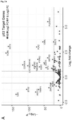
- Integrated ChIP and RNA-seq analysis following EP400 depletion identified MDM2 as well as CK1 ⁇ , an activator of MDM4, as target genes of the ST-MYCL-EP400 complex.
- MCV-positive MCC cells expressed high levels of MDM4.
- MDM2 inhibitors with lenalidomide targeting CK1 ⁇ or an MDM4 inhibitor caused synergistic activation of p53 leading to an apoptotic response in MCV-positive MCC cells and MCC-derived xenografts in mice. These results support dual targeting of MDM2 and MDM4 in virus-positive MCC and other p53 wild type tumors.
- LT activates and ST dampens the p53 response.
- a doxycycline inducible vector expressing GFP or tumor derived truncated or full-length forms of LT was introduced into IMR90 diploid lung fibroblasts ( Fig. 1A , S1A).
- the truncated forms of LT include L21 (encoding residues 1-292), 162 (residues 1-320) and 168(residues 1-275) each containing an intact LXCXE motif[6].
- LT-L21 or LT-162 expression in IMR90 significantly increased levels of ARF and several p53 target genes including GDF15 and p21 (CDKN1A) as assessed by RT-qPCR ( Fig. 1A ). Inhibition of RB activates the E2F transcription factors leading to increased levels of ARF[10].
- ARF is a potent inhibitor of the major p53 degrading E3 ligase MDM2[14].
- LT expression increased protein levels of p53 as well as phospho-Serine 15 p53 (P-p53) and p21 indicative of p53 activation (S1A). Expression of LT-162 also led to increased levels of cleaved PARP (**), indicating an apoptotic response.
- LT and ST are co-expressed as splice variants from the integrated MCPyV viral DNA in MCC tumors.
- the present inventors introduced a genomic version of LT-L21 that co-expresses ST.
- ST was co-expressed with LT-L21
- lower levels of p53 activation p21, p-p53 and acetyl-Lysine 382 or Ac-p53
- Fig. 1B , S1B
- the results indicate that truncated LT can activate p53 while ST can reduce this response when coexpressed.
- RNA-seq was performed after depleting EP400 using three different shRNAs[15].
- the present inventors assessed changes in gene expression of known p53 target genes[9].
- EP400 depletion led to increased levels of many p53 target genes including p21 (CDKN1A), as visualized by a volcano plot ( Fig. 2A ).
- MDM2 and MDM4 contain an N-terminal p53-binding domain that binds directly to the transactivation domain of p53 to block p53 activation[1 1]. MDM4 can regulate its own activity toward p53. The N-terminal p53-binding domain of MDM4 forms an intra-molecular interaction with its central W motif region and thereby reduces binding to p53[12].
- CK1 ⁇ (CSNK1A) is a serine/threonine kinase that binds and phosphorylates MDM4, which in turn prevents this auto-inhibitory interaction and activates MDM4[13].
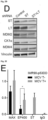
- RT-qPCR and western blotting confirmed that p21 levels increased and MDM2 and CK1 ⁇ levels decreased upon EP400 knockdown in MKL-1 cells ( Fig. 2B , S1C).
- This result together with the RT-qPCR and ChIP data indicates that MDM2 and CK1 ⁇ are direct transcriptional targets of the ST-MYCL-EP400 complex.
- MDM4 levels decreased upon depletion of ST although the present inventors did not find evidence for direct activation of MDM4 by ST.
- MDM2 is a p53 target gene
- MCV T antigens indirectly increase MDM2 levels by activating p53[9].
- the present inventors introduced a dominant-negative version of p53 (p53DD) that binds and inactivates the endogenous p53 into IMR90 cells[17].
- the IMR90-p53DD cells were further transduced with MYCL and MCV LT-L21 with ST[17].
- the present inventors detected ST binding to the MDM2 and CK1 ⁇ promoters by ChIP-qPCR and observed that EP400 enrichment to the MDM2 promoter increased in the presence of MCV T antigens ( Fig. 2E , S2F).
- MDM2 inhibitor treatment with nutlin-3 did not increase p53, p-p53 and PUMA levels, indicative of p53 activation ( Fig 2F , S1D).
- the present inventors depleted p53 in MKL-1 with shRNA and performed ChIP-qPCR of EP400 and ST (S2G). The present inventors found that p53 did not affect EP400 and ST enrichment to the MDM2 and CK1 ⁇ promoters.
- MDM4 Overexpression of MDM4 can be found in some cancers with wild type p53[18].
- the present inventors used three sets of MDM4 primers to assess total MDM4 (all splice variants), MDM4-FL (Full length) and MDM4-S (short variant missing the RING domain) levels in MCC cell lines [18].
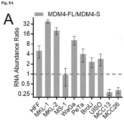
- Virus-positive (MKL-1, MKL-2, MS-1, WaGa, PeTa, and BroLi) MCC cell lines had significantly higher levels of total MDM4 and MDM4-FL relative to the virus-negative (UISO, MCC13, and MCC26) MCC lines ( Fig. 3A ).
- MDM4-FL to MDM4-S ratio was higher in virus-positive lines (S3A).
- the present inventors assessed MDM4-FL protein levels in these MCC cell lines.
- Virus-positive MCC cell lines expressed high levels of MDM4-FL compared to virus-negative MCC cells lines ( Fig. 3B ).
- the virus-negative UISO cell line had a high MDM4-FL to MDM4-S ratio but did not express abundant levels of MDM4 protein ( Fig. 3A , S3A).
- LT's activation of p53 in virus positive MCC may create dependency on MDM2 and MDM4 expression.
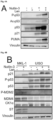
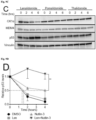
- the present inventors observed that nutlin-3 MDM2 inhibitor treatment activated p53 as shown by increased levels of total p53, P-p53, Ac-p53, p21 and PUMA in MKL-1, WaGa, PeTa and BroLi MCC cell lines containing wild type p53, but not in MS-1 cells harboring an inactivating p53 mutation ( Fig. 2F , Fig. 4A , S2B)[20].
- Recent reports demonstrated that the CRBN (Cereblon) E3 ligase can specifically target CK1 ⁇ for ubiquitination in the presence of lenalidomide[21, 22].
- the present inventors assessed whether lenalidomide could decrease CK1 ⁇ levels and activate p53 in MCC cells.
- MKL-1 cells were treated with lenalidomide with or without cycloheximide to block protein synthesis. Although CK1 ⁇ levels did not change appreciably with cycloheximide treatment for 6 hours, levels rapidly decreased following addition of lenalidomide (S4A).
- Lenalidomide treatment alone had a modest positive effect on p53 levels. However, when nutlin-3 and lenalidomide were combined, larger increases in p53 and p53 target genes were observed in the cell lines with wild type p53 ( Fig. 4A , S4B).
- the present inventors assessed p53 stability in MKL-1 cells treated with nutlin-3, lenalidomide or both in the presence of cycloheximide by quantitative western blotting (S4D). Lenalidomide significantly increased the stability of p53 in the presence of nutlin-3[23]. Depletion of CK1 ⁇ by lenalidomide may decrease MDM4's activities towards p53.
- CK1 ⁇ enables MDM4 binding to p53
- the present inventors expected that loss of CK1 ⁇ would reduce MDM4 binding to p53 and enhance p53 activation[13].
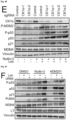
- the present inventors depleted CK1 ⁇ in MKL-1 by two independent CRISPR sgRNAs and assessed p53 activation following nutlin-3 treatment ( Fig. 4E )[24].
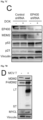
- CRISPR knockout of CK1 ⁇ led to increased p53 activity assessed by increased levels of activated MDM2 (phospho-Serine 166, P-MDM2), P-p53, p53 and p21, indicating that a reduction of CK1 ⁇ , either by lenalidomide or sgRNAs, enhances p53 activation[25].
- MDM2 phospho-Serine 166, P-MDM2
- P-MDM2 phospho-Serine 166
- P-p53 phospho-p53
- p53 and p21 indicating that a reduction of CK1 ⁇ , either by lenalidomide or sgRNAs, enhances p53 activation[25].
- addition of lenalidomide reduced CK1 ⁇ protein that was not completely depleted by CRISPR and further increased the marks of p53 activation.
- the present inventors tested whether a newly developed MDM4 inhibitor (SC-24-UR99, UR99) can enhance the activities of MDM2
- UR99 specifically blocks MDM4 binding to p53.
- the present inventors found that inhibition of MDM4 by UR99 increased p53 activation by the MDM2 inhibitors.
- Lenalidomide synergizes with MDM2 inhibitors to induce apoptosis in MCC cell lines.
- MKL-1 p53 wild type
- MS-1 p53 mutant
- MDM2 inhibitors nutlin-3, RG7388 or AMG232 were sensitive to all three MDM2 inhibitors ( Fig. 5A ).
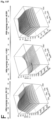
- the present inventors tested the effect of combining lenalidomide with nutlin-3, RG7388 and AMG232 and observed significantly improved cytotoxicity of all three MDM2 inhibitors when used with lenalidomide (S5A-D). Synergy testing using the Compusyn (S6A) and Bliss ( Fig.
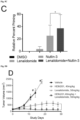
- the present inventors performed BH3 profiling measuring sensitivity to free BH3 peptides[32]. Addition of lenalidomide to nutlin-3 enhanced the priming effect for apoptosis ( Fig. 5C ). To determine dual inhibition of MDM2 and MDM4 in vivo, the present inventors treated MKL-1 MCC xenografts with HDM201 (suitable for in vivo efficacy studies) with or without lenalidomide ( Fig. 5D , Table S3).
- the present inventors found that addition of lenalidomide greatly enhances the efficacy of HDM201, providing a potential for clinical utility of the combinational therapy for p53 wild type tumors expressing MDM2 and MDM4.
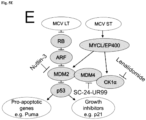
- the present inventors propose a model where MCV T antigens increase the dependence on MDM2, MDM4 and CK1 ⁇ to suppress p53 activity with therapeutic potential in virus-positive MCC ( Fig. 5E ).
- Lenalidomide has been used to treat malignancies, myelodysplastic syndrome (MDS) and multiple myeloma (MM)[21]. It was reported that mutant CSNK1A1 predicts for a poor prognosis in lenalidomide-treated MDS[33]. Furthermore, MDS with mutant p53 respond less well to lenalidomide and is more likely to progress to acute myeloid leukemia compared to MDS with wild type p53, indicating that lenalidomide's effects may be partially dependent on inactivating MDM4[34]. The present inventors' work provides the rationale for the combination of lenalidomide with MDM2 inhibitors in MCC and in other solid tumors and hematologic malignancies containing wild type p53.
- lenalidomide may be administered orally, e.g. in the form of a capsule, in accordance with the prescribing information of REVLIMID, e.g. for MM combination therapy: 25 mg once daily orally on Days 1-21 of repeated 28-day cycles; for MM maintenance therapy following auto-HSCT: 10 mg once daily continuously on Days 1-28 of repeated 28-day cycles; for MDS: 10 mg once daily; for MCL: 25 mg once daily orally on Days 1-21 of repeated 28-day cycles. Dosing is continued or modified based on clinical and laboratory findings in case of renal impairment the starting dose is adjusted based on the creatinine clearance value.
- HDM201 may be administered orally, e.g. in the form of a capsule.
- the oral administration may use a high-dose intermittent regimen [e.g. Regimen A (50 mg - 400 mg HDM201 administered on day 1 of a 3-week cycle or Regimen B (50 mg - 150 mg HDM201 administered on days 1 and 8 of a 4-wk cycle) or regimen C (50 mg - 500 mg HDM201 administered on day 1 of a 4-week cycle], or a low-dose extended regimen [e.g. Regimen D (10 mg - 30 mg HDM201 once daily for the first 2 weeks of a 4-week cycle) or Regimen E (15 mg - 50 mg HDM201 once daily for the first week of a 4-week cycle)].
- Regimen A 50 mg - 400 mg HDM201 administered on day 1 of a 3-week cycle
- Regimen B 50 mg - 150 mg HDM201 administered on days 1 and 8 of a 4-wk cycle
- regimen C 50 mg - 500 mg HDM201 administered on day 1 of a 4-
- idasanutlin may be administered orally, e.g. in the form of a capsule, daily or twice daily on days 1-5 of each 28 days treatment cycle.
- the daily dose may be from 100 mg to 1000 mg.
- SC-24-UR99 may be administered intravenously or orally, e.g. in the form of an solution or capsule.
- the administration may use a high-dose intermittent regimen [e.g. Regimen A (10 mg - 1000 mg SC-24-UR99 administered on day 1 of a 3-week cycle or Regimen B (5 mg - 500 mg SC-24-UR99 administered on days 1 and 8 of a 4-wk cycle) or regimen C (100 mg - 1000 mg SC-24-UR99 administered on day 1 of a 4-week cycle], or a low-dose extended regimen [e.g. Regimen D (1 mg - 100 mg SC-24-UR99 once daily for the first 2 weeks of a 4-week cycle) or Regimen E (1 mg - 200 mg SC-24-UR99 once daily for the first week of a 4-week cycle)].
- Regimen A (10 mg - 1000 mg SC-24-UR99 administered on day 1 of a 3-week cycle
- Regimen B (5 mg - 500 mg SC-24-UR99 administered on days 1 and 8 of a 4-wk cycle) or regimen
- RT- and ChIP- qPCR primers RT-qPCR Forward Reverse ARF CGCCGTGTCCAGATGTCG TGCTCTATCCGCCAATCAGG p21 GGAGACTCTCAGGGTCGAA GGATTAGGGCTTCCTCTTG GDF15 TAACCAGGCTGCGGGCCAAC CAGCCGCACTTCTGGCGTGA MDM2 GTGAATCTACAGGGACGCCAT CTGATCCAACCAATCACCTGAA PUMA TGGAGGGTCCTGTACAATCT CACCTAATTGGGCTCCATCTC FBXW7 CCACTGGGCTTGTACCATGTT CAGATGTAATTCGGCGTCGTT GFP AAGCTGACCCTGAAGTTCATCTGC CTTGTAGTTGCCGTCGTCCTTGAA EP400 CCAGGAGAGGGAAAGAATTGAG TTCATCGTCCACTTCGTCATC CK1 ⁇ GCTAGCATCAATGCACATCTTG CATGGCAGGCTGGTTCTATTA MDM4 ACATCAATTTCAGGGCTTCATTG GT
- Vehicle 586 Abs Ch 0.00 83.73 246.41 738.37 959.89 2169.84 1. Vehicle 599 % Ch 0.00 -20.11 -0.90 28.72 64.04 102.70 1. Vehicle 599 Abs Ch 0.00 -35.80 -1.61 51.12 114.01 182.83 2.HDM201, 40 ma/ka 560 % Ch 0.00 168.68 392.40 465.37 597.67 741.47 2.HDM201, 40 mg/kg 560 Abs Ch 0.00 302.89 704.61 835.64 1073.19 1331.39 2.HDM201, 40 mg/kg 564 % Ch 0.00 25.53 107.65 122.53 128.4 4 165.70 2.HDM201, 40 mg/kg 564 Abs Ch 0.00 66.12 278.82 317.36 332.66 429.17 2.HDM201, 40 mg/kg 572 % Ch 0.00 16.64 56.29 125.88 191.55 234.58 2.HDM201
- HDM201 40 mg/kg + Lenalidomide, 50 mg/kg 561 % Ch 0.00 -1.40 -2.10 16.42 -23.07 -34.74 4.
- HDM201 40 mg/kg + Lenalidomide, 50 mg/kg 576 % Ch 0.00 -5.93 26.33 24.23 12.30 7.05 4.
- HDM201 40 mg/kg + Lenalidomide, 50 mg/kg 584 % Ch 0.00 24.49 73.62 21.10 -0.92 -10.29 4.
- HDM201 40 mg/kg + Lenalidomide, 50 mg/kg 595 % Ch 0.00 -23.66 -33.05 -43.45 -50.80 -41.21 4.
- the articles “a” and “an” refer to one or to more than one ( e.g. , to at least one) of the grammatical object of the article.
- “About” and “approximately” shall generally mean an acceptable degree of error for the quantity measured given the nature or precision of the measurements. Exemplary degrees of error are within 20 percent (%), typically, within 10%, and more typically, within 5% of a given value or range of values.
- the articles “a” and “an” refer to one or to more than one (e.g., to at least one) of the grammatical object of the article.
- “About” and “approximately” shall generally mean an acceptable degree of error for the quantity measured given the nature or precision of the measurements. Exemplary degrees of error are within 20 percent (%), typically, within 10%, and more typically, within 5% of a given value or range of values.
- the therapeutic agents in the combination can be administered concurrently with, prior to, or subsequent to, one or more other additional therapies or therapeutic agents.
- the therapeutic agents or therapeutic protocol can be administered in any order. In general, each agent will be administered at a dose and/or on a time schedule determined for that agent. It will further be appreciated that the additional therapeutic agent utilized in this combination may be administered together in a single composition or administered separately in different compositions. In general, it is expected that additional therapeutic agents utilized in combination be utilized at levels that do not exceed the levels at which they are utilized individually. In some embodiments, the levels utilized in combination will be lower than those utilized individually.
- the additional therapeutic agent is administered at a therapeutic or lower-than therapeutic dose.
- the concentration of the second therapeutic agent that is required to achieve inhibition e.g. , growth inhibition, is lower when the second therapeutic agent is administered in combination with the first therapeutic agent.
- the concentration of the first therapeutic agent that is required to achieve inhibition is lower when the first therapeutic agent is administered in combination with the second therapeutic agent than when the first therapeutic agent is administered individually.
- the concentration of the second therapeutic agent that is required to achieve inhibition is lower than the therapeutic dose of the second therapeutic agent as a monotherapy, e.g.
- the concentration of the first therapeutic agent that is required to achieve inhibition is lower than the therapeutic dose of the first therapeutic agent as a monotherapy, e.g. , 10-20%, 20-30%, 30-40%, 40-50%, 50-60%, 60-70%, 70-80%, or 80-90% lower.
- inhibitor includes a reduction in a certain parameter, e.g., an activity, of a given molecule, e.g., an immune checkpoint inhibitor.
- a certain parameter e.g., an activity, of a given molecule, e.g., an immune checkpoint inhibitor.
- inhibition of an activity e.g., an activity of a given molecule, e.g., an inhibitory molecule, of at least 5%, 10%, 20%, 30%, 40% or more is included by this term. Thus, inhibition need not be 100%.
- the term "anti-cancer effect” refers to a biological effect including, for example, a decrease in tumor volume, a decrease in the number of cancer cells, a decrease in the number of metastases, an increase in life expectancy, decrease in cancer cell proliferation, decrease in cancer cell survival, or amelioration of various physiological symptoms associated with the cancerous condition.
- An “anti-cancer effect” can also be manifested by the ability of the peptides, polynucleotides, cells and antibodies in prevention of the occurrence of cancer in the first place.
- anti-tumor effect refers to a biological effect which can be manifested by various means, including for example, a decrease in tumor volume, a decrease in the number of tumor cells, a decrease in tumor cell proliferation, or a decrease in tumor cell survival.
- cancer refers to a disease characterized by the rapid and uncontrolled growth of aberrant cells. Cancer cells can spread locally or through the bloodstream and lymphatic system to other parts of the body. In an embodiment, the cancer is selected from breast cancer, prostate cancer, ovarian cancer, cervical cancer, skin cancer, pancreatic cancer, colorectal cancer, renal cancer, liver cancer, brain cancer, lymphoma, leukemia and lung cancer.
- tumor and cancer are used interchangeably herein, e.g., both terms encompass solid and liquid, e.g., diffuse or circulating, tumors. As used herein, the term “cancer” or “tumor” includes premalignant, as well as malignant cancers and tumors.
- cancer includes primary malignant cells or tumors (e.g. , those whose cells have not migrated to sites in the subject's body other than the site of the original malignancy or tumor) and secondary malignant cells or tumors (e.g. , those arising from metastasis, the migration of malignant cells or tumor cells to secondary sites that are different from the site of the original tumor).
- primary malignant cells or tumors e.g. , those whose cells have not migrated to sites in the subject's body other than the site of the original malignancy or tumor
- secondary malignant cells or tumors e.g. , those arising from metastasis, the migration of malignant cells or tumor cells to secondary sites that are different from the site of the original tumor.
- the terms “treat,” “treatment” and “treating” refer to the reduction or amelioration of the progression, severity and/or duration of a disorder, e.g. , a proliferative disorder, or the amelioration of one or more symptoms (preferably, one or more discernible symptoms) of the disorder resulting from the administration of one or more therapies.
- the terms “treat,” “treatment” and “treating” refer to the amelioration of at least one measurable physical parameter of a proliferative disorder, such as growth of a tumor, not necessarily discernible by the patient.
- the terms “treat”, “treatment” and “treating” refer to the inhibition of the progression of a proliferative disorder, either physically by, e.g.
- stabilization of a discernible symptom physiologically by, e.g. , stabilization of a physical parameter, or both.
- the terms “treat”, “treatment” and “treating” refer to the reduction or stabilization of tumor size or cancerous cell count.
- the term "subject" refers herein to a human.
- the human may be an adult, an adolescent, a child, or an ieri.
- MDM4 inhibitor herein refers to an inhibitor that preferentially binds MDM-4, disrupting p53-MDM4 binding, thus releasing sequestered p53 protein.
- the GFP and T antigen cDNAs were Gateway (Invitrogen) cloned into pLIX ⁇ 402 inducible empty or pLenti CMV Blast empty vector (w263-1), obtained from David Root (Addgene plasmid ]41394) and Eric Campeau (Addgene plasmid 17486), respectively.
- the sgRNA clones for CK1 ⁇ (BRDN0001149315, BRDN0001145680) were obtained from John Doench and David Root (Addgene plasmid 76188, 76189).
- pLKO-p53-shRNA-941 was obtained from Todd Waldman (Addgene plasmid 25637).
- IMR90 human lung fibroblast, HCT116 colon carcinoma or MKL-1 MCC cells were transduced using a three vector lentivirus transduction system (15).
- MCC cell lines were obtained from Masa Shuda (University of Pittsburgh, PA), Jürgen Becker (Medical University Graz, Austria), and Roland Houben (University of Wuerzburg, Germany). 293T, HCT116 and IMR90 cells were obtained from ATCC. Generation of MKL-1 MCC cell lines inducibly expressing shRNAs and IMR90 transformation using p53DD, MYCL and hTERT constructs was described previously (17).
- IMR90 and human primary foreskin fibroblast cells were cultured in DMEM supplemented with 15% FBS, antibiotics and non-essential amino acids and MCC cell lines were grown in RPMI supplemented with 10% FBS and antibiotics.
- Nutlin-3 (Cayman chemical), Lenalidomide (Cayman chemical), Thalidomide (Santa Cruz Biotechnology), Pomalidomide (Selleck chemicals), AMG232 (MedChem Express), RG7388 (from Aileron Therapeutics), HDM201 (Novartis Pharmaceuticals), SC-24-UR99 (Novartis Pharmaceuticals), Cycloheximide (Sigma-Aldrich), and MG132 (Boston Biochem) were reconstituted in DMSO and added directly to culture media. Cell viability assays were performed using Cell Proliferation Kit II (XTT) (Roche) according to the manufacturer's instructions and BH3 profiling was described in Pallis et al. (36). Synergy testing was performed using Compusyn and Synergyfinder (28, 29).
- the beads were washed with high-salt EBC buffer (50 mM Tris, pH 8.0, 300 mM NaCl, 0.5% NP-40, 0.5 mM EDTA) 5 times and boiled in Laemmli sample buffer prior to SDS polyacrylamide gel electrophoresis.
- EBC buffer 50 mM Tris, pH 8.0, 300 mM NaCl, 0.5% NP-40, 0.5 mM EDTA
- Immunoprecipitation and western blotting were performed with antibodies to MDM4 (17914-1-AP; Proteintech Group), MDM2 (SMP14, Santa Cruz biotechnology), CK1 ⁇ (17125-1-AP; Proteintech Group), phospho-Ser166 MDM2 (]3521, Cell Signaling Technology), Phopho-Ser15 p53 (]9284; Cell Signaling Technology), acetyl-Lys382 p53 (]2525; Cell Signaling Technology), p21 (]2946; Cell Signaling Technology), PUMA (] 12450; Cell Signaling Technology), VPS39 (ab107570; Abeam), PARP (]9542; Cell Signaling Technology), GFP (]2555; Cell Signaling Technology), MYCL (14584-1-AP; Proteintech Group), p53 (DO-1; Thermo Scientific/Lab Vision), and RB1 (G3-245; BD Biosciences).
- the ChIP method was modified from protocols described in Schmidt et al. (37). MKL-1 cells or IMR90 cells were cross-linked using dual cross-linking with disuccinimidyl glutarate (DSG) and formaldehyde. After cross-linking, cells were lysed using SimpleChIP buffer A and B (Cell signaling) and DNA was processed with micrococcal nuclease (New England Biolabs Inc.) for 30 minutes at 37°C followed by sonicating for 20 second pulses 5 times at 4°C. For RT-qPCR, total RNA was purified using RNeasy Plus Mini Kit (Qiagen) and cDNA was synthesized using High-Capacity cDNA reverse transcription kit (Applied Biosystems). Quantitative PCR was performed using Brilliant III Ultra-Fast SYBR Green qPCR Master Mix (Agilent Technologies). The primer information can be found in Supplementary table 2.
- NSG mice of 7 to 9 weeks old age (the Jackson laboratory) were injected with 1.00e+007 MKL-1 MCC cells.
- a group of 8 mice were treated daily with vehicle, HDM201 (from Novartis Pharmaceuticals, 40 mg/kg, 0.5% methylcellulose (400 cP) in 50 mM phosphate buffer, pH 6.8, oral), lenalidomide (MedChemExpress, 50 mg/kg, 0.5% CMC + 0.25% Tween 80, oral) or both HDM201 and lenalidomide.
- HDM201 from Novartis Pharmaceuticals, 40 mg/kg, 0.5% methylcellulose (400 cP) in 50 mM phosphate buffer, pH 6.8, oral
- lenalidomide MedChemExpress, 50 mg/kg, 0.5% CMC + 0.25% Tween 80, oral
- the study was terminated when the tumor volume reached the maximum permissible size of 2000mm3.
- the following tables provide the data from synergy testing of various combinations of drugs/compounds in reducing viability of MKL-1 MCC cells.
- MKL-1 virus-positive Merkel cell carcinoma cell line with wild type p53
- the XTT assay was performed to determine the relative viability (% response) normalized to untreated cells.
- Separate tables include data for combinations 1. Nutlin-Lenalidomide 2. Nutlin-UR99 3. HDM201-UR99 4. Nutlin-3 +/lenalidomide; RG7388 +/- Lenalidomide; Lenalidomide alone 5. HDM201 + Lenalidomide.
Landscapes
- Health & Medical Sciences (AREA)
- Veterinary Medicine (AREA)
- Chemical & Material Sciences (AREA)
- Medicinal Chemistry (AREA)
- Pharmacology & Pharmacy (AREA)
- Life Sciences & Earth Sciences (AREA)
- Animal Behavior & Ethology (AREA)
- General Health & Medical Sciences (AREA)
- Public Health (AREA)
- Epidemiology (AREA)
- Chemical Kinetics & Catalysis (AREA)
- General Chemical & Material Sciences (AREA)
- Nuclear Medicine, Radiotherapy & Molecular Imaging (AREA)
- Organic Chemistry (AREA)
- Hematology (AREA)
- Oncology (AREA)
- Pharmaceuticals Containing Other Organic And Inorganic Compounds (AREA)
- Medicines That Contain Protein Lipid Enzymes And Other Medicines (AREA)
- Measuring Or Testing Involving Enzymes Or Micro-Organisms (AREA)
Applications Claiming Priority (2)
| Application Number | Priority Date | Filing Date | Title |
|---|---|---|---|
| US201862752382P | 2018-10-30 | 2018-10-30 | |
| PCT/US2019/058319 WO2020092221A1 (en) | 2018-10-30 | 2019-10-28 | Method of treatment of p53 wt tumors |
Publications (2)
| Publication Number | Publication Date |
|---|---|
| EP3873460A1 EP3873460A1 (en) | 2021-09-08 |
| EP3873460B1 true EP3873460B1 (en) | 2024-06-12 |
Family
ID=68582462
Family Applications (1)
| Application Number | Title | Priority Date | Filing Date |
|---|---|---|---|
| EP19805046.0A Active EP3873460B1 (en) | 2018-10-30 | 2019-10-28 | Method of treatment of p53 wt tumors |
Country Status (10)
| Country | Link |
|---|---|
| US (1) | US12115151B2 (https=) |
| EP (1) | EP3873460B1 (https=) |
| JP (2) | JP7653907B2 (https=) |
| KR (1) | KR102879859B1 (https=) |
| CN (1) | CN112996503A (https=) |
| AU (1) | AU2019369216B2 (https=) |
| CA (1) | CA3115716A1 (https=) |
| ES (1) | ES2986421T3 (https=) |
| IL (1) | IL282485B2 (https=) |
| WO (1) | WO2020092221A1 (https=) |
Families Citing this family (2)
| Publication number | Priority date | Publication date | Assignee | Title |
|---|---|---|---|---|
| TW201613576A (en) | 2014-06-26 | 2016-04-16 | Novartis Ag | Intermittent dosing of MDM2 inhibitor |
| CN115216514B (zh) * | 2022-08-01 | 2026-03-17 | 中国科学技术大学 | Vam6(Vps39)作为靶点在药物筛选、基因编辑以及疾病治疗中的应用 |
Family Cites Families (1)
| Publication number | Priority date | Publication date | Assignee | Title |
|---|---|---|---|---|
| WO2018092020A1 (en) * | 2016-11-15 | 2018-05-24 | Novartis Ag | Dose and regimen for hdm2-p53 interaction inhibitors |
-
2019
- 2019-10-28 JP JP2021522967A patent/JP7653907B2/ja active Active
- 2019-10-28 AU AU2019369216A patent/AU2019369216B2/en active Active
- 2019-10-28 CA CA3115716A patent/CA3115716A1/en active Pending
- 2019-10-28 WO PCT/US2019/058319 patent/WO2020092221A1/en not_active Ceased
- 2019-10-28 EP EP19805046.0A patent/EP3873460B1/en active Active
- 2019-10-28 IL IL282485A patent/IL282485B2/en unknown
- 2019-10-28 ES ES19805046T patent/ES2986421T3/es active Active
- 2019-10-28 CN CN201980070367.1A patent/CN112996503A/zh active Pending
- 2019-10-28 US US17/289,122 patent/US12115151B2/en active Active
- 2019-10-28 KR KR1020217015953A patent/KR102879859B1/ko active Active
-
2024
- 2024-10-24 JP JP2024187067A patent/JP2025026846A/ja active Pending
Also Published As
| Publication number | Publication date |
|---|---|
| JP7653907B2 (ja) | 2025-03-31 |
| CN112996503A (zh) | 2021-06-18 |
| KR20210087958A (ko) | 2021-07-13 |
| WO2020092221A1 (en) | 2020-05-07 |
| JP2025026846A (ja) | 2025-02-26 |
| US20210379039A1 (en) | 2021-12-09 |
| US12115151B2 (en) | 2024-10-15 |
| AU2019369216B2 (en) | 2022-05-19 |
| EP3873460A1 (en) | 2021-09-08 |
| KR102879859B1 (ko) | 2025-11-04 |
| IL282485B2 (en) | 2025-09-01 |
| ES2986421T3 (es) | 2024-11-11 |
| IL282485B1 (en) | 2025-05-01 |
| JP2022505884A (ja) | 2022-01-14 |
| AU2019369216A1 (en) | 2021-05-20 |
| IL282485A (en) | 2021-06-30 |
| CA3115716A1 (en) | 2020-05-07 |
Similar Documents
| Publication | Publication Date | Title |
|---|---|---|
| Edwards et al. | TEAD inhibition overcomes YAP1/TAZ-driven primary and acquired resistance to KRASG12C inhibitors | |
| Brock et al. | MIF family members cooperatively inhibit p53 expression and activity | |
| US20160287622A1 (en) | Compositions and methods for treating immune and viral disorders and modulating protein-rna interaction | |
| WO2019246430A1 (en) | Methods of treating disorders | |
| US20130288981A1 (en) | Targeting senescent cells and cancer cells by interference with jnk and/or foxo4 | |
| US20210260171A1 (en) | Methods of treating disorders | |
| JP2025026846A (ja) | p53WT腫瘍の処置の方法 | |
| Kurmasheva et al. | Octyl itaconate enhances VSVΔ51 oncolytic virotherapy by multitarget inhibition of antiviral and inflammatory pathways | |
| HK40048199B (en) | Method of treatment of p53 wt tumors | |
| HK40048199A (en) | Method of treatment of p53 wt tumors | |
| Chung et al. | Targeting the p53-family in cancer and chemosensitivity: triple threat | |
| EP4011452A1 (en) | Therapeutic agent for cancer having resistance to anti-ccr4 antibody | |
| US20250277215A1 (en) | Long Non-Coding RNA 122 (Lnc122) for Treatment Cancer | |
| DK2964242T3 (en) | Compositions for the treatment of cancer using gliadin peptides | |
| Li et al. | Nintedanib enhances tumor cell radiosensitivity by promoting ferroptosis and modulating the ATF4/SLC7A11/GSH axis | |
| Yang et al. | Hematopoietic progenitor kinase 1 inhibitor BGB-15025 induces apoptosis in acute myeloid leukemia cells through the cell cycle pathway and mitogen-activated protein kinase/extracellular signal-regulated kinase pathway signaling axis | |
| Brunet et al. | Prolonging lung cancer response to EGFR inhibition by targeting the selective advantage of resistant cells | |
| WO2020234829A1 (en) | Methods and compositions for inhibiting gapdh | |
| Hong | The role of RB and its complex in CDK4/6 inhibitor therapy: Mechanisms of cell cycle regulation and oncolytic virus replication | |
| Benítez García | Identification and Preclinical Evaluation of Asenapine Maleate as a Direct Survivin Inhibitor for Lung Cancer Therapy and Sensitization to Proapoptotic Treatments | |
| RU2830814C2 (ru) | Способ лечения рака поджелудочной железы | |
| Chembo | Disrupting NRF2-Driven Cancer Biology Through One-Carbon Metabolism Inhibition | |
| Prince et al. | Women in molecular and cellular oncology, volume II: 2022 | |
| Urbach | Misp53 mutation-specific oncogenic transcription factor complexes in PDAC progression | |
| WO2026029193A1 (ja) | 白血病治療用医薬組成物、及びその有効成分のスクリーニング方法 |
Legal Events
| Date | Code | Title | Description |
|---|---|---|---|
| STAA | Information on the status of an ep patent application or granted ep patent |
Free format text: STATUS: UNKNOWN |
|
| STAA | Information on the status of an ep patent application or granted ep patent |
Free format text: STATUS: THE INTERNATIONAL PUBLICATION HAS BEEN MADE |
|
| PUAI | Public reference made under article 153(3) epc to a published international application that has entered the european phase |
Free format text: ORIGINAL CODE: 0009012 |
|
| STAA | Information on the status of an ep patent application or granted ep patent |
Free format text: STATUS: REQUEST FOR EXAMINATION WAS MADE |
|
| 17P | Request for examination filed |
Effective date: 20210531 |
|
| AK | Designated contracting states |
Kind code of ref document: A1 Designated state(s): AL AT BE BG CH CY CZ DE DK EE ES FI FR GB GR HR HU IE IS IT LI LT LU LV MC MK MT NL NO PL PT RO RS SE SI SK SM TR |
|
| REG | Reference to a national code |
Ref country code: HK Ref legal event code: DE Ref document number: 40048199 Country of ref document: HK |
|
| DAV | Request for validation of the european patent (deleted) | ||
| DAX | Request for extension of the european patent (deleted) | ||
| STAA | Information on the status of an ep patent application or granted ep patent |
Free format text: STATUS: EXAMINATION IS IN PROGRESS |
|
| 17Q | First examination report despatched |
Effective date: 20230324 |
|
| GRAP | Despatch of communication of intention to grant a patent |
Free format text: ORIGINAL CODE: EPIDOSNIGR1 |
|
| STAA | Information on the status of an ep patent application or granted ep patent |
Free format text: STATUS: GRANT OF PATENT IS INTENDED |
|
| INTG | Intention to grant announced |
Effective date: 20231109 |
|
| GRAS | Grant fee paid |
Free format text: ORIGINAL CODE: EPIDOSNIGR3 |
|
| GRAA | (expected) grant |
Free format text: ORIGINAL CODE: 0009210 |
|
| STAA | Information on the status of an ep patent application or granted ep patent |
Free format text: STATUS: THE PATENT HAS BEEN GRANTED |
|
| AK | Designated contracting states |
Kind code of ref document: B1 Designated state(s): AL AT BE BG CH CY CZ DE DK EE ES FI FR GB GR HR HU IE IS IT LI LT LU LV MC MK MT NL NO PL PT RO RS SE SI SK SM TR |
|
| REG | Reference to a national code |
Ref country code: GB Ref legal event code: FG4D |
|
| REG | Reference to a national code |
Ref country code: CH Ref legal event code: EP |
|
| REG | Reference to a national code |
Ref country code: DE Ref legal event code: R096 Ref document number: 602019053636 Country of ref document: DE |
|
| REG | Reference to a national code |
Ref country code: IE Ref legal event code: FG4D |
|
| PG25 | Lapsed in a contracting state [announced via postgrant information from national office to epo] |
Ref country code: BG Free format text: LAPSE BECAUSE OF FAILURE TO SUBMIT A TRANSLATION OF THE DESCRIPTION OR TO PAY THE FEE WITHIN THE PRESCRIBED TIME-LIMIT Effective date: 20240612 |
|
| PG25 | Lapsed in a contracting state [announced via postgrant information from national office to epo] |
Ref country code: HR Free format text: LAPSE BECAUSE OF FAILURE TO SUBMIT A TRANSLATION OF THE DESCRIPTION OR TO PAY THE FEE WITHIN THE PRESCRIBED TIME-LIMIT Effective date: 20240612 Ref country code: FI Free format text: LAPSE BECAUSE OF FAILURE TO SUBMIT A TRANSLATION OF THE DESCRIPTION OR TO PAY THE FEE WITHIN THE PRESCRIBED TIME-LIMIT Effective date: 20240612 |
|
| REG | Reference to a national code |
Ref country code: LT Ref legal event code: MG9D |
|
| PG25 | Lapsed in a contracting state [announced via postgrant information from national office to epo] |
Ref country code: GR Free format text: LAPSE BECAUSE OF FAILURE TO SUBMIT A TRANSLATION OF THE DESCRIPTION OR TO PAY THE FEE WITHIN THE PRESCRIBED TIME-LIMIT Effective date: 20240913 |
|
| REG | Reference to a national code |
Ref country code: NL Ref legal event code: MP Effective date: 20240612 |
|
| PG25 | Lapsed in a contracting state [announced via postgrant information from national office to epo] |
Ref country code: LV Free format text: LAPSE BECAUSE OF FAILURE TO SUBMIT A TRANSLATION OF THE DESCRIPTION OR TO PAY THE FEE WITHIN THE PRESCRIBED TIME-LIMIT Effective date: 20240612 |
|
| PG25 | Lapsed in a contracting state [announced via postgrant information from national office to epo] |
Ref country code: NO Free format text: LAPSE BECAUSE OF FAILURE TO SUBMIT A TRANSLATION OF THE DESCRIPTION OR TO PAY THE FEE WITHIN THE PRESCRIBED TIME-LIMIT Effective date: 20240912 Ref country code: LV Free format text: LAPSE BECAUSE OF FAILURE TO SUBMIT A TRANSLATION OF THE DESCRIPTION OR TO PAY THE FEE WITHIN THE PRESCRIBED TIME-LIMIT Effective date: 20240612 Ref country code: HR Free format text: LAPSE BECAUSE OF FAILURE TO SUBMIT A TRANSLATION OF THE DESCRIPTION OR TO PAY THE FEE WITHIN THE PRESCRIBED TIME-LIMIT Effective date: 20240612 Ref country code: GR Free format text: LAPSE BECAUSE OF FAILURE TO SUBMIT A TRANSLATION OF THE DESCRIPTION OR TO PAY THE FEE WITHIN THE PRESCRIBED TIME-LIMIT Effective date: 20240913 Ref country code: FI Free format text: LAPSE BECAUSE OF FAILURE TO SUBMIT A TRANSLATION OF THE DESCRIPTION OR TO PAY THE FEE WITHIN THE PRESCRIBED TIME-LIMIT Effective date: 20240612 Ref country code: BG Free format text: LAPSE BECAUSE OF FAILURE TO SUBMIT A TRANSLATION OF THE DESCRIPTION OR TO PAY THE FEE WITHIN THE PRESCRIBED TIME-LIMIT Effective date: 20240612 Ref country code: RS Free format text: LAPSE BECAUSE OF FAILURE TO SUBMIT A TRANSLATION OF THE DESCRIPTION OR TO PAY THE FEE WITHIN THE PRESCRIBED TIME-LIMIT Effective date: 20240912 |
|
| REG | Reference to a national code |
Ref country code: ES Ref legal event code: FG2A Ref document number: 2986421 Country of ref document: ES Kind code of ref document: T3 Effective date: 20241111 |
|
| PG25 | Lapsed in a contracting state [announced via postgrant information from national office to epo] |
Ref country code: NL Free format text: LAPSE BECAUSE OF FAILURE TO SUBMIT A TRANSLATION OF THE DESCRIPTION OR TO PAY THE FEE WITHIN THE PRESCRIBED TIME-LIMIT Effective date: 20240612 |
|
| REG | Reference to a national code |
Ref country code: AT Ref legal event code: MK05 Ref document number: 1693643 Country of ref document: AT Kind code of ref document: T Effective date: 20240612 |
|
| PG25 | Lapsed in a contracting state [announced via postgrant information from national office to epo] |
Ref country code: NL Free format text: LAPSE BECAUSE OF FAILURE TO SUBMIT A TRANSLATION OF THE DESCRIPTION OR TO PAY THE FEE WITHIN THE PRESCRIBED TIME-LIMIT Effective date: 20240612 |
|
| PG25 | Lapsed in a contracting state [announced via postgrant information from national office to epo] |
Ref country code: PT Free format text: LAPSE BECAUSE OF FAILURE TO SUBMIT A TRANSLATION OF THE DESCRIPTION OR TO PAY THE FEE WITHIN THE PRESCRIBED TIME-LIMIT Effective date: 20241014 |
|
| PG25 | Lapsed in a contracting state [announced via postgrant information from national office to epo] |
Ref country code: PT Free format text: LAPSE BECAUSE OF FAILURE TO SUBMIT A TRANSLATION OF THE DESCRIPTION OR TO PAY THE FEE WITHIN THE PRESCRIBED TIME-LIMIT Effective date: 20241014 |
|
| PG25 | Lapsed in a contracting state [announced via postgrant information from national office to epo] |
Ref country code: PL Free format text: LAPSE BECAUSE OF FAILURE TO SUBMIT A TRANSLATION OF THE DESCRIPTION OR TO PAY THE FEE WITHIN THE PRESCRIBED TIME-LIMIT Effective date: 20240612 |
|
| PG25 | Lapsed in a contracting state [announced via postgrant information from national office to epo] |
Ref country code: EE Free format text: LAPSE BECAUSE OF FAILURE TO SUBMIT A TRANSLATION OF THE DESCRIPTION OR TO PAY THE FEE WITHIN THE PRESCRIBED TIME-LIMIT Effective date: 20240612 |
|
| PG25 | Lapsed in a contracting state [announced via postgrant information from national office to epo] |
Ref country code: AT Free format text: LAPSE BECAUSE OF FAILURE TO SUBMIT A TRANSLATION OF THE DESCRIPTION OR TO PAY THE FEE WITHIN THE PRESCRIBED TIME-LIMIT Effective date: 20240612 Ref country code: IS Free format text: LAPSE BECAUSE OF FAILURE TO SUBMIT A TRANSLATION OF THE DESCRIPTION OR TO PAY THE FEE WITHIN THE PRESCRIBED TIME-LIMIT Effective date: 20241012 |
|
| PG25 | Lapsed in a contracting state [announced via postgrant information from national office to epo] |
Ref country code: CZ Free format text: LAPSE BECAUSE OF FAILURE TO SUBMIT A TRANSLATION OF THE DESCRIPTION OR TO PAY THE FEE WITHIN THE PRESCRIBED TIME-LIMIT Effective date: 20240612 |
|
| PG25 | Lapsed in a contracting state [announced via postgrant information from national office to epo] |
Ref country code: RO Free format text: LAPSE BECAUSE OF FAILURE TO SUBMIT A TRANSLATION OF THE DESCRIPTION OR TO PAY THE FEE WITHIN THE PRESCRIBED TIME-LIMIT Effective date: 20240612 Ref country code: SK Free format text: LAPSE BECAUSE OF FAILURE TO SUBMIT A TRANSLATION OF THE DESCRIPTION OR TO PAY THE FEE WITHIN THE PRESCRIBED TIME-LIMIT Effective date: 20240612 |
|
| PG25 | Lapsed in a contracting state [announced via postgrant information from national office to epo] |
Ref country code: SM Free format text: LAPSE BECAUSE OF FAILURE TO SUBMIT A TRANSLATION OF THE DESCRIPTION OR TO PAY THE FEE WITHIN THE PRESCRIBED TIME-LIMIT Effective date: 20240612 |
|
| PG25 | Lapsed in a contracting state [announced via postgrant information from national office to epo] |
Ref country code: SM Free format text: LAPSE BECAUSE OF FAILURE TO SUBMIT A TRANSLATION OF THE DESCRIPTION OR TO PAY THE FEE WITHIN THE PRESCRIBED TIME-LIMIT Effective date: 20240612 Ref country code: SK Free format text: LAPSE BECAUSE OF FAILURE TO SUBMIT A TRANSLATION OF THE DESCRIPTION OR TO PAY THE FEE WITHIN THE PRESCRIBED TIME-LIMIT Effective date: 20240612 Ref country code: RO Free format text: LAPSE BECAUSE OF FAILURE TO SUBMIT A TRANSLATION OF THE DESCRIPTION OR TO PAY THE FEE WITHIN THE PRESCRIBED TIME-LIMIT Effective date: 20240612 Ref country code: PL Free format text: LAPSE BECAUSE OF FAILURE TO SUBMIT A TRANSLATION OF THE DESCRIPTION OR TO PAY THE FEE WITHIN THE PRESCRIBED TIME-LIMIT Effective date: 20240612 Ref country code: IS Free format text: LAPSE BECAUSE OF FAILURE TO SUBMIT A TRANSLATION OF THE DESCRIPTION OR TO PAY THE FEE WITHIN THE PRESCRIBED TIME-LIMIT Effective date: 20241012 Ref country code: EE Free format text: LAPSE BECAUSE OF FAILURE TO SUBMIT A TRANSLATION OF THE DESCRIPTION OR TO PAY THE FEE WITHIN THE PRESCRIBED TIME-LIMIT Effective date: 20240612 Ref country code: CZ Free format text: LAPSE BECAUSE OF FAILURE TO SUBMIT A TRANSLATION OF THE DESCRIPTION OR TO PAY THE FEE WITHIN THE PRESCRIBED TIME-LIMIT Effective date: 20240612 Ref country code: AT Free format text: LAPSE BECAUSE OF FAILURE TO SUBMIT A TRANSLATION OF THE DESCRIPTION OR TO PAY THE FEE WITHIN THE PRESCRIBED TIME-LIMIT Effective date: 20240612 |
|
| REG | Reference to a national code |
Ref country code: DE Ref legal event code: R097 Ref document number: 602019053636 Country of ref document: DE |
|
| PG25 | Lapsed in a contracting state [announced via postgrant information from national office to epo] |
Ref country code: DK Free format text: LAPSE BECAUSE OF FAILURE TO SUBMIT A TRANSLATION OF THE DESCRIPTION OR TO PAY THE FEE WITHIN THE PRESCRIBED TIME-LIMIT Effective date: 20240612 |
|
| PLBE | No opposition filed within time limit |
Free format text: ORIGINAL CODE: 0009261 |
|
| STAA | Information on the status of an ep patent application or granted ep patent |
Free format text: STATUS: NO OPPOSITION FILED WITHIN TIME LIMIT |
|
| 26N | No opposition filed |
Effective date: 20250313 |
|
| PG25 | Lapsed in a contracting state [announced via postgrant information from national office to epo] |
Ref country code: MC Free format text: LAPSE BECAUSE OF FAILURE TO SUBMIT A TRANSLATION OF THE DESCRIPTION OR TO PAY THE FEE WITHIN THE PRESCRIBED TIME-LIMIT Effective date: 20240612 |
|
| PG25 | Lapsed in a contracting state [announced via postgrant information from national office to epo] |
Ref country code: LU Free format text: LAPSE BECAUSE OF NON-PAYMENT OF DUE FEES Effective date: 20241028 Ref country code: BE Free format text: LAPSE BECAUSE OF NON-PAYMENT OF DUE FEES Effective date: 20241031 |
|
| REG | Reference to a national code |
Ref country code: BE Ref legal event code: MM Effective date: 20241031 |
|
| PG25 | Lapsed in a contracting state [announced via postgrant information from national office to epo] |
Ref country code: SE Free format text: LAPSE BECAUSE OF FAILURE TO SUBMIT A TRANSLATION OF THE DESCRIPTION OR TO PAY THE FEE WITHIN THE PRESCRIBED TIME-LIMIT Effective date: 20240612 |
|
| PG25 | Lapsed in a contracting state [announced via postgrant information from national office to epo] |
Ref country code: IE Free format text: LAPSE BECAUSE OF NON-PAYMENT OF DUE FEES Effective date: 20241028 |
|
| REG | Reference to a national code |
Ref country code: CH Ref legal event code: U11 Free format text: ST27 STATUS EVENT CODE: U-0-0-U10-U11 (AS PROVIDED BY THE NATIONAL OFFICE) Effective date: 20251101 |
|
| PGFP | Annual fee paid to national office [announced via postgrant information from national office to epo] |
Ref country code: DE Payment date: 20251029 Year of fee payment: 7 |
|
| PGFP | Annual fee paid to national office [announced via postgrant information from national office to epo] |
Ref country code: GB Payment date: 20251027 Year of fee payment: 7 |
|
| PGFP | Annual fee paid to national office [announced via postgrant information from national office to epo] |
Ref country code: IT Payment date: 20251021 Year of fee payment: 7 |
|
| PGFP | Annual fee paid to national office [announced via postgrant information from national office to epo] |
Ref country code: FR Payment date: 20251027 Year of fee payment: 7 |
|
| PGFP | Annual fee paid to national office [announced via postgrant information from national office to epo] |
Ref country code: CH Payment date: 20251101 Year of fee payment: 7 |
|
| PGFP | Annual fee paid to national office [announced via postgrant information from national office to epo] |
Ref country code: ES Payment date: 20251103 Year of fee payment: 7 |
|
| PG25 | Lapsed in a contracting state [announced via postgrant information from national office to epo] |
Ref country code: HU Free format text: LAPSE BECAUSE OF FAILURE TO SUBMIT A TRANSLATION OF THE DESCRIPTION OR TO PAY THE FEE WITHIN THE PRESCRIBED TIME-LIMIT; INVALID AB INITIO Effective date: 20191028 |
|
| PG25 | Lapsed in a contracting state [announced via postgrant information from national office to epo] |
Ref country code: CY Free format text: LAPSE BECAUSE OF FAILURE TO SUBMIT A TRANSLATION OF THE DESCRIPTION OR TO PAY THE FEE WITHIN THE PRESCRIBED TIME-LIMIT; INVALID AB INITIO Effective date: 20191028 |