EP3854875A1 - Menschlicher monoklonaler antikörper, der spezifisch an humanes hmgb1 bindet, und pharmazeutische zusammensetzung zur behandlung oder vorbeugung von morbus alzheimer, die den menschlichen monoklonalen antikörper enthält - Google Patents
Menschlicher monoklonaler antikörper, der spezifisch an humanes hmgb1 bindet, und pharmazeutische zusammensetzung zur behandlung oder vorbeugung von morbus alzheimer, die den menschlichen monoklonalen antikörper enthält Download PDFInfo
- Publication number
- EP3854875A1 EP3854875A1 EP19863032.9A EP19863032A EP3854875A1 EP 3854875 A1 EP3854875 A1 EP 3854875A1 EP 19863032 A EP19863032 A EP 19863032A EP 3854875 A1 EP3854875 A1 EP 3854875A1
- Authority
- EP
- European Patent Office
- Prior art keywords
- amino acid
- acid sequence
- seq
- set forth
- chain
- Prior art date
- Legal status (The legal status is an assumption and is not a legal conclusion. Google has not performed a legal analysis and makes no representation as to the accuracy of the status listed.)
- Granted
Links
Images




Classifications
-
- C—CHEMISTRY; METALLURGY
- C07—ORGANIC CHEMISTRY
- C07K—PEPTIDES
- C07K16/00—Immunoglobulins [IGs], e.g. monoclonal or polyclonal antibodies
- C07K16/18—Immunoglobulins [IGs], e.g. monoclonal or polyclonal antibodies against material from animals or humans
- C07K16/24—Immunoglobulins [IGs], e.g. monoclonal or polyclonal antibodies against material from animals or humans against cytokines, lymphokines or interferons
-
- A—HUMAN NECESSITIES
- A61—MEDICAL OR VETERINARY SCIENCE; HYGIENE
- A61K—PREPARATIONS FOR MEDICAL, DENTAL OR TOILETRY PURPOSES
- A61K39/00—Medicinal preparations containing antigens or antibodies
- A61K39/395—Antibodies; Immunoglobulins; Immune serum, e.g. antilymphocytic serum
- A61K39/39533—Antibodies; Immunoglobulins; Immune serum, e.g. antilymphocytic serum against materials from animals
- A61K39/3955—Antibodies; Immunoglobulins; Immune serum, e.g. antilymphocytic serum against materials from animals against proteinaceous materials, e.g. enzymes, hormones, lymphokines
-
- A—HUMAN NECESSITIES
- A61—MEDICAL OR VETERINARY SCIENCE; HYGIENE
- A61P—SPECIFIC THERAPEUTIC ACTIVITY OF CHEMICAL COMPOUNDS OR MEDICINAL PREPARATIONS
- A61P25/00—Drugs for disorders of the nervous system
- A61P25/28—Drugs for disorders of the nervous system for treating neurodegenerative disorders of the central nervous system, e.g. nootropic agents, cognition enhancers, drugs for treating Alzheimer's disease or other forms of dementia
-
- C—CHEMISTRY; METALLURGY
- C07—ORGANIC CHEMISTRY
- C07K—PEPTIDES
- C07K16/00—Immunoglobulins [IGs], e.g. monoclonal or polyclonal antibodies
- C07K16/18—Immunoglobulins [IGs], e.g. monoclonal or polyclonal antibodies against material from animals or humans
-
- C—CHEMISTRY; METALLURGY
- C12—BIOCHEMISTRY; BEER; SPIRITS; WINE; VINEGAR; MICROBIOLOGY; ENZYMOLOGY; MUTATION OR GENETIC ENGINEERING
- C12N—MICROORGANISMS OR ENZYMES; COMPOSITIONS THEREOF; PROPAGATING, PRESERVING, OR MAINTAINING MICROORGANISMS; MUTATION OR GENETIC ENGINEERING; CULTURE MEDIA
- C12N15/00—Mutation or genetic engineering; DNA or RNA concerning genetic engineering, vectors, e.g. plasmids, or their isolation, preparation or purification; Use of hosts therefor
- C12N15/09—Recombinant DNA-technology
- C12N15/63—Introduction of foreign genetic material using vectors; Vectors; Use of hosts therefor; Regulation of expression
-
- A—HUMAN NECESSITIES
- A61—MEDICAL OR VETERINARY SCIENCE; HYGIENE
- A61K—PREPARATIONS FOR MEDICAL, DENTAL OR TOILETRY PURPOSES
- A61K39/00—Medicinal preparations containing antigens or antibodies
- A61K2039/54—Medicinal preparations containing antigens or antibodies characterised by the route of administration
-
- A—HUMAN NECESSITIES
- A61—MEDICAL OR VETERINARY SCIENCE; HYGIENE
- A61K—PREPARATIONS FOR MEDICAL, DENTAL OR TOILETRY PURPOSES
- A61K39/00—Medicinal preparations containing antigens or antibodies
- A61K39/395—Antibodies; Immunoglobulins; Immune serum, e.g. antilymphocytic serum
-
- C—CHEMISTRY; METALLURGY
- C07—ORGANIC CHEMISTRY
- C07K—PEPTIDES
- C07K2317/00—Immunoglobulins specific features
- C07K2317/20—Immunoglobulins specific features characterized by taxonomic origin
- C07K2317/24—Immunoglobulins specific features characterized by taxonomic origin containing regions, domains or residues from different species, e.g. chimeric, humanized or veneered
-
- C—CHEMISTRY; METALLURGY
- C07—ORGANIC CHEMISTRY
- C07K—PEPTIDES
- C07K2317/00—Immunoglobulins specific features
- C07K2317/50—Immunoglobulins specific features characterized by immunoglobulin fragments
- C07K2317/56—Immunoglobulins specific features characterized by immunoglobulin fragments variable (Fv) region, i.e. VH and/or VL
- C07K2317/565—Complementarity determining region [CDR]
-
- C—CHEMISTRY; METALLURGY
- C07—ORGANIC CHEMISTRY
- C07K—PEPTIDES
- C07K2317/00—Immunoglobulins specific features
- C07K2317/70—Immunoglobulins specific features characterized by effect upon binding to a cell or to an antigen
- C07K2317/76—Antagonist effect on antigen, e.g. neutralization or inhibition of binding
-
- C—CHEMISTRY; METALLURGY
- C07—ORGANIC CHEMISTRY
- C07K—PEPTIDES
- C07K2317/00—Immunoglobulins specific features
- C07K2317/90—Immunoglobulins specific features characterized by (pharmaco)kinetic aspects or by stability of the immunoglobulin
- C07K2317/92—Affinity (KD), association rate (Ka), dissociation rate (Kd) or EC50 value
Definitions
- the present invention relates to a human monoclonal antibody that binds specifically to human HMGB1 (that is, anti-human HMGB1 human monoclonal antibody), and a pharmaceutical composition for treating or preventing Alzheimer's disease, comprising the human monoclonal antibody.
- Alzheimer's disease is a progressive neurodegenerative disease that occurs in the presenile period to the senile period.
- the main symptoms thereof are memory impairment, cognitive impairment, higher brain dysfunction (such as aphasia, apraxia, agnosia, and constructional apraxia), personality changes, and the like. Due to such symptoms, not only the quality of life of the patient himself/herself is deteriorated, but also the surrounding life of the family and the like are greatly affected. Further, the number of patients is steadily increasing with aging of the population, so that Alzheimer's disease has become a serious problem in the modern society worldwide.
- Alzheimer's disease is being diligently studied. For example, it has been revealed that Alzheimer's disease is neuropathologically characterized also by deposition of senile plaques and neurofibrillary tangles (such as tangles of neurofibrils and deposition of paired helical filaments (PHF)). Such deposition of these structures is considered to cause nerve dysfunction and nerve cell death (loss of nerve cells) involved in the aforementioned various symptoms.
- senile plaques and neurofibrillary tangles such as tangles of neurofibrils and deposition of paired helical filaments (PHF)
- senile plaques are structures generated due to polypeptides of about 40 amino acids called amyloid ⁇ (A ⁇ ) aggregating and depositing outside the nerve cells at high density.
- neurofibrillary tangles are structures generated due to tau proteins, which are microtubule-associated proteins, being phosphorylated, thereby dissociated from the microtubes that form the cytoskeleton, and polymerized to each other.
- Alzheimer's disease the etiology and pathogenic mechanism of Alzheimer's disease is considered to be that A ⁇ aggregates (amyloid lesions) occur, and the aggregates promote tau phosphorylation and polymerization (tau lesions), leading to the nerve cell death, or the like (amyloid cascade hypothesis).
- a ⁇ aggregates amyloid lesions
- tau lesions tau lesions
- the pathogenic mechanism and the like of Alzheimer's disease have not yet been completely clarified, and no eradicative medicine has been provided yet.
- HMGB1 High Mobility Group Box 1 protein is known as one of the non-histone chromatin-related proteins involved in DNA structure maintenance and transcriptional regulation.
- DAMPs damage-associated molecular patterns
- HMGB1 suppresses phagocytosis by microglia.
- HMGB1 is associated with lesions such as Alzheimer's disease since the phagocytosis removes A ⁇ aggregates (Patent Documents 1 and 2).
- the inventors performed a comprehensive proteome analysis on postmortem brains of Alzheimer's disease model mice and Alzheimer's disease patients and analyzed the abnormal phosphorylation signal network common to Alzheimer's disease.
- MARCKS a substrate for a kinase called MARCKS occurs from an early stage before the onset of Alzheimer's disease
- the inventors further have found that phosphorylation of the 46th serine (Ser46) of MARCKS occurs from an early stage before the onset of Alzheimer's disease, and HMGB1 leaked from cells due to neuronal necrosis induces phosphorylation of MARCKS and degeneration of neurites.
- Non Patent Document 2 the mouse monoclonal antibody restores cognitive impairment in Alzheimer's disease model mice, reduces DNA damage in the cerebral cortex, and inhibits multimer formation of both A ⁇ and HMGB1.
- the inventors have conducted dedicated studies in order to obtain a human monoclonal antibody which is expected to have preventive or therapeutic effects on Alzheimer's disease in humans superior to the mouse monoclonal antibody of Patent Document 3. Specifically, the inventors have produced 9 kinds of human monoclonal antibodies that bind specifically to human HMGB1, examined the activity of each human monoclonal antibody to inhibit phosphorylation of Ser46 of human MARCKS, found 4 kinds of human monoclonal antibodies having particularly high phosphorylation inhibitory activity, and determined the amino acid sequences and the like of the light-chain variable regions and the heavy-chain variable regions, and the complementarity determining regions (CDR) 1 to 3 of the human monoclonal antibody. Further, the inventors have found that the cognitive dysfunction is suppressed and improved by subcutaneous administration or intravenous injection of the aforementioned human monoclonal antibody to Alzheimer's disease model mice, thereby accomplishing the present invention.
- CDR complementarity determining regions
- the present invention relates to the following aspects.
- the present invention can provide a human monoclonal antibody that has a high inhibitory activity on phosphorylation of Ser46 of human MARCKS and binds specifically to human HMGB1, and a pharmaceutical composition or the like for treating or preventing Alzheimer's disease, comprising the antibody as an active component.
- the present invention includes the following embodiments, for example.
- the human monoclonal antibody of the present invention is not specifically limited as long as it is a human monoclonal antibody that binds specifically to human HMGB1 and has any one of characteristics (A) to (D) below:
- the human monoclonal antibody having characteristic (A) above further has characteristic (a) below
- the human monoclonal antibody having characteristic (B) above further has characteristic (b) below
- the human monoclonal antibody having characteristic (C) above further has characteristic (c) below
- the human monoclonal antibody having characteristic (D) above further has characteristic (d) below:
- the human monoclonal antibody having characteristics (A) and (a) above further has characteristic (a1) below
- the human monoclonal antibody having characteristics (B) and (b) above further has characteristic (b1) below
- the human monoclonal antibody having characteristics (C) and (c) above further has characteristic (c1) below
- the human monoclonal antibody having characteristics (D) and (d) above further has characteristic (d1) below:
- amino acid sequences of SEQ ID NOs:3 to 5 described in characteristic (A) above represent the amino acid sequences of heavy-chain CDR1 to CDR3, respectively of antibody 127
- amino acid sequences of SEQ ID NOs:8 to 10 described in characteristic (A) above represent the amino acid sequences of light-chain CDR1 to CDR3, respectively of antibody 127
- amino acid sequence of SEQ ID NO:2 described in characteristic (a) above represents the amino acid sequence of the heavy-chain variable region of antibody 127
- amino acid sequence of SEQ ID NO:7 represents the amino acid sequence of the light-chain variable region of antibody 127
- amino acid sequence of SEQ ID NO:1 described in characteristic (a1) above represents the amino acid sequence of a heavy chain (that is, a heavy-chain variable region and heavy-chain constant regions) of antibody 127
- amino acid sequence of SEQ ID NO:6 represents the amino acid sequence of a light chain (that is, a light-chain variable region and a light-chain constant region) of antibody 127.
- amino acid sequences of SEQ ID NOs:13 to 15 described in characteristic (B) above represent the amino acid sequences of heavy-chain CDR1 to CDR3, respectively of antibody 129
- amino acid sequences of SEQ ID NOs:18 to 20 described in characteristic (B) above represent the amino acid sequences of light-chain CDR1 to CDR3, respectively of antibody 129
- amino acid sequence of SEQ ID NO: 12 described in characteristic (b) above represents the amino acid sequence of a heavy-chain variable region of antibody 129
- amino acid sequence of SEQ ID NO:17 represents the amino acid sequence of a light-chain variable region of antibody 129
- amino acid sequence of SEQ ID NO: 11 described in characteristic (b1) above represents the amino acid sequence of a heavy chain (that is, a heavy-chain variable region and heavy-chain constant regions) of antibody 129
- amino acid sequence of SEQ ID NO:16 represents the amino acid sequence of a light chain (that is, a light-chain variable region and a light-chain constant region) of antibody 129
- amino acid sequences of SEQ ID NOs:23 to 25 described in characteristic (C) above represent the amino acid sequences of heavy-chain CDR1 to CDR3, respectively of antibody 213-001
- amino acid sequences of SEQ ID NOs:28 to 30 described in characteristic (C) above represent the amino acid sequences of light-chain CDR1 to CDR3, respectively of antibody 213-001
- amino acid sequence of SEQ ID NO: 22 described in characteristic (c) above represents the amino acid sequence of a heavy-chain variable region of antibody 213-001
- amino acid sequence of SEQ ID NO:27 represents the amino acid sequence of a light-chain variable region of 123-001 antibody
- amino acid sequence of SEQ ID NO:21 described in characteristic (c1) above represents the amino acid sequence of a heavy chain (that is, a heavy-chain variable region and heavy-chain constant regions) of antibody 213-001
- amino acid sequence of SEQ ID NO:26 represents the amino acid sequence of a light chain (that is, a light-chain variable region and a light-chain
- amino acid sequences of SEQ ID NOs:33 to 35 described in characteristic (D) above represent the amino acid sequences of heavy-chain CDR1 to CDR3, respectively of antibody 213-012
- amino acid sequences of SEQ ID NOs:38 to 40 described in characteristic (D) above represent the amino acid sequences of light-chain CDR1 to CDR3, respectively of antibody 213-012
- amino acid sequence of SEQ ID NO: 32 described in characteristic (d) above represents the amino acid sequence of a heavy-chain variable region of antibody 213-012
- amino acid sequence of SEQ ID NO:37 represents the amino acid sequence of a light-chain variable region of antibody 213-012
- amino acid sequence of SEQ ID NO: 31 described in characteristic (d1) above represents the amino acid sequence of a heavy chain (that is, a heavy-chain variable region and heavy-chain constant regions) of antibody 213-012
- amino acid sequence of SEQ ID NO:36 represents the amino acid sequence of a light chain (that is, a light-chain variable region and a light-chain constant regions) of antibody 21
- HMGB1 High Mobility Group Box 1
- HMG1, HMG3, SBP-1, or HMG-1 examples of those derived from humans typically include a protein consisting of the amino acid sequence specified by NCBI reference sequence: NP_002119.1 (a protein encoded by the nucleotide sequence specified by NCBI reference sequence: NM_002128.5).
- NP_002119.1 a protein encoded by the nucleotide sequence specified by NCBI reference sequence: NM_002128.5.
- the DNA sequence of a gene is mutated in nature (that is, non-artificially) due to the mutation or the like, and the amino acid sequence of the protein encoded thereby is also modified accordingly. Therefore, "HMGB1" according to the present invention is not specified to the protein consisting of such a typical amino acid sequence but includes such a natural mutant.
- the "antibody that specifically binds to human HMGB1” refers to an antibody that recognizes and binds to human HMGB1 by a highly specific recognition mechanism between an antigen and an antibody.
- the human monoclonal antibody of the present invention is preferably separated.
- “being separated” means the antibody existing in a state different from the state where the antibody originally exists by being artificially extracted from the environment in which it originally exists or being expressed in another environment than the environment the antibody originally exists. That is, the "separated antibody” does not include an antibody derived from an individual and contained in the body of the individual, or a tissue or a body fluid (such as blood, blood plasma, and serum) derived from the body without external operation (artificial operation).
- the human monoclonal antibody of the present invention is preferably an antibody produced from organisms or cells produced by artificial operation (for example, antibodies produced from hybridomas).
- the "antibody produced from organisms or cells produced by artificial operation” does not include an antibody produced from naturally occurring organisms or B cells (without artificial operation).
- the "monoclonal antibody” refers to an antibody obtained from a substantially uniform population of antibodies (including a functional fragment of the antibody).
- the monoclonal antibody recognizes a single determinant on an antigen.
- the "antibody” in the present invention includes classes and subclasses of human immunoglobulin and further includes the form of a functional fragment of the antibody.
- Examples of the classes and subclasses of the human monoclonal antibody of the present invention include IgGs such as IgG1, IgG2, IgG3, and IgG4; IgAs such as IGA1 and IGA2; IgD; IgE; and IgM. Among them, IgGs and IgM are preferable.
- the human monoclonal antibody of the present invention includes heavy-chain CDR1, heavy-chain CDR2, and heavy-chain CDR3, and light-chain CDR1, light-chain CDR2, and light-chain CDR3, and framework regions (FRs) are linked to the amino (N) terminal and the carboxyl (C) terminal in each region of CDR1 to CDR3.
- these CDRs may come close to each other to give specificity for human HMGB1.
- Preferable examples of the specific combination of CDR1 to CDR3 include the combination described in characteristic (A) above, the combination described in characteristic (B) above, the combination described in characteristic (C) above, and the combination described in characteristic (D) above.
- examples of heavy-chain FRs can include heavy-chain FR1 linked to the N-terminus of heavy-chain CDR1; heavy-chain FR2 linked between the C-terminus of heavy-chain CDR1 and the N-terminus of heavy-chain CDR2; heavy-chain FR3 linked between the C-terminus of heavy-chain CDR2 and the N-terminus of heavy-chain CDR3; and heavy-chain FR4 linked to the C-terminus of heavy-chain CDR3.
- examples of light-chain FRs can include light-chain FR1 linked to the N-terminus of light-chain CDR1; light-chain FR2 linked between the C-terminus of light-chain CDR1 and the N-terminus of light-chain CDR2; light-chain FR3 linked between the C-terminus of light-chain CDR2 and the N-terminus of light-chain CDR3; and light-chain FR4 linked to the C-terminus of light-chain CDR3.
- the aforementioned heavy-chain FR1 can include a polypeptide consisting of amino acid residues at positions 1 to 30 in the amino acid sequence set forth in SEQ ID NO: 1 or a polypeptide consisting of amino acid residues at positions 1 to 30 in the amino acid sequence set forth in SEQ ID NO:21 (HF1), or a polypeptide consisting of an amino acid sequence having a sequence identity of at least 80% with the amino acid sequence of any one of these polypeptides (HF1');
- specific examples of the aforementioned heavy-chain FR2 can include a polypeptide consisting of amino acid residues at positions 36 to 49 in the amino acid sequence set forth in SEQ ID NO: 1 or a polypeptide consisting of amino acid residues at positions 36 to 49 in the amino acid sequence set forth in SEQ ID NO:21 (HF2), or a polypeptide consisting of an amino acid sequence having a sequence identity of at least 80% with the amino acid sequence of any one of these polypeptides (HF2'); specific examples of the aforementioned
- the aforementioned light-chain FR1 can include a polypeptide consisting of amino acid residues at positions 1 to 23 in the amino acid sequence set forth in SEQ ID NO: 6 or a polypeptide consisting of amino acid residues at positions 1 to 23 in the amino acid sequence set forth in SEQ ID NO:26 (LF1), or a polypeptide consisting of an amino acid sequence having a sequence identity of at least 80% with the amino acid sequence of any one of these polypeptides (LF1');
- specific examples of the aforementioned light-chain FR2 can include a polypeptide consisting of amino acid residues at positions 35 to 49 in the amino acid sequence set forth in SEQ ID NO: 6 (LF2), or a polypeptide consisting of an amino acid sequence having a sequence identity of at least 80% with the amino acid sequence of this polypeptide (LF2');
- specific examples of the aforementioned light-chain FR3 can include a polypeptide consisting of amino acid residues at positions 57 to 88 in the amino acid sequence set forth
- the human monoclonal antibody of the present invention is a human antibody.
- the "human antibody” includes a human chimeric antibody, a humanized antibody, and a full human antibody. Among them, a humanized antibody and a full human antibody are preferable.
- the "human chimeric antibody” refers to an antibody in which a variable region of an antibody derived from a non-human animal (for example, a non-human mammal such as a chicken, a mouse, a rat, or a cow) and a constant region of an antibody derived from a human are linked.
- a non-human animal for example, a non-human mammal such as a chicken, a mouse, a rat, or a cow
- a constant region of an antibody derived from a human are linked.
- a human chimeric antibody can be obtained, for example, by immunizing a nonhuman animal (preferably a non-human mammal) with an antigen, excising an antibody variable portion (variable region) that binds to the antigen from the gene of a mouse monoclonal antibody, binding the portion to the gene of an antibody constant portion (constant region) derived from human bone marrow, and incorporating it into an expression vector to be introduced into a host for production (for example, Japanese unexamined Patent Application Publication No. 08-280387 , U.S. Patent No. 4816397 , U.S. Patent No. 4816567 , and U.S. Patent No. 5807715 ).
- Examples of the human constant region of the human chimeric antibody include C ⁇ 1, Cy2, Cy3, Cy4, C ⁇ , C ⁇ , C ⁇ 1, C ⁇ 2, and C ⁇ in the heavy chain, and examples thereof include C ⁇ and C ⁇ in the light chain.
- the amino acid sequences of these constant regions and the nucleotide sequences encoding them are known. Further, one or more amino acids in the human-derived antibody constant region can be substituted, deleted, added, and/or inserted, in order to improve the stability of the antibody itself or the stability of antibody production.
- the "humanized antibody” refers to an antibody in which the gene sequence of an antigen-binding site (CDR) of an antibody derived from a nonhuman animal (for example, a non-human mammal such as a chicken, a mouse, a rat, or a cow) is transplanted (CDR grafted) into a human-derived antibody gene, and the production method thereof such as overlap extension PCR is known (for example, European Patent Application Publication No. 239400 , European Patent Application Publication No. 125023 , International Publication No. WO 90/07861 , and International Publication No. WO 96/02576 ).
- the variable regions of an antibody are usually composed of three CDRs interposed between four framework regions (FRs).
- CDRs are regions that substantially determine the binding specificity of the antibody. While amino acid sequences of CDRs are rich in diversity, amino acid sequences constituting FRs often exhibit high homology even between antibodies with different binding specificities. Therefore, it is generally said that the binding specificity of one antibody can be transplanted into another antibody by transplanting CDRs. Further, in transplantation of non-human-derived CDRs into human FRs, human FRs having high homology with the nonhuman animal-derived FRs are selected for maintaining the functions of CDRs. That is, amino acids in CDRs not only recognize antigens but also coordinate with amino acids in FRs in the vicinity of the CDRs and are involved in maintaining the loop structure of the CDRs. Therefore, it is preferable to use human FRs consisting of amino acid sequences having high homology with the amino acid sequences of FRs adjacent to the CDRs to be transplanted.
- Known human FRs having high homology with nonhuman animal-derived FRs can be searched for, for example, using a search system (http://www.bioinf.org.uk/abysis/) specialized for antibodies available on the internet. Mutations can be introduced into sequences other than the CDRs of the non-human-derived antibody so as to match the sequences of the human FRs thus obtained.
- the non-human-derived CDRs may be introduced into the sequences.
- the mutations or the like can be introduced using techniques known in the art such as nucleic acid synthesis and site-specific mutagenesis.
- FRs of a human-derived antibody such that the CDRs form good antigen-binding sites when linked via the CDR can be suitably selected by qualitatively or quantitatively measuring and evaluating the affinity of the humanized antibody thus produced for an antigen.
- amino acid residues of FRs may be substituted by the method according to Sato, K. et al., Cancer Res, 1993, 53, 851-856 , or the like, so that the CDRs of the humanized antibody form appropriate antigen-binding sites, and mutant FR sequences having desired properties can be selected by further measuring and evaluating the affinity of such a mutant antibody with amino acids substituted for an antigen.
- the "full human antibody” refers to an antibody in which all sequences of the antibody are derived from humans.
- the full human antibody can be produced, for example, in transgenic mice engineered to express the human heavy- and light-chain antibody genes. Methods for preparing transgenic mice that produce a human antibody are described, for example, in International Publication No. WO 02/43478 and U.S. Patent No. 6657103 (Abgenix ). Then, B cells derived from transgenic mice that produce a desired antibody can be fused therewith to produce hybridoma cell lines for continuously producing the antibody. See U.S. Patent No. 5569825 ; U.S. Patent No. 5625126 ; U.S. Patent No. 5633425 ; U.S.
- Patent No. 5661016 and U.S. Patent No. 5545806 ; and Jakobovits, Adv. Drug Del. Rev. 31: 33-42 (1998 ); and Green, et al, J. Exp. Med. 188: 483-95 (1998 ), for example.
- the human monoclonal antibody of the present invention includes an antibody consisting of the whole antibody, as well as a functional fragment that is a part (partial fragment) of the antibody and specifically recognizes HMGB1 protein.
- the functional fragment include Fab, Fab', F (ab') 2 , a variable region fragment (Fv), a disulfide bond Fv, a single-chain Fv (scFv), sc (Fv) 2 , a diabody, a multispecific antibody, and a polymer of these.
- the "Fab” means a monovalent antigen-binding fragment of immunoglobulin consisting of one light chain and a part of a heavy chain. It can be obtained by papain digestion of the antibody or by a recombinant method.
- the "Fab'” is different from the Fab due to the addition of a few residues at the carboxy terminus of the heavy-chain CH1 domain including one or more cysteines in the hinge region of the antibody.
- the "F (ab')2” means a divalent antigen-binding fragment of immunoglobulin consisting of parts of both light chains and both heavy chains.
- the "variable region fragment (Fv)” is the smallest antibody fragment with complete antigen recognition and a binding site.
- the Fv is a dimer in which a heavy-chain variable region and a light-chain variable region are strongly linked by a non-covalent bond.
- the "single-chain Fv (scFv)” includes a heavy-chain variable region and a light-chain variable region of the antibody, and these regions are present on a single polypeptide chain.
- the “sc (Fv)2” is a single chain formed by binding two heavy-chain variable regions and two light-chain variable regions with linkers or the like.
- the “diabody” refers to a small antibody fragment having two antigen-binding sites, the fragment includes a heavy-chain variable region that binds to a light-chain variable region in the same polypeptide chain, and each region forms a pair with a complementary region of another chain.
- the "multispecific antibody” is a monoclonal antibody having binding specificities for at least two different antigens. For example, it can be prepared by simultaneous expression of two immunoglobulin heavy/light-chain pairs in which the two heavy chains have different specificities.
- the human monoclonal antibody of the present invention includes a human monoclonal antibody with its amino acid sequence modified without reducing desirable activities (affinity to antigens and/or other biological properties).
- Such amino acid sequence mutants can be produced, for example, by mutagenesis into DNA encoding the antibody chains of antibody 127, antibody 129, antibody 213-001, or antibody 213-012, or peptide synthesis.
- modification for example, includes substitution, deletion, addition, and/or insertion of residues in the amino acid sequence of the human monoclonal antibody.
- the site where the amino acid sequence of the human monoclonal antibody is modified may be a constant region or a variable region (such as a FR and a CDR) in the heavy or light chain of the antibody, as long as the human monoclonal antibody has the same activity (preferably, the inhibitory activity on phosphorylation of Ser46 of human MARCKS) as before modification but is preferably a constant region.
- Modification of amino acids other than those in CDRs is considered to have a relatively small effect on the antigen affinity, and methods of screening for antibodies with enhanced antigen affinity by modifying amino acids in CDRs are currently known ( PNAS, 102: 8466-8471 (2005 ), Protein Engineering, Design & Selection, 21: 485-493 (2008 ), International Publication No.
- the human monoclonal antibody of the present invention can be an antibody containing at least one CDR of any one antibody selected from the group consisting of antibody 127, antibody 129, antibody 213-001, and antibody 213-012.
- the number of amino acids to be modified in the human monoclonal antibody of the present invention is preferably within ten amino acids, more preferably within five amino acids, further preferably within three amino acids (for example, within two amino acids or one amino acid). That is, the "plurality of amino acids" in this description preferably refer to ten or less amino acids, more preferably five or less amino acids, further preferably three or less amino acids, more preferably two or less amino acids.
- the modification of amino acids is preferably a conservative substitution. In the present invention, the " conservative substitution" refers to substitution with other amino acid residues having chemically similar side chains. Groups of amino acid residues having chemically similar side chains are well known in the art to which the present invention belongs.
- acidic amino acids such as aspartic acid and glutamic acid
- basic amino acids such as lysine, arginine, and histidine
- neutral amino acids including amino acids having hydrocarbon chains (such as glycine, alanine, valine, leucine, isoleucine, and proline), amino acids having hydroxy groups (such as serine and threonine), amino acids containing sulfur (such as cysteine and methionine), amino acids having amide groups (such as asparagine and glutamine), amino acids having imino groups (such as proline), and amino acids having aromatic groups (such as phenylalanine, tyrosine, and tryptophan).
- amino acids having hydrocarbon chains such as glycine, alanine, valine, leucine, isoleucine, and proline
- amino acids having hydroxy groups such as serine and threonine
- amino acids containing sulfur such as cysteine and methionine
- amino acids having amide groups such as aspara
- the human monoclonal antibody of the present invention also includes a human monoclonal antibody (including a functional fragment of an antibody) comprising a heavy-chain variable region consisting of an amino acid sequence having a sequence identity of at least 80% with a predetermined amino acid sequence, and a light-chain variable region consisting of an amino acid sequence having a sequence identity of at least 80% with a predetermined amino acid sequence.
- the sequence identity may be at least 80%, but preferably 85% or more, more preferably 90% or more, still more preferably 95% or more (for example, 96% or more, 97% or more, 98% or more, 99% or more, or 100%).
- “having the same activity” means that the inhibitory activity on phosphorylation of Ser46 of human MARCKS equivalent (for example, 70% or more, preferably 80% or more, more preferably 90% or more, further preferably 95% or more, more preferably 100% or more) to that of the target antibody (typically, any one antibody selected from the group consisting of antibody 127, antibody 129, antibody 213-001, and antibody 213-012).
- the inhibitory activity on phosphorylation of Ser46 of human MARCKS can be appropriately evaluated by those skilled in the art, for example, by Western blotting or the like using an antibody that specifically binds to human HMGB1 with Ser46 phosphorylated, as in Example 4, which will be described below.
- the nucleotide sequence and the amino acid sequence of human MARCKS are known (Genbank accession number M68956.1), and those skilled in the art would be able to produce a human MARCKS protein by a known method.
- the modification of the human monoclonal antibody of the present invention may be a modification of a process after translation of the antibody such as a change of the number or positions of the glycosylation sites. This can improve, for example, the ADCC activity of the antibody (antibody-dependent cellular cytotoxicity).
- the antibody glycosylation is typically N- or O-linkage.
- the antibody glycosylation significantly depends on the host cell used for expressing the antibody.
- a glycosylation pattern can be modified by a known method such as introduction or deletion of a specific enzyme involved in sugar production ( Japanese unexamined Patent Application Publication No. 2008-113663 , U.S. Patent No. 5047335 , U.S. Patent No. 5510261 , U.S. Patent No.
- deamidation may be suppressed for increasing the stability of the antibody by substitution of the amino acid to be deamidated or an amino acid adjacent to the amino acid to be deamidated with another amino acid. Further, it is also possible to increase the stability of the antibody by substituting a glutamic acid with another amino acid. The present invention also provides an antibody thus stabilized.
- the human monoclonal antibody of the present invention can be produced by a known hybridoma method or a known recombinant DNA method.
- Examples of the hybridoma method typically include Kohler & Milstein method ( Kohler & Milstein, Nature, 256: 495 (1975 )).
- the antibody-producing cells used in the cell fusion step of this method are spleen cells, lymph node cells, peripheral blood leukocytes, and the like of an animal (for example, a mammal such as a mouse, a rat, a hamster, a rabbit, a monkey, or a goat) immunized with an antigen (such as HMGB1 protein, its partial peptide, a protein in which they are fused with Fc protein, or cells expressing them). It is also possible to use antibody-producing cells obtained by allowing an antigen to act in a medium against the above-mentioned cells or lymphocytes isolated in advance from a non-immunized animal. Various known cell lines can be used as myeloma cells.
- the antibody-producing cells and myeloma cells may be derived from different animal species, as long as they can be fused together, but are preferably derived from the same animal species.
- Hybridomas are produced, for example, by cell fusion between spleen cells obtained from mice immunized with an antigen and mouse myeloma cells, and hybridomas that produce monoclonal antibodies specific for HMGB1 protein can be obtained by subsequent screening.
- Human monoclonal antibodies that bind specifically to HMGB1 protein can be obtained by culturing hybridomas and from the ascites of mammals to which the hybridomas have been administered.
- the recombinant DNA method is a technique to produce the human monoclonal antibody of the present invention as a recombinant antibody by cloning an antibody gene encoding the human monoclonal antibody of the present invention from hybridomas, B cells, or the like, incorporating it into a suitable vector, and introducing it into a host cell (for example, a mammalian cell line such as HEK cells, Escherichia coli, yeast cells, insect cells, and plant cells) (for example, P. J. Delves, Antibody Production: Essential Techniques, 1997 WILEY , P. Shepherd and C. Dean Monoclonal Antibodies, 2000 OXFORD UNIVERSITY PRESS , Vandamme A. M.
- a host cell for example, a mammalian cell line such as HEK cells, Escherichia coli, yeast cells, insect cells, and plant cells
- a host cell for example, a mammalian cell line such as HEK cells, Escherichia
- an antibody gene encoding a heavy chain or a light chain may be separately incorporated into an expression vector to transform the host cell, or an antibody gene encoding a heavy chain and a light chain may be incorporated into a single expression vector to transform the host cell (see International Publication No. WO 94/11523 ).
- the human monoclonal antibody of the present invention can be obtained in substantially pure and uniform form by culturing the aforementioned host cell and separating and purifying the antibody in the host cell or from the culture medium.
- the method used in the usual purification of a polypeptide can be used for separating and purifying the antibody. If a transgenic animal with the antibody gene of the present invention incorporated is produced using a transgenic animal production technique, a large amount of human monoclonal antibody derived from the antibody gene can be obtained from milk of a transgenic animal (such as a cow, a goat, a sheep, and a pig).
- composition comprising the human monoclonal antibody of the present invention is not specifically limited as long as the composition comprises the human monoclonal antibody of the present invention.
- examples of the substance other than the human monoclonal antibody include a carrier such as water and a stabilizer.
- the human monoclonal antibody of the present invention exhibits a high affinity for human HMGB1 protein and also has a high inhibitory activity on phosphorylation of Ser46 of human MARCKS.
- the inventors have confirmed that a mouse monoclonal antibody against HMGB1 that inhibits phosphorylation of Ser46 of human MARCKS restores cognitive impairment in Alzheimer's disease model mice, reduces DNA damage in the cerebral cortex, and inhibits multimer formation of both A ⁇ and HMGB1 (Non Patent Document 2 and Patent Document 3).
- the human monoclonal antibody of the present invention can be used for treating or preventing human Alzheimer's disease.
- the present invention also provides: a pharmaceutical composition for treating or preventing Alzheimer's disease, comprising the human monoclonal antibody of the present invention as an active component; and a method for treating or preventing Alzheimer's disease, comprising a step of administering a therapeutically or prophylactically effective amount of the human monoclonal antibody of the present invention to a human.
- Alzheimer's disease refers to a neurodegenerative disease also called Alzheimer-type dementia or AD, and it also includes “familial Alzheimer's disease” and “hereditary Alzheimer's disease” caused by gene mutations, and “sporadic Alzheimer's disease” caused by environment factors such as lifestyle and stress.
- Alzheimer's disease also includes not only the stage where clinical symptoms including expression of symptoms such as memory impairment, cognitive impairment, higher brain dysfunction (aphasia, apraxia, agnosia, and constructional apraxia), and personality changes, appearance of brain atrophy determined by diagnostic imaging are observed but also mild cognitive impairment (MCI), which is considered to be the pre-stage, and preclinical Alzheimer's disease (preclinical AD) further prior to the pre-stage, in which the cognitive function is normal, but amyloid ⁇ (A ⁇ ) aggregates (amyloid lesions) occur in the brain.
- MCI mild cognitive impairment
- preclinical AD preclinical Alzheimer's disease
- a ⁇ amyloid ⁇ aggregates
- treatment of Alzheimer's disease includes not only recovery and improvement of Alzheimer's disease lesions including amyloid lesions, but also suppression of progression thereof.
- the pharmaceutical composition of the present invention can be used in the form of a composition containing the human monoclonal antibody of the present invention and optional ingredients such as saline, a glucose aqueous solution, or a phosphate buffer.
- the pharmaceutical composition of the present invention may be prepared in liquid or lyophilized form, as needed, and may optionally contain a pharmaceutically acceptable carrier or medium such as a stabilizer, a preservative, and an isotonic agent.
- Examples of the pharmaceutically acceptable carrier can include mannitol, lactose, saccharose, and human albumin, in the case of a lyophilized preparation, and can include saline, water for injection, a phosphate buffer, and aluminum hydroxide, in the case of a liquid preparation, but there is no limitation to these examples.
- the method for administering the pharmaceutical composition of the present invention differs depending on the age, body weight, gender, health conditions, or the like of the administration target, but any one administration route of parenteral administration (such as subcutaneous administration, intravenous administration, arterial administration, and topical administration) and oral administration can be selected.
- the administration method is preferably parenteral administration, more preferably subcutaneous administration or intravenous administration.
- the dose of the pharmaceutical composition may vary depending on the patient's age, body weight, gender, health conditions, and degree of progression of symptoms, and ingredients of the pharmaceutical composition to be administered, but the daily dose for adults is generally 0.1 to 1000 mg, preferably 1 to 100 mg per kg of body weight.
- the pharmaceutical composition of the present invention may be used in combination with known pharmaceutical products used for treating Alzheimer's disease.
- the antibody gene encoding the human monoclonal antibody of the present invention is not particularly limited, as long as it is an antibody gene encoding the human monoclonal antibody of the present invention. Specific examples thereof can include an antibody gene consisting of a nucleotide sequence encoding the amino acid sequence of the human monoclonal antibody of the present invention.
- the human monoclonal antibody of the present invention encoded by the antibody gene of the present invention may be any one of the aspects of the human monoclonal antibody of the present invention described in ⁇ Human monoclonal antibody of the present invention> above.
- Specific examples of the human monoclonal antibody of the present invention include the following antibodies (including functional fragments of the antibodies):
- nucleotide sequence of the antibody gene of the present invention those skilled in the art would be able to specifically and clearly grasp the nucleotide sequence corresponding to the amino acid sequence of the human monoclonal antibody of the present invention by referring to the amino acid sequence and a known codon table.
- the vector of the present invention is not specifically limited, as long as it is a vector comprising a promoter and the antibody gene of the present invention operably linked downstream of the promoter.
- a vector for the vector of the present invention, and the vector of the present invention can be appropriately selected corresponding to the type of the host cell (or host organism) into which the vector of the present invention is to be introduced.
- examples of the vector of the present invention can include a vector such as pcDNAI, pcDM8 (manufactured by Funakoshi Co., Ltd.), pAGE107 ( Japanese unexamined Patent Application Publication No. 03-22979 ; Cytotechnology, 3, 133 (1990 )), pAS3-3 ( Japanese unexamined Patent Application Publication No.
- pCDM8 Nature, 329, 840 (1987 )
- pcDNAI/Amp manufactured by Invitrogen
- pREP4 manufactured by Invitrogen
- pAGE103 J. Biochemistry, 101, 1307(1987 )
- pAGE210 or those derived from such vectors
- examples of the promoter can include a promoter of the IE (immediate early) gene of cytomegalovirus (CMV), an early promoter of SV40, a promoter of retrovirus, a metallothionein promoter, a heat shock promoter, and an SR ⁇ promoter.
- CMV immediate early gene of cytomegalovirus
- the vector of the present invention preferably further contains the nucleotide sequence of an enhancer region or a ribosome-binding site (RBS).
- the vector of the present invention preferably further contains a drug-resistant gene corresponding to the type of the host cell (such as a spectinomycin-resistant gene, a chloramphenicol-resistant gene, a tetracycline-resistant gene, a kanamycin-resistant gene, an ampicillin-resistant gene, a puromycin-resistant gene, a hygromycin-resistant gene, a blasticidin-resistant gene, and a geneticin-resistant gene).
- the enhancer region is generally located upstream of the promoter, and the RBS is generally located between the promoter and the gene of the present invention.
- the nucleotide sequence of the antibody gene of the present invention to be incorporated into the vector of the present invention may have a codon sequence optimized according to the host cell to be expressed.
- the vector of the present invention can be produced by a known method using a gene recombination technology.
- the species of the host cell of the present invention may be any species, as long as the mRNA of the antibody gene of the present invention is transcribed, and the antibody protein of the present invention is expressed.
- Examples thereof include a mammal (such as a human, a mouse, a rat, and a monkey) and a yeast (such as Saccharomyces cerevisiae and Schizosaccharomyces pombe ) .
- a mammal is preferable.
- the hybridomas that produce the human monoclonal antibody of the present invention may be cells (fusion cells) obtained by fusing two or more cells (preferably mammalian cells) that produce the antibody of the present invention and are preferably fusion cells of B cells that produce the human monoclonal antibody of the present invention and cells having growth ability (such as myeloma cells).
- the host cell of the present invention can be obtained by introducing (transfecting) the vector of the present invention into a host cell by a method corresponding to the type of the host cell.
- the method for introducing the vector of the present invention into the mammalian cell may be a method for introducing DNA into a mammalian cell.
- Examples thereof can include the electroporation method ( Cytotechnology, 3, 133 (1990 )), the calcium phosphate method ( Japanese unexamined Patent Application Publication No. 02-227075 ), and the lipofection method ( Proc. Natl. Acad. Sci. U.S.A., 84, 7413 (1987 )).
- the aspects of the present invention also include a method for producing the human monoclonal antibody of the present invention, comprising culturing the host cell comprising the vector of the present invention introduced thereinto, and collecting the human monoclonal antibody of the present invention.
- the antibody of the present invention is not limited to the aforementioned embodiments.
- the antibody of the present invention is suitably used, for example, as a reagent and a diagnostic agent for detecting human HMGB1 protein.
- the human monoclonal antibody of the present invention may be directly or indirectly bound with a labeling substance for the detection.
- the labeling substance include a radioisotope, a fluorescent substance, and a luminescent substance.
- HMGB1 protein Using the ADLib (R) system (manufactured by Chiome Bioscience Inc.), a human monoclonal antibody that specifically recognizes human HMGB1 protein was produced. Specifically, a full-length human HMGB1 protein (manufactured by HMGBiotech) was first immobilized on magnetic beads. The aforementioned magnetic beads were added to a human antibody gene cell library constructed by incorporating a human immunoglobulin gene into DT40 cells (chicken B lymph cell line).
- antibody-producing cells Cells producing the antibody that recognizes human HMGB1 protein (which will be hereinafter referred to as "antibody-producing cells") were bound to the magnetic beads by incubation for about 30 minutes, and thereafter the magnetic beads were attracted by a magnet to collect the magnetic beads and the antibody-producing cells bound thereto.
- the plurality of antibody-producing cells obtained were cultured for about one week to proliferate, and the human IgG antibody secreted into each culture medium was isolated and obtained.
- the human monoclonal antibodies thus produced were named "#127”, “#129”, “#194", “#459”, “#130-008”, “#213-012”, “#213-001”, “#283-010", and "#370-010" (these nine kinds or some of monoclonal antibodies may be collectively referred to as "the human monoclonal antibody group of the present invention").
- the binding abilities of the human monoclonal antibodies of the present invention to human HMGB1 were compared and examined using Western blotting. Specifically, 2.5 ⁇ L of a sample buffer (125 mM Tris-HCl (pH 6.8, manufactured by Sigma-Aldrich Co. LLC.), 4% SDS (manufactured by Sigma-Aldrich Co. LLC.), 10% glycerol (manufactured by Sigma-Aldrich Co. LLC.), 5% mercapto ethanol (manufactured by FUJIFILM Wako Pure Chemical Corporation), and 0.05% BPB (manufactured by Sigma-Aldrich Co.
- a sample buffer 125 mM Tris-HCl (pH 6.8, manufactured by Sigma-Aldrich Co. LLC.
- SDS manufactured by Sigma-Aldrich Co. LLC.
- 10% glycerol manufactured by Sigma-Aldrich Co. LLC.
- 5% mercapto ethanol manufactured by FUJIFILM
- HMGB1 disulfide HMGB1 (manufactured by HMGBiotech) were added to 2.5 ⁇ L of 1.0 ⁇ g/ ⁇ L disulfide HMGB1 (manufactured by HMGBiotech), followed by heating at 100°C for 5 minutes, to prepare an HMGB1 sample for SDS-PAGE.
- the human monoclonal antibody group of the present invention and a commercially available anti-human HMGB1 antibody were each diluted to a concentration of 1.0 ⁇ g/mL using TBST containing 0.2% BSA or an immunoreaction enhancer solution (Can Get Signal (R), manufactured by TOYOBO CO., LTD.), to prepare a primary antibody solution.
- an HRP-labeled anti-human IgG antibody manufactured by MBL was diluted to 1:3000 times using TBST containing 0.2% BSA or an immunoreaction enhancer solution, to prepare a secondary antibody solution.
- the aforementioned membrane was incubated together with the primary antibody solution at 4°C overnight, washed, and then incubated together with the secondary antibody solution at room temperature for 1 hour.
- the membrane after incubation was washed, and an ECL Select Western blot detection reagent (manufactured by GE Healthcare) and a lumino image analyzer (ImageQuant LAS 500, manufactured by GE Healthcare) were used to detect a signal in each lane.
- Figure 1 shows the results.
- a strong signal was detected at the position corresponding to the molecular weight of the HMGB protein, similar to the commercially available anti-human HMGB1 antibody.
- a weak signal was detected at the same position.
- no signal was detected in each of the lanes using monoclonal antibodies #127, #459, and #130-008.
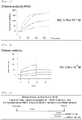
- the interaction between the human monoclonal antibody group of the present invention and human HMGB1 protein was compared and examined using SPR. Specifically, using a sensor chip on which each human monoclonal antibody of the present invention was immobilized and human HMGB1 protein as an analyte, the interaction was measured over time with a surface plasmon resonance sensor ("Biacore T100", manufactured by GE healthcare), to calculate an equilibrium dissociation constant (KD value) as an index of the antibody affinity.
- KD value equilibrium dissociation constant
- the KDs of monoclonal antibodies #127, #129, and #213-001 were 2.17 ⁇ 10 -11 M, 3.79 ⁇ 10 -11 M, and 5.54 ⁇ 10 -9 M, respectively.
- the KD of a common antibody drug is 10 -9 M to 10 -10 M, it can be said that antibodies #127 and #129 had extremely high affinity, and antibody #213-001 also had sufficiently high affinity.
- HMGB1 protein could not be detected even using monoclonal antibody #127. It is presumed that such differences in the results are due to differences in the method for adjusting the HMGB1 protein (antigen) used in the experiment. That is, it is considered from the results of Examples 2 and 3 that monoclonal antibody #127 cannot bind to HMGB1 protein degenerated for SDS-PAGE but can bind to HMGB1 protein maintaining a higher-order structure with high affinity.
- Non Patent Document 1 Previous studies by the inventors have revealed that phosphorylation of MARCKS protein in the brain occurs before the onset of Alzheimer's disease (Non Patent Document 1), and such phosphorylation is induced by HMGB1 (Non Patent Document 2).
- Example 4 whether or not the human monoclonal antibody group of the present invention exerts an inhibitory effect on such phosphorylation of MARCKS protein by HMGB1 was compared and examined in vitro.
- the sample prepared as above was fractionated by SDS-PAGE and transcribed into an Immobilon (R)-P polyvinylidene fluoride membrane (manufactured by EMD Millipore Corporation) by the semi-dry method, followed by blocking treatment with TBST containing 2% BSA (manufactured by NACALAI TESQUE, INC.) or 5% milk (10 mM Tris-HCl, pH 8.0, 150 mM NaCl, 0.05% Tween-20).
- Immobilon (R)-P polyvinylidene fluoride membrane manufactured by EMD Millipore Corporation
- BSA manufactured by NACALAI TESQUE, INC.
- 5% milk 10 mM Tris-HCl, pH 8.0, 150 mM NaCl, 0.05% Tween-20.
- a rabbit anti-phosphorylated MARCKS antibody (1:100,000, manufactured by GE Healthcare) and a mouse anti-actin antibody (1:1000, manufactured by Santa Cruz Biotechnology, Inc.) were each diluted using TBST containing 0.2% BSA or an immunoreaction enhancer solution, to prepare a primary antibody solution.
- an HRP-labeled anti-rabbit IgG antibody (1:3000, manufactured by GE Healthcare) and an HRP-labeled anti-mouse IgG antibody were each diluted using TBST containing 0.2% BSA or an immunoreaction enhancer solution, to prepare a secondary antibody solution.
- the aforementioned membrane was incubated together with the primary antibody solution at 4°C overnight, washed, and then incubated together with the secondary antibody solution at room temperature for 1 hour.
- the membrane after incubation was washed, and an ECL Prime Western blot detection reagent and a lumino image analyzer were used to detect a signal in each lane.
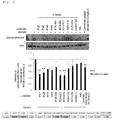
- results (image) of Western blotting are shown in the upper part of Figure 6
- results (graph) of the amount of phosphorylated human MARCKS protein in each lane corrected using the amount of actin (internal standard) are shown in the lower part of Figure 6 . It was revealed that the amount of phosphorylated human MARCKS protein significantly decreased in the cell groups with monoclonal antibodies #127, #129, #213-001, and #213-012 added, as compared with groups with no antibody added (column represented by "-" at the left end of the graph).
- DNA was extracted from each of the antibody-producing cells (cells that produce monoclonal antibodies #127, #129, #213-001, and #213-012) produced in Example 1, to analyze DNA sequences encoding antibody heavy- and light-chain variable regions. Further, the amino acid sequences of a heavy chain and a light chain of each monoclonal antibody were identified based on such DNA sequences. The amino acid sequences of monoclonal antibodies #127, #129, #213-001, and #213-012 were as described below.
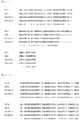
- Figure 9 shows the alignment of the amino acid sequences of the heavy-chain variable regions of monoclonal antibodies #127, #129, #213-001, and #213-012 that were the human monoclonal antibodies of the present invention (the amino acid sequences of SEQ ID NOs:2, 12, 22, and 32, respectively), and Figure 10 shows the alignment of the amino acid sequences of the light-chain variable regions thereof (the amino acid sequences of SEQ ID NOs:7, 17, 27 and 37, respectively).
- amino acid residues 1 to 14, 16 to 27, 32 to 49, 51 to 52, 54, 57 to 75, 77 to 88, 90, 92 to 93, 95, 97 to 102, and 104 to 107 in the amino acid sequence of SEQ ID NO:27 are common to those in the amino acid sequences of the light-chain variable regions of monoclonal antibodies #127, #129, #213-001, and #213-012, for example.
- Monoclonal antibody #129 was subcutaneously administered to Alzheimer's disease model mice, to examine the effects on cognitive impairment.
- 5xFAD transgenic mice purchased from the Jackson Laboratory (USA) (which will be hereinafter referred to as "5xFAD mice”; Oakley et al., J Neurosci 26, 10129-10140 (2006 )) were used.
- the 5xFAD mice were Alzheimer's disease model mice over-expressing mutant human APP (770) including Swedish-type (KM670/671NL), Florida-type (I716V), and London-type (V717I) familial Alzheimer's disease (FAD) mutations and human PS1 including two FAD mutations.
- mice C57BL/SJL strain obtained by mating C57BL/6J female mice and SJL/J male mice. Therefore, the 5xFAD mice and sibling B6/SJL non-transgenic mice as control mice (normal mice) were used in the following experiments.
- monoclonal antibody #129 or control human IgG (IgG1 ⁇ chain) was subcutaneously administered to the normal mice and 6-month-old 5xFAD mice immediately after the onset.
- the single dose of each antibody was 1 ⁇ g/Kg body weight or 10 ⁇ g/Kg body weight, and the antibody was administered 9 times in total over 8 weeks.
- the cognitive function and dendritic spine density at 8 months of age were examined for each of the four groups of mice treated in this way.
- Figure 11B shows the results for the cognitive function.
- the four bar graphs in Figure 11B represent the results for "B6/SJL + ctrl IgG", “B6/SJL + ⁇ -HMGB1", “5xFAD + ctrl IgG”, and "5xFAD + ⁇ -HMGB1", respectively from the left.
- a significant decrease in cognitive function was observed in the 5xFAD mice to which control human IgG was administered, as compared with that in the normal mice, and it turned out that cognitive dysfunction progressed in the 8-month-old 5xFAD mice.
- Figure 11E shows the results for the dendritic spine density.
- the bar graphs in Figure 11E represent the results for "B6/SJL + ctrl IgG", “B6/SJL + ⁇ -HMGB1”,”5xFAD + ctrl IgG”, and "5xFAD + ⁇ -HMGB1", respectively from the left.
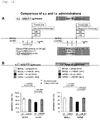
- monoclonal antibody #129 was injected subcutaneously (s.c.) or intravenously (i.v.) to the 5xFAD mice, to compare the difference in effects depending on the administration route.
- Monoclonal antibody #129 and control human IgG were subcutaneously administered or intravenously injected to 6-month-old 5xFAD mice immediately after the onset and the normal mice over 8 weeks.
- Figure 12A shows the outline of administration schedule. In the case of subcutaneous administration, 10 ⁇ g/Kg body weight of the antibody was administered to the mice 9 times in total (total dose per mouse was 2.7 ⁇ g).
- Example 6 the results consistent with Example 6 were obtained in the subcutaneous injection group, as a result of examining the cognitive function of the aforementioned mice by the Y-maze test.
- the same results as in the subcutaneous administration group were obtained also in the intravenous injection group. That is, in any route of subcutaneous administration and intravenous injection, a significant decrease in cognitive function was observed in the 5xFAD mice to which control human IgG was administered, as compared with that in the normal mice, whereas no significant difference in cognitive function was observed in the 5xFAD mice to which monoclonal antibody #129 was administered, as compared with that in the normal mice.
- Monoclonal antibody #129 was administered to the normal mice over 8 weeks on the same schedule as in Example 7, and transfer of monoclonal antibody #129 to the mouse brain tissue was confirmed. Specifically, the brain tissue was collected from mice to which monoclonal antibody #129 was subcutaneously administered or intravenously injected and subjected to biotin-avidin system immunohistochemical staining using a biotin-labeled anti-human IgG antibody. As seen from the results shown in Figure 13 , a staining signal of monoclonal antibody #129 in the brain tissue was obtained in both mice with subcutaneous administration (s.c. injection) and intravenous injection (i.v. injection). These results showed that monoclonal antibody #129 subcutaneously administered and intravenously injected was transferred into the mouse brain.
- the inventors administered control human IgG or monoclonal antibody #129 to the normal mice over 8 weeks on the same schedule as in Example 7, to examine whether or not monoclonal antibody #129 caused undesired side effects.
- control human IgG or monoclonal antibody #129 was administered, no abnormality was observed in the body shape and epidermis in any of the groups.
- changes in body weight from 6-month-old (24 week-old) mice to 8-month-old (32 week-old) mice in each of the subcutaneous administration and intravenous injection groups no difference was observed between monoclonal antibody #129 and control human IgG.
- the present invention can provide a human monoclonal antibody that has a high inhibitory activity on phosphorylation of Ser46 of human MARCKS and binds specifically to human HMGB1, and a pharmaceutical composition or the like containing the antibody as an active component for treating or preventing Alzheimer's disease.
Landscapes
- Health & Medical Sciences (AREA)
- Chemical & Material Sciences (AREA)
- Life Sciences & Earth Sciences (AREA)
- Organic Chemistry (AREA)
- Engineering & Computer Science (AREA)
- Genetics & Genomics (AREA)
- Bioinformatics & Cheminformatics (AREA)
- General Health & Medical Sciences (AREA)
- Medicinal Chemistry (AREA)
- Biomedical Technology (AREA)
- Biophysics (AREA)
- Molecular Biology (AREA)
- Biochemistry (AREA)
- Immunology (AREA)
- Neurosurgery (AREA)
- Neurology (AREA)
- Proteomics, Peptides & Aminoacids (AREA)
- Public Health (AREA)
- Veterinary Medicine (AREA)
- Animal Behavior & Ethology (AREA)
- Pharmacology & Pharmacy (AREA)
- Biotechnology (AREA)
- General Engineering & Computer Science (AREA)
- Wood Science & Technology (AREA)
- Zoology (AREA)
- Microbiology (AREA)
- General Chemical & Material Sciences (AREA)
- Nuclear Medicine, Radiotherapy & Molecular Imaging (AREA)
- Hospice & Palliative Care (AREA)
- Psychiatry (AREA)
- Chemical Kinetics & Catalysis (AREA)
- Plant Pathology (AREA)
- Physics & Mathematics (AREA)
- Endocrinology (AREA)
- Epidemiology (AREA)
- Mycology (AREA)
- Peptides Or Proteins (AREA)
- Medicines Containing Antibodies Or Antigens For Use As Internal Diagnostic Agents (AREA)
- Preparation Of Compounds By Using Micro-Organisms (AREA)
- Micro-Organisms Or Cultivation Processes Thereof (AREA)
Applications Claiming Priority (2)
| Application Number | Priority Date | Filing Date | Title |
|---|---|---|---|
| JP2018176802 | 2018-09-21 | ||
| PCT/JP2019/036926 WO2020059847A1 (ja) | 2018-09-21 | 2019-09-20 | ヒトhmgb1に特異的に結合するヒトモノクローナル抗体、及びそれを含有するアルツハイマー病を治療又は予防するための医薬組成物 |
Publications (3)
| Publication Number | Publication Date |
|---|---|
| EP3854875A1 true EP3854875A1 (de) | 2021-07-28 |
| EP3854875A4 EP3854875A4 (de) | 2022-07-06 |
| EP3854875B1 EP3854875B1 (de) | 2026-01-14 |
Family
ID=69887206
Family Applications (1)
| Application Number | Title | Priority Date | Filing Date |
|---|---|---|---|
| EP19863032.9A Active EP3854875B1 (de) | 2018-09-21 | 2019-09-20 | Menschlicher monoklonaler antikörper, der spezifisch an humanes hmgb1 bindet, und pharmazeutische zusammensetzung zur behandlung oder vorbeugung von morbus alzheimer, die den menschlichen monoklonalen antikörper enthält |
Country Status (4)
| Country | Link |
|---|---|
| US (1) | US12319731B2 (de) |
| EP (1) | EP3854875B1 (de) |
| JP (1) | JP7475687B2 (de) |
| WO (1) | WO2020059847A1 (de) |
Cited By (1)
| Publication number | Priority date | Publication date | Assignee | Title |
|---|---|---|---|---|
| EP4260872A4 (de) * | 2020-12-09 | 2024-11-13 | National University Corporation Tokyo Medical and Dental University | Mittel zur prävention oder behandlung von frontotemporaler lobar-degeneration |
Families Citing this family (6)
| Publication number | Priority date | Publication date | Assignee | Title |
|---|---|---|---|---|
| WO2019023247A1 (en) | 2017-07-25 | 2019-01-31 | Immutics, Inc. | TREATMENT OF CANCER BY BLOCKING THE INTERACTION OF TIM-3 AND ITS LIGAND |
| CN116063505B (zh) | 2019-01-30 | 2024-05-03 | 真和制药有限公司 | 抗gal3抗体及其用途 |
| EP4157338A4 (de) | 2020-05-26 | 2024-11-13 | TrueBinding, Inc. | Verfahren zur behandlung von entzündungskrankheiten durch galectin-3-blockierung |
| CN119730880A (zh) | 2022-06-07 | 2025-03-28 | 国立大学法人东京科学大学 | 肌萎缩侧索硬化症、帕金森病、亨廷顿病、脊髓小脑性共济失调、与老化有关的变性疾病或神经疾病、脑老化、或者伴有脑老化的疾病的预防剂或治疗剂 |
| EP4669665A2 (de) * | 2023-02-24 | 2025-12-31 | Twist Bioscience Corporation | Varianten von nukleinsäurebibliotheken für mastzellen |
| CN119775408B (zh) * | 2025-03-12 | 2025-05-30 | 武汉伊莱瑞特生物科技股份有限公司 | 抗猴高迁移率族蛋白b1单克隆抗体、酶联免疫检测试剂盒及其应用 |
Family Cites Families (28)
| Publication number | Priority date | Publication date | Assignee | Title |
|---|---|---|---|---|
| GB8308235D0 (en) | 1983-03-25 | 1983-05-05 | Celltech Ltd | Polypeptides |
| US4816567A (en) | 1983-04-08 | 1989-03-28 | Genentech, Inc. | Recombinant immunoglobin preparations |
| US5807715A (en) | 1984-08-27 | 1998-09-15 | The Board Of Trustees Of The Leland Stanford Junior University | Methods and transformed mammalian lymphocyte cells for producing functional antigen-binding protein including chimeric immunoglobulin |
| GB8607679D0 (en) | 1986-03-27 | 1986-04-30 | Winter G P | Recombinant dna product |
| JP2928287B2 (ja) | 1988-09-29 | 1999-08-03 | 協和醗酵工業株式会社 | 新規ポリペプチド |
| US5047335A (en) | 1988-12-21 | 1991-09-10 | The Regents Of The University Of Calif. | Process for controlling intracellular glycosylation of proteins |
| IL162181A (en) | 1988-12-28 | 2006-04-10 | Pdl Biopharma Inc | A method of producing humanized immunoglubulin, and polynucleotides encoding the same |
| JPH0322979A (ja) | 1989-06-19 | 1991-01-31 | Kyowa Hakko Kogyo Co Ltd | 新規プラスミノーゲン活性化因子 |
| US6657103B1 (en) | 1990-01-12 | 2003-12-02 | Abgenix, Inc. | Human antibodies derived from immunized xenomice |
| US5545806A (en) | 1990-08-29 | 1996-08-13 | Genpharm International, Inc. | Ransgenic non-human animals for producing heterologous antibodies |
| US5633425A (en) | 1990-08-29 | 1997-05-27 | Genpharm International, Inc. | Transgenic non-human animals capable of producing heterologous antibodies |
| US5625126A (en) | 1990-08-29 | 1997-04-29 | Genpharm International, Inc. | Transgenic non-human animals for producing heterologous antibodies |
| US5661016A (en) | 1990-08-29 | 1997-08-26 | Genpharm International Inc. | Transgenic non-human animals capable of producing heterologous antibodies of various isotypes |
| DK0814159T3 (da) | 1990-08-29 | 2005-10-24 | Genpharm Int | Transgene, ikke-humane dyr, der er i stand til at danne heterologe antistoffer |
| US5278299A (en) | 1991-03-18 | 1994-01-11 | Scripps Clinic And Research Foundation | Method and composition for synthesizing sialylated glycosyl compounds |
| AU3144193A (en) | 1991-11-21 | 1993-06-15 | Board Of Trustees Of The Leland Stanford Junior University | Controlling degradation of glycoprotein oligosaccharides by extracellular glycosisases |
| US5648267A (en) | 1992-11-13 | 1997-07-15 | Idec Pharmaceuticals Corporation | Impaired dominant selectable marker sequence and intronic insertion strategies for enhancement of expression of gene product and expression vector systems comprising same |
| CU22615A1 (es) | 1994-06-30 | 2000-02-10 | Centro Inmunologia Molecular | Procedimiento de obtención de anticuerpos monoclonales murinos menos inmunogénicos. anticuerpos monoclonales obtenidos |
| HU221385B1 (en) | 1994-07-13 | 2002-09-28 | Chugai Pharmaceutical Co Ltd | Reconstituted human antibody against human interleukin-8 |
| US6602684B1 (en) | 1998-04-20 | 2003-08-05 | Glycart Biotechnology Ag | Glycosylation engineering of antibodies for improving antibody-dependent cellular cytotoxicity |
| EP3690043A1 (de) | 2000-10-06 | 2020-08-05 | Kyowa Kirin Co., Ltd. | Antikörperzusammensetzungsproduzierendes zelle |
| ES2295228T3 (es) | 2000-11-30 | 2008-04-16 | Medarex, Inc. | Roedores transcromosomicos transgenicos para la preparacion de anticuerpos humanos. |
| EP1345967B1 (de) | 2000-12-22 | 2011-08-10 | Grad, Carole, Legal representative of Kaplan, Howard | "phage display" bibliotheke von menschlichen vh fragmenten |
| JP4242128B2 (ja) | 2002-09-18 | 2009-03-18 | 武田薬品工業株式会社 | 脳アミロイドーシス予防・治療薬のスクリーニング方法 |
| KR20070090890A (ko) * | 2004-10-22 | 2007-09-06 | 메디뮨 인코포레이티드 | Hmgb1에 대한 고 친화성 항체 및 이의 사용 방법 |
| WO2008099913A1 (ja) | 2007-02-15 | 2008-08-21 | Kumamoto University | ヒトhmgb-1に特異的に結合する抗体を有効成分として含有する治療剤 |
| KR20150134319A (ko) * | 2013-01-28 | 2015-12-01 | 에베크 인코포레이티드 | 인간화 항 hmgb1 항체 또는 그의 항원 결합성 단편 |
| EP3502248B1 (de) * | 2016-08-09 | 2024-05-29 | National University Corporation Tokyo Medical and Dental University | Antikörper gegen hmgb1 und zusammensetzung damit zur behandlung oder vorbeugung von morbus alzheimer |
-
2019
- 2019-09-20 WO PCT/JP2019/036926 patent/WO2020059847A1/ja not_active Ceased
- 2019-09-20 US US17/276,916 patent/US12319731B2/en active Active
- 2019-09-20 JP JP2020549113A patent/JP7475687B2/ja active Active
- 2019-09-20 EP EP19863032.9A patent/EP3854875B1/de active Active
Cited By (1)
| Publication number | Priority date | Publication date | Assignee | Title |
|---|---|---|---|---|
| EP4260872A4 (de) * | 2020-12-09 | 2024-11-13 | National University Corporation Tokyo Medical and Dental University | Mittel zur prävention oder behandlung von frontotemporaler lobar-degeneration |
Also Published As
| Publication number | Publication date |
|---|---|
| EP3854875B1 (de) | 2026-01-14 |
| JPWO2020059847A1 (ja) | 2021-09-16 |
| EP3854875A4 (de) | 2022-07-06 |
| WO2020059847A1 (ja) | 2020-03-26 |
| US12319731B2 (en) | 2025-06-03 |
| JP7475687B2 (ja) | 2024-04-30 |
| US20230038521A1 (en) | 2023-02-09 |
Similar Documents
| Publication | Publication Date | Title |
|---|---|---|
| EP3854875B1 (de) | Menschlicher monoklonaler antikörper, der spezifisch an humanes hmgb1 bindet, und pharmazeutische zusammensetzung zur behandlung oder vorbeugung von morbus alzheimer, die den menschlichen monoklonalen antikörper enthält | |
| US20250250331A1 (en) | Anti-age antibodies for treating neurodegenerative disorders | |
| JP6942358B2 (ja) | Hmgb1に対する抗体、及びそれを含有するアルツハイマー病を治療又は予防するための組成物 | |
| CN106574258B (zh) | 抗-运甲状腺素蛋白人源化抗体 | |
| EP2224000B1 (de) | Antikörper und dessen verwendung | |
| TWI781507B (zh) | 抗甲狀腺素運送蛋白抗體 | |
| EP3269736B1 (de) | Konformationsspezifische antikörper gegen amyloid (beta)-oligomere | |
| EA036014B1 (ru) | Антитела к транстиретину | |
| AU2016336959A1 (en) | Anti-age antibodies and methods of use thereof | |
| RS59024B1 (sr) | Anti-phf-tau antitela i njihove upotrebe | |
| EA036080B1 (ru) | Антитела к транстиретину | |
| US20240025985A1 (en) | Agent for Preventing or Treating Frontotemporal Lobar Degeneration | |
| WO2020100779A1 (ja) | pSer46-MARCKSに特異的に結合するモノクローナル抗体 | |
| WO2023238869A1 (ja) | 筋萎縮性側索硬化症、パーキンソン病、ハンチントン病、脊髄小脳失調症、老化に関連する変性疾患若しくは神経疾患、脳老化、あるいは脳老化を伴う疾患の予防剤又は治療剤 | |
| HK1249116B (en) | Conformational-specific antibodies against oligomers of amyloid beta | |
| HK1207869B (en) | Conformational-specific antibodies against oligomers of amyloid beta |
Legal Events
| Date | Code | Title | Description |
|---|---|---|---|
| STAA | Information on the status of an ep patent application or granted ep patent |
Free format text: STATUS: THE INTERNATIONAL PUBLICATION HAS BEEN MADE |
|
| PUAI | Public reference made under article 153(3) epc to a published international application that has entered the european phase |
Free format text: ORIGINAL CODE: 0009012 |
|
| STAA | Information on the status of an ep patent application or granted ep patent |
Free format text: STATUS: REQUEST FOR EXAMINATION WAS MADE |
|
| 17P | Request for examination filed |
Effective date: 20210416 |
|
| AK | Designated contracting states |
Kind code of ref document: A1 Designated state(s): AL AT BE BG CH CY CZ DE DK EE ES FI FR GB GR HR HU IE IS IT LI LT LU LV MC MK MT NL NO PL PT RO RS SE SI SK SM TR |
|
| DAV | Request for validation of the european patent (deleted) | ||
| DAX | Request for extension of the european patent (deleted) | ||
| A4 | Supplementary search report drawn up and despatched |
Effective date: 20220608 |
|
| RIC1 | Information provided on ipc code assigned before grant |
Ipc: C12P 21/08 20060101ALI20220601BHEP Ipc: C12N 15/63 20060101ALI20220601BHEP Ipc: C12N 5/10 20060101ALI20220601BHEP Ipc: C12N 1/21 20060101ALI20220601BHEP Ipc: C12N 1/19 20060101ALI20220601BHEP Ipc: C12N 1/15 20060101ALI20220601BHEP Ipc: C07K 16/18 20060101ALI20220601BHEP Ipc: A61P 25/28 20060101ALI20220601BHEP Ipc: A61K 39/395 20060101ALI20220601BHEP Ipc: C12N 15/13 20060101AFI20220601BHEP |
|
| STAA | Information on the status of an ep patent application or granted ep patent |
Free format text: STATUS: EXAMINATION IS IN PROGRESS |
|
| 17Q | First examination report despatched |
Effective date: 20230426 |
|
| GRAP | Despatch of communication of intention to grant a patent |
Free format text: ORIGINAL CODE: EPIDOSNIGR1 |
|
| STAA | Information on the status of an ep patent application or granted ep patent |
Free format text: STATUS: GRANT OF PATENT IS INTENDED |
|
| INTG | Intention to grant announced |
Effective date: 20250714 |
|
| GRAS | Grant fee paid |
Free format text: ORIGINAL CODE: EPIDOSNIGR3 |
|
| RIN1 | Information on inventor provided before grant (corrected) |
Inventor name: OKAZAWA, HITOSHI |
|
| GRAA | (expected) grant |
Free format text: ORIGINAL CODE: 0009210 |
|
| STAA | Information on the status of an ep patent application or granted ep patent |
Free format text: STATUS: THE PATENT HAS BEEN GRANTED |
|
| AK | Designated contracting states |
Kind code of ref document: B1 Designated state(s): AL AT BE BG CH CY CZ DE DK EE ES FI FR GB GR HR HU IE IS IT LI LT LU LV MC MK MT NL NO PL PT RO RS SE SI SK SM TR |
|
| RAP1 | Party data changed (applicant data changed or rights of an application transferred) |
Owner name: INSTITUTE OF SCIENCE TOKYO |
|
| REG | Reference to a national code |
Ref country code: CH Ref legal event code: F10 Free format text: ST27 STATUS EVENT CODE: U-0-0-F10-F00 (AS PROVIDED BY THE NATIONAL OFFICE) Effective date: 20260114 Ref country code: GB Ref legal event code: FG4D |
|
| REG | Reference to a national code |
Ref country code: DE Ref legal event code: R096 Ref document number: 602019080437 Country of ref document: DE |