EP3789353B1 - Ecological remediation method for water bodies rich in high-turbidity colloidal particles - Google Patents
Ecological remediation method for water bodies rich in high-turbidity colloidal particles Download PDFInfo
- Publication number
- EP3789353B1 EP3789353B1 EP20192665.6A EP20192665A EP3789353B1 EP 3789353 B1 EP3789353 B1 EP 3789353B1 EP 20192665 A EP20192665 A EP 20192665A EP 3789353 B1 EP3789353 B1 EP 3789353B1
- Authority
- EP
- European Patent Office
- Prior art keywords
- water
- submerged plant
- flocculant
- transparency
- underwater
- Prior art date
- Legal status (The legal status is an assumption and is not a legal conclusion. Google has not performed a legal analysis and makes no representation as to the accuracy of the status listed.)
- Active
Links
Images





Classifications
-
- C—CHEMISTRY; METALLURGY
- C02—TREATMENT OF WATER, WASTE WATER, SEWAGE, OR SLUDGE
- C02F—TREATMENT OF WATER, WASTE WATER, SEWAGE, OR SLUDGE
- C02F9/00—Multistage treatment of water, waste water or sewage
-
- C—CHEMISTRY; METALLURGY
- C02—TREATMENT OF WATER, WASTE WATER, SEWAGE, OR SLUDGE
- C02F—TREATMENT OF WATER, WASTE WATER, SEWAGE, OR SLUDGE
- C02F1/00—Treatment of water, waste water, or sewage
- C02F1/34—Treatment of water, waste water, or sewage with mechanical oscillations
- C02F1/36—Treatment of water, waste water, or sewage with mechanical oscillations ultrasonic vibrations
-
- C—CHEMISTRY; METALLURGY
- C02—TREATMENT OF WATER, WASTE WATER, SEWAGE, OR SLUDGE
- C02F—TREATMENT OF WATER, WASTE WATER, SEWAGE, OR SLUDGE
- C02F1/00—Treatment of water, waste water, or sewage
- C02F1/52—Treatment of water, waste water, or sewage by flocculation or precipitation of suspended impurities
- C02F1/5236—Treatment of water, waste water, or sewage by flocculation or precipitation of suspended impurities using inorganic agents
-
- C—CHEMISTRY; METALLURGY
- C02—TREATMENT OF WATER, WASTE WATER, SEWAGE, OR SLUDGE
- C02F—TREATMENT OF WATER, WASTE WATER, SEWAGE, OR SLUDGE
- C02F1/00—Treatment of water, waste water, or sewage
- C02F1/52—Treatment of water, waste water, or sewage by flocculation or precipitation of suspended impurities
- C02F1/5263—Treatment of water, waste water, or sewage by flocculation or precipitation of suspended impurities using natural chemical compounds
-
- C—CHEMISTRY; METALLURGY
- C02—TREATMENT OF WATER, WASTE WATER, SEWAGE, OR SLUDGE
- C02F—TREATMENT OF WATER, WASTE WATER, SEWAGE, OR SLUDGE
- C02F1/00—Treatment of water, waste water, or sewage
- C02F1/52—Treatment of water, waste water, or sewage by flocculation or precipitation of suspended impurities
- C02F1/54—Treatment of water, waste water, or sewage by flocculation or precipitation of suspended impurities using organic material
- C02F1/56—Macromolecular compounds
-
- C—CHEMISTRY; METALLURGY
- C02—TREATMENT OF WATER, WASTE WATER, SEWAGE, OR SLUDGE
- C02F—TREATMENT OF WATER, WASTE WATER, SEWAGE, OR SLUDGE
- C02F1/00—Treatment of water, waste water, or sewage
- C02F1/66—Treatment of water, waste water, or sewage by neutralisation; pH adjustment
-
- C—CHEMISTRY; METALLURGY
- C02—TREATMENT OF WATER, WASTE WATER, SEWAGE, OR SLUDGE
- C02F—TREATMENT OF WATER, WASTE WATER, SEWAGE, OR SLUDGE
- C02F2103/00—Nature of the water, waste water, sewage or sludge to be treated
- C02F2103/007—Contaminated open waterways, rivers, lakes or ponds
-
- C—CHEMISTRY; METALLURGY
- C02—TREATMENT OF WATER, WASTE WATER, SEWAGE, OR SLUDGE
- C02F—TREATMENT OF WATER, WASTE WATER, SEWAGE, OR SLUDGE
- C02F2209/00—Controlling or monitoring parameters in water treatment
- C02F2209/11—Turbidity
-
- C—CHEMISTRY; METALLURGY
- C02—TREATMENT OF WATER, WASTE WATER, SEWAGE, OR SLUDGE
- C02F—TREATMENT OF WATER, WASTE WATER, SEWAGE, OR SLUDGE
- C02F3/00—Biological treatment of water, waste water, or sewage
- C02F3/32—Biological treatment of water, waste water, or sewage characterised by the animals or plants used, e.g. algae
-
- C—CHEMISTRY; METALLURGY
- C02—TREATMENT OF WATER, WASTE WATER, SEWAGE, OR SLUDGE
- C02F—TREATMENT OF WATER, WASTE WATER, SEWAGE, OR SLUDGE
- C02F3/00—Biological treatment of water, waste water, or sewage
- C02F3/32—Biological treatment of water, waste water, or sewage characterised by the animals or plants used, e.g. algae
- C02F3/322—Biological treatment of water, waste water, or sewage characterised by the animals or plants used, e.g. algae use of algae
-
- C—CHEMISTRY; METALLURGY
- C02—TREATMENT OF WATER, WASTE WATER, SEWAGE, OR SLUDGE
- C02F—TREATMENT OF WATER, WASTE WATER, SEWAGE, OR SLUDGE
- C02F3/00—Biological treatment of water, waste water, or sewage
- C02F3/32—Biological treatment of water, waste water, or sewage characterised by the animals or plants used, e.g. algae
- C02F3/327—Biological treatment of water, waste water, or sewage characterised by the animals or plants used, e.g. algae characterised by animals and plants
Definitions
- the Invention belongs to the field of environmental protection technology, and relates to a remediation method for improving water quality of the high-turbidity water bodies and particularly to a method for rapidly improving water quality of urban rivers or small urban lakes and reservoirs.
- Suspended particulate matters in water are easily suspended in water due to their small particle size and light specific gravity, or slowly settle in the bottom of water in a short term.
- resuspension process is extremely likely to occur under the disturbance of water flow, wind waves and even benthic organisms, which accelerates the turbidity of water again in turn.
- the remediation technologies at present mainly include the flocculation, clean water replenishment, aeration and other measures. Though some of them may increase water transparency to some extent in a short period of time, there are problems of cost effectiveness.
- flocculant dosing can rapidly improve water transparency in the short term, but frequent dosing of flocculants after a short-term decline of turbidity may lead to secondary pollution in the water.
- clean water replenishment seems to be an effective method when there are clean water sources. Nevertheless, according to the Water Resources Survey Communique in 2016, the number of nutrient-rich lakes in China accounts for 78.6%, and the proportion of surface river water under V-class and inferior V-class in China accounts for about 15%, all of which are turbid to a certain degree. As the cost of ecological water replenishment from clean water sources is high, which is impracticable in many places, aeration can be adopted to inhibit algae breeding in water bodies and reduce concentration of suspended matter in water bodies to a certain extent. However, the existing technologies are still deficient in overcoming the technical difficulties in providing a continuous solution to water turbidity on a long-term and low-cost basis.
- US 2019/194044 A1 relates to a method for harmless treatment of cyanophytes and suspended solids accumulated in lakeside wetlands.
- CN108192638A relates to a soil remediation agent used for heavy metal pollution and a preparation method thereof.
- CN106976995A relates to a river channel sewage treating agent and a preparation method thereof.
- the Invention provides, in accordance with independent claim 1, a remediation method for water bodies rich in high-turbidity colloidal particles.
- the said remediation method can be applied in urban river courses, small reservoirs, ponds and other high-turbidity water bodies rich in colloidal silty particles and algae, so as to improve water quality and realize the long-term remediation by improving the transparency of turbid water in a quick, continuous and effective manner.
- An ecological remediation method for water bodies rich in high-turbidity colloidal particles characterized by comprising the following steps: Spreading a composite flocculant on a water surface after its preparation which is performed by the following method:
- the technical scheme provided by the Invention adopts field spraying to reduce the concentration of colloidal particles in water bodies, significantly improve water transparency in a short term, and keep a long-term clarification for water bodies by combining with the remediation of submerged plant turf in the later stage.
- the compound flocculant for the water body. Perform ultrasonic treatment on the mixed solution of starch, dimethyl diallyl ammonium chloride solution and NaOH (in which the mass ratio of starch is 50%, and the mole percentage of NaOH and dimethyl diallyl ammonium chloride is 1.2:1) with 20 kHZ ultrasonic wave for 3-10 min, then mix and stir it evenly with acidified chitosan for complete reaction, and wash with 80% ethanol solution and dry it after keeping it 50-60°C for 30-50 min to obtain the cationic starch flocculant, where the mass ratio of chitosan and starch is 0.035:1; then blend the cationic starch flocculant and the diatomite with a mass ratio of 0.9:1 to get the compound flocculant, then spray it with a dosage of 0.1%.
- the water body will be clarified quickly in 2h.
- the local soil specifically, the soil of 40 meshes, should be used to overlay the water with a thin layer.
- high-pressure spraying is carried out for underwater overlaying with muddy/water at a volume ratio of 1:8 and with a spraying speed of 20 L/min.
- the spraying is carried out to install the nozzles underwater for carpet spraying at a forward speed of 8-14 m/min.
- the underwater nozzles should be 80 cm away from the bottom.
- the three-dimensional network should be installed underwater in a modular manner. After 30 days of culture, transplant the whole plant when the average height is 20 cm, and fix the planted submerged plant turf to the bottom with timber piles, the height of which should be 30 cm higher than the muddy-water interface.
- the submerged plant turf should be located at the water area with a transparency of over 50 cm and a depth of 80 cm below the water surface.
- its module should be put together based on a unit of 1.5m ⁇ 10m to initially form an underwater forest. After 60 days, the submerged plant community in the water can be initially restored.
- the technical scheme provided by the Invention adopts field spraying to reduce the concentration of colloidal particles in water bodies, significantly improve water transparency in a short term, and keep a long-term clarification for water bodies by combining with the remediation of submerged plant turf in the later stage.
- the compound flocculant for the water body. Perform ultrasonic treatment on the mixed solution of starch, dimethyl diallyl ammonium chloride solution and NaOH (in which the mass ratio of starch is 30%, and the mole percentage of NaOH and dimethyl diallyl ammonium chloride is 1.6:1) with 20 kHZ ultrasonic wave for 3-10 min, then mix and stir it evenly with acidified chitosan for complete reaction, and wash with 80% ethanol solution and dry it after keeping it 50-60°C for 30-50 min to obtain the cationic starch flocculant, where the mass ratio of chitosan and starch is 0.005:1; then blend the cationic starch flocculant and the diatomite with a mass ratio of 1.5:1 to get the compound flocculant, then spray it with a dosage of 0.3%.
- the water body will be clarified quickly in 2h.
- the local soil specifically, the soil of 60 meshes, should be used to overlay the water with a thin layer.
- high-pressure spraying is carried out for underwater overlaying with muddy/water at a volume ratio of 1:25 and with a spraying speed of 550 L/min.
- the spraying is carried out to install the nozzles underwater for carpet spraying at a forward speed of 14 m/min.
- the underwater nozzles should be 50 cm away from the bottom.
- the three-dimensional network should be installed underwater in a modular manner. After 30 days of culture, transplant the whole plant when the average height is about 22 cm, and fix the planted submerged plant turf to the bottom with timber piles, the height of which should be 30 cm higher than the muddy-water interface.
- the submerged plant turf should be located at the water area with a transparency of over 50 cm and a depth of 80 cm below the water surface.
- its module should be put together based on a unit of 2m ⁇ 5m to initially form an underwater forest. After 50 days, the submerged plant community in the water can be initially remedied.
- a 60-day continuous monitoring should be carried out towards the water body, as shown in Fig. 3-4 . It is shown that the water turbidity decreases significantly and the water transparency is significantly higher than that of the control group; in particular, for the relatively static water area, the removal rate of suspended colloid in the water is 95% on average after stabilization for 24h, as shown in Fig. 5-8 .
- the submerged plant turf underwater is initially remedied, for the overlaying of aquatic grass is more than 50%, the transparency of the water body is stable at 55 cm on average, and the concentration of suspended matters in the water is less than 18 NTU, meaning that the water quality of the river is significantly improved.
- the technical scheme provided by the Invention adopts field spraying to reduce the concentration of colloidal particles in water bodies, significantly improve water transparency in a short term, and keep a long-term clarification for water bodies by combining with the remediation of submerged plant turf in the later stage.
- the compound flocculant for the water body. Perform ultrasonic treatment on the mixed solution of starch, dimethyl diallyl ammonium chloride solution and NaOH (in which the mass ratio of starch is 60%, and the mole percentage of NaOH and dimethyl diallyl ammonium chloride is 1.4:1) with 20 kHZ ultrasonic wave for 3-10 min, then mix and stir it evenly with acidified chitosan for complete reaction, and wash with 80% ethanol solution and dry it after keeping it 50-60°C for 30-50 min to obtain the cationic starch flocculant, where the mass ratio of chitosan and starch is 0.045:1; then blend the cationic starch flocculant and the diatomite with a mass ratio of 1.2 to get the compound flocculant, then spray it with a dosage of 0.5%.
- the water body will be clarified quickly in 2h.
- the local soil specifically, the soil of 60 meshes, should be used to overlay the water with a thin layer.
- high-pressure spraying is carried out for underwater overlaying with muddy/water at a volume ratio of 1:25 and with a spraying speed of 250 L/min.
- the spraying is carried out to install the nozzles underwater for carpet spraying at a forward speed of 14 m/min.
- the underwater nozzles should be 80 cm away from the bottom.
- the three-dimensional network should be installed underwater in a modular manner. After 30 days of culture, transplant the whole plant when the average height is about 25 cm, and fix the planted submerged plant turf to the bottom with timber piles, which should be 30 cm above the sediment-water interface.
- the submerged plant turf should be located at the water area with a transparency of over 50 cm and a depth of 50 cm below the water surface.
- the turf modules should be put together based on a unit of 3m ⁇ 8m to initially form an underwater forest. After 60 days, the submerged plant community in the water can be initially restored.
- a 60-day continuous monitoring should be carried out towards the water body, as shown in Fig. 9-12 . It is shown that the water turbidity decreases significantly and the water transparency is significantly higher than that of the control group; in particular, for the relatively static water area, the removal rate of suspended colloid in the water is 98% on average after stabilization for 24h, as shown in Fig. 9-12 .
- the submerged plant turf underwater is initially restored, the coverage of aquatic grass is more than 65%, the transparency of the water body is stable at 63 cm on average, and the concentration of suspended matters in the water is less than 22 NTU, meaning that the water quality of the river is significantly improved.
- the technical scheme provided by the Invention adopts field spraying to reduce the concentration of colloidal particles in water bodies, significantly improve water transparency in a short term, and keep a long-term clarification for water bodies by combining with the remediation of submerged plant turf in the later stage.
- the compound flocculant for the water body. Perform ultrasonic treatment on the mixed solution of starch, dimethyl diallyl ammonium chloride solution and NaOH (in which the mass ratio of starch is 50%, and the mole percentage of NaOH and dimethyl diallyl ammonium chloride is 1.4:1) with 20 kHZ ultrasonic wave for 3-10 min, then mix and stir it evenly with acidified chitosan for complete reaction, and wash with 80% ethanol solution and dry it after keeping it 50-60°C for 30-50 min to obtain the cationic starch flocculant, where the mass ratio of chitosan and starch is 0.015:1; then blend the cationic starch flocculant and the diatomite with a mass ratio of 0.5 to get the compound flocculant, then spray it with a dosage of 0.3%.
- the water body will be clarified quickly in 2h.
- the local soil specifically, the soil of 60 meshes, should be used to overlay the water with a thin layer.
- high-pressure spraying is carried out for underwater overlaying with muddy/water at a volume ratio of 1:15 and with a spraying speed of 120 L/min.
- the spraying is carried out to install the nozzles underwater for carpet spraying at a forward speed of 12 m/min.
- the underwater nozzles should be 50 cm away from the bottom.
- the submerged plant turf should be located at the water area with a transparency of over 50 cm and a depth of 80 cm below the water surface.
- the submerged plant turf is laid, its module should be put together based on a unit of 2mx5m to initially form an underwater forest. After 60 days, the submerged plant community in the water can be initially restored.
- a 60-day continuous monitoring should be carried out towards the water body, as shown in Fig. 13-16 . It is shown that the water turbidity decreases significantly and the water transparency is significantly higher than that of the control group; in particular, for the relatively static water area, the removal rate of suspended colloid in the water is 85% on average after stabilization for 24h, as shown in Fig. 13-16 .
- the submerged plant turf underwater is initially restored, the coverage of aquatic grass is more than 65%, the transparency of the water body is stable at the average of 60 cm, and the concentration of suspended matters in the water is less than 22 NTU, meaning that the water quality of the river is significantly improved.
Landscapes
- Life Sciences & Earth Sciences (AREA)
- Hydrology & Water Resources (AREA)
- Engineering & Computer Science (AREA)
- Environmental & Geological Engineering (AREA)
- Water Supply & Treatment (AREA)
- Chemical & Material Sciences (AREA)
- Organic Chemistry (AREA)
- Separation Of Suspended Particles By Flocculating Agents (AREA)
Description
- The Invention belongs to the field of environmental protection technology, and relates to a remediation method for improving water quality of the high-turbidity water bodies and particularly to a method for rapidly improving water quality of urban rivers or small urban lakes and reservoirs.
- Suspended particulate matters in water, especially fine particulate matter, silty clay and colloidal matter of organic particulate matter, are easily suspended in water due to their small particle size and light specific gravity, or slowly settle in the bottom of water in a short term. However, resuspension process is extremely likely to occur under the disturbance of water flow, wind waves and even benthic organisms, which accelerates the turbidity of water again in turn. For turbid water bodies, the remediation technologies at present mainly include the flocculation, clean water replenishment, aeration and other measures. Though some of them may increase water transparency to some extent in a short period of time, there are problems of cost effectiveness. For example, flocculant dosing can rapidly improve water transparency in the short term, but frequent dosing of flocculants after a short-term decline of turbidity may lead to secondary pollution in the water. In addition, clean water replenishment seems to be an effective method when there are clean water sources. Nevertheless, according to the Water Resources Survey Communique in 2016, the number of nutrient-rich lakes in China accounts for 78.6%, and the proportion of surface river water under V-class and inferior V-class in China accounts for about 15%, all of which are turbid to a certain degree. As the cost of ecological water replenishment from clean water sources is high, which is impracticable in many places, aeration can be adopted to inhibit algae breeding in water bodies and reduce concentration of suspended matter in water bodies to a certain extent. However, the existing technologies are still deficient in overcoming the technical difficulties in providing a continuous solution to water turbidity on a long-term and low-cost basis.
-
US 2019/194044 A1 relates to a method for harmless treatment of cyanophytes and suspended solids accumulated in lakeside wetlands.CN108192638A relates to a soil remediation agent used for heavy metal pollution and a preparation method thereof.CN106976995A relates to a river channel sewage treating agent and a preparation method thereof. - In view of the problems of the above-mentioned prior art, the Invention provides, in accordance with independent claim 1, a remediation method for water bodies rich in high-turbidity colloidal particles. The said remediation method can be applied in urban river courses, small reservoirs, ponds and other high-turbidity water bodies rich in colloidal silty particles and algae, so as to improve water quality and realize the long-term remediation by improving the transparency of turbid water in a quick, continuous and effective manner.
- The essential features of the invention are comprised in independent method claim 1. Further, preferred embodiments are described in dependent claims 1-10.
- An ecological remediation method for water bodies rich in high-turbidity colloidal particles, characterized by comprising the following steps:
Spreading a composite flocculant on a water surface after its preparation which is performed by the following method: - Perform the ultrasonic treatment on the mixed solution of starch, dimethyl diallyl ammonium chloride and NaOH, then mix and stir it evenly with acidified chitosan to acquire the cationic starch flocculant, and blend the said cationic starch flocculant with diatomite to prepare the said composite flocculant; the mass ratio of cationic starch flocculant and diatomite thereof is 0.5-1.5:1, preferably 0.9-1.2:1;
- (2) When the water transparency is greater than or equal to 60 cm after flocculation and sedimentation, add clay minerals to the water body for formation of a thin overlaying layer;
- (3) After formation of a thin overlaying layer, transplant the submerged plant turf as a whole underwater, so as to restore the submerged plant community; wherein the submerged plant turf is grown separately and then transplanted to the water body.
- In Step (1), the said ultrasonic treatment is performed with 20 kHZ ultrasonic wave for 3-10 min;
- Preferably, Step (1) also includes insulation, washing and drying of the cationic starch flocculant;
- Preferably, the said insulation is to keep warm 30-50 min at 50-60 °C;
- Preferably, the said washing is to wash with 80% ethanol solution;
- In Step (1), the mole percentage of NaOH and Dimethyl Diallyl Ammonium Chloride is 1.2-1.6:1;
- In Step (1), the mass ratio of starch in mixed solution is 30%-60%, preferably 50%;
- In Step (1), the chitosan is prepared into a solution with a mass ratio of 10-15 %;
- In Step (1), the mass ratio of chitosan and starch is 0.005-0.045:1, preferably 0.035:1;
- Preferably, the stirring style said in Step (1) is to stir with a stretched stirring rod;
- More preferably, the mixing head of the stretched stirring rod is put underwater at a depth of 30-50 cm with a stirring rate of 500-2000 RPM, preferably 800-1000 RPM;
- Preferably, the clay mineral said in Step (2) is prepared as follows:
- Remove the impurities from silty and clay soil in the local farmland and crush that soil, select crushed soil of 40-60 mesh, then remove the suspended impurities after washing. The soil deposited in the lower layer is the said clay mineral;
- Preferably, the method of adding clay minerals to water bodies said in Step (2) is to take high-pressure spraying of the mixture of the said clay mineral and muddy/water at a volume ratio of 1:8-25, with nozzles installed underwater 50-80 cm away from the bottom for carpet spraying at a forward speed of 8-14 m/min and with the spraying speed of 20-550 L/min.
- Preferably, the submerged plant turf said in Step (3) is prepared as follows: directly seed the propagules of submerged plants on the three-dimensional plant fiber network in the clean water, and fill the shale particle fillers on the three-dimensional plant fiber network at a filling volume radio of 30%, and cultivate them for 30 days. The water depth of the said clean water is 30-50 cm, the transparency is greater than or equal to 30 cm, and the temperature is greater than or equal to 15 °C;
- Preferably, after the transplantation in Step (3), the submerged plant turf is fixed underwater with timber piles;
- Preferably, the submerged plant turf said in Step (3) is laid in a water area where the transparency is greater than or equal to 50 cm, and the water depth is 80-120 cm underwater;
- For water area with a depth of more than 120 cm, the said submerged plant is suspended in the water with timber piles as its support, and the turf location can be adjusted freely based on the actual condition;
- Preferably, the said submerged plant is Hydrilla verticillata (L.f.) Royle, Myriophyllum verticillatum L. or Potamogeton malainus Miq.;
- Preferably, the propagule of the submerged plant is the underground stem, seed or seedling of the submerged plant with spores.
- Preferably, the pore size of three-dimensional plant fiber network is 0.5-1 mm;
- Preferably, the said three-dimensional plant fiber network has three layers;
- Preferably, the particle size of the shale particle fillers is 0.5-2 cm, the true density is 1.5-1.7 g/cm3, the bulk density is 550-600 g/cm3, and the filling thickness is greater than or equal to 2 cm;
- Preferably, the height of the timber piles is 30 cm above the mud-water interface;
- Preferably, the said submerged plant turf is a modular turf; the length of the modular turf is 1.5-3 m and the width of that is 5-10 m;
- Currently, technical difficulties in improving transparency of turbid water bodies are as follows: the difficulty to solve the problems of quick effect just in a short time and easy resuspension of flocs after sedimentation which results in the decline of transparency of water bodies again; the difficulty to realize the unity of opposites of short-term effectiveness and long-term transparency of water bodies; the difficulty to make use of the efficient and ecologically safe flocculants without causing secondary pollution.
- In view of the above-mentioned technical difficulties in improving transparency of turbid water bodies, the technical scheme provided by the Invention obviously has the following technical advantages and distinct technical progressiveness:
- (1) In view of the difficulty to solve the problems of quick effect just in a short time and easy resuspension of flocs after sedimentation which results in the decline of transparency of water bodies again,
- The technical scheme provided by the Invention adopts polymer flocculant to form large flocs and a thin overlaying layer, together with the help of submerged plant turf, thus creating a triple protection to ensure the reduction of secondary resuspension of colloidal particles after water flocculation. Firstly, the compound flocculant of macromolecules is used for efficient flocculation of colloidal body and algal cells, for this flocculant has a good flocculation effect and is easy to form flocs of large particle size with a small dosage, so as to accelerate the rate of flocculation and sedimentation in the water body. Compared with ordinary cationic starch flocculant and its compound flocculant, the major treatment objects of the above flocculant are water fiber, fillers, minerals, microorganisms and sludge and other particles of large particle size. The composite flocculant prepared by the technical scheme of the Invention has a good flocculation effect for fine colloidal particles; the removal rate of flocculation of the composite flocculant against fine colloidal particles is 80%, which is far higher than the flocculation effect of cationic starch commonly used at present. For the general large particle material filler, minerals, microorganisms and sludge and algae, the removal rate is greater than 80%. The composite flocculant, compounded with diatomite and cationic starch, solves the problem of slow sedimentation of flocs, and is particularly applicable to the water bodies in ordinary rivers with a certain flow rate, which require fast sedimentation. With the characteristics of large flocs and high bonding strength, it can prevent the flocs from being broken again and suspended again after sedimentation. The Invention is mainly focused on solving the above problems.
- The invention adopts the underwater overlaying technology of thin clay to suppress the flocs after flocculation for a second time, so as to prevent the secondary suspension from increasing the turbidity of the water body; to conclude, 3D plant network coupled with submerged plant turf is planted on the overlying layer, so that the dense roots of 3D plant network and submerged plant could fundamentally inhibit and fix the flocculated particles without release and suspension again.
- (2) In view of the difficulty to realize the unity of opposites of short-term effectiveness and long-term transparency of water bodies, the Invention, by taking advantage of the ecological control method, improves water transparency by virtue of physical flocculation in a short term, makes use of water habitat to optimize clearance, rapidly engrafts submerged plant turf, and finally, maintains the transparency underwater effectively and sustainably by utilizing the leaf surface adsorption of underwater forest plant formed by the submerged plant community and the cutting flow rate of submerged plants.
- (3) In view of the difficulty to make use of the efficient and ecologically safe flocculants without causing secondary pollution, the Invention adopts natural starch-based substance as the key flocculant, mainly composed of polysaccharide substance, whose dosage is relatively small, with a total amount of less than 0.1% and which mainly becomes glucose after self-degradation in water bodies that can be used by submerged plants without causing serious secondary pollution; in the later stage, the 3D plant network and other materials used are all self-biodegradable materials, which can reduce the ecological security risk of water remediation and reduce the dependence on plastics and other chemicals.
- The advantages of the invention are as follows:
- (1) The technical process involved in the Invention is relatively simply with strong operability, so that it can be applied to ordinary rivers or small ponds or park reservoirs or artificial lakes, thus improving the water quality and landscape effect;
- (2) The remediation materials involved in the Invention such as local soil, submerged plant turf and starch, are all eco-friendly materials with low price and wide source, which are suitable for being applied to and promoted in the ecological engineering practice for water remediation;
- (3) The technical scheme provided by the invention makes full use of the self-regulating function of the river ecosystem and reduces the frequency and intensity of man-made interference. Through the adjustment of the composition structure in the ecosystem, the window period of habitat remediation can be narrowed with the rapid improvement of water transparency of water bodies in a very short period of time, the underwater forest can be formed with the help of submerged plant turf at last, thus the long-term improvement of water transparency can be realized.
-
-
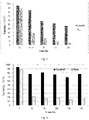
Fig. 1 is a dynamic comparison diagram of turbidity changes before and after treatment of suspended particulate matters in Embodiment 1 of the Invention; -
Fig. 2 is a dynamic comparison diagram of turbidity changes before and after treatment of suspended particulate matters in Embodiment 1 of the Invention; different letters in plots are significantly different as determined by the least significant difference comparison of turbidity means during the monitoring period of 60 days (P<0.05); -
Fig. 3 is a dynamic comparison diagram of removal rate of colloidal suspended matters in water body before and after treatment of suspended particulate matters in Embodiment 1 of the Invention; -
Fig. 4 is a dynamic comparison diagram of removal rate of colloidal suspended matters in water body before and after treatment of suspended particulate matters in Embodiment 1 of the Invention; different letters in plots are significantly different as determined by the least significant difference comparison of turbidity means during the monitoring period of 60 days (P<0.05); -
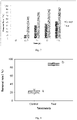
Fig. 5 is a dynamic comparison diagram of turbidity changes before and after treatment of suspended particulate matters inEmbodiment 2 of the Invention; -
Fig. 6 is a dynamic comparison diagram of turbidity changes before and after treatment of suspended particulate matters inEmbodiment 2 of the Invention; different letters in plots are significantly different as determined by the least significant difference comparison of turbidity means during the monitoring period of 60 days (P<0.05); -
Fig. 7 is a dynamic comparison diagram of removal rate of colloidal suspended matters in water body before and after treatment of suspended particulate matters inEmbodiment 2 of the Invention. -
Fig. 8 is a dynamic comparison diagram of removal rate of colloidal suspended matters in water body before and after treatment of suspended particulate matters inEmbodiment 2 of the Invention; different letters in plots are significantly different as determined by the least significant difference comparison of turbidity means during the monitoring period of 60 days (P<0.05); -
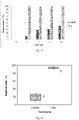
Fig. 9 is a dynamic comparison diagram of turbidity changes before and after treatment of suspended particulate matters inEmbodiment 3 of the Invention; -
Fig. 10 is a dynamic comparison diagram of turbidity changes before and after treatment of suspended particulate matters inEmbodiment 3 of the Invention; different letters in plots are significantly different as determined by the least significant difference comparison of turbidity means during the monitoring period of 60 days (P<0.05); -
Fig. 11 is a dynamic comparison diagram of removal rate of colloidal suspended matters in water body before and after treatment of suspended particulate matters inEmbodiment 3 of the Invention, -
Fig. 12 is a dynamic comparison diagram of removal rate of colloidal suspended matters in water body before and after treatment of suspended particulate matters inEmbodiment 3 of the Invention; different letters in plots are significantly different as determined by the least significant difference comparison of turbidity means during the monitoring period of 60 days (P<0.05); -
Fig. 13 is a dynamic comparison diagram of turbidity changes before and after treatment of suspended particulate matters in Embodiment 4 of the Invention; -
Fig. 14 is a dynamic comparison diagram of turbidity changes before and after treatment of suspended particulate matters in Embodiment 4 of the Invention; different letters in plots are significantly different as determined by the least significant difference comparison of turbidity means during the monitoring period of 60 days (P<0.05). -
Fig. 15 is a dynamic comparison diagram of removal rate of colloidal suspended matters in water body before and after treatment of suspended particulate matters in Embodiment 4 of the Invention. -
Fig. 16 is a dynamic comparison diagram of removal rate of colloidal suspended matters in water body before and after treatment of suspended particulate matters in Embodiment 4 of the Invention; different letters in plots are significantly different as determined by the least significant difference comparison of turbidity means during the monitoring period of 60 days (P<0.05). - The technical scheme of the Invention is further described in combination with Embodiments and Drawings as follows. The protection scope of the Invention is not limited by the Embodiments, but by the Claims.
- Aiming at improving the high-turbidity water due to the fine particle colloids in water bodies, the technical scheme provided by the Invention adopts field spraying to reduce the concentration of colloidal particles in water bodies, significantly improve water transparency in a short term, and keep a long-term clarification for water bodies by combining with the remediation of submerged plant turf in the later stage.
- The embodiment is as follows:
- 1) The water of a park in Huzhou City, Zhejiang Province of China, is turbid with gray and dark yellow color. The fluidity of water body is low, the transparency is 20-30 cm and the turbidity is 80-120 NTU.
- Firstly, prepare the compound flocculant for the water body. Perform ultrasonic treatment on the mixed solution of starch, dimethyl diallyl ammonium chloride solution and NaOH (in which the mass ratio of starch is 50%, and the mole percentage of NaOH and dimethyl diallyl ammonium chloride is 1.2:1) with 20 kHZ ultrasonic wave for 3-10 min, then mix and stir it evenly with acidified chitosan for complete reaction, and wash with 80% ethanol solution and dry it after keeping it 50-60°C for 30-50 min to obtain the cationic starch flocculant, where the mass ratio of chitosan and starch is 0.035:1; then blend the cationic starch flocculant and the diatomite with a mass ratio of 0.9:1 to get the compound flocculant, then spray it with a dosage of 0.1%. After that, stir the water with a stretched stirring rod at the underwater depth of 30-50 cm at a stirring speed of 800 RPM. The water body will be clarified quickly in 2h. When the water transparency is greater than or equal to 60 cm, the local soil, specifically, the soil of 40 meshes, should be used to overlay the water with a thin layer. After washing, the impurities are removed, and then high-pressure spraying is carried out for underwater overlaying with muddy/water at a volume ratio of 1:8 and with a spraying speed of 20 L/min. The spraying is carried out to install the nozzles underwater for carpet spraying at a forward speed of 8-14 m/min. The underwater nozzles should be 80 cm away from the bottom.
- 2) Engraft the submerged plant turf the next day after spraying. Firstly, culture the seedlings of submerged plant such as Hydrilla verticillata (L.f.) Royle and Myriophyllum verticillatum L. and so on in clean water, with water depth of 30-50 cm, transparency of more than 30 cm and temperature of greater than or equal to 15°C, directly sow the submerged plant propagules (i.e. rhizomes, seeds or seedlings with spore) on the 3D plant fiber network (the pore size of that is 0.5-1 mm), and fill it with shale particles based on 30% of the filling volume (the particle size is 0.5-2 cm, the true density is 1.5-1.7 g/cm3, the bulk density is 550-600 g/cm3, and the filling thickness is greater than or equal to 2 cm). The three-dimensional network should be installed underwater in a modular manner. After 30 days of culture, transplant the whole plant when the average height is 20 cm, and fix the planted submerged plant turf to the bottom with timber piles, the height of which should be 30 cm higher than the muddy-water interface. The submerged plant turf should be located at the water area with a transparency of over 50 cm and a depth of 80 cm below the water surface. When the submerged plant turf is laid, its module should be put together based on a unit of 1.5m×10m to initially form an underwater forest. After 60 days, the submerged plant community in the water can be initially restored.
- Once the system is stable after running for a period of time, a 2-month continuous monitoring should be carried out towards the water body; it is showed that the water turbidity decreases significantly, and the transparency of the water body is significantly higher than that of the control group; in particular, for the relatively static water area, the removal rate of suspended colloid in the water is 90% on average after stabilization for 24 hours, as shown in
Fig. 1-4 . After continuous testing for two months, it is discovered that the submerged plant turf underwater is initially restored, for the overlaying of aquatic grass is more than 60%, the transparency of the water body is stable at 55 cm on average, and the concentration of suspended matters in the water is less than 20 NTU, meaning that the water quality around the aquatic plant is significantly improved. - Aiming at improving the high-turbidity water due to the fine particle colloids in water bodies, the technical scheme provided by the Invention adopts field spraying to reduce the concentration of colloidal particles in water bodies, significantly improve water transparency in a short term, and keep a long-term clarification for water bodies by combining with the remediation of submerged plant turf in the later stage.
- The embodiment is as follows:
- 1) A river in Huzhou City, Zhejiang Province of China, is turbid with dark yellow color and a few algae after a rainstorm. The fluidity of water body is low, the transparency is 30-40 cm and the turbidity is 65-75 NTU.
- Firstly, prepare the compound flocculant for the water body. Perform ultrasonic treatment on the mixed solution of starch, dimethyl diallyl ammonium chloride solution and NaOH (in which the mass ratio of starch is 30%, and the mole percentage of NaOH and dimethyl diallyl ammonium chloride is 1.6:1) with 20 kHZ ultrasonic wave for 3-10 min, then mix and stir it evenly with acidified chitosan for complete reaction, and wash with 80% ethanol solution and dry it after keeping it 50-60°C for 30-50 min to obtain the cationic starch flocculant, where the mass ratio of chitosan and starch is 0.005:1; then blend the cationic starch flocculant and the diatomite with a mass ratio of 1.5:1 to get the compound flocculant, then spray it with a dosage of 0.3%. After that, stir the water with a stretched stirring rod at the underwater depth of 30-50 cm at a stirring speed of 1000 RPM. The water body will be clarified quickly in 2h. When the water transparency is greater than or equal to 60 cm, the local soil, specifically, the soil of 60 meshes, should be used to overlay the water with a thin layer. After washing, the impurities are removed, and then high-pressure spraying is carried out for underwater overlaying with muddy/water at a volume ratio of 1:25 and with a spraying speed of 550 L/min. The spraying is carried out to install the nozzles underwater for carpet spraying at a forward speed of 14 m/min. The underwater nozzles should be 50 cm away from the bottom.
- 2) Engraft the submerged plant turf the next day after spraying. Firstly, culture the seedlings of submerged plant such as Hydrilla verticillata (L.f.) Royle, Myriophyllum verticillatum L. or Potamogeton malainus Miq. in clean water, with water depth of 30-50 cm, transparency of more than 30 cm and temperature of more than or equal to 15°C, directly sow the submerged plant propagules (i.e. rhizomes, seeds or seedlings with spore) on the 3D plant fiber network (the pore size of that is 0.5-1 mm), and fill it with shale particles based on 30% of the filling volume (the particle size is 0.5-2 cm, the true density is 1.5-1.7 g/cm3, the bulk density is 550-600 g/cm3, and the filling thickness is greater than or equal to 2 cm). The three-dimensional network should be installed underwater in a modular manner. After 30 days of culture, transplant the whole plant when the average height is about 22 cm, and fix the planted submerged plant turf to the bottom with timber piles, the height of which should be 30 cm higher than the muddy-water interface. The submerged plant turf should be located at the water area with a transparency of over 50 cm and a depth of 80 cm below the water surface. When the submerged plant turf is laid, its module should be put together based on a unit of 2m×5m to initially form an underwater forest. After 50 days, the submerged plant community in the water can be initially remedied.
- Once the system is stable after running for a period of time, a 60-day continuous monitoring should be carried out towards the water body, as shown in
Fig. 3-4 . It is shown that the water turbidity decreases significantly and the water transparency is significantly higher than that of the control group; in particular, for the relatively static water area, the removal rate of suspended colloid in the water is 95% on average after stabilization for 24h, as shown inFig. 5-8 . After continuous testing for two months, it is discovered that the submerged plant turf underwater is initially remedied, for the overlaying of aquatic grass is more than 50%, the transparency of the water body is stable at 55 cm on average, and the concentration of suspended matters in the water is less than 18 NTU, meaning that the water quality of the river is significantly improved. - Aiming at improving the high-turbidity water due to the fine particle colloids in water bodies, the technical scheme provided by the Invention adopts field spraying to reduce the concentration of colloidal particles in water bodies, significantly improve water transparency in a short term, and keep a long-term clarification for water bodies by combining with the remediation of submerged plant turf in the later stage.
- The embodiment is as follows:
- 1) A pond in Huzhou City, Zhejiang Province of China, is turbid with light gray color and a few algae. The fluidity of water body is low, the transparency is 20 cm and the turbidity is 55-90 NTU.
- Firstly, prepare the compound flocculant for the water body. Perform ultrasonic treatment on the mixed solution of starch, dimethyl diallyl ammonium chloride solution and NaOH (in which the mass ratio of starch is 60%, and the mole percentage of NaOH and dimethyl diallyl ammonium chloride is 1.4:1) with 20 kHZ ultrasonic wave for 3-10 min, then mix and stir it evenly with acidified chitosan for complete reaction, and wash with 80% ethanol solution and dry it after keeping it 50-60°C for 30-50 min to obtain the cationic starch flocculant, where the mass ratio of chitosan and starch is 0.045:1; then blend the cationic starch flocculant and the diatomite with a mass ratio of 1.2 to get the compound flocculant, then spray it with a dosage of 0.5%. After that, stir the water with a stretched stirring rod at the underwater depth of 30-50 cm at a stirring speed of 500 RPM. The water body will be clarified quickly in 2h. When the water transparency is greater than or equal to 60 cm, the local soil, specifically, the soil of 60 meshes, should be used to overlay the water with a thin layer. After washing, the impurities are removed, and then high-pressure spraying is carried out for underwater overlaying with muddy/water at a volume ratio of 1:25 and with a spraying speed of 250 L/min. The spraying is carried out to install the nozzles underwater for carpet spraying at a forward speed of 14 m/min. The underwater nozzles should be 80 cm away from the bottom.
- 2) Engraft the submerged plant turf the next day after spraying. Firstly, culture the seedlings of submerged plant such as Potamogeton malainus Miq. and Vallisneria Mich. ex L. and so on in clean water, with water depth of 30-50 cm, transparency of more than 30 cm and temperature of greater than or equal to 15°C, directly sow the submerged plant propagules (i.e. rhizomes, seeds or seedlings with spore) on the 3D plant fiber network (the pore size of that is 0.5-1 mm), and fill it with shale particles at a filling volume radio of 30% (the particle size is 0.5-2 cm, the true density is 1.5-1.7 g/cm3, the bulk density is 550-600 g/cm3, and the filling thickness is greater than or equal to 2 cm). The three-dimensional network should be installed underwater in a modular manner. After 30 days of culture, transplant the whole plant when the average height is about 25 cm, and fix the planted submerged plant turf to the bottom with timber piles, which should be 30 cm above the sediment-water interface. The submerged plant turf should be located at the water area with a transparency of over 50 cm and a depth of 50 cm below the water surface. When the submerged plant turf is installed, the turf modules should be put together based on a unit of 3m×8m to initially form an underwater forest. After 60 days, the submerged plant community in the water can be initially restored.
- Once the system is stable after running for some time, a 60-day continuous monitoring should be carried out towards the water body, as shown in
Fig. 9-12 . It is shown that the water turbidity decreases significantly and the water transparency is significantly higher than that of the control group; in particular, for the relatively static water area, the removal rate of suspended colloid in the water is 98% on average after stabilization for 24h, as shown inFig. 9-12 . After continuous monitoring for two months, it is discovered that the submerged plant turf underwater is initially restored, the coverage of aquatic grass is more than 65%, the transparency of the water body is stable at 63 cm on average, and the concentration of suspended matters in the water is less than 22 NTU, meaning that the water quality of the river is significantly improved. - Aiming at improving the high-turbidity water due to the fine particle colloids in water bodies, the technical scheme provided by the Invention adopts field spraying to reduce the concentration of colloidal particles in water bodies, significantly improve water transparency in a short term, and keep a long-term clarification for water bodies by combining with the remediation of submerged plant turf in the later stage.
- The embodiment is as follows:
- 1) A river in Huzhou City, Zhejiang Province of China, is turbid with earth yellow color and a few algae after a rainstorm. The fluidity of water body is low, the transparency is 30 cm and the turbidity is 88-120 NTU.
- Firstly, prepare the compound flocculant for the water body. Perform ultrasonic treatment on the mixed solution of starch, dimethyl diallyl ammonium chloride solution and NaOH (in which the mass ratio of starch is 50%, and the mole percentage of NaOH and dimethyl diallyl ammonium chloride is 1.4:1) with 20 kHZ ultrasonic wave for 3-10 min, then mix and stir it evenly with acidified chitosan for complete reaction, and wash with 80% ethanol solution and dry it after keeping it 50-60°C for 30-50 min to obtain the cationic starch flocculant, where the mass ratio of chitosan and starch is 0.015:1; then blend the cationic starch flocculant and the diatomite with a mass ratio of 0.5 to get the compound flocculant, then spray it with a dosage of 0.3%. After that, stir the water with a stretched stirring rod at the underwater depth of 30-50 cm at a stirring speed of 2000 RPM. The water body will be clarified quickly in 2h. When the water transparency is greater than or equal to 60 cm, the local soil, specifically, the soil of 60 meshes, should be used to overlay the water with a thin layer. After washing, the impurities are removed, and then high-pressure spraying is carried out for underwater overlaying with muddy/water at a volume ratio of 1:15 and with a spraying speed of 120 L/min. The spraying is carried out to install the nozzles underwater for carpet spraying at a forward speed of 12 m/min. The underwater nozzles should be 50 cm away from the bottom.
- 2) Engraft the submerged plant turf the next day after spraying. Firstly, culture the seedlings of submerged plant such as Hydrilla verticillata (L.f.) Royle and Myriophyllum verticillatum L. and so on in clean water, with water depth of 30-50 cm, transparency of more than 30 cm and temperature of greater than or equal to 15°C, directly sow the submerged plant propagules (i.e. rhizomes, seeds or seedlings with spore) on the 3D plant fiber network, and fill it with shale particles at a filling volume radio of 30%. The three-dimensional network should be installed underwater in a modular manner. After 30 days of culture, transplant the whole plant when the average height is 25 cm, and fix the planted submerged plant turf to the bottom with timber piles, which should be 30 cm higher than the muddy-water interface. The submerged plant turf should be located at the water area with a transparency of over 50 cm and a depth of 80 cm below the water surface. When the submerged plant turf is laid, its module should be put together based on a unit of 2mx5m to initially form an underwater forest. After 60 days, the submerged plant community in the water can be initially restored.
- Once the system is stable after running for a period of time, a 60-day continuous monitoring should be carried out towards the water body, as shown in
Fig. 13-16 . It is shown that the water turbidity decreases significantly and the water transparency is significantly higher than that of the control group; in particular, for the relatively static water area, the removal rate of suspended colloid in the water is 85% on average after stabilization for 24h, as shown inFig. 13-16 . After continuous testing for two months, it is discovered that the submerged plant turf underwater is initially restored, the coverage of aquatic grass is more than 65%, the transparency of the water body is stable at the average of 60 cm, and the concentration of suspended matters in the water is less than 22 NTU, meaning that the water quality of the river is significantly improved.
Claims (10)
- An ecological remediation method for water bodies rich in high-turbidity colloidal particles, characterized by comprising the following steps:(1) Preparing composite flocculant by the following method: Performing the ultrasonic treatment on the mixed solution of starch, Dimethyl Diallyl Ammonium Chloride and NaOH, then mixing and stirring it evenly with acidified chitosan to acquire the cationic starch flocculant, and blending the said cationic starch flocculant with diatomite to prepare the said composite flocculant; the mass ratio of cationic starch flocculant and diatomite thereof is 0.5-1.5:1, preferably 0.9-1.2:1;
spreading the composite flocculant on the water surface and stirring it;(2) When the water transparency is greater than or equal to 60 cm after flocculation and sedimentation, adding clay minerals to the water bodies for formation of a thin overlaying layer;(3) After formation of a thin overlaying layer, transplanting submerged plant turf as a whole underwater, so as to restore the submerged plant community; wherein the submerged plant turf is grown separately and then transplanted to the water body. - The method according to Claim 1, characterized in that, in Step (1), the said ultrasonic treatment is performed with 20 kHZ ultrasonic wave for 3-10 min.
- The method according to Claim 1, characterized in that, in Step (1), the mole percentage of NaOH and Dimethyl Diallyl Ammonium Chloride is 1.2-1.6:1.
- The method according to Claim 1, characterized in that, in Step (1), the mass ratio of starch in mixed solution is 30%-60%, preferably 50%.
- The method according to Claim 1, characterized in that, the mixing head of the stretched stirring rod is put underwater at a depth of 30-50 cm, with a stirring rate of 500-2000 RPM, preferably 800-1000 RPM.
- The method according to Claim 1, characterized in that, the clay mineral said in Step (2) is prepared as follows:
Removing the impurities from silty and clay soil in the local farmland and crush that soil, select crushed soil of 40-60 mesh, then removing the suspended impurities after washing, obtaining the soil deposited in the lower layer as the said clay mineral. - The method according to Claim 1, characterized in that, the method of adding clay minerals to the water bodies said in Step (2) is to take high-pressure spraying of the mixture of the said clay mineral and muddy/water at a volume ratio of 1:8-25, with nozzles installed underwater 50-80 cm away from the bottom for carpet spraying at a forward speed of 8-14 m/min and with the spraying speed of 20-550 L/min.
- The method according to Claim 1, characterized in that, the submerged plant turf said in Step (3) is prepared as follows: directly seeding the propagules of submerged plants on the three-dimensional plant fiber network in the clean water, filling the shale particle fillers on the three-dimensional plant fiber network at a filling volume radio of 30%, and cultivate them for 30 days , wherein depth of the said clean water is 30-50 cm transparency of the said clean water is greater than or equal to 30 cm, and temperature of the said clean water is greater than or equal to 15°C.
- The method according to Claim 1, characterized in that, the said submerged plant is Hydrilla verticillata (L.f.) Royle, Myriophyllum verticillatum L. or Potamogeton malainus Miq.
- The method according to Claim 1, characterized in that, the particle size of the shale particle fillers is 0.5-2 cm, the true density is 1.5-1.7 g/cm3, the bulk density is 550- 600 g/cm3, and the filling thickness is greater than or equal to 2 cm.
Applications Claiming Priority (1)
| Application Number | Priority Date | Filing Date | Title |
|---|---|---|---|
| CN201910865924.0A CN110451739B (en) | 2019-09-09 | 2019-09-09 | An ecological restoration method for water bodies rich in highly polluted colloidal particulate matter |
Publications (2)
| Publication Number | Publication Date |
|---|---|
| EP3789353A1 EP3789353A1 (en) | 2021-03-10 |
| EP3789353B1 true EP3789353B1 (en) | 2022-06-22 |
Family
ID=68491859
Family Applications (1)
| Application Number | Title | Priority Date | Filing Date |
|---|---|---|---|
| EP20192665.6A Active EP3789353B1 (en) | 2019-09-09 | 2020-08-25 | Ecological remediation method for water bodies rich in high-turbidity colloidal particles |
Country Status (3)
| Country | Link |
|---|---|
| EP (1) | EP3789353B1 (en) |
| CN (1) | CN110451739B (en) |
| AU (1) | AU2019257443B1 (en) |
Families Citing this family (12)
| Publication number | Priority date | Publication date | Assignee | Title |
|---|---|---|---|---|
| CN111470739A (en) * | 2020-05-28 | 2020-07-31 | 王志斌 | Method for inhibiting endogenous pollution release by coupling compound minerals with benthic algae |
| CN112939377B (en) * | 2021-04-16 | 2022-07-15 | 中国环境科学研究院 | Ecological restoration method of lake water in plain river network area |
| CN113248078A (en) * | 2021-04-18 | 2021-08-13 | 重庆大学 | Method for treating eutrophic water body by combining low-dose flocculating agent with daphnia magna |
| CN113860510B (en) * | 2021-11-15 | 2023-03-21 | 中国水利水电科学研究院 | Submerged plant modularized in-situ restoration bed and application thereof |
| CN115611444B (en) * | 2021-11-22 | 2024-08-06 | 南昌工程学院 | Ecological restoration method for eutrophic water body |
| CN114988539B (en) * | 2022-02-22 | 2023-09-26 | 李涵韵 | A plant-source extract compound flocculated allelopathic algae inhibitor, preparation method and application |
| CN115613542B (en) * | 2022-11-09 | 2024-11-26 | 成都理工大学 | A method for promoting travertine restoration using submerged plants |
| CN116409832B (en) * | 2023-03-13 | 2025-04-25 | 中国科学院生态环境研究中心 | A method for inhibiting the growth of target algae by adding suspended particles |
| CN116514244B (en) * | 2023-04-13 | 2025-08-01 | 重庆大学 | Biological composite organic flocculant and preparation method and application thereof |
| CN116621300A (en) * | 2023-06-06 | 2023-08-22 | 温州大学 | A natural soil-based flocculation-mulching coupling method for treating Microcystis aeruginosa |
| CN117105375B (en) * | 2023-10-23 | 2024-07-05 | 湖南中森环境科技有限公司 | A method for treating black and smelly water |
| CN118183973A (en) * | 2024-03-12 | 2024-06-14 | 中交上海航道勘察设计研究院有限公司 | A method for enhanced flocculation, phosphorus removal and turbidity removal based on microalgae |
Family Cites Families (7)
| Publication number | Priority date | Publication date | Assignee | Title |
|---|---|---|---|---|
| CN1191203C (en) * | 2002-12-12 | 2005-03-02 | 中国科学院生态环境研究中心 | High efficiency algae flooculation agent, method for treating red tide and plakton bloom using same |
| CN103109656A (en) * | 2012-12-11 | 2013-05-22 | 镇江山水湾生态农业开发有限公司 | Submerged plant underwater turf cultivation structure and submerged plant underwater turf planting method |
| CN105417713B (en) * | 2015-12-11 | 2018-10-09 | 杭州银江环保科技有限公司 | Submerged plant comprehensive maintenance method |
| CN106976995A (en) * | 2017-06-05 | 2017-07-25 | 合肥永泰新型建材有限公司 | A kind of river sewage inorganic agent and preparation method |
| CN108101303A (en) * | 2017-12-21 | 2018-06-01 | 中国科学院南京地理与湖泊研究所 | A kind of lakeshore wetland accumulation cyanobacteria and the method for suspended matter harmless treatment |
| CN108192638B (en) * | 2018-03-15 | 2021-01-05 | 湛江市凯林技术服务有限公司 | Soil remediation agent for heavy metal pollution and preparation method thereof |
| CN109179616A (en) * | 2018-11-07 | 2019-01-11 | 中冶京诚工程技术有限公司 | A kind of natural degradable high-efficiency flocculant and its preparation method and application |
-
2019
- 2019-09-09 CN CN201910865924.0A patent/CN110451739B/en active Active
- 2019-10-30 AU AU2019257443A patent/AU2019257443B1/en not_active Ceased
-
2020
- 2020-08-25 EP EP20192665.6A patent/EP3789353B1/en active Active
Also Published As
| Publication number | Publication date |
|---|---|
| AU2019257443B1 (en) | 2020-10-15 |
| EP3789353A1 (en) | 2021-03-10 |
| CN110451739A (en) | 2019-11-15 |
| CN110451739B (en) | 2021-08-13 |
Similar Documents
| Publication | Publication Date | Title |
|---|---|---|
| EP3789353A1 (en) | Ecological remediation method for water bodies rich in high-turbidity colloidal particles | |
| WO2017008473A1 (en) | Desalination method by using sludge to improve topsoil of saline and alkaline land | |
| AU2017100488A4 (en) | Desalination method for improving topsoil of saline-alkali land by using silt | |
| CN103359886A (en) | Comprehensive technology for ecological restoration of low-pollution river water | |
| CN111149457A (en) | A coastal saline-alkali soil engineering improvement system and method | |
| CN101254991A (en) | Methods of Eliminating River or Ditch Pollution and Controlling Eutrophication of Lakes | |
| CN107244739A (en) | A kind of Ecosystem restoration system of agricultural non-point source pollution farmland tail water | |
| CN102139958A (en) | Method for achieving conversion between algae and grass in shallow lake by utilizing cohesive soil | |
| CN107787635A (en) | A kind of powder sticks the modification method of loamy texture saline-alkali soil | |
| CN114531991A (en) | Coastal saline-alkali soil matrix improvement method | |
| CN105923783B (en) | A land treatment method and system for efficient nitrogen and phosphorus removal | |
| CN111727871A (en) | A kind of fast colonization method of hard substrate anchored aquatic plants | |
| CN212588783U (en) | A coastal saline-alkali soil engineering improvement system | |
| CN102405707B (en) | Method for improving degenerated littoral saline-alkali wetland | |
| CN102515363B (en) | Aquatic artificial wetland capable of purifying water, and manufacturing method thereof | |
| CN202144464U (en) | Constructed wetland suitable for treating rural domestic sewage | |
| CN104261627B (en) | A kind of groundwater pollution control of eutrophication water | |
| CN115417565A (en) | Method for treating rural black and odorous water body | |
| CN207469172U (en) | A kind of ecosystem for promoting the ability of the river self-purification | |
| CN101766072A (en) | Desalination method of hydraulic fill sea mud | |
| CN102487618B (en) | Method for improving soil structure of coastal dredge fill | |
| CN105800792A (en) | Water body restoration method | |
| CN1912256A (en) | Method of vegetation slope pavement of level fluctuation zone | |
| CN101337741A (en) | Deep ecological purification process of secondary treated water in sewage treatment plant | |
| CN110093826A (en) | A kind of tandem road rain water runoff ecological purification system and its construction method |
Legal Events
| Date | Code | Title | Description |
|---|---|---|---|
| PUAI | Public reference made under article 153(3) epc to a published international application that has entered the european phase |
Free format text: ORIGINAL CODE: 0009012 |
|
| STAA | Information on the status of an ep patent application or granted ep patent |
Free format text: STATUS: REQUEST FOR EXAMINATION WAS MADE |
|
| 17P | Request for examination filed |
Effective date: 20200827 |
|
| AK | Designated contracting states |
Kind code of ref document: A1 Designated state(s): AL AT BE BG CH CY CZ DE DK EE ES FI FR GB GR HR HU IE IS IT LI LT LU LV MC MK MT NL NO PL PT RO RS SE SI SK SM TR |
|
| AX | Request for extension of the european patent |
Extension state: BA ME |
|
| STAA | Information on the status of an ep patent application or granted ep patent |
Free format text: STATUS: EXAMINATION IS IN PROGRESS |
|
| 17Q | First examination report despatched |
Effective date: 20211208 |
|
| GRAP | Despatch of communication of intention to grant a patent |
Free format text: ORIGINAL CODE: EPIDOSNIGR1 |
|
| STAA | Information on the status of an ep patent application or granted ep patent |
Free format text: STATUS: GRANT OF PATENT IS INTENDED |
|
| RIC1 | Information provided on ipc code assigned before grant |
Ipc: C02F 103/00 20060101ALN20220222BHEP Ipc: C02F 3/32 20060101ALN20220222BHEP Ipc: C02F 1/66 20060101ALN20220222BHEP Ipc: C02F 1/56 20060101ALN20220222BHEP Ipc: C02F 1/52 20060101ALN20220222BHEP Ipc: C02F 1/36 20060101ALN20220222BHEP Ipc: C02F 9/00 20060101AFI20220222BHEP |
|
| INTG | Intention to grant announced |
Effective date: 20220322 |
|
| GRAS | Grant fee paid |
Free format text: ORIGINAL CODE: EPIDOSNIGR3 |
|
| GRAA | (expected) grant |
Free format text: ORIGINAL CODE: 0009210 |
|
| STAA | Information on the status of an ep patent application or granted ep patent |
Free format text: STATUS: THE PATENT HAS BEEN GRANTED |
|
| AK | Designated contracting states |
Kind code of ref document: B1 Designated state(s): AL AT BE BG CH CY CZ DE DK EE ES FI FR GB GR HR HU IE IS IT LI LT LU LV MC MK MT NL NO PL PT RO RS SE SI SK SM TR |
|
| REG | Reference to a national code |
Ref country code: GB Ref legal event code: FG4D |
|
| REG | Reference to a national code |
Ref country code: CH Ref legal event code: EP |
|
| REG | Reference to a national code |
Ref country code: DE Ref legal event code: R096 Ref document number: 602020003647 Country of ref document: DE |
|
| REG | Reference to a national code |
Ref country code: AT Ref legal event code: REF Ref document number: 1499681 Country of ref document: AT Kind code of ref document: T Effective date: 20220715 |
|
| REG | Reference to a national code |
Ref country code: IE Ref legal event code: FG4D |
|
| REG | Reference to a national code |
Ref country code: LT Ref legal event code: MG9D |
|
| REG | Reference to a national code |
Ref country code: NL Ref legal event code: MP Effective date: 20220622 |
|
| PG25 | Lapsed in a contracting state [announced via postgrant information from national office to epo] |
Ref country code: SE Free format text: LAPSE BECAUSE OF FAILURE TO SUBMIT A TRANSLATION OF THE DESCRIPTION OR TO PAY THE FEE WITHIN THE PRESCRIBED TIME-LIMIT Effective date: 20220622 Ref country code: NO Free format text: LAPSE BECAUSE OF FAILURE TO SUBMIT A TRANSLATION OF THE DESCRIPTION OR TO PAY THE FEE WITHIN THE PRESCRIBED TIME-LIMIT Effective date: 20220922 Ref country code: LT Free format text: LAPSE BECAUSE OF FAILURE TO SUBMIT A TRANSLATION OF THE DESCRIPTION OR TO PAY THE FEE WITHIN THE PRESCRIBED TIME-LIMIT Effective date: 20220622 Ref country code: HR Free format text: LAPSE BECAUSE OF FAILURE TO SUBMIT A TRANSLATION OF THE DESCRIPTION OR TO PAY THE FEE WITHIN THE PRESCRIBED TIME-LIMIT Effective date: 20220622 Ref country code: GR Free format text: LAPSE BECAUSE OF FAILURE TO SUBMIT A TRANSLATION OF THE DESCRIPTION OR TO PAY THE FEE WITHIN THE PRESCRIBED TIME-LIMIT Effective date: 20220923 Ref country code: FI Free format text: LAPSE BECAUSE OF FAILURE TO SUBMIT A TRANSLATION OF THE DESCRIPTION OR TO PAY THE FEE WITHIN THE PRESCRIBED TIME-LIMIT Effective date: 20220622 Ref country code: BG Free format text: LAPSE BECAUSE OF FAILURE TO SUBMIT A TRANSLATION OF THE DESCRIPTION OR TO PAY THE FEE WITHIN THE PRESCRIBED TIME-LIMIT Effective date: 20220922 |
|
| REG | Reference to a national code |
Ref country code: AT Ref legal event code: MK05 Ref document number: 1499681 Country of ref document: AT Kind code of ref document: T Effective date: 20220622 |
|
| PG25 | Lapsed in a contracting state [announced via postgrant information from national office to epo] |
Ref country code: RS Free format text: LAPSE BECAUSE OF FAILURE TO SUBMIT A TRANSLATION OF THE DESCRIPTION OR TO PAY THE FEE WITHIN THE PRESCRIBED TIME-LIMIT Effective date: 20220622 Ref country code: LV Free format text: LAPSE BECAUSE OF FAILURE TO SUBMIT A TRANSLATION OF THE DESCRIPTION OR TO PAY THE FEE WITHIN THE PRESCRIBED TIME-LIMIT Effective date: 20220622 |
|
| PG25 | Lapsed in a contracting state [announced via postgrant information from national office to epo] |
Ref country code: NL Free format text: LAPSE BECAUSE OF FAILURE TO SUBMIT A TRANSLATION OF THE DESCRIPTION OR TO PAY THE FEE WITHIN THE PRESCRIBED TIME-LIMIT Effective date: 20220622 |
|
| PG25 | Lapsed in a contracting state [announced via postgrant information from national office to epo] |
Ref country code: SM Free format text: LAPSE BECAUSE OF FAILURE TO SUBMIT A TRANSLATION OF THE DESCRIPTION OR TO PAY THE FEE WITHIN THE PRESCRIBED TIME-LIMIT Effective date: 20220622 Ref country code: SK Free format text: LAPSE BECAUSE OF FAILURE TO SUBMIT A TRANSLATION OF THE DESCRIPTION OR TO PAY THE FEE WITHIN THE PRESCRIBED TIME-LIMIT Effective date: 20220622 Ref country code: RO Free format text: LAPSE BECAUSE OF FAILURE TO SUBMIT A TRANSLATION OF THE DESCRIPTION OR TO PAY THE FEE WITHIN THE PRESCRIBED TIME-LIMIT Effective date: 20220622 Ref country code: PT Free format text: LAPSE BECAUSE OF FAILURE TO SUBMIT A TRANSLATION OF THE DESCRIPTION OR TO PAY THE FEE WITHIN THE PRESCRIBED TIME-LIMIT Effective date: 20221024 Ref country code: ES Free format text: LAPSE BECAUSE OF FAILURE TO SUBMIT A TRANSLATION OF THE DESCRIPTION OR TO PAY THE FEE WITHIN THE PRESCRIBED TIME-LIMIT Effective date: 20220622 Ref country code: EE Free format text: LAPSE BECAUSE OF FAILURE TO SUBMIT A TRANSLATION OF THE DESCRIPTION OR TO PAY THE FEE WITHIN THE PRESCRIBED TIME-LIMIT Effective date: 20220622 Ref country code: CZ Free format text: LAPSE BECAUSE OF FAILURE TO SUBMIT A TRANSLATION OF THE DESCRIPTION OR TO PAY THE FEE WITHIN THE PRESCRIBED TIME-LIMIT Effective date: 20220622 Ref country code: AT Free format text: LAPSE BECAUSE OF FAILURE TO SUBMIT A TRANSLATION OF THE DESCRIPTION OR TO PAY THE FEE WITHIN THE PRESCRIBED TIME-LIMIT Effective date: 20220622 |
|
| PG25 | Lapsed in a contracting state [announced via postgrant information from national office to epo] |
Ref country code: PL Free format text: LAPSE BECAUSE OF FAILURE TO SUBMIT A TRANSLATION OF THE DESCRIPTION OR TO PAY THE FEE WITHIN THE PRESCRIBED TIME-LIMIT Effective date: 20220622 Ref country code: IS Free format text: LAPSE BECAUSE OF FAILURE TO SUBMIT A TRANSLATION OF THE DESCRIPTION OR TO PAY THE FEE WITHIN THE PRESCRIBED TIME-LIMIT Effective date: 20221022 |
|
| REG | Reference to a national code |
Ref country code: DE Ref legal event code: R097 Ref document number: 602020003647 Country of ref document: DE |
|
| PG25 | Lapsed in a contracting state [announced via postgrant information from national office to epo] |
Ref country code: MC Free format text: LAPSE BECAUSE OF FAILURE TO SUBMIT A TRANSLATION OF THE DESCRIPTION OR TO PAY THE FEE WITHIN THE PRESCRIBED TIME-LIMIT Effective date: 20220622 Ref country code: AL Free format text: LAPSE BECAUSE OF FAILURE TO SUBMIT A TRANSLATION OF THE DESCRIPTION OR TO PAY THE FEE WITHIN THE PRESCRIBED TIME-LIMIT Effective date: 20220622 |
|
| PG25 | Lapsed in a contracting state [announced via postgrant information from national office to epo] |
Ref country code: LU Free format text: LAPSE BECAUSE OF NON-PAYMENT OF DUE FEES Effective date: 20220825 Ref country code: DK Free format text: LAPSE BECAUSE OF FAILURE TO SUBMIT A TRANSLATION OF THE DESCRIPTION OR TO PAY THE FEE WITHIN THE PRESCRIBED TIME-LIMIT Effective date: 20220622 |
|
| PLBE | No opposition filed within time limit |
Free format text: ORIGINAL CODE: 0009261 |
|
| STAA | Information on the status of an ep patent application or granted ep patent |
Free format text: STATUS: NO OPPOSITION FILED WITHIN TIME LIMIT |
|
| REG | Reference to a national code |
Ref country code: BE Ref legal event code: MM Effective date: 20220831 |
|
| 26N | No opposition filed |
Effective date: 20230323 |
|
| PG25 | Lapsed in a contracting state [announced via postgrant information from national office to epo] |
Ref country code: IE Free format text: LAPSE BECAUSE OF NON-PAYMENT OF DUE FEES Effective date: 20220825 Ref country code: FR Free format text: LAPSE BECAUSE OF NON-PAYMENT OF DUE FEES Effective date: 20220831 |
|
| PG25 | Lapsed in a contracting state [announced via postgrant information from national office to epo] |
Ref country code: SI Free format text: LAPSE BECAUSE OF FAILURE TO SUBMIT A TRANSLATION OF THE DESCRIPTION OR TO PAY THE FEE WITHIN THE PRESCRIBED TIME-LIMIT Effective date: 20220622 |
|
| PG25 | Lapsed in a contracting state [announced via postgrant information from national office to epo] |
Ref country code: BE Free format text: LAPSE BECAUSE OF NON-PAYMENT OF DUE FEES Effective date: 20220831 |
|
| PG25 | Lapsed in a contracting state [announced via postgrant information from national office to epo] |
Ref country code: IT Free format text: LAPSE BECAUSE OF FAILURE TO SUBMIT A TRANSLATION OF THE DESCRIPTION OR TO PAY THE FEE WITHIN THE PRESCRIBED TIME-LIMIT Effective date: 20220622 |
|
| REG | Reference to a national code |
Ref country code: CH Ref legal event code: PL |
|
| PG25 | Lapsed in a contracting state [announced via postgrant information from national office to epo] |
Ref country code: CY Free format text: LAPSE BECAUSE OF FAILURE TO SUBMIT A TRANSLATION OF THE DESCRIPTION OR TO PAY THE FEE WITHIN THE PRESCRIBED TIME-LIMIT Effective date: 20220622 Ref country code: CH Free format text: LAPSE BECAUSE OF NON-PAYMENT OF DUE FEES Effective date: 20230831 |
|
| PG25 | Lapsed in a contracting state [announced via postgrant information from national office to epo] |
Ref country code: MK Free format text: LAPSE BECAUSE OF FAILURE TO SUBMIT A TRANSLATION OF THE DESCRIPTION OR TO PAY THE FEE WITHIN THE PRESCRIBED TIME-LIMIT Effective date: 20220622 Ref country code: HU Free format text: LAPSE BECAUSE OF FAILURE TO SUBMIT A TRANSLATION OF THE DESCRIPTION OR TO PAY THE FEE WITHIN THE PRESCRIBED TIME-LIMIT; INVALID AB INITIO Effective date: 20200825 |
|
| PG25 | Lapsed in a contracting state [announced via postgrant information from national office to epo] |
Ref country code: TR Free format text: LAPSE BECAUSE OF FAILURE TO SUBMIT A TRANSLATION OF THE DESCRIPTION OR TO PAY THE FEE WITHIN THE PRESCRIBED TIME-LIMIT Effective date: 20220622 |
|
| PG25 | Lapsed in a contracting state [announced via postgrant information from national office to epo] |
Ref country code: MT Free format text: LAPSE BECAUSE OF FAILURE TO SUBMIT A TRANSLATION OF THE DESCRIPTION OR TO PAY THE FEE WITHIN THE PRESCRIBED TIME-LIMIT Effective date: 20220622 |
|
| PGFP | Annual fee paid to national office [announced via postgrant information from national office to epo] |
Ref country code: DE Payment date: 20240828 Year of fee payment: 5 |
|
| PG25 | Lapsed in a contracting state [announced via postgrant information from national office to epo] |
Ref country code: BG Free format text: LAPSE BECAUSE OF FAILURE TO SUBMIT A TRANSLATION OF THE DESCRIPTION OR TO PAY THE FEE WITHIN THE PRESCRIBED TIME-LIMIT Effective date: 20220622 |
|
| PG25 | Lapsed in a contracting state [announced via postgrant information from national office to epo] |
Ref country code: BG Free format text: LAPSE BECAUSE OF FAILURE TO SUBMIT A TRANSLATION OF THE DESCRIPTION OR TO PAY THE FEE WITHIN THE PRESCRIBED TIME-LIMIT Effective date: 20220622 |
|
| GBPC | Gb: european patent ceased through non-payment of renewal fee |
Effective date: 20240825 |
|
| PG25 | Lapsed in a contracting state [announced via postgrant information from national office to epo] |
Ref country code: GB Free format text: LAPSE BECAUSE OF NON-PAYMENT OF DUE FEES Effective date: 20240825 |
|
| REG | Reference to a national code |
Ref country code: DE Ref legal event code: R119 Ref document number: 602020003647 Country of ref document: DE |
|
| PG25 | Lapsed in a contracting state [announced via postgrant information from national office to epo] |
Ref country code: CH Free format text: THE PATENT HAS BEEN ANNULLED BY A DECISION OF A NATIONAL AUTHORITY Effective date: 20230831 |
|
| PG25 | Lapsed in a contracting state [announced via postgrant information from national office to epo] |
Ref country code: DE Free format text: LAPSE BECAUSE OF NON-PAYMENT OF DUE FEES Effective date: 20260303 |