EP3789232B1 - Systeme und verfahren zur überwachung der spannung von batterieladegeräten an bord eines fahrzeugs - Google Patents
Systeme und verfahren zur überwachung der spannung von batterieladegeräten an bord eines fahrzeugs Download PDFInfo
- Publication number
- EP3789232B1 EP3789232B1 EP20192130.1A EP20192130A EP3789232B1 EP 3789232 B1 EP3789232 B1 EP 3789232B1 EP 20192130 A EP20192130 A EP 20192130A EP 3789232 B1 EP3789232 B1 EP 3789232B1
- Authority
- EP
- European Patent Office
- Prior art keywords
- alternating current
- current source
- threshold
- battery charger
- voltage value
- Prior art date
- Legal status (The legal status is an assumption and is not a legal conclusion. Google has not performed a legal analysis and makes no representation as to the accuracy of the status listed.)
- Active
Links
Images


Classifications
-
- B—PERFORMING OPERATIONS; TRANSPORTING
- B60—VEHICLES IN GENERAL
- B60L—PROPULSION OF ELECTRICALLY-PROPELLED VEHICLES; SUPPLYING ELECTRIC POWER FOR AUXILIARY EQUIPMENT OF ELECTRICALLY-PROPELLED VEHICLES; ELECTRODYNAMIC BRAKE SYSTEMS FOR VEHICLES IN GENERAL; MAGNETIC SUSPENSION OR LEVITATION FOR VEHICLES; MONITORING OPERATING VARIABLES OF ELECTRICALLY-PROPELLED VEHICLES; ELECTRIC SAFETY DEVICES FOR ELECTRICALLY-PROPELLED VEHICLES
- B60L3/00—Electric devices on electrically-propelled vehicles for safety purposes; Monitoring operating variables, e.g. speed, deceleration or energy consumption
- B60L3/04—Cutting off the power supply under fault conditions
-
- G—PHYSICS
- G01—MEASURING; TESTING
- G01R—MEASURING ELECTRIC VARIABLES; MEASURING MAGNETIC VARIABLES
- G01R31/00—Arrangements for testing electric properties; Arrangements for locating electric faults; Arrangements for electrical testing characterised by what is being tested not provided for elsewhere
- G01R31/36—Arrangements for testing, measuring or monitoring the electrical condition of accumulators or electric batteries, e.g. capacity or state of charge [SoC]
- G01R31/392—Determining battery ageing or deterioration, e.g. state of health
-
- B—PERFORMING OPERATIONS; TRANSPORTING
- B60—VEHICLES IN GENERAL
- B60L—PROPULSION OF ELECTRICALLY-PROPELLED VEHICLES; SUPPLYING ELECTRIC POWER FOR AUXILIARY EQUIPMENT OF ELECTRICALLY-PROPELLED VEHICLES; ELECTRODYNAMIC BRAKE SYSTEMS FOR VEHICLES IN GENERAL; MAGNETIC SUSPENSION OR LEVITATION FOR VEHICLES; MONITORING OPERATING VARIABLES OF ELECTRICALLY-PROPELLED VEHICLES; ELECTRIC SAFETY DEVICES FOR ELECTRICALLY-PROPELLED VEHICLES
- B60L3/00—Electric devices on electrically-propelled vehicles for safety purposes; Monitoring operating variables, e.g. speed, deceleration or energy consumption
- B60L3/0023—Detecting, eliminating, remedying or compensating for drive train abnormalities, e.g. failures within the drive train
-
- B—PERFORMING OPERATIONS; TRANSPORTING
- B60—VEHICLES IN GENERAL
- B60L—PROPULSION OF ELECTRICALLY-PROPELLED VEHICLES; SUPPLYING ELECTRIC POWER FOR AUXILIARY EQUIPMENT OF ELECTRICALLY-PROPELLED VEHICLES; ELECTRODYNAMIC BRAKE SYSTEMS FOR VEHICLES IN GENERAL; MAGNETIC SUSPENSION OR LEVITATION FOR VEHICLES; MONITORING OPERATING VARIABLES OF ELECTRICALLY-PROPELLED VEHICLES; ELECTRIC SAFETY DEVICES FOR ELECTRICALLY-PROPELLED VEHICLES
- B60L3/00—Electric devices on electrically-propelled vehicles for safety purposes; Monitoring operating variables, e.g. speed, deceleration or energy consumption
- B60L3/0023—Detecting, eliminating, remedying or compensating for drive train abnormalities, e.g. failures within the drive train
- B60L3/0046—Detecting, eliminating, remedying or compensating for drive train abnormalities, e.g. failures within the drive train relating to electric energy storage systems, e.g. batteries or capacitors
-
- B—PERFORMING OPERATIONS; TRANSPORTING
- B60—VEHICLES IN GENERAL
- B60L—PROPULSION OF ELECTRICALLY-PROPELLED VEHICLES; SUPPLYING ELECTRIC POWER FOR AUXILIARY EQUIPMENT OF ELECTRICALLY-PROPELLED VEHICLES; ELECTRODYNAMIC BRAKE SYSTEMS FOR VEHICLES IN GENERAL; MAGNETIC SUSPENSION OR LEVITATION FOR VEHICLES; MONITORING OPERATING VARIABLES OF ELECTRICALLY-PROPELLED VEHICLES; ELECTRIC SAFETY DEVICES FOR ELECTRICALLY-PROPELLED VEHICLES
- B60L53/00—Methods of charging batteries, specially adapted for electric vehicles; Charging stations or on-board charging equipment therefor; Exchange of energy storage elements in electric vehicles
- B60L53/60—Monitoring or controlling charging stations
- B60L53/62—Monitoring or controlling charging stations in response to charging parameters, e.g. current, voltage or electrical charge
-
- G—PHYSICS
- G01—MEASURING; TESTING
- G01R—MEASURING ELECTRIC VARIABLES; MEASURING MAGNETIC VARIABLES
- G01R31/00—Arrangements for testing electric properties; Arrangements for locating electric faults; Arrangements for electrical testing characterised by what is being tested not provided for elsewhere
- G01R31/005—Testing of electric installations on transport means
- G01R31/006—Testing of electric installations on transport means on road vehicles, e.g. automobiles or trucks
- G01R31/007—Testing of electric installations on transport means on road vehicles, e.g. automobiles or trucks using microprocessors or computers
-
- G—PHYSICS
- G01—MEASURING; TESTING
- G01R—MEASURING ELECTRIC VARIABLES; MEASURING MAGNETIC VARIABLES
- G01R31/00—Arrangements for testing electric properties; Arrangements for locating electric faults; Arrangements for electrical testing characterised by what is being tested not provided for elsewhere
- G01R31/36—Arrangements for testing, measuring or monitoring the electrical condition of accumulators or electric batteries, e.g. capacity or state of charge [SoC]
- G01R31/385—Arrangements for measuring battery or accumulator variables
- G01R31/387—Determining ampere-hour charge capacity or SoC
- G01R31/388—Determining ampere-hour charge capacity or SoC involving voltage measurements
-
- G—PHYSICS
- G01—MEASURING; TESTING
- G01R—MEASURING ELECTRIC VARIABLES; MEASURING MAGNETIC VARIABLES
- G01R31/00—Arrangements for testing electric properties; Arrangements for locating electric faults; Arrangements for electrical testing characterised by what is being tested not provided for elsewhere
- G01R31/36—Arrangements for testing, measuring or monitoring the electrical condition of accumulators or electric batteries, e.g. capacity or state of charge [SoC]
- G01R31/389—Measuring internal impedance, internal conductance or related variables
-
- H—ELECTRICITY
- H02—GENERATION; CONVERSION OR DISTRIBUTION OF ELECTRIC POWER
- H02H—EMERGENCY PROTECTIVE CIRCUIT ARRANGEMENTS
- H02H3/00—Emergency protective circuit arrangements for automatic disconnection directly responsive to an undesired change from normal electric working condition with or without subsequent reconnection ; integrated protection
- H02H3/006—Calibration or setting of parameters
-
- H—ELECTRICITY
- H02—GENERATION; CONVERSION OR DISTRIBUTION OF ELECTRIC POWER
- H02H—EMERGENCY PROTECTIVE CIRCUIT ARRANGEMENTS
- H02H3/00—Emergency protective circuit arrangements for automatic disconnection directly responsive to an undesired change from normal electric working condition with or without subsequent reconnection ; integrated protection
- H02H3/20—Emergency protective circuit arrangements for automatic disconnection directly responsive to an undesired change from normal electric working condition with or without subsequent reconnection ; integrated protection responsive to excess voltage
-
- H—ELECTRICITY
- H02—GENERATION; CONVERSION OR DISTRIBUTION OF ELECTRIC POWER
- H02H—EMERGENCY PROTECTIVE CIRCUIT ARRANGEMENTS
- H02H5/00—Emergency protective circuit arrangements for automatic disconnection directly responsive to an undesired change from normal non-electric working conditions with or without subsequent reconnection
- H02H5/10—Emergency protective circuit arrangements for automatic disconnection directly responsive to an undesired change from normal non-electric working conditions with or without subsequent reconnection responsive to mechanical injury, e.g. rupture of line, breakage of earth connection
- H02H5/105—Emergency protective circuit arrangements for automatic disconnection directly responsive to an undesired change from normal non-electric working conditions with or without subsequent reconnection responsive to mechanical injury, e.g. rupture of line, breakage of earth connection responsive to deterioration or interruption of earth connection
-
- H—ELECTRICITY
- H02—GENERATION; CONVERSION OR DISTRIBUTION OF ELECTRIC POWER
- H02J—ELECTRIC POWER NETWORKS; CIRCUIT ARRANGEMENTS OR SYSTEMS FOR SUPPLYING OR DISTRIBUTING ELECTRIC POWER; SYSTEMS FOR STORING ELECTRIC ENERGY
- H02J3/00—Circuit arrangements for AC mains or AC distribution networks
- H02J3/001—Arrangements for handling faults or abnormalities, e.g. emergencies or contingencies
- H02J3/0012—Arrangements for handling faults or abnormalities, e.g. emergencies or contingencies characterised by the contingency detection means in AC networks, e.g. using phasor measurement units [PMU], synchrophasors or contingency analysis
-
- H—ELECTRICITY
- H02—GENERATION; CONVERSION OR DISTRIBUTION OF ELECTRIC POWER
- H02J—ELECTRIC POWER NETWORKS; CIRCUIT ARRANGEMENTS OR SYSTEMS FOR SUPPLYING OR DISTRIBUTING ELECTRIC POWER; SYSTEMS FOR STORING ELECTRIC ENERGY
- H02J7/00—Circuit arrangements for charging or discharging batteries or for supplying loads from batteries
- H02J7/60—Circuit arrangements for charging or discharging batteries or for supplying loads from batteries including safety or protection arrangements
-
- B—PERFORMING OPERATIONS; TRANSPORTING
- B60—VEHICLES IN GENERAL
- B60K—ARRANGEMENT OR MOUNTING OF PROPULSION UNITS OR OF TRANSMISSIONS IN VEHICLES; ARRANGEMENT OR MOUNTING OF PLURAL DIVERSE PRIME-MOVERS IN VEHICLES; AUXILIARY DRIVES FOR VEHICLES; INSTRUMENTATION OR DASHBOARDS FOR VEHICLES; ARRANGEMENTS IN CONNECTION WITH COOLING, AIR INTAKE, GAS EXHAUST OR FUEL SUPPLY OF PROPULSION UNITS IN VEHICLES
- B60K6/00—Arrangement or mounting of plural diverse prime-movers for mutual or common propulsion, e.g. hybrid propulsion systems comprising electric motors and internal combustion engines
- B60K6/20—Arrangement or mounting of plural diverse prime-movers for mutual or common propulsion, e.g. hybrid propulsion systems comprising electric motors and internal combustion engines the prime-movers consisting of electric motors and internal combustion engines, e.g. HEVs
- B60K6/22—Arrangement or mounting of plural diverse prime-movers for mutual or common propulsion, e.g. hybrid propulsion systems comprising electric motors and internal combustion engines the prime-movers consisting of electric motors and internal combustion engines, e.g. HEVs characterised by apparatus, components or means specially adapted for HEVs
-
- B—PERFORMING OPERATIONS; TRANSPORTING
- B60—VEHICLES IN GENERAL
- B60Y—INDEXING SCHEME RELATING TO ASPECTS CROSS-CUTTING VEHICLE TECHNOLOGY
- B60Y2200/00—Type of vehicle
- B60Y2200/90—Vehicles comprising electric prime movers
- B60Y2200/91—Electric vehicles
-
- B—PERFORMING OPERATIONS; TRANSPORTING
- B60—VEHICLES IN GENERAL
- B60Y—INDEXING SCHEME RELATING TO ASPECTS CROSS-CUTTING VEHICLE TECHNOLOGY
- B60Y2200/00—Type of vehicle
- B60Y2200/90—Vehicles comprising electric prime movers
- B60Y2200/92—Hybrid vehicles
-
- B—PERFORMING OPERATIONS; TRANSPORTING
- B60—VEHICLES IN GENERAL
- B60Y—INDEXING SCHEME RELATING TO ASPECTS CROSS-CUTTING VEHICLE TECHNOLOGY
- B60Y2300/00—Purposes or special features of road vehicle drive control systems
- B60Y2300/91—Battery charging
-
- H—ELECTRICITY
- H02—GENERATION; CONVERSION OR DISTRIBUTION OF ELECTRIC POWER
- H02H—EMERGENCY PROTECTIVE CIRCUIT ARRANGEMENTS
- H02H11/00—Emergency protective circuit arrangements for preventing the switching-on in case an undesired electric working condition might result
- H02H11/001—Emergency protective circuit arrangements for preventing the switching-on in case an undesired electric working condition might result in case of incorrect or interrupted earth connection
-
- H—ELECTRICITY
- H02—GENERATION; CONVERSION OR DISTRIBUTION OF ELECTRIC POWER
- H02J—ELECTRIC POWER NETWORKS; CIRCUIT ARRANGEMENTS OR SYSTEMS FOR SUPPLYING OR DISTRIBUTING ELECTRIC POWER; SYSTEMS FOR STORING ELECTRIC ENERGY
- H02J2105/00—Networks for supplying or distributing electric power characterised by their spatial reach or by the load
- H02J2105/30—Networks for supplying or distributing electric power characterised by their spatial reach or by the load the load networks being external to vehicles, i.e. exchanging power with vehicles
- H02J2105/33—Networks for supplying or distributing electric power characterised by their spatial reach or by the load the load networks being external to vehicles, i.e. exchanging power with vehicles exchanging power with road vehicles
- H02J2105/37—Networks for supplying or distributing electric power characterised by their spatial reach or by the load the load networks being external to vehicles, i.e. exchanging power with vehicles exchanging power with road vehicles exchanging power with electric vehicles [EV] or with hybrid electric vehicles [HEV]
-
- Y—GENERAL TAGGING OF NEW TECHNOLOGICAL DEVELOPMENTS; GENERAL TAGGING OF CROSS-SECTIONAL TECHNOLOGIES SPANNING OVER SEVERAL SECTIONS OF THE IPC; TECHNICAL SUBJECTS COVERED BY FORMER USPC CROSS-REFERENCE ART COLLECTIONS [XRACs] AND DIGESTS
- Y02—TECHNOLOGIES OR APPLICATIONS FOR MITIGATION OR ADAPTATION AGAINST CLIMATE CHANGE
- Y02T—CLIMATE CHANGE MITIGATION TECHNOLOGIES RELATED TO TRANSPORTATION
- Y02T10/00—Road transport of goods or passengers
- Y02T10/60—Other road transportation technologies with climate change mitigation effect
- Y02T10/70—Energy storage systems for electromobility, e.g. batteries
-
- Y—GENERAL TAGGING OF NEW TECHNOLOGICAL DEVELOPMENTS; GENERAL TAGGING OF CROSS-SECTIONAL TECHNOLOGIES SPANNING OVER SEVERAL SECTIONS OF THE IPC; TECHNICAL SUBJECTS COVERED BY FORMER USPC CROSS-REFERENCE ART COLLECTIONS [XRACs] AND DIGESTS
- Y02—TECHNOLOGIES OR APPLICATIONS FOR MITIGATION OR ADAPTATION AGAINST CLIMATE CHANGE
- Y02T—CLIMATE CHANGE MITIGATION TECHNOLOGIES RELATED TO TRANSPORTATION
- Y02T10/00—Road transport of goods or passengers
- Y02T10/60—Other road transportation technologies with climate change mitigation effect
- Y02T10/7072—Electromobility specific charging systems or methods for batteries, ultracapacitors, supercapacitors or double-layer capacitors
Definitions
- Vehicles such as cars, trucks, sport utility vehicles, crossovers, mini-vans, or other suitable vehicles, include a powertrain system that includes, for example, a propulsion unit, a transmission, drive shafts, wheels, and other suitable components.
- the propulsion unit may include an internal combustion engine, a fuel cell, one or more electric motors, and the like.
- a hybrid vehicle may include a powertrain system comprising more than one propulsion unit.
- a hybrid vehicle may include an internal combustion engine and an electric motor that cooperatively operate to propel the vehicle.
- one or more batteries supply power to one or more electric motors of the electric powered vehicle.
- Such batteries are typically charged when the electric power vehicle is not in use.
- an operator of the electric powered vehicle may connect the vehicle to an electric grid (e.g., through a wall outlet in a home or other suitable connection to the electric grid).
- the electric grid may supply power to a battery charger circuit, which controls power flow to the one or more batteries in order to recharge the batteries.
- the invention relates generally to vehicle onboard battery charger systems and methods.
- a typical vehicle on-board battery charger system and a charging method is disclosed in EP 2 865 558 A1 .
- An aspect of the invention is a method for detecting a fault in a battery charger circuit of a vehicle.
- the method includes determining, based on at least one expected voltage value of an incoming alternating current source, a first threshold.
- the method also includes measuring at least one line voltage value associated with the incoming alternating current source that provides power to the battery charger circuit.
- the method also includes determining whether the measured at least one line voltage value is greater than the first threshold.
- the method also includes in response to a determination that the measured at least one line voltage value is greater than the first threshold, disconnecting the battery charger circuit from and/or preventing the battery charger circuit from connecting to the incoming alternating current source after a first predetermined period.
- Another aspect of the invention is an apparatus for detecting a fault in a battery charger circuit.
- the apparatus includes a memory and a processor.
- the processor being configured to execute instructions stored on the memory to: determine, based on at least one expected voltage value of an incoming alternating current source, a first threshold; measure at least one line voltage value associated with the incoming alternating current source that provides power to the battery charger circuit; determine whether the measured at least one line voltage value is greater than the first threshold; and in response to a determination that the measured at least one line voltage value is greater than the first threshold, disconnect the battery charger circuit from and/or prevent the battery charger circuit from connecting to the incoming alternating current source after a first predetermined period.
- FIG. I generally illustrates a vehicle according to the principles of the present disclosure.
- FIG. 2 generally illustrates a circuit diagram according to the principles of the present disclosure.
- FIG. 3A generally illustrates three-phase electrical system according to the principles of the present disclosure.
- FIG. 3B generally illustrates a split-phase electrical system
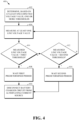
- FIG. 4 is a flow diagram generally illustrating a battery charger circuit fault detection method according to the principles of the present disclosure.
- Vehicles such as cars, trucks, sport utility vehicles, crossovers, mini-vans, or other suitable vehicles, include a powertrain system that includes, for example, a propulsion unit, a transmission, drive shafts, wheels, and other suitable components.
- the propulsion unit may include an internal combustion engine, a fuel cell, one or more electric motors, and the like.
- a hybrid vehicle may include a powertrain system comprising more than one propulsion unit.
- a hybrid vehicle may include an internal combustion engine and an electric motor that cooperatively operate to propel the vehicle.
- an electric powered vehicle such as a hybrid vehicle or purely electric vehicle
- one or more batteries supply power to one or more electric motors (e.g., and various other components) of the electric powered vehicle.
- Such batteries are typically charged when the electric power vehicle is not in use.
- An operator of the electric powered vehicle may connect the vehicle to an electric grid.
- the operator may connect a power cable to a wall outlet in a home, commercial location, or other suitable location to connect to the electric grid.
- the electric grid supplies alternating current power, which is converted to a set alternating current voltage at the wall outlet (e.g., 110 volts, 120 volts, 220 volts, 230 volts, or other suitable voltage value, which may vary based on region).
- the wall outlet using power from the electric grid, supplies power to a battery charger circuit, which controls power flow to the one or more batteries in order to recharge the batteries.
- such a battery charger circuit includes a protective earth connection, which provides a primary protection against touch currents and voltages on various components (e.g., conductive components, such as the chassis, body, and other metal or conductive components) of the vehicle.
- a protective earth connection which provides a primary protection against touch currents and voltages on various components (e.g., conductive components, such as the chassis, body, and other metal or conductive components) of the vehicle.
- the protective earth connection is configured to reduce or maintain touch current and voltages, such that the operator is protected from dangerously high current values and voltage values when the operator comes in contact with the various components of the vehicle.
- a controller of the vehicle may sense, measure, or monitor an impedance value of the protective earth connection. If the controller determines that the impedance value is above a threshold (e.g., to high), the controller may disconnect the battery charger circuit from and/or prevent the battery charger circuit from connecting to the wall outlet, to prevent power from flowing from the electric grid through the wall outlet to the battery charger circuit and causing dangerous touch currents and voltages.
- a threshold e.g., to high
- the controller measures the impedance value of the protective earth connection by injecting one or more known current values into the battery charger circuit and detecting a resulting voltage value.
- the inject current values and times at which they are inject, are selected, such that relative current protection devices of the vehicle are not triggering and the period of the test pulse (e.g., of the injected current values) is selected to provide a suitable range of reading and a reduced exposure to noise.
- Such a method for monitoring the protective earth connection of a battery charger circuit and for determining whether to disconnect the battery charger circuit from electric grid is typically limited to resistance measurements. Accordingly, systems and methods, such as those described herein, configured to provide additional measurements, and to assist in the determination of whether to disconnect the battery charger circuit from and/or prevent the battery charger circuit from connecting to the electric grid, are be desirable.
- the systems and methods described herein may be configured to, in addition or alternatively to monitoring the impedance value of the protective earth connection, determine expected voltage values of an incoming alternating current source (e.g., from the wall outlet) that provides power to the battery charger circuit.
- the systems and methods described herein may be configured to determine, based on the expected voltage values, various thresholds, including a first threshold and a second threshold.
- the systems and methods described herein are be configured to measure live voltage values associated with the incoming alternating current source.
- the systems and methods described herein are configured to determine whether the measured line voltage values are greater than the first threshold and may disconnect the battery charger circuit from and/or prevent the battery charger circuit from connecting to the incoming alternating current source after a first predetermined period (e.g., a relatively small period, such as immediately or substantially immediately).
- the first threshold may be a voltage value indicative of a fault or an incipient fault occurring in the battery charger circuit or other component of the vehicle that may increase touch currents and voltages.
- the systems and methods described herein are configured to determine, in response to the line voltage values not being greater than the first threshold, whether the line voltage values are greater than the second threshold.
- the first threshold may be greater than the second threshold.
- the second threshold may be a voltage value indicative of a potential fault occurring in the battery charger circuit or other component of the vehicle that may increase touch currents and voltages.
- the systems and methods described herein determine whether to disconnect the battery charger circuit from and/or prevent the battery charger circuit from connecting to the alternating current source after a second predetermined period, which is longer than the first predetermined period (e.g., if the line voltages drop below the second threshold before the second predetermined period, the line voltage values may indicate that no fault is occurring).
- the systems and methods described herein may be configured to monitor voltage supply relative to the chassis of the vehicle. Additionally, or alternatively, the electric grid may be configured to be compliant with a predefined scheme. The systems and methods described herein may be configured to detect the predefined scheme (e.g., be programed with the scheme details or use various inputs to determine the scheme) and may be configured to determine the expected voltage values based on the scheme.
- An earth connection associated with the wall outlet may be part of the scheme and may be set to a fixed voltage range in relation to the other lines of the alternating current source. The earth connection of the wall outlet may be connected to the protective earth connection of the battery charger circuit.
- the systems and methods described herein may determine to disconnect the battery charger circuit from and/or prevent the battery charger circuit from connecting to the alternating current source.
- the electric grid may include power lines that are isolated from the earth and a connection of the vehicle to protective earth connection.
- the systems and methods described herein may be configured to identify errors in various components of the electric grid and/or the battery charger circuit and selectively disconnect the battery charger circuit from and/or prevent the battery charger circuit from connecting to the incoming alternating current source.
- FIG. I generally illustrates a vehicle 10 according to the principles of the present disclosure.
- the vehicle 10 may include any suitable vehicle, such as a car, a truck, a sport utility vehicle, a mini-van, a crossover, any other passenger vehicle, any suitable commercial vehicle, or any other suitable vehicle. While the vehicle 10 is illustrated as a passenger vehicle having wheels and for use on roads, the principles of the present disclosure may apply to other vehicles, such as planes, boats, trains, drones, or other suitable vehicles.
- the vehicle 10 includes a vehicle body 12 and a hood 14. A portion of the vehicle body 12 defines a passenger compartment 18. Another portion of the vehicle body 12 defines the engine compartment 20.
- the hood 14 may be moveably attached to a portion of the vehicle body 12, such that the hood 14 provides access to the engine compartment 20 when the hood 14 is in a first or open position and the hood 14 covers the engine compartment 20 when the hood 14 is in a second or closed position.
- the passenger compartment 18 may be disposed rearward of the engine compartment 20.
- the vehicle 10 includes one or more electric motors (e.g., an electric vehicle), one or more fuel cells, a hybrid (e.g., a hybrid vehicle) propulsion system comprising a combination of an internal combustion engine, one or more electric motors, and/or any other suitable propulsion system.
- the vehicle 10 may include a petrol or gasoline fuel engine, such as a spark ignition engine.
- the vehicle 10 may include a diesel fuel engine, such as a compression ignition engine.
- the engine compartment 20 houses and/or encloses at least some components of the propulsion system of the vehicle 10.
- propulsion controls such as an accelerator actuator (e.g., an accelerator pedal), a brake actuator (e.g., a brake pedal), a steering wheel, and other such components are disposed in the passenger compartment 18 of the vehicle 10.
- the propulsion controls may be actuated or controlled by a driver of the vehicle 10 and may be directly connected to corresponding components of the propulsion system, such as a throttle, a brake, a vehicle axle, a vehicle transmission, and the like, respectively.
- the propulsion controls may communicate signals to a vehicle computer (e.g., drive by wire) which in turn may control the corresponding propulsion component of the propulsion system.
- the vehicle 10 includes a transmission in communication with a crankshaft via a flywheel, clutch, or fluid coupling.
- the transmission includes a manual transmission.
- the transmission includes an automatic transmission.
- the vehicle 10 may include one or more pistons, in the case of an internal combustion engine or a hybrid vehicle, which cooperatively operate with the crankshaft to generate force, which is translated through the transmission to one or more axles, which turns wheels 22.
- the vehicle 10 includes one or more electric motors, a vehicle battery, and/or fuel cell provides energy to the electric motors to turn the wheels 22.
- the vehicle 10 includes a vehicle battery to provide energy to the one or more electric motors. When the battery is depleted, it may be connected to an electric grid (e.g., using a wall socket) to recharge the battery cells. Additionally, the vehicle 10 may employ regenerative braking which uses the one or more electric motors of the vehicle 10 as a generator to convert kinetic energy lost due to decelerating back into stored energy in the battery.
- the vehicle 10 may include automatic vehicle propulsion systems, such as a cruise control, an adaptive cruise control module or mechanism, automatic braking control, other automatic vehicle propulsion systems, or a combination thereof.
- the vehicle 10 may be an autonomous or semi-autonomous vehicle, or other suitable type of vehicle.
- the vehicle 10 may include additional or fewer features than those generally illustrated and/or disclosed herein.
- the vehicle 10 is an electric powered vehicle, such as a hybrid vehicle or a purely electric vehicle.
- the vehicle 10, as described, includes one or more electric motors that receive power or energy from one or more batteries within the vehicle.
- the one or more batteries may include or be connected to respective vehicle onboard battery charger that provide power to respective batteries to recharge the respective batteries for use.
- FIG. 2 generally illustrates a battery charger circuit 200 in communication with a controller 100.
- the controller 100 may be any suitable controller within the vehicle, such as an electric control unit, a vehicle control unit, or other suitable vehicle onboard controller.
- the controller 100 may include a processor and a memory.
- the memory may be configured to store instructions executable by the processor.
- the processor may execute the instructions stored memory to perform various functions and methods described herein.
- the controller 100 may be configured to control various aspects of the vehicle.
- the controller 100 is configured to detect faults in the battery charger circuit 200 and sel ectively disconnect the battery charger circuit 200 from a power source.
- the battery charger circuit 200 is associated with an onboard battery charger that supplies power to a respective battery of the vehicle 10 for recharging the respective battery.
- the battery charger circuit 200 may be connected to an alternating current source 202.
- the alternating current source 202 may include a wall outlet connected to an electric grid, as described.
- the alternating current source 202 provides alternating current power to the battery charger circuit 200.
- the battery charger circuit 200 can connect the alternating current power to various suitable power and may provide the power to the one or more batteries of the vehicle 10.
- the alternating current source 202 may include any suitable phase type or scheme.
- FIG. 3A generally illustrates a three-phase power source scheme and
- FIG. 3B generally illustrates a split-phase power source scheme. It should be understood that the alternating current source 202 may include any suitable phase type power source scheme.
- the controller 100 is configured to determine scheme of the alternating current source 202. For example, the controller 100 may receive the scheme of the alternating current source 202 from a user or operator of the vehicle via an input device of the vehicle. Additionally, or alternatively, the controller 100 may be configured to determine the scheme based on the amplitude of the incoming power from the alternating current source 202, the connection type of the alternating current source 202, other characteristics of the alternating current source 202, or a combination thereof. In some embodiments, the controller 100 may communicate with a remotely located computing device, such as a cloud-computing device or other suitable remotely located computing device, to obtain or receive the scheme of the alternating current source 202. In some embodiments, the scheme may be indicated by an industrial standard, which may be received or obtained by the controller 100, as described.
- the controller 100 is configured to determine one or more expected voltage values or an expected voltage value range of the alternating current source 202. For example, the controller 100 may receive the expected voltage values or expected voltage value ranges from the user or operator via the input device in the vehicle. Additionally, or alternatively, the controller 100 may measure voltage values of the alternating current source 202 and determine average operating voltage values associated with the alternating current source 202. The controller 100 may use the average operating voltage values as the expected voltage values of the alternating current source 202. In some embodiments, the controller 100 may communicate with a remotely located computing device, such as a cloud-computing device or other suitable remotely located computing device, to obtain or receive the expected voltage values or the expected voltage value range of the alternating current source 202. In some embodiments, the expected voltage values 25 or the expected voltage range may be indicated by the industrial standard corresponding to the scheme, which may be received or obtained by the controller 100, as described.
- an expected range for neutral line of the alternating current source 202 is illustrated at 302.
- the neutral line of the alternating current source 202 may be connected to a neutral line 204 of the battery charger circuit 200.
- An actual (e.g., measured) range for the neutral line of the alternating current source 202 prior to an on state of the alternating current source 202 is illustrated at 304.
- the on state may include a state of alternating current source 202 corresponding to the alternating current source 202 providing power to the battery charger circuit 200 (e.g., in response to the battery charger circuit 200 being turned on to charge the battery).
- the battery charger circuit 200 includes a protective earth connection 206.
- the protective earth connection 206 may be connected to an earth connection of the alternating current source 202.
- the earth connection expected voltage value range is illustrated at 306.
- the battery charger circuit 200 includes one or more lines 208.
- the one or more lines 208 may be connected to corresponding supply lines of the alternating current source 202.
- An expected voltage value range for supply lines associated with the alternating current source 202 is illustrated at 310.
- the alternating current source 202 may include any suitable number of supply lines.
- FIG. 3B generally illustrates a split-phase scheme of the alternating current source 202.
- the battery charger circuit 200 may be connected to alternating current source 202 when the alternating current source 202 includes a split-phase scheme in a similar manner as described above with respect to FIG. 3A .
- An earth connection voltage value range is illustrated at 312 and may be similar or different from the earth connection voltage value range 306.
- An acceptable voltage value limit (e.g., when the alternating current source 202 is in the on state) is illustrated at 314 and may be similar or different from the acceptable voltage value limit 308.
- An expected voltage value range for supply lines associated with the alternating current source 202 is illustrated at 316 and may be similar or different from the expected voltage value range for supply lines 310.
- the split-phase scheme does not typically include a neutral line. Accordingly, the controller 100 may derive a virtual neutral relative to the chassis of the vehicle. The controller 100 may derive the virtual neutral using the supply line voltages from the alternating current source 202
- the alternating current source 202 may include a power source scheme that includes power lines that are isolated from the earth (e.g., ground) and the connection between the vehicle 10 and the protective earth connection 206.
- the controller 100 determines two thresholds based on the expected voltage values or the expected voltage range of the alternating current source 202.
- the controller 100 determines a first threshold that is equal to, slightly greater than, or slightly less than the expected voltage values or upper limit of the expected voltage range of the alternating current source 202.
- the first threshold may be a value that indicates that the measured voltage values of the alternating current source 202 are indicative of a fault.
- the controller 100 determines a second threshold that is less than the expected voltage values or between the upper limit and the lower limit of the expected voltage value range.
- the second threshold may be a value that indicates that the measured voltage values of the alternating current source 202 are indicative of a potential fault. It should be understood that the first threshold and the second threshold may be any suitable value. Additionally, or alternatively, the controller 100 may determine any suitable number of thresholds.
- the battery charger circuit 200 includes various resistors 210.
- the battery charger circuit 200 includes a protective earth connection resistor 212.
- the battery charger circuit 200 may include noise 214 that may be caused by various components in the battery charger circuit 200, the alternating current source 202, the battery, or other components of the vehicle 10. The noise 214 may influence measurements taken by the controller 100 of the battery charger circuit 200.
- the controller 100 measures one or more voltage values of one or more of the lines 208 of the battery charger circuit 200.
- the controller 100 compares a measured voltage value of a respective line 208 to the first threshold.
- the controller 100 determines whether the measured voltage value is greater than the first threshold.
- the controller 100 disconnects the battery charger circuit 200 from and/or prevent the battery charger circuit 200 from connecting to the alternating current source 202 after a first predetermined period to prevent dangerous touch currents or voltages in the vehicle 10.
- the first predetermined period may be any suitable period, including substantially less than one second (e.g., immediately), one second, or any suitable period.
- the controller 100 determines whether the measured voltage value is greater than the second threshold.
- the controller 100 disconnects the battery charger circuit 200 from and/or prevent the battery charger circuit 200 from connecting to the alternating current source 202 after a second predetermined period to prevent dangerous touch currents or voltages in the vehicle 10.
- the second predetermined period is greater than the first predetermined period.
- the second predetermined period may include five seconds, ten seconds, or any suitable period.
- the second predetermined period may allow time for the measured voltage values to be reduced, which may indicate that no fault is occurring.
- the controller 100 determines that a fault is likely to occur, and respond according.
- the controller 100 determines the measured voltage value is not greater than the second threshold, the controller 100 continues to measure voltage values of the lines 208 of the battery charger circuit 200 and proceeds as described.
- the controller 100 may measure impedance values of the protective earth connection 206, and may disconnect the battery charger circuit 200 from and/or prevent the battery charger circuit 200 from connecting to the alternating current source 202 when the controller 100 determines that the measured impedance values of the protective earth connection 206 are above a threshold. Additionally, or alternatively, the controller 100 may use the measured impedance values of the protective earth connection 206 and the measured voltage values of the lines 208 to determine whether to disconnect the battery charger circuit 200 from and/or prevent the battery charger circuit 200 from connecting to the alternating current source 202.
- the controller 100 may be configured to disconnect the battery charger circuit 200 from and/or prevent the battery charger circuit 200 from connecting to the alternating current source 202 in response to the measured impedance values being above a threshold and the measured voltage values being below the first and second thresholds, in response to the measured impedance values being below the threshold and the measured voltage values being above at least one of the first and second thresholds, in response to the measured impedance values being close to the threshold and the measured voltage values being close to at least one of the first and second 25 thresholds, or any suitable combination of measured impedance values and measured voltage values.
- FIG. 4 is a flow diagram generally illustrating a battery charger circuit fault detection method 400 according to the principles of the present invention.
- the method 400 determines, based on at least one expected voltage value, two thresholds. For example, the controller 100 may determine the first threshold based on one or more expected voltage values of the alternating current source 202. Additionally the controller 100 determines the second threshold based on the one or more expected voltage values of the alternating current source 202.
- the method 400 measures at least one line voltage value. For example, the controller 100 measures voltage values of the lines 208 of the battery charger circuit 200.
- the method 400 determines whether the line voltage value is greater than a first threshold.
- the controller 100 determines whether a measured voltage value of a respective line 208 is greater than the first threshold. When the controller 100 determines that the measured voltage value is greater than the first threshold, the method 400 continues at 408. When the controller 100 determines that the measured voltage value is not greater than the first threshold, the method 400 continues at 412.
- the method 400 waits a first predetermined period.
- the controller 100 waits the first predetermined period.
- the first predetermined period may be a relatively short period, such as significantly less than one second (e.g., immediately).
- the method 400 disconnects the battery charger circuit from and/or prevents the battery charger circuit from connecting to the alternating current source.
- the controller 100 disconnects the battery charger circuit 200 from the alternating current source 202.
- the controller 100 prevents the battery charger circuit 200 from connecting to the alternating current source 202.
- the method 400 determines whether the measured voltage value is greater than the second threshold. For example, the controller 100 determines whether the measured voltage value is greater than the second threshold. When the controller 100 determines that the measured voltage value is not greater than the second threshold, the method 400 continues at 404. When the controller 100 determines that the measured voltage value is greater than the second threshold, the method continues at 414. At 414, the method 400 waits a second predetermined period. For example, the controller 100 waits the second predetermine period. The second predetermined period may be longer than the first predetermined period. The method 400 continues at 410.
- the method for detecting a fault in a battery charger circuit of a vehicle includes determining, based on at least one expected voltage value of an incoming alternating current source, a first threshold. The method also includes measuring at least one line voltage value associated with the incoming alternating current source that provides power to the battery charger circuit. The method also includes determining whether the measured at least one line voltage value is greater than the first threshold. The method also includes in response to a determination that the measured at least one line voltage value is greater than the first threshold, disconnecting the battery charger circuit from and/or preventing the battery charger circuit from connecting to the incoming alternating current source after a first predetermined period.
- the incoming alternating current source includes a threephase alternating current source. In some embodiments, the incoming alternating current source includes a split-phase alternating current source. In some embodiments, the incoming alternating current source is associated with an alternating current grid. In some embodiments, the method also includes determining, based on the at least one expected voltage value of the incoming alternating current source, a second threshold, wherein the first threshold is greater than the second threshold. In some embodiments, the method also includes, in response to a determination that the measured at least one line voltage value is not greater than the first threshold a value, determining whether the measured at least one line voltage value is greater than the second threshold.
- the method also includes, in response to a determination that the measured at least one voltage value is greater than the second threshold, disconnecting the battery charger circuit from and/or preventing the battery charger circuit from connecting to the incoming alternating current source after a second predetermined period, wherein the second predetermined period is greater than the first predetermined period.
- An apparatus for detecting a fault in a battery charger circuit includes a memory and a processor.
- the processor being configured to execute instructions stored on the memory to: determine, based on at least one expected voltage value of an incoming alternating current source, a first threshold; measure at least one line voltage value associated with the incoming alternating current source that provides power to the battery charger circuit; determine whether the measured at least one line voltage value is greater than the first threshold; and in response to a determination that the measured at least one line voltage value is greater than the first threshold, disconnect the battery charger circuit from and/or prevent the battery charger circuit from connecting to the incoming alternating current source after a first predetermined period.
- the incoming alternating current source includes a threephase alternating current source. In some embodiments, the incoming alternating current source includes a split-phase alternating current source. In some embodiments, the incoming alternating current source is associated with an alternating current grid. In some embodiments, the processor is further configured to determine, based on the at least one expected voltage value of the incoming alternating current source, a second threshold, wherein the first threshold is greater than the second threshold. In some embodiments, the processor is further configured to, in response to a determination that the measured at least one line voltage value is not greater than the first threshold a value, determine whether the measured at least one line voltage value is greater than the second threshold.
- the processor is further configured to, in response to a determination that the measured at least one voltage value is greater than the second threshold, disconnect the battery charger circuit from and/or prevent the battery charger circuit from connecting to the incoming alternating current source after a second predetermined period, wherein the second predetermined period is greater than the first predetermined period.
- a non-transitory computer-readable storage medium includes executable instructions that, when executed by a processor, facilitate performance of operations, comprising: determining, based on at least one expected voltage value of an incoming alternating current source that provides power to a battery charger circuit of a vehicle, a first threshold and a second threshold; measuring at least one line voltage value associated with the incoming alternating current source; determining whether the measured at least one line voltage value is greater than the first threshold; in response to a determination that the measured at least one line voltage value is greater than the first threshold, disconnecting the battery charger circuit from and/or preventing the battery charger circuit from connecting to the incoming alternating current source after a first predetermined period; in response to a determination that the measured at least one line voltage value is not greater than the first threshold a value, determining whether the measured at least one line voltage value is greater than the second threshold; and in response to a determination that the measured at least one voltage value is greater than the second threshold, disconnect the battery charger circuit from and/or prevent the battery charger circuit from connecting to the incoming
- the first threshold is greater than the second threshold.
- the second predetermined period is greater than the first predetermined period.
- the incoming alternating current source includes a threephase alternating current source.
- the incoming alternating current source includes a split-phase alternating current source.
- the incoming alternating current source is associated with an alternating current grid.
Landscapes
- Engineering & Computer Science (AREA)
- Power Engineering (AREA)
- Transportation (AREA)
- Mechanical Engineering (AREA)
- Sustainable Development (AREA)
- Sustainable Energy (AREA)
- Life Sciences & Earth Sciences (AREA)
- Physics & Mathematics (AREA)
- General Physics & Mathematics (AREA)
- Computer Hardware Design (AREA)
- Microelectronics & Electronic Packaging (AREA)
- Chemical & Material Sciences (AREA)
- Combustion & Propulsion (AREA)
- Charge And Discharge Circuits For Batteries Or The Like (AREA)
- Electric Propulsion And Braking For Vehicles (AREA)
Claims (8)
- Verfahren (400) zum Erkennen eines Fehlers in einer Batterieladeschaltung (200) eines Fahrzeugs (10), das Verfahren (400) umfassend:Bestimmen (402), basierend auf mindestens einem erwarteten Spannungswert einer eingehenden Wechselstromquelle (202), eines ersten Schwellenwerts, Bestimmen, basierend auf dem mindestens einen erwarteten Spannungswert der eingehenden Wechselstromquelle (202), eines zweiten Schwellenwerts, wobei der erste Schwellenwert größer als der zweite Schwellenwert ist,Messen (404) mindestens eines Netzspannungswerts im Zusammenhang mit der eingehenden Wechselstromquelle (202), die der Batterieladeschaltung (200) Energie bereitstellt;Bestimmen (406), ob der gemessene mindestens eine Netzspannungswert größer als der erste Schwellenwert ist; als Reaktion auf eine Bestimmung, dass der gemessene mindestens eine Netzspannungswert größer als der erste Schwellenwert ist, Trennen (410) der Batterieladeschaltung (200) von der eingehenden Wechselstromquelle (202) nach einer ersten vorbestimmten Zeitdauer (408), als Reaktion auf eine Bestimmung, dass der gemessene mindestens eine Netzspannungswert nicht größer als der erste Schwellenwert ist: Bestimmen (412), ob der gemessene mindestens eine Netzspannungswert größer als der zweite. Schwellenwert ist, undals Reaktion auf eine Bestimmung, dass der gemessene mindestens eine Spannungswert größer als der zweite Schwellenwert ist: Trennen (410) der Batterieladeschaltung (200) von der eingehenden Wechselstromquelle (202) nach einer' zweiten vorbestimmten Zeitdauer (414), wobei die zweite vö.rbestimmte Zeitdauer größer als die erste vorbestimmte Zeitdauer ist.
- Verfahren (400) nach Anspruch 1, wobei die eingehende Wechselstromquelle (202) eine Dreiphasenwechselstromquelle (202) beinhaltet.
- Verfahren (400) nach Anspruch 1, wobei die eingehende Wechselstromquelle (202) eine Einphasen-Dreileiter-Wechselstromquelle (202) beinhaltet.
- Verfahren (400) nach Anspruch 1, wobei die eingehende Wechselstromquelle (202) einem Wechselstromnetz zugeordnet ist.
- Vorrichtung zum Erkennen eines Fehlers in einer Batterieladeschaltung (200), umfassend: einen Speicher; und einen Prozessor, der konfiguriert ist, Anweisungen auszuführen, die auf dem Speicher gespeichert sind, um: basierend auf mindestens einem erwarteten Spannungswert einer eingehenden Wechselstromquelle (202) einen ersten Schwellenwert zu bestimmen; wobei der Prozessor, ferner konfiguriert ist, basierend auf dem mindestens einen erwarteten Spannungswert der eingehenden Wechselstromquelle (202), einen zweiten Schwellenwert zu bestimmen, wobei der erste Schwellenwert größer als der zweite Schwellenwert ist,mindestens einen Netzspannungswert im Zusammenhang mit der eingehenden Wechselstromquelle (202), die der Batterieladeschaltung (200) Energie bereitstellt, zu messen: zu bestimmen (402), ob der gemessene mindestens eine Netzspannungswert größer als der erste Schwellenwert ist;als Reaktion auf eine Bestimmung, dass der gemessene mindestens eine Netzspannungswert größer als -der erste Schwellenwert ist, Verhindern. (410, dass sich die Batterieladeschaltung (200) nach einer ersten vorbestimmten Zeitdauer (408) mit der eingehenden Wechselstromquelle (202) verbindet;als Reaktion auf eine Bestimmung, dass der gemessene mindestens eine Netzspannungswert nicht größer als der erste Schwellenwert ist: zu bestimmen (412), ob der gemessene mindestens eine Netzspannungswert größer als der zweite Schwellenwert ist, undals Reaktion auf eine Bestimmung, dass der gemessene mindestens eine Spannungswert größer als der zweite Schwellenwert ist: zu verhindern (410), dass sich die Batterieladeschaltung (200) nach einer zweiten vorbestimmten Zeitdauer (414) mit der eingehenden Wechselstromquelle (202) verbindet, wobei die zweite vorbestimmte Zeitdauer (414) größer als die erste vorbestimmte Zeitdauer (408) ist.
- Vorrichtung nach Anspruch 5, wobei die eingehende Wechselstromquelle (202) eine, Dreiphasenwechselstromquelle (202) beinhaltet.
- Vorrichtung nach Anspruch 5, wobei die eingehende Wechselstromquelle (202) eine Einphasen-Dreileiter-Wechselstromquelle (202) beinhaltet.
- Vorrichtung nach Anspruch 5, wobei die eingehende Wechselstromquelle (202) einem Wechselstromnetz zugeordnet ist.
Applications Claiming Priority (1)
| Application Number | Priority Date | Filing Date | Title |
|---|---|---|---|
| US16/558,656 US11353490B2 (en) | 2019-09-03 | 2019-09-03 | Systems and methods for monitoring voltage of vehicle onboard battery charger |
Publications (2)
| Publication Number | Publication Date |
|---|---|
| EP3789232A1 EP3789232A1 (de) | 2021-03-10 |
| EP3789232B1 true EP3789232B1 (de) | 2023-06-07 |
Family
ID=72193316
Family Applications (1)
| Application Number | Title | Priority Date | Filing Date |
|---|---|---|---|
| EP20192130.1A Active EP3789232B1 (de) | 2019-09-03 | 2020-08-21 | Systeme und verfahren zur überwachung der spannung von batterieladegeräten an bord eines fahrzeugs |
Country Status (3)
| Country | Link |
|---|---|
| US (1) | US11353490B2 (de) |
| EP (1) | EP3789232B1 (de) |
| CN (1) | CN112526373B (de) |
Families Citing this family (6)
| Publication number | Priority date | Publication date | Assignee | Title |
|---|---|---|---|---|
| US20210066953A1 (en) * | 2019-08-28 | 2021-03-04 | Delphi Automotive Systems Luxembourg Sa | Systems and methods for smooth start up of vehicle onboard battery charger |
| US11498442B2 (en) * | 2019-09-17 | 2022-11-15 | Dr. Ing. H.C. F. Porsche Aktiengesellschaft | Systems and methods for noise cancellation in protective earth resistance check of vehicle onboard battery charger |
| CN113541234B (zh) * | 2021-06-10 | 2023-10-20 | 南京音飞储存设备(集团)股份有限公司 | 一种充电控制单元及防爆场景应用方法 |
| KR20230022342A (ko) * | 2021-08-06 | 2023-02-15 | 현대자동차주식회사 | 하이브리드 차량의 듀얼 배터리 제어 방법 |
| CN114572044A (zh) * | 2022-03-09 | 2022-06-03 | 深圳市南霸科技有限公司 | 一种交流充电枪 |
| US12571824B2 (en) | 2024-01-19 | 2026-03-10 | HELLA GmbH & Co. KGaA | Method and system for monitoring impedance in a conductor |
Family Cites Families (31)
| Publication number | Priority date | Publication date | Assignee | Title |
|---|---|---|---|---|
| US4209741A (en) | 1978-03-08 | 1980-06-24 | The United States Of America As Represented By The Secretary Of The Interior | Apparatus for the continuous monitoring of ground bed resistance |
| FR2603993B1 (fr) | 1986-09-12 | 1988-11-10 | Cables De Lyon Geoffroy Delore | Procede de mesure de l'impedance d'une prise de terre, et dispositif de mise en oeuvre de ce procede |
| US6265881B1 (en) | 1991-04-05 | 2001-07-24 | Georgia Tech Research Corporation | Method and apparatus for measuring ground impedance |
| US5281920A (en) | 1992-08-21 | 1994-01-25 | Btech, Inc. | On-line battery impedance measurement |
| US5635815A (en) * | 1995-01-11 | 1997-06-03 | Norton W. Whitchurch | Battery exercising pacer and/or emergency start monitoring system |
| US5821757A (en) | 1997-05-20 | 1998-10-13 | Btech, Inc. | Noise reduction in an on-line battery impedance measurement system |
| US6493243B1 (en) * | 1999-12-01 | 2002-12-10 | Acme Electric Corporation | Redundant power system and power supply therefor |
| US7259477B2 (en) * | 2003-08-15 | 2007-08-21 | American Power Conversion Corporation | Uninterruptible power supply |
| EP1662569A4 (de) | 2003-08-22 | 2010-05-05 | New Ind Res Organization | Schaltung zum feststellen und messen von geräuschen in integrierten halbleiterschaltungen |
| JP4663404B2 (ja) | 2005-05-27 | 2011-04-06 | 株式会社デンソー | 車載用高電圧モータ装置用コモンモードノイズキャンセル回路装置 |
| US7547990B2 (en) * | 2005-07-12 | 2009-06-16 | Diran Varzhabedian | Backup power system for electrical appliances |
| US20110304295A1 (en) * | 2010-06-09 | 2011-12-15 | Mcnally Mark | Power system for use with renewable energy sources and the power grid |
| KR101582577B1 (ko) * | 2010-08-02 | 2016-01-21 | 엘지전자 주식회사 | 전기자동차 및 그 배터리의 충전제어방법. |
| US9184792B2 (en) * | 2012-04-05 | 2015-11-10 | Mitsubishi Electric Corporation | Charging communication system and charging equipment |
| EP2856846A4 (de) * | 2012-05-30 | 2016-04-20 | Fulham Co Ltd | Vorschaltgerät mit notstrombatterie |
| US10237946B1 (en) * | 2012-06-15 | 2019-03-19 | Aleddra Inc. | Solid-state lighting with stand-alone test capability free of electric shock hazard |
| CN202817688U (zh) * | 2012-08-01 | 2013-03-20 | 华立仪表集团股份有限公司 | 一种电动汽车充电桩的供电保护电路以及电动汽车充电桩 |
| EP2865558B1 (de) | 2013-10-24 | 2016-12-28 | Volvo Car Corporation | Verfahren und System zur Ladesteuerung einer Energiespeichervorrichtung |
| JP6454466B2 (ja) * | 2013-11-11 | 2019-01-16 | 三菱自動車工業株式会社 | 充電制御装置 |
| US9509158B2 (en) * | 2013-12-31 | 2016-11-29 | Lite-On, Inc. | Power supply configuration system and method |
| DE112014005231B4 (de) | 2014-05-30 | 2022-04-07 | Fuji Electric Co., Ltd. | Ladegerät |
| DE102014217928A1 (de) | 2014-09-08 | 2016-03-10 | Robert Bosch Gmbh | Verfahren und Vorrichtung zum Erkennen eines Gleichstrom-Fehlerstroms |
| KR20170105214A (ko) * | 2016-03-09 | 2017-09-19 | 엘에스산전 주식회사 | 전기차 충전 시스템 |
| CN205901385U (zh) * | 2016-08-08 | 2017-01-18 | 苏州协鑫集成科技工业应用研究院有限公司 | 用于充电桩的电压异常侦测电路及充电桩 |
| FR3063582B1 (fr) * | 2017-03-02 | 2019-06-07 | Renault S.A.S | Procede de commande d'un chargeur embarque de batterie automobile, connecte a un reseau d'alimentation electrique monophase ou triphase |
| CN108973758A (zh) * | 2018-08-31 | 2018-12-11 | 金华安靠电源科技有限公司 | 一种电动汽车充电系统的充电识别方法及电动汽车充电电路 |
| CN109455106B (zh) * | 2018-10-17 | 2022-07-26 | 国网浙江省电力有限公司杭州供电公司 | 一种电动汽车智能充电站 |
| US11299056B2 (en) * | 2019-12-09 | 2022-04-12 | Ford Global Technologies, Llc | System and method for charger contactor double weld detection |
| US20210213833A1 (en) * | 2020-01-13 | 2021-07-15 | Ford Global Technologies, Llc | Voltage based short circuit detection by on board automotive battery charger |
| JP7334676B2 (ja) * | 2020-06-01 | 2023-08-29 | トヨタ自動車株式会社 | バッテリー状態判定装置、方法、プログラム、及び車両 |
| WO2022010649A1 (en) * | 2020-07-07 | 2022-01-13 | Patel Himanshu B | Electric vehicle home microgrid power system |
-
2019
- 2019-09-03 US US16/558,656 patent/US11353490B2/en active Active
-
2020
- 2020-08-21 EP EP20192130.1A patent/EP3789232B1/de active Active
- 2020-08-31 CN CN202010894613.XA patent/CN112526373B/zh active Active
Also Published As
| Publication number | Publication date |
|---|---|
| EP3789232A1 (de) | 2021-03-10 |
| US20210063458A1 (en) | 2021-03-04 |
| CN112526373A (zh) | 2021-03-19 |
| US11353490B2 (en) | 2022-06-07 |
| CN112526373B (zh) | 2024-05-17 |
Similar Documents
| Publication | Publication Date | Title |
|---|---|---|
| EP3789232B1 (de) | Systeme und verfahren zur überwachung der spannung von batterieladegeräten an bord eines fahrzeugs | |
| CN109017340B (zh) | 用于仲裁车辆充电的车辆架构、电气系统和控制算法 | |
| CN112549985B (zh) | 电驱动车辆、动力总成和拖曳期间的综合车辆控制的方法 | |
| EP3013625B1 (de) | Verbesserungen für bereichsvorhersage in elektrofahrzeugen | |
| EP3140148B1 (de) | Ein verfahren und anordnung zum steuern des ladens einer elektrischen speichersystem in einem fahrzeug | |
| US7095191B2 (en) | Control apparatus of electric vehicle | |
| US9114716B2 (en) | Method and apparatus for high-voltage DC charging of battery-electric and plug-in hybrid electric vehicles | |
| US8660732B2 (en) | Vehicle with external charging | |
| EP3795407A1 (de) | Systeme und verfahren zur geräuschunterdrückung bei der prüfung des schützenden erdwiderstands eines batterieladegeräts an bord eines fahrzeugs | |
| US20240262226A1 (en) | Systems and methods for smooth start up of vehicle onboard battery charger | |
| CN111483285A (zh) | 利用混合动力电动车辆架构的高压绞盘系统 | |
| CN106602628A (zh) | 用于保护obc输出端的系统、方法及装置 | |
| CN114764120A (zh) | 用于检测接触器焊接的方法和系统 | |
| US9656568B2 (en) | Method and arrangement for error detection during charging of an energy storage system | |
| JP6109043B2 (ja) | 車両の給電制御装置 | |
| CN116923133A (zh) | 用于电动车辆到电动车辆充电的电缆组件 | |
| EP4089426A2 (de) | Systeme und verfahren für phasenspannungsbasierte motorperiodenmessung und gesteuerte signalwegfehlerdetektion | |
| CN116930640A (zh) | 用于对高压通路失效进行侵入性检测的智能车辆系统和控制逻辑 |
Legal Events
| Date | Code | Title | Description |
|---|---|---|---|
| PUAI | Public reference made under article 153(3) epc to a published international application that has entered the european phase |
Free format text: ORIGINAL CODE: 0009012 |
|
| STAA | Information on the status of an ep patent application or granted ep patent |
Free format text: STATUS: THE APPLICATION HAS BEEN PUBLISHED |
|
| AK | Designated contracting states |
Kind code of ref document: A1 Designated state(s): AL AT BE BG CH CY CZ DE DK EE ES FI FR GB GR HR HU IE IS IT LI LT LU LV MC MK MT NL NO PL PT RO RS SE SI SK SM TR |
|
| AX | Request for extension of the european patent |
Extension state: BA ME |
|
| RAP1 | Party data changed (applicant data changed or rights of an application transferred) |
Owner name: DR.ING. H.C. F. PORSCHE AKTIENGESELLSCHAFT |
|
| STAA | Information on the status of an ep patent application or granted ep patent |
Free format text: STATUS: REQUEST FOR EXAMINATION WAS MADE |
|
| 17P | Request for examination filed |
Effective date: 20210910 |
|
| RBV | Designated contracting states (corrected) |
Designated state(s): AL AT BE BG CH CY CZ DE DK EE ES FI FR GB GR HR HU IE IS IT LI LT LU LV MC MK MT NL NO PL PT RO RS SE SI SK SM TR |
|
| GRAP | Despatch of communication of intention to grant a patent |
Free format text: ORIGINAL CODE: EPIDOSNIGR1 |
|
| STAA | Information on the status of an ep patent application or granted ep patent |
Free format text: STATUS: GRANT OF PATENT IS INTENDED |
|
| RIC1 | Information provided on ipc code assigned before grant |
Ipc: H02H 11/00 20060101ALI20230123BHEP Ipc: H02J 3/00 20060101ALI20230123BHEP Ipc: H02H 5/10 20060101ALI20230123BHEP Ipc: H02H 3/20 20060101ALI20230123BHEP Ipc: H02H 3/00 20060101ALI20230123BHEP Ipc: H02J 7/00 20060101ALI20230123BHEP Ipc: B60L 3/04 20060101AFI20230123BHEP |
|
| INTG | Intention to grant announced |
Effective date: 20230215 |
|
| GRAS | Grant fee paid |
Free format text: ORIGINAL CODE: EPIDOSNIGR3 |
|
| GRAA | (expected) grant |
Free format text: ORIGINAL CODE: 0009210 |
|
| STAA | Information on the status of an ep patent application or granted ep patent |
Free format text: STATUS: THE PATENT HAS BEEN GRANTED |
|
| AK | Designated contracting states |
Kind code of ref document: B1 Designated state(s): AL AT BE BG CH CY CZ DE DK EE ES FI FR GB GR HR HU IE IS IT LI LT LU LV MC MK MT NL NO PL PT RO RS SE SI SK SM TR |
|
| REG | Reference to a national code |
Ref country code: GB Ref legal event code: FG4D |
|
| REG | Reference to a national code |
Ref country code: CH Ref legal event code: EP Ref country code: AT Ref legal event code: REF Ref document number: 1574006 Country of ref document: AT Kind code of ref document: T Effective date: 20230615 |
|
| REG | Reference to a national code |
Ref country code: DE Ref legal event code: R096 Ref document number: 602020011661 Country of ref document: DE |
|
| P01 | Opt-out of the competence of the unified patent court (upc) registered |
Effective date: 20230526 |
|
| REG | Reference to a national code |
Ref country code: LT Ref legal event code: MG9D |
|
| REG | Reference to a national code |
Ref country code: NL Ref legal event code: MP Effective date: 20230607 |
|
| PG25 | Lapsed in a contracting state [announced via postgrant information from national office to epo] |
Ref country code: SE Free format text: LAPSE BECAUSE OF FAILURE TO SUBMIT A TRANSLATION OF THE DESCRIPTION OR TO PAY THE FEE WITHIN THE PRESCRIBED TIME-LIMIT Effective date: 20230607 Ref country code: NO Free format text: LAPSE BECAUSE OF FAILURE TO SUBMIT A TRANSLATION OF THE DESCRIPTION OR TO PAY THE FEE WITHIN THE PRESCRIBED TIME-LIMIT Effective date: 20230907 Ref country code: ES Free format text: LAPSE BECAUSE OF FAILURE TO SUBMIT A TRANSLATION OF THE DESCRIPTION OR TO PAY THE FEE WITHIN THE PRESCRIBED TIME-LIMIT Effective date: 20230607 |
|
| REG | Reference to a national code |
Ref country code: AT Ref legal event code: MK05 Ref document number: 1574006 Country of ref document: AT Kind code of ref document: T Effective date: 20230607 |
|
| PG25 | Lapsed in a contracting state [announced via postgrant information from national office to epo] |
Ref country code: RS Free format text: LAPSE BECAUSE OF FAILURE TO SUBMIT A TRANSLATION OF THE DESCRIPTION OR TO PAY THE FEE WITHIN THE PRESCRIBED TIME-LIMIT Effective date: 20230607 Ref country code: NL Free format text: LAPSE BECAUSE OF FAILURE TO SUBMIT A TRANSLATION OF THE DESCRIPTION OR TO PAY THE FEE WITHIN THE PRESCRIBED TIME-LIMIT Effective date: 20230607 Ref country code: LV Free format text: LAPSE BECAUSE OF FAILURE TO SUBMIT A TRANSLATION OF THE DESCRIPTION OR TO PAY THE FEE WITHIN THE PRESCRIBED TIME-LIMIT Effective date: 20230607 Ref country code: LT Free format text: LAPSE BECAUSE OF FAILURE TO SUBMIT A TRANSLATION OF THE DESCRIPTION OR TO PAY THE FEE WITHIN THE PRESCRIBED TIME-LIMIT Effective date: 20230607 Ref country code: HR Free format text: LAPSE BECAUSE OF FAILURE TO SUBMIT A TRANSLATION OF THE DESCRIPTION OR TO PAY THE FEE WITHIN THE PRESCRIBED TIME-LIMIT Effective date: 20230607 Ref country code: GR Free format text: LAPSE BECAUSE OF FAILURE TO SUBMIT A TRANSLATION OF THE DESCRIPTION OR TO PAY THE FEE WITHIN THE PRESCRIBED TIME-LIMIT Effective date: 20230908 |
|
| PG25 | Lapsed in a contracting state [announced via postgrant information from national office to epo] |
Ref country code: FI Free format text: LAPSE BECAUSE OF FAILURE TO SUBMIT A TRANSLATION OF THE DESCRIPTION OR TO PAY THE FEE WITHIN THE PRESCRIBED TIME-LIMIT Effective date: 20230607 |
|
| PG25 | Lapsed in a contracting state [announced via postgrant information from national office to epo] |
Ref country code: SK Free format text: LAPSE BECAUSE OF FAILURE TO SUBMIT A TRANSLATION OF THE DESCRIPTION OR TO PAY THE FEE WITHIN THE PRESCRIBED TIME-LIMIT Effective date: 20230607 |
|
| PG25 | Lapsed in a contracting state [announced via postgrant information from national office to epo] |
Ref country code: IS Free format text: LAPSE BECAUSE OF FAILURE TO SUBMIT A TRANSLATION OF THE DESCRIPTION OR TO PAY THE FEE WITHIN THE PRESCRIBED TIME-LIMIT Effective date: 20231007 |
|
| PG25 | Lapsed in a contracting state [announced via postgrant information from national office to epo] |
Ref country code: SM Free format text: LAPSE BECAUSE OF FAILURE TO SUBMIT A TRANSLATION OF THE DESCRIPTION OR TO PAY THE FEE WITHIN THE PRESCRIBED TIME-LIMIT Effective date: 20230607 Ref country code: SK Free format text: LAPSE BECAUSE OF FAILURE TO SUBMIT A TRANSLATION OF THE DESCRIPTION OR TO PAY THE FEE WITHIN THE PRESCRIBED TIME-LIMIT Effective date: 20230607 Ref country code: RO Free format text: LAPSE BECAUSE OF FAILURE TO SUBMIT A TRANSLATION OF THE DESCRIPTION OR TO PAY THE FEE WITHIN THE PRESCRIBED TIME-LIMIT Effective date: 20230607 Ref country code: PT Free format text: LAPSE BECAUSE OF FAILURE TO SUBMIT A TRANSLATION OF THE DESCRIPTION OR TO PAY THE FEE WITHIN THE PRESCRIBED TIME-LIMIT Effective date: 20231009 Ref country code: IS Free format text: LAPSE BECAUSE OF FAILURE TO SUBMIT A TRANSLATION OF THE DESCRIPTION OR TO PAY THE FEE WITHIN THE PRESCRIBED TIME-LIMIT Effective date: 20231007 Ref country code: EE Free format text: LAPSE BECAUSE OF FAILURE TO SUBMIT A TRANSLATION OF THE DESCRIPTION OR TO PAY THE FEE WITHIN THE PRESCRIBED TIME-LIMIT Effective date: 20230607 Ref country code: CZ Free format text: LAPSE BECAUSE OF FAILURE TO SUBMIT A TRANSLATION OF THE DESCRIPTION OR TO PAY THE FEE WITHIN THE PRESCRIBED TIME-LIMIT Effective date: 20230607 Ref country code: AT Free format text: LAPSE BECAUSE OF FAILURE TO SUBMIT A TRANSLATION OF THE DESCRIPTION OR TO PAY THE FEE WITHIN THE PRESCRIBED TIME-LIMIT Effective date: 20230607 |
|
| PG25 | Lapsed in a contracting state [announced via postgrant information from national office to epo] |
Ref country code: PL Free format text: LAPSE BECAUSE OF FAILURE TO SUBMIT A TRANSLATION OF THE DESCRIPTION OR TO PAY THE FEE WITHIN THE PRESCRIBED TIME-LIMIT Effective date: 20230607 |
|
| REG | Reference to a national code |
Ref country code: DE Ref legal event code: R097 Ref document number: 602020011661 Country of ref document: DE |
|
| PG25 | Lapsed in a contracting state [announced via postgrant information from national office to epo] |
Ref country code: MC Free format text: LAPSE BECAUSE OF FAILURE TO SUBMIT A TRANSLATION OF THE DESCRIPTION OR TO PAY THE FEE WITHIN THE PRESCRIBED TIME-LIMIT Effective date: 20230607 |
|
| REG | Reference to a national code |
Ref country code: CH Ref legal event code: PL |
|
| PG25 | Lapsed in a contracting state [announced via postgrant information from national office to epo] |
Ref country code: MC Free format text: LAPSE BECAUSE OF FAILURE TO SUBMIT A TRANSLATION OF THE DESCRIPTION OR TO PAY THE FEE WITHIN THE PRESCRIBED TIME-LIMIT Effective date: 20230607 |
|
| PLBE | No opposition filed within time limit |
Free format text: ORIGINAL CODE: 0009261 |
|
| STAA | Information on the status of an ep patent application or granted ep patent |
Free format text: STATUS: NO OPPOSITION FILED WITHIN TIME LIMIT |
|
| PG25 | Lapsed in a contracting state [announced via postgrant information from national office to epo] |
Ref country code: LU Free format text: LAPSE BECAUSE OF NON-PAYMENT OF DUE FEES Effective date: 20230821 |
|
| PG25 | Lapsed in a contracting state [announced via postgrant information from national office to epo] |
Ref country code: LU Free format text: LAPSE BECAUSE OF NON-PAYMENT OF DUE FEES Effective date: 20230821 Ref country code: DK Free format text: LAPSE BECAUSE OF FAILURE TO SUBMIT A TRANSLATION OF THE DESCRIPTION OR TO PAY THE FEE WITHIN THE PRESCRIBED TIME-LIMIT Effective date: 20230607 Ref country code: CH Free format text: LAPSE BECAUSE OF NON-PAYMENT OF DUE FEES Effective date: 20230831 |
|
| PG25 | Lapsed in a contracting state [announced via postgrant information from national office to epo] |
Ref country code: SI Free format text: LAPSE BECAUSE OF FAILURE TO SUBMIT A TRANSLATION OF THE DESCRIPTION OR TO PAY THE FEE WITHIN THE PRESCRIBED TIME-LIMIT Effective date: 20230607 |
|
| REG | Reference to a national code |
Ref country code: BE Ref legal event code: MM Effective date: 20230831 |
|
| 26N | No opposition filed |
Effective date: 20240308 |
|
| REG | Reference to a national code |
Ref country code: IE Ref legal event code: MM4A |
|
| PG25 | Lapsed in a contracting state [announced via postgrant information from national office to epo] |
Ref country code: SI Free format text: LAPSE BECAUSE OF FAILURE TO SUBMIT A TRANSLATION OF THE DESCRIPTION OR TO PAY THE FEE WITHIN THE PRESCRIBED TIME-LIMIT Effective date: 20230607 |
|
| PG25 | Lapsed in a contracting state [announced via postgrant information from national office to epo] |
Ref country code: IE Free format text: LAPSE BECAUSE OF NON-PAYMENT OF DUE FEES Effective date: 20230821 |
|
| PG25 | Lapsed in a contracting state [announced via postgrant information from national office to epo] |
Ref country code: IE Free format text: LAPSE BECAUSE OF NON-PAYMENT OF DUE FEES Effective date: 20230821 |
|
| PG25 | Lapsed in a contracting state [announced via postgrant information from national office to epo] |
Ref country code: BE Free format text: LAPSE BECAUSE OF NON-PAYMENT OF DUE FEES Effective date: 20230831 |
|
| PG25 | Lapsed in a contracting state [announced via postgrant information from national office to epo] |
Ref country code: BG Free format text: LAPSE BECAUSE OF FAILURE TO SUBMIT A TRANSLATION OF THE DESCRIPTION OR TO PAY THE FEE WITHIN THE PRESCRIBED TIME-LIMIT Effective date: 20230607 |
|
| PG25 | Lapsed in a contracting state [announced via postgrant information from national office to epo] |
Ref country code: BG Free format text: LAPSE BECAUSE OF FAILURE TO SUBMIT A TRANSLATION OF THE DESCRIPTION OR TO PAY THE FEE WITHIN THE PRESCRIBED TIME-LIMIT Effective date: 20230607 |
|
| GBPC | Gb: european patent ceased through non-payment of renewal fee |
Effective date: 20240821 |
|
| PG25 | Lapsed in a contracting state [announced via postgrant information from national office to epo] |
Ref country code: GB Free format text: LAPSE BECAUSE OF NON-PAYMENT OF DUE FEES Effective date: 20240821 |
|
| PG25 | Lapsed in a contracting state [announced via postgrant information from national office to epo] |
Ref country code: CY Free format text: LAPSE BECAUSE OF FAILURE TO SUBMIT A TRANSLATION OF THE DESCRIPTION OR TO PAY THE FEE WITHIN THE PRESCRIBED TIME-LIMIT; INVALID AB INITIO Effective date: 20200821 |
|
| PG25 | Lapsed in a contracting state [announced via postgrant information from national office to epo] |
Ref country code: HU Free format text: LAPSE BECAUSE OF FAILURE TO SUBMIT A TRANSLATION OF THE DESCRIPTION OR TO PAY THE FEE WITHIN THE PRESCRIBED TIME-LIMIT; INVALID AB INITIO Effective date: 20200821 |
|
| PGFP | Annual fee paid to national office [announced via postgrant information from national office to epo] |
Ref country code: DE Payment date: 20250704 Year of fee payment: 6 |
|
| PGFP | Annual fee paid to national office [announced via postgrant information from national office to epo] |
Ref country code: IT Payment date: 20250825 Year of fee payment: 6 |
|
| PGFP | Annual fee paid to national office [announced via postgrant information from national office to epo] |
Ref country code: FR Payment date: 20250828 Year of fee payment: 6 |
|
| PG25 | Lapsed in a contracting state [announced via postgrant information from national office to epo] |
Ref country code: TR Free format text: LAPSE BECAUSE OF FAILURE TO SUBMIT A TRANSLATION OF THE DESCRIPTION OR TO PAY THE FEE WITHIN THE PRESCRIBED TIME-LIMIT Effective date: 20230607 |