EP3781672B1 - Engineered regulatory t cell - Google Patents
Engineered regulatory t cell Download PDFInfo
- Publication number
- EP3781672B1 EP3781672B1 EP19719599.3A EP19719599A EP3781672B1 EP 3781672 B1 EP3781672 B1 EP 3781672B1 EP 19719599 A EP19719599 A EP 19719599A EP 3781672 B1 EP3781672 B1 EP 3781672B1
- Authority
- EP
- European Patent Office
- Prior art keywords
- tcr
- cell
- seq
- chain
- foxp3
- Prior art date
- Legal status (The legal status is an assumption and is not a legal conclusion. Google has not performed a legal analysis and makes no representation as to the accuracy of the status listed.)
- Active
Links
Images







Classifications
-
- A—HUMAN NECESSITIES
- A61—MEDICAL OR VETERINARY SCIENCE; HYGIENE
- A61K—PREPARATIONS FOR MEDICAL, DENTAL OR TOILETRY PURPOSES
- A61K35/00—Medicinal preparations containing materials or reaction products thereof with undetermined constitution
- A61K35/12—Materials from mammals; Compositions comprising non-specified tissues or cells; Compositions comprising non-embryonic stem cells; Genetically modified cells
- A61K35/14—Blood; Artificial blood
- A61K35/17—Lymphocytes; B-cells; T-cells; Natural killer cells; Interferon-activated or cytokine-activated lymphocytes
-
- A—HUMAN NECESSITIES
- A61—MEDICAL OR VETERINARY SCIENCE; HYGIENE
- A61K—PREPARATIONS FOR MEDICAL, DENTAL OR TOILETRY PURPOSES
- A61K40/00—Cellular immunotherapy
- A61K40/10—Cellular immunotherapy characterised by the cell type used
- A61K40/11—T-cells, e.g. tumour infiltrating lymphocytes [TIL] or regulatory T [Treg] cells; Lymphokine-activated killer [LAK] cells
-
- A—HUMAN NECESSITIES
- A61—MEDICAL OR VETERINARY SCIENCE; HYGIENE
- A61K—PREPARATIONS FOR MEDICAL, DENTAL OR TOILETRY PURPOSES
- A61K40/00—Cellular immunotherapy
- A61K40/20—Cellular immunotherapy characterised by the effect or the function of the cells
- A61K40/22—Immunosuppressive or immunotolerising
-
- A—HUMAN NECESSITIES
- A61—MEDICAL OR VETERINARY SCIENCE; HYGIENE
- A61K—PREPARATIONS FOR MEDICAL, DENTAL OR TOILETRY PURPOSES
- A61K40/00—Cellular immunotherapy
- A61K40/30—Cellular immunotherapy characterised by the recombinant expression of specific molecules in the cells of the immune system
- A61K40/32—T-cell receptors [TCR]
-
- A—HUMAN NECESSITIES
- A61—MEDICAL OR VETERINARY SCIENCE; HYGIENE
- A61K—PREPARATIONS FOR MEDICAL, DENTAL OR TOILETRY PURPOSES
- A61K40/00—Cellular immunotherapy
- A61K40/40—Cellular immunotherapy characterised by antigens that are targeted or presented by cells of the immune system
- A61K40/41—Vertebrate antigens
- A61K40/416—Antigens related to auto-immune diseases; Preparations to induce self-tolerance
-
- A—HUMAN NECESSITIES
- A61—MEDICAL OR VETERINARY SCIENCE; HYGIENE
- A61P—SPECIFIC THERAPEUTIC ACTIVITY OF CHEMICAL COMPOUNDS OR MEDICINAL PREPARATIONS
- A61P37/00—Drugs for immunological or allergic disorders
- A61P37/02—Immunomodulators
- A61P37/06—Immunosuppressants, e.g. drugs for graft rejection
-
- C—CHEMISTRY; METALLURGY
- C07—ORGANIC CHEMISTRY
- C07K—PEPTIDES
- C07K14/00—Peptides having more than 20 amino acids; Gastrins; Somatostatins; Melanotropins; Derivatives thereof
- C07K14/435—Peptides having more than 20 amino acids; Gastrins; Somatostatins; Melanotropins; Derivatives thereof from animals; from humans
- C07K14/46—Peptides having more than 20 amino acids; Gastrins; Somatostatins; Melanotropins; Derivatives thereof from animals; from humans from vertebrates
- C07K14/47—Peptides having more than 20 amino acids; Gastrins; Somatostatins; Melanotropins; Derivatives thereof from animals; from humans from vertebrates from mammals
- C07K14/4701—Peptides having more than 20 amino acids; Gastrins; Somatostatins; Melanotropins; Derivatives thereof from animals; from humans from vertebrates from mammals not used
- C07K14/4702—Regulators; Modulating activity
-
- C—CHEMISTRY; METALLURGY
- C07—ORGANIC CHEMISTRY
- C07K—PEPTIDES
- C07K14/00—Peptides having more than 20 amino acids; Gastrins; Somatostatins; Melanotropins; Derivatives thereof
- C07K14/435—Peptides having more than 20 amino acids; Gastrins; Somatostatins; Melanotropins; Derivatives thereof from animals; from humans
- C07K14/46—Peptides having more than 20 amino acids; Gastrins; Somatostatins; Melanotropins; Derivatives thereof from animals; from humans from vertebrates
- C07K14/47—Peptides having more than 20 amino acids; Gastrins; Somatostatins; Melanotropins; Derivatives thereof from animals; from humans from vertebrates from mammals
- C07K14/4701—Peptides having more than 20 amino acids; Gastrins; Somatostatins; Melanotropins; Derivatives thereof from animals; from humans from vertebrates from mammals not used
- C07K14/4713—Autoimmune diseases, e.g. Insulin-dependent diabetes mellitus, multiple sclerosis, rheumathoid arthritis, systemic lupus erythematosus; Autoantigens
-
- C—CHEMISTRY; METALLURGY
- C07—ORGANIC CHEMISTRY
- C07K—PEPTIDES
- C07K14/00—Peptides having more than 20 amino acids; Gastrins; Somatostatins; Melanotropins; Derivatives thereof
- C07K14/435—Peptides having more than 20 amino acids; Gastrins; Somatostatins; Melanotropins; Derivatives thereof from animals; from humans
- C07K14/705—Receptors; Cell surface antigens; Cell surface determinants
- C07K14/70503—Immunoglobulin superfamily
- C07K14/7051—T-cell receptor (TcR)-CD3 complex
-
- C—CHEMISTRY; METALLURGY
- C07—ORGANIC CHEMISTRY
- C07K—PEPTIDES
- C07K14/00—Peptides having more than 20 amino acids; Gastrins; Somatostatins; Melanotropins; Derivatives thereof
- C07K14/435—Peptides having more than 20 amino acids; Gastrins; Somatostatins; Melanotropins; Derivatives thereof from animals; from humans
- C07K14/705—Receptors; Cell surface antigens; Cell surface determinants
- C07K14/70503—Immunoglobulin superfamily
- C07K14/70539—MHC-molecules, e.g. HLA-molecules
-
- C—CHEMISTRY; METALLURGY
- C12—BIOCHEMISTRY; BEER; SPIRITS; WINE; VINEGAR; MICROBIOLOGY; ENZYMOLOGY; MUTATION OR GENETIC ENGINEERING
- C12N—MICROORGANISMS OR ENZYMES; COMPOSITIONS THEREOF; PROPAGATING, PRESERVING, OR MAINTAINING MICROORGANISMS; MUTATION OR GENETIC ENGINEERING; CULTURE MEDIA
- C12N15/00—Mutation or genetic engineering; DNA or RNA concerning genetic engineering, vectors, e.g. plasmids, or their isolation, preparation or purification; Use of hosts therefor
- C12N15/09—Recombinant DNA-technology
- C12N15/63—Introduction of foreign genetic material using vectors; Vectors; Use of hosts therefor; Regulation of expression
- C12N15/79—Vectors or expression systems specially adapted for eukaryotic hosts
- C12N15/85—Vectors or expression systems specially adapted for eukaryotic hosts for animal cells
-
- C—CHEMISTRY; METALLURGY
- C12—BIOCHEMISTRY; BEER; SPIRITS; WINE; VINEGAR; MICROBIOLOGY; ENZYMOLOGY; MUTATION OR GENETIC ENGINEERING
- C12N—MICROORGANISMS OR ENZYMES; COMPOSITIONS THEREOF; PROPAGATING, PRESERVING, OR MAINTAINING MICROORGANISMS; MUTATION OR GENETIC ENGINEERING; CULTURE MEDIA
- C12N15/00—Mutation or genetic engineering; DNA or RNA concerning genetic engineering, vectors, e.g. plasmids, or their isolation, preparation or purification; Use of hosts therefor
- C12N15/09—Recombinant DNA-technology
- C12N15/63—Introduction of foreign genetic material using vectors; Vectors; Use of hosts therefor; Regulation of expression
- C12N15/79—Vectors or expression systems specially adapted for eukaryotic hosts
- C12N15/85—Vectors or expression systems specially adapted for eukaryotic hosts for animal cells
- C12N15/86—Viral vectors
- C12N15/867—Retroviral vectors
-
- C—CHEMISTRY; METALLURGY
- C12—BIOCHEMISTRY; BEER; SPIRITS; WINE; VINEGAR; MICROBIOLOGY; ENZYMOLOGY; MUTATION OR GENETIC ENGINEERING
- C12N—MICROORGANISMS OR ENZYMES; COMPOSITIONS THEREOF; PROPAGATING, PRESERVING, OR MAINTAINING MICROORGANISMS; MUTATION OR GENETIC ENGINEERING; CULTURE MEDIA
- C12N15/00—Mutation or genetic engineering; DNA or RNA concerning genetic engineering, vectors, e.g. plasmids, or their isolation, preparation or purification; Use of hosts therefor
- C12N15/09—Recombinant DNA-technology
- C12N15/87—Introduction of foreign genetic material using processes not otherwise provided for, e.g. co-transformation
-
- C—CHEMISTRY; METALLURGY
- C12—BIOCHEMISTRY; BEER; SPIRITS; WINE; VINEGAR; MICROBIOLOGY; ENZYMOLOGY; MUTATION OR GENETIC ENGINEERING
- C12N—MICROORGANISMS OR ENZYMES; COMPOSITIONS THEREOF; PROPAGATING, PRESERVING, OR MAINTAINING MICROORGANISMS; MUTATION OR GENETIC ENGINEERING; CULTURE MEDIA
- C12N5/00—Undifferentiated human, animal or plant cells, e.g. cell lines; Tissues; Cultivation or maintenance thereof; Culture media therefor
- C12N5/06—Animal cells or tissues; Human cells or tissues
- C12N5/0602—Vertebrate cells
- C12N5/0634—Cells from the blood or the immune system
- C12N5/0636—T lymphocytes
- C12N5/0637—Immunosuppressive T lymphocytes, e.g. regulatory T cells or Treg
-
- A—HUMAN NECESSITIES
- A61—MEDICAL OR VETERINARY SCIENCE; HYGIENE
- A61K—PREPARATIONS FOR MEDICAL, DENTAL OR TOILETRY PURPOSES
- A61K35/00—Medicinal preparations containing materials or reaction products thereof with undetermined constitution
- A61K35/12—Materials from mammals; Compositions comprising non-specified tissues or cells; Compositions comprising non-embryonic stem cells; Genetically modified cells
- A61K2035/122—Materials from mammals; Compositions comprising non-specified tissues or cells; Compositions comprising non-embryonic stem cells; Genetically modified cells for inducing tolerance or supression of immune responses
-
- A—HUMAN NECESSITIES
- A61—MEDICAL OR VETERINARY SCIENCE; HYGIENE
- A61K—PREPARATIONS FOR MEDICAL, DENTAL OR TOILETRY PURPOSES
- A61K39/00—Medicinal preparations containing antigens or antibodies
- A61K2039/57—Medicinal preparations containing antigens or antibodies characterised by the type of response, e.g. Th1, Th2
- A61K2039/577—Medicinal preparations containing antigens or antibodies characterised by the type of response, e.g. Th1, Th2 tolerising response
-
- A—HUMAN NECESSITIES
- A61—MEDICAL OR VETERINARY SCIENCE; HYGIENE
- A61K—PREPARATIONS FOR MEDICAL, DENTAL OR TOILETRY PURPOSES
- A61K2121/00—Preparations for use in therapy
-
- A—HUMAN NECESSITIES
- A61—MEDICAL OR VETERINARY SCIENCE; HYGIENE
- A61K—PREPARATIONS FOR MEDICAL, DENTAL OR TOILETRY PURPOSES
- A61K2300/00—Mixtures or combinations of active ingredients, wherein at least one active ingredient is fully defined in groups A61K31/00 - A61K41/00
-
- A—HUMAN NECESSITIES
- A61—MEDICAL OR VETERINARY SCIENCE; HYGIENE
- A61K—PREPARATIONS FOR MEDICAL, DENTAL OR TOILETRY PURPOSES
- A61K38/00—Medicinal preparations containing peptides
-
- C—CHEMISTRY; METALLURGY
- C12—BIOCHEMISTRY; BEER; SPIRITS; WINE; VINEGAR; MICROBIOLOGY; ENZYMOLOGY; MUTATION OR GENETIC ENGINEERING
- C12N—MICROORGANISMS OR ENZYMES; COMPOSITIONS THEREOF; PROPAGATING, PRESERVING, OR MAINTAINING MICROORGANISMS; MUTATION OR GENETIC ENGINEERING; CULTURE MEDIA
- C12N2501/00—Active agents used in cell culture processes, e.g. differentation
- C12N2501/60—Transcription factors
-
- C—CHEMISTRY; METALLURGY
- C12—BIOCHEMISTRY; BEER; SPIRITS; WINE; VINEGAR; MICROBIOLOGY; ENZYMOLOGY; MUTATION OR GENETIC ENGINEERING
- C12N—MICROORGANISMS OR ENZYMES; COMPOSITIONS THEREOF; PROPAGATING, PRESERVING, OR MAINTAINING MICROORGANISMS; MUTATION OR GENETIC ENGINEERING; CULTURE MEDIA
- C12N2510/00—Genetically modified cells
Definitions
- the present invention relates to an engineered regulatory T cell (Treg).
- the present invention relates to a Treg comprising a T cell receptor (TCR) which is capable of specifically binding to myelin basic protein (MBP).
- TCR T cell receptor
- MBP myelin basic protein
- the present invention further relates to methods for providing an engineered Treg and to methods and uses of said engineered Treg.
- MS Multiple Sclerosis
- autoimmune and inflammatory CNS diseases generally suppress the immune system.
- one treatment includes transplantation of bone marrow along with administration of cytostatics and immunosupressive drugs.
- Autologous haematopoietic stem cell transplantation can have lasting beneficial effects for some patients, but the procedure requires aggressive myelo-ablative conditioning which is associated with substantial toxicity and risk.
- DMTs disease-modifying treatments
- Riddell, V Generating ag-specific human regulatory T-cells by TCR gene transfer for the treatment of rheumatoid arthritis (Thesis) Edinburgh Napier University retrieved from www.researchrepository.napier.ac.uk/Output/1532334 ), discloses using retroviral gene transfer, that Tregs can be modified to express a chosen disease-related TCR, producing an Ag-specific Treg population that can target and suppress inflammatory arthritis in murine models.
- WO2014183056 discloses the production of antigen-specific T regulatory cells (Tregs). Such cells can be used in therapy to minimize undesirable immune responses such as those observed in autoimmunity and hemophilia and other diseases as well as in the response to protein therapy for genetic diseases. Methods for producing antigen specific Tregs and conditions for preferential expansion of functionally stable, specific Tregs are also provided.
- Tregs antigen-specific T regulatory cells
- the present invention is based, at least in part, on the inventors' determination that T cell receptor gene transfer technology can be used to generate antigen-specific Tregs. It has been shown that human antigen-specific Tregs can suppress activated T cells.
- MBP-specific Tregs for example, by retroviral transfer of MBP-TCR genes into purified Tregs and by retroviral transfer of MBP-TCR and forkhead box P3 ( FOXP3 ) genes into conventional CD4 + T cells.
- these engineered Tregs with TCRs specific for MBP may be used in the suppression of diseases e.g. autoimmune diseases, where local activation of MBP-specific Tregs in the central nervous system (CNS) may suppress CNS pathology as seen in MS and other CNS inflammatory conditions.
- diseases e.g. autoimmune diseases, where local activation of MBP-specific Tregs in the central nervous system (CNS) may suppress CNS pathology as seen in MS and other CNS inflammatory conditions.
- CNS central nervous system
- Tregs in Tregs have higher affinity for self antigen than TCRs in conventional T cells ( Pacholczyk and Kern Immunology, 2008. 125(4) 450-458 ). It has also been reported that Tregs transduced with an islet-antigen specific TCR were less efficient than Tregs expressing a viral antigen specific TCR. It was suggested that this may be due Treg-specific TCR requirements - for example a certain affinity requirement.
- the Treg repertoire is highly diverse and was thought to have a distinct set of T cell receptors compared to the repertoire of conventional T cells.
- the present inventors have unexpectedly demonstrated that a MBP-specific TCR isolated from conventional T cells can be successfully expressed in a Treg cell and can produce a functional Treg.
- the present invention provides an engineered regulatory T cell (Treg) comprising a T cell receptor (TCR) wherein the ⁇ chain of the TCR comprise threes CDRs having the following amino acid sequences:
- the MBP111-129 peptide is known to bind weakly to DRB1*0401. This is in contrast to MBP81-99, for example, which binds with a high affinity to HLA-DR15.
- the TCR is capable of specifically binding to a peptide which has at least 90% identity to MBP 111-129 (SEQ ID NO: 3) or a fragment thereof when the peptide is presented by a major histocompatibility complex (MHC) molecule.
- MHC major histocompatibility complex
- the peptide may be capable of being presented by a HLA-DRB1*0401 molecule.
- variable region of the ⁇ chain of the TCR may comprise an amino acid sequence having at least 80% sequence identity to SEQ ID NO: 19; and the variable region of the ⁇ chain of the TCR may comprise an amino acid sequence having at least 80% sequence identity to SEQ ID NO: 21.
- the constant region domains of the ⁇ chain and ⁇ chain of the TCR may each comprise an additional cysteine residue, enabling the formation of an extra disulphide bond between the ⁇ chain and the ⁇ chain.
- the additional disulphide bond reduces mispairing with endogenous TCR chains.
- the ⁇ chain of the TCR may comprise an amino acid sequence having at least 80% sequence identity to SEQ ID NO: 13; and the ⁇ chain of the TCR may comprise an amino acid sequence having at least 80% sequence identity to SEQ ID NO: 14.
- the Treg is derived from a T cell isolated from a subject.
- the present invention provides a pharmaceutical composition comprising an engineered Treg according to the invention.
- the present invention relates to an engineered Treg or pharmaceutical composition according to the invention for use in treating a disease; optionally wherein the disease is multiple sclerosis; further optionally wherein the subject is an HLADRB1*0401 positive subject..
- Described herein but not according to the present invention relates to the use of an engineered Treg or pharmaceutical composition according to the invention in the manufacture of a medicament.
- a method for treating or preventing a disease in a subject in need of same which comprises the step of administering an engineered Treg or pharmaceutical composition according to the invention to the subject.
- a vector which comprises a nucleic acid sequence which encodes a TCR according to the invention and a nucleic acid sequence which encodes FOXP3.
- a kit of polynucleotides or a kit of vectors which comprises a first polynucleotide or vector which comprises a nucleic acid sequence which encodes a TCR according to the invention and a second polynucleotide or vector which comprises a nucleic acid sequence which encodes FOXP3.
- the first and second polynucleotides or vectors are separate.
- a method for producing an engineered Treg according to the invention which comprises the step of introducing into a cell in vitro or ex vivo a polynucleotide encoding a TCR according to the invention.
- the T cell is a natural Treg which expresses FOXP3.
- the method further comprises the step of introducing into the cell in vitro or ex vivo a polynucleotide encoding a FOXP3 protein.
- the cell is a T cell.
- the T cell is a 'conventional' T cell.
- the step of introducing the polynucleotide encoding a TCR and the polynucleotide encoding FOXP3 are performed sequentially, separately or simultaneously.
- the polynucleotide encoding a TCR and the polynucleotide encoding FOXP3 are introduced to the cell using the vector of the invention.
- Myelin basic protein is important in the process of myelination of nerves and is found in the myelin sheath of cells in the nervous system such as oligodendrocytes and Schwann cells. MBP transcripts are also found in the bone marrow and the immune system. One function of the myelin sheath is to increase the velocity of axonal impulse conduction. MBP helps to maintain the correct structure of myelin and interacts with lipids in the myelin membrane. MBP is known to localise to the CNS and to various haematopoietic cells.
- MBP has been implicated in the pathogenesis of demyelinating diseases, such as multiple sclerosis (MS). Studies have demonstrated a role for antibodies against MBP in the pathogenesis of MS.
- an illustrative amino acid sequence of MBP comprises the sequence with UniProtKB accession P02686-1, shown as SEQ ID NO: 1:
- an illustrative amino acid sequence of MBP comprises SEQ ID NO: 1 or a variant or fragment thereof.
- amino acid sequence of MBP comprises SEQ ID NO: 1.
- amino acid sequence of MBP is SEQ ID NO: 1.
- an illustrative amino acid sequence of MBP may be an isoform of UniProtKB accession P02686-1, such as UniProtKB accession P02686-5.
- Isoform P02686-5 differs from the canonical sequence shown above in SEQ ID NO:1 as follows, amino acid residues 1-133 are missing.
- an engineered Treg comprising a TCR which is capable of specifically binding to a peptide which comprises at least 90% identity to MBP 100-140: PPSQGKGRGLSLSRFSWGAEGQRPGFGYGGRASDYKSAHKG (SEQ ID NO: 2) or a fragment thereof when the peptide is presented by a major histocompatibility complex (MHC) molecule.
- MHC major histocompatibility complex
- the TCR is capable of specifically binding to a peptide which has at least 90% identity to MBP 100-140: PPSQGKGRGLSLSRFSWGAEGQRPGFGYGGRASDYKSAHKG (SEQ ID NO: 2) or a fragment thereof when the peptide is presented by a major histocompatibility complex (MHC) molecule.
- MHC major histocompatibility complex
- MBP XXX-XXX refers to the numbering used in Muraro et al., JCI 1997; 100, 2, 339-349 .
- an assay may comprise co-culturing antigen presenting cells (APCs) expressing the MHC:peptide complex to be tested with T cells comprising the TCR defined herein. T cell proliferation may then be measured as an indication of successful presentation of the peptide (for example by carboxyfluorescein succinimidyl ester (CFSE) assay). Alternatively, effector cytokine production may also be measured.
- APCs antigen presenting cells
- CFSE carboxyfluorescein succinimidyl ester
- effector cytokine production may also be measured.
- the MBP peptide comprises a sequence which comprises at least 90% identity to MBP 100-140: PPSQGKGRGLSLSRFSWGAEGQRPGFGYGGRASDYKSAHKG (SEQ ID NO: 2) or a fragment thereof.
- the MBP peptide has at least 95%, 97%, 98% or 99% identity to MBP 100-140 (SEQ ID NO: 2) or a fragment thereof.
- the MBP peptide comprises a sequence which has at least 90% identity to MBP 100-140: PPSQGKGRGLSLSRFSWGAEGQRPGFGYGGRASDYKSAHKG (SEQ ID NO: 2) or a fragment thereof.
- the MBP peptide has at least 95%, 97%, 98% or 99% identity to MBP 100-140 (SEQ ID NO: 2) or a fragment thereof.
- the MBP peptide may be mutated compared to MBP 100-140 (SEQ ID NO: 2).
- the MBP peptide may be mutated by amino acid insertion, deletion or substitution, so long as the modified MBP peptide retains the MHC binding specificity of the unmodified peptide, and is capable of being presented to a T cell.
- the MBP peptide may, for example have 3, 2, 1 or 0 mutations relative to MBP 100-140 (SEQ ID NO: 2).
- the MBP peptide may, for example have 3, 2, 1 or 0 conservative amino acid substitutions relative to MBP 100-140 (SEQ ID NO: 2).
- the MBP peptide may, for example have 3, 2, 1 or 0 insertions relative to MBP 100-140 (SEQ ID NO: 2).
- the MBP peptide fragment may, for example have 3, 2, 1 or 0 deletions relative to MBP 100-140 (SEQ ID NO: 2).
- TCR specifically binding means that the TCR binds to the peptide but does not bind to other peptides, or binds at a lower affinity to other peptides.
- the binding affinity between two molecules may be quantified for example, by determination of the dissociation constant (KD).
- KD can be determined by measurement of the kinetics of complex formation and dissociation between the TCR and the peptide, e.g. by the surface plas,on resonance (SPR) method (Biacore TM ).
- SPR surface plas,on resonance
- the rate constants corresponding to the association and the dissociation of a complex are referred to as the association rate constants ka (or kon) and dissociation rate constant kd. (or koff), respectively.
- Binding affinities associated with different molecular interactions may be compared by comparison of the KD values for the individual TCR/peptide complexes.
- the peptide may be capable of being presented by any Human Leukocyte Antigen - antigen D Related (HLA-DR).
- HLA-DR Human Leukocyte Antigen - antigen D Related
- the peptide may be capable of being presented by a HLA-DR4, HLA-DR2, HLA-DR15, or HLA-DR16.
- the peptide is capable of being presented by a HLA-DR4.
- the peptide is capable of being presented by a HLA-DRB1*0401 molecule.
- the peptide has at least 90% identity to MBP 111-129: LSRFSWGAEGQRPGFGYGG (SEQ ID NO:3).
- the MBP peptide may be mutated compared to MBP 111-129 (SEQ ID NO: 3).
- the MBP peptide may be mutated by amino acid insertion, deletion or substitution, so long as the modified MBP peptide retains the MHC binding specificity of the unmodified peptide, and is capable of being presented to a T cell.
- the peptide may, for example have 3, 2, 1 or 0 mutations relative to MBP 111-129 (SEQ ID NO: 3).
- the peptide may, for example have 3, 2, 1 or 0 conservative mutations relative to MBP 111-129 (SEQ ID NO: 3).
- the peptide may, for example have 3, 2, 1 or 0 insertions relative to MBP 111-129 (SEQ ID NO: 3).
- the MBP peptide fragment may, for example have 3, 2, 1 or 0 deletions relative to MBP 111-129 (SEQ ID NO: 3).
- the MBP 111-129 (SEQ ID NO: 3) peptide fragment retains the MHC binding specificity of the MBP 111-129 (SEQ ID NO: 3) peptide, and is capable of being presented to a T cell.
- the peptide has at least 85% identity to MBP 116-123: WGAEGQRP (SEQ ID NO: 4).
- the peptide has one, two or three amino acid substitutions, insertions or deletions compared to MBP 116-123: WGAEGQRP (SEQ ID NO: 4).
- the peptide has one, two or three conservative amino acid substitution compared to MBP 116-123: WGAEGQRP (SEQ ID NO: 4).
- the peptide has one, two or three insertions compared to MBP 116-123: WGAEGQRP (SEQ ID NO: 4).
- the MBP peptide fragment has one, two or three deletions compared to MBP 116-123: WGAEGQRP (SEQ ID NO: 4).
- the MBP 116-123 (SEQ ID NO: 4) peptide fragment retains the MHC binding specificity of the MBP 116-123 (SEQ ID NO: 4) peptide, and is capable of being presented to a T cell.
- the peptide comprises MBP 116-123: WGAEGQRP (SEQ ID NO: 4).
- the peptide is MBP 116-123: WGAEGQRP (SEQ ID NO: 4).
- variable domain of both the TCR ⁇ -chain and ⁇ -chain have three hypervariable or complementarity determining regions (CDRs).
- CDR3 is the main CDR responsible for recognizing processed antigen, although CDR1 of the alpha chain has also been shown to interact with the N-terminal part of the antigenic peptide, whereas CDR1 of the beta chain interacts with the C-terminal part of the peptide.
- CDR2 is thought to recognize the MHC molecule.
- Framework regions (FRs) are positioned between the CDRs. These regions provide the structure of the TCR variable region.
- the TCR of the present invention comprises sufficient of the variable domains thereof to be able to interact with its peptide/MHC complex. Such interaction can be measured using a Biacore TM instrument, for example. Suitably the TCR may interact with HLADRB1*0401.
- the repertoire of TCR variable regions is generated by combinatorial joining of variable (V), joining (J) and diversity (D) genes; and by N region diversification (nucleotides inserted by the enzyme deoxynucleotidyl-transferase).
- ⁇ chains are formed from recombination events between the V and J segments. ⁇ chains are formed from recombination events involving the V, D and J segments.
- the human TCR ⁇ locus which also includes the TCR ⁇ locus, is located on chromosome 14 (14q11.2).
- the TCR ⁇ locus is located on chromosome 7 (7q34).
- the variable region of the TCR ⁇ chain is formed by recombination between one of 46 different V ⁇ (variable) segments and one of 58 J ⁇ (joining) segments ( Koop et al.; 1994; Genomics; 19: 478-493 ).
- the variable region of a TCR ⁇ chain is formed from recombination between 54 V ⁇ , 14 J ⁇ and 2 D ⁇ (diversity) segments ( Rowen et al.; 1996; Science; 272:1755-1762 ).
- V and J (and D as appropriate) gene segments for each TCR chain locus have been identified and the germline sequence of each gene is known and annotated (for example see Scaviner & Lefranc; 2000; Exp Clin Immunogenet; 17:83-96 and Folch & Lefranc; 2000; Exp Clin Immunogenet; 17:42-54 ).
- FR1, CDR1, FR2, CDR2, FR3 and CDR3 of the ⁇ chain of natural TCRs are encoded by the V ⁇ gene.
- FR1, CDR1, FR2, CDR2 and FR3 of the ⁇ chain of natural TCRs are encoded by the V ⁇ gene.
- V ⁇ and/or V ⁇ of a particular TCR can be sequenced and the germline V segment which is utilised in the TCR can be identified (see, for example, Hodges et al.; 2003; J Clin Pathol; 56:1-11 , Zhou et al.; 2006; Laboratory Investigation; 86; 314-321 ,).
- the present invention provides an engineered Treg comprising an engineered T cell receptor.
- an engineered Treg comprising a TCR which is capable of specifically binding to a peptide which comprises at least 90% identity to MBP 100-140 (SEQ ID NO: 2) or a fragment thereof when the peptide is presented by a major histocompatibility complex (MHC) molecule.
- MHC major histocompatibility complex
- an engineered Treg comprising a TCR which is capable of specifically binding to a peptide which has at least 90% identity to MBP 100-140 (SEQ ID NO: 2) or a fragment thereof when the peptide is presented by a major histocompatibility complex (MHC) molecule.
- MHC major histocompatibility complex
- the TCR comprises an ⁇ chain and a ⁇ chain
- the ⁇ chain of the TCR of the cell according to the present invention comprises three CDRs having the following amino acid sequences:
- variable region of the ⁇ chain of the TCR comprises an amino acid sequence having at least 80% sequence identity to SEQ ID NO:19
- variable region of the ⁇ chain of the TCR comprises an amino acid sequence having at least 80% sequence identity to SEQ ID NO: 21, wherein the sequence identity does not include the CDR sequences.
- the CDR sequences are as disclosed herein.
- variable region of the ⁇ chain of the TCR comprises an amino acid sequence having at least 80%, 85%, 90%, 95% or 97% sequence identity to SEQ ID NO:19, and the variable region of the ⁇ chain of the TCR comprises an amino acid sequence having at least 80%, 85%, 90%, 95%, or 97% sequence identity to SEQ ID NO: 21.
- variable region of the ⁇ chain of the TCR comprises an amino acid sequence may have at least 85% sequence identity to SEQ ID NO:19, and the variable region of the ⁇ chain of the TCR comprises an amino acid sequence having at least 85% sequence identity to SEQ ID NO: 21, wherein the sequence identity does not include the CDR sequences.
- the variable region of the ⁇ chain of the TCR comprises an amino acid sequence may have at least 90% sequence identity to SEQ ID NO:19, and the variable region of the ⁇ chain of the TCR comprises an amino acid sequence having at least 90% sequence identity to SEQ ID NO: 21, wherein the sequence identity does not include the CDR sequences.
- variable region of the ⁇ chain of the TCR comprises an amino acid sequence may have at least 95% sequence identity to SEQ ID NO:19 and the variable region of the ⁇ chain of the TCR comprises an amino acid sequence having at least 95% sequence identity to SEQ ID NO: 21, wherein the sequence identity does not include the CDR sequences.
- variable region of the ⁇ chain of the TCR comprises an amino acid sequence may have at least 97% sequence identity to SEQ ID NO:19 and the variable region of the ⁇ chain of the TCR comprises an amino acid sequence having at least 97% sequence identity to SEQ ID NO: 21, wherein the sequence identity does not include the CDR sequences.
- variable region of the ⁇ chain of the TCR comprises an amino acid sequence set fort in SEQ ID NO:19 and the variable region of the ⁇ chain of the TCR comprises an amino acid sequence set forth in SEQ ID NO: 21, wherein the sequence identity does not include the CDR sequences.
- variable region of the ⁇ chain of the TCR comprises an amino acid sequence having at least 80% sequence identity to SEQ ID NO: 19; and the variable region of the ⁇ chain of the TCR comprises an amino acid sequence having at least 80% sequence identity to SEQ ID NO: 21.
- variable region of the ⁇ chain of the TCR comprises an amino acid sequence having at least 85% sequence identity to SEQ ID NO: 19; and the variable region of the ⁇ chain of the TCR comprises an amino acid sequence having at least 85% sequence identity to SEQ ID NO: 21.
- variable region of the ⁇ chain of the TCR comprises an amino acid sequence having at least 90% sequence identity to SEQ ID NO: 19; and the variable region of the ⁇ chain of the TCR comprises an amino acid sequence having at least 90% sequence identity to SEQ ID NO: 21.
- variable region of the ⁇ chain of the TCR comprises an amino acid sequence having at least 95% sequence identity to SEQ ID NO: 19; and the variable region of the ⁇ chain of the TCR comprises an amino acid sequence having at least 95% sequence identity to SEQ ID NO: 21.
- variable region of the ⁇ chain of the TCR comprises an amino acid sequence having at least 97% sequence identity to SEQ ID NO: 19; and the variable region of the ⁇ chain of the TCR comprises an amino acid sequence having at least 97% sequence identity to SEQ ID NO: 21.
- the ⁇ chain of the TCR comprises an amino acid sequence having at least 80% sequence identity to SEQ ID NO: 13; and the ⁇ chain of the TCR comprises an amino acid sequence having at least 80% sequence identity to SEQ ID NO: 14.
- the ⁇ chain of the TCR comprises an amino acid sequence having at least 85% sequence identity to SEQ ID NO: 13; and the ⁇ chain of the TCR comprises an amino acid sequence having at least 85% sequence identity to SEQ ID NO: 14.
- the ⁇ chain of the TCR comprises an amino acid sequence having at least 90% sequence identity to SEQ ID NO: 13; and the ⁇ chain of the TCR comprises an amino acid sequence having at least 90% sequence identity to SEQ ID NO: 14.
- the ⁇ chain of the TCR comprises an amino acid sequence having at least 95% sequence identity to SEQ ID NO: 13; and the ⁇ chain of the TCR comprises an amino acid sequence having at least 95% sequence identity to SEQ ID NO: 14.
- the ⁇ chain of the TCR comprises an amino acid sequence having at least 97% sequence identity to SEQ ID NO: 13; and the ⁇ chain of the TCR comprises an amino acid sequence having at least 97% sequence identity to SEQ ID NO: 14.
- the constant region domains of the ⁇ chain and ⁇ chain of the TCR each comprise an additional cysteine residue, enabling the formation of an extra disulphide bond between the ⁇ chain and the ⁇ chain.
- residue 48 in the constant alpha chain is converted from a threonine to a cysteine and residue 57 of the constant beta chain is converted from a serine to a cysteine for the formation of the additional disulphide bond.
- the TCR is codon optimised.
- the TCR is codon optimised for expression in a mouse.
- the constant domains employed in the TCR are murine sequences.
- the constant regions have been murinised.
- both the constant-alpha and the constant-beta domains have been murinised.
- the TCR is codon optimised for expression in a human.
- the constant domains employed in the TCR are human sequences.
- the TCR may comprise, for example, human variable regions and murine constant regions.
- the present TCR may comprise one or more amino acid residues as defined herein which is not encoded by the germline V ⁇ or V ⁇ gene.
- the TCR may comprise part of an ⁇ chain and/or ⁇ chain which comprises an altered amino acid residue at one or more of the positions described herein, compared to the corresponding ⁇ chain and/or ⁇ chain as encoded by the unaltered germline V ⁇ or V ⁇ gene.
- FR framework
- CDRs complementarity-determining regions
- the delimitations of the FR and CDR regions are defined within the IMGT numbering system.
- the FR1 region comprises positions 1-26 (25-26 amino acids, depending on the V-GENE group or subgroup) with 1st-CYS at position 23.
- the FR2 region comprises positions 39-55 (16-17 amino acids) with a conserved TRP at position 41.
- the FR3 region comprises positions 66-104 (36-39 amino acids, depending on the VGENE group or subgroup) with a conserved hydrophobic amino acid at position 89 and the 2nd-CYS at position 104.
- Residue 1 of the IGMT numbering system is the first residue in FR1.
- Residue 104 of the IGMT numbering system is the last residue in FR3.
- mutagenesis may be performed to alter specific nucleotides in a nucleic acid sequence encoding the TCR. Such mutagenesis will alter the amino acid sequence of the TCR so that it comprises one or more of the amino acid residues as described herein.
- a mutagenesis method is the Quikchange method ( Papworth et al.; 1996; Strategies; 9(3); 3-4 ). This method involves the use of a pair of complementary mutagenic primers to amplify a template nucleic acid sequence in a thermocycling reaction using a high-fidelity non-strand-displacing DNA polymerase, such as pfu polymerase.
- one or more or “at least one” as used herein may include one, two, three, four, five, six, seven, eight, nine, ten, eleven, twelve, thirteen, fourteen, fifteen, sixteen, seventeen, eighteen, nineteen, twenty or more amino acid residues as described herein.
- two or more may include two, three, four, five, six, seven, eight, nine, ten, eleven, twelve, thirteen, fourteen, fifteen, sixteen, seventeen, eighteen, nineteen, twenty or more amino acid residues as described herein.
- amino acid residues present at a given position in the present invention may be defined as a residue which is biochemically similar to the amino acids recited for the given SEQ ID NOs.
- Amino acids with similar biochemical properties may be defined as amino acids which can be substituted via a conservative substitution.
- amino acids with uncharged polar head groups having similar hydrophilicity values include leucine, isoleucine, valine, glycine, alanine, asparagine, glutamine, serine, threonine, phenylalanine, and tyrosine.
- the present invention also encompasses homologous substitution (substitution and replacement are both used herein to mean the interchange of an existing amino acid residue, with an alternative residue) i.e. like-for-like substitution such as basic for basic, acidic for acidic, polar for polar etc.
- amino acids may be substituted using conservative substitutions as recited below.
- An aliphatic, non-polar amino acid may be a glycine, alanine, proline, isoleucine, leucine or valine residue.
- An aliphatic, polar uncharged amino may be a cysteine, serine, threonine, methionine, asparagine or glutamine residue.
- An aliphatic, polar charged amino acid may be an aspartic acid, glutamic acid, lysine or arginine residue.
- An aromatic amino acid may be a histidine, phenylalanine, tryptophan or tyrosine residue.
- the present invention further provides a nucleotide sequence encoding a TCR ⁇ chain and/or ⁇ chain described herein.
- a nucleotide sequence encoding a TCR described herein may be introduced into a cell.
- the term "introduced” refers to methods for inserting foreign DNA into a cell.
- the term introduced includes both transduction and transfection methods. Transfection is the process of introducing nucleic acids into a cell by non-viral methods. Transduction is the process of introducing foreign DNA into a cell via a viral vector.
- nucleic acid sequence may be any suitable type of nucleotide sequence, such as a synthetic RNA/DNA sequence, a cDNA sequence or a partial genomic DNA sequence.
- polypeptide as used herein is used in the normal sense to mean a series of residues, typically L-amino acids, connected one to the other typically by peptide bonds between the ⁇ -amino and carboxyl groups of adjacent amino acids.
- the term is synonymous with "protein”.
- Nucleic acids according to the invention may comprise DNA or RNA. They may be single-stranded or double-stranded. They may also be polynucleotides which include within them synthetic or modified nucleotides. A number of different types of modification to oligonucleotides are known in the art. These include methylphosphonate and phosphorothioate backbones, addition of acridine or polylysine chains at the 3' and/or 5' ends of the molecule. For the purposes of the use as described herein, it is to be understood that the polynucleotides may be modified by any method available in the art. Such modifications may be carried out in order to enhance the in vivo activity or life span of polynucleotides of interest.
- the polynucleotide may be in isolated or recombinant form. It may be incorporated into a vector and the vector may be incorporated into a host cell. Such vectors and suitable hosts form yet further aspects of the present invention.
- the polynucleotide may be double or single stranded, and may be RNA or DNA.
- the polynucleotide may be codon optimised. Different cells differ in their usage of particular codons. This codon bias corresponds to a bias in the relative abundance of particular tRNAs in the cell type. By altering the codons in the sequence so that they are tailored to match with the relative abundance of corresponding tRNAs, it is possible to increase expression.
- the polynucleotide may be codon optimised for expression in a murine model of disease.
- the polynucleotide may be codon optimised for expression in a human subject.
- viruses including HIV and other lentiviruses
- Codon usage tables are known in the art for mammalian cells, as well as for a variety of other organisms.
- Codon optimisation may also involve the removal of mRNA instability motifs and cryptic splice sites.
- the polynucleotide may comprise a nucleic acid sequence which enables both a nucleic acid sequence encoding an ⁇ chain and a nucleic acid sequence a ⁇ chain to be expressed from the same mRNA transcript.
- the polynucleotide may comprise an internal ribosome entry site (IRES) between the nucleic acid sequences which encode the ⁇ chain and the ⁇ chain.
- IRES is a nucleotide sequence that allows for translation initiation in the middle of a mRNA sequence.
- the polynucleotide may comprise a nucleic acid sequence encoding an ⁇ chain and a nucleic acid sequence a ⁇ chain linked by an internal self-cleaving sequence.
- the internal self-cleaving sequence may be any sequence which enables the polypeptide comprising the ⁇ chain and the polypeptide comprising the ⁇ chain to become separated.
- the cleavage site may be self-cleaving, such that when the polypeptide is produced, it is immediately cleaved into individual peptides without the need for any external cleavage activity.
- cleavage is used herein for convenience, but the cleavage site may cause the peptides to separate into individual entities by a mechanism other than classical cleavage.
- FMDV Foot-and-Mouth disease virus
- various models have been proposed for to account for the "cleavage” activity: proteolysis by a host-cell proteinase, autoproteolysis or a translational effect ( Donnelly et al (2001) J. Gen. Virol. 82:1027-1041 ).
- the exact mechanism of such "cleavage” is not important for the purposes of the present invention, as long as the cleavage site, when positioned between nucleic acid sequences which encode proteins, causes the proteins to be expressed as separate entities.
- the self-cleaving peptide may be a 2A self-cleaving peptide from an aphtho- or a cardiovirus.
- a variant can be considered in terms of similarity (i.e. amino acid residues having similar chemical properties/functions), preferably a variant is expressed in terms of sequence identity.
- Sequence comparisons can be conducted by eye, or more usually, with the aid of readily available sequence comparison programs. These publicly and commercially available computer programs can calculate sequence identity between two or more sequences.
- Sequence identity may be calculated over contiguous sequences, i.e. one sequence is aligned with the other sequence and each amino acid in one sequence directly compared with the corresponding amino acid in the other sequence, one residue at a time. This is called an "ungapped" alignment. Typically, such ungapped alignments are performed only over a relatively short number of residues (for example less than 50 contiguous amino acids).
- sequence identity is determined across the entirety of the sequence. In one embodiment, the sequence identity is determined across the entirety of the candidate sequence being compared to a sequence recited herein.
- the alignment process itself is typically not based on an all-or-nothing pair comparison. Instead, a scaled similarity score matrix is generally used that assigns scores to each pairwise comparison based on chemical similarity or evolutionary distance.
- a scaled similarity score matrix is generally used that assigns scores to each pairwise comparison based on chemical similarity or evolutionary distance.
- An example of such a matrix commonly used is the BLOSUM62 matrix - the default matrix for the BLAST suite of programs.
- GCG Wisconsin programs generally use either the public default values or a custom symbol comparison table if supplied (see user manual for further details). It is preferred to use the public default values for the GCG package, or in the case of other software, the default matrix, such as BLOSUM62.
- variant includes any substitution of, variation of, modification of, replacement of, deletion of or addition of one (or more) amino acids from or to the sequence providing the resultant amino acid sequence retains substantially the same activity as the unmodified sequence. For example, conservative amino acid substitutions may be made.
- a variant polypeptide is taken to include a polypeptide comprising an amino acid sequence which is at least 70, 80, 85, 90, 95, 98 or 99% identical to a sequence shown herein.
- the variant maintains the function of the parent sequence.
- a cell according to the invention may comprise a nucleotide sequence which encodes a FOXP3 protein which has also been introduced to the cell.
- the cell, engineered Treg or pharmaceutical composition of the present invention may comprise a nucleic acid sequence which encodes a FOXP3 protein, suitably the nucleic acid sequence encodes an amino acid sequence shown as SEQ ID NO: 17 or an amino acid sequence which is at least 80, 85, 90, 95, 98 or 99% identical, preferably at least 95 or 99% identical to a sequence shown herein as SEQ ID NO: 17.
- the nucleic acid encoding the TCR and/or FOXP3 may comprise a leader sequence upstream of the initiation codon. This sequence may regulate translation of a transcript.
- suitable leader sequences for use in the present invention are: MKLVTSITVLLSLGIMG (SEQ ID NO: 15) and MLLLLLLLGPGISLLLPGSLAGSGL (SEQ ID NO: 16).
- the present invention provides a kit of nucleic acid sequences comprising: a first nucleic acid sequence which encodes a TCR as defined herein and a second nucleic acid which encodes FOXP3.
- the present invention also provides a vector comprising a nucleotide sequence encoding a TCR as described herein.
- the vector may additionally comprise a nucleotide sequence encoding a forkhead box P3 (FOXP3) polypeptide.
- FOXP3 forkhead box P3
- a kit of vectors which comprises one or more nucleic acid sequence(s) of the invention such as a nucleic acid encoding a TCR as defined herein and a nucleic acid encoding FOXP3.
- FOXP3 is a member of the FOX protein family of transcription factors and functions as a master regulator of the regulatory pathway in the development and function of regulatory T cells.
- the FOXP3 polypeptide is from a human e.g. the UniProtKB accession: Q9BZS1:
- the FOXP3 polypeptide comprises an amino acid sequence set forth in SEQ ID NO: 17, or a fragment thereof.
- the FOXP3 polypeptide comprises an amino acid sequence which is at least 80% identical to SEQ ID NO: 17 or a fragment thereof.
- the polypeptide comprises an amino acid sequence which is 85, 90, 95, 98 or 99% identical to SEQ ID NO: 17 or a fragment thereof.
- the fragment retains FOXP3 activity.
- the fragment is able to bind to FOXP3 targets and act as a transcription factor.
- the FOXP3 polypeptide may be a natural variant of SEQ ID NO: 17.
- the FOXP3 polypeptide is an isoform of SEQ ID NO: 17.
- the FOXP3 polypeptide may comprise a deletion of amino acid positions 72-106 relative to SEQ ID NO: 17.
- the FOXP3 polypeptide may comprise a deletion of amino acid positions 246-272 relative to SEQ ID NO: 17.
- the FOXP3 polypeptide comprises the amino acid sequence set forth in SEQ ID NO: 25:
- the FOXP3 polypeptide comprises an amino acid sequence set forth in SEQ ID NO: 25, or a fragment thereof.
- the FOXP3 polypeptide comprises an amino acid sequence which is at least 80% identical to SEQ ID NO: 25 or a fragment thereof.
- the polypeptide comprises an amino acid sequence which is 85, 90, 95, 98 or 99% identical to SEQ ID NO: 25 or a fragment thereof.
- the fragment retains FOXP3 activity.
- the fragment is able to bind to FOXP3 targets and act as a transcription factor.
- the FOXP3 polypeptide may be a natural variant of SEQ ID NO: 25.
- the FOXP3 polypeptide is an isoform of SEQ ID NO: 25.
- the FOXP3 polypeptide may comprise a deletion of amino acid positions 72-106 relative to SEQ ID NO: 25.
- the FOXP3 polypeptide may comprise a deletion of amino acid positions 246-272 relative to SEQ ID NO: 25.
- the FOXP3 polypeptide is encoded by the polynucleotide sequence set forth in SEQ ID NO: 29:
- the polynucleotide encoding the FOXP3 polypeptide or variant comprises a polynucleotide sequence which is at least 80 % identical to SEQ ID NO: 27 or a functional fragment thereof.
- the polynucleotide encoding the FOXP3 polypeptide or variant comprises a polynucleotide sequence which is at least 85, 90, 95, 98 or 99% identical to SEQ ID NO: 27 or a functional fragment thereof.
- the polynucleotide encoding the FOXP3 polypeptide or variant comprises SEQ ID NO: 27 or a functional fragment thereof.
- the FOXP3 polypeptide is encoded by the nucleic acid sequence set forth in SEQ ID NO: 24:
- the FOXP3 polypeptide is encoded by the nucleic acid sequence set forth in SEQ ID NO: 24, or a fragment thereof.
- the FOXP3 polypeptide is encoded by a nucleic acid sequence which is at least 80% identical to SEQ ID NO: 24 or a fragment thereof.
- the FOXP3 polypeptide is encoded by the nucleic acid sequence which is 85, 90, 95, 98 or 99% identical to SEQ ID NO: 24 or a fragment thereof.
- the fragment retains FOXP3 activity.
- the polypeptide encoded by the fragment is able to bind to FOXP3 targets and act as a transcription factor.
- vector includes an expression vector, i.e., a construct enabling expression of TCR i.e. an ⁇ chain and/or ⁇ chain according to the present invention.
- the expression vector additionally enables expression of a FOXP3 polypeptide.
- the vector is a cloning vector.
- Suitable vectors may include, but are not limited to, plasmids, viral vectors, transposons, nucleic acid complexed with polypeptide or immobilised onto a solid phase particle.
- Viral delivery systems include but are not limited to adenovirus vector, an adeno-associated viral (AAV) vector, a herpes viral vector, retroviral vector, lentiviral vector, baculoviral vector.
- AAV adeno-associated viral
- Retroviruses are RNA viruses with a life cycle different to that of lytic viruses.
- a retrovirus is an infectious entity that replicates through a DNA intermediate.
- a retrovirus infects a cell, its genome is converted to a DNA form by a reverse transcriptase enzyme.
- the DNA copy serves as a template for the production of new RNA genomes and virally encoded proteins necessary for the assembly of infectious viral particles.
- retroviruses for example murine leukemia virus (MLV), human immunodeficiency virus (HIV), equine infectious anaemia virus (EIAV), mouse mammary tumour virus (MMTV), Rous sarcoma virus (RSV), Fujinami sarcoma virus (FuSV), Moloney murine leukemia virus (Mo-MLV), FBR murine osteosarcoma virus (FBR MSV), Moloney murine sarcoma virus (Mo-MSV), Abelson murine leukemia virus (A-MLV), Avian myelocytomatosis virus-29 (MC29), and Avian erythroblastosis virus (AEV) and all other retroviridiae including lentiviruses.
- retroviruses 1997 Cold Spring Harbour Laboratory Press Eds: JM Coffin, SM Hughes, HE Varmus pp 758-763 ).
- Lentiviruses also belong to the retrovirus family, but they can infect both dividing and non-dividing cells ( Lewis et al (1992) EMBO J. 3053-3058 ).
- the vector may be capable of transferring a polynucleotide the invention to a cell, for example a host cell as defined herein.
- the vector should ideally be capable of sustained high-level expression in host cells, so that the ⁇ chain and/or ⁇ chain are suitably expressed in the host cell.
- the vector may be a retroviral vector.
- the vector may be based on or derivable from the MP71 vector backbone.
- the vector may lack a full-length or truncated version of the Woodchuck Hepatitis Response Element (WPRE).
- WPRE Woodchuck Hepatitis Response Element
- viral particles may be packaged with amphotropic envelopes or gibbon ape leukemia virus envelopes.
- the present invention further provides a cell e.g. a host cell comprising a polynucleotide or vector according to the invention.
- the host cell may be any cell which can be used to express and produce a TCR.
- the cell is a T cell, such as a conventional T cell.
- the cell is a Treg cell.
- the cell such as a T cell or Treg
- the cell may be isolated from blood obtained from the subject.
- the cell such as a T cell or Treg
- PBMCs peripheral blood mononuclear cells
- the cell is a natural T reg which expresses FOXP3.
- the cell is a stem cell.
- the cell is a progenitor cell.
- stem cell means an undifferentiated cell which is capable of indefinitely giving rise to more stem cells of the same type, and from which other, specialised cells may arise by differentiation.
- Stem cells are multipotent. Stem cells may be for example, embryonic stem cells or adult stem cells.
- progenitor cell means a cell which is able to differentiate to form one or more types of cells but has limited self-renewal in vitro.
- the cell is capable of being differentiated into a T cell, such as a Treg.
- the cell has the ability to differentiate into a T cell, which expresses FOXP3 such as a Treg.
- the cell is a human cell. Suitable the cell is a human Treg.
- the cell may be an embryonic stem cell (ESC).
- ESC embryonic stem cell
- the cell is a haematopoietic stem cell or haematopoietic progenitor cell.
- iPSC induced pluripotent stem cell
- the cell may be obtained from umbilical cord blood.
- the cell may be obtained from adult peripheral blood.
- hematopoietic stem and progenitor cell may be obtained from umbilical cord blood.
- Cord blood can be harvested according to techniques known in the art (e.g., U.S. Pat. Nos. 7,147,626 and 7,131,958 ).
- HSPCs may be obtained from pluripotent stem cell sources, e.g., induced pluripotent stem cells (iPSCs) and embryonic stem cells (ESCs).
- pluripotent stem cell sources e.g., induced pluripotent stem cells (iPSCs) and embryonic stem cells (ESCs).
- iPSCs induced pluripotent stem cells
- ESCs embryonic stem cells
- hematopoietic stem and progenitor cell refers to a cell which expresses the antigenic marker CD34 (CD34+) and populations of such cells.
- HSPC refers to a cell identified by the presence of the antigenic marker CD34 (CD34+) and the absence of lineage (lin) markers.
- the population of cells comprising CD34+ and/or Lin(-) cells includes haematopoietic stem cells and hematopoietic progenitor cells.
- HSPCs can be obtained or isolated from bone marrow of adults, which includes femurs, hip, ribs, sternum, and other bones. Bone marrow aspirates containing HSPCs can be obtained or isolated directly from the hip using a needle and syringe. Other sources of HSPCs include umbilical cord blood, placental blood, mobilized peripheral blood, Wharton's jelly, placenta, fetal blood, fetal liver, or fetal spleen. In particular embodiments, harvesting a sufficient quantity of HSPCs for use in therapeutic applications may require mobilizing the stem and progenitor cells in the subject.
- iPSC induced pluripotent stem cell
- HSC hematopoietic stem or progenitor cell
- reprogramming refers to a method of increasing the potency of a cell to a less differentiated state.
- programming refers to a method of decreasing the potency of a cell or differentiating the cell to a more differentiated state.
- the cell is matched or is autologous to the subject.
- the cell may be generated ex vivo either from a patient's own peripheral blood (1st party), or in the setting of a haematopoietic stem cell transplant from donor peripheral blood (2nd party), or peripheral blood from an unconnected donor (3rd party).
- the cell is autologous to the subject.
- the subject is a human.
- the cell may be derived from ex-vivo differentiation of inducible progenitor cells or embryonic progenitor cells to the immune cell.
- cells are generated by introducing DNA or RNA coding for the TCR of the present invention by one of many means including transduction with a viral vector, transfection with DNA or RNA.
- the cells are generated by introducing in addition to the TCR of the invention, DNA or RNA coding for FOXP3 by one of many means including transduction with a viral vector, or transfection with DNA or RNA.
- conventional T cell or Tconv means a T lymphocyte cell which expresses an ⁇ T cell receptor (TCR) as well as a co-receptor which may be cluster of differentiation 4) CD4 or cluster of differentiation 8 (CD8).
- TCR ⁇ T cell receptor
- CD4 cluster of differentiation 8
- Conventional T cells are present in the peripheral blood, lymph nodes, and tissues.
- FOXP3 is expressed by thymus derived Tregs and can be expressed by recently activated conventional T cells.
- the term "regulatory T cell” or Treg means a T cell which expresses the markers CD4, CD25 and FOXP3 (CD4 + CD25 + FOXP3 + ). Tregs may also be identified using the cell surface markers CD4 and CD25 in the absence of or in combination with low-level expression of the surface protein CD127 (CD4 + CD25 + CD127 - ). Tregs may also express on the cell surface, high levels of CTLA-4 (cytotoxic T-lymphocyte associated molecule-4) or GITR (glucocorticoid-induced TNF receptor). Unlike conventional T cells, regulatory T cells do not produce IL-2 and are therefore anergic at baseline. Treg cells include thymus-derived, natural Treg (nTreg) cells and peripherally generated, induced Treg (iTreg) cells.
- a Treg is CD4 + CD25 + FOXP3 + . T cell.
- a Treg is a CD4 + CD25 + CD127 - T cell.
- a Treg is a CD4 + CD25 + FOXP3 + CD127 - T cell.
- Natural T reg means a thymus-derived Treg. Natural T regs are CD4 + CD25 + FOXP3 + Helios + Neuropilin 1 + . Compared with iTregs, nTregs have higher expression of PD-1 (programmed cell death-1, pdcd1), neuropilin 1 (Nrp1), Helios (Ikzf2), and CD73. nTregs may be distinguished from iTregs on the basis of the expression of Helios protein or Neuropilin 1 (Nrp1) individually.
- PD-1 programmed cell death-1, pdcd1
- Nrp1 neuropilin 1
- Ikzf2 Helios
- CD73 CD73
- induced regulatory T cell means a CD4 + CD25 + FOXP3 + Helios - Neuropilin 1 - T cell which develops from mature CD4+ conventional T cells outside of the thymus.
- iTregs can be induced in vitro from CD4+ CD25-FOXP3- cells in the presence of IL-2 and TGF- ⁇ .
- the present invention also provides a composition comprising an engineered Treg or a vector according to the invention.
- the present invention provides a composition comprising an engineered Treg according to the invention.
- the present invention provides a composition comprising a vector according to the invention.
- the composition is a pharmaceutical composition.
- Such pharmaceutical composition may comprise a pharmaceutically acceptable carrier, diluent, excipient or adjuvant.
- the choice of pharmaceutical carrier, excipient or diluent can be selected with regard to the intended route of administration and standard pharmaceutical practice.
- the pharmaceutical compositions may comprise as (or in addition to) the carrier, excipient or diluent, any suitable binder(s), lubricant(s), suspending agent(s), coating agent(s), solubilising agent(s) and other carrier agents.
- compositions typically should be sterile and stable under the conditions of manufacture and storage.
- Formulations for parenteral administration include, but are not limited to, suspensions, solutions, emulsions in oily or aqueous vehicles, pastes, and implantable sustained-release or biodegradable formulations as discussed herein.
- Sterile injectable formulations may be prepared using a non-toxic parenterally acceptable diluent or solvent.
- a pharmaceutical composition for use in accordance with the present invention may include pharmaceutically acceptable dispersing agents, wetting agents, suspending agents, isotonic agents, coatings, antibacterial and antifungal agents, carriers, excipients, salts, or stabilizers which are non-toxic to the subjects at the dosages and concentrations employed.
- such a composition can further comprise a pharmaceutically acceptable carrier or excipient for use in the treatment of disease that that is compatible with a given method and/or site of administration, for instance for parenteral (e.g. sub-cutaneous, intradermal, or intravenous injection) or intrathecal administration.
- a pharmaceutically acceptable carrier or excipient for use in the treatment of disease that is compatible with a given method and/or site of administration, for instance for parenteral (e.g. sub-cutaneous, intradermal, or intravenous injection) or intrathecal administration.
- the pharmaceutical composition comprises a cell according to the invention
- the composition may be produced using current good manufacturing practices (cGMP).
- the pharmaceutical composition comprising a cell may comprise an organic solvent, such as but not limited to, methyl acetate, dimethyl sulfoxide (DMSO), N,N-dimethylformamide (DMF), dimethoxyethane (DME), and dimethylacetamide, including mixtures or combinations thereof.
- an organic solvent such as but not limited to, methyl acetate, dimethyl sulfoxide (DMSO), N,N-dimethylformamide (DMF), dimethoxyethane (DME), and dimethylacetamide, including mixtures or combinations thereof.
- the pharmaceutical composition comprising a cell is endotoxin free.
- references to the methods of treatment by therapy or surgery or in viva diagnosis methods in the description and examples of this description are to be interpreted as references to compounds, pharmaceutical compositions and medicaments of the present invention for use in those methods.
- Described herein but not according to the present invention is a method for treating and/or preventing a disease which comprises the step of administering an engineered Treg of the present invention to a subject.
- Described herein but not according to the present invention is a method for treating and/or preventing a disease which comprises the step of administering a pharmaceutical composition of the present invention to a subject.
- the present invention also provides an engineered Treg of the present invention for use in treating and/or preventing a disease.
- the present invention also provides a pharmaceutical composition of the present invention for use in treating and/or preventing a disease.
- the invention also relates to the use of an engineered Treg, a vector or cell according to the present invention in the manufacture of a medicament for treating and/or preventing a disease.
- the present methods of treatment relate to the administration of a pharmaceutical composition of the present invention to a subject.
- treat/treatment/treating refers to administering an engineered Treg, cell, vector, or pharmaceutical composition as described herein to a subject having an existing disease or condition in order to lessen, reduce or improve at least one symptom associated with the disease and/or to slow down, reduce or block the progression of the disease.
- prevention refers to delaying or preventing the onset of the symptoms of the disease. Prevention may be absolute (such that no disease occurs) or may be effective only in some individuals or for a limited amount of time.
- the subject of any of the methods described herein is a mammal, preferably a cat, dog, horse, donkey, sheep, pig, goat, cow, mouse, rat, rabbit or guinea pig.
- the subject is a human.
- a Treg, cell, vector, or pharmaceutical composition can be administered intravenously, intrathecally, by oral and parenteral routes, intranasally, intraperitoneally, subcutaneously, transcutaneously or intramuscularly.
- the engineered Treg according to the invention or the pharmaceutical composition according to the invention is administered intravenously.
- the engineered Treg according to the invention or the pharmaceutical composition according to the invention is administered intrathecally.
- a physician will determine the actual dosage that is most suitable for an individual subject and it will vary with the age, weight and response of the particular patient.
- the dosage is such that it is sufficient to reduce and/or prevent disease symptoms.
- route of delivery may impact dose amount and/or required dose amount may impact route of delivery.
- route of delivery e.g., oral vs intravenous vs subcutaneous, etc
- dose amount may impact route of delivery.
- route of delivery may impact dose amount and/or required dose amount may impact route of delivery.
- route of delivery e.g., oral vs intravenous vs subcutaneous, etc
- dose amount may impact route of delivery.
- route of delivery e.g., oral vs intravenous vs subcutaneous, etc
- required dose amount may impact route of delivery.
- route of delivery e.g., oral vs intravenous vs subcutaneous, etc
- route of delivery e.g., oral vs intravenous vs subcutaneous, etc
- required dose amount may impact route of delivery.
- route of delivery e.g., a dose amount and/or required dose amount may impact route of delivery.
- route of delivery e.g., a particular site or location
- the dosage is such that it is sufficient to stabilise or improve symptoms of the disease.
- the present invention also provides a method for treating and/or preventing a disease, which comprises the step of administering a pharmaceutical composition comprising a cell e.g. a T cell according to the invention to a subject.
- Described herein but not according to the present invention is a method for treating and/or preventing a disease, which comprises the step of administering an engineered Treg according to the invention to a subject.
- the method may comprise the following steps:
- the cells from (ii) may be expanded in vitro before administration to the subject.
- the disease to be treated and/or prevented by the methods and uses of the present invention may be any disease which induces a T cell mediated immune response.
- the disease may be, for example, a cancer, infectious disease or autoimmune disease.
- the disease to be treated and/or prevented by the methods and uses of the present invention may be an autoimmune disease.
- the disease to be treated and/or prevented by the methods and uses of the present invention may be any disease wherein MBP is an antigen e.g. where MBP is a self-antigen.
- the disease may be an autoimmune and inflammatory central nervous system disease (e.g. chronic neurodegenerative conditions).
- central nervous system disease e.g. chronic neurodegenerative conditions.
- the disease may be a chronic neurodegenerative condition such as multiple sclerosis (MS), Alzheimer's disease, Parkinson's disease, neurotropic viral infections, stroke, paraneoplastic disorders and traumatic brain injury.
- MS multiple sclerosis
- Alzheimer's disease Parkinson's disease
- neurotropic viral infections stroke, paraneoplastic disorders and traumatic brain injury.
- the disease is multiple sclerosis.
- the disease is chronic progressive multiple sclerosis.
- the disease is relapsing/remitting multiple sclerosis.
- the disease may have central nervous system (CNS) involvement of systemic autoimmune and inflammatory disease such as Behçet disease, sarcoidosis, systemic lupus erythematosus, juvenile idiopathic arthritis, scleroderma, and Sjögren syndrome.
- CNS central nervous system
- the disease is present in an HLA-DRB1*0401 positive subject.
- the disease is multiple sclerosis and the subject is HLA-DRB1*0401 positive.
- the disease is chronic progressive multiple sclerosis and the subject is HLA-DRB1*0401 positive.
- the disease is relapsing/remitting multiple sclerosis and the subject is HLA-DRB1*0401 positive.
- MS Multiple Sclerosis
- MS is the most common neurological disorder among young adults in Europe and in the USA.
- MS is characterised as a demyelinating disease and is a chronic degenerative disease of the central nervous system in which gradual destruction of myelin occurs in patches throughout the brain and/ or spinal cord, interfering with neural connectivity and causing muscular weakness, loss of coordination and speech and visual disturbances.
- CIS clinically isolated syndrome
- RRMS relapsing-remitting MS
- PPMS primary progressive MS
- SPMS secondary progressive MS
- DMTs disease-modifying treatments
- Neither DMTs nor stem cell transplantation can mediate antigen-specific suppression of the immunopathology of MS.
- administration of one dose of engineered Treg of the present invention may provide lasting suppression of MS immunopathology in the absence of systemic side effects. This will have a significant impact on the progression of the disease in people with MS.
- the Treg, vector or pharmaceutical composition of the present invention may reduce or ameliorate one or more of the symptoms of MS, which include reduced or loss of vision, stumbling and uneven gait, slurred speech, urinary frequency and incontinence, mood changes and depression, muscle spasms and paralysis.
- the invention also provides a method for producing an engineered Treg which method comprises introducing into a cell in vitro or ex vivo, a polynucleotide encoding a TCR as defined herein.
- the method further comprises incubating the cell under conditions permitting expression of the TCR molecule of the present invention.
- the method may further comprise a step of purifying the engineered Treg cells.
- the cell is a T cell.
- the cell is a Treg cell.
- the cell is a natural Treg which expresses FOXP3.
- the cell is a stem cell.
- a nucleic acid encoding TCR as defined herein has been introduced into the stem cell and the stem cell is then differentiated into a T cell such as a Treg which expresses FOXP3.
- the stem cell has the ability to differentiate into a T cell such as a Treg which expresses FOXP3.
- the cell may be an embryonic stem cell (ESC).
- the cell may be obtained from umbilical cord blood.
- the cell may be obtained from adult peripheral blood.
- the cell is a haematopoietic stem and progenitor cell (HSPC).
- HSPC haematopoietic stem and progenitor cell
- iPSC induced pluripotent stem cell
- the cell is a progenitor cell.
- the progenitor cell has the ability to differentiate into a T cell such as a Treg which expresses FOXP3.
- the invention provides a method for producing an engineered Treg, which method comprises introducing into a cell in vitro or ex vivo a polynucleotide encoding a TCR as defined herein and a polynucleotide encoding a FOXP3 protein.
- a polynucleotide encoding a TCR as defined herein and a polynucleotide encoding a FOXP3 protein are provided as separate polynucleotides.
- the separate polypeptides are introduced separately, sequentially or simultaneously into the cell. Wherein the polypeptides are introduced separately or sequentially, suitably the polynucleotide encoding the TCR is introduced first.
- polypeptides are introduced separately or sequentially, suitably the polynucleotide encoding FOXP3 is introduced first.
- polynucleotide encoding a TCR as defined herein and the polynucleotide encoding a FOXP3 protein are provided on the same polynucleotide.
- the method further comprises incubating the cell under conditions causing expression of FOXP3 and the TCR molecule of the present invention.
- the method may further comprise a step of purifying the engineered Treg cells.
- the invention provides a method for producing an engineered Treg, which method comprises introducing into a cell in vitro or ex vivo a polynucleotide encoding a TCR as defined herein and a polynucleotide encoding a FOXP3 protein and differentiating the cell into a T cell, such as a Treg which expresses FOXP3.
- the method further comprises incubating the cell under conditions causing expression of FOXP3 and the TCR molecule of the present invention.
- the method may further comprise a step of purifying the engineered Treg cells.
- the cell is differentiated into a T cell before FOXP3 is introduced into the cell.
- the engineered Treg may be achieved by any method known in the art.
- the engineered Treg may be purified using fluorescence-activated cell sorting (FACS) or immunomagnetic isolation (i.e. using antibodies attached to magnetic nanoparticles or beads) using positive and/or negative selection of cell populations.
- FACS fluorescence-activated cell sorting
- immunomagnetic isolation i.e. using antibodies attached to magnetic nanoparticles or beads
- purification of the engineered T cell may be performed using the expression of the TCR as defined herein.
- the MS2-3C8 TCR recognises MBP 111-129 (SEQ ID NO: 3) presented by HLA-DRB1*0401 as described by Muraro et al., JCI 1997; 100, 2, 339-349 .
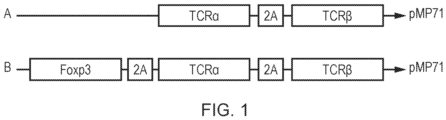
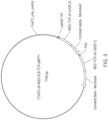
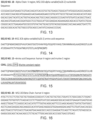
- a codon optimised MS-2 TCR expression cassette coding for the MS2-3C8 TCR was constructed ( Figure 1 and Figure 2 ) by cloning the codon optimised MS2-TCR v ⁇ , murinised constant alpha domain, codon optimised MS2-TCR v ⁇ and murinised constant beta domain into a retroviral expression cassette, pMP71. An extra disulphide bond was added between the constant-alpha and constant-beta domains as described in Blood. 2007 Mar 15; 109(6): 2331-2338 . and Cancer Res. 2007 Apr 15; 67(8): 3898-3903 .
- the constant-alpha and MS2-TCR v ⁇ domains were separated by a P2A sequence.
- An expression cassette encoding FOXP3 and MS-2 TCR was constructed by modifying the MS-2 TCR described above ( Figure 1 and Figure 3 ).
- a FOXP3 gene with the STOP codon removed and a T2A sequence were inserted into the pMP71 vector using the Rsrll and EcoR1 sites upstream of the MS-2 TCR.
- Phoenix-Ampho cells were seeded at 2 ⁇ 10 6 in 8mL of Iscove's Modified Dulbecco's Media (IMDM) in standard tissue culture conditions for 24 hours.
- IMDM Iscove's Modified Dulbecco's Media
- cells were transfected using FuGENE ® transfection reagent and optimum media mixed with 2.5 ⁇ g of relevant plasmid DNA and 1.5 ⁇ g of pCL-Amp, encoding the ecotropic retroviral co-receptor, for 20 minutes at room temperature.
- the transfection mixture was added to adherent Phoenix Amphotropic (Phoenix-AMPHO) cells and incubated for a further 24 hours.
- media was changed for 5mL of TexMACS ® (Miltenyi) tissue culture media and cells were incubated for a further 24 hours.
- CD4+ T cells were isolated using a CD4+ Positive selection kit. Cells were subsequently stained with flow cytometry antibodies CD4, CD25 and CD127 before cell sorting using the BD FACSAria ® cytometer.
- CD4+CD25hiCD127- Treg and CD4+CD25-CD127+ Tconv were collected in polypropylene tubes. The purity of cell sorting was determined by addition of FOXP3 PE antibody. Purity of CD4+CD25+CD127-FOXP3+ cells was routinely >70%.
- FACS sorted cells were activated for 48 hours by culturing 1:1 with anti-CD3 and anti-CD28 beads.
- cells were counted and resuspended in complete Roswell Park Memorial Institute medium (RPMI-1640)(Gibco) for Tconv or TexMACS ® media for Treg at 1 ⁇ 10 6 /mL.
- RPMI-1640 Roswell Park Memorial Institute medium
- Non-tissue culture-treated 24-well plates were pre-prepared by coating with retronectin, then subsequently blocked with 2% bovine serum albumin in phosphate buffered saline (PBS) and washed x2 with PBS.
- the cell suspension was mixed 1:1.
- the final concentration of IL-2 was 300u/ml for Tconv and 1000u/ml for Treg.
- Cells were incubated overnight at 37 degrees before removing supernatant and supplementing with fresh complete media and IL-2. The media was changed on alternate days.
- Tconv cells were grown in RPMI-1640 supplemented with 10% heat inactivated foetal bovine serum (FBS); 100Units/mL penicillin; 100 ⁇ g/mL streptomycin; 2mM L-glutamine. Regulatory T cells were cultured in TexMACX ® media supplemented with 100Units/mL penicillin; 100 ⁇ g/mL streptomycin.
- FBS foetal bovine serum
- TexMACX ® media supplemented with 100Units/mL penicillin; 100 ⁇ g/mL streptomycin.
- the FACS dot- plots in Figure 5 show representative flow cytometric analysis performed at day 7 to assess the level of transduction through measurement of the expression of murine TCR constant regions and FOXP3.
- T cells were isolated as described above in Example 2. At day 0 the expression of FOXP3 and Treg cell surface markers CTLA-4 (also known as CD152)and CD25 was measured by flow cytometry.
- CTLA-4 also known as CD152
- T cells were transduced and cultured as described above in Example 2. At day 7 the cells were analysed by flow cytometry and the dot-plots were gated on transduced cell populations. The relative expression of FOXP3, CTLA-4 and CD25 was measured. Figure 6 shows bar charts depicting expression of FOXP3, CTLA-4 and CD25 at day 7 of in vitro expansion. FOXP3 expression is maintained during in vitro expansion.
- CHO cells were transduced with human HLA-DR4 and CD80 or CD86. Cells expressing CD80 or CD86 were mixed together in equal parts for subsequent experiments.
- CHO cells were resuspended at 10 ⁇ 10 6 /mL in culture media with saturating amounts (10 ⁇ M/ml) of MBP 111-129 (SEQ ID NO: 3) (LSRFSWGAEGQRPGFGYGG). Suspensions were incubated for 2 hours at standard tissue culture conditions before being irradiated, washed and resuspended.
- T cells transduced with MS2 or MS2-FOXP3 construct were washed, counted and resuspended at 0.5 ⁇ 10 6 cells/ml in complete RPMI.
- Cells were plated 1:1 with CHO cells incubated with or without peptide for 4 hours. Cells were fixed and permeablised before staining with antibodies for IL-2 and IFN ⁇ .
- Figure 7 demonstrates FACS dot-plots showing peptide restimulation of effector T cells.
- Treg cells were cultured with CHO cells as described above.
- Figure 9 shows that TCR-transduced Treg and TCR-FOXP3 converted Tconv response to cognate peptide.
- T conv cells were transduced with TCR or with TCR+FOXP3.
- Transduced T cells were isolated by magnetic bead sorting. Transduced cells were stained with an anti-murine constant beta antibody conjugated to APC. Cells were thoroughly washed and stained with a second anti-APC antibody. Cells were washed and passed through a magnetic column and transduced cells were captured and eluted. Routinely >95% of purified cells were APC+.
- CD80+CD86+DR4+ CHO cells were loaded with peptide and irradiated as described above before being resuspended at 0.1 ⁇ 10 6 cells/ml.
- Transduced responder T cells were stained with CFSE cell trace dye in warmed PBS at 37 degrees for 3 minutes before addition of equal volumes of warm FBS and a further 3 minute incubation.
- Tconv and Treg were washed in 5x volume of complete media before being counting and resuspended at 1 ⁇ 10 6 transduced cells/ml.
- the transduction efficiency of Tconv and Treg were determined by flow cytometry. Regulatory T cells are removed from culture, washed and resuspended at 1 ⁇ 10 6 transduced cells/ml in complete RPMI. Cells were plated 1 Treg : 0.1 CHO cells : and varying ratios of Tconv. Proliferation was determined by analysing dilution of carboxyfluorescein succinimidyl ester (CFSE)-stained T conv.
- CFSE carboxyfluorescein succinimidyl ester
- the data in Figure 11 show that TCR-transduced Tregs suppress proliferation in an antigen-specific manner.
- Supernatants were collected from the culture media and were assayed for IL-2 by ELISA.
- the data presented in Figure 12 show that TCR-transduced Treg suppress IL-2 production in an antigen-specific manner.
- Example 8 Engineered Tregs in an adoptive transfer model of experimental autoimmune encephalomyelitis
- Adoptive transfer of the human T cells may induce an experimental autoimmune encephalomyelitis (EAE) type disease in the mice.
- EAE autoimmune encephalomyelitis
- the mice are then treated with human Treg cells which have been transduced with MS2-3C8 TCR or control Tregs.
- HLA-DRB1+0401-restricted MBP 111-129 (SEQ ID NO: 3)-specific humanised TCR transgenic mice have infiltrates of MS2-3C8 transgenic T cells and inflammatory legions located in the brainstem and the cranial nerve roots in addition to the spinal cord and spinal nerve roots (Quandt et al., J. Exp. Med. V. 200(2);2004).
- TCR induced Tregs The suppression of proliferation of pathogenic T cells by TCR induced Tregs is measured in the mouse model e.g. by CFSE, IL-2 and/or IFN ⁇ levels.
- Example 9 Engineered Tregs in classical model of experimental autoimmune encephalomyelitis
- mice are immunised with Mog (myelin oligodendrocyte protein) to induce EAE, a widely accepted animal model of MS.
- Mog myelin oligodendrocyte protein
- mice are then treated with human Treg cells which have been transduced with MS2-3C8 TCR or control Tregs.
- the suppression of proliferation of pathogenic T cells by TCR induced Tregs is measured in the mouse model e.g. by CFSE, IL-2 and/or IFN ⁇ levels.
- Example 10 - TCR transduced regulatory T cells can engraft into irradiated hosts
- CD4+CD25+ Treg were isolated from lymph nodes and splenocytes of HLA-DRB*0401 transgenic mice by bead sort. Treg were transduced with TCR. 1 day after transduction TCR or TCR+FOXP3 transduced cells were injected into HLA-DRB*0401 transgenic hosts conditioned with 4Gy irradiation (day 0). 7 weeks later flow cytometry was used to determine the engraftment of transduced Treg via staining for TCR (+7 weeks).
Landscapes
- Health & Medical Sciences (AREA)
- Life Sciences & Earth Sciences (AREA)
- Chemical & Material Sciences (AREA)
- Organic Chemistry (AREA)
- Immunology (AREA)
- Genetics & Genomics (AREA)
- Engineering & Computer Science (AREA)
- General Health & Medical Sciences (AREA)
- Zoology (AREA)
- Biomedical Technology (AREA)
- Bioinformatics & Cheminformatics (AREA)
- Biotechnology (AREA)
- Biochemistry (AREA)
- Wood Science & Technology (AREA)
- Molecular Biology (AREA)
- Biophysics (AREA)
- Veterinary Medicine (AREA)
- Public Health (AREA)
- Animal Behavior & Ethology (AREA)
- Medicinal Chemistry (AREA)
- General Engineering & Computer Science (AREA)
- Cell Biology (AREA)
- Epidemiology (AREA)
- Proteomics, Peptides & Aminoacids (AREA)
- Gastroenterology & Hepatology (AREA)
- Toxicology (AREA)
- Microbiology (AREA)
- Hematology (AREA)
- Physics & Mathematics (AREA)
- Plant Pathology (AREA)
- Pharmacology & Pharmacy (AREA)
- Virology (AREA)
- Developmental Biology & Embryology (AREA)
- Transplantation (AREA)
- Nuclear Medicine, Radiotherapy & Molecular Imaging (AREA)
- Chemical Kinetics & Catalysis (AREA)
- General Chemical & Material Sciences (AREA)
- Diabetes (AREA)
- Rehabilitation Therapy (AREA)
- Rheumatology (AREA)
Applications Claiming Priority (3)
| Application Number | Priority Date | Filing Date | Title |
|---|---|---|---|
| GBGB1806331.3A GB201806331D0 (en) | 2018-04-18 | 2018-04-18 | Method |
| GBGB1806330.5A GB201806330D0 (en) | 2018-04-18 | 2018-04-18 | Engineered regulatory T cell |
| PCT/GB2019/051097 WO2019202322A1 (en) | 2018-04-18 | 2019-04-17 | Engineered regulatory t cell |
Publications (2)
| Publication Number | Publication Date |
|---|---|
| EP3781672A1 EP3781672A1 (en) | 2021-02-24 |
| EP3781672B1 true EP3781672B1 (en) | 2025-06-18 |
Family
ID=66286535
Family Applications (2)
| Application Number | Title | Priority Date | Filing Date |
|---|---|---|---|
| EP19719599.3A Active EP3781672B1 (en) | 2018-04-18 | 2019-04-17 | Engineered regulatory t cell |
| EP19719600.9A Pending EP3781673A1 (en) | 2018-04-18 | 2019-04-17 | Method for enhancing the suppressive properties of treg cells |
Family Applications After (1)
| Application Number | Title | Priority Date | Filing Date |
|---|---|---|---|
| EP19719600.9A Pending EP3781673A1 (en) | 2018-04-18 | 2019-04-17 | Method for enhancing the suppressive properties of treg cells |
Country Status (11)
| Country | Link |
|---|---|
| US (4) | US12227756B2 (https=) |
| EP (2) | EP3781672B1 (https=) |
| JP (3) | JP7391038B2 (https=) |
| KR (1) | KR20210003810A (https=) |
| CN (2) | CN112334571B (https=) |
| AU (2) | AU2019254824B2 (https=) |
| CA (2) | CA3105303A1 (https=) |
| GB (3) | GB2611498B (https=) |
| IL (1) | IL278016B2 (https=) |
| SG (1) | SG11202010154UA (https=) |
| WO (2) | WO2019202322A1 (https=) |
Families Citing this family (14)
| Publication number | Priority date | Publication date | Assignee | Title |
|---|---|---|---|---|
| AU2019254824B2 (en) | 2018-04-18 | 2025-04-24 | Ucl Business Ltd | Method for enhancing the suppressive properties of Treg cells |
| EP3921427A1 (en) * | 2019-02-05 | 2021-12-15 | Institut National de la Santé et de la Recherche Médicale (INSERM) | Recombinant vectors suitable for the treatment of ipex syndrome |
| GB201915359D0 (en) * | 2019-10-23 | 2019-12-04 | Ucl Business Ltd | Engineered regulatory t cell |
| PL241050B1 (pl) * | 2019-12-12 | 2022-07-25 | Gdanski Univ Medyczny | Zastosowanie limfocytów T regulatorowych jako leku w leczeniu stwardnienia rozsianego |
| EP4240376B1 (en) * | 2020-11-09 | 2026-03-25 | Quell Therapeutics Limited | Method for cryopreserving engineered tregs |
| US20220169687A1 (en) * | 2020-11-10 | 2022-06-02 | Kyverna Therapeutics, Inc. | Method for treating disease using foxp3+cd4+ t cells |
| WO2022165419A1 (en) | 2021-02-01 | 2022-08-04 | Kyverna Therapeutics, Inc. | Methods for increasing t-cell function |
| US20240400993A1 (en) * | 2021-09-27 | 2024-12-05 | Kyoto University | Method for producing t cell |
| US20250017967A1 (en) | 2021-12-17 | 2025-01-16 | Quell Therapeutics Limited | Anti-thymocyte globulin for immunomodulation of a subject with regulatory t cells |
| US20230210900A1 (en) * | 2022-01-04 | 2023-07-06 | Kyverna Therapeutics, Inc. | Methods for treating autoimmune diseases |
| WO2023180690A1 (en) | 2022-03-22 | 2023-09-28 | Quell Therapeutics Limited | Methods and products for culturing t cells and uses thereof |
| EP4519417A1 (en) * | 2022-05-05 | 2025-03-12 | Quell Therapeutics Limited | Method for maintaining suppressive activity of regulatory t cells |
| CN116284447A (zh) * | 2023-02-20 | 2023-06-23 | 苏州大学 | 一种靶向pd1嵌合抗原受体修饰的调节性t细胞及其制备方法与应用 |
| EP4680728A1 (en) | 2023-03-17 | 2026-01-21 | Quell Therapeutics Limited | Treg therapy |
Family Cites Families (39)
| Publication number | Priority date | Publication date | Assignee | Title |
|---|---|---|---|---|
| US5736137A (en) | 1992-11-13 | 1998-04-07 | Idec Pharmaceuticals Corporation | Therapeutic application of chimeric and radiolabeled antibodies to human B lymphocyte restricted differentiation antigen for treatment of B cell lymphoma |
| MD1367C2 (ro) | 1992-11-13 | 2000-11-30 | Idec Pharmaceuticals Corporation | Metode de tratament al limfomului celulelor B, anticorpi anti-CD20, hibridom. |
| GB9803351D0 (en) | 1998-02-17 | 1998-04-15 | Oxford Biomedica Ltd | Anti-viral vectors |
| EP1105479B1 (en) | 1998-08-11 | 2011-01-12 | Darwin Discovery Limited | Identification of the gene causing the mouse scurfy phenotype and its human ortholog |
| GB0009760D0 (en) | 2000-04-19 | 2000-06-07 | Oxford Biomedica Ltd | Method |
| US7507542B2 (en) | 2001-05-08 | 2009-03-24 | Ucb Sa | Method for regulating immune function using the FOXP3 protein |
| FR2825261B1 (fr) | 2001-06-01 | 2003-09-12 | Maco Pharma Sa | Ligne de prelevement du sang placentaire comprenant une poche de rincage |
| WO2005001048A2 (en) | 2003-06-13 | 2005-01-06 | Oncomax Acquisition Corp. | Preparation and application of anti-tumor bifunctional fusion proteins |
| CA2529945A1 (en) | 2003-06-27 | 2005-01-06 | Biogen Idec Ma Inc. | Use of hydrophobic-interaction-chromatography or hinge-region modifications for the production of homogeneous antibody-solutions |
| CA2575604A1 (en) | 2004-07-30 | 2006-02-02 | Oregon Health And Science University | Methods for detecting and treating autoimmune disorders |
| US7147626B2 (en) | 2004-09-23 | 2006-12-12 | Celgene Corporation | Cord blood and placenta collection kit |
| MX2007014673A (es) | 2005-05-24 | 2008-04-08 | Avestha Gengraine Tech Pvt Ltd | Metodo para la produccion de un anticuerpo monoclonal para cd20 para el tratamiento de linfoma de celular b. |
| EP2126054B1 (en) * | 2007-01-31 | 2016-07-06 | Yeda Research And Development Company Limited | Redirected, genetically-engineered t regulatory cells and their use in suppression of autoimmune and inflammatory disease |
| EP2050814A1 (en) | 2007-10-17 | 2009-04-22 | Txcell | Compositions for treating multiple sclerosis |
| JP5626164B2 (ja) | 2011-07-26 | 2014-11-19 | 日本精工株式会社 | ステアリングコラム用支持装置 |
| US20150073043A1 (en) | 2012-01-19 | 2015-03-12 | Institut Pasteur Of Shanghai, Chinese Academy Of Sciences | Use of phosphorylation pathway-related factor in regulating function of regulatory t cell |
| RU2523058C2 (ru) | 2012-06-29 | 2014-07-20 | Общество с ограниченной ответственностью "Регенекс" | Способ терапии ремиттирующего рассеянного склероза |
| US9693977B2 (en) | 2013-03-15 | 2017-07-04 | President And Fellows Of Harvard College | Method of increasing the quantity of colonic T regulatory cells via G-coupled protein receptor 43 |
| WO2014183056A1 (en) | 2013-05-10 | 2014-11-13 | The Henry M. Jackson Foundation For The Advancement Of Military Medicine, Inc. | Design and use of specific regulatory t-cells to induce immune tolerance |
| GB201322430D0 (en) | 2013-12-18 | 2014-02-05 | Immunocore Ltd | T cell receptors |
| HK1245827B (en) | 2014-12-15 | 2020-06-19 | Board Of Regents Of The University Of Texas System | Methods for controlled activation or elimination of therapeutic cells |
| EP3259284B1 (en) | 2015-02-16 | 2020-04-01 | The Trustees of the University of Pennsylvania | A fully-human t cell receptor specific for the 369-377 epitope derived from the her2/neu (erbb2) receptor protein |
| GB201507368D0 (en) * | 2015-04-30 | 2015-06-17 | Ucl Business Plc | Cell |
| WO2017058752A1 (en) | 2015-09-28 | 2017-04-06 | Trustees Of Dartmouth College | Chimeric antigen receptor anti-inflammatory cells and methods of use |
| WO2017062035A1 (en) | 2015-10-09 | 2017-04-13 | Abt Holding Company | Methods for enhancing proliferation of t regulatory cells |
| US10604586B2 (en) | 2016-05-09 | 2020-03-31 | Industrial Technology Research Institute | Humanized monoclonal antibody and uses thereof |
| CN109476749A (zh) | 2016-06-30 | 2019-03-15 | 豪夫迈·罗氏有限公司 | 改良的过继性t细胞疗法 |
| EP3714944A1 (en) | 2019-03-29 | 2020-09-30 | Medizinische Hochschule Hannover | Car for use in the treatment of hvg disease |
| EP3263595A1 (en) * | 2016-06-30 | 2018-01-03 | Medizinische Hochschule Hannover | Fusion protein for use in the treatment of hvg disease |
| SG11201912010XA (en) | 2017-06-12 | 2020-01-30 | Obsidian Therapeutics Inc | Pde5 compositions and methods for immunotherapy |
| WO2018236909A1 (en) | 2017-06-20 | 2018-12-27 | La Jolla Institute For Allergy And Immunology | Engineered t-cell receptors and methods of their use in modulating inflammatory responses and treating atherosclerosis |
| EP3697820A4 (en) | 2017-10-17 | 2022-01-05 | The General Hospital Corporation | PROCEDURES AND COMPOSITIONS RELATED TO MANIPULATED REGULATORY T-CELLS |
| AU2019254824B2 (en) | 2018-04-18 | 2025-04-24 | Ucl Business Ltd | Method for enhancing the suppressive properties of Treg cells |
| WO2019241549A1 (en) | 2018-06-15 | 2019-12-19 | A2 Biotherapeutics, Inc. | Foxp3-expressing car-t regulatory cells |
| GB201814203D0 (en) | 2018-08-31 | 2018-10-17 | King S College London | Engineered regulatory t cell |
| EP3973067A1 (en) | 2019-05-21 | 2022-03-30 | Sangamo Therapeutics, Inc. | Controlled transgene expression in regulatory t cells |
| GB201915359D0 (en) * | 2019-10-23 | 2019-12-04 | Ucl Business Ltd | Engineered regulatory t cell |
| GB201915384D0 (en) | 2019-10-23 | 2019-12-04 | Ucl Business Ltd | Vector |
| GB202007842D0 (en) | 2020-05-26 | 2020-07-08 | Quell Therapeutics Ltd | Polypeptide useful in adoptive cell therapy |
-
2019
- 2019-04-17 AU AU2019254824A patent/AU2019254824B2/en active Active
- 2019-04-17 KR KR1020207032996A patent/KR20210003810A/ko active Pending
- 2019-04-17 GB GB2300872.5A patent/GB2611498B/en active Active
- 2019-04-17 IL IL278016A patent/IL278016B2/en unknown
- 2019-04-17 GB GB2300916.0A patent/GB2611707A/en not_active Withdrawn
- 2019-04-17 WO PCT/GB2019/051097 patent/WO2019202322A1/en not_active Ceased
- 2019-04-17 AU AU2019256783A patent/AU2019256783A1/en not_active Abandoned
- 2019-04-17 CA CA3105303A patent/CA3105303A1/en active Pending
- 2019-04-17 GB GB2018103.8A patent/GB2587988B/en active Active
- 2019-04-17 US US17/048,587 patent/US12227756B2/en active Active
- 2019-04-17 SG SG11202010154UA patent/SG11202010154UA/en unknown
- 2019-04-17 EP EP19719599.3A patent/EP3781672B1/en active Active
- 2019-04-17 WO PCT/GB2019/051098 patent/WO2019202323A1/en not_active Ceased
- 2019-04-17 CA CA3098128A patent/CA3098128A1/en active Pending
- 2019-04-17 CN CN201980041068.5A patent/CN112334571B/zh active Active
- 2019-04-17 CN CN201980026673.5A patent/CN112004924A/zh active Pending
- 2019-04-17 EP EP19719600.9A patent/EP3781673A1/en active Pending
- 2019-04-17 JP JP2020556883A patent/JP7391038B2/ja active Active
- 2019-04-17 JP JP2020556864A patent/JP7436383B2/ja active Active
- 2019-04-17 US US17/048,239 patent/US12077774B2/en active Active
-
2023
- 2023-11-21 JP JP2023197319A patent/JP7839774B2/ja active Active
-
2024
- 2024-08-02 US US18/792,799 patent/US20240384301A1/en active Pending
-
2025
- 2025-01-16 US US19/025,738 patent/US20250154532A1/en active Pending
Non-Patent Citations (1)
| Title |
|---|
| RIDDELL ET AL: "Generating ag-specific human regulatory T-cells by TCR gene transfer for the treatment of rheumatoid arthritis. Convert web pages and HTML files to PDF in your applications with the Pdfcrowd HTML to PDF API Printed with Pdfcrowd", 1 November 2018 (2018-11-01), XP093035526, Retrieved from the Internet <URL:https://pdfcrowd.com/genpdf/db8a9e25c8ea19a4e0dd05160a29d044.pdf?name_inline=napier_repository_worktribe_com_output_1532334_generating_ag.pdf> [retrieved on 20230328] * |
Also Published As
Similar Documents
| Publication | Publication Date | Title |
|---|---|---|
| US20250154532A1 (en) | Engineered regulatory t cell | |
| AU2020370827A1 (en) | Chimeric antigen receptor specific for HLA | |
| CN114641564B (zh) | 工程化的调节性t细胞 | |
| US20220363733A1 (en) | Engineered regulatory t cell | |
| JP2025515116A (ja) | 制御性t細胞の抑制活性を維持するための方法 |
Legal Events
| Date | Code | Title | Description |
|---|---|---|---|
| STAA | Information on the status of an ep patent application or granted ep patent |
Free format text: STATUS: UNKNOWN |
|
| STAA | Information on the status of an ep patent application or granted ep patent |
Free format text: STATUS: THE INTERNATIONAL PUBLICATION HAS BEEN MADE |
|
| PUAI | Public reference made under article 153(3) epc to a published international application that has entered the european phase |
Free format text: ORIGINAL CODE: 0009012 |
|
| STAA | Information on the status of an ep patent application or granted ep patent |
Free format text: STATUS: REQUEST FOR EXAMINATION WAS MADE |
|
| 17P | Request for examination filed |
Effective date: 20201113 |
|
| AK | Designated contracting states |
Kind code of ref document: A1 Designated state(s): AL AT BE BG CH CY CZ DE DK EE ES FI FR GB GR HR HU IE IS IT LI LT LU LV MC MK MT NL NO PL PT RO RS SE SI SK SM TR |
|
| AX | Request for extension of the european patent |
Extension state: BA ME |
|
| DAV | Request for validation of the european patent (deleted) | ||
| DAX | Request for extension of the european patent (deleted) | ||
| REG | Reference to a national code |
Ref country code: HK Ref legal event code: DE Ref document number: 40042323 Country of ref document: HK |
|
| RAP3 | Party data changed (applicant data changed or rights of an application transferred) |
Owner name: UCL BUSINESS LTD |
|
| STAA | Information on the status of an ep patent application or granted ep patent |
Free format text: STATUS: EXAMINATION IS IN PROGRESS |
|
| 17Q | First examination report despatched |
Effective date: 20230413 |
|
| TPAA | Information related to observations by third parties modified |
Free format text: ORIGINAL CODE: EPIDOSCTIPA |
|
| TPAC | Observations filed by third parties |
Free format text: ORIGINAL CODE: EPIDOSNTIPA |
|
| GRAP | Despatch of communication of intention to grant a patent |
Free format text: ORIGINAL CODE: EPIDOSNIGR1 |
|
| STAA | Information on the status of an ep patent application or granted ep patent |
Free format text: STATUS: GRANT OF PATENT IS INTENDED |
|
| INTG | Intention to grant announced |
Effective date: 20250120 |
|
| GRAS | Grant fee paid |
Free format text: ORIGINAL CODE: EPIDOSNIGR3 |
|
| GRAA | (expected) grant |
Free format text: ORIGINAL CODE: 0009210 |
|
| STAA | Information on the status of an ep patent application or granted ep patent |
Free format text: STATUS: THE PATENT HAS BEEN GRANTED |
|
| AK | Designated contracting states |
Kind code of ref document: B1 Designated state(s): AL AT BE BG CH CY CZ DE DK EE ES FI FR GB GR HR HU IE IS IT LI LT LU LV MC MK MT NL NO PL PT RO RS SE SI SK SM TR |
|
| REG | Reference to a national code |
Ref country code: GB Ref legal event code: FG4D |
|
| REG | Reference to a national code |
Ref country code: CH Ref legal event code: EP |
|
| REG | Reference to a national code |
Ref country code: DE Ref legal event code: R096 Ref document number: 602019071231 Country of ref document: DE |
|
| REG | Reference to a national code |
Ref country code: CH Ref legal event code: EP |
|
| REG | Reference to a national code |
Ref country code: IE Ref legal event code: FG4D |
|
| PG25 | Lapsed in a contracting state [announced via postgrant information from national office to epo] |
Ref country code: FI Free format text: LAPSE BECAUSE OF FAILURE TO SUBMIT A TRANSLATION OF THE DESCRIPTION OR TO PAY THE FEE WITHIN THE PRESCRIBED TIME-LIMIT Effective date: 20250618 |
|
| REG | Reference to a national code |
Ref country code: LT Ref legal event code: MG9D |
|
| PG25 | Lapsed in a contracting state [announced via postgrant information from national office to epo] |
Ref country code: NO Free format text: LAPSE BECAUSE OF FAILURE TO SUBMIT A TRANSLATION OF THE DESCRIPTION OR TO PAY THE FEE WITHIN THE PRESCRIBED TIME-LIMIT Effective date: 20250918 Ref country code: GR Free format text: LAPSE BECAUSE OF FAILURE TO SUBMIT A TRANSLATION OF THE DESCRIPTION OR TO PAY THE FEE WITHIN THE PRESCRIBED TIME-LIMIT Effective date: 20250919 |
|
| PG25 | Lapsed in a contracting state [announced via postgrant information from national office to epo] |
Ref country code: BG Free format text: LAPSE BECAUSE OF FAILURE TO SUBMIT A TRANSLATION OF THE DESCRIPTION OR TO PAY THE FEE WITHIN THE PRESCRIBED TIME-LIMIT Effective date: 20250618 |
|
| PG25 | Lapsed in a contracting state [announced via postgrant information from national office to epo] |
Ref country code: HR Free format text: LAPSE BECAUSE OF FAILURE TO SUBMIT A TRANSLATION OF THE DESCRIPTION OR TO PAY THE FEE WITHIN THE PRESCRIBED TIME-LIMIT Effective date: 20250618 |
|
| PG25 | Lapsed in a contracting state [announced via postgrant information from national office to epo] |
Ref country code: RS Free format text: LAPSE BECAUSE OF FAILURE TO SUBMIT A TRANSLATION OF THE DESCRIPTION OR TO PAY THE FEE WITHIN THE PRESCRIBED TIME-LIMIT Effective date: 20250918 |
|
| REG | Reference to a national code |
Ref country code: NL Ref legal event code: MP Effective date: 20250618 |
|
| PG25 | Lapsed in a contracting state [announced via postgrant information from national office to epo] |
Ref country code: LV Free format text: LAPSE BECAUSE OF FAILURE TO SUBMIT A TRANSLATION OF THE DESCRIPTION OR TO PAY THE FEE WITHIN THE PRESCRIBED TIME-LIMIT Effective date: 20250618 |
|
| PG25 | Lapsed in a contracting state [announced via postgrant information from national office to epo] |
Ref country code: NL Free format text: LAPSE BECAUSE OF FAILURE TO SUBMIT A TRANSLATION OF THE DESCRIPTION OR TO PAY THE FEE WITHIN THE PRESCRIBED TIME-LIMIT Effective date: 20250618 |
|
| P01 | Opt-out of the competence of the unified patent court (upc) registered |
Free format text: CASE NUMBER: UPC_APP_9495_3781672/2025 Effective date: 20251009 |
|
| PG25 | Lapsed in a contracting state [announced via postgrant information from national office to epo] |
Ref country code: PT Free format text: LAPSE BECAUSE OF FAILURE TO SUBMIT A TRANSLATION OF THE DESCRIPTION OR TO PAY THE FEE WITHIN THE PRESCRIBED TIME-LIMIT Effective date: 20251020 |
|
| REG | Reference to a national code |
Ref country code: AT Ref legal event code: MK05 Ref document number: 1804212 Country of ref document: AT Kind code of ref document: T Effective date: 20250618 |
|
| PG25 | Lapsed in a contracting state [announced via postgrant information from national office to epo] |
Ref country code: IS Free format text: LAPSE BECAUSE OF FAILURE TO SUBMIT A TRANSLATION OF THE DESCRIPTION OR TO PAY THE FEE WITHIN THE PRESCRIBED TIME-LIMIT Effective date: 20251018 |
|
| PG25 | Lapsed in a contracting state [announced via postgrant information from national office to epo] |
Ref country code: AT Free format text: LAPSE BECAUSE OF FAILURE TO SUBMIT A TRANSLATION OF THE DESCRIPTION OR TO PAY THE FEE WITHIN THE PRESCRIBED TIME-LIMIT Effective date: 20250618 Ref country code: SM Free format text: LAPSE BECAUSE OF FAILURE TO SUBMIT A TRANSLATION OF THE DESCRIPTION OR TO PAY THE FEE WITHIN THE PRESCRIBED TIME-LIMIT Effective date: 20250618 |
|
| PG25 | Lapsed in a contracting state [announced via postgrant information from national office to epo] |
Ref country code: CZ Free format text: LAPSE BECAUSE OF FAILURE TO SUBMIT A TRANSLATION OF THE DESCRIPTION OR TO PAY THE FEE WITHIN THE PRESCRIBED TIME-LIMIT Effective date: 20250618 |
|
| PG25 | Lapsed in a contracting state [announced via postgrant information from national office to epo] |
Ref country code: PL Free format text: LAPSE BECAUSE OF FAILURE TO SUBMIT A TRANSLATION OF THE DESCRIPTION OR TO PAY THE FEE WITHIN THE PRESCRIBED TIME-LIMIT Effective date: 20250618 |
|
| PG25 | Lapsed in a contracting state [announced via postgrant information from national office to epo] |
Ref country code: EE Free format text: LAPSE BECAUSE OF FAILURE TO SUBMIT A TRANSLATION OF THE DESCRIPTION OR TO PAY THE FEE WITHIN THE PRESCRIBED TIME-LIMIT Effective date: 20250618 |
|
| PG25 | Lapsed in a contracting state [announced via postgrant information from national office to epo] |
Ref country code: RO Free format text: LAPSE BECAUSE OF FAILURE TO SUBMIT A TRANSLATION OF THE DESCRIPTION OR TO PAY THE FEE WITHIN THE PRESCRIBED TIME-LIMIT Effective date: 20250618 Ref country code: SK Free format text: LAPSE BECAUSE OF FAILURE TO SUBMIT A TRANSLATION OF THE DESCRIPTION OR TO PAY THE FEE WITHIN THE PRESCRIBED TIME-LIMIT Effective date: 20250618 |
|
| PG25 | Lapsed in a contracting state [announced via postgrant information from national office to epo] |
Ref country code: ES Free format text: LAPSE BECAUSE OF FAILURE TO SUBMIT A TRANSLATION OF THE DESCRIPTION OR TO PAY THE FEE WITHIN THE PRESCRIBED TIME-LIMIT Effective date: 20250618 |
|
| PG25 | Lapsed in a contracting state [announced via postgrant information from national office to epo] |
Ref country code: DK Free format text: LAPSE BECAUSE OF FAILURE TO SUBMIT A TRANSLATION OF THE DESCRIPTION OR TO PAY THE FEE WITHIN THE PRESCRIBED TIME-LIMIT Effective date: 20250618 |
|
| PG25 | Lapsed in a contracting state [announced via postgrant information from national office to epo] |
Ref country code: IT Free format text: LAPSE BECAUSE OF FAILURE TO SUBMIT A TRANSLATION OF THE DESCRIPTION OR TO PAY THE FEE WITHIN THE PRESCRIBED TIME-LIMIT Effective date: 20250618 |
|
| PLBE | No opposition filed within time limit |
Free format text: ORIGINAL CODE: 0009261 |
|
| STAA | Information on the status of an ep patent application or granted ep patent |
Free format text: STATUS: NO OPPOSITION FILED WITHIN TIME LIMIT |