EP3769764A1 - Pharmazeutische zusammensetzung, herstellungsverfahren dafür sowie verwendungen davon - Google Patents
Pharmazeutische zusammensetzung, herstellungsverfahren dafür sowie verwendungen davon Download PDFInfo
- Publication number
- EP3769764A1 EP3769764A1 EP18910986.1A EP18910986A EP3769764A1 EP 3769764 A1 EP3769764 A1 EP 3769764A1 EP 18910986 A EP18910986 A EP 18910986A EP 3769764 A1 EP3769764 A1 EP 3769764A1
- Authority
- EP
- European Patent Office
- Prior art keywords
- pharmaceutical
- pharmaceutical composition
- parts
- composition according
- tablet
- Prior art date
- Legal status (The legal status is an assumption and is not a legal conclusion. Google has not performed a legal analysis and makes no representation as to the accuracy of the status listed.)
- Granted
Links
Images




Classifications
-
- A—HUMAN NECESSITIES
- A61—MEDICAL OR VETERINARY SCIENCE; HYGIENE
- A61K—PREPARATIONS FOR MEDICAL, DENTAL OR TOILETRY PURPOSES
- A61K31/00—Medicinal preparations containing organic active ingredients
- A61K31/33—Heterocyclic compounds
- A61K31/395—Heterocyclic compounds having nitrogen as a ring hetero atom, e.g. guanethidine or rifamycins
- A61K31/495—Heterocyclic compounds having nitrogen as a ring hetero atom, e.g. guanethidine or rifamycins having six-membered rings with two or more nitrogen atoms as the only ring heteroatoms, e.g. piperazine or tetrazines
- A61K31/505—Pyrimidines; Hydrogenated pyrimidines, e.g. trimethoprim
- A61K31/506—Pyrimidines; Hydrogenated pyrimidines, e.g. trimethoprim not condensed and containing further heterocyclic rings
-
- A—HUMAN NECESSITIES
- A61—MEDICAL OR VETERINARY SCIENCE; HYGIENE
- A61K—PREPARATIONS FOR MEDICAL, DENTAL OR TOILETRY PURPOSES
- A61K9/00—Medicinal preparations characterised by special physical form
- A61K9/20—Pills, tablets, discs, rods
- A61K9/2004—Excipients; Inactive ingredients
- A61K9/2022—Organic macromolecular compounds
- A61K9/205—Polysaccharides, e.g. alginate, gums; Cyclodextrin
- A61K9/2054—Cellulose; Cellulose derivatives, e.g. hydroxypropyl methylcellulose
-
- A—HUMAN NECESSITIES
- A61—MEDICAL OR VETERINARY SCIENCE; HYGIENE
- A61K—PREPARATIONS FOR MEDICAL, DENTAL OR TOILETRY PURPOSES
- A61K9/00—Medicinal preparations characterised by special physical form
- A61K9/20—Pills, tablets, discs, rods
- A61K9/2004—Excipients; Inactive ingredients
- A61K9/2009—Inorganic compounds
-
- A—HUMAN NECESSITIES
- A61—MEDICAL OR VETERINARY SCIENCE; HYGIENE
- A61K—PREPARATIONS FOR MEDICAL, DENTAL OR TOILETRY PURPOSES
- A61K9/00—Medicinal preparations characterised by special physical form
- A61K9/20—Pills, tablets, discs, rods
- A61K9/2004—Excipients; Inactive ingredients
- A61K9/2013—Organic compounds, e.g. phospholipids, fats
-
- A—HUMAN NECESSITIES
- A61—MEDICAL OR VETERINARY SCIENCE; HYGIENE
- A61K—PREPARATIONS FOR MEDICAL, DENTAL OR TOILETRY PURPOSES
- A61K9/00—Medicinal preparations characterised by special physical form
- A61K9/20—Pills, tablets, discs, rods
- A61K9/2004—Excipients; Inactive ingredients
- A61K9/2013—Organic compounds, e.g. phospholipids, fats
- A61K9/2018—Sugars, or sugar alcohols, e.g. lactose, mannitol; Derivatives thereof, e.g. polysorbates
-
- A—HUMAN NECESSITIES
- A61—MEDICAL OR VETERINARY SCIENCE; HYGIENE
- A61K—PREPARATIONS FOR MEDICAL, DENTAL OR TOILETRY PURPOSES
- A61K9/00—Medicinal preparations characterised by special physical form
- A61K9/20—Pills, tablets, discs, rods
- A61K9/2004—Excipients; Inactive ingredients
- A61K9/2022—Organic macromolecular compounds
- A61K9/2027—Organic macromolecular compounds obtained by reactions only involving carbon-to-carbon unsaturated bonds, e.g. polyvinyl pyrrolidone, poly(meth)acrylates
-
- A—HUMAN NECESSITIES
- A61—MEDICAL OR VETERINARY SCIENCE; HYGIENE
- A61K—PREPARATIONS FOR MEDICAL, DENTAL OR TOILETRY PURPOSES
- A61K9/00—Medicinal preparations characterised by special physical form
- A61K9/20—Pills, tablets, discs, rods
- A61K9/2004—Excipients; Inactive ingredients
- A61K9/2022—Organic macromolecular compounds
- A61K9/205—Polysaccharides, e.g. alginate, gums; Cyclodextrin
- A61K9/2059—Starch, including chemically or physically modified derivatives; Amylose; Amylopectin; Dextrin
-
- A—HUMAN NECESSITIES
- A61—MEDICAL OR VETERINARY SCIENCE; HYGIENE
- A61K—PREPARATIONS FOR MEDICAL, DENTAL OR TOILETRY PURPOSES
- A61K9/00—Medicinal preparations characterised by special physical form
- A61K9/20—Pills, tablets, discs, rods
- A61K9/2072—Pills, tablets, discs, rods characterised by shape, structure or size; Tablets with holes, special break lines or identification marks; Partially coated tablets; Disintegrating flat shaped forms
- A61K9/2077—Tablets comprising drug-containing microparticles in a substantial amount of supporting matrix; Multiparticulate tablets
-
- A—HUMAN NECESSITIES
- A61—MEDICAL OR VETERINARY SCIENCE; HYGIENE
- A61K—PREPARATIONS FOR MEDICAL, DENTAL OR TOILETRY PURPOSES
- A61K9/00—Medicinal preparations characterised by special physical form
- A61K9/20—Pills, tablets, discs, rods
- A61K9/28—Dragees; Coated pills or tablets, e.g. with film or compression coating
- A61K9/2806—Coating materials
-
- A—HUMAN NECESSITIES
- A61—MEDICAL OR VETERINARY SCIENCE; HYGIENE
- A61P—SPECIFIC THERAPEUTIC ACTIVITY OF CHEMICAL COMPOUNDS OR MEDICINAL PREPARATIONS
- A61P35/00—Antineoplastic agents
Definitions
- the present disclosure belongs to the field of pharmaceutical preparations, and relates to a pharmaceutical composition, a preparation method of the pharmaceutical composition, and a medical use of the pharmaceutical composition.
- Non-small cell lung cancer includes all cancers of lung epithelial cells except small cell lung cancer (SCLC) and accounts for about 80% of lung cancers.
- SCLC small cell lung cancer
- ACS American Cancer Society
- Epidermal growth factor receptor is a member of the ErbB receptor family, which has become a popular target for the development of anticancer drugs.
- Clinical data indicates that certain mutant forms of EGFR will eventually lead to the resistance to therapies by using drugs such as gefitinib and erlotinib.
- drugs capable of inhibiting mutant EGFR will be effective for cancer treatment.
- WT wild-type
- AZD9291 developed and launched by AstraZeneca, is the first third-generation oral and irreversible EGFR mutation-selective inhibitor, which may be used to inhibit both activated form and resistant mutant form of EGFR.
- the competition for new drugs is rather fierce since the third-generation EGFR inhibitors have unique efficacy and there are extremely limited products launched in the market at present.
- a series of derivatives of 2-arylaminopyridine, pyrimidine or triazine also have relatively high EGFR inhibitory activity while exhibiting relatively low inhibitory activity against WT EGFR.
- the compound as represented by Formula I is described in this patent application and is referred to as "C-005" with a chemical name of "N-(2-((2-(dimethylamino)ethyl)(methyl)amino)-4-methoxy-5-((4-(1-methyl-1H-pyrrolo[3,2-b]pyridin-3-yl)pyrimidin-2-yl)amino)phenyl)acrylamide".
- C-005 is a member of the above-mentioned series of derivatives of 2-arylaminopyridine, pyrimidine or triazine.
- C-005 may be used to inhibit both activated form and resistant mutant form of EGFR while exhibiting relatively low inhibitory activity against WT EGFR.
- the preparation and characterization of a variety of salts and crystal forms of C-005 is disclosed in PCT/CN2018/070011 .
- the follow-up research and development of the pharmaceutical preparations of C-005 based on the above-mentioned technical information will have important clinical significance and application prospects.
- oral drugs may be absorbed at many different sites along the gastrointestinal tract (including stomach, duodenum, jejunum, ileum and colon) after administration. With the significant change of pH value between stomach (pH 1 to 3.5) and small intestine (pH 4 to 8), pH values may also be different at the above-mentioned absorption sites. As could be seen from the physical and chemical properties of C-005, C-005 has significant pH-dependent solubility and permeability.
- C-005 in its free form has approximately 40 times higher solubility and C-005 mesylate even has more than 200 times higher solubility in a simulated gastric fluid (pH 1.2).
- solubility of the drug varies with pH and is highest under acidic conditions while being lowest under alkaline conditions, thus possibly causing the drug to precipitate out of the solution as it passes through the gastrointestinal tract.
- C-005 citrate its solubility is significantly higher than that of C-005 in the free-base form under the pH conditions in intestine. Once formed, the solution of C-005 citrate appears to be stable and does not precipitate for a time period of at least 24 hours. Based on this, it is expected that a simple "blend in capsule" formed by C-005 citrate and microcrystalline cellulose will have favorable characteristics, including the rapid and complete dissolution within the physiological pH range, so as to avoid all the problems mentioned above. Unfortunately, however, the "blend in capsule” has a relatively long time limitation in terms of the expected destruction of the capsule shell, such that only 37% release is achieved after 30 minutes, 75% release is achieved after 60 minutes and 85% release is basically achieved after 120 minutes at pH 6.8.
- the present disclosure provides solutions to one or more of the above-mentioned problems and relates to a novel pharmaceutical composition comprising a pharmaceutical substance.
- the pharmaceutical composition of the present disclosure may be in the form of a tablet, which exhibits improved dissolution characteristics under physiologically relevant conditions and/or a relatively high total release of the pharmaceutical substance under physiologically relevant conditions. It is expected that achieving a faster initial dissolution rate and/or a relatively high total release of the pharmaceutical substance will reduce the risk caused by the inter-dose and inter-patient variability of drug absorption.
- This drug has a pH-dependent solubility as demonstrated by C-005. Meanwhile, as could be seen from the screening of multiple formulations, among four dissolution media, i.e.
- a dissolution medium at pH 6.8, a dissolution medium at pH 4.5, water, and a dissolution medium at pH 1.2 the dissolution effect is the worst under a condition of pH 6.8. Therefore, a medium at the most rigorous pH (pH 6.8) and a medium at a moderate pH (pH 4.5) are generally selected as the media used for investigating the dissolution effect. In general, the dissolution effect becomes better as the dissolution time becomes shorter and the plateau level of dissolution is higher, and the dissolution effect needs to at least meet the requirement of being superior to that of the "blend in capsule".
- the pharmaceutical composition of the present disclosure exhibits significantly increased level of drug dissolution in a solution at pH 6.8 after 15, 30, and 60 minutes.
- the general procedure of the second method (paddle method) in General Rule 0931 of Chinese Pharmacopoeia (2015) is adopted, the average value of three dissolution percentages at pH 6.8 is obtained, and the data is as shown in the table below.
- composition comprising:
- wt% refers to "percentage by weight” and has its ordinary meaning in the art. Therefore, “wt%” refers to the proportion of Component X in Component Y comprising the same, and is calculated based on the weights of Component X and Component Y in each case (different from other physical parameters, such as the volume or the number of moles, if present). For example, if 2 g of Component X is contained in 20 g of Component Y, then Component X constitutes 10 wt% of Component Y.
- all parts are by weight means that the amount of each component in the pharmaceutical composition is described by the unit “part(s)". It should be understood that such expression simply defines the relative proportions of these components, wherein said proportions are defined based on relative weights (different from other physical parameters, such as the volume or the number of moles, if present). For example, if a mixture contains 1 g of Component X and 4 g of Component Z, when the sum of the parts of Component X and Component Z is defined as 100, then in this example, the mixture contains 20 parts of Component X and 80 parts of Component Z.
- the pharmaceutical substance is a pharmaceutically acceptable salt of N-(2-((2-(dimethylamino)ethyl)(methyl)amino)-4-methoxy-5-((4-(1-methyl-1H-pyrrolo[3,2-b]pyridin-3-yl)pyrimidin-2-yl)amino)phenyl)acrylamide
- the pharmaceutically acceptable salt is an acid addition salt
- the acid is any one or more selected from the group consisting of hydrochloric acid, hydrobromic acid, sulfuric acid, phosphoric acid, trifluoroacetic acid, citric acid, maleic acid, fumaric acid, succinic acid, tartaric acid, lactic acid, pyruvic acid, oxalic acid, formic acid, acetic acid, benzoic acid, methanesulfonic acid, benzenesulfonic acid, and p-toluenesulfonic acid, preferably any one or more selected from the group consisting of hydrochloric acid, hydro
- the pharmaceutical substance is N-(2-((2-(dimethylamino)ethyl)(methyl)amino)-4-methoxy-5-((4-(1-methyl-1H-pyrrolo[3,2-b]pyridin-3-yl)pyrimidin-2-yl)amino)phenyl)acrylamide citrate disclosed in PCT/CN2018/070011 , which has crystal form E and the X-ray powder diffraction (XRPD) pattern thereof has at least one characteristic peak at 2 ⁇ values of 5.4° ⁇ 0.2°, 12.0° ⁇ 0.2°, and 21.2° ⁇ 0.2°, preferably further has at least one characteristic peak at 2 ⁇ values of 10.8° ⁇ 0.2°, 17.5° ⁇ 0.2°, 24.9° ⁇ 0.2°, and 25.4° ⁇ 0.2°, and more preferably further has at least one characteristic peak at 2 ⁇ values of 9.0° ⁇ 0.2°, 12.4° ⁇
- the pharmaceutical composition comprises the pharmaceutical substance (a) in an amount limited to any one of the ranges listed below:
- the pharmaceutical diluent includes any one or more of microcrystalline cellulose, calcium phosphate, calcium sulfate, cellulose acetate (or referred to as acetyl cellulose), ethyl cellulose, erythritol, fructose, inulin, isomaltitol, lactitol, lactose, maltitol, maltodextrin, maltose, mannitol, sorbitol, polydextrose, polyethylene glycol, starch, sucrose, trehalose, and xylitol; preferably includes any one or more of microcrystalline cellulose, isomaltitol, lactitol, lactose, mannitol, sorbitol, and polydextrose; and more preferably includes any one or more of microcrystalline cellulose, mannitol, and lactose.
- composition comprises the pharmaceutical diluent (b) in an amount limited to any one of the ranges listed below:
- the pharmaceutical diluent when the pharmaceutical diluent consists of one component, said one component is microcrystalline cellulose; and when the pharmaceutical diluent consists of multiple components, one of said multiple components is microcrystalline cellulose, the remaining component(s) include(s) any one or more of isomaltitol, lactitol, lactose, mannitol, sorbitol and polydextrose, and microcrystalline cellulose constitutes from 10 wt% to 90 wt%, preferably from 15 wt% to 90 wt%, and more preferably from 20 wt% to 90 wt%, of the pharmaceutical diluent (b).
- the disintegrant includes any one or more of alginic acid, calcium alginate, sodium alginate, chitosan, calcium carboxymethylcellulose (CMC-Ca), sodium carboxymethylcellulose (CMC-Na), croscarmellose sodium (CCNa), povidone (PVP), crospovidone (or referred to as crosslinked polyvinylpyrrolidone, PVPP), guar gum, low-substituted hydroxypropyl cellulose (L-HPC), sodium carboxymethyl starch (CMS-Na), colloidal silica (or referred to as micronized silica gel, SiO 2 ), and starch, and preferably includes any one or more of low-substituted hydroxypropyl cellulose, sodium carboxymethyl starch, crospovidone, croscarmellose sodium, and colloidal silica.
- alginic acid calcium alginate, sodium alginate, chitosan, calcium carboxymethylcellulose (CMC-Ca),
- composition comprises the pharmaceutical disintegrant (c) in an amount limited to any one of the ranges listed below:
- the pharmaceutical disintegrant when the pharmaceutical disintegrant consists of one component, said one component is crospovidone; and when the pharmaceutical disintegrant consists of multiple components, one of said multiple components is crospovidone, the remaining component(s) include(s) any one or more of low-substituted hydroxypropyl cellulose, sodium carboxymethyl starch, croscarmellose sodium and colloidal silica, and crospovidone constitutes from 10 wt% to 90 wt%, preferably from 15 wt% to 90 wt%, and more preferably from 20 wt% to 90 wt%, of the pharmaceutical disintegrant (c).
- the pharmaceutical disintegrant when the pharmaceutical disintegrant consists of one component, said one component is low-substituted hydroxypropyl cellulose; and when the pharmaceutical disintegrant consists of multiple components, one of said multiple components is low-substituted hydroxypropyl cellulose, the remaining component(s) include(s) any one or more of crospovidone, sodium carboxymethyl starch, croscarmellose sodium and colloidal silica, and low-substituted hydroxypropyl cellulose constitutes from 10 wt% to 90 wt%, preferably from 15 wt% to 90 wt%, and more preferably from 20 wt% to 90 wt%, of the pharmaceutical disintegrant (c).
- the pharmaceutical disintegrant when the pharmaceutical disintegrant consists of one component, said one component is sodium carboxymethyl starch; and when the pharmaceutical disintegrant consists of multiple components, one of said multiple components is sodium carboxymethyl starch, the remaining component(s) include(s) any one or more of crospovidone, low-substituted hydroxypropyl cellulose, croscarmellose sodium and colloidal silica, and the sodium carboxymethyl starch constitutes from 10 wt% to 50 wt%, preferably from 15 wt% to 50 wt%, and more preferably from 20 wt% to 50 wt%, of the pharmaceutical disintegrant (c).
- the pharmaceutical disintegrant when the pharmaceutical disintegrant consists of one component, said one component is colloidal silica; and when the pharmaceutical disintegrant consists of multiple components, one of said multiple components is colloidal silica, the remaining component(s) include(s) any one or more of crospovidone, low-substituted hydroxypropyl cellulose, croscarmellose sodium and sodium carboxymethyl starch, and colloidal silica constitutes from 10 wt% to 50 wt%, preferably from 15 wt% to 50 wt%, and more preferably from 20 wt% to 50 wt%, of the pharmaceutical disintegrant (c).
- the solubilizer includes any one or more of benzalkonium chloride, benzyl benzoate, cetylpyridinium chloride (CPC), cyclodextrin, diethylene glycol monoethyl ether, lecithin, oleyl alcohol, poloxamer, sodium lauryl sulfate (SLS), sorbitan tristearate (ST), and glyceryl trioleate, preferably includes any one or more of sodium lauryl sulfate, cetylpyridinium chloride, and sorbitan tristearate, and more preferably includes sodium lauryl sulfate.
- composition comprises the pharmaceutical solubilizer (d) in an amount limited to any one of the ranges listed below:
- the pharmaceutical solubilizer when the pharmaceutical solubilizer consists of one component, said one component is sodium lauryl sulfate; and when the pharmaceutical solubilizer consists of multiple components, one of said multiple components is sodium lauryl sulfate, the remaining component(s) include(s) any one or more of cetylpyridinium chloride and sorbitan tristearate, and sodium lauryl sulfate constitutes from 10 wt% to 90 wt%, preferably from 15 wt% to 90 wt%, and more preferably from 20 wt% to 90 wt%, of the pharmaceutical solubilizer (d).
- the lubricant includes any one or more of stearic acid, magnesium stearate, sodium stearate, calcium stearate, zinc stearate, glyceryl monobehenate, glyceryl dibehenate, glyceryl tribehenate, glyceryl monostearate, glyceryl distearate, glyceryl tristearate, myristic acid, palmitic acid, sodium stearyl fumarate, and talc, preferably includes any one or more of magnesium stearate, calcium stearate, myristic acid, palmitic acid, and sodium stearyl fumarate, and more preferably includes any one or more of magnesium stearate and sodium stearyl fumarate.
- the pharmaceutical composition comprises the pharmaceutical lubricant (e) in an amount limited to any one of the ranges listed below:
- the pharmaceutical lubricant when the pharmaceutical lubricant consists of one component, said one component is sodium stearyl fumarate; and when the pharmaceutical lubricant consists of multiple components, one of said multiple components is sodium stearyl fumarate, the remaining component(s) include(s) any one or more of magnesium stearate, calcium stearate, myristic acid and palmitic acid, and sodium stearyl fumarate constitutes from 10 wt% to 90 wt%, preferably from 15 wt% to 90 wt%, and more preferably from 20 wt% to 90 wt%, of the pharmaceutical lubricant (e).
- the pharmaceutical lubricant when the pharmaceutical lubricant consists of one component, said one component is magnesium stearate; and when the pharmaceutical lubricant consists of multiple components, one of said multiple components is magnesium stearate, the remaining component(s) include(s) any one or more of sodium stearyl fumarate, calcium stearate, myristic acid and palmitic acid, and magnesium stearate constitutes from 10 wt% to 90 wt%, preferably from 15 wt% to 90 wt%, and more preferably from 20 wt% to 90 wt%, of the pharmaceutical lubricant (e).
- a preparation method of the above-mentioned pharmaceutical composition which comprises a step of mixing a pharmaceutical substance, a diluent, a disintegrant, a solubilizer, and a lubricant.
- provided in the present disclosure is use of the above-mentioned pharmaceutical composition as a cancer therapeutic agent.
- the cancer is lung cancer, preferably non-small cell lung cancer, and more preferably advanced non-small cell lung cancer.
- the above-mentioned pharmaceutical composition which is used as a cancer therapeutic agent.
- the cancer is lung cancer, preferably non-small cell lung cancer, and more preferably advanced non-small cell lung cancer.
- provided in the present disclosure is use of the above-mentioned pharmaceutical composition in the preparation of a pharmaceutical preparation for treating cancer.
- the cancer is lung cancer, preferably non-small cell lung cancer, and more preferably advanced non-small cell lung cancer.
- a pharmaceutical tablet comprising a tablet core
- the tablet core comprises the above-mentioned pharmaceutical composition, preferably, the tablet core has a coating.
- a preparation method of the above-mentioned pharmaceutical tablet which comprises the following steps: mixing each component comprised in the pharmaceutical composition; subjecting the mixture to dry granulating, sorting, tabletting and coating; and then obtaining the pharmaceutical tablet.
- provided in the present disclosure is use of the above-mentioned pharmaceutical tablet as a cancer therapeutic agent.
- the cancer is lung cancer, preferably non-small cell lung cancer, and more preferably advanced non-small cell lung cancer.
- the above-mentioned pharmaceutical tablet which is used as a cancer therapeutic agent.
- the cancer is lung cancer, preferably non-small cell lung cancer, and more preferably advanced non-small cell lung cancer.
- a method for treating cancer which comprises a step of administering a therapeutically effective amount of the above-mentioned pharmaceutical composition or the above-mentioned pharmaceutical tablet to a cancer patient.
- the cancer is lung cancer, preferably non-small cell lung cancer, and more preferably advanced non-small cell lung cancer.
- the administration is oral administration.
- the patient is a mammalian patient, preferably a primate mammalian patient, and more preferably a human patient.
- the pharmaceutical composition and the pharmaceutical tablet prepared therefrom of the present disclosure are capable of inhibiting mutant EGFR with high efficacy while exhibiting relatively low inhibitory activity against wild-type EGFR, thereby showing relatively high selectivity and improving the safety of drug administration.
- the pharmaceutical tablets of the present disclosure have relatively ideal disintegration time (most of the tablets are capable of realizing disintegration within 10 minutes, and some tablets even disintegrate within 1 to 3 minutes) and dissolution (most of the dissolution percentages are capable of reaching 80% or so and some of them even reach 90%, while most of the plateau levels of dissolution appear after about 15 to 20 minutes and some of them even appear after about 10 minutes), thus being suitable for being developed into a drug for treating cancer (preferably lung cancer, especially non-small cell lung cancer) and having important social and economic values.
- cancer preferably lung cancer, especially non-small cell lung cancer
- composition comprises:
- pharmaceutical substance refers to C-005 as represented by Formula I above or a pharmaceutically acceptable salt thereof, which is capable of exerting inhibitory activity on epidermal growth factor receptor (EGFR) and belongs to EGFR inhibitors.
- EGFR epidermal growth factor receptor
- pharmaceutically acceptable salt refers to a nontoxic acid addition salt formed by reacting an active pharmaceutical ingredient with an acid.
- the acids used to form this acid addition salt include not only inorganic acids, for example, hydrochloric acid, hydrobromic acid, sulfuric acid, phosphoric acid, and the like, but also organic acids, for example, trifluoroacetic acid, citric acid, maleic acid, fumaric acid, succinic acid, tartaric acid, lactic acid, pyruvic acid, oxalic acid, formic acid, acetic acid, benzoic acid, methanesulfonic acid, benzenesulfonic acid, p-toluenesulfonic acid, and the like.
- the pharmaceutical substance in the above-mentioned pharmaceutical composition is any one or more selected from the group consisting of the hydrochloride, phosphate, citrate, mesylate and p-toluenesulfonate of C-005.
- the pharmaceutical substance in the above-mentioned pharmaceutical composition is C-005 citrate.
- This citrate is capable of existing in amorphous or crystalline form.
- C-005 citrate existed in crystalline form has crystal form E.
- the XRPD pattern of the crystal form E has at least one characteristic peak at 2 ⁇ values of 5.4° ⁇ 0.2°, 12.0° ⁇ 0.2°, and 21.2° ⁇ 0.2°, preferably has at least one characteristic peak at 2 ⁇ values of 10.8° ⁇ 0.2°, 17.5° ⁇ 0.2°, 24.9° ⁇ 0.2°, and 25.4° ⁇ 0.2°, and more preferably has at least one characteristic peak at 2 ⁇ values of 9.0° ⁇ 0.2°, 12.4° ⁇ 0.2°, 13.3° ⁇ 0.2°, 16.0° ⁇ 0.2°, and 20.4° ⁇ 0.2°.
- the above-mentioned pharmaceutical composition may comprise the pharmaceutical substance (a) in an amount limited to any one of the ranges listed below:
- pharmaceutical diluent refers to a class of pharmaceutical excipients that are used to increase the weight or volume of a tablet to facilitate tabletting.
- pharmaceutical diluents include starches, saccharides and sugar alcohols, celluloses, inorganic salts, and the like.
- the pharmaceutical diluent in the above-mentioned pharmaceutical composition includes any one or more of microcrystalline cellulose, calcium phosphate, calcium sulfate, cellulose acetate, ethyl cellulose, erythritol, fructose, inulin, isomaltitol, lactitol, lactose, maltitol, maltodextrin, maltose, mannitol, sorbitol, polydextrose, polyethylene glycol, starch, sucrose, trehalose, and xylitol.
- the pharmaceutical diluent in the above-mentioned pharmaceutical composition consists of one component, that is, microcrystalline cellulose.
- the pharmaceutical diluent in the above-mentioned pharmaceutical composition consists of multiple components, one of the multiple components is microcrystalline cellulose, the remaining component(s) include(s) any one or more of isomaltitol, lactitol, lactose, mannitol, sorbitol and polydextrose, and microcrystalline cellulose constitutes from 10 wt% to 90 wt% of the pharmaceutical diluent (b).
- the above-mentioned range is from 15 wt% to 90 wt%.
- the above-mentioned range is from 20 wt% to 90 wt%.
- the above-mentioned pharmaceutical composition may comprise the pharmaceutical diluent (b) in an amount limited to any one of the ranges listed below:
- pharmaceutical disintegrant refers to a class of pharmaceutical excipients that are used to enable a tablet to quickly break into fine particles in the digestive tract thereby enabling an active pharmaceutical ingredient to be quickly dissolved in the gastrointestinal fluid and absorbed by the subject.
- Commonly used pharmaceutical disintegrants include starch or the salts thereof, cellulose or the salts thereof, alginic acid or the salts thereof, povidones, and the like.
- the pharmaceutical disintegrant in the above-mentioned pharmaceutical composition includes any one or more of alginic acid, calcium alginate, sodium alginate, chitosan, calcium carboxymethylcellulose, sodium carboxymethylcellulose, croscarmellose sodium, povidone, crospovidone, guar gum, low-substituted hydroxypropyl cellulose, sodium carboxymethyl starch, colloidal silica, and starch.
- the pharmaceutical disintegrant in the above-mentioned pharmaceutical composition consists of one component, that is, crospovidone.
- the pharmaceutical disintegrant in the above-mentioned pharmaceutical composition consists of multiple components, one of the multiple components is crospovidone, the remaining component(s) include(s) any one or more of low-substituted hydroxypropyl cellulose, sodium carboxymethyl starch, croscarmellose sodium and colloidal silica, and crospovidone constitutes from 10 wt% to 90 wt% of the pharmaceutical disintegrant (c).
- the above-mentioned range is from 15 wt% to 90 wt%.
- the above-mentioned range is from 20 wt% to 90 wt%.
- the pharmaceutical disintegrant in the above-mentioned pharmaceutical composition consists of one component, that is, low-substituted hydroxypropyl cellulose.
- the pharmaceutical disintegrant in the above-mentioned pharmaceutical composition consists of multiple components, one of the multiple components is low-substituted hydroxypropyl cellulose, the remaining component(s) include(s) any one or more of crospovidone, sodium carboxymethyl starch, croscarmellose sodium and colloidal silica, and low-substituted hydroxypropyl cellulose constitutes from 10 wt% to 90 wt% of the pharmaceutical disintegrant (c).
- the above-mentioned range is from 15 wt% to 90 wt%.
- the above-mentioned range is from 20 wt% to 90 wt%.
- the pharmaceutical disintegrant in the above-mentioned pharmaceutical composition consists of one component, that is, sodium carboxymethyl starch.
- the pharmaceutical disintegrant in the above-mentioned pharmaceutical composition consists of multiple components, one of the multiple components is sodium carboxymethyl starch, the remaining component(s) include(s) any one or more of crospovidone, low-substituted hydroxypropyl cellulose, croscarmellose sodium and colloidal silica, and sodium carboxymethyl starch constitutes from 10 wt% to 50 wt% of the pharmaceutical disintegrant (c).
- the above-mentioned range is from 15 wt% to 50 wt%.
- the above-mentioned range is from 20 wt% to 50 wt%.
- the pharmaceutical disintegrant in the above-mentioned pharmaceutical composition consists of one component, that is, colloidal silica.
- the pharmaceutical disintegrant in the above-mentioned pharmaceutical composition consists of multiple components, one of the multiple components is colloidal silica, the remaining component(s) include(s) any one or more of crospovidone, low-substituted hydroxypropyl cellulose, croscarmellose sodium and sodium carboxymethyl starch, and sodium carboxymethyl starch constitutes from 10 wt% to 50 wt% of the pharmaceutical disintegrant (c).
- the above-mentioned range is from 15 wt% to 50 wt%.
- the above-mentioned range is from 20 wt% to 50 wt%.
- the above-mentioned pharmaceutical composition may comprise the pharmaceutical disintegrant (c) in an amount limited to any one of the ranges listed below:
- pharmaceutical solubilizer refers to a class of pharmaceutical excipients that are used to increase the solubility of a poorly soluble active pharmaceutical ingredient in a solution (generally, the gastrointestinal fluid under physiological conditions) so as to form a solution as clear as possible.
- a solution generally, the gastrointestinal fluid under physiological conditions
- pharmaceutical solubilizers include alkyl sulfuric acid or the salts thereof, tetraalkylammonium halides, alkylpyridinium halides, cyclodextrins, polyethylene glycol monoethers, higher fatty alcohols, sugar alcohols or the fatty acid esters thereof, glycerin or the fatty acid esters thereof, and the like.
- the pharmaceutical solubilizer in the above-mentioned pharmaceutical composition includes any one or more of benzalkonium chloride, benzyl benzoate, cetylpyridinium chloride, cyclodextrin, diethylene glycol monoethyl ether, lecithin, oleyl alcohol, poloxamer, sodium lauryl sulfate, sorbitan tristearate, and glyceryl trioleate.
- the pharmaceutical solubilizer in the above-mentioned pharmaceutical composition consists of one component, that is, sodium lauryl sulfate.
- the pharmaceutical solubilizer in the above-mentioned pharmaceutical composition consists of multiple components, one of the multiple components is sodium lauryl sulfate, the remaining component(s) include(s) any one or more of cetylpyridinium chloride and sorbitan tristearate, and sodium lauryl sulfate constitutes from 10 wt% to 90 wt% of the pharmaceutical solubilizer (d).
- the above-mentioned range is from 15 wt% to 90 wt%.
- the above-mentioned range is from 20 wt% to 90 wt%.
- the above-mentioned pharmaceutical composition may comprise the pharmaceutical solubilizer (d) in an amount limited to any one of the ranges listed below:
- pharmaceutical lubricant is a lubricant in a narrow sense, which refers to a class of pharmaceutical excipients that are used to reduce the friction between tablets (or granules) and the die wall and/or punch of tablet machine so as to prevent the difficulty of tabletting and enable the tablets to have uniform and consistent density as well as smooth and flat surface.
- Commonly used pharmaceutical lubricants include higher fatty acids, higher fatty acid salts, higher fatty acid glycerides, polyacid fatty alcohol monoesters or the salts thereof, talc, and the like.
- the pharmaceutical lubricant in the above-mentioned pharmaceutical composition includes any one or more of stearic acid, magnesium stearate, sodium stearate, calcium stearate, zinc stearate, glyceryl monobehenate, glyceryl dibehenate, glyceryl tribehenate, glyceryl monostearate, glyceryl distearate, glyceryl tristearate, myristic acid, palmitic acid, sodium stearyl fumarate, and talc.
- the pharmaceutical lubricant in the above-mentioned pharmaceutical composition consists of one component, that is, sodium stearyl fumarate.
- the pharmaceutical lubricant in the above-mentioned pharmaceutical composition consists of multiple components, one of the multiple components is sodium stearyl fumarate, the remaining component(s) include(s) any one or more of magnesium stearate, calcium stearate, myristic acid and palmitic acid, and sodium stearyl fumarate constitutes from 10 wt% to 90 wt% of the pharmaceutical lubricant (e).
- the above-mentioned range is from 15 wt% to 90 wt%.
- the above-mentioned range is from 20 wt% to 90 wt%.
- the pharmaceutical lubricant in the above-mentioned pharmaceutical composition consists of one component, that is, magnesium stearate.
- the pharmaceutical lubricant in the above-mentioned pharmaceutical composition consists of multiple components, one of the multiple components is magnesium stearate, the remaining component(s) include(s) any one or more of sodium stearyl fumarate, calcium stearate, myristic acid and palmitic acid, and magnesium stearate constitutes from 10 wt% to 90 wt% of the pharmaceutical lubricant (e).
- the above-mentioned range is from 15 wt% to 90 wt%.
- the above-mentioned range is from 20 wt% to 90 wt%.
- the above-mentioned pharmaceutical composition may comprise the pharmaceutical lubricant (e) in an amount limited to any one of the ranges listed below:
- This preparation method comprises a step of mixing a pharmaceutical substance, a diluent, a disintegrant, a solubilizer, and a lubricant.
- provided in the present disclosure is use of the above-mentioned pharmaceutical composition as a cancer therapeutic agent.
- cancer generally refers to all malignant tumors, including brain cancer, nasopharyngeal cancer, esophageal cancer, gastric cancer, colorectal cancer, liver cancer, pancreatic cancer, lung cancer, bladder cancer, prostate cancer, breast cancer, bone cancer, blood cancer (leukemia, lymphoma, and myeloma), and the like.
- Cancer therapeutic agent refers to a pharmaceutical composition or a pharmaceutical preparation for treating cancer.
- the cancer in the above-mentioned use is lung cancer.
- the cancer in the above-mentioned use is non-small cell lung cancer.
- the cancer in the above-mentioned use is advanced non-small cell lung cancer.
- the above-mentioned pharmaceutical composition which is used as a cancer therapeutic agent.
- the above-mentioned pharmaceutical composition is used as a therapeutic agent for lung cancer.
- the above-mentioned pharmaceutical composition is used as a therapeutic agent for non-small cell lung cancer.
- the above-mentioned pharmaceutical composition is used as a therapeutic agent for advanced non-small cell lung cancer.
- provided in the present disclosure is use of the above-mentioned pharmaceutical composition in the preparation of a pharmaceutical preparation for treating cancer.
- the cancer in the above-mentioned use is lung cancer.
- the cancer in the above-mentioned use is non-small cell lung cancer.
- the cancer in the above-mentioned use is advanced non-small cell lung cancer.
- a pharmaceutical tablet comprising a tablet core, the tablet core comprises the above-mentioned pharmaceutical composition, preferably, the tablet core has a coating.
- coating refers to a multifunctional protective layer formed on the outer surface of an intermediate particle or a tablet core (or referred to as a plain tablet).
- the coating in the above-mentioned pharmaceutical tablet is prepared by using a series of coating materials under the brand name of Opadry®.
- a preparation method of the above-mentioned pharmaceutical tablet comprises the following steps: mixing each component comprised in the above-mentioned pharmaceutical composition; subjecting the mixture to dry granulating, sorting, tabletting and coating; and then obtaining the pharmaceutical tablet.
- provided in the present disclosure is use of the above-mentioned pharmaceutical tablet as a cancer therapeutic agent.
- the cancer in the above-mentioned use is lung cancer.
- the cancer in the above-mentioned use is non-small cell lung cancer.
- the cancer in the above-mentioned use is advanced non-small cell lung cancer.
- the above-mentioned pharmaceutical tablet which is used as a cancer therapeutic agent.
- the above-mentioned pharmaceutical tablet is used as a therapeutic agent for lung cancer.
- the above-mentioned pharmaceutical tablet is used as a therapeutic agent for non-small cell lung cancer.
- the above-mentioned pharmaceutical tablet is used as a therapeutic agent for advanced non-small cell lung cancer.
- a method for treating cancer comprises a step of adminstering a therapeutically effective amount of the above-mentioned pharmaceutical composition or the above-mentioned pharmaceutical tablet to a cancer patient.
- therapeutically effective amount refers to the amount of a biologically active substance that is capable of achieving any one of the following effects: (1) preventing or treating a specific disesase, condition or disorder; (2) alleviating, improving or eliminating one or more symptoms of a specific disesase, condition or disorder; or (3) preventing or delaying the onset of one or more symptoms of a specific disesase, condition or disorder.
- administration refers to a behavior of administering an active pharmaceutical ingredient, a prodrug, a pharmaceutical composition or a pharmaceutical preparation (for example, the pharmaceutical composition or the pharmaceutical preparation of the present disclosure) to a patient (including a subject, an in-vivo / in-vitro / ex-vivo cell, tissue or organ).
- Common administration modes include oral administration, skin administration (including topical administration, transdermal administration, and the like), ocular administration, nasal administration, pulmonary administration, mucosal administration (including intra-oral administration, intra-aural administration, vaginal administration, rectal administration, and the like), injection administration (including administration via intravenous injection, administration via subcutaneous injection, administration via intramuscular injection, and the like), and the like.
- the administration in the above-mentioned method is oral administration.
- the cancer in the above-mentioned method is lung cancer.
- the cancer in the above-mentioned method is non-small cell lung cancer.
- the cancer in the above-mentioned method is advanced non-small cell lung cancer.
- patient refers to an object (including not only a whole/macroscopic object such as a subject, but also a partial/microscopic object such as an in-vivo / in-vitro / ex-vivo cell, tissue or organ) that has suffered from or will suffer from a specific disease.
- a patient may be not only a human patient, but also other animal patients (for example, fishes, amphibians, reptiles, birds, and mammals).
- the patient in the above-mentioned method is a mammalian patient.
- the patient in the above-mentioned method is a primate mammalian patient.
- the patient in the above-mentioned method is a human patient.
- Example 1 Ordinary tablets (Specification: 50 mg).
- Formulation No. 1A (Specification: 50 mg) Name of raw material and excipients Manufacturer Batch No. mg/tablet wt% Theoretical amount (g) 200 tablets/batch Inner portion API b (C-005 citrate) Self-produced SLB-F170829 69.2 a 26.67% 13.84 mannitol Merck & Co. Inc.
- MGS-R0317 1.3 0.51% 0.26 Total of inner portion 254.5 99.03% 50.90 Outer portion magnesium stearate Faci Chemicals Co., Ltd. MGS-R0317 2.5 0.97% 0.50 Total of outer portion 2.5 0.97% 0.50 Total of inner and outer portions 257.0 100.00 % 51.40 Formulation No. 1C (Specification: 50 mg) Name of raw material and excipients Manufacturer Batch No.
- MGS-R0317 2.5 1.00% 0.50 Total of outer portion 2.5 1.00% 0.50 Total 250.0 100.00 % 50.00 a Equivalent to 50 mg of C-005 in the form of free base; b i.e., active pharmaceutical ingredients or raw material, also referred to as pharmaceutical substance. The same applied to the following content.
- C-005 Similar to AZD9291, C-005 also exhibited significant pH-dependent solubility, and it was therefore necessary to investigate its dissolution in a variety of media.
- Four media i.e., water, a solution at pH 1.2 (hereinafter simply referred to as pH 1.2), a solution at pH 4.5 (hereinafter simply referred to as pH 4.5) and a solution at pH 6.8 (hereinafter simply referred to as pH 6.8), were selected for the investigation.
- the preparation method of the dissolution media was as described below.
- Dissolution method The dissolution test was carried out at 37°C, 5.0 mL of sample was recovered from the dissolution medium at 0/5/10/15/20/30/45/60/90/120 minutes, filtered through the glass wool endremover filter (Acrodisc glass wool GxF (Component No. 4529) or its equivalent), and the first 2.5 ml of the filtrate was discarded. Quantification was carried out by UV analysis under a wavelength of 312 nm (ACE C18, 4.6 ⁇ 250 5 ⁇ m). Generally, the result of dissolution was the average value based on three repeated tests.
- Example 2 Ordinary tablets (Specification: 240 mg).
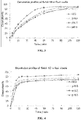
- the plateau level of dissolution was reached after 30 minutes in the medium at pH 6.8, and the dissolution percentage could reach 80% or so; the plateau level of dissolution was also reached after 30 minutes in the other three media, and the dissolution percentage could reach 85% or higher.
- Example 3 Ordinary tablets comprising different disintegrants (Specification: 240 mg).
- MGS-R0317 15.00 1.50% Total of outer portion 427.88 42.79% Total of inner and outer portion 1000 100.00 % a Equivalent to 240 mg of C-005 in the form of free base
- Plain tablets 3A to 3C were mostly capable of reaching the plateau levels of dissolution in four media after 20 minutes.
- the dissolution percentage of Plain tablet 3B could reach 91% within 15 minutes in the medium at pH 4.5, reach 85% within 20 minutes and then reach the plateau level of dissolution in the medium at pH 6.8, and respectively reach the plateau level of dissolution after 20 minutes in water and the medium at pH 1.2.
- Example 4 Ordinary tablets comprising different diluents (Specification: 240 mg).
- Example 5 Ordinary tablets (Specification: 240 mg).
- Formulation No. 5B Name of raw material and excipients Manufacturer Batch No.
- mg/tablet wt% Theoretical amount (g) 100 tablets/batch Inner portion API (C-005 citrate) Self-produced SLB-F17002 332.12 33.21% 33.212 colloidal silica (SiO 2 ) EVONIK Corporation 156021114 30.00 3.00% 3.000 microcrystalline cellulose (MCC PH200) FMC BioPolymer Corporation PN14827536 100.00 10.00% 10.000 crospovidone (PVPP) Ashland Group Corporation 0001926358 80.00 8.00% 8.000 magnesium stearate Faci Chemicals Co., Ltd.
- mg/tablet wt% Theoretical amount (g) 100 tablets/batch Inner portion API (C-005 citrate) Self-produced SLB-F17002 332.12 33.21% 33.212 microcrystalline cellulose (MCC PH200) FMC BioPolymer Corporation PN14827536 130.00 13.00% 13.000 crospovidone (PVPP) Ashland Group Corporation 0001926358 80.00 8.00% 8.000 magnesium stearate Faci Chemicals Co., Ltd.
- Formulation 5C comprised neither L-HPC as the disintegrant for use as the outer portion nor colloidal silica as the glidant.
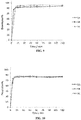
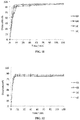
- Table 15 and Table 16 Although the disintegration time of Plain tablet 5C was slightly longer than those of Plain tablets 5A and 5B, all three plain tablets could reach the plateau level of dissolution after 10 minutes, and the dissolution of these three plain tablets had no significant difference.
- Example 6 Study on the formulation and preparation process of ordinary tablets comprising different amount of disintegrant.
- the disintegration time of the plain tablet would be gradually shortened with the increase of the amount of disintegrant in the formulation, however, when the amount of disintegrant reached 5% or more, the amplitude of variation of the disintegration time of the plain tablet would be gradually decreased.
- Example 7 Ordinary tablets in which the lubricant was added in different manners.
- Plain tablet 7 could reach the plateau level of dissolution at about 15 minutes in the four media and achieve a dissolution percentage of 85% or more, and the dissolution effect was significantly superior to that of Plain tablet 5C.
- Example 8 Coated tablets.
- Coated tablets 8A to 8C were prepared and obtained in accordance with Formulations 8A to 8C in Table 23.
- Table 23 Formulation lists of Coated tablets 8A to 8C Formulation No. 8A (900 tablets in theory) Name of raw material and excipients Manufacturer Batch No.
- Preparation processes 8A to 8C (1) The raw material was sieved through an 80-mesh sieve and all excipients were sieved through a 60-mesh sieve for later use. (2) The formulated amount of the API, the disintegrant, and the diluent for use as the inner portion were weighed and charged into a mixer with a rotating speed of 15 rpm, and the resulting mixture was mixed for 10 min. (3) The formulated amount of the lubricant for use as the inner portion was weighed and charged into a mixer with a rotating speed of 15 rpm, and the resulting mixture was mixed for 5 min.
- Dry granulating was carried out with a pressure of 3 MPa, a feed rate of 9 rpm, and a rolling speed of 22 rpm. A 1.0 mm sieve was used for sorting, and the speed of sorting was 50 rpm.
- the formulated amount of the diluent for use as the outer portion was weighed and charged into a mixer together with the dry granules, the rotating speed was 15 rpm, and the resulting mixture was mixed for 10 min.
- the formulated amount of the lubricant for use as the outer portion was weighed and charged into a mixer with a rotating speed of 15 rpm, and the resulting mixture was mixed for 5 min.
- Tabletting was conducted by using Gylongli ZP-10A tablet machine.
- a 20 ⁇ 10 mm capsule-shaped punch was used for tabletting in Preparation processes 8A and 8B and a 9 mm shallow arc punch was used for tabletting in Preparation process 8C, so as to obtain Plain tablets 8A to 8C.
- the friability and the disintegration time were determined.
- Plain tablets 8A to 8C were coated with Opadry 85G640044 series coating material (Colorcon Corporation, Batch No.: THL46201, solid content: 15%), the target coating weight gain was 3%, and Coated tablets 8A to 8C were obtained. The dissolution of Coated tablets 8A to 8C was determined. Table 24. Test results of the friability and the disintegration time of Plain tablets 8A to 8C No. Friability Disintegration time Phenomenon during tabletting 8A 0.21% 2 min 2 s No obvious sticking 8B 0.07% 3 min No obvious sticking 8C 0.00% 1 min 33 s No obvious sticking
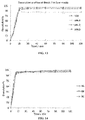
- Coated tablets 8A to 8C could reach the plateau level of dissolution at about 10 to 15 minutes in both media, at least achieve a dissolution percentage of 85% and exhibit good dissolution behavior.
Landscapes
- Health & Medical Sciences (AREA)
- Life Sciences & Earth Sciences (AREA)
- Chemical & Material Sciences (AREA)
- Public Health (AREA)
- Veterinary Medicine (AREA)
- Medicinal Chemistry (AREA)
- Pharmacology & Pharmacy (AREA)
- Animal Behavior & Ethology (AREA)
- General Health & Medical Sciences (AREA)
- Epidemiology (AREA)
- Biophysics (AREA)
- Molecular Biology (AREA)
- Inorganic Chemistry (AREA)
- Engineering & Computer Science (AREA)
- Bioinformatics & Cheminformatics (AREA)
- Chemical Kinetics & Catalysis (AREA)
- General Chemical & Material Sciences (AREA)
- Nuclear Medicine, Radiotherapy & Molecular Imaging (AREA)
- Organic Chemistry (AREA)
- Medicinal Preparation (AREA)
- Pharmaceuticals Containing Other Organic And Inorganic Compounds (AREA)
Applications Claiming Priority (1)
| Application Number | Priority Date | Filing Date | Title |
|---|---|---|---|
| PCT/CN2018/080326 WO2019178868A1 (zh) | 2018-03-23 | 2018-03-23 | 一种药物组合物及其制备方法和用途 |
Publications (3)
| Publication Number | Publication Date |
|---|---|
| EP3769764A1 true EP3769764A1 (de) | 2021-01-27 |
| EP3769764A4 EP3769764A4 (de) | 2021-11-24 |
| EP3769764B1 EP3769764B1 (de) | 2024-10-30 |
Family
ID=65713878
Family Applications (1)
| Application Number | Title | Priority Date | Filing Date |
|---|---|---|---|
| EP18910986.1A Active EP3769764B1 (de) | 2018-03-23 | 2018-03-23 | Pharmazeutische zusammensetzung, herstellungsverfahren dafür sowie verwendungen davon |
Country Status (6)
| Country | Link |
|---|---|
| US (1) | US11786527B2 (de) |
| EP (1) | EP3769764B1 (de) |
| JP (1) | JP7095108B2 (de) |
| KR (1) | KR102511672B1 (de) |
| CN (1) | CN109496150A (de) |
| WO (1) | WO2019178868A1 (de) |
Family Cites Families (4)
| Publication number | Priority date | Publication date | Assignee | Title |
|---|---|---|---|---|
| GB201400034D0 (en) | 2014-01-02 | 2014-02-19 | Astrazeneca Ab | Pharmaceutical Compositions comprising AZD9291 |
| US10377747B2 (en) | 2015-08-31 | 2019-08-13 | Wuxi Shuangliang Biotechnology Co., Ltd. | 2-arylamino pyridine, pyrimidine or triazine derivatives, preparation method and use thereof |
| CA3008701A1 (en) | 2016-01-27 | 2017-08-03 | Jiangsu Hengrui Medicine Co., Ltd. | Method for preparing pharmaceutical composition comprising quinoline derivative or salt thereof |
| CN107176954B (zh) | 2017-06-02 | 2019-01-11 | 无锡双良生物科技有限公司 | 一种egfr抑制剂的药用盐及其晶型、制备方法和应用 |
-
2018
- 2018-03-23 CN CN201880002478.4A patent/CN109496150A/zh active Pending
- 2018-03-23 JP JP2020551317A patent/JP7095108B2/ja active Active
- 2018-03-23 KR KR1020207030515A patent/KR102511672B1/ko active Active
- 2018-03-23 EP EP18910986.1A patent/EP3769764B1/de active Active
- 2018-03-23 WO PCT/CN2018/080326 patent/WO2019178868A1/zh not_active Ceased
-
2020
- 2020-09-16 US US17/022,590 patent/US11786527B2/en active Active
Also Published As
| Publication number | Publication date |
|---|---|
| JP2021516694A (ja) | 2021-07-08 |
| JP7095108B2 (ja) | 2022-07-04 |
| US11786527B2 (en) | 2023-10-17 |
| CN109496150A (zh) | 2019-03-19 |
| KR102511672B1 (ko) | 2023-03-17 |
| WO2019178868A1 (zh) | 2019-09-26 |
| KR20200135482A (ko) | 2020-12-02 |
| EP3769764A4 (de) | 2021-11-24 |
| EP3769764B1 (de) | 2024-10-30 |
| US20210000828A1 (en) | 2021-01-07 |
Similar Documents
| Publication | Publication Date | Title |
|---|---|---|
| US20220395502A1 (en) | Pharmaceutical compositions comprising azd9291 | |
| WO2013147134A1 (ja) | ミラベグロン含有医薬組成物 | |
| KR102197465B1 (ko) | 디메틸푸마르산염을 함유한 장용성 정제 | |
| JP2020525541A (ja) | 薬剤学的製剤およびその製造方法 | |
| TW202341973A (zh) | 治療性化合物、調配物、及其用途 | |
| US11786527B2 (en) | Pharmaceutical composition and preparation method therefor and uses thereof | |
| EP4427747A1 (de) | Feste dispersion, herstellungsverfahren dafür und feste formulierung damit | |
| HK40006298A (en) | A pharmaceutical composition and its preparation and use | |
| US10653697B2 (en) | Compositions and methods of use of cis-4-[2-{[3S,4R)-3-fluorooxan-4-yl]amino}8-(2,4,6-trichloroanilino)-9H-purin-9-yl]-1-methylcyclohexane-1-carboxamide | |
| KR20260057455A (ko) | Pkc 저해제를 포함하는 약제학적 조성물 | |
| KR20250022143A (ko) | 피미테스핍을 함유하는 의약 조성물 | |
| HK1228245B (en) | Pharmaceutical compositions comprising azd9291 | |
| HK1225655B (en) | Pharmaceutical compositions comprising azd9291 |
Legal Events
| Date | Code | Title | Description |
|---|---|---|---|
| STAA | Information on the status of an ep patent application or granted ep patent |
Free format text: STATUS: THE INTERNATIONAL PUBLICATION HAS BEEN MADE |
|
| PUAI | Public reference made under article 153(3) epc to a published international application that has entered the european phase |
Free format text: ORIGINAL CODE: 0009012 |
|
| STAA | Information on the status of an ep patent application or granted ep patent |
Free format text: STATUS: REQUEST FOR EXAMINATION WAS MADE |
|
| 17P | Request for examination filed |
Effective date: 20201016 |
|
| AK | Designated contracting states |
Kind code of ref document: A1 Designated state(s): AL AT BE BG CH CY CZ DE DK EE ES FI FR GB GR HR HU IE IS IT LI LT LU LV MC MK MT NL NO PL PT RO RS SE SI SK SM TR |
|
| AX | Request for extension of the european patent |
Extension state: BA ME |
|
| DAV | Request for validation of the european patent (deleted) | ||
| DAX | Request for extension of the european patent (deleted) | ||
| REG | Reference to a national code |
Ref country code: DE Ref legal event code: R079 Free format text: PREVIOUS MAIN CLASS: A61K0031506000 Ipc: A61K0009200000 Ref country code: DE Ref legal event code: R079 Ref document number: 602018076129 Country of ref document: DE Free format text: PREVIOUS MAIN CLASS: A61K0031506000 Ipc: A61K0009200000 |
|
| A4 | Supplementary search report drawn up and despatched |
Effective date: 20211022 |
|
| RIC1 | Information provided on ipc code assigned before grant |
Ipc: A61P 35/00 20060101ALI20211018BHEP Ipc: A61K 31/506 20060101ALI20211018BHEP Ipc: A61K 9/20 20060101AFI20211018BHEP |
|
| GRAP | Despatch of communication of intention to grant a patent |
Free format text: ORIGINAL CODE: EPIDOSNIGR1 |
|
| STAA | Information on the status of an ep patent application or granted ep patent |
Free format text: STATUS: GRANT OF PATENT IS INTENDED |
|
| INTG | Intention to grant announced |
Effective date: 20240529 |
|
| GRAS | Grant fee paid |
Free format text: ORIGINAL CODE: EPIDOSNIGR3 |
|
| GRAA | (expected) grant |
Free format text: ORIGINAL CODE: 0009210 |
|
| STAA | Information on the status of an ep patent application or granted ep patent |
Free format text: STATUS: THE PATENT HAS BEEN GRANTED |
|
| AK | Designated contracting states |
Kind code of ref document: B1 Designated state(s): AL AT BE BG CH CY CZ DE DK EE ES FI FR GB GR HR HU IE IS IT LI LT LU LV MC MK MT NL NO PL PT RO RS SE SI SK SM TR |
|
| REG | Reference to a national code |
Ref country code: GB Ref legal event code: FG4D |
|
| REG | Reference to a national code |
Ref country code: CH Ref legal event code: EP |
|
| REG | Reference to a national code |
Ref country code: DE Ref legal event code: R096 Ref document number: 602018076129 Country of ref document: DE |
|
| REG | Reference to a national code |
Ref country code: IE Ref legal event code: FG4D |
|
| P01 | Opt-out of the competence of the unified patent court (upc) registered |
Free format text: CASE NUMBER: APP_67900/2024 Effective date: 20241223 |
|
| REG | Reference to a national code |
Ref country code: LT Ref legal event code: MG9D |
|
| REG | Reference to a national code |
Ref country code: NL Ref legal event code: MP Effective date: 20241030 |
|
| PG25 | Lapsed in a contracting state [announced via postgrant information from national office to epo] |
Ref country code: PT Free format text: LAPSE BECAUSE OF FAILURE TO SUBMIT A TRANSLATION OF THE DESCRIPTION OR TO PAY THE FEE WITHIN THE PRESCRIBED TIME-LIMIT Effective date: 20250228 Ref country code: HR Free format text: LAPSE BECAUSE OF FAILURE TO SUBMIT A TRANSLATION OF THE DESCRIPTION OR TO PAY THE FEE WITHIN THE PRESCRIBED TIME-LIMIT Effective date: 20241030 Ref country code: IS Free format text: LAPSE BECAUSE OF FAILURE TO SUBMIT A TRANSLATION OF THE DESCRIPTION OR TO PAY THE FEE WITHIN THE PRESCRIBED TIME-LIMIT Effective date: 20250228 |
|
| PGFP | Annual fee paid to national office [announced via postgrant information from national office to epo] |
Ref country code: DE Payment date: 20250319 Year of fee payment: 8 |
|
| PG25 | Lapsed in a contracting state [announced via postgrant information from national office to epo] |
Ref country code: FI Free format text: LAPSE BECAUSE OF FAILURE TO SUBMIT A TRANSLATION OF THE DESCRIPTION OR TO PAY THE FEE WITHIN THE PRESCRIBED TIME-LIMIT Effective date: 20241030 Ref country code: NL Free format text: LAPSE BECAUSE OF FAILURE TO SUBMIT A TRANSLATION OF THE DESCRIPTION OR TO PAY THE FEE WITHIN THE PRESCRIBED TIME-LIMIT Effective date: 20241030 |
|
| REG | Reference to a national code |
Ref country code: AT Ref legal event code: MK05 Ref document number: 1736235 Country of ref document: AT Kind code of ref document: T Effective date: 20241030 |
|
| PG25 | Lapsed in a contracting state [announced via postgrant information from national office to epo] |
Ref country code: BG Free format text: LAPSE BECAUSE OF FAILURE TO SUBMIT A TRANSLATION OF THE DESCRIPTION OR TO PAY THE FEE WITHIN THE PRESCRIBED TIME-LIMIT Effective date: 20241030 |
|
| PG25 | Lapsed in a contracting state [announced via postgrant information from national office to epo] |
Ref country code: ES Free format text: LAPSE BECAUSE OF FAILURE TO SUBMIT A TRANSLATION OF THE DESCRIPTION OR TO PAY THE FEE WITHIN THE PRESCRIBED TIME-LIMIT Effective date: 20241030 |
|
| PG25 | Lapsed in a contracting state [announced via postgrant information from national office to epo] |
Ref country code: NO Free format text: LAPSE BECAUSE OF FAILURE TO SUBMIT A TRANSLATION OF THE DESCRIPTION OR TO PAY THE FEE WITHIN THE PRESCRIBED TIME-LIMIT Effective date: 20250130 |
|
| PG25 | Lapsed in a contracting state [announced via postgrant information from national office to epo] |
Ref country code: AT Free format text: LAPSE BECAUSE OF FAILURE TO SUBMIT A TRANSLATION OF THE DESCRIPTION OR TO PAY THE FEE WITHIN THE PRESCRIBED TIME-LIMIT Effective date: 20241030 Ref country code: GR Free format text: LAPSE BECAUSE OF FAILURE TO SUBMIT A TRANSLATION OF THE DESCRIPTION OR TO PAY THE FEE WITHIN THE PRESCRIBED TIME-LIMIT Effective date: 20250131 Ref country code: LV Free format text: LAPSE BECAUSE OF FAILURE TO SUBMIT A TRANSLATION OF THE DESCRIPTION OR TO PAY THE FEE WITHIN THE PRESCRIBED TIME-LIMIT Effective date: 20241030 |
|
| PG25 | Lapsed in a contracting state [announced via postgrant information from national office to epo] |
Ref country code: PL Free format text: LAPSE BECAUSE OF FAILURE TO SUBMIT A TRANSLATION OF THE DESCRIPTION OR TO PAY THE FEE WITHIN THE PRESCRIBED TIME-LIMIT Effective date: 20241030 |
|
| PGFP | Annual fee paid to national office [announced via postgrant information from national office to epo] |
Ref country code: FR Payment date: 20250326 Year of fee payment: 8 |
|
| PGFP | Annual fee paid to national office [announced via postgrant information from national office to epo] |
Ref country code: GB Payment date: 20250324 Year of fee payment: 8 |
|
| PG25 | Lapsed in a contracting state [announced via postgrant information from national office to epo] |
Ref country code: RS Free format text: LAPSE BECAUSE OF FAILURE TO SUBMIT A TRANSLATION OF THE DESCRIPTION OR TO PAY THE FEE WITHIN THE PRESCRIBED TIME-LIMIT Effective date: 20250130 |
|
| PG25 | Lapsed in a contracting state [announced via postgrant information from national office to epo] |
Ref country code: SM Free format text: LAPSE BECAUSE OF FAILURE TO SUBMIT A TRANSLATION OF THE DESCRIPTION OR TO PAY THE FEE WITHIN THE PRESCRIBED TIME-LIMIT Effective date: 20241030 |
|
| PG25 | Lapsed in a contracting state [announced via postgrant information from national office to epo] |
Ref country code: DK Free format text: LAPSE BECAUSE OF FAILURE TO SUBMIT A TRANSLATION OF THE DESCRIPTION OR TO PAY THE FEE WITHIN THE PRESCRIBED TIME-LIMIT Effective date: 20241030 |
|
| PG25 | Lapsed in a contracting state [announced via postgrant information from national office to epo] |
Ref country code: EE Free format text: LAPSE BECAUSE OF FAILURE TO SUBMIT A TRANSLATION OF THE DESCRIPTION OR TO PAY THE FEE WITHIN THE PRESCRIBED TIME-LIMIT Effective date: 20241030 |
|
| PG25 | Lapsed in a contracting state [announced via postgrant information from national office to epo] |
Ref country code: RO Free format text: LAPSE BECAUSE OF FAILURE TO SUBMIT A TRANSLATION OF THE DESCRIPTION OR TO PAY THE FEE WITHIN THE PRESCRIBED TIME-LIMIT Effective date: 20241030 |
|
| PG25 | Lapsed in a contracting state [announced via postgrant information from national office to epo] |
Ref country code: SK Free format text: LAPSE BECAUSE OF FAILURE TO SUBMIT A TRANSLATION OF THE DESCRIPTION OR TO PAY THE FEE WITHIN THE PRESCRIBED TIME-LIMIT Effective date: 20241030 |
|
| PG25 | Lapsed in a contracting state [announced via postgrant information from national office to epo] |
Ref country code: CZ Free format text: LAPSE BECAUSE OF FAILURE TO SUBMIT A TRANSLATION OF THE DESCRIPTION OR TO PAY THE FEE WITHIN THE PRESCRIBED TIME-LIMIT Effective date: 20241030 |
|
| PG25 | Lapsed in a contracting state [announced via postgrant information from national office to epo] |
Ref country code: IT Free format text: LAPSE BECAUSE OF FAILURE TO SUBMIT A TRANSLATION OF THE DESCRIPTION OR TO PAY THE FEE WITHIN THE PRESCRIBED TIME-LIMIT Effective date: 20241030 |
|
| REG | Reference to a national code |
Ref country code: DE Ref legal event code: R097 Ref document number: 602018076129 Country of ref document: DE |
|
| PLBE | No opposition filed within time limit |
Free format text: ORIGINAL CODE: 0009261 |
|
| STAA | Information on the status of an ep patent application or granted ep patent |
Free format text: STATUS: NO OPPOSITION FILED WITHIN TIME LIMIT |
|
| PG25 | Lapsed in a contracting state [announced via postgrant information from national office to epo] |
Ref country code: SE Free format text: LAPSE BECAUSE OF FAILURE TO SUBMIT A TRANSLATION OF THE DESCRIPTION OR TO PAY THE FEE WITHIN THE PRESCRIBED TIME-LIMIT Effective date: 20241030 |
|
| 26N | No opposition filed |
Effective date: 20250731 |
|
| PG25 | Lapsed in a contracting state [announced via postgrant information from national office to epo] |
Ref country code: MC Free format text: LAPSE BECAUSE OF FAILURE TO SUBMIT A TRANSLATION OF THE DESCRIPTION OR TO PAY THE FEE WITHIN THE PRESCRIBED TIME-LIMIT Effective date: 20241030 |
|
| REG | Reference to a national code |
Ref country code: CH Ref legal event code: H13 Free format text: ST27 STATUS EVENT CODE: U-0-0-H10-H13 (AS PROVIDED BY THE NATIONAL OFFICE) Effective date: 20251023 |
|
| PG25 | Lapsed in a contracting state [announced via postgrant information from national office to epo] |
Ref country code: LU Free format text: LAPSE BECAUSE OF NON-PAYMENT OF DUE FEES Effective date: 20250323 |
|
| REG | Reference to a national code |
Ref country code: BE Ref legal event code: MM Effective date: 20250331 |
|
| PG25 | Lapsed in a contracting state [announced via postgrant information from national office to epo] |
Ref country code: BE Free format text: LAPSE BECAUSE OF NON-PAYMENT OF DUE FEES Effective date: 20250331 |
|
| PG25 | Lapsed in a contracting state [announced via postgrant information from national office to epo] |
Ref country code: CH Free format text: LAPSE BECAUSE OF NON-PAYMENT OF DUE FEES Effective date: 20250331 |
|
| PG25 | Lapsed in a contracting state [announced via postgrant information from national office to epo] |
Ref country code: IE Free format text: LAPSE BECAUSE OF NON-PAYMENT OF DUE FEES Effective date: 20250323 |