EP3765848B1 - 3d-hepatocyte-spheroid-plattform mit hoher dichte für drogen-adme-studien - Google Patents
3d-hepatocyte-spheroid-plattform mit hoher dichte für drogen-adme-studien Download PDFInfo
- Publication number
- EP3765848B1 EP3765848B1 EP19717017.8A EP19717017A EP3765848B1 EP 3765848 B1 EP3765848 B1 EP 3765848B1 EP 19717017 A EP19717017 A EP 19717017A EP 3765848 B1 EP3765848 B1 EP 3765848B1
- Authority
- EP
- European Patent Office
- Prior art keywords
- clearance
- candidate compounds
- spheroid
- assay method
- hepatocytes
- Prior art date
- Legal status (The legal status is an assumption and is not a legal conclusion. Google has not performed a legal analysis and makes no representation as to the accuracy of the status listed.)
- Active
Links
Images


Classifications
-
- G—PHYSICS
- G01—MEASURING; TESTING
- G01N—INVESTIGATING OR ANALYSING MATERIALS BY DETERMINING THEIR CHEMICAL OR PHYSICAL PROPERTIES
- G01N33/00—Investigating or analysing materials by specific methods not covered by groups G01N1/00 - G01N31/00
- G01N33/48—Biological material, e.g. blood, urine; Haemocytometers
- G01N33/50—Chemical analysis of biological material, e.g. blood, urine; Testing involving biospecific ligand binding methods; Immunological testing
- G01N33/5005—Chemical analysis of biological material, e.g. blood, urine; Testing involving biospecific ligand binding methods; Immunological testing involving human or animal cells
- G01N33/5008—Chemical analysis of biological material, e.g. blood, urine; Testing involving biospecific ligand binding methods; Immunological testing involving human or animal cells for testing or evaluating the effect of chemical or biological compounds, e.g. drugs, cosmetics
- G01N33/5044—Chemical analysis of biological material, e.g. blood, urine; Testing involving biospecific ligand binding methods; Immunological testing involving human or animal cells for testing or evaluating the effect of chemical or biological compounds, e.g. drugs, cosmetics involving specific cell types
- G01N33/5067—Liver cells
-
- C—CHEMISTRY; METALLURGY
- C12—BIOCHEMISTRY; BEER; SPIRITS; WINE; VINEGAR; MICROBIOLOGY; ENZYMOLOGY; MUTATION OR GENETIC ENGINEERING
- C12M—APPARATUS FOR ENZYMOLOGY OR MICROBIOLOGY; APPARATUS FOR CULTURING MICROORGANISMS FOR PRODUCING BIOMASS, FOR GROWING CELLS OR FOR OBTAINING FERMENTATION OR METABOLIC PRODUCTS, i.e. BIOREACTORS OR FERMENTERS
- C12M23/00—Constructional details, e.g. recesses, hinges
- C12M23/02—Form or structure of the vessel
- C12M23/12—Well or multiwell plates
-
- C—CHEMISTRY; METALLURGY
- C12—BIOCHEMISTRY; BEER; SPIRITS; WINE; VINEGAR; MICROBIOLOGY; ENZYMOLOGY; MUTATION OR GENETIC ENGINEERING
- C12M—APPARATUS FOR ENZYMOLOGY OR MICROBIOLOGY; APPARATUS FOR CULTURING MICROORGANISMS FOR PRODUCING BIOMASS, FOR GROWING CELLS OR FOR OBTAINING FERMENTATION OR METABOLIC PRODUCTS, i.e. BIOREACTORS OR FERMENTERS
- C12M23/00—Constructional details, e.g. recesses, hinges
- C12M23/22—Transparent or translucent parts
-
- C—CHEMISTRY; METALLURGY
- C12—BIOCHEMISTRY; BEER; SPIRITS; WINE; VINEGAR; MICROBIOLOGY; ENZYMOLOGY; MUTATION OR GENETIC ENGINEERING
- C12M—APPARATUS FOR ENZYMOLOGY OR MICROBIOLOGY; APPARATUS FOR CULTURING MICROORGANISMS FOR PRODUCING BIOMASS, FOR GROWING CELLS OR FOR OBTAINING FERMENTATION OR METABOLIC PRODUCTS, i.e. BIOREACTORS OR FERMENTERS
- C12M23/00—Constructional details, e.g. recesses, hinges
- C12M23/24—Gas permeable parts
-
- G—PHYSICS
- G01—MEASURING; TESTING
- G01N—INVESTIGATING OR ANALYSING MATERIALS BY DETERMINING THEIR CHEMICAL OR PHYSICAL PROPERTIES
- G01N2333/00—Assays involving biological materials from specific organisms or of a specific nature
- G01N2333/90—Enzymes; Proenzymes
- G01N2333/902—Oxidoreductases (1.)
- G01N2333/90245—Oxidoreductases (1.) acting on paired donors with incorporation of molecular oxygen (1.14)
- G01N2333/90248—Oxidoreductases (1.) acting on paired donors with incorporation of molecular oxygen (1.14) with NADH or NADPH as one of the donors, and incorporation of one atom of oxygen 1.14.13
- G01N2333/90251—Oxidoreductases (1.) acting on paired donors with incorporation of molecular oxygen (1.14) with NADH or NADPH as one of the donors, and incorporation of one atom of oxygen 1.14.13 with a definite EC number (1.14.13.-)
-
- G—PHYSICS
- G01—MEASURING; TESTING
- G01N—INVESTIGATING OR ANALYSING MATERIALS BY DETERMINING THEIR CHEMICAL OR PHYSICAL PROPERTIES
- G01N2800/00—Detection or diagnosis of diseases
- G01N2800/52—Predicting or monitoring the response to treatment, e.g. for selection of therapy based on assay results in personalised medicine; Prognosis
Definitions
- the present disclosure generally relates to methods for evaluating the interaction of a candidate compound with 3D hepatocyte spheroids in an in vitro culture, including evaluating the metabolism of a candidate compound, for use in various biochemical and molecular biology studies.
- the methods are performed in labware that combine 3D spheroid culture with micro-patterned design that allows for prolonged maintenance of liver cells (e.g.
- hepatocytes viability and functionality, but also allows for multiple to several hundreds of spheroids to be treated under the same conditions and for the production of sufficient materials (e.g., parent drug, drug metabolites, and DNA, RNA, and proteins from cells) and higher detection signal intensity for ADME/Tox (absorption, distribution, metabolism, excretion and toxicity) and other related studies for more accurate detection.
- the methods allow for, among other uses, the investigation and generation of accurate in vitro intrinsic clearance data for compounds, and thus more accurate prediction of in vivo clearance, particularly with low clearance compounds.
- ADME/Tox absorption, distribution, metabolism, excretion and toxicity
- ADME/Tox screenings are used during the drug discovery process to select against drugs with problematic profiles, reduce metabolic liability, and to ultimately enable desired dosing regimen.
- An increase in low clearance compounds in pharmaceutical drug discovery programs presents challenges to conventional in vitro systems for clearance studies.
- methods and labware for evaluating the interaction of a candidate compound with 3D hepatocyte spheroids in an in vitro culture for use in various biochemical and molecular biology studies, particularly ADME/Tox (absorption, distribution, metabolism, excretion and toxicity) studies.
- the methods and labware can be used to evaluate the metabolism of a candidate compound in an in vitro 3D hepatocyte spheroid culture.
- the methods allow for, among other uses, the investigation and generation of accurate in vitro intrinsic clearance data of compounds, and thus more accurate prediction of in vivo clearance, particularly with low clearance candidate compounds.
- an assay method for evaluating the interaction of one or more low clearance candidate compounds with hepatocytes includes culturing hepatocytes in a cell culture article to form a spheroid, wherein the cell culture article comprises a chamber.
- the chamber is a well of a multi-well plate.
- at the bottom of each well is an array of microcavities.
- Each microcavity is structured to constrain the hepatocytes to grow in a 3D spheroid conformation.
- the assay method further includes contacting the 3D spheroid hepatocytes with one or more low clearance candidate compounds.
- the assay method also includes measuring the in vitro intrinsic clearance of the one or more low clearance candidate compounds.
- the culture is a long-term culture.
- the long-term culture is at least about 12 hours, at least about 24 hours, at least about 48 hours, at least about 72 hours, at least about 96 hours, at least about 7 days, at least about 14 days, at least about 21 days, or at least about 28 days.
- each microcavity of the chamber of the cell culture article includes a top aperture and a liquid impermeable bottom comprising a bottom surface.
- at least a portion of the bottom surface includes a low-adhesion or no-adhesion material in or on the bottom surface.
- the liquid impermeable bottom including the bottom surface is gas-permeable.
- at least a portion of the bottom is transparent.
- the bottom surface comprises a concave bottom surface.
- the at least one concave surface of each microcavity of the chamber includes a hemi-spherical surface, a conical surface having a taper of 30 to about 60 degrees from the side walls to the bottom surface, or a combination thereof.
- the chamber further comprises a side wall.
- the side wall of the chamber includes a vertical cylinder, a portion of a vertical conic of decreasing diameter from the chamber's top to bottom surface, a vertical square shaft having a conical transition to the at least one concave bottom surface, or a combination thereof.
- each microcavity comprises a side wall.
- the side wall of each microcavity includes a vertical cylinder, a portion of a vertical conic of decreasing diameter from the chamber's top to bottom surface, a vertical square shaft having a conical transition to the at least one concave bottom surface, or a combination thereof.
- the cell culture article includes from 1 to about 2,000 of said chambers, wherein each chamber is physically separated from any other chamber.
- the chambers are wells of a multi-well plate.
- a cell culture article may have 6, 12, 24, 96, 384 or 1536 chambers.
- each chamber includes from about 25 to about 1,000 of said microcavities.
- the in vitro intrinsic clearance of the one or more low clearance candidate compounds is measured by disappearance of the one or more candidate compounds. In some embodiments, the in vitro intrinsic clearance of the one or more candidate compounds is measured by the formation of metabolites from the one or more candidate compounds.
- the measured in vitro intrinsic clearance of the one or more candidate compounds is utilized to predict in vivo half-life of the one or more candidate compounds. In some embodiments, the measured in vitro intrinsic clearance of the one or more candidate compounds is utilized to predict in vivo clearance of the one or more candidate compounds.
- the assay method further comprises the step of analyzing metabolites of the one or more low clearance candidate compounds, wherein the metabolites are generated during the incubation of the 3D spheroid hepatocytes with the one or more low clearance candidate compounds.
- analyzing metabolites of the one or more candidate compounds comprises identification of metabolites of the one or more candidate compounds generated during the incubation of the 3D spheroid hepatocytes with the one or more low clearance candidate compounds.
- analyzing metabolites of the one or more candidate compounds comprises quantification of metabolites of the one or more candidate compounds generated during the incubation of the 3D spheroid hepatocytes with the one or more low clearance candidate compounds.
- the assay further method comprises the step of analyzing the molecular, biochemical, or genetic effects of the one or more low clearance candidate compounds on the 3D spheroid hepatocytes.
- analyzing the molecular, biochemical, or genetic effects of the one or more low clearance candidate compounds on the 3D spheroid hepatocytes comprises measuring gene and/or protein expression change during the incubation of the 3D spheroid hepatocytes with the one or more low clearance candidate compounds.
- analyzing the molecular, biochemical, or genetic effects of the one or low clearance candidate compounds on the 3D spheroid hepatocytes comprises measuring DNA, RNA, and/or proteins produced by the 3D spheroid hepatocytes (e.g., isolated from the cells, cell extracts, and/or or media) during the incubation of the 3D spheroid hepatocytes with the one or more low clearance candidate compounds.
- the hepatocytes include primary human hepatocytes. In some embodiments, the hepatocytes include a hepatic cell line.
- the assay method further includes evaluating a plurality of candidate compounds simultaneously.
- the 3D hepatocyte spheroids are functional stable for at least three weeks. In some embodiments, the functional stability of the 3D hepatocyte spheroids is determined by measuring metabolic activity, cell function, gene expression, or a combination thereof. In some embodiments, the functional stability of the 3D hepatocyte spheroids is measured by CYP3A4 activity.
- Ranges can be expressed herein as from “about” one particular value, and/or to “about” another particular value. When such a range is expressed, examples include from the one particular value and/or to the other particular value. Similarly, when values are expressed as approximations, by use of the antecedent "about,” it will be understood that the particular value forms another aspect. It will be further understood that the endpoints of each of the ranges are significant both in relation to the other endpoint, and independently of the other endpoint.
- structured to provide or “configured to provide” means that the article has features that provide the described result.
- any direction referred to herein, such as “top,” “bottom,” “left,” “right,” “upper,” “lower,” “above,” below,” and other directions and orientations are described herein for clarity in reference to the figures and are not to be limiting of an actual device or system or use of the device or system. Many of the devices, articles or systems described herein may be used in a number of directions and orientations.
- Directional descriptors used herein with regard to cell culture apparatuses often refer to directions when the apparatus is oriented for purposes of culturing cells in the apparatus.
- references herein refer to a component being “configured” or “adapted to” function in a particular way.
- such a component is “configured” or “adapted to” embody a particular property, or function in a particular manner, where such recitations are structural recitations as opposed to recitations of intended use.
- the references herein to the manner in which a component is “configured” or “adapted to” denotes an existing physical condition of the component and, as such, is to be taken as a definite recitation of the structural characteristics of the component.
- cell culture refers to keeping cells alive in vitro. Included within this term are continuous cell lines (e.g., with an immortal phenotype), primary cell cultures, finite cell lines (e.g., non-transformed cells), and any other cell population maintained in vitro, including oocytes and embryos.
- in vitro refers to an artificial environment and to processes or reactions that occur within an artificial environment.
- in vitro environments can include, but are not limited to, test tubes and cell cultures.
- in vivo refers to the natural environment (e.g., an animal or a cell) and to processes or reaction that occur within a natural environment.
- long-term culture is meant to refer to cells (e.g., but not limited to hepatocytes) that have been cultured for at least about 12 hours, optionally for at least about 24 hours, for at least about 48 hours, or for at least about 72 hours, for at least about 96 hours, at least about 7 days, at least about 14 days, at least about 21 days, or at least about 28 days.
- Long-term culturing facilitates the establishment of functional properties, such as metabolic pathways, within the culture.
- cell culture article means any container useful for culturing cells and includes plates, wells, flasks, multi-well plates, multi-layer flasks, transwell inserts, transwell microcavity inserts, and perfusion systems which provide an environment for cell culture.
- chamber means a cell culture vessel which may be a flask or a dish or a well of a multi-well plate.
- the chambers are wells of a multi-well plate.
- a cell culture article may be a multi-well plate having 6, 12, 24, 96, 384 or 1536 chambers or wells.
- each chamber includes from about 25 to about 1,000 of said microcavities.
- a "well” is an individual cell culture environment provided in a multi-well plate format.
- a well can be a well of a 4 well plate, a 6 well plate, a 12 well plate, a 24 well plate, a 96 well plate, a 538 well plate, a 1536 well plate, or any other multi-well plate configuration.
- a single chamber can be a well of a multi-well plate structured to constrain cells of interest to grow as a single 3D cell mass, or as a single spheroid, in that single chamber.
- a well of a 96 well plate (wells of traditional 96 well plates) are approximately 10.67 mm deep, have a top aperture of approximately 6.86 mm and a well bottom diameter of approximately 6.35 mm.
- spheroid plate means a multi-well plate having an array of single-spheroid chambers or wells. That is, in embodiments, a multi-well plate may have multiple chambers or wells, wherein each chamber or well is configured to contain a single spheroid.
- microwell or “microcavity” which is “structured to constrain cells of interest to grow in 3D conformation” or the like means microwells, or microcavities having dimensions or treatments, or a combination of dimensions and treatments, which encourage cells in culture to grow in 3D or spheroid conformation rather than as two dimensional sheets of cells.
- Treatments include treatment with low binding solutions, treatments to render the surface less hydrophobic, or treatments for sterilization, for example.
- the "microcavity" or “microwell” can be, for example, a microwell that defines an upper aperture and a nadir, a center of the upper aperture, and a center axis between the nadir and the center of the upper aperture.
- the microcavity or microwell well is rotationally symmetrical about the axis (i.e. the sidewall is cylindrical).
- the upper aperture defines a distance across the upper aperture of from between 250 ⁇ m to 1 mm, or any range within those measurements.
- the distance from the upper aperture to the nadir is between 200 ⁇ m and 900 ⁇ m, or between 400 and 600 ⁇ m.
- the array of microcavities may have different geometries, for example, parabolic, hyperbolic, chevron, and cross-section geometries, or combinations thereof.
- a well has an array of "microcavities.”
- the "microcavity" can be, for example, a microwell that defines an upper aperture and a nadir, a center of the upper aperture, and a center axis between the nadir and the center of the upper aperture.
- the well is rotationally symmetrical about the axis (i.e. the sidewall is cylindrical).
- the upper aperture defines a distance across the upper aperture of from between 250 ⁇ m to 1 mm, or any range within those measurements.
- the distance from the upper aperture to the nadir is between 200 ⁇ m and 900 ⁇ m, or between 400 and 600 ⁇ m.
- the array of microcavities may have different geometries, for example, parabolic, hyperbolic, chevron, and cross-section geometries, or combinations thereof.
- a "microcavity spheroid plate” means a multi-well plate having an array of wells, each well having an array of microcavities.
- round bottom of a well or microcavity well can be, for example, a hemisphere, or a portion of a hemisphere, such as a horizontal section or slice of a hemisphere making up the bottom of the well or microcavity.
- the term "3D spheroid" or “spheroid” can be, for example, a ball of cells in culture, which are not a flat two-dimensional sheet of cells.
- the terms “3D spheroid” and “spheroid” are used interchangeably here.
- the spheroid is comprised of a single cell type or multiple cell types, having a diameter of, for example, from about 100 to about 500 microns, more preferably from about 150 to about 400 microns, even more preferably from about 150 to about 300 microns, and most preferably from about 200 to about 250 microns, including intermediate values and ranges, depending on, for example, the types of cells in the spheroid.
- Spheroid diameters can be, for example, from about 200 to about 400 microns.
- the maximum size of a spheroid is generally constrained by diffusion considerations (for a review of spheroids and spheroid vessels see Achilli, T-M, et. al. Expert Opin. Biol. Ther. (2012) 12(10 )).
- hepatocyte means any cell that is derived from the main parenchymal tissue of the liver.
- Hepatocytes can be primary hepatocyte cells that are obtained or isolated from an animal, including a human, or hepatocytes can be hepatic cell lines or primary hepatocyte derived cells.
- insert means a cell culture well that fits into a well of a spheroid plate or a microcavity spheroid plate.
- the insert has sidewalls and a bottom surface defining a cavity for culturing cells.
- a "transwell microcavity insert” means an insert in which the bottom surface has an array of microcavities.
- insert plate means an insert plate containing an array of inserts structured to fit into an array of wells of a multi-well plate.
- microcavity insert plate means an insert plate in which each insert in the array of inserts has a bottom surface with an array of microcavities.
- candidate compound or the like (e.g., “compound” “compound of interest”, or “drug compound”) is meant to refer to any compound (exogenously administered or endogenously generated) wherein the characterization of the compound's ADME/Tox properties are desirable.
- candidate compounds include xenobiotics low molecular weight therapeutic agents commonly referred to as “drugs” and other therapeutic agents, carcinogens and environmental pollutants and endobiotics such as steroids, bile acids, fatty acids and prostaglandins.
- a candidate compound may include drugs, including all class of action, including but not limited to: anti-neoplastics, immuno-suppressants, immune-stimulants, anti-proliferatives, anti-thrombins, anti-platelet, anti-lipid, anti-inflammatory, anti-biotics, angiogenics, anti-angiogenics, vitamins, ACE inhibitors, vasoactive substances, anti-mitotics, metello-proteinase inhibitors, NO donors, estradiols, anti-sclerosing agents, hormones, free radical scavengers, toxins, alkylating agents, alone or in combination.
- drugs including all class of action, including but not limited to: anti-neoplastics, immuno-suppressants, immune-stimulants, anti-proliferatives, anti-thrombins, anti-platelet, anti-lipid, anti-inflammatory, anti-biotics, angiogenics, anti-angiogenics, vitamins, ACE inhibitors, vasoactive substances, anti
- a candidate compound may also include, for example and not by way of limitation, biologic agents, including but not limited to: peptides, lipids, protein drugs, protein conjugates drugs, enzymes, oligonucleotides, ribozymes, genetic material, prions, virus, and bacteria.
- biologic agents including but not limited to: peptides, lipids, protein drugs, protein conjugates drugs, enzymes, oligonucleotides, ribozymes, genetic material, prions, virus, and bacteria.
- clearance is meant to refer to the volume of blood that is completely cleared of a compound (e.g., but not limited to, a drug) per unit of time. Clearance is typically measured in ml/min or ml/min/kg.
- intrinsic clearance is meant to refer to the ability of the liver to remove a compound (e.g., but not limited to, a drug) in the absence of flow limitations and binding to cells or proteins in the blood.
- intrinsic clearance is the intrinsic ability of hepatic enzymes to metabolize the drug.
- a "low clearance compound” is meant to refer to a compound that has a clearance of ⁇ 5 ml/min/kg.
- ADME/Tox absorption, distribution, metabolism, excretion and toxicity properties of a compound are critical elements for predicting the compound's clinical success and to select against drugs with problematic profiles, reduce metabolic liability, and to ultimately enable once-a-day dosing. While traditional in vitro systems have had some success and resulted in an increase in percentage of low clearance compounds in pharmaceutical drug discovery programs, challenges remain. The ability to use in vitro data to predict in vivo liver metabolism and toxicity is critical. Further, even for drug candidate compounds that exhibit slow metabolism, it is critical to accurately differentiate drug candidate compounds based on their predicted clearance.
- in vivo hepatic clearance of a compound is important in drug discovery and development, as understanding a compound's clearance parameter is an essential factor for determining drug-half-life, oral bioavailability, dose, and dosing regimens.
- the ability to generate accurate in vitro intrinsic clearance data is as essential element in predicting in vivo human clearance, as an unexpected in vivo clearance of a drug candidate can lead to exposure issues and safety concerns.
- hepatocyte suspensions as well as human liver microsomes, generally under-predict in vivo clearance, particularly for low clearance compounds. This is largely due to the rapid loss of enzymatic activity of in vitro hepatocyte suspensions (typically within 4-6 hours) and human liver microsomes (typically limited to about 1-2 hours) over time, which therefore precludes the ability to accurately evaluate the metabolic stability of slowly metabolized, low clearance compounds. Rather, the use of human liver microsomes typically has a lower limit of intrinsic clearance measurements of 10 ml/min/kg, while the use of human hepatocyte suspensions typically has a lower limit of intrinsic clearance measurements of 6.3 ml/min/kg. As previously stated, low clearance candidate compounds have a clearance of ⁇ 5 ml/min/kg.
- the present disclosure describes, among other things, methods and labware for evaluating the interaction of a candidate compound on 3D hepatocyte spheroids for use in various biochemical and molecular biology studies, particularly ADME/Tox (absorption, distribution, metabolism, excretion and toxicity) studies.
- the methods and labware can be used to evaluate the metabolism of a candidate compound in an in vitro 3D hepatocyte spheroid culture.
- the methods are performed in labware that combine 3D spheroid culture with micro-patterned design that allows for prolonged maintenance of liver cells (e.g.
- the one or more candidate compound is a low clearance compound.
- a low clearance compound is a compound having a clearance of ⁇ 5 ml/min/kg.
- Low clearance compounds include, but are not limited to, warfarin, meloxicam, tolbutamide, diazepam, alprazolam, glimepiride, prednisolone, riluzole, and voriconazole.
- warfarin meloxicam
- tolbutamide diazepam
- alprazolam alprazolam
- glimepiride prednisolone
- riluzole a voriconazole.
- the instantly-disclosed methods that combine 3D spheroid culture with micro-patterned design generated in vitro intrinsic clearance data of 9 low clearance compounds that had an accuracy of prediction of in vivo clearance of 44% within 2-fold of actual and 67% within 3-fold of actual.
- methods that utilized a 2D monolayer only generated in vitro intrinsic clearance data that had an accuracy of prediction of in vivo clearance of 33% within 2-fold of actual and 44% within 3-fold of actual for the same 9 low clearance compounds.
- the instant methods do not require animal stromal cells in the 3D spheroid culture and can be completed at a significantly reduced cost.
- the instant methods are much less labor intensive as they do not require repeated thawing of hepatocytes and supernatant transfer.
- an assay method for evaluating the interaction of one or more low clearance candidate compounds with hepatocytes is disclosed.
- an assay method for evaluating the metabolism of a low clearance candidate compound in an in vitro 3D hepatocyte spheroid culture comprises culturing hepatocytes in a cell culture article to form a spheroid, wherein the cell culture article comprises a chamber, the chamber comprising an array of microcavities, each microcavity structured to constrain the hepatocytes to grow in a 3D spheroid conformation.
- the assay method further comprises contacting the 3D spheroid hepatocytes with one or more low clearance candidate compounds.
- the assay method also comprises measuring the interaction of the one or more low clearance candidate compounds with the 3D hepatocyte spheroids in the in vitro culture, with such an interaction including but not limited to, clearance studies (uptake clearance; basolateral efflux clearance; canalicular efflux clearance; metabolic clearance), metabolite ID and metabolic stability (parent lifetime), intracellular concentration of the candidate compound, protein and gene regulation (induction/suppression) and other molecular, biochemical, and genetic analysis of the cultured 3D spheroid hepatocytes, a toxicological effect, compound kinetics, subcellular accumulation and free or total (the combination of bound and free) intracellular concentration, overall biliary clearance, P450 and transporter drug interactions, and pharmacokinetics.
- the measured in vitro interaction is used to predict an in vivo disposition of the one or more low clearance candidate compounds.
- the cultured cells including but not limited to the hepatocytes that form a 3D spheroid (in aspects, with the one or more low clearance candidate compounds), are cultured as a long-term culture.
- the cultured cells are cultured (in aspects, with the one or more low clearance candidate compounds) for at least about 12 hours, optionally for at least about 24 hours, for at least about 48 hours, or for at least about 72 hours, for at least about 96 hours, at least about 7 days, at least about 14 days, at least about 21 days, or at least about 28 days.
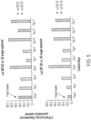
- Long-term culturing facilitates the establishment of functional properties, such as metabolic pathways, within the culture. For example, as shown in FIG.
- the cultured 3D spheroid hepatocytes are functional stable for at least about 1 week, at least about 2 weeks, at least about 3 weeks, or at least about 4 weeks. Functional stability can be measured as is known in the art, including but not limited to, measurement of metabolic activity, cell function, gene expression, or a combination thereof. In some embodiments, functional stability is measured by CYP3A4 activity.
- each microcavity of the chamber comprises a top aperture and a liquid impermeable bottom comprising a bottom surface, wherein at least a portion of the bottom surface comprises a low-adhesion or no-adhesion material in or on the bottom surface.
- the liquid impermeable bottom including the bottom surface is gas-permeable.
- at least a portion of the bottom is transparent.
- the bottom surface comprises a concave bottom surface.
- the at least one concave bottom surface of each microcavity of the chamber includes a hemi-spherical surface, a conical surface having a taper of 30 to about 60 degrees from the side walls to the bottom surface, or a combination thereof.
- the chamber further comprises a side wall.
- the cell culture article includes from 1 to about 2,000 of said chambers, wherein each chamber is physically separated from any other chamber.
- each chamber includes from about 25 to about 1,000 of said microcavities.
- a 6-well plate may comprise approximately 700 microcavities in one well of the 6-well plate, thus allowing for 700 spheroids (approximately 1.2 million cells in total) within one well.
- a 24-well plate may comprise approximately 100-200 microcavities per well, while a 96-well plate may comprise approximately 50 microcavities per well.
- Cells cultured in three dimensions can exhibit more in vivo like functionality than their counterparts cultured in two dimensions as monolayers.
- cells can attach to a substrate on which they are cultured.
- the cells interact with each other rather than attaching to the substrate.
- Cells cultured in three dimensions more closely resemble in vivo tissue in terms of cellular communication and the development of extracellular matrices.
- 3D spheroid culture of hepatocytes results in sustained hepatocyte drug metabolic activity and cell viability.
- hepatocyte 3D spheroids thus provide a superior model for ADME/Tox studies, including the investigation and generation of accurate in vitro intrinsic clearance data for a more accurate prediction of in vivo clearance, particularly with such low clearance compounds.
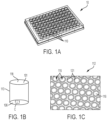
- FIG. 1A illustrates a multi-well plate 10 having an array of wells 110.
- FIG. 1B illustrates a single well 101 of the multi-well plate 10 of FIG. 1A .
- the single well 101 has a top aperture 118, a liquid impermeable bottom surface 106, and a sidewall 113.
- FIG. 1C is an exploded view of the area of the bottom surface 106 of the well 101 shown in the box C in FIG. 1B illustrating an array of microcavities 112 in the bottom surface of the single well shown in FIG. 1B .
- Each microcavity 115 in the array of microcavities 112 has a sidewall 121 and a liquid impermeable bottom surface 116.
- 1C which provides an array of microcavities 112 in the bottom of each individual well 101, can be used to grow an individual 3D spheroid in each of the microcavities of each individual well of the multi-well plate.
- a user can grow a large number of spheroids in each well of a multi-well plate and thereby provide a large number of liver cell spheroids that maintain prolonged viability and functionality and that can be treated under the same culture and experimental conditions for use in an assay as provided herein.
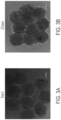
- this type of vessel provides a physical barrier between individual 3D spheroids to prevent any spheroid fusion during culture or testing. As shown in FIG. 3A and FIG.
- the microwell design of the instant disclosure provides a physical barrier that allows for the integrity of each spheroid to be maintained during extended incubation time with testing compounds to allow for homogenous diffusion and drug metabolism activities across the well.
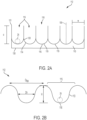
- FIG. 2A illustrates microcavities 115, each having top aperture 118, a bottom surface 119, a depth d, and a width w defined by sidewalls 121.
- the array of microcavities have a liquid impermeable, concave arcuate bottom surface 116.
- the bottom surfaces of the microcavities can be round or conical, angled, flat bottomed, or any shape suitable for forming 3D spheroids. A rounded bottom is preferred.
- the round bottom 119 can have a transition zone 114 as the perpendicular sidewalls transition into a round bottom 119. This can be a smooth or angled transition zone.
- the "microcavity" can be, for example, a microwell 115 that defines an upper aperture 118 and a nadir 116, a center of the upper aperture, and a center axis 105 between the nadir and the center of the upper aperture.
- the well is rotationally symmetrical about the axis (i.e. the sidewall is cylindrical).
- the upper aperture defines a distances across the upper aperture (width w) of from between 250 ⁇ m to 1 mm, or any range within those measurements.
- the distance from the upper aperture to the nadir is between 200 ⁇ m and 900 ⁇ m, or between 400 and 600 ⁇ m.
- the array of microcavities may have different geometries, for example, parabolic, hyperbolic, chevron, and cross-section geometries, or combinations thereof.
- the microcavities may have a protective layer 130 below them to protect them from direct contact with a surface such as a lab bench or a table.
- the air space 110 may be in communication with the external environment, or may be closed.
- FIG. 2B a further exemplary illustration of an array of microcavities 112 is shown.
- the array of microcavities 112 may have a sinusoidal or parabolic shape. This shape creates a rounded top edge or microcavity edge which, in embodiments, reduces the entrapment of air at a sharp corner or 90 degree angle at the top of a microcavity. As shown in FIG.
- the microcavity 115 has a top opening having a top diameter Dtop, a height from the bottom of the microcavity 116 to the top of the microcavity H, a diameter of the microcavity at a height half-way between the top of the microcavity and the bottom 116 of the microcavity D H , and a sidewall 113 .
- the bottom of the well is rounded (e.g., hemispherically round), the side walls increase in diameter from the bottom of the well to the top and the boundary between wells is rounded. As such the top of the wells does not terminate at a right angle.
- a well has a diameter D at the half-way point (also termed D H ) between the bottom and top, a diameter D top at the top of the well and a height H from bottom to top of the well.
- D top is greater than D.
- the bottom surface of a microcavity having the at least one concave arcuate bottom surface or "cup” can be, for example, a hemi-spherical surface, a conical surface having a rounded bottom, and like surface geometries, or a combination thereof.
- the microcavity bottom ultimately terminates, ends, or bottoms-out in a spheroid "friendly" rounded or curved surface, such as a dimple, a pit, and like concave frusto-conicial relief surfaces, or combinations thereof.
- the at least one concave surface of each microcavity in the chamber includes a hemi-spherical surface, a conical surface having a taper of 30 to about 60 degrees from the side walls to the bottom surface, or a combination thereof.
- the at least one concave arcuate bottom surface can be, for example, a portion of a hemisphere, such as a horizontal section or slice of a hemisphere, having a diameter of, for example, from about 250 to about 5,000 microns (i.e., 0.010 to 0.200 inch), including intermediate values and ranges, depending on, for example, the well geometry selected, the number of concave arcuate surfaces within each well, the number of wells in a plate, and like considerations.
- Other concave arcuate surface can have, for example, parabolic, hyperbolic, chevron, and like cross-section geometries, or combinations thereof.
- the cell culture article comprising a chamber, each chamber comprising microcavities (e.g., a multiwell plate, a microcavity spheroid plate, a microcavity insert, a microcavity insert plate, etc.) can further comprise a low-adhesion, ultra-low adhesion, or no-adhesion coating.
- the coating may be, for example, on a portion of the microcavity, such as on the at least one bottom surface or on the at least one concave bottom surface of each microcavity and/or one or more sidewalls of each microcavity.
- non-adherent material include perfluorinated polymers, olefins, or like polymers, or mixtures thereof.
- Other examples include agarose, non-ionic hydrogels such as polyacrylamides, or polyethers such as polyethyleneoxide or polyols such as polyvinylalcohol, or like materials, or mixtures thereof.
- the side wall surface (i.e., a surround) of the chamber and/or each microcavity can be, for example, a vertical cylinder or shaft, a portion of a vertical conic of decreasing diameter from the chamber top to the chamber bottom, a vertical square shaft or vertical oval shaft having a conical transition, i.e., a square or oval at the top of the well, transitioning to a conic, and ending with a bottom having at least one concave arcuate surface, i.e., rounded or curved, or a combination thereof.
- Other illustrative geometric examples include holey cylinders, holey conic cylinders, first cylinders then conics, and other like geometries, or combinations thereof.
- One or more of, for example, a low-attachment substrate, the well curvature in the body and base portions of the microcavities, and gravity, can induce tumor cells to self-assemble into spheroids.
- individual cells may fall to the bottom of a microcavity, adhere to each other (and not to the low-binding coated surface of the microwell) and grow into a spheroid.
- Hepatocytes maintain differentiated cell function indicative of a more in vivo-like, response relative to cells grown in a 2D monolayer.
- the spheroid can be, for example, substantially a sphere, having a diameter of, for example, from about 100 to about 500 microns, more preferably from about 150 to about 400 microns, even more preferably from about 150 to about 300 microns, and most preferably from about 200 to about 250 microns, including intermediate values and ranges, depending on, for example, the types of cells in the spheroid.
- Spheroid diameters can be, for example, from about 200 ⁇ m to about 400 ⁇ m (microns), and the upper diameters being constrained by diffusion considerations
- the cell culture article including the chamber and/or each microcavity within the chamber, can further include opaque sidewalls and/or a gas permeable and liquid impermeable bottom comprising at least one concave surface.
- Opaque sidewalls prevent cross-talk between wells or microwells when fluorescent imaging is employed.
- at least a portion of the bottom comprising at least one concave surface is transparent.
- Cell culture articles having such features can provide several advantages for the instantly-disclosed methods, including removing the need for transferring the cultured cells spheroid from one multiwall plate (in which spheroids are formed and can be visualized) to another plate for conducting assays, therefore saving time and avoiding any unnecessary disruption of the spheroid.
- a gas-permeable bottom e.g., well-bottoms made from a polymer having a gas permeable properties at a particular given thickness
- An exemplary gas-permeable bottom can be formed from perfluorinated polymers or polymers such as poly 4-methylpentane at certain thicknesses.
- other materials having high gas permeability such as polydimethylsiloxane polymers, can provide sufficient gas diffusion at a thickness, for example, of up to about 2.54cm (1 inch).
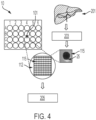
- FIG. 4 an illustration of an embodiment of the instantly-disclosed methods and labware for evaluating the interaction of candidate compound on 3D spheroid hepatocytes in an in vitro culture for use in various biochemical and molecular biology studies, particularly ADME/Tox (absorption, distribution, metabolism, excretion and toxicity) studies.
- the instantly-disclosed methods and labware are used to evaluate the metabolism of one or more low clearance candidate compounds in an in vitro 3D hepatocyte spheroid culture. As depicted in FIG.
- cells of interest 201 such as liver cells (including but not limited to hepatocytes and/or nonparenchymal cells, which may be isolated from a liver), are grown (i.e., cultured, which may be long-term) 203 in media in microcavities of a cavity of a cell culture article (e.g., a microcavity spheroid plate, a microcavity insert, a microcavity insert plate, etc.) structured to constrain the liver cells to grow in 3D conformation.
- a cell culture article e.g., a microcavity spheroid plate, a microcavity insert, a microcavity insert plate, etc.
- the cell culture article is a 24-well microcavity spheroid plate
- the cells of interest such as liver cells (including but not limited to hepatocytes and/or nonparenchymal cells) are grown 203 in a well 101 of a multi-well plate 10 having an array of microcavities 112, each microcavity 115 structured to constrain cells of interest to grow in 3D spheroid conformation 25, which would result in the development of an array of spheroids, one in each of the microcavities in the array of microcavities on the bottom surface of a well of a multi-well plate.
- a spheroid 25 develops.
- a microcavity insert or a microcavity insert plate can be used to culture the cells of interest to grow in 3D spheroid conformation.
- an insert has a top aperture 418, sidewalls 421 and a bottom surface 419 forming an array of microcavities 420.
- the use of a microcavity insert or a microcavity insert plate can result in faster spheroid formation.
- FIG. 7B day 1 of hepatocyte culture
- FIG. 7C day 3 of hepatocyte culture
- a 24 well microcavity insert can be used to form hepatocyte spheroids in 3 days of culture.
- inserts are available in many configurations, including but not limited to, 6 well microcavity inserts, 12 well microcavity inserts, 24 well microcavity inserts, 48 well microcavity inserts, 96 well microcavity inserts, as well as insert plate configurations where a single plate contains multiple inserts and the multi-well insert plate is structured to insert into the complimentary array of wells in a multi-well plate.
- liver metabolism studies including but not limited to hepatocytes and/or nonparenchymal cells
- liver metabolism studies including ADME/Tox (absorption, distribution, metabolism, excretion and toxicity) studies, can be performed for one or more low clearance candidate compounds 205.
- one or more low clearance candidate compounds can be added to the each well of the multi-well plate such that the 3D liver cell spheroids and the candidate compound, are incubated together. Then, after a suitable period of time, the interaction of the one or more low clearance candidate compounds with the cells is evaluated.
- Interactions of the one or more low clearance candidate compounds with the 3D liver cell spheroids include but are not limited to: clearance studies (uptake clearance, basolateral efflux clearance, canalicular efflux clearance, metabolic clearance); metabolite ID and metabolic stability (parent lifetime); intracellular concentration of the candidate compound; protein and gene regulation (induction/suppression) and other molecular, biochemical, and genetic analysis of the cultured 3D spheroid hepatocytes; a toxicological effect; compound kinetics; subcellular accumulation and free or total (bound+free) intracellular concentration; overall biliary clearance; P450 and transporter drug interactions; and pharmacokinetics.
- clearance studies uptake clearance, basolateral efflux clearance, canalicular efflux clearance, metabolic clearance
- metabolite ID and metabolic stability parent lifetime
- intracellular concentration of the candidate compound protein and gene regulation (induction/suppression) and other molecular, biochemical, and genetic analysis of the cultured 3D spheroid hepatocytes
- these interactions and effects may be measured by any appropriate means known in the art, including but not limited to, vital staining techniques, ELISA assays, immunohistochemistry, and various convention molecular, biochemical, and genetic assays.
- the instant methods are performed in labware that combine 3D spheroid culture with micro-patterned design that allows for prolonged maintenance of liver cells (e.g. hepatocytes) viability and functionality, but also for multiple to several hundreds of spheroids to be treated under the same conditions (e.g., during a long-term culture) and to produce sufficient materials (e.g., parent drug, drug metabolites, and DNA, RNA, and proteins from cells) and higher detection signal intensity for the various studies listed above.
- the incubation period will vary depending on the one or more low clearance candidate compounds. The adjustment of the incubation time can be done in a preliminary experiment and would be well within the general skill of a person skilled in the art.
- an assay method for evaluating the interaction of one or more low clearance candidate compounds with hepatocytes comprises culturing hepatocytes in a cell culture article to form a spheroid, wherein the cell culture article comprises a chamber, the chamber comprising an array of microcavities, each microcavity structured to constrain the hepatocytes to grow in a 3D spheroid conformation.
- the assay method further includes contacting the 3D hepatocyte spheroids with one or more low clearance candidate compounds. After a suitable period of time, the assay method also includes measuring the in vitro intrinsic clearance of the one or more low clearance candidate compounds. This incubation period will vary depending on the candidate compound. The adjustment of the incubation time can be done in a preliminary experiment and would be well within the general skill of a person skilled in the art.
- the in vitro intrinsic clearance of the one or more candidate compounds is measured by the formation of metabolites from the one or more candidate compounds.
- the in vitro intrinsic clearance of the one or more candidate compounds is measured by disappearance of the one or more candidate compounds.
- Both the measurement of the formation of metabolites from the one or more candidate compounds and/or the disappearance of the one or more candidate compounds can be measured by any means known in the art, including but not limited to mass spectrometry, liquid chromatography-mass spectrometry, liquid chromatography-tandem mass spectrometry, or high performance liquid chromatography.
- In vitro clearance can be calculated as is known in the art, such as disclosed in Chan et al. (2013) Drug Metab Dispos 41 2024-2032 .
- the measured in vitro intrinsic clearance of the one or more candidate compounds is utilized to predict in vivo half-life of the one or more candidate compounds. In some embodiments the measured in vitro intrinsic clearance of the one or more candidate compounds is utilized to predict in vivo clearance of the one or more candidate compounds.
- the well stirred model can be used to calculate in vivo hepatic clearance from the calculated in vitro intrinsic clearance, as shown in the Examples.
- the assay method comprises the step of analyzing metabolites of the one or more low clearance candidate compounds, wherein the metabolites are generated during the incubation of the 3D spheroid hepatocytes with the one or more low clearance candidate compounds.
- analyzing metabolites of the one or more candidate compounds comprises identification of metabolites of the one or more candidate compounds generated during the incubation of the 3D spheroid hepatocytes with the one or more low clearance candidate compounds.
- analyzing metabolites of the one or more candidate compounds comprises quantification of metabolites of the one or more candidate compounds generated during the incubation of the 3D spheroid hepatocytes with the one or more low clearance candidate compounds.
- the measurement of the formation of metabolites from the one or more low clearance candidate compounds, whether for identification and/or quantification of the metabolites, can be measured by any means known in the art, including but not limited to mass spectrometry, liquid chromatography-mass spectrometry, liquid chromatography-tandem mass spectrometry, or high performance liquid chromatography.
- the assay method comprises the step of analyzing the molecular, biochemical, or genetic effects of the one or more low clearance candidate compounds on the 3D spheroid hepatocytes. Effects on the 3D spheroid hepatocytes by the one or more low clearance candidate compounds during the incubation period can be measured by any means known in the art including genetic, metabolic or protein analysis of the cells, cell extracts, or media, such as known visualization techniques, fluorescent measurements, ELISA assays, immunohistochemistry assays, and various other known convention molecular, biochemical, and genetic assays.
- analyzing the molecular, biochemical, or genetic effects of the one or more low clearance candidate compounds on the 3D spheroid hepatocytes comprises measuring gene and/or protein expression change during the incubation of the 3D spheroid hepatocytes with the one or more low clearance candidate compounds.
- analyzing the molecular, biochemical, or genetic effects of the one or low clearance candidate compounds on the 3D spheroid hepatocytes comprises measuring DNA, RNA, and/or proteins produced by the 3D spheroid hepatocytes (e.g., isolated from the cells, cell extracts, and/or or media) during the incubation of the 3D spheroid hepatocytes with the one or more low clearance candidate compounds.
- a candidate compound includes xenobiotics low molecular weight therapeutic agents commonly referred to as "drugs” and other therapeutic agents, carcinogens and environmental pollutants and endobiotics such as steroids, bile acids, fatty acids and prostaglandins.
- a candidate compound may include drugs, including all class of action, including by not limited to: anti-neoplastics, immuno-suppressants, immune-stimulants, anti-proliferatives, anti-thrombins, anti-platelets, anti-lipids, anti-inflammatories, anti-biotics, angiogenics, anti-angiogenics, vitamins, ACE inhibitors, vasoactive substances, anti-mitotics, metello-proteinase inhibitors, NO donors, estradiols, anti-sclerosing agents, hormones, free radical scavengers, toxins, alkylating agents, alone or in combination.
- drugs including all class of action, including by not limited to: anti-neoplastics, immuno-suppressants, immune-stimulants, anti-proliferatives, anti-thrombins, anti-platelets, anti-lipids, anti-inflammatories, anti-biotics, angiogenics, anti-angiogenics, vitamins, ACE inhibitors
- a candidate compound may also include, for example and not by way of limitation, biologic agents, including but not limited to: peptides, lipids, protein drugs, protein conjugates drugs, enzymes, oligonucleotides, ribozymes, genetic material, prions, virus, and bacteria.
- biologic agents including but not limited to: peptides, lipids, protein drugs, protein conjugates drugs, enzymes, oligonucleotides, ribozymes, genetic material, prions, virus, and bacteria.
- the methods comprise evaluating a plurality of candidate compounds simultaneously. In some embodiments of the instantly-disclosed methods, the methods comprise repeatedly exposing/contacting one or more candidate compounds to the 3D spheroid hepatocytes.
- the hepatocytes can be any cell that is derived from the main parenchymal tissue of the liver.
- Hepatocytes can be primary hepatocyte cells that are obtained or isolated from an animal, including a human, or hepatocytes can be hepatic cell lines or primary hepatocyte derived cells.
- the cell populations can be derived from one or more species, including but not limited to, human cells, rat cells, mouse cells, monkey cells, pig cells, dog cells, guinea pig cells, fish cells. Further, the cells can be fresh or cryopreserved.
- non-parenchymal cells can be included with or co-cultured with the cultured hepatocytes.
- Non-parenchymal cells can include, but are not limited to, Kupffer cells, liver cells (including but not limited to Ito cells, sinusoidal endothelial cells, biliary duct cells) stromal cells (including but not limited to fibroblasts and pericytes), immune cells (including but not limited to T cells, neutrophils, marcrophages, dendritic cells, eosinophils, mast cells), and stem cells (including but not limited to liver progenitor cells, embryonic stem cells, and hematopoietic stem cells).
- These cell populations can be derived from one or more species, including but not limited to, human cells, rat cells, mouse cells, monkey cells, pig cells, dog cells, guinea pig cells, fish cells. Further, the cells can be fresh or cryopreserved. In some embodiments of the instantly-disclosed methods, there is no requirement of animal stromal cell sin the 3D spheroid culture.
- matrix or scaffolding can be used during culture of the hepatocytes.
- the hepatocytes and possibly other co-cultured cells including non-parenchymal cells
- Representative matrix or scaffolding includes any suitable natural or synthetic matrix or scaffolding, such as but not limited to collagen, laminin, and Matrigel ® .
- the methods comprise culture media (e.g., comprising nutrients (e.g., proteins, peptides, amino acids), energy (e.g., carbohydrates), essential metals and minerals (e.g., calcium, magnesium, iron, phosphates, sulphates), buffering agents (e.g., phosphates, acetates), indicators for pH change (e.g., phenol red, bromo-cresol purple), selective agents (e.g., chemicals, antimicrobial agents), etc.) as are known in the art.
- culture media e.g., comprising nutrients (e.g., proteins, peptides, amino acids), energy (e.g., carbohydrates), essential metals and minerals (e.g., calcium, magnesium, iron, phosphates, sulphates), buffering agents (e.g., phosphates, acetates), indicators for pH change (e.g., phenol red, bromo-cresol purple), selective agents (e.g., chemicals, antimicrobial agents), etc
- Phematoma Primary Human Hepatocyte (PHH) high density (HD) spheroid culture
- Pre-wetting the spheroid inserts The pipet aid was at low disperse speed. Using a 5mL pipet and positioning the tip against the side wall at the bottom, 2mL if William's E Medium + (WEM+) medium (without FBS) was added into 6-well spheroid inserts having approximately 700 microwells/well insert. A 200ul pipet tip was used to blow away any air bubbles trapped within microwells. The plate was checked under a microscope to ensure that all air bubbles were removed.
- WEM+ William's E Medium +
- Plating PHHs onto 6-well high density spheroid insert ( ⁇ 700 microwells/insert): PHH were thawed as standard procedure and resuspended in WEM plating medium. PHH cells were counted and the cell density was adjusted to 0.35e6/ml using WEM plating medium. For plating PHHs, the pipet aid was set at low disperse speed. Right before plating, a 5mL pipet was used to remove most medium from pre-wetted inserts. Even cell suspensions were prepared by gently pipetting up and down.
- Half medium change with WME+ medium The pipet aid was at low disperse speed. Using a 5mL pipet, 1mL of old medium was slowly from each insert. A 1000 ⁇ L pipet tip was positioned against the top part of the insert sidewall, and 1mL pre-warmed WME+ medium was slowly added with the medium being allowed to flow down the sidewall. After waiting 5-10 minutes between each half medium change, the half medium change was repeated 3 more times. The PHHs were checked under a microscope for spheroid formation.
- Incubate the candidate compound(s) to be tested for clearance with the cultured spheroids The pipet aid was set at low disperse speed. Using a 5mL pipet, 1mL of old medium was slowly removed from each insert. The 1000 ⁇ L pipet tip was positioned against the top part of the insert sidewall, and 1mL of 2X substrate solution containing the candidate compound to be tested for clearance was slowly added, with the medium allowed to flow down the sidewall. After 5-10 minutes, the culture was placed back to 37°C incubator. The timer for incubation was started at this point.
- LC/MS analysis The amount of the candidate compound was measured using liquid chromatography/mass spectrometry, as is known in the art.
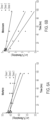
- the instantly-disclosed methods and labware were able to measure classic low clearance compounds, such as warfarin ( FIG. 6A ), meloxicam ( FIG. 6B ), tolbutamide ( FIG. 6 C ), diazepam ( FIG. 6D ), glimepiride ( FIG. 6E ), alprazolam ( FIG. 6F ), prednisolone ( FIG. 6G ), riluzole ( FIG. 6H ), and voriconazole ( FIG. 6I ).
- classic low clearance compounds such as warfarin ( FIG. 6A ), meloxicam ( FIG. 6B ), tolbutamide ( FIG. 6 C ), diazepam ( FIG. 6D ), glimepiride ( FIG. 6E ), alprazolam ( FIG. 6F ), prednisolone ( FIG. 6G ), riluzole ( FIG. 6H ), and voriconazole ( FIG. 6I ).
- the instantly-disclosed data demonstrates that the instant methods allow for, among other uses, the investigation and generation of accurate in vitro intrinsic clearance data of low clearance compounds, and thus more accurate prediction of in vivo clearance, particularly with such low clearance compounds.
- PHHs grown in suspension format were unable to measure classic low clearance compounds, such as warfarin ( FIG. 8A ), meloxicam ( FIG. 8B ), tolbutamide ( FIG. 8C ), diazepam ( FIG. 8D ), glimepiride ( FIG. 8E ), alprazolam ( FIG. 8F ), prednisolone ( FIG.
Landscapes
- Health & Medical Sciences (AREA)
- Life Sciences & Earth Sciences (AREA)
- Engineering & Computer Science (AREA)
- Chemical & Material Sciences (AREA)
- Biomedical Technology (AREA)
- Bioinformatics & Cheminformatics (AREA)
- Wood Science & Technology (AREA)
- Zoology (AREA)
- Organic Chemistry (AREA)
- Immunology (AREA)
- Microbiology (AREA)
- General Health & Medical Sciences (AREA)
- Biotechnology (AREA)
- Biochemistry (AREA)
- Urology & Nephrology (AREA)
- Hematology (AREA)
- Cell Biology (AREA)
- Molecular Biology (AREA)
- General Engineering & Computer Science (AREA)
- Clinical Laboratory Science (AREA)
- Genetics & Genomics (AREA)
- Sustainable Development (AREA)
- Toxicology (AREA)
- Tropical Medicine & Parasitology (AREA)
- Gastroenterology & Hepatology (AREA)
- Food Science & Technology (AREA)
- Medicinal Chemistry (AREA)
- Physics & Mathematics (AREA)
- Analytical Chemistry (AREA)
- General Physics & Mathematics (AREA)
- Pathology (AREA)
- Apparatus Associated With Microorganisms And Enzymes (AREA)
- Measuring Or Testing Involving Enzymes Or Micro-Organisms (AREA)
Claims (16)
- Testverfahren zum Bewerten der Wechselwirkung einer oder mehrerer Kandidatenverbindungen mit Hepatozyten, umfassend:
Kultivieren von Hepatozyten in einem Zellkulturartikel, um ein Sphäroid (25) zu bilden, wobei der Zellkulturartikel eine Vielzahl von Vertiefungen einer Mikrotiterplatte umfasst, wobei jede Vertiefung eine Kammer ist, jede Kammer eine Anordnung von Mikrokavitäten (112) umfasst, jede Mikrokavität (115) so strukturiert ist, dass sie die Hepatozyten zwingt, in einer 3D-Sphäroid-Form (25) zu wachsen; wobei jede Mikrokavität (115) der Kammer Folgendes umfasst:
eine Seitenwand (113, 121); eine obere Öffnung (118); und einen flüssigkeitsundurchlässigen Boden (106, 116), der eine konkave Oberfläche umfasst, wobei mindestens ein Teil des Bodens (106, 116) in oder auf der konkaven Oberfläche ein Material mit geringer oder ohne Haftung umfasst;a) Inkontaktbringen der 3D-Sphäroid-Hepatozyten (25) mit einer oder mehreren Kandidatenverbindungen; undb) Messen der intrinsischen In-vitro-Clearance der einen oder mehreren Kandidatenverbindungen. - Testverfahren nach Anspruch 1, wobei der Zellkulturartikel eine Platte mit mehreren Vertiefungen ist und jede Vertiefung der Platte mit mehreren Vertiefungen eine Kammer ist.
- Testverfahren nach Anspruch 1 oder 2, wobei der flüssigkeitsundurchlässige Boden (106, 116), der die konkave Oberfläche umfasst, gasdurchlässig ist.
- Testverfahren nach einem der Ansprüche 1-3, wobei die Seitenwände (113, 121) undurchsichtig sind.
- Testverfahren nach einem der Ansprüche 1-4, wobei mindestens ein Teil des Bodens (106, 116) transparent ist.
- Testverfahren nach einem der Ansprüche 1-3, wobei die konkave Oberfläche eine hemisphärische Oberfläche (25), eine konische Oberfläche mit einer Verjüngung von 30 bis etwa 60 Grad von den Seitenwänden (113, 121) zu der Bodenoberfläche (106, 116) oder eine Kombination davon umfasst.
- Testverfahren nach einem der Ansprüche 1-6, wobei die Oberfläche der Seitenwand (113, 121) einen vertikalen Zylinder, einen Teil eines vertikalen Kegels mit abnehmendem Durchmesser von der oberen zu der Bodenoberfläche (106, 116) der Kammer, einen vertikalen quadratischen Schaft mit einem konischen Übergang zu der konkaven Bodenoberfläche (106, 116) oder eine Kombination davon umfasst.
- Testverfahren nach einem der Ansprüche 1-7, wobei der Zellkulturartikel von 1 bis etwa 2.000 der Kammern umfasst, wobei jede Kammer physisch von jeder anderen Kammer getrennt ist.
- Testverfahren nach einem der Ansprüche 1-8, wobei die intrinsische In-vitro-Clearance der einen oder mehreren Kandidatenverbindungen mit geringer Clearance durch das Verschwinden der einen oder mehreren Kandidatenverbindungen gemessen wird; oder
wobei die intrinsische In-vitro-Clearance der einen oder mehreren Kandidatenverbindungen durch die Bildung von Metaboliten von der einen oder den mehreren Kandidatenverbindungen gemessen wird. - Testverfahren nach einem der Ansprüche 1-8, wobei die gemessene intrinsische In-vitro-Clearance der einen oder mehreren Kandidatenverbindungen verwendet wird, um die In-vitro-Halbwertszeit der einen oder mehreren Kandidatenverbindungen vorherzusagen; oder
wobei die gemessene intrinsische In-vitro-Clearance der einen oder mehreren Kandidatenverbindungen verwendet wird, um die In-vivo-Clearance der einen oder mehreren Kandidatenverbindungen vorherzusagen. - Testverfahren nach einem der Ansprüche 1-10, wobei die eine oder mehreren Kandidatenverbindungen eine Kandidatenverbindung mit geringer Clearance ist.
- Testverfahren nach einem der Ansprüche 1-11, wobei die Hepatozyten primäre menschliche Hepatozyten oder eine Hepatozytenzelllinie umfassen.
- Testverfahren nach einem der Ansprüche 1-12, ferner gleichzeitiges Bewerten einer Vielzahl von Kandidatenverbindungen umfassend.
- Testverfahren nach einem der Ansprüche 1-13, wobei die 3D-Sphäroid-Hepatozyten (25) mindestens 3 Wochen lang funktionell stabil sind.
- Testverfahren nach einem der Ansprüche 1-14, wobei die funktionelle Stabilität der 3D-Sphäroid-Hepatozyten (25) durch Messen der Stoffwechselaktivität, der Zellfunktion, der Genexpression oder einer Kombination davon bestimmt wird.
- Testverfahren nach einem der Ansprüche 1-15, wobei die funktionelle Stabilität anhand der CYP3A4-Aktivität gemessen wird.
Applications Claiming Priority (2)
| Application Number | Priority Date | Filing Date | Title |
|---|---|---|---|
| US201862642447P | 2018-03-13 | 2018-03-13 | |
| PCT/US2019/021771 WO2019178039A1 (en) | 2018-03-13 | 2019-03-12 | High density 3d hepatocyte spheroid platform for drug adme studies |
Publications (3)
| Publication Number | Publication Date |
|---|---|
| EP3765848A1 EP3765848A1 (de) | 2021-01-20 |
| EP3765848C0 EP3765848C0 (de) | 2025-02-12 |
| EP3765848B1 true EP3765848B1 (de) | 2025-02-12 |
Family
ID=66102753
Family Applications (1)
| Application Number | Title | Priority Date | Filing Date |
|---|---|---|---|
| EP19717017.8A Active EP3765848B1 (de) | 2018-03-13 | 2019-03-12 | 3d-hepatocyte-spheroid-plattform mit hoher dichte für drogen-adme-studien |
Country Status (5)
| Country | Link |
|---|---|
| US (2) | US20210018492A1 (de) |
| EP (1) | EP3765848B1 (de) |
| JP (1) | JP7385585B2 (de) |
| CN (1) | CN111868524B (de) |
| WO (1) | WO2019178039A1 (de) |
Families Citing this family (15)
| Publication number | Priority date | Publication date | Assignee | Title |
|---|---|---|---|---|
| US9790465B2 (en) | 2013-04-30 | 2017-10-17 | Corning Incorporated | Spheroid cell culture well article and methods thereof |
| JP6731916B2 (ja) | 2014-10-29 | 2020-07-29 | コーニング インコーポレイテッド | 細胞培養インサート |
| JP2017532971A (ja) | 2014-10-29 | 2017-11-09 | コーニング インコーポレイテッド | 細胞培養集合体を生成するためのマイクロウェル設計および製造 |
| EP3212760A1 (de) | 2014-10-29 | 2017-09-06 | Corning Incorporated | Perfusionsbioreaktorplattform |
| US11857970B2 (en) | 2017-07-14 | 2024-01-02 | Corning Incorporated | Cell culture vessel |
| US11584906B2 (en) | 2017-07-14 | 2023-02-21 | Corning Incorporated | Cell culture vessel for 3D culture and methods of culturing 3D cells |
| EP3652290B1 (de) | 2017-07-14 | 2022-05-04 | Corning Incorporated | 3d-zellkulturgefässe für manuellen oder automatischen medienaustausch |
| US11767499B2 (en) | 2017-07-14 | 2023-09-26 | Corning Incorporated | Cell culture vessel |
| US11732227B2 (en) | 2018-07-13 | 2023-08-22 | Corning Incorporated | Cell culture vessels with stabilizer devices |
| JP7171695B2 (ja) | 2018-07-13 | 2022-11-15 | コーニング インコーポレイテッド | 液体培地送達面を含む側壁を有するマイクロキャビティ皿 |
| WO2020013851A1 (en) | 2018-07-13 | 2020-01-16 | Corning Incorporated | Fluidic devices including microplates with interconnected wells |
| EP4267716A1 (de) * | 2020-12-28 | 2023-11-01 | Molecular Devices (Austria) GmbH | Mikroplattenvertiefungen zur zellkultivierung |
| USD1028280S1 (en) | 2021-12-27 | 2024-05-21 | Molecular Devices (Austria) GmbH | Organoid microplate |
| US12544754B2 (en) | 2022-01-18 | 2026-02-10 | Molecular Devices (Austria) GmbH | 3D printing of organoid passaging plate |
| KR102788314B1 (ko) * | 2023-11-30 | 2025-03-31 | 서울대학교산학협력단 | 세포 배양 용기 |
Family Cites Families (7)
| Publication number | Priority date | Publication date | Assignee | Title |
|---|---|---|---|---|
| JP2002511851A (ja) * | 1997-04-30 | 2002-04-16 | リージェンツ オブ ジ ユニバーシティー オブ ミネソタ | 肝細胞の遺伝的病変を修正するためのリコンビナジェニックオリゴヌクレオ塩基のin vivoでの使用 |
| AU2001293074A1 (en) * | 2000-09-25 | 2002-04-08 | Walter Reed Army Institute Of Research | Human liver cell line |
| EP2495310A3 (de) * | 2005-05-24 | 2013-03-27 | The Regents Of the University of California | Mikroskaliges manipuliertes In-vitro-Gewebe mit Mikrostruktur |
| CA2882095A1 (en) * | 2012-08-15 | 2014-02-20 | Andrew CORNFORTH | Rapid method production high purity cancer stem cells and population of high purity cancer stem cells |
| US9790465B2 (en) * | 2013-04-30 | 2017-10-17 | Corning Incorporated | Spheroid cell culture well article and methods thereof |
| JP6731916B2 (ja) * | 2014-10-29 | 2020-07-29 | コーニング インコーポレイテッド | 細胞培養インサート |
| WO2017083727A1 (en) * | 2015-11-11 | 2017-05-18 | Colorado State University Research Foundation | Compositions and methods for increasing hepatocyte functional lifetime in vitro |
-
2019
- 2019-03-12 EP EP19717017.8A patent/EP3765848B1/de active Active
- 2019-03-12 US US16/980,189 patent/US20210018492A1/en not_active Abandoned
- 2019-03-12 JP JP2020548969A patent/JP7385585B2/ja active Active
- 2019-03-12 WO PCT/US2019/021771 patent/WO2019178039A1/en not_active Ceased
- 2019-03-12 CN CN201980019191.7A patent/CN111868524B/zh active Active
-
2025
- 2025-01-28 US US19/039,290 patent/US20250172543A1/en active Pending
Non-Patent Citations (2)
| Title |
|---|
| GUIDE USER: "Corning Spheroid Microplates", 1 January 2014 (2014-01-01), pages 1 - 6, XP055947856, Retrieved from the Internet <URL:https://www.corning.com/catalog/cls/documents/protocols/CLS-AN-235.pdf> [retrieved on 20220801] * |
| LI FENG ET AL: "Corning HepatoCells Spheroids: A New High Throughput 3D Model for Hepatotoxicity Studies Application Note", 1 January 2015 (2015-01-01), pages 1 - 6, XP055947812, Retrieved from the Internet <URL:https://www.corning.com/catalog/cls/documents/application-notes/Application_Note_CLS-DL-AN-340_Corning_HepatoCells_Spheroids.pdf> [retrieved on 20220801] * |
Also Published As
| Publication number | Publication date |
|---|---|
| JP2021518110A (ja) | 2021-08-02 |
| CN111868524B (zh) | 2025-01-28 |
| CN111868524A (zh) | 2020-10-30 |
| EP3765848A1 (de) | 2021-01-20 |
| EP3765848C0 (de) | 2025-02-12 |
| WO2019178039A1 (en) | 2019-09-19 |
| US20250172543A1 (en) | 2025-05-29 |
| US20210018492A1 (en) | 2021-01-21 |
| JP7385585B2 (ja) | 2023-11-22 |
Similar Documents
| Publication | Publication Date | Title |
|---|---|---|
| EP3765848B1 (de) | 3d-hepatocyte-spheroid-plattform mit hoher dichte für drogen-adme-studien | |
| CA2788575C (en) | Hanging drop devices, systems and/or methods | |
| US11867689B2 (en) | Engineered renal tissues, arrays thereof, and methods of making the same | |
| US20220195366A1 (en) | Cell culture insert | |
| US8318492B2 (en) | Method for determining the cell culture history of a cell unit labeled with more than one type of tag | |
| Underhill et al. | Advances in engineered human liver platforms for drug metabolism studies | |
| JP2022534507A (ja) | 細胞貯蔵・輸送媒体およびシステム、並びに細胞集合体の輸送のための方法 | |
| CA3043708A1 (en) | Chip platforms for microarray 3d bioprinting | |
| US20120302467A1 (en) | Patterned substrates for cell applications | |
| Wang et al. | Broadening cell selection criteria with micropallet arrays of adherent cells | |
| EP3235899B1 (de) | Verfahren zur herstellung von 3d-zellstrukturen in hängenden tropfen und hängende tropfvorrichtung mit den 3d-zellstrukturen | |
| Gao et al. | A microfluidic approach for anticancer drug analysis based on hydrogel encapsulated tumor cells | |
| Talari et al. | Multicellular, fluid flow-inclusive hepatic in vitro models using NANOSTACKSTM: a human-relevant model for drug response prediction |
Legal Events
| Date | Code | Title | Description |
|---|---|---|---|
| STAA | Information on the status of an ep patent application or granted ep patent |
Free format text: STATUS: UNKNOWN |
|
| STAA | Information on the status of an ep patent application or granted ep patent |
Free format text: STATUS: THE INTERNATIONAL PUBLICATION HAS BEEN MADE |
|
| PUAI | Public reference made under article 153(3) epc to a published international application that has entered the european phase |
Free format text: ORIGINAL CODE: 0009012 |
|
| STAA | Information on the status of an ep patent application or granted ep patent |
Free format text: STATUS: REQUEST FOR EXAMINATION WAS MADE |
|
| 17P | Request for examination filed |
Effective date: 20200924 |
|
| AK | Designated contracting states |
Kind code of ref document: A1 Designated state(s): AL AT BE BG CH CY CZ DE DK EE ES FI FR GB GR HR HU IE IS IT LI LT LU LV MC MK MT NL NO PL PT RO RS SE SI SK SM TR |
|
| AX | Request for extension of the european patent |
Extension state: BA ME |
|
| DAV | Request for validation of the european patent (deleted) | ||
| DAX | Request for extension of the european patent (deleted) | ||
| STAA | Information on the status of an ep patent application or granted ep patent |
Free format text: STATUS: EXAMINATION IS IN PROGRESS |
|
| 17Q | First examination report despatched |
Effective date: 20210915 |
|
| RAP1 | Party data changed (applicant data changed or rights of an application transferred) |
Owner name: DISCOVERY LIFE SCIENCES, LLC |
|
| GRAP | Despatch of communication of intention to grant a patent |
Free format text: ORIGINAL CODE: EPIDOSNIGR1 |
|
| STAA | Information on the status of an ep patent application or granted ep patent |
Free format text: STATUS: GRANT OF PATENT IS INTENDED |
|
| INTG | Intention to grant announced |
Effective date: 20240402 |
|
| GRAJ | Information related to disapproval of communication of intention to grant by the applicant or resumption of examination proceedings by the epo deleted |
Free format text: ORIGINAL CODE: EPIDOSDIGR1 |
|
| STAA | Information on the status of an ep patent application or granted ep patent |
Free format text: STATUS: EXAMINATION IS IN PROGRESS |
|
| GRAP | Despatch of communication of intention to grant a patent |
Free format text: ORIGINAL CODE: EPIDOSNIGR1 |
|
| STAA | Information on the status of an ep patent application or granted ep patent |
Free format text: STATUS: GRANT OF PATENT IS INTENDED |
|
| INTC | Intention to grant announced (deleted) | ||
| INTG | Intention to grant announced |
Effective date: 20240903 |
|
| GRAS | Grant fee paid |
Free format text: ORIGINAL CODE: EPIDOSNIGR3 |
|
| GRAA | (expected) grant |
Free format text: ORIGINAL CODE: 0009210 |
|
| STAA | Information on the status of an ep patent application or granted ep patent |
Free format text: STATUS: THE PATENT HAS BEEN GRANTED |
|
| AK | Designated contracting states |
Kind code of ref document: B1 Designated state(s): AL AT BE BG CH CY CZ DE DK EE ES FI FR GB GR HR HU IE IS IT LI LT LU LV MC MK MT NL NO PL PT RO RS SE SI SK SM TR |
|
| REG | Reference to a national code |
Ref country code: GB Ref legal event code: FG4D |
|
| REG | Reference to a national code |
Ref country code: CH Ref legal event code: EP |
|
| REG | Reference to a national code |
Ref country code: DE Ref legal event code: R096 Ref document number: 602019065750 Country of ref document: DE |
|
| REG | Reference to a national code |
Ref country code: IE Ref legal event code: FG4D |
|
| U01 | Request for unitary effect filed |
Effective date: 20250312 |
|
| U07 | Unitary effect registered |
Designated state(s): AT BE BG DE DK EE FI FR IT LT LU LV MT NL PT RO SE SI Effective date: 20250320 |
|
| PGFP | Annual fee paid to national office [announced via postgrant information from national office to epo] |
Ref country code: GB Payment date: 20250324 Year of fee payment: 7 |
|
| U20 | Renewal fee for the european patent with unitary effect paid |
Year of fee payment: 7 Effective date: 20250324 |
|
| PG25 | Lapsed in a contracting state [announced via postgrant information from national office to epo] |
Ref country code: RS Free format text: LAPSE BECAUSE OF FAILURE TO SUBMIT A TRANSLATION OF THE DESCRIPTION OR TO PAY THE FEE WITHIN THE PRESCRIBED TIME-LIMIT Effective date: 20250512 |
|
| PG25 | Lapsed in a contracting state [announced via postgrant information from national office to epo] |
Ref country code: PL Free format text: LAPSE BECAUSE OF FAILURE TO SUBMIT A TRANSLATION OF THE DESCRIPTION OR TO PAY THE FEE WITHIN THE PRESCRIBED TIME-LIMIT Effective date: 20250212 |
|
| PG25 | Lapsed in a contracting state [announced via postgrant information from national office to epo] |
Ref country code: ES Free format text: LAPSE BECAUSE OF FAILURE TO SUBMIT A TRANSLATION OF THE DESCRIPTION OR TO PAY THE FEE WITHIN THE PRESCRIBED TIME-LIMIT Effective date: 20250212 |
|
| PG25 | Lapsed in a contracting state [announced via postgrant information from national office to epo] |
Ref country code: IS Free format text: LAPSE BECAUSE OF FAILURE TO SUBMIT A TRANSLATION OF THE DESCRIPTION OR TO PAY THE FEE WITHIN THE PRESCRIBED TIME-LIMIT Effective date: 20250612 Ref country code: NO Free format text: LAPSE BECAUSE OF FAILURE TO SUBMIT A TRANSLATION OF THE DESCRIPTION OR TO PAY THE FEE WITHIN THE PRESCRIBED TIME-LIMIT Effective date: 20250512 |
|
| PG25 | Lapsed in a contracting state [announced via postgrant information from national office to epo] |
Ref country code: HR Free format text: LAPSE BECAUSE OF FAILURE TO SUBMIT A TRANSLATION OF THE DESCRIPTION OR TO PAY THE FEE WITHIN THE PRESCRIBED TIME-LIMIT Effective date: 20250212 |
|
| PG25 | Lapsed in a contracting state [announced via postgrant information from national office to epo] |
Ref country code: GR Free format text: LAPSE BECAUSE OF FAILURE TO SUBMIT A TRANSLATION OF THE DESCRIPTION OR TO PAY THE FEE WITHIN THE PRESCRIBED TIME-LIMIT Effective date: 20250513 |
|
| PGFP | Annual fee paid to national office [announced via postgrant information from national office to epo] |
Ref country code: CH Payment date: 20250401 Year of fee payment: 7 |
|
| PG25 | Lapsed in a contracting state [announced via postgrant information from national office to epo] |
Ref country code: SM Free format text: LAPSE BECAUSE OF FAILURE TO SUBMIT A TRANSLATION OF THE DESCRIPTION OR TO PAY THE FEE WITHIN THE PRESCRIBED TIME-LIMIT Effective date: 20250212 |
|
| REG | Reference to a national code |
Ref country code: CH Ref legal event code: R17 Free format text: ST27 STATUS EVENT CODE: U-0-0-R10-R17 (AS PROVIDED BY THE NATIONAL OFFICE) Effective date: 20251014 Ref country code: CH Ref legal event code: R18 Free format text: ST27 STATUS EVENT CODE: U-0-0-R10-R18 (AS PROVIDED BY THE NATIONAL OFFICE) Effective date: 20251014 |
|
| PG25 | Lapsed in a contracting state [announced via postgrant information from national office to epo] |
Ref country code: CZ Free format text: LAPSE BECAUSE OF FAILURE TO SUBMIT A TRANSLATION OF THE DESCRIPTION OR TO PAY THE FEE WITHIN THE PRESCRIBED TIME-LIMIT Effective date: 20250212 |
|
| PG25 | Lapsed in a contracting state [announced via postgrant information from national office to epo] |
Ref country code: SK Free format text: LAPSE BECAUSE OF FAILURE TO SUBMIT A TRANSLATION OF THE DESCRIPTION OR TO PAY THE FEE WITHIN THE PRESCRIBED TIME-LIMIT Effective date: 20250212 |
|
| PLBE | No opposition filed within time limit |
Free format text: ORIGINAL CODE: 0009261 |
|
| STAA | Information on the status of an ep patent application or granted ep patent |
Free format text: STATUS: NO OPPOSITION FILED WITHIN TIME LIMIT |
|
| PG25 | Lapsed in a contracting state [announced via postgrant information from national office to epo] |
Ref country code: MC Free format text: LAPSE BECAUSE OF FAILURE TO SUBMIT A TRANSLATION OF THE DESCRIPTION OR TO PAY THE FEE WITHIN THE PRESCRIBED TIME-LIMIT Effective date: 20250212 |
|
| PG25 | Lapsed in a contracting state [announced via postgrant information from national office to epo] |
Ref country code: IE Free format text: LAPSE BECAUSE OF NON-PAYMENT OF DUE FEES Effective date: 20250312 |
|
| 26N | No opposition filed |
Effective date: 20251113 |