EP3762001B1 - Procédure de collecte de selles et procédé de préparation d'un échantillon pour transplantation de microbiote fécal - Google Patents
Procédure de collecte de selles et procédé de préparation d'un échantillon pour transplantation de microbiote fécal Download PDFInfo
- Publication number
- EP3762001B1 EP3762001B1 EP19713110.5A EP19713110A EP3762001B1 EP 3762001 B1 EP3762001 B1 EP 3762001B1 EP 19713110 A EP19713110 A EP 19713110A EP 3762001 B1 EP3762001 B1 EP 3762001B1
- Authority
- EP
- European Patent Office
- Prior art keywords
- absence
- mixture
- samples
- sample
- microbiota
- Prior art date
- Legal status (The legal status is an assumption and is not a legal conclusion. Google has not performed a legal analysis and makes no representation as to the accuracy of the status listed.)
- Active
Links
Images



Classifications
-
- A—HUMAN NECESSITIES
- A01—AGRICULTURE; FORESTRY; ANIMAL HUSBANDRY; HUNTING; TRAPPING; FISHING
- A01N—PRESERVATION OF BODIES OF HUMANS OR ANIMALS OR PLANTS OR PARTS THEREOF; BIOCIDES, e.g. AS DISINFECTANTS, AS PESTICIDES OR AS HERBICIDES; PEST REPELLANTS OR ATTRACTANTS; PLANT GROWTH REGULATORS
- A01N1/00—Preservation of bodies of humans or animals, or parts thereof
- A01N1/10—Preservation of living parts
- A01N1/12—Chemical aspects of preservation
- A01N1/122—Preservation or perfusion media
- A01N1/125—Freeze protecting agents, e.g. cryoprotectants or osmolarity regulators
-
- A—HUMAN NECESSITIES
- A61—MEDICAL OR VETERINARY SCIENCE; HYGIENE
- A61K—PREPARATIONS FOR MEDICAL, DENTAL OR TOILETRY PURPOSES
- A61K35/00—Medicinal preparations containing materials or reaction products thereof with undetermined constitution
- A61K35/12—Materials from mammals; Compositions comprising non-specified tissues or cells; Compositions comprising non-embryonic stem cells; Genetically modified cells
- A61K35/37—Digestive system
- A61K35/38—Stomach; Intestine; Goblet cells; Oral mucosa; Saliva
-
- A—HUMAN NECESSITIES
- A61—MEDICAL OR VETERINARY SCIENCE; HYGIENE
- A61K—PREPARATIONS FOR MEDICAL, DENTAL OR TOILETRY PURPOSES
- A61K35/00—Medicinal preparations containing materials or reaction products thereof with undetermined constitution
- A61K35/66—Microorganisms or materials therefrom
- A61K35/74—Bacteria
-
- A—HUMAN NECESSITIES
- A61—MEDICAL OR VETERINARY SCIENCE; HYGIENE
- A61P—SPECIFIC THERAPEUTIC ACTIVITY OF CHEMICAL COMPOUNDS OR MEDICINAL PREPARATIONS
- A61P1/00—Drugs for disorders of the alimentary tract or the digestive system
-
- A—HUMAN NECESSITIES
- A61—MEDICAL OR VETERINARY SCIENCE; HYGIENE
- A61P—SPECIFIC THERAPEUTIC ACTIVITY OF CHEMICAL COMPOUNDS OR MEDICINAL PREPARATIONS
- A61P1/00—Drugs for disorders of the alimentary tract or the digestive system
- A61P1/12—Antidiarrhoeals
-
- A—HUMAN NECESSITIES
- A61—MEDICAL OR VETERINARY SCIENCE; HYGIENE
- A61P—SPECIFIC THERAPEUTIC ACTIVITY OF CHEMICAL COMPOUNDS OR MEDICINAL PREPARATIONS
- A61P37/00—Drugs for immunological or allergic disorders
- A61P37/02—Immunomodulators
- A61P37/06—Immunosuppressants, e.g. drugs for graft rejection
-
- C—CHEMISTRY; METALLURGY
- C12—BIOCHEMISTRY; BEER; SPIRITS; WINE; VINEGAR; MICROBIOLOGY; ENZYMOLOGY; MUTATION OR GENETIC ENGINEERING
- C12N—MICROORGANISMS OR ENZYMES; COMPOSITIONS THEREOF; PROPAGATING, PRESERVING, OR MAINTAINING MICROORGANISMS; MUTATION OR GENETIC ENGINEERING; CULTURE MEDIA
- C12N1/00—Microorganisms, e.g. protozoa; Compositions thereof; Processes of propagating, maintaining or preserving microorganisms or compositions thereof; Processes of preparing or isolating a composition containing a microorganism; Culture media therefor
- C12N1/04—Preserving or maintaining viable microorganisms
-
- C—CHEMISTRY; METALLURGY
- C12—BIOCHEMISTRY; BEER; SPIRITS; WINE; VINEGAR; MICROBIOLOGY; ENZYMOLOGY; MUTATION OR GENETIC ENGINEERING
- C12Q—MEASURING OR TESTING PROCESSES INVOLVING ENZYMES, NUCLEIC ACIDS OR MICROORGANISMS; COMPOSITIONS OR TEST PAPERS THEREFOR; PROCESSES OF PREPARING SUCH COMPOSITIONS; CONDITION-RESPONSIVE CONTROL IN MICROBIOLOGICAL OR ENZYMOLOGICAL PROCESSES
- C12Q1/00—Measuring or testing processes involving enzymes, nucleic acids or microorganisms; Compositions therefor; Processes of preparing such compositions
- C12Q1/68—Measuring or testing processes involving enzymes, nucleic acids or microorganisms; Compositions therefor; Processes of preparing such compositions involving nucleic acids
- C12Q1/6876—Nucleic acid products used in the analysis of nucleic acids, e.g. primers or probes
- C12Q1/6888—Nucleic acid products used in the analysis of nucleic acids, e.g. primers or probes for detection or identification of organisms
- C12Q1/689—Nucleic acid products used in the analysis of nucleic acids, e.g. primers or probes for detection or identification of organisms for bacteria
-
- C—CHEMISTRY; METALLURGY
- C12—BIOCHEMISTRY; BEER; SPIRITS; WINE; VINEGAR; MICROBIOLOGY; ENZYMOLOGY; MUTATION OR GENETIC ENGINEERING
- C12Q—MEASURING OR TESTING PROCESSES INVOLVING ENZYMES, NUCLEIC ACIDS OR MICROORGANISMS; COMPOSITIONS OR TEST PAPERS THEREFOR; PROCESSES OF PREPARING SUCH COMPOSITIONS; CONDITION-RESPONSIVE CONTROL IN MICROBIOLOGICAL OR ENZYMOLOGICAL PROCESSES
- C12Q1/00—Measuring or testing processes involving enzymes, nucleic acids or microorganisms; Compositions therefor; Processes of preparing such compositions
- C12Q1/68—Measuring or testing processes involving enzymes, nucleic acids or microorganisms; Compositions therefor; Processes of preparing such compositions involving nucleic acids
- C12Q1/6876—Nucleic acid products used in the analysis of nucleic acids, e.g. primers or probes
- C12Q1/6888—Nucleic acid products used in the analysis of nucleic acids, e.g. primers or probes for detection or identification of organisms
- C12Q1/6893—Nucleic acid products used in the analysis of nucleic acids, e.g. primers or probes for detection or identification of organisms for protozoa
-
- C—CHEMISTRY; METALLURGY
- C12—BIOCHEMISTRY; BEER; SPIRITS; WINE; VINEGAR; MICROBIOLOGY; ENZYMOLOGY; MUTATION OR GENETIC ENGINEERING
- C12Q—MEASURING OR TESTING PROCESSES INVOLVING ENZYMES, NUCLEIC ACIDS OR MICROORGANISMS; COMPOSITIONS OR TEST PAPERS THEREFOR; PROCESSES OF PREPARING SUCH COMPOSITIONS; CONDITION-RESPONSIVE CONTROL IN MICROBIOLOGICAL OR ENZYMOLOGICAL PROCESSES
- C12Q1/00—Measuring or testing processes involving enzymes, nucleic acids or microorganisms; Compositions therefor; Processes of preparing such compositions
- C12Q1/70—Measuring or testing processes involving enzymes, nucleic acids or microorganisms; Compositions therefor; Processes of preparing such compositions involving virus or bacteriophage
-
- A—HUMAN NECESSITIES
- A61—MEDICAL OR VETERINARY SCIENCE; HYGIENE
- A61K—PREPARATIONS FOR MEDICAL, DENTAL OR TOILETRY PURPOSES
- A61K35/00—Medicinal preparations containing materials or reaction products thereof with undetermined constitution
- A61K2035/11—Medicinal preparations comprising living procariotic cells
- A61K2035/115—Probiotics
-
- Y—GENERAL TAGGING OF NEW TECHNOLOGICAL DEVELOPMENTS; GENERAL TAGGING OF CROSS-SECTIONAL TECHNOLOGIES SPANNING OVER SEVERAL SECTIONS OF THE IPC; TECHNICAL SUBJECTS COVERED BY FORMER USPC CROSS-REFERENCE ART COLLECTIONS [XRACs] AND DIGESTS
- Y02—TECHNOLOGIES OR APPLICATIONS FOR MITIGATION OR ADAPTATION AGAINST CLIMATE CHANGE
- Y02A—TECHNOLOGIES FOR ADAPTATION TO CLIMATE CHANGE
- Y02A50/00—TECHNOLOGIES FOR ADAPTATION TO CLIMATE CHANGE in human health protection, e.g. against extreme weather
- Y02A50/30—Against vector-borne diseases, e.g. mosquito-borne, fly-borne, tick-borne or waterborne diseases whose impact is exacerbated by climate change
Definitions
- the present invention relates to a procedure for collecting stool from multiple donors and a method for preparing a fecal microbiota sample.
- the invention also relates to the use of said sample in fecal microbiota transplantation (FMT, also called fecal microbiota transfer), preferably for treating intestinal dysbiosis.
- FMT fecal microbiota transplantation
- the human intestinal microbiota commonly called “intestinal flora” is the set of microorganisms (bacteria, yeasts and fungi) found in the human gastrointestinal system (stomach, intestine and colon). Bacterial diversity is currently estimated at approximately 10 3 bacterial species making up the dominant intestinal microbiota of an adult individual, with an abundance of 10 14 bacteria, representing a bacterial metagenome of 200,000 to 800,000 genes in each individual, or 10 to 50 times the number of genes in the human genome. Sterile in utero, the intestine is colonized from the first days of life until it evolves into a unique individual microbiota.
- Allogeneic hematopoietic stem cell transplantation is an effective treatment for hematopoietic malignancies and inherited hematopoietic disorders, and is considered the most effective tumor immunotherapy to date [ Sung, AD and Chao, NJ (2013), Concise Review: Acute Graft-Versus-Host Disease: Immunobiology, Prevention, and Treatment, Stem Cells Transl. Med. 2:25-32 ].
- T cells derived from transplanted stem cells can attack host recipient tissues leading to GvHD, a major complication of allo-HSCT associated with significant mortality (15–25% of deaths after allo-HSCT).
- Patients undergoing allo-HSCT may be simultaneously exposed to cytotoxic chemotherapy, total body irradiation, immunosuppressants, and broad-spectrum antibiotics that can cause significant alterations in the gut microbiota. Indeed, a significant enrichment of Enterococcaceae, as well as an increase in Lactobacillales and a decrease in Clostridiales, is often observed in patients after allo-HSCT.
- FMT fecal microbiota transplantation
- transplanted sample In the case of allogeneic transplantation, it is important that the transplanted sample has an acceptable profile in terms of viability and diversity of bacteria, because the microbiota suspension in its diluent represents the active principle (active substance) of the drug.
- Current transplantation methods are often empirical and do not take special precautions to ensure the diversity of bacteria present in the fecal microbiota samples used, nor to best preserve the viability of anaerobic bacteria, the majority components of the intestinal microbiota.
- compositions for the restoration of the intestinal microbiota as well as their methods of manufacture and administration.
- This document discloses that the compositions comprising samples have a Shannon diversity index of approximately 0.4-2.5 where calculations are performed at the family level. It is of the order of 1-8 depending on the level of taxonomy (phyla, species etc.) at which the diversity is calculated.
- top right panel shows the phylogenetic diversity of the compositions.
- Significant variance still exists between the batches produced (indicated by “Donor batches” in the Figure), even after pooling the donor stool samples. This variance appears to be as large as that between individual donors (indicated by “Individual Donors” in the Figure).
- Significant heterogeneity exists between samples intended to treat patients. Such heterogeneity is not desirable for a pharmaceutical composition. Indeed, to ensure that the patient responds in the same way to each dose (or sample) of fecal microbiota that he receives, it is necessary that the doses are as homogeneous as possible, and that the batches are homogeneous as well.
- the pathologies concerned may be refractory graft-versus-host disease (GvHD), Clostridium difficile infection, ulcerative colitis, inflammatory bowel disease, irritable bowel syndrome, Crohn's disease, type II diabetes, food allergies, cancer including leukemia, obesity and morbid obesity.
- dysbiosis include autism, multiple sclerosis, traveler's diarrhea, dysbiosis associated with hospital intensive care, Parkinson's disease, Alzheimer's disease, schizophrenia, intestinal dysbiosis associated with cancer chemotherapy or immunotherapy, dysbiosis associated with alcoholic and non-alcoholic liver diseases.
- the present invention meets the needs described above.
- an object of the invention is to provide fecal microbiota samples, having optimal diversity and sufficient bacterial viability, for their use in FMT (Fecal Microbiota Transfer), and which can be easily produced in a reliable and reproducible manner.
- FMT Fecal Microbiota Transfer
- the at least one cryoprotective agent and/or bulking agent of step d) is a polyol, a di-, tri- or polysaccharide or their mixture and a bulking agent.
- the time between the collection of the sample and the end of step g) is less than 76 hours.
- homogenization step g) is carried out at a temperature between 2°C and 25°C, preferably between approximately 2 and 6°C, more preferably at approximately 4°C.
- the homogeneous mixture of fecal microbiota comes from at least four donors, preferably from at least five donors.
- the invention relates to the use of the homogeneous mixture of fecal microbiota capable of being obtained according to the method of the invention for its use in the treatment of intestinal dysbiosis and/or diseases associated with intestinal dysbiosis by allogeneic fecal microbiota transplantation (FMT).
- FMT allogeneic fecal microbiota transplantation
- the homogeneous mixture of fecal microbiota originates from at least four donors and contains the following butyrate-producing bacterial genera: Blautia, Faecalibacterium, Alistipes, Eubacterium, Bifidobacterium, Ruminococcus, Clostridium, Coprococcus, Odoribacter, Roseburia, Holdemanella, Anaerostipes, Oscillibacter, Subdoligranulum and Butyrivibrio.
- said homogeneous mixture of fecal microbiota has a high diversity, having an inverse of the Simpson index greater than 15, preferably greater than 20.
- the invention relates to the use of the homogeneous mixture of fecal microbiota capable of being obtained according to the method of the invention in the treatment of intestinal dysbiosis.
- the invention relates to the use of the homogeneous mixture of fecal microbiota capable of being obtained according to the method of the invention in the treatment of graft versus host disease (GvHD).
- GvHD graft versus host disease
- the invention relates to the use of the homogeneous mixture of fecal microbiota capable of being obtained according to the method of the invention in the treatment of iatrogenic intestinal dysbiosis and/or associated pathologies and complications including intestinal inflammation and diarrhea.
- the invention relates to the use of the homogeneous mixture of fecal microbiota capable of being obtained according to the method of the invention in the treatment of infection Clostridium difficile and associated diarrhea (CDI), inflammatory bowel disease (IBD), irritable bowel syndrome (IBS), idiopathic constipation, celiac disease, Crohn's disease, obesity and morbid obesity, autism, multiple sclerosis, traveler's diarrhea, Parkinson's disease, type II diabetes, food allergies, cancer, Alzheimer's disease, schizophrenia and bipolar disorder, gut dysbiosis associated with cancer chemotherapy or immunotherapy, and alcoholic and non-alcoholic liver disease.
- CDI Clostridium difficile and associated diarrhea
- IBD inflammatory bowel disease
- IBS irritable bowel syndrome
- idiopathic constipation celiac disease
- Crohn's disease Crohn's disease
- obesity and morbid obesity obesity
- autism multiple sclerosis
- traveler's diarrhea Parkinson's disease
- type II diabetes food allergies
- cancer Alzheimer'
- the present invention relates to a method for collecting and preparing a homogeneous mixture of fecal microbiota from multiple donors.
- the invention relates also to said homogeneous mixture capable of being obtained according to the method of the invention for its use in the treatment of intestinal dysbiosis and/or diseases associated with intestinal dysbiosis by transplantation of allogeneic fecal microbiota.
- the donors are healthy human subjects.
- healthy subject is meant a subject not affected by an imbalance of the intestinal microbiota or a pathology diagnosed/recognized by the medical profession.
- Donor selection criteria are based on those commonly used in Europe for blood donation, but with additional criteria specific to stool donation and the context of faecal microbiota transplantation. Thus, criteria (i) to (xi) were defined to select donors.
- the optional criterion of diverse diet is intended to improve the possibility of having significant bacterial diversity in the fecal microbiota sample. It is therefore preferable that the donor has a diverse diet.
- “diverse diet” we mean a diet consisting of a variety of vegetables and different cereals (which will provide a regular intake of fiber), but also fruits and meats.
- Bacterial diversity means diversity or variability measured at the genus or species level. Bacterial diversity can be expressed with terms such as richness (number of species observed in a sample), Shannon index, and Simpson index.
- richness number of species observed in a sample
- Shannon index gives an idea of species diversity, i.e. the number of species in the sample (species richness) and the distribution of individuals within these species (species evenness).
- the Simpson index is derived from richness and takes into account the relative abundance of each species. It ranges from 0 (low diversity) to 1 (high diversity).
- the inverse of the Simpson index reflects diversity (considering the richness and relative abundance of species as for the Simpson index) with a range of values from 0 (low diversity) to infinity (high diversity).
- the method according to the invention typically comprises a step a) of collecting at least one stool sample, comprising the fecal microbiota, from the donor subject.
- Step a) of collecting at least one stool sample can thus be carried out by the donor himself, for example, at home, or by a healthcare professional.
- the collection of at least one stool sample is preferably carried out with a collection device designed for this function so that the stool sample is enclosed in an anaerobic environment.
- a collection device designed for this function so that the stool sample is enclosed in an anaerobic environment.
- the collection device described in the patent application WO2016/170290 .
- a home fecal collection device is provided to selected donors along with a user guide.
- a fecal sample has a mass of at least 20g.
- step b Following this sampling step, and within a short period of time, for example, less than 5 minutes following sampling, preferably less than 3 minutes, more preferably less than 1 minute, the sample is placed in an oxygen-tight collection device: this is step b).
- the step of collecting at least one sample of fecal microbiota is carried out by directly depositing a stool sample in a collection device, such as that described in the patent application. WO2016/170290 .
- control step c) can be carried out in anaerobiosis or in aerobiosis or in confinement where exposure to air is limited.
- the sample is taken to carry out the control tests in aerobiosis.
- steps b) and d) to g) of the process are carried out in anaerobiosis or in confinement where exposure to air is limited.
- the ancillary device may also be an analysis tube, used to take out a sample for analysis (e.g., a qualitative control according to step c)).
- the sample is discarded.
- a control of the absence of certain parasites, viruses and bacteria in the sample can also be carried out.
- a control of the absence of certain parasites, viruses and bacteria in the sample is carried out once a week, per donor. This means that, typically, for a donor who provides, for example, five samples in the week, one sample out of five will be controlled.
- the step of controlling the absence of certain parasites, viruses and bacteria in the sample is carried out on each sample.
- the following bacteria should be absent from the sample: Campylobacter, Clostridium difficile (toxin A / B), Salmonella, Yersinia enterocolitica, Vibrio sp., Shigo-like toxin-producing E.coli (STEC) stxl / stx2, Listeria monocytogenes and multi-resistant bacteria, such as extended-spectrum beta-lactamase (ESBL)-producing Gram-negative bacteria and vancomycin- and glycopeptide-resistant Enterococci (VRE, GRE), Listeria monocytogenes, bacteria resistant to carbapenems, enteroaggregative E.coli (EAEC), enteropathogenic E.coli (EPEC), enterotoxigenic E.coli (ETEC) It/st, Shigella / Enteroinvasive E.coli (EIEC) and Plesiomonas shigelloides.
- ESBL extended-spectrum beta-lactamase
- VRE vancomycin- and glycopeptide-resistant Enter
- the bacteria cited above are pathogens whose presence in the collected fecal microbiota sample will exclude the donor of said sample from the selection.
- the following parasites should be absent from the fecal microbiota sample: Cryptosporidium, Cyclospora cayetanensis, Entamoeba histolytica and Giardia lamblia, Blastocystis hominis, Helminths, Strongyloides stercoralis, Isospora sp., Microsporidia and Dientamoeba fragilis.
- viruses should be absent from the fecal microbiota sample: Adenovirus F40/41, Astrovirus, Norovirus, Rotavirus A, Sapovirus and Picornavirus (Aichi Virus and enterovirus).
- Checks for the presence of bacteria, parasites and viruses are carried out according to methods known to those skilled in the art. Examples include the following methods: culture under selective conditions, detection of bacteria, parasites or viruses with antibodies, amplification (e.g. with PCR) and analysis of DNA sequences present in samples.
- a system for analyzing DNA sequences mention may be made of the FilmArray ® from BioMerieux (France), an automated system that can be used for the detection of bacteria, parasites and viruses.
- the following parasites can be detected using this system: Cryptosporidium, Cyclospora cayetanensis, Entamoeba histolytica and Giardia lamblia. Mention may also be made of the “AlIplex-GI” PCR test series available from Eurobio (France).
- Multi-resistant bacteria such as BLSE, ERV and GRE
- BLSE BLSE
- ERV ERV
- GRE Multi-resistant bacteria
- the presence of the following bacteria is not a criterion for exclusion from the sample: enteroaggregative E.coli (EAEC), enteropathogenic E.coli (EPEC), enterotoxigenic E.coli (ETEC) It/st, Shigella / Enteroinvasive E.coli (EIEC) and Plesiomonas shigelloides.
- EAEC enteroaggregative E.coli
- EPEC enteropathogenic E.coli
- ETEC enterotoxigenic E.coli
- IEC Shigella / Enteroinvasive E.coli
- Plesiomonas shigelloides Plesiomonas shigelloides.
- the presence of EBV is not an exclusion criterion because this virus is prevalent in the general human population today.
- Step d) includes the addition of a cryoprotective diluent.
- the samples are separately transformed into liquid inocula by adding cryoprotective diluent.
- cryoprotective diluent Generally, an aqueous saline solution comprising at least one cryoprotective agent and/or a bulking agent is added to each of the samples retained after the control step c).
- any suitable diluent/cryoprotectant may be used for the preparation of the inocula.
- polyols or di-, tri- or polysaccharides, or a mixture thereof may be used.
- polyol mention may be made of glycerol, mannitol, sorbitol, propylene glycol or ethylene glycol.
- di-, tri- or polysaccharides mention may be made of dimers, trimers, tetramers and pentamers of different or identical units, said units being selected from glucose, fructose, galactose, fucose and N-acetylneuraminic acid.
- cryoprotectant is selected from glycerol, mannitol, sorbitol, propylene glycol, ethylene glycol, trehalose and its analogues, sucrose, galactose-lactose and mixtures thereof. More preferably, the cryoprotectant is galactose-lactose or trehalose.
- the amount of cryoprotectant present in the aqueous saline solution is between 3 and 30% by weight relative to the total volume of the final inoculum (w/v), preferably between 4 and 20% (w/v).
- bulking agents examples include partial hydrolysates of starch, in particular wheat or corn, as well as partial hydrolysates of starchy foods, for example potato, containing large amounts of maltodextrin.
- the bulking agent is a mixture of maltodextrins, in which the maltodextrin is present between 3 and 30%, preferably between 4 and 20% (relative to the total volume of the final inoculum weight/volume).
- the diluent/cryoprotectant is an aqueous saline solution comprising at least one cryoprotectant and a bulking agent.
- the solution contains water and physiologically acceptable salts.
- the solution will contain calcium, sodium, potassium or magnesium salts with chloride, gluconate, acetate or hydrogen carbonate irons.
- the aqueous saline solution may optionally also contain at least one antioxidant.
- the antioxidant may be chosen from ascorbic acid and its salts, tocopherols, cysteine and its salts, in particular the hydrochloride, and mixtures thereof.
- the aqueous saline solution comprises at least one salt chosen from sodium chloride, calcium chloride, magnesium chloride, potassium fluoride, sodium gluconate and sodium acetate and optionally at least one antioxidant chosen from sodium L-ascorbate, tocopherol, cysteine hydrochloride monohydrate and mixtures thereof.
- the salt is present in the aqueous saline solution at a concentration of between about 5 and 20 g/L, preferably between 7 and 10 g/L (based on the total volume of the final inoculum).
- the antioxidant is present in the aqueous saline solution in an amount of between 0.3 and 1% w/v, preferably between 0.4 and 0.6% w/v (based on the total volume of the final inoculum).
- the aqueous saline solution comprising at least one cryoprotective agent and/or one bulking agent is added to the fecal microbiota sample with the weight (g) / volume (ml) ratio between 1:0.5 and 1:10, preferably between 1:2 and 1:8, more preferably 1:4.
- a sample:solution weight/volume ratio of 0.5 weight:10 volumes means that the sample is mixed at 0.5 weight (e.g. 0.5g) to 10 volumes of solution (e.g. 10ml).
- step d) of adding an aqueous saline solution comprising at least one cryoprotective agent and/or one bulking agent is carried out anaerobically, or in confinement where exposure to air is limited.
- the saline solution comprising at least one cryoprotective agent and/or one bulking agent is added to the ancillary device of the collection device mentioned below, and the solution is added to the stool sample via a closed conduit.
- the mixing of the sample with at least one aqueous saline solution comprising at least one cryoprotective agent and/or one bulking agent may in particular be carried out by kneading, in order to obtain a homogeneous mixture.
- the samples obtained after this dilution step are then filtered, in step e).
- the filtration step is carried out with one (or more, having pores of increasingly reduced size) filter(s) comprising pores with a diameter less than or equal to 0.5 mm, preferably less than or equal to 265 ⁇ m.
- the pore size gradually decreases.
- the first filters used comprise pores with a diameter less than or equal to 2 mm, preferably less than or equal to 1 mm.
- the last filter used comprises pores with a diameter less than or equal to 0.5 mm, preferably less than or equal to 265 ⁇ m.
- this filtration step e) is carried out anaerobically, or in confinement where exposure to air is limited.
- the sample from step d) may be pushed through the filters manually, by mechanical action, by gravity, by vacuum or by other suitable means.
- the same amount (in terms of weight) of stool per donor is used to form the inoculum, i.e. to carry out steps d) and e).
- Suitable amounts include, for example, 25-80g, preferably 40g.
- each individual inoculum is produced using the same amount of fecal microbiota sample.
- Step f) consists in grouping the inocula from the filtration step e).
- the individual inocula are transferred into a container, preferably a flexible bag.
- the volume of this container which groups inocula is from 1L to 5L, preferably 3L or 5L. This volume may be larger depending on the industrialization scale of the process.
- the transfer may be carried out manually or using mechanical means.
- the transfer of the inocula is carried out using mechanical means, for example, a syringe, more preferably, with a peristaltic pump. Suitable peristaltic pumps are commercially available, for example, from Interscience (France).
- the inocula are mixed so as to form a homogeneous mixture (homogenization step g)).
- This homogeneous mixture is thus considered as a "batch" of fecal microbiota.
- the mixing of the inocula can be carried out by any means.
- the mixing of the inocula can be carried out manually or by mechanical means known to those skilled in the art. For example, a stirring tray, available, for example, from Stuart (England), can be mentioned.
- an agitation rate of 80-200 rpm preferably between 90 and 150 rpm, more preferably 100-135 rpm, may be used.
- the homogenization may take place for a period of time between 10 minutes and 2 hours, preferably 20 minutes and 1 hour, more preferably for 30 minutes. The duration depends on the agitation rate.
- a colorimetric test may be used to check whether the mixture is homogeneous.
- a visual inspection may also be used.
- a colorimetric test followed by a visual inspection are carried out to determine whether the mixture is homogeneous.
- the homogenization step can be carried out at a temperature between 2 and 25°C, preferably between 2°C and 8°C, more preferably at approximately 4°C.
- an analysis step can be carried out on the homogeneous mixture obtained after step g), before the mixture is stored or freeze-dried (see details below).
- the pH and pO2 can be measured. Methods known to those skilled in the art are used to carry out these measurements.
- the pO2 of the mixture is less than 10%, preferably less than 5%; typically the pH is between 4 and 7, preferably between 4.5 and 6.5.
- step g Preferably, less than 76 hours elapse between the start of step a) and the end of step g).
- the final product (the homogeneous mixture) meets the following specifications: Appearance: colored, homogeneous suspension, which has a yellow/brown color.
- Viability greater than 20%, preferably greater than 40% for freeze drying.
- Bacterial diversity the inverse of the Simpson index greater than or equal to 4.
- the inverse of the Simpson index of the mixture of inocula is greater than or equal to 10, more preferably, greater than 15, even more preferably, greater than 20.
- the homogeneous mixture can be transferred to a freeze-drying device for further or immediate freeze-drying.
- an analysis step i) can be carried out on the homogeneous mixture obtained after the transfer step h) of the homogeneous mixture to its storage location (typically a bag) or to its freeze-drying location (typically in a freeze-drying device).
- this analysis step comprises a visual inspection, viability measurements, an analysis taxonomic and measures of number of events/ml. This analysis step aims to determine whether the sample meets the qualitative criteria for its use in TMF therapy.
- the mixture has a yellow/brown color.
- the viability should be >20%.
- the viability is preferably >40%. If the mixture is to be lyophilized, it is preferable that the viability is >40%.
- the cell concentration measured by flow cytometry is greater than 10 6 , preferably greater than 10 7 bacteria/ml, and more preferably greater than 10 9 bacteria/ml.
- the Shannon index is greater than 3.5, preferably greater than 4.
- Example 1 The results of a qualitative evaluation of the process, according to one embodiment of the invention, carried out with six fresh stools from healthy donors, are shown in Example 1. Microbiota viability tests were carried out on each inoculum before the grouping step f) and after the homogenization step g).
- FIG. 2 is a histogram representing the percentage of viability of the microbiota of the inocula of Example 1 (inoculum 1, 4, 5, 6 and 2 + 8) and of the inoculum mixture (homogeneous mixture) in bags 1 to 15 of inoculum intended to be stored.
- Figure 2 demonstrates that the individual inocula (inoculum 1, 4, 5, 6, 2 + 8) do not have the same individual viability, but that the inoculum mixture has its own viability, different from the individual inocula.
- the method according to the invention ensures good reproducibility of the final mixture bags, since the viability of the microbiota is approximately the same for each bag (greater than 40%).
- Example 2 The results of a qualitative evaluation of the method, according to one embodiment of the invention, carried out with four different batches (Batch No. 1 to Batch No. 4) of fresh stools from healthy donors, are shown in Example 2.
- Batch No. 4 is the same as that used for Example 1 (and illustrated in the Figure 2 ).
- the number of donors is 2, 7, 4 and 6 for batch No. 1, batch No. 2, batch No. 3 and batch No. 4, respectively.
- the applicants measured the viability and bacterial diversity of individual inocula (after step e)), homogenized pooled inocula (after step g)) and filled bags before storage.
- the coefficient of variation was calculated for each inoculum.
- the CV coefficient of variation or relative deviation
- the CV is a measure of the dispersion of the data around the mean. It is the calculation of the ratio of the standard deviation to the mean.
- the CV is used to calculate the degree of variation from one sample to another. The smaller the CV value, the more homogeneous or stable the values.
- the CV of the individual inocula of the four batches varies between 16% and 81%. This difference is normal because it is known that individual microbiotas are very different.
- the coefficient of variation, per batch is between 0.3% and 2%. This low variation indicates that the mixture of inocula for each batch is homogeneous and stable.
- Richness measured at the species or genus level is significantly higher in pooled inocula compared to individual inocula. On average, richness increases by 64% in batch No. 4 and by 147% in batches No. 1 and 3 compared to individual inocula.
- the richness measured at the genus level of the pooled inoculum increases by 25% for batch No. 4 and by 61% for batches No. 1 and 3 in comparison with the individual inocula.
- the richness of batches 1 to 4 is surprising, and cannot be deduced from the individual richnesses of the individual inocula; that is to say that this richness of the mixtures of inocula (the grouped inocula) is not the average, neither direct nor weighted by the mass of the individual inocula, nor even by fraction of the individual richnesses measured. This result is unexpected.
- the percentage of Proteobacteria present in the four pooled inocula was measured (see Table 5). The values are 5.5%, 3.7%, 3.1% and 3.4% for batches No. 1, 2, 3 and 4 respectively.
- the pooling of inocula results in an unexpected increase in the richness of the microbiota.
- the inocula mixture is a sample of fecal microbiota with its own characteristics.
- the Shannon index is between 2.4 and 4.2 for donors. This difference is normal since each microbiota is different.
- the Shannon index for the pooled inoculum is between 4 and 4.50 (see Table 5).
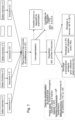
- Example 3 how the inventors characterized samples produced according to the method described in the prior art [ Paramsothy S., et al. (2017), Multidonor intensive faecal microbiota transplantation for active ulcerative colitis: a randomized placebo-controlled trial, Lancet, Mar 25; 389(10075): 1218-1228 ] and how they compared them with those produced according to one embodiment of the invention. Both production methods are described in the Figure 5 . Samples produced according to one embodiment of the invention exhibited improved viability and diversity compared to those produced according to the prior art method.
- the viability of the products was measured.
- the viability of the pooled inoculum according to an embodiment of the invention changes from 41.8% on average over 5 samples to 41.4% after one month of storage at -80°C +/-10°C.
- the samples obtained according to the method of Paramsothy et al. change from 38.5% on average to 37.5%. This change in viability is not significant according to the Wilcoxon test with p values of 0.462 for the samples according to the invention and a p value of 0.1732 for the reference samples (according to Paramsothy et al.).
- the coefficient of variation (CV) for samples prepared according to the method of the invention at 0 days is 0.010 compared with 0.034 for reference samples according to the prior art (Paramsothy et al.). At one month, the CV of samples prepared according to the method of the invention is 0.018 compared with 0.028 for reference samples.
- Example 1 the inventors have demonstrated that the Samples produced for Example 2 have very low variation which indicates that the inoculum mixture for each batch is homogeneous and stable. By comparison, the reference samples show a higher CV.
- the inventors analyzed the microbial diversity of the samples of Example 3 by analyzing the 16S rDNA of the samples.
- the diversity is expressed with the inverse of the Simpson index which takes into account both the richness (the number of OTUs/species identified) and their respective relative abundance.
- the genus Bifidobacterium (belonging to the Actinobacteria) also confirms the results already observed at other taxonomic levels. Bifidobacterium sees its relative abundance decrease significantly (0.9% vs 0.6%) and the homogeneity between the samples generated by the Paramsothy et al. method is less important than for those generated by the method according to an embodiment of the invention (see Table 6 of Example 3).
- the method according to the invention in general, has better reproducibility compared to that of the prior art, which is very important for a process intended for the manufacture of medicines, for which the notion of a homogeneous and reproducible batch is the basis of the regulation,
- the richness values measured for the different batches indeed show a high reproducibility between batches with a coefficient of variation of 3.5%.
- these results demonstrate that there is a homogeneity of fecal microbiota between batches, as well as within batches.
- the mixture of inocula obtained according to the method of the invention is superior in quality for use in FMT because it is characterized by a high and stable viability, as well as a very high diversity. These characteristics allow a higher potential for recolonization of adapted microbiota compared to what would be obtained by using an individual inoculum.
- the method for preparing microbiota samples makes it possible to obtain a homogeneous mixture of microbiota comprising 15 butyrate-producing bacterial genera, namely Blautia, Faecalibacterium, Alistipes, Eubacterium, Bifidobacterium, Ruminococcus, Clostridium, Coprococcus, Odoribacter, Roseburia, Holdemanella, Anaerostipes, Oscillibacter, Subdoligranulum and Butyrivibrio.
- This embodiment is illustrated in Example 4.
- Example 4 describes experiments to obtain homogeneous mixtures of stools from eight donors meeting the selection criteria (step c)). Each stool that passed quality control was then treated separately by adding cryoprotectant diluent and then filtered. Individual inocula obtained on the same day were then mixed to obtain batches of homogeneous products.
- the method for preparing a homogeneous mixture of fecal microbiota originates from at least four donors.
- the homogeneous mixture of microbiota comprises the following 15 bacterial genera, butyrate producers, namely Blautia, Faecalibacterium, Alistipes, Eubacterium, Bifidobacterium, Ruminococcus, Clostridium, Coprococcus, Odoribacter, Roseburia, Holdemanella, Anaerostipes, Oscillibacter, Subdoligranulum and Butyrivibrio.
- the presence of the above-mentioned 15 butyrate-producing bacterial genera in the product intended to be administered to the patient is important because these bacterial genera are associated with anti-inflammatory properties.
- their presence in the homogeneous mixtures is advantageous for the use of these homogeneous mixtures in the treatment of intestinal inflammation, in particular, that associated with intestinal dysbiosis.
- the homogeneous mixture can be easily produced in a reliable and reproducible manner.
- the results of Example 1 show homogeneity of viability and taxonomic profile between all the bags of mixture produced.
- the quality of the microbiota sample (the homogeneous mixture) administered is reproducible, and is identical between bags from a group of donors.
- a quasi-identical product can be administered with each bag. The patient can thus receive the same product during several treatments, if more than one treatment is necessary.
- n donors can yield enough homogeneous mixture to fill about 3 n , preferably 3.2 n pockets, each pocket being sufficient for one TMF treatment.
- the homogeneous mixture of microbiota (or pooled inocula) can be used in the treatment of intestinal dysbiosis and associated pathologies. It represents the active principle.
- the bacterial diversity of the pooled inoculum, produced with the method of the invention, is high, being able to have a Shannon index between 4 and 4.50, and an inverse of the Simpson index located between 20.2 and 27.2.
- the applicants have also demonstrated that the individual inocula have very varied viabilities, but that the inoculum mixture (pooled inoculum) has an excellent viability (from 41% to 60% approximately).
- the homogeneous inoculum mixture has a viability greater than 40%, preferably greater than 45% and, more preferably, greater than 50%, even more preferably, greater than 55%.
- the bacterial diversity and viability criteria are very important in the quality assessment of a product for TMF.
- the homogeneous mixture of microbiota (or pooled inocula) can be administered rectally.
- the homogeneous mixture of microbiota (or pooled inocula) can be formulated for oral administration.
- oral formulation mention may be made of the formulations mentioned in the patent application EP 17306602.8 .
- a patient suffering from GvHD can receive an allogeneic FMT comprising the homogeneous mixture of the invention.
- the patient can receive an allogeneic FMT rectally. He can also receive it orally.
- the homogeneous mixture of microbiota can be used in the treatment of iatrogenic intestinal dysbiosis and/or associated pathologies and complications including intestinal inflammation and diarrhea. Furthermore, the presence of the above-mentioned 15 bacterial genera producing butyrate with an anti-inflammatory effect may contribute to the effectiveness of the treatment.
- the homogeneous microbiota mixture can be used in the treatment of Clostridium difficile infection and associated diarrhea (CDI), inflammatory bowel disease (IBD), irritable bowel syndrome (IBS), idiopathic constipation, celiac disease, Crohn's disease, obesity and morbid obesity, autism, multiple sclerosis, traveler's diarrhea, Parkinson's disease, type II diabetes, food allergies, cancer, Alzheimer's disease, schizophrenia and bipolar disorder, gut dysbiosis associated with cancer chemotherapy or immunotherapy, and alcoholic and non-alcoholic liver disease.
- CDI Clostridium difficile infection and associated diarrhea
- IBD inflammatory bowel disease
- IBS irritable bowel syndrome
- the homogeneous mixture of microbiota can be used in the treatment of complications due to intensive care hospitalization.
- Steps a) and b) Eight fresh stools from six healthy donors were collected in the medical device described in WO2016/170290 , then stored at +2°C/+8°C for a period of 72 hours, during which qualitative controls (step c)) were carried out. Based on the results of these controls, the stools from donors 3 and 7 were rejected.
- Stools 1, 4, 5, 6 and 2+8 were separately transformed into a liquid inoculum by adding cryoprotectant diluent (aqueous saline solution containing a mixture of maltodextrin and trehalose at a level of 20%) and clarified through a filter (265 ⁇ m). Stools 2 and 8 were combined to form an inoculum given the small quantities of stool collected.
- cryoprotectant diluent aqueous saline solution containing a mixture of maltodextrin and trehalose at a level of 20%
- inocula 1, 4, 5, 6 and 2+8 The viability of inocula 1, 4, 5, 6 and 2+8 (five inocula) was tested. Individual inocula were then transferred to a 5L flexible bag using a peristaltic pump. The bag was then placed on a shaker plate in a refrigerated incubator set at 4°C and inoculum mixing was performed at 125 rpm +/- 5% for 30 minutes.
- the inoculum mixture was transferred to a series of 15 freeze-drying bags and stored at -80°C. The viability and impact of storage under different conditions of the homogeneous mixture were tested for each of the 15 bags before storage.
- Viability assays were performed using flow cytometry technology using an Accuri 6 cytometer (BD Science). Samples were diluted in 0.9% aqueous saline, with serial dilution 1:10, up to 1:10 -3 . Samples were labeled with fluorophores propidium iodide (PI) (10 ⁇ L/mL) and SYTO9 ® 9 (3 ⁇ L/mL). PI also targets DNA but only penetrates cells with damaged membranes; it emits at 635 nm (red) after excitation at 470 nm. SYTO9 ® penetrates all intact and inseparable cells, binds to DNA and emits at 540 nm (green) after excitation at 470 nm (blue laser).
- PI fluorophores propidium iodide
- SYTO9 ® penetrates all intact and inseparable cells, binds to DNA and emits at 540 nm (green) after excitation at 470 nm (
- Stool, inoculum or homogeneous mixture samples are labeled with the mixture of the two fluorophores before being analyzed by flow cytometry.
- the percentage of live bacteria relative to the number of total bacteria (live and dead) allows to obtain the bacterial viability of the sample.
- Each batch of the analysis was validated with a positive control (reference inoculum sample stored at -80°C) and a negative control (reference sample stored at -80°C and treated by incubation for 10 minutes in 70% isopropanol (ratio 1/9), centrifuged, resuspended in 0.9% NaCl and diluted in 10-fold dilution series up to 10 -3 ).
- the viability assessment of individual inocula ranges from 30.5% to 67.6%.
- the 15 bags prepared with the same inocula mixtures show an average viability of 47.1% with a standard deviation of 1.98.
- the viability percentages of the microbiota of the individual inocula inoculum 1, 4, 5, 6 and 2 + 8, colored in light gray
- the inoculum mixture in storage bag 1 to 15 are presented in Fig. Figure 2 .
- the three inocula are thawed and the viability of the microbiota is measured.
- Example 1 Using almost the same conditions as for Example 1, the method was performed on four batches (batch No. 1 to batch No. 4) of fecal microbiota samples, with 2, 8, 4 and 6 donors for batch No. 1, batch No. 2, batch No. 3 and batch No. 4 respectively.
- Batch No. 4 corresponds to the batch of Example 1.
- two of the six stools were combined to form an inoculum given the small quantities of stools collected.
- the stools were separately transformed into a liquid inoculum by adding cryoprotectant diluent (aqueous saline solution containing a mixture of maltodextrin and trehalose at a level of 20%) and clarified through a filter (265 ⁇ m).
- cryoprotectant diluent aqueous saline solution containing a mixture of maltodextrin and trehalose at a level of 20%
- the viability and taxonomic profile of the inocula were tested. Individual inocula were then transferred to a 3L or 5L flexible bag using a peristaltic pump. The bag was then placed on a shaker plate in a refrigerated incubator set at 4°C and inoculum mixing was performed at 130 rpm +/-5% for 30 minutes in an incubator set at 4°C.
- the inoculum mixture was transferred to a series of freezer-safe bags and stored at -80°C.
- the viability and taxonomic profile of the homogeneous mixtures were tested before storage. For batch #1, 2 stools were collected and 5 bags were filled. For batch #2, 8 stools were collected and 29 bags were filled. For batch #3, 5 stools were collected and 21 bags were filled. For batch #4, 6 stools were collected, 2 stools were combined to have enough material to form an inoculum and 15 bags were filled.
- Table 4 shows the viability of the batches.
- the viability assessment of individual inocula ranges from 16.8% to 67.6%.
- the viability of the pooled inocula batches is given in the Table below, and ranges from 46.1 to 60.2%.
- Viability analyses and metagenomic analyses were performed to compare the viability of the final products obtained, as well as their taxonomic homogeneity.
- the four stools were divided into two fractions, one for treatment according to an embodiment of the invention (“Inv”) and the other according to the prior art method of Paramsothy et al. (“Ref”).
- the “Inv” stools were separately transformed into a liquid inoculum by adding cryoprotectant diluent (aqueous saline solution containing a mixture of maltodextrin and trehalose at a level of 20%) and clarified through a filter (265 ⁇ m).
- cryoprotectant diluent aqueous saline solution containing a mixture of maltodextrin and trehalose at a level of 20%
- the inoculum mixture was transferred to a series of 10 cryovials and stored at -80°C.
- Table 6 shows the relative abundance of Actinobacteria, Prevotella and Bifidobacteria in the “Inv” and “Ref” samples. ⁇ b>Table 6 ⁇ /b> Relative Abundance Coefficient of Variation Inv Ref Inv Ref Wilcoxon Rank Test Actinobacteria 3.6% 0.9% 7.8% 14.5% 1,083 e -5 Prevotella 13% 11% 3.3% 8.5% 2,057 e -4 Bifidobacteria 0.9% 0.6% 12.4% 13.9% 1,083 e -5
- a production campaign to obtain homogeneous stool mixtures was carried out as described in Example 1.
- Stools from 8 donors meeting the selection criteria of step c) were collected daily over a period of 5 weeks.
- the stools were separately transformed into a liquid inoculum by adding cryoprotective diluent (aqueous saline solution containing a mixture of maltodextrin and trehalose at a level of 20%), and clarified through a filter (265 ⁇ m).
- cryoprotective diluent aqueous saline solution containing a mixture of maltodextrin and trehalose at a level of 20%
- Genomic DNA was extracted from stool pools with the Nucleospin Soil Kit (Macherey Nagel). A sequencing library was constructed for each genomic DNA sample using the TruSeq kit (Illumina) according to the supplier's recommendations. The libraries were then sequenced simultaneously in paired-end on a HiSeq2500 run (Illumina).
- Taxonomic assignment was then performed with Kraken v.0.10.5-beta ( Wood and Salzberg, 2014 'Kraken: ultrafast metagenomic sequence classification using exact alignments', Genome Biology, 15(3), pp. R46. doi: 10.1186/gb-2014-15-3-r46 ) using the RefSeq genomic database (September 2017, http://www.ncbi.nlm.nih.gov/refseq/).
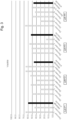
- FIG. 8 shows the relative abundance of the 15 butyrate-producing bacterial genera, namely Blautia, Faecalibacterium, Alistipes, Eubacterium, Bifidobacterium, Ruminococcus, Clostridium, Coprococcus, Odoribacter, Roseburia, Holdemanella, Anaerostipes, Oscillibacter, Subdoligranulum and Butyrivibrio, in donor stools (first bar on the left) and then in batches of homogeneous mixtures obtained from stools of 3, 4, 5 and 6 donors respectively.
- the relative abundance of these genera is stable in each batch and standardizes as the number of stools used to obtain the homogeneous mixture increases (see Table 7 below).
Landscapes
- Health & Medical Sciences (AREA)
- Life Sciences & Earth Sciences (AREA)
- Chemical & Material Sciences (AREA)
- Engineering & Computer Science (AREA)
- Organic Chemistry (AREA)
- General Health & Medical Sciences (AREA)
- Zoology (AREA)
- Bioinformatics & Cheminformatics (AREA)
- Wood Science & Technology (AREA)
- Immunology (AREA)
- Proteomics, Peptides & Aminoacids (AREA)
- Medicinal Chemistry (AREA)
- Analytical Chemistry (AREA)
- Veterinary Medicine (AREA)
- Pharmacology & Pharmacy (AREA)
- Animal Behavior & Ethology (AREA)
- Public Health (AREA)
- Biotechnology (AREA)
- Microbiology (AREA)
- Genetics & Genomics (AREA)
- Molecular Biology (AREA)
- General Engineering & Computer Science (AREA)
- Biochemistry (AREA)
- Chemical Kinetics & Catalysis (AREA)
- General Chemical & Material Sciences (AREA)
- Nuclear Medicine, Radiotherapy & Molecular Imaging (AREA)
- Epidemiology (AREA)
- Biophysics (AREA)
- Physics & Mathematics (AREA)
- Virology (AREA)
- Tropical Medicine & Parasitology (AREA)
- Biomedical Technology (AREA)
- Cell Biology (AREA)
- Mycology (AREA)
- Transplantation (AREA)
- Nutrition Science (AREA)
- Physiology (AREA)
- Developmental Biology & Embryology (AREA)
- Environmental Sciences (AREA)
- Dentistry (AREA)
Priority Applications (3)
| Application Number | Priority Date | Filing Date | Title |
|---|---|---|---|
| SI201930861T SI3762001T1 (sl) | 2018-03-09 | 2019-03-08 | Postopek zbiranja blata in postopek priprave vzorca za transplantacijo fekalne mikrobiote |
| HRP20241587TT HRP20241587T1 (hr) | 2018-03-09 | 2019-03-08 | Postupak prikupljanja stolice i postupak pripreme uzorka za fekalnu transplantaciju |
| RS20241286A RS66205B1 (sr) | 2018-03-09 | 2019-03-08 | Postupak prikupljanja stolice i postupak pripreme uzorka za fekalnu transplantaciju |
Applications Claiming Priority (2)
| Application Number | Priority Date | Filing Date | Title |
|---|---|---|---|
| FR1852084A FR3078627B1 (fr) | 2018-03-09 | 2018-03-09 | Procedure de collecte de selles et procede de preparation d'un echantillon pour transplantation de microbiote fecal |
| PCT/FR2019/050522 WO2019171012A1 (fr) | 2018-03-09 | 2019-03-08 | Procédure de collecte de selles et procédé de préparation d'un échantillon pour transplantation de microbiote fécal |
Publications (2)
| Publication Number | Publication Date |
|---|---|
| EP3762001A1 EP3762001A1 (fr) | 2021-01-13 |
| EP3762001B1 true EP3762001B1 (fr) | 2024-08-21 |
Family
ID=62143384
Family Applications (1)
| Application Number | Title | Priority Date | Filing Date |
|---|---|---|---|
| EP19713110.5A Active EP3762001B1 (fr) | 2018-03-09 | 2019-03-08 | Procédure de collecte de selles et procédé de préparation d'un échantillon pour transplantation de microbiote fécal |
Country Status (19)
| Country | Link |
|---|---|
| US (1) | US11389488B2 (pt) |
| EP (1) | EP3762001B1 (pt) |
| JP (1) | JP7330998B2 (pt) |
| KR (1) | KR102524970B1 (pt) |
| CN (1) | CN111836631A (pt) |
| AU (1) | AU2019229721B2 (pt) |
| CA (1) | CA3091626C (pt) |
| DK (1) | DK3762001T3 (pt) |
| ES (1) | ES2989339T3 (pt) |
| FI (1) | FI3762001T3 (pt) |
| FR (1) | FR3078627B1 (pt) |
| HR (1) | HRP20241587T1 (pt) |
| HU (1) | HUE069165T2 (pt) |
| IL (1) | IL276969B2 (pt) |
| LT (1) | LT3762001T (pt) |
| PT (1) | PT3762001T (pt) |
| RS (1) | RS66205B1 (pt) |
| SI (1) | SI3762001T1 (pt) |
| WO (1) | WO2019171012A1 (pt) |
Families Citing this family (12)
| Publication number | Priority date | Publication date | Assignee | Title |
|---|---|---|---|---|
| JP6796868B2 (ja) * | 2018-03-15 | 2020-12-09 | 株式会社メタジェン | 糞便の保存方法 |
| EP3895716A1 (en) | 2020-04-17 | 2021-10-20 | Maat Pharma | Fmt performance prediction test to guide and optimize therapeutic management of gvhd patients |
| NL2025863B1 (en) | 2020-06-19 | 2022-02-17 | Acad Medisch Ct | Fecal matter for treatment of cachexia |
| CN111888381A (zh) * | 2020-09-18 | 2020-11-06 | 广西细微生物科技有限责任公司 | 一种肠道微生物移植工艺 |
| US12453805B2 (en) | 2020-09-24 | 2025-10-28 | Everest Medical Innovation GmbH | Cryoprotective compositions, surgical kits, and methods for protection of a surgical site during cryosurgery |
| US12426594B2 (en) | 2020-09-24 | 2025-09-30 | Everest Medical Innovation GmbH | Cryoprotective compositions and methods for protection of a surgical site during cryosurgery |
| MX2023007621A (es) | 2020-12-23 | 2023-09-21 | Maat Pharma | Metodo para expandir una comunidad compleja de microorganismos. |
| EP4086337A1 (en) | 2021-05-06 | 2022-11-09 | Maat Pharma | Method of predicting and then producing a mix of microbiota samples |
| CN115404167A (zh) * | 2022-09-21 | 2022-11-29 | 上海承葛医药科技有限公司 | 一种适用于人体肠道菌群的冻存保护液 |
| EP4369344A1 (en) * | 2022-11-08 | 2024-05-15 | Maat Pharma | Determination of microbiota samples to produce a target mix product and prediction of mixes |
| WO2025141323A1 (en) * | 2023-12-29 | 2025-07-03 | Maat Pharma | Compositions used in combination with immune modulatory treatments for treating cancers |
| JP2025174745A (ja) * | 2024-05-17 | 2025-11-28 | 株式会社バイオパレット | 人工腸内細菌叢の製造方法 |
Family Cites Families (5)
| Publication number | Priority date | Publication date | Assignee | Title |
|---|---|---|---|---|
| LT3003330T (lt) | 2013-06-05 | 2018-10-25 | Rebiotix, Inc. | Mikrobiotos atstatymo terapija (mat), kompozicijos ir gamybos būdai |
| FI3223835T3 (fi) * | 2014-11-25 | 2025-06-16 | Memorial Sloan Kettering Cancer Center | Suolen mikrobisto ja gvhd |
| FR3035328B1 (fr) * | 2015-04-24 | 2019-08-23 | Maat Pharma | Procede de preparation d'un echantillon de microbiote fecal |
| FR3035317B1 (fr) * | 2015-04-24 | 2019-06-14 | Maat Pharma | Dispositif de prelevement de micro-organismes, kit de prelevement comprenant un tel dispositif et procede de prelevement mettant en œuvre un tel dispositif |
| US20180036352A1 (en) * | 2016-08-03 | 2018-02-08 | Crestovo Holdings Llc | Methods for treating ulcerative colitis |
-
2018
- 2018-03-09 FR FR1852084A patent/FR3078627B1/fr active Active
-
2019
- 2019-03-08 HU HUE19713110A patent/HUE069165T2/hu unknown
- 2019-03-08 CN CN201980018083.8A patent/CN111836631A/zh active Pending
- 2019-03-08 RS RS20241286A patent/RS66205B1/sr unknown
- 2019-03-08 ES ES19713110T patent/ES2989339T3/es active Active
- 2019-03-08 SI SI201930861T patent/SI3762001T1/sl unknown
- 2019-03-08 AU AU2019229721A patent/AU2019229721B2/en active Active
- 2019-03-08 WO PCT/FR2019/050522 patent/WO2019171012A1/fr not_active Ceased
- 2019-03-08 KR KR1020207028567A patent/KR102524970B1/ko active Active
- 2019-03-08 FI FIEP19713110.5T patent/FI3762001T3/fi active
- 2019-03-08 CA CA3091626A patent/CA3091626C/fr active Active
- 2019-03-08 IL IL276969A patent/IL276969B2/en unknown
- 2019-03-08 HR HRP20241587TT patent/HRP20241587T1/hr unknown
- 2019-03-08 JP JP2020546950A patent/JP7330998B2/ja active Active
- 2019-03-08 EP EP19713110.5A patent/EP3762001B1/fr active Active
- 2019-03-08 US US16/979,077 patent/US11389488B2/en active Active
- 2019-03-08 PT PT197131105T patent/PT3762001T/pt unknown
- 2019-03-08 LT LTEPPCT/FR2019/050522T patent/LT3762001T/lt unknown
- 2019-03-08 DK DK19713110.5T patent/DK3762001T3/da active
Non-Patent Citations (1)
| Title |
|---|
| CHEN JUSTIN: "From Stool Donation to Fecal Microbiota Preparation The Logistics of Fecal Microbiota Preparation Manufacturing", OPENBIOME.ORG, 12 August 2021 (2021-08-12), XP055876907, Retrieved from the Internet <URL:https://static1.squarespace.com/static/50e0c29ae4b0a05702af7e6a/t/6112851ea43dfb2a47768da7/1628603678547/Manufacturing-FMT.pdf> [retrieved on 20220107] * |
Also Published As
| Publication number | Publication date |
|---|---|
| IL276969B1 (en) | 2024-03-01 |
| SI3762001T1 (sl) | 2025-01-31 |
| HUE069165T2 (hu) | 2025-02-28 |
| JP7330998B2 (ja) | 2023-08-22 |
| WO2019171012A1 (fr) | 2019-09-12 |
| KR102524970B1 (ko) | 2023-04-21 |
| ES2989339T3 (es) | 2024-11-26 |
| FI3762001T3 (fi) | 2024-10-29 |
| PT3762001T (pt) | 2024-10-21 |
| AU2019229721A2 (en) | 2020-10-22 |
| CN111836631A (zh) | 2020-10-27 |
| LT3762001T (lt) | 2024-12-10 |
| IL276969B2 (en) | 2024-07-01 |
| US20200405776A1 (en) | 2020-12-31 |
| CA3091626A1 (fr) | 2019-09-12 |
| DK3762001T3 (da) | 2024-09-30 |
| CA3091626C (fr) | 2023-12-19 |
| AU2019229721A1 (en) | 2020-10-15 |
| JP2021517131A (ja) | 2021-07-15 |
| EP3762001A1 (fr) | 2021-01-13 |
| FR3078627B1 (fr) | 2020-11-13 |
| FR3078627A1 (fr) | 2019-09-13 |
| IL276969A (en) | 2020-10-29 |
| HRP20241587T1 (hr) | 2025-01-31 |
| US11389488B2 (en) | 2022-07-19 |
| RS66205B1 (sr) | 2024-12-31 |
| KR20200130367A (ko) | 2020-11-18 |
| AU2019229721B2 (en) | 2023-07-13 |
Similar Documents
| Publication | Publication Date | Title |
|---|---|---|
| EP3762001B1 (fr) | Procédure de collecte de selles et procédé de préparation d'un échantillon pour transplantation de microbiote fécal | |
| EP3285784B1 (fr) | Procédé de préparation d'un échantillon de microbiote fécal | |
| EP3307289B1 (en) | Methods of manufacture of microbiota restoration therapy (mrt) compositions | |
| KR102099503B1 (ko) | 미생물상 복원 요법(mrt) 조성물 | |
| US11654164B2 (en) | Microbiota restoration therapy (MRT) compositions and methods of manufacture | |
| US10799539B2 (en) | Microbiota restoration therapy (MRT) compositions and methods of manufacture | |
| EP3573631B1 (fr) | Microbiote fecal pour traiter des patients subissant une greffe de cellules souches hematopoietiques | |
| HK40067062A (en) | Microbiota restoration therapy (mrt) compositions and methods of manufacture | |
| HK40100453A (en) | Microbiota restoration therapy (mrt), compositions and methods of manufacture | |
| HK1260499A1 (en) | Microbiota restoration therapy (mrt), compositions and methods of manufacture | |
| HK1254281B (en) | Methods of manufacture of microbiota restoration therapy (mrt) compositions |
Legal Events
| Date | Code | Title | Description |
|---|---|---|---|
| REG | Reference to a national code |
Ref country code: HR Ref legal event code: TUEP Ref document number: P20241587T Country of ref document: HR |
|
| STAA | Information on the status of an ep patent application or granted ep patent |
Free format text: STATUS: UNKNOWN |
|
| STAA | Information on the status of an ep patent application or granted ep patent |
Free format text: STATUS: THE INTERNATIONAL PUBLICATION HAS BEEN MADE |
|
| PUAI | Public reference made under article 153(3) epc to a published international application that has entered the european phase |
Free format text: ORIGINAL CODE: 0009012 |
|
| STAA | Information on the status of an ep patent application or granted ep patent |
Free format text: STATUS: REQUEST FOR EXAMINATION WAS MADE |
|
| 17P | Request for examination filed |
Effective date: 20200922 |
|
| AK | Designated contracting states |
Kind code of ref document: A1 Designated state(s): AL AT BE BG CH CY CZ DE DK EE ES FI FR GB GR HR HU IE IS IT LI LT LU LV MC MK MT NL NO PL PT RO RS SE SI SK SM TR |
|
| AX | Request for extension of the european patent |
Extension state: BA ME |
|
| DAV | Request for validation of the european patent (deleted) | ||
| DAX | Request for extension of the european patent (deleted) | ||
| STAA | Information on the status of an ep patent application or granted ep patent |
Free format text: STATUS: EXAMINATION IS IN PROGRESS |
|
| 17Q | First examination report despatched |
Effective date: 20220114 |
|
| P01 | Opt-out of the competence of the unified patent court (upc) registered |
Effective date: 20230523 |
|
| GRAP | Despatch of communication of intention to grant a patent |
Free format text: ORIGINAL CODE: EPIDOSNIGR1 |
|
| STAA | Information on the status of an ep patent application or granted ep patent |
Free format text: STATUS: GRANT OF PATENT IS INTENDED |
|
| INTG | Intention to grant announced |
Effective date: 20240516 |
|
| GRAS | Grant fee paid |
Free format text: ORIGINAL CODE: EPIDOSNIGR3 |
|
| GRAA | (expected) grant |
Free format text: ORIGINAL CODE: 0009210 |
|
| STAA | Information on the status of an ep patent application or granted ep patent |
Free format text: STATUS: THE PATENT HAS BEEN GRANTED |
|
| AK | Designated contracting states |
Kind code of ref document: B1 Designated state(s): AL AT BE BG CH CY CZ DE DK EE ES FI FR GB GR HR HU IE IS IT LI LT LU LV MC MK MT NL NO PL PT RO RS SE SI SK SM TR |
|
| REG | Reference to a national code |
Ref country code: GB Ref legal event code: FG4D Free format text: NOT ENGLISH |
|
| REG | Reference to a national code |
Ref country code: CH Ref legal event code: EP |
|
| REG | Reference to a national code |
Ref country code: DE Ref legal event code: R096 Ref document number: 602019057348 Country of ref document: DE |
|
| REG | Reference to a national code |
Ref country code: IE Ref legal event code: FG4D Free format text: LANGUAGE OF EP DOCUMENT: FRENCH |
|
| REG | Reference to a national code |
Ref country code: DK Ref legal event code: T3 Effective date: 20240926 |
|
| REG | Reference to a national code |
Ref country code: PT Ref legal event code: SC4A Ref document number: 3762001 Country of ref document: PT Date of ref document: 20241021 Kind code of ref document: T Free format text: AVAILABILITY OF NATIONAL TRANSLATION Effective date: 20241014 |
|
| REG | Reference to a national code |
Ref country code: NL Ref legal event code: FP |
|
| REG | Reference to a national code |
Ref country code: FI Ref legal event code: FGE |
|
| REG | Reference to a national code |
Ref country code: SE Ref legal event code: TRGR |
|
| REG | Reference to a national code |
Ref country code: ES Ref legal event code: FG2A Ref document number: 2989339 Country of ref document: ES Kind code of ref document: T3 Effective date: 20241126 |
|
| REG | Reference to a national code |
Ref country code: GR Ref legal event code: EP Ref document number: 20240402699 Country of ref document: GR Effective date: 20241209 |
|
| REG | Reference to a national code |
Ref country code: AT Ref legal event code: UEP Ref document number: 1714876 Country of ref document: AT Kind code of ref document: T Effective date: 20240821 Ref country code: SK Ref legal event code: T3 Ref document number: E 45398 Country of ref document: SK Ref country code: EE Ref legal event code: FG4A Ref document number: E024752 Country of ref document: EE Effective date: 20241121 |
|
| REG | Reference to a national code |
Ref country code: HR Ref legal event code: T1PR Ref document number: P20241587 Country of ref document: HR |
|
| REG | Reference to a national code |
Ref country code: HU Ref legal event code: AG4A Ref document number: E069165 Country of ref document: HU |
|
| REG | Reference to a national code |
Ref country code: HR Ref legal event code: ODRP Ref document number: P20241587 Country of ref document: HR Payment date: 20250303 Year of fee payment: 7 |
|
| PGFP | Annual fee paid to national office [announced via postgrant information from national office to epo] |
Ref country code: SE Payment date: 20250314 Year of fee payment: 7 |
|
| PGFP | Annual fee paid to national office [announced via postgrant information from national office to epo] |
Ref country code: PT Payment date: 20250305 Year of fee payment: 7 Ref country code: DE Payment date: 20250327 Year of fee payment: 7 Ref country code: IS Payment date: 20250327 Year of fee payment: 7 Ref country code: HR Payment date: 20250303 Year of fee payment: 7 |
|
| PG25 | Lapsed in a contracting state [announced via postgrant information from national office to epo] |
Ref country code: SM Free format text: LAPSE BECAUSE OF FAILURE TO SUBMIT A TRANSLATION OF THE DESCRIPTION OR TO PAY THE FEE WITHIN THE PRESCRIBED TIME-LIMIT Effective date: 20240821 |
|
| PGFP | Annual fee paid to national office [announced via postgrant information from national office to epo] |
Ref country code: DK Payment date: 20250327 Year of fee payment: 7 Ref country code: NL Payment date: 20250327 Year of fee payment: 7 Ref country code: FI Payment date: 20250326 Year of fee payment: 7 Ref country code: RO Payment date: 20250304 Year of fee payment: 7 Ref country code: LT Payment date: 20250305 Year of fee payment: 7 |
|
| PGFP | Annual fee paid to national office [announced via postgrant information from national office to epo] |
Ref country code: BG Payment date: 20250327 Year of fee payment: 7 Ref country code: LU Payment date: 20250327 Year of fee payment: 7 |
|
| PGFP | Annual fee paid to national office [announced via postgrant information from national office to epo] |
Ref country code: HU Payment date: 20250307 Year of fee payment: 7 |
|
| PGFP | Annual fee paid to national office [announced via postgrant information from national office to epo] |
Ref country code: IE Payment date: 20250327 Year of fee payment: 7 |
|
| PGFP | Annual fee paid to national office [announced via postgrant information from national office to epo] |
Ref country code: NO Payment date: 20250327 Year of fee payment: 7 |
|
| PGFP | Annual fee paid to national office [announced via postgrant information from national office to epo] |
Ref country code: EE Payment date: 20250326 Year of fee payment: 7 Ref country code: AT Payment date: 20250327 Year of fee payment: 7 Ref country code: GR Payment date: 20250326 Year of fee payment: 7 Ref country code: LV Payment date: 20250328 Year of fee payment: 7 Ref country code: BE Payment date: 20250327 Year of fee payment: 7 Ref country code: SI Payment date: 20250305 Year of fee payment: 7 |
|
| PGFP | Annual fee paid to national office [announced via postgrant information from national office to epo] |
Ref country code: FR Payment date: 20250326 Year of fee payment: 7 Ref country code: PL Payment date: 20250227 Year of fee payment: 7 Ref country code: CZ Payment date: 20250306 Year of fee payment: 7 |
|
| PGFP | Annual fee paid to national office [announced via postgrant information from national office to epo] |
Ref country code: SK Payment date: 20250305 Year of fee payment: 7 Ref country code: GB Payment date: 20250225 Year of fee payment: 7 |
|
| PGFP | Annual fee paid to national office [announced via postgrant information from national office to epo] |
Ref country code: RS Payment date: 20250306 Year of fee payment: 7 |
|
| PGFP | Annual fee paid to national office [announced via postgrant information from national office to epo] |
Ref country code: TR Payment date: 20250303 Year of fee payment: 7 |
|
| REG | Reference to a national code |
Ref country code: DE Ref legal event code: R097 Ref document number: 602019057348 Country of ref document: DE |
|
| PLBE | No opposition filed within time limit |
Free format text: ORIGINAL CODE: 0009261 |
|
| STAA | Information on the status of an ep patent application or granted ep patent |
Free format text: STATUS: NO OPPOSITION FILED WITHIN TIME LIMIT |
|
| PGFP | Annual fee paid to national office [announced via postgrant information from national office to epo] |
Ref country code: ES Payment date: 20250411 Year of fee payment: 7 |
|
| PGFP | Annual fee paid to national office [announced via postgrant information from national office to epo] |
Ref country code: IT Payment date: 20250327 Year of fee payment: 7 |
|
| PGFP | Annual fee paid to national office [announced via postgrant information from national office to epo] |
Ref country code: CH Payment date: 20250425 Year of fee payment: 7 |
|
| 26N | No opposition filed |
Effective date: 20250522 |
|
| PG25 | Lapsed in a contracting state [announced via postgrant information from national office to epo] |
Ref country code: MC Free format text: LAPSE BECAUSE OF FAILURE TO SUBMIT A TRANSLATION OF THE DESCRIPTION OR TO PAY THE FEE WITHIN THE PRESCRIBED TIME-LIMIT Effective date: 20240821 |