EP3752729B1 - Profilierte struktur für luftströmung und turbomaschine für flugzeug - Google Patents
Profilierte struktur für luftströmung und turbomaschine für flugzeug Download PDFInfo
- Publication number
- EP3752729B1 EP3752729B1 EP19712622.0A EP19712622A EP3752729B1 EP 3752729 B1 EP3752729 B1 EP 3752729B1 EP 19712622 A EP19712622 A EP 19712622A EP 3752729 B1 EP3752729 B1 EP 3752729B1
- Authority
- EP
- European Patent Office
- Prior art keywords
- distance
- profiled
- leading
- structure according
- teeth
- Prior art date
- Legal status (The legal status is an assumption and is not a legal conclusion. Google has not performed a legal analysis and makes no representation as to the accuracy of the status listed.)
- Active
Links
Images


Classifications
-
- F—MECHANICAL ENGINEERING; LIGHTING; HEATING; WEAPONS; BLASTING
- F02—COMBUSTION ENGINES; HOT-GAS OR COMBUSTION-PRODUCT ENGINE PLANTS
- F02K—JET-PROPULSION PLANTS
- F02K1/00—Plants characterised by the form or arrangement of the jet pipe or nozzle; Jet pipes or nozzles peculiar thereto
- F02K1/38—Introducing air inside the jet
- F02K1/386—Introducing air inside the jet mixing devices in the jet pipe, e.g. for mixing primary and secondary flow
-
- F—MECHANICAL ENGINEERING; LIGHTING; HEATING; WEAPONS; BLASTING
- F02—COMBUSTION ENGINES; HOT-GAS OR COMBUSTION-PRODUCT ENGINE PLANTS
- F02C—GAS-TURBINE PLANTS; AIR INTAKES FOR JET-PROPULSION PLANTS; CONTROLLING FUEL SUPPLY IN AIR-BREATHING JET-PROPULSION PLANTS
- F02C7/00—Features, components parts, details or accessories, not provided for in, or of interest apart form groups F02C1/00 - F02C6/00; Air intakes for jet-propulsion plants
- F02C7/04—Air intakes for gas-turbine plants or jet-propulsion plants
- F02C7/045—Air intakes for gas-turbine plants or jet-propulsion plants having provisions for noise suppression
-
- B—PERFORMING OPERATIONS; TRANSPORTING
- B64—AIRCRAFT; AVIATION; COSMONAUTICS
- B64C—AEROPLANES; HELICOPTERS
- B64C11/00—Propellers, e.g. of ducted type; Features common to propellers and rotors for rotorcraft
- B64C11/16—Blades
- B64C11/18—Aerodynamic features
-
- B—PERFORMING OPERATIONS; TRANSPORTING
- B64—AIRCRAFT; AVIATION; COSMONAUTICS
- B64C—AEROPLANES; HELICOPTERS
- B64C21/00—Influencing air flow over aircraft surfaces by affecting boundary layer flow
- B64C21/02—Influencing air flow over aircraft surfaces by affecting boundary layer flow by use of slot, ducts, porous areas or the like
-
- B—PERFORMING OPERATIONS; TRANSPORTING
- B64—AIRCRAFT; AVIATION; COSMONAUTICS
- B64C—AEROPLANES; HELICOPTERS
- B64C21/00—Influencing air flow over aircraft surfaces by affecting boundary layer flow
- B64C21/10—Influencing air flow over aircraft surfaces by affecting boundary layer flow using other surface properties, e.g. roughness
-
- B—PERFORMING OPERATIONS; TRANSPORTING
- B64—AIRCRAFT; AVIATION; COSMONAUTICS
- B64C—AEROPLANES; HELICOPTERS
- B64C23/00—Influencing air flow over aircraft surfaces, not otherwise provided for
-
- B—PERFORMING OPERATIONS; TRANSPORTING
- B64—AIRCRAFT; AVIATION; COSMONAUTICS
- B64C—AEROPLANES; HELICOPTERS
- B64C3/00—Wings
- B64C3/10—Shape of wings
-
- B—PERFORMING OPERATIONS; TRANSPORTING
- B64—AIRCRAFT; AVIATION; COSMONAUTICS
- B64C—AEROPLANES; HELICOPTERS
- B64C5/00—Stabilising surfaces
-
- B—PERFORMING OPERATIONS; TRANSPORTING
- B64—AIRCRAFT; AVIATION; COSMONAUTICS
- B64D—EQUIPMENT FOR FITTING IN OR TO AIRCRAFT; FLIGHT SUITS; PARACHUTES; ARRANGEMENT OR MOUNTING OF POWER PLANTS OR PROPULSION TRANSMISSIONS IN AIRCRAFT
- B64D33/00—Arrangement in aircraft of power plant parts or auxiliaries not otherwise provided for
- B64D33/02—Arrangement in aircraft of power plant parts or auxiliaries not otherwise provided for of combustion air intakes
-
- B—PERFORMING OPERATIONS; TRANSPORTING
- B64—AIRCRAFT; AVIATION; COSMONAUTICS
- B64D—EQUIPMENT FOR FITTING IN OR TO AIRCRAFT; FLIGHT SUITS; PARACHUTES; ARRANGEMENT OR MOUNTING OF POWER PLANTS OR PROPULSION TRANSMISSIONS IN AIRCRAFT
- B64D33/00—Arrangement in aircraft of power plant parts or auxiliaries not otherwise provided for
- B64D33/04—Arrangement in aircraft of power plant parts or auxiliaries not otherwise provided for of exhaust outlets or jet pipes
-
- B—PERFORMING OPERATIONS; TRANSPORTING
- B64—AIRCRAFT; AVIATION; COSMONAUTICS
- B64D—EQUIPMENT FOR FITTING IN OR TO AIRCRAFT; FLIGHT SUITS; PARACHUTES; ARRANGEMENT OR MOUNTING OF POWER PLANTS OR PROPULSION TRANSMISSIONS IN AIRCRAFT
- B64D33/00—Arrangement in aircraft of power plant parts or auxiliaries not otherwise provided for
- B64D33/04—Arrangement in aircraft of power plant parts or auxiliaries not otherwise provided for of exhaust outlets or jet pipes
- B64D33/06—Silencing exhaust or propulsion jets
-
- F—MECHANICAL ENGINEERING; LIGHTING; HEATING; WEAPONS; BLASTING
- F01—MACHINES OR ENGINES IN GENERAL; ENGINE PLANTS IN GENERAL; STEAM ENGINES
- F01D—NON-POSITIVE DISPLACEMENT MACHINES OR ENGINES, e.g. STEAM TURBINES
- F01D9/00—Stators
- F01D9/02—Nozzles; Nozzle boxes; Stator blades; Guide conduits, e.g. individual nozzles
- F01D9/04—Nozzles; Nozzle boxes; Stator blades; Guide conduits, e.g. individual nozzles forming ring or sector
- F01D9/041—Nozzles; Nozzle boxes; Stator blades; Guide conduits, e.g. individual nozzles forming ring or sector using blades
-
- F—MECHANICAL ENGINEERING; LIGHTING; HEATING; WEAPONS; BLASTING
- F15—FLUID-PRESSURE ACTUATORS; HYDRAULICS OR PNEUMATICS IN GENERAL
- F15D—FLUID DYNAMICS, i.e. METHODS OR MEANS FOR INFLUENCING THE FLOW OF GASES OR LIQUIDS
- F15D1/00—Influencing flow of fluids
- F15D1/002—Influencing flow of fluids by influencing the boundary layer
- F15D1/0025—Influencing flow of fluids by influencing the boundary layer using passive means, i.e. without external energy supply
- F15D1/003—Influencing flow of fluids by influencing the boundary layer using passive means, i.e. without external energy supply comprising surface features, e.g. indentations or protrusions
- F15D1/0035—Influencing flow of fluids by influencing the boundary layer using passive means, i.e. without external energy supply comprising surface features, e.g. indentations or protrusions in the form of riblets
-
- F—MECHANICAL ENGINEERING; LIGHTING; HEATING; WEAPONS; BLASTING
- F15—FLUID-PRESSURE ACTUATORS; HYDRAULICS OR PNEUMATICS IN GENERAL
- F15D—FLUID DYNAMICS, i.e. METHODS OR MEANS FOR INFLUENCING THE FLOW OF GASES OR LIQUIDS
- F15D1/00—Influencing flow of fluids
- F15D1/002—Influencing flow of fluids by influencing the boundary layer
- F15D1/0025—Influencing flow of fluids by influencing the boundary layer using passive means, i.e. without external energy supply
- F15D1/003—Influencing flow of fluids by influencing the boundary layer using passive means, i.e. without external energy supply comprising surface features, e.g. indentations or protrusions
- F15D1/0035—Influencing flow of fluids by influencing the boundary layer using passive means, i.e. without external energy supply comprising surface features, e.g. indentations or protrusions in the form of riblets
- F15D1/004—Influencing flow of fluids by influencing the boundary layer using passive means, i.e. without external energy supply comprising surface features, e.g. indentations or protrusions in the form of riblets oriented essentially parallel to the direction of flow
-
- B—PERFORMING OPERATIONS; TRANSPORTING
- B64—AIRCRAFT; AVIATION; COSMONAUTICS
- B64C—AEROPLANES; HELICOPTERS
- B64C3/00—Wings
- B64C3/10—Shape of wings
- B64C3/14—Aerofoil profile
- B64C2003/146—Aerofoil profile comprising leading edges of particular shape
-
- B—PERFORMING OPERATIONS; TRANSPORTING
- B64—AIRCRAFT; AVIATION; COSMONAUTICS
- B64C—AEROPLANES; HELICOPTERS
- B64C3/00—Wings
- B64C3/10—Shape of wings
- B64C3/14—Aerofoil profile
- B64C2003/147—Aerofoil profile comprising trailing edges of particular shape
-
- B—PERFORMING OPERATIONS; TRANSPORTING
- B64—AIRCRAFT; AVIATION; COSMONAUTICS
- B64C—AEROPLANES; HELICOPTERS
- B64C3/00—Wings
- B64C3/10—Shape of wings
- B64C3/14—Aerofoil profile
- B64C2003/148—Aerofoil profile comprising protuberances, e.g. for modifying boundary layer flow
-
- B—PERFORMING OPERATIONS; TRANSPORTING
- B64—AIRCRAFT; AVIATION; COSMONAUTICS
- B64D—EQUIPMENT FOR FITTING IN OR TO AIRCRAFT; FLIGHT SUITS; PARACHUTES; ARRANGEMENT OR MOUNTING OF POWER PLANTS OR PROPULSION TRANSMISSIONS IN AIRCRAFT
- B64D33/00—Arrangement in aircraft of power plant parts or auxiliaries not otherwise provided for
- B64D33/02—Arrangement in aircraft of power plant parts or auxiliaries not otherwise provided for of combustion air intakes
- B64D2033/0206—Arrangement in aircraft of power plant parts or auxiliaries not otherwise provided for of combustion air intakes comprising noise reduction means, e.g. acoustic liners
-
- F—MECHANICAL ENGINEERING; LIGHTING; HEATING; WEAPONS; BLASTING
- F05—INDEXING SCHEMES RELATING TO ENGINES OR PUMPS IN VARIOUS SUBCLASSES OF CLASSES F01-F04
- F05D—INDEXING SCHEME FOR ASPECTS RELATING TO NON-POSITIVE-DISPLACEMENT MACHINES OR ENGINES, GAS-TURBINES OR JET-PROPULSION PLANTS
- F05D2250/00—Geometry
- F05D2250/10—Two-dimensional
- F05D2250/18—Two-dimensional patterned
- F05D2250/183—Two-dimensional patterned zigzag
-
- F—MECHANICAL ENGINEERING; LIGHTING; HEATING; WEAPONS; BLASTING
- F05—INDEXING SCHEMES RELATING TO ENGINES OR PUMPS IN VARIOUS SUBCLASSES OF CLASSES F01-F04
- F05D—INDEXING SCHEME FOR ASPECTS RELATING TO NON-POSITIVE-DISPLACEMENT MACHINES OR ENGINES, GAS-TURBINES OR JET-PROPULSION PLANTS
- F05D2250/00—Geometry
- F05D2250/10—Two-dimensional
- F05D2250/18—Two-dimensional patterned
- F05D2250/184—Two-dimensional patterned sinusoidal
-
- F—MECHANICAL ENGINEERING; LIGHTING; HEATING; WEAPONS; BLASTING
- F05—INDEXING SCHEMES RELATING TO ENGINES OR PUMPS IN VARIOUS SUBCLASSES OF CLASSES F01-F04
- F05D—INDEXING SCHEME FOR ASPECTS RELATING TO NON-POSITIVE-DISPLACEMENT MACHINES OR ENGINES, GAS-TURBINES OR JET-PROPULSION PLANTS
- F05D2260/00—Function
- F05D2260/96—Preventing, counteracting or reducing vibration or noise
-
- F—MECHANICAL ENGINEERING; LIGHTING; HEATING; WEAPONS; BLASTING
- F05—INDEXING SCHEMES RELATING TO ENGINES OR PUMPS IN VARIOUS SUBCLASSES OF CLASSES F01-F04
- F05D—INDEXING SCHEME FOR ASPECTS RELATING TO NON-POSITIVE-DISPLACEMENT MACHINES OR ENGINES, GAS-TURBINES OR JET-PROPULSION PLANTS
- F05D2300/00—Materials; Properties thereof
- F05D2300/50—Intrinsic material properties or characteristics
- F05D2300/514—Porosity
-
- F—MECHANICAL ENGINEERING; LIGHTING; HEATING; WEAPONS; BLASTING
- F05—INDEXING SCHEMES RELATING TO ENGINES OR PUMPS IN VARIOUS SUBCLASSES OF CLASSES F01-F04
- F05D—INDEXING SCHEME FOR ASPECTS RELATING TO NON-POSITIVE-DISPLACEMENT MACHINES OR ENGINES, GAS-TURBINES OR JET-PROPULSION PLANTS
- F05D2300/00—Materials; Properties thereof
- F05D2300/60—Properties or characteristics given to material by treatment or manufacturing
- F05D2300/612—Foam
-
- Y—GENERAL TAGGING OF NEW TECHNOLOGICAL DEVELOPMENTS; GENERAL TAGGING OF CROSS-SECTIONAL TECHNOLOGIES SPANNING OVER SEVERAL SECTIONS OF THE IPC; TECHNICAL SUBJECTS COVERED BY FORMER USPC CROSS-REFERENCE ART COLLECTIONS [XRACs] AND DIGESTS
- Y02—TECHNOLOGIES OR APPLICATIONS FOR MITIGATION OR ADAPTATION AGAINST CLIMATE CHANGE
- Y02T—CLIMATE CHANGE MITIGATION TECHNOLOGIES RELATED TO TRANSPORTATION
- Y02T50/00—Aeronautics or air transport
- Y02T50/10—Drag reduction
-
- Y—GENERAL TAGGING OF NEW TECHNOLOGICAL DEVELOPMENTS; GENERAL TAGGING OF CROSS-SECTIONAL TECHNOLOGIES SPANNING OVER SEVERAL SECTIONS OF THE IPC; TECHNICAL SUBJECTS COVERED BY FORMER USPC CROSS-REFERENCE ART COLLECTIONS [XRACs] AND DIGESTS
- Y02—TECHNOLOGIES OR APPLICATIONS FOR MITIGATION OR ADAPTATION AGAINST CLIMATE CHANGE
- Y02T—CLIMATE CHANGE MITIGATION TECHNOLOGIES RELATED TO TRANSPORTATION
- Y02T50/00—Aeronautics or air transport
- Y02T50/60—Efficient propulsion technologies, e.g. for aircraft
Definitions
- the present invention relates to the field of aero-acoustic management of profiled air flow structures, such as fixed blades in a turbomachine for aircraft or in a test bed for such turbomachines, or a nozzle turbomachine primary air intake. More specifically, the invention relates to a streamlined airflow structure, as well as to a turbine engine for an aircraft.
- This type of vane is found, for example, on outlet guide vanes OGV (outlet guide vane), or rectifiers, arranged downstream of a rotating body to straighten the air flow.
- OGV outlet guide vane
- rectifiers arranged downstream of a rotating body to straighten the air flow.
- Ultra-High Bypass Ratio UHBR
- UHBR Ultra-High Bypass Ratio
- IGVs Inlet Guide Vanes
- the interaction of the fan wake with the IGVs, OGVs and slat is one of the dominant broadband noise sources.
- this tightness profile extends along the leading and/or trailing edge, in other words in the direction of the elongation of the structure at the leading and/or trailing edge.
- the invention aims to attenuate the intense local pressure fluctuations, mentioned above, by using a porous surface (or an acoustic treatment) at the level of the hollows of the serrations.
- the aforementioned profiled structure be such that said porous acoustically absorbing regions form, in a localized manner, bottoms for the hollows and thus define, with the body, the line of the profile in tightness at the leading edge and/or at the trailing edge of the streamlined structure.
- the geometric center of the region with acoustic treatment or porous surface may be placed at a distance downstream from the leading and/or trailing edge of the profile under consideration, depending (this is i.e. as close as possible) to the position where the pressure fluctuations are maximum.
- One advantage is taking into account the thickness of the profiled structure, such as a blade, which causes the region where the pressure fluctuations on the surface of this profiled structure are at a maximum to move downstream of the hollow.
- An advantage is that the acoustic treatment or the porous surface will be placed at the place where the pressure fluctuations on the surface of the blade are maximum, which optimizes the surface to be treated in order to reduce the acoustic radiation.
- the advantage is to reduce pressure fluctuations and therefore noise levels, knowing that the size of the cavities will have an influence on the frequency range to be attenuated.
- said acoustically absorbent porous region comprises a Helmholtz resonator.
- Helmholtz resonators in which the depth of the cavities is closely linked to the target frequency to be attenuated, can be found on other parts of a turbojet engine, such as on nacelle acoustic treatments.
- the teeth and recesses of the serration profile individually have a wavy shape, with rounded or more pointed tops.
- Rounded corners make it possible to reduce concentrations of mechanical stresses that are too strong locally, which increases the service life of the part.
- teeth and recesses individually having a shape with locally rectilinear side walls makes it possible to introduce a certain decorrelation between the sources of noise along the leading and/or trailing edge.
- the teeth will be inclined so as to be oriented towards the direction of rotation—generally oblique with respect to said axis X—of the rotating flow therefore generated by the fan.
- the teeth will in fact, in this case, be individually non-symmetrical with respect to a perpendicular to the line of the profiled leading and/or trailing edge passing through the tooth in question.
- the teeth may be at heterogeneous inclinations, different depending on the location.
- an aircraft turbojet engine 100 is shown very schematically and is defined as follows:
- the nacelle 12 serves as an outer casing for the various organs, among which, at the front (on the left on the figure 1 ) a fan 14 upstream (AM).
- AM fan 14 upstream
- the air flow Downstream (AV) of the fan 14, the air flow (locally shown schematically 38 figure 4 ) is separated by the splitter 16 from an annular wall 160 into a primary airflow and a secondary airflow.
- the primary air flow travels through an internal annular air passage or primary stream 18 by entering the low pressure compressor 22 at the level of the inlet guide vanes 24 IGV, also called first vanes.
- the secondary air flow is deflected by the splitter nozzle 16 into an external annular air passage 20 (secondary stream) in the direction of the outlet guide vanes 26 OGV, also called second vanes, then towards the engine outlet.
- the front part 161 of the splitter beak 16 comprising the leading edge 164 located furthest upstream and at the level of which the outer wall 162 of the splitter beak 16 joins the inner wall 163 of the splitter beak 16, the upper wall 162 forming the inner shroud of the secondary vein 20.
- axial is that which extends along or parallel to the longitudinal axis (X) of rotation of the part concerned of the turbomachine, which axis will a priori be the axis general rotation of this turbomachine.
- the internal wall 163 is the radially internal wall of the separator spout 16.
- the upstream and downstream references are to be considered in connection with the flow of gases in the (part of) turbomachine considered: these gases enter upstream and exit downstream, circulating generally parallel to the aforementioned longitudinal axis of rotation.
- the splitter spout 16 is hollow, the outer face of the wall 162 serving as a radially inner limit to the outer annular air passage 20 receiving the secondary flow while the inner face of the wall 163 serves as a radially outer limit to the air passage internal ring 18 receiving the primary flow.
- the lower wall 163 of the splitter nozzle 16 forms the outer shroud of the low pressure compressor 22.
- this leading edge 164 For the induced effect of aero-acoustic management by limiting the noise generated by this zone, provision can therefore be made for this leading edge 164 to have a profile 28 with serrations having a succession of teeth 30 and hollows 32, as illustrated in the examples of Figures 5-11 .
- FIG. 9 diagrams an aircraft 100 on which profiled structures with such a profile 28 with serrations are present, on the leading edge, on the wings 38, on a pylon 41 supporting an engine 42 of the aircraft, on a fin 44, a stabilizer 46, a propeller or blade 48 of open-rotor.
- the picture 3 locally schematizes a profile 28 in serrations present on what can be, marked 50, a helicopter blade, a fan, rotor or stator blade, a leading edge slat or an aircraft wing flap aircraft.
- the maximum amplitude h is defined as the maximum distance, along a line perpendicular to this direction L, between the top - the most prominent if any - of the teeth 30 and the bottom of the hollows 32 - the deepest if any. exists -, as seen figure 5 assuming an elementary geometry with several undulations, preferably two - two different teeth 30 and two different hollows 32 -.
- these acoustically absorbent porous regions 52 form, in a localized manner, bottoms for the hollows 32 and therefore define, with the body 62 of the profiled structure, the line of the profile in tightness at the leading edge and/or at the edge of leakage from said profiled structure.
- the body 62 of course forms the coherence, the essential shape and the rigidity of the profiled structure and therefore essentially defines it, as can be seen by way of example in the figures.
- Lengths a and b are used to size the edges of rectangles or other shapes where the surface is acoustically treated. In the zone where a is of the order of one third of the said distance between two consecutive apices of teeth and where the pressure fluctuations at the wall have been observed to be the strongest, the effect of the porosity via the acoustically absorbing structure must be effective.
- the aim is to obtain a significant reduction in the surface of the structure/part considered, and therefore aerodynamic losses, compared to what it would have been without the solution of the invention, with therefore an effect on the broadband noise reduction.
- the porous surface or acoustic treatment targets where the wake turbulence interaction noise is generated.
- a major contribution is considered to be that of optimizing the surface to be treated in order to reduce acoustic levels.
- the distance ⁇ along the direction L is completed by other distances along the same direction L, here two, ⁇ 1, ⁇ 2, relating to the distances between two consecutive vertices of teeth 30 different but successive.
- the acoustically absorbent porous region 52 comprises a porous foam 54, which may be metallic, having pores with a section (in m) less than said distance a/4 or b/4.
- a porous foam 54 which may be metallic, having pores with a section (in m) less than said distance a/4 or b/4.
- An alternative is for the pores to be less than 1/10 mm, in section.
- the porous foam 54 is present on the (outer) surface 56 towards said profiled leading edge 164 - where it could then define the shape of the profile - and can occupy a significant part of the thickness of the profiled structure, or even all this thickness. , as in Fig.
- AV downstream
- a protruding tooth 58 fixed, for example glued, in a frontal hollow 60 of the body 62 of the structure, which could for example be pylon 41.
- One or more bars 64 could further anchor the mass of foam with its tooth 58 in the body 62.
- the acoustically absorbent porous region 52 comprises, on the surface 56 of the profiled structure, a material 66 with micro-perforated sheet metal or with resonant cavities covering a porous foam 54 having pores of section (in m) less than a/4 or b /4. Another alternative is for the pores to be less than 1/10 mm, in section.
- a Helmholtz resonator can thus be formed at the location of this acoustically absorbent porous region 52 .
- Screws 68 could secure the fixing of the material 66 in the body 62 of the structure.
- At the air inlet of the low pressure compressor 22 it is proposed here that around the X axis, at least some of the recesses 32 of the profile 28 with serrations are angularly offset ( circumferentially) with respect to the angular position of the IGV blades 24, such that these recesses 32 are interposed between two circumferentially successive first IGV blades 24, as illustrated.
- the IGVs 24 are even placed axially (X) in the continuity of the teeth 30; more specifically, each IGV 24 has been placed substantially in alignment, along the X axis, with the top of the tooth 30 which precedes it upstream (AM).
- the IGVs 24 are inclined in the XY plane with respect to the X axis; angle ⁇ .
- the teeth 30 are, circumferentially around this axis X, each inclined by the same angle ⁇ (but this angle could vary), in the same direction as that, common, of the IGVs 24.
- the angle of inclination of the profile 28 in serrations is marked ⁇ to indicate that, in particular when not available downstream of a fan, the angle ⁇ will not necessarily be respected, but that this angle of inclination ⁇ holds here account of the direction of the air flow which arrives on the profile 28.
- both the (leading edges of the) IGVs 24 and the (leading edges of the) teeth 30 are in fact globally facing the air flow 38 whose oblique global orientation U is the result of its components Ux according to X and Uy following Y, taking into account the here agreed direction of rotation of the fan 14.
- the teeth 30 are individually axially unsymmetrical with respect to a parallel (see X'1 and X'2 Figures 10-11 ) to said general axis X, this parallel again passing through the vertex 31 of the tooth in question.
- said first blades/IGV 24 may individually have a line 240 of average camber along their chord, to take into account the influence of the rotation of the fan 14.
- the angle of inclination of the flow produced by the fan 14 depends on the engine speed, therefore on the speed of rotation of the fan. Also, it is envisaged to orient the teeth 30 in the direction of the average camber of the IGVs or of the camber at the level of the leading edge 164. The angle values retained can be averaged along the span or elongation of the IGVs or take the values of the camber of the IGVs at the blade tip.
- the upper surface 241 is directed towards the positive direction Y, the lower surface of the opposite side.
- the teeth 30 are, circumferentially around said general axis X, generally oriented in the direction of a tangent 42 to said line 240 of average camber of the IGV blades 24, at the level of their leading edges 25.
- the tangent forms a non-zero angle ( ⁇ ) with respect to the direction of the general axis (X) of the turbomachine.
- the teeth 30 are located upstream with respect to the leading edges 2 of the IGV blades 24, as can be seen in the figures.
- the bottoms 320 of the recesses 32 of the profile 28 with serrations belong at least for some to a first surface, transverse to said X axis, marked Y1 figure 15 and Y2 figure 16 , positioned at level ( figure 15 ) or further downstream (AV; figure 16 ) than a second surface also transverse to the X axis, referenced Y'1 figure 15 and Y'2 figure 16 , to which at least some of the leading edges 25 of the IGV blades 24 belong.
- this is a priori independent of the shape of the tops of the teeth 30 and the bottoms 320 of the hollows 32.
- the teeth 30 and hollow 32 of the profile 28 with serrations will individually have a wavy shape, with rounded tops ( figure 15 ) or pointed ( figure 16 ), this to promote effective noise reduction by minimizing the mechanical stresses supported by this geometry.
- the inclinations of the teeth 30 will be favorably oriented each and all towards one of these ends (known as the second end), that it acts, for example for a wing, the root 70a or the free end 70b.
- the angle ⁇ will be located in the general plane of the structure, such as plane P which contains the XY axes for the wings 38 figure 9 .
- trailing edges could be concerned, as an alternative or complement, such as (lines of) trailing edges 164b with profile 28 in wing tightness, as shown figure 9 , other turbomachine or aircraft structures provided with a trailing edge may also be concerned by the invention.
- a trailing edge on an annular wall mention may be made of a nozzle, at the outlet of the primary and secondary jets.
- the source of noise can typically be related to the interaction between the turbulence in the boundary layer of the airfoil and this trailing edge.
- FIG 17 a situation has also been schematized in which, the turbomachine still having an upstream fan (14 above) and has a general axis (X) about which this upstream fan can turn, the teeth 30 are, circumferentially around the general axis (X), individually inclined (angle ⁇ ') in the direction of the mean camber of the first IGV blades 24.
- the teeth 30 are also, circumferentially around the axis X, individually inclined in the direction of the camber of the IGV blades, at the level of their leading edges 25.
- This angle, marked ⁇ , of the teeth 30 will be identical or not at the angle ⁇ of the velocity vector U1 which marks the general direction of the flow downstream of the fan.
Landscapes
- Engineering & Computer Science (AREA)
- Aviation & Aerospace Engineering (AREA)
- Chemical & Material Sciences (AREA)
- Combustion & Propulsion (AREA)
- Mechanical Engineering (AREA)
- General Engineering & Computer Science (AREA)
- Physics & Mathematics (AREA)
- Fluid Mechanics (AREA)
- Structures Of Non-Positive Displacement Pumps (AREA)
- Orthopedics, Nursing, And Contraception (AREA)
Claims (17)
- Profilierte Luftströmungsstruktur- mit einem Körper (62) und schallabsorbierenden porösen Bereichen (52),- mit einer Anströmseite, einer Abströmseite, einer Vorderkante (164) auf der Anströmseite und/oder einer profilierten Hinterkante auf der Abströmseite, und- mit einem Serrationsprofil (28) mit einer Folge von Zähnen (30) und Vertiefungen (32) entlang einer Vorderkantenlinie (164a) und/oder einer Hinterkantenlinie (164b),dadurch gekennzeichnet, dass
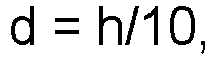
die schallabsorbierenden porösen Bereiche (52) bereichsweise Böden für die Vertiefungen (32) bilden und so zusammen mit dem Körper (62) die Linie des Serrationsprofils (28) an der Vorderkante und/oder der Hinterkante definieren. - Profilierte Struktur nach Anspruch 1- mit einer Sehne (40) zwischen der Anströmseite und der Abströmseite,- wobei-- in der Richtung der Sehne das Serrationsprofil (28) eine maximale Höhe h aufweist und-- der schallabsorbierende poröse Bereich (52) ein geometrisches Zentrum aufweist, das sich in einem Abstand d stromabwärts von der Vorderkante oder stromaufwärts von der profilierten Hinterkante (164) am Boden der Vertiefungen (32) befindet, so dass:
- Profilierte Struktur nach Anspruch 1- mit einer Sehne (40) zwischen der Anströmseite und der Abströmseite,- wobei-- in Richtung der Vorderkantenlinie (164a) oder Hinterkantenlinie (164b) das Serrationsprofil (28) einen Abstand (λ, λ1, λ2) zwischen zwei aufeinanderfolgenden Zahnspitzen aufweist,-- in Richtung der Sehne (40) das Serrationsprofil eine maximale Höhe h aufweist und-- der schallabsorbierende poröse Bereich (52) umfasst:-- in Richtung der Vorder- und/oder Hinterkantenlinie zwei Grenzen, die durch einen Abstand a getrennt sind, so dass a gleich einem Drittel des Abstandes zwischen zwei aufeinanderfolgenden Zahnspitzen ist, auf 30 % genau,-- in Richtung der Sehne zwei Grenzen, die durch einen Abstand b getrennt sind, so dass b = h/3, auf 30 % genau.
- Profilierte Struktur nach Anspruch 2, wobei- in Richtung der Vorderkantenlinie (164a) und/oder der Hinterkantenlinie (164b) das Serrationsprofil (28) einen Abstand (λ, λ1, λ2) zwischen zwei aufeinanderfolgenden Spitzen aufeinanderfolgender Zähne aufweist, und- der schallabsorbierende poröse Bereich (52) umfasst:-- in Richtung der Vorder- und/oder Hinterkantenlinie zwei Grenzen, die durch einen Abstand a getrennt sind, so dass a gleich einem Drittel des Abstands zwischen zwei aufeinanderfolgenden Zahnspitzen ist, auf 30 % genau,-- in Richtung der Sehne zwei Grenzen, die durch einen Abstand b getrennt sind, so dass b = h/3, auf 30 % genau.
- Profilierte Struktur nach Anspruch 3 oder 4,
wobei der schallabsorbierende poröse Bereich (52) einen porösen Schaumstoff (54) mit Poren mit einem Querschnitt, der kleiner ist als der Abstand a/4 oder der Abstand b/4, an der Oberfläche der profilierten Vorderkante (164) der profilierten Struktur umfasst. - Profilierte Struktur nach Anspruch 3 oder 4,
wobei der schallabsorbierende poröse Bereich (52) an der Oberfläche der profilierten Struktur ein mikroperforiertes Blech- oder Resonanzhohlraummaterial (66) umfasst, das einen porösen Schaumstoff (54) mit Poren mit einem Querschnitt kleiner als der Abstand a/4 oder der Abstand b/4 bedeckt. - Profilierte Struktur nach einem der vorhergehenden Ansprüche,
wobei der schallabsorbierende poröse Bereich (52) einen Helmholtz-Resonator umfasst. - Profilierte Struktur nach einem der vorhergehenden Ansprüche,
wobei die Zähne (30) und Vertiefungen (32) des Serrationsprofils eine Wellenform mit jeweils abgerundeten oder spitzer zulaufenden Spitzen (31) bzw. Böden (320) aufweisen. - Profilierte Struktur nach einem der vorhergehenden Ansprüche,
wobei die Zähne (30) und Vertiefungen (32) des Serrationsprofils aufweisen:- jeweils eine Form mit bereichsweise geradlinigen Seitenwänden (300) oder- eine Wellenform mit spitz zulaufendenden Spitzen (31) und Böden (320). - Profilierte Struktur nach einem der vorhergehenden Ansprüche,
wobei entlang der Vorderkantenlinie (164a) und/oder der Hinterkantenlinie (164b) die Zähne (30) des Serrationsprofils, die jeweils eine Spitze (31) aufweisen, jeweils unsymmetrisch bezüglich einer durch den betreffenden Zahn (30) verlaufenden Senkrechten zur Vorderkantenlinie (164a) verlaufen. - Profilierte Struktur nach einem der vorhergehenden Ansprüche,
wobei entlang der Vorderkantenlinie (164a) und/oder der Hinterkantenlinie (164b) von einer ersten Stelle zu einer zweiten Stelle die Zähne (30) des Serrationsprofils, die jeweils eine Spitze (31) aufweisen, jeweils zur zweiten Stelle hin geneigt sind. - Profilierte Struktur nach Anspruch 11,- umfassend eine Spannweite entlang der Vorder- und/oder Hinterkantenlinie zwischen einem ersten Ende (70a) und einem zweiten Ende (70b), und- wobei die Schrägen der Zähne (30) jeweils zu einem der Enden hin ausgerichtet sind.
- Profilierte Struktur nach einem der vorhergehenden Ansprüche,
wobei es sich entweder um eine Luftfahrzeugstruktur (100, 101, 38, 41, 44, 46) oder um eine Turbotriebwerksstruktur mit stromaufwärtigem Gebläse (14) handelt. - Profilierte Struktur nach einem der Ansprüche 1 bis 12, wobei es sich handelt um:- einen Luftfahrzeugflügel, einer Schnauze oder einer Klappe eines Luftfahrzeugflügels, einen Trägerpylon eines Luftfahrzeugtriebwerks, ein Seitenleitwerk, einen Stabilisator für Luftfahrzeuge, ein Hubschrauberrotorblatt, einen Propeller,- eines der folgenden Teile eines Turbotriebwerks zum Antrieb eines Luftfahrzeugs:-- einer Vorderkante (164) oder Hinterkante einer ringförmigen Wand (160) zur Trennung eines Luftstroms, stromabwärts eines Gebläses des Turbotriebwerks, in einen Primärstrom und einen Sekundärstrom,-- ersten Schaufeln (24, IGV) zur Führung des Primärstroms (Fp),-- zweiten Schaufeln (26, OGV) zur Führung des Sekundärstroms (Fs).
- Turbotriebwerk (10) für ein Luftfahrzeug, umfassend die profilierte Struktur nach einem der Ansprüche 1 bis 12.
- Turbotriebwerk für ein Luftfahrzeug, wobei das Turbotriebwerk, das von einem von stromaufwärts nach stromabwärts zirkulierenden Luftstrom durchströmt wird, die profilierte Struktur nach Anspruch 11 umfasst und so ausgeführt ist, dass:- das Turbotriebwerk ein stromaufwärtiges Gebläse (14) umfasst und eine Achse (X) aufweist, um die sich das stromaufwärtige Gebläse drehen kann,- das stromaufwärtige Gebläse (14) in einer vorbestimmten Richtung um die Achse (X) drehbar ist, so dass der Luftstrom stromabwärts des Gebläses insgesamt schräg zu der Achse (X) ausgerichtet ist, und- in Umfangsrichtung um die Achse (X) die Zähne (30) jeweils in Richtung der insgesamt schrägen Ausrichtung (α) des Luftstroms stromabwärts des Gebläses geneigt sind, um diesem im Ganzen gegenüberzuliegen.
- Turbotriebwerk für ein Luftfahrzeug, umfassend die profilierte Struktur nach Anspruch 14 oder nach den Ansprüchen 11 und 14, wobei:- es sich bei der profilierten Struktur um eines der Teile eines Turbotriebwerks zum Antreiben eines Luftfahrzeugs handelt, wobei das Turbotriebwerk ein stromaufwärtiges Gebläse (14) umfasst und eine Achse (X) aufweist, um die sich das stromaufwärtige Gebläse drehen kann, und- die Zähne (30) in Umfangsrichtung um die Achse (X) jeweils geneigt sind (Winkel β, β'), und zwar:-- in Richtung einer mittleren Wölbung der ersten Schaufeln (24, IGV), oder-- in Richtung einer Wölbung an der Vorderkante (25) der ersten Schaufeln (24, IGV).
Applications Claiming Priority (2)
| Application Number | Priority Date | Filing Date | Title |
|---|---|---|---|
| FR1851360A FR3078099B1 (fr) | 2018-02-16 | 2018-02-16 | Structure a profil en serrations avec des surfaces traitees |
| PCT/FR2019/050350 WO2019158876A1 (fr) | 2018-02-16 | 2019-02-15 | Structure profilée et turbomachine associée |
Publications (2)
| Publication Number | Publication Date |
|---|---|
| EP3752729A1 EP3752729A1 (de) | 2020-12-23 |
| EP3752729B1 true EP3752729B1 (de) | 2023-06-28 |
Family
ID=62092105
Family Applications (1)
| Application Number | Title | Priority Date | Filing Date |
|---|---|---|---|
| EP19712622.0A Active EP3752729B1 (de) | 2018-02-16 | 2019-02-15 | Profilierte struktur für luftströmung und turbomaschine für flugzeug |
Country Status (6)
| Country | Link |
|---|---|
| US (1) | US11859534B2 (de) |
| EP (1) | EP3752729B1 (de) |
| CN (1) | CN111727313A (de) |
| CA (1) | CA3089694A1 (de) |
| FR (1) | FR3078099B1 (de) |
| WO (1) | WO2019158876A1 (de) |
Families Citing this family (12)
| Publication number | Priority date | Publication date | Assignee | Title |
|---|---|---|---|---|
| GB201707836D0 (en) * | 2017-05-16 | 2017-06-28 | Oscar Propulsion Ltd | Outlet guide vanes |
| GB201906920D0 (en) | 2019-05-16 | 2019-07-03 | Univ Brunel | Method of reducing noise from an aerofoil |
| CN113833568B (zh) * | 2020-06-24 | 2022-09-06 | 中国航发商用航空发动机有限责任公司 | 分流环、航空发动机以及分流环制造方法 |
| CN112678150B (zh) * | 2020-12-31 | 2024-04-26 | 中国商用飞机有限责任公司 | 飞机后缘襟翼 |
| FR3118754B1 (fr) | 2021-01-11 | 2024-03-22 | Safran Aircraft Engines | Dispositif d’atténuation acoustique amélioré pour ensemble propulsif d’aéronef |
| FR3120254B1 (fr) | 2021-03-01 | 2023-03-10 | Safran Aircraft Engines | Entrée d’air de nacelle d’ensemble propulsif d’aéronef pour favoriser une phase de poussée et une phase d’inversion de poussée et son procédé d’utilisation |
| FR3129241A1 (fr) * | 2021-11-17 | 2023-05-19 | Airbus Operations | Peau poreuse pourvue d’une pluralité de bandes et panneau d’atténuation acoustique comprenant une telle peau poreuse. |
| US11965425B2 (en) * | 2022-05-31 | 2024-04-23 | General Electric Company | Airfoil for a turbofan engine |
| US11964223B1 (en) * | 2022-10-15 | 2024-04-23 | Beta Air, Llc | Methods and apparatus for an inertial separation of air in an electric aircraft |
| GB202216057D0 (en) * | 2022-10-31 | 2022-12-14 | Rolls Royce Plc | Flow splitter |
| US12312969B2 (en) * | 2023-01-17 | 2025-05-27 | General Electric Company | Airfoils for turbofan engines |
| CN117401112A (zh) * | 2023-10-20 | 2024-01-16 | 中国船舶集团有限公司第七〇四研究所 | 一种带鳍梢小翼的前缘梳齿型低噪声减摇鳍 |
Citations (1)
| Publication number | Priority date | Publication date | Assignee | Title |
|---|---|---|---|---|
| US20170145990A1 (en) * | 2015-11-25 | 2017-05-25 | General Electric Company | Wind turbine noise reduction with acoustically absorbent serrations |
Family Cites Families (10)
| Publication number | Priority date | Publication date | Assignee | Title |
|---|---|---|---|---|
| US1862827A (en) * | 1930-01-22 | 1932-06-14 | Parsons | Steam turbine |
| US4829813A (en) * | 1987-07-20 | 1989-05-16 | General Electric Company | Method and apparatus for nonintrusively determining mach number |
| JP2003254225A (ja) * | 2002-03-05 | 2003-09-10 | Ebara Corp | 風車の気流騒音低減装置 |
| US8267657B2 (en) * | 2010-12-16 | 2012-09-18 | General Electric Company | Noise reducer for rotor blade in wind turbine |
| US9341158B2 (en) * | 2011-12-08 | 2016-05-17 | Inventus Holdings, Llc | Quiet wind turbine blade |
| GB2497739A (en) * | 2011-12-19 | 2013-06-26 | Rolls Royce Plc | Rotor blade with serrated trailing edge |
| US9249666B2 (en) * | 2011-12-22 | 2016-02-02 | General Electric Company | Airfoils for wake desensitization and method for fabricating same |
| GB201410675D0 (en) * | 2014-06-16 | 2014-07-30 | Univ Brunel | Noise reduction to the trailing edge of fluid dynamic bodies |
| EP3096003B1 (de) * | 2015-05-21 | 2021-03-17 | Siemens Gamesa Renewable Energy A/S | Rotorblatt mit verzahnungen für windkraftanlage |
| US10539025B2 (en) * | 2016-02-10 | 2020-01-21 | General Electric Company | Airfoil assembly with leading edge element |
-
2018
- 2018-02-16 FR FR1851360A patent/FR3078099B1/fr active Active
-
2019
- 2019-02-15 WO PCT/FR2019/050350 patent/WO2019158876A1/fr not_active Ceased
- 2019-02-15 EP EP19712622.0A patent/EP3752729B1/de active Active
- 2019-02-15 CA CA3089694A patent/CA3089694A1/fr active Pending
- 2019-02-15 CN CN201980013716.6A patent/CN111727313A/zh active Pending
- 2019-02-15 US US16/969,738 patent/US11859534B2/en active Active
Patent Citations (1)
| Publication number | Priority date | Publication date | Assignee | Title |
|---|---|---|---|---|
| US20170145990A1 (en) * | 2015-11-25 | 2017-05-25 | General Electric Company | Wind turbine noise reduction with acoustically absorbent serrations |
Also Published As
| Publication number | Publication date |
|---|---|
| FR3078099B1 (fr) | 2020-09-11 |
| RU2020127312A (ru) | 2022-03-16 |
| WO2019158876A1 (fr) | 2019-08-22 |
| US20210003074A1 (en) | 2021-01-07 |
| CA3089694A1 (fr) | 2019-08-22 |
| EP3752729A1 (de) | 2020-12-23 |
| FR3078099A1 (fr) | 2019-08-23 |
| CN111727313A (zh) | 2020-09-29 |
| US11859534B2 (en) | 2024-01-02 |
Similar Documents
| Publication | Publication Date | Title |
|---|---|---|
| EP3752729B1 (de) | Profilierte struktur für luftströmung und turbomaschine für flugzeug | |
| EP3752728B1 (de) | Strömungsmaschine für flugzeug und zugehöriges flugzeug | |
| EP3867498B1 (de) | Profiliere struktur für ein flugzeug oder eine turbomaschine | |
| EP2839168B1 (de) | Verbessertes gehäuse für turbomaschinen-blisk und turbomaschine mit diesem gehäuse | |
| EP4377202B1 (de) | Antriebseinheit für ein flugzeug | |
| FR3087483A1 (fr) | Structure profilee pour aeronef ou turbomachine pour aeronef | |
| CA2975570C (fr) | Ensemble de redressement a performances aerodynamiques optimisees | |
| EP3256697B1 (de) | Leitschaufelanordnung eines turbinenmotors mit verbesserter aerodynamik | |
| CA3089931A1 (fr) | Turbomachine a bec de separation de flux a profil en serrations | |
| FR2999151A1 (fr) | Pale d'helice pour turbomachine | |
| WO2023057704A1 (fr) | Tuyere de sortie equipee de chevrons pour propulseur aeronautique | |
| EP4508311B1 (de) | Statorteil mit rippe in einem turbinenmotor | |
| FR2935348A1 (fr) | Turbomachine a helices non carenees | |
| EP4695150A1 (de) | Aeronautische antriebseinheit mit verbesserter akustik | |
| FR3143070A1 (fr) | Propulseur aeronautique comprenant une aube presentant des reliefs | |
| FR3125089A1 (fr) | Propulseur aeronautique | |
| EP4569209B1 (de) | Verstellbare leitschaufel für flugzeugturbomaschine und flugzeugturbomaschine | |
| RU2782555C2 (ru) | Профилированная аэродинамическая конструкция и турбомашина для летательного аппарата (варианты) | |
| EP3555427B1 (de) | Antivereisungsschaufel, verdichter und zugehörige turbomaschine | |
| WO2025093843A1 (fr) | Aube de redresseur avec une fente | |
| FR3163691A1 (fr) | Composant de turbomachine | |
| WO2025248186A1 (fr) | Pale de soufflante pour propulsion aeronautique | |
| FR3151628A1 (fr) | Soufflante pour propulsion aéronautique | |
| FR3138835A1 (fr) | Turbomachine comprenant des aubes a calage variable | |
| FR3055352A1 (fr) | Aube pour turbomachine dotee d'une structure reduisant les risques d'apparition de criques |
Legal Events
| Date | Code | Title | Description |
|---|---|---|---|
| STAA | Information on the status of an ep patent application or granted ep patent |
Free format text: STATUS: UNKNOWN |
|
| STAA | Information on the status of an ep patent application or granted ep patent |
Free format text: STATUS: THE INTERNATIONAL PUBLICATION HAS BEEN MADE |
|
| PUAI | Public reference made under article 153(3) epc to a published international application that has entered the european phase |
Free format text: ORIGINAL CODE: 0009012 |
|
| STAA | Information on the status of an ep patent application or granted ep patent |
Free format text: STATUS: REQUEST FOR EXAMINATION WAS MADE |
|
| 17P | Request for examination filed |
Effective date: 20200811 |
|
| AK | Designated contracting states |
Kind code of ref document: A1 Designated state(s): AL AT BE BG CH CY CZ DE DK EE ES FI FR GB GR HR HU IE IS IT LI LT LU LV MC MK MT NL NO PL PT RO RS SE SI SK SM TR |
|
| AX | Request for extension of the european patent |
Extension state: BA ME |
|
| DAV | Request for validation of the european patent (deleted) | ||
| DAX | Request for extension of the european patent (deleted) | ||
| GRAP | Despatch of communication of intention to grant a patent |
Free format text: ORIGINAL CODE: EPIDOSNIGR1 |
|
| STAA | Information on the status of an ep patent application or granted ep patent |
Free format text: STATUS: GRANT OF PATENT IS INTENDED |
|
| INTG | Intention to grant announced |
Effective date: 20230404 |
|
| GRAS | Grant fee paid |
Free format text: ORIGINAL CODE: EPIDOSNIGR3 |
|
| GRAA | (expected) grant |
Free format text: ORIGINAL CODE: 0009210 |
|
| STAA | Information on the status of an ep patent application or granted ep patent |
Free format text: STATUS: THE PATENT HAS BEEN GRANTED |
|
| AK | Designated contracting states |
Kind code of ref document: B1 Designated state(s): AL AT BE BG CH CY CZ DE DK EE ES FI FR GB GR HR HU IE IS IT LI LT LU LV MC MK MT NL NO PL PT RO RS SE SI SK SM TR |
|
| REG | Reference to a national code |
Ref country code: CH Ref legal event code: EP |
|
| REG | Reference to a national code |
Ref country code: AT Ref legal event code: REF Ref document number: 1582881 Country of ref document: AT Kind code of ref document: T Effective date: 20230715 |
|
| REG | Reference to a national code |
Ref country code: IE Ref legal event code: FG4D Free format text: LANGUAGE OF EP DOCUMENT: FRENCH |
|
| REG | Reference to a national code |
Ref country code: DE Ref legal event code: R096 Ref document number: 602019031672 Country of ref document: DE |
|
| REG | Reference to a national code |
Ref country code: LT Ref legal event code: MG9D |
|
| PG25 | Lapsed in a contracting state [announced via postgrant information from national office to epo] |
Ref country code: SE Free format text: LAPSE BECAUSE OF FAILURE TO SUBMIT A TRANSLATION OF THE DESCRIPTION OR TO PAY THE FEE WITHIN THE PRESCRIBED TIME-LIMIT Effective date: 20230628 Ref country code: NO Free format text: LAPSE BECAUSE OF FAILURE TO SUBMIT A TRANSLATION OF THE DESCRIPTION OR TO PAY THE FEE WITHIN THE PRESCRIBED TIME-LIMIT Effective date: 20230928 |
|
| REG | Reference to a national code |
Ref country code: NL Ref legal event code: MP Effective date: 20230628 |
|
| REG | Reference to a national code |
Ref country code: AT Ref legal event code: MK05 Ref document number: 1582881 Country of ref document: AT Kind code of ref document: T Effective date: 20230628 |
|
| PG25 | Lapsed in a contracting state [announced via postgrant information from national office to epo] |
Ref country code: RS Free format text: LAPSE BECAUSE OF FAILURE TO SUBMIT A TRANSLATION OF THE DESCRIPTION OR TO PAY THE FEE WITHIN THE PRESCRIBED TIME-LIMIT Effective date: 20230628 Ref country code: NL Free format text: LAPSE BECAUSE OF FAILURE TO SUBMIT A TRANSLATION OF THE DESCRIPTION OR TO PAY THE FEE WITHIN THE PRESCRIBED TIME-LIMIT Effective date: 20230628 Ref country code: LV Free format text: LAPSE BECAUSE OF FAILURE TO SUBMIT A TRANSLATION OF THE DESCRIPTION OR TO PAY THE FEE WITHIN THE PRESCRIBED TIME-LIMIT Effective date: 20230628 Ref country code: LT Free format text: LAPSE BECAUSE OF FAILURE TO SUBMIT A TRANSLATION OF THE DESCRIPTION OR TO PAY THE FEE WITHIN THE PRESCRIBED TIME-LIMIT Effective date: 20230628 Ref country code: HR Free format text: LAPSE BECAUSE OF FAILURE TO SUBMIT A TRANSLATION OF THE DESCRIPTION OR TO PAY THE FEE WITHIN THE PRESCRIBED TIME-LIMIT Effective date: 20230628 Ref country code: GR Free format text: LAPSE BECAUSE OF FAILURE TO SUBMIT A TRANSLATION OF THE DESCRIPTION OR TO PAY THE FEE WITHIN THE PRESCRIBED TIME-LIMIT Effective date: 20230929 |
|
| PG25 | Lapsed in a contracting state [announced via postgrant information from national office to epo] |
Ref country code: FI Free format text: LAPSE BECAUSE OF FAILURE TO SUBMIT A TRANSLATION OF THE DESCRIPTION OR TO PAY THE FEE WITHIN THE PRESCRIBED TIME-LIMIT Effective date: 20230628 |
|
| PG25 | Lapsed in a contracting state [announced via postgrant information from national office to epo] |
Ref country code: SK Free format text: LAPSE BECAUSE OF FAILURE TO SUBMIT A TRANSLATION OF THE DESCRIPTION OR TO PAY THE FEE WITHIN THE PRESCRIBED TIME-LIMIT Effective date: 20230628 |
|
| PG25 | Lapsed in a contracting state [announced via postgrant information from national office to epo] |
Ref country code: ES Free format text: LAPSE BECAUSE OF FAILURE TO SUBMIT A TRANSLATION OF THE DESCRIPTION OR TO PAY THE FEE WITHIN THE PRESCRIBED TIME-LIMIT Effective date: 20230628 |
|
| PG25 | Lapsed in a contracting state [announced via postgrant information from national office to epo] |
Ref country code: IS Free format text: LAPSE BECAUSE OF FAILURE TO SUBMIT A TRANSLATION OF THE DESCRIPTION OR TO PAY THE FEE WITHIN THE PRESCRIBED TIME-LIMIT Effective date: 20231028 |
|
| PG25 | Lapsed in a contracting state [announced via postgrant information from national office to epo] |
Ref country code: SM Free format text: LAPSE BECAUSE OF FAILURE TO SUBMIT A TRANSLATION OF THE DESCRIPTION OR TO PAY THE FEE WITHIN THE PRESCRIBED TIME-LIMIT Effective date: 20230628 Ref country code: SK Free format text: LAPSE BECAUSE OF FAILURE TO SUBMIT A TRANSLATION OF THE DESCRIPTION OR TO PAY THE FEE WITHIN THE PRESCRIBED TIME-LIMIT Effective date: 20230628 Ref country code: RO Free format text: LAPSE BECAUSE OF FAILURE TO SUBMIT A TRANSLATION OF THE DESCRIPTION OR TO PAY THE FEE WITHIN THE PRESCRIBED TIME-LIMIT Effective date: 20230628 Ref country code: PT Free format text: LAPSE BECAUSE OF FAILURE TO SUBMIT A TRANSLATION OF THE DESCRIPTION OR TO PAY THE FEE WITHIN THE PRESCRIBED TIME-LIMIT Effective date: 20231030 Ref country code: IS Free format text: LAPSE BECAUSE OF FAILURE TO SUBMIT A TRANSLATION OF THE DESCRIPTION OR TO PAY THE FEE WITHIN THE PRESCRIBED TIME-LIMIT Effective date: 20231028 Ref country code: ES Free format text: LAPSE BECAUSE OF FAILURE TO SUBMIT A TRANSLATION OF THE DESCRIPTION OR TO PAY THE FEE WITHIN THE PRESCRIBED TIME-LIMIT Effective date: 20230628 Ref country code: EE Free format text: LAPSE BECAUSE OF FAILURE TO SUBMIT A TRANSLATION OF THE DESCRIPTION OR TO PAY THE FEE WITHIN THE PRESCRIBED TIME-LIMIT Effective date: 20230628 Ref country code: CZ Free format text: LAPSE BECAUSE OF FAILURE TO SUBMIT A TRANSLATION OF THE DESCRIPTION OR TO PAY THE FEE WITHIN THE PRESCRIBED TIME-LIMIT Effective date: 20230628 Ref country code: AT Free format text: LAPSE BECAUSE OF FAILURE TO SUBMIT A TRANSLATION OF THE DESCRIPTION OR TO PAY THE FEE WITHIN THE PRESCRIBED TIME-LIMIT Effective date: 20230628 |
|
| PG25 | Lapsed in a contracting state [announced via postgrant information from national office to epo] |
Ref country code: PL Free format text: LAPSE BECAUSE OF FAILURE TO SUBMIT A TRANSLATION OF THE DESCRIPTION OR TO PAY THE FEE WITHIN THE PRESCRIBED TIME-LIMIT Effective date: 20230628 |
|
| REG | Reference to a national code |
Ref country code: DE Ref legal event code: R097 Ref document number: 602019031672 Country of ref document: DE |
|
| PG25 | Lapsed in a contracting state [announced via postgrant information from national office to epo] |
Ref country code: DK Free format text: LAPSE BECAUSE OF FAILURE TO SUBMIT A TRANSLATION OF THE DESCRIPTION OR TO PAY THE FEE WITHIN THE PRESCRIBED TIME-LIMIT Effective date: 20230628 |
|
| PLBE | No opposition filed within time limit |
Free format text: ORIGINAL CODE: 0009261 |
|
| STAA | Information on the status of an ep patent application or granted ep patent |
Free format text: STATUS: NO OPPOSITION FILED WITHIN TIME LIMIT |
|
| PG25 | Lapsed in a contracting state [announced via postgrant information from national office to epo] |
Ref country code: IT Free format text: LAPSE BECAUSE OF FAILURE TO SUBMIT A TRANSLATION OF THE DESCRIPTION OR TO PAY THE FEE WITHIN THE PRESCRIBED TIME-LIMIT Effective date: 20230628 |
|
| 26N | No opposition filed |
Effective date: 20240402 |
|
| PG25 | Lapsed in a contracting state [announced via postgrant information from national office to epo] |
Ref country code: SI Free format text: LAPSE BECAUSE OF FAILURE TO SUBMIT A TRANSLATION OF THE DESCRIPTION OR TO PAY THE FEE WITHIN THE PRESCRIBED TIME-LIMIT Effective date: 20230628 |
|
| PG25 | Lapsed in a contracting state [announced via postgrant information from national office to epo] |
Ref country code: MC Free format text: LAPSE BECAUSE OF FAILURE TO SUBMIT A TRANSLATION OF THE DESCRIPTION OR TO PAY THE FEE WITHIN THE PRESCRIBED TIME-LIMIT Effective date: 20230628 |
|
| REG | Reference to a national code |
Ref country code: CH Ref legal event code: PL |
|
| PG25 | Lapsed in a contracting state [announced via postgrant information from national office to epo] |
Ref country code: LU Free format text: LAPSE BECAUSE OF NON-PAYMENT OF DUE FEES Effective date: 20240215 |
|
| PG25 | Lapsed in a contracting state [announced via postgrant information from national office to epo] |
Ref country code: CH Free format text: LAPSE BECAUSE OF NON-PAYMENT OF DUE FEES Effective date: 20240229 |
|
| PG25 | Lapsed in a contracting state [announced via postgrant information from national office to epo] |
Ref country code: LU Free format text: LAPSE BECAUSE OF NON-PAYMENT OF DUE FEES Effective date: 20240215 Ref country code: CH Free format text: LAPSE BECAUSE OF NON-PAYMENT OF DUE FEES Effective date: 20240229 |
|
| PG25 | Lapsed in a contracting state [announced via postgrant information from national office to epo] |
Ref country code: BG Free format text: LAPSE BECAUSE OF FAILURE TO SUBMIT A TRANSLATION OF THE DESCRIPTION OR TO PAY THE FEE WITHIN THE PRESCRIBED TIME-LIMIT Effective date: 20230628 |
|
| PG25 | Lapsed in a contracting state [announced via postgrant information from national office to epo] |
Ref country code: BG Free format text: LAPSE BECAUSE OF FAILURE TO SUBMIT A TRANSLATION OF THE DESCRIPTION OR TO PAY THE FEE WITHIN THE PRESCRIBED TIME-LIMIT Effective date: 20230628 |
|
| REG | Reference to a national code |
Ref country code: BE Ref legal event code: MM Effective date: 20240229 |
|
| PG25 | Lapsed in a contracting state [announced via postgrant information from national office to epo] |
Ref country code: BE Free format text: LAPSE BECAUSE OF NON-PAYMENT OF DUE FEES Effective date: 20240229 |
|
| PG25 | Lapsed in a contracting state [announced via postgrant information from national office to epo] |
Ref country code: IE Free format text: LAPSE BECAUSE OF NON-PAYMENT OF DUE FEES Effective date: 20240215 |
|
| PG25 | Lapsed in a contracting state [announced via postgrant information from national office to epo] |
Ref country code: IE Free format text: LAPSE BECAUSE OF NON-PAYMENT OF DUE FEES Effective date: 20240215 Ref country code: BE Free format text: LAPSE BECAUSE OF NON-PAYMENT OF DUE FEES Effective date: 20240229 |
|
| PG25 | Lapsed in a contracting state [announced via postgrant information from national office to epo] |
Ref country code: CY Free format text: LAPSE BECAUSE OF FAILURE TO SUBMIT A TRANSLATION OF THE DESCRIPTION OR TO PAY THE FEE WITHIN THE PRESCRIBED TIME-LIMIT; INVALID AB INITIO Effective date: 20190215 |
|
| PG25 | Lapsed in a contracting state [announced via postgrant information from national office to epo] |
Ref country code: HU Free format text: LAPSE BECAUSE OF FAILURE TO SUBMIT A TRANSLATION OF THE DESCRIPTION OR TO PAY THE FEE WITHIN THE PRESCRIBED TIME-LIMIT; INVALID AB INITIO Effective date: 20190215 |
|
| PG25 | Lapsed in a contracting state [announced via postgrant information from national office to epo] |
Ref country code: TR Free format text: LAPSE BECAUSE OF FAILURE TO SUBMIT A TRANSLATION OF THE DESCRIPTION OR TO PAY THE FEE WITHIN THE PRESCRIBED TIME-LIMIT Effective date: 20230628 |
|
| PGFP | Annual fee paid to national office [announced via postgrant information from national office to epo] |
Ref country code: GB Payment date: 20260219 Year of fee payment: 8 |
|
| PGFP | Annual fee paid to national office [announced via postgrant information from national office to epo] |
Ref country code: DE Payment date: 20260217 Year of fee payment: 8 |
|
| PGFP | Annual fee paid to national office [announced via postgrant information from national office to epo] |
Ref country code: FR Payment date: 20260213 Year of fee payment: 8 |