EP3750409A1 - A method for reducing an amount of microorganisms in brewers spent grains - Google Patents
A method for reducing an amount of microorganisms in brewers spent grains Download PDFInfo
- Publication number
- EP3750409A1 EP3750409A1 EP20179035.9A EP20179035A EP3750409A1 EP 3750409 A1 EP3750409 A1 EP 3750409A1 EP 20179035 A EP20179035 A EP 20179035A EP 3750409 A1 EP3750409 A1 EP 3750409A1
- Authority
- EP
- European Patent Office
- Prior art keywords
- bsg
- mixture
- liquid
- mixing arrangement
- feeding
- Prior art date
- Legal status (The legal status is an assumption and is not a legal conclusion. Google has not performed a legal analysis and makes no representation as to the accuracy of the status listed.)
- Granted
Links
Images

Classifications
-
- A—HUMAN NECESSITIES
- A23—FOODS OR FOODSTUFFS; TREATMENT THEREOF, NOT COVERED BY OTHER CLASSES
- A23B—PRESERVATION OF FOODS, FOODSTUFFS OR NON-ALCOHOLIC BEVERAGES; CHEMICAL RIPENING OF FRUIT OR VEGETABLES
- A23B2/00—Preservation of foods or foodstuffs, in general
- A23B2/40—Preservation of foods or foodstuffs, in general by heating loose unpacked materials
- A23B2/42—Preservation of foods or foodstuffs, in general by heating loose unpacked materials while they are progressively transported through the apparatus
- A23B2/46—Preservation of foods or foodstuffs, in general by heating loose unpacked materials while they are progressively transported through the apparatus with transport through tubes
-
- A—HUMAN NECESSITIES
- A23—FOODS OR FOODSTUFFS; TREATMENT THEREOF, NOT COVERED BY OTHER CLASSES
- A23K—FODDER
- A23K10/00—Animal feeding-stuffs
- A23K10/30—Animal feeding-stuffs from material of plant origin, e.g. roots, seeds or hay; from material of fungal origin, e.g. mushrooms
- A23K10/37—Animal feeding-stuffs from material of plant origin, e.g. roots, seeds or hay; from material of fungal origin, e.g. mushrooms from waste material
- A23K10/38—Animal feeding-stuffs from material of plant origin, e.g. roots, seeds or hay; from material of fungal origin, e.g. mushrooms from waste material from distillers' or brewers' waste
-
- A—HUMAN NECESSITIES
- A23—FOODS OR FOODSTUFFS; TREATMENT THEREOF, NOT COVERED BY OTHER CLASSES
- A23L—FOODS, FOODSTUFFS OR NON-ALCOHOLIC BEVERAGES, NOT OTHERWISE PROVIDED FOR; PREPARATION OR TREATMENT THEREOF
- A23L11/00—Pulses, i.e. fruits of leguminous plants, for production of food; Products from legumes; Preparation or treatment thereof
- A23L11/70—Germinated pulse products, e.g. from soy bean sprouts
-
- A—HUMAN NECESSITIES
- A23—FOODS OR FOODSTUFFS; TREATMENT THEREOF, NOT COVERED BY OTHER CLASSES
- A23L—FOODS, FOODSTUFFS OR NON-ALCOHOLIC BEVERAGES, NOT OTHERWISE PROVIDED FOR; PREPARATION OR TREATMENT THEREOF
- A23L7/00—Cereal-derived products; Malt products; Preparation or treatment thereof
- A23L7/20—Malt products
-
- B—PERFORMING OPERATIONS; TRANSPORTING
- B01—PHYSICAL OR CHEMICAL PROCESSES OR APPARATUS IN GENERAL
- B01F—MIXING, e.g. DISSOLVING, EMULSIFYING OR DISPERSING
- B01F23/00—Mixing according to the phases to be mixed, e.g. dispersing or emulsifying
- B01F23/50—Mixing liquids with solids
- B01F23/53—Mixing liquids with solids using driven stirrers
-
- B—PERFORMING OPERATIONS; TRANSPORTING
- B01—PHYSICAL OR CHEMICAL PROCESSES OR APPARATUS IN GENERAL
- B01F—MIXING, e.g. DISSOLVING, EMULSIFYING OR DISPERSING
- B01F25/00—Flow mixers; Mixers for falling materials, e.g. solid particles
- B01F25/50—Circulation mixers, e.g. wherein at least part of the mixture is discharged from and reintroduced into a receptacle
-
- B—PERFORMING OPERATIONS; TRANSPORTING
- B01—PHYSICAL OR CHEMICAL PROCESSES OR APPARATUS IN GENERAL
- B01F—MIXING, e.g. DISSOLVING, EMULSIFYING OR DISPERSING
- B01F27/00—Mixers with rotary stirring devices in fixed receptacles; Kneaders
- B01F27/80—Mixers with rotary stirring devices in fixed receptacles; Kneaders with stirrers rotating about a substantially vertical axis
-
- B—PERFORMING OPERATIONS; TRANSPORTING
- B01—PHYSICAL OR CHEMICAL PROCESSES OR APPARATUS IN GENERAL
- B01F—MIXING, e.g. DISSOLVING, EMULSIFYING OR DISPERSING
- B01F35/00—Accessories for mixers; Auxiliary operations or auxiliary devices; Parts or details of general application
- B01F35/20—Measuring; Control or regulation
- B01F35/21—Measuring
- B01F35/211—Measuring of the operational parameters
- B01F35/2117—Weight
-
- B—PERFORMING OPERATIONS; TRANSPORTING
- B01—PHYSICAL OR CHEMICAL PROCESSES OR APPARATUS IN GENERAL
- B01F—MIXING, e.g. DISSOLVING, EMULSIFYING OR DISPERSING
- B01F35/00—Accessories for mixers; Auxiliary operations or auxiliary devices; Parts or details of general application
- B01F35/20—Measuring; Control or regulation
- B01F35/22—Control or regulation
- B01F35/2201—Control or regulation characterised by the type of control technique used
- B01F35/2203—Controlling the mixing process by feed-forward, i.e. a parameter of the components to be mixed is measured and the feed values are calculated
-
- B—PERFORMING OPERATIONS; TRANSPORTING
- B01—PHYSICAL OR CHEMICAL PROCESSES OR APPARATUS IN GENERAL
- B01F—MIXING, e.g. DISSOLVING, EMULSIFYING OR DISPERSING
- B01F35/00—Accessories for mixers; Auxiliary operations or auxiliary devices; Parts or details of general application
- B01F35/20—Measuring; Control or regulation
- B01F35/22—Control or regulation
- B01F35/221—Control or regulation of operational parameters, e.g. level of material in the mixer, temperature or pressure
- B01F35/2211—Amount of delivered fluid during a period
-
- C—CHEMISTRY; METALLURGY
- C12—BIOCHEMISTRY; BEER; SPIRITS; WINE; VINEGAR; MICROBIOLOGY; ENZYMOLOGY; MUTATION OR GENETIC ENGINEERING
- C12F—RECOVERY OF BY-PRODUCTS OF FERMENTED SOLUTIONS; DENATURED ALCOHOL; PREPARATION THEREOF
- C12F3/00—Recovery of by-products
- C12F3/06—Recovery of by-products from beer and wine
-
- A—HUMAN NECESSITIES
- A23—FOODS OR FOODSTUFFS; TREATMENT THEREOF, NOT COVERED BY OTHER CLASSES
- A23V—INDEXING SCHEME RELATING TO FOODS, FOODSTUFFS OR NON-ALCOHOLIC BEVERAGES AND LACTIC OR PROPIONIC ACID BACTERIA USED IN FOODSTUFFS OR FOOD PREPARATION
- A23V2002/00—Food compositions, function of food ingredients or processes for food or foodstuffs
-
- B—PERFORMING OPERATIONS; TRANSPORTING
- B01—PHYSICAL OR CHEMICAL PROCESSES OR APPARATUS IN GENERAL
- B01F—MIXING, e.g. DISSOLVING, EMULSIFYING OR DISPERSING
- B01F2101/00—Mixing characterised by the nature of the mixed materials or by the application field
- B01F2101/06—Mixing of food ingredients
-
- B—PERFORMING OPERATIONS; TRANSPORTING
- B01—PHYSICAL OR CHEMICAL PROCESSES OR APPARATUS IN GENERAL
- B01F—MIXING, e.g. DISSOLVING, EMULSIFYING OR DISPERSING
- B01F27/00—Mixers with rotary stirring devices in fixed receptacles; Kneaders
- B01F27/80—Mixers with rotary stirring devices in fixed receptacles; Kneaders with stirrers rotating about a substantially vertical axis
- B01F27/91—Mixers with rotary stirring devices in fixed receptacles; Kneaders with stirrers rotating about a substantially vertical axis with propellers
-
- B—PERFORMING OPERATIONS; TRANSPORTING
- B01—PHYSICAL OR CHEMICAL PROCESSES OR APPARATUS IN GENERAL
- B01F—MIXING, e.g. DISSOLVING, EMULSIFYING OR DISPERSING
- B01F27/00—Mixers with rotary stirring devices in fixed receptacles; Kneaders
- B01F27/80—Mixers with rotary stirring devices in fixed receptacles; Kneaders with stirrers rotating about a substantially vertical axis
- B01F27/92—Mixers with rotary stirring devices in fixed receptacles; Kneaders with stirrers rotating about a substantially vertical axis with helices or screws
Definitions
- the invention relates to a method for reducing an amount of microorganisms in brewers spent grains.
- Brewers spent grains is a by-product from the brewing industry.
- the BSG comprises starch sources such as barley grains used to brew beer. A produced amount of the BSG for each 100 liter beer may be about 15 Kg.
- the BSG contains proteins, fibers, and carbohydrates. Although the BSG is a nutritious source, it is microbiologically unstable as it is typically contaminated with pathogenic microorganisms such as Bacillus Cereus and Enterobacteriaceae. Therefore, the BSG rapidly degrades and spoils within about 24 hours which makes it difficult to trade or use at all.
- Today, breweries pay a fee to waste treatment for each kilogram of the BSG that they produce and the BSG is mainly used as animal feed or in biogas installations.
- the method is advantageous in that it allows reducing the amount of microorganisms such as Bacillus Cereus and Enterobacteriaceae in the BSG and thereby allows it to be used as human nutrition i.e. an ingredient in the food industry.
- the method in turn allows to reduce waste products of the beer brewing by making the BSG into a human nutrition instead of the costly waste product. Thereby the method is economically and environmentally advantageous.
- the BSG is a rather dry product which is not suitable for feeding into the heat exchanger.
- the mixing, by means of the mixing arrangement, of the BSG and the liquid allows to disperse the BSG to be able to feed that into the heat exchanger.
- the mixing, by means of the mixing arrangement, of the BSG and the liquid further allows to form an even mixture i.e. a homogeneous mixture.
- the method is also advantageous in that it allows a continuous process and does not require any chemical agent.
- the heating of the mixture may be performed using conventional Ultra High Temperature (UHT) processing techniques, including allowing a heat recovery.
- the heating of the mixture may be performed using an indirect heating process such that the BSG is not directly exposed to the heating media. For instance, the heating of the mixture may be performed using a tubular heat exchanger.
- the tubular heat exchanger may provide optimal performance, long production time and low maintenance costs.
- mixing arrangement is hereby meant any unit that is capable of dispersing BSG in water.
- the feeding of the BSG and the liquid into the mixing arrangement may further comprise determining a weight of the BSG being fed into the mixing arrangement and feeding an amount of the liquid based on the determined weight of the BSG.
- the weight of the BSG being fed into the mixing arrangement may be determined, as the BSG weight may depend e.g. types of grains used in the brewing industry.
- the determining of the weight of the BSG may hence facilitate adjusting the solid content of the mixture i.e. the BSG to the liquid ratio.
- a method for brewing beer comprises malting raw grains, mashing the malted grains such that wort and BSG are formed, lautering the wort and the BSG such that the wort and the BSG are separated, processing the wort to produce beer, and reducing an amount of microorganisms in the BSG by using the method according to the first aspect.
- the BSG 110 may originate from any grains or seeds used in brewing industry.
- the BSG 110 may originate from barley, wheat, rye, corn, rice, oats and combinations thereof.
- the BSG 110 may be in a form of ground malt.
- the BSG 110 may comprise water.
- the BSG 110 may have a pH of 6.7-6.9.
- the BSG 110 may be comprise particles a dimension in a range from 100-4000 ⁇ m. As an example, the dimension of the BSG particles may be distributed, as follows: below 160 ⁇ m (d 10 ), between 950 to 1650 ⁇ m (d 50 ), 2900 ⁇ m (d 90 ) and 4000 ⁇ m (d max ).
- the mixing arrangement 130 may have more than two inlets. For instance, mixing arrangement 130 may have a third inlet to feed a viscosity increasing agent into the liquid 120. Alternatively, the viscosity increasing agent may be introduced into the liquid 120. The viscosity increasing agent may increase a viscosity of the mixture.
- the valve 195b of the heat exchanger 140 connected to the pump screw executer 174 may be open.
- the mixture may hence flow from the pump screw executer 174 into the preheater 142.
- the BSG 110 and the liquid 120 may continuously and proportionally be fed into mixing arrangement 130 to keep a continuous supply of the mixture.
- the BSG 110 and the liquid 120 may continuously be fed into the mixing arrangement 130 while the mixture is passing through the heater exchanger 140 i.e. being heated in the heater exchanger 140, as this is a continuous process.
- the preheater 142 may preheat the mixture for to a temperature of 70 °C.
- the method 400 further comprises mashing S405 the malted grains 430 such that wort 230 and BSG 110 are formed.
- the mashing S405 may be performed in a manner which per se is known in the beer brewing industry.
- the method 400 further comprises reducing S420 an amount of microorganisms in the BSG 110 according to the method 300 described in connection with Fig. 2 .
Landscapes
- Chemical & Material Sciences (AREA)
- Life Sciences & Earth Sciences (AREA)
- Engineering & Computer Science (AREA)
- Polymers & Plastics (AREA)
- Chemical Kinetics & Catalysis (AREA)
- Health & Medical Sciences (AREA)
- Food Science & Technology (AREA)
- Zoology (AREA)
- Organic Chemistry (AREA)
- Wood Science & Technology (AREA)
- Nutrition Science (AREA)
- Bioinformatics & Cheminformatics (AREA)
- General Engineering & Computer Science (AREA)
- Genetics & Genomics (AREA)
- General Health & Medical Sciences (AREA)
- Biochemistry (AREA)
- Botany (AREA)
- Dispersion Chemistry (AREA)
- Animal Husbandry (AREA)
- Biotechnology (AREA)
- Molecular Biology (AREA)
- Physiology (AREA)
- Mycology (AREA)
- Agronomy & Crop Science (AREA)
- Distillation Of Fermentation Liquor, Processing Of Alcohols, Vinegar And Beer (AREA)
- Fodder In General (AREA)
- Cereal-Derived Products (AREA)
Abstract
Description
- The invention relates to a method for reducing an amount of microorganisms in brewers spent grains.
- Brewers spent grains (BSG) is a by-product from the brewing industry. The BSG comprises starch sources such as barley grains used to brew beer. A produced amount of the BSG for each 100 liter beer may be about 15 Kg. The BSG contains proteins, fibers, and carbohydrates. Although the BSG is a nutritious source, it is microbiologically unstable as it is typically contaminated with pathogenic microorganisms such as Bacillus Cereus and Enterobacteriaceae. Therefore, the BSG rapidly degrades and spoils within about 24 hours which makes it difficult to trade or use at all. Today, breweries pay a fee to waste treatment for each kilogram of the BSG that they produce and the BSG is mainly used as animal feed or in biogas installations.
- Therefore there is a need to preserve nutrients of the BSG and to make it a nutrition, instead of a costly undesired waste product. In particular, there is a need to make the BSG a human nutrition.
- It is an object of the invention to at least partly overcome one or more of the above-identified limitations of the prior art. In particular, it is an object to provide a method to reduce an amount of microorganisms in the BSG.
- According to an aspect of the present inventive concept there is provided a method for reducing an amount of microorganisms in the BSG. The method comprises feeding a liquid and the BSG into a mixing arrangement, mixing, by means of the mixing arrangement, the liquid and the BSG to form a mixture, feeding the mixture into a heat exchanger, and heating, by means of the heat exchanger, the mixture for a predetermined period of time at a predetermined temperature such that the amount of microorganisms in the BSG is reduced.
- The method is advantageous in that it allows reducing the amount of microorganisms such as Bacillus Cereus and Enterobacteriaceae in the BSG and thereby allows it to be used as human nutrition i.e. an ingredient in the food industry. The method in turn allows to reduce waste products of the beer brewing by making the BSG into a human nutrition instead of the costly waste product. Thereby the method is economically and environmentally advantageous.
- The BSG is a rather dry product which is not suitable for feeding into the heat exchanger. The mixing, by means of the mixing arrangement, of the BSG and the liquid allows to disperse the BSG to be able to feed that into the heat exchanger. The mixing, by means of the mixing arrangement, of the BSG and the liquid further allows to form an even mixture i.e. a homogeneous mixture. The method is also advantageous in that it allows a continuous process and does not require any chemical agent. The heating of the mixture may be performed using conventional Ultra High Temperature (UHT) processing techniques, including allowing a heat recovery. The heating of the mixture may be performed using an indirect heating process such that the BSG is not directly exposed to the heating media. For instance, the heating of the mixture may be performed using a tubular heat exchanger. The tubular heat exchanger may provide optimal performance, long production time and low maintenance costs.
- By reducing the amount of microorganisms in the BSG is hereby meant removing, killing or deactivating at least 90%, or at least 99%, of living microorganisms in the BSG.
- By the mixing arrangement is hereby meant any unit that is capable of dispersing BSG in water.
- The predetermined temperature may be in a range of 127 to 140 °C. The predetermined temperature may preferably be in a range of 133 to 138 °C. The optimal predetermined temperature may be 137°C.
- The predetermined period of time may be in a range of 30 to 90 seconds. The predetermined period of time may preferably be in a range of 40 to 80 seconds. The predetermined period of time may more preferably be in a range of 55 to 65 seconds. The optimal predetermined period of time may be 60 seconds.
- The above predetermined time and temperature ranges may provide sufficient heating to reduce the amount of microorganisms in the BSG. The predetermined temperature may scale inversely with the predetermined time such the heating at a higher temperature may require a shorter time.
- A solid content of the BSG may be in a range of 20% to 40% by weight of the BSG. The solid content of the BSG may preferably be in a range of 20% to 30% by weight of the BSG. The solid content of the BSG may more preferably be in a range of 20% to 25% by weight of the BSG. The range may depend on the starch source used for brewing beer and may therefore depend on the starch source material.
- The feeding may comprise feeding the liquid and the BSG such that a solid content of the mixture may be in a range of 10% to 20% by weight of the mixture. The solid content of the mixture may preferably be in a range of 11 % to 17% by weight of the mixture. The optimal solid content of the mixture may be 17% by weight of the mixture. This range may provide a sufficient fluidity and concentration to feed the mixture into the heat exchanger. Thereby this range may result into processing a highest amount of the solid BSG which may be reduced according to the above mentioned method.
- The mixing of the liquid and the BSG may comprise agitating, by means of an agitator, the liquid and the BSG. Thereby the agitating, by means of the agitator, may improve the homogeneity of the mixture. This may in turn facilitate the feeding of the mixture into the heat exchanger and heating of the mixture to reduce the amount of the microorganisms therein.
- The mixing of the liquid and the BSG may comprise circulating, by means of a circulating loop, the mixture out of and into the mixing arrangement, such that the formation of the mixture is facilitated. The circulating of the mixture out of the mixing arrangement may be performed from a bottom portion of the mixing arrangement into a top portion of the mixing arrangement. This may in turn reduce a risk of sedimentation. The circulating, by means of the circulation loop, may further improve the homogeneity of the mixture. The circulating may be performed initially to speed up the formation of the homogeneous mixture and to facilitate stabilizing of the mixture.
- The circulating may comprise pumping, by means of a screw pump, the mixture. An advantage brought by the screw pump is that the screw pump may facilitate the pumping of the mixture. The screw pump may pump the mixture out of the mixing arrangement via a slit arranged at the bottom of the mixing arrangement. The pumped mixture may be circulated into the mixing arrangement via the circulation loop to facilitate the formation of the homogeneous mixture.
- The method may further comprise introducing a viscosity increasing agent into the liquid and the BSG, such that a viscosity of the mixture is increased. Increased viscosity facilitates more even dispersion of the BSG in the liquid as well as reduces the risk of BSG sedimentation.
- The liquid may be water. The liquid may be water only. The liquid may comprise at least 99% water.
- The feeding of the mixture into the heat exchanger may comprise pumping the mixture by means of a screw pump. The same screw pump that may be used for pumping the mixture out of the mixing arrangement into the circulation loop may be used to feed the mixture into the heat exchanger. The pumping of the mixture into the heat exchanger may be performed subsequent to the circulating of the mixture.
- The feeding of the BSG and the liquid into the mixing arrangement may further comprise determining a weight of the BSG being fed into the mixing arrangement and feeding an amount of the liquid based on the determined weight of the BSG. Thereby, the weight of the BSG being fed into the mixing arrangement may be determined, as the BSG weight may depend e.g. types of grains used in the brewing industry. The determining of the weight of the BSG may hence facilitate adjusting the solid content of the mixture i.e. the BSG to the liquid ratio.
- The method may further comprise, subsequent to the heating of the mixture, drying the mixture to form a dried BSG product and grinding the dried BSG product to form a flour. Thereby, the flour may be used as human nutrition i.e. an ingredient in the food industry. The drying of the mixture may be performed using any conventional drying techniques including e.g. belt pressing and evaporation. The grinding of the BSG product may be performed using any conventional grinding techniques.
- By drying is hereby meant removal or separation of the major part of liquid in the mixture, allowing the BSG to be grinded to flour. The dried BSG and thus also grinded BSG still have a minor liquid content.
- The BSG is originated from seeds or grains chosen from a group consisting of barley, wheat, rye, corn, rice, oats and combinations thereof. The BSG may comprise any other grains used in the brewing industry. In case of forming the flour, by drying and grinding of the dried BSG product, the formed flour may have various nutrients depending on the grains used in the brewing industry and may hence provide various flours i.e. various ingredients to the food industry.
- The BSG may comprise particles having a dimension in a range from 100-4000 µm. The dimension of the particles may vary depending on the grains used in the brewing industry.
- According to another aspect of the present inventive concept there is provided a method for brewing beer. The method comprises malting raw grains, mashing the malted grains such that wort and BSG are formed, lautering the wort and the BSG such that the wort and the BSG are separated, processing the wort to produce beer, and reducing an amount of microorganisms in the BSG by using the method according to the first aspect.
- The raw grains may comprise seeds chosen from a group consisting of barley, wheat, rye, corn, rice, and oats and combinations thereof. The malting, mashing, lautering and processing of the wort may be performed in manners which per se are known in the beer brewing industry.
- The method, according to the second aspect, allows producing the beer and reducing the amount of the microorganisms in the BSG in the same method. The above mentioned features of the first method according to the first aspect, when applicable, apply to this second aspect as well. In order to avoid undue repetition, reference is made to the above.
- Still other objectives, features, aspects and advantages of the invention will appear from the following detailed description as well as from the drawings.
- Embodiments of the invention will now be described, by way of example, with reference to the accompanying schematic drawings, in which
-
Fig. 1 is an schematic illustration of an arrangement capable of reducing an amount of microorganisms in BSG. -
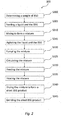
Fig. 2 is a block scheme of a method for reducing an amount of microorganisms in BSG. -
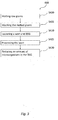
Fig. 3 is a block scheme of a method for brewing beer. - With reference to
Fig. 1 anarrangement 100 is illustrated. Thearrangement 100 may be used to reduce an amount of microorganisms inBSG 110. Thearrangement 100 may be installed next to a brewing facility such that the producedBSG 110 from beer brewing may directly be fed into thearrangement 100. - In the following the
BSG 110 and thearrangement 100 in relation to reducing an amount of microorganisms in theBSG 110 will be described. - The
BSG 110 may originate from any grains or seeds used in brewing industry. TheBSG 110 may originate from barley, wheat, rye, corn, rice, oats and combinations thereof. TheBSG 110 may be in a form of ground malt. TheBSG 110 may comprise water. TheBSG 110 may have a pH of 6.7-6.9. TheBSG 110 may be comprise particles a dimension in a range from 100-4000 µm. As an example, the dimension of the BSG particles may be distributed, as follows: below 160 µm (d10), between 950 to 1650 µm (d50), 2900 µm (d90) and 4000 µm (dmax). A solid content (SC) of theBSG 110 may be in a range from 20% to 40% by weight of theBSG 110. TheBSG 110 may have a water content of 73-82%. Still, theBSG 110 may be rather solid i.e. show no pronounced flowability, no bridging, and no free water. A bulk density of theBSG 110 may be 0.4-0.5 g/ml. - The
arrangement 100 may comprise amixing arrangement 130 and aheat exchanger 140. The general function of the mixingarrangement 130 is mixing and the general function of theheater exchanger 140 is heating. - The mixing
arrangement 130 may be a dispersion tank. A volume of the dispersion tank may as an example be 1500 liter.Fig. 1 shows that the mixingarrangement 130 has two inlets. One inlet may be used to feed a liquid 120 and one inlet may be used to feed theBSG 110 into the mixingarrangement 130. The liquid 120 may be water. - The mixing
arrangement 130 may have more than two inlets. For instance, mixingarrangement 130 may have a third inlet to feed a viscosity increasing agent into the liquid 120. Alternatively, the viscosity increasing agent may be introduced into the liquid 120. The viscosity increasing agent may increase a viscosity of the mixture. - A weight of the
BSG 110 being fed into the mixingarrangement 130 may be determined, by means of asensor 190. Thesensor 190 may be any suitable conventional sensor arranged such that the weight of theBSG 110 may be determined while feeding theBSG 110 into the mixingarrangement 130, i.e. continuous in-line determination. Alternatively, theBSG 110 may be weighted prior to feeding theBSG 110 into the mixingarrangement 130. An amount of the liquid 120, based on the determined weight of theBSG 110, may be fed into the mixingarrangement 130. The feeding of the liquid 120 and theBSG 110 may be performed such that a solid content of the mixture may be in a range of 10% to 20% by weight of the mixture. The mixingarrangement 130 may mix theBSG 110 and the liquid 120 to form an even and a homogeneous mixture. - The mixing
arrangement 130 may further comprise anagitator 150. Theagitator 150 may include a propeller, a screw or similar. The mixingarrangement 130 may comprise more than oneagitator 150. Theagitator 150 may agitate theBSG 110 and the liquid 120.Fig. 1 shows that theagitator 150 is arranged at a bottom portion of the mixingarrangement 130. Theagitator 150 may be arranged anywhere in themixing arrangement 130 e.g. at a middle portion.Fig. 1 shows that theagitator 150 is connected to amotor 180a.Fig .1 shows that themotor 180a, connected to theagitator 150, is arranged above the mixingarrangement 130. Themotor 180a may provide mechanical energy to agitate theagitator 150. - The mixing
arrangement 130 may further comprise acirculation loop 160, shown inFig. 1 . The mixingarrangement 130 may comprise more than onecirculation loop 160. The mixture may be circulated by means of thecirculation loop 160. Thecirculation loop 160 may connect a bottom portion of the mixingarrangement 130 to a top portion of the mixingarrangement 130. Thecirculation loop 160 may circulate the mixture out of the bottom portion of the mixingarrangement 130 into the top portion of the mixingarrangement 130. Thecirculation loop 160 may facilitate the formation of the mixture. - The mixing
arrangement 130 may further comprise a slit arranged at the bottom portion of the mixingarrangement 130. The slit may have a circular cross section. The slit may be connected to ascrew pump 170. The slit may be connected to afeed screw 172 of thescrew pump 170. Thefeed screw 172 may have an opening facing the slit of the mixingarrangement 130. The opening of thefeed screw 172 may have the shape and same size as the slit. The mixture may exit the slit and enterfeed screw 172 such that no mixture may remain at an interface between the slit and thefeed screw 172. Thefeed screw 172 may be connected to amotor 180b, as shown inFig. 1 . Themotor 180b may provide mechanical energy to thefeed screw 172 to pump the mixture from the mixingarrangement 130 into thefeed screw 172. Thescrew pump 170 may further comprise apump screw executer 174. Thefeed screw 172 and thepump screw executer 174 may be arranged on the same shaft so as to co-rotate. Themotor 180b may hence provide mechanical energy to thepump screw executer 174. The mixture may flow from thefeed screw 172 into thepump screw executer 174. Thepump screw executer 174 may be connected to thecirculation loop 160. The circulating of the mixture into thecirculation loop 160 may comprise pumping, by means of thescrew pump 170, the mixture. The mixture may flow from thefeed screw 172 into thepump screw executer 174 and then into thecirculation loop 160. The flow of the mixture from thepump screw executer 174 into thecirculation loop 160 may be controlled by means of avalve 195a. Thevalve 195a may be open initially to speed up the formation of the homogeneous mixture. Thevalve 195a may be closed after the stabilization of the mixture. A volume of the mixture after stabilization may as an example be 700 liters. -
Fig. 1 also shows that thepump screw executer 174 of thescrew pump 170 is connected to theheat exchanger 140. The feeding of the mixture into theheat exchanger 140 may comprise pumping, by means of thescrew pump 170, the mixture into theheat exchanger 140. The flow of the mixture from thepump screw executer 174 into theheat exchanger 140 may be controlled by means of anothervalve 195b. Thevalve 195b of theheat exchanger 140 may be closed initially i.e. when thevalve 195a of thecirculation loop 160 is open. Thevalve 195b of theheat exchanger 140 may be open after the mixture has stabilized. Thevalve 195b of theheat exchanger 140 may be open when thevalve 195a of thecirculation loop 160 is closed. - Still with reference to
Fig. 1 , in the following theheater exchanger 140 and the flow of the mixture in theheat exchanger 140 will be described.Fig.1 shows schematic illustration of a tubetype heat exchanger 140. The heating of the mixture may be performed using plate type heat exchanger or any other type of suitable heat exchanger. - The
heat exchanger 140 may comprise several parts or portions serving different purposes or the same purposes. Theheat exchanger 140 may comprise apreheater 142. Theheat exchanger 140 may comprise one or morefinal heaters 144.Fig. 1 shows only onefinal heater 144. However, two or more number offinal heaters 144 may be connected in series with thefinal heater 144. The two or more number of thefinal heaters 144 may be arranged such that they may be connected to or disconnected from the mixture being feed into theheat exchanger 140. The two or more number of thefinal heaters 144 may increase an area of theheat exchanger 140 and consequently increase an amount of heat transfer. - The
heat exchanger 140 may comprise a holdingtube 145. The holdingtube 145 may comprise corrugated or winding tubes. The holdingtube 145 serves the purpose of maintain the mixture being feed into theheat exchanger 140 at a certain temperature for a certain time. Theheat exchanger 140 may further comprise aregeneration cooler 146 and afinal cooler 148.Fig. 1 shows one regeneration cooler 146 and onefinal cooler 148. However, there may be more than one regeneration cooler 146 and more than onefinal cooler 148. - As stated above, after the mixture has been stabilized, the
valve 195b of theheat exchanger 140 connected to thepump screw executer 174 may be open. The mixture may hence flow from thepump screw executer 174 into thepreheater 142. TheBSG 110 and the liquid 120 may continuously and proportionally be fed into mixingarrangement 130 to keep a continuous supply of the mixture. In other words, theBSG 110 and the liquid 120 may continuously be fed into the mixingarrangement 130 while the mixture is passing through theheater exchanger 140 i.e. being heated in theheater exchanger 140, as this is a continuous process. Thepreheater 142 may preheat the mixture for to a temperature of 70 °C. After the mixture has been preheated, by means of the preheater, the mixture may be sent to the final heater(s) 144. The mixture may be heated at a predetermined temperature at thefinal heater 144. Thefinal heater 144 may be indirectly heated by a steam flow.Fig. 1 shows the steam flow by the dashed-line arrow above thefinal heater 144. The predetermined temperature may be in a range of 127 to 140°C. The optimal predetermined temperature may be 137°C. After heating of the mixture at the predetermined temperature, the mixture flows into the holdingtube 145. The mixture then passes the holdingtube 145 which has a length that is chosen such that the passing takes a predetermined period of time. The predetermined period of time may be in a range of 30 to 90 seconds. The optimal predetermined period of time may be 60 seconds. The mixture may then be sent to theregeneration cooler 146. Theregeneration cooler 146 may decrease the temperature of the mixture. There may be a heat recovery between thepreheater 142 and theregeneration cooler 146. The heat recovery between thepreheater 142 and theregeneration cooler 146 is shown by dashed-line inFig. 1 . The mixture may next be sent to thefinal cooler 148. Thefinal cooler 148 may further decrease the temperature of the mixture. The final cooler may be indirectly cooled by cooling water.Fig. 1 shows the cooling water by the dashed-line arrow above thefinal cooler 144. The mixture may then be sent out via anoutlet 115. The temperature of the mixture leaving thefinal cooler 148 may be 80 °C. - Subsequent to heating of the mixture, by means of the
heating exchanger 140, the mixture may be dried. The mixture may be dried to form a dried BSG product. The drying may be done via a drier connected to theoutlet 115 such that the heated mixture, the mixture exiting theoutlet 115, may be fed into the drier (not shown inFig. 1 ). The drier may be any type of conventional drier including e.g. a belt press drier. The drier reduces the amount of water or liquid from the heated mixture to form the dried BSG product. The dried BSG product may be ground to form a flour. The grinding of the dried BSG product may be performed using any conventional grinder or mill (not shown inFig. 1 ). The flour may be packed and provided to the food industry. The flour may be used as ingredient in the food industry. Depending on the type of raw grains used in the brewing industry, various flour types may be provided to the food industry. - In the above, the
arrangement 100 is described in relation to reducing an amount of microorganism in theBSG 110. However, thearrangement 100 is not limited to reducing an amount of microorganism in theBSG 110 and may be used to reduce an amount of microorganism in other malted kernels as well. - With reference to
Fig. 2 , a block scheme of amethod 300 for reducing an amount of microorganisms inBSG 110 is illustrated. The method comprises the following steps. - The
method 300 may comprise determining S300 a weight of theBSG 110 being fed into amixing arrangement 130. The mixingarrangement 130 may be configured, as described above. The determination of theBSG 110 weight may be performed using asensor 190, as described above. - The
method 300 further comprises feeding S305 a liquid 120 and theBSG 110 into amixing arrangement 130. The feeding S305 of the liquid 120 may comprise feeding an amount of the liquid 120 based on the determined weight of theBSG 110 being fed into the mixingarrangement 130. The liquid 120 may be as described above. - The
method 300 further comprise mixing S310, by means of the mixingarrangement 130, the liquid 120 and theBSG 110 to form a mixture. - The mixing S310 may further comprise agitating S315, by means of an
agitator 150, the liquid 120 and theBSG 110. Theagitator 150 may be configured, as described above. - The
method 300 may further comprise pumping S320, by means of ascrew pump 170, the mixture. Thescrew pump 170 may be configure, as described above. - The mixing S310 may further comprise circulating S325, by means of a
circulation loop 160, the mixture out of and into the mixingarrangement 130, such that the formation of the mixture is facilitated. Thecirculation loop 160 may be configured, as described above. The circulating S325 may comprise pumping S320, by means of thescrew pump 170, the mixture. - The
method 300 further comprises feeding S330 the mixture into aheat exchanger 140. Theheat exchanger 140 may be configured as described above. The feeding S330 of the mixture into theheat exchanger 140 may comprise pumping S320, by means of ascrew pump 170, the mixture. Thescrew pump 170 may be thesame screw pump 170, as described above. - The
method 300 further comprises heating S335, by means of theheat exchanger 140, the mixture for a predetermined time at a predetermined temperature such that the amount of microorganisms in theBSG 110 is reduced. The predetermined time and the predetermined temperature may be as described above. - The
method 300 may further comprise, subsequent to heating S335 of the mixture, drying S340 the mixture to form a dried BSG product. The drying S340 may be performed as described above. - The
method 300 may further comprise grinding S345 the dried BSG product to form a flour. The grinding S345 may be performed as described above. - With reference to
Fig. 3 , a block scheme of amethod 400 for brewing beer is illustrated. The method comprises the following steps. - The
method 400 comprises malting S400 raw grains 430. The raw grains may originate from any of barley, wheat, rye, corn, rice, oats and combinations thereof. The malting S400 may be performed in a manner which per se is known in the beer brewing industry. - The
method 400 further comprises mashing S405 the malted grains 430 such that wort 230 andBSG 110 are formed. The mashing S405 may be performed in a manner which per se is known in the beer brewing industry. - The
method 400 further comprises lautering S410 the wort 230 and theBSG 110 such that the wort 230 and theBSG 110 are separated. The lautering S410 may be performed in a manner which per se is known in the beer brewing industry. - The
method 400 further comprises processing S415 the wort 230 to produce beer 240. The processing S415 of the wort 230 may be performed in a manner which per se is known in the beer brewing industry. - The
method 400 further comprises reducing S420 an amount of microorganisms in theBSG 110 according to themethod 300 described in connection withFig. 2 . - From the description above follows that, although various embodiments of the invention have been described and shown, the invention is not restricted thereto, but may also be embodied in other ways within the scope of the subject-matter defined in the following claims.
Claims (15)
- A method (300) for reducing an amount of microorganisms in brewers spent grains (110), BSG, the method comprising:feeding (S305) a liquid (120) and the BSG (110) into a mixing arrangement (130),mixing (S310), by means of the mixing arrangement (130), the liquid (120) and the BSG (110) to form a mixture,feeding (S330) the mixture into a heat exchanger(140), andheating (S335), by means of the heat exchanger (140), the mixture for a predetermined period of time at a predetermined temperature such that the amount of microorganisms in the BSG (110) is reduced.
- The method (300) according to claim 1, wherein the predetermined temperature is in a range of 127 to 140°C.
- The method (300) according to claim 1 or 2, wherein the predetermined period of time is in a range of 30 to 90 seconds.
- The method (300) according to any one of claims 1-3, wherein a solid content of the BSG (110) is in a range of 20% to 40% by weight of the BSG (110).
- The method (300) according to any one of claims 1-4, wherein the feeding (S305) comprises feeding the liquid (120) and the BSG (110) such that a solid content of the mixture is in a range of 10% to 20% by weight of the mixture.
- The method (300) according to any one of claims 1-5, wherein the mixing (S310) of the liquid (120) and the BSG (110) comprises agitating (S315), by means of an agitator (150), the liquid (120) and the BSG (110).
- The method (300) according to any one of claims 1-6, wherein the mixing (S310) of the liquid (120) and the BSG (110) comprises circulating (S325), by means of a circulating loop (160), the mixture out of and into the mixing arrangement (130), such that the formation of the mixture is facilitated.
- The method (300) according to claim 7, wherein the circulating (S325) comprises pumping (S320), by means of a screw pump (170), the mixture.
- The method (300) according to any one of claims 1-8, further comprising introducing a viscosity increasing agent into the liquid (120) and the BSG (110), such that a viscosity of the mixture is increased.
- The method (300) according to any one of claims 1-9, wherein the liquid (120) is water.
- The method (300) according to any one of claims 1-10, wherein the feeding (S330) of the mixture into the heat exchanger (140) comprises pumping (S320), by means of a screw pump (170), the mixture.
- The method (300) according to any one of claims 1-11, wherein the feeding (S305) of the BSG (110) and the liquid (120) into the mixing arrangement (130) further comprises determining (S300) a weight of the BSG (110) being fed into the mixing arrangement (130) and feeding (S305) an amount of the liquid (120) based on the determined weight of the BSG (110).
- The method (300) according to any one of claims 1-12, further comprising, subsequent to heating of the mixture,
drying (S340) the mixture to form a dried BSG product, and
grinding (S345) the dried BSG product to form a flour. - The method (300) according to any one of claims 1-13, wherein the BSG (110) is originated from seeds chosen from a group consisting of barley, wheat, rye, corn, rice, oats and combinations thereof.
- The method (300) according to any one of claims 1-14, wherein the BSG (110) comprises particles having a dimension in a range from 100-4000 µm.
Applications Claiming Priority (1)
| Application Number | Priority Date | Filing Date | Title |
|---|---|---|---|
| EP19180204 | 2019-06-14 |
Publications (2)
| Publication Number | Publication Date |
|---|---|
| EP3750409A1 true EP3750409A1 (en) | 2020-12-16 |
| EP3750409B1 EP3750409B1 (en) | 2024-07-10 |
Family
ID=67145508
Family Applications (1)
| Application Number | Title | Priority Date | Filing Date |
|---|---|---|---|
| EP20179035.9A Active EP3750409B1 (en) | 2019-06-14 | 2020-06-09 | A method for reducing an amount of microorganisms in brewers spent grains |
Country Status (4)
| Country | Link |
|---|---|
| US (1) | US20220225644A1 (en) |
| EP (1) | EP3750409B1 (en) |
| PL (1) | PL3750409T3 (en) |
| WO (1) | WO2020249559A1 (en) |
Citations (6)
| Publication number | Priority date | Publication date | Assignee | Title |
|---|---|---|---|---|
| US4234537A (en) * | 1977-12-23 | 1980-11-18 | Societe D'assistance Technique Pour Produits Nestle S.A. | Sterilization of particulate solid materials |
| US5439701A (en) * | 1992-10-21 | 1995-08-08 | Brown-Forman Corporation | Fiber-containing food product and process for producing it from a portion of by-product of alcohol production process |
| EP0852911A2 (en) * | 1997-01-14 | 1998-07-15 | Anton Aarup | A process for preparing a particulate product from spent grains and a particulate product obtainable by said method |
| EP3284348A1 (en) * | 2016-08-16 | 2018-02-21 | Anheuser-Busch InBev S.A. | A process for preparing a beverage or beverage component, beverage or beverage component prepared by such process, and use of brewer's spent grains for preparing such beverage or beverage component |
| WO2018202799A1 (en) * | 2017-05-03 | 2018-11-08 | Bühler AG | Process for producing a filler from brewer's spent grain, filler, use of a filler and foodstuff |
| WO2019023647A1 (en) * | 2017-07-28 | 2019-01-31 | Coors Brewing Company | Protein extraction from spent grains |
Family Cites Families (2)
| Publication number | Priority date | Publication date | Assignee | Title |
|---|---|---|---|---|
| KR101181263B1 (en) * | 2006-12-28 | 2012-09-10 | 타카이 토후 앤 소이 밀크 이큅먼트 컴퍼니 리미티드 | Process for producing soy milk and apparatus for producing soy milk |
| US20160338389A1 (en) * | 2015-05-22 | 2016-11-24 | Whitewave Services, Inc. | Nut-based beverage made with unroasted nuts |
-
2020
- 2020-06-09 WO PCT/EP2020/065969 patent/WO2020249559A1/en not_active Ceased
- 2020-06-09 EP EP20179035.9A patent/EP3750409B1/en active Active
- 2020-06-09 US US17/596,621 patent/US20220225644A1/en not_active Abandoned
- 2020-06-09 PL PL20179035.9T patent/PL3750409T3/en unknown
Patent Citations (6)
| Publication number | Priority date | Publication date | Assignee | Title |
|---|---|---|---|---|
| US4234537A (en) * | 1977-12-23 | 1980-11-18 | Societe D'assistance Technique Pour Produits Nestle S.A. | Sterilization of particulate solid materials |
| US5439701A (en) * | 1992-10-21 | 1995-08-08 | Brown-Forman Corporation | Fiber-containing food product and process for producing it from a portion of by-product of alcohol production process |
| EP0852911A2 (en) * | 1997-01-14 | 1998-07-15 | Anton Aarup | A process for preparing a particulate product from spent grains and a particulate product obtainable by said method |
| EP3284348A1 (en) * | 2016-08-16 | 2018-02-21 | Anheuser-Busch InBev S.A. | A process for preparing a beverage or beverage component, beverage or beverage component prepared by such process, and use of brewer's spent grains for preparing such beverage or beverage component |
| WO2018202799A1 (en) * | 2017-05-03 | 2018-11-08 | Bühler AG | Process for producing a filler from brewer's spent grain, filler, use of a filler and foodstuff |
| WO2019023647A1 (en) * | 2017-07-28 | 2019-01-31 | Coors Brewing Company | Protein extraction from spent grains |
Also Published As
| Publication number | Publication date |
|---|---|
| EP3750409B1 (en) | 2024-07-10 |
| US20220225644A1 (en) | 2022-07-21 |
| PL3750409T3 (en) | 2024-11-12 |
| WO2020249559A1 (en) | 2020-12-17 |
Similar Documents
| Publication | Publication Date | Title |
|---|---|---|
| CN102421303B (en) | Saccharification method for preparing kvass wort | |
| US2343706A (en) | Processing of materials | |
| CZ290952B6 (en) | Process for the continuous boiling of wort | |
| US20100129888A1 (en) | Liquefaction of starch-based biomass | |
| GB2039711A (en) | Solubilising cocoa | |
| WO2021123831A1 (en) | Process for the production of mycoprotein | |
| WO2005029974A1 (en) | Method of isolating a protein concentrate and a fibre concentrate from fermentation residue | |
| US20220225644A1 (en) | A method for reducing an amount of microorganisms in brewers spent grains | |
| JP2002125651A (en) | Method for treating particulate starch raw material | |
| EP4495216A1 (en) | Process and system for the extraction of arabino-xylanes, proteins and essential oils from beer grains and their use in liquid food products | |
| US20240084230A1 (en) | Process and system for brewing sour beer | |
| JP4743633B2 (en) | Soybean grinding heat treatment method and apparatus | |
| RU2224025C2 (en) | Line for preparing of starch-containing raw material for fermentation | |
| CN215992649U (en) | A kind of rice flour preparation device | |
| JP2024523728A (en) | Beverage manufacturing method | |
| US2127759A (en) | Method of and apparatus for producing wort or the like | |
| KR20140027919A (en) | Process for liquefying cereal proteins | |
| EP4403038A1 (en) | A method for production of beverages | |
| JP7287898B2 (en) | Sugar solution with little coloration and method for producing the same | |
| RU2144065C1 (en) | Method and device for production of beer wort | |
| RU2156806C1 (en) | Method of production of ethyl alcohol from starch-containing raw | |
| CN109603716B (en) | Continuous production device for separant and control system thereof | |
| Miedl-Appelbee | Brewhouse Technology | |
| EP3827669A1 (en) | A method and a system for producing plant milk | |
| CN113080307A (en) | Method for producing feed by using amino acid fermentation mother liquor and corn sugar residues |
Legal Events
| Date | Code | Title | Description |
|---|---|---|---|
| PUAI | Public reference made under article 153(3) epc to a published international application that has entered the european phase |
Free format text: ORIGINAL CODE: 0009012 |
|
| STAA | Information on the status of an ep patent application or granted ep patent |
Free format text: STATUS: THE APPLICATION HAS BEEN PUBLISHED |
|
| AK | Designated contracting states |
Kind code of ref document: A1 Designated state(s): AL AT BE BG CH CY CZ DE DK EE ES FI FR GB GR HR HU IE IS IT LI LT LU LV MC MK MT NL NO PL PT RO RS SE SI SK SM TR |
|
| AX | Request for extension of the european patent |
Extension state: BA ME |
|
| STAA | Information on the status of an ep patent application or granted ep patent |
Free format text: STATUS: REQUEST FOR EXAMINATION WAS MADE |
|
| 17P | Request for examination filed |
Effective date: 20210616 |
|
| RBV | Designated contracting states (corrected) |
Designated state(s): AL AT BE BG CH CY CZ DE DK EE ES FI FR GB GR HR HU IE IS IT LI LT LU LV MC MK MT NL NO PL PT RO RS SE SI SK SM TR |
|
| STAA | Information on the status of an ep patent application or granted ep patent |
Free format text: STATUS: EXAMINATION IS IN PROGRESS |
|
| 17Q | First examination report despatched |
Effective date: 20230327 |
|
| REG | Reference to a national code |
Ref country code: DE Free format text: PREVIOUS MAIN CLASS: A23K0010380000 Ref country code: DE Ref legal event code: R079 Ref document number: 602020033626 Country of ref document: DE Free format text: PREVIOUS MAIN CLASS: A23K0010380000 Ipc: A23L0011700000 |
|
| GRAP | Despatch of communication of intention to grant a patent |
Free format text: ORIGINAL CODE: EPIDOSNIGR1 |
|
| STAA | Information on the status of an ep patent application or granted ep patent |
Free format text: STATUS: GRANT OF PATENT IS INTENDED |
|
| RIC1 | Information provided on ipc code assigned before grant |
Ipc: A23L 3/22 20060101ALI20240115BHEP Ipc: A23L 7/20 20160101ALI20240115BHEP Ipc: A23K 10/38 20160101ALI20240115BHEP Ipc: C12F 3/06 20060101ALI20240115BHEP Ipc: A23L 11/70 20210101AFI20240115BHEP |
|
| INTG | Intention to grant announced |
Effective date: 20240131 |
|
| GRAS | Grant fee paid |
Free format text: ORIGINAL CODE: EPIDOSNIGR3 |
|
| GRAA | (expected) grant |
Free format text: ORIGINAL CODE: 0009210 |
|
| STAA | Information on the status of an ep patent application or granted ep patent |
Free format text: STATUS: THE PATENT HAS BEEN GRANTED |
|
| AK | Designated contracting states |
Kind code of ref document: B1 Designated state(s): AL AT BE BG CH CY CZ DE DK EE ES FI FR GB GR HR HU IE IS IT LI LT LU LV MC MK MT NL NO PL PT RO RS SE SI SK SM TR |
|
| REG | Reference to a national code |
Ref country code: CH Ref legal event code: EP |
|
| P01 | Opt-out of the competence of the unified patent court (upc) registered |
Free format text: CASE NUMBER: APP_36319/2024 Effective date: 20240618 |
|
| REG | Reference to a national code |
Ref country code: DE Ref legal event code: R096 Ref document number: 602020033626 Country of ref document: DE |
|
| REG | Reference to a national code |
Ref country code: NL Ref legal event code: FP |
|
| REG | Reference to a national code |
Ref country code: LT Ref legal event code: MG9D |
|
| PG25 | Lapsed in a contracting state [announced via postgrant information from national office to epo] |
Ref country code: PT Free format text: LAPSE BECAUSE OF FAILURE TO SUBMIT A TRANSLATION OF THE DESCRIPTION OR TO PAY THE FEE WITHIN THE PRESCRIBED TIME-LIMIT Effective date: 20241111 |
|
| REG | Reference to a national code |
Ref country code: AT Ref legal event code: MK05 Ref document number: 1701192 Country of ref document: AT Kind code of ref document: T Effective date: 20240710 |
|
| PG25 | Lapsed in a contracting state [announced via postgrant information from national office to epo] |
Ref country code: PT Free format text: LAPSE BECAUSE OF FAILURE TO SUBMIT A TRANSLATION OF THE DESCRIPTION OR TO PAY THE FEE WITHIN THE PRESCRIBED TIME-LIMIT Effective date: 20241111 |
|
| PG25 | Lapsed in a contracting state [announced via postgrant information from national office to epo] |
Ref country code: NO Free format text: LAPSE BECAUSE OF FAILURE TO SUBMIT A TRANSLATION OF THE DESCRIPTION OR TO PAY THE FEE WITHIN THE PRESCRIBED TIME-LIMIT Effective date: 20241010 |
|
| PG25 | Lapsed in a contracting state [announced via postgrant information from national office to epo] |
Ref country code: FI Free format text: LAPSE BECAUSE OF FAILURE TO SUBMIT A TRANSLATION OF THE DESCRIPTION OR TO PAY THE FEE WITHIN THE PRESCRIBED TIME-LIMIT Effective date: 20240710 Ref country code: GR Free format text: LAPSE BECAUSE OF FAILURE TO SUBMIT A TRANSLATION OF THE DESCRIPTION OR TO PAY THE FEE WITHIN THE PRESCRIBED TIME-LIMIT Effective date: 20241011 |
|
| PG25 | Lapsed in a contracting state [announced via postgrant information from national office to epo] |
Ref country code: BG Free format text: LAPSE BECAUSE OF FAILURE TO SUBMIT A TRANSLATION OF THE DESCRIPTION OR TO PAY THE FEE WITHIN THE PRESCRIBED TIME-LIMIT Effective date: 20240710 |
|
| PG25 | Lapsed in a contracting state [announced via postgrant information from national office to epo] |
Ref country code: LV Free format text: LAPSE BECAUSE OF FAILURE TO SUBMIT A TRANSLATION OF THE DESCRIPTION OR TO PAY THE FEE WITHIN THE PRESCRIBED TIME-LIMIT Effective date: 20240710 |
|
| PG25 | Lapsed in a contracting state [announced via postgrant information from national office to epo] |
Ref country code: AT Free format text: LAPSE BECAUSE OF FAILURE TO SUBMIT A TRANSLATION OF THE DESCRIPTION OR TO PAY THE FEE WITHIN THE PRESCRIBED TIME-LIMIT Effective date: 20240710 Ref country code: IS Free format text: LAPSE BECAUSE OF FAILURE TO SUBMIT A TRANSLATION OF THE DESCRIPTION OR TO PAY THE FEE WITHIN THE PRESCRIBED TIME-LIMIT Effective date: 20241110 |
|
| PG25 | Lapsed in a contracting state [announced via postgrant information from national office to epo] |
Ref country code: HR Free format text: LAPSE BECAUSE OF FAILURE TO SUBMIT A TRANSLATION OF THE DESCRIPTION OR TO PAY THE FEE WITHIN THE PRESCRIBED TIME-LIMIT Effective date: 20240710 |
|
| PG25 | Lapsed in a contracting state [announced via postgrant information from national office to epo] |
Ref country code: RS Free format text: LAPSE BECAUSE OF FAILURE TO SUBMIT A TRANSLATION OF THE DESCRIPTION OR TO PAY THE FEE WITHIN THE PRESCRIBED TIME-LIMIT Effective date: 20241010 Ref country code: ES Free format text: LAPSE BECAUSE OF FAILURE TO SUBMIT A TRANSLATION OF THE DESCRIPTION OR TO PAY THE FEE WITHIN THE PRESCRIBED TIME-LIMIT Effective date: 20240710 |
|
| PG25 | Lapsed in a contracting state [announced via postgrant information from national office to epo] |
Ref country code: RS Free format text: LAPSE BECAUSE OF FAILURE TO SUBMIT A TRANSLATION OF THE DESCRIPTION OR TO PAY THE FEE WITHIN THE PRESCRIBED TIME-LIMIT Effective date: 20241010 Ref country code: NO Free format text: LAPSE BECAUSE OF FAILURE TO SUBMIT A TRANSLATION OF THE DESCRIPTION OR TO PAY THE FEE WITHIN THE PRESCRIBED TIME-LIMIT Effective date: 20241010 Ref country code: LV Free format text: LAPSE BECAUSE OF FAILURE TO SUBMIT A TRANSLATION OF THE DESCRIPTION OR TO PAY THE FEE WITHIN THE PRESCRIBED TIME-LIMIT Effective date: 20240710 Ref country code: IS Free format text: LAPSE BECAUSE OF FAILURE TO SUBMIT A TRANSLATION OF THE DESCRIPTION OR TO PAY THE FEE WITHIN THE PRESCRIBED TIME-LIMIT Effective date: 20241110 Ref country code: HR Free format text: LAPSE BECAUSE OF FAILURE TO SUBMIT A TRANSLATION OF THE DESCRIPTION OR TO PAY THE FEE WITHIN THE PRESCRIBED TIME-LIMIT Effective date: 20240710 Ref country code: GR Free format text: LAPSE BECAUSE OF FAILURE TO SUBMIT A TRANSLATION OF THE DESCRIPTION OR TO PAY THE FEE WITHIN THE PRESCRIBED TIME-LIMIT Effective date: 20241011 Ref country code: FI Free format text: LAPSE BECAUSE OF FAILURE TO SUBMIT A TRANSLATION OF THE DESCRIPTION OR TO PAY THE FEE WITHIN THE PRESCRIBED TIME-LIMIT Effective date: 20240710 Ref country code: ES Free format text: LAPSE BECAUSE OF FAILURE TO SUBMIT A TRANSLATION OF THE DESCRIPTION OR TO PAY THE FEE WITHIN THE PRESCRIBED TIME-LIMIT Effective date: 20240710 Ref country code: BG Free format text: LAPSE BECAUSE OF FAILURE TO SUBMIT A TRANSLATION OF THE DESCRIPTION OR TO PAY THE FEE WITHIN THE PRESCRIBED TIME-LIMIT Effective date: 20240710 Ref country code: AT Free format text: LAPSE BECAUSE OF FAILURE TO SUBMIT A TRANSLATION OF THE DESCRIPTION OR TO PAY THE FEE WITHIN THE PRESCRIBED TIME-LIMIT Effective date: 20240710 |
|
| REG | Reference to a national code |
Ref country code: DE Ref legal event code: R097 Ref document number: 602020033626 Country of ref document: DE |
|
| PG25 | Lapsed in a contracting state [announced via postgrant information from national office to epo] |
Ref country code: DK Free format text: LAPSE BECAUSE OF FAILURE TO SUBMIT A TRANSLATION OF THE DESCRIPTION OR TO PAY THE FEE WITHIN THE PRESCRIBED TIME-LIMIT Effective date: 20240710 Ref country code: RO Free format text: LAPSE BECAUSE OF FAILURE TO SUBMIT A TRANSLATION OF THE DESCRIPTION OR TO PAY THE FEE WITHIN THE PRESCRIBED TIME-LIMIT Effective date: 20240710 Ref country code: SM Free format text: LAPSE BECAUSE OF FAILURE TO SUBMIT A TRANSLATION OF THE DESCRIPTION OR TO PAY THE FEE WITHIN THE PRESCRIBED TIME-LIMIT Effective date: 20240710 |
|
| PG25 | Lapsed in a contracting state [announced via postgrant information from national office to epo] |
Ref country code: EE Free format text: LAPSE BECAUSE OF FAILURE TO SUBMIT A TRANSLATION OF THE DESCRIPTION OR TO PAY THE FEE WITHIN THE PRESCRIBED TIME-LIMIT Effective date: 20240710 |
|
| PG25 | Lapsed in a contracting state [announced via postgrant information from national office to epo] |
Ref country code: CZ Free format text: LAPSE BECAUSE OF FAILURE TO SUBMIT A TRANSLATION OF THE DESCRIPTION OR TO PAY THE FEE WITHIN THE PRESCRIBED TIME-LIMIT Effective date: 20240710 |
|
| PG25 | Lapsed in a contracting state [announced via postgrant information from national office to epo] |
Ref country code: SK Free format text: LAPSE BECAUSE OF FAILURE TO SUBMIT A TRANSLATION OF THE DESCRIPTION OR TO PAY THE FEE WITHIN THE PRESCRIBED TIME-LIMIT Effective date: 20240710 Ref country code: IT Free format text: LAPSE BECAUSE OF FAILURE TO SUBMIT A TRANSLATION OF THE DESCRIPTION OR TO PAY THE FEE WITHIN THE PRESCRIBED TIME-LIMIT Effective date: 20240710 |
|
| PLBE | No opposition filed within time limit |
Free format text: ORIGINAL CODE: 0009261 |
|
| STAA | Information on the status of an ep patent application or granted ep patent |
Free format text: STATUS: NO OPPOSITION FILED WITHIN TIME LIMIT |
|
| 26N | No opposition filed |
Effective date: 20250411 |
|
| PGFP | Annual fee paid to national office [announced via postgrant information from national office to epo] |
Ref country code: DE Payment date: 20250626 Year of fee payment: 6 |
|
| PGFP | Annual fee paid to national office [announced via postgrant information from national office to epo] |
Ref country code: GB Payment date: 20250617 Year of fee payment: 6 |
|
| PGFP | Annual fee paid to national office [announced via postgrant information from national office to epo] |
Ref country code: NL Payment date: 20250624 Year of fee payment: 6 |
|
| PG25 | Lapsed in a contracting state [announced via postgrant information from national office to epo] |
Ref country code: SE Free format text: LAPSE BECAUSE OF FAILURE TO SUBMIT A TRANSLATION OF THE DESCRIPTION OR TO PAY THE FEE WITHIN THE PRESCRIBED TIME-LIMIT Effective date: 20240710 |
|
| PGFP | Annual fee paid to national office [announced via postgrant information from national office to epo] |
Ref country code: PL Payment date: 20250602 Year of fee payment: 6 |
|
| REG | Reference to a national code |
Ref country code: CH Ref legal event code: H13 Free format text: ST27 STATUS EVENT CODE: U-0-0-H10-H13 (AS PROVIDED BY THE NATIONAL OFFICE) Effective date: 20260127 |
|
| PG25 | Lapsed in a contracting state [announced via postgrant information from national office to epo] |
Ref country code: MC Free format text: LAPSE BECAUSE OF FAILURE TO SUBMIT A TRANSLATION OF THE DESCRIPTION OR TO PAY THE FEE WITHIN THE PRESCRIBED TIME-LIMIT Effective date: 20240710 |
|
| PG25 | Lapsed in a contracting state [announced via postgrant information from national office to epo] |
Ref country code: LU Free format text: LAPSE BECAUSE OF NON-PAYMENT OF DUE FEES Effective date: 20250609 |
|
| REG | Reference to a national code |
Ref country code: BE Ref legal event code: MM Effective date: 20250630 |
|
| PG25 | Lapsed in a contracting state [announced via postgrant information from national office to epo] |
Ref country code: IE Free format text: LAPSE BECAUSE OF NON-PAYMENT OF DUE FEES Effective date: 20250609 |
|
| PG25 | Lapsed in a contracting state [announced via postgrant information from national office to epo] |
Ref country code: BE Free format text: LAPSE BECAUSE OF NON-PAYMENT OF DUE FEES Effective date: 20250630 |
|
| PG25 | Lapsed in a contracting state [announced via postgrant information from national office to epo] |
Ref country code: FR Free format text: LAPSE BECAUSE OF NON-PAYMENT OF DUE FEES Effective date: 20250630 |
|
| PG25 | Lapsed in a contracting state [announced via postgrant information from national office to epo] |
Ref country code: CH Free format text: LAPSE BECAUSE OF NON-PAYMENT OF DUE FEES Effective date: 20250630 |