EP3750037B1 - System und verfahren zum filtern der steuerungen eines systems mit mehreren berührungsbildschirmen eines fahrzeugs - Google Patents
System und verfahren zum filtern der steuerungen eines systems mit mehreren berührungsbildschirmen eines fahrzeugs Download PDFInfo
- Publication number
- EP3750037B1 EP3750037B1 EP19710012.6A EP19710012A EP3750037B1 EP 3750037 B1 EP3750037 B1 EP 3750037B1 EP 19710012 A EP19710012 A EP 19710012A EP 3750037 B1 EP3750037 B1 EP 3750037B1
- Authority
- EP
- European Patent Office
- Prior art keywords
- control module
- status
- control
- state
- message
- Prior art date
- Legal status (The legal status is an assumption and is not a legal conclusion. Google has not performed a legal analysis and makes no representation as to the accuracy of the status listed.)
- Active
Links
Images


Classifications
-
- G—PHYSICS
- G06—COMPUTING OR CALCULATING; COUNTING
- G06F—ELECTRIC DIGITAL DATA PROCESSING
- G06F3/00—Input arrangements for transferring data to be processed into a form capable of being handled by the computer; Output arrangements for transferring data from processing unit to output unit, e.g. interface arrangements
- G06F3/01—Input arrangements or combined input and output arrangements for interaction between user and computer
- G06F3/048—Interaction techniques based on graphical user interfaces [GUI]
- G06F3/0487—Interaction techniques based on graphical user interfaces [GUI] using specific features provided by the input device, e.g. functions controlled by the rotation of a mouse with dual sensing arrangements, or of the nature of the input device, e.g. tap gestures based on pressure sensed by a digitiser
- G06F3/0488—Interaction techniques based on graphical user interfaces [GUI] using specific features provided by the input device, e.g. functions controlled by the rotation of a mouse with dual sensing arrangements, or of the nature of the input device, e.g. tap gestures based on pressure sensed by a digitiser using a touch-screen or digitiser, e.g. input of commands through traced gestures
- G06F3/04886—Interaction techniques based on graphical user interfaces [GUI] using specific features provided by the input device, e.g. functions controlled by the rotation of a mouse with dual sensing arrangements, or of the nature of the input device, e.g. tap gestures based on pressure sensed by a digitiser using a touch-screen or digitiser, e.g. input of commands through traced gestures by partitioning the display area of the touch-screen or the surface of the digitising tablet into independently controllable areas, e.g. virtual keyboards or menus
-
- B—PERFORMING OPERATIONS; TRANSPORTING
- B60—VEHICLES IN GENERAL
- B60K—ARRANGEMENT OR MOUNTING OF PROPULSION UNITS OR OF TRANSMISSIONS IN VEHICLES; ARRANGEMENT OR MOUNTING OF PLURAL DIVERSE PRIME-MOVERS IN VEHICLES; AUXILIARY DRIVES FOR VEHICLES; INSTRUMENTATION OR DASHBOARDS FOR VEHICLES; ARRANGEMENTS IN CONNECTION WITH COOLING, AIR INTAKE, GAS EXHAUST OR FUEL SUPPLY OF PROPULSION UNITS IN VEHICLES
- B60K35/00—Instruments specially adapted for vehicles; Arrangement of instruments in or on vehicles
- B60K35/20—Output arrangements, i.e. from vehicle to user, associated with vehicle functions or specially adapted therefor
- B60K35/28—Output arrangements, i.e. from vehicle to user, associated with vehicle functions or specially adapted therefor characterised by the type of the output information, e.g. video entertainment or vehicle dynamics information; characterised by the purpose of the output information, e.g. for attracting the attention of the driver
-
- B—PERFORMING OPERATIONS; TRANSPORTING
- B60—VEHICLES IN GENERAL
- B60K—ARRANGEMENT OR MOUNTING OF PROPULSION UNITS OR OF TRANSMISSIONS IN VEHICLES; ARRANGEMENT OR MOUNTING OF PLURAL DIVERSE PRIME-MOVERS IN VEHICLES; AUXILIARY DRIVES FOR VEHICLES; INSTRUMENTATION OR DASHBOARDS FOR VEHICLES; ARRANGEMENTS IN CONNECTION WITH COOLING, AIR INTAKE, GAS EXHAUST OR FUEL SUPPLY OF PROPULSION UNITS IN VEHICLES
- B60K35/00—Instruments specially adapted for vehicles; Arrangement of instruments in or on vehicles
- B60K35/10—Input arrangements, i.e. from user to vehicle, associated with vehicle functions or specially adapted therefor
-
- B—PERFORMING OPERATIONS; TRANSPORTING
- B60—VEHICLES IN GENERAL
- B60K—ARRANGEMENT OR MOUNTING OF PROPULSION UNITS OR OF TRANSMISSIONS IN VEHICLES; ARRANGEMENT OR MOUNTING OF PLURAL DIVERSE PRIME-MOVERS IN VEHICLES; AUXILIARY DRIVES FOR VEHICLES; INSTRUMENTATION OR DASHBOARDS FOR VEHICLES; ARRANGEMENTS IN CONNECTION WITH COOLING, AIR INTAKE, GAS EXHAUST OR FUEL SUPPLY OF PROPULSION UNITS IN VEHICLES
- B60K35/00—Instruments specially adapted for vehicles; Arrangement of instruments in or on vehicles
- B60K35/20—Output arrangements, i.e. from vehicle to user, associated with vehicle functions or specially adapted therefor
- B60K35/29—Instruments characterised by the way in which information is handled, e.g. showing information on plural displays or prioritising information according to driving conditions
-
- G—PHYSICS
- G06—COMPUTING OR CALCULATING; COUNTING
- G06F—ELECTRIC DIGITAL DATA PROCESSING
- G06F3/00—Input arrangements for transferring data to be processed into a form capable of being handled by the computer; Output arrangements for transferring data from processing unit to output unit, e.g. interface arrangements
- G06F3/01—Input arrangements or combined input and output arrangements for interaction between user and computer
- G06F3/03—Arrangements for converting the position or the displacement of a member into a coded form
- G06F3/033—Pointing devices displaced or positioned by the user, e.g. mice, trackballs, pens or joysticks; Accessories therefor
- G06F3/038—Control and interface arrangements therefor, e.g. drivers or device-embedded control circuitry
-
- G—PHYSICS
- G06—COMPUTING OR CALCULATING; COUNTING
- G06F—ELECTRIC DIGITAL DATA PROCESSING
- G06F3/00—Input arrangements for transferring data to be processed into a form capable of being handled by the computer; Output arrangements for transferring data from processing unit to output unit, e.g. interface arrangements
- G06F3/01—Input arrangements or combined input and output arrangements for interaction between user and computer
- G06F3/03—Arrangements for converting the position or the displacement of a member into a coded form
- G06F3/041—Digitisers, e.g. for touch screens or touch pads, characterised by the transducing means
- G06F3/0416—Control or interface arrangements specially adapted for digitisers
- G06F3/0418—Control or interface arrangements specially adapted for digitisers for error correction or compensation, e.g. based on parallax, calibration or alignment
-
- G—PHYSICS
- G06—COMPUTING OR CALCULATING; COUNTING
- G06F—ELECTRIC DIGITAL DATA PROCESSING
- G06F3/00—Input arrangements for transferring data to be processed into a form capable of being handled by the computer; Output arrangements for transferring data from processing unit to output unit, e.g. interface arrangements
- G06F3/01—Input arrangements or combined input and output arrangements for interaction between user and computer
- G06F3/048—Interaction techniques based on graphical user interfaces [GUI]
- G06F3/0484—Interaction techniques based on graphical user interfaces [GUI] for the control of specific functions or operations, e.g. selecting or manipulating an object, an image or a displayed text element, setting a parameter value or selecting a range
- G06F3/04842—Selection of displayed objects or displayed text elements
-
- B—PERFORMING OPERATIONS; TRANSPORTING
- B60—VEHICLES IN GENERAL
- B60K—ARRANGEMENT OR MOUNTING OF PROPULSION UNITS OR OF TRANSMISSIONS IN VEHICLES; ARRANGEMENT OR MOUNTING OF PLURAL DIVERSE PRIME-MOVERS IN VEHICLES; AUXILIARY DRIVES FOR VEHICLES; INSTRUMENTATION OR DASHBOARDS FOR VEHICLES; ARRANGEMENTS IN CONNECTION WITH COOLING, AIR INTAKE, GAS EXHAUST OR FUEL SUPPLY OF PROPULSION UNITS IN VEHICLES
- B60K2360/00—Indexing scheme associated with groups B60K35/00 or B60K37/00 relating to details of instruments or dashboards
- B60K2360/143—Touch sensitive instrument input devices
- B60K2360/1438—Touch screens
-
- B—PERFORMING OPERATIONS; TRANSPORTING
- B60—VEHICLES IN GENERAL
- B60K—ARRANGEMENT OR MOUNTING OF PROPULSION UNITS OR OF TRANSMISSIONS IN VEHICLES; ARRANGEMENT OR MOUNTING OF PLURAL DIVERSE PRIME-MOVERS IN VEHICLES; AUXILIARY DRIVES FOR VEHICLES; INSTRUMENTATION OR DASHBOARDS FOR VEHICLES; ARRANGEMENTS IN CONNECTION WITH COOLING, AIR INTAKE, GAS EXHAUST OR FUEL SUPPLY OF PROPULSION UNITS IN VEHICLES
- B60K2360/00—Indexing scheme associated with groups B60K35/00 or B60K37/00 relating to details of instruments or dashboards
- B60K2360/16—Type of output information
- B60K2360/168—Target or limit values
-
- B—PERFORMING OPERATIONS; TRANSPORTING
- B60—VEHICLES IN GENERAL
- B60K—ARRANGEMENT OR MOUNTING OF PROPULSION UNITS OR OF TRANSMISSIONS IN VEHICLES; ARRANGEMENT OR MOUNTING OF PLURAL DIVERSE PRIME-MOVERS IN VEHICLES; AUXILIARY DRIVES FOR VEHICLES; INSTRUMENTATION OR DASHBOARDS FOR VEHICLES; ARRANGEMENTS IN CONNECTION WITH COOLING, AIR INTAKE, GAS EXHAUST OR FUEL SUPPLY OF PROPULSION UNITS IN VEHICLES
- B60K2360/00—Indexing scheme associated with groups B60K35/00 or B60K37/00 relating to details of instruments or dashboards
- B60K2360/18—Information management
- B60K2360/199—Information management for avoiding maloperation
Definitions
- the invention relates, in general, to the field of display in a motor vehicle and more particularly relates to a method for filtering the commands of a multi-touch screen system installed in a motor vehicle.
- motor vehicles are generally equipped with a display screen positioned at the level of the dashboard of the vehicle and allowing the display of various functionalities of the vehicle, such as a navigation system, a state of consumption of the vehicle or even multimedia functions for example.
- Such a display screen is controlled manually by the driver, by means of a series of control buttons integrated into the dashboard or by means of touch functions directly integrated into such screens.
- multi-screen systems are known in particular which make it possible both to integrate all the functions on a touch screen and to organize or distribute the commands, for example according to the type of functions (driving or multimedia by example).
- touch surfaces generally have capacitive technology, in which the touch surface comprises a conductive glass plate and an additional film attached to the glass plate and configured to accumulate electrical charges.
- the contact of the user's finger on the touch surface transfers part of the electric charges in the user's finger, generating a local charge deficit.
- a plurality of sensors positioned at the four corners of the plate make it possible to locate the position of the individual's finger, thus making it possible to identify the function sought by the user.
- the plurality of touch screens can lead to involuntary contact with a screen not affected by the command intended by the user.
- a computing device of the portable computer type, comprising a display screen, a keyboard and a control touchpad, allowing control of the computer.
- a device further comprises an input/output module in the form of a touch screen, for example, allowing access to a plurality of shortcut command buttons.
- some systems incorporate a non-touch module between two screens, allowing the user both to rest his fingers or his hand and to separate such screens, so as to limit the risks of involuntary contact.
- such systems are unattractive and do not make it possible to benefit from a continuous multi-touch screen surface.
- a resistive technology is also known, in which the touch screen comprises a conductive glass plate covered with a plastic film which is also conductive. These two layers are separated by micro pads, so as to avoid any contact in the rest state.
- the latter applies pressure with a dedicated stylus or his finger on the plastic film. Such pressure makes it possible to bring the plastic film into contact with the glass plate, which induces an electric current, allowing the control of the various functions.
- the invention therefore aims to at least partially overcome these drawbacks by proposing a process for filtering the commands of a simple and effective multi-touchscreen system, making it possible to limit the risks of involuntary contact with a touchscreen not targeted by an action. of a user.
- the present invention relates to a filtering method according to claim 1.
- Such a filtering method advantageously makes it possible to limit the risks of involuntary activation of a function when a user touches the second touch screen by manipulating the first touch screen.
- the predetermined threshold is between 200 milliseconds and 1 second, allowing filtering while ensuring an almost instantaneous display of the selected functions.
- the method comprises, previously at the function activation authorization step, by the control box, a step of comparison by the control box of the first duration with said predetermined threshold.
- the second control module comprising a plurality of touch areas
- said method comprises, after the step of detecting a request to activate a function on the second control module, a step of detecting a touch zone comprising said function.
- a step of detecting a touch zone comprising said function.
- the method comprises, after the step of detecting a touch zone comprising said function, a step of determining said predetermined threshold as a function of said detected touch zone.
- the invention also relates to a system according to claim 6.
- the second control module comprising a plurality of touch areas
- said control system is further configured to detect a touch area comprising said function.
- control unit is further configured to determine the predetermined threshold as a function of said detected touch zone.
- control unit is further configured to compare the first duration with said predetermined threshold.
- the subject of the invention is a motor vehicle comprising a control system as described above.
- the embodiments described relate more particularly to an implementation of the filtering method according to the invention within a motor vehicle.
- any implementation in a different context, in particular in any type of vehicle, is also covered by the present invention.
- such a motor vehicle 1 extends longitudinally along an X axis, vertically along a Z axis and transversely along a Y axis, so as to form an orthogonal reference (X, Y, Z).
- X, Y, Z an orthogonal reference
- horizontal we mean an object extending in the plane (X, Y).
- vertical denotes an object extending in the plane (Y, Z).
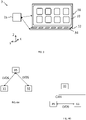
- such a vehicle 1 comprises a dashboard 2 and a control system 3 integrated into the dashboard 2 of the vehicle 1.
- a control system 3 allows the control of a plurality of functions of the vehicle 1, for example the multimedia functions, driving functions, such as the fuel consumption of vehicle 1, or even navigation functions.
- control system 3 comprises a first control module 31 and a second control module 32.
- the first control module 31 comprises a first touch screen 33, presenting for example a so-called “capacitive” technology. Such technology is known to those skilled in the art and will not be described in more detail in this document.
- the first touch screen 33 also referred to as the "top screen” is for example integrated into the dashboard 2 of the vehicle 1, that is to say the first touch screen 33 extends substantially vertically in the passenger compartment of the vehicle 1.
- the second control module 32 comprises a second touch screen 34, also designated “low screen” protruding for example from the dashboard 2 of the vehicle 1.
- the second touch screen 34 extends in this example substantially horizontally in the passenger compartment of the vehicle 1.
- touch screens 33, 34 are in this example similar to a conventional touch screen generally integrated nowadays in a motor vehicle 1 and each allow the control of a plurality of functions of the vehicle 1.
- the second touch screen 34 can be configured to allow direct control of certain functions of the first touch screen 33 by means of command shortcuts for example.
- the first touch screen 33 and the second touch screen 34 are each configured to display a plurality of icons, as shown in the picture 3 .
- Each icon is in this example configured to allow the control of a function of the plurality of functions of the vehicle 1 or access for example to drop-down menus, allowing access to a plurality of functions of the same type.
- the control system 3 further comprises a control box 35 electronically connected both to the first control module 31 and to the second control module 32.
- a control box 35 electronically connected both to the first control module 31 and to the second control module 32.
- Such an electronic connection is, according to a first embodiment, a connection of the type LVDS ( Figure 4A ), meaning “Low Voltage Differential Signaling” in English and designating a low-voltage differential transmission link.
- LVDS link known per se, makes it possible to authorize the exchange of information between the first control module 31 and the second control module 32 via a two-way wired communication network.
- control box 35 can be connected to the first control module 31 via such an LVDS link and to the second control module 32, via a CAN type link ( figure 4B ), meaning “Controller Area Network” in English and designating a single communication channel connected in series to a plurality of communication units.
- the control box 35 is thus configured to control a function activated by a user either on the first control module 31 or on the second control module 32.
- the control box 35 is preferably configured to authorize a command selected on the second control module 32 if and only if the time interval between the request for activation of a function on the second control module 32 and the end of the activation of a function on the first control module 31 is greater than or equal to a first predetermined duration T1, for example for a duration greater than or equal to 500 ms, and if a request to activate a function has been detected on the second control module 32 for a second duration T2 during which no action has been detected on the first control module 31.
- each of the first control module 31 and of the second control module 32 is configured to send periodically, for example every 20 ms, to the control box 35, via the electronic link, a message comprising a plurality of information relating to a state of the first control module 31 or of the second control module 32 and therefore relating to the status of the first touch screen 33 or the second touch screen 34.
- the message sent by the first control module 31 is designated first status message and the message sent by the second control module 32 is designated second status message or third status message following the instant at which such a message is sent.
- control box 35 is configured to determine, by means of the message sent by each of the control modules 31, 32, both if the touch screen 33, 34 of the control module 31, 32 concerned is in an active or inactive state (that is to say if a finger or a dedicated stylus is in contact with the touch screen), the position of the support, from the capacitive technology of the screen for example tactile, as well as a date of the press, allowing to determine if the press is in progress, if it has just started, if it has just been stopped or for how long no press has been detected .
- the control box 35 is further configured to determine the evolution of the state of each touch screen 33, 34 at a given time t, that is to say for a given message with respect to the state determined at a time t-1, that is to say for a message sent previously.
- Such a condition for activating a function requested on the second control module 32 advantageously makes it possible to limit involuntary function commands due, for example, to the contact of a user's hand on the second control module 32 when the latter actually manipulates the first control module 31.
- control box 35 is also configured to distinguish a press made on a predefined zone of the second touch screen 34, for example to distinguish a press on a central portion of the screen from a press on a screen border.
- a press made on a predefined zone of the second touch screen 34 for example to distinguish a press on a central portion of the screen from a press on a screen border.
- the control box 35 determines that pressing the second control module 32 is positioned at the center of the second touch screen 34, then the control box 35 is configured to authorize the activation of a command requested on the second touch screen 34 if and only if the first duration T1 is greater than or equal to 500 ms.
- the control box 35 determines that pressing the second control module 32 is positioned on the periphery of the second touch screen 34, then the control box 35 is configured to authorize the activation of a command requested on the second touch screen 34 if and only if the first duration T1 is greater than or equal to 200 ms, so as to allow faster display depending on the risk of involuntary contact depending on the area touched on the second touch screen 34.
- the figure 6 presents an example of authorization by the control box 35 of a command requested on the second control module 32, depending on the state of the first touch screen 33 of the first control module 31.
- the first curve (that is to say the curve drawn at the top of the graph) represents a succession of active 1 and inactive 0 states of the first touch screen 33
- the second curve (that is to say the curve drawn at center of the graph) represents a succession of active 1 and inactive 0 states of the second touch screen 34
- the third curve represents the succession of commands actually taken in account by the control box 35.
- the control system 3 is thus configured to filter the involuntary presses made for example on the second touch screen 34, when the user manipulates the first touch screen 33.
- Such a filtering method firstly comprises a first step E1 of sending, to the control box 35, by the first control module 31, a first message called "first status message" comprising the status (for example a state being activated, an active state, a state being deactivated or an inactive state) of the first control module 31.
- the first status message further comprises information concerning the position of the press on the first touch screen 33, as well as a dating of the press, that is to say information making it possible to determine whether the press is in progress, if it has just started, if it has just been stop or if no support is in progress.
- Such a first status message is then received by the control box 35, in a step E2, which determines the status of the first control module 31, that is to say the status of the first touch screen 33, and thus detects in a step E3 a state in the process of deactivation of the first control module 31, when the user begins to withdraw his finger initially by pressing on an icon of the first touch screen 33.
- the method comprises a step E4 of sending, to the control box 35, by the second control module 32, a second message, called "second message status" comprising a state (for example a state being activated, an active state, a state being deactivated or an inactive state) of the second control module 32.
- a state for example a state being activated, an active state, a state being deactivated or an inactive state
- Such a second status message is then received by the control unit 35, in a step E5, which determines the status of the second control module 32, that is to say the status of the second touch screen 34 and thus detects in a step E6 a state in the process of activation of the second control module 32, when the user begins to press his finger on an icon of the second touch screen 34.
- the method comprises a new step of sending E7, to the control box 35, by the second control module 32, of a third message, called "third status message" comprising a status (for example a state being activated, an active state, a state being deactivated or an inactive state) of the second control module 32.
- third status message comprising a status (for example a state being activated, an active state, a state being deactivated or an inactive state) of the second control module 32.
- Such a third status message is then received by the control unit 35, in a step E8, which determines the status of the second control module 32, that is to say the status of the second touch screen 34 and thus detects in a step E9 a state in the process of deactivation of the second control module 32, when the user begins to remove his finger from the icon selected on the second touch screen 34.
- the method comprises a step of detection E10 a request to activate a function on the second control module 32.
- the control box 35 detects, in a step E11, a touch zone on the second screen 34 of the second control module 32 comprising such a function, and determines, in a step E12, a duration threshold with which the first duration T1 will be compared according to the detected touch zone (for example according to whether the touch zone is on the periphery or in the center of the second touch screen 34).
- the control unit 35 compares, in a step E13, the first duration T1 between the detection of the state being deactivated of the first control module 31 and the detection of the state being activated of the second control module. 32, with the predetermined threshold, for example 500ms, and authorizes, in a step E14, the activation of the function requested by the second control module 32 if and only if the first duration T1 is greater than or equal to the predetermined threshold and if no change of state of the first control module 31 has been detected during the second duration T2, that is to say if no current status message d activation of the first control module 31 has been sent and received by the control box 35 between the detection of the state being activated and the state being deactivated of the second control module 32.
- the predetermined threshold for example 500ms
- the filtering method according to the invention advantageously allows complete freedom in the installation of a plurality of touch screens in the passenger compartment of the vehicle, for example by positioning a plurality of touch screens close to each other. Such a method also allows the use of a second touch screen as a wrist rest, without risking the involuntary activation of a function installed on such a second screen.
- the method according to the invention allows the integration of a control system as described previously, without requiring the addition of additional specific sensors, allowing filtering of the commands of the second touch screen not presenting any additional cost.
Landscapes
- Engineering & Computer Science (AREA)
- General Engineering & Computer Science (AREA)
- Theoretical Computer Science (AREA)
- Chemical & Material Sciences (AREA)
- Combustion & Propulsion (AREA)
- Transportation (AREA)
- Mechanical Engineering (AREA)
- Human Computer Interaction (AREA)
- Physics & Mathematics (AREA)
- General Physics & Mathematics (AREA)
- User Interface Of Digital Computer (AREA)
- Lighting Device Outwards From Vehicle And Optical Signal (AREA)
Claims (10)
- Verfahren zum Filtern der Befehle eines Steuersystems (3) für ein Fahrzeug (1), insbesondere für ein Kraftfahrzeug (1), wobei das Steuersystem (3) umfasst:- ein erstes Steuermodul (31), das einen ersten Touchscreen (33) umfasst, wobei das erste Steuermodul (31) so konfiguriert ist, dass es die Steuerung einer ersten Vielzahl von Funktionen des Fahrzeugs (1) ermöglicht,- ein zweites Steuermodul (32), das einen zweiten Touchscreen (34) umfasst, wobei das zweite Steuermodul (32) so konfiguriert ist, dass es die Steuerung einer zweiten Vielzahl von Funktionen des Fahrzeugs (1) ermöglicht, und- eine Steuereinheit (35), die elektronisch mit dem ersten Steuermodul (31) und dem zweiten Steuermodul (32) verbunden ist, wobei die Steuereinheit (35) so konfiguriert ist, dass sie die Steuerung der Funktionen der ersten Vielzahl von Funktionen und der zweiten Vielzahl von Funktionen ermöglicht,wobei das Filterverfahren die folgenden Schritte umfasst:- das Senden (E1) durch das erste Steuermodul (31) einer ersten Nachricht, die als "erste Statusnachricht" bezeichnet wird und einen Status des ersten Steuermoduls (31) umfasst, wobei der Status ein aktivierter Zustand ist, der dem Start einer Betätigung entspricht, ein aktiver Zustand, der einer laufenden Betätigung entspricht, ein deaktivierter Zustand, der einem Ende einer Betätigung entspricht, oder ein inaktiver Zustand, der keiner laufenden Betätigung entspricht,- das Empfangen (E2) der ersten Statusmeldung durch die Steuereinheit (35),- die Erfassung (E3), durch die Steuerbox (35), des besagten aktuellen Zustands der Deaktivierung des ersten Steuermoduls (31),- nach einer ersten Zeitdauer (T1), das Senden (E4) einer zweiten Nachricht durch das zweite Steuermodul (32), genannt "zweite Statusnachricht", die einen Status des zweiten Steuermoduls (32) umfasst, wobei der Status ein aktiver Status, ein Status, der gerade aktiviert wird, ein Status, der gerade deaktiviert wird, oder ein inaktiver Status ist,- das Empfangen (E5), durch die Steuereinheit (35), der zweiten Statusmeldung,- das Erfassen (E6), durch die Steuerbox (35), des besagten Zustands, der gerade aktiviert wird, des zweiten Steuermoduls (32),- nach einer zweiten vorbestimmten Zeitdauer (T2), das Senden (E7) einer dritten Nachricht durch das zweite Steuermodul (32), genannt "dritte Zustandsnachricht", die einen Zustand des zweiten Steuermoduls (32) umfasst, wobei der Zustand ein aktiver Zustand, ein Zustand während der Aktivierung, ein Zustand am Ende der Aktivierung oder ein inaktiver Zustand ist,- das Empfangen (E8), durch die Steuereinheit (35), der dritten Statusmeldung,- das Erfassen (E9), durch die Steuerbox (35), des genannten Zustands während der Deaktivierung des zweiten Steuermoduls (32),- nach der Erkennung des aktuellen Aktivierungszustands und, nach der zweiten Zeitdauer (T2), des aktuellen Deaktivierungszustands des zweiten Steuermoduls (32), die Erkennung (E10) einer Anforderung zur Aktivierung einer Funktion auf dem zweiten Steuermodul (32), und- die Genehmigung (E14) der Aktivierung der Funktion durch die Steuereinheit (35), wenn und nur wenn die erste Dauer (T1) größer oder gleich einem vorbestimmten Schwellenwert ist und wenn während der zweiten Dauer (T2) kein gerade aktivierter Zustand auf dem ersten Steuermodul (31) erfasst wurde.
- Verfahren nach dem vorhergehenden Anspruch, wobei der vorbestimmte Schwellenwert zwischen 200 Millisekunden und 1 Sekunde liegt.
- Verfahren nach einem der vorhergehenden Ansprüche, das vor dem Schritt des Autorisierens (E14) der Aktivierung der Funktion durch die Steuereinheit (35) einen Schritt des Vergleichens (E13) der ersten Dauer (T1) mit dem vorbestimmten Schwellenwert durch die Steuereinheit (35) umfasst.
- Verfahren nach einem der vorhergehenden Ansprüche, wobei das zweite Steuermodul (32) eine Vielzahl von taktilen Zonen umfasst, wobei das Verfahren nach dem Schritt des Erfassens (E10) einer Anforderung zur Aktivierung einer Funktion auf dem zweiten Steuermodul (32) einen Schritt des Erfassens (E11) einer taktilen Zone umfasst, die die Funktion umfasst.
- Verfahren nach dem vorhergehenden Anspruch, das nach dem Schritt des Erfassens (E11) eines taktilen Bereichs, der die Funktion umfasst, einen Schritt des Bestimmens (E12) des vorbestimmten Schwellenwerts in Abhängigkeit von dem erfassten taktilen Bereich umfasst.
- Steuersystem (3) für ein Fahrzeug (1), insbesondere für ein Kraftfahrzeug (1), wobei das Steuersystem (3) umfasst:- ein erstes Steuermodul (31), das einen ersten Touchscreen (33) umfasst, wobei das erste Steuermodul (31) so konfiguriert ist, dass es die Steuerung einer ersten Vielzahl von Funktionen des Fahrzeugs (1) ermöglicht,- ein zweites Steuermodul (32), das einen zweiten Touchscreen (34) umfasst, wobei das zweite Steuermodul (32) so konfiguriert ist, dass es die Steuerung einer zweiten Vielzahl von Funktionen des Fahrzeugs (1) ermöglicht, und- eine Steuereinheit (35), die elektronisch mit dem ersten Steuermodul (31) und dem zweiten Steuermodul (32) verbunden ist, wobei die Steuereinheit (35) so konfiguriert ist, dass sie die Steuerung der Funktionen aus der ersten Vielzahl von Funktionen und der zweiten Vielzahl von Funktionen ermöglicht,wobei die Steuerbox (35) konfiguriert ist, um :- eine erste Nachricht, die als "erste Statusnachricht" bezeichnet wird und einen Zustand des ersten Steuermoduls (31) umfasst, eine zweite Nachricht, die als "zweite Statusnachricht" bezeichnet wird, und eine dritte Nachricht, die als "dritte Statusnachricht" bezeichnet wird und jeweils einen Zustand des zweiten Steuermoduls (32) umfasst, zu empfangen, wobei die zweite Zustandsmeldung und die dritte Zustandsmeldung durch eine zweite Dauer (T2) voneinander getrennt sind, wobei der Zustand ein aktivierter Zustand ist, der dem Start einer Betätigung entspricht, ein aktiver Zustand, der einer laufenden Betätigung entspricht, ein deaktivierter Zustand, der einem Ende einer Betätigung entspricht, oder ein inaktiver Zustand, der keiner laufenden Betätigung entspricht,- den Zustand des ersten Steuermoduls (31) und jeden Zustand des zweiten Steuermoduls (32) zu bestimmen,- einen Zustand während der Deaktivierung des ersten Steuermoduls (31), einen Zustand während der Aktivierung des zweiten Steuermoduls (32) und einen Zustand während der Deaktivierung des zweiten Steuermoduls (32) zu erfassen,- Bestimmen einer ersten Zeitdauer (T1) zwischen dem Erfassen des Zustands während der Deaktivierung des ersten Steuermoduls (31) und des Zustands während der Aktivierung des zweiten Steuermoduls (32),- Erfassen einer Anforderung zur Aktivierung einer Funktion auf dem zweiten Steuermodul (32), und- die Aktivierung der Funktion zuzulassen, wenn und nur wenn die erste Zeitdauer (T1) größer oder gleich einem vorbestimmten Schwellenwert ist und wenn während der zweiten Zeitdauer (T2) keine Meldung über den Status während der Aktivierung auf dem ersten Steuermodul (31) erfasst wurde.
- Steuersystem (3) nach dem vorhergehenden Anspruch, wobei das zweite Steuermodul (32) eine Vielzahl von Berührungsflächen umfasst, wobei das Steuersystem (3) ferner so konfiguriert ist, dass es eine Berührungsfläche erfasst, die die Funktion umfasst.
- Steuersystem (3) nach Anspruch 7, wobei die Steuereinheit (35) ferner so konfiguriert ist, dass sie den vorbestimmten Schwellenwert in Abhängigkeit von dem erfassten taktilen Bereich bestimmt.
- Steuersystem (3) nach einem der Ansprüche 6 bis 8, wobei die Steuerbox (35) weiterhin so konfiguriert ist, dass sie die erste Zeitdauer (T1) mit dem vorbestimmten Schwellenwert vergleicht.
- Kraftfahrzeug (1) mit einem Steuersystem (3) nach einem der Ansprüche 6 bis 9.
Applications Claiming Priority (2)
| Application Number | Priority Date | Filing Date | Title |
|---|---|---|---|
| FR1851131A FR3077898B1 (fr) | 2018-02-09 | 2018-02-09 | Systeme et procede de filtrage des commandes d’un systeme multi-ecrans tactiles de vehicule |
| PCT/FR2019/050155 WO2019155140A1 (fr) | 2018-02-09 | 2019-01-24 | Systeme et procede de filtrage des commandes d'un systeme multi-ecrans tactiles de vehicule |
Publications (2)
| Publication Number | Publication Date |
|---|---|
| EP3750037A1 EP3750037A1 (de) | 2020-12-16 |
| EP3750037B1 true EP3750037B1 (de) | 2022-05-18 |
Family
ID=62222873
Family Applications (1)
| Application Number | Title | Priority Date | Filing Date |
|---|---|---|---|
| EP19710012.6A Active EP3750037B1 (de) | 2018-02-09 | 2019-01-24 | System und verfahren zum filtern der steuerungen eines systems mit mehreren berührungsbildschirmen eines fahrzeugs |
Country Status (3)
| Country | Link |
|---|---|
| EP (1) | EP3750037B1 (de) |
| FR (1) | FR3077898B1 (de) |
| WO (1) | WO2019155140A1 (de) |
Families Citing this family (1)
| Publication number | Priority date | Publication date | Assignee | Title |
|---|---|---|---|---|
| FR3119908B1 (fr) * | 2021-02-12 | 2023-05-12 | Renault Sas | Dispositif de commande pour le contrôle d’au moins un paramètre parmi une pluralité de paramètres dans un véhicule automobile |
Family Cites Families (4)
| Publication number | Priority date | Publication date | Assignee | Title |
|---|---|---|---|---|
| US9046958B2 (en) * | 2012-03-15 | 2015-06-02 | Nokia Technologies Oy | Method, apparatus and computer program product for user input interpretation and input error mitigation |
| HK1217548A1 (zh) | 2013-02-06 | 2017-01-13 | Apple Inc. | 具有可动态调整的外观和功能的输入/输出设备 |
| US10146494B2 (en) * | 2016-03-01 | 2018-12-04 | Visteon Global Technologies, Inc. | System and method for operating a multiple display assembly |
| CN106648232A (zh) * | 2016-12-16 | 2017-05-10 | 广东欧珀移动通信有限公司 | 防止触摸按键误触发的方法、装置及终端 |
-
2018
- 2018-02-09 FR FR1851131A patent/FR3077898B1/fr not_active Expired - Fee Related
-
2019
- 2019-01-24 EP EP19710012.6A patent/EP3750037B1/de active Active
- 2019-01-24 WO PCT/FR2019/050155 patent/WO2019155140A1/fr not_active Ceased
Also Published As
| Publication number | Publication date |
|---|---|
| FR3077898A1 (fr) | 2019-08-16 |
| EP3750037A1 (de) | 2020-12-16 |
| FR3077898B1 (fr) | 2020-01-24 |
| WO2019155140A1 (fr) | 2019-08-15 |
Similar Documents
| Publication | Publication Date | Title |
|---|---|---|
| KR101682158B1 (ko) | 터치 위치 인증에 기초한 적응적 센싱 컴포넌트 해상도 | |
| JP5491409B2 (ja) | タッチ面を有する制御装置の制御方法およびその制御装置 | |
| CN108647508B (zh) | 用于认证凭证与生物识别信息的自动关联的方法和系统 | |
| CN104039582B9 (zh) | 使用在三维空间中实施的手势操作在车辆的显示单元上显示的功能的方法和装置 | |
| US10216328B2 (en) | Method for operating a touch-sensitive control system and device having such a control system | |
| EP2090960A1 (de) | Verfahren und Vorrichtung für Herstellung von Berührungsschnittstellen | |
| CN106662977A (zh) | 用于在多手指操纵的情况下运行机动车的操纵装置的方法 | |
| EP0567364A1 (de) | Verfahren zum Betrieb einer kapazitiven Tastatur mit Druckpunktauslösung | |
| EP3750037B1 (de) | System und verfahren zum filtern der steuerungen eines systems mit mehreren berührungsbildschirmen eines fahrzeugs | |
| EP3519233A1 (de) | Schnittstelle für kraftfahrzeug und steuerungsverfahren | |
| CN104346077B (zh) | 应用程序触发方法和装置 | |
| EP2130113A1 (de) | Elektrische steuereinrichtung für ein automobil | |
| WO2018060388A1 (fr) | Interface pour véhicule automobile et procédé d'éclairage | |
| EP3479212A1 (de) | Steuerungsverfahren und steuerschnittstelle für ein kraftfahrzeug | |
| FR3096019A1 (fr) | Procédé et système de contrôle d’affichage dans un véhicule | |
| US9875019B2 (en) | Indicating a transition from gesture based inputs to touch surfaces | |
| WO2013153338A1 (fr) | Génération perfectionnée de commandes dans un équipement à écran tactile | |
| CN103631505B (zh) | 信息处理设备以及字符输入显示方法 | |
| JP6404462B2 (ja) | ディスプレイスクリーン上の水、デブリ、又は他の付着物を検知する方法及びシステム | |
| FR3056469A1 (fr) | Interface pour vehicule automobile et procede de procede de generation d'un retour haptique | |
| FR3096018A1 (fr) | Procédé et système de contrôle d’un dispositif d’affichage dans un véhicule | |
| CN112130786A (zh) | 一种双屏交互方法及交互装置 | |
| FR3077899A1 (fr) | Procede de filtrage des commandes d’une pluralite d’ecrans tactiles de vehicule | |
| WO2018060387A1 (fr) | Interface pour véhicule automobile et procédé de commande | |
| WO2016079398A1 (fr) | Procédé et dispositif pour commander un moyen d'affichage |
Legal Events
| Date | Code | Title | Description |
|---|---|---|---|
| STAA | Information on the status of an ep patent application or granted ep patent |
Free format text: STATUS: UNKNOWN |
|
| STAA | Information on the status of an ep patent application or granted ep patent |
Free format text: STATUS: THE INTERNATIONAL PUBLICATION HAS BEEN MADE |
|
| PUAI | Public reference made under article 153(3) epc to a published international application that has entered the european phase |
Free format text: ORIGINAL CODE: 0009012 |
|
| STAA | Information on the status of an ep patent application or granted ep patent |
Free format text: STATUS: REQUEST FOR EXAMINATION WAS MADE |
|
| 17P | Request for examination filed |
Effective date: 20200729 |
|
| AK | Designated contracting states |
Kind code of ref document: A1 Designated state(s): AL AT BE BG CH CY CZ DE DK EE ES FI FR GB GR HR HU IE IS IT LI LT LU LV MC MK MT NL NO PL PT RO RS SE SI SK SM TR |
|
| AX | Request for extension of the european patent |
Extension state: BA ME |
|
| DAV | Request for validation of the european patent (deleted) | ||
| DAX | Request for extension of the european patent (deleted) | ||
| GRAP | Despatch of communication of intention to grant a patent |
Free format text: ORIGINAL CODE: EPIDOSNIGR1 |
|
| STAA | Information on the status of an ep patent application or granted ep patent |
Free format text: STATUS: GRANT OF PATENT IS INTENDED |
|
| RIC1 | Information provided on ipc code assigned before grant |
Ipc: B60K 37/06 20060101ALI20220112BHEP Ipc: B60K 35/00 20060101ALI20220112BHEP Ipc: G06F 3/041 20060101ALI20220112BHEP Ipc: G06F 3/0488 20130101ALI20220112BHEP Ipc: G06F 3/0484 20130101ALI20220112BHEP Ipc: G06F 3/038 20130101AFI20220112BHEP |
|
| INTG | Intention to grant announced |
Effective date: 20220208 |
|
| GRAS | Grant fee paid |
Free format text: ORIGINAL CODE: EPIDOSNIGR3 |
|
| GRAA | (expected) grant |
Free format text: ORIGINAL CODE: 0009210 |
|
| STAA | Information on the status of an ep patent application or granted ep patent |
Free format text: STATUS: THE PATENT HAS BEEN GRANTED |
|
| AK | Designated contracting states |
Kind code of ref document: B1 Designated state(s): AL AT BE BG CH CY CZ DE DK EE ES FI FR GB GR HR HU IE IS IT LI LT LU LV MC MK MT NL NO PL PT RO RS SE SI SK SM TR |
|
| REG | Reference to a national code |
Ref country code: GB Ref legal event code: FG4D Free format text: NOT ENGLISH |
|
| REG | Reference to a national code |
Ref country code: CH Ref legal event code: EP |
|
| REG | Reference to a national code |
Ref country code: IE Ref legal event code: FG4D Free format text: LANGUAGE OF EP DOCUMENT: FRENCH |
|
| REG | Reference to a national code |
Ref country code: DE Ref legal event code: R096 Ref document number: 602019015091 Country of ref document: DE |
|
| REG | Reference to a national code |
Ref country code: DE Ref legal event code: R084 Ref document number: 602019015091 Country of ref document: DE |
|
| REG | Reference to a national code |
Ref country code: AT Ref legal event code: REF Ref document number: 1493544 Country of ref document: AT Kind code of ref document: T Effective date: 20220615 |
|
| REG | Reference to a national code |
Ref country code: GB Ref legal event code: 746 Effective date: 20220629 |
|
| REG | Reference to a national code |
Ref country code: LT Ref legal event code: MG9D |
|
| REG | Reference to a national code |
Ref country code: NL Ref legal event code: MP Effective date: 20220518 |
|
| REG | Reference to a national code |
Ref country code: AT Ref legal event code: MK05 Ref document number: 1493544 Country of ref document: AT Kind code of ref document: T Effective date: 20220518 |
|
| PG25 | Lapsed in a contracting state [announced via postgrant information from national office to epo] |
Ref country code: SE Free format text: LAPSE BECAUSE OF FAILURE TO SUBMIT A TRANSLATION OF THE DESCRIPTION OR TO PAY THE FEE WITHIN THE PRESCRIBED TIME-LIMIT Effective date: 20220518 Ref country code: PT Free format text: LAPSE BECAUSE OF FAILURE TO SUBMIT A TRANSLATION OF THE DESCRIPTION OR TO PAY THE FEE WITHIN THE PRESCRIBED TIME-LIMIT Effective date: 20220919 Ref country code: NO Free format text: LAPSE BECAUSE OF FAILURE TO SUBMIT A TRANSLATION OF THE DESCRIPTION OR TO PAY THE FEE WITHIN THE PRESCRIBED TIME-LIMIT Effective date: 20220818 Ref country code: NL Free format text: LAPSE BECAUSE OF FAILURE TO SUBMIT A TRANSLATION OF THE DESCRIPTION OR TO PAY THE FEE WITHIN THE PRESCRIBED TIME-LIMIT Effective date: 20220518 Ref country code: LT Free format text: LAPSE BECAUSE OF FAILURE TO SUBMIT A TRANSLATION OF THE DESCRIPTION OR TO PAY THE FEE WITHIN THE PRESCRIBED TIME-LIMIT Effective date: 20220518 Ref country code: HR Free format text: LAPSE BECAUSE OF FAILURE TO SUBMIT A TRANSLATION OF THE DESCRIPTION OR TO PAY THE FEE WITHIN THE PRESCRIBED TIME-LIMIT Effective date: 20220518 Ref country code: GR Free format text: LAPSE BECAUSE OF FAILURE TO SUBMIT A TRANSLATION OF THE DESCRIPTION OR TO PAY THE FEE WITHIN THE PRESCRIBED TIME-LIMIT Effective date: 20220819 Ref country code: FI Free format text: LAPSE BECAUSE OF FAILURE TO SUBMIT A TRANSLATION OF THE DESCRIPTION OR TO PAY THE FEE WITHIN THE PRESCRIBED TIME-LIMIT Effective date: 20220518 Ref country code: BG Free format text: LAPSE BECAUSE OF FAILURE TO SUBMIT A TRANSLATION OF THE DESCRIPTION OR TO PAY THE FEE WITHIN THE PRESCRIBED TIME-LIMIT Effective date: 20220818 Ref country code: AT Free format text: LAPSE BECAUSE OF FAILURE TO SUBMIT A TRANSLATION OF THE DESCRIPTION OR TO PAY THE FEE WITHIN THE PRESCRIBED TIME-LIMIT Effective date: 20220518 |
|
| PG25 | Lapsed in a contracting state [announced via postgrant information from national office to epo] |
Ref country code: RS Free format text: LAPSE BECAUSE OF FAILURE TO SUBMIT A TRANSLATION OF THE DESCRIPTION OR TO PAY THE FEE WITHIN THE PRESCRIBED TIME-LIMIT Effective date: 20220518 Ref country code: PL Free format text: LAPSE BECAUSE OF FAILURE TO SUBMIT A TRANSLATION OF THE DESCRIPTION OR TO PAY THE FEE WITHIN THE PRESCRIBED TIME-LIMIT Effective date: 20220518 Ref country code: LV Free format text: LAPSE BECAUSE OF FAILURE TO SUBMIT A TRANSLATION OF THE DESCRIPTION OR TO PAY THE FEE WITHIN THE PRESCRIBED TIME-LIMIT Effective date: 20220518 Ref country code: IS Free format text: LAPSE BECAUSE OF FAILURE TO SUBMIT A TRANSLATION OF THE DESCRIPTION OR TO PAY THE FEE WITHIN THE PRESCRIBED TIME-LIMIT Effective date: 20220918 |
|
| PG25 | Lapsed in a contracting state [announced via postgrant information from national office to epo] |
Ref country code: SM Free format text: LAPSE BECAUSE OF FAILURE TO SUBMIT A TRANSLATION OF THE DESCRIPTION OR TO PAY THE FEE WITHIN THE PRESCRIBED TIME-LIMIT Effective date: 20220518 Ref country code: SK Free format text: LAPSE BECAUSE OF FAILURE TO SUBMIT A TRANSLATION OF THE DESCRIPTION OR TO PAY THE FEE WITHIN THE PRESCRIBED TIME-LIMIT Effective date: 20220518 Ref country code: RO Free format text: LAPSE BECAUSE OF FAILURE TO SUBMIT A TRANSLATION OF THE DESCRIPTION OR TO PAY THE FEE WITHIN THE PRESCRIBED TIME-LIMIT Effective date: 20220518 Ref country code: ES Free format text: LAPSE BECAUSE OF FAILURE TO SUBMIT A TRANSLATION OF THE DESCRIPTION OR TO PAY THE FEE WITHIN THE PRESCRIBED TIME-LIMIT Effective date: 20220518 Ref country code: EE Free format text: LAPSE BECAUSE OF FAILURE TO SUBMIT A TRANSLATION OF THE DESCRIPTION OR TO PAY THE FEE WITHIN THE PRESCRIBED TIME-LIMIT Effective date: 20220518 Ref country code: DK Free format text: LAPSE BECAUSE OF FAILURE TO SUBMIT A TRANSLATION OF THE DESCRIPTION OR TO PAY THE FEE WITHIN THE PRESCRIBED TIME-LIMIT Effective date: 20220518 Ref country code: CZ Free format text: LAPSE BECAUSE OF FAILURE TO SUBMIT A TRANSLATION OF THE DESCRIPTION OR TO PAY THE FEE WITHIN THE PRESCRIBED TIME-LIMIT Effective date: 20220518 |
|
| REG | Reference to a national code |
Ref country code: DE Ref legal event code: R097 Ref document number: 602019015091 Country of ref document: DE |
|
| PLBE | No opposition filed within time limit |
Free format text: ORIGINAL CODE: 0009261 |
|
| STAA | Information on the status of an ep patent application or granted ep patent |
Free format text: STATUS: NO OPPOSITION FILED WITHIN TIME LIMIT |
|
| PG25 | Lapsed in a contracting state [announced via postgrant information from national office to epo] |
Ref country code: AL Free format text: LAPSE BECAUSE OF FAILURE TO SUBMIT A TRANSLATION OF THE DESCRIPTION OR TO PAY THE FEE WITHIN THE PRESCRIBED TIME-LIMIT Effective date: 20220518 |
|
| 26N | No opposition filed |
Effective date: 20230221 |
|
| PG25 | Lapsed in a contracting state [announced via postgrant information from national office to epo] |
Ref country code: SI Free format text: LAPSE BECAUSE OF FAILURE TO SUBMIT A TRANSLATION OF THE DESCRIPTION OR TO PAY THE FEE WITHIN THE PRESCRIBED TIME-LIMIT Effective date: 20220518 |
|
| REG | Reference to a national code |
Ref country code: CH Ref legal event code: PL |
|
| PG25 | Lapsed in a contracting state [announced via postgrant information from national office to epo] |
Ref country code: LU Free format text: LAPSE BECAUSE OF NON-PAYMENT OF DUE FEES Effective date: 20230124 |
|
| REG | Reference to a national code |
Ref country code: BE Ref legal event code: MM Effective date: 20230131 |
|
| PG25 | Lapsed in a contracting state [announced via postgrant information from national office to epo] |
Ref country code: LI Free format text: LAPSE BECAUSE OF NON-PAYMENT OF DUE FEES Effective date: 20230131 Ref country code: CH Free format text: LAPSE BECAUSE OF NON-PAYMENT OF DUE FEES Effective date: 20230131 |
|
| PG25 | Lapsed in a contracting state [announced via postgrant information from national office to epo] |
Ref country code: BE Free format text: LAPSE BECAUSE OF NON-PAYMENT OF DUE FEES Effective date: 20230131 |
|
| PG25 | Lapsed in a contracting state [announced via postgrant information from national office to epo] |
Ref country code: IT Free format text: LAPSE BECAUSE OF FAILURE TO SUBMIT A TRANSLATION OF THE DESCRIPTION OR TO PAY THE FEE WITHIN THE PRESCRIBED TIME-LIMIT Effective date: 20220518 Ref country code: IE Free format text: LAPSE BECAUSE OF NON-PAYMENT OF DUE FEES Effective date: 20230124 |
|
| REG | Reference to a national code |
Ref country code: DE Ref legal event code: R081 Ref document number: 602019015091 Country of ref document: DE Owner name: STELLANTIS AUTO SAS, FR Free format text: FORMER OWNER: PSA AUTOMOBILES SA, POISSY, FR |
|
| PG25 | Lapsed in a contracting state [announced via postgrant information from national office to epo] |
Ref country code: MC Free format text: LAPSE BECAUSE OF FAILURE TO SUBMIT A TRANSLATION OF THE DESCRIPTION OR TO PAY THE FEE WITHIN THE PRESCRIBED TIME-LIMIT Effective date: 20220518 |
|
| PG25 | Lapsed in a contracting state [announced via postgrant information from national office to epo] |
Ref country code: MC Free format text: LAPSE BECAUSE OF FAILURE TO SUBMIT A TRANSLATION OF THE DESCRIPTION OR TO PAY THE FEE WITHIN THE PRESCRIBED TIME-LIMIT Effective date: 20220518 |
|
| PG25 | Lapsed in a contracting state [announced via postgrant information from national office to epo] |
Ref country code: BG Free format text: LAPSE BECAUSE OF FAILURE TO SUBMIT A TRANSLATION OF THE DESCRIPTION OR TO PAY THE FEE WITHIN THE PRESCRIBED TIME-LIMIT Effective date: 20220518 |
|
| PG25 | Lapsed in a contracting state [announced via postgrant information from national office to epo] |
Ref country code: BG Free format text: LAPSE BECAUSE OF FAILURE TO SUBMIT A TRANSLATION OF THE DESCRIPTION OR TO PAY THE FEE WITHIN THE PRESCRIBED TIME-LIMIT Effective date: 20220518 |
|
| PG25 | Lapsed in a contracting state [announced via postgrant information from national office to epo] |
Ref country code: CY Free format text: LAPSE BECAUSE OF FAILURE TO SUBMIT A TRANSLATION OF THE DESCRIPTION OR TO PAY THE FEE WITHIN THE PRESCRIBED TIME-LIMIT; INVALID AB INITIO Effective date: 20190124 |
|
| PG25 | Lapsed in a contracting state [announced via postgrant information from national office to epo] |
Ref country code: HU Free format text: LAPSE BECAUSE OF FAILURE TO SUBMIT A TRANSLATION OF THE DESCRIPTION OR TO PAY THE FEE WITHIN THE PRESCRIBED TIME-LIMIT; INVALID AB INITIO Effective date: 20190124 |
|
| PG25 | Lapsed in a contracting state [announced via postgrant information from national office to epo] |
Ref country code: TR Free format text: LAPSE BECAUSE OF FAILURE TO SUBMIT A TRANSLATION OF THE DESCRIPTION OR TO PAY THE FEE WITHIN THE PRESCRIBED TIME-LIMIT Effective date: 20220518 |
|
| PGFP | Annual fee paid to national office [announced via postgrant information from national office to epo] |
Ref country code: GB Payment date: 20251220 Year of fee payment: 8 |
|
| PGFP | Annual fee paid to national office [announced via postgrant information from national office to epo] |
Ref country code: FR Payment date: 20251217 Year of fee payment: 8 |
|
| PGFP | Annual fee paid to national office [announced via postgrant information from national office to epo] |
Ref country code: DE Payment date: 20251217 Year of fee payment: 8 |