EP3743062B1 - Methods and pharmaceutical compositions for the treatment of fgfr3-related chondrodysplasias - Google Patents
Methods and pharmaceutical compositions for the treatment of fgfr3-related chondrodysplasias Download PDFInfo
- Publication number
- EP3743062B1 EP3743062B1 EP19700956.6A EP19700956A EP3743062B1 EP 3743062 B1 EP3743062 B1 EP 3743062B1 EP 19700956 A EP19700956 A EP 19700956A EP 3743062 B1 EP3743062 B1 EP 3743062B1
- Authority
- EP
- European Patent Office
- Prior art keywords
- fgfr3
- epicatechin
- treatment
- substantially pure
- mutant
- Prior art date
- Legal status (The legal status is an assumption and is not a legal conclusion. Google has not performed a legal analysis and makes no representation as to the accuracy of the status listed.)
- Active
Links
Images







Classifications
-
- A—HUMAN NECESSITIES
- A61—MEDICAL OR VETERINARY SCIENCE; HYGIENE
- A61K—PREPARATIONS FOR MEDICAL, DENTAL OR TOILETRY PURPOSES
- A61K31/00—Medicinal preparations containing organic active ingredients
- A61K31/33—Heterocyclic compounds
- A61K31/335—Heterocyclic compounds having oxygen as the only ring hetero atom, e.g. fungichromin
- A61K31/35—Heterocyclic compounds having oxygen as the only ring hetero atom, e.g. fungichromin having six-membered rings with one oxygen as the only ring hetero atom
- A61K31/352—Heterocyclic compounds having oxygen as the only ring hetero atom, e.g. fungichromin having six-membered rings with one oxygen as the only ring hetero atom condensed with carbocyclic rings, e.g. methantheline
- A61K31/353—3,4-Dihydrobenzopyrans, e.g. chroman, catechin
-
- A—HUMAN NECESSITIES
- A61—MEDICAL OR VETERINARY SCIENCE; HYGIENE
- A61P—SPECIFIC THERAPEUTIC ACTIVITY OF CHEMICAL COMPOUNDS OR MEDICINAL PREPARATIONS
- A61P19/00—Drugs for skeletal disorders
Definitions
- the present invention relates to a substantially pure (-)-epicatechin for use in the treatment of a FGFR3-related chondrodysplasia in a patient in need thereof.
- the present invention also relates to a pharmaceutical composition
- a pharmaceutical composition comprising a therapeutically effective amount of a substantially pure (-)-epicatechin as active principle and at least one pharmaceutically acceptable excipient for use in a method of treating a FGFR3-related chondrodysplasia in a patient in need thereof, wherein the pharmaceutical composition is not a Theobroma cacao extract.
- “Rare diseases” are diseases with a particularly low prevalence. In this manner, the European Union considers diseases to be rare when they affect not more than 5 per 10,000 persons (Rodwell and Ayme, 2014a). As example, achondroplasia presents an estimated prevalence of 2.6 per 100,000 persons in EU (Orphanet, 2014). In this sense, rare diseases were defined for first time in EU Regulation (EC) N°141/2000 (Regulation (EC) N° 141 / 2000 of the European Parliament and of the Council of 16 December 1999 on orphan medicinal products ) .
- RTKs Receptor tyrosine kinases
- This RTKs type plays an essential role in the regulation of homeostasis of the cartilage e.g. chondrocyte differentiation, proliferation and apoptosis, and is required for normal skeleton development as well as regulation of both osteogenesis and postnatal bone mineralization by osteoblasts (UniProt, n.d.).
- Achondroplasia a nonlethal form of chondrodysplasia, is the most common type of dwarfism. It is mostly due to de novo mutation and has an autosomal dominant inheritance (Rousseau et al., 1994; Di Rocco et al., 2014).
- the mutation which produce an increase of FGFR3 function, affects many tissues, most strikingly the cartilaginous growth plate and bone in the growing skeleton, leading to a variety of manifestations and complications.
- RTKs the binding of the ligand, that is fibroblast growth factors (FGFs), leads to dimerization and transautophosphorylation, resulting in the stimulation of its tyrosine kinase activity (Huete et al., 2011).
- Cocoa ( Theobroma cacao ) is a major, economically important, international crop, which has been related to several nutritional benefits including high antioxidant capacity. These healthy properties have been associated with the phenolic fraction (And ⁇ jar et al., 2012; Cádiz-Gurrea et al., 2015).
- the main subclass of flavonoids found in cocoa is flavanols, particularly (epi)catechins monomers, and their oligomers, also known as procyanidins which range from dimers to decamers (Cádiz-Gurrea et al., 2014).
- the present invention relates to a substantially pure (-)-epicatechin for use in the treatment of a FGFR3-related chondrodysplasia in a patient in need thereof.
- the present invention also relates to a pharmaceutical composition
- a pharmaceutical composition comprising a therapeutically effective amount of a substantially pure (-)-epicatechin as active principle and at least one pharmaceutically acceptable excipient for use in a method of treating a FGFR3-related chondrodysplasia in a patient in need thereof, wherein the pharmaceutical composition is not a Theobroma cacao extract.
- references to the methods of treatment by therapy or surgery or in vivo diagnosis methods of the description and examples are to be interpreted as references to compounds, pharmaceutical compositions and medicaments of the present invention for use in those methods.
- the present disclosure relates to a method of treating a FGFR3-related chondrodysplasia in a patient in need thereof consisting in administering to the subject a therapeutically effective amount of a substantially pure (-)-epicatechin.
- the present disclosure also relates to a pharmaceutical composition
- a pharmaceutical composition comprising a therapeutically effective amount of a substantially pure (-)-epicatechin for use in a method of treating a FGFR3-related chondrodysplasia in a patient in need thereof.
- FGFR3-related chondrodysplasia is intended to mean a skeletal disease that is caused by an abnormal increased activation of FGFR3, in particular by expression of a constitutively active mutant of the FGFR3 receptor, in particular a constitutively active mutant of the FGFR3 receptor as described after.
- FGFR3 FGFR3 tyrosine kinase receptor
- FGFR3 receptor FGFR3 receptor
- the expressions "constitutively active FGFR3 receptor variant", “constitutively active mutant of the FGFR3” or “mutant FGFR3 displaying a constitutive activity” are used interchangeably and refer to a mutant of said receptor exhibiting a biological activity (i.e. triggering downstream signaling), and/or exhibiting a biological activity which is higher than the biological activity of the corresponding wild-type receptor in the presence of FGF ligand.
- the FGFR3-related skeletal diseases are FGFR3-related chondrodysplasias and FGFR3-related craniosynostosis.
- the FGFR3-related skeletal osteochondrodysplasias correspond to an inherited or to a sporadic disease.
- the term "FGFR3-related skeletal dysplasias" includes but is not limited to thanatophoric dysplasia type I, thanatophoric dysplasia type II, hypochondroplasia, achondroplasia and SADDAN (severe achondroplasia with developmental delay and acanthosis nigricans).
- the FGFR3-related skeletal osteochondrodysplasia is caused by expression in the subject of a constitutively active FGFR3 receptor variant such as defined above.
- the FGFR3-related chondrodysplasia is an achondroplasia caused by expression of the G380R constitutively active mutant of the FGFR3 receptor.
- the FGFR3-related chondrodysplasia is a hypochondroplasia caused by expression of the N540K, K650N, K650Q, S84L, R200C, N262H, G268C, Y278C, S279C, V381E, constitutively active mutant of the FGFR3 receptor.
- the FGFR3-related chondrodysplasia is a thanatophoric dysplasia type I caused by expression of a constitutively active mutant of the FGFR3 receptor chosen from the group consisting of R248C, S248C, G370C, S371C; Y373C, X807R, X807C, X807G, X807S, X807W and K650M FGFR3 receptors.
- the FGFR3-related chondrodysplasia is a thanatophoric dysplasia type II caused by expression of the K650E constitutively active mutant of the FGFR3 receptor.
- the FGFR3-related chondrodysplasia is a severe achondroplasia with developmental delay and acanthosis nigricans caused by expression of the K650M constitutively active mutant of the FGFR3 receptor.
- the FGFR3-related craniosynostosis corresponds to an inherited or to a sporadic disease.
- the FGFR3-related craniosynostosis is Muenke syndrome caused by expression of the P250R constitutively active mutant of the FGFR3 receptor or Crouzon syndrome with acanthosis nigricans caused by expression of the A391E constitutively active mutant of the FGFR3 receptor.
- treatment refers to both prophylactic or preventive treatment as well as curative, improving the patient's condition or disease modifying treatment, including treatment of patient at risk of contracting the disease or suspected to have contracted the disease as well as patients who are ill or have been diagnosed as suffering from a disease or medical condition, and includes suppression of clinical relapse.
- the treatment is administered to a subject having a medical disorder or who ultimately is acquired the disorder, in order to prevent, cure, delay the onset of, reduce the severity of, or ameliorate one or more symptoms of a disorder or recurring disorder, or in order to prolong the survival of a subject beyond that expected in the absence of such treatment.
- therapeutic regimen is meant the pattern of treatment of an illness, e.g., the pattern of dosing used during therapy.
- a therapeutic regimen include an induction regimen and a maintenance regimen.
- the phrase “induction regimen” or “induction period” refers to a therapeutic regimen (or the portion of a therapeutic regimen) that is used for the initial treatment of a disease.
- the general goal of an induction regimen is to provide a high level of drug to a patient during the initial period of a treatment regimen.
- An induction regimen employ (in part or in whole) a "loading regimen", which include administering a greater dose of the drug than a physician would employ during a maintenance regimen, administering a drug more frequently than a physician would administer the drug during a maintenance regimen, or both.
- maintenance regimen refers to a therapeutic regimen (or the portion of a therapeutic regimen) that is used for the maintenance of a patient during treatment of an illness, e.g., to keep the patient in remission for long periods of time (months or years).
- a maintenance regimen employ continuous therapy (e.g., administering a drug at regular intervals, e.g., daily, weekly, monthly, yearly, etc.) or intermittent therapy (e.g., interrupted treatment, intermittent treatment, treatment at relapse, or treatment upon achievement of a particular predetermined criteria [e.g., disease manifestation, etc.]).
- (-)-epicatechin has its general meaning in the art and refers to (2R,3R)-2-(3,4-dihydroxyphenyl)-3,4-dihydro-2H-chromene-3,5,7-triol.
- the methods of producing or extracting (-)-epicatechin are well known to the skilled person.
- the term "substantially pure” refers to the total absence, or near total absence, of impurities, such as related-substance impurities.
- impurities such as related-substance impurities.
- a (-)-epicatechin composition is said to be substantially pure, there are either no detectable related-substance impurities, or if a single related-substance impurity is detected, it is present in an amount no greater than 0.1 % by weight, or if multiple related- substance impurities are detected, they are present in aggregate in an amount no greater than 0.6% by weight.
- the patient is administered with a pharmaceutical composition
- a pharmaceutical composition comprising the substantially pure (-)-epicatechin as active principle and at least one pharmaceutically acceptable excipient.
- active principle or “active ingredient” are used interchangeably.
- the active principle is used to alleviate, treat or prevent a medical condition or disease.
- pharmaceutically acceptable excipient herein, it is understood a carrier medium which does not interfere with the effectiveness of the biological activity of the active ingredient(s) and which is not excessively toxic to the host at the concentration at which it is administered.
- Said excipients are selected, depending on the pharmaceutical form and the desired method of administration, from the usual excipients known by a person skilled in the art.
- the pharmaceutical composition of the present disclosure does not comprise a second active principle. Accordingly, in particular, the pharmaceutical composition of the present disclosure is not a Theobroma cacao extract as described in WO 2016046375 . In particular, the pharmaceutical composition does not comprises an amount of flavonols, sweroside, and hexenyl 5 xylopyranosyl glucopyranoside. In particular, the pharmaceutical composition of the present disclosure does not comprise an amount of procyanidin, catechin, cinchonain and derivatives thereof.
- the pharmaceutical composition does not comprises an amount of 3,4-N-phenylpropenoyl-L-aminoacid or derivative thereof chosen from /V-caffeoyl-L-aspartate, L-Aspartic acid, A/-[3-(4-hydroxyphenyl)-1 - oxo-2-propenyl], L-Aspartic acid, A/-[3-(4-hydroxy-3-methoxyphenyl)-1 -oxo-2- propenyl], trans-clovamide (A/[(2E)-3-(3,4-dihydroxyphenyl)-1 -oxo-2-propen-1 -yl]- 3-hydroxy-L-tyrosine), deoxyclovamide (A/-[(2E)-3-(3,4-dihydroxyphenyl)-1 -oxo-2- propen-1 -yl]-L-tyrosine) and derivatives thereof.
- the pharmaceutical composition of the present disclosure does not comprise a compound selected from the group consisting of quercetin, quercetin glucuronide, quercetin hexose, quercetin arabinoside and isomers thereof and/or said at least one procyanidin, catechin, cinchonain and derivative thereof chosen from proanthocyanidin A, (epi)catechin, (epi)catechin dimer hexose, arabinopyranosyl-(epi)catechin-(epi)catechin, (epi)gallocatechin, (epi)catechin glucopyranoside, catechin diglucopyranoside, cinchonain I, (epi)catechin tetramer, (epi)catechin pentamer, (epi)catechin hexamer, (epi)catechin methyl dimer, (epi)catechin ethyl dimer, procyanidin
- the pharmaceutical composition does not comprises an amount of procyanidin B; (epi)catechin tetramer; (epi)catechin pentamer; hexenyl xylopyranosyl glucopyranoside; (epi)catechin dimer hexose; arabinopyranosyl-(epi)catechin-(epi)catechin; - procyanidin C; - proanthocyanidin A; (epi)catechin ethyl dimer; quercetin; quercetin hexose; - cinchonain I; procyanidin A; and sweroside.
- a “therapeutically effective amount” of the substantially pure (-)-epicatechin as above described is meant a sufficient amount to provide a therapeutic effect. It will be understood, however, that the total daily usage of the substantially pure (-)-epicatechin will be decided by the attending physician within the scope of sound medical judgment.
- the specific therapeutically effective dose level for any particular subject will depend upon a variety of factors including the disorder being treated and the severity of the disorder; activity of the specific compound employed; the specific composition employed, the age, body weight, general health, sex and diet of the subject; the time of administration, route of administration, and rate of excretion of the specific compound employed; the duration of the treatment; drugs used in combination or coincidental with the specific polypeptide employed; and like factors well known in the medical arts.
- the daily dosage of the products vary over a wide range from 0.01 to 1,000 mg per adult per day.
- the compositions contain 0.01, 0.05, 0.1, 0.5, 1.0, 2.5, 5.0, 10.0, 15.0, 25.0, 50.0, 100, 250 and 500 mg of the active ingredient for the symptomatic adjustment of the dosage to the subject to be treated.
- a medicament typically contains from about 0.01 mg to about 500 mg of the active ingredient, or from 1 mg to about 100 mg of the active ingredient.
- An effective amount of the drug is ordinarily supplied at a dosage level from 0.0002 mg/kg to about 20 mg/kg of body weight per day, especially from about 0.001 mg/kg to 7 mg/kg of body weight per day.
- FIGURES are a diagrammatic representation of FIGURES.
- a concentrated T. cacao extract was used in this study (Molteoleder, Spain).
- the polyphenols from whole cocoa matrix were analytically characterized using a solution of cocoa extract of 10 mg/mL in DMSO.
- a solution stock of 0.1 g/mL was prepared by dissolving the appropriate amount of cacao extract in DMSO. The sample was sonicated for 5 min, vortexed for 1 min, and then centrifuged for 5 min at 7700 g before the cartridges purification.
- a solution stock of 75 mg/mL was prepared by dissolving the PC fraction of C18 Sep-Pak cartridges in DMSO. The sample was sonicated for 5 min, vortexed for 1 min, and then centrifuged for 5 min at 7700 g before the semi-preparative HPLC analysis.
- the polyphenols from the PC fraction from Sep-Pak cartridges purification were fractionated using a Gilson preparative HPLC system (Gilson Inc., Middleton, WI, USA) equipped with a binary pump (model 331/332), automated liquid handling solutions (model GX-271) and UV-Vis detector (model UV-Vis 156).
- T. cacao and isolated fractions were analytically characterized using an Agilent 1200 series rapid-resolution LC system (AgilentTechnologies, Palo Alto, CA, USA) equipped with a binary pump, an autosampler and a diode-array detector (DAD).
- the HPLC system was coupled to a time-of-flight (TOF) mass spectrometer (Bruker Daltonics, Bremen, Germany) equipped with an electrospray ionization (ESI) interface (model G1607A from Agilent Technologies, Palo Alto, CA).
- TOF time-of-flight
- ESI electrospray ionization
- T. cacao extract prepared as describe above in sample preparation section was fractionated by Waters C18 Sep-Pak cartridges following the method describe by Sun et al. (Sun et al., 2006) and Monagas et al. (Monagas et al., 2003) with some modifications. Five different fractions were obtained: phenolic acids (PA fraction), monomeric and oligomeric flavan-3-ols (PC fraction), polymeric proanthocyanidins (PP fraction), monomers (MN fraction) and oligomers (OL fraction).
- PA fraction phenolic acids
- PC fraction monomeric and oligomeric flavan-3-ols
- PP fraction polymeric proanthocyanidins
- MN fraction monomers
- OL fraction oligomers
- the five obtained fractions were evaporated to dryness under vacuum in Speed Vac.
- the residue of each one was weighted and dissolved in DMSO at 100 ⁇ g/mL. After that, they were filtered through a 0.25 ⁇ m filter to analyze them by HPLC-ESI-TOF-MS.
- the samples were injected in triplicate to ensure the repeatability of the analysis.
- NMR spectra was recorded at 293 ⁇ 0.1 K on a Bruker Avance III 600 spectrometer operating at a proton frequency of 600.13 MHz using a 5 mm QCI quadruple resonance pulse field gradient cryoprobe.
- the sample was measured, without rotation and using 8 dummy scans prior to 128 scans.
- TOCSY 1H-1H total correlation spectroscopy
- HSQC 1H-13C heteronuclear single quantum coherence
- HMBC 1H-13C heteronuclear multiple bonds coherence
- the HMBC spectrum was recorded with the same parameters used in the HSQC spectra except for 37729.71 Hz of spectral width in F1.
- the coupling constant for HSQC experiment was fixed to 145 Hz whereas HMBC experiment was obtained using fixed coupling constants of 145 and 8 Hz (long range).
- the F5 from cocoa extract was evaluated in vitro using chondrocyte lines expressing human FGFR3 gain-of-function mutations.
- ACH heterozygous achondroplasia
- TD heterozygous thanatophoric dysplasia
- the cells were depleted during 24 hours, we tested various concentrations (50, 100, 200 ⁇ g/ml) of F5 from cocoa.
- the cocoa fraction was added in the medium then the cells were stimulated with a ligand of the receptor FGF2 (Fibroblast Growth Factor).
- FGF2 Fibroblast Growth Factor
- the levels of phosphorylated Erk1/2 and Erk1/2 were measured using the Li-Cor technology and Imager.
- BSA Sigma
- cocoa F5 or (-)-epicatechin (Sigma-0394-05-90) or DMSO (as control) at a concentration of 10 and 30 ⁇ g/ml.
- the left femur was cultured in supplemented medium and compared with the right one cultured in control medium. The bone length was measured at the beginning (before treatment) and at the end of time course.
- Fgfr3 +/+ and Fgfr3 Y367C /+ mice were determined by PCR of tail DNA as previously described ( Pannier et al., Biochim Biophys Acta, 1792: 140-147, 2009 ). All experimental procedures and protocols were approved by the Animal Care and Use Committee.
- Limb explants were fixed after culture in 4% paraformaldehyde at 4°C and embedded in paraffin. Serial 5 ⁇ m sections were stained with Hematoxylin-Eosin using standard protocols for histological analysis or were subjected to immunohistochemical staining.
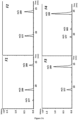
- the Figure 1 showed the different profiles (base peak chromatograms and characterized compounds), which were obtained by Sep-Pak C18 cartridges.
- This proposed method permitted separating phenolic compounds from the whole T. cacao extract into various different fractions, which were less complex, enabling their use in order to achieve pure fractions of interested compounds.
- eleven fractions were obtained by combination of solid phase extraction by Sep-Pak C18 cartridges and semi-preparative HPLC isolation in order to obtain purified fractions of monomeric and oligomeric PAs ( Figure 2 ).
- the composition of each one was established by the detailed HPLC-ESI-TOF-MS ( Figure 3 A, B and C ).
- F5 was selected as a candidate for the biological experiments in achondroplasia model.
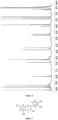
- Figure 4 showed the 1 H spectra in DMSO-d 6 for F5 where the most abundant compound corresponded to (-)-epicatechin ( Figure 5 ).
- Table 1 contains the 1 H and 13 C NMR data obtained in this work for (-)-epicatechin in F5 from cacao sample.
- the identification of similar substances as (+)-catechin and (-)-epicatechin was carried out on the basis of the spectroscopic data of aliphatic protons H-3(C) and H-2(C).
- High values of the coupling constant 3 J 2,3 (8-10 Hz) indicate the presence of (+)catechin, whereas 3 J 2,3 values round 2 Hz or broad singlet demonstrated the presence of (-)-epicatechin in our cacao fraction.
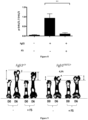
- F5 has been evaluated for a concentration of 10 ⁇ g/ml. The percentage of femur growth was more important in Fgfr3 Y367C /+ mice than in the Fgfr3 +/+ mice. F5 significantly increased the length of the Fgfr3 Y367C /+ femurs comparing to Fgfr3 +/+ femurs ( Figure 9 ). F5 did not impair the growth of the Fgfr3 +/+ femurs ( Figure 10 ).
- the immunohistological analyses showed a slight modification of the collagen type X expression in proximal and distal femurs treated with F5.
- the analyses of the both proximal and distal femur did not show obvious modification of the epiphysis size.
- collagen type X was not modified in proximal and distal femurs, while the expressions of FGFR3 and Sox9 were strongly decreased in proximal and distal femurs. Interestingly, the phosphorylated Erk1/2 expression was slightly decreased in proximal and distal femurs treated with (-)-epicatechin.
- Figure 14 showed a graphical representation of length of the average primary cilium Fgfr3 Y367C /+ chondrocytes with and without (-)-Epicatechine treatment (n>100).
- the data represent mean+S.E.M., two-tailed unpaired t-test. ns, not significant; *p ⁇ 0.05, ***p ⁇ 0.001, ****p ⁇ 0.0001.
- n is the number of primary cilium measured
- N is the number of cultured chondrocytes analyzed
- A is the average of the length of the primary cilium.
- the addition of (-)-epicatechin leads to an elongation of primary cilium.
Landscapes
- Health & Medical Sciences (AREA)
- Veterinary Medicine (AREA)
- Chemical & Material Sciences (AREA)
- Medicinal Chemistry (AREA)
- Pharmacology & Pharmacy (AREA)
- Life Sciences & Earth Sciences (AREA)
- Animal Behavior & Ethology (AREA)
- General Health & Medical Sciences (AREA)
- Public Health (AREA)
- Epidemiology (AREA)
- Engineering & Computer Science (AREA)
- Bioinformatics & Cheminformatics (AREA)
- Physical Education & Sports Medicine (AREA)
- Chemical Kinetics & Catalysis (AREA)
- General Chemical & Material Sciences (AREA)
- Nuclear Medicine, Radiotherapy & Molecular Imaging (AREA)
- Organic Chemistry (AREA)
- Pharmaceuticals Containing Other Organic And Inorganic Compounds (AREA)
- Medicines Containing Plant Substances (AREA)
Applications Claiming Priority (2)
| Application Number | Priority Date | Filing Date | Title |
|---|---|---|---|
| EP18305053 | 2018-01-24 | ||
| PCT/EP2019/051622 WO2019145356A1 (en) | 2018-01-24 | 2019-01-23 | Methods and pharmaceutical compositions for the treatment of fgfr3-related chondrodysplasias |
Publications (3)
| Publication Number | Publication Date |
|---|---|
| EP3743062A1 EP3743062A1 (en) | 2020-12-02 |
| EP3743062B1 true EP3743062B1 (en) | 2024-07-17 |
| EP3743062C0 EP3743062C0 (en) | 2024-07-17 |
Family
ID=61163620
Family Applications (1)
| Application Number | Title | Priority Date | Filing Date |
|---|---|---|---|
| EP19700956.6A Active EP3743062B1 (en) | 2018-01-24 | 2019-01-23 | Methods and pharmaceutical compositions for the treatment of fgfr3-related chondrodysplasias |
Country Status (5)
| Country | Link |
|---|---|
| US (2) | US11951090B2 (https=) |
| EP (1) | EP3743062B1 (https=) |
| JP (1) | JP7286675B2 (https=) |
| ES (1) | ES2985639T3 (https=) |
| WO (1) | WO2019145356A1 (https=) |
Families Citing this family (2)
| Publication number | Priority date | Publication date | Assignee | Title |
|---|---|---|---|---|
| US20250041262A1 (en) * | 2021-12-16 | 2025-02-06 | Institut National de la Santé et de la Recherche Médicale | Compositions for the treatment of fgfr3-related cognitive deficits with a catechin |
| US20250041263A1 (en) * | 2021-12-20 | 2025-02-06 | Institut National de la Santé et de la Recherche Médicale | Use of catechin for the treatment of fgfr-related bone repair and bone formation impairment |
Family Cites Families (1)
| Publication number | Priority date | Publication date | Assignee | Title |
|---|---|---|---|---|
| WO2016046375A1 (en) | 2014-09-25 | 2016-03-31 | Institut National De La Sante Et De La Recherche Medicale (Inserm) | Theobroma cacao extract for use in the treatment or prevention of receptor tyrosine kinases related disorders |
-
2019
- 2019-01-23 ES ES19700956T patent/ES2985639T3/es active Active
- 2019-01-23 JP JP2020560576A patent/JP7286675B2/ja active Active
- 2019-01-23 WO PCT/EP2019/051622 patent/WO2019145356A1/en not_active Ceased
- 2019-01-23 US US16/964,781 patent/US11951090B2/en active Active
- 2019-01-23 EP EP19700956.6A patent/EP3743062B1/en active Active
-
2023
- 2023-09-08 US US18/463,707 patent/US12257232B2/en active Active
Also Published As
| Publication number | Publication date |
|---|---|
| ES2985639T3 (es) | 2024-11-06 |
| US20210052546A1 (en) | 2021-02-25 |
| US11951090B2 (en) | 2024-04-09 |
| JP2021511379A (ja) | 2021-05-06 |
| EP3743062C0 (en) | 2024-07-17 |
| US20230414561A1 (en) | 2023-12-28 |
| WO2019145356A1 (en) | 2019-08-01 |
| JP7286675B2 (ja) | 2023-06-05 |
| EP3743062A1 (en) | 2020-12-02 |
| US12257232B2 (en) | 2025-03-25 |
Similar Documents
| Publication | Publication Date | Title |
|---|---|---|
| Sakuma et al. | Molecular mechanism of sarcopenia and cachexia: recent research advances | |
| US12257232B2 (en) | Methods and pharmaceutical compositions for the treatment of FGFR3-related chondrodysplasias | |
| Sakuma et al. | Current understanding of sarcopenia: possible candidates modulating muscle mass | |
| Xin et al. | Sphingosine 1-phosphate cross-activates the Smad signaling cascade and mimics transforming growth factor-β-induced cell responses | |
| Hsu et al. | Resveratrol increases anti-aging Klotho gene expression via the activating transcription factor 3/c-Jun complex-mediated signaling pathway | |
| Zhou et al. | Histamine-4 receptor antagonist JNJ7777120 inhibits pro-inflammatory microglia and prevents the progression of Parkinson-like pathology and behaviour in a rat model | |
| KR102764247B1 (ko) | 셀레노유기 화합물의 조성물 및 그의 사용 방법 | |
| Li et al. | Bailcalin Protects Against Diabetic Cardiomyopathy Through Keap1/Nrf2/AMPK‐Mediated Antioxidative and Lipid‐Lowering Effects | |
| Seo et al. | Black ginseng extract exerts anti-hyperglycemic effect via modulation of glucose metabolism in liver and muscle | |
| Kowalska et al. | Inhibitory effects of lingonberry (Vaccinium vitis-idaea L.) fruit extract on obesity-induced inflammation in 3T3-L1 adipocytes and RAW 264.7 macrophages | |
| Jang et al. | Coffee consumption promotes skeletal muscle hypertrophy and myoblast differentiation | |
| Zhang et al. | Epigallocatechin-3-gallate protects retinal vascular endothelial cells from high glucose stress in vitro via the MAPK/ERK-VEGF pathway | |
| Sharma et al. | Dysregulation of SIRT-1 signaling in multiple sclerosis and neuroimmune disorders: a systematic review of SIRTUIN activators as potential immunomodulators and their influences on other dysfunctions | |
| García-Marín et al. | Melatonin-synthesizing enzymes and melatonin receptor in rat thyroid cells | |
| CN101291668A (zh) | Atr抑制剂 | |
| Sun et al. | The regulating pathway of creatine on muscular protein metabolism depends on the energy state | |
| Ma et al. | Pepino polyphenolic extract improved oxidative, inflammatory and glycative stress in the sciatic nerves of diabetic mice | |
| Zou et al. | Sake lees extract obtained using a novel continuous phase-transition extraction method: evaluation of its bioactive composition, anti-aging efficacy and mechanism | |
| TW202345779A (zh) | eNAMPT增加劑、沉默調節蛋白活化或表現增強劑、NAD+增加劑、及老化細胞抑制劑 | |
| Kim et al. | Justicia procumbens ameliorates aortic aging via ferroptosis regulation in senescent mice and vascular smooth muscle cells | |
| Kotb et al. | Functional, Histological and Immunohistochemical Study on the Possible Effect of Vitamin D and Mesenchymal Stem Cells on Decreasing Bone-Remodeling Changes in Streptozotocin Induced Diabetic Rats | |
| KR20170047458A (ko) | 에틸 파이루베이트(ethyl pyruvate)를 포함하는 말초신경계 퇴행성 질환의 예방 또는 치료용 약학적 조성물 | |
| CA2939592C (en) | Compositions of selenoorganic compounds and methods of use thereof | |
| CA3224313C (en) | Compositions and methods to counteract processes associated with inflammation and senescence and to support cellular energy and/or metabolism | |
| Li et al. | Artemisiae Scopariae Herba (Yinchen) suppresses ferroptosis in mice with osteoporosis via the Nrf2/Slc7a11/Gpx4 pathway |
Legal Events
| Date | Code | Title | Description |
|---|---|---|---|
| STAA | Information on the status of an ep patent application or granted ep patent |
Free format text: STATUS: UNKNOWN |
|
| STAA | Information on the status of an ep patent application or granted ep patent |
Free format text: STATUS: THE INTERNATIONAL PUBLICATION HAS BEEN MADE |
|
| PUAI | Public reference made under article 153(3) epc to a published international application that has entered the european phase |
Free format text: ORIGINAL CODE: 0009012 |
|
| STAA | Information on the status of an ep patent application or granted ep patent |
Free format text: STATUS: REQUEST FOR EXAMINATION WAS MADE |
|
| 17P | Request for examination filed |
Effective date: 20200723 |
|
| AK | Designated contracting states |
Kind code of ref document: A1 Designated state(s): AL AT BE BG CH CY CZ DE DK EE ES FI FR GB GR HR HU IE IS IT LI LT LU LV MC MK MT NL NO PL PT RO RS SE SI SK SM TR |
|
| AX | Request for extension of the european patent |
Extension state: BA ME |
|
| DAV | Request for validation of the european patent (deleted) | ||
| DAX | Request for extension of the european patent (deleted) | ||
| RAP3 | Party data changed (applicant data changed or rights of an application transferred) |
Owner name: UNIVERSIDAD DE GRANADA Owner name: ASSISTANCE PUBLIQUE-HOPITAUX DE PARIS (APHP) Owner name: FONDATION IMAGINE Owner name: UNIVERSITE PARIS CITE Owner name: INSERM (INSTITUT NATIONAL DE LA SANTE ET DE LA RECHERCHE MEDICALE) |
|
| STAA | Information on the status of an ep patent application or granted ep patent |
Free format text: STATUS: EXAMINATION IS IN PROGRESS |
|
| 17Q | First examination report despatched |
Effective date: 20230207 |
|
| GRAP | Despatch of communication of intention to grant a patent |
Free format text: ORIGINAL CODE: EPIDOSNIGR1 |
|
| STAA | Information on the status of an ep patent application or granted ep patent |
Free format text: STATUS: GRANT OF PATENT IS INTENDED |
|
| INTG | Intention to grant announced |
Effective date: 20240409 |
|
| GRAS | Grant fee paid |
Free format text: ORIGINAL CODE: EPIDOSNIGR3 |
|
| GRAA | (expected) grant |
Free format text: ORIGINAL CODE: 0009210 |
|
| STAA | Information on the status of an ep patent application or granted ep patent |
Free format text: STATUS: THE PATENT HAS BEEN GRANTED |
|
| AK | Designated contracting states |
Kind code of ref document: B1 Designated state(s): AL AT BE BG CH CY CZ DE DK EE ES FI FR GB GR HR HU IE IS IT LI LT LU LV MC MK MT NL NO PL PT RO RS SE SI SK SM TR |
|
| REG | Reference to a national code |
Ref country code: CH Ref legal event code: EP |
|
| REG | Reference to a national code |
Ref country code: DE Ref legal event code: R096 Ref document number: 602019055301 Country of ref document: DE |
|
| REG | Reference to a national code |
Ref country code: IE Ref legal event code: FG4D |
|
| U01 | Request for unitary effect filed |
Effective date: 20240815 |
|
| U07 | Unitary effect registered |
Designated state(s): AT BE BG DE DK EE FI FR IT LT LU LV MT NL PT RO SE SI Effective date: 20240912 |
|
| REG | Reference to a national code |
Ref country code: ES Ref legal event code: FG2A Ref document number: 2985639 Country of ref document: ES Kind code of ref document: T3 Effective date: 20241106 |
|
| PG25 | Lapsed in a contracting state [announced via postgrant information from national office to epo] |
Ref country code: NO Free format text: LAPSE BECAUSE OF FAILURE TO SUBMIT A TRANSLATION OF THE DESCRIPTION OR TO PAY THE FEE WITHIN THE PRESCRIBED TIME-LIMIT Effective date: 20241017 |
|
| PG25 | Lapsed in a contracting state [announced via postgrant information from national office to epo] |
Ref country code: PL Free format text: LAPSE BECAUSE OF FAILURE TO SUBMIT A TRANSLATION OF THE DESCRIPTION OR TO PAY THE FEE WITHIN THE PRESCRIBED TIME-LIMIT Effective date: 20240717 Ref country code: GR Free format text: LAPSE BECAUSE OF FAILURE TO SUBMIT A TRANSLATION OF THE DESCRIPTION OR TO PAY THE FEE WITHIN THE PRESCRIBED TIME-LIMIT Effective date: 20241018 |
|
| PG25 | Lapsed in a contracting state [announced via postgrant information from national office to epo] |
Ref country code: IS Free format text: LAPSE BECAUSE OF FAILURE TO SUBMIT A TRANSLATION OF THE DESCRIPTION OR TO PAY THE FEE WITHIN THE PRESCRIBED TIME-LIMIT Effective date: 20241117 |
|
| PG25 | Lapsed in a contracting state [announced via postgrant information from national office to epo] |
Ref country code: HR Free format text: LAPSE BECAUSE OF FAILURE TO SUBMIT A TRANSLATION OF THE DESCRIPTION OR TO PAY THE FEE WITHIN THE PRESCRIBED TIME-LIMIT Effective date: 20240717 |
|
| PG25 | Lapsed in a contracting state [announced via postgrant information from national office to epo] |
Ref country code: RS Free format text: LAPSE BECAUSE OF FAILURE TO SUBMIT A TRANSLATION OF THE DESCRIPTION OR TO PAY THE FEE WITHIN THE PRESCRIBED TIME-LIMIT Effective date: 20241017 |
|
| PG25 | Lapsed in a contracting state [announced via postgrant information from national office to epo] |
Ref country code: RS Free format text: LAPSE BECAUSE OF FAILURE TO SUBMIT A TRANSLATION OF THE DESCRIPTION OR TO PAY THE FEE WITHIN THE PRESCRIBED TIME-LIMIT Effective date: 20241017 Ref country code: PL Free format text: LAPSE BECAUSE OF FAILURE TO SUBMIT A TRANSLATION OF THE DESCRIPTION OR TO PAY THE FEE WITHIN THE PRESCRIBED TIME-LIMIT Effective date: 20240717 Ref country code: NO Free format text: LAPSE BECAUSE OF FAILURE TO SUBMIT A TRANSLATION OF THE DESCRIPTION OR TO PAY THE FEE WITHIN THE PRESCRIBED TIME-LIMIT Effective date: 20241017 Ref country code: IS Free format text: LAPSE BECAUSE OF FAILURE TO SUBMIT A TRANSLATION OF THE DESCRIPTION OR TO PAY THE FEE WITHIN THE PRESCRIBED TIME-LIMIT Effective date: 20241117 Ref country code: HR Free format text: LAPSE BECAUSE OF FAILURE TO SUBMIT A TRANSLATION OF THE DESCRIPTION OR TO PAY THE FEE WITHIN THE PRESCRIBED TIME-LIMIT Effective date: 20240717 Ref country code: GR Free format text: LAPSE BECAUSE OF FAILURE TO SUBMIT A TRANSLATION OF THE DESCRIPTION OR TO PAY THE FEE WITHIN THE PRESCRIBED TIME-LIMIT Effective date: 20241018 |
|
| U20 | Renewal fee for the european patent with unitary effect paid |
Year of fee payment: 7 Effective date: 20250127 |
|
| PG25 | Lapsed in a contracting state [announced via postgrant information from national office to epo] |
Ref country code: SM Free format text: LAPSE BECAUSE OF FAILURE TO SUBMIT A TRANSLATION OF THE DESCRIPTION OR TO PAY THE FEE WITHIN THE PRESCRIBED TIME-LIMIT Effective date: 20240717 |
|
| PGFP | Annual fee paid to national office [announced via postgrant information from national office to epo] |
Ref country code: CH Payment date: 20250201 Year of fee payment: 7 |
|
| PG25 | Lapsed in a contracting state [announced via postgrant information from national office to epo] |
Ref country code: CZ Free format text: LAPSE BECAUSE OF FAILURE TO SUBMIT A TRANSLATION OF THE DESCRIPTION OR TO PAY THE FEE WITHIN THE PRESCRIBED TIME-LIMIT Effective date: 20240717 |
|
| PG25 | Lapsed in a contracting state [announced via postgrant information from national office to epo] |
Ref country code: SK Free format text: LAPSE BECAUSE OF FAILURE TO SUBMIT A TRANSLATION OF THE DESCRIPTION OR TO PAY THE FEE WITHIN THE PRESCRIBED TIME-LIMIT Effective date: 20240717 |
|
| PLBE | No opposition filed within time limit |
Free format text: ORIGINAL CODE: 0009261 |
|
| STAA | Information on the status of an ep patent application or granted ep patent |
Free format text: STATUS: NO OPPOSITION FILED WITHIN TIME LIMIT |
|
| 26N | No opposition filed |
Effective date: 20250422 |
|
| PG25 | Lapsed in a contracting state [announced via postgrant information from national office to epo] |
Ref country code: MC Free format text: LAPSE BECAUSE OF FAILURE TO SUBMIT A TRANSLATION OF THE DESCRIPTION OR TO PAY THE FEE WITHIN THE PRESCRIBED TIME-LIMIT Effective date: 20240717 |
|
| PG25 | Lapsed in a contracting state [announced via postgrant information from national office to epo] |
Ref country code: IE Free format text: LAPSE BECAUSE OF NON-PAYMENT OF DUE FEES Effective date: 20250123 |
|
| REG | Reference to a national code |
Ref country code: CH Ref legal event code: U11 Free format text: ST27 STATUS EVENT CODE: U-0-0-U10-U11 (AS PROVIDED BY THE NATIONAL OFFICE) Effective date: 20260201 |
|
| U20 | Renewal fee for the european patent with unitary effect paid |
Year of fee payment: 8 Effective date: 20260128 |
|
| PGFP | Annual fee paid to national office [announced via postgrant information from national office to epo] |
Ref country code: GB Payment date: 20260122 Year of fee payment: 8 |
|
| PGFP | Annual fee paid to national office [announced via postgrant information from national office to epo] |
Ref country code: ES Payment date: 20260217 Year of fee payment: 8 |
|
| PGFP | Annual fee paid to national office [announced via postgrant information from national office to epo] |
Ref country code: IT Payment date: 20250131 Year of fee payment: 7 |