EP3732994A1 - Reduced sodium food products - Google Patents
Reduced sodium food products Download PDFInfo
- Publication number
- EP3732994A1 EP3732994A1 EP20175617.8A EP20175617A EP3732994A1 EP 3732994 A1 EP3732994 A1 EP 3732994A1 EP 20175617 A EP20175617 A EP 20175617A EP 3732994 A1 EP3732994 A1 EP 3732994A1
- Authority
- EP
- European Patent Office
- Prior art keywords
- compound
- food product
- compounds
- taste modulating
- bioactive
- Prior art date
- Legal status (The legal status is an assumption and is not a legal conclusion. Google has not performed a legal analysis and makes no representation as to the accuracy of the status listed.)
- Granted
Links
- 0 CC(*C(C1O)OC(C)(CCC=C(C)C)C(C(C2)O)C(**3)C2(C)C(*)(CC2)C3C(C)(CC3)C2C(*)(*)C3O)C(*)C1OC(C1O)OCC(*)C1OC(C)=O Chemical compound CC(*C(C1O)OC(C)(CCC=C(C)C)C(C(C2)O)C(**3)C2(C)C(*)(CC2)C3C(C)(CC3)C2C(*)(*)C3O)C(*)C1OC(C1O)OCC(*)C1OC(C)=O 0.000 description 13
- FTNJQNQLEGKTGD-UHFFFAOYSA-N C1Oc(cccc2)c2O1 Chemical compound C1Oc(cccc2)c2O1 FTNJQNQLEGKTGD-UHFFFAOYSA-N 0.000 description 1
- SFJOMLIUSIKKRA-UHFFFAOYSA-N CC(C)(C1)C(CCC(C)(C2)C(CC3)O)C1C23O Chemical compound CC(C)(C1)C(CCC(C)(C2)C(CC3)O)C1C23O SFJOMLIUSIKKRA-UHFFFAOYSA-N 0.000 description 1
- AZHLHBAAYDJQIN-UHFFFAOYSA-N CC(CC1OC)OC(C)C1O Chemical compound CC(CC1OC)OC(C)C1O AZHLHBAAYDJQIN-UHFFFAOYSA-N 0.000 description 1
- UGRNWSHTMZIWCS-UHFFFAOYSA-N CC(CC1OC)OC(C)C1OC(C(C1O)O)OC(CO)C1O Chemical compound CC(CC1OC)OC(C)C1OC(C(C1O)O)OC(CO)C1O UGRNWSHTMZIWCS-UHFFFAOYSA-N 0.000 description 1
- ZZEYQBNQZKUWKY-UHFFFAOYSA-N CC(CO1)=CC1=O Chemical compound CC(CO1)=CC1=O ZZEYQBNQZKUWKY-UHFFFAOYSA-N 0.000 description 1
- RTZKSTLPRTWFEV-UHFFFAOYSA-N CC(Cc(c(-c1c2OC)c3OC)cc4c3OCO4)C(C)Cc1cc(OC)c2OC Chemical compound CC(Cc(c(-c1c2OC)c3OC)cc4c3OCO4)C(C)Cc1cc(OC)c2OC RTZKSTLPRTWFEV-UHFFFAOYSA-N 0.000 description 1
- JSJIIHRNDMLJGK-UHFFFAOYSA-N CC1(C)Oc2cc(OC(C=C3)=O)c3c(OC)c2C=C1 Chemical compound CC1(C)Oc2cc(OC(C=C3)=O)c3c(OC)c2C=C1 JSJIIHRNDMLJGK-UHFFFAOYSA-N 0.000 description 1
- PDJJPBVKFIHSHV-UHFFFAOYSA-N CCC(CC(CCc1ccccc1)=O)O Chemical compound CCC(CC(CCc1ccccc1)=O)O PDJJPBVKFIHSHV-UHFFFAOYSA-N 0.000 description 1
- QRTYTQTVJQUCEP-UHFFFAOYSA-N OCC(C1)(COc(cc(cc2)O)c2-c(cc2O)c1cc2O)O Chemical compound OCC(C1)(COc(cc(cc2)O)c2-c(cc2O)c1cc2O)O QRTYTQTVJQUCEP-UHFFFAOYSA-N 0.000 description 1
Images


Classifications
-
- A—HUMAN NECESSITIES
- A23—FOODS OR FOODSTUFFS; TREATMENT THEREOF, NOT COVERED BY OTHER CLASSES
- A23L—FOODS, FOODSTUFFS OR NON-ALCOHOLIC BEVERAGES, NOT OTHERWISE PROVIDED FOR; PREPARATION OR TREATMENT THEREOF
- A23L27/00—Spices; Flavouring agents or condiments; Artificial sweetening agents; Table salts; Dietetic salt substitutes; Preparation or treatment thereof
- A23L27/40—Table salts; Dietetic salt substitutes
-
- A—HUMAN NECESSITIES
- A23—FOODS OR FOODSTUFFS; TREATMENT THEREOF, NOT COVERED BY OTHER CLASSES
- A23L—FOODS, FOODSTUFFS OR NON-ALCOHOLIC BEVERAGES, NOT OTHERWISE PROVIDED FOR; PREPARATION OR TREATMENT THEREOF
- A23L23/00—Soups; Sauces; Preparation or treatment thereof
-
- A—HUMAN NECESSITIES
- A23—FOODS OR FOODSTUFFS; TREATMENT THEREOF, NOT COVERED BY OTHER CLASSES
- A23L—FOODS, FOODSTUFFS OR NON-ALCOHOLIC BEVERAGES, NOT OTHERWISE PROVIDED FOR; PREPARATION OR TREATMENT THEREOF
- A23L27/00—Spices; Flavouring agents or condiments; Artificial sweetening agents; Table salts; Dietetic salt substitutes; Preparation or treatment thereof
- A23L27/40—Table salts; Dietetic salt substitutes
- A23L27/45—Salt substitutes completely devoid of sodium chloride
-
- A—HUMAN NECESSITIES
- A23—FOODS OR FOODSTUFFS; TREATMENT THEREOF, NOT COVERED BY OTHER CLASSES
- A23L—FOODS, FOODSTUFFS OR NON-ALCOHOLIC BEVERAGES, NOT OTHERWISE PROVIDED FOR; PREPARATION OR TREATMENT THEREOF
- A23L7/00—Cereal-derived products; Malt products; Preparation or treatment thereof
- A23L7/10—Cereal-derived products
- A23L7/117—Flakes or other shapes of ready-to-eat type; Semi-finished or partly-finished products therefor
-
- A—HUMAN NECESSITIES
- A23—FOODS OR FOODSTUFFS; TREATMENT THEREOF, NOT COVERED BY OTHER CLASSES
- A23V—INDEXING SCHEME RELATING TO FOODS, FOODSTUFFS OR NON-ALCOHOLIC BEVERAGES AND LACTIC OR PROPIONIC ACID BACTERIA USED IN FOODSTUFFS OR FOOD PREPARATION
- A23V2002/00—Food compositions, function of food ingredients or processes for food or foodstuffs
Definitions
- This disclosure generally relates to, among other things, food products having a compound that modifies or enhances the taste of the food product, for example, the saltiness of the food product.
- Sodium chloride ordinary table salt
- sodium chloride is the prototypical compound for eliciting the perception of salty taste.
- attempts to reduce sodium consumption have led investigators to find suitable substitutes for sodium chloride or to reduce sodium chloride amounts, without sacrificing salty taste.
- Salts can elicit complex tastes, including mixtures of sweet, bitter, sour, umami, and salty perceptual components. It is believed that the cations of salts impart the perceptual taste component, while the anions, in addition to contributing to tastes of their own, modify the perception of the taste of the cations. By way of example, sodium and lithium are believed to impart only salty tastes, while potassium and other alkaline earth cations produce both salty and bitter tastes.
- the chloride ion is considered to be the least inhibitory to the salty taste, while the citrate anion is more inhibitory.
- bioactive compounds that elicit or enhance the perception of salty taste, or another complex taste associated with consumption of sodium chloride, or that interact with a receptor or ion channel associated with the perception of salty taste or another complex taste associated with consumption of sodium chloride.
- the bioactive compounds are taste modulating compounds used as ingredients in food products to elicit or enhance perception of salty taste.
- the food products contain lower amounts of sodium than normal.
- the taste modulating compounds are bioactive compounds capable of being derived from natural products.
- One or more embodiments of the compounds, compositions, food products or methods described herein provide one or more advantages over prior compounds, compositions, food products or methods.
- food products that include one or more taste modulating or salty compounds described herein may have lower sodium content relative to food products that do not include such taste modulating or salty compounds while imparting a similar level of saltiness.
- a "food product” is a food produced by combining two or more edible ingredients.
- a “bioactive compound” is a compound that interacts with a receptor or ion channel associated with the perception of salty taste or another complex taste associated with consumption of sodium chloride
- a “taste modulating compound” is a compound that modifies the taste of a food product.
- a taste modulating compound may modify the taste of a food product due to a particular taste imparted by the taste modulating compound, due to a modification of the perceived taste of the food product, or a component thereof, or the like.
- a taste modulating compound is a salty taste modulating compound.
- salty taste modulating compound is a compound that, when ingested, (i) elicits or enhances a perception of salty taste alone or in the presence of a salt, such as sodium chloride or (ii) alters the flow of ions through one or more ion channel associated with perception of salty taste.
- a salt such as sodium chloride
- ion channels associated with the perception of salty taste include the ENaC channel, the TrpV1 channel and the TrpML3 channel.
- a compound "derived" from a natural product is a compound that exists in a natural product, whose identity is verified.
- a synthesized compound may be a compound derived from a natural product, provided that the synthesized compound is a compound that exists in the natural product.
- an "isolated” or “purified” compound is a compound that is substantially separated from other components of the source of the compound.
- the source of the compound is a natural product
- an isolated or purified compound may be a compound that is separated from its naturally occurring environment. If the compound is synthesized, the compound may be separated from unreacted reagents, reaction byproducts, solvents, or the like.
- a composition that includes a salty taste modulating compound is perceived as imparting a quantity of saltiness equal to a substantially similar composition that does not include the salty taste modulating compound but that has a higher concentration of the salt.
- the composition that includes the salty taste modulating compound imparts a perception of saltiness equal to the substantially similar composition that does not have the salty taste modulating compound when the composition has about 1% or less salt than the substantially similar composition.
- the composition that includes the salty taste modulating compound may impart a perception of saltiness equal to the substantially similar composition that does not have the salty compound when the composition has about 2% or less, about 5% or less, about 7% or less, about 8% or less, about 9% or less, about 10% or less, about 11% or less, about 15% or less, about 20% or less, about 30% or less, about 35% or less, about 40% or less, or about 50% or less salt than the substantially similar composition.
- one or more salty taste modulating compounds may be present in a food product in an amount sufficient to reduce the amount of a salt, such as sodium chloride, by about 1% or more, about 2% or more, about 5% or more, about 7% or more, about 8% or more, about 10% or more, about 11% or more, about 12% or more, about 15% or more, about 20% or more, about 22% or more, about 25% or more, about 30% or more, about 35% or more, about 40% or more, about 45% or more, about 50% or more, about 55% or more, about 60% or more, about 65% or more, about 70% or more, about 75% or more, about 80% or more, about 85% or more, about 90% or more, about 95% or more, or the like.
- the reduced salt food product elicits the same or similar perception of saltiness as a substantially similar food product that does not include the one or more salty taste modulating compounds.
- Perception of saltiness may be evaluated in any suitable manner.
- saltiness is determined by a trained analytical sensory panel.
- the trained sensory panel determines the saltiness of a composition having a salty taste modulating compound relative to a substantially similar composition having increased sodium chloride content if a trained analytical sensory panel first determines that the composition and the substantially similar composition only differ in taste with regard to saltiness.
- a salty taste modulating compound may be a compound that directly acts to elicit or enhance the perception of salty taste of a salt or may be a compound that is converted, when ingested, into a compound that directly acts to elicit enhance the perception of salty taste of the salt.
- reference to a compound includes reference to salts of the compound, hydrates of the compound, polymorphs of the compound, isomers of the compound (including constitutional isomers and stereoisomers such as enantiomers and diasteriomers), and the like.
- compositions that is "substantially similar" to another composition contains substantially the same concentration of components (e.g., within about 5%) except for the specifically enumerated components that make the compositions different.
- a composition that includes a salty compound may be substantially similar to a composition that does not have the salty compound, if the components of the compositions, other than the salt and the salty compound, are present in a substantially similar concentration.
- a bioactive, taste modulating or salty taste modulating compound that is derived from a "natural product” is a compound that is extracted from, for example, a plant or microbial source as opposed to being produced synthetically. Extraction or isolation of the naturally-derived bioactive, taste modulating or salty taste modulating compound may be facilitated by simple chemical reactions such as acidification, basification, ion exchange, hydrolysis, and salt formation as well as microbial fermentation, and the like.
- a bioactive, taste modulating or salty taste modulating compound is derived from natural sources such as natural plant, fungi, and bacterial sources.
- Such natural sources include, but are not limited to Aesculus hippocastaneum; Alchemilla xanthochlora; Angelica archangelica; Apocynum cannabinum; Azadirachta indica; Actinomycete bacteria (Strain code: 01702axxx000002); Capsicum annuum; Cimicifuga racemosa; Commiphora mukul; Embelia ribes; Evodia rutaecarpa; Ferula assa-foetida; Fungi (Strain code: 02295fxxx000001; Strain code: 01469fxxx000005); Gleditschia australis; Kaempferia galanga; Lavandula officinalis; Marrubium vulgare; Mesua ferrea; Nephelium cuspidatum; Orthosiphon stamineus; Persea gratissima; Petroselinum stativum; Piper longum; Pithecoctenium
- a bioactive, taste modulating, or salty taste modulating compound is a compound having the following structure: where:
- R 1 is C 2 -C 8 alkyl.
- R 2 is H.
- R 5 is H.
- R 5 is OH or -OCH 3 .
- R 6 is CH 3 .
- a bioactive, taste modulating, or salty taste modulating compound is a compound having one or more of the following structures: or
- a bioactive, taste modulating, or salty taste modulating compound is a compound having the following structure: where:
- a bioactive, taste modulating, or salty taste modulating compound is a compound having the following structure: where R 1 is C 10 -C 15 alkyl or alkenyl.
- a bioactive, taste modulating, or salty taste modulating compound is a compound having one or more of the following structures: or
- a bioactive, taste modulating, or salty taste modulating compound is a compound having the following structure: where:
- R 1 and R 2 together with the carbons to which they are bound form a part of a six membered ring structure.
- the six membered ring structure includes an oxygen or nitrogen heteroatom.
- the six membered ring structure contains one or more carbon atoms substituted with one or more C 1 -C 6 alkyl, such as methyl.
- one carbon atom of the ring structure is substituted with two methyl groups.
- the ring structure is an unsubstituted six carbon aromatic ring structure.
- the ring has the following structure: to form a structure of the following formula
- a bioactive, taste modulating, or salty taste modulating compound is a compound having the following structure: or
- a ring structure having a structure of or the like will be considered to be aromatic.
- a bioactive, taste modulating, or salty taste modulating compound is a compound having the following structure: where:
- a bioactive, taste modulating, or salty taste modulating compound is a compound having the following structure: or
- a bioactive, taste modulating, or salty taste modulating compound is a compound having the following structure: where R1, R2 and R3 are independently selected from the group consisting of H and COCH 3 .
- a bioactive, taste modulating, or salty taste modulating compound is a compound having the following structure: or
- a bioactive, taste modulating, or salty taste modulating compound is a compound having the following structure: where:
- a bioactive, taste modulating, or salty taste modulating compound is a compound having the following structure: where R 1 is or
- a bioactive, taste modulating, or salty taste modulating compound is a compound having the following structure: or
- a bioactive, taste modulating, or salty taste modulating compound is a compound having the following structure:
- a bioactive, taste modulating, or salty taste modulating compound is a compound having the following structure: where:
- a bioactive, taste modulating, or salty taste modulating compound is a compound having the following structure: or
- a bioactive, taste modulating, or salty taste modulating compound is a compound having the following structure: where:
- a bioactive, taste modulating, or salty taste modulating compound is a compound having the following structure: or
- a bioactive, taste modulating, or salty taste modulating is a compound having the following structure:
- a bioactive, taste modulating, or salty taste modulating compound is a compound having the following structure:
- a bioactive, taste modulating, or salty taste modulating compound is a compound having the following structure: or
- a bioactive, taste modulating, or salty taste modulating compound is a compound having the following structure:
- a bioactive, taste modulating, or salty taste modulating compound is a compound having the following structure: where:
- a bioactive, taste modulating, or salty taste modulating compound is a compound having the following structure: or
- a bioactive, taste modulating, or salty taste modulating compound is a compound having the following structure:
- a bioactive, taste modulating, or salty taste modulating compound is a compound having the following structure:
- a bioactive, taste modulating, or salty taste modulating compound is a compound having the following structure:
- a bioactive, taste modulating, or salty taste modulating compound is a compound having the following structure:
- a bioactive, taste modulating, or salty taste modulating compound is a compound having the following structure:
- a bioactive, taste modulating, or salty taste modulating compound is a compound having the following structure: or
- a bioactive, taste modulating, or salty taste modulating compound is a compound having the following structure: where:
- a bioactive, taste modulating, or salty taste modulating compound is a compound having the following structure: or
- a bioactive, taste modulating, or salty taste modulating compound is a compound having the following structure:
- a bioactive, taste modulating, or salty taste modulating compound is a compound having the following structure:
- a bioactive, taste modulating, or salty taste modulating compound is a compound having the following structure:
- a bioactive, taste modulating, or salty taste modulating compound is a compound having the following structure: or
- a bioactive, taste modulating, or salty taste modulating compound is a compound having the following structure: where R 1 , R 2 , R 3 , R 4 and R 5 arc each independently H, CH 3 or OH.
- a bioactive, taste modulating, or salty taste modulating compound is a compound having the following structure: or
- a bioactive, taste modulating, or salty taste modulating compound is a compound having the following structure: where R is H, COCH 3 or
- a bioactive, taste modulating, or salty taste modulating compound is a compound having the following structure: or
- a bioactive, taste modulating, or salty taste modulating compound is a compound having the following structure: where:
- a bioactive, taste modulating, or salty taste modulating compound is a compound having the following structure: or
- gingereols alkly substituted phenols, acridone alcaloids, labdanes, primaranes, saponines, neolignans, pentacyclic triterpenes, 2,2'-cyclolignans, dibenzylbutane lignans, bicyclic triterpenes, phloroglucines, carylophyllenes, beta-carbolines, limnoids, cumarines, cardanolide steroids, fatty acids, and derivatives may be candidates for taste modulating compounds. It will be further understood that other structural similarities of the compounds presented herein may be exploited to develop taste modulating compounds.
- many of the compounds presented herein have unsaturated carbon chains of at least 11 carbons with attached hydroxyl groups and may be amphiphilic, with hydrophobic head potions and hydrophobic tails.
- Other compounds having, for example C5-C20 alkane or alkene tails may similarly elicit or enhance saltiness.
- other compounds with differently substituted carboxyl or hydroxyl groups may also elicit or enhance the perception of saltiness.
- a plurality of compounds presented herein include saturated carbon chains of at least 9 carbons and one oxygen containing group such as hydroxyl, carbonyl, carboxyl, or ester.
- Other compounds having unsaturated carbon chains of, for example, 5 to 15 carbons and an oxygen group may have similar effects with regard to salty taste.
- a number of compounds presented herein have a benzyl heterocyclic furan with various attached groups containing unsaturated carbon linkages and at least one carbonyl group. Other similar compounds may have similar effects with regard to salty taste.
- a plurality of compounds presented above contain a cyclopentaphenthrene group.
- Other compounds having a cyclopentaphenthrene and similar substituents may have similar effects with regard to salty taste.
- a number of the compounds presented herein include a benzopyranone group.
- Other compounds having a benzopyranone and similar substituents may have similar effects with regard to salty taste.
- Some compounds presented above have unsubstituted carbon chain with a minimum of 13 carbons and at least one carbonyl group. Other similar compounds may have similar effects with regard to salty taste.
- a plurality of compounds presented herein have a methoxymethyltetrahydrobenzocyclooctabenzo-dioxole or -annulene group. Other compounds having such groups may have similar effects with regard to salty taste.
- DAP score a rating for saltiness. Briefly, each individual tested compound was placed in water and in sodium solution to test saltiness and saltiness enhancement potential. Tests in water were executed in a compound concentration of 10 ppm. Tests in sodium solution were executed in compound concentrations of 0.1, 1 and 10 ppm. Two control sodium solutions with known organoleptic salt intensities were provided as references for each test. The test for individual compounds was also conducted using simple broth instead of sodium solution. A number of compound combinations identified from the Na-solution DAP test were used for the broth DAP test. Tests were executed with a trained panel of 9-12 assessors.
- a DAP score of greater than 3.1 indicates saltiness or salt enhancement.
- the DAP score can be correlated with a sodium reduction potential by subtracting 3.1 from the DAP score.
- a DAP score of greater than 7.6 indicates saltiness or salt enhancement.
- the DAP score can be correlated with a sodium reduction potential by subtracting 7.6 from the DAP score.
- DAP score testing results for various pairs of compounds are presented in FIG. 1 (sodium solution) and FIG. 2 (broth). Certain combinations were tested twice. For these combinations, two DAP scores are shown in the tables presented in FIGS 1-2 . As shown in the results presented in FIGS. 1-2 , certain combinations of compounds can enhance the perception of saltiness. Some combinations resulted in DAP scores as high as 4.5 in some tests. See, for example, the combination of compound 83 and 13 in FIG. 1 (sodium solution) and the combination of compound 12 and 18 in FIG. 2 (broth). Such DAP scores may result in a sodium reduction potential of about 14%.
- the combinations tested in FIGS. 1-2 are representative of the combinations that may be used in a food product to enhance the perception of saltiness or reduce sodium content. It will be understood that any other suitable combination of compounds may be employed.
- bioactive, taste modulating or salty taste modulating compounds described herein may be included in a food product.
- Table 3 shows DAP scores obtained from testing sodium solutions and chicken broth containing a combination of compounds 12, 13 and 83. As shown in Table 3, such a combination resulted in a DAP score of 5.3 when tested in a sodium solution. Accordingly, such a combination may result in a sodium reduction potential of about 22%.
- other suitable combinations of three or more compounds may be used or included in a food product to enhance the perception of saltiness or to reduce sodium content.
- Table 3 Activity of a combination of bioactive compounds in sodium solution and broth Compound Conc. In Na Solution In Broth 12 1 ppm 5.3 8.1 13 10 ppm 83 1 ppm
- Another illustrative example is a combination that includes at least one compound selected from the group consisting of compounds 10, 12, 13, 18, 36, 45, 56, 82, and 83.
- Yet another illustrative example is a combination that includes compounds 12, 13 and 83. Of course, any other suitable or desirable combination may be used.
- DAP scores for combinations of three different compounds in broth are shown in Table 4 below.
- Table 4 Activity of a combination of bioactive compounds in broth Compound (concentration) DAP score 3 (0.1 ppm) 7.8 36 (0.1 ppm) 44 (10 ppm) 3 (0.1 ppm) 7.7 36 (0.1 ppm) 53 (1 ppm) 3 (0.1 ppm) 7.9 36 (0.1 ppm) 18 (10 ppm) 13 (10 ppm) 8.1 84 (1ppm) 44 (10 ppm) 13 (10 ppm) 7.9 84 (1ppm) 53 (1 ppm) 13 (10 ppm) 8.0 84 (1ppm) 3 (0.1 ppm) 18 (10 ppm) 8.1 12 (1 ppm) 44 (10 ppm) 18 (10 ppm) 8.2 12 (1 ppm) 53 (1 ppm) 18 (10 ppm) 8.3 12 (1 ppm) 3 (0.1 ppm)
- Natural sources of the mentioned bioactive, taste modulating or salty taste modulating compounds can be extracted by a variety of methods such as, but not exclusive to, water, solvent extractions (ethanol/water combinations), or supercritical carbon dioxide or other volatilization methods. These concentrated extracts or isolates could be stabilized physically by encapsulation, for example, or chemical reaction to non-reactive compounds such as simple sugars or small chain fatty acids. Compounds may be altered for their solubility in aqueous solutions by hybridization to larger sized molecules and additionally processed or reacted to create an impacting ingredient in either a dry or aqueous form.
- a composition comprises a bioactive, taste modulating or salty taste modulating compound described herein.
- the composition may be included in a food product.
- the composition comprises one or more natural extracts.
- the extract is selected from a plant or microbial (e.g., fungi or bacterial) source.
- suitable natural extracts include extracts derived from Aesculus hippocastaneum; Alchemilla xanthochlora; Angelica archangelica; Apocynum cannabinum; Azadirachta indica; Actinomycete bacteria (Strain code: 01702axxx000002); Capsicum annuum; Cimicifuga racemosa; Commiphora mukul; Embelia ribes; Evodia rutaecarpa; Ferula assa-foetida; Fungi (Strain code: 02295fxxx000001; Strain code: 01469fxxx000005); Gleditschia australis; Kaempferia galanga; Lavandula officinalis; Marrubium vulgare; Mesua ferrea; Nephelium cuspidatum; Orthosiphon stamineus; Persea gratissima; Petroselinum stativum; Piper longum; Pithecoctenium
- the composition may be in a dry or liquid form.
- the liquid composition may be a solution, suspension, colloidal suspension, microencapsulated suspension, emulsion, or the like, or combinations thereof.
- the dry composition may be a microencapsulation solid, agglomeration, or the like or combinations thereof.
- a bioactive, taste modulating or salty taste modulating compound described herein is included in a composition comprising a carrier.
- the composition comprising the carrier may be incorporated into a food product.
- Any suitable carrier may be used. Examples of suitable carriers include propylene glycol, ethanol, water, or oil.
- the carrier is a starch, such as a starch comprising carbohydrate, a maltodextrin, a cyclodextrin or another dextrin, or a liposome.
- the carrier is an encaspulant or the carrier may comprise an embedded bioactive, taste modulating or salty taste modulating compound.
- a food product includes a bioactive, taste modulating or salty taste modulating compound described above, or derivatives thereof, or a composition that comprises a bioactive, taste modulating or salty taste modulating compound described above, or derivatives thereof.
- the bioactive, taste modulating, or salty taste modulating compound may be derived from a natural product, may be synthesized, or may be isolated or purified.
- One or more bioactive, taste modulating or salty taste modulating compounds described above or derivatives thereof, alone or in combination, may be incorporated into a food product.
- the one or more compound may elicit a perception of saltiness.
- the one or more compound is included in a food product that contains a salt that elicits a salty taste.
- at least one of the one or more compounds are taste modulating compounds or salty taste modulating compounds.
- at least one of the one or more compounds are salty taste modulating compounds and are present in the food product in an amount or concentration sufficient to elicit or enhance the perception saltiness.
- the one or more salty taste modulating compounds are present in the food product in an amount or concentration sufficient to elicit or enhance the perception of salty taste such that about 1% or less (e.g., about 2% or less, about 5% or less, about 7% or less, about 8% or less, about 9% or less, about 10% or less, about 11% or less, about 14% or less, about 15% or less, about 20% or less. about 22% or less, about 25% or less, about 30% or less, about 40% or less, about 50% of less, or about 60% or less) of the salt may be included in the food product to elicit a similar perception of saltiness as a substantially similar food product that does not include the one or more salty compounds.
- about 1% or less e.g., about 2% or less, about 5% or less, about 7% or less, about 8% or less, about 9% or less, about 10% or less, about 11% or less, about 14% or less, about 15% or less, about 20% or less. about 22% or less, about 25%
- one or more salty taste modulating compound may be present in a food product in an amount sufficient to reduce the amount of a salt, such as sodium chloride, by about 1% or more, about 2% or more, about 5% or more, about 7% or more, about 8% or more, about 10% or more, about 11% or more, about 12% or more, about 15% or more, about 20% or more, about 22% or more, about 25% or more, about 30% or more, about 35% or more, about 40% or more, about 45% or more, about 50% or more, about 55% or more, about 60% or more, about 65% or more, about 70% or more, about 75% or more, about 80% or more, about 85% or more, about 90% or more, about 95% or more, or the like.
- the reduced salt food product elicits the same or similar perception of saltiness as a substantially similar food product that does not include the one or more salty taste modulating compounds.
- the one or more bioactive, taste modulating, or salty taste modulating compounds are present in a food product in an amount or concentration sufficient to elicit or enhance the perception of salty taste such that the amount of sodium may be reduced by about 10 mg or more per serving relative to a substantially similar food product that does not have the one or more salty compounds while having a similar salty taste.
- the one or more bioactive, taste modulating, or salty taste modulating compounds are present in a food product in an amount or concentration sufficient to elicit or enhance the perception of salty taste such that the amount of sodium in a serving of a food product may be reduced to about 150 mg or less, more particularly to about 100 mg or less, more particularly to about 75 mg or less, more particularly to about 25 mg or less, more particularly to about 10 mg or less.
- a typical serving size is 50 grams.
- cereals may have other serving sizes.
- the one or more bioactive, taste modulating, or salty taste modulating compounds are present in a food product in an amount or concentration sufficient to elicit or enhance the perception of salty taste such that the amount of sodium may be reduced by about 20 mg or more per serving relative to a substantially similar food product that does not have the one or more salty compounds while having a similar salty taste.
- the one or more bioactive, taste modulating, or salty taste modulating compounds are present in a serving of a food product in an amount or concentration sufficient to elicit or enhance the perception of salty taste such that the amount of sodium may be reduced to about 800 mg or less, more particularly to about 500 mg or less, more particularly to about 300 mg or less, more particularly to about 100 mg or less, more particularly to about 20 mg or less.
- the one or more bioactive, taste modulating, or salty taste modulating compounds are present in a food product in an amount or concentration sufficient to elicit or enhance the perception of salty taste such that the amount of sodium may be reduced by about 100 mg or more per serving relative to a substantially similar food product that does not have the one or more salty compounds while having a similar salty taste.
- the one or more bioactive, taste modulating, or salty taste modulating compounds are present in a serving of a food product in an amount or concentration sufficient to elicit or enhance the perception of salty taste such that the amount of sodium may be reduced to about 800 mg or less, more particularly to about 500 mg or less, more particularly to about 300 mg or less, more particularly to about 200 mg or less, more particularly to about 100 mg or less relative to a substantially similar food product that does not have the one or more salty compounds while having a similar salty taste.
- a typical serving size is 250 grams.
- soups may have other serving sizes.
- a food product includes a combination of salty compounds such that the combination contains at least two structurally diverse salty compounds.
- the one or more bioactive, taste modulating, or salty taste modulating compounds may be present in a food product in any suitable concentration.
- a bioactive, taste modulating, or salty taste modulating compound may be present in a food product at a concentration of about 0.01% by weight or greater, about 2% by weight or less, or from about 0.01 % by weight to about 2% by weight. It will be understood that the concentration of the salt or salts in the food product may affect the desired concentration of the bioactive, taste modulating, or salty taste modulating compound. For example, if more salt is present, less bioactive, taste modulating, or salty taste modulating compound may be desired.
- bioactive, taste modulating, or salty taste modulating compound may affect the desired concentration of other bioactive, taste modulating, or salty taste modulating compounds, particularly if the effects of the bioactive, taste modulating, or salty taste modulating compounds are additive or synergistic.
- Any salt that imparts a salty taste may be present or incorporated into a food product that contains a bioactive, taste modulating, or salty taste modulating compound.
- the most commonly used salt for food applications is sodium chloride (typically referred to as common table salt).
- Other illustrative sources of sodium salts that may be present of incorporated into a food product include sodium phosphates, mono sodium glutamate, sodium nitrite, sodium nitrate, sodium bicarbonate, sodium lactate, sodium citrate, and sodium stearoyl lactylate. Similar lithium, potassium, ammonium or other alkali earth salts may be present or included in addition or as an alternative to one or more sodium salts.
- a food product includes sodium chloride as a salt that imparts a salty taste.
- Sodium chloride may be present in the food product at any suitable amount or concentration.
- sodium chloride is present in the food product in an amount up to about 10.0 weight percent, more particularly, up to about 5.0 weight percent, even more particularly up to about 1.2 weight percent, or in the range of about 0.017 to about 1.2 weight percent, or about 0.1 to about 1, or about 0.4 to about 0.6 weight percent.
- a food product that includes one or more bioactive, taste modulating, or salty taste modulating compounds comprises no more than 0.04 weight percent, no more than 0.1 weight percent sodium, no more than 0.2 weight percent, no more than 0.25 weight percent sodium, no more than 0.3 weight percent, no more than 0.4 weight percent, no more than 0.5 weight percent sodium, no more than 0.75 weight percent sodium, no more than 1 weight percent sodium, no more than 5 weight percent sodium, or no more than 10 weight percent sodium. It will be understood that a desired weight percent of sodium may vary depending on the type of food product. For example, it may be desirable for a seasoning to have a higher weight percent sodium than a soup or a breakfast cereal.
- a food product that includes one or more bioactive, taste modulating, or salty taste modulating compounds comprises no more than 100 mg sodium per serving, no more than 250 mg sodium per serving, no more than 500 mg sodium per serving.
- bioactive, taste modulating, or salty taste modulating compounds may be utilized in connection with virtually any food product for which it is desired to elicit or enhance the perception of a salty taste.
- the bioactive, taste modulating, or salty taste modulating compounds can find application for imparting saltiness to beverages or food dishes or as an ingredient in snack foods or other food products in which saltiness is desired.
- Examples of food products that may incorporate one or more bioactive, taste modulating or salty taste modulating compound include a confectionary, a gum, a bakery product, an ice cream, a dairy product, a fruit snack, a chip or crisp, an extruded snack, a tortilla chip or corn chip, a popcorn, a pretzel, a nut, a snack bar, a meal replacement, a ready meal, a soup, a pasta, a canned food, a frozen processed food, a dried processed food, an instant noodle, a chilled processed food, an oil or fat, a sauce dressing or condiment, a dip, a pickled product, a seasoning, a baby food, a spread, a chip or a crisp such as chips or crisps comprising potato, corn, rice, vegetable (including raw, pickled, cooked and dried vegetables), a fruit, a grain, a soup, a seasoning, a baked product such as a ready-to-eat breakfast cereal, hot cereal or dough, an ice cream such as
- one or more bioactive, taste modulating or salty taste modulating compounds are incorporated into a nutritional supplement, a vitamin supplement, an infant formula product, a medicinal or pharmaceutical product, or the like.
- a food product is a processed food product.
- Food processing includes the transformation of raw ingredients into food or transforming forms of food into other forms of food.
- Food processing often includes using harvested crops or animal products to produce marketable and often long shelf-life products.
- Processed food products include products for which additional processing by a consumer may be desired prior to consumption.
- a food product for which heating, cooking, baking, or the like, may be desired by a consumer prior to consumption may be a processed food product despite not being in its final form (e.g., being unheated, uncooked, unbaked, etc.) prior to delivery to a consumer.
- a bioactive, taste modulating, or salty taste modulating compound is used to reduce the amount of sodium salt that is typically included in soups, including (but not limited to) chicken or poultry broth, chicken- or poultry-based soups (such as chicken noodle soup), tomato-based soups, and the like.
- a bioactive, taste modulating, or salty taste modulating compound is used to reduce sodium salt in meal kits, such as kits that include ingredients to be combined with meat to prepare a meal.
- meal kits can include dried components (such as noodles, rice, dried potatoes, or the like) and seasoning packages.
- a bioactive, taste modulating, or salty taste modulating compound is used to reduce the sodium chloride that is typically added to a snack food to enhance its flavor.
- exemplary snack foods include potato chips, corn chips, pretzels, fruit-type snacks, and snack mixes including any mixes of any of these foods with other ingredients (such as cereals).
- a bioactive, taste modulating, or salty taste modulating compound is used to reduce the amount of sodium salt that is typically included in a ready-to-eat cereal or other grain-based food products, such as dough, baked goods, grain snacks, grain bars, or the like.
- a bioactive, taste modulating, or salty taste modulating compound is used to reduce the amount of sodium salt that is typically included in dairy-based food products, such as fresh or frozen dairy products, which may include yogurt, ice cream, or the like.
- a bioactive, taste modulating, or salty taste modulating compound is used to reduce the amount of sodium salt that is typically included in packaged meal food products, such as packaged meals that contain rice, potatoes, or vegetables, dry packaged meals, frozen packaged meals, or the like.
- grain includes grain and pseudograin.
- food grains include corn; sorghum; fonio; millet such as pearl millet, proso millet, finger millet, foxtail millet, Japanese millet, kodo millet and the like; Job's tears; wheat; rice; rye; barley; oat; triticale; wild rice; teff; amaranth; quinoa; buckwheat; and the like.
- a bioactive, taste modulating, or salty taste modulating compound can also be used in connection with soup, broth, sauce (such as basting sauce), various seasoning sauces, ketchup, dressings, and other like foods.
- a bioactive, taste modulating, or salty taste modulating compound can be employed to elicit the perception of salty taste or enhance the perceived salt taste of any salts used in food or beverage products.
- the preferred salt taste to be elicited or enhanced by the salty compounds is that of sodium chloride.
- a bioactive, taste modulating, or salty taste modulating compound described herein can be used to elicit or enhance the perceived salt taste of known salty tasting compounds that may be used as salt substitutes.
- Such compounds include amino acids such as cationic amino acids and low molecular weight peptides such as dipeptides and tripeptides. Specific examples of these compounds include arginine hydrochloride, lysine hydrochloride, and lysine-ornithine hydrochloride. These compounds exhibit a salty taste but are typically useful only at low concentrations since they exhibit a bitter flavor at higher concentrations.
- these salt-tasting compounds will be used in concentrations in the range of about 1 to about 40 mM, or about 10 to about 30 mM.
- sodium chloride content of a food or beverage product by first formulating a food or beverage with less sodium chloride than is necessary to achieve a desired salt taste and then adding to said food or beverage a salty compound described herein in an amount sufficient to enhance the salt taste of the salted food or beverage to reach the desired taste.
- sodium chloride content may be further reduced by substituting a salt-tasting cationic amino acid, a low molecular eight dipeptide, or mixtures thereof, for at least a portion of the salt.
- a bioactive, taste modulating, or salty taste modulating compound, or derivative thereof, described herein can be added to food products in dry or liquid form.
- a bioactive, taste modulating, or salty taste modulating compound that is in the liquid form can be prepared by simply dissolving or suspending the compound in an appropriate relative amount in an aqueous liquid.
- Useful aqueous liquids include water, alcohol-water mixtures, triacetin, propylene glycol, and triglycerides and other known organic solvents.
- Bioactive, taste modulating, or salty taste modulating compounds that exist in a dry state can be prepared by either mixing or blending the compounds with other components in the dry state.
- the dry blending or mixing can be carried out in any conventional suitable apparatus.
- the salty taste modulating compounds described herein can be prepared into dry compositions by commonly used methods of granulation from mixtures of the several ingredients, preferably initially conveniently smaller than forty mesh. Such starting mixtures can be wetted in known manner, granulated, and their granulations dried as usual and screened to give a product approximately the typical size of common table salt, for example, by taking the fraction passing through the thirty mesh screen and retained on the forty mesh screen.
- Bioactive, taste modulating, or salty taste modulating compounds that exist in a dry composition state can be alternatively prepared by first forming a solution, suspension or emulsion of the compounds and other individual components, and then extruding or drying the solution, suspension or emulsion.
- the preparation of the solution or suspension of the components can be carried out as described above in the context of preparing the liquid flavoring agents.
- the thus-prepared solution or suspension can then be dried using any conventional suitable apparatus, such as a rotary drier, a drum drier, or a fluidized bed drier or spray drier.
- Bioactive, taste modulating, or salty taste modulating compounds described herein can be prepared by thoroughly mixing the compounds with other components in the indicated proportions until a suitably mixed (for example, homogeneous) product is attained.
- compositions or formulations containing the bioactive, taste modulating, or salty taste modulating compounds can then be combined with a food product.
Landscapes
- Nutrition Science (AREA)
- Life Sciences & Earth Sciences (AREA)
- Chemical & Material Sciences (AREA)
- Engineering & Computer Science (AREA)
- Food Science & Technology (AREA)
- Polymers & Plastics (AREA)
- Health & Medical Sciences (AREA)
- Seasonings (AREA)
- Seeds, Soups, And Other Foods (AREA)
- Grain Derivatives (AREA)
- Meat, Egg Or Seafood Products (AREA)
- Bakery Products And Manufacturing Methods Therefor (AREA)
- General Preparation And Processing Of Foods (AREA)
- Food Preservation Except Freezing, Refrigeration, And Drying (AREA)
- Dairy Products (AREA)
- Confectionery (AREA)
Abstract
Description
- This application claims the benefit of
US Provisional Patent Application No. 61/763,300, filed on February 11, 2013 - This disclosure generally relates to, among other things, food products having a compound that modifies or enhances the taste of the food product, for example, the saltiness of the food product.
- Sodium chloride, ordinary table salt, is the prototypical compound for eliciting the perception of salty taste. However, attempts to reduce sodium consumption have led investigators to find suitable substitutes for sodium chloride or to reduce sodium chloride amounts, without sacrificing salty taste.
- Salts can elicit complex tastes, including mixtures of sweet, bitter, sour, umami, and salty perceptual components. It is believed that the cations of salts impart the perceptual taste component, while the anions, in addition to contributing to tastes of their own, modify the perception of the taste of the cations. By way of example, sodium and lithium are believed to impart only salty tastes, while potassium and other alkaline earth cations produce both salty and bitter tastes. Among the anions commonly found in foods, the chloride ion is considered to be the least inhibitory to the salty taste, while the citrate anion is more inhibitory.
- Many attempts have been made to provide salty tasting compositions as a substitute for table salt which will give the same or a similar seasoning effect and which are comprised of substantially reduced quantities of sodium chloride. To this end, potassium chloride, ammonium chloride, and similar compounds have been suggested. The use of such salts, and combinations of such salts, leaves much to be desired as to taste. Neither of them individually or in combination positively affects other taste modalities and tastes like sodium chloride. Each alone has a disagreeable taste, as do mixtures of such salts. For example, potassium chloride has a strong aftertaste that is characterized as "bitter" by most people. Ammonium chloride also has a bitter aftertaste.
- This disclosure describes, among other things, bioactive compounds that elicit or enhance the perception of salty taste, or another complex taste associated with consumption of sodium chloride, or that interact with a receptor or ion channel associated with the perception of salty taste or another complex taste associated with consumption of sodium chloride. In embodiments, the bioactive compounds are taste modulating compounds used as ingredients in food products to elicit or enhance perception of salty taste. In embodiments, the food products contain lower amounts of sodium than normal. Preferably, the taste modulating compounds are bioactive compounds capable of being derived from natural products.
- One or more embodiments of the compounds, compositions, food products or methods described herein provide one or more advantages over prior compounds, compositions, food products or methods. For example, food products that include one or more taste modulating or salty compounds described herein may have lower sodium content relative to food products that do not include such taste modulating or salty compounds while imparting a similar level of saltiness. This and other advantages will be readily understood from the following detailed description.
-
-
FIG. 1 is a table that provides results of DAP score testing regarding the perception of saltiness of various combinations of compounds in sodium chloride solution. -
FIG. 2 is a table that provides results of DAP score testing regarding the perception of saltiness of various combinations of compounds in combination in broth solution. - In the following detailed description several specific embodiments of compounds, compositions, products and methods are disclosed. It is to be understood that other embodiments are contemplated and may be made without departing from the scope or spirit of the present disclosure. The following detailed description, therefore, is not to be taken in a limiting sense.
- All scientific and technical terms used herein have meanings commonly used in the art unless otherwise specified. The definitions provided herein are to facilitate understanding of certain terms used frequently herein and are not meant to limit the scope of the present disclosure.
- As used in this specification and the appended claims, the singular forms "a", "an", and "the" encompass embodiments having plural referents, unless the content clearly dictates otherwise.
- As used in this specification and the appended claims, the term "or" is generally employed in its sense including "and/or" unless the content clearly dictates otherwise. The term "and/or" means one or all of the listed elements or a combination of any two or more of the listed elements.
- As used herein, "have", "having", "include", "including", "comprise", "comprising" or the like are used in their open ended sense, and generally mean "including, but not limited to". It will be understood that "consisting essentially of", "consisting of', and the like are subsumed in "comprising" and the like. As used herein, "consisting essentially of," as it relates to an composition, product, method or the like, means that the components of the composition, product, method or the like are limited to the enumerated components and any other components that do not materially affect the basic and novel characteristic(s) of the composition, product, method or the like.
- The words "preferred" and "preferably" refer to embodiments of the invention that may afford certain benefits, under certain circumstances. However, other embodiments may also be preferred, under the same or other circumstances. Furthermore, the recitation of one or more preferred embodiments does not imply that other embodiments are not useful, and is not intended to exclude other embodiments from the scope of the disclosure, including the claims.
- Also herein, the recitations of numerical ranges by endpoints include all numbers subsumed within that range (e.g., 1 to 5 includes 1, 1.5, 2, 2.75, 3, 3.80, 4, 5, etc. or 10 or less includes 10, 9.4, 7.6, 5, 4.3, 2.9, 1.62, 0.3, etc.). Where a range of values is "up to" a particular value, that value is included within the range.
- As used herein, a "food product" is a food produced by combining two or more edible ingredients.
- As used herein, a "bioactive compound" is a compound that interacts with a receptor or ion channel associated with the perception of salty taste or another complex taste associated with consumption of sodium chloride
As used herein, a "taste modulating compound" is a compound that modifies the taste of a food product. By way of example, a taste modulating compound may modify the taste of a food product due to a particular taste imparted by the taste modulating compound, due to a modification of the perceived taste of the food product, or a component thereof, or the like. In embodiments, a taste modulating compound is a salty taste modulating compound. - As used herein a "salty taste modulating compound" is a compound that, when ingested, (i) elicits or enhances a perception of salty taste alone or in the presence of a salt, such as sodium chloride or (ii) alters the flow of ions through one or more ion channel associated with perception of salty taste. Examples of ion channels associated with the perception of salty taste include the ENaC channel, the TrpV1 channel and the TrpML3 channel.
- As used herein, a compound "derived" from a natural product is a compound that exists in a natural product, whose identity is verified. A synthesized compound may be a compound derived from a natural product, provided that the synthesized compound is a compound that exists in the natural product.
- As used herein, an "isolated" or "purified" compound is a compound that is substantially separated from other components of the source of the compound. For example, if the source of the compound is a natural product an isolated or purified compound may be a compound that is separated from its naturally occurring environment. If the compound is synthesized, the compound may be separated from unreacted reagents, reaction byproducts, solvents, or the like.
- In embodiments, a composition that includes a salty taste modulating compound is perceived as imparting a quantity of saltiness equal to a substantially similar composition that does not include the salty taste modulating compound but that has a higher concentration of the salt. Preferably, the composition that includes the salty taste modulating compound imparts a perception of saltiness equal to the substantially similar composition that does not have the salty taste modulating compound when the composition has about 1% or less salt than the substantially similar composition. For example, the composition that includes the salty taste modulating compound may impart a perception of saltiness equal to the substantially similar composition that does not have the salty compound when the composition has about 2% or less, about 5% or less, about 7% or less, about 8% or less, about 9% or less, about 10% or less, about 11% or less, about 15% or less, about 20% or less, about 30% or less, about 35% or less, about 40% or less, or about 50% or less salt than the substantially similar composition. In other words, one or more salty taste modulating compounds may be present in a food product in an amount sufficient to reduce the amount of a salt, such as sodium chloride, by about 1% or more, about 2% or more, about 5% or more, about 7% or more, about 8% or more, about 10% or more, about 11% or more, about 12% or more, about 15% or more, about 20% or more, about 22% or more, about 25% or more, about 30% or more, about 35% or more, about 40% or more, about 45% or more, about 50% or more, about 55% or more, about 60% or more, about 65% or more, about 70% or more, about 75% or more, about 80% or more, about 85% or more, about 90% or more, about 95% or more, or the like. The reduced salt food product elicits the same or similar perception of saltiness as a substantially similar food product that does not include the one or more salty taste modulating compounds.
- Perception of saltiness may be evaluated in any suitable manner. In embodiments, saltiness is determined by a trained analytical sensory panel. In embodiments, the trained sensory panel determines the saltiness of a composition having a salty taste modulating compound relative to a substantially similar composition having increased sodium chloride content if a trained analytical sensory panel first determines that the composition and the substantially similar composition only differ in taste with regard to saltiness.
- A salty taste modulating compound may be a compound that directly acts to elicit or enhance the perception of salty taste of a salt or may be a compound that is converted, when ingested, into a compound that directly acts to elicit enhance the perception of salty taste of the salt.
- For the purposes of this disclosure, reference to a compound includes reference to salts of the compound, hydrates of the compound, polymorphs of the compound, isomers of the compound (including constitutional isomers and stereoisomers such as enantiomers and diasteriomers), and the like.
- As used herein, a composition that is "substantially similar" to another composition contains substantially the same concentration of components (e.g., within about 5%) except for the specifically enumerated components that make the compositions different. For example, a composition that includes a salty compound may be substantially similar to a composition that does not have the salty compound, if the components of the compositions, other than the salt and the salty compound, are present in a substantially similar concentration.
- As used herein, a bioactive, taste modulating or salty taste modulating compound that is derived from a "natural product" is a compound that is extracted from, for example, a plant or microbial source as opposed to being produced synthetically. Extraction or isolation of the naturally-derived bioactive, taste modulating or salty taste modulating compound may be facilitated by simple chemical reactions such as acidification, basification, ion exchange, hydrolysis, and salt formation as well as microbial fermentation, and the like. In embodiments, a bioactive, taste modulating or salty taste modulating compound is derived from natural sources such as natural plant, fungi, and bacterial sources. Examples of such natural sources include, but are not limited to Aesculus hippocastaneum; Alchemilla xanthochlora; Angelica archangelica; Apocynum cannabinum; Azadirachta indica; Actinomycete bacteria (Strain code: 01702axxx000002); Capsicum annuum; Cimicifuga racemosa; Commiphora mukul; Embelia ribes; Evodia rutaecarpa; Ferula assa-foetida; Fungi (Strain code: 02295fxxx000001; Strain code: 01469fxxx000005); Gleditschia australis; Kaempferia galanga; Lavandula officinalis; Marrubium vulgare; Mesua ferrea; Nephelium cuspidatum; Orthosiphon stamineus; Persea gratissima; Petroselinum stativum; Piper longum; Pithecoctenium echinatum; Podophyllum peltatum; Psidium guajava; Ricinus communis; Salvia miltiorrhiza; Schisandea chinensis; Teclea trichocarpa; Vitex agnus; Xysmalobium undulatum; Yucca gloriosa; Zanthoxylum piperitum; Zingiber officinalis; and others. In embodiments, one or more compounds derived from Persea gratissima are combined with one or more compounds derived from Kaempferia galanga or one or more compounds derived from Capsicum annuum; and others.
- Presented herein are naturally-derived compounds that have been identified eliciting or enhancing the perception of saltiness, and compound classes derived therefrom.
- In embodiments, a bioactive, taste modulating, or salty taste modulating compound is a compound having the following structure:

- R1 is H or C1-C10 alkyl;
- R2 is H or C1-C3 alkyl;
- X is CHOR3 or C=O;
- R3 is H, C1-C3 alkyl, or

- R4 is H or C1-C3 alkyl;
- Y is CR5=CH or CHR5-CH2;
- R5 is H, OH, -OCH3, -OCH2CH3, -O-OCH2CH2CH3, or

- R6 is H or C1-C3 alkyl.
- In embodiments, R1 is C2-C8 alkyl. In embodiments, R2 is H. In embodiments, X is C=O or

- In embodiments, a bioactive, taste modulating, or salty taste modulating compound is a compound having one or more of the following structures:


- In embodiments, a bioactive, taste modulating, or salty taste modulating compound is a compound having the following structure:

- R1 and R2 are each independently OH or C1-C3 alkoxy or where R1 and R2 together with the carbons to which they are bound form a five-membered ring having two oxygen heteroatoms to form a compound having the following structure

- R3 is



- In embodiments, a bioactive, taste modulating, or salty taste modulating compound is a compound having the following structure:

- In embodiments, a a bioactive, taste modulating, or salty taste modulating compound is a compound having one or more of the following structures:


- In embodiments, a bioactive, taste modulating, or salty taste modulating compound is a compound having the following structure:
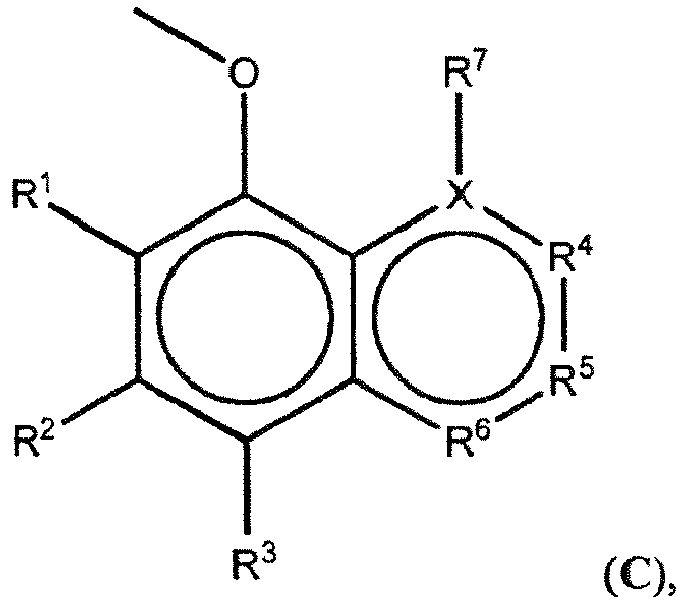
- X = C or N;
- R1 and R2 are each independently selected from H, OH, C1-C3 alkoxy, straight or branched chain, saturated or unsaturated C1-C6 alkyl or alkenyl, or R1 and R2 together with the carbons to which they are bound form a part of a five or six membered ring structure;
- R3 is H, OH, C1-C3 alkoxy, or C1-C6 alkyl;
- R4 and R5 are each independently selected from CH, C=O, C-benzyl methoxy, C-R8 or C-C(O)R8 where R8 is straight or branched chain, saturated or unsaturated C1-C6 alkyl, or R4 and R5 together are part of an aromatic six-membered ring structure sharing a side with the remainder of the structure of Formula C;
- R6 is selected from O, CH, C=O, or C-O-R8 where R8 is H or C1-C3 alkyl; and
- R7 is H, OH, C1-C3 alkoxy, or C1-C3 alkyl.
- In embodiments, when X is N, R7 is methyl. In embodiments, when X is N, R6 is C=O or C-OR8, such as C-O-Me. In embodiments when X is C, R7 is H or OH. In embodiments when X is C, R6 is O. In embodiments, R3 is H or methoxy. In embodiments, one of R4 or R5 is C=O and the other is H, C-benzyl methoxy, C-CH2CHC(CH3)2 or C-C(O)CHC(CH3)2.
- In embodiments, R1 and R2 together with the carbons to which they are bound form a part of a six membered ring structure. In embodiments, the six membered ring structure includes an oxygen or nitrogen heteroatom. In embodiments, the six membered ring structure contains one or more carbon atoms substituted with one or more C1-C6 alkyl, such as methyl. In embodiments, one carbon atom of the ring structure is substituted with two methyl groups. In embodiments, the ring structure is an unsubstituted six carbon aromatic ring structure. In embodiments the ring has the following structure:
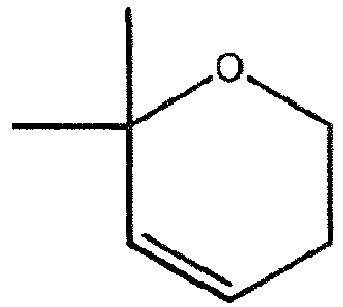

- In embodiments, a bioactive, taste modulating, or salty taste modulating compound is a compound having the following structure:


- For the purposes of the present disclosure, it will be understood that a ring structure having a structure of

- In embodiments, a bioactive, taste modulating, or salty taste modulating compound is a compound having the following structure:

- R1 is H, methyl, OCOCH3 or forms together with R5 a five membered ring structure in which R1 and R6 together are C=O or CH2;
- R6 is H, C=OCH3, or together forms a five membered ring structure in which R1 and R6 together are C=O or CH2;
- R2 and R3 are CH or C, wherein when R2 and R3 are C a double bond is formed between R2 and R3;
- R4 and R5 are independently selected from OH, methyl;
- R4 and R5 are independently selected from OH, methyl;


- In embodiments, a bioactive, taste modulating, or salty taste modulating compound is a compound having the following structure:


- In embodiments, a bioactive, taste modulating, or salty taste modulating compound is a compound having the following structure:

- In embodiments, a bioactive, taste modulating, or salty taste modulating compound is a compound having the following structure:


- In embodiments, a bioactive, taste modulating, or salty taste modulating compound is a compound having the following structure:

- R1 and R2 are each independently H,
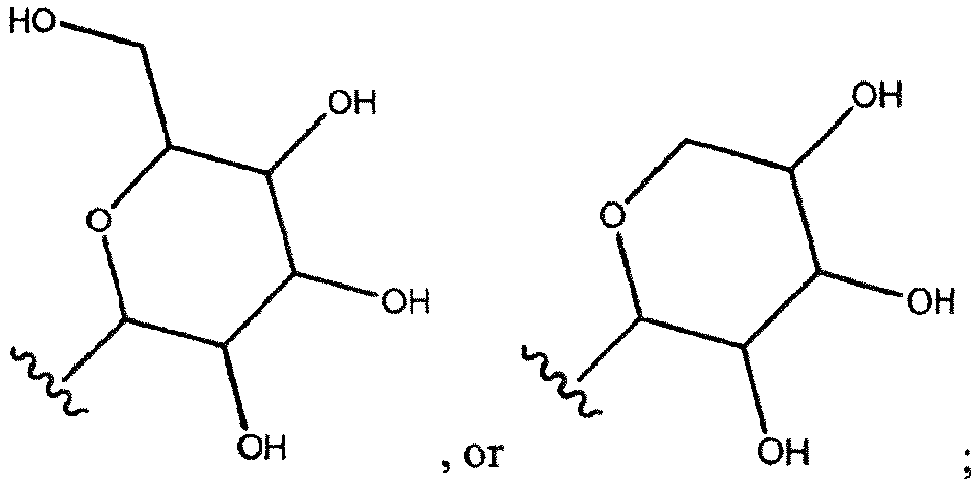
- R3 is CH2OH, COOH,

- R4 is H or OH;
- R5 is CH2OH,


- R6 is H or OH; and
- R7 is H or
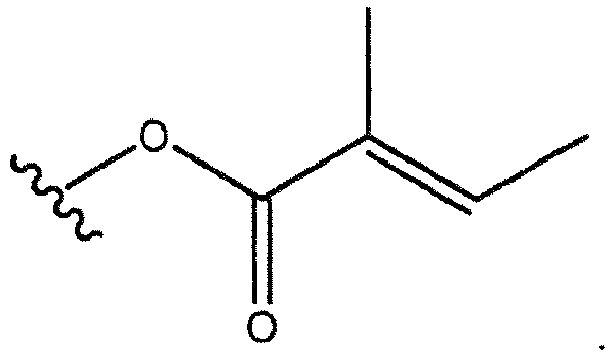
- In embodiments, a bioactive, taste modulating, or salty taste modulating compound is a compound having the following structure:


- R2 and R3 are each independently H, CH3, or CH2OH;
- R4 is H or CH3;
- R5 is CH, CH2 or C=O;
- R6 is CH or CH2, provided that when R5 is CH, R6 is CH; and
- A and B together form a ring structure and various substituents to form a compound having the following structure


- In embodiments, a bioactive, taste modulating, or salty taste modulating compound is a compound having the following structure:


- In embodiments, a bioactive, taste modulating, or salty taste modulating compound is a compound having the following structure:

- In embodiments, a bioactive, taste modulating, or salty taste modulating compound is a compound having the following structure:

- R1 is H or

- R2 is H or OH;
- R3 and R4 are independently selected from H or methyl or together form CH2;
- R5 is CH2 or CH;
- R6 is CH or C, provided that when R5 is CH, R6 is C;
- R7 and R8 together with the carbons to which they are bound form


- R9 is H or methyl.
- In embodiments, a bioactive, taste modulating, or salty taste modulating compound is a compound having the following structure:


- In embodiments, a bioactive, taste modulating, or salty taste modulating compound is a compound having the following structure:

- X is O or CH2;
- R1 and R9 are independently selected from H, OH, methyl, and CH2OH;
- R2 and R10 are independently selected from H, OH and methyl; R3 and R4 are independently selected from H and methyl or together form CH2;
- R5, R6 and R7 are independently selected from H and methoxy; and
- R8 is H, OH or methoxy.
- In embodiments, a bioactive, taste modulating, or salty taste modulating compound is a compound having the following structure:


- In embodiments, a bioactive, taste modulating, or salty taste modulating is a compound having the following structure:

- R1 is H or

- R2 and R3 are each independently C1-C3 alkyl or C1-C3 alcohol.
- In embodiments, a bioactive, taste modulating, or salty taste modulating compound is a compound having the following structure:

- R1 is OH or

- R2 and R3 are each independently OH or OCH3;
- R4 is CHC(CH3)2 or

- R5 is H or

- X is C=O or O; and
- Y is C=O or O, provided that when X is O, Y is C=O, or when X is C=O, Y is O.
- In embodiments, a bioactive, taste modulating, or salty taste modulating compound is a compound having the following structure:


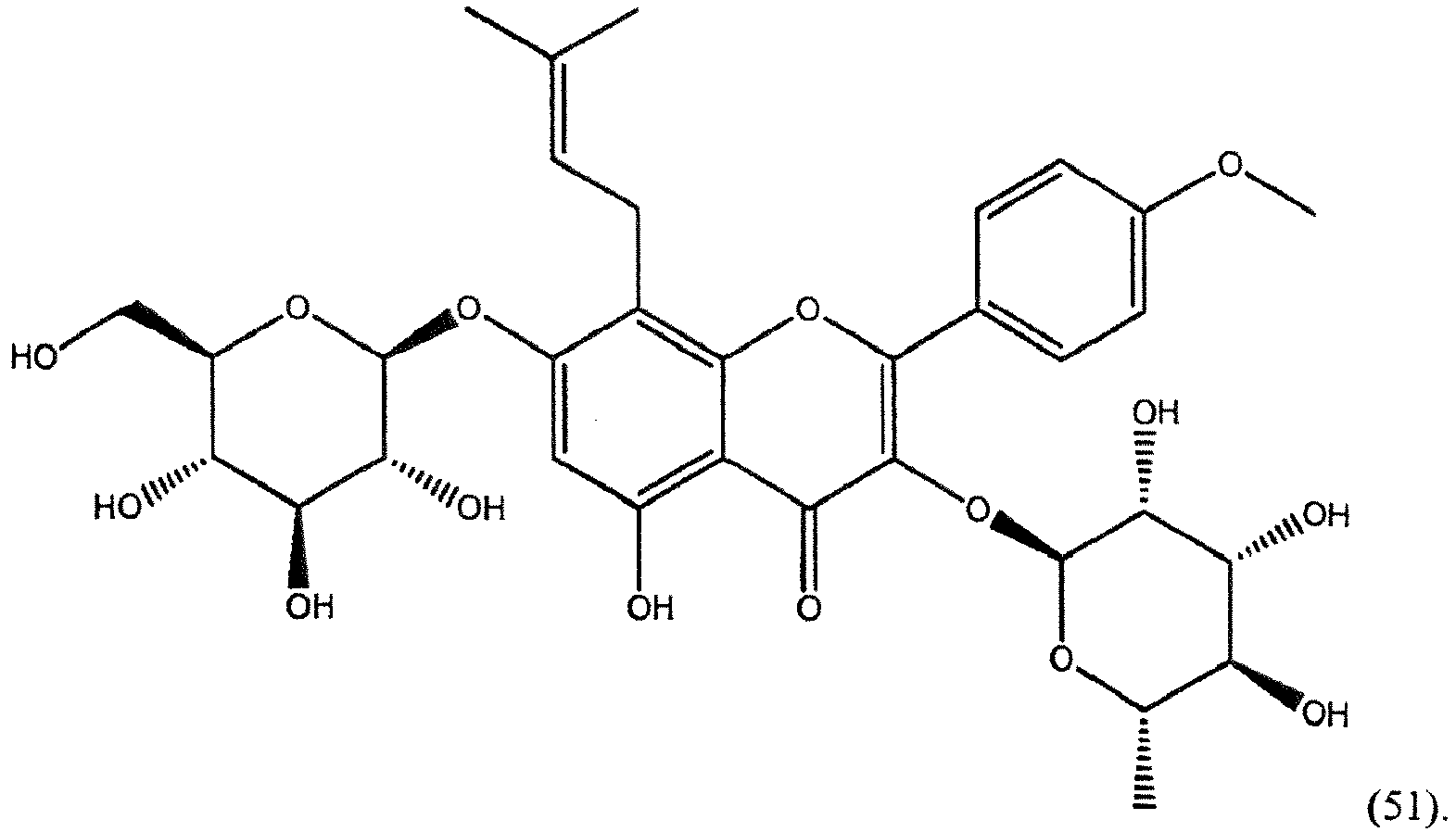
- In embodiments, a bioactive, taste modulating, or salty taste modulating compound is a compound having the following structure:

- In embodiments, a bioactive, taste modulating, or salty taste modulating compound is a compound having the following structure:

- R1 is H, CH2CH2OH, or methoxy;
- R2 is methyl or

- R3 and R5 are independently H or OH;
- R4 is H or methoxy;
- R6 is C1-C3 alkyl or C1-C3 alkoxy.
- In embodiments, a bioactive, taste modulating, or salty taste modulating compound is a compound having the following structure:


- In embodiments, a bioactive, taste modulating, or salty taste modulating compound is a compound having the following structure:
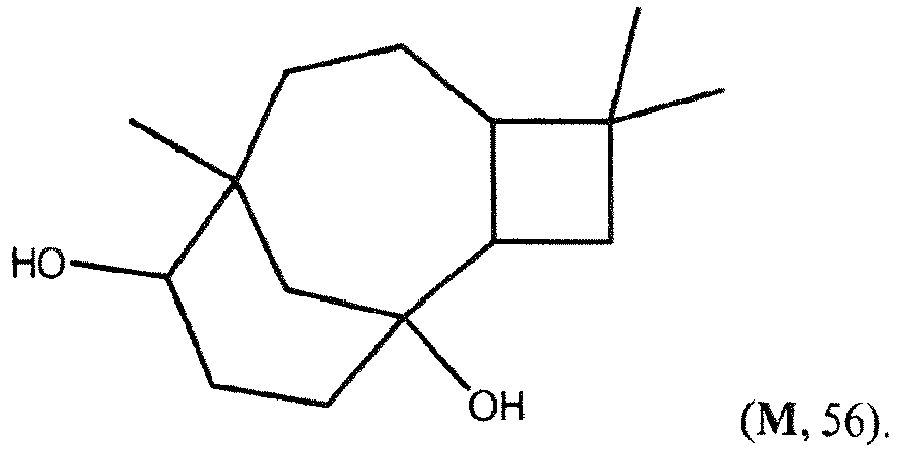
- In embodiments, a bioactive, taste modulating, or salty taste modulating compound is a compound having the following structure:

- In embodiments, a bioactive, taste modulating, or salty taste modulating compound is a compound having the following structure:

- In embodiments, a bioactive, taste modulating, or salty taste modulating compound is a compound having the following structure:

- R1 and R2 are independently H, methoxy, or


- R3 and R4 together with the carbons to which they are bound form a five membered aromatic or non-aromatic ring having a nitrogen heteroatom or one or two oxygen heteroatoms to form a compound having the following structure


- R5 and R6 are independently H, OH, methoxy, OCH2CH(OH)C(CH3)2OH, OCH2CHC(CH3)2, and

- R7 is COCH(CH3)2, provided that R7 is not present when R3 and R4 together form a compound having a structure of Formula P1B-1, P1B-2, P1B-3, P1B-4, P1B-5, P1B-6, or P1B-7.
- In embodiments, a bioactive, taste modulating, or salty taste modulating compound is a compound having the following structure:

- R1 is H or CH2CHC=(CH3)2;
- R2 is H or methoxy; and
- R3 is H or

- X is N or O.
- In embodiments, a bioactive, taste modulating, or salty taste modulating compound is a compound having the following structure:


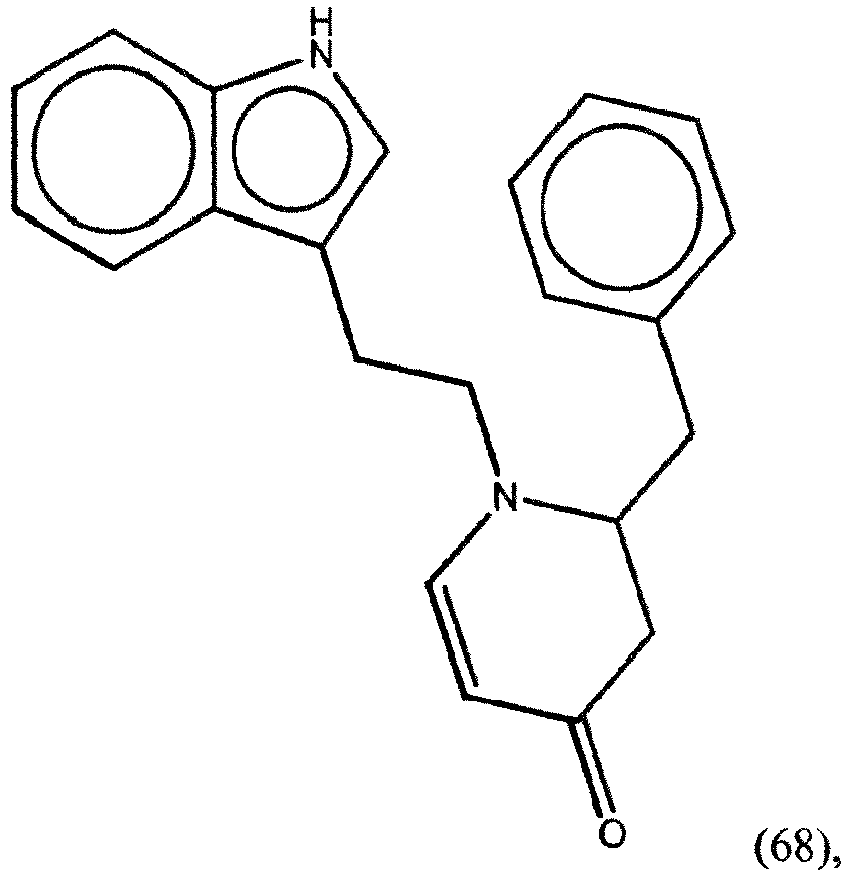


- In embodiments, a bioactive, taste modulating, or salty taste modulating compound is a compound having the following structure:

- R1 is H or methyl;
- R2 is CR4 or C;
- R3 is CH2, CH or C=CH2, provided that when R2 is C, R3 is CH;
- R4 is H, OH, or methyl;
- A is CH2 or A and B together form


- B is CH2, A and B together form the structure indicated above, or B and D together form


- D is CH2, B and D together form a structure indicated above, D and E together form


- R5 is methyl or CHO,
- R6 is CH or CH2,
- R7 is CH or CHR10, where R10 is H or
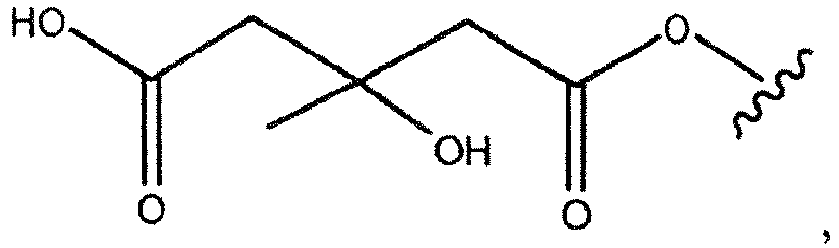
- R8 is CH or CR11R12 where R11 and R12 are independently selected from H and methyl,
- R9 is C or CR13 where R13 is H or OH, provided that when R8 is CH, R9 is C,
- X is COR14 wherein R14 is H, CO, COCH3,
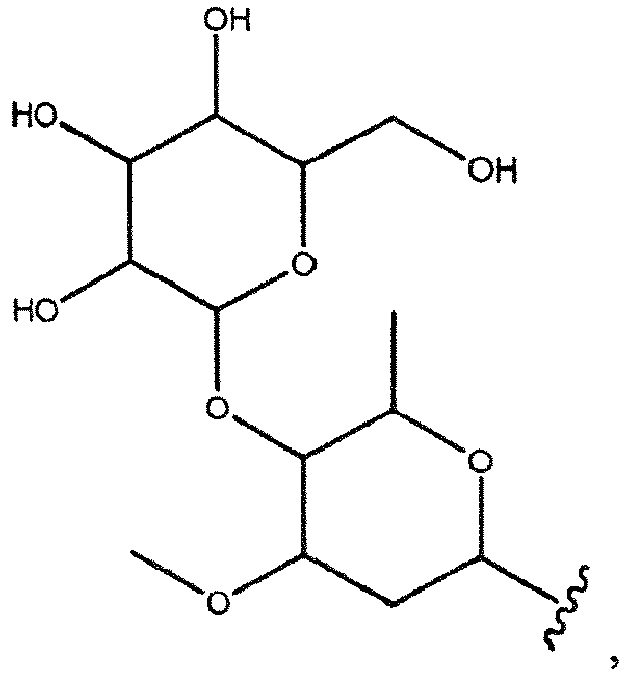

- or D and E together form


- E is CH, CH2 or a structure formed between D and E indicated above, provided that when B and D together form the structure indicated above, E is CH;
- F is O, CCHCH3, or CHR15 where R15 is


- G is CH2 or C=O.
- In embodiments, a bioactive, taste modulating, or salty taste modulating compound is a compound having the following structure:


- In embodiments a bioactive, taste modulating, or salty taste modulating compound is a compound having the following structure:
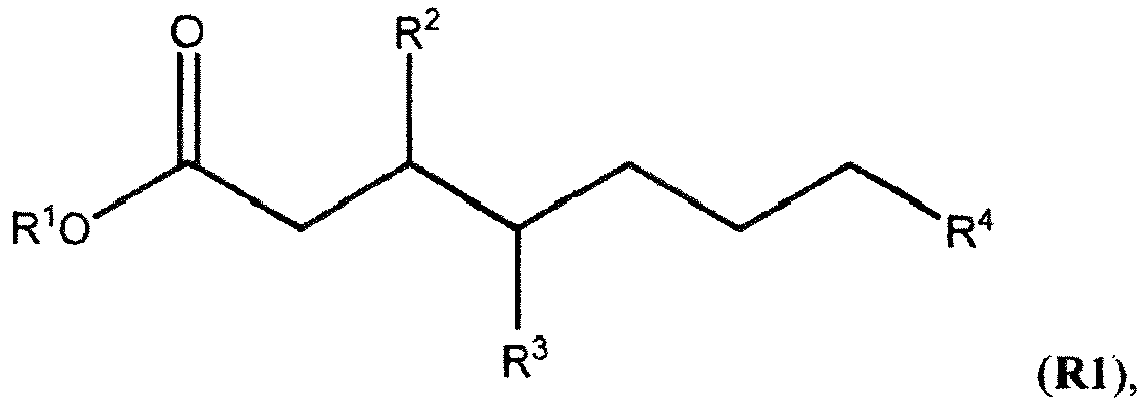
- R1 is H or

- R2 and R3 are independently H, OH, and COOH; and
- R4 is C3-C12 saturated or unsaturated alkyl optional substituted with hydroxyl.
- In embodiments, a bioactive, taste modulating, or salty taste modulating compound is a compound having the following structure:

- R1, R2 and R3 are independently H or OH;
- X is O or CHOH;
- Y is C=O or CH2; and
- R4 is C3-C12 unsaturated alkyl.
- In embodiments, a bioactive, taste modulating, or salty taste modulating compound is a compound having the following structure:

- X is O or NH;
- R1 is H or OH;
- R2 is H or OCOCH3; and
- R3 is H or C1-C6 saturated or unsaturated alkyl.
- In embodiments, a bioactive, taste modulating, or salty taste modulating compound is a compound having the following structure:


- In embodiments, a bioactive, taste modulating, or salty taste modulating compound is a compound having the following structure:

- In embodiments, a bioactive, taste modulating, or salty taste modulating compound is a compound having the following structure:


- In embodiments, a bioactive, taste modulating, or salty taste modulating compound is a compound having the following structure:


- In embodiments, a bioactive, taste modulating, or salty taste modulating compound is a compound having the following structure:


- In embodiments, a bioactive, taste modulating, or salty taste modulating compound is a compound having the following structure:

- R1 is H, OH, or C1-C3 alkoxy;
- R2 is H or R2 and R3 together form


- R3 is H, OH or R2 and R3 together form a ring structure as indicated above;
- R4 is H, OH, or C1-C3 alkoxy;
- X is O or CH; and
- Y is O or CR5 where R5 is H or

- In embodiments, a bioactive, taste modulating, or salty taste modulating compound is a compound having the following structure:


- As can be seen from the structures of the compounds provided above, many of the compounds have structural similarities. Accordingly, it is believed that structural derivatives of the specific compounds presented above would also have the ability to elicit the perception of saltiness or enhance saltiness. Combinations of the compounds could also serve to elicit the perception of saltiness or enhance saltiness. In addition or alternatively, one or more of the compounds may elicit the perception of other simple or complex flavors, other than or in addition to saltiness.
- Many of the structural similarities between the compounds are reflected in the compounds of Formulas A, B1, B2, C, D, E, F1, F2, G, H, I, J1, J2, K, L, M, N, O, P1, P2, Q, R1, R2, R3, S, T, and U, as well as subclasses thereof, presented above. It will be further understood, based on the compounds identified herein, that one or more of gingereols, alkly substituted phenols, acridone alcaloids, labdanes, primaranes, saponines, neolignans, pentacyclic triterpenes, 2,2'-cyclolignans, dibenzylbutane lignans, bicyclic triterpenes, phloroglucines, carylophyllenes, beta-carbolines, limnoids, cumarines, cardanolide steroids, fatty acids, and derivatives may be candidates for taste modulating compounds. It will be further understood that other structural similarities of the compounds presented herein may be exploited to develop taste modulating compounds.
- By way of example, many of the compounds presented herein have unsaturated carbon chains of at least 11 carbons with attached hydroxyl groups and may be amphiphilic, with hydrophobic head potions and hydrophobic tails. Other compounds having, for example C5-C20 alkane or alkene tails may similarly elicit or enhance saltiness. Similarly, other compounds with differently substituted carboxyl or hydroxyl groups may also elicit or enhance the perception of saltiness.
- Many compounds presented herein have large numbers of cyclic groups having a central portion that may be hydrophobic and peripheral regions that may be hydrophilic. More specifically, some compounds include pentacyclohexane with hydroxyl groups, attached sugars and at least on ester linkage. Substitution of the central hydrophobic ring structure with, for example, C5-C20 hydrophobic alkyl or alkene groups, may result in compounds that may elicit or enhance saltiness. Alternative substitution of hydrodroxyl groups at the peripheral regions or substitution with carboxylic groups may also result in compounds that elicit or enhance the perception of saltiness.
- Many of the compounds presented above have one or more aromatic ring structures, with some being substituted and some being unsubstituted. Similar substitution or unsubstitution of such compounds may result in compounds that enhance or elicit saltiness.
- A plurality of compounds presented herein include saturated carbon chains of at least 9 carbons and one oxygen containing group such as hydroxyl, carbonyl, carboxyl, or ester. Other compounds having unsaturated carbon chains of, for example, 5 to 15 carbons and an oxygen group may have similar effects with regard to salty taste.
- Many compounds presented herein have at least on phenol group with an ether group and a carbon side chain comprising at least seven carbons. Other similar compounds may have similar effects with regard to salty taste.
- A number of compounds presented herein have a benzyl heterocyclic furan with various attached groups containing unsaturated carbon linkages and at least one carbonyl group. Other similar compounds may have similar effects with regard to salty taste.
- A plurality of compounds presented above contain a cyclopentaphenthrene group. Other compounds having a cyclopentaphenthrene and similar substituents may have similar effects with regard to salty taste.
- A number of the compounds presented herein include a benzopyranone group. Other compounds having a benzopyranone and similar substituents may have similar effects with regard to salty taste.
- Some compounds presented above have unsubstituted carbon chain with a minimum of 13 carbons and at least one carbonyl group. Other similar compounds may have similar effects with regard to salty taste.
- A plurality of compounds presented herein have a methoxymethyltetrahydrobenzocyclooctabenzo-dioxole or -annulene group. Other compounds having such groups may have similar effects with regard to salty taste.
- A number of compounds presented above have tetracyclohexane with an attached ester or carbonyl moiety. Other similar compounds may have similar effects regard to salty taste.
- It will be understood that derivations of the compounds discussed above are provided for purposes of example and that other derivatives or derivations may be made based on structural similarities between the various compounds, resulting in compounds that have elicit or enhance perception of saltiness.
- Many of the identified compounds were tested by tasters and rated for perception of saltiness in combination with reduced amounts of sodium chloride and were assigned a rating (DAP score) for saltiness. Briefly, each individual tested compound was placed in water and in sodium solution to test saltiness and saltiness enhancement potential. Tests in water were executed in a compound concentration of 10 ppm. Tests in sodium solution were executed in compound concentrations of 0.1, 1 and 10 ppm. Two control sodium solutions with known organoleptic salt intensities were provided as references for each test. The test for individual compounds was also conducted using simple broth instead of sodium solution. A number of compound combinations identified from the Na-solution DAP test were used for the broth DAP test. Tests were executed with a trained panel of 9-12 assessors. For Na-solution DAP tests, a DAP score of greater than 3.1 indicates saltiness or salt enhancement. The DAP score can be correlated with a sodium reduction potential by subtracting 3.1 from the DAP score. For example, a DAP score of 4.0 would result in a 9% sodium reduction potential ((4.0 - 3.1 = 0.9∗10 = 9%), which means that 9% less sodium may be present in a food product having the salty compound relative to a substantially similar food product that does not have the salty compound while producing a similar saltiness. For broth DAP tests, a DAP score of greater than 7.6 indicates saltiness or salt enhancement. The DAP score can be correlated with a sodium reduction potential by subtracting 7.6 from the DAP score. For example, a DAP score of 8.5 would result in a 9% sodium reduction potential ((8.5 - 7.6 = 0.9∗10 = 9%), which means that 9% less sodium may be present in a food product having the salty compound relative to a substantially similar food product that does not have the salty compound while producing a similar saltiness.
- A summary of the compounds and the DAP scores are provided below in Table 1.
Table 1. Activity of identified compounds in Na-Solution and in simple broth Compound DAP in Na-Sol. DAP in Broth 1 3.6 7.8 2 3.5 7.8 3 4.1 8.8 4 3.5 None 5 3.6 None 6 3.8 None 7 3.7 None 8 4 None 9 3.8 None 10 3.9 7.9 11 2.6 8.1 12 4 7.6 13 3.8 7.9 14 3.6 None 15 3.5 8.1 16 3.3 8.0 17 3.6 8.2 18 3.8 8.1 19 None None 20 4 None 21 4 None 22 None None 23 2.9 8.3 24 None None 25 3.9 None 26 3.4 None 27 3.4 None 28 3.6 None 29 3.5 8.0 30 3.1 None 31 3.2 None 32 3.5 8.1 33 3.4 7.7 34 3.9 7.7 35 3.7 8.1 36 3.9 8.2 37 3.7 8.1 38 3.9 8.1 39 None None 40 3.5 7.8 41 3.9 7.5 42 3.1 8.1 43 3.7 8.0 44 3.8 8.6 45 3.5 8.2 46 3.6 7.8 47 None None 48 3.7 7.8 49 3.6 8.2 50 4 None 51 None None 52 3.6 None 53 3.7 8.5 54 3.4 8.1 55 None None 56 4 7.7 57 3.1 None 58 3.3 8.0 59 3.3 7.9 60 3.8 8.1 61 3.6 None 62 3.9 78.0 63 3.5 8.0 64 3.7 7.8 65 3.3 7.9 66 3.2 7.8 67 None None 68 None None 69 None None 70 None None 71 None None 72 None None 73 3.5 8.0 74 3.2 7.7 75 3.6 None 76 3.2 8.0 77 3.4 8.1 78 None None 79 None None 80a* 3.9 None 80b* 3.9 None 81 3.2 7.8 82 3.8 8.3 83 4.2 8.1 84 3.8 8.1 85 2.9 None 86 3.9 8.0 87 3.9 8.0 88 3.2 8.0 89 3.7 7.6 90 None None 91 3.7 None 92 4 None 93 None None 94 4.2 None 95 None None 96 None None 97 None None 98 None None 99 4.1 None * Compounds 80a and 80b may exist as separate compounds or may be equilibrium, spontaneously shifting from one form to the other. - In Table 1 above, "None," with regard to a DAP score, means the compound was not taste tested.
- DAP score testing results for various pairs of compounds are presented in
FIG. 1 (sodium solution) andFIG. 2 (broth). Certain combinations were tested twice. For these combinations, two DAP scores are shown in the tables presented inFIGS 1-2 . As shown in the results presented inFIGS. 1-2 , certain combinations of compounds can enhance the perception of saltiness. Some combinations resulted in DAP scores as high as 4.5 in some tests. See, for example, the combination ofcompound FIG. 1 (sodium solution) and the combination ofcompound FIG. 2 (broth). Such DAP scores may result in a sodium reduction potential of about 14%. The combinations tested inFIGS. 1-2 are representative of the combinations that may be used in a food product to enhance the perception of saltiness or reduce sodium content. It will be understood that any other suitable combination of compounds may be employed. - Additional testing of combinations of pairs of compounds was performed in sodium solution. The DAP scores from this additional testing is shown below in Table 2.

- In addition, more than two bioactive, taste modulating or salty taste modulating compounds described herein may be included in a food product. By way of example, Table 3 below shows DAP scores obtained from testing sodium solutions and chicken broth containing a combination of
compounds Table 3: Activity of a combination of bioactive compounds in sodium solution and broth Compound Conc. In Na Solution In Broth 12 1 ppm 5.3 8.1 13 10 ppm 83 1 ppm - Some illustrative examples of combinations of compounds that may produce desired or beneficial effect, for example when incorporated in a food product, include combinations that include at least one compound selected from the group consisting of 3, 10, 12, 13, 16, 18, 29, 33, 36, 37, 41, 43, 44, 45, 48, 53, 56, 62, 66, 73, 82, 83, and 84. Another illustrative example is a combination that includes at least one compound selected from the group consisting of
compounds compounds - DAP scores for combinations of three different compounds in broth are shown in Table 4 below.
Table 4: Activity of a combination of bioactive compounds in broth Compound (concentration) DAP score 3 (0.1 ppm) 7.8 36 (0.1 ppm) 44 (10 ppm) 3 (0.1 ppm) 7.7 36 (0.1 ppm) 53 (1 ppm) 3 (0.1 ppm) 7.9 36 (0.1 ppm) 18 (10 ppm) 13 (10 ppm) 8.1 84 (1ppm) 44 (10 ppm) 13 (10 ppm) 7.9 84 (1ppm) 53 (1 ppm) 13 (10 ppm) 8.0 84 (1ppm) 3 (0.1 ppm) 18 (10 ppm) 8.1 12 (1 ppm) 44 (10 ppm) 18 (10 ppm) 8.2 12 (1 ppm) 53 (1 ppm) 18 (10 ppm) 8.3 12 (1 ppm) 3 (0.1 ppm) - Natural sources of the mentioned bioactive, taste modulating or salty taste modulating compounds can be extracted by a variety of methods such as, but not exclusive to, water, solvent extractions (ethanol/water combinations), or supercritical carbon dioxide or other volatilization methods. These concentrated extracts or isolates could be stabilized physically by encapsulation, for example, or chemical reaction to non-reactive compounds such as simple sugars or small chain fatty acids. Compounds may be altered for their solubility in aqueous solutions by hybridization to larger sized molecules and additionally processed or reacted to create an impacting ingredient in either a dry or aqueous form.
- In embodiments, a composition comprises a bioactive, taste modulating or salty taste modulating compound described herein. The composition may be included in a food product. In embodiments, the composition comprises one or more natural extracts. In another embodiment, the extract is selected from a plant or microbial (e.g., fungi or bacterial) source. Examples of suitable natural extracts include extracts derived from Aesculus hippocastaneum; Alchemilla xanthochlora; Angelica archangelica; Apocynum cannabinum; Azadirachta indica; Actinomycete bacteria (Strain code: 01702axxx000002); Capsicum annuum; Cimicifuga racemosa; Commiphora mukul; Embelia ribes; Evodia rutaecarpa; Ferula assa-foetida; Fungi (Strain code: 02295fxxx000001; Strain code: 01469fxxx000005); Gleditschia australis; Kaempferia galanga; Lavandula officinalis; Marrubium vulgare; Mesua ferrea; Nephelium cuspidatum; Orthosiphon stamineus; Persea gratissima; Petroselinum stativum; Piper longum; Pithecoctenium echinatum; Podophyllum peltatum; Psidium guajava; Ricinus communis; Salvia miltiorrhiza; Schisandea chinensis; Teclea trichocarpa; Vitex agnus; Xysmalobium undulatum; Yucca gloriosa; Zanthoxylum piperitum; Zingiber officinalis and others. The composition may be in a dry or liquid form. The liquid composition may be a solution, suspension, colloidal suspension, microencapsulated suspension, emulsion, or the like, or combinations thereof. The dry composition may be a microencapsulation solid, agglomeration, or the like or combinations thereof.
- In embodiments, a bioactive, taste modulating or salty taste modulating compound described herein is included in a composition comprising a carrier. The composition comprising the carrier may be incorporated into a food product. Any suitable carrier may be used. Examples of suitable carriers include propylene glycol, ethanol, water, or oil. In embodiments, the carrier is a starch, such as a starch comprising carbohydrate, a maltodextrin, a cyclodextrin or another dextrin, or a liposome. In embodiments, the carrier is an encaspulant or the carrier may comprise an embedded bioactive, taste modulating or salty taste modulating compound.
- In embodiments, a food product includes a bioactive, taste modulating or salty taste modulating compound described above, or derivatives thereof, or a composition that comprises a bioactive, taste modulating or salty taste modulating compound described above, or derivatives thereof. The bioactive, taste modulating, or salty taste modulating compound may be derived from a natural product, may be synthesized, or may be isolated or purified.
- One or more bioactive, taste modulating or salty taste modulating compounds described above or derivatives thereof, alone or in combination, may be incorporated into a food product. The one or more compound may elicit a perception of saltiness. In embodiments, the one or more compound is included in a food product that contains a salt that elicits a salty taste. Preferably, at least one of the one or more compounds are taste modulating compounds or salty taste modulating compounds. In embodiments, at least one of the one or more compounds are salty taste modulating compounds and are present in the food product in an amount or concentration sufficient to elicit or enhance the perception saltiness. In embodiments, the one or more salty taste modulating compounds are present in the food product in an amount or concentration sufficient to elicit or enhance the perception of salty taste such that about 1% or less (e.g., about 2% or less, about 5% or less, about 7% or less, about 8% or less, about 9% or less, about 10% or less, about 11% or less, about 14% or less, about 15% or less, about 20% or less. about 22% or less, about 25% or less, about 30% or less, about 40% or less, about 50% of less, or about 60% or less) of the salt may be included in the food product to elicit a similar perception of saltiness as a substantially similar food product that does not include the one or more salty compounds. By way of example, one or more salty taste modulating compound may be present in a food product in an amount sufficient to reduce the amount of a salt, such as sodium chloride, by about 1% or more, about 2% or more, about 5% or more, about 7% or more, about 8% or more, about 10% or more, about 11% or more, about 12% or more, about 15% or more, about 20% or more, about 22% or more, about 25% or more, about 30% or more, about 35% or more, about 40% or more, about 45% or more, about 50% or more, about 55% or more, about 60% or more, about 65% or more, about 70% or more, about 75% or more, about 80% or more, about 85% or more, about 90% or more, about 95% or more, or the like. The reduced salt food product elicits the same or similar perception of saltiness as a substantially similar food product that does not include the one or more salty taste modulating compounds.
- In embodiments, the one or more bioactive, taste modulating, or salty taste modulating compounds are present in a food product in an amount or concentration sufficient to elicit or enhance the perception of salty taste such that the amount of sodium may be reduced by about 10 mg or more per serving relative to a substantially similar food product that does not have the one or more salty compounds while having a similar salty taste. In embodiments, the one or more bioactive, taste modulating, or salty taste modulating compounds are present in a food product in an amount or concentration sufficient to elicit or enhance the perception of salty taste such that the amount of sodium in a serving of a food product may be reduced to about 150 mg or less, more particularly to about 100 mg or less, more particularly to about 75 mg or less, more particularly to about 25 mg or less, more particularly to about 10 mg or less. By way of example, it may be desirable to reduce sodium by about 10 mg or more in cereals or snacks per serving relative to a substantially similar food product that does not have the one or more salty compounds while having a similar salty taste. It may be desirable to reduce sodium to about 150 mg or less, more particularly to about 100 mg or less, more particularly to about 75 mg or less, more particularly to about 25 mg or less, more particularly to about 10 mg or less in cereals or snacks per serving. For cereal, a typical serving size is 50 grams. Of course, cereals may have other serving sizes.
- In embodiments, the one or more bioactive, taste modulating, or salty taste modulating compounds are present in a food product in an amount or concentration sufficient to elicit or enhance the perception of salty taste such that the amount of sodium may be reduced by about 20 mg or more per serving relative to a substantially similar food product that does not have the one or more salty compounds while having a similar salty taste. In embodiments, the one or more bioactive, taste modulating, or salty taste modulating compounds are present in a serving of a food product in an amount or concentration sufficient to elicit or enhance the perception of salty taste such that the amount of sodium may be reduced to about 800 mg or less, more particularly to about 500 mg or less, more particularly to about 300 mg or less, more particularly to about 100 mg or less, more particularly to about 20 mg or less. By way of example, it may be desirable to reduce sodium by about 20 mg or more in meals per serving. It may be desirable to reduce sodium to about 800 mg or less, more particularly to about 500 mg or less, more particularly to about 300 mg or less, more particularly to about 100 mg or less, more particularly to about 20 mg or less in meals per serving.
- In embodiments, the one or more bioactive, taste modulating, or salty taste modulating compounds are present in a food product in an amount or concentration sufficient to elicit or enhance the perception of salty taste such that the amount of sodium may be reduced by about 100 mg or more per serving relative to a substantially similar food product that does not have the one or more salty compounds while having a similar salty taste. In embodiments, the one or more bioactive, taste modulating, or salty taste modulating compounds are present in a serving of a food product in an amount or concentration sufficient to elicit or enhance the perception of salty taste such that the amount of sodium may be reduced to about 800 mg or less, more particularly to about 500 mg or less, more particularly to about 300 mg or less, more particularly to about 200 mg or less, more particularly to about 100 mg or less relative to a substantially similar food product that does not have the one or more salty compounds while having a similar salty taste. By way of example, it may be desirable to reduce sodium by about 100 mg or more in soups per serving. It may be desirable to reduce sodium to about 800 mg or less, more particularly to about 500 mg or less, more particularly to about 300 mg or less, more particularly to about 200 mg or less, more particularly to about 100 mg or less in soups per serving. For soup, a typical serving size is 250 grams. Of course, soups may have other serving sizes.
- Any suitable combination of bioactive, taste modulating, or salty taste modulating compounds may be included in a food product. In embodiments, a food product includes a combination of salty compounds such that the combination contains at least two structurally diverse salty compounds.
- The one or more bioactive, taste modulating, or salty taste modulating compounds may be present in a food product in any suitable concentration. By way of example, a bioactive, taste modulating, or salty taste modulating compound may be present in a food product at a concentration of about 0.01% by weight or greater, about 2% by weight or less, or from about 0.01 % by weight to about 2% by weight. It will be understood that the concentration of the salt or salts in the food product may affect the desired concentration of the bioactive, taste modulating, or salty taste modulating compound. For example, if more salt is present, less bioactive, taste modulating, or salty taste modulating compound may be desired. In addition, it will be understood that the presence of more than one bioactive, taste modulating, or salty taste modulating compound may affect the desired concentration of other bioactive, taste modulating, or salty taste modulating compounds, particularly if the effects of the bioactive, taste modulating, or salty taste modulating compounds are additive or synergistic.
- Any salt that imparts a salty taste may be present or incorporated into a food product that contains a bioactive, taste modulating, or salty taste modulating compound. The most commonly used salt for food applications is sodium chloride (typically referred to as common table salt). Other illustrative sources of sodium salts that may be present of incorporated into a food product include sodium phosphates, mono sodium glutamate, sodium nitrite, sodium nitrate, sodium bicarbonate, sodium lactate, sodium citrate, and sodium stearoyl lactylate. Similar lithium, potassium, ammonium or other alkali earth salts may be present or included in addition or as an alternative to one or more sodium salts.
- In embodiments, a food product includes sodium chloride as a salt that imparts a salty taste. Sodium chloride may be present in the food product at any suitable amount or concentration. In embodiments, sodium chloride is present in the food product in an amount up to about 10.0 weight percent, more particularly, up to about 5.0 weight percent, even more particularly up to about 1.2 weight percent, or in the range of about 0.017 to about 1.2 weight percent, or about 0.1 to about 1, or about 0.4 to about 0.6 weight percent. In embodiments, a food product that includes one or more bioactive, taste modulating, or salty taste modulating compounds comprises no more than 0.04 weight percent, no more than 0.1 weight percent sodium, no more than 0.2 weight percent, no more than 0.25 weight percent sodium, no more than 0.3 weight percent, no more than 0.4 weight percent, no more than 0.5 weight percent sodium, no more than 0.75 weight percent sodium, no more than 1 weight percent sodium, no more than 5 weight percent sodium, or no more than 10 weight percent sodium. It will be understood that a desired weight percent of sodium may vary depending on the type of food product. For example, it may be desirable for a seasoning to have a higher weight percent sodium than a soup or a breakfast cereal. In embodiments, a food product that includes one or more bioactive, taste modulating, or salty taste modulating compounds comprises no more than 100 mg sodium per serving, no more than 250 mg sodium per serving, no more than 500 mg sodium per serving.
- One or more bioactive, taste modulating, or salty taste modulating compounds may be utilized in connection with virtually any food product for which it is desired to elicit or enhance the perception of a salty taste. The bioactive, taste modulating, or salty taste modulating compounds can find application for imparting saltiness to beverages or food dishes or as an ingredient in snack foods or other food products in which saltiness is desired.
- Examples of food products that may incorporate one or more bioactive, taste modulating or salty taste modulating compound include a confectionary, a gum, a bakery product, an ice cream, a dairy product, a fruit snack, a chip or crisp, an extruded snack, a tortilla chip or corn chip, a popcorn, a pretzel, a nut, a snack bar, a meal replacement, a ready meal, a soup, a pasta, a canned food, a frozen processed food, a dried processed food, an instant noodle, a chilled processed food, an oil or fat, a sauce dressing or condiment, a dip, a pickled product, a seasoning, a baby food, a spread, a chip or a crisp such as chips or crisps comprising potato, corn, rice, vegetable (including raw, pickled, cooked and dried vegetables), a fruit, a grain, a soup, a seasoning, a baked product such as a ready-to-eat breakfast cereal, hot cereal or dough, an ice cream such as a frozen yogurt, a dairy products such as a yogurt or cheese, ready meal, a soup, a pasta, a canned food, a frozen processed food, a dried processed food, an instant noodle, or a chilled processed food, a beverage including beverages that include fiber or protein a meat or a meat substitute, a pet food, an animal product, and a medical food.
- In embodiments, one or more bioactive, taste modulating or salty taste modulating compounds are incorporated into a nutritional supplement, a vitamin supplement, an infant formula product, a medicinal or pharmaceutical product, or the like.
- In embodiments, a food product is a processed food product. Food processing includes the transformation of raw ingredients into food or transforming forms of food into other forms of food. Food processing often includes using harvested crops or animal products to produce marketable and often long shelf-life products. Processed food products include products for which additional processing by a consumer may be desired prior to consumption. For example, a food product for which heating, cooking, baking, or the like, may be desired by a consumer prior to consumption may be a processed food product despite not being in its final form (e.g., being unheated, uncooked, unbaked, etc.) prior to delivery to a consumer.
- Particularly suitable food products including soup, meal kits, grain products such as ready-to-eat cereals, snacks, bars and baked dough, and dairy products such as ice cream, yogurt and cheese. In some aspects, a bioactive, taste modulating, or salty taste modulating compound is used to reduce the amount of sodium salt that is typically included in soups, including (but not limited to) chicken or poultry broth, chicken- or poultry-based soups (such as chicken noodle soup), tomato-based soups, and the like. In some aspects, a bioactive, taste modulating, or salty taste modulating compound is used to reduce sodium salt in meal kits, such as kits that include ingredients to be combined with meat to prepare a meal. Such meal kits can include dried components (such as noodles, rice, dried potatoes, or the like) and seasoning packages. In some aspects, a bioactive, taste modulating, or salty taste modulating compound is used to reduce the sodium chloride that is typically added to a snack food to enhance its flavor. Exemplary snack foods include potato chips, corn chips, pretzels, fruit-type snacks, and snack mixes including any mixes of any of these foods with other ingredients (such as cereals).
- In some aspects, a bioactive, taste modulating, or salty taste modulating compound is used to reduce the amount of sodium salt that is typically included in a ready-to-eat cereal or other grain-based food products, such as dough, baked goods, grain snacks, grain bars, or the like. In some aspects, a bioactive, taste modulating, or salty taste modulating compound is used to reduce the amount of sodium salt that is typically included in dairy-based food products, such as fresh or frozen dairy products, which may include yogurt, ice cream, or the like. In some aspects, a bioactive, taste modulating, or salty taste modulating compound is used to reduce the amount of sodium salt that is typically included in packaged meal food products, such as packaged meals that contain rice, potatoes, or vegetables, dry packaged meals, frozen packaged meals, or the like.
- For the purposes of the present disclosure "grain" includes grain and pseudograin. Examples of food grains include corn; sorghum; fonio; millet such as pearl millet, proso millet, finger millet, foxtail millet, Japanese millet, kodo millet and the like; Job's tears; wheat; rice; rye; barley; oat; triticale; wild rice; teff; amaranth; quinoa; buckwheat; and the like.
- A bioactive, taste modulating, or salty taste modulating compound can also be used in connection with soup, broth, sauce (such as basting sauce), various seasoning sauces, ketchup, dressings, and other like foods.
- A bioactive, taste modulating, or salty taste modulating compound can be employed to elicit the perception of salty taste or enhance the perceived salt taste of any salts used in food or beverage products. The preferred salt taste to be elicited or enhanced by the salty compounds is that of sodium chloride.
- Moreover, a bioactive, taste modulating, or salty taste modulating compound described herein can be used to elicit or enhance the perceived salt taste of known salty tasting compounds that may be used as salt substitutes. Such compounds include amino acids such as cationic amino acids and low molecular weight peptides such as dipeptides and tripeptides. Specific examples of these compounds include arginine hydrochloride, lysine hydrochloride, and lysine-ornithine hydrochloride. These compounds exhibit a salty taste but are typically useful only at low concentrations since they exhibit a bitter flavor at higher concentrations. Ordinarily, these salt-tasting compounds will be used in concentrations in the range of about 1 to about 40 mM, or about 10 to about 30 mM. Thus, it is feasible to reduce the sodium chloride content of a food or beverage product by first formulating a food or beverage with less sodium chloride than is necessary to achieve a desired salt taste and then adding to said food or beverage a salty compound described herein in an amount sufficient to enhance the salt taste of the salted food or beverage to reach the desired taste. In addition, sodium chloride content may be further reduced by substituting a salt-tasting cationic amino acid, a low molecular eight dipeptide, or mixtures thereof, for at least a portion of the salt.
- A bioactive, taste modulating, or salty taste modulating compound, or derivative thereof, described herein can be added to food products in dry or liquid form. For example, a bioactive, taste modulating, or salty taste modulating compound that is in the liquid form can be prepared by simply dissolving or suspending the compound in an appropriate relative amount in an aqueous liquid. Useful aqueous liquids include water, alcohol-water mixtures, triacetin, propylene glycol, and triglycerides and other known organic solvents. Depending upon the concentration of the bioactive, taste modulating, or salty taste modulating compound, it can be desirable to heat the mixture to dissolve the compound.
- Bioactive, taste modulating, or salty taste modulating compounds that exist in a dry state, such as powders or granules, can be prepared by either mixing or blending the compounds with other components in the dry state. The dry blending or mixing can be carried out in any conventional suitable apparatus. In some aspects, the salty taste modulating compounds described herein can be prepared into dry compositions by commonly used methods of granulation from mixtures of the several ingredients, preferably initially conveniently smaller than forty mesh. Such starting mixtures can be wetted in known manner, granulated, and their granulations dried as usual and screened to give a product approximately the typical size of common table salt, for example, by taking the fraction passing through the thirty mesh screen and retained on the forty mesh screen.
- Bioactive, taste modulating, or salty taste modulating compounds that exist in a dry composition state can be alternatively prepared by first forming a solution, suspension or emulsion of the compounds and other individual components, and then extruding or drying the solution, suspension or emulsion. The preparation of the solution or suspension of the components can be carried out as described above in the context of preparing the liquid flavoring agents. The thus-prepared solution or suspension can then be dried using any conventional suitable apparatus, such as a rotary drier, a drum drier, or a fluidized bed drier or spray drier.
- Bioactive, taste modulating, or salty taste modulating compounds described herein can be prepared by thoroughly mixing the compounds with other components in the indicated proportions until a suitably mixed (for example, homogeneous) product is attained.
- Compositions or formulations containing the bioactive, taste modulating, or salty taste modulating compounds can then be combined with a food product.
- A number of embodiments have been presented herein. A summary of some selected embodiments is presented below.
- 1. A food product comprising:
- a first ingredient; and
- at least one compound having a structure according to Formula A, B1, B2, C, D, E, F1, F2, G, H, I, J1, J2, K, L, M, N, O, P1, P2, Q, R1, R2, R3, S, T, or U.
- 2. A food product according to
embodiment 1, wherein the at least one compound comprises a compound selected from the group consisting of compounds 1-99, at least one derivative of a compound selected from the group consisting of compounds 1-99, or a combination thereof. - 3. A food product according to
embodiment 1 or 2, wherein the at least one compound is present in the food product in an amount of about 0.00001% by weight or greater. - 4. A food product according to
embodiment 1 or 2, wherein the at least one compound is present in the food product in an amount of about 2% by weight or less. - 5. A food product according to
embodiment 1 or 2, wherein the at least one compound is present in the food product in an amount of from about 0.0001% by weight to about 2% by weight. - 6. A food product according to any of embodiments 1-5, comprising at least one compound selected from the groups consisting of
compounds - 7. A food product according to any of embodiments 1-5, comprising at least two compounds selected from the group consisting of
compounds - 8. A food product according to any of embodiments 1-5, comprising
compounds - 9. A food product comprising:
- at least a first ingredient; and
- at least one natural extract, the natural extract comprising at least one compound having a structure according to Formula A, B1, B2, C, D, E, F1, F2, G, H, I, J1, J2, K, L, M, N, O, P1, P2, Q, R1, R2, R3, S, T, or U.
- 10. A food product according to embodiment 9, wherein the at least one compound comprises a compound selected from the group consisting of compounds 1-99, at least one derivative of a compound selected from the group consisting of compounds 1-99, or a combination thereof.
- 11. A food product according to embodiment 9 or claim 10, wherein the natural extract is selected from the group consisting of Aesculus hippocastaneum; Alchemilla xanthochlora; Angelica archangelica; Apocynum cannabinum; Azadirachta indica; Actinomycete bacteria (Strain code: 01702axxx000002); Capsicum annuum; Cimicifuga racemosa; Commiphora mukul; Embelia ribes; Evodia rutaecarpa; Ferula assa-foetida; Fungi (Strain code: 02295fxxx000001; Strain code: 01469fxxx000005); Gleditschia australis; Kaempferia galanga; Lavandula officinalis; Marrubium vulgare; Mesua ferrea; Nephelium cuspidatum; Orthosiphon stamineus; Persea gratissima; Petroselinum stativum; Piper longum; Pithecoctenium echinatum; Podophyllum peltatum; Psidium guajava; Ricinus communis; Salvia miltiorrhiza; Schisandea chinensis; Teclea trichocarpa; Vitex agnus; Xysmalobium undulatum; Yucca gloriosa; Zanthoxylum piperitum; and Zingiber officinalis.
- 12. A food product comprising:
- at least a first ingredient; and
- an isolated compound having a structure according to Formula A, B1, B2, C, D, E, F1, F2, G, H, I, J1, J2, K, L, M, N, O, P1, P2, Q, R1, R2, R3, S, T, or U.
- 13. A food product according to
embodiment 12, wherein the at least one compound comprises a compound selected from the group consisting of compounds 1-99, at least one derivative of a compound selected from the group consisting of compounds 1-99, or a combination thereof. - 14. A taste modulating composition comprising:
- at least one compound having a structure according to Formula A, B1, B2, C, D, E, F1, F2, G, H, I, J1, J2, K, L, M, N, O, P1, P2, Q, R1, R2, R3, S, T, or U; and
- a carrier.
- 15. A taste modulating composition according to embodiment 14, wherein the at least one compound comprises a compound selected from the group consisting of compounds 1-99, at least one derivative of a compound selected from the group consisting of compounds 1-99, or a combination thereof.
- 16. A taste modulating composition according to embodiment 14 or 15, wherein the carrier is selected from propylene glycol, ethanol, water, an alcohol-water mixture, triacetin, a triglyceride, and oil.
- 17. A taste modulating composition according to embodiment 14 or 15, wherein the carrier comprises a starch.
- 18. A taste modulating composition according to embodiment 14, wherein the carrier comprises a carbohydrate or a liposome.
- 19. A taste modulating composition according to any of embodiments 14-18, wherein the carrier comprises an encapsulating matrix.
- 20. A taste modulating composition according to any of embodiments 14-19, comprising at least two compounds having a structure according to Formula A, B1, B2, C, D, E, F1, F2, G, H, I, J1, J2, K, L, M, N, O, P1, P2, Q, R1, R2, R3, S, T, or U.
- 21. A taste modulating composition according to any of embodiments 14-19, comprising at least two compounds selected from the group consisting of compounds 1-99.
- 22. A method for producing a food product comprising combining at least one ingredient and at least one bioactive, taste modulating or salty taste modulating compound having a structure according to Formula A, B1, B2, C, D, E, F1, F2, G, H, I, J1, J2, K, L, M, N, O, P1, P2, Q, R1, R2, R3, S, T, or U.
- 23. A method according to embodiment 22, wherein the at least one bioactive, taste modulating or salty taste modulating compound comprises at least one compound selected from the group consisting of compounds 1-99, at least one derivative of a compound selected from the group consisting of compounds 1-99, or a combination thereof.
- 24. A method according to embodiment 22 or 23, wherein at least one of the at least one bioactive, taste modulating or salty taste modulating compounds that is combined with the at least one ingredient is present in a bioactive, taste modulating or salty taste modulating composition.
- 25. A method according to embodiment 24, wherein the bioactive, taste modulating or salty taste modulating composition comprises a carrier.
- 26. A method according to embodiment 25, wherein the carrier is selected from propylene glycol, ethanol, water, an alcohol-water mixture, triacetin, a triglyceride, and oil.
- 27. A method according to embodiment 25, wherein the carrier comprises a starch.
- 28. A method according to embodiment 25, wherein the carrier comprises a carbohydrate, a maltodextrin, cyclodextrina or other dextrin, or a liposome.
- 29. A method according to embodiment 24, wherein the bioactive, taste modulating or salty taste modulating composition comprises an encapsulated or embedded compound.
- 30. A method according to embodiment 24, wherein the bioactive, taste modulating or salty taste modulating composition comprises at least one plant extract.
- 31. A method according to embodiment 30, wherein the extract is in liquid or dry form.
- 32. A method according to embodiment 30, wherein the extract is a solution, suspension, colloidal suspension, microencapsulated suspension, or an emulsion
- 33. A method according to embodiment 30, wherein the extract is encapsulated, agglomerated, or combination thereof.
- 34. A food product comprising:
- a first ingredient;
- at least one chloride salt; and
- at least one compound having a structure according to Formula A, B1, B2, C, D, E, F1, F2, G, H, I, J1, J2, K, L, M, N, O, P1, P2, Q, R1, R2, R3, S, T, or U present in the food product in an amount sufficient to enhance perception of saltiness of the food product relative to a substantially similar food product that does not include the at least one compound.
- 35. A food product according to embodiment 34, wherein the at least one compound comprises a compound selected from the group consisting of compounds 1-99, at least one derivative of a compound selected from the group consisting of compounds 1-99, or a combination thereof.
- 36. A food product according to embodiment 34 or 35, wherein the at least one salt is selected from the group consisting of sodium chloride, potassium chloride, calcium chloride and magnesium chloride.
- 37. A food product according to any of embodiments 34-36, wherein the at least one compound is present in the food product in an amount sufficient to reduce the amount of chloride salt relative to the substantially similar food product by about 1% or more.
- 38. A food product according to any of embodiments 34-36, wherein the at least one compound is present in the food product in an amount sufficient to reduce the amount of chloride salt relative to the substantially similar food product by about 2% or more.
- 39. A food product according to any of embodiments 34-36, wherein the at least one compound is present in the food product in an amount sufficient to reduce the amount of chloride salt relative to the substantially similar food product by about 5% or more.
- 40. A food product according to any of embodiments 34-36, wherein the at least one compound is present in the food product in an amount sufficient to reduce the amount of chloride salt relative to the substantially similar food product by about 7% or more.
- 41. A food product according to any of embodiments 34-36, wherein the at least one compound is present in the food product in an amount sufficient to reduce the amount of chloride salt relative to the substantially similar food product by about 8% or more.
- 42. A food product according to any of embodiments 34-36, wherein the at least one compound is present in the food product in an amount sufficient to reduce the amount of chloride salt relative to the substantially similar food product by about 10% or more.
- 43. A food product according to any of embodiments 34-36, wherein the at least one compound is present in the food product in an amount sufficient to reduce the amount of chloride salt relative to the substantially similar food product by about 11% or more.
- 44. A food product according to any of embodiments 34-36, wherein the at least one compound is present in the food product in an amount sufficient to reduce the amount of chloride salt relative to the substantially similar food product by about 12% or more.
- 45. A food product according to any of embodiments 34-36, wherein the at least one compound is present in the food product in an amount sufficient to reduce the amount of chloride salt relative to the substantially similar food product by about 15% or more.
- 46. A food product according to any of embodiments 34-36, wherein the at least one compound is present in the food product in an amount sufficient to reduce the amount of chloride salt relative to the substantially similar food product by about 20% or more.
- 47. A food product according to any of embodiments 34-36, wherein the at least one compound is present in the food product in an amount sufficient to reduce the amount of chloride salt relative to the substantially similar food product by about 22% or more.
- 48. A food product according to any of embodiments 34-36, wherein the at least one compound is present in the food product in an amount sufficient to reduce the amount of chloride salt relative to the substantially similar food product by about 25% or more.
- 49. A food product according to any of embodiments 34-36, wherein the at least one compound is present in the food product in an amount sufficient to reduce the amount of chloride salt relative to the substantially similar food product by about 30% or more.
- 50. A food product according to any of embodiments 34-36, wherein the at least one compound is present in the food product in an amount sufficient to reduce the amount of chloride salt relative to the substantially similar food product by about 35% or more.
- 51. A food product according to any of embodiments 34-36, wherein the at least one compound is present in the food product in an amount sufficient to reduce the amount of chloride salt relative to the substantially similar food product by about 40% or more.
- 52. A food product according to any of embodiments 34-36, wherein the at least one compound is present in the food product in an amount sufficient to reduce the amount of chloride salt relative to the substantially similar food product by about 45% or more.
- 53. A food product according to any of embodiments 34-36, wherein the at least one compound is present in the food product in an amount sufficient to reduce the amount of chloride salt relative to the substantially similar food product by about 50% or more.
- 54. A food product according to any of embodiments 33-35, wherein the at least one compound is present in the food product in an amount sufficient to reduce the amount of chloride salt relative to the substantially similar food product by about 55% or more.
- 55. A food product according to any of embodiments 33-35, wherein the at least one compound is present in the food product in an amount sufficient to reduce the amount of chloride salt relative to the substantially similar food product by about 60% or more.
- 56. A food product according to any of embodiments 34-36, wherein the at least one compound is present in the food product in an amount sufficient to reduce the amount of chloride salt relative to the substantially similar food product by about 65% or more.
- 57. A food product according to any of embodiments 34-36, wherein the at least one compound is present in the food product in an amount sufficient to reduce the amount of chloride salt relative to the substantially similar food product by about 70% or more.
- 58. A food product according to any of embodiments 34-36, wherein the at least one compound is present in the food product in an amount sufficient to reduce the amount of chloride salt relative to the substantially similar food product by about 75% or more.
- 59. A food product according to any of embodiments 34-36, wherein the at least one compound is present in the food product in an amount sufficient to reduce the amount of chloride salt relative to the substantially similar food product by about 80% or more.
- 60. A food product according to any of embodiments 34-36, wherein the at least one compound is present in the food product in an amount sufficient to reduce the amount of chloride salt relative to the substantially similar food product by about 85% or more.
- 61. A food product according to any of embodiments 34-36, wherein the at least one compound is present in the food product in an amount sufficient to reduce the amount of chloride salt relative to the substantially similar food product by about 90% or more.
- 62. A food product according to any of embodiments 34-36, wherein the at least one compound is present in the food product in an amount sufficient to reduce the amount of chloride salt relative to the substantially similar food product by about 95% or more.
- 63. A food product comprising:
- a first ingredient; and
- at least one compound having a structure according to Formula A, B1, B2, C, D, E, F1, F2, G, H, I, J1, J2, K, L, M, N, O, P1, P2, Q, R1, R2, R3, S, T, or U;
- wherein the food product is selected from the group consisting of a confectionary, a gum, a bakery product, an ice cream, a dairy product, a fruit snack, a chip or crisp, an extruded snack, a tortilla chip or corn chip, a popcorn, a cereal, a pretzel, a nut, a snack bar, a meal replacement, a ready meal, a soup, a pasta, a canned food, a frozen processed food, a dried processed food, an instant noodle, a chilled processed food, an oil or fat, a sauce dressing or condiment, a dip, a pickled product, a seasoning, a baby food, and a spread.
- 64. A food product according to embodiment 63, wherein the at least one compound comprises a compound selected from the group consisting of compounds 1-99, at least one derivative of a compound selected from the group consisting of compounds 1-99, or a combination thereof.
- 65. A food product according to any of embodiments 1-13 or 34-64, wherein the food product is a chip or crisp comprising potato, corn, rice, vegetable or grain.
- 66. A food product according to embodiment 65, wherein the food product comprises no more than 500 mg sodium per serving.
- 67. A food product according to any embodiments 1-13 or 34-64, wherein the food product is a soup.
- 68. A food product according to embodiment 67, wherein the soup comprises no more than 500 mg sodium per serving.
- 69. A food product according to embodiment 67, wherein the soup comprises no more than 250 mg sodium per serving.
- 70. A food product according to embodiment 67, wherein the soup comprises no more than 100 mg sodium per serving.
- 71. A food product according to embodiment 67, wherein the soup comprises no more than 0.25 weight percent sodium.
- 72. A food product according to embodiment 67, wherein the soup comprises no more than 0.04 weight percent sodium.
- 73. A food product according to embodiments 1-13 or 34-64, wherein the food product is a seasoning.
- 74. A food product according to embodiment 73, wherein the seasoning comprises no more than 10.0 weight percent sodium.
- 75. A food product according to embodiments 1-13 or 34-64, wherein the food product is a baked product.
- 76. A food product according to embodiment 75, wherein the baked product is selected from the group consisting of ready-to-eat breakfast cereal.
- 77. A food product according to embodiment 76, wherein the food product is a ready to cat breakfast cereal comprising less than 150 mg sodium per serving.
- 78. A food product according to embodiment 76, wherein the food product is a ready to eat breakfast cereal comprising less than 100 mg sodium per serving.
- 79. A food product according to embodiment 76, wherein the food product is a ready to eat breakfast cereal comprising less than 50 mg sodium per serving.
- 80. A food product according to embodiment 76, wherein the food product is a ready to eat breakfast cereal comprising less than 20 mg sodium per serving.
- 81. A food product according to any of embodiments 76-80, wherein the food product is a ready to eat breakfast cereal comprising no more than 0.5 weight percent sodium.
- 82. A food product according to any of embodiments 76-80, wherein the food product is a ready to eat breakfast cereal comprising no more than 0.1 weight percent sodium.
- 83. A food product according to any of embodiments 76-80, wherein the food product is a ready to eat breakfast cereal comprising no more than 0.3 weight percent sodium.
- 84. A food product according to any of embodiments 76-80, wherein the food product is a ready to eat breakfast cereal comprising no more than 0.2 weight percent sodium.
- 85. A food product according to any of embodiments 76-80, wherein the food product is a ready to eat breakfast cereal comprising no more than 0.04 weight percent sodium.
- 86. A food product according to embodiment 75, wherein the food product is dough comprising no more than 1.0 weight percent sodium.
- 87. A food product according to embodiment 86, wherein the food product is dough comprising no more than 0.75 weight percent sodium.
- 88. A food product according to embodiments 1-13 or 34-64, wherein the food product is an ice cream.
- 89. A food product according to embodiment 88, wherein the ice cream is a frozen yogurt.
- 90. A food product according to embodiments 1-13 or 34-64, wherein the food product is a dairy product.
- 91. A food product according to embodiment 90, wherein the dairy product is a yogurt.
- 92. A food product according to embodiment 90, wherein the dairy product is a cheese.
- 93. A food product according to embodiments 1-13 or 34-64, wherein the food product is a ready meal, a soup, a pasta, a canned food, a frozen processed food, a dried processed food, an instant noodle, or a chilled processed food.
- 94. A food product according to embodiment 93, comprising sorghum, quinoa, teff, amaranth, buckwheat, triticale, fonio, millet, Job's tears, rice, wheat, corn, oat, barley, potatoes, or vegetables.
- 95. A food product according to any of embodiments 1-13 or 34-64, wherein the food product is a beverage.
- 96. A food product according to embodiment 95, wherein the beverage comprises fiber.
- 97. A food product according to embodiment 95 or 96, wherein the beverage comprises protein.
- 98. A food product according to any embodiments 1-13 or 34-64, wherein the food product is a confectionary.
- 99. A food product according to any embodiments 1-13 or 34-64, wherein the food product is a meat or meat substitute.
- 100. A food product according to any embodiments 1-13 or 34-64, wherein the food product is a pet food.
- 101. A food product according to any embodiments 1-13 or 34-64, wherein the food product is an animal feed.
- 102. A food product according to any embodiments 1-13 or 34-64, wherein the food product is a medical food.
- 103. A nutritional supplement comprising:
- a first ingredient; and
- at least one compound having a structure according to Formula A, B1, B2, C, D, E, F1, F2, G, H, I, J1, J2, K, L, M, N, O, P1, P2, Q, R1, R2, R3, S, T, or U.
- 104. A nutritional supplement according to embodiment 103, wherein the at least one compound comprises a compound selected from the group consisting of compounds 1-99, at least one derivative of a compound selected from the group consisting of compounds 1-99, or a combination thereof.
- 105. A vitamin supplement comprising:
- a first ingredient; and
- at least one compound having a structure according to Formula A, B1, B2, C, D, E, F1, F2, G, H, 1, J1, J2, K, L, M, N, O, P1, P2, Q, R1, R2, R3, S, T, or U.
- 106. A vitamin supplement according to embodiment 105, wherein the at least one compound comprises a compound selected from the group consisting of compounds 1-99, at least one derivative of a compound selected from the group consisting of compounds 1-99, or a combination thereof.
- 107. An infant formula product in dry or wet form comprising:
- a first ingredient; and
- at least one compound having a structure according to Formula A, B1, B2, C, D, E, F1, F2, G, H, I, J1, J2, K, L, M, N, O, P1, P2, Q, R1, R2, R3, S, T, or U.
- 108. An infant formula product according to embodiment 107, wherein the at least one compound comprises a compound selected from the group consisting of compounds 1-99, at least one derivative of a compound selected from the group consisting of compounds 1-99, or a combination thereof.
- 109. A medicinal or pharmaceutical product comprising:
- a first ingredient; and
- at least one compound having a structure according to Formula A, B1, B2, C, D, E, F1, F2, G, H, I, J1, J2, K, L, M, N, O, P1, P2, Q, R1, R2, R3, S, T, or U.
- 110. An medicinal or pharmaceutical product according to embodiment 109, wherein the at least one compound comprises a compound selected from the group consisting of compounds 1-99, at least one derivative of a compound selected from the group consisting of compounds 1-99, or a combination thereof.
- 111. A food product comprising at least one bioactive, taste modulating or salty taste modulating compound as described herein.
- 112. A food product comprising:
- a first ingredient; and
- a compound having the following structure:
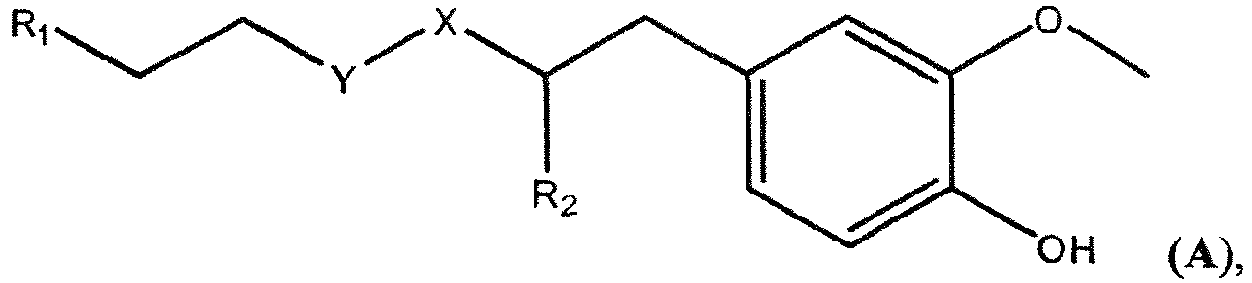
- R1 is H or C1-C10 alkyl;
- R2 is H or C1-C3 alkyl;
- X is CHOR3 or C=O;
- R3 is H, C1-C3 alkyl, or

- R4 is H or C1-C3 alkyl;
- Y is CR5=CH or CHR5-CH2;
- R5 is H, OH, -OCH3, -OCH2CH3, -O-OCH2CH2CH3, or

- R6 is H or C1-C3 alkyl.
- 113. A food product according to embodiment 112, wherein R1 is C2-C8 alkyl.
- 114. A food product according to embodiment 112 or 113, wherein R2 is H.
- 115. A food product according to any of embodiments 112-114, wherein X is C=O or

- 116. A food product according to any of embodiments 112-115, wherein Y is CR5=CH and R5 is H.
- 117. A food product according to any of embodiments 112-115, wherein Y is CHR5-CH2 and R5 is OH or -OCH3.
- 118. A food product according to any of embodiments 112-117, wherein R6 is CH3.
- 119. A food product comprising:
- a first ingredient; and
- a compound selected from the group consisting of compounds 1-9.
- 120. A food product comprising:
- a first ingredient; and
- a compound having the following structure:

- R1 and R2 are each independently OH or C1-C3 alkoxy or where R1 and R2 together with the carbons to which they are bound form a five-membered ring having two oxygen heteroatoms to form a compound having the following structure

- R3 is


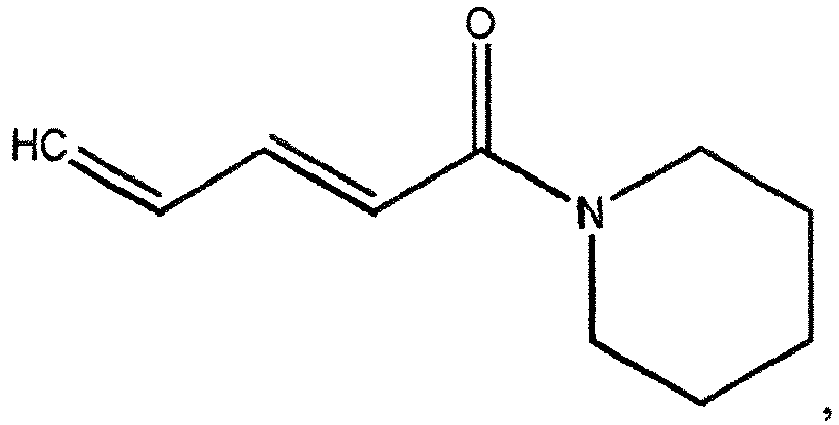

- R1 and R2 are each independently OH or C1-C3 alkoxy or where R1 and R2 together with the carbons to which they are bound form a five-membered ring having two oxygen heteroatoms to form a compound having the following structure
- 121. A food product comprising
a first ingredient; and
a compound selected from the group consisting of compounds 10-15 and 18-22. - 122. A food product comprising:
- a first ingredient; and
- a compound having the following structure:

- 123. A food product comprising:
- a first ingredient; and
- a compound selected from the group consisting of compound 16 and compound 17.
- 124. A food product comprising:
- a first ingredient; and
- a compound having the following structure:

- X = C or N;
- R1 and R2 are each independently selected from H, OH, C1-C3 alkoxy, straight or branched chain, saturated or unsaturated C1-C6 alkyl or alkenyl, or R1 and R2 together with the carbons to which they are bound form a part of a five or six membered ring structure;
- R3 is H, OH, C1-C3 alkoxy, or C1-C6 alkyl;
- R4 and R5 are each independently selected from CH, C=O, C-benzyl methoxy, C-R8 or C-C(O)R8 where R8 is straight or branched chain, saturated or unsaturated C1-C6 alkyl, or R4 and R5 together are part of an aromatic six-membered ring structure sharing a side with the remainder of the structure of Formula C;
- R6 is selected from O, CH, C=O, or C-O-R8 where R8 is H or C1-C3 alkyl; and
- R7 is H, OH, C1-C3 alkoxy, or C1-C3 alkyl.
- 125. A food product according to embodiment 124, wherein X is N and R7 is methyl.
- 126. A food product according to embodiment 124 or 125, wherein X is N and R6 is C=O or C-O-R8.
- 127. A food product according to embodiment 126, wherein R8 is methyl.
- 128. A food product according to embodiment 124, wherein X is C and R7 is H or OH.
- 129. A food product according to embodiment 124 or 128, wherein X is C and R6 is O.
- 130. A food product according to any of embodiments 124-129, wherein R3 is H or methoxy.
- 131. A food product according to any of embodiments 124-130, wherein one of R4 or R5 is C=O and the other is H, C-benzyl methoxy, C-CH2CHC(CH3)2 or C-C(O)CHC(CH3)2.
- 132. A food product comprising:
- a first ingredient; and
- a compound selected from the group consisting of compounds 23-28.
- 133. A food product comprising:
- a first ingredient; and
- a compound having the following structure:

- R1 is H, methyl, OCOCH3 or forms together with R6 a five membered ring structure in which R1 and R6 together are C=O or CH2;
- R6 is H, C=OCH3, or together forms a five membered ring structure in which R1 and R6 together are C=O or CH2;
- R2 and R3 are CH or C, wherein when R2 and R3 are C a double bond is formed between R2 and R3;
- R4 and R5 are independently selected from OH, methyl;

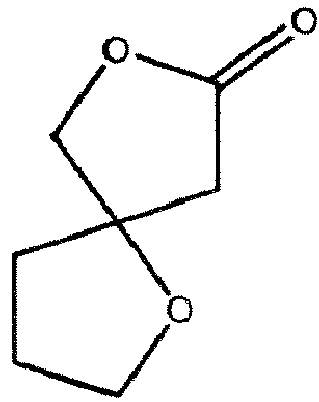

- 134. A food product comprising:
- a first ingredient; and
- a compound selected from the group consisting of compounds 29-31.
- 135. A food product comprising:
- a first ingredient; and
- a compound having the following structure:

R1 and R2 are independently selected from the group consisting of H and COCH3.
- 136. A food product comprising:
- a first ingredient; and
- a compound selected from the group consisting of compound 32 and compound 33.
- 137. A food product comprising:
- a first ingredient; and
- a compound having the following structure:

- R1 and R2 are each independently H,

- R3 is CH2OH, COOH,

- R4 is H or OH;
- R5 is CH2OH,


- R6 is H or OH; and
- R7 is H or

- R1 and R2 are each independently H,
- 138. A food product comprising:
- a first ingredient; and
- a compound selected from the group consisting of compounds 34-36.
- 139. A food product comprising:
- a first ingredient; and
- a compound having the following structure:

- R1 is


- R2 and R3 are each independently H, CH3, or CH2OH;
- R4 is H or CH3;
- R5 is CH, CH2 or C=O;
- R6 is CH or CH2, provided that when R5 is CH, R6 is CH; and
- A and B together form a ring structure and various substituents to form a compound having the following structure


- R1 is
- 140. A food product comprising:
- a first ingredient; and
- a compound selected from the group consisting of compounds 37-39.
- 141. A food product comprising:
- a first ingredient; and
- a compound having the following structure:

- 142. A food product comprising:
- a first ingredient; and
- a compound having the following structure:

- R1 is H or

- R2 is H or OH;
- R3 and R4 are independently selected from H or methyl or together form CH2;
- R5 is CH2 or CH;
- R6 is CH or C, provided that when R5 is CH, R6 is C;
- R7 and R8 together with the carbons to which they are bound form


- R9 is H or methyl.
- R1 is H or
- 143. A food product comprising:
- a first ingredient; and
- a compound selected from the group consisting of compounds 41-43.
- 144. A food product comprising:
- a first ingredient; and
- a compound having the following structure:

- X is O or CH2;
- R1 and R9 are independently selected from H, OH, methyl, and CH2OH;
- R2 and R10 arc independently selected from H, OH and methyl;
- R3 and R4 are independently selected from H and methyl or together form CH2;
- R5, R6 and R7 are independently selected from H and methoxy; and
- R8 is H, OH or methoxy.
- 145. A food product comprising:
- a first ingredient; and
- a compound selected from the group consisting of compounds 44-47.
- 146. A food product comprising:
- a first ingredient; and
- a compound having the following structure:

- R1 is H or

- R2 and R3 are each independently C1-C3 alkyl or C1-C3 alcohol.
- R1 is H or
- 147. A food product comprising:
- a first ingredient; and
- a compound selected from the group consisting of
compound 48 and compound 49.
- 148. A food product comprising:
- a first ingredient; and
- a compound having the following structure:

- R1 is OH or

- R2 and R3 are each independently OH or OCH3;
- R4 is CHC(CH3)2 or

- R5 is H or

- X is C=O or O; and
- Y is C=O or O, provided that when X is O, Y is C=O, or when X is C=O, Y is O.
- R1 is OH or
- 149. A food product comprising:\
- a first ingredient; and
- a compound selected from the group consisting of compound 50 and compound 51.
- 150. A food product comprising:
- a first ingredient; and
- a compound having the following structure:

- 151. A food product comprising:
- a first ingredient; and
- a compound having the following structure:

- R1 is H, CH2CH2OH, or methoxy;
- R2 is methyl or

- R3 and R5 are independently H or OH;
- R4 is H or methoxy;
- R6 is C1-C3 alkyl or C1-C3 alkoxy.
- 152. A food product comprising:
- a first ingredient; and
- a compound selected from the group consisting of compounds 53-55.
- 153. A food product comprising:
- a first ingredient; and
- a compound having the following structure:

- 154. A food product comprising:
- a first ingredient; and
- a compound having the following structure:

- 155. A food product comprising:
- a first ingredient; and
- a compound having the following structure:

- 156. A food product comprising:
- a first ingredient; and
- a compound having the following structure:

- R1 and R2 are independently H, methoxy, or


- R3 and R4 together with the carbons to which they are bound form a five membered aromatic or non-aromatic ring having a nitrogen heteroatom or one or two oxygen heteroatoms to form a compound having the following structure


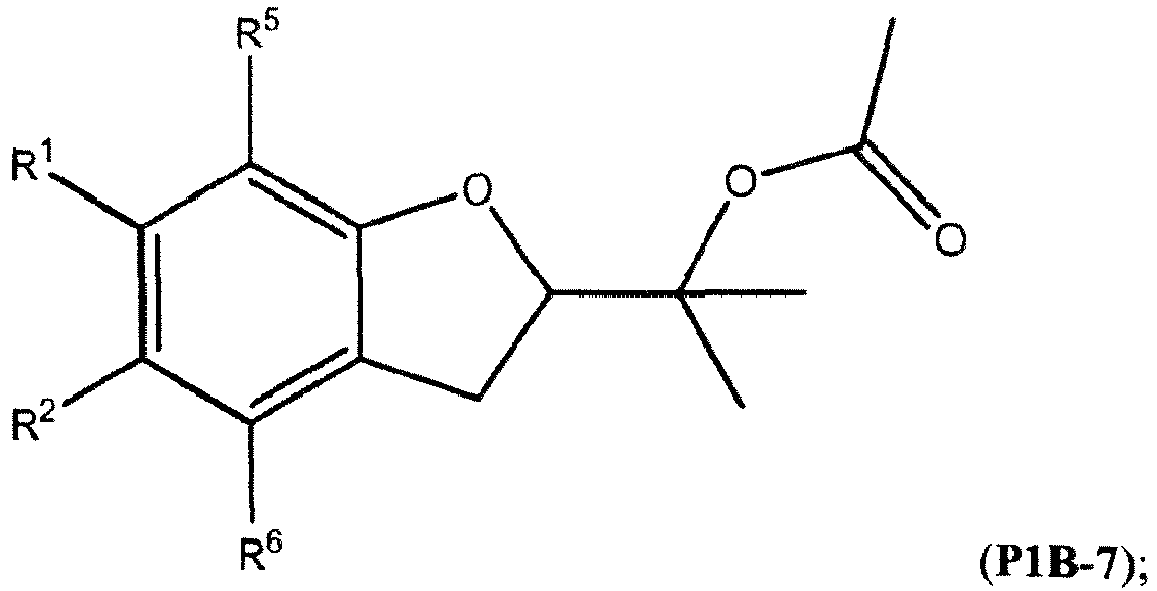
- R5 and R6 are independently H, OH, methoxy, OCH2CH(OH)C(CH3)2OH, OCH2CHC(CH3)2, and

- R7 is COCH(CH3)2, provided that R7 is not present when R3 and R4 together form a compound having a structure of Formula P1B-1, P1B-2, P1B-3, P1B-4, P1B-5, P1B-6, or P1B-7.
- R1 and R2 are independently H, methoxy, or
- 157. A food product comprising:
- a first ingredient; and
- a compound selected from the group consisting of compounds 59, 60, 62-65 and 67-72.
- 158. A food product comprising:
- a first ingredient; and
- a compound having the following structure:

- R1 is H or CH2CHC(CH3)2;
- R2 is H or methoxy;
- R3 is H or

- X is N or O.
- 159. A food product comprising:
- a first ingredient; and
- a compound selected from the group consisting of compound 61 and compound 66.
- 160. A food product comprising:
- a first ingredient; and
- a compound having the following structure:

- R1 is H or methyl;
- R2 is CR4 or C;
- R3 is CH2, CH or C=CH2, provided that when R2 is C, R3 is CH;
- R4 is H, OH, or methyl;
- A is CH2 or A and B together form


- B is CH2, A and B together form the structure indicated above, or B and D together form


- D is CH2, B and D together form a structure indicated above, D and E together form

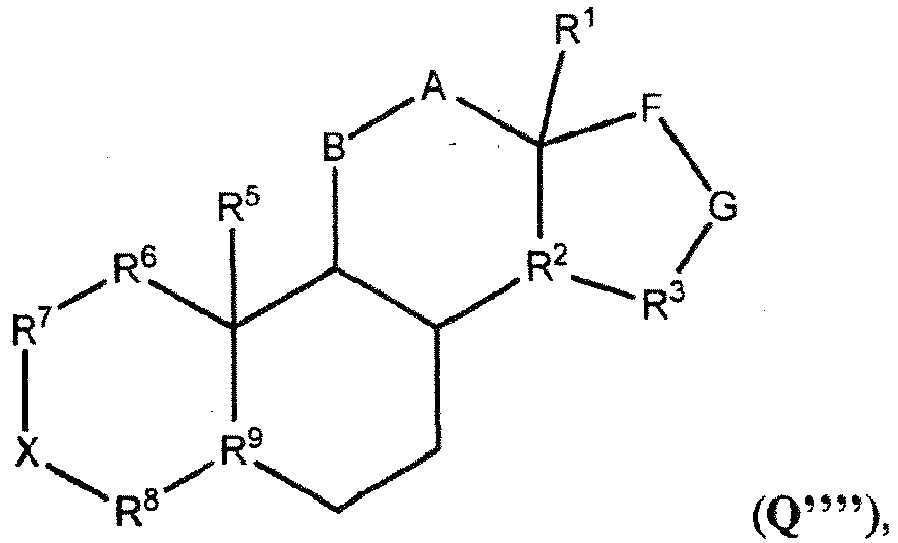
- R5 is methyl or CHO,
- R6 is CH or CH2,
- R7 is CH or CHR10, where R10 is H or

- R8 is CH or CR11R12 where R11 and R12 are independently selected from H and methyl,
- R9 is C or CR13 where R13 is H or OH, provided that when R8 is CH, R9 is C,
- X is COR14 wherein R14 is H, CO, COCH3,


- or D and E together form


- E is CH, CH2 or a structure formed between D and E indicated above, provided that when B and D together form the structure indicated above, E is CH;
- F is O, CCHCH3, or CHR15 where R15 is


- G is CH2 or C=O.
- 161. A food product comprising:
- a first ingredient; and
- a compound selected from the group consisting of compounds 73-79, 80a and 80b.
- 162. A food product comprising:
- a first ingredient; and
- a compound having the following structure:

- R1 is H or

- R2 and R3 are independently H, OH, and COOH; and
- R4 is C3-C12 saturated or unsaturated alkyl optional substituted with hydroxyl.
- R1 is H or
- 163. A food product comprising:
- a first ingredient; and
- a compound selected from the group consisting of compounds 81, 85, 86, and 88-90.
- 164. A food product comprising:
- a first ingredient; and
- a compound having the following structure:

- R1, R2 and R3 arc independently H or OH;
- X is O or CHOH;
- Y is C=O or CH2; and
- R4 is C3-C12 unsaturated alkyl.
- 165. A food product comprising:
- a first ingredient; and
- a compound selected from the group consisting of
compounds 82 and 87.
- 166. A food product comprising:
- a first ingredient; and
- a compound having the following structure:

- X is O or NH;
- R1 is H or OH;
- R2 is H or OCOCH3; and
- R3 is H or C1-C6 saturated or unsaturated alkyl.
- 167. A food product comprising:
- a first ingredient; and
- a compound selected from the group consisting of compounds 83-84.
- 168. A food product comprising:
- a first ingredient; and
- a compound having the following structure:

- 169. A food product comprising:
- a first ingredient; and
- a compound selected from the group consisting of compounds 91-92.
- 170. A food product comprising:
- a first ingredient; and
- a compound having the following structure:


- 171. A food product comprising:
- a first ingredient; and
- a compound selected from the group consisting of compounds 93-95.
- 172. A food product comprising:
- a first ingredient; and
- a compound having the following structure:

- R1 is H, OH, or C1-C3 alkoxy;
- R2 is H or R2 and R3 together form


- R3 is H, OH or R2 and R3 together form a ring structure as indicated above;
- R4 is H, OH, or C1-C3 alkoxy;
- X is O or CH; and
- Y is O or CR5 where R5 is H or

- 173. A food product comprising:
- a first ingredient; and
- a compound selected from the group consisting of compounds 96-99.
Claims (18)
- Use of a compound of formula A for substituting sodium chloride in food products, wherein the compound of formula A has the following structure:
 R1 is H or C1-C10 alkyl;R2 is H or C1-C3 alkyl;X is CHOR3 or C=O;R3 is H, C1-C3 alkyl, or
 R4 is H or C1-C3 alkyl;Y is CR5=CH or CHR5-CH2;R5 is H, OH, -OCH3, -OCH2CH3, -O-OCH2CH2CH3, or
 R6 is H or C1-C3 alkyl.
 - The use according to claim 1, wherein R1 is C2-C8 alkyl.
- The use according to claim 1 or 2, wherein R2 is H.
- The use according to any one of claims 1-3, wherein X is C=O or
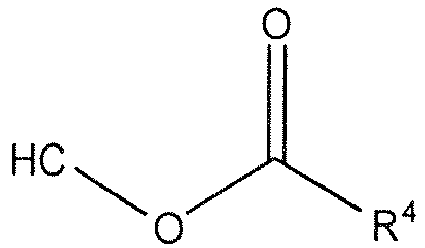
- The use according to any one of claims 1-4, wherein Y is CR5=CH and R5 is H.
- The use according to any one of claims 1-4, wherein Y is CHR5-CH2 and R5 is OH or -OCH3.
- The use according to one any of claims 1-6, wherein R6 is CH3.
- The use according to claim 1, wherein the compound of formula A is one of the following compounds:


- The use according to claim 8, wherein the compound of formula A is compound 1.
- The use according to claim 8, wherein the compound of formula A is compound 2.
- The use according to claim 8, wherein the compound of formula A is compound 3.
- The use according to claim 8, wherein the compound of formula A is compound 4.
- The use according to claim 8, wherein the compound of formula A is compound 5.
- The use according to claim 8, wherein the compound of formula A is compound 6.
- The use according to claim 8, wherein the compound of formula A is compound 7.
- The use according to claim 8, wherein the compound of formula A is compound 8.
- The use according to claim 8, wherein the compound of formula A is compound 9.
- The use according to any one of the preceding claims, wherein the compound of formula A is present in the food product in an amount of 0.01 to 2 wt%.
Applications Claiming Priority (10)
| Application Number | Priority Date | Filing Date | Title |
|---|---|---|---|
| US201361762792P | 2013-02-08 | 2013-02-08 | |
| US201361762781P | 2013-02-08 | 2013-02-08 | |
| US201361762804P | 2013-02-08 | 2013-02-08 | |
| US201361762798P | 2013-02-08 | 2013-02-08 | |
| US201361763244P | 2013-02-11 | 2013-02-11 | |
| US201361763274P | 2013-02-11 | 2013-02-11 | |
| US201361763300P | 2013-02-11 | 2013-02-11 | |
| EP18164825.4A EP3366677B1 (en) | 2013-02-08 | 2014-02-07 | Reduced sodium food products |
| EP14705945.5A EP2954037B1 (en) | 2013-02-08 | 2014-02-07 | Reduced sodium food products |
| PCT/US2014/015244 WO2014124222A1 (en) | 2013-02-08 | 2014-02-07 | Reduced sodium food products |
Related Parent Applications (3)
| Application Number | Title | Priority Date | Filing Date |
|---|---|---|---|
| EP18164825.4A Division EP3366677B1 (en) | 2013-02-08 | 2014-02-07 | Reduced sodium food products |
| EP18164825.4A Division-Into EP3366677B1 (en) | 2013-02-08 | 2014-02-07 | Reduced sodium food products |
| EP14705945.5A Division EP2954037B1 (en) | 2013-02-08 | 2014-02-07 | Reduced sodium food products |
Publications (2)
| Publication Number | Publication Date |
|---|---|
| EP3732994A1 true EP3732994A1 (en) | 2020-11-04 |
| EP3732994B1 EP3732994B1 (en) | 2022-11-09 |
Family
ID=50138012
Family Applications (7)
| Application Number | Title | Priority Date | Filing Date |
|---|---|---|---|
| EP18164825.4A Active EP3366677B1 (en) | 2013-02-08 | 2014-02-07 | Reduced sodium food products |
| EP14705945.5A Active EP2954037B1 (en) | 2013-02-08 | 2014-02-07 | Reduced sodium food products |
| EP14705459.7A Active EP2956440B1 (en) | 2013-02-08 | 2014-02-07 | Reduced sodium food products |
| EP14705458.9A Active EP2984073B1 (en) | 2013-02-08 | 2014-02-07 | Reduced sodium food product |
| EP18201716.0A Active EP3466930B1 (en) | 2013-02-08 | 2014-02-07 | Reduced sodium food product |
| EP20175617.8A Active EP3732994B1 (en) | 2013-02-08 | 2014-02-07 | Reduced sodium food products |
| EP14705944.8A Active EP2953934B1 (en) | 2013-02-08 | 2014-02-07 | Reduced sodium food products |
Family Applications Before (5)
| Application Number | Title | Priority Date | Filing Date |
|---|---|---|---|
| EP18164825.4A Active EP3366677B1 (en) | 2013-02-08 | 2014-02-07 | Reduced sodium food products |
| EP14705945.5A Active EP2954037B1 (en) | 2013-02-08 | 2014-02-07 | Reduced sodium food products |
| EP14705459.7A Active EP2956440B1 (en) | 2013-02-08 | 2014-02-07 | Reduced sodium food products |
| EP14705458.9A Active EP2984073B1 (en) | 2013-02-08 | 2014-02-07 | Reduced sodium food product |
| EP18201716.0A Active EP3466930B1 (en) | 2013-02-08 | 2014-02-07 | Reduced sodium food product |
Family Applications After (1)
| Application Number | Title | Priority Date | Filing Date |
|---|---|---|---|
| EP14705944.8A Active EP2953934B1 (en) | 2013-02-08 | 2014-02-07 | Reduced sodium food products |
Country Status (11)
| Country | Link |
|---|---|
| US (4) | US11540539B2 (en) |
| EP (7) | EP3366677B1 (en) |
| JP (6) | JP2016509830A (en) |
| CN (4) | CN105189460B (en) |
| BR (2) | BR112015018948A2 (en) |
| CA (3) | CA2900707C (en) |
| DK (7) | DK3732994T3 (en) |
| ES (7) | ES2675215T3 (en) |
| FI (1) | FI3732994T3 (en) |
| PT (7) | PT2956440T (en) |
| WO (13) | WO2014124222A1 (en) |
Families Citing this family (17)
| Publication number | Priority date | Publication date | Assignee | Title |
|---|---|---|---|---|
| ES2675215T3 (en) | 2013-02-08 | 2018-07-09 | General Mills, Inc. | Sodium Reduced Food Products |
| CN105384721A (en) * | 2015-12-07 | 2016-03-09 | 西宁意格知识产权咨询服务有限公司 | Novel biphenyl cyclooctene lignin compound, and preparation method and application thereof |
| ES3046711T3 (en) | 2016-04-15 | 2025-12-02 | Beckman Coulter Inc | Photoactive macromolecules and uses thereof |
| US11078157B1 (en) | 2018-01-31 | 2021-08-03 | University Of Oregon | Compound embodiments that release H2S by reaction with a reactive compound and methods of making and using the same |
| US11040942B1 (en) | 2018-01-31 | 2021-06-22 | University Of Oregon | Compound embodiments for hydrogen sulfide production and methods of making and using the same |
| US11700869B2 (en) * | 2018-06-27 | 2023-07-18 | Pepsico, Inc. | Mouthfeel enhancing composition |
| EP3756474B1 (en) | 2019-06-25 | 2024-03-06 | Analyticon Discovery GmbH | An extract of persea |
| WO2021094268A1 (en) * | 2019-11-11 | 2021-05-20 | Firmenich Sa | Gingerol compounds and their use as flavor modifiers |
| CN114127084B (en) * | 2020-03-05 | 2024-08-06 | 弗门尼舍有限公司 | 11-Oxo-cucurbitane and its use as flavor improver |
| US20220218007A1 (en) * | 2021-01-14 | 2022-07-14 | Raghavi Kantharuban | Methods and composition to reduce salt in food products |
| US20220248732A1 (en) * | 2021-02-05 | 2022-08-11 | Frito-Lay North America, Inc. | Saltiness-Perception Enhancing Compounds |
| WO2022214275A1 (en) * | 2021-04-06 | 2022-10-13 | Firmenich Sa | Use of gingerdiol compounds to enhance flavor |
| CN113582981B (en) * | 2021-07-08 | 2023-09-05 | 中国科学院昆明植物研究所 | Novel diaryl heptane-flavanone hybrid, and pharmaceutical composition and application thereof |
| JP7825975B2 (en) * | 2021-11-16 | 2026-03-09 | ハウスウェルネスフーズ株式会社 | Composition for enhancing adrenomedullin gene expression |
| EP4454482A1 (en) | 2023-04-26 | 2024-10-30 | Analyticon Discovery GmbH | Preparations comprising oleanol glycosides |
| WO2025090573A1 (en) * | 2023-10-23 | 2025-05-01 | Ohio State Innovation Foundation | Heat and pain suppressing compounds |
| WO2025090617A1 (en) * | 2023-10-23 | 2025-05-01 | Monell Chemical Senses Center | Compositions and methods for the identification of salt alternatives |
Citations (2)
| Publication number | Priority date | Publication date | Assignee | Title |
|---|---|---|---|---|
| JP2010094081A (en) * | 2008-10-17 | 2010-04-30 | Kao Corp | Food and drink composition |
| WO2010124905A1 (en) * | 2009-04-29 | 2010-11-04 | Akzo Nobel Chemicals International B.V. | Process to prepare a low-sodium salt product, product obtainable thereby and the use thereof |
Family Cites Families (291)
| Publication number | Priority date | Publication date | Assignee | Title |
|---|---|---|---|---|
| US4160862A (en) | 1972-06-12 | 1979-07-10 | Sterling Drug Inc. | 1-Acyl-3-(amino-lower-alkyl)indoles |
| JPS5810429A (en) | 1981-07-07 | 1983-01-21 | Inoue Japax Res Inc | Wire cut discharge processing method |
| JPS58212764A (en) * | 1982-06-03 | 1983-12-10 | Sadao Nakayama | Seasoning compositions and food using them |
| HU194220B (en) | 1985-04-19 | 1988-01-28 | Richter Gedeon Vegyeszet | Process for production of derivatives of 1,12 b disubstituated-octahydro-indolo /2,3-a/ quinolisine and medical compounds containing thereof |
| US4997672A (en) * | 1987-03-10 | 1991-03-05 | Virginia Commonwealth University | Salt taste enhancer |
| DE3924607A1 (en) | 1989-07-21 | 1991-01-24 | Singer Peter Dr Sc Med | Diet food contg. omega-3-fatty acid, omega-6-fatty acid - with sodium ions and potassium ions, reducing risk of heart and circulation disease |
| JPH03161470A (en) | 1989-11-17 | 1991-07-11 | Nisshin Flour Milling Co Ltd | Indole derivative |
| US5232684A (en) | 1990-06-29 | 1993-08-03 | The United States Of America As Represented By The Department Of Health And Human Services | Labelled resiniferatoxin, compositions thereof, and methods for using the same |
| US5874479A (en) | 1991-03-01 | 1999-02-23 | Warner-Lambert Company | Therapeutic permeation enhanced-wound healing compositions and methods for preparing and using same |
| DE4217842A1 (en) | 1992-05-29 | 1993-12-02 | Dietl Hans | Pharmaceutical compsns. for intravenous or intra-coronary admin. - are aq. emulsions contg. 1,4-di:hydro:pyridine calcium antagonist, natural oil and phosphatidyl-choline or phosphatidyl-ethanolamine |
| US5260091A (en) * | 1992-10-21 | 1993-11-09 | Interneuron Pharmaceuticals Inc. | Salt taste enhancers |
| CA2146767A1 (en) | 1992-10-28 | 1994-05-11 | Timothy Harrison | 4-arylmethyloxymethyl piperidines as tachykinin antagonists |
| DK0680470T3 (en) | 1993-01-21 | 1997-04-28 | Merrell Pharma Inc | |
| US5719148A (en) | 1993-10-15 | 1998-02-17 | Schering Corporation | Tricyclic amide and urea compounds useful for inhibition of g-protein function and for treatment of proliferative diseases |
| JP3014575B2 (en) | 1993-10-29 | 2000-02-28 | 寳酒造株式会社 | Taste improver |
| US5494919A (en) | 1993-11-09 | 1996-02-27 | Merck & Co., Inc. | 2-substituted piperidines, pyrrolidines and hexahydro-1H-azepines promote release of growth hormone |
| JPH10503768A (en) | 1994-08-02 | 1998-04-07 | メルク シヤープ エンド ドーム リミテツド | Azetidine, pyrrolidine and piperidine derivatives |
| JP3575705B2 (en) | 1994-08-02 | 2004-10-13 | 小川香料株式会社 | Method for producing gingerol and shogaol |
| US6221669B1 (en) | 1994-10-19 | 2001-04-24 | Lifecell Corporation | Prolonged preservation of blood platelets |
| US5919614A (en) | 1994-10-19 | 1999-07-06 | Lifecell Corporation | Composition comprising three platelet lesion inhibitors for platelet storage |
| WO1996017842A1 (en) | 1994-12-06 | 1996-06-13 | Merck Sharp & Dohme Limited | Azetidine, pyrrolidine and piperidine derivatives as 5ht1 receptor agonists |
| US5700806A (en) | 1995-03-24 | 1997-12-23 | Schering Corporation | Tricyclic amide and urea compounds useful for inhibition of G-protein function and for treatment of proliferative diseases |
| TW453881B (en) | 1995-10-16 | 2001-09-11 | Kao Corp | Cosmetic composition comprising amide derivatives |
| NZ321575A (en) | 1995-10-30 | 1999-05-28 | Janssen Pharmaceutica Nv | 1-(1,2-disubstituted piperidinyl)-4- substituted piperazine derivatives |
| GB9523243D0 (en) | 1995-11-14 | 1996-01-17 | Merck Sharp & Dohme | Therapeutic agents |
| TW429256B (en) | 1995-12-27 | 2001-04-11 | Janssen Pharmaceutica Nv | 1-(1,2-disubstituted piperidinyl)-4-(benzimidazolyl- and imidazopyridinyl)-piperidine derivatives |
| JP3549366B2 (en) | 1996-06-20 | 2004-08-04 | 株式会社林原生物化学研究所 | Method for enhancing taste and / or umami from salt in food and drink |
| WO1999001579A1 (en) | 1997-07-01 | 1999-01-14 | Isis Pharmaceuticals, Inc. | Compositions and methods for the delivery of oligonucleotides via the alimentary canal |
| GB9807607D0 (en) | 1998-04-08 | 1998-06-10 | Bp Chem Int Ltd | Fuel additive |
| US6303620B1 (en) | 1998-05-11 | 2001-10-16 | Novo Nordisk A/S | Compounds with growth hormone releasing properties |
| US6841539B1 (en) | 1998-05-21 | 2005-01-11 | Isis Pharmaceuticals, Inc. | Compositions and methods for topical delivery of oligonucleotides |
| WO1999060012A1 (en) | 1998-05-21 | 1999-11-25 | Isis Pharmaceuticals, Inc. | Compositions and methods for non-parenteral delivery of oligonucleotides |
| US5948460A (en) | 1998-07-27 | 1999-09-07 | Takasago International Corporation | Flavored product additive and method for using same |
| JP4267783B2 (en) | 1998-10-02 | 2009-05-27 | 株式会社インテリジェントセンサーテクノロジー | Taste recognition device |
| WO2000053545A1 (en) | 1999-03-10 | 2000-09-14 | Axys Pharmaceuticals, Inc. | Process for the synthesis of dihydropyridones |
| US6309663B1 (en) | 1999-08-17 | 2001-10-30 | Lipocine Inc. | Triglyceride-free compositions and methods for enhanced absorption of hydrophilic therapeutic agents |
| RU2164766C1 (en) * | 1999-10-22 | 2001-04-10 | Емец Юрий Алексеевич | Food biologically active addition |
| DE60102402T2 (en) | 2000-02-10 | 2005-03-10 | Loders Croklaan B.V. | Fat blends with crystal modifiers |
| GB0003397D0 (en) | 2000-02-14 | 2000-04-05 | Merck Sharp & Dohme | Therapeutic agents |
| JP3394737B2 (en) | 2000-03-03 | 2003-04-07 | 正田醤油株式会社 | Low salt soy sauce seasoning |
| DE20008343U1 (en) | 2000-05-09 | 2000-09-14 | Abatu, Fuat, 46242 Bottrop | Spice mix |
| DE60114708T2 (en) | 2000-06-05 | 2006-07-20 | Loders Croklaan B.V. | Ursolic acid and oleanolic acid containing mixtures |
| GB0023918D0 (en) * | 2000-09-29 | 2000-11-15 | King S College London | Antiparasitic compounds |
| JP2002125616A (en) | 2000-10-27 | 2002-05-08 | Apio Club:Kk | Method for producing herb salt |
| US20120237626A9 (en) | 2000-12-05 | 2012-09-20 | Palu Afa Kehaati | Profiles of lipid proteins and inhibiting HMG-CoA reductase |
| JP4277294B2 (en) | 2000-12-26 | 2009-06-10 | 佐藤食品工業株式会社 | Method for improving the flavor of food |
| JP4360807B2 (en) * | 2001-04-05 | 2009-11-11 | 協和発酵バイオ株式会社 | Liver function protecting or improving agent |
| AU772384B2 (en) * | 2001-05-09 | 2004-04-29 | Nestec S.A. | Vitex agnus castus extract |
| JP2002345430A (en) | 2001-05-28 | 2002-12-03 | Kyowa Hakko Kogyo Co Ltd | Method for enhancing salt taste, salt taste enhancer, salt taste seasoning, and salt taste-enhanced food and beverage |
| JP2002370922A (en) | 2001-06-15 | 2002-12-24 | Azuma Noen:Kk | Cosmetics containing plum extract |
| WO2003008632A1 (en) | 2001-07-16 | 2003-01-30 | Hoegestaett Edward | Fatty acid conjugation as a method for screening of potentially bioactive substances |
| ATE439131T1 (en) | 2001-08-30 | 2009-08-15 | Chemocentryx Inc | BICYCLIC COMPOUNDS AS INHIBITORS OF CHEMOKINE BINDING TO US28 |
| JP4278896B2 (en) | 2001-11-02 | 2009-06-17 | 丸善製薬株式会社 | Hihatsu fruit extract composition, food and drink containing Hihatsu fruit extract, and method for improving taste of Hihatsu fruit extract |
| CN1347664A (en) | 2001-11-07 | 2002-05-08 | 林泽垠 | Natural non-salt salty food additive and its prepn |
| US6743461B1 (en) * | 2001-11-09 | 2004-06-01 | Ecosalt Corporation | Salt substitute compositions |
| CN1435123A (en) | 2002-02-01 | 2003-08-13 | 冯旭斌 | Rolled chilli |
| AU2003218737B2 (en) | 2002-03-13 | 2008-04-10 | Janssen Pharmaceutica N.V. | Inhibitors of histone deacetylase |
| US6929809B2 (en) | 2002-03-26 | 2005-08-16 | Council Of Scientific And Industrial Research | Preparation of nutrient rich salt of plant origin |
| US6691780B2 (en) | 2002-04-18 | 2004-02-17 | Halliburton Energy Services, Inc. | Tracking of particulate flowback in subterranean wells |
| WO2003092676A1 (en) | 2002-04-29 | 2003-11-13 | The General Hospital Corporation | Compositions and methods for preventing abuse of orally administered medications |
| MY141736A (en) | 2002-10-08 | 2010-06-15 | Elanco Animal Health Ireland | Substituted 1,4-di-piperidin-4-yi-piperazine derivatives and their use as neurokinin antagonists |
| US20100173993A1 (en) | 2003-02-06 | 2010-07-08 | Sawyer Anthony J | Controlled release biocidal salts |
| GB0306399D0 (en) | 2003-03-20 | 2003-04-23 | Ineos Fluor Holdings Ltd | Process for reducing the concentration of undesired compounds in a composition |
| US20040202735A1 (en) | 2003-04-08 | 2004-10-14 | Moore Bob M. | Method and kit for controlling bleeding |
| WO2004110451A1 (en) | 2003-06-10 | 2004-12-23 | Janssen Pharmaceutica N.V. | Combinations for opioid-based treatment of pain comprising 1-(1,2-disubstituted piperidinyl)-4-substituted piperazine derivatives |
| KR20060006098A (en) | 2003-06-10 | 2006-01-18 | 얀센 파마슈티카 엔.브이. | Substituted 1,4-di-piperidin-4-yl-piperazine derivatives in combination with opioid analgesics and their use for the treatment of pain and side effects associated with opioid-based therapies |
| JP2005013138A (en) | 2003-06-27 | 2005-01-20 | Kiyomitsu Kawasaki | Method for producing spice flavor |
| JP2005015684A (en) | 2003-06-27 | 2005-01-20 | Kiyomitsu Kawasaki | Method for preparing vegetable flavor |
| US20080060576A1 (en) | 2003-06-27 | 2008-03-13 | Sumitomo Electric Industries, Ltd. | Wafer Holder for Semiconductor Manufacturing Device and Semiconductor Manufacturing Device in Which It Is Installed |
| US20050031717A1 (en) | 2003-07-09 | 2005-02-10 | Desimone John A. | Salt taste modification |
| WO2005004635A1 (en) | 2003-07-10 | 2005-01-20 | Takasago International Corporation | Flavor enhancer, food or beverage containing the flavor enhancer, and method of flavor enhancement |
| US20050025844A1 (en) | 2003-08-02 | 2005-02-03 | Matthias Boldt | Weight control compositions and methods |
| US7846422B2 (en) | 2003-08-04 | 2010-12-07 | Kao Corporation | Method for prevention or treatment of periodontal diseases and composition for an oral cavity |
| NL1026826C2 (en) | 2003-08-13 | 2007-01-04 | Pharmacia Corp | Substituted pyridinones. |
| JP4926707B2 (en) | 2003-08-22 | 2012-05-09 | ダニスコ エイ/エス | Encapsulated antibacterial material |
| GB2388581A (en) | 2003-08-22 | 2003-11-19 | Danisco | Coated aqueous beads |
| JP2005075785A (en) | 2003-09-01 | 2005-03-24 | Japan Science & Technology Agency | Piperidine derivatives and method for producing the same |
| US20070093552A1 (en) | 2003-09-22 | 2007-04-26 | Futoshi Matsuyama | Early insulin secretion stimulator |
| US20070059351A1 (en) | 2003-10-17 | 2007-03-15 | Murrell George A C | Transdermal patches containing a nitric oxide-donor and a second active agent and associated methods |
| CN100391364C (en) * | 2003-10-30 | 2008-06-04 | 张湘生 | Flavouring spicery |
| TWI356681B (en) | 2003-11-12 | 2012-01-21 | J Oil Mills Inc | Body taste improver comprising long-chain highly u |
| US8389031B2 (en) | 2005-05-23 | 2013-03-05 | Kraft Foods Global Brands Llc | Coated delivery system for active components as part of an edible composition |
| CN1893937B (en) | 2003-12-19 | 2011-01-12 | 荷兰洛德斯克罗科兰有限公司 | Use of a composition comprising oleanolic acid and ursolic acid for the preparation of a medicament for the treatment of allergic reactions and hyperreactions |
| WO2005080394A1 (en) | 2004-02-24 | 2005-09-01 | Bioaxone Therapeutique Inc. | 4-substituted piperidine derivatives |
| US20050215635A1 (en) * | 2004-03-08 | 2005-09-29 | Rafi M Mohamed | Diarylheptanoid compounds and uses thereof |
| EP1735055A1 (en) | 2004-03-30 | 2006-12-27 | Sapphire Therapeutics, Inc. | Method of reducing c-reactive protein using growth hormone secretagogues |
| JP2005298449A (en) | 2004-04-15 | 2005-10-27 | Astellas Pharma Inc | 4-aminopyrimidine derivatives |
| JP2008502603A (en) | 2004-06-03 | 2008-01-31 | バーボーム,ジョナサン,ジェイ. | Pharmaceutical composition for treating pruritus |
| KR20050122373A (en) | 2004-06-24 | 2005-12-29 | 대한민국(서울대학교 총장) | Composition comprising a root extract of salvia miltiorrhiza or dimethyl lithospermate b as a sodium channel agonist |
| RU2383536C2 (en) | 2004-08-04 | 2010-03-10 | Тайсо Фармасьютикал Ко., Лтд. | Triazole derivative |
| DE102004038396A1 (en) | 2004-08-06 | 2006-03-30 | Lothar Sellin | Device (I), for coating medicinal products, comprises equipment for producing ultrasound and a vacuum chamber containing retaining means for one or more medicinal products |
| BRPI0514283A (en) | 2004-08-11 | 2008-06-10 | Cadbury Adams Usa Llc | heating compositions and release systems therefor |
| AU2005272598B2 (en) | 2004-08-12 | 2011-11-17 | Helsinn Therapeutics (U.S.), Inc. | Method of stimulating the motility of the gastrointestinal system using growth hormone secretagogues |
| EP1789090A2 (en) | 2004-09-02 | 2007-05-30 | Bionaut Pharmaceuticals, Inc. | Combinatorial chemotherapy treatment using na+/k+-atpase inhibitors |
| GB0420722D0 (en) | 2004-09-17 | 2004-10-20 | Addex Pharmaceuticals Sa | Novel allosteric modulators |
| WO2006039252A2 (en) | 2004-10-01 | 2006-04-13 | Merck & Co., Inc. | Compositions and methods for treating ophthalmic diseases |
| US20060135443A1 (en) | 2004-10-18 | 2006-06-22 | Bionaut Pharmaceuticals, Inc. | Use of Na*/K*-ATPase inhibitors and antagonists thereof |
| JP2006124322A (en) | 2004-10-28 | 2006-05-18 | Takasago Internatl Corp | Hyaluronidase inhibitor, and composition for external skin and oral cavity containing the hyaluronidase inhibitor |
| US20080103202A1 (en) | 2004-11-08 | 2008-05-01 | Chris Ferguson | Method of preparing creatine ester salts and uses thereof. |
| WO2006058222A2 (en) * | 2004-11-29 | 2006-06-01 | Aloecorp, Inc. | Dehydration of food combinations |
| WO2006060505A2 (en) | 2004-12-01 | 2006-06-08 | Dacanay Rhodel G | Capsaicin nutritional supplement |
| JP4942141B2 (en) | 2004-12-02 | 2012-05-30 | 江崎グリコ株式会社 | Glucose transfer method to carboxyl group |
| ATE489086T1 (en) | 2004-12-22 | 2010-12-15 | Mestex Ag | MIXTURE OF A VANILLOID RECEPTOR AGONIST WITH A NERVE REGENERATION-INHIBITING SUBSTANCE, USE OF IT FOR THE PRODUCTION OF A PAIN RELIEF AND METHOD FOR APPLYING THIS AGENT |
| ES2384244T3 (en) | 2004-12-28 | 2012-07-02 | Mestex Ag | Use of a vaniloid receptor agonist together with a glycosaminoglycan or a proteoglycan for the manufacture of a drug for the treatment of joint pain and procedure for the application of this drug |
| MX2007008866A (en) | 2005-01-28 | 2007-09-11 | Archer Daniels Midland Co | FOOD COMPOSITIONS FOR ANIMALS ABLE TO REDUCE THE INCIDENCE OF FESTUCA TOXYCOSIS IN MAMMALS. |
| ES2294584T3 (en) | 2005-02-18 | 2008-04-01 | THE PROCTER & GAMBLE COMPANY | CONFITERIA PRODUCTS CONTAINING CAFFEINE. |
| US20060198806A1 (en) | 2005-03-04 | 2006-09-07 | Reilly Christopher A | Capsaicinoid decontamination compositions and methods of use |
| JP2006238814A (en) | 2005-03-04 | 2006-09-14 | Ogawa & Co Ltd | Flavor enhancer, seasoning, food and drink containing these, and flavor enhancement method |
| JP4879965B2 (en) | 2005-03-08 | 2012-02-22 | エージェンシー フォー サイエンス,テクノロジー アンド リサーチ | Immobilized enzyme |
| US20060204601A1 (en) | 2005-03-09 | 2006-09-14 | Palu Afa K | Formulations and methods for preventing and treating substance abuse and addiction |
| JP2006246857A (en) | 2005-03-14 | 2006-09-21 | Showa Sangyo Co Ltd | Oil and fat composition and food |
| WO2006107832A2 (en) | 2005-04-05 | 2006-10-12 | President And Fellows Of Harvard College | Methods and kits for isolating nucleic acids |
| JP4508932B2 (en) | 2005-04-25 | 2010-07-21 | 小川香料株式会社 | Taste enhancer, flavor containing the taste enhancer, and food and drink containing the flavor |
| WO2006127934A2 (en) | 2005-05-23 | 2006-11-30 | Cadbury Adams Usa, Llc | Taste potentiator compositions and edible confectionery and chewing gum products containing same |
| CN1736485A (en) | 2005-06-29 | 2006-02-22 | 上海美迪西生物医药有限公司 | Use of vanillin receptor agonist in preparation of product for resisting Alzheimer disease |
| WO2007018508A1 (en) | 2005-07-28 | 2007-02-15 | Glaxo Group Limited | Novel m3 muscarinic acetycholine receptor antagonists |
| WO2007018514A1 (en) | 2005-07-28 | 2007-02-15 | Glaxo Group Limited | Novel m3 muscarinic acetylcholine receptor antagonists |
| GB0520845D0 (en) | 2005-10-14 | 2005-11-23 | Hofmann Thomas F | Salt enhancing compounds and use |
| WO2008134071A1 (en) | 2007-04-26 | 2008-11-06 | Theraquest Biosciences, Inc. | Multimodal abuse resistant extended release formulations |
| US20070184137A1 (en) | 2005-11-29 | 2007-08-09 | Palu Afa K | Morinda Citrifolia L. Based Formulations for Inhibiting Matrix Metalloproteinase Enzymes |
| CN100490870C (en) | 2006-01-13 | 2009-05-27 | 东莞广发制药有限公司 | Spleen-tonifying and kidney-tonifying preparation and its preparation method and testing method |
| JP5218737B2 (en) | 2006-02-06 | 2013-06-26 | 大正製薬株式会社 | Sphingosine-1-phosphate binding inhibitor |
| JP2007232574A (en) | 2006-03-01 | 2007-09-13 | Ajinomoto Co Inc | Screening method of sympathetic nerve activator |
| CN1820646A (en) | 2006-03-11 | 2006-08-23 | 刘仁虎 | Health food containing paederia scandens |
| CN1857586A (en) | 2006-03-28 | 2006-11-08 | 石圣洪 | Osteoporsis treating Chinese medicine preparation and its preparing process |
| CN1857343A (en) | 2006-04-11 | 2006-11-08 | 徐蕾 | Chinese medicine composition for preventing and treating viral cold and throat disease and its preparing method |
| CA2544227A1 (en) | 2006-04-20 | 2007-10-20 | Metabev Inc. | Food product containing policosanols |
| US20070248621A1 (en) | 2006-04-24 | 2007-10-25 | Metabev Llc | Food product containing policosanols |
| US8916611B2 (en) | 2006-04-28 | 2014-12-23 | Warsaw Orthopedic, Inc. | Pharmaceutical removal of neuronal extensions from a degenerating disc |
| US9789161B2 (en) | 2006-04-28 | 2017-10-17 | Warsaw Orthopedic, Inc. | Methods for treating back or neck pain caused by NGF using a therapeutic agent consisting of ReN-1820, ALE-0540 and capsaicin |
| US20070287991A1 (en) | 2006-06-08 | 2007-12-13 | Mckay William F | Devices and methods for detection of markers of axial pain with or without radiculopathy |
| JP2008000005A (en) * | 2006-06-20 | 2008-01-10 | Shizuoka Prefecture | Agent for ameliorating dysphagia and food for ameliorating dysphagia |
| JP5265142B2 (en) * | 2006-06-21 | 2013-08-14 | 株式会社Adeka | Salt composition containing salty taste enhancer |
| CN101095800A (en) | 2006-06-29 | 2008-01-02 | 朱靖华 | Development of paster for treating mouth ulcer |
| US20090253782A1 (en) | 2006-07-18 | 2009-10-08 | Ratan Rajiv R | Compounds for Enhancing Arginase Activity and Methods of USe Thereof |
| WO2008021394A2 (en) | 2006-08-15 | 2008-02-21 | Theraquest Biosciences, Llc | Pharmaceutical formulations of cannabinoids and method of use |
| WO2008024490A2 (en) | 2006-08-24 | 2008-02-28 | Theraquest Biosciences, Inc. | Oral pharmaceutical formulations of abuse deterrent cannabinoids and method of use |
| WO2008027442A2 (en) | 2006-08-30 | 2008-03-06 | Theraquest Biosciences, Llc | Abuse deterrent oral pharmaceutical formulations of opioid agonists and method of use |
| WO2008033351A2 (en) | 2006-09-11 | 2008-03-20 | Theraquest Biosciences, Inc. | Multimodal abuse resistant and extended release formulations |
| ES2365263T3 (en) | 2006-10-04 | 2011-09-27 | Unilever N.V. | EXTRACT OF TOMATO FRACCIONADO POTENCIADOR DEL FLAVOR AND COMPOSITIONS THAT INCLUDE IT. |
| CA2606658A1 (en) | 2006-10-13 | 2008-04-13 | Mike Tyers | Compositions and methods for treating neurological disorders or damage |
| EP2087358A2 (en) | 2006-11-15 | 2009-08-12 | Redpoint Bio Corporation | Spicematrix technology for taste compound identification |
| EP2101819B1 (en) | 2006-11-20 | 2013-01-09 | President and Fellows of Harvard College | Methods, compositions, and kits for treating pain and pruritis |
| US20100068221A1 (en) | 2006-12-07 | 2010-03-18 | Arie Gerrit Terdu | Low salt food with improved taste |
| AU2007329062A1 (en) | 2006-12-07 | 2008-06-12 | Dsm Ip Assets B.V. | Low salt food with improved taste |
| US20090312255A1 (en) | 2006-12-14 | 2009-12-17 | The Hospital For Sick Children | Stimulation of trpv1+ sensory neurons to control beta-cell stress and islet inflammation in diabetes |
| CN101562986A (en) * | 2006-12-19 | 2009-10-21 | 帝斯曼知识产权资产管理有限公司 | Reduced-salt dairy product with improved taste |
| CA2677813A1 (en) | 2007-02-13 | 2008-08-21 | Helsinn Therapeutics (U.S.), Inc. | Method of treating cell proliferative disorders using growth hormone secretagogues |
| WO2008100977A2 (en) | 2007-02-14 | 2008-08-21 | N.V. Organon | Carbamates therapeutic release agents as amidase inhibitors |
| US20080199595A1 (en) * | 2007-02-15 | 2008-08-21 | Mccormick & Company | Salt replacing composition, process for its preparation and food systems containing such composition |
| JP2010519898A (en) | 2007-02-28 | 2010-06-10 | ザ プロクター アンド ギャンブル カンパニー | Compound identification method and target for controlling rhinovirus infection |
| MX345558B (en) | 2007-03-22 | 2017-02-03 | Ecosalt Corp | Non-bitter sodium-free or low-sodium salt composition. |
| US20130115320A1 (en) | 2007-03-30 | 2013-05-09 | Dynova Laboratories, Inc. | Therapeutic agent for intranasal administration and method of making and using same |
| US20130115321A1 (en) | 2007-03-30 | 2013-05-09 | Dynova Laboratories, Inc. | Therapeutic agent for intranasal administration and method of making and using same |
| US20080241117A1 (en) | 2007-04-02 | 2008-10-02 | Abdul Gaffar | Oral Care Compositions Containing a Mixed Tocopherol Component |
| EP2142013B1 (en) | 2007-04-05 | 2017-05-31 | Givaudan SA | Fermented ingredient |
| JP4308316B2 (en) | 2007-04-09 | 2009-08-05 | 日本たばこ産業株式会社 | Salty taste-enhancing method and salty taste-enhancing agent for food and drink |
| TWI429436B (en) | 2007-04-10 | 2014-03-11 | Helsinn Therapeutics Us Inc | Methods of treating or preventing emesis using growth hormone secretagogues |
| US20080268001A1 (en) | 2007-04-30 | 2008-10-30 | Lynette Zaidel | Oral care composition to reduce or eliminate dental sensitivity |
| US20080267891A1 (en) | 2007-04-30 | 2008-10-30 | Colgate-Palmolive Company | Oral Care Composition To Reduce Or Eliminate Dental Sensitivity |
| WO2008139152A1 (en) | 2007-05-11 | 2008-11-20 | Sentinel Oncology Limited | N-oxide-containing pharmaceutical compounds |
| KR100784229B1 (en) | 2007-05-17 | 2007-12-11 | 주식회사 파이토코 | Salt substitute derived from lumps and its manufacturing method |
| EP2008530B1 (en) | 2007-06-19 | 2011-01-19 | Symrise AG | Aroma composition for reducing or suppressing unwanted bitter and astringent impressions |
| EP2011495A1 (en) | 2007-07-03 | 2009-01-07 | Sygnis Bioscience GmbH & Co. KG | Use of piperine and derivatives thereof for the therapy of neurological conditions |
| KR100891935B1 (en) | 2007-07-10 | 2009-04-08 | 박양순 | Functional Sikhye Manufacturing Method |
| KR100903739B1 (en) | 2007-08-24 | 2009-06-19 | 씨제이제일제당 (주) | Granular seasoned salt and preparation method thereof |
| US20100310745A1 (en) * | 2007-09-13 | 2010-12-09 | Christian Starkenmann | Flavoring compositions for savory applications |
| EP2042043A1 (en) | 2007-09-26 | 2009-04-01 | Nestec S.A. | A shelf-stable taste enhancing cultured savoury base and a process for its preparation |
| US20100311678A1 (en) | 2007-10-04 | 2010-12-09 | Bean Bruce P | Methods and compositions for treating cancer and modulating signal transduction and metabolism pathways |
| CL2007002915A1 (en) | 2007-10-10 | 2008-04-25 | Cox Y Compania S A | COMPOSITION FOR FOOD, NUTRITIVE SUPPLEMENTS, NUTRACEUTICAL PRODUCTS OR OTHER HUMAN CONSUMPTION THAT INCLUDES SODIUM CHLORIDE, POTASSIUM CHLORIDE, ACIDS AND SWEETENERS, WHERE THE PROPORTIONS OF SUCH COMPONENTS CONFORM TO THE COMPOSITION |
| CN103536923A (en) | 2007-11-05 | 2014-01-29 | 阿拉维制药公司 | Formulations for enhanced bioavailability of orally administered polar agents |
| JP2011504172A (en) | 2007-11-19 | 2011-02-03 | ネステク ソシエテ アノニム | Treatment of oropharyngeal dysphagia |
| WO2009071094A2 (en) | 2007-12-05 | 2009-06-11 | Neurokey A/S | Combination treatment of ischemic effects |
| WO2009071096A2 (en) | 2007-12-05 | 2009-06-11 | Neurokey A/S | Combination of medical and physical cooling treatment of ischemic effects |
| WO2009071095A2 (en) | 2007-12-05 | 2009-06-11 | Neurokey A/S | Prevention of hyperthermia subsequent to hypothermia treatment of ischemia |
| CN101254226B (en) | 2007-12-19 | 2011-01-19 | 游洪涛 | Duliang compound chinese medicine soft capsules |
| EP2219475B1 (en) | 2007-12-21 | 2016-11-23 | Unilever N.V. | Tomato product and process to prepare the same |
| CN101214278B (en) | 2007-12-26 | 2012-06-27 | 沈阳药科大学 | New raw material for extracting fructus schizandrae total lignans and preparation technique and use |
| US9259006B2 (en) | 2008-01-30 | 2016-02-16 | Smartwash Solutions, Llc | Antimicrobial compositions and methods of use thereof |
| WO2009104194A2 (en) | 2008-02-24 | 2009-08-27 | Lycored Ltd | The use of soluble tomato solids for reducing the salt content of food products |
| MX2010009951A (en) * | 2008-03-11 | 2011-09-01 | Harvard College | Methods, compositions, and kits for treating pain and pruritis. |
| BRPI0908725B1 (en) | 2008-03-17 | 2021-02-17 | Givaudan Sa | process to form a salt-enhancing ingredient |
| US8932661B2 (en) | 2008-03-24 | 2015-01-13 | Nippon Suisan Kaisha, Ltd. | Salty taste enhancer and food or drink containing same |
| WO2009124552A2 (en) | 2008-04-09 | 2009-10-15 | Neurokey A/S | Use of a combination of hypothermia inducing drugs |
| WO2009124551A2 (en) | 2008-04-09 | 2009-10-15 | Neurokey A/S | Use of hypothermia inducing drugs |
| WO2009132342A1 (en) | 2008-04-25 | 2009-10-29 | Nanobio Corporation | Nanoemulsions for treating fungal, yeast and mold infections |
| JP2011520452A (en) * | 2008-05-15 | 2011-07-21 | ザ・コカ−コーラ・カンパニー | Natural and / or synthetic high-intensity sweetener compositions having improved aging profiles and / or flavor profiles, methods of formulation and use thereof |
| EP2306845B1 (en) | 2008-06-20 | 2015-02-18 | Givaudan SA | Enzymatic process |
| AU2009259887A1 (en) | 2008-06-21 | 2009-12-23 | B. William Downs | DNA-directed customization of analgesic compounds as a therapeutic modality |
| US8460657B2 (en) | 2008-06-25 | 2013-06-11 | H. Lundbeck A/S | Modulation of the TrpV: Vps10p receptor system for the treatment of pain |
| JP5452893B2 (en) | 2008-06-25 | 2014-03-26 | 小川香料株式会社 | Taste improving agent for potassium salts or foods and drinks containing potassium salts |
| US8808768B2 (en) | 2008-07-21 | 2014-08-19 | Kailash Chandra Agarwal | Development of biochemically standardized extracts from fresh rhizomes of turmeric (Curcuma longa) for treatment of diseases caused by hyperuricemia |
| CN101318985A (en) | 2008-07-23 | 2008-12-10 | 谢佳良 | Preparation method for ursolic acid, produced products and application thereof |
| US20100034944A1 (en) | 2008-08-06 | 2010-02-11 | Martha Lubenova Beyazova | Use of Avocado Derivatives in Flavor Applications |
| WO2010015260A2 (en) | 2008-08-07 | 2010-02-11 | Neurokey A/S | Administration by infusion for the treatment of ischemic effects |
| KR100995839B1 (en) | 2008-08-08 | 2010-11-22 | 주식회사 아이토비 | Multi-media content display system and its method using reduced information extraction system and reduced information of multimedia digital contents |
| MX2008010606A (en) | 2008-08-18 | 2010-02-17 | Integradora Bravo S A De C V | Phytosanitary compositions enhanced with raw vegetable oils and derivatives thereof, and the use thereof for the plague control. |
| US8143259B2 (en) | 2008-08-19 | 2012-03-27 | Janssen Pharmaceutica, Nv | Cold menthol receptor antagonists |
| US20110217251A1 (en) * | 2008-09-08 | 2011-09-08 | Shai Meretzki | Therapeutic compositions comprising polyhydroxyltate fatty alcohol derivatives and uses thereof |
| AU2008221548A1 (en) | 2008-09-19 | 2010-04-08 | Greentaste Pty Ltd | Method For and Composition of Excipient Suitable for Use in Herbal Formulations and Formulations Derived Therefrom |
| WO2010036878A1 (en) | 2008-09-26 | 2010-04-01 | The Trustees Of Columbia University In The City Of New York | Use of trpv1 receptor agonists in cervical pain and labor |
| US20100099766A1 (en) | 2008-10-16 | 2010-04-22 | Novartis Ag | Topical NSAID compositions having sensate component |
| US20110237674A1 (en) | 2008-10-16 | 2011-09-29 | Novartis Ag | Topical nsaid compositions having sensate component |
| JP5376629B2 (en) | 2008-10-24 | 2013-12-25 | 長谷川香料株式会社 | Flavor degradation inhibitor |
| JP5159568B2 (en) | 2008-11-07 | 2013-03-06 | 小林製薬株式会社 | Food / beverage composition containing hihatsu extract and method for improving taste of food / beverage composition containing hihatsu extract |
| WO2010062900A2 (en) | 2008-11-26 | 2010-06-03 | Board Of Regents, The University Of Texas System | A new family of pain producing substances and methods to produce novel analgesic drugs |
| WO2010078392A2 (en) | 2008-12-31 | 2010-07-08 | Novozymes North America, Inc. | Processes of producing fermentation products |
| WO2010092467A1 (en) | 2009-02-13 | 2010-08-19 | Carlo Ghisalberti | Medicament comprising terpenoid cholinesterase inhibitor for treatment of dismotility disorder |
| EP2404172A1 (en) * | 2009-03-06 | 2012-01-11 | Deutsches Institut für Ernährungsforschung Potsdam-Rehbrücke | Methods for isolating agonists and antagonists of taste receptors |
| CN102340999B (en) * | 2009-03-16 | 2013-10-30 | 麒麟协和食品株式会社 | salt flavor enhancer |
| WO2010108542A1 (en) | 2009-03-25 | 2010-09-30 | Nestec S.A. | A natural taste enhancing savoury base and a process for its preparation |
| KR20100109207A (en) | 2009-03-31 | 2010-10-08 | 충남대학교산학협력단 | A method for feeding animal using by the dried powder of epimedium koreanum nakai or the extract thereof showing anti-oxidative activity |
| KR100987236B1 (en) | 2009-03-31 | 2010-10-12 | 충남대학교산학협력단 | Composition comprising the dried powder of epimedium koreanum nakai or the extract thereof showing anti-oxidative activity |
| CN102448450B (en) | 2009-04-09 | 2013-11-20 | 西姆莱斯有限公司 | Compositions comprising trans-tert-butyl cyclohexanol as skin irritation-reducing agent |
| CN101862312A (en) | 2009-04-14 | 2010-10-20 | 中国中医科学院中药研究所 | New uses of 6-gingerol |
| US8962057B2 (en) | 2009-04-29 | 2015-02-24 | The Procter & Gamble Company | Methods for improving taste and oral care compositions with improved taste |
| US9216171B2 (en) | 2009-05-07 | 2015-12-22 | University Of Cincinnati | Methods of preventing ischemic injury using peripheral nociceptive stimulation |
| EP2253226B1 (en) | 2009-05-15 | 2015-07-15 | Leibniz-Institut für Pflanzenbiochemie (IPB) | Use of hydroxyflavone derivatives for modifying taste |
| JP5593641B2 (en) * | 2009-06-26 | 2014-09-24 | 味の素株式会社 | Low salt food and beverage composition |
| KR101140156B1 (en) | 2009-07-02 | 2012-05-02 | (주)죽력원 | Method for manufacturing functional salt using mulberry leaves |
| JP2011030562A (en) | 2009-07-07 | 2011-02-17 | Seinan Jidosha Kogyo Kk | Method for inducing masculinization of gonad of fishes by stress-induced stimulation |
| EP2995303A1 (en) | 2009-07-10 | 2016-03-16 | President and Fellows of Harvard College | Permanently charged sodium and calcium channel blockers as anti-inflammatory agents |
| DE102009027744A1 (en) | 2009-07-15 | 2011-01-20 | Deutsches Institut Für Ernährungsforschung Potsdam-Rehbrücke | Precursor compounds of sweet receptor antagonists for the prevention or treatment of diseases |
| KR101181216B1 (en) | 2009-07-29 | 2012-09-07 | 한국생명공학연구원 | Pharmaceutical composition comprising extract or fraction from Evodia fructus or quinolone alkaloid compounds |
| JP4845067B2 (en) | 2009-09-01 | 2011-12-28 | 国立大学法人奈良女子大学 | Salty taste enhancer and salty taste enhancing method |
| CN102021106B (en) | 2009-09-18 | 2012-11-21 | 劲牌有限公司 | Traditional Chinese medicine health wine and production technology thereof |
| KR101491519B1 (en) | 2009-10-02 | 2015-02-17 | 하우스 쇼쿠힝 그룹 혼샤 가부시키가이샤 | Food composition having strengthened or enhanced saltiness and potassium chloride-containing composition having suppressed offensive taste |
| CN101696377B (en) | 2009-11-04 | 2012-10-31 | 天津市亚天商贸有限公司 | Method for preparing hawthorn dry red wine |
| EP2580965B1 (en) | 2009-11-26 | 2018-07-18 | D. Xign Limited | Appetite regulating dietary supplement |
| JP5639758B2 (en) | 2009-12-22 | 2014-12-10 | 小川香料株式会社 | Taste improving agent for potassium salts or foods and drinks containing potassium salts |
| AU2011212938B2 (en) * | 2010-02-04 | 2015-07-30 | Monell Chemical Senses Center | Compounds and methods for enhancing salty taste |
| US9277748B2 (en) | 2010-03-12 | 2016-03-08 | The United States Of America, As Represented By The Secretary, Department Of Health & Human Services | Agonist/antagonist compositions and methods of use |
| EP2547322A2 (en) | 2010-03-15 | 2013-01-23 | Ulrich Dietz | Use of nitrocarboxylic acids for the treatment, diagnosis and prophylaxis of aggressive healing patterns |
| US20130095213A1 (en) | 2010-03-23 | 2013-04-18 | Jeffrey Walters | Texture and Flavor Enhancer and Use in Food Preparation |
| JP5869229B2 (en) | 2010-04-08 | 2016-02-24 | 高砂香料工業株式会社 | Salt enhancer and kelp extract containing the same |
| CN102210441A (en) | 2010-04-12 | 2011-10-12 | 王晓鹏 | Technology for making edible fresh salty taste flavoring agent |
| US8053007B2 (en) * | 2010-04-13 | 2011-11-08 | Mark Innocenzi | Compositions and methods for fortifying a base food to contain the complete nutritional value of a standard equivalent unit of the nutritional value of one serving of fruits and vegetables (“SFV”) for human consumption |
| KR20130055595A (en) | 2010-04-15 | 2013-05-28 | 크로모셀 코포레이션 | Compounds, compositions, and methods for reducing or eliminating bitter taste |
| JP5733737B2 (en) | 2010-06-11 | 2015-06-10 | 長谷川香料株式会社 | Salty taste enhancer composition |
| KR100987630B1 (en) | 2010-07-01 | 2010-10-13 | 주식회사 아이씨푸드 | Substitute product of table salt |
| KR101224873B1 (en) | 2010-07-12 | 2013-01-22 | 한국식품연구원 | Making method of fermented ginger |
| WO2012015882A1 (en) | 2010-07-27 | 2012-02-02 | Bean Bruce P | Methods and compositions for preventing and relieving muscle cramps and for recovery from neuromuscular irritability and fatigue following exercise |
| JP2012025719A (en) | 2010-07-28 | 2012-02-09 | Morinaga Milk Ind Co Ltd | Proton pump inhibiting agent |
| WO2012017710A1 (en) * | 2010-08-06 | 2012-02-09 | 松谷化学工業株式会社 | Method for improving salty taste of food and beverage and agent for improving salty taste of food and beverage |
| JP2013537039A (en) | 2010-09-13 | 2013-09-30 | ジボダン エス エー | Taste enhancement |
| CN102396758A (en) | 2010-09-13 | 2012-04-04 | 李全能 | Beverage with multifunctional health care function |
| CN101949904A (en) | 2010-09-22 | 2011-01-19 | 中国烟草总公司郑州烟草研究院 | Method for determining content of imperatorin in perfume material angelica officinalis tincture for cigarettes |
| WO2012050884A2 (en) | 2010-09-28 | 2012-04-19 | President And Fellows Of Harvard College | Cardiac glycosides are potent inhibitors of interferon-beta gene expression |
| CN101999627A (en) | 2010-09-29 | 2011-04-06 | 重庆合川盐化工业有限公司 | Hot pot seasoning salt |
| WO2012060845A1 (en) | 2010-11-05 | 2012-05-10 | University Of Cincinnati | Methods of preventing ischemic injury using peripheral nociceptive stimulation |
| CN102058082B (en) | 2010-11-22 | 2012-10-03 | 晨光生物科技集团股份有限公司 | Efficient extraction and separation technology for effective ingredients of peppers |
| CN101974399A (en) | 2010-11-24 | 2011-02-16 | 曹光荣 | Functional white wine and preparation method thereof |
| KR101253041B1 (en) | 2010-12-03 | 2013-04-10 | 송인상 | Manufacturing method of processed salt using medicinal plant |
| WO2012098281A2 (en) | 2011-01-19 | 2012-07-26 | Universidad Miguel Hernández De Elche | Trp-receptor-modulating peptides and uses thereof |
| KR101324926B1 (en) | 2011-01-28 | 2013-11-01 | 계명대학교 산학협력단 | Manufacturing Mathod of Ginger Extract And Ginger Extract Using The Same |
| KR20120090359A (en) | 2011-02-07 | 2012-08-17 | 한국식품연구원 | Method for extraction of zingiberene in ginger |
| CN103547566B (en) | 2011-02-18 | 2017-05-31 | 阿萨纳生物科技有限责任公司 | Aminoindan compounds and their use in the treatment of pain |
| JPWO2012121273A1 (en) | 2011-03-07 | 2014-07-17 | 味の素株式会社 | Salt enhancer |
| US8840938B2 (en) | 2011-04-13 | 2014-09-23 | W. Matthew Warnock | Bioavailability enhancing composition |
| JP5872187B2 (en) * | 2011-05-17 | 2016-03-01 | 小川香料株式会社 | Salt enhancer |
| KR20130003452A (en) | 2011-06-30 | 2013-01-09 | 목포대학교산학협력단 | A method of lite salt |
| WO2013009827A1 (en) | 2011-07-13 | 2013-01-17 | Tempero Pharmaceuticals, Inc. | Methods of treatment |
| JP2013018764A (en) | 2011-07-14 | 2013-01-31 | Kao Corp | Epithelial sodium channel activator |
| CN102326768B (en) | 2011-07-29 | 2013-07-31 | 天津春发生物科技集团有限公司 | Savory flavoring |
| DK2749179T3 (en) | 2011-08-26 | 2019-07-15 | Kohjin Life Sciences Co Ltd | Yeast extract with flavor enhancing effect |
| US10583128B2 (en) | 2011-09-06 | 2020-03-10 | Curna, Inc. | Treatment of diseases related to alpha subunits of sodium channels, voltage-gated (SCNxA) with small molecules |
| EP2578210A1 (en) | 2011-10-05 | 2013-04-10 | ATB Innovation Ltd. | Rottlerin for the treatment of pulmonary hypertension and related diseases and disorders |
| WO2013052844A1 (en) | 2011-10-07 | 2013-04-11 | Pulmatrix, Inc. | Methods for treating and diagnosing respiratory tract infections |
| BR112014009047A2 (en) | 2011-10-20 | 2017-04-18 | Chromocell Corp | compounds, compositions and methods for reducing or eliminating bitter taste |
| ES2596215T3 (en) | 2011-10-24 | 2017-01-05 | Asana Biosciences, Llc | Cyclohexylamines |
| GB201118481D0 (en) | 2011-10-26 | 2011-12-07 | Givaudan Sa | Organic compounds |
| GB2496898B (en) | 2011-11-25 | 2020-10-28 | Petroliam Nasional Berhad Petronas | Corrosion inhibition |
| KR20130076905A (en) | 2011-11-28 | 2013-07-09 | 김광순 | Dry seaweed flavoring natural seasonings for food. Anchovy salt manufacturing method |
| EP2789246B1 (en) | 2011-12-06 | 2019-03-13 | Nippon Suisan Kaisha, Ltd. | Taste-improving agent and taste improvement method for a foodstuff |
| CN102423352B (en) | 2011-12-13 | 2013-10-09 | 广东众生药业股份有限公司 | Preparation method of Chinese medicinal granules for treating cardio-cerebrovascular diseases |
| JP5906541B2 (en) | 2011-12-22 | 2016-04-20 | 国立大学法人高知大学 | Gingerol-containing composition |
| UA112671C2 (en) | 2011-12-23 | 2016-10-10 | Нестек С.А. | METHOD OF OBTAINING TASTE AND AROMATIC COMPOSITION WITH TASTE AND Aroma OF MIND |
| KR101268782B1 (en) | 2011-12-29 | 2013-05-29 | 세종대학교산학협력단 | Preparation method of salt trapped in mushroon mycelium cell wall and noodle containing the same |
| JP5293904B1 (en) | 2012-01-06 | 2013-09-18 | 株式会社カネカ | Salt enhancer |
| JP3179252U (en) | 2012-07-13 | 2012-10-25 | 株式会社美多加堂 | Powdered salt for processed foods |
| CN102763829A (en) * | 2012-07-24 | 2012-11-07 | 朱建辉 | Production process of spicy distillers' grains mixture |
| CN102987128A (en) | 2012-10-10 | 2013-03-27 | 合肥永生禽业有限责任公司 | Pagoda tree flower pig feed additive |
| CN102987068A (en) | 2012-10-10 | 2013-03-27 | 合肥永生禽业有限责任公司 | Pig feed capable strengthening appetite and preparation method of pig feed |
| CN102987123A (en) | 2012-10-10 | 2013-03-27 | 合肥永生禽业有限责任公司 | Silkworm excrement pig feed and preparation method thereof |
| CN102934746B (en) | 2012-10-13 | 2013-09-25 | 安徽泗县成安牧业科技有限公司 | Fermentation plant leaf breeding pig feed |
| CN102907615A (en) | 2012-10-25 | 2013-02-06 | 沈阳田东科研有限公司 | Making method of braised chicken soup noodles |
| CN102948645B (en) | 2012-10-29 | 2013-11-06 | 合肥市益农养殖有限公司 | Mulberry duck feed and preparation method thereof |
| CN102972558A (en) | 2012-12-05 | 2013-03-20 | 袁辉 | Process for manufacturing heat-clearing and hypertension-reducing tea |
| CN102972552A (en) | 2012-12-05 | 2013-03-20 | 袁辉 | Heat-clearing and hypertension-reducing tea |
| ES2675215T3 (en) * | 2013-02-08 | 2018-07-09 | General Mills, Inc. | Sodium Reduced Food Products |
| CN103141575A (en) | 2013-03-15 | 2013-06-12 | 南京师范大学 | Method for preparing hawthorn yogurt being rich in angiotensin-converting enzyme inhibition peptides |
-
2014
- 2014-02-07 ES ES14705459.7T patent/ES2675215T3/en active Active
- 2014-02-07 EP EP18164825.4A patent/EP3366677B1/en active Active
- 2014-02-07 WO PCT/US2014/015244 patent/WO2014124222A1/en not_active Ceased
- 2014-02-07 DK DK20175617.8T patent/DK3732994T3/en active
- 2014-02-07 DK DK14705459.7T patent/DK2956440T3/en active
- 2014-02-07 WO PCT/US2014/015230 patent/WO2014124214A1/en not_active Ceased
- 2014-02-07 PT PT147054597T patent/PT2956440T/en unknown
- 2014-02-07 CA CA2900707A patent/CA2900707C/en active Active
- 2014-02-07 PT PT181648254T patent/PT3366677T/en unknown
- 2014-02-07 DK DK14705944.8T patent/DK2953934T3/en active
- 2014-02-07 DK DK18201716.0T patent/DK3466930T3/en active
- 2014-02-07 WO PCT/US2014/015240 patent/WO2014124220A1/en not_active Ceased
- 2014-02-07 EP EP14705945.5A patent/EP2954037B1/en active Active
- 2014-02-07 JP JP2015557084A patent/JP2016509830A/en active Pending
- 2014-02-07 US US14/766,557 patent/US11540539B2/en active Active
- 2014-02-07 DK DK14705945.5T patent/DK2954037T3/en active
- 2014-02-07 JP JP2015557085A patent/JP2016506747A/en active Pending
- 2014-02-07 EP EP14705459.7A patent/EP2956440B1/en active Active
- 2014-02-07 WO PCT/US2014/015234 patent/WO2014124216A1/en not_active Ceased
- 2014-02-07 WO PCT/US2014/015220 patent/WO2014124207A1/en not_active Ceased
- 2014-02-07 WO PCT/US2014/015216 patent/WO2014124205A1/en not_active Ceased
- 2014-02-07 CA CA2900710A patent/CA2900710C/en active Active
- 2014-02-07 PT PT14705458T patent/PT2984073T/en unknown
- 2014-02-07 ES ES18164825T patent/ES2831028T3/en active Active
- 2014-02-07 EP EP14705458.9A patent/EP2984073B1/en active Active
- 2014-02-07 ES ES14705458T patent/ES2704880T3/en active Active
- 2014-02-07 PT PT147059455T patent/PT2954037T/en unknown
- 2014-02-07 PT PT182017160T patent/PT3466930T/en unknown
- 2014-02-07 CN CN201480019853.8A patent/CN105189460B/en not_active Expired - Fee Related
- 2014-02-07 ES ES14705945.5T patent/ES2675018T3/en active Active
- 2014-02-07 WO PCT/US2014/015207 patent/WO2014124198A1/en not_active Ceased
- 2014-02-07 WO PCT/US2014/015223 patent/WO2014124209A1/en not_active Ceased
- 2014-02-07 CA CA3081195A patent/CA3081195C/en active Active
- 2014-02-07 ES ES14705944.8T patent/ES2671954T3/en active Active
- 2014-02-07 EP EP18201716.0A patent/EP3466930B1/en active Active
- 2014-02-07 EP EP20175617.8A patent/EP3732994B1/en active Active
- 2014-02-07 BR BR112015018948A patent/BR112015018948A2/en not_active Application Discontinuation
- 2014-02-07 CN CN201810631692.8A patent/CN108902893B/en not_active Expired - Fee Related
- 2014-02-07 DK DK18164825.4T patent/DK3366677T3/en active
- 2014-02-07 PT PT201756178T patent/PT3732994T/en unknown
- 2014-02-07 WO PCT/US2014/015239 patent/WO2014124219A1/en not_active Ceased
- 2014-02-07 BR BR112015018847A patent/BR112015018847A2/en not_active IP Right Cessation
- 2014-02-07 CN CN202010439403.1A patent/CN111557432B/en active Active
- 2014-02-07 WO PCT/US2014/015200 patent/WO2014124193A1/en not_active Ceased
- 2014-02-07 WO PCT/US2014/015192 patent/WO2014124191A1/en not_active Ceased
- 2014-02-07 EP EP14705944.8A patent/EP2953934B1/en active Active
- 2014-02-07 ES ES20175617T patent/ES2936634T3/en active Active
- 2014-02-07 FI FIEP20175617.8T patent/FI3732994T3/en active
- 2014-02-07 DK DK14705458.9T patent/DK2984073T3/en active
- 2014-02-07 CN CN201480019810.XA patent/CN105164245B/en not_active Expired - Fee Related
- 2014-02-07 PT PT147059448T patent/PT2953934T/en unknown
- 2014-02-07 ES ES18201716T patent/ES2925071T3/en active Active
- 2014-02-07 WO PCT/US2014/015211 patent/WO2014124201A1/en not_active Ceased
- 2014-02-07 WO PCT/US2014/015227 patent/WO2014124212A1/en not_active Ceased
-
2015
- 2015-08-07 US US14/820,891 patent/US10159268B2/en active Active
-
2018
- 2018-11-21 US US16/197,550 patent/US20190090520A1/en not_active Abandoned
- 2018-12-12 JP JP2018232143A patent/JP7188999B2/en active Active
-
2019
- 2019-07-16 JP JP2019130844A patent/JP6982599B2/en not_active Expired - Fee Related
-
2020
- 2020-05-18 US US16/877,126 patent/US20200281236A1/en not_active Abandoned
-
2021
- 2021-11-19 JP JP2021188840A patent/JP2022027792A/en not_active Ceased
-
2024
- 2024-01-22 JP JP2024007208A patent/JP2024045277A/en active Pending
Patent Citations (2)
| Publication number | Priority date | Publication date | Assignee | Title |
|---|---|---|---|---|
| JP2010094081A (en) * | 2008-10-17 | 2010-04-30 | Kao Corp | Food and drink composition |
| WO2010124905A1 (en) * | 2009-04-29 | 2010-11-04 | Akzo Nobel Chemicals International B.V. | Process to prepare a low-sodium salt product, product obtainable thereby and the use thereof |
Non-Patent Citations (4)
| Title |
|---|
| ANJAN REDDY K ET AL: "REDUCING THE SODIUM CONTENT OF FOODS: A REVIEW", JOURNAL OF FOOD PROTECTION, INTERNATIONAL ASSOCIATION FOR FOOD PROTECTION, US, vol. 54, no. 2, 1 January 1991 (1991-01-01), pages 138 - 150, XP008078157, ISSN: 0362-028X * |
| BEST D: "Compensating for sodium: the low-salt solution", PREPARED FOODS, GORMAN PUB., CHICAGO, IL, US, vol. 158, no. 22, 1 February 1989 (1989-02-01), pages 97 - 98, XP008098474, ISSN: 0747-2536 * |
| GYU-HEE LEE: "A salt substitute with low sodium content from plant aqueous extracts", FOOD RESEARCH INTERNATIONAL, vol. 44, no. 2, 1 March 2011 (2011-03-01), pages 537 - 543, XP055113729, ISSN: 0963-9969, DOI: 10.1016/j.foodres.2010.11.018 * |
| LOCKSLEY H ET AL: "Pungent Compounds. Part I. An Improved Synthesis of the Paradols (Alkyl 4-Hydroxy-3-methoxyphenethyl Ketones) and an Assessment of their Pungency", JOURNAL OF THE CHEMICAL SOCIETY, PERKIN TRANSACTIONS 1, ROYAL SOCIETY OF CHEMISTRY, CAMBRIDGE, UK, 1 January 1972 (1972-01-01), pages 3001 - 3006, XP009154965, ISSN: 0300-922X * |
Also Published As
Similar Documents
| Publication | Publication Date | Title |
|---|---|---|
| EP3732994B1 (en) | Reduced sodium food products | |
| HK1257861A1 (en) | Reduced sodium food products | |
| HK1257861B (en) | Reduced sodium food products | |
| HK40040573B (en) | Reduced sodium food products | |
| HK40040573A (en) | Reduced sodium food products | |
| HK1260982A1 (en) | Reduced sodium food products | |
| HK1260982B (en) | Reduced sodium food products | |
| HK40026880A (en) | Reduced sodium food products | |
| HK40026880B (en) | Reduced sodium food products |
Legal Events
| Date | Code | Title | Description |
|---|---|---|---|
| PUAI | Public reference made under article 153(3) epc to a published international application that has entered the european phase |
Free format text: ORIGINAL CODE: 0009012 |
|
| STAA | Information on the status of an ep patent application or granted ep patent |
Free format text: STATUS: THE APPLICATION HAS BEEN PUBLISHED |
|
| AC | Divisional application: reference to earlier application |
Ref document number: 3366677 Country of ref document: EP Kind code of ref document: P Ref document number: 2954037 Country of ref document: EP Kind code of ref document: P |
|
| AK | Designated contracting states |
Kind code of ref document: A1 Designated state(s): AL AT BE BG CH CY CZ DE DK EE ES FI FR GB GR HR HU IE IS IT LI LT LU LV MC MK MT NL NO PL PT RO RS SE SI SK SM TR |
|
| STAA | Information on the status of an ep patent application or granted ep patent |
Free format text: STATUS: REQUEST FOR EXAMINATION WAS MADE |
|
| 17P | Request for examination filed |
Effective date: 20210428 |
|
| RBV | Designated contracting states (corrected) |
Designated state(s): AL AT BE BG CH CY CZ DE DK EE ES FI FR GB GR HR HU IE IS IT LI LT LU LV MC MK MT NL NO PL PT RO RS SE SI SK SM TR |
|
| REG | Reference to a national code |
Ref country code: HK Ref legal event code: DE Ref document number: 40040573 Country of ref document: HK |
|
| STAA | Information on the status of an ep patent application or granted ep patent |
Free format text: STATUS: EXAMINATION IS IN PROGRESS |
|
| 17Q | First examination report despatched |
Effective date: 20211008 |
|
| GRAP | Despatch of communication of intention to grant a patent |
Free format text: ORIGINAL CODE: EPIDOSNIGR1 |
|
| STAA | Information on the status of an ep patent application or granted ep patent |
Free format text: STATUS: GRANT OF PATENT IS INTENDED |
|
| INTG | Intention to grant announced |
Effective date: 20220524 |
|
| GRAS | Grant fee paid |
Free format text: ORIGINAL CODE: EPIDOSNIGR3 |
|
| GRAA | (expected) grant |
Free format text: ORIGINAL CODE: 0009210 |
|
| STAA | Information on the status of an ep patent application or granted ep patent |
Free format text: STATUS: THE PATENT HAS BEEN GRANTED |
|
| AC | Divisional application: reference to earlier application |
Ref document number: 2954037 Country of ref document: EP Kind code of ref document: P Ref document number: 3366677 Country of ref document: EP Kind code of ref document: P |
|
| AK | Designated contracting states |
Kind code of ref document: B1 Designated state(s): AL AT BE BG CH CY CZ DE DK EE ES FI FR GB GR HR HU IE IS IT LI LT LU LV MC MK MT NL NO PL PT RO RS SE SI SK SM TR |
|
| REG | Reference to a national code |
Ref country code: GB Ref legal event code: FG4D |
|
| REG | Reference to a national code |
Ref country code: CH Ref legal event code: EP Ref country code: AT Ref legal event code: REF Ref document number: 1529766 Country of ref document: AT Kind code of ref document: T Effective date: 20221115 |
|
| REG | Reference to a national code |
Ref country code: DE Ref legal event code: R096 Ref document number: 602014085525 Country of ref document: DE |
|
| REG | Reference to a national code |
Ref country code: PT Ref legal event code: SC4A Ref document number: 3732994 Country of ref document: PT Date of ref document: 20221202 Kind code of ref document: T Free format text: AVAILABILITY OF NATIONAL TRANSLATION Effective date: 20221125 |
|
| REG | Reference to a national code |
Ref country code: DK Ref legal event code: T3 Effective date: 20221201 |
|
| REG | Reference to a national code |
Ref country code: IE Ref legal event code: FG4D |
|
| REG | Reference to a national code |
Ref country code: SE Ref legal event code: TRGR |
|
| REG | Reference to a national code |
Ref country code: NO Ref legal event code: T2 Effective date: 20221109 |
|
| REG | Reference to a national code |
Ref country code: LT Ref legal event code: MG9D |
|
| REG | Reference to a national code |
Ref country code: NL Ref legal event code: MP Effective date: 20221109 |
|
| REG | Reference to a national code |
Ref country code: ES Ref legal event code: FG2A Ref document number: 2936634 Country of ref document: ES Kind code of ref document: T3 Effective date: 20230321 |
|
| PG25 | Lapsed in a contracting state [announced via postgrant information from national office to epo] |
Ref country code: LT Free format text: LAPSE BECAUSE OF FAILURE TO SUBMIT A TRANSLATION OF THE DESCRIPTION OR TO PAY THE FEE WITHIN THE PRESCRIBED TIME-LIMIT Effective date: 20221109 |
|
| PG25 | Lapsed in a contracting state [announced via postgrant information from national office to epo] |
Ref country code: RS Free format text: LAPSE BECAUSE OF FAILURE TO SUBMIT A TRANSLATION OF THE DESCRIPTION OR TO PAY THE FEE WITHIN THE PRESCRIBED TIME-LIMIT Effective date: 20221109 Ref country code: PL Free format text: LAPSE BECAUSE OF FAILURE TO SUBMIT A TRANSLATION OF THE DESCRIPTION OR TO PAY THE FEE WITHIN THE PRESCRIBED TIME-LIMIT Effective date: 20221109 Ref country code: LV Free format text: LAPSE BECAUSE OF FAILURE TO SUBMIT A TRANSLATION OF THE DESCRIPTION OR TO PAY THE FEE WITHIN THE PRESCRIBED TIME-LIMIT Effective date: 20221109 Ref country code: HR Free format text: LAPSE BECAUSE OF FAILURE TO SUBMIT A TRANSLATION OF THE DESCRIPTION OR TO PAY THE FEE WITHIN THE PRESCRIBED TIME-LIMIT Effective date: 20221109 Ref country code: GR Free format text: LAPSE BECAUSE OF FAILURE TO SUBMIT A TRANSLATION OF THE DESCRIPTION OR TO PAY THE FEE WITHIN THE PRESCRIBED TIME-LIMIT Effective date: 20230210 |
|
| P01 | Opt-out of the competence of the unified patent court (upc) registered |
Effective date: 20230512 |
|
| PG25 | Lapsed in a contracting state [announced via postgrant information from national office to epo] |
Ref country code: NL Free format text: LAPSE BECAUSE OF FAILURE TO SUBMIT A TRANSLATION OF THE DESCRIPTION OR TO PAY THE FEE WITHIN THE PRESCRIBED TIME-LIMIT Effective date: 20221109 |
|
| PG25 | Lapsed in a contracting state [announced via postgrant information from national office to epo] |
Ref country code: SM Free format text: LAPSE BECAUSE OF FAILURE TO SUBMIT A TRANSLATION OF THE DESCRIPTION OR TO PAY THE FEE WITHIN THE PRESCRIBED TIME-LIMIT Effective date: 20221109 Ref country code: RO Free format text: LAPSE BECAUSE OF FAILURE TO SUBMIT A TRANSLATION OF THE DESCRIPTION OR TO PAY THE FEE WITHIN THE PRESCRIBED TIME-LIMIT Effective date: 20221109 Ref country code: EE Free format text: LAPSE BECAUSE OF FAILURE TO SUBMIT A TRANSLATION OF THE DESCRIPTION OR TO PAY THE FEE WITHIN THE PRESCRIBED TIME-LIMIT Effective date: 20221109 Ref country code: CZ Free format text: LAPSE BECAUSE OF FAILURE TO SUBMIT A TRANSLATION OF THE DESCRIPTION OR TO PAY THE FEE WITHIN THE PRESCRIBED TIME-LIMIT Effective date: 20221109 |
|
| REG | Reference to a national code |
Ref country code: DE Ref legal event code: R097 Ref document number: 602014085525 Country of ref document: DE |
|
| PG25 | Lapsed in a contracting state [announced via postgrant information from national office to epo] |
Ref country code: SK Free format text: LAPSE BECAUSE OF FAILURE TO SUBMIT A TRANSLATION OF THE DESCRIPTION OR TO PAY THE FEE WITHIN THE PRESCRIBED TIME-LIMIT Effective date: 20221109 Ref country code: AL Free format text: LAPSE BECAUSE OF FAILURE TO SUBMIT A TRANSLATION OF THE DESCRIPTION OR TO PAY THE FEE WITHIN THE PRESCRIBED TIME-LIMIT Effective date: 20221109 |
|
| PLBE | No opposition filed within time limit |
Free format text: ORIGINAL CODE: 0009261 |
|
| STAA | Information on the status of an ep patent application or granted ep patent |
Free format text: STATUS: NO OPPOSITION FILED WITHIN TIME LIMIT |
|
| PG25 | Lapsed in a contracting state [announced via postgrant information from national office to epo] |
Ref country code: MC Free format text: LAPSE BECAUSE OF FAILURE TO SUBMIT A TRANSLATION OF THE DESCRIPTION OR TO PAY THE FEE WITHIN THE PRESCRIBED TIME-LIMIT Effective date: 20221109 |
|
| REG | Reference to a national code |
Ref country code: AT Ref legal event code: UEP Ref document number: 1529766 Country of ref document: AT Kind code of ref document: T Effective date: 20221109 |
|
| 26N | No opposition filed |
Effective date: 20230810 |
|
| REG | Reference to a national code |
Ref country code: BE Ref legal event code: MM Effective date: 20230228 |
|
| PG25 | Lapsed in a contracting state [announced via postgrant information from national office to epo] |
Ref country code: LU Free format text: LAPSE BECAUSE OF NON-PAYMENT OF DUE FEES Effective date: 20230207 |
|
| PG25 | Lapsed in a contracting state [announced via postgrant information from national office to epo] |
Ref country code: SI Free format text: LAPSE BECAUSE OF FAILURE TO SUBMIT A TRANSLATION OF THE DESCRIPTION OR TO PAY THE FEE WITHIN THE PRESCRIBED TIME-LIMIT Effective date: 20221109 |
|
| PG25 | Lapsed in a contracting state [announced via postgrant information from national office to epo] |
Ref country code: BE Free format text: LAPSE BECAUSE OF NON-PAYMENT OF DUE FEES Effective date: 20230228 |
|
| PGFP | Annual fee paid to national office [announced via postgrant information from national office to epo] |
Ref country code: IS Payment date: 20240229 Year of fee payment: 11 |
|
| PGFP | Annual fee paid to national office [announced via postgrant information from national office to epo] |
Ref country code: IE Payment date: 20240216 Year of fee payment: 11 |
|
| PGFP | Annual fee paid to national office [announced via postgrant information from national office to epo] |
Ref country code: AT Payment date: 20240216 Year of fee payment: 11 |
|
| PGFP | Annual fee paid to national office [announced via postgrant information from national office to epo] |
Ref country code: FI Payment date: 20240219 Year of fee payment: 11 Ref country code: PT Payment date: 20240130 Year of fee payment: 11 Ref country code: CH Payment date: 20240301 Year of fee payment: 11 |
|
| PGFP | Annual fee paid to national office [announced via postgrant information from national office to epo] |
Ref country code: SE Payment date: 20240221 Year of fee payment: 11 Ref country code: NO Payment date: 20240220 Year of fee payment: 11 Ref country code: DK Payment date: 20240221 Year of fee payment: 11 |
|
| PG25 | Lapsed in a contracting state [announced via postgrant information from national office to epo] |
Ref country code: BG Free format text: LAPSE BECAUSE OF FAILURE TO SUBMIT A TRANSLATION OF THE DESCRIPTION OR TO PAY THE FEE WITHIN THE PRESCRIBED TIME-LIMIT Effective date: 20221109 |
|
| PG25 | Lapsed in a contracting state [announced via postgrant information from national office to epo] |
Ref country code: BG Free format text: LAPSE BECAUSE OF FAILURE TO SUBMIT A TRANSLATION OF THE DESCRIPTION OR TO PAY THE FEE WITHIN THE PRESCRIBED TIME-LIMIT Effective date: 20221109 |
|
| PGFP | Annual fee paid to national office [announced via postgrant information from national office to epo] |
Ref country code: DE Payment date: 20250218 Year of fee payment: 12 |
|
| PGFP | Annual fee paid to national office [announced via postgrant information from national office to epo] |
Ref country code: ES Payment date: 20250318 Year of fee payment: 12 |
|
| PGFP | Annual fee paid to national office [announced via postgrant information from national office to epo] |
Ref country code: FR Payment date: 20250220 Year of fee payment: 12 |
|
| PG25 | Lapsed in a contracting state [announced via postgrant information from national office to epo] |
Ref country code: CY Free format text: LAPSE BECAUSE OF FAILURE TO SUBMIT A TRANSLATION OF THE DESCRIPTION OR TO PAY THE FEE WITHIN THE PRESCRIBED TIME-LIMIT; INVALID AB INITIO Effective date: 20140207 |
|
| PG25 | Lapsed in a contracting state [announced via postgrant information from national office to epo] |
Ref country code: HU Free format text: LAPSE BECAUSE OF FAILURE TO SUBMIT A TRANSLATION OF THE DESCRIPTION OR TO PAY THE FEE WITHIN THE PRESCRIBED TIME-LIMIT; INVALID AB INITIO Effective date: 20140207 |
|
| REG | Reference to a national code |
Ref country code: DK Ref legal event code: EBP Effective date: 20250228 |
|
| REG | Reference to a national code |
Ref country code: SE Ref legal event code: EUG Ref country code: CH Ref legal event code: PL |
|
| PG25 | Lapsed in a contracting state [announced via postgrant information from national office to epo] |
Ref country code: PT Free format text: LAPSE BECAUSE OF NON-PAYMENT OF DUE FEES Effective date: 20250807 |
|
| PG25 | Lapsed in a contracting state [announced via postgrant information from national office to epo] |
Ref country code: FI Free format text: LAPSE BECAUSE OF NON-PAYMENT OF DUE FEES Effective date: 20250207 |
|
| PG25 | Lapsed in a contracting state [announced via postgrant information from national office to epo] |
Ref country code: NO Free format text: LAPSE BECAUSE OF NON-PAYMENT OF DUE FEES Effective date: 20250228 |
|
| REG | Reference to a national code |
Ref country code: AT Ref legal event code: MM01 Ref document number: 1529766 Country of ref document: AT Kind code of ref document: T Effective date: 20250207 |
|
| PG25 | Lapsed in a contracting state [announced via postgrant information from national office to epo] |
Ref country code: AT Free format text: LAPSE BECAUSE OF NON-PAYMENT OF DUE FEES Effective date: 20250207 |
|
| PG25 | Lapsed in a contracting state [announced via postgrant information from national office to epo] |
Ref country code: CH Free format text: LAPSE BECAUSE OF NON-PAYMENT OF DUE FEES Effective date: 20250228 |
|
| PG25 | Lapsed in a contracting state [announced via postgrant information from national office to epo] |
Ref country code: TR Free format text: LAPSE BECAUSE OF FAILURE TO SUBMIT A TRANSLATION OF THE DESCRIPTION OR TO PAY THE FEE WITHIN THE PRESCRIBED TIME-LIMIT Effective date: 20221109 |
|
| PG25 | Lapsed in a contracting state [announced via postgrant information from national office to epo] |
Ref country code: DK Free format text: LAPSE BECAUSE OF NON-PAYMENT OF DUE FEES Effective date: 20250228 |
|
| PG25 | Lapsed in a contracting state [announced via postgrant information from national office to epo] |
Ref country code: IE Free format text: LAPSE BECAUSE OF NON-PAYMENT OF DUE FEES Effective date: 20250207 |
|
| PGFP | Annual fee paid to national office [announced via postgrant information from national office to epo] |
Ref country code: GB Payment date: 20260121 Year of fee payment: 13 |
|
| PGFP | Annual fee paid to national office [announced via postgrant information from national office to epo] |
Ref country code: IT Payment date: 20260121 Year of fee payment: 13 |