EP3728640B1 - Präoperative risikostratifizierung auf basis von pde4d7-expression und prächirurgischen klinischen variablen - Google Patents
Präoperative risikostratifizierung auf basis von pde4d7-expression und prächirurgischen klinischen variablen Download PDFInfo
- Publication number
- EP3728640B1 EP3728640B1 EP18827070.6A EP18827070A EP3728640B1 EP 3728640 B1 EP3728640 B1 EP 3728640B1 EP 18827070 A EP18827070 A EP 18827070A EP 3728640 B1 EP3728640 B1 EP 3728640B1
- Authority
- EP
- European Patent Office
- Prior art keywords
- surgical
- score
- subject
- risk score
- pde4d7
- Prior art date
- Legal status (The legal status is an assumption and is not a legal conclusion. Google has not performed a legal analysis and makes no representation as to the accuracy of the status listed.)
- Active
Links
Images








Classifications
-
- C—CHEMISTRY; METALLURGY
- C12—BIOCHEMISTRY; BEER; SPIRITS; WINE; VINEGAR; MICROBIOLOGY; ENZYMOLOGY; MUTATION OR GENETIC ENGINEERING
- C12Q—MEASURING OR TESTING PROCESSES INVOLVING ENZYMES, NUCLEIC ACIDS OR MICROORGANISMS; COMPOSITIONS OR TEST PAPERS THEREFOR; PROCESSES OF PREPARING SUCH COMPOSITIONS; CONDITION-RESPONSIVE CONTROL IN MICROBIOLOGICAL OR ENZYMOLOGICAL PROCESSES
- C12Q1/00—Measuring or testing processes involving enzymes, nucleic acids or microorganisms; Compositions therefor; Processes of preparing such compositions
- C12Q1/68—Measuring or testing processes involving enzymes, nucleic acids or microorganisms; Compositions therefor; Processes of preparing such compositions involving nucleic acids
- C12Q1/6876—Nucleic acid products used in the analysis of nucleic acids, e.g. primers or probes
- C12Q1/6883—Nucleic acid products used in the analysis of nucleic acids, e.g. primers or probes for diseases caused by alterations of genetic material
- C12Q1/6886—Nucleic acid products used in the analysis of nucleic acids, e.g. primers or probes for diseases caused by alterations of genetic material for cancer
-
- G—PHYSICS
- G16—INFORMATION AND COMMUNICATION TECHNOLOGY [ICT] SPECIALLY ADAPTED FOR SPECIFIC APPLICATION FIELDS
- G16B—BIOINFORMATICS, i.e. INFORMATION AND COMMUNICATION TECHNOLOGY [ICT] SPECIALLY ADAPTED FOR GENETIC OR PROTEIN-RELATED DATA PROCESSING IN COMPUTATIONAL MOLECULAR BIOLOGY
- G16B25/00—ICT specially adapted for hybridisation; ICT specially adapted for gene or protein expression
- G16B25/10—Gene or protein expression profiling; Expression-ratio estimation or normalisation
-
- G—PHYSICS
- G16—INFORMATION AND COMMUNICATION TECHNOLOGY [ICT] SPECIALLY ADAPTED FOR SPECIFIC APPLICATION FIELDS
- G16B—BIOINFORMATICS, i.e. INFORMATION AND COMMUNICATION TECHNOLOGY [ICT] SPECIALLY ADAPTED FOR GENETIC OR PROTEIN-RELATED DATA PROCESSING IN COMPUTATIONAL MOLECULAR BIOLOGY
- G16B40/00—ICT specially adapted for biostatistics; ICT specially adapted for bioinformatics-related machine learning or data mining, e.g. knowledge discovery or pattern finding
-
- G—PHYSICS
- G16—INFORMATION AND COMMUNICATION TECHNOLOGY [ICT] SPECIALLY ADAPTED FOR SPECIFIC APPLICATION FIELDS
- G16H—HEALTHCARE INFORMATICS, i.e. INFORMATION AND COMMUNICATION TECHNOLOGY [ICT] SPECIALLY ADAPTED FOR THE HANDLING OR PROCESSING OF MEDICAL OR HEALTHCARE DATA
- G16H50/00—ICT specially adapted for medical diagnosis, medical simulation or medical data mining; ICT specially adapted for detecting, monitoring or modelling epidemics or pandemics
- G16H50/30—ICT specially adapted for medical diagnosis, medical simulation or medical data mining; ICT specially adapted for detecting, monitoring or modelling epidemics or pandemics for calculating health indices; for individual health risk assessment
-
- C—CHEMISTRY; METALLURGY
- C12—BIOCHEMISTRY; BEER; SPIRITS; WINE; VINEGAR; MICROBIOLOGY; ENZYMOLOGY; MUTATION OR GENETIC ENGINEERING
- C12Q—MEASURING OR TESTING PROCESSES INVOLVING ENZYMES, NUCLEIC ACIDS OR MICROORGANISMS; COMPOSITIONS OR TEST PAPERS THEREFOR; PROCESSES OF PREPARING SUCH COMPOSITIONS; CONDITION-RESPONSIVE CONTROL IN MICROBIOLOGICAL OR ENZYMOLOGICAL PROCESSES
- C12Q2600/00—Oligonucleotides characterized by their use
- C12Q2600/112—Disease subtyping, staging or classification
-
- C—CHEMISTRY; METALLURGY
- C12—BIOCHEMISTRY; BEER; SPIRITS; WINE; VINEGAR; MICROBIOLOGY; ENZYMOLOGY; MUTATION OR GENETIC ENGINEERING
- C12Q—MEASURING OR TESTING PROCESSES INVOLVING ENZYMES, NUCLEIC ACIDS OR MICROORGANISMS; COMPOSITIONS OR TEST PAPERS THEREFOR; PROCESSES OF PREPARING SUCH COMPOSITIONS; CONDITION-RESPONSIVE CONTROL IN MICROBIOLOGICAL OR ENZYMOLOGICAL PROCESSES
- C12Q2600/00—Oligonucleotides characterized by their use
- C12Q2600/118—Prognosis of disease development
-
- C—CHEMISTRY; METALLURGY
- C12—BIOCHEMISTRY; BEER; SPIRITS; WINE; VINEGAR; MICROBIOLOGY; ENZYMOLOGY; MUTATION OR GENETIC ENGINEERING
- C12Q—MEASURING OR TESTING PROCESSES INVOLVING ENZYMES, NUCLEIC ACIDS OR MICROORGANISMS; COMPOSITIONS OR TEST PAPERS THEREFOR; PROCESSES OF PREPARING SUCH COMPOSITIONS; CONDITION-RESPONSIVE CONTROL IN MICROBIOLOGICAL OR ENZYMOLOGICAL PROCESSES
- C12Q2600/00—Oligonucleotides characterized by their use
- C12Q2600/158—Expression markers
Definitions
- the invention relates to a method of pre-surgical risk stratification of a prostate cancer subject. Moreover, the invention relates to a diagnostic kit, to a use of the kit in a method of pre-surgical risk stratification of a prostate cancer subject, to a use of a gene expression profile for phosphodiesterase 4D variant 7 (PDE4D7) in pre-surgical risk stratification of a prostate cancer subject, and to a corresponding computer program product.
- a diagnostic kit to a use of the kit in a method of pre-surgical risk stratification of a prostate cancer subject, to a use of a gene expression profile for phosphodiesterase 4D variant 7 (PDE4D7) in pre-surgical risk stratification of a prostate cancer subject, and to a corresponding computer program product.
- PDE4D7 phosphodiesterase 4D variant 7
- PCa Prostate Cancer
- PDE4D7 phosphodiesterase 4D variant 7
- a method of pre-surgical risk stratification of a prostate cancer subject comprising:
- the cAMP signaling pathway is known to play an important role in both the development and progression of prostate cancer (see Merkle D. and Hoffmann R., "Roles of cAMP and cAMP-dependent protein kinase in the progression of prostate cancer: Cross-talk with the androgen receptor", Cellular Signalling, Vol. 23, No. 3, pages 507-515, 2011 ). While a family of adenylate cyclases is responsible for the synthesis of cAMP, cyclic nucleotide phosphodiesterases (PDEs) appear to represent the only cellular mechanism for its destruction. PDEs provide both signal termination and, importantly, the compartmentalization of cAMP signaling within the 3D matrix of cells.
- PDE4D7 PDE4 isoform
- PDE4D7 isoform is a so-called long isoform as it contains both the UCR1 and UCR2 regulatory domains.
- UCR1 is found in long, but not short, PDE4 isoforms and allows for regulation by various protein kinases, including PKA and MK2 and also determines the functional outcome of catalytic unit phosphorylation by ERK. Functionally, it provides part of the cellular desensitization system to cAMP and enables cross-talk between signaling pathways that lead to the activation of ERK and AMPK, for example.
- the prognostic power of PDE4D7 is utilized in pre-surgical patient risk assessment by determining a pre-surgical prognostic risk score that is not only based on pre-surgical clinical variables of the subject but that is further based on the expression based risk score. This may allow for an improved stratification of the subject in a pre-surgical setting that may result in better primary treatment decisions. For instance, the pre-surgical prognostic risk score may allow to make better recommendations on whether to select active surveillance vs. active intervention, e.g., radical prostatectomy, for certain sub-populations of prostate cancer patients.
- phosphodiesterase 4D7 or “PDE4D7” refers to the splice variant 7 of the human phosphodiesterase PDE4D, i.e., the human phosphodiesterase PDE4D7 gene, for example, to the sequence as defined in NCBI Reference Sequence: NM_001165899.1, specifically, to the nucleotide sequence as set forth in SEQ ID NO:19, which corresponds to the sequence of the above indicated NCBI Reference Sequence of the PDE4D7 transcript, and also relates to the corresponding amino acid sequence for example as set forth in SEQ ID NO:20, which corresponds to the protein sequence defined in NCBI Protein Accession Reference Sequence NP_001159371.1 encoding the PDE4D7 polypeptide.
- PDE4D7 also relates to the amplicon that can be generated by the primer pair PDE4D7_forward (SEQ ID NO:21) and the PDE4D7_reverse (SEQ ID NO:22) and can be detected by probe SEQ ID NO:23.
- the PDE4D7 polypeptide can also be detected with primer pair PDE4D7-2_forward (SEQ ID NO:24) and the PDE4D7 _reverse (SEQ ID NO:25) and can be detected by probe SEQ ID NO:26.
- PDE4D7 also comprises nucleotide sequences showing a high degree of homology to PDE4D7, e.g., nucleic acid sequences being at least 75%, 80%, 85%, 90%, 91%, 92%, 93%, 94%, 95%, 96%, 97%, 98% or 99% identical to the sequence as set forth in SEQ ID NO:19 or amino acid sequences being at least 75%, 80%, 85%, 90%, 91%, 92%, 93%, 94%, 95%, 96%, 97%, 98% or 99% identical to the sequence as set forth in SEQ ID NO:20 or nucleic acid sequences encoding amino acid sequences being at least 75%, 80%, 85%, 90%, 91%, 92%, 93%, 94%, 95%, 96%, 97%, 98% or 99% identical to the sequence as set forth in SEQ ID NO:20 or amino acid sequences being encoded by nucleic acid sequences being at least 75%, 80%, 85%, 90%, 91%,
- biological sample or “sample obtained from a subject” refers to any biological material obtained via suitable methods known to the person skilled in the art from a subject, e.g., a prostate cancer patient.
- the biological sample used may be collected in a clinically acceptable manner, e.g., in a way that nucleic acids (in particular RNA) or proteins are preserved.
- the biological sample(s) may include body tissue and/or a fluid, such as, but not limited to, blood, sweat, and urine.
- the biological sample may contain a cell extract derived from or a cell population including an epithelial cell, such as a cancerous epithelial cell or an epithelial cell derived from tissue suspected to be cancerous.
- the biological sample may contain a cell population derived from a glandular tissue, e.g., the sample may be derived from the prostate of a male subject. Additionally, cells may be purified from obtained body tissues and fluids if necessary, and then used as the biological sample.
- the sample may be a tissue sample, a urine sample, a urine sediment sample, a blood sample, a saliva sample, a semen sample, a sample including circulating tumor cells, extracellular vesicles, a sample containing prostate secreted exosomes, or cell lines or cancer cell line.
- biopsy or resections samples may be obtained and/or used.
- samples may include cells or cell lysates.
- a sample may be contacted with ligands specific for the cell membrane or organelles of certain cell types, e.g., prostate cells, functionalized for example with magnetic particles.
- the material concentrated by the magnetic particles may subsequently be used for detection and analysis steps as described herein above or below.
- cells e.g., tumor cells
- cells may be enriched via filtration processes of fluid or liquid samples, e.g., blood, urine, etc.
- filtration processes may also be combined with enrichment steps based on ligand specific interactions as described herein above.
- prostate cancer refers to a cancer of the prostate gland in the male reproductive system, which occurs when cells of the prostate mutate and begin to multiply out of control.
- prostate cancer is linked to an elevated level of prostate-specific antigen (PSA).
- PSA prostate-specific antigen
- the term “prostate cancer” relates to a cancer showing PSA levels above 4.0.
- the term relates to cancer showing PSA levels above 2.0.
- PSA level refers to the concentration of PSA in the blood in ng/ml.
- non-progressive prostate cancer state means that a sample of an individual does not show parameter values indicating "biochemical recurrence” and/or "clinical recurrence”.
- progressive prostate cancer state means that a sample of an individual shows parameter values indicating "biochemical recurrence” and/or “clinical recurrence”.
- biochemical recurrence generally refers to recurrent biological values of increased PSA indicating the presence of prostate cancer cells in a sample. However, it is also possible to use other markers that can be used in the detection of the presence or that rise suspicion of such presence.
- clinical recurrence refers to the presence of clinical signs indicating the presence of tumor cells as measured, for example using in vivo imaging.
- prognosticating prostate cancer refers to the prediction of the course or outcome of a diagnosed or detected prostate cancer, e.g., during a certain period of time, during a treatment or after a treatment.
- the term also refers to a determination of chance of survival or recovery from the disease, as well as to a prediction of the expected survival time of a subject.
- a prognosis may, specifically, involve establishing the likelihood for survival of a subject during a period of time into the future, such as 6 months, 1 year, 2 years, 3 years, 5 years, 10 years or any other period of time.
- the pre-surgical clinical variables comprise one or more of: (i) an age of the subject; (ii) a prostate-specific antigen (PSA) level; (iii) a primary and secondary biopsy Gleason score; (iv) a clinical stage; and (v) a percentage of tumor positive biopsies.
- PSA prostate-specific antigen
- NCCN National Comprehensive Cancer Network
- the method further comprises: determining a pre-surgical Cancer of the Prostate Risk Assessment (CAPRA) score for the subject, wherein the pre-surgical prognostic risk score is determined by combining the expression based risk score and the pre-surgical CAPRA score.
- CAPRA Prostate Risk Assessment
- the pre-surgical CAPRA score is one of the most extensively validated clinical risk algorithm for pre-surgical decision support in prostate cancer. It provides a categorical score between 1 and 10 with three categories of low risk (pre-surgical CAPRA scores 0 to 2), intermediate risk (pre-surgical CAPRA scores 3 to 5), and high risk (pre-surgical CAPRA scores 6 to 10).
- the pre-surgical CAPRA score can advantageously be combined with the expression based risk score into a pre-surgical prognostic risk score that may easily be determined in clinical practice and that may allow for a further improvement in pre-surgical prognosis compared to the use of the pre-surgical CAPRA algorithm alone.
- the expression based risk score and the pre-surgical CAPRA score are combined with a regression function derived from a population of prostate cancer subjects.
- the dependent variable can be, for example, a binary variable, such as biochemical relapse within 5 years after surgery.
- the regression is a logistic regression that is based on a logit function of the independent variables, which, here, comprise or consist of the expression based risk score and the pre-surgical CAPRA score.
- the pre-surgical prognostic risk score is determined as a modified pre-surgical Cancer of the Prostate Risk Assessment (CAPRA) score for the subject, in which a primary and secondary biopsy Gleason score is replaced by the expression based risk score.
- CAPRA Prostate Risk Assessment
- the biopsy Gleason score has, on one hand, a significant impact to the pre-surgical CAPRA score. At the same time, however, it was found by the present inventor that Gleason scoring is subject to substantial variability amongst pathologists. By replacing the information of the biopsy Gleason score within the pre-surgical CAPRA score with the molecular information provided by the expression based risk score, a modified pre-surgical CAPRA score may be obtained that can be more reliable and less susceptible to variations in the assessment provided by different pathologists.
- the expression based risk score is a value in a predefined range, wherein depending on the value a number of points in the range from 0 to 3 are added in the modified pre-surgical CAPRA score.
- the primary and secondary biopsy Gleason score is considered in the pre-surgical CAPRA score as follows: If both the primary and secondary biopsy Gleason score are in the range of 1 to 3, no point is added in the modified pre-surgical CAPRA score. Alternatively, if the primary biopsy Gleason score is in the range of 1 to 3 and the secondary biopsy Gleason score is in the range of 4 to 5, one point is added in the modified pre-surgical CAPRA score. Finally, if the primary biopsy Gleason score is in the range of 4 to 5 and the secondary biopsy Gleason score is in the range of 1 to 5, three points are added in the modified pre-surgical CAPRA score.
- the overall structure of the resulting modified pre-surgical CAPRA score can be kept the same with a minimum total score of 0 and a maximum total score of 10.
- the expression based risk score is a value in the range of 1 to 5 and three points are added in the modified pre-surgical CAPRA score if the value is in the range of 1 to ⁇ 2, whereas two points are added if the value is in the range of 2 to ⁇ 3, one point is added if the value is in the range of 3 to ⁇ 4, and no point is added if the value is in the range of 4 to ⁇ 5.
- the method further comprises:
- the various national and international guidelines recommend different treatments for a prostate cancer subject depending on the risk of future disease progression and life expectancy. For example, for men with very low and low risk prostate cancer active surveillance (AS) is generally recommended, whereas for high risk cancer a radical prostatectomy could be indicated.
- AS prostate cancer active surveillance
- the known clinical risk descriptors do not delineate effectively either the extent of the disease or its aggressiveness for all patients. For instance, it has been found that in the NCCN very low and low risk groups, there is a significant sub-group of patients population with a risk of 10 to 25% cancer recurrence after primary treatment. Likewise, it is known that in the intermediate risk group there is a sub-population with low risk of biochemical progression.
- the method comprises:
- the gene expression profile may be determined by detecting mRNA expression using one or more primers and/or probes and/or one or more sets thereof. Moreover, the gene expression profile may be determined by an amplification based method and/or microarray analysis and/or RNA sequencing. The determining of the gene expression profile may include performing Real-Time Quantitative Polymerase Chain Reaction (RT-qPCR) on RNA extracted from the biological sample. In other embodiments, the gene expression profile is determined by RNA sequencing, conventional PCR (using, e.g., end point analysis by gel electrophoresis), or multiplex-PCR.
- RT-qPCR Real-Time Quantitative Polymerase Chain Reaction
- the determining of the gene expression profile may include determining a threshold cycle (Ct) value for PDE4D7 and each of the one or more reference genes.
- the PCR may be performed with at least one primer and/or probe for measuring a reference gene selected from HPRT1, TUBA1B, PUM1, and TBP.
- the one or more reference genes comprise at least two, or at least three of HPRT1, TUBA1B, PUM1, and TBP. In a particularly preferred realization, the one or more reference genes comprise all of HPRT1, TUBA1B, PUM1, and TBP.
- RNA DNA Directed Polypeptide A, 220kDa
- POLR2A protein A, 220kDa
- B2M Beta-2-Microglobulin
- ALAS-1 Aminolevulinate-Delta-Synthase
- the expression based risk score is determined with a scoring function, based on the gene expression profile, the scoring function having been derived from gene expression profiles for biological samples of prostate cancer subjects.
- the scoring function is based on the normalized gene expression profile, e.g., the gene expression profile normalized with respect to all of HPRT1, TUBA1B, PUM1, and TBP, and that the scoring function is derived from correspondingly normalized gene expression profiles for biological samples of prostate cancer subjects.
- the scoring function is a linear transformation that transforms the normalized gene expression profile into a predefined range of values, such as the above-mentioned range of 1 to 5. Such a transformation can be determined by considering the frequency distribution of the normalized gene expression profile values for PDE4D7 for biological samples of a population of prostate cancer subjects and by determining the transformation that transforms the frequency distribution into the desired range.
- the expression based risk score can be expressed in a way that is intuitive to a user, such as in a small positive value range. This is similar to other categories used in the clinical routine, e.g., in histo-pathology grading (Gleason) or multi-parametric MRI radiology scoring (PIRADS).
- Gleason histo-pathology grading
- PIRADS multi-parametric MRI radiology scoring
- A may be about 6-8, such as 6.7167499999999
- B may be 0.4-0.45, such as 0.420780231744713
- the expression based risk score may be a value in the range of 1 to 5 (as mentioned above).
- the expression based risk score can also be classified or categorized into one of at least two risk groups, based on the value of the expression based risk score. For example, there may be two risk groups, or three risk groups, or four risk groups, or more than four predefined risk groups. Each risk group covers a respective range of (non-overlapping) expression based risk score.
- a risk group may include all expression based risk scores from 1 to ⁇ 2, another risk group from 2 to ⁇ 3, another risk group from 3 to ⁇ 4, and another risk group from 4 to ⁇ 5.
- the determining of the gene expression profile comprises performing RT-qPCR on RNA extracted from the biological sample, wherein a Cq value is determined for PDE4D7 and for each of the one or more reference genes, and wherein the determining of the expression based risk score includes normalizing the Cq value for PDE4D7 using the Cq value for each of the one or more reference genes and computing the expression based risk score as a linear function of the normalized Cq value.
- the gene expression profile may further include expression information from phosphodiesterase 4D variant 5 (PDE4D5) and/or from phosphodiesterase 4D variant 9 (PDE4D9), wherein an expression based risk score is determined for the subject for each of the phosphodiesterase 4D variants based on the gene expression profile, and wherein the pre-surgical prognostic risk score for the subject is determined based on the expression based risk scores and the pre-surgical clinical variables of the subject.
- PDE4D5 phosphodiesterase 4D variant 5
- PDE4D9 phosphodiesterase 4D variant 9
- a diagnostic kit comprising:
- the at least one agent for determining the prostate-specific antigen (PSA) level can be, e.g., a PSA specific antibody or the like.
- kits as defined in claim 12 in a method of pre-surgical risk stratification of a prostate cancer subject is presented.
- a use of a gene expression profile for phosphodiesterase 4D variant 7 (PDE4D7) in pre-surgical risk stratification of a prostate cancer subject comprising:
- a computer program product comprising instructions which, when the program is executed by a computer, cause the computer to carry out a method comprising:
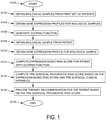
- Fig. 1 shows schematically and exemplarily a flowchart of an embodiment of a method of pre-surgical risk stratification of a prostate cancer subject.
- the method begins at step S100.
- a biological sample is obtained from each of a first set of patients (subjects) diagnosed with prostate cancer.
- monitoring prostate cancer has been performed for these prostate cancer patients over a period of time, such as at least one year, or at least two years, or about five years, after obtaining the biological sample.
- a gene expression profile for PDE4D7 is obtained for each of the biological samples obtained from the first set of patients, e.g., by performing RT-qPCR (real-time quantitative PCR) on RNA extracted from each biological sample.
- the exemplary gene expression profile includes an expression level (e.g., value) for PDE4D7 which can be normalized using value(s) for each of a set of reference genes, such as HPRT1, TUBA1B, PUM1, and/or TBP.
- the gene expression profile value of PDE4D7 is normalized to with respect to one or more reference genes selected from the group consisting of HPRT1, TUBA1B, PUM1, and TBP, e.g., at least one, or at least two, or at least three, or, preferably, all of these reference genes.
- a scoring function for assigning an expression based risk score is determined, based on the gene expression profile for PDE4D7 obtained for at least some of the biological samples obtained for the first set of patients and respective results obtained from the monitoring.
- the scoring function is a linear transformation that transforms the normalized gene expression profile into a predefined range of values, such as the above-mentioned range of 1 to 5.
- such a transformation can be determined by considering the frequency distribution of the normalized gene expression profile values for PDE4D7 for biological samples of a population of prostate cancer subjects (here, the first set of patients) and by determining the transformation that transforms the frequency distribution into the desired range.
- the expression based risk score is determined as specified in Eq. (1) above.
- a biological sample is obtained from a patient (subject or individual).
- the patient can be a new patient or one of the first set.
- a gene expression profile is obtained for PDE4D7, e.g., by performing PCR on the biological sample.
- the gene expression profile value of PDE4D7 is normalized to with respect to one or more reference genes selected from the group consisting of HPRT1, TUBA1B, PUM1, and TBP, e.g., at least one, or at least two, or at least three, or, preferably, all of these reference genes. This is substantially the same as in step S104.
- RNA DNA Directed Polypeptide A, 220kDa
- POLR2A protein A, 220kDa
- B2M Beta-2-Microglobulin
- ALAS-1 Aminolevulinate-Delta-Synthase
- an expression based risk score is determined for the patient, based on the gene expression profile, using the derived scoring function.
- a pre-surgical prognostic risk score is determined for the patient based on the expression based risk score and pre-surgical clinical variables of the patient. This will be described in more detail later in the description.
- a therapy recommendation may be provided, e.g., to the patient or his or her guardian, to a doctor, or to another healthcare worker, based on the pre-surgical prognostic risk score.
- the pre-surgical prognostic risk score may be categorized into one of a predefined set of risk groups, based on the value of the pre-surgical prognostic risk score.
- Providing a therapy recommendation may include one or more of: a) proposing a therapy for the patient based on the assigned risk group, with at least two of the risk groups being associated with different therapies, b) computing a disease progression risk prediction of the patient before or after prostate surgery; and c) computing a therapy response prediction for the patient before or after prostate surgery.
- Example therapies include at least a partial prostatectomy, an active therapy selected from radiation treatment, chemotherapy, and a combination thereof, and observation alone, i.e., without performing prostatectomy or active therapy (i.e., active surveillance).
- the method ends at S118.
- Each of the risk groups may be associated with a respective proposed therapy, which differs in its aggressiveness.
- Each proposed therapy may be based on the results of the patients from the first set that were assigned to that risk group and is one which is predicted to provide the least aggressive therapy which does not exceed a threshold clinical risk for development of prostate cancer. In some cases, this enables a new patient to be assigned to a risk group associated with a less aggressive proposed therapy than would be the case for other risk profiling methods, such as that using the Gleason score, the NCCN risk categories, or the pre-surgical CAPRA score.
- the gene expression profiles at steps S104 and S110 are determined by detecting mRNA expression using one or more primers and/or probes and/or one or more sets thereof.
- PDE4D7 and the one or more reference genes including their Transcript ID (NCBI RefSeq) and the corresponding amino acid sequences for the primer pair and probe are shown in TABLE 3.
- This table also shows, for each gene, a sense primer, and antisense primer, and a probe sequence that specifically binds to the amplicon.
- TABLE 1 Exemplary primer and probe nucleic acid sequences Gene Name Exemplary NCBI RefSeq Exemplary Protein Accession Sense Primer Antisense primer Probe Sequence PDE4D7 NM_001165 899.1 (SEQ ID NO: 19) NP_001159 371.1 (SEQ ID NO: 20) HPRT1 NM_00019 4.2 (SEQ ID NO: 34) NP_000185.
- RP radical prostatectomy
- DB diagnostic biopsy
- TABLE 2 Two patient cohorts, a radical prostatectomy (RP) patient cohort and a diagnostic biopsy (DB) patient cohort, with the demographics shown in TABLE 2, were employed.
- RP patient cohort a small biopsy punch (approximately 1 millimeter by 2 millimeters) of tissue was collected of a representative tumor area from the resected prostate from 550 patients who had been consecutively operated on between 2000 and 2004 at a single high-volume clinical center in Germany. After quality control of the study data based on pre-defined criteria and removal of patients who underwent adjuvant hormone therapy 503 patient samples were found eligible for statistical analysis.
- a single biopsy punch (approximately 1 millimeter by 2 millimeters) was collected from the tumor positive diagnostic biopsy with the highest Gleason grade per patient.
- the 168 patients in this case were diagnosed with prostate cancer and operated on between 1995 and 2011 at the University Stamm Muenster, Germany.
- diagnostic needle biopsy tissues of 151 patients were found eligible for statistical analysis.
- pre-surgical pathology For patient age, preoperative PSA, percentage of tumor in biopsy, prostate volume, and PSA density, the minimum and maximum values in the each cohort are shown, while the median and IQR values are depicted in parentheses. For the CAPRA risk categories, the number of patients and percentage per risk group are shown. In case of pre-surgical pathology, the biopsy Gleason scores and the Gleason grade groups as well as clinical stages are indicated (by number and percentage of patients). Post-surgical pathology is represented by the pathology Gleason scores and Gleason grade groups, the pathology stages, the surgical margin status after prostatectomy, the tumor invasion status of the seminal vesicles and pelvic lymph nodes (by number and percentage of patients).
- the extracapsular extension was not provided as a primary parameter but was derived from pathology stage pT3a.
- the follow-up demonstrates the mean and median follow-up periods in months after surgery for all patients.
- the outcome category illustrates the cumulative 5- and 10-year biochemical recurrence (BCR) and clinical recurrence to metastases (CR) post-surgical primary treatment.
- the treatment category lists the cumulative 5- and 10-year start to salvage radiation therapy (SRT) or salvage androgen deprivation therapy (SADT) after surgery. Mortality is shown as prostate cancer specific survival (PCSS) as well as overall survival (OS). For all outcomes, the number of men experiencing the outcome per total number of men with the respective 5- or 10-year follow are shown, wherein the percentage of events is given in parentheses.
- PCSS prostate cancer specific survival
- OS overall survival
- oligonucleotide primers and probes for RT-qPCR quantitative real-time PCR
- RNA extraction RNA extraction
- quality control and procedures to include/discard samples from the statistical analysis were as described previously in Böttcher R. et al..
- the primers and probes used for the RT-qPCR to measure the genes of interest as well as the reference genes are also given in TABLE 1.
- the continuous expression based risk score (i.e., the reference gene normalized and transformed expression of the PDE4D7 transcript) was correlated to pre-surgical clinical variables in the two patient cohorts: the RP patient cohort and the DB patient cohort.
- TABLES 3 to 8 show the uni- and multivariate Cox regression analysis of the biochemical recurrence (BCR) free survival and overall survival (OS) of the continuous expression based risk scores.
- the expression based risk scores were adjusted by pre-surgical clinical variables, namely, by the age at surgery, the pre-operative PSA, the PSA density, the biopsy Gleason grade group, the percentage of tumor positive biopsy cores, the percentage of tumor in biopsy, and the clinical stage (see TABLES 3, 5, and 7) or by the pre-surgical Cancer of the Prostate Risk Assessment (CAPRA) score (see TABLES 4, 6, and 8).
- the biopsy Gleason grade group and the clinical stage were modeled as categories with the lowest category used as a reference. All other demographic and clinical variables as well as the expression based risk scores were modeled as continuous variables. All variables were entered into the multivariate model and the respective statistical measures are given in the tables.
- TABLE 3 Uni- and multivariate Cox regression analysis of the biochemical recurrence (BCR) free survival of the expression based risk score in the RP patient cohort (#503), wherein the expression based risk score was adjusted for pre-surgical variables in the multivariate analysis.
- Pre-surgical prognostic risk score based on the expression based risk score and pre-surgical clinical variables
- this pre-surgical CAPRA score and expression based risk score logistic regression model was tested independently on 151 patients who were eligible for statistical data analysis. All patients had a minimum of 60 months of follow-up after operation.
- the methods used to investigate the power of the pre-surgical CAPRA score and expression based risk score logistic regression model were (i) Kaplan-Meier survival analysis, (i) ROC curve analysis, as well as (iii) re-classification and decision curve analysis.
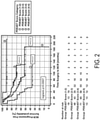
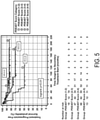
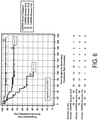
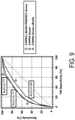
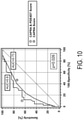
- Figs. 2 to 7 show results of Kaplan-Meier survival analysis of the time to PSA relapse or start of any salvage therapy after radical prostatectomy in the DB patient cohort (#151).
- Figs. 2 to 4 Kaplan-Meier analysis of the biochemical recurrence (BCR) free survival in the DB patient cohort of the categorized expression based risk score (indicated as "PDE4D7 Score” in Fig. 2 ), the pre-surgical CAPRA score categories (indicated as "CAPRA Score” in Fig. 3 ), and the pre-surgical CAPRA score and expression based risk score combination model (indicated as "CAPRA & PDE4D7 Score” in Fig. 4 ).
- BCR biochemical recurrence
- the expression based risk score categories were defined as: "PDE4D7 Score (1-2)”: expression based risk score in the range of 1 to ⁇ 2; "PDE4D7 Score (2-3)”: expression based risk score in the range of 2 to ⁇ 3; “PDE4D7 Score (3-4)”: expression based risk score in the range of 3 to ⁇ 4; and "PDE4D7 Score (4-5)”: expression based risk score in the range of 4 to ⁇ 5.
- the highest expression based risk score category “PDE4D7 Score (4-5)” was used as the reference category.
- the pre-surgical CAPRA score categories were defined as: "CAPRA scores (0-2)": pre-surgical CAPRA scores in the range of 0 to 2; "CAPRA scores (3-5)”: pre-surgical CAPRA scores in the range of 3 to 5; and "CAPRA scores (>5)”: pre-surgical CAPRA scores in the range of 6 to 10.
- the lowest pre-surgical CAPRA score category "CAPRA scores (0-2)" was used as the reference category.
- the categories of the pre-surgical CAPRA score and expression based risk score combination model were defined according to the probability to experience PSA failure after surgery based on the logit(p) function of the logistic regression model as: "Probability ( ⁇ 0.15)”; “Probability (0.15 to ⁇ 0.25)”; “Probability (0.25 to ⁇ 0.5)”; and “Probability (0.5 to 1.0)”.
- the Kaplan-Meier survival studies on the DB patient cohort showed a significant separation of patients into different risks to experience post-operative PSA relapse or start of any salvage therapy after radical prostatectomy based on the pre-surgical measurement of the expression based risk score in a tissue punch of a diagnostic biopsy (see Fig. 2 ).
- the pre-surgical CAPRA metric categorizes its individual components and gives weighted points to these categories.
- the pre-surgical CAPRA score is the sum of these weighted points (see Cooperberg M.R.).
- the biopsy Gleason score has, on one hand, a significant impact to the CAPRA score.
- Gleason scoring is subject to substantial variability amongst pathologists. Therefore, the information of the biopsy Gleason score within the pre-surgical CAPRA score was replaced with the molecular information provided by the expression based risk score.
- DCA decision curve analysis
- the provided results show that a predictive model of the pre-surgical clinical risk algorithm CAPRA with quantitative measurements of the prostate cancer biomarker PDE4D7 in a biological sample of a prostate cancer subject may provide an improved risk stratification. It was demonstrated in multiple analyses that this risk prediction model performs better in stratifying prostate cancer patients to treatment relevant risk categories compared to using risk schemas based solely on pre-surgical clinical parameters, as recommended by the various currently employed national prostate cancer guidelines.
- PDE4D7 may be adding prognostic value to clinical prediction models based on pre-surgical variables, like the pre-surgical CAPRA score, for disease specific outcomes as well as to the prediction of survival to support treatment decision making.
- the pre-surgical CAPRA model allows the selection of such a low risk patient cohort of (45% of the RP cohort with a 9.3% risk of 5-year post-surgical BCR; 27.7% of the DP cohort with a 4.8% risk of 5-year post-surgical BCR), the addition of molecular markers may allow to enlarge this very low risk patient group.
- the developed pre-surgical CAPRA score and expression based risk score regression model defines a very low risk cohort of 38 out of 151 patients (25.2%) in the DB patient cohort with a NPV (negative predictive value) of 100% for a 5-year risk of post-treatment PSA recurrence.
- AS Active surveillance
- the computer program product may comprise a non-transitory computer-readable recording medium on which a control program is recorded (stored), such as a disk, hard drive, or the like.
- a control program is recorded (stored)
- Common forms of non-transitory computer-readable media include, for example, floppy disks, flexible disks, hard disks, magnetic tape, or any other magnetic storage medium, CD-ROM, DVD, or any other optical medium, a RAM, a PROM, an EPROM, a FLASH-EPROM, or other memory chip or cartridge, or any other non-transitory medium from which a computer can read and use.
- the one or more steps of the method may be implemented in transitory media, such as a transmittable carrier wave in which the control program is embodied as a data signal using transmission media, such as acoustic or light waves, such as those generated during radio wave and infrared data communications, and the like.
- transitory media such as a transmittable carrier wave in which the control program is embodied as a data signal using transmission media, such as acoustic or light waves, such as those generated during radio wave and infrared data communications, and the like.
- the exemplary method may be implemented on one or more general purpose computers, special purpose computer(s), a programmed microprocessor or microcontroller and peripheral integrated circuit elements, an ASIC or other integrated circuit, a digital signal processor, a hardwired electronic or logic circuit such as a discrete element circuit, a programmable logic device such as a PLD, PLA, FPGA, Graphical card CPU (GPU), or PAL, or the like.
- any device capable of implementing a finite state machine that is in turn capable of implementing the flowchart shown in Fig. 1 , can be used to implement one or more steps of the method of risk stratification for therapy selection in a patient with prostate cancer is illustrated.
- the steps of the method may all be computer implemented, in some embodiments one or more of the steps may be at least partially performed manually.
- the computer program instructions may also be loaded onto a computer, other programmable data processing apparatus, or other devices to cause a series of operational steps to be performed on the computer, other programmable apparatus or other devices to produce a computer implemented process such that the instructions which execute on the computer or other programmable apparatus provide processes for implementing the functions/acts specified herein.
- the gene expression profile for PDE4D7 which can include an expression level (e.g., value) for PDE4D7 which can be normalized using value(s) for each of a set of reference genes
- the gene expression profile may further include expression information from other PDE4D variants.
- the other PDE4D variant(s) may include one or more of PDE4D1, PDE4D2, PDE4D3, PDE4D4, PDE4D5, PDE4D6, PDE4D8 and PDE4D9.
- the diagnostic kit may then additionally comprise at least one primer and/or probe for determining the gene expression profile for each of the other PDE4D variant(s) in the biological sample obtained from the prostate cancer subject.
- an expression level (e.g., value) for PDE4D7 which can be normalized using value(s) for each of a set of reference genes is employed.
- phosphodiesterase 4D1 or "PDE4D1” relates to the splice variant 1 of the human phosphodiesterase PDE4D, i.e., the human phosphodiesterase PDE4D1 gene, for example, to the sequence as defined in NCBI Reference Sequence: NM_001197222.1, specifically, to the nucleotide sequence as set forth in SEQ ID NO:1, which corresponds to the sequence of the above indicated NCBI Reference Sequence of the PDE4D1 transcript, and also relates to the corresponding amino acid sequence for example as set forth in SEQ ID NO:2, which corresponds to the protein sequence defined in NCBI Protein Accession Reference Sequence NP_001184151.1 encoding the PDE4D1 polypeptide.
- phosphodiesterase 4D1 or "PDE4D1” also relates to the amplicon that can be generated by the primer pair PDE1D1D2_forward (SEQ ID NO:3) and the PDE1D1D2_reverse (SEQ ID NO:4) and can be detected by probe SEQ ID NO:5.
- phosphodiesterase 4D2 or “PDE4D2” refers to the splice variant 2 of the human phosphodiesterase PDE4D, i.e., the human phosphodiesterase PDE4D2 gene, for example, to the sequence as defined in NCBI Reference Sequence: NM_001197221.1, specifically, to the nucleotide sequence as set forth in SEQ ID NO:6, which corresponds to the sequence of the above indicated NCBI Reference Sequence of the PDE4D2 transcript, and also relates to the corresponding amino acid sequence for example as set forth in SEQ ID NO:7, which corresponds to the protein sequence defined in NCBI Protein Accession Reference Sequence NP_001184150.1 encoding the PDE4D2 polypeptide.
- phosphodiesterase 4D3 or “PDE4D3” refers to the splice variant 3 of the human phosphodiesterase PDE4D, i.e., the human phosphodiesterase PDE4D3 gene, for example, to the sequence as defined in NCBI Reference Sequence: NM_006203.4, specifically, to the nucleotide sequence as set forth in SEQ ID NO:8, which corresponds to the sequence of the above indicated NCBI Reference Sequence of the PDE4D3 transcript, and also relates to the corresponding amino acid sequence for example as set forth in SEQ ID NO:9, which corresponds to the protein sequence defined in NCBI Protein Accession Reference Sequence NP_006194.2 encoding the PDE4D3 polypeptide.
- phosphodiesterase 4D4 or PDE4D4 refers to the splice variant 4 of the human phosphodiesterase PDE4D, i.e., the human phosphodiesterase PDE4D4 gene, for example, to the sequence as defined in NCBI Reference Sequence: NM_001104631.1, specifically, to the nucleotide sequence as set forth in SEQ ID NO:10, which corresponds to the sequence of the above indicated NCBI Reference Sequence of the PDE4D4 transcript, and also relates to the corresponding amino acid sequence for example as set forth in SEQ ID NO:11, which corresponds to the protein sequence defined in NCBI Protein Accession Reference Sequence NP_001098101.1 encoding the PDE4D4 polypeptide.
- phosphodiesterase 4D5" or "PDE4D5" refers to the splice variant 5 of the human phosphodiesterase PDE4D, i.e., the human phosphodiesterase PDE4D5 gene, for example, to the sequence as defined in NCBI Reference Sequence: NM_001197218.1, specifically, to the nucleotide sequence as set forth in SEQ ID NO:12, which corresponds to the sequence of the above indicated NCBI Reference Sequence of the PDE4D5 transcript, and also relates to the corresponding amino acid sequence for example as set forth in SEQ ID NO:13, which corresponds to the protein sequence defined in NCBI Protein Accession Reference Sequence NP_001184147.1 encoding the PDE4D5 polypeptide.
- PDE4D5 also relates to the amplicon that can be generated by the primer pair PDE4D5_forward (SEQ ID NO:14) and the PDE4D5_reverse (SEQ ID NO:15) and can be detected by probe SEQ ID NO:16.
- phosphodiesterase 4D6 or “PDE4D6” refers to the splice variant 6 of the human phosphodiesterase PDE4D, i.e., the human phosphodiesterase PDE4D6 gene, for example, to the sequence as defined in NCBI Reference Sequence: NM_001197223.1, specifically, to the nucleotide sequence as set forth in SEQ ID NO:17, which corresponds to the sequence of the above indicated NCBI Reference Sequence of the PDE4D6 transcript, and also relates to the corresponding amino acid sequence for example as set forth in SEQ ID NO:18, which corresponds to the protein sequence defined in NCBI Protein Accession Reference Sequence NP_001184152.1 encoding the PDE4D6 polypeptide.
- phosphodiesterase 4D8 or "PDE4D8” relates to the splice variant 8 of the human phosphodiesterase PDE4D, i.e., the human phosphodiesterase PDE4D8 gene, for example, to the sequence as defined in NCBI Reference Sequence: NM_001197219.1, specifically, to the nucleotide sequence as set forth in SEQ ID NO:27, which corresponds to the sequence of the above indicated NCBI Reference Sequence of the PDE4D8 transcript, and also relates to the corresponding amino acid sequence for example as set forth in SEQ ID NO:28, which corresponds to the protein sequence defined in NCBI Protein Accession Reference Sequence NP_001184148.1 encoding the PDE4D8 polypeptide.
- phosphodiesterase 4D9 or "PDE4D9” relates to the splice variant 9 of the human phosphodiesterase PDE4D, i.e., the human phosphodiesterase PDE4D9 gene, for example, to the sequence as defined in NCBI Reference Sequence: NM_001197220.1, specifically, to the nucleotide sequence as set forth in SEQ ID NO:29, which corresponds to the sequence of the above indicated NCBI Reference Sequence of the PDE4D9 transcript, and also relates to the corresponding amino acid sequence for example as set forth in SEQ ID NO:30 which corresponds to the protein sequence defined in NCBI Protein Accession Reference Sequence NP_001184149.1 encoding the PDE4D9 polypeptide.
- PDE4D9 also relates to the amplicon that can be generated by the primer pair PDE4D9_forward (SEQ ID NO:31) and the PDE4D9 _reverse (SEQ ID NO:32) and can be detected by probe SEQ ID NO:33.
- PDE4D1, PDE4D2
- PDE4D3 PDE4D4
- PDE4D5 PDE4D6
- PDE4D8 PDE4D9
- nucleic acid sequences being at least 75%, 80%, 85%, 90%, 91%, 92%, 93%, 94%, 95%, 96%, 97%, 98% or 99% identical to the sequence as set forth in SEQ ID NOs: 1, 6, 8, 10, 12, 17, 27 or 29 respectively or amino acid sequences being at least 75%, 80%, 85%, 90%, 91%, 92%, 93%, 94%, 95%, 96%, 97%, 98% or 99% identical to the sequence as set forth in SEQ ID NO:2,
- the PDE4D5 and PDE4D7 isoforms are long isoforms that each contain both the UCR1 and UCR2 regulatory domains.
- RP radical prostatectomy
- DB diagnostic biopsy
- RNAseq and the RT-qPCR data 536 and 151 patient samples were found eligible for statistical analysis in the RP cohort and the DB cohort, respectively.
- TABLE 10 Demographics of the radical prostatectomy (RP) patient cohort and the diagnostic biopsy (DB) patient cohort.
- Parameter RP cohort (#536) DB cohort (#151) Clinical Range (median; IQR)) Age (at RP) 41.3-74.5 (62.5; 7.5) 47.4-77.4 (64.9; 8.5) Preoperative PSA 0.18-120.0 (7.1; 6.2) 2.0-49.1 (8.1; 5.7) Percent tumor in biopsy 0.2-80.0 (10.6; 20.2) N/A Prostate Volume 9-244 (41.0; 21.0) 13.6-148.0 (38.5; 19.2) PSA density 0.01-4.0 (0.17; 0.16) 0.03-1.6 (0.2; 0.17) CAPRA Risk Category No.
- Biopsy Gleason 3+3 (GG1) 282 (52.6%) 77 (51.0%) Biopsy Gleason 3+4 (GG2) 172 (32.1%) 38 (25.2%) Biopsy Gleason 4+3 (GG3) 46 (8.6%) 20 (13.2%) Biopsy Gleason ⁇ 4+4 ( ⁇ GG4) 36 (6.7%) 16 (10.6%) cT1 348 (64.9%) 97 (64.2%) cT2 175 (32.6%) cT3 13 (2.3%) 54 (35.8%) N/A 1 (0.2%) - Post-Surgery Pathology No.
- pre-surgical pathology For patient age, preoperative PSA, percentage of tumor in biopsy, prostate volume, and PSA density, the minimum and maximum values in the each cohort are shown, while the median and IQR values are depicted in parentheses. For the CAPRA risk categories, the number of patients and percentage per risk group are shown. In case of pre-surgical pathology, the biopsy Gleason scores and the Gleason grade groups as well as clinical stages are indicated (by number and percentage of patients). Post-surgical pathology is represented by the pathology Gleason scores and Gleason grade groups, the pathology stages, the surgical margin status after prostatectomy, the tumor invasion status of the seminal vesicles and pelvic lymph nodes (by number and percentage of patients).
- the extracapsular extension was not provided as a primary parameter but was derived from pathology stage pT3a.
- the follow-up demonstrates the mean and median follow-up periods in months after surgery for all patients.
- the outcome category illustrates the cumulative 5- and 10-year biochemical recurrence (BCR) and clinical recurrence to metastases (CR) post-surgical primary treatment.
- the treatment category lists the cumulative 5- and 10-year start to salvage radiation therapy (SRT) or salvage androgen deprivation therapy (SADT) after surgery. Mortality is shown as prostate cancer specific survival (PCSS) as well as overall survival (OS). For all outcomes, the number of men experiencing the outcome per total number of men with the respective 5- or 10-year follow are shown, wherein the percentage of events is given in parentheses.
- PCSS prostate cancer specific survival
- OS overall survival
- tissue punches of the RP cohort were combined before nucleic acid extraction.
- a potential difference in tumor cellularity of the tissue punches was addressed by normalization of the RT-qPCR results of the PDE4D transcripts to the four reference genes HPRT1, TUBA1B, PUM1, and TBP. All used molecular laboratory methods including oligonucleotide primers and probes for RT-qPCR (quantitative real-time PCR), RNA extraction, and quality control and procedures to include/discard samples from the statistical analysis were described before (see Alves de Inda M.
- RNA Sample Processing 100 ng of total RNA was used as input to remove ribosomal RNA using Ribo-Zero Gold (Human/Mouse/Rat) rRNA Removal Kit (Illumina Inc.) according to the instructions of the manufacturer.
- Ribo-Zero Gold Human/Mouse/Rat
- rRNA Removal Kit Illumina Inc.
- For library construction we used the total of the depleted RNA as input into the Scriptseq V2 RNA-Seq Library Preparation Kit (Epicentre/Illumina Inc.). Prepared RNAseq libraries were sequenced using a NextSeq 500 sequencing system (paired-end; 2 x 75 bp read length; approx. 80 million total reads per sample).
- a score filter was used to select the subset of reads which contribute to the EQ Score by their good alignment result (all or most of the bases map correctly to the genome). The derived subset of high-quality reads was selected for further processing. If reads were mapped by fragmenting them (which may be required when aligning RNA) the measure was calculated based on the fragments alignment quality and the fragments were selected accordingly.
- Read q uality filtering To retain only high quality reads the following filtering steps were applied. Reads were discarded when >50% of the bases had a phred score ⁇ 11; bases at the read ends cut read if phred score ⁇ 11; reads ⁇ 63 bases discarded; reads with unknown (N) base calls were deleted; only read were kept pairs where each read passed the quality filter.
- Normalized PDE4D transcript expression was performed by subtracting the RT-qPCR Cq of the respective PDE4D transcript from the averaged RT-qPCR Cq of the reference genes.
- Normalized PDE4D5, PDE4D7, and PDE4D9 expression profiles were transformed to PDE4D5, PDE4D7, and PDE4D9 scores, as outlined for PDE4D7 in detail above.
- the PDE4D transcript scores were either used as a continuous or as a categorical variable defined as: a) PDE4D5/7/9 score (1 ⁇ 2); b) PDE4D5/7/9 score (>2 and ⁇ 3); c) PDE4D5/7/9 score (>3 and ⁇ 4); and d) PDE4D5/7/9 score (>4 and ⁇ 5).
- the CAPRA risk score and corresponding low (1), intermediate (2), high-risk (3) categories were calculated as described in Cooperberg M.R..
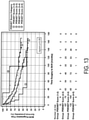
- the heatmaps replicated the results of the Kaplan-Meier survival analysis with more events in the lower PDE4D isoform score categories.
- the PDE4D transcript score categories were to some extent non-overlapping within a patient sample.
- the lowest score category i.e., all scores for PDE4D5 / PDE4D7 / PDE4D9 between [1-2]
- we identified 31 samples with at least one of the three PDE4D transcripts with a score category [1-2] see Fig. 18 .
- For three samples (marked in bold) we measured the lowest score category for all three PDE4D transcripts while for two samples (marked in bold italic) at least two PDE4D transcripts belonged to the lowest score category.
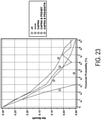
- TABLE 12 provides an overview of the increase in AUCs (areas under the curves) of up to 5% and up to 12% compared to the CAPRA score or the CAPRA & PDE4D7 score model, respectively when using the additional prognostic value of PDE4D5 and PDE4D9 in addition to the CAPRA & PDE4D7 score model.
- This data indicate that the use of additional prostate relevant PDE4D transcripts may increase the prognostic power of our previously published combination model of the CAPRA and PDE4D7 score.
- the patient cohort that was used for the respective endpoint is indicated including the number of patients with respective follow-up periods.
- the tested clinical endpoints are given including the number and percentage of the respectively tested events.
- the CAPRA score is calculated based on Cooperberg M.R.; however, as the information on the number of positive biopsy cores was missing for the RP ⁇ cohort the CAPRA score for this cohort was calculated using patient age, pre-operative PSA, biopsy Gleason score, and clinical stage only. The influence of the missing information on the biopsy cores was very limited as tested on the RP as well as the DB cohort.
- PDE4D7 was found to be associated significantly with post-treatment disease recurrence in a TMRPSS2-ERG fusion positive background while less prognostic in patients without this particular gene fusion event.
- PDE4D5 and PDE4D9 were highly prognostic in a non-fusion genomic background while PDE4D5 was not and PDE4D9 was less significantly associated with disease progression when the genomic fusion was present.
- AS Active surveillance
- the invention relates to a method of pre-surgical risk stratification of a prostate cancer subject, comprising determining a gene expression profile for phosphodiesterase 4D variant 7 (PDE4D7) in a biological sample obtained from the subject, determining an expression based risk score for the subject based on the gene expression profile, and determining a pre-surgical prognostic risk score for the subject based on the expression based risk score and pre-surgical clinical variables of the subject.
- PDE4D7 phosphodiesterase 4D variant 7
Landscapes
- Health & Medical Sciences (AREA)
- Life Sciences & Earth Sciences (AREA)
- Chemical & Material Sciences (AREA)
- Engineering & Computer Science (AREA)
- Organic Chemistry (AREA)
- Proteomics, Peptides & Aminoacids (AREA)
- Genetics & Genomics (AREA)
- Physics & Mathematics (AREA)
- General Health & Medical Sciences (AREA)
- Medical Informatics (AREA)
- Pathology (AREA)
- Wood Science & Technology (AREA)
- Zoology (AREA)
- Analytical Chemistry (AREA)
- Biophysics (AREA)
- Bioinformatics & Cheminformatics (AREA)
- Immunology (AREA)
- Biotechnology (AREA)
- Public Health (AREA)
- Molecular Biology (AREA)
- Epidemiology (AREA)
- General Engineering & Computer Science (AREA)
- Biochemistry (AREA)
- Microbiology (AREA)
- Data Mining & Analysis (AREA)
- Databases & Information Systems (AREA)
- Spectroscopy & Molecular Physics (AREA)
- Oncology (AREA)
- Theoretical Computer Science (AREA)
- Bioinformatics & Computational Biology (AREA)
- Hospice & Palliative Care (AREA)
- Evolutionary Biology (AREA)
- Primary Health Care (AREA)
- Biomedical Technology (AREA)
- Bioethics (AREA)
- Artificial Intelligence (AREA)
- Computer Vision & Pattern Recognition (AREA)
- Evolutionary Computation (AREA)
- Software Systems (AREA)
- Measuring Or Testing Involving Enzymes Or Micro-Organisms (AREA)
Claims (15)
- Verfahren zur präoperativen Risikostratifizierung eines Prostatakrebspatienten, umfassend:Bestimmen eines Genexpressionsprofils für Phosphodiesterase 4D Variante 7 (PDE4D7) in einer biologischen Probe, die dem Patienten entnommen wurde,Bestimmen einer expressionsbasierten Risikobewertung für den Patienten basierend auf dem Genexpressionsprofil, undBestimmen einer präoperativen prognostischen Risikobewertung für den Patienten basierend auf der expressionsbasierten Risikobewertung und den präoperativen klinischen Variablen des Patienten.
- Verfahren nach Anspruch 1, wobei die präoperativen klinischen Variablen eines oder mehrere umfassen von: (i) einem Alter des Patienten; (ii) ein Prostataspezifisches Antigen (PSA)-Niveau; (iii) einen primären und sekundären Biopsie-Gleason-Bewertung; (iv) ein klinisches Stadium; und (v) einen Prozentsatz tumorpositiver Biopsien.
- Verfahren nach Anspruch 1, ferner umfassend:Bestimmen eines präoperativen Cancer of the Prostata Risk Assessment (CAPRA)-Bewertung für den Patienten,wobei die präoperative prognostische Risikobewertung durch Kombinieren der expressionsbasierten Risikobewertung und der präoperativen CAPRA-Bewertung bestimmt wird.
- Verfahren nach Anspruch 3, wobei die expressionsbasierte Risikobewertung und die präoperative CAPRA-Bewertung mit einer Regressionsfunktion kombiniert werden, die aus einer Population von Prostatakrebspatienten abgeleitet wurde.
- Verfahren nach Anspruch 1, wobei die präoperative prognostische Risikobewertung als modifizierte präoperative Cancer of the Prostata Risk Assessment (CAPRA)-Bewertung für den Patienten bestimmt wird, bei dem eine primäre und sekundäre Biopsie-Gleason-Bewertung durch die expressionsbasierte Risikobewertung ersetzt wird.
- Verfahren nach Anspruch 5, wobei die expressionsbasierte Risikobewertung ein Wert in einem vordefinierten Bereich ist, wobei abhängig vom Wert eine Anzahl von Punkten im Bereich von 0 bis 3 in der modifizierten präoperativen CAPRA-Bewertung addiert werden.
- Verfahren nach Anspruch 1, ferner umfassend:Vorschlag einer primären Behandlung für den Patienten basierend auf der präoperativen prognostischen Risikobewertung,wobei die primäre Behandlung ausgewählt ist aus der Gruppe bestehend aus: (i) mindestens einer teilweisen Prostatektomie; (ii) eine aktive Therapie ausgewählt aus einer Strahlenbehandlung, Hormontherapie, Chemotherapie und eine Kombination davon; und (iii) aktive Überwachung.
- Verfahren nach Anspruch 1, ferner umfassend:Normalisierung des Genexpressionsprofils bezüglich eines oder mehrerer Referenzgene ausgewählt aus der Gruppe bestehend aus: Menschliche Hypoxanthin-Phosphoribosyl-Transferase 1 (HPRT1), Tubulin-Alpha-lb (TUBA1B), menschliches Pumilio-RNA-Bindungselemen (PUM1), und menschliches TATA-Box-Bindungsprotein (TBP) ,wobei die expressionsbasierte Risikobewertung basierend auf dem normalisierten Genexpressionsprofil bestimmt wird.
- Verfahren nach Anspruch 8, wobei das eine oder die mehreren Referenzgene mindestens zwei, mindestens drei oder alle von HPRT1, TUBA1B, PUM1 und TBP umfassen.
- Verfahren nach Anspruch 1, wobei die expressionsbasierte Risikobewertung mit einer Bewertungsfunktion basierend auf dem Genexpressionsprofil bestimmt wird, wobei die Bewertungsfunktion aus Genexpressionsprofilen für biologische Proben von Prostatakrebspatienten abgeleitet wurde.
- Verfahren nach Anspruch 8, wobei das Bestimmen des Genexpressionsprofils das Durchführen von RT-qPCR an RNA umfasst, die aus der biologischen Probe extrahiert wurde, wobei ein Cq-Wert für PDE4D7 und für jedes des einen oder der mehreren Referenzgene bestimmt wird, und wobei das Bestimmen der expressionsbasierten Risikobewertung das Normalisieren des Cq-Werts für PDE4D7 unter Verwendung des Cq-Werts für jedes des einen oder der mehreren Referenzgene und das Berechnen der expressionsbasierten Risikobewertung als eine lineare Funktion des normalisierten Cq-Werts umfasst.
- Diagnosekit, umfassend:mindestens einen Primer und/oder eine Sonde zum Bestimmen eines Genexpressionsprofils für Phosphodiesterase 4D Variante 7 (PDE4D7) in einer biologischen Probe, die von einem Prostatakrebspatienten erhalten wurde; undein Computerprogrammprodukt, das Anweisungen zum Berechnen einer präoperativen prognostischen Risikobewertung basierend auf dem Genexpressionsprofil für PDE4D7 und präoperativen klinischen Variablen des Patienten speichert, wobei die Anweisungen, wenn sie von einem Computer ausgeführt werden, ein Verfahren ausführen, umfassend:Bestimmen einer expressionsbasierten Risikobewertung für den Patienten basierend auf dem Genexpressionsprofil für PDE4D7, undBestimmen der präoperativen prognostischen Risikobewertung für den Patienten basierend auf der expressionsbasierten Risikobewertung und den präoperativen klinischen Variablen des Patienten.
- Verwendung des Kits nach Anspruch 12 in einem Verfahren zur präoperativen Risikostratifizierung eines Prostatakrebspatienten.
- Verwendung eines Genexpressionsprofils für Phosphodiesterase 4D Variante 7 (PDE4D7) bei der präoperativen Risikostratifizierung eines Prostatakrebspatienten, umfassend:Bestimmen des Genexpressionsprofils in einer biologischen Probe, die dem Patienten entnommen wurde,Bestimmen einer expressionsbasierten Risikobewertung für den Patienten basierend auf dem Genexpressionsprofil, undBestimmen einer präoperativen prognostischen Risikobewertung für den Patienten basierend auf der expressionsbasierten Risikobewertung und den präoperativen klinischen Variablen des Patienten.
- Computerprogrammprodukt, das Anweisungen umfasst, die, wenn das Programm von einem Computer ausgeführt wird, den Computer veranlassen, ein Verfahren auszuführen, umfassend:Bestimmen eines Genexpressionsprofils für Phosphodiesterase 4D Variante 7 (PDE4D7) in einer biologischen Probe, die von einem Prostatakrebspatienten erhalten wurde,Bestimmen einer expressionsbasierten Risikobewertung für den Patienten basierend auf dem Genexpressionsprofil, undBestimmen einer präoperativen prognostischen Risikobewertung für den Patienten basierend auf der expressionsbasierten Risikobewertung und den präoperativen klinischen Variablen des Patienten.
Applications Claiming Priority (2)
| Application Number | Priority Date | Filing Date | Title |
|---|---|---|---|
| EP17209506.9A EP3502280A1 (de) | 2017-12-21 | 2017-12-21 | Präoperative risikostratifizierung auf basis von pde4d7-expression und prächirurgischen klinischen variablen |
| PCT/EP2018/086015 WO2019122037A1 (en) | 2017-12-21 | 2018-12-19 | Pre-surgical risk stratification based on pde4d7 expression and pre-surgical clinical variables |
Publications (2)
| Publication Number | Publication Date |
|---|---|
| EP3728640A1 EP3728640A1 (de) | 2020-10-28 |
| EP3728640B1 true EP3728640B1 (de) | 2022-02-16 |
Family
ID=60781852
Family Applications (2)
| Application Number | Title | Priority Date | Filing Date |
|---|---|---|---|
| EP17209506.9A Withdrawn EP3502280A1 (de) | 2017-12-21 | 2017-12-21 | Präoperative risikostratifizierung auf basis von pde4d7-expression und prächirurgischen klinischen variablen |
| EP18827070.6A Active EP3728640B1 (de) | 2017-12-21 | 2018-12-19 | Präoperative risikostratifizierung auf basis von pde4d7-expression und prächirurgischen klinischen variablen |
Family Applications Before (1)
| Application Number | Title | Priority Date | Filing Date |
|---|---|---|---|
| EP17209506.9A Withdrawn EP3502280A1 (de) | 2017-12-21 | 2017-12-21 | Präoperative risikostratifizierung auf basis von pde4d7-expression und prächirurgischen klinischen variablen |
Country Status (7)
| Country | Link |
|---|---|
| US (1) | US12000002B2 (de) |
| EP (2) | EP3502280A1 (de) |
| JP (1) | JP7336442B2 (de) |
| CN (1) | CN111742061B (de) |
| DK (1) | DK3728640T3 (de) |
| ES (1) | ES2911245T3 (de) |
| WO (1) | WO2019122037A1 (de) |
Families Citing this family (10)
| Publication number | Priority date | Publication date | Assignee | Title |
|---|---|---|---|---|
| EP4158655B1 (de) * | 2020-05-29 | 2025-12-17 | F. Hoffmann-La Roche AG | Verfahren zur bestimmung des sterblichkeitsrisikos eines krebspatienten, verfahren zur beurteilung einer antikrebstherapie, verfahren zur auswahl von krebspatienten zur behandlung |
| EP3960876A1 (de) * | 2020-08-31 | 2022-03-02 | Koninklijke Philips N.V. | Vorhersage einer reaktion eines prostatakrebspatienten auf eine strahlentherapie basierend auf pde4d7-korrelierten genen |
| CN112562857A (zh) * | 2020-12-28 | 2021-03-26 | 上海蓬海涞讯数据技术有限公司 | 基于k均值聚类实现高危手术预测的方法、装置、处理器及其存储介质 |
| EP4124661A1 (de) * | 2021-07-26 | 2023-02-01 | Koninklijke Philips N.V. | Personalisierung bei prostatakrebs durch verwendung des prostatakrebs-pde4d7-knockdown-wertes |
| JPWO2023176576A1 (de) * | 2022-03-18 | 2023-09-21 | ||
| CN115910365B (zh) * | 2022-11-16 | 2024-02-13 | 华中科技大学同济医学院附属同济医院 | Eos-CRSwNP术前难治性评估模型的构建方法及预测系统 |
| WO2025016918A1 (en) | 2023-07-18 | 2025-01-23 | Koninklijke Philips N.V. | Prediction of an outcome of a subject suffering from a glioma |
| EP4600377A1 (de) | 2024-02-12 | 2025-08-13 | Koninklijke Philips N.V. | Vorhersage eines ergebnisses eines an einem gliom leidenden patienten |
| EP4722388A1 (de) | 2024-10-03 | 2026-04-08 | Koninklijke Philips N.V. | Vorhersage des ergebnisses einer person mit akuter myoloider leukämie |
| EP4733415A1 (de) | 2024-10-28 | 2026-04-29 | Koninklijke Philips N.V. | Verfahren zur risikostratifizierung für patienten mit prostatakrebs mit geringem risiko |
Family Cites Families (5)
| Publication number | Priority date | Publication date | Assignee | Title |
|---|---|---|---|---|
| KR20120036842A (ko) * | 2009-05-12 | 2012-04-18 | 코닌클리케 필립스 일렉트로닉스 엔.브이. | 악성의 호르몬 민감성 전립선 암에 대한 마커로서의 포스포디에스테라제 4d7 |
| CA2863040C (en) | 2012-01-31 | 2022-04-19 | Genomic Health, Inc. | Gene expression profile algorithm and test for determining prognosis of prostate cancer |
| DK3303618T3 (da) | 2015-05-29 | 2019-12-16 | Koninklijke Philips Nv | Fremgangsmåder til prognose af prostatacancer |
| CN108738329A (zh) | 2015-05-29 | 2018-11-02 | 皇家飞利浦有限公司 | 前列腺癌预后方法 |
| CN110062811A (zh) * | 2016-12-01 | 2019-07-26 | 皇家飞利浦有限公司 | 基于人磷酸二酯酶4d变体7表达的风险评分 |
-
2017
- 2017-12-21 EP EP17209506.9A patent/EP3502280A1/de not_active Withdrawn
-
2018
- 2018-12-19 DK DK18827070.6T patent/DK3728640T3/da active
- 2018-12-19 EP EP18827070.6A patent/EP3728640B1/de active Active
- 2018-12-19 WO PCT/EP2018/086015 patent/WO2019122037A1/en not_active Ceased
- 2018-12-19 JP JP2020534908A patent/JP7336442B2/ja active Active
- 2018-12-19 US US16/771,558 patent/US12000002B2/en active Active
- 2018-12-19 CN CN201880089754.5A patent/CN111742061B/zh active Active
- 2018-12-19 ES ES18827070T patent/ES2911245T3/es active Active
Also Published As
| Publication number | Publication date |
|---|---|
| DK3728640T3 (da) | 2022-05-09 |
| US12000002B2 (en) | 2024-06-04 |
| EP3502280A1 (de) | 2019-06-26 |
| EP3728640A1 (de) | 2020-10-28 |
| CN111742061B (zh) | 2024-11-19 |
| CN111742061A (zh) | 2020-10-02 |
| JP2021506326A (ja) | 2021-02-22 |
| JP7336442B2 (ja) | 2023-08-31 |
| ES2911245T3 (es) | 2022-05-18 |
| WO2019122037A1 (en) | 2019-06-27 |
| US20200308654A1 (en) | 2020-10-01 |
Similar Documents
| Publication | Publication Date | Title |
|---|---|---|
| US12000002B2 (en) | Pre-surgical risk stratification based on PDE4D7 expression and pre-surgical clinical variables | |
| JP2023538868A (ja) | Pde4d7相関遺伝子に基づく放射線療法に対する前立腺癌被験者の反応の予測 | |
| US20250182892A1 (en) | Method of monitoring cancer using fragmentation profiles | |
| BR112019011031A2 (pt) | Método para estratificação de risco, produto de programa de computador, kit de diagnóstico e uso de um perfil de expressão gênica para estratificação de risco | |
| CN118451200A (zh) | 用于从细胞游离dna推断基因表达和起源组织的系统和方法 | |
| KR20240015624A (ko) | 게놈 전체 cfdna 단편화 프로파일을 이용한 암을 검출하는 방법 | |
| EP3864178B1 (de) | Präoperative risikostratifizierung auf basis von pde4d7- und dhx9-expression | |
| EP3775287B1 (de) | Postoperative risikostratifizierung auf basis der pde4d-varianten-expression, ausgewählt nach tmprss2-erg-fusionsstatus, und post-chirurgischen klinischen variablen | |
| CN120752348A (zh) | Delfi衍生的游离dna片段化模式以非侵入性方式区分肺癌的组织学亚型 | |
| CN110387423A (zh) | 前庭神经鞘瘤诊断用生物标志物 | |
| Leary et al. | BIOM-70. MIRNA PROFILING COMBINED WITH MRI RADIOMICS FOR GLIOBLASTOMA OUTCOME PREDICTION: INTEGRATED MACHINE LEARNING ANALYSIS OF LONGITUDINAL, MULTIMODAL DATA FROM 73 PATIENTS | |
| Ou et al. | Comprehensive Analysis of a ceRNA Network Reveals Potential Prognostic lncRNAs Involved in Progression of Bladder Cancer | |
| JP2024528065A (ja) | 前立腺がんpde4d7ノックダウンスコアの使用による前立腺がんにおける個人化 | |
| EP3394290B1 (de) | Differentialdiagnose bei glioblastoma multiforme | |
| CN120683251A (zh) | 一种评估喉鳞癌预后的分子标记物及其应用 | |
| WO2020092038A1 (en) | Cdkn2a screening germline expression | |
| van Strijp et al. | Research Article The Association of the Long Prostate Cancer Expressed PDE4D Transcripts to Poor Patient Outcome Depends on the Tumour’s TMPRSS2-ERG Fusion Status | |
| CN112368399A (zh) | miRNA用于高级别浆液性卵巢癌治疗护理的预测和预后用途 | |
| TW201923635A (zh) | 替莫唑胺反應預測子及方法 |
Legal Events
| Date | Code | Title | Description |
|---|---|---|---|
| STAA | Information on the status of an ep patent application or granted ep patent |
Free format text: STATUS: UNKNOWN |
|
| STAA | Information on the status of an ep patent application or granted ep patent |
Free format text: STATUS: THE INTERNATIONAL PUBLICATION HAS BEEN MADE |
|
| PUAI | Public reference made under article 153(3) epc to a published international application that has entered the european phase |
Free format text: ORIGINAL CODE: 0009012 |
|
| STAA | Information on the status of an ep patent application or granted ep patent |
Free format text: STATUS: REQUEST FOR EXAMINATION WAS MADE |
|
| 17P | Request for examination filed |
Effective date: 20200721 |
|
| AK | Designated contracting states |
Kind code of ref document: A1 Designated state(s): AL AT BE BG CH CY CZ DE DK EE ES FI FR GB GR HR HU IE IS IT LI LT LU LV MC MK MT NL NO PL PT RO RS SE SI SK SM TR |
|
| AX | Request for extension of the european patent |
Extension state: BA ME |
|
| DAV | Request for validation of the european patent (deleted) | ||
| DAX | Request for extension of the european patent (deleted) | ||
| GRAP | Despatch of communication of intention to grant a patent |
Free format text: ORIGINAL CODE: EPIDOSNIGR1 |
|
| STAA | Information on the status of an ep patent application or granted ep patent |
Free format text: STATUS: GRANT OF PATENT IS INTENDED |
|
| INTG | Intention to grant announced |
Effective date: 20210915 |
|
| GRAS | Grant fee paid |
Free format text: ORIGINAL CODE: EPIDOSNIGR3 |
|
| GRAA | (expected) grant |
Free format text: ORIGINAL CODE: 0009210 |
|
| STAA | Information on the status of an ep patent application or granted ep patent |
Free format text: STATUS: THE PATENT HAS BEEN GRANTED |
|
| AK | Designated contracting states |
Kind code of ref document: B1 Designated state(s): AL AT BE BG CH CY CZ DE DK EE ES FI FR GB GR HR HU IE IS IT LI LT LU LV MC MK MT NL NO PL PT RO RS SE SI SK SM TR |
|
| REG | Reference to a national code |
Ref country code: GB Ref legal event code: FG4D |
|
| REG | Reference to a national code |
Ref country code: CH Ref legal event code: EP |
|
| REG | Reference to a national code |
Ref country code: DE Ref legal event code: R096 Ref document number: 602018031005 Country of ref document: DE |
|
| REG | Reference to a national code |
Ref country code: AT Ref legal event code: REF Ref document number: 1468902 Country of ref document: AT Kind code of ref document: T Effective date: 20220315 |
|
| REG | Reference to a national code |
Ref country code: IE Ref legal event code: FG4D |
|
| REG | Reference to a national code |
Ref country code: DK Ref legal event code: T3 Effective date: 20220502 |
|
| REG | Reference to a national code |
Ref country code: NL Ref legal event code: FP Ref country code: ES Ref legal event code: FG2A Ref document number: 2911245 Country of ref document: ES Kind code of ref document: T3 Effective date: 20220518 |
|
| REG | Reference to a national code |
Ref country code: SE Ref legal event code: TRGR |
|
| REG | Reference to a national code |
Ref country code: LT Ref legal event code: MG9D |
|
| REG | Reference to a national code |
Ref country code: AT Ref legal event code: MK05 Ref document number: 1468902 Country of ref document: AT Kind code of ref document: T Effective date: 20220216 |
|
| PG25 | Lapsed in a contracting state [announced via postgrant information from national office to epo] |
Ref country code: RS Free format text: LAPSE BECAUSE OF FAILURE TO SUBMIT A TRANSLATION OF THE DESCRIPTION OR TO PAY THE FEE WITHIN THE PRESCRIBED TIME-LIMIT Effective date: 20220216 Ref country code: PT Free format text: LAPSE BECAUSE OF FAILURE TO SUBMIT A TRANSLATION OF THE DESCRIPTION OR TO PAY THE FEE WITHIN THE PRESCRIBED TIME-LIMIT Effective date: 20220616 Ref country code: NO Free format text: LAPSE BECAUSE OF FAILURE TO SUBMIT A TRANSLATION OF THE DESCRIPTION OR TO PAY THE FEE WITHIN THE PRESCRIBED TIME-LIMIT Effective date: 20220516 Ref country code: LT Free format text: LAPSE BECAUSE OF FAILURE TO SUBMIT A TRANSLATION OF THE DESCRIPTION OR TO PAY THE FEE WITHIN THE PRESCRIBED TIME-LIMIT Effective date: 20220216 Ref country code: HR Free format text: LAPSE BECAUSE OF FAILURE TO SUBMIT A TRANSLATION OF THE DESCRIPTION OR TO PAY THE FEE WITHIN THE PRESCRIBED TIME-LIMIT Effective date: 20220216 Ref country code: BG Free format text: LAPSE BECAUSE OF FAILURE TO SUBMIT A TRANSLATION OF THE DESCRIPTION OR TO PAY THE FEE WITHIN THE PRESCRIBED TIME-LIMIT Effective date: 20220516 |
|
| PG25 | Lapsed in a contracting state [announced via postgrant information from national office to epo] |
Ref country code: PL Free format text: LAPSE BECAUSE OF FAILURE TO SUBMIT A TRANSLATION OF THE DESCRIPTION OR TO PAY THE FEE WITHIN THE PRESCRIBED TIME-LIMIT Effective date: 20220216 Ref country code: LV Free format text: LAPSE BECAUSE OF FAILURE TO SUBMIT A TRANSLATION OF THE DESCRIPTION OR TO PAY THE FEE WITHIN THE PRESCRIBED TIME-LIMIT Effective date: 20220216 Ref country code: GR Free format text: LAPSE BECAUSE OF FAILURE TO SUBMIT A TRANSLATION OF THE DESCRIPTION OR TO PAY THE FEE WITHIN THE PRESCRIBED TIME-LIMIT Effective date: 20220517 Ref country code: FI Free format text: LAPSE BECAUSE OF FAILURE TO SUBMIT A TRANSLATION OF THE DESCRIPTION OR TO PAY THE FEE WITHIN THE PRESCRIBED TIME-LIMIT Effective date: 20220216 Ref country code: AT Free format text: LAPSE BECAUSE OF FAILURE TO SUBMIT A TRANSLATION OF THE DESCRIPTION OR TO PAY THE FEE WITHIN THE PRESCRIBED TIME-LIMIT Effective date: 20220216 |
|
| PG25 | Lapsed in a contracting state [announced via postgrant information from national office to epo] |
Ref country code: IS Free format text: LAPSE BECAUSE OF FAILURE TO SUBMIT A TRANSLATION OF THE DESCRIPTION OR TO PAY THE FEE WITHIN THE PRESCRIBED TIME-LIMIT Effective date: 20220617 |
|
| PG25 | Lapsed in a contracting state [announced via postgrant information from national office to epo] |
Ref country code: SM Free format text: LAPSE BECAUSE OF FAILURE TO SUBMIT A TRANSLATION OF THE DESCRIPTION OR TO PAY THE FEE WITHIN THE PRESCRIBED TIME-LIMIT Effective date: 20220216 Ref country code: SK Free format text: LAPSE BECAUSE OF FAILURE TO SUBMIT A TRANSLATION OF THE DESCRIPTION OR TO PAY THE FEE WITHIN THE PRESCRIBED TIME-LIMIT Effective date: 20220216 Ref country code: RO Free format text: LAPSE BECAUSE OF FAILURE TO SUBMIT A TRANSLATION OF THE DESCRIPTION OR TO PAY THE FEE WITHIN THE PRESCRIBED TIME-LIMIT Effective date: 20220216 Ref country code: EE Free format text: LAPSE BECAUSE OF FAILURE TO SUBMIT A TRANSLATION OF THE DESCRIPTION OR TO PAY THE FEE WITHIN THE PRESCRIBED TIME-LIMIT Effective date: 20220216 Ref country code: CZ Free format text: LAPSE BECAUSE OF FAILURE TO SUBMIT A TRANSLATION OF THE DESCRIPTION OR TO PAY THE FEE WITHIN THE PRESCRIBED TIME-LIMIT Effective date: 20220216 |
|
| REG | Reference to a national code |
Ref country code: DE Ref legal event code: R097 Ref document number: 602018031005 Country of ref document: DE |
|
| PG25 | Lapsed in a contracting state [announced via postgrant information from national office to epo] |
Ref country code: AL Free format text: LAPSE BECAUSE OF FAILURE TO SUBMIT A TRANSLATION OF THE DESCRIPTION OR TO PAY THE FEE WITHIN THE PRESCRIBED TIME-LIMIT Effective date: 20220216 |
|
| PLBE | No opposition filed within time limit |
Free format text: ORIGINAL CODE: 0009261 |
|
| STAA | Information on the status of an ep patent application or granted ep patent |
Free format text: STATUS: NO OPPOSITION FILED WITHIN TIME LIMIT |
|
| 26N | No opposition filed |
Effective date: 20221117 |
|
| PG25 | Lapsed in a contracting state [announced via postgrant information from national office to epo] |
Ref country code: SI Free format text: LAPSE BECAUSE OF FAILURE TO SUBMIT A TRANSLATION OF THE DESCRIPTION OR TO PAY THE FEE WITHIN THE PRESCRIBED TIME-LIMIT Effective date: 20220216 |
|
| REG | Reference to a national code |
Ref country code: DK Ref legal event code: EBP Effective date: 20221231 |
|
| REG | Reference to a national code |
Ref country code: SE Ref legal event code: EUG |
|
| REG | Reference to a national code |
Ref country code: BE Ref legal event code: MM Effective date: 20221231 |
|
| PG25 | Lapsed in a contracting state [announced via postgrant information from national office to epo] |
Ref country code: LU Free format text: LAPSE BECAUSE OF NON-PAYMENT OF DUE FEES Effective date: 20221219 |
|
| PG25 | Lapsed in a contracting state [announced via postgrant information from national office to epo] |
Ref country code: SE Free format text: LAPSE BECAUSE OF NON-PAYMENT OF DUE FEES Effective date: 20221220 Ref country code: IE Free format text: LAPSE BECAUSE OF NON-PAYMENT OF DUE FEES Effective date: 20221219 |
|
| PG25 | Lapsed in a contracting state [announced via postgrant information from national office to epo] |
Ref country code: BE Free format text: LAPSE BECAUSE OF NON-PAYMENT OF DUE FEES Effective date: 20221231 |
|
| REG | Reference to a national code |
Ref country code: ES Ref legal event code: FD2A Effective date: 20240126 |
|
| PG25 | Lapsed in a contracting state [announced via postgrant information from national office to epo] |
Ref country code: IT Free format text: LAPSE BECAUSE OF NON-PAYMENT OF DUE FEES Effective date: 20221219 Ref country code: DK Free format text: LAPSE BECAUSE OF NON-PAYMENT OF DUE FEES Effective date: 20221231 |
|
| PG25 | Lapsed in a contracting state [announced via postgrant information from national office to epo] |
Ref country code: ES Free format text: LAPSE BECAUSE OF NON-PAYMENT OF DUE FEES Effective date: 20221220 |
|
| PG25 | Lapsed in a contracting state [announced via postgrant information from national office to epo] |
Ref country code: ES Free format text: LAPSE BECAUSE OF NON-PAYMENT OF DUE FEES Effective date: 20221220 Ref country code: CY Free format text: LAPSE BECAUSE OF FAILURE TO SUBMIT A TRANSLATION OF THE DESCRIPTION OR TO PAY THE FEE WITHIN THE PRESCRIBED TIME-LIMIT Effective date: 20220216 |
|
| PG25 | Lapsed in a contracting state [announced via postgrant information from national office to epo] |
Ref country code: MK Free format text: LAPSE BECAUSE OF FAILURE TO SUBMIT A TRANSLATION OF THE DESCRIPTION OR TO PAY THE FEE WITHIN THE PRESCRIBED TIME-LIMIT Effective date: 20220216 Ref country code: HU Free format text: LAPSE BECAUSE OF FAILURE TO SUBMIT A TRANSLATION OF THE DESCRIPTION OR TO PAY THE FEE WITHIN THE PRESCRIBED TIME-LIMIT; INVALID AB INITIO Effective date: 20181219 |
|
| PG25 | Lapsed in a contracting state [announced via postgrant information from national office to epo] |
Ref country code: MC Free format text: LAPSE BECAUSE OF FAILURE TO SUBMIT A TRANSLATION OF THE DESCRIPTION OR TO PAY THE FEE WITHIN THE PRESCRIBED TIME-LIMIT Effective date: 20220216 |
|
| PG25 | Lapsed in a contracting state [announced via postgrant information from national office to epo] |
Ref country code: MC Free format text: LAPSE BECAUSE OF FAILURE TO SUBMIT A TRANSLATION OF THE DESCRIPTION OR TO PAY THE FEE WITHIN THE PRESCRIBED TIME-LIMIT Effective date: 20220216 |
|
| PG25 | Lapsed in a contracting state [announced via postgrant information from national office to epo] |
Ref country code: MT Free format text: LAPSE BECAUSE OF FAILURE TO SUBMIT A TRANSLATION OF THE DESCRIPTION OR TO PAY THE FEE WITHIN THE PRESCRIBED TIME-LIMIT Effective date: 20220216 |
|
| PGFP | Annual fee paid to national office [announced via postgrant information from national office to epo] |
Ref country code: NL Payment date: 20241224 Year of fee payment: 7 |
|
| PG25 | Lapsed in a contracting state [announced via postgrant information from national office to epo] |
Ref country code: TR Free format text: LAPSE BECAUSE OF FAILURE TO SUBMIT A TRANSLATION OF THE DESCRIPTION OR TO PAY THE FEE WITHIN THE PRESCRIBED TIME-LIMIT Effective date: 20220216 |
|
| REG | Reference to a national code |
Ref country code: CH Ref legal event code: U11 Free format text: ST27 STATUS EVENT CODE: U-0-0-U10-U11 (AS PROVIDED BY THE NATIONAL OFFICE) Effective date: 20260101 |
|
| PGFP | Annual fee paid to national office [announced via postgrant information from national office to epo] |
Ref country code: GB Payment date: 20251223 Year of fee payment: 8 |
|
| PGFP | Annual fee paid to national office [announced via postgrant information from national office to epo] |
Ref country code: FR Payment date: 20251222 Year of fee payment: 8 |
|
| PGFP | Annual fee paid to national office [announced via postgrant information from national office to epo] |
Ref country code: DE Payment date: 20251229 Year of fee payment: 8 |
|
| PGFP | Annual fee paid to national office [announced via postgrant information from national office to epo] |
Ref country code: CH Payment date: 20260101 Year of fee payment: 8 |