EP3708574B1 - Peptide or composition containing it for inhibiting atopic dermatitis - Google Patents
Peptide or composition containing it for inhibiting atopic dermatitis Download PDFInfo
- Publication number
- EP3708574B1 EP3708574B1 EP18897048.7A EP18897048A EP3708574B1 EP 3708574 B1 EP3708574 B1 EP 3708574B1 EP 18897048 A EP18897048 A EP 18897048A EP 3708574 B1 EP3708574 B1 EP 3708574B1
- Authority
- EP
- European Patent Office
- Prior art keywords
- peptide
- atopic dermatitis
- group
- tetrapeptide
- seq
- Prior art date
- Legal status (The legal status is an assumption and is not a legal conclusion. Google has not performed a legal analysis and makes no representation as to the accuracy of the status listed.)
- Active
Links
Images







Classifications
-
- C—CHEMISTRY; METALLURGY
- C07—ORGANIC CHEMISTRY
- C07K—PEPTIDES
- C07K5/00—Peptides containing up to four amino acids in a fully defined sequence; Derivatives thereof
- C07K5/04—Peptides containing up to four amino acids in a fully defined sequence; Derivatives thereof containing only normal peptide links
- C07K5/10—Tetrapeptides
- C07K5/1019—Tetrapeptides with the first amino acid being basic
-
- A—HUMAN NECESSITIES
- A61—MEDICAL OR VETERINARY SCIENCE; HYGIENE
- A61K—PREPARATIONS FOR MEDICAL, DENTAL OR TOILETRY PURPOSES
- A61K9/00—Medicinal preparations characterised by special physical form
- A61K9/0012—Galenical forms characterised by the site of application
- A61K9/0014—Skin, i.e. galenical aspects of topical compositions
-
- A—HUMAN NECESSITIES
- A61—MEDICAL OR VETERINARY SCIENCE; HYGIENE
- A61K—PREPARATIONS FOR MEDICAL, DENTAL OR TOILETRY PURPOSES
- A61K8/00—Cosmetics or similar toiletry preparations
- A61K8/18—Cosmetics or similar toiletry preparations characterised by the composition
- A61K8/30—Cosmetics or similar toiletry preparations characterised by the composition containing organic compounds
- A61K8/64—Proteins; Peptides; Derivatives or degradation products thereof
-
- A—HUMAN NECESSITIES
- A61—MEDICAL OR VETERINARY SCIENCE; HYGIENE
- A61P—SPECIFIC THERAPEUTIC ACTIVITY OF CHEMICAL COMPOUNDS OR MEDICINAL PREPARATIONS
- A61P17/00—Drugs for dermatological disorders
-
- A—HUMAN NECESSITIES
- A61—MEDICAL OR VETERINARY SCIENCE; HYGIENE
- A61Q—SPECIFIC USE OF COSMETICS OR SIMILAR TOILETRY PREPARATIONS
- A61Q19/00—Preparations for care of the skin
-
- A—HUMAN NECESSITIES
- A61—MEDICAL OR VETERINARY SCIENCE; HYGIENE
- A61K—PREPARATIONS FOR MEDICAL, DENTAL OR TOILETRY PURPOSES
- A61K38/00—Medicinal preparations containing peptides
-
- A—HUMAN NECESSITIES
- A61—MEDICAL OR VETERINARY SCIENCE; HYGIENE
- A61K—PREPARATIONS FOR MEDICAL, DENTAL OR TOILETRY PURPOSES
- A61K45/00—Medicinal preparations containing active ingredients not provided for in groups A61K31/00 - A61K41/00
Definitions
- the present invention relates to a peptide for inhibiting skin inflammation caused by atopic dermatitis and a pharmaceutical composition and a cosmetic composition for preventing or treating skin inflammation caused by atopic dermatitis including the same.
- Skin inflammation refers to a disease that causes a series of clinical signs and symptoms such as itching, edema, erythema and exfoliation due to various stimulating factors which cause a series of inflammatory reactions in the skin epithelium, which is known to include atopic dermatitis, contact dermatitis, seborrhea and acne, psoriasis, and the like.
- Atopic dermatitis is a chronic inflammatory skin disease that occurs most often in infancy or childhood, and it repeatedly recovers and aggravates, which is accompanied by rash and severe itching due to external stimulants.
- the pathogenesis of atopic dermatitis has not yet been elucidated.
- pathological factors such as hyperactivity due to an IgE antibody increase or functional loss of T lymphocyte due to a cell-mediated immune functional decrease have been found, and thus it is thought to be a disease involving immunological abnormality.
- extrinsic atopic dermatitis which occupies most of atopic dermatitis, is caused by IgE-related immune mechanism, and delay-type immune response due to T cell abnormality is involved rather than an immediate-type immune response to a specific allergen.
- steroids and antihistamines are mainly used together with moisturizers in order to treat skin inflammation caused by atopic dermatitis and the like.
- steroids have anti-inflammatory or immunosuppressive properties, but their use is limited due to side effects.
- antihistamines bind to histamine receptors on the surface of mast cells to inhibit the release of histamine.
- antihistamines' use is limited because they are ineffective in the production of various allergic-inflammatory mediators.
- the present inventors have completed the present invention by confirming that tetrapeptides inhibit skin inflammation without side effects.
- WO 94/17095 discloses peptides representing all or a portion or tyrosin activation motifs (TAMs) and analogs and derivatives thereof (TAM Mimics) in the treatment of diseases associated with undesirable or inappropriate immune activity or inflammation.
- TAMs tyrosin activation motifs
- TAM Mimics analogs and derivatives thereof
- KR 101644440 describes the modified peptides Ac-RLYE and R_(D)LYE as active ingredients in preventing and treating diseases caused by excessive angiogenesis.
- An object of the present invention is to provide a peptide for use in inhibiting atopic dermatitis consisting of an amino acid sequence represented by Arg-Leu-Tyr-Glu.
- Another object of the present invention is to provide a pharmaceutical composition for use in preventing or treating atopic dermatitis including a peptide for inhibiting skin inflammation, consisting of an amino acid sequence represented by Arg-Leu-Tyr-Glu.
- a cosmetic composition for use in preventing or improving skin inflammation including a peptide for inhibiting skin inflammation, including an amino acid sequence represented by Arg-Leu-Tyr-Glu is further disclosed herein but does not form part of the present invention.
- An aspect of the present invention provides a peptide for use in inhibiting atopic dermatitis, which consists of an amino acid sequence represented by Arg-Leu-Tyr-Glu (SEQ ID NO: 1).
- the peptide may be one in which Arg is acetylated.
- the present invention provides a peptide for use in inhibiting atopic dermatitis, which consists of an amino acid sequence represented by Arg-Leu-Tyr-Glu (SEQ ID NO: 1) and a cell penetrating peptide linked at the N-terminus or C-terminus thereof.
- the peptide may be one in which Arg is acetylated when the cell penetrating peptide is linked at the C-terminus thereof.
- the cell penetrating peptide may be any one selected from the group consisting of TAT, Antennapedia, VP22, Pep-1, polyarginine, poly-Lysine, Hph-1, Vectocell, Lactoferrin, Sim-2, LPIN3, 2IL-1a, and dNP2.
- the cell penetrating peptide may be a polypeptide including an amino acid sequence represented by SEQ ID NO: 2.
- the skin inflammation is caused by atopic dermatitis.
- Another aspect of the present invention provides a pharmaceutical composition for use in preventing or treating atopic dermatitis, which includes the peptide for use in preventing skin inflammation consisting of an amino acid sequence represented by Arg-Leu-Tyr-Glu (SEQ ID NO: 1) or the peptide for use in preventing skin inflammation consisting of Arg-Leu-Tyr-Glu (SEQ ID NO: 1) and a cell penetrating peptide linked at the N-terminus or C-terminus thereof as an active ingredient.
- a pharmaceutical composition for use in preventing or treating atopic dermatitis which includes the peptide for use in preventing skin inflammation consisting of an amino acid sequence represented by Arg-Leu-Tyr-Glu (SEQ ID NO: 1) or the peptide for use in preventing skin inflammation consisting of Arg-Leu-Tyr-Glu (SEQ ID NO: 1) and a cell penetrating peptide linked at the N-terminus or C-terminus thereof as an active ingredient.
- the composition may be in a formation of one selected from the group consisting of a gel, a paste, an ointment, a powder, an emulsion and an aerosol.
- the skin inflammation is atopic dermatitis.
- a cosmetic composition for preventing or improving skin inflammation which includes the peptide including an amino acid sequence represented by Arg-Leu-Tyr-Glu (SEQ ID NO: 1) as an active ingredient.
- the skin inflammation may be atopic dermatitis.
- the peptide for use in inhibiting atopic dermatitis according to the present invention and the pharmaceutical composition and cosmetic composition for preventing or treating atopic dermatitits containing the same is effective for improving symptoms of skin inflammation caused by atopic dermatitis and the like, and thus they are useful for preventing, improving or treating atopic dermatitis.
- An aspect of the present invention provides a peptide for use in inhibiting atopic dermatitis, which consists of an amino acid sequence represented by Arg-Leu-Tyr-Glu (SEQ ID NO: 1).
- peptide refers to a linear molecule which is formed by the manner in which the amino acid residues bind together by a peptide bond.
- the tetrapeptide including the amino acid sequence represented by Arg-Leu-Tyr-Glu reduces IgE and histamine in blood, which are known as the cause of atopy for the skin and restores the tight junction-related proteins to inhibit the vascular barrier permeability. Further, when the tetrapeptide is treated even with a molecular ratio of at least 1000 times lower than that of prednisone, an anti-atopic agent, the tetrapeptide has the same level of effect as prednisone. Thus, it can be effectively used for preventing or treating skin inflammation caused by atopic dermatitis and the like.
- the peptide may be acetylated at the N-terminus of SEQ ID NO: 1.
- the tetrapeptide according to one embodiment of the invention is acetylated at the N-terminus of SEQ ID NO: 1, having effects of improving stability in blood and skin as compared with the non-acetylated tetrapeptide so that the prophylactic or therapeutic effect of skin inflammation can be sustained for a long time.
- the peptide may further include a cell penetrating peptide linked at an N-terminus or C-terminus thereof.
- N-terminus refers to one of both terminal ends of the peptide molecule in which the amino group (NH 2 - ) remains unbound, and generally refers to the left end of the amino acid sequence.
- C-terminus refers to one of both terminal ends of the peptide molecule in which the carboxyl group (COOH-) remains unbound and generally refers to the right end of the amino acid sequence.
- the cell-penetrating peptide is preferably linked to the NH 2 - group of the N-terminal amino acid Arg of the amino acid of the tetrapeptide.
- cell penetrating peptide refers to a peptide which is capable of transferring a substance to be transported in vitro and / or in vivo such as a chemical substance, a small molecule, a polypeptide, and/or nucleic acids into cells.
- the cell penetrating peptide is a peptide having an amino acid sequence capable of passing through the cell membrane of the phospholipid bilayer itself.
- the tetrapeptide according to one embodiment of the present invention further includes a cell penetrating peptide sequence so that the tetrapeptide can be used on the skin surface where inflammation occurs.
- the cell penetrating peptide may, but is not limited to, be any one selected from the group consisting of TAT, Antennapedia, VP22, Pep-1, polyarginine, poly-Lysine, Hph-1, Vectocell, Lactoferrin, Sim-2, LPIN3, 2IL-1a, and dNP2.
- the cell penetrating peptide may be a polypeptide including an amino acid sequence represented by SEQ ID NO: 2.
- the skin inflammation is atopic dermatitis.
- Another aspect of the present invention provides a pharmaceutical composition for use in preventing or treating atopic dermatitis, which includes the peptide for preventing skin inflammation consisting of an amino acid sequence represented by Arg-Leu-Tyr-Glu (SEQ ID NO: 1) or the peptide for preventing skin inflammation consisting of the amino acid sequence Arg-Leu-Tyr-Glu (SEQ ID NO: 1) and a cell penetrating peptide linked at the N-terminus or C-terminus thereof, as an active ingredient.
- a pharmaceutical composition for use in preventing or treating atopic dermatitis which includes the peptide for preventing skin inflammation consisting of an amino acid sequence represented by Arg-Leu-Tyr-Glu (SEQ ID NO: 1) or the peptide for preventing skin inflammation consisting of the amino acid sequence Arg-Leu-Tyr-Glu (SEQ ID NO: 1) and a cell penetrating peptide linked at the N-terminus or C-terminus thereof, as an active ingredient.
- prevention refers to reducing the incidence of skin inflammation and includes maintaining the condition in which symptoms of already-occurring skin inflammation are not worsened.
- treatment means that the symptoms of skin inflammation are improved or beneficially altered.
- the pharmaceutical composition for use according to one embodiment of the present invention may include a pharmaceutically acceptable carrier.
- the pharmaceutically acceptable carrier to be included in the pharmaceutical composition for use may include a pharmaceutically acceptable carrier.
- a pharmaceutical composition for use according to one embodiment of the present invention may be administered with one or more known substances that exhibit activity in skin inflammation. Further, the pharmaceutical composition for use according to one embodiment of the present invention can be used alone or in combination with methods using surgery, hormone therapy, drug treatment, and/or biological response modifier for treatment of skin inflammation.
- the pharmaceutical composition for use according to the present invention may include various bases and/or additives that are necessary and suitable for the production of the formulation, and may further include such a nonionic surfactant, a silicone polymer, an extender pigment, a fragrance, a preservative, a disinfectant, an oxidation stabilizer, an organic solvent, an ionic or nonionic thickener, a plasticizer, an antioxidant, a free radical scavenger, an opacifier, a stabilizer, an emollient, a silicone, an ⁇ -hydroxy acid, a defoamer, a moisturizer, vitamin, insect repellent, a fragrance, a preservative, a surfactant, an anti-inflammatory agent, a substance P antagonist, a filler, a polymer, a propellant, a basic or acidifying agent, or a coloring agent.
- a nonionic surfactant such as a silicone polymer, an extender pigment, a fragrance, a preservative, a disinfectant
- composition for use according to the present invention can be administered parenterally, for example, transdermally.
- the appropriate dosage of the pharmaceutical composition for use according to the present invention may vary depending on factors such as the formulation method, administration method, patient's age, body weight, sex, pathological condition, food, administration time, administration route, excretion rate, and responsiveness.
- a preferred dosage of the pharmaceutical composition for use according to the present invention is within the range of 0.001 mg/kg to 1000 mg/kg on the basis of an adult.
- the pharmaceutical composition for use according to the present invention can be administered in various formulations during parenteral administration.
- the liquid preparation may include a suspension, a solution, an emulsion, a syrup and the like.
- various excipients such as a wetting agent, a sweetener, a fragrance, and a preservative may be included.
- the composition may be a formulation selected from the group consisting of a gel, a paste, an ointment, a powder, an emulsion and an aerosol.
- a cosmetic composition for preventing or improving skin inflammation is described but does not form part of the present invention, which includes the peptide for preventing skin inflammation as an active ingredient.
- the cosmetic composition including the peptide for preventing skin inflammation disclosed herein may be provided as any solid, liquid or semi-solid formulation, such as multiple emulsions such as cream, emulsions of oil in water, silicone in water, emulsion, water in oil, silicone in water, water/oil/water-type or water/silicone/water-type emulsion, and oil/water/oil-type or silicone/water/silicone-type emulsion and multiple emulsions such as an anhydrous composition, an aqueous dispersion, an oil, a milk, a balsam, a foam, a lotion, a gel, a cream gel, a hydroalcoholic solution, a hydroglycolic solution, a coating agent, a soap, a shampoo, a softener, a serum, a polysaccharide membrane, an ointment, a mousse, a pomade, a powder, a stick, a pencil and a spray.
- the cosmetic composition including the peptide for preventing skin inflammation disclosed herein may be applied to other type of solid kits such as, for example, a wet towel, a hydrogel, an adhesive patch, a non-adhesive patch, a microelectronic patch or a face mask using techniques known to those skilled in the art.
- the cosmetic composition may be included in other cosmetic products such as, for example, a fluid foundation, a compact foundation, a makeup removal lotion, a makeup removal milk, a concealer, an eye shadow, a lipstick, a lip protector, a lip gloss and powder.
- the cosmetic composition including the peptide for preventing skin inflammation may include substances that increase the percutaneous absorption of the peptide, for example, dimethyl sulfoxide, dimethylacetamide, dimethylformamide, surfactant, azone (1-dodecylazacycloheptan-2-one), alcohol, urea, ethoxydiglycol, acetone, propylene glycol or polyethylene glycol, but is not limited thereto.
- substances that increase the percutaneous absorption of the peptide for example, dimethyl sulfoxide, dimethylacetamide, dimethylformamide, surfactant, azone (1-dodecylazacycloheptan-2-one), alcohol, urea, ethoxydiglycol, acetone, propylene glycol or polyethylene glycol, but is not limited thereto.
- the adjacent site to be treated may be applied by methods such as iontophoresis, ultrasound therapy, electroporation, microelectronic patching, mechanical pressure, osmotic pressure, obstruent therapy, microinjection, needle-free injection, for example, injection using oxygen pressure or any combination thereof.
- SEQ ID NOS: 1 to 3 listed in Table 1 below were synthesized by the FMOC solid-phase method in Chempeptide (Shanghai, China). The synthesized peptides were purified and analyzed by reverse phase high-performance liquid chromatography (HPLC-20AP, Japan) using a C18 analysis RP column (Shiseido capcell pak) and identified by a mass spectrometer (SHIMADZU LCMS-2010 EV, Japan) .
- Table 1 Name of peptide SEQ ID NO Amino acid sequence Remarks Tetrapeptide SEQ ID NO 1 RLYE acetylation form ACP SEQ ID NO 2 - ACP-tetrapeptide SEQ ID NO 3 non-acetylated form
- ACP (Avixgen's cell penetrating peptide) was used as a cell penetrating peptide, which was linked at the N-terminal of the tetrapeptide. Tetrapeptides and ACP-tetrapeptides were cryopreserved for subsequent experiments. Sorondo ® tablets including prednisolone as an active ingredient were used as a positive control. These substances were dissolved in sterile injection solution (Korea Pharmaceutical Industry Co., Ltd.), which was an excipient. Then, they were diluted to the corresponding concentration and used for experiments.
- mice Twenty of 4-week-old Nc/NgaSlc female mice (Japan SLC, Inc.) with an average weight (g) within ⁇ 20% were adapted to the farm with a temperature of 23 ⁇ 3°C, a relative humidity of 55 ⁇ 15%, a ventilation frequency of 10 to 20 times/hours, a lighting time of 12 hours (light on at 8:00 am to light off at 8:00 pm) and illuminance of 150 to 300 Lux and then were used in the experiment.
- each mouse was raised in a rabbit stainless steel farm box (W 500 ⁇ L 800 ⁇ H 500 mm) in one mouse per one bleeding box, and the feed and water were freely ingested.
- mice were determined to be healthy during the adaptation period, followed by weighing.
- the mice were randomly divided into groups according to the ranked weight so that the average weight of each group was distributed as uniformly as possible.
- the epilating agent was applied in an appropriate amount for the complete depilation. After the epilating agent was wiped off, Then, 100 mg of the AD-inducing reagent shown in Table 2 as below was uniformly applied to the ear auricle using a micropipette tip, thereby inducing atopic dermatitis for the first time.
- mice were divided into five groups, and each group includes four mice as shown in Table 3 below. Each group was treated as shown in Table 3 below. The mice of groups 2 to 5 were obtained by the atopic dermatitis animal model prepared in Experimental Method 3 as described above.
- Table 3 Groups Induction of atopic dermatitis Experimental substance Dose ( ⁇ g/ear) Dose amount ( ⁇ g/ear) Group 1 (Normal control group) N - - 10 Group 2 (Induced control group) Y - - 10 Group 3 (Experimental group 1) Y Tetrapeptide 0.622 10 Group 4 (Experimental group 2) Y ACP-tetrapeptide 4.987 10 Group 5 (positive control) Y Prednisolone 50 10
- the experimental substance and the control substance were uniformly applied to the ear auricle using a micropipette tip. From the day of the experimental substance administration (Day 0) to the day of the autopsy (Day 14), they were administered once a day for 2 weeks.
- mice were weighed at the day of group separation or on the day of starting the experimental substance administration. Subsequently, they were measured once a week and on the day of the autopsy.
- Ear thickness was measured for each individual by calipers, and the ear area was photographed. Ear thickness measurement and photographing were performed once a week on the day of starting the experimental substance administration and thereafter.
- Atopy mouse skin tissues were immersed in Xylene three times for 5 minutes, 100% ethanol for 2 minutes, 95% ethanol for 2 minutes, 90% ethanol for 2 minutes, 70% ethanol for 2 minutes and D.W. for 2 minutes to remove paraffin and to perform hydration. After washing with PBS, they were treated with 0.2% Triton X-100 to increase cell permeability. After re-washing with PBS, they were reacted with blocking solution, 3% bovine serum albumin, for 1 hour. For inflammatory cells and keratin staining, they were reacted with F4/80 (sc-377009, Santa Cruz) and cytokeratin (NB600-579, NOVUSBIO) antibodies, respectively, at room temperature for 2 hours.
- F4/80 sc-377009, Santa Cruz
- cytokeratin NB600-579, NOVUSBIO
- mice skin tissues stained with the respective markers were photographed using a fluorescence microscope (DMi1, Leica, Germany), and fluorescence intensities were quantitatively analyzed using an Imaged program (NIH, Bethesda, MD, USA).
- Parametric multiple comparison procedures or nonparametric multiple comparison procedures were used for the results of these experiments.
- the normality of the data was assumed, and the results were tested by parametric one-way ANOVA. If the results were significant, Dunnett's multiple comparison test was conducted to perform post-test to analyze the significant differences between the experimental groups.
- Kruskal-Wallis'H-test was used. If the results were significant, the significant differences between the experimental groups were analyzed using the Mann Whitney U-test, which is a post-test.
- HeLa cells were inoculated in a 12-well plate containing glass at a density of 1 ⁇ 10 5 cells/well and cultured for 24 hours to attach the cells to the glass. Then, HeLa cells were treated with 3 ⁇ M ACP-FITC peptide and 3, 15, and 30 ⁇ M ACP-tetrapeptide-FITC peptide for 3 hours. After 3 hours, the cells were washed three times with PBS. Then, the cells were fixed with 3.7% formaldehyde for 20 minutes and treated with PBS containing 0.2% Triton X-100 to increase cell permeability.
- the cells were blocked with 3% BSA for 1 hour, reacted with a tubulin antibody (Santa Cruz Biotechnology, U.S.A.) at room temperature for 2 hours, and washed three times with PBS.
- a tubulin antibody Santa Cruz Biotechnology, U.S.A.
- the cells were treated with a Cy3-conjugated secondary antibody (Jackson ImmunoResearch, USA) at room temperature for 1 hour, washed twice with PBS, and then stained with 4',6-diamidino-2-phenylindole (DAPI) for 10 minutes.
- DAPI 4',6-diamidino-2-phenylindole
- Human umbilical vein endothelial cells were starved with M199 media supplemented with 1% FBS for 4 hours and then inoculated at the number of 1 ⁇ 10 5 in the transwell plate upper chamber. Since the three types of tetrapeptides used in these experiments have their different half-lives in serum, acetylated tetrapeptides, tetrapeptides in which Arg is a D-form and non-acetylated tetrapeptides were incubated in serum for 2 hours. Then, HUVECs were treated with those tetrapeptides. Each was treated with the peptides.
- VEGF vascular endothelial growth factor
- HUVECs were starved with M199 media supplemented with 1% FBS for 4 hours, inoculated on a 24-well plate containing glass at the number of 1 ⁇ 10 5 cells, and cultured for 24 hours to attach the cells to the glass.
- HUVECs were pretreated with the acetylated tetrapeptide and the non-acetylated tetrapeptide (-Ac) for 30 minutes and treated with VEGF at a concentration of 20 ng/ml for 1 hour. Thereafter, the cells were washed three times with PBS, fixed in 3.7% formaldehyde for 20 minutes, and treated with PBS containing 0.2% Triton X-100 to increase vascular permeability.
- Ear thickness of all atopy-induced groups (groups 2 to 5) at 0 and 7 days after administration of the experimental substance was significantly thicker (p ⁇ 0.001 or p ⁇ 0.01) than that of the normal control group (group 1).
- the ear thicknesses of the induced control group (group 2), the tetrapeptide treated group (group 3) and the ACP-tetrapeptide treated group (group 4) were significantly thicker than that of the group 1 (p ⁇ 0.001).
- the IgE levels of group 2, group 3 and group 4 were significantly higher than that of the normal control group (p ⁇ 0.001 or p ⁇ 0.01).
- the histamine levels of all atopy-induced groups were significantly higher than that of group 1 (P ⁇ 0.001 or p ⁇ 0.05).
- the IgE and histamine levels of group 3, group 4 and group 5 were significantly lower than that of group 2 (p ⁇ 0.001 or p ⁇ 0.01) and lower than that of the prednisolone treated group ( FIG. 7 ).
- the above results indicate that the tetrapeptide and ACP-tetrapeptide have an improvement effect on the symptoms of atopic dermatitis caused by overproduction of IgE and histamine.
- the atopic dermatitis-induced lesion region of the animal model was analyzed to confirm the effect of tetrapeptide and ACP-tetrapeptide on atopic dermatitis.
- score level of group 2 was significantly higher than that of group 1 (p ⁇ 0.01), and score levels of group 3, group 4 and group 5 were significantly lower than that of group 2 (p ⁇ 0.05).
- the score level of group 2 was significantly higher than that of group 1 (p ⁇ 0.01), and the score levels of group 3, group 4 and group 5 were significantly lower than that of group 2 (p ⁇ 0.05) ( FIGS. 8 and 9 ).
- the epidermal and dermal score levels of the tetrapeptide-treated group and the ACP-tetrapeptide treated group were lower than that of the induced control group, confirming the improvement effect of the tetrapeptide and ACP-tetrapeptide on the tissue of the atopic dermatitis lesion.
- the ACP-tetrapeptide treated group showed a score similar to that of the normal control group for all the items, thereby confirming the superior inflammatory inhibitory effect of the ACP-tetrapeptide on the atopic dermatitis lesion of the epidermis and dermis.
- angiogenesis markers In order to examine the in vivo mechanism of tetrapeptide and ACP-tetrapeptide, angiogenesis markers, inflammatory cell distribution and keratin analysis in the atopic mouse skin tissues were performed.
- an angiogenesis marker As a result of staining the atopic mouse skin tissue with Isolectin B4, an angiogenesis marker, the angiogenesis of the tetrapeptide treated group and ACP-tetrapeptide treated group was lower than that of the inducted control group, which is similar to that of the prednisolone treated group ( FIG. 10 ).
- an inflammatory cell marker As a result of staining the atopic mouse skin tissue with F4/80, an inflammatory cell marker, the inflammatory cell inflow of the tetrapeptide treated group and ACP-tetrapeptide treated group was lower than that of the inducted control group, which is similar to that of the prednisolone treated group ( FIG. 11 ).
- the tetrapeptide has the anti-atopic effect, which was confirmed by its treatment amount having a molar ratio lower than 1000 times that of prednisolone, and thus it was confirmed that the tetrapeptide has the superiority to prednisolone ( FIG. 13 ).
- VEGF functions to damage cell junction proteins, thereby increasing the vascular permeability.
Landscapes
- Health & Medical Sciences (AREA)
- Life Sciences & Earth Sciences (AREA)
- Chemical & Material Sciences (AREA)
- General Health & Medical Sciences (AREA)
- Animal Behavior & Ethology (AREA)
- Public Health (AREA)
- Veterinary Medicine (AREA)
- Organic Chemistry (AREA)
- Medicinal Chemistry (AREA)
- Dermatology (AREA)
- Epidemiology (AREA)
- Pharmacology & Pharmacy (AREA)
- Proteomics, Peptides & Aminoacids (AREA)
- Biophysics (AREA)
- Genetics & Genomics (AREA)
- Molecular Biology (AREA)
- Engineering & Computer Science (AREA)
- Bioinformatics & Cheminformatics (AREA)
- Biochemistry (AREA)
- Birds (AREA)
- General Chemical & Material Sciences (AREA)
- Nuclear Medicine, Radiotherapy & Molecular Imaging (AREA)
- Chemical Kinetics & Catalysis (AREA)
- Medicines That Contain Protein Lipid Enzymes And Other Medicines (AREA)
- Peptides Or Proteins (AREA)
- Cosmetics (AREA)
- Medicinal Preparation (AREA)
- Immunology (AREA)
Description
- The present invention relates to a peptide for inhibiting skin inflammation caused by atopic dermatitis and a pharmaceutical composition and a cosmetic composition for preventing or treating skin inflammation caused by atopic dermatitis including the same.
- Skin inflammation refers to a disease that causes a series of clinical signs and symptoms such as itching, edema, erythema and exfoliation due to various stimulating factors which cause a series of inflammatory reactions in the skin epithelium, which is known to include atopic dermatitis, contact dermatitis, seborrhea and acne, psoriasis, and the like.
- Atopic dermatitis is a chronic inflammatory skin disease that occurs most often in infancy or childhood, and it repeatedly recovers and aggravates, which is accompanied by rash and severe itching due to external stimulants. The pathogenesis of atopic dermatitis has not yet been elucidated. However, pathological factors such as hyperactivity due to an IgE antibody increase or functional loss of T lymphocyte due to a cell-mediated immune functional decrease have been found, and thus it is thought to be a disease involving immunological abnormality. Further, it is reported that extrinsic atopic dermatitis, which occupies most of atopic dermatitis, is caused by IgE-related immune mechanism, and delay-type immune response due to T cell abnormality is involved rather than an immediate-type immune response to a specific allergen.
- Currently, steroids and antihistamines are mainly used together with moisturizers in order to treat skin inflammation caused by atopic dermatitis and the like. However, steroids have anti-inflammatory or immunosuppressive properties, but their use is limited due to side effects. Further, antihistamines bind to histamine receptors on the surface of mast cells to inhibit the release of histamine. However, antihistamines' use is limited because they are ineffective in the production of various allergic-inflammatory mediators.
- Meanwhile, drugs that inhibit the release of chemical mediators such as histamine and leukotriene from mast cells have been developed. Chromoglycic acid (Intal), tranilast (Rizaben) and the like are used as a drug for preventing or treating asthma, allergic rhinitis and atopic dermatitis. However, such synthetic products have a disadvantage in that they can not be expected to provide the complete cure, they are not effective in long-term use, and they seriously cause systemic side effects.
- Accordingly, the present inventors have completed the present invention by confirming that tetrapeptides inhibit skin inflammation without side effects.
-
WO 94/17095 -
KR 101644440 - The invention is set out in the appended set of claims 1-8.
- An object of the present invention is to provide a peptide for use in inhibiting atopic dermatitis consisting of an amino acid sequence represented by Arg-Leu-Tyr-Glu.
- Another object of the present invention is to provide a pharmaceutical composition for use in preventing or treating atopic dermatitis including a peptide for inhibiting skin inflammation,
consisting of an amino acid sequence represented by Arg-Leu-Tyr-Glu. - A cosmetic composition for use in preventing or improving skin inflammation including a peptide for inhibiting skin inflammation, including an amino acid sequence represented by Arg-Leu-Tyr-Glu is further disclosed herein but does not form part of the present invention.
- An aspect of the present invention provides a peptide for use in inhibiting atopic dermatitis, which consists of an amino acid sequence represented by Arg-Leu-Tyr-Glu (SEQ ID NO: 1).
- According to one embodiment of the present invention, the peptide may be one in which Arg is acetylated.
- According to a further aspect, the present invention provides a peptide for use in inhibiting atopic dermatitis, which consists of an amino acid sequence represented by Arg-Leu-Tyr-Glu (SEQ ID NO: 1) and a cell penetrating peptide linked at the N-terminus or C-terminus thereof.
- According to one embodiment of the present invention, the peptide may be one in which Arg is acetylated when the cell penetrating peptide is linked at the C-terminus thereof.
- According to one embodiment of the present invention, the cell penetrating peptide may be any one selected from the group consisting of TAT, Antennapedia, VP22, Pep-1, polyarginine, poly-Lysine, Hph-1, Vectocell, Lactoferrin, Sim-2, LPIN3, 2IL-1a, and dNP2.
- According to one embodiment of the present invention, the cell penetrating peptide may be a polypeptide including an amino acid sequence represented by SEQ ID NO: 2.
- According to the present invention, the skin inflammation is caused by atopic dermatitis.
- Another aspect of the present invention provides a pharmaceutical composition for use in preventing or treating atopic dermatitis, which includes the peptide for use in preventing skin inflammation consisting of an amino acid sequence represented by Arg-Leu-Tyr-Glu (SEQ ID NO: 1) or the peptide for use in preventing skin inflammation consisting of Arg-Leu-Tyr-Glu (SEQ ID NO: 1) and a cell penetrating peptide linked at the N-terminus or C-terminus thereof as an active ingredient.
- According to one embodiment of the present invention, the composition may be in a formation of one selected from the group consisting of a gel, a paste, an ointment, a powder, an emulsion and an aerosol.
- According to the present invention, the skin inflammation is atopic dermatitis.
- Further, a cosmetic composition for preventing or improving skin inflammation is described but does not form part of the present invention, which includes the peptide including an amino acid sequence represented by Arg-Leu-Tyr-Glu (SEQ ID NO: 1) as an active ingredient. The skin inflammation may be atopic dermatitis.
- The peptide for use in inhibiting atopic dermatitis according to the present invention and the pharmaceutical composition and cosmetic composition for preventing or treating atopic dermatitits containing the same is effective for improving symptoms of skin inflammation caused by atopic dermatitis and the like, and thus they are useful for preventing, improving or treating atopic dermatitis.
-
-
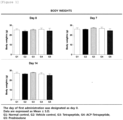
FIG. 1 is a graph illustrating changes in body weight of an animal model having the atopic dermatitis. -
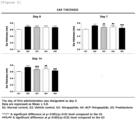
FIG. 2 is a graph illustrating changes in ear thickness of an animal model having the atopic dermatitisFIG. 3 is a photograph illustrating the results of visual pathology tests of theanimal model groups 1 to 5 having the atopic dermatitis. -
FIG. 4 is a graph illustrating erythema/hemorrhage, edema, excoriation/erosion, scaling/dryness, and total score onDay 0 according to visual pathological tests of the animal model having the atopic dermatitis. -
FIG. 5 is a graph illustrating erythema/hemorrhage, edema, excoriation/erosion, scaling/dryness, and total score onDay 7 according to visual pathological tests of the animal model having the atopic dermatitis. -
FIG. 6 is a graph illustrating erythema/hemorrhage, edema, excoriation/erosion, scaling/dryness, and total score onDay 14 according to visual pathological tests of the animal model having the atopic dermatitis. -
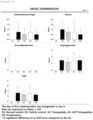
FIG. 7 is a graph illustrating the concentrations of IgE and histamine in blood according to ELISA analysis for each animal model group having the atopic dermatitis. -
FIG. 8 is a graph illustrating scores of epidermis and dermis according to the histopathological test results for each animal model group having the atopic dermatitis. -
FIG. 9 is a photograph illustrating the epidermis and dermis for each animal model group having the atopic dermatitis. -
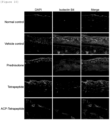
FIG. 10 is a photograph illustrating the results of fluorescence microscopy for the formation of blood vessels in skin tissue of mice having the atopic dermatitis. -
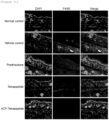
FIG. 11 is a photograph illustrating the results of fluorescence microscopy for the inflow of inflammatory cells in skin tissue of mice having the atopic dermatitis. -
FIG. 12 is a photograph illustrating the results of fluorescence microscopy for the keratinization and fibrosis in skin tissue of mice having the atopic dermatitis. -
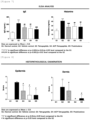
FIG. 13 is a graph illustrating immunohistochemical staining results of angiogenesis markers, inflammatory cells and keratins in skin tissue of mice having the atopic dermatitis. -
FIG. 14 is a fluorescence microscope photograph illustrating the cell permeability of the analyzed ACP-tetrapeptide. -
FIG. 15 is a graph illustrating the inhibitory effect of tetrapeptide on the vascular barrier permeability due to the vascular barrier breakdown. -
FIG. 16 is a confocal laser microscope (LSM 510 Meta, Carl Zeiss) photograph illustrating the recovery effect of tetrapeptide on the levels of VE-cad damaged by VEGF. -
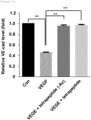
FIG. 17 is a graph illustrating the recovery effect of tetrapeptide on the levels of VE-cad damaged by VEGF. -
FIG. 18 is a confocal laser photograph illustrating the recovery effect of tetrapeptide on the levels of damaged by VEGF. -
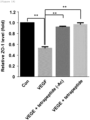
FIG. 19 is a graph illustrating the recovery effect of tetrapeptide on the levels of 20-1 damaged by VEGF. - An aspect of the present invention provides a peptide for use in inhibiting atopic dermatitis, which consists of an amino acid sequence represented by Arg-Leu-Tyr-Glu (SEQ ID NO: 1).
- As used herein, the term "peptide" refers to a linear molecule which is formed by the manner in which the amino acid residues bind together by a peptide bond.
- The tetrapeptide including the amino acid sequence represented by Arg-Leu-Tyr-Glu according to one embodiment of the present invention reduces IgE and histamine in blood, which are known as the cause of atopy for the skin and restores the tight junction-related proteins to inhibit the vascular barrier permeability. Further, when the tetrapeptide is treated even with a molecular ratio of at least 1000 times lower than that of prednisone, an anti-atopic agent, the tetrapeptide has the same level of effect as prednisone. Thus, it can be effectively used for preventing or treating skin inflammation caused by atopic dermatitis and the like.
- According to one embodiment of the invention, the peptide may be acetylated at the N-terminus of SEQ ID NO: 1.
- The tetrapeptide according to one embodiment of the invention is acetylated at the N-terminus of SEQ ID NO: 1, having effects of improving stability in blood and skin as compared with the non-acetylated tetrapeptide so that the prophylactic or therapeutic effect of skin inflammation can be sustained for a long time.
- According to one embodiment of the invention, the peptide may further include a cell penetrating peptide linked at an N-terminus or C-terminus thereof.
- As used herein, the term "N-terminus" refers to one of both terminal ends of the peptide molecule in which the amino group (NH2 -) remains unbound, and generally refers to the left end of the amino acid sequence. The term "C-terminus" refers to one of both terminal ends of the peptide molecule in which the carboxyl group (COOH-) remains unbound and generally refers to the right end of the amino acid sequence. In the present invention, the cell-penetrating peptide is preferably linked to the NH2 -group of the N-terminal amino acid Arg of the amino acid of the tetrapeptide.
- Meanwhile, as used herein, the term "cell penetrating peptide (CPP)" refers to a peptide which is capable of transferring a substance to be transported in vitro and/or in vivo such as a chemical substance, a small molecule, a polypeptide, and/or nucleic acids into cells. The cell penetrating peptide is a peptide having an amino acid sequence capable of passing through the cell membrane of the phospholipid bilayer itself. The tetrapeptide according to one embodiment of the present invention further includes a cell penetrating peptide sequence so that the tetrapeptide can be used on the skin surface where inflammation occurs.
- According to one embodiment of the invention, the cell penetrating peptide may, but is not limited to, be any one selected from the group consisting of TAT, Antennapedia, VP22, Pep-1, polyarginine, poly-Lysine, Hph-1, Vectocell, Lactoferrin, Sim-2, LPIN3, 2IL-1a, and dNP2. Further, the cell penetrating peptide may be a polypeptide including an amino acid sequence represented by SEQ ID NO: 2.
- According to the invention, the skin inflammation is atopic dermatitis.
- Another aspect of the present invention provides a pharmaceutical composition for use in preventing or treating atopic dermatitis, which includes the peptide for preventing skin inflammation consisting of an amino acid sequence represented by Arg-Leu-Tyr-Glu (SEQ ID NO: 1) or the peptide for preventing skin inflammation consisting of the amino acid sequence Arg-Leu-Tyr-Glu (SEQ ID NO: 1) and a cell penetrating peptide linked at the N-terminus or C-terminus thereof, as an active ingredient.
- As used herein, the term "prevention" refers to reducing the incidence of skin inflammation and includes maintaining the condition in which symptoms of already-occurring skin inflammation are not worsened. As used herein, the term "treatment" means that the symptoms of skin inflammation are improved or beneficially altered.
- The pharmaceutical composition for use according to one embodiment of the present invention may include a pharmaceutically acceptable carrier. The pharmaceutically acceptable carrier to be included in the pharmaceutical composition for use
- according to one embodiment of the present invention is one commonly used when prepared. It includes lactose, dextrose, sucrose, sorbitol, mannitol, trehalose, hyaluronic acid, starch, acacia rubber, calcium phosphate, alginate, gelatin, calcium silicate, microcrystalline cellulose, polyvinyl pyrrolidone, cellulose, water, syrup, methylcellulose, methyl hydroxybenzoate, propyl hydroxybenzoate, talc, magnesium stearate, minerals oil and the like, but are not limited thereto. The pharmaceutical composition for use
- according to one embodiment of the present invention may further include a lubricant, a wetting agent, a sweetener, a flavoring agent, an emulsifying agent, a suspending agent, a preservative, etc. in addition to the components as described above. The suitable pharmaceutically acceptable carrier and formulation are described in detail in Remington's Pharmaceutical Sciences (22th ed., 2013).
- A pharmaceutical composition for use according to one embodiment of the present invention may be administered with one or more known substances that exhibit activity in skin inflammation. Further, the pharmaceutical composition for use according to one embodiment of the present invention can be used alone or in combination with methods using surgery, hormone therapy, drug treatment, and/or biological response modifier for treatment of skin inflammation.
- The pharmaceutical composition for use according to the present invention may include various bases and/or additives that are necessary and suitable for the production of the formulation, and may further include such a nonionic surfactant, a silicone polymer, an extender pigment, a fragrance, a preservative, a disinfectant, an oxidation stabilizer, an organic solvent, an ionic or nonionic thickener, a plasticizer, an antioxidant, a free radical scavenger, an opacifier, a stabilizer, an emollient, a silicone, an α-hydroxy acid, a defoamer, a moisturizer, vitamin, insect repellent, a fragrance, a preservative, a surfactant, an anti-inflammatory agent, a substance P antagonist, a filler, a polymer, a propellant, a basic or acidifying agent, or a coloring agent.
- The pharmaceutical composition for use according to the present invention can be administered parenterally, for example, transdermally.
- The appropriate dosage of the pharmaceutical composition for use according to the present invention may vary depending on factors such as the formulation method, administration method, patient's age, body weight, sex, pathological condition, food, administration time, administration route, excretion rate, and responsiveness. A preferred dosage of the pharmaceutical composition for use according to the present invention is within the range of 0.001 mg/kg to 1000 mg/kg on the basis of an adult.
- The pharmaceutical composition for use according to the present invention can be administered in various formulations during parenteral administration. Examples of the liquid preparation may include a suspension, a solution, an emulsion, a syrup and the like. In addition to water, liquid, and paraffin which are commonly used simple diluents, various excipients such as a wetting agent, a sweetener, a fragrance, and a preservative may be included. According to one embodiment of the present invention, the composition may be a formulation selected from the group consisting of a gel, a paste, an ointment, a powder, an emulsion and an aerosol.
- Further, a cosmetic composition for preventing or improving skin inflammation is described but does not form part of the present invention, which includes the peptide for preventing skin inflammation as an active ingredient.
- The cosmetic composition including the peptide for preventing skin inflammation disclosed herein may be provided as any solid, liquid or semi-solid formulation, such as multiple emulsions such as cream, emulsions of oil in water, silicone in water, emulsion, water in oil, silicone in water, water/oil/water-type or water/silicone/water-type emulsion, and oil/water/oil-type or silicone/water/silicone-type emulsion and multiple emulsions such as an anhydrous composition, an aqueous dispersion, an oil, a milk, a balsam, a foam, a lotion, a gel, a cream gel, a hydroalcoholic solution, a hydroglycolic solution, a coating agent, a soap, a shampoo, a softener, a serum, a polysaccharide membrane, an ointment, a mousse, a pomade, a powder, a stick, a pencil and a spray.
- Further, the cosmetic composition including the peptide for preventing skin inflammation disclosed herein may be applied to other type of solid kits such as, for example, a wet towel, a hydrogel, an adhesive patch, a non-adhesive patch, a microelectronic patch or a face mask using techniques known to those skilled in the art. The cosmetic composition may be included in other cosmetic products such as, for example, a fluid foundation, a compact foundation, a makeup removal lotion, a makeup removal milk, a concealer, an eye shadow, a lipstick, a lip protector, a lip gloss and powder.
- The cosmetic composition including the peptide for preventing skin inflammation according to one embodiment of the present invention may include substances that increase the percutaneous absorption of the peptide, for example, dimethyl sulfoxide, dimethylacetamide, dimethylformamide, surfactant, azone (1-dodecylazacycloheptan-2-one), alcohol, urea, ethoxydiglycol, acetone, propylene glycol or polyethylene glycol, but is not limited thereto. Further, for effective penetration of the peptide, the adjacent site to be treated may be applied by methods such as iontophoresis, ultrasound therapy, electroporation, microelectronic patching, mechanical pressure, osmotic pressure, obstruent therapy, microinjection, needle-free injection, for example, injection using oxygen pressure or any combination thereof.
- Hereinafter, one or more embodiments are described in more detail by way of Examples. However, these Examples are intended to illustrate one or more embodiments, and the scope of the present invention is not limited to these Examples.
- Peptides represented by SEQ ID NOS: 1 to 3 listed in Table 1 below were synthesized by the FMOC solid-phase method in Chempeptide (Shanghai, China). The synthesized peptides were purified and analyzed by reverse phase high-performance liquid chromatography (HPLC-20AP, Japan) using a C18 analysis RP column (Shiseido capcell pak) and identified by a mass spectrometer (SHIMADZU LCMS-2010 EV, Japan) .
[Table 1] Name of peptide SEQ ID NO Amino acid sequence Remarks Tetrapeptide SEQ ID NO 1RLYE acetylation form ACP SEQ ID NO 2 
- ACP-tetrapeptide SEQ ID NO 3 
non-acetylated form - ACP (Avixgen's cell penetrating peptide) was used as a cell penetrating peptide, which was linked at the N-terminal of the tetrapeptide. Tetrapeptides and ACP-tetrapeptides were cryopreserved for subsequent experiments. Sorondo® tablets including prednisolone as an active ingredient were used as a positive control. These substances were dissolved in sterile injection solution (Korea Pharmaceutical Industry Co., Ltd.), which was an excipient. Then, they were diluted to the corresponding concentration and used for experiments.
- Twenty of 4-week-old Nc/NgaSlc female mice (Japan SLC, Inc.) with an average weight (g) within ± 20% were adapted to the farm with a temperature of 23 ± 3°C, a relative humidity of 55 ± 15%, a ventilation frequency of 10 to 20 times/hours, a lighting time of 12 hours (light on at 8:00 am to light off at 8:00 pm) and illuminance of 150 to 300 Lux and then were used in the experiment. During the adaptation, administration and observation period, each mouse was raised in a rabbit stainless steel farm box (W 500 × L 800 × H 500 mm) in one mouse per one bleeding box, and the feed and water were freely ingested.
- The mice were determined to be healthy during the adaptation period, followed by weighing. The mice were randomly divided into groups according to the ranked weight so that the average weight of each group was distributed as uniformly as possible.
- After the ear auricle of the NC/Nga mouse was shaved with a razor, the epilating agent was applied in an appropriate amount for the complete depilation. After the epilating agent was wiped off, Then, 100 mg of the AD-inducing reagent shown in Table 2 as below was uniformly applied to the ear auricle using a micropipette tip, thereby inducing atopic dermatitis for the first time.
- After shaving with a razor for necessary, 150 µL of a 4% SDS aqueous solution was uniformly applied to the ear auricle using a micropipette, dried with a cold air using a dryer, and air-dried for about 2 to 3 hours. Then, 100 mg of the same AD-inducing reagent was uniformly applied to the ear auricle using a micropipette tip, thereby inducing atopic dermatitis after 2 times. All treatments were carried out twice a week to be 6 times for a total of 3 weeks, thereby producing atopic dermatitis animal model.
[Table 2] Item Biostir®AD Lot No. 1W2 Origin Dermatophagoides farinae (house dust mite) Composition Protein 79.5 mg/g Biostir®AD Major Allergen, Der f 1110.7 µg/g Biostir®AD Major Allergen, Der f 242.9 µg/g Biostir®AD Property Ointment Storage - 20°C - The experimental groups were divided into five groups, and each group includes four mice as shown in Table 3 below. Each group was treated as shown in Table 3 below. The mice of
groups 2 to 5 were obtained by the atopic dermatitis animal model prepared in Experimental Method 3 as described above.[Table 3] Groups Induction of atopic dermatitis Experimental substance Dose (µg/ear) Dose amount (µg/ear) Group 1 (Normal control group) N - - 10 Group 2 (Induced control group) Y - - 10 Group 3 (Experimental group 1) Y Tetrapeptide 0.622 10 Group 4 (Experimental group 2) Y ACP-tetrapeptide 4.987 10 Group 5 (positive control) Y Prednisolone 50 10 - The experimental substance and the control substance were uniformly applied to the ear auricle using a micropipette tip. From the day of the experimental substance administration (Day 0) to the day of the autopsy (Day 14), they were administered once a day for 2 weeks.
- The mice were weighed at the day of group separation or on the day of starting the experimental substance administration. Subsequently, they were measured once a week and on the day of the autopsy.
- Ear thickness was measured for each individual by calipers, and the ear area was photographed. Ear thickness measurement and photographing were performed once a week on the day of starting the experimental substance administration and thereafter.
- For the visual pathological evaluation of atopic dermatitis, evaluation of skin clinical index (Matsuda et al., 1997) was performed at intervals of one week from the beginning of the onset of atopic dermatitis. For each individual, 0 (none), 1 (mild), 2 (moderate) and 3 (severe) were recorded for erythema/hemorrhage, edema, excoriation/erosion and scaling/dryness. Then, the scores of each item were combined, and the total score was used to determine the final grade.
- On the day of the autopsy, blood samples were collected from the abdominal vein using a syringe. The serum isolated from the blood was analyzed for IgE and histamine using an ELISA kit.
- On the day of the autopsy, ears were removed for the histopathological examination and fixed in 10% neutral buffered formalin solution. The fixed tissues were subject to the general tissue treatment such as reprofiling, dehydration, paraffin embedding, and dissection, thereby preparing specimens for histopathological examination. Then, hematoxylin and eosin (H & E) and TUNEL assays were performed on histopathologic specimens, and the light microscopy (Olympus BX53, Japan) was used to observe histopathologic changes. In the histopathologic evaluation using hematoxylin and eosin staining slides, in order to compare the degree of the lesion with the induced control group, the most severe lesion was selected, and then the hypertrophy, hyperkeratosis and infiltration by inflammatory cells were evaluated in the epidermis. In the dermis, the infiltration by inflammatory cells was evaluated. Scoring criteria are the same as 0 (no symptoms), 1 (mild), 2 (moderate), and 3 (severe) (Taniguchi Y et al 2003).
- Atopy mouse skin tissues were immersed in Xylene three times for 5 minutes, 100% ethanol for 2 minutes, 95% ethanol for 2 minutes, 90% ethanol for 2 minutes, 70% ethanol for 2 minutes and D.W. for 2 minutes to remove paraffin and to perform hydration. After washing with PBS, they were treated with 0.2% Triton X-100 to increase cell permeability. After re-washing with PBS, they were reacted with blocking solution, 3% bovine serum albumin, for 1 hour. For inflammatory cells and keratin staining, they were reacted with F4/80 (sc-377009, Santa Cruz) and cytokeratin (NB600-579, NOVUSBIO) antibodies, respectively, at room temperature for 2 hours. After washing with PBS, they were treated with Texas Red (ab6787, Abcam) secondary antibody and reacted at room temperature for 60 minutes. The mounting solution was dropped on the tissue of the slide. Then, the tissue was covered with a cover slide, and the sample was observed under a fluorescence microscope. For analysis of the degree of angiogenesis, the atopic skin tissue was reacted with FITC-conjugated isolectin B4 (L2895, Sigma), a blood vessel marker at room temperature for 2 hours. The mounting solution was dropped on the tissue of the slide. Then, the tissue was covered with a cover slide, and the sample was observed under a fluorescence microscope
- The mouse skin tissues stained with the respective markers were photographed using a fluorescence microscope (DMi1, Leica, Germany), and fluorescence intensities were quantitatively analyzed using an Imaged program (NIH, Bethesda, MD, USA).
- Parametric multiple comparison procedures or nonparametric multiple comparison procedures were used for the results of these experiments. For the parametric multiple comparisons, the normality of the data was assumed, and the results were tested by parametric one-way ANOVA. If the results were significant, Dunnett's multiple comparison test was conducted to perform post-test to analyze the significant differences between the experimental groups. For nonparametric multiple comparisons, Kruskal-Wallis'H-test was used. If the results were significant, the significant differences between the experimental groups were analyzed using the Mann Whitney U-test, which is a post-test.
- Statistical analysis was performed using Prism 5.03 (GraphPad Software Inc., San Diego, CA, USA) and SPSS Statistics 18.0K. When a p-value is less than 0.05, it was considered statistically significant.
- HeLa cells were inoculated in a 12-well plate containing glass at a density of 1 × 10⁵ cells/well and cultured for 24 hours to attach the cells to the glass. Then, HeLa cells were treated with 3 µM ACP-FITC peptide and 3, 15, and 30 µM ACP-tetrapeptide-FITC peptide for 3 hours. After 3 hours, the cells were washed three times with PBS. Then, the cells were fixed with 3.7% formaldehyde for 20 minutes and treated with PBS containing 0.2% Triton X-100 to increase cell permeability. Then, the cells were blocked with 3% BSA for 1 hour, reacted with a tubulin antibody (Santa Cruz Biotechnology, U.S.A.) at room temperature for 2 hours, and washed three times with PBS. Next, the cells were treated with a Cy3-conjugated secondary antibody (Jackson ImmunoResearch, USA) at room temperature for 1 hour, washed twice with PBS, and then stained with 4',6-diamidino-2-phenylindole (DAPI) for 10 minutes. Finally, the HeLa cell-attached glass was removed and mounted on a sliding glass. The cells were observed under a fluorescence microscope (DMi1, Leica, Germany).
- Human umbilical vein endothelial cells (HUVECs) were starved with M199 media supplemented with 1% FBS for 4 hours and then inoculated at the number of 1 × 10⁵ in the transwell plate upper chamber. Since the three types of tetrapeptides used in these experiments have their different half-lives in serum, acetylated tetrapeptides, tetrapeptides in which Arg is a D-form and non-acetylated tetrapeptides were incubated in serum for 2 hours. Then, HUVECs were treated with those tetrapeptides. Each was treated with the peptides. After 30 minutes, they were treated with 20 ng/ml of vascular endothelial growth factor (VEGF) for 1 hour. After treating with [14C] sucrose in the upper chamber at a concentration of 0.8 mCi/ml for 30 minutes, the radiation level of the lower compartment was measured using a liquid scintillation counter.
- HUVECs were starved with M199 media supplemented with 1% FBS for 4 hours, inoculated on a 24-well plate containing glass at the number of 1 × 10⁵ cells, and cultured for 24 hours to attach the cells to the glass. HUVECs were pretreated with the acetylated tetrapeptide and the non-acetylated tetrapeptide (-Ac) for 30 minutes and treated with VEGF at a concentration of 20 ng/ml for 1 hour. Thereafter, the cells were washed three times with PBS, fixed in 3.7% formaldehyde for 20 minutes, and treated with PBS containing 0.2% Triton X-100 to increase vascular permeability. After blocking with 3% BSA for 1 hour, they were reacted with VE-cadherin (adherens junction) and ZO-1 (tight junction) antibodies at room temperature for 2 hours and washed three times with PBS. They were treated with Cy3 secondary antibodies, reacted at room temperature for 1 hour, washed twice with PBS, and stained with DAPI for 10 minutes. The huvec-attached glass was removed and mounted on a sliding glass. The cells were observed with a confocal microscope.
- As a result of measuring the weight of the mice according to the experimental method as described above, no statistically significant difference in body weight was observed among all the experimental groups during the entire experimental period (
FIG. 1 ). - In other words, the above results indicate that the tetrapeptide does not affect body weight.
- Ear thickness of all atopy-induced groups (
groups 2 to 5) at 0 and 7 days after administration of the experimental substance was significantly thicker (p < 0.001 or p < 0.01) than that of the normal control group (group 1). On the 14th day after administration of the experimental substance, the ear thicknesses of the induced control group (group 2), the tetrapeptide treated group (group 3) and the ACP-tetrapeptide treated group (group 4) were significantly thicker than that of the group 1 (p < 0.001). On the 7th and 14th day after administration of the experimental substance, ear thicknesses of group 3, group 4 and prednisone treated group (group 5) were significantly thinner (p < 0.001 or p < 0.01) than that of group 2 (FIG. 2 ). The above results indicate that the tetrapeptide and ACP-tetrapeptide have an improvement effect on atopic dermatitis. - The scaling/dryness and total score levels of all atopy-induced groups were significantly higher than those of
group 1 on 0 (FIG. 4 ), 7th (FIG. 5 ) and 14th (FIG. 6 ) days after administration of the experimental substance (p < 0.01 or p < 0.05), but the scaling/dryness level of group 5 was significantly lower than that of group 2 (p < 0.05) on 14th day after administration of the experimental substance. In most of the items except scoring/dryness, there was no significant difference compared with the normal control group. However, in the case of the total score, the score levels of the tetrapeptide treated group and the ACP-tetrapeptide treated group were similar to that of the prednisolone treated group. The above results indicate that the tetrapeptide and ACP-tetrapeptide have an improvement effect on the symptoms of atopic dermatitis. - The IgE levels of
group 2, group 3 and group 4 were significantly higher than that of the normal control group (p < 0.001 or p < 0.01). The histamine levels of all atopy-induced groups were significantly higher than that of group 1 (P < 0.001 or p < 0.05). The IgE and histamine levels of group 3, group 4 and group 5 were significantly lower than that of group 2 (p < 0.001 or p < 0.01) and lower than that of the prednisolone treated group (FIG. 7 ). The above results indicate that the tetrapeptide and ACP-tetrapeptide have an improvement effect on the symptoms of atopic dermatitis caused by overproduction of IgE and histamine. - The atopic dermatitis-induced lesion region of the animal model was analyzed to confirm the effect of tetrapeptide and ACP-tetrapeptide on atopic dermatitis. As a result, in the case of the epidermis, score level of
group 2 was significantly higher than that of group 1 (p < 0.01), and score levels of group 3, group 4 and group 5 were significantly lower than that of group 2 (p < 0.05). In the case of the dermis, the score level ofgroup 2 was significantly higher than that of group 1 (p < 0.01), and the score levels of group 3, group 4 and group 5 were significantly lower than that of group 2 (p < 0.05) (FIGS. 8 and9 ). - In other words, the epidermal and dermal score levels of the tetrapeptide-treated group and the ACP-tetrapeptide treated group were lower than that of the induced control group, confirming the improvement effect of the tetrapeptide and ACP-tetrapeptide on the tissue of the atopic dermatitis lesion. Particularly, the ACP-tetrapeptide treated group showed a score similar to that of the normal control group for all the items, thereby confirming the superior inflammatory inhibitory effect of the ACP-tetrapeptide on the atopic dermatitis lesion of the epidermis and dermis.
- In order to examine the in vivo mechanism of tetrapeptide and ACP-tetrapeptide, angiogenesis markers, inflammatory cell distribution and keratin analysis in the atopic mouse skin tissues were performed.
- As a result of staining the atopic mouse skin tissue with Isolectin B4, an angiogenesis marker, the angiogenesis of the tetrapeptide treated group and ACP-tetrapeptide treated group was lower than that of the inducted control group, which is similar to that of the prednisolone treated group (
FIG. 10 ). As a result of staining the atopic mouse skin tissue with F4/80, an inflammatory cell marker, the inflammatory cell inflow of the tetrapeptide treated group and ACP-tetrapeptide treated group was lower than that of the inducted control group, which is similar to that of the prednisolone treated group (FIG. 11 ). As a result of staining the atopic mouse skin tissue with cytokeratins, keratinization and fibrosis markers, the keratinization and fibrosis of the tetrapeptide treated group and ACP-tetrapeptide treated group was lower than that of the inducted control group, which is similar to that of the prednisolone treated group (FIG. 12 ). The above results indicate that tetrapeptide and ACP-tetrapeptide inhibit angiogenesis and inflammatory cell inflow in atopic-induced dermal tissues as well as inhibit keratinization and fibrosis, thereby healing skin tissue of atopic dermatitis lesions. Further, as identified above, the tetrapeptide has the anti-atopic effect, which was confirmed by its treatment amount having a molar ratio lower than 1000 times that of prednisolone, and thus it was confirmed that the tetrapeptide has the superiority to prednisolone (FIG. 13 ). - In order to confirm the effect of ACP, which is a cell penetrating peptide, on the cell membrane permeability of ACP-tetrapeptide, fluorescence microscopic analysis was performed after transduction test in HeLa cell line. As a result, it was confirmed that the tetrapeptide was transferred into the cells through ACP in a concentration-dependent manner without aggregation in the cell membrane (
FIG. 14 ). The above results indicate that when ACP-tetrapeptide is applied to the lesion of atopic dermatitis, ACP-tetrapeptide is efficiently delivered into the skin cells so that the skin inflammation is effectively inhibited in the epidermis as well as the dermis. - In order to confirm the inhibitory effect of tetrapeptides on increased vascular permeability due to the vascular barrier breakdown, HUVECs were treated with peptides and VEGF to measure vascular permeability. The results indicate that the acetylated tetrapeptides (denoted as Tetrapeptide), tetrapeptides in which Arg is a D-form (denoted as Tetrapeptide (D-form)) and non-acetylated tetrapeptides (denoted as Tetrapeptide (-Ac)) exhibited a similar level of inhibitory effect of vascular permeability as the control group without VEGF treatment (
FIG. 15 ). In other words, it was confirmed from the above results that all three different types of tetrapeptides (acetylation, substitution with Arg having D-form, non-acetylation) can be applied to atopic dermatitis. - Cell junction proteins must be present between cells in the vascular endothelial cells to tightly connect to each other, thereby inhibiting vascular permeability. Thus, it may prevent inflammatory cell migration in the vascular barrier. However, VEGF functions to damage cell junction proteins, thereby increasing the vascular permeability.
- In order to confirm whether the tetrapeptides restore tight junction related proteins to inhibit the vascular barrier permeability, HUVECs were treated with peptides and VEGF to measure the permeability. As a result, because both acetylated and non-acetylated tetrapeptides blocked the signal of VEGFR-2, the damage levels of VE-cad (
FIGS. 16 and17 ) and ZO-1 (FIGS. 18 and19 ) caused by VEGF were recovered to a level similar to that of the control group without VEGF treatment, resulting in a decrease in the vascular permeability. It was confirmed from the above results that both acetylated and non-acetylated tetrapeptides can be applied to atopic dermatitis.
Claims (8)
- A peptide for use in inhibiting atopic dermatitis, the peptide consisting of an amino acid sequence represented by Arg-Leu-Tyr-Glu (SEQ ID NO: 1).
- The peptide for use according to claim 1, wherein the peptide is acetylated at the N-terminus of SEQ ID NO:1 .
- A peptide for use in inhibiting atopic dermatitis, the peptide consisting of an amino acid sequence represented by Arg-Leu-Tyr-Glu (SEQ ID NO: 1) and a cell penetrating peptide linked at the N-terminus or C-terminus thereof.
- The peptide for use according to claim 3, wherein the cell penetrating peptide is linked at the C-terminus and the peptide is acetylated at the N-terminus of SEQ ID NO: 1.
- The peptide for use according to claim 3 or 4, wherein the cell penetrating peptide is any one selected from the group consisting of TAT, Antennapedia, VP22, Pep-1, polyarginine, poly-Lysine, Hph-1, Vectocell, Lactoferrin, Sim-2, LPIN3, 2IL-1a, and dNP2.
- The peptide for use according to claim 3 or 4, wherein the cell penetrating peptide is a polypeptide including an amino acid sequence represented by SEQ ID NO: 2.
- A pharmaceutical composition for use in preventing or treating atopic dermatitis, the pharmaceutical composition comprising the peptide of of any one of claims 1-2 or the peptide of any one of claims 3-6 as an active ingredient.
- The pharmaceutical composition for use according to claim 7, wherein the composition is in the form of one selected from the group consisting of a gel, a paste, an ointment, a powder, an emulsion and an aerosol.
Applications Claiming Priority (2)
| Application Number | Priority Date | Filing Date | Title |
|---|---|---|---|
| KR1020170183165A KR101933217B1 (en) | 2017-12-28 | 2017-12-28 | Peptide for Inhibiting Skin Inflammation And Composition for Preventing or Treating Skin Inflammation Containing The Same |
| PCT/KR2018/015999 WO2019132351A1 (en) | 2017-12-28 | 2018-12-17 | Peptide for inhibiting skin inflammation and composition containing same for prevention or treatment of skin inflammation |
Publications (3)
| Publication Number | Publication Date |
|---|---|
| EP3708574A1 EP3708574A1 (en) | 2020-09-16 |
| EP3708574A4 EP3708574A4 (en) | 2021-11-03 |
| EP3708574B1 true EP3708574B1 (en) | 2024-01-24 |
Family
ID=64953313
Family Applications (1)
| Application Number | Title | Priority Date | Filing Date |
|---|---|---|---|
| EP18897048.7A Active EP3708574B1 (en) | 2017-12-28 | 2018-12-17 | Peptide or composition containing it for inhibiting atopic dermatitis |
Country Status (7)
| Country | Link |
|---|---|
| US (1) | US11208433B2 (en) |
| EP (1) | EP3708574B1 (en) |
| JP (2) | JP6934051B2 (en) |
| KR (1) | KR101933217B1 (en) |
| CN (1) | CN110214143B (en) |
| AU (1) | AU2018353934B2 (en) |
| WO (1) | WO2019132351A1 (en) |
Families Citing this family (1)
| Publication number | Priority date | Publication date | Assignee | Title |
|---|---|---|---|---|
| CN118453838B (en) * | 2024-07-12 | 2024-10-01 | 昆明医科大学第一附属医院(云南省皮肤病医院) | Application of bullfrog skin antioxidant peptide anti-NV in preparation of skin anti-inflammatory and antiallergic drugs |
Family Cites Families (29)
| Publication number | Priority date | Publication date | Assignee | Title |
|---|---|---|---|---|
| JPH01224398A (en) | 1988-03-03 | 1989-09-07 | Kirin Brewery Co Ltd | Novel peptide |
| AU678152B2 (en) | 1992-03-27 | 1997-05-22 | Whitehead Institute For Biomedical Research | Non-infectious HIV particles and uses therefor |
| AU6098194A (en) | 1993-01-29 | 1994-08-15 | Ariad Pharmaceuticals, Inc. | Analogs of receptor tyrosine activation motifs and therapeutic uses thereof |
| WO1994023751A1 (en) | 1993-04-14 | 1994-10-27 | Boehringer Mannheim Gmbh | Nucleic acid tranfer peptides and their use for injecting nucleic acids into eucaryotic cells |
| DE60045139D1 (en) | 1999-12-23 | 2010-12-02 | Zymogenetics Inc | Soluble interleukin-20 receptor |
| US7101676B2 (en) | 2002-01-11 | 2006-09-05 | Douglas Buechter | Methods for identifying compounds which inhibit binding of nucleocapsid 7 protein to HIV-1 RNA |
| DK1625402T3 (en) | 2003-04-09 | 2014-03-10 | Canadian Blood Services | Detection, characterization and treatment of viral infection, and methods therefor |
| AU2003304566A1 (en) | 2003-10-25 | 2005-06-17 | Government Of The United States Of America As Represented By The Sercretary Of The Department Of Health And Human Services National Institutes Of Health | Retrovirus-like particles and retroviral vaccines |
| US20070099276A1 (en) | 2003-10-25 | 2007-05-03 | David Ott | Retrovirus-like particles and retroviral vaccines |
| WO2005061532A1 (en) | 2003-12-23 | 2005-07-07 | Berthet Francois Xavier | Pathogenic infection detection compositions and methods |
| JP4468989B2 (en) | 2004-08-16 | 2010-05-26 | クアーク・ファーマスーティカルス、インコーポレイテッド | Use of RTP801 inhibitors for therapy |
| FR2878532B1 (en) | 2004-11-26 | 2007-03-02 | Genoplante Valor Soc Par Actio | METHOD OF ADDRESSING NUCLEIC ACIDS TO PLASTS |
| JP4596391B2 (en) | 2005-02-10 | 2010-12-08 | 国立大学法人大阪大学 | Cell penetrating peptide |
| US20060257337A1 (en) * | 2005-04-28 | 2006-11-16 | David Sherris | Compositions and methods to treat skin diseases characterized by cellular proliferation and angiogenesis |
| WO2007097561A1 (en) | 2006-02-20 | 2007-08-30 | Ewha University - Industry Collaboration Foundation | Peptide having cell membrane penetrating activity |
| AU2007219981B2 (en) | 2006-02-28 | 2013-11-07 | Paloma Pharmaceuticals, Inc. | Compositions and methods to treat diseases characterized by cellular proliferation and angiogenesis |
| GB2458419B (en) | 2006-12-20 | 2011-02-16 | Ji-Chang You | Vector for expressing NC protein of HIV and method for producing NC protein using the same |
| WO2009033680A2 (en) | 2007-09-11 | 2009-03-19 | Mondobiotech Laboratories Ag | Galanin-like peptide alone or in combination with cyclo-argd as a therapeutic agent |
| KR20110010634A (en) | 2008-05-12 | 2011-02-01 | 산텐 세이야꾸 가부시키가이샤 | Glucocorticoid receptor agonists including 2,2,4-trimethyl-6-phenyl-1,2-dihydroquinoline derivatives with substituted oxy groups |
| ES2349972B1 (en) * | 2009-02-16 | 2011-11-24 | Lipotec, S.A. | USEFUL PEPTIDES IN THE TREATMENT AND / OR CARE OF SKIN, MUCOUSES AND / OR LEATHER LEATHER AND ITS USE IN COSMETIC OR PHARMACEUTICAL COMPOSITIONS. |
| WO2010134537A1 (en) | 2009-05-20 | 2010-11-25 | 東レ株式会社 | Cell membrane-permeable peptides |
| KR101130550B1 (en) | 2009-10-29 | 2012-03-23 | 고려대학교 산학협력단 | Cell Penetrating Peptide Modified Nanoliposome and Anti-Atopic Composition Comprising the Same |
| WO2012105467A1 (en) | 2011-01-31 | 2012-08-09 | セオリアファーマ株式会社 | Oligonucleic acid composition and antiallergic agent |
| WO2012118092A1 (en) | 2011-03-01 | 2012-09-07 | タカラバイオ株式会社 | Fusion protein |
| EP2825561A4 (en) | 2012-03-15 | 2016-03-09 | Permeon Biolog Inc | Cell penetrating compositions for delivery of intracellular antibodies and antibody-like moieties and methods of use |
| KR101986702B1 (en) | 2012-09-10 | 2019-06-10 | 웅진코웨이 주식회사 | Multi block copolymer-cell penetrating peptide conjugate, a preparation thereof, and the use of the same |
| KR101676690B1 (en) * | 2015-08-04 | 2016-11-16 | (주) 에빅스젠 | Tetrapeptide having effect of inhibiting VEGF-induced angiogenesis and use thereof |
| KR101644440B1 (en) | 2015-12-10 | 2016-08-01 | (주) 에빅스젠 | Peptides having improved anti-angiogenic effect and pharmaceutical composition containing them for preventing or treating angiogenesis-related diseases including cancer, diabetic retinopathy or age-related macular degeneration |
| WO2018111051A1 (en) * | 2016-12-16 | 2018-06-21 | (주)에빅스젠 | Cytoplasmic transduction peptide and intracellular messenger comprising same |
-
2017
- 2017-12-28 KR KR1020170183165A patent/KR101933217B1/en active Active
-
2018
- 2018-12-17 JP JP2019525961A patent/JP6934051B2/en active Active
- 2018-12-17 EP EP18897048.7A patent/EP3708574B1/en active Active
- 2018-12-17 WO PCT/KR2018/015999 patent/WO2019132351A1/en not_active Ceased
- 2018-12-17 CN CN201880006800.0A patent/CN110214143B/en active Active
- 2018-12-17 AU AU2018353934A patent/AU2018353934B2/en active Active
- 2018-12-17 US US16/346,861 patent/US11208433B2/en active Active
-
2021
- 2021-06-15 JP JP2021099343A patent/JP2021155429A/en active Pending
Also Published As
| Publication number | Publication date |
|---|---|
| EP3708574A4 (en) | 2021-11-03 |
| US11208433B2 (en) | 2021-12-28 |
| WO2019132351A1 (en) | 2019-07-04 |
| KR101933217B1 (en) | 2018-12-27 |
| JP2020506874A (en) | 2020-03-05 |
| AU2018353934B2 (en) | 2021-04-01 |
| US20200190141A1 (en) | 2020-06-18 |
| CN110214143A (en) | 2019-09-06 |
| JP2021155429A (en) | 2021-10-07 |
| CN110214143B (en) | 2023-04-04 |
| AU2018353934A1 (en) | 2019-07-18 |
| EP3708574A1 (en) | 2020-09-16 |
| JP6934051B2 (en) | 2021-09-08 |
Similar Documents
| Publication | Publication Date | Title |
|---|---|---|
| CN101472944B (en) | Peptide fragments for inducing extracellular matrix protein synthesis | |
| KR101988675B1 (en) | Peptides useful in the treatment and/or care of the skin and/or mucous membranes and their use in cosmetic or pharmaceutical compositions | |
| KR102012527B1 (en) | Novel activator peptides for synthesizing extracellular matrix proteins, and cosmetic compositions including same | |
| KR101393397B1 (en) | Transdermal delivery system of dermatological active ingredients using cellular transduction peptides | |
| BR122020010515B1 (en) | PEPTIDE HAVING AN ACTIVITY OF A GROWTH FACTOR (GF) AND GF DERIVATIVE AND PHARMACEUTICAL COMPOSITION FOR IMPROVING A SKIN CONDITION AND FOR TREATING AN INJURY | |
| JP2023541136A (en) | Peptides and cosmetic compositions and pharmaceutical compositions containing the same | |
| KR20180112003A (en) | The combination of pinasteride and peptide | |
| KR101948238B1 (en) | Conjugate of minoxidil and peptide | |
| RU2458069C2 (en) | Recovered peptide for enhancing wound healing activity of keratinocytes, composition for wound healing in mammal and drug applied in wound healing in mammal | |
| US11208433B2 (en) | Peptide for inhibiting skin inflammation and composition for preventing or treating skin inflammation containing the same | |
| CN112638358B (en) | Composition for promoting hair growth containing adiponectin-derived peptide | |
| JP5858482B2 (en) | Novel anti-aging peptides that modulate survivin and compositions containing the same | |
| US20150224167A1 (en) | Composition for promoting wound healing | |
| HK40026636B (en) | Peptide or composition containing it for inhibiting atopic dermatitis | |
| HK40026636A (en) | Peptide or composition containing it for inhibiting atopic dermatitis | |
| CN120981474A (en) | Peptides that promote hair growth or inhibit hair loss and their uses | |
| JP2010059196A (en) | Synthesis of loxl (lysyl oxidase-like) isoform for stimulating formation of elastic fiber, and stimulation of activity | |
| US20250073337A1 (en) | Novel skin-permeable peptide, composition including the same for skin and mucous membrane, and use thereof | |
| KR101688696B1 (en) | Composition for Wound Healing Comprising Enkephalin Variant | |
| US8778891B2 (en) | Dermatopontin-activating peptides and cosmetic compositions including same | |
| JP4954450B2 (en) | Induction of lysyl oxidase isoform activity to address disease states due to failure, loss or disorder of elastic fiber formation | |
| KR101155152B1 (en) | Growth Factor?Derived Peptides and Uses Thereof | |
| HK40073324B (en) | Peptides and compositions for use in cosmetics and medicine | |
| KR101155151B1 (en) | Growth Factors-Derived Peptides and Uses thereof | |
| BR112019016910A2 (en) | CONJUGATED COMPOUND OF SALICYLIC ACID AND PEPTIDE, COMPOSITION AND THERAPEUTIC USE OF THE COMPOUND |
Legal Events
| Date | Code | Title | Description |
|---|---|---|---|
| STAA | Information on the status of an ep patent application or granted ep patent |
Free format text: STATUS: THE INTERNATIONAL PUBLICATION HAS BEEN MADE |
|
| PUAI | Public reference made under article 153(3) epc to a published international application that has entered the european phase |
Free format text: ORIGINAL CODE: 0009012 |
|
| STAA | Information on the status of an ep patent application or granted ep patent |
Free format text: STATUS: REQUEST FOR EXAMINATION WAS MADE |
|
| 17P | Request for examination filed |
Effective date: 20190801 |
|
| AK | Designated contracting states |
Kind code of ref document: A1 Designated state(s): AL AT BE BG CH CY CZ DE DK EE ES FI FR GB GR HR HU IE IS IT LI LT LU LV MC MK MT NL NO PL PT RO RS SE SI SK SM TR |
|
| AX | Request for extension of the european patent |
Extension state: BA ME |
|
| REG | Reference to a national code |
Ref country code: HK Ref legal event code: DE Ref document number: 40026636 Country of ref document: HK |
|
| DAV | Request for validation of the european patent (deleted) | ||
| DAX | Request for extension of the european patent (deleted) | ||
| A4 | Supplementary search report drawn up and despatched |
Effective date: 20210930 |
|
| RIC1 | Information provided on ipc code assigned before grant |
Ipc: A61K 38/00 20060101ALI20210924BHEP Ipc: A61Q 19/00 20060101ALI20210924BHEP Ipc: A61P 17/00 20060101ALI20210924BHEP Ipc: A61K 8/64 20060101ALI20210924BHEP Ipc: C07K 5/11 20060101AFI20210924BHEP |
|
| STAA | Information on the status of an ep patent application or granted ep patent |
Free format text: STATUS: EXAMINATION IS IN PROGRESS |
|
| 17Q | First examination report despatched |
Effective date: 20221010 |
|
| GRAP | Despatch of communication of intention to grant a patent |
Free format text: ORIGINAL CODE: EPIDOSNIGR1 |
|
| STAA | Information on the status of an ep patent application or granted ep patent |
Free format text: STATUS: GRANT OF PATENT IS INTENDED |
|
| INTG | Intention to grant announced |
Effective date: 20230726 |
|
| GRAS | Grant fee paid |
Free format text: ORIGINAL CODE: EPIDOSNIGR3 |
|
| GRAA | (expected) grant |
Free format text: ORIGINAL CODE: 0009210 |
|
| STAA | Information on the status of an ep patent application or granted ep patent |
Free format text: STATUS: THE PATENT HAS BEEN GRANTED |
|
| AK | Designated contracting states |
Kind code of ref document: B1 Designated state(s): AL AT BE BG CH CY CZ DE DK EE ES FI FR GB GR HR HU IE IS IT LI LT LU LV MC MK MT NL NO PL PT RO RS SE SI SK SM TR |
|
| REG | Reference to a national code |
Ref country code: GB Ref legal event code: FG4D |
|
| REG | Reference to a national code |
Ref country code: CH Ref legal event code: EP |
|
| REG | Reference to a national code |
Ref country code: DE Ref legal event code: R096 Ref document number: 602018064667 Country of ref document: DE |
|
| REG | Reference to a national code |
Ref country code: IE Ref legal event code: FG4D |
|
| REG | Reference to a national code |
Ref country code: LT Ref legal event code: MG9D |
|
| REG | Reference to a national code |
Ref country code: NL Ref legal event code: MP Effective date: 20240124 |
|
| PG25 | Lapsed in a contracting state [announced via postgrant information from national office to epo] |
Ref country code: NL Free format text: LAPSE BECAUSE OF FAILURE TO SUBMIT A TRANSLATION OF THE DESCRIPTION OR TO PAY THE FEE WITHIN THE PRESCRIBED TIME-LIMIT Effective date: 20240124 |
|
| PG25 | Lapsed in a contracting state [announced via postgrant information from national office to epo] |
Ref country code: NL Free format text: LAPSE BECAUSE OF FAILURE TO SUBMIT A TRANSLATION OF THE DESCRIPTION OR TO PAY THE FEE WITHIN THE PRESCRIBED TIME-LIMIT Effective date: 20240124 |
|
| PG25 | Lapsed in a contracting state [announced via postgrant information from national office to epo] |
Ref country code: IS Free format text: LAPSE BECAUSE OF FAILURE TO SUBMIT A TRANSLATION OF THE DESCRIPTION OR TO PAY THE FEE WITHIN THE PRESCRIBED TIME-LIMIT Effective date: 20240524 |
|
| PG25 | Lapsed in a contracting state [announced via postgrant information from national office to epo] |
Ref country code: LT Free format text: LAPSE BECAUSE OF FAILURE TO SUBMIT A TRANSLATION OF THE DESCRIPTION OR TO PAY THE FEE WITHIN THE PRESCRIBED TIME-LIMIT Effective date: 20240124 |
|
| PG25 | Lapsed in a contracting state [announced via postgrant information from national office to epo] |
Ref country code: GR Free format text: LAPSE BECAUSE OF FAILURE TO SUBMIT A TRANSLATION OF THE DESCRIPTION OR TO PAY THE FEE WITHIN THE PRESCRIBED TIME-LIMIT Effective date: 20240425 |
|
| REG | Reference to a national code |
Ref country code: AT Ref legal event code: MK05 Ref document number: 1652147 Country of ref document: AT Kind code of ref document: T Effective date: 20240124 |
|
| PG25 | Lapsed in a contracting state [announced via postgrant information from national office to epo] |
Ref country code: RS Free format text: LAPSE BECAUSE OF FAILURE TO SUBMIT A TRANSLATION OF THE DESCRIPTION OR TO PAY THE FEE WITHIN THE PRESCRIBED TIME-LIMIT Effective date: 20240424 Ref country code: HR Free format text: LAPSE BECAUSE OF FAILURE TO SUBMIT A TRANSLATION OF THE DESCRIPTION OR TO PAY THE FEE WITHIN THE PRESCRIBED TIME-LIMIT Effective date: 20240124 |
|
| PG25 | Lapsed in a contracting state [announced via postgrant information from national office to epo] |
Ref country code: ES Free format text: LAPSE BECAUSE OF FAILURE TO SUBMIT A TRANSLATION OF THE DESCRIPTION OR TO PAY THE FEE WITHIN THE PRESCRIBED TIME-LIMIT Effective date: 20240124 |
|
| PG25 | Lapsed in a contracting state [announced via postgrant information from national office to epo] |
Ref country code: AT Free format text: LAPSE BECAUSE OF FAILURE TO SUBMIT A TRANSLATION OF THE DESCRIPTION OR TO PAY THE FEE WITHIN THE PRESCRIBED TIME-LIMIT Effective date: 20240124 |
|
| PG25 | Lapsed in a contracting state [announced via postgrant information from national office to epo] |
Ref country code: RS Free format text: LAPSE BECAUSE OF FAILURE TO SUBMIT A TRANSLATION OF THE DESCRIPTION OR TO PAY THE FEE WITHIN THE PRESCRIBED TIME-LIMIT Effective date: 20240424 Ref country code: NO Free format text: LAPSE BECAUSE OF FAILURE TO SUBMIT A TRANSLATION OF THE DESCRIPTION OR TO PAY THE FEE WITHIN THE PRESCRIBED TIME-LIMIT Effective date: 20240424 Ref country code: LT Free format text: LAPSE BECAUSE OF FAILURE TO SUBMIT A TRANSLATION OF THE DESCRIPTION OR TO PAY THE FEE WITHIN THE PRESCRIBED TIME-LIMIT Effective date: 20240124 Ref country code: IS Free format text: LAPSE BECAUSE OF FAILURE TO SUBMIT A TRANSLATION OF THE DESCRIPTION OR TO PAY THE FEE WITHIN THE PRESCRIBED TIME-LIMIT Effective date: 20240524 Ref country code: HR Free format text: LAPSE BECAUSE OF FAILURE TO SUBMIT A TRANSLATION OF THE DESCRIPTION OR TO PAY THE FEE WITHIN THE PRESCRIBED TIME-LIMIT Effective date: 20240124 Ref country code: GR Free format text: LAPSE BECAUSE OF FAILURE TO SUBMIT A TRANSLATION OF THE DESCRIPTION OR TO PAY THE FEE WITHIN THE PRESCRIBED TIME-LIMIT Effective date: 20240425 Ref country code: FI Free format text: LAPSE BECAUSE OF FAILURE TO SUBMIT A TRANSLATION OF THE DESCRIPTION OR TO PAY THE FEE WITHIN THE PRESCRIBED TIME-LIMIT Effective date: 20240124 Ref country code: ES Free format text: LAPSE BECAUSE OF FAILURE TO SUBMIT A TRANSLATION OF THE DESCRIPTION OR TO PAY THE FEE WITHIN THE PRESCRIBED TIME-LIMIT Effective date: 20240124 Ref country code: BG Free format text: LAPSE BECAUSE OF FAILURE TO SUBMIT A TRANSLATION OF THE DESCRIPTION OR TO PAY THE FEE WITHIN THE PRESCRIBED TIME-LIMIT Effective date: 20240124 Ref country code: AT Free format text: LAPSE BECAUSE OF FAILURE TO SUBMIT A TRANSLATION OF THE DESCRIPTION OR TO PAY THE FEE WITHIN THE PRESCRIBED TIME-LIMIT Effective date: 20240124 |
|
| PG25 | Lapsed in a contracting state [announced via postgrant information from national office to epo] |
Ref country code: PT Free format text: LAPSE BECAUSE OF FAILURE TO SUBMIT A TRANSLATION OF THE DESCRIPTION OR TO PAY THE FEE WITHIN THE PRESCRIBED TIME-LIMIT Effective date: 20240524 Ref country code: PL Free format text: LAPSE BECAUSE OF FAILURE TO SUBMIT A TRANSLATION OF THE DESCRIPTION OR TO PAY THE FEE WITHIN THE PRESCRIBED TIME-LIMIT Effective date: 20240124 |
|
| PG25 | Lapsed in a contracting state [announced via postgrant information from national office to epo] |
Ref country code: SE Free format text: LAPSE BECAUSE OF FAILURE TO SUBMIT A TRANSLATION OF THE DESCRIPTION OR TO PAY THE FEE WITHIN THE PRESCRIBED TIME-LIMIT Effective date: 20240124 Ref country code: PT Free format text: LAPSE BECAUSE OF FAILURE TO SUBMIT A TRANSLATION OF THE DESCRIPTION OR TO PAY THE FEE WITHIN THE PRESCRIBED TIME-LIMIT Effective date: 20240524 Ref country code: PL Free format text: LAPSE BECAUSE OF FAILURE TO SUBMIT A TRANSLATION OF THE DESCRIPTION OR TO PAY THE FEE WITHIN THE PRESCRIBED TIME-LIMIT Effective date: 20240124 Ref country code: LV Free format text: LAPSE BECAUSE OF FAILURE TO SUBMIT A TRANSLATION OF THE DESCRIPTION OR TO PAY THE FEE WITHIN THE PRESCRIBED TIME-LIMIT Effective date: 20240124 |
|
| PG25 | Lapsed in a contracting state [announced via postgrant information from national office to epo] |
Ref country code: DK Free format text: LAPSE BECAUSE OF FAILURE TO SUBMIT A TRANSLATION OF THE DESCRIPTION OR TO PAY THE FEE WITHIN THE PRESCRIBED TIME-LIMIT Effective date: 20240124 |
|
| PG25 | Lapsed in a contracting state [announced via postgrant information from national office to epo] |
Ref country code: SM Free format text: LAPSE BECAUSE OF FAILURE TO SUBMIT A TRANSLATION OF THE DESCRIPTION OR TO PAY THE FEE WITHIN THE PRESCRIBED TIME-LIMIT Effective date: 20240124 |
|
| PG25 | Lapsed in a contracting state [announced via postgrant information from national office to epo] |
Ref country code: EE Free format text: LAPSE BECAUSE OF FAILURE TO SUBMIT A TRANSLATION OF THE DESCRIPTION OR TO PAY THE FEE WITHIN THE PRESCRIBED TIME-LIMIT Effective date: 20240124 Ref country code: CZ Free format text: LAPSE BECAUSE OF FAILURE TO SUBMIT A TRANSLATION OF THE DESCRIPTION OR TO PAY THE FEE WITHIN THE PRESCRIBED TIME-LIMIT Effective date: 20240124 |
|
| REG | Reference to a national code |
Ref country code: DE Ref legal event code: R097 Ref document number: 602018064667 Country of ref document: DE |
|
| PG25 | Lapsed in a contracting state [announced via postgrant information from national office to epo] |
Ref country code: SK Free format text: LAPSE BECAUSE OF FAILURE TO SUBMIT A TRANSLATION OF THE DESCRIPTION OR TO PAY THE FEE WITHIN THE PRESCRIBED TIME-LIMIT Effective date: 20240124 |
|
| PG25 | Lapsed in a contracting state [announced via postgrant information from national office to epo] |
Ref country code: SM Free format text: LAPSE BECAUSE OF FAILURE TO SUBMIT A TRANSLATION OF THE DESCRIPTION OR TO PAY THE FEE WITHIN THE PRESCRIBED TIME-LIMIT Effective date: 20240124 Ref country code: SK Free format text: LAPSE BECAUSE OF FAILURE TO SUBMIT A TRANSLATION OF THE DESCRIPTION OR TO PAY THE FEE WITHIN THE PRESCRIBED TIME-LIMIT Effective date: 20240124 Ref country code: RO Free format text: LAPSE BECAUSE OF FAILURE TO SUBMIT A TRANSLATION OF THE DESCRIPTION OR TO PAY THE FEE WITHIN THE PRESCRIBED TIME-LIMIT Effective date: 20240124 Ref country code: EE Free format text: LAPSE BECAUSE OF FAILURE TO SUBMIT A TRANSLATION OF THE DESCRIPTION OR TO PAY THE FEE WITHIN THE PRESCRIBED TIME-LIMIT Effective date: 20240124 Ref country code: DK Free format text: LAPSE BECAUSE OF FAILURE TO SUBMIT A TRANSLATION OF THE DESCRIPTION OR TO PAY THE FEE WITHIN THE PRESCRIBED TIME-LIMIT Effective date: 20240124 Ref country code: CZ Free format text: LAPSE BECAUSE OF FAILURE TO SUBMIT A TRANSLATION OF THE DESCRIPTION OR TO PAY THE FEE WITHIN THE PRESCRIBED TIME-LIMIT Effective date: 20240124 |
|
| PLBE | No opposition filed within time limit |
Free format text: ORIGINAL CODE: 0009261 |
|
| STAA | Information on the status of an ep patent application or granted ep patent |
Free format text: STATUS: NO OPPOSITION FILED WITHIN TIME LIMIT |
|
| 26N | No opposition filed |
Effective date: 20241025 |
|
| PG25 | Lapsed in a contracting state [announced via postgrant information from national office to epo] |
Ref country code: SI Free format text: LAPSE BECAUSE OF FAILURE TO SUBMIT A TRANSLATION OF THE DESCRIPTION OR TO PAY THE FEE WITHIN THE PRESCRIBED TIME-LIMIT Effective date: 20240124 |
|
| PG25 | Lapsed in a contracting state [announced via postgrant information from national office to epo] |
Ref country code: MC Free format text: LAPSE BECAUSE OF FAILURE TO SUBMIT A TRANSLATION OF THE DESCRIPTION OR TO PAY THE FEE WITHIN THE PRESCRIBED TIME-LIMIT Effective date: 20240124 |
|
| REG | Reference to a national code |
Ref country code: CH Ref legal event code: PL |
|
| PG25 | Lapsed in a contracting state [announced via postgrant information from national office to epo] |
Ref country code: LU Free format text: LAPSE BECAUSE OF NON-PAYMENT OF DUE FEES Effective date: 20241217 |
|
| GBPC | Gb: european patent ceased through non-payment of renewal fee |
Effective date: 20241217 |
|
| REG | Reference to a national code |
Ref country code: BE Ref legal event code: MM Effective date: 20241231 |
|
| PG25 | Lapsed in a contracting state [announced via postgrant information from national office to epo] |
Ref country code: GB Free format text: LAPSE BECAUSE OF NON-PAYMENT OF DUE FEES Effective date: 20241217 Ref country code: BE Free format text: LAPSE BECAUSE OF NON-PAYMENT OF DUE FEES Effective date: 20241231 |
|
| PG25 | Lapsed in a contracting state [announced via postgrant information from national office to epo] |
Ref country code: CH Free format text: LAPSE BECAUSE OF NON-PAYMENT OF DUE FEES Effective date: 20241231 |
|
| PG25 | Lapsed in a contracting state [announced via postgrant information from national office to epo] |
Ref country code: IE Free format text: LAPSE BECAUSE OF NON-PAYMENT OF DUE FEES Effective date: 20241217 |
|
| PGFP | Annual fee paid to national office [announced via postgrant information from national office to epo] |
Ref country code: DE Payment date: 20260226 Year of fee payment: 8 |
|
| PGFP | Annual fee paid to national office [announced via postgrant information from national office to epo] |
Ref country code: IT Payment date: 20260227 Year of fee payment: 8 |
|
| PGFP | Annual fee paid to national office [announced via postgrant information from national office to epo] |
Ref country code: FR Payment date: 20260227 Year of fee payment: 8 |
|
| PG25 | Lapsed in a contracting state [announced via postgrant information from national office to epo] |
Ref country code: CY Free format text: LAPSE BECAUSE OF FAILURE TO SUBMIT A TRANSLATION OF THE DESCRIPTION OR TO PAY THE FEE WITHIN THE PRESCRIBED TIME-LIMIT Effective date: 20240124 |