EP3685841A1 - Treatment of diseases associated with hepatic stellate cell activation using ammonia-lowering therapies - Google Patents
Treatment of diseases associated with hepatic stellate cell activation using ammonia-lowering therapies Download PDFInfo
- Publication number
- EP3685841A1 EP3685841A1 EP19203095.5A EP19203095A EP3685841A1 EP 3685841 A1 EP3685841 A1 EP 3685841A1 EP 19203095 A EP19203095 A EP 19203095A EP 3685841 A1 EP3685841 A1 EP 3685841A1
- Authority
- EP
- European Patent Office
- Prior art keywords
- ammonia
- phenylacetate
- composition
- ornithine
- phenylbutyrate
- Prior art date
- Legal status (The legal status is an assumption and is not a legal conclusion. Google has not performed a legal analysis and makes no representation as to the accuracy of the status listed.)
- Pending
Links
Images








Classifications
-
- A—HUMAN NECESSITIES
- A61—MEDICAL OR VETERINARY SCIENCE; HYGIENE
- A61K—PREPARATIONS FOR MEDICAL, DENTAL OR TOILETRY PURPOSES
- A61K33/00—Medicinal preparations containing inorganic active ingredients
- A61K33/42—Phosphorus; Compounds thereof
-
- A—HUMAN NECESSITIES
- A61—MEDICAL OR VETERINARY SCIENCE; HYGIENE
- A61K—PREPARATIONS FOR MEDICAL, DENTAL OR TOILETRY PURPOSES
- A61K31/00—Medicinal preparations containing organic active ingredients
- A61K31/21—Esters, e.g. nitroglycerine, selenocyanates
- A61K31/215—Esters, e.g. nitroglycerine, selenocyanates of carboxylic acids
- A61K31/216—Esters, e.g. nitroglycerine, selenocyanates of carboxylic acids of acids having aromatic rings, e.g. benactizyne, clofibrate
-
- A—HUMAN NECESSITIES
- A61—MEDICAL OR VETERINARY SCIENCE; HYGIENE
- A61K—PREPARATIONS FOR MEDICAL, DENTAL OR TOILETRY PURPOSES
- A61K31/00—Medicinal preparations containing organic active ingredients
- A61K31/185—Acids; Anhydrides, halides or salts thereof, e.g. sulfur acids, imidic, hydrazonic or hydroximic acids
- A61K31/19—Carboxylic acids, e.g. valproic acid
- A61K31/192—Carboxylic acids, e.g. valproic acid having aromatic groups, e.g. sulindac, 2-aryl-propionic acids, ethacrynic acid
-
- A—HUMAN NECESSITIES
- A61—MEDICAL OR VETERINARY SCIENCE; HYGIENE
- A61K—PREPARATIONS FOR MEDICAL, DENTAL OR TOILETRY PURPOSES
- A61K31/00—Medicinal preparations containing organic active ingredients
- A61K31/185—Acids; Anhydrides, halides or salts thereof, e.g. sulfur acids, imidic, hydrazonic or hydroximic acids
- A61K31/19—Carboxylic acids, e.g. valproic acid
- A61K31/195—Carboxylic acids, e.g. valproic acid having an amino group
- A61K31/197—Carboxylic acids, e.g. valproic acid having an amino group the amino and the carboxyl groups being attached to the same acyclic carbon chain, e.g. gamma-aminobutyric acid [GABA], beta-alanine, epsilon-aminocaproic acid or pantothenic acid
- A61K31/198—Alpha-amino acids, e.g. alanine or edetic acid [EDTA]
-
- A—HUMAN NECESSITIES
- A61—MEDICAL OR VETERINARY SCIENCE; HYGIENE
- A61K—PREPARATIONS FOR MEDICAL, DENTAL OR TOILETRY PURPOSES
- A61K31/00—Medicinal preparations containing organic active ingredients
- A61K31/33—Heterocyclic compounds
- A61K31/395—Heterocyclic compounds having nitrogen as a ring hetero atom, e.g. guanethidine or rifamycins
- A61K31/435—Heterocyclic compounds having nitrogen as a ring hetero atom, e.g. guanethidine or rifamycins having six-membered rings with one nitrogen as the only ring hetero atom
- A61K31/4353—Heterocyclic compounds having nitrogen as a ring hetero atom, e.g. guanethidine or rifamycins having six-membered rings with one nitrogen as the only ring hetero atom ortho- or peri-condensed with heterocyclic ring systems
- A61K31/437—Heterocyclic compounds having nitrogen as a ring hetero atom, e.g. guanethidine or rifamycins having six-membered rings with one nitrogen as the only ring hetero atom ortho- or peri-condensed with heterocyclic ring systems the heterocyclic ring system containing a five-membered ring having nitrogen as a ring hetero atom, e.g. indolizine, beta-carboline
-
- A—HUMAN NECESSITIES
- A61—MEDICAL OR VETERINARY SCIENCE; HYGIENE
- A61K—PREPARATIONS FOR MEDICAL, DENTAL OR TOILETRY PURPOSES
- A61K31/00—Medicinal preparations containing organic active ingredients
- A61K31/70—Carbohydrates; Sugars; Derivatives thereof
- A61K31/7004—Monosaccharides having only carbon, hydrogen and oxygen atoms
-
- A—HUMAN NECESSITIES
- A61—MEDICAL OR VETERINARY SCIENCE; HYGIENE
- A61K—PREPARATIONS FOR MEDICAL, DENTAL OR TOILETRY PURPOSES
- A61K31/00—Medicinal preparations containing organic active ingredients
- A61K31/70—Carbohydrates; Sugars; Derivatives thereof
- A61K31/7016—Disaccharides, e.g. lactose, lactulose
-
- A—HUMAN NECESSITIES
- A61—MEDICAL OR VETERINARY SCIENCE; HYGIENE
- A61K—PREPARATIONS FOR MEDICAL, DENTAL OR TOILETRY PURPOSES
- A61K45/00—Medicinal preparations containing active ingredients not provided for in groups A61K31/00 - A61K41/00
- A61K45/06—Mixtures of active ingredients without chemical characterisation, e.g. antiphlogistics and cardiaca
-
- A—HUMAN NECESSITIES
- A61—MEDICAL OR VETERINARY SCIENCE; HYGIENE
- A61K—PREPARATIONS FOR MEDICAL, DENTAL OR TOILETRY PURPOSES
- A61K9/00—Medicinal preparations characterised by special physical form
- A61K9/0012—Galenical forms characterised by the site of application
- A61K9/0019—Injectable compositions; Intramuscular, intravenous, arterial, subcutaneous administration; Compositions to be administered through the skin in an invasive manner
-
- A—HUMAN NECESSITIES
- A61—MEDICAL OR VETERINARY SCIENCE; HYGIENE
- A61K—PREPARATIONS FOR MEDICAL, DENTAL OR TOILETRY PURPOSES
- A61K9/00—Medicinal preparations characterised by special physical form
- A61K9/0012—Galenical forms characterised by the site of application
- A61K9/0053—Mouth and digestive tract, i.e. intraoral and peroral administration
-
- A—HUMAN NECESSITIES
- A61—MEDICAL OR VETERINARY SCIENCE; HYGIENE
- A61P—SPECIFIC THERAPEUTIC ACTIVITY OF CHEMICAL COMPOUNDS OR MEDICINAL PREPARATIONS
- A61P1/00—Drugs for disorders of the alimentary tract or the digestive system
- A61P1/10—Laxatives
-
- A—HUMAN NECESSITIES
- A61—MEDICAL OR VETERINARY SCIENCE; HYGIENE
- A61P—SPECIFIC THERAPEUTIC ACTIVITY OF CHEMICAL COMPOUNDS OR MEDICINAL PREPARATIONS
- A61P1/00—Drugs for disorders of the alimentary tract or the digestive system
- A61P1/16—Drugs for disorders of the alimentary tract or the digestive system for liver or gallbladder disorders, e.g. hepatoprotective agents, cholagogues, litholytics
-
- A—HUMAN NECESSITIES
- A61—MEDICAL OR VETERINARY SCIENCE; HYGIENE
- A61P—SPECIFIC THERAPEUTIC ACTIVITY OF CHEMICAL COMPOUNDS OR MEDICINAL PREPARATIONS
- A61P35/00—Antineoplastic agents
-
- A—HUMAN NECESSITIES
- A61—MEDICAL OR VETERINARY SCIENCE; HYGIENE
- A61P—SPECIFIC THERAPEUTIC ACTIVITY OF CHEMICAL COMPOUNDS OR MEDICINAL PREPARATIONS
- A61P43/00—Drugs for specific purposes, not provided for in groups A61P1/00-A61P41/00
-
- A—HUMAN NECESSITIES
- A61—MEDICAL OR VETERINARY SCIENCE; HYGIENE
- A61K—PREPARATIONS FOR MEDICAL, DENTAL OR TOILETRY PURPOSES
- A61K2300/00—Mixtures or combinations of active ingredients, wherein at least one active ingredient is fully defined in groups A61K31/00 - A61K41/00
Definitions
- the present application relates to the fields of pharmaceutical chemistry, biochemistry and medicine.
- One aspect relates to the treatment and/or prevention of diseases associated with hepatic stellate cell (HSC) activation using ammonia-lowering therapies.
- HSC hepatic stellate cell
- Hepatic stellate cells are pericytes found in the perisinusoidal space of the liver. Within the liver, stellate cells play an important role in maintaining architectural integrity of the liver and are involved in fibrosis and liver cancer development. In normal liver, HSCs are in a quiescent state. When the liver is damaged, HSCs can change into an activated state. The activated stellate cell is characterized by proliferation, contractility and chemotaxis.
- Various diseases can result from the activation of HSCs, for example, non-alcoholic fatty liver disease (NAFLD), fibrotic conditions, and liver cancer.
- NAFLD non-alcoholic fatty liver disease
- fibrotic conditions fibrotic conditions
- liver cancer liver cancer.
- Some embodiments disclosed herein provides a method of treating a disease associated with hepatic stellate cell (HSC) activation, wherein the method comprises performing an ammonia-lowering therapy on a subject in need thereof. Also disclosed is a method of delaying the onset or progression of a disease associated with HSC activation, wherein the method comprises performing an ammonia-lowering therapy on a subject in need thereof. In some embodiments, performing the ammonia-lowering therapy comprises administering an ammonia-lowering agent to the subject.
- HSC hepatic stellate cell
- the disease associated with HSC activation is non-alcoholic fatty liver disease (NAFLD).
- NAFLD non-alcoholic fatty liver disease
- the NAFLD can be, for example, non-alcoholic steatohepatitis (NASH) or steatosis.
- the disease associated with HSC activation is liver cancer. In some embodiments, the disease associated with HSC activation is a fibrotic condition.
- the fibrotic condition can be, for example, liver fibrosis.
- the subject is suffering from non-alcoholic fatty liver disease (NAFLD).
- NAFLD non-alcoholic fatty liver disease
- Some embodiments provide a method of preventing non-alcoholic fatty liver disease (NAFLD), wherein the method comprises performing an ammonia-lowering therapy on a subject in need thereof.
- the NAFLD can be non-alcoholic steatohepatitis (NASH) or steatosis.
- performing the ammonia-lowering therapy comprises administering an ammonia-lowering agent to the subject.
- the ammonia-lowering agent is, or comprises, a magnesium phosphate product (MGP), glycerol phenylbutyrate (GPB), sodium phenylacetate, sodium phenylbutyrate (NaPBA), glutamine, sodium benzoate, L-arabinose, a laxative, an antibiotic, ornithine in combination with at least one of phenylacetate and phenylbutyrate, or any combination thereof.
- the ammonia-lowering agent is, or comprises, ornithine in combination with at least one of phenylacetate and phenylbutyrate.
- separate pharmaceutically acceptable salts of the ornithine and at least one of phenylacetate and phenylbutyrate are administered to the subject.
- at least one of phenylacetate and phenylbutyrate is administered as a sodium phenylacetate or sodium phenylbutyrate.
- the ornithine is administered as a free monomeric amino acid or physiologically acceptable salt thereof.
- the ornithine and phenylacetate is administered as ornithine phenylacetate.
- the administration is oral, intravenous, intraperitoneal, intragastric, or intravascular administration. In some embodiments, the administration is intravenous administration. In some embodiments, the administration is oral administration
- a "subject” refers to an animal that is the object of treatment, observation or experiment.
- Animal includes cold- and warm-blooded vertebrates and invertebrates such as fish, shellfish, reptiles and, in particular, mammals.
- “Mammal” includes, without limitation, mice; rats; rabbits; guinea pigs; dogs; cats; sheep; goats; cows; horses; primates, such as monkeys, chimpanzees, and apes, and, in particular, humans.
- a "patient” refers to a subject that is being treated by a medical professional, such as a Medical Doctor (i.e. Doctor of Allopathic medicine or Doctor of Osteopathic medicine) or a Doctor of Veterinary Medicine, to attempt to cure, or at least ameliorate the effects of, a particular disease or disorder or to prevent the disease or disorder from occurring in the first place.
- a medical professional such as a Medical Doctor (i.e. Doctor of Allopathic medicine or Doctor of Osteopathic medicine) or a Doctor of Veterinary Medicine, to attempt to cure, or at least ameliorate the effects of, a particular disease or disorder or to prevent the disease or disorder from occurring in the first place.
- administering refers to a method of giving a dosage of a pharmaceutically active ingredient to a vertebrate.
- a "unit dosage" refers to an amount of therapeutic agent administered to a patient in a single dose.
- a "daily dosage” refers to the total amount of therapeutic agent administered to a patient in a day.
- terapéuticaally effective amount or “pharmaceutically effective amount” is meant an amount of therapeutic agent, which has a therapeutic effect.
- dosages of a pharmaceutically active ingredient which are useful in treatment are therapeutically effective amounts.
- a therapeutically effective amount means those amounts of therapeutic agent which produce the desired therapeutic effect as judged by clinical trial results and/or model animal studies.
- a "therapeutic effect” relieves, to some extent, one or more of the symptoms of a disease or disorder.
- a therapeutic effect may be observed by a reduction of the subjective discomfort that is communicated by a subject (e.g. , reduced discomfort noted in self-administered patient questionnaire).
- Treatment refers to administering a compound or pharmaceutical composition to a subject for prophylactic and/or therapeutic purposes.
- prophylactic treatment refers to treating a subject who does not yet exhibit symptoms of a disease or condition, but who is susceptible to, or otherwise at risk of, a particular disease or condition, whereby the treatment reduces the likelihood that the patient will develop the disease or condition.
- therapeutic treatment refers to administering treatment to a subject already suffering from a disease or condition.
- ammonia-lowering agents can be used in the therapy to reduce the ammonia level in the subject.
- ammonia-lowering agent refers to a substance that can be used to lower the ammonia level in a subject.
- the mechanism by which the ammonia-lowering agent lowers the ammonia level can vary.
- the ammonia-lowering agent may lower the ammonia level in a subject by reducing the generation of ammonia in the subject, or by absorbing the ammonia in the subject, or drawing ammonia into the colon and removing ammonia through a laxative effect, or any combination thereof.
- the ammonia level in the subject can be the level of ammonia in the blood (e.g., plasma) of the subject.
- the ammonia-lowering therapy comprises administering one or more ammonia-lowering agents to the subject.
- Non-limiting examples of ammonia-lowering agents include, or comprise, magnesium phosphate product (MOP), glycerol phenylbutyrate (GPB), sodium phenylacetate, sodium phenylbutyrate (NaPBA), glutamine, sodium benzoate, chlorophyll, L-arabinose, laxatives, antibiotics, ornithine in combination with at least one of phenylacetate and phenylbutyrate, and any combination thereof.
- MOP magnesium phosphate product
- GPB glycerol phenylbutyrate
- NaPBA sodium phenylacetate
- NaPBA sodium phenylbutyrate
- glutamine sodium benzoate
- chlorophyll glycerol phenylbutyrate
- laxatives are substances that can loosen stools and increase bowel movements.
- Laxatives can be used to lower ammonia levels in gastrointestinal tract of a subject, for example by altering bacterial flora in the subject's gastrointestinal tract and making few organisms available to produce ammonia.
- laxatives include, but are not limited to, lactulose.
- the ammonia lowering agent can be, or comprises, one or more antibiotics.
- the ammonia lowering agent can be administered by the oral route to allow the antibiotic(s) to act in the gastrointestinal tract. Without being bounded by any particular theory, it is believed that the antibiotics) can reduce ammonia-producing bacteria from the intestine to reduce the ammonia level in the subject.
- the antibiotics include neomycin, vancomycin and rifaximin (Xifaxan).
- different ammonia lowering agents are used in combination to reduce the ammonia level in the subject.
- one or more laxatives and one or more antibiotics can be administered to the subject to reduce ammonia level in the subject.
- the ammonia-lower therapy can be, or comprise, adjusting the composition of gut microbiota in the subject.
- adjusting the composition of gut microbiota of the subject comprises bacterial transplantation, such as fecal transplantation.
- adjusting the composition of gut microbiota in the subject comprises increasing the level of one or more bacterial species lacking or having low urase activity in the gut microbiota of the subject.
- adjusting the composition of gut microbiota in the subject comprises replacing the native gut microbiota of the subject with a composition having high level of one or more bacterial species lacking or having low urase activity.
- adjusting the composition of gut microbiota in the subject comprise administering to the subject a composition comprising one or more bacterial species lacking or having low urase activity.
- bacteria lacking or having low urease activity include, but are not limited to, Parabacteroides, Lachnospiraceae, Ruminococcaceae, Eubacterium, Mucispirillum, Lactobacillus, and Clostridium.
- the bacteria lacking or having lower urease activity is Clostridia, Mucispirillum schaedleri, Parabacteroides, Lactobacilli, or any combination thereof
- the ammonia-lowering therapy comprises transplanting Schaedler flora (ASF), which consists of 8 murine gut commensal bacterial strains that were assembled in the 1970s and standardized by the National Cancer Institute in 1978 ( Dewhirst et al., Appl. Environ Microbiol. 1999; 65(8):3287-3292 , to the subject.
- ASF Schaedler flora
- bacterial urease converts host-derived urea to ammonia and carbon dioxide, contributing to hyperammonemia and gut microbiota having no or reduced urease activity can reduce ammonia production and thus ammonia level in the subject.
- ammonia-lower therapy can be, or comprise, gene therapy to correct gene defects that contribute to hyperammonemia in the subject.
- hyperammonemia can be caused by defects in genes encoding enzymes involved in the urea cycle, including but not limited to, Ornithine Transcarbamylase (OTC) gene, Carbamyl Phosphate Synthetase (CPS1) gene, Argininosuccinic Acid Synthetase (AAS), Argininosuccinate Lyase (ASL), and Arginase (AG).
- OTC Ornithine Transcarbamylase
- CPS1 Carbamyl Phosphate Synthetase
- AAS Argininosuccinic Acid Synthetase
- ASL Argininosuccinate Lyase
- AG Arginase
- Hyperammonemia can also be caused by defects in cystathione beta synthase (CBS) gene and glutamine synthetase gene.
- the gene therapy can be performed by methods known in the art.
- recombinant viral vectors e.g., adeno-associated viral vectors and baculovius vectors
- adeno-associated viral vectors and baculovius vectors can be used to deliver (e.g., targeted delivery to liver cells) the missing gene(s) to the subject to reduce the ammonia level in the subject.
- AAV vectors comprising the intact OTC gene are administered into a subject in need thereof to reduce the ammonia level in the subject.
- AAV vectors comprising the intact glutamine synthetase gene are administered into a subject in need thereof to reduce the ammonia level in the subject.
- Hepatic stellate cells are liver-specific mesenchymal cells that play important roles in liver physiology and fibrogenesis and maintaining architectural integrity of the liver. HSCs are generally located in the space of Disse and maintain close interactions with sinusoidal endothelial cells and hepatic epithelial cells. HSCs orchestrate many important functions in the liver and their dysfunction is associated with various pathological conditions. HSCs can impact the differentiation, proliferation, and morphogenesis of other hepatic cell types during liver development and regeneration.
- HSCs In normal liver, HSCs are in a quiescent state. HSCs can change into an activated state when the liver is damaged. For example, following acute or chronic liver injury, HSCs undergo phenotypic transformation from "quiescent” (non-proliferating and non-contractile) to "activated” (promitogcnic, profibrogenic, and proinflammatory Myofibroblasts-like) cells. Moreover, during the process of activation, HSCs become highly contractile and have the necessary machinery to contract or relax in response to a number of vasoactive substances/stimuli Activated HSCs can produce a wide array of cytokines and chemokines which may directly enhance the proliferation of liver progenitor cells and hepatocytes.
- HSCs are involved in, for example, fibrosis and liver cancer development.
- HSC activation can lead to various diseases, conditions and symptoms, including but not limited to, non-alcoholic fatty liver disease (NAFLD), fibrotic conditions (for example liver fibrosis), liver cancer, and any combination thereof.
- NAFLD non-alcoholic fatty liver disease
- fibrotic conditions for example liver fibrosis
- liver cancer include hepatocellular carcinoma (HCC) and hepatoblastoma.
- the methods of treating and/or preventing diseases associated with HSC activation comprise identifying a subject suffering from or at the risk of developing a disease associated with HSC activation.
- the disease associated with HSC activation can be NAFLD, liver fibrosis, liver cancer, or any combination thereof.
- NAFLD refers to a group of conditions where there is accumulation of excess fat in the liver of people who drink little or no alcohol.
- NFALD is a common liver disorder in developed countries. The most common form of NAFLD is a non-serious condition called fatty liver. NAFLD occurs when fat is deposited (steatosis) in the liver. Although having fat in the liver is not normal, by itself it probably does not damage the liver. NAFLD is a common cause of fibrosis. NAFLD is sometimes suspected in an overweight or obese person who is found to have mild elevations in their liver tests during a routine blood testing or incidentally detected on radiologic investigations such as abdominal ultrasound or CT scan.
- Non-alcoholic steatohepatitis is a more serious form of NAFLD.
- NASH fat accumulation is associated with liver cell inflammation and different degrees of scarring.
- NASH is a potentially serious condition that may lead to severe liver scarring and cirrhosis.
- OTC ornithine transcarbamoylase
- OTC mitochondrial urea cycle enzyme ornithine transcorbamylase
- ammonia produces marked morphological and functional changes in human HSCs and in vivo in bile duct ligated rats (for example, oxidative stress, increased cytokines, expression of activation markers, alterations in the secretion of matrix proteins, and severe morphological disruption).
- hyperammonia can activate HSCs in vivo and in vitro, which may favor the progression of NAFLD (e.g., NASH) and fibrosis.
- NAFLD e.g., NASH
- fibrosis fibrosis.
- a reduction in ammonia level in a subject can prevent the activation of HSCs in the subject and reduces, for example, diseases associated with HSC activation.
- Some embodiments described herein provide methods of treating a disease associated with HSC activation in a subject in need by performing on the subject an ammonia-lowering therapy. Some embodiments described herein provide methods of delaying the onset or progression of a disease associated with HSC activation in a subject in need by performing on the subject an ammonia-lowering therapy. In some embodiments, performing the ammonia-lowering therapy comprises administering an ammonia-lowering agent to the subject.
- the ammonia-lowering agent is, or comprises, magnesium phosphate product (MOP), glycerol phenylbutyrate (GPB), sodium phenylacetate, sodium phenylbutyrate (NaPBA), glutamine, sodium benzoate, L-arabitiose, a laxative, an antibiotic, ornithine in combination with at least one of phenylacetate and phenylbutyrate, or any combination thereof.
- the methods comprise co-administering to the subject ornithine in combination with phenylacetate and/or phenylbutyrate.
- the disease associated with HSC activation is NAFLD, for example NASH or steatosis.
- the disease associated with HSC activation is liver cancer, for example HCC or hepatoblastoma.
- the disease associated with HSC activation is a fibrotic condition, for example liver fibrosis.
- the subject suffering from liver cancer and/or the fibrotic condition can suffer from NAFLD as well.
- two or more ammonia-lowering agents are co-administered to the subject.
- one or more ammonia-lowering agents are co-administered with another pharmaceutically active ingredient to the subject.
- the composition of gut microbiota in the subject is adjusted to treat a disease associated with HSC activation.
- gene threapy is used as the ammonia-lowering therapy to treat a disease associated with HSC activation.
- performing the ammonia-lowering therapy comprise administering an ammonia-lowering agent to the subject.
- Any of the ammonia-lowering agents disclosed herein can be used in the methods, including but not limited to, magnesium phosphate product (MOP), glycerol phenylbutyrate (GPB), sodium phenylacetate, sodium phenylbutyrate (NaPBA), glutamine, sodium benzoate, L-arabinose, laxatives, antibiotics, ornithine in combination with at least one of phenylacetate and phenylbutyrate, and any combination thereof.
- MOP magnesium phosphate product
- GPB glycerol phenylbutyrate
- NaPBA sodium phenylacetate
- NaPBA sodium phenylbutyrate
- glutamine sodium benzoate
- L-arabinose laxatives
- antibiotics ornith
- the methods comprise co-administering to the subject ornithine in combination with phenylacetate and/or phenylbutyrate.
- the composition of gut microbiota in the subject is adjusted to prevent NAFLD.
- gene threapy is used as the ammonia-lowering therapy to prevent NAFLD.
- a fibrotic condition refers to a condition, disease or disorder that is characterized by dysregulated proliferation or activity of fibroblasts and/or abnormal accumulation of fibronectin and/or pathologic or excessive accumulation of collagenous tissue.
- any such disease, disorder or condition is amenable to treatment by administration of a compound having anti-fibrotic activity.
- Fibrotic disorders include, but are not limited to, liver fibrosis (e.g., hepatic fibrosis associated with chronic active hepatitis).
- some embodiments include methods of treating liver fibrosis by co-administering to a subject in need thereof ornithine in combination with phenylacetate and/or phenylbutyrate.
- Some embodiments include identifying a subject as having or at risk for developing a fibrotic condition (e.g., liver fibrosis) prior to administering the ornithine in combination with phenylacetate and/or phenylbutyrate.
- co-administration it is meant that the two or more agents may be found in the patient's bloodstream at the same time, regardless of when or how they are actually administered.
- the agents are administered simultaneously.
- administration in combination is accomplished by combining the agents in a single dosage form.
- the agents are administered sequentially.
- the agents are administered through the same route, such as orally.
- the agents are administered through different routes, such as one being administered orally and another being administered i.v.
- NASH is associated with reduced expression and function of the urea cycle enzyme, ornithine transcarbamoylase (OTC) level in humans and rodents, which results in hyperammonemia.
- OTC ornithine transcarbamoylase
- ammonia-lowering agents e.g., OP
- the ammonia-lowering agent is useful to reduce blood ammonia level, which treats and delays the onset or progression of NASH.
- Some embodiments include treating a fibrotic condition (e.g., liver fibrosis) by performing an ammonia-lowering therapy on a subject in need.
- the ammonia-lowering therapy can comprise administering to a subject in need an ammonia-lowering agent, for example ornithine in combination with phenylacetate and/or phenylbutyrate.
- Some such embodiments include therapeutic treatment.
- Some embodiments include prophylactic treatment.
- Some embodiments include identifying a subject as having or at risk for developing the fibrotic condition (e.g., liver fibrosis) prior to administering the ammonia-lowering agent
- Some embodiments include methods of treating a liver cancer by performing an ammonia-lowering therapy on a subject in need.
- the ammonia-lowering therapy can comprise co-administering to a subject in need thereof an ammonia-lowering agent, for example ornithine in combination with phenylacetate and/or phenylbutyrate.
- Some such embodiments include therapeutic treatment
- Some embodiments include prophylactic treatment.
- Some embodiments include identifying a subject as having or at risk for developing liver cancer prior to administering the ammonia-lowering agent.
- Some embodiments include treating liver cancer by administering ornithine in combination with phenylacetate and/or phenylbutyrate, for example ornithine phenylacetate, to the subject.
- the liver cancer can be, for example, HCC or hepatoblastoma.
- Ammonia level in a subject can be determined by various conventional methods. For example, ammonia is routinely measured in plasma from a venous (or arterial) blood sample. It can also be measured in whole blood, erythrocytes, saliva, sweat, and urine. Ammonia measurements can be used to diagnose hyperammonemia. Ammonia can be measured by indirect or direct methods. For example, the ammonia can be measured by the change of color of an ammonium indicator, for example the Vitros® (Ortho Diagnostic Ltd.) ammonia measurement which utilizes bromophenol blue. As another example, an NH4 + -selective membrane which is typically based on a mixture of antibiotics nonatin and monoactin can also be used to measure ammonia level.
- an ammonium indicator for example the Vitros® (Ortho Diagnostic Ltd.) ammonia measurement which utilizes bromophenol blue.
- an NH4 + -selective membrane which is typically based on a mixture of antibiotics nonatin and monoactin can also
- the methods disclosed herein comprise determining the ammonia level in the subject prior to and/or after administration of the ammonia-lowering agent. In some embodiments, the ammonia level in the subject is monitored throughout the period in which the subject is receiving the treatment by ammonia-lowering agent. Reduction in ammonia levels in vivo can reduce inflammation (NF ⁇ B), oxidative stress and ⁇ SMA expression, and increase in nitric oxide synthase (eNOS) activity and function.
- NF ⁇ B inflammation
- eNOS nitric oxide synthase
- the ammonia-lowering agents are administered as pharmaceutically acceptable salts.
- pharmaceutically acceptable salt refers to salts that retain the biological effectiveness and properties of a compound and, which are not biologically or otherwise undesirable for use in a pharmaceutical.
- the ammonia-lowering agents disclosed herein are capable of forming acid and/or base salts by virtue of the presence of amino and/or carboxyl groups or groups similar thereto.
- Pharmaceutically acceptable acid addition salts can be formed with inorganic acids and organic acids.
- Inorganic acids from which salts can be derived include, for example, hydrochloric acid, hydrobromic acid, sulfuric acid, nitric acid, phosphoric acid, and the like.
- Organic acids from which salts can be derived include, for example, acetic acid, propionic acid, glycolic acid, pyruvic acid, oxalic acid, maleic acid, malonic acid, succinic acid, fumaric acid, tartaric acid, citric acid, benzoic acid, cinnamic acid, mandelic acid, methanesulfonic acid, ethanesulfonic acid, p-toluenesulfonic acid, salicylic acid, and the like.
- Pharmaceutically acceptable salts can also be formed using inorganic and organic bases.
- Inorganic bases from which salts can be derived include, for example, bases that contain sodium, potassium, lithium, ammonium, calcium, magnesium, iron, zinc, copper, manganese, aluminum, and the like; particularly preferred are the ammonium, potassium, sodium, calcium and magnesium salts.
- treatment of the compounds disclosed herein with an inorganic base results in loss of a labile hydrogen from the compound to afford the salt form including an inorganic cation such as Li + , Na + , K + , Mg 2+ and Ca 2+ and the like.
- Organic bases from which salts can be derived include, for example, primary, secondary, and tertiary amines, substituted amines including naturally occurring substituted amines, cyclic amines, basic ion exchange resins, and the like, specifically such as isopropylamine, trimethylamine, diethylamine, triethylamine, tripropylamine, and ethanolamine.
- Many such salts are known in the art, as described in WO 87/05297, Johnston et al., published September 11, 1987 (incorporated by reference herein in its entirety).
- ornithine is administered as the ornithine HCl salt.
- phenylacetate or phenylbutyrate is administered as their sodium salts.
- ornithine and phenylacetate or phenylbutyrate are administered as salts of each other (e.g., ornithine phenylacetate).
- the ammonia-lowering agent (such as ornithine in combination with phenylacetate and/or phenylbutyrate) can be formulated for administration with a pharmaceutically acceptable carrier or diluent.
- the ammonia-lawering agent can, in some embodiments, be formulated as a medicament with a standard pharmaceutically acceptable carrier(s) and/or excipient(s) as is routine in the pharmaceutical art. The exact nature of the formulation will depend upon several factors including the desired route of administration.
- the ammonia-lowering agent for example, ornithine and the phenylacetate and/or phenybutyrate
- Standard pharmaceutical formulation techniques may be used, such as those disclosed in Remington's The Science and Practice of Pharmacy, 21st Ed., Lippincott Williams & Wilkins (2005 ), incorporated herein by reference in its entirety.
- the ornithine e.g., L-ornithine
- phenylacetate or phenylbutyrate may be administered separately or in a single dosage form.
- the combination is administered as the ornithine phenylacetate salt or as a solution of the ornithine phenylacetate salt.
- ornithine and phenylacetate is present and/or administered as ornithine phenyl acetate or physiologically acceptable salt thereof.
- ornithine is present and/or administered as a free monomeric amino acid or physiologically acceptable salt thereof.
- At least one of phenylacetate and phenylbutyrate is present and/or administered as a sodium phenylacetate or sodium phenylbutyrate.
- a physiologically acceptable salt of ornithine and a physiologically acceptable salt of at least one of phenylacetate and phenylbutyrate are administered to the subject.
- the ornithine and the phenylacetate and/or phenylbutyrate can be formulated for administration in a pharmaceutical composition comprising a physiologically acceptable surface active agents, carriers, diluents, excipients, smoothing agents, suspension agents, film forming substances, coating assistants, or a combination thereof.
- the ornithine and the phenylacetate and/or phenylbutyrate are formulated for administration with a pharmaceutically acceptable carrier or diluent.
- the ornithine and the phenylacetate and/or phenylbutyrate can be formulated as a medicament with a standard pharmaceutically acceptable carrier(s) and/or excipient(s) as is routine in the pharmaceutical art.
- ornithine and the phenylacetate and/or phenylbutyrate are formulated for oral, intravenous, intragastric, intravascular or intraperitoneal administration.
- Standard pharmaceutical formulation techniques may be used, such as those disclosed in Remington's The Science and Practice of Pharmacy, 21st Ed., Lippincott Williams & Wilkins (2005 ), incorporated herein by reference in its entirety.
- pharmaceutically acceptable carrier or “pharmaccutically acceptable excipient” includes any and all solvents, dispersion media, coatings, antibacterial and antifungal agents, isotonic and absorption delaying agents and the like.
- the use of such media and agents for pharmaceutically active substances is well known in the art. Except insofar as any conventional media or agent is incompatible with the active ingredient, its use in the therapeutic compositions is contemplated.
- various adjuvants such as are commonly used in the art may be included. Considerations for the inclusion of various components in pharmaceutical compositions are described, e.g., in Gilman et al. (Eds.) (1990); Goodman and Gilman's: The Pharmacological Basis of Therapeutics, 8th Ed., Pergamon Press , which is incorporated herein by reference in its entirety.
- substances which can serve as pharmaceutically-acceptable carriers or components thereof, are sugars, such as lactose, glucose and sucrose; starches, such as corn starch and potato starch; cellulose and its derivatives, such as sodium carboxymethyl cellulose; powdered tragacanth; malt; gelatin; tale; solid lubricants, such as stearic acid and magnesium stearate; calcium sulfate; vegetable oils, such as peanut oil, cottonseed oil, sesame oil, olive oil, corn oil and oil of theobroma; polyols such as propylene glycol, glycerine, sorbitol, mannitol, and polyethylene glycol; alginic acid; emulsifiers, such as the TWEENS; wetting agents, such sodium lauryl sulfate; coloring agents; flavoring agents; tableting agents, stabilizers; antioxidants; preservatives; pyrogen-free water; isotonic saline; and phosphate buffer
- a pharmaceutically-acceptable carrier to be used in conjunction with the subject compound is basically determined by the way the compound is to be administered.
- compositions described herein are preferably provided in unit dosage form.
- a "unit dosage form" is a composition containing an amount of a compound that is suitable for administration to an animal, preferably mammal subject, in a single dose, according to good medical practice.
- the preparation of a single or unit dosage form does not imply that the dosage form is administered once per day or once per course of therapy.
- Such dosage forms are contemplated to be administered once, twice, thrice or more per day and may be administered as infusion over a period of time (e.g., from about 30 minutes to about 2-6 hours), or administered as a continuous infusion, and may be given more than once during a course of therapy, though a single administration is not specifically excluded.
- the skilled artisan will recognize that the formulation does not specifically contemplate the entire course of therapy and such decisions are left for those skilled in the art of treatment rather than formulation.
- compositions useful as described above may be in any of a variety of suitable forms for a variety of routes for administration, for example, for oral, nasal, rectal, topical (including transdermal), ocular, intracerebral, intracranial, intrathecal, intra-arterial, intravenous, intramuscular, or other parental routes of administration.
- oral and nasal compositions include compositions that are administered by inhalation, and made using available methodologies.
- pharmaceutically-acceptable carriers well-known in the art may be used.
- Pharmaceutically-acceptable carriers include, for example, solid or liquid fillers, diluents, hydrotropies, surface-active agents, and encapsulating substances.
- Optional pharmaceutically-active materials may be included, which do not substantially interfere with the inhibitory activity of the compound.
- the amount of carrier employed in conjunction with the compound is sufficient to provide a practical quantity of material for administration per unit dose of the compound.
- Various oral dosage forms can be used, including such solid forms as tablets, capsules, and granules. Tablets can be compressed, tablet triturates, enteric-coated, sugar-coated, film-coated, or multiple-compressed, containing suitable binders, lubricants, diluents, disintegrating agents, coloring agents, flavoring agents, flow-inducing agents, and melting agents.
- Liquid oral dosage forms include aqueous solutions, emulsions, suspensions, solutions and/or suspensions reconstituted from non-effervescent granules, and effervescent preparations reconstituted from effervescent granules, containing suitable solvents, preservatives, emulsifying agents, suspending agents, diluents, sweeteners, melting agents, coloring agents and flavoring agents.
- Tablets typically comprise conventional pharmaceutically-compatible adjuvants as inert diluents, such as calcium carbonate, sodium carbonate, mannitol, lactose and cellulose; binders such as starch, gelatin and sucrose; disintegrants such as starch, alginic acid and croscarmelose; lubricants such as magnesium stearate, stearic acid and talc. Glidants such as silicon dioxide can be used to improve flow characteristics of the powder mixture. Coloring agents, such as the FD&C dyes, can be added for appearance.
- inert diluents such as calcium carbonate, sodium carbonate, mannitol, lactose and cellulose
- binders such as starch, gelatin and sucrose
- disintegrants such as starch, alginic acid and croscarmelose
- lubricants such as magnesium stearate, stearic acid and talc.
- Glidants such as silicon dioxide can be used to improve flow characteristics
- Sweeteners and flavoring agents such as aspartame, saccharin, menthol, peppermint, and fruit flavors, are useful adjuvants for chewable tablets.
- Capsules typically comprise one or more solid diluents disclosed above. The selection of carrier components depends on secondary considerations like taste, cost, and shelf stability, which are not critical, and can be readily made by a person skilled in the art.
- Peroral compositions also include liquid solutions, emulsions, suspensions, and the like.
- the pharmaceutically-acceptable carriers suitable for preparation of such compositions are well known in the art.
- Typical components of carriers for syrups, elixirs, emulsions and suspensions include ethanol, glycerol, propylene glycol, polyethylene glycol, liquid sucrose, sorbitol and water.
- typical suspending agents include sodium carboxymethyl cellulose, AVICEL RC-591, tragacanth and sodium alginate; typical wetting agents include lecithin and polysorbate 80; and typical preservatives include methyl paraben and sodium benzoate.
- Peroral liquid compositions may also contain one or more components such as sweeteners, flavoring agents and colorants disclosed above.
- compositions useful for attaining systemic delivery of the subject compounds include sublingual, buccal and nasal dosage fonns.
- Such compositions typically comprise one or more of soluble filler substances such as sucrose, sorbitol and mannitol; and binders such as acacia, microcrystalline cellulose, carboxymethyl cellulose and hydroxypropyl methyl cellulose. Glidants, lubricants, sweeteners, colorants, antioxidants and flavoring agents disclosed above may also be included.
- Topical formulations may generally be comprised of a pharmaceutical carrier, co-solvent, emulsifier, penetration enhancer, preservative system, and emollient.
- the compounds and compositions described herein may be dissolved or dispersed in a pharmaceutically acceptable diluent, such as a saline or dextrose solution.
- a pharmaceutically acceptable diluent such as a saline or dextrose solution.
- Suitable excipients may be included to achieve the desired pH, including but not limited to NaOH, sodium carbonate, sodium acetate, HCl, and citric acid.
- the pH of the final composition ranges from 2 to 8, or preferably from 4 to 7.
- Antioxidant excipients may include sodium bisulfite, acetone sodium bisulfite, sodium formaldehyde, sulfoxylate, thiourea, and EDTA.
- excipients found in the final intravenous composition may include sodium or potassium phosphates, citric acid, tartaric acid, gelatin, and carbohydrates such as dextrose, mannitol, and dextran. Further acceptable excipients are described in Powell, et al., Compendium of Excipients for Parenteral Formulations, PDA J Pharm Sci and Tech 1998, 52 238-311 and Nema et al., Excipients and Their Role in Approved Injectable Products: Current Usage and Future Directions, PDA J Pharm Sci and Tech 2011, 65 287-332 , both of which are incorporated herein by reference in their entirety.
- Antimicrobial agents may also be included to achieve a bacteriostatic or fungistatic solution, including but not limited to phenylmercurie nitrate, thimerosal, benzethonium chloride, benzalkonium chloride, phenol, cresol, and chlorobutanol.
- compositions for intravenous administration may be provided to caregivers in the form of one or more solids that are reconstituted with a suitable diluent such as sterile water, saline or dextrose in water shortly prior to administration.
- a suitable diluent such as sterile water, saline or dextrose in water shortly prior to administration.
- the compositions are provided in solution ready to administer parenterally.
- the compositions are provided in a solution that is further diluted prior to administration.
- the combination may be provided to caregivers as a mixture, or the caregivers may mix the two agents prior to administration, or the two agents may be administered separately.
- dosages may range broadly, depending upon the desired effects and the therapeutic indication. Typically, dosages may be between about 0.1 mg/kg and 4000 mg/kg body weight, for example between about 1 mg/kg and 1600 mg/kg body weight. Alternatively dosages may be based and calculated upon the surface area of the patient, as understood by those of skill in the art.
- dosing can also be a single administration of a slow release composition, with course of treatment lasting from several days to several weeks or until cure is effected or diminution of the disease state is achieved.
- the amount of a composition to be administered will, of course, be dependent on many factors including the subject being treated, the severity of the affliction, the manner of administration, the judgment of the prescribing physician.
- the compound or combination of compounds disclosed herein may be administered orally or via injection at a dose from 0.1 mg/kg to 4000 mg/kg of the patient's body weight per day.
- the dose range for adult humans is generally from 1 g to 100 g/day.
- Tablets or other forms of presentation provided in discrete units may conveniently contain an amount of the compound or combination of compounds disclosed herein which is effective at such dosage or as a multiple of the same, for instance, units containing 1 g to 60 g (for example, from about 5 g to 20 g, from about 10 g to 50 g, from about 20 g to 40 g, or from about 25 g to 35 g).
- the precise amount of compound administered to a patient will be the responsibility of the attendant physician. However, the dose employed will depend on a number of factors, including the age and sex of the patient, the precise disorder being treated, and its severity. Also, the route of administration may vary depending on the condition and its severity.
- a typical dose of the ammonia-lowering agent (for example, of ornithine, or of phenylacetate or phenylbutyrate) can be from 0.02 g to 1.25 g per kg of body weight, for example from 0.1 g to 0.5 g per kg of body weight, depending on such parameters.
- a dosage of the ammonia-lowering agent can be from 1 g to 100 g, for example, from 10 g to 80 g, from 15 g to 60 g, from 20 g to 40 g, or from 25 g to 35 g.
- the ornithine and phenylacetate/phenylbutyrate can be administered in a weight ratio from 10:1 to 1:10, for example, from 5:1 to 1:5, from 4:1 to 1:4, from 3:1 to 1:3, from 2:1 to 1:2, or about 1:1.
- a physician will be able to determine the required dosage of the ammonia-lowering agent (for example, ornithine and of phenylacetate or phenylbutyrate) for any particular subject.
- compositions of the compound or combination of compounds disclosed herein can be chosen by the individual physician in view of the patients condition. (See, e.g., Fingl et al. 1975, in "The Pharmacological Basis of Therapeutics ,” which is hereby incorporated herein by reference, with particular reference to Ch. 1).
- dose range of the composition administered to the patient can be from about 0.1 to about 4000 mg/kg of the patient's body weight.
- the dosage may be a single one or a series of two or more given in the course of one or more days, as is needed by the patient.
- human dosages for compounds have been established for at least some condition, the present disclosure will use those same dosages, or dosages that are between about 0.1% and about 5000%, more preferably between about 25% and about 1000% of the established human dosage.
- a suitable human dosage can be inferred from ED 50 or ID 50 values, or other appropriate values derived from in vitro or in vivo studies, as qualified by toxicity studies and efficacy studies in animals.
- the attending physician would know how to and when to terminate, interrupt, or adjust administration due to toxicity or organ dysfunctions. Conversely, the attending physician would also know to adjust treatment to higher levels if the clinical response were not adequate (precluding toxicity).
- the magnitude of an administrated dose in the management of the disorder of interest will vary with the severity of the condition to be treated and to the route of administration. The severity of the condition may, for example, be evaluated, in part, by standard prognostic evaluation methods. Further, the dose and perhaps dose frequency, will also vary according to the age, body weight, and response of the individual patient. A program comparable to that discussed above may be used in veterinary medicine.
- the composition is administered 1 to 4 times per day.
- the compositions of the compound or combination of compounds disclosed herein may be administered by continuous intravenous infusion, preferably at a dose of each active ingredient up to 100 g per day.
- the compound or combination of compounds disclosed herein will be administered for a period of continuous therapy, for example for a week or more, or for months or years.
- the dosing regimen of the compound(s) or combination of compounds disclosed herein is administered for a period of time, which time period can be, for example, from at least about 1 week to at least about 4 weeks, from at least about 4 weeks to at least about 8 weeks, from at least about 4 weeks to at least about 12 weeks, from at least about 4 weeks to at least about 16 weeks, or longer.
- the dosing regimen of the compound(s) or combination of compounds disclosed herein can be administered three times a day, twice a day, daily, every other day, three times a week, every other week, three times per month, once monthly, substantially continuously or continuously.
- hHSCs Primary human hepatic stellate cells
- BrdU hHSC proliferation
- MSO-GS inhibitor L-methionine-sulfoximine
- Hyperammonemia in primary hHSCs induced time dependent decreases in proliferation and metabolic activity, whilst inducing cell swelling and a myofibroblast-like phenotype even at 50-100umol/L.
- ammonia-treated bHSC had dose-dependent intracellular ER enlargement and this was reversible by replenishing the culture with L-glutamine.
- NH 3 inhibition of hHSC proliferation was dependent on GS activity as MSO and hyperammonemia induced cell detachment and prevention of recovery suggesting that glutamine is important for hHSC survival.
- BDL rats 28-day bile duct ligated (BDL) rats were treated with saline or ornithine phenylacetate for 5 days. Portal pressure was measured at termination and tissues were harvested for studies. BDL rats with hyperammonemia had increased hepatic expression of pro-fibrogenic hHSC-related genes ( ⁇ -SMA, PDGFb-R, Myosin IIA/IIB and Coll1), low eNOS activity and DDAH-1, and high portal pressure, all of which were corrected by treatment with ornithine phenylacetate.
- ⁇ -SMA, PDGFb-R, Myosin IIA/IIB and Coll1 pro-fibrogenic hHSC-related genes
- low eNOS activity and DDAH-1 low eNOS activity
- DDAH-1 high portal pressure
- HSCs primary human HSCs
- PrdU Proliferation
- MMS metabolic activity
- morphology TEM, light-and immunofluorescence microscopy
- HSC activation markers ability to contract
- ROS oxidative status
- Changes in plasma ammonia levels, markers of HSC activation, portal pressure and hepatic eNOS activity were quantified in hyperammonemic BDL animals, and after OP treatment.
- hHSCs Primary hHSCs were isolated from wedge sections of liver tissue, obtained from patients undergoing surgery in the Royal Free Hospital after giving informed consent (EC01.14-RF). Cells were isolated according to Mederacke et al. (Nature Protocols 2015, 10:305-315 ) with modifications for human liver as described in Rombouts K, Carloni V. Determination and characterization of tetraspanin-associated phosphoinositide-4 kinases in primary and neoplastic liver cells. In: Waugh MG, editor. Lipid Signaling Protocols, 2 ed. New York: Springer Science+Business Media; 2015. p. 203-212 ).
- HSCs were cultured in RPMI supplemented with 20% fetal bovine serum (FBS), GLUTAMAX, nonessential amino acids 1X, 1.0 mM sodium pyruvate, 1X antibiotic-antimycotic (all Life Technologies), referred to as complete HSC medium hereinafter.
- FBS fetal bovine serum
- GLUTAMAX nonessential amino acids 1X
- 1.0 mM sodium pyruvate 1X antibiotic-antimycotic (all Life Technologies)
- complete HSC medium Experiments described in this study were performed on hHSCs of at least three independent cell preparations between passage 3 and 8.
- CM complete medium basic serum-rich conditions
- SFM serum deprivation for another 24 hours
- Exogenous glutamine was removed from the culture medium to avoid uncontrolled generation of ammonia.
- Specific treatment with NH 4 Cl treatments were replaced daily for the duration of the experiment.
- rats were administered a high protein/ammoniagenic diet (AAs) for 5 days. Furthermore, all rats underwent BDL to induce cirrhosis or a sham operation as described previously.
- AAs high protein/ammoniagenic diet
- rats from each group underwent assessment of mean arterial pressure via isolation and cannulation of the right carotid artery.
- portal pressure was measured by direct cannulation of the main portal vein. All measurements were transduced to a Powerlab (4SP) linked to Chart vS.0.1 software. The mean of three readings taken one minute apart was recorded. Liver tissue was harvested and snap-frozen for storage at -80°C until analyzed.
- Results were expressed as mean values ⁇ SEM and compared using one-way analysis of variance followed by Dunnet's or Tukey's multiple comparison post hoc tests, where appropriate. P values ⁇ 0.05 were considered significant.
- Ammonia reduces cell proliferation and metabolism in human Hepatic Stellate Cells (hHSCs) in vitro in a dose dependent manner.
- hHSCs treated with different concentrations of ammonia for 72 hours showed a significant inhibition in cell proliferation (BrdU assay) and metabolic activity (MTS assay) ( Fig. 1A ).
- MTS assay metabolic activity
- hHSCs known as myofibroblast-like cells, as shown in complete medium and under serum starvation changed their morphology drastically into a spindle-like fibroblast phenotype, with signs of deregulation of the endo-lysosomal compartment when treated with ammonia as assessed by Neutral Red, a dye retained by the lysosomes ( Fig. 1C ). It was found that hHSCs express glutamine synthetase (GS) at the mRNA and protein level. Pretreatment of cells with L-Methionine sulfoximine (MSO, a biochemical inhibitor of GS), followed by exposure to ammonia did not further inhibit proliferation and metabolic activity in comparison to MSO treatment only.
- MSO L-Methionine sulfoximine
- Ammonia induces alterations in cytoplasmic stress , which coincides with changes in cellular metabolism / function and actin cytoskeleton architecture.
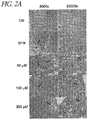
- the morphological changes observed by light microscopy were further characterized by performing ultrastructural studies. Ammonia caused a dramatic dose-dependent change in the cytosol and marked presence of translucent vacuoles. Neither mitochondrial alterations nor presence of autophagic structures (characterized by double membranes) were observed ( Fig. 2A ). It was noted that when ammonia-rich medium was removed and cells were replenished with complete medium both cell proliferation and metabolic activity were restored ( Fig. 2B ), thus supporting that the observed effect of ammonia is transient.
- ammonia-treated hHSCs cultured on collagen gels showed a significant ability to contract ( FIG. 2C, 2D ) when compared to control, and this occurred after 3 hours and was sustained after 24 hours of ammonia treatment which coincided with the previously observed morphological changes ( Fig. 2E ).
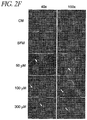
- long-term treatment with ammonia 72 hours induced a dose-dependent disruption of filamentous actin in the cytoskeleton when TRICT-Phalloidin staining was employed.
- Reorganization of the F-actin network coincided with the presence of translucent vacuoles in a dose dependent manner ( Fig. 2F ).
- Hyperammonemia induces ROS production in hHSC.
- Prolonged treatment of cells with ammonia for up to 72 hours showed a gradual development of ROS as detected by the presence of cytosolic carboxy-DCF ( Fig. 3A ).
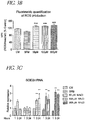
- the development of ammonia-induced ROS production was further quantitatively measured as described in Mookerjee et al., (Gastroenterology, 2007, 132:2533-2541 ) and confirmed that primary hHSCs treated with ammonia produced significant reactive oxygen species (ROS) ( Fig. 3B ).
- ROS reactive oxygen species
- Ammonia alters the pro-fibrogenic / pro-inflammatory profile in hHSCs. As shown in Fig. 4A , ammonia was shown to significantly increase ⁇ -SMA protein expression. At 300 ⁇ M ammonia, vimentin (an important intermediate filament) synthesis was increased. Both Myosin IIa (plays an important role in HSC contraction) and Myosin IIb (implicated in HSC activation) were significantly modulated by increasing concentrations of ammonia. A dose-dependent response to ammonia was also observed in P-38 MAPK expression.
- Bile duct ligation and ammonia treatment modifies HSC cell biology in vivo .
- the effect of hyperammonemia on HSC-related signaling pathways in whole liver tissue was investigated.
- Ammonia concentrations are significantly elevated in BDL rat plasma compared to sham-operated rats (149.3 ⁇ mol/L ⁇ 51.1 vs. 107.4 ⁇ mol/L ⁇ 23.2, P ⁇ 0.05).
- Plasma ammonia levels further increased when animals were fed an amino acid-rich (AAs) diet in combination with BDL surgery (199.1 ⁇ mol/L ⁇ 43.6 vs. 149.3 ⁇ mol/L ⁇ 51.1, P ⁇ 0.05) ( Fig. 5A ).
- OP treatment was found to result in a marked decrease in protein expression of HSC-related activation markers ( FIG. 5B ). More specifically, BDL in combination with hyperammonaemia (AAs diet) showed a significant increase in Myosin IIb, Collagen type I, and PDGF-R ⁇ protein expression in comparison to BDL. In contrast, treatment with OP abrogated the strong effect of hyperammonemia on BDL rat livers in relation to all HSC-related activation markers tested ( Fig. 5B ).
- the example shows that pathophysiological ammonia concentrations caused significant and reversible changes in cell proliferation, metabolic activity and activation markers of hHSCs in vitro.
- Ammonia also induced significant alterations in cellular morphology, characterized by cytoplasmic vacuolization, ROS production, hHSC contraction and changes in pro-inflammatory gene expression together with HSC-related activation markers such as ⁇ -SMA, myosin IIa, IIb, and PDGF-R ⁇ .
- Treatment with an ammonia-reducing agent OP significantly reduced plasma ammonia (BDL 199.1 ⁇ mol/L ⁇ 43.65 vs. BDL+OP 149.27 ⁇ mnol/L ⁇ 51.1, P ⁇ .05), which was associated with increased eNOS activity and abrogation of HSC activation markers.
- OTC gene expression and hepatic urea nitrogen handling are reduced in NAFLD animals and recovers with dietary modulation and reducing bacterial translocation
- This example shows that gene and protein expression of ornithine transcarbamylase (OTC) are altered in animal models of NASH and the alteration is reversible with recovery of animals by restoring the diet and by reducing bacterial translocation. This example also shows that gene expression of OTC is altered in NAFLD patients.
- OTC ornithine transcarbamylase
- Hyperammonemia leads to disease progression and administration of ammonia-reducing agent reduces progression of NASH and fibrosis
- Sprague Dawley rats are subdivided and fed either a diet enriched in High Fat and High Cholesterol (HFHC diet) or a standard diet without high fat and cholesterol content (Standard diet) for up to 16 weeks; and (ii) Rats are fed a High Fat diet supplemented with Fructose (HFD+F diet) for up to 16 weeks.
- HFHC diet High Fat and High Cholesterol
- Standard diet high fat and cholesterol content
- Rats are fed a High Fat diet supplemented with Fructose (HFD+F diet) for up to 16 weeks.
- HFD+F diet Fructose
- NASH and fibrosis scoring histological study is performed and the NASH CRN scoring system is used by an experienced hepato-pathologist blinded to the type of treatment received by the animals (TVL; APD).
- TVL hepato-pathologist
- Commonly described variables in NASH are analyzed on Hematoxylin-eosin stained sections: 1) macro/micro vesicular steatosis, 2) lobular inflammation, 3) hepatocellular ballooning, and 4) apoptotic bodies. Fibrosis/collagen accumulation is assessed using Sirius Red stained sections.
- oil red O staining is performed to investigate changes in lipid accumulation and Filipin staining to observe changes in cholesterol.
- blood samples analysis of plasma biochemistry (serum ALT, AST, urea, ammonia, albumin, cholesterol-LDL, cholesterol-HDL cholesterol and triglycerides) are performed using Cobas Integra 400 multi analyzer with appropriate kits (Roche Diagnostics, Burgess Hill, West Wales, UK). 2) Measurement of OTC enzyme activity and assessment of OTC (and other urea cycle related enzymes) is performed using qPCR and Western blot analysis. Changes in OTC localization/zonation are assessed using immunohistochemistry. 3) Pro-fibrogenic, activation-related HSC markers arc detected. 4) Pro-inflammatory cytokines/chemokines and macrophage markers are detected. And 5) Apoptosis-related markers are detected.
- plasma biochemistry serum ALT, AST, urea, ammonia, albumin, cholesterol-LDL, cholesterol-HDL cholesterol and triglycerides
- Cobas Integra 400 multi analyzer with appropriate kits (Roche Diagnostics, Burgess Hill, West Wales, UK
- Ammonia-reducine agent treats liver cancer
- a rat model of fibrosis/HCC is used to determine whether an ammonia-reducing agent OP can reduce the risk of HCC development.
- Animals are studied up to at 16 weeks and examined for the development of HCC. Animals (6-8/group) are treated with diethylnitrosamine(DEN)/nitrosomorpholine (NMOR) to induce fibrosis/HCC as previously described ( Mohamed et al., Liver International 2015, 35(3):1063-1076 ).
- the six animal groups for study are listed in Table 1. Table 1 . Animal groups 1. Sham + saline 4. DEN + saline 2. Sham + OP (week 1-14) - prevention 5. DEN + OP (week 1-14) - prevention 3. Sham + OP (week 7-14) - treatment 6. DEN + OP (week 7-14) - treatment
- NAFLD is induced in rats by feeding male rats with a liquid high-fat diet (HFD) (71% of kcal fat) for up to 16 weeks.
- HFD liquid high-fat diet
- Obese Zucker rats which is one of the most commonly used models of NAFLD in rats, are provided.
- NAFLD is induced in rats by feeding male rats with a liquid high-fat diet (HFD) (71% of kcal fat) for three weeks.
- HFD liquid high-fat diet
- Obese Zucker rats which is one of the most commonly used models of NAFLD in rats, are provided.
- Spontaneous hyperammonemia is engineered in both diet-induced and genetic NAFLD rat models by making the rats deficient in ornithine transcarbamoylase (OTC deficiency). OTC deficient rats are made by mutating or deleting the OTC gene in the rats.
- Induced hyperammonemia is engineered in both diet-induced and genetic NAFLD rat models by feeding high-protein diet to the rats. It is expected that both of the spontaneous and induced hyperammonemia worsen the progression of NAFLD and fibrosis.
- NAFLD is induced in rats by feeding male rats with a liquid high-fat diet (HFD) (71% of kcal fat) for three weeks.
- HFD liquid high-fat diet
- Obese Zucker rats which is one of the most commonly used models of NAFLD in rats, are provided.
- Weight reduction surgery is performed on the HFD rats and the obese. It is expected that the weight reduction surgery reduces progression of NAFLD in diet-induced NAFLD rat models as well as in genetic rat model of NAFLD. It is also expected that the weight reduction improves hepatic nitrogen handling, OTC gene/protein expression and function in the NAFLD rat models.
- a range includes each individual member.
- a group having 1-3 articles refers to groups having 1, 2, or 3 articles.
- a group having 1-5 articles refers to groups having 1, 2, 3, 4, or 5 articles, and so forth.
Landscapes
- Health & Medical Sciences (AREA)
- Life Sciences & Earth Sciences (AREA)
- Animal Behavior & Ethology (AREA)
- General Health & Medical Sciences (AREA)
- Public Health (AREA)
- Veterinary Medicine (AREA)
- Chemical & Material Sciences (AREA)
- Medicinal Chemistry (AREA)
- Pharmacology & Pharmacy (AREA)
- Epidemiology (AREA)
- Chemical Kinetics & Catalysis (AREA)
- General Chemical & Material Sciences (AREA)
- Organic Chemistry (AREA)
- Nuclear Medicine, Radiotherapy & Molecular Imaging (AREA)
- Molecular Biology (AREA)
- Bioinformatics & Cheminformatics (AREA)
- Engineering & Computer Science (AREA)
- Emergency Medicine (AREA)
- Inorganic Chemistry (AREA)
- Nutrition Science (AREA)
- Dermatology (AREA)
- Physiology (AREA)
- Gastroenterology & Hepatology (AREA)
- Acyclic And Carbocyclic Compounds In Medicinal Compositions (AREA)
- Pharmaceuticals Containing Other Organic And Inorganic Compounds (AREA)
- Medicines Containing Material From Animals Or Micro-Organisms (AREA)
- Medicines That Contain Protein Lipid Enzymes And Other Medicines (AREA)
- Medicinal Preparation (AREA)
Abstract
Description
- The present application claims priority under 35 U.S.C. § 119(e) to
U.S. Provisional Application No. 61/694,679, filed on August 29, 2012 - The present application relates to the fields of pharmaceutical chemistry, biochemistry and medicine. One aspect relates to the treatment and/or prevention of diseases associated with hepatic stellate cell (HSC) activation using ammonia-lowering therapies.
- Hepatic stellate cells (HSCs) are pericytes found in the perisinusoidal space of the liver. Within the liver, stellate cells play an important role in maintaining architectural integrity of the liver and are involved in fibrosis and liver cancer development. In normal liver, HSCs are in a quiescent state. When the liver is damaged, HSCs can change into an activated state. The activated stellate cell is characterized by proliferation, contractility and chemotaxis. Various diseases can result from the activation of HSCs, for example, non-alcoholic fatty liver disease (NAFLD), fibrotic conditions, and liver cancer.
- Various prevention, treatment and management strategies for diseases associated with the activation of HSCs are currently available depending upon the severity of the symptoms. There is a need for additional therapies for treating or preventing those diseases.
- Some embodiments disclosed herein provides a method of treating a disease associated with hepatic stellate cell (HSC) activation, wherein the method comprises performing an ammonia-lowering therapy on a subject in need thereof. Also disclosed is a method of delaying the onset or progression of a disease associated with HSC activation, wherein the method comprises performing an ammonia-lowering therapy on a subject in need thereof. In some embodiments, performing the ammonia-lowering therapy comprises administering an ammonia-lowering agent to the subject.
- In some embodiments, the disease associated with HSC activation is non-alcoholic fatty liver disease (NAFLD). The NAFLD can be, for example, non-alcoholic steatohepatitis (NASH) or steatosis.
- In some embodiments, the disease associated with HSC activation is liver cancer. In some embodiments, the disease associated with HSC activation is a fibrotic condition. The fibrotic condition can be, for example, liver fibrosis. In some embodiments, the subject is suffering from non-alcoholic fatty liver disease (NAFLD).
- Some embodiments provide a method of preventing non-alcoholic fatty liver disease (NAFLD), wherein the method comprises performing an ammonia-lowering therapy on a subject in need thereof. For example, the NAFLD can be non-alcoholic steatohepatitis (NASH) or steatosis. In some embodiments, performing the ammonia-lowering therapy comprises administering an ammonia-lowering agent to the subject.
- In some embodiments, the ammonia-lowering agent is, or comprises, a magnesium phosphate product (MGP), glycerol phenylbutyrate (GPB), sodium phenylacetate, sodium phenylbutyrate (NaPBA), glutamine, sodium benzoate, L-arabinose, a laxative, an antibiotic, ornithine in combination with at least one of phenylacetate and phenylbutyrate, or any combination thereof. In some embodiments, the ammonia-lowering agent is, or comprises, ornithine in combination with at least one of phenylacetate and phenylbutyrate.
- In the methods disclose herein, in some embodiments, separate pharmaceutically acceptable salts of the ornithine and at least one of phenylacetate and phenylbutyrate are administered to the subject. In some embodiments, at least one of phenylacetate and phenylbutyrate is administered as a sodium phenylacetate or sodium phenylbutyrate. In some embodiments, the ornithine is administered as a free monomeric amino acid or physiologically acceptable salt thereof. In some embodiments, the ornithine and phenylacetate is administered as ornithine phenylacetate.
- In some embodiments, the administration is oral, intravenous, intraperitoneal, intragastric, or intravascular administration. In some embodiments, the administration is intravenous administration. In some embodiments, the administration is oral administration
-
-
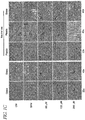
Figures 1A-C show ammonia reduces in a dose dependent manner cell proliferation and metabolism in primary human Hepatic Stellate Cells in vitro.Figure 1A shows ammonia inhibits DNA synthesis (BrdU) and metabolic activity (MTS), andFigure 1B shows the inhibition is achieved without inducing cell death.Figure 1C shows that ammonia induced strong morphological changes in a dose-dependent manner i.e. from myofibroblast-like cells into spindle like fibroblasts as was observed by light microscopy and by Neutral Red cell viability test (20X, 40X). Bar graphs show means of three independent values ± SD. *P < 0.05, **P < 0.01 and ***P < 0.001 vs. corresponding values of serum free medium (SFM). -
Figures 2A-F show ammonia induces alterations in cytoplasmic stress, which coincides with changes in cellular metabolism/function, contraction, and actin cytoskeleton architecture.Figure 2A are Transmission Electron Microscopy (TEM) images showing that ammonia in a dose-dependent manner caused dramatic morphological changes with appearance of cytoplasmic vacuoles (V=vacuoles; N=nucleus).Figure 2B shows recovery of cell proliferation after depletion of ammonia-rich culture medium. Bar graphs show means of three independent values ± SD. *P < 0.05 and ***P < 0.001 vs. SFM.Figures 2C and 2D depicts results from a collagen gel contraction assay showing that ammonia induces hHSC contraction. Bar graphs show means of 2 independent experiments (values ± SD. *P < 0.05 and **P < 0.01 vs. corresponding values of SFM.Figure 2E shows that ammonia-induced HSC contraction coincides with changes in morphology.Figure 2F shows that prolonged treatment (72h) with ammonia induces in a dose-dependent manner the re-organization of filamentous actin (TRITC-Phalloidin staining). -
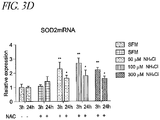
Figures 3A-C show ammonia induces ROS production.Figure 3A shows that prolonged treatment of hHSC with ammonia for 72 hours induces ROS production in hHSC. The formation of reactive oxygen species (ROS) was measured using Image-IT™ LIVE Green Reactive Oxygen Species Detection Kit. InFigure 3B , mean fluorescence intensity (MFI) of ROS signal was normalized according to the number of cells (Hoechst 33342), and expressed as percentage of control. Bar graphs show means of three independent values ± SD. ***P < 0.001 vs corresponding values of SFM.Figure 3C shows that jyperammonemia increases mRNA expression level of ROS marker SOD2 at 3 and 24 hours. Bar graphs show means of 2 independent values ± SD. ***P < .001 vs corresponding values of SFM.Figure 3D shows NAC-induced ROS scavenger reduces ammonia-induced SOD2 mRNA expression at 24 hours. Bar graphs show means of 2 independent values ± SD. *P < 0.05 **P < 0.01 vs corresponding values of SFM. -
Figures 4A-C show ammonia modifies mRNA expression and protein level of several pro-inflammatory and HSC activation markers.Figure 4A shows that ammonia affects protein expression of α-SMA, vimentin, PDGF-Rβ, Myosin IIa and IIb, and p-38 MAPK.Figure 4B shows that ammonia induces up-regulation of MMP2 mRNA whereas TIMP1 mRNA is down-regulated.Figure 4C shows that Interleukin 1β and Interleukin IL6 mRNA expression are upregulated. Bar graphs show means of three independent values ± SD. *P < 0.05, **P < 0.01 and ***P < 0.001 vs. corresponding values of SFM. -
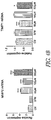
Figures 5A-B show hyperammonemia treatment further enhances BDL-induced HSC markers in vivo.Figure 5A shows that plasma levels of ammonia arc significant upregulated in BDL and AAs-fed BDL animals in comparison to sham operated rats (*P < 0.05 and **P < 0.01 vs Sham). OP treatment reduces significant ammonia in BDL-AAs-fed animals in comparison to BDL animals (**P < 0.01).Figure 5B shows that hyperammonemia treatment in BDL-induced fibrosis showed an additional significant increase in Myosin IIb, Collagen type I and PDGF-Rβ protein expression in comparison to BDL-induced fibrosis (**P < 001 and ***P < 0.001). In contrast, treatment with OP, abrogated the strong effect of AAs-fed BDL on all HSC-related activation markers (*P < 0.05, **P < 0.01 and ***P < 0.001). -
Figure 6 shows expression of ornithine transcarbamylase (OTC) protein and gene in rats fed a normal and a high-fat high-cholesterol diet for 10 months and recovery for 2 months. -
Figure 7 shows OTC gene expression in mice fed a methionine-choline deficient diet (MCD) for 4 weeks and treated with or without carbon. -
Figure 8 shows OTC gene expression in NAFLD human patients with simple steatosis or NASH+fibrosis during bariatric surgery. - In the following detailed description, reference is made to the accompanying drawings, which form a part hereof. The illustrative embodiments described in the detailed description, drawings, and claims are not meant to be limiting. Other embodiments may be utilized, and other changes may be made, without departing from the spirit or scope of the subject matter presented here. It will be readily understood that the aspects of the present disclosure, as generally described herein, can be arranged, substituted, combined, and designed in a wide variety of different configurations, all of which are explicitly contemplated and make part of this disclosure.
- As used herein, a "subject" refers to an animal that is the object of treatment, observation or experiment. "Animal" includes cold- and warm-blooded vertebrates and invertebrates such as fish, shellfish, reptiles and, in particular, mammals. "Mammal" includes, without limitation, mice; rats; rabbits; guinea pigs; dogs; cats; sheep; goats; cows; horses; primates, such as monkeys, chimpanzees, and apes, and, in particular, humans.
- As used herein, a "patient" refers to a subject that is being treated by a medical professional, such as a Medical Doctor (i.e. Doctor of Allopathic medicine or Doctor of Osteopathic medicine) or a Doctor of Veterinary Medicine, to attempt to cure, or at least ameliorate the effects of, a particular disease or disorder or to prevent the disease or disorder from occurring in the first place.
- As used herein, "administration" or "administering" refers to a method of giving a dosage of a pharmaceutically active ingredient to a vertebrate.
- As used herein, a "unit dosage" refers to an amount of therapeutic agent administered to a patient in a single dose.
- As used herein, a "daily dosage" refers to the total amount of therapeutic agent administered to a patient in a day.
- As used herein, "therapeutically effective amount" or "pharmaceutically effective amount" is meant an amount of therapeutic agent, which has a therapeutic effect. The dosages of a pharmaceutically active ingredient which are useful in treatment are therapeutically effective amounts. Thus, as used herein, a therapeutically effective amount means those amounts of therapeutic agent which produce the desired therapeutic effect as judged by clinical trial results and/or model animal studies.
- As used herein, a "therapeutic effect" relieves, to some extent, one or more of the symptoms of a disease or disorder. For example, a therapeutic effect may be observed by a reduction of the subjective discomfort that is communicated by a subject (e.g., reduced discomfort noted in self-administered patient questionnaire).
- "Treat," "treatment," or "treating," as used herein refers to administering a compound or pharmaceutical composition to a subject for prophylactic and/or therapeutic purposes. The term "prophylactic treatment" refers to treating a subject who does not yet exhibit symptoms of a disease or condition, but who is susceptible to, or otherwise at risk of, a particular disease or condition, whereby the treatment reduces the likelihood that the patient will develop the disease or condition. The term "therapeutic treatment" refers to administering treatment to a subject already suffering from a disease or condition.
-
- BDL = bile duct ligation.
- OP = ornithine, phenylacetate
- OTC = ornithine transcarbamylase
- OS = glutamine synthetase
- HSC = hepatic stellate cell
- Disclosed herein are various ammonia-lowering therapies that can be used to reduce the ammonia level in a subject. For example, one or more ammonia-lowering agents can be used in the therapy to reduce the ammonia level in the subject. As used herein, the term "ammonia-lowering agent" refers to a substance that can be used to lower the ammonia level in a subject. The mechanism by which the ammonia-lowering agent lowers the ammonia level can vary. For example, the ammonia-lowering agent may lower the ammonia level in a subject by reducing the generation of ammonia in the subject, or by absorbing the ammonia in the subject, or drawing ammonia into the colon and removing ammonia through a laxative effect, or any combination thereof. In some embodiments, the ammonia level in the subject can be the level of ammonia in the blood (e.g., plasma) of the subject. In some embodiments, the ammonia-lowering therapy comprises administering one or more ammonia-lowering agents to the subject.
- Non-limiting examples of ammonia-lowering agents include, or comprise, magnesium phosphate product (MOP), glycerol phenylbutyrate (GPB), sodium phenylacetate, sodium phenylbutyrate (NaPBA), glutamine, sodium benzoate, chlorophyll, L-arabinose, laxatives, antibiotics, ornithine in combination with at least one of phenylacetate and phenylbutyrate, and any combination thereof. The ammonia-lowering agents can be present, for example, in a pharmaceutical composition, a nutraceutical composition, a probiotic composition, or any combination thereof. Laxatives are substances that can loosen stools and increase bowel movements. Laxatives can be used to lower ammonia levels in gastrointestinal tract of a subject, for example by altering bacterial flora in the subject's gastrointestinal tract and making few organisms available to produce ammonia. Examples of laxatives include, but are not limited to, lactulose.
- The ammonia lowering agent can be, or comprises, one or more antibiotics. For example, the ammonia lowering agent can be administered by the oral route to allow the antibiotic(s) to act in the gastrointestinal tract. Without being bounded by any particular theory, it is believed that the antibiotics) can reduce ammonia-producing bacteria from the intestine to reduce the ammonia level in the subject. Non-limiting examples of the antibiotics include neomycin, vancomycin and rifaximin (Xifaxan).
- In some embodiments, different ammonia lowering agents are used in combination to reduce the ammonia level in the subject. For example, one or more laxatives and one or more antibiotics can be administered to the subject to reduce ammonia level in the subject.
- As another non-limiting example, the ammonia-lower therapy can be, or comprise, adjusting the composition of gut microbiota in the subject. In some embodiments, adjusting the composition of gut microbiota of the subject comprises bacterial transplantation, such as fecal transplantation. In some embodiments, adjusting the composition of gut microbiota in the subject comprises increasing the level of one or more bacterial species lacking or having low urase activity in the gut microbiota of the subject. In some embodiments, adjusting the composition of gut microbiota in the subject comprises replacing the native gut microbiota of the subject with a composition having high level of one or more bacterial species lacking or having low urase activity. In some embodiments, adjusting the composition of gut microbiota in the subject comprise administering to the subject a composition comprising one or more bacterial species lacking or having low urase activity. Examples of the bacteria lacking or having low urease activity include, but are not limited to, Parabacteroides, Lachnospiraceae, Ruminococcaceae, Eubacterium, Mucispirillum, Lactobacillus, and Clostridium. In some embodiments, the bacteria lacking or having lower urease activity is Clostridia, Mucispirillum schaedleri, Parabacteroides, Lactobacilli, or any combination thereof In some embodiments, the ammonia-lowering therapy comprises transplanting Schaedler flora (ASF), which consists of 8 murine gut commensal bacterial strains that were assembled in the 1970s and standardized by the National Cancer Institute in 1978 (Dewhirst et al., Appl. Environ Microbiol. 1999; 65(8):3287-3292, to the subject. Without being limited by any particular theory, it is believed that bacterial urease converts host-derived urea to ammonia and carbon dioxide, contributing to hyperammonemia and gut microbiota having no or reduced urease activity can reduce ammonia production and thus ammonia level in the subject.
- In addition, the ammonia-lower therapy can be, or comprise, gene therapy to correct gene defects that contribute to hyperammonemia in the subject. For example, hyperammonemia can be caused by defects in genes encoding enzymes involved in the urea cycle, including but not limited to, Ornithine Transcarbamylase (OTC) gene, Carbamyl Phosphate Synthetase (CPS1) gene, Argininosuccinic Acid Synthetase (AAS), Argininosuccinate Lyase (ASL), and Arginase (AG). Hyperammonemia can also be caused by defects in cystathione beta synthase (CBS) gene and glutamine synthetase gene. The gene therapy can be performed by methods known in the art. For example, recombinant viral vectors (e.g., adeno-associated viral vectors and baculovius vectors) can be used to deliver (e.g., targeted delivery to liver cells) the missing gene(s) to the subject to reduce the ammonia level in the subject. See e.g., Torres-Vega et al. Gene Therapy (2015) 22, 58-64 (the entire content of which is incorporated herein by reference). In some embodiments, AAV vectors comprising the intact OTC gene are administered into a subject in need thereof to reduce the ammonia level in the subject. In some embodiments, AAV vectors comprising the intact glutamine synthetase gene are administered into a subject in need thereof to reduce the ammonia level in the subject.
- Hepatic stellate cells (HSCs) are liver-specific mesenchymal cells that play important roles in liver physiology and fibrogenesis and maintaining architectural integrity of the liver. HSCs are generally located in the space of Disse and maintain close interactions with sinusoidal endothelial cells and hepatic epithelial cells. HSCs orchestrate many important functions in the liver and their dysfunction is associated with various pathological conditions. HSCs can impact the differentiation, proliferation, and morphogenesis of other hepatic cell types during liver development and regeneration.
- In normal liver, HSCs are in a quiescent state. HSCs can change into an activated state when the liver is damaged. For example, following acute or chronic liver injury, HSCs undergo phenotypic transformation from "quiescent" (non-proliferating and non-contractile) to "activated" (promitogcnic, profibrogenic, and proinflammatory Myofibroblasts-like) cells. Moreover, during the process of activation, HSCs become highly contractile and have the necessary machinery to contract or relax in response to a number of vasoactive substances/stimuli Activated HSCs can produce a wide array of cytokines and chemokines which may directly enhance the proliferation of liver progenitor cells and hepatocytes. HSCs are involved in, for example, fibrosis and liver cancer development. HSC activation can lead to various diseases, conditions and symptoms, including but not limited to, non-alcoholic fatty liver disease (NAFLD), fibrotic conditions (for example liver fibrosis), liver cancer, and any combination thereof. Non-limiting examples of liver cancer include hepatocellular carcinoma (HCC) and hepatoblastoma. In some embodiments, the methods of treating and/or preventing diseases associated with HSC activation comprise identifying a subject suffering from or at the risk of developing a disease associated with HSC activation. In some embodiments, the disease associated with HSC activation can be NAFLD, liver fibrosis, liver cancer, or any combination thereof.
- NAFLD refers to a group of conditions where there is accumulation of excess fat in the liver of people who drink little or no alcohol. NFALD is a common liver disorder in developed countries. The most common form of NAFLD is a non-serious condition called fatty liver. NAFLD occurs when fat is deposited (steatosis) in the liver. Although having fat in the liver is not normal, by itself it probably does not damage the liver. NAFLD is a common cause of fibrosis. NAFLD is sometimes suspected in an overweight or obese person who is found to have mild elevations in their liver tests during a routine blood testing or incidentally detected on radiologic investigations such as abdominal ultrasound or CT scan.
- Non-alcoholic steatohepatitis (NASH) is a more serious form of NAFLD. In NASH, fat accumulation is associated with liver cell inflammation and different degrees of scarring. NASH is a potentially serious condition that may lead to severe liver scarring and cirrhosis. Without being bound by any particular theory, it is believed that NASH is associated with reduced expression and function of ornithine transcarbamoylase (OTC, also called ornithine carbamoyltransferase) in humans and rodents. For example, in experimental NASH, gene and protein expression of the mitochondrial urea cycle enzyme ornithine transcorbamylase (OTC) is reduced significantly, resulting in functional reduction in the in vivo capacity for ureagenesis, which results in hyperammonemia. In patients with biopsy-proven NASH, plasma ammonia levels are increased significantly more than in patients with simple steatosis. In mammals, the OTC enzyme is part of the urea cycle. In a mammal deficient in OTC, ammonia level will build up, which can cause hyperammonemia and subsequently neurological problems.
- It is disclosed for the first time in the present disclosure that ammonia produces marked morphological and functional changes in human HSCs and in vivo in bile duct ligated rats (for example, oxidative stress, increased cytokines, expression of activation markers, alterations in the secretion of matrix proteins, and severe morphological disruption). Without being bound by any particular theory, it is believed that hyperammonia can activate HSCs in vivo and in vitro, which may favor the progression of NAFLD (e.g., NASH) and fibrosis. As described herein, a reduction in ammonia level in a subject can prevent the activation of HSCs in the subject and reduces, for example, diseases associated with HSC activation.
- Some embodiments described herein provide methods of treating a disease associated with HSC activation in a subject in need by performing on the subject an ammonia-lowering therapy. Some embodiments described herein provide methods of delaying the onset or progression of a disease associated with HSC activation in a subject in need by performing on the subject an ammonia-lowering therapy. In some embodiments, performing the ammonia-lowering therapy comprises administering an ammonia-lowering agent to the subject. In some embodiments, the ammonia-lowering agent is, or comprises, magnesium phosphate product (MOP), glycerol phenylbutyrate (GPB), sodium phenylacetate, sodium phenylbutyrate (NaPBA), glutamine, sodium benzoate, L-arabitiose, a laxative, an antibiotic, ornithine in combination with at least one of phenylacetate and phenylbutyrate, or any combination thereof. In some embodiments, the methods comprise co-administering to the subject ornithine in combination with phenylacetate and/or phenylbutyrate. In some embodiments, the disease associated with HSC activation is NAFLD, for example NASH or steatosis. In some embodiments, the disease associated with HSC activation is liver cancer, for example HCC or hepatoblastoma. In some embodiments, the disease associated with HSC activation is a fibrotic condition, for example liver fibrosis. In some embodiments, the subject suffering from liver cancer and/or the fibrotic condition can suffer from NAFLD as well. In some embodiments, two or more ammonia-lowering agents are co-administered to the subject. In some embodiments, one or more ammonia-lowering agents are co-administered with another pharmaceutically active ingredient to the subject. In some embodiments, the composition of gut microbiota in the subject is adjusted to treat a disease associated with HSC activation. In some embodiments, gene threapy is used as the ammonia-lowering therapy to treat a disease associated with HSC activation.
- Also disclosed herein are methods of preventing NAFLD by performing an ammonia-lowering therapy on a subject in need thereof. In some embodiments, performing the ammonia-lowering therapy comprise administering an ammonia-lowering agent to the subject. Any of the ammonia-lowering agents disclosed herein can be used in the methods, including but not limited to, magnesium phosphate product (MOP), glycerol phenylbutyrate (GPB), sodium phenylacetate, sodium phenylbutyrate (NaPBA), glutamine, sodium benzoate, L-arabinose, laxatives, antibiotics, ornithine in combination with at least one of phenylacetate and phenylbutyrate, and any combination thereof. In some embodiments, the methods comprise co-administering to the subject ornithine in combination with phenylacetate and/or phenylbutyrate. In some embodiments, the composition of gut microbiota in the subject is adjusted to prevent NAFLD. In some embodiments, gene threapy is used as the ammonia-lowering therapy to prevent NAFLD.
- Some embodiments described herein provide methods of treating a fibrotic condition by performing an ammonia-lowering therapy on a subject in need thereof. The ammonia-lowering therapy can comprise, in some embodiments, co-administering to a subject in need thereof an ammonia-lowering agent, such as ornithine in combination with phenylacetate and/or phenylbutyrate. Some such embodiments include therapeutic treatment. Other embodiments include prophylactic treatment. As used herein, a "fibrotic condition" refers to a condition, disease or disorder that is characterized by dysregulated proliferation or activity of fibroblasts and/or abnormal accumulation of fibronectin and/or pathologic or excessive accumulation of collagenous tissue. Typically, any such disease, disorder or condition is amenable to treatment by administration of a compound having anti-fibrotic activity. Fibrotic disorders include, but are not limited to, liver fibrosis (e.g., hepatic fibrosis associated with chronic active hepatitis). Thus, some embodiments include methods of treating liver fibrosis by co-administering to a subject in need thereof ornithine in combination with phenylacetate and/or phenylbutyrate. Some embodiments include identifying a subject as having or at risk for developing a fibrotic condition (e.g., liver fibrosis) prior to administering the ornithine in combination with phenylacetate and/or phenylbutyrate.
- By "co-administration," it is meant that the two or more agents may be found in the patient's bloodstream at the same time, regardless of when or how they are actually administered. In some embodiments, the agents are administered simultaneously. In one such embodiment, administration in combination is accomplished by combining the agents in a single dosage form. In some embodiments, the agents are administered sequentially. In some embodiments, the agents are administered through the same route, such as orally. In some embodiments, the agents are administered through different routes, such as one being administered orally and another being administered i.v.
- As described herein, NASH is associated with reduced expression and function of the urea cycle enzyme, ornithine transcarbamoylase (OTC) level in humans and rodents, which results in hyperammonemia. Without being bound by any particular theory, it is believed that ammonia is elevated in NAFLD and is involved in the progression of NAFLD and liver cancer. In addition, ammonia-lowering agents (e.g., OP) are useful to reduce blood ammonia level in the subject having hyperammonemia, such as the hyperammonemia associated with NASH, and thus prevent, limit, or slow down progression of NAFLD, fibrosis progression in NASH, and the development of liver cancer (e.g., HCC). In some embodiments, the ammonia-lowering agent is useful to reduce blood ammonia level, which treats and delays the onset or progression of NASH.
- Some embodiments include treating a fibrotic condition (e.g., liver fibrosis) by performing an ammonia-lowering therapy on a subject in need. For example, the ammonia-lowering therapy can comprise administering to a subject in need an ammonia-lowering agent, for example ornithine in combination with phenylacetate and/or phenylbutyrate. Some such embodiments include therapeutic treatment. Some embodiments include prophylactic treatment. Some embodiments include identifying a subject as having or at risk for developing the fibrotic condition (e.g., liver fibrosis) prior to administering the ammonia-lowering agent
- Some embodiments include methods of treating a liver cancer by performing an ammonia-lowering therapy on a subject in need. For example, the ammonia-lowering therapy can comprise co-administering to a subject in need thereof an ammonia-lowering agent, for example ornithine in combination with phenylacetate and/or phenylbutyrate. Some such embodiments include therapeutic treatment Some embodiments include prophylactic treatment. Some embodiments include identifying a subject as having or at risk for developing liver cancer prior to administering the ammonia-lowering agent. Some embodiments include treating liver cancer by administering ornithine in combination with phenylacetate and/or phenylbutyrate, for example ornithine phenylacetate, to the subject. The liver cancer can be, for example, HCC or hepatoblastoma.
- Ammonia level in a subject can be determined by various conventional methods. For example, ammonia is routinely measured in plasma from a venous (or arterial) blood sample. It can also be measured in whole blood, erythrocytes, saliva, sweat, and urine. Ammonia measurements can be used to diagnose hyperammonemia. Ammonia can be measured by indirect or direct methods. For example, the ammonia can be measured by the change of color of an ammonium indicator, for example the Vitros® (Ortho Diagnostic Ltd.) ammonia measurement which utilizes bromophenol blue. As another example, an NH4+-selective membrane which is typically based on a mixture of antibiotics nonatin and monoactin can also be used to measure ammonia level. In some embodiments, the methods disclosed herein comprise determining the ammonia level in the subject prior to and/or after administration of the ammonia-lowering agent In some embodiments, the ammonia level in the subject is monitored throughout the period in which the subject is receiving the treatment by ammonia-lowering agent. Reduction in ammonia levels in vivo can reduce inflammation (NFκB), oxidative stress and αSMA expression, and increase in nitric oxide synthase (eNOS) activity and function.
- In some embodiments, the ammonia-lowering agents (such as ornithine in combination with phenylacetate and/or phenylbutyrate) are administered as pharmaceutically acceptable salts. The term "pharmaceutically acceptable salt" refers to salts that retain the biological effectiveness and properties of a compound and, which are not biologically or otherwise undesirable for use in a pharmaceutical. In many cases, the ammonia-lowering agents disclosed herein are capable of forming acid and/or base salts by virtue of the presence of amino and/or carboxyl groups or groups similar thereto. Pharmaceutically acceptable acid addition salts can be formed with inorganic acids and organic acids. Inorganic acids from which salts can be derived include, for example, hydrochloric acid, hydrobromic acid, sulfuric acid, nitric acid, phosphoric acid, and the like. Organic acids from which salts can be derived include, for example, acetic acid, propionic acid, glycolic acid, pyruvic acid, oxalic acid, maleic acid, malonic acid, succinic acid, fumaric acid, tartaric acid, citric acid, benzoic acid, cinnamic acid, mandelic acid, methanesulfonic acid, ethanesulfonic acid, p-toluenesulfonic acid, salicylic acid, and the like. Pharmaceutically acceptable salts can also be formed using inorganic and organic bases. Inorganic bases from which salts can be derived include, for example, bases that contain sodium, potassium, lithium, ammonium, calcium, magnesium, iron, zinc, copper, manganese, aluminum, and the like; particularly preferred are the ammonium, potassium, sodium, calcium and magnesium salts. In some embodiments, treatment of the compounds disclosed herein with an inorganic base results in loss of a labile hydrogen from the compound to afford the salt form including an inorganic cation such as Li+, Na+, K+, Mg2+ and Ca2+ and the like. Organic bases from which salts can be derived include, for example, primary, secondary, and tertiary amines, substituted amines including naturally occurring substituted amines, cyclic amines, basic ion exchange resins, and the like, specifically such as isopropylamine, trimethylamine, diethylamine, triethylamine, tripropylamine, and ethanolamine. Many such salts are known in the art, as described in
WO 87/05297, Johnston et al., published September 11, 1987 - In some embodiments, ornithine is administered as the ornithine HCl salt. In some embodiments, phenylacetate or phenylbutyrate is administered as their sodium salts. In some embodiments, ornithine and phenylacetate or phenylbutyrate are administered as salts of each other (e.g., ornithine phenylacetate).
- The ammonia-lowering agent (such as ornithine in combination with phenylacetate and/or phenylbutyrate) can be formulated for administration with a pharmaceutically acceptable carrier or diluent. The ammonia-lawering agent can, in some embodiments, be formulated as a medicament with a standard pharmaceutically acceptable carrier(s) and/or excipient(s) as is routine in the pharmaceutical art. The exact nature of the formulation will depend upon several factors including the desired route of administration. For example, the ammonia-lowering agent (for example, ornithine and the phenylacetate and/or phenybutyrate) can be formulated for oral, intravenous, intragastric, intravascular or intraperitoneal administration. Standard pharmaceutical formulation techniques may be used, such as those disclosed in Remington's The Science and Practice of Pharmacy, 21st Ed., Lippincott Williams & Wilkins (2005), incorporated herein by reference in its entirety.
- The ornithine (e.g., L-ornithine) and phenylacetate or phenylbutyrate may be administered separately or in a single dosage form. In some embodiments, the combination is administered as the ornithine phenylacetate salt or as a solution of the ornithine phenylacetate salt.
- Different forms of composition of ornithine in combination with at least one of phenylacetate (or phenyl acetate salts) and phenylbutyrate have been described in U.S. Patent Publication Nos.
US2008/0119554 andUS2010/0280119 , which are hereby incorporated by reference in their entireties. In some embodiments, ornithine and phenylacetate is present and/or administered as ornithine phenyl acetate or physiologically acceptable salt thereof. In some embodiments, ornithine is present and/or administered as a free monomeric amino acid or physiologically acceptable salt thereof. In some embodiments, at least one of phenylacetate and phenylbutyrate is present and/or administered as a sodium phenylacetate or sodium phenylbutyrate. In some embodiments, a physiologically acceptable salt of ornithine and a physiologically acceptable salt of at least one of phenylacetate and phenylbutyrate are administered to the subject. - As disclosed herein, the ornithine and the phenylacetate and/or phenylbutyrate can be formulated for administration in a pharmaceutical composition comprising a physiologically acceptable surface active agents, carriers, diluents, excipients, smoothing agents, suspension agents, film forming substances, coating assistants, or a combination thereof. In some embodiments, the ornithine and the phenylacetate and/or phenylbutyrate are formulated for administration with a pharmaceutically acceptable carrier or diluent. The ornithine and the phenylacetate and/or phenylbutyrate can be formulated as a medicament with a standard pharmaceutically acceptable carrier(s) and/or excipient(s) as is routine in the pharmaceutical art. The exact nature of the formulation will depend upon several factors including the desired route of administration. Typically, ornithine and the phenylacetate and/or phenylbutyrate are formulated for oral, intravenous, intragastric, intravascular or intraperitoneal administration. Standard pharmaceutical formulation techniques may be used, such as those disclosed in Remington's The Science and Practice of Pharmacy, 21st Ed., Lippincott Williams & Wilkins (2005), incorporated herein by reference in its entirety.
- The term "pharmaceutically acceptable carrier" or "pharmaccutically acceptable excipient" includes any and all solvents, dispersion media, coatings, antibacterial and antifungal agents, isotonic and absorption delaying agents and the like. The use of such media and agents for pharmaceutically active substances is well known in the art. Except insofar as any conventional media or agent is incompatible with the active ingredient, its use in the therapeutic compositions is contemplated. In addition, various adjuvants such as are commonly used in the art may be included. Considerations for the inclusion of various components in pharmaceutical compositions are described, e.g., in Gilman et al. (Eds.) (1990); Goodman and Gilman's: The Pharmacological Basis of Therapeutics, 8th Ed., Pergamon Press, which is incorporated herein by reference in its entirety.
- Some examples of substances, which can serve as pharmaceutically-acceptable carriers or components thereof, are sugars, such as lactose, glucose and sucrose; starches, such as corn starch and potato starch; cellulose and its derivatives, such as sodium carboxymethyl cellulose; powdered tragacanth; malt; gelatin; tale; solid lubricants, such as stearic acid and magnesium stearate; calcium sulfate; vegetable oils, such as peanut oil, cottonseed oil, sesame oil, olive oil, corn oil and oil of theobroma; polyols such as propylene glycol, glycerine, sorbitol, mannitol, and polyethylene glycol; alginic acid; emulsifiers, such as the TWEENS; wetting agents, such sodium lauryl sulfate; coloring agents; flavoring agents; tableting agents, stabilizers; antioxidants; preservatives; pyrogen-free water; isotonic saline; and phosphate buffer solutions.
- The choice of a pharmaceutically-acceptable carrier to be used in conjunction with the subject compound is basically determined by the way the compound is to be administered.
- The compositions described herein are preferably provided in unit dosage form. As used herein, a "unit dosage form" is a composition containing an amount of a compound that is suitable for administration to an animal, preferably mammal subject, in a single dose, according to good medical practice. The preparation of a single or unit dosage form however, does not imply that the dosage form is administered once per day or once per course of therapy. Such dosage forms are contemplated to be administered once, twice, thrice or more per day and may be administered as infusion over a period of time (e.g., from about 30 minutes to about 2-6 hours), or administered as a continuous infusion, and may be given more than once during a course of therapy, though a single administration is not specifically excluded. The skilled artisan will recognize that the formulation does not specifically contemplate the entire course of therapy and such decisions are left for those skilled in the art of treatment rather than formulation.
- The compositions useful as described above may be in any of a variety of suitable forms for a variety of routes for administration, for example, for oral, nasal, rectal, topical (including transdermal), ocular, intracerebral, intracranial, intrathecal, intra-arterial, intravenous, intramuscular, or other parental routes of administration. The skilled artisan will appreciate that oral and nasal compositions include compositions that are administered by inhalation, and made using available methodologies. Depending upon the particular route of administration desired, a variety of pharmaceutically-acceptable carriers well-known in the art may be used. Pharmaceutically-acceptable carriers include, for example, solid or liquid fillers, diluents, hydrotropies, surface-active agents, and encapsulating substances. Optional pharmaceutically-active materials may be included, which do not substantially interfere with the inhibitory activity of the compound. The amount of carrier employed in conjunction with the compound is sufficient to provide a practical quantity of material for administration per unit dose of the compound. Techniques and compositions for making dosage forms useful in the methods described herein are described in the following references, all incorporated by reference herein: Modern Pharmaceutics, 4th Ed., Chapters 9 and 10 (Banker & Rhodes, editors, 2002); Lieberman et al., Pharmaceutical Dosage Forms: Tablets (1989); and Ansel, Introduction to Pharmaceutical Dosage Forms 8th Edition (2004).
- Various oral dosage forms can be used, including such solid forms as tablets, capsules, and granules. Tablets can be compressed, tablet triturates, enteric-coated, sugar-coated, film-coated, or multiple-compressed, containing suitable binders, lubricants, diluents, disintegrating agents, coloring agents, flavoring agents, flow-inducing agents, and melting agents. Liquid oral dosage forms include aqueous solutions, emulsions, suspensions, solutions and/or suspensions reconstituted from non-effervescent granules, and effervescent preparations reconstituted from effervescent granules, containing suitable solvents, preservatives, emulsifying agents, suspending agents, diluents, sweeteners, melting agents, coloring agents and flavoring agents.
- The pharmaceutically-acceptable carriers suitable for the preparation of unit dosage forms for peroral administration is well-known in the art. Tablets typically comprise conventional pharmaceutically-compatible adjuvants as inert diluents, such as calcium carbonate, sodium carbonate, mannitol, lactose and cellulose; binders such as starch, gelatin and sucrose; disintegrants such as starch, alginic acid and croscarmelose; lubricants such as magnesium stearate, stearic acid and talc. Glidants such as silicon dioxide can be used to improve flow characteristics of the powder mixture. Coloring agents, such as the FD&C dyes, can be added for appearance. Sweeteners and flavoring agents, such as aspartame, saccharin, menthol, peppermint, and fruit flavors, are useful adjuvants for chewable tablets. Capsules typically comprise one or more solid diluents disclosed above. The selection of carrier components depends on secondary considerations like taste, cost, and shelf stability, which are not critical, and can be readily made by a person skilled in the art.
- Peroral compositions also include liquid solutions, emulsions, suspensions, and the like. The pharmaceutically-acceptable carriers suitable for preparation of such compositions are well known in the art. Typical components of carriers for syrups, elixirs, emulsions and suspensions include ethanol, glycerol, propylene glycol, polyethylene glycol, liquid sucrose, sorbitol and water. For a suspension, typical suspending agents include sodium carboxymethyl cellulose, AVICEL RC-591, tragacanth and sodium alginate; typical wetting agents include lecithin and
polysorbate 80; and typical preservatives include methyl paraben and sodium benzoate. Peroral liquid compositions may also contain one or more components such as sweeteners, flavoring agents and colorants disclosed above. - Other compositions useful for attaining systemic delivery of the subject compounds include sublingual, buccal and nasal dosage fonns. Such compositions typically comprise one or more of soluble filler substances such as sucrose, sorbitol and mannitol; and binders such as acacia, microcrystalline cellulose, carboxymethyl cellulose and hydroxypropyl methyl cellulose. Glidants, lubricants, sweeteners, colorants, antioxidants and flavoring agents disclosed above may also be included.
- For topical use, creams, ointments, gels, solutions or suspensions, etc., containing the compound disclosed herein are employed. Topical formulations may generally be comprised of a pharmaceutical carrier, co-solvent, emulsifier, penetration enhancer, preservative system, and emollient.
- For intravenous administration, the compounds and compositions described herein may be dissolved or dispersed in a pharmaceutically acceptable diluent, such as a saline or dextrose solution. Suitable excipients may be included to achieve the desired pH, including but not limited to NaOH, sodium carbonate, sodium acetate, HCl, and citric acid. In various embodiments, the pH of the final composition ranges from 2 to 8, or preferably from 4 to 7. Antioxidant excipients may include sodium bisulfite, acetone sodium bisulfite, sodium formaldehyde, sulfoxylate, thiourea, and EDTA. Other nonlimiting examples of suitable excipients found in the final intravenous composition may include sodium or potassium phosphates, citric acid, tartaric acid, gelatin, and carbohydrates such as dextrose, mannitol, and dextran. Further acceptable excipients are described in Powell, et al., Compendium of Excipients for Parenteral Formulations, PDA J Pharm Sci and Tech 1998, 52 238-311 and Nema et al., Excipients and Their Role in Approved Injectable Products: Current Usage and Future Directions, PDA J Pharm Sci and Tech 2011, 65 287-332, both of which are incorporated herein by reference in their entirety. Antimicrobial agents may also be included to achieve a bacteriostatic or fungistatic solution, including but not limited to phenylmercurie nitrate, thimerosal, benzethonium chloride, benzalkonium chloride, phenol, cresol, and chlorobutanol.
- The compositions for intravenous administration may be provided to caregivers in the form of one or more solids that are reconstituted with a suitable diluent such as sterile water, saline or dextrose in water shortly prior to administration. In other embodiments, the compositions are provided in solution ready to administer parenterally. In still other embodiments, the compositions are provided in a solution that is further diluted prior to administration. In embodiments that include administering a combination of a compound described herein and another agent, the combination may be provided to caregivers as a mixture, or the caregivers may mix the two agents prior to administration, or the two agents may be administered separately.
- In non-human animal studies, applications of potential products are commenced at higher dosage levels, with dosage being decreased until the desired effect is no longer achieved or adverse side effects disappear. The dosage may range broadly, depending upon the desired effects and the therapeutic indication. Typically, dosages may be between about 0.1 mg/kg and 4000 mg/kg body weight, for example between about 1 mg/kg and 1600 mg/kg body weight. Alternatively dosages may be based and calculated upon the surface area of the patient, as understood by those of skill in the art.
- Depending on the severity and responsiveness of the condition to be treated, dosing can also be a single administration of a slow release composition, with course of treatment lasting from several days to several weeks or until cure is effected or diminution of the disease state is achieved. The amount of a composition to be administered will, of course, be dependent on many factors including the subject being treated, the severity of the affliction, the manner of administration, the judgment of the prescribing physician. The compound or combination of compounds disclosed herein may be administered orally or via injection at a dose from 0.1 mg/kg to 4000 mg/kg of the patient's body weight per day. The dose range for adult humans is generally from 1 g to 100 g/day. Tablets or other forms of presentation provided in discrete units may conveniently contain an amount of the compound or combination of compounds disclosed herein which is effective at such dosage or as a multiple of the same, for instance, units containing 1 g to 60 g (for example, from about 5 g to 20 g, from about 10 g to 50 g, from about 20 g to 40 g, or from about 25 g to 35 g). The precise amount of compound administered to a patient will be the responsibility of the attendant physician. However, the dose employed will depend on a number of factors, including the age and sex of the patient, the precise disorder being treated, and its severity. Also, the route of administration may vary depending on the condition and its severity. A typical dose of the ammonia-lowering agent (for example, of ornithine, or of phenylacetate or phenylbutyrate) can be from 0.02 g to 1.25 g per kg of body weight, for example from 0.1 g to 0.5 g per kg of body weight, depending on such parameters. In some embodiments, a dosage of the ammonia-lowering agent can be from 1 g to 100 g, for example, from 10 g to 80 g, from 15 g to 60 g, from 20 g to 40 g, or from 25 g to 35 g. In some embodiments, the ornithine and phenylacetate/phenylbutyrate can be administered in a weight ratio from 10:1 to 1:10, for example, from 5:1 to 1:5, from 4:1 to 1:4, from 3:1 to 1:3, from 2:1 to 1:2, or about 1:1. A physician will be able to determine the required dosage of the ammonia-lowering agent (for example, ornithine and of phenylacetate or phenylbutyrate) for any particular subject.
- The exact formulation, route of administration and dosage for the pharmaceutical compositions of the compound or combination of compounds disclosed herein can be chosen by the individual physician in view of the patients condition. (See, e.g., Fingl et al. 1975, in "The Pharmacological Basis of Therapeutics," which is hereby incorporated herein by reference, with particular reference to Ch. 1). Typically, the dose range of the composition administered to the patient can be from about 0.1 to about 4000 mg/kg of the patient's body weight. The dosage may be a single one or a series of two or more given in the course of one or more days, as is needed by the patient. In instances where human dosages for compounds have been established for at least some condition, the present disclosure will use those same dosages, or dosages that are between about 0.1% and about 5000%, more preferably between about 25% and about 1000% of the established human dosage. Where no human dosage is established, as will be the case for newly-discovered pharmaceutical compounds, a suitable human dosage can be inferred from ED50 or ID50 values, or other appropriate values derived from in vitro or in vivo studies, as qualified by toxicity studies and efficacy studies in animals.
- It should be noted that the attending physician would know how to and when to terminate, interrupt, or adjust administration due to toxicity or organ dysfunctions. Conversely, the attending physician would also know to adjust treatment to higher levels if the clinical response were not adequate (precluding toxicity). The magnitude of an administrated dose in the management of the disorder of interest will vary with the severity of the condition to be treated and to the route of administration. The severity of the condition may, for example, be evaluated, in part, by standard prognostic evaluation methods. Further, the dose and perhaps dose frequency, will also vary according to the age, body weight, and response of the individual patient. A program comparable to that discussed above may be used in veterinary medicine.
- Although the exact dosage will be determined on a drug-by-drug basis, in most cases, some generalizations regarding the dosage can be made. In cases of administration of a pharmaceutically acceptable salt, dosages may be calculated as the free base. In some embodiments, the composition is administered 1 to 4 times per day. Alternatively the compositions of the compound or combination of compounds disclosed herein may be administered by continuous intravenous infusion, preferably at a dose of each active ingredient up to 100 g per day. As will be understood by those of skill in the art, in certain situations it may be necessary to administer the compound disclosed herein in amounts that exceed, or even far exceed, the above-stated, preferred dosage range in order to effectively and aggressively treat particularly aggressive diseases or infections. In some embodiments, the compound or combination of compounds disclosed herein will be administered for a period of continuous therapy, for example for a week or more, or for months or years.
- In some embodiments, the dosing regimen of the compound(s) or combination of compounds disclosed herein is administered for a period of time, which time period can be, for example, from at least about 1 week to at least about 4 weeks, from at least about 4 weeks to at least about 8 weeks, from at least about 4 weeks to at least about 12 weeks, from at least about 4 weeks to at least about 16 weeks, or longer. The dosing regimen of the compound(s) or combination of compounds disclosed herein can be administered three times a day, twice a day, daily, every other day, three times a week, every other week, three times per month, once monthly, substantially continuously or continuously.
- Some aspects of the embodiments of the present application are disclosed in further detail in the following examples, which are not in any way intended to limit the scope of the present disclosure.
- Primary human hepatic stellate cells (hHSCs) were cultured. Effects of an NH4Cl challenge (0.1-10 mM over 24-72hrs) on hHSC proliferation (BrdU), metabolic activity (MTS assay), viability (Neutral-Red), ultrastructural changes (TE-M) and gene/protein expression (q-PCR/ Western blot) were studied. To test recovery, ammonia treated cells were replenished with glutamine and in separate experiments, preheated with L-methionine-sulfoximine (MSO-GS inhibitor) to determine the importance of glutamine synthetase (GS).
- Hyperammonemia in primary hHSCs induced time dependent decreases in proliferation and metabolic activity, whilst inducing cell swelling and a myofibroblast-like phenotype even at 50-100umol/L. Ultrastructurally, ammonia-treated bHSC had dose-dependent intracellular ER enlargement and this was reversible by replenishing the culture with L-glutamine. NH3 inhibition of hHSC proliferation was dependent on GS activity as MSO and hyperammonemia induced cell detachment and prevention of recovery suggesting that glutamine is important for hHSC survival.
- These results suggest that hyperammonemia modifies hHSC's and imparts a swollen myofibroblast phenotype, which is reversible upon ammonia reduction. Accordingly, it is anticipated that therapy that reduces ammonia can surprisingly prevent and reverse liver fibrosis.
- 28-day bile duct ligated (BDL) rats were treated with saline or ornithine phenylacetate for 5 days. Portal pressure was measured at termination and tissues were harvested for studies. BDL rats with hyperammonemia had increased hepatic expression of pro-fibrogenic hHSC-related genes (α-SMA, PDGFb-R, Myosin IIA/IIB and Coll1), low eNOS activity and DDAH-1, and high portal pressure, all of which were corrected by treatment with ornithine phenylacetate.
- These results demonstrate that in vivo ammonia lowering with ornithine phenylacetate decreases pro-fibrogenic and activated HSC gene and protein expression. This data supports the use of ornithine phenylacetate in the treatment (including prevention) of liver fibrosis and liver cancer (stellate cell activation can result in liver cancer).
- This example shows that ammonia produces deleterious morphological and functional effects on HSCs, and ammonia-induced dysfunction of HSCs is reversible using an ammonia-lowering agent OP.
- In this example, primary human HSCs (hHSCs) were isolated and cultured. Proliferation (BrdU), metabolic activity (MTS), morphology (TEM, light-and immunofluorescence microscopy), HSC activation markers, ability to contract, and changes in oxidative status (ROS) were evaluated to identify effects of ammonia challenge (50 µM, 100 µM, 300 µM) over 24-72 hours. Changes in plasma ammonia levels, markers of HSC activation, portal pressure and hepatic eNOS activity were quantified in hyperammonemic BDL animals, and after OP treatment.
- Primary hHSCs were isolated from wedge sections of liver tissue, obtained from patients undergoing surgery in the Royal Free Hospital after giving informed consent (EC01.14-RF). Cells were isolated according to Mederacke et al. (Nature Protocols 2015, 10:305-315) with modifications for human liver as described in Rombouts K, Carloni V. Determination and characterization of tetraspanin-associated phosphoinositide-4 kinases in primary and neoplastic liver cells. In: Waugh MG, editor. Lipid Signaling Protocols, 2 ed. New York: Springer Science+Business Media; 2015. p. 203-212). Briefly, 10 g of total human liver tissue was digested with 0.01% Collagenase, 0.05% Pronase and 0.001% DNase I without performing perfusion. The homogenate was filtered through a 100µm cell strainer and the flow-through was centrifuged at 50xg for 2 minutes at 4°C. After washing the supernatant, gradient centrifugation was performed at 1400xg for 17 minutes at 4°C using an 11.5% Optiprep gradient Finally, the interface was collected and washed. Purity of hHSCS was established by detection of CD140b (PDGFRbeta), CD29 (Integrin beta 1) and Cytoglobin (CYGB).
- The obtained HSCs were cultured in RPMI supplemented with 20% fetal bovine serum (FBS), GLUTAMAX, nonessential amino acids 1X, 1.0 mM sodium pyruvate, 1X antibiotic-antimycotic (all Life Technologies), referred to as complete HSC medium hereinafter. Experiments described in this study were performed on hHSCs of at least three independent cell preparations between
passage 3 and 8. - Cells were seeded (density 26x103/cm2) under basic serum-rich conditions (CM complete medium) for 24 hours, followed by serum deprivation for another 24 hours (SFM). Exogenous glutamine was removed from the culture medium to avoid uncontrolled generation of ammonia. Specific treatment with NH4Cl treatments were replaced daily for the duration of the experiment.
- All animal experiments were conducted according to the Home Office guidelines under the UK Animals in Scientific Procedures Act 1986 with approval of the ethical committee for animal care of University College London. This study was performed in male Sprague-Dawley rats (Charles River UK, Margate, UK), weighing 220-250 g.
- In one experimental model, rats were administered a high protein/ammoniagenic diet (AAs) for 5 days. Furthermore, all rats underwent BDL to induce cirrhosis or a sham operation as described previously.
- Study design. (i) In the first protocol, the prior in vitro observations of ammonia-induced effects on HSC cell biology were further explored in vivo. In this experimental protocol, animals underwent BDL surgery and were given 4 weeks to develop liver injury. During the 4th week, BDL animals were randomized into 3 groups: one group contained BDL rats receiving an amino acid-rich (AAs) diet in addition to injection of intraperitoneal (i.p.) saline solution (n=4); a second group received the AAs diet and was treated with an i.p. injection of the ammonia-lowering agent ornithine phenylacetate (OP) 0.3 g/kg twice a day for 5 days (n=4); the third group consisted of BDL rats receiving saline solution i.p. (n=4). In addition to the BDL animals, a further group of sham-operated rats received saline solution (i.p.) (n=4). Animals were sacrificed on the 5th day of treatment
- (ii) In a second protocol, the effect of the ammonia-lowering agent OP on ammonia-induced portal hypertension was investigated. Four weeks after BDL or sham operation, rats were randomized into three groups: sham-operated rats receiving saline (i.p.) (n=18) twice a day for the experimental period of 5 days; BDL rats (n=20) were administered i.p. saline twice a day for 5 days; a further group of BDL rats (n=11) received i.p. injection of OP 0.3 g/kg twice a day for 5 days. Between
weeks 4 and 5, following anesthesia (2% isofluorane), rats from each group underwent assessment of mean arterial pressure via isolation and cannulation of the right carotid artery. In addition, portal pressure was measured by direct cannulation of the main portal vein. All measurements were transduced to a Powerlab (4SP) linked to Chart vS.0.1 software. The mean of three readings taken one minute apart was recorded. Liver tissue was harvested and snap-frozen for storage at -80°C until analyzed. - Results were expressed as mean values ± SEM and compared using one-way analysis of variance followed by Dunnet's or Tukey's multiple comparison post hoc tests, where appropriate. P values ≤0.05 were considered significant.
- In vivo experimental data were analyzed by t tests and Mann-Whitney U test as appropriate; P <0.05 was considered statistically significant. Results are presented as mean values ± SEM using GraphPad Prism software (GraphPad, La Jolla, CA)
- Ammonia reduces cell proliferation and metabolism in human Hepatic Stellate Cells (hHSCs) in vitro in a dose dependent manner. hHSCs treated with different concentrations of ammonia for 72 hours showed a significant inhibition in cell proliferation (BrdU assay) and metabolic activity (MTS assay) (
Fig. 1A ). Furthermore, long term treatment of cells with ammonia did not cause cell death in bHSCs as assessed by deploying the Cell Death Detection ELISA (Fig. 1B ). Also, these ammonia-induced effects coincided with strong alterations in cellular morphology in a dose-dependent manner as observed by light microscopy (Fig. 1C ). hHSCs, known as myofibroblast-like cells, as shown in complete medium and under serum starvation changed their morphology drastically into a spindle-like fibroblast phenotype, with signs of deregulation of the endo-lysosomal compartment when treated with ammonia as assessed by Neutral Red, a dye retained by the lysosomes (Fig. 1C ). It was found that hHSCs express glutamine synthetase (GS) at the mRNA and protein level. Pretreatment of cells with L-Methionine sulfoximine (MSO, a biochemical inhibitor of GS), followed by exposure to ammonia did not further inhibit proliferation and metabolic activity in comparison to MSO treatment only. - Ammonia induces alterations in cytoplasmic stress, which coincides with changes in cellular metabolism/function and actin cytoskeleton architecture. The morphological changes observed by light microscopy were further characterized by performing ultrastructural studies. Ammonia caused a dramatic dose-dependent change in the cytosol and marked presence of translucent vacuoles. Neither mitochondrial alterations nor presence of autophagic structures (characterized by double membranes) were observed (
Fig. 2A ). It was noted that when ammonia-rich medium was removed and cells were replenished with complete medium both cell proliferation and metabolic activity were restored (Fig. 2B ), thus supporting that the observed effect of ammonia is transient. Moreover, ammonia-treated hHSCs cultured on collagen gels showed a significant ability to contract (Fig. 2C, 2D ) when compared to control, and this occurred after 3 hours and was sustained after 24 hours of ammonia treatment which coincided with the previously observed morphological changes (Fig. 2E ). Furthermore, long-term treatment with ammonia (72 hours) induced a dose-dependent disruption of filamentous actin in the cytoskeleton when TRICT-Phalloidin staining was employed. Reorganization of the F-actin network coincided with the presence of translucent vacuoles in a dose dependent manner (Fig. 2F ). - Hyperammonemia induces ROS production in hHSC. Prolonged treatment of cells with ammonia for up to 72 hours showed a gradual development of ROS as detected by the presence of cytosolic carboxy-DCF (
Fig. 3A ). The development of ammonia-induced ROS production was further quantitatively measured as described in Mookerjee et al., (Gastroenterology, 2007, 132:2533-2541) and confirmed that primary hHSCs treated with ammonia produced significant reactive oxygen species (ROS) (Fig. 3B ). Next, cells treated with ammonia for different time points showed a strong increase in mRNA expression of Superoxide dismutase 2 (SOD2) after 3 hours, which was sustained at 24 hours of ammonia treatment (Fig. 3C ). Moreover, pre-treatment with N-acetyl cysteine (NAC), a known ROS scavenger, showed no impact on the previously observed increase in SOD2 mRNA expression after 3 hours of ammonia treatment. In contrast, pre-treatment with NAC followed by ammonia treatment for 24 hours, almost completely abolished ammonia-induced SOD2 mRNA expression. - Ammonia alters the pro-fibrogenic/pro-inflammatory profile in hHSCs. As shown in
Fig. 4A , ammonia was shown to significantly increase α-SMA protein expression. At 300µM ammonia, vimentin (an important intermediate filament) synthesis was increased. Both Myosin IIa (plays an important role in HSC contraction) and Myosin IIb (implicated in HSC activation) were significantly modulated by increasing concentrations of ammonia. A dose-dependent response to ammonia was also observed in P-38 MAPK expression. Furthermore, PDGFR-β, important in HSC cell proliferation, showed a significant up-regulation under influence of ammonia, whereas Collagen type I showed a tendency to increase by ammonia, albeit these effects were not statistically significant (Fig. 4A ). Furthermore, ammonia induced a strong and significant up-regulation of MMP2 mRNA expression, whereas mRNA expression of TIMP1 was down-regulated (Fig. 4B ). Moreover, pro-inflammatory Interleukin-1β mRNA expression was significantly induced when hHSCs were treated withammonia 300 µM for 72 hours (Fig. 4C ), whereas ammonia at 50 µM and 100 µM doses significantly up-regulated Interleukin 6 mRNA expression level. By contrast, ammonia did not modify Interleukin 8 mRNA expression in HSC (Fig. 4C ). These data show that ammonia-induced ROS formation causes alterations in HSC-related activation markers and pro-inflammatory genes. - Bile duct ligation and ammonia treatment modifies HSC cell biology in vivo. The effect of hyperammonemia on HSC-related signaling pathways in whole liver tissue was investigated. Ammonia concentrations are significantly elevated in BDL rat plasma compared to sham-operated rats (149.3µmol/L±51.1 vs. 107.4µmol/L±23.2, P < 0.05). Plasma ammonia levels further increased when animals were fed an amino acid-rich (AAs) diet in combination with BDL surgery (199.1µmol/L±43.6 vs. 149.3µmol/L±51.1, P < 0.05) (
Fig. 5A ). More importantly, plasma ammonia levels decreased significantly when BDL-AAs-fed animals were treated with OP (123.9µmol/L±16.1 vs.199.1µmol/L µM±43.6, P < 0.001) (Fig. 5A ). - OP treatment was found to result in a marked decrease in protein expression of HSC-related activation markers (
Fig. 5B ). More specifically, BDL in combination with hyperammonaemia (AAs diet) showed a significant increase in Myosin IIb, Collagen type I, and PDGF-Rβ protein expression in comparison to BDL. In contrast, treatment with OP abrogated the strong effect of hyperammonemia on BDL rat livers in relation to all HSC-related activation markers tested (Fig. 5B ). - The example shows that pathophysiological ammonia concentrations caused significant and reversible changes in cell proliferation, metabolic activity and activation markers of hHSCs in vitro. Ammonia also induced significant alterations in cellular morphology, characterized by cytoplasmic vacuolization, ROS production, hHSC contraction and changes in pro-inflammatory gene expression together with HSC-related activation markers such as α-SMA, myosin IIa, IIb, and PDGF-Rβ. Treatment with an ammonia-reducing agent OP significantly reduced plasma ammonia (BDL 199.1µmol/L±43.65 vs. BDL+OP 149.27µmnol/L±51.1, P<.05), which was associated with increased eNOS activity and abrogation of HSC activation markers.
- This example shows that gene and protein expression of ornithine transcarbamylase (OTC) are altered in animal models of NASH and the alteration is reversible with recovery of animals by restoring the diet and by reducing bacterial translocation. This example also shows that gene expression of OTC is altered in NAFLD patients.
- Two animal models of NASH were studied: a) Wistar rats were fed a high-fat, high-cholesterol diet (HFHC) for 10 months and then recovered for 2 months on standard diet, and b) Mice were fed a methionine-choline deficient diet (MCD) for 4 weeks and treated with Yaq-001 (Yaqrit Ltd.), a nanoporous carbon which has been shown to reduce bacterial translocation. In addition, liver biopsies from 16 NAFLD human patients were obtained during bariatric surgery and the OTC gene expression in those liver biopsies was measured.
- In both of the NASH animal models, gene and protein expression of OTC was reduced significantly and the reduction was restored by dietary modulation or reduction in bacterial translation. For example, in the HFHC rats, reversal of NASH by changing the diet to normal chow restored OTC gene expression (0.53 (CI 0.41-0.68) vs. 0.32 (CI 0.28-0.37), P<0.05; controls 1.00 (CI 0.85-1.17)) and OTC protein expression (5.33±0.21 vs. 3.06±0.20, P<0.01; controls 7.41±0.68) (
Figure 6 ). In the MCD mice, reduction in bacterial translocation prevented development of NASH and restored OTC gene expression (0.89 (CI 0.13-0.16) vs. 0.35 (CI 0.08-0.09), P<0.01; controls 1.00 (CI 0.12-0.17)) suggesting that inflammation in NASH contributes to OTC gene expression (Figure 7 ). - In the NAFLD patients, those with NASH and fibrosis had significantly lower OTC gene expression than patients with steatosis alone (0.82±0.37 vs. 1.15±0.24, P=0.05) (
Figure 8 ). - As shown in this example, experimental and human NASH resulted in a reduction in gene expression of the urea cycle enzyme OTC impairing nitrogen homeostasis. The changes were reversible in the animal models of NASH with dietary intervention and also by reducing bacterial translocation. The results shown herein indicate a link between NASH, reduction in gene expression and function of OTC and bacterial translocation. Moreover, ammonia produces morphological changes and activation of HSCs, and OTC reduction can result in hyperammonemia and progression of liver injury and fibrosis. This example supports targeting ammonia and bacterial translocation as treatments for NASH.
- Two Animal Models are studies in this example: (i) Sprague Dawley rats are subdivided and fed either a diet enriched in High Fat and High Cholesterol (HFHC diet) or a standard diet without high fat and cholesterol content (Standard diet) for up to 16 weeks; and (ii) Rats are fed a High Fat diet supplemented with Fructose (HFD+F diet) for up to 16 weeks.
- Interventions study:
- (i) Prevention therapy - OP are given simultaneously with the fat supplemented diets to the rat;
- (ii) Interventional therapy starts 8 weeks after diet-induced NASH to mimic a therapeutic intervention in established NASH rat model. Subgroups are administered OP (0.3 g/kg twice a day, orally) or placebo. In total, 6 experimental groups are investigated: 1) Standard diet + saline; 2) Standard diet + OP (week 1-16); 3) Standard diet + OP (week 8-16); 4) HFHC diet + saline; 5) HFHC diet + OP (week 1-16) - preventive therapy; and 6) HFHC diet + OP (week 8-16) - interventional therapy.
- (iii) Exaggerated hyperammonemia: One additional rat group that receives an amino acid-rich (AAs) diet to induce hyperammonemia serves as a positive control.
- All animals are sacrificed and tissues are collected to investigate the mechanisms that link OTC dysfunction with NASH development and the pharmacological modulation of hyperammonemia.
- Primary end point of these experiments is to ascertain the severity of NASH and fibrosis in the various groups studied. For NASH and fibrosis scoring, histological study is performed and the NASH CRN scoring system is used by an experienced hepato-pathologist blinded to the type of treatment received by the animals (TVL; APD). Commonly described variables in NASH are analyzed on Hematoxylin-eosin stained sections: 1) macro/micro vesicular steatosis, 2) lobular inflammation, 3) hepatocellular ballooning, and 4) apoptotic bodies. Fibrosis/collagen accumulation is assessed using Sirius Red stained sections. In addition, oil red O staining is performed to investigate changes in lipid accumulation and Filipin staining to observe changes in cholesterol.
- For secondary end-points: 1) blood samples: analysis of plasma biochemistry (serum ALT, AST, urea, ammonia, albumin, cholesterol-LDL, cholesterol-HDL cholesterol and triglycerides) are performed using Cobas Integra 400 multi analyzer with appropriate kits (Roche Diagnostics, Burgess Hill, West Sussex, UK). 2) Measurement of OTC enzyme activity and assessment of OTC (and other urea cycle related enzymes) is performed using qPCR and Western blot analysis. Changes in OTC localization/zonation are assessed using immunohistochemistry. 3) Pro-fibrogenic, activation-related HSC markers arc detected. 4) Pro-inflammatory cytokines/chemokines and macrophage markers are detected. And 5) Apoptosis-related markers are detected.
- For power calculations and statistical analysis, experiments are undertaken to demonstrate a significant difference between the different conditions under investigation at a p value of <0.05 with 80% power (using ANOVA with selected post-group comparisons). Previous studies indicate n=12 animals in each group to be sufficient to demonstrate a significant change.
- It is expected that (i) animal models of NASH simulating the calorie and fat dense Western diet have hyperammonemia and reduced OTC expression and function; and (2) treatment with an ammonia-reducing agent (for example OP) reduces biochemical, inflammatory and histological indices of liver injury and reverses OTC dysfunction and hyperammonemia.
- In this example, a rat model of fibrosis/HCC is used to determine whether an ammonia-reducing agent OP can reduce the risk of HCC development.
- Animals are studied up to at 16 weeks and examined for the development of HCC. Animals (6-8/group) are treated with diethylnitrosamine(DEN)/nitrosomorpholine (NMOR) to induce fibrosis/HCC as previously described (Mohamed et al., Liver International 2015, 35(3):1063-1076). The six animal groups for study are listed in Table 1.
Table 1. Animal groups 1. Sham + saline 4. DEN + saline 2. Sham + OP (week 1-14) - prevention 5. DEN + OP (week 1-14) - prevention 3. Sham + OP (week 7-14) - treatment 6. DEN + OP (week 7-14) - treatment - NAFLD is induced in rats by feeding male rats with a liquid high-fat diet (HFD) (71% of kcal fat) for up to 16 weeks. Obese Zucker rats, which is one of the most commonly used models of NAFLD in rats, are provided. Ornithine in combination with at least one of phenylacetate and phenylbutyrate, for example OP, are administered to the HFD rats and the obese Zucker rats. It is expected that the administration of ornithine in combination with at least one of phenylacetate and phenylbutyrate, which reduces ammonia concentration in the HFD rats and the obese Zucker rats, is effective in reducing progression of NAFLD in diet-induced NAFLD rat models as well as in genetic rat model of NAFLD.
- NAFLD is induced in rats by feeding male rats with a liquid high-fat diet (HFD) (71% of kcal fat) for three weeks. Obese Zucker rats, which is one of the most commonly used models of NAFLD in rats, are provided. Spontaneous hyperammonemia is engineered in both diet-induced and genetic NAFLD rat models by making the rats deficient in ornithine transcarbamoylase (OTC deficiency). OTC deficient rats are made by mutating or deleting the OTC gene in the rats. Induced hyperammonemia is engineered in both diet-induced and genetic NAFLD rat models by feeding high-protein diet to the rats. It is expected that both of the spontaneous and induced hyperammonemia worsen the progression of NAFLD and fibrosis.
- NAFLD is induced in rats by feeding male rats with a liquid high-fat diet (HFD) (71% of kcal fat) for three weeks. Obese Zucker rats, which is one of the most commonly used models of NAFLD in rats, are provided. Weight reduction surgery is performed on the HFD rats and the obese. It is expected that the weight reduction surgery reduces progression of NAFLD in diet-induced NAFLD rat models as well as in genetic rat model of NAFLD. It is also expected that the weight reduction improves hepatic nitrogen handling, OTC gene/protein expression and function in the NAFLD rat models.
- Although the present disclosure has been described with reference to embodiments and examples, it should be understood that numerous and various modifications can be made without departing from the spirit of the present disclosure. Accordingly, the present disclosure is limited only by the following claims.
- All references cited herein, including patents, patent applications, papers, text books, and the like, and the references cited herein, to the extent that they are not already, are hereby incorporated by reference in their entirety. In the event that one or more of the incorporated literature and similar materials differ from or contradict this application, including but not limited to defined terms, term usage, described techniques, or the like, this application controls.
- In at least some of the previously described embodiments, one or more elements used in an embodiment can interchangeably be used in another embodiment unless such a replacement is not technically feasible. It will be appreciated by those skilled in the art that various other omissions, additions and modifications may be made to the methods and structures described above without departing from the scope of the claimed subject matter. All such modifications and changes are intended to fall within the scope of the subject matter, as defined by the appended claims.
- With respect to the use of substantially any plural and/or singular terms herein, those having skill in the art can translate from the plural to the singular and/or from the singular to the plural as is appropriate to the context and/or application. The various singular/plural permutations may be expressly set forth herein for sake of clarity.
- It will be understood by those within the art that, in general, terms used herein, and especially in the appended claims (e.g., bodies of the appended claims) are generally intended as "open" terms (e.g., the term "including" should be interpreted as "including but not limited to," the term "having" should be interpreted as "having at least," the term "includes" should be interpreted as "includes but is not limited to," etc.). It will be further understood by those within the art that if a specific number of an introduced claim recitation is intended, such an intent will be explicitly recited in the claim, and in the absence of such recitation no such intent is present. For example, as an aid to understanding, the following appended claims may contain usage of the introductory phrases "at least one" and "one or more" to introduce claim recitations. However, the use of such phrases should not be construed to imply that the introduction of a claim recitation by the indefinite articles "a" or "an" limits any particular claim containing such introduced claim recitation to embodiments containing only one such recitation, even when the same claim includes the introductory phrases "one or more" or "at least one" and indefinite articles such as "a" or "an" (e.g., "a" and/or "an" should be interpreted to mean "at least one" or "one or more"); the same holds true for the use of definite articles used to introduce claim recitations. In addition, even if a specific number of an introduced claim recitation is explicitly recited, those skilled in the art will recognize that such recitation should be interpreted to mean at least the recited number (e.g., the bare recitation of "two recitations," without other modifiers, means at least two recitations, or two or more recitations). Furthermore, in those instances where a convention analogous to "at least one of A, B, and C, etc." is used, in general such a construction is intended in the sense one having skill in the art would understand the convention (e.g., "a system having at least one of A, B, and C" would include but not be limited to systems that have A alone, B alone, C alone, A and B together, A and C together, B and C together, and/or A, B, and C together, etc.). In those instances where a convention analogous to "at least one of A, B, or C, etc." is used, in general such a construction is intended in the sense one having skill in the art would understand the convention (e.g., "a system having at least one of A, B, or C" would include but not be limited to systems that have A alone, B alone, C alone, A and B together, A and C together, B and C together, and/or A, B, and C together, etc.). It will be further understood by those within the art that virtually any disjunctive word and/or phrase presenting two or more alternative terms, whether in the description, claims, or drawings, should be understood to contemplate the possibilities of including one of the terms, either of the terms, or both terms. For example, the phrase "A or B" will be understood to include the possibilities of "A" or "B" or "A and B."
- In addition, where features or aspects of the disclosure are described in terms of Markush groups, those skilled in the art will recognize that the disclosure is also thereby described in terms of any individual member or subgroup of members of the Markush group.
- As will be understood by one skilled in the art, for any and all purposes, such as in terms of providing a written description, all ranges disclosed herein also encompass any and all possible sub-ranges and combinations of sub-ranges thereof. Any listed range can be easily recognized as sufficiently describing and enabling the same range being broken down into at least equal halves, thirds, quarters, fifths, tenths, etc. As a non-limiting example, each range discussed herein can be readily broken down into a lower third, middle third and upper third, etc. As will also be understood by one skilled in the art all language such as "up to," "at least," "greater than," "less than," and the like include the number recited and refer to ranges which can be subsequently broken down into sub-ranges as discussed above. Finally, as will be understood by one skilled in the art, a range includes each individual member. Thus, for example, a group having 1-3 articles refers to groups having 1, 2, or 3 articles. Similarly, a group having 1-5 articles refers to groups having 1, 2, 3, 4, or 5 articles, and so forth.
- While various aspects and embodiments have been disclosed herein, other aspects and embodiments will be apparent to those skilled in the art. The various aspects and embodiments disclosed herein are for purposes of illustration and are not intended to be limiting, with the true scope and spirit being indicated by the following claims.
- All references cited herein, including patents, patent applications, papers, text books, and the like, and the references cited herein, to the extent that they are not already, are hereby incorporated by reference in their entirety. In the event that one or more of the incorporated literature and similar materials differ from or contradict this application, including but not limited to defmed terms, term usage, described techniques, or the like, this application controls
- The present invention may also be described or defined in accordance with the following clauses:
- 1. A method of treating a disease associated with hepatic stellate cell (HSC) activation, comprising performing an ammonia-lowering therapy on a subject in need thereof.
- 2. A method of delaying the onset or progression of a disease associated with hepatic stellate cell (HSC) activation, comprising performing an ammonia-lowering therapy on a subject in need thereof.
- 3. The method of
clause - 4. The method of
clause 3, wherein the ammonia-lowering agent comprises a magnesium phosphate product (MGP), glycerol phenylbutyrate (GPB), sodium phenylacetate, sodium phenylbutyrate (NaPBA), glutamine, sodium benzoate, L- arabinose, a laxative, an antibiotic, ornithine in combination with at least one of phenylacetate and phenylbutyrate, or any combination thereof. - 5. The method of
clause 3, wherein the ammonia-lowering agent comprises ornithine in combination with at least one of phenylacetate and phenylbutyrate. - 6. The method of clause 5, wherein separate pharmaceutically acceptable salts of the ornithine and at least one of phenylacetate and phenylbutyrate are administered to the subject.
- 7. The method of clause 6, wherein at least one of phenylacetate and phenylbutyrate is administered as a sodium phenylacetate or sodium phenylbutyrate.
- 8. The method of clause 5, wherein the ornithine is administered as a free monomeric amino acid or physiologically acceptable salt thereof.
- 9. The method of clause 5, wherein the ornithine and phenylacetate is administered as ornithine phenylacetate.
- 10. The method of any one of clauses 3-9, wherein the administration is oral, intravenous, intraperitoneal, intragastric, or intravascular administration.
- 11. The method of
clause 10, wherein the administration is intravenous administration. - 12. The method of
clause 10, wherein the administration is oral administration. - 13. The method of clause 1-12, wherein the disease associated with HSC activation is non-alcoholic fatty liver disease (NAFLD).
- 14. The method of clause 13, wherein the NAFLD is non-alcoholic steatohepatitis (NASH).
- 15. The method of clause 13, wherein the NAFLD is steatosis.
- 16. The method of clause 1-12, wherein the disease associated with HSC activation is liver cancer.
- 17. The method of clause 1-12, wherein the disease associated with HSC activation is a fibrotic condition.
- 18. The method of clause 17, wherein the fibrotic condition is liver fibrosis.
- 19. The method of any one of clauses 16-18, wherein the subject is suffering from non-alcoholic fatty liver disease (NAFLD).
- 20. A method of preventing non-alcoholic fatty liver disease (NAFLD), comprising performing an ammonia-lowering therapy on a subject in need thereof.
- 21. The method of clause 20, wherein performing the ammonia-lowering therapy comprises administering an ammonia-lowering agent to the subject.
- 22. The method of clause 20 or 21, wherein the NAFLD is non-alcoholic steatohepatitis (NASH).
- 23. The method of clause 20 or 21, wherein the NAFLD is steatosis.
- 24. The method of any one of clauses 21-23, wherein the ammonia-lowering agent comprises a magnesium phosphate product (MGP), glycerol phenylbutyrate (GPB), sodium phenylacetate, sodium phenylbutyrate (NaPBA), glutamine, sodium benzoate, L-arabinose, a laxative, an antibiotic, ornithine in combination with at least one of phenylacetate and phenylbutyrate, or any combination thereof.
- 25. The method of
clause 24, wherein the ammonia-lowering agent comprises ornithine in combination with at least one of phenylacetate and phenylbutyrate. - 26. The method of clause 25, wherein separate pharmaceutically acceptable salts of the ornithine and at least one of phenylacetate and phenylbutyrate are administered to the subject.
- 27. The method of clause 26, wherein at least one of phenylacetate and phenylbutyrate is administered as a sodium phenylacetate or sodium phenylbutyrate.
- 28. The method of clause 25, wherein the ornithine is administered as a free monomeric amino acid or physiologically acceptable salt thereof.
- 29. The method of clause 25, wherein the ornithine and phenylacetate is administered as ornithine phenylacetate.
- 30. The method of any one of clauses 21-29, wherein the administration is oral, intravenous, intraperitoneal, intragastric, or intravascular administration.
- 31. The method of clause 30, wherein the administration is intravenous administration.
- 32. The method of clause 30, wherein the administration is oral administration.
Claims (13)
- A composition comprising an ammonia-lowering agent for use in the treatment or in the delay of the onset or progression of a non-alcoholic fatty liver disease (NAFLD).
- The composition for use according to claim 1, wherein the NAFLD is non-alcoholic steatohepatitis (NASH).
- The composition for use according to claim 1, wherein the NAFLD is steatosis.
- The composition for use according to any one of claims 1 to 3, wherein the ammonia-lowering agent comprises a magnesium phosphate product (MGP), glycerol phenylbutyrate (GPB), sodium phenylacetate, sodium phenylbutyrate (NaPBA), sodium benzoate, L-arabinose, a laxative, an antibiotic, ornithine in combination with at least one of phenylacetate and phenylbutyrate, or any combination thereof.
- The composition for use according to any one of claims 1 to 4, wherein the ammonia-lowering agent comprises ornithine in combination with at least one of phenylacetate and phenylbutyrate.
- The composition for use according to claim 5, wherein the ammonia-lowering agent comprises separate pharmaceutically acceptable salts of the ornithine and at least one of phenylacetate and phenylbutyrate.
- The composition for use according to claim 5 or 6, wherein the at least one of phenylacetate and phenylbutyrate comprises sodium phenylacetate or sodium phenylbutyrate.
- The composition for use according to claim 5, wherein the ammonia-lowering agent comprises a free monomeric amino acid or physiologically acceptable salt of ornithine.
- The composition for use according to claim 5, wherein the ammonia-lowering agent comprises ornithine phenylacetate.
- The composition for use according to claim 5, wherein the ammonia-lowering agent is L-ornithine phenylacetate.
- The composition for use according to any one of claims 1 to 10, wherein the composition is for oral, intravenous, intraperitoneal, intragastric, or intravascular administration.
- The composition for use according to any one of claims 1 to 11, wherein the composition is for oral administration.
- The composition for use according to any one of claims 1 to 11, wherein the composition is for intravenous administration.
Applications Claiming Priority (3)
| Application Number | Priority Date | Filing Date | Title |
|---|---|---|---|
| US201462083814P | 2014-11-24 | 2014-11-24 | |
| PCT/US2015/062223 WO2016085887A1 (en) | 2014-11-24 | 2015-11-23 | Treatment of diseases associated with hepatic stellate cell activation using ammonia-lowering therapies |
| EP15864248.8A EP3223829B1 (en) | 2014-11-24 | 2015-11-23 | Treatment of diseases associated with hepatic stellate cell activation using ammonia-lowering therapies |
Related Parent Applications (1)
| Application Number | Title | Priority Date | Filing Date |
|---|---|---|---|
| EP15864248.8A Division EP3223829B1 (en) | 2014-11-24 | 2015-11-23 | Treatment of diseases associated with hepatic stellate cell activation using ammonia-lowering therapies |
Publications (1)
| Publication Number | Publication Date |
|---|---|
| EP3685841A1 true EP3685841A1 (en) | 2020-07-29 |
Family
ID=56074936
Family Applications (2)
| Application Number | Title | Priority Date | Filing Date |
|---|---|---|---|
| EP19203095.5A Pending EP3685841A1 (en) | 2014-11-24 | 2015-11-23 | Treatment of diseases associated with hepatic stellate cell activation using ammonia-lowering therapies |
| EP15864248.8A Active EP3223829B1 (en) | 2014-11-24 | 2015-11-23 | Treatment of diseases associated with hepatic stellate cell activation using ammonia-lowering therapies |
Family Applications After (1)
| Application Number | Title | Priority Date | Filing Date |
|---|---|---|---|
| EP15864248.8A Active EP3223829B1 (en) | 2014-11-24 | 2015-11-23 | Treatment of diseases associated with hepatic stellate cell activation using ammonia-lowering therapies |
Country Status (17)
| Country | Link |
|---|---|
| US (3) | US10039735B2 (en) |
| EP (2) | EP3685841A1 (en) |
| JP (2) | JP6797117B2 (en) |
| KR (2) | KR102487376B1 (en) |
| CN (2) | CN113633777A (en) |
| AU (2) | AU2015353703B2 (en) |
| BR (1) | BR112017010761B1 (en) |
| CA (1) | CA2968544A1 (en) |
| DK (1) | DK3223829T3 (en) |
| EA (1) | EA201790913A1 (en) |
| ES (1) | ES2769000T3 (en) |
| IL (2) | IL281349B (en) |
| MX (2) | MX375838B (en) |
| NZ (1) | NZ732632A (en) |
| SG (1) | SG11201704011XA (en) |
| WO (1) | WO2016085887A1 (en) |
| ZA (1) | ZA201703779B (en) |
Families Citing this family (22)
| Publication number | Priority date | Publication date | Assignee | Title |
|---|---|---|---|---|
| HUE035921T2 (en) | 2009-04-03 | 2018-05-28 | Ocera Therapeutics Inc | L-Ornithine Phenylacetate and Methods of Preparation |
| CN104434894A (en) | 2009-06-08 | 2015-03-25 | Ucl商业有限公司 | Reatment of portal hypertension using l-ornithine phenylacetate |
| ES2769000T3 (en) | 2014-11-24 | 2020-06-24 | Ucl Business Ltd | Treatment of diseases associated with the activation of liver stellate cells using ammonia-reducing therapies |
| JP2017019726A (en) * | 2015-07-07 | 2017-01-26 | 佐々木食品工業株式会社 | Composition for elovl6 inhibition, prevention or treatment of nash, and improved insulin resistance |
| WO2017031131A1 (en) | 2015-08-18 | 2017-02-23 | Ocera Therapeutics, Inc. | Treatment and prevention of muscle loss using l-ornithine in combination with at least one of phenylacetate and phenylbutyrate |
| CN108366983A (en) * | 2015-11-13 | 2018-08-03 | 欧塞拉治疗有限公司 | L-ornithine phenylacetate preparation |
| US11219611B2 (en) | 2015-11-13 | 2022-01-11 | Ocera Therapeutics, Inc. | Formulations of L-ornithine phenylacetate |
| WO2017184583A1 (en) | 2016-04-19 | 2017-10-26 | University Of Pittsburgh-Of The Commonwealth System Of Higher Education | Anaplerotic agents for treatment of disorders of propionate and long chain fat metabolism |
| WO2017201422A1 (en) * | 2016-05-20 | 2017-11-23 | The General Hospital Corporation | Using micrornas to control activation status of hepatic stellate cells and to prevent fibrosis in progressive liver diseases |
| JOP20190146A1 (en) | 2016-12-19 | 2019-06-18 | Axcella Health Inc | Amino acid compositions and methods for the treatment of liver diseases |
| WO2018170234A1 (en) * | 2017-03-15 | 2018-09-20 | President And Fellows Of Harvard College | Methods and compositions for treating cancer |
| MX389665B (en) | 2017-05-11 | 2025-03-20 | Ocera Therapeutics Inc | PROCESSES FOR PRODUCING L-ORNITHINE PHENYLACETATE |
| MX2019014027A (en) | 2017-05-24 | 2020-08-03 | Thoeris Gmbh | Use of glutamine synthetase for treating hyperammonemia. |
| MX2020001765A (en) | 2017-08-14 | 2020-07-29 | Axcella Health Inc | Amino acid for the treatment of liver disease. |
| TWI636788B (en) * | 2017-08-28 | 2018-10-01 | 長庚生物科技股份有限公司 | Use of parabacteroides goldsteinii to treat fatty liver disease |
| CN112839643A (en) | 2018-06-20 | 2021-05-25 | 胺细拉健康公司 | Compositions and methods for treating fatty infiltration in muscle |
| KR102101342B1 (en) * | 2018-09-14 | 2020-04-17 | 재단법인 대구경북첨단의료산업진흥재단 | Pharmaceutical composition for prevention or treatment of non-alcoholic steatohepatitis containing tazemetostat or derivative thereof as an active ingredient |
| EP3856231A1 (en) * | 2018-09-28 | 2021-08-04 | Thoeris GmbH | Use of glutamine synthetase for treating fatty liver disease |
| SG11202111509PA (en) | 2019-05-09 | 2021-11-29 | Ocera Therapeutics Inc | Methods of assessing and treating hepatic encephalopathy |
| WO2023223520A1 (en) * | 2022-05-19 | 2023-11-23 | Ism株式会社 | Screening system for deactivation inducer for activated hepatic stellate cells |
| WO2024149252A1 (en) * | 2023-01-09 | 2024-07-18 | 上海石趣医药科技有限公司 | Magnesium phosphate substance, pharmaceutical composition containing same, and use thereof |
| CN116173020A (en) * | 2023-01-29 | 2023-05-30 | 广西壮族自治区人民医院 | Application of rhynchophylline in the preparation of medicines for preventing and treating hepatic steatosis or fatty liver |
Citations (3)
| Publication number | Priority date | Publication date | Assignee | Title |
|---|---|---|---|---|
| WO1987005297A1 (en) | 1986-03-03 | 1987-09-11 | The University Of Chicago | Cephalosporin derivatives |
| WO2006056794A1 (en) * | 2004-11-26 | 2006-06-01 | Ucl Business Plc | Compositions comprising ornithine and phenylacetate or phenylbutyrate for treating hepatic encephalopathy |
| US20100280119A1 (en) | 2009-04-03 | 2010-11-04 | Ocera Therapeutics, Inc. | L-ornithine phenyl acetate and methods of making thereof |
Family Cites Families (55)
| Publication number | Priority date | Publication date | Assignee | Title |
|---|---|---|---|---|
| GB965637A (en) | 1962-04-23 | 1964-08-06 | Tanabe Seiyaku Co | L-ornithine l-aspartate |
| NL302572A (en) | 1962-12-27 | |||
| GB1067742A (en) | 1963-09-16 | 1967-05-03 | Kyowa Hakko Kogyo Kk | Process for the preparation of l-ornithine l-aspartate |
| ZA716628B (en) | 1970-10-15 | 1972-06-28 | Richardson Merrell Spa | Composition and method for treatment of hepatic disease and mental fatigue |
| FR2113774A1 (en) | 1970-11-13 | 1972-06-30 | Roques Ets | Prepn of l-ornithine salts with org acids - using silver oxides |
| US4100293A (en) | 1974-04-15 | 1978-07-11 | The Johns Hopkins University | Treatment of hepatic disorders with therapeutic compositions comprising keto analogs of essential amino acids |
| US3950529A (en) | 1975-02-03 | 1976-04-13 | Massachusetts General Hospital | Amino acid formulations for patients with liver disease and method of using same |
| US4228099A (en) | 1978-03-17 | 1980-10-14 | The Johns Hopkins University | Ornithine and arginine salts of branched chain keto acids and uses in treatment of hepatic and renal disorders |
| US4320146A (en) | 1978-03-17 | 1982-03-16 | The Johns Hopkins University | Treatment of hepatic and renal disorders with ornithine and arginine salts of branched chain keto acids |
| US4352814A (en) | 1979-04-18 | 1982-10-05 | The Johns Hopkins University | Treatment of hepatic and renal disorders with mixed salts of essential or semi-essential amino acids and nitrogen-free analogs |
| US4284647A (en) | 1980-03-31 | 1981-08-18 | The Johns Hopkins University | Process for waste nitrogen removal |
| US4457942A (en) | 1982-08-20 | 1984-07-03 | Brusilow Saul W | Process for waste nitrogen removal |
| US5139981A (en) | 1987-06-24 | 1992-08-18 | Union Carbide Chemicals & Plastics Technology Corporation | Process for preparing silver(I)-exchanged resins |
| DE4020980C1 (en) | 1990-07-02 | 1991-09-26 | Degussa Ag, 6000 Frankfurt, De | |
| US5591613A (en) | 1990-07-02 | 1997-01-07 | Degussa Aktiengesellschaft | Method for the preparation of D-arginine and L-ornithine |
| JP3127484B2 (en) | 1991-02-28 | 2001-01-22 | 味の素株式会社 | Hepatitis treatment |
| US5767086A (en) | 1992-04-03 | 1998-06-16 | Terrapin Technologies, Inc. | Bone marrow stimulation by certain glutathione analogs |
| US5571783A (en) | 1993-03-09 | 1996-11-05 | Clintec Nutrition Company | Composition and method for treating patients with hepatic disease |
| US5840891A (en) | 1994-07-28 | 1998-11-24 | Syntex (U.S.A.) Inc. | 2-(2-amino-1,6-dihydro-6-oxo-purin-9-yl) methoxy-1,3-propanediol derivative |
| IL116674A (en) | 1995-01-09 | 2003-05-29 | Mendell Co Inc Edward | Microcrystalline cellulose-based excipient having improved compressibility, pharmaceutical compositions containing the same and methods for the preparation of said excipient and of solid dosage form thereof |
| WO1997030167A1 (en) | 1996-02-13 | 1997-08-21 | The Trustees Of The University Of Pennsylvania | Method of treating liver disorders |
| ZA986614B (en) | 1997-07-25 | 1999-01-27 | Gilead Sciences | Nucleotide analog composition |
| GB9815567D0 (en) | 1998-07-18 | 1998-09-16 | Glaxo Group Ltd | Antiviral compound |
| US6258849B1 (en) | 1998-07-23 | 2001-07-10 | Stanislaw R. Burzynski | Treatment regimen for administration of phenylacetylglutamine, phenylacetylisoglutamine, and/or phenylacetate |
| CA2374273A1 (en) | 1999-05-21 | 2000-11-30 | Takeda Chemical Industries, Ltd. | Liver function controlling agents |
| US6768024B1 (en) | 2000-08-04 | 2004-07-27 | Lion Bioscience Ag | Triamine derivative melanocortin receptor ligands and methods of using same |
| JP3211824B1 (en) | 2000-10-26 | 2001-09-25 | 味の素株式会社 | Pharmaceutical granule preparation containing branched-chain amino acid and method for producing the same |
| CN1304723A (en) | 2001-01-16 | 2001-07-25 | 中山大学 | Tanshinone compounds containing dihydrofuran ring structure used for medicine to treat hepatic encephalopathy |
| JPWO2002074302A1 (en) | 2001-03-15 | 2005-07-14 | 独立行政法人理化学研究所 | Amino acid composition for improving liver dysfunction |
| US6503530B1 (en) | 2001-11-01 | 2003-01-07 | Chunghee Kimberly Kang | Method of preventing development of severe metabolic derangement in inborn errors of metabolism |
| US20030105104A1 (en) | 2001-11-27 | 2003-06-05 | Burzynski Stanislaw R. | Formulation of amino acids and riboflavin useful to reduce toxic effects of cytotoxic chemotherapy |
| US20040229948A1 (en) | 2002-04-12 | 2004-11-18 | Summar Marshall L. | Method for preventing hepatic encephalopathic episodes |
| US20030195255A1 (en) | 2002-04-12 | 2003-10-16 | Summar Marshall L. | Method for treating hepatic encephalopathies |
| CN1383815A (en) | 2002-05-08 | 2002-12-11 | 刘万忠 | Compound prepn of ornithine and asparagic acid for preventing and treating hepatosis and hepatic encephalopathy and its prepn process |
| US20040152784A1 (en) | 2002-07-23 | 2004-08-05 | Special Products Limited | Pharmaceutical composition and method for treatment of a urea cycle deficiency or sickle-cell anaemia |
| JPWO2004019928A1 (en) | 2002-08-30 | 2005-12-15 | 味の素株式会社 | Liver disease treatment |
| US20050059150A1 (en) | 2003-09-17 | 2005-03-17 | Becton, Dickinson And Company | Environments that maintain function of primary liver cells |
| MXPA03009902A (en) | 2003-10-29 | 2005-05-03 | Manuel Francisco Lara Och Jose | Compounds for reducing hyperammonemia in patients having cirrhosis or any inability for eliminating ammonium. |
| CA2556752C (en) | 2004-02-23 | 2016-02-02 | Genentech, Inc. | Heterocyclic self-immolative linkers and conjugates |
| US7589235B2 (en) | 2004-05-06 | 2009-09-15 | Osteologix, A/S | High yield and rapid synthesis methods for producing metallo-organic salts |
| WO2006059237A1 (en) | 2004-08-30 | 2006-06-08 | Lunamed, Inc. | 4-phenylbutyric acid controlled-release formulations for therapeutic use |
| GB0426141D0 (en) * | 2004-11-26 | 2004-12-29 | Ucl Biomedica Plc | Treatment |
| JPWO2007077995A1 (en) | 2006-01-05 | 2009-06-11 | 協和発酵バイオ株式会社 | Muscle bulking agent |
| AU2015221466B2 (en) | 2009-04-03 | 2017-02-02 | Ocera Therapeutics, Inc. | L-ornithine phenyl acetate and methods of making thereof |
| CA2763894A1 (en) | 2009-06-02 | 2011-01-13 | Salix Pharmaceuticals, Ltd. | Use of rifaximin to maintain remission of hepatic encephalopathy |
| AU2014250643B2 (en) | 2009-06-08 | 2016-07-14 | Ocera Therapeutics, Inc. | Treatment of portal hypertension and restoration of liver function using L-ornithine phenylacetate |
| CN104434894A (en) | 2009-06-08 | 2015-03-25 | Ucl商业有限公司 | Reatment of portal hypertension using l-ornithine phenylacetate |
| JP2011236160A (en) * | 2010-05-11 | 2011-11-24 | Shinshu Univ | Medicine for treating nonalcoholic hepatic disease |
| US8946473B2 (en) | 2010-10-06 | 2015-02-03 | Ocera Therapeutics, Inc. | Methods of making L-ornithine phenyl acetate |
| PT2922576T (en) * | 2012-11-21 | 2018-01-24 | Horizon Therapeutics Llc | METHODS OF ADMINISTRATION AND EVALUATION OF DRUGS OF NITROGEN FOR THE TREATMENT OF HEPATIC ENCEPHALOPATHY |
| ES2769000T3 (en) | 2014-11-24 | 2020-06-24 | Ucl Business Ltd | Treatment of diseases associated with the activation of liver stellate cells using ammonia-reducing therapies |
| CN107708684A (en) | 2015-04-20 | 2018-02-16 | 欧塞拉治疗有限公司 | L-ornithine phenylacetate preparation |
| WO2017031131A1 (en) | 2015-08-18 | 2017-02-23 | Ocera Therapeutics, Inc. | Treatment and prevention of muscle loss using l-ornithine in combination with at least one of phenylacetate and phenylbutyrate |
| HK1257679A1 (en) | 2015-09-25 | 2019-10-25 | Ocera Therapeutics, Inc. | Treatment and prevention of neuronal cell loss using l-ornithine in combination with at least one of phenylacetate and phenylbutyrate |
| US11219611B2 (en) | 2015-11-13 | 2022-01-11 | Ocera Therapeutics, Inc. | Formulations of L-ornithine phenylacetate |
-
2015
- 2015-11-23 ES ES15864248T patent/ES2769000T3/en active Active
- 2015-11-23 KR KR1020177017344A patent/KR102487376B1/en active Active
- 2015-11-23 SG SG11201704011XA patent/SG11201704011XA/en unknown
- 2015-11-23 KR KR1020237000708A patent/KR20230018526A/en not_active Ceased
- 2015-11-23 EA EA201790913A patent/EA201790913A1/en unknown
- 2015-11-23 CN CN202110938044.9A patent/CN113633777A/en active Pending
- 2015-11-23 IL IL281349A patent/IL281349B/en unknown
- 2015-11-23 CA CA2968544A patent/CA2968544A1/en active Pending
- 2015-11-23 MX MX2017006685A patent/MX375838B/en active IP Right Grant
- 2015-11-23 EP EP19203095.5A patent/EP3685841A1/en active Pending
- 2015-11-23 EP EP15864248.8A patent/EP3223829B1/en active Active
- 2015-11-23 CN CN201580073990.4A patent/CN107206021B/en active Active
- 2015-11-23 NZ NZ732632A patent/NZ732632A/en unknown
- 2015-11-23 WO PCT/US2015/062223 patent/WO2016085887A1/en not_active Ceased
- 2015-11-23 US US15/527,999 patent/US10039735B2/en active Active
- 2015-11-23 BR BR112017010761-9A patent/BR112017010761B1/en active IP Right Grant
- 2015-11-23 JP JP2017527742A patent/JP6797117B2/en active Active
- 2015-11-23 AU AU2015353703A patent/AU2015353703B2/en not_active Ceased
- 2015-11-23 DK DK15864248.8T patent/DK3223829T3/en active
-
2017
- 2017-05-21 IL IL252405A patent/IL252405B/en active IP Right Grant
- 2017-05-22 MX MX2020010194A patent/MX2020010194A/en unknown
- 2017-06-01 ZA ZA2017/03779A patent/ZA201703779B/en unknown
-
2018
- 2018-07-03 US US16/026,403 patent/US10525029B2/en active Active
-
2020
- 2020-01-02 US US16/732,861 patent/US11040021B2/en active Active
- 2020-06-04 JP JP2020097705A patent/JP7199400B2/en active Active
-
2021
- 2021-06-15 AU AU2021203938A patent/AU2021203938A1/en not_active Abandoned
Patent Citations (4)
| Publication number | Priority date | Publication date | Assignee | Title |
|---|---|---|---|---|
| WO1987005297A1 (en) | 1986-03-03 | 1987-09-11 | The University Of Chicago | Cephalosporin derivatives |
| WO2006056794A1 (en) * | 2004-11-26 | 2006-06-01 | Ucl Business Plc | Compositions comprising ornithine and phenylacetate or phenylbutyrate for treating hepatic encephalopathy |
| US20080119554A1 (en) | 2004-11-26 | 2008-05-22 | Rajiv Jalan | Compositions Comprising Ornithine And Phenylacetate Or Phenylbutyrate For Treating Hepatic Encephalopathy |
| US20100280119A1 (en) | 2009-04-03 | 2010-11-04 | Ocera Therapeutics, Inc. | L-ornithine phenyl acetate and methods of making thereof |
Non-Patent Citations (15)
| Title |
|---|
| "Goodman and Gilman's: The Pharmacological Basis of Therapeutics", 1990, PERGAMON PRESS |
| "Modem Pharmaceutics", 2002 |
| "Remington's The Science and Practice of Pharmacy", 2005, LIPPINCOTT WILLIAMS & WILKINS |
| ANSEL: "Introduction to Pharmaceutical Dosage Forms", 2004 |
| DAVIES NATHAN A ET AL: "L-ornithine and phenylacetate synergistically produce sustained reduction in ammonia and brain water in cirrhotic rats", HEPATOLOGY, JOHN WILEY & SONS, INC, US, vol. 50, no. 1, 1 July 2009 (2009-07-01) - 1 July 2009 (2009-07-01), pages 155 - 164, XP009164050, ISSN: 0270-9139, [retrieved on 20090209], DOI: 10.1002/HEP.22897 * |
| DEWHIRST, APPL. ENVIRON MICROBIOL., vol. 65, no. 8, 1999, pages 3287 - 3292 |
| FINGL: "The Pharmacological Basis of Therapeutics", 1975 |
| LIEBERMAN ET AL., PHARMACEUTICAL DOSAGE FORMS: TABLETS, 1989 |
| MEDERACKE ET AL., NATURE PROTOCOLS, vol. 10, 2015, pages 305 - 315 |
| MOHAMED ET AL., LIVER INTERNATIONAL, vol. 35, no. 3, 2015, pages 1063 - 1076 |
| MOOKERJCE, GASTROENTEROLOGY, vol. 132, 2007, pages 2533 - 2541 |
| NEMA ET AL.: "Excipients and Their Role in Approved Injectable Products: Current Usage and Future Directions", FDA J PHARM SET AND TECH, vol. 65, 2011, pages 287 - 332, XP009166667, doi:10.5731/pdajpst.2011.00634 |
| POWELL ET AL.: "Compendium of Excipients for Parenteral Formulations", PDA J PHARM SCI AND TECH, vol. 52, 1998, pages 238 - 311, XP009119027 |
| R.OMBOUTS KCARLONI V: "Lipid Signaling Protocols", 2015, SPRINGER SCIENCE+BUSINESS MEDIA, article "Determination and characterization of tetraspanin-associated phosphofiiositide-4 kinases in primary and neoplastic liver cells", pages: 203 - 212 |
| TORRES-VEGA ET AL., GENE THERAPY, vol. 22, 2015, pages 58 - 64 |
Also Published As
Similar Documents
| Publication | Publication Date | Title |
|---|---|---|
| US11040021B2 (en) | Treatment of diseases associated with hepatic stellate cell activation using ammonia-lowering therapies | |
| KR102600115B1 (en) | Composition for treating fibrosis | |
| BR112018008312B1 (en) | COMPOSITION COMPRISING A STRAIN OF FAECALIBACTERIUM PRAUSNITZII AND A STRAIN OF DESULFOVIBRIO PIGER, E, KIT | |
| CN106132969A (en) | Compositions and methods for treating diabetes and liver disease | |
| TW202247838A (en) | Ado-resistant cysteamine analogs and uses thereof | |
| Yu et al. | Niclosamide-encapsulated lipid nanoparticles for the reversal of pulmonary fibrosis | |
| CN110177463B (en) | Use of 2-hydroxybenzylamine for the treatment and prevention of pulmonary hypertension | |
| US20210275480A1 (en) | Compositions and methods for the reduction or treatment of fibrosis | |
| HK40033722A (en) | Treatment of diseases associated with hepatic stellate cell activation using ammonia-lowering therapies | |
| HK1243651B (en) | Treatment of diseases associated with hepatic stellate cell activation using ammonia-lowering therapies | |
| Lozada-Delgado | Angiotensin II Type 1 Receptor Inhibition Enhances Insulin Sensitivity by Improving Insulin Signaling and Regulating Mitochondrial Dynamics in Rhesus Monkeys (Macaca mulatta) during Prediabetes | |
| CN118453879A (en) | Application of Enzalutamide and copper ion carrier combination in preparation of prostate cancer treatment drugs | |
| WO2012011572A1 (en) | Therapeutic agent for diastolic heart failure | |
| HK40006700B (en) | Use of 2-hydroxybenzylamine in the treatment and prevention of pulmonary hypertension | |
| HK40006700A (en) | Use of 2-hydroxybenzylamine in the treatment and prevention of pulmonary hypertension |
Legal Events
| Date | Code | Title | Description |
|---|---|---|---|
| PUAI | Public reference made under article 153(3) epc to a published international application that has entered the european phase |
Free format text: ORIGINAL CODE: 0009012 |
|
| STAA | Information on the status of an ep patent application or granted ep patent |
Free format text: STATUS: THE APPLICATION HAS BEEN PUBLISHED |
|
| AC | Divisional application: reference to earlier application |
Ref document number: 3223829 Country of ref document: EP Kind code of ref document: P |
|
| AK | Designated contracting states |
Kind code of ref document: A1 Designated state(s): AL AT BE BG CH CY CZ DE DK EE ES FI FR GB GR HR HU IE IS IT LI LT LU LV MC MK MT NL NO PL PT RO RS SE SI SK SM TR |
|
| STAA | Information on the status of an ep patent application or granted ep patent |
Free format text: STATUS: REQUEST FOR EXAMINATION WAS MADE |
|
| 17P | Request for examination filed |
Effective date: 20210129 |
|
| RBV | Designated contracting states (corrected) |
Designated state(s): AL AT BE BG CH CY CZ DE DK EE ES FI FR GB GR HR HU IE IS IT LI LT LU LV MC MK MT NL NO PL PT RO RS SE SI SK SM TR |
|
| REG | Reference to a national code |
Ref country code: HK Ref legal event code: DE Ref document number: 40033722 Country of ref document: HK |
|
| RAP3 | Party data changed (applicant data changed or rights of an application transferred) |
Owner name: UCL BUSINESS LTD |
|
| STAA | Information on the status of an ep patent application or granted ep patent |
Free format text: STATUS: EXAMINATION IS IN PROGRESS |
|
| 17Q | First examination report despatched |
Effective date: 20220504 |
|
| STAA | Information on the status of an ep patent application or granted ep patent |
Free format text: STATUS: REQUEST FOR EXAMINATION WAS MADE |
|
| STAA | Information on the status of an ep patent application or granted ep patent |
Free format text: STATUS: EXAMINATION IS IN PROGRESS |
|
| 17Q | First examination report despatched |
Effective date: 20220825 |