EP3681859B1 - Gencluster zur biosynthetischen herstellung von tetracyclinverbindungen in einem heterologen host - Google Patents
Gencluster zur biosynthetischen herstellung von tetracyclinverbindungen in einem heterologen host Download PDFInfo
- Publication number
- EP3681859B1 EP3681859B1 EP18826077.2A EP18826077A EP3681859B1 EP 3681859 B1 EP3681859 B1 EP 3681859B1 EP 18826077 A EP18826077 A EP 18826077A EP 3681859 B1 EP3681859 B1 EP 3681859B1
- Authority
- EP
- European Patent Office
- Prior art keywords
- polypeptide
- seq
- amino acid
- acid sequence
- nucleotide sequence
- Prior art date
- Legal status (The legal status is an assumption and is not a legal conclusion. Google has not performed a legal analysis and makes no representation as to the accuracy of the status listed.)
- Active
Links
Images



Classifications
-
- C—CHEMISTRY; METALLURGY
- C07—ORGANIC CHEMISTRY
- C07C—ACYCLIC OR CARBOCYCLIC COMPOUNDS
- C07C225/00—Compounds containing amino groups and doubly—bound oxygen atoms bound to the same carbon skeleton, at least one of the doubly—bound oxygen atoms not being part of a —CHO group, e.g. amino ketones
- C07C225/20—Compounds containing amino groups and doubly—bound oxygen atoms bound to the same carbon skeleton, at least one of the doubly—bound oxygen atoms not being part of a —CHO group, e.g. amino ketones having amino groups bound to carbon atoms of rings other than six-membered aromatic rings of the carbon skeleton
-
- C—CHEMISTRY; METALLURGY
- C07—ORGANIC CHEMISTRY
- C07C—ACYCLIC OR CARBOCYCLIC COMPOUNDS
- C07C237/00—Carboxylic acid amides, the carbon skeleton of the acid part being further substituted by amino groups
- C07C237/24—Carboxylic acid amides, the carbon skeleton of the acid part being further substituted by amino groups having the carbon atom of at least one of the carboxamide groups bound to a carbon atom of a ring other than a six-membered aromatic ring of the carbon skeleton
- C07C237/26—Carboxylic acid amides, the carbon skeleton of the acid part being further substituted by amino groups having the carbon atom of at least one of the carboxamide groups bound to a carbon atom of a ring other than a six-membered aromatic ring of the carbon skeleton of a ring being part of a condensed ring system formed by at least four rings, e.g. tetracycline
-
- C—CHEMISTRY; METALLURGY
- C07—ORGANIC CHEMISTRY
- C07K—PEPTIDES
- C07K14/00—Peptides having more than 20 amino acids; Gastrins; Somatostatins; Melanotropins; Derivatives thereof
- C07K14/195—Peptides having more than 20 amino acids; Gastrins; Somatostatins; Melanotropins; Derivatives thereof from bacteria
- C07K14/36—Peptides having more than 20 amino acids; Gastrins; Somatostatins; Melanotropins; Derivatives thereof from bacteria from Actinomyces; from Streptomyces (G)
-
- C—CHEMISTRY; METALLURGY
- C12—BIOCHEMISTRY; BEER; SPIRITS; WINE; VINEGAR; MICROBIOLOGY; ENZYMOLOGY; MUTATION OR GENETIC ENGINEERING
- C12N—MICROORGANISMS OR ENZYMES; COMPOSITIONS THEREOF; PROPAGATING, PRESERVING, OR MAINTAINING MICROORGANISMS; MUTATION OR GENETIC ENGINEERING; CULTURE MEDIA
- C12N15/00—Mutation or genetic engineering; DNA or RNA concerning genetic engineering, vectors, e.g. plasmids, or their isolation, preparation or purification; Use of hosts therefor
- C12N15/09—Recombinant DNA-technology
- C12N15/63—Introduction of foreign genetic material using vectors; Vectors; Use of hosts therefor; Regulation of expression
-
- C—CHEMISTRY; METALLURGY
- C12—BIOCHEMISTRY; BEER; SPIRITS; WINE; VINEGAR; MICROBIOLOGY; ENZYMOLOGY; MUTATION OR GENETIC ENGINEERING
- C12N—MICROORGANISMS OR ENZYMES; COMPOSITIONS THEREOF; PROPAGATING, PRESERVING, OR MAINTAINING MICROORGANISMS; MUTATION OR GENETIC ENGINEERING; CULTURE MEDIA
- C12N9/00—Enzymes; Proenzymes; Compositions thereof; Processes for preparing, activating, inhibiting, separating or purifying enzymes
- C12N9/0004—Oxidoreductases (1.)
- C12N9/0006—Oxidoreductases (1.) acting on CH-OH groups as donors (1.1)
-
- C—CHEMISTRY; METALLURGY
- C12—BIOCHEMISTRY; BEER; SPIRITS; WINE; VINEGAR; MICROBIOLOGY; ENZYMOLOGY; MUTATION OR GENETIC ENGINEERING
- C12N—MICROORGANISMS OR ENZYMES; COMPOSITIONS THEREOF; PROPAGATING, PRESERVING, OR MAINTAINING MICROORGANISMS; MUTATION OR GENETIC ENGINEERING; CULTURE MEDIA
- C12N9/00—Enzymes; Proenzymes; Compositions thereof; Processes for preparing, activating, inhibiting, separating or purifying enzymes
- C12N9/0004—Oxidoreductases (1.)
- C12N9/0069—Oxidoreductases (1.) acting on single donors with incorporation of molecular oxygen, i.e. oxygenases (1.13)
-
- C—CHEMISTRY; METALLURGY
- C12—BIOCHEMISTRY; BEER; SPIRITS; WINE; VINEGAR; MICROBIOLOGY; ENZYMOLOGY; MUTATION OR GENETIC ENGINEERING
- C12N—MICROORGANISMS OR ENZYMES; COMPOSITIONS THEREOF; PROPAGATING, PRESERVING, OR MAINTAINING MICROORGANISMS; MUTATION OR GENETIC ENGINEERING; CULTURE MEDIA
- C12N9/00—Enzymes; Proenzymes; Compositions thereof; Processes for preparing, activating, inhibiting, separating or purifying enzymes
- C12N9/0004—Oxidoreductases (1.)
- C12N9/0071—Oxidoreductases (1.) acting on paired donors with incorporation of molecular oxygen (1.14)
-
- C—CHEMISTRY; METALLURGY
- C12—BIOCHEMISTRY; BEER; SPIRITS; WINE; VINEGAR; MICROBIOLOGY; ENZYMOLOGY; MUTATION OR GENETIC ENGINEERING
- C12N—MICROORGANISMS OR ENZYMES; COMPOSITIONS THEREOF; PROPAGATING, PRESERVING, OR MAINTAINING MICROORGANISMS; MUTATION OR GENETIC ENGINEERING; CULTURE MEDIA
- C12N9/00—Enzymes; Proenzymes; Compositions thereof; Processes for preparing, activating, inhibiting, separating or purifying enzymes
- C12N9/10—Transferases (2.)
- C12N9/1003—Transferases (2.) transferring one-carbon groups (2.1)
- C12N9/1007—Methyltransferases (general) (2.1.1.)
-
- C—CHEMISTRY; METALLURGY
- C12—BIOCHEMISTRY; BEER; SPIRITS; WINE; VINEGAR; MICROBIOLOGY; ENZYMOLOGY; MUTATION OR GENETIC ENGINEERING
- C12N—MICROORGANISMS OR ENZYMES; COMPOSITIONS THEREOF; PROPAGATING, PRESERVING, OR MAINTAINING MICROORGANISMS; MUTATION OR GENETIC ENGINEERING; CULTURE MEDIA
- C12N9/00—Enzymes; Proenzymes; Compositions thereof; Processes for preparing, activating, inhibiting, separating or purifying enzymes
- C12N9/10—Transferases (2.)
- C12N9/1025—Acyltransferases (2.3)
- C12N9/1029—Acyltransferases (2.3) transferring groups other than amino-acyl groups (2.3.1)
-
- C—CHEMISTRY; METALLURGY
- C12—BIOCHEMISTRY; BEER; SPIRITS; WINE; VINEGAR; MICROBIOLOGY; ENZYMOLOGY; MUTATION OR GENETIC ENGINEERING
- C12N—MICROORGANISMS OR ENZYMES; COMPOSITIONS THEREOF; PROPAGATING, PRESERVING, OR MAINTAINING MICROORGANISMS; MUTATION OR GENETIC ENGINEERING; CULTURE MEDIA
- C12N9/00—Enzymes; Proenzymes; Compositions thereof; Processes for preparing, activating, inhibiting, separating or purifying enzymes
- C12N9/10—Transferases (2.)
- C12N9/1025—Acyltransferases (2.3)
- C12N9/104—Aminoacyltransferases (2.3.2)
-
- C—CHEMISTRY; METALLURGY
- C12—BIOCHEMISTRY; BEER; SPIRITS; WINE; VINEGAR; MICROBIOLOGY; ENZYMOLOGY; MUTATION OR GENETIC ENGINEERING
- C12N—MICROORGANISMS OR ENZYMES; COMPOSITIONS THEREOF; PROPAGATING, PRESERVING, OR MAINTAINING MICROORGANISMS; MUTATION OR GENETIC ENGINEERING; CULTURE MEDIA
- C12N9/00—Enzymes; Proenzymes; Compositions thereof; Processes for preparing, activating, inhibiting, separating or purifying enzymes
- C12N9/10—Transferases (2.)
- C12N9/1048—Glycosyltransferases (2.4)
-
- C—CHEMISTRY; METALLURGY
- C12—BIOCHEMISTRY; BEER; SPIRITS; WINE; VINEGAR; MICROBIOLOGY; ENZYMOLOGY; MUTATION OR GENETIC ENGINEERING
- C12N—MICROORGANISMS OR ENZYMES; COMPOSITIONS THEREOF; PROPAGATING, PRESERVING, OR MAINTAINING MICROORGANISMS; MUTATION OR GENETIC ENGINEERING; CULTURE MEDIA
- C12N9/00—Enzymes; Proenzymes; Compositions thereof; Processes for preparing, activating, inhibiting, separating or purifying enzymes
- C12N9/93—Ligases (6)
-
- C—CHEMISTRY; METALLURGY
- C12—BIOCHEMISTRY; BEER; SPIRITS; WINE; VINEGAR; MICROBIOLOGY; ENZYMOLOGY; MUTATION OR GENETIC ENGINEERING
- C12N—MICROORGANISMS OR ENZYMES; COMPOSITIONS THEREOF; PROPAGATING, PRESERVING, OR MAINTAINING MICROORGANISMS; MUTATION OR GENETIC ENGINEERING; CULTURE MEDIA
- C12N2800/00—Nucleic acids vectors
- C12N2800/10—Plasmid DNA
- C12N2800/101—Plasmid DNA for bacteria
Definitions
- the present invention relates to the application of biosynthetic engineering for the heterologous expression of a gene cluster for the biosynthesis of tetracycline compounds, notably chelocardin and its analogues. More particularly, the present invention pertains to a gene cluster encoding polypeptides involved in tetracycline biosynthesis, which gene cluster is suitable for heterologous expression of the biosynthetic pathway in a host cell. The present invention further pertains to DNA constructs comprising the gene cluster, to recombinant heterologous host cells comprising the gene cluster or the DNA construct, to processes for the biosynthetic production of a tetracycline compound employing such recombinant host cells, and to tetracycline compounds thereby produced. The present invention also pertains to fusion proteins which are useful in the production of tetracycline compounds.
- Chelocardin (CHD; also known as M319, cetocycline or cetotetrine) is an atypical tetracycline with broad spectrum of antibiotic activity, produced by the actinomycete Amycolatopsis sulphurea. Possession of a well-known tetracycline scaffold is only one the structural characteristics of chelocardin. Importantly, chelocardin is also active against tetracycline-resistant pathogens (Proctor et al. 1978). It showed promising in a small phase II clinical study on patients with urinary tract infections caused by Gram-negative pathogens in 1977 (Molnar et al. 1977). Chelocardin structure differs in quite a number of details from the one of typical tetracyclines, reflecting also in a different mode of action (Rasmussen et al. 1991; Stepanek et al. 2016).
- genes from a chelocardin biosynthetic gene cluster would generally enable the production of the potent broad-spectrum antibiotic chelocardin and its analogues.
- the chelocardin biosynthetic gene cluster from Amycolatopsis sulphurea and its use has been described in EP2154249 (Petkovic et al .) and Lukezic et al. (Lukezic et al. 2013).
- chelocardin and its analogues especially its amidated analogue 2-carboxamido-2-deacetyl-chelocardin (CDCHD)
- CDCHD 2-carboxamido-2-deacetyl-chelocardin
- the present invention is based on the surprising finding that the chelocardin biosynthetic gene cluster isolated from the wild-type chelocardin producer Amycolatopsis sulphurea comprises a further gene (herein referred to as chdY ) encoding a second ring cyclase which seems to be essential for the formation of the basic tetracyclic scaffold. Even more surprising, the cyclase encoded by chdY gene and the FAD-dependent oxygenase encoded by the chdOII gene are expressed in the form of a fusion protein.
- chdB and chdC two so far undiscovered regulatory genes within the chelocardin biosynthetic gene cluster (herein referred to as chdB and chdC , respectively) which encode transcriptional activators belonging to the SARP and LuxR family, respectively. While these regulatory genes are not directly involved in the synthesis of chelocardin, they are expected to have a positive effect on the production chelocardin in a heterologous host as seen for homologous family members in oxytetracycline production.
- the present invention therefore provides in a first aspect a gene cluster encoding polypeptides involved in the biosynthesis of a tetracycline.
- the present invention provides in a further aspect a DNA construct comprising the gene cluster of the present invention.
- the present invention provides in a further aspect a recombinant host cell comprising the gene cluster or the DNA construct according to the present invention.
- the present invention provides in a further aspect a process for the biosynthetic production of a tetracycline, said method comprises the steps of a) cultivating a recombinant host cell according to the present invention in the presence of a suitable substrate under conditions conducive to the production of said tetracycline and, optionally, b) recovering the tetracycline from the cultivation medium.
- the present invention provides a gene cluster encoding polypeptides involved in the biosynthesis of a tetracycline, notably chelocardin or an analogue thereof.
- a representative overview of the gene cluster gene cluster is presented in Figure 1 .
- the present invention provides a (isolated) gene cluster encoding polypeptides involved in the biosynthesis of a tetracycline, wherein said gene cluster includes all of the nucleotide sequences (1) to (19):
- the polypeptide encoded by the nucleotide sequence (1) comprises an amino acid sequence having at least 85% sequence identity with the polypeptide of SEQ ID NO: 1. According to certain embodiments, the polypeptide encoded by the nucleotide sequence (1) comprises an amino acid sequence having at least 90% sequence identity with the polypeptide of SEQ ID NO: 1. According to certain embodiments, the polypeptide encoded by the nucleotide sequence (1) comprises an amino acid sequence having at least 95% sequence identity with the polypeptide of SEQ ID NO: 1. According to certain embodiments, the polypeptide encoded by the nucleotide sequence (1) consists of the amino acid sequence of SEQ ID NO: 1.
- ChdP is a ketosynthase-alpha.
- the N terminal catalytic domain of the ChdP protein harbours a well conserved aa region around the highly conserved active site Cys173 (GPVGLVSTGCTSGVDVIGHA) responsible for catalyzing the iterative condensation of the ketoacyl:ACP intermediates.
- the polypeptide encoded by the nucleotide sequence (2) comprises an amino acid sequence having at least 85% sequence identity with the polypeptide of SEQ ID NO: 2. According to certain embodiments, the polypeptide encoded by the nucleotide sequence (2) comprises an amino acid sequence having at least 90% sequence identity with the polypeptide of SEQ ID NO: 2. According to certain embodiments, the polypeptide encoded by the nucleotide sequence (2) comprises an amino acid sequence having at least 95% sequence identity with the polypeptide of SEQ ID NO: 2. According to certain embodiments, the polypeptide encoded by the nucleotide sequence (2) consists of the amino acid sequence of SEQ ID NO: 2.
- the polypeptide encoded by the nucleotide sequence (2) has the same functional property as the polypeptide of SEQ ID NO: 2 [ChdK].
- ChdK is a ketosynthase-beta (KS ⁇ ), also called chain-length factor. Ketosynthase domain active-site cysteine residue in ChdK is replaced by a highly conserved glutamine as in KSQ (VSEQ 175 AGGLD) and in other chain-length factors of type II PKS synthases.
- KSQ ketosynthase-beta
- ChdK is acting together with ketosynthase-alpha in the formation of the 20-carbon decaketide. Accordingly, the polypeptide encoded by the nucleotide sequence (2) has ketosynthase-beta activity.
- the polypeptide encoded by the nucleotide sequence (3) comprises an amino acid sequence having at least 85% sequence identity with the polypeptide of SEQ ID NO: 3. According to certain embodiments, the polypeptide encoded by the nucleotide sequence (3) comprises an amino acid sequence having at least 90% sequence identity with the polypeptide of SEQ ID NO:3. According to certain embodiments, the polypeptide encoded by the nucleotide sequence (3) comprises an amino acid sequence having at least 95% sequence identity with the polypeptide of SEQ ID NO: 3. According to certain embodiments, the polypeptide encoded by the nucleotide sequence (3) consists of the amino acid sequence of SEQ ID NO: 3.
- the polypeptide encoded by the nucleotide sequence (3) has the same functional property as the polypeptide of SEQ ID NO: 3 [ChdS].
- ChdS is an acyl carrier protein which harbours an active Ser41 residue in the highly conserved motif (LGYDSL), to which phosphopantetheine binds in order to connect the incoming extender unit (Walsh et al. 1997).
- LGYDSL highly conserved motif
- ChdS cooperates with ketosynthase-alpha and ketosynthase-beta in the formation of the 20-carbon decaketide by serving as an anchor for the growing polyketide chain.
- the polypeptide encoded by the nucleotide sequence (3) is capable of acting as acyl carrier protein (ACP).
- the polypeptide encoded by the nucleotide sequence (4) comprises an amino acid sequence having at least 85% sequence identity with the polypeptide of SEQ ID NO: 4. According to certain embodiments, the polypeptide encoded by the nucleotide sequence (4) comprises an amino acid sequence having at least 90% sequence identity with the polypeptide of SEQ ID NO: 4. According to certain embodiments, the polypeptide encoded by the nucleotide sequence (4) comprises an amino acid sequence having at least 95% sequence identity with the polypeptide of SEQ ID NO: 4. According to certain embodiments, the polypeptide encoded by the nucleotide sequence (4) consists of the amino acid sequence of SEQ ID NO: 4.
- ChdQI is a bifunctional cyclase/ aromatase.
- ChdQI there are the highly conserved amino acids, which are, according to the homologous cyclase/aromatase BexL, responsible for the determination of the final length of the polyketide and for its proper regiospecific cyclisation and aromatization (Ames et al. 2008). These amino acids are at positions Trp-32, Trp-68, Ser-70, Arg-72, and Trp-99.
- ChdQI together with ChdQII catalyses the dehydration of the C9-hydroxyl and the subsequent aromatisation of the first ring (D). Accordingly, the polypeptide encoded by the nucleotide sequence (4) has cyclase/aromatase activity.
- the polypeptide encoded by the nucleotide sequence (5) comprises an amino acid sequence having at least 85% sequence identity with the polypeptide of SEQ ID NO: 5. According to certain embodiments, the polypeptide encoded by the nucleotide sequence (5) comprises an amino acid sequence having at least 90% sequence identity with the polypeptide of SEQ ID NO: 5. According to certain embodiments, the polypeptide encoded by the nucleotide sequence (5) comprises an amino acid sequence having at least 95% sequence identity with the polypeptide of SEQ ID NO: 5. According to certain embodiments, the polypeptide encoded by the nucleotide sequence (5) consists of the amino acid sequence of SEQ ID NO: 5.
- the polypeptide encoded by the nucleotide sequence (5) has the same functional property as the polypeptide of SEQ ID NO: 5 [ChdQII].
- ChdQII is a bifunctional cyclase/aromatase. Similarly as in the case of ChdQI, there are the highly conserved amino acids at positions Trp-32, Phe-36, Trp-67, Ser-69, Arg-71, Met-94 and Trp-98. Specifically, ChdQII catalyses together with ChdQI the dehydration of the C-9 hydroxyl and the subsequent aromatisation of the first ring (D). Accordingly, the polypeptide encoded by the nucleotide sequence (5) has cyclase/ aromatase activity.
- the polypeptide encoded by the nucleotide sequence (6) comprises an amino acid sequence having at least 85% sequence identity with the polypeptide of SEQ ID NO: 6. According to certain embodiments, the polypeptide encoded by the nucleotide sequence (6) comprises an amino acid sequence having at least 90% sequence identity with the polypeptide of SEQ ID NO: 6. According to certain embodiments, the polypeptide encoded by the nucleotide sequence (6) comprises an amino acid sequence having at least 95% sequence identity with the polypeptide of SEQ ID NO: 6. According to certain embodiments, the polypeptide encoded by the nucleotide sequence (6) consists of the amino acid sequence of SEQ ID NO: 6.
- the polypeptide encoded by the nucleotide sequence (6) has the same functional property as the polypeptide of SEQ ID NO: 6 [ChdX].
- ChdX is a cyclase. Specifically, ChdX catalyses aldol condensation between C-1 and C-18, resulting in formation of the fourth ring (A). Accordingly, the polypeptide encoded by the nucleotide sequence (6) has cyclase activity.
- the polypeptide encoded by the nucleotide sequence (7) comprises an amino acid sequence having at least 85% sequence identity with the polypeptide of SEQ ID NO: 7. According to certain embodiments, the polypeptide encoded by the nucleotide sequence (7) comprises an amino acid sequence having at least 90% sequence identity with the polypeptide of SEQ ID NO: 7. According to certain embodiments, the polypeptide encoded by the nucleotide sequence (7) comprises an amino acid sequence having at least 95% sequence identity with the polypeptide of SEQ ID NO: 7. According to certain embodiments, the polypeptide encoded by the nucleotide sequence (7) consists of the amino acid sequence of SEQ ID NO: 7.
- the polypeptide encoded by the nucleotide sequence (7) has the same functional property as the polypeptide of SEQ ID NO: 7 [ChdL].
- ChdL is an acyl-CoA ligase. Specifically, ChdL activates carboxylic acids as CoA thioesters. Accordingly, the polypeptide encoded by the nucleotide sequence (7) has acyl-CoA ligase activity.
- the polypeptide encoded by the nucleotide sequence (8) comprises an amino acid sequence having at least 85% sequence identity with the polypeptide of SEQ ID NO: 8. According to certain embodiments, the polypeptide encoded by the nucleotide sequence (8) comprises an amino acid sequence having at least 90% sequence identity with the polypeptide of SEQ ID NO: 8. According to certain embodiments, the polypeptide encoded by the nucleotide sequence (8) comprises an amino acid sequence having at least 95% sequence identity with the polypeptide of SEQ ID NO: 8. According to certain embodiments, the polypeptide encoded by the nucleotide sequence (8) consists of the amino acid sequence of SEQ ID NO: 8.
- the polypeptide encoded by the nucleotide sequence (8) has the same functional property as the polypeptide of SEQ ID NO: 8 [ChdT].
- ChdT is a ketoreductase.
- Two conserved domains can be found within the amino acid sequence of ChdT proposed to act as a NADPH-cofactor binding sites (Hopwood, Sherman 1990; Rawlings, Cronan, J. E., Jr. 1992).
- ChdT regiospecifically cyclizes the linear poly-beta-ketone from C-12 to C-7, followed by a C-9-carbonyl reduction. Accordingly, the polypeptide encoded by the nucleotide sequence (8) has ketoreductase activity.
- the polypeptide encoded by the nucleotide sequence (9) comprises an amino acid sequence having at least 85% sequence identity with the polypeptide of SEQ ID NO: 9. According to certain embodiments, the polypeptide encoded by the nucleotide sequence (9) comprises an amino acid sequence having at least 90% sequence identity with the polypeptide of SEQ ID NO: 9. According to certain embodiments, the polypeptide encoded by the nucleotide sequence (9) comprises an amino acid sequence having at least 95% sequence identity with the polypeptide of SEQ ID NO: 9. According to certain embodiments, the polypeptide encoded by the nucleotide sequence (9) consists of the amino acid sequence of SEQ ID NO: 9.
- the polypeptide encoded by the nucleotide sequence (9) has the same functional property as the polypeptide of SEQ ID NO: 9 [ChdMI].
- ChdMI is a S-adenosylmethionine (SAM)-dependent C-6 methyltransferase. Specifically, ChdMI catalyses the methylation of C-6. Accordingly, the polypeptide encoded by the nucleotide sequence (9) has S-adenosylmethionine (SAM)-dependent C-6 methyltransferase activity.
- SAM S-adenosylmethionine
- the polypeptide encoded by the nucleotide sequence (10) comprises an amino acid sequence having at least 85% sequence identity with the polypeptide of SEQ ID NO: 10. According to certain embodiments, the polypeptide encoded by the nucleotide sequence (10) comprises an amino acid sequence having at least 90% sequence identity with the polypeptide of SEQ ID NO: 10. According to certain embodiments, the polypeptide encoded by the nucleotide sequence (10) comprises an amino acid sequence having at least 95% sequence identity with the polypeptide of SEQ ID NO: 10. According to certain embodiments, the polypeptide encoded by the nucleotide sequence (10) consists of the amino acid sequence of SEQ ID NO: 10.
- the polypeptide encoded by the nucleotide sequence (10) has the same functional property as the polypeptide of SEQ ID NO: 10 [ChdMII].
- ChdMII is S-adenosylmethionine-dependent (SAM) C-9 methyltransferase. Specifically, ChdMII catalyses the methylation of C-9. Similarly as for ChdMI, ChdMII also shows a typical glycine-rich SAM-dependent methyltransferase motif that interacts with the SAM cofactor, which is used as a source for the methyl group (Martin, McMillan 2002). Accordingly, the polypeptide encoded by the nucleotide sequence (10) has S-adenosylmethionine (SAM)-dependent methyltransferase activity.
- SAM S-adenosylmethionine
- the polypeptide encoded by the nucleotide sequence (11) comprises an amino acid sequence having at least 85% sequence identity with the polypeptide of SEQ ID NO: 11. According to certain embodiments, the polypeptide encoded by the nucleotide sequence (11) comprises an amino acid sequence having at least 90% sequence identity with the polypeptide of SEQ ID NO: 11. According to certain embodiments, the polypeptide encoded by the nucleotide sequence (11) comprises an amino acid sequence having at least 95% sequence identity with the polypeptide of SEQ ID NO: 11. According to certain embodiments, the polypeptide encoded by the nucleotide sequence (11) consists of the amino acid sequence of SEQ ID NO: 11.
- the polypeptide encoded by the nucleotide sequence (11) has the same functional property as the polypeptide of [ChdN].
- ChdN is a pyridoxal 5'-phosphate-dependent aminotransferase. Specifically, ChdN catalyses the single amination at the C-4. Accordingly, the polypeptide encoded by the nucleotide sequence (11) has pyridoxal 5'-phosphate-dependent aminotransferase activity.
- the polypeptide encoded by the nucleotide sequence (12) comprises an amino acid sequence having at least 85% sequence identity with the polypeptide of SEQ ID NO: 12. According to certain embodiments, the polypeptide encoded by the nucleotide sequence (12) comprises an amino acid sequence having at least 90% sequence identity with the polypeptide of SEQ ID NO: 12. According to certain embodiments, the polypeptide encoded by the nucleotide sequence (12) comprises an amino acid sequence having at least 95% sequence identity with the polypeptide of SEQ ID NO: 12. According to certain embodiments, the polypeptide encoded by the nucleotide sequence (12) consists of the amino acid sequence of SEQ ID NO: 12.
- the polypeptide encoded by the nucleotide sequence (12) has the same functional property as the polypeptide of SEQ ID NO: 12 [ChdGIV].
- ChdGIV is a glycosyltransferase. Accordingly, the polypeptide encoded by the nucleotide sequence (12) has glycosyltransferase activity.
- the polypeptide encoded by the nucleotide sequence (13) comprises an amino acid sequence having at least 85% sequence identity with the polypeptide of SEQ ID NO: 13. According to certain embodiments, the polypeptide encoded by the nucleotide sequence (13) comprises an amino acid sequence having at least 90% sequence identity with the polypeptide of SEQ ID NO: 13. According to certain embodiments, the polypeptide encoded by the nucleotide sequence (13) comprises an amino acid sequence having at least 95% sequence identity with the polypeptide of SEQ ID NO: 13. According to certain embodiments, the polypeptide encoded by the nucleotide sequence (13) consists of the amino acid sequence of SEQ ID NO: 13.
- the polypeptide encoded by the nucleotide sequence (13) has the same functional property as the polypeptide of SEQ ID NO: 13 [ChdTn]. ChdTn is a transposase. Accordingly, the polypeptide encoded by the nucleotide sequence (13) has transposase activity.
- the polypeptide encoded by the nucleotide sequence (14) comprises an amino acid sequence having at least 85% sequence identity with the polypeptide of SEQ ID NO: 14. According to certain embodiments, the polypeptide encoded by the nucleotide sequence (14) comprises an amino acid sequence having at least 90% sequence identity with the polypeptide of SEQ ID NO: 14. According to certain embodiments, the polypeptide encoded by the nucleotide sequence (14) comprises an amino acid sequence having at least 95% sequence identity with the polypeptide of SEQ ID NO: 14. According to certain embodiments, the polypeptide encoded by the nucleotide sequence (14) consists of the amino acid sequence of SEQ ID NO: 14.
- the polypeptide encoded by the nucleotide sequence (14) has the same functional property as the polypeptide of SEQ ID NO: 14 [ChdR].
- ChdR is an exporter from the EmrB/QacA subfamily. Specifically, ChdR is an integral membrane protein facilitating the efflux of chelocardin from a cell. Accordingly, the polypeptide encoded by the nucleotide sequence (14) is capable of acting as an exporter.
- the polypeptide encoded by the nucleotide sequence (15) comprises an amino acid sequence having at least 85% sequence identity with the polypeptide of SEQ ID NO: 15. According to certain embodiments, the polypeptide encoded by the nucleotide sequence (15) comprises an amino acid sequence having at least 90% sequence identity with the polypeptide of SEQ ID NO: 15. According to certain embodiments, the polypeptide encoded by the nucleotide sequence (15) comprises an amino acid sequence having at least 95% sequence identity with the polypeptide of SEQ ID NO: 15. According to certain embodiments, the polypeptide encoded by the nucleotide sequence (15) consists of the amino acid sequence of SEQ ID NO: 15.
- the polypeptide encoded by the nucleotide sequence (15) has the same functional property as the polypeptide of SEQ ID NO: 15 [ChdA].
- ChdA is a transcriptional regulator most similar to the tetracycline repressor from the TetR family of proteins that are involved in the transcriptional control of multidrug efflux pumps. Specifically, ChdA regulates the expression of the exporter ChdR. Accordingly, the polypeptide encoded by the nucleotide sequence (15) has transcriptional regulator activity.
- the polypeptide encoded by the nucleotide sequence (16) comprises an amino acid sequence having at least 85% sequence identity with the polypeptide of SEQ ID NO: 16. According to certain embodiments, the polypeptide encoded by the nucleotide sequence (16) comprises an amino acid sequence having at least 90% sequence identity with the polypeptide of SEQ ID NO: 16. According to certain embodiments, the polypeptide encoded by the nucleotide sequence (16) comprises an amino acid sequence having at least 95% sequence identity with the polypeptide of SEQ ID NO: 16. According to certain embodiments, the polypeptide encoded by the nucleotide sequence (16) consists of the amino acid sequence of SEQ ID NO: 16.
- the polypeptide encoded by the nucleotide sequence (16) has the same functional property as the polypeptide of SEQ ID NO: 16 [ChdOI].
- ChdOI is a FAD-dependent oxygenase.
- ChdOI possesses at the N-terminal end a typical conserved sequence G-X-G-2X-G-3X-A-6X-G (where X is any naturally occurring amino acid) which is involved in the FAD-cofactor binding (Mason, Cammack 1992).
- ChdOI catalyses the hydroxylation of C-4.
- the polypeptide encoded by the nucleotide sequence (16) has a FAD-dependent oxygenase activity.
- the polypeptide encoded by the nucleotide sequence (17) comprises an amino acid sequence having at least 85% sequence identity with the polypeptide of SEQ ID NO: 17. According to certain embodiments, the polypeptide encoded by the nucleotide sequence (17) comprises an amino acid sequence having at least 90% sequence identity with the polypeptide of SEQ ID NO: 17. According to certain embodiments, the polypeptide encoded by the nucleotide sequence (17) comprises an amino acid sequence having at least 95% sequence identity with the polypeptide of SEQ ID NO: 17. According to certain embodiments, the polypeptide encoded by the nucleotide sequence (17) consists of the amino acid sequence of SEQ ID NO: 17.
- the polypeptide encoded by the nucleotide sequence (17) has the same functional property as the polypeptide of SEQ ID NO: 17 [ChdOIII].
- ChdOIII is an ABM (Antibiotic Biosynthesis Monooxygenase) which catalyses molecular oxygen activation. Accordingly, the polypeptide encoded by the nucleotide sequence (17) has monooxygenase activity.
- the polypeptide encoded by the nucleotide sequence (18) comprises an amino acid sequence having at least 85% sequence identity with the polypeptide of SEQ ID NO: 18. According to certain embodiments, the polypeptide encoded by the nucleotide sequence (18) comprises an amino acid sequence having at least 90% sequence identity with the polypeptide of SEQ ID NO: 18. According to certain embodiments, the polypeptide encoded by the nucleotide sequence (18) comprises an amino acid sequence having at least 95% sequence identity with the polypeptide of SEQ ID NO: 18. According to certain embodiments, the polypeptide encoded by the nucleotide sequence (18) consists of the amino acid sequence of SEQ ID NO: 18.
- ChdOII is a FAD-dependent oxygenase. Specifically, ChdOII catalyses the hydroxylation of C-4 and C-12a. Like ChdOI, ChdOII possesses at the N-terminal end the typical conserved sequence G-X-G-2X-G-3X-A-6X-G (where X is any naturally occurring amino acid) which is involved in the FAD-cofactor binding (Mason, Cammack 1992). Accordingly, the polypeptide encoded by the nucleotide sequence (18) has FAD-dependent oxygenase activity.
- the polypeptide encoded by the nucleotide sequence (19) comprises an amino acid sequence having at least 85% sequence identity with the polypeptide of SEQ ID NO: 19. According to certain embodiments, the polypeptide encoded by the nucleotide sequence (19) comprises an amino acid sequence having at least 90% sequence identity with the polypeptide of SEQ ID NO: 19. According to certain embodiments, the polypeptide encoded by the nucleotide sequence (19) comprises an amino acid sequence having at least 95% sequence identity with the polypeptide of SEQ ID NO: 19. According to certain embodiments, the polypeptide encoded by the nucleotide sequence (19) consists of the amino acid sequence of SEQ ID NO: 19.
- the polypeptide encoded by the nucleotide sequence (19) has the same functional property as the polypeptide of SEQ ID NO: 19 [ChdY].
- ChdY is a cyclase, containing a conserved motif HXGTHXDXPXH (where X is any naturally occurring amino acid), characteristic of cyclase family PF04199 that is likely to form part of the active site. Specifically, ChdY catalyses an aldol condensation between C-5 and C-14 which results in the cyclization of the second ring (C). Accordingly, the polypeptide encoded by the nucleotide sequence (19) has cyclase activity.
- the present inventors have also identified two so far undiscovered regulatory genes within the chelocardin biosynthetic gene cluster of the wild-type chelocardin producer A. sulphurea which encode transcriptional activators belonging to the SARP and LuxR family, respectively. While these regulatory genes are not directly involved in the synthesis of chelocardin, they are expected to have a positive effect on the production chelocardin in a heterologous host as seen for homologous family members in oxytetracycline production.
- the gene cluster of the present invention may further comprise at least one of the nucleotide sequences (20) and (21):
- the gene cluster comprises the nucleotide sequence (20).
- the gene cluster comprises the nucleotide sequence (21).
- the gene cluster comprises both nucleotide sequences (20) and (21).
- the polypeptide encoded by the nucleotide sequence (20) comprises an amino acid sequence having at least 85% sequence identity with the polypeptide of SEQ ID NO: 20. According to certain embodiments, the polypeptide encoded by the nucleotide sequence (20) comprises an amino acid sequence having at least 90% sequence identity with the polypeptide of SEQ ID NO: 20. According to certain embodiments, the polypeptide encoded by the nucleotide sequence (20) comprises an amino acid sequence having at least 95% sequence identity with the polypeptide of SEQ ID NO: 20. According to certain embodiments, the polypeptide encoded by the nucleotide sequence (20) consists of the amino acid sequence of SEQ ID NO: 20.
- the polypeptide encoded by the nucleotide sequence (20) has the same functional property as the polypeptide of SEQ ID NO: 20 [ChdB].
- ChdB is a transcriptional activator belonging to the family of Streptomyces antibiotic regulatory protein (SARP) family. It is homologous to OtcR, identified by Yin et al. (Yin et al. 2015), which acts as a positive pathway-specific activator of OTC biosynthesis leading to a significant increase in OTC production when overexpressed at the appropriate level. Accordingly, the polypeptide encoded by the nucleotide sequence (20) has transcriptional activator activity.
- SARP Streptomyces antibiotic regulatory protein
- the polypeptide encoded by the nucleotide sequence (21) comprises an amino acid sequence having at least 85% sequence identity with the polypeptide of SEQ ID NO: 21. According to certain embodiments, the polypeptide encoded by the nucleotide sequence (21) comprises an amino acid sequence having at least 90% sequence identity with the polypeptide of SEQ ID NO: 21. According to certain embodiments, the polypeptide encoded by the nucleotide sequence (21) comprises an amino acid sequence having at least 95% sequence identity with the polypeptide of SEQ ID NO: 21. According to certain embodiments, the polypeptide encoded by the nucleotide sequence (21) consists of the amino acid sequence of SEQ ID NO: 21.
- the polypeptide encoded by the nucleotide sequence (21) has the same functional property as the polypeptide of SEQ ID NO: 21 [ChdC].
- ChdC is a transcriptional activator with high similarity to transcriptional activators of the LuxR family, containing a conserved C-terminal helix-turn-helix (HTH) motif, characteristic of LuxR family (PROSITE PS00622). It is homologous to the regulatory protein OtcG from OTC biosynthesis, identified by Lesnik et al. (Lesnik et al. 2009)(Lesnik et al. 2015) and shown to have a conditionally positive role in OTC biosynthesis: its inactivation reduced the production of OTC by more than 40%. Accordingly, the polypeptide encoded by the nucleotide sequence (21) has transcriptional activator activity.
- Table 1 The various polypeptides encoded by the gene cluster of the present invention are summarized in Table 1 below.
- Table 1 Genes of the gene cluster of the present invention SEQ ID NO: Gene Name Functional property 1 chdP Ketosynthase - alpha 2 chdK Ketosynthase - beta 3 chdS Acyl Carrier Protein 4 chdQI Cyclase/ Aromatase 5 chdQII Cyclase/ Aromatase 6 chdX Cyclase 7 chdL Acyl-CoA Ligase 8 chdT Ketoreductase 9 chdMI Methyltransferase 10 chdMII Methyltransferase 11 chdN Aminotransferase 12 chdGIV Glycosyltransferase 13 chdTn Transposase 14 chdR Exporter 15 chdA Transcriptional Regulator 16 chdO
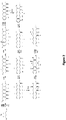
- the chelocardin biosynthetic pathway involving the above described polypeptide is shown in Figure 2 .
- the polyketide skeleton of chelocardin is assembled from an acetate starter unit to which 9 malonate-derived acetate building blocks are attached by the action of the minimal PKS, namely ChdP, ChdK, ChdS.
- the polyketide chain is further subjected to C-9 ketoreduction and cyclisation/aromatisation, by the action of the ChdT ketoreductase, and the two cyclases/aromatases, ChdQII and ChdQI, respectively.
- the nascent aromatic compound is subjected to post-PKS reactions, i.e. C-6 methylation, oxidations, C-4 amination, and C-9 methylation, catalysed by ChdMI methyltransferase, three oxygenases ChdOI/ChdOII/ChdOIII, aminotransferase ChdN, and methyltransferase ChdMII, respectively.
- ChdOII and ChdY which are arranged in a successive order within the naturally occurring gene cluster, are expressed in the form of a fusion protein due to the absence of a stop codon at the end of the ChdOII encoding gene.
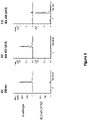
- Mutagenesis and complementation experiments have shown that the ChdOII and ChdY activities can be decoupled ( Figure 6 ). Accordingly, each of ChdOII and ChdY can be expressed as individual polypeptides or as a fusion protein.
- the nucleotide sequences (18) and (19) are linked in the gene cluster to form a fusion protein of the respective polypeptides encoded by them.
- the so formed fusion protein may thus comprise an amino acid sequence having at least 80%, such as at least 85%, sequence identity with the polypeptide of SEQ ID NO: 22 and has the same functional properties as the polypeptides of SEQ ID NO: 18 and SEQ ID NO: 19 [ChdOII+ ChdY]. Respective details are given above.
- the polypeptide encoded by the nucleotide sequence (22) comprises an amino acid sequence having at least 85% sequence identity with the polypeptide of SEQ ID NO: 22. According to certain embodiments, the polypeptide encoded by the nucleotide sequence (22) comprises an amino acid sequence having at least 90% sequence identity with the polypeptide of SEQ ID NO: 22. According to certain embodiments, the polypeptide encoded by the nucleotide sequence (22) comprises an amino acid sequence having at least 95% sequence identity with the polypeptide of SEQ ID NO: 22. According to certain embodiments, the polypeptide encoded by the nucleotide sequence (22) consists of the amino acid sequence of SEQ ID NO: 22.
- the present invention provides a (isolated) fusion protein comprises an amino acid sequence having at least 80%, such as 85%, sequence identity with the polypeptide of SEQ ID NO: 22, and a nucleic acid molecule comprising a nucleotide sequence encoding same.
- Said fusion protein has FAD-dependent oxygenase and cyclase activities.
- the fusion protein comprises an amino acid sequence having at least 85% sequence identity with the polypeptide of SEQ ID NO: 22. According to certain embodiments, the fusion protein comprises an amino acid sequence having at least 90% sequence identity with the polypeptide of SEQ ID NO: 22. According to certain embodiments, the fusion protein comprises an amino acid sequence having at least 95% sequence identity with the polypeptide of SEQ ID NO: 22. According to certain embodiments, the fusion protein consists of the amino acid sequence of SEQ ID NO: 22.
- the nucleotide sequences (7) and (17) are linked in the gene cluster to form a fusion protein of the respective polypeptides encoded by them.
- the so formed fusion protein may thus comprise an amino acid sequence having at least 80%, such as at least 85%, sequence identity with the polypeptide of SEQ ID NO: 23 and has the same functional properties as the polypeptides of SEQ ID NO: 7 and SEQ ID NO: 17 [ChdL+ChdOIII]. Respective details are given above.
- the present invention provides a (isolated) fusion protein comprises an amino acid sequence having at least 80%, such as 85%, sequence identity with the polypeptide of SEQ ID NO: 23, and a nucleic acid molecule comprising a nucleotide sequence encoding same.
- Said fusion protein has acyl-CoA ligase and oxygenase activities.
- the fusion protein comprises an amino acid sequence having at least 85% sequence identity with the polypeptide of SEQ ID NO: 23. According to certain embodiments, the fusion protein comprises an amino acid sequence having at least 90% sequence identity with the polypeptide of SEQ ID NO: 23. According to certain embodiments, the fusion protein comprises an amino acid sequence having at least 95% sequence identity with the polypeptide of SEQ ID NO: 23. According to certain embodiments, the fusion protein consists of the amino acid sequence of SEQ ID NO: 23.
- polypeptide encoding nucleotide sequences comprised by the gene cluster of the present invention may be present in any order.
- the ordering of the polypeptide encoding nucleotide sequences in the gene cluster of the present invention may be the same or different from the naturally occurring order of polypeptide encoding nucleotide sequences within the gene cluster found in the wild-type chelocardin producer A . sulphurea.
- the present invention further relates to a DNA construct comprising the gene cluster according to the present invention.
- the DNA construct may comprise at least one genetic element for facilitating expression of the polypeptide encoding nucleotide sequences comprised by the gene cluster of the present invention, such as at least one promoter.
- the at least one promoter is operably linked to the gene cluster.
- Promoters useful in accordance with the invention are any known promoters that are functional in a given host cell to cause the production of an mRNA molecule. Many such promoters are known to the skilled person. Such promoters include promoters normally associated with other genes, and/or promoters isolated from any bacteria. The use of promoters for protein expression is generally known to those of skilled in the art of molecular biology, for example, see Sambrook et al. (Sambrook, Russell 2001). The promoter employed may be inducible, such as a temperature inducible promoter (e.g., a pL or pR phage lambda promoters, each of which can be controlled by the temperature-sensitive lambda repressor c1857).
- a temperature inducible promoter e.g., a pL or pR phage lambda promoters, each of which can be controlled by the temperature-sensitive lambda repressor c1857
- inducible used in the context of a promoter means that the promoter only directs transcription of an operably linked nucleotide sequence if a stimulus is present, such as a change in temperature or the presence of a chemical substance ("chemical inducer").
- chemical inducer refers to the physical application of an exogenous or endogenous substance (incl. macromolecules, e.g., proteins or nucleic acids) to a host cell. This has the effect of causing the target promoter present in the host cell to increase the rate of transcription.
- the promoter employed may be constitutive.
- promoter used in the context of a promoter means that the promoter is capable of directing transcription of an operably linked nucleotide sequence in the absence of stimulus (such as heat shock, chemicals etc.).
- promoters that have been commonly used to express heterologous polypeptides, include, without limitation, P ermE* promoter, Pm promoter, lac promoter, trp promoter, tac promoter, ⁇ pL promoter, T7 promoter, phoA promoter, araC promoter, xapA promoter, cad promoter and recA promoter.
- the DNA construct may further comprise at least one genetic element selected from a 5' untranslated region (5'UTR) and 3' untranslated region (3' UTR).
- 5' UTRs and 3' UTRs derived from prokaryotes are well known to the skilled person.
- Such genetic elements include 5' UTRs and 3' UTRs normally associated with other genes, and/or 5' UTRs and 3' UTRs isolated from any prokaryotes, notably bacteria.
- the 5' UTR contains a ribosome binding site (RBS), also known as the Shine Dalgarno sequence which is usually 3-10 base pairs upstream from the initiation codon.
- the ribosome binding site may be an RBS naturally associated with a prokaryotic gene or may be synthetic.
- Further genetic elements may include, but are not limited to, an enhancer, a response element, a terminator sequence, a polyadenylation sequence, and the like.
- the DNA construct may be a vector, such as an expression vector, or part of a vector, such as an expression cassette. Normally, such a vector remains extrachromosomal within the host cell which means that it is found outside of the nucleus or nucleoid region of the cell. However, it is also contemplated by the present invention that the DNA construct is stably integrated into at least one chromosome of a host cell. Means for stable integration into a chromosome of a host cell, e.g., by homologous recombination, are well known to the skilled person. For example, the DNA construct may contain one or more integration elements facilitating the integration into the chromosome of a host cell.
- the DNA construct is a vector, such as an expression vector.
- the vector is a plasmid, such as a cosmid.
- the vector may be an integrative vector, such as an integrative plasmid.
- the DNA construct is an expression cassette.
- the DNA construct may further include additional genes useful in modifying the structure of chelocardin.
- additional genes useful in modifying the structure of chelocardin For example, it has been shown in EP2154249 (Petkovic et al. ) and Lesnik et al. (Lesnik et al. 2015), that the chelocardin analogue 2-carboxamido-2-deacetyl-chelocardin (CDCHD) can be produced in a modified version of the wild-type producer A . sulphurea by introducing and expressing genes oxyD from the S . rimosus OTC gene cluster ( oxyD alone or in combination with oxyP ).
- the DNA construct further comprises at least one nucleotide sequence selected from the nucleotide sequences (24) and (25):
- the DNA construct further comprises a nucleotide sequence encoding a polypeptide which comprises an amino acid sequence having at least 80%, such as at least 85%, sequence identity with the polypeptide of SEQ ID NO: 24 and which has the same functional property as the polypeptide of SEQ ID NO: 24 [OxyD].
- the polypeptide encoded by the nucleotide sequence (24) comprises an amino acid sequence having at least 85% sequence identity with the polypeptide of SEQ ID NO: 24. According to certain embodiments, the polypeptide encoded by the nucleotide sequence (24) comprises an amino acid sequence having at least 90% sequence identity with the polypeptide of SEQ ID NO: 24. According to certain embodiments, the polypeptide encoded by the nucleotide sequence (24) comprises an amino acid sequence having at least 95% sequence identity with the polypeptide of SEQ ID NO: 24. According to certain embodiments, the polypeptide encoded by the nucleotide sequence (24) consists of the amino acid sequence of SEQ ID NO: 24.
- the polypeptide encoded by the nucleotide sequence (24) has the same functional property as the polypeptide of SEQ ID NO: 24 [OxyD].
- OxyD is an amidotransferase catalysing the amidation of the acetyl group at C2 in the chelocardin structure, resulting in a carboxyamido moiety (see, e.g., Lesnik et al., 2015). Accordingly, the polypeptide encoded by the nucleotide sequence (24) has amidotransferase activity.
- the DNA construct further comprises a nucleotide sequence encoding a polypeptide which comprises an amino acid sequence having at least 80%, such as at least 85%, sequence identity with the polypeptide of SEQ ID NO: 25 and which has the same functional property as the polypeptide of SEQ ID NO: 25 [OxyP].
- the polypeptide encoded by the nucleotide sequence (25) comprises an amino acid sequence having at least 85% sequence identity with the polypeptide of SEQ ID NO: 25. According to certain embodiments, the polypeptide encoded by the nucleotide sequence (25) comprises an amino acid sequence having at least 90% sequence identity with the polypeptide of SEQ ID NO: 25. According to certain embodiments, the polypeptide encoded by the nucleotide sequence (25) comprises an amino acid sequence having at least 95% sequence identity with the polypeptide of SEQ ID NO: 25. According to certain embodiments, the polypeptide encoded by the nucleotide sequence (25) consists of the amino acid sequence of SEQ ID NO: 25.
- the polypeptide encoded by the nucleotide sequence (25) has the same functional property as the polypeptide of SEQ ID NO: 25 [OxyP].
- OxyP is an acyltransferase which suppresses priming by acetate by removing the competing acetyl units, leading to increase in proportion of CDCHD compared to CHD. Accordingly, the polypeptide encoded by the nucleotide sequence (25) has acyltransferase activity.
- nucleotide sequences (24) and (25) may be under control of the same promoter as the nucleotide sequences of the gene cluster or under control of a different promoter.
- nucleotide sequences (24) and (25) are described to be comprised by the DNA construct, it is also contemplated by the present invention that any of these nucleotide sequences is/are included in the gene cluster described herein.
- the DNA construct of the present invention may further comprise an additional nucleotide sequence encoding a polypeptide which comprises an amino acid sequence having at least 80%, such as at least 85%, sequence identity with the polypeptide of SEQ ID NO: 14 and which is capable of acting as an exporter.
- the polypeptide encoded by the additional nucleotide sequence comprises an amino acid sequence having at least 85% sequence identity with the polypeptide of SEQ ID NO: 14. According to certain embodiments, the polypeptide encoded by the additional nucleotide sequence comprises an amino acid sequence having at least 90% sequence identity with the polypeptide of SEQ ID NO: 14. According to certain embodiments, the polypeptide encoded by the additional nucleotide sequence (14) comprises an amino acid sequence having at least 95% sequence identity with the polypeptide of SEQ ID NO: 14. According to certain embodiments, the polypeptide encoded by the nucleotide sequence (14) consists of the amino acid sequence of SEQ ID NO: 14.
- the additional nucleotide sequences may be under control of the same promoter as the nucleotide sequences of the gene cluster or under control of a different promoter.
- the present invention further provides a recombinant host cell comprising the gene cluster of the present invention or the DNA construct of the present invention, wherein the gene cluster or DNA construct is heterologous to said host cell.
- said recombinant host cell heterologously expresses the polypeptides encoded by the gene cluster which allows for the biosynthesis of chelocardin or an analogue thereof.
- the gene cluster or DNA construct may be extrachromosomal, e.g., in the form of a extrachromosomal vector, or it may be integrated into one or more chromosomes of said host cell. According to certain embodiments, the gene cluster or DNA construct is extrachromosomal. According to certain embodiments, the gene cluster of DNA constructed is integrated into one or more chromosomes of said host cell.
- the recombinant host cell may further comprise at least one nucleotide sequence selected from the nucleotide sequences (24) and (25) as described above.
- the recombinant host cell comprises a nucleotide sequence encoding a polypeptide which comprises an amino acid sequence having at least 80%, such as at least 85%, 90%, or 95%, sequence identity with the polypeptide of SEQ ID NO: 24 and has amidotransferase.
- the recombinant host cell heterologously expresses a polypeptide which comprises an amino acid sequence having at least 80%, such as at least 85%, such as at least 85%, 90%, or 95%, sequence identity with the polypeptide of SEQ ID NO: 24 and which has amidotransferase activity
- the recombinant host cell comprises a nucleotide sequence encoding a polypeptide which comprises an amino acid sequence having at least 80%, such as at least 85%, such as at least 85%, 90%, or 95%, sequence identity with the polypeptide of SEQ ID NO: 25 and has acyltransferase activity.
- the recombinant host cell heterologously expresses a polypeptide which comprises an amino acid sequence having at least 80%, such as at least 8%, such as at least 85%, 90%, or 95%, sequence identity with the polypeptide of SEQ ID NO: 25 and which has acyltransferase activity
- the at least one nucleotide sequence selected from the nucleotide sequences (24) and (25) may be included in the gene cluster or DNA construct. However, it is also contemplated by the present invention that any of these nucleotide sequences is/are present in a further DNA construct, such as a further vector, which is different from the DNA construct comprising the gene cluster.
- Such further DNA construct may comprise at least one genetic element for facilitating expression of the polypeptide encoding nucleotide sequence(s) comprised thereby, such as those genetic elements detailed above, notably at least one promoter operably linked to the polypeptide encoding nucleotide sequence(s).
- Such further DNA construct may be extrachromosomal or integrated into one or more chromosomes of said host cell.
- the recombinant host cell comprises a further (second) DNA construct comprising at least one nucleotide sequence selected from the nucleotide sequences (24) and (25) above.
- the recombinant host cell may further comprise an additional nucleotide sequence encoding a polypeptide which comprises an amino acid sequence having at least 80%, such as at least 85%, 90% or 95%, sequence identity with the polypeptide of SEQ ID NO: 14 and whichis capable of acting as an exporter.
- the additional nucleotide sequence encoding a polypeptide comprises an amino acid sequence having at least 80% sequence identity with the polypeptide of SEQ ID NO: 14, may be included in the gene cluster or DNA construct. However, it is also contemplated by the present invention that the additional nucleotide sequence encoding a polypeptide comprises an amino acid sequence having at least 80% sequence identity with the polypeptide of SEQ ID NO: 14 is present in a further (second or third) DNA construct, such as a further vector, which is different from the DNA construct comprising the gene cluster.
- Such further DNA construct may comprise at least one genetic element for facilitating expression of the polypeptide encoding nucleotide sequence(s) comprised thereby, such as those genetic elements detailed above, notably at least one promoter operably linked to the polypeptide encoding nucleotide sequence(s).
- Such further DNA construct may be extrachromosomal or integrated into one or more chromosomes of said host cell.
- the recombinant host cell comprises a further (second or third) DNA construct comprising a nucleotide sequence encoding a polypeptide which comprises an amino acid sequence having at least 80%, such as at least 85%, 90% or 95%, sequence identity with the polypeptide of SEQ ID NO: 14 and which is capable of acting as an exporter.
- the recombinant host cell in accordance with the invention can be produced from any suitable host organism, including single-celled or multicellular microorganisms such as bacteria, yeast, fungi, algae and plant.
- a recombinant host cells in accordance is a prokaryotic organism, such as a bacterium.
- a recombinant host cells in accordance is a bacterium, such as a bacterium of the order Actinomycetales.
- a bacterial host cells may be selected from Gram-positive and Gram-negative bacteria.
- Gram-negative bacterial host cells include species from the genus Escherichia, such as Escherichia coli.
- Gram-positive bacterial host cells include species from the genera Streptomyces, Amycolatopsis and Nocardia.
- the recombinant host cell is a bacterium belonging to a genus selected from the group consisting of Streptomyces , Amycolatopsis and Nocardia , such as a bacterium selected from the group consisting of Streptomyces lividans, Streptomyces coelicolor, Streptomyces albus, Streptomyces rimosus, Amycolatopsis mediterranei, Amycolatopsis orientalis and Nocardia spp..
- the recombinant host cell is Streptomyces lividans. According to certain embodiments, the recombinant host cell is Streptomyces coelicolor. According to certain embodiments, the recombinant host cell is Streptomyces albus. According to certain embodiments, the recombinant host cell is Streptomyces rimosus. According to certain embodiments, the recombinant host cell is Amycolatopsis mediterranei, According to certain embodiments, the recombinant host cell is Amycolatopsis orientalis. According to certain embodiments, the recombinant host cell is Nocardia spp..
- the present invention further provides a process for the biosynthetic production of a tetracycline (notably chelocardin or an analogue thereof), said process comprises the steps of a) cultivating a recombinant host cell as described herein in the presence of a suitable substrate, such as a fermentable carbon substrate, under conditions conducive to the production of said tetracycline and, optionally, b) recovering the tetracycline from the cultivation medium employed in cultivation.
- a suitable substrate such as a fermentable carbon substrate
- the medium employed may be any conventional medium suitable for culturing the host cell in question, and may be composed according to the principles of the prior art.
- the medium will usually contain all nutrients necessary for the growth and survival of the respective host cell, such as carbon and nitrogen sources and other inorganic salts.
- Suitable media e.g. minimal or complex media, are available from commercial suppliers, or may be prepared according to published receipts, e.g. the American Type Culture Collection (ATCC) Catalogue of strains.
- Non-limiting standard medium well known to the skilled person include Luria Bertani (LB) broth, Sabouraud Dextrose (SD) broth, MS broth, Yeast Peptone Dextrose, BMMY, GMMY, or Yeast Malt Extract (YM) broth, which are all commercially available.
- suitable media for culturing bacterial cells such as B . subtilis , L. lactis or E. coli cells
- suitable media and rich media such as Luria Broth (LB), M9 media, M17 media, SA media, MOPS media, Terrific Broth, YT and others.
- suitable media for culturing eukaryotic cells such as yeast cells, are RPMI 1640, MEM, DMEM, all of which may be supplemented with serum and/or growth factors as required by the particular host cell being cultured.
- the medium for culturing eukaryotic cells may also be any kind of minimal media such as Yeast minimal media.
- Suitable conditions for culturing the respective host cell are well known to the skilled person.
- the recombinant host cell is cultured at a temperature ranging from about 23 to about 60°C, such as from about 25 to about 40°C, such as at about 30 to about 37°C, such as about 30°C.
- the pH of the medium may range from pH 1.0 to pH 14.0, such as from about pH 1 to about pH 2, from about pH 4 to about pH 11, from about pH 5 to about pH 10, from about pH 6 to about pH 10, or from about pH 7 to about pH 9.5, e.g. at pH 6.0, pH pH 7.0, pH. 7.5, pH 8.0, pH 8.5, pH 9.0, pH 9.5, pH 10.0, pH 10.5 or pH 11.0.
- the process may further comprise b) recovering the tetracycline from the cultivation medium.
- the tetracycline may be recovered by conventional method for isolation and purification chemical compounds from a medium.
- Well-known purification procedures include centrifugation or filtration, precipitation, and chromatographic methods such as e.g. ion exchange chromatography, gel filtration chromatography, etc.
- the present invention also pertains to a tetracycline (notably chelocardin or an analogue thereof) produced by the foregoing process.
- a tetracycline having structure I: optionally as a stereoisomer, including enantiomers and diastereomers, or in form of a mixture of at least two stereoisomers, including enantiomers and/or diastereomers, in any mixing ratio, or a corresponding salt thereof, or a corresponding solvate thereof.
- the compound of structure I is in the form of a stereoisomer.
- the stereoisomer has the structure II
- the present invention further pertains to a tetracycline having structure III: optionally as a stereoisomer, including enantiomers and diastereomers, or in form of a mixture of at least two stereoisomers, including enantiomers and/or diastereomers, in any mixing ratio, or a corresponding salt thereof, or a corresponding solvate thereof.
- the compound of structure III is in the form of a stereoisomer.
- the stereoisomer has the structure IV
- Gene cluster shall be understood to be a totality of DNA coding for polypeptides required to catalyse a certain biochemical pathway.
- a gene cluster can be on a single DNA molecule, or can be on multiple DNA molecules, e.g. in form of a DNA library.
- Heterologous means that a polynucleotide or polypeptide is normally not found in or made (i.e. expressed) by the host cell, but derived from a different organism or made synthetically. Moreover, a host cell transformed with a gene cluster or DNA construct described herein which is not normally present in the host cell would be considered heterologous for the purpose of the present invention.
- “Host cell” as used herein refers to a living cell or microorganism that is capable of reproducing its genetic material and along with it recombinant genetic material that has been introduced into it - e.g., via heterologous transformation.
- Recombinant refers to a material, or a material corresponding to the natural or native form of the material, that has been modified in a manner that would not otherwise exist in nature, or is identical thereto but produced or derived from synthetic materials and/or by manipulation using recombinant techniques.
- Non-limiting examples include, among others, recombinant host cells expressing a gene or gene cluster that is not found within the native (non-recombinant) form of the cell or express native genes that are otherwise expressed at a different level.
- isolated means that a polynucleotide (such as the gene cluster of the present invention) or polypeptide (such as a fusion protein of the present invention) is removed from its original environment (e.g., the environment in which it naturally occurs). Particularly, a polynucleotide or polypeptide which has been separated from some or all of the coexisting materials in the natural system is considered isolated.
- “Expression”, as used herein, includes any step involved in the production of a polypeptide (e.g., encoded enzyme) including, but not limited to, transcription, post-transcriptional modification, translation, post-translational modification, and secretion.
- a polypeptide e.g., encoded enzyme
- Vector refers to a nucleic acid molecule capable of transporting another nucleic acid molecule to which it has been linked.
- plasmid refers to a circular double stranded nucleic acid loop into which additional nucleic acid segments can be ligated.
- Certain vectors are capable of directing the expression of genes to which they are operatively linked. Such vectors are referred to herein as "expression vectors”.
- Certain other vectors are capable of facilitating the insertion of an exogenous nucleic acid molecule into a chromosome of a host cell, such as a bacterium. Such vectors are referred to herein as "transformation vectors”.
- vectors of utility in recombinant nucleic acid techniques are often in the form of plasmids.
- plasmid and “vector” can be used interchangeably as the plasmid is the most commonly used form of a vector. Large numbers of suitable vectors are known to those of skill in the art and commercially available.
- Promoter refers to a sequence of DNA, usually upstream (5') of the coding region of a structural gene, which controls the expression of the coding region by providing recognition and binding sites for RNA polymerase and other factors which may be required for initiation of transcription. The selection of the promoter will depend upon the nucleic acid sequence of interest.
- a suitable “promoter” is generally one which is capable of supporting the initiation of transcription in a bacterium of the invention, causing the production of an mRNA molecule.
- operably linked refers to a juxtaposition wherein the components described are in a relationship permitting them to function in their intended manner.
- a control sequence "operably linked" to a coding sequence is ligated in such a way that expression of the coding sequence is achieved under conditions compatible with the control sequence.
- a promoter sequence is "operably-linked” to a gene when it is in sufficient proximity to the transcription start site of a gene to regulate transcription of the gene.
- cassette refers to a segment of DNA that can be inserted into a target nucleic acid molecule, such as a vector or genomic DNA, at specific restriction sites or by homologous recombination.
- the segment of DNA comprises a nucleotide sequence that encodes a polypeptide of interest, and the cassette and restriction sites are designed to ensure insertion of the cassette in the proper reading frame for transcription and translation.
- An expression cassette of the invention may also comprise one or more elements that allow for expression of a nucleotide sequence encoding a polypeptide of interest in a host cell. These elements may include, but are not limited to: a promoter, an enhancer, a response element, a terminator sequence, a polyadenylation sequence, and the like.
- Extrachromosomal refers to a DNA that is found outside of a chromosome of a cell in question.
- Fusion protein refers to a protein created through the joining of two or more nucleotide sequences that otherwise would code for separate proteins. This typically occurs through the absence of a stop codon from a DNA sequence coding for the first protein, thereby appending the DNA sequence of the second protein in frame. The DNA sequence will then be expressed by a cell as a single protein with functional properties derived from each of the original proteins. A fusion protein contains all functional domains of the parent proteins.
- % sequence identity refers to identity between two nucleotide or amino acid sequences. Identity can be determined by comparing a position in each sequence which may be aligned for purposes of comparison. When a position in the compared sequence is occupied by the same base or amino acid, then the molecules are identical at that position. A degree of identity between nucleic acid or amino acid sequences is a function of the number of identical or matching nucleotides or amino acids at positions shared by the nucleotide or amino acid sequences, respectively.
- Various alignment algorithms and/or programs may be used to calculate the identity between two sequences, including FASTA, or BLAST which are available as a part of the GCG sequence analysis package (University of Wisconsin, Madison, Wis.), and can be used with, e.g., default setting.
- % sequence identity of an amino acid sequence to a reference amino acid sequence, as used herein, defines the % sequence identity calculated from the two amino acid sequences as follows: The sequences are aligned using Version 9 of the Genetic Computing Group's GAP (global alignment program), using the default BLOSUM62 matrix with a gap open penalty of -12 (for the first null of a gap) and a gap extension penalty of -4 (for each additional null in the gap). After alignment, percentage identity is calculated by expressing the number of matches as a percentage of the number of amino acids in the reference amino acid sequence.
- Amycolatopsis sulphurea NRRL2822 was used for production of CHD and as a source of DNA and for microbiological manipulations. Streptomyces rimosus M4018 was used as a source of DNA (Rhodes et al. 1984). S. albus del14 (Myronovskyi et al., 2018) was used for heterologous expression of CHD biosynthetic gene cluster. Escherichia coli DH10 ⁇ was used for standard cloning procedures (Sambrook, Russell 2001), E. coli ET12567 (MacNeil et al. 1992) and SCS110 (Stratagene) strains for isolation of non-methylated plasmid DNA, suitable for transformation of A.
- E. coli GB2006 Gene Bridges
- Escherichia coli ET12567 carrying PUZ8002 plasmid (Paget et al. 1999) was used as a donor strain for intergeneric conjugation with S. albus del14.
- Soya mannitol (MS) agar and tryptone soy broth (TSB) (Kieser et al. 2000) with incubation at 30 °C were used for sporulation and cultivation of actinomycetes in liquid medium, respectively.
- MS Soya mannitol
- TLB tryptone soy broth
- CH-V seed medium 1.5 % soy flour, 0.1 % yeast extract, 1.5 % glucose, 0.5 % NaCl, 0.1 % CaCO 3 , pH 7.0
- CH-F2 production medium 2 % soy flour, 0.5 % yeast extract, 0.2 % CaCO 3 , 0.05 % citric acid, 5 % glucose, pH 7.0
- Cultivations were performed in Falcon tubes at 30 °C on a rotary shaker at 220 rpm for 36h in seed medium with 15 % (v/v) used to inoculate CH-F2 production medium and cultivated for further 7 days under the same conditions.
- S. albus was cultivated in TSB seed medium and four different production media: CH-F2, DNPM (4 % dextrin, 0.75 % soytone, 0.5 % baking yeasts, 2.1 % MOPS, pH 6.8 (Bilyk et al.
- NL5Y 0.1 % NaCl, 0.1 % KH 2 PO 4 , 0.05 % MgSO 4 ⁇ 7H 2 O, 2.5 % glycerol, 0.584 % L-glutamin, 0.2 % trace elements solution, 1 % yeast extract, pH 7.3 (Bilyk et al. 2017), and SG1 (2 % glucose, 0.5 % yeast extract, 1 % soytone, 0.2 % CaCO 3 , pH 7.2 (Koshla et al. 2017)).
- MS was supplemented with Apr (400 ⁇ g mL -1 ), Erm (20 ⁇ g mL -1 ) or kanamycin (400 ⁇ g mL -1 ).
- Apr 400 ⁇ g mL -1
- Erm 20 ⁇ g mL -1
- kanamycin 400 ⁇ g mL -1
- Apramycin (50 ⁇ g mL -1 ) together with nalidixic acid (25 ⁇ g mL -1 ) was used for selection of S . albus exconjugants on MS.
- E E.
- coli transformants ampicillin (Amp; 100 ⁇ g mL -1 ), Apr (50 ⁇ g mL -1 ), Kan (25 ⁇ g mL -1 ) or chloramphenicol (Cm; 10 ⁇ g mL -1 ) were added into LB medium.
- Salting out procedure (Kieser et al. 2000) was used to isolate genomic DNA from A . sulphurea which was sequenced by Illumina sequencing.
- Genomic DNA was partially digested with Sau3A I and the DNA fragments of approximate size 35-40 kb were ligated into the BamH I site of replicative conjugative cosmid vector pOJ456, a modified version of the pOJ436 vector (Bierman et al. 1992), where 2,5 kb ⁇ C31 integrase cassette was excised with Hind III (overhangs were filled in with Klenow polymerase) and replaced with 2,5 kb pSG5 replication cassette excised with Eco81 I and Sph I (overhangs were filled in with Klenow polymerase) from medium copy number vector pKC1139 (Bierman et al. 1992). The ligated DNA was packaged into phage particles (Gigapack III Gold Packaging kit, Agilent Technologies) and introduced into E. coli GB2006.
- phage particles Gigapack III Gold Packaging kit, Agilent Technologies
- the cosmid library was screened by combining all 3400 colonies and streaking the mixture onto LB agar plates supplemented with 3 ⁇ g mL -1 of CHD to select for CHD-resistant single colonies expressing ChdR efflux pump encoded in the CHD biosynthetic gene cluster. 18 positive clones were selected to isolate cosmid DNA and additional PCR screening was carried out using the primer pairs CobU1/CobU2 and glu1/glu2 (Table 3), designed to anneal to the flanking regions of CHD biosynthetic gene cluster.
- 34kbp CHD biosynthetic gene cluster from pOJ456CHD12 was cloned via Spel and Xba I into integrative conjugative cosmids pOJ436, pOJ436e*chdR, pOJ436e*oxyDP, or pOJ436e*oxyDPchdR, resulting in pOJ436CHD12, pOJ436e*chdRCHD12, pOJ436e*oxyDPCHD12, and pOJ436e*oxyDPchdRCHD12, respectively.
- pOJ436e*chdR, pOJ436e*oxyDP, or pOJ436e*oxyDPchdR were constructed from pOJ436 by introducing 1,8 kb, 3,2 kb and 4,7 kb fragments, carrying chdR, oxyDP and oxyDPchdR genes, respectively, all under the control of P ermE* promoter.
- pAB03e*chdR was constructed by cloning 1,5 kb chdR gene, amplified by PCR using primers chdRF and chdRR, digested with Nde I and Xba I and ligated into pAB03e* (pAB03 vector with P ermE* promoter instead of actII-ORF4/P actI activator/promoter system).
- pAB03e*oxyD was constructed by cloning oxyD gene, excised from pAB03oxyD (Lesnik et al., 2015) with Nde I and Xba I and ligated into pAB03e*.
- pAB03e*oxyDP was constructed by cloning oxyP gene, excised from pAB03oxyDP (Lesnik et al., 2015) with Xba I , into Xba I site of pAB03e*oxyD downstream of oxyD gene.
- pAB03e*oxyDPchdR was constructed by cloning chdR gene, excised from pAB03e*chdR with Cla I and Hind III (overhangs were filled in with Klenow polymerase), into Xba I (overhangs were filled in with Klenow polymerase) site of pAB03e*oxyDP downstream of oxyP gene.
- Cosmids carrying the CHD biosynthetic gene cluster pOJ456CHD12, pOJ436CHD12, pOJ436e*chdRCHD12, pOJ436e*oxyDPCHD12 and pOJ436e*oxyDPchdRCHD12, and empty control cosmids, pOJ456, pOJ436, pOJ436e*chdR, pOJ436e*oxyDP and pOJ436e*oxyDPchdR, were transformed into E. coli ET12567 (MacNeil et al. 1992) carrying PUZ8002 which was then used as donor strain for intergeneric conjugation with S. albus del14.
- MS plates supplemented with 10 mM MgCl 2 were overlaid with Apr and nalidixic acid after overnight incubation.
- Each exconjugant was further repatched onto MS agar containing Apr (50 ⁇ g mL -1 ) and nalidixic acid (25 ⁇ g mL -1 ), followed by inoculation into TSB medium as seed culture for production media CH-F2 (2 % soy flour, 0.5 % yeast extract, 0.2 % CaCO 3 , 0.05 % citric acid, 5 % glucose, pH 7.0) (adapted from (Oliver et al. 1962; Oliver, Sinclair) and (Mitscher et al.
- DNPM dextrin, 0.75 % soytone, 0.5 % baking yeasts, 2.1 % MOPS, pH 6.8 (Bilyk et al. 2016)
- NL5Y 0.1 % NaCl, 0.1 % KH 2 PO 4 , 0.05 % MgSO 4 ⁇ 7H 2 O, 2.5 % glycerol, 0.584 % L-glutamin, 0.2 % trace elements solution, 1 % yeast extract, pH 7.3 (Bilyk et al. 2017)
- SG1 (2 % glucose, 0.5 % yeast extract, 1 % soytone, 0.2 % CaCO 3 , pH 7.2 (Koshla et al. 2017)).
- ermE gene was amplified by PCR using primers FSB01C and FSB02C (Table 3) and later digested with EcoR I and Xba I to obtain the 1,6 kb fragment, which was ligated into pNV18 to obtain pNV18Erm.
- Resulting fragment was digested with Sph I and Spel and ligated into pNV18Erm to obtain pNV18ErmchdYser, which was transformed into E. coli SCS110 (Stratagene) to obtain the non-methylated plasmid, which was then introduced into A. sulphurea via direct transformation of mycelium (Madon, Hutter 1991). S27M plates were overlaid with Erm after overnight incubation. Each transformant colony was further re-patched onto MS agar containing Erm and subcultivated. After three or more subcultivations in TSB without antibiotic, Erm-sensitive (Erm s ) colonies (secondary recombinants) were isolated.
- colony PCR using the outer pair of primers labeled with LF (left forward) and RR (right reverse), chdYserLF and chdYserRR, respectively, followed by DNA sequencing, was performed.
- A. sulphurea mutant obtained through previously described site-directed mutagenesis approach was complemented with wild-type genes chdY and chdOII-chdY from A. sulphurea.
- Genes for ChdY (cyclase) and ChdOII-ChdY (oxygenase-cyclase fusion) were amplified by PCR using chdYF/chdYR or chdOIIF/chdYR sets of primers, respectively, and genomic DNA of A. sulphurea as a template.
- PCR products were digested with Nde I and Xba I and separately cloned into pAB03, resulting in pAB03chdY and pAB03chdOII-chdY (Table 2), respectively. Constructs were confirmed by sequencing, transformed into E. coli SCS110 and introduced into A. sulphurea mutant via direct transformation of mycelium (Madon, Hutter 1991). Plasmids pAB03chdY and pAB03chdOII-chdY were separately integrated into A. sulphurea ChdY-G176S.
- A. sulphurea mutant was complemented also with heterologous gene oxyN.
- OxyN (cyclase) (Zhang et al. 2006) from S. rimosus M4018 (Rhodes et al. 1984) was amplified by PCR using primers oxyN Fw and oxyN Rv (Table 3), digested with Nde I and Xba I and cloned into pAB03 vector, resulting in pAB03oxyN(Table 2).
- Construct was confirmed by sequencing, transformed into E. coli SCS110 and introduced into mutated strain of A. sulphurea via direct transformation of mycelium (Madon, Hutter 1991). Plasmid pAB03oxyN was integrated into A.
- the gradient was initiated by a 0,5 min isocratic step at 5 % B, followed by an increase to 95 % B in 9 min to end up with a 1,5 min step at 95 % B before reequilibration with initial conditions.
- UV spectra were recorded by a DAD in the range from 200 to 600 nm.
- the MS measurement was carried on an amaZon speed mass spectrometer (BrukerDaltonics, Bremen, Germany) using the standard ESI source. Mass spectra were acquired in centroid mode ranging from 200 - 2000 m/z in positive ionization mode.
- A. sulphurea one additional gene in the CHD biosynthetic gene cluster, essential for the biosynthesis of CHD, and two more regulatory genes were discovered lying downstream of already identified CHD biosynthetic genes.
- the newly discovered biosynthetic gene is chdY, encoding a putative second ring cyclase, homologous to OxyN from oxytetracycline biosynthesis (Pickens, Tang 2010).
- ChdOII and ChdY are encoded as fusion proteins (opposite to separately encoded homologs found in OTC biosynthetic gene cluster, OxyL and OxyN) and similar is observed for chdL and chdOIII nucleotide sequences which are also operably linked to form a fusion protein of the respective polypeptides encoded by them. The same is true for homologs from OTC biosynthetic gene cluster, oxyH and oxyG, respectively. Bioinformatic analysis of the sequence downstream of biosynthetic genes revealed two regulatory genes, encoding SARP and LuxR, which are also found to regulate OTC and CTC biosynthesis (Lesnik et al. 2009; Yin et al. 2015).
- Polyketide skeleton of CHD is supposedly synthesized, as previously described (Lukezic et al. 2013), by type II minimal polyketide synthase (minimal PKS) genes, consisting of ketosynthase a, ketosynthase ⁇ and acyl carrier protein (ACP), designated as ChdP, ChdK and ChdS, respectively ( Figures 1 and 2 ), condensating 10 malonate-derived building blocks into acetate-primed decaketide.
- minimal PKS type II minimal polyketide synthase
- ACP acyl carrier protein
- the malonyl-CoA:ACP acyltransferase needed for the transfer of the extender unit malonyl-CoA to ACP, was proposed to be shared with fatty acid biosynthesis (Revill et al.
- Hydroxylation at C4 is a followed by transamination by ChdN, a PLP-dependent aminotransferase only distantly related to OxyQ, which is responsible for incorporation of an amino group at C4 in OTC biosynthesis (Pickens, Tang 2010).
- the activity of such different aminotransferases represents a diverging point between CHD and typical TCs biosynthesis and results in different products: amino group incorporated into CHD is in R-configuration, while the one in OTC biosynthesis stands in S-confguration.
- CHD biosynthetic cluster belongs to the Streptomyces antibiotic regulatory protein (SARP) transcription activators. It is homologous to OtcR, identified by Yin et al. (Yin et al. 2015), which acts as a positive pathway-specific activator of OTC biosynthesis leading to a significant increase in OTC production when overexpressed at the appropriate level.
- SARP Streptomyces antibiotic regulatory protein
- the second putative regulatory protein, found in CHD biosynthetic gene cluster belongs to the LuxR family and is homologous to regulatory protein OtcG from OTC biosynthesis, identified by Lesnik et al. (Lesnik et al. 2009).
- OtcG has a conditionally positive role in OTC biosynthesis: its inactivation reduced the production of OTC by more than 40 %, while its overexpression under the strong constitutive promoter P ermE* did not yield any statistically significant change in the production of OTC (Lesnik et al. 2009).
- chdR encodes a putative integral membrane protein that is most probably responsible for the efflux of CHD from the cell and is probably regulated by another regulatory protein, the putative TetR family repressor protein ChdA (Lukezic et al. 2013).
- Replicative cosmid pOJ456-CHD12 carrying CHD biosynthetic gene cluster, was fished out from A. sulphurea cosmid library by selection on CHD containing agar plates. After confirming its correct sequence, the cosmid was introduced into S. albus by conjugation in attempt to heterologously express CHD biosynthetic gene cluster. The CHD biosynthetic cluster was transferred into an integrative cosmid (pOJ436) to allow a stable integration of CHD biosynthetic cluster into the genome of heterologous host. Indeed, heterologous expression of CHD biosynthetic cluster from integrated cosmid pOJ436-CHD12 was successful and resulted in production of CHD, reaching up to approx. 50 mg/L.
- the mutant was then complemented with non-mutated wild-type genes chdY or chdOII-chdY (encoding a fusion protein as found in CHD cluster), which partly restored the production of CHD.
- Such complemented mutants were necessary as they represent, contrary to wild-type CHD producer strain, directly comparable controls for later complementation experiment with homologous enzyme from OTC biosynthesis.
- the genes were introduced by integration of pAB03 plasmid, carrying the selected genes, into a genome location distant from the wild-type location in CHD biosynthetic gene cluster, allowing the mutant to produce both, the mutated and wild-type protein.
- For complementation experiment we chose a homologous enzyme from OTC biosynthesis, whose function was demonstrated by heterologus expression in Streptomyces host and isolation of shunt products.
- J. Biol. Chem. 267 (27), pp. 19278-19290 J. Biol. Chem. 267 (27), pp. 19278-19290 .
- Stepanek Jennifer J.; Lukezic, Tadeja; Teichert, Ines; Petkovi ⁇ , Hrvoje; Bandow, Julia E. (2016): Dual mechanism of action of the atypical tetracycline chelocardin.
Landscapes
- Chemical & Material Sciences (AREA)
- Health & Medical Sciences (AREA)
- Organic Chemistry (AREA)
- Life Sciences & Earth Sciences (AREA)
- Genetics & Genomics (AREA)
- Engineering & Computer Science (AREA)
- Zoology (AREA)
- Wood Science & Technology (AREA)
- Bioinformatics & Cheminformatics (AREA)
- Biochemistry (AREA)
- General Health & Medical Sciences (AREA)
- Molecular Biology (AREA)
- General Engineering & Computer Science (AREA)
- Biomedical Technology (AREA)
- Biotechnology (AREA)
- Medicinal Chemistry (AREA)
- Microbiology (AREA)
- Biophysics (AREA)
- Proteomics, Peptides & Aminoacids (AREA)
- Gastroenterology & Hepatology (AREA)
- Physics & Mathematics (AREA)
- Plant Pathology (AREA)
- Micro-Organisms Or Cultivation Processes Thereof (AREA)
- Preparation Of Compounds By Using Micro-Organisms (AREA)
- Enzymes And Modification Thereof (AREA)
Claims (15)
- Gencluster, das Polypeptide kodiert, die an der Biosynthese eines Tetracyclins beteiligt sind, wobei das Gencluster alle die Nukleotidsequenzen (1) bis (19) einschließt:(1) eine Nukleotidsequenz, die ein Polypeptid kodiert, welches eine Aminosäuresequenz mit zumindest 80 %, wie beispielsweise zumindest 85 %, Sequenzidentität mit dem Polypeptid mit SEQ ID NO: 1 umfasst und welches Ketosynthase-Alpha-Aktivität aufweist;(2) eine Nukleotidsequenz, die ein Polypeptid kodiert, welches eine Aminosäuresequenz mit zumindest 80 %, wie beispielsweise zumindest 85 %, Sequenzidentität mit dem Polypeptid mit SEQ ID NO: 2 umfasst und welches Ketosynthase-Beta-Aktivität aufweist;(3) eine Nukleotidsequenz, die ein Polypeptid kodiert, welches eine Aminosäuresequenz mit zumindest 80 %, wie beispielsweise zumindest 85 %, Sequenzidentität mit dem Polypeptid mit SEQ ID NO: 3 umfasst und welches dazu im Stande ist, als Acylträgerprotein (ACP) zu wirken;(4) eine Nukleotidsequenz, die ein Polypeptid kodiert, welches eine Aminosäuresequenz mit zumindest 80 %, wie beispielsweise zumindest 85 %, Sequenzidentität mit dem Polypeptid mit SEQ ID NO: 4 umfasst und welches Cyclase/Aromatase-Aktivität aufweist;(5) eine Nukleotidsequenz, die ein Polypeptid kodiert, welches eine Aminosäuresequenz mit zumindest 80 %, wie beispielsweise zumindest 85 %, Sequenzidentität mit dem Polypeptid mit SEQ ID NO: 5 umfasst und welches Cyclase/Aromatase-Aktivität aufweist;(6) eine Nukleotidsequenz, die ein Polypeptid kodiert, welches eine Aminosäuresequenz mit zumindest 80 %, wie beispielsweise zumindest 85 %, Sequenzidentität mit dem Polypeptid mit SEQ ID NO: 6 umfasst und welches Cyclase-Aktivität aufweist;(7) eine Nukleotidsequenz, die ein Polypeptid kodiert, welches eine Aminosäuresequenz mit zumindest 80 %, wie beispielsweise zumindest 85 %, Sequenzidentität mit dem Polypeptid mit SEQ ID NO: 7 umfasst und welches Acyl-CoA-Ligase-Aktivität aufweist;(8) eine Nukleotidsequenz, die ein Polypeptid kodiert, welches eine Aminosäuresequenz mit zumindest 80 %, wie beispielsweise zumindest 85 %, Sequenzidentität mit dem Polypeptid mit SEQ ID NO: 8 umfasst und welches Ketoreduktase-Aktivität aufweist;(9) eine Nukleotidsequenz, die ein Polypeptid kodiert, welches eine Aminosäuresequenz mit zumindest 80 %, wie beispielsweise zumindest 85 %, Sequenzidentität mit dem Polypeptid mit SEQ ID NO: 9 umfasst und welches S-Adenosylmethionin-(SAM)-abhängige C-6-Methyltransferase-Aktivität aufweist;(10) eine Nukleotidsequenz, die ein Polypeptid kodiert, welches eine Aminosäuresequenz mit zumindest 80 %, wie beispielsweise zumindest 85 %, Sequenzidentität mit dem Polypeptid mit SEQ ID NO: 10 umfasst und welches S-Adenosylmethionin-(SAM)-abhängige Methyltransferase-Aktivität aufweist;(11) eine Nukleotidsequenz, die ein Polypeptid kodiert, welches eine Aminosäuresequenz mit zumindest 80 %, wie beispielsweise zumindest 85 %, Sequenzidentität mit dem Polypeptid mit SEQ ID NO: 11 umfasst und welches pyridoxale 5'-Phosphat-abhängige Aminotransferase-Aktivität aufweist;(12) eine Nukleotidsequenz, die ein Polypeptid kodiert, welches eine Aminosäuresequenz mit zumindest 80 %, wie beispielsweise zumindest 85 %, Sequenzidentität mit dem Polypeptid mit SEQ ID NO: 12 umfasst und welches Glycosyltransferase-Aktivität aufweist;(13) eine Nukleotidsequenz, die ein Polypeptid kodiert, welches eine Aminosäuresequenz mit zumindest 80 %, wie beispielsweise zumindest 85 %, Sequenzidentität mit dem Polypeptid mit SEQ ID NO: 13 umfasst und welches Transposase-Aktivität aufweist;(14) eine Nukleotidsequenz, die ein Polypeptid kodiert, welches eine Aminosäuresequenz mit zumindest 80 %, wie beispielsweise zumindest 85 %, Sequenzidentität mit dem Polypeptid mit SEQ ID NO: 14 umfasst und welches dazu im Stande ist, als Exporter zu wirken;(15) eine Nukleotidsequenz, die ein Polypeptid kodiert, welches eine Aminosäuresequenz mit zumindest 80 %, wie beispielsweise zumindest 85 %, Sequenzidentität mit dem Polypeptid mit SEQ ID NO: 15 umfasst und welches Transkriptionsregulatoraktivität aufweist;(16) eine Nukleotidsequenz, die ein Polypeptid kodiert, welches eine Aminosäuresequenz mit zumindest 80 %, wie beispielsweise zumindest 85 %, Sequenzidentität mit dem Polypeptid mit SEQ ID NO: 16 umfasst und welches FAD-abhängige Oxygenase-Aktivität aufweist;(17) eine Nukleotidsequenz, die ein Polypeptid kodiert, welches eine Aminosäuresequenz mit zumindest 80 %, wie beispielsweise zumindest 85 %, Sequenzidentität mit dem Polypeptid mit SEQ ID NO: 17 umfasst und welches Monooxygenase-Aktivität aufweist;(18) eine Nukleotidsequenz, die ein Polypeptid kodiert, welches eine Aminosäuresequenz mit zumindest 80 %, wie beispielsweise zumindest 85 %, Sequenzidentität mit dem Polypeptid mit SEQ ID NO: 18 umfasst und welches FAD-abhängige Oxygenase-Aktivität aufweist; und(19) eine Nukleotidsequenz, die ein Polypeptid kodiert, welches eine Aminosäuresequenz mit zumindest 80 %, wie beispielsweise zumindest 85 %, Sequenzidentität mit dem Polypeptid mit SEQ ID NO: 19 umfasst und welches Cyclase-Aktivität aufweist.
- Gencluster nach Anspruch 1, wobei das Gencluster weiter zumindest eine der Nukleotidsequenzen (20) und (21) umfasst:(20) eine Nukleotidsequenz, die ein Polypeptid kodiert, welches eine Aminosäuresequenz mit zumindest 80 %, wie beispielsweise zumindest 85 %, Sequenzidentität mit dem Polypeptid mit SEQ ID NO: 20 umfasst und welches Transkriptionsaktivatoraktivität aufweist; und(21) eine Nukleotidsequenz, die ein Polypeptid kodiert, welches eine Aminosäuresequenz mit zumindest 80 %, wie beispielsweise zumindest 85 %, Sequenzidentität mit dem Polypeptid mit SEQ ID NO: 21 umfasst und welches Transkriptionsaktivatoraktivität aufweist.
- Gencluster nach Anspruch 2, wobei das Gencluster weiter beide Nukleotidsequenzen (20) und (21) umfasst.
- Gencluster nach einem der Ansprüche 1 bis 3, wobei die Nukleotidsequenzen (18) und (19) verbunden sind, um ein Fusionsprotein der jeweiligen durch diese kodierten Polypeptide zu bilden.
- Gencluster nach Anspruch 4, wobei das Fusionsprotein eine Aminosäuresequenz mit zumindest 80 %, wie beispielsweise zumindest 85 %, Sequenzidentität mit dem Polypeptid mit SEQ ID NO: 22 umfasst und FAD-abhängige Oxygenase- und Cyclaseaktivitäten aufweist.
- Gencluster nach einem der Ansprüche 1 bis 5, wobei die Nukleotidsequenzen (7) und (17) verbunden sind, um ein Fusionsprotein der jeweiligen durch diese kodierten Polypeptide zu bilden.
- Gencluster nach Anspruch 6, wobei das Fusionsprotein eine Aminosäuresequenz mit zumindest 80 %, wie beispielsweise zumindest 85 %, Sequenzidentität mit dem Polypeptid mit SEQ ID NO: 23 umfasst und Acyl-CoA-Ligase- und Oxygenaseaktivitäten aufweist.
- DNA-Konstrukt umfassend das Gencluster nach einem der Ansprüche 1 bis 7.
- DNA-Konstrukt nach Anspruch 8, wobei das DNA-Konstrukt weiter eine Nukleotidsequenz umfasst, die ein Polypeptid kodiert, welches eine Aminosäuresequenz mit zumindest 80 %, wie beispielsweise zumindest 85 %, Sequenzidentität mit dem Polypeptid mit SEQ ID NO: 24 umfasst und welches Amidotransferase-Aktivität aufweist.
- Rekombinante Wirtszelle umfassend das Gencluster nach einem der Ansprüche 1 bis 7 oder das DNA-Konstrukt nach Anspruch 8 oder 9, wobei das Gencluster oder das DNA-Konstrukt gegenüber der Wirtszelle heterolog ist.
- Rekombinante Wirtszelle nach Anspruch 10, welche die durch das Gencluster kodierten Polypeptide heterolog exprimiert.
- Rekombinante Wirtszelle nach Anspruch 10 oder 11, welche ein Polypeptid heterolog exprimiert, welches eine Aminosäuresequenz mit zumindest 80 %, wie beispielsweise zumindest 85 %, Sequenzidentität mit dem Polypeptid mit SEQ ID NO: 24 umfasst und welches Amidotransferase-Aktivität aufweist.
- Rekombinante Wirtszelle nach einem der Ansprüche 10 bis 12, welche ein Bakterium ist.
- Verfahren für die biosynthetische Herstellung eines Tetracyclins, wobei das Verfahren die folgenden Schritte umfasst a) Kultivieren einer rekombinanten Wirtszelle nach einem der Ansprüche 10 bis 13 in Gegenwart eines geeigneten Substrats unter Bedingungen, die für die Herstellung des Tetracyclins förderlich sind, und, wahlweise, b) Gewinnen des Tetracyclins aus dem beim Kultivieren verwendeten Mediums.
- Verfahren nach Anspruch 14, wobei das Tetracyclin Chelocardin oder ein Analogon davon ist, wobei das Chelocardin eine Verbindung mit der Struktur I ist

und wobei das Chelocardin-Analogon eine Verbindung mit der Struktur III ist
Applications Claiming Priority (2)
| Application Number | Priority Date | Filing Date | Title |
|---|---|---|---|
| EP17210536 | 2017-12-22 | ||
| PCT/EP2018/086740 WO2019122400A1 (en) | 2017-12-22 | 2018-12-21 | Gene cluster for the biosynthetic production of tetracycline compounds in a heterologous host |
Publications (2)
| Publication Number | Publication Date |
|---|---|
| EP3681859A1 EP3681859A1 (de) | 2020-07-22 |
| EP3681859B1 true EP3681859B1 (de) | 2022-10-26 |
Family
ID=60990585
Family Applications (1)
| Application Number | Title | Priority Date | Filing Date |
|---|---|---|---|
| EP18826077.2A Active EP3681859B1 (de) | 2017-12-22 | 2018-12-21 | Gencluster zur biosynthetischen herstellung von tetracyclinverbindungen in einem heterologen host |
Country Status (3)
| Country | Link |
|---|---|
| US (1) | US20200392071A1 (de) |
| EP (1) | EP3681859B1 (de) |
| WO (1) | WO2019122400A1 (de) |
Families Citing this family (2)
| Publication number | Priority date | Publication date | Assignee | Title |
|---|---|---|---|---|
| WO2019149878A1 (en) | 2018-02-02 | 2019-08-08 | Univerza V Ljubljani | Affinity ligands for antibody fc region |
| EP4054638A4 (de) * | 2019-11-08 | 2024-08-07 | The Trustees Of Columbia University In The City Of New York | Verfahren zur entwicklung von therapeutika und deren verwendungen |
Family Cites Families (2)
| Publication number | Priority date | Publication date | Assignee | Title |
|---|---|---|---|---|
| US3155582A (en) | 1962-03-05 | 1964-11-03 | Abbott Lab | Antibiotic m-319 |
| EP2154249A1 (de) * | 2008-08-07 | 2010-02-17 | Univerza v Ljubljani | Gene für die Biosynthese von Tetracyclin-Zusammensetzungen und Verwendung davon |
-
2018
- 2018-12-21 US US16/954,461 patent/US20200392071A1/en not_active Abandoned
- 2018-12-21 WO PCT/EP2018/086740 patent/WO2019122400A1/en not_active Ceased
- 2018-12-21 EP EP18826077.2A patent/EP3681859B1/de active Active
Also Published As
| Publication number | Publication date |
|---|---|
| WO2019122400A1 (en) | 2019-06-27 |
| US20200392071A1 (en) | 2020-12-17 |
| EP3681859A1 (de) | 2020-07-22 |
Similar Documents
| Publication | Publication Date | Title |
|---|---|---|
| Wilkinson et al. | Increasing the efficiency of heterologous promoters in actinomycetes | |
| Liu et al. | Rational construction of genome-reduced Burkholderiales chassis facilitates efficient heterologous production of natural products from proteobacteria | |
| Anton et al. | PimM, a PAS domain positive regulator of pimaricin biosynthesis in Streptomyces natalensis | |
| JP3633629B2 (ja) | ポリケチドの無細胞合成 | |
| Chen et al. | Identification and utility of FdmR1 as a Streptomyces antibiotic regulatory protein activator for fredericamycin production in Streptomyces griseus ATCC 49344 and heterologous hosts | |
| Zou et al. | A γ‐butyrolactone‐sensing activator/repressor, JadR3, controls a regulatory mini‐network for jadomycin biosynthesis | |
| Hsiao et al. | Analysis of two additional signaling molecules in Streptomyces coelicolor and the development of a butyrolactone-specific reporter system | |
| Makitrynskyy et al. | Secondary nucleotide messenger c-di-GMP exerts a global control on natural product biosynthesis in streptomycetes | |
| Zhu et al. | SlnR is a positive pathway-specific regulator for salinomycin biosynthesis in Streptomyces albus | |
| Hertweck et al. | Context-dependent behavior of the enterocin iterative polyketide synthase: a new model for ketoreduction | |
| Santos-Aberturas et al. | Functional conservation of PAS–LuxR transcriptional regulators in polyene macrolide biosynthesis | |
| Aigle et al. | Waking up Streptomyces secondary metabolism by constitutive expression of activators or genetic disruption of repressors | |
| KR100945483B1 (ko) | pikD 조절유전자의 발현벡터를 이용한 스트렙토미세스베네주엘라에(Streptomycesvenezuelae)에서폴리케타이드(polyketide)의 생산성 증가방법 | |
| Yin et al. | Heterologous expression of oxytetracycline biosynthetic gene cluster in Streptomyces venezuelae WVR2006 to improve production level and to alter fermentation process | |
| Suzuki et al. | Regulation of lankamycin biosynthesis in Streptomyces rochei by two SARP genes, srrY and srrZ | |
| Wu et al. | Inactivation of SACE_3446, a TetR family transcriptional regulator, stimulates erythromycin production in Saccharopolyspora erythraea | |
| Xu et al. | ToyA, a positive pathway-specific regulator for toyocamycin biosynthesis in Streptomyces diastatochromogenes 1628 | |
| Ozaki et al. | Identification of the common biosynthetic gene cluster for both antimicrobial streptoaminals and antifungal 5-alkyl-1, 2, 3, 4-tetrahydroquinolines | |
| Zhang et al. | Overproduction of lactimidomycin by cross-overexpression of genes encoding Streptomyces antibiotic regulatory proteins | |
| Akhgari et al. | Single cell mutant selection for metabolic engineering of actinomycetes | |
| Huang et al. | Identification and characterization of a putative ABC transporter PltHIJKN required for pyoluteorin production in Pseudomonas sp. M18 | |
| Misaki et al. | Overexpression of SRO_3163, a homolog of Streptomyces antibiotic regulatory protein, induces the production of novel cyclohexene-containing enamide in Streptomyces rochei | |
| US20200392071A1 (en) | Gene cluster for the biosynthetic production of tetracycline compounds in a heterologous host | |
| Lukežič et al. | Heterologous expression of the atypical tetracycline chelocardin reveals the full set of genes required for its biosynthesis | |
| Xu et al. | An ATP-dependent ligase catalyzes the fourth ring cyclization in tetracycline biosynthesis |
Legal Events
| Date | Code | Title | Description |
|---|---|---|---|
| STAA | Information on the status of an ep patent application or granted ep patent |
Free format text: STATUS: UNKNOWN |
|
| STAA | Information on the status of an ep patent application or granted ep patent |
Free format text: STATUS: THE INTERNATIONAL PUBLICATION HAS BEEN MADE |
|
| PUAI | Public reference made under article 153(3) epc to a published international application that has entered the european phase |
Free format text: ORIGINAL CODE: 0009012 |
|
| STAA | Information on the status of an ep patent application or granted ep patent |
Free format text: STATUS: REQUEST FOR EXAMINATION WAS MADE |
|
| 17P | Request for examination filed |
Effective date: 20200414 |
|
| AK | Designated contracting states |
Kind code of ref document: A1 Designated state(s): AL AT BE BG CH CY CZ DE DK EE ES FI FR GB GR HR HU IE IS IT LI LT LU LV MC MK MT NL NO PL PT RO RS SE SI SK SM TR |
|
| AX | Request for extension of the european patent |
Extension state: BA ME |
|
| DAV | Request for validation of the european patent (deleted) | ||
| DAX | Request for extension of the european patent (deleted) | ||
| RIN1 | Information on inventor provided before grant (corrected) |
Inventor name: MUELLER, ROLF Inventor name: LUKE IC, TADEJA Inventor name: KOEHNKE, JESKO Inventor name: BADER, CHANTAL Inventor name: SIKANDAR, ASFANDYAR Inventor name: ZABURANNYI, NESTOR Inventor name: REMSKAR, MAJA |
|
| RIN1 | Information on inventor provided before grant (corrected) |
Inventor name: MUELLER, ROLF Inventor name: LUKEZIC, TADEJA Inventor name: REMSKAR, MAJA Inventor name: ZABURANNYI, NESTOR Inventor name: BADER, CHANTAL Inventor name: SIKANDAR, ASFANDYAR Inventor name: KOEHNKE, JESKO |
|
| STAA | Information on the status of an ep patent application or granted ep patent |
Free format text: STATUS: EXAMINATION IS IN PROGRESS |
|
| 17Q | First examination report despatched |
Effective date: 20210423 |
|
| GRAP | Despatch of communication of intention to grant a patent |
Free format text: ORIGINAL CODE: EPIDOSNIGR1 |
|
| STAA | Information on the status of an ep patent application or granted ep patent |
Free format text: STATUS: GRANT OF PATENT IS INTENDED |
|
| INTG | Intention to grant announced |
Effective date: 20220503 |
|
| INTG | Intention to grant announced |
Effective date: 20220513 |
|
| INTG | Intention to grant announced |
Effective date: 20220523 |
|
| GRAS | Grant fee paid |
Free format text: ORIGINAL CODE: EPIDOSNIGR3 |
|
| GRAA | (expected) grant |
Free format text: ORIGINAL CODE: 0009210 |
|
| STAA | Information on the status of an ep patent application or granted ep patent |
Free format text: STATUS: THE PATENT HAS BEEN GRANTED |
|
| AK | Designated contracting states |
Kind code of ref document: B1 Designated state(s): AL AT BE BG CH CY CZ DE DK EE ES FI FR GB GR HR HU IE IS IT LI LT LU LV MC MK MT NL NO PL PT RO RS SE SI SK SM TR |
|
| REG | Reference to a national code |
Ref country code: GB Ref legal event code: FG4D |
|
| REG | Reference to a national code |
Ref country code: CH Ref legal event code: EP |
|
| REG | Reference to a national code |
Ref country code: DE Ref legal event code: R096 Ref document number: 602018042356 Country of ref document: DE |
|
| REG | Reference to a national code |
Ref country code: AT Ref legal event code: REF Ref document number: 1526961 Country of ref document: AT Kind code of ref document: T Effective date: 20221115 |
|
| REG | Reference to a national code |
Ref country code: IE Ref legal event code: FG4D |
|
| REG | Reference to a national code |
Ref country code: LT Ref legal event code: MG9D |
|
| REG | Reference to a national code |
Ref country code: NL Ref legal event code: MP Effective date: 20221026 |
|
| REG | Reference to a national code |
Ref country code: AT Ref legal event code: MK05 Ref document number: 1526961 Country of ref document: AT Kind code of ref document: T Effective date: 20221026 |
|
| PG25 | Lapsed in a contracting state [announced via postgrant information from national office to epo] |
Ref country code: NL Free format text: LAPSE BECAUSE OF FAILURE TO SUBMIT A TRANSLATION OF THE DESCRIPTION OR TO PAY THE FEE WITHIN THE PRESCRIBED TIME-LIMIT Effective date: 20221026 |
|
| RAP2 | Party data changed (patent owner data changed or rights of a patent transferred) |
Owner name: HELMHOLTZ-ZENTRUM FUER INFEKTIONSFORSCHUNG GMBH |
|
| PG25 | Lapsed in a contracting state [announced via postgrant information from national office to epo] |
Ref country code: SE Free format text: LAPSE BECAUSE OF FAILURE TO SUBMIT A TRANSLATION OF THE DESCRIPTION OR TO PAY THE FEE WITHIN THE PRESCRIBED TIME-LIMIT Effective date: 20221026 Ref country code: PT Free format text: LAPSE BECAUSE OF FAILURE TO SUBMIT A TRANSLATION OF THE DESCRIPTION OR TO PAY THE FEE WITHIN THE PRESCRIBED TIME-LIMIT Effective date: 20230227 Ref country code: NO Free format text: LAPSE BECAUSE OF FAILURE TO SUBMIT A TRANSLATION OF THE DESCRIPTION OR TO PAY THE FEE WITHIN THE PRESCRIBED TIME-LIMIT Effective date: 20230126 Ref country code: LT Free format text: LAPSE BECAUSE OF FAILURE TO SUBMIT A TRANSLATION OF THE DESCRIPTION OR TO PAY THE FEE WITHIN THE PRESCRIBED TIME-LIMIT Effective date: 20221026 Ref country code: FI Free format text: LAPSE BECAUSE OF FAILURE TO SUBMIT A TRANSLATION OF THE DESCRIPTION OR TO PAY THE FEE WITHIN THE PRESCRIBED TIME-LIMIT Effective date: 20221026 Ref country code: ES Free format text: LAPSE BECAUSE OF FAILURE TO SUBMIT A TRANSLATION OF THE DESCRIPTION OR TO PAY THE FEE WITHIN THE PRESCRIBED TIME-LIMIT Effective date: 20221026 Ref country code: AT Free format text: LAPSE BECAUSE OF FAILURE TO SUBMIT A TRANSLATION OF THE DESCRIPTION OR TO PAY THE FEE WITHIN THE PRESCRIBED TIME-LIMIT Effective date: 20221026 |
|
| PG25 | Lapsed in a contracting state [announced via postgrant information from national office to epo] |
Ref country code: RS Free format text: LAPSE BECAUSE OF FAILURE TO SUBMIT A TRANSLATION OF THE DESCRIPTION OR TO PAY THE FEE WITHIN THE PRESCRIBED TIME-LIMIT Effective date: 20221026 Ref country code: PL Free format text: LAPSE BECAUSE OF FAILURE TO SUBMIT A TRANSLATION OF THE DESCRIPTION OR TO PAY THE FEE WITHIN THE PRESCRIBED TIME-LIMIT Effective date: 20221026 Ref country code: LV Free format text: LAPSE BECAUSE OF FAILURE TO SUBMIT A TRANSLATION OF THE DESCRIPTION OR TO PAY THE FEE WITHIN THE PRESCRIBED TIME-LIMIT Effective date: 20221026 Ref country code: IS Free format text: LAPSE BECAUSE OF FAILURE TO SUBMIT A TRANSLATION OF THE DESCRIPTION OR TO PAY THE FEE WITHIN THE PRESCRIBED TIME-LIMIT Effective date: 20230226 Ref country code: HR Free format text: LAPSE BECAUSE OF FAILURE TO SUBMIT A TRANSLATION OF THE DESCRIPTION OR TO PAY THE FEE WITHIN THE PRESCRIBED TIME-LIMIT Effective date: 20221026 Ref country code: GR Free format text: LAPSE BECAUSE OF FAILURE TO SUBMIT A TRANSLATION OF THE DESCRIPTION OR TO PAY THE FEE WITHIN THE PRESCRIBED TIME-LIMIT Effective date: 20230127 |
|
| REG | Reference to a national code |
Ref country code: GB Ref legal event code: 732E Free format text: REGISTERED BETWEEN 20230511 AND 20230517 |
|
| REG | Reference to a national code |
Ref country code: DE Ref legal event code: R097 Ref document number: 602018042356 Country of ref document: DE |
|
| PG25 | Lapsed in a contracting state [announced via postgrant information from national office to epo] |
Ref country code: SM Free format text: LAPSE BECAUSE OF FAILURE TO SUBMIT A TRANSLATION OF THE DESCRIPTION OR TO PAY THE FEE WITHIN THE PRESCRIBED TIME-LIMIT Effective date: 20221026 Ref country code: RO Free format text: LAPSE BECAUSE OF FAILURE TO SUBMIT A TRANSLATION OF THE DESCRIPTION OR TO PAY THE FEE WITHIN THE PRESCRIBED TIME-LIMIT Effective date: 20221026 Ref country code: EE Free format text: LAPSE BECAUSE OF FAILURE TO SUBMIT A TRANSLATION OF THE DESCRIPTION OR TO PAY THE FEE WITHIN THE PRESCRIBED TIME-LIMIT Effective date: 20221026 Ref country code: DK Free format text: LAPSE BECAUSE OF FAILURE TO SUBMIT A TRANSLATION OF THE DESCRIPTION OR TO PAY THE FEE WITHIN THE PRESCRIBED TIME-LIMIT Effective date: 20221026 Ref country code: CZ Free format text: LAPSE BECAUSE OF FAILURE TO SUBMIT A TRANSLATION OF THE DESCRIPTION OR TO PAY THE FEE WITHIN THE PRESCRIBED TIME-LIMIT Effective date: 20221026 |
|
| REG | Reference to a national code |
Ref country code: BE Ref legal event code: MM Effective date: 20221231 |
|
| PG25 | Lapsed in a contracting state [announced via postgrant information from national office to epo] |
Ref country code: SK Free format text: LAPSE BECAUSE OF FAILURE TO SUBMIT A TRANSLATION OF THE DESCRIPTION OR TO PAY THE FEE WITHIN THE PRESCRIBED TIME-LIMIT Effective date: 20221026 Ref country code: LU Free format text: LAPSE BECAUSE OF NON-PAYMENT OF DUE FEES Effective date: 20221221 Ref country code: AL Free format text: LAPSE BECAUSE OF FAILURE TO SUBMIT A TRANSLATION OF THE DESCRIPTION OR TO PAY THE FEE WITHIN THE PRESCRIBED TIME-LIMIT Effective date: 20221026 |
|
| PLBE | No opposition filed within time limit |
Free format text: ORIGINAL CODE: 0009261 |
|
| STAA | Information on the status of an ep patent application or granted ep patent |
Free format text: STATUS: NO OPPOSITION FILED WITHIN TIME LIMIT |
|
| 26N | No opposition filed |
Effective date: 20230727 |
|
| PG25 | Lapsed in a contracting state [announced via postgrant information from national office to epo] |
Ref country code: IE Free format text: LAPSE BECAUSE OF NON-PAYMENT OF DUE FEES Effective date: 20221221 |
|
| PG25 | Lapsed in a contracting state [announced via postgrant information from national office to epo] |
Ref country code: SI Free format text: LAPSE BECAUSE OF FAILURE TO SUBMIT A TRANSLATION OF THE DESCRIPTION OR TO PAY THE FEE WITHIN THE PRESCRIBED TIME-LIMIT Effective date: 20221026 Ref country code: BE Free format text: LAPSE BECAUSE OF NON-PAYMENT OF DUE FEES Effective date: 20221231 |
|
| REG | Reference to a national code |
Ref country code: DE Ref legal event code: R081 Ref document number: 602018042356 Country of ref document: DE Owner name: HELMHOLTZ-ZENTRUM FUER INFEKTIONSFORSCHUNG GMB, DE Free format text: FORMER OWNERS: ACIES BIO D.O.O., LJUBLJANA, SI; HELMHOLTZ-ZENTRUM FUER INFEKTIONSFORSCHUNG GMBH, 38124 BRAUNSCHWEIG, DE |
|
| PG25 | Lapsed in a contracting state [announced via postgrant information from national office to epo] |
Ref country code: HU Free format text: LAPSE BECAUSE OF FAILURE TO SUBMIT A TRANSLATION OF THE DESCRIPTION OR TO PAY THE FEE WITHIN THE PRESCRIBED TIME-LIMIT; INVALID AB INITIO Effective date: 20181221 |
|
| PG25 | Lapsed in a contracting state [announced via postgrant information from national office to epo] |
Ref country code: CY Free format text: LAPSE BECAUSE OF FAILURE TO SUBMIT A TRANSLATION OF THE DESCRIPTION OR TO PAY THE FEE WITHIN THE PRESCRIBED TIME-LIMIT Effective date: 20221026 |
|
| PG25 | Lapsed in a contracting state [announced via postgrant information from national office to epo] |
Ref country code: MK Free format text: LAPSE BECAUSE OF FAILURE TO SUBMIT A TRANSLATION OF THE DESCRIPTION OR TO PAY THE FEE WITHIN THE PRESCRIBED TIME-LIMIT Effective date: 20221026 Ref country code: IT Free format text: LAPSE BECAUSE OF FAILURE TO SUBMIT A TRANSLATION OF THE DESCRIPTION OR TO PAY THE FEE WITHIN THE PRESCRIBED TIME-LIMIT Effective date: 20221026 |
|
| PG25 | Lapsed in a contracting state [announced via postgrant information from national office to epo] |
Ref country code: MC Free format text: LAPSE BECAUSE OF FAILURE TO SUBMIT A TRANSLATION OF THE DESCRIPTION OR TO PAY THE FEE WITHIN THE PRESCRIBED TIME-LIMIT Effective date: 20221026 |
|
| PG25 | Lapsed in a contracting state [announced via postgrant information from national office to epo] |
Ref country code: MC Free format text: LAPSE BECAUSE OF FAILURE TO SUBMIT A TRANSLATION OF THE DESCRIPTION OR TO PAY THE FEE WITHIN THE PRESCRIBED TIME-LIMIT Effective date: 20221026 |
|
| PG25 | Lapsed in a contracting state [announced via postgrant information from national office to epo] |
Ref country code: BG Free format text: LAPSE BECAUSE OF FAILURE TO SUBMIT A TRANSLATION OF THE DESCRIPTION OR TO PAY THE FEE WITHIN THE PRESCRIBED TIME-LIMIT Effective date: 20221026 |
|
| PG25 | Lapsed in a contracting state [announced via postgrant information from national office to epo] |
Ref country code: MT Free format text: LAPSE BECAUSE OF FAILURE TO SUBMIT A TRANSLATION OF THE DESCRIPTION OR TO PAY THE FEE WITHIN THE PRESCRIBED TIME-LIMIT Effective date: 20221026 |
|
| PGFP | Annual fee paid to national office [announced via postgrant information from national office to epo] |
Ref country code: DE Payment date: 20241119 Year of fee payment: 7 |
|
| PGFP | Annual fee paid to national office [announced via postgrant information from national office to epo] |
Ref country code: GB Payment date: 20241018 Year of fee payment: 7 |
|
| PGFP | Annual fee paid to national office [announced via postgrant information from national office to epo] |
Ref country code: FR Payment date: 20241021 Year of fee payment: 7 |
|
| PGFP | Annual fee paid to national office [announced via postgrant information from national office to epo] |
Ref country code: CH Payment date: 20250101 Year of fee payment: 7 |
|
| REG | Reference to a national code |
Ref country code: DE Ref legal event code: R082 Ref document number: 602018042356 Country of ref document: DE |
|
| PG25 | Lapsed in a contracting state [announced via postgrant information from national office to epo] |
Ref country code: TR Free format text: LAPSE BECAUSE OF FAILURE TO SUBMIT A TRANSLATION OF THE DESCRIPTION OR TO PAY THE FEE WITHIN THE PRESCRIBED TIME-LIMIT Effective date: 20221026 |