EP3676412B1 - 7xxx series aluminum alloy products in a stabilized t4 temper and methods of making the same - Google Patents
7xxx series aluminum alloy products in a stabilized t4 temper and methods of making the same Download PDFInfo
- Publication number
- EP3676412B1 EP3676412B1 EP18766496.6A EP18766496A EP3676412B1 EP 3676412 B1 EP3676412 B1 EP 3676412B1 EP 18766496 A EP18766496 A EP 18766496A EP 3676412 B1 EP3676412 B1 EP 3676412B1
- Authority
- EP
- European Patent Office
- Prior art keywords
- aluminum alloy
- aging
- product
- hours
- 7xxx series
- Prior art date
- Legal status (The legal status is an assumption and is not a legal conclusion. Google has not performed a legal analysis and makes no representation as to the accuracy of the status listed.)
- Active
Links
Images







Classifications
-
- C—CHEMISTRY; METALLURGY
- C22—METALLURGY; FERROUS OR NON-FERROUS ALLOYS; TREATMENT OF ALLOYS OR NON-FERROUS METALS
- C22F—CHANGING THE PHYSICAL STRUCTURE OF NON-FERROUS METALS AND NON-FERROUS ALLOYS
- C22F1/00—Changing the physical structure of non-ferrous metals or alloys by heat treatment or by hot or cold working
- C22F1/04—Changing the physical structure of non-ferrous metals or alloys by heat treatment or by hot or cold working of aluminium or alloys based thereon
- C22F1/053—Changing the physical structure of non-ferrous metals or alloys by heat treatment or by hot or cold working of aluminium or alloys based thereon of alloys with zinc as the next major constituent
-
- B—PERFORMING OPERATIONS; TRANSPORTING
- B22—CASTING; POWDER METALLURGY
- B22D—CASTING OF METALS; CASTING OF OTHER SUBSTANCES BY THE SAME PROCESSES OR DEVICES
- B22D7/00—Casting ingots, e.g. from ferrous metals
- B22D7/005—Casting ingots, e.g. from ferrous metals from non-ferrous metals
-
- C—CHEMISTRY; METALLURGY
- C22—METALLURGY; FERROUS OR NON-FERROUS ALLOYS; TREATMENT OF ALLOYS OR NON-FERROUS METALS
- C22C—ALLOYS
- C22C21/00—Alloys based on aluminium
- C22C21/10—Alloys based on aluminium with zinc as the next major constituent
-
- C—CHEMISTRY; METALLURGY
- C22—METALLURGY; FERROUS OR NON-FERROUS ALLOYS; TREATMENT OF ALLOYS OR NON-FERROUS METALS
- C22F—CHANGING THE PHYSICAL STRUCTURE OF NON-FERROUS METALS AND NON-FERROUS ALLOYS
- C22F1/00—Changing the physical structure of non-ferrous metals or alloys by heat treatment or by hot or cold working
- C22F1/04—Changing the physical structure of non-ferrous metals or alloys by heat treatment or by hot or cold working of aluminium or alloys based thereon
- C22F1/047—Changing the physical structure of non-ferrous metals or alloys by heat treatment or by hot or cold working of aluminium or alloys based thereon of alloys with magnesium as the next major constituent
-
- B—PERFORMING OPERATIONS; TRANSPORTING
- B22—CASTING; POWDER METALLURGY
- B22D—CASTING OF METALS; CASTING OF OTHER SUBSTANCES BY THE SAME PROCESSES OR DEVICES
- B22D11/00—Continuous casting of metals, i.e. casting in indefinite lengths
- B22D11/001—Continuous casting of metals, i.e. casting in indefinite lengths of specific alloys
- B22D11/003—Aluminium alloys
Definitions
- the present disclosure generally provides 7xxx series aluminum alloy products in a stable T4 temper.
- the disclosure provides methods of making such products, for example, using processes that include a combination of casting, rolling, solutionizing, quenching, reheating, and slow cooling.
- the disclosure also provides various end uses of such products, such as in automotive, transportation, electronics, and industrial applications.
- Aluminum alloys of the 7xxx series are used in a number of contexts, especially where high strength and light weight are particularly desirable. For that reason, such alloys are frequently used in the aerospace industry and as encasements for various electronic products, such as cellular phones. Notwithstanding these advantages, the process of forming 7xxx series aluminum alloys can pose certain challenges, which can increase the costs of using such alloys in certain manufactured goods.
- 7xxx series aluminum alloy products are often supplied to users in an F temper, meaning that it is supplied in an as-fabricated form, where, for example, no solutionizing is performed after the rolling process. Users must therefore solutionize the product themselves and form it into a manufactured product by a hot forming process.
- 7xxx series aluminum alloy products are supplied to users in a T6 temper, where the aluminum alloy product undergoes solutionizing followed by artificial aging. Users can generally form such products at room temperature, but their formability is quite low.
- the present disclosure provides novel 7xxx series aluminum alloy products in a T4 temper that is stable for a substantial period of time, for example, up to 6 months, before beginning to harden and thereby losing formability. Because these products are able to retain the formability benefits of this T4 temper for such a long period of time, they can be readily incorporated into manufacturing production cycles. This was impossible for previously known 7xxx series aluminum alloy products in a T4 temper, as those products generally began to harden and lose formability within mere days of their production. By the time the aluminum alloy product arrived at a buyer's plant, the material would likely have lost the beneficial formability properties it once possessed. Thus, the discovery of a 7xxx series aluminum alloy product in a stable T4 temper offers a significant advancement in the state of the art, and allows such materials to be incorporated into products of manufacture with greater ease and at much lower costs.
- the disclosure provides a method of making a rolled aluminum alloy product, comprising providing a 7xxx series aluminum alloy, wherein the 7xxx series aluminum alloy is a molten 7xxx series aluminum alloy; casting the molten 7xxx series aluminum alloy to provide an aluminum alloy cast product; homogenizing the aluminum alloy cast product to provide a homogenized aluminum alloy cast product; rolling the homogenized aluminum alloy cast product to form a rolled aluminum alloy product; solutionizing and, then, pre-aging, the rolled aluminum alloy product, wherein the pre-aging comprises heating the rolled aluminum alloy product to a pre-aging temperature ranging from 60 °C to 130 °C, wherein the pre-aging is conducted for a period of time up to 24 hours; and coiling the rolled aluminum alloy product after the pre-aging.
- the aluminum alloy product is a strip, a shate, a sheet, a plate, a billet, or other aluminum alloy product.
- the rolled aluminum alloy product exhibits an increase in its yield strength (Rp) of no more than 25 MPa during a post-production period immediately following the pre-aging, wherein the post-production period ranges from 15 days to 180 days.
- the present disclosure provides methods of making 7xxx series aluminum alloy products that are in a stable T4 temper following solutionizing and pre-aging. These products can be easily formed at room temperature for a substantial period of time following pre-aging.
- a "plate” generally has a thickness of greater than about 15 mm.
- a plate may refer to an aluminum product having a thickness of greater than about 15 mm, greater than about 20 mm, greater than about 25 mm, greater than about 30 mm, greater than about 35 mm, greater than about 40 mm, greater than about 45 mm, greater than about 50 mm, or greater than about 100 mm.
- a “shate” (also referred to as a sheet plate) generally has a thickness of from about 4 mm to about 15 mm.
- a shate may have a thickness of about 4 mm, about 5 mm, about 6 mm, about 7 mm, about 8 mm, about 9 mm, about 10 mm, about 11 mm, about 12 mm, about 13 mm, about 14 mm, or about 15 mm.
- a "sheet” generally has a thickness of less than 4 mm.
- a sheet may have a thickness of less than about 4 mm, less than about 3 mm, less than about 2 mm, less than about 1 mm, less than about 0.5 mm, less than about 0.3 mm, or less than about 0.1 mm.
- An F condition or temper refers to an aluminum alloy as fabricated.
- An O condition or temper refers to an aluminum alloy after annealing.
- An Hxx condition or temper also referred to herein as an H temper, refers to an aluminum alloy after cold rolling with or without thermal treatment (e.g., annealing).
- Suitable H tempers include HX1, HX2, HX3 HX4, HX5, HX6, HX7, HX8, or HX9 tempers, along with Hxxx temper variations (e.g., H111), which are used for a particular alloy temper when the degree of temper is close to the Hxx temper.
- a T1 condition or temper refers to an aluminum alloy cooled from hot working and naturally aged (e.g., at ambient temperature).
- a T2 condition or temper refers to an aluminum alloy cooled from hot working, cold worked and naturally aged.
- a T3 condition or temper refers to an aluminum alloy solution heat treated, cold worked, and naturally aged.
- a T4 condition or temper refers to an aluminum alloy solution heat treated and naturally aged.
- a T5 condition or temper refers to an aluminum alloy cooled from hot working and artificially aged (at elevated temperatures).
- a T6 condition or temper refers to an aluminum alloy solution heat treated, quenched, and artificially aged.
- a T61 condition or temper refers to an aluminum alloy solution heat treated, quenched, naturally aged for a period of time, and then artificially aged.
- a T7 condition or temper refers to an aluminum alloy solution heat treated and artificially overaged.
- a T8x condition or temper (e.g., T8) refers to an aluminum alloy solution heat treated, cold worked, and artificially aged.
- a T9x condition or temper refers to an aluminum alloy solution heat treated, artificially aged, and cold worked.
- the following aluminum alloys are described in terms of their elemental composition in weight percentage (wt. %) based on the total weight of the alloy. In certain examples of each alloy, the remainder is aluminum, with a maximum wt. % of 0.15 % for the sum of the impurities.
- room temperature can include a temperature of from about 15 °C to about 30 °C, for example about 15 °C, about 16 °C, about 17 °C, about 18 °C, about 19 °C, about 20 °C, about 21 °C, about 22 °C, about 23 °C, about 24 °C, about 25 °C, about 26 °C, about 27 °C, about 28 °C, about 29 °C, or about 30 °C.
- cast product refers to a product produced by direct chill casting (including direct chill co-casting) or semi-continuous casting, continuous casting (including, for example, by use of a twin belt caster, a twin roll caster, a block caster, or any other continuous caster), electromagnetic casting, hot top casting, or any other casting method.
- 7xxx series aluminum alloys are aluminum alloys that include Zn as the major alloying element.
- Any suitable 7xxx series aluminum alloy can be used in the methods and products disclosed herein.
- 7xxx series aluminum alloys include, but are not limited to, the following 7xxx series aluminum alloys: AA7011, AA7019, AA7020, AA7021, AA7039, AA7072, AA7075, AA7085, AA7108, AA7108A, AA7015, AA7017, AA7018, AA7019A, AA7024, AA7025, AA7028, AA7030, AA7031, AA7033, AA7035, AA7035A, AA7046, AA7046A, AA7003, AA7004, AA7005, AA7009, AA7010, AA7011, AA7012, AA7014, AA7016, AA7116
- the 7xxx series aluminum alloys used herein have an elemental composition as set forth in Table 1.
- Table 1 Element Weight Percentage (wt. %) Zn 4.0 - 15.0 Cu 0.1 - 3.5 Mg 1.0 - 4.0 Fe 0.05 - 0.50 Si 0.05 - 0.30 Zr 0 - 0.50 Mn 0 - 0.25 Cr 0 - 0.20 Ti 0 - 0.15 Impurities 0 - 0.15 Al Remainder
- the aluminum alloy includes zinc (Zn) in an amount of from 4% to 15% (e.g., from 5.4% to 9.5%, from 5.6% to 9.3%, from 5.8% to 9.2%, or from 4.0% to 5.0%) based on the total weight of the alloy.
- the aluminum alloy can include about 4.0%, about 4.1%, about 4.2%, about 4.3 %, about 4.4 %, about 4.5%, about 4.6 %, about 4.7 %, about 4.8 %, about 4.9 %, about 50 %, about 5.1%, about 5.2 %, about 5.3%, about 5.4%, about 5.5%, about 5.6%, about 5.7%, about 5.8%, about 5.9%, about 6.0%, about 6.1%, about 6.2 %, about 6.3%, about 6.4%, about 6.5%, about 6.6%, about 6.7%, about 6.8%, about 6.9%, about 7.0%, about 7.1%, about 7.2%, about 7.3%, about 7.4%, about 7.5%, about 7.6%, about 7.7%, about 7.8%, about 7.9%, about 8.0%, about 8.1%, about 8.2%, about 8.3%, about 8.4%, about 8.5%, about 8.6%, about 8.7%, about 8.8%, about 8.9%, about 9.0%, about 9.1%, about 9.2%, about 9.3%, about 9.4%, about 9.5%, about 9.6%, about 9.9.8%
- the aluminum alloy includes copper (Cu) in an amount of from 0.1% to 3.5% (e.g., from 0.2% to 2.6%, from 0.3% to 2.5%, or from 0.15% to 0.6%) based on the total weight of the alloy.
- the aluminum alloy can include about 0.1%, about 0.11%, about 0.12%, about 0.13%, about 0.14%, about 0.15%, about 0.16%, about 0.17%, about 0.18%, about 0.19%, about 0.20%, about 0.21%, about 0.22%, about 0.23%, about 0.24%, about 0.25%, about 0.26%, about 0.27%, about 0.28%, about 0.29%, about 0.30%, about 0.35%, about 0.40%, about 0.45%, about 0.50%, about 0.55%, about 0.60%, about 0.65%, about 0.70%, about 0.75%, about 0.80%, about 0.85%, about 0.90%, about 0.95%, about 1.0%, about 1.1%, about 1.2%, about 1.3%, about 1.4%, about 1.
- the aluminum alloy includes magnesium (Mg) in an amount of from 1.0% to 4.0% (e.g., from 1.0% to 3.0%, from 1.4% to 2.8%, or from 1.6% to 2.6%).
- Mg magnesium
- the aluminum alloy can include about 1.0%, about 1.1%, about 1.2%, about 1.3%, about 1.4%, about 1.5%, about 1.6%, about 1.7%, about 1.8%, about 1.9%, about 2.0%, about 2.1%, about 2.2%, about 2.3%, about 2.4%, about 2.5%, about 2.6%, about 2.7%, about 2.8%, about 2.9%, about 3.0%, about 3.1%, about 3.2%, about 3.3%, about 3.4%, about 3.5%, about 3.6%, about 3.7%, about 3.8%, about 3.9%, or about 4.0% Mg. All are expressed in wt. %.
- the aluminum alloy includes a combined content of Zn, Cu, and Mg ranging from about 5% to 14% (e.g., from 5.5% to 13.5%, from 6% to 13%, from 6.5% to 12.5%, or from 7% to 12%).
- the combined content of Zn, Cu, and Mg can be about 5.1%, about 5.5%, about 6.0%, about 6.5%, about 7.0%, about 7.5%, about 8.0%, about 8.5%, about 9.0%, about 9.5%, about 10.0%, about 10.5%, about 11.0%, about 11.5%, about 12.0%, about 12.5%, about 13.0%, about 13.5%, or about 14.0%. All are expressed in wt. %.
- the aluminum alloy includes iron (Fe) in an amount of from 0.05% to 0.50% (e.g., from 0.10% to 0.35% or from 0.10% to 0.25%) based on the total weight of the alloy.
- the aluminum alloy can include about 0.05%, about 0.06%, about 0.07%, about 0.08%, about 0.09%, about 0.10%, about 0.11%, about 0.12%, about 0.13%, about 0.14%, about 0.15%, about 0.16%, about 0.17%, about 0.18%, about 0.19%, about 0.20%, about 0.21%, about 0.22%, about 0.23%, about 0.24%, about 0.25%, about 0.26%, about 0.27%, about 0.28%, about 0.29%, about 0.30%, about 0.31%, about 0.32%, about 0.33%, about 0.34%, about 0.35%, about 0.36%, about 0.37%, about 0.38%, about 0.39%, about 0.40%, about 0.41%, about 0.42%
- the aluminum alloy includes zirconium (Zr) in amounts up to 0.50% (e.g., from 0.01% to 0.25%, from 0.03% to 0.20%, or from 0.05% to 0.15%) based on the total weight of the alloy.
- Zr zirconium
- the aluminum alloy can include about 0.01%, about 0.02%, about 0.03%, about 0.04%, about 0.05%, about 0.06%, about 0.07%, about 0.08%, about 0.09%, about 0.10%, about 0.11%, about 0.12%, about 0.13%, about 0.14%, about 0.15%, about 0.16%, about 0.17%, about 0.18%, about 0.19%, about 0.20%, about 0.21%, about 0.22%, about 0.23%, about 0.24%, about 0.25%, about 0.26%, about 0.27%, about 0.28%, about 0.29%, about 0.30%, about 0.31%, about 0.32%, about 0.33%, about 0.34%, about 0.35%, about 0.36%, about 0.37%, about 0.38%, about 0.39%, about 0.40%, about 0.41%, about 0.42%, about 0.43%, about 0.44%, about 0.45%, about 0.46%, about 0.47%, about 0.48%, about 0.49%, or about 0.5
- the alloys can include Zr in an amount less than 0.05% (e.g., about 0.04%, about 0.03%, about 0.02%, or about 0.01%) based on the total weight of the alloy. In some cases, Zr is not present in the alloy (i.e., 0%). All are expressed in wt. %.
- the aluminum alloy includes manganese (Mn) in an amount of up to 0.25% (e.g., from 0.01% to 0.10% or from 0.02% to 0.05%) based on the total weight of the alloy.
- the aluminum alloy can include about 0.01%, about 0.02%, about 0.03%, about 0.04%, about 0.05%, about 0.06%, about 0.07%, about 0.08%, about 0.09%, about 0.10%, about 0.11%, about 0.12%, about 0.13%, about 0.14%, about 0.15%, about 0.16%, about 0.17%, about 0.18%, about 0.19%, about 0.20%, about 0.21%, about 0.22%, about 0.23%, about 0.24%, or about 0.25% Mn.
- Mn is not present in the alloy (i.e., 0%). All are expressed in wt. %.
- the aluminum alloy includes chromium (Cr) in an amount of up to 0.20% (e.g., from 0.01% to 0.10%, from 0.01% to 0.05%, or from 0.03% to 0.05%) based on the total weight of the alloy.
- the aluminum alloy can include about 0.01%, about 0.02%, about 0.03%, about 0.04%, about 0.05%, about 0.06%, about 0.07%, about 0.08%, about 0.09%, about 0.10%, about 0.11%, about 0.12%, about 0.13%, about 0.14%, about 0.15%, about 0.16%, about 0.17%, about 0.18%, about 0.19%, or about 0.20% Cr.
- Cr is not present in the alloy (i.e., 0%). All are expressed in wt. %.
- the aluminum alloy includes titanium (Ti) in an amount of up to 0.15% (e.g., from 0.001% to 0.10%, from 0.001% to 0.05%, or from 0.003% to 0.035%) based on the total weight of the alloy.
- the alloy can include about 0.001%, about 0.002%, about 0.003%, about 0.004%, about 0.005%, about 0.006%, about 0.007%, about 0.008%, about 0.009%, about 0.010%, about 0.011%, about 0.012%, about 0.013%, about 0.014%, about 0.015%, about 0.016%, about 0.017%, about 0.018%, about 0.019%, about 0.020%, about 0.021%, about 0.022%, about 0.023%, about 0.024%, about 0.025%, about 0.026%, about 0.027%, about 0.028%, about 0.029%, about 0.030%, about 0.031%, about 0.032%, about 0.033%, about 0.034%, about 0.035%, about 0.036%, about 0.037%, about 0.038%, about 0.039%, about 0.040%, about 0.041%, about 0.042%, about 0.043%, about 0.044%, about 0.045%, about 0.046%, about 0.047%, about 0.048%, about 0.049%, about 0.05
- the aluminum alloy includes one or more elements selected from the group consisting of Y, La, Ce, Pr, Nd, Pm, Sm, Eu, Gd, Tb, Dy, Ho, Er, Tm, Yb, and Lu in an amount of up to 0.10% (e.g., from 0.01% to 0.10%, from 0.01% to 0.05%, or from 0.03% to 0.05%), based on the total weight of the alloy.
- the aluminum alloy can include about 0.01%, about 0.02%, about 0.03%, about 0.04%, about 0.05%, about 0.06%, about 0.07%, about 0.08%, about 0.09%, or about 0.10 % of one or more elements selected from the group consisting of Y, La, Ce, Pr, Nd, Pm, Sm, Eu, Gd, Tb, Dy, Ho, Er, Tm, Yb, and Lu. All are expressed in wt. %.
- the aluminum alloy includes one or more elements selected from the group consisting of Mo, Nb, Be, B, Co, Sn, Sr, V, In, Hf, Ag, Sc, and Ni in an amount of up to 0.10% (e.g., from 0.01% to 0.10%, from 0.01% to 0.05%, or from 0.03% to 0.05%), based on the total weight of the alloy.
- the aluminum alloy can include about 0.01%, about 0.02%, about 0.03%, about 0.04%, about 0.05%, about 0.06%, about 0.07%, about 0.08%, about 0.09%, or about 0.10 % of one or more elements selected from the group consisting of Mo, Nb, Be, B, Co, Sn, Sr, V, In, Hf, Ag, Sc, and Ni. All are expressed in wt. %.
- the aluminum alloy includes other minor elements, sometimes referred to as impurities, in amounts of 0.15% or below, 0.14% or below, 0.13% or below, 0.12% or below, 0.11% or below, 0.10% or below, 0.09% or below, 0.08% or below, 0.07% or below, 0.06% or below, 0.05% or below, 0.04% or below, 0.03% or below, 0.02% or below, or 0.01% or below.
- these impurities include, but are not limited to, Ga, Ca, Bi, Na, Pb, or combinations thereof.
- one or more elements selected from the group consisting of Ga, Ca, Bi, Na, and Pb may be present in the aluminum alloy in amounts of 0.15% or below, 0.14% or below, 0.13% or below, 0.12% or below, 0.11% or below, 0.10% or below, 0.09% or below, 0.08% or below, 0.07% or below, 0.06% or below, 0.05% or below, 0.04% or below, 0.03% or below, 0.02% or below, or 0.01% or below.
- the sum of all impurities does not exceed 0.15% (e.g., 0.10%). All expressed in wt. %.
- the remaining percentage of the alloy is aluminum.
- the aluminum alloy products obtained by the claimed method and disclosed herein are able to resist hardening for up to about 6 months, and, during that time, exhibit desirable bendability and formability.
- 7xxx series aluminum alloy products prepared without the pre-aging step begin to age naturally within a few days of their production and quickly harden and become more difficult to bend and form.
- the aluminum alloy products disclosed herein exhibit stable and desirable strength and bendability following solutionizing.
- the aluminum alloy products disclosed herein can be easily formed at a temperature as low as those in the range of about 200 °C to 250 °C for up to about six months following their production.
- the aluminum alloy products are cold-formable at room temperature for up to six months following their production.
- the aluminum alloy products disclosed herein can have any suitable shape or physical configuration.
- the aluminum alloy products are rolled aluminum alloy products, which are formed by reducing the thickness of the material using a series of rollers. Such rolling can be carried out by hot rolling, cold rolling, or any combination thereof.
- the rolled aluminum alloy product is an aluminum alloy sheet or an aluminum alloy shate.
- Such shates or sheets can have a thickness of no more than 15 mm, no more than 14 mm, no more than 13 mm, no more than 12 mm, no more than 11 mm, no more than 10 mm, no more than 9 mm, no more than 8 mm, no more than 7 mm, no more than 6 mm, no more than 5 mm, no more than 4 mm, no more than 3 mm, no more than 2 mm, no more than 1 mm, no more than 0.5 mm, no more than 0.3 mm, or no more than 0.1 mm.
- such an aluminum alloy sheet has a yield strength (Rp), measured according to the ISO 6892-1 test, of at least 100 MPa, at least 120 MPa, at least 140 MPa, at least 160 MPa, at least 180 MPa, at least 200 MPa, at least 220 MPa, at least 240 MPa, at least 260 MPa, at least 280 MPa, at least 300 MPa, at least 320 MPa, at least 340 MPa, and up to about 360 MPa, up to about 380 MPa, or up to about 400 MPa, immediately following pre-aging.
- Rp yield strength
- such aluminum alloy sheets exhibit a "stable strength," which, for example, means that the yield strength (Rp), measured according to the ISO 6892-1 test, of the aluminum alloy sheet increases by no more than 25 MPa, no more than 20 MPa, no more than 15 MPa, no more than MPa, or no more than 5 MPa during a post-production period (i.e., the period immediately following the pre-aging).
- the post-production period generally ranges from about 7 days to about 180 days, from about 14 days to about 180 days, from about 21 days to about 180 days, from about 90 days to about 180 days, or from about 120 days to about 180 days.
- the post-production period is about 7 days, about 14 days, about 21 days, about 30 days, about 40 days, about 50 days, about 60 days, about 70 days, about 80 days, about 90 days, about 100 days, about 110 days, about 120 days, about 130 days, about 140 days, about 150 days, about 160 days, about 170 days, or about 180 days.
- the disclosed aluminum alloy products are the products of the disclosed method. Without intending to limit the scope of the inventions set forth herein, the properties of the aluminum alloy products set forth herein are partially determined by the formation of certain microstructures during the preparation thereof. In certain embodiments, the method of preparation can influence certain resulting properties in the aluminum alloy product.
- the aluminum alloy products disclosed herein can be prepared and processed by, for example, casting, homogenization, rolling, solutionizing, and quenching.
- the aluminum alloy products described herein is also pre-aged and coiled.
- the methods disclosed herein comprise a step of casting a molten aluminum alloy to provide an aluminum alloy cast product.
- Such aluminum alloy cast products can be provided using any casting process.
- the alloys are cast using a direct chill (DC) casting process to provide a cast ingot.
- the alloys are cast using a continuous casting (CC) process that may include, but is not limited to, the use of twin-belt casters, twin-roll casters, or block casters.
- the casting process is performed by a CC process to provide a cast product in the form of a billet, a plate, a shate, a strip, and the like.
- the molten alloy may be treated before casting. The treatment can include one or more of degassing, inline fluxing, and filtering.
- the cast product can then be subjected to further processing steps, as described in further detail below.
- the processing steps can be used to prepare aluminum alloy sheets.
- the processing steps can be suitably applied to any cast product, including, but not limited to, ingots, billets, plates, strips, etc., using modifications and techniques as known to those of ordinary skill in the art.
- the homogenization step can include heating a cast aluminum alloy product prepared from an alloy composition described herein to attain a peak metal temperature (PMT) of at least 450 °C (e.g., at least 450 °C, at least 460 °C, at least 470 °C, at least 480 °C, at least 490 °C, at least 500 °C, at least 510 °C, at least 520 °C, at least 530°C, at least 540 °C, at least 550 °C, at least 560 °C, at least 570 °C, or at least 580 °C).
- PMT peak metal temperature
- the cast aluminum alloy product can be heated to a temperature of from 460 °C to 640 °C, from 480 °C to 620 °C, from 500 °C to 600 °C, from 520 °C to 580 °C, from 530 °C to 575 °C, from 535 °C to 570 °C, from 540 °C to 565 °C, from 545 °C to 560 °C, from 530 °C to 560 °C, or from 550 °C to 580 °C.
- the cast aluminum alloy product is then allowed to soak (i.e., held at the indicated temperature) for a period of time. In some embodiments, the cast aluminum alloy product is allowed to soak for up to 24 hours (e.g., from 30 minutes to 6 hours, inclusively).
- the cast aluminum alloy product is allowed to cool to room temperature in the air.
- the aluminum alloy product can be hot rolled to a gauge no more than 4 mm (i.e., a sheet). In some such embodiments, the aluminum alloy product is hot rolled to an about 1 mm to an about 4 mm gauge. For example, the aluminum alloy product can be hot rolled to an about 4 mm gauge, an about 3 mm gauge, an about 2 mm gauge, or an about 1 mm gauge.
- the rolled product from the hot rolling step can be cold rolled to a thin gauge shate or sheet.
- this thin-gauge shate or sheet is cold rolled to have a thickness up to 12.0 mm, such as a thickness ranging from about 1.0 mm to about 12.0 mm, from about 2.0 mm to about 8.0 mm, from about 3.0 mm to about 6.0 mm, or from about 4.0 mm to about 5.0 mm.
- this thin-gauge shate or sheet is cold rolled to have a thickness of about 12.0 mm, about 11.9 mm, about 11.8 mm, about 11.7 mm, about 11.6 mm, about 11.5 mm, about 11.4 mm, about 11.3 mm, about 11.2 mm, about 11.1 mm, about 11.0 mm, about 10.9 mm, about 10.8 mm, about 10.7 mm, about 10.6 mm, about 10.5 mm, about 10.4 mm, about 10.3 mm, about 10.2 mm, about 10.1 mm, about 10.0 mm, about 9.9 mm, about 9.8 mm, about 9.7 mm, about 9.6 mm, about 9.5 mm, about 9.4 mm, about 9.3 mm, about 9.2 mm, about 9.1 mm, about 9.0 mm, about 8.9 mm, about 8.8 mm, about 8.7 mm, about 8.6 mm, about 8.5 mm, about 8.4 mm, about 8.3 mm, about
- the solutionizing step can include heating the sheet, plate, or shate from room temperature to a temperature of from 430 °C to 510 °C (e.g., from 440 °C to 500 °C, from 450 °C to 490 °C, from 460 °C to 480 °C).
- the sheet, plate, or shate can soak at the temperature for a period of time.
- the alloy is allowed to soak for up to approximately 5 minutes (e.g., from 5 seconds to 5 minutes, inclusively).
- the plate, shate, or sheet can then be cooled to a temperature of 25 °C to 65 °C at a quench speed that can vary between about 50 °C/s to about 400 °C/s in a quenching step that is based on the selected gauge.
- the quench rate can be from about 50 °C/s to about 375 °C/s, from about 60 °C/s to about 375 °C/s, from about 70 °C/s to about 350 °C/s, from about 80 °C/s to about 325 °C/s, from about 90 °C/s to about 300 °C/s, from about 100 °C/s to about 275 °C/s, from about 125 °C/s to about 250 °C/s, from about 150 °C/s to about 225 °C/s, or from about 175 °C/s to about 200 °C/s.
- the sheet, plate, or shate is rapidly quenched with a liquid (e.g., water) and/or gas or another selected quench medium.
- a liquid e.g., water
- gas or another selected quench medium e.g., water
- the sheet, plate, or shate can be rapidly quenched with water.
- the sheet, plate, or shate is quenched with a gas or a liquid.
- the methods disclosed herein generally include a pre-aging step following the solutionizing and quenching steps.
- the pre-aging step includes heating the alloy after the solutionizing step to a temperature ranging from 60 °C to 130 °C (e.g., from about 65 °C to about 125 °C, from about 70 °C to about 120°C, from about 75 °C to about 115 °C, from about 80 °C to about 120°C, or from about 85 °C to about 115 °C).
- the pre-aging step can include heating the alloy after solutionizing from about 80 °C to about 120 °C (e.g., from about 90 °C to about 110 °C).
- the pre-aging step is conducted for a period of time up to 24 hours (e.g., for a period of time up to about 20 hours, up to about 15 hours, up to about 12 hours, up to about 10 hours, up to about 9 hours, up to about 8 hours, up to about 7 hours, up to about 6 hours, up to about 5 hours, up to about 4 hours, up to about 3 hours, up to about 2 hours, up to about 1 hours, or up to about 30 minutes).
- the alloy can soak at the temperature for a period of time.
- the alloy is allowed to soak for a period of time up to approximately 2 hours (e.g., for a period of time up to about 1 minute, up to about 2 minutes, up to about 3 minutes, up to about 4 minutes, up to about 5 minutes, up to about 6 minutes, up to about 7 minutes, up to about 8 minutes, up to about 9 minutes, up to about 10 minutes, up to about 20 minutes, up to about 30 minutes, up to about 40 minutes, up to about 45 minutes, up to 6 about 0 minutes, or up to about 90 minutes).
- the time between the post-solutionizing quench and the pre-aging can be any length of time ranging from about 0 minutes up to about 60 minutes.
- the time between the post-solutionizing quench and the pre-aging can be any length of time ranging from about 5 minutes up to about 45 minutes or from about 10 minutes up to about 35 minutes.
- the heated product is generally cooled from the peak pre-aging temperature back to room temperature slowly and without the use of quenching the product with a gas or a liquid.
- the cooling to room temperature is assisted by forced cooling using, for example, air, a cool liquid, and the like, or any combination thereof.
- the cooling from the peak pre-aging temperature back to room temperature occurs over the course of about 48 hours, about 36 hours, about 24 hours, about 18 hours, about 12 hours, or for any range of time in between.
- the aluminum alloy product can be cooled from the pre-aging temperature to room temperature in any suitable physical configuration.
- the aluminum alloy product is coiled at the pre-aging temperature (or at a temperature no more than 5 °C below the pre-aging temperature), and cooled to room temperature over the course of about 48 hours, about 36 hours, about 24 hours, about 18 hours, about 12 hours, or for any range of time in between.
- the aluminum alloy product is in a form that is ready for delivery, and suitable for use in various cold forming and warm forming processes.
- the aluminum alloy product in a stable T4 temper, which is retained for a period of up to about 6 months, after which point the formed material ages and hardens.
- the disclosure provides an article of manufacture, which is comprised of a 7xxx series aluminum alloy product obtained according to the claimed method and disclosed herein.
- the article of manufacture comprises a rolled aluminum alloy product, such as a rolled aluminum alloy sheet.
- articles of manufacture include, but are not limited to, an automobile, a truck, a trailer, a train, a railroad car, an airplane, a body panel or part for any of the foregoing, a bridge, a pipeline, a pipe, a tubing, a boat, a ship, a storage container, a storage tank, a an article of furniture, a window, a door, a railing, a functional or decorative architectural piece, a pipe railing, an electrical component, a conduit, a beverage container, or a food container.
- the aluminum alloy products disclosed herein can be used in automotive and/or transportation applications, including motor vehicle, aircraft, and railway applications, or any other desired application.
- the aluminum alloy products disclosed herein can be used to prepare motor vehicle body part products, such as bumpers, side beams, roof beams, cross beams, pillar reinforcements (e.g., A-pillars, B-pillars, and C-pillars), inner panels, outer panels, side panels, inner hoods, outer hoods, or trunk lid panels.
- the aluminum alloys and methods described herein can also be used in aircraft or railway vehicle applications, to prepare, for example, external and internal panels.
- the aluminum alloy products disclosed herein can be used in electronics applications.
- the aluminum alloy products disclosed herein can also be used to prepare housings for electronic devices, including mobile phones and tablet computers.
- the alloys can be used to prepare housings for the outer casing of mobile phones (e.g., smart phones) and tablet bottom chassis.
- the aluminum alloy products disclosed herein can be used in industrial applications.
- the aluminum alloy products disclosed herein can be used to prepare products for the general distribution market.
- the aluminum alloy products disclosed herein can be used as aerospace body parts.
- the aluminum alloy products disclosed herein can be used to prepare structural aerospace body parts, such as a wing, a fuselage, an aileron, a rudder, an elevator, a cowling, or a support.
- the aluminum alloy products disclosed herein can be used to prepare non-structural aerospace body parts, such as a seat track, a seat frame, a panel, or a hinge.
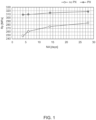
- FIG. 1 shows the change in the yield strength (Rp) as a function of the number of days following initial production for each of the samples, where the yield strength is measured according to the ISO 6892-1 test.
- the sample prepared with pre-aging shows a significantly more stable yield strength over a period of about 30 days.
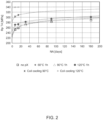
- FIG. 2 shows the change in the yield strength (Rp) as a function of the number of days following initial production for each of the samples.
- Samples of AA7075 aluminum alloy sheets of 1.4 mm thickness were prepared according to identical processing methods, including solutionizing at 480 °C with a five minute soak time, a full water quench at a quench rate of 350 °C/s, a pre-aging step, and natural aging.
- the pre-aging temperature and time were varied, as was the natural aging time.
- the pre-aging time was either 1 hours, 4 hours, or 8 hours.
- the pre-aging temperature was either 70 °C or 100 °C.
- Natural aging (NA) was conducted for 1 week, 2 weeks, 3 weeks, or 4 weeks. The samples were tested with and without being subjected to a paint-bake cycle (PB).
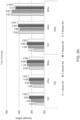
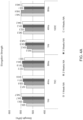
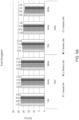
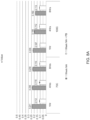
- FIGS. 3A -D show the change in the yield strength for the sample as a function of the pre-aging time and temperature and as a function of whether the samples were subjected to a paint-bake cycle.
- FIG 3D shows the effect of pre-strain when the samples were subjected to paint-baking.
- the yield strength (MPa) was measured according to the ISO 6892-1:2016 test.
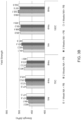
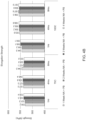
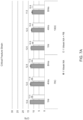
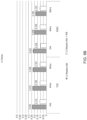
- FIGS. 4A-C show the change in elongation strength for the sample as a function of the pre-aging time and temperature and as a function of whether the samples were subjected to a paint-bake cycle.
- FIG 4D shows the effect of pre-strain when the samples were subjected to paint-baking.
- the elongation strength (MPa) was measured according to the ISO 6892-1:2016 test.
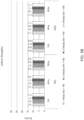
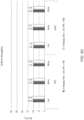
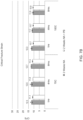
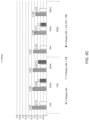
- FIGS. 5A-C show the change in uniform elongation for the sample as a function of the pre-aging time and temperature and as a function of whether the samples were subjected to a paint-bake cycle.
- FIG 5D shows the effect of pre-strain when the samples were subjected to paint-baking.
- the uniform elongation (%) was measured according to the ISO 6892-1:2016 test.
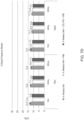
- FIGS. 7A-D show the change in critical fracture strain for the sample as a function of the pre-aging time and temperature and as a function of whether the samples were subjected to a paint-bake cycle.
- FIGS 7C and D show the effect of pre-strain when the samples were subjected to paint-baking.
- the critical fracture strain (%) was measured according to the ISO 6892-1:2016 test.
- FIGS. 8A-D show the strain hardening exponent (n-value) for the sample as a function of the pre-aging time and temperature and as a function of whether the samples were subjected to a paint-bake cycle.
- FIGS 8C and D show the effect of pre-strain when the samples were subjected to paint-baking.
- the critical fracture strain (%) was measured according to the ISO 6892-1:2016 test.
- pre-aging at 70 °C resulted in increasing yield strength as the length of natural aging increased.
- the yield strength was relatively stable when pre-aged for 4 to 8 hours, regardless of the length of time of natural aging. Yield strengths of greater than 450 MPa were achievable after the samples were subjected to a paint-bake cycle. The samples subjected to a 2% pre-strain prior to the paint-bake cycle showed a slight increase in yield strength.
- Samples of AA7075 aluminum alloy sheets of 1.4 mm thickness were prepared according to identical processing methods, including solutionizing at 480 °C with a five minute soak time, a full water quench at a quench rate of 350 °C/s, a pre-aging step, and natural aging.
- the pre-aging temperature and time were varied, as was the natural aging time.
- the pre-aging time was either 1 hours, 4 hours, or 8 hours.
- the pre-aging temperature was either 70 °C or 100 °C.
- Natural aging (NA) was conducted for 1 week, 2 weeks, 3 weeks, or 4 weeks. The samples were tested with and without being subjected to a paint-bake cycle (PB).
- FIGS. 3A-C show the change in the yield strength for the sample as a function of the pre-aging time and temperature and as a function of whether the samples were subjected to a paint-bake cycle.
- the yield strength (MPa) was measured according to the ISO 6892-1:2016 test.
- FIGS. 4A-C show the change in elongation strength for the sample as a function of the pre-aging time and temperature and as a function of whether the samples were subjected to a paint-bake cycle.
- the elongation strength (MPa) was measured according to the ISO 6892-1:2016 test.
- FIGS. 6A-C show the change in uniform elongation for the sample as a function of the pre-aging time and temperature and as a function of whether the samples were subjected to a paint-bake cycle.
- the uniform elongation (%) was measured according to the ISO 6892-1:2016 test.
- FIGS. 6A-C show the change in total elongation for the sample as a function of the pre-aging time and temperature and as a function of whether the samples were subjected to a paint-bake cycle.
- the total elongation (%) was measured according to ISO 6892-1:2016 test.
- FIGS. 7A-D show the change in critical fracture strain for the sample as a function of the pre-aging time and temperature and as a function of whether the samples were subjected to a paint-bake cycle.
- FIGS 7C and D show the effect of pre-strain when the samples were subjected to paint-baking.
- the critical fracture strain (%) was measured according to the ISO 6892-1:2016 test.
- FIGS. 8A-D show the strain hardening exponent (n-value) for the sample as a function of the pre-aging time and temperature and as a function of whether the samples were subjected to a paint-bake cycle.
- FIGS 8C and D show the effect of pre-strain when the samples were subjected to paint-baking.
- the critical fracture strain (%) was measured according to the ISO 6892-1:2016 test.
- pre-aging at 70 °C resulted in increasing yield strength as the length of natural aging increased.
- the yield strength was relatively stable when pre-aged for 4 to 8 hours, regardless of the length of time of natural aging.
- Yield strengths of greater than 450 MPa were achievable after the samples were subjected to a paint-bake cycle.
- the samples subjected to a 2% pre-strain prior to the paint-bake cycle showed a slight increase in yield strength.
Landscapes
- Chemical & Material Sciences (AREA)
- Mechanical Engineering (AREA)
- Engineering & Computer Science (AREA)
- Organic Chemistry (AREA)
- Metallurgy (AREA)
- Materials Engineering (AREA)
- Crystallography & Structural Chemistry (AREA)
- Physics & Mathematics (AREA)
- Thermal Sciences (AREA)
- Continuous Casting (AREA)
- Manufacture Of Alloys Or Alloy Compounds (AREA)
- Analysing Materials By The Use Of Radiation (AREA)
- Manufacture And Refinement Of Metals (AREA)
Applications Claiming Priority (2)
| Application Number | Priority Date | Filing Date | Title |
|---|---|---|---|
| US201762551497P | 2017-08-29 | 2017-08-29 | |
| PCT/US2018/048305 WO2019046275A1 (en) | 2017-08-29 | 2018-08-28 | 7XXX ALUMINUM ALLOY PRODUCTS IN A STABILIZED T4 INCOME STATE AND METHODS OF MAKING THE SAME |
Publications (2)
| Publication Number | Publication Date |
|---|---|
| EP3676412A1 EP3676412A1 (en) | 2020-07-08 |
| EP3676412B1 true EP3676412B1 (en) | 2024-08-14 |
Family
ID=63528962
Family Applications (1)
| Application Number | Title | Priority Date | Filing Date |
|---|---|---|---|
| EP18766496.6A Active EP3676412B1 (en) | 2017-08-29 | 2018-08-28 | 7xxx series aluminum alloy products in a stabilized t4 temper and methods of making the same |
Country Status (9)
| Country | Link |
|---|---|
| US (1) | US20190062886A1 (enExample) |
| EP (1) | EP3676412B1 (enExample) |
| JP (1) | JP6971380B2 (enExample) |
| KR (2) | KR20200047598A (enExample) |
| CN (1) | CN111183242A (enExample) |
| CA (1) | CA3070003A1 (enExample) |
| ES (1) | ES2987878T3 (enExample) |
| MX (1) | MX2020001995A (enExample) |
| WO (1) | WO2019046275A1 (enExample) |
Families Citing this family (20)
| Publication number | Priority date | Publication date | Assignee | Title |
|---|---|---|---|---|
| US11674204B2 (en) * | 2017-02-01 | 2023-06-13 | Hrl Laboratories, Llc | Aluminum alloy feedstocks for additive manufacturing |
| WO2019166156A1 (en) * | 2018-03-01 | 2019-09-06 | Norsk Hydro Asa | Method for casting |
| FR3084087B1 (fr) * | 2018-07-17 | 2021-10-01 | Constellium Neuf Brisach | Procede de fabrication de toles minces en alliage d'aluminium 7xxx aptes a la mise en forme et a l'assemblage |
| CN110016543B (zh) * | 2019-04-22 | 2020-11-06 | 中国工程物理研究院机械制造工艺研究所 | 一种增强Ni47Ti44Nb9合金管接头形状记忆性能的方法 |
| JP2022532347A (ja) * | 2019-06-03 | 2022-07-14 | ノベリス・インコーポレイテッド | 超高強度アルミニウム合金製品及びその作製方法 |
| CN112080674A (zh) * | 2019-06-12 | 2020-12-15 | 广东鸿邦金属铝业有限公司 | 一种耐热铝合金的制作方法 |
| CN110218917B (zh) * | 2019-06-13 | 2021-04-30 | 广西平果铝合金精密铸件有限公司 | 一种含稀土元素的合金铝棒及其制备工艺 |
| CN120174241A (zh) * | 2019-06-24 | 2025-06-20 | 奥科宁克技术有限责任公司 | 改进的厚锻造7xxx铝合金及其制造方法 |
| CN110205527B (zh) * | 2019-06-28 | 2020-05-05 | 江西理工大学 | 一种增材制造用Al-Mg-Si合金线材及其制备方法 |
| CN110129640B (zh) * | 2019-06-28 | 2020-05-05 | 江西理工大学 | 一种增材制造用7000系铝合金线材及其制备方法 |
| US11603586B2 (en) | 2019-09-27 | 2023-03-14 | The Boeing Company | Interim temper process |
| US12319989B2 (en) | 2019-12-05 | 2025-06-03 | Kaiser Aluminum Fabricated Products, Llc | High strength press quenchable 7XXX alloy |
| EP3848476A1 (de) * | 2020-01-07 | 2021-07-14 | AMAG rolling GmbH | Blech oder band aus einer aushärtbaren aluminiumlegierung, ein daraus gefertigtes fahrzeugteil, eine verwendung und ein verfahren zur herstellung des blechs oder bands |
| CN111424197B (zh) * | 2020-04-14 | 2021-12-21 | 广西南南铝加工有限公司 | 一种航空用耐蚀铝合金及其制备方法 |
| CN112662923B (zh) * | 2020-11-30 | 2022-06-03 | 湖南稀土金属材料研究院 | 铝合金导体及其制备方法 |
| CA3229084A1 (en) * | 2021-10-26 | 2023-05-04 | Novelis Inc. | Heat treated aluminum sheets and processes for making |
| CN115961194A (zh) * | 2022-04-25 | 2023-04-14 | 江苏大学 | 锶锆钛铒四元复合微合金化的790MPa超高强度高塑性耐晶间腐蚀铝合金及制备方法 |
| CN115386773A (zh) * | 2022-08-16 | 2022-11-25 | 江苏万峰铝业有限公司 | 新能源汽车电池托盘高强铝合金型材及其制备方法 |
| CN117568680B (zh) * | 2024-01-16 | 2024-04-16 | 华东理工大学 | 一种铝合金及其制备方法 |
| CN118166248A (zh) * | 2024-04-17 | 2024-06-11 | 中信戴卡股份有限公司 | 铸造用铝锌合金材料、构件制备方法及应用 |
Citations (1)
| Publication number | Priority date | Publication date | Assignee | Title |
|---|---|---|---|---|
| WO2010142579A1 (en) * | 2009-06-12 | 2010-12-16 | Aleris Aluminum Koblenz Gmbh | STRUCTURAL AUTOMOTIVE PART MADE FROM AN Al-Zn-Mg-Cu ALLOY PRODUCT AND METHOD OF ITS MANUFACTURE |
Family Cites Families (10)
| Publication number | Priority date | Publication date | Assignee | Title |
|---|---|---|---|---|
| US5718780A (en) * | 1995-12-18 | 1998-02-17 | Reynolds Metals Company | Process and apparatus to enhance the paintbake response and aging stability of aluminum sheet materials and product therefrom |
| JP3705320B2 (ja) * | 1997-04-18 | 2005-10-12 | 株式会社神戸製鋼所 | 耐食性に優れる高強度熱処理型7000系アルミニウム合金 |
| CA2519390C (en) * | 2003-04-10 | 2015-06-02 | Corus Aluminium Walzprodukte Gmbh | An al-zn-mg-cu alloy |
| US8537974B2 (en) * | 2005-10-05 | 2013-09-17 | Intrado, Inc. | System and method for facilitating emergency calling from a remote terminal |
| WO2008078399A1 (en) * | 2006-12-22 | 2008-07-03 | Nippon Light Metal Company, Ltd. | Method of producing aluminum alloy sheet |
| CN101705401A (zh) * | 2009-11-27 | 2010-05-12 | 北京工业大学 | 稀土Er微合金化的Al-Zn-Mg-Mn-Zr合金及其制备方法 |
| JP2013537936A (ja) * | 2010-09-08 | 2013-10-07 | アルコア インコーポレイテッド | 改良されたアルミニウム−リチウム合金及びその製造方法 |
| WO2016094464A1 (en) * | 2014-12-09 | 2016-06-16 | Novelis Inc. | Reduced aging time of 7xxx series alloy |
| CN110453122A (zh) * | 2015-10-30 | 2019-11-15 | 诺维尔里斯公司 | 高强度7xxx铝合金和其制备方法 |
| CN106906435B (zh) * | 2015-12-22 | 2018-11-30 | 北京有色金属研究总院 | 一种汽车车身用铝合金板材的高效制备工艺 |
-
2018
- 2018-08-28 MX MX2020001995A patent/MX2020001995A/es unknown
- 2018-08-28 EP EP18766496.6A patent/EP3676412B1/en active Active
- 2018-08-28 JP JP2020508462A patent/JP6971380B2/ja active Active
- 2018-08-28 US US16/114,830 patent/US20190062886A1/en not_active Abandoned
- 2018-08-28 WO PCT/US2018/048305 patent/WO2019046275A1/en not_active Ceased
- 2018-08-28 KR KR1020207008466A patent/KR20200047598A/ko not_active Ceased
- 2018-08-28 KR KR1020227030142A patent/KR102647056B1/ko active Active
- 2018-08-28 CN CN201880056524.9A patent/CN111183242A/zh active Pending
- 2018-08-28 CA CA3070003A patent/CA3070003A1/en active Pending
- 2018-08-28 ES ES18766496T patent/ES2987878T3/es active Active
Patent Citations (1)
| Publication number | Priority date | Publication date | Assignee | Title |
|---|---|---|---|---|
| WO2010142579A1 (en) * | 2009-06-12 | 2010-12-16 | Aleris Aluminum Koblenz Gmbh | STRUCTURAL AUTOMOTIVE PART MADE FROM AN Al-Zn-Mg-Cu ALLOY PRODUCT AND METHOD OF ITS MANUFACTURE |
Also Published As
| Publication number | Publication date |
|---|---|
| ES2987878T3 (es) | 2024-11-18 |
| EP3676412A1 (en) | 2020-07-08 |
| CN111183242A (zh) | 2020-05-19 |
| CA3070003A1 (en) | 2019-03-07 |
| KR102647056B1 (ko) | 2024-03-14 |
| KR20200047598A (ko) | 2020-05-07 |
| JP2020530882A (ja) | 2020-10-29 |
| KR20220125371A (ko) | 2022-09-14 |
| JP6971380B2 (ja) | 2021-12-01 |
| US20190062886A1 (en) | 2019-02-28 |
| MX2020001995A (es) | 2020-03-24 |
| WO2019046275A1 (en) | 2019-03-07 |
Similar Documents
| Publication | Publication Date | Title |
|---|---|---|
| EP3676412B1 (en) | 7xxx series aluminum alloy products in a stabilized t4 temper and methods of making the same | |
| KR102644089B1 (ko) | 고강도 내식성 6xxx 시리즈 알루미늄 합금 및 이의 제조 방법 | |
| KR102597364B1 (ko) | 선택적으로 재결정화된 미세구조를 갖는 알루미늄 합금 제품 및 제조 방법 | |
| EP3555332B1 (en) | High strength and highly formable aluminum alloys resistant to natural age hardening and methods of making the same | |
| JP2024023221A (ja) | 成形性高強度アルミ合金製造物、及びその作製方法 | |
| JP2024509070A (ja) | 高強度5xxxアルミニウム合金の変種及びその調製方法 | |
| KR20210113350A (ko) | 초고강도 알루미늄 합금 제품 및 이의 제조 방법 | |
| WO2024249153A1 (en) | Continuous cast alloy for foil applications |
Legal Events
| Date | Code | Title | Description |
|---|---|---|---|
| STAA | Information on the status of an ep patent application or granted ep patent |
Free format text: STATUS: UNKNOWN |
|
| STAA | Information on the status of an ep patent application or granted ep patent |
Free format text: STATUS: THE INTERNATIONAL PUBLICATION HAS BEEN MADE |
|
| PUAI | Public reference made under article 153(3) epc to a published international application that has entered the european phase |
Free format text: ORIGINAL CODE: 0009012 |
|
| STAA | Information on the status of an ep patent application or granted ep patent |
Free format text: STATUS: REQUEST FOR EXAMINATION WAS MADE |
|
| 17P | Request for examination filed |
Effective date: 20200121 |
|
| AK | Designated contracting states |
Kind code of ref document: A1 Designated state(s): AL AT BE BG CH CY CZ DE DK EE ES FI FR GB GR HR HU IE IS IT LI LT LU LV MC MK MT NL NO PL PT RO RS SE SI SK SM TR |
|
| AX | Request for extension of the european patent |
Extension state: BA ME |
|
| DAV | Request for validation of the european patent (deleted) | ||
| DAX | Request for extension of the european patent (deleted) | ||
| TPAC | Observations filed by third parties |
Free format text: ORIGINAL CODE: EPIDOSNTIPA |
|
| STAA | Information on the status of an ep patent application or granted ep patent |
Free format text: STATUS: EXAMINATION IS IN PROGRESS |
|
| 17Q | First examination report despatched |
Effective date: 20210407 |
|
| GRAP | Despatch of communication of intention to grant a patent |
Free format text: ORIGINAL CODE: EPIDOSNIGR1 |
|
| STAA | Information on the status of an ep patent application or granted ep patent |
Free format text: STATUS: GRANT OF PATENT IS INTENDED |
|
| INTG | Intention to grant announced |
Effective date: 20240313 |
|
| RAP3 | Party data changed (applicant data changed or rights of an application transferred) |
Owner name: NOVELIS INC. |
|
| GRAS | Grant fee paid |
Free format text: ORIGINAL CODE: EPIDOSNIGR3 |
|
| GRAA | (expected) grant |
Free format text: ORIGINAL CODE: 0009210 |
|
| STAA | Information on the status of an ep patent application or granted ep patent |
Free format text: STATUS: THE PATENT HAS BEEN GRANTED |
|
| AK | Designated contracting states |
Kind code of ref document: B1 Designated state(s): AL AT BE BG CH CY CZ DE DK EE ES FI FR GB GR HR HU IE IS IT LI LT LU LV MC MK MT NL NO PL PT RO RS SE SI SK SM TR |
|
| REG | Reference to a national code |
Ref country code: GB Ref legal event code: FG4D |
|
| REG | Reference to a national code |
Ref country code: CH Ref legal event code: EP |
|
| REG | Reference to a national code |
Ref country code: DE Ref legal event code: R096 Ref document number: 602018073085 Country of ref document: DE |
|
| P01 | Opt-out of the competence of the unified patent court (upc) registered |
Free format text: CASE NUMBER: APP_44759/2024 Effective date: 20240801 |
|
| REG | Reference to a national code |
Ref country code: IE Ref legal event code: FG4D |
|
| REG | Reference to a national code |
Ref country code: ES Ref legal event code: FG2A Ref document number: 2987878 Country of ref document: ES Kind code of ref document: T3 Effective date: 20241118 |
|
| REG | Reference to a national code |
Ref country code: LT Ref legal event code: MG9D |
|
| REG | Reference to a national code |
Ref country code: NL Ref legal event code: MP Effective date: 20240814 |
|
| PG25 | Lapsed in a contracting state [announced via postgrant information from national office to epo] |
Ref country code: NO Free format text: LAPSE BECAUSE OF FAILURE TO SUBMIT A TRANSLATION OF THE DESCRIPTION OR TO PAY THE FEE WITHIN THE PRESCRIBED TIME-LIMIT Effective date: 20241114 |
|
| PG25 | Lapsed in a contracting state [announced via postgrant information from national office to epo] |
Ref country code: NL Free format text: LAPSE BECAUSE OF FAILURE TO SUBMIT A TRANSLATION OF THE DESCRIPTION OR TO PAY THE FEE WITHIN THE PRESCRIBED TIME-LIMIT Effective date: 20240814 Ref country code: FI Free format text: LAPSE BECAUSE OF FAILURE TO SUBMIT A TRANSLATION OF THE DESCRIPTION OR TO PAY THE FEE WITHIN THE PRESCRIBED TIME-LIMIT Effective date: 20240814 Ref country code: PL Free format text: LAPSE BECAUSE OF FAILURE TO SUBMIT A TRANSLATION OF THE DESCRIPTION OR TO PAY THE FEE WITHIN THE PRESCRIBED TIME-LIMIT Effective date: 20240814 Ref country code: GR Free format text: LAPSE BECAUSE OF FAILURE TO SUBMIT A TRANSLATION OF THE DESCRIPTION OR TO PAY THE FEE WITHIN THE PRESCRIBED TIME-LIMIT Effective date: 20241115 Ref country code: PT Free format text: LAPSE BECAUSE OF FAILURE TO SUBMIT A TRANSLATION OF THE DESCRIPTION OR TO PAY THE FEE WITHIN THE PRESCRIBED TIME-LIMIT Effective date: 20241216 |
|
| PG25 | Lapsed in a contracting state [announced via postgrant information from national office to epo] |
Ref country code: BG Free format text: LAPSE BECAUSE OF FAILURE TO SUBMIT A TRANSLATION OF THE DESCRIPTION OR TO PAY THE FEE WITHIN THE PRESCRIBED TIME-LIMIT Effective date: 20240814 |
|
| PG25 | Lapsed in a contracting state [announced via postgrant information from national office to epo] |
Ref country code: LV Free format text: LAPSE BECAUSE OF FAILURE TO SUBMIT A TRANSLATION OF THE DESCRIPTION OR TO PAY THE FEE WITHIN THE PRESCRIBED TIME-LIMIT Effective date: 20240814 |
|
| PG25 | Lapsed in a contracting state [announced via postgrant information from national office to epo] |
Ref country code: IS Free format text: LAPSE BECAUSE OF FAILURE TO SUBMIT A TRANSLATION OF THE DESCRIPTION OR TO PAY THE FEE WITHIN THE PRESCRIBED TIME-LIMIT Effective date: 20241214 |
|
| PG25 | Lapsed in a contracting state [announced via postgrant information from national office to epo] |
Ref country code: HR Free format text: LAPSE BECAUSE OF FAILURE TO SUBMIT A TRANSLATION OF THE DESCRIPTION OR TO PAY THE FEE WITHIN THE PRESCRIBED TIME-LIMIT Effective date: 20240814 |
|
| PG25 | Lapsed in a contracting state [announced via postgrant information from national office to epo] |
Ref country code: RS Free format text: LAPSE BECAUSE OF FAILURE TO SUBMIT A TRANSLATION OF THE DESCRIPTION OR TO PAY THE FEE WITHIN THE PRESCRIBED TIME-LIMIT Effective date: 20241114 |
|
| PG25 | Lapsed in a contracting state [announced via postgrant information from national office to epo] |
Ref country code: RS Free format text: LAPSE BECAUSE OF FAILURE TO SUBMIT A TRANSLATION OF THE DESCRIPTION OR TO PAY THE FEE WITHIN THE PRESCRIBED TIME-LIMIT Effective date: 20241114 Ref country code: PT Free format text: LAPSE BECAUSE OF FAILURE TO SUBMIT A TRANSLATION OF THE DESCRIPTION OR TO PAY THE FEE WITHIN THE PRESCRIBED TIME-LIMIT Effective date: 20241216 Ref country code: PL Free format text: LAPSE BECAUSE OF FAILURE TO SUBMIT A TRANSLATION OF THE DESCRIPTION OR TO PAY THE FEE WITHIN THE PRESCRIBED TIME-LIMIT Effective date: 20240814 Ref country code: NO Free format text: LAPSE BECAUSE OF FAILURE TO SUBMIT A TRANSLATION OF THE DESCRIPTION OR TO PAY THE FEE WITHIN THE PRESCRIBED TIME-LIMIT Effective date: 20241114 Ref country code: NL Free format text: LAPSE BECAUSE OF FAILURE TO SUBMIT A TRANSLATION OF THE DESCRIPTION OR TO PAY THE FEE WITHIN THE PRESCRIBED TIME-LIMIT Effective date: 20240814 Ref country code: LV Free format text: LAPSE BECAUSE OF FAILURE TO SUBMIT A TRANSLATION OF THE DESCRIPTION OR TO PAY THE FEE WITHIN THE PRESCRIBED TIME-LIMIT Effective date: 20240814 Ref country code: IS Free format text: LAPSE BECAUSE OF FAILURE TO SUBMIT A TRANSLATION OF THE DESCRIPTION OR TO PAY THE FEE WITHIN THE PRESCRIBED TIME-LIMIT Effective date: 20241214 Ref country code: HR Free format text: LAPSE BECAUSE OF FAILURE TO SUBMIT A TRANSLATION OF THE DESCRIPTION OR TO PAY THE FEE WITHIN THE PRESCRIBED TIME-LIMIT Effective date: 20240814 Ref country code: GR Free format text: LAPSE BECAUSE OF FAILURE TO SUBMIT A TRANSLATION OF THE DESCRIPTION OR TO PAY THE FEE WITHIN THE PRESCRIBED TIME-LIMIT Effective date: 20241115 Ref country code: FI Free format text: LAPSE BECAUSE OF FAILURE TO SUBMIT A TRANSLATION OF THE DESCRIPTION OR TO PAY THE FEE WITHIN THE PRESCRIBED TIME-LIMIT Effective date: 20240814 Ref country code: BG Free format text: LAPSE BECAUSE OF FAILURE TO SUBMIT A TRANSLATION OF THE DESCRIPTION OR TO PAY THE FEE WITHIN THE PRESCRIBED TIME-LIMIT Effective date: 20240814 |
|
| REG | Reference to a national code |
Ref country code: CH Ref legal event code: PL |
|
| PG25 | Lapsed in a contracting state [announced via postgrant information from national office to epo] |
Ref country code: SM Free format text: LAPSE BECAUSE OF FAILURE TO SUBMIT A TRANSLATION OF THE DESCRIPTION OR TO PAY THE FEE WITHIN THE PRESCRIBED TIME-LIMIT Effective date: 20240814 Ref country code: DK Free format text: LAPSE BECAUSE OF FAILURE TO SUBMIT A TRANSLATION OF THE DESCRIPTION OR TO PAY THE FEE WITHIN THE PRESCRIBED TIME-LIMIT Effective date: 20240814 Ref country code: RO Free format text: LAPSE BECAUSE OF FAILURE TO SUBMIT A TRANSLATION OF THE DESCRIPTION OR TO PAY THE FEE WITHIN THE PRESCRIBED TIME-LIMIT Effective date: 20240814 |
|
| PG25 | Lapsed in a contracting state [announced via postgrant information from national office to epo] |
Ref country code: LU Free format text: LAPSE BECAUSE OF NON-PAYMENT OF DUE FEES Effective date: 20240828 |
|
| PG25 | Lapsed in a contracting state [announced via postgrant information from national office to epo] |
Ref country code: CH Free format text: LAPSE BECAUSE OF NON-PAYMENT OF DUE FEES Effective date: 20240831 Ref country code: EE Free format text: LAPSE BECAUSE OF FAILURE TO SUBMIT A TRANSLATION OF THE DESCRIPTION OR TO PAY THE FEE WITHIN THE PRESCRIBED TIME-LIMIT Effective date: 20240814 |
|
| PG25 | Lapsed in a contracting state [announced via postgrant information from national office to epo] |
Ref country code: CZ Free format text: LAPSE BECAUSE OF FAILURE TO SUBMIT A TRANSLATION OF THE DESCRIPTION OR TO PAY THE FEE WITHIN THE PRESCRIBED TIME-LIMIT Effective date: 20240814 |
|
| PG25 | Lapsed in a contracting state [announced via postgrant information from national office to epo] |
Ref country code: SK Free format text: LAPSE BECAUSE OF FAILURE TO SUBMIT A TRANSLATION OF THE DESCRIPTION OR TO PAY THE FEE WITHIN THE PRESCRIBED TIME-LIMIT Effective date: 20240814 |
|
| REG | Reference to a national code |
Ref country code: DE Ref legal event code: R097 Ref document number: 602018073085 Country of ref document: DE |
|
| PLBE | No opposition filed within time limit |
Free format text: ORIGINAL CODE: 0009261 |
|
| STAA | Information on the status of an ep patent application or granted ep patent |
Free format text: STATUS: NO OPPOSITION FILED WITHIN TIME LIMIT |
|
| PG25 | Lapsed in a contracting state [announced via postgrant information from national office to epo] |
Ref country code: MC Free format text: LAPSE BECAUSE OF FAILURE TO SUBMIT A TRANSLATION OF THE DESCRIPTION OR TO PAY THE FEE WITHIN THE PRESCRIBED TIME-LIMIT Effective date: 20240814 |
|
| PG25 | Lapsed in a contracting state [announced via postgrant information from national office to epo] |
Ref country code: IT Free format text: LAPSE BECAUSE OF NON-PAYMENT OF DUE FEES Effective date: 20240828 |
|
| 26N | No opposition filed |
Effective date: 20250515 |
|
| PG25 | Lapsed in a contracting state [announced via postgrant information from national office to epo] |
Ref country code: IE Free format text: LAPSE BECAUSE OF NON-PAYMENT OF DUE FEES Effective date: 20240828 |
|
| PG25 | Lapsed in a contracting state [announced via postgrant information from national office to epo] |
Ref country code: SE Free format text: LAPSE BECAUSE OF FAILURE TO SUBMIT A TRANSLATION OF THE DESCRIPTION OR TO PAY THE FEE WITHIN THE PRESCRIBED TIME-LIMIT Effective date: 20240814 |
|
| PGFP | Annual fee paid to national office [announced via postgrant information from national office to epo] |
Ref country code: ES Payment date: 20250901 Year of fee payment: 8 |
|
| PGFP | Annual fee paid to national office [announced via postgrant information from national office to epo] |
Ref country code: DE Payment date: 20250724 Year of fee payment: 8 |
|
| PGFP | Annual fee paid to national office [announced via postgrant information from national office to epo] |
Ref country code: TR Payment date: 20250731 Year of fee payment: 8 |
|
| PGFP | Annual fee paid to national office [announced via postgrant information from national office to epo] |
Ref country code: BE Payment date: 20250723 Year of fee payment: 8 Ref country code: GB Payment date: 20250724 Year of fee payment: 8 |
|
| PGFP | Annual fee paid to national office [announced via postgrant information from national office to epo] |
Ref country code: FR Payment date: 20250723 Year of fee payment: 8 Ref country code: AT Payment date: 20250725 Year of fee payment: 8 |