EP3664800B1 - Therapeutic formulations comprising cox-2 inhibitor and uses thereof - Google Patents
Therapeutic formulations comprising cox-2 inhibitor and uses thereof Download PDFInfo
- Publication number
- EP3664800B1 EP3664800B1 EP18843332.0A EP18843332A EP3664800B1 EP 3664800 B1 EP3664800 B1 EP 3664800B1 EP 18843332 A EP18843332 A EP 18843332A EP 3664800 B1 EP3664800 B1 EP 3664800B1
- Authority
- EP
- European Patent Office
- Prior art keywords
- composition
- cox
- inhibitor
- concentration
- pharmaceutically acceptable
- Prior art date
- Legal status (The legal status is an assumption and is not a legal conclusion. Google has not performed a legal analysis and makes no representation as to the accuracy of the status listed.)
- Active
Links
Images


Classifications
-
- A—HUMAN NECESSITIES
- A61—MEDICAL OR VETERINARY SCIENCE; HYGIENE
- A61K—PREPARATIONS FOR MEDICAL, DENTAL OR TOILETRY PURPOSES
- A61K31/00—Medicinal preparations containing organic active ingredients
- A61K31/33—Heterocyclic compounds
- A61K31/335—Heterocyclic compounds having oxygen as the only ring hetero atom, e.g. fungichromin
- A61K31/35—Heterocyclic compounds having oxygen as the only ring hetero atom, e.g. fungichromin having six-membered rings with one oxygen as the only ring hetero atom
- A61K31/352—Heterocyclic compounds having oxygen as the only ring hetero atom, e.g. fungichromin having six-membered rings with one oxygen as the only ring hetero atom condensed with carbocyclic rings, e.g. methantheline
- A61K31/353—3,4-Dihydrobenzopyrans, e.g. chroman, catechin
-
- A—HUMAN NECESSITIES
- A61—MEDICAL OR VETERINARY SCIENCE; HYGIENE
- A61K—PREPARATIONS FOR MEDICAL, DENTAL OR TOILETRY PURPOSES
- A61K31/00—Medicinal preparations containing organic active ingredients
- A61K31/33—Heterocyclic compounds
- A61K31/395—Heterocyclic compounds having nitrogen as a ring hetero atom, e.g. guanethidine or rifamycins
- A61K31/435—Heterocyclic compounds having nitrogen as a ring hetero atom, e.g. guanethidine or rifamycins having six-membered rings with one nitrogen as the only ring hetero atom
- A61K31/47—Quinolines; Isoquinolines
- A61K31/485—Morphinan derivatives, e.g. morphine, codeine
-
- A—HUMAN NECESSITIES
- A61—MEDICAL OR VETERINARY SCIENCE; HYGIENE
- A61K—PREPARATIONS FOR MEDICAL, DENTAL OR TOILETRY PURPOSES
- A61K31/00—Medicinal preparations containing organic active ingredients
- A61K31/63—Compounds containing para-N-benzenesulfonyl-N-groups, e.g. sulfanilamide, p-nitrobenzenesulfonyl hydrazide
- A61K31/635—Compounds containing para-N-benzenesulfonyl-N-groups, e.g. sulfanilamide, p-nitrobenzenesulfonyl hydrazide having a heterocyclic ring, e.g. sulfadiazine
-
- A—HUMAN NECESSITIES
- A61—MEDICAL OR VETERINARY SCIENCE; HYGIENE
- A61K—PREPARATIONS FOR MEDICAL, DENTAL OR TOILETRY PURPOSES
- A61K47/00—Medicinal preparations characterised by the non-active ingredients used, e.g. carriers or inert additives; Targeting or modifying agents chemically bound to the active ingredient
- A61K47/06—Organic compounds, e.g. natural or synthetic hydrocarbons, polyolefins, mineral oil, petrolatum or ozokerite
- A61K47/08—Organic compounds, e.g. natural or synthetic hydrocarbons, polyolefins, mineral oil, petrolatum or ozokerite containing oxygen, e.g. ethers, acetals, ketones, quinones, aldehydes, peroxides
- A61K47/10—Alcohols; Phenols; Salts thereof, e.g. glycerol; Polyethylene glycols [PEG]; Poloxamers; PEG/POE alkyl ethers
-
- A—HUMAN NECESSITIES
- A61—MEDICAL OR VETERINARY SCIENCE; HYGIENE
- A61K—PREPARATIONS FOR MEDICAL, DENTAL OR TOILETRY PURPOSES
- A61K47/00—Medicinal preparations characterised by the non-active ingredients used, e.g. carriers or inert additives; Targeting or modifying agents chemically bound to the active ingredient
- A61K47/06—Organic compounds, e.g. natural or synthetic hydrocarbons, polyolefins, mineral oil, petrolatum or ozokerite
- A61K47/22—Heterocyclic compounds, e.g. ascorbic acid, tocopherol or pyrrolidones
-
- A—HUMAN NECESSITIES
- A61—MEDICAL OR VETERINARY SCIENCE; HYGIENE
- A61K—PREPARATIONS FOR MEDICAL, DENTAL OR TOILETRY PURPOSES
- A61K47/00—Medicinal preparations characterised by the non-active ingredients used, e.g. carriers or inert additives; Targeting or modifying agents chemically bound to the active ingredient
- A61K47/06—Organic compounds, e.g. natural or synthetic hydrocarbons, polyolefins, mineral oil, petrolatum or ozokerite
- A61K47/26—Carbohydrates, e.g. sugar alcohols, amino sugars, nucleic acids, mono-, di- or oligo-saccharides; Derivatives thereof, e.g. polysorbates, sorbitan fatty acid esters or glycyrrhizin
-
- A—HUMAN NECESSITIES
- A61—MEDICAL OR VETERINARY SCIENCE; HYGIENE
- A61K—PREPARATIONS FOR MEDICAL, DENTAL OR TOILETRY PURPOSES
- A61K9/00—Medicinal preparations characterised by special physical form
- A61K9/0012—Galenical forms characterised by the site of application
- A61K9/0014—Skin, i.e. galenical aspects of topical compositions
-
- A—HUMAN NECESSITIES
- A61—MEDICAL OR VETERINARY SCIENCE; HYGIENE
- A61K—PREPARATIONS FOR MEDICAL, DENTAL OR TOILETRY PURPOSES
- A61K9/00—Medicinal preparations characterised by special physical form
- A61K9/0012—Galenical forms characterised by the site of application
- A61K9/0019—Injectable compositions; Intramuscular, intravenous, arterial, subcutaneous administration; Compositions to be administered through the skin in an invasive manner
-
- A—HUMAN NECESSITIES
- A61—MEDICAL OR VETERINARY SCIENCE; HYGIENE
- A61K—PREPARATIONS FOR MEDICAL, DENTAL OR TOILETRY PURPOSES
- A61K9/00—Medicinal preparations characterised by special physical form
- A61K9/20—Pills, tablets, discs, rods
- A61K9/2004—Excipients; Inactive ingredients
- A61K9/2013—Organic compounds, e.g. phospholipids, fats
- A61K9/2018—Sugars, or sugar alcohols, e.g. lactose, mannitol; Derivatives thereof, e.g. polysorbates
-
- A—HUMAN NECESSITIES
- A61—MEDICAL OR VETERINARY SCIENCE; HYGIENE
- A61K—PREPARATIONS FOR MEDICAL, DENTAL OR TOILETRY PURPOSES
- A61K9/00—Medicinal preparations characterised by special physical form
- A61K9/20—Pills, tablets, discs, rods
- A61K9/2004—Excipients; Inactive ingredients
- A61K9/2022—Organic macromolecular compounds
- A61K9/205—Polysaccharides, e.g. alginate, gums; Cyclodextrin
- A61K9/2054—Cellulose; Cellulose derivatives, e.g. hydroxypropyl methylcellulose
-
- A—HUMAN NECESSITIES
- A61—MEDICAL OR VETERINARY SCIENCE; HYGIENE
- A61P—SPECIFIC THERAPEUTIC ACTIVITY OF CHEMICAL COMPOUNDS OR MEDICINAL PREPARATIONS
- A61P25/00—Drugs for disorders of the nervous system
- A61P25/04—Centrally acting analgesics, e.g. opioids
-
- A—HUMAN NECESSITIES
- A61—MEDICAL OR VETERINARY SCIENCE; HYGIENE
- A61P—SPECIFIC THERAPEUTIC ACTIVITY OF CHEMICAL COMPOUNDS OR MEDICINAL PREPARATIONS
- A61P29/00—Non-central analgesic, antipyretic or antiinflammatory agents, e.g. antirheumatic agents; Non-steroidal antiinflammatory drugs [NSAID]
Definitions
- the invention relates to therapeutic formulations and more specifically to formulations including a selective cyclooxygenase-2 (COX-2) inhibitor (coxib) and optionally buprenorphine.
- COX-2 selective cyclooxygenase-2
- coxib selective cyclooxygenase-2
- buprenorphine optionally buprenorphine
- Nonsteroidal anti-inflammatory drugs inhibit both COX-1 and COX-2 enzymes and have been commonly used in veterinary medicine for the treatment of inflammation and pain, (COX is the commonly accepted abbreviation for cyclooxygenase the enzyme that produces prostaglandins from arachidonic acid). While the specificity for which COX isoform a given NSAID inhibits varies depending on the details of the particular assay employed and their chemical structure, as a class all NSAIDs inhibit both COX-1 and COX-2 enzymes. Among the numerous chemotypes of NSAID drugs, the propionic acid derivatives are the most common.
- COX-2-selective inhibitors developed in the 2000s supplanted traditional NSAIDs in some settings by virtue of their comparable efficacy with improved gastrointestinal safety.
- COX-2 inhibitors are available for treatment of pain and inflammation in companion animals.
- US 2014/0296191 provides compositions of pharmaceutical actives containing diethylene glycol monoethyl ether or other alkyl derivatives.
- WO 99/44640 provides a combination of a selective NDMA NR2B antagonist and a COX-2 inhibitor.
- WO 2004/014367 provides amyloid immunization and COX-2 inhibitors for the treatment of Alzheimer's disease.
- WO2004/060366 provides a method for the treatment, prevention, or inhibition of a CNS disorder and/or pain and inflammation using a combination of duloxetine, venlafaxine or atomoxetine and a cyclooxygenase-2 selective inhibitor and compositions thereof.
- compositions according to claim 1 containing a coxib and optionally buprenorphine.
- composition is formulated as an injectable including:
- a topical dosage form including:
- Said topical composition may include:
- an oral dosage form including:
- the injectable formulations of the invention include mavacoxib , or PAH-100 as shown in Formula (I) or Formula (II): or pharmaceutically acceptable salts thereof.
- the formulations include the coxib and optionally buprenorphine and/or one or more NSAIDS.
- compositions for use in a method of treating a disease or disorder e.g ., pain or an inflammatory disorder
- a clinically effective amount of the coxib when provided in a formulation of the invention is present in the blood stream of the subject for at least 96, 120, 144 or 168 hours after administration.
- buprenorphine is administered along with the coxib, either in a single formulation or in a separate formulation that is co-administered along with the coxib.
- a formulation of the invention is delivered to a companion animal such as a cat or dog.
- a "patient” or “subject” refers to either a human or non-human mammalian animal.
- Non-human animals include any non-human mammalian animals. Such non-human animals may include, but are not limited to rodents, non-human primates (e.g., monkey and apes), ungulates, ovines, bovines, ruminants, lagomorphs, porcines, caprines, equines, canines, felines, murines, and the like.
- the animals are mammals.
- the term "subject” generally refers to an individual who will receive or who has received treatment described below (e.g ., administration of a composition of the disclosure, and optionally one or more additional therapeutic agents).
- terapéuticaally effective amount means the amount of the compound or pharmaceutical composition that will elicit the biological or medical response of a patient or tissue that is being sought by the researcher, veterinarian, medical doctor or other clinician.
- pharmaceutically acceptable it is meant the carrier, diluent or excipient must be compatible with the other ingredients of the formulation and not deleterious to the recipient thereof.
- administering should be understood to mean providing a compound of the disclosure or pharmaceutical composition to the subject in need of treatment.
- compositions comprising at least one coxib in an amount effective for treating a disorder, such as pain or inflammation, and a pharmaceutically acceptable vehicle or diluent.
- a disorder such as pain or inflammation
- a pharmaceutically acceptable vehicle or diluent e.g., a pharmaceutically acceptable vehicle or diluent.
- coxib refers to a selective cyclooxygenase-2 (COX-2) inhibitor or "COX-2 inhibitor", according to claim 1.
- the coxib is mavacoxib, a non-steroidal anti-inflammatory drug (NSAID) of the coxib class (ATCvet Code QM01AH92).
- NSAID non-steroidal anti-inflammatory drug
- Mavacoxib - 4-[5-(4-fluorophenyl)-3-(trifluoromethyl)-1H-pyrazol-1-yl]benzenesulfonamide is used in the treatment of chronic pain and inflammation associated with osteoarthritis in canines. It is a specific inhibitor of the inducible form of cyclooxygenase.
- the coxib is a "chromene coxib" and is referred to herein as PAH-100.
- the coxib PAH-100 is a member of a structural class of COX-2 selective inhibitors.
- PAH-100 refers of a compound of Formula (I): or pharmaceutically acceptable salt thereof, or a compound of Formula (II) or pharmaceutically acceptable salt thereof.
- Particular isomers or pharmaceutically acceptable salts of PAH-100 for use in compositions of the disclosure include Tris(hydroxymethyl)aminomethane ( ⁇ )-6-(trifluoromethoxy)-2-(trifluoromethyl)-2H-chromene-3-carboxylate, ( ⁇ )-6-(trifluoromethoxy)-2-(trifluoromethyl)-2H-chromene-3-carboxylic acid, Tris(hydroxymethyl)aminomethane (R)-6-(trifluoromethoxy)-2-(trifluoromethyl)-2H-chromene-3-carboxylate, (R)-6-(trifluoromethoxy)-2-(trifluoromethyl)-2H-chromene-3-carboxylic acid, Tris(hydroxymethyl)aminomethane (S)-6-(trifluoromethoxy)-2-(trifluoromethyl)-2H-chromene-3-carboxylate, and (S)-6-(trifluoromethoxy)-2-(trifluor
- PAH-100 may be a racemic mixture, for example a mixture of Tris(hydroxymethyl)aminomethane (R)-6-(trifluoromethoxy)-2-(trifluoromethyl)-2H-chromene-3-carboxylate and Tris(hydroxymethyl)aminomethane (S)-6-(trifluoromethoxy)-2-(trifluoromethyl)-2H-chromene-3-carboxylate, or a mixture of (R)-6-(trifluoromethoxy)-2-(trifluoromethyl)-2H-chromene-3-carboxylic acid and (S)-6-(trifluoromethoxy)-2-(trifluoromethyl)-2H-chromene-3-carboxylic acid.
- PAH-100 A key structural feature of PAH-100 is the presence of a benzopyran (also known as chromene) moiety having the following structure:
- Chromene coxibs are selective COX-2 inhibitors based on this very unique central chemical ring system. Unlike NSAIDs and other COX-2 inhibitors, PAH-100 does not possess a propionic acid moiety or a sulfone or sulfonamide group. The presence of a carboxylic acid endows PAH-100 with an unexpected and advantageous degree of aqueous solubility allowing for rapid oral absorption. In addition, PAH-100 has a relatively long duration of action in vivo making for a more convenient dosing regimen. The inventors have also discovered that mavacoxib, while being of a different structural claim than PAH-100 exhibits pharmacokinetic characteristics comparable to PAH-100. As such, both compounds are uniquely suitable for use in the compositions of the invention.
- compositions of the disclosure may contain therapeutic agents in addition to a coxib and may be formulated, for example, by employing solid or liquid vehicles or diluents, as well as pharmaceutical additives of a type appropriate to the mode of desired administration (for example, excipients, binders, preservatives, stabilizers, flavors, etc.) according to techniques such as those well known in the art of pharmaceutical formulation.
- Additional excipients which are contemplated for use in the practice of the disclosure are those available to those of ordinary skill in the art, for example, those found in the United States Pharmacopeia Vol. XXII and National Formulary Vol. XVII, U.S. Pharmacopeia Convention, Inc., Rockville, Md. (1989 ) as well as updates thereto, such as United States Pharmacopeia Vol. XL and National Formulary Vol. XXXV, U.S. Pharmacopeia Convention, Inc., Rockville, Md..
- polymorphs, hydrates, and solvates of the compounds are included in the disclosure, with hydrates being particularly preferred. It should be noted that while the hydrate molecules will contribute water to the pharmaceutical composition, it is most preferred that no other water source be included.
- the coxibs may be in their hydrated form, no water may be added to the composition during or after mixture.
- the compositions described herein are substantially non-aqueous, for example, the compositions have less than about 6.0, 5.5, 5.0, 4.5, 4.0, 3.5, 3.0, 2.5, 2.0, 1.5, 1.0, 0.9, 0.8, 0.7, 0.6, 0.5, 0.4, 0.3, 0.2, 0.1, 0.5 or 0.1% w/w of an aqueous substance, such as water.
- compositions are for injection, such as by subcutaneous, intravenous, intramuscular, intrathecal, or intracisternal injection or infusion techniques (e.g., as sterile injectable non-aqueous solutions or suspensions).
- compositions of the present invention are for the administration of a coxib either alone or in combination with other agents, for example, anti-inflammatories, analgesics, antibiotics, anti-fungals, anti-virals and other pharmaceutically active components, although the compositions are therapeutically effective when a coxib is the sole active agent present.
- agents for example, anti-inflammatories, analgesics, antibiotics, anti-fungals, anti-virals and other pharmaceutically active components, although the compositions are therapeutically effective when a coxib is the sole active agent present.
- compositions may include coxib and an analgesic, such as buprenorphine.
- analgesic such as buprenorphine.
- Buprenorphine is a synthetic opioid drug that is about 30 times more potent than morphine..
- the compositions may include include a coxib and one or more additional NSAIDS.
- NSAID refers to a class of therapeutic compounds with analgesic, anti-inflammatory, and anti-pyretic properties. NSAIDs reduce inflammation by blocking cyclooxygenase. NSAIDs may be classified based on their chemical structure or mechanism of action.
- Non-limiting examples of NSAIDs include a salicylate derivative NSAID, a p-amino phenol derivative NSAID, a propionic acid derivative NSAID, an acetic acid derivative NSAID, an enolic acid derivative NSAID, a fenamic acid derivative NSAID, a non-selective cyclooxygenase (COX) inhibitor, a selective cyclooxygenase 1 (COX-1) inhibitor, and a selective cyclooxygenase 2 (COX-2) inhibitor.
- a NSAID may be a profen.
- Examples of a suitable salicylate derivative NSAID include, without limitation, Acetylsalicylic acid (asprin), Diflunisal, Hydroxylethyl Salicylate, and Salsalate.
- Examples of a suitable p-amino phenol derivative NSAID include, without limitation, Paracetamol and Phenacetin.
- Examples of a suitable propionic acid derivative NSAID include, without limitation, Alminoprofen, Benoxaprofen, Dexketoprofen, Fenoprofen, Flurbiprofen, Ibuprofen, Indoprofen, Ketoprofen, Loxoprofen, Naproxen, Oxaprozin, Pranoprofen, And Suprofen.
- acetic acid derivative NSAID examples include, without limitation, Aceclofenac, Acemetacin, Actarit, Alcofenac, Aloxipirin, Amfenac, Aminophenazone, Antraphenine, Azapropazone, Benorilate, Benzydamine, Butibufen, Chlorthenoxacine, Choline Salicylate, Clometacin, Diclofenac, Emorfazone, Epirizole, Etodolac, Feclobuzone, Felbinac, Fenbufen, Fenclofenac, Glafenine, Indometacin, Ketorolac, Lactyl Phenetidin, Metamizole, Metiazinic Acid, Mofebutazone, Mofezolac, Nabumetone, Nifenazone, Niflumic Acid, Oxametacin, Pipebuzone, Propyphenazone, Proquazone, Protozininc Acid, Salicylamide, Sulindac, Tiaramide
- Examples of a suitable enolic acid (Oxicam) derivative NSAID include, without limitation, Droxicam, Isoxicam, Lornoxicam, Meloxicam, Piroxicam, and Tenoxicam.
- Examples of a suitable fenamic acid derivative NSAID include, without limitation, Flufenamic acid, Mefenamic acid, Meclofenamic acid, and Tolfenamic acid.
- Examples of a further suitable selective COX-2 inhibitor include, without limitation, Celecoxib, Etoricoxib, Firocoxib, Lumiracoxib, Meloxicam, Parecoxib, Rofecoxib, and Valdecoxib.
- compositions may include analgesic agents other than anti-inflammatory agents, such as opiates, local anesthetics such as Lidocain, Mepivacain, Prilocain, Procain, Syntocain, Tetracain, Gingicain, Articain, Bupivacain, Butanilicain, Chloroprocain, or, for example, Polidocanol.
- analgesic agents other than anti-inflammatory agents, such as opiates, local anesthetics such as Lidocain, Mepivacain, Prilocain, Procain, Syntocain, Tetracain, Gingicain, Articain, Bupivacain, Butanilicain, Chloroprocain, or, for example, Polidocanol.
- compositions may also include anti-inflammatory agents that could have a secondary effect as analgesics other than the analgesics listed above, which may in part have anti-inflammatory effects, such as hormones, specifically Cortison and corticoids, such as glucocorticoids (e.g., Cortison, Cloprednol, Prednison, Prednisolon, Methylprednisolon, Deflazacort, Fluocortolon, Triamcinolon, Dexamethason, Betamethason) and mineralcorticoids (e.g. Aldosteron, Desoxycorticosteron, Fludrocortison).
- hormones specifically Cortison and corticoids
- glucocorticoids e.g., Cortison, Cloprednol, Prednison, Prednisolon, Methylprednisolon, Deflazacort, Fluocortolon, Triamcinol
- compositions may conveniently be presented in dosage unit form and may be prepared by any of the methods well known in the art of pharmacy, for example those methods described in the Examples. All methods include the step of bringing the active ingredient into association with the carrier which constitutes one or more accessory ingredients.
- the pharmaceutical compositions are prepared by uniformly and intimately bringing the active ingredient into association with a carrier suitable for administration via injection.
- the active object compound is included in an amount sufficient to produce the desired effect upon the process or condition of diseases.
- Exemplary topical formulations include:
- the solvent may include propylene glycol present at over about 1% w/w of the composition.
- the composition optionally includes an anti-oxidant present at no more than 10% w/w of the composition.
- Topical Formulation Ingredient Ideal w/w % Range w-w% Purpose Exemplary Alternates Mavacoxib 5 0.5-50 API any other coxib or combination thereof Propylene Glycol (PG) 40 1-99.5 Solvent n-methyl pyrrolidone (NMP), PEG300, PEG400, water, 2-pyrrolidone, dimethyl sulfoxide (DMSO), Triacetin, Triethylcitrate (TEC), glycerin Propylene Carbonate (PC) 40 0-75 Penetration Enhancer Triacetin, Triethylcitrate (TEC), benzyl alcohol, n-methyl pyrrolidone (NMP) Ethanol 15 0-25 Co-solvent, additional penetration enhancer, preservative, viscosity reducer Isopropanol (IPA), benzyl alcohol, capryllic triglycerides, triolein, n-methyl pyrrolidone
- Topical Formulation Ingredient Ideal w/w % Range w-w% Purpose
- PG Propylene Glycol
- PG Propylene Glycol
- n-methyl pyrrolidone NMP
- PEG300 PEG400
- water 2-pyrrolidone
- DMSO dimethyl sulfoxide
- TEC Triacetin
- TEC Triethylcitrate
- PC glycerin Propylene Carbonate
- PC PC 40 0-75
- Penetration Enhancer Triacetin, Triethylcitrate (TEC), benzyl alcohol, n-methyl pyrrolidone (NMP) Ethanol 15 0-25 Co-solvent, additional penetration enhancer, preservative, viscosity reducer Isopropanol (IPA), benzyl alcohol, capryllic triglycerides, triolein, n-methyl pyrrolidone
- Topical Formulation Master Formula w/w% ID PAH-16-04-004 Mavacoxib 7.5 Propylene Glycol (PG) 45 Propylene Carbonate (PC) 27.5 n-methyl pyrrolidone (NMP) 20 Total 100
- Topical Formulation Master Formula w/w% PAH-100 7.5 Propylene Glycol (PG) 45 Propylene Carbonate (PC) 27.5 n-methyl pyrrolidone (NMP) 20 Total 100
- a topical composition includes: i) a coxib; ii) propylene glycol; iii) propylene carbonate; iv) ethanol; and v) optionally an anti-oxidant.
- a topical composition includes: i) a coxib at a concentration of about 0.5 to 50% w/w; propylene glycol at a concentration of about 1 to 99% w/w; iii) propylene carbonate at a concentration of about 0.001 to 75% w/w; and iv) ethanol at a concentration of about 0.001 to 25% w/w.
- a topical composition includes: i) coxib at a concentration of about 5 to 15% w/w; ii) propylene glycol at a concentration of about 35 to 45% w/w; iii) propylene carbonate at a concentration of about 35 to 45% w/w; and iv) ethanol at a concentration of about 5 to 20% w/w.
- Exemplary injectable formulations of the invention include:
- formulations suitable for subcutaneous administration are as follows.
- Injectable Formulation Ingredient Ideal w/w % Range w/w% Purpose
- Exemplary Alternatives Mavacoxib 5 0.5-50 API Propylene Glycol 50 1-60 Solvent/Co-solvent Polyethylene glycol 300 (PEG300) 40 0.5-85 Solvent/Co-solvent Ethanol 5 up to 25 Co-solvent, additional penetration enhancer, preservative, viscosity reducer Other 0 0.002-10 anti-oxidants Total 100
- formulations suitable for subcutaneous administration are as follows.
- Injectable Formulation Ingredient Ideal w/w % Range w/w% Purpose
- PAH-100 12 0.5-50 API Propylene Glycol 50 1-60
- Solvent/Co-solvent Polyethylene glycol 300 (PEG300) 33 0.5-85 Solvent/Co-solvent Ethanol 5 up to 25 Co-solvent, additional penetration enhancer, preservative, viscosity reducer Other 0 0.002-10 anti-oxidants Total 100
- a topical composition includes: i) a coxib; ii) propylene glycol; iii) polyethylene glycol; iv) ethanol; and optionally v) an anti-oxidant.
- a topical composition includes: i) a coxib at a concentration of about 0.5 to 50% w/w; ii) propylene glycol at a concentration of about 1 to 60% w/w; iii) polyethylene glycol at a concentration of about 0.5 to 85% w/w; and iv) ethanol at a concentration of about 0.001 to 25% w/w.
- a topical composition includes: i) a coxib at a concentration of about 5 to 15% w/w; ii) propylene glycol at a concentration of about 45 to 55% w/w; iii) polyethylene glycol at a concentration of about 30 to 35% w/w; and iv) ethanol at a concentration of about 1 to 10% w/w.
- Exemplary oral formulations include:
- the oral formulations optionally further include flavoring(s), binder(s), disintegrate(s), lubricant(s) and/or glidant(s).
- formulations suitable for oral administration are as follows.
- Oral Formulation Ingredient Ideal w/w % Range w/w% Purpose
- Exemplary Alternatives Mavacoxib 14.4 0.5-90 API any other coxib or combination thereof Lactose Monohydrate (FlowLac 100) 50.6 0-99.5 flow agent, filler, diluent siliconized MCC (sMCC), starch 1500 pre-gelatenized starch, dicalciumphosphate (Dical), calcium sulfate, Starlac and other specialized excipients
- Flavor Other flavors e.g., Provestas, chicken, lamb, fish, duck, cheese, yeast, and other flavors
- Other disintegrants e.g., sodium starch glyco
- formulations suitable for oral administration are as follows.
- Oral Formulation Ingredient Ideal w/w % Range w/w% Purpose
- PAH-100 0.5-90 API any other coxib or combination thereof Lactose Monohydrate (FlowLac TM 100) 57 0-99.5 flow agent, filler, diluent siliconized MCC (sMCC), starch 1500 pre-gelatenized starch, dicalciumphosphate (Dical), calcium sulfate, Starlac and other specialized excipients
- Flavor Other flavors e.g., Provestas, chicken, lamb, fish, duck, cheese, yeast, and other flavors
- Other disintegrants e.g., sodium starch glycolate,
- an oral composition includes: i) a coxib; ii) lactose monohydrate; iii) microcrystalline cellulose; iv) flavoring; and optionally v) one or more of croscarmellose sodium, stearic acid, colloidal silicon dioxide and magnesium stearate.
- an oral composition includes: i) a coxib at a concentration of about 0.5 to 90% w/w; ii) lactose monohydrate at a concentration of about 1 to 99% w/w; iii) microcrystalline cellulose at a concentration of about 1 to 99% w/w; and iv) flavoring at a concentration of about 0.001 to 40% w/w.
- an oral composition includes: i) a coxib at a concentration of about 5 to 15% w/w; ii) lactose monohydrate at a concentration of about 50 to 60% w/w; iii) microcrystalline cellulose at a concentration of about 10 to 20% w/w; and iv) flavoring at a concentration of about 5 to 20% w/w.
- an appropriate dosage level will generally be about 0.01 to about 50 mg/kg, such as, for example, 0.25 to about 25 mg/kg per day, such as 0.25 to about 20 mg/kg per day. Within this range the dosage may be 0.25 to 10, 0.5 to 6, 0.25 to 20 mg/kg, 1 to 15 mg/kg (including all intermediate dosages, such as 5.1, 5.2, 5.3 etc. mg/kg) and preferably about 1, 2, 3, 4, 5, 6, 7, 8, 9, 10, 11, 12, 13, 14 or 15 mg/kg, all in a single dosage form.
- Dosing will vary by active drug, species and condition.
- a suitable dosage level for PAH-100 is believed to be about 0.1 to 20.0 mg/kg, 0.2 to 15 mg/kg, 1 to 15 mg/kg, 3 to 10 mg/kg, 1 to 5 mg/kg and all increments thereinbetween, preferably at least 1 mg/kg or higher, such as 2, 3, 4, 5, 6, 7, 8, 9, 10, 11, 12, 13, 14, 15, 16, 17, 18, 19 or 20 mg/kg.
- a suitable dosage level for buprenorphine in dogs is believed to be about 0.1 to 5.0 mg/kg, 0.2 to 4.5 mg/kg, 0.3 to 4.4 mg/kg, 0.4 to 4.3 mg/kg, 0.5 to 4.2 mg/kg and all increments thereinbetween, preferably at least 0.2 mg/kg or higher, such as 0.3 mg/kg.
- the compounds need only be administered by single dose, one time for an entire course of treatment to clinically resolve pain for a duration of at least about 48, 72, 96, 120, 144, or 168 hours.
- “clinically resolve pain” is measured by reference to the clinically significant and measurable presence of the active in the animal's bloodstream for the requisite period of time; e.g., at least about 48, 72, 96, 120, 144, or 168 hours.
- the specific dose level and frequency of dosage for any particular patient may be varied and will depend upon a variety of factors including the activity of the specific compound employed, the metabolic stability and length of action of that compound, the age, body weight, general health, sex, diet, mode and time of administration, rate of excretion, drug combination, the severity of the particular condition.
- subsequent doses may be administered as part of a therapeutic regime with administration once every 1, 2, 3, 4, 5, 6, 7 or 8 weeks.
- different types of dosage forms may be used in combination, for example, weekly injection dosages along with weekly oral dosages.
- the formulations of the invention are useful in mammals, especially companion animals, and most especially cats and dogs.
- Oral Formulation Master Formulation w/w% Purpose PAH-100 14.4 API Lactose Monohydrate (FlowLac TM 100) 50.6 flow agent, filler, diluent Microcrystalline Cellulose (Avicel TM PH102) 16 binder, disintegrant Liver Powder 15 Flavor Croscarmellose Sodium 2.5 disintegrant Stearic Acid 0.5 lubricant Colloidal Silicone Dioxide 0.5 glidant Magnesium Stearate 0.5 lubricant Total 100
- Example III Example III
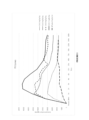
- Blood concentrations of coxib were present at clinically significant levels for more than 168 hours following administration of the composition, as shown in Figure 1 .
- Topical Formulation Master Formula w/w% ID PAH-16-04-004 PAH-100 7.5 Propylene Glycol (PG) 45 Propylene Carbonate (PC) 27.5 n-methyl pyrrolidone (NMP) 20 Total 100
- Topical Formulation Master Formula w/w% Purpose PAH-100* (delivered as 50/50 racemic mixture) 5 API Propylene Glycol (PG) 40 Solvent Propylene Carbonate (PC) 40 Penetration Enhancer Ethanol * * 15 Co-solvent, additional penetration enhancer, preservative, viscosity reducer Total 100 * API quantity is adjusted purity and moisture. ** Excipient quantity is adjusted as needed.
- PAH18-21 evaluated a single subcutaneous injection of a 6% PAH-100 formulation (formulation of Example IX) in eight dogs at a dosing concentration of 5 mg/kg. Injection site reactions consisted of barely perceptible to well defined erythema and edema and scabbing. Clinical observations included soft feces 5 - 11 days post dosing. One dog developed a salivary mucocele at the blood collection site. This reaction is not related to blood collection or treatment with a 6% PAH-100 injectable formulation.
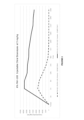
- Figure 2 Mean 6% PAH-100 Plasma Concentration-Time Profiles of the (R) and (S) Isomers Following a Single Subcutaneous Injection of 5 mg/kg in Dogs.
- Figure 2 illustrates the chiral analysis of the (R) and (S) isomer in the plasma of dogs dosed at 5 mg/kg with a 6% PAH-100 injectable formulation prepared as described in Example IX.
- PAH17-015 and PAH18-011 Two safety/ pharmacokinetic studies, (PAH17-015 and PAH18-011) were conducted at 3 mg/kg with a single injection of a 5% PAH-100 formulation (formulation of Example IX) in dogs. In both studies, dogs were dosed subcutaneously between the shoulder blades and injection site reactions were evaluated. Dermal irritation at the site of injection consisted of discoloration and scabbing, warm to the touch, and slight erythema. Clinical observations included vocalization, salivation, excessive scratching at the injection site and soft feces.
- Study PAH17-024 evaluated a once a week subcutaneous dose of a 5% PAH-100 formulation (formulation of Example IX) at dosing concentrations of 3 mg/kg and 15 mg/kg for 3-weeks. Clinical observations and dermal irritation at the site of injection were identical to dogs administered a single 3 mg/kg dose. Additional safety assessments included in this study was based on electrocardiographic examinations, clinical and anatomic pathology. Results confirmed there was no effect of the subcutaneous injection of PAH-100 on qualitative or quantitative ECG parameters, clinical pathology values, and histologic findings. Red discoloration in the subcutis at the injection site of 1 dog dosed at 3 mg/kg dose. All other macroscopic changes were considered incidental and not related to the test article.
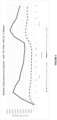
- Figure 3 Mean 5% PAH-100 Plasma Concentration-Time Profiles Following a Single Subcutaneous Injection of 3 mg/kg in Dogs.
- Figure 3 illustrates the PK curves of the first 3 mg/kg injection from all three studies.
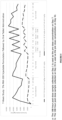
- Figure 4 Mean Plasma Concentration-Time Profiles Following Weekly Subcutaneous Injection for 3-Weeks. Figure 4 details the plasma concentrations in dogs dosed at 3 mg/kg and 15 mg/kg weekly for 3-weeks, Study PAH17-024.
- Study PAH17-016 assessed the safety and pharmacokinetics of a dosing regimen where dogs were received a single subcutaneous injection of a 5% PAH-100 formulation (formulation of Example IX) at dosing concentrations of 2 mg/kg or 10 mg/kg, followed by a weekly oral administration with PAH-100 tablets (formulation of Example VIII) starting 7 days post-injection. Dogs were orally dosed once a week for 6 weeks at dosing concentrations of 1 mg/kg or 5 mg/kg. Injection site reactions, clinical pathology values, and histologic findings were evaluated. Dermal irritation and clinical observations included excessive scratching, mild hair loss, and scabbing at injection site, vocalization during injection, salivation, and soft feces. A nodule developed at the injection site of one dog. There were no test article effects on clinical pathology endpoints. There was no test article related changes macroscopically or microscopically in tissues collected at necropsy.
- Figure 5 Mean Plasma Concentration-Time Profiles Following a Single Subcutaneous Injection Followed by Oral Tablet Administration at 1X and 5X dose.
- Figure 5 illustrates the plasma concentrations in dogs subcutaneously treated weekly for 3-weeks at 3 mg/kg and 15 mg/kg.
- PAH-100 Oral Tablet Efficacy (PAH16-013)
- Figure 6 Mean Plasma Concentration-Time Profiles Following Oral Administration with PAH-100 Tablet at 3 mg/kg. Figure 6 details the mean PAH-100 plasma concentrations in dogs treated orally at 3 mg/kg.
- Dogs enrolled in the study were undergoing either CCL extracapsular repair or OVH surgery. On Day 0, a physical examination was conducted, a baseline pain assessment score was assigned, and blood and serum samples were collected for clinical pathology testing. The IVP or CVP was given 1 hour prior to intubation and then surgery was performed. Dogs were assigned pain scores at specified times through 8 hours post-extubation, unless they required rescue analgesia for pain scores of 6 or greater.
- the primary IVP efficacy in the 6 OVH cases and 6 CCL cases was 33.3% and 83.3%, respectively.
- the CVP efficacy in the 13 OVH cases and 11 CCL cases was 38.5% and 45.5%, respectively.
Landscapes
- Health & Medical Sciences (AREA)
- Chemical & Material Sciences (AREA)
- Life Sciences & Earth Sciences (AREA)
- Medicinal Chemistry (AREA)
- Pharmacology & Pharmacy (AREA)
- Animal Behavior & Ethology (AREA)
- General Health & Medical Sciences (AREA)
- Public Health (AREA)
- Veterinary Medicine (AREA)
- Epidemiology (AREA)
- General Chemical & Material Sciences (AREA)
- Chemical Kinetics & Catalysis (AREA)
- Engineering & Computer Science (AREA)
- Oil, Petroleum & Natural Gas (AREA)
- Dermatology (AREA)
- Organic Chemistry (AREA)
- Nuclear Medicine, Radiotherapy & Molecular Imaging (AREA)
- Pain & Pain Management (AREA)
- Rheumatology (AREA)
- Emergency Medicine (AREA)
- Molecular Biology (AREA)
- Bioinformatics & Cheminformatics (AREA)
- Biomedical Technology (AREA)
- Neurology (AREA)
- Neurosurgery (AREA)
- Biophysics (AREA)
- Biochemistry (AREA)
- Pharmaceuticals Containing Other Organic And Inorganic Compounds (AREA)
- Medicinal Preparation (AREA)
- Medicines That Contain Protein Lipid Enzymes And Other Medicines (AREA)
- Acyclic And Carbocyclic Compounds In Medicinal Compositions (AREA)
Priority Applications (2)
| Application Number | Priority Date | Filing Date | Title |
|---|---|---|---|
| EP24174213.9A EP4389147A3 (en) | 2017-08-09 | 2018-08-09 | Therapeutic formulations and uses thereof |
| HRP20241063TT HRP20241063T1 (hr) | 2017-08-09 | 2018-08-09 | Terapeutske formulacije koje sadrže cox-2 inhibitor i njihove uporabe |
Applications Claiming Priority (3)
| Application Number | Priority Date | Filing Date | Title |
|---|---|---|---|
| US201762543215P | 2017-08-09 | 2017-08-09 | |
| US201762594399P | 2017-12-04 | 2017-12-04 | |
| PCT/US2018/046130 WO2019032910A1 (en) | 2017-08-09 | 2018-08-09 | THERAPEUTIC FORMULATIONS AND USES THEREOF |
Related Child Applications (1)
| Application Number | Title | Priority Date | Filing Date |
|---|---|---|---|
| EP24174213.9A Division EP4389147A3 (en) | 2017-08-09 | 2018-08-09 | Therapeutic formulations and uses thereof |
Publications (3)
| Publication Number | Publication Date |
|---|---|
| EP3664800A1 EP3664800A1 (en) | 2020-06-17 |
| EP3664800A4 EP3664800A4 (en) | 2021-09-01 |
| EP3664800B1 true EP3664800B1 (en) | 2024-05-08 |
Family
ID=65272625
Family Applications (2)
| Application Number | Title | Priority Date | Filing Date |
|---|---|---|---|
| EP18843332.0A Active EP3664800B1 (en) | 2017-08-09 | 2018-08-09 | Therapeutic formulations comprising cox-2 inhibitor and uses thereof |
| EP24174213.9A Withdrawn EP4389147A3 (en) | 2017-08-09 | 2018-08-09 | Therapeutic formulations and uses thereof |
Family Applications After (1)
| Application Number | Title | Priority Date | Filing Date |
|---|---|---|---|
| EP24174213.9A Withdrawn EP4389147A3 (en) | 2017-08-09 | 2018-08-09 | Therapeutic formulations and uses thereof |
Country Status (13)
| Country | Link |
|---|---|
| US (3) | US20190142789A1 (pl) |
| EP (2) | EP3664800B1 (pl) |
| JP (2) | JP2020530462A (pl) |
| AU (2) | AU2018313933B2 (pl) |
| CA (1) | CA3072335A1 (pl) |
| DK (1) | DK3664800T3 (pl) |
| ES (1) | ES2984268T3 (pl) |
| FI (1) | FI3664800T3 (pl) |
| HR (1) | HRP20241063T1 (pl) |
| HU (1) | HUE068027T2 (pl) |
| PL (1) | PL3664800T3 (pl) |
| PT (1) | PT3664800T (pl) |
| WO (1) | WO2019032910A1 (pl) |
Families Citing this family (1)
| Publication number | Priority date | Publication date | Assignee | Title |
|---|---|---|---|---|
| CN118750482A (zh) * | 2019-11-01 | 2024-10-11 | 德克拉兽医产品公司 | 治疗调配物及其用途 |
Family Cites Families (19)
| Publication number | Priority date | Publication date | Assignee | Title |
|---|---|---|---|---|
| DE3437232A1 (de) * | 1984-10-10 | 1986-04-17 | Mack Chem Pharm | Stabilisierte injektionsloesungen von piroxicam |
| NZ270145A (en) * | 1994-03-01 | 1996-08-27 | Lilly Co Eli | Non-aqueous pharmaceutical formulation for oral administration comprising water-insoluble active agent, fatty acid solubilising agent, an oil and a surface active agent |
| GB9804886D0 (en) * | 1998-03-06 | 1998-04-29 | Merck Sharp & Dohme | Therapeutic combination |
| US20040105885A1 (en) * | 2001-04-17 | 2004-06-03 | Ping Gao | Gelatin capsule exhibiting reduced cross-linking |
| US20050101563A1 (en) * | 2001-08-14 | 2005-05-12 | Pharmacia Corporation | Method and compositions for the treatment and prevention of pain and inflammation |
| US20040138296A1 (en) * | 2002-08-12 | 2004-07-15 | Pharmacia Corporation | Amyloid immunization and Cox-2 inhibitors for the treatment of alzheimer's disease |
| US20040235925A1 (en) * | 2002-12-17 | 2004-11-25 | Pharmacia Corporation | Method for the treatment, prevention, or inhibition of a CNS disorder and/or pain and inflammation using a combination of duloxetine, venlafaxine or atomoxetine and a cyclooxygenase-2 selective inhibitor and compositions thereof |
| US20050107349A1 (en) * | 2003-07-24 | 2005-05-19 | Pharmacia Corporation | Method for the treatment or prevention of respiratory disorders with a cyclooxygenase-2 inhibitor in combination with a muscarinic receptor antagonist and compositions therewith |
| KR20070028331A (ko) * | 2004-03-10 | 2007-03-12 | 쉬모다 바이오테크(피티와이) 리미티드 | 안정된 주사용 디클로페낙 조성물 |
| JP2008519032A (ja) * | 2004-11-03 | 2008-06-05 | キュラジェン コーポレイション | Fgf−20の調合物、生成方法および使用 |
| WO2008051889A1 (en) * | 2006-10-24 | 2008-05-02 | The Johns Hopkins University | Rapid release mini-tablets provide analgesia in laboratory animals |
| WO2010128095A1 (en) * | 2009-05-07 | 2010-11-11 | Novartis Ag | Ectoparasiticidal compositions |
| JP2013538207A (ja) * | 2010-08-23 | 2013-10-10 | イッスム・リサーチ・ディベロップメント・カンパニー・オブ・ザ・ヘブルー・ユニバーシティ・オブ・エルサレム・リミテッド | 活性剤の胃送達用組成物 |
| US9447065B2 (en) * | 2011-10-18 | 2016-09-20 | Raqualia Pharma Inc. | Pharmaceutical composition |
| AU2013338098B2 (en) * | 2012-10-30 | 2018-03-15 | Nektar Therapeutics | Solid salt form of alpha-6-mPEG6-O-hydroxycodone as opioid agonists and uses thereof |
| UA119324C2 (uk) * | 2013-04-02 | 2019-06-10 | Теміс Медікер Лімітед | Композиції фармацевтично активних речовин, що містять моноетиловий ефір діетиленгліколю або інші алкільні похідні |
| JP6777734B2 (ja) * | 2015-06-10 | 2020-10-28 | ピードモント アニマル ヘルス インコーポレイテッド | 注射可能な抗生物質製剤及びその使用 |
| US20180256622A1 (en) * | 2017-03-10 | 2018-09-13 | Piedmont Animal Health, Llc | Injectable antibiotic formulations and use thereof |
| US10555899B2 (en) * | 2017-06-05 | 2020-02-11 | Piedmont Animal Health, Llc | Long-acting non-aqueous injectable formulations and use thereof |
-
2018
- 2018-08-09 US US16/100,035 patent/US20190142789A1/en not_active Abandoned
- 2018-08-09 PT PT188433320T patent/PT3664800T/pt unknown
- 2018-08-09 ES ES18843332T patent/ES2984268T3/es active Active
- 2018-08-09 HU HUE18843332A patent/HUE068027T2/hu unknown
- 2018-08-09 EP EP18843332.0A patent/EP3664800B1/en active Active
- 2018-08-09 EP EP24174213.9A patent/EP4389147A3/en not_active Withdrawn
- 2018-08-09 JP JP2020507052A patent/JP2020530462A/ja active Pending
- 2018-08-09 DK DK18843332.0T patent/DK3664800T3/da active
- 2018-08-09 PL PL18843332.0T patent/PL3664800T3/pl unknown
- 2018-08-09 AU AU2018313933A patent/AU2018313933B2/en not_active Ceased
- 2018-08-09 CA CA3072335A patent/CA3072335A1/en active Pending
- 2018-08-09 HR HRP20241063TT patent/HRP20241063T1/hr unknown
- 2018-08-09 WO PCT/US2018/046130 patent/WO2019032910A1/en not_active Ceased
- 2018-08-09 FI FIEP18843332.0T patent/FI3664800T3/fi active
-
2023
- 2023-05-12 US US18/196,956 patent/US20230285354A1/en not_active Abandoned
- 2023-07-19 JP JP2023117536A patent/JP2023134739A/ja active Pending
- 2023-10-23 US US18/492,718 patent/US20240100014A1/en not_active Abandoned
-
2024
- 2024-05-15 AU AU2024203213A patent/AU2024203213A1/en not_active Abandoned
Also Published As
| Publication number | Publication date |
|---|---|
| FI3664800T3 (fi) | 2024-08-07 |
| HUE068027T2 (hu) | 2024-12-28 |
| ES2984268T3 (es) | 2024-10-29 |
| PL3664800T3 (pl) | 2024-11-18 |
| US20230285354A1 (en) | 2023-09-14 |
| JP2020530462A (ja) | 2020-10-22 |
| JP2023134739A (ja) | 2023-09-27 |
| EP3664800A1 (en) | 2020-06-17 |
| HRP20241063T1 (hr) | 2024-11-08 |
| EP4389147A2 (en) | 2024-06-26 |
| AU2018313933B2 (en) | 2024-03-07 |
| AU2018313933A1 (en) | 2020-03-12 |
| EP4389147A3 (en) | 2024-10-23 |
| EP3664800A4 (en) | 2021-09-01 |
| CA3072335A1 (en) | 2019-02-14 |
| US20240100014A1 (en) | 2024-03-28 |
| DK3664800T3 (da) | 2024-07-22 |
| AU2024203213A1 (en) | 2024-05-30 |
| US20190142789A1 (en) | 2019-05-16 |
| PT3664800T (pt) | 2024-08-14 |
| WO2019032910A1 (en) | 2019-02-14 |
Similar Documents
| Publication | Publication Date | Title |
|---|---|---|
| JP7752051B2 (ja) | 長時間作用型注射用製剤およびその使用 | |
| CA2728727C (en) | Pharmaceutical transdermal compositions and method for treating inflammation in cattle | |
| JP2012500800A (ja) | 神経因性疼痛の治療法 | |
| EP2231116A1 (en) | Pharmaceutical formulations containing tolperisone | |
| TW201010708A (en) | Composition comprising an antibiotic and a corticosteroid | |
| US20240100014A1 (en) | Therapeutic formulations and uses thereof | |
| JP2005531612A (ja) | ネフォパムの製剤および痛みの治療におけるその使用 | |
| US20210186923A1 (en) | Therapeutic formulations and uses thereof | |
| EP4233854A2 (en) | Therapeutic formulations and uses thereof | |
| HK40112276A (en) | Therapeutic formulations and uses thereof | |
| HK40101332A (en) | Therapeutic formulations and uses thereof | |
| HK40027580A (en) | Therapeutic formulations comprising cox-2 inhibitor and uses thereof | |
| HK40027580B (en) | Therapeutic formulations comprising cox-2 inhibitor and uses thereof |
Legal Events
| Date | Code | Title | Description |
|---|---|---|---|
| REG | Reference to a national code |
Ref country code: HR Ref legal event code: TUEP Ref document number: P20241063T Country of ref document: HR |
|
| STAA | Information on the status of an ep patent application or granted ep patent |
Free format text: STATUS: THE INTERNATIONAL PUBLICATION HAS BEEN MADE |
|
| PUAI | Public reference made under article 153(3) epc to a published international application that has entered the european phase |
Free format text: ORIGINAL CODE: 0009012 |
|
| STAA | Information on the status of an ep patent application or granted ep patent |
Free format text: STATUS: REQUEST FOR EXAMINATION WAS MADE |
|
| 17P | Request for examination filed |
Effective date: 20200228 |
|
| AK | Designated contracting states |
Kind code of ref document: A1 Designated state(s): AL AT BE BG CH CY CZ DE DK EE ES FI FR GB GR HR HU IE IS IT LI LT LU LV MC MK MT NL NO PL PT RO RS SE SI SK SM TR |
|
| AX | Request for extension of the european patent |
Extension state: BA ME |
|
| DAV | Request for validation of the european patent (deleted) | ||
| DAX | Request for extension of the european patent (deleted) | ||
| REG | Reference to a national code |
Ref country code: HK Ref legal event code: DE Ref document number: 40027580 Country of ref document: HK |
|
| A4 | Supplementary search report drawn up and despatched |
Effective date: 20210803 |
|
| RIC1 | Information provided on ipc code assigned before grant |
Ipc: A61K 31/4155 20060101AFI20210728BHEP Ipc: A61K 9/08 20060101ALI20210728BHEP Ipc: A61P 29/00 20060101ALI20210728BHEP Ipc: A61K 47/26 20060101ALI20210728BHEP Ipc: A61K 47/22 20060101ALI20210728BHEP Ipc: A61K 31/485 20060101ALI20210728BHEP Ipc: A61K 31/635 20060101ALI20210728BHEP Ipc: A61K 31/353 20060101ALI20210728BHEP Ipc: A61K 9/00 20060101ALI20210728BHEP Ipc: A61K 47/10 20170101ALI20210728BHEP |
|
| STAA | Information on the status of an ep patent application or granted ep patent |
Free format text: STATUS: EXAMINATION IS IN PROGRESS |
|
| 17Q | First examination report despatched |
Effective date: 20221007 |
|
| GRAP | Despatch of communication of intention to grant a patent |
Free format text: ORIGINAL CODE: EPIDOSNIGR1 |
|
| STAA | Information on the status of an ep patent application or granted ep patent |
Free format text: STATUS: GRANT OF PATENT IS INTENDED |
|
| INTG | Intention to grant announced |
Effective date: 20231206 |
|
| RAP1 | Party data changed (applicant data changed or rights of an application transferred) |
Owner name: DECHRA VETERINARY PRODUCTS, LLC |
|
| GRAS | Grant fee paid |
Free format text: ORIGINAL CODE: EPIDOSNIGR3 |
|
| GRAA | (expected) grant |
Free format text: ORIGINAL CODE: 0009210 |
|
| STAA | Information on the status of an ep patent application or granted ep patent |
Free format text: STATUS: THE PATENT HAS BEEN GRANTED |
|
| AK | Designated contracting states |
Kind code of ref document: B1 Designated state(s): AL AT BE BG CH CY CZ DE DK EE ES FI FR GB GR HR HU IE IS IT LI LT LU LV MC MK MT NL NO PL PT RO RS SE SI SK SM TR |
|
| REG | Reference to a national code |
Ref country code: GB Ref legal event code: FG4D |
|
| REG | Reference to a national code |
Ref country code: CH Ref legal event code: EP |
|
| REG | Reference to a national code |
Ref country code: DE Ref legal event code: R096 Ref document number: 602018069354 Country of ref document: DE |
|
| REG | Reference to a national code |
Ref country code: IE Ref legal event code: FG4D |
|
| REG | Reference to a national code |
Ref country code: DK Ref legal event code: T3 Effective date: 20240715 |
|
| REG | Reference to a national code |
Ref country code: FI Ref legal event code: FGE |
|
| REG | Reference to a national code |
Ref country code: PT Ref legal event code: SC4A Ref document number: 3664800 Country of ref document: PT Date of ref document: 20240814 Kind code of ref document: T Free format text: AVAILABILITY OF NATIONAL TRANSLATION Effective date: 20240808 Ref country code: NL Ref legal event code: FP |
|
| REG | Reference to a national code |
Ref country code: SE Ref legal event code: TRGR |
|
| P01 | Opt-out of the competence of the unified patent court (upc) registered |
Free format text: CASE NUMBER: APP_40982/2024 Effective date: 20240710 |
|
| REG | Reference to a national code |
Ref country code: LT Ref legal event code: MG9D |
|
| PGFP | Annual fee paid to national office [announced via postgrant information from national office to epo] |
Ref country code: NL Payment date: 20240812 Year of fee payment: 7 |
|
| PG25 | Lapsed in a contracting state [announced via postgrant information from national office to epo] |
Ref country code: IS Free format text: LAPSE BECAUSE OF FAILURE TO SUBMIT A TRANSLATION OF THE DESCRIPTION OR TO PAY THE FEE WITHIN THE PRESCRIBED TIME-LIMIT Effective date: 20240908 |
|
| PG25 | Lapsed in a contracting state [announced via postgrant information from national office to epo] |
Ref country code: BG Free format text: LAPSE BECAUSE OF FAILURE TO SUBMIT A TRANSLATION OF THE DESCRIPTION OR TO PAY THE FEE WITHIN THE PRESCRIBED TIME-LIMIT Effective date: 20240508 |
|
| PGFP | Annual fee paid to national office [announced via postgrant information from national office to epo] |
Ref country code: FI Payment date: 20240805 Year of fee payment: 7 Ref country code: DE Payment date: 20240807 Year of fee payment: 7 Ref country code: IE Payment date: 20240805 Year of fee payment: 7 |
|
| PGFP | Annual fee paid to national office [announced via postgrant information from national office to epo] |
Ref country code: DK Payment date: 20240814 Year of fee payment: 7 Ref country code: GR Payment date: 20240822 Year of fee payment: 7 |
|
| PGFP | Annual fee paid to national office [announced via postgrant information from national office to epo] |
Ref country code: GB Payment date: 20240704 Year of fee payment: 7 Ref country code: PT Payment date: 20240816 Year of fee payment: 7 |
|
| PGFP | Annual fee paid to national office [announced via postgrant information from national office to epo] |
Ref country code: BE Payment date: 20240812 Year of fee payment: 7 |
|
| PGFP | Annual fee paid to national office [announced via postgrant information from national office to epo] |
Ref country code: FR Payment date: 20240808 Year of fee payment: 7 |
|
| PGFP | Annual fee paid to national office [announced via postgrant information from national office to epo] |
Ref country code: CH Payment date: 20240901 Year of fee payment: 7 Ref country code: ES Payment date: 20240909 Year of fee payment: 7 |
|
| PGFP | Annual fee paid to national office [announced via postgrant information from national office to epo] |
Ref country code: CZ Payment date: 20240725 Year of fee payment: 7 |
|
| PGFP | Annual fee paid to national office [announced via postgrant information from national office to epo] |
Ref country code: AT Payment date: 20240805 Year of fee payment: 7 |
|
| REG | Reference to a national code |
Ref country code: GR Ref legal event code: EP Ref document number: 20240401814 Country of ref document: GR Effective date: 20241007 |
|
| REG | Reference to a national code |
Ref country code: HR Ref legal event code: ODRP Ref document number: P20241063T Country of ref document: HR Payment date: 20240809 Year of fee payment: 7 |
|
| PGFP | Annual fee paid to national office [announced via postgrant information from national office to epo] |
Ref country code: HU Payment date: 20240725 Year of fee payment: 7 |
|
| REG | Reference to a national code |
Ref country code: ES Ref legal event code: FG2A Ref document number: 2984268 Country of ref document: ES Kind code of ref document: T3 Effective date: 20241029 |
|
| PG25 | Lapsed in a contracting state [announced via postgrant information from national office to epo] |
Ref country code: LV Free format text: LAPSE BECAUSE OF FAILURE TO SUBMIT A TRANSLATION OF THE DESCRIPTION OR TO PAY THE FEE WITHIN THE PRESCRIBED TIME-LIMIT Effective date: 20240508 |
|
| PG25 | Lapsed in a contracting state [announced via postgrant information from national office to epo] |
Ref country code: LV Free format text: LAPSE BECAUSE OF FAILURE TO SUBMIT A TRANSLATION OF THE DESCRIPTION OR TO PAY THE FEE WITHIN THE PRESCRIBED TIME-LIMIT Effective date: 20240508 Ref country code: IS Free format text: LAPSE BECAUSE OF FAILURE TO SUBMIT A TRANSLATION OF THE DESCRIPTION OR TO PAY THE FEE WITHIN THE PRESCRIBED TIME-LIMIT Effective date: 20240908 Ref country code: BG Free format text: LAPSE BECAUSE OF FAILURE TO SUBMIT A TRANSLATION OF THE DESCRIPTION OR TO PAY THE FEE WITHIN THE PRESCRIBED TIME-LIMIT Effective date: 20240508 Ref country code: RS Free format text: LAPSE BECAUSE OF FAILURE TO SUBMIT A TRANSLATION OF THE DESCRIPTION OR TO PAY THE FEE WITHIN THE PRESCRIBED TIME-LIMIT Effective date: 20240808 |
|
| PGFP | Annual fee paid to national office [announced via postgrant information from national office to epo] |
Ref country code: RO Payment date: 20240729 Year of fee payment: 7 Ref country code: NO Payment date: 20240805 Year of fee payment: 7 Ref country code: SE Payment date: 20240814 Year of fee payment: 7 Ref country code: IT Payment date: 20240805 Year of fee payment: 7 |
|
| REG | Reference to a national code |
Ref country code: HR Ref legal event code: T1PR Ref document number: P20241063 Country of ref document: HR |
|
| PGFP | Annual fee paid to national office [announced via postgrant information from national office to epo] |
Ref country code: TR Payment date: 20240806 Year of fee payment: 7 |
|
| REG | Reference to a national code |
Ref country code: HU Ref legal event code: AG4A Ref document number: E068027 Country of ref document: HU |
|
| PGFP | Annual fee paid to national office [announced via postgrant information from national office to epo] |
Ref country code: PL Payment date: 20240730 Year of fee payment: 7 |
|
| PG25 | Lapsed in a contracting state [announced via postgrant information from national office to epo] |
Ref country code: EE Free format text: LAPSE BECAUSE OF FAILURE TO SUBMIT A TRANSLATION OF THE DESCRIPTION OR TO PAY THE FEE WITHIN THE PRESCRIBED TIME-LIMIT Effective date: 20240508 |
|
| PGFP | Annual fee paid to national office [announced via postgrant information from national office to epo] |
Ref country code: HR Payment date: 20241021 Year of fee payment: 7 |
|
| PG25 | Lapsed in a contracting state [announced via postgrant information from national office to epo] |
Ref country code: SK Free format text: LAPSE BECAUSE OF FAILURE TO SUBMIT A TRANSLATION OF THE DESCRIPTION OR TO PAY THE FEE WITHIN THE PRESCRIBED TIME-LIMIT Effective date: 20240508 |
|
| PG25 | Lapsed in a contracting state [announced via postgrant information from national office to epo] |
Ref country code: SM Free format text: LAPSE BECAUSE OF FAILURE TO SUBMIT A TRANSLATION OF THE DESCRIPTION OR TO PAY THE FEE WITHIN THE PRESCRIBED TIME-LIMIT Effective date: 20240508 |
|
| PG25 | Lapsed in a contracting state [announced via postgrant information from national office to epo] |
Ref country code: SM Free format text: LAPSE BECAUSE OF FAILURE TO SUBMIT A TRANSLATION OF THE DESCRIPTION OR TO PAY THE FEE WITHIN THE PRESCRIBED TIME-LIMIT Effective date: 20240508 Ref country code: SK Free format text: LAPSE BECAUSE OF FAILURE TO SUBMIT A TRANSLATION OF THE DESCRIPTION OR TO PAY THE FEE WITHIN THE PRESCRIBED TIME-LIMIT Effective date: 20240508 Ref country code: EE Free format text: LAPSE BECAUSE OF FAILURE TO SUBMIT A TRANSLATION OF THE DESCRIPTION OR TO PAY THE FEE WITHIN THE PRESCRIBED TIME-LIMIT Effective date: 20240508 |
|
| REG | Reference to a national code |
Ref country code: DE Ref legal event code: R097 Ref document number: 602018069354 Country of ref document: DE |
|
| PLBE | No opposition filed within time limit |
Free format text: ORIGINAL CODE: 0009261 |
|
| STAA | Information on the status of an ep patent application or granted ep patent |
Free format text: STATUS: NO OPPOSITION FILED WITHIN TIME LIMIT |
|
| 26N | No opposition filed |
Effective date: 20250211 |
|
| PG25 | Lapsed in a contracting state [announced via postgrant information from national office to epo] |
Ref country code: LU Free format text: LAPSE BECAUSE OF NON-PAYMENT OF DUE FEES Effective date: 20240809 |
|
| PG25 | Lapsed in a contracting state [announced via postgrant information from national office to epo] |
Ref country code: SI Free format text: LAPSE BECAUSE OF FAILURE TO SUBMIT A TRANSLATION OF THE DESCRIPTION OR TO PAY THE FEE WITHIN THE PRESCRIBED TIME-LIMIT Effective date: 20240508 Ref country code: MC Free format text: LAPSE BECAUSE OF FAILURE TO SUBMIT A TRANSLATION OF THE DESCRIPTION OR TO PAY THE FEE WITHIN THE PRESCRIBED TIME-LIMIT Effective date: 20240508 |
|
| PG25 | Lapsed in a contracting state [announced via postgrant information from national office to epo] |
Ref country code: CY Free format text: LAPSE BECAUSE OF FAILURE TO SUBMIT A TRANSLATION OF THE DESCRIPTION OR TO PAY THE FEE WITHIN THE PRESCRIBED TIME-LIMIT; INVALID AB INITIO Effective date: 20180809 |
|
| REG | Reference to a national code |
Ref country code: HR Ref legal event code: PBON Ref document number: P20241063 Country of ref document: HR Effective date: 20250809 |
|
| REG | Reference to a national code |
Ref country code: DK Ref legal event code: EBP Effective date: 20250831 |
|
| REG | Reference to a national code |
Ref country code: CH Ref legal event code: H13 Free format text: ST27 STATUS EVENT CODE: U-0-0-H10-H13 (AS PROVIDED BY THE NATIONAL OFFICE) Effective date: 20260324 |