EP3655014B1 - Clusterin zur verwendung bei der behandlung von thrombotischen mikroangiopathien - Google Patents
Clusterin zur verwendung bei der behandlung von thrombotischen mikroangiopathien Download PDFInfo
- Publication number
- EP3655014B1 EP3655014B1 EP18752824.5A EP18752824A EP3655014B1 EP 3655014 B1 EP3655014 B1 EP 3655014B1 EP 18752824 A EP18752824 A EP 18752824A EP 3655014 B1 EP3655014 B1 EP 3655014B1
- Authority
- EP
- European Patent Office
- Prior art keywords
- clusterin
- treatment
- mat
- patient
- patients
- Prior art date
- Legal status (The legal status is an assumption and is not a legal conclusion. Google has not performed a legal analysis and makes no representation as to the accuracy of the status listed.)
- Active
Links
Images




Classifications
-
- A—HUMAN NECESSITIES
- A61—MEDICAL OR VETERINARY SCIENCE; HYGIENE
- A61K—PREPARATIONS FOR MEDICAL, DENTAL OR TOILETRY PURPOSES
- A61K38/00—Medicinal preparations containing peptides
- A61K38/16—Peptides having more than 20 amino acids; Gastrins; Somatostatins; Melanotropins; Derivatives thereof
- A61K38/17—Peptides having more than 20 amino acids; Gastrins; Somatostatins; Melanotropins; Derivatives thereof from animals; from humans
- A61K38/1703—Peptides having more than 20 amino acids; Gastrins; Somatostatins; Melanotropins; Derivatives thereof from animals; from humans from vertebrates
- A61K38/1709—Peptides having more than 20 amino acids; Gastrins; Somatostatins; Melanotropins; Derivatives thereof from animals; from humans from vertebrates from mammals
-
- A—HUMAN NECESSITIES
- A61—MEDICAL OR VETERINARY SCIENCE; HYGIENE
- A61P—SPECIFIC THERAPEUTIC ACTIVITY OF CHEMICAL COMPOUNDS OR MEDICINAL PREPARATIONS
- A61P9/00—Drugs for disorders of the cardiovascular system
- A61P9/10—Drugs for disorders of the cardiovascular system for treating ischaemic or atherosclerotic diseases, e.g. antianginal drugs, coronary vasodilators, drugs for myocardial infarction, retinopathy, cerebrovascula insufficiency, renal arteriosclerosis
-
- G—PHYSICS
- G01—MEASURING; TESTING
- G01N—INVESTIGATING OR ANALYSING MATERIALS BY DETERMINING THEIR CHEMICAL OR PHYSICAL PROPERTIES
- G01N33/00—Investigating or analysing materials by specific methods not covered by groups G01N1/00 - G01N31/00
- G01N33/48—Biological material, e.g. blood, urine; Haemocytometers
- G01N33/50—Chemical analysis of biological material, e.g. blood, urine; Testing involving biospecific ligand binding methods; Immunological testing
- G01N33/92—Chemical analysis of biological material, e.g. blood, urine; Testing involving biospecific ligand binding methods; Immunological testing involving lipids, e.g. cholesterol, lipoproteins, or their receptors
-
- G—PHYSICS
- G01—MEASURING; TESTING
- G01N—INVESTIGATING OR ANALYSING MATERIALS BY DETERMINING THEIR CHEMICAL OR PHYSICAL PROPERTIES
- G01N2800/00—Detection or diagnosis of diseases
- G01N2800/22—Haematology
-
- G—PHYSICS
- G01—MEASURING; TESTING
- G01N—INVESTIGATING OR ANALYSING MATERIALS BY DETERMINING THEIR CHEMICAL OR PHYSICAL PROPERTIES
- G01N2800/00—Detection or diagnosis of diseases
- G01N2800/22—Haematology
- G01N2800/226—Thrombotic disorders, i.e. thrombo-embolism irrespective of location/organ involved, e.g. renal vein thrombosis, venous thrombosis
Definitions
- the present invention relates to the use of a protein for its use in the treatment of thrombotic microangiopathies, as well as to an ex vivo process for stratifying a patient suffering from MAT or likely to have it.
- thrombotic microangiopathy groups together a set of rare diseases characterized by the occurrence of endothelial lesions which result in the occlusion of small-caliber vessels by thrombosis and which result in tissue ischemia. Tissue ischemia is responsible for cell destruction and the release into the extracellular environment by dying cells of molecules normally confined in the cell. These dangerous molecules are pro-inflammatory and have a cytotoxic action for the host's cells. Recent data identify histones (in free form or complexed with DNA) as dangerous molecules whose role is central in MAT.
- MAT are life-threatening pathologies, the kidney and brain being the most frequently affected target organs.
- the most common forms of MAT are thrombotic thrombocytopenic purpura (TTP), and hemolytic uremic syndrome (HUS), which can be either associated with bacteria or not associated with bacteria.
- HUS associated with bacteria is the most common form of HUS frequent (90% of HUS); several strains of bacteria (Escherichia coli O157: H7; shigella, pneumococci, Escherichia coli O104 in particular) are currently known to cause disease by secreting a toxin called shiga toxin.
- HUS not associated with bacteria represents approximately 10% of HUS where it is frequently found in the context of genetic susceptibility.
- the number of new cases of PTT is 5 to 10 cases per million inhabitants per year.
- the frequency of SHU is also very close to these values.
- MAT includes, in addition to these more classic forms, HELLP syndrome, which is a serious complication or variant of pre-eclampsia in pregnant women, characterized by hemolysis, increased liver enzymes and low platelet count. .
- HELLP syndrome is a serious complication or variant of pre-eclampsia in pregnant women, characterized by hemolysis, increased liver enzymes and low platelet count.
- Plasma exchanges aim to provide large volumes of plasma obtained from voluntary donors and which contain the ADAMTS13 protein (in PTT) or complement proteins (in HUS). Other treatments are often associated with it, in particular corticosteroids. When they are effective, the plasma exchanges are continued until a lasting normalization of the platelet count (at least 48 hours) then they are gradually spaced out. However, in many cases plasma exchanges prove to be ineffective.
- an anti-CD20 antibody (Rituximab) aims to combat the production of antibodies by the patient by transiently destroying B lymphocytes. Its use is most often made within the framework of therapeutic protocols and in consultation with the reference center.
- Eculizumab In patients with so-called atypical idiopathic HUS, treatment includes drugs capable of blocking the complement proteins that cause the disease. Eculizumab is currently the only treatment authorized for the indication of atypical HUS. This treatment is extremely expensive since a 300mg vial of Eculizumab costs more than 4000 euros and in maintenance, the dosage is 1200mg per 14 days.
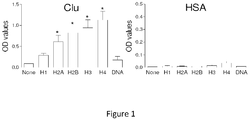
- clusterin binds to histones and that it inhibits the inflammatory and cytotoxic action thereof.
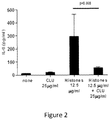
- clusterin binds to histones, molecules of danger with a central role in MAT. They also showed that clusterin neutralizes the actions of histones, on the one hand by blocking the production of pro-inflammatory molecules, in particular pro-inflammatory cytokines such as IL-6 and TNF ⁇ by human monocytes, and d on the other hand by blocking the induction of death endothelial cells, in particular by neutralizing the ability of histones to induce endothelial cell death. The inventors have also shown that the addition of clusterin to patient sera containing histones decreases their toxicity vis-à-vis endothelial cells.
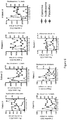
- the inventors have shown that the level of clusterin is correlated with the state of health of patients suffering from MAT. They were able to demonstrate that serum clusterin levels are lower in patients with MAT at diagnosis than in healthy subjects.
- the invention could facilitate the management of MAT for which current treatments depend on the aetiology.
- the use of clusterin could therefore be offered to any patient with MAT regardless of the aetiology, allowing faster treatment independent of the aetiological diagnosis.
- a first subject relates to clusterin for its use in the treatment of thrombotic microangiopathies.
- Clusterin also called apolipoprotein J, is a soluble heterodimeric glycoprotein of 80 kDa linked by disulfide bonds, highly conserved during evolution and among mammals. Clusterin is abundant in physiological fluids (at concentrations ranging from 100 to 300 ⁇ g / ml in human serum by way of example) and is induced in response to a wide variety of cell and tissue damage. Clusterin is known to have chaperone activity and is a functional homolog of small intracellular heat shock proteins (HSPs). It binds to the hydrophobic domains of non-native proteins and targets them for receptor-mediated internalization and intracellular lysosomal degradation. This function allows clusterin to interact with a broad spectrum of molecules, such as lipids, complement system components, amyloid plaque-forming proteins, and immunoglobulins.
- HSPs heat shock proteins
- Clusterin has, in the context of the present invention, its general meaning, and denotes a glycoprotein as described. above.
- Clusterin can be animal clusterin or human clusterin. It may be a clusterin chosen from the group comprising a plasma clusterin, a recombinant clusterin and a synthetic clusterin.
- Plasma clusterin can be obtained by purification from plasma, in particular human, by any purification method known to those skilled in the art, for example by means of immunoaffinity, cation exchange, plasma fractionation. and / or size exclusion chromatography.
- the recombinant clusterin can be obtained by standard recombinant DNA techniques, well known to those skilled in the art.
- a gene encoding a clusterin can be introduced by means of a vector into the genome of a producer species, such as a bacterium, a cultured mammalian cell or a transgenic animal.
- the vectors allowing the introduction, maintenance and expression of genes in a host cell are known to those skilled in the art. Generally, they possess sequences essential for the expression of the introduced gene, such as promoter sequences, polyadenylation sequences, and selection genes.
- Such vectors can be chosen from those known to those skilled in the art, for example from adenoviruses, retroviruses, plasmids or bacteriophages, this list not being limiting.
- Any mammalian cell can be used as a host cell, i.e. as a cell expressing the gene encoding clusterin, e.g. CHO, CHO dhfr- (e.g. CHO DX BII, CHO DG44), CHO Lec13, YB2 / 0, SP2 / 0, NSO, 293, BHK, Jurkat, Vero or COS.
- the synthetic clusterin can be obtained by any known method of de novo design of proteins other than that used for the preparation of recombinant protein, such as for example by assembly on a matrix.
- clusterin sequences of many species are known and can be used in the context of the invention.
- amino acid sequence of clusterin may be that of the sequence SEQ ID NO: 1.
- the clusterin used can be a variant having at least 70% identity with the sequence SEQ ID NO: 1, for example 70, 71, 72, 73, 74, 75, 76, 77, 78, 79, 80, 81, 82, 83, 84, 85, 86, 87, 88, 89, 90, 91, 92,93, 94, 95, 96, 97, 98, 99% or 100% identity with the sequence SEQ ID NO: 1
- the sequence identity can be determined by means of any suitable technique known to those skilled in the art, for example by means of a sequence alignment algorithm such as BLAST P.
- a variant of clusterin can be a variant whose function is preserved.
- a variant also refers to a polypeptide which has at least 70% amino acid identity and which has the same properties or functions identical or substantially similar to the native or parental protein to which it is compared.
- histone has its general meaning. Histones are small, basic proteins that are high in lysine or arginine and work in the packaging of DNA. Histones are very conserved and can be grouped into five major classes: H1 / H5, H2A, H2B, H3 and H4 organized into two superclasses of nucleus histones (H2A, H2B, H3 and H4) and binding histones ( HI and H5).
- a histone protein can be a full length histone, fragment or variant thereof.
- a histone variant can be modified, for example, by removing, adding and / or substituting amino acids.
- a histone can be modified by acetylation and / or methylation of lysine and arginine.
- the modifications do not substantially compromise the polycationic nature of the histone or the ability of the histone to localize in an organ.
- clusterin binds to histones so as to inhibit all or part of the inflammatory and / or toxic action thereof. This may be an inhibition of at least 20%, for example 30%, or 40%, or 50%, or 60%, or 70%, or 80%, or 90%, or 100%, of the inflammatory and / or toxic action of histones.
- clusterin blocks the production of pro-inflammatory molecules, in particular pro-inflammatory cytokines such as IL-6 and TNF ⁇ by human monocytes.
- pro-inflammatory cytokines such as IL-6 and TNF ⁇ by human monocytes.
- This may be the blocking of at least 20%, for example 30%, or 40%, or 50%, or 60%, or 70%, or 80%, or 90%, or 100%, of the production pro-inflammatory molecules.
- clusterin blocks the induction of endothelial cell death, in particular by neutralizing the capacity of histones to induce endothelial cell death. It may be the blockage of minus 20%, eg 30%, or 40%, or 50%, or 60%, or 70%, or 80%, or 90%, or 100%, of the induction of endothelial cell death.
- Thrombotic microangiopathies can be chosen from thrombotic thrombocytopenic purpura (PTT), hemolytic uremic syndrome (HUS) associated or not with bacteria, HELLP syndrome and secondary forms of MAT, for example those occurring during certain treatments, during chemotherapy, during cancer or during an allogeneic bone marrow transplant.
- PTT thrombotic thrombocytopenic purpura
- HUS hemolytic uremic syndrome
- secondary forms of MAT for example those occurring during certain treatments, during chemotherapy, during cancer or during an allogeneic bone marrow transplant.
- the term “treatment” is understood to mean the administration of clusterin to a subject either exhibiting one or more symptoms of MAT, or diagnosed for MAT without exhibiting symptoms of MAT, for example diagnosed. at an early stage of MAT.
- the treatment can be administered to treat any MAT, that is to say whether it is a SHU, a PTT, a HELLP syndrome or a secondary MAT, without the type of MAT having necessarily been determined beforehand. This has the advantage of being able to treat patients without waiting to have defined the subtype of MAT, and thus avoid the aggravation of the disease, and / or the appearance of symptoms.
- the treatment can be administered after dosage of clusterin, this dosage making it possible to stratify the patients and possibly to offer the treatment only to patients with low levels of clusterin, which is a marker of the severity of the disease.
- the treatment can be an improvement or disappearance of one or more symptoms of MAT, or a stabilization of all or part of the symptoms of MAT, or a slowing down of the progression of all or part of the symptoms of MAT.
- Treatment can be accomplished by administering a therapeutically effective dose of clusterin, which is a minimum dose to confer therapeutic benefit to a patient.
- a therapeutically effective dose of clusterin which is a minimum dose to confer therapeutic benefit to a patient.
- This may be a dose determined by the doctor depending on the pathology, stage of pathology, initial determination of the patient's and / or patient's clusterin level.
- the daily dose of clusterin can be between 0.01 and 1000 mg per adult per day. This may be for example a daily dose of 0.01, 0.05, 0.1, 0.5, 1.0, 2.5, 5.0, 10.0, 15.0, 25 , 0, 50.0, 100, 250 or 500 mg of clusterin.
- the dosage can be adapted according to the stage of treatment, for example be increased or decreased during treatment according to the observations of the doctor.
- the treatment can be administered by any suitable route of administration. It may for example be an oral administration or a parenteral administration of clusterin. In the case of parenteral administration, it may be, for example, intravenous administration, intramuscular administration or subcutaneous administration.
- clusterin can be administered as described above, in combination with at least one other active principle or treatment known in the treatment of MAT.
- PTT it may be at least one treatment chosen from among plasma exchanges, corticosteroid therapy, immunosuppressants, an anti-CD20 such as for example Rituximab, and a monoclonal antibody directed against von Willebrand factor. like Caplacizumab.
- typical HUS it may be at least one treatment chosen from symptomatic treatment, plasma exchanges, a monoclonal antibody directed against the C5 fraction of the complement such as for example Eculizumab and an anti-CD20 such as for example Rituximab.
- HUS it may be at least one treatment chosen from among plasma exchanges and a monoclonal antibody directed against the C5 fraction of the complement, such as Eculizumab.
- HELLP syndrome it may be at least one treatment chosen from among transfusion and induction of birth if the patient's condition worsens.
- Another object of the invention relates to a pharmaceutical composition
- a pharmaceutical composition comprising clusterin for its use in the treatment of thrombotic microangiopathies, said composition not comprising von Willebrand factor protease, ADAMTS13.
- the pharmaceutical composition of the invention can be used in the treatment of HUS and HELLP syndrome.
- Clusterin is as described above.
- the pharmaceutical composition may comprise from about 0.01 mg to about 1000 mg of clusterin, for example from about 1 mg to about 100 mg.
- An effective dose of clusterin is generally provided at a dose of from about 0.0002 mg / kg to about 20 mg / kg body weight per day, more particularly from about 0.001 mg / kg to 7 mg / kg body weight per day. day.
- the pharmaceutical composition may comprise, in addition to clusterin, one or more pharmaceutically acceptable excipients, and optionally at least one sustained release matrix, such as biodegradable polymers.
- “Pharmaceutical” and “pharmaceutically acceptable” refer to molecular entities or compositions whose quality meets the requirements of the standards in force.
- a pharmaceutically acceptable carrier or excipient refers to a non-toxic semi-solid or liquid formulation filler, diluent, encapsulating material or adjuvant of any suitable type.
- clusterin alone or in combination with another active principle, can be administered in a form of unit administration, optionally in admixture with conventional pharmaceutical carriers, to animals and humans.
- Suitable unit dosage forms include oral forms such as tablets, gel capsules, powders, granules and oral suspensions or solutions, sublingual and buccal dosage forms, aerosols, implants, dosage forms. subcutaneous, transdermal, topical, intraperitoneal, intramuscular, intravenous, subdermal, transdermal, intrathecal, intraarterial and intranasal, and rectal administration forms.
- the pharmaceutical composition may contain vehicles, which are pharmaceutically acceptable for an injectable formulation.
- saline solutions such as monosodium or disodium phosphate, sodium, potassium, calcium or magnesium chloride and the like or mixtures of such salts
- dry compositions in particular lyophilized, which, by addition, depending on the case, of sterilized water or physiological saline solution, allow the constitution of injectable solutions.
- Dosage forms suitable for injectable use include sterile aqueous solutions or dispersions, formulations including sesame oil, peanut oil or an aqueous propylene glycol, and sterile powders for the extemporaneous preparation of solutions or dispersions. sterile injectables.
- the formulation must be sterile and fluid in order to be able to be injected using a syringe. It must be stable under conventional conditions of manufacture and storage and must be stable to avoid contamination by microorganisms, such as bacteria and fungi.
- Solutions comprising compounds of the invention as a free base or pharmacologically acceptable salts can be prepared in water suitably optionally with a surfactant, such as hydroxypropylcellulose.
- the dispersions can also be prepared in a glycerol medium, liquid polyethylene glycols and their mixtures and in oils. Under ordinary conditions of storage and use, these preparations may contain a preservative to prevent the growth of microorganisms.
- Clusterin can be formulated in a neutral form or as a salt.
- Pharmaceutically acceptable salts include acid addition salts (formed with the free amino groups of the protein) and which are formed with inorganic acids such as, for example, hydrochloric or phosphoric acids, or organic acids such as acetic, oxalic, tartaric, or mandelic acids.
- the salts formed with the free carboxyl groups can also be derived from inorganic bases such as, for example, sodium, potassium, ammonium, calcium or ferric hydroxides, and organic bases such as isopropylamine, trimethylamine. , histidine and procaine.
- the carrier can also be a solvent or a dispersion medium containing, for example, water, ethanol, polyol (eg, glycerol, propylene glycol and liquid polyethylene glycol, etc.), suitable mixtures of these and vegetable oils.
- the proper fluidity can be maintained, for example, by the use of a coating, such as lecithin, by the maintenance of the required particle size in the case of dispersion and by the use of surfactants.
- Prevention of the action of microorganisms can be achieved by adding an antibacterial and antifungal agent, for example parabens, chlorobutanol, phenol, sorbic acid or thimerosal.
- Prolonged absorption of the injectable compositions can be brought about by the use in the composition of agents delaying absorption, for example aluminum monostearate and gelatin.
- Sterile injectable solutions can be prepared by incorporating the active compounds in the required amount in the appropriate solvent along with several of the other ingredients listed above, as needed, followed by filter sterilization.
- dispersions can be prepared by incorporating the various sterilized active ingredients into a sterile vehicle which contains the basic dispersion medium and the other possible ingredients, listed above.
- the preferred methods of preparation are vacuum drying and lyophilization techniques which produce a powder of the active ingredient plus any additional desired ingredient from a previously solution. sterilized by filtration thereof.
- aqueous solution for example, solution can be properly buffered if necessary and the liquid diluent can first be made isotonic with sufficient saline or glucose.
- aqueous solutions are particularly suitable for the intravenous, intramuscular, subcutaneous and intraperitoneal routes.
- the term “stratification” is understood to mean the therapeutic approach where the objective is to select the patients to whom treatment should be administered as a function of a predictive marker, in this case clusterin, in order not to treat. as the subpopulation for which treatment is likely to provide benefit among those diagnosed with TAD.
- the stratification method of the invention can therefore be carried out upstream of treatment with clusterin in patients diagnosed with MAT, in order to target a population most likely to receive a benefit from the treatment.
- the inventors have shown that the patients who have low levels of clusterin during the diagnosis of MAT, in particular less than or equal to 200 ⁇ g / mL, also have lower platelet levels and higher LDH levels, which are two markers of the severity, at least haematological, of the disease.
- biological sample is intended to mean any biological sample obtained from a subject, in particular already diagnosed or in the process of being diagnosed for MAT.
- the sample should be likely to contain clusterin.
- the sample can be, for example, a bodily fluid, which may or may not contain cells, for example blood, whether it is serum and / or plasma, urine, saliva or a biopsy. It can also be a section of tissue such as frozen sections taken for histological purposes.
- biological sample also encompasses any material derived from a biological sample, for example cells (or their progeny) isolated from the sample, or proteins extracted from the sample. Treatment of a biological sample may involve one or more steps selected from filtration, distillation, extraction, concentration, inactivation of interfering components or addition of reagents.
- the biological sample is a blood sample, it may be whole blood, serum or plasma.
- the step of measuring, in the patient's biological sample, the L c level of clusterin can be carried out by any suitable method known to those skilled in the art.
- the measured clusterin can be free clusterin or complexed clusterin.
- This step can for example comprise bringing the sample into contact with one or more binding partners capable of selectively interacting with the clusterin contained in the biological sample.
- a binding partner can be an antibody, such as monoclonal antibodies or aptamers.
- Solid supports which can be used in carrying out this step can be, for example, substrates such as nitrocellulose (for example, in the form of a membrane or microtiter), polyvinyl chloride (for example, sheets or wells microtiter), polystyrene latex (for example, microtiter beads or plates), polyvinylidine fluoride, diazotized paper, nylon membranes, activated beads, or magnetically reactive beads, this list not being exhaustive .
- Clusterin can then be revealed with a second binding partner, such as an antibody or aptamer specific for clusterin.
- the second binding partner is a specific antibody conjugated to an enzyme.
- the level of clusterin can be measured using standard immunodiagnostic techniques, including immunoassays such as competition, direct reaction, or sandwich-type assays.
- immunoassays include but are not limited to agglutination assays, enzyme-mediated immunoassays, such as ELISAs, biotin / avidin assays, radioimmunoassays, immunoelectrophoresis or immunoprecipitation. It may be, for example, the Human Clusterin ELISA Kit assay test, Thermo Scientific TM Pierce TM marketed by Invitrogen or a Quantikine® ELISAs - R&D Systems test, specific for assaying in human serum and plasma.
- the predetermined reference value L ref may be relative to a value derived from population studies, including, without limitation, subjects of the same age group or of a similar age group, subjects belonging to the same ethnic group or to a similar ethnic group, and subjects with the same degree of disease severity.
- Such predetermined benchmarks can be derived from statistical analyzes and / or population risk prediction data obtained from mathematical algorithms and calculated disease indices.
- the predetermined baseline can be derived from the level of clusterin in a control sample from one or more subjects without MAT.
- retrospective measurement of the clusterin level of samples from historically correctly classified subjects can be used to establish the predetermined baseline.
- the expression “benefit of a treatment of MAT” means an improvement or disappearance of one or more symptoms of MAT, or a stabilization of all or part of the symptoms of MAT, or a slowing in the progression of some or all of the symptoms of MAT.
- the level of clusterin can be measured in 100 biological samples from 100 subjects. After the first two subsets are separated, Kaplan Meier curves are made for each of the two subsets, and the p-value between the two subsets can be calculated. The reference value is then selected in such a way that the discrimination based on the criterion of the minimum p-value is the strongest. In other words, the level of clusterin corresponding to the limit between the two subsets for which the p value is minimum is considered to be the predetermined reference value. Note that the predetermined baseline is not necessarily the median value of the clusterin level.
- the predetermined reference value allows discrimination between a patient who can be considered likely to receive a benefit from treatment of MAT with clusterin, and a patient who can be considered as not likely to receive a benefit from a treatment. of MAT by clusterin.
- Example 1 Clusterin neutralizes the actions of histones by blocking the production of pro-inflammatory molecules
- Example 2 Clusterin protects endothelial cells from death induced by sera containing histones.
- HDMEC Human endothelial cells
- HNS control sera
- SS patient sera containing endogenous histones
- SS 5.10% vol / vol
- the endothelial cells are labeled with annexin V and propidium iodide (Becton Dickinson Kit) in order to evaluate the percentage of apoptotic cells by flow cytometry.
- Example 3 The level of clusterin is associated with the activity of the MAT
- Serum clusterin levels are lower in patients with MAT (TMA) at diagnosis than in healthy subjects.
- the serum clusterin level was measured in 11/14 patients at the 3rd month of the diagnosis of MAT, after treatment. It did not differ significantly from that of the healthy subject population, but was significantly higher than at diagnosis.
- Clusterin was assayed by ELISA (R&D Systems) in sera from healthy subjects and patients with MAT.
- Example 4 Clusterin deficiency is observed in different types of MAT
- An assay for clusterin, histones and a marker for activating the common terminal pathway in serum is performed in patients with typical HUS (20 cases) or atypical (10 cases), PTT (30 cases) and / or HELP syndrome (50 cases), at diagnosis and follow-up. These assays are carried out by commercial ELISA techniques.
- the expected results make it possible to establish statistical associations and / or correlations with the main biological criteria for monitoring patients (platelet level, LDH, haptoglobin, markers of renal damage (serum creatinine, albuminuria / creatininuria ratio, etc.) or markers of extra-renal damage if applicable (troponin, ASAT / ALAT, gammaGT ).
- Example 5 Clusterin is an endothelial cytoprotector in MAT syndromes
- Microvascular endothelial cells are incubated in the presence of sera from patients affected by HUS, PTT or HELLP syndrome with or without addition of recombinant clusterin (target dose 25 ⁇ g / mL) for 2 h, 6 h or 24 h.
- the analysis of cell death is carried out by labeling in flow cytometry (annexin-5, propidium iodide).
- the WT mice are injected intraperitoneally with the chosen dose of STX or with PBS.
- the mice are treated by regular injections of recombinant murine clusterin (1 mg / kg).
- the follow-up is carried out by taking a blood sample on which a complete blood count is made. Hemoglobin is assayed in parallel in order to calculate an anemia index. Serum is also analyzed for markers renal failure (creatinine and cystatin).
- the kidneys are removed to analyze the deposits of the C3 protein, a marker of kidney damage.
Landscapes
- Health & Medical Sciences (AREA)
- Life Sciences & Earth Sciences (AREA)
- Engineering & Computer Science (AREA)
- Chemical & Material Sciences (AREA)
- Immunology (AREA)
- Bioinformatics & Cheminformatics (AREA)
- Molecular Biology (AREA)
- General Health & Medical Sciences (AREA)
- Medicinal Chemistry (AREA)
- Urology & Nephrology (AREA)
- Pharmacology & Pharmacy (AREA)
- Biomedical Technology (AREA)
- Hematology (AREA)
- Veterinary Medicine (AREA)
- Public Health (AREA)
- Animal Behavior & Ethology (AREA)
- Biochemistry (AREA)
- Organic Chemistry (AREA)
- Microbiology (AREA)
- Physics & Mathematics (AREA)
- General Physics & Mathematics (AREA)
- Pathology (AREA)
- Endocrinology (AREA)
- Vascular Medicine (AREA)
- Cardiology (AREA)
- Heart & Thoracic Surgery (AREA)
- Chemical Kinetics & Catalysis (AREA)
- General Chemical & Material Sciences (AREA)
- Nuclear Medicine, Radiotherapy & Molecular Imaging (AREA)
- Analytical Chemistry (AREA)
- Biophysics (AREA)
- Biotechnology (AREA)
- Food Science & Technology (AREA)
- Cell Biology (AREA)
- Marine Sciences & Fisheries (AREA)
- Zoology (AREA)
- Gastroenterology & Hepatology (AREA)
- Proteomics, Peptides & Aminoacids (AREA)
- Epidemiology (AREA)
- Medicines That Contain Protein Lipid Enzymes And Other Medicines (AREA)
Claims (11)
- Clusterin zur Verwendung bei der Behandlung von thrombotischen Mikroangiopathien.
- Clusterin zur Verwendung nach Anspruch 1, wobei das Clusterin ein menschliches Clusterin der Sequenz SEQ ID NO: 1 ist.
- Clusterin zur Verwendung nach Anspruch 1, wobei das Clusterin eine Peptidsequenz mit mindestens 70%, vorzugsweise mindestens 80% Identität mit der Sequenz SEQ ID NO: 1 aufweist.
- Clusterin zur Verwendung nach einem der vorhergehenden Ansprüche, wobei das Clusterin ausgewählt ist aus einem rekombinanten Clusterin, einem Plasma-Clusterin und einem synthetischen Clusterin.
- Clusterin zur Verwendung nach einem der vorhergehenden Ansprüche, wobei die thrombotischen Mikroangiopathien ausgewählt sind aus thrombotischer thrombozytopenischer Purpura (TTP), bakteriellem oder nichtbakteriellem assoziiertem hämolytisch-urämischem Syndrom (HUS), HELLP-Syndrom und sekundärem MAT.
- Clusterin zur Verwendung nach einem der vorhergehenden Ansprüche, wobei die Behandlung die orale oder parenterale Verabreichung des Clusterins umfasst.
- Clusterin zur Verwendung nach Anspruch 6, wobei die parenterale Verabreichung ausgewählt ist aus der Gruppe bestehend aus intravenöser Verabreichung, intramuskulärer Verabreichung und subkutaner Verabreichung.
- Clusterin enthaltende pharmazeutische Zusammensetzung zur Verwendung bei der Behandlung von thrombotischen Mikroangiopathien, wobei die Zusammensetzung keine von Willebrand-Faktor-Protease enthält.
- Pharmazeutische Zusammensetzung zur Verwendung nach Anspruch 8, wobei das Clusterin wie in einem der Ansprüche 2 bis 4 definiert ist.
- Pharmazeutische Zusammensetzung zur Verwendung nach Anspruch 8 oder 9, wobei die pharmazeutische Zusammensetzung in Form einer injizierbaren Lösung vorliegt.
- Ex-vivo-Verfahren zur Stratifizierung eines Patienten mit oder empfänglich für TMA, umfassend die folgenden Schritte:1) Messen des Lc-Spiegels von Clusterin in einer biologischen Probe des Patienten, und2) Vergleich der in Schritt 1) gemessenen Rate Lc mit einer Clusterin-Rate Lref durch Berechnung der Punktzahl S1 = Lc/Lref,Wobei:• - Wenn S1 ≤ 1 ist, wird der Patient als wahrscheinlich von einer Clusterin-Behandlung von MAT profitieren,• - Wenn S1 > 1 ist, gilt es als unwahrscheinlich, dass der Patient von einer Clusterin-Behandlung für TAM profitiert.
Applications Claiming Priority (2)
| Application Number | Priority Date | Filing Date | Title |
|---|---|---|---|
| FR1756912A FR3069156B1 (fr) | 2017-07-21 | 2017-07-21 | Clusterine pour son utilisation dans le traitement des micro-angiopathies thrombotiques |
| PCT/FR2018/051854 WO2019016485A1 (fr) | 2017-07-21 | 2018-07-20 | Clusterine pour son utilisation dans le traitement des micro-angiopathies thrombotiques |
Publications (2)
| Publication Number | Publication Date |
|---|---|
| EP3655014A1 EP3655014A1 (de) | 2020-05-27 |
| EP3655014B1 true EP3655014B1 (de) | 2021-06-16 |
Family
ID=60450767
Family Applications (1)
| Application Number | Title | Priority Date | Filing Date |
|---|---|---|---|
| EP18752824.5A Active EP3655014B1 (de) | 2017-07-21 | 2018-07-20 | Clusterin zur verwendung bei der behandlung von thrombotischen mikroangiopathien |
Country Status (9)
| Country | Link |
|---|---|
| US (1) | US12186366B2 (de) |
| EP (1) | EP3655014B1 (de) |
| JP (1) | JP7358695B2 (de) |
| AU (1) | AU2018303280B2 (de) |
| CA (1) | CA3065633A1 (de) |
| DK (1) | DK3655014T3 (de) |
| ES (1) | ES2883952T3 (de) |
| FR (1) | FR3069156B1 (de) |
| WO (1) | WO2019016485A1 (de) |
Families Citing this family (1)
| Publication number | Priority date | Publication date | Assignee | Title |
|---|---|---|---|---|
| CN112210003A (zh) * | 2019-07-09 | 2021-01-12 | 厦门德馨尚品医疗科技有限公司 | 一种重组载脂蛋白j及其类似物的晶体结构及应用 |
Family Cites Families (7)
| Publication number | Priority date | Publication date | Assignee | Title |
|---|---|---|---|---|
| US6383808B1 (en) * | 2000-09-11 | 2002-05-07 | Isis Pharmaceuticals, Inc. | Antisense inhibition of clusterin expression |
| AU2001245280A1 (en) * | 2000-03-07 | 2001-09-17 | Hyseq, Inc. | Novel nucleic acids and polypeptides |
| US6926894B2 (en) * | 2000-11-22 | 2005-08-09 | Baxter Aktiengesellschaft | Composition exhibiting a von willebrand factor (vWF) protease activity comprising a polypeptide chain with the amino acid sequence AAGGILHLELLV |
| EP3182126A3 (de) | 2012-06-15 | 2017-08-02 | Wayne State University | Biomarkertest zur vorhersage oder früherkennung von präeklampsie und/oder hellp-syndrom |
| WO2014035876A1 (en) * | 2012-08-27 | 2014-03-06 | William Marsh Rice University | Heat-inactivated complement factor b compositions and methods |
| SI3011345T1 (sl) * | 2013-08-07 | 2017-12-29 | Alexion Pharmaceuticals, Inc. | Biomarkerski proteini za atipični hemolitični uremični sindrom (ahus) |
| JP6948265B2 (ja) | 2015-04-30 | 2021-10-13 | アイデックス ラボラトリーズ インコーポレイテッドIDEXX Laboratories, Inc. | クラステリンアイソフォームの特異的検出 |
-
2017
- 2017-07-21 FR FR1756912A patent/FR3069156B1/fr not_active Expired - Fee Related
-
2018
- 2018-07-20 CA CA3065633A patent/CA3065633A1/fr active Pending
- 2018-07-20 WO PCT/FR2018/051854 patent/WO2019016485A1/fr not_active Ceased
- 2018-07-20 EP EP18752824.5A patent/EP3655014B1/de active Active
- 2018-07-20 ES ES18752824T patent/ES2883952T3/es active Active
- 2018-07-20 JP JP2020524687A patent/JP7358695B2/ja active Active
- 2018-07-20 DK DK18752824.5T patent/DK3655014T3/da active
- 2018-07-20 AU AU2018303280A patent/AU2018303280B2/en active Active
- 2018-07-20 US US16/632,684 patent/US12186366B2/en active Active
Also Published As
| Publication number | Publication date |
|---|---|
| WO2019016485A1 (fr) | 2019-01-24 |
| AU2018303280A1 (en) | 2020-01-30 |
| FR3069156A1 (fr) | 2019-01-25 |
| JP7358695B2 (ja) | 2023-10-11 |
| JP2020530484A (ja) | 2020-10-22 |
| AU2018303280B2 (en) | 2025-01-16 |
| FR3069156B1 (fr) | 2019-08-09 |
| US12186366B2 (en) | 2025-01-07 |
| ES2883952T3 (es) | 2021-12-09 |
| EP3655014A1 (de) | 2020-05-27 |
| DK3655014T3 (da) | 2021-08-23 |
| US20200138902A1 (en) | 2020-05-07 |
| CA3065633A1 (fr) | 2019-01-24 |
Similar Documents
| Publication | Publication Date | Title |
|---|---|---|
| Liszewski et al. | Complement dysregulation and disease: insights from contemporary genetics | |
| Petruzziello-Pellegrini et al. | The CXCR4/CXCR7/SDF-1 pathway contributes to the pathogenesis of Shiga toxin–associated hemolytic uremic syndrome in humans and mice | |
| Hill et al. | Protection of erythrocytes from human complement–mediated lysis by membrane-targeted recombinant soluble CD59: a new approach to PNH therapy | |
| JP6055464B2 (ja) | 循環血中の可溶性ウロキナーゼ受容体の低減 | |
| US9592236B2 (en) | Methods of treating hemoglobinopathies | |
| Nabhan et al. | Current concepts in the diagnosis and management of thrombotic thrombocytopenic purpura | |
| Akhmedov et al. | Genetic deletion of the adaptor protein p66Shc increases susceptibility to short-term ischaemic myocardial injury via intracellular salvage pathways | |
| CN112512548A (zh) | Pic1在动物模型中对髓过氧化物酶氧化活性的抑制 | |
| Chen et al. | The functional activities of complement factor H are impaired in patients with ANCA-positive vasculitis | |
| EP4035680A1 (de) | Therapie für diabetes unter verwendung von stammzellmigrationsmittel | |
| EP4299076A1 (de) | Neues verfahren und mittel zur behandlung, diagnose und erkennung von diabetes und komplikationen | |
| FR3069156B1 (fr) | Clusterine pour son utilisation dans le traitement des micro-angiopathies thrombotiques | |
| Werner et al. | Linking complement C3 and B cells in nasal polyposis | |
| CN104582715A (zh) | 用于代谢调节的方法和组合物 | |
| EP2440671A1 (de) | Gesamtblutdosierung eines intrazellulären biomarkers eines zellsignalweges und verwendung zur messung der aktivierung einer bestimmten zellpopulation | |
| JP2022112208A (ja) | 好中球抑制剤、及びクローン性造血の予防又は治療用医薬組成物 | |
| US20260035417A1 (en) | Use of an annelid molecule for treating and/or preventing at least one complement-activation associated disease | |
| Licht et al. | C3 Glomerulopathies | |
| Liu | Activation of the phagocyte NADPH oxidase (NOX2) in human neutrophils: study of p47phox phosphorylation during phagocytosis | |
| Bello | Studies into novel therapies for the treatment of inflammatory artery disease | |
| HK40105070A (en) | Novel method and agent for treating, diagnosing and detecting diabetes and complications | |
| HK40074315A (en) | Therapy for diabetes using stem cell migration agent | |
| WO2023023236A1 (en) | ASSAY METHODS FOR SCREENING INHIBITORS OF SICKLE CELL DISEASE, β-THALASSEMIA, OR SICKLE CELL β-THALASSEMIA, OR A PHENOTYPE THEREOF | |
| Senatus | Receptor for Advanced Glycation End Products (Ager) and Diaphanous-1 (Drf1) Suppress Regression of Diabetic Atherosclerosis | |
| HK40073790A (en) | Diabetes therapy targeting abnormal stem cells |
Legal Events
| Date | Code | Title | Description |
|---|---|---|---|
| STAA | Information on the status of an ep patent application or granted ep patent |
Free format text: STATUS: UNKNOWN |
|
| STAA | Information on the status of an ep patent application or granted ep patent |
Free format text: STATUS: THE INTERNATIONAL PUBLICATION HAS BEEN MADE |
|
| PUAI | Public reference made under article 153(3) epc to a published international application that has entered the european phase |
Free format text: ORIGINAL CODE: 0009012 |
|
| STAA | Information on the status of an ep patent application or granted ep patent |
Free format text: STATUS: REQUEST FOR EXAMINATION WAS MADE |
|
| 17P | Request for examination filed |
Effective date: 20200217 |
|
| AK | Designated contracting states |
Kind code of ref document: A1 Designated state(s): AL AT BE BG CH CY CZ DE DK EE ES FI FR GB GR HR HU IE IS IT LI LT LU LV MC MK MT NL NO PL PT RO RS SE SI SK SM TR |
|
| AX | Request for extension of the european patent |
Extension state: BA ME |
|
| DAV | Request for validation of the european patent (deleted) | ||
| DAX | Request for extension of the european patent (deleted) | ||
| GRAP | Despatch of communication of intention to grant a patent |
Free format text: ORIGINAL CODE: EPIDOSNIGR1 |
|
| STAA | Information on the status of an ep patent application or granted ep patent |
Free format text: STATUS: GRANT OF PATENT IS INTENDED |
|
| INTG | Intention to grant announced |
Effective date: 20210301 |
|
| GRAS | Grant fee paid |
Free format text: ORIGINAL CODE: EPIDOSNIGR3 |
|
| GRAA | (expected) grant |
Free format text: ORIGINAL CODE: 0009210 |
|
| STAA | Information on the status of an ep patent application or granted ep patent |
Free format text: STATUS: THE PATENT HAS BEEN GRANTED |
|
| AK | Designated contracting states |
Kind code of ref document: B1 Designated state(s): AL AT BE BG CH CY CZ DE DK EE ES FI FR GB GR HR HU IE IS IT LI LT LU LV MC MK MT NL NO PL PT RO RS SE SI SK SM TR |
|
| REG | Reference to a national code |
Ref country code: GB Ref legal event code: FG4D Free format text: NOT ENGLISH |
|
| REG | Reference to a national code |
Ref country code: CH Ref legal event code: EP |
|
| REG | Reference to a national code |
Ref country code: DE Ref legal event code: R096 Ref document number: 602018018745 Country of ref document: DE |
|
| REG | Reference to a national code |
Ref country code: AT Ref legal event code: REF Ref document number: 1401757 Country of ref document: AT Kind code of ref document: T Effective date: 20210715 |
|
| REG | Reference to a national code |
Ref country code: IE Ref legal event code: FG4D Free format text: LANGUAGE OF EP DOCUMENT: FRENCH |
|
| REG | Reference to a national code |
Ref country code: DK Ref legal event code: T3 Effective date: 20210820 |
|
| REG | Reference to a national code |
Ref country code: NL Ref legal event code: FP |
|
| REG | Reference to a national code |
Ref country code: SE Ref legal event code: TRGR |
|
| REG | Reference to a national code |
Ref country code: LT Ref legal event code: MG9D |
|
| PG25 | Lapsed in a contracting state [announced via postgrant information from national office to epo] |
Ref country code: LT Free format text: LAPSE BECAUSE OF FAILURE TO SUBMIT A TRANSLATION OF THE DESCRIPTION OR TO PAY THE FEE WITHIN THE PRESCRIBED TIME-LIMIT Effective date: 20210616 Ref country code: HR Free format text: LAPSE BECAUSE OF FAILURE TO SUBMIT A TRANSLATION OF THE DESCRIPTION OR TO PAY THE FEE WITHIN THE PRESCRIBED TIME-LIMIT Effective date: 20210616 Ref country code: FI Free format text: LAPSE BECAUSE OF FAILURE TO SUBMIT A TRANSLATION OF THE DESCRIPTION OR TO PAY THE FEE WITHIN THE PRESCRIBED TIME-LIMIT Effective date: 20210616 Ref country code: BG Free format text: LAPSE BECAUSE OF FAILURE TO SUBMIT A TRANSLATION OF THE DESCRIPTION OR TO PAY THE FEE WITHIN THE PRESCRIBED TIME-LIMIT Effective date: 20210916 |
|
| REG | Reference to a national code |
Ref country code: NO Ref legal event code: T2 Effective date: 20210616 |
|
| PG25 | Lapsed in a contracting state [announced via postgrant information from national office to epo] |
Ref country code: RS Free format text: LAPSE BECAUSE OF FAILURE TO SUBMIT A TRANSLATION OF THE DESCRIPTION OR TO PAY THE FEE WITHIN THE PRESCRIBED TIME-LIMIT Effective date: 20210616 Ref country code: LV Free format text: LAPSE BECAUSE OF FAILURE TO SUBMIT A TRANSLATION OF THE DESCRIPTION OR TO PAY THE FEE WITHIN THE PRESCRIBED TIME-LIMIT Effective date: 20210616 Ref country code: GR Free format text: LAPSE BECAUSE OF FAILURE TO SUBMIT A TRANSLATION OF THE DESCRIPTION OR TO PAY THE FEE WITHIN THE PRESCRIBED TIME-LIMIT Effective date: 20210917 |
|
| REG | Reference to a national code |
Ref country code: ES Ref legal event code: FG2A Ref document number: 2883952 Country of ref document: ES Kind code of ref document: T3 Effective date: 20211209 |
|
| PG25 | Lapsed in a contracting state [announced via postgrant information from national office to epo] |
Ref country code: EE Free format text: LAPSE BECAUSE OF FAILURE TO SUBMIT A TRANSLATION OF THE DESCRIPTION OR TO PAY THE FEE WITHIN THE PRESCRIBED TIME-LIMIT Effective date: 20210616 Ref country code: SK Free format text: LAPSE BECAUSE OF FAILURE TO SUBMIT A TRANSLATION OF THE DESCRIPTION OR TO PAY THE FEE WITHIN THE PRESCRIBED TIME-LIMIT Effective date: 20210616 Ref country code: CZ Free format text: LAPSE BECAUSE OF FAILURE TO SUBMIT A TRANSLATION OF THE DESCRIPTION OR TO PAY THE FEE WITHIN THE PRESCRIBED TIME-LIMIT Effective date: 20210616 Ref country code: SM Free format text: LAPSE BECAUSE OF FAILURE TO SUBMIT A TRANSLATION OF THE DESCRIPTION OR TO PAY THE FEE WITHIN THE PRESCRIBED TIME-LIMIT Effective date: 20210616 Ref country code: PT Free format text: LAPSE BECAUSE OF FAILURE TO SUBMIT A TRANSLATION OF THE DESCRIPTION OR TO PAY THE FEE WITHIN THE PRESCRIBED TIME-LIMIT Effective date: 20211018 Ref country code: RO Free format text: LAPSE BECAUSE OF FAILURE TO SUBMIT A TRANSLATION OF THE DESCRIPTION OR TO PAY THE FEE WITHIN THE PRESCRIBED TIME-LIMIT Effective date: 20210616 |
|
| PG25 | Lapsed in a contracting state [announced via postgrant information from national office to epo] |
Ref country code: PL Free format text: LAPSE BECAUSE OF FAILURE TO SUBMIT A TRANSLATION OF THE DESCRIPTION OR TO PAY THE FEE WITHIN THE PRESCRIBED TIME-LIMIT Effective date: 20210616 |
|
| REG | Reference to a national code |
Ref country code: DE Ref legal event code: R097 Ref document number: 602018018745 Country of ref document: DE |
|
| PG25 | Lapsed in a contracting state [announced via postgrant information from national office to epo] |
Ref country code: MC Free format text: LAPSE BECAUSE OF FAILURE TO SUBMIT A TRANSLATION OF THE DESCRIPTION OR TO PAY THE FEE WITHIN THE PRESCRIBED TIME-LIMIT Effective date: 20210616 |
|
| PLBE | No opposition filed within time limit |
Free format text: ORIGINAL CODE: 0009261 |
|
| STAA | Information on the status of an ep patent application or granted ep patent |
Free format text: STATUS: NO OPPOSITION FILED WITHIN TIME LIMIT |
|
| 26N | No opposition filed |
Effective date: 20220317 |
|
| PG25 | Lapsed in a contracting state [announced via postgrant information from national office to epo] |
Ref country code: LU Free format text: LAPSE BECAUSE OF NON-PAYMENT OF DUE FEES Effective date: 20210720 Ref country code: AL Free format text: LAPSE BECAUSE OF FAILURE TO SUBMIT A TRANSLATION OF THE DESCRIPTION OR TO PAY THE FEE WITHIN THE PRESCRIBED TIME-LIMIT Effective date: 20210616 |
|
| PG25 | Lapsed in a contracting state [announced via postgrant information from national office to epo] |
Ref country code: IE Free format text: LAPSE BECAUSE OF NON-PAYMENT OF DUE FEES Effective date: 20210720 |
|
| REG | Reference to a national code |
Ref country code: AT Ref legal event code: UEP Ref document number: 1401757 Country of ref document: AT Kind code of ref document: T Effective date: 20210616 |
|
| PG25 | Lapsed in a contracting state [announced via postgrant information from national office to epo] |
Ref country code: CY Free format text: LAPSE BECAUSE OF FAILURE TO SUBMIT A TRANSLATION OF THE DESCRIPTION OR TO PAY THE FEE WITHIN THE PRESCRIBED TIME-LIMIT Effective date: 20210616 |
|
| PG25 | Lapsed in a contracting state [announced via postgrant information from national office to epo] |
Ref country code: HU Free format text: LAPSE BECAUSE OF FAILURE TO SUBMIT A TRANSLATION OF THE DESCRIPTION OR TO PAY THE FEE WITHIN THE PRESCRIBED TIME-LIMIT; INVALID AB INITIO Effective date: 20180720 |
|
| PG25 | Lapsed in a contracting state [announced via postgrant information from national office to epo] |
Ref country code: MK Free format text: LAPSE BECAUSE OF FAILURE TO SUBMIT A TRANSLATION OF THE DESCRIPTION OR TO PAY THE FEE WITHIN THE PRESCRIBED TIME-LIMIT Effective date: 20210616 |
|
| PG25 | Lapsed in a contracting state [announced via postgrant information from national office to epo] |
Ref country code: MT Free format text: LAPSE BECAUSE OF FAILURE TO SUBMIT A TRANSLATION OF THE DESCRIPTION OR TO PAY THE FEE WITHIN THE PRESCRIBED TIME-LIMIT Effective date: 20210616 |
|
| PGFP | Annual fee paid to national office [announced via postgrant information from national office to epo] |
Ref country code: NL Payment date: 20250723 Year of fee payment: 8 |
|
| PGFP | Annual fee paid to national office [announced via postgrant information from national office to epo] |
Ref country code: ES Payment date: 20250819 Year of fee payment: 8 |
|
| PGFP | Annual fee paid to national office [announced via postgrant information from national office to epo] |
Ref country code: DE Payment date: 20250722 Year of fee payment: 8 Ref country code: DK Payment date: 20250723 Year of fee payment: 8 |
|
| PGFP | Annual fee paid to national office [announced via postgrant information from national office to epo] |
Ref country code: NO Payment date: 20250722 Year of fee payment: 8 |
|
| PGFP | Annual fee paid to national office [announced via postgrant information from national office to epo] |
Ref country code: IT Payment date: 20250731 Year of fee payment: 8 |
|
| PGFP | Annual fee paid to national office [announced via postgrant information from national office to epo] |
Ref country code: BE Payment date: 20250722 Year of fee payment: 8 Ref country code: GB Payment date: 20250724 Year of fee payment: 8 |
|
| PGFP | Annual fee paid to national office [announced via postgrant information from national office to epo] |
Ref country code: FR Payment date: 20250722 Year of fee payment: 8 Ref country code: AT Payment date: 20250721 Year of fee payment: 8 |
|
| PGFP | Annual fee paid to national office [announced via postgrant information from national office to epo] |
Ref country code: CH Payment date: 20250801 Year of fee payment: 8 Ref country code: SE Payment date: 20250723 Year of fee payment: 8 |
|
| PG25 | Lapsed in a contracting state [announced via postgrant information from national office to epo] |
Ref country code: TR Free format text: LAPSE BECAUSE OF FAILURE TO SUBMIT A TRANSLATION OF THE DESCRIPTION OR TO PAY THE FEE WITHIN THE PRESCRIBED TIME-LIMIT Effective date: 20210616 |