EP3649866B1 - Lactobacillus alimentarius mk426 pour utilisation dans la prévention des infections par des espèces de listeria, compositions comprenant cette souche et utilisations de celles-ci - Google Patents
Lactobacillus alimentarius mk426 pour utilisation dans la prévention des infections par des espèces de listeria, compositions comprenant cette souche et utilisations de celles-ci Download PDFInfo
- Publication number
- EP3649866B1 EP3649866B1 EP19204208.3A EP19204208A EP3649866B1 EP 3649866 B1 EP3649866 B1 EP 3649866B1 EP 19204208 A EP19204208 A EP 19204208A EP 3649866 B1 EP3649866 B1 EP 3649866B1
- Authority
- EP
- European Patent Office
- Prior art keywords
- composition
- product
- milk
- fermented
- lod
- Prior art date
- Legal status (The legal status is an assumption and is not a legal conclusion. Google has not performed a legal analysis and makes no representation as to the accuracy of the status listed.)
- Active
Links
Images






Classifications
-
- A—HUMAN NECESSITIES
- A23—FOODS OR FOODSTUFFS; TREATMENT THEREOF, NOT COVERED BY OTHER CLASSES
- A23C—DAIRY PRODUCTS, e.g. MILK, BUTTER OR CHEESE; MILK OR CHEESE SUBSTITUTES; PREPARATION THEREOF
- A23C11/00—Milk substitutes, e.g. coffee whitener compositions
- A23C11/02—Milk substitutes, e.g. coffee whitener compositions containing at least one non-milk component as source of fats or proteins
- A23C11/10—Milk substitutes, e.g. coffee whitener compositions containing at least one non-milk component as source of fats or proteins containing or not lactose but no other milk components as source of fats, carbohydrates or proteins
-
- A—HUMAN NECESSITIES
- A23—FOODS OR FOODSTUFFS; TREATMENT THEREOF, NOT COVERED BY OTHER CLASSES
- A23C—DAIRY PRODUCTS, e.g. MILK, BUTTER OR CHEESE; MILK OR CHEESE SUBSTITUTES; PREPARATION THEREOF
- A23C11/00—Milk substitutes, e.g. coffee whitener compositions
- A23C11/02—Milk substitutes, e.g. coffee whitener compositions containing at least one non-milk component as source of fats or proteins
- A23C11/10—Milk substitutes, e.g. coffee whitener compositions containing at least one non-milk component as source of fats or proteins containing or not lactose but no other milk components as source of fats, carbohydrates or proteins
- A23C11/103—Milk substitutes, e.g. coffee whitener compositions containing at least one non-milk component as source of fats or proteins containing or not lactose but no other milk components as source of fats, carbohydrates or proteins containing only proteins from pulses, oilseeds or nuts, e.g. nut milk
- A23C11/106—Addition of, or treatment with, microorganisms
-
- A—HUMAN NECESSITIES
- A23—FOODS OR FOODSTUFFS; TREATMENT THEREOF, NOT COVERED BY OTHER CLASSES
- A23C—DAIRY PRODUCTS, e.g. MILK, BUTTER OR CHEESE; MILK OR CHEESE SUBSTITUTES; PREPARATION THEREOF
- A23C9/00—Milk preparations; Milk powder or milk powder preparations
- A23C9/12—Fermented milk preparations; Treatment using microorganisms or enzymes
- A23C9/123—Fermented milk preparations; Treatment using microorganisms or enzymes using only microorganisms of the genus lactobacteriaceae; Yoghurt
- A23C9/1234—Fermented milk preparations; Treatment using microorganisms or enzymes using only microorganisms of the genus lactobacteriaceae; Yoghurt characterised by using a Lactobacillus sp. other than Lactobacillus Bulgaricus, including Bificlobacterium sp.
-
- A—HUMAN NECESSITIES
- A23—FOODS OR FOODSTUFFS; TREATMENT THEREOF, NOT COVERED BY OTHER CLASSES
- A23C—DAIRY PRODUCTS, e.g. MILK, BUTTER OR CHEESE; MILK OR CHEESE SUBSTITUTES; PREPARATION THEREOF
- A23C9/00—Milk preparations; Milk powder or milk powder preparations
- A23C9/12—Fermented milk preparations; Treatment using microorganisms or enzymes
- A23C9/123—Fermented milk preparations; Treatment using microorganisms or enzymes using only microorganisms of the genus lactobacteriaceae; Yoghurt
- A23C9/1236—Fermented milk preparations; Treatment using microorganisms or enzymes using only microorganisms of the genus lactobacteriaceae; Yoghurt using Leuconostoc, Pediococcus or Streptococcus sp. other than Streptococcus Thermophilus; Artificial sour buttermilk in general
-
- A—HUMAN NECESSITIES
- A61—MEDICAL OR VETERINARY SCIENCE; HYGIENE
- A61K—PREPARATIONS FOR MEDICAL, DENTAL OR TOILETRY PURPOSES
- A61K35/00—Medicinal preparations containing materials or reaction products thereof with undetermined constitution
- A61K35/66—Microorganisms or materials therefrom
- A61K35/74—Bacteria
- A61K35/741—Probiotics
- A61K35/744—Lactic acid bacteria, e.g. enterococci, pediococci, lactococci, streptococci or leuconostocs
-
- A—HUMAN NECESSITIES
- A61—MEDICAL OR VETERINARY SCIENCE; HYGIENE
- A61K—PREPARATIONS FOR MEDICAL, DENTAL OR TOILETRY PURPOSES
- A61K35/00—Medicinal preparations containing materials or reaction products thereof with undetermined constitution
- A61K35/66—Microorganisms or materials therefrom
- A61K35/74—Bacteria
- A61K35/741—Probiotics
- A61K35/744—Lactic acid bacteria, e.g. enterococci, pediococci, lactococci, streptococci or leuconostocs
- A61K35/747—Lactobacilli, e.g. L. acidophilus or L. brevis
-
- A—HUMAN NECESSITIES
- A61—MEDICAL OR VETERINARY SCIENCE; HYGIENE
- A61P—SPECIFIC THERAPEUTIC ACTIVITY OF CHEMICAL COMPOUNDS OR MEDICINAL PREPARATIONS
- A61P31/00—Antiinfectives, i.e. antibiotics, antiseptics, chemotherapeutics
- A61P31/04—Antibacterial agents
-
- C—CHEMISTRY; METALLURGY
- C12—BIOCHEMISTRY; BEER; SPIRITS; WINE; VINEGAR; MICROBIOLOGY; ENZYMOLOGY; MUTATION OR GENETIC ENGINEERING
- C12N—MICROORGANISMS OR ENZYMES; COMPOSITIONS THEREOF; PROPAGATING, PRESERVING, OR MAINTAINING MICROORGANISMS; MUTATION OR GENETIC ENGINEERING; CULTURE MEDIA
- C12N1/00—Microorganisms; Compositions thereof; Processes of propagating, maintaining or preserving microorganisms or compositions thereof; Processes of preparing or isolating a composition containing a microorganism; Culture media therefor
- C12N1/20—Bacteria; Culture media therefor
-
- C—CHEMISTRY; METALLURGY
- C12—BIOCHEMISTRY; BEER; SPIRITS; WINE; VINEGAR; MICROBIOLOGY; ENZYMOLOGY; MUTATION OR GENETIC ENGINEERING
- C12N—MICROORGANISMS OR ENZYMES; COMPOSITIONS THEREOF; PROPAGATING, PRESERVING, OR MAINTAINING MICROORGANISMS; MUTATION OR GENETIC ENGINEERING; CULTURE MEDIA
- C12N1/00—Microorganisms; Compositions thereof; Processes of propagating, maintaining or preserving microorganisms or compositions thereof; Processes of preparing or isolating a composition containing a microorganism; Culture media therefor
- C12N1/20—Bacteria; Culture media therefor
- C12N1/205—Bacterial isolates
-
- A—HUMAN NECESSITIES
- A23—FOODS OR FOODSTUFFS; TREATMENT THEREOF, NOT COVERED BY OTHER CLASSES
- A23V—INDEXING SCHEME RELATING TO FOODS, FOODSTUFFS OR NON-ALCOHOLIC BEVERAGES AND LACTIC OR PROPIONIC ACID BACTERIA USED IN FOODSTUFFS OR FOOD PREPARATION
- A23V2002/00—Food compositions, function of food ingredients or processes for food or foodstuffs
-
- A—HUMAN NECESSITIES
- A23—FOODS OR FOODSTUFFS; TREATMENT THEREOF, NOT COVERED BY OTHER CLASSES
- A23V—INDEXING SCHEME RELATING TO FOODS, FOODSTUFFS OR NON-ALCOHOLIC BEVERAGES AND LACTIC OR PROPIONIC ACID BACTERIA USED IN FOODSTUFFS OR FOOD PREPARATION
- A23V2400/00—Lactic or propionic acid bacteria
- A23V2400/11—Lactobacillus
-
- A—HUMAN NECESSITIES
- A61—MEDICAL OR VETERINARY SCIENCE; HYGIENE
- A61K—PREPARATIONS FOR MEDICAL, DENTAL OR TOILETRY PURPOSES
- A61K35/00—Medicinal preparations containing materials or reaction products thereof with undetermined constitution
- A61K2035/11—Medicinal preparations comprising living procariotic cells
- A61K2035/115—Probiotics
-
- C—CHEMISTRY; METALLURGY
- C12—BIOCHEMISTRY; BEER; SPIRITS; WINE; VINEGAR; MICROBIOLOGY; ENZYMOLOGY; MUTATION OR GENETIC ENGINEERING
- C12R—INDEXING SCHEME ASSOCIATED WITH SUBCLASSES C12C - C12Q, RELATING TO MICROORGANISMS
- C12R2001/00—Microorganisms ; Processes using microorganisms
- C12R2001/01—Bacteria or Actinomycetales ; using bacteria or Actinomycetales
-
- C—CHEMISTRY; METALLURGY
- C12—BIOCHEMISTRY; BEER; SPIRITS; WINE; VINEGAR; MICROBIOLOGY; ENZYMOLOGY; MUTATION OR GENETIC ENGINEERING
- C12R—INDEXING SCHEME ASSOCIATED WITH SUBCLASSES C12C - C12Q, RELATING TO MICROORGANISMS
- C12R2001/00—Microorganisms ; Processes using microorganisms
- C12R2001/01—Bacteria or Actinomycetales ; using bacteria or Actinomycetales
- C12R2001/225—Lactobacillus
Definitions
- the present disclosure relates to new bacteria, use of the selected bacteria in a composition, food product or foodstuff comprising the selected bacteria, fermented products and a method to obtain a novel fermented dairy product or dairy alternative product, in particular coconut milk or oat yogurt-like fermented product, with probiotic activity.
- the present disclosure also relates to a novel fermented dairy product or dairy alternative product, in particular dairy milk or coconut milk/oat yogurt-like comprising the bacterium selected in the present disclosure that may be used to prevent infections, preferably as a prophylactic agent, namely to counteract against Listeria monocytogenes.
- Fermented milks are among nature's most prominent contributions to civilization. Historically, these foods have allowed population to survive periods of starvation and were prescribed as a medicine for curing disorders of the stomach and intestine.
- fermented milk is considered one of the most popular dairy products, consumed in many societies worldwide, being recognized as a healthy food product.
- the manufacture of cultured dairy products represents the second most relevant fermentation industry.
- Fermented milk is a cultured dairy product made by the fermentation of heated milk with lactic acid bacteria, which converts lactose into lactic acid resulting in a pH reduction.
- Lactic acid is one of the most prominent metabolites biosynthesized in amounts over 1%, which recently demonstrated to reduce pro-inflammatory cytokine secretion of TLR-activated, bone-narrow-derived macrophages and dendritic cells in a dose-dependent manner.
- This popular dairy product is considered an extraordinary vehicle for the delivery of probiotics, mainly due to their good compatibility as well as the pleasant and attractive sensory features provided by these notable bacteria, attracting much attention in the food industry.
- probiotics According to the Food and Agriculture Organization of the United Nations (FAO) and the World Health Organization (WHO) Expert Committee, probiotics have been defined as "live microorganisms which when administered in adequate amounts confer a health benefit on the host". Lactobacillus and Bifidobacterium species, indigenous inhabitants of the gastrointestinal tract (GIT), represent the most predominantly used probiotics, although Escherichia coli str. Nissle 1917, Enterococcus, certain Bacillus species, and certain yeasts, namely Saccharomyces boulardii and Saccharomyces cerevisiae are used as well.
- probiotics may positively impact human health through the improvement of digestion function and uptake of essential nutrients, modulation of the host's immune system, specifically in the small intestine, maintenance or enhancement of bowel function, promotion of host resistance to gastric and enteric bacterial pathogens and reduction of the risk of allergy.
- probiotics should exhibit some essential features, namely, to overcome the harsh gastrointestinal environment, in particular low pH adaptation (stomach) and bile tolerance (small intestine), being able to stably survive and conserve metabolic activity and the ability to adhere to mucus and epithelial cells, which may prolong their persistence in the GIT.
- probiotic strains may exert their antagonism towards undesired enteropathogens are complex, including bacteriostatic and bactericidal activities.
- modes of action may be cited the capability of competitive exclusion of harmful pathogens, through blocking their contact with receptors expressed on epithelial cells and subsequent downstream effects (Corr et al., 2009).
- This mechanism of action is also known as colonization resistance.
- Probiotics also appear to enhance epithelial barrier function via induction of innate immune proteins, including mucus or ⁇ -defensin production; or augmenting tight junction function.
- probiotic strains may present antagonistic activities against the signalling-regulated functional and structural detrimental effects promoted by enteropathogenic virulence factors at the host's epithelial barrier (Corr et al., 2009).
- probiotics have the potential to directly exert their inhibitory activity through production of organic acids and antimicrobial factors, which may act alone or synergistically. These secreted metabolites include lactic acid, hydrogen peroxide, short-chain fatty acids, proteases directed against bacterial toxins, non-bacteriocin compounds, non-proteinaceous molecules and the renewed bacteriocins.
- Bacteriocins are small antimicrobial peptides or proteins, ribosomally biosynthesized by one bacterium and presenting bacteriostatic or bactericidal activity primarily directed against closely related species (narrow spectrum). These promising peptides could offer an alternative to antibiotic prophylaxis/treatment with regard to infectious diseases, namely listeriosis.
- the first-in-animal study has been performed, demonstrating the pivotal role of the bacteriocin Abp118 in mediating the direct antagonism exerted by the probiotic L. salivarius UCC 118 on Listeria monocytogenes.
- Listeria monocytogenes is the etiological agent of human listeriosis, a low incident but deadly disease, presenting a high fatality rate (20-30%). Listeriosis is increasing in Europe, being considered the most frequent cause of hospitalization/death due to the consumption of contaminated food. Indeed, surveillance studies and investigation of recent outbreaks have demonstrated that milk and dairy products have been associated with several outbreaks in recent years.
- the infectious dose of L. monocytogenes is considered to be between 10 6 and 10 9 colony forming units (CFU), but is highly dependent upon the nature of the food matrix and host susceptibility. Although it can occur in healthy individuals, newborn, pregnant women, elderly individuals and immunocompromised individuals are at higher risk for listeriosis.
- the bacteria present an amazing capacity to cross protective epithelial barriers, namely blood-brain, intestinal and placental. Once it infects the host, L. monocytogenes crosses the intestinal epithelium, via transcytosis, and rapidly spreads through the lymph or blood to the mesenteric lymph nodes, the spleen, and the liver (Cossart et al., 2018).
- Plant-based yogurt-like fermented products remains an unexplored food category.
- the consumers awareness regarding nutrition and environmental issues has contributed to boost the introduction of novel products meant for the healthy/ vegetarian market niche.
- the consumer awareness regarding nutrition and environmental issues has contributed to boost the introduction of novel products meant for the healthy/ vegetarian market niche.
- the consumer awareness regarding nutrition and environmental issues has contributed to boost the introduction of novel products meant for the healthy/ vegetarian market niche.
- dairy which does not allow them the consumption.
- the present disclosure relates to a new bacterium, use of the selected bacterium in a composition, food product or foodstuff comprising the selected bacterium, fermented products and a method to obtain a novel fermented dairy product or dairy alternative product, in particular milk, with probiotic activity.
- the present disclosure also relates to a novel fermented dairy product or dairy alternative product, in particular dairy milk or coconut milk/oat yogurt-like product comprising the bacteria selected in the present disclosure that may be used to prevent infections, preferably as a prophylactic agent, namely, to counteract Listeria monocytogenes.
- Lactobacillus alimentarius MK426 The whole genome of Lactobacillus alimentarius MK426 is also herein disclosed in the sequence listing section - SEQ ID NO 1.
- An aspect of the present disclosure relates to the use of Lactobacillus alimentarius MK426 for fermented food products preparation.
- compositions comprising Lactobacillus alimentarius MK426.
- a pharmaceutical or a food or food stuff composition Preferably a pharmaceutical or a food or food stuff composition.
- dairy alternative product namely a novel plant-based yogurt-like product with prophylactic potential regarding listeriosis, having oat or coconut as milk replacers, as well as soy milk, rice milk, almond milk, yogurt alternative, cheese alternative, frozen-yogurt alternative, ice-cream alternative, cream alternative, among others.
- Another aspect of present disclosure relates to a method for obtaining a fermented dairy product comprising the step of fermentation by Lactobacillus alimentarius MK426, or Pediococcus acidilactici MK952 (not falling under the scope of protection) as an example.
- the amount of Lactobacillus alimentarius MK426, vary between 0.5-2% (v/v).
- the fermentation time of the method of the present disclosure varies between 140-160 min.
- the pH of the method of the method of the present disclosure varies between 4.4-4.6.
- the method of the present disclosure further comprises the addition of: carbohydrates (sucrose and or glucose), hydrocolloid (gelatin, agar agar) or skim milk powder, or mixtures thereof.
- carbohydrates saccharide and or glucose
- hydrocolloid gelatin, agar agar
- skim milk powder or mixtures thereof.
- the ratio between bacteria/milk varies between from 9-11 log CFU mL -1 , preferably 10.1-10.4 log CFU mL -1 .
- dairy product comprising a bacteriocin obtainable by the fermentation with Lactobacillus alimentarius MK426.
- Another aspect of the present disclosure relates to dairy product for use in the prevention of listeriosis.
- the dairy product can be milk, cheese, yogurt, and other derivates, among others.
- Another aspect of the present disclosure relates to food or pharmaceutical composition
- a dairy product described in the present disclosure Lactobacillus alimentarius MK426 with a complete genome sequence of: SEQ ID NO 1 for use in prevention of Listeria infection.
- a preferred aspect of the invention is Lactobacillus alimentarius MK426 with a complete genome sequence of: SEQ ID NO 1 for use as a probiotic agent or as a nutraceutical agent.
- the present invention discloses the use of Lactobacillus alimentarius MK426 for fermented food products preparation.
- the present invention comprises a composition with Lactobacillus alimentarius MK426.
- the present invention comprises a composition according to claim 2 for use as a probiotic.
- the present invention comprises a composition according to claim 1 for use in the prevention of Listeria infection.
- the present invention comprises a composition wherein the composition is a food composition or a pharmaceutical composition.
- the present invention comprises a composition wherein the composition is dried, lyophilized or in paste form.
- the present invention comprises a composition further comprising carbohydrates, hydrocolloids, skim milk powders, stabilizers, emulsifiers, preservatives, buffers, or mixtures thereof.
- the present invention comprises a composition wherein the number of bacteria varies from 9-12 CFU mL -1 , preferably from 10.1-10.4 log CFU mL -1 .
- the present invention comprises a food product or foodstuff comprising Lactobacillus alimentarius MK426.
- the present invention comprises a food product or foodstuff, wherein the food product or foodstuff is a diary product or dairy alternative product comprising a bacteriocin obtainable by the fermentation with Lactobacillus alimentarius MK426.
- the present invention comprises a food product or foodstuff, wherein the product is milk, cheese, yogurt, frozen yogurt, or ice-cream, an oat derivate, a coconut derivate, a soy derivate or mixtures thereof.
- a cereal-based culture medium for the production of Lactobacillus alimentarius is disclosed (not falling under the scope of protection).
- Figure 1 Ion exchange chromatograms of the bacteriocins secreted by Lactobacillus alimentarius MK426 (A) and Pediococcus acidilactici MK952 (B), respectively. Proteins were eluted with an ascending and linear gradient of NaCl (0 to 1 M) in 50 mM acetate buffer pH 5.6, at a flow rate of 1 mL/min.
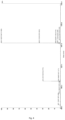
- Figure 2 Hydrophobic interaction chromatograms of the antimicrobial peptides secreted by Lactobacillus alimentarius MK426 (A) and Pediococcus acidilactici MK952 (B).
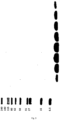
- Lane M molecular weight marker MultiColour Plus (Grisp); lane 1: HIC flow through; lane 3-7: Lactobacillus alimentarius MK426 eluate fractions from HIC column; lane 8-10 Pediococcus acidilactici MK952 eluate fractions from HIC column.
- Figure 4 MALDI-TOF mass spectrum of pediocin PA-1.
- FIG 6 Comparison of parameters related with acidity, between fermented milks (with 5% glucose) fermented by different probiotic strains.
- Figure 7 Comparison of parameters related with acidity, between milks (with 2.5% glucose+2.5% sucrose) fermented by different probiotic strains.
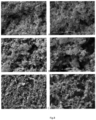
- Figure 8 Scanning electron microscope (SEM) micrographs showing the microstructure of milk fermented by Pediococcus acidilactici MK952 (A), Lactobacillus alimentarius MK426 (B) and co-fermented by both strains (C).
- SEM Scanning electron microscope
- the present disclosure relates to a new bacterium, use of the selected bacterium in a composition, food product or foodstuff comprising the selected bacterium, fermented products and a method to obtain a novel fermented dairy product or dairy alternative product, in particular milk or coconut milk, with probiotic activity.
- the present disclosure also relates to a novel fermented dairy product or dairy alternative product, in particular dairy milk or coconut milk comprising the bacterium selected in the present disclosure that may be used to prevent infections, preferably as a prophylactic agent, namely to counteract against Listeria monocytogenes.
- an eight-strain Listeria monocytogenes cocktail comprising representatives of the most relevant serotypes (1/2a, 1/2b, 4a and 4b) was selected.
- This approach will ensure a broad assessment of the prophylactic potential of the novel bacteriocinogenic strains, providing a thorough knowledge of the efficacy of the fermented product developed since a robust profile of Listeria intrinsic sensibility/resistance to the class Ila bacteriocins, pediocin PA-1 and coagulin, will be evaluated.
- the L. monocytogenes strain ScottA a clinical isolate recovered from a foodborne outbreak associated with the consumption of pasteurized milk, deposited in the Listeria Research Center of Escola Superior de Biotecnologia (LRCESB) was selected.
- strain FSL J1-031 serotype 4a Seven additional strains of L. monocytogenes with different origins (recovered from human and food samples), namely strain FSL J1-031 serotype 4a, strains Lm 2542, FSL N3-013, FSL N1-227, CLIP 80459 serotype 4b, strain FSL R2-499 serotype 1/2a and strain FSLJ1-177 serotype 1/2b (listed in table 1) were also included.
- stock cultures of L. monocytogenes strains were kept, in tryptic soy broth with 0.6% (w/v) yeast extract (TSBYE, LabM, Bury, UK) supplemented with 30% (v/v) of glycerol (Sigma, Steinheim, Germany), at -80°C.
- TBSYE yeast extract
- glycerol 30% (v/v) of glycerol (Sigma, Steinheim, Germany)
- frozen stocks were aseptically streaked onto brain heart infusion (BHI; Biokar Diagnostic, Beauvais, France) agar plates and incubated at 37°C overnight.
- Lactobacillus rhamnosus (Bivos ® ) and LBA 11994 were grown in de Man-Rogosa-Sharpe (Lab M, Bury, UK) broth medium for 18 h at 37°C and subcultured (1% v/v) into 5 mL of MRS broth (Lab M, Bury, UK) and incubated in the same conditions. Stock cultures were kept in MRS broth with 30% (v/v) of glycerol, and stored at - 80°C.
- bacteriocin-producing cultures were isolated. Lactobacillus alimentarius MK426 and Pediococcus acidilactici MK952 strains were isolated from food matrix. Twenty-five grams of the food sample was added to 225 mL of sterile buffered peptone water, transferred to a stomacher, homogenized for 5 minutes and plated onto de Man-Rogosa-Sharpe agar (MRS, Lab M, Bury, UK) and incubated at 30 °C for 48h, under microaerophilic conditions. Colonies were randomly selected from the plates containing 15 to 150 colonies and cultured in MRS broth for 24h under the abovementioned conditions.
- the screening for the bacteriocin-producing lactic acid bacteria was performed by the spot-on-lawn soft agar assay. Briefly, 10 ⁇ L of the bacterial cultures were spotted directly onto a BHI soft agar (0.7%) containing the Listeria strain ScottA incorporated. Bacteriocin sensitivity was seen as clear zones on the lawn of the indicator target. Positive strains were further characterized with respect to the specific antimicrobial activity according to Tomé et al (2006). The positive collected strains were purified by streaking onto de MRS agar and checked through Gram staining and oxidase and catalase activity.
- Isolates were grown in MRS broth medium for 18 h at 30°C in microaerophilic conditions and stored at -80°C with 30% (v/v) of glycerol. Before use, frozen stocks were aseptically streaked onto MRS agar plates and incubated for 48 h at 30°C in microaerophilic conditions. Subsequently, one single colony of each lactic acid bacteria isolate was inoculated into 5 mL of MRS broth, incubated for 18 h at 30°C, and subcultured twice (1% v/v) into MRS broth and incubated in the same conditions. These strains were identified to genus and species level by means of conventional polymerase chain reaction (PCR) with species- and genus-specific primers, 16S rRNA gene sequencing, as described by Vaz-Moreira et al. (2009).
- PCR polymerase chain reaction
- sequenced reads were demultiplexed automatically by the Illumina ® Miseq ® sequencer using the CASAVA package (Illumina, San Diego, USA) and quality-filtered with Trimmomatic version 0.30 (Bolger, Lohse, & Usadel, 2014) using the following parameters: 1) bases with average quality lower than Q25 in a window of 5 bases were trimmed, 2) reads with less than 100 bases were discarded and 3) sequencing adapters on reads were removed.
- Coding gene predictions were made with Prodigal version 2.6 (Hyatt et al., 2010), rRNA and tRNA gene detection using Barrnap version 0.8 (https://github.com/tseemann/barrnap) and CRISPR regions were detected by Minced version 0.2.0 (https://github.com/ctSkennerton/minced). Coding gene annotation has been performed with Prokka version 1.12 (Seemann, 2014) using the following repositories, SwissProt (The UniProt Consortium, 2017), HAMAP (Pedruzzi et al., 2015), TIGRFAMs (Haft, Selengut, & White, 2003) and Pfam (Finn et al., 2016).
- Coding genes were also annotated for Pathway using KEGG (Kanehisa, Furumichi, Tanabe, Sato, & Morishima, 2017), for peptidases using MEROPS (Rawlings, Barrett, & Bateman, 2012) and for carbohydrate-active enzymes with dbCaN (Yin et al., 2012).
- Bacteriocin activity assay was performed. Bacteriocin sensitivity was determined by a spot-on-lawn soft agar assay. Briefly, 10 ⁇ L of the eluted fractions were spotted directly onto a BHI soft agar (0.7%) containing the Listeria strain ScottA incorporated. Bacteriocin sensitivity was seen as clear zones on the lawn of the indicator target. Antilisterial activity of bacteriocins was measured by two-fold dilutions and the spot-on-the-lawn method described by Van Reenen et al. (1998) and expressed in arbitrary unit (AU) mL -1 . One AU is defined as the reciprocal of the highest dilution showing a clear zone of growth inhibition of indicator bacteria.
- a purification protocol was developed.
- the purification of the bacteriocins was performed in a two-step purification methodology comprising ion exchange chromatography (IEX) and hydrophobic interaction chromatography (HIC) for a final polishing to better achieve a high level of purity.
- IEX ion exchange chromatography
- HIC hydrophobic interaction chromatography
- CFS Cell free supernatant
- the bounded peptide was then eluted with a linear gradient with an increasing ionic strength up to 1 M NaCl at a flow rate of 1 mL/min. Fractions of 1 mL were collected and assayed for antilisterial activity (spot on lawn and incorporation). The protein profile of the eluted fractions was further analysed by Tricine-SDS-PAGE as described by Shugger (2006). The resolution of proteins was performed in a 4-16% gradient polyacrylamide gel with the Tris/Tricine/SDS buffer system.
- the peptides were visualized by Coomassie staining and analysed by comparing relative mobility to those of the known molecular weight standard, within the range of 6.5 to 270 kDa (Grisp), run under the same electrophoretic conditions. The most active fractions following the antimicrobial test were polled. The pooled fractions were then submitted to a final polishing step through HIC. Ammonium sulphate was slowly added to the pooled active fractions to a final concentration of 1.5 M avoiding protein precipitation and then loaded on a Phenyl HP Column at a flow rate of 0.5 mL/min. The chromatographic experiment was performed on AKTA Prime Plus system (GE Healthcare) at 4°C.
- HIC column Bacteriocin elution from HIC column occurred over a linear gradient of 1.5 M ammonium sulphate (0% salt- free elution bufffer) to 0 M ammonium sulphate (100% elution buffer) contained within a 50 mM acetate buffer system at a constant pH of 5.6.
- the antilisterial activity was assessed and the purity of HIC eluate was estimated by SDS-PAGE under denaturing conditions.
- MALDI-TOF/TOF matrix-assisted laser desorption/ionization time-of-flight
- MS mass spectrometry
- peptides Prior to analysis, peptides were acidified using a 2.5% trifluoroacetic acid (TFA) solution, desalted and concentrated using C18 micro-columns (C18 Tips, Thermo Scientific). Tryptic peptides were then crystallized onto a MALDI plate using ⁇ -Cyano-4-hydroxycinnamic (8 mg/mL) as a matrix prepared in acetronitrile (50%, v/v), TFA (0.1%, v/v) and 6 mM ammonium phosphate.
- TFA trifluoroacetic acid
- the peptides identification from acquired MS spectra was performed using a locally stored NCBI copy of protein sequences of the genomes of the lactic acid bacteria previously isolated ( Pediococcus and Lactobacillus ).
- isogenic non-bacteriocin-producing mutant strains knockout KO-MK426 and KO-MK952 were generated and used as negative control in the assays herein performed.
- the plasmid in the mutant strains was cured by subculturing the wild-type bacterial cells in MRS medium supplemented with the aminocoumarin antibiotic, novobiocin, which inhibits DNA gyrase catalysis impairing covalently circular DNA replication.
- the positive knockout mutant strains were sequenced and confirmed for the loss of pediocin PA-1 and coagulin genes harboured in the corresponding plasmids through plasmid extraction and analysed by electrophoresis.
- a new fermented milk was developed by optimization processes, manufacture and characterization steps.
- an experimental design was conceived in order to optimize cow milk fermentation.
- the experiment comprised skim and low-fat pasteurized milks; two types of sugar, such as, sucrose and glucose; two hydrocolloids (gelatin and guar gum) in order to increase firmness and viscosity; and skim milk powder to improve the solid matter content.
- a factorial design was performed with the following concentrations of each mentioned component: sugar (2.5 and 5%, w/v), gelatin (0.4 and 0.6%, w/v), guar gum (0.01%, w/v) and skim milk powder (2, 5 and 10%, w/v).
- coconut milk and oat beverage the experiment comprised low fat coconut milk and oat beverage; one type of sugar, glucose and one hydrocolloid (agar-agar) in order to increase firmness and viscosity.
- agar-agar agar-agar
- a factorial design was performed with the following concentrations of each mentioned component: sugar (2.5%, w/v) and agar-agar (0.1 and 0.6%, w/v).
- Pediococcus acidilactici MK952, Lactobacillus alimentarius MK426 and a co-culture of both, as well as each isogenic non-bacteriocin-producing mutant strains were introduced into the milk as starter cultures at different concentrations of inoculum (1, 2 and 5%, v/v).
- LAB strains were grown in three different formulations of a food grade medium, comprising malt sprout (MSM) or barley flour (BFM) or a combination of both (MBFM).
- Malt sprout (MSM) or barley flour (BFM) (80 g/L) were supplemented with tween 80 (1.08 g/L).
- the milk was divided in different batches according to the distinct formulations.
- Sugar, protein solids and/or stabilizers were dispersed under constant homogenization in pasteurized cow milk, coconut milk or oat beverage heated to 80°C.
- Eighty millilitres of pasteurized milk were poured into 40-mL plastic containers (reduced headspace) and thereafter cooled to the incubation temperature.
- P. acidilactici MK952, L. alimentarius MK426 and a co-culture of both were inoculated at the selected concentrations abovementioned.
- the coagulation of milk was monitored for pH during the incubation period until a pH below 4.6 was reached. When the pH end point was attained, fermented milk was cooled to room temperature and stored at 4°C.
- the fermented milk was characterized.
- the microbiological analysis was performed. Viable cell counts of the lactic acid bacteria were determined by serial decimal dilutions in sterile Ringer's solution that were subsequently plated on MRS agar medium in duplicate, by the drop count technique. Colonies were enumerated after incubation at 30°C in microaerophilic conditions for 48 h and the CFU/mL values determined.
- chemical composition of the fermented milks was assessed through several different chemical analysis, namely, dry weight, ash, syneresis, fat, protein and titratable acidity.
- Fatty acids profiles were determined by gas chromatography (GC).
- GC gas chromatography
- HPLC High-performance liquid chromatography
- Dry weight was determined by weighing 5 g of sample to a pre-dried and pre-weighed crucible, and dried at 110°C until constant weight. Ash was obtained by combusting the sample resultant from dry weight determination, at 550°C, for 6 hours. Equations used to calculate moisture and ash were the following:
- Syneresis % Supernatant weight Sample weight ⁇ 100
- fat content was determined according to Folch (1987), by gravimetry. Five grams were weighed to a centrifuge tube, suspended in 10 mL of chloroform/methanol (2:1, v/v) solvent mixture, vortexed for 15 sec, and sonicated for 30 min. Afterwards, 5 mL of solvent mixture and 5 mL of deionized water were added, the mixture was vigorously shaken for 2 min, and centrifuged at 5,000 rpm for 4 min, at 4°C. Then, the lower phase was transferred to a pre-dried, pre-weighed rotary evaporator balloon. The process was repeated from the addition of the 10 mL of solvent mixture, and the final lower phase was pooled with the first one. The solvent was then evaporated at low temperature (35-40°C), and afterwards the balloon was stored and kept in a desiccator to dry until constant weight was reached, and the final weight was used to calculate the fat content.
- Total protein content was assessed through nitrogen determination by Kjeldahl method. Briefly, samples of 200 mg were weighed to Kjeldahl tubes, and 1 g of Missouri catalyst and 4 mL of concentrated H 2 SO 4 were added to each tube. Samples were digested at 400°C until turning green, and left for another 30 min. Afterwards, tubes were removed from the digestion unit and left to cool down at room temperature and, when cooled, 20 mL of deionized water were added to stop the reaction. Tubes were then transferred to the distillation unit and condensate was collected in Erlenmeyer flask containing 25 mL of boric acid solution, until a volume of 150 mL was reached. Then, titration was performed with HCl 0.1 N, until a turning point of violet. As blank, two tubes with 0.13 g of sucrose were also prepared and simultaneously, and equally, treated.
- Protein content was determined by multiplying the obtained nitrogen content by 6.38.
- HPLC in order to quantify the amount of sugars, namely, lactose, glucose and sucrose, and citric and lactic acid present in the fermented milks.
- fatty acids profiles were determined by gas chromatography (GC). Duplicate samples of yoghurt were transmethylated, in order to obtain methyl esters of the fatty acids (fatty acid methyl esters; FAME), which were subsequently analyzed by GC. Analysis were performed in duplicate.
- GC gas chromatography
- Fatty acid methyl esters were then analyzed in a gas chromatrograph HP6890A (Hewlett-Packard, USA), equipped with a flame-ionization detector and a BPX70 capillary column (60m ⁇ 0.25 mm ⁇ 0.25 ⁇ m, SGE Europe, France). Analysis conditions were as follows: injector (split 25:1; injection volume 1 ⁇ L) and detector temperatures were 250 oC and 275 oC, respectively; carrier gas was hydrogen (20.5 psi) and the oven temperature program started at 60 oC (hold 5 min), raised 15 oC/min to 165 oC (hold 1 min), and finally 2 oC/min to 225 oC (hold 2 min).
- injector split 25:1
- detector temperatures were 250 oC and 275 oC, respectively
- carrier gas was hydrogen (20.5 psi) and the oven temperature program started at 60 oC (hold 5 min), raised 15 oC/min to 165 oC (hold 1 min),
- Supelco 37 (Sigma-Aldrich, USA) and CRM-164 (Fedelco, Spain) were used for identification of fatty acids.
- GLC-Nestlé36 (Elysian, USA) was assayed for calculation of response factors and detection and quantification limits (LOD: 0.79 ⁇ g FA/mL; LOQ: 2.64 ⁇ g FA/mL).
- one sample of each type of fermented milk was collected and fixed with formaldehyde 37% (v/v) (Merck, Germany), by leaving the sample in contact with the solution for 1 hour. Afterwards, the solution was washed by removing and substituting with deionized water, and leaving for 10 min. Samples were then dehydrated by changing the deionized water with a series of ethanol in increasing concentration (30, 50, 70, 80, 90 and 100% (v/v)). Each dehydration step lasted 10 min. After the 10 min contact with absolute ethanol the solution was removed and hexamethyldisilazane (HMDS; Sigma-Aldrich, United States) has poured over the sample and promptly evaporated with a stream of N 2 .
- HMDS hexamethyldisilazane
- Dried samples were then placed in observation stubs (covered with double sided adhesive carbon tape (NEM tape, from Nisshin, Japan)) and coated with gold/palladium using a Sputter Coater (Polaron, from Bad Schwalbach, Germany).
- Samples were analysed in a scanning electron microscope (SEM; JSM-5600LV, from JEOL, Japan) and observations were performed at a working distance of 9 mm, with an acceleration voltage of 15 kV and a spot-size of 28.
- the survival under conditions simulating the human gastrointestinal tract was assessed.
- the survival of Pediococcus acidilactici MK952, Lactobacillus alimentarius MK426 and a combination of both, from the formulated fermented milks, alone or challenged with an eight-strain Listeria monocytogenes cocktail was evaluated following exposure to a digestion simulation using a static harmonized in vitro digestion methodology suitable for food matrices. Isogenic non-bacteriocin-producing mutant strains (knockout (KO-MK426 and KO-MK952) were employed as negative controls.
- This model describes a three-step procedure mimicking digestive progress in the mouth (oral phase), stomach (gastric phase) and small intestine (intestinal phase), as detailed further below.
- PBS phosphate buffered saline
- the mimetization of the oral secretion comprised the addition of simulated salivary fluid (SSF) (KCl 15.1 mmol ⁇ L -1 , KH 2 PO 4 3.7 mmol ⁇ L -1 , NaHCO 3 13.6 mmol ⁇ L -1 , MgCl 2 ⁇ (H 2 O) 6 0.15 mmol ⁇ L -1 , (NH 4 ) 2 ⁇ CO 3 0.06 mmol ⁇ L -1 , and HCl 1.1 mmol ⁇ L -1 ), CaCl 2 ⁇ (H 2 O) 2 (to obtain 1.5 mmol ⁇ L -1 in the final mixture) and ⁇ -amylase in a final concentration of 75 U/mL.
- SSF simulated salivary fluid
- the content was thoroughly mixed and the pH of the mixture was measured and if necessary adjusted to pH 7.0 (with and 1M NaOH solution).
- the samples were then incubated at 37°C in a thermostatic water bath (Julabo SW22, Seelbach, Germany), for two minutes; at this point an 0.1 mL aliquot was collected for bacterial enumeration (post-oral).
- the gastric phase encompassed an aqueous acidic secretion simulating the one generated in the stomach compartment, comprising the simulated gastric fluid (SGF) (KCl 6.9 mmol ⁇ L -1 , KH 2 PO 4 0.9 mmol ⁇ L -1 , NaHCO 3 25 mmol ⁇ L -1 , NaCl 47.2 mmol ⁇ L -1 , MgCl 2 ⁇ (H 2 O) 6 0.1 mmol ⁇ L -1 , (NH 4 ) 2 ⁇ CO 3 0.5 mmol ⁇ L -1 and HCl 15.6 mmol ⁇ L -1 ), CaCl 2 ⁇ (H 2 O) 2 (to obtain 0.15 mmol ⁇ L -1 in the fluid) and porcine pepsin solution (2,000 U/mL in the final mixture).
- SGF simulated gastric fluid
- the described secretion was added in a ratio of 1:1 (v/v) to each glass flask containing the oral mixture.
- the samples were homogenised, the pH was adjusted to 3.0 (with a 6 M HCl solution) and incubated in a shaking water bath at 37°C for two hours. For enumeration purposes, 0.1 mL aliquots were collected immediately at time 45, 90, and 120 minutes.
- the described secretion was added in a ratio of 1:1 (v/v) to each tube containing the gastric mixture.
- the sample was homogenized, the pH was adjusted to 7 with NaOH 1 M and incubated for 2h at 37°C. Aliquots of 0.1 mL were collected immediately at time 45, 90, and 120 minutes for bacterial enumeration.
- decimal dilutions were performed in PBS and plated on MRS agar medium and PALCAM selective agar medium ( L. monocytogenes ), in duplicate, by the drop count technique. Colonies were enumerated after incubation at 37°C for 48 h ( Listeria ) and 30°C for 48 h. Pediococcus and Lactobacillus CFU/mL values were determined.
- Magnesium chloride hexahydrate, ammonium carbonate, porcine pepsin, pancreatin (8xUSP) and fresh bile were purchased from Sigma-Aldrich (St. Louis, MO), and alpha-amylase was obtained from Megazyme (USA). The remaining reagents were obtained from Merk.
- the human epithelial cell line Caco-2 (ATCC HTB-37) originally derived from colorectal tumor was used for in vitro assays as a model of the intestinal epithelial barrier.
- Caco-2 cells were grown and maintained in Dulbecco's minimal essential medium (DMEM) with Earle's salts (Gibco, Gaithersburg, MD, USA) containing 20% fetal bovine serum (Atlanta Biologicals, Inc., Lawrenceville, GA, USA), 1% nonessential amino acids and 1% penicillin-streptomycin at 37°C in a 5% CO 2 atmosphere.
- Caco-2 cells were seeded into 24-well plates (Costar, Corning, NY, USA) in DMEM with fetal bovine serum, but without antibiotics and incubated for 48 h at 37°C with 5% CO 2 until confluent.
- Caco-2 monolayers were inoculated with approximately 1 ⁇ 10 8 CFU of probiotic bacteria per well. Lactic acid bacteria isolates were grown in MRS at 37°C or 30°C, according to the specific strain, for 18 h, without shaking, prior to inoculation. Inoculated Caco-2 monolayers were incubated at 37°C for 2 h. At 120 min post-inoculation, the medium was aspirated and Caco-2 cells were lysed by the addition of 500 ⁇ L of ice-cold sterile distilled water and adhered bacteria cells were enumerated by plating on MRS agar plates, which were subsequently incubated at 37°C or 30°C according to the specific strain for 48 h.
- the in vitro invasion of the abovementioned eight-strain Listeria monocytogenes cocktail was evaluated.
- the capability of the tested LAB strains to antagonize in vitro adhesion and subsequent invasion of the L. monocytogenes cocktail was evaluated on Caco-2 cells.
- Monolayers of Caco-2 cells were inoculated with the abovementioned probiotic strains at a concentration of approximately 1 ⁇ 10 8 CFU per well.
- the human cells and LAB were incubated for 2h, followed by three washes with 1 mL sterile phosphate-buffered saline (PBS) to remove any unattached bacterial cell.
- Caco-2 monolayers were subsequently infected with 1 ⁇ 10 6 CFU of L.
- monocytogenes cells were serially diluted and enumerated by plating on BHI and PALCAM agar plates, which were subsequently incubated at 37°C for 24 and 48 h, respectively.
- the results of invasion assay were expressed as percentage ratio of the L. monocytogenes recovered from the treated wells and the count from the wells not treated with LAB strains (CFU mL -1 ).
- Two novel bacteriocinogenic lactic acid bacteria were isolated and identified to genus and species level by means of conventional polymerase chain reaction (PCR) with species- and genus-specific primers, 16S rRNA gene sequencing, as L. alimentarius MK426 and P. acidilactici MK952 and the whole genome sequenced and the corresponding bacteriocins purified and identified.
- PCR polymerase chain reaction
- bacteriocin purification was analysed (the spot-on-the-lawn assay was performed).
- a two-step purification procedure composed by cation-exchange and hydrophobic ionic chromatography was developed and generated higher purity peptides, with a final yield of approximately 32%.
- the first stage originated a pool of active fractions with an inhibition zone diameter ranging from 2.6-2.9 cm ( figure 1 ).
- a single peak was observed, as could be confirmed in the respective chromatogram ( figure 2 ), with the active fractions collected presenting an antilisterial diameter of 3.1 cm.
- the specific activity of the peptides secreted by P. acidilactici MK952 and L. alimentarius MK426 was 1.28 ⁇ 10 6 and 1.59 ⁇ 10 5 , respectively.
- the resolution by SDS-PAGE yielded a unique band of low molecular weight ( ⁇ 6.5 kDa) for both peptides.
- coagulin a bacteriocin termed coagulin, which has not been previously reported to be produced by this species.
- Coagulin a new member of the pediocin-like family protein, was firstly discovered in Bacillus coagulans. Afterward, coagulin was also identified in Pediococcus pentosaceus MZF16 (Zommiti et al., 2018).
- a non-conventional cereal-based (malt or barley) growth medium for starter cultures to be employed in the product manufacturing was developed (medium not falling under the scope of protection).
- Malt sprout an undervalued and unrecognized by-product solid waste of the brewing industry, as well as barley flour, an agricultural by-product obtained from the barley kernel cutting processes, were used in three different formulations of cereal-based medium.
- An attempt has been made in order to incorporate these industrial wastes, circumventing the high content of animal-origin elements composing the commercial medium (MRS) ensuring an optimal bacterial growth and bacteriocin production comparable to the MRS.
- MRS animal-origin elements composing the commercial medium
- low fat coconut milk comprising 5% of glucose and 0.25% of agar agar was the preferable combination, whereas the addition of 0.6% of agar agar and 5% of glucose was the most consensual formulation with respect to oat beverage.
- Incubation temperature is a major factor impacting yogurt properties, as it influences the physical properties, since it conditions acidification and gel formation. Higher incubation temperatures are better suited for the industry, but can have detrimental impact on yogurt characteristics, such as increased whey separation and decreased mechanical properties related with a weaker protein network, such as gel firmness, viscosity and smoothness, which are important sensory properties. In its turn, lower incubation temperatures (32-39 °C instead of 43-45 °C) result in a denser protein matrix, which has a positive impact in the same sensory properties, resulting in yogurts with higher viscosity and smoothness, which are more appealing to consumers.
- the inoculum used in the present disclosure was composed by P. acidilactici MK952 and L. alimentarius MK426, alone or in pair combination corresponding to the starter cultures used for fermented milk production (only embodiments in which L. alimentarius MK426 is employed fall under the scope of protection).
- the finished product of lactic acid fermentation must contain live lactic acid bacteria (LAB) in amounts >_ 7 log 10 (CFU g -1 ) at the time of manufacture, that should remain active at the end of the stated shelf-life, in order to be considered as a "live and active culture yogurt".
- LAB live lactic acid bacteria
- CFU g -1 live lactic acid bacteria
- viability analysis to the starter cultures at the end of the fermentative process is preponderant to classify the final product obtained as fermented milk.
- the microbiological analysis also provides us information about the starter's growth during fermentation. Therefore, microbial counts of the starter cultures were performed at the beginning and end of fermentation. The starter cultures were inoculated in the milk at a percentage of 2% (v/v), which was stated as the best condition.
- fermentation was monitored by pH variation profile ( Figure 5 ), which is one of the most prominent physicochemical parameters in fermented milk manufacturing, since the fermentative process is deemed to be completed when the process of acidification, lowers the pH below the isoelectric point of casein (pH 4.6-4.8). Taking this into consideration, fermented milk was produced at all conditions tested in the present disclosure.
- the final pH of the products also gives information about the fermentative rate of each fermentative process, since higher pH values correspond to lower fermentative rates. The results demonstrated a fast-fermentative profile, reaching the desired pH (4.5) in 140-160 min, which is a considerably higher fermentation rate than the usual 240 min (4 hours).
- the globally higher fermentation rate observed for both strains can be due to the glucose added to the milk, as it is a monosaccharide and, therefore, easier to metabolize than the lactose present in the milk, which is a disaccharide composed by glucose and galactose.
- lactose is a disaccharide means that the bacteria must first cleave the link between the glucose and galactose units, in order to be able to metabolize the monosaccharides, which takes time, and prolongs the fermentation course.
- results pertaining to chemical composition of the milks fermented by the different probiotic strains showed that they were similar. Even though there were, in some parameters, significant differences (p ⁇ 0.05) between the formulated milks, these were considerably small and as such, overall, the fermented milks can be considered identical.
- the total solids (Table 3) content found in the fermented milks were in agreement with the values reported in other studies performed with commercial yogurts and yogurt-like products.
- syneresis is one of the most important structural feature of fermented milk, corresponding to the accumulation of whey on its surface. Syneresis percentages (Table 3) were considered a little high when compared with the majority of the values found in literature, which are usually lower (Nguyen et al. 2014). The syneresis values found in the present disclosure, which vary from 30.7 to 31.6 % are similar to the yogurts made from carabao milk documented in Mariano et al. (2011) work, varying from 28.4 to 34.8%, and the fruit flavored yogurts developed by Tarakçi et al. (2003) with 23.23 to 27.20% syneresis.
- protein content is a prominent parameter, and the values obtained concerning dairy fermented milk were between 5.98 and 6.34. These values are significantly higher than those registered by Andleeb et al. (2008) in commercial yogurts (3.09%) and a local commercial yogurt (3.2%). With respect to the plant-based yogurt-like products (coconut and oat), as expected, low protein contents ranging from 0.24-0.26%, in the case of coconut, and 1.38-1.41 % in oat were observed.
- fat is considered a relevant parameter, and the most common fat content in yogurts varies between 0.5 and 3.5%.
- the fermented dairy milk developed in the present disclosure registered values within those, varying from 1.63 to 1.74%.
- Olugbuyiro and Oseh (2011) found commercial yogurts with fat content from 1.88 to 4%, and Widodo et al. (2017), working with fermented fresh cow milk, utilizing as starters lactic acid bacteria with intestinal-origin, found fat percentages between 2.20 and 2.56%.
- coconut and oat yogurt-like fermented products the values ranged from 7.20-7.49 % and 0.97-1.06 %, respectively.
- titrable acidity is an indirect measure of the amount of lactic acid formed, and is a parameter that can provide information about the extent of the fermentation.
- Lactic acid is a product of sugar metabolism, being formed during sugars consumption.
- titrable acidity a direct correlation between lactic acid content determined by titrable acidity (Table 3) and lactic acid measured by HPLC (Table 5). Dairy milks fermented by both bacteria, independently, showed similar values, while milks fermented by the mixture presented slightly higher lactic acid content. These values also relate to pH, however, differences in pH ( Fig. 6 and 7 ) were not as accentuated as the ones observed in lactic acid contents.
- Another aim of the present disclosure was to perform an evaluation of the promising strains, Pediococcus acidilactici and Lactobacillus alimentarius concerning the intrinsic capability to produce or release some of the most prominent fatty acids.
- Lauric acid a saturated medium-chain fatty acid and the most significant fatty acid of coconut oil, has been reported to positively impact human health, namely due to its notable antimicrobial potential and anti-inflammatory properties, targeting the nuclear factor NF-kB activation and enhancement of proinflammatory cytokines. Lauric acid has been stated to positively hamper breast tumor growth.
- Docosahexaenoic acid is a long-chain polyunsaturated omega-3 (n-3) fatty acid that can be found in fish and poultry, and has been known to have a relevant role in the growth and functional development of the brain in infants, as well as being required in adults for the maintenance of normal brain functions. It has also been reported to have a positive effect on senile dementia, by preventing and treating it.
- oat fermented milk proved to be a source of essential fatty acids, namely eicosapentaenoic acid (EPA) (approximately 4mg per 100g), conjugated linoleic acid (CLA) (nearly 7 mg/100g), gamma-linolenic acid (GLA) (4-10 mg/100g), alpha-linolenic acid (ALA) (13-15 mg/100g) and linoleic acid (LNA) (414 and 340 mg per 100g).
- EPA eicosapentaenoic acid
- CLA conjugated linoleic acid
- GLA gamma-linolenic acid
- ALA alpha-linolenic acid
- LNA linoleic acid
- eicosapentaenoic acid is also a long-chain polyunsaturated omega-3 (n-3) fatty acid, which has been associated with a multitude of health benefits, namely those concerning fetal development, cardiovascular function and Alzheimer's disease.
- Omega-3 fatty acids like EPA or DHA, are known to positively impact some neurological and mental conditions, such as depression, and dementia, including Alzheimer's disease, as previously mentioned. Also, beneficial effects in inflammatory conditions have been reported as a consequence of increasing omega-3 fatty acids consumption.
- CLA Conjugated linoleic acid
- GLA linoleic acid isomers
- GLA Gamma-linolenic acid
- Linoleic acid is also a polyunsaturated fatty acid with an eighteen-carbon chain, although with only two double bounds, the first of which at the sixth carbon from the methyl end (carbon 12), making it an omega-6 (n-6) fatty acid, and the other at carbon 9. It is the precursor molecule from which, through a series of reactions (elongation and desaturation), the rest of the n-6 fatty acids can be synthesized.
- Alpha-linolenic acid is another polyunsaturated fatty acid with an eighteen-carbon chain, but with three double bounds, beginning at the third carbon from the methyl end (omega-3). It has the same precursor role regarding n-3 fatty acids, as LNA has in n-6 fatty acids. As they cannot be synthesized de novo, LNA and ALA are considered essential fatty acids for mammals.
- oat fermented milk also possesses positive lipid quality indexes. These indexes are directly correlated with the qualitative aspects of the lipid fraction, and evaluate the lipids predisposition to cause coronary heart disease, being the values inversely correlated. The atherogenic and thrombogenic indexes of this fermented milk are relatively low.
- GLA gamma linolenic acid
- MK426 gamma linolenic acid
- MK952 gamma linolenic acid
- CLA Conjugated linoleic acid
- cow fermented milk also possesses positive lipid quality indexes, presenting relatively low atherogenic and thrombogenic indexes. In this sense the consumption of this novel dairy fermented milk elicits a lower predisposition to coronary heart disease.
- sugars and organic acid analysis is presented in Table 5, and showed production of lactic acid concomitant with consumption of sugar, namely, glucose.
- sugar namely, glucose
- This is in accordance with the metabolic traits described for the genus of Pediococcus and Lactobacillus, and particularly P. acidilactici and L. alimentarius, which have been described as having homofermentative metabolism.
- the carbon source sucrose
- EMP Embden-Meyerhof-Parnas
- the functional drink was examined through scanning electron microscope (SEM).
- SEM scanning electron microscope
- the correlation between microstructure and texture of fermented milk was analysed, since microstructure has a major impact on the textural and physical properties and also sensory characteristics of fermented milk.
- Scanning electron micrographs obtained are shown in the figure 8 (A, B and C). It was possible to clearly differentiate the bacillary and coccoid morphologies of the culture microbiota. These bacteria create the desired consistency, taste and flavour of the final product.
- the fermented milk seems to present a uniformly distributed casein network with significant cross-links, which seems to be in good agreement with the results documented by Kristo et al. (2003).
- the author highlights the impact of the inoculum concentration on the rheological and structural characteristics.
- alimentarius MK426 and its corresponding isogenic non-bacteriocin-producing mutant strain with a loss of cell viability of 1.75-1.85 logaritmic units.
- Pediococcus acidilactici MK952 and the mutant isogenic non-bacteriocin-producing strain registered intermediate values, between the three types of fermented products, regarding the decrease throughout GIT, with a reduction of 0.8 logaritmic units.
- the in vitro resistance to the simulated GIT conditions, concomitantly with the conservation of their metabolic activity, is one of the most prominent selection criteria for potential probiotic strains.
- One relevant and influential factor in the bacterial survival is the protective effect conferred by the food matrix.
- Fermented milk intrinsic physicochemical characteristics namely the considerable buffering capacity, partly provided by the caseins and phosphate content, could contribute to minimize the negative impact of the low-pH challenge on the bacterial survival, delaying the acidification thus eliciting the protection of the probiotic strain during the transit through the GIT.
- the previous exposure of the lactic acid bacteria to sublethal acidic conditions throughout milk fermentation process could elicit the development of an adaptive response to acid stress.
- the composition of the fermented milk could minimize the effect of the enzymes (pepsin, lipase, amylase and proteases) or bile salts on bacterial cells.
- its semi-solid structured texture could also afford for the observed survival rate.
- Schillinger and colleagues (2004) also reported the pivotal role conferred by the UHT milk on the lactic acid bacteria survival towards gastric acidity. During the intestinal phase, this protective effect was particularly noticeable for L. alimentarius MK426 and the co-culture, abolishing the hostile environment provided by the biological detergent bile.
- coconut fermented milk registered the lowest reduction values and oat fermented beverage the highest, except for L. alimentarius MK426 and its corresponding isogenic non-bacteriocin-producing mutant strain.
- This can be a result of a protective effect conferred by the fat present in the products, as the product with the highest fat content (7.20-7.50 g/100g of product in coconut fermented milk) corresponds to the highest survival, and the product with the lowest fat content (0.97-1.06 g/100g of product in oat fermented beverage) presented the lowest survival (highest reduction).
- fermented milk could be considered a suitable vehicle for live microorganisms regarding the notable probiotics ability to tolerate the adverse conditions of the gastrointestinal tract, ensuring that the recommended therapeutic minimum of 10 6 - 10 7 colony forming unit (CFU)/g could reach the colon and exert their beneficial effect.
- CFU colony forming unit
- a multi-strain L. monocytogenes cocktail comprising the most prominent serotypes (clinical and food isolates) were selected to evaluate Listeria survival when intragastric inoculated in the novel formulated dairy fermented milk through simulated gastrointestinal tract conditions. Results are presented in Figure 10 .
- the initial population of L. monocytogenes intragastric inoculated during the dairy fermented milk digestion with wild-type P. acidilactici MK952 (initial population of 9.24 ⁇ 0.03 log 10 CFU g -1 ) and L. alimentarius MK426 (initial population of 10.2 ⁇ 0.04 log 10 CFU) was 8.03 ⁇ 0.05 log 10 CFU g -1 .
- Pasteurized milk has been associated with outbreaks of listeriosis in which the estimated ingested dose was significantly low ( ⁇ 10 4 ).
- the subsequent passage through the gastrointestinal tract lead to a negligenciable reduction during the oral phase and a prominent reduction in the gastric phase, in which L.
- the ability of lactic acid bacteria to adhere to mucus and human intestinal epithelial cells has been suggested as a crucial feature for their colonization and persistence in the GIT, being considered a relevant criterion for the evaluation of the probiotic potential of LAB.
- This intestinal cell line has been extensively used to mimic the small intestinal epithelium, since they may differentiate into enterocytes and thus could be a suitable model to indirectly evaluate the lactic acid bacteria ability to colonize the intestinal tract. Focusing attention on the adhesion profile of the two novel putative probiotic strains, it was observed that the new strains MK952 and MK426 presented higher adhesive potential in comparison with the two commercial probiotics included in the present disclosure. Despite the fact that adhesion is referred as a strain specific feature, MK952 and MK426 presented a similar attachment profile.
- Pediococcus acidilactici MK952 exhibited the highest adhesiveness percentage of approximately 10.3%, and the corresponding isogenic non-bacteriocin-producing mutant strain presented a similar adherence value of 9.9%. These values are slightly higher than the findings of Palencia and co-workers (2009) who reported adherence values of 6.1% with respect to P. parvulus 2.6 and with the documented by Koo and colleagues (2012) who observed that P. acidilactici presented an adherence percentage ranging from 4.5-6%. With respect to L. alimentarius MK426, and the corresponding mutant strain, exhibited an adhesion of 8 % and 7.8%, which is within the range of previously documented values.
- the pathogenicity of L. monocytogenes relies on its ability to attach to and invade the gastrointestinal epithelium and subsequently withstand the host immune response.
- the ability of probiotic LAB strains to prevent L. monocytogenes infection has been demonstrated by both cell culture and animal model studies. The mechanisms by which potentially probiotic strains might antagonize L. monocytogenes have been widely studied. A multitude of mechanisms have been proposed to explain the capability of probiotic LAB to counteract the effects of L.
- Listeria monocytogenes cocktail comprising representatives of the most relevant serotypes (1/2a, 1/2b, 4a and 4b) presented a prominent decreased invasiveness of epithelial monolayers subsequently to the pre-exposure of epithelial monolayers to the wild-type assayed bacteria. It was observed that the infection of L. monocytogenes strain tested was significantly reduced to 7 % with regard to the wild-type strain MK952, while the corresponding isogenic mutant strain (MK952 mut) barely impaired Listeria infection, which presented an invasion value of 73%. On the other hand, the strain MK426 exhibited a notable potential in eliciting a reduction of 98% in relative invasion efficiency of L. monocytogenes cocktail.
- the rationale of the employment of a L. monocytogenes cocktail comprising eight representatives of the most relevant serotypes (1/2a, 1/2b, 4a and 4b), displaying a panoply of different profiles of resistance/sensibility to pediocin PA-1 and coagulin substantiated the prophylactic potential of these novel probiotic strains, given their notable capability to produce each bacteriocin in the gut.
- the efficacy of the novel fermented products herein presented to counteract a multistrain Listeria cocktail was clearly demonstrated regardless of the virulence/resistance of the Listeria strain.
- a novel functional probiotic-based fermented product was developed, in particular milk or vegetable yogurt-like products, and the results surprisingly show the potential of in situ antilisterial bacteriocin production to be used as prophylactic therapy for L. monocytogenes infection.
- dairy and coconut fermented milk, as well as oat fermented beverage could be considered suitable vehicles for the delivery of live microorganisms regarding the notable ability of P. acidilactici MK952 and L. alimentarius MK426 to tolerate the harsh conditions of the gastrointestinal tract.
- both bacteria stably survive the passage through the human GI tract when administered orally in the formulated fermented milk/ yogurt-like product, ensuring that the recommended therapeutic minimum of 10 6 - 10 7 colony forming units (CFU)/g could reach the colon and exert their beneficial effect.
- CFU colony forming units
- a probiotic functional food should present live bacteria in the range of 10 8 - 10 9 CFUg -1 prior to ingestion.
- the high bacteriocin and probiotic cell concentration in the formulated fermented milk proved to exert efficient bactericidal effect on Listeria in the gastrointestinal tract during milk intake.
- a novel plant-based fermented milk was tested namely coconut milk, lactose-free, source of fiber with prophylactic potential against Listeria. Both strains presented a notable capability to withstand the harsh conditions of the gastrointestinal tract, achieving the intestine in concentrations of 10 9 CFU/mL. It is an important source of ascorbic acid presenting 2.8 mg of vitamin C (20% of the daily recommended dose) and minerals, namely potassium (250 mg), phosphorous (100 mg), manganese (1mg), magnesium (37 mg) (6%, 14%, 44% and 10% of the daily recommended intake (DRI), respectively).
- vitamin C 20% of the daily recommended dose
- minerals namely potassium (250 mg), phosphorous (100 mg), manganese (1mg), magnesium (37 mg) (6%, 14%, 44% and 10% of the daily recommended intake (DRI), respectively).
- LA lauric acid
- DHA docosahexaenoic acid
- a novel plant-based yogurt-like product with prophylactic potential regarding listeriosis having oat beverage as milk replacer.
- Cholesterol free, lactose free comprising almost 0% of unhealthy saturated fat, 3 g of total fiber, termed beta-glucan, detaining a hypocholesterolemic capability, lowering the serum cholesterol and as such preventing the risk of cardiovascular disease.
- Oat fermented milk proved to be a source of essential fatty acids, namely eicosapentaenoic acid (EPA) (approximately 4 mg per 100g), conjugated linoleic acid (CLA) (nearly 7 mg/100g), gamma-linolenic acid (GLA) (10 and 4 mg/100g), alpha-linolenic acid (ALA) (13-15 mg/100g) and linoleic acid (LNA) (414 and 340 mg per 100g).
- EPA eicosapentaenoic acid
- CLA conjugated linoleic acid
- GLA gamma-linolenic acid
- ALA alpha-linolenic acid
- LNA linoleic acid
- Eicosapentaenoic acid is also a long-chain polyunsaturated omega-3 (n-3) fatty acid, which has been associated with a multitude of health benefits, namely those concerning fetal development, cardiovascular function and Alzheimer's disease.
- Omega-3 fatty acids like EPA or DHA, are known to positively impact some neurological and mental conditions, such as depression, and dementia, including Alzheimer's disease, as previously mentioned.
- beneficial effects in inflammatory conditions have been reported as a consequence of increasing omega-3 fatty acids consumption. Nonetheless, regarding the low biosynthesis capability of the human body to guarantee the proper amount of EPA, this novel fermented milk proved to be a suitable diet supplementation of particular relevance for the pregnant, elderly and patients with a history of coronary artery disease.
- Conjugated linoleic acid is a group of linoleic acid isomers ( cis or trans ) with a conjugated double bound, that has been found to have anti-obesity, antidiabetic and antihypertensive properties, as well as to have preventive effects on cardiovascular diseases and cancer.
- Gamma-linolenic acid is a polyunsaturated fatty acid with an eighteen-carbon chain, with three cis double bonds at positions 6, 9 and 12.
- Linoleic acid is also a polyunsaturated fatty acid with an eighteen-carbon chain, although with only two double bounds, the first of which at the sixth carbon from the methyl end (carbon 12), making it a omega-6 (n-6) fatty acid, and the other at carbon 9. It is the precursor molecule from which, through a series of reactions (elongation and desaturation), the rest of the n-6 fatty acids can be synthesized.
- Alpha-linolenic acid is another polyunsaturated fatty acid with an eighteen-carbon chain, but with three double bounds, beginning at the third carbon from the methyl end (omega-3).
- n-3 fatty acids LNA has in n-6 fatty acids.
- LNA and ALA are considered essential fatty acids for mammals.
- oat fermented milk also possesses positive lipid quality indexes. These indexes are directly correlated with the qualitative aspects of the lipid fraction, and evaluate the lipids predisposition to cause coronary heart disease, being the values inversely correlated. The atherogenic and thrombogenic indexes of this fermented milk are relatively low.
- coagulin a bacteriocin termed coagulin was produced by the novel strain L . alimentarius MK426, which has not been previously reported to be produced by this species.
- Coagulin a new member of the pediocin-like family protein, was firstly discovered in Bacillus coagulans. Afterward, coagulin was also identified in Pediococcus pentosaceus MZF16 (Zommiti et al., 2018).
- the wild-type strain MK426, coagulin producer exhibited a notable potential in eliciting a reduction of 98% in relative invasion efficiency of L. monocytogenes cocktail.
- alimentarius MK426 and its bacteriocin coagulin to overcome the harsh conditions of the gastrointestinal tract, namely the low pH adaptation and (stomach) and bile tolerance (small intestine).
- the notable coagulin tolerance when protected by the fermented milk/beverage) to the gastric enzymes, pepsine, likewise the significant resistance to pancreatin (amylase, lipase and protease) afforded to the prominent protection against Listeria infection.
Landscapes
- Life Sciences & Earth Sciences (AREA)
- Chemical & Material Sciences (AREA)
- Health & Medical Sciences (AREA)
- Engineering & Computer Science (AREA)
- Microbiology (AREA)
- Food Science & Technology (AREA)
- Polymers & Plastics (AREA)
- General Health & Medical Sciences (AREA)
- Organic Chemistry (AREA)
- Medicinal Chemistry (AREA)
- Biotechnology (AREA)
- Zoology (AREA)
- Bioinformatics & Cheminformatics (AREA)
- Mycology (AREA)
- Genetics & Genomics (AREA)
- Wood Science & Technology (AREA)
- Animal Behavior & Ethology (AREA)
- Public Health (AREA)
- Veterinary Medicine (AREA)
- Pharmacology & Pharmacy (AREA)
- General Engineering & Computer Science (AREA)
- Biomedical Technology (AREA)
- Virology (AREA)
- Biochemistry (AREA)
- Epidemiology (AREA)
- Molecular Biology (AREA)
- Oil, Petroleum & Natural Gas (AREA)
- Tropical Medicine & Parasitology (AREA)
- Communicable Diseases (AREA)
- Nuclear Medicine, Radiotherapy & Molecular Imaging (AREA)
- General Chemical & Material Sciences (AREA)
- Chemical Kinetics & Catalysis (AREA)
- Oncology (AREA)
- Dairy Products (AREA)
- Micro-Organisms Or Cultivation Processes Thereof (AREA)
- Food Preservation Except Freezing, Refrigeration, And Drying (AREA)
Claims (14)
- Lactobacillus alimentarius MK426 avec une séquence du génome complète de : SEQ ID NO 1 destiné à être utilisé dans la prévention d'une infection de Listeria.
- Lactobacillus alimentarius MK426 avec une séquence du génome complète de : SEQ ID NO 1 destiné à être utilisé en tant qu'agent probiotique ou en tant qu'agent nutraceutique.
- Utilisation de Lactobacillus alimentarius MK426 tel que décrit dans la revendication 1 pour la préparation de produits alimentaires fermentés.
- Composition comprenant le Lactobacillus alimentarius MK426 tel que décrit dans la revendication 1.
- Composition selon la revendication précédente destinée à être utilisée dans la prévention de l'infection de Listeria ou en tant que probiotique.
- Composition ou composition destinée à être utilisée selon l'une quelconque des revendications précédentes dans laquelle la composition est une composition alimentaire ou une composition pharmaceutique.
- Composition ou composition destinée à être utilisée selon l'une quelconque des revendications précédentes dans laquelle la composition est séchée, lyophilisée ou sous forme de pâte.
- Composition ou composition destinée à être utilisée selon l'une quelconque des revendications précédentes comprenant également des glucides, hydrocolloïdes, poudres de lait écrémé, stabilisants, émulsifiants, conservateurs, tampons, ou des mélanges de ceux-ci.
- Composition ou composition destinée à être utilisée selon l'une quelconque des revendications précédentes, dans laquelle le nombre de bactéries varie de 8 à 12 log UFC mL-1, préférablement de 10,1 à 10,4 log UFC mL-1.
- Produit alimentaire ou denrée comprenant le Lactobacillus alimentarius MK426 tel que décrit dans la revendication 1.
- Produit alimentaire ou denrée selon la revendication précédente, dans lequel le produit alimentaire ou denrée est un produit laitier ou une alternative de produit laitier comprenant une bactériocine pouvant être obtenue à travers la fermentation avec le Lactobacillus alimentarius MK426.
- Produit alimentaire ou denrée selon l'une quelconque des revendications précédentes 10-11, dans lequel le produit est du lait, fromage, yaourt, yaourt glacé, ou crème glacée, un dérivé d'avoine, un dérivé de noix de coco, un dérivé de soja ou des mélanges de ceux-ci.
- Procédé de préparation de ferments de Lactobacillus alimentarius MK426 tel que décrit dans la revendication 1 utilisant un milieu de culture à base de céréales en tant que milieu de croissance de ferments, dans lequel le milieu de culture à base de céréales comprend des germes de malt et de la farine d'orge.
- Procédé d'obtention d'un produit laitier ou d'une alternative de produit laitier comprenant les étapes consistant à :fermenter le produit laitier ou l'alternative de produit laitier à l'aide du Lactobacillus alimentarius MK426 tel que décrit dans la revendication 1 ;en particulier dans lequel la quantité dudit Lactobacillus alimentarius varie de 0,5% à 2% (v/v) ;en particulier dans lequel le temps de fermentation varie de 140 à 160 min ;en particulier dans lequel le pH varie de 4,4 à 4,6.
Applications Claiming Priority (1)
| Application Number | Priority Date | Filing Date | Title |
|---|---|---|---|
| PT11508818 | 2018-10-18 |
Publications (4)
| Publication Number | Publication Date |
|---|---|
| EP3649866A2 EP3649866A2 (fr) | 2020-05-13 |
| EP3649866A3 EP3649866A3 (fr) | 2020-08-05 |
| EP3649866B1 true EP3649866B1 (fr) | 2024-11-13 |
| EP3649866C0 EP3649866C0 (fr) | 2024-11-13 |
Family
ID=68296183
Family Applications (1)
| Application Number | Title | Priority Date | Filing Date |
|---|---|---|---|
| EP19204208.3A Active EP3649866B1 (fr) | 2018-10-18 | 2019-10-18 | Lactobacillus alimentarius mk426 pour utilisation dans la prévention des infections par des espèces de listeria, compositions comprenant cette souche et utilisations de celles-ci |
Country Status (1)
| Country | Link |
|---|---|
| EP (1) | EP3649866B1 (fr) |
Families Citing this family (2)
| Publication number | Priority date | Publication date | Assignee | Title |
|---|---|---|---|---|
| CN112375696B (zh) * | 2020-06-27 | 2022-04-01 | 石河子大学 | 一种驴乳源戊糖片球菌及其应用 |
| CN114891677B (zh) * | 2022-05-16 | 2023-09-29 | 苏州普瑞森生物科技有限公司 | 一种具有抗癌作用的菌株的分离及应用 |
Family Cites Families (4)
| Publication number | Priority date | Publication date | Assignee | Title |
|---|---|---|---|---|
| US4929445A (en) * | 1988-01-25 | 1990-05-29 | Microlife Technics, Inc. | Method for inhibiting Listeria monocytogenes using a bacteriocin |
| JP4023791B2 (ja) * | 2001-12-06 | 2007-12-19 | オハヨー乳業株式会社 | 抗菌物質産生乳酸菌およびそれを用いた機能性食品 |
| CN1942593B (zh) * | 2004-04-15 | 2011-07-27 | 科·汉森有限公司 | 减少食物原料中致病生物的方法 |
| CN104830731B (zh) * | 2015-05-08 | 2016-02-03 | 内蒙古农业大学 | 一株具有广谱抑菌特性的植物乳杆菌ab-1及其应用 |
-
2019
- 2019-10-18 EP EP19204208.3A patent/EP3649866B1/fr active Active
Non-Patent Citations (1)
| Title |
|---|
| JUVEN BENJAMIN J. ET AL: "Growth and Survival of Listeria monocytogenes in Vacuum-Packaged Ground Beef Inoculated with Lactobacillus alimentarius FloraCarn L-2", JOURNAL OF FOOD PROTECTION, vol. 61, no. 5, 1 May 1998 (1998-05-01), US, pages 551 - 556, XP093053129, ISSN: 0362-028X, DOI: 10.4315/0362-028X-61.5.551 * |
Also Published As
| Publication number | Publication date |
|---|---|
| EP3649866A2 (fr) | 2020-05-13 |
| EP3649866A3 (fr) | 2020-08-05 |
| EP3649866C0 (fr) | 2024-11-13 |
Similar Documents
| Publication | Publication Date | Title |
|---|---|---|
| KR101586778B1 (ko) | 분리된 미생물 균주 락토바실러스 플란타룸 mcc1 dsm 23881 및 락토바실러스 가서리 mcc2 dsm 23882와 그의 용도 | |
| Al-Tawaha et al. | Potential benefits of Lactobacillus plantarum as probiotic and its advantages in human health and industrial applications: A review | |
| EP2236598B1 (fr) | Micro-organismes pour améliorer l'état de santé d'individus présentant des troubles associés à l'ingestion de gluten | |
| Chen et al. | Health potential of fermented goat dairy products: composition comparison with fermented cow milk, probiotics selection, health benefits and mechanisms | |
| KR100878799B1 (ko) | 항생제 내성 병원성 미생물 또는 장내 유해 미생물의생장을 억제하는 바실러스 아밀로리퀴페시언스 k317 | |
| CN101715347A (zh) | 一种用于改变含有多酚的植物材料的方法以及经过改变的含有多酚植物材料的医学用途 | |
| JPWO2007020884A1 (ja) | β−ディフェンシンを介した感染予防効果を有するビフィズス菌または乳酸菌とそれを含有する食品・医薬品組成物 | |
| JP5937015B2 (ja) | 遅延型過敏症軽減剤 | |
| EP3649866A2 (fr) | Nouvelles bacteries lactiques pour la prevention des infections par des especes de listeria, compositions comprenant lesdites souches et leurs utilisations | |
| KR102741129B1 (ko) | 락토바실러스 플란타룸 ckh-01 균주를 포함하는 스트레스 완화 및 수면개선용 프로바이오틱스 조성물 | |
| Alhaj et al. | Milk‐derived bioactive components from fermentation | |
| CN101151041B (zh) | 免疫刺激用组合物 | |
| Wijesekara et al. | Microbial strains in fermented dairy: Unlocking biofunctional properties and health benefits | |
| Pithva et al. | Potential of probiotic Lactobacillus strains as food additives | |
| EP4372077A1 (fr) | Composition activant l'autophagie | |
| KR102621766B1 (ko) | 항노화, 항균 및 항염 활성을 갖는 발효녹용 추출물의 제조방법, 이로부터 얻어진 추출물 및 이러한 추출물의 용도 | |
| Varsha | Isolation and characterization of antifungal compounds from lactic acid bacteria | |
| Patel et al. | Bioactive components of fermented foods | |
| Pescuma et al. | Functional fermented whey foods: Their role in human health | |
| Soni | Physicochemical and microbial profiling of kefir from cow and buffalo milk: implications for probiotic use | |
| JP2024128968A (ja) | グレリン分泌促進用組成物 | |
| JP2025131333A (ja) | 細胞老化抑制用組成物 | |
| BONAZZA | Proteomic characterization of kefir milk by two dimensional electrophoresis followed by mass spectrometry | |
| Pithva et al. | Jayantilal M. Dave2 and Bharat Rajiv Vyas1 | |
| JP2025077629A (ja) | チューリップの花から分離したラクチプランチバチルス・プランタルムに属する新規乳酸菌及びその利用 |
Legal Events
| Date | Code | Title | Description |
|---|---|---|---|
| PUAI | Public reference made under article 153(3) epc to a published international application that has entered the european phase |
Free format text: ORIGINAL CODE: 0009012 |
|
| STAA | Information on the status of an ep patent application or granted ep patent |
Free format text: STATUS: THE APPLICATION HAS BEEN PUBLISHED |
|
| AK | Designated contracting states |
Kind code of ref document: A2 Designated state(s): AL AT BE BG CH CY CZ DE DK EE ES FI FR GB GR HR HU IE IS IT LI LT LU LV MC MK MT NL NO PL PT RO RS SE SI SK SM TR |
|
| AX | Request for extension of the european patent |
Extension state: BA ME |
|
| PUAL | Search report despatched |
Free format text: ORIGINAL CODE: 0009013 |
|
| AK | Designated contracting states |
Kind code of ref document: A3 Designated state(s): AL AT BE BG CH CY CZ DE DK EE ES FI FR GB GR HR HU IE IS IT LI LT LU LV MC MK MT NL NO PL PT RO RS SE SI SK SM TR |
|
| AX | Request for extension of the european patent |
Extension state: BA ME |
|
| RIC1 | Information provided on ipc code assigned before grant |
Ipc: C12N 1/20 20060101ALI20200629BHEP Ipc: C07K 14/335 20060101ALI20200629BHEP Ipc: A23L 3/3571 20060101ALI20200629BHEP Ipc: A23C 9/158 20060101ALI20200629BHEP Ipc: A61K 35/747 20150101ALI20200629BHEP Ipc: A61K 35/744 20150101ALI20200629BHEP Ipc: A61P 31/04 20060101ALI20200629BHEP Ipc: C12R 1/225 20060101ALI20200629BHEP Ipc: A23C 9/12 20060101AFI20200629BHEP Ipc: A23C 9/123 20060101ALI20200629BHEP |
|
| STAA | Information on the status of an ep patent application or granted ep patent |
Free format text: STATUS: REQUEST FOR EXAMINATION WAS MADE |
|
| 17P | Request for examination filed |
Effective date: 20210205 |
|
| RBV | Designated contracting states (corrected) |
Designated state(s): AL AT BE BG CH CY CZ DE DK EE ES FI FR GB GR HR HU IE IS IT LI LT LU LV MC MK MT NL NO PL PT RO RS SE SI SK SM TR |
|
| STAA | Information on the status of an ep patent application or granted ep patent |
Free format text: STATUS: EXAMINATION IS IN PROGRESS |
|
| 17Q | First examination report despatched |
Effective date: 20230620 |
|
| GRAP | Despatch of communication of intention to grant a patent |
Free format text: ORIGINAL CODE: EPIDOSNIGR1 |
|
| STAA | Information on the status of an ep patent application or granted ep patent |
Free format text: STATUS: GRANT OF PATENT IS INTENDED |
|
| RIC1 | Information provided on ipc code assigned before grant |
Ipc: A61K 35/744 20150101ALI20240223BHEP Ipc: A61K 35/00 20060101ALI20240223BHEP Ipc: A61K 35/747 20150101ALI20240223BHEP Ipc: C12R 1/01 20060101ALI20240223BHEP Ipc: A23C 11/10 20060101ALI20240223BHEP Ipc: C12R 1/225 20060101ALI20240223BHEP Ipc: C12N 1/20 20060101ALI20240223BHEP Ipc: C07K 14/335 20060101ALI20240223BHEP Ipc: A61P 31/04 20060101ALI20240223BHEP Ipc: A23L 3/3571 20060101ALI20240223BHEP Ipc: A23C 9/158 20060101ALI20240223BHEP Ipc: A23C 9/123 20060101ALI20240223BHEP Ipc: A23C 9/12 20060101AFI20240223BHEP |
|
| INTG | Intention to grant announced |
Effective date: 20240313 |
|
| GRAJ | Information related to disapproval of communication of intention to grant by the applicant or resumption of examination proceedings by the epo deleted |
Free format text: ORIGINAL CODE: EPIDOSDIGR1 |
|
| STAA | Information on the status of an ep patent application or granted ep patent |
Free format text: STATUS: EXAMINATION IS IN PROGRESS |
|
| GRAS | Grant fee paid |
Free format text: ORIGINAL CODE: EPIDOSNIGR3 |
|
| STAA | Information on the status of an ep patent application or granted ep patent |
Free format text: STATUS: GRANT OF PATENT IS INTENDED |
|
| GRAP | Despatch of communication of intention to grant a patent |
Free format text: ORIGINAL CODE: EPIDOSNIGR1 |
|
| INTG | Intention to grant announced |
Effective date: 20240722 |
|
| GRAA | (expected) grant |
Free format text: ORIGINAL CODE: 0009210 |
|
| STAA | Information on the status of an ep patent application or granted ep patent |
Free format text: STATUS: THE PATENT HAS BEEN GRANTED |
|
| AK | Designated contracting states |
Kind code of ref document: B1 Designated state(s): AL AT BE BG CH CY CZ DE DK EE ES FI FR GB GR HR HU IE IS IT LI LT LU LV MC MK MT NL NO PL PT RO RS SE SI SK SM TR |
|
| REG | Reference to a national code |
Ref country code: GB Ref legal event code: FG4D |
|
| REG | Reference to a national code |
Ref country code: CH Ref legal event code: EP |
|
| REG | Reference to a national code |
Ref country code: DE Ref legal event code: R096 Ref document number: 602019061840 Country of ref document: DE |
|
| REG | Reference to a national code |
Ref country code: IE Ref legal event code: FG4D |
|
| U01 | Request for unitary effect filed |
Effective date: 20241210 |
|
| U07 | Unitary effect registered |
Designated state(s): AT BE BG DE DK EE FI FR IT LT LU LV MT NL PT RO SE SI Effective date: 20241219 |
|
| PG25 | Lapsed in a contracting state [announced via postgrant information from national office to epo] |
Ref country code: HR Free format text: LAPSE BECAUSE OF FAILURE TO SUBMIT A TRANSLATION OF THE DESCRIPTION OR TO PAY THE FEE WITHIN THE PRESCRIBED TIME-LIMIT Effective date: 20241113 Ref country code: IS Free format text: LAPSE BECAUSE OF FAILURE TO SUBMIT A TRANSLATION OF THE DESCRIPTION OR TO PAY THE FEE WITHIN THE PRESCRIBED TIME-LIMIT Effective date: 20250313 |
|
| PG25 | Lapsed in a contracting state [announced via postgrant information from national office to epo] |
Ref country code: ES Free format text: LAPSE BECAUSE OF FAILURE TO SUBMIT A TRANSLATION OF THE DESCRIPTION OR TO PAY THE FEE WITHIN THE PRESCRIBED TIME-LIMIT Effective date: 20241113 |
|
| PG25 | Lapsed in a contracting state [announced via postgrant information from national office to epo] |
Ref country code: NO Free format text: LAPSE BECAUSE OF FAILURE TO SUBMIT A TRANSLATION OF THE DESCRIPTION OR TO PAY THE FEE WITHIN THE PRESCRIBED TIME-LIMIT Effective date: 20250213 |
|
| PG25 | Lapsed in a contracting state [announced via postgrant information from national office to epo] |
Ref country code: GR Free format text: LAPSE BECAUSE OF FAILURE TO SUBMIT A TRANSLATION OF THE DESCRIPTION OR TO PAY THE FEE WITHIN THE PRESCRIBED TIME-LIMIT Effective date: 20250214 |
|
| PG25 | Lapsed in a contracting state [announced via postgrant information from national office to epo] |
Ref country code: PL Free format text: LAPSE BECAUSE OF FAILURE TO SUBMIT A TRANSLATION OF THE DESCRIPTION OR TO PAY THE FEE WITHIN THE PRESCRIBED TIME-LIMIT Effective date: 20241113 |
|
| PG25 | Lapsed in a contracting state [announced via postgrant information from national office to epo] |
Ref country code: RS Free format text: LAPSE BECAUSE OF FAILURE TO SUBMIT A TRANSLATION OF THE DESCRIPTION OR TO PAY THE FEE WITHIN THE PRESCRIBED TIME-LIMIT Effective date: 20250213 |
|
| PG25 | Lapsed in a contracting state [announced via postgrant information from national office to epo] |
Ref country code: SM Free format text: LAPSE BECAUSE OF FAILURE TO SUBMIT A TRANSLATION OF THE DESCRIPTION OR TO PAY THE FEE WITHIN THE PRESCRIBED TIME-LIMIT Effective date: 20241113 |
|
| PG25 | Lapsed in a contracting state [announced via postgrant information from national office to epo] |
Ref country code: SK Free format text: LAPSE BECAUSE OF FAILURE TO SUBMIT A TRANSLATION OF THE DESCRIPTION OR TO PAY THE FEE WITHIN THE PRESCRIBED TIME-LIMIT Effective date: 20241113 |
|
| PG25 | Lapsed in a contracting state [announced via postgrant information from national office to epo] |
Ref country code: CZ Free format text: LAPSE BECAUSE OF FAILURE TO SUBMIT A TRANSLATION OF THE DESCRIPTION OR TO PAY THE FEE WITHIN THE PRESCRIBED TIME-LIMIT Effective date: 20241113 |
|
| PLBE | No opposition filed within time limit |
Free format text: ORIGINAL CODE: 0009261 |
|
| STAA | Information on the status of an ep patent application or granted ep patent |
Free format text: STATUS: NO OPPOSITION FILED WITHIN TIME LIMIT |
|
| 26N | No opposition filed |
Effective date: 20250814 |
|
| U20 | Renewal fee for the european patent with unitary effect paid |
Year of fee payment: 7 Effective date: 20251010 |
|
| REG | Reference to a national code |
Ref country code: CH Ref legal event code: H13 Free format text: ST27 STATUS EVENT CODE: U-0-0-H10-H13 (AS PROVIDED BY THE NATIONAL OFFICE) Effective date: 20260527 |
|
| GBPC | Gb: european patent ceased through non-payment of renewal fee |
Effective date: 20251018 |
|
| PG25 | Lapsed in a contracting state [announced via postgrant information from national office to epo] |
Ref country code: MC Free format text: LAPSE BECAUSE OF FAILURE TO SUBMIT A TRANSLATION OF THE DESCRIPTION OR TO PAY THE FEE WITHIN THE PRESCRIBED TIME-LIMIT Effective date: 20241113 |
|
| PG25 | Lapsed in a contracting state [announced via postgrant information from national office to epo] |
Ref country code: GB Free format text: LAPSE BECAUSE OF NON-PAYMENT OF DUE FEES Effective date: 20251018 |
|
| PG25 | Lapsed in a contracting state [announced via postgrant information from national office to epo] |
Ref country code: CH Free format text: LAPSE BECAUSE OF NON-PAYMENT OF DUE FEES Effective date: 20251031 |