EP3625352B1 - Verfahren zur fermentativen de novo synthese von harzsäuren - Google Patents
Verfahren zur fermentativen de novo synthese von harzsäuren Download PDFInfo
- Publication number
- EP3625352B1 EP3625352B1 EP18725503.9A EP18725503A EP3625352B1 EP 3625352 B1 EP3625352 B1 EP 3625352B1 EP 18725503 A EP18725503 A EP 18725503A EP 3625352 B1 EP3625352 B1 EP 3625352B1
- Authority
- EP
- European Patent Office
- Prior art keywords
- seq
- entire length
- nucleotide sequence
- identity over
- amino acid
- Prior art date
- Legal status (The legal status is an assumption and is not a legal conclusion. Google has not performed a legal analysis and makes no representation as to the accuracy of the status listed.)
- Active
Links
Images




Classifications
-
- C—CHEMISTRY; METALLURGY
- C12—BIOCHEMISTRY; BEER; SPIRITS; WINE; VINEGAR; MICROBIOLOGY; ENZYMOLOGY; MUTATION OR GENETIC ENGINEERING
- C12P—FERMENTATION OR ENZYME-USING PROCESSES TO SYNTHESISE A DESIRED CHEMICAL COMPOUND OR COMPOSITION OR TO SEPARATE OPTICAL ISOMERS FROM A RACEMIC MIXTURE
- C12P15/00—Preparation of compounds containing at least three condensed carbocyclic rings
-
- C—CHEMISTRY; METALLURGY
- C07—ORGANIC CHEMISTRY
- C07K—PEPTIDES
- C07K14/00—Peptides having more than 20 amino acids; Gastrins; Somatostatins; Melanotropins; Derivatives thereof
- C07K14/405—Peptides having more than 20 amino acids; Gastrins; Somatostatins; Melanotropins; Derivatives thereof from algae
-
- C—CHEMISTRY; METALLURGY
- C12—BIOCHEMISTRY; BEER; SPIRITS; WINE; VINEGAR; MICROBIOLOGY; ENZYMOLOGY; MUTATION OR GENETIC ENGINEERING
- C12N—MICROORGANISMS OR ENZYMES; COMPOSITIONS THEREOF; PROPAGATING, PRESERVING, OR MAINTAINING MICROORGANISMS; MUTATION OR GENETIC ENGINEERING; CULTURE MEDIA
- C12N9/00—Enzymes; Proenzymes; Compositions thereof; Processes for preparing, activating, inhibiting, separating or purifying enzymes
- C12N9/0004—Oxidoreductases (1.)
- C12N9/0012—Oxidoreductases (1.) acting on nitrogen containing compounds as donors (1.4, 1.5, 1.6, 1.7)
- C12N9/0036—Oxidoreductases (1.) acting on nitrogen containing compounds as donors (1.4, 1.5, 1.6, 1.7) acting on NADH or NADPH (1.6)
- C12N9/0038—Oxidoreductases (1.) acting on nitrogen containing compounds as donors (1.4, 1.5, 1.6, 1.7) acting on NADH or NADPH (1.6) with a heme protein as acceptor (1.6.2)
- C12N9/0042—NADPH-cytochrome P450 reductase (1.6.2.4)
-
- C—CHEMISTRY; METALLURGY
- C12—BIOCHEMISTRY; BEER; SPIRITS; WINE; VINEGAR; MICROBIOLOGY; ENZYMOLOGY; MUTATION OR GENETIC ENGINEERING
- C12N—MICROORGANISMS OR ENZYMES; COMPOSITIONS THEREOF; PROPAGATING, PRESERVING, OR MAINTAINING MICROORGANISMS; MUTATION OR GENETIC ENGINEERING; CULTURE MEDIA
- C12N9/00—Enzymes; Proenzymes; Compositions thereof; Processes for preparing, activating, inhibiting, separating or purifying enzymes
- C12N9/0004—Oxidoreductases (1.)
- C12N9/0071—Oxidoreductases (1.) acting on paired donors with incorporation of molecular oxygen (1.14)
-
- C—CHEMISTRY; METALLURGY
- C12—BIOCHEMISTRY; BEER; SPIRITS; WINE; VINEGAR; MICROBIOLOGY; ENZYMOLOGY; MUTATION OR GENETIC ENGINEERING
- C12N—MICROORGANISMS OR ENZYMES; COMPOSITIONS THEREOF; PROPAGATING, PRESERVING, OR MAINTAINING MICROORGANISMS; MUTATION OR GENETIC ENGINEERING; CULTURE MEDIA
- C12N9/00—Enzymes; Proenzymes; Compositions thereof; Processes for preparing, activating, inhibiting, separating or purifying enzymes
- C12N9/0004—Oxidoreductases (1.)
- C12N9/0071—Oxidoreductases (1.) acting on paired donors with incorporation of molecular oxygen (1.14)
- C12N9/0077—Oxidoreductases (1.) acting on paired donors with incorporation of molecular oxygen (1.14) with a reduced iron-sulfur protein as one donor (1.14.15)
-
- C—CHEMISTRY; METALLURGY
- C12—BIOCHEMISTRY; BEER; SPIRITS; WINE; VINEGAR; MICROBIOLOGY; ENZYMOLOGY; MUTATION OR GENETIC ENGINEERING
- C12N—MICROORGANISMS OR ENZYMES; COMPOSITIONS THEREOF; PROPAGATING, PRESERVING, OR MAINTAINING MICROORGANISMS; MUTATION OR GENETIC ENGINEERING; CULTURE MEDIA
- C12N9/00—Enzymes; Proenzymes; Compositions thereof; Processes for preparing, activating, inhibiting, separating or purifying enzymes
- C12N9/10—Transferases (2.)
- C12N9/1085—Transferases (2.) transferring alkyl or aryl groups other than methyl groups (2.5)
-
- C—CHEMISTRY; METALLURGY
- C12—BIOCHEMISTRY; BEER; SPIRITS; WINE; VINEGAR; MICROBIOLOGY; ENZYMOLOGY; MUTATION OR GENETIC ENGINEERING
- C12N—MICROORGANISMS OR ENZYMES; COMPOSITIONS THEREOF; PROPAGATING, PRESERVING, OR MAINTAINING MICROORGANISMS; MUTATION OR GENETIC ENGINEERING; CULTURE MEDIA
- C12N9/00—Enzymes; Proenzymes; Compositions thereof; Processes for preparing, activating, inhibiting, separating or purifying enzymes
- C12N9/90—Isomerases (5.)
-
- C—CHEMISTRY; METALLURGY
- C12—BIOCHEMISTRY; BEER; SPIRITS; WINE; VINEGAR; MICROBIOLOGY; ENZYMOLOGY; MUTATION OR GENETIC ENGINEERING
- C12Y—ENZYMES
- C12Y106/00—Oxidoreductases acting on NADH or NADPH (1.6)
- C12Y106/02—Oxidoreductases acting on NADH or NADPH (1.6) with a heme protein as acceptor (1.6.2)
- C12Y106/02004—NADPH-hemoprotein reductase (1.6.2.4), i.e. NADP-cytochrome P450-reductase
-
- C—CHEMISTRY; METALLURGY
- C12—BIOCHEMISTRY; BEER; SPIRITS; WINE; VINEGAR; MICROBIOLOGY; ENZYMOLOGY; MUTATION OR GENETIC ENGINEERING
- C12Y—ENZYMES
- C12Y205/00—Transferases transferring alkyl or aryl groups, other than methyl groups (2.5)
- C12Y205/01—Transferases transferring alkyl or aryl groups, other than methyl groups (2.5) transferring alkyl or aryl groups, other than methyl groups (2.5.1)
- C12Y205/01029—Geranylgeranyl diphosphate synthase (2.5.1.29)
-
- C—CHEMISTRY; METALLURGY
- C12—BIOCHEMISTRY; BEER; SPIRITS; WINE; VINEGAR; MICROBIOLOGY; ENZYMOLOGY; MUTATION OR GENETIC ENGINEERING
- C12Y—ENZYMES
- C12Y503/00—Intramolecular oxidoreductases (5.3)
- C12Y503/03—Intramolecular oxidoreductases (5.3) transposing C=C bonds (5.3.3)
- C12Y503/03002—Isopentenyl-diphosphate DELTA-isomerase (5.3.3.2)
-
- C—CHEMISTRY; METALLURGY
- C12—BIOCHEMISTRY; BEER; SPIRITS; WINE; VINEGAR; MICROBIOLOGY; ENZYMOLOGY; MUTATION OR GENETIC ENGINEERING
- C12Y—ENZYMES
- C12Y505/00—Intramolecular lyases (5.5)
- C12Y505/01—Intramolecular lyases (5.5.1)
- C12Y505/01012—Copalyl diphosphate synthase (5.5.1.12)
Definitions
- the present invention relates to recombinant bacteria for the fermentative de novo synthesis of resin acid mixtures of a defined composition, the recombinant bacteria having the enzyme activities of at least one geranylgeranyl pyrophosphate synthase (GGPPS), at least one isopentenyl pyrophosphate isomerase (IPI), at least one diterpene synthase (diTPS). , at least one cytochrome P450 monooxygenase (CYP), and at least one cytochrome P450 reductase (CPR), which express enzymes and synthesize the resin acid mixtures of defined composition, the composition being essentially determined by the diTPS.
- GGPPS geranylgeranyl pyrophosphate synthase
- IPI isopentenyl pyrophosphate isomerase
- diTPS diterpene synthase
- CYP cytochrome P450 monooxygenase
- CPR cytochrome P450
- the invention further relates to a method for the fermentative de novo synthesis of resin acid mixtures of a defined composition, comprising the cultivation of such a recombinant bacterium.
- the present invention relates to the use of such a recombinant bacterium for the fermentative de novo synthesis of resin acid mixtures of a defined composition.
- Natural resins have been used for various purposes since ancient times, including for bonding and as sealants. The chemical industry in Germany's annual demand for natural resins is estimated at 31,000 tons. The majority is used to produce paints, varnishes and adhesives. Starting from natural resins, resin acid mixtures are obtained from the natural material and used for various applications, whereby the source of the natural resin determines the composition of the derived resin acid mixture, which is naturally subject to seasonal fluctuations.
- Resin acids form the main components in natural resins, such as rosin, which is made from balsam (a thick, syrupy mixture of resins and essential oils) from pine, spruce and fir trees. Rosin is a collective term for natural resins obtained from conifers, which mainly consist of a mixture of different resin acids. However, it is rarely used technically in this form because, as a natural substance, rosin is subject to highly fluctuating properties and is not resistant to aging. Therefore, pure resin acids have so far been obtained from rosin by distillation, which can be further processed in various ways. Typical representatives of resin acids are, for example, abietic acid and pimaric acid ( FIG. 1 ). Chemically, the resin acids are carboxylic acids and belong to the natural product class of diterpenes.
- esters of resin acids are almost exclusively used for hot melt adhesives.
- non-esterified resins are also predominantly used.
- the re-isomerization that occurs during thermal esterification to the most stable isomer (abietic acid; FIG. 1 ) is accordingly omitted from such an application.
- the isomer mixtures are particularly important for function when used in solvent-based adhesives, as a pure substance could crystallize too quickly and completely, which can have a negative impact on the adhesive properties.
- IPP isopentenyl diphosphate
- DMAPP dimethylallyl diphosphate
- GPP geranyl diphosphate
- FPP farnesyl diphosphate
- GGPP geranylgeranyl diphosphate
- the latter is the common basic material for the biosynthesis of not only diterpenes, but also tetraterpenes (e.g. carotenoids).
- the respective key enzymes are diterpene synthase (diTPS) and phytoene synthase for the tetraterpenes.
- the diTPS transforms GGPP into the cyclic intermediate copalyl pyrophosphate (CPP), which is then converted via several oxidation steps to the final diterpene product ( Lafever et al., Arch. Biochem. Biophys. 313: 139-149 (1994 )), while phytoene synthase combines two molecules of GGPP to form phytoene. Since both enzymes are localized in chloroplasts, there is a competitive reaction and the relative activities of the key enzymes influence/control the flux from the existing GGPP pool into the two different metabolic pathways.
- diterpene synthases Two types are represented in the plant kingdom: monofunctional and bifunctional enzymes ( Toyomasu, Biosci. Biotechnol. Biochem. 72: 1168-1175 (2008 )). Accordingly, the formation of the diene intermediate compounds from which the resin acids are then produced is catalyzed by two successively working monofunctional enzymes or a bifunctional enzyme. Bifunctional enzyme variants have been described and characterized particularly for conifers ( Vogel et al., J. Biol. Chem. 271: 23262-23268 (1996 )). The choice of diterpene synthase used determines the resin acid that can be synthesized.
- the oxidation of the diterpene synthase products to the resin acids occurs using enzymes that belong to the class of cytochrome P450 monooxygenases (P450 enzymes). Suitable enzymes have already been described here which, interestingly, can catalyze all three necessary oxidations (to alcohol, to aldehyde and then to acid) ( Ro et al., Proc. Natl. Acad. Sci. USA 102:8060-8065 (2005 )). Utilization of diene intermediates could desirably be optimized by identifying alternative P450 enzymes with better substrate specificity, or identifying and incorporating an additional diene-specific P450 enzyme.
- An object of the present invention is therefore to simplify the preparation of such resin acids or resin acid mixtures via a bacterium-based fermentative process. This offers the prospect of forming different resin acid mixtures depending on the enzyme combination used, which contain a resin acid as the main component depending on the diterpene synthase used. Such mixtures with predetermined adhesive and other desired properties could then be optimized for the respective application.
- resin acids and resin acid mixtures of defined composition can be synthesized de novo in a bacterium-based fermentative process.
- the present invention relates to the recombinant bacterium described above under (1).
- a “recombinant bacterium” is to be understood as meaning a genetically modified or modified bacterium that contains heterologous nucleotide sequences in its genome, i.e. nucleotide sequences that do not naturally occur in the microorganism. These include, in particular, genes from another organism (so-called transgenes), but also nucleotide sequences that have been changed compared to the natural sequence and also nucleotide sequences that are naturally present at a different location in the microorganism's genome. These heterologous Nucleotide sequences may be present either on the chromosome of the bacterium and/or on one or more extrachromosomal DNA elements of the microorganism.
- extrachromosomal DNA elements include all types of vectors, such as plasmids, cosmids, bacterial artificial chromosomes (BACs), or viral vectors.
- Bacteria in the context of the present invention are preferably selected from the group consisting of facultative anaerobic bacteria, in particular Proteobacteria, for example of the genus Escherichia, preferably of the species E. coli.
- E. coli strains of particular interest in connection with this invention are E. coli BL21 and E. coli TOP10.
- the bacteria can be genetically modified using any of the biotechnological methods known in the art, such as transformation, transduction or conjugation.
- the recombinant bacterium has the enzyme activities of at least one geranylgeranyl pyrophosphate synthase (GGPPS), at least one isopentenyl pyrophosphate isomerase (IPI), at least one diterpene synthase (diTPS), at least one cytochrome P450 monooxygenase (CYP), and at least one cytochrome -P450 reductase (CPR).
- GGPPS geranylgeranyl pyrophosphate synthase
- IPI isopentenyl pyrophosphate isomerase
- diTPS diterpene synthase
- CYP cytochrome P450 monooxygenase
- CPR cytochrome -P450 reductase
- GGPPS geranylgeranyl pyrophosphate synthase
- GGPP geranylgeranyl pyrophosphate
- DMAPP dimethylallyl pyrophosphate
- IPP isopentenyl pyrophosphate
- the GGPPS comes from enterobacteria, particularly preferably from Pantoea agglomerans.
- Particularly preferred embodiments of the GGPPS are those which have an amino acid sequence according to SEQ ID NO:4 or an amino acid sequence with at least 50%, 60%, 70%, 80%, 90%, 95% or 99% identity over the entire length of SEQ ID Include or consist of NO:4.
- the GGPPS is composed of a nucleotide sequence comprising or consisting of SEQ ID NO:3 or one Nucleotide sequence that has at least 50%, 60%, 70%, 80%, 90%, 95% or 99% identity over the entire length of SEQ ID NO:3.
- IPI IPP isomerase
- the IPI comes from bacteria, preferably from Enterobacteria, particularly preferably from Pantoea agglomerans.
- Particularly preferred embodiments of the IPI are those which have an amino acid sequence according to SEQ ID NO:6 or an amino acid sequence with at least 60%, 70%, 80%, 90%, 95% or 99% identity over the entire length of SEQ ID NO:6 include or consist of.
- the IPI is composed of a nucleotide sequence comprising or consisting of SEQ ID NO:5 or a nucleotide sequence that has at least 50%, 60%, 70%, 80%, 90%, 95% or 99% identity over the entire length of SEQ ID NO:5.
- the IPI comes from plants, preferably from Zingiberales, particularly preferably from Curcuma wenyujin , and has a codon optimization for bacterial expression.
- Particularly preferred embodiments of the IPI are those which comprise or consist of an amino acid sequence according to SEQ ID NO:14 or an amino acid sequence with at least 80%, 90%, 95% or 99% identity over the entire length of SEQ ID NO:14.
- the IPI is composed of a nucleotide sequence comprising or consisting of SEQ ID NO:13 or a nucleotide sequence that has at least 50%, 60%, 70%, 80%, 90%, 95% or 99% identity over the entire length of SEQ ID NOs: 13, encoded.
- a "diterpene synthase (diTPS)" in the sense of the present invention is an enzyme with a codon-optimized sequence for bacterial expression that converts GGPP into the cyclic intermediate copalyl pyrophosphate (CPP), which is then converted into the diterpene end product via several oxidation steps ( Lafever et al., Arch. Biochem. Biophys. 313: 139-149 (1994 )).
- One embodiment of the present invention includes bifunctional diTPS (bidTPS) that cyclize GGPP to the diene in two steps, first forming the intermediate copalyl diphosphate (CPP) and then modifying it to the diene.
- levopimaric acid is synthesized using a levopimaricaene synthase (LPS).
- LPS levopimaric acid is synthesized using a plant LPS, preferably an LPS from ginkgo, particularly preferably from ginkgo biloba.
- the LPS are those which have an amino acid sequence according to SEQ ID NO:2 or an amino acid sequence with at least 50%, 60%, 70%, 80%, 90%, 95% or 99% identity over the entire length of SEQ ID Include or consist of NO:2.
- the LPS is composed of a nucleotide sequence comprising or consisting of SEQ ID NO:1 or a nucleotide sequence that has at least 50%, 60%, 70%, 80%, 90%, 95% or 99% identity over the entire length of SEQ ID NO:1.
- Abietic acid is synthesized using an abietadiene synthase (AS).
- AS abietadiene synthase
- abietic acid is synthesized using a plant AS, preferably an AS from fir, particularly preferably from Abies grandis.
- AS a plant AS, preferably an AS from fir, particularly preferably from Abies grandis.
- AS are those which have an amino acid sequence according to SEQ ID NO:16 or an amino acid sequence with at least 50%, 60%, 70%, 80%, 90%, 95% or 99% identity over the entire length of SEQ ID Include or consist of NO:16.
- the AS is composed of a nucleotide sequence comprising or consisting of SEQ ID NO:15 or a nucleotide sequence that has at least 50%, 60%, 70%, 80%, 90%, 95% or 99% identity over the entire length of SEQ ID NO:15.
- Pimaric acid/isopimaric acid is synthesized using a pimaradene/isopimaradiene synthase (PIM).
- PIM pimaradene/isopimaradiene synthase
- pimaric acid/isopimaric acid are synthesized using a plant PIM, preferably a PIM from pine, particularly preferably from Pinus contorta.
- Particularly preferred embodiments of the PIM are those which have an amino acid sequence according to SEQ ID NO:18 or an amino acid sequence with at least 50%, 60%, 70%, 80%, 90%, 95% or 99% identity over the include or consist of the entire length of SEQ ID NO:18.
- the PIM is composed of a nucleotide sequence comprising or consisting of SEQ ID NO:17 or a nucleotide sequence that has at least 50%, 60%, 70%, 80%, 90%, 95% or 99% identity over the entire length of SEQ ID NOs:17.
- a “cytochrome P450 monooxygenase (CYP)” in the sense of the present invention is an enzyme originating from Picea sitchensis with a codon-optimized sequence for bacterial expression, which catalyzes the oxidation of diterpene dienes to resin acids.
- the CYPs are preferably of plant origin, in particular those from conifers or dicotyledonous plants such as Medicago, tomato or soy.
- Particularly preferred embodiments of the CYP are those from Picea sitchensis which have an amino acid sequence according to SEQ ID NO:8 or an amino acid sequence with at least 70%, 80%, 90%, 95% or 99% identity over the entire length of SEQ ID NO:8 include or consist of.
- the CYP is composed of a nucleotide sequence comprising or consisting of SEQ ID NO:7 or a nucleotide sequence that has at least 50%, 60%, 70%, 80%, 90%, 95% or 99% identity over the entire length of SEQ ID NO:7.
- Cytochrome P450 enzymes rely on a redox partner to transfer electrons.
- a cytochrome P450 oxidoreductase (CPR) in the sense of the present invention is a CPR, an oxidoreductase that serves as a redox partner of CYP, and a plant CPR, such as those from Arabidopsis and ginger.
- the CPR is a hybrid reductase that is available by recombining the protein domains from Arabidopsis and ginger, has a codon optimization suitable for bacterial expression and has an amino acid sequence with at least 50% identity over the entire length of SEQ ID NO:10, the CPR is expressed as a fusion protein with the CYP.
- Particularly preferred embodiments of the CPR are those which have an amino acid sequence according to SEQ ID NO: 10 or an amino acid sequence with at least 60%, 70%, 80%, 90%, 95% or 99% identity over the entire length of SEQ ID NO: 10 include or consist of.
- the CPR is composed of a nucleotide sequence comprising or consisting of SEQ ID NO:9 or one Nucleotide sequence that has at least 80%, 90%, 95% or 99% identity over the entire length of SEQ ID NO:10.
- the CPR is expressed as a fusion protein together with the CYP.
- Nucleotide sequences that code for the enzymes described above can be operably linked to one or more regulatory elements.
- regulatory elements include all regulatory elements known in the art that can influence the expression of the respective enzyme.
- these include promoters, for example constitutive and regulatory promoters, terminators, ribosome binding sites and enhancers.
- the expression of the enzymes described above can be influenced by codon optimization of the coding nucleotide sequences, i.e. by adapting to the codon usage inherent in the recombinant bacterium.
- SEQ ID NO:1 represents a variant of levopiiliaa synthase from Ginkgo biloba that has been optimized with regard to the codon usage of E. coli .
- the present invention also relates to the method described above under (2) for the fermentative de novo synthesis of resin acid mixtures of defined composition, comprising the cultivation of a recombinant bacterium according to aspect (1) above.
- De novo synthesis here means that the end products according to the invention, i.e. the resin acids or resin acid mixtures, are formed starting from the simplest precursor molecules, in particular carbon compounds such as sugar.
- “Fermentative” also means that it is an enzymatic conversion of the precursor molecules to the end products according to the invention.
- the method according to the invention includes the cultivation of the recombinant bacterium according to the invention.
- “cultivation” refers to any form of culture that ensures the synthesis of the resin acids according to the invention. Cultivation takes place in a suitable nutrient medium.
- a suitable nutrient medium contains a Carbon source, preferably at least one sugar, which is particularly preferably selected from the group comprising xylose, glucose, glycerol, lactose, galactose, arabinose and fructose, most preferably xylose.
- the nutrient medium can contain a nitrogen source, it being preferred that it is a low-tryptophan nitrogen source, such as corn steep liquor.
- the nutrient medium can contain additives that can influence the activity of the expressed enzymes, for example ascorbate or iron compounds.
- the temperature at which cultivation takes place basically depends on the microorganism to be cultivated. The influence of temperature on the respective enzyme activities must also be taken into account.
- E. coli is cultured at a temperature of 26°C.
- the process according to the invention is used to produce resin acid mixtures of defined composition.
- the process is suitable for the production of a large number of different resin acid mixtures with different, defined compositions.
- the method is suitable for producing mixtures comprising and/or essentially consisting of levopimaric acid.
- the production of levopimaric acid or a mixture which essentially consists of levopimaric acid is preferred.
- the choice of terpene synthase used determines the products that can be produced.
- the production of levopimaric acid or a mixture that essentially consists of levopimaric acid is achieved through the use of a levopiiliaa synthase, preferably a levopiiliaa synthase from ginkgo.
- a mixture which essentially consists of levopimaric acid is to be understood as meaning a mixture which contains at least 80%, preferably at least 82%, particularly preferably between 80% and 95%, very particularly preferably between 82% and 90% % levopimaric acid, whereby the above percentages refer to the oxidized levopiiliaa products and to a determination using HPLC analysis, as exemplified below.
- the sequences coding for the chloroplast localization signal were removed and only the sequence coding for the mature protein was inserted into the plasmid pGT1681.
- the DNA sequence of GbLPS was optimized for expression in E. coli with regard to codon usage.
- the gene for the monooxygenase CYP720B4 from Picea sitchensis was used as the CYP component.
- the gene sequence is shortened so that a protein shortened at the N-terminal by 29 amino acids is encoded (deletion of the transmembrane helix at the N-terminus).
- the gene used is codon-optimized for expression in E.coli and its nucleotide sequence is shown in SEQ ID NO:7.
- the gene HybRed9 (SEQ ID NO:9) is used as the CPR component for the fusion protein to optimize the product yield.
- the complete nucleotide sequence of pGT1695 can be found in SEQ ID NO:11.
- the enzyme cascades of the plasmids pGT1681 and pGT1695 can also be integrated into the genome of the host strain.
- selective antibiotics can be dispensed with in fermentative production (see below).
- the plasmids pGT1681 and pGT1695 are introduced into chemically competent cells of E. coli BL21 transformed by heat shock as is known to those skilled in the art.
- the culture is plated on dYT medium (solid) with antibiotics (Amp + Cm) and the plate is incubated overnight at 30 °C.
- pre-cultures are first inoculated in the test tube.
- 3 ml of dYT medium (liquid) are inoculated with antibiotics with one colony each and for approx.
- xylose is supplied via the feed Fermenter too led.
- Xylose simultaneously serves as a carbon source and inducer for the expression of the oxidase system.
- n-hexane 400 ⁇ l n-hexane are added, mixed well and shaken for 10 minutes, then centrifuged for 20-25 seconds at 14,000 revolutions/minute.
- the organic solvent supernatant is pipetted off and collected in a 1.5 ml centrifuge tube. This contains the resin acids and their precursors. During the shaking steps, care is taken to ensure that the cell pellet is completely resuspended.
- the n-hexane extract produced is evaporated to dryness in a vacuum centrifuge at 2000 revolutions/minute and 40 ° C under vacuum for 30 minutes. The residue is dissolved in 200 ⁇ l acetonitrile (gradient grade) and pre-cleaned for HPLC analysis using Spartan ® syringe filters (0.2 ⁇ m pore size) to remove the finest solid impurities.
- the resin acids and their precursors are detected using HPLC.
- the separation takes place over a gradient of 20% to 100% mobile phase B in 10 minutes with mobile phase A: 20% acetonitrile in water + 0.25% acetic acid and mobile phase B: 100% acetonitrile + 0.25% acetic acid at a flow rate of 1 ml/minute over a Purospher ® Star PR 18e 5 ⁇ m LiChroCART ® 125-4 column.
- Detection occurs at 270 nm for levopimaradiene derivatives and at 240 nm for abietadiene/pimaradiene derivatives.
Landscapes
- Chemical & Material Sciences (AREA)
- Life Sciences & Earth Sciences (AREA)
- Organic Chemistry (AREA)
- Health & Medical Sciences (AREA)
- Engineering & Computer Science (AREA)
- Genetics & Genomics (AREA)
- Zoology (AREA)
- Wood Science & Technology (AREA)
- Bioinformatics & Cheminformatics (AREA)
- Biochemistry (AREA)
- General Health & Medical Sciences (AREA)
- General Engineering & Computer Science (AREA)
- Molecular Biology (AREA)
- Biotechnology (AREA)
- Microbiology (AREA)
- Medicinal Chemistry (AREA)
- Biomedical Technology (AREA)
- Gastroenterology & Hepatology (AREA)
- Biophysics (AREA)
- Proteomics, Peptides & Aminoacids (AREA)
- Chemical Kinetics & Catalysis (AREA)
- General Chemical & Material Sciences (AREA)
- Preparation Of Compounds By Using Micro-Organisms (AREA)
- Micro-Organisms Or Cultivation Processes Thereof (AREA)
Description
- Die vorliegende Erfindung betrifft rekombinante Bakterien zur fermentativen de novo Synthese von Harzsäuregemischen definierter Zusammensetzung, wobei die rekombinanten Bakterien die Enzymaktivitäten wenigstens einer Geranylgeranyl-Pyrophosphat-Synthase (GGPPS), wenigstens einer Isopentenyl-Pyrophosphat-Isomerase (IPI), wenigstens einer Diterpensynthase (diTPS), wenigstens einer Cytochrom-P450-Monooxygenase (CYP), und wenigstens einer Cytochrom-P450-Reduktase (CPR) aufweisen, die Enzyme exprimieren und die Harzsäuregemische definierter Zusammensetzung synthetisieren, wobei die Zusammensetzung im Wesentlichen durch die diTPS bestimmt wird.
- Weiterhin betrifft die Erfindung ein Verfahren zur fermentativen de novo Synthese von Harzsäuregemischen definierter Zusammensetzung, umfassend die Kultivierung eines solchen rekombinanten Bakteriums.
- Die vorliegende Erfindung betrifft die Verwendung eines solchen rekombinanten Bakteriums zur fermentativen de novo Synthese von Harzsäuregemischen definierter Zusammensetzung.
- Naturharze werden schon seit dem Altertum für verschiedene Zwecke eingesetzt, unter anderem auch zum Kleben und als Dichtstoffe. Der jährliche Bedarf der chemischen Industrie in Deutschland an Naturharzen wird auf 31.000 Tonnen geschätzt. Die überwiegende Menge wird zur Herstellung von Farben, Lacken und Klebstoffen eingesetzt. Ausgehend von Naturharzen werden hierzu Harzsäuregemische aus dem Naturstoff gewonnen und für die verschiedenen Anwendungen eingesetzt, wobei die Quelle des Naturharzes die Zusammensetzung des abgeleiteten Harzsäuregemischs bestimmt, was naturgemäß saisonalen Schwankungen unterliegt.
- Harzsäuren bilden die Hauptbestandteile in natürlichen Harzen, wie beispielsweise dem aus Balsam (dickflüssiges, sirupartiges Gemisch aus Harzen und ätherischen Ölen) von Kiefern, Fichten und Tannen hergestellten Kolophonium. Kolophonium ist ein Sammelbegriff für aus Koniferen gewonnene, natürliche Harze, die hauptsächlich aus einem Gemisch verschiedener Harzsäuren bestehen. In dieser Form findet es allerdings technisch kaum Verwendung, da Kolophonium als Naturstoff zum einen stark schwankenden Eigenschaften unterliegt, und zum anderen nicht alterungsbeständig ist. Daher werden bislang aus Kolophonium durch Destillation die reinen Harzsäuren gewonnen, die auf verschiedene Arten weiterverarbeitet werden können. Typische Vertreter von Harzsäuren sind beispielsweise Abietinsäure und Pimarsäure (
FIG. 1 ). Chemisch zählen die Harzsäuren zu den Carbonsäuren und gehören der Naturstoffklasse der Diterpene an. - Im Klebstoffbereich werden für Schmelzklebstoffe nahezu ausschließlich die Ester der Harzsäuren eingesetzt. Im Bereich der Lösemittelklebstoffe kommen jedoch auch überwiegend die nicht veresterten Harze zum Einsatz. Die bei der thermischen Veresterung stattfindende Umisomerisierung zum stabilsten Isomer (der Abietinsäure;
FIG. 1 ) unterbleibt dementsprechend bei einer solchen Anwendung. Insbesondere bei der Verwendung in Lösemittelklebstoffen sind die Isomerengemische wichtig für die Funktion, da eine Reinsubstanz zu schnell und vollständig kristallisieren könnte, was negativen Einfluss auf die Hafteigenschaften haben kann. - Aus industrieller/wirtschaftlicher Sicht ist es sinnvoll und wünschenswert neue Wege zu finden, um (natürliche) Schwankungen der Produktqualität zu minimieren oder ganz zu vermeiden und um zunehmend auftretende Engpässe bei der Rohstoffversorgung zu umgehen. Darüber hinaus ist es wünschenswert, die Abhängigkeit von Rohstoffimporten zu minimieren und zugleich die Nutzung heimischer Ressourcen zu stärken. Ein geeignetes fermentatives System bietet die Aussicht, diese Punkte ideal zu verknüpfen. Eine kontrollierte und standardisierte Harzsäureproduktion könnte unter Verwendung von Zucker als Ausgangsmaterial, der aus heimischen Quellen, beispielsweise aus Zuckerrüben oder über die Verzuckerung von Lignocellulose, bereitgestellt werden könnte, erfolgen. Auch zuckerhaltige Restströme, wie sie bei verschiedensten industriellen Prozessen anfallen, könnten grundsätzlich als Ausgangsmaterial einer fermentativen Harzsäuresynthese dienen.
- Gemeinsame Ausgangsverbindungen in der Biosynthese der Terpene sind das Isopentenyldiphosphat (IPP) und das durch Isomerisierung aus IPP gebildete Dimethylallyldiphosphat (DMAPP), die in der Pflanze über den cytosolischen MVA-Weg oder den in den Chloroplasten lokalisierten MEP-Syntheseweg gebildet werden (Kirby und Keasling, Annu. Rev. Plant Biol. 60:335-355 (2009)). Aus diesen Metaboliten werden die Ausgangsverbindungen der verschiedenen Terpenklassen erzeugt: Geranyldiphosphat (GPP), Farnesyldiphosphat (FPP) und Geranylgeranyldiphosphat (GGPP). Letzteres ist dabei gemeinsamer Grundstoff für die Biosynthese nicht nur der Diterpene, sondern auch der Tetraterpene (z.B. Carotinoide). Die jeweiligen Schlüsselenzyme sind die Diterpensynthase (diTPS) bzw. die Phytoensynthase für die Tetraterpene. Die diTPS formt GGPP in das zyklische Zwischenprodukt CopalylPyrophosphat (CPP) um, das dann über mehrere Oxidationsschritte zum Diterpen-Endprodukt umgesetzt wird (Lafever u.a., Arch. Biochem. Biophys. 313: 139-149 (1994)), während die Phytoensynthase zwei Moleküle GGPP zu Phytoen verknüpft. Da beide Enzyme in Chloroplasten lokalisiert sind, liegt hier eine Konkurrenzreaktion vor und die relativen Aktivitäten der Schlüsselenzyme beeinflussen/steuern den Flux aus dem vorliegenden GGPP - Pool in die beiden unterschiedlichen Stoffwechselwege.
- Über die Realisierung eines synthetischen Stoffwechselwegs in geeigneten mikrobiellen Wirten könnte diese Konkurrenzreaktion vermieden werden, was, neben der prinzipbedingten Vermeidung unerwünschter Nebenprodukte, im Idealfall auch höhere Produktausbeuten verspräche. Voraussetzung hierfür ist selbstverständlich die Bereitstellung der benötigten Ausgangsverbindungen durch den Stoffwechsel des Wirtsorganismus. In bakteriellen Wirten ist der MEP-Weg in der Regel vorhanden, sodass die benötigten Grundsubstanzen IPP und DMAPP in diesen Zellen verfügbar sind. Dies gilt insbesondere auch für das häufig verwendete Bakterium E. coli. Allerdings verfügt E. coli über keine Enzymfunktionen, um das für die Diterpen-Synthese benötigte GGPP herzustellen, so dass es im Normalfall nicht bereitsteht (Toyomasu, Biosci. Biotechnol. Biochem. 72: 1168-1175 (2008)). Durch Einbau und rekombinante Expression geeigneter Enzymfunktionen sind bereits rekombinante E. coli-Stämme etabliert worden, die zur Bildung von GGPP befähigt sind. Mit ihrer Hilfe konnten bislang synthetische Stoffwechselwege zur fermentativen Produktion von Carotinoiden (Tetraterpenen) erfolgreich etabliert werden (Cunningham, Plant Cell 8: 1613-1626 (1996)).
- Im Pflanzenreich sind zwei Typen von Diterpensynthasen vertreten: monofunktionale und bifunktionale Enzyme (Toyomasu, Biosci. Biotechnol. Biochem. 72: 1168-1175 (2008)). Dementsprechend wird die Bildung der Dien-Zwischenverbindungen aus denen dann die Harzsäuren erzeugt werden über zwei sukzessiv arbeitende, monofunktionale Enzyme oder ein bifunktionales Enzym katalysiert. Bifunktionale Enzymvarianten sind insbesondere für Koniferen beschrieben und charakterisiert worden (Vogel u.a., J. Biol. Chem. 271: 23262-23268 (1996)). Die Wahl der verwendeten Diterpensynthase bestimmt die synthetisierbare Harzsäure.
- Die Oxidation der Diterpensynthase-Produkte zu den Harzsäuren erfolgt mittels Enzymen, die der Klasse der Cytochrom-P450-Monooxygenasen (P450-Enzyme) angehören. Hier sind bereits geeignete Enzyme beschrieben worden, die interessanterweise alle drei notwendigen Oxidationen (zum Alkohol, zum Aldehyd und dann zur Säure) katalysieren können (Ro u.a., Proc. Natl. Acad. Sci. USA 102: 8060-8065 (2005)). Die Verwertung der Dien-Zwischenverbindungen könnte wünschenswerterweise durch die Identifizierung alternativer P450-Enzyme mit besserer Substratspezifität, oder die Identifizierung und Einbindung eines zusätzlichen, Dien-spezifischen P450-Enzyms optimiert werden.
- Aus technischer Sicht ist außerdem zu berücksichtigen, dass P450-Enzyme Cofaktorabhängig sind, NAD(P)H für ihre katalytische Aktivität benötigen und zumeist auf die Wechselwirkung mit externen Redoxproteinen (Cytochrom P450-Oxidoreduktasen, CPR) angewiesen sind (Jensen und Møller, Phytochemistry 71: 132-141 (2010)). Dabei konnte in den vergangenen Jahren gezeigt werden, dass die Redoxpartner einer größeren Variabilität unterliegen können als bis dato vermutet (Taylor und King, J. Chromatogr. Sci. 39: 269-272 (2001)). Es ist aber grundsätzlich möglich P450-Reduktasen erfolgreich mit unterschiedlichen P450-Enzymen zu verwenden.
- Bisher ist nur die fermentative Synthese von Harzsäuren in Hefen bekannt (K. Geisler et al., Plant Physiology 171(1): 152-164 (2016); B. Hamberger et al., Plant Physiology 157(4): 1677-1695 (2011); D.-R. Ro et al., PNAS 102 (31): 8060-8065 (2005);
WO 2015/197075 ). - Eine Aufgabe der vorliegenden Erfindung ist somit die Vereinfachung der Darstellung solcher Harzsäuren bzw. Harzsäuregemische über ein Bakterium-basiertes fermentatives Verfahren. Dieses bietet die Aussicht, je nach verwendeter Enzymkombination, unterschiedliche, Harzsäuregemische zu bilden, die je nach verwendeter Diterpensynthase eine Harzsäure als Hauptkomponente enthalten. Solche Gemische mit vorbestimmten adhäsiven und sonstigen gewünschten Eigenschaften könnten dann für den jeweiligen Anwendungszweck optimiert werden.
- Erfindungsgemäß wurde überraschend gefunden, dass Harzsäuren und Harzsäuregemische definierter Zusammensetzung in einem Bakterium-basierten fermentativen Verfahren de novo synthetisiert werden können.
- Dieses neuartige Verfahren erlaubt es erstmals Harzsäuren wie Abietinsäure, Pimarsäure und Levopimarsäure als einzelne Verbindungen zu erzeugen. Diese Substanzen sind in dieser Form und als einzelne Substanzen bislang am Markt nicht erhältlich. Außerdem erlaubt die Verfügbarkeit der reinen Harzsäuren durch gezielte Zumischung der fermentativ gewonnenen Präparate in vorhandene Harzsäuremischungen eine kontinuierlich hohe Qualität zu sichern.
- Die vorliegende Erfindung betrifft dabei die folgenden Aspekte:
- (1) ein rekombinantes Bakterium,
- das die folgenden Nukleinsäuresequenzen aufweist, die die zur fermentativen de novo Synthese von Harzsäuregemischen definierter Zusammensetzung erforderlichen Enzyme codieren: (i) wenigstens eine Geranylgeranyl-Pyrophosphat-Synthase (GGPPS), (ii) wenigstens eine bakterielle oder pflanzliche Isopentenyl-Pyrophosphat-Isomerase (IPI) mit für bakterielle Expression Codon-optimierter Sequenz, (iii) wenigstens eine Diterpensynthase (diTPS) mit für bakterielle Expression Codon-optimierter Sequenz, welche die Zusammensetzung bestimmt, (iv) wenigstens eine aus Picea sitchenisis stammende Cytochrom-P450-Monooxygenase (CYP) mit für bakterielle Expression Codon-optimierter Sequenz, und (v) wenigstens eine hybride Cytochrom-P450-Reduktase (CPR), die Proteindomänen aus Arabidopsis und Ingwer, eine für bakterielle Expression Codon-optimierte Sequenz und eine Sequenz, die Aminosäuresequenz mit wenigstens 50 % Identität über die gesamte Länge von SEQ ID NO:10 codiert, aufweist,
- das die Enzyme exprimiert, wobei die CPR als Fusionsprotein mit dem CYP exprimiert wird, und das die Harzsäuregemische definierter Zusammensetzung synthetisiert;
- (2) ein Verfahren zur fermentativen de novo Synthese von Harzsäuregemischen definierter Zusammensetzung, umfassend die Kultivierung des rekombinanten Bakteriums entsprechend obigem Aspekt (1); und
- (3) die Verwendung eines rekombinanten Mikroorganismus entsprechend obigem Aspekt (1) in einem Verfahren gemäß obigem Aspekt (2).
- Bevorzugte Ausführungsform der Erfindung sind in den abhängigen Ansprüchen besch rieben .
-
-
Figur 1 : Chemische Strukturen der Harzsäuren. Die Abbildung zeigt die Struktur der erfindungsgemäß fermentativ herstellbaren Harzsäure Levopimarsäure (I) im Vergleich zu den verwandten Strukturen der Pimarsäure (II) und der Abietinsäure (III) . -
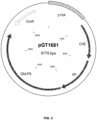
Figur 2 : Plasmid enthaltend die Enzymkaskade zur Biosynthese der Grundstruktur Levopimaradien, mit crtE: Geranylgeranyl-diphosphat-Synthase; IPI: Isopentenyl-Diphosphat-Isomerase; GbLPS: Terpensynthase Levopimardiensynthase; CmR: Chloramphenicol-Resistenzgen; p15A: Regulator der Plasmidreplikation (origin of replication). -
Figur 3 : Plasmid enthaltend die Enzymkaskade zur oxidativen Umsetzung von Levopimaradien zu Levopimarsäure, mit 6xHis: HIS-Tag-Sequenz; PsCYP720B4: Cytochrom-P450-Monooxygenase-Domäne; HybRed9: Cytochrom-Reduktase-Domäne; Amp: Ampicillin-Resistenzgen; ColEI-ori: Regulator der Plasmidreplikation (origin of replication); xylR: Regulator des Xylosepromotors. -
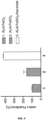
Figur 4 : Medienzusatz Ascorbat bewirkt deutliche Steigerung der Produktausbeute. Eisenionen und Aminolävulinsäure sind Medienzusätze, die für eine hohe CYP-Aktivität benötigt werden. Die Verwendung von FeSO4 (Fe2+) an Stelle von FeCl3 (Fe3+) ist vorteilhaft (Ausbeutesteigerung: 60 %). Zusatz des Antioxidans Ascorbat bewirkt eine weitere 2,6-fache Steigerung der Ausbeute an Harzsäure. -
Figur 5 : Minimierung des unerwünschten Stoffwechsel-Nebenprodukts Indol durch Verwendung einer geeigneten Stickstoffquelle. Unabhängig vom Gehalt der eingesetzten C-Quelle wird bei Ersatz der N-Quelle Trypton durch Corn-steep-liquor die Indolbildung um 90 bis 95 % gesenkt. Die Indol-Quantifizierung erfolgte über HPLC. -
Figur 6 : Typische HPLC-Analytik für erfindungsgemäß fermentativ hergestellte Levopimarsäure. Levopimarsäure wird durch sukzessive Oxidation von Levopimaradien über Levopimaradienol und Levopimaradienal generiert, wobei die Zwischenstufen zu geringen Anteilen im finalen Produkt enthalten sein können. Die Mengenanteile der oxidierten Produkte sind angegeben. 1: Levopimarsäure: 88,9 %, 2: Levopimardienal: 6,9 % 3: Levopimardienol: 4,2 %, 4: Levopimardien (Ausgangsverbindung) - Die vorliegende Erfindung betrifft das oben unter (1) beschriebenen, rekombinante Bakterium.
- Unter einem "rekombinanten Bakterium" ist im Zusammenhang mit der vorliegenden Erfindung ein gentechnisch verändertes bzw. modifiziertes Bakterium zu verstehen, das in seinem Genom heterologe Nukleotidsequenzen enthält, also Nukleotidsequenzen, die so natürlicherweise nicht in dem Mikroorganismus vorkommen. Hierzu zählen insbesondere Gene eines anderen Organismus (sogenannte Transgene), aber auch im Vergleich zur natürlichen Sequenz veränderte Nukleotidsequenzen und auch Nukleotidsequenzen, die natürlicherweise an einer anderen Stelle im Genom des Mikroorganismus vorhanden sind. Diese heterologen Nukleotidsequenzen können entweder auf dem Chromosom des Bakteirums und/oder auf einem oder mehreren extrachromosomalen DNA-Elementen des Mikroorganismus vorliegen. Beispiele für extrachromosomale DNA-Elemente umfassen alle Arten von Vektoren, wie Plasmide, Cosmide, Bacterial Artificial Chromosomes (BACs), oder virale Vektoren. Bakterien im Sinne der vorliegenden Erfindung sind vorzugsweise ausgewählt aus der Gruppe bestehend aus fakultativ anaeroben Bakterien, insbesondere Proteobacteria, zum Beispiel der Gattung Escherichia, bevorzugt der Art E. coli. E. coli Stämme von besonderem Interesse im Zusammenhang mit dieser Erfindung sind E. coli BL21 und E. coli TOP10. Die gentechnische Veränderung der Bakterien kann nach jeder der im Stand der Technik bekannten biotechnologischen Verfahren erfolgen, so etwa mittels Transformation, Transduktion oder Konjugation.
- Das rekombinante Bakterium weist die Enzymaktivitäten wenigstens einer Geranylgeranyl-Pyrophosphat-Synthase (GGPPS), wenigstens einer Isopentenyl-Pyrophosphat-Isomerase (IPI), wenigstens einer Diterpensynthase (diTPS), wenigstens einer Cytochrom-P450-Monooxygenase (CYP), und wenigstens einer Cytochrom-P450-Reduktase (CPR) auf. Die entsprechenden Enzyme können dabei entweder natürlicherweise in dem Mikroorganismus vorkommen oder auch nicht, also entweder endogen oder heterolog sein, wobei aber wenigstens eines der Enzyme heterolog ist. Insbesondere sind auch Kombinationen von endogenen und heterologen Enzymen von der Erfindung mitumfasst.
- Eine "Geranylgeranyl-Pyrophosphat-Synthase (GGPPS)" im Sinne der vorliegenden Erfindung ist ein bakterielles Enzym, das die Synthese von Geranylgeranyl-Pyrophosphat (GGPP) aus Dimethylallylpyrophosphat (DMAPP) und Isopentenylpyrophospat (IPP) katalysiert. In einer Ausführungsform der vorliegenden Erfindung stammt die GGPPS aus Enterobakterien, besonders bevorzugt aus Pantoea agglomerans. Besonders bevorzugte Ausführungsformen der GGPPS sind solche, die eine Aminosäuresequenz gemäß SEQ ID NO:4 oder eine Aminosäuresequenz mit wenigstens 50 %, 60 %, 70 %, 80 %, 90 %, 95 % oder 99 % Identität über die gesamte Länge von SEQ ID NO:4 umfassen oder daraus bestehen. In einer weiteren Ausführungsform wird die GGPPS von einer Nukleotidsequenz umfassend oder bestehend aus SEQ ID NO:3 oder einer Nukleotidsequenz, die wenigstens 50 %, 60 %, 70 %, 80 %, 90 %, 95 % oder 99 % Identität über die gesamte Länge von SEQ ID NO:3 aufweist, codiert.
- Die GGPP Synthese kann durch die Expression einer bakteriellen oder pflanzlichen IPP-Isomerase (IPI), welche die Isomerisierung von IPP zu DMAPP katalysiert, unterstützt werden. In einer Ausführungsform der vorliegenden Erfindung stammt die IPI aus Bakterien, bevorzugt aus Enterobakterien, besonders bevorzugt aus Pantoea agglomerans. Besonders bevorzugte Ausführungsformen der IPI sind solche, die eine Aminosäuresequenz gemäß SEQ ID NO:6 oder eine Aminosäuresequenz mit wenigstens 60 %, 70 %, 80 %, 90 %, 95 % oder 99 % Identität über die gesamte Länge von SEQ ID NO:6 umfassen oder daraus bestehen. In einer weiteren Ausführungsform wird die IPI von einer Nukleotidsequenz umfassend oder bestehend aus SEQ ID NO:5 oder einer Nukleotidsequenz, die wenigstens 50 %, 60 %, 70 %, 80 %, 90 %, 95 % oder 99 % Identität über die gesamte Länge von SEQ ID NO:5 aufweist, codiert. In einer weiteren Ausführungsform der vorliegenden Erfindung stammt die IPI aus Pflanzen, bevorzugt aus Zingiberales, besonders bevorzugt aus Curcuma wenyujin und weist eine für bakterielle Expression Codon-Optimierung auf. Besonders bevorzugte Ausführungsformen der IPI sind solche, die eine Aminosäuresequenz gemäß SEQ ID NO:14 oder eine Aminosäuresequenz mit wenigstens 80 %, 90 %, 95 % oder 99 % Identität über die gesamte Länge von SEQ ID NO:14 umfassen oder daraus bestehen. In einer weiteren Ausführungsform wird die IPI von einer Nukleotidsequenz umfassend oder bestehend aus SEQ ID NO:13 oder einer Nukleotidsequenz, die wenigstens 50 %, 60 %, 70 %, 80 %, 90 %, 95 % oder 99 % Identität über die gesamte Länge von SEQ ID NOs: 13 aufweist, codiert.
- Eine "Diterpensynthase (diTPS)" im Sinne der vorliegenden Erfindung ist ein Enyzm mit für bakterielle Expression Codon-optimierter Sequenz, das GGPP in das zyklische Zwischenprodukt Copalylpyrophosphat (CPP) umwandelt, das dann über mehrere Oxidationsschritte zum Diterpen-Endprodukt umgebaut wird (Lafever u.a., Arch. Biochem. Biophys. 313: 139-149 (1994)). Eine Ausführungsform der vorliegenden Erfindung umfasst bifunktionale diTPS (bidTPS), die GGPP in zwei Schritten zum Dien zyklisieren, wobei zunächst das Zwischenprodukt Copalyldiphosphat (CPP) gebildet wird und anschließend die Modifizierung zum Dien erfolgt. Alternativ können auch monofunktionale diTPS (mdiTPS), die nur die Umwandlung von CPP zum Dien katalysieren, eingesetzt werden und zwar in Kombination mit einem zusätzlichen Enzym, einer CPP Synthase (CPS). Die Wahl der diTPS ist maßgeblich für die zu synthetisierende(n) Harzsäure(n). So erfolgt die Synthese der Levopimarsäure unter Verwendung einer Levopimardiensynthase (LPS). In einer Ausführungsform der vorliegenden Erfindung wird Levopimarsäure unter Verwendung einer pflanzlichen LPS synthetisiert, bevorzugt einer LPS aus Ginkgo, besonders bevorzugt aus Ginkgo biloba. Besonders bevorzugte Ausführungsformen der LPS sind solche, die eine Aminosäuresequenz gemäß SEQ ID NO:2 oder eine Aminosäuresequenz mit wenigstens 50 %, 60 %, 70 %, 80 %, 90 %, 95 % oder 99 % Identität über die gesamte Länge von SEQ ID NO:2 umfassen oder daraus bestehen. In einer weiteren Ausführungsform wird die LPS von einer Nukleotidsequenz umfassend oder bestehend aus SEQ ID NO:1 oder einer Nukleotidsequenz, die wenigstens 50 %, 60 %, 70 %, 80 %, 90 %, 95 % oder 99 % Identität über die gesamte Länge von SEQ ID NO:1 aufweist, codiert.
- Die Synthese der Abietinsäure erfolgt unter Verwendung einer Abietadiensynthase (AS). In einer Ausführungsform der vorliegenden Erfindung wird Abietinsäure unter Verwendung einer pflanzlichen AS synthetisiert, bevorzugt einer AS aus Tanne, besonders bevorzugt aus Abies grandis. Besonders bevorzugte Ausführungsformen der AS sind solche, die eine Aminosäuresequenz gemäß SEQ ID NO:16 oder eine Aminosäuresequenz mit wenigstens 50 %, 60 %, 70 %, 80 %, 90 %, 95 % oder 99 % Identität über die gesamte Länge von SEQ ID NO:16 umfassen oder daraus bestehen. In einer weiteren Ausführungsform wird die AS von einer Nukleotidsequenz umfassend oder bestehend aus SEQ ID NO:15 oder einer Nukleotidsequenz, die wenigstens 50 %, 60 %, 70 %, 80 %, 90 %, 95 % oder 99 % Identität über die gesamte Länge von SEQ ID NO:15 aufweist, codiert.
- Die Synthese der Pimarsäure/Isopimarsäure erfolgt unter Verwendung einer Pimaradien/Isopimaradiensynthase (PIM). In einer Ausführungsform der vorliegenden Erfindung werden Pimarsäure/Isopimarsäure unter Verwendung einer pflanzlichen PIM synthetisiert, bevorzugt einer PIM aus Kiefer, besonders bevorzugt aus Pinus contorta. Besonders bevorzugte Ausführungsformen der PIM sind solche, die eine Aminosäuresequenz gemäß SEQ ID NO:18 oder eine Aminosäuresequenz mit wenigstens 50 %, 60 %, 70 %, 80 %, 90 %, 95 % oder 99 % Identität über die gesamte Länge von SEQ ID NO:18 umfassen oder daraus bestehen. In einer weiteren Ausführungsform wird die PIM von einer Nukleotidsequenz umfassend oder bestehend aus SEQ ID NO:17 oder einer Nukleotidsequenz, die wenigstens 50 %, 60 %, 70 %, 80 %, 90 %, 95 % oder 99 % Identität über die gesamte Länge von SEQ ID NOs:17 aufweist, codiert.
- Eine "Cytochrom P450 Monooxygenase (CYP)" im Sinne der vorliegenden Erfindung ist ein aus Picea sitchensis stammendes Enzym mit für bakterielle Expression Codon-optimierter Sequenz, das die Oxidation von Diterpen-Dienen zu Harzsäuren katalysiert. Bevorzugt sind die CYP pflanzlichen Ursprungs, insbesondere solche aus Koniferen oder dikotylen Pflanzen wie Medicago, Tomate oder Soja. Besonders bevorzugte Ausführungsformen der CYP sind solche aus Picea sitchensis, die eine Aminosäuresequenz gemäß SEQ ID NO:8 oder eine Aminosäuresequenz mit wenigstens 70 %, 80 %, 90 %, 95 % oder 99 % Identität über die gesamte Länge von SEQ ID NO:8 umfassen oder daraus bestehen. In einer weiteren Ausführungsform wird die CYP von einer Nukleotidsequenz umfassend oder bestehend aus SEQ ID NO:7 oder einer Nukleotidsequenz, die wenigstens 50 %, 60 %, 70 %, 80 %, 90 %, 95 % oder 99 % Identität über die gesamte Länge von SEQ ID NO:7 aufweist, codiert. Cytochrom-P450-Enzyme sind für die Übertragung der Elektronen auf einen Redoxpartner angewiesen. Eine Cytochrom P450 Oxidoreduktase (CPR) im Sinne der vorliegenden Erfindung ist eine CPR eine Oxidoreduktase, die als Redoxpartner der CYP dient,und die eine pflanzliche CPRs, etwa solche aus Arabidopsis und Ingwer.
- Die CPR ist eine hybride Reduktase die durch Neukombination der Proteindomänen aus Arabidopsis und Ingwer erhältlich ist, eine für bakterielle Expression geeignete Codon-Optimierung aufweist und eine Aminosäuresequenz mit wenigstens 50 % Identität über die gesamte Länge von SEQ ID NO:10 aufweist, wobei die CPR als Fusionsprotein mit der CYP exprimiert wird.
- Besonders bevorzugte Ausführungsformen der CPR sind solche, die eine Aminosäuresequenz gemäß SEQ ID NO:10 oder eine Aminosäuresequenz mit wenigstens 60 %, 70 %, 80 %, 90 %, 95 % oder 99 % Identität über die gesamte Länge von SEQ ID NO: 10 umfassen oder daraus bestehen. In einer weiteren Ausführungsform wird die CPR von einer Nukleotidsequenz umfassend oder bestehend aus SEQ ID NO:9 oder einer Nukleotidsequenz, die wenigstens 80 %, 90 %, 95 % oder 99 % Identität über die gesamte Länge von SEQ ID NO:10 aufweist, codiert.
- Die CPR wird als Fusionsprotein zusammen mit der CYP exprimiert.
- Nukleotidsequenzen, die für die vorgehend beschriebenen Enzyme codieren, können funktionell mit einem oder mehreren regulatorischen Elementen verknüpft sein. Derartige regulatorische Elemente umfassen alle im Stand der Technik bekannten regulatorischen Elemente, die die Expression des jeweiligen Enzyms beeinflussen können. Insbesondere zählen hierzu Promotoren, beispielsweise konstitutive und regulatorische Promotoren, Terminatoren, Ribosomenbindungsstellen und Enhancer. Die Expression der vorgehend beschriebenen Enzyme ist durch Codon-Optimierung der codierenden Nukleotidsequenzen, also durch Anpassung an die dem rekombinanten Bakterium eigene codon-usage, beeinflusst werden.
- Die vorliegende Erfindung betrifft somit codon-optimierte Varianten der für die Enzyme codierenden Nukleotidsequenzen. So stellt beispielsweise SEQ ID NO:1 eine hinsichtlich des codon-usage von E. coli optimierte Variante der Levopimardiensynthase aus Ginkgo biloba dar.
- Die vorliegende Erfindung betrifft auch das oben unter (2) beschriebene Verfahren zur fermentativen de novo Synthese von Harzsäuregemischen definierter Zusammensetzung, umfassend die Kultivierung eines rekombinanten Bakterium gemäß obigem Aspekt (1).
- "De novo" Synthese bedeutet hierbei, dass die erfindungsgemäßen Endprodukte, also die Harzsäuren bzw. Harzsäuregemische, ausgehend von einfachsten Vorläufermolekülen, insbesondere Kohlenstoffverbindungen wie Zucker, gebildet werden.
- "Fermentativ" meint weiterhin, dass es sich um eine enzymatische Umwandlung der Vorläufermoleküle zu den erfindungsgemäßen Endprodukten handelt.
- Das erfindungsgemäße Verfahren umfasst die Kultivierung des erfindungsgemäßen rekombinanten Bakterium. Hierbei bezeichnet "Kultivierung" jede Form der Kultur, die die Synthese der erfindungsgemäßen Harzsäuren gewährleistet. Die Kultivierung erfolgt in einem geeigneten Nährmedium. Ein solches Nährmedium enthält eine Kohlenstoffquelle, bevorzugt wenigstens einen Zucker, der besonders bevorzugt ausgewählt ist aus der Gruppe umfassend Xylose, Glucose, Glycerin, Lactose, Galactose, Arabinose und Fructose, am meisten bevorzugt ist Xylose. Weiter kann das Nährmedium eine Stickstoffquelle enthalten, wobei es bevorzugt ist, dass es sich um eine Tryptophan-arme Stickstoffquelle, etwa Maisquellwasser (corn steep liquor) handelt. Weiter kann das Nährmedium Zusätze enthalten, die die Aktivität der exprimierten Enzyme beeinflussen können, beispielsweise Ascorbat oder Eisenverbindungen. Die Temperatur, bei der die Kultivierung erfolgt, richtet sich grundsätzlich nach dem zu kultivierenden Mikroorganismus. Weiter ist der Einfluss der Temperatur auf die jeweiligen Enzymaktivitäten zu berücksichtigen. In einer bevorzugten Ausführungsform der vorliegenden Erfindung wird E. coli bei einer Temperatur von 26 °C kultiviert.
- Das erfindungsgemäße Verfahren dient der Herstellung von Harzsäuregemischen definierter Zusammensetzung. Grundsätzlich ist das Verfahren für die Herstellung einer Vielzahl verschiedener Harzsäuregemische mit unterschiedlicher, definierter Zusammensetzung, geeignet. So ist das Verfahren etwa geeignet, Gemische umfassend und/oder im Wesentlichen bestehend aus Levopimarsäure zu erzeugen. Bevorzugt ist die Herstellung von Levopimarsäure bzw. eines Gemisches, das im Wesentlichen aus Levopimarsäure besteht. Wie oben dargestellt, bestimmt die Wahl der eingesetzten Terpensynthase die herstellbaren Produkte. Die Produktion von Levopimarsäure bzw. eines Gemisches, das im Wesentlichen aus Levopimarsäure besteht, gelingt durch den Einsatz einer Levopimardiensynthase, bevorzugt einer Levopimardiensynthase aus Ginkgo. Unter einem Gemisch, das im Wesentlichen aus Levopimarsäure besteht, ist in einer Ausführungsform der vorliegenden Erfindung ein Gemisch zu verstehen, das wenigstens 80 %, bevorzugt wenigstens 82 %, besonders bevorzugt zwischen 80 % und 95 %, ganz besonders bevorzugt zwischen 82 % und 90 % Levopimarsäure enthält, wobei sich die vorstehenden Prozentangaben auf die oxidierten Levopimardienprodukte und auf eine Bestimmung mittels HPLC Analytik, wie unten beispielhaft dargestellt, beziehen.
- Die Erfindung wird in dem nachfolgenden Beispiel näher erläutert:
-
- Verwendeter Bakterienstamm/Wirt
- E. coli BL21 (DE3) gold
- Genotyp: F- ompT gal dem Ion hsdSB(rB -mB -) λ(DE3 [lacI lacUV5-T7p07 ind1 sam7 nin5]) [malB + ]K-12(λS)
- Das Plasmid pGT1681, wie in
FIG. 2 dargestellt, enthält die Enzymkaskade zur Biosynthese der Grundstruktur Levopimaradien. - Die benötigten Enzymfunktionen umfassen:
- eine Geranylgeranyl-diphosphat-Synthase (crtE)
- eine Isopentenyl-Diphosphat-Isomerase (IPI)
- die Terpensynthase Levopimardiensynthase (LPS)
- Basierend auf dem Plasmid pAC-BETAipi (Cunninhgam and Gantt, Photosynth. Res. 92:245-259 (2007)) wurde ein artifizielles Operon erzeugt, das diese drei Enzyme kodiert. Hierzu wurde das vorhandene crtE-Gen gegen ein alternatives Gen aus P.agglomerans ausgetauscht, das im Experiment eine höhere Produktausbeute bewirkte. Zudem wurden die Gene crtY, crtI und crtB entfernt und durch das Gen GbLPS ersetzt. Das GbLPS-Gen stammt aus der Pflanze Ginkgo biloba und kodiert für eine plastidär lokalisierte Levopimardiensynthase. Für die Verwendung im fermentativen System wurden die für das Chloroplasten-Lokalisationssignal kodierenden Sequenzen entfernt und nur die für das reife Protein kodierende Sequenz in das Plasmid pGT1681 eingesetzt. Zudem wurde die DNA-Sequenz von GbLPS hinsichtlich des Codon-usage für die Expression in E. coli optimiert.
- Experimentell wurde gefunden, dass eine Variante der verkürzten GbLPS, die die Punktmutationen M534I und Y608F trägt, 10x aktiver als das Wildtyp-Enzym ist. Die Nukleotidsequenz der in pGT1681 enthaltenen GbLPS ist in SEQ ID NO:1 gezeigt.
- In der Folge sind weitere Verbesserungen des erhaltenen Plasmids vorgenommen worden, die die Produktsynthese optimieren. So wurde die intergenische Region zwischen den Genen IPI und GbLPS angepasst. Außerdem wurden die Shine-Dalgarno-Sequenzen vor crtE und IPI optimiert. Der artifizielle Terminator aTerm5 wurde eingefügt. Die vollständige Nukleotidsequenz von pGT1681 ist in SEQ ID NO: 12 zu finden.
- Das Plasmid pGT1695, wie in
FIG. 3 dargestellt, enthält die Enzymkaskade zur oxidativen Umsetzung von Levopimaradien zu Levopimarsäure Die benötigten Enzymfunktionen umfassen: - eine Cytochrom-P450-Monooxygenase (CYP), bevorzugt PsCYP720B4 (SEQ ID NOs:7, 8)
- eine Cytochrom-Reduktase (CPR), bevorzugt HybRed9 (SEQ ID NOs: 9, 10) Dieser Expressionsvektor codiert für ein Fusionsprotein aus CYP und CPR, wobei das Fusionsgen unter der Kontrolle des Xylose-induzierbaren Promotors pXYL1 steht.
- Als CYP-Komponente wurde das Gen für die Monooxygenase CYP720B4 aus Picea sitchensis eingesetzt. Die Gensequenz ist verkürzt, so dass ein N-terminal um 29 Aminosäuren verkürztes Protein kodiert wird (Deletion der Transmembranhelix am N-Terminus). Das verwendete Gen ist codon-optimiert für die Expression in E.coli und seine Nukleotidsequenz in SEQ ID NO:7 gezeigt. Als CPR-Komponente für das Fusionsprotein wird das Gen HybRed9 (SEQ ID NO:9) verwendet, um die Produktausbeute zu optimieren.
- Die vollständige Nukleotidsequenz von pGT1695 ist in SEQ ID NO:11 zu finden.
- Die Enzymkaskaden der Plasmide pGT1681 und pGT1695 können alternativ auch in das Genom des Wirtsstammes integriert werden. Auf selektive Antibiotika kann in diesem Fall bei der fermentativen Produktion (s.u.) verzichtet werden.
- Die Medien und Kulturbedingungen sind für die Harzsäureproduktion mit dem genannten Mikroorganismus optimiert worden. Die Effekte der Verbesserungen sind in der Folge dargestellt:
- Der Stamm BL21 synthetisiert 8x mehr Levopimaradien und 3x mehr Levopimarsäure als der ursprünglich verwendete Stamm E.coli TOP10.
- Anpassung der Kultur-Temperatur auf 26 °C bewirkt verbesserte Oxidaseaktivität.
- Zugabe der Hämvorstufe Aminolävulinsäure (ALA) und FeCl3 zum Medium mit positiver Wirkung auf die Ausbeute an aktivem CYP-Enzym. Resultiert in höherer Oxidaseaktivität und besserer Endproduktbildung.
- Ersatz von FeCl3 durch FeSO4 bewirkt 60 %-ig höhere Produktausbeute (siehe
FIG. 4 ). - Verwendung von Ascorbat als Medienzusatz bewirkt eine weitere 2,6-fache Steigerung der Produktausbeute (siehe
FIG. 4 ). - Verwendung von Corn Steep Liquor statt Trypton als Aminosäure/Stickstoffquelle bewirkt eine 90 %-ige Senkung der Indol-Nebenproduktion (siehe
FIG. 5 ). -
- dYT -Medium
- 1,6 g/l Stickstoffquelle*
- 1,0 g/l Hefeextrakt
- 0.5 g/l NaCl
- (+ 15 g/l Agar bei festen Medien)
- pH 7,0 → autoklaviert
- *Stickstoffquelle können Trypton, Corn steep liquor (CSL), Beef-Extract oder Ammoniumsulfat bzw. Ammoniumchlorid sein. Die Ammoniumsalze oder CSL werden bevorzugt.
-
- 100 mg/l Ampicillin
- 25 mg/l Chloramphenicol
-
Endkonzentration im Medium 1x Makro-Elemente* 250 µM Aminolävulinsäure 25 µM FeCl3 oder FeSO4 10 mM Ascorbat 30 g/l Xylose *10x-Makro-Elemente:
98 g/l K2HPO4
3 g/l Ammonium iron (III) citrate (Sigma F5879-100G)
21 g/l Citric acid Monohydrate
→ sterilfiltriert - Zur Kultivierung der Harzsäure-produzierenden Bakterienkulturen im Labormaßstab werden die Plasmide pGT1681 und pGT1695 in chemisch kompetente Zellen von E. coli BL21 mittels Hitzeschock transformiert wie es dem Fachmann bekannt ist. Zur Selektion positiver Transformanten wird die Kultur auf dYT-Medium (fest) mit Antibiotika (Amp + Cm) ausplattiert und die Platte über Nacht bei 30 °C inkubiert. Für die fermentative Produktion der Harzsäuren im Schüttelkolben werden zunächst im Reagenzglas Vorkulturen angeimpft. Hierzu werden 3 ml dYT-Medium (flüssig) mit Antibiotika mit jeweils einer Kolonie beimpft und für ca. 4 Stunden bis zu einer Zelldichte von OD600≈0,6-1 bei 30 °C und 200 Umdrehungen/Minute (rpm), sodass ausreichender Sauerstofftransfer in das Nährmedium gewährleistet ist, angezogen. Für die Hauptkultur werden 15 ml auf 26 °C vorgewärmtes dYT-Medium (flüssig) mit Zusätzen und Antibiotika im 100 ml-Erlenmeyerkolben mit entsprechendem Volumen Vorkultur beimpft, sodass eine Zelldichte von OD600=0,033 vorliegt. Nach 20 h Kultivierung bei 26 °C und 200 Umdrehungen/Minute werden weitere 30 g/l Xylose zugegeben, die Kultur für weitere 20 Stunden bei 26 °C und 200 Umdrehungen/Minute inkubiert. Danach erfolgt die Abtrennung der Produkt-haltigen Biomasse vom Nährmedium mittels Zentrifugation (20 min, 5000 x g).
- Produktion im größeren Volumen kann alternativ im Fermenter (Fed-batch Fermentation) erfolgen. Die benötigte Xylose wird hierbei über den Feed dem Fermenter zu geführt. Xylose dient zugleich als Kohlenstoffquelle und Induktor für die Expression des Oxidasesystems.
- Material:
- Saline: 0,9 % NaCl
- Aceton (p.a.)
- n-Hexan (p.a.)
- Acetonitril (gradient grade)
- Um Harzsäuren, Aldehyd, Alkohol und Olefine aus der Expressionskultur zu extrahieren wird diese in ein 50 ml-Zentrifugengefäß überführt und 5 Minuten bei 400 Umdrehungen/Minute abzentrifugiert. Der Überstand enthält keine signifikanten Mengen an Harzsäuren und wird daher verworfen. Das Zellpellet wird in 400 µl 0,9 % NaCl (Saline) resuspendiert und in ein 2 ml-Zentrifugengefäß überführt. Zum Zellaufschluss werden 400 µl Aceton (p.a.) zugegeben und gut gemischt bis das Zellpellet vollständig resuspendiert ist. Folgende Schritte werden insgesamt dreimal durchgeführt. Zur Extraktion werden 400 µl n-Hexan zugegeben, gut gemischt und 10 Minuten geschüttelt, anschließend 20-25 Sekunden bei 14.000 Umdrehungen/Minute abzentrifugiert. Der organische Lösungsmittelüberstand wird abpipettiert und in einem 1,5 ml Zentrifugengefäß gesammelt. Dieser enthält die Harzsäuren und ihre Vorstufen. Bei den Ausschüttel-Schritten wird darauf geachtet, dass das Zellpellet vollständig resuspendiert wird.
- Nach mehreren Optimierungsschritten und Versuchen u.a. mit Ethylacetat und Acetonitril als Lösungsmittel, hat sich gezeigt, dass durch Kombination von Zellaufschluss mit Aceton und Extraktion mit n-Hexan die Harzsäuren und ihre Vorstufen am effizientesten extrahiert werden können. Die Arbeitszeit wurde deutlich verkürzt und die Extraktion der Produkte erfolgt quantitativ, sodass die verbleibenden Reststoffe keine signifikanten Produktmengen mehr enthalten.
- Vorbereitend zur Analyse der erhaltenen Harzsäureprodukte wird der erzeugte n-Hexan-Extrakt in einer Vakuumzentrifuge bei 2000 Umdrehungen/Minute und 40 °C unter Vakuum für 30 Minuten bis zur Trockne eingedampft. Der Rückstand wird in 200 µl Acetonitril (gradient grade) gelöst und für die HPLC-Analytik über Spartan®-Spritzenvorsatzfilter (0,2 µm Porengröße) vorgereinigt, um feinste Feststoffverunreinigungen zu entfernen.
- Der Nachweis der Harzsäuren und ihrer Vorstufen erfolgt mittels HPLC. Die Trennung erfolgt über einen Gradienten von 20 % bis 100 % Laufmittel B in 10 Minuten mit Laufmittel A: 20 % Acetonitril in Wasser + 0,25 % Essigsäure und Laufmittel B: 100 % Acetonitril + 0,25 % Essigsäure bei einer Flussrate von 1 ml/Minute über eine Purospher®Star PR 18e 5 µm LiChroCART® 125-4 Säule. Die Detektion erfolgt für Levopimaradien-Derivate bei 270 nm, für Abietadien-/Pimaradien-Derivate bei 240 nm.
- Die Ergebnisse zeigen, dass bei Durchführung des erfindungsgemäßen fermentativen Verfahrens mit dem Enzym Levopimardiensynthase (LPS) die Levopimarsäure das Hauptprodukt darstellt. Dessen Anteil an den oxidierten Levopimardienprodukten beträgt typischerweise 82-90 %. Daneben treten die unmittelbaren Vorstufen geringerer Oxidationsstufe (Aldehyd (-dienal) bzw. Alkohol(-dienol)) mit Anteilen von jeweils 5-9 % im Produktprofil auf. Ein typisches Chromatogramm ist in
FIG. 6 dargestellt.
Claims (15)
- Rekombinantes Bakterium, das die folgende Nukleinsäuresequenzen aufweist, die die zur fermentativen de novo Synthese von Harzsäuregemischen definierter Zusammensetzung erforderlichen Enzyme codieren:(i) wenigstens eine bakterielle Geranylgeranyl-Pyrophosphat-Synthase (GGPPS),(ii) wenigstens eine bakterielle oder pflanzliche Isopentenyl-Pyrophosphat-Isomerase (IPI) mit für bakterielle Expression Codon-optimierter Sequenz,(iii) wenigstens eine Diterpensynthase (diTPS) mit für bakterielle Expression Codon-optimierter Sequenz, welche die Zusammensetzung bestimmt,(iv) wenigstens eine aus Picea sitchensis stammende Cytochrom-P450-Monooxygenase (CYP) mit für bakterielle Expression Codon-optimierter Sequenz, und(v) wenigstens eine hybride Cytochrom-P450-Reduktase (CPR), die Proteindomänen aus Arabidopsis und Ingwer, eine für bakterielle Expression Codon-optimierte Sequenz und eine Sequenz, die eine Aminosäuresequenz mit wenigstens 50 % Identität über die gesamte Länge von SEQ ID NO:10 codiert, aufweist,das die Enzyme exprimiert, wobei die CPR als Fusionsprotein mit dem CYP exprimiert wird, und das die Harzsäuregemische definierter Zusammensetzung synthetisiert.
- Rekombinantes Bakterium nach Anspruch 1, dadurch gekennzeichnet, dass(i) das Harzsäuregemisch im Wesentlichen aus Levopimarsäure besteht und die diTPS eine Levopimardiensynthase ist; oder(ii) das Harzsäuregemisch im Wesentlichen aus Abietinsäure besteht und die diTPS eine Abietadiensynthase ist; oder(iii) das Harzsäuregemisch im Wesentlichen aus Pimarsäure/Isopimarsäure besteht und die diTPS eine Pimaradien/Isopimaradiensynthase ist.
- Rekombinantes Bakterium nach Anspruch 2, dadurch gekennzeichnet, dass(i) die diTPS eine Aminosäuresequenz mit wenigstens 50 % Identität über die gesamte Länge von SEQ ID NO:2 umfasst, bevorzugt SEQ ID NO:2 umfasst; oder(ii) die diTPS eine Aminosäuresequenz mit wenigstens 50 % Identität über die gesamte Länge von SEQ ID NO:16 umfasst, bevorzugt SEQ ID NO:16 umfasst; oder(iii) die diTPS eine Aminosäuresequenz mit wenigstens 50 % Identität über die gesamte Länge von SEQ ID NO:18 umfasst, bevorzugt SEQ ID NO:18 umfasst.
- Rekombinantes Bakterium nach Anspruch 2 oder 3, dadurch gekennzeichnet, dass(i) die diTPS von einer Nukleotidsequenz gemäß SEQ ID NO:1 oder einer Nukleotidsequenz mit wenigstens 50 % Identität über die gesamte Länge von SEQ ID NO:1 codiert wird; oder(ii) die diTPS von einer Nukleotidsequenz gemäß SEQ ID NO:15 oder einer Nukleotidsequenz mit wenigstens 50 % Identität über die gesamte Länge von SEQ ID NO:15 codiert wird; oder(iii) die diTPS von einer Nukleotidsequenz gemäß SEQ ID NO:17 oder einer Nukleotidsequenz mit wenigstens 50 % Identität über die gesamte Länge von SEQ ID NO:17 codiert wird.
- Rekombinantes Bakterium nach einem der Ansprüche 1 bis 4, dadurch gekennzeichnet, dass(i) die GGPPS aus Enterobakterien, bevorzugt aus Pantoea agglomerans stammt; und/oder(ii) die IPI aus Enterobakterien, bevorzugt aus Pantoea agglomerans, stammt oder die IPI aus Zingiberales, bevorzugt aus Curcuma wenyujin stammt.
- Rekombinantes Bakterium nach einem der Ansprüche 1 bis 5, dadurch gekennzeichnet, dass(i) die GGPPS eine Aminosäuresequenz mit wenigstens 50 % Identität über die gesamte Länge von SEQ ID NO:4 umfasst, bevorzugt die Aminosäuresequenz von SEQ ID NO:4 umfasst; und/oder(ii) die IPI eine Aminosäuresequenz mit wenigstens 60 % Identität über die gesamte Länge von SEQ ID NO:6 oder 80 % Identität zu SEQ ID NO:14 umfasst, bevorzugt die Aminosäuresequenz von SEQ ID NO:6 oder SEQ ID NO:14 umfasst; und/oder(iii) die CYP eine Aminosäuresequenz mit wenigstens 70 % Identität über die gesamte Länge von SEQ ID NO:8 umfasst, bevorzugt die Aminosäuresequenz von SEQ ID NO:8 umfasst; und/oder(iv) die CPR eine Aminosäuresequenz mit wenigstens 80 % Identität über die gesamte Länge von SEQ ID NO:10 umfasst, bevorzugt SEQ ID NO:10 umfasst.
- Rekombinantes Bakterium nach einem der Ansprüche 1 bis 6, dadurch gekennzeichnet, dass(i) die GGPPS von einer Nukleotidsequenz gemäß SEQ ID NO:3 oder einer Nukleotidsequenz mit wenigstens 40 % Identität über die gesamte Länge von SEQ ID NO:3 codiert wird; und/oder(ii) die IPI von einer Nukleotidsequenz gemäß SEQ ID NO:5 oder SEQ ID NO:13 oder einer Nukleotidsequenz mit wenigstens 40 % Identität über die gesamte Länge von SEQ ID NO:5 oder SEQ ID NO:13 codiert wird; und/oder(iii) die CYP von einer Nukleotidsequenz gemäß SEQ ID NO:7 oder einer Nukleotidsequenz mit wenigstens 40 % Identität über die gesamte Länge von SEQ ID NO:7 codiert wird; und/oder(iv) die CPR von einer Nukleotidsequenz gemäß SEQ ID NO:9 oder einer Nukleotidsequenz mit wenigstens 40 % Identität über die gesamte Länge von SEQ ID NO:9 codiert wird.
- Rekombinantes Bakterium nach einem der Ansprüche 1 bis 7, dadurch gekennzeichnet, dass wenigstens eines der Enzyme von einem extrachromosomalen DNA Element codiert wird, bevorzugt von einem Plasmid.
- Rekombinantes Bakterium nach einem der Ansprüche 1, 4 oder 7, dadurch gekennzeichnet, dass die Nukleotidsequenz funktionell mit wenigstens einem regulatorischen Element verknüpft ist, bevorzugt ausgewählt aus der Gruppe bestehend aus einem Promoter, einem Terminator, einem Enhancer, einer Ribosomenbindungsstelle.
- Rekombinantes Bakterium nach einem der Ansprüche 1 bis 9, wobei das Bakterium aus der Gattung Escherichia ist.
- Rekombinantes Bakterium nach Anspruch 10, das ein E. coli Stamm ist.
- Verfahren zur fermentativen de novo Synthese von Harzsäuregemischen definierter Zusammensetzung, umfassend die Kultivierung eines rekombinanten Bakteriums nach einem der Ansprüche 1 bis 11.
- Verfahren nach Anspruch 12, dadurch gekennzeichnet, dass die Kultivierung in einem Nährmedium erfolgt, das eine Kohlenstoffquelle, bevorzugt Zucker, besonders bevorzugt Xylose, Glucose, Glycerin, Lactose, Galactose, Arabinose oder Fructose, enthält.
- Verfahren nach Anspruch 13, dadurch gekennzeichnet, dass das Nährmedium eine Stickstoffquelle, bevorzugt eine Tryptophan-arme Stickstoffquelle, besonders bevorzugt Maisquellwasser enthält.
- Verwendung eines rekombinanten Bakteriums nach einem der Ansprüche 1 bis 11 zur fermentativen de novo Synthese von Harzsäuren sowie Harzsäuregemischen definierter Zusammensetzung.
Applications Claiming Priority (2)
| Application Number | Priority Date | Filing Date | Title |
|---|---|---|---|
| EP17172021.2A EP3404107A1 (de) | 2017-05-19 | 2017-05-19 | Verfahren zur fermentativen de novo synthese von harzsäuren |
| PCT/EP2018/062877 WO2018211002A1 (de) | 2017-05-19 | 2018-05-17 | Verfahren zur fermentativen de novo synthese von harzsäuren |
Publications (3)
| Publication Number | Publication Date |
|---|---|
| EP3625352A1 EP3625352A1 (de) | 2020-03-25 |
| EP3625352B1 true EP3625352B1 (de) | 2024-01-24 |
| EP3625352C0 EP3625352C0 (de) | 2024-01-24 |
Family
ID=58745117
Family Applications (2)
| Application Number | Title | Priority Date | Filing Date |
|---|---|---|---|
| EP17172021.2A Withdrawn EP3404107A1 (de) | 2017-05-19 | 2017-05-19 | Verfahren zur fermentativen de novo synthese von harzsäuren |
| EP18725503.9A Active EP3625352B1 (de) | 2017-05-19 | 2018-05-17 | Verfahren zur fermentativen de novo synthese von harzsäuren |
Family Applications Before (1)
| Application Number | Title | Priority Date | Filing Date |
|---|---|---|---|
| EP17172021.2A Withdrawn EP3404107A1 (de) | 2017-05-19 | 2017-05-19 | Verfahren zur fermentativen de novo synthese von harzsäuren |
Country Status (3)
| Country | Link |
|---|---|
| EP (2) | EP3404107A1 (de) |
| BR (1) | BR112019024286A2 (de) |
| WO (1) | WO2018211002A1 (de) |
Families Citing this family (1)
| Publication number | Priority date | Publication date | Assignee | Title |
|---|---|---|---|---|
| IL300574A (en) * | 2020-08-27 | 2023-04-01 | Kobenhavns Univ | Production of oxidized diterpenoid compounds |
Family Cites Families (3)
| Publication number | Priority date | Publication date | Assignee | Title |
|---|---|---|---|---|
| US8062878B2 (en) * | 2009-11-10 | 2011-11-22 | Massachusetts Institute Of Technology | Methods for microbial production of terpenoids |
| WO2015197075A1 (en) * | 2014-06-23 | 2015-12-30 | University Of Copenhagen | Methods and materials for production of terpenoids |
| JP6940503B2 (ja) * | 2015-08-28 | 2021-09-29 | フィトヴェルト グリーンテクノロジーズ ゲーエムベーハー | 発酵によるα−イオノン製造の方法 |
-
2017
- 2017-05-19 EP EP17172021.2A patent/EP3404107A1/de not_active Withdrawn
-
2018
- 2018-05-17 WO PCT/EP2018/062877 patent/WO2018211002A1/de not_active Ceased
- 2018-05-17 EP EP18725503.9A patent/EP3625352B1/de active Active
- 2018-05-17 BR BR112019024286-4A patent/BR112019024286A2/pt active Search and Examination
Also Published As
| Publication number | Publication date |
|---|---|
| EP3625352C0 (de) | 2024-01-24 |
| BR112019024286A2 (pt) | 2020-07-28 |
| EP3625352A1 (de) | 2020-03-25 |
| WO2018211002A1 (de) | 2018-11-22 |
| EP3404107A1 (de) | 2018-11-21 |
Similar Documents
| Publication | Publication Date | Title |
|---|---|---|
| Liu et al. | Engineering the biosynthesis of caffeic acid in Saccharomyces cerevisiae with heterologous enzyme combinations | |
| US10392635B2 (en) | Production of tetrahydrocannabinolic acid in yeast | |
| CN113784758B (zh) | 产生莨菪烷生物碱(ta)的非植物宿主细胞及其制备和使用方法 | |
| EP2393931B1 (de) | Verfahren zur aminierung von multizyklischen ketonen unter verwendung von transaminasen | |
| EP3268467A1 (de) | Verfahren zur mikrobiellen de novo synthese von terpenen | |
| US10954534B2 (en) | Production of cannabigerolic acid in yeast | |
| EP2692729A1 (de) | Verfahren zur biotechnologischen Herstellung von Dihydrochalkonen | |
| EP3341490B1 (de) | Verfahren zur fermentativen alpha-ionon produktion | |
| WO2022204283A1 (en) | Tropane alkaloid transporters and methods of making tropane alkaloids using the same | |
| WO2020016287A1 (de) | Biotechnologische herstellung von cannabinoiden | |
| DE102018008670A1 (de) | Bereitstellung von Malonyl-CoA in coryneformen Bakterien sowie Verfahren zur Hestellung von Polyphenolen und Polyketiden mit coryneformen Bakterien | |
| CN107075465A (zh) | 阿魏酸转化为香草醛的方法 | |
| EP1223220B1 (de) | Gene, enthaltend eine für Hydroxynitrillyase codierende DNA-Sequenz, rekombinante Proteine mit Hydroxynitrillyase-Aktivität und deren Verwendung | |
| EP3404107A1 (de) | Verfahren zur fermentativen de novo synthese von harzsäuren | |
| EP1313870B1 (de) | Verfahren zur verbesserten herstellung und isolierung von trans-dihydroxy-cyclohexadien-carbonsäuren und/oder deren folgeprodukte sowie ein dazu geeigneter genetisch veränderter organismus | |
| WO2022156857A1 (de) | Verfahren zur herstellung von 2,4-dihydroxybutyrat oder l-threonin unter nutzung eines mikrobiellen stoffwechselweges | |
| DE102020132795B4 (de) | Verfahren zur biotechnologischen Herstellung von 2-Phenylethanolen aus pflanzlichen Quellen | |
| DE10251547C5 (de) | Rekombinante (R)-Hydroxynitrillyase | |
| DE19931819B4 (de) | 11-Arachidonat-Lipoxygenase-Mutante | |
| DE112023004151T5 (de) | Rekombinante wirtssysteme für die herstellung von aleuritinsäure und verfahren dazu | |
| EP1527191A1 (de) | Verfahren zur biotransformation von carotinoiden mittels cytochrom p450 monooxygnase | |
| DE102021214582A1 (de) | Verfahren zur zellfreien Herstellung von unspezifischen Peroxygenasen und deren Verwendung | |
| DE19914464A1 (de) | Linoleat- und Linolenat-Lipoxygenase-Mutanten | |
| EP0609244A1 (de) | Verfahren zur herstellung von halogenierten hydroxyphenylessigsäuren |
Legal Events
| Date | Code | Title | Description |
|---|---|---|---|
| STAA | Information on the status of an ep patent application or granted ep patent |
Free format text: STATUS: UNKNOWN |
|
| STAA | Information on the status of an ep patent application or granted ep patent |
Free format text: STATUS: THE INTERNATIONAL PUBLICATION HAS BEEN MADE |
|
| PUAI | Public reference made under article 153(3) epc to a published international application that has entered the european phase |
Free format text: ORIGINAL CODE: 0009012 |
|
| STAA | Information on the status of an ep patent application or granted ep patent |
Free format text: STATUS: REQUEST FOR EXAMINATION WAS MADE |
|
| 17P | Request for examination filed |
Effective date: 20191122 |
|
| AK | Designated contracting states |
Kind code of ref document: A1 Designated state(s): AL AT BE BG CH CY CZ DE DK EE ES FI FR GB GR HR HU IE IS IT LI LT LU LV MC MK MT NL NO PL PT RO RS SE SI SK SM TR |
|
| AX | Request for extension of the european patent |
Extension state: BA ME |
|
| DAV | Request for validation of the european patent (deleted) | ||
| DAX | Request for extension of the european patent (deleted) | ||
| RIN1 | Information on inventor provided before grant (corrected) |
Inventor name: SCHULLEHNER, KATRIN Inventor name: WELTERS, PETER Inventor name: JACH, GUIDO |
|
| STAA | Information on the status of an ep patent application or granted ep patent |
Free format text: STATUS: EXAMINATION IS IN PROGRESS |
|
| 17Q | First examination report despatched |
Effective date: 20210322 |
|
| GRAP | Despatch of communication of intention to grant a patent |
Free format text: ORIGINAL CODE: EPIDOSNIGR1 |
|
| STAA | Information on the status of an ep patent application or granted ep patent |
Free format text: STATUS: GRANT OF PATENT IS INTENDED |
|
| INTG | Intention to grant announced |
Effective date: 20230717 |
|
| GRAJ | Information related to disapproval of communication of intention to grant by the applicant or resumption of examination proceedings by the epo deleted |
Free format text: ORIGINAL CODE: EPIDOSDIGR1 |
|
| STAA | Information on the status of an ep patent application or granted ep patent |
Free format text: STATUS: EXAMINATION IS IN PROGRESS |
|
| GRAP | Despatch of communication of intention to grant a patent |
Free format text: ORIGINAL CODE: EPIDOSNIGR1 |
|
| STAA | Information on the status of an ep patent application or granted ep patent |
Free format text: STATUS: GRANT OF PATENT IS INTENDED |
|
| INTC | Intention to grant announced (deleted) | ||
| GRAS | Grant fee paid |
Free format text: ORIGINAL CODE: EPIDOSNIGR3 |
|
| INTG | Intention to grant announced |
Effective date: 20231122 |
|
| GRAA | (expected) grant |
Free format text: ORIGINAL CODE: 0009210 |
|
| STAA | Information on the status of an ep patent application or granted ep patent |
Free format text: STATUS: THE PATENT HAS BEEN GRANTED |
|
| AK | Designated contracting states |
Kind code of ref document: B1 Designated state(s): AL AT BE BG CH CY CZ DE DK EE ES FI FR GB GR HR HU IE IS IT LI LT LU LV MC MK MT NL NO PL PT RO RS SE SI SK SM TR |
|
| REG | Reference to a national code |
Ref country code: GB Ref legal event code: FG4D Free format text: NOT ENGLISH |
|
| REG | Reference to a national code |
Ref country code: CH Ref legal event code: EP |
|
| REG | Reference to a national code |
Ref country code: IE Ref legal event code: FG4D Free format text: LANGUAGE OF EP DOCUMENT: GERMAN |
|
| REG | Reference to a national code |
Ref country code: DE Ref legal event code: R096 Ref document number: 502018014030 Country of ref document: DE |
|
| U01 | Request for unitary effect filed |
Effective date: 20240223 |
|
| U07 | Unitary effect registered |
Designated state(s): AT BE BG DE DK EE FI FR IT LT LU LV MT NL PT SE SI Effective date: 20240301 |
|
| REG | Reference to a national code |
Ref country code: LT Ref legal event code: MG9D |
|
| PG25 | Lapsed in a contracting state [announced via postgrant information from national office to epo] |
Ref country code: IS Free format text: LAPSE BECAUSE OF FAILURE TO SUBMIT A TRANSLATION OF THE DESCRIPTION OR TO PAY THE FEE WITHIN THE PRESCRIBED TIME-LIMIT Effective date: 20240524 |
|
| U20 | Renewal fee for the european patent with unitary effect paid |
Year of fee payment: 7 Effective date: 20240528 |
|
| PG25 | Lapsed in a contracting state [announced via postgrant information from national office to epo] |
Ref country code: GR Free format text: LAPSE BECAUSE OF FAILURE TO SUBMIT A TRANSLATION OF THE DESCRIPTION OR TO PAY THE FEE WITHIN THE PRESCRIBED TIME-LIMIT Effective date: 20240425 |
|
| PG25 | Lapsed in a contracting state [announced via postgrant information from national office to epo] |
Ref country code: HR Free format text: LAPSE BECAUSE OF FAILURE TO SUBMIT A TRANSLATION OF THE DESCRIPTION OR TO PAY THE FEE WITHIN THE PRESCRIBED TIME-LIMIT Effective date: 20240124 Ref country code: RS Free format text: LAPSE BECAUSE OF FAILURE TO SUBMIT A TRANSLATION OF THE DESCRIPTION OR TO PAY THE FEE WITHIN THE PRESCRIBED TIME-LIMIT Effective date: 20240424 |
|
| PG25 | Lapsed in a contracting state [announced via postgrant information from national office to epo] |
Ref country code: ES Free format text: LAPSE BECAUSE OF FAILURE TO SUBMIT A TRANSLATION OF THE DESCRIPTION OR TO PAY THE FEE WITHIN THE PRESCRIBED TIME-LIMIT Effective date: 20240124 |
|
| PG25 | Lapsed in a contracting state [announced via postgrant information from national office to epo] |
Ref country code: RS Free format text: LAPSE BECAUSE OF FAILURE TO SUBMIT A TRANSLATION OF THE DESCRIPTION OR TO PAY THE FEE WITHIN THE PRESCRIBED TIME-LIMIT Effective date: 20240424 Ref country code: NO Free format text: LAPSE BECAUSE OF FAILURE TO SUBMIT A TRANSLATION OF THE DESCRIPTION OR TO PAY THE FEE WITHIN THE PRESCRIBED TIME-LIMIT Effective date: 20240424 Ref country code: IS Free format text: LAPSE BECAUSE OF FAILURE TO SUBMIT A TRANSLATION OF THE DESCRIPTION OR TO PAY THE FEE WITHIN THE PRESCRIBED TIME-LIMIT Effective date: 20240524 Ref country code: HR Free format text: LAPSE BECAUSE OF FAILURE TO SUBMIT A TRANSLATION OF THE DESCRIPTION OR TO PAY THE FEE WITHIN THE PRESCRIBED TIME-LIMIT Effective date: 20240124 Ref country code: GR Free format text: LAPSE BECAUSE OF FAILURE TO SUBMIT A TRANSLATION OF THE DESCRIPTION OR TO PAY THE FEE WITHIN THE PRESCRIBED TIME-LIMIT Effective date: 20240425 Ref country code: ES Free format text: LAPSE BECAUSE OF FAILURE TO SUBMIT A TRANSLATION OF THE DESCRIPTION OR TO PAY THE FEE WITHIN THE PRESCRIBED TIME-LIMIT Effective date: 20240124 |
|
| PG25 | Lapsed in a contracting state [announced via postgrant information from national office to epo] |
Ref country code: PL Free format text: LAPSE BECAUSE OF FAILURE TO SUBMIT A TRANSLATION OF THE DESCRIPTION OR TO PAY THE FEE WITHIN THE PRESCRIBED TIME-LIMIT Effective date: 20240124 |
|
| PG25 | Lapsed in a contracting state [announced via postgrant information from national office to epo] |
Ref country code: PL Free format text: LAPSE BECAUSE OF FAILURE TO SUBMIT A TRANSLATION OF THE DESCRIPTION OR TO PAY THE FEE WITHIN THE PRESCRIBED TIME-LIMIT Effective date: 20240124 |
|
| PG25 | Lapsed in a contracting state [announced via postgrant information from national office to epo] |
Ref country code: SM Free format text: LAPSE BECAUSE OF FAILURE TO SUBMIT A TRANSLATION OF THE DESCRIPTION OR TO PAY THE FEE WITHIN THE PRESCRIBED TIME-LIMIT Effective date: 20240124 |
|
| PG25 | Lapsed in a contracting state [announced via postgrant information from national office to epo] |
Ref country code: CZ Free format text: LAPSE BECAUSE OF FAILURE TO SUBMIT A TRANSLATION OF THE DESCRIPTION OR TO PAY THE FEE WITHIN THE PRESCRIBED TIME-LIMIT Effective date: 20240124 |
|
| REG | Reference to a national code |
Ref country code: DE Ref legal event code: R097 Ref document number: 502018014030 Country of ref document: DE |
|
| PG25 | Lapsed in a contracting state [announced via postgrant information from national office to epo] |
Ref country code: SK Free format text: LAPSE BECAUSE OF FAILURE TO SUBMIT A TRANSLATION OF THE DESCRIPTION OR TO PAY THE FEE WITHIN THE PRESCRIBED TIME-LIMIT Effective date: 20240124 |
|
| PG25 | Lapsed in a contracting state [announced via postgrant information from national office to epo] |
Ref country code: SM Free format text: LAPSE BECAUSE OF FAILURE TO SUBMIT A TRANSLATION OF THE DESCRIPTION OR TO PAY THE FEE WITHIN THE PRESCRIBED TIME-LIMIT Effective date: 20240124 Ref country code: SK Free format text: LAPSE BECAUSE OF FAILURE TO SUBMIT A TRANSLATION OF THE DESCRIPTION OR TO PAY THE FEE WITHIN THE PRESCRIBED TIME-LIMIT Effective date: 20240124 Ref country code: RO Free format text: LAPSE BECAUSE OF FAILURE TO SUBMIT A TRANSLATION OF THE DESCRIPTION OR TO PAY THE FEE WITHIN THE PRESCRIBED TIME-LIMIT Effective date: 20240124 Ref country code: CZ Free format text: LAPSE BECAUSE OF FAILURE TO SUBMIT A TRANSLATION OF THE DESCRIPTION OR TO PAY THE FEE WITHIN THE PRESCRIBED TIME-LIMIT Effective date: 20240124 |
|
| PLBE | No opposition filed within time limit |
Free format text: ORIGINAL CODE: 0009261 |
|
| STAA | Information on the status of an ep patent application or granted ep patent |
Free format text: STATUS: NO OPPOSITION FILED WITHIN TIME LIMIT |
|
| REG | Reference to a national code |
Ref country code: CH Ref legal event code: PL |
|
| 26N | No opposition filed |
Effective date: 20241025 |
|
| PG25 | Lapsed in a contracting state [announced via postgrant information from national office to epo] |
Ref country code: MC Free format text: LAPSE BECAUSE OF FAILURE TO SUBMIT A TRANSLATION OF THE DESCRIPTION OR TO PAY THE FEE WITHIN THE PRESCRIBED TIME-LIMIT Effective date: 20240124 |
|
| GBPC | Gb: european patent ceased through non-payment of renewal fee |
Effective date: 20240517 |
|
| PG25 | Lapsed in a contracting state [announced via postgrant information from national office to epo] |
Ref country code: MC Free format text: LAPSE BECAUSE OF FAILURE TO SUBMIT A TRANSLATION OF THE DESCRIPTION OR TO PAY THE FEE WITHIN THE PRESCRIBED TIME-LIMIT Effective date: 20240124 Ref country code: CH Free format text: LAPSE BECAUSE OF NON-PAYMENT OF DUE FEES Effective date: 20240531 |
|
| PG25 | Lapsed in a contracting state [announced via postgrant information from national office to epo] |
Ref country code: IE Free format text: LAPSE BECAUSE OF NON-PAYMENT OF DUE FEES Effective date: 20240517 |
|
| U20 | Renewal fee for the european patent with unitary effect paid |
Year of fee payment: 8 Effective date: 20250314 |
|
| PG25 | Lapsed in a contracting state [announced via postgrant information from national office to epo] |
Ref country code: GB Free format text: LAPSE BECAUSE OF NON-PAYMENT OF DUE FEES Effective date: 20240517 |
|
| PG25 | Lapsed in a contracting state [announced via postgrant information from national office to epo] |
Ref country code: CY Free format text: LAPSE BECAUSE OF FAILURE TO SUBMIT A TRANSLATION OF THE DESCRIPTION OR TO PAY THE FEE WITHIN THE PRESCRIBED TIME-LIMIT; INVALID AB INITIO Effective date: 20180517 |
|
| PG25 | Lapsed in a contracting state [announced via postgrant information from national office to epo] |
Ref country code: HU Free format text: LAPSE BECAUSE OF FAILURE TO SUBMIT A TRANSLATION OF THE DESCRIPTION OR TO PAY THE FEE WITHIN THE PRESCRIBED TIME-LIMIT; INVALID AB INITIO Effective date: 20180517 |
|
| U20 | Renewal fee for the european patent with unitary effect paid |
Year of fee payment: 9 Effective date: 20260330 |
|
| PG25 | Lapsed in a contracting state [announced via postgrant information from national office to epo] |
Ref country code: TR Free format text: LAPSE BECAUSE OF FAILURE TO SUBMIT A TRANSLATION OF THE DESCRIPTION OR TO PAY THE FEE WITHIN THE PRESCRIBED TIME-LIMIT Effective date: 20240124 |