EP3625225B1 - Ldha activity inhibitors - Google Patents
Ldha activity inhibitors Download PDFInfo
- Publication number
- EP3625225B1 EP3625225B1 EP18727384.2A EP18727384A EP3625225B1 EP 3625225 B1 EP3625225 B1 EP 3625225B1 EP 18727384 A EP18727384 A EP 18727384A EP 3625225 B1 EP3625225 B1 EP 3625225B1
- Authority
- EP
- European Patent Office
- Prior art keywords
- thiophen
- alkyl
- thio
- group
- compound
- Prior art date
- Legal status (The legal status is an assumption and is not a legal conclusion. Google has not performed a legal analysis and makes no representation as to the accuracy of the status listed.)
- Active
Links
Images




Classifications
-
- C—CHEMISTRY; METALLURGY
- C07—ORGANIC CHEMISTRY
- C07D—HETEROCYCLIC COMPOUNDS
- C07D409/00—Heterocyclic compounds containing two or more hetero rings, at least one ring having sulfur atoms as the only ring hetero atoms
- C07D409/02—Heterocyclic compounds containing two or more hetero rings, at least one ring having sulfur atoms as the only ring hetero atoms containing two hetero rings
- C07D409/04—Heterocyclic compounds containing two or more hetero rings, at least one ring having sulfur atoms as the only ring hetero atoms containing two hetero rings directly linked by a ring-member-to-ring-member bond
-
- C—CHEMISTRY; METALLURGY
- C07—ORGANIC CHEMISTRY
- C07D—HETEROCYCLIC COMPOUNDS
- C07D409/00—Heterocyclic compounds containing two or more hetero rings, at least one ring having sulfur atoms as the only ring hetero atoms
- C07D409/14—Heterocyclic compounds containing two or more hetero rings, at least one ring having sulfur atoms as the only ring hetero atoms containing three or more hetero rings
-
- A—HUMAN NECESSITIES
- A61—MEDICAL OR VETERINARY SCIENCE; HYGIENE
- A61P—SPECIFIC THERAPEUTIC ACTIVITY OF CHEMICAL COMPOUNDS OR MEDICINAL PREPARATIONS
- A61P35/00—Antineoplastic agents
-
- C—CHEMISTRY; METALLURGY
- C07—ORGANIC CHEMISTRY
- C07D—HETEROCYCLIC COMPOUNDS
- C07D413/00—Heterocyclic compounds containing two or more hetero rings, at least one ring having nitrogen and oxygen atoms as the only ring hetero atoms
- C07D413/14—Heterocyclic compounds containing two or more hetero rings, at least one ring having nitrogen and oxygen atoms as the only ring hetero atoms containing three or more hetero rings
Definitions
- the present invention relates to novel compounds, to pharmaceutical compositions containing them and their use as medicaments.
- the present invention relates to compounds which inhibit lactate dehydrogenase A (“LDHA”) activity.
- LDHA lactate dehydrogenase A
- These compounds find use in the treatment or prevention of diseases or conditions which are mediated by the activation of LDHA, including diseases which are characterized by hyperproliferative cells such as cancer.
- the compounds find particular use against hypoxic and/or highly glycolytic cancers such as pancreatic cancer and breast cancer.
- Aerobic glycolysis provides tumor cells with the ability to incorporate more carbon into biomass and to produce the ATP needed for cellular processes independent of oxygen. It has been shown in several studies that this change in glycolytic metabolism correlates to increased glucose uptake in cancer cells which results in poor prognosis and an increase in tumor aggression. Several glycolytic enzymes in the glucose metabolic pathway may associate with aerobic glycolysis. Interference with this metabolic pathway through the inhibition of various metabolic enzymes has previously been proposed as an approach to the treatment of cancer and other metabolic diseases. However, targeting the altered metabolism of cancer itself has yet to be addressed by a commercially available drug.
- LDH lactate dehydrogenase
- the enzyme comprises a tetrameric structure, built up by combinations of two subunits, LDHA (M, muscle) and LDHB (H, heart). The structural arrangement of these subunits gives rise to five isoforms: the two homotetramers LDH1 (H 4 , LDHB) found predominantly in the heart and LDH5 (M 4 , LDHA) which is present in skeletal muscle, as well as three heterotetramers which are found in other tissues (e.g. the lungs and kidneys). The sixth isoform, the homotetramer LDHC (C 4 ), is testis- and sperm-specific and is linked to male fertility.
- LDHA LDHA plays a critical role in the survival of tumors and that its expression is upregulated in cancerous tissues. Elevated levels of lactate lead to extracellular acidosis which enables tumor invasion and metastasis. Reports describing that silencing of LDHA expression leads to reduced tumor proliferation in hypoxia, reduced tumor growth and stimulation of mitochondrial respiration point to the strong potential of metabolic alteration in cancer treatment. In addition, patients with a lactate dehydrogenase M-subunit deficiency have no symptoms of muscle rigidity or myoglobinuria under aerobic conditions confirming LDHA is a safe drug target and inhibition of it will not lead to severe side-effects.
- LDHA plays a crucial role in the promotion of glycolysis in invasive tumor cells as it contributes to the depletion of the pyruvate pool produced by glycolytic activity. Pyruvate would otherwise be available for oxidative decarboxylation and further downstream reactions in cellular respiration.
- Over-expression of LDHA is detected in many types of cancer cells and shRNA-mediated LDHA knock-down results in significant inhibition of tumor growth in glycolytically dependent cancer cell lines.
- LDHB lactate dehydrogenase B
- LDHA inhibitors have been reported and proposed for use in the treatment of various cancers. Amongst these are certain piperidine-dione compounds described by Genentech, Inc. in WO 2015/140133 . A number of the compounds disclosed in this earlier application were found to exhibit low LDHA IC 50 values in an LDHA enzyme inhibition assay, however, inhibition assays in cancer cells were lacking.
- a related application filed by Genentech, Inc., WO 2015/142903 relates to the control of lactate production in mammalian cell cultures used to produce recombinant proteins.
- the same piperidine-dione compounds are described and tested for their capacity to inhibit LDHA in the same LDHA enzyme inhibition assay.
- Compound 44 (referred to as "Gx" in WO 2015/142903 - see structure below) is tested in CHO cells derived from a CHO-K1 host stably transfected to produce a recombinant humanized monoclonal antibody in order to determine its effect on CHO cell growth, culture viability, lactate production and product yield.
- Gx has the following structure:
- this particular LDHA inhibitor in the paper referred to as "GNE-140" was used to probe the role of LDHA in tumor growth in vitro and in vivo (see Nature Chemical Biology DOI:10.1038/NCHEMBIO.2143, 1 August 2016 ).
- LDHA inhibition by "GNE-140” rapidly affected global metabolism, although cell death only occurred after 2 days of continuous LDHA inhibition.
- GNE-140 was unable to sustain inhibition of LDHA for more than 1 hour due to its rapid clearance.
- the compounds according to the invention provide an improvement over those disclosed in WO 2015/140133 and in WO 2015/142903 .
- the invention relates to compounds of formula (I), their stereoisomers, tautomers, and pharmaceutically acceptable salts: wherein:
- the invention relates to tautomers of compounds of formula (I) and derivatives thereof, such as the compounds of formula (Ia), their stereoisomers, and pharmaceutically acceptable salts: wherein A 1 to A 6 and R 1 to R 4 are as defined herein; and R P is either H or a group having the formula (II): wherein:
- the invention relates to pharmaceutical compositions comprising a compound of formula (I) or (Ia), a stereoisomer, tautomer, or pharmaceutically acceptable salt thereof, together with one or more pharmaceutically acceptable carriers, excipients or diluents.
- the invention relates to a compound of formula (I) or (Ia), a stereoisomer, tautomer, or pharmaceutically acceptable salt thereof, for use in therapy or for use as a medicament.
- the invention relates to a compound of formula (I) or (Ia), a stereoisomer, tautomer, or pharmaceutically acceptable salt thereof, for use in the inhibition of LDHA, for example for use in the "selective" inhibition of LDHA over LDHB.
- the invention relates to compound of formula (I) or (Ia), a stereoisomer, tautomer, or pharmaceutically acceptable salt thereof, for use in the treatment or prevention of a disease or disorder responsive to inhibition of LDHA, for example a disease or disorder which is mediated by activation of LDHA, preferably for use in the treatment or prevention of a proliferative disorder such as cancer.
- alkyl refers to a monovalent saturated, linear or branched, carbon chain.
- alkyl groups include, but are not limited to, methyl, ethyl, n-propyl, iso-propyl, n-butyl, iso-butyl, sec-butyl, tert-butyl, n-pentyl, iso-pentyl, neo-pentyl, n-hexyl, etc.
- An alkyl group preferably contains from 1-6 carbon atoms, e.g. 1-4 carbon atoms. Unless otherwise specified, any alkyl group may be substituted in one or more positions with a suitable substituent. Where more than one substituent group is present, these may be the same or different. Suitable substituents include hydroxy, C 1-6 alkoxy, amino, cyano, and nitro groups, or halogen atoms (e.g. F, Cl or Br).
- alkoxy refers to an -O-alkyl group, wherein alkyl is as defined herein.
- alkoxy groups include, but are not limited to, methoxy, ethoxy, propyloxy, etc.
- any alkoxy group may be substituted in one or more positions with a suitable substituent. Where more than one substituent group is present, these may be the same or different.
- Suitable substituents include hydroxy, C 1-6 alkoxy, amino, cyano, and nitro groups, or halogen atoms (e.g. F, Cl or Br).
- aryl refers to aromatic ring systems. Such ring systems may be monocyclic or bicyclic and contain at least one unsaturated aromatic ring. Where these contain bicyclic rings, these may be fused. Preferably such systems contain from 6-20 carbon atoms, e.g. either 6 or 10 carbon atoms. Examples of such groups include phenyl, 1-napthyl and 2-napthyl. A preferred aryl group is phenyl. Unless stated otherwise, any aryl group may be substituted by one or more substituents as described herein. Where more than one substituent group is present, these may be the same or different.
- cycloalkyl refers to a monovalent, saturated cyclic carbon system. It includes monocyclic and bicyclic rings. Monocyclic rings may contain from 3 to 8 carbon atoms and bicyclic rings may contain from 7 to 14 carbon atoms. Examples of monocyclic cycloalkyl groups include, but are not limited to, cyclopropyl, cyclobutyl, cyclopentyl, cyclohexyl, cycloheptyl, etc. Unless otherwise specified, any cycloalkyl group may be substituted in one or more positions with a suitable substituent. Where more than one substituent group is present, these may be the same or different. Suitable substituents include hydroxy, C 1-6 alkoxy, amino, cyano, and nitro groups, or halogen atoms (e.g. F, Cl or Br).
- halogen halo or halogen atom
- haloalkyl refers to an alkyl group as defined herein in which at least one of the hydrogen atoms of the alkyl group is replaced by a halogen atom, preferably F, Cl or Br.
- halogen atom preferably F, Cl or Br.
- examples of such groups include -CH 2 F, -CHF 2 , -CF 3 , -CCl 3 , -CHCl 2 , -CH 2 CF 3 , etc.
- hydroxyalkyl refers to an alkyl group as defined herein in which at least one of the hydrogen atoms of the alkyl group is replaced by a hydroxy group.
- groups include methyl, ethyl, n-propyl, iso-propyl, n-butyl, iso-butyl, sec-butyl, tert-butyl, n-pentyl, iso-pentyl, neo-pentyl, n-hexyl, etc. in which one or more hydrogen atoms are replaced by -OH.
- heterocyclic ring refers to a saturated or partially unsaturated, 4- to 6-membered (preferably 5- or 6-membered) carbocyclic system in which at least one ring atom is a heteroatom selected from nitrogen, oxygen and sulfur, the remaining ring atoms being carbon.
- the heterocyclic ring structure may be linked to the remainder of the molecule through a carbon atom or through a nitrogen atom. Examples of heterocyclic rings include, but are not limited to, tetrahydrofuran, piperidine, pyrrolidine, dioxane, morpholine, etc.
- any heterocyclic ring mentioned herein may optionally be substituted by one or more groups, which may be identical or different, for example hydroxy, C 1-6 alkyl, C 1-6 alkoxy, amino, cyano, or nitro groups, or halogen atoms (e.g. F, Cl or Br).
- groups which may be identical or different, for example hydroxy, C 1-6 alkyl, C 1-6 alkoxy, amino, cyano, or nitro groups, or halogen atoms (e.g. F, Cl or Br).
- heteroaryl refers to heterocyclic aromatic groups. Such groups may be monocyclic or bicyclic and contain at least one unsaturated heteroaromatic ring system. Where these are monocyclic, these comprise 5- or 6-membered rings which contain at least one heteroatom selected from nitrogen, oxygen and sulfur and contain sufficient conjugated bonds to form an aromatic system. Where these are bicyclic, these may contain from 9-11 ring atoms.
- heteroaryl groups include thiophene, thienyl, pyridyl, thiazolyl, furyl, pyrrolyl, triazolyl, imidazolyl, oxadiazolyl, oxazolyl, pyrazolyl, imidazolonyl, oxazolonyl, thiazolonyl, tetrazolyl, thiadiazolyl, benzimidazolyl, benzooxazolyl, benzofuryl, indolyl, isoindolyl, pyridonyl, pyridazinyl, pyrimidinyl, imidazopyridyl, oxazopyridyl, thiazolopyridyl, imidazopyridazinyl, oxazolopyridazinyl, thiazolopyridazinyl and purinyl. Unless otherwise stated, any heteroaryl ring mentioned herein may optional
- hydrophilic group refers to a substituent group which is capable of hydrogen bonding.
- hydrophilic groups include, but are not limited to, hydroxy, thiol, and amine.
- substituents refers to substitution by 1 to 12 substituents that can be independently selected from the groups defined herein. In one embodiment, 1, 2, 3, 4, 5 or 6 substituents may be present, preferably 1, 2, or 3, e.g. 1 or 2.
- the compounds of the invention may contain one or more stereocenters and may therefore exist in different stereoisomeric forms.
- stereoisomer refers to compounds which have identical chemical constitution but which differ in respect of the spatial arrangement of the atoms or groups. Examples of stereoisomers are enantiomers and diastereomers.
- enantiomers refers to two stereoisomers of a compound which are non-superimposable mirror images of one another.
- diastereoisomers refers to stereoisomers with two or more stereocentres which are not mirror images of one another.
- the invention is considered to extend to diastereomers and enantiomers, as well as racemic mixtures and enantioenriched mixtures in which the ratio of enantiomers is other than 1:1.
- the compounds herein described may be resolved into their enantiomers and/or diastereomers.
- these may be provided in the form of a racemate or racemic mixture (a 50:50 mixture of enantiomers) or may be provided as pure enantiomers, i.e. in the R- or S-form.
- Any of the compounds which occur as racemates may be separated into their enantiomers by methods known in the art, such as column separation on chiral phases or by recrystallization from an optically active solvent.
- Those compounds with at least two asymmetric carbon atoms may be resolved into their diastereomers on the basis of their physical-chemical differences using methods known per se, e.g. by chromatography and/or fractional crystallization, and where these compounds are obtained in racemic form, they may subsequently be resolved into their enantiomers.
- tautomer refers to structural isomers which readily interconvert by way of a chemical reaction which may involve the migration of a proton accompanied by a switch of a single bond and adjacent double bond. It includes, in particular, keto-enol tautomers. Dependent on the conditions, the compounds may predominantly exist either in the keto or enol form and the invention is not intended to be limited to the particular form shown in any of the structural formulae given herein.
- pharmaceutically acceptable salt refers to any pharmaceutically acceptable organic or inorganic salt of any of the compounds herein described.
- a pharmaceutically acceptable salt may include one or more additional molecules such as counter-ions.
- the counter-ions may be any organic or inorganic group which stabilizes the charge on the parent compound. If the compound of the invention is a base, a suitable pharmaceutically acceptable salt may be prepared by reaction of the free base with an organic or inorganic acid. If the compound of the invention is an acid, a suitable pharmaceutically acceptable salt may be prepared by reaction of the free acid with an organic or inorganic base. Non-limiting examples of suitable salts are described herein.
- pharmaceutically acceptable means that the compound or composition is chemically and/or toxicologically compatible with other components of the formulation or with the patient (e.g. human) to be treated.
- composition in any form suitable to be used for a medical purpose.
- treatment includes any therapeutic application that can benefit a human or non-human animal (e.g. a non-human mammal). Both human and veterinary treatments are within the scope of the present invention, although primarily the invention is aimed at the treatment of humans. Treatment may be in respect of an existing disease or condition or it may be prophylactic.
- a "pharmaceutically effective amount” relates to an amount that will lead to the desired pharmacological and/or therapeutic effect, i.e. an amount of the agent which is effective to achieve its intended purpose. While individual patient needs may vary, determination of optimal ranges for effective amounts of the active agent is within the capability of one skilled in the art.
- the dosage regimen for treating a disease or condition with any of the compounds described herein is selected in accordance with a variety of factors including the nature of the medical condition and its severity.
- lactate dehydrogenase A or “LDHA” refers to an enzyme that is predominantly expressed in muscle and which converts pyruvate that originates from glycolysis to lactate, coupled with oxidation of NADH to NAD + .
- lactate dehydrogenase A activity or "LDHA activity” relates to the conversion of pyruvate to lactate, to a cell proliferative activity, or to any other enzymatic activity of lactate dehydrogenase A, or a fragment thereof.
- lactate dehydrogenase A inhibitor or “inhibition of lactate dehydrogenase A” should be construed accordingly.
- a “lactate dehydrogenase A inhibitor” is thus a compound that reduces the conversion of pyruvate to lactate by lactate dehydrogenase A, that reduces a lactate dehydrogenase A proliferative activity, or that otherwise reduces a lactate dehydrogenase A enzymatic activity. Such a reduction need not be complete but will typically be a reduction of at least about 10 %, 20 %, 30 %, 40 %, 50 %, 60 %, 70 %, 80 %, or may be as high as at least 90 % or at least 95 %.
- the compounds herein described "selectively" inhibit an enzymatic activity of lactate dehydrogenase A. Such inhibition is considered to be “selective” as long as the compound inhibits the activity of lactate dehydrogenase A to a greater extent than it inhibits that of lactate dehydrogenase B.
- the invention is based, at least in part, on the finding that certain modifications to known LDHA inhibitors leads to compounds which not only retain their LDHA inhibitory activity, but which may also exhibit selectivity for LDHA inhibition.
- This discovery leads to the use of the compounds to treat conditions or diseases in subjects, e.g. in humans, which are mediated by the activation of LDHA.
- Cellular membrane permeability of the compounds is further improved when these are provided in the form of certain derivatives as herein described.
- the invention provides compounds of formula (I), their stereoisomers, tautomers, and pharmaceutically acceptable salts: wherein:
- the invention provides compounds of formula (Ia), their tautomers, stereoisomers, and pharmaceutically acceptable salts: wherein A 1 to A 6 and R 1 to R 4 are as defined herein; and R P is either H or a group having the formula (II): wherein:
- any of the embodiments herein described may relate to the compounds of formula (I) or to the compounds of formula (Ia), their tautomers, stereoisomers, and pharmaceutically acceptable salts.
- a 1 is -S-.
- a 2 is NH or N-methyl, preferably NH
- the invention relates to compounds of formula (III) and (IIIa), their tautomers, stereoisomers, and pharmaceutically acceptable salts: wherein A 3 to A 6 , R 1 to R 4 and R P are as herein defined.
- a 2 is O.
- R 1 , R 2 and R 3 may either be H or halogen.
- a 2 is O and at least one of R 1 , R 2 and R 3 is halogen.
- the invention relates to compounds of formula (IV) and (IVa), their tautomers, stereoisomers, and pharmaceutically acceptable salts: wherein A 3 to A 6 , R 1 to R 4 and R P are as herein defined.
- a 5 is N. In one embodiment, both A 4 and A 5 are N.
- a 5 is CR 7 in which R 7 is H. In one embodiment, A 6 is CR 8 in which R 8 is H. In an embodiment, both A 5 and A 6 are CH.
- a 3 is N.
- a 4 is other than N, i.e. CR 6 .
- a 4 is CR 6 and R 4 is H.
- a 3 is N
- a 4 is CR 6 in which R 6 is other than H
- R 4 is H
- a 3 is N A 4 is CR 6 in which R 6 is H, and R 4 is other than H.
- the invention relates to compounds of formula (V) and (Va), their tautomers, stereoisomers, and pharmaceutically acceptable salts: wherein A 1 , A 2 , R 1 to R 3 , R 6 and R P are as herein defined.
- R 6 may be other than H.
- R 6 may be selected from any of the following:
- R 6 is halogen (e.g. Br or Cl, preferably Br), or an optionally substituted C 1-6 alkoxy group.
- R 6 is an optionally substituted C 1-6 alkoxy group as herein defined. Where this is substituted, suitable substitutents include C 3-8 cycloalkyl groups, e.g. unsubstituted cyclopentyl.
- a 3 is CR 5 . In another embodiment, A 3 is CH.
- a 4 when A 3 is CH, A 4 is CR 6 . In another embodiment, when A 3 is CH, A 4 is CR 6 in which R 6 is H.
- the invention relates to compounds of formula (VI) and (VIa), their tautomers, stereoisomers, and pharmaceutically acceptable salts: wherein A 1 , A 2 , R 1 to R 4 and R P are as herein defined.
- R 4 may be other than H.
- R 4 may be selected from any of the following:
- R 4 is selected from:
- R 4 is selected from:
- R 4 is H, Br or morpholinyl.
- R 1 , R 2 and R 3 are each independently selected from H and halogen provided that when A 2 is either NH or N-(C 1-3 alkyl) at least one of R 1 , R 2 and R 3 is halogen.
- one or two of R 1 , R 2 and R 3 are halogen. In one embodiment, one of R 1 , R 2 and R 3 is halogen. In another embodiment, R 1 is halogen and R 2 and R 3 are H. In another embodiment, R 2 is halogen and R 1 and R 3 are H. In another embodiment R 3 is halogen and R 1 and R 2 are H.
- R 1 , R 2 and R 3 may independently be selected from -F, -Cl and -Br. In one embodiment these are selected from -F and -Cl.
- R 1 or R 3 is -Cl, or R 2 is -F.
- R P represents a group having the formula (II): in which
- Y is -O-.
- X is C 1-12 alkyl (preferably C 1-6 alkyl) optionally substituted by one or more groups selected from: -OR' (wherein R' is either H or C 1-3 alkyl, e.g. CH 3 ), and -NR" 2 (wherein each R" is independently selected from H and C 1-3 alkyl, e.g. CH 3 ).
- R P is a group of formula (II) in which p is 1, and each of r and s is 0.
- R P is a group of formula (VII): ⁇ -CO-O-(CH 2 ) q -X (VII) in which ⁇ , q and X are as herein defined.
- X may be optionally substituted C 1-12 alkyl in which the alkyl group may be straight-chained or branched. Short chain alkyl groups may be preferred, such as optionally substituted C 1-6 alkyl, e.g. C 1-4 alkyl. In one embodiment, X is unsubstituted alkyl. In one embodiment, q is 0 or 1.
- Non-limiting examples of groups of formula (VII) include the following (in which ⁇ denotes the point of attachment of the group to the remainder of the molecule):
- R P is a group of formula (II) in which each of p, r and s is 0.
- R P is a group of formula (VIII): ⁇ -CO-(CH 2 ) q -X (VIII) in which ⁇ , q and X are as herein defined.
- X may be optionally substituted C 1-12 alkyl in which the alkyl group may be straight-chained or branched. Short chain alkyl groups may be preferred, such as optionally substituted C 1-6 alkyl, e.g. C 1-4 alkyl. In one embodiment, X is unsubstituted alkyl. In one embodiment, q is 0 or 1.
- X may be an optionally substituted aryl or heteroaryl group, e.g. an unsubstituted heteroaryl group.
- q is 0 or 1, preferably 0.
- Non-limiting examples of groups of formula (VIII) include the following (in which ⁇ denotes the point of attachment of the group to the remainder of the molecule):
- R P is a group of formula (II) in which Y is -O-, each of p and r is 1 and s is 0.
- R P is a group of formula (IX): ⁇ -CO-O-(CH 2 ) q -O-X (IX) in which ⁇ , q and X are as herein defined.
- X may be optionally substituted C 1-12 alkyl in which the alkyl group may be straight-chained or branched. Short chain alkyl groups may be preferred, such as optionally substituted C 1-6 alkyl, e.g. C 1-4 alkyl. In one embodiment, X is unsubstituted alkyl. In one embodiment, q is 0 or 1. Preferably q is 1.
- Non-limiting examples of groups of formula (IX) include the following (in which ⁇ denotes the point of attachment of the group to the remainder of the molecule):
- R P is a group of formula (II) in which Y is -O-, each of p and s is 0 and r is 1.
- R P is a group of formula (X): ⁇ -CO-(CH 2 ) q -O-X (X) in which ⁇ , q and X are as herein defined.
- X may be optionally substituted C 1-12 alkyl in which the alkyl group may be straight-chained or branched. Short chain alkyl groups may be preferred, such as optionally substituted C 1-6 alkyl, e.g. C 1-4 alkyl. In one embodiment, X is unsubstituted alkyl. In one embodiment, q is 0 or 1.
- Non-limiting examples of groups of formula (X) include the following (in which ⁇ denotes the point of attachment of the group to the remainder of the molecule):
- R P is a group of formula (II) in which Y is -O-, p is 0 and each of r and s is 1.
- R P is a group of formula (XI): ⁇ -CO-(CH 2 ) q -O-CO-X (XI) in which ⁇ , q and X are as herein defined.
- X may be optionally substituted C 1-12 alkyl in which the alkyl group may be straight-chained or branched. Short chain alkyl groups may be preferred, such as optionally substituted C 1-6 alkyl, e.g. C 1-4 alkyl. In one embodiment, X is unsubstituted alkyl. In one embodiment, q is 0 or 1.
- Non-limiting examples of groups of formula (XI) include the following (in which ⁇ denotes the point of attachment of the group to the remainder of the molecule):
- Examples of compounds in accordance with the invention include, but are not limited to, the following:
- the compounds according to the invention may be converted into a salt thereof, particularly into a pharmaceutically acceptable salt thereof with an inorganic or organic acid or base.
- Acids which may be used for this purpose include hydrochloric acid, hydrobromic acid, sulfuric acid, sulfonic acid, methanesulfonic acid, phosphoric acid, fumaric acid, succinic acid, lactic acid, citric acid, tartaric acid, maleic acid, acetic acid, trifluoroacetic acid and ascorbic acid.
- Bases which may be suitable for this purpose include alkali and alkaline earth metal hydroxides, e.g.
- Procedures for salt formation are conventional in the art.
- the compounds of the invention may be provided in the form of their corresponding enol derivatives. These include compounds represented by formula (Ib), their stereoisomers, and pharmaceutically acceptable salts: wherein A 1 to A 6 and R 1 to R 4 are as defined herein. Any of these groups may be defined in accordance with any of the embodiments herein described with respect to the compounds of formula (I).
- the compounds of the invention are those of formula (Ic), their stereoisomers, and pharmaceutically acceptable salts: wherein A 1 to A 6 , R 1 to R 4 are as herein defined, and R P is a group of formula (II) as defined herein.
- a 1 to A 6 , R 1 to R 4 and R P in formula (Ic) may be defined in accordance with any of the embodiments herein described with respect to the compounds of formula (I).
- the compounds described herein may exist in various stereoisomeric forms, including enantiomers, diastereomers, and mixtures thereof.
- the invention encompasses all optical isomers of the compounds described herein and mixtures of optical isomers. Hence, compounds that exist as diastereomers, racemates and/or enantiomers are within the scope of the invention.
- the invention provides compounds having the following stereochemistry, their tautomers, and pharmaceutically acceptable salts: wherein A 1 to A 6 and R 1 to R 4 are as herein defined.
- the invention provides compounds having the following stereochemistry, their tautomers, and pharmaceutically acceptable salts: wherein A 1 to A 6 and R 1 to R 4 are as herein defined.
- the compounds according to the invention may be prepared from readily available starting materials using synthetic methods known in the art, for example, using methods analogous to those described in WO 2015/140133 .
- the following schemes show general methods for preparing the compounds of the invention and key intermediates. Such methods form a further aspect of the invention.
- the compounds used as starting materials are either known from the literature or may be commercially available. Alternatively, these may readily be obtained by methods known from the literature.
- other synthetic routes may be used to prepare the compounds using different starting materials, different reagents and/or different reaction conditions. A more detailed description of how to prepare the compounds in accordance with the invention is found in the Examples.
- a 2 is NR (wherein R is H or C 1-3 alkyl), and A 3 to A 6 , R 1 to R 4 are as herein defined.
- a 2 to A 6 , R 1 to R 4 and R P are as herein defined, and Z is a leaving group such as a halogen atom, e.g. Cl.
- the compounds according to the invention have valuable pharmacological properties, particularly an inhibitory effect on LDHA.
- the compounds according to the invention are suitable for the treatment and/or prevention of any condition or disease which is mediated by the activation of LDHA.
- LDHA plays a central role in the pathology of a variety of cancers.
- the compounds of the invention are thus particularly suitable for preventing and/or treating malignant and pre-malignant cancer conditions in which LDHA is upregulated, such as cancerous growths or tumors, and their metastases; tumors such as sarcomas and carcinomas, in particular solid tumors.
- the compounds are effective in treatment and/or prevention of the following cancers: sarcomas, including osteogenic and soft tissue sarcomas; carcinomas, e.g. breast, lung, cerebral, bladder, thyroid, prostate, colon, rectum, pancreas, stomach, liver, uterine, hepatic, renal, prostate, cervical and ovarian carcinomas; lymphomas, including Hodgkin and non-Hodgkin lymphomas; neuroblastoma, melanoma, myeloma, Wilm's tumor; leukemias, including acute lymphoblastic leukemia and acute myeloblastic leukemia; astrocytomas, gliomas and retinoblastomas.
- sarcomas including osteogenic and soft tissue sarcomas
- carcinomas e.g. breast, lung, cerebral, bladder, thyroid, prostate, colon, rectum, pancreas, stomach, liver, uterine, hepatic, renal, prostate, cervical and ova
- colon cancers such as colorectal cancer
- pancreatic cancer e.g. pancreas adenocarcinoma
- gastric cancer e.g. hepatocellular and hepatoblastoma carcinomas
- liver cancers e.g. hepatocellular and hepato
- the compounds herein described may be used in the treatment and/or prevention of breast cancer, non-small cell lung cancer, ovarian, thyroid, colorectal, pancreatic and prostate cancers and glioblastoma. Treatment of pancreatic cancer and breast cancer are a preferred aspect of the invention.
- the invention thus provides a compound as herein described for use in therapy.
- therapy as used herein is intended to include both treatment and prevention.
- the invention provides a compound as herein described for use in the treatment or prevention of any of the conditions herein described, for example in the treatment or prevention of colon cancers (such as colorectal cancer), pancreatic cancer, gastric cancer, liver cancers (e.g. hepatocellular and hepatoblastoma carcinomas), Wilms tumor of the kidney, medulloblastoma, skin cancers (e.g. melanoma), non-small cell lung cancer, cervical cancer, ovarian endometrial cancer, bladder cancer, anaplastic thyroid cancer, head and neck cancer, breast cancer, prostate cancer or glioblastoma.
- colon cancers such as colorectal cancer
- pancreatic cancer gastric cancer
- liver cancers e.g. hepatocellular and hepatoblastoma carcinomas
- Wilms tumor of the kidney medulloblastoma
- skin cancers e.g. melanoma
- non-small cell lung cancer cervical cancer
- the compounds herein described also find use in the treatment or prevention of other conditions associated with hyperproliferation of cells and other metabolic diseases, such as epilepsy.
- the brain needs a lot of energy to function and its high energy demands are met from its main energy source, glucose, which is supplied by the blood stream.
- the brain can also use other energy substrates such as ketone bodies and lactate. Ketones are consumed during extended periods of starvation while lactate is consumed during rigorous physical activity such as exercise.
- Ketogenic diets which are high in fats and low in carbohydrates have been used since the 1920's as a way for epileptic patients with drug-resistance epilepsy to control and thus reduce their seizures ( Geyelin, Med. Rec. 99: 1037-1039, 1921 ; Peterman, Am. J. Dis. Child. 28: 28-33, 1924 ; and Neal et al., Lancet Neurol. Vol. 7 (6): 500-506, 2008 ).
- epilepsy is a metabolic disease which could benefit from LDHA inhibitors as a therapy.
- Oxamate the salt of the half-amide of oxalic acid, a structural analog of pyruvate and known inhibitor of LDHA was directly injected into the hippocampus of mice with temporal-lobe epilepsy and found to suppress their seizures (Sada et al., above).
- the inhibition of LDH eliminated the depolarizing effects of lactate and also caused nerve cells to become hyperpolarized, meaning they were less excitable, more stable and thus not as prone to epileptic activity.
- mice with autoimmune diseases such as asthma and arthritis have shown that glycolytic inhibitors, such as dichloroacetate, alleviated their inflammation ( Bian et al., Arthritis Res. Ther. 11, R132, 2009 ).
- glycolytic inhibitors such as dichloroacetate
- anti-inflammatory properties such as cumin and panepoxydone, which have also been shown to inhibit LDHA ( Das et al., PLos ONE 9, e99583, 2014 ; Arora et al., Oncotarget 6: 662-678, 2015 ).
- the LDHA inhibitors herein described are capable of shifting cell metabolism from aerobic glycolysis back to oxidative phosphorylation and are therefore also suitable for use as a therapeutic for inflammatory disorders such as rheumatoid arthritis, multiple sclerosis, and allergic conditions such as asthma, since these conditions are characterized by increased glycolysis and LDH activity.
- the compounds of the invention will typically be formulated as a pharmaceutical formulation.
- the invention thus provides a pharmaceutical composition comprising a compound according to the invention, together with one or more pharmaceutically acceptable carriers, excipients or diluents.
- Acceptable carriers, excipients and diluents for therapeutic use are well known in the art and can be selected with regard to the intended route of administration and standard pharmaceutical practice.
- examples include binders, lubricants, suspending agents, coating agents, solubilizing agents, preserving agents, wetting agents, emulsifiers, surfactants, sweeteners, colorants, flavoring agents, antioxidants, odorants, buffers, stabilizing agents and/or salts.
- compositions may be formulated with one or more conventional carriers and/or excipients according to techniques well known in the art.
- the compositions will be adapted for oral or parenteral administration, for example by intradermal, subcutaneous, intraperitoneal or intravenous injection.
- these may be formulated in conventional oral administration forms, e.g. tablets, coated tablets, capsules, powders, granulates, solutions, dispersions, suspensions, syrups, emulsions, etc. using conventional excipients, e.g. solvents, diluents, binders, sweeteners, aromas, pH modifiers, viscosity modifiers, antioxidants, etc.
- conventional excipients e.g. solvents, diluents, binders, sweeteners, aromas, pH modifiers, viscosity modifiers, antioxidants, etc.
- Suitable excipients may include, for example, corn starch, lactose, glucose, microcrystalline cellulose, magnesium stearate, polyvinylpyrrolidone, citric acid, tartaric acid, water, ethanol, glycerol, sorbitol, polyethylene glycol, propylene glycol, cetylstearyl alcohol, carboxymethylcellulose or fatty substances such as saturated fats or suitable mixtures thereof, etc.
- parenteral administration may for example be by means of intravenous, subcutaneous or intramuscular injection.
- sterile solutions containing the active agent may be employed, such as an oil-in-water emulsion.
- an appropriate buffer system e.g., sodium phosphate, sodium acetate or sodium borate
- sodium phosphate, sodium acetate or sodium borate may be added to prevent pH drift under storage conditions.
- orally administrable compositions e.g. tablets, coated tablets, capsules, syrups, etc. is especially preferred.
- the formulations may be prepared using conventional techniques, such as dissolution and/or mixing procedures.
- the dosage required to achieve the desired activity of the compounds herein described will depend on various factors, such as the compound selected, its mode and frequency of administration, whether the treatment is therapeutic or prophylactic, and the nature and severity of the disease or condition, etc. Typically, a physician will determine the actual dosage which will be most suitable for an individual subject.
- the specific dose level and frequency of dosage for any particular patient may be varied and will depend upon factors such as the activity of the specific compound employed, the metabolic stability and length of action of that compound, the age of the patient, the mode and time of administration, and the severity of the particular condition.
- the compound and/or the pharmaceutical composition may be administered in accordance with a regimen from 1 to 10 times per day, such as once or twice per day.
- the daily dosage level of the agent may be in single or divided doses.
- Suitable daily dosages of the compounds herein described are expected to be in the range from 0.1 mg to 1 g of the compound; 1 mg to 500 mg of the compound; 1 mg to 300 mg of the compound; 5 mg to 100 mg of the compound, or 10 mg to 50 mg of the compound.
- a “daily dosage” is meant the dosage per 24 hours.
- the pharmacological properties of the compounds of the invention can be analyzed using standard assays for functional activity. Detailed protocols for testing of the compounds of the invention are provided in the Examples.
- Step A N,O-dimethylhydroxylamine hydrochloride (14.6 g, 0.15 mol), HATU (57.0 g, 0.15 mol) and diisopropylethylamine (47.8 g, 0.37 mol) were added to a slurry of 6-bromopicolinic acid (25.3 g, 0.125 mol) in DCM (370 mL). The mixture was stirred at room temperature for 3 hr. The reaction mixture was washed with aqueous HCl 1M (2 ⁇ 200 mL) and filtered to remove any white solid.
- Step B n-Butyllithium (48 mL, 0.12 mol) was slowly added to a solution of 3-bromothiophene (19.6 g, 0.12 mol) in di-isopropyl ether (280 mL) at -78°C. After stirring at -78°C for 30 min, 6-bromo-N-methoxy-N-methylpicolinamide (22.5 g, 92 mmol) in di-isopropyl ether (30 mL) was slowly added and the mixture was stirred at -78°C for 2 hr. The reaction mixture was quenched with aqueous saturated NH 4 Cl (85 mL), then warmed to ambient temperature.
- Step C (6-Bromopyridin-2-yl)(thiophen-3-yl)methanone (13.8 g, 51.5 mmol) and titanium ethoxide (31.4 mL, 150 mmol) were added to a solution of 2-methylpropane-2-sulfinamide (12.2 g, 100 mmol) in THF (200 mL). The mixture was stirred under reflux for 20 hr. The solution was allowed to cool to ambient temperature and poured into ice water, filtered, and washed with ethyl acetate (5 ⁇ 100 mL).
- Step D Methyl 3-oxobutanoate (10.5 g, 90 mmol,) in THF (20 mL) was added to a suspension of NaH (3.6 g, 90 mmol,) in THF (200 mL) at 0°C. n-Butyllithium (36 mL, 90 mmol) was slowly added to the mixture and the reaction was stirred at 0°C for 30 min. N-((6-bromopyridin-2-yl)(thiophen-3-yl)methylene)-2-methylpropane-2-sulfinamide (16.4 g, 45 mmol,) in THF (50 mL) was added to the mixture and stirred at 0°C for another 2 hr.
- Step E TMSCl (19.1 g, 0.18 mol) was slowly added to methanol (100 mL) and the mixture was added to a solution of methyl 5-(6-bromopyridin-2-yl)-5-(( tert- butylsulfinyl)amino)-3-oxo-5-(thiophen-3-yl)pentanoate (45 mmol) in MeOH (200 mL) at 0°C. The mixture was stirred at room temperature for 1 hr, then cooled to 0°C and slowly adjusted to pH 7 using aqueous NaOH 2M (80 mL). The solvent was removed under reduced pressure.
- Step F Potassium carbonate (20.7 g, 150 mmol) was added to a solution of methyl 5-amino-5-(6-bromopyridin-2-yl)-3-oxo-5-(thiophen-3-yl)pentanoate (45 mmol) in MeOH (150 mL). The mixture was stirred under reflux for 2 hr and overnight at room temperature. Methanol was removed under reduced pressure, the crude product was dissolved in water (100 mL), and washed with ethyl acetate (2 ⁇ 40 mL). The aqueous layer was acidified to pH 4 using aqueous HCl 3N (95 mL).
- Method A The phenyl sulfide (6.2 mmol, 1 eq) was dissolved in DCM (1 mL). CF 3 CH 2 OH (3 mL) and H 2 O 2 solution (0.66 mL, 6.8 mmol, 1.1 eq) was added. The reaction mixture was stirred at room temperature overnight under vigorous stirring. The white precipitate was filtered and dried under reduced pressure to deliver the desired disulfide.
- Method B The phenyl sulfide (10 mmol, 1 eq) was dissolved in CHCl 3 (50 mL) and 1,3-dibromo-5,5-dimethylhydantoin (1.43 g, 5 mmol, 0.5 eq.) was added. After 1 hr at room temperature, a saturated aqueous solution of sodium thiosulfate was added (10 mL). The phases were separated and the aqueous phase was extracted with DCM (2 ⁇ 20 mL). The combined organic phases were dried with Na 2 SO 4 , filtered and concentrated under reduced pressure. The crude product was purified by flash chromatography on silica gel (heptane /ethyl acetate: 95/5) to deliver the desired disulfide.
- Step A A solution of (4-bromophenyl)(thiophen-3-yl)methanone (3.00 g, 11.2 mmol, 1 eq), morpholine (1.60 mL, 18.0 mmol, 1.5 eq), xantphos (393 mg, 0.68 mmol, 0.06 eq), Pd 2 (dba) 3 (311 mg, 0.34 mmol, 0.03 eq) and K 3 PO 4 (4.30 g, 20.0 mmol, 1.8 eq) in toluene (110mL) was stirred at reflux for 18 hr. The mixture was cooled down, filtered on Celite and concentrated under reduced pressure.
- Step B A solution of [4-(morpholin-4-yl)phenyl](thiophen-3-yl)methanone (5.43 g, 19.9 mmol, 1 eq), t-butylsulfinamide (7.26 g, 60.0 mmol, 3 eq) and Ti(OEt) 4 (20.9 mL, 100 mmol, 5 eq) in THF (80 mL) was stirred under reflux for 66 hr. The mixture was poured onto ice and washed with ethyl acetate (2 ⁇ 20 mL).
- the aqueous phase was extracted with ethyl acetate (2 ⁇ 100 mL) and the combined organic phases were dried over Na 2 SO 4 , filtered and concentrated under reduced pressure.
- the crude material was purified by flash column chromatography (SiO 2 , heptane/ethyl acetate: 8/2 to 7/3 to 1/1) to give 2-methyl-N-[-[4-(morpholin-4-yl)phenyl](thiophen-3-yl)methylidene]propane-2-sulfinamide (4.74 g, 12.6 mmol) in 63 % yield.
- Step C To a suspension of NaH (1.01 g, 25.2 mmol, 2 eq) in THF (50 mL) at 0°C was added methyl acetoacetate (2.92 g, 25.2 mmol, 2 eq). After 5 min at 0°C, n-Butyllithium (10.1 mL, 25.2 mmol, 2 eq.) was added and the reaction mixture was stirred for 30 min at 0°C.
- the crude material was purified by flash column chromatography (SiO 2 , heptane/ethyl acetate: 3/1 to 2/1 to 1/1 to 1/3 to ethyl acetate) to give methyl 5-((tert-butylsulfinyl)amino)-5-(4-morpholinophenyl)-3-oxo-5-(thiophen-3-yl)pentanoate (3.40 g, 6.90 mmol) in 55 % yield.
- Step D To a solution of methyl 5-((tert-butylsulfinyl)amino)-5-(4-morpholinophenyl)-3-oxo-5-(thiophen-3-yl)pentanoate (3.40 g, 6.90 mmol, 1 eq) in methanol (69 mL) was added TMSCl (2.62 mL, 20.7 mmol, 3 eq). The reaction mixture was stirred for 1 hr at room temperature. The reaction was stopped by the addition of aqueous NaOH 2M (11 mL) and the methanol was removed under reduced pressure.
- Step E A solution of methyl 5-amino-5-(4-morpholinophenyl)-3-oxo-5-(thiophen-3-yl)pentanoate (2.65 g, 6.82 mmol, 1 eq) and K 2 CO 3 (2.83 g, 20.5 mmol, 3 eq) in methanol (34 mL) was stirred at reflux for 2 hr. The mixture was concentrated under reduced pressure and diluted in aqueous HCl 1M (30 mL). The aqueous phase was extracted with ethyl acetate (3 ⁇ 50 mL) and the combined organic phases dried over Na 2 SO 4 , filtered and concentrated under reduced pressure.
- Step A To a solution of 6-(6-bromopyridin-2-yl)-6-(thiophen-3-yl)piperidine-2,4-dione (500 mg, 1.4 mmol, 1 eq) in MeOH (14 mL) was added 1,2-bis(2,4-dichlorophenyl)disulfane (303 mg, 0.85 mmol, 0.6 eq) and potassium carbonate (593 mg, 4.3 mmol, 3 eq). The reaction was stirred for 2 hr under reflux, and concentrated under reduced pressure. Water (10 mL) and HCl 1M (7 mL) were added and the aqueous phase was extracted with ethyl acetate (3 ⁇ 15 mL).
- Step B To a suspension of NaH (76 mg, 1.9 mmol, 5 eq) in THF (4 mL) at 0°C was added cyclopentanemethanol (204 ⁇ L, 1.9 mmol, 5 eq). The reaction was stirred at 0°C for 30 min and 6-(6-bromopyridin-2-yl)-3-[(2,4-dichlorophenyl)sulfanyl]-6-(thiophen-3-yl)piperidine-2,4-dione (200 mg, 0.38 mmol, 1 eq) was added. The reaction was stirred overnight under reflux and quenched by the addition of water (10 mL) and HCl 1M (5 mL).
- the aqueous phase was extracted with ethyl acetate (3 ⁇ 15 mL) and the combined organic phases dried with Na 2 SO 4 , filtered and concentrated under reduced pressure.
- the crude product was purified by flash chromatography on silica gel (eluent: heptane/ ethyl acetate: 75/25) to give 6-[6-(cyclopentylmethoxy)pyridin-2-yl]-3-[(2,4-dichlorophenyl)sulfanyl]-6-(thiophen-3-yl)piperidine-2,4-dione (115 mg, 0.21 mmol) in 55 % yield.
- the aqueous phase was extracted with ethyl acetate (3 ⁇ 15 mL) and the combined organic phases were dried with Na 2 SO 4 , filtered and concentrated under reduced pressure.
- the crude product was purified by flash chromatography on silica gel (eluent: heptane/ ethyl acetate: 75/25) to give 3-[(2-chloro-4-fluorophenyl)sulfanyl]-6-[6-(cyclopentylmethoxy)pyridin-2-yl]-6-(thiophen-3-yl)piperidine-2,4-dione (192 mg, 0.36 mmol) in 74 % yield.
- This compound was prepared in 90 % yield according to the procedure in Example 3 using ethanol and 6-(6-bromopyridin-2-yl)-3-[(2-chloro-4-fluorophenyl)sulfanyl]-6-(thiophen-3-yl)piperidine-2,4-dione.
- Step A 1,2-bis(2,5-dichlorophenyl)disulfane (480 mg, 1.4 mmol, 0.6 eq) and potassium carbonate (930 mg, 6.8 mmol, 3 eq) were added to a solution of 6-(6-bromopyridin-2-yl)-6-(thiophen-3-yl)piperidine-2,4-dione (790 mg, 2.3 mmol, 1 eq) in MeOH (23 mL). The reaction was stirred for 2 hr under reflux, then concentrated under reduced pressure. Water (10 mL) and HCl 1M (7 mL) were added and the aqueous phase was extracted with ethyl acetate (3 ⁇ 15 mL).
- Step B Cyclopentanemethanol (172 ⁇ L, 1.6 mmol, 5 eq) was added to a suspension of NaH (64 mg, 1.6 mmol, 5 eq) in THF (3.5 mL) at 0°C. The reaction was stirred at 0°C for 30 min and 6-(6-bromopyridin-2-yl)-3-[(2,5-dichlorophenyl)sulfanyl]-6-(thiophen-3-yl)piperidine-2,4-dione (170 mg, 0.32 mmol, 1 eq) was added. The reaction was then stirred overnight under reflux and quenched by the addition of water (10 mL) and HCl 1M (5 mL).
- the aqueous phase was extracted with ethyl acetate (3 ⁇ 15 mL) and the combined organic phases were dried with Na 2 SO 4 , filtered and concentrated under reduced pressure.
- the crude product was purified by flash chromatography on silica gel (eluent: heptane/ ethyl acetate: 75/25) to give 6-[6-(cyclopentylmethoxy)pyridin-2-yl]-3-[(2,5-dichlorophenyl)sulfanyl]-6-(thiophen-3-yl)piperidine-2,4-dione (104 mg, 0.19 mmol) in 59 % yield.
- 1,2-bis(2,3-dichlorophenyl)disulfane (463 mg, 1.3 mmol, 1.2 eq) and potassium carbonate (456 mg, 3.3 mmol, 3 eq) were added to a solution of 6-(6-bromopyridin-2-yl)-6-(thiophen-3-yl)piperidine-2,4-dione (400 mg, 1.1 mmol, 1 eq) in MeOH (11 mL).
- the reaction was stirred for 2 hr under reflux, and concentrated under reduced pressure. Water (10 mL) and HCl 1M (7 mL) were added and the aqueous phase was extracted with ethyl acetate (3 ⁇ 15 mL).
- the aqueous phase was extracted with ethyl acetate (3 ⁇ 15 mL) and the combined organic phases were dried with Na 2 SO 4 , filtered and concentrated under reduced pressure.
- the crude product was purified by flash chromatography on silica gel (eluent: heptane/ ethyl acetate: 75/25 to 50/50) to give 6-[6-(cyclopentylmethoxy)pyridin-2-yl]-3-[(2,3-dichlorophenyl)sulfanyl]-6-(thiophen-3-yl)piperidine-2,4-dione (73 mg, 0.13 mmol) in 48 % yield.
- This compound was prepared according to Example 2, using 6-(4-morpholinophenyl)-6-(thiophen-3-yl)piperidine-2,4-dione and 1,2-bis(2-chloro-4-fluorophenyl)disulfane, in 55 % yield.
- Step B in the preparation of the starting material was carried out using ( S )-2-methylpropane-2-sulfinamide in place of the racemate.
- This compound was prepared according to Example 2, using 6-(4-morpholinophenyl)-6-(thiophen-3-yl)piperidine-2,4-dione and 1,2-bis(2,5-dichlorophenyl)disulfane, in 55 % yield.
- Example 1 1 - Preparation of 5-[(2-chloro-4-fluorophenyl)sulfanyl]-2-[6-(cyclopentylmethoxy)pyridin-2-yl]-6-oxo-2-(thiophen-3-yl)-1,2,3,6-tetrahydropyridin-4-yl ethyl carbonate
- reaction was quenched by the addition of a saturated aqueous solution of NH 4 Cl (2 mL) and water (5 mL) and the aqueous phase was extracted with ethyl acetate (3 ⁇ 10 mL). The combined organic phases were dried with Na 2 SO 4 , filtered and concentrated under vacuo.
- the crude product was purified by flash chromatography on silica gel (eluent: heptane/ethyl acetate: 80/20 to 50/50) to give 5-[(2-chloro-4-fluorophenyl)sulfanyl]-2-[6-(cyclopentylmethoxy)pyridin-2-yl]-6-oxo-2-(thiophen-3-yl)-1,2,3,6-tetrahydropyridin-4-yl ethyl carbonate (55 mg, 91 ⁇ mol) in 61 % yield.
- This compound was prepared in 51 % yield according to Example 11 using methyl chloroformate and 6-(6-(cyclopentylmethoxy)pyridin-2-yl)-3-((2,3-dichlorophenyl)thio)-6-(thiophen-3-yl)piperidine-2,4-dione.
- This compound was prepared in 42 % yield according to Example 11 using acetyl chloride and 3-((2-chloro-4-fluorophenyl)thio)-6-(6-(cyclopentylmethoxy)pyridin-2-yl)-6-(thiophen-3-yl)piperidine-2,4-dione.
- This compound was prepared in 68 % yield according to Example 11 using 3-((2-chloro-4-fluorophenyl)thio)-6-(4-morpholinophenyl)-6-(thiophen-3-yl)piperidine-2,4-dione and n -propyl chloroform ate.
- This compound was prepared in 60 % yield according to Example 11 using 3-((2,3-dichlorophenyl)thio)-6-(4-morpholinophenyl)-6-(thiophen-3-yl)piperidine-2,4-dione and ethyl chloroformate.
- This compound was prepared in 50 % yield according to Example 11 using 6-(6-(cyclopentylmethoxy)pyridin-2-yl)-3-((2,5-dichlorophenyl)thio)-6-(thiophen-3-yl)piperidine-2,4-dione and decyl carbonochloridate.
- This compound was prepared in 60 % yield according to Example 11 using 3-((2,5-dichlorophenyl)thio)-6-(4-morpholinophenyl)-6-(thiophen-3-yl)piperidine-2,4-dione and 2-(methoxy)ethyl chloroformate.
- Step A 1,1'-carbonyldiimidazole (21.1 g, 130 mmol) was added to a solution of 5-bromopicolinic acid (20.2 g, 100 mmol) in DCM at 0°C. The mixture was stirred at 0°C for 2 hr and trimethylamine (42 mL, 300 mmol) was added. Stirring was continued for 45 min at 0°C and N,O-dimethylhydroxylamine hydrochloride (12.7 g, 130 mmol) was added. The mixture was allowed to warm up to room temperature overnight and diluted with DCM (300 mL).
- Step B To a solution of 3-bromothiophene (6.5 mL, 69 mmol) in di- iso -propylether (175 mL) at -78°C was added a solution of n-butyllithium (27.6 mL, 69 mmol) in hexanes slowly over 15 min. The mixture was stirred for 30 min at -78°C and 5-bromo-N-methoxy-N-methylpicolinamide (14.1 g, 57.6 mmol) in di- iso -propylether (10 mL) was added. The mixture was stirred for 2 h between -78 and -70°C.
- Step C To a solution of di- iso -propylamine (309 ⁇ L, 2.2 mmol) in THF (4 mL) at - 78°C was added a solution of n-butyllithium (0.84 mL, 2.1 mmol) in hexanes. After 10 min at -78°C, methyl 2-((2-chlorophenyl)thio)-3-oxobutanoate (259 mg, 1.0 mmol) in THF (2 mL) was added.
- Step D A solution of methyl 5-(5-bromopyridin-2-yl)-2-((2-chlorophenyl)thio)-5-hydroxy-3-oxo-5-(thiophen-3-yl)pentanoate (255 mg, 0.48 mmol) and K 2 CO 3 (200 mg, 1.44 mmol) in methanol (2.4 mL) was stirred at 60°C for 6 h. The mixture was concentrated under reduced pressure and diluted with water and aqueous HCl. The aqueous phase was extracted with ethyl acetate (3 times) and the combined organic phases were dried over Na 2 SO 4 and concentrated under reduced pressure.
- Step A To a solution of pyrimidine-5-carbaldehyde (1.0 g, 6.3 mmol) in THF (63 mL) at -78 °C was added tetramethylethylenediamine (1.4 mL, 9.5 mmol) and n- butyllithium (2.8 mL, 6.9 mmol) in hexanes. After 30 min at -78 °C, thiophene-3-carbaldehyde (830 ⁇ L, 9.5 mmol) was added and the mixture was allowed to warm to -40 °C over a period of 1.5 h and stirred for another 30 min at -40 °C.
- Step B To a solution of pyrimidin-5-yl(thiophen-3-yl)methanol (480 mg, 2.5 mmol) in dichloromethane at 0°C were added TEMPO (3.9 mg, 25 ⁇ mol), KBr (20 mg, 0.25 mmol), tetrabutylammoniumhydrogen sulfate (41 mg, 0.12 mmol) and a NaOCl solution in water (2.4 mL, 3.2 mmol). The mixture was vigorously stirred at 0°C for 1.5 hr and diluted with water. The aqueous phase was extracted with dichloromethane (twice) and the combined organic phases were dried over Na 2 SO 4 and concentrated under reduced pressure.
- Step C Methyl 2-((2-chlorophenyl)thio)-5-hydroxy-3-oxo-5-(pyrimidin-5-yl)-5-(thiophen-3-yl)pentanoate was prepared in 56 % yield according to step C, Example 18, using pyrimidin-5-yl(thiophen-3-yl)methanone.
- Step D A solution of methyl 2-((2-chlorophenyl)thio)-5-hydroxy-3-oxo-5-(pyrimidin-5-yl)-5-(thiophen-3-yl)pentanoate (250 mg, 0.78 mmol) and K 2 CO 3 (323 mg, 2.34 mmol) in methanol was stirred under reflux for 7 hr. The mixture was concentrated under reduced pressure and diluted with water and aqueous HCl. The aqueous phase was extracted with ethyl acetate (3 times) and the combined organic phases were dried over Na 2 SO 4 and concentrated under reduced pressure.
- Step A To a solution of 2-picolinic acid (5.0 g, 41 mmol) in DCM at 0°C was added 1,1'-carbonyldiimidazole (8.6 g, 53 mmol). The mixture was stirred at 0°C for 1.5 hr and trimethylamine (17 mL, 120 mmol) and N,O-dimethylhydroxylamine hydrochloride (5.2 g, 53 mmol) were added. The mixture was allowed to warm up to room temperature overnight and diluted with DCM (300 mL). The organic phase was washed with aqueous HCl 1M and aqueous saturated NaHCO 3 , dried over Na 2 SO 4 and concentrated under reduced pressure.
- Step B Pyridin-2-yl(thiophen-3-yl)methanone was prepared in 91% yield, according to Example 18, step B using N-methoxy-N-methylpicolinamide.
- Step C Methyl 2-((2-chlorophenyl)thio)-5-hydroxy-3-oxo-5-(pyridin-2-yl)-5-(thiophen-3-yl)pentanoate was prepared in 79 % yield, according to Example 18, step C, using pyridin-2-yl(thiophen-3-yl)methanone.
- Step D 3-((2-Chlorophenyl)thio)-6-(pyridin-2-yl)-6-(thiophen-3-yl)dihydro-2H-pyran-2,4(3H)-dione was prepared in 61 % yield, according to Example 18, step D.
- This compound was prepared according to Example 21 in 58 % yield, using 6-(6-(cyclopentylmethoxy)pyridin-2-yl)-3-((2,4-dichlorophenyl)thio)-6-(thiophen-3-yl)piperidine-2,4-dione and 2-methoxyethyl chloroformate.
- Step A To a solution of morpholine (1.44 g, 16.5 mmol) in MeCN (70 mL) at room temperature was added K 2 CO 3 (2.28 g, 16.5 mmol). After 1 hr at room temperature, 5-bromo-2-chloro-pyrimidine (2.90 g, 15 mmol) was added and the reaction mixture was stirred for 18 hr at reflux. The reaction was stopped by the addition of water (50 mL) and the phases were separated.
- Step B To a solution of 4-(5-bromopyrimidin-2-yl)morpholine (3.6 g, 14.9 mmol) in THF (150 mL) at -78°C was added TMEDA (3.33 mL, 22.4 mmol) and n- butyllithium (6.6 mL, 16.4 mmol) in hexanes. After 30 min at -78°C, thiophene-3-carbaldehyde (1.96 mL, 22.4 mmol) was added and the mixture was stirred for 2 hr between -78°C and -70°C.
- Step C To a solution of (2-morpholinopyrimidin-5-yl)(thiophen-3-yl)methanol (310 mg, 1.12 mmol), tetrabutylammonium hydrogen sulfate (19.0 mg, 0.06 mmol), KBr (13.3 mg, 0.11 mmol) and TEMPO (1.8 mg, 0.01 mmol) in DCM (2 mL) at 0°C was added NaOCl (1.08 g, 1.45 mmol) in water. The reaction mixture was stirred for 1.5 hr at 0°C and stopped by the addition of aqueous saturated Na 2 S 2 O 3 (5 mL) and aqueous saturated NaHCO 3 (5 mL).
- Step D To a solution of di-iso-propylamine (0.34 mL, 2.4 mmol) in THF (5 mL) at -78°C was added n-butyllithium (0.88 mL, 2.2 mol) in hexanes slowly. After 10 min at -78°C, methyl 2-((2-chlorophenyl)thio)-3-oxobutanoate (285 mg, 1.1 mmol) in THF (2 mL) was added and stirring continued for 30 min at 0°C.
- Step E A solution of methyl 2-((2-chlorophenyl)thio)-5-hydroxy-5-(2-morpholinopyrimidin-5-yl)-3-oxo-5-(thiophen-3-yl)pentanoate (439 mg, 0.82 mmol) and K 2 CO 3 (340 mg, 2.5 mmol) in methanol (4 mL) was stirred at reflux for 5 hr. The mixture was concentrated under reduced pressure and diluted in water (5 mL) and aqueous HCl 1M (5 mL). The aqueous phase was extracted with ethyl acetate (3 ⁇ 10 mL) and the combined organic phases were dried over Na 2 SO 4 , filtered and concentrated under reduced pressure.
- the aqueous phase was extracted with ethyl acetate (3 ⁇ 10 mL) and the combined organic phases were dried over Na 2 SO 4 , filtered and concentrated under reduced pressure.
- the crude material was purified by flash column chromatography (silica gel, eluent: heptane/ethyl acetate: 8/2 to 7/3 to 1/1) to give 3-((2-chlorophenyl)thio)-6-(6-(cyclopentylmethoxy)pyridin-2-yl)-6-(thiophen-3-yl)piperidine-2,4-dione in 62 % yield.
- This compound was prepared in 60 % yield according to the method in Example 11 using 3-((2,5-dichlorophenyl)thio)-6-(4-morpholinophenyl)-6-(thiophen-3-yl)piperidine-2,4-dione and iso- butyl chloroformate.
- This compound was prepared in 42 % yield according to the method in Example 11 using 3-((2,5-dichlorophenyl)thio)-6-(4-morpholinophenyl)-6-(thiophen-3-yl)piperidine-2,4-dione and acetyl chloride.
- This compound was prepared in 48 % yield according to the method in Example 11 using 3-((2,5-dichlorophenyl)thio)-6-(4-morpholinophenyl)-6-(thiophen-3-yl)piperidine-2,4-dione and pivaloyl chloride.
- This compound was prepared according to the method in Example 2, using 6-(4-morpholinophenyl)-6-(thiophen-3-yl)piperidine-2,4-dione and 1,2-bis(2,4-dichlorophenyl)disulfane, in 50 % yield.
- This compound was prepared in 47 % yield according to the method in Example 11 using 3-((2,4-dichlorophenyl)thio)-6-(4-morpholinophenyl)-6-(thiophen-3-yl)piperidine-2,4-dione and 2-(methoxy)ethyl chloroformate.
- This compound was prepared in 42 % yield according to the method in Example 11 using 3-((2,5-dichlorophenyl)thio)-6-(4-morpholinophenyl)-6-(thiophen-3-yl)piperidine-2,4-dione and isonicotinoyl chloride hydrochloride.
- This compound was prepared in 76 % yield according to the method in Example 11 using 3-((2-chloro-4-fluorophenyl)thio)-6-(4-morpholinophenyl)-6-(thiophen-3-yl)piperidine-2,4-dione and iso- butyl chloroformate.
- This compound was prepared in 40 % yield according to the method in Example 11 using 3-((2-chloro-4-fluorophenyl)thio)-6-(4-morpholinophenyl)-6-(thiophen-3-yl)piperidine-2,4-dione and 2-methoxyethyl chloroformate.
- This compound was prepared in 63 % yield according to the method in Example 11 using 6-(6-(cyclopentylmethoxy)pyridin-2-yl)-3-((2,5-dichlorophenyl)thio)-6-(thiophen-3-yl)piperidine-2,4-dione and 2-(methoxy)ethyl chloroformate.
- This compound was prepared in 38 % yield according to Example 11 using 3-((2-chlorophenyl)thio)-6-(2-morpholinopyrimidin-5-yl)-6-(thiophen-3-yl)dihydro-2H-pyran-2,4(3H)-dione and 2-(methoxy)ethyl chloroformate.
- the inhibitory properties of the compounds were investigated using a coupled enzyme assay that links the lactate dehydrogenase (LDH) reaction to the production of fluorescent resorufin by diaphorase.
- LDH lactate dehydrogenase
- LDH Human lactate dehydrogenases catalyze the reversible interconversion between pyruvate and lactate.
- LDH is capable of catalyzing both the forward (pyruvate to lactate) and the reverse (lactate to pyruvate) reaction, using either NADH or NAD + as a cofactor.
- the reaction proceeds in either direction dependent on various factors, such as substrate availability, the presence of necessary cofactors, temperature and pH.
- Different isoforms (LDH A, B, and C) of the enzyme favor different reaction directions - LDHA prefers the conversion from pyruvate to lactate, whereas LDHB preferentially oxidizes lactate to pyruvate.
- the coupled assay relies on the oxidation of NAD + to NADH throughout the conversion of lactate to pyruvate by LDH (isoforms A, B and C).
- the produced NADH serves as cofactor in the diaphorase reaction, which reduces non-fluorescent resazurin to fluorescent resorufin. Therefore, the assay indirectly monitors the rate of pyruvate production.
- the consumption of NADH can be directly monitored due to the intrinsic fluorescence of the molecule (excitation: 340 nm, emission: 460 nm) there are problems linked to the direct readout method. It has been shown that many compounds in chemical libraries interfere with the assay due to fluorescent properties similar to NADH.
- IC 50 values For the determination of IC 50 values a coupled diaphorase assay was adopted from Bembenek et al. (A Fluorescence-Based Coupling Reaction for Monitoring the Activity of Recombinant Human NAD Synthetase. ASSAY and Drug Development Technologies, 2005. 3(5): 533-541 ). Compounds were tested in duplicates using 2-fold, 3-fold or 4-fold serial dilutions including 11 individual concentrations, starting from 5000 ⁇ M to 30 ⁇ M. A no-substrate control representing 100% inhibition or oxamate-inhibition controls (28.7 mM final oxamate concentration in assay) and a control containing the complete substrate solution as well as DMSO representing the fully uninhibited reaction were added.
- Oxamate is a well characterized inhibitor of LDH that inhibits LDH enzyme activity in the mM range in vitro with high specificity ( Papacostantinou et al., J. Biol. Chem. 236: 278-284, 1961 ).
- the controls allowed for the calculation of the percentage inhibition for each data point.
- the assay buffer consisted of 50 mM HEPES pH 7.4, 5 mM MgCl 2 and 0.05 % pluronic acid F-127.
- Enzyme solution leading to final concentrations of 4-7 nM LDHA or 6 nM LDHB, as well as 0.2 U/ml diaphorase in the reaction well was dispensed into 384-well plates (Greiner bio-one) using a CyBi ® -SELMA robotic pipettor. Compound dilutions and the enzyme were incubated for at least 20 min at room temperature. Thereafter, the substrate solution was added (final concentrations: 500 ⁇ M lactate, 150 ⁇ M NAD + , 3 ⁇ M resazurin) and the reaction was allowed to progress for 10 min.
- the reaction was quenched by the addition of a stop solution (final concentrations: 20 mM EDTA, 400 mM NaCl, 40 mM pyruvate). Fluorescence was read out after 5 min of incubation at an excitation wavelength of 560 nm and an emission wavelength of 590 nm on a Perkin Elmer Victor X plate reader.
- a counter screen was employed to remove false positives that only inhibit the diaphorase reaction. Therefore, an enzyme solution only containing diaphorase was incubated with the compound dilution series. A substrate solution leading to final concentrations of 15 ⁇ M NADH and 3 ⁇ M resazurin was added and the assay was performed as described above. A substrate solution containing only resazurin was used as 100 % inhibition control.
- ITC experiments were performed using a MicorCal PEAQ ITC instrument. Prior to the experiments, LDHA was dialyzed against 50 mM potassium phosphate buffer pH 7.4, 150 mM NaCl, 0.002 % pluronic acid F-127 at 4°C overnight using mini dialysis kits from GE Healthcare. The tested compounds were dissolved to 100 mM in DMSO. After dialysis, the protein was centrifuged at 14,000 rpm at 4°C for 30 min. Buffer and MilliQ water for the reference cell were degassed prior to use. Protein concentration was determined by A280 nm measurements using a Nanodrop. All ITC experiments were conducted at 25°C with stirring at 750 rpm.
- Example 38 In vitro testing in cancer cell lines MDA-MB-231, MDA-MB-468 and MIA PaCa-2
- MDA-MB-468, MDA-MB-23 and pancreatic cancer cell line MIA PaCa-2 American Type Culture Collection (ATCC) were cultured in Dulbecco's modified Eagle's medium (DMEM+F12) supplemented with 10 % heat inactivated Fetal Bovine Serum (FBS) and antibiotics (streptomycin and penicillin) in an incubator with 5 % CO 2 at 37°C. All cell culture reagents were manufactured by Sigma Aldrich.
- DMEM+F12 Dulbecco's modified Eagle's medium
- FBS heat inactivated Fetal Bovine Serum
- antibiotics streptomycin and penicillin
- Annexin V binds phosphatidyl serine on the surface of apoptotic cells whereas the second dye Propidium Iodide (PI) binds nucleic acids. This marker does not enter intact cells and thus selectively stains dead cells.
- the cells were seeded at 10,000 cells per well in a 96-well culture plate in 200 ⁇ L culture medium. After an incubation of 16 hr the compounds were added to the cells in a concentration dependent manner with the highest concentration being 100 ⁇ M. Cell viability was determined after 24, 72 and 120 hr.
- the supernatants were collected to include detached cells.
- the adherent cells were detached with 0.05 % trypsin and combined with the supernatants.
- the samples were washed with phosphate buffered saline (PBS) and incubated with Annexin V and PI in Annexin-binding buffer for 15 minutes.
- the cells were analyzed using the LSRFortessa (or LSRII) flow cytometer immediately after the incubation.
- the following controls were included in the assessment - untreated cells, control with DMSO only, and 2-deoxy-glucose (2-DOG).
- 2-DOG is a known inhibitor of glycolysis ( Wick et al., J. Biol Chem. 224, (2): 953-959, 1957 ) and in this case was used as a positive control for cell death. Data were analyzed using FlowJo (Treestar).
- the flow-based Annexin cell viability assay described above was used as a screening assay with low cell-numbers in a 96-well format to facilitate the testing of many compounds using different conditions.
- the effects of certain compounds on the glycolytic pathway of different cancer cell types and their apoptotic properties were evaluated using Lactate assays and Caspase assays, respectively.
- the inhibitory effect of the compounds on the glycolytic pathway was tested by measuring the lactate production of cancer cells.
- Cells were seeded in a 96-well culture plate at a density of 20,000 cells per well in 200 ⁇ L complete culture medium. The following day, the medium was removed and fresh medium as well as in 2-fold serial dilutions including 10 individual data points with a starting concentration of 90 ⁇ M were added. The cells were further incubated for 75 min at 37°C. 50 ⁇ L of the total 100 ⁇ L cell culture medium of each well was assayed by mixing with 50 ⁇ L "Microdialysis"-Lactate reagent (prepared per the manufacturer's instructions).
- red-violet colored quinoneimine was photometrically measured at 530 nm after 15 min and is proportional to the lactate produced in the cells.
- a standard curve was prepared in parallel to each experiment, using a dilution series of lactate (Abcam) ranging from 0 to 20 nmoles. Data was analyzed using KaleidaGraph (www.synergy.com) and IC 50 values determined using a standard 4-parameter fit (Levenberg-Marquardt fitting procedure).
- MDA-MB-468 cells stably expressing CytoLight Red florescence dye (introduced by lentiviral transduction with Lenti, EF-1 alpha and selected with Puromycin) were seeded at 2,000 cells per well in a 96-well culture plate in 100 ⁇ L culture medium. After an incubation of 20 hr the medium was removed and fresh medium and compounds were added to the cells in a concentration dependent manner with the highest concentration being 100 ⁇ M. Cell viability was determined by taking images with filters for green and red fluorescent signals every third hour. The rate of apoptotic cells (green signal) over the total cell number (red signals) was analyzed using the IncuCyte analysis program (Essen biosciences) and KaleidaGraph software.
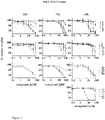
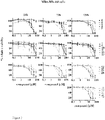
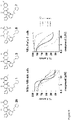
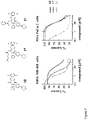
- Results from the screening assay for various compounds of Examples 1 to 23 are presented in Figure 1 and Figure 2 for breast cell cancer cell lines MDA-MB-231 and MDA-MB-468, respectively.
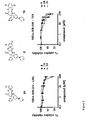
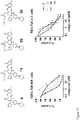
- Figure 4 shows the results for the compound of Example 25 (Compound 196 in WO 2015/142903 ) and the compounds of Examples 1, 3 and 5.
- Example 17 is a derivative of the compound of Example 10.
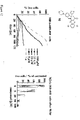
- Results for the compounds of Examples 1 to 23 are presented in Figure 6 for breast cell cancer cell line MDA-MB-468 and pancreatic cancer cell line MIA PaCa-2.
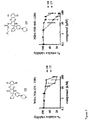
- Figure 7 shows the results for the structurally similar compounds of Examples 8, 9, 10 and 29 in comparison to the known compound of Example 24 (Compound 44 in WO 2015/142903 ).
- Figure 8 shows the results for the compounds of Examples 1, 3, 5 and 7 in comparison to the compound of Example 25 (Compound 196 in WO 2015/142903 ).
- Example 17 is a derivative of the compound of Example 10.
- Figure 10 shows the effects of the compounds of Examples 14, 32 and 33 in comparison to the compound of Example 8.
- Figure 11 shows a comparison of the compound of Example 10 used as a racemic mixture compared to an enriched enantiomer of the compound of Example 10 (enantiomer 1) on MDA-MB-468 cell line (left hand figure). This figures also shows the results for the enriched enantiomer of the compound of Example 10 on various other indicated cell lines also presented (right hand figure).
- Figure 12 shows the effect of compound of Example 10 cell viability of on MDA-MB-468 cell line during a time course of 120 hours (left hand figure) and live cells per % of untreated MDA-MB-468 cells after incubation for 96 hours with different concentrations of compound of Example 10 (right hand figure).
Landscapes
- Chemical & Material Sciences (AREA)
- Organic Chemistry (AREA)
- Health & Medical Sciences (AREA)
- General Chemical & Material Sciences (AREA)
- Medicinal Chemistry (AREA)
- Nuclear Medicine, Radiotherapy & Molecular Imaging (AREA)
- Chemical Kinetics & Catalysis (AREA)
- Pharmacology & Pharmacy (AREA)
- Life Sciences & Earth Sciences (AREA)
- Animal Behavior & Ethology (AREA)
- General Health & Medical Sciences (AREA)
- Public Health (AREA)
- Veterinary Medicine (AREA)
- Pharmaceuticals Containing Other Organic And Inorganic Compounds (AREA)
- Plural Heterocyclic Compounds (AREA)
Applications Claiming Priority (2)
| Application Number | Priority Date | Filing Date | Title |
|---|---|---|---|
| GBGB1707856.9A GB201707856D0 (en) | 2017-05-16 | 2017-05-16 | Compounds |
| PCT/GB2018/051333 WO2018211277A1 (en) | 2017-05-16 | 2018-05-16 | Ldha activity inhibitors |
Publications (2)
| Publication Number | Publication Date |
|---|---|
| EP3625225A1 EP3625225A1 (en) | 2020-03-25 |
| EP3625225B1 true EP3625225B1 (en) | 2022-06-29 |
Family
ID=59201440
Family Applications (1)
| Application Number | Title | Priority Date | Filing Date |
|---|---|---|---|
| EP18727384.2A Active EP3625225B1 (en) | 2017-05-16 | 2018-05-16 | Ldha activity inhibitors |
Country Status (7)
| Country | Link |
|---|---|
| US (1) | US11142520B2 (enExample) |
| EP (1) | EP3625225B1 (enExample) |
| JP (1) | JP2020520388A (enExample) |
| CN (1) | CN110709393A (enExample) |
| ES (1) | ES2923652T3 (enExample) |
| GB (1) | GB201707856D0 (enExample) |
| WO (1) | WO2018211277A1 (enExample) |
Families Citing this family (3)
| Publication number | Priority date | Publication date | Assignee | Title |
|---|---|---|---|---|
| WO2020221899A1 (en) * | 2019-05-02 | 2020-11-05 | Université Catholique de Louvain | Lactate dehydrogenase inhibitor polypeptides for use in the treatment of cancer |
| US20230346862A1 (en) | 2022-05-02 | 2023-11-02 | Athanor Biosciences, Inc. | Cancer eradicating - bio-nanoparticles (ce-bnp) |
| WO2025011479A1 (en) * | 2023-07-13 | 2025-01-16 | Meta Pharmaceuticals (Hk) Limited | Pyrazole based inhibitors of LDH and their use in immune and inflammatory diseases |
Family Cites Families (7)
| Publication number | Priority date | Publication date | Assignee | Title |
|---|---|---|---|---|
| DE69430671T2 (de) | 1993-11-19 | 2002-11-21 | Parke, Davis & Company | 5,6-dihydropyron derivate als protease inhibitoren und antivirusmitteln |
| US5789440A (en) * | 1993-11-19 | 1998-08-04 | Warner-Lambert Company | 5,6-dihydropyrone derivatives as protease inhibitors and antiviral agents |
| WO2015142903A2 (en) * | 2014-03-17 | 2015-09-24 | Genentech, Inc. | Method of controlling lactate production with piperdine-dione derivatives |
| MA39749A (fr) | 2014-03-17 | 2017-01-25 | Hoffmann La Roche | Dérivés de pipéridine-dione |
| EP3356331A1 (en) * | 2015-09-30 | 2018-08-08 | Selvita S.A. | Pyrazolidine derivatives and related compounds |
| GB201707852D0 (en) * | 2017-05-16 | 2017-06-28 | Arctic Pharma As | Compounds |
| GB201707846D0 (en) * | 2017-05-16 | 2017-06-28 | Spermatech As | Use |
-
2017
- 2017-05-16 GB GBGB1707856.9A patent/GB201707856D0/en not_active Ceased
-
2018
- 2018-05-16 EP EP18727384.2A patent/EP3625225B1/en active Active
- 2018-05-16 JP JP2020514351A patent/JP2020520388A/ja active Pending
- 2018-05-16 WO PCT/GB2018/051333 patent/WO2018211277A1/en not_active Ceased
- 2018-05-16 ES ES18727384T patent/ES2923652T3/es active Active
- 2018-05-16 US US16/613,837 patent/US11142520B2/en active Active
- 2018-05-16 CN CN201880034909.5A patent/CN110709393A/zh active Pending
Also Published As
| Publication number | Publication date |
|---|---|
| US11142520B2 (en) | 2021-10-12 |
| ES2923652T3 (es) | 2022-09-29 |
| CN110709393A (zh) | 2020-01-17 |
| US20200165233A1 (en) | 2020-05-28 |
| WO2018211277A1 (en) | 2018-11-22 |
| GB201707856D0 (en) | 2017-06-28 |
| EP3625225A1 (en) | 2020-03-25 |
| JP2020520388A (ja) | 2020-07-09 |
Similar Documents
| Publication | Publication Date | Title |
|---|---|---|
| EP3715341A1 (en) | Halo-allylamine ssao/vap-1 inhibitor and use thereof | |
| EP4163272A1 (en) | Benzothiazole derivative and application thereof | |
| KR20200089291A (ko) | Acss2 저해제 및 이의 사용 방법 | |
| EP3625225B1 (en) | Ldha activity inhibitors | |
| EP1612208B1 (en) | N-phenylarylsulfonamide compound, pharmaceutical composition comprising the compound as active ingredient, synthetic intermediate for the compound and process for its preparation | |
| US7053094B2 (en) | Compositions and methods for treating heart failure | |
| EP3277662B1 (en) | Hydrogen sulfide precursors and conjugates thereof | |
| KR102678263B1 (ko) | 디히드로오로테이트 옥시게나제 억제제로서의 삼치환 벤조트리아졸 유도체의 사용 방법 | |
| BR112013014966B1 (pt) | Composto aricíclico contínuo, inibidor de diacilglicerol aciltransferase (dgat)1 e seus usos | |
| EP3398942A1 (en) | Substituted oxadiazole chemical compound and composition containing said chemical compound and use thereof | |
| EP3994138B1 (en) | Estrogen-related receptor alpha (erralpha) modulators | |
| EP3995498A1 (en) | Thienopyrimidine derivatives having stereo configurations and use thereof in medicine | |
| JP2019522682A (ja) | ラパマイシンシグナル伝達経路阻害剤のメカニズム標的、及びその治療応用 | |
| JP2002510623A (ja) | 抗糖尿病薬 | |
| JP2025525344A (ja) | N-(2-(4-シアノチアゾリジン-3-イル)-2-オキソエチル)-キノリン-4-カルボキサミド | |
| US20200102293A1 (en) | Ldha activity inhibitors | |
| EP3189060B1 (fr) | Derives de n-aryl-2-amino-4-aryl-pyrimidines polyethers macrocycliques comme inhibiteurs de la ftl3 and jak | |
| EP3992184A1 (en) | Hydrazone amide derivatives and use thereof in preparation of anti-osteoporosis drugs | |
| WO2001096309A1 (en) | Hydroxyformamidine derivatives and medicines containing the same | |
| US9527876B2 (en) | Prodrugs of bicyclic substituted pyrimidine type PDE-5 inhibitors | |
| CN112876419A (zh) | 烯丙胺衍生物及其制备方法和用途 | |
| US20240376057A1 (en) | 2,4-dioxo-1,2,3,4-tetrahydropyrimidine derivatives and their use in the treatment of tumors | |
| JPWO2001000613A1 (ja) | ベンズイミダゾール化合物及びそれを含む医薬 | |
| RU2804638C2 (ru) | Пиридинаминпиридоны и пиримидинаминпиридоны | |
| JP2004010513A (ja) | イミダゾール誘導体 |
Legal Events
| Date | Code | Title | Description |
|---|---|---|---|
| STAA | Information on the status of an ep patent application or granted ep patent |
Free format text: STATUS: UNKNOWN |
|
| STAA | Information on the status of an ep patent application or granted ep patent |
Free format text: STATUS: THE INTERNATIONAL PUBLICATION HAS BEEN MADE |
|
| PUAI | Public reference made under article 153(3) epc to a published international application that has entered the european phase |
Free format text: ORIGINAL CODE: 0009012 |
|
| STAA | Information on the status of an ep patent application or granted ep patent |
Free format text: STATUS: REQUEST FOR EXAMINATION WAS MADE |
|
| 17P | Request for examination filed |
Effective date: 20191113 |
|
| AK | Designated contracting states |
Kind code of ref document: A1 Designated state(s): AL AT BE BG CH CY CZ DE DK EE ES FI FR GB GR HR HU IE IS IT LI LT LU LV MC MK MT NL NO PL PT RO RS SE SI SK SM TR |
|
| AX | Request for extension of the european patent |
Extension state: BA ME |
|
| RIN1 | Information on inventor provided before grant (corrected) |
Inventor name: BOEEN, CLAUDIA ALEJANDRA Inventor name: SIENG, BORA Inventor name: LUNDVALL, STEFFI Inventor name: KLAVENESS, JO Inventor name: HNIDA, KATHRIN |
|
| DAV | Request for validation of the european patent (deleted) | ||
| DAX | Request for extension of the european patent (deleted) | ||
| GRAP | Despatch of communication of intention to grant a patent |
Free format text: ORIGINAL CODE: EPIDOSNIGR1 |
|
| STAA | Information on the status of an ep patent application or granted ep patent |
Free format text: STATUS: GRANT OF PATENT IS INTENDED |
|
| INTG | Intention to grant announced |
Effective date: 20210422 |
|
| GRAJ | Information related to disapproval of communication of intention to grant by the applicant or resumption of examination proceedings by the epo deleted |
Free format text: ORIGINAL CODE: EPIDOSDIGR1 |
|
| STAA | Information on the status of an ep patent application or granted ep patent |
Free format text: STATUS: REQUEST FOR EXAMINATION WAS MADE |
|
| GRAP | Despatch of communication of intention to grant a patent |
Free format text: ORIGINAL CODE: EPIDOSNIGR1 |
|
| STAA | Information on the status of an ep patent application or granted ep patent |
Free format text: STATUS: GRANT OF PATENT IS INTENDED |
|
| INTC | Intention to grant announced (deleted) | ||
| INTG | Intention to grant announced |
Effective date: 20211005 |
|
| GRAS | Grant fee paid |
Free format text: ORIGINAL CODE: EPIDOSNIGR3 |
|
| GRAA | (expected) grant |
Free format text: ORIGINAL CODE: 0009210 |
|
| STAA | Information on the status of an ep patent application or granted ep patent |
Free format text: STATUS: THE PATENT HAS BEEN GRANTED |
|
| AK | Designated contracting states |
Kind code of ref document: B1 Designated state(s): AL AT BE BG CH CY CZ DE DK EE ES FI FR GB GR HR HU IE IS IT LI LT LU LV MC MK MT NL NO PL PT RO RS SE SI SK SM TR |
|
| REG | Reference to a national code |
Ref country code: CH Ref legal event code: EP |
|
| REG | Reference to a national code |
Ref country code: AT Ref legal event code: REF Ref document number: 1501290 Country of ref document: AT Kind code of ref document: T Effective date: 20220715 |
|
| REG | Reference to a national code |
Ref country code: IE Ref legal event code: FG4D |
|
| REG | Reference to a national code |
Ref country code: DE Ref legal event code: R096 Ref document number: 602018037309 Country of ref document: DE |
|
| REG | Reference to a national code |
Ref country code: ES Ref legal event code: FG2A Ref document number: 2923652 Country of ref document: ES Kind code of ref document: T3 Effective date: 20220929 |
|
| REG | Reference to a national code |
Ref country code: LT Ref legal event code: MG9D |
|
| PG25 | Lapsed in a contracting state [announced via postgrant information from national office to epo] |
Ref country code: SE Free format text: LAPSE BECAUSE OF FAILURE TO SUBMIT A TRANSLATION OF THE DESCRIPTION OR TO PAY THE FEE WITHIN THE PRESCRIBED TIME-LIMIT Effective date: 20220629 Ref country code: NO Free format text: LAPSE BECAUSE OF FAILURE TO SUBMIT A TRANSLATION OF THE DESCRIPTION OR TO PAY THE FEE WITHIN THE PRESCRIBED TIME-LIMIT Effective date: 20220929 Ref country code: LT Free format text: LAPSE BECAUSE OF FAILURE TO SUBMIT A TRANSLATION OF THE DESCRIPTION OR TO PAY THE FEE WITHIN THE PRESCRIBED TIME-LIMIT Effective date: 20220629 Ref country code: HR Free format text: LAPSE BECAUSE OF FAILURE TO SUBMIT A TRANSLATION OF THE DESCRIPTION OR TO PAY THE FEE WITHIN THE PRESCRIBED TIME-LIMIT Effective date: 20220629 Ref country code: GR Free format text: LAPSE BECAUSE OF FAILURE TO SUBMIT A TRANSLATION OF THE DESCRIPTION OR TO PAY THE FEE WITHIN THE PRESCRIBED TIME-LIMIT Effective date: 20220930 Ref country code: FI Free format text: LAPSE BECAUSE OF FAILURE TO SUBMIT A TRANSLATION OF THE DESCRIPTION OR TO PAY THE FEE WITHIN THE PRESCRIBED TIME-LIMIT Effective date: 20220629 Ref country code: BG Free format text: LAPSE BECAUSE OF FAILURE TO SUBMIT A TRANSLATION OF THE DESCRIPTION OR TO PAY THE FEE WITHIN THE PRESCRIBED TIME-LIMIT Effective date: 20220929 |
|
| REG | Reference to a national code |
Ref country code: NL Ref legal event code: MP Effective date: 20220629 |
|
| REG | Reference to a national code |
Ref country code: AT Ref legal event code: MK05 Ref document number: 1501290 Country of ref document: AT Kind code of ref document: T Effective date: 20220629 |
|
| PG25 | Lapsed in a contracting state [announced via postgrant information from national office to epo] |
Ref country code: RS Free format text: LAPSE BECAUSE OF FAILURE TO SUBMIT A TRANSLATION OF THE DESCRIPTION OR TO PAY THE FEE WITHIN THE PRESCRIBED TIME-LIMIT Effective date: 20220629 Ref country code: LV Free format text: LAPSE BECAUSE OF FAILURE TO SUBMIT A TRANSLATION OF THE DESCRIPTION OR TO PAY THE FEE WITHIN THE PRESCRIBED TIME-LIMIT Effective date: 20220629 |
|
| PG25 | Lapsed in a contracting state [announced via postgrant information from national office to epo] |
Ref country code: NL Free format text: LAPSE BECAUSE OF FAILURE TO SUBMIT A TRANSLATION OF THE DESCRIPTION OR TO PAY THE FEE WITHIN THE PRESCRIBED TIME-LIMIT Effective date: 20220629 |
|
| PG25 | Lapsed in a contracting state [announced via postgrant information from national office to epo] |
Ref country code: SM Free format text: LAPSE BECAUSE OF FAILURE TO SUBMIT A TRANSLATION OF THE DESCRIPTION OR TO PAY THE FEE WITHIN THE PRESCRIBED TIME-LIMIT Effective date: 20220629 Ref country code: SK Free format text: LAPSE BECAUSE OF FAILURE TO SUBMIT A TRANSLATION OF THE DESCRIPTION OR TO PAY THE FEE WITHIN THE PRESCRIBED TIME-LIMIT Effective date: 20220629 Ref country code: RO Free format text: LAPSE BECAUSE OF FAILURE TO SUBMIT A TRANSLATION OF THE DESCRIPTION OR TO PAY THE FEE WITHIN THE PRESCRIBED TIME-LIMIT Effective date: 20220629 Ref country code: PT Free format text: LAPSE BECAUSE OF FAILURE TO SUBMIT A TRANSLATION OF THE DESCRIPTION OR TO PAY THE FEE WITHIN THE PRESCRIBED TIME-LIMIT Effective date: 20221031 Ref country code: EE Free format text: LAPSE BECAUSE OF FAILURE TO SUBMIT A TRANSLATION OF THE DESCRIPTION OR TO PAY THE FEE WITHIN THE PRESCRIBED TIME-LIMIT Effective date: 20220629 Ref country code: AT Free format text: LAPSE BECAUSE OF FAILURE TO SUBMIT A TRANSLATION OF THE DESCRIPTION OR TO PAY THE FEE WITHIN THE PRESCRIBED TIME-LIMIT Effective date: 20220629 |
|
| PG25 | Lapsed in a contracting state [announced via postgrant information from national office to epo] |
Ref country code: PL Free format text: LAPSE BECAUSE OF FAILURE TO SUBMIT A TRANSLATION OF THE DESCRIPTION OR TO PAY THE FEE WITHIN THE PRESCRIBED TIME-LIMIT Effective date: 20220629 Ref country code: IS Free format text: LAPSE BECAUSE OF FAILURE TO SUBMIT A TRANSLATION OF THE DESCRIPTION OR TO PAY THE FEE WITHIN THE PRESCRIBED TIME-LIMIT Effective date: 20221029 |
|
| REG | Reference to a national code |
Ref country code: DE Ref legal event code: R097 Ref document number: 602018037309 Country of ref document: DE |
|
| PG25 | Lapsed in a contracting state [announced via postgrant information from national office to epo] |
Ref country code: AL Free format text: LAPSE BECAUSE OF FAILURE TO SUBMIT A TRANSLATION OF THE DESCRIPTION OR TO PAY THE FEE WITHIN THE PRESCRIBED TIME-LIMIT Effective date: 20220629 |
|
| PG25 | Lapsed in a contracting state [announced via postgrant information from national office to epo] |
Ref country code: DK Free format text: LAPSE BECAUSE OF FAILURE TO SUBMIT A TRANSLATION OF THE DESCRIPTION OR TO PAY THE FEE WITHIN THE PRESCRIBED TIME-LIMIT Effective date: 20220629 Ref country code: CZ Free format text: LAPSE BECAUSE OF FAILURE TO SUBMIT A TRANSLATION OF THE DESCRIPTION OR TO PAY THE FEE WITHIN THE PRESCRIBED TIME-LIMIT Effective date: 20220629 |
|
| PLBE | No opposition filed within time limit |
Free format text: ORIGINAL CODE: 0009261 |
|
| STAA | Information on the status of an ep patent application or granted ep patent |
Free format text: STATUS: NO OPPOSITION FILED WITHIN TIME LIMIT |
|
| 26N | No opposition filed |
Effective date: 20230330 |
|
| PG25 | Lapsed in a contracting state [announced via postgrant information from national office to epo] |
Ref country code: SI Free format text: LAPSE BECAUSE OF FAILURE TO SUBMIT A TRANSLATION OF THE DESCRIPTION OR TO PAY THE FEE WITHIN THE PRESCRIBED TIME-LIMIT Effective date: 20220629 |
|
| REG | Reference to a national code |
Ref country code: CH Ref legal event code: PL |
|
| PG25 | Lapsed in a contracting state [announced via postgrant information from national office to epo] |
Ref country code: MC Free format text: LAPSE BECAUSE OF FAILURE TO SUBMIT A TRANSLATION OF THE DESCRIPTION OR TO PAY THE FEE WITHIN THE PRESCRIBED TIME-LIMIT Effective date: 20220629 |
|
| REG | Reference to a national code |
Ref country code: BE Ref legal event code: MM Effective date: 20230531 |
|
| PG25 | Lapsed in a contracting state [announced via postgrant information from national office to epo] |
Ref country code: MC Free format text: LAPSE BECAUSE OF FAILURE TO SUBMIT A TRANSLATION OF THE DESCRIPTION OR TO PAY THE FEE WITHIN THE PRESCRIBED TIME-LIMIT Effective date: 20220629 Ref country code: LU Free format text: LAPSE BECAUSE OF NON-PAYMENT OF DUE FEES Effective date: 20230516 Ref country code: LI Free format text: LAPSE BECAUSE OF NON-PAYMENT OF DUE FEES Effective date: 20230531 Ref country code: CH Free format text: LAPSE BECAUSE OF NON-PAYMENT OF DUE FEES Effective date: 20230531 |
|
| REG | Reference to a national code |
Ref country code: IE Ref legal event code: MM4A |
|
| PG25 | Lapsed in a contracting state [announced via postgrant information from national office to epo] |
Ref country code: IE Free format text: LAPSE BECAUSE OF NON-PAYMENT OF DUE FEES Effective date: 20230516 |
|
| PG25 | Lapsed in a contracting state [announced via postgrant information from national office to epo] |
Ref country code: IE Free format text: LAPSE BECAUSE OF NON-PAYMENT OF DUE FEES Effective date: 20230516 |
|
| PG25 | Lapsed in a contracting state [announced via postgrant information from national office to epo] |
Ref country code: BE Free format text: LAPSE BECAUSE OF NON-PAYMENT OF DUE FEES Effective date: 20230531 |
|
| PGFP | Annual fee paid to national office [announced via postgrant information from national office to epo] |
Ref country code: GB Payment date: 20240530 Year of fee payment: 7 |
|
| PGFP | Annual fee paid to national office [announced via postgrant information from national office to epo] |
Ref country code: ES Payment date: 20240613 Year of fee payment: 7 |
|
| PGFP | Annual fee paid to national office [announced via postgrant information from national office to epo] |
Ref country code: FR Payment date: 20240531 Year of fee payment: 7 |
|
| PG25 | Lapsed in a contracting state [announced via postgrant information from national office to epo] |
Ref country code: BG Free format text: LAPSE BECAUSE OF FAILURE TO SUBMIT A TRANSLATION OF THE DESCRIPTION OR TO PAY THE FEE WITHIN THE PRESCRIBED TIME-LIMIT Effective date: 20220629 |
|
| PG25 | Lapsed in a contracting state [announced via postgrant information from national office to epo] |
Ref country code: BG Free format text: LAPSE BECAUSE OF FAILURE TO SUBMIT A TRANSLATION OF THE DESCRIPTION OR TO PAY THE FEE WITHIN THE PRESCRIBED TIME-LIMIT Effective date: 20220629 |
|
| PG25 | Lapsed in a contracting state [announced via postgrant information from national office to epo] |
Ref country code: CY Free format text: LAPSE BECAUSE OF FAILURE TO SUBMIT A TRANSLATION OF THE DESCRIPTION OR TO PAY THE FEE WITHIN THE PRESCRIBED TIME-LIMIT; INVALID AB INITIO Effective date: 20180516 |
|
| PG25 | Lapsed in a contracting state [announced via postgrant information from national office to epo] |
Ref country code: HU Free format text: LAPSE BECAUSE OF FAILURE TO SUBMIT A TRANSLATION OF THE DESCRIPTION OR TO PAY THE FEE WITHIN THE PRESCRIBED TIME-LIMIT; INVALID AB INITIO Effective date: 20180516 |
|
| PGFP | Annual fee paid to national office [announced via postgrant information from national office to epo] |
Ref country code: IT Payment date: 20250618 Year of fee payment: 8 |
|
| PG25 | Lapsed in a contracting state [announced via postgrant information from national office to epo] |
Ref country code: TR Free format text: LAPSE BECAUSE OF FAILURE TO SUBMIT A TRANSLATION OF THE DESCRIPTION OR TO PAY THE FEE WITHIN THE PRESCRIBED TIME-LIMIT Effective date: 20220629 |
|
| PGFP | Annual fee paid to national office [announced via postgrant information from national office to epo] |
Ref country code: DE Payment date: 20251127 Year of fee payment: 8 |