EP3611348B1 - Gas turbine engine seal ring assembly - Google Patents
Gas turbine engine seal ring assembly Download PDFInfo
- Publication number
- EP3611348B1 EP3611348B1 EP19191120.5A EP19191120A EP3611348B1 EP 3611348 B1 EP3611348 B1 EP 3611348B1 EP 19191120 A EP19191120 A EP 19191120A EP 3611348 B1 EP3611348 B1 EP 3611348B1
- Authority
- EP
- European Patent Office
- Prior art keywords
- layer
- rotor
- hub
- recited
- rotor assembly
- Prior art date
- Legal status (The legal status is an assumption and is not a legal conclusion. Google has not performed a legal analysis and makes no representation as to the accuracy of the status listed.)
- Active
Links
Images


Classifications
-
- F—MECHANICAL ENGINEERING; LIGHTING; HEATING; WEAPONS; BLASTING
- F01—MACHINES OR ENGINES IN GENERAL; ENGINE PLANTS IN GENERAL; STEAM ENGINES
- F01D—NON-POSITIVE DISPLACEMENT MACHINES OR ENGINES, e.g. STEAM TURBINES
- F01D25/00—Component parts, details, or accessories, not provided for in, or of interest apart from, other groups
- F01D25/18—Lubricating arrangements
- F01D25/183—Sealing means
-
- F—MECHANICAL ENGINEERING; LIGHTING; HEATING; WEAPONS; BLASTING
- F01—MACHINES OR ENGINES IN GENERAL; ENGINE PLANTS IN GENERAL; STEAM ENGINES
- F01D—NON-POSITIVE DISPLACEMENT MACHINES OR ENGINES, e.g. STEAM TURBINES
- F01D11/00—Preventing or minimising internal leakage of working-fluid, e.g. between stages
- F01D11/005—Sealing means between non relatively rotating elements
-
- F—MECHANICAL ENGINEERING; LIGHTING; HEATING; WEAPONS; BLASTING
- F02—COMBUSTION ENGINES; HOT-GAS OR COMBUSTION-PRODUCT ENGINE PLANTS
- F02C—GAS-TURBINE PLANTS; AIR INTAKES FOR JET-PROPULSION PLANTS; CONTROLLING FUEL SUPPLY IN AIR-BREATHING JET-PROPULSION PLANTS
- F02C7/00—Features, components parts, details or accessories, not provided for in, or of interest apart form groups F02C1/00 - F02C6/00; Air intakes for jet-propulsion plants
- F02C7/28—Arrangement of seals
-
- F—MECHANICAL ENGINEERING; LIGHTING; HEATING; WEAPONS; BLASTING
- F05—INDEXING SCHEMES RELATING TO ENGINES OR PUMPS IN VARIOUS SUBCLASSES OF CLASSES F01-F04
- F05D—INDEXING SCHEME FOR ASPECTS RELATING TO NON-POSITIVE-DISPLACEMENT MACHINES OR ENGINES, GAS-TURBINES OR JET-PROPULSION PLANTS
- F05D2230/00—Manufacture
- F05D2230/90—Coating; Surface treatment
-
- F—MECHANICAL ENGINEERING; LIGHTING; HEATING; WEAPONS; BLASTING
- F05—INDEXING SCHEMES RELATING TO ENGINES OR PUMPS IN VARIOUS SUBCLASSES OF CLASSES F01-F04
- F05D—INDEXING SCHEME FOR ASPECTS RELATING TO NON-POSITIVE-DISPLACEMENT MACHINES OR ENGINES, GAS-TURBINES OR JET-PROPULSION PLANTS
- F05D2240/00—Components
- F05D2240/55—Seals
-
- F—MECHANICAL ENGINEERING; LIGHTING; HEATING; WEAPONS; BLASTING
- F05—INDEXING SCHEMES RELATING TO ENGINES OR PUMPS IN VARIOUS SUBCLASSES OF CLASSES F01-F04
- F05D—INDEXING SCHEME FOR ASPECTS RELATING TO NON-POSITIVE-DISPLACEMENT MACHINES OR ENGINES, GAS-TURBINES OR JET-PROPULSION PLANTS
- F05D2240/00—Components
- F05D2240/60—Shafts
-
- F—MECHANICAL ENGINEERING; LIGHTING; HEATING; WEAPONS; BLASTING
- F05—INDEXING SCHEMES RELATING TO ENGINES OR PUMPS IN VARIOUS SUBCLASSES OF CLASSES F01-F04
- F05D—INDEXING SCHEME FOR ASPECTS RELATING TO NON-POSITIVE-DISPLACEMENT MACHINES OR ENGINES, GAS-TURBINES OR JET-PROPULSION PLANTS
- F05D2260/00—Function
- F05D2260/98—Lubrication
-
- F—MECHANICAL ENGINEERING; LIGHTING; HEATING; WEAPONS; BLASTING
- F05—INDEXING SCHEMES RELATING TO ENGINES OR PUMPS IN VARIOUS SUBCLASSES OF CLASSES F01-F04
- F05D—INDEXING SCHEME FOR ASPECTS RELATING TO NON-POSITIVE-DISPLACEMENT MACHINES OR ENGINES, GAS-TURBINES OR JET-PROPULSION PLANTS
- F05D2300/00—Materials; Properties thereof
- F05D2300/20—Oxide or non-oxide ceramics
- F05D2300/22—Non-oxide ceramics
- F05D2300/229—Sulfides
- F05D2300/2291—Sulfides of molybdenum
-
- Y—GENERAL TAGGING OF NEW TECHNOLOGICAL DEVELOPMENTS; GENERAL TAGGING OF CROSS-SECTIONAL TECHNOLOGIES SPANNING OVER SEVERAL SECTIONS OF THE IPC; TECHNICAL SUBJECTS COVERED BY FORMER USPC CROSS-REFERENCE ART COLLECTIONS [XRACs] AND DIGESTS
- Y02—TECHNOLOGIES OR APPLICATIONS FOR MITIGATION OR ADAPTATION AGAINST CLIMATE CHANGE
- Y02T—CLIMATE CHANGE MITIGATION TECHNOLOGIES RELATED TO TRANSPORTATION
- Y02T50/00—Aeronautics or air transport
- Y02T50/60—Efficient propulsion technologies, e.g. for aircraft
Definitions
- This disclosure relates to sealing components of a gas turbine engine.
- a gas turbine engine typically includes a fan section, a compressor section, a combustor section, and a turbine section. Air entering the compressor section is compressed and delivered into the combustion section where it is mixed with fuel and ignited to generate a high-speed exhaust gas flow. The high-speed exhaust gas flow expands through the turbine section to drive the compressor and the fan section.
- the compressor section can include rotors that carry airfoils to compress the air entering the compressor section.
- a shaft may be coupled to the rotors to rotate the airfoils.
- EP 2 453 150 A1 discloses a prior art rotor assembly as set forth in the preamble of claim 1.
- JP H10 183327 A discloses a prior art thermally sprayed film layer having fitness to a sliding member.
- EP 2 562 364 A1 discloses a prior art rotating turbomachine seal.
- a rotor assembly for a gas turbine engine as recited in claim 1.
- FIG. 1 schematically illustrates a gas turbine engine 20.
- the gas turbine engine 20 is disclosed herein as a two-spool turbofan that generally incorporates a fan section 22, a compressor section 24, a combustor section 26 and a turbine section 28.
- the fan section 22 drives air along a bypass flow path B in a bypass duct defined within a nacelle 15, and also drives air along a core flow path C for compression and communication into the combustor section 26 then expansion through the turbine section 28.
- FIG. 1 schematically illustrates a gas turbine engine 20.
- the gas turbine engine 20 is disclosed herein as a two-spool turbofan that generally incorporates a fan section 22, a compressor section 24, a combustor section 26 and a turbine section 28.
- the fan section 22 drives air along a bypass flow path B in a bypass duct defined within a nacelle 15, and also drives air along a core flow path C for compression and communication into the combustor section 26 then expansion through the turbine section 28.
- FIG. 1 schematic
- the exemplary engine 20 generally includes a low speed spool 30 and a high speed spool 32 mounted for rotation about an engine central longitudinal axis A relative to an engine static structure 36 via several bearing systems 38. It should be understood that various bearing systems 38 at various locations may alternatively or additionally be provided, and the location of bearing systems 38 may be varied as appropriate to the application.
- the low speed spool 30 generally includes an inner shaft 40 that interconnects, a first (or low) pressure compressor 44 and a first (or low) pressure turbine 46.
- the inner shaft 40 is connected to the fan 42 through a speed change mechanism, which in exemplary gas turbine engine 20 is illustrated as a geared architecture 48 to drive a fan 42 at a lower speed than the low speed spool 30.
- the high speed spool 32 includes an outer shaft 50 that interconnects a second (or high) pressure compressor 52 and a second (or high) pressure turbine 54.
- a combustor 56 is arranged in exemplary gas turbine 20 between the high pressure compressor 52 and the high pressure turbine 54.
- a mid-turbine frame 57 of the engine static structure 36 may be arranged generally between the high pressure turbine 54 and the low pressure turbine 46.
- the mid-turbine frame 57 further supports bearing systems 38 in the turbine section 28.
- the inner shaft 40 and the outer shaft 50 are concentric and rotate via bearing systems 38 about the engine central longitudinal axis A which is colline
- the core airflow is compressed by the low pressure compressor 44 then the high pressure compressor 52, mixed and burned with fuel in the combustor 56, then expanded over the high pressure turbine 54 and low pressure turbine 46.
- the mid-turbine frame 57 includes airfoils 59 which are in the core airflow path C.
- the turbines 46, 54 rotationally drive the respective low speed spool 30 and high speed spool 32 in response to the expansion.
- gear system 48 may be located aft of the low pressure compressor, or aft of the combustor section 26 or even aft of turbine section 28, and fan 42 may be positioned forward or aft of the location of gear system 48.
- the engine 20 in one example is a high-bypass geared aircraft engine.
- the engine 20 bypass ratio is greater than about six (6), with an example embodiment being greater than about ten (10)
- the geared architecture 48 is an epicyclic gear train, such as a planetary gear system or other gear system, with a gear reduction ratio of greater than about 2.3
- the low pressure turbine 46 has a pressure ratio that is greater than about five.
- the engine 20 bypass ratio is greater than about ten (10:1)
- the fan diameter is significantly larger than that of the low pressure compressor 44
- the low pressure turbine 46 has a pressure ratio that is greater than about five 5:1.
- Low pressure turbine 46 pressure ratio is pressure measured prior to inlet of low pressure turbine 46 as related to the pressure at the outlet of the low pressure turbine 46 prior to an exhaust nozzle.
- the geared architecture 48 may be an epicycle gear train, such as a planetary gear system or other gear system, with a gear reduction ratio of greater than about 2.3:1 and less than about 5:1. It should be understood, however, that the above parameters are only exemplary of one embodiment of a geared architecture engine and that the present invention is applicable to other gas turbine engines including direct drive turbofans.
- the fan section 22 of the engine 20 is designed for a particular flight condition -- typically cruise at about 0.8 Mach and about 35,000 feet (10,668 meters).
- the flight condition of 0.8 Mach and 35,000 ft (10,668 meters), with the engine at its best fuel consumption - also known as "bucket cruise Thrust Specific Fuel Consumption ('TSFC')" - is the industry standard parameter of lbm of fuel being burned divided by lbf of thrust the engine produces at that minimum point.
- "Low fan pressure ratio” is the pressure ratio across the fan blade alone, without a Fan Exit Guide Vane (“FEGV”) system.
- the low fan pressure ratio as disclosed herein according to one non-limiting embodiment is less than about 1.45.
- Low corrected fan tip speed is the actual fan tip speed in ft/sec divided by an industry standard temperature correction of [(Tram °R) / (518.7 °R)] 0.5 .
- the "Low corrected fan tip speed” as disclosed herein according to one non-limiting embodiment is less than about 1150 ft / second (350.5 meters/second).
- Figure 2 illustrates a rotor assembly 60 for a section 58 of a gas turbine engine, such as the compressor section 24 of Figure 1 .
- a gas turbine engine such as the compressor section 24 of Figure 1 .
- the disclosure primarily refers to the compressor section 24, other portions of the engine 20 may benefit from the teachings herein, such as the fan and turbine sections 22, 28, towershafts and auxiliary systems. Other systems may also benefit from the teachings herein, including marine and ground based systems.
- the section 58 includes a plurality of rotors 62 each including a disk or hub 63 that carries one or more rotatable blades or airfoils 64.
- the airfoils 64 are rotatable about the engine axis A in a gas path GP, such as core flow path C.
- Each airfoil 64 includes a platform 64A and an airfoil section 64B extending in a spanwise or radial direction R from the platform 64A to a tip 64C.
- a root section 64D of each airfoil 64 extends outwardly from, and is mounted to, a respective hub 63. In some examples, the root section 64D is received in a slot defined by the hub 63.
- the rotor 62 is a blisk or integrated bladed rotor (IBR) in which the airfoils 64 are integrally formed with the hub 63.
- the IBR is a compressor rotor, such as a high pressure compressor rotor of the high pressure compressor 52 or a low pressure compressor rotor of the low pressure compressor 44.
- Various techniques can be utilized to form the IBR, such as casting, additive manufacturing, machining from a solid work piece, or welding individual airfoils 64 to the hub 63.
- One or more rows of vanes 66 are positioned along the engine axis A and adjacent to the airfoils 64 to direct flow in the gas path GP.
- the vanes 66 can be mechanically attached to the engine static structure 38.
- An array of seals 68 are distributed about each row of airfoils 64 to bound the gas path GP.
- One or more of the rotors 62 is mechanically attached or otherwise fixedly secured to an elongated, rotatable shaft 70.
- the shaft 70 is rotatable about the engine axis A.
- the shaft 70 interconnects a turbine and a compressor, such as one of the shafts 40, 50 of Figure 1 .
- the rotor assembly 60 includes at least one annular seal 74.
- the seal 74 can be located at one or more of the stages of the section 58, such as an intermediate stage as illustrated by seal 74, and/or a forwardmost or aftmost stage indicated by seals 74', 74" of rotor assemblies 60', 60" (seals shown in dashed lines).
- Each rotor assembly 60 can have a single seal as illustrated by seals 74, 74' or can have multiple seals as illustrated by seals 74" of rotor assembly 60".
- Figure 3 illustrates an enhanced view of a portion 72 of the rotor assembly 60.
- the annular seal 74 is carried by the shaft 70 for establishing a sealing relationship between the hub 63 of the rotor 62 and the shaft 70 to block or reduce communication of flow between adjacent cavities defined by the rotor 62 and shaft 70.
- a cross section of the shaft 70 can have a circular or otherwise generally elliptical geometry.
- the seal 74 can be a piston ring having a hoop-shaped geometry, as illustrated in Figure 4 .
- the seal 74 is a split ring including a main body 74A extending between first and second ends 74B, 74C. The first end 74B engages with the second end 74C at an interface.
- the main body 74A is continuous to form a full hoop.
- the seal 74 is dimensioned to extend about a circumference of the shaft 70.
- An outer diameter portion 70A of the shaft 70 defines an annular groove 76 that is dimensioned to receive at least a portion of the seal 74.
- the seal 74 is seated in the groove 76 to establish a sealing relationship with an inner diameter portion 63A of the hub 63.
- the seal 74 can be exposed to relatively high temperatures due to proximity to the gas path GP and other portions of the engine 20.
- the seal 74 is a multi-layer seal including a substrate 78 and a coating 80 including a plurality of layers.
- the coating 80 includes at least a first layer 80A and a second layer 80B. At least the substrate 78 is seated in the groove 76, and the coating 80 is situated between the substrate 78 and the hub 63.
- the second layer 80B defines an external surface of the seal 74.
- the inner diameter portion 63A of the hub 63 defines a counter face or seal land.
- the second layer 80B abuts against the inner diameter portion 63A of the hub 63 along an interface 84.
- the first layer 80A can be disposed directly on the substrate 78.
- the second layer 80B can be disposed directly on the first layer 80A.
- one or more layers of material are formed between the substrate 78 and first layer 80A and/or between the first and second layers 80A, 80B.
- the hub 63 includes a third layer 86 deposited on surfaces of the inner diameter portion 63A along the interface 84 to establish the seal land.
- the substrate 78 can be made of a first material, the first layer 80A can be made of a second material, and the second layer 80B can be made of a third material.
- the first, second and/or third materials can differ in composition and/or construction.
- the substrate 78 and the rotor 62 can comprise a high temperature metal or metal alloy, such as a nickel alloy.
- Example nickel alloys include nickel chromium alloy sold under the tradename INCONEL ® alloy 718 (IN718) and Direct Age Processed Alloy 718 (DA718).
- the substrate 78 is made of IN718 and at least the inner diameter portion 63A of the hub 63 is made of DA718.
- the first layer 80A is a copper alloy including aluminum or nickel, for example.
- the second layer 80B is a low friction coating comprising a solid lubricant, with the second layer 80B having a lesser hardness than the first layer 80A.
- the first layer 80A has a hardness of about 100-300 diamond pyramid hardness (DPH)
- the second layer 80B has a hardness of about 1 gigapascals (GPa) or less measured by means of nanoindentation.
- the solid lubricant can reduce a coefficient of friction (COF) between the seal 74 and the rotor 62 along the interface 84, with the second layer 80B having a relatively lower COF than the first layer 80A of the coating 80.
- COF coefficient of friction
- Example solid lubricants include molybdenum disulfide (MoS2), boron nitride, and tungsten disulfide.
- the solid lubricant can include silicate as a binder.
- Other example solid lubricants can include carbon-based and graphite-based materials.
- the solid lubricant is compounded with another material to form a self-lubricating composite such as a MoS2-ceramic composite.
- Other example solid lubricants include tungsten disulphide (WS 2 ).
- the first layer 80A of the coating 80 is a layer of copper alloy disposed on the substrate 78
- the second layer 80B is a solid lubricant comprising molybdenum disulfide (MoS2) that is deposited as a film on the first layer 80A.
- MoS2 molybdenum disulfide
- a hardness of the copper-based coating can be relatively lower than other materials to reduce wear of the counter face and the solid lubricant that may otherwise occur due to the interface.
- the first layer 80A has a composition, by weight percent, of about 60% to about 95% copper. In some examples, the first layer 80A has a composition, by weight percent, of about 85% to about 95% copper, and aluminum. In other examples, the first layer 80A has a composition, by weight percent, of about 60% to about 65% copper, and nickel. In example, the first layer 80A has a composition of copper including any of the weight percentages disclosed herein, and the balance is aluminum or nickel. For the purposes of this disclosure, the term "about” means ⁇ 3% of the disclosed weight percent value unless otherwise stated.
- the third layer 86 is a solid lubricant. As in the illustrated example of Figure 5 , the third layer 86 comprises molybdenum disulfide (MoS2). Applying a solid lubricant to the inner diameter portion 63A of the hub 63 can reduce a running-in period (i.e., the initial transfer of the solid lubricant), which can improve sealing efficiency and durability.
- MoS2 molybdenum disulfide
- the seal 74 may move relative to the hub 63 along the interface 84 in axial, radial and/or circumferential directions X, R, C.
- the axial direction X can be coincidental or parallel to the engine axis A. Sliding or movement of the seal 74 along the interface 84 in the axial and/or circumferential directions X, C may occur due to relatively high vibratory energy in the system.
- the solid lubricant can reduce the COF and frictional heating along the interface 84, which can reduce galling and other wear along the adjacent surfaces and can increase durability of the seal 74 and the rotor 62. Reduced wear can reduce overhaul costs that may otherwise be associated with replacement or refurbishment of the seal 74 and/or rotor 62.
- Figures 6A and 6B illustrate example plots of COF versus cycles of rotor assemblies.
- the x-axis corresponds to the number of cycles of movement of the respective seal relative to the interface.
- the ⁇ -axis corresponds to the average COF. Values along the ⁇ -axis correspond to movement of the seal in a first direction.
- Figure 6A illustrates curve 88 corresponding to average COF values for a seal having a copper-based coating free of a solid lubricant.
- Figure 6B illustrates curve 90 corresponding to average COF values for the seal 74 having a copper-based coating and a MoS2-based solid lubricant.
- the copper-based coating including a solid lubricant can reduce the average COF as compared to coatings free of a solid lubricant.
- the seal 74 has an average COF of less than 0.2, whereas the average COF of curve 88 is greater than 0.2 and approach 0.5 for a comparable number of cycles.
- the combination of materials of the substrate 78, layers 80A, 80B of coating 80 and/or hub 63 can reduce wear adjacent the first and second ends 74B, 74C of the seal 74 and adjacent portions of the hub 63.
- Figure 7 illustrates a process for forming a rotor assembly, including any of the seals and rotor assemblies disclosed herein. Reference is made to the seal 74 and rotor assembly 60 of Figures 3-5 for illustrative purposes.
- a coating including one or more layers of material is removed from surfaces of substrate 78 at step 94, including at least a previously applied second layer 80B comprised of a solid lubricant.
- the first layer 80A is deposited or otherwise formed on the substrate 78 at step 96.
- the first layer 80A can be formed on the substrate 78 utilizing various techniques, such as by plasma spray deposition or another thermal spraying technique.
- Other example techniques for forming the first layer 80A can include physical vapor deposition (PVD) and chemical vapor deposition (CVD).
- step 94 includes removing a previously applied first layer 80A such as a layer of copper alloy from the substrate 78 prior to step 96.
- the previously applied first layer 80A may be removed after about 10,000-12,000 operating cycles of the engine, whereas a previously applied second layer 80B may be removed after a lesser number of operating cycles, such as approximately 1000 operating cycles, for example.
- the second layer 80B comprising a solid lubricant is deposited or otherwise formed on the first layer 80A.
- the third layer 86 comprising a solid lubricant is deposited or otherwise formed on the hub 63.
- a previously applied third layer 86 can be removed prior to step 96.
- the second and third layers 80B, 86 can be applied utilizing various techniques, such as brushing, swabbing, or spraying including any of the spraying techniques disclosed herein.
- the second and/or third layers 80B, 86 are applied by physical vapor deposition (PVD) or chemical vapor deposition (CVD).
- the first, second and/or third layers 80A, 80B, 86 may include one or more sublayers.
- One or more layers of material may be formed on and/or between the layers 80A, 80B, 86.
- Various finishing operations can be applied once the respective layers 80A, 80B, 86 are formed.
Landscapes
- Engineering & Computer Science (AREA)
- Mechanical Engineering (AREA)
- General Engineering & Computer Science (AREA)
- Chemical & Material Sciences (AREA)
- Combustion & Propulsion (AREA)
- Structures Of Non-Positive Displacement Pumps (AREA)
Description
- This disclosure relates to sealing components of a gas turbine engine.
- A gas turbine engine typically includes a fan section, a compressor section, a combustor section, and a turbine section. Air entering the compressor section is compressed and delivered into the combustion section where it is mixed with fuel and ignited to generate a high-speed exhaust gas flow. The high-speed exhaust gas flow expands through the turbine section to drive the compressor and the fan section.
- The compressor section can include rotors that carry airfoils to compress the air entering the compressor section. A shaft may be coupled to the rotors to rotate the airfoils.
-
EP 2 453 150 A1 discloses a prior art rotor assembly as set forth in the preamble ofclaim 1. -
JP H10 183327 A -
EP 2 562 364 A1 discloses a prior art rotating turbomachine seal. - From a first aspect, there is provided a rotor assembly for a gas turbine engine as recited in
claim 1. - There is also provided a gas turbine engine as recited in claim 9.
- There is also provided a method of sealing for a gas turbine engine as recited in claim 11.
- Features of embodiments on the invention are set forth in the dependent claims.
- The various features and advantages of this disclosure will become apparent to those skilled in the art from the following detailed description. The drawings that accompany the detailed description can be briefly described as follows.
-
-
Figure 1 illustrates a gas turbine engine. -
Figure 2 illustrates a rotor assembly for a gas turbine engine. -
Figure 3 illustrates an enhanced view of a portion of the rotor assembly ofFigure 2 . -
Figure 4 illustrates a perspective view of a seal for the rotor assembly ofFigure 2 . -
Figure 5 illustrates a sectional view of the rotor assembly ofFigure 2 . -
Figure 6A illustrates an example plot of coefficient of friction (COF) versus cycles of a rotor assembly. -
Figure 6B illustrates an example plot of COF versus cycles of another rotor assembly. -
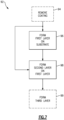
Figure 7 illustrates an example process for forming a rotor assembly. -
Figure 1 schematically illustrates agas turbine engine 20. Thegas turbine engine 20 is disclosed herein as a two-spool turbofan that generally incorporates afan section 22, acompressor section 24, a combustor section 26 and aturbine section 28. Thefan section 22 drives air along a bypass flow path B in a bypass duct defined within anacelle 15, and also drives air along a core flow path C for compression and communication into the combustor section 26 then expansion through theturbine section 28. Although depicted as a two-spool turbofan gas turbine engine in the disclosed non-limiting embodiment, it should be understood that the concepts described herein are not limited to use with two-spool turbofans as the teachings may be applied to other types of turbine engines including three-spool architectures. - The
exemplary engine 20 generally includes alow speed spool 30 and ahigh speed spool 32 mounted for rotation about an engine central longitudinal axis A relative to an enginestatic structure 36 viaseveral bearing systems 38. It should be understood thatvarious bearing systems 38 at various locations may alternatively or additionally be provided, and the location ofbearing systems 38 may be varied as appropriate to the application. - The
low speed spool 30 generally includes aninner shaft 40 that interconnects, a first (or low) pressure compressor 44 and a first (or low)pressure turbine 46. Theinner shaft 40 is connected to thefan 42 through a speed change mechanism, which in exemplarygas turbine engine 20 is illustrated as a gearedarchitecture 48 to drive afan 42 at a lower speed than thelow speed spool 30. Thehigh speed spool 32 includes anouter shaft 50 that interconnects a second (or high)pressure compressor 52 and a second (or high)pressure turbine 54. Acombustor 56 is arranged inexemplary gas turbine 20 between thehigh pressure compressor 52 and thehigh pressure turbine 54. Amid-turbine frame 57 of the enginestatic structure 36 may be arranged generally between thehigh pressure turbine 54 and thelow pressure turbine 46. Themid-turbine frame 57 further supports bearingsystems 38 in theturbine section 28. Theinner shaft 40 and theouter shaft 50 are concentric and rotate viabearing systems 38 about the engine central longitudinal axis A which is collinear with their longitudinal axes. - The core airflow is compressed by the low pressure compressor 44 then the
high pressure compressor 52, mixed and burned with fuel in thecombustor 56, then expanded over thehigh pressure turbine 54 andlow pressure turbine 46. Themid-turbine frame 57 includesairfoils 59 which are in the core airflow path C. Theturbines low speed spool 30 andhigh speed spool 32 in response to the expansion. It will be appreciated that each of the positions of thefan section 22,compressor section 24, combustor section 26,turbine section 28, and fandrive gear system 48 may be varied. For example,gear system 48 may be located aft of the low pressure compressor, or aft of the combustor section 26 or even aft ofturbine section 28, andfan 42 may be positioned forward or aft of the location ofgear system 48. - The
engine 20 in one example is a high-bypass geared aircraft engine. In a further example, theengine 20 bypass ratio is greater than about six (6), with an example embodiment being greater than about ten (10), the gearedarchitecture 48 is an epicyclic gear train, such as a planetary gear system or other gear system, with a gear reduction ratio of greater than about 2.3 and thelow pressure turbine 46 has a pressure ratio that is greater than about five. In one disclosed embodiment, theengine 20 bypass ratio is greater than about ten (10:1), the fan diameter is significantly larger than that of the low pressure compressor 44, and thelow pressure turbine 46 has a pressure ratio that is greater than about five 5:1.Low pressure turbine 46 pressure ratio is pressure measured prior to inlet oflow pressure turbine 46 as related to the pressure at the outlet of thelow pressure turbine 46 prior to an exhaust nozzle. The gearedarchitecture 48 may be an epicycle gear train, such as a planetary gear system or other gear system, with a gear reduction ratio of greater than about 2.3:1 and less than about 5:1. It should be understood, however, that the above parameters are only exemplary of one embodiment of a geared architecture engine and that the present invention is applicable to other gas turbine engines including direct drive turbofans. - A significant amount of thrust is provided by the bypass flow B due to the high bypass ratio. The
fan section 22 of theengine 20 is designed for a particular flight condition -- typically cruise at about 0.8 Mach and about 35,000 feet (10,668 meters). The flight condition of 0.8 Mach and 35,000 ft (10,668 meters), with the engine at its best fuel consumption - also known as "bucket cruise Thrust Specific Fuel Consumption ('TSFC')" - is the industry standard parameter of lbm of fuel being burned divided by lbf of thrust the engine produces at that minimum point. "Low fan pressure ratio" is the pressure ratio across the fan blade alone, without a Fan Exit Guide Vane ("FEGV") system. The low fan pressure ratio as disclosed herein according to one non-limiting embodiment is less than about 1.45. "Low corrected fan tip speed" is the actual fan tip speed in ft/sec divided by an industry standard temperature correction of [(Tram °R) / (518.7 °R)]0.5. The "Low corrected fan tip speed" as disclosed herein according to one non-limiting embodiment is less than about 1150 ft / second (350.5 meters/second). -
Figure 2 illustrates arotor assembly 60 for asection 58 of a gas turbine engine, such as thecompressor section 24 ofFigure 1 . Although the disclosure primarily refers to thecompressor section 24, other portions of theengine 20 may benefit from the teachings herein, such as the fan andturbine sections - The
section 58 includes a plurality ofrotors 62 each including a disk orhub 63 that carries one or more rotatable blades or airfoils 64. The airfoils 64 are rotatable about the engine axis A in a gas path GP, such as core flow path C. Each airfoil 64 includes aplatform 64A and an airfoil section 64B extending in a spanwise or radial direction R from theplatform 64A to atip 64C. Aroot section 64D of each airfoil 64 extends outwardly from, and is mounted to, arespective hub 63. In some examples, theroot section 64D is received in a slot defined by thehub 63. In the illustrated example ofFigure 2 , therotor 62 is a blisk or integrated bladed rotor (IBR) in which the airfoils 64 are integrally formed with thehub 63. In some examples, the IBR is a compressor rotor, such as a high pressure compressor rotor of thehigh pressure compressor 52 or a low pressure compressor rotor of the low pressure compressor 44. Various techniques can be utilized to form the IBR, such as casting, additive manufacturing, machining from a solid work piece, or welding individual airfoils 64 to thehub 63. - One or more rows of
vanes 66 are positioned along the engine axis A and adjacent to the airfoils 64 to direct flow in the gas path GP. Thevanes 66 can be mechanically attached to the enginestatic structure 38. An array ofseals 68 are distributed about each row of airfoils 64 to bound the gas path GP. - One or more of the
rotors 62 is mechanically attached or otherwise fixedly secured to an elongated,rotatable shaft 70. Theshaft 70 is rotatable about the engine axis A. In examples, theshaft 70 interconnects a turbine and a compressor, such as one of theshafts Figure 1 . - The
rotor assembly 60 includes at least oneannular seal 74. Theseal 74 can be located at one or more of the stages of thesection 58, such as an intermediate stage as illustrated byseal 74, and/or a forwardmost or aftmost stage indicated byseals 74', 74" ofrotor assemblies 60', 60" (seals shown in dashed lines). Eachrotor assembly 60 can have a single seal as illustrated byseals 74, 74' or can have multiple seals as illustrated byseals 74" ofrotor assembly 60". -
Figure 3 illustrates an enhanced view of aportion 72 of therotor assembly 60. Theannular seal 74 is carried by theshaft 70 for establishing a sealing relationship between thehub 63 of therotor 62 and theshaft 70 to block or reduce communication of flow between adjacent cavities defined by therotor 62 andshaft 70. A cross section of theshaft 70 can have a circular or otherwise generally elliptical geometry. Theseal 74 can be a piston ring having a hoop-shaped geometry, as illustrated inFigure 4 . In the illustrated example ofFigure 4 , theseal 74 is a split ring including amain body 74A extending between first and second ends 74B, 74C. Thefirst end 74B engages with thesecond end 74C at an interface. In other examples, themain body 74A is continuous to form a full hoop. - The
seal 74 is dimensioned to extend about a circumference of theshaft 70. Anouter diameter portion 70A of theshaft 70 defines anannular groove 76 that is dimensioned to receive at least a portion of theseal 74. Theseal 74 is seated in thegroove 76 to establish a sealing relationship with aninner diameter portion 63A of thehub 63. Theseal 74 can be exposed to relatively high temperatures due to proximity to the gas path GP and other portions of theengine 20. - Referring to
Figure 5 , with continued reference toFigures 3 and 4 , theseal 74 is a multi-layer seal including asubstrate 78 and acoating 80 including a plurality of layers. In the illustrated example ofFigure 5 , thecoating 80 includes at least afirst layer 80A and asecond layer 80B. At least thesubstrate 78 is seated in thegroove 76, and thecoating 80 is situated between thesubstrate 78 and thehub 63. Thesecond layer 80B defines an external surface of theseal 74. Theinner diameter portion 63A of thehub 63 defines a counter face or seal land. Thesecond layer 80B abuts against theinner diameter portion 63A of thehub 63 along aninterface 84. - The
first layer 80A can be disposed directly on thesubstrate 78. Thesecond layer 80B can be disposed directly on thefirst layer 80A. In other examples, one or more layers of material are formed between thesubstrate 78 andfirst layer 80A and/or between the first andsecond layers Figure 5 , thehub 63 includes athird layer 86 deposited on surfaces of theinner diameter portion 63A along theinterface 84 to establish the seal land. - Various materials can be utilized to form the
rotor assembly 60. Thesubstrate 78 can be made of a first material, thefirst layer 80A can be made of a second material, and thesecond layer 80B can be made of a third material. The first, second and/or third materials can differ in composition and/or construction. Thesubstrate 78 and therotor 62 can comprise a high temperature metal or metal alloy, such as a nickel alloy. Example nickel alloys include nickel chromium alloy sold under the tradename INCONEL® alloy 718 (IN718) and Direct Age Processed Alloy 718 (DA718). In the illustrated example ofFigure 5 , thesubstrate 78 is made of IN718 and at least theinner diameter portion 63A of thehub 63 is made of DA718. - The
first layer 80A is a copper alloy including aluminum or nickel, for example. - According to the invention, the
second layer 80B is a low friction coating comprising a solid lubricant, with thesecond layer 80B having a lesser hardness than thefirst layer 80A. In examples, thefirst layer 80A has a hardness of about 100-300 diamond pyramid hardness (DPH), and thesecond layer 80B has a hardness of about 1 gigapascals (GPa) or less measured by means of nanoindentation. The solid lubricant can reduce a coefficient of friction (COF) between theseal 74 and therotor 62 along theinterface 84, with thesecond layer 80B having a relatively lower COF than thefirst layer 80A of thecoating 80. - Example solid lubricants include molybdenum disulfide (MoS2), boron nitride, and tungsten disulfide. The solid lubricant can include silicate as a binder. Other example solid lubricants can include carbon-based and graphite-based materials. In some examples, the solid lubricant is compounded with another material to form a self-lubricating composite such as a MoS2-ceramic composite. Other example solid lubricants include tungsten disulphide (WS2).
- In the illustrated example of
Figure 5 , thefirst layer 80A of thecoating 80 is a layer of copper alloy disposed on thesubstrate 78, and thesecond layer 80B is a solid lubricant comprising molybdenum disulfide (MoS2) that is deposited as a film on thefirst layer 80A. A hardness of the copper-based coating can be relatively lower than other materials to reduce wear of the counter face and the solid lubricant that may otherwise occur due to the interface. - In examples, the
first layer 80A has a composition, by weight percent, of about 60% to about 95% copper. In some examples, thefirst layer 80A has a composition, by weight percent, of about 85% to about 95% copper, and aluminum. In other examples, thefirst layer 80A has a composition, by weight percent, of about 60% to about 65% copper, and nickel. In example, thefirst layer 80A has a composition of copper including any of the weight percentages disclosed herein, and the balance is aluminum or nickel. For the purposes of this disclosure, the term "about" means ±3% of the disclosed weight percent value unless otherwise stated. - The
third layer 86 is a solid lubricant. As in the illustrated example ofFigure 5 , thethird layer 86 comprises molybdenum disulfide (MoS2). Applying a solid lubricant to theinner diameter portion 63A of thehub 63 can reduce a running-in period (i.e., the initial transfer of the solid lubricant), which can improve sealing efficiency and durability. - During operation, the
shaft 70 and eachrotor 62 rotate as an assembly about the engine axis A. Theseal 74 may move relative to thehub 63 along theinterface 84 in axial, radial and/or circumferential directions X, R, C. The axial direction X can be coincidental or parallel to the engine axis A. Sliding or movement of theseal 74 along theinterface 84 in the axial and/or circumferential directions X, C may occur due to relatively high vibratory energy in the system. The solid lubricant can reduce the COF and frictional heating along theinterface 84, which can reduce galling and other wear along the adjacent surfaces and can increase durability of theseal 74 and therotor 62. Reduced wear can reduce overhaul costs that may otherwise be associated with replacement or refurbishment of theseal 74 and/orrotor 62. -
Figures 6A and 6B illustrate example plots of COF versus cycles of rotor assemblies. The x-axis corresponds to the number of cycles of movement of the respective seal relative to the interface. The γ-axis corresponds to the average COF. Values along the γ-axis correspond to movement of the seal in a first direction.Figure 6A illustratescurve 88 corresponding to average COF values for a seal having a copper-based coating free of a solid lubricant.Figure 6B illustratescurve 90 corresponding to average COF values for theseal 74 having a copper-based coating and a MoS2-based solid lubricant. - As illustrated by
Figures 6A and 6B , the copper-based coating including a solid lubricant can reduce the average COF as compared to coatings free of a solid lubricant. In the illustrative example ofFigure 6B , theseal 74 has an average COF of less than 0.2, whereas the average COF ofcurve 88 is greater than 0.2 and approach 0.5 for a comparable number of cycles. The combination of materials of thesubstrate 78, layers 80A, 80B ofcoating 80 and/orhub 63 can reduce wear adjacent the first and second ends 74B, 74C of theseal 74 and adjacent portions of thehub 63. -
Figure 7 illustrates a process for forming a rotor assembly, including any of the seals and rotor assemblies disclosed herein. Reference is made to theseal 74 androtor assembly 60 ofFigures 3-5 for illustrative purposes. In some examples, a coating including one or more layers of material is removed from surfaces ofsubstrate 78 atstep 94, including at least a previously appliedsecond layer 80B comprised of a solid lubricant. - The
first layer 80A is deposited or otherwise formed on thesubstrate 78 atstep 96. Thefirst layer 80A can be formed on thesubstrate 78 utilizing various techniques, such as by plasma spray deposition or another thermal spraying technique. Other example techniques for forming thefirst layer 80A can include physical vapor deposition (PVD) and chemical vapor deposition (CVD). In examples,step 94 includes removing a previously appliedfirst layer 80A such as a layer of copper alloy from thesubstrate 78 prior to step 96. The previously appliedfirst layer 80A may be removed after about 10,000-12,000 operating cycles of the engine, whereas a previously appliedsecond layer 80B may be removed after a lesser number of operating cycles, such as approximately 1000 operating cycles, for example. - At
step 98 thesecond layer 80B comprising a solid lubricant is deposited or otherwise formed on thefirst layer 80A. In some examples, atstep 99 thethird layer 86 comprising a solid lubricant is deposited or otherwise formed on thehub 63. A previously appliedthird layer 86 can be removed prior to step 96. The second andthird layers third layers third layers layers respective layers - It should be understood that relative positional terms such as "forward," "aft," "upper," "lower," "above," "below," and the like are with reference to the normal operational attitude of the vehicle and should not be considered otherwise limiting.
- Although the different examples have the specific components shown in the illustrations, embodiments of this disclosure are not limited to those particular combinations. It is possible to use some of the components or features from one of the examples in combination with features or components from another one of the examples.
- Although particular step sequences are shown, described, and claimed, it should be understood that steps may be performed in any order, separated or combined unless otherwise indicated and will still benefit from the present disclosure.
- The foregoing description is exemplary rather than defined by the limitations within. Various non-limiting embodiments are disclosed herein, however, one of ordinary skill in the art would recognize that various modifications and variations in light of the above teachings will fall within the scope of the appended claims. It is therefore to be understood that within the scope of the appended claims, the disclosure may be practiced other than as specifically described. For that reason the appended claims should be studied to determine true scope and content.
Claims (14)
- A rotor assembly (60) for a gas turbine engine (20) comprising:a rotor (62) including a hub (63) carrying one or more rotatable blades (64), the rotor (62) mechanically attached to a shaft (70); andan annular seal (74) carried by the shaft (70), wherein the annular seal (74) comprises:a substrate (78); anda first layer (80A) disposed on the substrate (78), the first layer (80A) being a layer of copper alloy;characterised in that:the annular seal (74) further comprises a second layer (80B) disposed as a film on the first layer (80A) and arranged to establish a sealing relationship with the rotor (62), the second layer (80B) comprising a solid lubricant comprising molybdenum disulfide, wherein the second layer (80B) has a lesser hardness than the first layer (80A), wherein the second layer (80B) abuts against an inner diameter portion (63A) of the hub (63) along an interface (84); andthe hub (63) includes a third layer (86) deposited on surfaces of the inner diameter portion (63A) of the hub (63) along the interface (84) to establish a seal land and establish a sealing relationship between the second layer (80B) and the hub (63) along the interface (84), the third layer (86) being a solid lubricant comprising molybdenum disulfide (MoS2).
- The rotor assembly as recited in claim 1, wherein the substrate (78) comprises a nickel alloy.
- The rotor assembly as recited in claim 1 or 2, wherein the first layer (80A) comprises aluminum or nickel.
- The rotor assembly as recited in claim 1, 2 or 3, wherein the first layer (80A) has a composition, by weight percent, of one of:60% to 95% copper; or85% to 95% copper and aluminum.
- The rotor assembly as recited in claim 1, 2 or 3, wherein the first layer (80A) has a composition, by weight percent of 60% to 65% copper and nickel.
- The rotor assembly as recited in any preceding claim, wherein the annular seal (74) is a split ring including a first end (74B) that engages with a second, opposed end (74C).
- The rotor assembly as recited in any preceding claim, wherein the substrate (78) of the annular seal (74) is seated in an annular groove (76) defined by an outer diameter portion (70A) of the shaft (70), and the second layer (80B) abuts against an inner diameter portion (63A) of the hub (63).
- The rotor assembly as recited in any preceding claim, wherein the rotor (62) is a compressor rotor.
- A gas turbine engine (20) comprising:a fan section (22) including a fan (42);a compressor section (24) including a compressor (44);a turbine section (28) including a turbine (46) driving the compressor (44, 52);a shaft (70) rotatable about an engine longitudinal axis (A);wherein the compressor section (24) includes a rotor assembly (60), the rotor assembly (60) comprising:a rotor (62) including a hub (63) carrying a plurality of rotatable blades (64), the rotor (62) mechanically attached to the shaft (70);a piston ring carried by the shaft (70), the piston ring comprising a first layer (80A) of copper alloy disposed on a substrate (78), characterised in thatthe piston ring further comprises a second layer (80B), disposed as a film on the first layer (80A), that abuts against an inner diameter portion (63A) of the hub (63) along an interface (84), the second layer (80B) comprising a solid lubricant comprising molybdenum disulfide, wherein the second layer (80B) has a lesser hardness than the first layer (80A); andthe hub (63) includes a third layer (86) deposited on surfaces of the inner diameter portion (63) of the hub (63) along the interface (84) to establish a seal land to establish a sealing relationship between the hub (63) and the second layer (80B), the third layer (86) being a solid lubricant comprising molybdenum disulfide (MoS2).
- The gas turbine engine as recited in claim 9, wherein the compressor section (24) includes a low pressure compressor (44) and a high pressure compressor (52), and the rotor (62) is a high pressure compressor rotor of the high pressure compressor (52).
- A method of sealing for a gas turbine engine (20) comprising:forming a piston ring comprising a first layer (80A) of copper alloy disposed on a substrate (78), and a second layer (80B), disposed as a film on the first layer (80A), that abuts against an inner diameter portion (63A) of the hub (63) of a rotor (62) along an interface (84) to establish a sealing relationship, the second layer (80B) comprising a solid lubricant comprising molybdenum disulfide, wherein the second layer (80B) has a lesser hardness than the first layer (80A); andmechanically attaching the rotor (62) to a rotatable shaft (70), the rotor (62) including a hub (63) carrying one or more rotatable blades (64), wherein the hub (63) defines a seal land that forms a sealing relationship with the second layer (80B); andforming a third layer (86) on the seal land, the third layer (86) comprising molybdenum disulfide (MoS2).
- The method as recited in claim 11, wherein the step of forming includes depositing the second layer (80B) directly on the first layer (80A).
- The method as recited in claim 11 or 12, further comprising removing a layer of copper alloy from the piston ring prior to the forming step.
- The rotor assembly, method or gas turbine engine as recited in any preceding claim, wherein the rotor (62) is an integrally bladed rotor.
Applications Claiming Priority (1)
| Application Number | Priority Date | Filing Date | Title |
|---|---|---|---|
| US16/104,153 US10920617B2 (en) | 2018-08-17 | 2018-08-17 | Gas turbine engine seal ring assembly |
Publications (2)
| Publication Number | Publication Date |
|---|---|
| EP3611348A1 EP3611348A1 (en) | 2020-02-19 |
| EP3611348B1 true EP3611348B1 (en) | 2024-04-24 |
Family
ID=67587682
Family Applications (1)
| Application Number | Title | Priority Date | Filing Date |
|---|---|---|---|
| EP19191120.5A Active EP3611348B1 (en) | 2018-08-17 | 2019-08-09 | Gas turbine engine seal ring assembly |
Country Status (2)
| Country | Link |
|---|---|
| US (1) | US10920617B2 (en) |
| EP (1) | EP3611348B1 (en) |
Families Citing this family (14)
| Publication number | Priority date | Publication date | Assignee | Title |
|---|---|---|---|---|
| US11028713B2 (en) | 2019-04-03 | 2021-06-08 | Raytheon Technologies Corporation | Rotating carbon piston ring seal |
| US11149651B2 (en) * | 2019-08-07 | 2021-10-19 | Raytheon Technologies Corporation | Seal ring assembly for a gas turbine engine |
| US11448082B2 (en) | 2020-07-01 | 2022-09-20 | Raytheon Technologies Corporation | Wear resistant, self-lubricating static seal |
| US11952916B2 (en) | 2020-08-14 | 2024-04-09 | Rtx Corporation | Self-lubricating blade root/disk interface |
| US11542819B2 (en) * | 2021-02-17 | 2023-01-03 | Pratt & Whitney Canada Corp. | Split ring seal for gas turbine engine rotor |
| US11506071B2 (en) * | 2021-03-02 | 2022-11-22 | Raytheon Technologies Corporation | Piston ring shuttle carrier |
| US20250035068A1 (en) * | 2021-12-03 | 2025-01-30 | Epropelled Inc. | High-power hybrid-electric propulsion systems and methods |
| US20240151152A1 (en) * | 2022-11-08 | 2024-05-09 | Raytheon Technologies Corporation | Seal for gas turbine engine |
| US12123305B2 (en) * | 2022-11-23 | 2024-10-22 | Pratt & Whitney Canada Corp. | Split piston ring seal for a rotating assembly and method of sealing |
| US12448923B2 (en) | 2023-03-13 | 2025-10-21 | Rtx Corporation | Protective treatment and method of applying the same |
| US12522922B2 (en) * | 2023-06-13 | 2026-01-13 | Rtx Corporation | Coating system and substrate with coating system |
| US12516606B2 (en) * | 2023-08-18 | 2026-01-06 | Rtx Corporation | Piston-ring seal leakage tolerant HPC tie-shaft |
| US12510154B2 (en) | 2024-01-04 | 2025-12-30 | Rtx Corporation | Light weight hybrid piston seal ring |
| US20250389199A1 (en) * | 2024-06-20 | 2025-12-25 | Rtx Corporation | Tie Shaft Leakage Control |
Family Cites Families (40)
| Publication number | Priority date | Publication date | Assignee | Title |
|---|---|---|---|---|
| US3497272A (en) * | 1966-06-20 | 1970-02-24 | Berliet Automobiles | Friction elements for machines subjected to high loads |
| IT1025260B (en) * | 1973-11-16 | 1978-08-10 | Mtu Muenchen Gmbh | TURBINE WITH INTERNAL COOLING OF THE CROWN AND WITH PRESCRIBED POSITIONS OF BREAKAGE |
| US3847506A (en) * | 1973-11-29 | 1974-11-12 | Avco Corp | Turbomachine rotor |
| US3914178A (en) * | 1974-01-23 | 1975-10-21 | Amerace Corp | Wear reducing coating |
| US4536932A (en) | 1982-11-22 | 1985-08-27 | United Technologies Corporation | Method for eliminating low cycle fatigue cracking in integrally bladed disks |
| US4875830A (en) | 1985-07-18 | 1989-10-24 | United Technologies Corporation | Flanged ladder seal |
| US4950503A (en) * | 1989-01-23 | 1990-08-21 | Olin Corporation | Process for the coating of a molybdenum base |
| US5292138A (en) * | 1992-09-21 | 1994-03-08 | General Elecric Company | Rotor to rotor split ring seal |
| US5537814A (en) | 1994-09-28 | 1996-07-23 | General Electric Company | High pressure gas generator rotor tie rod system for gas turbine engine |
| EP0725158B1 (en) * | 1995-02-02 | 1999-06-16 | Sulzer Innotec Ag | Wear- and slip resistant composite coating |
| US5632600A (en) | 1995-12-22 | 1997-05-27 | General Electric Company | Reinforced rotor disk assembly |
| JPH10183327A (en) | 1996-10-28 | 1998-07-14 | Nippon Piston Ring Co Ltd | Thermally sprayed film layer having fitness to sliding member |
| JP4023872B2 (en) * | 1997-06-26 | 2007-12-19 | 大豊工業株式会社 | Swash plate compressor swash plate |
| US5988980A (en) | 1997-09-08 | 1999-11-23 | General Electric Company | Blade assembly with splitter shroud |
| US6422818B2 (en) | 1998-08-07 | 2002-07-23 | General Electric Company | Lubricating system for thermal medium delivery parts in a gas turbine |
| US7021042B2 (en) | 2002-12-13 | 2006-04-04 | United Technologies Corporation | Geartrain coupling for a turbofan engine |
| JP2007023352A (en) | 2005-07-19 | 2007-02-01 | Ishikawajima Harima Heavy Ind Co Ltd | Film formation method |
| AT503986B1 (en) * | 2006-08-02 | 2008-05-15 | Miba Gleitlager Gmbh | LAYER LAYER FOR A BEARING ELEMENT |
| US7887299B2 (en) | 2007-06-07 | 2011-02-15 | Honeywell International Inc. | Rotary body for turbo machinery with mistuned blades |
| US9273563B2 (en) | 2007-12-28 | 2016-03-01 | United Technologies Corporation | Integrally bladed rotor with slotted outer rim |
| US9133720B2 (en) | 2007-12-28 | 2015-09-15 | United Technologies Corporation | Integrally bladed rotor with slotted outer rim |
| DE102009007468A1 (en) | 2009-02-04 | 2010-08-19 | Mtu Aero Engines Gmbh | Integrally bladed rotor disk for a turbine |
| US8157514B2 (en) | 2009-03-19 | 2012-04-17 | Honeywell International Inc. | Components for gas turbine engines |
| US20120112415A1 (en) | 2010-11-10 | 2012-05-10 | United Technologies Corporation | Rotating seal ring with targeted split surface orientation |
| EP2520768A1 (en) | 2011-05-02 | 2012-11-07 | MTU Aero Engines AG | Sealing device for an integrated bladed rotor base body of a turbomachine |
| EP2520764A1 (en) | 2011-05-02 | 2012-11-07 | MTU Aero Engines GmbH | Blade with cooled root |
| US8939710B2 (en) | 2011-08-24 | 2015-01-27 | United Technologies Corporation | Rotating turbomachine seal |
| CN202790112U (en) * | 2012-03-16 | 2013-03-13 | 刘利利 | Dual-metal bearing |
| CN104321550B (en) * | 2012-03-27 | 2017-11-21 | Ntn株式会社 | Composite plain bearings, carriage guides and sliding nuts |
| EP2992188B1 (en) * | 2013-04-29 | 2025-11-26 | Xeicle Limited | A thermodynamic machine |
| US9051987B2 (en) * | 2013-08-14 | 2015-06-09 | Caterpillar Inc. | Strut wear bands |
| EP3215290B1 (en) * | 2014-11-04 | 2021-11-24 | Dresser-Rand Company | System and method for additive manufacturing of turbomachine components |
| GB201506197D0 (en) | 2015-04-13 | 2015-05-27 | Rolls Royce Plc | Rotor damper |
| CN205330927U (en) * | 2016-01-29 | 2016-06-22 | 江苏盈科汽车空调有限公司 | Long service life's air condition compressor cylinder body |
| CN205330928U (en) * | 2016-01-29 | 2016-06-22 | 江苏盈科汽车空调有限公司 | Wear -resisting air condition compressor cylinder body |
| CN205533082U (en) * | 2016-01-29 | 2016-08-31 | 江苏盈科汽车空调有限公司 | Long service life's automobile compressor sloping cam plate subassembly |
| CN106048400B (en) * | 2016-02-23 | 2018-02-16 | 江苏盈科汽车空调有限公司 | A kind of spheroidal graphite cast-iron for compressor of air conditioner cylinder body and preparation method thereof |
| CN105861886B (en) * | 2016-02-23 | 2018-11-13 | 江苏盈科汽车空调有限公司 | A kind of alusil alloy and preparation method thereof for compressor of air conditioner cylinder body |
| CA3064359C (en) * | 2017-05-22 | 2024-04-16 | Nippon Steel Corporation | Threaded connection for pipes or tubes and method for producing the threaded connection for pipes or tubes |
| CN108547874A (en) * | 2018-07-11 | 2018-09-18 | 如皋市福锴金属制品有限公司 | A kind of bimetallic bearing |
-
2018
- 2018-08-17 US US16/104,153 patent/US10920617B2/en active Active
-
2019
- 2019-08-09 EP EP19191120.5A patent/EP3611348B1/en active Active
Also Published As
| Publication number | Publication date |
|---|---|
| EP3611348A1 (en) | 2020-02-19 |
| US10920617B2 (en) | 2021-02-16 |
| US20200056506A1 (en) | 2020-02-20 |
Similar Documents
| Publication | Publication Date | Title |
|---|---|---|
| EP3611348B1 (en) | Gas turbine engine seal ring assembly | |
| EP3783201B1 (en) | Rotor assembly for a gas turbine engine and corresponding method of sealing | |
| EP3819475B1 (en) | Blade outer air seal arrangement and method of sealing | |
| EP3613950B1 (en) | Blade outer air seal formed of laminate and having radial support hooks | |
| EP3109514B1 (en) | Rolling element cage for geared turbofan | |
| US9169739B2 (en) | Hybrid blade outer air seal for gas turbine engine | |
| EP2820297B1 (en) | Lightweight fan driving turbine | |
| EP4063619A1 (en) | A blade outer air seal for a gas turbine engine | |
| EP2987960B1 (en) | Ceramic coating system and method | |
| EP3323999B1 (en) | Endwall arc segments with cover across joint | |
| EP3196419A1 (en) | Blade outer air seal having surface layer with pockets | |
| EP3323986B1 (en) | Airfoil with geometrically segmented coating section | |
| EP4379192A1 (en) | Seal slot with coating | |
| EP2971689B1 (en) | Multiple coating configuration | |
| EP4086435B1 (en) | Variable thickness machinable coating for platform seals | |
| EP3913193B1 (en) | Airfoil vane with coated jumper tube | |
| EP3608512B1 (en) | Gas turbine engine with sealing surface for blade outer air seal | |
| EP4431705A1 (en) | Carbon/carbon composite seal ring between shaft and rotor of a gas turbine engine and manufacturing method | |
| US20160238021A1 (en) | Compressor Airfoil | |
| EP3470627B1 (en) | Gas turbine engine airfoil | |
| US12522922B2 (en) | Coating system and substrate with coating system | |
| EP4080018B1 (en) | Vane arc segment with flange having step and method of fabricating a vane arc segment | |
| EP4403748A1 (en) | Sealing between ceramic and metallic component of a gas turbine engine | |
| EP3660275B1 (en) | Abradable coating for grooved boas |
Legal Events
| Date | Code | Title | Description |
|---|---|---|---|
| PUAI | Public reference made under article 153(3) epc to a published international application that has entered the european phase |
Free format text: ORIGINAL CODE: 0009012 |
|
| STAA | Information on the status of an ep patent application or granted ep patent |
Free format text: STATUS: THE APPLICATION HAS BEEN PUBLISHED |
|
| AK | Designated contracting states |
Kind code of ref document: A1 Designated state(s): AL AT BE BG CH CY CZ DE DK EE ES FI FR GB GR HR HU IE IS IT LI LT LU LV MC MK MT NL NO PL PT RO RS SE SI SK SM TR |
|
| AX | Request for extension of the european patent |
Extension state: BA ME |
|
| STAA | Information on the status of an ep patent application or granted ep patent |
Free format text: STATUS: REQUEST FOR EXAMINATION WAS MADE |
|
| 17P | Request for examination filed |
Effective date: 20200818 |
|
| RBV | Designated contracting states (corrected) |
Designated state(s): AL AT BE BG CH CY CZ DE DK EE ES FI FR GB GR HR HU IE IS IT LI LT LU LV MC MK MT NL NO PL PT RO RS SE SI SK SM TR |
|
| STAA | Information on the status of an ep patent application or granted ep patent |
Free format text: STATUS: EXAMINATION IS IN PROGRESS |
|
| 17Q | First examination report despatched |
Effective date: 20201103 |
|
| RAP1 | Party data changed (applicant data changed or rights of an application transferred) |
Owner name: RAYTHEON TECHNOLOGIES CORPORATION |
|
| RAP3 | Party data changed (applicant data changed or rights of an application transferred) |
Owner name: RTX CORPORATION |
|
| GRAP | Despatch of communication of intention to grant a patent |
Free format text: ORIGINAL CODE: EPIDOSNIGR1 |
|
| STAA | Information on the status of an ep patent application or granted ep patent |
Free format text: STATUS: GRANT OF PATENT IS INTENDED |
|
| INTG | Intention to grant announced |
Effective date: 20231127 |
|
| GRAS | Grant fee paid |
Free format text: ORIGINAL CODE: EPIDOSNIGR3 |
|
| GRAA | (expected) grant |
Free format text: ORIGINAL CODE: 0009210 |
|
| STAA | Information on the status of an ep patent application or granted ep patent |
Free format text: STATUS: THE PATENT HAS BEEN GRANTED |
|
| AK | Designated contracting states |
Kind code of ref document: B1 Designated state(s): AL AT BE BG CH CY CZ DE DK EE ES FI FR GB GR HR HU IE IS IT LI LT LU LV MC MK MT NL NO PL PT RO RS SE SI SK SM TR |
|
| REG | Reference to a national code |
Ref country code: GB Ref legal event code: FG4D |
|
| REG | Reference to a national code |
Ref country code: CH Ref legal event code: EP |
|
| REG | Reference to a national code |
Ref country code: DE Ref legal event code: R096 Ref document number: 602019050744 Country of ref document: DE |
|
| REG | Reference to a national code |
Ref country code: IE Ref legal event code: FG4D |
|
| REG | Reference to a national code |
Ref country code: LT Ref legal event code: MG9D |
|
| REG | Reference to a national code |
Ref country code: NL Ref legal event code: MP Effective date: 20240424 |
|
| REG | Reference to a national code |
Ref country code: AT Ref legal event code: MK05 Ref document number: 1679783 Country of ref document: AT Kind code of ref document: T Effective date: 20240424 |
|
| PG25 | Lapsed in a contracting state [announced via postgrant information from national office to epo] |
Ref country code: NL Free format text: LAPSE BECAUSE OF FAILURE TO SUBMIT A TRANSLATION OF THE DESCRIPTION OR TO PAY THE FEE WITHIN THE PRESCRIBED TIME-LIMIT Effective date: 20240424 |
|
| PG25 | Lapsed in a contracting state [announced via postgrant information from national office to epo] |
Ref country code: NL Free format text: LAPSE BECAUSE OF FAILURE TO SUBMIT A TRANSLATION OF THE DESCRIPTION OR TO PAY THE FEE WITHIN THE PRESCRIBED TIME-LIMIT Effective date: 20240424 |
|
| PG25 | Lapsed in a contracting state [announced via postgrant information from national office to epo] |
Ref country code: IS Free format text: LAPSE BECAUSE OF FAILURE TO SUBMIT A TRANSLATION OF THE DESCRIPTION OR TO PAY THE FEE WITHIN THE PRESCRIBED TIME-LIMIT Effective date: 20240824 |
|
| PG25 | Lapsed in a contracting state [announced via postgrant information from national office to epo] |
Ref country code: BG Free format text: LAPSE BECAUSE OF FAILURE TO SUBMIT A TRANSLATION OF THE DESCRIPTION OR TO PAY THE FEE WITHIN THE PRESCRIBED TIME-LIMIT Effective date: 20240424 |
|
| PG25 | Lapsed in a contracting state [announced via postgrant information from national office to epo] |
Ref country code: HR Free format text: LAPSE BECAUSE OF FAILURE TO SUBMIT A TRANSLATION OF THE DESCRIPTION OR TO PAY THE FEE WITHIN THE PRESCRIBED TIME-LIMIT Effective date: 20240424 Ref country code: FI Free format text: LAPSE BECAUSE OF FAILURE TO SUBMIT A TRANSLATION OF THE DESCRIPTION OR TO PAY THE FEE WITHIN THE PRESCRIBED TIME-LIMIT Effective date: 20240424 |
|
| PG25 | Lapsed in a contracting state [announced via postgrant information from national office to epo] |
Ref country code: GR Free format text: LAPSE BECAUSE OF FAILURE TO SUBMIT A TRANSLATION OF THE DESCRIPTION OR TO PAY THE FEE WITHIN THE PRESCRIBED TIME-LIMIT Effective date: 20240725 |
|
| PG25 | Lapsed in a contracting state [announced via postgrant information from national office to epo] |
Ref country code: PT Free format text: LAPSE BECAUSE OF FAILURE TO SUBMIT A TRANSLATION OF THE DESCRIPTION OR TO PAY THE FEE WITHIN THE PRESCRIBED TIME-LIMIT Effective date: 20240826 |
|
| PG25 | Lapsed in a contracting state [announced via postgrant information from national office to epo] |
Ref country code: ES Free format text: LAPSE BECAUSE OF FAILURE TO SUBMIT A TRANSLATION OF THE DESCRIPTION OR TO PAY THE FEE WITHIN THE PRESCRIBED TIME-LIMIT Effective date: 20240424 |
|
| PG25 | Lapsed in a contracting state [announced via postgrant information from national office to epo] |
Ref country code: AT Free format text: LAPSE BECAUSE OF FAILURE TO SUBMIT A TRANSLATION OF THE DESCRIPTION OR TO PAY THE FEE WITHIN THE PRESCRIBED TIME-LIMIT Effective date: 20240424 |
|
| PG25 | Lapsed in a contracting state [announced via postgrant information from national office to epo] |
Ref country code: PL Free format text: LAPSE BECAUSE OF FAILURE TO SUBMIT A TRANSLATION OF THE DESCRIPTION OR TO PAY THE FEE WITHIN THE PRESCRIBED TIME-LIMIT Effective date: 20240424 |
|
| PG25 | Lapsed in a contracting state [announced via postgrant information from national office to epo] |
Ref country code: LV Free format text: LAPSE BECAUSE OF FAILURE TO SUBMIT A TRANSLATION OF THE DESCRIPTION OR TO PAY THE FEE WITHIN THE PRESCRIBED TIME-LIMIT Effective date: 20240424 |
|
| PG25 | Lapsed in a contracting state [announced via postgrant information from national office to epo] |
Ref country code: PT Free format text: LAPSE BECAUSE OF FAILURE TO SUBMIT A TRANSLATION OF THE DESCRIPTION OR TO PAY THE FEE WITHIN THE PRESCRIBED TIME-LIMIT Effective date: 20240826 Ref country code: PL Free format text: LAPSE BECAUSE OF FAILURE TO SUBMIT A TRANSLATION OF THE DESCRIPTION OR TO PAY THE FEE WITHIN THE PRESCRIBED TIME-LIMIT Effective date: 20240424 Ref country code: NO Free format text: LAPSE BECAUSE OF FAILURE TO SUBMIT A TRANSLATION OF THE DESCRIPTION OR TO PAY THE FEE WITHIN THE PRESCRIBED TIME-LIMIT Effective date: 20240724 Ref country code: LV Free format text: LAPSE BECAUSE OF FAILURE TO SUBMIT A TRANSLATION OF THE DESCRIPTION OR TO PAY THE FEE WITHIN THE PRESCRIBED TIME-LIMIT Effective date: 20240424 Ref country code: IS Free format text: LAPSE BECAUSE OF FAILURE TO SUBMIT A TRANSLATION OF THE DESCRIPTION OR TO PAY THE FEE WITHIN THE PRESCRIBED TIME-LIMIT Effective date: 20240824 Ref country code: HR Free format text: LAPSE BECAUSE OF FAILURE TO SUBMIT A TRANSLATION OF THE DESCRIPTION OR TO PAY THE FEE WITHIN THE PRESCRIBED TIME-LIMIT Effective date: 20240424 Ref country code: GR Free format text: LAPSE BECAUSE OF FAILURE TO SUBMIT A TRANSLATION OF THE DESCRIPTION OR TO PAY THE FEE WITHIN THE PRESCRIBED TIME-LIMIT Effective date: 20240725 Ref country code: FI Free format text: LAPSE BECAUSE OF FAILURE TO SUBMIT A TRANSLATION OF THE DESCRIPTION OR TO PAY THE FEE WITHIN THE PRESCRIBED TIME-LIMIT Effective date: 20240424 Ref country code: ES Free format text: LAPSE BECAUSE OF FAILURE TO SUBMIT A TRANSLATION OF THE DESCRIPTION OR TO PAY THE FEE WITHIN THE PRESCRIBED TIME-LIMIT Effective date: 20240424 Ref country code: BG Free format text: LAPSE BECAUSE OF FAILURE TO SUBMIT A TRANSLATION OF THE DESCRIPTION OR TO PAY THE FEE WITHIN THE PRESCRIBED TIME-LIMIT Effective date: 20240424 Ref country code: AT Free format text: LAPSE BECAUSE OF FAILURE TO SUBMIT A TRANSLATION OF THE DESCRIPTION OR TO PAY THE FEE WITHIN THE PRESCRIBED TIME-LIMIT Effective date: 20240424 Ref country code: RS Free format text: LAPSE BECAUSE OF FAILURE TO SUBMIT A TRANSLATION OF THE DESCRIPTION OR TO PAY THE FEE WITHIN THE PRESCRIBED TIME-LIMIT Effective date: 20240724 |
|
| PG25 | Lapsed in a contracting state [announced via postgrant information from national office to epo] |
Ref country code: DK Free format text: LAPSE BECAUSE OF FAILURE TO SUBMIT A TRANSLATION OF THE DESCRIPTION OR TO PAY THE FEE WITHIN THE PRESCRIBED TIME-LIMIT Effective date: 20240424 |
|
| PG25 | Lapsed in a contracting state [announced via postgrant information from national office to epo] |
Ref country code: EE Free format text: LAPSE BECAUSE OF FAILURE TO SUBMIT A TRANSLATION OF THE DESCRIPTION OR TO PAY THE FEE WITHIN THE PRESCRIBED TIME-LIMIT Effective date: 20240424 |
|
| PG25 | Lapsed in a contracting state [announced via postgrant information from national office to epo] |
Ref country code: CZ Free format text: LAPSE BECAUSE OF FAILURE TO SUBMIT A TRANSLATION OF THE DESCRIPTION OR TO PAY THE FEE WITHIN THE PRESCRIBED TIME-LIMIT Effective date: 20240424 |
|
| PG25 | Lapsed in a contracting state [announced via postgrant information from national office to epo] |
Ref country code: SK Free format text: LAPSE BECAUSE OF FAILURE TO SUBMIT A TRANSLATION OF THE DESCRIPTION OR TO PAY THE FEE WITHIN THE PRESCRIBED TIME-LIMIT Effective date: 20240424 Ref country code: RO Free format text: LAPSE BECAUSE OF FAILURE TO SUBMIT A TRANSLATION OF THE DESCRIPTION OR TO PAY THE FEE WITHIN THE PRESCRIBED TIME-LIMIT Effective date: 20240424 |
|
| REG | Reference to a national code |
Ref country code: DE Ref legal event code: R097 Ref document number: 602019050744 Country of ref document: DE |
|
| PG25 | Lapsed in a contracting state [announced via postgrant information from national office to epo] |
Ref country code: SM Free format text: LAPSE BECAUSE OF FAILURE TO SUBMIT A TRANSLATION OF THE DESCRIPTION OR TO PAY THE FEE WITHIN THE PRESCRIBED TIME-LIMIT Effective date: 20240424 |
|
| PG25 | Lapsed in a contracting state [announced via postgrant information from national office to epo] |
Ref country code: SM Free format text: LAPSE BECAUSE OF FAILURE TO SUBMIT A TRANSLATION OF THE DESCRIPTION OR TO PAY THE FEE WITHIN THE PRESCRIBED TIME-LIMIT Effective date: 20240424 Ref country code: SK Free format text: LAPSE BECAUSE OF FAILURE TO SUBMIT A TRANSLATION OF THE DESCRIPTION OR TO PAY THE FEE WITHIN THE PRESCRIBED TIME-LIMIT Effective date: 20240424 Ref country code: RO Free format text: LAPSE BECAUSE OF FAILURE TO SUBMIT A TRANSLATION OF THE DESCRIPTION OR TO PAY THE FEE WITHIN THE PRESCRIBED TIME-LIMIT Effective date: 20240424 Ref country code: EE Free format text: LAPSE BECAUSE OF FAILURE TO SUBMIT A TRANSLATION OF THE DESCRIPTION OR TO PAY THE FEE WITHIN THE PRESCRIBED TIME-LIMIT Effective date: 20240424 Ref country code: DK Free format text: LAPSE BECAUSE OF FAILURE TO SUBMIT A TRANSLATION OF THE DESCRIPTION OR TO PAY THE FEE WITHIN THE PRESCRIBED TIME-LIMIT Effective date: 20240424 Ref country code: CZ Free format text: LAPSE BECAUSE OF FAILURE TO SUBMIT A TRANSLATION OF THE DESCRIPTION OR TO PAY THE FEE WITHIN THE PRESCRIBED TIME-LIMIT Effective date: 20240424 |
|
| PLBE | No opposition filed within time limit |
Free format text: ORIGINAL CODE: 0009261 |
|
| STAA | Information on the status of an ep patent application or granted ep patent |
Free format text: STATUS: NO OPPOSITION FILED WITHIN TIME LIMIT |
|
| REG | Reference to a national code |
Ref country code: CH Ref legal event code: PL |
|
| 26N | No opposition filed |
Effective date: 20250127 |
|
| PG25 | Lapsed in a contracting state [announced via postgrant information from national office to epo] |
Ref country code: LU Free format text: LAPSE BECAUSE OF NON-PAYMENT OF DUE FEES Effective date: 20240809 |
|
| PG25 | Lapsed in a contracting state [announced via postgrant information from national office to epo] |
Ref country code: SI Free format text: LAPSE BECAUSE OF FAILURE TO SUBMIT A TRANSLATION OF THE DESCRIPTION OR TO PAY THE FEE WITHIN THE PRESCRIBED TIME-LIMIT Effective date: 20240424 Ref country code: CH Free format text: LAPSE BECAUSE OF NON-PAYMENT OF DUE FEES Effective date: 20240831 Ref country code: MC Free format text: LAPSE BECAUSE OF FAILURE TO SUBMIT A TRANSLATION OF THE DESCRIPTION OR TO PAY THE FEE WITHIN THE PRESCRIBED TIME-LIMIT Effective date: 20240424 |
|
| REG | Reference to a national code |
Ref country code: BE Ref legal event code: MM Effective date: 20240831 |
|
| PG25 | Lapsed in a contracting state [announced via postgrant information from national office to epo] |
Ref country code: BE Free format text: LAPSE BECAUSE OF NON-PAYMENT OF DUE FEES Effective date: 20240831 |
|
| PG25 | Lapsed in a contracting state [announced via postgrant information from national office to epo] |
Ref country code: IE Free format text: LAPSE BECAUSE OF NON-PAYMENT OF DUE FEES Effective date: 20240809 |
|
| PG25 | Lapsed in a contracting state [announced via postgrant information from national office to epo] |
Ref country code: SE Free format text: LAPSE BECAUSE OF FAILURE TO SUBMIT A TRANSLATION OF THE DESCRIPTION OR TO PAY THE FEE WITHIN THE PRESCRIBED TIME-LIMIT Effective date: 20240424 |
|
| PGFP | Annual fee paid to national office [announced via postgrant information from national office to epo] |
Ref country code: DE Payment date: 20250724 Year of fee payment: 7 |
|
| PGFP | Annual fee paid to national office [announced via postgrant information from national office to epo] |
Ref country code: GB Payment date: 20250724 Year of fee payment: 7 |
|
| PGFP | Annual fee paid to national office [announced via postgrant information from national office to epo] |
Ref country code: FR Payment date: 20250723 Year of fee payment: 7 |
|
| PG25 | Lapsed in a contracting state [announced via postgrant information from national office to epo] |
Ref country code: IT Free format text: LAPSE BECAUSE OF FAILURE TO SUBMIT A TRANSLATION OF THE DESCRIPTION OR TO PAY THE FEE WITHIN THE PRESCRIBED TIME-LIMIT Effective date: 20240424 Ref country code: CY Free format text: LAPSE BECAUSE OF FAILURE TO SUBMIT A TRANSLATION OF THE DESCRIPTION OR TO PAY THE FEE WITHIN THE PRESCRIBED TIME-LIMIT; INVALID AB INITIO Effective date: 20190809 |
|
| PG25 | Lapsed in a contracting state [announced via postgrant information from national office to epo] |
Ref country code: HU Free format text: LAPSE BECAUSE OF FAILURE TO SUBMIT A TRANSLATION OF THE DESCRIPTION OR TO PAY THE FEE WITHIN THE PRESCRIBED TIME-LIMIT; INVALID AB INITIO Effective date: 20190809 |