EP3608869B1 - Skaliertes zweibandiges histogrammverfahren zur bildverbesserung - Google Patents
Skaliertes zweibandiges histogrammverfahren zur bildverbesserung Download PDFInfo
- Publication number
- EP3608869B1 EP3608869B1 EP19189822.0A EP19189822A EP3608869B1 EP 3608869 B1 EP3608869 B1 EP 3608869B1 EP 19189822 A EP19189822 A EP 19189822A EP 3608869 B1 EP3608869 B1 EP 3608869B1
- Authority
- EP
- European Patent Office
- Prior art keywords
- histogram
- equalization
- input
- band
- image
- Prior art date
- Legal status (The legal status is an assumption and is not a legal conclusion. Google has not performed a legal analysis and makes no representation as to the accuracy of the status listed.)
- Active
Links
Images


Classifications
-
- G—PHYSICS
- G06—COMPUTING OR CALCULATING; COUNTING
- G06T—IMAGE DATA PROCESSING OR GENERATION, IN GENERAL
- G06T5/00—Image enhancement or restoration
- G06T5/40—Image enhancement or restoration using histogram techniques
-
- H—ELECTRICITY
- H04—ELECTRIC COMMUNICATION TECHNIQUE
- H04N—PICTORIAL COMMUNICATION, e.g. TELEVISION
- H04N23/00—Cameras or camera modules comprising electronic image sensors; Control thereof
- H04N23/70—Circuitry for compensating brightness variation in the scene
- H04N23/76—Circuitry for compensating brightness variation in the scene by influencing the image signals
-
- G—PHYSICS
- G06—COMPUTING OR CALCULATING; COUNTING
- G06T—IMAGE DATA PROCESSING OR GENERATION, IN GENERAL
- G06T2207/00—Indexing scheme for image analysis or image enhancement
- G06T2207/10—Image acquisition modality
- G06T2207/10016—Video; Image sequence
Definitions
- the present disclosure relates to imaging systems, and more particularly to image enhancement in imaging systems.
- An image histogram is a graphical and/or conceptual representation of tonal distributions in an image.
- Pixel data is binned into discrete bins of value distributed along a horizontal axis ranging from the darkest values to the lightest.
- the vertical height of a given bin represents the number of pixels in the image data that fall into that value bin.
- Arranging the data in this way graphically allows for quick visual evaluation of the value distribution in an image.
- Arranging the data in this way conceptually allows for easy manipulation of the data, e.g., to improve the tonal distribution in an image, as in improving contrast or correcting for over or under exposure.
- Histogram equalization is a common practice to effectively increase global contrast without losing any image information. But traditional histogram equalization does not preserve the brightness. It also tends to result in saturated-looking images.
- the division value can be at a pixel bin value where half of the input histogram by pixel count is reached.
- the method can include generating a stream of enhanced video data wherein the video data includes a series of images, wherein constructing an input histogram, performing histogram equalization on the first band, performing histogram equalization on the second band, scaling, and applying the equalization curve are repeated for each image in the series of images.
- the division value can be at a pixel bin value where half of the respective input histogram by pixel count is reached for each respective image in the series of images. Parameters for performing histogram equalization and scaling can be constant for the series of images. Constructing an input histogram, performing histogram equalization on the first band, performing histogram equalization on the second band, and scaling can be repeated in real-time for real-time enhancement of each image in the series of images.
- Constructing an input histogram, performing histogram equalization on the first band, performing histogram equalization on the second band, and scaling can be automated and repeated for every image received at the focal plane array, e.g., wherein parameters for performing histogram equalization and scaling are held constant for all input images received at a focal plane array.
- an imaging system is provided according to claim 6.
- a controller is operatively connected to the focal plane array, wherein the controller includes machine readable instructions configured to cause the controller to perform any of the methods disclosed above or herein.
- FIG. 1 a partial view of an exemplary embodiment of an imaging system in accordance with the disclosure is shown in Fig. 1 and is designated generally by reference character 100.
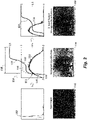
- FIGs. 2-3 Other embodiments of imaging systems in accordance with the disclosure, or aspects thereof, are provided in Figs. 2-3 , as will be described.
- the systems and methods described herein can be used to improve image and video quality in real-time enhancement.
- the imaging system 100 e.g., a camera system, includes optics 102, e.g., including one or more lens elements, optically coupled within a housing 104 to a focal plane array 106 configured to receive images focused thereon by the optics 102.
- a controller 108 is operatively connected to the focal plane array 106, wherein the controller includes machine readable instructions configured to cause the controller to perform any of the methods described herein.
- the controller 108 is connected to an output interface 110 for outputting images, e.g. for display, print, storage, or the like.
- a method of image enhancement includes constructing an input histogram 112 corresponding to an input or raw image 130 received at the focal plane array 106 of Fig. 1 .
- the input histogram 112 represents a pixel value distribution corresponding to the input image 130.
- the method includes performing histogram equalization on a first band 116 of the input histogram starting from a zero value bin (the left end of the horizontal axis of in Fig. 2 ) and ending a division value 114 on the horizontal axis representing a pixel bin value where a predetermined fraction of the input histogram by pixel count is reached to produce a first portion 120 of an equalization curve 123.
- the method also includes performing histogram equalization on the second band 118 of the histogram starting from the division value 114 and ending at a pixel bin value where all of the input histogram by pixel count is reached to produce a second portion 122 of the equalization curve 123 (e.g. on the right end of the horizontal axis in Fig. 2 ).
- Performing histogram equalization on the first band 116 includes using a cumulative distribution function for the first band 116 wherein the cumulative distribution function (CDF) is normalized over the entire input histogram 112 (e.g. if the input image has 20 megapixels, the CDF is normalized over 20 megapixels).
- the division value 114 is at 50% or 0.5 on the vertical axis in Fig. 2 , where half of the pixels are in the first band 118.
- Performing histogram equalization on the second band 118 includes starting a new CDF at the division value 114, wherein the new CDF is normalized over only the second band 118 of the input histogram 112 (e.g., if the input image has 20 megapixels and the division value 114 is 50% then the new CDF is normalized over only 10 megapixels).
- the pre-scaled equalization curve 123 reaches over 100%, in the example in Fig. 2 , it reaches a value of 150% or normalized value of 1.5 on the vertical scale.
- the method includes scaling at least one of the first portion 120 and/or the second portion 122 of the equalization curve to connect and smooth the first and second portions 120 and 122 of the equalization curve at the division value 114 to complete the final equalization curve 124, which is scaled back down to have a maximum value of 100%.
- the first and second portions 120 and 122 of the equalization curve 123 are joined at point 115 (corresponding to the division value 114) in Fig. 2 , and are scaled down together to produce the final equalization curve 124 in Fig. 2 .
- the method includes applying the final equalization curve 124 to the input image to produce a corresponding enhanced image (e.g., images 138, 140, and 142 in Fig. 3 ).
- a corresponding enhanced image e.g., images 138, 140, and 142 in Fig. 3
- FIG. 2 also shows in broken lines the ordinary CDF curve 150 and the histogram equalization histogram 152 obtained by applying the curve 150 to the input image 130.
- the resulting output image is histogram equalized image 136.
- the final equalization curve 124 is applied to the raw image 130 to obtain the enhanced histogram 154 corresponding to the enhanced image 142. Images 130, 136, and 142 are further compared below with reference to Fig. 3 .
- the division value 114 is at the pixel bin value where half of the input histogram by pixel count is reached by the CDF.
- any predetermined pixel bin value can be used for the division value, e.g., 25% of the pixels, 75% of the pixels, or the like, without departing from the scope of this disclosure.
- the method includes generating a stream of enhanced video data wherein the video data includes a series of images, wherein constructing an input histogram 112, performing histogram equalization on the first band 116, performing histogram equalization on the second band 118, scaling, and applying the enhanced equalization curve 124 to produce an enhanced image are repeated for each image in the series of images.
- the division value 114 can always be where half of the input histogram by pixel count is reached by the CDF for each respective image in the series of images. Other parameters for performing histogram equalization and scaling can also be held constant for the series of images.
- Constructing an input histogram 112, performing histogram equalization on the first band 116, performing histogram equalization on the second band 118, and scaling can be repeated in real-time for real-time enhancement of each image in the series of images.
- video captured by the imaging system 100 can be enhanced with these methods in real-time, e.g., so a user viewing the video on a display sees the enhanced imagery in real time as the video is captured.
- constructing the input histogram 112, performing histogram equalization on the first band 116, performing histogram equalization on the second band 118, and scaling are automated and repeated for every image received at the focal plane array 106 of Fig. 1 , wherein parameters for performing histogram equalization and scaling are held constant for all input images received at a focal plane array 106.
- the systems and methods disclosed herein can provide for automated image enhancement in real-time.
- the resulting enhanced histogram 154 for a given image has a different mean value from that of the input histogram 112 for the input image since the processes outlined above do not force the average to be maintained. This allows for improved low-light performance relative to if the mean value were maintained to produce an enhanced histogram.
- three raw images 126, 128, and 130 are shown in the first column. These three images 126, 128, and 130 are corrected by traditional histogram equalization to produce the three respective images 132, 134, and 136 in the middle column. The three images 126, 128, and 130 are also corrected corrected using systems and methods as disclosed herein to produce the three respective enhanced images 138, 140, and 142 in the third column of Fig. 3 .
- the traditional histogram equalization results in blown out or saturated bright values in the foreground of image 132, whereas in the enhanced image 138 in accordance with the techniques disclosed herein, the foreground is much less blown out or saturated, preserving detail while improving contrast in the dark values.
- the traditional histogram equalization used to produce image 134 blows out a large area surrounding the light source
- the enhanced image 140 in accordance with this disclosure improves visibility in the dark areas, e.g., making the tree on the right of image 140 visible, without blowing out the area around the light source.
- the grass in the foreground is blown out in the image 136 produced by traditional histogram equalization
- the enhanced image 142 in accordance with the present disclosure provides enhanced visibility of detail in the dark background without as much blowing out in the grass in the foreground.
Landscapes
- Engineering & Computer Science (AREA)
- Physics & Mathematics (AREA)
- General Physics & Mathematics (AREA)
- Theoretical Computer Science (AREA)
- Multimedia (AREA)
- Signal Processing (AREA)
- Image Processing (AREA)
- Studio Devices (AREA)
- Picture Signal Circuits (AREA)
Claims (13)
- Verfahren zur Bildverbesserung, umfassend:Aufbauen eines Eingangshistogramms (112), das einem Eingangsbild (130) entspricht, das an einem Fokalebenen-Array (106) empfangen wird, wobei das Eingangsbild (130) eine Vielzahl von Pixeln umfasst und das Eingangshistogramm (112) eine entsprechende Pixelwertverteilung darstellt, die dem Eingangsbild (130) entspricht;Durchführen einer Histogrammentzerrung in einem ersten Band (116) des Eingangshistogramms (112), das ab einem Nullwert beginnt und bei einem Teilungswert (114) endet, der einen Pixelzusammenfassungswert darstellt, bei dem ein vorgegebener Bruchteil des Eingangshistogramms (112) anhand der Pixelzählung erreicht ist, um einen ersten Abschnitt (120) einer Entzerrungskurve (123) zu erzeugen, wobei das Durchführen einer Histogrammentzerrung in dem ersten Band (116) das Verwenden einer kumulativen Verteilungsfunktion für das erste Band (116) einschließt, wobei die kumulative Verteilungsfunktion über das gesamte Eingangshistogramm (112) hinweg normiert wird, sodass es über alle der Vielzahl von Pixeln normiert ist;Durchführen einer Histogrammentzerrung in einem zweiten Band (118) des Eingangshistogramms (112), das ab dem Teilungswert (114) beginnt und bei einem Pixelzusammenfassungswert endet, bei dem das gesamte Eingangshistogramm (112) anhand der Pixelzählung erreicht ist, um einen zweiten Abschnitt (122) der Entzerrungskurve (123) zu erzeugen, wobei das Durchführen einer Histogrammentzerrung in dem zweiten Band (118) das Beginnen einer neuen kumulativen Verteilungsfunktion bei dem Teilungswert (114) einschließt, wobei die neue kumulative Verteilungsfunktion nur über das zweite Band (118) des Eingangshistogramms (112) normiert wird, sodass es nur über Pixel normiert ist, die dem zweiten Band (118) entsprechen; undSkalieren mindestens eines des ersten Abschnitts (120) der Entzerrungskurve (123) und/oder des zweiten Abschnitts (122) der Entzerrungskurve (123) zum Verbinden und Glätten des ersten und des zweiten Abschnitts (120, 122) der Entzerrungskurve (123) bei dem Teilungswert (114), um die Entzerrungskurve (123) zu vervollständigen, wobei das Vervollständigen der Entzerrungskurve (123) eine verbesserte Entzerrungskurve (124) bereitstellt; undAnwenden der verbesserten Entzerrungskurve (124) auf das Eingangsbild (130), um ein entsprechendes verbessertes Bild (142) zu erzeugen.
- Verfahren nach Anspruch 1, wobei der Teilungswert (114) bei einem Pixelzusammenfassungswert liegt, bei dem die Hälfte des Eingangshistogramms (112) anhand der Pixelzählung erreicht ist.
- Verfahren nach Anspruch 2, das ferner das Erzeugen eines Stroms verbesserter Videodaten umfasst, wobei die Videodaten eine Reihe von Bildern einschließen, wobei das Aufbauen des Eingangshistogramms (112), das Durchführen der Histogrammentzerrung in dem ersten Band (116), das Durchführen der Histogrammentzerrung in dem zweiten Band (118), das Skalieren und Anwenden der verbesserten Entzerrungskurve (124) bei jedem Bild in der Reihe von Bildern wiederholt werden.
- Verfahren nach Anspruch 3, wobei der Teilungswert (114) bei einem Pixelzusammenfassungswert liegt, bei dem die Hälfte des jeweiligen Eingangshistogramms (112) anhand der Pixelzahl bei jedem jeweiligen Bild in der Reihe von Bildern erreicht ist.
- Verfahren nach Anspruch 1, wobei das Aufbauen eines Eingangshistogramms (112), das Durchführen einer Histogrammentzerrung in dem ersten Band (116), das Durchführen einer Histogrammentzerrung in dem zweiten Band (118) und das Skalieren automatisiert sind und bei jedem Bild wiederholt werden, das an dem Fokalebenen-Array (106) empfangen wird, wobei Parameter zum Durchführen einer Histogrammentzerrung und - skalierung bei allen Eingangsbildern konstant gehalten werden, die an dem Fokalebenen-Array empfangen werden.
- Bildgebungssystem, umfassend:Optiken (102), die optisch mit einem Fokalebenen-Array (106) gekoppelt sind, das so konfiguriert ist, dass es durch die Optiken (102) darauf fokussierte Bilder empfängt; undeine Steuereinheit (108), die betriebsfähig mit dem Fokalebenen-Array (106) verbunden ist, wobei die Steuereinheit (108) maschinenlesbare Anweisungen einschließt, die so konfiguriert sind, dass sie die Steuereinheit veranlassen zum:Aufbauen eines Eingangshistogramms (112), das einem Eingangsbild (130) entspricht, das an einem Fokalebenen-Array (106) empfangen wird, wobei das Eingangsbild (130) eine Vielzahl von Pixeln umfasst und das Eingangshistogramm (112) eine entsprechende Pixelwertverteilung darstellt, die dem Eingangsbild (130) entspricht;Durchführen einer Histogrammentzerrung in einem ersten Band (116) des Eingangshistogramms (112), das ab einem Nullwert beginnt und bei einem Teilungswert (114) endet, der einen Pixelzusammenfassungswert darstellt, bei dem ein vorgegebener Bruchteil des Eingangshistogramms (112) anhand der Pixelzählung erreicht ist, um einen ersten Abschnitt (120) einer Entzerrungskurve (123) zu erzeugen, wobei das Durchführen einer Histogrammentzerrung in dem ersten Band (116) das Verwenden einer kumulativen Verteilungsfunktion für das erste Band (116) einschließt, wobei die kumulative Verteilungsfunktion über das gesamte Eingangshistogramm (112) hinweg normiert wird, sodass es über alle der Vielzahl von Pixeln normiert ist;Durchführen einer Histogrammentzerrung in einem zweiten Band (118) des Eingangshistogramms (112), das ab dem Teilungswert (114) beginnt und bei einem Pixelzusammenfassungswert endet, bei dem das gesamte Eingangshistogramm (112) anhand der Pixelzählung erreicht ist, um einen zweiten Abschnitt (122) der Entzerrungskurve (123) zu erzeugen, wobei das Durchführen einer Histogrammentzerrung in dem zweiten Band (118) das Beginnen einer neuen kumulativen Verteilungsfunktion bei dem Teilungswert (114) einschließt, wobei die neue kumulative Verteilungsfunktion nur über das zweite Band (118) des Eingangshistogramms (112) normiert wird, sodass es nur über Pixel normiert ist, die dem zweiten Band (118) entsprechen;Skalieren mindestens eines des ersten Abschnitts (120) der Entzerrungskurve (123) und/oder des zweiten Abschnitts (122) der Entzerrungskurve (123) zum Verbinden und Glätten des ersten und des zweiten Abschnitts (120, 122) der Entzerrungskurve (123) bei dem Teilungswert (114), um die Entzerrungskurve (123) zu vervollständigen, wobei das Vervollständigen der Entzerrungskurve (123) eine verbesserte Entzerrungskurve (124) bereitstellt; undAnwenden der verbesserten Entzerrungskurve (124) auf das Eingangsbild (130), um ein entsprechendes verbessertes Bild (142) zu erzeugen.
- System nach Anspruch 6, wobei der Teilungswert (114) bei einem Pixelzusammenfassungswert liegt, bei dem die Hälfte des Eingangshistogramms (112) anhand der Pixelzählung erreicht ist.
- System nach Anspruch 7, wobei die maschinenlesbaren Anweisungen so konfiguriert sind, dass sie die Steuereinheit (108) veranlassen, einen Strom verbesserter Videodaten zu erzeugen, wobei die Videodaten eine Reihe von Bildern einschließen, wobei das Aufbauen des Eingangshistogramms (112), das Durchführen der Histogrammentzerrung in dem ersten Band (116), das Durchführen der Histogrammentzerrung in dem zweiten Band (118), das Skalieren und Anwenden der verbesserten Entzerrungskurve (124) bei jedem Bild in der Reihe von Bildern wiederholt werden.
- System nach Anspruch 8, wobei der Teilungswert (114) bei einem Pixelwert liegt, bei dem die Hälfte des jeweiligen Eingangshistogramms (112) anhand der Pixelzahl bei jedem jeweiligen Bild in der Reihe von Bildern erreicht ist.
- Verfahren nach Anspruch 3 oder 4 oder System nach Anspruch 8 oder 9, wobei Parameter zum Durchführen von Histogrammentzerrung und -skalierung bei der Reihe von Bildern konstant sind.
- Verfahren nach Anspruch 3, 4 oder 10 oder System nach Anspruch 8, 9 oder 10, wobei das Aufbauen eines Eingangshistogramms, das Durchführen einer Histogrammentzerrung in dem ersten Band (116), das Durchführen einer Histogrammentzerrung in dem zweiten Band (118) und das Skalieren in Echtzeit wiederholt werden, um jedes Bild in der Reihe von Bildern in Echtzeit zu verbessern.
- System nach Anspruch 6, wobei das Aufbauen eines Eingangshistogramms (112), das Durchführen einer Histogrammentzerrung in dem ersten Band (116), das Durchführen einer Histogrammentzerrung in dem zweiten Band (118) und das Skalieren automatisiert sind und bei jedem Bild wiederholt werden, das an dem Fokalebenen-Array (106) empfangen wird, wobei Parameter zum Durchführen einer Histogrammentzerrung und - skalierung bei allen Eingangsbildern konstant gehalten werden, die an dem Fokalebenen-Array empfangen werden.
- Verfahren nach einem der Ansprüche 1 bis 5, 10 oder 11 oder System nach einem der Ansprüche 6 bis 12, wobei ein verbessertes Histogramm (154), das dem verbesserten Bild (142) entspricht, einen anderen Mittelwert als der des Eingangshistogramms (112) aufweist.
Applications Claiming Priority (1)
| Application Number | Priority Date | Filing Date | Title |
|---|---|---|---|
| US16/057,280 US10762611B2 (en) | 2018-08-07 | 2018-08-07 | Scaled two-band histogram process for image enhancement |
Publications (2)
| Publication Number | Publication Date |
|---|---|
| EP3608869A1 EP3608869A1 (de) | 2020-02-12 |
| EP3608869B1 true EP3608869B1 (de) | 2023-01-11 |
Family
ID=67658406
Family Applications (1)
| Application Number | Title | Priority Date | Filing Date |
|---|---|---|---|
| EP19189822.0A Active EP3608869B1 (de) | 2018-08-07 | 2019-08-02 | Skaliertes zweibandiges histogrammverfahren zur bildverbesserung |
Country Status (3)
| Country | Link |
|---|---|
| US (1) | US10762611B2 (de) |
| EP (1) | EP3608869B1 (de) |
| JP (1) | JP7369562B2 (de) |
Families Citing this family (1)
| Publication number | Priority date | Publication date | Assignee | Title |
|---|---|---|---|---|
| JP7486734B2 (ja) | 2020-02-17 | 2024-05-20 | 国立研究開発法人宇宙航空研究開発機構 | 燃料電池システム |
Family Cites Families (21)
| Publication number | Priority date | Publication date | Assignee | Title |
|---|---|---|---|---|
| US7003153B1 (en) * | 2000-09-29 | 2006-02-21 | Sharp Laboratories Of America, Inc. | Video contrast enhancement through partial histogram equalization |
| EP1345172A1 (de) * | 2002-02-26 | 2003-09-17 | Sony International (Europe) GmbH | Kontrastverbesserung in digitalen Bildern |
| US8068436B2 (en) * | 2003-10-15 | 2011-11-29 | Microsoft Corporation | Methods and systems for estimating network available bandwidth using packet pairs and spatial filtering |
| US7840066B1 (en) * | 2005-11-15 | 2010-11-23 | University Of Tennessee Research Foundation | Method of enhancing a digital image by gray-level grouping |
| TWI307600B (en) | 2006-01-26 | 2009-03-11 | Asustek Comp Inc | Image processing method for display device |
| JP2008017321A (ja) * | 2006-07-07 | 2008-01-24 | Canon Inc | 画像処理装置及び画像処理方法 |
| US20080042927A1 (en) | 2006-08-16 | 2008-02-21 | Samsung Electronics Co., Ltd. | Display apparatus and method of adjusting brightness thereof |
| US7916968B2 (en) * | 2006-11-21 | 2011-03-29 | Wintek Corporation | Adjusting apparatus for enhancing the contrast of image and method therefor |
| US20080247665A1 (en) * | 2007-04-04 | 2008-10-09 | Silicon Integrated Systems Corp. | Method and apparatus for dynamic contrast enhancement |
| US8285076B2 (en) * | 2008-03-27 | 2012-10-09 | The Trustees Of Tufts College | Methods and apparatus for visual sub-band decomposition of signals |
| KR100999811B1 (ko) | 2009-01-20 | 2010-12-08 | 한양대학교 산학협력단 | 균등확률분할 히스토그램 평활화를 이용한 영상 화질 개선 방법 |
| TWI408619B (zh) * | 2009-11-16 | 2013-09-11 | Inst Information Industry | 影像對比提昇裝置及其方法 |
| US8698961B2 (en) * | 2010-05-21 | 2014-04-15 | Vixs Systems, Inc. | Enhanced histogram equalization |
| US9681062B2 (en) * | 2011-09-26 | 2017-06-13 | Magna Electronics Inc. | Vehicle camera image quality improvement in poor visibility conditions by contrast amplification |
| KR101462421B1 (ko) | 2013-03-05 | 2014-11-17 | 전남대학교산학협력단 | 히스토그램 압축 평활화를 이용한 영상 명암대비 개선 방법 및 장치 |
| KR101499461B1 (ko) * | 2013-06-28 | 2015-03-16 | 전남대학교산학협력단 | 히스토그램 압축을 이용한 히스토그램 평활화 장치 |
| KR101516632B1 (ko) | 2013-10-22 | 2015-05-07 | 전남대학교산학협력단 | 동영상의 평균 밝기 변화율을 유지하는 시각적 임계치를 이용한 이분할 히스토그램 평활화 장치 |
| KR102150960B1 (ko) * | 2014-01-29 | 2020-09-02 | 삼성전자주식회사 | 영상 처리 방법 및 장치 |
| WO2015192115A1 (en) * | 2014-06-13 | 2015-12-17 | Board Of Regents Of The University Of Texas System | Systems and methods for automated hierarchical image representation and haze removal |
| KR101726868B1 (ko) | 2015-12-10 | 2017-04-26 | 인천대학교 산학협력단 | 히스토그램 분석에 의한 착시 효과 생성 장치 및 그 방법 |
| CN106328037B (zh) | 2016-10-14 | 2019-10-11 | 深圳市华星光电技术有限公司 | 四色显示器的驱动方法 |
-
2018
- 2018-08-07 US US16/057,280 patent/US10762611B2/en active Active
-
2019
- 2019-08-02 EP EP19189822.0A patent/EP3608869B1/de active Active
- 2019-08-07 JP JP2019145037A patent/JP7369562B2/ja active Active
Also Published As
| Publication number | Publication date |
|---|---|
| US20200051224A1 (en) | 2020-02-13 |
| US10762611B2 (en) | 2020-09-01 |
| JP7369562B2 (ja) | 2023-10-26 |
| EP3608869A1 (de) | 2020-02-12 |
| JP2020024704A (ja) | 2020-02-13 |
Similar Documents
| Publication | Publication Date | Title |
|---|---|---|
| US11704775B2 (en) | Bright spot removal using a neural network | |
| JP5132401B2 (ja) | 画像処理装置及び画像処理方法 | |
| CN102625043B (zh) | 图像处理设备、成像设备和图像处理方法 | |
| CN103198453B (zh) | 图像处理设备及图像处理方法 | |
| EP3900327B1 (de) | Bildverarbeitungsvorrichtung und -verfahren | |
| US12456223B2 (en) | System and method for maximizing inference accuracy using recaptured datasets | |
| US20090027521A1 (en) | Image processing apparatus, image-taking system, image processing method and image processing program | |
| US10726531B2 (en) | Resolution enhancement of color images | |
| CN102844788A (zh) | 图像处理装置及使用该图像处理装置的图像拾取装置 | |
| CN102968761A (zh) | 图像处理设备和图像处理方法 | |
| CN114463192B (zh) | 一种基于深度学习的红外视频畸变校正的方法 | |
| CN110490187B (zh) | 车牌识别设备和方法 | |
| CN110349114A (zh) | 应用于aoi设备的图像增强方法、装置及道路视频监控设备 | |
| CN105245785A (zh) | 一种汽车全景摄像头的亮度平衡调解方法 | |
| CN107431754A (zh) | 图像处理方法、图像处理装置和摄像设备 | |
| JP6185249B2 (ja) | イメージ処理装置及びイメージ処理方法 | |
| JP2020068524A (ja) | 画像処理 | |
| CN114943648A (zh) | 图像处理方法、设备和系统、训练方法和设备、存储介质 | |
| US10762611B2 (en) | Scaled two-band histogram process for image enhancement | |
| CN109493293A (zh) | 一种图像处理方法及装置、显示设备 | |
| JP6976754B2 (ja) | 画像処理装置および画像処理方法、撮像装置、プログラム | |
| KR101946946B1 (ko) | 이미지 처리 장치 및 이의 이미지 처리 방법 | |
| JP2017050662A (ja) | 画像処理装置、撮像装置および画像処理プログラム | |
| JP2008263313A (ja) | 画像処理装置および画像処理プログラム | |
| CN104660954A (zh) | 低照度场景下基于背景建模的图像亮度提升方法及装置 |
Legal Events
| Date | Code | Title | Description |
|---|---|---|---|
| PUAI | Public reference made under article 153(3) epc to a published international application that has entered the european phase |
Free format text: ORIGINAL CODE: 0009012 |
|
| STAA | Information on the status of an ep patent application or granted ep patent |
Free format text: STATUS: THE APPLICATION HAS BEEN PUBLISHED |
|
| AK | Designated contracting states |
Kind code of ref document: A1 Designated state(s): AL AT BE BG CH CY CZ DE DK EE ES FI FR GB GR HR HU IE IS IT LI LT LU LV MC MK MT NL NO PL PT RO RS SE SI SK SM TR |
|
| AX | Request for extension of the european patent |
Extension state: BA ME |
|
| STAA | Information on the status of an ep patent application or granted ep patent |
Free format text: STATUS: REQUEST FOR EXAMINATION WAS MADE |
|
| 17P | Request for examination filed |
Effective date: 20200810 |
|
| RBV | Designated contracting states (corrected) |
Designated state(s): AL AT BE BG CH CY CZ DE DK EE ES FI FR GB GR HR HU IE IS IT LI LT LU LV MC MK MT NL NO PL PT RO RS SE SI SK SM TR |
|
| STAA | Information on the status of an ep patent application or granted ep patent |
Free format text: STATUS: EXAMINATION IS IN PROGRESS |
|
| 17Q | First examination report despatched |
Effective date: 20210113 |
|
| GRAP | Despatch of communication of intention to grant a patent |
Free format text: ORIGINAL CODE: EPIDOSNIGR1 |
|
| STAA | Information on the status of an ep patent application or granted ep patent |
Free format text: STATUS: GRANT OF PATENT IS INTENDED |
|
| INTG | Intention to grant announced |
Effective date: 20220802 |
|
| GRAS | Grant fee paid |
Free format text: ORIGINAL CODE: EPIDOSNIGR3 |
|
| GRAA | (expected) grant |
Free format text: ORIGINAL CODE: 0009210 |
|
| STAA | Information on the status of an ep patent application or granted ep patent |
Free format text: STATUS: THE PATENT HAS BEEN GRANTED |
|
| AK | Designated contracting states |
Kind code of ref document: B1 Designated state(s): AL AT BE BG CH CY CZ DE DK EE ES FI FR GB GR HR HU IE IS IT LI LT LU LV MC MK MT NL NO PL PT RO RS SE SI SK SM TR |
|
| REG | Reference to a national code |
Ref country code: GB Ref legal event code: FG4D |
|
| REG | Reference to a national code |
Ref country code: CH Ref legal event code: EP |
|
| REG | Reference to a national code |
Ref country code: DE Ref legal event code: R096 Ref document number: 602019024217 Country of ref document: DE |
|
| REG | Reference to a national code |
Ref country code: IE Ref legal event code: FG4D |
|
| REG | Reference to a national code |
Ref country code: AT Ref legal event code: REF Ref document number: 1543872 Country of ref document: AT Kind code of ref document: T Effective date: 20230215 |
|
| REG | Reference to a national code |
Ref country code: LT Ref legal event code: MG9D |
|
| REG | Reference to a national code |
Ref country code: NL Ref legal event code: MP Effective date: 20230111 |
|
| REG | Reference to a national code |
Ref country code: AT Ref legal event code: MK05 Ref document number: 1543872 Country of ref document: AT Kind code of ref document: T Effective date: 20230111 |
|
| PG25 | Lapsed in a contracting state [announced via postgrant information from national office to epo] |
Ref country code: NL Free format text: LAPSE BECAUSE OF FAILURE TO SUBMIT A TRANSLATION OF THE DESCRIPTION OR TO PAY THE FEE WITHIN THE PRESCRIBED TIME-LIMIT Effective date: 20230111 |
|
| PG25 | Lapsed in a contracting state [announced via postgrant information from national office to epo] |
Ref country code: RS Free format text: LAPSE BECAUSE OF FAILURE TO SUBMIT A TRANSLATION OF THE DESCRIPTION OR TO PAY THE FEE WITHIN THE PRESCRIBED TIME-LIMIT Effective date: 20230111 Ref country code: PT Free format text: LAPSE BECAUSE OF FAILURE TO SUBMIT A TRANSLATION OF THE DESCRIPTION OR TO PAY THE FEE WITHIN THE PRESCRIBED TIME-LIMIT Effective date: 20230511 Ref country code: NO Free format text: LAPSE BECAUSE OF FAILURE TO SUBMIT A TRANSLATION OF THE DESCRIPTION OR TO PAY THE FEE WITHIN THE PRESCRIBED TIME-LIMIT Effective date: 20230411 Ref country code: LV Free format text: LAPSE BECAUSE OF FAILURE TO SUBMIT A TRANSLATION OF THE DESCRIPTION OR TO PAY THE FEE WITHIN THE PRESCRIBED TIME-LIMIT Effective date: 20230111 Ref country code: LT Free format text: LAPSE BECAUSE OF FAILURE TO SUBMIT A TRANSLATION OF THE DESCRIPTION OR TO PAY THE FEE WITHIN THE PRESCRIBED TIME-LIMIT Effective date: 20230111 Ref country code: HR Free format text: LAPSE BECAUSE OF FAILURE TO SUBMIT A TRANSLATION OF THE DESCRIPTION OR TO PAY THE FEE WITHIN THE PRESCRIBED TIME-LIMIT Effective date: 20230111 Ref country code: ES Free format text: LAPSE BECAUSE OF FAILURE TO SUBMIT A TRANSLATION OF THE DESCRIPTION OR TO PAY THE FEE WITHIN THE PRESCRIBED TIME-LIMIT Effective date: 20230111 Ref country code: AT Free format text: LAPSE BECAUSE OF FAILURE TO SUBMIT A TRANSLATION OF THE DESCRIPTION OR TO PAY THE FEE WITHIN THE PRESCRIBED TIME-LIMIT Effective date: 20230111 |
|
| PG25 | Lapsed in a contracting state [announced via postgrant information from national office to epo] |
Ref country code: SE Free format text: LAPSE BECAUSE OF FAILURE TO SUBMIT A TRANSLATION OF THE DESCRIPTION OR TO PAY THE FEE WITHIN THE PRESCRIBED TIME-LIMIT Effective date: 20230111 Ref country code: PL Free format text: LAPSE BECAUSE OF FAILURE TO SUBMIT A TRANSLATION OF THE DESCRIPTION OR TO PAY THE FEE WITHIN THE PRESCRIBED TIME-LIMIT Effective date: 20230111 Ref country code: IS Free format text: LAPSE BECAUSE OF FAILURE TO SUBMIT A TRANSLATION OF THE DESCRIPTION OR TO PAY THE FEE WITHIN THE PRESCRIBED TIME-LIMIT Effective date: 20230511 Ref country code: GR Free format text: LAPSE BECAUSE OF FAILURE TO SUBMIT A TRANSLATION OF THE DESCRIPTION OR TO PAY THE FEE WITHIN THE PRESCRIBED TIME-LIMIT Effective date: 20230412 Ref country code: FI Free format text: LAPSE BECAUSE OF FAILURE TO SUBMIT A TRANSLATION OF THE DESCRIPTION OR TO PAY THE FEE WITHIN THE PRESCRIBED TIME-LIMIT Effective date: 20230111 |
|
| REG | Reference to a national code |
Ref country code: DE Ref legal event code: R097 Ref document number: 602019024217 Country of ref document: DE |
|
| PG25 | Lapsed in a contracting state [announced via postgrant information from national office to epo] |
Ref country code: SM Free format text: LAPSE BECAUSE OF FAILURE TO SUBMIT A TRANSLATION OF THE DESCRIPTION OR TO PAY THE FEE WITHIN THE PRESCRIBED TIME-LIMIT Effective date: 20230111 Ref country code: RO Free format text: LAPSE BECAUSE OF FAILURE TO SUBMIT A TRANSLATION OF THE DESCRIPTION OR TO PAY THE FEE WITHIN THE PRESCRIBED TIME-LIMIT Effective date: 20230111 Ref country code: EE Free format text: LAPSE BECAUSE OF FAILURE TO SUBMIT A TRANSLATION OF THE DESCRIPTION OR TO PAY THE FEE WITHIN THE PRESCRIBED TIME-LIMIT Effective date: 20230111 Ref country code: DK Free format text: LAPSE BECAUSE OF FAILURE TO SUBMIT A TRANSLATION OF THE DESCRIPTION OR TO PAY THE FEE WITHIN THE PRESCRIBED TIME-LIMIT Effective date: 20230111 Ref country code: CZ Free format text: LAPSE BECAUSE OF FAILURE TO SUBMIT A TRANSLATION OF THE DESCRIPTION OR TO PAY THE FEE WITHIN THE PRESCRIBED TIME-LIMIT Effective date: 20230111 |
|
| PLBE | No opposition filed within time limit |
Free format text: ORIGINAL CODE: 0009261 |
|
| STAA | Information on the status of an ep patent application or granted ep patent |
Free format text: STATUS: NO OPPOSITION FILED WITHIN TIME LIMIT |
|
| PG25 | Lapsed in a contracting state [announced via postgrant information from national office to epo] |
Ref country code: SK Free format text: LAPSE BECAUSE OF FAILURE TO SUBMIT A TRANSLATION OF THE DESCRIPTION OR TO PAY THE FEE WITHIN THE PRESCRIBED TIME-LIMIT Effective date: 20230111 |
|
| 26N | No opposition filed |
Effective date: 20231012 |
|
| PG25 | Lapsed in a contracting state [announced via postgrant information from national office to epo] |
Ref country code: SI Free format text: LAPSE BECAUSE OF FAILURE TO SUBMIT A TRANSLATION OF THE DESCRIPTION OR TO PAY THE FEE WITHIN THE PRESCRIBED TIME-LIMIT Effective date: 20230111 |
|
| PG25 | Lapsed in a contracting state [announced via postgrant information from national office to epo] |
Ref country code: MC Free format text: LAPSE BECAUSE OF FAILURE TO SUBMIT A TRANSLATION OF THE DESCRIPTION OR TO PAY THE FEE WITHIN THE PRESCRIBED TIME-LIMIT Effective date: 20230111 |
|
| REG | Reference to a national code |
Ref country code: CH Ref legal event code: PL |
|
| PG25 | Lapsed in a contracting state [announced via postgrant information from national office to epo] |
Ref country code: MC Free format text: LAPSE BECAUSE OF FAILURE TO SUBMIT A TRANSLATION OF THE DESCRIPTION OR TO PAY THE FEE WITHIN THE PRESCRIBED TIME-LIMIT Effective date: 20230111 |
|
| PG25 | Lapsed in a contracting state [announced via postgrant information from national office to epo] |
Ref country code: LU Free format text: LAPSE BECAUSE OF NON-PAYMENT OF DUE FEES Effective date: 20230802 |
|
| PG25 | Lapsed in a contracting state [announced via postgrant information from national office to epo] |
Ref country code: LU Free format text: LAPSE BECAUSE OF NON-PAYMENT OF DUE FEES Effective date: 20230802 Ref country code: CH Free format text: LAPSE BECAUSE OF NON-PAYMENT OF DUE FEES Effective date: 20230831 |
|
| REG | Reference to a national code |
Ref country code: BE Ref legal event code: MM Effective date: 20230831 |
|
| REG | Reference to a national code |
Ref country code: IE Ref legal event code: MM4A |
|
| PG25 | Lapsed in a contracting state [announced via postgrant information from national office to epo] |
Ref country code: IT Free format text: LAPSE BECAUSE OF FAILURE TO SUBMIT A TRANSLATION OF THE DESCRIPTION OR TO PAY THE FEE WITHIN THE PRESCRIBED TIME-LIMIT Effective date: 20230111 |
|
| PG25 | Lapsed in a contracting state [announced via postgrant information from national office to epo] |
Ref country code: IE Free format text: LAPSE BECAUSE OF NON-PAYMENT OF DUE FEES Effective date: 20230802 |
|
| PG25 | Lapsed in a contracting state [announced via postgrant information from national office to epo] |
Ref country code: IE Free format text: LAPSE BECAUSE OF NON-PAYMENT OF DUE FEES Effective date: 20230802 |
|
| PG25 | Lapsed in a contracting state [announced via postgrant information from national office to epo] |
Ref country code: BE Free format text: LAPSE BECAUSE OF NON-PAYMENT OF DUE FEES Effective date: 20230831 |
|
| PG25 | Lapsed in a contracting state [announced via postgrant information from national office to epo] |
Ref country code: BG Free format text: LAPSE BECAUSE OF FAILURE TO SUBMIT A TRANSLATION OF THE DESCRIPTION OR TO PAY THE FEE WITHIN THE PRESCRIBED TIME-LIMIT Effective date: 20230111 |
|
| PG25 | Lapsed in a contracting state [announced via postgrant information from national office to epo] |
Ref country code: BG Free format text: LAPSE BECAUSE OF FAILURE TO SUBMIT A TRANSLATION OF THE DESCRIPTION OR TO PAY THE FEE WITHIN THE PRESCRIBED TIME-LIMIT Effective date: 20230111 |
|
| PG25 | Lapsed in a contracting state [announced via postgrant information from national office to epo] |
Ref country code: CY Free format text: LAPSE BECAUSE OF FAILURE TO SUBMIT A TRANSLATION OF THE DESCRIPTION OR TO PAY THE FEE WITHIN THE PRESCRIBED TIME-LIMIT; INVALID AB INITIO Effective date: 20190802 |
|
| PG25 | Lapsed in a contracting state [announced via postgrant information from national office to epo] |
Ref country code: HU Free format text: LAPSE BECAUSE OF FAILURE TO SUBMIT A TRANSLATION OF THE DESCRIPTION OR TO PAY THE FEE WITHIN THE PRESCRIBED TIME-LIMIT; INVALID AB INITIO Effective date: 20190802 |
|
| PGFP | Annual fee paid to national office [announced via postgrant information from national office to epo] |
Ref country code: DE Payment date: 20250724 Year of fee payment: 7 |
|
| PGFP | Annual fee paid to national office [announced via postgrant information from national office to epo] |
Ref country code: GB Payment date: 20250725 Year of fee payment: 7 |
|
| PGFP | Annual fee paid to national office [announced via postgrant information from national office to epo] |
Ref country code: FR Payment date: 20250725 Year of fee payment: 7 |
|
| PG25 | Lapsed in a contracting state [announced via postgrant information from national office to epo] |
Ref country code: TR Free format text: LAPSE BECAUSE OF FAILURE TO SUBMIT A TRANSLATION OF THE DESCRIPTION OR TO PAY THE FEE WITHIN THE PRESCRIBED TIME-LIMIT Effective date: 20230111 |
|
| P01 | Opt-out of the competence of the unified patent court (upc) registered |
Free format text: CASE NUMBER: UPC_APP_0018030_3608869/2025 Effective date: 20251217 |