EP3606537B1 - Microrna 19a/19b-inibitoren zur verwendung bei der behandlung eines pathologischen zustands im zusammenhang mit knochenschwund oder verringerter muskelfunktion - Google Patents
Microrna 19a/19b-inibitoren zur verwendung bei der behandlung eines pathologischen zustands im zusammenhang mit knochenschwund oder verringerter muskelfunktion Download PDFInfo
- Publication number
- EP3606537B1 EP3606537B1 EP18717883.5A EP18717883A EP3606537B1 EP 3606537 B1 EP3606537 B1 EP 3606537B1 EP 18717883 A EP18717883 A EP 18717883A EP 3606537 B1 EP3606537 B1 EP 3606537B1
- Authority
- EP
- European Patent Office
- Prior art keywords
- microrna
- inhibitor
- bone
- mir
- seq
- Prior art date
- Legal status (The legal status is an assumption and is not a legal conclusion. Google has not performed a legal analysis and makes no representation as to the accuracy of the status listed.)
- Active
Links
Images


Classifications
-
- A—HUMAN NECESSITIES
- A61—MEDICAL OR VETERINARY SCIENCE; HYGIENE
- A61K—PREPARATIONS FOR MEDICAL, DENTAL OR TOILETRY PURPOSES
- A61K31/00—Medicinal preparations containing organic active ingredients
- A61K31/70—Carbohydrates; Sugars; Derivatives thereof
- A61K31/7088—Compounds having three or more nucleosides or nucleotides
- A61K31/711—Natural deoxyribonucleic acids, i.e. containing only 2'-deoxyriboses attached to adenine, guanine, cytosine or thymine and having 3'-5' phosphodiester links
-
- A—HUMAN NECESSITIES
- A61—MEDICAL OR VETERINARY SCIENCE; HYGIENE
- A61K—PREPARATIONS FOR MEDICAL, DENTAL OR TOILETRY PURPOSES
- A61K38/00—Medicinal preparations containing peptides
- A61K38/16—Peptides having more than 20 amino acids; Gastrins; Somatostatins; Melanotropins; Derivatives thereof
- A61K38/17—Peptides having more than 20 amino acids; Gastrins; Somatostatins; Melanotropins; Derivatives thereof from animals; from humans
- A61K38/22—Hormones
- A61K38/29—Parathyroid hormone, i.e. parathormone; Parathyroid hormone-related peptides
-
- A—HUMAN NECESSITIES
- A61—MEDICAL OR VETERINARY SCIENCE; HYGIENE
- A61P—SPECIFIC THERAPEUTIC ACTIVITY OF CHEMICAL COMPOUNDS OR MEDICINAL PREPARATIONS
- A61P19/00—Drugs for skeletal disorders
- A61P19/08—Drugs for skeletal disorders for bone diseases, e.g. rachitism, Paget's disease
-
- A—HUMAN NECESSITIES
- A61—MEDICAL OR VETERINARY SCIENCE; HYGIENE
- A61P—SPECIFIC THERAPEUTIC ACTIVITY OF CHEMICAL COMPOUNDS OR MEDICINAL PREPARATIONS
- A61P19/00—Drugs for skeletal disorders
- A61P19/08—Drugs for skeletal disorders for bone diseases, e.g. rachitism, Paget's disease
- A61P19/10—Drugs for skeletal disorders for bone diseases, e.g. rachitism, Paget's disease for osteoporosis
-
- A—HUMAN NECESSITIES
- A61—MEDICAL OR VETERINARY SCIENCE; HYGIENE
- A61P—SPECIFIC THERAPEUTIC ACTIVITY OF CHEMICAL COMPOUNDS OR MEDICINAL PREPARATIONS
- A61P21/00—Drugs for disorders of the muscular or neuromuscular system
-
- A—HUMAN NECESSITIES
- A61—MEDICAL OR VETERINARY SCIENCE; HYGIENE
- A61K—PREPARATIONS FOR MEDICAL, DENTAL OR TOILETRY PURPOSES
- A61K2300/00—Mixtures or combinations of active ingredients, wherein at least one active ingredient is fully defined in groups A61K31/00 - A61K41/00
-
- C—CHEMISTRY; METALLURGY
- C12—BIOCHEMISTRY; BEER; SPIRITS; WINE; VINEGAR; MICROBIOLOGY; ENZYMOLOGY; MUTATION OR GENETIC ENGINEERING
- C12Q—MEASURING OR TESTING PROCESSES INVOLVING ENZYMES, NUCLEIC ACIDS OR MICROORGANISMS; COMPOSITIONS OR TEST PAPERS THEREFOR; PROCESSES OF PREPARING SUCH COMPOSITIONS; CONDITION-RESPONSIVE CONTROL IN MICROBIOLOGICAL OR ENZYMOLOGICAL PROCESSES
- C12Q2525/00—Reactions involving modified oligonucleotides, nucleic acids, or nucleotides
- C12Q2525/10—Modifications characterised by
- C12Q2525/207—Modifications characterised by siRNA, miRNA
-
- C—CHEMISTRY; METALLURGY
- C12—BIOCHEMISTRY; BEER; SPIRITS; WINE; VINEGAR; MICROBIOLOGY; ENZYMOLOGY; MUTATION OR GENETIC ENGINEERING
- C12Q—MEASURING OR TESTING PROCESSES INVOLVING ENZYMES, NUCLEIC ACIDS OR MICROORGANISMS; COMPOSITIONS OR TEST PAPERS THEREFOR; PROCESSES OF PREPARING SUCH COMPOSITIONS; CONDITION-RESPONSIVE CONTROL IN MICROBIOLOGICAL OR ENZYMOLOGICAL PROCESSES
- C12Q2600/00—Oligonucleotides characterized by their use
- C12Q2600/178—Oligonucleotides characterized by their use miRNA, siRNA or ncRNA
Definitions
- the invention relates to inhibitors of microRNAs 19a and 19b and their use for treating or preventing conditions or diseases which are associated with bone loss, in particular osteoporosis and osteogenesis imperfecta (OI).
- the inhibitors are also useful for inducing an anabolic effect in bone, either alone or when administered in combination with parathyroid hormone or a recombinant fragment thereof.
- the invention further relates to inhibitors of microRNAs 19a and 19b and their use for treating or preventing conditions or diseases which are associated with reduced muscle function, in particular muscle degeneration and muscle atrophy.
- the inhibitors are also useful for stabilizing and/or strengthening muscle function.
- inhibitors of microRNAs 19a and 19b can be used for treating or preventing cancer-related bone destruction or bone metastasis.
- Osteoporosis is the most prevalent disease of the musculoskeletal system in women and men, frequently leading to fragility fractures. These fractures often increase morbidity and mortality especially in the elderly and therefore represent a great medical and socio-economic burden. While bone is a highly dynamic tissue constantly dismantled and rebuilt throughout life by bone-resorbing osteoclasts and bone-forming osteoblasts, these processes are tightly coupled and balanced to keep the bone mass constant. With increasing age, bone resorption increases while bone formation decreases, leading to a reduction of bone mass and ultimately to osteoporosis.
- Established anti-resorptive drugs like bisphosphonates or a RANKL-neutralizing antibody provide therapeutic approaches to osteoporosis by inhibiting osteoclast activity, thereby preventing further loss of bone mass.
- the administration of a recombinant fragment of the parathyroid hormone referred to as PTH 1-34 or teriparatide (Forteo ⁇ /Forsteo ⁇ ) in the literature
- PTH therapy requires daily injections of the PTH 1-34 fragment, and the therapy is restricted to an overall time period of 24 months due to safety concerns. Accordingly, there is a need for additional therapies that prevent bone loss and/or result in an increase of bone mass and bone density.
- miRNAs are non-coding RNAs that can block the expression of protein-coding genes. miRNAs have been found to be encoded in the genome of numerous organisms, including mammalian and non-mammalian animals. miRNAs are capable of binding to the 3' untranslated region (3'-UTR) of the mRNA of a target gene owing to their base complementarity. Depending on the complementarity of the binding sequence and the proteins involved, miRNAs inhibit the translation of mRNA or induce the decomposition of the mRNA. Partial base complementarity between the miRNA and the cognate mRNA normally results in inhibition of mRNA translation, while perfect base complementarity induces mRNA degradation.
- 3'-UTR 3' untranslated region
- miRNAs are usually 18-24 nucleotides long and are produced by stepwise processing of precursor molecules. miRNAs are transcribed by polymerase II or III either from encoding genes or introns. The primary transcript resulting from the transcription of the genes is referred to as primary microRNA (pri-miRNA). It has a length of 500-3000 nucleotides and carries a 7-methylguanosine cap at the 5' end and a poly-A-tail at the 3' end. The pri-miRNA is processed by the RNAse III enzyme Drosha and the dsRNA binding protein DGCR8 in the nucleus of the cell to a precursor microRNA (pre-miRNA) of 70-80 nucleotides in length.
- pre-miRNA precursor microRNA
- the pre-miRNA forms a characteristic hairpin structure and is exported through the nucleic pores to the cytoplasma where it is processed by the RNAse III enzyme Dicer into ds-miRNAs of a length between 17-24 nucleotides. Dicer interacts with a protein that specifically binds to the ds-miRNAs to unwind these duplexes. The resulting ss-miRNAs can interfere with the expression of the respective target mRNA.
- miRNAs have been reported to be involved in the regulation of numerous physiological and developmental processes. Recently, miRNAs have gained considerable attention as potential therapeutic targets for treating diseases like hepatitis C [1], chronic lymphocytic leukemia [2], colorectal cancer [3], obesity [4], or schizophrenia [5].
- the present invention is based on the insight that miRNA-19a and miRNA-19b are involved in the regulation of bone-formation and that inhibition of these miRNAs is a highly efficient way to prevent or reduce bone loss. Accordingly, the inhibition of these miRNAs is useful for treating diseases like osteoporosis which are associated with a loss of bone mass.
- the inhibitors of miRNA-19a and miRNA-19b exert an anabolic effect and can be used alone or in combination with each other.
- one or more inhibitors of miRNA-19a and/or miRNA-19b are used in combination with the parathyroid hormone or a fragment thereof, such as PTH 1-34, for an enhanced bone anabolic effect.
- the invention further shows that miRNA-19a and miRNA-19b are involved in the regulation of muscle regeneration, and in particular in the prevention of reduced muscle mass, strength and/or performance. As shown in the below Examples, inhibition of these miRNAs is effective in preventing a loss in muscle function under various conditions. Inhibition of these miRNAs is hence also useful for treating diseases like muscular dystrophy, muscle atrophy, sarcopenia, or cachexia, such as cancer-induced cachexia.
- miRNA-19a and miRNA-19b inhibitors can be used for the prevention or treatment of cancer-induced bone destruction and bone metastasis, in particular breast cancer metastasis to bone.
- the invention provides an inhibitor of microRNA 19a and/or microRNA 19b for use in a method of treating a disease that is associated with bone loss.
- a disease which is associated with a pathological degree of bone loss may be, for example, a disease that is characterized by an abnormal bone resorption and/or bone formation in conditions of high bone turnover. It is shown herein below that the inhibition of microRNA 19a and/or microRNA 19b results in a strong bone anabolic effect which demonstrates the usefulness of microRNA 19a and/or microRNA 19b inhibitors for treating diseases and conditions in which a pathological level of bone loss occurs.
- diseases and conditions include in particular osteoporosis and osteogenesis imperfect (OI).
- the disease and condition to be treated by the microRNA 19a and/or microRNA 19b inhibitors is osteoporosis.
- osteoporosis includes all forms of osteoporosis, such as primary, secondary and postmenopausal osteoporosis. Also included are sex steroid deficiency-induced osteoporosis and glucocorticoid-induced osteoporosis.
- the inhibitors will also be useful for treating conditions which require a bone anabolic effect. For example, temporary use of the inhibitors in patients with bone fractures can assist the natural healing process by the induction of bone mass.
- the inhibitor of microRNA 19a and/or microRNA 19b is used alone, i.e. without any other active ingredient.
- the inhibitor of microRNA 19a and/or microRNA 19b is used in combination with parathyroid hormone or a fragment thereof, such as PTH 1-34.
- the inhibitor of microRNA 19a and/or microRNA 19b effectively augments the bone anabolic effect conferred by PTH 1-34.
- the invention provides an inhibitor of microRNA 19a and/or microRNA 19b for use in a method of treating a disease that is associated with a loss in muscle mass or function. It was found by the present inventors that inhibiting microRNA 19a and/or microRNA 19b expression significantly increases or restores muscle function. Hence, inhibitors of microRNA 19a and/or microRNA 19b are likewise suitable for therapeutic use in the treatment of diseases like muscular dystrophy or muscle atrophy. In a preferred aspect, the microRNA 19a and/or microRNA 19b inhibitors are used for treating muscular dystrophy, sarcopenia, cachexia, such as cancer-induced cachexia, or muscle atrophy.
- the microRNA 19a and/or microRNA 19b inhibitors are used for treating a loss of muscle function that is associated with osteoporosis, such as sex-steroid deficiency-induced or glucocorticoid-induced osteoporosis.
- the microRNA 19a and/or microRNA 19b inhibitors are used for treating a loss of muscle function that is associated with breast cancer bone metastases.
- the microRNA 19a and/or microRNA 19b inhibitors are used for treating a loss of muscle function that is associated with osteogenesis imperfecta (OI).
- OI osteogenesis imperfecta
- microRNA 19a and/or microRNA 19b inhibitors are used for treating a loss of muscle function that is associated with a muscle dystrophy, in particular a hereditary muscle dystrophy due to a mutation of the dystrophin gene, e.g. type Duchenne or type Becker-Kiener.
- the invention provides an inhibitor of microRNA 19a and/or microRNA 19b for use in a method of preventing or treating cancer-related bone destruction. It was found herein that inhibitors of microRNA 19a and/or microRNA 19b effectively inhibit the proliferation of bone destructive MDA-MB-231 metastatic breast cancer cells. Accordingly, inhibitors of microRNA 19a and/or microRNA 19b can be used for the therapeutic treatment or the prevention of cancer-related osteolysis, the treatment or prevention of bone metastasis, such as bone metastasis originating from breast cancer.
- the invention provides an inhibitor of microRNA 19a and/or microRNA 19b for use in a method of treating osteogenesis imperfecta (OI).
- Osteogenesis imperfecta also known as brittle bone disease, is a rare genetic disorder affecting the bones, which is caused by one or more mutations in the gene encoding collagen type I.
- Several mutations and subtypes have been identified that cause OI. People with OI may have broken bones with little or no trauma. OI can range from very severe to mild. Individuals with the most severe type of OI may die at birth. People with severe OI who survive may have bowed arms and legs, very short stature and be unable to walk. People with the mildest form of OI may only break bones occasionally and have normal height and lifespan.
- Breaks can occur in any bone, but are most common in the arms and legs.
- the current standard-of-care for severe types of OI involves the use of bisphosphonates and surgery to put rods in bones to strengthen them.
- An anti-resorptive treatment with bisphosphonates is directed to the reduction of osteoclast-dependent bone resorption. By reducing resorption, a higher bone mass is obtained. Although the bone quality remains poor, a higher bone mass significantly reduces the fracture risk.
- bone-forming agents have been shown to be effective in further increasing the bone mass and are currently examined in clinical trials. Since inhibitors of microRNA 19a and/or microRNA 19b have been shown herein to improve bone formation and bone mass under various conditions, they will be suitable for the treatment of OI.
- microRNA 19a and/or 19b are expressed from the polycistronic cluster miR-17-92, which contains the miRNAs 17, 18, 19a, 20a, 19b-1, and 192. Some of these microRNAs have previously been associated with cancer in humans.
- the invention proposes the use of inhibitors of microRNA 19a and/or 19b for treating diseases that are associated either with bone loss or reduced muscle function. While the invention is not limited in this respect, it is preferred that the subject afflicted with the diseases or condition is a human subject. Preferably, the subject will be at least 30 years old, preferably at least 40 years old, at least 45 years old, at least 50 years old, at least 55 years old, at least 60 years old, or at least 65 years old.
- any type of molecule can be used which interferes with microRNA 19a and/or microRNA 19b or their pre-miRNA to reduce or block the expression or function of any of those microRNAs or their corresponding pre-miRNAs.
- the inhibitors used herein are nucleic acid molecules, such as ribonucleic acid (RNA) or deoxyribonucleic acid (DNA) molecules, or derivatives thereof which have been modified as explained below. It is particularly preferred that the inhibitors are DNA or RNA oligonucleotides comprising or consisting of a sequence that allows them to hybridize to their cognate miRNAs, i.e.
- microRNA 19a and/or microRNA 19b to form a duplex that prevents binding of the microRNAs to their target mRNA.
- Other techniques for the inhibition of microRNA 19a and/or microRNA 19b or their pre-miRNA are known to the person of skill and include microRNA sponges, Lentivector-based anti-microRNAs (miRZip) and Tough Decoy inhibitors.
- oligonucleotide refers to an oligomer or polymer of nucleotide monomers.
- the oligonucleotide can be of any length, but it will preferably have a length of 8 to 50 nucleotides, more preferably 10 to 40 nucleotides, 12 to 30 nucleotides, 15 to 25 nucleotides, and most preferably 18 to 24 nucleotides.
- the oligonucleotide may have a length of 10, 12, 14, 16, 18, 20, 22, 24, 26, 28, 30, 32, 34, 36, 38, 40, 42, 44, 46, 48 or 50 nucleotides.
- the oligonucleotide may also comprise more than 50 nucleotides, for example 60, 70, 80, 90 or 100 nucleotides.
- the oligonucleotide can be a single-stranded, double-stranded, or partially double stranded nucleic acid molecule. Methods for producing oligonucleotides are widely known and comprise chemical synthesis or PCR-based methods.
- the oligonucleotide will preferably consist of nucleotide monomers that are joined together by phosphodiester bridges. It is, however, also possible to use oligomers or polymers in which the sugar-phosphate backbone has been replaced with functionally similar structures, for example with a peptide backbone or with a phosphoramide, thiophosphate, methylphosphonate or dithiophosphate backbone. In some cases, these modifications result in an increased resistance of the oligonucleotide against enzymatic decomposition by nucleases after administration into the subject to be treated.
- oligonucleotides that have one or more modified sugar residues are also covered by the invention.
- one or more hydroxyl groups can be replaced with halogens or aliphatic groups, or they can be functionalized with ethers, amines or similar structures.
- the oligonucleotide comprises one or more sugars in which the 2' hydroxyl has been modified by adding a methyl (OMe) or a methoxyethyl (MOE) group. These sugar modifications provide for higher stability and resistance against enzymatic decomposition.
- the oligonucleotide of the invention may also comprise modified bases, alongside or instead of the naturally occurring bases adenine, guanine, thymine, cytosine and uracil.
- Said modified bases comprise, for example, 5-methylcytosine, 5-hydroxymethylcytosine, xanthine, hypoxanthine, 2-aminoadenine, 6-methyladenine, 6-methylguanine, 2-thiouracil, 2-thiothymine, 2-thiocytosine, 5-halouracil, 5-halocytosine, 5-propinyluracil, 5-propinylcytosine, 6-azouracil, 6-azocytosine, 6-azothymine, 5-uracil, 4-thiouracil, 8-thioalkyladenine, 8-hydroxyladenines, 8-thioladenine, thioalkylguanine, 8-hydroxylguanine, 8-thiolguanine, 7-methylguanine, 7-methyladenine, 8-azagu
- the oligonucleotide of the invention may also comprise one or more modifications at its 3' and/or 5' terminus.
- one or both of the termini can be linked to protection groups to make the oligonucleotide less susceptible to enzymatic decomposition by nucleases.
- the inhibitors of microRNA 19a and/or microRNA 19b are substantially complementary to microRNA 19a and/or microRNA 19b.
- the sequence of the inhibitors anti-microRNA 19a (5'-TGCATAGATTTGCAC-3') and anti-microRNA 19b (5'-TGCATGGATTTGCAC-3') are set out in SEQ ID NO:1 and SEQ ID NO:2, respectively.
- the sequence of to microRNA 19a and microRNA 19b set out in SEQ ID NO:3 and SEQ ID NO:4, respectively.
- An oligonucleotide is substantially complementary to any of these sequences if it comprises at least 70% sequence identity over a stretch of at least 10, 12, 14, 16, 18 or 20 nucleotides.
- the oligonucleotide has at least 70% sequence identity over a stretch of 20 nucleotides.
- sequence identity is at least 80%, at least 90%, or at least 95%. It is particularly preferred that the oligonucleotide is completely complementary over a stretch of at least 10, 12, 14, 16, 18 or 20 nucleotides.
- the region of complementarity will have less than 5 mismatches, e.g. 4, 3, 2, or 1 mismatch.
- the inhibitor of microRNA 19a and/or microRNA is a DNA comprising
- the present invention provides pharmaceutical compositions comprising an (a) inhibitor of microRNA 19a and/or microRNA 19b, such as a nucleic acid or a nucleic acid analog, and (b) a pharmaceutically acceptable carrier.
- the inhibitor will preferably be a DNA or RNA molecule.
- the pharmaceutical composition is preferably for use in a method of treating a disease that is associated with bone loss.
- the pharmaceutical composition is preferably for use in a method of treating a disease that is associated with a loss of muscle function.
- compositions comprising nucleic acid-based inhibitors are well known by those working in the field of pharmaceutics. Typically, such compositions are prepared for injection either as liquid solutions or suspensions.
- the pharmaceutically active inhibitor can be mixed with excipients that are compatible with the inhibitors when used in human patients.
- the pharmaceutical compositions of the invention normally comprise a physiologically acceptable carrier together with the microRNA inhibitor molecules dissolved or dispersed therein as an active ingredient.
- compositions comprising the microRNA inhibitors comprise, for example, water, saline, Ringer's Solutions, or dextrose solution. Further suitable carriers for compositions comprising the microRNA inhibitors are described in standard textbooks, for example, in “ Remington's Pharmaceutical Sciences", Mack Pub. Co., New Jersey (1991 ).
- the pharmaceutical composition of the invention may also comprise wetting agents, buffering agents, stabilizers, dyes, preservatives and the like in any concentration, provided that these compounds do not interfere with the inhibitory activity of the microRNA inhibitors of the invention.
- the pharmaceutical composition may be formulated, e.g. for parenteral administration.
- Parenteral administration includes intravenous, intradermal, intraarterial, subcutaneous, topical, transmucosal, transdermal or rectal administration.
- the pharmaceutical composition is formulated for injection or infusion.
- compositions suitable for injection normally include sterile aqueous solutions or dispersions and sterile powders for the extemporaneous preparation of sterile injectable solutions or dispersions.
- the composition should furthermore be stable under regular conditions of manufacturing and storage.
- the pharmaceutical composition normally includes preservatives, such as parabens, chlorobutanol, phenol, ascorbic acid, thimerosal, and the like, to suppress microbial growth in the product.
- suitable carriers may comprise physiological saline, bacteriostatic water, Cremophor EL TM (BASF) or phosphate buffered saline (PBS).
- the carrier may also be a solvent or dispersion medium containing, for example, water, ethanol, polyol (for example, glycerol, propylene glycol, and liquid polyethylene glycol, and the like), and suitable mixtures thereof.
- a prolonged absorption of the injectable compositions can be achieved by including into the composition an agent which delays absorption, for example, aluminum monostearate or gelatin.
- Sterile injectable solutions can be prepared by incorporating the microRNA inhibitors in the required amount in an appropriate solvent with one or more of the above mentioned ingredients followed by sterile filtration.
- dispersions are prepared by incorporating the microRNA inhibitors into a sterile vehicle that contains a dispersion medium and optionally other ingredients as outlined above.
- Sterile solutions can also be obtained by providing the microRNA inhibitors in the form of a sterile powder by methods known in the art, such as vacuum drying or freeze-drying, and reconstituting the powder with a sterile liquid to yield the final solution for injection.
- the pharmaceutical composition according to the invention may also be administered by continuous infusion.
- the pharmaceutical composition comprising the microRNA inhibitors of the invention will comprise penetrants which are appropriate for crossing the skin or mucosal barrier.
- penetrants are known in the art, and include, for example, for transmucosal administration, detergents, bile salts, and fusidic acid derivatives.
- Transmucosal administration can be accomplished through the use of nasal sprays or suppositories.
- the active compounds are formulated into ointments, salves, gels, or creams as generally known in the art.
- Transdermal compositions can be administered, for example, by patches or microneedles.
- the compounds are prepared in the form of suppositories, with conventional suppository bases such as cocoa butter and other glycerides for rectal delivery.
- the microRNA inhibitors are prepared with carriers that will protect the inhibitors against elimination from the body, such as a controlled release formulation, including implants and microencapsulated delivery systems.
- a controlled release formulation including implants and microencapsulated delivery systems.
- Biodegradable, biocompatible polymers can be used, such as ethylene vinyl acetate, polyanhydrides, polyglycolic acid, collagen, polyorthoesters, and polylactic acid. Methods for preparing controlled release formulations are well-known in the art.
- sustained-release compositions may be prepared. Suitable examples of sustained-release preparations include semipermeable matrices of solid hydrophobic polymers, which matrices are in the form of shaped articles, e.g., films or microcapsules.
- sustained-release matrices include polyesters, hydrogels, polylactides, co-polymers of L-glutamic acid and ethyl-L-glutamate, non-degradable ethylene-vinyl acetate, degradable lactic acid-glycolic acid copolymers and the like.
- the present invention provides a method of treating a disease or condition which is associated with a pathological level of bone loss, such as osteoporosis and OI, comprising the administration of a therapeutically effective amount of an inhibitor of microRNA 19a and/or microRNA 19b or a pharmaceutical composition as defined above comprising such inhibitor(s).
- a disease or condition which is associated with a loss in muscle function such as muscular dystrophy, sarcopenia, cachexia, such as cancer-induced cachexia, or muscle atrophy
- a therapeutically effective amount of the microRNA inhibitors is typically an amount which - upon administration - is sufficient to effectively block or reduce the expression of microRNA 19a and/or microRNA 19b or their respective pri- or pre-miRNAs.
- any type of molecule can be used for the purpose of the invention which interferes with the expression of microRNA 19a and/or microRNA 19b.
- the amount of the inhibitor which is to be administered to the patient will depend on several factors, such as age and weight of the patient, as well as the nature and severity of the symptoms to be treated.
- the amount of the inhibitor which exerts the desired therapeutic effect may be determined in each patient case by use of routine experimentation.
- the dosage of the microRNA inhibitor per body weight varies from about 0.1 mg per kg body weight of the patient to about 50 mg per kg body weight of the patient, and more preferably from about 0.5 mg per kg body weight of the patient to about 20 mg per kg body weight of the patient, and even more preferably from 1 mg per kg body weight of the patient to about 10 mg per kg body weight of the patient.
- the administration regimen may include one or more administrations of the inhibitor daily.
- the treatment may be continued for at least 2 weeks, at least 3 weeks, at least 4 weeks, at least 5 weeks, at least 6 weeks, at least 7 weeks, at least 8 weeks, at least 9 weeks, at least 10 weeks, at least 11 weeks, or at least 12 weeks.
- the treatment may be continued for at least 4 months, at least 5 months, at least 6 months, at least 7 months, at least 8 months, at least 9 months, at least 10 months, at least 11 months, at least 12 months or at least 18 months.
- the treatment period will be determined by the medical practitioner in consideration of several factors, such as the nature and severity of the symptoms to be treated, the route of administration, and the like.
- Example 1 In vivo analysis of miRNA expression
- RNA including small RNAs was isolated from mouse bones using Trizol (Invitrogen) according to instructions provided by the manufacturer.
- cDNA was synthesized from 1 ⁇ g of total RNA using ProtoScript First Strand cDNA Synthesis Kit (NEBioLabs).
- Quantitative real-time PCR was performed with the CFX96 detection system (BioRad) using SYBR Green Master Mix (BioRad). After normalization to TATA-binding protein (Tbp) mRNA, relative expression levels and fold induction of each target gene were calculated using the comparative CT ( ⁇ CT) method. Small RNAs were isolated from various mouse tissues with Trizol. The QuantimiR-kit (SBI System Biosciences) was used to add a polyA tail to the small RNAs for cDNA synthesis according to manufacturer's guidelines. Relative miRNA expression was determined by SYBR Green detection (BioRad) using a universal reverse primer and a specific forward primer designed for each miRNA of interest. U6 expression was used as internal control, and the relative miRNA expression was calculated using the ⁇ CT method.
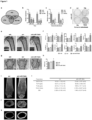
- mice by PTH or Scl-Ab treatment reduced the expression of 35 or 129 miRNAs in bone, respectively. It was found that 22 miRNAs were downregulated by both treatments ( Fig. 1a ). Among the commonly down-regulated miRNAs, miR-19a and miR-19b were identified. Direct quantification of miR-19a/b expression in bone confirmed their negative regulation by PTH and Scl-Ab ( Fig. 1b ).
- calvarial osteoblasts were isolated from 2-3-day old mice and expanded in ⁇ -MEM containing 10% FBS and P/S. Osteoblasts were stimulated with vehicle, PTH 1-34 (100 ⁇ M) or Wnt3a (100 ng/ml) for 4 hours and small RNAs were extracted from cells using the miRNEasy kit (Qiagen). After cDNA synthesis, expression of miR-19a and miR-19b was analyzed using qRT-PCR. U6 expression was used as internal control, and the relative miRNA expression was calculated using the ⁇ CT method.
- the cells were transfected with oligonucleotides that are designed to bind to and inhibit endogenous miR-19a (anti-miR-19a: 6-FAM/TGCATAGATTTGCAC) and miR-19b (anti-miR-19b: 6-FAM/TGCATGGATTTGCAC).
- oligonucleotides contain phosphorothioate backbone bonds for optimal use in functional studies as well as optimized pharmacokinetic and pharmaco-dynamic properties and minimal toxicity.
- the 5' fluorescein FAM label allows monitoring of transfection efficiency in vitro and tissue delivery in vivo.
- the cells were transfected with anti-miR-19a/b (50 nM) using the Neon electroporation system (Invitrogen). Osteoblast differentiation was induced by supplementing ⁇ -MEM with 0.2 mM L-ascorbic acid and 10 mM ⁇ -glycerophosphate (both Millipore). Osteoblast differentiation was determined by alkaline phosphatase (ALP) staining after fixing the cells in 4% neutrally buffered formaldehyde solution. For ALP staining, cells were incubated with naphthol AS-MX/Fast Blue (both Sigma-Aldrich) in Tris-HCl solution for 15 min at room temperature.
- ALP alkaline phosphatase
- mice 8-week old mice were treated for 28 days by weekly intravenous (i.v.) injections of anti-miR-19a/b and subsequent determination the bone mass. Mice were injected 7 and 2 days before sacrifice with calcein (40 mg/kg) and democycline (20 mg/kg, Sigma-Aldrich), respectively. Tibiae and the fourth lumbar vertebral bodies (L4) were collected and fixed in 3.7% PBS-buffered formaldehyde.
- tibiae and L4 were embedded in methylmethacrylate, and Toluidine blue.
- Von Kossa and Tartrateresistant acid phosphatase (TRAP) stainings were performed using 4 ⁇ m sagittal sections.
- Quantitative bone histomorphometric measurements were performed according to standardized protocols (ASBMR standards) [6] using an OsteoMeasure system (OsteoMetrics).
- Microcomputed tomography (pCT) was used for three dimensional analyses of long bone and vertebral body bone properties.
- the fourth lumbar vertebral bodies (L4) of mice were analyzed using high-resolution microcomputed tomography with a fixed isotropic voxel size of 10 ⁇ m (70 peak kV at X ⁇ A 400 ms integration time; Viva80 micro-CT; Scanco Medical AG). This threshold was verified by manually evaluating 10 single tomographic slices from four samples per group to isolate the mineralized tissue and to preserve its morphology while excluding nonmineralized tissues. All analyses were performed on the digitally extracted bone tissue using 3D distance techniques (Scanco Medical AG).
- Example 5 Co-treatment with miR-19a/b inhibitors and intermittent PTH (1-34)
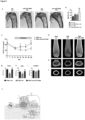
- Anti-miR-19a/b augmented the PTH-mediated increase in bone mass in tibiae of male mice ( Fig. 2a and 2b ).
- Example 6 miR-19a/b inhibitors in an osteoporosis model
- ex vivo functional tests were performed using freshly harvested muscles (M. extensor digitorum longus and M. soleus).
- 8-week old female C57Bl/6J mice were ovariectomized or sham operated and treated after three weeks with Scrambled (Scr) or anti-miR-19a/b (10 mg/kg, i.v.) once a week for seven weeks.
- Scr Scrambled
- anti-miR-19a/b 10 mg/kg, i.v.
- One week after the last injection mice were sacrificed and ex vivo contractility of the extensor digitorum longus (EDL) and soleus muscle was analyzed using a special device designed for measurement of mouse muscle properties in situ, ex vivo and in vivo (Aurora Scientific). For this purpose, EDL and M.
- MDA-MB-231 breast cancer cell stably expressing the luciferase gene were injected into the left ventricle of 8-week old female immunocompromised SCID mice.
- Micrometastases were detected two weeks after breast cancer cell injection by bioluminescence imaging (BLI), and mice were randomized into two treatment arms.
- One group received Scrambled oligonucleotide (Scr; 10 mg/kg) and the other group received anti-miR-19a/b (10 mg/kg) intravenously (i.v) once a week for four weeks.
- M. soleus was dissected from the hind limb, hooks were tied to the tendons of the muscles, and the muscles were mounted between a force transducer. The muscles were stimulated to contract using the supramaximal stimulus between two electrodes. For fatigue studies, M. soleus was stimulated with 70 Hz for 50 repeats and the maximum tetanic force was detected.
- Microcomputed tomography was used for three dimensional analyses of long bones. Long bones of mice were analyzed using high-resolution microcomputed tomography with a fixed isotropic voxel size of 10 ⁇ m (70 peak kV at X ⁇ A 400 ms integration time; Viva80 micro-CT; Scanco Medical AG). This threshold was verified by manually evaluating 10 single tomographic slices from four samples per group to isolate the mineralized tissue and to preserve its morphology while excluding nonmineralized tissues. All analyses were performed on the digitally extracted bone tissue using 3D distance techniques (Scanco Medical AG).
- BLI imaging revealed a significantly reduced tumor growth in the bones of anti-miR-19a/b treated mice compared to Scr treated controls ( Fig. 5a ).
- the functional muscle tests revealed that anti-miR-19a/b (10 mg/kg, i.v., once a week for four weeks) restored cancer-induced loss of both strength and endurance of M. soleus ( Fig. 5c and 5d ). This strongly suggests that antagonizing miR-19a/b reduces bone metastatic burden and protects against breast cancer-induced loss of bone mass and muscle function.
- Example 11 Treatment of glucocorticoid-induced osteoporosis
- Dual-energy x-ray absorptiometry measurement revealed an increased fat mass upon glucocorticoid (prednisolone) treatment, which was prevented by weekly delivery of anti-miR-19a/b ( Fig. 6a ). No change was observed in total body weight ( Fig. 6b ). Furthermore, BMD was significantly reduced in the femura and in the spine of mice receiving prednisolone ( Fig. 6c-e ). Mice treated with anti-miR-19a/b were protected from the glucocorticoid-induced loss of BMD ( Fig. 6c-e ).
- glucocorticoids reduced muscle mass in both Scr and anti-miR-19a/b treated mice, gastrocnemius, quadriceps and tibialis anterior muscle mass of was significantly higher in anti-miR-19a/b treated mice compared to Scr treated controls ( Fig. 6f-h ).
- anti-miR-19a/b treatment prevented glucocorticoid-induced loss of muscle function determined by grip force and plantarflexion torque tests ( Fig. 6i, j ).
Landscapes
- Health & Medical Sciences (AREA)
- Life Sciences & Earth Sciences (AREA)
- Chemical & Material Sciences (AREA)
- Pharmacology & Pharmacy (AREA)
- Veterinary Medicine (AREA)
- Public Health (AREA)
- General Health & Medical Sciences (AREA)
- Animal Behavior & Ethology (AREA)
- Medicinal Chemistry (AREA)
- Physical Education & Sports Medicine (AREA)
- Bioinformatics & Cheminformatics (AREA)
- Engineering & Computer Science (AREA)
- Orthopedic Medicine & Surgery (AREA)
- Epidemiology (AREA)
- Endocrinology (AREA)
- Rheumatology (AREA)
- Organic Chemistry (AREA)
- Chemical Kinetics & Catalysis (AREA)
- Nuclear Medicine, Radiotherapy & Molecular Imaging (AREA)
- General Chemical & Material Sciences (AREA)
- Proteomics, Peptides & Aminoacids (AREA)
- Immunology (AREA)
- Gastroenterology & Hepatology (AREA)
- Zoology (AREA)
- Biochemistry (AREA)
- Molecular Biology (AREA)
- Neurology (AREA)
- Pharmaceuticals Containing Other Organic And Inorganic Compounds (AREA)
- Medicines That Contain Protein Lipid Enzymes And Other Medicines (AREA)
- Polysaccharides And Polysaccharide Derivatives (AREA)
Claims (15)
- Inhibitor von microRNA 19a und/oder microRNA 19b zur Verwendung in einem Verfahren zur Behandlung oder Vorbeugung einer Krankheit oder eines pathologischen Zustands, die/der mit Knochenverlust oder verringerter Muskelfunktion verbunden ist, oder zur Behandlung oder Vorbeugung von krebsbedingter Knochenzerstörung.
- Inhibitor von microRNA 19a und/oder microRNA 19b zur Verwendung in einem Verfahren nach Anspruch 1, wobei die Krankheit, die mit Knochenverlust verbunden ist, Osteoporose oder Osteogenesis imperfecta (OI) ist.
- Inhibitor von microRNA 19a und/oder microRNA 19b zur Verwendung in einem Verfahren nach Anspruch 1 oder 2, wobei das Verfahren ferner die Verabreichung von Parathyroidhormon oder einem Fragment davon umfasst, wobei das Fragment PTH 1-34 ist.
- Inhibitor von microRNA 19a und/oder microRNA 19b zur Verwendung in einem Verfahren nach Anspruch 1, wobei die Krankheit, die mit verringerter Muskelfunktion verbunden ist, Muskeldystrophie, Muskelatrophie, Sarkopenie oder Kachexie, wie krebsinduzierte Kachexie, ist.
- Inhibitor der microRNA 19a und/oder microRNA 19b zur Verwendung in einem Verfahren nach Anspruch 1, wobei die krebsbedingte Knochenzerstörung durch Knochenmetastasen verursacht wird.
- Inhibitor von microRNA 19a und/oder microRNA 19b zur Verwendung in einem Verfahren nach einem der Ansprüche 1-5, wobei der Inhibitor eine Nukleinsäure, wie DNA oder RNA, oder ein Nukleinsäure-Analogon ist.
- Inhibitor von microRNA 19a und/oder microRNA 19b zur Verwendung in einem Verfahren nach einem der Ansprüche 1-6, wobei der Inhibitor durch intravenöse, subkutane, transdermale oder transmukosale Verabreichung verabreicht wird.
- Inhibitor von microRNA 19a und/oder microRNA 19b zur Verwendung in einem Verfahren nach einem der Ansprüche 1-7, wobei der Inhibitor eine DNA- oder RNA-Sequenz umfasst, die an microRNA 19a und/oder microRNA 19b bindet oder deren Expression verringert.
- Inhibitor von microRNA 19a und/oder microRNA 19b zur Verwendung in einem Verfahren nach Anspruch 8, wobei der Inhibitor eine DNA ist, die folgendes umfasst:(a) die Sequenz von SEQ ID NO:1 oder SEQ ID NO:2, oder(b) das Komplement der Sequenz von SEQ ID NO:1 oder SEQ ID NO:2, oder(c) eine Variante einer der Sequenzen von (a) oder (b), die mindestens 80% Sequenzidentität zu dieser aufweist und in der Lage ist, mit microRNA 19a und/oder microRNA 19b zu hybridisieren.
- Pharmazeutische Zusammensetzung, umfassend (a) einen Inhibitor von microRNA 19a und/oder microRNA 19b und (b) einen pharmazeutisch annehmbaren Träger, zur Verwendung in einem Verfahren zur Behandlung einer Krankheit oder eines pathologischen Zustands, die/der mit Knochenverlust verbunden ist, oder einer Krankheit oder eines pathologischen Zustands, der mit verringerter Muskelfunktion verbunden ist.
- Pharmazeutische Zusammensetzung zur Verwendung in einem Verfahren nach Anspruch 10, wobei der Inhibitor eine Nukleinsäure oder ein Nukleinsäure-Analogon ist.
- Pharmazeutische Zusammensetzung zur Verwendung in einem Verfahren nach einem der Ansprüche 10-11, wobei der Inhibitor eine DNA oder RNA ist.
- Pharmazeutische Zusammensetzung zur Verwendung in einem Verfahren nach einem der Ansprüche 10-12, wobei der Inhibitor durch Infusion oder Injektion verabreicht wird.
- Pharmazeutische Zusammensetzung zur Verwendung in einem Verfahren nach einem der Ansprüche 10-13, wobei der Inhibitor eine DNA- oder RNA-Sequenz umfasst, die an microRNA 19a und/oder microRNA 19b bindet und deren Expression inhibiert oder verringert.
- Pharmazeutische Zusammensetzung zur Verwendung in einem Verfahren nach einem der Ansprüche 10-14, wobei der Inhibitor eine DNA ist, die folgendes umfasst:(a) die Sequenz von SEQ ID NO:1 oder SEQ ID NO:2, oder(b) das Komplement der Sequenz von SEQ ID NO:1 oder SEQ ID NO:2, oder(c) eine Variante einer der Sequenzen von (a) oder (b), die mindestens 80% Sequenzidentität mit dieser aufweist und in der Lage ist, mit microRNA 19a und/oder microRNA 19b zu hybridisieren.
Applications Claiming Priority (2)
| Application Number | Priority Date | Filing Date | Title |
|---|---|---|---|
| LU100182A LU100182B1 (en) | 2017-04-06 | 2017-04-06 | Therapeutic use of microRNA 19A/19B |
| PCT/EP2018/058828 WO2018185270A1 (en) | 2017-04-06 | 2018-04-06 | Microrna 19a/19b for use in treating a pathological condition associated with bone loss or reduced muscle function |
Publications (2)
| Publication Number | Publication Date |
|---|---|
| EP3606537A1 EP3606537A1 (de) | 2020-02-12 |
| EP3606537B1 true EP3606537B1 (de) | 2024-07-31 |
Family
ID=59009748
Family Applications (1)
| Application Number | Title | Priority Date | Filing Date |
|---|---|---|---|
| EP18717883.5A Active EP3606537B1 (de) | 2017-04-06 | 2018-04-06 | Microrna 19a/19b-inibitoren zur verwendung bei der behandlung eines pathologischen zustands im zusammenhang mit knochenschwund oder verringerter muskelfunktion |
Country Status (17)
| Country | Link |
|---|---|
| US (2) | US11013755B2 (de) |
| EP (1) | EP3606537B1 (de) |
| JP (2) | JP2020512819A (de) |
| KR (1) | KR20190134753A (de) |
| CN (1) | CN110545823A (de) |
| AU (1) | AU2018249676B2 (de) |
| BR (1) | BR112019020794A2 (de) |
| CA (1) | CA3057568A1 (de) |
| DK (1) | DK3606537T3 (de) |
| ES (1) | ES2991487T3 (de) |
| IL (1) | IL269683B2 (de) |
| LU (1) | LU100182B1 (de) |
| PL (1) | PL3606537T3 (de) |
| PT (1) | PT3606537T (de) |
| RU (1) | RU2770369C2 (de) |
| SG (1) | SG11201908599UA (de) |
| WO (1) | WO2018185270A1 (de) |
Families Citing this family (1)
| Publication number | Priority date | Publication date | Assignee | Title |
|---|---|---|---|---|
| CN121271873B (zh) * | 2025-12-04 | 2026-03-20 | 海南宏正生物科技有限公司 | novel-miRNA及其抑制剂与应用 |
Family Cites Families (8)
| Publication number | Priority date | Publication date | Assignee | Title |
|---|---|---|---|---|
| US5280040A (en) * | 1993-03-11 | 1994-01-18 | Zymogenetics, Inc. | Methods for reducing bone loss using centchroman derivatives |
| WO2003080638A2 (en) * | 2002-03-27 | 2003-10-02 | Aegera Therapeutics, Inc. | Antisense iap nucleobase oligomers and uses thereof |
| WO2007130619A1 (en) * | 2006-05-03 | 2007-11-15 | The Trustees Of The University Of Pennsylvania | Compositions and methods for regulating osteoclast differentiation, activation and bone resorption |
| RU2519645C2 (ru) * | 2008-05-14 | 2014-06-20 | Эгрикалчер Виктория Сервисиз Пти Лтд | Применение ангиогенина или агонистов ангиогенина для лечения заболеваний и нарушений |
| US20120046246A1 (en) * | 2008-12-19 | 2012-02-23 | University Of Florida Research Foundation | Methods for treating osteoclast-related disease, compounds and compositions thereof |
| AU2015200383A1 (en) * | 2010-05-06 | 2015-02-19 | Adaptive Biotechnologies Corp. | Monitoring health and disease status using clonotype profiles |
| US20140219964A1 (en) * | 2013-02-07 | 2014-08-07 | Children's Medical Center Corporation | Methods for inducing cardiomyocyte proliferation |
| JP2018528967A (ja) * | 2015-09-22 | 2018-10-04 | ミラゲン セラピューティクス, インコーポレイテッド | Mir−19調節物質およびその使用 |
-
2017
- 2017-04-06 LU LU100182A patent/LU100182B1/en active IP Right Grant
-
2018
- 2018-04-06 BR BR112019020794-5A patent/BR112019020794A2/pt active Search and Examination
- 2018-04-06 EP EP18717883.5A patent/EP3606537B1/de active Active
- 2018-04-06 ES ES18717883T patent/ES2991487T3/es active Active
- 2018-04-06 DK DK18717883.5T patent/DK3606537T3/da active
- 2018-04-06 CA CA3057568A patent/CA3057568A1/en active Pending
- 2018-04-06 KR KR1020197032937A patent/KR20190134753A/ko not_active Ceased
- 2018-04-06 IL IL269683A patent/IL269683B2/en unknown
- 2018-04-06 SG SG11201908599U patent/SG11201908599UA/en unknown
- 2018-04-06 PL PL18717883.5T patent/PL3606537T3/pl unknown
- 2018-04-06 US US16/499,520 patent/US11013755B2/en active Active
- 2018-04-06 CN CN201880023632.6A patent/CN110545823A/zh active Pending
- 2018-04-06 AU AU2018249676A patent/AU2018249676B2/en not_active Ceased
- 2018-04-06 JP JP2019554798A patent/JP2020512819A/ja active Pending
- 2018-04-06 RU RU2019135323A patent/RU2770369C2/ru active
- 2018-04-06 PT PT187178835T patent/PT3606537T/pt unknown
- 2018-04-06 WO PCT/EP2018/058828 patent/WO2018185270A1/en not_active Ceased
-
2021
- 2021-05-14 US US17/320,649 patent/US11793828B2/en active Active
-
2023
- 2023-02-14 JP JP2023020602A patent/JP7639035B2/ja active Active
Also Published As
| Publication number | Publication date |
|---|---|
| SG11201908599UA (en) | 2019-10-30 |
| AU2018249676B2 (en) | 2024-03-14 |
| RU2770369C2 (ru) | 2022-04-15 |
| US11013755B2 (en) | 2021-05-25 |
| IL269683B2 (en) | 2024-02-01 |
| US20210268014A1 (en) | 2021-09-02 |
| JP2020512819A (ja) | 2020-04-30 |
| EP3606537A1 (de) | 2020-02-12 |
| US11793828B2 (en) | 2023-10-24 |
| RU2019135323A (ru) | 2021-05-06 |
| ES2991487T3 (es) | 2024-12-03 |
| DK3606537T3 (da) | 2024-10-28 |
| JP7639035B2 (ja) | 2025-03-04 |
| BR112019020794A2 (pt) | 2020-04-28 |
| AU2018249676A1 (en) | 2019-10-17 |
| KR20190134753A (ko) | 2019-12-04 |
| WO2018185270A1 (en) | 2018-10-11 |
| LU100182B1 (en) | 2018-10-15 |
| IL269683B1 (en) | 2023-10-01 |
| JP2023058653A (ja) | 2023-04-25 |
| US20200038425A1 (en) | 2020-02-06 |
| IL269683A (en) | 2019-11-28 |
| RU2019135323A3 (de) | 2021-07-12 |
| PL3606537T3 (pl) | 2024-12-23 |
| CA3057568A1 (en) | 2018-10-11 |
| PT3606537T (pt) | 2024-11-04 |
| CN110545823A (zh) | 2019-12-06 |
Similar Documents
| Publication | Publication Date | Title |
|---|---|---|
| CN107002082B (zh) | 反义寡核苷酸作为tgf-r信号传导的抑制剂 | |
| JP7318166B2 (ja) | マイクロrna22の阻害剤 | |
| KR20150036140A (ko) | 마이크로RNAs의 MIR-15 패밀리의 억제제 | |
| AU2016300141B2 (en) | Therapeutic oligonucleotides | |
| EP2435583B1 (de) | Mir-31 bei der therapie von duchenne-muskeldystrophie | |
| JP5888572B2 (ja) | 神経保護の提供におけるマイクロrna195の使用法 | |
| US11793828B2 (en) | MicroRNA 19A/19B for use in treating a pathological condition associated with bone loss or reduced muscle function | |
| EP2872634B1 (de) | Mikrorna zur sensibilisierung von krebs für therapie | |
| KR101667384B1 (ko) | miR-551b-3p 를 이용한 허혈성 뇌중풍의 예방 또는 치료 | |
| US20100113577A1 (en) | Isolated nucleic acid molecules corresponding to micro rna 145 (mirna-145) and their use in treating colon cancer | |
| EP2904102A1 (de) | Modulation der rna-aktivität und der gefässpermeabilität | |
| HK40015471B (en) | Inhibitors of microrna 19a/19b for use in treating a pathological condition associated with bone loss or reduced muscle function | |
| HK40015471A (en) | Inhibitors of microrna 19a/19b for use in treating a pathological condition associated with bone loss or reduced muscle function | |
| US20120322854A1 (en) | Regulation of macrophage activation using mir-125b | |
| HK40045636B (en) | Inhibitors of micro-rna 22 | |
| HK40045636A (en) | Inhibitors of micro-rna 22 |
Legal Events
| Date | Code | Title | Description |
|---|---|---|---|
| STAA | Information on the status of an ep patent application or granted ep patent |
Free format text: STATUS: UNKNOWN |
|
| STAA | Information on the status of an ep patent application or granted ep patent |
Free format text: STATUS: THE INTERNATIONAL PUBLICATION HAS BEEN MADE |
|
| PUAI | Public reference made under article 153(3) epc to a published international application that has entered the european phase |
Free format text: ORIGINAL CODE: 0009012 |
|
| STAA | Information on the status of an ep patent application or granted ep patent |
Free format text: STATUS: REQUEST FOR EXAMINATION WAS MADE |
|
| 17P | Request for examination filed |
Effective date: 20190920 |
|
| AK | Designated contracting states |
Kind code of ref document: A1 Designated state(s): AL AT BE BG CH CY CZ DE DK EE ES FI FR GB GR HR HU IE IS IT LI LT LU LV MC MK MT NL NO PL PT RO RS SE SI SK SM TR |
|
| AX | Request for extension of the european patent |
Extension state: BA ME |
|
| DAV | Request for validation of the european patent (deleted) | ||
| DAX | Request for extension of the european patent (deleted) | ||
| REG | Reference to a national code |
Ref country code: HK Ref legal event code: DE Ref document number: 40015471 Country of ref document: HK |
|
| STAA | Information on the status of an ep patent application or granted ep patent |
Free format text: STATUS: EXAMINATION IS IN PROGRESS |
|
| 17Q | First examination report despatched |
Effective date: 20220309 |
|
| GRAP | Despatch of communication of intention to grant a patent |
Free format text: ORIGINAL CODE: EPIDOSNIGR1 |
|
| STAA | Information on the status of an ep patent application or granted ep patent |
Free format text: STATUS: GRANT OF PATENT IS INTENDED |
|
| INTG | Intention to grant announced |
Effective date: 20231005 |
|
| GRAJ | Information related to disapproval of communication of intention to grant by the applicant or resumption of examination proceedings by the epo deleted |
Free format text: ORIGINAL CODE: EPIDOSDIGR1 |
|
| STAA | Information on the status of an ep patent application or granted ep patent |
Free format text: STATUS: EXAMINATION IS IN PROGRESS |
|
| INTC | Intention to grant announced (deleted) | ||
| GRAP | Despatch of communication of intention to grant a patent |
Free format text: ORIGINAL CODE: EPIDOSNIGR1 |
|
| STAA | Information on the status of an ep patent application or granted ep patent |
Free format text: STATUS: GRANT OF PATENT IS INTENDED |
|
| INTG | Intention to grant announced |
Effective date: 20240403 |
|
| RAP1 | Party data changed (applicant data changed or rights of an application transferred) |
Owner name: SIRANA PHARMA GMBH |
|
| RAP3 | Party data changed (applicant data changed or rights of an application transferred) |
Owner name: SIRANA PHARMA GMBH |
|
| GRAS | Grant fee paid |
Free format text: ORIGINAL CODE: EPIDOSNIGR3 |
|
| GRAA | (expected) grant |
Free format text: ORIGINAL CODE: 0009210 |
|
| STAA | Information on the status of an ep patent application or granted ep patent |
Free format text: STATUS: THE PATENT HAS BEEN GRANTED |
|
| AK | Designated contracting states |
Kind code of ref document: B1 Designated state(s): AL AT BE BG CH CY CZ DE DK EE ES FI FR GB GR HR HU IE IS IT LI LT LU LV MC MK MT NL NO PL PT RO RS SE SI SK SM TR |
|
| REG | Reference to a national code |
Ref country code: CH Ref legal event code: EP Ref country code: GB Ref legal event code: FG4D |
|
| REG | Reference to a national code |
Ref country code: DE Ref legal event code: R096 Ref document number: 602018072413 Country of ref document: DE |
|
| REG | Reference to a national code |
Ref country code: IE Ref legal event code: FG4D |
|
| REG | Reference to a national code |
Ref country code: DK Ref legal event code: T3 Effective date: 20241024 |
|
| REG | Reference to a national code |
Ref country code: PT Ref legal event code: SC4A Ref document number: 3606537 Country of ref document: PT Date of ref document: 20241104 Kind code of ref document: T Free format text: AVAILABILITY OF NATIONAL TRANSLATION Effective date: 20241029 |
|
| REG | Reference to a national code |
Ref country code: NL Ref legal event code: FP |
|
| REG | Reference to a national code |
Ref country code: SE Ref legal event code: TRGR |
|
| REG | Reference to a national code |
Ref country code: LT Ref legal event code: MG9D |
|
| REG | Reference to a national code |
Ref country code: ES Ref legal event code: FG2A Ref document number: 2991487 Country of ref document: ES Kind code of ref document: T3 Effective date: 20241203 |
|
| PG25 | Lapsed in a contracting state [announced via postgrant information from national office to epo] |
Ref country code: FI Free format text: LAPSE BECAUSE OF FAILURE TO SUBMIT A TRANSLATION OF THE DESCRIPTION OR TO PAY THE FEE WITHIN THE PRESCRIBED TIME-LIMIT Effective date: 20240731 Ref country code: GR Free format text: LAPSE BECAUSE OF FAILURE TO SUBMIT A TRANSLATION OF THE DESCRIPTION OR TO PAY THE FEE WITHIN THE PRESCRIBED TIME-LIMIT Effective date: 20241101 |
|
| PG25 | Lapsed in a contracting state [announced via postgrant information from national office to epo] |
Ref country code: BG Free format text: LAPSE BECAUSE OF FAILURE TO SUBMIT A TRANSLATION OF THE DESCRIPTION OR TO PAY THE FEE WITHIN THE PRESCRIBED TIME-LIMIT Effective date: 20240731 |
|
| PG25 | Lapsed in a contracting state [announced via postgrant information from national office to epo] |
Ref country code: LV Free format text: LAPSE BECAUSE OF FAILURE TO SUBMIT A TRANSLATION OF THE DESCRIPTION OR TO PAY THE FEE WITHIN THE PRESCRIBED TIME-LIMIT Effective date: 20240731 |
|
| PG25 | Lapsed in a contracting state [announced via postgrant information from national office to epo] |
Ref country code: IS Free format text: LAPSE BECAUSE OF FAILURE TO SUBMIT A TRANSLATION OF THE DESCRIPTION OR TO PAY THE FEE WITHIN THE PRESCRIBED TIME-LIMIT Effective date: 20241130 |
|
| PG25 | Lapsed in a contracting state [announced via postgrant information from national office to epo] |
Ref country code: HR Free format text: LAPSE BECAUSE OF FAILURE TO SUBMIT A TRANSLATION OF THE DESCRIPTION OR TO PAY THE FEE WITHIN THE PRESCRIBED TIME-LIMIT Effective date: 20240731 |
|
| PG25 | Lapsed in a contracting state [announced via postgrant information from national office to epo] |
Ref country code: RS Free format text: LAPSE BECAUSE OF FAILURE TO SUBMIT A TRANSLATION OF THE DESCRIPTION OR TO PAY THE FEE WITHIN THE PRESCRIBED TIME-LIMIT Effective date: 20241031 |
|
| PG25 | Lapsed in a contracting state [announced via postgrant information from national office to epo] |
Ref country code: RS Free format text: LAPSE BECAUSE OF FAILURE TO SUBMIT A TRANSLATION OF THE DESCRIPTION OR TO PAY THE FEE WITHIN THE PRESCRIBED TIME-LIMIT Effective date: 20241031 Ref country code: LV Free format text: LAPSE BECAUSE OF FAILURE TO SUBMIT A TRANSLATION OF THE DESCRIPTION OR TO PAY THE FEE WITHIN THE PRESCRIBED TIME-LIMIT Effective date: 20240731 Ref country code: IS Free format text: LAPSE BECAUSE OF FAILURE TO SUBMIT A TRANSLATION OF THE DESCRIPTION OR TO PAY THE FEE WITHIN THE PRESCRIBED TIME-LIMIT Effective date: 20241130 Ref country code: HR Free format text: LAPSE BECAUSE OF FAILURE TO SUBMIT A TRANSLATION OF THE DESCRIPTION OR TO PAY THE FEE WITHIN THE PRESCRIBED TIME-LIMIT Effective date: 20240731 Ref country code: GR Free format text: LAPSE BECAUSE OF FAILURE TO SUBMIT A TRANSLATION OF THE DESCRIPTION OR TO PAY THE FEE WITHIN THE PRESCRIBED TIME-LIMIT Effective date: 20241101 Ref country code: FI Free format text: LAPSE BECAUSE OF FAILURE TO SUBMIT A TRANSLATION OF THE DESCRIPTION OR TO PAY THE FEE WITHIN THE PRESCRIBED TIME-LIMIT Effective date: 20240731 Ref country code: BG Free format text: LAPSE BECAUSE OF FAILURE TO SUBMIT A TRANSLATION OF THE DESCRIPTION OR TO PAY THE FEE WITHIN THE PRESCRIBED TIME-LIMIT Effective date: 20240731 |
|
| REG | Reference to a national code |
Ref country code: DE Ref legal event code: R082 Ref document number: 602018072413 Country of ref document: DE Representative=s name: EISENFUEHR SPEISER PATENTANWAELTE RECHTSANWAEL, DE |
|
| PG25 | Lapsed in a contracting state [announced via postgrant information from national office to epo] |
Ref country code: RO Free format text: LAPSE BECAUSE OF FAILURE TO SUBMIT A TRANSLATION OF THE DESCRIPTION OR TO PAY THE FEE WITHIN THE PRESCRIBED TIME-LIMIT Effective date: 20240731 Ref country code: SM Free format text: LAPSE BECAUSE OF FAILURE TO SUBMIT A TRANSLATION OF THE DESCRIPTION OR TO PAY THE FEE WITHIN THE PRESCRIBED TIME-LIMIT Effective date: 20240731 |
|
| PG25 | Lapsed in a contracting state [announced via postgrant information from national office to epo] |
Ref country code: EE Free format text: LAPSE BECAUSE OF FAILURE TO SUBMIT A TRANSLATION OF THE DESCRIPTION OR TO PAY THE FEE WITHIN THE PRESCRIBED TIME-LIMIT Effective date: 20240731 |
|
| PG25 | Lapsed in a contracting state [announced via postgrant information from national office to epo] |
Ref country code: CZ Free format text: LAPSE BECAUSE OF FAILURE TO SUBMIT A TRANSLATION OF THE DESCRIPTION OR TO PAY THE FEE WITHIN THE PRESCRIBED TIME-LIMIT Effective date: 20240731 |
|
| PG25 | Lapsed in a contracting state [announced via postgrant information from national office to epo] |
Ref country code: SK Free format text: LAPSE BECAUSE OF FAILURE TO SUBMIT A TRANSLATION OF THE DESCRIPTION OR TO PAY THE FEE WITHIN THE PRESCRIBED TIME-LIMIT Effective date: 20240731 |
|
| REG | Reference to a national code |
Ref country code: DE Ref legal event code: R097 Ref document number: 602018072413 Country of ref document: DE |
|
| PLBE | No opposition filed within time limit |
Free format text: ORIGINAL CODE: 0009261 |
|
| STAA | Information on the status of an ep patent application or granted ep patent |
Free format text: STATUS: NO OPPOSITION FILED WITHIN TIME LIMIT |
|
| 26N | No opposition filed |
Effective date: 20250501 |
|
| REG | Reference to a national code |
Ref country code: DE Ref legal event code: R119 Ref document number: 602018072413 Country of ref document: DE |
|
| REG | Reference to a national code |
Ref country code: DK Ref legal event code: EBP Effective date: 20250430 |
|
| REG | Reference to a national code |
Ref country code: CH Ref legal event code: H13 Free format text: ST27 STATUS EVENT CODE: U-0-0-H10-H13 (AS PROVIDED BY THE NATIONAL OFFICE) Effective date: 20251125 |
|
| REG | Reference to a national code |
Ref country code: SE Ref legal event code: EUG |
|
| REG | Reference to a national code |
Ref country code: NL Ref legal event code: MM Effective date: 20250501 |
|
| PG25 | Lapsed in a contracting state [announced via postgrant information from national office to epo] |
Ref country code: LU Free format text: LAPSE BECAUSE OF NON-PAYMENT OF DUE FEES Effective date: 20250406 |
|
| REG | Reference to a national code |
Ref country code: AT Ref legal event code: UEP Ref document number: 1707849 Country of ref document: AT Kind code of ref document: T Effective date: 20240731 |
|
| PG25 | Lapsed in a contracting state [announced via postgrant information from national office to epo] |
Ref country code: MC Free format text: LAPSE BECAUSE OF FAILURE TO SUBMIT A TRANSLATION OF THE DESCRIPTION OR TO PAY THE FEE WITHIN THE PRESCRIBED TIME-LIMIT Effective date: 20240731 |
|
| GBPC | Gb: european patent ceased through non-payment of renewal fee |
Effective date: 20250406 |
|
| REG | Reference to a national code |
Ref country code: BE Ref legal event code: MM Effective date: 20250430 |
|
| PG25 | Lapsed in a contracting state [announced via postgrant information from national office to epo] |
Ref country code: DE Free format text: LAPSE BECAUSE OF NON-PAYMENT OF DUE FEES Effective date: 20251104 |
|
| PG25 | Lapsed in a contracting state [announced via postgrant information from national office to epo] |
Ref country code: GB Free format text: LAPSE BECAUSE OF NON-PAYMENT OF DUE FEES Effective date: 20250406 |
|
| PG25 | Lapsed in a contracting state [announced via postgrant information from national office to epo] |
Ref country code: NO Free format text: LAPSE BECAUSE OF NON-PAYMENT OF DUE FEES Effective date: 20250430 |
|
| PG25 | Lapsed in a contracting state [announced via postgrant information from national office to epo] |
Ref country code: NL Free format text: LAPSE BECAUSE OF NON-PAYMENT OF DUE FEES Effective date: 20250501 Ref country code: FR Free format text: LAPSE BECAUSE OF NON-PAYMENT OF DUE FEES Effective date: 20250430 |
|
| PG25 | Lapsed in a contracting state [announced via postgrant information from national office to epo] |
Ref country code: BE Free format text: LAPSE BECAUSE OF NON-PAYMENT OF DUE FEES Effective date: 20250430 |
|
| PG25 | Lapsed in a contracting state [announced via postgrant information from national office to epo] |
Ref country code: CH Free format text: LAPSE BECAUSE OF NON-PAYMENT OF DUE FEES Effective date: 20250430 |
|
| PG25 | Lapsed in a contracting state [announced via postgrant information from national office to epo] |
Ref country code: SE Free format text: LAPSE BECAUSE OF NON-PAYMENT OF DUE FEES Effective date: 20250407 |
|
| PG25 | Lapsed in a contracting state [announced via postgrant information from national office to epo] |
Ref country code: DK Free format text: LAPSE BECAUSE OF NON-PAYMENT OF DUE FEES Effective date: 20250430 Ref country code: IE Free format text: LAPSE BECAUSE OF NON-PAYMENT OF DUE FEES Effective date: 20250406 |
|
| PG25 | Lapsed in a contracting state [announced via postgrant information from national office to epo] |
Ref country code: IT Free format text: LAPSE BECAUSE OF NON-PAYMENT OF DUE FEES Effective date: 20250406 |
|
| PG25 | Lapsed in a contracting state [announced via postgrant information from national office to epo] |
Ref country code: PT Free format text: LAPSE BECAUSE OF NON-PAYMENT OF DUE FEES Effective date: 20260107 |