EP3596475B1 - Identifizierung von signaturen für neurodegenerationserkrankungsdiagnosen - Google Patents
Identifizierung von signaturen für neurodegenerationserkrankungsdiagnosen Download PDFInfo
- Publication number
- EP3596475B1 EP3596475B1 EP18708145.0A EP18708145A EP3596475B1 EP 3596475 B1 EP3596475 B1 EP 3596475B1 EP 18708145 A EP18708145 A EP 18708145A EP 3596475 B1 EP3596475 B1 EP 3596475B1
- Authority
- EP
- European Patent Office
- Prior art keywords
- levels
- subject
- disease
- markers
- sample
- Prior art date
- Legal status (The legal status is an assumption and is not a legal conclusion. Google has not performed a legal analysis and makes no representation as to the accuracy of the status listed.)
- Active
Links
Images



Classifications
-
- G—PHYSICS
- G01—MEASURING; TESTING
- G01N—INVESTIGATING OR ANALYSING MATERIALS BY DETERMINING THEIR CHEMICAL OR PHYSICAL PROPERTIES
- G01N33/00—Investigating or analysing materials by specific methods not covered by groups G01N1/00 - G01N31/00
- G01N33/48—Biological material, e.g. blood, urine; Haemocytometers
- G01N33/50—Chemical analysis of biological material, e.g. blood, urine; Testing involving biospecific ligand binding methods; Immunological testing
- G01N33/68—Chemical analysis of biological material, e.g. blood, urine; Testing involving biospecific ligand binding methods; Immunological testing involving proteins, peptides or amino acids
- G01N33/6893—Chemical analysis of biological material, e.g. blood, urine; Testing involving biospecific ligand binding methods; Immunological testing involving proteins, peptides or amino acids related to diseases not provided for elsewhere
- G01N33/6896—Neurological disorders, e.g. Alzheimer's disease
-
- G—PHYSICS
- G01—MEASURING; TESTING
- G01N—INVESTIGATING OR ANALYSING MATERIALS BY DETERMINING THEIR CHEMICAL OR PHYSICAL PROPERTIES
- G01N33/00—Investigating or analysing materials by specific methods not covered by groups G01N1/00 - G01N31/00
- G01N33/48—Biological material, e.g. blood, urine; Haemocytometers
- G01N33/483—Physical analysis of biological material
- G01N33/487—Physical analysis of biological material of liquid biological material
- G01N33/49—Blood
- G01N33/492—Determining multiple analytes
-
- G—PHYSICS
- G01—MEASURING; TESTING
- G01N—INVESTIGATING OR ANALYSING MATERIALS BY DETERMINING THEIR CHEMICAL OR PHYSICAL PROPERTIES
- G01N2800/00—Detection or diagnosis of diseases
- G01N2800/28—Neurological disorders
- G01N2800/2814—Dementia; Cognitive disorders
- G01N2800/2821—Alzheimer
Definitions
- the present invention relates to the field of diagnostics and, more in particular the non-invasive diagnosis of Alzheimer's Disease (AD).
- This invention further relates to the use of plasma metabolomics biomarkers to differentiate AD from Healthy Control (HC).
- AD Alzheimer's disease
- a ⁇ amyloid ⁇ peptide
- AD ⁇ amyloid precursor protein
- AD can be classified according to the age of appearance as early onset (age under 60 years) and late onset (age above 60 years), according to the existence of an autosomic dominant inheritance, as familiar AD or sporadic AD respectively.
- Early onset familiar forms of AD can be associated to known mutation in the genes coding for ⁇ APP, presenilin 1 and presenilin 2 (located, respectively, on chromosomes 21, 14 and 1).
- AD Alzheimer's disease
- Frontotemporal dementia is another neurodegenerative disease. It is the second most prevalent dementia of patients below age 65. The disease is often misdiagnosed in the early stage, either as a psychiatric disorder, or as a different type of dementia such as Alzheimer's disease (AD).
- AD Alzheimer's disease
- FTD frontotemporal lobar degeneration
- CSF cerebrospinal fluid
- CSF can only be retrieved by means of lumbar puncture, which is not a routine diagnostic method easily accepted by patients suffering from dementia, let alone in patients with memory disorders.
- AD biomarkers which can be detected in samples which can be non-invasively retrieved from the body.
- Suitable AD biomarkers described in the prior art and which can be detected in plasma include (i) markers derived from the amyloid plaque, (ii) autoantibodies against A ⁇ o ⁇ APP, (iii) inflammatory markers such IL-6, its receptor or gp130, C-reactive protein or oxidative stress (isoprostanes), (iv) markers of lipidic metabolism (apoE, oxysterols) and (v) vascular disease markers (homocysteine, lipoprotein b C1q) ( Scheuner D. et al., Nature Med, 1996, 2, 864-870 ).
- WO2011/143574 , WO2013/153461 and WO2015/006489 are also describing different biomarkers found in non-invasive samples.
- WO2015/152724 describes a method of classifying the FTD status of an individual, comprising determining the concentration of a panel of biomarkers selected from a biological sample from said individual. However, among all the biomarkers that they found relevant only one seems to be correlated in CSF and serum samples.
- US2010/0136573 provides methods to determine if a mammal has a neurodegenerative disease based on TDP-43 levels and/or TDP-43 cleavage products in a biological fluid.
- the method although useful in non-invasive methods (plasma and serum) is not able to classify which neurodegenerative disease the patient is suffering from.
- US2012/0015381 is describing a differential method for diagnosis AD or FTD based in serum biomarkers with statistical values but the number of samples used in this study for each group is very limited.
- the authors of the present invention have identified a series of metabolic markers present in the plasma samples collected from subjects previously diagnosed with Alzheimer Disease (AD) or Frontotemporal dementia (FTD, (variants bvFTD and PPA). These metabolic markers selected are significantly differentiated between Healthy Controls (HC) and AD or FTD and between AD and FTD. These metabolic markers can then be used in a non-invasive diagnostic method identifying and classifying patients with AD or FTD patients versus HC.
- AD Alzheimer Disease
- FTD Frontotemporal dementia
- PPA Frontotemporal dementia
- the invention relates to a diagnostic method to distinguish AD patients versus non-affected patients by determining in a biological sample of a subject the levels of at least one, preferably all, of the 10 biomarkers described in table 1.
- the diagnostic methods of AD versus HC is by determining in a biological sample of a subject suspected of suffering from AD the levels of at least one metabolic marker or markers described in table 1wherein
- the invention in a second aspect, relates to a method for monitoring the progression of AD disease comprising determining in a biological sample of a subject, without having been treated or having been treated with a therapy indicated for AD, the levels of at least one metabolic marker or markers described in table 1 wherein
- the invention in a first aspect relates to a diagnostic method to distinguish AD patient subjects comprising determining in a biological sample of said subject the levels of at least one metabolic marker described in table 1 and comparing the levels of said marker or markers with respect the levels of the same marker or markers in a HC patient or with respect to a reference value as described through-out the present specification, wherein the subject is classified as suffering AD as explained throughout the specification and in the examples.
- diagnosis refers both to the process of attempting to determine and/or identify a possible disease in a subject, i.e. the diagnostic procedure, and to the opinion reached by this process, i.e. the diagnostic opinion. As such, it can also be regarded as an attempt at classification of an individual's condition into separate and distinct categories (such as predicting the "increasing risk” of suffering a disease, meaning “increasing risk” as an increased chance of developing or acquiring a disease compared with a normal individual) that allow medical decisions about treatment and prognosis to be made. It is to be understood that the method, in a preferred embodiment, is a method carried out in vitro, i.e. not practiced on the human or animal body.
- the diagnosis to determine AD patients relates to the capacity to identify and classify AD patients.
- This diagnosis as it is understood by a person skilled in the art does not claim to be correct in 100% of the analyzed samples. However, it requires that a statistically significant amount of the analyzed samples are classified correctly.
- the amount that is statistically significant can be established by a person skilled in the art by means of using different statistical tools; illustrative, non-limiting examples of said statistical tools include determining confidence intervals, determining the p-value, the Chi-Square test discriminating functions, etc. Preferred confidence intervals are at least 90%, at least 97%, at least 98%, at least 99%.
- the p-values are, preferably less than 0.1, less than 0.05, less than 0.01, less than 0.005 or less than 0.0001.
- the teachings of the present invention preferably allow correctly diagnosing in at least 60%, in at least 70%, in at least 80%, or in at least 90% of the subjects of a determining group or population analyzed.
- AD Alzheimer's disease
- senile plaques characterized by senile plaques, neuritic tangles and progressive neuronal loss which manifests clinically in progressive memory deficits, confusion, behavioral problems, inability to care for oneself, gradual physical deterioration and, ultimately, death.
- this term is intended to include all the stages (such as preclinical stage) of the disease.
- FTD Frontotemporal dementia
- Diagnostic criteria include insidious onset and gradual progression, early decline in social interpersonal conduct, early impairment in regulation of personal conduct, early emotional blunting, and early loss of insight. Symptoms of FTD generally appear between the ages of 45 and 65 years of age.
- this term is intended to include all the stages (such as preclinical stage) and subtypes of the disease.
- subject refers to all the animals classified as mammals and includes but is not limited to domestic and farm animals, primates and humans, for example, human beings, non-human primates, cows, horses, pigs, sheep, goats, dogs, cats, or rodents.
- the subject is a male or female human being of any age or race.
- metabolic marker or “metabolite” or “biomarker”, are used herein interchangeably to refers to small molecule compounds, such as substrates for enzymes of metabolic pathways, intermediates of such pathways or the products obtained by a metabolic pathway, the occurrence or amount of which is characteristic for a specific situation, for example AD.
- the metabolic markers useful for the diagnostic method of the invention are those defined in table 1. Table1contains the abbreviated common names of the metabolites and the lipid family. The lipid family is further described by the reference number of said lipid family in the LIPID MAPS structure database using the LIPID MAPS Classification System (Fahy E. et al., Journal of Lipid Research 2009, 50: S9-S14).
- the lipid metabolic markers of table 1 is intended to refer to any isomer thereof, including structural and geometric isomers.
- structural isomer refers to any of two or more chemical compounds, having the same molecular formula but different structural formulas.
- geometric isomer or “stereoisomer” as used herein refers to two or more compounds which contain the same number and types of atoms, and bonds (i.e., the connectivity between atoms is the same), but which have different spatial arrangements of the atoms, for example cis and trans isomers of a double bond, enantiomers, and diastereomers.
- the abbreviated common name of the amino acid or protein corresponds to the Amino Acid name or Protein to which it belongs followed by an accession number described in the Human Metabolome Database HMDB .
- Table 1 Plasma metabolites significantly differentiated between Healthy Controls and Alzheimer's patients.
- the diagnostic method of the invention comprises determining the levels of L-Arginine. It is noted that a decrease of said marker with respect to HC or with respect to a reference value is indicative that the subject suffers from AD.
- the diagnostic method of the invention comprises determining the levels of L-Glutamic Acid. It is noted that a decrease of said marker with respect to HC or with respect to a reference value is indicative that the subject suffers from AD.
- the diagnostic method of the invention comprises determining the levels of Ornithine. It is noted that an increase of said marker with respect to HC or with respect to a reference value is indicative that the subject suffers from AD.
- the diagnostic method of the invention comprises determining the levels of Putrescine. It is noted that an increase of said marker with respect to HC or with respect to a reference value is indicative that the subject suffers from AD.
- the diagnostic method of the invention comprises determining the levels of Lyso PC a C18:0. It is noted that a decrease of said marker with respect to HC or with respect to a reference value is indicative that the subject suffers from AD.
- the diagnostic method of the invention comprises determining the levels of PC aa C34:3. It is noted that an increase of said marker with respect to HC or with respect to a reference value is indicative that the subject suffers from AD.
- the diagnostic method of the invention comprises determining the levels of PC ae C30:0. It is noted that an increase of said marker with respect to HC or with respect to a reference value is indicative that the subject suffers from AD.
- the diagnostic method of the invention comprises determining the levels of PC ae C36:0. It is noted that a decrease of said marker with respect to HC or with respect to a reference value is indicative that the subject suffers from AD.
- the diagnostic method of the invention comprises determining the presence of allele APOE4. It is noted that the presence of said allele is indicative that the subject suffers from AD.
- the method further comprises confirming the diagnosis of AD by means of the clinical examination of the patient, preferably by using anamnesis and neuropsychological tests (such as the MiniMental State Examination (MMSE) or clinical dementia Rating (CDR). Blood tests are used to rule out dementia due to other causes such as syphilis, Vitamin B12 deficiency, abnormal thyroid levels or HIV.
- MMSE MiniMental State Examination
- CDR clinical dementia Rating
- Diagnostic accuracy can be increased through the analysis of biomarkers ((p) Tau and amyloid beta-42) in CSF by ELISA; through the analysis of Amyloid beta, Tau or p-Tau in cerebral tissue (by Positron Emision Tomography (PET) using specific radioligands; through the analysis of brain hypometabolism in specific areas of the brain by means of fluoro-D-glucose PET (FdG PET); through the analysis of cerebral blood flow in specific brain areas using single photon emission computed tomography (SPECT), and through the analysis of the atrophy of temporal areas of the brain using magnetic resonance imaging (MRI).
- PET Positron Emision Tomography
- FdG PET fluoro-D-glucose PET
- SPECT single photon emission computed tomography
- MRI magnetic resonance imaging
- AD Alzheimer's Disease
- drugs aimed to reduce symptomatology The two most common drugs prescribed for AD patients are acethylcholinesterase inhibitors such as donezepil for mild to moderate AD and NMDA glutamate receptor blocking agents such as mematine, for moderate to severe AD.
- phase III clinical trials are therapies directed to reduce either the amount or the formation of A ⁇ . They include the use of antibodies directed to soluble A ⁇ and/or A ⁇ plaques in the brain, and inhibitors of beta-secretase (BACE, the enzyme that cleavages the amyloid precursor protein and favors the accumulation of A ⁇ ). All phase III clinical trials with these compounds were directed to mild to moderate stages of the disease and all failed to improve performance in neuropsychological tests. These compounds are now being tested on earlier stages of the disease including asymptomatic phases, with the hope that they will be more effective in stages where the neurodegeneration has not already happened.
- BACE beta-secretase
- Other therapeutic strategies being tested in phase III clinical trials include but are not limited to dietary interventions (for example ketogenic diets or DHA supplements), drugs targeting Tau, or agonist/antagonists of neurotransmitters such as serotonine and dopamine.
- the method of the invention can be carried out by determining the level of a variable number of metabolites defined in table 1in the biological sample of the subject under study. For example, the level(s) of at least one, at least two, at least three, at least four, at least five, at least six, at least seven, at least nine, or ten of the markers selected from table 1.
- the determination of levels of combinations of the metabolic markers may allow greater sensitivity and specificity in the diagnosis of AD.
- metabolic markers of table 1 correspond to the molecules disclosed in table 3 and 4.
- sample refers to biological material isolated from a subject.
- the biological sample may contain any biological material suitable for detecting the desired biomarker and may comprise cellular and/or non-cellular material from the subject.
- the sample can be isolated from any suitable biological tissue or fluid such as, for example, blood, blood plasma, serum, cerebral spinal fluid (CSF), urine, amniotic fluid, lymph fluids, external secretions of the respiratory, intestinal, genitourinary tracts, tears, saliva, white blood cells.
- the samples used for the determination of the level(s) of the metabolic markers are samples which can be obtained using minimally invasive procedures.
- the samples are plasma samples.
- level refers to the quantity of a biomarker detectable in a sample.
- Techniques to assay levels of individual biomarkers from test samples are well known to the skilled technician, and the invention is not limited by the means by which the components are assessed.
- levels of the individual components of the lipidomic profile are assessed using mass spectroscopy, high performance liquid chromatography (HPLC) and the like.
- Apolipoprotein E isoform 4 is determined by quantitative PCR, preferably Real-Time PCR (RT-PCR) reverse transcription polymerase chain reaction (RT-PCR).
- RT-PCR Real-Time PCR
- RT-PCR reverse transcription polymerase chain reaction
- the presence of allele of the Apolipoprotein E isoform 4 is determined by methods of Immunoturbidimetry as explained in detail in European application number EP15382537
- the detection can be carried out in individual samples or in tissue microarrays.
- the assessment of the levels of the individual components can be expressed as absolute or relative values and may or may not be expressed in relation to another component, a standard an internal standard or another molecule of compound known to be in the sample. If the levels are assessed as relative to a standard or internal standard, the standard may be added to the test sample prior to, during or after sample processing.
- a sample is taken from the subject.
- the sample may or may not processed prior assaying levels of the components of the lipidomic profile.
- whole blood may be taken from an individual and the blood sample may be processed, e.g., centrifuged, to isolate plasma or serum from the blood.
- the sample may or may not be stored, e.g., frozen, prior to processing or analysis.
- lipidomic profile Individual components of the lipidomic profile include but are not limited to phosphatidyl cholines (PC), Lyso PCs, Fatty Acids and Fatty Amides.
- PCs, Lyso PCs, Fatty Acids and Fatty Amides that can be included as constituents of the lipidomic profile include but are not limited to L-Arginine, L-Glutamic Acid, Ornithine, Aminoadipic acid, Putrescine, Lyso PC a C18:0, PC aa C34:3, PC ae C30:0, PC ae C36:0, L-Alanine, L-Lysine, L-Tryptophan, C18:2, PC aa C34:2, PC aa C42:2, PC ae C38:0, PC ae C34:3.
- metabolite Lyso PC a C18:0 is known as Lysophosphatidylcholine a C18:0
- metabolite PC aa C34:2 is known as Phosphatidylcholine with dyacyl residue sum C 34:2)
- metabolite PC ae C34:3 is known as Phosphatidylcholine with acyl-alkyl residue sum C34:3.
- the first method of the invention involves the determination of the levels of the biomarker in the sample.
- the expression "determining the levels of the biomarker”, as used herein, refers to ascertaining the absolute or relative amount or concentration of the biomarker in the sample. There are many ways to collect quantitative or relational data on biomarkers or metabolites, and the analytical methodology does not affect the utility of metabolite concentrations in assessing a diagnosis.
- Suitable methods for determining the levels of a given metabolite include, without limitation, refractive index spectroscopy (RI), Ultra-Violet spectroscopy (UV), fluorescent analysis, radiochemical analysis, Infrared spectroscopy (IR), Nuclear Magnetic Resonance spectroscopy (NMR), Light Scattering analysis (LS), Mass Spectrometry, Pyrolysis Mass Spectrometry, Nephelometry, Dispersive Raman Spectroscopy, gas chromatography combined with mass spectroscopy, liquid chromatography combined with mass spectroscopy, supercritical fluid chromatography combined with mass spectroscopy, MALDI combined with mass spectroscopy, ion spray spectroscopy combined with mass spectroscopy, capillary electrophoresis combined with mass spectrometry, NMR combined with mass spectrometry and IR combined with mass spectrometry.
- RI refractive index spectroscopy
- UV Ultra-Violet spectroscopy
- IR Infrared
- the levels of the metabolic markers are determined by mass spectrometry.
- the diagnostic method of the invention comprises comparing the level(s) of the metabolic marker(s) with a reference value.
- reference value relates to a predetermined criteria used as a reference for evaluating the values or data obtained from the samples collected from a subject.
- the reference value or reference level can be an absolute value, a relative value, a value that has an upper or a lower limit, a range of values, an average value, a median value, a mean value, or a value as compared to a particular control or baseline value.
- a reference value can be based on an individual sample value or can be based on a large number of samples, such as from population of subjects of the chronological age matched group, or based on a pool of samples including or excluding the sample to be tested.
- the reference value according to the diagnostic method of the invention can be obtained from one or more subjects who do not suffer from AD or FTD impairment (i.e., healthy control subjects), from subjects suffering from AD or FTD at early stage, non-symptomatic (preclinical stage) or from the same subjects that is been diagnosed or monitoring suffering from AD or FTD but at an earlier time point.
- AD or FTD impairment i.e., healthy control subjects
- the reference value when the reference value is obtained from a subject not suffering from AD, increased level(s) of ornithine, putrescine, PC aa C34:3 and/or PC ae C30:0 from table 1 are indicative that the subject suffers from AD; and/or decreased level(s) of L-Arginine, L-Glutamic Acid, Alpha-AAA, Lyso PC a C18:0 and/or PC ae C36:0 from table 1 are indicative that the subject suffers from AD.
- the level of a metabolic marker is considered "decreased" when the level of said marker in a sample is lower than its reference value.
- the level of a marker is considered to be lower than its reference value when it is at least 5%, at least 10%, at least 15%, at least 20%, at least 25%, at least 30%, at least 35%, at least 40%, at least 45%, at least 50%, at least 55%, at least 60%, at least 65%, at least 70%, at least 75%, at least 80%, at least 85%, at least 90%, at least 95%, at least 100%, at least 110%, at least 120%, at least 130%, at least 140%, at least 150%, or more lower than its reference value.
- the level of a marker is considered “increased" when the level of said marker in a sample is higher than its reference value.
- the level of a marker is considered to be higher than its reference value when it is at least 1.5%, at least 2%, at least 5%, at least 10%, at least 15%, at least 20%, at least 25%, at least 30%, at least 35%, at least 40%, at least 45%, at least 50%, at least 55%, at least 60%, at least 65%, at least 70%, at least 75%, at least 80%, at least 85%, at least 90%, at least 95%, at least 100%, at least 110%, at least 120%, at least 130%, at least 140%, at least 150%, or more higher than its reference value.
- the invention in a second aspect, relates to a method for monitoring the progression of a subject suffering from AD comprising determining in a biological sample of a subject, over the course of a therapy or not, the levels of at least one metabolic marker or markers described in table 1 wherein
- subject suffering from AD refers to a subject who has been diagnosed with AD.
- monitoring the progression refers to the determination of the evolution of the disease in a subject diagnosed with AD i.e., whether the AD is worsening or whether it is ameliorating.
- progression in the AD is understood as a worsening of the disease, i.e., that the disease is progressing to a later stage with respect to a stage at an earlier time point measured.
- a progression in the AD means a progression from AD in a preclinical stage (non- symptomatic subjects) to AD with clinical symptoms (symptomatic subjects).
- the biological samples are plasma samples.
- the diagnostic method of the invention comprises determining the levels of L-Arginine.
- the diagnostic method of the invention comprises determining the levels of L-Glutamic Acid.
- the diagnostic method of the invention comprises determining the levels of Ornithine.
- the diagnostic method of the invention comprises determining the levels of Putrescine.
- the diagnostic method of the invention comprises determining the levels of Lyso PC a C18:0.
- the diagnostic method of the invention comprises determining the levels of PC aa C34:3.ln a particular embodiment, the diagnostic method of the invention comprises determining the levels of PC ae C30:0.
- the diagnostic method of the invention comprises determining the levels of PC ae C36:0.
- the method of the invention comprises determining the levels of at least two, at least three, at least four, at least five, at least six, at least seven, at least eight, at least nine, or ten of the markers selected from table 1.
- the metabolic markers of Table 1 correspond to the molecules disclosed in Tables 3 and 4.
- the fourth method of the invention involves comparing the levels of one or more metabolic markers in a sample from a subject with a reference value, i.e., the levels of the same marker or markers, determined in a sample from said subject at an earlier time point.
- a reference value i.e., the levels of the same marker or markers, determined in a sample from said subject at an earlier time point.
- the level of the marker in a sample is compared with the level of said marker in the same type of sample.
- the determination of the level of the one or more metabolic markers is carried out by mass spectrometry.
- a kit suitable for mass spectrometry assay preparation should preferably deliver the widest range of metabolomic information available from a single targeted assay, covering a large number of key metabolites from main metabolic pathways. This kit should thus quantitatively analyze a large number of metabolites that have already been identified herein as part of key biochemical pathways, providing fundamental data to link changes in the metabolome to biological events.
- kit should preferably comprise at least one, preferably all, of the following components; a kit's plate, a silicone mat cover for the plate, solvents preferably in sealed glass ampoules, quality controls, standards, a deep well capture plate, a memory stick having a software to link changes in the metabolome to biological events and a user manual.
- kits for a diagnosis of AD comprising: biomarker detecting reagents for determining a differential expression level of at least one of the markers identified in table 1 or any combination thereof, preferably comprising biomarker detecting reagents for determining a differential expression level of all of the biomarkers identified in table 1.
- the kit further comprises instructions for use in diagnosing risk for AD, wherein the instruction comprise step-by-step directions to compare the expression level of at least one, preferably all, of the markers identified in table 1, when measuring the expression of a sample obtained from a subject suspected of having AD with the expression level of a sample obtained from a normal subject, wherein the normal subject is a healthy subject not suffering from AD, or with a reference value.
- the kit further comprises tools, vessels and reagents necessary to obtain samples from a subject selected from the group consisting of one or more biological fluids, a plasma sample, a serum sample, a blood sample, a tissue sample, or a faecal sample, preferably a plasma sample.
- Yet another aspect of the present invention includes a computer program suitable for implementing any of the methods of the present invention.
- a device comprising the above mentioned computer program also forms part of the present invention as well as its use for the diagnosis of AD in a human subject.
- this aspect of the invention refers to the in vitro use of a diagnostic kit or device comprising reagents capable of measuring the levels of at least one metabolic marker selected from the list of biomarkers of table 1 or any combination thereof in a plasma sample, for distinguish Alzheimer's patient subjects from subjects not suffering from Alzheimer's disease.
- a diagnostic kit or device comprising reagents capable of measuring the levels of at least one metabolic marker selected from the list of biomarkers of table 1 or any combination thereof in a plasma sample, for distinguish Alzheimer's patient subjects from subjects not suffering from Alzheimer's disease.
- said Kit comprises reagents capable of measuring the levels of all of the metabolic markers identified in table 1.
- kits or devices comprising reagents capable of measuring the levels of at least one metabolic marker selected from the list of biomarkers of table 1 or any combination thereof in a plasma sample,.
- Kit comprises reagents capable of measuring the levels of all of the metabolic markers identified in table 1.
- kits or devices comprising reagents capable of measuring the levels of at least one metabolic marker selected from the list of biomarkers of table 1 or any combination thereof in a plasma sample, for monitoring the progression of AD in a subject in a subject according to the third aspect of the invention.
- Kit comprises reagents capable of measuring the levels of all of the metabolic markers identified in table 1.
- kits or devices comprising reagents capable of measuring the levels of at least one metabolic marker selected from the list of biomarkers of table 1 or any combination thereof in a plasma sample, for monitoring the progression of AD in a subject in a subject according to the fourth aspect of the invention.
- Kit comprises reagents capable of measuring the levels of all of the metabolic markers identified in table 1.
- the assignment of a patient into a specific group of patients, such as patients with AD, by any of the methods of the invention can be done by a computer program, preferably, after introducing the data into said program.
- the step of assigning a patient into a specific group of patients, such as patients with AD, according to any of the methods described in the present specification is a computer implemented step wherein the data obtained in the previous steps of the method are inserted in a computer program and the program assigns the patient into one of the groups of patients.
- This differentiation between patients may help to determine the best treatment aimed to reduce the symptomatology of AD.
- APOE genotype was carried out using Real Time PCR. An individual was assigned with a value of 1, if the genotype revealed the presence of one ⁇ 4 allele or two ⁇ 4 alleles of the APOE gene, or 0 if the genotype revealed the absence of the ⁇ 4 allele.
- the univariate analysis was performed for each comparison group to investigate the variables that had a significant association at the 5% level with an individual's classification. To do so, a simple logistic regression was performed, modelling the diagnosis as a binary response with 1 for a case, and 0 as a control, against each variable of interest. Variables were assessed using the Wald test to determine the significance of each variable. The models were also tested for convergence, to identify issues such as quasi-complete or complete separation of data points which could cause further modelling issues downstream.
- Cross-validation was utilized as a robust method to determine the combination of variables that are significantly associated with an individual's classification, independent of the sample of data being analyzed.
- the cross-validations consisted of 100 random samples using a 70% sample for the training dataset, whilst the remaining 30% sample of data was used for validation.
- the second round of cross-validation enabled the determination of accuracy rates based upon the classification rules containing the final marker combination.
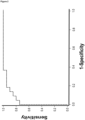
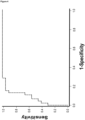
- Two types of accuracy rates were observed, namely the area under the ROC curve (AUC) and 1-misclassifcation rate.
- the cross-validation performed logistic regression without selection on the most frequent variables chosen as above.
- the cross-validations consisted of 100 random samples using a 70% sample for the training dataset, whilst the remaining 30% sample of data was used for validation. Doing so enabled the average, standard deviation and 95% confidence intervals of these accuracy rates to be determined for each diagnosis comparison.
- the ROC curves and parameter estimates were provided based on the logistic regression model with an AUC closest to the average AUC calculated through cross-validation.
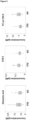
- Tables 2 shows the specific p-value (P> chi-square) for the increased and decreased plasma metabolites in the AD patients vs. HC. Comparison AUC 1-Misclassification Rate Mean S.D. Mean S.D. Diagnosis AD vs HC 0.96 0.023 0.88 0.041
- Tables 3 shows the values of the cross-validation method that undergone these selected metabolites.
- Table 3. p-value (Pr>Chi-Square) for increased and decreased plasma metabolites in AD vs. HC.
- AD vs. HC Abbreviated or Common name IUPAC name (or Traditional name) and HMDB accession number or Subclass or UniProt accession number
- Subclass log2(fold change) Pr> Chi-Square (p-value) L-Arginine (2S)-2-amino-5-carbamimidamidopentanoic acid (HMDB00517)
- Amino Acids and Biogenic Amines 0,872741 0,000104 119 L-Glutamic Acid (2R)-2-aminopentanedioic acid (HMDB03339)
- Amino Acids and Biogenic Amines 0,754941 1,11933E-05 Ornithine (2S)-2,5-diaminopentanoic acid (HMDB00214
Landscapes
- Health & Medical Sciences (AREA)
- Life Sciences & Earth Sciences (AREA)
- Engineering & Computer Science (AREA)
- Biomedical Technology (AREA)
- Chemical & Material Sciences (AREA)
- Hematology (AREA)
- Immunology (AREA)
- Urology & Nephrology (AREA)
- Molecular Biology (AREA)
- Physics & Mathematics (AREA)
- Analytical Chemistry (AREA)
- Biochemistry (AREA)
- Pathology (AREA)
- General Physics & Mathematics (AREA)
- General Health & Medical Sciences (AREA)
- Food Science & Technology (AREA)
- Medicinal Chemistry (AREA)
- Proteomics, Peptides & Aminoacids (AREA)
- Neurology (AREA)
- Neurosurgery (AREA)
- Microbiology (AREA)
- Biotechnology (AREA)
- Cell Biology (AREA)
- Ecology (AREA)
- Biophysics (AREA)
- Investigating Or Analysing Biological Materials (AREA)
Claims (5)
- Diagnoseverfahren zum Unterscheiden von Alzheimer-Patienten/Probanden, umfassend das Bestimmen in einer Plasmaprobe des genannten Probanden der Spiegel jedes der Metaboliten der Liste bestehend aus: Aminoadipinsäure (Alpha-AAA), 1,4-Butandiamin (Putrescin), Arginin, Ornithin, Glutaminsäure, Lyso PC a C18:0, PC aa C34:3, PC ae C30:0 und PC ae C36:0 und der Anwesenheit von Allel APOE4, und das Vergleichen der Spiegel der genannten Marker in Bezug auf die Spiegel der gleichen Marker in einem gesunden Kontrollpatienten oder in Bezug auf einen Referenzwert, wobei der Proband als an Alzheimer-Krankheit leidend oder als ein erhöhtes Risiko aufweisend, an Alzheimer-Krankheit zu leiden, klassifiziert wird, wenn es einen erhöhten/erhöhte Spiegel von Ornithin, Putrescin, PC aa C34:3 und PC ae C30:0 und der Anwesenheit von Allel APOE4 und einen verringerten/verringerte Spiegel von L-Arginin, L-Glutaminsäure, Alpha-AAA, Lyso PC a C18:0 und PC ae C36:0 gibt.
- In-vitro-Verwendung eines Diagnosekits oder einer Diagnosevorrichtung umfassend Reagenzien, welche in der Lage sind, die Spiegel von Aminoadipinsäure (Alpha-AAA), 1,4-Butandiamin (Putrescin), Arginin, Ornithin, Glutaminsäure, Lyso PC a C18:0, PC aa C34:3, PC ae C30:0, PC ae C36:0 und der Anwesenheit vom Allel APOE4 in einer Plasmaprobe zu messen, um Alzheimer-Patienten/Probanden von Probanden, welche nicht an Alzheimer-Krankheit leiden, zu unterscheiden.
- Verfahren zum Überwachen des Fortschreitens der Alzheimer-Krankheit in einem Probanden, umfassend das Bestimmen in einer Plasmaprobe des genannten Probanden der Spiegel jedes der Metaboliten der Liste bestehend aus: Aminoadipinsäure (Alpha-AAA), 1,4-Butandiamin (Putrescin), Arginin, Ornithin, Glutaminsäure, Lyso PC a C18:0, PC aa C34:3, PC ae C30:0 und PC ae C36:0 und der Anwesenheit von Allel APOE4, und das Vergleichen der Spiegel der genannten Marker in Bezug auf die Spiegel der gleichen Marker im gleichen Probanden zu einem früheren Zeitpunkt oder in Bezug auf einen Referenzwert, wobei die Krankheit fortschreitet, wenn es einen erhöhten/erhöhte Spiegel von Ornithin, Putrescin, PC aa C34:3, PC ae C30:0 und der Anwesenheit von Allel APOE4 und einen verringerten/verringerte Spiegel von L-Arginin, L-Glutaminsäure, Alpha-AAA, Lyso PC a C18:0 und PC ae C36:0 in Bezug auf die Spiegel des gleichen Markers oder der gleichen Marker im gleichen Probanden zu einem früheren Zeitpunkt oder in Bezug auf einen Referenzwert gibt.
- In-vitro-Verwendung eines Kits oder einer Vorrichtung, welches/welche Reagenzien umfasst, welche in der Lage sind, die Spiegel von Aminoadipinsäure (Alpha-AAA), 1,4-Butandiamin (Putrescin), Arginin, Ornithin, Glutaminsäure, Lyso PC a C18:0, PC aa C34:3, PC ae C30:0, PC ae C36:0 und der Anwesenheit von Allel APOE4 in einer Plasmaprobe zu messen, für das Verfahren zum Überwachen des Fortschreitens der AK in einem Probanden nach Anspruch 3.
- Kit oder Vorrichtung bestehend aus Reagenzien, welche in der Lage sind, die Spiegel von Aminoadipinsäure (Alpha-AAA), 1,4-Butandiamin (Putrescin), Arginin, Ornithin, Glutaminsäure, Lyso PC a C18:0, PC aa C34:3, PC ae C30:0, PC ae C36:0 und der Anwesenheit von Allel APOE4 in einer Plasmaprobe zu messen.
Applications Claiming Priority (2)
| Application Number | Priority Date | Filing Date | Title |
|---|---|---|---|
| EP17382127.3A EP3376230A1 (de) | 2017-03-13 | 2017-03-13 | Identifizierung von signaturen für neurodegenerationserkrankungsdiagnosen |
| PCT/EP2018/055798 WO2018166893A1 (en) | 2017-03-13 | 2018-03-08 | Identification of signatures for neurodegeneration diseases diagnoses |
Publications (2)
| Publication Number | Publication Date |
|---|---|
| EP3596475A1 EP3596475A1 (de) | 2020-01-22 |
| EP3596475B1 true EP3596475B1 (de) | 2024-10-16 |
Family
ID=58401521
Family Applications (2)
| Application Number | Title | Priority Date | Filing Date |
|---|---|---|---|
| EP17382127.3A Withdrawn EP3376230A1 (de) | 2017-03-13 | 2017-03-13 | Identifizierung von signaturen für neurodegenerationserkrankungsdiagnosen |
| EP18708145.0A Active EP3596475B1 (de) | 2017-03-13 | 2018-03-08 | Identifizierung von signaturen für neurodegenerationserkrankungsdiagnosen |
Family Applications Before (1)
| Application Number | Title | Priority Date | Filing Date |
|---|---|---|---|
| EP17382127.3A Withdrawn EP3376230A1 (de) | 2017-03-13 | 2017-03-13 | Identifizierung von signaturen für neurodegenerationserkrankungsdiagnosen |
Country Status (4)
| Country | Link |
|---|---|
| US (1) | US20200081019A1 (de) |
| EP (2) | EP3376230A1 (de) |
| ES (1) | ES3002582T3 (de) |
| WO (1) | WO2018166893A1 (de) |
Families Citing this family (3)
| Publication number | Priority date | Publication date | Assignee | Title |
|---|---|---|---|---|
| WO2020252394A2 (en) * | 2019-06-13 | 2020-12-17 | Arizona Board Of Regents On Behalf Of Arizona State University | Targets and methods of diagnosing, monitoring and treating frontotemporal dementia |
| CN111471095B (zh) * | 2020-01-15 | 2021-12-21 | 上海众启生物科技有限公司 | 用于阿尔茨海默症自身抗体检测的含jmjd2d蛋白片段的组合物 |
| WO2024108604A1 (zh) * | 2022-11-25 | 2024-05-30 | 中国科学院深圳先进技术研究院 | 基于血液代谢物的神经退行性疾病标志物及其应用 |
Family Cites Families (8)
| Publication number | Priority date | Publication date | Assignee | Title |
|---|---|---|---|---|
| US8265877B2 (en) | 2005-06-30 | 2012-09-11 | Biocrates Life Sciences Ag | Apparatus and method for analyzing a metabolite profile |
| WO2008151055A1 (en) | 2007-06-01 | 2008-12-11 | Mayo Foundation For Medical Education And Research | Diagnosing neurodegenerative diseases |
| CA2718955C (en) | 2008-03-21 | 2015-10-13 | Manuela G. Neuman | Methods and kits for the differential diagnosis of alzheimer's disease versus frontotemporal dementia and for the diagnosis of frontotemporal dementia comprising fas-l and ck 18 as biomarkers |
| WO2011143574A2 (en) | 2010-05-14 | 2011-11-17 | The Trustees Of The University Of Pennsylvania | Plasma biomarkers for diagnosis of alzheimer's disease |
| EP3255435A1 (de) | 2012-04-13 | 2017-12-13 | Oasis Diagnostics Corporation | In speichel vorliegende biomarker spezifisch für die risikobeurteilung , frühdiagnose, prognose und das monitoring von morbus alzheimer und morbus parkinson |
| WO2015006489A1 (en) | 2013-07-11 | 2015-01-15 | University Of North Texas Health Science Center At Fort Worth | Blood-based screen for detecting neurological disease in primary care settings |
| WO2015152724A2 (en) | 2014-04-02 | 2015-10-08 | Stichting Vu-Vumc | Biomarkers for the detection of frontotemporal dementia |
| EP2950102A1 (de) * | 2014-05-30 | 2015-12-02 | Biocross, S.L. | Verfahren zur Diagnose von Morbus Alzheimer und milder kognitiver Beeinträchtigung |
-
2017
- 2017-03-13 EP EP17382127.3A patent/EP3376230A1/de not_active Withdrawn
-
2018
- 2018-03-08 US US16/493,657 patent/US20200081019A1/en not_active Abandoned
- 2018-03-08 ES ES18708145T patent/ES3002582T3/es active Active
- 2018-03-08 WO PCT/EP2018/055798 patent/WO2018166893A1/en not_active Ceased
- 2018-03-08 EP EP18708145.0A patent/EP3596475B1/de active Active
Also Published As
| Publication number | Publication date |
|---|---|
| EP3376230A1 (de) | 2018-09-19 |
| WO2018166893A1 (en) | 2018-09-20 |
| US20200081019A1 (en) | 2020-03-12 |
| EP3596475A1 (de) | 2020-01-22 |
| ES3002582T3 (en) | 2025-03-07 |
Similar Documents
| Publication | Publication Date | Title |
|---|---|---|
| Ashton et al. | An update on blood-based biomarkers for non-Alzheimer neurodegenerative disorders | |
| Kaddurah‐Daouk et al. | Metabolomic changes in autopsy‐confirmed Alzheimer's disease | |
| CA2877975C (en) | Specific salivary biomarkers for risk detection, early diagnosis, prognosis and monitoring of alzheimer's and parkinson's diseases | |
| WO2016124574A1 (en) | Diagnostic tools for alzheimer's disease | |
| JP2013525801A (ja) | 自閉症の代謝バイオマーカー | |
| JP2014521928A (ja) | アルツハイマー病のリスクの増加を診断するための方法 | |
| JP2013511732A (ja) | 神経障害の診断、診断補助および/またはその進行のモニタリングのための方法、キットおよび試薬 | |
| Ghidoni et al. | Translational proteomics in Alzheimer's disease and related disorders | |
| EP2950102A1 (de) | Verfahren zur Diagnose von Morbus Alzheimer und milder kognitiver Beeinträchtigung | |
| US20120295281A1 (en) | Specific salivary biomarkers for risk detection, early diagnosis, prognosis and monitoring of alzheimer's and parkinson's diseases | |
| WO2009026153A1 (en) | Biomarkers for alzheimer's disease and methods using the same | |
| US20200081019A1 (en) | Identification of signatures for neurodegeneration diseases diagnoses | |
| US10900980B2 (en) | Metabolic biomarkers for memory loss | |
| CN114174830A (zh) | 使用来自临床诊断的阿尔茨海默病受试者的血液样本的阿尔茨海默病的生物标志物 | |
| JP2019530848A (ja) | 血液脳関門機能不全のバイオマーカー | |
| US20170184613A1 (en) | Exosome and lipid biomarkers for memory loss | |
| EP4431945A1 (de) | Biomarker zur unterscheidung der diskordanten phänotypen von x-adrenoleukodystrophie | |
| EP3149473B1 (de) | Stoffwechselbiomarker für gedächtnisschwund | |
| US20230025293A1 (en) | Methods and kits for diagnosing mild cognitive impairment | |
| US20260063642A1 (en) | Methods for Assaying a Bodily Sample of a Subject | |
| US20250306037A1 (en) | Methods to detect ab proteoforms and use thereof | |
| WO2024133443A1 (fr) | Détermination du statut d'un individu vis-à-vis de la maladie d'alzheimer | |
| Garnaas et al. | Theme 6 Tissue biomarkers. | |
| Tokuda et al. | Alpha-synuclein in cerebrospinal fluid |
Legal Events
| Date | Code | Title | Description |
|---|---|---|---|
| STAA | Information on the status of an ep patent application or granted ep patent |
Free format text: STATUS: UNKNOWN |
|
| STAA | Information on the status of an ep patent application or granted ep patent |
Free format text: STATUS: THE INTERNATIONAL PUBLICATION HAS BEEN MADE |
|
| PUAI | Public reference made under article 153(3) epc to a published international application that has entered the european phase |
Free format text: ORIGINAL CODE: 0009012 |
|
| STAA | Information on the status of an ep patent application or granted ep patent |
Free format text: STATUS: REQUEST FOR EXAMINATION WAS MADE |
|
| 17P | Request for examination filed |
Effective date: 20191011 |
|
| AK | Designated contracting states |
Kind code of ref document: A1 Designated state(s): AL AT BE BG CH CY CZ DE DK EE ES FI FR GB GR HR HU IE IS IT LI LT LU LV MC MK MT NL NO PL PT RO RS SE SI SK SM TR |
|
| AX | Request for extension of the european patent |
Extension state: BA ME |
|
| DAV | Request for validation of the european patent (deleted) | ||
| DAX | Request for extension of the european patent (deleted) | ||
| STAA | Information on the status of an ep patent application or granted ep patent |
Free format text: STATUS: EXAMINATION IS IN PROGRESS |
|
| 17Q | First examination report despatched |
Effective date: 20210611 |
|
| GRAP | Despatch of communication of intention to grant a patent |
Free format text: ORIGINAL CODE: EPIDOSNIGR1 |
|
| STAA | Information on the status of an ep patent application or granted ep patent |
Free format text: STATUS: GRANT OF PATENT IS INTENDED |
|
| INTG | Intention to grant announced |
Effective date: 20240515 |
|
| GRAS | Grant fee paid |
Free format text: ORIGINAL CODE: EPIDOSNIGR3 |
|
| GRAA | (expected) grant |
Free format text: ORIGINAL CODE: 0009210 |
|
| STAA | Information on the status of an ep patent application or granted ep patent |
Free format text: STATUS: THE PATENT HAS BEEN GRANTED |
|
| AK | Designated contracting states |
Kind code of ref document: B1 Designated state(s): AL AT BE BG CH CY CZ DE DK EE ES FI FR GB GR HR HU IE IS IT LI LT LU LV MC MK MT NL NO PL PT RO RS SE SI SK SM TR |
|
| REG | Reference to a national code |
Ref country code: GB Ref legal event code: FG4D |
|
| REG | Reference to a national code |
Ref country code: DE Ref legal event code: R096 Ref document number: 602018075462 Country of ref document: DE Ref country code: CH Ref legal event code: EP |
|
| REG | Reference to a national code |
Ref country code: IE Ref legal event code: FG4D |
|
| REG | Reference to a national code |
Ref country code: LT Ref legal event code: MG9D |
|
| REG | Reference to a national code |
Ref country code: NL Ref legal event code: MP Effective date: 20241016 |
|
| REG | Reference to a national code |
Ref country code: ES Ref legal event code: FG2A Ref document number: 3002582 Country of ref document: ES Kind code of ref document: T3 Effective date: 20250307 |
|
| REG | Reference to a national code |
Ref country code: AT Ref legal event code: MK05 Ref document number: 1733305 Country of ref document: AT Kind code of ref document: T Effective date: 20241016 |
|
| PG25 | Lapsed in a contracting state [announced via postgrant information from national office to epo] |
Ref country code: NL Free format text: LAPSE BECAUSE OF FAILURE TO SUBMIT A TRANSLATION OF THE DESCRIPTION OR TO PAY THE FEE WITHIN THE PRESCRIBED TIME-LIMIT Effective date: 20241016 |
|
| PG25 | Lapsed in a contracting state [announced via postgrant information from national office to epo] |
Ref country code: NL Free format text: LAPSE BECAUSE OF FAILURE TO SUBMIT A TRANSLATION OF THE DESCRIPTION OR TO PAY THE FEE WITHIN THE PRESCRIBED TIME-LIMIT Effective date: 20241016 |
|
| PG25 | Lapsed in a contracting state [announced via postgrant information from national office to epo] |
Ref country code: HR Free format text: LAPSE BECAUSE OF FAILURE TO SUBMIT A TRANSLATION OF THE DESCRIPTION OR TO PAY THE FEE WITHIN THE PRESCRIBED TIME-LIMIT Effective date: 20241016 Ref country code: PT Free format text: LAPSE BECAUSE OF FAILURE TO SUBMIT A TRANSLATION OF THE DESCRIPTION OR TO PAY THE FEE WITHIN THE PRESCRIBED TIME-LIMIT Effective date: 20250217 Ref country code: IS Free format text: LAPSE BECAUSE OF FAILURE TO SUBMIT A TRANSLATION OF THE DESCRIPTION OR TO PAY THE FEE WITHIN THE PRESCRIBED TIME-LIMIT Effective date: 20250216 |
|
| PG25 | Lapsed in a contracting state [announced via postgrant information from national office to epo] |
Ref country code: FI Free format text: LAPSE BECAUSE OF FAILURE TO SUBMIT A TRANSLATION OF THE DESCRIPTION OR TO PAY THE FEE WITHIN THE PRESCRIBED TIME-LIMIT Effective date: 20241016 |
|
| PG25 | Lapsed in a contracting state [announced via postgrant information from national office to epo] |
Ref country code: BG Free format text: LAPSE BECAUSE OF FAILURE TO SUBMIT A TRANSLATION OF THE DESCRIPTION OR TO PAY THE FEE WITHIN THE PRESCRIBED TIME-LIMIT Effective date: 20241016 |
|
| PG25 | Lapsed in a contracting state [announced via postgrant information from national office to epo] |
Ref country code: NO Free format text: LAPSE BECAUSE OF FAILURE TO SUBMIT A TRANSLATION OF THE DESCRIPTION OR TO PAY THE FEE WITHIN THE PRESCRIBED TIME-LIMIT Effective date: 20250116 |
|
| PG25 | Lapsed in a contracting state [announced via postgrant information from national office to epo] |
Ref country code: AT Free format text: LAPSE BECAUSE OF FAILURE TO SUBMIT A TRANSLATION OF THE DESCRIPTION OR TO PAY THE FEE WITHIN THE PRESCRIBED TIME-LIMIT Effective date: 20241016 Ref country code: LV Free format text: LAPSE BECAUSE OF FAILURE TO SUBMIT A TRANSLATION OF THE DESCRIPTION OR TO PAY THE FEE WITHIN THE PRESCRIBED TIME-LIMIT Effective date: 20241016 Ref country code: GR Free format text: LAPSE BECAUSE OF FAILURE TO SUBMIT A TRANSLATION OF THE DESCRIPTION OR TO PAY THE FEE WITHIN THE PRESCRIBED TIME-LIMIT Effective date: 20250117 |
|
| PG25 | Lapsed in a contracting state [announced via postgrant information from national office to epo] |
Ref country code: PL Free format text: LAPSE BECAUSE OF FAILURE TO SUBMIT A TRANSLATION OF THE DESCRIPTION OR TO PAY THE FEE WITHIN THE PRESCRIBED TIME-LIMIT Effective date: 20241016 |
|
| PG25 | Lapsed in a contracting state [announced via postgrant information from national office to epo] |
Ref country code: RS Free format text: LAPSE BECAUSE OF FAILURE TO SUBMIT A TRANSLATION OF THE DESCRIPTION OR TO PAY THE FEE WITHIN THE PRESCRIBED TIME-LIMIT Effective date: 20250116 |
|
| PG25 | Lapsed in a contracting state [announced via postgrant information from national office to epo] |
Ref country code: SM Free format text: LAPSE BECAUSE OF FAILURE TO SUBMIT A TRANSLATION OF THE DESCRIPTION OR TO PAY THE FEE WITHIN THE PRESCRIBED TIME-LIMIT Effective date: 20241016 |
|
| PG25 | Lapsed in a contracting state [announced via postgrant information from national office to epo] |
Ref country code: DK Free format text: LAPSE BECAUSE OF FAILURE TO SUBMIT A TRANSLATION OF THE DESCRIPTION OR TO PAY THE FEE WITHIN THE PRESCRIBED TIME-LIMIT Effective date: 20241016 |
|
| PGFP | Annual fee paid to national office [announced via postgrant information from national office to epo] |
Ref country code: ES Payment date: 20250627 Year of fee payment: 8 |
|
| REG | Reference to a national code |
Ref country code: DE Ref legal event code: R097 Ref document number: 602018075462 Country of ref document: DE |
|
| PG25 | Lapsed in a contracting state [announced via postgrant information from national office to epo] |
Ref country code: EE Free format text: LAPSE BECAUSE OF FAILURE TO SUBMIT A TRANSLATION OF THE DESCRIPTION OR TO PAY THE FEE WITHIN THE PRESCRIBED TIME-LIMIT Effective date: 20241016 |
|
| PG25 | Lapsed in a contracting state [announced via postgrant information from national office to epo] |
Ref country code: RO Free format text: LAPSE BECAUSE OF FAILURE TO SUBMIT A TRANSLATION OF THE DESCRIPTION OR TO PAY THE FEE WITHIN THE PRESCRIBED TIME-LIMIT Effective date: 20241016 |
|
| PG25 | Lapsed in a contracting state [announced via postgrant information from national office to epo] |
Ref country code: SK Free format text: LAPSE BECAUSE OF FAILURE TO SUBMIT A TRANSLATION OF THE DESCRIPTION OR TO PAY THE FEE WITHIN THE PRESCRIBED TIME-LIMIT Effective date: 20241016 |
|
| PG25 | Lapsed in a contracting state [announced via postgrant information from national office to epo] |
Ref country code: CZ Free format text: LAPSE BECAUSE OF FAILURE TO SUBMIT A TRANSLATION OF THE DESCRIPTION OR TO PAY THE FEE WITHIN THE PRESCRIBED TIME-LIMIT Effective date: 20241016 |
|
| PG25 | Lapsed in a contracting state [announced via postgrant information from national office to epo] |
Ref country code: IT Free format text: LAPSE BECAUSE OF FAILURE TO SUBMIT A TRANSLATION OF THE DESCRIPTION OR TO PAY THE FEE WITHIN THE PRESCRIBED TIME-LIMIT Effective date: 20241016 |
|
| PLBE | No opposition filed within time limit |
Free format text: ORIGINAL CODE: 0009261 |
|
| STAA | Information on the status of an ep patent application or granted ep patent |
Free format text: STATUS: NO OPPOSITION FILED WITHIN TIME LIMIT |
|
| PG25 | Lapsed in a contracting state [announced via postgrant information from national office to epo] |
Ref country code: SE Free format text: LAPSE BECAUSE OF FAILURE TO SUBMIT A TRANSLATION OF THE DESCRIPTION OR TO PAY THE FEE WITHIN THE PRESCRIBED TIME-LIMIT Effective date: 20241016 |
|
| 26N | No opposition filed |
Effective date: 20250717 |
|
| REG | Reference to a national code |
Ref country code: DE Ref legal event code: R119 Ref document number: 602018075462 Country of ref document: DE |
|
| PG25 | Lapsed in a contracting state [announced via postgrant information from national office to epo] |
Ref country code: MC Free format text: LAPSE BECAUSE OF FAILURE TO SUBMIT A TRANSLATION OF THE DESCRIPTION OR TO PAY THE FEE WITHIN THE PRESCRIBED TIME-LIMIT Effective date: 20241016 |
|
| REG | Reference to a national code |
Ref country code: CH Ref legal event code: H13 Free format text: ST27 STATUS EVENT CODE: U-0-0-H10-H13 (AS PROVIDED BY THE NATIONAL OFFICE) Effective date: 20251023 |
|
| PG25 | Lapsed in a contracting state [announced via postgrant information from national office to epo] |
Ref country code: LU Free format text: LAPSE BECAUSE OF NON-PAYMENT OF DUE FEES Effective date: 20250308 |
|
| GBPC | Gb: european patent ceased through non-payment of renewal fee |
Effective date: 20250308 |
|
| REG | Reference to a national code |
Ref country code: BE Ref legal event code: MM Effective date: 20250331 |
|
| PG25 | Lapsed in a contracting state [announced via postgrant information from national office to epo] |
Ref country code: DE Free format text: LAPSE BECAUSE OF NON-PAYMENT OF DUE FEES Effective date: 20251001 |
|
| PG25 | Lapsed in a contracting state [announced via postgrant information from national office to epo] |
Ref country code: GB Free format text: LAPSE BECAUSE OF NON-PAYMENT OF DUE FEES Effective date: 20250308 |
|
| PG25 | Lapsed in a contracting state [announced via postgrant information from national office to epo] |
Ref country code: FR Free format text: LAPSE BECAUSE OF NON-PAYMENT OF DUE FEES Effective date: 20250331 |
|
| PG25 | Lapsed in a contracting state [announced via postgrant information from national office to epo] |
Ref country code: BE Free format text: LAPSE BECAUSE OF NON-PAYMENT OF DUE FEES Effective date: 20250331 |
|
| PG25 | Lapsed in a contracting state [announced via postgrant information from national office to epo] |
Ref country code: CH Free format text: LAPSE BECAUSE OF NON-PAYMENT OF DUE FEES Effective date: 20250331 |
|
| PG25 | Lapsed in a contracting state [announced via postgrant information from national office to epo] |
Ref country code: IE Free format text: LAPSE BECAUSE OF NON-PAYMENT OF DUE FEES Effective date: 20250308 |
|
| PG25 | Lapsed in a contracting state [announced via postgrant information from national office to epo] |
Ref country code: CY Free format text: LAPSE BECAUSE OF FAILURE TO SUBMIT A TRANSLATION OF THE DESCRIPTION OR TO PAY THE FEE WITHIN THE PRESCRIBED TIME-LIMIT Effective date: 20241016 |
|
| PG25 | Lapsed in a contracting state [announced via postgrant information from national office to epo] |
Ref country code: LT Free format text: LAPSE BECAUSE OF FAILURE TO SUBMIT A TRANSLATION OF THE DESCRIPTION OR TO PAY THE FEE WITHIN THE PRESCRIBED TIME-LIMIT Effective date: 20241016 |
|
| PG25 | Lapsed in a contracting state [announced via postgrant information from national office to epo] |
Ref country code: TR Free format text: LAPSE BECAUSE OF FAILURE TO SUBMIT A TRANSLATION OF THE DESCRIPTION OR TO PAY THE FEE WITHIN THE PRESCRIBED TIME-LIMIT Effective date: 20241016 |