EP3589682B1 - Verfahren zur herstellung von nanomaterial mit antibakteriellen eigenschaften, material dafür und verwendung davon - Google Patents
Verfahren zur herstellung von nanomaterial mit antibakteriellen eigenschaften, material dafür und verwendung davon Download PDFInfo
- Publication number
- EP3589682B1 EP3589682B1 EP18719324.8A EP18719324A EP3589682B1 EP 3589682 B1 EP3589682 B1 EP 3589682B1 EP 18719324 A EP18719324 A EP 18719324A EP 3589682 B1 EP3589682 B1 EP 3589682B1
- Authority
- EP
- European Patent Office
- Prior art keywords
- hcqd
- antibacterial properties
- quantum dots
- polyoxyethylene
- carbon quantum
- Prior art date
- Legal status (The legal status is an assumption and is not a legal conclusion. Google has not performed a legal analysis and makes no representation as to the accuracy of the status listed.)
- Active
Links
Images

Classifications
-
- C—CHEMISTRY; METALLURGY
- C08—ORGANIC MACROMOLECULAR COMPOUNDS; THEIR PREPARATION OR CHEMICAL WORKING-UP; COMPOSITIONS BASED THEREON
- C08J—WORKING-UP; GENERAL PROCESSES OF COMPOUNDING; AFTER-TREATMENT NOT COVERED BY SUBCLASSES C08B, C08C, C08F, C08G or C08H
- C08J5/00—Manufacture of articles or shaped materials containing macromolecular substances
- C08J5/005—Reinforced macromolecular compounds with nanosized materials, e.g. nanoparticles, nanofibres, nanotubes, nanowires, nanorods or nanolayered materials
-
- C—CHEMISTRY; METALLURGY
- C08—ORGANIC MACROMOLECULAR COMPOUNDS; THEIR PREPARATION OR CHEMICAL WORKING-UP; COMPOSITIONS BASED THEREON
- C08J—WORKING-UP; GENERAL PROCESSES OF COMPOUNDING; AFTER-TREATMENT NOT COVERED BY SUBCLASSES C08B, C08C, C08F, C08G or C08H
- C08J3/00—Processes of treating or compounding macromolecular substances
- C08J3/28—Treatment by wave energy or particle radiation
-
- C—CHEMISTRY; METALLURGY
- C08—ORGANIC MACROMOLECULAR COMPOUNDS; THEIR PREPARATION OR CHEMICAL WORKING-UP; COMPOSITIONS BASED THEREON
- C08K—Use of inorganic or non-macromolecular organic substances as compounding ingredients
- C08K9/00—Use of pretreated ingredients
- C08K9/08—Ingredients agglomerated by treatment with a binding agent
-
- C—CHEMISTRY; METALLURGY
- C08—ORGANIC MACROMOLECULAR COMPOUNDS; THEIR PREPARATION OR CHEMICAL WORKING-UP; COMPOSITIONS BASED THEREON
- C08L—COMPOSITIONS OF MACROMOLECULAR COMPOUNDS
- C08L53/00—Compositions of block copolymers containing at least one sequence of a polymer obtained by reactions only involving carbon-to-carbon unsaturated bonds; Compositions of derivatives of such polymers
- C08L53/02—Compositions of block copolymers containing at least one sequence of a polymer obtained by reactions only involving carbon-to-carbon unsaturated bonds; Compositions of derivatives of such polymers of vinyl-aromatic monomers and conjugated dienes
-
- C—CHEMISTRY; METALLURGY
- C08—ORGANIC MACROMOLECULAR COMPOUNDS; THEIR PREPARATION OR CHEMICAL WORKING-UP; COMPOSITIONS BASED THEREON
- C08L—COMPOSITIONS OF MACROMOLECULAR COMPOUNDS
- C08L71/00—Compositions of polyethers obtained by reactions forming an ether link in the main chain; Compositions of derivatives of such polymers
- C08L71/02—Polyalkylene oxides
-
- B—PERFORMING OPERATIONS; TRANSPORTING
- B82—NANOTECHNOLOGY
- B82Y—SPECIFIC USES OR APPLICATIONS OF NANOSTRUCTURES; MEASUREMENT OR ANALYSIS OF NANOSTRUCTURES; MANUFACTURE OR TREATMENT OF NANOSTRUCTURES
- B82Y20/00—Nanooptics, e.g. quantum optics or photonic crystals
-
- B—PERFORMING OPERATIONS; TRANSPORTING
- B82—NANOTECHNOLOGY
- B82Y—SPECIFIC USES OR APPLICATIONS OF NANOSTRUCTURES; MEASUREMENT OR ANALYSIS OF NANOSTRUCTURES; MANUFACTURE OR TREATMENT OF NANOSTRUCTURES
- B82Y30/00—Nanotechnology for materials or surface science, e.g. nanocomposites
-
- C—CHEMISTRY; METALLURGY
- C08—ORGANIC MACROMOLECULAR COMPOUNDS; THEIR PREPARATION OR CHEMICAL WORKING-UP; COMPOSITIONS BASED THEREON
- C08K—Use of inorganic or non-macromolecular organic substances as compounding ingredients
- C08K2201/00—Specific properties of additives
- C08K2201/011—Nanostructured additives
-
- C—CHEMISTRY; METALLURGY
- C08—ORGANIC MACROMOLECULAR COMPOUNDS; THEIR PREPARATION OR CHEMICAL WORKING-UP; COMPOSITIONS BASED THEREON
- C08K—Use of inorganic or non-macromolecular organic substances as compounding ingredients
- C08K3/00—Use of inorganic substances as compounding ingredients
- C08K3/02—Elements
- C08K3/04—Carbon
-
- C—CHEMISTRY; METALLURGY
- C08—ORGANIC MACROMOLECULAR COMPOUNDS; THEIR PREPARATION OR CHEMICAL WORKING-UP; COMPOSITIONS BASED THEREON
- C08L—COMPOSITIONS OF MACROMOLECULAR COMPOUNDS
- C08L2201/00—Properties
- C08L2201/10—Transparent films; Clear coatings; Transparent materials
-
- C—CHEMISTRY; METALLURGY
- C08—ORGANIC MACROMOLECULAR COMPOUNDS; THEIR PREPARATION OR CHEMICAL WORKING-UP; COMPOSITIONS BASED THEREON
- C08L—COMPOSITIONS OF MACROMOLECULAR COMPOUNDS
- C08L2203/00—Applications
- C08L2203/02—Applications for biomedical use
Definitions
- Present invention is dealing with hybrid nanomaterials with antibacterial properties and method for production of thereof, and their use as antibacterial applications.
- Biofilm is defined as a structured consortium associated with a living or inert abiotic surface formed by microbial cells embedded in a self-produced polymer matrix principally of polysaccharide material. Microbial biofilms are ubiquitous in nature and can be formed on a wide variety of surfaces including living tissues, indwelling medical devices, water system piping, or natural aquatic systems.
- biofilm The importance of biofilm is therefore well recognized in medical, environmental, and industrial contexts. Such microbial aggregates constitute potential reservoirs for pathogens, which serve as a continuous source of infections and cross contaminations.
- highly bacteria-sensitive industries such as for instance food industry
- materials which include plastics, rubber, glass, cement and stainless steel.
- the degree of biofilm formation on different materials for Legionella pneumophila has been ranked by Rogers et al. (Rogers, J., Dowsett, A.B., Dennis, P.J., Lee, J.V. and Keevil, C.W. (1994)). Influence of temperature and plumbing material selection on biofilm formation and growth of Legionella pneumophila in a model portable water system containing complex microbial flora.
- biofilm infections The vast majority of the medical devices may result in biofilm infections, with central line- associated bloodstream infections, catheter-associated urinary tract infections, and ventilator- associated pneumonia being the most significant.
- biofilm-associated organisms are fundamentally different from populations of suspended (planktonic) cells. Bacteria in biofilm exhibit significantly reduced susceptibility to antibiotics, disinfectants, as well as to innate and adaptive host immune mechanisms. Therefore, once a bacterial biofilm infection is established, it becomes difficult to eradicate.
- Silver has been used for centuries as a biocide agent. When contacted by moisture an electrochemical reaction releases silver ions. These ions penetrate microbes rendering them unable to function, grow, or reproduce.
- silver-based biocides have found applications in materials such as Polyvinyl Chloride (PVC), Polyurethane (PU), Polyethylene (PE) and Wood Plastic Composites (WPC) and in low VOC (volatile organic compound) water-based paints and coatings which were used to prevent microbial growth.
- PVC Polyvinyl Chloride
- PU Polyurethane
- PE Polyethylene
- WPC Wood Plastic Composites
- VOC volatile organic compound
- MRSA methicillin-resistant Staphylococcus aureus
- Another solution to problem with bacterial biofilm infection offer antimicrobial surfaces that are designed to either repel the microbes or kill them in contact.
- Repelling surfaces make it very hard for bacteria to attach and are generally prepared by modifying the surface with either neutral polymers like poly(ethyleneglycol), which prevents bacterial adhesion by steric hindrance, or charged, anionic polymers, which repel negatively charged cell membrane.
- Contact killing surfaces could be designed by modification of surface with cationic polymers, which strongly interact with the cell membrane and cause its disruption.
- Another way to produce contact killing surface is to embed photoactive substances into polymer substrate.
- Photoactive substance kill bacteria either by increase of surface temperature above 42°C or by surface emission of reactive oxygen species.
- noisy et al. noisy S, Allan E, Parkin IP.
- Novel bactericidal surfaces were prepared by incorporating crystal violet, methylene blue and 2 nm gold nanoparticles into medical grade silicone using a simple dipping technique. Disclosure by Noimark et al. is based on two materials (crystal violet, methylene blue) that are prone to photobleaching i.e. they change their chemical structure upon short term illumination. As consequence, these materials lose their antibacterial properties in short period of illumination.
- inorganic nanoparticles primarily based on silver, titanium or zinc and organic compounds such as N-butyl-1, 2-benzisothiazolin-3-one, zinc 2-pyridine-thiol-1-oxide and similar were used as biocides, encapsulated in a various polymer systems (polycaprolactone/ethylene vinyl acetate copolymer, butyl benzyl phthalate, diisodecyl phthalate, di(heptyl, nonyl, undecyl) phthalate).
- Silver and titanium are rather expensive materials.
- Zinc based antibacterial compounds are soluble in water and prone to degradation.
- CQD carbon quantum dots
- Their favorable characteristics include size- and wavelength-dependent luminescence, resistance to photobleaching and ease of production and bioconjugation.
- CQD is efficient singlet oxygen generator.
- Singlet oxygen is toxic oxygen form produced by CQD under irradiation from common LED diode with wavelength between 420- 470nm.
- Singlet oxygen is highly potent molecule that disrupts bacterial membrane within short time of exposure. For these reasons, CQD are presently at the center of research efforts to develop low- toxicity, environmentally friendly biocides.
- Carbon quantum dots are the newest 0D carbon based fluorescent nanomaterials with diameter less than 100 nm. In these nanomaterials, the contained carbon atoms are sp 2 - hybridized indicating that their inner core is characterized by ⁇ -conjugated systems. Their most important characteristic is their semiconducting character, represented by a tunable energy band gap, usually less than 1.5 eV. Additionally, they have very strong photoluminescence in the visible part of the spectrum and a high resistance to photobleaching.
- CQDs can be achieved in two radically different approaches: bottom-up condensation reactions and top-down cutting of graphene-based materials.
- CQDs are synthesized from small carbon precursors such as citric acid, L glutamic acid, adenosine triphosphate or polycyclic aromatic hydrocarbons.
- Top-down synthesis is based on oxidative cutting of graphene materials: hydrothermal or electrochemical cutting of graphene, carbon nanotubes, and fullerenes.
- Special subclass of carbon quantum dots is formed by electrochemical cutting of graphene. This type of dots are called Graphene Quantum Dots (GQD). Structure of GQD is more ordered than structure of CQD that results with slightly different properties.
- CQDs One of CQDs' main characteristics is high solubility in water, which, together with low toxicity and biocompatibility, presents them as an attractive material for biological applications: currently they are used in in-vitro and in-vivo cell imaging, in targeted drug delivery, and in photodynamic therapy.
- Photodynamic therapy is a noninvasive treatment for selective cancer cell destruction and in antimicrobial therapy. This approach demands the colocalization of oxygen molecules, light, and photosensitizers (PS), which will convert oxygen into reactive singlet oxygen and cause photocytotoxi city.
- PS photosensitizers
- hCQD Size of hCQD is between 5 and 15 nm.
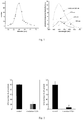
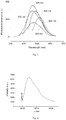
- hCQD are photoluminescent material i.e. when irradiated with certain excitation source they re-emit light usually in visible region of spectrum ( Figure 3 ). This feature enables easy identification of their presence in the polymer composite, either in top layer of the composite (film) or in the interior of the composite.
- Nanocomposite can be produced based on styrene-isoprene-styrene copolymer (Kraton) and hydrophobic CQD by any of following methods: layer by layer (LbL) method, solution mixing methods and by electrospinning:
- Method for manufacture of a hybrid nanocomposite material with antibacterial properties comprises the mixing of polymer and filler together, while the amount of the filler in the mixture is max 10% wt.
- structural blocks of the polymer are selected from polyamide, acrylics, butadiene, dialkylphtalate, dimethyl siloxanes, isoprene, isobutylene, styrene structural units and the filler is hydrophobic carbon quantum dots (hCQD) prepared by bottom-up condensation reaction of polyoxyethylene-polyoxypropylene-polyoxyethylene which cover:
- Carbon quantum dots can be either deposited as film on the surface of the polymer or incorporated into the polymer. Homogenous mixture of hCQD and polymer is dissolved in toluene or other organic water-immiscible solvents.
- the hybrid nanocomposite material can be produced by layer by layer method or by electrospinning or melt mixing.
- Hybrid nanocomposite material exhibits antibacterial activity after its illumination with blue light in the visible region having a wavelength of 420 - 470 nm.
- the thickness of the film of carbon quantum dots is 3 - 100 nm.
- Hybrid nanocomposite material can be produced as transparent material.
- Hybrid nanocomposite material can be used to cause an oxidative stress and reduce viability of bacteria, while the controlled antibacterial activity is activated after its illumination with blue light in the visible region having a wavelength of 420-470nm.
- Hybrid nanocomposite material with antibacterial properties can be used for medical applications, food and pharmaceutical industry applications.
- hCQD are mixed with polymer by Melt Mixing.
- the mixture of polymer and appropriate amount of hCQD were mixed in a hot melt compounder at temperature over melting point of selected polymer at a mixing speed of at least 30 rpm for 10 min.
- the extruded strands were cut for pressing into the form of sheets using a hydraulic press (Fontijne SRA-100, The Netherlands) at the same temperature as hot melt mixing was done at pressure of 10 bars for 3 minutes.
- nanocomposite styrene-isoprene-styrene tri-block copolymer (Kraton) /hCQD produced by LbL method produces more singlet oxygen molecules than composites produced by other methods ( Figure 5 ).
- Novelty of this approach is based on controlled antibacterial action, and on nondegradable properties of the composite.
- such a composite can be successfully used for flooring and wallcovering in hospitals where antibacterial action can be controlled by number of turned blue diodes present in LED lightning on ceilings during working hours.
- Method for manufacture of a hybrid nanocomposite material with antibacterial properties comprises polymer and filler mixing together, while the amount of the filler in the mixture is max 10% wt, structural blocks of the polymer are selected from polyamide, acrylics, butadiene, dialkylphtalate, dimethyl siloxanes, isoprene, isobutylene, styrene structural units and filler is hydrophobic carbon quantum dots (hCQD) prepared by bottom-up condensation reaction of polyoxyethylene-polyoxypropylene-polyoxy ethylene covering:
- hCQD hydrophobic carbon quantum dots
- Layer by layer method is based on deposition of hCQD layer by drop casting followed by deposition of styrene-isoprene- styrene tri-block copolymer (Kraton) layer on top of it.
- Alternative method is Langmuir Blodget deposition.
- hCQD layer prepared by LbL is very homogenous.
- Solution mixing method is based on mixing of polymer and hCQD solutions in toluene. Drying of mixed solvent in PTFE (polytetrafluoroethylene - Teflon) mold resulted with millimeter thick composite. hCQD are not homogenously distributed in composite.
- Electrospinning is a fiber production method which uses electric force to draw charged threads of polymer solutions up to fiber diameters in the order of some ten nanometers.
- Our fibers had diameter of 200nm - 1 ⁇ m.
- Nanocomposite styrene-isoprene-styrene tri-block copolymer (Kraton) / hCQD produced by LbL method produces more singlet oxygen molecules than composites produced by other methods.
- Nanocomposite styrene-isoprene-styrene tri-block copolymer (Kraton) / hCQD solves the following problems:
- hCQD In a typical synthesis of hydrophobic carbon dots (hCQDs), 1 g of polyoxyethylene-polyoxypropylene-polyoxyethylene (Pluronic 68) was allowed to dissolve in 100 ml of water for about 15 minutes. Then 200 ml of phosphoric acid was added and the mixture was stirred for producing a homogeneous reaction mixture. The reaction mixture was then heated on magnetic stirrer at 240 degrees for about 240 minutes. During this time period a brown colored product was obtained. The reaction mixture was allowed to cool down at room temperature and then to it 250 ml of water was added to obtain a brownish black colored precipitate. On top of it 300 ml of toluene or chloroform is poured. Water and organic phases are mixed on stirrer until toluene or chloroform obtained yellow color. Organic phase was decanted and filtered.
- Pluronic 68 polyoxyethylene-polyoxypropylene-polyoxyethylene
- Nanoparticle layers were deposited by a modified Langmuir-Blodgett (LB) technique using a computer-controlled Langmuir-Blodgett (LB) trough (Nima Technology).
- LB Langmuir-Blodgett
- LB Langmuir-Blodgett
- Karlon styrene-isoprene-styrene tri-block copolymer
- the hCQD nanoparticles dissolved in chloroform were spread by a microsyringe onto air/water interface of a LB trough. Following equilibration at 18°C for 30 min to allow the chloroform to evaporate, the nanoparticle layer was compressed to a monolayer phase.
- the surface pressure of nanoparticle arrays was monitored by a Wilhelmy plate.
- the ordered monolayer was transferred on the substrate by a regulated removal of the subphase at a surface pressure of 20 mN/m.
- the nanoparticle multilayers were prepared using the method described above, adding layer by layer one after another. Resultant thickness of hCQD multilayer film was in range from 3 to 100 nm.
- the size, shape and local ordering of the arrays were studied by a transmission electron microscope (HR TEM) and atomic force microscopy (AFM Bruker Nanoscope).
- the emission spectra were recorded on a RF-5301PC (Shimadzu, Japan) spectrofluorophotometer.
- the excitation wavelength was set in range from 320 to 480 nm.
- the fluorescence of the solutions were measured in 1 x 1 cm quartz cuvettes in the right angle arrangement or in a triangular cuvette in the case of a high probe concentration to partially suppress self-absorption.
- the homogeneity of the deposited LB layers over the large areas was verified by the confocal fluorescence microscopy technique (Witec) using a scanning mode.
- EPR Spectroscopy was used to monitor the generation of singlet oxygen in the organic solutions and on surfaces.
- the EPR experiments were performed at room temperature using a Magnetech spectrometer operating at a nominal frequency of 9.5 GHz.
- a mixture containing 0.18 ml TMP (tetramethylpiperidine) and hCQD colloids in chloroform and toluene with a concentration of 1 mg L -1 was thoroughly ultrasonicated, incubated and irradiated with blue light at 470nm at room temperature for 24 h.
- Aliquots (30 ⁇ L) of the TMP-hCQD mixtures were then transferred into 3 mm i.d. quartz tubes and the TEMPOL signal was analyzed by EPR. Quantification of the signals was realized by calculating the mean value of the amplitudes of the EPR signals and the data are expressed in arbitrary units. Similar procedure was applied to determine singlet oxygen generation on surface of nanocomposite.
- a modified microtiter-plate test was used for quantifying biofilm formation by the representative gram-positive (S. aurues) and gram-negative bacteria (E. coli) in the polymeric nanocomposites doped with hCQD under illumination. This technique involves fixing the bacterial film with methanol, staining with crystal violet, and, after the bound dye is released with ethanol, measuring the optical density of the solution by using a colorimetric reader.
- hydrophobic carbon dots 1 g of polyoxyethylene-polyoxypropylene- polyoxyethylene (Pluronic 68) was allowed to dissolve in 100 ml of water for about 15 minutes. Then 200 ml of phosphoric acid was added and the mixture was stirred for producing a homogeneous reaction mixture. The reaction mixture was then heated on magnetic stirrer at 250 degrees for about 120 minutes. During this time period a brown colored product was obtained. The reaction mixture was allowed to cool down at room temperature and then to it 250 ml of water was added to obtain a brownish black colored precipitate. On top of it 300 ml of toluene is poured. Water and organic phases are mixed on stirrer until toluene obtained yellow color. Organic phase was decanted and filtered.
- Pluronic 68 polyoxyethylene-polyoxypropylene- polyoxyethylene
- hCQD For the preparation of the composites, 5wt% of hCQD are dispersed in 5 ml toluene. Subsequently, 5ml of 10% of styrene-isoprene-styrene tri-block copolymer (Kraton) solution in the toluene and 5ml of hCQD are vigorously stirred for about 2 h and then poured in recipients with the desired shape to obtain monolithic composites over night.
- Kraton styrene-isoprene-styrene tri-block copolymer
- the size and shape of hCQD were studied by a transmission electron microscope (HR TEM) and atomic force microscopy (AFM Bruker Nanoscope).
- the emission spectra were recorded on a RF-5301PC (Shimadzu, Japan) spectrofluorophotometer.
- the excitation wavelength was set in range from 320 to 480 nm.
- the fluorescence of the solutions were measured in 1 x 1 cm quartz cuvettes in the right angle arrangement or in a triangular cuvette in the case of a high probe concentration to partially suppress self-absorption.
- the homogeneity of the composite over the large areas was verified by the confocal fluorescence microscopy technique (Witec) using a scanning mode.
- EPR Spectroscopy was used to monitor the generation of singlet oxygen in the organic solutions and on surfaces.
- the EPR experiments were performed at room temperature using a Magnetech spectrometer operating at a nominal frequency of 9.5 GHz.
- a mixture containing 0.18 ml TMP (tetramethylpiperidine) and hCQD colloids in toluene with a concentration of 1 mg L -1 was thoroughly ultrasonicated, incubated and irradiated with blue light at 470 nm at room temperature for 24 h.
- Aliquots (30 ⁇ L) of the TMP-hCQD mixtures were then transferred into 3 mm i.d. quartz tubes and the TEMPOL signal was analyzed by EPR. Quantification of the signals was realized by calculating the mean value of the amplitudes of the EPR signals and the data are expressed in arbitrary units.
- transparent polyamide/hCQDs composite were prepared with five steps: (1) Preparation of polyamide solutions (n-propanol, 18wt% of polyamide); (2) Dilution of the colloidal solution of hCQDs to desire volume in chlorform; (3) Preparation of electrospinning precursor solution using 8g polyamide solutions with 5wt% hCQDs colloidal solution; (5) Fabrication of composite transparent polyamide/hCQDs nanofibers by electrospinning at room temperature with 25% relative humidity. The applied voltage was 9 kV and the distance between the needle tip and the collector was 15 cm. The feeding rate of the solution was 1 ml/h. Finally, the composite nanofibers were dried at room temperature in vacuum.
- the size and shape of hCQD were studied by a transmission electron microscope (FIR TEM) and atomic force microscopy (AFM Bruker Nanoscope).
- the size and shape of composite nanofibers were studied by a scanning electron microscope (Dual Beam (FIB/SEM) Microscope Quanta 3D 200i (FEI)).
- the emission spectra were recorded on a RF-5301PC (Shimadzu, Japan) spectrofluorophotometer.
- the excitation wavelength was set in range from 320 to 480 nm.
- the fluorescence of the solutions were measured in 1 x 1 cm quartz cuvettes in the right angle arrangement or in a triangular cuvette in the case of a high probe concentration to partially suppress self-absorption.
- the homogeneity of the composite over the large areas was verified by the confocal fluorescence microscopy technique (Witec) using a scanning mode.
- EPR Spectroscopy was used to monitor the generation of singlet oxygen in the organic solutions and on surfaces.
- the EPR experiments were performed at room temperature using a Magnetech spectrometer operating at a nominal frequency of 9.5 GHz.
- a mixture containing 0.18 ml TMP (tetramethylpiperidine) and hCQD colloids in chloroform with a concentration of 1 mg L -1 was thoroughly ultrasonicated, incubated and irradiated with blue light at 470nm at room temperature for 24 h.
- Aliquots (30 ⁇ L) of the TMP-hCQD mixtures were then transferred into 3 mm i.d. quartz tubes and the TEMPOL signal was analyzed by EPR. Quantification of the signals was realized by calculating the mean value of the amplitudes of the EPR signals and the data are expressed in arbitrary units.
- the mixture of polymer (styrene-isoprene-styrene tri-block copolymer (Kraton)) and 10wt% of hCQD were mixed in a hot melt compounder (with a 15 ml chamber of micro-compounder DSM Xplore, The Netherlands or 30/50 ml chamber of mixer or extruder Brabender GmbH & Co. KG) at temperature over melting point of selected polymer at a mixing speed of at least 30 rpm for 10 min.
- the extruded strands were cut for pressing into the form of sheets using a hydraulic press (Fontijne SRA-100, The Netherlands) at the same temperature as hot melt mixing was done at pressure of 10 bars for 3 minutes.
- the size and shape of hCQD were studied by a transmission electron microscope (HR TEM) and atomic force microscopy (AFM Bruker Nanoscope).
- the emission spectra were recorded on a RF-5301PC (Shimadzu, Japan) spectrofluorophotometer.
- the excitation wavelength was set in range from 320 to 480 nm.
- the fluorescence of the solutions were measured in 1 x 1 cm quartz cuvettes in the right angle arrangement or in a triangular cuvette in the case of a high probe concentration to partially suppress self-absorption.
- the homogeneity of the composite over the large areas was verified by the confocal fluorescence microscopy technique (Witec) using a scanning mode.
- EPR Spectroscopy was used to monitor the generation of singlet oxygen in the organic solutions and on surfaces.
- the EPR experiments were performed at room temperature using a Magnetech spectrometer operating at a nominal frequency of 9.5 GHz.
- a mixture containing 0.18 ml TMP (tetramethylpiperidine) and hCQD colloids in toluene with a concentration of 1 mg L -1 was thoroughly ultrasonicated, incubated and irradiated with blue light at 470nm at room temperature for 24 h.
- Aliquots (30 ⁇ L) of the TMP-hCQD mixtures were then transferred into 3 mm i.d. quartz tubes and the TEMPOL signal was analyzed by EPR. Quantification of the signals was realized by calculating the mean value of the amplitudes of the EPR signals and the data are expressed in arbitrary units.
- Hybrid nanomaterial with antibacterial properties can be used for flooring, roofing, coated fabrics, wallcovering, windowcovering, flexible films for food package, foils and sheet for antibacterial catheters, fibers for antibacterial suture on body surface and other applications where antibacterial activity is needed, mainly in medical applications and in industries such as food production, pharmaceutical production.
Landscapes
- Chemical & Material Sciences (AREA)
- Health & Medical Sciences (AREA)
- Chemical Kinetics & Catalysis (AREA)
- Medicinal Chemistry (AREA)
- Polymers & Plastics (AREA)
- Organic Chemistry (AREA)
- Engineering & Computer Science (AREA)
- Materials Engineering (AREA)
- Nanotechnology (AREA)
- Manufacturing & Machinery (AREA)
- Medicinal Preparation (AREA)
- Compositions Of Macromolecular Compounds (AREA)
Claims (11)
- Verfahren zur Herstellung eines Nanoverbundmaterials mit antibakteriellen Eigenschaften unter Verwendung von Kohlenstoff-Quantenpunkten CQD, dadurch gekennzeichnet, dass es ein Vermischen eines Polymers und eines Füllstoffs miteinander umfasst, wobei die Menge des Füllstoffs in der Mischung maximal 10 Gew.-% beträgt und das Polymer aus Polyamid, Acrylate, Butadien, Dialkylphthalat, Dimethylsiloxane, Isopren, Isobutylen, Styrol Struktureinheiten ausgewählt ist, der Füllstoff hydrophobe Kohlenstoff-Quantenpunkte hCQD ist, die durch Bottom-Up-Kondensationsreaktion von Polyoxyethylen-Polyoxypropylen-Polyoxyethylen hergestellt werden, wobei:- Polyoxyethylen-Polyoxypropylen-Polyoxyethylen in einer Menge zwischen 2 und 10 Masse-% in Wasser gelöst wird,- die erhaltene Lösung mit konzentrierter Phosphorsäure in einer Menge vermischt wird, die bis zu zweimal höher ist als die zum Lösen von Polyoxyethylen-Polyoxypropylen-Polyoxyethylen verwendete Wassermenge,- die Verbindung bei 240 - 260°C für 90 - 240 Minuten verarbeitet wird,- die Verbindung auf Raumtemperatur abgekühlt wird,- die Verbindung mit Toluol oder Chlorophorm in einer Menge vermischt wird, die bis zu dreimal höher ist als die zum Lösen von Polyoxyethylen-Polyoxypropylen-Polyoxyethylen verwendete Wassermenge,- die Verbindung aus Wasser dekantiert wird,- und die Verbindung aus hydrophoben Kohlenstoff-Quantenpunkten hCQD, die in Toluol oder Chlorophorm gelöst ist, gefiltert wird.
- Verfahren zur Herstellung eines Nanoverbundmaterials mit antibakteriellen Eigenschaften nach Anspruch 1, wobei Kohlenstoff-Quantenpunkte hCQD als Film auf der Oberfläche des Polymers in Form eines Films abgeschieden werden.
- Verfahren zur Herstellung eines Nanoverbundmaterials mit antibakteriellen Eigenschaften nach Anspruch 1, wobei Kohlenstoff-Quantenpunkte hCQD in das Polymer eingearbeitet werden.
- Verfahren zur Herstellung eines Nanoverbundmaterials mit antibakteriellen Eigenschaften nach einem der vorhergehenden Ansprüche, wobei ein Styrol-Isopren-Styrol-Tri-Block-Copolymer-Substrat in den Langmuir-Blodgett, im Folgenden als LB bezeichnet, -Trog eingebracht wird, anschließend Nanopartikel aus hydrophoben Kohlenstoff-Quantenpunkten, die in Chloroform gelöst wurden, mit einer Mikrospritze auf die Luft/Wasser-Grenzfläche eines LB-Trogs aufgetragen werden, und nach dem Verdampfen des Chloroforms die Nanopartikelschicht zu einer Monolagenphase komprimiert wird und die geordnete Monolage durch ein geregeltes Entfernen der Subphase auf das Substrat übertragen wird, wenn die Nanopartikel-Multilagen nach dem oben beschriebenen Verfahren hergestellt werden, wobei Schicht für Schicht nacheinander hinzugefügt wird.
- Verfahren zur Herstellung eines Nanoverbundmaterials mit antibakteriellen Eigenschaften nach einem der vorstehenden Ansprüche, wobei 5 Gew.-% Toluollösung von hydrophoben Kohlenstoff-Quantenpunkten hCQD mit 10 Gew.-% Styrol-Isopren-Styrol-Triblockcopolymer, im Folgenden als Kraton bezeichnet, Lösung in dem Toluol vermischt und in eine Gussform mit der gewünschten Form gegossen werden, um monolithische Komposite zu erhalten.
- Verfahren zur Herstellung eines Nanoverbundmaterials mit antibakteriellen Eigenschaften nach einem der vorstehenden Ansprüche, wobei Polymer und hydrophobe Kohlenstoff-Quantenpunkte hCQD in einem Heißschmelzcompounder bei einer Temperatur über dem Schmelzpunkt des ausgewählten Polymers bei einer Mischgeschwindigkeit von mindestens 30 U/min für 10 Minuten vermischt werden, anschließend die extrudierten Stränge geschnitten werden, um sie unter Verwendung einer hydraulischen Presse bei der gleichen Temperatur, wie das Heißschmelzmischen durchgeführt wurde, bei einem Druck von 1 MPa für 3 Minuten in die Form von Platten zu pressen.
- Verfahren zur Herstellung eines Nanoverbundmaterials mit antibakteriellen Eigenschaften nach einem der vorstehenden Ansprüche, wobei Polyamidlösungen in n-Propanol mit einer Konzentration von 18 Gew.-% hergestellt werden, anschließend die kolloidale Lösung von hydrophoben Kohlenstoff-Quantenpunkten hCQDs in Chloroform verdünnt wird, dann eine Elektrospinn-Vorläuferlösung unter Verwendung von 8g Polyamidlösungen mit hCQDs kolloidaler Lösung hergestellt wird, und dann transparente Komposit-Polyamid/ hCQDs-Nanofasern durch Elektrospinnen bei Raumtemperatur mit 25 % relativer Luftfeuchtigkeit hergestellt werden und gefolgt von einer Trocknung bei Raumtemperatur im Vakuum.
- Ein Nanoverbundmaterial mit antibakteriellen Eigenschaften, hergestellt nach einem der vorstehenden Ansprüche, dadurch gekennzeichnet, dass die Dicke des Films aus Kohlenstoff-Quantenpunkten 3 - 100 nm beträgt.
- Das Nanoverbundmaterial mit antibakteriellen Eigenschaften, hergestellt nach einem der Ansprüche 1-5, dadurch gekennzeichnet, dass das Material nach seiner Beleuchtung mit blauem Licht im sichtbaren Bereich mit einer Wellenlänge von 420 - 470 nm antibakterielle Aktivität zeigt.
- Das Nanoverbundmaterial mit antibakteriellen Eigenschaften nach Anspruch 8 oder 9, dadurch gekennzeichnet, dass das Material transparent ist.
- Das Nanoverbundmaterial mit antibakteriellen Eigenschaften nach einem der Ansprüche 8 - 10, das für medizinische Anwendungen, Lebensmittelindustrie und industrielle pharmazeutischen Anwendungen verwendet wird.
Applications Claiming Priority (2)
| Application Number | Priority Date | Filing Date | Title |
|---|---|---|---|
| SK50017-2017A SK288876B6 (sk) | 2017-03-02 | 2017-03-02 | Spôsob výroby nanokompozitného materiálu s antibakteriálnymi vlastnosťami, takýto materiál a jeho použitie |
| PCT/SK2018/050004 WO2018160142A1 (en) | 2017-03-02 | 2018-02-27 | Manufacture method of nanomaterial with antibacterial properties, the material thereof, and its use |
Publications (2)
| Publication Number | Publication Date |
|---|---|
| EP3589682A1 EP3589682A1 (de) | 2020-01-08 |
| EP3589682B1 true EP3589682B1 (de) | 2021-01-27 |
Family
ID=62028083
Family Applications (1)
| Application Number | Title | Priority Date | Filing Date |
|---|---|---|---|
| EP18719324.8A Active EP3589682B1 (de) | 2017-03-02 | 2018-02-27 | Verfahren zur herstellung von nanomaterial mit antibakteriellen eigenschaften, material dafür und verwendung davon |
Country Status (4)
| Country | Link |
|---|---|
| US (1) | US20200017646A1 (de) |
| EP (1) | EP3589682B1 (de) |
| SK (1) | SK288876B6 (de) |
| WO (1) | WO2018160142A1 (de) |
Families Citing this family (10)
| Publication number | Priority date | Publication date | Assignee | Title |
|---|---|---|---|---|
| CN110643181B (zh) * | 2019-08-30 | 2021-07-20 | 北京化工大学 | 一种硅烷碳量子点增容的聚合物共混物及制备方法和应用 |
| CN110819097B (zh) * | 2019-10-29 | 2021-12-24 | 南京工业大学 | 一种碳量子点-聚合物复合材料及制备和应用 |
| BR102020002172A2 (pt) | 2020-01-31 | 2021-08-10 | Fundação Universidade De Brasilia | Potencializador de fotossíntese baseados em nanopartículas híbridas de carbono, seu processo de obtenção e seu uso como nanobioestimulantes e nanofertilizantes em cultivos agrícolas |
| CN112626846B (zh) * | 2020-11-16 | 2022-10-18 | 中科量子(广州)新材料有限公司 | 粘胶纤维及其制备方法和无纺布及其制备方法与应用 |
| CN112626847B (zh) * | 2020-11-16 | 2022-07-29 | 中科量子(广州)新材料有限公司 | 粘胶纤维及其制备方法与应用和无纺布及其制备方法和面膜布和面膜及其制备方法 |
| CN113004561B (zh) * | 2021-04-16 | 2022-10-18 | 天津大学 | 一种基于水性聚氨酯的双信号力响应聚合物复合薄膜及制备方法 |
| CN114376927A (zh) * | 2022-01-12 | 2022-04-22 | 皖西学院 | 一种基于精氨酸的碳量子点冻干粉作为防腐抗菌剂用于化妆品中的应用 |
| CN114854393B (zh) * | 2022-05-23 | 2024-05-17 | 山东大学 | 一种聚氧乙烯长链修饰的两亲碳点及其制备方法与应用 |
| CN115231551B (zh) * | 2022-09-05 | 2023-09-01 | 云南师范大学 | 一种利用邻苯二甲酸二甲酯制备碳量子点的方法 |
| CN119191541B (zh) * | 2024-11-07 | 2025-12-26 | 东北农业大学 | 一种人工湿地填料及制备方法和应用 |
Family Cites Families (2)
| Publication number | Priority date | Publication date | Assignee | Title |
|---|---|---|---|---|
| EP2883835B1 (de) * | 2012-08-06 | 2020-07-15 | Technical Institute of Physics and Chemistry of the Chinese Academy of Sciences | Verfahren zur herstellung von heteroatom-dotierten multifunktionellen quantenpunkten |
| EP3148925A4 (de) * | 2014-05-26 | 2018-01-10 | William Marsh Rice University | Graphen-quantenpunkt-polymerverbundstoffe und verfahren zur herstellung davon |
-
2017
- 2017-03-02 SK SK50017-2017A patent/SK288876B6/sk unknown
-
2018
- 2018-02-27 WO PCT/SK2018/050004 patent/WO2018160142A1/en not_active Ceased
- 2018-02-27 EP EP18719324.8A patent/EP3589682B1/de active Active
- 2018-02-27 US US16/490,439 patent/US20200017646A1/en not_active Abandoned
Non-Patent Citations (1)
| Title |
|---|
| None * |
Also Published As
| Publication number | Publication date |
|---|---|
| EP3589682A1 (de) | 2020-01-08 |
| US20200017646A1 (en) | 2020-01-16 |
| SK288876B6 (sk) | 2021-07-14 |
| WO2018160142A1 (en) | 2018-09-07 |
| SK500172017A3 (sk) | 2018-09-03 |
Similar Documents
| Publication | Publication Date | Title |
|---|---|---|
| US20200017646A1 (en) | Manufacture method of nanomaterial with antibacterial properties, the material thereof, and its use | |
| Scaffaro et al. | Antimicrobial additives for poly (lactic acid) materials and their applications: Current state and perspectives | |
| JP5777337B2 (ja) | 抗菌性材料 | |
| Bai et al. | N-halamine-containing electrospun fibers kill bacteria via a contact/release co-determined antibacterial pathway | |
| Liu et al. | Antimicrobial activity of zinc oxide–graphene quantum dot nanocomposites: enhanced adsorption on bacterial cells by cationic capping polymers | |
| Cai et al. | Insight into biological effects of zinc oxide nanoflowers on bacteria: why morphology matters | |
| Quirós et al. | Bioactive applications for electrospun fibers | |
| Song et al. | Electrospun nanofibers with antimicrobial properties | |
| Aslan et al. | Carbon nanotube-based antimicrobial biomaterials formed via layer-by-layer assembly with polypeptides | |
| Hassiba et al. | Synthesis, characterization, and antimicrobial properties of novel double layer nanocomposite electrospun fibers for wound dressing applications | |
| Agnihotri et al. | Development of nano-antimicrobial biomaterials for biomedical applications | |
| El-Aassar et al. | Electrospun polyvinyl alcohol/pluronic F127 blended nanofibers containing titanium dioxide for antibacterial wound dressing | |
| JP5599470B2 (ja) | 抗真菌材料 | |
| Awad et al. | Green synthesis, characterization, and antibacterial activity of silver/polystyrene nanocomposite | |
| Alsaiari et al. | Colloidal Gold Nanoclusters Spiked Silica Fillers in Mixed Matrix Coatings: Simultaneous Detection and Inhibition of Healthcare‐Associated Infections | |
| Eghbalifam et al. | Role of bioactive magnetic nanoparticles in the prevention of wound pathogenic biofilm formation using smart nanocomposites | |
| Aliabadi et al. | HTCC‐Modified Nanoclay for Tissue Engineering Applications: A Synergistic Cell Growth and Antibacterial Efficiency | |
| Liu et al. | Modulating charge transfer over metal–organic framework nanocomposites for NIR light-boosted photothermal conversion | |
| Zhan et al. | Silver nanoparticle-loaded titanium-based metal–organic framework for promoting antibacterial performance by synergistic chemical–photodynamic therapy | |
| EP2701515B1 (de) | Verfahren zur immobilisierung von silbernanopartikeln auf festen substraten | |
| Ibrahim et al. | Selenium loaded sodium alginate/polyvinyl alcohol nanocomposite film as wound dressing: structural, optical, mechanical, antimicrobial properties and biocompatibility | |
| Sepehri et al. | Enhancing anti‐biofouling property by incorporating graphene oxide‐silver nanocomposite into polycaprolactone membrane for ultrafiltration application | |
| Esfanjani et al. | Electrospun polycaprolactone coated with gum tragacanth containing layered double hydroxide/thymol nanohybrid for wound dressing application | |
| Ahmadpoor et al. | Self-assembled nanoflowers from natural building blocks with antioxidant, antibacterial, and antibiofilm properties | |
| Phan et al. | Bioactive antimicrobial polymer membranes: synthesis, characterization, and their applications in various sectors |
Legal Events
| Date | Code | Title | Description |
|---|---|---|---|
| STAA | Information on the status of an ep patent application or granted ep patent |
Free format text: STATUS: UNKNOWN |
|
| STAA | Information on the status of an ep patent application or granted ep patent |
Free format text: STATUS: THE INTERNATIONAL PUBLICATION HAS BEEN MADE |
|
| PUAI | Public reference made under article 153(3) epc to a published international application that has entered the european phase |
Free format text: ORIGINAL CODE: 0009012 |
|
| STAA | Information on the status of an ep patent application or granted ep patent |
Free format text: STATUS: REQUEST FOR EXAMINATION WAS MADE |
|
| 17P | Request for examination filed |
Effective date: 20191002 |
|
| AK | Designated contracting states |
Kind code of ref document: A1 Designated state(s): AL AT BE BG CH CY CZ DE DK EE ES FI FR GB GR HR HU IE IS IT LI LT LU LV MC MK MT NL NO PL PT RO RS SE SI SK SM TR |
|
| AX | Request for extension of the european patent |
Extension state: BA ME |
|
| DAV | Request for validation of the european patent (deleted) | ||
| DAX | Request for extension of the european patent (deleted) | ||
| GRAP | Despatch of communication of intention to grant a patent |
Free format text: ORIGINAL CODE: EPIDOSNIGR1 |
|
| STAA | Information on the status of an ep patent application or granted ep patent |
Free format text: STATUS: GRANT OF PATENT IS INTENDED |
|
| INTG | Intention to grant announced |
Effective date: 20201016 |
|
| GRAS | Grant fee paid |
Free format text: ORIGINAL CODE: EPIDOSNIGR3 |
|
| GRAA | (expected) grant |
Free format text: ORIGINAL CODE: 0009210 |
|
| STAA | Information on the status of an ep patent application or granted ep patent |
Free format text: STATUS: THE PATENT HAS BEEN GRANTED |
|
| AK | Designated contracting states |
Kind code of ref document: B1 Designated state(s): AL AT BE BG CH CY CZ DE DK EE ES FI FR GB GR HR HU IE IS IT LI LT LU LV MC MK MT NL NO PL PT RO RS SE SI SK SM TR |
|
| REG | Reference to a national code |
Ref country code: GB Ref legal event code: FG4D |
|
| REG | Reference to a national code |
Ref country code: CH Ref legal event code: EP |
|
| REG | Reference to a national code |
Ref country code: AT Ref legal event code: REF Ref document number: 1358305 Country of ref document: AT Kind code of ref document: T Effective date: 20210215 |
|
| REG | Reference to a national code |
Ref country code: IE Ref legal event code: FG4D |
|
| REG | Reference to a national code |
Ref country code: DE Ref legal event code: R096 Ref document number: 602018012347 Country of ref document: DE |
|
| REG | Reference to a national code |
Ref country code: CH Ref legal event code: NV Representative=s name: ISLER AND PEDRAZZINI AG, CH |
|
| REG | Reference to a national code |
Ref country code: NL Ref legal event code: FP |
|
| REG | Reference to a national code |
Ref country code: LT Ref legal event code: MG9D |
|
| REG | Reference to a national code |
Ref country code: AT Ref legal event code: MK05 Ref document number: 1358305 Country of ref document: AT Kind code of ref document: T Effective date: 20210127 |
|
| PG25 | Lapsed in a contracting state [announced via postgrant information from national office to epo] |
Ref country code: BG Free format text: LAPSE BECAUSE OF FAILURE TO SUBMIT A TRANSLATION OF THE DESCRIPTION OR TO PAY THE FEE WITHIN THE PRESCRIBED TIME-LIMIT Effective date: 20210427 Ref country code: HR Free format text: LAPSE BECAUSE OF FAILURE TO SUBMIT A TRANSLATION OF THE DESCRIPTION OR TO PAY THE FEE WITHIN THE PRESCRIBED TIME-LIMIT Effective date: 20210127 Ref country code: FI Free format text: LAPSE BECAUSE OF FAILURE TO SUBMIT A TRANSLATION OF THE DESCRIPTION OR TO PAY THE FEE WITHIN THE PRESCRIBED TIME-LIMIT Effective date: 20210127 Ref country code: GR Free format text: LAPSE BECAUSE OF FAILURE TO SUBMIT A TRANSLATION OF THE DESCRIPTION OR TO PAY THE FEE WITHIN THE PRESCRIBED TIME-LIMIT Effective date: 20210428 Ref country code: LT Free format text: LAPSE BECAUSE OF FAILURE TO SUBMIT A TRANSLATION OF THE DESCRIPTION OR TO PAY THE FEE WITHIN THE PRESCRIBED TIME-LIMIT Effective date: 20210127 Ref country code: NO Free format text: LAPSE BECAUSE OF FAILURE TO SUBMIT A TRANSLATION OF THE DESCRIPTION OR TO PAY THE FEE WITHIN THE PRESCRIBED TIME-LIMIT Effective date: 20210427 Ref country code: PT Free format text: LAPSE BECAUSE OF FAILURE TO SUBMIT A TRANSLATION OF THE DESCRIPTION OR TO PAY THE FEE WITHIN THE PRESCRIBED TIME-LIMIT Effective date: 20210527 |
|
| PG25 | Lapsed in a contracting state [announced via postgrant information from national office to epo] |
Ref country code: SE Free format text: LAPSE BECAUSE OF FAILURE TO SUBMIT A TRANSLATION OF THE DESCRIPTION OR TO PAY THE FEE WITHIN THE PRESCRIBED TIME-LIMIT Effective date: 20210127 Ref country code: AT Free format text: LAPSE BECAUSE OF FAILURE TO SUBMIT A TRANSLATION OF THE DESCRIPTION OR TO PAY THE FEE WITHIN THE PRESCRIBED TIME-LIMIT Effective date: 20210127 Ref country code: PL Free format text: LAPSE BECAUSE OF FAILURE TO SUBMIT A TRANSLATION OF THE DESCRIPTION OR TO PAY THE FEE WITHIN THE PRESCRIBED TIME-LIMIT Effective date: 20210127 Ref country code: LV Free format text: LAPSE BECAUSE OF FAILURE TO SUBMIT A TRANSLATION OF THE DESCRIPTION OR TO PAY THE FEE WITHIN THE PRESCRIBED TIME-LIMIT Effective date: 20210127 Ref country code: RS Free format text: LAPSE BECAUSE OF FAILURE TO SUBMIT A TRANSLATION OF THE DESCRIPTION OR TO PAY THE FEE WITHIN THE PRESCRIBED TIME-LIMIT Effective date: 20210127 |
|
| PG25 | Lapsed in a contracting state [announced via postgrant information from national office to epo] |
Ref country code: IS Free format text: LAPSE BECAUSE OF FAILURE TO SUBMIT A TRANSLATION OF THE DESCRIPTION OR TO PAY THE FEE WITHIN THE PRESCRIBED TIME-LIMIT Effective date: 20210527 |
|
| REG | Reference to a national code |
Ref country code: BE Ref legal event code: MM Effective date: 20210228 |
|
| REG | Reference to a national code |
Ref country code: DE Ref legal event code: R097 Ref document number: 602018012347 Country of ref document: DE |
|
| PG25 | Lapsed in a contracting state [announced via postgrant information from national office to epo] |
Ref country code: MC Free format text: LAPSE BECAUSE OF FAILURE TO SUBMIT A TRANSLATION OF THE DESCRIPTION OR TO PAY THE FEE WITHIN THE PRESCRIBED TIME-LIMIT Effective date: 20210127 Ref country code: LU Free format text: LAPSE BECAUSE OF NON-PAYMENT OF DUE FEES Effective date: 20210227 Ref country code: EE Free format text: LAPSE BECAUSE OF FAILURE TO SUBMIT A TRANSLATION OF THE DESCRIPTION OR TO PAY THE FEE WITHIN THE PRESCRIBED TIME-LIMIT Effective date: 20210127 Ref country code: SM Free format text: LAPSE BECAUSE OF FAILURE TO SUBMIT A TRANSLATION OF THE DESCRIPTION OR TO PAY THE FEE WITHIN THE PRESCRIBED TIME-LIMIT Effective date: 20210127 |
|
| PG25 | Lapsed in a contracting state [announced via postgrant information from national office to epo] |
Ref country code: DK Free format text: LAPSE BECAUSE OF FAILURE TO SUBMIT A TRANSLATION OF THE DESCRIPTION OR TO PAY THE FEE WITHIN THE PRESCRIBED TIME-LIMIT Effective date: 20210127 Ref country code: RO Free format text: LAPSE BECAUSE OF FAILURE TO SUBMIT A TRANSLATION OF THE DESCRIPTION OR TO PAY THE FEE WITHIN THE PRESCRIBED TIME-LIMIT Effective date: 20210127 Ref country code: SK Free format text: LAPSE BECAUSE OF FAILURE TO SUBMIT A TRANSLATION OF THE DESCRIPTION OR TO PAY THE FEE WITHIN THE PRESCRIBED TIME-LIMIT Effective date: 20210127 |
|
| PLBE | No opposition filed within time limit |
Free format text: ORIGINAL CODE: 0009261 |
|
| STAA | Information on the status of an ep patent application or granted ep patent |
Free format text: STATUS: NO OPPOSITION FILED WITHIN TIME LIMIT |
|
| 26N | No opposition filed |
Effective date: 20211028 |
|
| PG25 | Lapsed in a contracting state [announced via postgrant information from national office to epo] |
Ref country code: IE Free format text: LAPSE BECAUSE OF NON-PAYMENT OF DUE FEES Effective date: 20210227 Ref country code: AL Free format text: LAPSE BECAUSE OF FAILURE TO SUBMIT A TRANSLATION OF THE DESCRIPTION OR TO PAY THE FEE WITHIN THE PRESCRIBED TIME-LIMIT Effective date: 20210127 Ref country code: ES Free format text: LAPSE BECAUSE OF FAILURE TO SUBMIT A TRANSLATION OF THE DESCRIPTION OR TO PAY THE FEE WITHIN THE PRESCRIBED TIME-LIMIT Effective date: 20210127 |
|
| PG25 | Lapsed in a contracting state [announced via postgrant information from national office to epo] |
Ref country code: SI Free format text: LAPSE BECAUSE OF FAILURE TO SUBMIT A TRANSLATION OF THE DESCRIPTION OR TO PAY THE FEE WITHIN THE PRESCRIBED TIME-LIMIT Effective date: 20210127 |
|
| PG25 | Lapsed in a contracting state [announced via postgrant information from national office to epo] |
Ref country code: IT Free format text: LAPSE BECAUSE OF FAILURE TO SUBMIT A TRANSLATION OF THE DESCRIPTION OR TO PAY THE FEE WITHIN THE PRESCRIBED TIME-LIMIT Effective date: 20210127 |
|
| PG25 | Lapsed in a contracting state [announced via postgrant information from national office to epo] |
Ref country code: IS Free format text: LAPSE BECAUSE OF FAILURE TO SUBMIT A TRANSLATION OF THE DESCRIPTION OR TO PAY THE FEE WITHIN THE PRESCRIBED TIME-LIMIT Effective date: 20210527 |
|
| PG25 | Lapsed in a contracting state [announced via postgrant information from national office to epo] |
Ref country code: BE Free format text: LAPSE BECAUSE OF NON-PAYMENT OF DUE FEES Effective date: 20210228 |
|
| PG25 | Lapsed in a contracting state [announced via postgrant information from national office to epo] |
Ref country code: CY Free format text: LAPSE BECAUSE OF FAILURE TO SUBMIT A TRANSLATION OF THE DESCRIPTION OR TO PAY THE FEE WITHIN THE PRESCRIBED TIME-LIMIT Effective date: 20210127 |
|
| PG25 | Lapsed in a contracting state [announced via postgrant information from national office to epo] |
Ref country code: HU Free format text: LAPSE BECAUSE OF FAILURE TO SUBMIT A TRANSLATION OF THE DESCRIPTION OR TO PAY THE FEE WITHIN THE PRESCRIBED TIME-LIMIT; INVALID AB INITIO Effective date: 20180227 |
|
| PG25 | Lapsed in a contracting state [announced via postgrant information from national office to epo] |
Ref country code: MK Free format text: LAPSE BECAUSE OF FAILURE TO SUBMIT A TRANSLATION OF THE DESCRIPTION OR TO PAY THE FEE WITHIN THE PRESCRIBED TIME-LIMIT Effective date: 20210127 |
|
| PG25 | Lapsed in a contracting state [announced via postgrant information from national office to epo] |
Ref country code: TR Free format text: LAPSE BECAUSE OF FAILURE TO SUBMIT A TRANSLATION OF THE DESCRIPTION OR TO PAY THE FEE WITHIN THE PRESCRIBED TIME-LIMIT Effective date: 20210127 |
|
| PG25 | Lapsed in a contracting state [announced via postgrant information from national office to epo] |
Ref country code: MT Free format text: LAPSE BECAUSE OF FAILURE TO SUBMIT A TRANSLATION OF THE DESCRIPTION OR TO PAY THE FEE WITHIN THE PRESCRIBED TIME-LIMIT Effective date: 20210127 |
|
| REG | Reference to a national code |
Ref country code: CH Ref legal event code: U11 Free format text: ST27 STATUS EVENT CODE: U-0-0-U10-U11 (AS PROVIDED BY THE NATIONAL OFFICE) Effective date: 20260301 |
|
| PGFP | Annual fee paid to national office [announced via postgrant information from national office to epo] |
Ref country code: NL Payment date: 20260212 Year of fee payment: 9 |
|
| PGFP | Annual fee paid to national office [announced via postgrant information from national office to epo] |
Ref country code: GB Payment date: 20260226 Year of fee payment: 9 |
|
| PGFP | Annual fee paid to national office [announced via postgrant information from national office to epo] |
Ref country code: DE Payment date: 20260212 Year of fee payment: 9 |
|
| PGFP | Annual fee paid to national office [announced via postgrant information from national office to epo] |
Ref country code: FR Payment date: 20260226 Year of fee payment: 9 |
|
| PGFP | Annual fee paid to national office [announced via postgrant information from national office to epo] |
Ref country code: CH Payment date: 20260301 Year of fee payment: 9 Ref country code: CZ Payment date: 20260216 Year of fee payment: 9 |