EP3585443B1 - Regulierung der genexpression durch aptamervermittelte zugänglichkeit von polyadenylierungssignalen - Google Patents
Regulierung der genexpression durch aptamervermittelte zugänglichkeit von polyadenylierungssignalen Download PDFInfo
- Publication number
- EP3585443B1 EP3585443B1 EP18758507.0A EP18758507A EP3585443B1 EP 3585443 B1 EP3585443 B1 EP 3585443B1 EP 18758507 A EP18758507 A EP 18758507A EP 3585443 B1 EP3585443 B1 EP 3585443B1
- Authority
- EP
- European Patent Office
- Prior art keywords
- aptamer
- stem
- target gene
- sequence
- ligand
- Prior art date
- Legal status (The legal status is an assumption and is not a legal conclusion. Google has not performed a legal analysis and makes no representation as to the accuracy of the status listed.)
- Active
Links
Images


Classifications
-
- C—CHEMISTRY; METALLURGY
- C12—BIOCHEMISTRY; BEER; SPIRITS; WINE; VINEGAR; MICROBIOLOGY; ENZYMOLOGY; MUTATION OR GENETIC ENGINEERING
- C12N—MICROORGANISMS OR ENZYMES; COMPOSITIONS THEREOF; PROPAGATING, PRESERVING, OR MAINTAINING MICROORGANISMS; MUTATION OR GENETIC ENGINEERING; CULTURE MEDIA
- C12N15/00—Mutation or genetic engineering; DNA or RNA concerning genetic engineering, vectors, e.g. plasmids, or their isolation, preparation or purification; Use of hosts therefor
- C12N15/09—Recombinant DNA-technology
- C12N15/63—Introduction of foreign genetic material using vectors; Vectors; Use of hosts therefor; Regulation of expression
- C12N15/67—General methods for enhancing the expression
-
- C—CHEMISTRY; METALLURGY
- C12—BIOCHEMISTRY; BEER; SPIRITS; WINE; VINEGAR; MICROBIOLOGY; ENZYMOLOGY; MUTATION OR GENETIC ENGINEERING
- C12N—MICROORGANISMS OR ENZYMES; COMPOSITIONS THEREOF; PROPAGATING, PRESERVING, OR MAINTAINING MICROORGANISMS; MUTATION OR GENETIC ENGINEERING; CULTURE MEDIA
- C12N15/00—Mutation or genetic engineering; DNA or RNA concerning genetic engineering, vectors, e.g. plasmids, or their isolation, preparation or purification; Use of hosts therefor
- C12N15/09—Recombinant DNA-technology
- C12N15/11—DNA or RNA fragments; Modified forms thereof; Non-coding nucleic acids having a biological activity
- C12N15/115—Aptamers, i.e. nucleic acids binding a target molecule specifically and with high affinity without hybridising therewith ; Nucleic acids binding to non-nucleic acids, e.g. aptamers
-
- C—CHEMISTRY; METALLURGY
- C12—BIOCHEMISTRY; BEER; SPIRITS; WINE; VINEGAR; MICROBIOLOGY; ENZYMOLOGY; MUTATION OR GENETIC ENGINEERING
- C12N—MICROORGANISMS OR ENZYMES; COMPOSITIONS THEREOF; PROPAGATING, PRESERVING, OR MAINTAINING MICROORGANISMS; MUTATION OR GENETIC ENGINEERING; CULTURE MEDIA
- C12N15/00—Mutation or genetic engineering; DNA or RNA concerning genetic engineering, vectors, e.g. plasmids, or their isolation, preparation or purification; Use of hosts therefor
- C12N15/09—Recombinant DNA-technology
- C12N15/63—Introduction of foreign genetic material using vectors; Vectors; Use of hosts therefor; Regulation of expression
-
- C—CHEMISTRY; METALLURGY
- C12—BIOCHEMISTRY; BEER; SPIRITS; WINE; VINEGAR; MICROBIOLOGY; ENZYMOLOGY; MUTATION OR GENETIC ENGINEERING
- C12N—MICROORGANISMS OR ENZYMES; COMPOSITIONS THEREOF; PROPAGATING, PRESERVING, OR MAINTAINING MICROORGANISMS; MUTATION OR GENETIC ENGINEERING; CULTURE MEDIA
- C12N15/00—Mutation or genetic engineering; DNA or RNA concerning genetic engineering, vectors, e.g. plasmids, or their isolation, preparation or purification; Use of hosts therefor
- C12N15/09—Recombinant DNA-technology
- C12N15/63—Introduction of foreign genetic material using vectors; Vectors; Use of hosts therefor; Regulation of expression
- C12N15/79—Vectors or expression systems specially adapted for eukaryotic hosts
- C12N15/85—Vectors or expression systems specially adapted for eukaryotic hosts for animal cells
-
- C—CHEMISTRY; METALLURGY
- C12—BIOCHEMISTRY; BEER; SPIRITS; WINE; VINEGAR; MICROBIOLOGY; ENZYMOLOGY; MUTATION OR GENETIC ENGINEERING
- C12N—MICROORGANISMS OR ENZYMES; COMPOSITIONS THEREOF; PROPAGATING, PRESERVING, OR MAINTAINING MICROORGANISMS; MUTATION OR GENETIC ENGINEERING; CULTURE MEDIA
- C12N15/00—Mutation or genetic engineering; DNA or RNA concerning genetic engineering, vectors, e.g. plasmids, or their isolation, preparation or purification; Use of hosts therefor
- C12N15/09—Recombinant DNA-technology
- C12N15/63—Introduction of foreign genetic material using vectors; Vectors; Use of hosts therefor; Regulation of expression
- C12N15/79—Vectors or expression systems specially adapted for eukaryotic hosts
- C12N15/85—Vectors or expression systems specially adapted for eukaryotic hosts for animal cells
- C12N15/86—Viral vectors
-
- C—CHEMISTRY; METALLURGY
- C12—BIOCHEMISTRY; BEER; SPIRITS; WINE; VINEGAR; MICROBIOLOGY; ENZYMOLOGY; MUTATION OR GENETIC ENGINEERING
- C12N—MICROORGANISMS OR ENZYMES; COMPOSITIONS THEREOF; PROPAGATING, PRESERVING, OR MAINTAINING MICROORGANISMS; MUTATION OR GENETIC ENGINEERING; CULTURE MEDIA
- C12N2310/00—Structure or type of the nucleic acid
- C12N2310/10—Type of nucleic acid
- C12N2310/16—Aptamers
-
- C—CHEMISTRY; METALLURGY
- C12—BIOCHEMISTRY; BEER; SPIRITS; WINE; VINEGAR; MICROBIOLOGY; ENZYMOLOGY; MUTATION OR GENETIC ENGINEERING
- C12N—MICROORGANISMS OR ENZYMES; COMPOSITIONS THEREOF; PROPAGATING, PRESERVING, OR MAINTAINING MICROORGANISMS; MUTATION OR GENETIC ENGINEERING; CULTURE MEDIA
- C12N2830/00—Vector systems having a special element relevant for transcription
- C12N2830/50—Vector systems having a special element relevant for transcription regulating RNA stability, not being an intron, e.g. poly A signal
Definitions
- the invention provides polynucleotide constructs for the regulation of gene expression by aptamer-based modulation of the accessibility of one or more polyadenylation signals and methods of using the polynucleotide constructs to regulate gene expression in response to the presence or absence of a ligand that binds the aptamer.
- the polynucleotide construct contains a riboswitch comprising an aptamer and an effector stem loop, wherein the effector stem loop comprises a polyadenylation signal sequence.
- Messenger RNAs (mRNAs) in eukaryotic cells are produced from pre-mRNA transcripts by extensive post-transcriptional processing, including 5' end capping, removal of introns by splicing, and 3' end cleavage and polyadenylation.
- the 3' end of almost all eukaryotic mRNAs comprises a poly(A) tail-a homopolymer of 20 to 250 adenosine residues.
- the poly(A) tail is added to pre-mRNA in the nucleus by cleavage and polyadenylation, a process catalyzed by a large complex of proteins.
- Addition of a poly(A) tail depends on the presence of multiple elements including the highly conserved AATAAA (or its variant ATTAAA) polyadenylation signal sequence found upstream of the polyadenylation site, and other upstream elements ("USE"), as well as a T or GT-rich downstream element (“DSE”). Addition of a poly(A) tail to mRNA protects the message from degradation, among other functions.
- WO 2010/141085 A1 (Myung J. et al. ) teaches a method for inducing riboswitch-mediated transcription termination using a promoter operably linked to a riboswitch aptamer.
- Riboswitches that regulate splicing of RNA are described in US 2010/221821 A1 (Breaker, R. et al. ) .
- a review article by Berens, C. et al. (Biotechnology Journal, 10(2), 246-257 ) discusses riboswitches in the regulation of gene expression.
- WO 2016/126747 A1 (Boyne, A. et al.
- WO 2016/205764 A1 relates to a method of targeted regulation of gene expression using an RNA-targeting CRISPR effector protein and at least one targeting nucleic acid component such as a guide RNA (gRNA).
- gRNA guide RNA
- the present invention provides a polynucleotide cassette for the regulation of the expression of a target gene comprising a riboswitch wherein the riboswitch comprises an effector stem-loop and an aptamer, wherein the effector stem-loop comprises a polyadenylation signal, and wherein the aptamer and effector stem-loop are linked by an alternatively shared stem arm comprising sequence that is complementary to the unshared arm of the aptamer stem and to the unshared arm of the effector stem loop.
- the aptamer binds a small molecule ligand.
- the portion of the alternatively shared stem arm that is complementary to sequence in the aptamer stem and to sequence in the effector stem loop is 4 to 8 nucleotides, 5 to 7 nucleotides, 5 nucleotides, or 6 nucleotides.
- the aptamer stem is 6 to 12 base pairs, 7 to 10 base pairs, 8 base pairs, or 9 base pairs.
- the stem of the effector stem loop is 4 to 24 base pairs, 5 to 20 base pairs, 9 to 14 base pairs, 9 base pairs, 10 base pairs, 11 base pairs or 12 base pairs.
- the effector stem-loop is positioned 3' of the aptamer such that the alternatively shared stem arm comprises all or a portion of the 3' aptamer stem arm and all or a portion of the 5' arm of the effector stem. In one embodiment, the effector stem-loop is positioned 5' of the aptamer such that the alternatively shared stem arm comprises all or a portion of the 5' aptamer stem arm and all or a portion of the 3' arm of the effector stem.
- the polyadenylation signal is AATAAA or ATTAAA. In one embodiment, the polyadenylation signal is a downstream element (DSE). In one embodiment, the polyadenylation signal is an upstream sequence element (USE).
- the polynucleotide cassette comprises two riboswitches of the present invention, wherein the effector stem loop of the first riboswitch comprises all or part of the polyadenylation signal AATAAA or ATTAA and the effector stem loop of the second riboswitch comprises all or part of the downstream element (DSE).
- the two riboswitches each comprise an aptamer that binds the same ligand.
- the two riboswitches comprise different aptamers that bind different ligands.
- the present invention provides a method of modulating the expression of a target gene comprising
- the ligand is a small molecule.
- the effector stem loop is positioned 3' of the aptamer such that the alternatively shared stem arm comprises all or a portion of the 3' aptamer stem arm and all or a portion of the 5' arm of the effector stem.
- the polyadenylation signal is AATAAA or ATTAAA.
- the effector stem loop is positioned 5' of the aptamer such that the alternatively shared stem arm comprises all or a portion of the 5' aptamer stem arm and all or a portion of the 3' arm of the effector stem.
- the polyadenylation signal is a downstream element (DSE).
- two riboswitches are inserted into the 3' untranslated region ("UTR") of the target gene, wherein the effector stem loop of the first riboswitch comprises all or part of the polyadenylation signal AATAAA or ATTAA and the effector stem loop of the second riboswitch comprises all or part of the downstream element (DSE).
- the two riboswitches each comprise an aptamer that binds the same ligand.
- the two riboswitches comprise different aptamers that bind different ligands.
- the two or more polynucleotide cassettes comprise the same aptamer.
- the target gene comprising the polynucleotide cassette is incorporated in a vector for the expression of the target gene.
- the target gene further comprises a gene regulation cassette that modulates target gene expression by aptamer- mediated regulation of alternative splicing.
- the vector is a viral vector.
- the viral vector is selected from the group consisting of adenoviral vector, adeno-associated virus vector, and lentiviral vector.
- the present invention provides a vector comprising a target gene that contains a polynucleotide cassette described herein.
- the vector is a viral vector.
- the viral vector is selected from the group consisting of adenoviral vector, adeno-associated virus vector, and lentiviral vector.
- the target gene further comprises a gene regulation cassette that modulates target gene expression by aptamer-mediated regulation of alternative splicing.
- the invention relates to the polynucleotide cassette or the vector described herein for use in the treatment of cancer, immune disorders, metabolic diseases, rare diseases such as PNH, ocular angiogenesis, dry AMD, type I diabetes, type II diabetes, metabolic syndrome, growth disorders or growth hormone-deficient, anemia due to chronic kidney disease, anemia due to myelodysplasia, anemia due to cancer chemotherapy, cystic fibrosis, hemophilia, muscular dystrophy, thalassemia, sickle cell anemia, hemophilia A or hemophilia B.
- Another aspect of the invention pertains to the polynucleotide cassette or the vector described herein for use in the modulation of the expression of the target gene.
- the invention provides the polynucleotide cassette or the vector described herein for use as a medicament.
- the polynucleotide cassette of the present invention is used in combination with other mechanisms for the regulation of expression of the target gene.
- a polynucleotide cassette of the present invention is used in combination with a gene regulation cassette that modulates target gene expression by aptamer-mediated regulation of alternative splicing as described in WO 2016/126747 ( PCT/US2016/016234 ).
- the polynucleotide cassette of the present invention used in combination with a gene regulation cassette that modulates target gene expression by aptamer-mediated regulation of self-cleaving ribozymes as described in PCT/US2017/016303 .
- the polynucleotide cassette of the present invention used in combination with a gene regulation cassette that modulates target gene expression by aptamer-mediated modulation of polyadenylation as described in PCT/US1207/016279 .
- a target gene e.g., a therapeutic transgene
- a target gene e.g., a therapeutic transgene
- techniques that enable regulated expression of transgenes have the potential to enhance safety by regulating the level of expression and its timing.
- a regulated system to control protein expression has practical and, in some cases, essential roles for safe and effective therapeutic applications.
- the invention provides polynucleotide constructs for the regulation of gene expression by aptamer-based modulation of polyadenylation by sequestering one or more polyadenylation signals in a stem-loop structure (the effector stem-loop) that is linked to the aptamer and methods of using the constructs to regulate gene expression in response to the presence or absence of a ligand that binds the aptamer.
- the polynucleotide construct contains at least one riboswitch that comprises an effector stem-loop and an aptamer where the effector stem-loop comprises a polyadenylation signal sequence.
- the aptamer and the effector stem-loop are linked by a shared stem arm that can alternatively form a stem with either the aptamer stem or the effector stem depending on the presence of an aptamer ligand.
- the aptamer stem (the aptamer P1 stem) is stabilized and forms a stem with the alternatively shared stem arm.
- the stem-loop structure formed by the effector step-loop is disfavored and the polyadenylation signal is accessible, allowing polyadenylation to occur leading to enhanced target gene expression.
- the effector stem-loop forms a stem structure with the alternatively shared stem arm, thereby sequestering the polyadenylation signal sequence, preventing polyadenylation and decreasing target gene expression.
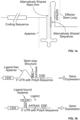
- the effector stem loop is positioned 3' of the aptamer such that the alternatively shared stem arm comprises all or a portion of the 3' aptamer stem arm and all or a portion of the 5' arm of the effector stem loop (see, e.g., Figs. 1a and 1b ).
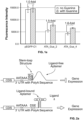
- the effector stem loop is positioned 5' of the aptamer such that the alternatively shared stem arm comprises all or a portion of the 5' aptamer stem arm and all or a portion of the 3' arm of the effector stem loop (see, e.g., Fig. 3 ).
- the gene regulation polynucleotide cassette refers to a recombinant DNA construct that, when incorporated into the DNA of a target gene in the 3' UTR, provides the ability to regulate expression of the target gene by aptamer/ligand mediated regulation of polyadenylation.
- a polynucleotide cassette or construct is a nucleic acid (e.g., DNA or RNA) comprising elements derived from different sources (e.g., different organisms, different genes from the same organism, and the like).
- the polynucleotide cassette comprises a riboswitch.
- riboswitch refers to a regulatory segment of a RNA polynucleotide (or the DNA encoding the riboswitch).
- a riboswitch in the context of the present invention contains a sensor region (i.e., an aptamer) and an effector step-loop that together are responsible for sensing the presence of a ligand (e.g., a small molecule) and modulating the accessibility of a polyadenylation sequence located in the effector stem-loop.
- the riboswitch is recombinant, utilizing polynucleotides from two or more sources.
- synthetic as used herein in the context of a riboswitch refers to a riboswitch that is not naturally occurring.
- the effector stem-loop of the riboswitch comprises RNA sequence (or DNA that encodes the RNA sequence) that, in the absence of a ligand binding the sensor region (i.e., an aptamer), forms a stem structure (i.e., a double-stranded region) that reduces the accessibility of a polyadenylation signal sequence.
- the effector stem comprises a polyadenylation signal.
- the effector stem-loop comprises a polyadenylation signal sequence and sequence complimentary a polyadenylation signal sequence.
- the stem portion of the effector stem-loop comprises only a portion of the polyadenylation signal sequence.
- part of the polyadenylation signal sequence is located in the loop portion of the effector stem-loop.
- the polyadenylation signal sequence can be any sequence in the 3' UTR of the target gene that is involved in efficient polyadenylation of the mRNA transcribed from the target gene including AATAAA (or related sequences), a downstream sequence element (DSE) (e.g., T or GT-rich rich sequence), or an upstream sequence element (USE).
- AATAAA or related sequences
- DSE downstream sequence element
- USE upstream sequence element
- the polyadenylation signal sequence is endogenous sequence from the 3' UTR of the target gene.
- the polyadenylation signal sequence is exogenous sequence (for example, sequence from a different gene or different organism) or synthetic polyadenylation signal sequence.
- One of the stem arms of the effector stem-loop is linked to an aptamer via a stem of the aptamer (see, for example, Figs. 1a, 1b , and 2a ).
- the effector stem-loop is in a context that inhibits access to a polyadenylation signal sequence, inhibiting polyadenylation and leading to degradation of the message.
- the effector stem-loop is in a conformation that does not inhibit access to the polyadenylation signal sequence, allowing polyadenylation of the message and increased target gene expression.
- the stem portion of the effector stem-loop should be of a sufficient length (and GC content) to promote stem-loop structure formation and thereby inhibit accessibility to the polyadenylation signal sequence when the aptamer ligand is not present in sufficient quantities.
- the stem portion of the effector stem-loop comprises stem sequence in addition to the polyadenylation signal sequence and its complementary sequence.
- the length and sequence of the stem portion can be modified using known techniques in order to identify stems that allow acceptable background expression of the target gene when no ligand is present and acceptable expression levels of the target gene when the ligand is present. If the stem is, for example, too long it may hide access to the polyadenylation signal sequence in the presence or absence of ligand.
- the stem may not form a stable stem-loop structure capable of sequestering the polyadenylation signal sequence, in which case polyadenylation of the message (leading to expression of the target gene) will occur in the presence or absence of ligand.
- the total length of the effector stem i.e., the stem-forming portion of the effector stem-loop
- the GC base pair content of the stem can be altered to modify the stability of the stem.
- the effector region stem contains one or more mismatched nucleotides that do not base pair with the complementary portion of the effector region stem.
- the effector stem-loop and the aptamer are linked via an alternatively shared stem arm that comprises sequence that is complimentary to both the non-shared arm of the effector stem-loop and the non-shared arm of the aptamer stem. Due to the sequence that is complimentary to both the aptamer and effector stems on the unshared arm, the shared stem arm can alternatively form a stem with either the aptamer stem or the effector stem (but not both simultaneously) depending on the presence of an aptamer ligand.
- the portion of the alternatively shared stem arm that is complementary to sequence in the aptamer stem and to sequence in the effector stem loop is 4 to 8 nucleotides, 5 to 7 nucleotides, 5 nucleotides, or 6 nucleotides.
- the alternatively shared stem arm comprises additional sequence that is complimentary to only one of the unshared effector stem or the aptamer stem.
- the alternatively shared stem arm comprises (a) sequence that is complementary to the unshared effector stem arm, but not complementary to the unshared aptamer stem arm; (b) sequence that is complementary to the unshared aptamer stem arm, but not complementary to the unshared effector stem arm; or (c) both.
- the sensor region comprises an aptamer.
- aptamer refers to an RNA polynucleotide that specifically binds to a ligand.
- the aptamer is linked to the effector stem-loop via an aptamer stem.
- the aptamer stem may, or may not, comprise sequence that is typically part of the aptamer (e.g., wild-type aptamer stem sequence). As such, reference to the aptamer stem does not imply that the aptamer stem comprises any particular sequence.
- the aptamer stem may comprise sequence from the aptamer and/or additional sequence capable of forming a stem upon ligand/aptamer binding.
- the aptamer stem loop should be a sufficient length (and GC content) such that the aptamer forms the aptamer stem in the presence of aptamer ligand and the effector stem-loop forms a stem when ligand is not present.
- the length and sequence of the aptamer stem can be modified using known techniques in order to identify stems that allow acceptable background expression of the target gene when no ligand is present and acceptable expression levels of the target gene when the ligand is present.
- the aptamer stem is 6 to 12 base pairs, 7 to 10 base pairs, 8 base pairs, or 9 base pairs.
- ligand refers to a molecule that is specifically bound by an aptamer.
- the ligand is a low molecular weight (less than about 1,000 Daltons) molecule including, for example, lipids, monosaccharides, second messengers, cofactors, metal ions, other natural products and metabolites, nucleic acids, as well as most therapeutic drugs.
- the ligand is a polynucleotide with two or more nucleotide bases.
- the ligand is selected from the group consisting of 8-azaguanine, adenosine 5'-monophosphate monohydrate, amphotericin B, avermectin B 1, azathioprine, chlormadinone acetate, mercaptopurine, moricizine hydrochloride, N6-methyladenosine, nadide, progesterone, promazine hydrochloride, pyrvinium pamoate, sulfaguanidine, testosterone propionate, thioguanosine, tyloxapol and vorinostat.
- Aptamer ligands can also be cell endogenous components that increase significantly under specific physiological/pathological conditions, such as oncogenic transformation - these may include second messenger molecules such as GTP or GDP, calcium; fatty acids, or fatty acids that are incorrectly metabolized such as 13-HODE in breast cancer ( Flaherty, JT et al., Plos One, Vol. 8, e63076, 2013 ); amino acids or amino acid metabolites; metabolites in the glycolysis pathway that usually have higher levels in cancer cells or in normal cells in metabolic diseases; and cancer-associated molecules such as Ras or mutant Ras protein, mutant EGFR in lung cancer, indoleamine-2,3-dioxygenase (IDO) in many types of cancers.
- second messenger molecules such as GTP or GDP, calcium
- fatty acids, or fatty acids that are incorrectly metabolized such as 13-HODE in breast cancer ( Flaherty, JT et al., Plos One, Vol. 8, e63076, 2013 ); amino acids
- Endogenous ligands include progesterone metabolites in breast cancer as disclosed by JP Wiebe (Endocrine-Related Cancer (2006) 13:717-738 ). Endogenous ligands also include metabolites with increased levels resulting from mutations in key metabolic enzymes in kidney cancer such as lactate, glutathione, kynurenine as disclosed by Minton, DR and Nanus, DM (Nature Reviews, Urology, Vol. 12, 2005 ).
- Aptamers have binding regions that are capable of forming complexes with an intended target molecule (i.e., the ligand).
- the specificity of the binding can be defined in terms of the comparative dissociation constants (Kd) of the aptamer for its ligand as compared to the dissociation constant of the aptamer for unrelated molecules.
- the ligand is a molecule that binds to the aptamer with greater affinity than to unrelated material.
- the Kd for the aptamer with respect to its ligand will be at least about 10-fold less than the Kd for the aptamer with unrelated molecules.
- the Kd will be at least about 20-fold less, at least about 50-fold less, at least about 100-fold less, and at least ⁇ about 200-fold less.
- An aptamer will typically be between about 15 and about 200 nucleotides in length. More commonly, an aptamer will be between about 30 and about 100 nucleotides in length.
- the aptamers that can be incorporated as part of the riboswitch can be a naturally occurring aptamer, or modifications thereof, or aptamers that are designed de novo and/or screened through systemic evolution of ligands by exponential enrichment (SELEX) or other screening methods.
- aptamers that bind small molecule ligands include, but are not limited to theophylline, dopamine, sulforhodamine B, cellobiose, kanamycin A, lividomycin, tobramycin, neomycin B, viomycin, chloramphenicol, streptomycin, cytokines, cell surface molecules, and metabolites.
- the aptamer is a complementary polynucleotide.
- the aptamer is designed to bind a particular small molecule ligand.
- Methods for designing and selecting aptamers that bind particular ligands are disclosed in WO/2018/025085 .
- Other methods for screening aptamers include, for example, SELEX.
- Methods for designing aptamers that selectively bind a small molecule using SELEX are disclosed in, e.g., U.S. Patent Nos. 5,475,096 , 5,270,163 , and Abdullah Ozer, et al. Nuc. Aci. 2014 . Modifications of the SELEX process are described in U.S. Patent Nos. 5,580,737 and 5,567,588 .
- Selection techniques for identifying aptamers generally involve preparing a large pool of DNA or RNA molecules of the desired length that contain a region that is randomized or mutagenized.
- an oligonucleotide pool for aptamer selection might contain a region of 20-100 randomized nucleotides flanked by regions of defined sequence that are about 15-25 nucleotides long and useful for the binding of PCR primers.
- the oligonucleotide pool is amplified using standard PCR techniques, or other means that allow amplification of selected nucleic acid sequences.
- the DNA pool may be transcribed in vitro to produce a pool of RNA transcripts when an RNA aptamer is desired.
- Oligonucleotides in the pool that bind to the ligand are retained on the column or bead, and nonbinding sequences are washed away.
- the oligonucleotides that bind the ligand are then amplified (after reverse transcription if RNA transcripts were utilized) by PCR (usually after elution).
- the selection process is repeated on the selected sequences for a total of about three to ten iterative rounds of the selection procedure.
- the resulting oligonucleotides are then amplified, cloned, and sequenced using standard procedures to identify the sequences of the oligonucleotides that are capable of binding the target ligand.
- the aptamer may be further optimized by performing additional rounds of selection starting from a pool of oligonucleotides comprising a mutagenized aptamer sequence.
- In vivo aptamer screening may be used following one or more rounds of in vitro selection (e.g., SELEX).
- SELEX in vitro selection
- Konig, J. et al. RNA. 2007, 13(4):614-622 ) describe combining SELEX and a yeast three-hybrid system for in vivo selection of aptamer.
- the gene regulation cassette of the present invention is a platform that can be used to regulate the expression of any target gene that can be expressed in a target cell, tissue or organism with a mRNA that is polyadenylated.
- target gene refers to a polynucleotide that is introduced into a cell and is capable of being transcribed into RNA and translated and/or expressed under appropriate conditions.
- the target gene is endogenous to the target cell, and the gene regulation cassette of the present invention is positioned into the 3' UTR of the target gene.
- An example of a target gene is a polynucleotide encoding a therapeutic polypeptide.
- the target gene is exogenous to the cell in which the recombinant DNA construct is to be transcribed.
- the target gene is endogenous to the cell in which the recombinant DNA construct is to be transcribed.
- the target gene according to the present invention may be a gene encoding a protein.
- the target gene may be, for example, a gene encoding a structural protein, an enzyme, a cell signaling protein, a mitochondrial protein, a zinc finger protein, a hormone, a transport protein, a growth factor, a cytokine, an intracellular protein, an extracellular protein, a transmembrane protein, a cytoplasmic protein, a nuclear protein, a receptor molecule, an RNA binding protein, a DNA binding protein, a transcription factor, translational machinery, a channel protein, a motor protein, a cell adhesion molecule, a mitochondrial protein, a metabolic enzyme, a kinase, a phosphatase, exchange factors, a chaperone protein, and modulators of any of these.
- the target gene encodes erythropoietin (Epo), human growth hormone (hGH), transcription activator-like effector nucleases (TALEN), human insulin, CRISPR associated protein 9 (cas9), or an immunoglobulin (or portion thereof), including, e.g., a therapeutic antibody.
- Epo erythropoietin
- hGH human growth hormone
- TALEN transcription activator-like effector nucleases
- human insulin e.g., human insulin
- cas9 CRISPR associated protein 9
- an immunoglobulin or portion thereof
- the present invention contemplates the use of a recombinant vector for introduction into target cells, in vitro or ex vivo, of a polynucleotide encoding a target gene and containing a gene regulation cassette described herein.
- the recombinant DNA construct of this invention includes additional DNA elements including DNA segments that provide for the replication of the DNA in a host cell and expression of the target gene in that cell at appropriate levels.
- expression control sequences promoters, enhancers, and the like are selected based on their ability to promote expression of the target gene in the target cell.
- Vector means a recombinant plasmid, yeast artificial chromosome (YAC), mini chromosome, DNA mini-circle or virus (including virus derived sequences) that comprises a polynucleotide to be delivered into a host cell, either in vitro or in vivo.
- the recombinant vector is a viral vector or a combination of multiple viral vectors.
- Viral vectors for the aptamer-mediated expression of a target gene in a target cell, tissue, or organism include adenoviral (AV) vectors, adeno-associated virus (AAV) vectors, retroviral and lentiviral vectors, and Herpes simplex type 1 (HSV1) vectors.
- AV adenoviral
- AAV adeno-associated virus
- HSV1 Herpes simplex type 1
- Adenoviral vectors include, for example, those based on human adenovirus type 2 and human adenovirus type 5 that have been made replication defective through deletions in the E1 and E3 regions.
- the transcriptional cassette can be inserted into the E1 region, yielding a recombinant E1/E3-deleted AV vector.
- Adenoviral vectors also include helper-dependent high-capacity adenoviral vectors (also known as high-capacity, "gutless” or “gutted” vectors), which do not contain viral coding sequences. These vectors, contain the cis-acting elements needed for viral DNA replication and packaging, mainly the inverted terminal repeat sequences (ITR) and the packaging signal ( ⁇ ). These helper-dependent AV vector genomes have the potential to carry from a few hundred base pairs up to approximately 36 kb of foreign DNA.
- ITR inverted terminal repeat sequences
- ⁇ packaging signal
- Recombinant adeno-associated virus "rAAV" vectors include any vector derived from any adeno-associated virus serotype, including, without limitation, AAV-1, AAV-2, AAV-3, AAV-4, AAV-5, AAV-7 and AAV-8, AAV-9, AAV-10, and the like.
- rAAV vectors can have one or more of the AAV wild-type genes deleted in whole or in part, preferably the Rep and/or Cap genes, but retain functional flanking ITR sequences. Functional ITR sequences are retained for the rescue, replication, packaging and potential chromosomal integration of the AAV genome.
- the ITRs need not be the wild-type nucleotide sequences, and may be altered (e.g., by the insertion, deletion or substitution of nucleotides) so long as the sequences provide for functional rescue, replication and packaging.
- Lentiviral-based systems can transduce non-dividing as well as dividing cells making them useful for applications targeting, for examples, the non-dividing cells of the CNS.
- Lentiviral vectors are derived from the human immunodeficiency virus and, like that virus, integrate into the host genome providing the potential for long-term gene expression.
- Polynucleotides including plasmids, YACs, minichromosomes and minicircles, carrying the target gene containing the gene regulation cassette can also be introduced into a cell or organism by nonviral vector systems using, for example, cationic lipids, polymers, or both as carriers.
- Conjugated poly-L-lysine (PLL) polymer and polyethylenimine (PEI) polymer systems can also be used to deliver the vector to cells.
- Other methods for delivering the vector to cells includes hydrodynamic injection and electroporation and use of ultrasound, both for cell culture and for organisms.
- this invention provides a method of modulating expression of a target gene (e.g., a therapeutic gene), by (a) inserting one or more gene regulation polynucleotide cassettes of the present invention into the 3' UTR of a target gene; (b) introducing the target gene comprising the gene regulation cassette into a cell in vitro or ex vivo; and (c) exposing the cell to a ligand that binds the aptamer.
- the ligand is a small molecule.
- expression of the target gene in target cells confers a desired property to a cell into which it was introduced, or otherwise leads to a desired therapeutic outcome.
- the target cells are Eukaryotic cells, for example mammalian cells.
- target cells are human cells from a target tissue, including, for example, adipose, central nervous system (CNS), muscle, cardiac, ocular, hepatic, and the like.
- one or more gene regulation cassettes are inserted into the 3' untranslated region of the target gene.
- a single gene regulation cassette is inserted into the 3' UTR of a target gene.
- two riboswitches are inserted into the 3' untranslated region of the target gene, wherein the effector stem loop of the first riboswitch comprises all or part of the polyadenylation signal AATAAA (or ATTAA) and the effector stem loop of the second riboswitch comprises all or part of the downstream element (DSE).
- AATAAA or ATTAA
- DSE downstream element
- each gene regulation cassettes when multiple gene regulation cassettes are inserted into a target gene, they each can contain the same aptamer such that a single ligand can be used to modulate expression of the target gene. In other embodiments, when multiple gene regulation cassettes are inserted into a target gene, each can contain a different aptamer so that exposure to multiple different small molecule ligands modulates target gene expression.
- the polynucleotide cassette of the present invention can be used in combination with other mechanisms for the regulation of expression of the target gene.
- a polynucleotide cassette of the present invention is used in combination with a gene regulation cassette that modulates target gene expression by aptamer-mediated regulation of alternative splicing as described in WO 2016/126747
- the present invention can also be combined with the polynucleotide constructs and methods described in PCT/US2017/016303 and PCT/US 1207/016279 .
- the "target gene” may encode the therapeutic protein.
- the “target gene” may encode a protein that is endogenous or exogenous to the cell.
- the therapeutic gene sequence containing the regulatory cassette with aptamer-driven riboswitch is delivered to target cells in vitro or ex vivo, e.g., by a vector.
- the cell specificity of the "target gene” may be controlled by promoter or other elements within the vector. Delivery of the vector construct containing the target gene and the polynucleotide cassette, and the transfection of the target tissues resulting in stable transfection of the regulated target gene, is often the first steps in producing the therapeutic protein.
- the target gene is not expressed at significant levels (or is expressed at lower levels), i.e., it is in the "off state” in the absence of the specific ligand that binds to the aptamer contained within in the regulatory cassette riboswitch. Only when the aptamer specific ligand is administered (or otherwise present in sufficient quantities) is the target gene expression activated or increased.
- the delivery of the vector construct containing the target gene with the polynucleotide cassette and the delivery of the activating ligand generally are separated in time.
- the delivery of the activating ligand will control when the target gene is expressed, as well as the level of protein expression.
- the ligand may be delivered by a number of routes including, but not limited to, oral, intramuscular (IM), intravenous (IV), intraocular, or topically.
- the timing of delivery of the ligand will depend on the requirement for activation of the target gene. For example, if the therapeutic protein encoded by the target gene is required constantly, an oral small molecule ligand may be delivered daily, or multiple times a day, to ensure continual activation of the target gene, and thus continual expression of the therapeutic protein. If the target gene has a long acting effect, the inducing ligand may be dosed less frequently.
- This invention allows the expression of the therapeutic transgene to be controlled temporally, in a manner determined by the temporal dosing of the ligand specific to the aptamer within the riboswitch of the regulatory polynucleotide cassette.
- the increased expression of the therapeutic transgene only on ligand administration increases the safety of a gene therapy treatment by allowing the target gene to be off in the absence of the ligand.
- each therapeutic gene containing a regulatory cassette will have a specific aptamer within the cassette that will be activated by a specific small molecule. This means that each therapeutic gene can be activated only by the ligand specific to the aptamer housed within it. In these embodiments, each ligand will only activate one therapeutic gene. This allows for the possibility that several different "target genes" may be delivered to one individual and each will be activated on delivery of the specific ligand for the aptamer contained within the regulatory cassette housed in each target gene.
- This invention allows any therapeutic protein whose gene can be delivered to the body (such as erythropoietin (EPO) or a therapeutic antibody) to be produced by the body when the activating ligand is delivered.
- EPO erythropoietin
- This method of therapeutic protein delivery may replace the manufacture of such therapeutic proteins outside of the body which are then injected or infused, e.g., antibodies used in cancer or to block inflammatory or autoimmune disease.
- the body containing the regulated target gene becomes the biologics manufacturing factory, which is switched on when the gene-specific ligand is administered.
- Dosing levels and timing of dosing of a therapeutic protein may be important to therapeutic effect.
- AVASTIN anti-VEGF antibody
- the present invention increases the ease of dosing in response to monitoring for therapeutic protein levels and effects.
- the target gene may encode a nuclease that can target and edit a particular DNA sequence.
- nucleases include Cas9, zinc finger containing nucleases, or TALENs.
- the nuclease protein may be required for only a short period of time that is sufficient to edit the target endogenous genes. However, if an unregulated nuclease gene is delivered to the body, this protein may be present for the rest of the life of the cell. In the case of nucleases, there is an increasing risk of off-target editing the longer the nuclease is present. Regulation of expression of such proteins has a significant safety advantage.
- vector containing the nuclease target gene containing a regulatory cassette could be delivered to the appropriate cells in the body.
- the target gene is in the "off” state in the absence of the cassette-specific ligand, so no nuclease is produced. Only when the activating ligand is administered, is the nuclease produced. When sufficient time has elapsed allowing sufficient editing to occur, the ligand will be withdrawn and not administered again. Thus, the nuclease gene is thereafter in the "off” state and no further nuclease is produced and editing stops.
- This approach may be used to correct genetic conditions, including a number of inherited retinopathies such as LCA10 caused by mutations in CEP290 and Stargardt's Disease caused by mutations in ABCA4.
- Administration of a regulated target gene encoding a therapeutic protein which is activated only on specific ligand administration may be used to regulate therapeutic genes to treat many different types of diseases, e.g., cancer with therapeutic antibodies, immune disorders with immune modulatory proteins or antibodies, metabolic diseases, rare diseases such as PNH with anti-C5 antibodies or antibody fragments as the regulated gene, or ocular angiogenesis with therapeutic antibodies, and dry AMD with immune modulatory proteins.
- diseases e.g., cancer with therapeutic antibodies, immune disorders with immune modulatory proteins or antibodies, metabolic diseases, rare diseases such as PNH with anti-C5 antibodies or antibody fragments as the regulated gene, or ocular angiogenesis with therapeutic antibodies, and dry AMD with immune modulatory proteins.
- the ligands used in the present invention are generally combined with one or more pharmaceutically acceptable carriers to form pharmaceutical compositions suitable for administration to a patient.
- Pharmaceutically acceptable carriers include solvents, binders, diluents, disintegrants, lubricants, dispersion media, coatings, antibacterial and antifungal agents, isotonic and absorption delaying agents, and the like, generally used in the pharmaceutical arts.
- Pharmaceutical compositions may be in the form of tablets, pills, capsules, troches, and the like, and are formulated to be compatible with their intended route of administration. Examples of routes of administration include parenteral, e.g., intravenous, intradermal, intranasal, subcutaneous, oral, inhalation, transdermal (topical), transmucosal, and rectal.
- the pharmaceutical compositions comprising ligands are administered to a patient in a dosing schedule such that an amount of ligand sufficient to desirably regulate the target gene is delivered to the patient.
- the pharmaceutical composition comprises from 0.1 mg to 10 g of ligand; from 0.5 mg to 5 g of ligand; from 1 mg to 1 g of ligand; from 2 mg to 750 mg of ligand; from 5 mg to 500 mg of ligand; or from 10 mg to 250 mg of ligand.
- the pharmaceutical compositions may be dosed once per day or multiple times per day (e.g., 2, 3, 4, 5, or more times per day). Alternatively, pharmaceutical compositions may be dosed less often than once per day, e.g., once every 2, 3, 4, 5, 6, 7, 8, 9, 10, 11, 12, 13, or 14 days, or once a month or once every few months. In some embodiments of the invention, the pharmaceutical compositions may be administered to a patient only a small number of times, e.g., once, twice, three times, etc.
- the present invention provides a use of the polynucleotide cassette or vector described herein for use in a method of treating a patient in need of regulated expression of a therapeutic protein encoded by a target gene.
- the method comprises administering to the patient a pharmaceutical composition comprising a ligand for an aptamer, where the patient previously had been administered a recombinant vector comprising the target gene, where the target gene contains a gene regulation cassette of the present invention that provides the ability to regulate expression of the target gene by the ligand of the aptamer through accessibility of one or more polyadenylation signals.
- Administration of the ligand increases expression of the therapeutic protein.
- kits or articles of manufacture for use in the methods described herein.
- the kits may comprise the compositions described herein (e.g., for compositions for delivery of a vector comprising the target gene containing the gene regulation cassette) in suitable packaging.
- suitable packaging for compositions (such as ocular compositions for injection) described herein are known in the art, and include, for example, vials (such as sealed vials), vessels, ampules, bottles, jars, flexible packaging (e.g., sealed Mylar or plastic bags), and the like.
- These articles of manufacture may further be sterilized and/or sealed.
- kits comprising compositions described herein and may further comprise instruction(s) on methods of using the composition, such as uses described herein.
- the kits described herein may further include other materials desirable from a commercial and user standpoint, including other buffers, diluents, filters, needles, syringes, and package inserts with instructions for performing the administration, including e.g., any methods described herein.
- the kit may comprise rAAV for expression of the target gene comprising the gene regulation cassette of the present invention, a pharmaceutically acceptable carrier suitable for injection, and one or more of: a buffer, a diluent, a filter, a needle, a syringe, and a package insert with instructions for performing the injections.
- the kit may be suitable for intraocular injection, intramuscular injection, intravenous injection and the like.
- Homology and “homologous” as used herein refer to the percent of identity between two polynucleotide sequences or between two polypeptide sequences. The correspondence between one sequence to another can be determined by techniques known in the art. For example, homology can be determined by a direct comparison of two polypeptide molecules by aligning the sequence information and using readily available computer programs. Two polynucleotide or two polypeptide sequences are "substantially homologous" to each other when, after optimally aligned with appropriate insertions or deletions, at least about 80%, at least about 85%, at least about 90%, and at least about 95% of the nucleotides or amino acids, respectively, match over a defined length of the molecules, as determined using the methods above.
- Percent sequence identity with respect to a reference polypeptide or nucleic acid sequence is defined as the percentage of amino acid residues or nucleotides in a candidate sequence that are identical with the amino acid residues or nucleotides in the reference polypeptide or nucleic acid sequence, after aligning the sequences and introducing gaps, if necessary, to achieve the maximum percent sequence identity. Alignment for purposes of determining percent amino acid or nucleic acid sequence identity can be achieved in ways known to the ordinarily-skilled artisan, for example, using publicly available computer software programs including BLAST, BLAST-2, ALIGN or Megalign (DNASTAR) software.
- polynucleotide or “nucleic acid” as used herein refers to a polymeric form of nucleotides of any length, either ribonucleotides or deoxyribonucleotides. Thus, this term includes, but is not limited to, single-, double- or multi- stranded DNA or RNA, genomic DNA, cDNA, DNA-RNA hybrids, or a polymer comprising purine and pyrimidine bases, or other natural, chemically or biochemically modified, non-natural, or derivatized nucleotide bases.
- Transfection and aptamer ligand treatment 3.5 x10 4 HEK 293 cells were plated in a 96-well flat bottom plate the day before transfection. Plasmid DNA (500 ng) was added to a tube or a 96-well U-bottom plate. Separately, TransIT-293 reagent (Mirus; 1.4 ⁇ l) was added to 50 ⁇ l opti-mem I media (Life Technologies), and allowed to sit for 5 minutes at room temperature (“RT"). Then, 50 ⁇ l of this diluted transfection reagent was added to the DNA, mixed, and incubated at RT for 20 min. Finally, 7 ⁇ l of this solution was added to a well of cells in a 96-well plate.
- the media was aspirated, and new media was added with (i) DMSO (0.5%) or 500 ⁇ M guanosine; or (ii) NaOH (2mM) as solvent control or 500 ⁇ M guanine.
- the induction fold was expressed as the quotient of luciferase activity obtained in the presence of aptamer ligand divided by the value obtained in the absence of the aptamer ligand.
- Firefly luciferase assay of cultured cells Twenty-four hours after media change, plates were removed from the incubator, and equilibrated to RT for several minutes on a lab bench, then aspirated. Glo-lysis buffer (Promega, 100 ⁇ L, RT) was added, and the plates allowed to remain at RT for at least 5 minutes. Then, the well contents were mixed by 50 ⁇ L trituration, and 20 ⁇ L of each sample was mixed with 20 ⁇ L of bright-glo reagent (Promega) that had been diluted to 10% in glo-lysis buffer. 96 wells were spaced on an opaque white 384-well plate. Following a 5-min incubation at RT, luminescence was measured using Tecan machine with 500 mSec read time. The luciferase activity was expressed as mean relative light unit (RLU) ⁇ S.D.
- RLU relative light unit
- Transfection and measurement of GFP fluorescence 3.5 x10 ⁇ 4 HEK 293 cells were plated in 96-well flat bottom plate the day before transfection. Plasmid DNA (500 ng) was added to a tube or a 96-well U-bottom plate. Separately, TransIT-293 reagent (Mirus; 1.4 ⁇ l) was added to 50 ⁇ l Opti-mem I media (Life Technologies), and allowed to sit for 5 minutes at RT. Then, 50 ⁇ l of this diluted transfection reagent was added to the DNA, mixed, and incubated at RT for 20 min. Finally, 7 ⁇ l of this solution was added to a well of cells in a 96-well plate.
- GFP fluorescence intensity was measured by Tecan plate reader, using Excitation wavelength at 484 nm, Emission wavelength at 510 nm and Excitation bandwidth at 5 nm. The GFP fluorescence intensity was expressed as the value generated by GFP constructs subtracted by the value generated by cells without transfection.
- the polyadenylated tail at 3' end of mRNA plays important roles in mRNA stability, nuclear export and translation efficiency.
- strategies that modulate the accessibility of the polyadenylation sequence elements AATAAA (or its close variants) or the T or GT-rich downstream sequence element (DSE) were developed.
- a stem-loop structure (the effector stem loop), in which the AATAAA polyadenylation signal sequence element is embedded in the stem of the stem-loop forming structure (the effector stem-loop).
- the 3' end of an aptamer was linked the 5' end of this stem loop forming structure, by a shared stem arm that contains sequence complimentary to a portion of the 5' aptamer stem arm and complimentary to a portion of the 3' stem arm of the effector stem-loop (see e.g., Figs. 1a and 1b ).
- the stem-loop structure sequesters the AATAAA element, thereby suppressing polyadenylation and gene expression.
- aptamer/ligand binding results in the formation of aptamer P1 stem, thereby disrupting the stem-loop structure, which leads to the release of AATAAA element from being sequestered and the subsequent gene expression.
- 9, 10, 12 and 14 base pair (bp) stems were created, respectively, in each of the constructs.
- the aptamer P1 stem was 8 bp.
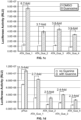
- luciferase activity was approximately similar from all the constructs, and lower than the control construct pFLuc-SV40 (data not shown), indicating the AATAAA element was being sequestered by the stem-loop structure.
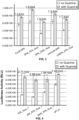
- each construct showed enhanced luciferase activity compared to the DMSO treated (control) samples, with ATA_Gua_1 generating 6.7-fold induction.
- constructs were further tested using guanine as the aptamer ligand.
- guanine as the aptamer ligand.
- the basal level expression of the construct ATA_Gua_1 to 4 was reduced, with ATA_Gua_4 having the lowest basal expression (16% of the pFLuc control vector).
- the luciferase expression was enhanced compared to the samples without guanine, generating approximately 2.5-fold induction for all the constructs.
- riboswitch constructs were also used to regulate GFP expression.
- the ATA_Gua_2 and 4 constructs which have relatively lower basal level expression in luciferase gene ( Figs. 1c, 1d ), were used to generate pEGFP_ATA_Gua_2 and 4 constructs.
- Fig. 1e in the absence of guanine treatment, the GFP expression is decreased when compared to pEGFP-C1 construct. Guanine treatment produced a 1.5 and 1.6-fold increases in GFP expression (for the ATA_Gua_2 and ATA_Gua_4 constructs, respectively).
- the control construct did not have an increase in GFP expression in response to guanine treatment.
- a ligand-responsive mammalian on-riboswitch is effective at regulating target gene expression by modulating the accessibility of a polyadenylation signal sequence element in a stem-loop structure via an adjacent aptamer.
- Fold induction can be improved by lowering the basal expression level and increasing the induced target gene expression of the construct through optimizing the length and sequence of the aptamer P1 stem and the stem in the effector stem-loop structure.
- a guanine aptamer and SV40 early polyA sequence were utilized. Similar strategies can be used to generate riboswitches using various aptamers in modulating various polyA sequences including synthetic polyA sequences.
- Example 2 Modulation of target gene expression by aptamer/ligand mediated polyadenylation via accessibility of a downstream sequence element.
- a stem-loop structure was created, in which the DSE sequence is embedded in the stem of the stem-loop structure.
- An aptamer sequence was linked to the 3' end of this stem-loop structure followed by the complementary sequence of the 3' arm of the stem-loop structure.
- the stem-loop structure sequesters the DSE sequence, inhibiting polyadenylation and thereby suppressing gene expression.
- aptamer/ligand binding results in the formation of the aptamer P1 stem, disrupting the effector stem-loop structure and releasing the DSE sequence from being sequestered, and allowing the gene expression.
- this configuration of genetic elements creates an aptamer ligand-responsive on-riboswitch.
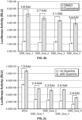
- constructs were also tested using guanine as aptamer ligand. As shown in Fig. 2c , in the absence of guanine treatment, the luciferase activity was decreased to approximately 68% for construct DSE_Gua_1 to 3, and 80% for construct DSE_Gua_4, when compared to control construct pFLuc. In the presence of guanine, luciferase expression was increased by approximately 2.4-fold for all the constructs when compared to the samples without guanine treatment. Fold induction can be further improved by lowering the basal level expression and increasing the induced gene expression of the construct through optimizing the length and sequence of the stem in the stem-loop structure, as well as for the aptamer P1 stem.
- Plasmid construction DNA fragments containing sequences for synthetic polyA (SPA) ( Levitt, N. et al., Definition of an efficient synthetic poly(A) site, Genes & Development. 1989; 3:1019-1025 ), or SPA from pGLuc-Basic_2 (NEB) named here as mtSPA, or xpt-guanine aptamer, stem loop structure and synthetic polyA sequences, were synthesized (IDT).
- SPA synthetic polyA
- NEB pGLuc-Basic_2
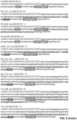
- the synthesized DNA fragments were digested with XhoI and NheI restriction enzymes and cloned into Con8 construct digested with XhoI and XbaI to generate Con8-SPA (SEQ ID NO: 9), SPA_ATA_Gua (SEQ ID NO: 10), SPA_DSE_Gua (SEQ ID NO: 11), mtCon8-SPA (SEQ ID NO: 12) and mtSPA_ATA_Gua (SEQ ID NO: 13). Construct sequences were verified by DNA sequencing (Genewiz).
- SPA_ATA_Gua was generated with the xpt-guanine aptamer sequence linked to the 5' end of the stem-loop structure and the AATAAA sequence element of synthetic polyA sequence being embedded in the stem of the stem-loop structure.
- a construct SPA_DSE_Gua was also generated using the same strategy as demonstrated in Example 2. As shown in Fig.
- mtSPA_ATA_Gua With this mtSPA_ATA_Gua construct, the basal level expression of luciferase activity was decreased when compared to mtCon8-SPA in the absence of guanine treatment. Whereas, in the presence of guanine treatment, the luciferase activity was slightly upregulated to 1.7 fold when comparing to samples without guanine treatment.
- construct SPA_DSE_Gua xpt-guanine aptamer sequence was linked to the 3' end of the stem-loop structure with the DSE sequence being embedded in the stem of the stem-loop structure.
- Example 4 Modulating loop sequence of the stem-loop structure to enhance regulatability of the polyA-based riboswitch
- the basal level expression of luciferase is reduced to 20 to 45% of the control vector.
- the basal level expression causes the fold induction to be lower.
- the stem-loop structures can be strengthened or stablized to efficiently sequester or block the AATAAA or DSE sequence elements in the absence of aptamer/ligand binding.
- the effect of the sequence composition of the loop of the stem-loop structure on the basal level expression of luciferase gene was tested.
- Example 5 Simultaneously modulating the accessibility of both AATAAA and DSE of polyA sequence in 3' UTR.
- a third strategy for regulating target gene expression (strategy 3), as illustrated in Fig. 5a , was developed by combining strategy 1 and strategy 2 thereby modulating the accessibility of both AATAAA and DSE sequences simultaneously.
- strategy 1 and strategy 2 thereby modulating the accessibility of both AATAAA and DSE sequences simultaneously.
- both AATAAA and DSE sequences are sequestered by the stem-loop structures, therefore gene expression is suppressed.
- Each stem-loop structure is connected to aptamer sequence that can respond to the same or different ligand molecules. Blocking both essential polyA sequence elements simultaneously can lower the basal level of gene expression in the absence of the ligand(s).
- aptamer/ligand binding facilitates the formation of aptamer P1 stem, disrupting the stem-loop structures and releasing both AATAAA and DSE sequences from being sequestered.
- gene can express efficiently only when ligands for both aptamers are present, potentially allowing a more stringent regulation of target gene expression.
- ATA_DSE_Gua sequestering both AATAAA and DSE sequences through the stem-loop structures (ATA_DSE_Gua) further reduced luciferase expression to 20% of the control construct pFLuc, while ATA_Gua_1 and DSE_Gua_1 were reduced by 45% and 35%, respectively.
- luciferase activity was restored by approximately 2.1 fold in ATA_DSE_Gua sample when compared to the untreated samples, indicating a more stringent gene regulation.
- Example 6 Combined use of polyA-based riboswitch and a second riboswitch to enhance the target gene regulatability
- the G15 riboswitch cassette (see examples 5 and 8 and SEQ ID NO.: 46 of WO 2016/126747 ) or a control cassette without aptamer was cloned into pFLuc to generate pFLuc-G15 or pFLuc-Con1, using Golden Gate cloning strategy.
- pFLuc-G15_ATA_Gua the fragment containing the guanine aptamer, stem loop structure and SV40 polyA sequences was released from ATA_Gua_1 construct by HpaI and MluI digestion and cloned into pFLuc-G15 construct digested with the same restriction enzymes.
- the expression constructs containing the ATA_Gua and DSE_Gua riboswitches have a degree of basal expression of the target gene. A combined use of these switches with a second switch in tandem can tighten the basal expression and therefore enhance gene regulatability.
- G15 riboswitch was combined with the polyA-based riboswitch.
- G15 riboswitch is based on xpt-guanine aptamer-modulated alternative splicing mechanism and has some basal level expression, that reduces the fold induction in response to aptamer ligand guanine treatment.
- the polyA sequence was replaced with ATA_Gua_1, generating pFLuc-G15-ATA_Gua construct ( Fig. 6a ). As shown in Fig.
- the basal level expression of luciferase of pFLuc-G15 is substantially reduced when compared to the pFLuc-Con1 control construct.
- pFLuc-G15-ATA_Gua the construct with dual switches, has further reduced basal level expression when compared to pFLuc-G15.
- the induced level of luciferase activity is slightly lower than pFLuc-G15, but the same as the induced luciferase activity from ATA_Gua_1 construct, generating a higher fold induction than both the ATA_Gua_1 and pFLuc-G15 constructs ( Fig. 6b ).
- the aptamers in this dual switch can be the same or different aptamers that bind to the same or different ligands as demonstrated here, or aptamers responding to different ligands.
- Example 7 Use of adenine aptamer to modulate the accessibility of polyA sequence element AATAAA in 3'UTR
- Plasmid construction a DNA fragment containing sequences for the adenine aptamer ydhl-A ( M. Mandal and R.R. Breaker, Adenine riboswitches and gene activation by disruption of a transcription terminator. Nature Structural & Molecular Biology. 2004; 11: 29-35 ), stem loop structure and SV40 early polyA sequences were synthesized (IDT). The synthesized DNA fragments were digested with HpaI and MluI restriction enzymes and cloned into pFLuc-SV40 digested with HpaI and MluI. Construct sequences were verified by DNA sequencing (Genewiz).
- the media was aspirated, and new media with NaOH (1 mM) or 1 mM adenine (Calbiochem) was added.
- the induction fold was expressed as the quotient of luciferase activity obtained in the presence of aptamer ligand divided by the value obtained in the absence of the aptamer ligand.
- SL stem-loop
- AATAAA sequence element is embedded in the 9bp stem of the SL structure.
- the complementary sequence of the 5' arm of the SL structure followed by adenine aptamer ydhl-A sequence was inserted in the 3' UTR, generating construct ATA_Ydhl (SEQ ID NO: 17).
- ATA_Ydhl construct ATA_Ydhl
- the ATA_Ydhl construct expressed reduced level of luciferase, approximately 52% of the control pFLuc construct, presumably through the blockade of the accessibility of the AATAAA sequence element.
- the luciferase expression was enhanced when compared to the samples without adenine treatment, to approximately 82% of the control pFLuc construct in the presence of adenine treatment.
- Adenine treatment increased luciferase activity by 2.5-fold in the control construct through an aptamer-unrelated mechanism.
- the ATA_ydhl construct generated 4.0-fold increase in luciferase expression, indicating an adenine/aptamer specific effect.
Landscapes
- Health & Medical Sciences (AREA)
- Genetics & Genomics (AREA)
- Life Sciences & Earth Sciences (AREA)
- Engineering & Computer Science (AREA)
- Biomedical Technology (AREA)
- Wood Science & Technology (AREA)
- Organic Chemistry (AREA)
- Biotechnology (AREA)
- General Engineering & Computer Science (AREA)
- Chemical & Material Sciences (AREA)
- Bioinformatics & Cheminformatics (AREA)
- Zoology (AREA)
- Molecular Biology (AREA)
- Biophysics (AREA)
- Microbiology (AREA)
- Plant Pathology (AREA)
- Biochemistry (AREA)
- General Health & Medical Sciences (AREA)
- Physics & Mathematics (AREA)
- Virology (AREA)
- Medicines That Contain Protein Lipid Enzymes And Other Medicines (AREA)
- Pharmaceuticals Containing Other Organic And Inorganic Compounds (AREA)
- Saccharide Compounds (AREA)
- Medicines Containing Material From Animals Or Micro-Organisms (AREA)
- Management, Administration, Business Operations System, And Electronic Commerce (AREA)
Claims (18)
- Polynukleotidkassette zur Regulierung der Expression eines Zielgens, die einen Riboswitch umfasst, wobei der Riboswitch eine Effektorstammschleife und ein Aptamer umfasst, wobei der Effektorstamm ein Polyadenylierungssignal umfasst und wobei das Aptamer und die Effektorstammschleife durch einen alternativ geteilten Stammarm verbunden sind, der eine Sequenz umfasst, die komplementär zum ungeteilten Arm des Aptamerstamms und zum ungeteilten Arm der Effektorstammschleife ist.
- Polynukleotidkassette nach Anspruch 1, wobei(a) das Aptamer einen kleinen Molekül-Liganden bindet;(b) der Abschnitt des alternativ geteilten Stammarms, der komplementär zur Sequenz im Aptamerstamm und zur Sequenz in der Effektorstammschleife ist, 4 bis 8 Nukleotide, 5 bis 7 Nukleotide, 5 Nukleotide oder 6 Nukleotide beträgt;(c) der Aptamerstamm 6 bis 12 Basenpaare, 7 bis 10 Basenpaare, 8 Basenpaare oder 9 Basenpaare beträgt; oder(d) der Stamm der Effektorstammschleife 4 bis 24 Basenpaare, 5 bis 20 Basenpaare, 9 bis 14 Basenpaare, 9 Basenpaare, 10 Basenpaare, 11 Basenpaare oder 12 Basenpaare beträgt.
- Polynukleotidkassette, umfassend zwei Riboswitches nach Anspruch 1 oder Anspruch 2, wobei die Effektorstammschleife des ersten Riboswitches das gesamte oder einen Teil des Polyadenylierungssignals AATAAA oder ATTAAA umfasst und die Effektorstammschleife des zweiten Riboswitches das gesamte oder einen Teil des Downstream-Elements (DSE) umfasst.
- Polynukleotidkassette nach Anspruch 3, wobei die zwei Riboswitches(a) jeweils ein Aptamer umfassen, das denselben Liganden bindet; oder(b) verschiedene Aptamere umfassen, die unterschiedliche Liganden binden.
- Verfahren zum Modulieren der Expression eines Zielgens, umfassend(a) Einfügen einer oder mehrerer der Polynukleotidkassetten nach Anspruch 1 oder Anspruch 2 in die nicht-translatierte 3'-Region eines Zielgens,(b) Einbringen des Zielgens, das die Polynukleotidkassette umfasst, in eine Zelle in vitro oder ex vivo, und(c) Aussetzen der Zelle einem Liganden, der das Aptamer in einer Menge bindet, die wirksam ist, um die Expression des Zielgens zu erhöhen.wobei der Ligand optional ein kleines Molekül ist.
- Polynukleotidkassette nach Anspruch 1 oder Anspruch 2 oder Verfahren nach Anspruch 5, wobei die Effektorstammschleife 3' von dem Aptamer positioniert ist, sodass der alternativ geteilte Stammarm den gesamten oder einen Abschnitt des 3'-Aptamerstammarms und den gesamten oder einen Abschnitt des 5'-Arms des Effektorstamms umfasst.
- Polynukleotidkassette oder das Verfahren nach Anspruch 6, wobei das Polyadenylierungssignal AATAAA oder ATTAAA ist.
- Polynukleotidkassette nach Anspruch 1 oder Anspruch 2 oder Verfahren nach Anspruch 5, wobei die Effektorstammschleife 5' von dem Aptamer positioniert ist, sodass der alternativ geteilte Stammarm den gesamten oder einen Abschnitt des 5'-Aptamerstammarms und den gesamten oder einen Abschnitt des 3'-Arms des Effektorstamms umfasst.
- Polynukleotidkassette nach Anspruch 8, wobei das Polyadenylierungssignal ein Downstream-Element (DSE) ist.
- Verfahren nach Anspruch 5, wobei zwei Riboswitches in den 3'-UTR des Zielgens eingefügt werden, wobei die Effektorstammschleife des ersten Riboswitches das gesamte oder einen Teil des Polyadenylierungssignals AATAAA oder ATTAAA umfasst und die Effektorstammschleife des zweiten Riboswitches das gesamte oder einen Teil des Downstream-Elements (DSE) umfasst.
- Verfahren nach Anspruch 10, wobei(a) die zwei Riboswitches jeweils ein Aptamer umfassen, das denselben Liganden bindet;(b) die zwei Riboswitches unterschiedliche Aptamere umfassen, die unterschiedliche Liganden binden; oder(c) die zwei oder mehr Polynukleotidkassetten dasselbe Aptamer umfassen.
- Verfahren nach einem der Ansprüche 5 bis 11, wobei(a) das Zielgen, das die Polynukleotidkassette umfasst, in einen Vektor zur Expression des Zielgens eingebaut ist; oder(b) das Zielgen weiter eine Genregulationskassette umfasst, welche die Expression des Zielgens durch Aptamer-vermittelte Regulierung des alternativen Spleißens moduliert.
- Vektor, der ein Zielgen umfasst, das eine Polynukleotidkassette nach einem der Ansprüche 1-9 enthält.
- Verfahren nach Anspruch 12 oder Vektor nach Anspruch 13, wobei der Vektor ein viraler Vektor ist, wobei der virale Vektor optional aus der Gruppe ausgewählt ist, die aus adenoviralem Vektor, adenoassoziiertem Virusvektor und lentiviralem Vektor besteht.
- Vektor nach Anspruch 13, wobei das Zielgen weiter eine Genregulationskassette umfasst, welche die Expression des Zielgens durch Aptamer-vermittelte Regulierung des alternativen Spleißens moduliert.
- Polynukleotidkassette nach einem der Ansprüche 1-4 oder 6-9 oder Vektor nach den Ansprüchen 13 oder 15 zur Verwendung bei der Behandlung von Krebs, Immunstörungen, Stoffwechselerkrankungen, seltenen Erkrankungen wie PNH, okulärer Angiogenese, trockener AMD, Typ-I-Diabetes, Typ-II-Diabetes, metabolischem Syndrom, Wachstumsstörungen oder Wachstumshormonmangel, Anämie aufgrund einer chronischen Nierenerkrankung, Anämie aufgrund einer Myelodysplasie, Anämie aufgrund einer Krebschemotherapie, Mukoviszidose, Hämophilie, Muskeldystrophie, Thalassämie, Sichelzellenanämie, Hämophilie A oder Hämophilie B.
- Polynukleotidkassette nach einem der Ansprüche 1-4 oder 6-9 oder Vektor nach den Ansprüchen 13 oder 15 zur Verwendung bei der Modulation der Expression des Zielgens.
- Polynukleotidkassette nach einem der Ansprüche 1-4 oder 6-9 oder Vektor nach den Ansprüchen 13 oder 15 zur Verwendung als Medikament.
Applications Claiming Priority (2)
| Application Number | Priority Date | Filing Date | Title |
|---|---|---|---|
| US201762461689P | 2017-02-21 | 2017-02-21 | |
| PCT/US2018/019056 WO2018156658A1 (en) | 2017-02-21 | 2018-02-21 | Regulation of gene expression by aptamer-mediated accessibility of polyadenylation signals |
Publications (4)
| Publication Number | Publication Date |
|---|---|
| EP3585443A1 EP3585443A1 (de) | 2020-01-01 |
| EP3585443A4 EP3585443A4 (de) | 2020-12-16 |
| EP3585443C0 EP3585443C0 (de) | 2025-05-07 |
| EP3585443B1 true EP3585443B1 (de) | 2025-05-07 |
Family
ID=63254106
Family Applications (1)
| Application Number | Title | Priority Date | Filing Date |
|---|---|---|---|
| EP18758507.0A Active EP3585443B1 (de) | 2017-02-21 | 2018-02-21 | Regulierung der genexpression durch aptamervermittelte zugänglichkeit von polyadenylierungssignalen |
Country Status (15)
| Country | Link |
|---|---|
| US (2) | US20200010836A1 (de) |
| EP (1) | EP3585443B1 (de) |
| JP (1) | JP7139345B2 (de) |
| KR (1) | KR102645079B1 (de) |
| CN (1) | CN110636868B (de) |
| AU (1) | AU2018224048B2 (de) |
| BR (1) | BR112019017444A2 (de) |
| CA (1) | CA3054294A1 (de) |
| EA (1) | EA201991928A1 (de) |
| ES (1) | ES3024480T3 (de) |
| IL (1) | IL268819B2 (de) |
| MX (1) | MX2019009972A (de) |
| MY (1) | MY205522A (de) |
| SG (1) | SG11201907700XA (de) |
| WO (1) | WO2018156658A1 (de) |
Families Citing this family (3)
| Publication number | Priority date | Publication date | Assignee | Title |
|---|---|---|---|---|
| EP4127176A1 (de) | 2020-03-24 | 2023-02-08 | Meiragtx UK II Limited | Aptamere zur bindung von thiaminanaloga und derivaten |
| EP4448555A2 (de) | 2021-12-15 | 2024-10-23 | Meiragtx UK II Limited | Polycistronische expression von darmpeptiden |
| EP4727932A1 (de) | 2023-06-14 | 2026-04-22 | MeiraGTx Gene Regulation Limited | Kleinmolekülige liganden und aptamere |
Citations (2)
| Publication number | Priority date | Publication date | Assignee | Title |
|---|---|---|---|---|
| WO2016126747A1 (en) * | 2015-02-02 | 2016-08-11 | Meiragtx Uk Limited | Regulation of gene expression by aptamer-mediated modulation of alternative splicing |
| WO2016205764A1 (en) * | 2015-06-18 | 2016-12-22 | The Broad Institute Inc. | Novel crispr enzymes and systems |
Family Cites Families (8)
| Publication number | Priority date | Publication date | Assignee | Title |
|---|---|---|---|---|
| US5580737A (en) | 1990-06-11 | 1996-12-03 | Nexstar Pharmaceuticals, Inc. | High-affinity nucleic acid ligands that discriminate between theophylline and caffeine |
| US5270163A (en) | 1990-06-11 | 1993-12-14 | University Research Corporation | Methods for identifying nucleic acid ligands |
| KR970002255B1 (ko) | 1990-06-11 | 1997-02-26 | 넥스스타 파아마슈티컬드, 인크. | 핵산 리간드 |
| US5567588A (en) | 1990-06-11 | 1996-10-22 | University Research Corporation | Systematic evolution of ligands by exponential enrichment: Solution SELEX |
| JP2008515436A (ja) * | 2004-10-07 | 2008-05-15 | イェール ユニバーシティ | グリシン・リボスイッチ、それを使用する方法、及びグリシン・リボスイッチを用いた使用のための組成物 |
| WO2008150884A1 (en) * | 2007-05-29 | 2008-12-11 | Yale University | Methods and compositions related to riboswitches that control alternative splicing and rna processing |
| WO2010141085A1 (en) * | 2009-06-02 | 2010-12-09 | Biorelix Pharmaceuticals, Inc. | Methods for screening and identifying compounds |
| FI3494229T3 (fi) | 2016-08-03 | 2024-01-29 | Meiragtx Uk Ii Ltd | Suuren suorituskyvyn solupohjainen seulonta aptameereille |
-
2018
- 2018-02-21 WO PCT/US2018/019056 patent/WO2018156658A1/en not_active Ceased
- 2018-02-21 AU AU2018224048A patent/AU2018224048B2/en active Active
- 2018-02-21 ES ES18758507T patent/ES3024480T3/es active Active
- 2018-02-21 US US16/487,223 patent/US20200010836A1/en not_active Abandoned
- 2018-02-21 JP JP2019545770A patent/JP7139345B2/ja active Active
- 2018-02-21 CA CA3054294A patent/CA3054294A1/en active Pending
- 2018-02-21 BR BR112019017444-3A patent/BR112019017444A2/pt unknown
- 2018-02-21 CN CN201880026346.5A patent/CN110636868B/zh active Active
- 2018-02-21 KR KR1020197027452A patent/KR102645079B1/ko active Active
- 2018-02-21 MX MX2019009972A patent/MX2019009972A/es unknown
- 2018-02-21 MY MYPI2019004809A patent/MY205522A/en unknown
- 2018-02-21 IL IL268819A patent/IL268819B2/en unknown
- 2018-02-21 SG SG11201907700XA patent/SG11201907700XA/en unknown
- 2018-02-21 EP EP18758507.0A patent/EP3585443B1/de active Active
- 2018-02-21 EA EA201991928A patent/EA201991928A1/ru unknown
-
2023
- 2023-03-03 US US18/177,938 patent/US20240093209A1/en active Pending
Patent Citations (2)
| Publication number | Priority date | Publication date | Assignee | Title |
|---|---|---|---|---|
| WO2016126747A1 (en) * | 2015-02-02 | 2016-08-11 | Meiragtx Uk Limited | Regulation of gene expression by aptamer-mediated modulation of alternative splicing |
| WO2016205764A1 (en) * | 2015-06-18 | 2016-12-22 | The Broad Institute Inc. | Novel crispr enzymes and systems |
Also Published As
| Publication number | Publication date |
|---|---|
| SG11201907700XA (en) | 2019-09-27 |
| MX2019009972A (es) | 2020-01-15 |
| US20240093209A1 (en) | 2024-03-21 |
| CA3054294A1 (en) | 2018-08-30 |
| EP3585443A4 (de) | 2020-12-16 |
| EA201991928A1 (ru) | 2020-01-09 |
| IL268819B2 (en) | 2024-07-01 |
| CN110636868B (zh) | 2024-03-15 |
| BR112019017444A2 (pt) | 2020-04-14 |
| KR102645079B1 (ko) | 2024-03-08 |
| CN110636868A (zh) | 2019-12-31 |
| AU2018224048B2 (en) | 2025-03-06 |
| EP3585443C0 (de) | 2025-05-07 |
| AU2018224048A1 (en) | 2019-09-12 |
| KR20190126334A (ko) | 2019-11-11 |
| JP2020508057A (ja) | 2020-03-19 |
| IL268819B1 (en) | 2024-03-01 |
| WO2018156658A1 (en) | 2018-08-30 |
| NZ756568A (en) | 2024-03-22 |
| JP7139345B2 (ja) | 2022-09-20 |
| MY205522A (en) | 2024-10-24 |
| EP3585443A1 (de) | 2020-01-01 |
| IL268819A (en) | 2019-10-31 |
| US20200010836A1 (en) | 2020-01-09 |
| ES3024480T3 (en) | 2025-06-04 |
Similar Documents
| Publication | Publication Date | Title |
|---|---|---|
| US20240002862A1 (en) | Regulation of gene expression by aptamer-modulated rnase p cleavage | |
| US12559757B2 (en) | Regulation of gene expression through aptamer-modulated polyadenylation | |
| US20240093209A1 (en) | Regulation of Gene Expression by Aptamer-Mediated Accessibility of Polyadenylation Signals | |
| EP3411506B1 (de) | Regulierung der genexpression durch aptamervermittelte steuerung von selbstspaltenden ribozymen | |
| HK40020557B (en) | Regulation of gene expression by aptamer-mediated accessibility of polyadenylation signals | |
| HK40020557A (en) | Regulation of gene expression by aptamer-mediated accessibility of polyadenylation signals | |
| EA052833B1 (ru) | РЕГУЛЯЦИЯ ЭКСПРЕССИИ ГЕНОВ С ПОМОЩЬЮ МОДУЛИРОВАННОГО АПТАМЕРАМИ РАСЩЕПЛЕНИЯ РНКазой P | |
| HK40001465B (en) | Regulation of gene expression through aptamer-modulated polyadenylation | |
| HK40001465A (en) | Regulation of gene expression through aptamer-modulated polyadenylation | |
| HK40001466B (en) | Regulation of gene expression via aptamer-mediated control of self-cleaving ribozymes | |
| HK40001466A (en) | Regulation of gene expression via aptamer-mediated control of self-cleaving ribozymes | |
| EA048719B1 (ru) | Регулирование экспрессии генов посредством аптамер-модулированного полиаденилирования |
Legal Events
| Date | Code | Title | Description |
|---|---|---|---|
| STAA | Information on the status of an ep patent application or granted ep patent |
Free format text: STATUS: THE INTERNATIONAL PUBLICATION HAS BEEN MADE |
|
| PUAI | Public reference made under article 153(3) epc to a published international application that has entered the european phase |
Free format text: ORIGINAL CODE: 0009012 |
|
| STAA | Information on the status of an ep patent application or granted ep patent |
Free format text: STATUS: REQUEST FOR EXAMINATION WAS MADE |
|
| 17P | Request for examination filed |
Effective date: 20190920 |
|
| AK | Designated contracting states |
Kind code of ref document: A1 Designated state(s): AL AT BE BG CH CY CZ DE DK EE ES FI FR GB GR HR HU IE IS IT LI LT LU LV MC MK MT NL NO PL PT RO RS SE SI SK SM TR |
|
| AX | Request for extension of the european patent |
Extension state: BA ME |
|
| RIN1 | Information on inventor provided before grant (corrected) |
Inventor name: HAN, JOONHEE Inventor name: GUO, XUECUI Inventor name: ZHONG, ZHAOJING |
|
| RIN1 | Information on inventor provided before grant (corrected) |
Inventor name: ZHONG, ZHAOJING Inventor name: HAN, JOONHEE Inventor name: GUO, XUECUI |
|
| DAV | Request for validation of the european patent (deleted) | ||
| DAX | Request for extension of the european patent (deleted) | ||
| REG | Reference to a national code |
Ref country code: HK Ref legal event code: DE Ref document number: 40020557 Country of ref document: HK |
|
| A4 | Supplementary search report drawn up and despatched |
Effective date: 20201118 |
|
| RIC1 | Information provided on ipc code assigned before grant |
Ipc: C12N 15/113 20100101ALI20201112BHEP Ipc: C12N 15/115 20100101ALI20201112BHEP Ipc: A61K 48/00 20060101AFI20201112BHEP |
|
| STAA | Information on the status of an ep patent application or granted ep patent |
Free format text: STATUS: EXAMINATION IS IN PROGRESS |
|
| 17Q | First examination report despatched |
Effective date: 20211118 |
|
| REG | Reference to a national code |
Ref country code: DE Ref legal event code: R079 Free format text: PREVIOUS MAIN CLASS: A61K0048000000 Ipc: C12N0015630000 Ref country code: DE Ref legal event code: R079 Ref document number: 602018081726 Country of ref document: DE Free format text: PREVIOUS MAIN CLASS: A61K0048000000 Ipc: C12N0015630000 |
|
| GRAP | Despatch of communication of intention to grant a patent |
Free format text: ORIGINAL CODE: EPIDOSNIGR1 |
|
| STAA | Information on the status of an ep patent application or granted ep patent |
Free format text: STATUS: GRANT OF PATENT IS INTENDED |
|
| RIC1 | Information provided on ipc code assigned before grant |
Ipc: C12N 15/85 20060101ALI20241115BHEP Ipc: C12N 15/67 20060101ALI20241115BHEP Ipc: C12N 15/63 20060101AFI20241115BHEP |
|
| INTG | Intention to grant announced |
Effective date: 20241202 |
|
| GRAS | Grant fee paid |
Free format text: ORIGINAL CODE: EPIDOSNIGR3 |
|
| GRAA | (expected) grant |
Free format text: ORIGINAL CODE: 0009210 |
|
| STAA | Information on the status of an ep patent application or granted ep patent |
Free format text: STATUS: THE PATENT HAS BEEN GRANTED |
|
| AK | Designated contracting states |
Kind code of ref document: B1 Designated state(s): AL AT BE BG CH CY CZ DE DK EE ES FI FR GB GR HR HU IE IS IT LI LT LU LV MC MK MT NL NO PL PT RO RS SE SI SK SM TR |
|
| REG | Reference to a national code |
Ref country code: GB Ref legal event code: FG4D |
|
| REG | Reference to a national code |
Ref country code: CH Ref legal event code: EP |
|
| REG | Reference to a national code |
Ref country code: DE Ref legal event code: R096 Ref document number: 602018081726 Country of ref document: DE |
|
| REG | Reference to a national code |
Ref country code: IE Ref legal event code: FG4D Ref country code: ES Ref legal event code: FG2A Ref document number: 3024480 Country of ref document: ES Kind code of ref document: T3 Effective date: 20250604 |
|
| U01 | Request for unitary effect filed |
Effective date: 20250516 |
|
| U07 | Unitary effect registered |
Designated state(s): AT BE BG DE DK EE FI FR IT LT LU LV MT NL PT RO SE SI Effective date: 20250522 |
|
| PG25 | Lapsed in a contracting state [announced via postgrant information from national office to epo] |
Ref country code: GR Free format text: LAPSE BECAUSE OF FAILURE TO SUBMIT A TRANSLATION OF THE DESCRIPTION OR TO PAY THE FEE WITHIN THE PRESCRIBED TIME-LIMIT Effective date: 20250808 Ref country code: NO Free format text: LAPSE BECAUSE OF FAILURE TO SUBMIT A TRANSLATION OF THE DESCRIPTION OR TO PAY THE FEE WITHIN THE PRESCRIBED TIME-LIMIT Effective date: 20250807 |
|
| PG25 | Lapsed in a contracting state [announced via postgrant information from national office to epo] |
Ref country code: PL Free format text: LAPSE BECAUSE OF FAILURE TO SUBMIT A TRANSLATION OF THE DESCRIPTION OR TO PAY THE FEE WITHIN THE PRESCRIBED TIME-LIMIT Effective date: 20250507 |
|
| PG25 | Lapsed in a contracting state [announced via postgrant information from national office to epo] |
Ref country code: HR Free format text: LAPSE BECAUSE OF FAILURE TO SUBMIT A TRANSLATION OF THE DESCRIPTION OR TO PAY THE FEE WITHIN THE PRESCRIBED TIME-LIMIT Effective date: 20250507 |
|
| PG25 | Lapsed in a contracting state [announced via postgrant information from national office to epo] |
Ref country code: RS Free format text: LAPSE BECAUSE OF FAILURE TO SUBMIT A TRANSLATION OF THE DESCRIPTION OR TO PAY THE FEE WITHIN THE PRESCRIBED TIME-LIMIT Effective date: 20250807 |
|
| PG25 | Lapsed in a contracting state [announced via postgrant information from national office to epo] |
Ref country code: IS Free format text: LAPSE BECAUSE OF FAILURE TO SUBMIT A TRANSLATION OF THE DESCRIPTION OR TO PAY THE FEE WITHIN THE PRESCRIBED TIME-LIMIT Effective date: 20250907 |
|
| PG25 | Lapsed in a contracting state [announced via postgrant information from national office to epo] |
Ref country code: SM Free format text: LAPSE BECAUSE OF FAILURE TO SUBMIT A TRANSLATION OF THE DESCRIPTION OR TO PAY THE FEE WITHIN THE PRESCRIBED TIME-LIMIT Effective date: 20250507 |
|
| PG25 | Lapsed in a contracting state [announced via postgrant information from national office to epo] |
Ref country code: CZ Free format text: LAPSE BECAUSE OF FAILURE TO SUBMIT A TRANSLATION OF THE DESCRIPTION OR TO PAY THE FEE WITHIN THE PRESCRIBED TIME-LIMIT Effective date: 20250507 |
|
| PG25 | Lapsed in a contracting state [announced via postgrant information from national office to epo] |
Ref country code: SK Free format text: LAPSE BECAUSE OF FAILURE TO SUBMIT A TRANSLATION OF THE DESCRIPTION OR TO PAY THE FEE WITHIN THE PRESCRIBED TIME-LIMIT Effective date: 20250507 |
|
| PLBE | No opposition filed within time limit |
Free format text: ORIGINAL CODE: 0009261 |
|
| STAA | Information on the status of an ep patent application or granted ep patent |
Free format text: STATUS: NO OPPOSITION FILED WITHIN TIME LIMIT |
|
| REG | Reference to a national code |
Ref country code: CH Ref legal event code: L10 Free format text: ST27 STATUS EVENT CODE: U-0-0-L10-L00 (AS PROVIDED BY THE NATIONAL OFFICE) Effective date: 20260318 |
|
| U20 | Renewal fee for the european patent with unitary effect paid |
Year of fee payment: 9 Effective date: 20260227 |
|
| PGFP | Annual fee paid to national office [announced via postgrant information from national office to epo] |
Ref country code: GB Payment date: 20260227 Year of fee payment: 9 |
|
| PGFP | Annual fee paid to national office [announced via postgrant information from national office to epo] |
Ref country code: ES Payment date: 20260302 Year of fee payment: 9 |
|
| PGFP | Annual fee paid to national office [announced via postgrant information from national office to epo] |
Ref country code: IE Payment date: 20260227 Year of fee payment: 9 |
|
| 26N | No opposition filed |
Effective date: 20260210 |