EP3576785B1 - Virusartiges partikel (vlp) - Google Patents
Virusartiges partikel (vlp) Download PDFInfo
- Publication number
- EP3576785B1 EP3576785B1 EP18705247.7A EP18705247A EP3576785B1 EP 3576785 B1 EP3576785 B1 EP 3576785B1 EP 18705247 A EP18705247 A EP 18705247A EP 3576785 B1 EP3576785 B1 EP 3576785B1
- Authority
- EP
- European Patent Office
- Prior art keywords
- pmcv
- vlp
- protein
- orf1
- sequence
- Prior art date
- Legal status (The legal status is an assumption and is not a legal conclusion. Google has not performed a legal analysis and makes no representation as to the accuracy of the status listed.)
- Active
Links
Images


Classifications
-
- C—CHEMISTRY; METALLURGY
- C07—ORGANIC CHEMISTRY
- C07K—PEPTIDES
- C07K14/00—Peptides having more than 20 amino acids; Gastrins; Somatostatins; Melanotropins; Derivatives thereof
- C07K14/005—Peptides having more than 20 amino acids; Gastrins; Somatostatins; Melanotropins; Derivatives thereof from viruses
-
- C—CHEMISTRY; METALLURGY
- C07—ORGANIC CHEMISTRY
- C07K—PEPTIDES
- C07K14/00—Peptides having more than 20 amino acids; Gastrins; Somatostatins; Melanotropins; Derivatives thereof
- C07K14/005—Peptides having more than 20 amino acids; Gastrins; Somatostatins; Melanotropins; Derivatives thereof from viruses
- C07K14/08—RNA viruses
-
- A—HUMAN NECESSITIES
- A61—MEDICAL OR VETERINARY SCIENCE; HYGIENE
- A61K—PREPARATIONS FOR MEDICAL, DENTAL OR TOILETRY PURPOSES
- A61K39/00—Medicinal preparations containing antigens or antibodies
- A61K39/12—Viral antigens
-
- C—CHEMISTRY; METALLURGY
- C12—BIOCHEMISTRY; BEER; SPIRITS; WINE; VINEGAR; MICROBIOLOGY; ENZYMOLOGY; MUTATION OR GENETIC ENGINEERING
- C12N—MICROORGANISMS OR ENZYMES; COMPOSITIONS THEREOF; PROPAGATING, PRESERVING, OR MAINTAINING MICROORGANISMS; MUTATION OR GENETIC ENGINEERING; CULTURE MEDIA
- C12N15/00—Mutation or genetic engineering; DNA or RNA concerning genetic engineering, vectors, e.g. plasmids, or their isolation, preparation or purification; Use of hosts therefor
- C12N15/09—Recombinant DNA-technology
- C12N15/63—Introduction of foreign genetic material using vectors; Vectors; Use of hosts therefor; Regulation of expression
- C12N15/79—Vectors or expression systems specially adapted for eukaryotic hosts
- C12N15/85—Vectors or expression systems specially adapted for eukaryotic hosts for animal cells
-
- C—CHEMISTRY; METALLURGY
- C12—BIOCHEMISTRY; BEER; SPIRITS; WINE; VINEGAR; MICROBIOLOGY; ENZYMOLOGY; MUTATION OR GENETIC ENGINEERING
- C12N—MICROORGANISMS OR ENZYMES; COMPOSITIONS THEREOF; PROPAGATING, PRESERVING, OR MAINTAINING MICROORGANISMS; MUTATION OR GENETIC ENGINEERING; CULTURE MEDIA
- C12N5/00—Undifferentiated human, animal or plant cells, e.g. cell lines; Tissues; Cultivation or maintenance thereof; Culture media therefor
- C12N5/06—Animal cells or tissues; Human cells or tissues
- C12N5/0601—Invertebrate cells or tissues, e.g. insect cells; Culture media therefor
-
- C—CHEMISTRY; METALLURGY
- C12—BIOCHEMISTRY; BEER; SPIRITS; WINE; VINEGAR; MICROBIOLOGY; ENZYMOLOGY; MUTATION OR GENETIC ENGINEERING
- C12N—MICROORGANISMS OR ENZYMES; COMPOSITIONS THEREOF; PROPAGATING, PRESERVING, OR MAINTAINING MICROORGANISMS; MUTATION OR GENETIC ENGINEERING; CULTURE MEDIA
- C12N7/00—Viruses; Bacteriophages; Compositions thereof; Preparation or purification thereof
-
- A—HUMAN NECESSITIES
- A61—MEDICAL OR VETERINARY SCIENCE; HYGIENE
- A61K—PREPARATIONS FOR MEDICAL, DENTAL OR TOILETRY PURPOSES
- A61K39/00—Medicinal preparations containing antigens or antibodies
- A61K2039/51—Medicinal preparations containing antigens or antibodies comprising whole cells, viruses or DNA/RNA
- A61K2039/525—Virus
- A61K2039/5258—Virus-like particles
-
- A—HUMAN NECESSITIES
- A61—MEDICAL OR VETERINARY SCIENCE; HYGIENE
- A61K—PREPARATIONS FOR MEDICAL, DENTAL OR TOILETRY PURPOSES
- A61K39/00—Medicinal preparations containing antigens or antibodies
- A61K2039/55—Medicinal preparations containing antigens or antibodies characterised by the host/recipient, e.g. newborn with maternal antibodies
- A61K2039/552—Veterinary vaccine
-
- C—CHEMISTRY; METALLURGY
- C12—BIOCHEMISTRY; BEER; SPIRITS; WINE; VINEGAR; MICROBIOLOGY; ENZYMOLOGY; MUTATION OR GENETIC ENGINEERING
- C12N—MICROORGANISMS OR ENZYMES; COMPOSITIONS THEREOF; PROPAGATING, PRESERVING, OR MAINTAINING MICROORGANISMS; MUTATION OR GENETIC ENGINEERING; CULTURE MEDIA
- C12N2710/00—MICROORGANISMS OR ENZYMES; COMPOSITIONS THEREOF; PROPAGATING, PRESERVING, OR MAINTAINING MICROORGANISMS; MUTATION OR GENETIC ENGINEERING; CULTURE MEDIA dsDNA viruses
- C12N2710/00011—Details
- C12N2710/14011—Baculoviridae
- C12N2710/14111—Nucleopolyhedrovirus, e.g. autographa californica nucleopolyhedrovirus
- C12N2710/14141—Use of virus, viral particle or viral elements as a vector
- C12N2710/14143—Use of virus, viral particle or viral elements as a vector viral genome or elements thereof as genetic vector
-
- C—CHEMISTRY; METALLURGY
- C12—BIOCHEMISTRY; BEER; SPIRITS; WINE; VINEGAR; MICROBIOLOGY; ENZYMOLOGY; MUTATION OR GENETIC ENGINEERING
- C12N—MICROORGANISMS OR ENZYMES; COMPOSITIONS THEREOF; PROPAGATING, PRESERVING, OR MAINTAINING MICROORGANISMS; MUTATION OR GENETIC ENGINEERING; CULTURE MEDIA
- C12N2720/00—MICROORGANISMS OR ENZYMES; COMPOSITIONS THEREOF; PROPAGATING, PRESERVING, OR MAINTAINING MICROORGANISMS; MUTATION OR GENETIC ENGINEERING; CULTURE MEDIA dsRNA viruses
- C12N2720/00011—Details
- C12N2720/00022—New viral proteins or individual genes, new structural or functional aspects of known viral proteins or genes
-
- C—CHEMISTRY; METALLURGY
- C12—BIOCHEMISTRY; BEER; SPIRITS; WINE; VINEGAR; MICROBIOLOGY; ENZYMOLOGY; MUTATION OR GENETIC ENGINEERING
- C12N—MICROORGANISMS OR ENZYMES; COMPOSITIONS THEREOF; PROPAGATING, PRESERVING, OR MAINTAINING MICROORGANISMS; MUTATION OR GENETIC ENGINEERING; CULTURE MEDIA
- C12N2720/00—MICROORGANISMS OR ENZYMES; COMPOSITIONS THEREOF; PROPAGATING, PRESERVING, OR MAINTAINING MICROORGANISMS; MUTATION OR GENETIC ENGINEERING; CULTURE MEDIA dsRNA viruses
- C12N2720/00011—Details
- C12N2720/00023—Virus like particles [VLP]
-
- C—CHEMISTRY; METALLURGY
- C12—BIOCHEMISTRY; BEER; SPIRITS; WINE; VINEGAR; MICROBIOLOGY; ENZYMOLOGY; MUTATION OR GENETIC ENGINEERING
- C12N—MICROORGANISMS OR ENZYMES; COMPOSITIONS THEREOF; PROPAGATING, PRESERVING, OR MAINTAINING MICROORGANISMS; MUTATION OR GENETIC ENGINEERING; CULTURE MEDIA
- C12N2720/00—MICROORGANISMS OR ENZYMES; COMPOSITIONS THEREOF; PROPAGATING, PRESERVING, OR MAINTAINING MICROORGANISMS; MUTATION OR GENETIC ENGINEERING; CULTURE MEDIA dsRNA viruses
- C12N2720/00011—Details
- C12N2720/00034—Use of virus or viral component as vaccine, e.g. live-attenuated or inactivated virus, VLP, viral protein
-
- C—CHEMISTRY; METALLURGY
- C12—BIOCHEMISTRY; BEER; SPIRITS; WINE; VINEGAR; MICROBIOLOGY; ENZYMOLOGY; MUTATION OR GENETIC ENGINEERING
- C12N—MICROORGANISMS OR ENZYMES; COMPOSITIONS THEREOF; PROPAGATING, PRESERVING, OR MAINTAINING MICROORGANISMS; MUTATION OR GENETIC ENGINEERING; CULTURE MEDIA
- C12N2720/00—MICROORGANISMS OR ENZYMES; COMPOSITIONS THEREOF; PROPAGATING, PRESERVING, OR MAINTAINING MICROORGANISMS; MUTATION OR GENETIC ENGINEERING; CULTURE MEDIA dsRNA viruses
- C12N2720/00011—Details
- C12N2720/00051—Methods of production or purification of viral material
-
- C—CHEMISTRY; METALLURGY
- C12—BIOCHEMISTRY; BEER; SPIRITS; WINE; VINEGAR; MICROBIOLOGY; ENZYMOLOGY; MUTATION OR GENETIC ENGINEERING
- C12N—MICROORGANISMS OR ENZYMES; COMPOSITIONS THEREOF; PROPAGATING, PRESERVING, OR MAINTAINING MICROORGANISMS; MUTATION OR GENETIC ENGINEERING; CULTURE MEDIA
- C12N2720/00—MICROORGANISMS OR ENZYMES; COMPOSITIONS THEREOF; PROPAGATING, PRESERVING, OR MAINTAINING MICROORGANISMS; MUTATION OR GENETIC ENGINEERING; CULTURE MEDIA dsRNA viruses
- C12N2720/00011—Details
- C12N2720/00071—Demonstrated in vivo effect
Definitions
- the present invention relates to piscine myocarditis virus (PMCV) virus-like particles (VLP), and their use, for example as a medicament to treat or prevent cardiomyopathy syndrome (CMS) in fish.
- PMCV piscine myocarditis virus
- VLP virus-like particles
- CMS cardiomyopathy syndrome
- CMS is an inflammatory heart disease, primarily affecting farmed Atlantic salmon, Salmo salar L. The disease was first detected in Norway in 1985 and has since been diagnosed in both farmed and wild Atlantic salmon.
- CMS is most commonly diagnosed during the late sea-water phase in farmed salmon and is a disease causing considerable losses for the salmon industry.
- the clinical features of CMS vary from acute death without prior clinical signs to elevated mortality with nonspecific signs such as impaired or abnormal swimming behaviour. Diagnosis of CMS is based on detection of characteristic inflammation and degeneration of spongy myocardium in the atrium and ventricle during histopathological examination.
- the causative agent of CMS has been identified as piscine myocarditis virus (PMCV) and the isolation and characterisation of the virus is described in WO 2011/131600 .
- PMCV piscine myocarditis virus
- the present invention provides a recombinant piscine myocarditis virus (PMCV) virus-like particle (VLP) which consists only of PMCV ORF1 protein.
- PMCV piscine myocarditis virus
- VLP virus-like particle
- the recombinant PMCV VLP consists only of PMCV ORF1 protein having at least 90% sequence identity to the sequence set out in SEQ ID No: 2. In one embodiment, the recombinant PMCV VLP consists only of PMCV ORF1 protein having at least 98% sequence identity to the sequence set out in SEQ ID No: 2.
- the recombinant PMCV VLP consists only of PMCV ORF1 protein which has a sequence which differs from the PMCV ORF 1 protein sequence of SEQ ID No: 2 by no more than 80 amino acid residues.
- the PMCV VLP may consist only of PMCV ORF1 protein which has a sequence which differs from the PMCV ORF 1 protein sequence of SEQ ID No: 2 by no more than 15 amino acid residues.
- the recombinant PMCV VLP may consist only of PMCV ORF1 protein having the sequence, or a fragment of the sequence, set out in SEQ ID No: 2.
- the present invention provides a method for the production of a recombinant PMCV VLP which consists only of PMCV ORF1 protein.
- the method comprises:
- step i) infecting an insect cell with a baculovirus expression vector comprises incubating the cells at 27°C for 24 hours.
- step ii) suitably incubating the infected cell comprises incubating the cell at a temperature in the range of 12-20°C for a period of 2-10 days.
- the cell may be incubated at a temperature in the range of 15-17°C and/or for a period of 2-4 days.
- the invention provides a recombinant PMCV VLP which is obtained or obtainable by a method of the second aspect.
- the invention provides a recombinant PMCV VLP of the first aspect or the third aspect for use as a medicament.
- the recombinant PMCV VLP may be suitable for use in treating or preventing cardiomyopathy syndrome (CMS) infections of fish.
- CMS cardiomyopathy syndrome
- the present invention provides a vaccine comprising a recombinant PMCV VLP of the first aspect or third aspect for use in treating or preventing cardiomyopathy syndrome (CMS) infections in fish.
- the vaccine of the invention may further comprise at least one other antigen of a fish-pathogenic microorganism or a fish-pathogenic virus.
- the vaccine of the invention may comprise an adjuvant.
- the present invention provides a baculovirus expression vector comprising genetic information encoding the expression of PMCV ORF1 protein as defined in relation to the first aspect.
- the baculovirus expression vector may comprise genetic information encoding only the expression of PMCV ORF1 protein as defined in relation to the first aspect.
- the present invention provides an insect cell comprising a baculovirus expression vector of the fourth aspect.
- the present invention provides the use of a baculovirus based expression system for the production of the PMCV VLP of the first aspect or third aspect.
- the invention provides a PMCV VLP substantially as described herein.
- PMCV is a double stranded RNA virus, with three open reading frames (ORF1, ORF2, and ORF3). PMCV has been classified in the family Totiviridae based on a low level of sequence identity between the
- WO 2011/131600 also includes examples showing that antibodies that recognise the PMCV ORF1 or ORF3 proteins are capable of binding to intact CMS virus particles, indicating that at least a part of both the ORF 1 and ORF3 proteins must be present on the surface of the virus.
- the surface protrusions of IMNV are of a similar molecular weight and organisation to the PMCV ORF3 protein and in view of this, and the similarities in the modes of viral transmission, it is suggested that the ORF3 protein is a PMCV surface protein (Haugland et al).
- Virus-like particles are produced from viral coat proteins and structurally resemble the natural virion, and are, therefore, highly immunogenic, but contain no genetic material and are not infectious. To the inventors' knowledge, synthetic virus-like particles of any members of the family Totiviridae have not previously been produced, and for the first time, PMCV VLP, and methods of producing PMCV VLP, are now described in the present disclosure.
- the genetic sequence of the PMCV ORF1 of the isolated PMCV described in WO 2011/131600 is given in SEQ ID No: 1.
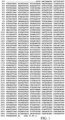
- the corresponding protein sequence of the PMCV ORF1 is given in SEQ ID No. 2.
- the protein sequence given in SEQ ID No. 2 is the protein sequence of one particular PMCV isolate, and as such is merely an example of a particular PMCV ORF1 protein. Due to genetic variation that inevitably exists between individual PMCV virus particles within the population as a whole, other PMCV ORF1 protein sequences also exist.
- a PMCV ORF 1 protein is considered to be any PMCV ORF 1 protein encoded in the genome of any PMCV virus, which is transcribed from an open reading frame corresponding to the open reading frame designated for the purposes of the present invention (and conventionally in the PMCV field) as ORF1.
- the PMCV VLP may consist only of PMCV ORF1 protein having a protein sequence that is identical to, or substantially identical to, the sequence, or a fragment of the sequence, set out in SEQ ID No: 2.
- the terms “substantially identical”, “substantially similar” or “substantially the same” denotes a sufficiently high degree of similarity between two numeric values (such as one associated with the ORF1 protein sequence of a given PMCV and the other associated with the ORF1 protein sequence set out in SEQ ID No: 2) such that the skilled person would consider the difference between the two values to be of little or no biological and/or statistical significance within the context of the biological characteristic measured by said values (such as sequence identity).
- the difference between the two values is less than about 20%, 10%, 7%, 5%, or preferably less than about 3%, 2%, 1.5%, 1%, or 0.5% of the reference value.
- the genome sequences of individual PMCV viruses in the population as a whole are not identical and, as a result, the sequences of PMCV ORF1 proteins within the population may differ.
- a particular PMCV ORF1 protein may not necessarily have a protein sequence that is identical to, or substantially identical to, the sequence given in SEQ ID No: 2.
- the PMCV VLP may consist only of a protein or fragment having a sequence which has at least 90%, 95%, or 97% sequence identity to the PMCV ORF1 protein sequence set out in SEQ ID No: 2.
- the PMCV VLP consists of a protein or fragment having a sequence which has at least 97%, 97.5%, 98%, 98.5%, 99%, 99.5% sequence identity to the PMCV ORF1 protein sequence set out in SEQ ID No: 2.
- the PMCV ORF1 protein of SEQ ID No: 2 has 861 amino acid residues in total.
- the PMCV VLP of the invention consists only of a protein or fragment having a sequence which differs from the PMCV ORF1 protein sequence of SEQ ID No: 2 by no more than 80, 60, 50, 40, 30, or 20 amino acid residues.
- the PMCV ORF1 protein sequence of the invention differs from that of SEQ ID No: 2 by no more than 15, 12, 10, 8, 7, 6, or 5 amino acid residues.
- PMCV ORF1 protein sequence of the invention differs from the protein sequence of SEQ ID No: 2 by only 4, 3, 2, or 1 amino acid.
- the PMCV ORF1 protein sequence of the invention differs from the protein sequence of SEQ ID No: 2 by amino acid substitutions in one or more of the following specific positions (corresponding to the residue numbers of the sequence set out in SEQ ID No: 2): 37, 40, 57, 248, 300, 401, 442, 484, 486, 490, 587, 645, 655, 773, and/or 774.
- the PMCV ORF1 protein sequence of the invention differs from the protein sequence of SEQ ID No: 2 by one or more of the following specific amino acid substitutions: A to V at position 37, A to V at position 40, G to S at position 57, S to N at position 248, D to G at position 300, A to T at position 401, M to T at position 442, A to G at position 484, A to P at position 486, P to L at position 490, M to T at position 587, Y to H at position 645, H to R at position 655, T to A at position 773, and/or A to V at position 774.
- the PMCV ORF1 nucleotide sequence of SEQ ID No: 1 has 2586 nucleotides in total. Due to the redundancy in the genetic code it would be possible to alter at least 800 nucleotides of the sequence of SEQ ID No: 1 without changing the identity of a single amino acid residue of the encoded amino acid sequence from that set out in SEQ ID No: 2.
- the PMCV VLP of the invention consists only of a protein or fragment encoded by a sequence which differs from the PMCV ORF 1 nucleotide sequence of SEQ ID No: 1 by no more than 1200, 1100, 1000, 950, 900, or 850 nucleotides.
- the PMCV VLP may consist only of a protein or fragment encoded by a nucleotide sequence which has at least 70% sequence identity to the PMCV ORF1 nucleotide sequence set out in SEQ ID No: 1.
- the PMCV VLP may consist only of a protein or fragment encoded by a nucleotide sequence which has at least 75%, 80%, 85%, 90%, 95%, 97%, or 99% sequence identity to the PMCV ORF1 nucleotide sequence set out in SEQ ID No: 1.
- % sequence identity For the avoidance of doubt, the terms "% sequence identity”, “% sequence similarity”, “% identical”, “% identity”, “% homology”, and similar terms, are to be understood to refer to the percentage of nucleotides or amino acid residues that two or more sequences or fragments, when optimally aligned, contain that are the same, after aligning the sequences and introducing gaps, if necessary, to achieve the maximum percent sequence identity, and not considering any conservative substitutions as part of the sequence identity.
- BLAST Basic Local Alignment Search Tool
- the % amino acid (or nucleotide) sequence identity of a given amino acid (or nucleotide) sequence A to, with, or against a given amino acid (or nucleotide) sequence B (which can alternatively be phrased as a given amino acid (or nucleotide) sequence A that has or comprises a certain % amino acid (or nucleotide) sequence identity to, with, or against a given amino acid (or nucleotide) sequence B) is calculated as [100 times the fraction X/Y] where X is the number of amino acid (or nucleotide) residues scored as identical matches in the alignment of A and B, and where Y is the total number of amino acid (or nucleotide) residues in B.
- the % amino acid (or nucleotide) sequence identity of A to B will not equal the % amino acid (or nucleotide) sequence identity of B to A.
- a specified percentage of nucleotides or amino acid residues can be referred to as having, for example, 70%, 80%, 85%, 90%, 95%, 99% sequence identity or homology over a specified region when compared and aligned for maximum correspondence. Unless otherwise stated, the determination of sequence identity/homology is based on a comparison of the entire sequences, and not on selected portions.
- the PMCV VLP may consist only of PMCV ORF1 protein which is a fragment or variant of the protein sequence set out in SEQ ID No: 2, and/or which is encoded by a fragment or variant of the nucleotide sequence of SEQ ID No: 1.
- the term "variant" used in respect of the nucleic acid sequences and proteins according to the present invention is to be understood to encompass nucleic acid sequences and proteins that only differ from the reference sequences by way of amino acid or nucleotide additions, deletions, or alterations that have little or no effect on the functional activity of the claimed sequences.
- modifications of a protein sequence or protein coding nucleotide sequence may be introduced which do not alter, or do not significantly alter, the structure or properties of the folded protein.
- substitution of a nucleotide in a triplet codon may not alter the identity of the encoded amino acid.
- alterations of the nucleic acid sequence resulting in modifications of the amino acid sequence of the corresponding recombinant protein may have little, if any, effect on the protein's ability to form VLP if the alteration does not have any impact on the resulting three dimensional protein structure.
- a codon for a hydrophobic amino acid may be substituted by a codon encoding another hydrophobic residue.
- the PMCV ORF1 protein of the invention must be functional in the sense that the PMCV ORF1 protein must be capable of forming part of a PMCV VLP. Regardless of the degree of sequence identity that a given protein has to the sequence set out in SEQ ID No: 2, the protein cannot be considered a PMCV ORF1 protein for the purposes of the invention if it cannot be used in the formation of a PMCV VLP.
- PMCV ORF1 protein of the VLP of the invention may differ from the protein of SEQ ID No: 2; PMCV ORF1 proteins that are fragments or variants of the protein of SEQ ID No: 2 which are not capable of forming part of a PMCV VLP are not considered to be PMCV ORF 1 proteins for the purposes of the present invention.
- the PMCV VLP of the invention consists only of PMCV ORF1 protein.
- the terms "consists of', “consisting of”, and related terms, are intended to be interpreted in an exclusive manner.
- the PMCV VLP of the invention is composed of multiple copies of PMCV ORF1 protein only.
- the PMCV VLP does not include any other proteins that are not, or cannot be considered to be, PMCV ORF1 proteins, or indeed any other materials whatsoever.
- the PMCV VLP does not contain any other PMCV proteins or nucleic acids, such as PMCV ORF3 (or ORF2) protein, and the PMCV VLP does not contain any exogenous proteins or nucleic acids, for example, derived from any part of the cell or expression system used in the production of the PMCV VLP.
- PMCV ORF3 or ORF2
- the phrase "consists only of PMCV ORF 1 protein” is to be understood to mean that the virus-like particle consists of a plurality of PMCV ORF 1 proteins only, and, specifically, the "consists of” language is to be understood to reflect that the VLP is composed only of a plurality of PMCV ORF1 proteins and does not contain any other proteins or materials of any kind.
- the PMCV VLP preferably consists of multiple copies of identical PMCV ORF1 proteins. In some embodiments, however, any given two of the PMCV ORF1 proteins of an individual PMCV VLP may differ.
- the nucleic acid of any given two of the PMCV ORF1 proteins of an individual PMCV VLP may have at least 75%, 80%, 85%, 90%, 95%, 97%, or 99% sequence identity or the protein sequences of any given two of the PMCV ORF 1 proteins of an individual PMCV VLP may have at least 90%, 95%, 97%, or 99% sequence identity.
- any given two of the PMCV ORF1 proteins of an individual PMCV VLP may differ by no more than 15, 12, 10, 8, 7, 6, or 5 amino acid residues. Even more preferably, any given two of the PMCV ORF1 proteins of an individual PMCV VLP may differ by only 4, 3, 2, or 1 amino acid.
- the PMCV VLP of the invention are immunogenic in fish, and can be defined and identified on the basis of their immunogenic properties.
- immunogenic refers to the property that, when administered to fish (preferably salmonids), optionally together with an effective amount of a suitable adjuvant, in an immunogenically effective amount, the VLP of the invention induce the production of PMCV-specific antibodies in the fish.
- an "effective amount” refers to an amount effective, at dosages and for periods of time necessary under normal circumstances, to achieve the desired result.
- the PMCV VLP when administered in an immunologically effective amount, optionally together with an effective amount of a suitable adjuvant, may be capable of inducing the production in fish of neutralizing antibodies against PMCV.
- the PMCV VLP of the invention may be identified by the ability to bind an antibody raised against the PMCV ORF1 protein as defined in SEQ ID No: 2, such as a recombinant PMCV ORF1 protein made by any suitable method.
- the binding affinity between an antibody raised against the PMCV ORF1 protein of SEQ ID No: 2 and the PMCV VLP of the invention may be at least 50% of the binding affinity between the same antibody and the PMCV ORF1 protein of SEQ ID No: 2.
- the binding affinity of the antibody for the PMCV VLP of the invention is at least 60%, 65%, 70%, 75%, 80%, 85%, 90%, 95%, 97%, 99%, and may be 100%, of the binding affinity of the antibody for the PMCV ORF1 protein of SEQ ID No: 2.
- suitable detection antibodies are known.
- neutralizing antibodies can be polyclonal, such as those produced in immunized rabbits.
- antibodies may be polyclonal, for example produced as a hybridoma with B cells from immunized mice.
- Such an antibody may be an antibody raised in fish such as salmonids.
- the PMCV VLP may be capable of eliciting an immune response in fish vaccinated with recombinant PMCV ORF1 protein.
- binding affinity refers to the strength of the sum total of noncovalent interactions between a single binding site of a molecule (such as an antibody) and its binding partner.
- binding affinity in relation to the present invention refers to intrinsic binding affinity which reflects a 1:1 interaction between members of a binding pair.
- the affinity of a molecule X for its partner Y can generally be represented by the dissociation constant (Kd).
- Kd dissociation constant
- PMCV VLP For the first time, PMCV VLP can be made.
- the PMCV VLP structurally mimic wild-type virus particles and, as a result, are immunologically comparable to inactivated whole viruses.
- the PMCV VLP of the invention may be suitable for use, or formulated for use, in or as a medicament.
- a “medicament” is an agent or composition that is active to treat or prevent the disorder in question or its symptoms, or side effects.
- treatment refers to clinical intervention in an attempt to alter the natural course of the individual being treated, and can be performed either for prophylaxis or during the course of disease. Desirable effects of treatment may, for example, include preventing occurrence or recurrence of disease, alleviation of symptoms, diminishment of any direct or indirect pathological consequences of the disease, decreasing the rate of disease progression, amelioration or palliation of the disease state, and/or remission or improved prognosis.
- the PMCV VLP is suitable for use in treating or preventing viral infections of fish. In some embodiments the PMCV VLP is suitable for use in treating or preventing cardiomyopathy syndrome infections of fish, including salmonid fish.
- the PMCV VLP of the invention may be used in the production of a vaccine.
- the term "vaccine” refers to a material or composition that can produce an immune response that blocks the infectivity, either partially or fully, of an infectious agent, which in respect of the present invention is the virus PMCV which causes CMS, affecting fish such as Atlantic salmon.
- the vaccines of the invention comprising PMCV VLP consisting only of PMCV ORF1 protein, are administered to a fish, the fish is immunised against CMS caused by PMCV.
- a vaccine comprising the PMCV VLP of the invention may be formulated using known techniques.
- vaccines comprising the PMCV VLP of the invention may also comprise an effective amount of a suitable adjuvant.
- Another embodiment relates to a vaccine for the treatment or prevention of CMS infection of salmonid fish.
- the vaccine comprises the PMCV VLP of the invention.
- the vaccine may further comprise an effective amount of a suitable adjuvant.
- the PMCV VLP of the invention may be formulated and used in a vaccine or other medicinal composition in ways and by means exactly the same as those known to the skilled person in relation to other immunogenic virus particles, including attenuated or inactivated viruses, and other VLPs.
- the vaccine may further comprise other additives that are used in the art for the production of such compositions, such as a carrier, a diluent, an adjuvant, a stabilizer, an emulsifier, or other agent, as described below.
- additives such as a carrier, a diluent, an adjuvant, a stabilizer, an emulsifier, or other agent, as described below.
- the vaccine further comprises a pharmaceutically acceptable carrier and/or diluent.
- pharmaceutically acceptable carriers or diluents useful in the present invention include sterile water, saline, aqueous buffers such as PBS and others, culture medium, carbohydrates (such as sorbitol, mannitol, starch, sucrose, glucose, dextran), proteins (such as albumin or casein), protein containing agents such as bovine serum or skimmed milk, and buffers (such as phosphate buffer).
- the vaccine further comprises an adjuvant.
- Adjuvants are non-specific stimulators of the immune system. They enhance the immune response of the host to the vaccine. Examples of suitable adjuvants known in the art include lipopolysaccharide, CpG, Freunds Complete and Incomplete adjuvant, vitamin E, non-ionic block polymers, muramyldipeptides, ISCOMs (immune stimulating complexes), Saponins, mineral oil, vegetable oil, and Carbopol.
- Oil adjuvants suitable for use in water-in-oil emulsions include, for example, mineral oils or metabolisable oils. Mineral oils include, for example, Bayol ® , Marcol ® , and Drakeol ® .
- Metabolisable oils include, for example, vegetable oils, such as peanut oil and soybean oil, animal oils such as the oils squalane and squalene from shark liver or plants, and tocopherol and its derivatives.
- the vaccine further comprises a stabiliser.
- a stabilizer can be added to the vaccine, for example, to protect it from degradation, to enhance the shelf-life, or to improve freeze-drying efficiency.
- Useful stabilizers include SPGA, skimmed milk, gelatine, bovine serum albumin, formalin, carbohydrates (such as sorbitol, mannitol, trehalose, starch, sucrose, dextran or glucose), proteins (such as albumin or casein or degradation products thereof), and buffers, such as alkali metal phosphates.
- vaccines comprising the PMCV VLP of the invention further comprise one or more suitable surface-active compounds or emulsifiers, such as Span ® , Cremophore ® , or Tween ® .
- Vaccines comprising the PMCV VLP of the invention may be prepared in any suitable form, including forms generally used for the production and preparation of viral vaccines.
- the vaccine of the invention may be in the form of an emulsion, a suspension, in a lyophilized form or, alternatively, in a frozen form. If the formulation is to be frozen, glycerol or other similar agents may be included in the formulation to enhance the stability of the VLP when frozen. Reconstitution is advantageously effected in sterile water or a suitable buffer.
- Vaccines comprising the PMCV VLP of the invention are preferably administered to fish, which may, for example, be any species of fish that is susceptible to CMS infection.
- the vaccine is suitable for administration to, and for treating, a fin fish, which may be a telostei, for example, of the order Salmoniformes.
- the claimed formulation may be used to treat salmon such as Atlantic and Pacific salmon, such as Coho salmon, arctic char, and trout such as rainbow trout and brown trout.
- the present invention includes methods of vaccinating fish against CMS infection. Methods comprise administering to a fish a vaccine composition comprising the PMCV VLP of the invention, optionally together with a suitable adjuvant.
- the vaccine composition may be administered to the host in any suitable manner known in the art.
- vaccine formulations comprising the PMCV VLP of the invention may be suitable for parenteral administration, such as by intraperitoneal injection.
- Other conventional fish vaccination methods may also be used if appropriate, including immersion, dipping, or oral administration.
- Vaccines comprising the PMCV VLP of the invention are preferably used, optionally together with a suitable adjuvant, in immunologically-effective amounts.
- immunologically-effective amount means the amount of PMCV VLP, optionally together with an adjuvant, that is required to stimulate the production of protective levels of immunity in a host.
- the PMCV VLP of the invention is used in an amount, or in a composition, that is sufficient to induce an immune response in fish that decreases the pathological effects caused by infection with a wild-type PMCV, in comparison to the pathological effects caused by infection with a wild-type PMCV in non-immunized fish.
- the dosage of the vaccine (and the route of administration) employed will be dependent on various factors including the size and weight of the host, the vaccine formulation (such the presence of an adjuvant), and the timing of the administration. Generally, dosages may need to be increased for larger, more robust fish, and decreased for smaller, more delicate fish.
- Vaccines comprising the PMCV VLP of the invention can generally be administered by injection in a dosage of 10 3 to 10 12 VLP, such as 10 4 to 10" VLP, 10 5 to 10 10 VLP, or 10 6 to 10 10 VLP.
- the dosage contains in the range of 10 7 to 10 9 VLP more preferably between 10 8 and 10 9 VLP per dose.
- vaccines comprising the PMCV VLP of the invention are combination vaccines and further comprise an immunologically-effective amount of at least one additional immunogenic agent.
- another embodiment relates to a vaccine for the treatment or prevention of CMS infection and one or more other infections of fish.
- the vaccine comprises the PMCV VLP of the invention together with an immunogenic amount of at least one other antigen against a fish-pathogenic microorganism or a fish-pathogenic virus.
- the at least one other vaccine may comprise an antigen from a bacterial source, a viral source, a parasitical source, and/or a fungal source.
- Polyvalent vaccines containing antigens from typical fish pathogens are well known in the art and are already commercially available.
- the antigen from a bacterial source may be selected from the group comprising: live, attenuated or killed bacteria of the species Piscirickettsias sp. Aeromonas sp., Vibrio sp., Listonella sp., Moritella viscosa, Photobacterium damsela, Flavobacterium sp., Yersinia sp., Renibacterium sp., Streptococcus sp., Lactococcus sp., Leuconostoc sp., Bifidobacterium sp., Pediococcus sp., Brevibacterium sp., Edwarsiella sp., Francisella sp., Pseudomonas sp., Cytophaga sp., Nocardia sp.,and Mycobacerium sp.
- the antigen from a viral source may be selected from the group comprising: Viral Hemorrhagic Septicemia Virus (VHSV), Infectious Hematopoietic Necrosis virus (IHNV), Infectious Pancreatic Necrosis Virus (IPNV), Spring Viremia of Carp (SVC), Channel Catfish Virus (CCV), Infectious Salmon Anaemia virus (ISAV), pancreatic disease virus (SPDV), Iridovirus, and piscine orthoreovirus (PRV).
- VHSV Viral Hemorrhagic Septicemia Virus
- IHNV Infectious Hematopoietic Necrosis virus
- IPNV Infectious Pancreatic Necrosis Virus
- SVC Channel Catfish Virus
- ISAV Infectious Salmon Anaemia virus
- SPDV pancreatic disease virus
- Iridovirus Iridovirus
- PRV piscine orthoreovirus
- the antigen from a parasitic source may be selected from the group comprising: Lepeophtheirus Sp., Caligus Sp., and Ichthyophthirius Sp.
- the antigen from a parasitic source may be selected from the group comprising: Saprolegnia Sp., Branchiomyces sanguinis, Branchiomyces demigrans and Icthyophonus hoferi.
- the PMCV VLP of the invention may be manufactured by any suitable method.
- the PMCV VLP of the invention are made in a baculovirus based expression system.
- Baculovirus expression systems used in conjunction with insect cells have become well-established for the production of proteins.
- a recombinant baculoviral vector is used to introduce the gene of interest (in this case PMCV ORF1) into insect cells under the control of a strong baculoviral promoter. Infection of the insect cells in this way results in replication of the recombinant baculovirus vector genome, thereby increasing the number of genetic templates that encode the gene of interest and increasing the level of recombinant protein expression.
- Baculovirus-mediated protein expression also provides correct folding of recombinant proteins and other important post-translational modifications that provide proper biological activity and function to the expressed proteins.
- the insect cells used in the system can be grown on serum free media which may have further advantages in terms of costs and biosafety.
- the invention relates to a baculovirus expression vector comprising the PMCV ORF1 gene, which is defined for the purposes of the present invention as all of the genetic information encoding the expression of a PMCV ORF1 protein.
- the genetic information encodes the expression of a PMCV ORF1 protein only.
- the invention also relates to a baculovirus expression vector comprising a polynucleotide encoding at least PMCV ORF1 protein, such as PMCV ORF1 protein only.
- the invention also relates to a baculovirus expression vector comprising the nucleotide sequence of SEQ ID No: 1.
- the invention relates to a baculovirus expression vector comprising a nucleotide sequence encoding a PMCV ORF1 protein as described above, which is capable of forming a PMCV VLP.
- the invention also relates to the use of a baculovirus based expression system for the production of PMCV VLP consisting only of PMCV ORF1 protein.
- the invention also relates to a method for the production of PMCV VLP in a baculovirus based expression system, comprising the steps of:
- the invention also relates to a method for the production of an immunogenic composition comprising PMCV VLP.
- the method comprises steps a) and b) above and further comprises the step of preparing an immunogenic composition comprising the PMCV VLP.
- the cells preferably used for the expression of PMCV ORF1 and production of the VLPs are cells that are suitable for use in a baculovirus expression system.
- Preferred cell lines include Sf21 cells (originally derived from the pupal ovarian cells of Spodoptera frugiperda), Sf9 cells (which are a clonal isolate of Sf21), and Tni (also called T. ni or TnHi5 TM ) cells (which are originally derived from the ovarian cells of Trichoplusia ni (cabbage looper).
- PMCV ORF1 protein has surprisingly been found to be expressed in significantly greater quantities in Tni cells than in other cell types, and thus Tni are the preferred cell type for use in the invention.
- Cells to be infected with the baculovirus expression vector encoding the expression of PMCV ORF1 protein may be cultured at a density of about 1 ⁇ 10 4 -1 ⁇ 10 8 cells/ml, such as 1 ⁇ 10 5 -1 ⁇ 10 7 cells/ml, and preferably the cells are cultured at a density of about 1 ⁇ 10 6 cells/ml.
- the vector is added to the cells at a multiplicity of infection (MOI) of about 0.5-5, such as about 1-3, or preferably about 2.
- MOI multiplicity of infection
- the MOI is defined for the purposes of the present invention as the ratio of agents (in this case baculovirus expression vectors) to infection targets (in this case cells of a suitable insect cell line).
- the cells are preferably incubated at a temperature of 25-29°C, such as at or about 26°C, 27°C, or 28°C.
- the cells are preferably incubated at this temperature for a period of about 12-36 hours, such as about 18, 21, 24, 27, or 30 hours.
- Incubating the infected cells to allow the expression of the PMCV ORF1 protein and the production of the PMCV VLPs generally involves incubating the cells for at least 1, 2, or 3 days and up to about 4, 5, 6, 8, or 10 days. Preferably, the cells are incubated for about 1-6 days, and most preferably about 2-4 days.
- Baculovirus expression systems are always used at or close to 26-28°C because that is the optimal temperature for both the infection process and the expression process. The use of this temperature is consistent with both the manufacturer's instructions, and the fact that the system would be expect to optimised to the host body temperature.
- PMCV ORF1 In IMNV and other totiviruses that are capable of infecting new host cells, the proteins are translated as a precursor protein which is then proteolytically cleaved.
- PMCV ORF1 is not processed in any way, and in particular, does not require proteolytic cleavage or any other post-translational modification in order to form the mature PMCV ORF1 protein. It was, therefore, extremely unexpected to observe production of the PMCV ORF1 protein but no VLP. It has now surprisingly been found, however, that PMCV VLP can be produced if the incubation temperature used to allow the expression of the PMCV ORF1 protein and the production of the PMCV VLP is significantly below the temperature prescribed by the manufacturers of the expression system and used conventionally in the art.
- the incubation step of the method comprises incubating the cells at a temperature in the range of 12-20°C, such as 14-18°C, and preferred incubation temperatures are 15, 16, or 17°C.
- the method for the production of PMCV VLP in a baculovirus based expression system includes a final step of isolating the PMCV VLPs from the culture medium.
- Suitable methods of isolating/purifying the VLP from the cell culture will be known to the skilled person and any suitable method may be used.
- the isolation may be comprehensive, to provide essentially purified PMCV VLP, or may be less comprehensive, for example, involving simply the removal of cell debris and remaining baculoviruses such as by a suitable filtration method.
- the VLP are not isolated to any extent from the cell culture prior to the production of a vaccine or other medicinal composition.
- further non-isolating treatment of the cell culture may nevertheless be used, such as formalin or heat treatment of the cultures or a treatment to lyse the cells.
- Recombinant baculoviruses were produced by co-transfection of Sf9 insect cells with duplicate reaction mixtures, each containing flashBACUltra viral DNA (100ng) and transfer vector DNA (500ng) for ORF1 or ORF3, together with Lipofectin liposome forming reagent (Invitrogen).
- the mix was added to 35mm 2 dishes with Sf9 insect cells seeded at a density of 1 ⁇ 10 6 cells/dish. The dishes were then incubated at 28°C for 5 days, following which the medium containing each virus was harvested into sterile tubes.
- Particles of the size expected for PMCV VLPs are pelleted by centrifugation at ⁇ 100,000g. Thus, any PMCV proteins contained within virus-like particles will be observed on the Western blot in the pellet fraction produced under these centrifugation conditions.
- ORF1 and ORF3 proteins were found to be expressed efficiently under the incubation conditions conventionally used and in accordance with the manufacturer's instructions, but despite the significant expression of the ORF1 and ORF3 proteins, no PMCV VLP were observed to be formed.
- the resulting pellets were resuspended in 0.5 ml PBS and used for both western blot and electron microscopy analysis (see below).
- the supernatants were also analysed by Western blot (described in Example 6). The results are shown in Table 3, in which "+” indicates that a protein band was observed on the Western blot, and "-" indicates that no protein band was observed.
- Example 5 The re-suspended pellet fractions described in Example 5 were processed for electron microscopy. Samples were applied to Formvar and carbon-coated grids and adsorbed alone for 5 minutes and then with five droplets of 2% ammonium molybdate. Excess liquid was wicked away and the samples were air dried. The grids were examined with a Hitachi H7650 transmission electron microscope.
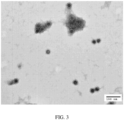
- Figure 1 An example of one of the images obtained by electron microscopy of the pellet fraction of a sample in which PMCV ORF1 protein only was expressed at 15°C, as described above (in Example 5), is shown in Figure 1 .
- Figure 2 shows an example image obtained by electron microscopy of the sample produced by the expression of ORF1 and ORF3 proteins in combination.
- the cells were incubated at 28°C for 24hrs before being placed at 15°C until 120 hpi, as described above in Example 4.
- the Tni cells were spun down at 4,000 rpm for 15 minutes and the cell pellets were re-suspended in 10 ml PBS.
- the re-suspended pellets were lysed by freeze thawing, and samples were centrifuged at 4,000 rpm for 30 minutes to remove cell debris.
- the supernatants were harvested, and the amount of VLP quantified by Western blot. Remaining baculoviruses were inactivated by the addition of formalin.
- Vaccines were formulated as a water-in-oil emulsion using standard techniques.
- Example 8 Vaccination and challenge trial.
Landscapes
- Health & Medical Sciences (AREA)
- Life Sciences & Earth Sciences (AREA)
- Chemical & Material Sciences (AREA)
- Organic Chemistry (AREA)
- Genetics & Genomics (AREA)
- Engineering & Computer Science (AREA)
- General Health & Medical Sciences (AREA)
- Virology (AREA)
- Zoology (AREA)
- Wood Science & Technology (AREA)
- Bioinformatics & Cheminformatics (AREA)
- Medicinal Chemistry (AREA)
- Biomedical Technology (AREA)
- Microbiology (AREA)
- Biochemistry (AREA)
- Biotechnology (AREA)
- Immunology (AREA)
- General Engineering & Computer Science (AREA)
- Biophysics (AREA)
- Molecular Biology (AREA)
- Epidemiology (AREA)
- Mycology (AREA)
- Veterinary Medicine (AREA)
- Public Health (AREA)
- Animal Behavior & Ethology (AREA)
- Pharmacology & Pharmacy (AREA)
- Proteomics, Peptides & Aminoacids (AREA)
- Gastroenterology & Hepatology (AREA)
- Physics & Mathematics (AREA)
- Plant Pathology (AREA)
- Cell Biology (AREA)
- Medicines Containing Antibodies Or Antigens For Use As Internal Diagnostic Agents (AREA)
- Peptides Or Proteins (AREA)
- Micro-Organisms Or Cultivation Processes Thereof (AREA)
Claims (13)
- Rekombinanter virusähnlicher Partikel (VLP) des Piscine-Myocarditis-Virus (PMCV), bestehend aus einem PMCV-ORF1-Protein.
- Rekombinanter PMCV-VLP nach Anspruch 1, bestehend aus dem PMCV-ORF1-Protein mit mindestens 90% Sequenzidentität zu der in SEQ ID NO: 2 dargelegten Sequenz.
- Rekombinanter PMCV-VLP nach Anspruch 2, bestehend aus dem PMCV-ORF1-Protein mit mindestens 98% Sequenzidentität zu der in SEQ ID NO: 2 dargelegten Sequenz.
- Rekombinanter PMCV-VLP nach Anspruch 2, bestehend aus dem PMCV-ORF1-Protein mit einer Sequenz, die sich von der PMCV-ORF1-Proteinsequenz von SEQ ID NO: 2 um nicht mehr als 80 Aminosäurereste unterscheidet.
- Rekombinanter PMCV-VLP nach Anspruch 4, bestehend aus dem PMCV-ORF1-Protein mit einer Sequenz, die sich von der PMCV-ORF1-Proteinsequenz von SEQ ID NO: 2 um nicht mehr als 15 Aminosäurereste unterscheidet.
- Verfahren zur Herstellung eines rekombinanten PMCV-VLP, bestehend aus dem PMCV-ORF1-Protein nach Anspruch 2, wobei das Verfahren Folgendes umfasst:a) Infizieren einer Insektenzelle mit einem Baculovirus-Expressionsvektor, der für das rekombinante PMCV-ORF1-Protein nach einem der Ansprüche 2-5 codiert; undb) Inkubieren der infizierten Zelle von Schritt (a) bei einer Temperatur im Bereich von 12-20°C, um die Expression des PMCV-ORF1-Proteins zu ermöglichen, um einen PMCV-VLP herzustellen.
- Verfahren nach Anspruch 6, wobei die Inkubation der infizierten Zelle das Inkubieren der Zelle bei einer Temperatur im Bereich von 12-20°C für einen Zeitraum von 1-10 Tagen umfasst.
- Verfahren nach Anspruch 7, wobei die Inkubation der infizierten Zelle das Inkubieren der Zelle bei einer Temperatur im Bereich von 15-17°C umfasst.
- PMCV-VLP nach einem der Ansprüche 1-5 zur Verwendung bei der Behandlung oder Prävention von Infektionen mit dem Kardiomyopathie-Syndrom (CMS) bei Fischen.
- Impfstoff, umfassend das PMCV-VLP nach einem der Ansprüche 1-5.
- Impfstoff nach Anspruch 10, ferner umfassend mindestens ein anderes Antigen eines fischpathogenen Mikroorganismus oder eines fischpathogenen Virus.
- Baculovirus-Expressionsvektor, umfassend eine Nukleinsäuresequenz, die für das PMCV-ORF1-Protein nach Anspruch 2 codiert.
- Insektenzelle, umfassend einen Baculovirus-Expressionsvektor nach Anspruch 12.
Applications Claiming Priority (2)
| Application Number | Priority Date | Filing Date | Title |
|---|---|---|---|
| GB1701573.6A GB2559193A (en) | 2017-01-31 | 2017-01-31 | Virus-like particle |
| PCT/US2018/015824 WO2018144412A1 (en) | 2017-01-31 | 2018-01-30 | Virus-like particle (vlp) |
Publications (2)
| Publication Number | Publication Date |
|---|---|
| EP3576785A1 EP3576785A1 (de) | 2019-12-11 |
| EP3576785B1 true EP3576785B1 (de) | 2025-02-19 |
Family
ID=58462567
Family Applications (1)
| Application Number | Title | Priority Date | Filing Date |
|---|---|---|---|
| EP18705247.7A Active EP3576785B1 (de) | 2017-01-31 | 2018-01-30 | Virusartiges partikel (vlp) |
Country Status (7)
| Country | Link |
|---|---|
| US (2) | US10428117B2 (de) |
| EP (1) | EP3576785B1 (de) |
| CA (1) | CA3050136C (de) |
| CL (1) | CL2019002133A1 (de) |
| DK (1) | DK180613B1 (de) |
| GB (1) | GB2559193A (de) |
| WO (1) | WO2018144412A1 (de) |
Families Citing this family (8)
| Publication number | Priority date | Publication date | Assignee | Title |
|---|---|---|---|---|
| GB2559193A (en) * | 2017-01-31 | 2018-08-01 | Pharmaq As | Virus-like particle |
| WO2020127941A2 (en) * | 2018-12-21 | 2020-06-25 | Intervet International B.V. | Serum free intracellular pathogen vaccine |
| US20220226465A1 (en) | 2021-01-18 | 2022-07-21 | ConserV Bioscience | Coronavirus Immunogenic Compositions, Methods and Uses Thereof |
| JP2025503468A (ja) * | 2021-12-20 | 2025-02-04 | ゾエティス・サービシーズ・エルエルシー | 魚類心筋炎を予防するための組成物及び方法 |
| CA3242553A1 (en) * | 2021-12-20 | 2023-06-29 | Zoetis Services Llc | Compositions and methods for expressing antigens on cell membrane |
| DK202370610A1 (en) * | 2022-12-13 | 2024-07-12 | Zoetis Services Llc | Methods of vaccine administration to salmonids |
| WO2025006577A2 (en) * | 2023-06-27 | 2025-01-02 | Elanco Us Inc. | Compositions for prevention of cardiomyopathy syndrome |
| CL2024000227A1 (es) * | 2024-01-25 | 2024-07-12 | Univ Santiago Chile | Proteína de piscine orthoreovirus; composición de vacuna; y su uso. |
Citations (3)
| Publication number | Priority date | Publication date | Assignee | Title |
|---|---|---|---|---|
| WO2011131600A1 (en) | 2010-04-21 | 2011-10-27 | Pharmaq As | Nucleic acid sequences of a fish virus and the use thereof |
| WO2012130723A1 (en) | 2011-03-25 | 2012-10-04 | Intervet International B.V. | Salmonid alphavirus vaccine |
| GB2559193A (en) | 2017-01-31 | 2018-08-01 | Pharmaq As | Virus-like particle |
-
2017
- 2017-01-31 GB GB1701573.6A patent/GB2559193A/en not_active Withdrawn
-
2018
- 2018-01-30 CA CA3050136A patent/CA3050136C/en active Active
- 2018-01-30 WO PCT/US2018/015824 patent/WO2018144412A1/en not_active Ceased
- 2018-01-30 US US15/883,202 patent/US10428117B2/en active Active
- 2018-01-30 EP EP18705247.7A patent/EP3576785B1/de active Active
-
2019
- 2019-07-24 DK DKPA201970475A patent/DK180613B1/en active IP Right Grant
- 2019-07-30 CL CL2019002133A patent/CL2019002133A1/es unknown
- 2019-08-19 US US16/544,060 patent/US10703781B2/en active Active
Patent Citations (4)
| Publication number | Priority date | Publication date | Assignee | Title |
|---|---|---|---|---|
| WO2011131600A1 (en) | 2010-04-21 | 2011-10-27 | Pharmaq As | Nucleic acid sequences of a fish virus and the use thereof |
| WO2012130723A1 (en) | 2011-03-25 | 2012-10-04 | Intervet International B.V. | Salmonid alphavirus vaccine |
| GB2559193A (en) | 2017-01-31 | 2018-08-01 | Pharmaq As | Virus-like particle |
| WO2018144412A1 (en) | 2017-01-31 | 2018-08-09 | Pharmaq As | Virus-like particle (vlp) |
Non-Patent Citations (18)
| Title |
|---|
| Å H GARSETH, C FRITSVOLD, J C SVENDSEN, B BANG JENSEN, A B MIKALSEN: "Cardiomyopathy syndrome in Atlantic salmon Salmo salar L.: A review of the current state of knowledge", JOURNAL OF FISH DISEASES, OXFORD., GB, vol. 41, no. 1, 1 January 2018 (2018-01-01), GB , pages 11 - 26, XP055460801, ISSN: 0140-7775, DOI: 10.1111/jfd.12735 |
| ANDRIS ZELTINS: "Construction and Characterization of Virus-Like Particles: A Review", MOLECULAR BIOTECHNOLOGY ; PART B OF APPLIED BIOCHEMISTRY AND BIOTECHNOLOGY, HUMANA PRESS INC, NEW YORK, vol. 53, no. 1, 24 September 2012 (2012-09-24), New York , pages 92 - 107, XP035151769, ISSN: 1559-0305, DOI: 10.1007/s12033-012-9598-4 |
| CASAL J I: "Use of the baculovirus expression system for the generation of virus-like particles.", BIOTECHNOLOGY AND GENETIC ENGINEERING REVIEWS, INTERCEPT LTD., ANDOVER, GB, vol. 18, 1 January 2001 (2001-01-01), GB , pages 73 - 87, XP002711822, ISSN: 0264-8725, DOI: 10.1080/02648725.2001.10648009 |
| D10 - IPRP OF THE EPO AS WO-ISA, 6 AUGUST 2019 |
| D11 - EPO OFFICE COMMUNICATION, 3 FEBRUARY 2023 |
| D7 - A. B. MIKALSEN: "KARAKTERISERING AV PISCINE MYOCARDITIS VIRUS (PMCV)"; SLIDES FROM ORAL PRESENTATION AT FHF'S FISH HEALTH GATHERING, 27 OCTOBER 2014, TRONDHEIM, NORWAY |
| D7A - ENGLISH TRANSLATION OF D7 |
| D7b - Screenprint with email and metadata of D7 |
| D8 - SCREENPRINT FROM EVENT WEBPAGE OF THE FHF'S FISH HEALTH GATHERING ON 27 OCTOBER 2014. |
| D8A - ENGLISH TRANSLATION OF D8 |
| HAUGLAND OYVIND; MIKALSEN AASE B; NILSEN PÃ¥L; LINDMO KARINE; THU BEATE J; ELIASSEN TRYGVE M; ROOS NORBERT; RODE MARIT; EVENSEN OY: "Cardiomyopathy syndrome of atlantic salmon (Salmo salar L.) is caused by a double-stranded RNA virus of the Totiviridae family.", JOURNAL OF VIROLOGY, THE AMERICAN SOCIETY FOR MICROBIOLOGY, US, vol. 85, no. 11, 1 June 2011 (2011-06-01), US , pages 5275 - 5286, XP009150996, ISSN: 0022-538X |
| J WIIK-NIELSEN, M ALARCóN, B FINEID, M RODE, Ø HAUGLAND: "Genetic variation in Norwegian piscine myocarditis virus in Atlantic salmon, Salmo salar L.", JOURNAL OF FISH DISEASES, OXFORD., GB, vol. 36, no. 2, 1 February 2013 (2013-02-01), GB , pages 129 - 139, XP055460800, ISSN: 0140-7775, DOI: 10.1111/jfd.12008 |
| JAVIER LóPEZ-VIDAL, SILVIA GóMEZ-SEBASTIáN, JUAN BáRCENA, MARIA DEL CARMEN NUñEZ, DIEGO MARTÃNEZ-ALONSO, BENOIT DUDOGNON, EV: "Improved Production Efficiency of Virus-Like Particles by the Baculovirus Expression Vector System", PLOS ONE, vol. 10, no. 10, pages e0140039, XP055376600, DOI: 10.1371/journal.pone.0140039 |
| LIU FUXIAO, GE SHENGQIANG, LI LIN, WU XIAODONG, LIU ZENGSHAN, WANG ZHILIANG: "Virus-like particles: potential veterinary vaccine immunogens", RESEARCH IN VETERINARY SCIENCE, BRITISH VETERINARY ASSOCIATION, LONDON., GB, vol. 93, no. 2, 1 October 2012 (2012-10-01), GB , pages 553 - 559, XP093339718, ISSN: 0034-5288, DOI: 10.1016/j.rvsc.2011.10.018 |
| LOUDON, P.T. ; ROY, P.: "Assembly of five bluetongue virus proteins expressed by recombinant baculoviruses: Inclusion of the largest protein VP1 in the core and virus-like particles", VIROLOGY, ELSEVIER, AMSTERDAM, NL, vol. 180, no. 2, 1 February 1991 (1991-02-01), AMSTERDAM, NL , pages 798 - 802, XP023046919, ISSN: 0042-6822, DOI: 10.1016/0042-6822(91)90094-R |
| M DELCHAMBRE, D GHEYSEN, D THINES, C THIRIART, E JACOBS, E VERDIN, M HORTH, A BURNY, F BEX: "The GAG precursor of simian immunodeficiency virus assembles into virus-like particles", THE EMBO JOURNAL, ENGLAND, 1 September 1989 (1989-09-01), ENGLAND , pages 2653 - 2660, XP055153115, Retrieved from the Internet <URL:http://www.ncbi.nlm.nih.gov/pubmed/2684654> |
| SHIVAPPA R B, ET AL.: "DEVELOPMENT OF A SUBUNIT VACCINE FOR INFECTIOUS PANCREATIC NECROSIS VIRUS USING A BACULOVIRUS INSECT/LARVAE SYSTEM", DEVELOPMENTS IN BIOLOGICALS, KARGER, BASEL, CH, vol. 121, 1 January 2005 (2005-01-01), CH , pages 165 - 174, XP009051154, ISSN: 1424-6074 |
| STEFAN W. METZ, FEMKE FEENSTRA, STEPHANE VILLOING, MARIELLE C. VAN HULTEN, JAN W. VAN LENT, JOSEPH KOUMANS, JUST M. VLAK, GORBEN P: "Low Temperature-Dependent Salmonid Alphavirus Glycoprotein Processing and Recombinant Virus-Like Particle Formation", PLOS ONE, vol. 6, no. 10, pages e25816, XP055211353, DOI: 10.1371/journal.pone.0025816 |
Also Published As
| Publication number | Publication date |
|---|---|
| US20180215793A1 (en) | 2018-08-02 |
| US10428117B2 (en) | 2019-10-01 |
| DK201970475A1 (en) | 2019-08-20 |
| GB201701573D0 (en) | 2017-03-15 |
| CA3050136C (en) | 2024-01-02 |
| WO2018144412A1 (en) | 2018-08-09 |
| DK180613B1 (en) | 2021-10-14 |
| CA3050136A1 (en) | 2018-08-09 |
| GB2559193A (en) | 2018-08-01 |
| CL2019002133A1 (es) | 2019-10-11 |
| US20200002385A1 (en) | 2020-01-02 |
| US10703781B2 (en) | 2020-07-07 |
| EP3576785A1 (de) | 2019-12-11 |
Similar Documents
| Publication | Publication Date | Title |
|---|---|---|
| US10703781B2 (en) | Piscine myocarditis virus-like particles and methods of use thereof | |
| US8221767B2 (en) | Antigenicity of infectious pancreatic necrosis virus VP2 sub-viral particles expressed in yeast | |
| JP4148980B2 (ja) | ニワトリ貧血因子ワクチン | |
| Allnutt et al. | Antigenicity of infectious pancreatic necrosis virus VP2 subviral particles expressed in yeast | |
| JPH09510873A (ja) | 感染性嚢疾患ウイルスのキメラcDNAクローン、それらをベースとした発現物質およびワクチン | |
| JP7762565B2 (ja) | 3型ブタサーコウイルス(pcv3)ワクチン、ならびにその作製および使用 | |
| CN109310750B (zh) | 编码传染性喉气管炎病毒和传染性法氏囊病病毒抗原的重组非致病性马立克氏病病毒构建体 | |
| JP2021500876A (ja) | 複数の異種抗原をコードする組換え非病原性マレック病ウイルス構築物 | |
| US20120251564A1 (en) | Reovirus compositions and methods of use | |
| US9273287B2 (en) | Avian reoviridae and vaccines thereof | |
| RU2340672C2 (ru) | Мутант вируса инфекционной бурсальной болезни (ibdv), экспрессирующий вирус-нейтрализующие эпитопы, специфичные для классического и вариантного штаммов ibdv | |
| EP0600723A2 (de) | Impfstoff gegen infektiöse Bursal-Krankheit | |
| US5686077A (en) | Methods of immunization of poultry with vaccines against chicken anemia agent (CAA) | |
| KR102421251B1 (ko) | 국내 분리 중국형 항원변이형 닭전염성 f낭병 바이러스 및 이를 포함하는 백신조성물 | |
| EP4387664A1 (de) | Fmdv virus-ähnliche partikel mit stabilisierender mutation | |
| KR102421249B1 (ko) | 국내 분리 미주형 항원변이형 닭전염성 f낭병 바이러스 및 이를 포함하는 백신조성물 | |
| KR102830382B1 (ko) | 닭전염성기관지염바이러스 약독화주 및 이를 포함하는 백신조성물 | |
| KR20020013387A (ko) | 광범위한 감염성 활액낭 질병 바이러스 백신 | |
| US7431930B2 (en) | Infectious bursal disease virus (IBDV) mutant expressing virus neutralising epitopes specific for classic-and variant IBDV strains | |
| WO2025027551A2 (en) | Ibv vaccine with heterologous dmv/1639 spike protein |
Legal Events
| Date | Code | Title | Description |
|---|---|---|---|
| STAA | Information on the status of an ep patent application or granted ep patent |
Free format text: STATUS: UNKNOWN |
|
| STAA | Information on the status of an ep patent application or granted ep patent |
Free format text: STATUS: THE INTERNATIONAL PUBLICATION HAS BEEN MADE |
|
| PUAI | Public reference made under article 153(3) epc to a published international application that has entered the european phase |
Free format text: ORIGINAL CODE: 0009012 |
|
| STAA | Information on the status of an ep patent application or granted ep patent |
Free format text: STATUS: REQUEST FOR EXAMINATION WAS MADE |
|
| 17P | Request for examination filed |
Effective date: 20190815 |
|
| AK | Designated contracting states |
Kind code of ref document: A1 Designated state(s): AL AT BE BG CH CY CZ DE DK EE ES FI FR GB GR HR HU IE IS IT LI LT LU LV MC MK MT NL NO PL PT RO RS SE SI SK SM TR |
|
| AX | Request for extension of the european patent |
Extension state: BA ME |
|
| DAV | Request for validation of the european patent (deleted) | ||
| DAX | Request for extension of the european patent (deleted) | ||
| STAA | Information on the status of an ep patent application or granted ep patent |
Free format text: STATUS: EXAMINATION IS IN PROGRESS |
|
| 17Q | First examination report despatched |
Effective date: 20230203 |
|
| TPAC | Observations filed by third parties |
Free format text: ORIGINAL CODE: EPIDOSNTIPA |
|
| GRAP | Despatch of communication of intention to grant a patent |
Free format text: ORIGINAL CODE: EPIDOSNIGR1 |
|
| STAA | Information on the status of an ep patent application or granted ep patent |
Free format text: STATUS: GRANT OF PATENT IS INTENDED |
|
| INTG | Intention to grant announced |
Effective date: 20241111 |
|
| GRAS | Grant fee paid |
Free format text: ORIGINAL CODE: EPIDOSNIGR3 |
|
| GRAA | (expected) grant |
Free format text: ORIGINAL CODE: 0009210 |
|
| STAA | Information on the status of an ep patent application or granted ep patent |
Free format text: STATUS: THE PATENT HAS BEEN GRANTED |
|
| AK | Designated contracting states |
Kind code of ref document: B1 Designated state(s): AL AT BE BG CH CY CZ DE DK EE ES FI FR GB GR HR HU IE IS IT LI LT LU LV MC MK MT NL NO PL PT RO RS SE SI SK SM TR |
|
| REG | Reference to a national code |
Ref country code: GB Ref legal event code: FG4D |
|
| REG | Reference to a national code |
Ref country code: CH Ref legal event code: EP |
|
| REG | Reference to a national code |
Ref country code: IE Ref legal event code: FG4D |
|
| REG | Reference to a national code |
Ref country code: DE Ref legal event code: R096 Ref document number: 602018079289 Country of ref document: DE |
|
| P01 | Opt-out of the competence of the unified patent court (upc) registered |
Free format text: CASE NUMBER: APP_6789/2025 Effective date: 20250210 |
|
| REG | Reference to a national code |
Ref country code: NL Ref legal event code: MP Effective date: 20250219 |
|
| PG25 | Lapsed in a contracting state [announced via postgrant information from national office to epo] |
Ref country code: RS Free format text: LAPSE BECAUSE OF FAILURE TO SUBMIT A TRANSLATION OF THE DESCRIPTION OR TO PAY THE FEE WITHIN THE PRESCRIBED TIME-LIMIT Effective date: 20250519 |
|
| PG25 | Lapsed in a contracting state [announced via postgrant information from national office to epo] |
Ref country code: FI Free format text: LAPSE BECAUSE OF FAILURE TO SUBMIT A TRANSLATION OF THE DESCRIPTION OR TO PAY THE FEE WITHIN THE PRESCRIBED TIME-LIMIT Effective date: 20250219 |
|
| PG25 | Lapsed in a contracting state [announced via postgrant information from national office to epo] |
Ref country code: PL Free format text: LAPSE BECAUSE OF FAILURE TO SUBMIT A TRANSLATION OF THE DESCRIPTION OR TO PAY THE FEE WITHIN THE PRESCRIBED TIME-LIMIT Effective date: 20250219 |
|
| PG25 | Lapsed in a contracting state [announced via postgrant information from national office to epo] |
Ref country code: ES Free format text: LAPSE BECAUSE OF FAILURE TO SUBMIT A TRANSLATION OF THE DESCRIPTION OR TO PAY THE FEE WITHIN THE PRESCRIBED TIME-LIMIT Effective date: 20250219 |
|
| REG | Reference to a national code |
Ref country code: LT Ref legal event code: MG9D |
|
| PG25 | Lapsed in a contracting state [announced via postgrant information from national office to epo] |
Ref country code: NL Free format text: LAPSE BECAUSE OF FAILURE TO SUBMIT A TRANSLATION OF THE DESCRIPTION OR TO PAY THE FEE WITHIN THE PRESCRIBED TIME-LIMIT Effective date: 20250219 |
|
| PG25 | Lapsed in a contracting state [announced via postgrant information from national office to epo] |
Ref country code: HR Free format text: LAPSE BECAUSE OF FAILURE TO SUBMIT A TRANSLATION OF THE DESCRIPTION OR TO PAY THE FEE WITHIN THE PRESCRIBED TIME-LIMIT Effective date: 20250219 |
|
| PG25 | Lapsed in a contracting state [announced via postgrant information from national office to epo] |
Ref country code: LV Free format text: LAPSE BECAUSE OF FAILURE TO SUBMIT A TRANSLATION OF THE DESCRIPTION OR TO PAY THE FEE WITHIN THE PRESCRIBED TIME-LIMIT Effective date: 20250219 Ref country code: PT Free format text: LAPSE BECAUSE OF FAILURE TO SUBMIT A TRANSLATION OF THE DESCRIPTION OR TO PAY THE FEE WITHIN THE PRESCRIBED TIME-LIMIT Effective date: 20250620 |
|
| PG25 | Lapsed in a contracting state [announced via postgrant information from national office to epo] |
Ref country code: GR Free format text: LAPSE BECAUSE OF FAILURE TO SUBMIT A TRANSLATION OF THE DESCRIPTION OR TO PAY THE FEE WITHIN THE PRESCRIBED TIME-LIMIT Effective date: 20250520 Ref country code: BG Free format text: LAPSE BECAUSE OF FAILURE TO SUBMIT A TRANSLATION OF THE DESCRIPTION OR TO PAY THE FEE WITHIN THE PRESCRIBED TIME-LIMIT Effective date: 20250219 |
|
| REG | Reference to a national code |
Ref country code: AT Ref legal event code: MK05 Ref document number: 1767678 Country of ref document: AT Kind code of ref document: T Effective date: 20250219 |
|
| PG25 | Lapsed in a contracting state [announced via postgrant information from national office to epo] |
Ref country code: SE Free format text: LAPSE BECAUSE OF FAILURE TO SUBMIT A TRANSLATION OF THE DESCRIPTION OR TO PAY THE FEE WITHIN THE PRESCRIBED TIME-LIMIT Effective date: 20250219 |
|
| PG25 | Lapsed in a contracting state [announced via postgrant information from national office to epo] |
Ref country code: SM Free format text: LAPSE BECAUSE OF FAILURE TO SUBMIT A TRANSLATION OF THE DESCRIPTION OR TO PAY THE FEE WITHIN THE PRESCRIBED TIME-LIMIT Effective date: 20250219 |
|
| PG25 | Lapsed in a contracting state [announced via postgrant information from national office to epo] |
Ref country code: DK Free format text: LAPSE BECAUSE OF FAILURE TO SUBMIT A TRANSLATION OF THE DESCRIPTION OR TO PAY THE FEE WITHIN THE PRESCRIBED TIME-LIMIT Effective date: 20250219 |
|
| PG25 | Lapsed in a contracting state [announced via postgrant information from national office to epo] |
Ref country code: IT Free format text: LAPSE BECAUSE OF FAILURE TO SUBMIT A TRANSLATION OF THE DESCRIPTION OR TO PAY THE FEE WITHIN THE PRESCRIBED TIME-LIMIT Effective date: 20250219 |
|
| PG25 | Lapsed in a contracting state [announced via postgrant information from national office to epo] |
Ref country code: AT Free format text: LAPSE BECAUSE OF FAILURE TO SUBMIT A TRANSLATION OF THE DESCRIPTION OR TO PAY THE FEE WITHIN THE PRESCRIBED TIME-LIMIT Effective date: 20250219 |
|
| PG25 | Lapsed in a contracting state [announced via postgrant information from national office to epo] |
Ref country code: CZ Free format text: LAPSE BECAUSE OF FAILURE TO SUBMIT A TRANSLATION OF THE DESCRIPTION OR TO PAY THE FEE WITHIN THE PRESCRIBED TIME-LIMIT Effective date: 20250219 Ref country code: EE Free format text: LAPSE BECAUSE OF FAILURE TO SUBMIT A TRANSLATION OF THE DESCRIPTION OR TO PAY THE FEE WITHIN THE PRESCRIBED TIME-LIMIT Effective date: 20250219 |
|
| PG25 | Lapsed in a contracting state [announced via postgrant information from national office to epo] |
Ref country code: RO Free format text: LAPSE BECAUSE OF FAILURE TO SUBMIT A TRANSLATION OF THE DESCRIPTION OR TO PAY THE FEE WITHIN THE PRESCRIBED TIME-LIMIT Effective date: 20250219 |
|
| PG25 | Lapsed in a contracting state [announced via postgrant information from national office to epo] |
Ref country code: SK Free format text: LAPSE BECAUSE OF FAILURE TO SUBMIT A TRANSLATION OF THE DESCRIPTION OR TO PAY THE FEE WITHIN THE PRESCRIBED TIME-LIMIT Effective date: 20250219 |
|
| REG | Reference to a national code |
Ref country code: DE Ref legal event code: R026 Ref document number: 602018079289 Country of ref document: DE |
|
| PLBI | Opposition filed |
Free format text: ORIGINAL CODE: 0009260 |
|
| PLAB | Opposition data, opponent's data or that of the opponent's representative modified |
Free format text: ORIGINAL CODE: 0009299OPPO |
|
| PLAX | Notice of opposition and request to file observation + time limit sent |
Free format text: ORIGINAL CODE: EPIDOSNOBS2 |