EP3566589B1 - Method for producing meat broth composition - Google Patents
Method for producing meat broth composition Download PDFInfo
- Publication number
- EP3566589B1 EP3566589B1 EP18736605.9A EP18736605A EP3566589B1 EP 3566589 B1 EP3566589 B1 EP 3566589B1 EP 18736605 A EP18736605 A EP 18736605A EP 3566589 B1 EP3566589 B1 EP 3566589B1
- Authority
- EP
- European Patent Office
- Prior art keywords
- meat broth
- meat
- less
- broth
- base material
- Prior art date
- Legal status (The legal status is an assumption and is not a legal conclusion. Google has not performed a legal analysis and makes no representation as to the accuracy of the status listed.)
- Active
Links
Images

Classifications
-
- A—HUMAN NECESSITIES
- A23—FOODS OR FOODSTUFFS; TREATMENT THEREOF, NOT COVERED BY OTHER CLASSES
- A23L—FOODS, FOODSTUFFS OR NON-ALCOHOLIC BEVERAGES, NOT OTHERWISE PROVIDED FOR; PREPARATION OR TREATMENT THEREOF
- A23L13/00—Meat products; Meat meal; Preparation or treatment thereof
- A23L13/70—Tenderised or flavoured meat pieces; Macerating or marinating solutions specially adapted therefor
- A23L13/72—Tenderised or flavoured meat pieces; Macerating or marinating solutions specially adapted therefor using additives, e.g. by injection of solutions
-
- A—HUMAN NECESSITIES
- A23—FOODS OR FOODSTUFFS; TREATMENT THEREOF, NOT COVERED BY OTHER CLASSES
- A23B—PRESERVATION OF FOODS, FOODSTUFFS OR NON-ALCOHOLIC BEVERAGES; CHEMICAL RIPENING OF FRUIT OR VEGETABLES
- A23B2/00—Preservation of foods or foodstuffs, in general
- A23B2/05—Preservation of foods or foodstuffs, in general by heating using irradiation or electric treatment
-
- A—HUMAN NECESSITIES
- A23—FOODS OR FOODSTUFFS; TREATMENT THEREOF, NOT COVERED BY OTHER CLASSES
- A23B—PRESERVATION OF FOODS, FOODSTUFFS OR NON-ALCOHOLIC BEVERAGES; CHEMICAL RIPENING OF FRUIT OR VEGETABLES
- A23B2/00—Preservation of foods or foodstuffs, in general
- A23B2/70—Preservation of foods or foodstuffs, in general by treatment with chemicals
- A23B2/725—Preservation of foods or foodstuffs, in general by treatment with chemicals in the form of liquids or solids
-
- A—HUMAN NECESSITIES
- A23—FOODS OR FOODSTUFFS; TREATMENT THEREOF, NOT COVERED BY OTHER CLASSES
- A23L—FOODS, FOODSTUFFS OR NON-ALCOHOLIC BEVERAGES, NOT OTHERWISE PROVIDED FOR; PREPARATION OR TREATMENT THEREOF
- A23L13/00—Meat products; Meat meal; Preparation or treatment thereof
- A23L13/30—Meat extracts
-
- A—HUMAN NECESSITIES
- A23—FOODS OR FOODSTUFFS; TREATMENT THEREOF, NOT COVERED BY OTHER CLASSES
- A23L—FOODS, FOODSTUFFS OR NON-ALCOHOLIC BEVERAGES, NOT OTHERWISE PROVIDED FOR; PREPARATION OR TREATMENT THEREOF
- A23L23/00—Soups; Sauces; Preparation or treatment thereof
-
- A—HUMAN NECESSITIES
- A23—FOODS OR FOODSTUFFS; TREATMENT THEREOF, NOT COVERED BY OTHER CLASSES
- A23L—FOODS, FOODSTUFFS OR NON-ALCOHOLIC BEVERAGES, NOT OTHERWISE PROVIDED FOR; PREPARATION OR TREATMENT THEREOF
- A23L27/00—Spices; Flavouring agents or condiments; Artificial sweetening agents; Table salts; Dietetic salt substitutes; Preparation or treatment thereof
- A23L27/10—Natural spices, flavouring agents or condiments; Extracts thereof
-
- A—HUMAN NECESSITIES
- A23—FOODS OR FOODSTUFFS; TREATMENT THEREOF, NOT COVERED BY OTHER CLASSES
- A23L—FOODS, FOODSTUFFS OR NON-ALCOHOLIC BEVERAGES, NOT OTHERWISE PROVIDED FOR; PREPARATION OR TREATMENT THEREOF
- A23L27/00—Spices; Flavouring agents or condiments; Artificial sweetening agents; Table salts; Dietetic salt substitutes; Preparation or treatment thereof
- A23L27/20—Synthetic spices, flavouring agents or condiments
- A23L27/26—Meat flavours
-
- A—HUMAN NECESSITIES
- A23—FOODS OR FOODSTUFFS; TREATMENT THEREOF, NOT COVERED BY OTHER CLASSES
- A23L—FOODS, FOODSTUFFS OR NON-ALCOHOLIC BEVERAGES, NOT OTHERWISE PROVIDED FOR; PREPARATION OR TREATMENT THEREOF
- A23L5/00—Preparation or treatment of foods or foodstuffs, in general; Food or foodstuffs obtained thereby; Materials therefor
- A23L5/10—General methods of cooking foods, e.g. by roasting or frying
-
- A—HUMAN NECESSITIES
- A23—FOODS OR FOODSTUFFS; TREATMENT THEREOF, NOT COVERED BY OTHER CLASSES
- A23L—FOODS, FOODSTUFFS OR NON-ALCOHOLIC BEVERAGES, NOT OTHERWISE PROVIDED FOR; PREPARATION OR TREATMENT THEREOF
- A23L5/00—Preparation or treatment of foods or foodstuffs, in general; Food or foodstuffs obtained thereby; Materials therefor
- A23L5/10—General methods of cooking foods, e.g. by roasting or frying
- A23L5/15—General methods of cooking foods, e.g. by roasting or frying using wave energy, irradiation, electrical means or magnetic fields, e.g. oven cooking or roasting using radiant dry heat
-
- A—HUMAN NECESSITIES
- A23—FOODS OR FOODSTUFFS; TREATMENT THEREOF, NOT COVERED BY OTHER CLASSES
- A23V—INDEXING SCHEME RELATING TO FOODS, FOODSTUFFS OR NON-ALCOHOLIC BEVERAGES AND LACTIC OR PROPIONIC ACID BACTERIA USED IN FOODSTUFFS OR FOOD PREPARATION
- A23V2002/00—Food compositions, function of food ingredients or processes for food or foodstuffs
-
- A—HUMAN NECESSITIES
- A23—FOODS OR FOODSTUFFS; TREATMENT THEREOF, NOT COVERED BY OTHER CLASSES
- A23V—INDEXING SCHEME RELATING TO FOODS, FOODSTUFFS OR NON-ALCOHOLIC BEVERAGES AND LACTIC OR PROPIONIC ACID BACTERIA USED IN FOODSTUFFS OR FOOD PREPARATION
- A23V2200/00—Function of food ingredients
- A23V2200/10—Preserving against microbes
-
- A—HUMAN NECESSITIES
- A23—FOODS OR FOODSTUFFS; TREATMENT THEREOF, NOT COVERED BY OTHER CLASSES
- A23V—INDEXING SCHEME RELATING TO FOODS, FOODSTUFFS OR NON-ALCOHOLIC BEVERAGES AND LACTIC OR PROPIONIC ACID BACTERIA USED IN FOODSTUFFS OR FOOD PREPARATION
- A23V2300/00—Processes
- A23V2300/50—Concentrating, enriching or enhancing in functional factors
Definitions
- the present application relates to a method for producing a meat broth composition and a meat broth composition.
- Meat broth which is produced using various base materials of meat (e.g., beef, pork, chicken, etc.), base materials of seafood (e.g., shrimp, squid, octopus, clam meat, etc. ), and various kinds of condiment vegetables (e.g., onion, garlic, green onion, pepper, etc.) are used as important base materials for cooking in each country of the world including Korean-style, Chinese-style, Japanese-style, and Western-style cuisines.
- meat e.g., beef, pork, chicken, etc.
- seafood e.g., shrimp, squid, octopus, clam meat, etc.
- condiment vegetables e.g., onion, garlic, green onion, pepper, etc.
- examples of the meat broth include a basic meat broth, which is produced using kelp, shiitake mushroom, radish, green onion, and onion as main ingredients; a beef leg bone broth, which is produced using beef leg bones, green onion, and garlic as main ingredients; a beef broth, which is produced using beef brisket, shank, green onion, garlic, pepper corn, rice wine, etc.; a chicken broth, which is produced using chicken, chicken bones, onion, carrot, garlic, celery, pepper corn, green onion, etc.; a cold noodle meat broth of a beef base, meat broth such as a dongchimi(radish water kimchi) meat broth in which a dongchimi broth and a beef meat broth are mixed; an anchovy meat broth, which is produced using anchovy for a broth, kelp, green onion, etc.; a shellfish broth, which is produced using purged short-necked clam, Manila clam, kelp, Cheongyang red pepper, etc.; a dried
- KR Patent Laid-open Publication No. 10-2013-0063657 discloses a preparation method for implementing excellent tastes comparable to home-style or professional store levels by utilizing these meat broths with various flavors in processed foods.
- seasoning base materials in the form of meat, seafood, vegetable extract, or powder which have been produced in advance, are mixed with purified water and heated to be used in a manufactured product as a base material substitute for meat broth.
- KR Patent Laid-open Publication No. 10-2013-0063657 (published on June 17, 2013 ) CN105455086 relates to a portable packaged goose soup.
- KR20160109476 relates to a method for preparing a broth for an ox head soup.
- an object of the present application provides a method for producing a meat broth composition, in which the method includes steps of: primary heating of at least one base material selected from the group consisting of meat and seafood in water at 90-100°C for 3-35 minutes; secondary heating of the base material, which has undergone primary heating, in water at a pressure of 1.2 - 2.7 kgf/cm 2 and at 105-130°C for 25-100 minutes to elute meat broth from the base material; and heating and sterilizing the meat broth extracted in the secondary heating step at 90-130°C for 10-60 minutes; wherein the method further comprises a step of washing the heated base material with cold water after the primary heating step, wherein the meat broth composition comprises 2-pentyl-furan in an amount of less than 3.0 ⁇ g/100 g; 2-heptanal in an amount of less than 1.0 ⁇ g/100 g; or 3-octanone in an amount of less than 1.0 ⁇ g/100 g.
- meat broth composition for retort which is produced by a method comprising steps of: primary heating of at least one base material to be used as a base material selected from the group consisting of meat and seafood in water at 90-100°C for 3-35 minutes; secondary heating of the base material, which has undergone primary heating, in water at a pressure of 1.2 - 2.7 kgf/cm 2 and at 105-130°C for 25-100 minutes to elute meat broth from the base material; and heating and sterilizing the meat broth extracted in the secondary heating step at 90-130°C for 10-60 minutes; wherein the method further comprises a step of washing the heated base material with cold water after the primary heating step, wherein the meat broth composition comprises 2-pentyl-furan in an amount of less than 3.0 ⁇ g/100 g; 2-heptanal in an amount of less than 1.0 ⁇ g/100 g; or 3-octanone in an amount of less than 1.0 ⁇ g/100 g.
- an aspect of the present application provides a method for producing a meat broth composition, in which the method includes steps of: primary heating of at least one base material selected from the group consisting of meat and seafood in water at 90-100°C for 3-35 minutes; secondary heating of the base material, which has undergone primary heating, in water at a pressure of 1.2 - 2.7 kgf/cm 2 and at 105-130°C for 25-100 minutes to elute meat broth from the base material; and heating and sterilizing the meat broth extracted in the secondary heating step at 90-130°C for 10-60 minutes; wherein the method further comprises a step of washing the heated base material with cold water after the primary heating step, wherein the meat broth composition comprises 2-pentyl-furan in an amount of less than 3.0 ⁇ g/100 g; 2-heptanal in an amount of less than 1.0 ⁇ g/100 g; or 3-octanone in an amount of less than 1.0 ⁇ g/100 g.
- the base material of the above-described method is characterized in that one or more base material selected from the group consisting of meat and seafood, and in particular, at the time of high-temperature and high-pressure retort sterilization applied for mass production, it is possible to provide meat broth having an excellent sensory quality with reduced browning of the conventional extract or powdered seasoning base material amino acids and saccharides or a subsequent retort odor thereof.
- the production method may further include a step of curing original material of the base material with a curing agent so as to reduce the off-flavor of base materials.
- the curing agent may be any one or more among condiments, condiment vegetables, cooking liquor, oil, vinegar, lemon juice, coffee powder, and green tea powder.
- the condiments may be laurel leaves, rosemary, thyme, nutmeg, and pepper, and the condiment vegetables may be ginger, onion, green onion, and celery, but the condiments and the condiment vegetables are not limited thereto.
- the cooking liquor may be rice wine and wine, and the oil may be olive oil, but the cooking liquor and the oil are not limited thereto.
- the curing agent may be mixed in an amount of 0.005-2.5 wt% (w/w), specifically 0.01-2.0 wt% (w/w), and more specifically 0.05-1.5 wt% (w/w) relative to the total weight of the original material of the base materials.
- the amount is less than the above range, the curing effect is hardly exhibited, whereas when the amount is excessive, the flavor of the base materials may be worsened.
- a method of curing the original material of the base materials in a curing agent or a method of tumbling in a vacuum state may be used.
- the original material of the base materials may be mixed with a curing agent and cured by storing in a refrigerator or placing at room temperature, and specifically, may be cured by placing at 5-25°C for 2-12 hours.
- the primary heating step is a step of primary heating of the base materials, and specifically, the primary heating step is performed at 90-100°C for 3-35 minutes, and specifically, heated at 95-100°C for 5-30 minutes. It is difficult to remove off-taste and off-flavor of the base materials outside the above temperature and time range.
- a step of washing the heated base materials with cold water is further included.
- blood clots, oil, impurities, etc. generated during the primary heating process can be removed in advance, and thereby a clear meat broth which has no off-flavor such as an unpleasant meat smell, a fishy smell of seafood, etc. and the unique rich taste of the base materials can be retained can be produced.
- the base materials which underwent the primary heating are heated at a pressure of 1.2-2.7 kgf/cm 2 at 105-130°C for 25-100 minutes, and more specifically at a pressure of 1.8-2.1 kgf/cm 2 at 115-121°C for 30-50 minutes, and thereby meat broth can be produced.
- the secondary heating step is performed under high temperature and high pressure conditions within a short period of time within the above temperature and time range, the sensory quality and the amounts of taste-enhancer amino acids can be maintained, and the time required for the heating step can be shortened, thereby improving the productivity.
- a natural antibacterial agent may be further included so as to ensure the microbial safety of the meat broth.
- any one having the function of growth inhibition or sterilization of bacteria may be used without limitation, which may be specifically any one or more among an organic acid, an alcohol, a surfactant, a bacteriocin, and a calcium preparation, and a natural antibacterial agent derived from a plant, animal, or microorganism containing the same, or a natural antibacterial agent containing one or more among rice wine, garlic, onion, red pepper, rosemary, oregano, celery, pepper, vinegar, lactic acid, and citric acid.
- the natural antibacterial agent may be added in an amount of 0.005-2.5 wt% (w/w), and specifically 0.01-2.0 wt% (w/w) relative to the total weight of the base materials. Additionally, an additional base material may be added so as to strengthen the characteristics of the taste of the meat broth.
- the heated meat broth may be concentrated using a vacuum concentrator after the secondary heating step.
- the above sterilization step is a step for heat sterilization of the meat broth extracted in the secondary heating step, and specifically, the heat sterilization is performed at 90-130°C, specifically 100-130°C, more specifically 115-125°C for 10-60 minutes, and more preferably at 115-121°C.
- the present application by applying the above method, can have an effect that the retort odor of meat broth can be reduced even in large-scale production (factory-style production), although the meat broth may undergo retort.
- the method for producing meat broth of the present application enables to produce various meat broths according to the base materials, such as meat, seafood, etc.
- meat-based broths include a beef bone meat broth, a beef broth, a chicken broth, a dongchimi meat broth, etc.
- seafood broths include an anchovy meat broth, a shellfish broth, a dried pollack broth, a Katsuobushi broth, a fish broth, etc.
- the meat broth produced according to the production method of the present application may comprise a total number of bacteria of less than 1.0 ⁇ 10 2 CFU/L, a number of heat-resistant bacteria of less than 1.0 ⁇ 10 2 CFU/L, and a number of fungi of less than 1.0 ⁇ 10 1 CFU/L, and even after 6 hours at room temperature, contains a total number of bacteria of less than 1.0 ⁇ 10 2 CFU/L, a number of heat-resistant bacteria of less than 1.0 ⁇ 10 2 CFU/L, and a number of fungi of less than 1.0 ⁇ 10 1 CFU/L, and thus the microbial stability can be secured.
- the meat broth produced according to the production method of the present application can have an excellent sensory quality and an amount of taste-enhancer amino acids compared to the conventional meat broth, in which the meat broth is produced by mixing an extract of meat, seafood, and vegetables or powdered seasoning base materials with purified water followed by heating, which have been produced in advance. Additionally, the meat broth produced according to the production method of the present application can have an improved sensory quality preference and reduced values of 2-pentyl-furan, 2-heptanal, and 3-octanone (i.e., causes of the retort odor) compared to the meat broth produced by the conventional method.
- the meat broth of the present application contains 2-pentyl-furan in an amount of less than 3.0 + ⁇ g/100 g, specifically less than 1.5 ⁇ g/100 g, more specifically equal to or less than 1.0 ⁇ g/100 g; contain 2-heptanal in an amount of less than 1.0 ⁇ g/100 g, specifically less than 0.75 ⁇ g /100 g, more specifically equal to or less than 0.5 + ⁇ g/100 g; and contain 3-octanone in an amount of less than 1.0 + ⁇ g/100 g, specifically less than 0.85 ⁇ g/100 g, and more specifically equal to or less than 0.7 + ⁇ g/100 g.
- the meat broth composition may comprise 2-pentyl-furan in an amount of greater than 0 ⁇ g/100 g and less than 3.0 ⁇ g/100 g; 2-heptanal in an amount of greater than 0 ⁇ g/100 g and less than 1.0 ⁇ g/100 g; and 3-octanone in an amount of greater than 0 ⁇ g/100 g and less than 1.0 ⁇ g/100 g.
- a meat broth composition for retort which is produced by a method comprising steps of: primary heating of one or more base material selected from the group consisting of meat and seafood in water at 90-100°C for 3-35 minutes; secondary heating of the base material, which has undergone primary heating, in water at a the pressure of 1.2 - 2.7 kgf/cm 2 and at 105-230°C for 25-100 minutes to elute meat broth from the base material; and heating and sterilizing the meat broth extracted in the secondary heating step at 90-130°C for 10-60 minutes, wherein the method further comprises a step of washing the heated base material with cold water after the primary heating step, wherein the meat broth composition comprises 2-pentyl-furan in an amount of less than 3.0 + ⁇ g/100 g; 2-heptanal in an amount of less than 1.0 ⁇ g/100 g; or 3-octanone in an amount of less than 1.0 ⁇ g/100 g.
- the meat broth composition even if it is produced on a large scale in a large facility (factory scale), has an excellent sensory quality due to the improvement in the amount of eluted taste components (e.g., taste-enhancer amino acids) as well as a reduced retort odor, and also has an effect of maintaining the flavor even when the meat broth undergoes extreme sterilization conditions.
- eluted taste components e.g., taste-enhancer amino acids
- the method for producing meat broth according to the present application has an effect capable of producing a high-quality meat broth in an industrial scale in which the loss of taste components of base materials can be minimized even after high-pressure high-temperature heat sterilization such as retort, compared to the conventional meat broth or seasoning materials.
- Preparation Example 1 Preparation of meat broth for large-scale production and preparation of produced foods using the meat broth (not according to the present invention)
- livestock meat and poultry e.g., beef, pork, chicken, etc.
- meat in a refrigerated or frozen state e.g., beef, pork, chicken, etc.
- shrimp, squid, surf clam, dried pollack, kelp, etc. as seafood
- garlic, green onion, onion, radish, mushroom, etc. as vegetable base materials were produced alone or by mixing in combination thereof in an amount of 10-50 wt% (w/w), relative to the amount of the meat broth to be produced.
- w/w w/w
- the meat or seafood original materials as base materials are mixed with a curing agent containing an extract of condiments, cooking liquor, an organic acid, or a mixture thereof in an amount of 0.01-2.0 wt% (w/w) relative to the weight of the original material of the base materials, or the curing agent is produced in a solution state, added to the original material of the base materials, and mixed or immersed.
- a curing agent containing an extract of condiments, cooking liquor, an organic acid, or a mixture thereof in an amount of 0.01-2.0 wt% (w/w) relative to the weight of the original material of the base materials, or the curing agent is produced in a solution state, added to the original material of the base materials, and mixed or immersed.
- a meat original material as a base material mixed and cured with a 50 L curing solution was subjected to primary heating in hot water at 95°C for about 20 minutes, and then blood clots, floating oil, impurities, etc. were removed in advance by washing in cold water.
- the base materials which underwent the primary heating were subjected to secondary heating to prepare meat broth.
- the specific heating conditions were 85-95°C for 30-180 minutes, and various kinds of non-meat parts (e.g., bones, skins, etc.) were added together with condiment vegetables so as to enhance the sensory characteristics of meat broth.
- a natural antibacterial agent was further added in an amount of 0.01-2.0 wt% (w/w) relative to the weight of the base materials so as to secure microbial stability.
- the meat broth was filled into a heat-resistant pouch or tray material of a multilayer packaging material for retort consisting of polypropylene, aluminum, nylon, etc. having resistance to high temperature, light- and oxygen-blocking properties, and flexibility; packaged; sterilized by heating at a temperature of 105-123°C for 10-60 minutes; and prepared into a processed food that can be distributed in a refrigerated state or room temperature.
- a heat-resistant pouch or tray material of a multilayer packaging material for retort consisting of polypropylene, aluminum, nylon, etc. having resistance to high temperature, light- and oxygen-blocking properties, and flexibility
- Experimental Example 1 Evaluation according to heating process.
- Experimental Example 1 only the meat broth samples of Table 3, Table 5 and Figure 3, which were produced with a secondary heating step between 105-121°C for 100-30 min and at 1.2-2.1 kgf/cm 2 are according to the invention. All remaining meat broth samples are not according to the present invention.
- Taste-enhancer amino acids are glutamine, glycine, alanine, lysine, and arginine, which are major taste ingredients that impart a savory taste and a meat flavor of meat broth, and these taste-enhancer amino acids serve as an important control index indicating that the taste quality is improved as the amounts of these taste-enhancer amino acids increase.
- the amounts of taste-enhancer amino acids of meat broth produced according to the heating consisting of two steps using the base materials were compared to those of taste-enhancer amino acids of meat broth produced as seasoning materials in the state of an extract or powder applied to the conventional mass production.
- the meat broth of the present application has about a 3-fold improvement in the amount of taste-enhancer amino acids compared to the conventional meat broth, and thus it can be confirmed that the quality of the meat broth of the present application is improved compared to the conventional meat broth.
- the meat broth of the present application has an effect that the amounts of taste-enhancer amino acids are further increased when the meat broth of the present application is produced on a factory-style scale.
- the amount of taste-enhancer amino acids was highest when the meat broth underwent retort.
- Meat broth samples were produced in the same manner with the only differences in specific conditions of temperature, time, and pressure of the secondary heating step as in Preparation Example 1 and Table 3.
- Table 3 Amounts of taste-enhancer amino acids according to conditions of secondary heating step Conditions Of Secondary Heating Amounts of Taste-Enhancer Amino Acids (mg/L) Glutami ne Glycine Alanine Lysine Arginine 100°C, 120 Min, 1.0 kgf/cm 2 10.2 4.3 6.3 3.2 105°C, 100 Min, 1.2 kgf/cm 2 10.7 4.6 6.5 3.4 6.9 110°C, 80 Min, 1.5 kgf/cm 2 10.5 4.2 6.4 3.3 7.0 115°C, 50 Min, 1.8 kgf/cm 2 10.0 4.1 6.5 3.4 7.2 121°C, 30 Min, 2.1 kgf/cm 2 9.5 3.7 6.2 3.5 7.5
- the effect of reducing the retort odor and the effect of improving sensory evaluation of meat broth which shows differences according to steps of the present application, were confirmed, compared to the extract/powder heating meat broth.
- the meat broth was produced with the differences in the process of Preparation Example 1 as shown in Table 4 below and used, and for the extract/powder heating meat broth, the meat broth of Experimental Example 4 was used.
- the retort odor 2-pentyl-furan, 2-heptanal, and 3-octanone was measured using the gas chromatograph (GC), and for the sensory evaluation, overall taste, overall flavor, and color were evaluated via a 5-point scale method. The results are shown in Table 4 and FIG. 4 .
- the level of retort odor reduction becomes more excellent as the meat broth of the present application undergoes a curing step and a two-step heating.
- the presence of a significant difference in the sensory quality preference for meat broth was not confirmed when the conditions of the secondary heating step were 100-121°C, 30-120 minutes, and 1.0-2.1 kgf/cm 2 , similar to the amounts of taste-enhancer amino acids. Therefore, by performing the secondary heating at high-temperature high-pressure for a short period of time (i.e ., 121°C, 30 minutes, 2.1 kgf/cm 2 ), the time consumed for the secondary heating step can be reduced to a half (1/2) to one third (1/3) level thereby capable of promoting the improvement of overall productivity.
- the meat broth of the present application has improved sensory quality preference regardless of the production process, and in particular, the improvement in sensory quality preference becomes more excellent as the meat broth undergoes a curing step and a two-step heating.
- the secondary heating step the microbial stability according to the addition of a natural antibacterial agent was confirmed. Specifically, the total number of bacteria, the number of heat-resistance bacteria, and the number of fungi of the meat broth were confirmed immediately after the production and after 6 hours at room temperature, in which the meat broth was produced in the same manner as in Preparation Example 1 except the differences in the presence/absence of a natural antibacterial agent and the kind thereof as conditions shown in Table 3 at the time of the secondary heating. The results are shown in Table 9 and FIG. 5 .
- the meat broth in which a natural antibacterial agents (calcium, a surfactant, and a fermentation extract) were added showed an overall decrease in the total number of bacteria, the number of heat-resistance bacteria, and the number of fungi compared to the meat broth in which the natural antibacterial agents (calcium, a surfactant, and a fermentation extract) were added.
- the total number of bacteria was decreased to a level of 10 2 CFU/L
- the number of heat-resistance bacteria and the number of fungi were decreased to a level of 10 1 CFU/L
- the number of fungi was decreased to a level of sterilization thus confirming microbial stability.
- the meat broth in which no natural antibacterial agent was not added showed an increase in all of the total number of bacteria, the number of heat-resistance bacteria, and the number of fungi, compared to the meat broth immediately after the production, thus showing low microbial stability.
- the meat broth in which natural antibacterial agents were added all of the total number of bacteria, the number of heat-resistance bacteria, and the number of fungi showed only an increase of less than 10 1 compared to the meat broth immediately after the production, thus showing high microbial stability.
- the meat broth of the present application and the products containing the meat broth of the present application were subjected to sensory evaluation (5-point scale method) with regard to overall taste, savory taste, and physical appearance, and the results are shown in Tables 10 and 11. Specifically, the quality of the meat broth of the present application produced by the method of Preparation Example 1 was compared to that of the conventional meat broth.
- the meat broth was produced using an extract and purified water, or using an extract by adding extract (base materials of ES food, beef, pork, chicken seasoning extract, etc.) or seasoning powder (base materials of ES food, beef seasoning powder, chicken seasoning powder, etc.) in an amount of 1-10 wt% (w/w) relative to the weight of purified water, and heating at 90-100°C for about 5-20 minutes, and the meat broth of the present application was produced by the production method of Preparation Example 1.
Landscapes
- Life Sciences & Earth Sciences (AREA)
- Engineering & Computer Science (AREA)
- Polymers & Plastics (AREA)
- Chemical & Material Sciences (AREA)
- Food Science & Technology (AREA)
- Nutrition Science (AREA)
- Health & Medical Sciences (AREA)
- Wood Science & Technology (AREA)
- Zoology (AREA)
- Meat, Egg Or Seafood Products (AREA)
- Seasonings (AREA)
- Seeds, Soups, And Other Foods (AREA)
- Food Preservation Except Freezing, Refrigeration, And Drying (AREA)
Description
- The present application relates to a method for producing a meat broth composition and a meat broth composition.
- Meat broth, which is produced using various base materials of meat (e.g., beef, pork, chicken, etc.), base materials of seafood (e.g., shrimp, squid, octopus, clam meat, etc.), and various kinds of condiment vegetables (e.g., onion, garlic, green onion, pepper, etc.) are used as important base materials for cooking in each country of the world including Korean-style, Chinese-style, Japanese-style, and Western-style cuisines. Specifically, examples of the meat broth include a basic meat broth, which is produced using kelp, shiitake mushroom, radish, green onion, and onion as main ingredients; a beef leg bone broth, which is produced using beef leg bones, green onion, and garlic as main ingredients; a beef broth, which is produced using beef brisket, shank, green onion, garlic, pepper corn, rice wine, etc.; a chicken broth, which is produced using chicken, chicken bones, onion, carrot, garlic, celery, pepper corn, green onion, etc.; a cold noodle meat broth of a beef base, meat broth such as a dongchimi(radish water kimchi) meat broth in which a dongchimi broth and a beef meat broth are mixed; an anchovy meat broth, which is produced using anchovy for a broth, kelp, green onion, etc.; a shellfish broth, which is produced using purged short-necked clam, Manila clam, kelp, Cheongyang red pepper, etc.; a dried pollack broth, which is produced using dried pollack, anchovy, kelp, green onion, radish, etc.; and a seafood meat broth such as a Katsuobushi broth and a fish broth, which is extracted from fish bones and condiment vegetables.
-
KR Patent Laid-open Publication No. 10-2013-0063657 - Until now, generally, seasoning base materials in the form of meat, seafood, vegetable extract, or powder, which have been produced in advance, are mixed with purified water and heated to be used in a manufactured product as a base material substitute for meat broth.
- (Patent Document 1)
KR Patent Laid-open Publication No. 10-2013-0063657 (published on June 17, 2013
CN105455086 relates to a portable packaged goose soup.
KR20160109476 - To solve the above problems, an object of the present application provides a method for producing a meat broth composition, in which the method includes steps of: primary heating of at least one base material selected from the group consisting of meat and seafood in water at 90-100°C for 3-35 minutes; secondary heating of the base material, which has undergone primary heating, in water at a pressure of 1.2 - 2.7 kgf/cm2 and at 105-130°C for 25-100 minutes to elute meat broth from the base material; and heating and sterilizing the meat broth extracted in the secondary heating step at 90-130°C for 10-60 minutes; wherein the method further comprises a step of washing the heated base material with cold water after the primary heating step, wherein the meat broth composition comprises 2-pentyl-furan in an amount of less than 3.0 µg/100 g; 2-heptanal in an amount of less than 1.0 µg/100 g; or 3-octanone in an amount of less than 1.0 µg/100 g.
- Additionally, another object of the present application provides meat broth composition for retort, which is produced by a method comprising steps of: primary heating of at least one base material to be used as a base material selected from the group consisting of meat and seafood in water at 90-100°C for 3-35 minutes; secondary heating of the base material, which has undergone primary heating, in water at a pressure of 1.2 - 2.7 kgf/cm2 and at 105-130°C for 25-100 minutes to elute meat broth from the base material; and heating and sterilizing the meat broth extracted in the secondary heating step at 90-130°C for 10-60 minutes; wherein the method further comprises a step of washing the heated base material with cold water after the primary heating step, wherein the meat broth composition comprises 2-pentyl-furan in an amount of less than 3.0 µg/100 g; 2-heptanal in an amount of less than 1.0 µg/100 g; or 3-octanone in an amount of less than 1.0 µg/100 g.
- To achieve the above objects, an aspect of the present application provides a method for producing a meat broth composition, in which the method includes steps of: primary heating of at least one base material selected from the group consisting of meat and seafood in water at 90-100°C for 3-35 minutes; secondary heating of the base material, which has undergone primary heating, in water at a pressure of 1.2 - 2.7 kgf/cm2 and at 105-130°C for 25-100 minutes to elute meat broth from the base material; and heating and sterilizing the meat broth extracted in the secondary heating step at 90-130°C for 10-60 minutes; wherein the method further comprises a step of washing the heated base material with cold water after the primary heating step, wherein the meat broth composition comprises 2-pentyl-furan in an amount of less than 3.0 µg/100 g; 2-heptanal in an amount of less than 1.0 µg/100 g; or 3-octanone in an amount of less than 1.0 µg/100 g.
- The base material of the above-described method is characterized in that one or more base material selected from the group consisting of meat and seafood, and in particular, at the time of high-temperature and high-pressure retort sterilization applied for mass production, it is possible to provide meat broth having an excellent sensory quality with reduced browning of the conventional extract or powdered seasoning base material amino acids and saccharides or a subsequent retort odor thereof.
- The production method may further include a step of curing original material of the base material with a curing agent so as to reduce the off-flavor of base materials. Specifically, the curing agent may be any one or more among condiments, condiment vegetables, cooking liquor, oil, vinegar, lemon juice, coffee powder, and green tea powder. More specifically, the condiments may be laurel leaves, rosemary, thyme, nutmeg, and pepper, and the condiment vegetables may be ginger, onion, green onion, and celery, but the condiments and the condiment vegetables are not limited thereto. The cooking liquor may be rice wine and wine, and the oil may be olive oil, but the cooking liquor and the oil are not limited thereto. The curing agent may be mixed in an amount of 0.005-2.5 wt% (w/w), specifically 0.01-2.0 wt% (w/w), and more specifically 0.05-1.5 wt% (w/w) relative to the total weight of the original material of the base materials. When the amount is less than the above range, the curing effect is hardly exhibited, whereas when the amount is excessive, the flavor of the base materials may be worsened. To uniformly disperse the curing agent in the base materials, a method of curing the original material of the base materials in a curing agent or a method of tumbling in a vacuum state may be used. The original material of the base materials may be mixed with a curing agent and cured by storing in a refrigerator or placing at room temperature, and specifically, may be cured by placing at 5-25°C for 2-12 hours.
- The primary heating step is a step of primary heating of the base materials, and specifically, the primary heating step is performed at 90-100°C for 3-35 minutes, and specifically, heated at 95-100°C for 5-30 minutes. It is difficult to remove off-taste and off-flavor of the base materials outside the above temperature and time range.
- After the primary heating step, a step of washing the heated base materials with cold water is further included. Through the step of washing the heated base materials with cold water, blood clots, oil, impurities, etc. generated during the primary heating process can be removed in advance, and thereby a clear meat broth which has no off-flavor such as an unpleasant meat smell, a fishy smell of seafood, etc. and the unique rich taste of the base materials can be retained can be produced.
- In the secondary heating step, the base materials which underwent the primary heating are heated at a pressure of 1.2-2.7 kgf/cm2 at 105-130°C for 25-100 minutes, and more specifically at a pressure of 1.8-2.1 kgf/cm2 at 115-121°C for 30-50 minutes, and thereby meat broth can be produced. Except the above temperature and time ranges, it is not only difficult to elute meat broth from the base materials, but also, as the secondary heating step is performed under high temperature and high pressure conditions within a short period of time within the above temperature and time range, the sensory quality and the amounts of taste-enhancer amino acids can be maintained, and the time required for the heating step can be shortened, thereby improving the productivity. By the heating process of consisting of two steps, an industrial large-scale production method in which amino acids and protein components are enriched and microbial stability is excellent can be provided.
- Additionally, in the secondary heating step, a natural antibacterial agent may be further included so as to ensure the microbial safety of the meat broth.
- As the natural antibacterial agent, any one having the function of growth inhibition or sterilization of bacteria may be used without limitation, which may be specifically any one or more among an organic acid, an alcohol, a surfactant, a bacteriocin, and a calcium preparation, and a natural antibacterial agent derived from a plant, animal, or microorganism containing the same, or a natural antibacterial agent containing one or more among rice wine, garlic, onion, red pepper, rosemary, oregano, celery, pepper, vinegar, lactic acid, and citric acid. The natural antibacterial agent may be added in an amount of 0.005-2.5 wt% (w/w), and specifically 0.01-2.0 wt% (w/w) relative to the total weight of the base materials. Additionally, an additional base material may be added so as to strengthen the characteristics of the taste of the meat broth.
- Additionally, the heated meat broth may be concentrated using a vacuum concentrator after the secondary heating step.
- The above sterilization step is a step for heat sterilization of the meat broth extracted in the secondary heating step, and specifically, the heat sterilization is performed at 90-130°C, specifically 100-130°C, more specifically 115-125°C for 10-60 minutes, and more preferably at 115-121°C. In connection with the problem with the meat broth, which is produced according to the retort process under the extreme conditions that had been performed for the purpose of sterilization in the convention method of producing meat broth, in that a retort odor remains in the meat broth, as described hereinbelow, the present application, by applying the above method, can have an effect that the retort odor of meat broth can be reduced even in large-scale production (factory-style production), although the meat broth may undergo retort.
- The method for producing meat broth of the present application enables to produce various meat broths according to the base materials, such as meat, seafood, etc. Specifically, examples of meat-based broths include a beef bone meat broth, a beef broth, a chicken broth, a dongchimi meat broth, etc., and examples of seafood broths include an anchovy meat broth, a shellfish broth, a dried pollack broth, a Katsuobushi broth, a fish broth, etc.
- The meat broth produced according to the production method of the present application, immediately after the production, may comprise a total number of bacteria of less than 1.0 × 10² CFU/L, a number of heat-resistant bacteria of less than 1.0 × 10² CFU/L, and a number of fungi of less than 1.0 × 101 CFU/L, and even after 6 hours at room temperature, contains a total number of bacteria of less than 1.0 × 10² CFU/L, a number of heat-resistant bacteria of less than 1.0 × 10² CFU/L, and a number of fungi of less than 1.0 × 101 CFU/L, and thus the microbial stability can be secured.
- The meat broth produced according to the production method of the present application can have an excellent sensory quality and an amount of taste-enhancer amino acids compared to the conventional meat broth, in which the meat broth is produced by mixing an extract of meat, seafood, and vegetables or powdered seasoning base materials with purified water followed by heating, which have been produced in advance. Additionally, the meat broth produced according to the production method of the present application can have an improved sensory quality preference and reduced values of 2-pentyl-furan, 2-heptanal, and 3-octanone (i.e., causes of the retort odor) compared to the meat broth produced by the conventional method. In particular, as the meat broth undergoes the curing step and the two-step heating, the degree of improvement in sensory quality and the degree of reduction in retort odor can be more excellent. Specifically, the meat broth of the present application contains 2-pentyl-furan in an amount of less than 3.0 +µg/100 g, specifically less than 1.5 µg/100 g, more specifically equal to or less than 1.0 µg/100 g; contain 2-heptanal in an amount of less than 1.0 µg/100 g, specifically less than 0.75 µg /100 g, more specifically equal to or less than 0.5 +µg/100 g; and contain 3-octanone in an amount of less than 1.0 +µg/100 g, specifically less than 0.85 µg/100 g, and more specifically equal to or less than 0.7 +µg/100 g. More specifically, the meat broth composition may comprise 2-pentyl-furan in an amount of greater than 0 µg/100 g and less than 3.0 µg/100 g; 2-heptanal in an amount of greater than 0 µg/100 g and less than 1.0 µg/100 g; and 3-octanone in an amount of greater than 0 µg/100 g and less than 1.0 µg/100 g.
- Additionally, another aspect of the present application provides a meat broth composition for retort, which is produced by a method comprising steps of: primary heating of one or more base material selected from the group consisting of meat and seafood in water at 90-100°C for 3-35 minutes; secondary heating of the base material, which has undergone primary heating, in water at a the pressure of 1.2 - 2.7 kgf/cm2 and at 105-230°C for 25-100 minutes to elute meat broth from the base material; and heating and sterilizing the meat broth extracted in the secondary heating step at 90-130°C for 10-60 minutes, wherein the method further comprises a step of washing the heated base material with cold water after the primary heating step, wherein the meat broth composition comprises 2-pentyl-furan in an amount of less than 3.0 +µg/100 g; 2-heptanal in an amount of less than 1.0 µg/100 g; or 3-octanone in an amount of less than 1.0 µg/100 g.
- 221 The meat broth composition, even if it is produced on a large scale in a large facility (factory scale), has an excellent sensory quality due to the improvement in the amount of eluted taste components (e.g., taste-enhancer amino acids) as well as a reduced retort odor, and also has an effect of maintaining the flavor even when the meat broth undergoes extreme sterilization conditions.
- The method for producing meat broth according to the present application has an effect capable of producing a high-quality meat broth in an industrial scale in which the loss of taste components of base materials can be minimized even after high-pressure high-temperature heat sterilization such as retort, compared to the conventional meat broth or seasoning materials.
-
-
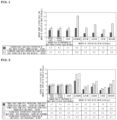
FIG. 1 is a graph illustrating the amounts of taste-enhancer amino acids of meat broth produced using the original materials or base materials in the form of an extract/powder. -
FIG. 2 is a graph illustrating the amounts of taste-enhancer amino acids of meat broth according to the production scale and the presence/absence of retort sterilization. -
FIG. 3 is a graph illustrating the amounts of taste-enhancer amino acids according to the conditions of a secondary heating step. -
FIG. 4 is a graph illustrating the results of analyzing the amounts of ingredients that induce a retort odor according to a secondary heating step or a curing step. -
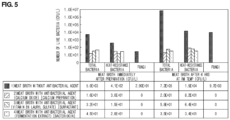
FIG. 5 is a graph illustrating the sensory quality preference for meat broth produced using the original materials or base materials in the form of an extract/powder. - Hereinafter, the present application will be described in more detail to allow for a clearer understanding of the present application. However, the following examples are provided for easier understanding of the present application, and the present application is not limited to the following examples.
- In consideration of the deep taste level of the targeted meat broth, livestock meat and poultry (e.g., beef, pork, chicken, etc.) as meat in a refrigerated or frozen state; shrimp, squid, surf clam, dried pollack, kelp, etc. as seafood; and garlic, green onion, onion, radish, mushroom, etc. as vegetable base materials were produced alone or by mixing in combination thereof in an amount of 10-50 wt% (w/w), relative to the amount of the meat broth to be produced. In the case of a meat original material, the original material was left in flowing water for 12 hours, bled off, washed, and cut to be produced as a base material.
- The meat or seafood original materials as base materials are mixed with a curing agent containing an extract of condiments, cooking liquor, an organic acid, or a mixture thereof in an amount of 0.01-2.0 wt% (w/w) relative to the weight of the original material of the base materials, or the curing agent is produced in a solution state, added to the original material of the base materials, and mixed or immersed.
- In a 3,000 L capacity double steam jacketed production tank, 500 kg of a meat original material as a base material mixed and cured with a 50 L curing solution was subjected to primary heating in hot water at 95°C for about 20 minutes, and then blood clots, floating oil, impurities, etc. were removed in advance by washing in cold water. The base materials which underwent the primary heating were subjected to secondary heating to prepare meat broth. The specific heating conditions were 85-95°C for 30-180 minutes, and various kinds of non-meat parts (e.g., bones, skins, etc.) were added together with condiment vegetables so as to enhance the sensory characteristics of meat broth. During the secondary heating, a natural antibacterial agent was further added in an amount of 0.01-2.0 wt% (w/w) relative to the weight of the base materials so as to secure microbial stability.
- After the cooking by the secondary heating, the meat broth was filled into a heat-resistant pouch or tray material of a multilayer packaging material for retort consisting of polypropylene, aluminum, nylon, etc. having resistance to high temperature, light- and oxygen-blocking properties, and flexibility; packaged; sterilized by heating at a temperature of 105-123°C for 10-60 minutes; and prepared into a processed food that can be distributed in a refrigerated state or room temperature.
- Taste-enhancer amino acids are glutamine, glycine, alanine, lysine, and arginine, which are major taste ingredients that impart a savory taste and a meat flavor of meat broth, and these taste-enhancer amino acids serve as an important control index indicating that the taste quality is improved as the amounts of these taste-enhancer amino acids increase.
- The amounts of taste-enhancer amino acids of meat broth produced according to the heating consisting of two steps using the base materials were compared to those of taste-enhancer amino acids of meat broth produced as seasoning materials in the state of an extract or powder applied to the conventional mass production.
- Specifically, meat, seafood, vegetable extracts (base materials of ES food, beef, pork, and chicken seasoning concentrates) or seasoning materials in the powder state (base materials of ES food, beef powder, and vegetable seasoning powder) were mixed with purified water, heated at 121°C for 20 minutes by retort sterilization, and the amounts of taste-enhancer amino acids were examined and the results are shown in Table 1 and
FIG. 1 .[Table 1] Amounts of taste-enhancer amino acids according to types of base materials Production Method Amounts of Taste-Enhancer Amino Acids (mg/L) Glutamine Glycine Alanine Lysine Arginine Extract/Pow der Heated Meat Broth 4.3 1.7 2.0 1.5 2.1 Production of Meat Broth of the Present Application (Heat Extraction of Meat Base Materials) 10.4 4.5 6.2 3.6 6.5 - As confirmed in Table 1 and
FIG. 1 , it can be confirmed that the meat broth of the present application has about a 3-fold improvement in the amount of taste-enhancer amino acids compared to the conventional meat broth, and thus it can be confirmed that the quality of the meat broth of the present application is improved compared to the conventional meat broth. - An attempt was made to confirm whether the quality can be maintained when the method for producing the meat broth of the present application is a large-scale production. Specifically, for the method for producing the meat broth of the present application, the conditions as shown in Table 2 (i.e., the factory-style scale is a 3,000 L scale in a double steam jacketed production tank, and the home-style scale is a 10 L scale with heating at 90-100°C for 20-180 minutes) were applied, and the amounts of the taste-enhancer amino acids in the produced meat broth were confirmed. The results are shown in Table 2 and
FIG. 2 .[Table 2] Amounts of taste-enhancer amino acids according to scale of the meat broth of the present application Experimental Group (Based on Beef Meat Broth) Amounts of Taste-Enhancer Amino Acids (mg/L) Glutam ine Glyci ne Alani ne Lysin e Argin ine 1) Home-Style Scale Secondary Heating - Retort Not Performed 6.5 2.2 3.5 1.8 3.1 2) Home-Style Scale Primary Heating - Retort 9.7 3.6 5.1 2.6 4.9 3) Factory-Style Scale Meat Broth Production - Secondary Heating - Retort Not Performed 7.1 3.0 4.2 2.2 4.7 4) Factory-Style Scale Meat Broth Production - Secondary Heating - Retort 10.2 4.3 6.3 3.2 6.7 - Generally, while the quality of the product decreases as the production scale increases and the production process becomes extreme, as can be confirmed in Table 2 and
FIG. 2 , it was confirmed that the meat broth of the present application has an effect that the amounts of taste-enhancer amino acids are further increased when the meat broth of the present application is produced on a factory-style scale. In particular, in the factory-style scale, it was confirmed that the amount of taste-enhancer amino acids was highest when the meat broth underwent retort. - To confirm the presence/absence of changes in quality of meat broth according to conditions of the secondary heating step (i.e., temperature, time, and pressure) and optimal conditions, the amounts of taste-enhancer amino acids in the meat broth produced according to the changes in the conditions of the secondary heating step in the process of performing the secondary heating of the base materials which underwent the primary heating step. The results are shown in Table 3 and
FIG. 3 . - Meat broth samples were produced in the same manner with the only differences in specific conditions of temperature, time, and pressure of the secondary heating step as in Preparation Example 1 and Table 3.
[Table 3] Amounts of taste-enhancer amino acids according to conditions of secondary heating step Conditions Of Secondary Heating Amounts of Taste-Enhancer Amino Acids (mg/L) Glutami ne Glycine Alanine Lysine Arginine 100°C, 120 Min, 1.0 kgf/cm2 10.2 4.3 6.3 3.2 6.7 105°C, 100 Min, 1.2 kgf/cm2 10.7 4.6 6.5 3.4 6.9 110°C, 80 Min, 1.5 kgf/cm2 10.5 4.2 6.4 3.3 7.0 115°C, 50 Min, 1.8 kgf/cm2 10.0 4.1 6.5 3.4 7.2 121°C, 30 Min, 2.1 kgf/cm2 9.5 3.7 6.2 3.5 7.5 - As can be confirmed in Table 3 and
FIG. 3 , no significant difference was observed in the amounts of taste-enhancer amino acids of meat broth when the conditions of the secondary heating step were 100-121°C, 30-120 minutes at 1.0-2.1 kgf/cm2. Therefore, by performing the secondary heating at high-temperature high-pressure for a short period of time (i.e., 121°C, 30 minutes, 2.1 kgf/cm2), the time consumed for the secondary heating step can be reduced to a half (1/2) to one third (1/3) level thereby capable of promoting the improvement of overall productivity. - The effect of reducing the retort odor and the effect of improving sensory evaluation of meat broth, which shows differences according to steps of the present application, were confirmed, compared to the extract/powder heating meat broth. Specifically, the meat broth was produced with the differences in the process of Preparation Example 1 as shown in Table 4 below and used, and for the extract/powder heating meat broth, the meat broth of Experimental Example 4 was used. With regard to the retort odor, 2-pentyl-furan, 2-heptanal, and 3-octanone was measured using the gas chromatograph (GC), and for the sensory evaluation, overall taste, overall flavor, and color were evaluated via a 5-point scale method. The results are shown in Table 4 and
FIG. 4 .[Table 4] Effect of reducing retort odor in meat broth of the present application compared to extract/powder heating meat broth Experimental Group (Based on Beef Meat Broth) GC Analysis Value of Retort Odor (µg /100 g) 2-Pentyl-Furan 2-Heptanal 3-Octanone Extract, Powder Heating Meat Broth 9.0 6.0 5.0 Primary Heating of Meat 3.0 1.0 1.0 Secondary Heating of Meat 1.0 0.5 0.7 Primary Heating of Meat after Curing 0.8 0.3 0.5 Secondary Heating of Meat after Curing 0.5 0.1 0.2 - As confirmed in Table 4 and
FIG. 4 , it can be confirmed that in the meat broth of the present application, the values of 2-pentyl-furan, 2-heptanal, and 3-octanone, which are the factors of retort odor, are reduced compared to the extract/powder heating meat broth, regardless of the process. - In particular, it can be confirmed that the level of retort odor reduction becomes more excellent as the meat broth of the present application undergoes a curing step and a two-step heating.
- The sensory quality preferences for the meat broths produced according to the differences in the secondary heating step of Experimental Example 1 (1) 3) were confirmed, and the results are shown in Table 5 and
FIG. 3 .[Table 5]Confirmation of sensory quality preference according to conditions of secondary heating step Heating Conditions (Based on Beef Meat Broth) Sensory Quality Preference For Meat Broth (5-Point Scale Method) Overall Taste Overall Flavor Color 1) 100°C, 120 Min, 1.0 kgf/cm2 4.2a 4.2a 4.2a 2) 105°C, 100 Min, 1.2 kgf/cm2 4.2a 4.3a 4.2a 3) 110°C, 80 Min, 1.5 kgf/cm2 4.1a 4.2a 4.1a 4) 115°C, 50 Min, 1.8 kgf/cm2 4.1a 4.1a 4.0a 5) 121°C, 30 Min, 2.1 kgf/cm2 4.0a 4.1a 4.0a * Confirmation of significant differences (P < 0.05), the same English letter indicates no difference. - As can be confirmed in Table 5 and
FIG. 3 , even in the sensory quality preference, the presence of a significant difference in the sensory quality preference for meat broth was not confirmed when the conditions of the secondary heating step were 100-121°C, 30-120 minutes, and 1.0-2.1 kgf/cm2, similar to the amounts of taste-enhancer amino acids. Therefore, by performing the secondary heating at high-temperature high-pressure for a short period of time (i.e., 121°C, 30 minutes, 2.1 kgf/cm2), the time consumed for the secondary heating step can be reduced to a half (1/2) to one third (1/3) level thereby capable of promoting the improvement of overall productivity. - With respect to the conventional meat broth of Experimental Example 1 (1) 1) and that of the present application, the sensory evaluation preferences were confirmed and compared, and the results are shown in Table 6 and
FIG. 1 .[Table 6] Sensory evaluation preferences between the conventional meat broth and that of the present application Production Method Sensory Quality Preference For Meat Broth (5-Point Scale Method) Overall Taste Overall Flavor Color Extract/Powder Heating Meat Broth 3.3d 3.2c 3.1c Production of the Meat Broth of the Present Application (Meat Base Material Heat Extraction) 4.2a 4.2a 4.1a * Confirmation of significant differences (P < 0.05), the same English letter indicates no difference. - As confirmed in Table 6 and
FIG. 1 , it can be confirmed that the sensory quality preference for the meat broth of the present application was significantly improved compared to that of the conventional meat broth, and thus, it can be confirmed that the quality of the meat broth of the present application is improved compared to the conventional meat broth. - With regard to the production scale of Experimental Example 1 (1) 2), the sensory evaluation preferences were confirmed, and the results are shown in Table 7 and
FIG. 2 .[Table 7] Sensory evaluation of preferences for the meat broth of the present application Experimental Group (Based on Beef Meat Broth) Sensory Quality Preference For Meat Broth (5-Point Scale Method) Overall Taste Overall Flavor Color Home-Style Scale Secondary Heating - Retort Not Performed 4.1a 4.0a 4.2a Home-Style Scale Primary Heating - Retort 3.7b 3.8b 3.7b Factory-Style Scale Production of Meat Broth - Secondary Heating - Retort Not Performed 4.3a 4.2a 4.2a Factory-Style Scale Production of Meat Broth - Secondary Heating - Retort 4.1a 4.1a 4.0a * Confirmation of significant differences (P < 0.05), the same English letter indicates no difference. - Additionally, even in the sensory quality preference of meat broth, as can be confirmed in Table 7 and
FIG. 2 , it was confirmed that when the production method of the present application was applied, no significant statistical difference in sensory quality preference was observed although the product was produced in a factory-style scale. - With regard to the reduction in retort odor of Experimental Example 1 (2), the sensory evaluation preferences were confirmed, and the results are shown in Table 8 and
FIG. 4 .[Table 8] Effect of improving sensory evaluation of the meat broth of the present application compared to the extract/powder heating meat broth Experimental Group (Based on Beef Meat Broth) Sensory Quality Preference For Meat Broth (5-Point Scale Method) Overall Taste Overall Flavor Color Extract/Powder Heating Meat Broth 3.3d 3.2c 3.1c Primary Heating of Meat 3.8c 3.9b 3.8b Secondary Heating of Meat 4.0b 3.9b 4.0a Primary Heating of Meat After Curing 4.0b 4.0b 4.1a Secondary Heating of Meat After Curing 4.2a 4.2a 4.1a * Confirmation of significant differences (P < 0.05), the same English letter indicates no difference. - As confirmed in Table 8 and
FIG. 4 , it can be confirmed that, compared to the extract/powder heating meat broth, the meat broth of the present application has improved sensory quality preference regardless of the production process, and in particular, the improvement in sensory quality preference becomes more excellent as the meat broth undergoes a curing step and a two-step heating. - In the secondary heating step, the microbial stability according to the addition of a natural antibacterial agent was confirmed. Specifically, the total number of bacteria, the number of heat-resistance bacteria, and the number of fungi of the meat broth were confirmed immediately after the production and after 6 hours at room temperature, in which the meat broth was produced in the same manner as in Preparation Example 1 except the differences in the presence/absence of a natural antibacterial agent and the kind thereof as conditions shown in Table 3 at the time of the secondary heating. The results are shown in Table 9 and
FIG. 5 .[Table 9] Confirmation of effect of microbial stability of meat broth according to natural antibacterial agents Experimental Group (Based on Beef Meat Broth) Meat Broth Immediately After Production (CFU/L) Meat Broth After 6 Hours At Room Temperature Total Bacter ia Heat-Resist ant Bacter ia Fungi Total Bacte ria Heat-Resist ant Bacter ia Fungi 1) Meat Broth with No Addition of Antibacterial Agent 5.0E + 03 4.1E + 02 2.9E + 01 7.2E + 06 1.5E + 04 9.7E + 03 2) Meat Broth with Addition of Antibacterial Agent (Calcium Oxide) [Calcium Preparation] 1.6E + 01 3.0E + 01 0 2.0E + 01 8.2E + 01 0 3) Meat Broth with Addition of Antibacterial Agent (Vitamin B1 Lauryl Sulfate) [Surfactant] 3.2E + 01 1.5E + 01 0 5.8E + 01 6.4E + 01 0 4) Meat Broth with Addition of Antibacterial Agent (Fermentation Extract) [Bacteriocin] 4.5E + 01 2.8E + 01 0 3.5E + 01 3.4E + 01 0 - As can be confirmed in Table 9 and
FIG. 5 , the meat broth in which a natural antibacterial agents (calcium, a surfactant, and a fermentation extract) were added showed an overall decrease in the total number of bacteria, the number of heat-resistance bacteria, and the number of fungi compared to the meat broth in which the natural antibacterial agents (calcium, a surfactant, and a fermentation extract) were added. Specifically, the total number of bacteria was decreased to a level of 102 CFU/L, and the number of heat-resistance bacteria and the number of fungi were decreased to a level of 101 CFU/L, and in particular, the number of fungi was decreased to a level of sterilization thus confirming microbial stability. - Additionally, it was confirmed that even after 6 hours at room temperature, the meat broth in which no natural antibacterial agent was not added showed an increase in all of the total number of bacteria, the number of heat-resistance bacteria, and the number of fungi, compared to the meat broth immediately after the production, thus showing low microbial stability. In contrast, in the meat broth in which natural antibacterial agents were added, all of the total number of bacteria, the number of heat-resistance bacteria, and the number of fungi showed only an increase of less than 101 compared to the meat broth immediately after the production, thus showing high microbial stability.
- The meat broth of the present application and the products containing the meat broth of the present application were subjected to sensory evaluation (5-point scale method) with regard to overall taste, savory taste, and physical appearance, and the results are shown in Tables 10 and 11. Specifically, the quality of the meat broth of the present application produced by the method of Preparation Example 1 was compared to that of the conventional meat broth. Specifically, for the conventional meat broth, the meat broth was produced using an extract and purified water, or using an extract by adding extract (base materials of ES food, beef, pork, chicken seasoning extract, etc.) or seasoning powder (base materials of ES food, beef seasoning powder, chicken seasoning powder, etc.) in an amount of 1-10 wt% (w/w) relative to the weight of purified water, and heating at 90-100°C for about 5-20 minutes, and the meat broth of the present application was produced by the production method of Preparation Example 1.
[Table 10] Results of quality evaluation of the present application meat broth Base Materials of Meat Broth Overall Taste (5-Point Scale Method) Savory Taste of Meat Broth Physical Appearance (Color) Extract (Beef Ribs, Brisket), Purified Water 3.5a 3.6a 3.5a Ribs, Condiment Vegetables Heat Extraction 3.9b 3.9b 3.9b Extract (Chicken Meat, Chicken Feet) 3.6a 3.7a 3.6a Chicken Meat, Chicken Bones, Condiment Vegetables 3.9b 3.9b 3.9b Extract (Anchovy, Kelp) 3.7a 3.5a 3.6a Anchovy, Kelp, Condiment Vegetables 3.9b 3.8b 3.9b * Confirmation of significant differences (P < 0.05), the same English letter indicates no difference. - As shown in Table 10, it was confirmed that the meat broth of the present application was improved in all of the evaluation items compared to the conventional meat broth to have statistical significance (p < 0.05).
[Table 11] Results of quality evaluation of products containing the meat broth of the present application Soup, Broth Kinds (Applicati on of Meat Broth) Base Materials of Meat Broth Overall Taste (5-Point Scale Method) Savory Taste of Meat Broth Physical Appeara nce (Color) Rib Broth (Rib Meat Broth) Extract (Beef Ribs, Brisket), Purified Water 3.6a 3.6a 3.5a Ribs, Condiment Vegetables Heat Extraction 3.9b 4.0b 3.9b Boiled Chicken Soup (Chicken Meat Broth) Extract (Chicken Meat, Chicken Feet) 3.6a 3.6a 3.5a Chicken Meat, Chicken Bones, Condiment Vegetables 3.9b 3.9b 3.9b Seaweed Soup (Anchovy Kelp Meat Broth) Extract (Anchovy, Kelp) 3.7a 3.6a 3.6a Anchovy, Kelp, Condiment Vegetables 3.9b 3.9b 3.9b * Confirmation of significant differences (P < 0.05), the same English letter indicates no difference. - As shown in Table 11, it was confirmed that the products containing the meat broth of the present application showed high scores in the overall taste, savory taste, and physical appearance considering colors compared to the products containing the extract/powder heating meat broth by 0.2-0.4 points per item.
- From the above results, it was confirmed that when the heat extraction method of meat broth production using various meat and seafood and vegetable base materials was applied to the production of various produced foods with cooking convenience (e.g., soup, broth, stew, side dishes, main dishes, etc.), an effect of significantly improving sensory quality during high-temperature high-pressure heat sterilization (in particular, retort) was shown, thus confirming that the novel method for producing meat broth established through the present application is an effective technology that can be utilized in the future in the development of foods to be refrigerated and processed at room temperature.
Claims (8)
- A method for producing a meat broth composition, the method comprising steps of:primary heating of one or more base material selected from the group consisting of meat and seafood in water at 90-100°C for 3-35 minutes;secondary heating of the base material, which has undergone primary heating, in water at a pressure of 1.2 - 2.7 kgf/cm2 and at 105-130°C for 25-100 minutes to elute meat broth from the base material; andheating and sterilizing the meat broth extracted in the secondary heating step at 90-130°C for 10-60 minutes,wherein the method further comprises a step of washing the heated base material with cold water after the primary heating step,wherein the meat broth composition comprises 2-pentyl-furan in an amount of less than 3.0 µg/100 g; 2-heptanal in an amount of less than 1.0 µg/100 g; or 3-octanone in an amount of less than 1.0 p.g/100 g.
- The method of claim 1, wherein the method further comprises a step of curing an original material of the base material with a curing agent comprising at least one selected among condiments, condiment vegetables, cooking liquor, oils, vinegars, lemon juice, coffee powder, and green tea powder.
- The method of claim 1, wherein, in the secondary heating step, a natural antibacterial agent comprising one or more selected from the group consisting of organic acids, alcohols, surfactants, bacteriocins, and calcium preparations is further added.
- The method of claim 3, wherein, in the secondary heating step, a natural antibacterial agent is added in an amount of 0.005-2.5 wt% (w/w) relative to the total weight of the base material.
- The method of claim 1, wherein the sterilizing step is performed at 115-125°C.
- The method of claim 1, wherein the produced meat broth composition, immediately after the production, comprises a total number of bacteria of less than 1.0 × 10² CFU/L, a number of heat-resistant bacteria of less than 1.0 × 10² CFU/L, and a number of fungi of less than 1.0 × 101 CFU/L.
- The method of claim 1, wherein the meat broth composition comprises 2-pentyl-furan in an amount of greater than 0 µg/1 00 g and less than 3.0 µg/100 g; 2-heptanal in an amount of greater than 0 µg/100 g and less than 1.0 µg/100 g; and 3-octanone in an amount of greater than 0 µg/100 g and less than 1.0 µg/100 g.
- A meat broth composition for retort, which is produced by a method comprising steps of:primary heating of one or more base material selected from the group consisting of meat and seafood in water at 90-100°C for 3-35 minutes;secondary heating of the base material, which has undergone primary heating, in water at a the pressure of 1.2 - 2.7 kgf/cm2 and at 105-130°C for 25-100 minutes to elute meat broth from the base material; andheating and sterilizing the meat broth extracted in the secondary heating step at 90-130°C for 10-60 minutes,wherein the method further comprises a step of washing the heated base material with cold water after the primary heating step,wherein the meat broth composition comprises 2-pentyl-furan in an amount of less than 3.0 µg/100 g; 2-heptanal in an amount of less than 1.0 µg/100 g; or 3-octanone in an amount of less than 1.0 µg/100 g.
Applications Claiming Priority (2)
| Application Number | Priority Date | Filing Date | Title |
|---|---|---|---|
| KR20170002788 | 2017-01-09 | ||
| PCT/KR2018/000445 WO2018128531A1 (en) | 2017-01-09 | 2018-01-09 | Method for producing meat broth composition |
Publications (3)
| Publication Number | Publication Date |
|---|---|
| EP3566589A1 EP3566589A1 (en) | 2019-11-13 |
| EP3566589A4 EP3566589A4 (en) | 2020-07-08 |
| EP3566589B1 true EP3566589B1 (en) | 2024-12-11 |
Family
ID=63049121
Family Applications (1)
| Application Number | Title | Priority Date | Filing Date |
|---|---|---|---|
| EP18736605.9A Active EP3566589B1 (en) | 2017-01-09 | 2018-01-09 | Method for producing meat broth composition |
Country Status (5)
| Country | Link |
|---|---|
| US (1) | US20190373928A1 (en) |
| EP (1) | EP3566589B1 (en) |
| JP (1) | JP6951024B2 (en) |
| KR (3) | KR102264611B1 (en) |
| CN (1) | CN110167360A (en) |
Families Citing this family (10)
| Publication number | Priority date | Publication date | Assignee | Title |
|---|---|---|---|---|
| KR102309276B1 (en) * | 2019-10-21 | 2021-10-05 | 박대건 | Hot pot with Neungi mushroom and Bone broth and Manufacturing method of the same |
| KR102476282B1 (en) * | 2020-09-15 | 2022-12-12 | 의령왕메추리 영농조합법인 | Big Quail Broth and its Preparation Method |
| KR102501404B1 (en) * | 2020-09-15 | 2023-02-22 | 의령왕메추리 영농조합법인 | Quail Ddeokgalbi Preparation Method with Aged Seasoning Composition for Preparing Quail Ddeeokgalbi |
| KR102567374B1 (en) * | 2020-12-31 | 2023-08-24 | 영산대학교산학협력단 | How to make clear pheasant stock for pheasant cooking |
| KR102641406B1 (en) | 2021-02-24 | 2024-02-27 | 이은혁 | Broth-Ice pack and its manufacturing mehod |
| CN112971083B (en) * | 2021-03-26 | 2023-09-08 | 青岛日辰食品股份有限公司 | Preparation method of mushroom soup with natural antibacterial function |
| KR102781034B1 (en) * | 2021-10-25 | 2025-03-13 | 권재중 | manufacturing for cold noodle using sarcodon aspratus |
| KR102361992B1 (en) * | 2022-01-11 | 2022-02-14 | 양정열 | Broth for meat noodles, containing Shindari as Jeju's traditional fermented beverage, and its manufacturing method |
| KR102883930B1 (en) * | 2022-12-08 | 2025-11-10 | 씨제이제일제당 주식회사 | Method for preparing a meat broth composition for retort food with enhanced fragrance and flavor |
| KR102893747B1 (en) | 2022-12-20 | 2025-11-28 | 이보은 | Powder for all-purpose cooking and manufacturing method thereof |
Citations (1)
| Publication number | Priority date | Publication date | Assignee | Title |
|---|---|---|---|---|
| CN105455086A (en) * | 2015-11-17 | 2016-04-06 | 六安市裕青生态养殖有限责任公司 | Portable packaged old-goose soup |
Family Cites Families (25)
| Publication number | Priority date | Publication date | Assignee | Title |
|---|---|---|---|---|
| JPH0353870A (en) * | 1989-07-21 | 1991-03-07 | Kazuo Kasuya | Production of sauce for buckwheat noodle |
| US5173319A (en) * | 1990-04-24 | 1992-12-22 | Microlife Technics, Inc. | Method and composition for extending the shelf life of processed meats |
| JP2692047B2 (en) * | 1992-12-01 | 1997-12-17 | アサヒビール株式会社 | How to make birdcage extract |
| JP3153853B2 (en) * | 1997-06-30 | 2001-04-09 | ハウス食品株式会社 | Vegetable broth |
| JP2001103920A (en) * | 1999-10-13 | 2001-04-17 | T Hasegawa Co Ltd | Production method of cooking flavor |
| RU2254036C2 (en) * | 2000-05-08 | 2005-06-20 | Оно Фудз Индастриал Ко., Лтд. | Thermal processing apparatus |
| KR20050105876A (en) * | 2004-05-03 | 2005-11-08 | 주식회사 케미넥스 | A composition for sterilizing and preserving food |
| JP4667953B2 (en) * | 2004-05-14 | 2011-04-13 | キリン協和フーズ株式会社 | Livestock meat extract and production method thereof |
| KR100571494B1 (en) * | 2004-05-15 | 2006-04-17 | 김광숙 | Manufacturing method of deodorized broth |
| KR20080011821A (en) * | 2006-07-31 | 2008-02-11 | 주식회사 두산 | Antimicrobial composition containing calcium oxide and food preservation method using same |
| JP4691517B2 (en) * | 2007-02-14 | 2011-06-01 | キリン協和フーズ株式会社 | Production method of livestock meat extract |
| US20080305213A1 (en) * | 2007-06-11 | 2008-12-11 | Kerry Group Services International, Ltd. | Method and composition for preparing cured meat products |
| KR20110072196A (en) * | 2009-12-22 | 2011-06-29 | 대상 주식회사 | How to make broth |
| KR20110082849A (en) * | 2010-01-12 | 2011-07-20 | 최희윤 | Instant dried kimchi stew and preparation method |
| JP5815954B2 (en) * | 2011-02-04 | 2015-11-17 | テーブルマーク株式会社 | Pork bone and chicken flavor enhancer |
| KR20130030231A (en) * | 2011-09-16 | 2013-03-26 | 토모다 셀링 가부시키가이샤 | Retort sterilization device, heating device, heat sterilization method and heat treatment method |
| KR101340818B1 (en) | 2011-12-07 | 2013-12-11 | 정용달 | Manufacturing Method of SAMGYETNAG's meat broth and, Manufacturing Method of SAMGYETNAG |
| JP6230146B2 (en) * | 2013-02-13 | 2017-11-15 | Mcフードスペシャリティーズ株式会社 | Production method of livestock meat extract |
| CN103478795B (en) * | 2013-08-23 | 2015-04-22 | 华南理工大学 | Chicken bone soup-stock as well as preparation method thereof |
| KR101812006B1 (en) * | 2014-08-29 | 2017-12-27 | 정미영 | A method for manufacturing meat boiled in water using sarcodon aspratus and meat boiled in water using sarcodon aspratus manufactured by the same |
| AR097615A1 (en) * | 2014-09-10 | 2016-04-06 | Oki Hisaharu | METHOD FOR STERILIZATION AND PRESERVATION OF FOOD PRODUCTS |
| KR101559107B1 (en) * | 2014-12-12 | 2015-10-15 | 농업회사법인주식회사 산청자연식품 | The method for manufacture a beef extract |
| KR101666649B1 (en) * | 2015-03-11 | 2016-10-14 | 조우형 | Method for preparing ox head soup |
| JP6713724B2 (en) * | 2015-03-27 | 2020-06-24 | 日清食品ホールディングス株式会社 | Extraction method |
| CN109195459A (en) * | 2016-05-26 | 2019-01-11 | Cj第制糖株式会社 | Method for preparing processed food and processed food prepared by the same method |
-
2018
- 2018-01-09 KR KR1020180002998A patent/KR102264611B1/en active Active
- 2018-01-09 US US16/476,645 patent/US20190373928A1/en active Pending
- 2018-01-09 CN CN201880006292.6A patent/CN110167360A/en active Pending
- 2018-01-09 EP EP18736605.9A patent/EP3566589B1/en active Active
- 2018-01-09 JP JP2019537070A patent/JP6951024B2/en active Active
-
2020
- 2020-07-31 KR KR1020200096107A patent/KR102300895B1/en active Active
-
2021
- 2021-07-09 KR KR1020210090538A patent/KR102446977B1/en active Active
Patent Citations (1)
| Publication number | Priority date | Publication date | Assignee | Title |
|---|---|---|---|---|
| CN105455086A (en) * | 2015-11-17 | 2016-04-06 | 六安市裕青生态养殖有限责任公司 | Portable packaged old-goose soup |
Non-Patent Citations (1)
| Title |
|---|
| KWON Y-S ET AL: "Antimicrobial constituents of Angelica dahurica roots", PHYTOCHEMISTRY, ELSEVIER, AMSTERDAM , NL, vol. 44, no. 5, 1 March 1997 (1997-03-01), pages 887 - 889, XP004292937, ISSN: 0031-9422, DOI: 10.1016/S0031-9422(96)00634-6 * |
Also Published As
| Publication number | Publication date |
|---|---|
| EP3566589A4 (en) | 2020-07-08 |
| KR102300895B1 (en) | 2021-09-13 |
| KR20180082353A (en) | 2018-07-18 |
| JP6951024B2 (en) | 2021-10-20 |
| KR102446977B1 (en) | 2022-09-26 |
| US20190373928A1 (en) | 2019-12-12 |
| JP2020505018A (en) | 2020-02-20 |
| KR102264611B1 (en) | 2021-06-15 |
| KR20200096194A (en) | 2020-08-11 |
| KR20210089628A (en) | 2021-07-16 |
| EP3566589A1 (en) | 2019-11-13 |
| CN110167360A (en) | 2019-08-23 |
Similar Documents
| Publication | Publication Date | Title |
|---|---|---|
| KR102446977B1 (en) | Broth composition for retort food and processed food containing same | |
| CN100536692C (en) | A processing method for high-quality vacuum-packed poultry products | |
| CN102178251B (en) | Thyme mutton-smelling removing condiment | |
| CN103704751B (en) | A kind of low-salt spicy duck meat sauce and preparation method | |
| CN101531973B (en) | Lactobacillus pentosus, active fresh-keeping flavor intensifier and application thereof | |
| CN105685834A (en) | Staged fermentation method for diced pork in pot | |
| JP5165787B2 (en) | Manufacturing method of pickled meat | |
| CN103211248A (en) | Method for processing freshwater fish in non-fried way | |
| CN107348400A (en) | A kind of local flavor pickled vegetable fish meat paste and preparation method thereof | |
| CN106616883A (en) | Steak sauce | |
| KR101105469B1 (en) | Retort crab meat soup products that can be distributed at room temperature and manufacturing method thereof | |
| CN110447844A (en) | A kind of production method of halogen meat | |
| KR101229261B1 (en) | Functional kimchi containing blue crabs and squid, and its manufacturing method | |
| JP7256009B2 (en) | Composition for improving fish meat quality containing red yeast rice | |
| CN112772891A (en) | Liquor-marinating food and preparation method and application thereof | |
| CN106993783A (en) | The pickled fermented method and its processing technology of a kind of sauerkraut | |
| KR20160086721A (en) | Manufacturing method of Mukeunji Kimchi-Stew | |
| KR102925152B1 (en) | Manufacturing method of low-salt pickled radish using lemon and vinegar fermentation liquid | |
| KR102562018B1 (en) | Manufacturing method of spicy stir-fried hot pot chicken ribs with excellent preference | |
| KR101285845B1 (en) | Method for manufacturing meat broth of duck bone and meat broth of duck bone manufactured by this | |
| JP2007174916A (en) | Processed livestock meat and production method thereof | |
| JP7343276B2 (en) | Flavor-enhancing composition containing red yeast rice | |
| KR102169731B1 (en) | Source having an effect of increasing the storage period and manufacturing the same | |
| Borodina | NUTRITIONAL AND ECONOMIC ASPECTS OF BONE BROTH PRODUCTION FROM LOCAL LIVESTOCK SOURCES IN ALBERTA, CANADA | |
| JP6823558B2 (en) | A seasoning that reduces the green odor of bean sprouts |
Legal Events
| Date | Code | Title | Description |
|---|---|---|---|
| STAA | Information on the status of an ep patent application or granted ep patent |
Free format text: STATUS: THE INTERNATIONAL PUBLICATION HAS BEEN MADE |
|
| PUAI | Public reference made under article 153(3) epc to a published international application that has entered the european phase |
Free format text: ORIGINAL CODE: 0009012 |
|
| STAA | Information on the status of an ep patent application or granted ep patent |
Free format text: STATUS: REQUEST FOR EXAMINATION WAS MADE |
|
| 17P | Request for examination filed |
Effective date: 20190709 |
|
| AK | Designated contracting states |
Kind code of ref document: A1 Designated state(s): AL AT BE BG CH CY CZ DE DK EE ES FI FR GB GR HR HU IE IS IT LI LT LU LV MC MK MT NL NO PL PT RO RS SE SI SK SM TR |
|
| AX | Request for extension of the european patent |
Extension state: BA ME |
|
| DAV | Request for validation of the european patent (deleted) | ||
| DAX | Request for extension of the european patent (deleted) | ||
| A4 | Supplementary search report drawn up and despatched |
Effective date: 20200605 |
|
| RIC1 | Information provided on ipc code assigned before grant |
Ipc: A23L 5/10 20160101ALI20200529BHEP Ipc: A23L 23/00 20160101AFI20200529BHEP Ipc: A23L 27/10 20160101ALI20200529BHEP Ipc: A23L 27/26 20160101ALI20200529BHEP Ipc: A23L 3/3454 20060101ALI20200529BHEP Ipc: A23L 13/70 20160101ALI20200529BHEP Ipc: A23L 13/30 20160101ALI20200529BHEP Ipc: A23L 3/005 20060101ALI20200529BHEP |
|
| P01 | Opt-out of the competence of the unified patent court (upc) registered |
Effective date: 20230606 |
|
| STAA | Information on the status of an ep patent application or granted ep patent |
Free format text: STATUS: EXAMINATION IS IN PROGRESS |
|
| 17Q | First examination report despatched |
Effective date: 20231128 |
|
| GRAP | Despatch of communication of intention to grant a patent |
Free format text: ORIGINAL CODE: EPIDOSNIGR1 |
|
| STAA | Information on the status of an ep patent application or granted ep patent |
Free format text: STATUS: GRANT OF PATENT IS INTENDED |
|
| RIC1 | Information provided on ipc code assigned before grant |
Ipc: A23L 27/26 20160101ALI20240610BHEP Ipc: A23L 13/30 20160101ALI20240610BHEP Ipc: A23L 3/3454 20060101ALI20240610BHEP Ipc: A23L 3/005 20060101ALI20240610BHEP Ipc: A23L 5/10 20160101ALI20240610BHEP Ipc: A23L 13/72 20230101ALI20240610BHEP Ipc: A23L 13/70 20160101ALI20240610BHEP Ipc: A23L 27/10 20160101ALI20240610BHEP Ipc: A23L 23/00 20160101AFI20240610BHEP |
|
| INTG | Intention to grant announced |
Effective date: 20240702 |
|
| GRAS | Grant fee paid |
Free format text: ORIGINAL CODE: EPIDOSNIGR3 |
|
| GRAA | (expected) grant |
Free format text: ORIGINAL CODE: 0009210 |
|
| STAA | Information on the status of an ep patent application or granted ep patent |
Free format text: STATUS: THE PATENT HAS BEEN GRANTED |
|
| AK | Designated contracting states |
Kind code of ref document: B1 Designated state(s): AL AT BE BG CH CY CZ DE DK EE ES FI FR GB GR HR HU IE IS IT LI LT LU LV MC MK MT NL NO PL PT RO RS SE SI SK SM TR |
|
| REG | Reference to a national code |
Ref country code: GB Ref legal event code: FG4D |
|
| REG | Reference to a national code |
Ref country code: CH Ref legal event code: EP |
|
| REG | Reference to a national code |
Ref country code: DE Ref legal event code: R096 Ref document number: 602018077488 Country of ref document: DE |
|
| REG | Reference to a national code |
Ref country code: IE Ref legal event code: FG4D |
|
| REG | Reference to a national code |
Ref country code: NL Ref legal event code: FP |
|
| REG | Reference to a national code |
Ref country code: LT Ref legal event code: MG9D |
|
| PG25 | Lapsed in a contracting state [announced via postgrant information from national office to epo] |
Ref country code: HR Free format text: LAPSE BECAUSE OF FAILURE TO SUBMIT A TRANSLATION OF THE DESCRIPTION OR TO PAY THE FEE WITHIN THE PRESCRIBED TIME-LIMIT Effective date: 20241211 |
|
| PG25 | Lapsed in a contracting state [announced via postgrant information from national office to epo] |
Ref country code: FI Free format text: LAPSE BECAUSE OF FAILURE TO SUBMIT A TRANSLATION OF THE DESCRIPTION OR TO PAY THE FEE WITHIN THE PRESCRIBED TIME-LIMIT Effective date: 20241211 |
|
| PG25 | Lapsed in a contracting state [announced via postgrant information from national office to epo] |
Ref country code: BG Free format text: LAPSE BECAUSE OF FAILURE TO SUBMIT A TRANSLATION OF THE DESCRIPTION OR TO PAY THE FEE WITHIN THE PRESCRIBED TIME-LIMIT Effective date: 20241211 |
|
| PG25 | Lapsed in a contracting state [announced via postgrant information from national office to epo] |
Ref country code: ES Free format text: LAPSE BECAUSE OF FAILURE TO SUBMIT A TRANSLATION OF THE DESCRIPTION OR TO PAY THE FEE WITHIN THE PRESCRIBED TIME-LIMIT Effective date: 20241211 |
|
| PG25 | Lapsed in a contracting state [announced via postgrant information from national office to epo] |
Ref country code: NO Free format text: LAPSE BECAUSE OF FAILURE TO SUBMIT A TRANSLATION OF THE DESCRIPTION OR TO PAY THE FEE WITHIN THE PRESCRIBED TIME-LIMIT Effective date: 20250311 |
|
| PG25 | Lapsed in a contracting state [announced via postgrant information from national office to epo] |
Ref country code: LV Free format text: LAPSE BECAUSE OF FAILURE TO SUBMIT A TRANSLATION OF THE DESCRIPTION OR TO PAY THE FEE WITHIN THE PRESCRIBED TIME-LIMIT Effective date: 20241211 Ref country code: GR Free format text: LAPSE BECAUSE OF FAILURE TO SUBMIT A TRANSLATION OF THE DESCRIPTION OR TO PAY THE FEE WITHIN THE PRESCRIBED TIME-LIMIT Effective date: 20250312 |
|
| PG25 | Lapsed in a contracting state [announced via postgrant information from national office to epo] |
Ref country code: RS Free format text: LAPSE BECAUSE OF FAILURE TO SUBMIT A TRANSLATION OF THE DESCRIPTION OR TO PAY THE FEE WITHIN THE PRESCRIBED TIME-LIMIT Effective date: 20250311 |
|
| REG | Reference to a national code |
Ref country code: AT Ref legal event code: MK05 Ref document number: 1749601 Country of ref document: AT Kind code of ref document: T Effective date: 20241211 |
|
| PG25 | Lapsed in a contracting state [announced via postgrant information from national office to epo] |
Ref country code: SM Free format text: LAPSE BECAUSE OF FAILURE TO SUBMIT A TRANSLATION OF THE DESCRIPTION OR TO PAY THE FEE WITHIN THE PRESCRIBED TIME-LIMIT Effective date: 20241211 |
|
| PG25 | Lapsed in a contracting state [announced via postgrant information from national office to epo] |
Ref country code: PL Free format text: LAPSE BECAUSE OF FAILURE TO SUBMIT A TRANSLATION OF THE DESCRIPTION OR TO PAY THE FEE WITHIN THE PRESCRIBED TIME-LIMIT Effective date: 20241211 |
|
| PG25 | Lapsed in a contracting state [announced via postgrant information from national office to epo] |
Ref country code: PT Free format text: LAPSE BECAUSE OF FAILURE TO SUBMIT A TRANSLATION OF THE DESCRIPTION OR TO PAY THE FEE WITHIN THE PRESCRIBED TIME-LIMIT Effective date: 20250411 |
|
| PG25 | Lapsed in a contracting state [announced via postgrant information from national office to epo] |
Ref country code: EE Free format text: LAPSE BECAUSE OF FAILURE TO SUBMIT A TRANSLATION OF THE DESCRIPTION OR TO PAY THE FEE WITHIN THE PRESCRIBED TIME-LIMIT Effective date: 20241211 |
|
| PG25 | Lapsed in a contracting state [announced via postgrant information from national office to epo] |
Ref country code: RO Free format text: LAPSE BECAUSE OF FAILURE TO SUBMIT A TRANSLATION OF THE DESCRIPTION OR TO PAY THE FEE WITHIN THE PRESCRIBED TIME-LIMIT Effective date: 20241211 Ref country code: AT Free format text: LAPSE BECAUSE OF FAILURE TO SUBMIT A TRANSLATION OF THE DESCRIPTION OR TO PAY THE FEE WITHIN THE PRESCRIBED TIME-LIMIT Effective date: 20241211 |
|
| PG25 | Lapsed in a contracting state [announced via postgrant information from national office to epo] |
Ref country code: SK Free format text: LAPSE BECAUSE OF FAILURE TO SUBMIT A TRANSLATION OF THE DESCRIPTION OR TO PAY THE FEE WITHIN THE PRESCRIBED TIME-LIMIT Effective date: 20241211 |
|
| PG25 | Lapsed in a contracting state [announced via postgrant information from national office to epo] |
Ref country code: CZ Free format text: LAPSE BECAUSE OF FAILURE TO SUBMIT A TRANSLATION OF THE DESCRIPTION OR TO PAY THE FEE WITHIN THE PRESCRIBED TIME-LIMIT Effective date: 20241211 |
|
| PG25 | Lapsed in a contracting state [announced via postgrant information from national office to epo] |
Ref country code: IT Free format text: LAPSE BECAUSE OF FAILURE TO SUBMIT A TRANSLATION OF THE DESCRIPTION OR TO PAY THE FEE WITHIN THE PRESCRIBED TIME-LIMIT Effective date: 20241211 |
|
| REG | Reference to a national code |
Ref country code: CH Ref legal event code: PL |
|
| PG25 | Lapsed in a contracting state [announced via postgrant information from national office to epo] |
Ref country code: SE Free format text: LAPSE BECAUSE OF FAILURE TO SUBMIT A TRANSLATION OF THE DESCRIPTION OR TO PAY THE FEE WITHIN THE PRESCRIBED TIME-LIMIT Effective date: 20241211 |
|
| REG | Reference to a national code |
Ref country code: DE Ref legal event code: R097 Ref document number: 602018077488 Country of ref document: DE |
|
| PG25 | Lapsed in a contracting state [announced via postgrant information from national office to epo] |
Ref country code: MC Free format text: LAPSE BECAUSE OF FAILURE TO SUBMIT A TRANSLATION OF THE DESCRIPTION OR TO PAY THE FEE WITHIN THE PRESCRIBED TIME-LIMIT Effective date: 20241211 Ref country code: LU Free format text: LAPSE BECAUSE OF NON-PAYMENT OF DUE FEES Effective date: 20250109 |
|
| PG25 | Lapsed in a contracting state [announced via postgrant information from national office to epo] |
Ref country code: DK Free format text: LAPSE BECAUSE OF FAILURE TO SUBMIT A TRANSLATION OF THE DESCRIPTION OR TO PAY THE FEE WITHIN THE PRESCRIBED TIME-LIMIT Effective date: 20241211 |
|
| PG25 | Lapsed in a contracting state [announced via postgrant information from national office to epo] |
Ref country code: BE Free format text: LAPSE BECAUSE OF NON-PAYMENT OF DUE FEES Effective date: 20250131 |
|
| PLBE | No opposition filed within time limit |
Free format text: ORIGINAL CODE: 0009261 |
|
| STAA | Information on the status of an ep patent application or granted ep patent |
Free format text: STATUS: NO OPPOSITION FILED WITHIN TIME LIMIT |
|
| PG25 | Lapsed in a contracting state [announced via postgrant information from national office to epo] |
Ref country code: CH Free format text: LAPSE BECAUSE OF NON-PAYMENT OF DUE FEES Effective date: 20250131 |
|
| REG | Reference to a national code |
Ref country code: BE Ref legal event code: MM Effective date: 20250131 |
|
| 26N | No opposition filed |
Effective date: 20250912 |
|
| PGFP | Annual fee paid to national office [announced via postgrant information from national office to epo] |
Ref country code: NL Payment date: 20251120 Year of fee payment: 9 |
|
| PGFP | Annual fee paid to national office [announced via postgrant information from national office to epo] |
Ref country code: IS Payment date: 20251121 Year of fee payment: 9 |
|
| PGFP | Annual fee paid to national office [announced via postgrant information from national office to epo] |
Ref country code: GB Payment date: 20251120 Year of fee payment: 9 |
|
| PGFP | Annual fee paid to national office [announced via postgrant information from national office to epo] |
Ref country code: FR Payment date: 20251125 Year of fee payment: 9 |
|
| PG25 | Lapsed in a contracting state [announced via postgrant information from national office to epo] |
Ref country code: IE Free format text: LAPSE BECAUSE OF NON-PAYMENT OF DUE FEES Effective date: 20250109 |
|
| PGFP | Annual fee paid to national office [announced via postgrant information from national office to epo] |
Ref country code: DE Payment date: 20251120 Year of fee payment: 9 |