EP3566464B1 - Schallnivellierung in einem mehrkanal-tonerfassungssystem - Google Patents
Schallnivellierung in einem mehrkanal-tonerfassungssystem Download PDFInfo
- Publication number
- EP3566464B1 EP3566464B1 EP18700961.8A EP18700961A EP3566464B1 EP 3566464 B1 EP3566464 B1 EP 3566464B1 EP 18700961 A EP18700961 A EP 18700961A EP 3566464 B1 EP3566464 B1 EP 3566464B1
- Authority
- EP
- European Patent Office
- Prior art keywords
- sound
- channel
- channels
- frame
- predetermined
- Prior art date
- Legal status (The legal status is an assumption and is not a legal conclusion. Google has not performed a legal analysis and makes no representation as to the accuracy of the status listed.)
- Active
Links
Images




Classifications
-
- H—ELECTRICITY
- H04—ELECTRIC COMMUNICATION TECHNIQUE
- H04R—LOUDSPEAKERS, MICROPHONES, GRAMOPHONE PICK-UPS OR LIKE ACOUSTIC ELECTROMECHANICAL TRANSDUCERS; ELECTRIC HEARING AIDS; PUBLIC ADDRESS SYSTEMS
- H04R3/00—Circuits for transducers
- H04R3/005—Circuits for transducers for combining the signals of two or more microphones
-
- H—ELECTRICITY
- H04—ELECTRIC COMMUNICATION TECHNIQUE
- H04R—LOUDSPEAKERS, MICROPHONES, GRAMOPHONE PICK-UPS OR LIKE ACOUSTIC ELECTROMECHANICAL TRANSDUCERS; ELECTRIC HEARING AIDS; PUBLIC ADDRESS SYSTEMS
- H04R2201/00—Details of transducers, loudspeakers or microphones covered by H04R1/00 but not provided for in any of its subgroups
- H04R2201/40—Details of arrangements for obtaining desired directional characteristic by combining a number of identical transducers covered by H04R1/40 but not provided for in any of its subgroups
-
- H—ELECTRICITY
- H04—ELECTRIC COMMUNICATION TECHNIQUE
- H04R—LOUDSPEAKERS, MICROPHONES, GRAMOPHONE PICK-UPS OR LIKE ACOUSTIC ELECTROMECHANICAL TRANSDUCERS; ELECTRIC HEARING AIDS; PUBLIC ADDRESS SYSTEMS
- H04R2430/00—Signal processing covered by H04R, not provided for in its groups
- H04R2430/01—Aspects of volume control, not necessarily automatic, in sound systems
-
- H—ELECTRICITY
- H04—ELECTRIC COMMUNICATION TECHNIQUE
- H04R—LOUDSPEAKERS, MICROPHONES, GRAMOPHONE PICK-UPS OR LIKE ACOUSTIC ELECTROMECHANICAL TRANSDUCERS; ELECTRIC HEARING AIDS; PUBLIC ADDRESS SYSTEMS
- H04R2430/00—Signal processing covered by H04R, not provided for in its groups
- H04R2430/20—Processing of the output signals of the acoustic transducers of an array for obtaining a desired directivity characteristic
-
- H—ELECTRICITY
- H04—ELECTRIC COMMUNICATION TECHNIQUE
- H04R—LOUDSPEAKERS, MICROPHONES, GRAMOPHONE PICK-UPS OR LIKE ACOUSTIC ELECTROMECHANICAL TRANSDUCERS; ELECTRIC HEARING AIDS; PUBLIC ADDRESS SYSTEMS
- H04R2430/00—Signal processing covered by H04R, not provided for in its groups
- H04R2430/20—Processing of the output signals of the acoustic transducers of an array for obtaining a desired directivity characteristic
- H04R2430/21—Direction finding using differential microphone array [DMA]
-
- H—ELECTRICITY
- H04—ELECTRIC COMMUNICATION TECHNIQUE
- H04R—LOUDSPEAKERS, MICROPHONES, GRAMOPHONE PICK-UPS OR LIKE ACOUSTIC ELECTROMECHANICAL TRANSDUCERS; ELECTRIC HEARING AIDS; PUBLIC ADDRESS SYSTEMS
- H04R2430/00—Signal processing covered by H04R, not provided for in its groups
- H04R2430/20—Processing of the output signals of the acoustic transducers of an array for obtaining a desired directivity characteristic
- H04R2430/23—Direction finding using a sum-delay beam-former
Definitions
- Example embodiments disclosed herein relate to audio signal processing. More specifically, example embodiments relate to leveling in multi-channel sound capture systems.
- Sound leveling in sound capturing systems is known as a process of regulating the sound level so that it meets system dynamic range requirement or artistic requirements.
- Conventional sound leveling techniques such as Automatic Gain Control (AGC), apply one adaptive gain (or one gain for each frequency band, if in a sub-band implementation) that changes over time. The gain is applied to amplify or attenuate the sound if the measured sound level is too low or too high.
- AGC Automatic Gain Control
- the invention is defined by a method of processing audio signals according to claim 1.
- a processor converts at least two input sound channels captured via a microphone array into at least two intermediate sound channels.
- the intermediate sound channels are respectively associated with predetermined directions from the microphone array. The closer to the direction a sound source is, the more the sound source is enhanced in the intermediate sound channel associated with the direction.
- the processor levels the intermediate sound channels separately. Further, the processor converts the intermediate sound channels subjected to leveling to a predetermined output channel format.
- the invention is further defined by an audio signal processing device according to claim 12.
- the audio signal processing device includes a processor and a memory.
- the memory is associated with the processor and includes processor-readable instructions. When the processor reads the processor-readable instructions, the processor executes the above method of processing audio signals.
- the invention is further defined by an audio signal processing device according to claim 13.
- the audio signal processing device comprises a first converter, a leveler and a second converter.
- the first converter is configured to convert at least two input sound channels captured via a microphone array into at least two intermediate sound channels.
- the intermediate sound channels are respectively associated with predetermined directions from the microphone array. The closer to the direction a sound source is, the more the sound source is enhanced in the intermediate sound channel associated with the direction.
- the leveler is configured to level the intermediate sound channels separately.
- the second converter is configured to convert the intermediate sound channels subjected to leveling to a predetermined output channel format.
- aspects of the example embodiments may be embodied as a system, method or computer program product. Accordingly, aspects of the example embodiments may take the form of an entirely hardware embodiment, an entirely software embodiment (including firmware, resident software, microcode, etc.) or an embodiment combining software and hardware aspects that may all generally be referred to herein as a "circuit,” “module” or “system.” Furthermore, aspects of the example embodiments may take the form of a computer program product tangibly embodied in one or more computer readable medium(s) having computer readable program code embodied thereon.
- Fig. 1A is a schematic view for illustrating an example scenario of sound capture.
- a mobile phone is capturing a sound scene where speaker A holding the mobile phone is in a conversation with speaker B in the front of the phone camera at a distance. Since speaker A is much closer to the mobile phone than speaker B he is photographing, the recorded sound level alternates between closer and farther sound sources with large level difference.
- Fig. 1B is a schematic view for illustrating another example scenario of sound capture.
- a sound capture device is capturing a sound scene of conference, where speakers A, B, C and D are in a conversation, via the sound capture device, with others participating in the conference but locating at a remote site.
- Speakers B and D are much closer to the sound capture device than speakers A and C due to, for example, the arrangement of the sound capture device and/or seats, and thus the recorded sound level alternates between closer and farther sound sources with large sound level difference.
- the AGC gain has to change quickly up and down to amplify the low level sound or attenuate the high level sound, if the aim is to capture a more balanced sound scene.
- the frequent gain regulations and large gain variations can cause different artifacts. For example, if the adaptation speed of AGC is too slow, the gain changes lag behind the actual sound level changes. This can cause misbehaviors where parts of the high level sound are amplified and parts of the low level sound are attenuated.
- the adaptation speed of AGC is set very fast to catch the sound source switching, the natural level variation in the sound (e.g., speech) is reduced.
- the natural level variation of speech measured by modulation depth, is important for its intelligibility and quality.
- Another side effect of frequent gain fluctuation is the noise pumping effect, where the relatively constant background noise is pumped up and down in level making an annoying artifact.
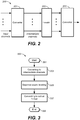
- Fig. 2 is a block diagram for illustrating an example audio signal processing device 200 according to an example embodiment.
- the audio signal processing device 200 includes a converter 201, a leveler 202 and a converter 203.
- the converter 201 is configured to convert at least two input sound channels captured via a microphone array into at least two intermediate sound channels.
- the intermediate sound channels are respectively associated with predetermined directions from the microphone array.
- Fig. 5A /B is a schematic view for illustrating examples of associations of intermediate sound channels with directions from a microphone array in scenarios illustrated in Fig. 1A and Fig. 1B .
- Fig. 5A illustrates a scenario where the intermediate sound channels include a front channel associated with a front direction at which a camera on the mobile phone points (the camera's orientation), and a back channel associated with a back direction opposite to the front direction.
- Fig. 5B illustrates a scenario where the intermediate sound channels include four sound channels respectively associated with direction 1, direction 2, direction 3 and direction 4.
- the intermediate sound channels may be produced by applying beamforming to input sound channels captured via microphones of a microphone array.
- a beamforming algorithm takes input sound channels captured via three microphones of the mobile phone and forms a cardioid beam pattern towards the front direction and another cardioid beam pattern towards the back direction. The two cardioid beam patterns are applied to produce the front channel and the back channel.
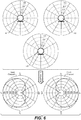
- FIG. 6 is a schematic view for illustrating an example of producing intermediate sound channels from input sound channels captured via microphones via beamforming.
- three omni-directional microphones m1, m2 and m3 and their directivity patterns are presented.
- a front channel and a back channel are produced from input sound channels captured via microphones m1, m2 and m3. Cardioid beam patterns of the front channel and the back channel are also presented in Fig. 6 .
- the microphone array may be integrated with the audio signal processing device 200 in the same device.
- the device include but not limited to sound or video recording device, portable electronic device such as mobile phone, tablet and the like, and sound capture device for conference.
- the microphone array and the audio signal processing device 200 may also be arranged in separate devices.
- the audio signal processing device 200 may be hosted in a remote server and input sound channels captured via the microphone array are input to the audio signal processing device 200 via connections such as network or storage medium such as hard disk.
- the leveler 202 is configured to level the intermediate sound channels separately. For example, independent gains and target levels may be applied to the intermediate sound channels respectively.
- the converter 203 is configured to convert the intermediate sound channels subjected to leveling to a predetermined output channel format.
- the predetermined output channel format include but not limited to mono, stereo, 5.1 or higher, and first order or higher order ambisonic.
- mono output for example, the front sound channel and the back sound channel subjected to sound leveling are summed by the converter 203 together to form the final output.
- multiple channel output channel format such as 5.1 or higher, for example, the converter 203 pans the front sound channel to the front output channels, and the back sound channel to the back output channels.
- the front sound channel and the back sound channel subjected to sound leveling are panned by the converter 203 to the front-left/front-right and back-left/back-right channel respectively, and then summed up to form the final output left and right channel.
- Fig. 3 is a flow chart for illustrating an example method 300 of processing audio signals according to an example embodiment.
- the method 600 starts from step 301.
- step 303 at least two input sound channels captured via a microphone array are converted into at least two intermediate sound channels.
- the intermediate sound channels are respectively associated with predetermined directions from the microphone array. In each of the intermediate sound channels, if a sound source is closer to the direction associated with the intermediate sound channel, the sound source is more enhanced in the intermediate sound channel.
- the intermediate sound channels are leveled separately. For example, independent gains and target levels may be applied to the intermediate sound channels respectively.
- the intermediate sound channels subjected to leveling are converted to a predetermined output channel format.
- the predetermined output channel format include but not limited to mono, stereo, 5.1 or higher, and first order or higher order ambisonic.
- Fig. 4 is a block diagram for illustrating an example audio signal processing device 400 according to an example embodiment.
- the audio signal processing device 400 includes a converter 401, a leveler 402, a converter 403, a direction of arrival estimator 404, and a detector 405.
- any of the components or elements of the audio signal processing device 400 may be implemented as one or more processes and/or one or more circuits (for example, application specific integrated circuits (ASICs), field programmable gate arrays (FPGAs), or other integrated circuits), in hardware, software, or a combination of hard ware and software.
- the audio signal processing device 400 may include a hardware processor for performing the respective functions of the converter 401, the leveler 402, the converter 403, the direction of arrival estimator 404, and the detector 405.
- the audio signal processing device 400 processes sound frames in a iterative manner. In the current iteration, the audio signal processing device 400 processes sound frames corresponding to one time or time interval. In the next iteration, the audio signal processing device 400 processes sound frames corresponding to the next time or time interval.
- the converter 401 is configured to convert at least two input sound channels captured via a microphone array into at least two intermediate sound channels.
- the intermediate sound channels are respectively associated with predetermined directions from the microphone array. In each of the intermediate sound channels, if a sound source is closer to the direction associated with the intermediate sound channel, the sound source is more enhanced in the intermediate sound channel.
- the direction of arrival estimator 404 is configured to estimate a direction of arrival based on input sound frames of the input sound channels captured via the microphone array.
- the direction of arrival indicates the direction, relative to the microphone array, of a sound source dominating the current sound frame in terms of signal power.
- An example method of estimating the direction of arrival is described in J. Dmochowski, J. Benesty, S. Affes, "Direction of arrival estimation using the parameterized spatial correlation matrix", IEEE Trans. Audio Speech Lang. Process., vol. 15, no. 4, pp. 1327-1339, May 2007 .
- the leveler 402 is configured to level the intermediate sound channels separately. For example, independent gains and target levels may be applied to the intermediate sound channels respectively.
- the detector 405 is used to identify presence of a sound source, locating near the direction associated with a predetermined intermediate sound channel, in a sound frame of the predetermined intermediate sound channel, so that sound leveling of the sound frame in the predetermined intermediate sound channel can be achieved independently of sound frames in other intermediate sound channels.
- a predetermined intermediate sound channel may be that associated with a direction in which a sound source closer to the microphone array is expected to present.
- a predetermined intermediate sound channel may be that associated with a direction in which a sound source farther to the microphone array is expected to present.
- predetermined intermediate sound channels and intermediate sound channels other than the predetermined intermediate sound channels are respectively referred to as "target sound channels” and “non-target sound channels” in the context of the present disclosure.
- the back channel is a predetermined intermediate sound channel and the front channel is an intermediate sound channel other than the predetermined intermediate sound channel(s), or vice versa.
- the sound channels associated with direction 2 and direction 4 are predetermined intermediate sound channels and the sound channels associated with direction 1 and direction 3 are intermediate sound channels other than the predetermined intermediate sound channels, or vice versa.
- a predetermined intermediate sound channel may be specified based on configuration data or user input.
- the presence can be identified if a sound source presents near the direction associated with the predetermined intermediate sound channel and the sound emitted by the sound source is sound of interest (SOI) other than background noise and microphone noise.
- SOI sound of interest
- the sound of interest may be identified as non-stationary sound.
- the signal quality may be used to identify the sound of interest. If the signal quality of a sound frame is higher, there is a larger possibility that the sound frame includes the sound of interest.
- Various parameters for representing the signal quality can be used.
- the instantaneous signal-to-noise ratio (iSNR) for measuring how much the current sound (frame) stands out of the averaged ambient sounds is an example parameter for representing the signal quality.
- the iSNR may be calculated by first estimating the noise floor with a minimum level tracker, and then taking the difference between the current frame level and the noise floor in dB.
- the iSNR may be calculated by first estimating the noise floor with a minimum level tracker, and then calculating the ratio of the power of the current frame level to the power of the noise floor.
- the power P in these expressions may for example represent an average power.
- the detector 405 is configured to estimate the signal quality of a sound frame in each predetermined intermediate sound channel, and identify a sound frame if the following conditions are met: 1) the direction of arrival indicates that a sound source of the sound frame locates within a predetermined range from the direction associated with the predetermined intermediate sound channel including the identified sound frame, and 2) the signal quality is higher than a threshold level.
- Fig. 7 is a schematic view for illustrating an example scenario of meeting condition 1). As illustrated in Fig. 7 , a predetermined intermediate sound channel is associated with a back direction from a microphone array 701. There is an angle range ⁇ around the back direction. The direction of arrival DOA of a sound source 702 falls within the angle range ⁇ , and therefore the condition 1) is met. In condition 1), the sound frame is associated with the same time as the input sound frames for estimating the direction of arrival to ensure that the direction of arrival really indicates the location when the sound source emits the sound of interest in the sound frame.
- more than one direction of arrival may be estimated for more than one sound source at the same time.
- the detector 405 estimate the signal quality of a sound frame in each predetermined intermediate sound channel, and identify a sound frame if the conditions 1) and 2) are met.
- An example method of estimating more than one direction of arrival is described in H. KHADDOUR, J. SCHIMMEL, M. TRZOS, "Estimation of direction of arrival of multiple sound sources in 3D space using B-format", International Journal of Advances in Telecommunications, Electrotechnics, Signals and Systems, 2013, vol. 2, no. 2, p. 63-67 .
- the leveler 402 is configured to regulate a sound level of the identified sound frame towards a target level, by applying a corresponding gain.
- a conventional method of sound leveling may be applied for each intermediate sound channel other than the predetermined intermediate sound channel(s).
- the converter 403 is configured to convert the intermediate sound channels subjected to leveling to a predetermined output channel format.
- Fig. 8 is a flow chart for illustrating an example method 800 of processing audio signals according to an example embodiment.
- the method 800 starts from step 801.
- At step 803 at least two input sound channels captured via a microphone array are converted into at least two intermediate sound channels.
- the intermediate sound channels are respectively associated with predetermined directions from the microphone array. In each of the intermediate sound channels, if a sound source is closer to the direction associated with the intermediate sound channel, the sound source is more enhanced in the intermediate sound channel.
- the intermediate sound channels may be produced by applying beamforming to input sound channels captured via microphones of a microphone array.
- a direction of arrival is estimated based on input sound frames of the input sound channels captured via the microphone array.
- a current one of the intermediate sound channels is a predetermined intermediate sound channel or not.
- a predetermined intermediate sound channel may be that associated with a direction in which a sound source closer to the microphone array is expected to present.
- a predetermined intermediate sound channel may be that associated with a direction in which a sound source farther to the microphone array is expected to present.
- a predetermined intermediate sound channel may be specified based on configuration data or user input.
- the method 800 proceeds to step 815. If the intermediate sound channel is a predetermined intermediate sound channel, then at step 809, the signal quality of a sound frame in the predetermined intermediate sound channel is estimated.
- the presence of a sound source, locating near the direction associated with the predetermined intermediate sound channel, in a sound frame of the predetermined intermediate sound channel is identified.
- the presence can be identified if a sound source presents near the direction associated with the predetermined intermediate sound channel and the sound emitted by the sound source is sound of interest (SOI) other than background noise and microphone noise.
- SOI sound of interest
- the sound of interest may be identified as non-stationary sound.
- the signal quality may be used to identify the sound of interest. If the signal quality of a sound frame is higher, there is a larger possibility that the sound frame includes the sound of interest.
- the signal quality of a sound frame in the predetermined intermediate sound channel is estimated, and a sound frame is identified if the following conditions are met: 1) the direction of arrival indicates that a sound source of the sound frame locates within a predetermined range from the direction associated with the predetermined intermediate sound channel including the identified sound frame, and 2) the signal quality is higher than a threshold level.
- condition 1) the sound frame is associated with the same time as the input sound frames for estimating the direction of arrival to ensure that the direction of arrival really indicates the location when the sound source emits the sound of interest in the sound frame.
- more than one direction of arrival may be estimated for more than one sound source at the same time.
- the signal quality of a sound frame in the predetermined intermediate sound channel is estimated, and a sound frame is identified if the conditions 1) and 2) are met.
- step 817 a sound level of the identified sound frame is regulated towards a target level, by applying a corresponding gain.
- step 817 it is determined whether all the intermediate sound channels have been processed. If not, the method 800 proceeds to step 807 and changes the current intermediate sound channel to the next intermediate sound channel waiting for processing. If all the intermediate sound channels have been processed, the method 800 proceeds to step 819.
- step 815 sound leveling is applied to the current intermediate sound channel.
- step 817 sound leveling is applied to the current intermediate sound channel.
- a conventional method of sound leveling may be applied. For example, an independent gain and an independent target level may be applied to the current intermediate sound channel.
- the intermediate sound channels subjected to leveling are converted to a predetermined output channel format.
- the predetermined output channel format include but not limited to mono, stereo, 5.1 or higher, and first order or higher order ambisonic. Then the method 800 ends at step 821.
- Fig. 9 is a block diagram for illustrating an example audio signal processing device 900 according to an example embodiment.
- the audio signal processing device 900 includes a converter 901, a leveler 902, a converter 903, a direction of arrival estimator 904, and a detector 905.
- the audio signal processing device 900 processes sound frames in a iterative manner. In the current iteration, the audio signal processing device 900 processes sound frames corresponding to one time or time interval. In the next iteration, the audio signal processing device 900 processes sound frames corresponding to the next time or time interval.
- the converter 901 is configured to convert at least two input sound channels captured via a microphone array into at least two intermediate sound channels.
- the intermediate sound channels are respectively associated with predetermined directions from the microphone array. In each of the intermediate sound channels, if a sound source is closer to the direction associated with the intermediate sound channel, the sound source is more enhanced in the intermediate sound channel.
- the direction of arrival estimator 904 is configured to estimate a direction of arrival based on input sound frames of the input sound channels captured via the microphone array.
- the leveler 902 is configured to level the intermediate sound channels separately.
- the detector 905 is used to identify presence of a sound source, locating near the direction associated with the predetermined intermediate sound channel, in a sound frame of the predetermined intermediate sound channel, so that sound leveling of the sound frame in the predetermined intermediate sound channel can be achieved independently of sound frames in other intermediate sound channels.
- the detector 905 is configured to estimate the signal quality of a sound frame in each predetermined intermediate sound channel, and identify a sound frame if the following conditions are met: 1) the direction of arrival indicates that a sound source of the sound frame locates within a predetermined range from the direction associated with the predetermined intermediate sound channel including the identified sound frame, and 2) the signal quality is higher than a threshold level.
- condition 1) the sound frame is associated with the same time as the input sound frames for estimating the direction of arrival to ensure that the direction of arrival really indicates the location when the sound source emits the sound of interest in the sound frame.
- the detector 905 is used to identify that the sound emitted by a sound source is sound of interest (SOI) other than background noise and microphone noise.
- SOI sound of interest
- the detector 905 is configured to estimate the signal quality of a sound frame in each intermediate sound channel other than the predetermined intermediate sound channel(s), and identify a sound frame if the signal quality is higher than a threshold level.
- the leveler 902 is configured to regulate a sound level of the identified sound frame towards a target level, by applying a corresponding gain. If a sound frame in an intermediate sound channel other than the predetermined intermediate sound channel(s) is identified by the detector 905, the leveler 902 is configured to regulate a sound level of the identified sound frame towards another target level, by applying a corresponding gain.
- the converter 903 is configured to convert the intermediate sound channels subjected to leveling to a predetermined output channel format.
- Fig. 10 is a flow chart for illustrating an example method 1000 of processing audio signals according to an example embodiment.
- the method 1000 starts from step 1001.
- step 1003 at least two input sound channels captured via a microphone array are converted into at least two intermediate sound channels.
- the intermediate sound channels are respectively associated with predetermined directions from the microphone array. In each of the intermediate sound channels, if a sound source is closer to the direction associated with the intermediate sound channel, the sound source is more enhanced in the intermediate sound channel.
- the intermediate sound channels may be produced by applying beamforming to input sound channels captured via microphones of a microphone array.
- a direction of arrival is estimated based on input sound frames of the input sound channels captured via the microphone array.
- a current one of the intermediate sound channels is predetermined intermediate sound channel or not.
- a predetermined intermediate sound channel may be that associated with a direction in which a sound source closer to the microphone array is expected to present.
- a predetermined intermediate sound channel may be that associated with a direction in which a sound source farther to the microphone array is expected to present.
- a predetermined intermediate sound channel may be specified based on configuration data or user input.
- the intermediate sound channel is a predetermined intermediate sound channel
- the signal quality of a sound frame in the predetermined intermediate sound channel is estimated.
- presence of a sound source, locating near the direction associated with the predetermined intermediate sound channel, in a sound frame of the predetermined intermediate sound channel is identified.
- the presence can be identified if a sound source presents near the direction associated with the predetermined intermediate sound channel and the sound emitted by the sound source is sound of interest (SOI) other than background noise and microphone noise.
- SOI sound of interest
- the sound of interest may be identified as non-stationary sound.
- the signal quality may be used to identify the sound of interest. If the signal quality of a sound frame is higher, there is a larger possibility that the sound frame includes the sound of interest.
- the signal quality of a sound frame in the predetermined intermediate sound channel is estimated, and a sound frame is identified if the following conditions are met: 1) the direction of arrival indicates that a sound source of the sound frame locates within a predetermined range from the direction associated with the predetermined intermediate sound channel including the identified sound frame, and 2) the signal quality is higher than a threshold level.
- condition 1) the sound frame is associated with the same time as the input sound frames for estimating the direction of arrival to ensure that the direction of arrival really indicates the location when the sound source emits the sound of interest in the sound frame.
- more than one direction of arrival may be estimated for more than one sound source at the same time.
- the signal quality of a sound frame in the predetermined intermediate sound channel is estimated, and a sound frame is identified if the conditions 1) and 2) are met.
- step 1011 If a sound frame is not identified at step 1011, then the method 1000 proceeds to step 1021. If a sound frame is identified at step 1011, then at step 1013, a sound level of the identified sound frame is regulated towards a target level, by applying a corresponding gain, and then the method 1000 proceeds to step 1021.
- the signal quality of a sound frame in each intermediate sound channel other than the predetermined intermediate sound channel(s) is estimated.
- a sound frame is identified if the signal quality is higher than a threshold level. If a sound frame in an intermediate sound channel other than the predetermined intermediate sound channel(s) is identified at step 1017, then at step 1019, a sound level of the identified sound frame is regulated towards another target level, by applying a corresponding gain, and then the method 1000 proceeds to step 1021. If a sound frame in an intermediate sound channel other than the predetermined intermediate sound channel(s) is not identified at step 1017, the method 1000 proceeds to step 1021.
- step 1021 it is determined whether all the intermediate sound channels have been processed. If not, the method 1000 proceeds to step 1007 and changes the current intermediate sound channel to the next intermediate sound channel waiting for processing. If all the intermediate sound channels have been processed, the method 1000 proceeds to step 1023.
- step 1023 the intermediate sound channels subjected to leveling are converted to a predetermined output channel format. Then the method 1000 ends at step 1025.
- the target level and/or the gain for regulating an identified sound frame in a predetermined intermediate sound channel may be identical to or different from the target level and/or gain, respectively, for regulating an identified sound frame in an intermediate sound channel other than the predetermined intermediate sound channel, depending on the purpose of sound leveling.
- a predetermined intermediate sound channel is associated with a direction in which a sound source closer to the microphone array is expected to present (for example, the back channel in Fig. 5A )
- the target level and/or the gain for regulating an identified sound frame in the predetermined intermediate sound channel is lower than the target level and/or gain, respectively, for regulating an identified sound frame in an intermediate sound channel other than the predetermined intermediate sound channel.
- a predetermined intermediate sound channel is associated with a direction in which a sound source farther to the microphone array is expected to present (for example, the front channel in Fig. 5A )
- the target level and/or the gain for regulating an identified sound frame in the predetermined intermediate sound channel is higher than the target level and/or gain, respectively, for regulating an identified sound frame in an intermediate sound channel other than the predetermined intermediate sound channel.
- Fig. 11 is a block diagram illustrating an exemplary system 1100 for implementing the aspects of the example embodiments disclosed herein.
- a central processing unit (CPU) 1101 performs various processes in accordance with a program stored in a read only memory (ROM) 1102 or a program loaded from a storage section 1108 to a random access memory (RAM) 1103.
- ROM read only memory
- RAM random access memory
- data required when the CPU 1101 performs the various processes or the like is also stored as required.
- the CPU 1101, the ROM 1102 and the RAM 1103 are connected to one another via a bus 1104.
- An input / output interface 1105 is also connected to the bus 1104.
- the following components are connected to the input / output interface 1105: an input section 1106 including a keyboard, a mouse, or the like; an output section 1107 including a display such as a cathode ray tube (CRT), a liquid crystal display (LCD), or the like, and a loudspeaker or the like; the storage section 1108 including a hard disk or the like; and a communication section 1109 including a network interface card such as a LAN card, a modem, or the like.
- the communication section 1109 performs a communication process via the network such as the internet.
- a drive 1110 is also connected to the input / output interface 1105 as required.
- a removable medium 1111 such as a magnetic disk, an optical disk, a magneto - optical disk, a semiconductor memory, or the like, is mounted on the drive 1110 as required, so that a computer program read therefrom is installed into the storage section 1108 as required.
- the program that constitutes the software is installed from the network such as the internet or the storage medium such as the removable medium 1111.
Landscapes
- Health & Medical Sciences (AREA)
- General Health & Medical Sciences (AREA)
- Otolaryngology (AREA)
- Physics & Mathematics (AREA)
- Engineering & Computer Science (AREA)
- Acoustics & Sound (AREA)
- Signal Processing (AREA)
- Circuit For Audible Band Transducer (AREA)
- Obtaining Desirable Characteristics In Audible-Bandwidth Transducers (AREA)
Claims (15)
- Verfahren zum Verarbeiten von Audiosignalen, umfassend:Wandeln (303, 803, 1003), durch einen Prozessor, von mindestens zwei Eingangstonkanälen, die über eine Mikrofonanordnung erfasst wurden, in mindestens zwei Zwischentonkanäle, wobei die Zwischentonkanäle jeweils vorbestimmten Richtungen von der Mikrofonanordnung zugeordnet sind, und je näher eine Tonquelle der Richtung ist, desto stärker die Tonquelle in dem Zwischentonkanal, der der Richtung zugeordnet ist, verstärkt wird;separates Einpegeln (305, 813, 815, 1013, 1019), durch den Prozessor, der Zwischentonkanäle; undWandeln (819, 1019), durch den Prozessor, der Zwischentonkanäle, die dem Einpegeln unterzogen wurden, zu einem vorbestimmten Ausgabekanalformat, weiter umfassend:Schätzen (805, 1005), durch den Prozessor, einer Ankunftsrichtung basierend auf Eingabeton-Frames von mindestens zwei der Eingabetonkanäle, undwobei das Einpegeln umfasst:
für jeden von mindestens einem vorbestimmten Zwischentonkanal der Zwischentonkanäle,Schätzen (809, 1009) einer ersten Signalqualität eines ersten Ton-Frames in dem mindestens einen vorbestimmten Zwischentonkanal, wobei das erste Ton-Frame der gleichen Zeit zugeordnet ist, wie die Eingabeton-Frames;Identifizieren (811, 1011) des ersten Ton-Frames, wenn die Ankunftsrichtung angibt, dass eine Tonquelle des ersten Ton-Frames sich innerhalb eines vorbestimmten Bereichs von der vorbestimmten Richtung, die dem mindestens einen vorbestimmten Zwischentonkanal, der den identifizierten ersten Ton-Frame beinhaltet, zugeordnet ist, befindet und die erste Signalqualität höher ist als ein erster Schwellenwertpegel; undRegeln (813, 1013) eines Tonpegels des identifizierten ersten Ton-Frames in Richtung eines ersten Zielpegels durch Anwenden einer ersten Verstärkung. - Verfahren nach Anspruch 1, wobei der erste Zielpegel und/oder die erste Verstärkung jeweils niedriger ist als mindestens ein Zielpegel und/oder eine Verstärkung zum Einpegeln des Rests der Zwischentonkanäle, die nicht der mindestens eine vorbestimmte Zwischentonkanal sind.
- Verfahren nach Anspruch 1 oder Anspruch 2, weiter umfassend:
Spezifizieren, durch den Prozessor, des mindestens einen vorbestimmten Zwischentonkanals basierend auf Konfigurationsdaten oder Benutzereingabe. - Verfahren nach einem der Ansprüche 1 bis 3, wobei das vorbestimmte Ausgabekanalformat aus einer Gruppe gewählt wird, die aus Mono, Stereo, 5.1 oder höher und Ambisonic erster Ordnung oder höherer Ordnung besteht.
- Verfahren nach einem der Ansprüche 1 bis 4, wobei das Einpegeln weiter umfasst:Schätzen (1015) einer zweiten Signalqualität eines zweiten Ton-Frames in mindestens einem der Zwischentonkanäle, die nicht der mindestens eine vorbestimmte Zwischentonkanal sind;Identifizieren (1017) des zweiten Ton-Frames, wenn die zweite Signalqualität höher ist als ein zweiter Schwellenwertpegel; undRegeln (1019) eines Tonpegels des identifizierten zweiten Ton-Frames in Richtung eines zweiten Zielpegels durch Anwenden einer zweiten Verstärkung.
- Verfahren nach Anspruch 5, wobei die Mikrofonanordnung in einer Sprachaufnahmevorrichtung angeordnet ist,eine Quelle, die sich in der Richtung befindet, die dem mindestens einen vorbestimmten Zwischentonkanal zugeordnet ist, sich näher an der Mikrofonanordnung befindet als eine andere Quelle, die sich in der Richtung befindet, die dem mindestens einen Zwischentonkanal zugeordnet ist, der nicht der mindestens eine vorbestimmte Zwischentonkanal ist, undder erste Zielpegel niedriger ist als der zweite Zielpegel und/oder die erste Verstärkung niedriger ist als die zweite Verstärkung,wobei optional die Sprachaufnahmevorrichtung für ein Konferenzsystem ausgelegt ist.
- Verfahren nach Anspruch 5, wobei die Mikrofonanordnung in einer tragbaren elektronischen Vorrichtung, die eine Kamera beinhaltet, angeordnet ist,die Eingangstonkanäle während Aufnahme eines Videos über die Kamera erfasst werden,der mindestens eine vorbestimmte Zwischentonkanal einen Rückkanal umfasst, der einer der Ausrichtung der Kamera entgegengesetzten Richtung zugeordnet ist, undder mindestens eine der Zwischentonkanäle, der nicht der mindestens eine vorbestimmte Zwischentonkanal ist, einen vorderen Kanal umfasst, der einer Richtung zugeordnet ist, die mit der Ausrichtung der Kamera übereinstimmt.
- Verfahren nach Anspruch 7, wobei:der erste Zielpegel und/oder die erste Verstärkung jeweils niedriger ist als der zweite Zielpegel und/oder die zweite Verstärkung, oderder erste Zielpegel und/oder die erste Verstärkung jeweils höher ist als der zweite Zielpegel und/oder die zweite Verstärkung.
- Verfahren nach einem der Ansprüche 1 bis 8, wobei das Wandeln der mindestens zwei Eingangstonkanäle umfasst:
Anwenden, durch den Prozessor, von Strahlformung auf die Eingangstonkanäle zum Erzeugen der Zwischentonkanäle. - Verfahren nach einem der Ansprüche 1 bis 9, wobei das Schätzen der ersten Signalqualität und optional auch das Schätzen der zweiten Signalqualität Berechnen eines Signal-Rausch-Verhältnisses (SNR) des jeweiligen Ton-Frames umfasst.
- Verfahren nach Anspruch 10, wobei die erste Signalqualität und optional auch die zweite Signalqualität durch ein momentanes Signal-Rausch-Verhältnis repräsentiert wird, das bestimmt wird durch: Schätzen eines Grundrauschens des jeweiligen Ton-Frames und Bestimmen mindestens eines voneinem Verhältnis des aktuellen Pegels des jeweiligen Ton-Frames und des Grundrauschens; undeiner Differenz zwischen dem aktuellen Pegel des jeweiligen Ton-Frames und dem Grundrauschen.
- Audiosignalverarbeitungsvorrichtung (400, 900), umfassend:einen Prozessor; undeinen Speicher, der dem Prozessor zugeordnet ist und prozessorlesbare Anweisungen umfasst, so dass, wenn der Prozessor die prozessorlesbaren Anweisungen liest, der Prozessor das Verfahren nach einem der Ansprüche 1 bis 11 ausführt.
- Audiosignalverarbeitungsvorrichtung (400, 900), umfassend:einen ersten Wandler (401, 901), der dafür ausgelegt ist, mindestens zwei Eingangstonkanäle, die über eine Mikrofonanordnung erfasst werden, in mindestens zwei Zwischentonkanäle zu wandeln, wobei die Zwischentonkanäle jeweils vorbestimmten Richtungen von der Mikrofonanordnung zugeordnet sind, und je näher eine Tonquelle der Richtung ist, desto stärker die Tonquelle in dem Zwischentonkanal, der der Richtung zugeordnet ist, verstärkt wird;einen Pegelsteller (402, 902), der dafür ausgelegt ist, die Zwischentonkanäle separat einzupegeln;einen zweiten Wandler (403, 903), der dafür ausgelegt ist, die Zwischentonkanäle, die dem Auspegeln unterzogen wurden, zu einem vorbestimmten Ausgabekanalformat zu wandeln;einen Ankunftsrichtungsschätzer (404, 904), der dafür ausgelegt ist, eine Ankunftsrichtung basierend auf Eingabeton-Frames von mindestens zwei der Eingangstonkanäle zu schätzen, undeinen Detektor (405, 905), der dafür ausgelegt ist, für jeden von mindestens einem vorbestimmten Zwischentonkanal der Zwischentonkanäle,eine erste Signalqualität eines ersten Ton-Frames in dem mindestens einen vorbestimmten Zwischentonkanal zu schätzen, wobei das erste Ton-Frame der gleichen Zeit zugeordnet ist, wie die Eingabeton-Frames; undden ersten Ton-Frame zu identifizieren, wenn die Ankunftsrichtung angibt, dass eine Tonquelle des ersten Ton-Frames sich innerhalb eines vorbestimmten Bereichs von der vorbestimmten Richtung, die dem mindestens einen vorbestimmten Zwischentonkanal, der den identifizierten ersten Ton-Framebeinhaltet, zugeordnet ist, befindet und die erste Signalqualität höher ist als ein erster Schwellenwertpegel, undwobei der Pegelsteller weiter dafür ausgelegt ist, einen Tonpegel des identifizierten ersten Ton-Frames in Richtung eines ersten Zielpegels durch Anwenden einer ersten Verstärkung zu regeln.
- Audiosignalverarbeitungsvorrichtung nach Anspruch 13, wobei der Detektor weiter dafür ausgelegt ist:eine zweite Signalqualität eines zweiten Ton-Frames in mindestens einem der Zwischentonkanäle, die nicht der mindestens eine vorbestimmte Zwischentonkanal sind, zu schätzen;den zweiten Ton-Frame zu identifizieren, wenn die zweite Signalqualität höher ist als ein zweiter Schwellenwertpegel, undwobei der Pegelsteller weiter dafür ausgelegt ist, einen Tonpegel des identifizierten zweiten Ton-Frames in Richtung eines zweiten Zielpegels durch Anwenden einer zweiten Verstärkung zu regeln.
- Computerprogrammprodukt mit Anweisungen, die, wenn sie von einer Rechenvorrichtung oder einem System ausgeführt werden, die Rechenvorrichtung oder das System veranlassen, das Verfahren nach einem der Ansprüche 1 bis 11 durchzuführen.
Applications Claiming Priority (4)
| Application Number | Priority Date | Filing Date | Title |
|---|---|---|---|
| CN201710001196 | 2017-01-03 | ||
| US201762445926P | 2017-01-13 | 2017-01-13 | |
| EP17155649 | 2017-02-10 | ||
| PCT/US2018/012247 WO2018129086A1 (en) | 2017-01-03 | 2018-01-03 | Sound leveling in multi-channel sound capture system |
Publications (2)
| Publication Number | Publication Date |
|---|---|
| EP3566464A1 EP3566464A1 (de) | 2019-11-13 |
| EP3566464B1 true EP3566464B1 (de) | 2021-10-20 |
Family
ID=61007883
Family Applications (1)
| Application Number | Title | Priority Date | Filing Date |
|---|---|---|---|
| EP18700961.8A Active EP3566464B1 (de) | 2017-01-03 | 2018-01-03 | Schallnivellierung in einem mehrkanal-tonerfassungssystem |
Country Status (3)
| Country | Link |
|---|---|
| US (1) | US10701483B2 (de) |
| EP (1) | EP3566464B1 (de) |
| CN (1) | CN110121890B (de) |
Families Citing this family (1)
| Publication number | Priority date | Publication date | Assignee | Title |
|---|---|---|---|---|
| CN119012071A (zh) * | 2024-08-09 | 2024-11-22 | 天键电声股份有限公司 | 基于声场方向识别的发声设备自适应调节方法、系统 |
Family Cites Families (19)
| Publication number | Priority date | Publication date | Assignee | Title |
|---|---|---|---|---|
| US4630305A (en) | 1985-07-01 | 1986-12-16 | Motorola, Inc. | Automatic gain selector for a noise suppression system |
| JP3279040B2 (ja) | 1994-02-28 | 2002-04-30 | ソニー株式会社 | マイクロホン装置 |
| US6002776A (en) | 1995-09-18 | 1999-12-14 | Interval Research Corporation | Directional acoustic signal processor and method therefor |
| JPH09307383A (ja) | 1996-05-17 | 1997-11-28 | Sony Corp | L/rチャンネル独立型agc回路 |
| US20030059061A1 (en) * | 2001-09-14 | 2003-03-27 | Sony Corporation | Audio input unit, audio input method and audio input and output unit |
| EP1489882A3 (de) | 2003-06-20 | 2009-07-29 | Siemens Audiologische Technik GmbH | Verfahren zum Betrieb eines Hörhilfegerätes, sowie Hörhilfegerät mit einem Mikrofonsystem, bei dem unterschiedliche Richtcharakteristiken einstellbar sind |
| JP2005086365A (ja) * | 2003-09-05 | 2005-03-31 | Sony Corp | 通話装置、会議装置および撮像条件調整方法 |
| US7099821B2 (en) | 2003-09-12 | 2006-08-29 | Softmax, Inc. | Separation of target acoustic signals in a multi-transducer arrangement |
| WO2007049222A1 (en) | 2005-10-26 | 2007-05-03 | Koninklijke Philips Electronics N.V. | Adaptive volume control for a speech reproduction system |
| WO2007145876A2 (en) * | 2006-06-02 | 2007-12-21 | Electro-Media Design, Ltd | Communication system, apparatus and method |
| US8223988B2 (en) | 2008-01-29 | 2012-07-17 | Qualcomm Incorporated | Enhanced blind source separation algorithm for highly correlated mixtures |
| US9336785B2 (en) | 2008-05-12 | 2016-05-10 | Broadcom Corporation | Compression for speech intelligibility enhancement |
| US8831936B2 (en) * | 2008-05-29 | 2014-09-09 | Qualcomm Incorporated | Systems, methods, apparatus, and computer program products for speech signal processing using spectral contrast enhancement |
| US8321214B2 (en) * | 2008-06-02 | 2012-11-27 | Qualcomm Incorporated | Systems, methods, and apparatus for multichannel signal amplitude balancing |
| US9838784B2 (en) | 2009-12-02 | 2017-12-05 | Knowles Electronics, Llc | Directional audio capture |
| US8300845B2 (en) * | 2010-06-23 | 2012-10-30 | Motorola Mobility Llc | Electronic apparatus having microphones with controllable front-side gain and rear-side gain |
| WO2014043024A1 (en) | 2012-09-17 | 2014-03-20 | Dolby Laboratories Licensing Corporation | Long term monitoring of transmission and voice activity patterns for regulating gain control |
| WO2016095218A1 (en) * | 2014-12-19 | 2016-06-23 | Dolby Laboratories Licensing Corporation | Speaker identification using spatial information |
| US10553236B1 (en) * | 2018-02-27 | 2020-02-04 | Amazon Technologies, Inc. | Multichannel noise cancellation using frequency domain spectrum masking |
-
2018
- 2018-01-03 EP EP18700961.8A patent/EP3566464B1/de active Active
- 2018-01-03 US US16/475,859 patent/US10701483B2/en active Active
- 2018-01-03 CN CN201880005603.7A patent/CN110121890B/zh active Active
Also Published As
| Publication number | Publication date |
|---|---|
| CN110121890B (zh) | 2020-12-08 |
| CN110121890A (zh) | 2019-08-13 |
| EP3566464A1 (de) | 2019-11-13 |
| US10701483B2 (en) | 2020-06-30 |
| US20190349679A1 (en) | 2019-11-14 |
Similar Documents
| Publication | Publication Date | Title |
|---|---|---|
| US10602267B2 (en) | Sound signal processing apparatus and method for enhancing a sound signal | |
| CN111418010B (zh) | 一种多麦克风降噪方法、装置及终端设备 | |
| KR101970370B1 (ko) | 오디오 신호의 처리 기법 | |
| JP7011075B2 (ja) | マイク・アレイに基づく対象音声取得方法及び装置 | |
| US9282419B2 (en) | Audio processing method and audio processing apparatus | |
| US9197974B1 (en) | Directional audio capture adaptation based on alternative sensory input | |
| Marquardt et al. | Interaural coherence preservation in multi-channel Wiener filtering-based noise reduction for binaural hearing aids | |
| US10028055B2 (en) | Audio signal correction and calibration for a room environment | |
| US20090202091A1 (en) | Method of estimating weighting function of audio signals in a hearing aid | |
| US9554230B2 (en) | Audio signal correction and calibration for a room environment | |
| CN112424863A (zh) | 语音感知音频系统及方法 | |
| US20190348056A1 (en) | Far field sound capturing | |
| JP6854967B1 (ja) | 雑音抑圧装置、雑音抑圧方法、及び雑音抑圧プログラム | |
| EP3566464B1 (de) | Schallnivellierung in einem mehrkanal-tonerfassungssystem | |
| WO2018129086A1 (en) | Sound leveling in multi-channel sound capture system | |
| US12598442B2 (en) | Automatic loudspeaker directivity adaptation | |
| As’ad et al. | Robust minimum variance distortionless response beamformer based on target activity detection in binaural hearing aid applications | |
| Braun et al. | Automatic spatial gain control for an informed spatial filter | |
| EP4305621B1 (de) | Verbesserung der wahrnehmbaren entschallungsqualität | |
| EP4404548A1 (de) | Akustische echolöschung | |
| Barfuss et al. | Improving blind source separation performance by adaptive array geometries for humanoid robots |
Legal Events
| Date | Code | Title | Description |
|---|---|---|---|
| STAA | Information on the status of an ep patent application or granted ep patent |
Free format text: STATUS: UNKNOWN |
|
| STAA | Information on the status of an ep patent application or granted ep patent |
Free format text: STATUS: THE INTERNATIONAL PUBLICATION HAS BEEN MADE |
|
| PUAI | Public reference made under article 153(3) epc to a published international application that has entered the european phase |
Free format text: ORIGINAL CODE: 0009012 |
|
| STAA | Information on the status of an ep patent application or granted ep patent |
Free format text: STATUS: REQUEST FOR EXAMINATION WAS MADE |
|
| 17P | Request for examination filed |
Effective date: 20190805 |
|
| AK | Designated contracting states |
Kind code of ref document: A1 Designated state(s): AL AT BE BG CH CY CZ DE DK EE ES FI FR GB GR HR HU IE IS IT LI LT LU LV MC MK MT NL NO PL PT RO RS SE SI SK SM TR |
|
| AX | Request for extension of the european patent |
Extension state: BA ME |
|
| DAV | Request for validation of the european patent (deleted) | ||
| DAX | Request for extension of the european patent (deleted) | ||
| GRAP | Despatch of communication of intention to grant a patent |
Free format text: ORIGINAL CODE: EPIDOSNIGR1 |
|
| STAA | Information on the status of an ep patent application or granted ep patent |
Free format text: STATUS: GRANT OF PATENT IS INTENDED |
|
| INTG | Intention to grant announced |
Effective date: 20210429 |
|
| GRAS | Grant fee paid |
Free format text: ORIGINAL CODE: EPIDOSNIGR3 |
|
| GRAA | (expected) grant |
Free format text: ORIGINAL CODE: 0009210 |
|
| STAA | Information on the status of an ep patent application or granted ep patent |
Free format text: STATUS: THE PATENT HAS BEEN GRANTED |
|
| AK | Designated contracting states |
Kind code of ref document: B1 Designated state(s): AL AT BE BG CH CY CZ DE DK EE ES FI FR GB GR HR HU IE IS IT LI LT LU LV MC MK MT NL NO PL PT RO RS SE SI SK SM TR |
|
| REG | Reference to a national code |
Ref country code: GB Ref legal event code: FG4D |
|
| REG | Reference to a national code |
Ref country code: CH Ref legal event code: EP |
|
| REG | Reference to a national code |
Ref country code: IE Ref legal event code: FG4D |
|
| REG | Reference to a national code |
Ref country code: DE Ref legal event code: R096 Ref document number: 602018025267 Country of ref document: DE |
|
| REG | Reference to a national code |
Ref country code: AT Ref legal event code: REF Ref document number: 1440912 Country of ref document: AT Kind code of ref document: T Effective date: 20211115 |
|
| REG | Reference to a national code |
Ref country code: LT Ref legal event code: MG9D |
|
| REG | Reference to a national code |
Ref country code: NL Ref legal event code: MP Effective date: 20211020 |
|
| REG | Reference to a national code |
Ref country code: AT Ref legal event code: MK05 Ref document number: 1440912 Country of ref document: AT Kind code of ref document: T Effective date: 20211020 |
|
| PG25 | Lapsed in a contracting state [announced via postgrant information from national office to epo] |
Ref country code: RS Free format text: LAPSE BECAUSE OF FAILURE TO SUBMIT A TRANSLATION OF THE DESCRIPTION OR TO PAY THE FEE WITHIN THE PRESCRIBED TIME-LIMIT Effective date: 20211020 Ref country code: LT Free format text: LAPSE BECAUSE OF FAILURE TO SUBMIT A TRANSLATION OF THE DESCRIPTION OR TO PAY THE FEE WITHIN THE PRESCRIBED TIME-LIMIT Effective date: 20211020 Ref country code: FI Free format text: LAPSE BECAUSE OF FAILURE TO SUBMIT A TRANSLATION OF THE DESCRIPTION OR TO PAY THE FEE WITHIN THE PRESCRIBED TIME-LIMIT Effective date: 20211020 Ref country code: BG Free format text: LAPSE BECAUSE OF FAILURE TO SUBMIT A TRANSLATION OF THE DESCRIPTION OR TO PAY THE FEE WITHIN THE PRESCRIBED TIME-LIMIT Effective date: 20220120 Ref country code: AT Free format text: LAPSE BECAUSE OF FAILURE TO SUBMIT A TRANSLATION OF THE DESCRIPTION OR TO PAY THE FEE WITHIN THE PRESCRIBED TIME-LIMIT Effective date: 20211020 |
|
| PG25 | Lapsed in a contracting state [announced via postgrant information from national office to epo] |
Ref country code: IS Free format text: LAPSE BECAUSE OF FAILURE TO SUBMIT A TRANSLATION OF THE DESCRIPTION OR TO PAY THE FEE WITHIN THE PRESCRIBED TIME-LIMIT Effective date: 20220220 Ref country code: SE Free format text: LAPSE BECAUSE OF FAILURE TO SUBMIT A TRANSLATION OF THE DESCRIPTION OR TO PAY THE FEE WITHIN THE PRESCRIBED TIME-LIMIT Effective date: 20211020 Ref country code: PT Free format text: LAPSE BECAUSE OF FAILURE TO SUBMIT A TRANSLATION OF THE DESCRIPTION OR TO PAY THE FEE WITHIN THE PRESCRIBED TIME-LIMIT Effective date: 20220221 Ref country code: PL Free format text: LAPSE BECAUSE OF FAILURE TO SUBMIT A TRANSLATION OF THE DESCRIPTION OR TO PAY THE FEE WITHIN THE PRESCRIBED TIME-LIMIT Effective date: 20211020 Ref country code: NO Free format text: LAPSE BECAUSE OF FAILURE TO SUBMIT A TRANSLATION OF THE DESCRIPTION OR TO PAY THE FEE WITHIN THE PRESCRIBED TIME-LIMIT Effective date: 20220120 Ref country code: NL Free format text: LAPSE BECAUSE OF FAILURE TO SUBMIT A TRANSLATION OF THE DESCRIPTION OR TO PAY THE FEE WITHIN THE PRESCRIBED TIME-LIMIT Effective date: 20211020 Ref country code: LV Free format text: LAPSE BECAUSE OF FAILURE TO SUBMIT A TRANSLATION OF THE DESCRIPTION OR TO PAY THE FEE WITHIN THE PRESCRIBED TIME-LIMIT Effective date: 20211020 Ref country code: HR Free format text: LAPSE BECAUSE OF FAILURE TO SUBMIT A TRANSLATION OF THE DESCRIPTION OR TO PAY THE FEE WITHIN THE PRESCRIBED TIME-LIMIT Effective date: 20211020 Ref country code: GR Free format text: LAPSE BECAUSE OF FAILURE TO SUBMIT A TRANSLATION OF THE DESCRIPTION OR TO PAY THE FEE WITHIN THE PRESCRIBED TIME-LIMIT Effective date: 20220121 Ref country code: ES Free format text: LAPSE BECAUSE OF FAILURE TO SUBMIT A TRANSLATION OF THE DESCRIPTION OR TO PAY THE FEE WITHIN THE PRESCRIBED TIME-LIMIT Effective date: 20211020 |
|
| REG | Reference to a national code |
Ref country code: DE Ref legal event code: R097 Ref document number: 602018025267 Country of ref document: DE |
|
| PG25 | Lapsed in a contracting state [announced via postgrant information from national office to epo] |
Ref country code: SM Free format text: LAPSE BECAUSE OF FAILURE TO SUBMIT A TRANSLATION OF THE DESCRIPTION OR TO PAY THE FEE WITHIN THE PRESCRIBED TIME-LIMIT Effective date: 20211020 Ref country code: SK Free format text: LAPSE BECAUSE OF FAILURE TO SUBMIT A TRANSLATION OF THE DESCRIPTION OR TO PAY THE FEE WITHIN THE PRESCRIBED TIME-LIMIT Effective date: 20211020 Ref country code: RO Free format text: LAPSE BECAUSE OF FAILURE TO SUBMIT A TRANSLATION OF THE DESCRIPTION OR TO PAY THE FEE WITHIN THE PRESCRIBED TIME-LIMIT Effective date: 20211020 Ref country code: EE Free format text: LAPSE BECAUSE OF FAILURE TO SUBMIT A TRANSLATION OF THE DESCRIPTION OR TO PAY THE FEE WITHIN THE PRESCRIBED TIME-LIMIT Effective date: 20211020 Ref country code: DK Free format text: LAPSE BECAUSE OF FAILURE TO SUBMIT A TRANSLATION OF THE DESCRIPTION OR TO PAY THE FEE WITHIN THE PRESCRIBED TIME-LIMIT Effective date: 20211020 Ref country code: CZ Free format text: LAPSE BECAUSE OF FAILURE TO SUBMIT A TRANSLATION OF THE DESCRIPTION OR TO PAY THE FEE WITHIN THE PRESCRIBED TIME-LIMIT Effective date: 20211020 |
|
| PLBE | No opposition filed within time limit |
Free format text: ORIGINAL CODE: 0009261 |
|
| STAA | Information on the status of an ep patent application or granted ep patent |
Free format text: STATUS: NO OPPOSITION FILED WITHIN TIME LIMIT |
|
| PG25 | Lapsed in a contracting state [announced via postgrant information from national office to epo] |
Ref country code: MC Free format text: LAPSE BECAUSE OF FAILURE TO SUBMIT A TRANSLATION OF THE DESCRIPTION OR TO PAY THE FEE WITHIN THE PRESCRIBED TIME-LIMIT Effective date: 20211020 |
|
| REG | Reference to a national code |
Ref country code: CH Ref legal event code: PL |
|
| 26N | No opposition filed |
Effective date: 20220721 |
|
| REG | Reference to a national code |
Ref country code: BE Ref legal event code: MM Effective date: 20220131 |
|
| PG25 | Lapsed in a contracting state [announced via postgrant information from national office to epo] |
Ref country code: LU Free format text: LAPSE BECAUSE OF NON-PAYMENT OF DUE FEES Effective date: 20220103 Ref country code: AL Free format text: LAPSE BECAUSE OF FAILURE TO SUBMIT A TRANSLATION OF THE DESCRIPTION OR TO PAY THE FEE WITHIN THE PRESCRIBED TIME-LIMIT Effective date: 20211020 |
|
| PG25 | Lapsed in a contracting state [announced via postgrant information from national office to epo] |
Ref country code: SI Free format text: LAPSE BECAUSE OF FAILURE TO SUBMIT A TRANSLATION OF THE DESCRIPTION OR TO PAY THE FEE WITHIN THE PRESCRIBED TIME-LIMIT Effective date: 20211020 Ref country code: BE Free format text: LAPSE BECAUSE OF NON-PAYMENT OF DUE FEES Effective date: 20220131 |
|
| PG25 | Lapsed in a contracting state [announced via postgrant information from national office to epo] |
Ref country code: LI Free format text: LAPSE BECAUSE OF NON-PAYMENT OF DUE FEES Effective date: 20220131 Ref country code: CH Free format text: LAPSE BECAUSE OF NON-PAYMENT OF DUE FEES Effective date: 20220131 |
|
| PG25 | Lapsed in a contracting state [announced via postgrant information from national office to epo] |
Ref country code: IE Free format text: LAPSE BECAUSE OF NON-PAYMENT OF DUE FEES Effective date: 20220103 |
|
| PG25 | Lapsed in a contracting state [announced via postgrant information from national office to epo] |
Ref country code: IT Free format text: LAPSE BECAUSE OF FAILURE TO SUBMIT A TRANSLATION OF THE DESCRIPTION OR TO PAY THE FEE WITHIN THE PRESCRIBED TIME-LIMIT Effective date: 20211020 |
|
| P01 | Opt-out of the competence of the unified patent court (upc) registered |
Effective date: 20230513 |
|
| PG25 | Lapsed in a contracting state [announced via postgrant information from national office to epo] |
Ref country code: MK Free format text: LAPSE BECAUSE OF FAILURE TO SUBMIT A TRANSLATION OF THE DESCRIPTION OR TO PAY THE FEE WITHIN THE PRESCRIBED TIME-LIMIT Effective date: 20211020 Ref country code: CY Free format text: LAPSE BECAUSE OF FAILURE TO SUBMIT A TRANSLATION OF THE DESCRIPTION OR TO PAY THE FEE WITHIN THE PRESCRIBED TIME-LIMIT Effective date: 20211020 |
|
| PG25 | Lapsed in a contracting state [announced via postgrant information from national office to epo] |
Ref country code: HU Free format text: LAPSE BECAUSE OF FAILURE TO SUBMIT A TRANSLATION OF THE DESCRIPTION OR TO PAY THE FEE WITHIN THE PRESCRIBED TIME-LIMIT; INVALID AB INITIO Effective date: 20180103 |
|
| PG25 | Lapsed in a contracting state [announced via postgrant information from national office to epo] |
Ref country code: TR Free format text: LAPSE BECAUSE OF FAILURE TO SUBMIT A TRANSLATION OF THE DESCRIPTION OR TO PAY THE FEE WITHIN THE PRESCRIBED TIME-LIMIT Effective date: 20211020 |
|
| PG25 | Lapsed in a contracting state [announced via postgrant information from national office to epo] |
Ref country code: MT Free format text: LAPSE BECAUSE OF FAILURE TO SUBMIT A TRANSLATION OF THE DESCRIPTION OR TO PAY THE FEE WITHIN THE PRESCRIBED TIME-LIMIT Effective date: 20211020 |
|
| PGFP | Annual fee paid to national office [announced via postgrant information from national office to epo] |
Ref country code: GB Payment date: 20251220 Year of fee payment: 9 |
|
| PGFP | Annual fee paid to national office [announced via postgrant information from national office to epo] |
Ref country code: FR Payment date: 20251217 Year of fee payment: 9 |
|
| PGFP | Annual fee paid to national office [announced via postgrant information from national office to epo] |
Ref country code: DE Payment date: 20251217 Year of fee payment: 9 |