EP3565325B1 - Verfahren zur anpassung der endgeräteleistung und endgerät - Google Patents
Verfahren zur anpassung der endgeräteleistung und endgerät Download PDFInfo
- Publication number
- EP3565325B1 EP3565325B1 EP17891249.9A EP17891249A EP3565325B1 EP 3565325 B1 EP3565325 B1 EP 3565325B1 EP 17891249 A EP17891249 A EP 17891249A EP 3565325 B1 EP3565325 B1 EP 3565325B1
- Authority
- EP
- European Patent Office
- Prior art keywords
- terminal
- carriers
- power
- information bit
- temperature
- Prior art date
- Legal status (The legal status is an assumption and is not a legal conclusion. Google has not performed a legal analysis and makes no representation as to the accuracy of the status listed.)
- Active
Links
Images


Classifications
-
- H—ELECTRICITY
- H04—ELECTRIC COMMUNICATION TECHNIQUE
- H04W—WIRELESS COMMUNICATION NETWORKS
- H04W52/00—Power management, e.g. Transmission Power Control [TPC] or power classes
- H04W52/04—Transmission power control [TPC]
- H04W52/30—Transmission power control [TPC] using constraints in the total amount of available transmission power
- H04W52/36—Transmission power control [TPC] using constraints in the total amount of available transmission power with a discrete range or set of values, e.g. step size, ramping or offsets
- H04W52/365—Power headroom reporting
-
- H—ELECTRICITY
- H04—ELECTRIC COMMUNICATION TECHNIQUE
- H04W—WIRELESS COMMUNICATION NETWORKS
- H04W52/00—Power management, e.g. Transmission Power Control [TPC] or power classes
- H04W52/04—Transmission power control [TPC]
- H04W52/06—TPC algorithms
- H04W52/14—Separate analysis of uplink or downlink
- H04W52/146—Uplink power control
-
- H—ELECTRICITY
- H04—ELECTRIC COMMUNICATION TECHNIQUE
- H04L—TRANSMISSION OF DIGITAL INFORMATION, e.g. TELEGRAPHIC COMMUNICATION
- H04L5/00—Arrangements affording multiple use of the transmission path
- H04L5/0001—Arrangements for dividing the transmission path
- H04L5/0003—Two-dimensional division
- H04L5/0005—Time-frequency
- H04L5/0007—Time-frequency the frequencies being orthogonal, e.g. OFDM(A) or DMT
- H04L5/001—Time-frequency the frequencies being orthogonal, e.g. OFDM(A) or DMT the frequencies being arranged in component carriers
-
- H—ELECTRICITY
- H04—ELECTRIC COMMUNICATION TECHNIQUE
- H04W—WIRELESS COMMUNICATION NETWORKS
- H04W52/00—Power management, e.g. Transmission Power Control [TPC] or power classes
- H04W52/02—Power saving arrangements
- H04W52/0209—Power saving arrangements in terminal devices
-
- H—ELECTRICITY
- H04—ELECTRIC COMMUNICATION TECHNIQUE
- H04W—WIRELESS COMMUNICATION NETWORKS
- H04W52/00—Power management, e.g. Transmission Power Control [TPC] or power classes
- H04W52/04—Transmission power control [TPC]
- H04W52/30—Transmission power control [TPC] using constraints in the total amount of available transmission power
- H04W52/36—Transmission power control [TPC] using constraints in the total amount of available transmission power with a discrete range or set of values, e.g. step size, ramping or offsets
-
- H—ELECTRICITY
- H04—ELECTRIC COMMUNICATION TECHNIQUE
- H04W—WIRELESS COMMUNICATION NETWORKS
- H04W52/00—Power management, e.g. Transmission Power Control [TPC] or power classes
- H04W52/04—Transmission power control [TPC]
- H04W52/30—Transmission power control [TPC] using constraints in the total amount of available transmission power
- H04W52/36—Transmission power control [TPC] using constraints in the total amount of available transmission power with a discrete range or set of values, e.g. step size, ramping or offsets
- H04W52/367—Power values between minimum and maximum limits, e.g. dynamic range
-
- H—ELECTRICITY
- H04—ELECTRIC COMMUNICATION TECHNIQUE
- H04W—WIRELESS COMMUNICATION NETWORKS
- H04W52/00—Power management, e.g. Transmission Power Control [TPC] or power classes
- H04W52/04—Transmission power control [TPC]
- H04W52/30—Transmission power control [TPC] using constraints in the total amount of available transmission power
- H04W52/34—TPC management, i.e. sharing limited amount of power among users or channels or data types, e.g. cell loading
Definitions
- Embodiments of the present invention relate to the communications field, and in particular, to a method for adjusting power of a terminal, and a terminal.
- Carrier aggregation (Carrier Aggregation, CA) is an important feature in long term evolution advanced (Long Term Evolution-Advanced, LTE-A). Uplink and downlink data rates between a terminal and a base station can be improved by using a carrier aggregation technology.
- the terminal may be user equipment (User Equipment, UE), the base station may be an evolved NodeB (evolved NodeB, eNB), and each UE may communicate with the eNB by using one or more carriers.
- UE User Equipment
- eNB evolved NodeB
- eNB evolved NodeB
- Analysis shows that a quantity of carriers increase with a quantity of corresponding radio frequency channels and a quantity of corresponding baseband processing channels. Consequently, the terminal consumes more power, and excessive continuous power consumption increases heat.
- JP 2014216909 A refers to a mobile device having a carrier aggregation function comprising: a transmission and reception unit, which transmits/receives radio signals to/from a base station; a temperature detection unit, which detects temperature of the mobile device, and determines whether the detected temperature is equal to or more than a predetermined stop threshold; a radio quality measurement unit, which measures radio quality of primary cell and secondary cell that are provided by the base station; and a carrier aggregation control unit, which controls the primary cell and secondary cell set for the mobile device by the base station.
- the carrier aggregation control unit executes cell restriction processing for stopping use of the set secondary cell.
- WO 2016/078555 A1 refers to a communications apparatus including a radio transceiver and a processor.
- the radio transceiver is configured for transmitting or receiving wireless radio frequency signals to or from a peer device on one or more physical channels.
- the processor determines whether to suspend transmitting or receiving on a physical channel according to a determination rule. When determining to suspend on a physical channel, the processor transmits a notification to the peer device via the radio transceiver to notify the peer device that the communications apparatus plans to actively suspend the physical channel.
- the notification comprises information regarding the suspension of the physical channel.
- a direct method is to disable CA transmission, and steps are as follows: When the temperature rises and reaches a specific value, UE is detached from a network. The UE is re-attached to the network and reports a capability parameter without a CA capability or with a relatively low CA capability. When the UE works on a small quantity of component carriers, power consumption is reduced, and then heating is alleviated. When overheating is eliminated, the UE is re-attached to the network with the previous CA capability.
- a terminal In a detach procedure (Detach Procedure), a terminal is detached from a network, leading to a data transmission interruption, and finally leading to poor user experience.
- Embodiments of the present invention provide a method for adjusting power of a terminal, and a terminal, to resolve heating caused by a plurality of operating uplink carriers, and ensure data transmission continuity, resulting in good user experience. This problem is solved by the subject matter of the independent claims. Further implementation forms are provided in the dependent claims.
- a method for adjusting power of a terminal is provided, as defined in claim 1.
- a method for adjusting power of a terminal is provided, as defined in claim 4.
- an embodiment of the present invention provides a terminal, as defined in claim 7.
- UE sends a power headroom report (Power Headroom Report, PHR) to an eNB.
- PHR Power Headroom Report
- the UE may report a PHR with a negative value to the eNB, to indicate that an estimated power consumption value required by subsequent transmission exceeds maximum transmit power of the UE.
- the eNB may correspondingly reduce a quantity of resources scheduled for the UE, for example, reduce a quantity of scheduled uplink transmission physical resource blocks (Physical Resource Block, PRB), to reduce transmit power of a terminal.
- PRB Physical Resource Block
- a current PHR mechanism only estimated transmit power is prevented from exceeding maximum transmit power, and heating caused by an increasing quantity of carriers cannot be resolved. For example, when a path loss between the UE and the eNB is relatively small, the UE only needs relatively low transmit power to perform uplink transmission with the eNB. In this case, even if the quantity of carriers increases, the maximum transmit power of the UE is not exceeded. In other words, the PHR is not a negative value. However, continuous power consumption on a radio frequency channel and a baseband channel still causes heating.
- an existing mechanism of sending a PHR is used, and a reported value of power headroom (Power Headroom, PH) is adjusted, or an information bit of an extended power headroom report (Extended Power Headroom Report, ePHR) is set, so as to resolve possible heating caused by a plurality of operating uplink carriers, thereby reducing power consumption of a terminal without interrupting ongoing uplink transmission of the terminal.
- Power Headroom PH
- extended Power Headroom Report Extended Power Headroom Report
- the PHR mechanism is used to adjust a quantity of resources (a quantity of carriers or a quantity of PRBs) used by the terminal during uplink transmission.
- Two methods are provided in the embodiments of the present invention to reduce the power consumption of the terminal.
- the terminal in a PH calculation process, when heating caused by excessive power consumption occurs or the terminal reaches a particular temperature threshold, the terminal performs power back-off, so that the PH is reduced, for example, the PH becomes a negative value. In this way, a network device can reduce an uplink resource to be scheduled in subsequent scheduling, thereby reducing the power consumption of the terminal.
- the terminal uses a reserved bit in a media access control (Media Access Control, MAC) control element (control element, CE) in an ePHR to indicate that the terminal needs to adjust transmit power on a specific carrier.
- MAC Media Access Control
- CE control element
- a base station may adjust uplink resource scheduling and/or a transmit power control command (Transmission Power Command, TPC) parameter on the corresponding carrier.
- TPC Transmission Power Command
- a PHR procedure is to provide, for a serving eNB of UE, information about a difference between nominal maximum transmit power of the UE and estimated transmit power on an uplink shared channel in each active serving cell, and information about a difference between the nominal maximum transmit power of the UE and estimated transmit power on each of a physical uplink control channel (Physical Uplink Control Channel, PUCCH) and an uplink shared channel in a special cell (Special Cell, SpCell) and a PUCCH secondary serving cell.
- PUCCH Physical Uplink Control Channel
- SpCell Special Cell
- PHc indicates power headroom calculated by the terminal for a carrier c
- Pcmax,c indicates maximum power on the carrier c
- Pc indicates power scheduled on the carrier c.
- a terminal of a release of LTE-A R10 supports reporting two types of power headroom.
- a first type (Type 1), only transmit power of a physical uplink shared channel (Physical Uplink Shared Channel, PUSCH) is considered. Therefore, the first type of PH reported in PHR is obtained by subtracting the transmit power of the PUSCH from Pcmax,c.
- a second type (Type 2), transmit power of the UE when the UE simultaneously sends a PUSCH and a PUCCH is considered. Therefore, the second type of PH reported in PHR is obtained by subtracting transmit power of the PUSCH and transmit power of the PUCCH from Pcmax,c.
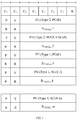
- FIG. 1 is a schematic structural diagram of a MAC CE of an ePHR.
- the ePHR is carried in a MAC CE of the ePHR, and the MAC CE of the ePHR is indicated by a subheader (subheader) of a MAC protocol data unit (Protocol Data Unit, PDU) with a logical channel ID (Logical Channel ID, LCID) of 11001.
- subheader a MAC protocol data unit
- PDU Protocol Data Unit
- LCID Logical Channel ID
- Ci indicates uplink secondary serving cells (SCell) in which the UE reports PH, and if Ci is set to 1, it indicates that the UE reports PH on an uplink carrier of a SCell with a SCell index i; otherwise, the UE does not report the PH.
- SCell uplink secondary serving cells
- R is a reserved bit, and is set to 0.
- V indicates whether calculated PH is based on a reference format.
- PH indicates a power headroom level (Power Headroom Level) and is indicated by using 6 bits.
- a reported value of the PH and a corresponding power headroom level are shown in Table 1.
- Table 2 shows a correspondence between a power headroom level and a measurement value, ranging from -23 dB to 40 dB, with a granularity of 1 dB.
- Table 1 PH value Power headroom level 0 POWER HEADROOM_ 0 1 POWER_HEADROOM_ 1 2 POWER_HEADROOM_ 2 3 POWER_HEADROOM_ 3 ... ...
- POWER_HEADROOM_57 34 ⁇ PH ⁇ 35 POWER_HEADROOM_58 35 ⁇ PH ⁇ 36
- POWER_HEADROOM_ 59 36 ⁇ PH ⁇ 37
- POWER_HEADROOM_60 37 ⁇ PH ⁇ 38
- POWER_HEADROOM_ 61 38 ⁇ PH ⁇ 39
- POWER_HEADROOM_ 62 39 ⁇ PH ⁇ 40
- P indicates whether UE uses power back-off due to power management.
- Pcmax,c is 6 bits, and if Pcmax,c exists, it indicates that Pcmax,c used during calculation of the PH is reported.
- the reported Pcmax,c and a corresponding nominal UE transmit power level are shown in Table 3.
- Table 3 PCMAX,c Nominal UE transmit power level 0 PCMAX_C_00 1 PCMAX_C_01 2 PCMAX_C_02 ... ... 61 PCMAX_C_61 62 PCMAX_C_62 63 PCMAX_C_63
- PH is a positive value, it indicates that the UE can still send a signal at relatively high transmit power, or can still support a relatively high throughput. If PH is a negative value, it indicates that the UE has been in a maximum transmit power state.
- a core idea of the embodiments of the present invention is to reduce a value of PH or send a transmit power adjustment request when power consumption is very high. Reducing a value of PH may be, but is not limited to, setting the PH to a negative value.
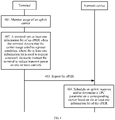
- FIG. 2 is a schematic communication diagram of a method for adjusting power of a terminal according to an embodiment of the present invention.
- a manner of adjusting a reported value of PH through event triggering is used, so that power consumption of the terminal is reduced.
- the method includes the following steps.
- Step 201 The terminal monitors usage of an uplink carrier, where the carrier usage includes at least one of a quantity of carriers, duration of continuous use of one or more carriers, and a temperature of the terminal.
- the temperature of the terminal is a temperature obtained by using a temperature detection module inside the terminal, and may be at least one of a temperature of the entire terminal and a temperature of a specific module in the terminal.
- That the terminal monitors usage of an uplink carrier may include any one of the following cases: The terminal monitors the quantity of carriers. The terminal monitors the duration of continuous use of one or more carriers. The terminal monitors the temperature of the terminal. The terminal monitors the quantity of carriers and the duration of continuous use of one or more carriers. The terminal monitors the quantity of carriers and the temperature of the terminal. The terminal monitors the duration of continuous use of one or more carriers and the temperature of the terminal. The terminal monitors the quantity of carriers, the duration of continuous use of one or more carriers, and the temperature of the terminal.
- Step 202 The terminal adds a power back-off value during calculation of power headroom when the terminal detects that the carrier usage satisfies a preset condition, to reduce a value of power headroom of the one or more carriers.
- a power back-off value is first defined, denoted as P_offset.
- values of P_offset may be different. Therefore, the values of P_offset are not limited in the present invention.
- the terminal monitors the quantity of carriers; and the terminal adds the power back-off value during the calculation of the power headroom when the quantity of carriers reaches a first quantity threshold, to reduce the value of the power headroom of the one or more carriers.
- the terminal monitors the duration of continuous use of one or more carriers; and the terminal adds the power back-off value during the calculation of the power headroom when duration of continuous use of each of the one or more carriers reaches a first time threshold or duration of continuous use of each of more than a predetermined quantity of carriers in the one or more carriers reaches the first time threshold, to reduce the value of the power headroom of the one or more carriers.
- the terminal monitors the temperature of the terminal; and the terminal adds the power back-off value during the calculation of the power headroom when the temperature of the terminal reaches a first temperature threshold, to reduce the value of the power headroom of the one or more carriers.
- the terminal monitors the quantity of carriers and the duration of continuous use of one or more carriers; and the terminal adds the power back-off value during the calculation of the power headroom when the quantity of carriers reaches a second quantity threshold, and/or when duration of continuous use of each of the one or more carriers reaches a second time threshold or duration of continuous use of each of more than a predetermined quantity of carriers in the one or more carriers reaches the second time threshold, to reduce the value of the power headroom of the one or more carriers.
- the terminal monitors the quantity of carriers, the duration of continuous use of one or more carriers, and the temperature of the terminal; and the terminal adds the power back-off value during the calculation of the power headroom when the quantity of carriers reaches a third quantity threshold, and/or when duration of continuous use of each of the one or more carriers reaches a third time threshold or duration of continuous use of each of more than a predetermined quantity of carriers in the one or more carriers reaches the third time threshold, and/or when the temperature of the terminal reaches a third temperature threshold, to reduce the value of the power headroom of the one or more carriers.
- Step 203 The terminal reports the value of the power headroom to a network device.
- the terminal chooses to report an adjusted PH value at a latest PH reporting moment.
- Step 204 The network device schedules an uplink resource for the terminal based on the value of the power headroom.
- a timer or another temperature threshold may be set to stop adjusting the reported value of PH.
- a preset temperature threshold and a length of the timer may be determined by the terminal based on a statistical result, for example, a temporal change in the quantity of used carriers and the temperature that is detected by the terminal.
- a setting of the length of the timer may be determined based on an estimated time required by the temperature to drop to a preset value.
- the method further includes: starting, by the terminal, a timer; and stopping adding, by the terminal, the power back-off value during the calculation of the power headroom when the timer ends, to stop reducing the value of the power headroom of the one or more carriers.
- the method further includes: stopping adding, by the terminal, the power back-off value during the calculation of the power headroom when the temperature of the terminal drops to a second temperature threshold, to stop reducing the value of the power headroom of the one or more carriers, where the first temperature threshold is greater than the second temperature threshold.
- a rule may be preset for the terminal to determine carriers on which power back-off processing is to be performed.
- the terminal may select the one or more carriers from the carriers in any one of the following manners: The terminal selects a first carrier set from the carriers in a first time period, and selects a second carrier set from the carriers in a second time period, where the first carrier set and the second carrier set include different carriers; or the terminal randomly selects the one or more carriers from the carriers; or the terminal selects the one or more carriers with a worst channel quality indicator (Channel Quality Indicator CQI) or a best CQI from the carriers; or the terminal selects the one or more carriers with smallest power headroom from the carriers; or the terminal selects the one or more carriers with highest maximum transmit power (Pcmax,c) from the carriers.
- CQI Channel Quality Indicator
- Pcmax,c maximum transmit power
- the terminal monitors the usage of the uplink carrier, and reduces the reported value of power headroom by using an event triggering mechanism, so that the network device can adjust uplink resource scheduling for the terminal based on the reported value of the power headroom, thereby reducing the power consumption of the terminal.
- This embodiment has little impact on the existing standard.
- the terminal does not need to be detached from a network. Therefore, existing transmission is not interrupted, data transmission continuity can be ensured, and user experience is good.
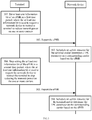
- FIG. 3 is a schematic communication diagram of another method for adjusting power of a terminal according to an embodiment of the present invention.
- a manner of adjusting a reported value of PH through periodic triggering is used, so that power consumption of the terminal is reduced.
- the method includes the following steps.
- Step 301 The terminal adds, in a first time period, a power back-off value during calculation of power headroom, to reduce a value of power headroom of one or more carriers.
- Step 302. The terminal reports the value of the power headroom to a network device.
- Step 303 The network device schedules an uplink resource for the terminal based on the value of the power headroom.
- Step 304 The terminal stops adding, in a second time period, the power back-off value during the calculation of the power headroom, to stop reducing the value of the power headroom of the one or more carriers.
- Step 305 The terminal reports the value of the power headroom to the network device.
- Step 306 The network device schedules an uplink resource for the terminal based on the value of the power headroom.
- a rule may be preset for the terminal to determine carriers on which power back-off processing is to be performed.
- An applicable rule is the same as the rule in the embodiment shown in FIG. 2 . Details are not described herein again.
- the reported value of the power headroom is reduced through periodic triggering, so that the network device can adjust uplink resource scheduling for the terminal based on the reported value of the power headroom, thereby reducing the power consumption of the terminal, and reducing transmit power before a temperature rises to a particular threshold.
- FIG. 4 is a schematic communication diagram of still another method for adjusting power of a terminal according to an embodiment of the present invention.
- a manner of triggering an uplink transmit power adjustment request by using an event is used, so that power consumption of the terminal is reduced.
- the method includes the following steps.
- Step 401 The terminal monitors usage of an uplink carrier, where the carrier usage includes at least one of a quantity of carriers, duration of continuous use of one or more carriers, and a temperature of the terminal.
- the temperature of the terminal is a temperature obtained by using a temperature detection module inside the terminal, and may be at least one of a temperature of the entire terminal and a temperature of a specific module in the terminal.
- That the terminal monitors usage of an uplink carrier may include any one of the following cases: The terminal monitors the quantity of carriers. The terminal monitors the duration of continuous use of one or more carriers. The terminal monitors the temperature of the terminal. The terminal monitors the quantity of carriers and the duration of continuous use of one or more carriers. The terminal monitors the quantity of carriers and the temperature of the terminal. The terminal monitors the duration of continuous use of one or more carriers and the temperature of the terminal. The terminal monitors the quantity of carriers, the duration of continuous use of one or more carriers, and the temperature of the terminal.
- Step 402. The terminal sets at least one information bit of an extended power headroom report ePHR when the terminal detects that the carrier usage satisfies a preset condition, where the at least one information bit is used to request a network device to instruct the terminal to reduce transmit power on one or more carriers.
- the terminal sets the at least one information bit in the ePHR, where the at least one information bit is used to request the network device to instruct the terminal to adjust the transmit power on the one or more carriers corresponding to the at least one information bit to 0, and the terminal sets a power headroom value corresponding to the at least one information bit in the ePHR to an invalid value (in this case, any power headroom PH value corresponding to the at least one information bit in the ePHR may be considered as an invalid value); and/or the terminal sets the at least one information bit in the ePHR, where the at least one information bit is used to request the network device to instruct the terminal to reduce the transmit power on the one or more carriers corresponding to the at least one information bit by a first transmit power value, and the terminal sets a power headroom PH value corresponding to the at least one information bit in the ePHR, where the PH value is used to indicate the first transmit power value; and/or the terminal sets the at least one information bit in the ePHR, where the at least one information bit
- a reserved bit in the ePHR is used to indicate that UE needs to adjust transmit power on a specific carrier.
- a bit "R" corresponding to a specific carrier in a MAC CE of the ePHR is set to 1, to indicate that uplink transmit power on the carrier needs to be adjusted.
- a timer may be preset, to indicate that within a valid value of the timer, the transmit power that is on the carrier and that is reported by the UE has always been adjusted. When "R" is restored to 0, it indicates that the UE reports a PH value according to an existing standard procedure.
- the terminal monitors the quantity of carriers, and the terminal sets the at least one information bit of the ePHR when the quantity of carriers reaches a first quantity threshold, where the at least one information bit is used to request the network device to instruct the terminal to reduce the transmit power on the one or more carriers.
- the terminal monitors the duration of continuous use of one or more carriers, and the terminal sets the at least one information bit of the ePHR when duration of continuous use of each of the one or more carriers reaches a first time threshold or duration of continuous use of each of more than a predetermined quantity of carriers in the one or more carriers reaches the first time threshold, where the at least one information bit is used to request the network device to instruct the terminal to reduce the transmit power on the one or more carriers.
- the terminal monitors the temperature of the terminal, and the terminal sets the at least one information bit of the ePHR when the temperature of the terminal reaches a first temperature threshold, where the at least one information bit is used to request the network device to instruct the terminal to reduce the transmit power on the one or more carriers.
- the terminal monitors the quantity of carriers and the duration of continuous use of one or more carriers, and the terminal sets the at least one information bit of the ePHR when the quantity of carriers reaches a second quantity threshold, and/or when duration of continuous use of each of the one or more carriers reaches a second time threshold or duration of continuous use of each of more than a predetermined quantity of carriers in the one or more carriers reaches the second time threshold, where the at least one information bit is used to request the network device to instruct the terminal to reduce the transmit power on the one or more carriers.
- the terminal monitors the quantity of carriers, the duration of continuous use of one or more carriers, and the temperature of the terminal, and the terminal sets the at least one information bit of the ePHR when the quantity of carriers reaches a third quantity threshold, and/or when duration of continuous use of each of the one or more carriers reaches a third time threshold or duration of continuous use of each of more than a predetermined quantity of carriers in the one or more carriers reaches the third time threshold, and/or when the temperature of the terminal reaches a third temperature threshold, where the at least one information bit is used to request the network device to instruct the terminal to reduce the transmit power on the one or more carriers.
- Step 403. The terminal reports the ePHR to the network device.
- Step 404 The network device schedules an uplink resource and/or determines a TPC parameter on a corresponding carrier based on the at least one information bit of the ePHR.
- a timer or another temperature threshold may be set to stop adjusting uplink transmit power.
- a preset temperature threshold and a length of the timer may be determined by the terminal based on a statistical result, for example, a temporal change in the quantity of used carriers and the temperature that is detected by the terminal.
- a setting of the length of the timer may be determined based on an estimated time required by the temperature to drop to a preset value.
- the method further includes: starting, by the terminal, a timer; and stopping setting, by the terminal, the at least one information bit of the ePHR when the timer ends, where the at least one information bit is used to request the network device to instruct the terminal to stop reducing the transmit power on the one or more carriers.
- the method further includes: stopping setting, by the terminal, the at least one information bit of the ePHR when the temperature of the terminal drops to a second temperature threshold, where the at least one information bit is used to request the network device to instruct the terminal to stop reducing the transmit power on the one or more carriers, and the first temperature threshold is greater than the second temperature threshold.
- a rule may be preset for the terminal to determine carriers on which power back-off processing is to be performed.
- the terminal may select the one or more carriers from the carriers in any one of the following manners: The terminal selects a first carrier set from the carriers in a first time period, and selects a second carrier set from the carriers in a second time period, where the first carrier set and the second carrier set include different carriers; or the terminal randomly selects the one or more carriers from the carriers; or the terminal selects the one or more carriers with a worst channel quality indicator (Channel Quality Indicator CQI) or a best CQI from the carriers; or the terminal selects the one or more carriers with smallest power headroom from the carriers; or the terminal selects the one or more carriers with highest maximum transmit power from the carriers.
- CQI Channel Quality Indicator
- the terminal monitors the usage of the uplink carrier, and sends an uplink power adjustment request to the network device by using the information bit in the ePHR and an event triggering mechanism, so that the network device can adjust uplink resource scheduling for the terminal and/or adjust a TPC parameter on a corresponding carrier according to the uplink power adjustment request, thereby reducing power consumption of the terminal.
- This embodiment has little impact on the existing standard.
- the terminal does not need to be detached from a network. Therefore, existing transmission is not interrupted, data transmission continuity can be ensured, and user experience is good.
- FIG. 5 is a schematic communication diagram of still another method for adjusting power of a terminal according to an embodiment of the present invention.
- a manner of periodically triggering an uplink transmit power adjustment request is used, so that power consumption of the terminal is reduced.
- the method includes the following steps.
- Step 501 The terminal sets at least one information bit of an ePHR in a first time period, where the at least one information bit is used to request a network device to instruct the terminal to reduce transmit power on one or more carriers.
- the terminal sets the at least one information bit in the ePHR in the first time period, where the at least one information bit is used to request the network device to instruct the terminal to adjust the transmit power on the one or more carriers corresponding to the at least one information bit to 0, and the terminal sets a power headroom PH value corresponding to the at least one information bit in the ePHR to an invalid value (in this case, any power headroom PH value corresponding to the at least one information bit in the ePHR may be considered as an invalid value); and/or the terminal sets the at least one information bit in the ePHR in the first time period, where the at least one information bit is used to request the network device to instruct the terminal to reduce the transmit power on the one or more carriers corresponding to the at least one information bit by a first transmit power value, and the terminal sets a power headroom PH value corresponding to the at least one information bit in the ePHR, where the PH value is used to indicate the first transmit power value; and/or the terminal sets the at least one information
- Step 502. The terminal reports the ePHR to the network device.
- Step 503. The network device schedules an uplink resource for the terminal and/or determines a TPC parameter on a corresponding carrier based on the ePHR.
- Step 504. The terminal stops setting the at least one information bit of the ePHR in a second time period, where the at least one information bit is used to request the network device to instruct the terminal to stop reducing the transmit power on the one or more carriers.
- Step 505. The terminal reports the ePHR to the network device.
- Step 506 The network device schedules an uplink resource for the terminal and/or determines the TPC parameter on the corresponding carrier based on the ePHR.
- a rule may be preset for the terminal to determine carriers on which power back-off processing is to be performed.
- An applicable rule is the same as the rule in the embodiment shown in FIG. 4 . Details are not described herein again.
- an uplink power adjustment request is sent to the network device by using the information bit in the ePHR and through periodic triggering, so that the network device can adjust uplink resource scheduling for the terminal and/or adjust a TPC parameter on a corresponding carrier according to the uplink power adjustment request, thereby reducing power consumption of the terminal.
- This embodiment has little impact on the existing standard.
- the terminal does not need to be detached from a network. Therefore, existing transmission is not interrupted, data transmission continuity can be ensured, and user experience is good.
- the network elements such as the terminal and the network device include corresponding hardware structures and/or software modules for performing the functions.
- the network elements such as the terminal and the network device include corresponding hardware structures and/or software modules for performing the functions.
- a person skilled in the art should easily be aware that, example units and algorithms steps described with reference to the embodiments disclosed in this specification can be implemented in the present invention in a form of hardware or a combination of hardware and computer software. Whether a function is performed by hardware or hardware driven by computer software depends on particular applications and design constraints of the technical solutions. A person skilled in the art may use different methods to implement the described functions for each particular application, but it should not be considered that the implementation goes beyond the scope of the present invention.
- function modules of the terminal, the network device, and the like may be obtained through division based on the foregoing method examples.
- each function module may be obtained through division corresponding to each function, or two or more functions may be integrated into one processing module.
- the integrated module may be implemented in a form of hardware, or may be implemented in a form of a software function module.
- module division is an example, and is merely a logical function division. In an actual implementation, there may be another division manner.
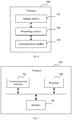
- FIG. 6 is a possible schematic structural diagram of the terminal in the foregoing embodiments.
- a terminal 600 includes a processing module 602 and a communications module 603.
- the processing module 602 is configured to control and manage actions of the terminal.
- the processing module 602 is configured to support the terminal in performing processes 201 to 203 in FIG. 2 , processes 301 to 304 in FIG. 3 , processes 401 to 403 in FIG. 4 , processes 501 to 504 in FIG. 5 , and/or other processes of the technology described in this specification.
- the communications module 603 is configured support communication between the terminal and another network device, for example, communication between the terminal and a base station.
- the terminal may further include a storage module 601, configured to store program code and data of the terminal.
- the processing module 602 may be a processor or a controller, for example, may be a central processing unit (Central Processing Unit, CPU), a general-purpose processor, a digital signal processor (Digital Signal Processor, DSP), an application-specific integrated circuit (Application-Specific Integrated Circuit, ASIC), a field programmable gate array (Field Programmable Gate Array, FPGA) or another programmable logic device, a transistor logic device, a hardware component, or any combination thereof.
- the processing module 602 may implement or execute various example logical blocks, modules, and circuits described with reference to content disclosed in the present invention.
- the processor may be a combination implementing a computing function, for example, a combination including one or more microprocessors, or a combination of a DSP and a microprocessor.
- the communications module 603 may be a communications interface, a transceiver, a transceiver circuit, or the like.
- the communications interface is a generic term, and may include one or more interfaces.
- the storage module 601 may be a memory.
- the terminal in this embodiment of the present invention may be a terminal shown in FIG. 7 .
- the terminal 700 includes a processor 702, a communications interface 703, and a memory 701.
- the communications interface 703, the processor 702, and the memory 701 may be connected to one another through a communication connection.
- the software instruction may include a corresponding software module.
- the software module may be stored in a random access memory (Random Access Memory, RAM), a flash memory, a read-only memory (Read-Only Memory, ROM), an erasable programmable read-only memory (Erasable Programmable ROM, EPROM), an electrically erasable programmable read-only memory (Electrically EPROM, EEPROM), a register, a hard disk, a removable hard disk, a compact disc read-only memory (CD-ROM), or any other form of storage medium well-known in the art.
- An example storage medium is coupled to a processor, so that the processor can read information from the storage medium and can write information into the storage medium.
- the storage medium may be a component of the processor.
- the processor and the storage medium may be located in an ASIC.
- the ASIC may be located in a core network interface device.
- the processor and the storage medium may exist in the core network interface device as discrete components.
- the functions described in the present invention may be implemented by hardware, software, firmware, or any combination thereof.
- the foregoing functions may be stored in a computer-readable medium or transmitted as one or more instructions or code in the computer-readable medium.
- the computer-readable medium includes a computer storage medium and a communications medium.
- the communications medium includes any medium that enables a computer program to be transmitted from one place to another.
- the storage medium may be any available medium accessible to a general-purpose or dedicated computer.
Landscapes
- Engineering & Computer Science (AREA)
- Signal Processing (AREA)
- Computer Networks & Wireless Communication (AREA)
- Mobile Radio Communication Systems (AREA)
Claims (7)
- Verfahren zum Anpassen einer Leistung eines Endgeräts, wobei das Verfahren Folgendes umfasst:Überwachen einer Nutzung eines Uplink-Trägers durch das Endgerät, wobei die Trägernutzung eine Menge von Trägern, eine Dauer eines fortlaufenden Nutzens eines oder mehrerer Träger und/oder eine Temperatur des Endgeräts umfasst (Schritt 201);Hinzufügen eines Leistungs-Backoffwerts durch das Endgerät während einer Berechnung einer Leistungsreserve, wenn das Endgerät feststellt, dass die Trägernutzung eine voreingestellte Bedingung erfüllt; undBerichten eines Werts der Leistungsreserve durch das Endgerät an eine Netzwerkvorrichtung (Schritt 202);wobei das Überwachen der Nutzung des Uplink-Trägers durch das Endgerät Folgendes umfasst:Überwachen der Temperatur des Endgeräts durch das Endgerät; undwobei das Hinzufügen des Leistungs-Backoffwerts durch das Endgerät während der Berechnung der Leistungsreserve, wenn das Endgerät feststellt, dass die Trägernutzung die voreingestellte Bedingung erfüllt, Folgendes umfasst:Hinzufügen des Leistungs-Backoffwerts durch das Endgerät während der Berechnung der Leistungsreserve, wenn die Temperatur des Endgeräts eine erste Temperaturschwelle erreicht;wobei das Verfahren nach dem Hinzufügen des Leistungs-Backoffwerts durch das Endgerät während der Berechnung der Leistungsreserve, wenn die Temperatur des Endgeräts die erste Temperaturschwelle erreicht, ferner Folgendes umfasst:
Stoppen des Hinzufügens des Leistungs-Backoffwerts durch das Endgerät während der Berechnung der Leistungsreserve, wenn die Temperatur des Endgeräts auf eine zweite Temperaturschwelle sinkt, wobei die erste Temperaturschwelle größer als die zweite Temperaturschwelle ist. - Verfahren nach Anspruch 1, wobei das Verfahren nach dem Hinzufügen des Leistungs-Backoffwerts durch das Endgerät während der Berechnung der Leistungsreserve, wenn die Temperatur des Endgeräts die erste Temperaturschwelle erreicht, ferner Folgendes umfasst:Starten eines Zeitgebers durch das Endgerät; undStoppen des Hinzufügens des Leistungs-Backoffwerts durch das Endgerät während der Berechnung der Leistungsreserve, wenn der Zeitgeber endet.
- Verfahren nach einem der Ansprüche 1 bis 2, wobei das Hinzufügen des Leistungs-Backoffwerts durch das Endgerät während der Berechnung der Leistungsreserve Folgendes umfasst:
Auswählen des einen oder der mehreren Träger aus den Trägern durch das Endgerät auf eine der folgenden Arten:Auswählen eines ersten Trägersatzes aus den Trägern durch das Endgerät in einem ersten Zeitraum und Auswählen eines zweiten Trägersatzes aus den Trägern in einem zweiten Zeitraum, wobei der erste Trägersatz und der zweite Trägersatz unterschiedliche Träger umfassen; oderzufälliges Auswählen des einen oder der mehreren Träger aus den Trägern durch das Endgerät; oderAuswählen des einen oder der mehreren Träger mit einem schlechtesten Kanalqualitätsindikator (channel quality indicator- CQI) oder einem besten CQI aus den Trägern durch das Endgerät; oderAuswählen des einen oder der mehreren Träger mit der geringsten Leistungsreserve aus den Trägern durch das Endgerät; oderAuswählen des einen oder der mehreren Träger mit der höchsten maximalen Sendeleistung aus den Trägern durch das Endgerät; undHinzufügen des Leistungs-Backoffwerts durch das Endgerät während der Berechnung der Leistungsreserve des einen oder der mehreren Träger. - Verfahren zum Anpassen einer Leistung eines Endgeräts, wobei das Verfahren Folgendes umfasst:Überwachen der Nutzung eines Uplink-Trägers durch das Endgerät, wobei die Trägernutzung eine Menge von Trägern, eine Dauer eines fortlaufenden Nutzens eines oder mehrerer Träger und/oder eine Temperatur des Endgeräts umfasst (Schritt 401);Einstellen von wenigstens einem Informationsbit eines erweiterten Leistungsreserveberichts (extended power headroom report - ePHR) durch das Endgerät, wenn das Endgerät feststellt, dass die Trägernutzung eine voreingestellte Bedingung erfüllt, wobei das wenigstens eine Informationsbit genutzt wird, um eine Netzwerkvorrichtung aufzufordern, um das Endgerät anzuweisen, eine Sendeleistung auf einem oder mehreren Trägern zu reduzieren (Schritt 402); undBerichten des ePHR durch das Endgerät an die Netzwerkvorrichtung (Schritt 403);wobei das Überwachen der Nutzung des Uplink-Trägers durch das Endgerät Folgendes umfasst:Überwachen der Temperatur des Endgeräts durch das Endgerät; undwobei das Einstellen von wenigstens einem Informationsbit des ePHR durch das Endgerät, wenn das Endgerät feststellt, dass die Trägernutzung die voreingestellte Bedingung erfüllt, wobei das wenigstens eine Informationsbit genutzt wird, um die Netzwerkvorrichtung aufzufordern, um das Endgerät anzuweisen, die Sendeleistung auf einem oder mehreren Trägern zu reduzieren, Folgendes umfasst:Einstellen von dem wenigstens einen Informationsbit des ePHR durch das Endgerät, wenn die Temperatur des Endgeräts eine erste Temperaturschwelle erreicht, wobei das wenigstens eine Informationsbit genutzt wird, um die Netzwerkvorrichtung aufzufordern, um das Endgerät anzuweisen, die Sendeleistung auf dem einen oder den mehreren Trägern zu reduzieren;wobei das Verfahren nach dem Einstellen von dem wenigstens einen Informationsbit des ePHR durch das Endgerät, wenn die Temperatur des Endgeräts die erste Temperaturschwelle erreicht, wobei das wenigstens eine Informationsbit genutzt wird, um die Netzwerkvorrichtung aufzufordern, um das Endgerät anzuweisen, die Sendeleistung auf dem einen oder den mehreren Trägern zu reduzieren, ferner Folgendes umfasst:
Stoppen des Einstellens von dem wenigstens einen Informationsbit des ePHR durch das Endgerät, wenn die Temperatur des Endgeräts auf eine zweite Temperaturschwelle sinkt, wobei das wenigstens eine Informationsbit genutzt wird, um die Netzwerkvorrichtung aufzufordern, um das Endgerät anzuweisen, das Reduzieren der Sendeleistung auf dem einen oder den mehreren Trägern zu stoppen, und die erste Temperaturschwelle größer als die zweite Temperaturschwelle ist. - Verfahren nach Anspruch 4, wobei das Verfahren nach dem Einstellen von wenigstens einem Informationsbit des ePHR durch das Endgerät, wenn die Temperatur des Endgeräts eine erste Temperaturschwelle erreicht, wobei das wenigstens eine Informationsbit genutzt wird, um die Netzwerkvorrichtung aufzufordern, um das Endgerät anzuweisen, die Sendeleistung auf dem einen oder den mehreren Trägern zu reduzieren, ferner Folgendes umfasst:Starten eines Zeitgebers durch das Endgerät; undStoppen des Einstellens von dem wenigstens einen Informationsbit des ePHR durch das Endgerät, wenn der Zeitgeber endet, wobei das wenigstens eine Informationsbit genutzt wird, um die Netzwerkvorrichtung aufzufordern, um das Endgerät anzuweisen, das Reduzieren der Sendeleistung auf dem einen oder den mehreren Trägern zu stoppen.
- Verfahren nach einem der Ansprüche 4 bis 5, wobei das Einstellen von wenigstens einem Informationsbit des ePHR durch das Endgerät, wobei das wenigstens eine Informationsbit genutzt wird, um die Netzwerkvorrichtung aufzufordern, um das Endgerät anzuweisen, die Sendeleistung auf einem oder mehreren Trägern zu reduzieren, Folgendes umfasst:Einstellen von dem wenigstens einen Informationsbit des ePHR durch das Endgerät, wobei das wenigstens eine Informationsbit genutzt wird, um die Netzwerkvorrichtung aufzufordern, um das Endgerät anzuweisen, die Sendeleistung auf dem einen oder den mehreren Trägern entsprechend des wenigstens einen Informationsbit auf o anzupassen, und Einstellen eines Leistungsreserve(power headroom - PH)-Werts entsprechend des wenigstens einen Informationsbit in dem ePHR auf einen ungültigen Wert; und/oderEinstellen von dem wenigstens einen Informationsbit des ePHR durch das Endgerät, wobei das wenigstens eine Informationsbit genutzt wird, um die Netzwerkvorrichtung aufzufordern, um das Endgerät anzuweisen, die Sendeleistung auf dem einen oder den mehreren Trägern entsprechend des wenigstens einen Informationsbit durch einen ersten Sendeleistungswert zu reduzieren, und Einstellen eines Leistungsreserve(PH)-Werts entsprechend des wenigstens einen Informationsbit in dem ePHR, wobei der PH-Wert genutzt wird, um den ersten Sendeleistungswert anzugeben; und/oderEinstellen von dem wenigstens einen Informationsbit des ePHR durch das Endgerät, wobei das wenigstens eine Informationsbit genutzt wird, um die Netzwerkvorrichtung aufzufordern, um das Endgerät anzuweisen, die Sendeleistung auf dem einen oder den mehreren Trägern entsprechend des wenigstens einen Informationsbit durch einen voreingestellten Leistungs-Backoffwert zu reduzieren.
- Endgerät (700), wobei das Endgerät (700) einen Speicher (701), einen Prozessor (702) und eine Kommunikationsschnittstelle (703) umfasst, wobei der Speicher (701) konfiguriert ist, um eine Programmanweisung zu speichern; und
der Prozessor (702) konfiguriert ist, um die folgenden Abläufe basierend auf der in dem Speicher (701) gespeicherten Programmanweisung auszuführen:Überwachen der Nutzung eines Uplink-Trägers, wobei die Trägernutzung eine Menge von Trägern, eine Dauer eines fortlaufenden Nutzens eines oder mehrerer Träger und/oder eine Temperatur des Endgeräts umfasst;Hinzufügen eines Leistungs-Backoffwerts während der Berechnung der Leistungsreserve, wenn festgestellt wird, dass die Trägernutzung eine voreingestellte Bedingung erfüllt; undBerichten eines Werts der Leistungsreserve an eine Netzwerkvorrichtung durch die Kommunikationsschnittstelle;wobei der Prozessor speziell zu Folgendem konfiguriert ist:Überwachen der Temperatur des Endgeräts; undHinzufügen des Leistungs-Backoffwerts während der Berechnung der Leistungsreserve, wenn die Temperatur des Endgeräts eine erste Temperaturschwelle erreicht;wobei der Prozessor nach dem Hinzufügen des Leistungs-Backoffwerts während der Berechnung der Leistungsreserve, wenn die Temperatur des Endgeräts die erste Temperaturschwelle erreicht, ferner konfiguriert ist, um den folgenden Ablauf basierend auf der in dem Speicher gespeicherten Programmanweisung auszuführen:
Stoppen des Hinzufügens des Leistungs-Backoffwerts während der Berechnung der Leistungsreserve, wenn die Temperatur des Endgeräts auf eine zweite Temperaturschwelle sinkt, wobei die erste Temperaturschwelle größer als die zweite Temperaturschwelle ist.
Applications Claiming Priority (2)
| Application Number | Priority Date | Filing Date | Title |
|---|---|---|---|
| CN201710026400 | 2017-01-13 | ||
| PCT/CN2017/087545 WO2018129853A1 (zh) | 2017-01-13 | 2017-06-08 | 一种终端功率调整的方法及终端 |
Publications (3)
| Publication Number | Publication Date |
|---|---|
| EP3565325A1 EP3565325A1 (de) | 2019-11-06 |
| EP3565325A4 EP3565325A4 (de) | 2019-11-27 |
| EP3565325B1 true EP3565325B1 (de) | 2020-12-02 |
Family
ID=62839721
Family Applications (1)
| Application Number | Title | Priority Date | Filing Date |
|---|---|---|---|
| EP17891249.9A Active EP3565325B1 (de) | 2017-01-13 | 2017-06-08 | Verfahren zur anpassung der endgeräteleistung und endgerät |
Country Status (4)
| Country | Link |
|---|---|
| US (1) | US10912042B2 (de) |
| EP (1) | EP3565325B1 (de) |
| CN (1) | CN108605296B (de) |
| WO (1) | WO2018129853A1 (de) |
Families Citing this family (14)
| Publication number | Priority date | Publication date | Assignee | Title |
|---|---|---|---|---|
| EP3565298B1 (de) * | 2017-01-13 | 2022-07-20 | Huawei Technologies Co., Ltd. | Verfahren und vorrichtung zur anpassung der funkressourcenkonfiguration |
| CN110708750B (zh) * | 2018-07-09 | 2021-06-22 | 华为技术有限公司 | 一种功率调整方法、终端及存储介质 |
| US10925007B2 (en) * | 2018-11-02 | 2021-02-16 | Apple Inc. | Dynamic power reduction requests for wireless communications |
| CN114008932B (zh) * | 2019-06-28 | 2025-09-05 | 瑞典爱立信有限公司 | 信道质量指示符(cqi)报告的方法和设备 |
| WO2021044637A1 (ja) * | 2019-09-06 | 2021-03-11 | 株式会社Nttドコモ | 端末 |
| WO2021044636A1 (ja) * | 2019-09-06 | 2021-03-11 | 株式会社Nttドコモ | 端末 |
| WO2021088048A1 (zh) * | 2019-11-08 | 2021-05-14 | Oppo广东移动通信有限公司 | 用于功率回退的方法、终端设备以及网络设备 |
| WO2021203325A1 (en) * | 2020-04-08 | 2021-10-14 | Apple Inc. | User equipment assisted carrier aggregation |
| US11533688B2 (en) * | 2021-03-17 | 2022-12-20 | T-Mobile Usa, Inc. | Dynamic switching of user equipment power class |
| CN113315554B (zh) * | 2021-06-03 | 2022-07-15 | 展讯通信(上海)有限公司 | 上报方法及装置、计算机可读存储介质、终端 |
| CN115696537A (zh) * | 2021-07-22 | 2023-02-03 | 华为技术有限公司 | 一种通信方法、装置及系统 |
| CN115088315B (zh) * | 2022-05-11 | 2025-07-25 | 北京小米移动软件有限公司 | 一种功率配置方法、装置、设备及存储介质 |
| CN115150930B (zh) * | 2022-06-28 | 2025-12-26 | 北京小米移动软件有限公司 | 资源申请方法、装置、终端设备以及存储介质 |
| CN116347574A (zh) * | 2023-04-04 | 2023-06-27 | 普联技术有限公司 | 温度调节的方法、装置、网络设备和可读存储介质 |
Family Cites Families (14)
| Publication number | Priority date | Publication date | Assignee | Title |
|---|---|---|---|---|
| US7333563B2 (en) * | 2004-02-20 | 2008-02-19 | Research In Motion Limited | Method and apparatus for improving power amplifier efficiency in wireless communication systems having high peak to average power ratios |
| CN101083496B (zh) | 2007-07-17 | 2010-10-27 | 华为技术有限公司 | 同一功放中载波间功率分配方法及其系统 |
| US8583137B2 (en) * | 2008-05-16 | 2013-11-12 | Qualcomm Incorporated | Dynamic coverage adjustment in a multi-carrier communication system |
| EP2317815A1 (de) * | 2009-11-02 | 2011-05-04 | Panasonic Corporation | Leistungsgrenzenmeldung in einem Carrier-Aggregation-Kommunikationssystem |
| US9408217B2 (en) | 2012-01-17 | 2016-08-02 | Qualcomm Incorporated | Maximum power reduction for interference control in adjacent channels |
| US9107168B2 (en) * | 2012-09-19 | 2015-08-11 | Qualcomm Incorporated | Methods and apparatuses for preemptive battery voltage management in multi-SIM mobile devices |
| JP2014216909A (ja) * | 2013-04-26 | 2014-11-17 | 株式会社Nttドコモ | 移動機及び通信制御方法 |
| US10448374B2 (en) * | 2014-03-21 | 2019-10-15 | Samsung Electronics Co., Ltd. | Power headroom report method of dual-connectivity UE in mobile communication system |
| KR20150109970A (ko) | 2014-03-21 | 2015-10-02 | 주식회사 아이티엘 | 이중연결 방식을 이용하는 무선통신 시스템에서 전송전력 제어 방법 및 장치 |
| WO2016078555A1 (en) * | 2014-11-19 | 2016-05-26 | Mediatek Inc. | Method for handling suspension of a physical channel in a communications apparatus and communications apparatus utilizing the same |
| CN105992326B (zh) * | 2015-01-27 | 2019-05-07 | 成都鼎桥通信技术有限公司 | 功率控制方法及装置 |
| US10182406B2 (en) * | 2015-03-09 | 2019-01-15 | Comcast Cable Communications, Llc | Power headroom report for a wireless device and a base station |
| CN106162853B (zh) * | 2015-03-24 | 2020-09-15 | 中兴通讯股份有限公司 | 功率余量上报phr处理方法、装置、终端及基站 |
| US20160330697A1 (en) * | 2015-05-08 | 2016-11-10 | Qualcomm Incorporated | Physical uplink control channel management for pucch secondary cell in carrier aggregation |
-
2017
- 2017-06-08 WO PCT/CN2017/087545 patent/WO2018129853A1/zh not_active Ceased
- 2017-06-08 EP EP17891249.9A patent/EP3565325B1/de active Active
- 2017-06-08 US US16/477,962 patent/US10912042B2/en active Active
- 2017-06-08 CN CN201780009540.8A patent/CN108605296B/zh active Active
Non-Patent Citations (1)
| Title |
|---|
| None * |
Also Published As
| Publication number | Publication date |
|---|---|
| US20190373565A1 (en) | 2019-12-05 |
| WO2018129853A1 (zh) | 2018-07-19 |
| CN108605296B (zh) | 2021-01-05 |
| US10912042B2 (en) | 2021-02-02 |
| CN108605296A (zh) | 2018-09-28 |
| EP3565325A4 (de) | 2019-11-27 |
| EP3565325A1 (de) | 2019-11-06 |
Similar Documents
| Publication | Publication Date | Title |
|---|---|---|
| EP3565325B1 (de) | Verfahren zur anpassung der endgeräteleistung und endgerät | |
| EP2636259B1 (de) | Verfahren zur einstellung der höchstleistung für ein benutzergerät und meldung der leistungsreserve sowie benutzergerät | |
| TWI552615B (zh) | 載波聚合之總剩餘功率估計 | |
| JP2022046823A (ja) | マスター基地局、方法および集積回路 | |
| CN105101385B (zh) | 一种功率控制方法、激活管理方法、用户终端及基站 | |
| US20170223641A1 (en) | Methods, apparatus and systems for handling additional power backoff | |
| US9479315B2 (en) | System and method for user equipment initiated management of carrier aggregation | |
| EP4032336B1 (de) | Mpe-unterstützung in telekommunikationssystemen | |
| CN106465292B (zh) | 用户装置以及上行发送功率报告方法 | |
| EP2882236A1 (de) | Uplink-Leistungssteuerung für leistungsbegrenzte Endgeräte | |
| CN106688267B (zh) | 用户装置、基站、以及上行发送功率报告方法 | |
| EP3133860B1 (de) | Benutzervorrichtung und übertragungsverfahren für uplink-übertragungsleistungsinformationen | |
| CN104320856B (zh) | 一种drx态的终端调度的方法及装置 | |
| EP2642785B1 (de) | Verfahren und vorrichtungen zur datenmessung | |
| CN105393580A (zh) | 无线通信系统以及移动终端装置 | |
| WO2022135236A1 (zh) | 一种调控终端温度的方法、装置、终端和存储介质 | |
| JP6038556B2 (ja) | 基地局、無線通信システム及び方法 | |
| CN117320127A (zh) | 节能方法、基站及终端设备 | |
| WO2015068039A2 (en) | Method and apparatus for transmitting and obtaining power headroom report | |
| US10034279B2 (en) | Power control method, system, device and computer storage medium | |
| US20230155752A1 (en) | User Equipment Assisted Carrier Aggregation | |
| WO2025231581A1 (en) | Method for activating energy saving for a base station | |
| CN102209344A (zh) | 功率头报告的上报方法和设备 | |
| CN121604092A (zh) | 通信方法、用户设备、网络设备及通信系统 | |
| CN119967610A (zh) | 一种载波聚合模式下的pusch调度方法 |
Legal Events
| Date | Code | Title | Description |
|---|---|---|---|
| STAA | Information on the status of an ep patent application or granted ep patent |
Free format text: STATUS: THE INTERNATIONAL PUBLICATION HAS BEEN MADE |
|
| PUAI | Public reference made under article 153(3) epc to a published international application that has entered the european phase |
Free format text: ORIGINAL CODE: 0009012 |
|
| STAA | Information on the status of an ep patent application or granted ep patent |
Free format text: STATUS: REQUEST FOR EXAMINATION WAS MADE |
|
| 17P | Request for examination filed |
Effective date: 20190729 |
|
| AK | Designated contracting states |
Kind code of ref document: A1 Designated state(s): AL AT BE BG CH CY CZ DE DK EE ES FI FR GB GR HR HU IE IS IT LI LT LU LV MC MK MT NL NO PL PT RO RS SE SI SK SM TR |
|
| AX | Request for extension of the european patent |
Extension state: BA ME |
|
| A4 | Supplementary search report drawn up and despatched |
Effective date: 20191028 |
|
| RIC1 | Information provided on ipc code assigned before grant |
Ipc: H04W 52/14 20090101ALI20191022BHEP Ipc: H04W 52/34 20090101ALI20191022BHEP Ipc: H04L 5/00 20060101ALI20191022BHEP Ipc: H04W 52/36 20090101AFI20191022BHEP |
|
| DAV | Request for validation of the european patent (deleted) | ||
| DAX | Request for extension of the european patent (deleted) | ||
| GRAP | Despatch of communication of intention to grant a patent |
Free format text: ORIGINAL CODE: EPIDOSNIGR1 |
|
| STAA | Information on the status of an ep patent application or granted ep patent |
Free format text: STATUS: GRANT OF PATENT IS INTENDED |
|
| INTG | Intention to grant announced |
Effective date: 20200724 |
|
| GRAS | Grant fee paid |
Free format text: ORIGINAL CODE: EPIDOSNIGR3 |
|
| GRAA | (expected) grant |
Free format text: ORIGINAL CODE: 0009210 |
|
| STAA | Information on the status of an ep patent application or granted ep patent |
Free format text: STATUS: THE PATENT HAS BEEN GRANTED |
|
| AK | Designated contracting states |
Kind code of ref document: B1 Designated state(s): AL AT BE BG CH CY CZ DE DK EE ES FI FR GB GR HR HU IE IS IT LI LT LU LV MC MK MT NL NO PL PT RO RS SE SI SK SM TR |
|
| REG | Reference to a national code |
Ref country code: GB Ref legal event code: FG4D |
|
| REG | Reference to a national code |
Ref country code: AT Ref legal event code: REF Ref document number: 1342335 Country of ref document: AT Kind code of ref document: T Effective date: 20201215 Ref country code: CH Ref legal event code: EP |
|
| REG | Reference to a national code |
Ref country code: IE Ref legal event code: FG4D |
|
| REG | Reference to a national code |
Ref country code: DE Ref legal event code: R096 Ref document number: 602017029059 Country of ref document: DE |
|
| PG25 | Lapsed in a contracting state [announced via postgrant information from national office to epo] |
Ref country code: FI Free format text: LAPSE BECAUSE OF FAILURE TO SUBMIT A TRANSLATION OF THE DESCRIPTION OR TO PAY THE FEE WITHIN THE PRESCRIBED TIME-LIMIT Effective date: 20201202 Ref country code: RS Free format text: LAPSE BECAUSE OF FAILURE TO SUBMIT A TRANSLATION OF THE DESCRIPTION OR TO PAY THE FEE WITHIN THE PRESCRIBED TIME-LIMIT Effective date: 20201202 Ref country code: NO Free format text: LAPSE BECAUSE OF FAILURE TO SUBMIT A TRANSLATION OF THE DESCRIPTION OR TO PAY THE FEE WITHIN THE PRESCRIBED TIME-LIMIT Effective date: 20210302 Ref country code: GR Free format text: LAPSE BECAUSE OF FAILURE TO SUBMIT A TRANSLATION OF THE DESCRIPTION OR TO PAY THE FEE WITHIN THE PRESCRIBED TIME-LIMIT Effective date: 20210303 |
|
| REG | Reference to a national code |
Ref country code: NL Ref legal event code: MP Effective date: 20201202 |
|
| REG | Reference to a national code |
Ref country code: AT Ref legal event code: MK05 Ref document number: 1342335 Country of ref document: AT Kind code of ref document: T Effective date: 20201202 |
|
| PG25 | Lapsed in a contracting state [announced via postgrant information from national office to epo] |
Ref country code: PL Free format text: LAPSE BECAUSE OF FAILURE TO SUBMIT A TRANSLATION OF THE DESCRIPTION OR TO PAY THE FEE WITHIN THE PRESCRIBED TIME-LIMIT Effective date: 20201202 Ref country code: LV Free format text: LAPSE BECAUSE OF FAILURE TO SUBMIT A TRANSLATION OF THE DESCRIPTION OR TO PAY THE FEE WITHIN THE PRESCRIBED TIME-LIMIT Effective date: 20201202 Ref country code: SE Free format text: LAPSE BECAUSE OF FAILURE TO SUBMIT A TRANSLATION OF THE DESCRIPTION OR TO PAY THE FEE WITHIN THE PRESCRIBED TIME-LIMIT Effective date: 20201202 Ref country code: BG Free format text: LAPSE BECAUSE OF FAILURE TO SUBMIT A TRANSLATION OF THE DESCRIPTION OR TO PAY THE FEE WITHIN THE PRESCRIBED TIME-LIMIT Effective date: 20210302 |
|
| PG25 | Lapsed in a contracting state [announced via postgrant information from national office to epo] |
Ref country code: HR Free format text: LAPSE BECAUSE OF FAILURE TO SUBMIT A TRANSLATION OF THE DESCRIPTION OR TO PAY THE FEE WITHIN THE PRESCRIBED TIME-LIMIT Effective date: 20201202 Ref country code: NL Free format text: LAPSE BECAUSE OF FAILURE TO SUBMIT A TRANSLATION OF THE DESCRIPTION OR TO PAY THE FEE WITHIN THE PRESCRIBED TIME-LIMIT Effective date: 20201202 |
|
| REG | Reference to a national code |
Ref country code: LT Ref legal event code: MG9D |
|
| PG25 | Lapsed in a contracting state [announced via postgrant information from national office to epo] |
Ref country code: RO Free format text: LAPSE BECAUSE OF FAILURE TO SUBMIT A TRANSLATION OF THE DESCRIPTION OR TO PAY THE FEE WITHIN THE PRESCRIBED TIME-LIMIT Effective date: 20201202 Ref country code: PT Free format text: LAPSE BECAUSE OF FAILURE TO SUBMIT A TRANSLATION OF THE DESCRIPTION OR TO PAY THE FEE WITHIN THE PRESCRIBED TIME-LIMIT Effective date: 20210405 Ref country code: SK Free format text: LAPSE BECAUSE OF FAILURE TO SUBMIT A TRANSLATION OF THE DESCRIPTION OR TO PAY THE FEE WITHIN THE PRESCRIBED TIME-LIMIT Effective date: 20201202 Ref country code: SM Free format text: LAPSE BECAUSE OF FAILURE TO SUBMIT A TRANSLATION OF THE DESCRIPTION OR TO PAY THE FEE WITHIN THE PRESCRIBED TIME-LIMIT Effective date: 20201202 Ref country code: CZ Free format text: LAPSE BECAUSE OF FAILURE TO SUBMIT A TRANSLATION OF THE DESCRIPTION OR TO PAY THE FEE WITHIN THE PRESCRIBED TIME-LIMIT Effective date: 20201202 Ref country code: EE Free format text: LAPSE BECAUSE OF FAILURE TO SUBMIT A TRANSLATION OF THE DESCRIPTION OR TO PAY THE FEE WITHIN THE PRESCRIBED TIME-LIMIT Effective date: 20201202 Ref country code: LT Free format text: LAPSE BECAUSE OF FAILURE TO SUBMIT A TRANSLATION OF THE DESCRIPTION OR TO PAY THE FEE WITHIN THE PRESCRIBED TIME-LIMIT Effective date: 20201202 |
|
| PG25 | Lapsed in a contracting state [announced via postgrant information from national office to epo] |
Ref country code: AT Free format text: LAPSE BECAUSE OF FAILURE TO SUBMIT A TRANSLATION OF THE DESCRIPTION OR TO PAY THE FEE WITHIN THE PRESCRIBED TIME-LIMIT Effective date: 20201202 |
|
| REG | Reference to a national code |
Ref country code: DE Ref legal event code: R097 Ref document number: 602017029059 Country of ref document: DE |
|
| PG25 | Lapsed in a contracting state [announced via postgrant information from national office to epo] |
Ref country code: IS Free format text: LAPSE BECAUSE OF FAILURE TO SUBMIT A TRANSLATION OF THE DESCRIPTION OR TO PAY THE FEE WITHIN THE PRESCRIBED TIME-LIMIT Effective date: 20210402 |
|
| PLBE | No opposition filed within time limit |
Free format text: ORIGINAL CODE: 0009261 |
|
| STAA | Information on the status of an ep patent application or granted ep patent |
Free format text: STATUS: NO OPPOSITION FILED WITHIN TIME LIMIT |
|
| PG25 | Lapsed in a contracting state [announced via postgrant information from national office to epo] |
Ref country code: AL Free format text: LAPSE BECAUSE OF FAILURE TO SUBMIT A TRANSLATION OF THE DESCRIPTION OR TO PAY THE FEE WITHIN THE PRESCRIBED TIME-LIMIT Effective date: 20201202 Ref country code: IT Free format text: LAPSE BECAUSE OF FAILURE TO SUBMIT A TRANSLATION OF THE DESCRIPTION OR TO PAY THE FEE WITHIN THE PRESCRIBED TIME-LIMIT Effective date: 20201202 |
|
| 26N | No opposition filed |
Effective date: 20210903 |
|
| PG25 | Lapsed in a contracting state [announced via postgrant information from national office to epo] |
Ref country code: DK Free format text: LAPSE BECAUSE OF FAILURE TO SUBMIT A TRANSLATION OF THE DESCRIPTION OR TO PAY THE FEE WITHIN THE PRESCRIBED TIME-LIMIT Effective date: 20201202 Ref country code: SI Free format text: LAPSE BECAUSE OF FAILURE TO SUBMIT A TRANSLATION OF THE DESCRIPTION OR TO PAY THE FEE WITHIN THE PRESCRIBED TIME-LIMIT Effective date: 20201202 |
|
| PG25 | Lapsed in a contracting state [announced via postgrant information from national office to epo] |
Ref country code: MC Free format text: LAPSE BECAUSE OF FAILURE TO SUBMIT A TRANSLATION OF THE DESCRIPTION OR TO PAY THE FEE WITHIN THE PRESCRIBED TIME-LIMIT Effective date: 20201202 Ref country code: ES Free format text: LAPSE BECAUSE OF FAILURE TO SUBMIT A TRANSLATION OF THE DESCRIPTION OR TO PAY THE FEE WITHIN THE PRESCRIBED TIME-LIMIT Effective date: 20201202 |
|
| REG | Reference to a national code |
Ref country code: CH Ref legal event code: PL |
|
| REG | Reference to a national code |
Ref country code: BE Ref legal event code: MM Effective date: 20210630 |
|
| PG25 | Lapsed in a contracting state [announced via postgrant information from national office to epo] |
Ref country code: LU Free format text: LAPSE BECAUSE OF NON-PAYMENT OF DUE FEES Effective date: 20210608 |
|
| PG25 | Lapsed in a contracting state [announced via postgrant information from national office to epo] |
Ref country code: LI Free format text: LAPSE BECAUSE OF NON-PAYMENT OF DUE FEES Effective date: 20210630 Ref country code: IE Free format text: LAPSE BECAUSE OF NON-PAYMENT OF DUE FEES Effective date: 20210608 Ref country code: CH Free format text: LAPSE BECAUSE OF NON-PAYMENT OF DUE FEES Effective date: 20210630 |
|
| PG25 | Lapsed in a contracting state [announced via postgrant information from national office to epo] |
Ref country code: IS Free format text: LAPSE BECAUSE OF FAILURE TO SUBMIT A TRANSLATION OF THE DESCRIPTION OR TO PAY THE FEE WITHIN THE PRESCRIBED TIME-LIMIT Effective date: 20210402 |
|
| PG25 | Lapsed in a contracting state [announced via postgrant information from national office to epo] |
Ref country code: BE Free format text: LAPSE BECAUSE OF NON-PAYMENT OF DUE FEES Effective date: 20210630 |
|
| PG25 | Lapsed in a contracting state [announced via postgrant information from national office to epo] |
Ref country code: CY Free format text: LAPSE BECAUSE OF FAILURE TO SUBMIT A TRANSLATION OF THE DESCRIPTION OR TO PAY THE FEE WITHIN THE PRESCRIBED TIME-LIMIT Effective date: 20201202 |
|
| PG25 | Lapsed in a contracting state [announced via postgrant information from national office to epo] |
Ref country code: HU Free format text: LAPSE BECAUSE OF FAILURE TO SUBMIT A TRANSLATION OF THE DESCRIPTION OR TO PAY THE FEE WITHIN THE PRESCRIBED TIME-LIMIT; INVALID AB INITIO Effective date: 20170608 |
|
| PG25 | Lapsed in a contracting state [announced via postgrant information from national office to epo] |
Ref country code: MK Free format text: LAPSE BECAUSE OF FAILURE TO SUBMIT A TRANSLATION OF THE DESCRIPTION OR TO PAY THE FEE WITHIN THE PRESCRIBED TIME-LIMIT Effective date: 20201202 |
|
| PG25 | Lapsed in a contracting state [announced via postgrant information from national office to epo] |
Ref country code: MT Free format text: LAPSE BECAUSE OF FAILURE TO SUBMIT A TRANSLATION OF THE DESCRIPTION OR TO PAY THE FEE WITHIN THE PRESCRIBED TIME-LIMIT Effective date: 20201202 |
|
| PGFP | Annual fee paid to national office [announced via postgrant information from national office to epo] |
Ref country code: DE Payment date: 20250429 Year of fee payment: 9 |
|
| PGFP | Annual fee paid to national office [announced via postgrant information from national office to epo] |
Ref country code: GB Payment date: 20250501 Year of fee payment: 9 |
|
| PGFP | Annual fee paid to national office [announced via postgrant information from national office to epo] |
Ref country code: FR Payment date: 20250508 Year of fee payment: 9 |
|
| PG25 | Lapsed in a contracting state [announced via postgrant information from national office to epo] |
Ref country code: TR Free format text: LAPSE BECAUSE OF FAILURE TO SUBMIT A TRANSLATION OF THE DESCRIPTION OR TO PAY THE FEE WITHIN THE PRESCRIBED TIME-LIMIT Effective date: 20201202 |