EP3564152B1 - Easy-peel laminated food can - Google Patents
Easy-peel laminated food can Download PDFInfo
- Publication number
- EP3564152B1 EP3564152B1 EP17888000.1A EP17888000A EP3564152B1 EP 3564152 B1 EP3564152 B1 EP 3564152B1 EP 17888000 A EP17888000 A EP 17888000A EP 3564152 B1 EP3564152 B1 EP 3564152B1
- Authority
- EP
- European Patent Office
- Prior art keywords
- lid
- laminated
- peel
- food
- annular bonding
- Prior art date
- Legal status (The legal status is an assumption and is not a legal conclusion. Google has not performed a legal analysis and makes no representation as to the accuracy of the status listed.)
- Active
Links
Images

Classifications
-
- B—PERFORMING OPERATIONS; TRANSPORTING
- B65—CONVEYING; PACKING; STORING; HANDLING THIN OR FILAMENTARY MATERIAL
- B65D—CONTAINERS FOR STORAGE OR TRANSPORT OF ARTICLES OR MATERIALS, e.g. BAGS, BARRELS, BOTTLES, BOXES, CANS, CARTONS, CRATES, DRUMS, JARS, TANKS, HOPPERS, FORWARDING CONTAINERS; ACCESSORIES, CLOSURES, OR FITTINGS THEREFOR; PACKAGING ELEMENTS; PACKAGES
- B65D77/00—Packages formed by enclosing articles or materials in preformed containers, e.g. boxes, cartons, sacks or bags
- B65D77/10—Container closures formed after filling
- B65D77/20—Container closures formed after filling by applying separate lids or covers, i.e. flexible membrane or foil-like covers
- B65D77/2024—Container closures formed after filling by applying separate lids or covers, i.e. flexible membrane or foil-like covers the cover being welded or adhered to the container
-
- B—PERFORMING OPERATIONS; TRANSPORTING
- B65—CONVEYING; PACKING; STORING; HANDLING THIN OR FILAMENTARY MATERIAL
- B65D—CONTAINERS FOR STORAGE OR TRANSPORT OF ARTICLES OR MATERIALS, e.g. BAGS, BARRELS, BOTTLES, BOXES, CANS, CARTONS, CRATES, DRUMS, JARS, TANKS, HOPPERS, FORWARDING CONTAINERS; ACCESSORIES, CLOSURES, OR FITTINGS THEREFOR; PACKAGING ELEMENTS; PACKAGES
- B65D77/00—Packages formed by enclosing articles or materials in preformed containers, e.g. boxes, cartons, sacks or bags
- B65D77/10—Container closures formed after filling
- B65D77/20—Container closures formed after filling by applying separate lids or covers, i.e. flexible membrane or foil-like covers
- B65D77/2024—Container closures formed after filling by applying separate lids or covers, i.e. flexible membrane or foil-like covers the cover being welded or adhered to the container
- B65D77/2068—Means for reclosing the cover after its first opening
- B65D77/2096—Adhesive means
-
- B—PERFORMING OPERATIONS; TRANSPORTING
- B65—CONVEYING; PACKING; STORING; HANDLING THIN OR FILAMENTARY MATERIAL
- B65D—CONTAINERS FOR STORAGE OR TRANSPORT OF ARTICLES OR MATERIALS, e.g. BAGS, BARRELS, BOTTLES, BOXES, CANS, CARTONS, CRATES, DRUMS, JARS, TANKS, HOPPERS, FORWARDING CONTAINERS; ACCESSORIES, CLOSURES, OR FITTINGS THEREFOR; PACKAGING ELEMENTS; PACKAGES
- B65D65/00—Wrappers or flexible covers; Packaging materials of special type or form
- B65D65/38—Packaging materials of special type or form
- B65D65/40—Applications of laminates for particular packaging purposes
-
- B—PERFORMING OPERATIONS; TRANSPORTING
- B65—CONVEYING; PACKING; STORING; HANDLING THIN OR FILAMENTARY MATERIAL
- B65D—CONTAINERS FOR STORAGE OR TRANSPORT OF ARTICLES OR MATERIALS, e.g. BAGS, BARRELS, BOTTLES, BOXES, CANS, CARTONS, CRATES, DRUMS, JARS, TANKS, HOPPERS, FORWARDING CONTAINERS; ACCESSORIES, CLOSURES, OR FITTINGS THEREFOR; PACKAGING ELEMENTS; PACKAGES
- B65D2577/00—Packages formed by enclosing articles or materials in preformed containers, e.g. boxes, cartons, sacks, bags
- B65D2577/10—Container closures formed after filling
- B65D2577/20—Container closures formed after filling by applying separate lids or covers
- B65D2577/2025—Multi-layered container, e.g. laminated, coated
-
- B—PERFORMING OPERATIONS; TRANSPORTING
- B65—CONVEYING; PACKING; STORING; HANDLING THIN OR FILAMENTARY MATERIAL
- B65D—CONTAINERS FOR STORAGE OR TRANSPORT OF ARTICLES OR MATERIALS, e.g. BAGS, BARRELS, BOTTLES, BOXES, CANS, CARTONS, CRATES, DRUMS, JARS, TANKS, HOPPERS, FORWARDING CONTAINERS; ACCESSORIES, CLOSURES, OR FITTINGS THEREFOR; PACKAGING ELEMENTS; PACKAGES
- B65D2577/00—Packages formed by enclosing articles or materials in preformed containers, e.g. boxes, cartons, sacks, bags
- B65D2577/10—Container closures formed after filling
- B65D2577/20—Container closures formed after filling by applying separate lids or covers
- B65D2577/2041—Pull tabs
- B65D2577/205—Pull tabs integral with the closure
Definitions
- the present disclosure relates to the field of food can technology, particularly to a laminated food easy-peel-off can.
- the metal food cans are sealed in a manner of double seaming, whether they are two-piece cans or three-piece cans, or their lids are easy- open lids, easy-peel-off lids, or common lids. Therefore, the strength of the can bodies can be increased to ensure that the contents would not be contaminated by secondary pollution.
- the sealing machines are complicated and difficult to be adjusted, so skilled technicians are required to operate them, and metal lids and cover rings are needed when sealing, which result in high production cost of metal cans; it is easy to cut consumer's fingers during opening the sealing.
- WO2009/148988 A2 discloses an easy-open container, such as a metal can, that has a rim with an integral heat seal zone and a heat sealable powder or hot melt coating applied to the heat seal zone of the upper rim.
- DE-A-2405879 discloses a shoulder formed from the side wall so that it can be sealed with the lid in air and liquid-tight manner. So that the food can be preserved for long periods no air bubbles are to form, so the container is filled to excess before sealing and excess food squeezed out when the stamp of the sealing device is applied.
- the outer edge of the container shoulder is rolled in towards the plastics coated inside of the metal foill in the same way as the outer edge of the lid, with the rolled edge of the lid being forced out of the plane of the inside of the lid and the sealing surface of the shoulder.
- the rolled edge of the lid thereby has the same diameter as the rolled edge of the shoulder and when sealing these two edges together a protective wall is formed which keeps the excess food away from the stamp which supports the shoulder during the sealing process and away from the sealing stamp itself.
- CH-A-700284 discloses a polyester film connected to an aluminum foil through laminate adhesive.
- the aluminum foil has thickness of 60-250 mu m.
- the polyester film has thickness of 10-75 mu m.
- This document shows also a container made from said laminate with the aluminum foil as exterior layer and the polyester film as interior layer, wherein the container has a bottom, sidewall extending from the bottom, a ring shaped sealing area and a multi-layered lid sealed onto the sealing area.
- GB-A-1244339 discloses a package comprising a flanged container body and lid which has a heat sealing area laterally within co-operating rolled portions.
- the lid and body are heat sealed by thermoplastic linings e.g. one of which is polyethylene and the other polypropylene.
- the body and lid may be of aluminum foil and a pull tab may be incorporated.
- a laminated food easy-peel-off can comprises a can body drawn from a laminated metal sheet and a lid drawn from a laminated metal sheet.
- the can body comprises a cavity having an opening, and an annular bonding body located around an edge of the opening.
- the lid is thermally bonded and sealed to the annular bonding body.
- the food to be packaged is firstly placed into the cavity of the can body, then the can body is covered by the lid, and then a laminated film of the lid and a laminated film of a upper surface of the annular bonding body are bonded together by thermally pressing technology, such that the lid seals the cavity so as to seal and preserve the food.
- the surface of the can body is covered by a laminated film, which can prevent the food from contacting the metal of the can body, thereby avoiding the corrosion and damage to the can body and wasting food.
- the lid When the preserved food needs to be taken out, the lid can be separated from the annular bonding body by simply peeling off the lid, and then the food can be taken out from the cavity.
- the sealing of the above-mentioned laminated food easy-peel-off can is able to obtain a tight sealing by bonding the lid to the annular bonding body by heating and pressing, which makes the sealing machine simple and easy to be used, and easy to be operated.
- the cover ring is omitted, and the production cost of the metal food can is greatly reduced.
- this sealing design can meet the sealing requirements of the metal can bodies in various different shapes, and meet the individual design requirements.
- the lid is thermally bonded and sealed to the annular bonding body, and the lid and the annular bonding body can cooperatively form a sealed storage chamber with the cavity.
- a temperature at which the lid and the annular bonding body are thermally bonded and sealed is 130° to 250°.
- An adhesive force of the thermal bonding between an edge of the lid and the annular bonding body is greater than or equal to 120 kpa.
- an edge of the annular bonding body is provided with a smooth transitional scratch-resistant portion.
- the scratch-resistant portion is curled in a direction toward the cavity or away from the cavity, and forms an annular protrusion.
- the cross section of the annular protrusion is in a circular shape.
- the lid is provided with an opening portion located outside a thermally bonded position between the lid and the annular bonding body.
- the annular bonding body and the cavity are perpendicular or approximately perpendicular to each other in a same cross section.
- 100 can body. 110, cavity. 112, opening. 120, annular bonding body. 122, first laminated film. 130, scratch-resistant portion. 200, lid. 210, opening portion. 220, second laminated film.
- the "can body” is made from a laminated metal sheet.
- the laminated metal sheet is formed by attaching a plastic film to a metal sheet by thermally pressing at a high temperature.
- a PET, PC, PE or PP film is attached to the metal sheet (such as a cold rolled plate), "thermally bonded” means bonding by heating and pressing.
- first and second in the present disclosure do not represent a specific number and order, but are merely used for distinguishing names.
- a laminated food easy-peel-off can comprises a can body 100 drawn from a laminated metal sheet and a lid 200 made of a laminated material.
- the can body 100 comprises a cavity 110 having an opening 112, and an annular bonding body 120 located around an edge of the opening 112.
- the lid 200 is thermally bonded and sealed to the annular bonding body 120.
- the food to be packaged is firstly placed into the cavity 110 of the can body 100, then the can body is covered by the lid 200, and then a laminated film of the lid 200 and a laminated film of a upper surface of the annular bonding body 120 are bonded together by thermally pressing technology, such that the lid 200 seals the cavity 110 so as to seal and preserve the food.
- the surface of the can body 100 is covered by a laminated film, which can prevent the food from contacting the metal of the can body 100, thereby avoiding the corrosion and damage to the can body 100 and wasting food.
- the lid 200 can be separated from the annular bonding body 120 by simply peeling off the lid 200, and then the food can be taken out from the cavity 100.
- the sealing of the above-mentioned laminated food easy-peel-off can is able to obtain a tight sealing by bonding the lid 200 to the annular bonding body 120 by heating and pressing, which makes the sealing machine simple and easy to be used, and easy to be operated.
- the cover ring is omitted, and the production cost of the conventional metal food can is greatly reduced.
- this sealing design can meet the sealing requirements of the can bodies 100 in various different shapes, and meet the individual design requirements.
- the lid 200 is thermally bonded and sealed to the annular bonding body 120, and the lid 200 and the annular bonding body 120 cooperatively form a sealed storage chamber with the cavity.
- a tight sealing is formed by thermally pressing and bonding technology, which is convenient to form the storage chamber for sealing and storing food and is convenient to preserve food.
- a temperature at which the lid and the annular bonding body are thermally bonded and sealed is 130° to 250°.
- the adhesive force of the thermally bonding between the edge of the lid 200 and the annular bonding body 120 is greater than or equal to 120 kpa.
- the laminated food easy-peel-off can according to the present disclosure is subjected to a pressure test after being cooked at a high temperature of 121° C, and has no leakage at a pressure of 120 kpa.
- the lid 200 is made of laminated material, preferably, it is made of laminated plastic film having good plasticity and good weldability, such as an aluminum- plastic lamination, a multi-layer plastic lamination, etc.
- the outer edge of the opening 112 is used to secure the annular bonding body 120. Therefore, the sealing machine is further simplified, and it is more convenient to realize the thermally bonding and sealing between the annular bonding body 120 and the lid 200.
- the annular bonding body 120 is provided with a first laminated film 122
- the lid 200 is provided with a second laminated film 220
- the lid 220 is bonded and sealed to the annular bonding body 120 by thermal bonding between the second laminated film 220 and the first laminated film 122.
- the tight sealing is formed by thermally bonding between the second laminated film 220 and the first laminated film 122, thereby improving the adhesive force between the lid 200 and the annular bonding body 120.
- annular bonding body 120 and the cavity 110 are perpendicular or approximately perpendicular to each other in the same cross-section, so as to facilitate fixing the annular bonding body 120 on the sealing machine and thermally bonding the annular bonding body 120 to the lid 200, and the cavity 100 can be sealed by using a simple sealing machine, which can further reduce the production cost of the metal food can. At the same time, it can prevent that the bonding position between the annular bonding body 120 and the lid 200 is stable and flat, and the lid 200 is prevented from being subjected to an additional pulling force.
- a smooth transitional portion is provided between the annular bonding body 120 and the cavity 110, so that the protrusion or acute angle can be avoided, which may result in an unstable bonding between the lid 200 and the annular bonding body 120.
- the cavity is integrally drawn with the annular bonding body.
- an edge of the annular bonding body 120 is provided with a smooth transitional scratch-resistant portion 130. Therefore, it is possible to prevent the edge of the annular bonding body 120 from cutting the consumer's fingers.
- the scratch-resistant portion 130 is curled in a direction toward the cavity 110 or away from the cavity 110, and forms an annular protrusion. Therefore, the edge notch of the annular bonding body 120 can be curled inwardly to avoid cutting the fingers due to its exposure.
- the annular protrusion is formed, which is convenient for people to carry and take the can body 100 (for example, after being cooked at a high temperature, the can body 100 can be taken out from the heating position by person holding the annular bonding body 120).
- the cross-section of the annular protrusion is in a circular shape, so that only the curling process is required to form the scratch-resistant portion 130 during the outer edge processing of the annular bonding body 120.
- the lid 200 is provided with an opening portion 210, which is located outside a thermally bonded position between the lid 200 and the annular bonding body 120. It is convenient for people to peel off the lid 200.
- the can body 100 is a laminated iron can body
- the lid 200 is an aluminum plastic laminated lid or a multi-layer plastic laminated lid. Therefore, the can body 100 has sufficient rigidity, the lid 200 has sufficient ductility, and the two are matched to obtain an optimum effect.
- the present invention has the following beneficial effects:
Landscapes
- Engineering & Computer Science (AREA)
- Mechanical Engineering (AREA)
- Packages (AREA)
- Containers Opened By Tearing Frangible Portions (AREA)
- Stackable Containers (AREA)
- Closures For Containers (AREA)
Description
- The present disclosure relates to the field of food can technology, particularly to a laminated food easy-peel-off can.
- Currently, the metal food cans are sealed in a manner of double seaming, whether they are two-piece cans or three-piece cans, or their lids are easy- open lids, easy-peel-off lids, or common lids. Therefore, the strength of the can bodies can be increased to ensure that the contents would not be contaminated by secondary pollution. However, there are some disadvantages as described below in the manner of double seaming for sealing: the sealing machines are complicated and difficult to be adjusted, so skilled technicians are required to operate them, and metal lids and cover rings are needed when sealing, which result in high production cost of metal cans; it is easy to cut consumer's fingers during opening the sealing.
-
WO2009/148988 A2 discloses an easy-open container, such as a metal can, that has a rim with an integral heat seal zone and a heat sealable powder or hot melt coating applied to the heat seal zone of the upper rim. -
DE-A-2405879 discloses a shoulder formed from the side wall so that it can be sealed with the lid in air and liquid-tight manner. So that the food can be preserved for long periods no air bubbles are to form, so the container is filled to excess before sealing and excess food squeezed out when the stamp of the sealing device is applied. To keep the stamp clean the outer edge of the container shoulder is rolled in towards the plastics coated inside of the metal foill in the same way as the outer edge of the lid, with the rolled edge of the lid being forced out of the plane of the inside of the lid and the sealing surface of the shoulder. The rolled edge of the lid thereby has the same diameter as the rolled edge of the shoulder and when sealing these two edges together a protective wall is formed which keeps the excess food away from the stamp which supports the shoulder during the sealing process and away from the sealing stamp itself. -
CH-A-700284 -
GB-A-1244339 - Accordingly, it is necessary to provide a laminated food easy-peel-off can, which can reduce the production cost of the metal food can, and can be opened easily and safely.
- The invention provides a laminated food easy-peel-off can as defined in claim 1. Its technical solutions are as follows:
A laminated food easy-peel-off can comprises a can body drawn from a laminated metal sheet and a lid drawn from a laminated metal sheet. The can body comprises a cavity having an opening, and an annular bonding body located around an edge of the opening. The lid is thermally bonded and sealed to the annular bonding body. - When using the above-mentioned laminated food easy-peel-off can to package food, the food to be packaged is firstly placed into the cavity of the can body, then the can body is covered by the lid, and then a laminated film of the lid and a laminated film of a upper surface of the annular bonding body are bonded together by thermally pressing technology, such that the lid seals the cavity so as to seal and preserve the food. At the same time, the surface of the can body is covered by a laminated film, which can prevent the food from contacting the metal of the can body, thereby avoiding the corrosion and damage to the can body and wasting food. When the preserved food needs to be taken out, the lid can be separated from the annular bonding body by simply peeling off the lid, and then the food can be taken out from the cavity. The sealing of the above-mentioned laminated food easy-peel-off can is able to obtain a tight sealing by bonding the lid to the annular bonding body by heating and pressing, which makes the sealing machine simple and easy to be used, and easy to be operated. Compared with the easy-peel-off lid, the cover ring is omitted, and the production cost of the metal food can is greatly reduced. At the same time, this sealing design can meet the sealing requirements of the metal can bodies in various different shapes, and meet the individual design requirements.
- The lid is thermally bonded and sealed to the annular bonding body, and the lid and the annular bonding body can cooperatively form a sealed storage chamber with the cavity.
- In one embodiment, a temperature at which the lid and the annular bonding body are thermally bonded and sealed is 130° to 250°.
- An adhesive force of the thermal bonding between an edge of the lid and the annular bonding body is greater than or equal to 120 kpa.
- In one embodiment, an edge of the annular bonding body is provided with a smooth transitional scratch-resistant portion.
- In one embodiment, the scratch-resistant portion is curled in a direction toward the cavity or away from the cavity, and forms an annular protrusion.
- In one embodiment, the cross section of the annular protrusion is in a circular shape.
- In one embodiment, the lid is provided with an opening portion located outside a thermally bonded position between the lid and the annular bonding body.
- In one embodiment, the annular bonding body and the cavity are perpendicular or approximately perpendicular to each other in a same cross section.
-
-
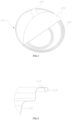
FIG. 1 is a schematic view of a first embodiment of a laminated food easy-peel-off can according to the present disclosure. -
FIG. 2 is a schematic view of a second embodiment of a laminated food easy-peel-off can according to the present disclosure. -
FIG. 3 is a schematic view of a third embodiment of a laminated food easy-peel-off can according to the present disclosure. -
FIG. 4 is a partial, enlarged schematic view of a can body according to the present disclosure. -
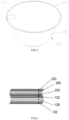
FIG. 5 is a schematic view showing a sealing of a laminated food easy-peel-off can according to the present disclosure. -
FIG. 6 is a schematic cross-sectional view showing a partial sealing of a laminated food easy-peel-off can according to the present disclosure. - 100, can body. 110, cavity. 112, opening. 120, annular bonding body. 122, first laminated film. 130, scratch-resistant portion. 200, lid. 210, opening portion. 220, second laminated film.
- In order to make the objects, technical solutions and advantages of the present disclosure more clear, the present disclosure will be further described in detail below with reference to the drawings and specific embodiments. It should be understood that the specific embodiments described herein are merely illustrative of the present disclosure and are not intended to limit the scope of the disclosure.
- It should be noted that the "can body" is made from a laminated metal sheet. The laminated metal sheet is formed by attaching a plastic film to a metal sheet by thermally pressing at a high temperature. For example, a PET, PC, PE or PP film is attached to the metal sheet (such as a cold rolled plate), "thermally bonded" means bonding by heating and pressing.
- Unless otherwise specified, all terms (including technical and scientific terms) used herein have the same meaning as commonly understood by those skilled in the art to which this disclosure belongs. The terms used herein is for the purpose of describing embodiments only and is not intended to limit the present disclosure. As used herein, the term "and/or" includes any and all combinations of one or more of the associated listed items.
- The terms "first" and "second" in the present disclosure do not represent a specific number and order, but are merely used for distinguishing names.
- As shown in
FIG.1to FIG.4 , a laminated food easy-peel-off can according to the present disclosure comprises acan body 100 drawn from a laminated metal sheet and alid 200 made of a laminated material. Thecan body 100 comprises acavity 110 having an opening 112, and anannular bonding body 120 located around an edge of the opening 112. Thelid 200 is thermally bonded and sealed to theannular bonding body 120. - As shown in
FIG.1to FIG.5 , When using this laminated food easy-peel-off to package food, the food to be packaged is firstly placed into thecavity 110 of thecan body 100, then the can body is covered by thelid 200, and then a laminated film of thelid 200 and a laminated film of a upper surface of theannular bonding body 120 are bonded together by thermally pressing technology, such that thelid 200 seals thecavity 110 so as to seal and preserve the food. At the same time, the surface of thecan body 100 is covered by a laminated film, which can prevent the food from contacting the metal of thecan body 100, thereby avoiding the corrosion and damage to thecan body 100 and wasting food. When the preserved food needs to be taken out, thelid 200 can be separated from theannular bonding body 120 by simply peeling off thelid 200, and then the food can be taken out from thecavity 100. The sealing of the above-mentioned laminated food easy-peel-off can is able to obtain a tight sealing by bonding thelid 200 to theannular bonding body 120 by heating and pressing, which makes the sealing machine simple and easy to be used, and easy to be operated. Compared with the easy-peel-off lid, the cover ring is omitted, and the production cost of the conventional metal food can is greatly reduced. At the same time, this sealing design can meet the sealing requirements of thecan bodies 100 in various different shapes, and meet the individual design requirements. - As shown in
FIG.1to FIG.5 , in this embodiment, thelid 200 is thermally bonded and sealed to theannular bonding body 120, and thelid 200 and theannular bonding body 120 cooperatively form a sealed storage chamber with the cavity. A tight sealing is formed by thermally pressing and bonding technology, which is convenient to form the storage chamber for sealing and storing food and is convenient to preserve food. Preferably, in order to obtain a better adhesive force, a temperature at which the lid and the annular bonding body are thermally bonded and sealed is 130° to 250°. Furthermore, the adhesive force of the thermally bonding between the edge of thelid 200 and theannular bonding body 120 is greater than or equal to 120 kpa. That is, after being subjected to a pressure of 120 kpa, the sealing between the edge of thelid 200 and theannular bonding body 120 are still reliably. Therefore, it can be used for preserving liquid food. It has temperature resistance and pressure resistance, thus it can meet the requirements of high pressure sterilization of canned food. The laminated food easy-peel-off can according to the present disclosure is subjected to a pressure test after being cooked at a high temperature of 121° C, and has no leakage at a pressure of 120 kpa. Thelid 200 is made of laminated material, preferably, it is made of laminated plastic film having good plasticity and good weldability, such as an aluminum- plastic lamination, a multi-layer plastic lamination, etc. - As shown in
FIG.3 to FIG.6 , preferably, the outer edge of the opening 112 is used to secure theannular bonding body 120. Therefore, the sealing machine is further simplified, and it is more convenient to realize the thermally bonding and sealing between theannular bonding body 120 and thelid 200. Further, theannular bonding body 120 is provided with a firstlaminated film 122, thelid 200 is provided with a secondlaminated film 220, and thelid 220 is bonded and sealed to theannular bonding body 120 by thermal bonding between the secondlaminated film 220 and the firstlaminated film 122. The tight sealing is formed by thermally bonding between the secondlaminated film 220 and the firstlaminated film 122, thereby improving the adhesive force between thelid 200 and theannular bonding body 120. Furthermore, theannular bonding body 120 and thecavity 110 are perpendicular or approximately perpendicular to each other in the same cross-section, so as to facilitate fixing theannular bonding body 120 on the sealing machine and thermally bonding theannular bonding body 120 to thelid 200, and thecavity 100 can be sealed by using a simple sealing machine, which can further reduce the production cost of the metal food can. At the same time, it can prevent that the bonding position between theannular bonding body 120 and thelid 200 is stable and flat, and thelid 200 is prevented from being subjected to an additional pulling force. At the same time, a smooth transitional portion is provided between theannular bonding body 120 and thecavity 110, so that the protrusion or acute angle can be avoided, which may result in an unstable bonding between thelid 200 and theannular bonding body 120. Preferably, the cavity is integrally drawn with the annular bonding body. - As shown in
FIG.4 , in this embodiment, an edge of theannular bonding body 120 is provided with a smooth transitional scratch-resistant portion 130. Therefore, it is possible to prevent the edge of theannular bonding body 120 from cutting the consumer's fingers. Further, the scratch-resistant portion 130 is curled in a direction toward thecavity 110 or away from thecavity 110, and forms an annular protrusion. Therefore, the edge notch of theannular bonding body 120 can be curled inwardly to avoid cutting the fingers due to its exposure. At the same time, the annular protrusion is formed, which is convenient for people to carry and take the can body 100 (for example, after being cooked at a high temperature, thecan body 100 can be taken out from the heating position by person holding the annular bonding body 120). Furthermore, the cross-section of the annular protrusion is in a circular shape, so that only the curling process is required to form the scratch-resistant portion 130 during the outer edge processing of theannular bonding body 120. - As shown in
FIG.1, FIG.2 ,FIG.3 orFIG.5 , in this embodiment, thelid 200 is provided with anopening portion 210, which is located outside a thermally bonded position between thelid 200 and theannular bonding body 120. It is convenient for people to peel off thelid 200. - In this embodiment, the
can body 100 is a laminated iron can body, and thelid 200 is an aluminum plastic laminated lid or a multi-layer plastic laminated lid. Therefore, thecan body 100 has sufficient rigidity, thelid 200 has sufficient ductility, and the two are matched to obtain an optimum effect. - Accordingly, the present invention has the following beneficial effects:
- 1. Metal food can is used as container for food packaging. The metal container is more dense than plastic container. Plastic has oxygen permeability which makes food oxidized and odorous, and the internal food flavor is also easily lost, therefore the shelf life is generally less than one year. By contrast, the metal has good barrier property, the external oxygen cannot get in, the internal flavor will not be lost, and the shelf life is more than two years. However, it is difficult for metal container to be welded and sealed after being packaged with food. At present, sealing in a manner of double seaming is generally popular. However, the laminated food easy-peel-off can according to the present disclosure can be bonded and sealed, and has high barrier property of the metal container, thereby providing a new packaging technology for various canned foods.
- 2. The sealing of the laminated food easy-peel-off can is able to obtain a tight sealing by bonding the lid to the annular bonding body by heating and pressing, which makes the sealing machine simple and easy to be used, and easy to be operated. The production cost of the metal food can is greatly reduced.
- 3. The bonded sealing is adopted, which can meet the sealing requirements of the metal can bodies in various different shapes, and meet the individual design requirements.
- 4. At the same time, the lid does not produce sharp or burr edges during the process of tearing off the lid, and thus the consumer's fingers would not be cut.
Claims (6)
- A laminated food easy-peel-off can, comprising a can body (100) made of a thermally laminated metal sheet and a lid (200) made of a laminated material, the can body (100) comprising a cavity (110) having an opening (112), and an annular bonding body (120) located around an edge of the opening (112), whereinthe can body (100) is a laminated iron can body made from a laminated iron sheet comprising an iron sheet and a plastic film thermally laminated on the iron sheet, the iron sheet and plastic film being thermally laminated together by heating and pressing, while the lid (200) is an aluminum plastic laminated lid or a multi-layer plastic laminated lid, and the lid (200) is provided with a laminated film (220), the lid (200) is bonded and sealed to the annular bonding body (120) by directly thermal bonding the laminated film (220) to the plastic film (122);an adhering force of the thermal bonding between an edge of the lid (200) and the annular bonding body (120) is greater than or equal to 120 kpa.
- The laminated food easy-peel-off can according to claim 1, wherein the lid (200) and the annular bonding body (120) cooperatively form a sealed storage chamber with the cavity (110).
- The laminated food easy-peel-off can according to claim 1, wherein an edge of the annular bonding body (120) is provided with a smooth transitional scratch-resistant portion (130).
- The laminated food easy-peel-off can according to claim 3, wherein the scratch-resistant portion (130) is curled in a direction toward the cavity (110) or away from the cavity (110), and forms an annular protrusion.
- The laminated food easy-peel-off can according to claim 1, wherein a smooth transitional portion is provided between the annular bonding body (120) and the cavity (110).
- The laminated food easy-peel-off can according to claim 1, wherein the lid (200) is provided with an opening portion (210) located outside a thermally bonded position between the lid (200) and the annular bonding body (120).
Applications Claiming Priority (2)
| Application Number | Priority Date | Filing Date | Title |
|---|---|---|---|
| CN201611236852.6A CN106628608A (en) | 2016-12-28 | 2016-12-28 | Easy-to-tear can for film covering foods |
| PCT/CN2017/118369 WO2018121483A1 (en) | 2016-12-28 | 2017-12-25 | Easy-peel laminated food can |
Publications (4)
| Publication Number | Publication Date |
|---|---|
| EP3564152A1 EP3564152A1 (en) | 2019-11-06 |
| EP3564152A4 EP3564152A4 (en) | 2020-06-24 |
| EP3564152C0 EP3564152C0 (en) | 2025-04-09 |
| EP3564152B1 true EP3564152B1 (en) | 2025-04-09 |
Family
ID=58832286
Family Applications (1)
| Application Number | Title | Priority Date | Filing Date |
|---|---|---|---|
| EP17888000.1A Active EP3564152B1 (en) | 2016-12-28 | 2017-12-25 | Easy-peel laminated food can |
Country Status (6)
| Country | Link |
|---|---|
| US (1) | US11008146B2 (en) |
| EP (1) | EP3564152B1 (en) |
| CN (1) | CN106628608A (en) |
| ES (1) | ES3024621T3 (en) |
| TW (1) | TW201823117A (en) |
| WO (1) | WO2018121483A1 (en) |
Families Citing this family (6)
| Publication number | Priority date | Publication date | Assignee | Title |
|---|---|---|---|---|
| CN106628608A (en) | 2016-12-28 | 2017-05-10 | 广州卓迅包装机械有限公司 | Easy-to-tear can for film covering foods |
| WO2018181616A1 (en) * | 2017-03-29 | 2018-10-04 | 大日本印刷株式会社 | Container and method for manufacturing container |
| CN107323786A (en) * | 2017-07-31 | 2017-11-07 | 浙江诚信包装材料有限公司 | Film-covered iron food container |
| US11554906B2 (en) * | 2019-10-24 | 2023-01-17 | Amy Lisa Gross Leinbach | Wrapper for foodstuffs |
| CN212126149U (en) * | 2020-03-26 | 2020-12-11 | 广东粤东机械实业有限公司 | Novel metal packaging container |
| CN112894285A (en) * | 2021-02-21 | 2021-06-04 | 福州新德通金属容器有限公司 | Manufacturing method of tea caddy with easy-to-tear cover |
Family Cites Families (47)
| Publication number | Priority date | Publication date | Assignee | Title |
|---|---|---|---|---|
| CH456446A (en) * | 1967-11-22 | 1968-07-31 | Alusuisse | Sealed container |
| DE2405879A1 (en) * | 1974-02-07 | 1975-08-21 | Pfeiffer Ohler Eisen Theob | Plastics lined metal container for preserving foods - has peripheral shoulder for sealing lid cleanly by sealing stamp |
| JPS59199444A (en) * | 1983-04-28 | 1984-11-12 | 東洋製罐株式会社 | Easy-open heat seal lid |
| DE3416754A1 (en) * | 1984-05-07 | 1985-11-07 | Nyffeler, Corti AG, Kirchberg | STERILIZABLE GLASS CONTAINER WITH ALUMINUM COMPOSITE FILM |
| GB8724239D0 (en) * | 1987-10-15 | 1987-11-18 | Metal Box Plc | Laminated metal sheet |
| GB8724245D0 (en) * | 1987-10-15 | 1987-11-18 | Metal Box Plc | Metal can ends |
| TR24070A (en) * | 1987-10-15 | 1991-02-28 | Bekaert Sa Nv | REINFORCED SERIES FOR RUBBER TIRES. |
| US4953550A (en) | 1988-11-09 | 1990-09-04 | Minnesota Mining And Manufacturing Company | Chemical thermal pack having an outer pouch provided with capillaries |
| US5228588A (en) * | 1989-02-16 | 1993-07-20 | Toyo Seikan Kaisha Ltd. | Thickness-reduced deep-draw-formed can |
| US5011006A (en) * | 1989-10-06 | 1991-04-30 | General Mills, Inc. | Container with lid closure having an improved flared stand feature |
| US4962849A (en) * | 1989-10-06 | 1990-10-16 | General Mills, Inc. | Food container with lid closure having a stand feature |
| GB9204972D0 (en) * | 1992-03-06 | 1992-04-22 | Cmb Foodcan Plc | Laminated metal sheet |
| US5375698A (en) * | 1993-05-07 | 1994-12-27 | Allergan, Inc. | Prefilled, resealable contact lens container |
| JPH0761436A (en) | 1993-08-23 | 1995-03-07 | Nippon Tetrapack Kk | Packing container, and forming method therefor |
| US5782375A (en) * | 1993-12-01 | 1998-07-21 | Mchenry; Robert J. | Drawn and ironed cans of a metal-plastic construction and their fabrication process |
| US5759650A (en) * | 1994-12-22 | 1998-06-02 | Plicon | Bloomin lid controlled atmosphere package |
| AU4717801A (en) * | 1999-12-14 | 2001-06-25 | Double "H" Plastics, Inc. | Stackable hinged container lid having detents |
| US6960392B2 (en) | 2000-03-30 | 2005-11-01 | Arkema | Structure comprising a binder layer non-delaminable with respect to a metallized substrate and peelable with respect to a polypropylene substrate |
| EP1146100B1 (en) * | 2000-03-30 | 2004-08-04 | Atofina | Package being non-delaminable to a metal substrat and peelable to polypropylene |
| US6659644B2 (en) | 2001-01-17 | 2003-12-09 | Tc Manufacturing Inc., Co. | Plastic bag with arcuate vent pairs |
| TW592969B (en) | 2002-10-02 | 2004-06-21 | Golden Tree Plastics Co Ltd | Method for making metal plate with thermal-adhesive film and its product |
| TWI260270B (en) | 2004-02-27 | 2006-08-21 | David Lin | Method for manufacturing a self-venting composite film for heating food package |
| WO2007020947A1 (en) * | 2005-08-12 | 2007-02-22 | Jfe Steel Corporation | Two piece can, process for producing the same, and steel plate for two piece can |
| TW200716456A (en) | 2005-10-26 | 2007-05-01 | qi-de Chen | Structure of container and forming method of the same |
| TWM301018U (en) | 2006-05-18 | 2006-11-21 | Pei-Yun Shie | Improved structure of paper-made container |
| CN201030976Y (en) | 2007-04-09 | 2008-03-05 | 赖新庭 | Sanitary foodstuff pop-top can |
| RU2010136660A (en) * | 2008-02-05 | 2012-03-27 | Амкор Флексиблз Кройцлинген Лтд. (Ch) | COVER AND METHOD FOR ITS MANUFACTURE |
| US8210377B2 (en) * | 2008-03-20 | 2012-07-03 | Crown Packaging Technology, Inc. | Closure edge protection via polymer coated metal |
| US8746489B2 (en) * | 2008-06-03 | 2014-06-10 | Valspar Sourcing, Inc. | Easy-open container and container coating |
| CH700284A2 (en) * | 2009-01-28 | 2010-07-30 | Alcan Tech & Man Ltd | Laminate used for manufacturing container, comprises polyester film connected to aluminum foil having thickness in specified range, through laminate adhesive |
| US20100147724A1 (en) * | 2008-12-12 | 2010-06-17 | Ujjaini Mitra-Shah | Tamper indicator for reclosable packages |
| DE202009003541U1 (en) * | 2009-03-12 | 2010-07-22 | Ackermann, Bruno | donation box |
| EP2366634B1 (en) * | 2010-03-18 | 2014-11-05 | Ardagh MP Group Netherlands B.V. | Closure for an easy opening container and a container provided with such closure |
| CN201816821U (en) * | 2010-09-15 | 2011-05-04 | 广州番禺美特包装有限公司 | Film-coated metal packaging tin |
| CN202295721U (en) * | 2011-08-15 | 2012-07-04 | 李利民 | Novel easily-torn opening type metal can top sealing structure |
| CN202449389U (en) * | 2011-09-02 | 2012-09-26 | 浙江金石包装有限公司 | Easy-to-uncover sealing film for tinplate heat sealing |
| CN102849324B (en) | 2012-07-13 | 2014-11-05 | 浙江诚信包装材料有限公司 | Sealing structure of ring-pull can and processing technology |
| CA2846164C (en) * | 2013-03-15 | 2020-11-10 | Selig Sealing Products, Inc. | Inner seal with a sub tab layer |
| US20150367990A1 (en) * | 2014-06-20 | 2015-12-24 | Cool-Pak, Llc. | Container utlizing label seal technology |
| CN104858335A (en) * | 2014-10-31 | 2015-08-26 | 东莞市满贯包装有限公司 | Food zip-top can structure and machining technology |
| US9944446B2 (en) * | 2014-12-08 | 2018-04-17 | Sonoco Development, Inc. | Re-sealable flexible package with reinforced perimeter |
| WO2016104579A1 (en) | 2014-12-26 | 2016-06-30 | 新日鐵住金株式会社 | Film-laminated metal sheet for food container, twist cap in which said sheet is used, and can lid |
| CN205023065U (en) | 2015-09-15 | 2016-02-10 | 北京小罐茶业有限公司 | Tea package can |
| CN105109789B (en) * | 2015-09-15 | 2018-06-29 | 北京小罐茶业有限公司 | A kind of packaging can for tea and preparation method thereof |
| CN205738460U (en) * | 2016-04-26 | 2016-11-30 | 奥瑞金包装股份有限公司 | Seamless tank |
| CN106628608A (en) | 2016-12-28 | 2017-05-10 | 广州卓迅包装机械有限公司 | Easy-to-tear can for film covering foods |
| CN206358618U (en) * | 2016-12-28 | 2017-07-28 | 广州卓迅包装机械有限公司 | Overlay film food easily tears tank |
-
2016
- 2016-12-28 CN CN201611236852.6A patent/CN106628608A/en active Pending
-
2017
- 2017-12-25 US US16/474,899 patent/US11008146B2/en active Active
- 2017-12-25 WO PCT/CN2017/118369 patent/WO2018121483A1/en not_active Ceased
- 2017-12-25 ES ES17888000T patent/ES3024621T3/en active Active
- 2017-12-25 EP EP17888000.1A patent/EP3564152B1/en active Active
- 2017-12-28 TW TW106146118A patent/TW201823117A/en unknown
Also Published As
| Publication number | Publication date |
|---|---|
| EP3564152C0 (en) | 2025-04-09 |
| US20190344947A1 (en) | 2019-11-14 |
| EP3564152A1 (en) | 2019-11-06 |
| US11008146B2 (en) | 2021-05-18 |
| CN106628608A (en) | 2017-05-10 |
| TW201823117A (en) | 2018-07-01 |
| ES3024621T3 (en) | 2025-06-04 |
| EP3564152A4 (en) | 2020-06-24 |
| WO2018121483A1 (en) | 2018-07-05 |
Similar Documents
| Publication | Publication Date | Title |
|---|---|---|
| US11008146B2 (en) | Easy-peel laminated food can | |
| JP6406553B2 (en) | Container sealed body with excellent heat resistance, openability and airtightness | |
| US11878502B2 (en) | Fracture film for peelable membrane containers | |
| TWI665138B (en) | A double-sided adhesive sealing container by induction heating and a compact cosmetics container with tamper function by using it and a flip cap container with tamper function by using it | |
| JP6463058B2 (en) | Resealable sealed container | |
| JP6324168B2 (en) | Microwave storage container | |
| JP2015516338A (en) | Easy open can seal structure and processing | |
| JP2015151152A (en) | Opening mechanism of easily openable container | |
| CN206358618U (en) | Overlay film food easily tears tank | |
| JP6590520B2 (en) | Hot beverage container lid and packaging | |
| JP2020104877A (en) | Lid and container for container | |
| TWI757555B (en) | Packaging body and method of making the same | |
| JP7005277B2 (en) | Package | |
| CN207932268U (en) | Package body | |
| US20190161263A1 (en) | Lid ring | |
| CN214649648U (en) | forming container | |
| US20220396393A1 (en) | Resealable can end with stay on tab | |
| JP2012201382A (en) | Packaging container | |
| JPH0356552Y2 (en) | ||
| JP6948921B2 (en) | Package | |
| JP2016088622A (en) | Can top and can including the same | |
| CN117262312A (en) | An electromagnetic sealing method that hides aluminum foil layers and tabs | |
| JP2021031091A (en) | Container with sheet cover | |
| JP2011126589A (en) | Sealing lid having ring tab | |
| JP2003072843A (en) | Food packaging body using easily openable container made of synthetic resin |
Legal Events
| Date | Code | Title | Description |
|---|---|---|---|
| STAA | Information on the status of an ep patent application or granted ep patent |
Free format text: STATUS: THE INTERNATIONAL PUBLICATION HAS BEEN MADE |
|
| PUAI | Public reference made under article 153(3) epc to a published international application that has entered the european phase |
Free format text: ORIGINAL CODE: 0009012 |
|
| STAA | Information on the status of an ep patent application or granted ep patent |
Free format text: STATUS: REQUEST FOR EXAMINATION WAS MADE |
|
| 17P | Request for examination filed |
Effective date: 20190712 |
|
| AK | Designated contracting states |
Kind code of ref document: A1 Designated state(s): AL AT BE BG CH CY CZ DE DK EE ES FI FR GB GR HR HU IE IS IT LI LT LU LV MC MK MT NL NO PL PT RO RS SE SI SK SM TR |
|
| AX | Request for extension of the european patent |
Extension state: BA ME |
|
| DAV | Request for validation of the european patent (deleted) | ||
| DAX | Request for extension of the european patent (deleted) | ||
| A4 | Supplementary search report drawn up and despatched |
Effective date: 20200526 |
|
| RIC1 | Information provided on ipc code assigned before grant |
Ipc: B65D 77/20 20060101AFI20200518BHEP Ipc: B65D 8/00 20060101ALI20200518BHEP |
|
| STAA | Information on the status of an ep patent application or granted ep patent |
Free format text: STATUS: EXAMINATION IS IN PROGRESS |
|
| 17Q | First examination report despatched |
Effective date: 20220216 |
|
| GRAP | Despatch of communication of intention to grant a patent |
Free format text: ORIGINAL CODE: EPIDOSNIGR1 |
|
| STAA | Information on the status of an ep patent application or granted ep patent |
Free format text: STATUS: GRANT OF PATENT IS INTENDED |
|
| RIC1 | Information provided on ipc code assigned before grant |
Ipc: B65D 77/20 20060101AFI20241023BHEP |
|
| INTG | Intention to grant announced |
Effective date: 20241111 |
|
| GRAS | Grant fee paid |
Free format text: ORIGINAL CODE: EPIDOSNIGR3 |
|
| GRAA | (expected) grant |
Free format text: ORIGINAL CODE: 0009210 |
|
| STAA | Information on the status of an ep patent application or granted ep patent |
Free format text: STATUS: THE PATENT HAS BEEN GRANTED |
|
| AK | Designated contracting states |
Kind code of ref document: B1 Designated state(s): AL AT BE BG CH CY CZ DE DK EE ES FI FR GB GR HR HU IE IS IT LI LT LU LV MC MK MT NL NO PL PT RO RS SE SI SK SM TR |
|
| REG | Reference to a national code |
Ref country code: GB Ref legal event code: FG4D |
|
| REG | Reference to a national code |
Ref country code: CH Ref legal event code: EP |
|
| REG | Reference to a national code |
Ref country code: DE Ref legal event code: R096 Ref document number: 602017088871 Country of ref document: DE |
|
| REG | Reference to a national code |
Ref country code: IE Ref legal event code: FG4D |
|
| U01 | Request for unitary effect filed |
Effective date: 20250410 |
|
| U07 | Unitary effect registered |
Designated state(s): AT BE BG DE DK EE FI FR IT LT LU LV MT NL PT RO SE SI Effective date: 20250422 |
|
| REG | Reference to a national code |
Ref country code: ES Ref legal event code: FG2A Ref document number: 3024621 Country of ref document: ES Kind code of ref document: T3 Effective date: 20250604 |
|
| PG25 | Lapsed in a contracting state [announced via postgrant information from national office to epo] |
Ref country code: GR Free format text: LAPSE BECAUSE OF FAILURE TO SUBMIT A TRANSLATION OF THE DESCRIPTION OR TO PAY THE FEE WITHIN THE PRESCRIBED TIME-LIMIT Effective date: 20250710 Ref country code: NO Free format text: LAPSE BECAUSE OF FAILURE TO SUBMIT A TRANSLATION OF THE DESCRIPTION OR TO PAY THE FEE WITHIN THE PRESCRIBED TIME-LIMIT Effective date: 20250709 |
|
| PG25 | Lapsed in a contracting state [announced via postgrant information from national office to epo] |
Ref country code: PL Free format text: LAPSE BECAUSE OF FAILURE TO SUBMIT A TRANSLATION OF THE DESCRIPTION OR TO PAY THE FEE WITHIN THE PRESCRIBED TIME-LIMIT Effective date: 20250409 |
|
| PG25 | Lapsed in a contracting state [announced via postgrant information from national office to epo] |
Ref country code: HR Free format text: LAPSE BECAUSE OF FAILURE TO SUBMIT A TRANSLATION OF THE DESCRIPTION OR TO PAY THE FEE WITHIN THE PRESCRIBED TIME-LIMIT Effective date: 20250409 |
|
| PG25 | Lapsed in a contracting state [announced via postgrant information from national office to epo] |
Ref country code: RS Free format text: LAPSE BECAUSE OF FAILURE TO SUBMIT A TRANSLATION OF THE DESCRIPTION OR TO PAY THE FEE WITHIN THE PRESCRIBED TIME-LIMIT Effective date: 20250709 |
|
| PG25 | Lapsed in a contracting state [announced via postgrant information from national office to epo] |
Ref country code: IS Free format text: LAPSE BECAUSE OF FAILURE TO SUBMIT A TRANSLATION OF THE DESCRIPTION OR TO PAY THE FEE WITHIN THE PRESCRIBED TIME-LIMIT Effective date: 20250809 |
|
| PG25 | Lapsed in a contracting state [announced via postgrant information from national office to epo] |
Ref country code: SM Free format text: LAPSE BECAUSE OF FAILURE TO SUBMIT A TRANSLATION OF THE DESCRIPTION OR TO PAY THE FEE WITHIN THE PRESCRIBED TIME-LIMIT Effective date: 20250409 |
|
| U20 | Renewal fee for the european patent with unitary effect paid |
Year of fee payment: 9 Effective date: 20251208 |
|
| PG25 | Lapsed in a contracting state [announced via postgrant information from national office to epo] |
Ref country code: CZ Free format text: LAPSE BECAUSE OF FAILURE TO SUBMIT A TRANSLATION OF THE DESCRIPTION OR TO PAY THE FEE WITHIN THE PRESCRIBED TIME-LIMIT Effective date: 20250409 |
|
| PG25 | Lapsed in a contracting state [announced via postgrant information from national office to epo] |
Ref country code: SK Free format text: LAPSE BECAUSE OF FAILURE TO SUBMIT A TRANSLATION OF THE DESCRIPTION OR TO PAY THE FEE WITHIN THE PRESCRIBED TIME-LIMIT Effective date: 20250409 |
|
| PLBE | No opposition filed within time limit |
Free format text: ORIGINAL CODE: 0009261 |
|
| STAA | Information on the status of an ep patent application or granted ep patent |
Free format text: STATUS: NO OPPOSITION FILED WITHIN TIME LIMIT |
|
| REG | Reference to a national code |
Ref country code: CH Ref legal event code: L10 Free format text: ST27 STATUS EVENT CODE: U-0-0-L10-L00 (AS PROVIDED BY THE NATIONAL OFFICE) Effective date: 20260218 |
|
| 26N | No opposition filed |
Effective date: 20260112 |
|
| PGFP | Annual fee paid to national office [announced via postgrant information from national office to epo] |
Ref country code: ES Payment date: 20260130 Year of fee payment: 9 |