EP3557831B1 - System for processing two-dimensional barcodes in connection with mobile payment transactions - Google Patents
System for processing two-dimensional barcodes in connection with mobile payment transactions Download PDFInfo
- Publication number
- EP3557831B1 EP3557831B1 EP17880448.0A EP17880448A EP3557831B1 EP 3557831 B1 EP3557831 B1 EP 3557831B1 EP 17880448 A EP17880448 A EP 17880448A EP 3557831 B1 EP3557831 B1 EP 3557831B1
- Authority
- EP
- European Patent Office
- Prior art keywords
- server
- electronic credential
- credential
- client software
- verification
- Prior art date
- Legal status (The legal status is an assumption and is not a legal conclusion. Google has not performed a legal analysis and makes no representation as to the accuracy of the status listed.)
- Active
Links
Images




Classifications
-
- H—ELECTRICITY
- H04—ELECTRIC COMMUNICATION TECHNIQUE
- H04L—TRANSMISSION OF DIGITAL INFORMATION, e.g. TELEGRAPHIC COMMUNICATION
- H04L9/00—Cryptographic mechanisms or cryptographic arrangements for secret or secure communications; Network security protocols
- H04L9/08—Key distribution or management, e.g. generation, sharing or updating, of cryptographic keys or passwords
- H04L9/0816—Key establishment, i.e. cryptographic processes or cryptographic protocols whereby a shared secret becomes available to two or more parties, for subsequent use
- H04L9/0819—Key transport or distribution, i.e. key establishment techniques where one party creates or otherwise obtains a secret value, and securely transfers it to the other(s)
- H04L9/0825—Key transport or distribution, i.e. key establishment techniques where one party creates or otherwise obtains a secret value, and securely transfers it to the other(s) using asymmetric-key encryption or public key infrastructure [PKI], e.g. key signature or public key certificates
-
- G—PHYSICS
- G06—COMPUTING OR CALCULATING; COUNTING
- G06F—ELECTRIC DIGITAL DATA PROCESSING
- G06F21/00—Security arrangements for protecting computers, components thereof, programs or data against unauthorised activity
- G06F21/30—Authentication, i.e. establishing the identity or authorisation of security principals
- G06F21/31—User authentication
- G06F21/36—User authentication by graphic or iconic representation
-
- H—ELECTRICITY
- H04—ELECTRIC COMMUNICATION TECHNIQUE
- H04L—TRANSMISSION OF DIGITAL INFORMATION, e.g. TELEGRAPHIC COMMUNICATION
- H04L63/00—Network architectures or network communication protocols for network security
- H04L63/12—Applying verification of the received information
- H04L63/123—Applying verification of the received information received data contents, e.g. message integrity
-
- G—PHYSICS
- G06—COMPUTING OR CALCULATING; COUNTING
- G06K—GRAPHICAL DATA READING; PRESENTATION OF DATA; RECORD CARRIERS; HANDLING RECORD CARRIERS
- G06K19/00—Record carriers for use with machines and with at least a part designed to carry digital markings
- G06K19/06—Record carriers for use with machines and with at least a part designed to carry digital markings characterised by the kind of the digital marking, e.g. shape, nature, code
- G06K19/06009—Record carriers for use with machines and with at least a part designed to carry digital markings characterised by the kind of the digital marking, e.g. shape, nature, code with optically detectable marking
- G06K19/06037—Record carriers for use with machines and with at least a part designed to carry digital markings characterised by the kind of the digital marking, e.g. shape, nature, code with optically detectable marking multi-dimensional coding
-
- G—PHYSICS
- G06—COMPUTING OR CALCULATING; COUNTING
- G06K—GRAPHICAL DATA READING; PRESENTATION OF DATA; RECORD CARRIERS; HANDLING RECORD CARRIERS
- G06K19/00—Record carriers for use with machines and with at least a part designed to carry digital markings
- G06K19/06—Record carriers for use with machines and with at least a part designed to carry digital markings characterised by the kind of the digital marking, e.g. shape, nature, code
- G06K19/08—Record carriers for use with machines and with at least a part designed to carry digital markings characterised by the kind of the digital marking, e.g. shape, nature, code using markings of different kinds or more than one marking of the same kind in the same record carrier, e.g. one marking being sensed by optical and the other by magnetic means
- G06K19/10—Record carriers for use with machines and with at least a part designed to carry digital markings characterised by the kind of the digital marking, e.g. shape, nature, code using markings of different kinds or more than one marking of the same kind in the same record carrier, e.g. one marking being sensed by optical and the other by magnetic means at least one kind of marking being used for authentication, e.g. of credit or identity cards
-
- H—ELECTRICITY
- H04—ELECTRIC COMMUNICATION TECHNIQUE
- H04L—TRANSMISSION OF DIGITAL INFORMATION, e.g. TELEGRAPHIC COMMUNICATION
- H04L63/00—Network architectures or network communication protocols for network security
- H04L63/10—Network architectures or network communication protocols for network security for controlling access to devices or network resources
- H04L63/108—Network architectures or network communication protocols for network security for controlling access to devices or network resources when the policy decisions are valid for a limited amount of time
-
- H—ELECTRICITY
- H04—ELECTRIC COMMUNICATION TECHNIQUE
- H04L—TRANSMISSION OF DIGITAL INFORMATION, e.g. TELEGRAPHIC COMMUNICATION
- H04L63/00—Network architectures or network communication protocols for network security
- H04L63/12—Applying verification of the received information
- H04L63/126—Applying verification of the received information the source of the received data
-
- H—ELECTRICITY
- H04—ELECTRIC COMMUNICATION TECHNIQUE
- H04L—TRANSMISSION OF DIGITAL INFORMATION, e.g. TELEGRAPHIC COMMUNICATION
- H04L9/00—Cryptographic mechanisms or cryptographic arrangements for secret or secure communications; Network security protocols
- H04L9/32—Cryptographic mechanisms or cryptographic arrangements for secret or secure communications; Network security protocols including means for verifying the identity or authority of a user of the system or for message authentication, e.g. authorization, entity authentication, data integrity or data verification, non-repudiation, key authentication or verification of credentials
- H04L9/3247—Cryptographic mechanisms or cryptographic arrangements for secret or secure communications; Network security protocols including means for verifying the identity or authority of a user of the system or for message authentication, e.g. authorization, entity authentication, data integrity or data verification, non-repudiation, key authentication or verification of credentials involving digital signatures
Definitions
- the present invention relates to the field of information processing technologies, and in particular, to a method, an apparatus, and a system for processing two-dimensional barcodes.
- credential verification there are some credential verification application scenarios in daily work and life, for example, an identity card, a bank card, a bus ticket, a concert ticket, and an access control card.
- credential verification only needs to be completed by using specific entities, for example, a bus ticket, a concert ticket, and an access control card.
- a specific entity and private information need to be used together to complete verification, for example, a bank card and a home/company fingerprint access.
- credential verification can be completed by obtaining a corresponding specific entity.
- a user can buy a paper bus ticket or a paper concert ticket from a ticket window, and can get on the bus or go to a concert after verification is completed at the ticket barrier.
- This verification mode depends on a specific entity (a bus ticket or a concert ticket), and requires the user to carry the specific entity.
- a process of deregistering or post-registering the specific entity is complex.
- an additional security authentication auxiliary device for example, a secure keyboard or a fingerprint recognition device.
- a secure keyboard or a fingerprint recognition device As such, usage costs are increased.
- this method can prevent private information leakage, a threat of private information leakage still exists.
- CN 103 854 061 A describes a method and a system for applying, generating and checking electronic tickets.
- the electronic ticket application system comprises a booking terminal, a booking server, a checking server and a scanning terminal, wherein the booking terminal is used for obtaining booking requirements; the checking server is used for returning characteristic codes according to the booking requirements; the booking server is also used for generating pattern recognition codes according to the characteristic codes and sending the pattern recognition codes to the booking terminal; the scanning terminal is used for scanning the pattern recognition codes and decoding to obtain the characteristic codes; the checking server is used for checking the characteristic codes and returning checking results to the scanning terminal through the booking server.
- the characteristic codes which are returned by the booking server, are used for generating the pattern recognition codes; manners of the pattern recognition code manner are not easy to be recognized for obtaining information, so that the safety of the electronic tickets can be improved; in use, when the electronic tickets are checked, checking codes do not need to be input manually; the electronic tickets can be checked by scanning the pattern recognition codes, thereby improving the checking efficiency.
- the present invention provides a system for processing two-dimensional barcodes as defined in the claims, and is mainly intended to alleviate an existing-technology problem that an electronic credential is generated based on a static random code, and once the electronic credential is copied or stolen through photographing, security of the electronic credential cannot be ensured.
- an example method for processing two-dimensional barcodes includes the following: receiving, by a server, an electronic credential acquisition request sent by client software, where the electronic credential acquisition request includes a user identifier; obtaining an electronic credential that corresponds to the user identifier, and signing the electronic credential and a user public key of the client software by using a server private key to obtain server signature information; and sending the server signature information and the electronic credential to the client software, so that the client software verifies the server signature information, and generates a two-dimensional barcode based on the electronic credential so that a credential verification end device verifies the electronic credential included in the two-dimensional barcode, where the credential verification end device is configured to generate the electronic credential based on the user identifier.
- an example method for processing two-dimensional barcodes includes the following: receiving, by client software, server signature information and an electronic credential that are sent by a server, where the server signature information is obtained by the server by signing the electronic credential and a user public key of the client software by using a server private key; verifying the server signature information to obtain an electronic credential; obtaining a user key that corresponds to the user public key, and signing the electronic credential by using the user key to obtain client software signature information; and generating a two-dimensional barcode based on predetermined security information, the client software signature information, the server signature information, the electronic credential, and the user public key, so that a credential verification end device verifies the electronic credential included in the two-dimensional barcode based on the predetermined security information and the user public key, where the predetermined security information has validity duration, and the credential verification end device is configured to generate an electronic credential based on a user identifier.
- an example method for processing two-dimensional barcodes includes the following: obtaining, by a credential verification end device, a two-dimensional barcode in client software, where the two-dimensional barcode is generated by the client software based on predetermined security information, client software signature information, server signature information, an electronic credential, and a user public key, the client software signature information is obtained by the client software by signing the electronic credential, and the server signature information is obtained by a server by signing the electronic credential and the user public key; verifying validity duration of the predetermined security information, and verifying the client software signature information and the server signature information; if verification on each of the predetermined security information, the client software signature information, and the server signature information succeeds, obtaining a service validity time included in the electronic credential for verification; and if verification on the service validity time included in the electronic credential succeeds, determining that verification on the electronic credential succeeds.
- the present invention provides a system comprising a server, including the following: a receiving unit, configured to receive an electronic credential acquisition request sent by client software, where the electronic credential acquisition request includes a user identifier; a first acquisition unit, configured to obtain an electronic credential that corresponds to the user identifier received by the receiving unit; a signing unit, configured to sign the electronic credential and a user public key of the client software by using a server private key to obtain server signature information; and a sending unit, configured to send the server signature information obtained by the signing unit and the electronic credential obtained by the first acquisition unit to the client software, so that the client software verifies the server signature information within a validity time of a user key, and generates a two-dimensional barcode based on the electronic credential so that a credential verification end device verifies the electronic credential included in the two-dimensional barcode, where the credential verification end device is configured to generate the electronic credential based on the user identifier.
- the present invention provides a system comprising client software, including the following: a first receiving unit, configured to receive server signature information and an electronic credential that are sent by a server, where the server signature information is obtained by the server by signing the electronic credential and a user public key of the client software by using a server private key; a signature verification unit, configured to verify the server signature information to obtain an electronic credential; an acquisition unit, configured to obtain a user key that corresponds to the user public key; a signing unit, configured to sign the electronic credential by using the user key obtained by the acquisition unit to obtain client software signature information; and a generation unit, configured to generate a two-dimensional barcode based on predetermined security information, the client software signature information, the server signature information, the electronic credential, and the user public key, so that a credential verification end device verifies the electronic credential included in the two-dimensional barcode based on the predetermined security information and the user public key, where the predetermined security information has validity duration, and the credential verification end device
- the present invention provides a system comprising a credential verification end device, including the following: a first acquisition unit, configured to obtain a two-dimensional barcode in client software, where the two-dimensional barcode is generated by the client software based on predetermined security information, client software signature information, server signature information, an electronic credential, and a user public key, the client software signature information is obtained by the client software by signing the electronic credential, and the server signature information is obtained by a server by signing the electronic credential and the user public key; a first verification unit, configured to verify validity duration of the predetermined security information obtained by the first acquisition unit; a second verification unit, configured to verify the client software signature information and the server signature information; a third verification unit, configured to obtain a service validity time included in the electronic credential for verification when verification of the first verification unit on the predetermined security information succeeds, verification of the second verification unit on each of the client software signature information and the server signature information succeeds; and a determining unit, configured to determine that verification on the electronic credential
- the present invention provides a system for processing two-dimensional barcodes, and the system includes the following: client software, configured to send an electronic credential acquisition request to a server, where the electronic credential acquisition request includes a user identifier; the server, configured to receive the electronic credential acquisition request sent by the client software, and obtain an electronic credential from a credential verification end device based on the user identifier; and the credential verification end device, configured to receive and respond to request information for obtaining an electronic credential sent by the server, and send the electronic credential to the server, where the server is further configured to receive the electronic credential sent by the credential verification end device, sign the electronic credential and a user public key of the client software to obtain server signature information, and send the server signature information and the electronic credential to the client software; the client software is configured to receive the server signature information and the electronic credential that are sent by the server, verify the server signature information to obtain the electronic credential, obtain a user key that corresponds to the user public key, sign the electronic
- the server after receiving the electronic credential acquisition request sent by the client software, signs the electronic credential and the user public key of the client software by using the server private key to obtain the server signature information, and sends the server signature information and the electronic credential to the client software.
- the client software receives the server signature information and the electronic credential that are sent by the server, verifies the server signature information, after the verification on the signature information succeeds, signs the electronic credential, and generates the two-dimensional barcode based on the predetermined security information, the client software signature information, the server signature information, the electronic credential, and the user public key.
- the credential verification end device can verify the server signature information, the client software signature information, and the predetermined security information in the two-dimensional barcode to determine whether the electronic credential is tampered with in a transmission process, to ensure security of the electronic credential in a use process.
- implementations of the present invention provides a system for processing two-dimensional barcodes.
- the functionality of the system is implemented through cooperation of a server, client software, and a credential verification end device.
- the credential verification end device can at least generate and transmit data, to transmit a generated electronic credential to the server, and can obtain data and verify data, to obtain an electronic credential from a two-dimensional barcode in the client software and verify whether the electronic credential is correct.
- the server can at least transmit and receive data, to receive an electronic credential sent by the credential verification end device, and send the electronic credential to the client software, to implement data transmission.
- the client software can at least exchange data with the server, to receive an electronic credential sent by the server, and can generate an image, to generate a two-dimensional barcode etc. based on the electronic credential information.
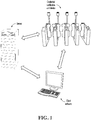
- FIG 1 a framework diagram illustrating interaction between client software, a server, and a credential verification end device, according to an implementation of the present invention is first provided, as shown in FIG 1 .
- the credential verification end device after generating an electronic credential based on a user identifier (such as an identity card number, a mobile number, or an email address), the credential verification end device sends the electronic credential to the server, and the server has access permission to the electronic credential generated by the credential verification end device.
- the server After receiving an electronic credential acquisition request from the client software, the server sends the electronic credential to the client software, so that the client software generates a two-dimensional barcode based on the electronic credential for the credential verification end device to verify.
- an electronic credential is carried in a two-dimensional barcode.
- the electronic credential can also depend on another medium, for example, client software that has an NFC capability such as an SE capability or an HCE capability.
- a description is made by using an example that an electronic credential is carried in a two-dimensional barcode, because for an electronic credential user and the credential verification end device, the two-dimensional barcode has relatively low requirements on hardware devices used and the hardware devices are relatively universal.
- such a description method is not intended to impose a limitation that an electronic credential can only be carried by using a two-dimensional barcode.
- the following first provides a system for processing two-dimensional barcodes implemented on a server side based on the schematic diagram shown in FIG. 1 .
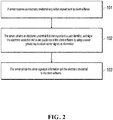
- the method performed by the server includes the following steps.
- a server receives an electronic credential acquisition request sent by client software.
- the client software After successfully logging in to the server, the client software sends an electronic credential acquisition request to the server, where the electronic credential acquisition request includes a user identifier, so that the server searches for corresponding electronic credential information based on the user identifier.
- the electronic credential can include but is not limited to the following content: an electronic credential that corresponds to an air ticket, a bus ticket, a train ticket, a concert ticket, a bank card, an access control card, park admission tickets, an identity card, a merchant coupon, a membership card, a driving license, a driving license access control card, or a bus card.
- the client software is an application (APP) installed in an electronic device or a website.
- APP application
- the client software can register with the server based on a user identifier, and the user identifier can include but is not limited to a user identity card, a real name consistent with the identity card, a mobile number, an email address, an account name, etc.
- a login password for logging in to the server can be set, and after registration and successful login, the client software can be connected to and communicate with the server.
- the server obtains an electronic credential that corresponds to a user identifier, and signs the electronic credential and a user public key of the client software by using a server private key to obtain server signature information.
- the server described in this implementation of the present invention does not generate an electronic credential.
- the server After receiving the electronic credential acquisition request sent by the client software, the server obtains the electronic credential that corresponds to the user identifier from a credential verification end device that generates the electronic credential.
- the server acts as a bridge between an electronic credential using party (client software) and an electronic credential verification end device (credential verification end device), and is responsible for forwarding the electronic credential generated by the credential verification end device to the electronic credential using party. It is worthwhile to note that, on the premises that the server described in this implementation of the present invention satisfies national regulatory requirements, the server needs to be authorized by the credential verification end device to access the credential verification end device.
- the server needs to sign the user public key of the client software by using the server private key to obtain the server signature information.
- the user public key of the client software is signed so that the client software and the server can verify each other's identities, perform security authentication on identity information, and ensure that the information in a data transmission process is not tampered with.
- the server signs the electronic credential by using the server private key so that integrity of the original electronic credential can be determined.
- the server can further use the server signature information obtained when the server signs the electronic credential and the user public key as attribute information of the generated two-dimensional barcode when the client software subsequently generates the two-dimensional barcode, to ensure that the electronic credential transmitted by the client software is sent by the server, verified by the client software, and is authorized and reliable. As such, the electronic credential cannot be forged or repudiated.
- the server sends the server signature information and the electronic credential to the client software.
- the client software verifies the signed electronic credential, and generates a two-dimensional barcode based on the electronic credential, so that the credential verification end device verifies the electronic credential included in the two-dimensional barcode.
- the credential verification end device is configured to generate the electronic credential based on the user identifier.
- the server after receiving the electronic credential acquisition request sent by the client software, signs the electronic credential and the user public key of the client software by using the server private key to obtain the server signature information, and sends the server signature information and the electronic credential to the client software.
- the client software receives the server signature information and the electronic credential that are sent by the server, verifies the server signature information, after the verification on the signature information succeeds, signs the electronic credential, and generates the two-dimensional barcode based on the predetermined security information, the client software signature information, the server signature information, the electronic credential, and the user public key.
- the credential verification end device can verify the server signature information, the client software signature information, and the predetermined security information in the two-dimensional barcode to determine whether the electronic credential is tampered with in a transmission process, to ensure security of the electronic credential in a use process.
- the electronic credential and the user public key of the client software can be signed by using the server private key in the following methods, etc.
- Method 1 The server allocates a user signature key to the electronic credential, and signs the electronic credential and a first user public key by using the server private key, where the allocated user signature key includes the first user public key.
- the server When the server receives the electronic credential acquisition request sent by the client software, if no user public key of the client software is obtained from the electronic credential acquisition request, the server temporarily allocates a pair of user signature keys to the electronic credential to authenticate the user identifier of the client software and therefore ensure that the electronic credential is not tampered with, where the allocated user signature keys include one first user public key and one first user private key; and signs the first user private key by using the server private key to perform security authentication on the server signature information after the server signature information is received.
- the server signature information in the server cannot be verified.
- the server signs the electronic credential and the first user public key of the client software by using Method 1
- the server needs to synchronously send the user signature keys allocated to the electronic credential to the client software, so that the client software can verify the server signature information based on the user signature keys.
- the client software can directly discard the user signature keys, or can use the user signature keys as common user keys and user public keys of the client software. Implementations are not limited in this implementation of the present invention.
- Method 2 The server obtains a second user public key sent by the client software, and signs the second user public key and the electronic credential by using the server private key.
- the client software when sending the electronic credential acquisition request to the server, the client software synchronously sends the second user public key of the client software to the server, so that the server performs identity authentication on the client software, and the server signs the second user public key and the electronic credential of the client software by using the server private key.
- the client software can obtain the electronic credential information only after successful signature verification to ensure that the electronic credential is not tampered with.
- first user public key and the second user public key described in this implementation of the present invention are used to distinguish different user public keys of the client software.
- the "first” and “second” have no other meanings, and are not intended to limit the number, the priority, etc. of user public keys.
- a method for naming the user public key in the client software is not limited in this implementation of the present invention.
- the user public key and the user private key are not limited to asymmetric keys, but can be symmetric keys. Implementations are not limited in this implementation of the present invention.
- the server signs a user public key and an electronic credential for description.
- a specific process includes the following: After obtaining the user public key and the electronic credential, the server can perform a hash operation on the user public key and the electronic credential by using a hash algorithm to obtain a hash value, and then sign the hash value by using the server private key to obtain the server signature information.
- An algorithm (such as a hash operation) used in a signature process is not limited in this implementation of the present invention.
- the server After signing the electronic credential and the user public key, the server sends the electronic credential, the signed user public key, and the signed electronic credential to the client software, so that the client software verifies the server signature information and ensures that the electronic credential is not tampered with by a malicious user in a data transmission process.
- the server further needs to broadcast the public key corresponding to the server private key that is used when the server obtains the signature information, so that the client software and the credential verification end device receive the public key broadcast by the server, and use the server public key to verify the signature information.
- the server described in this implementation of the present invention serves as a bridge that carries the client software and a credential information verification party.
- the server is responsible for authenticating validity of a user, and in addition, the server can further verify validity of using an electronic credential.
- the electronic credentials correspond to different service types, and different service types are limited by using different service specifications.
- the electronic credential is an air ticket
- the air ticket service includes a departure time of an airplane (this application scenario can only be a scenario with an airplane taking off on time without delay).
- the electronic credential is a concert ticket
- the ticket service also includes a start time, an entrance time, etc. of the concert.
- the server before obtaining the corresponding electronic credential based on the user identifier, the server needs to parse the electronic credential acquisition request, obtain a service validity time included in the electronic credential acquisition request, and verify whether the service validity time complies with the service specification.
- the server obtains the electronic credential that corresponds to the user identifier.
- the server returns, to the client software, prompt information indicating that no corresponding electronic credential is available.
- an electronic credential is a bus ticket service
- a time for a credential verification end device to presell bus tickets is 7 days
- a current date is November 1, 2016.
- a user sends an electronic credential acquisition request to the server by using the client software on November 1, 2016, a service validity time included in the request is to November 20, 2016, and a maximum validity time of an electronic credential generated by the credential verification end device is to November 8, 2016. Therefore, the server can determine that the service validity time does not comply with a service specification.
- the previous description is merely an example. This implementation of the present invention imposes no limitation on a service type of an electronic credential, a service validity time, a service specification, etc.
- the electronic credential that corresponds to the user identifier can be obtained in the following methods but not limited to the methods.
- Method 1 After the credential verification end device generates the electronic credential based on the user identifier, the electronic credential synchronized by the credential verification end device is received.
- the credential verification end device actively sends the generated electronic credential to the server.
- the server can locally generate a predetermined list, where the predetermined list is used to record a mapping relationship between a user identifier and an electronic credential.
- the server After receiving the electronic credential synchronized by the credential verification end device, the server records a newly received mapping relationship between an electronic credential and a user identifier in the predetermined list.
- the server After sending an electronic credential to the client software, the server can delete the electronic credential that has been successfully sent from the predetermined list, to reduce resources occupied by the server.
- Method 2 Request information for obtaining an electronic credential is sent to the credential verification end device based on the user identifier, to obtain the electronic credential.
- the server is used for forwarding.
- the server requests an electronic credential from the credential verification end device based on the user identifier in the electronic credential acquisition request only when receiving the electronic credential acquisition request sent by the client software, and then forwards the obtained electronic credential to the client software.
- a method for obtaining an electronic credential by the server is not limited in this implementation of the present invention.
- an implementation of the present invention further provides a method for processing two-dimensional barcodes.
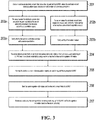
- a description is mainly made by using an example that the client software is ALIPAY and the electronic credential is an electronic concert ticket. It should be clear that such a description method is not intended to impose a limitation that the client software described in this implementation of the present invention can only be ALIPAY. As shown in FIG. 3 , the method includes the following steps.
- a server receives an electronic concert ticket acquisition request sent by ALIPAY, where the electronic concert ticket acquisition request includes a mobile number and a service validity time.
- the service validity time can be a booking time of an electronic concert ticket, or can be a start time of the electronic concert ticket, or can be any time unrelated to the electronic concert ticket.
- the service validity time is not limited in this implementation of the present invention.
- the server parses the electronic concert ticket acquisition request, and obtains the service validity time included in the electronic concert ticket acquisition request.
- the service validity time in the request is the start time of the concert: 16:00 on September 20, 2016, and the current date is September 1, 2016.
- step 204 is performed. If the service validity time does not comply with the service specification, step 205 is performed.
- the electronic concert ticket is obtained for the following scenario: When a paper ticket for the concert is lost or damaged, the concert can be entered by verifying the electronic concert ticket, without post-registering a paper concert ticket. It reduces a tedious process of post-registering the ticket.
- the service specification is that an electronic concert ticket can be obtained within 30 days before the opening of the concert, or an electronic concert ticket can be obtained within half an hour after the opening of the concert.
- Step 202b can be performed provided that the service validity time complies with the service specification.
- the validity time described in step 201 is the start time of the concert on September 20, 2016 that complies with the service specification, so step 202b is performed.
- the server parses the electronic concert ticket acquisition request, and obtains the mobile number in the electronic concert ticket acquisition request.
- step 204 is performed. If the mobile number is invalid, step 205 is performed.
- step 202a and step 202b are performed, there is no sequence between the two steps.
- subsequent steps continue to be performed only after verification on the service validity time and verification on the user identifier (a mobile number) succeed.
- the server obtains an electronic concert ticket that corresponds to the mobile number, and signs a user public key of ALIPAY and the electronic credential by using a server private key to obtain server signature information.
- the electronic credentials have corresponding details.
- An electronic concert ticket is used as an example.
- the electronic concert ticket includes a concert location, a stand, a specific seat number, a concert name, a price, etc. Implementations are not limited in this implementation of the present invention.
- the user can switch the mobile phone, and after successfully logging in to ALIPAY, continue to use the electronic credential, preventing deregistration, post-registration, etc. after the paper credential is lost.
- Such an application scenario can be applied only after ALIPAY has performed successful signature verification by using the user private key, the server public key, and the electronic credential. If ALIPAY does not verify the server signature information, ALIPAY needs to verify the server signature information based on the server public key and obtain the electronic credential after the verification succeeds.
- verification validity duration for the server public key can be set. As such, the client software has to complete verification on the server signature information within a specified time limit. If the verification validity duration for the server public key expires, the server signature information cannot be verified.
- an implementation of the present invention further provides a system for processing two-dimensional barcodes applied to the client software side as shown in FIG 1 .
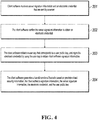
- the method on the client software side includes the following steps.
- the client software receives server signature information and an electronic credential that are sent by a server.
- the client software After the client software successfully logs in to the server by using a user account name and a login password, the client software sends an electronic credential acquisition request to the server.
- the server responds to the electronic credential acquisition request.
- the server sends the server signature information and the electronic credential to the client software, to verify validity of the identity of the client software.
- the server signature information is obtained by the server by signing the electronic credential and the user public key of the client software by using a server private key.
- the client software verifies the server signature information to obtain an electronic credential.
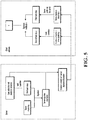
- FIG 5 is a schematic diagram illustrating signing and verification on the signature, according to an implementation of the present invention.
- the server After obtaining the user public key and the electronic credential, the server performs a hash operation on the user public key and the electronic credential by using the hash algorithm to obtain a first hash value, and encrypts the first hash value by using the server private key to obtain server signature information.
- the server sends the server signature information and the electronic credential to the client software.
- the client software After receiving the server signature information and the electronic credential, the client software extracts the electronic credential, and performs a hash operation on the electronic credential to obtain a second hash value.
- the client software uses a server public key to decrypt the server signature information to obtain a first hash value, and compares the first hash value obtained through decryption with the second hash value obtained through calculation. If the first hash value is the same as the second hash value, it indicates that the electronic credential is not tampered with in a transmission process, and the electronic credential can be directly used after the electronic credential is obtained.
- the first hash value is different from the second hash value, it indicates that the electronic credential is tampered with in a data transmission process, and there can be a risk of information leakage. It is worthwhile to note that FIG 5 is only an example, and specific content of the server signature information is not limited.
- the client software obtains a user key that corresponds to a user public key, and signs the electronic credential by using the user key to obtain client software signature information.
- the client software generates an electronic credential that is carried in a two-dimensional barcode.
- the client software needs to sign the electronic credential by using a user private key, to obtain the client software signature information.
- the credential verification end device can verify the client software signature information, and further authenticates validity of the client software.
- the client software generates a two-dimensional barcode based on predetermined security information, the client software signature information, the server signature information, the electronic credential, and the user public key.
- authentication information can be added to the generated two-dimensional barcode, and the authentication information can include but is not limited to the client software signature information, the server signature information, and the predetermined security information.
- the credential verification end device can verify the client software signature information, to determine that the electronic credential that needs to be verified is sent by the client software.
- the credential verification end device can verify the server signature information to determine that the electronic credential in the two-dimensional barcode is sent by the server, to ensure that the electronic credential is not tampered with.
- the predetermined security information is used as a dynamic implementation of the two-dimensional barcode, and is used as a credential for establishing "credible" data transmission between the client software and the credential verification end device.
- the credential verification end device verifies validity and security of the predetermined security information to ensure security of the electronic credential sent by the client software.
- the predetermined security information can include but is not limited to the following content: dynamic password information, time information, random code information, etc. Implementations are not limited in this implementation of the present invention.
- the current system time is used for the predetermined security information. If the client software generates a two-dimensional barcode at 08:00, it can be determined that the predetermined security information is 08/00. If the client software generates the two-dimensional barcode at 10:21, it can be determined that the predetermined security information is 10/21.
- the previous example is described by using the predetermined security information as the current system time. However, it should be clear that such a description method is not intended to impose a limitation that the predetermined security information described in this implementation of the present invention can only be the current system time of the client software.
- the user public key of the client software is not broadcast, and instead, the user public key is directly used as attribute information of the generated two-dimensional barcode. It can effectively reduce additional overheads and costs of the client software.
- the server after receiving the electronic credential acquisition request sent by the client software, signs the electronic credential and the user public key of the client software by using the server private key to obtain the server signature information, and sends the server signature information and the electronic credential to the client software.
- the client software receives the server signature information and the electronic credential that are sent by the server, verifies the server signature information, after the verification on the signature information succeeds, signs the electronic credential, and generates the two-dimensional barcode based on the predetermined security information, the client software signature information, the server signature information, the electronic credential, and the user public key.
- the credential verification end device can verify the server signature information, the client software signature information, and the predetermined security information in the two-dimensional barcode to determine whether the electronic credential is tampered with in a transmission process, to ensure security of the electronic credential in a use process.
- the client software when obtaining the user key that corresponds to the user public key, receives a user signature key that is sent by the server and that is allocated to the electronic credential, where the user signature key includes a first user public key and a first user key, the user key and the user public key are asymmetric keys, and the client software obtains the first user key in the user signature key that is allocated by the server to the electronic credential.
- the client software when obtaining the user key that corresponds to the user public key, can obtain a second user key that is generated by the client software and that corresponds to a user public key.
- a method for the client software to obtain the user key is not limited in this implementation of the present invention.
- the system when verifying the server signature information, includes the following: receiving and storing a server public key broadcast by the server, and verifying the server signature information based on the server public key and the electronic credential.
- the client software When determining that the server signs the second user public key generated by the client software, the client software verifies the server signature information based on the server public key, the electronic credential, and the first user public key.
- the client software verifies the server signature information based on the server public key, the electronic credential, and the second user public key.
- the server signature information For a process that the client software verifies the server signature information, references can be made to the detailed description in FIG 5 . Implementations are not limited in this implementation of the present invention.
- the server when sending the electronic credential to the client software, the server needs to sign the electronic credential and the user public key to obtain the server signature information, so that when the client software generates the two-dimensional barcode subsequently, the server signature information can be used as attribute information of the generated two-dimensional barcode.
- the user uses a user private key to sign information sent by the server, to ensure correctness of the original information of the electronic credential, and ensure that the user public key is valid and reliable as verified and cannot be forged or repudiated.
- the client software can sign the electronic credential by using any user private key that matches the client software.
- the client software can sign the electronic credential by using the first user key, or can sign the electronic credential by using the second user key. Implementations are not limited in this implementation of the present invention.
- the client software when the client software generates the two-dimensional barcode, the client software also uses the client software signature information in the process. As such, the credential verification end device verifies the client software signature information, to ensure that the electronic credential is generated by the client software and the client software is authorized and reliable to use the electronic credential, and the electronic credential cannot be forged or repudiated.
- the two-dimensional barcode can be generated based on the predetermined security information, the client software signature information, the server signature information, the electronic credential, and the user public key in the following method: setting validity duration of the predetermined security information, and generating the two-dimensional barcode based on the predetermined security information, the client software signature information, the server signature information, the electronic credential, the user public key, the validity duration of the predetermined security information, and the user identifier.
- the client software when generating the two-dimensional barcode, the client software needs to use the user identifier as attribute information of the generated two-dimensional barcode.
- This can be applied to an application scenario with a credential verification end device requiring a user real-name system.
- a credential verification end device requiring a user real-name system.
- an electronic credential is a credential that corresponds to an air ticket, a bus ticket, a train ticket, a bank card, etc.
- a user identity card entity can be used to check a real-name system condition, to assist in completing verification, to satisfy a requirement in some application scenarios that require a real-name system.
- a biometric feature of a person using the electronic credential can be added to the two-dimensional barcode.
- a biometric feature such as a fingerprint of the person using the electronic credential is included in the two-dimensional barcode.
- the credential verification end device shown in FIG 1 needs to perform verification on the generated electronic credential that depends on the two-dimensional barcode.
- the following provides a system for processing two-dimensional barcodes applied to a credential verification end device.
- the method on the credential verification end device side includes the following steps.
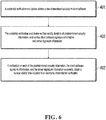
- the credential verification end device obtains a two-dimensional barcode in client software.
- the two-dimensional barcode is generated by the client software based on predetermined security information, client software signature information, server signature information, an electronic credential, and a user public key, the client software signature information is obtained by the client software by signing the electronic credential, and the server signature information is obtained by the server by signing the electronic credential and the user public key.
- the credential verification end device can obtain the two-dimensional barcode in the client software in the following method, etc.
- the two-dimensional barcode is obtained by using a predetermined data acquisition instruction.
- Methods concerning the predetermined data acquisition instruction include a scanning method, a data transmit end shaking method, a key triggering method, a voice triggering method, and a method of sliding along a track.
- a data transmit end shaking method is set as follows: shaking twice in the same single direction, shaking left and right twice, and shaking up and down three times.
- the key triggering method includes the following: The credential verification end device monitors a triggering state of a predetermined key, and the predetermined key can be a physical key, or can be a virtual key. When the client software triggers the predetermined key, the credential verification end device can obtain a two-dimensional barcode displayed in the client software.
- the credential verification end device monitors a sliding state of a touchscreen in the client software, and when the client software user triggers a sliding operation on the screen, obtains the two-dimensional barcode.
- the predetermined data acquisition instruction is described above, and a type of the predetermined data acquisition instruction in practice is not limited in this implementation of the present invention.
- the credential verification end device verifies validity duration of predetermined security information, and verifies client software signature information and server signature information.
- the credential verification end device parses the obtained two-dimensional barcode, obtains the predetermined security information and the electronic credential that are included in the two-dimensional barcode, and verifies validity duration of the predetermined security information and validity of the service validity time in the electronic credential. For example, assume that the predetermined security information is the current system time of the client software, the predetermined security information is 10/21, and the validity duration of the predetermined security information is 60s. The credential verification end device obtains a time difference between the current system time and the predetermined security information, and determines whether the validity duration is greater than 60s. If it is determined that the validity duration is greater than 60s, the credential verification end device determines that the two-dimensional barcode is invalid. The previous description is an example. Alternatively, the validity duration of the predetermined security information can be set to two minutes, etc. The validity duration of the predetermined security information is not limited in this implementation of the present invention.
- the server after receiving an electronic credential acquisition request sent by the client software, signs the electronic credential and the user public key of the client software by using the server private key to obtain the server signature information, and sends the server signature information and the electronic credential to the client software.
- the client software receives the server signature information and the electronic credential that are sent by the server, verifies the server signature information, after the verification on the signature information succeeds, signs the electronic credential, and generates the two-dimensional barcode based on the predetermined security information, the client software signature information, the server signature information, the electronic credential, and the user public key.
- the credential verification end device can verify the server signature information, the client software signature information, and the predetermined security information in the two-dimensional barcode to determine whether the electronic credential is tampered with in a transmission process, to ensure security of the electronic credential in a use process.
- the credential verification end device before the two-dimensional barcode in the client software is obtained, the credential verification end device generates the electronic credential based on the user identifier, and an occasion of generating the electronic credential can include but is not limited to the following content. For example, after the user purchases a ticket from the ticket window, a ticket system generates electronic credential information in addition to generating a paper credential, and feeds back the electronic credential information to the server. As such, the server can send the electronic credential to the client software.
- an electronic credential that corresponds to the electronic ticket is generated and is then sent to the server.
- the credential verification end device provides a paper ticket after generating an electronic credential.
- the electronic credential is intended to prevent complex post-registration operations for a paper credential after the paper credential is lost or damaged.
- security of the electronic credential can be ensured when the credential verification end device obtains an electronic credential that is carried in a dynamic two-dimensional barcode.
- the credential verification end device After the credential verification end device generates the electronic credential, the corresponding electronic credential can be synchronized to the server based on the user identification information so that the client software can obtain the electronic credential from the server.
- the credential verification end device after receiving request information for obtaining an electronic credential sent by the server, the credential verification end device sends the electronic credential to the server, where the request information for obtaining an electronic credential includes the user identifier.
- the credential verification end device can verify the client software signature information and the server signature information in the following method, etc. For example, the credential verification end device obtains a user public key included in the two-dimensional barcode, and verifies the client software signature information based on the user public key and the electronic credential. The credential verification end device receives and stores a server public key corresponding to a server private key and broadcast by the server; and verifies the server signature information based on the server public key and the electronic credential.
- the client software uses the user identifier information as attribute information of the generated two-dimensional barcode, so that the credential verification end device authenticates user identity information.
- the client software uses the user identity card as the attribute information of the generated two-dimensional barcode.
- the credential verification end device parses the two-dimensional barcode, obtains a user identifier included in the credential verification end device, and verifies the user identifier. If the credential verification end device determines that the verification on the user identifier succeeds, the credential verification end device determines that verification on the electronic credential succeeds. For example, when the electronic credential in the two-dimensional barcode is a train ticket, when the user uses the electronic train ticket to pass through the station turnstile, the identity card of the user can be verified at the same time, to complete verification on the electronic credential.
- the credential verification end device verifies the content in the two-dimensional barcode, regardless of an amount of content included in the two-dimensional barcode, as long as content included in the two-dimensional barcode is successfully verified by the credential verification end device, it indicates that the electronic credential verification succeeds. If one item or some items included in the two-dimensional barcode fail to be verified, it indicates that the electronic credential verification fails. For example, assume that when the two-dimensional barcode includes the predetermined security information, the client software signature information, the server signature information, and the user identifier, it can be determined that the electronic credential is successfully verified only after verification on each of the predetermined security information, the client software signature information, the server signature information, and the user identifier succeeds.
- the credential verification end device verifies the electronic credential that is carried in the two-dimensional barcode, and the convenience and security of the electronic credential in daily work and life can be seen from the process.
- the client software includes one type of electronic credential.
- the client software can include a plurality of types of electronic credentials.
- the electronic credentials can be separately recorded in different dynamic two-dimensional barcodes, or can be recorded in the same two-dimensional barcode. Implementations are not limited in this implementation of the present invention.
- the electronic credential can replace the entity credential information in the existing technology, preventing information leakage in the entity credential, and alleviating cumbersome deregistration or post-registration steps when the entity credential is lost.
- a user only needs to carry one terminal device (mobile phone) installed with the client software when going out, and does not need to carry any entity credential.
- user A carries only one mobile phone installed with client software, and takes a bus from home to the company at 8:00 in the morning.
- the user can travel smoothly with a two-dimensional barcode of a bus electronic credential in the client software. After arriving, the user can enter the company with an access control electronic credential, and can punch in by using an electronic credential.
- user A needs to go to a bank to process a banking service, and the electronic identity card and the electronic bank card can be used to process the service.
- user A needs to travel to the train station for a business trip.
- the real-name verification can be performed by using the electronic identity card and the electronic train ticket. After the verification succeeds, the user can take the train.
- the previous secure method for processing two-dimensional barcodes is used once the electronic credential is verified.
- the previous example is intended to illustrate convenience and security brought by the electronic credential for life and work, and is not intended to limit a specific application scenario of the electronic credential.
- the server, the client software, and the credential verification end device processes the two-dimensional barcodes are separately described in detail.
- the server, the client software, and the credential verification end device are indispensable in verifying the two-dimensional barcode.
- the server, the client software, and the credential verification end device are summarized and described. As shown in FIG 7 , the method implemented by the system includes the following steps.
- the credential verification end device generates an electronic credential based on a user identifier, and synchronizes the corresponding electronic credential to the server based on the user identifier, so that the server sends the electronic credential to the client software.
- the client software sends an electronic credential acquisition request to the server, where the electronic credential acquisition request includes a user identifier and a service validity time.
- the server receives the electronic credential acquisition request sent by the client software, parses the electronic credential acquisition request, and obtains the service validity time included in the electronic credential acquisition request.
- the server verifies whether the service validity time complies with a service specification.
- step 505 is performed. If the service validity time does not comply with the service specification, the electronic credential acquisition request is ignored.
- the request information for obtaining an electronic credential can be further sent to the credential verification end device based on the user identifier to obtain the electronic credential.
- the server signs a user public key of the client software and the electronic credential by using a server private key to obtain server signature information, and sends the server signature information and the electronic credential to the client software.
- the server broadcasts a public key that corresponds to the server private key, so that the client software and the credential verification end device verify the signature information based on the server public key.
- the client software receives and stores the public key broadcast by the server.
- the client software receives the server signature information and the electronic credential that are sent by the server.
- the client software verifies the server signature information based on the public key broadcast by the server, to obtain an electronic credential.
- step 511 is performed. If the verification on the server signature information fails, an electronic credential provided by the server cannot be obtained.
- the client software signs the electronic credential by using a user key to obtain client software signature information, and generates a two-dimensional barcode based on predetermined security information, the client software signature information, the server signature information, the electronic credential, and the user public key.
- the credential verification end device obtains a two-dimensional barcode in the client software, verifies validity duration of the predetermined security information, and verifies the client software signature information and the server signature information.
- step 501 to step 513 references can be made to the previous related descriptions. Details are omitted for simplicity in this implementation of the present invention.
- another implementation of the present invention further provides a server.
- This apparatus implementation corresponds to the previous system implementation. For ease of reading, details in the previous system implementation are omitted in this apparatus implementation. However, it should be clear that the apparatus in this implementation can correspondingly implement all content in the previous system implementation.
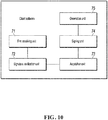
- the apparatus includes the following: a receiving unit 61, configured to receive an electronic credential acquisition request sent by client software, where the electronic credential acquisition request includes a user identifier; a first acquisition unit 62, configured to obtain an electronic credential that corresponds to the user identifier received by the receiving unit; a signing unit 63, configured to sign the electronic credential and a user public key of the client software by using a server private key to obtain server signature information; and a sending unit 64, configured to send the server signature information obtained by the signing unit 63 and the electronic credential obtained by the first acquisition unit to the client software, so that the client software verifies the server signature information within a validity time of a user key, and generates a two-dimensional barcode based on the electronic credential, so that a credential verification end device verifies the electronic credential included in the two-dimensional barcode, where the credential verification end device is configured to generate the electronic credential based on the user identifier.
- the signing unit 63 includes the following: an allocation module 631, configured to allocate a user signature key to the electronic credential; a first signing module 632, configured to sign, by using the server private key, the electronic credential and a first user public key allocated by the allocation module, where the allocated user signature key includes the first user public key; an acquisition module 633, configured to obtain a second user public key sent by the client software; and a second signing module 634, configured to sign, by using the server private key, the electronic credential and the second user public key obtained by the acquisition module.
- the sending unit 64 is further configured to send the allocated user signature key, the server signature information, and the electronic credential to the client software.
- the server further includes the following: a parsing unit 65, configured to: before the first acquisition unit 62 obtains the electronic credential that corresponds to the user identifier, parse the electronic credential acquisition request; a second acquisition unit 66, configured to: after the parsing unit 65 parses the electronic credential acquisition request, obtain a service validity time included in the electronic credential acquisition request; and a verification unit 67, configured to verify whether the service validity time obtained by the second acquisition unit 66 complies with a service specification, where the first acquisition unit 62 is further configured to: when the verification unit 67 verifies that the service validity time complies with the service specification, obtain the electronic credential that corresponds to the user identifier.
- a parsing unit 65 configured to: before the first acquisition unit 62 obtains the electronic credential that corresponds to the user identifier, parse the electronic credential acquisition request
- a second acquisition unit 66 configured to: after the parsing unit 65 parses the electronic credential acquisition request, obtain a service validity time included in
- the first acquisition unit 62 includes the following: a receiving module 621, configured to: after the credential verification end device generates the electronic credential based on the user identifier, receive the electronic credential synchronized by the credential verification end device; and a processing module 622, configured to send request information for obtaining an electronic credential to the credential verification end device based on the user identifier, to obtain the electronic credential.
- a receiving module 621 configured to: after the credential verification end device generates the electronic credential based on the user identifier, receive the electronic credential synchronized by the credential verification end device
- a processing module 622 configured to send request information for obtaining an electronic credential to the credential verification end device based on the user identifier, to obtain the electronic credential.
- the user signature key is an asymmetric key.
- the server further includes the following: a broadcasting unit 68, configured to broadcast a public key that corresponds to the server private key, so that the client software and the credential verification end device verify the signature information based on the server public key.
- a broadcasting unit 68 configured to broadcast a public key that corresponds to the server private key, so that the client software and the credential verification end device verify the signature information based on the server public key.
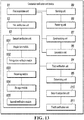
- the client software includes the following: a first receiving unit 71, configured to receive server signature information and an electronic credential that are sent by a server, where the server signature information is obtained by the server by signing the electronic credential and a user public key of the client software by using a server private key; a signature verification unit 72, configured to verify the server signature information to obtain an electronic credential; an acquisition unit 73, configured to obtain a user key that corresponds to the user public key; a signing unit 74, configured to sign the electronic credential by using the user key obtained by the acquisition unit 73 to obtain client software signature information; and a generation unit 75, configured to generate a two-dimensional barcode based on predetermined security information, the client software signature information, the server signature information, the electronic credential, and the user public key, so that a credential verification end device verifies the electronic credential included in the two-dimensional barcode based on the predetermined security information and the user public key, where the predetermined security information has validity duration
- the client software further includes the following: a second receiving unit 76, configured to: before obtaining the user key that corresponds to the user public key, receive a user signature key allocated to the electronic credential and sent by the server.
- the acquisition unit 73 is further configured to obtain a first user key included in the user signature key that is allocated by the server to the electronic credential and that is received by the second receiving unit.
- the acquisition unit 73 is further configured to obtain a second user key generated by the client software and corresponding to the user public key.
- the signing unit 74 includes the following: a first signing module 741, configured to sign the electronic credential by using the first user key; and a second signing module 742, configured to sign the electronic credential by using the second user key.
- the signature verification unit 72 includes the following: a receiving module 721, configured to receive a server public key broadcast by the server; a storage module 722, configured to store the server public key received by the receiving module; and a first signature verification module 723, configured to verify the server signature information based on the server public key stored by the storage module, the client software public key, and the electronic credential.
- the user public key and the user key are asymmetric keys.
- the generation unit 75 includes the following: a setting module 751, configured to set the validity duration of the predetermined security information; and a generation module 752, configured to generate the two-dimensional barcode based on the predetermined security information, the client software signature information, the server signature information, the electronic credential, the user public key, the validity duration of the predetermined security information, and the user identifier.
- the credential verification end device includes the following: a first acquisition unit 81, configured to obtain a two-dimensional barcode in client software, where the two-dimensional barcode is generated by the client software based on predetermined security information, client software signature information, server signature information, an electronic credential, and a user public key, the client software signature information is obtained by the client software by signing the electronic credential, and the server signature information is obtained by a server by signing the electronic credential and the user public key; a first verification unit 82, configured to verify validity duration of the predetermined security information obtained by the first acquisition unit; a second verification unit 83, configured to verify the client software signature information and the server signature information; a third verification unit 84, configured to obtain a service validity time included in the electronic credential for verification when verification of the first verification unit on the predetermined security information succeeds, verification of the second verification unit on each of the client software signature information and the server signature information succeeds; and a determining unit
- the credential verification end device further includes the following: a generation unit 86, configured to generate an electronic credential based on a user identifier before the first acquisition unit 81 obtains the two-dimensional barcode in the client software; a synchronizing unit 87, configured to synchronize the corresponding electronic credential to the server based on the user identifier, so that the server sends the electronic credential to the client software; a receiving unit 88, configured to receive request information for obtaining an electronic credential sent by the server; and a sending unit 89, configured to send the electronic credential to the server, where the request information for obtaining an electronic credential includes the user identifier.
- a generation unit 86 configured to generate an electronic credential based on a user identifier before the first acquisition unit 81 obtains the two-dimensional barcode in the client software
- a synchronizing unit 87 configured to synchronize the corresponding electronic credential to the server based on the user identifier, so that the server sends the electronic credential to the client software
- the second verification unit 83 includes the following: an acquisition module 831, configured to obtain the user public key included in the two-dimensional barcode; a first signature verification module 832, configured to verify the client software signature information based on the user public key obtained by the acquisition module and the electronic credential; a receiving module 833, configured to receive a server public key corresponding to a server private key and broadcast by the server; a storage module 834, configured to store the server public key received by the receiving module; and a second verification module 835, configured to verify the server signature information based on the server public key stored by the storage module, the client software public key, and the electronic credential.
- the credential verification end device further includes the following: a second acquisition unit 810, configured to: before the determining unit 85 determines that the verification on the electronic credential succeeds, obtain the user identifier included in the two-dimensional barcode; and a fourth verification unit 811, configured to verify the user identifier obtained by the second acquisition unit 810.
- the determining unit 85 is further configured to: when the fourth verification unit 811 determines that the verification on the user identifier succeeds, determine that the verification on the electronic credential succeeds.
- an implementation of the present invention further provides a system for processing two-dimensional barcodes, and the system includes the following: client software 91, configured to send an electronic credential acquisition request to a server 92, where the electronic credential acquisition request includes a user identifier; the server 92, configured to receive the electronic credential acquisition request sent by the client software 91, and obtain an electronic credential from a credential verification end device 93 based on the user identifier; and the credential verification end device 93, configured to receive and respond to request information for obtaining an electronic credential sent by the server 92, and send the electronic credential to the server 92.
- the server 92 is further configured to receive the electronic credential sent by the credential verification end device 93, sign the electronic credential and a user public key of the client software 91 to obtain server 92 signature information, and send the server 92 signature information and the electronic credential to the client software 91.
- the client software 91 is configured to receive the server 92 signature information and the electronic credential that are sent by the server 92, verify the server 92 signature information to obtain the electronic credential, obtain a user key that corresponds to the user public key, sign the electronic credential by using the user key to obtain client software 91 signature information, and generate a two-dimensional barcode based on predetermined security information, the client software 91 signature information, the server 92 signature information, the electronic credential, and the user public key.
- the credential verification end device 93 is configured to obtain the two-dimensional barcode in the client software 91, verify validity duration of the predetermined security information, and verify the client software 91 signature information and the server 92 signature information; and if verification on each of the predetermined security information, the client software 91 signature information, and the server 92 signature information succeeds, obtain a service validity time included in the electronic credential for verification, and if verification on the service validity time included in the electronic credential succeeds, determine that verification on the electronic credential succeeds.
- the client software after receiving the electronic credential acquisition request sent by the client software, the server signs the electronic credential and the user public key of the client software by using the server private key to obtain the server signature information, and sends the server signature information and the electronic credential to the client software.
- the client software receives the server signature information and the electronic credential that are sent by the server, verifies the server signature information, after the verification on the signature information succeeds, signs the electronic credential, and generates the two-dimensional barcode based on the predetermined security information, the client software signature information, the server signature information, the electronic credential, and the user public key.
- the credential verification end device can verify the server signature information, the client software signature information, and the predetermined security information in the two-dimensional barcode to determine whether the electronic credential is tampered with in a transmission process, to ensure security of the electronic credential in a use process.
- modules in the devices in the implementations can be adaptively changed and disposed in one or more devices different from the implementations.
- Modules or units or components in the implementations can be combined into one module or unit or component, and can additionally be divided into a plurality of submodules or subunits or subcomponents.
- all disclosed features and all processes or units of any method or device that are disclosed in such a method in the specification can be combined in any combination mode.
- each feature disclosed in the specification can be replaced by an alternative feature that serves same, equivalent, or similar purposes.
- Implementations of various parts in the present invention can be implemented by hardware, or software modules running on one or more processors, or a combination thereof.
- a person skilled in the art should understand that a microprocessor or a digital signal processor (DSP) can be used in practice to implement some or all of the functions of some or all of the components of the disclosure name (for example, an apparatus for processing two-dimensional barcodes) based on an implementation of the present invention.
- the present invention can also be implemented as a device or apparatus program (e.g., computer program and computer program product) for executing a part or all of the methods described here.
- Such a program for implementing the present invention can be stored in a computer-readable medium, or can have a form of one or more signals. Such a signal can be downloaded from an Internet website, or provided on a carrier signal, or provided in any other form.
Landscapes
- Engineering & Computer Science (AREA)
- Computer Security & Cryptography (AREA)
- Signal Processing (AREA)
- Computer Networks & Wireless Communication (AREA)
- Computer Hardware Design (AREA)
- General Engineering & Computer Science (AREA)
- Theoretical Computer Science (AREA)
- Computing Systems (AREA)
- Physics & Mathematics (AREA)
- General Physics & Mathematics (AREA)
- Software Systems (AREA)
- Storage Device Security (AREA)
- Financial Or Insurance-Related Operations Such As Payment And Settlement (AREA)
- Management, Administration, Business Operations System, And Electronic Commerce (AREA)
- Information Transfer Between Computers (AREA)
Priority Applications (1)
| Application Number | Priority Date | Filing Date | Title |
|---|---|---|---|
| PL17880448T PL3557831T3 (pl) | 2016-12-14 | 2017-12-04 | Układ przetwarzania dwuwymiarowych kodów kreskowych w związku z transakcjami płatności mobilnych |
Applications Claiming Priority (2)
| Application Number | Priority Date | Filing Date | Title |
|---|---|---|---|
| CN201611154671.9A CN106899570B (zh) | 2016-12-14 | 2016-12-14 | 二维码的处理方法、装置及系统 |
| PCT/CN2017/114382 WO2018107988A1 (zh) | 2016-12-14 | 2017-12-04 | 二维码的处理方法、装置及系统 |
Publications (3)
| Publication Number | Publication Date |
|---|---|
| EP3557831A1 EP3557831A1 (en) | 2019-10-23 |
| EP3557831A4 EP3557831A4 (en) | 2019-10-30 |
| EP3557831B1 true EP3557831B1 (en) | 2020-09-30 |
Family
ID=59197788
Family Applications (1)
| Application Number | Title | Priority Date | Filing Date |
|---|---|---|---|
| EP17880448.0A Active EP3557831B1 (en) | 2016-12-14 | 2017-12-04 | System for processing two-dimensional barcodes in connection with mobile payment transactions |
Country Status (18)
| Country | Link |
|---|---|
| US (4) | US10581597B2 (enExample) |
| EP (1) | EP3557831B1 (enExample) |
| JP (1) | JP6768960B2 (enExample) |
| KR (1) | KR102220087B1 (enExample) |
| CN (1) | CN106899570B (enExample) |
| AU (1) | AU2017376036B2 (enExample) |
| BR (1) | BR112019012149A2 (enExample) |
| CA (1) | CA3046858C (enExample) |
| ES (1) | ES2841724T3 (enExample) |
| MX (1) | MX2019006968A (enExample) |
| MY (1) | MY189760A (enExample) |
| PH (1) | PH12019501375A1 (enExample) |
| PL (1) | PL3557831T3 (enExample) |
| RU (1) | RU2726831C1 (enExample) |
| SG (1) | SG10202100196WA (enExample) |
| TW (2) | TWI749577B (enExample) |
| WO (1) | WO2018107988A1 (enExample) |
| ZA (1) | ZA201904592B (enExample) |
Families Citing this family (60)
| Publication number | Priority date | Publication date | Assignee | Title |
|---|---|---|---|---|
| US10008057B2 (en) * | 2014-08-08 | 2018-06-26 | Live Nation Entertainment, Inc. | Short-range device communications for secured resource access |
| CN106899570B (zh) | 2016-12-14 | 2019-11-05 | 阿里巴巴集团控股有限公司 | 二维码的处理方法、装置及系统 |
| CN107247553A (zh) * | 2017-06-30 | 2017-10-13 | 联想(北京)有限公司 | 选择对象的方法和电子设备 |
| CN107451643B (zh) * | 2017-08-15 | 2019-08-20 | 北京航空航天大学 | 动态二维码的生成、识别方法和装置 |
| CN107451902A (zh) * | 2017-08-17 | 2017-12-08 | 郑州云海信息技术有限公司 | 车票的管理方法和装置 |
| CN109495268B (zh) * | 2017-09-12 | 2020-12-29 | 中国移动通信集团公司 | 一种二维码认证方法、装置及计算机可读存储介质 |
| CN109922029A (zh) * | 2017-12-13 | 2019-06-21 | 航天信息股份有限公司 | 电子凭据验证方法及装置 |
| KR102530441B1 (ko) * | 2018-01-29 | 2023-05-09 | 삼성전자주식회사 | 전자 장치와 외부 전자 장치 및 이를 포함하는 시스템 |
| EP3531362A1 (en) * | 2018-02-22 | 2019-08-28 | Banco Bilbao Vizcaya Argentaria, S.A. | Method for validating a voucher |
| CN110247882B (zh) * | 2018-03-09 | 2022-04-08 | 阿里巴巴集团控股有限公司 | 通信方法及系统、数据处理方法 |
| CN108696510B (zh) * | 2018-04-17 | 2021-08-03 | 新大陆(福建)公共服务有限公司 | 一种基于云端多渠道协同生产二维码方法以及系统 |
| CN108734615A (zh) * | 2018-04-17 | 2018-11-02 | 新大陆(福建)公共服务有限公司 | 基于动态二维码取代证件的业务处理方法及计算机设备 |
| CN108900302A (zh) * | 2018-06-19 | 2018-11-27 | 广州佳都数据服务有限公司 | 二维码生成、认证方法、生成终端及认证设备 |
| CN108876375B (zh) * | 2018-06-29 | 2020-09-08 | 全链通有限公司 | 区块链实名参与方法和系统 |
| US10778444B2 (en) * | 2018-07-11 | 2020-09-15 | Verizon Patent And Licensing Inc. | Devices and methods for application attestation |
| CN109379181A (zh) * | 2018-08-10 | 2019-02-22 | 航天信息股份有限公司 | 生成、验证二维码的方法和装置,存储介质和电子设备 |
| CN111612459B (zh) * | 2018-08-15 | 2023-06-02 | 创新先进技术有限公司 | 一种二维码支付的安全控制方法和装置 |
| CN111881386B (zh) * | 2018-08-31 | 2024-03-12 | 创新先进技术有限公司 | 一种基于扫码操作的页面访问方法、装置及系统 |
| CN111061885A (zh) * | 2018-10-17 | 2020-04-24 | 联易软件有限公司 | 电子文书制作方法和系统 |
| CN111242248B (zh) * | 2018-11-09 | 2023-07-21 | 中移(杭州)信息技术有限公司 | 一种人员信息监控的方法、装置及计算机存储介质 |
| CN109492434A (zh) * | 2018-11-12 | 2019-03-19 | 北京立思辰新技术有限公司 | 一种电子凭据的安全操作方法和系统 |
| CN109684801B (zh) * | 2018-11-16 | 2023-06-16 | 创新先进技术有限公司 | 电子证件的生成、签发和验证方法及装置 |
| WO2020142994A1 (zh) * | 2019-01-10 | 2020-07-16 | 环球雅途集团有限公司 | 一种控制方法、售票规则服务器、检票规则服务器及装置 |
| CN111868790A (zh) * | 2019-01-10 | 2020-10-30 | 环球雅途集团有限公司 | 一种控制方法、售检票系统及存储介质 |
| CN109815660B (zh) * | 2019-01-11 | 2023-05-12 | 公安部第三研究所 | 身份电子证照信息获取验证系统及方法 |
| CN109992976B (zh) * | 2019-02-27 | 2024-07-02 | 平安科技(深圳)有限公司 | 访问凭证验证方法、装置、计算机设备及存储介质 |
| CN110046687A (zh) * | 2019-03-01 | 2019-07-23 | 阿里巴巴集团控股有限公司 | 条码展示方法、设备以及装置 |
| CN110138835A (zh) * | 2019-04-15 | 2019-08-16 | 阿里巴巴集团控股有限公司 | 特殊凭证发放方法和装置 |
| US11503072B2 (en) * | 2019-07-01 | 2022-11-15 | Mimecast Israel Ltd. | Identifying, reporting and mitigating unauthorized use of web code |
| CN116578962A (zh) * | 2019-07-24 | 2023-08-11 | 创新先进技术有限公司 | 一种身份验证方法、装置及设备 |
| CN111181909B (zh) * | 2019-08-07 | 2022-02-15 | 腾讯科技(深圳)有限公司 | 一种身份信息的获取方法及相关装置 |
| CN110430054B (zh) * | 2019-08-09 | 2022-10-21 | 北京智汇信元科技有限公司 | 一种身份管理方法及系统 |
| CN110519294B (zh) * | 2019-09-12 | 2021-08-31 | 创新先进技术有限公司 | 身份认证方法、装置、设备及系统 |
| CN110955917B (zh) * | 2019-10-28 | 2024-02-02 | 航天信息股份有限公司 | 一种对涉及多个参与方的电子凭据进行验证的方法及系统 |
| CN111144531B (zh) * | 2019-12-10 | 2023-11-17 | 深圳左邻永佳科技有限公司 | 二维码生成方法和装置、电子设备、计算机可读存储介质 |
| JP7724492B2 (ja) * | 2020-02-21 | 2025-08-18 | 株式会社ビットキー | 利用管理装置、利用管理方法、およびプログラム |
| TWI736280B (zh) | 2020-05-22 | 2021-08-11 | 國立虎尾科技大學 | 基於生物特徵的身分驗證方法 |
| US11811776B2 (en) * | 2020-06-30 | 2023-11-07 | Western Digital Technologies, Inc. | Accessing shared pariiiions on a storage drive of a remote device |
| CN111932692A (zh) * | 2020-08-19 | 2020-11-13 | 中国银行股份有限公司 | 车票校验系统及方法 |
| CN111932262B (zh) * | 2020-09-27 | 2021-01-15 | 南京吉拉福网络科技有限公司 | 识别关于消费凭证的交易风险的方法、计算设备和介质 |
| KR102876141B1 (ko) * | 2020-11-18 | 2025-10-28 | 한국전자통신연구원 | 디지털 신분증을 이용한 얼굴 인증 장치 및 방법 |
| CN112258257A (zh) * | 2020-12-23 | 2021-01-22 | 深圳市思乐数据技术有限公司 | 一种数据处理方法、终端设备、服务器及存储介质 |
| JP2022117847A (ja) * | 2021-02-01 | 2022-08-12 | 株式会社あミューズ | 情報処理システム |
| CN113407748A (zh) * | 2021-05-11 | 2021-09-17 | 银雁科技服务集团股份有限公司 | 重要空白凭证管理方法及装置 |
| US11765166B1 (en) * | 2021-05-25 | 2023-09-19 | United Services Automobile Association (Usaa) | Systems and methods for secure data transfer |
| JP7713319B2 (ja) * | 2021-06-18 | 2025-07-25 | 株式会社日立製作所 | 電子署名装置および電子署名利用システム |
| CN113592484B (zh) * | 2021-07-16 | 2024-07-12 | 支付宝(杭州)信息技术有限公司 | 一种账户的开立方法、系统及装置 |
| US11880479B2 (en) * | 2021-08-05 | 2024-01-23 | Bank Of America Corporation | Access control for updating documents in a digital document repository |
| CN116260583A (zh) * | 2021-12-02 | 2023-06-13 | 中兴通讯股份有限公司 | 身份认证方法、电子设备和计算机可读存储介质 |
| CN114679276B (zh) * | 2022-02-18 | 2024-04-23 | 支付宝(杭州)信息技术有限公司 | 基于时间的一次性密码算法的身份认证方法和装置 |
| US12682363B2 (en) | 2022-04-07 | 2026-07-14 | Republic Of Korea (Management: Rural Development Administration | Fluorescent silk information code recognizing method and apparatus using the same |
| KR102666296B1 (ko) * | 2022-04-07 | 2024-05-16 | 대한민국(농촌진흥청장) | 형광 실크 정보 코드 인식 방법 및 이를 이용한 장치 |
| CN115037475B (zh) * | 2022-05-17 | 2025-04-22 | 北京三快在线科技有限公司 | 门票订单校验方法、装置、服务器及存储介质 |
| CN115150126B (zh) * | 2022-05-24 | 2024-04-19 | 从法信息科技有限公司 | 一种法律服务远程处理方法、装置和电子设备 |
| CN114863597B (zh) * | 2022-07-04 | 2022-10-11 | 成都桐领智能科技有限公司 | 一种基于可信条码的出入管理方法、系统和装置 |
| CN115243243B (zh) * | 2022-09-22 | 2022-11-29 | 上海纬百科技有限公司 | 健康状态电子凭证核验方法、生成方法、设备及介质 |
| CN115865369B (zh) * | 2022-11-24 | 2024-11-05 | 中国联合网络通信集团有限公司 | 一种身份认证方法及装置 |
| CN116436629B (zh) * | 2022-12-27 | 2026-04-21 | 中国银联股份有限公司 | 基于物联网的双向认证方法及其系统 |
| CN116112178B (zh) * | 2023-01-05 | 2025-07-25 | 博雅中科(北京)信息技术有限公司 | 验证标识生成方法、系统、电子设备及存储介质 |
| CN119887212B (zh) * | 2025-03-20 | 2025-07-25 | 思迈数字科技(宁波)有限公司 | 一种会员票务管理系统及其方法 |
Family Cites Families (36)
| Publication number | Priority date | Publication date | Assignee | Title |
|---|---|---|---|---|
| US6381696B1 (en) * | 1998-09-22 | 2002-04-30 | Proofspace, Inc. | Method and system for transient key digital time stamps |
| RU2195021C1 (ru) * | 2001-03-27 | 2002-12-20 | Дочернее Государственное Унитарное Предприятие Научно-Технический Центр "Атлас-Северо-Запад" | Система защитной маркировки и верификации документов |
| JP2003223493A (ja) * | 2002-01-30 | 2003-08-08 | Nec Corp | ロジスティックpkiサービスシステム、携帯端末及びそれに用いるロジスティックpkiサービス方法 |
| JP4343567B2 (ja) * | 2003-03-27 | 2009-10-14 | みずほ情報総研株式会社 | チケット管理方法及び電子チケットシステム |
| JP2006039728A (ja) * | 2004-07-23 | 2006-02-09 | Nec Corp | 認証システム及び認証方法 |
| CN1744135A (zh) * | 2005-09-06 | 2006-03-08 | 北京魅力之旅商业管理有限公司 | 一种电子凭证实现方法和实现装置 |
| CN101030278A (zh) * | 2007-04-04 | 2007-09-05 | 王忠杰 | 一种基于互联网服务的纸质票据支付系统 |
| BRPI0802251A2 (pt) * | 2008-07-07 | 2011-08-23 | Tacito Pereira Nobre | sistema, método e dispositivo para autenticação em relacionamentos por meios eletrÈnicos |
| US8707404B2 (en) * | 2009-08-28 | 2014-04-22 | Adobe Systems Incorporated | System and method for transparently authenticating a user to a digital rights management entity |
| WO2011047028A2 (en) * | 2009-10-13 | 2011-04-21 | Square, Inc. | Systems and methods for financial transaction through miniaturized card reader |
| US20120308003A1 (en) * | 2011-05-31 | 2012-12-06 | Verisign, Inc. | Authentic barcodes using digital signatures |
| CN102842081A (zh) * | 2011-06-23 | 2012-12-26 | 上海易悠通信息科技有限公司 | 一种移动电话生成二维码并实现移动支付的方法 |
| US8984276B2 (en) * | 2012-01-10 | 2015-03-17 | Jpmorgan Chase Bank, N.A. | System and method for device registration and authentication |
| CN104704511A (zh) * | 2012-09-28 | 2015-06-10 | 惠普发展公司,有限责任合伙企业 | 网络中自注册中qr码的使用 |
| CN103812837B (zh) * | 2012-11-12 | 2017-12-12 | 腾讯科技(深圳)有限公司 | 一种电子凭证发送方法 |
| US20140254796A1 (en) * | 2013-03-08 | 2014-09-11 | The Chinese University Of Hong Kong | Method and apparatus for generating and/or processing 2d barcode |
| US9646150B2 (en) * | 2013-10-01 | 2017-05-09 | Kalman Csaba Toth | Electronic identity and credentialing system |
| US9923879B1 (en) | 2014-01-16 | 2018-03-20 | Microstrategy Incorporated | Sharing keys |
| CN104836776A (zh) * | 2014-02-10 | 2015-08-12 | 阿里巴巴集团控股有限公司 | 数据交互方法和装置 |
| CN103854061A (zh) * | 2014-03-27 | 2014-06-11 | 腾讯科技(深圳)有限公司 | 电子票应用、生成、验证方法和系统 |
| TWI529641B (zh) * | 2014-07-17 | 2016-04-11 | 捷碼數位科技股份有限公司 | 驗證行動端動態顯示之資料之系統及其方法 |
| JP6296938B2 (ja) * | 2014-08-07 | 2018-03-20 | インターナショナル・ビジネス・マシーンズ・コーポレーションInternational Business Machines Corporation | モバイルデバイス上で二次元コードを利用した認証 |
| US10008057B2 (en) * | 2014-08-08 | 2018-06-26 | Live Nation Entertainment, Inc. | Short-range device communications for secured resource access |
| KR101666374B1 (ko) * | 2015-02-13 | 2016-10-14 | 크루셜텍 (주) | 사용자 인증서 발급과 사용자 인증을 위한 방법, 장치 및 컴퓨터 프로그램 |
| CN105530099A (zh) * | 2015-12-11 | 2016-04-27 | 捷德(中国)信息科技有限公司 | 基于ibc的防伪验证方法、装置、系统和防伪凭证 |
| US10645068B2 (en) | 2015-12-28 | 2020-05-05 | United States Postal Service | Methods and systems for secure digital credentials |
| CN105515783B (zh) * | 2016-02-05 | 2019-02-15 | 中金金融认证中心有限公司 | 身份认证方法、服务器及认证终端 |
| GB2547472A (en) * | 2016-02-19 | 2017-08-23 | Intercede Ltd | Method and system for authentication |
| CN105763323A (zh) * | 2016-03-04 | 2016-07-13 | 韦业明 | 一种电子凭证生成和存储的系统和方法 |
| CN105978688B (zh) * | 2016-05-30 | 2019-04-16 | 葛峰 | 一种基于信息分离管理的跨网域安全认证方法 |
| CN106899570B (zh) * | 2016-12-14 | 2019-11-05 | 阿里巴巴集团控股有限公司 | 二维码的处理方法、装置及系统 |
| GB2546459B (en) * | 2017-05-10 | 2018-02-28 | Tomlinson Martin | Data verification |
| US11316897B2 (en) * | 2017-05-19 | 2022-04-26 | Vmware, Inc. | Applying device policies using a management token |
| US11750385B2 (en) * | 2017-11-16 | 2023-09-05 | Prisec Innovation Limited | System and method for authenticating a user |
| US10601828B2 (en) | 2018-08-21 | 2020-03-24 | HYPR Corp. | Out-of-band authentication based on secure channel to trusted execution environment on client device |
| US11057366B2 (en) * | 2018-08-21 | 2021-07-06 | HYPR Corp. | Federated identity management with decentralized computing platforms |
-
2016
- 2016-12-14 CN CN201611154671.9A patent/CN106899570B/zh active Active
-
2017
- 2017-09-18 TW TW109118622A patent/TWI749577B/zh not_active IP Right Cessation
- 2017-09-18 TW TW106131919A patent/TWI697842B/zh not_active IP Right Cessation
- 2017-12-04 AU AU2017376036A patent/AU2017376036B2/en active Active
- 2017-12-04 RU RU2019121938A patent/RU2726831C1/ru active
- 2017-12-04 PL PL17880448T patent/PL3557831T3/pl unknown
- 2017-12-04 JP JP2019532002A patent/JP6768960B2/ja active Active
- 2017-12-04 ES ES17880448T patent/ES2841724T3/es active Active
- 2017-12-04 BR BR112019012149A patent/BR112019012149A2/pt not_active IP Right Cessation
- 2017-12-04 MX MX2019006968A patent/MX2019006968A/es unknown
- 2017-12-04 CA CA3046858A patent/CA3046858C/en active Active
- 2017-12-04 KR KR1020197020063A patent/KR102220087B1/ko active Active
- 2017-12-04 SG SG10202100196WA patent/SG10202100196WA/en unknown
- 2017-12-04 EP EP17880448.0A patent/EP3557831B1/en active Active
- 2017-12-04 WO PCT/CN2017/114382 patent/WO2018107988A1/zh not_active Ceased
- 2017-12-04 MY MYPI2019003371A patent/MY189760A/en unknown
-
2019
- 2019-04-15 US US16/384,607 patent/US10581597B2/en active Active
- 2019-06-14 PH PH12019501375A patent/PH12019501375A1/en unknown
- 2019-07-12 ZA ZA2019/04592A patent/ZA201904592B/en unknown
-
2020
- 2020-02-27 US US16/802,640 patent/US10790970B2/en active Active
- 2020-09-28 US US17/035,359 patent/US11032070B2/en active Active
-
2021
- 2021-06-07 US US17/341,188 patent/US11336435B2/en active Active
Non-Patent Citations (1)
| Title |
|---|
| None * |
Also Published As
Similar Documents
| Publication | Publication Date | Title |
|---|---|---|
| AU2017376036B2 (en) | Two-dimensional barcode processing method, device, and system | |
| KR102358546B1 (ko) | 장치에 대해 클라이언트를 인증하기 위한 시스템 및 방법 | |
| CN113711560A (zh) | 用于有效质询-响应验证的系统和方法 | |
| KR101858653B1 (ko) | 블록체인 데이터베이스 및 이와 연동하는 머클 트리 구조를 통해 모바일 아이디를 이용하여 사용자를 인증하는 방법, 단말 및 이를 이용한 서버 | |
| CN108684041A (zh) | 登录认证的系统和方法 | |
| US20060059111A1 (en) | Authentication method for securely disclosing confidential information over the internet | |
| US20250094614A1 (en) | Data verification terminal and data verification server | |
| KR102123405B1 (ko) | 보안 회원가입 및 로그인 호스팅 서비스 제공 시스템 및 그 방법 | |
| KR20210053567A (ko) | 블록체인 환경에서 인증서 부당 사용 검증 방법 및 이를 위한 시스템 | |
| CN110351302B (zh) | 银行账户登录方法、设备和存储介质 | |
| HK1238437A (en) | Two-dimensional code processing method, apparatus and system | |
| HK1238437A1 (en) | Two-dimensional code processing method, apparatus and system | |
| CN117314442A (zh) | 轨道交通的交易验证方法及装置 | |
| CN104735028A (zh) | 一种网站真伪识别方法、系统、装置及移动设备 | |
| HK40081382A (en) | System and method for protection against malicious program code injection | |
| HK1236268A1 (en) | System and method for authenticating a client to a device |
Legal Events
| Date | Code | Title | Description |
|---|---|---|---|
| STAA | Information on the status of an ep patent application or granted ep patent |
Free format text: STATUS: THE INTERNATIONAL PUBLICATION HAS BEEN MADE |
|
| PUAI | Public reference made under article 153(3) epc to a published international application that has entered the european phase |
Free format text: ORIGINAL CODE: 0009012 |
|
| STAA | Information on the status of an ep patent application or granted ep patent |
Free format text: STATUS: REQUEST FOR EXAMINATION WAS MADE |
|
| 17P | Request for examination filed |
Effective date: 20190711 |
|
| AK | Designated contracting states |
Kind code of ref document: A1 Designated state(s): AL AT BE BG CH CY CZ DE DK EE ES FI FR GB GR HR HU IE IS IT LI LT LU LV MC MK MT NL NO PL PT RO RS SE SI SK SM TR |
|
| AX | Request for extension of the european patent |
Extension state: BA ME |
|
| A4 | Supplementary search report drawn up and despatched |
Effective date: 20190927 |
|
| RIC1 | Information provided on ipc code assigned before grant |
Ipc: H04L 29/06 20060101AFI20190923BHEP Ipc: G06F 21/36 20130101ALI20190923BHEP Ipc: G06K 19/06 20060101ALI20190923BHEP |
|
| DAV | Request for validation of the european patent (deleted) | ||
| DAX | Request for extension of the european patent (deleted) | ||
| GRAP | Despatch of communication of intention to grant a patent |
Free format text: ORIGINAL CODE: EPIDOSNIGR1 |
|
| STAA | Information on the status of an ep patent application or granted ep patent |
Free format text: STATUS: GRANT OF PATENT IS INTENDED |
|
| INTG | Intention to grant announced |
Effective date: 20200703 |
|
| GRAS | Grant fee paid |
Free format text: ORIGINAL CODE: EPIDOSNIGR3 |
|
| GRAA | (expected) grant |
Free format text: ORIGINAL CODE: 0009210 |
|
| STAA | Information on the status of an ep patent application or granted ep patent |
Free format text: STATUS: THE PATENT HAS BEEN GRANTED |
|
| AK | Designated contracting states |
Kind code of ref document: B1 Designated state(s): AL AT BE BG CH CY CZ DE DK EE ES FI FR GB GR HR HU IE IS IT LI LT LU LV MC MK MT NL NO PL PT RO RS SE SI SK SM TR |
|
| REG | Reference to a national code |
Ref country code: GB Ref legal event code: FG4D Ref country code: CH Ref legal event code: EP |
|
| REG | Reference to a national code |
Ref country code: AT Ref legal event code: REF Ref document number: 1319978 Country of ref document: AT Kind code of ref document: T Effective date: 20201015 |
|
| REG | Reference to a national code |
Ref country code: DE Ref legal event code: R096 Ref document number: 602017024819 Country of ref document: DE |
|
| REG | Reference to a national code |
Ref country code: IE Ref legal event code: FG4D |
|
| REG | Reference to a national code |
Ref country code: FI Ref legal event code: FGE |
|
| RAP2 | Party data changed (patent owner data changed or rights of a patent transferred) |
Owner name: ADVANCED NEW TECHNOLOGIES CO., LTD. |
|
| REG | Reference to a national code |
Ref country code: NL Ref legal event code: FP |
|
| PG25 | Lapsed in a contracting state [announced via postgrant information from national office to epo] |
Ref country code: HR Free format text: LAPSE BECAUSE OF FAILURE TO SUBMIT A TRANSLATION OF THE DESCRIPTION OR TO PAY THE FEE WITHIN THE PRESCRIBED TIME-LIMIT Effective date: 20200930 Ref country code: SE Free format text: LAPSE BECAUSE OF FAILURE TO SUBMIT A TRANSLATION OF THE DESCRIPTION OR TO PAY THE FEE WITHIN THE PRESCRIBED TIME-LIMIT Effective date: 20200930 Ref country code: BG Free format text: LAPSE BECAUSE OF FAILURE TO SUBMIT A TRANSLATION OF THE DESCRIPTION OR TO PAY THE FEE WITHIN THE PRESCRIBED TIME-LIMIT Effective date: 20201230 Ref country code: GR Free format text: LAPSE BECAUSE OF FAILURE TO SUBMIT A TRANSLATION OF THE DESCRIPTION OR TO PAY THE FEE WITHIN THE PRESCRIBED TIME-LIMIT Effective date: 20201231 |
|
| REG | Reference to a national code |
Ref country code: DE Ref legal event code: R082 Ref document number: 602017024819 Country of ref document: DE Representative=s name: FISH & RICHARDSON P.C., DE Ref country code: DE Ref legal event code: R081 Ref document number: 602017024819 Country of ref document: DE Owner name: ADVANCED NEW TECHNOLOGIES CO., LTD., GEORGE TO, KY Free format text: FORMER OWNER: ALIBABA GROUP HOLDING LIMITED, GEORGE TOWN, GRAND CAYMAN, KY |
|
| REG | Reference to a national code |
Ref country code: NL Ref legal event code: PD Owner name: ADVANCED NEW TECHNOLOGIES CO., LTD.; KY Free format text: DETAILS ASSIGNMENT: CHANGE OF OWNER(S), ASSIGNMENT; FORMER OWNER NAME: ALIBABA GROUP HOLDING LIMITED Effective date: 20210127 |
|
| REG | Reference to a national code |
Ref country code: AT Ref legal event code: MK05 Ref document number: 1319978 Country of ref document: AT Kind code of ref document: T Effective date: 20200930 |
|
| PG25 | Lapsed in a contracting state [announced via postgrant information from national office to epo] |
Ref country code: RS Free format text: LAPSE BECAUSE OF FAILURE TO SUBMIT A TRANSLATION OF THE DESCRIPTION OR TO PAY THE FEE WITHIN THE PRESCRIBED TIME-LIMIT Effective date: 20200930 Ref country code: LV Free format text: LAPSE BECAUSE OF FAILURE TO SUBMIT A TRANSLATION OF THE DESCRIPTION OR TO PAY THE FEE WITHIN THE PRESCRIBED TIME-LIMIT Effective date: 20200930 |
|
| REG | Reference to a national code |
Ref country code: NO Ref legal event code: T2 Effective date: 20200930 |
|
| REG | Reference to a national code |
Ref country code: GB Ref legal event code: 732E Free format text: REGISTERED BETWEEN 20210218 AND 20210224 |
|
| REG | Reference to a national code |
Ref country code: LT Ref legal event code: MG4D |
|
| PG25 | Lapsed in a contracting state [announced via postgrant information from national office to epo] |
Ref country code: SM Free format text: LAPSE BECAUSE OF FAILURE TO SUBMIT A TRANSLATION OF THE DESCRIPTION OR TO PAY THE FEE WITHIN THE PRESCRIBED TIME-LIMIT Effective date: 20200930 Ref country code: LT Free format text: LAPSE BECAUSE OF FAILURE TO SUBMIT A TRANSLATION OF THE DESCRIPTION OR TO PAY THE FEE WITHIN THE PRESCRIBED TIME-LIMIT Effective date: 20200930 Ref country code: PT Free format text: LAPSE BECAUSE OF FAILURE TO SUBMIT A TRANSLATION OF THE DESCRIPTION OR TO PAY THE FEE WITHIN THE PRESCRIBED TIME-LIMIT Effective date: 20210201 Ref country code: RO Free format text: LAPSE BECAUSE OF FAILURE TO SUBMIT A TRANSLATION OF THE DESCRIPTION OR TO PAY THE FEE WITHIN THE PRESCRIBED TIME-LIMIT Effective date: 20200930 Ref country code: CZ Free format text: LAPSE BECAUSE OF FAILURE TO SUBMIT A TRANSLATION OF THE DESCRIPTION OR TO PAY THE FEE WITHIN THE PRESCRIBED TIME-LIMIT Effective date: 20200930 Ref country code: EE Free format text: LAPSE BECAUSE OF FAILURE TO SUBMIT A TRANSLATION OF THE DESCRIPTION OR TO PAY THE FEE WITHIN THE PRESCRIBED TIME-LIMIT Effective date: 20200930 |
|
| PG25 | Lapsed in a contracting state [announced via postgrant information from national office to epo] |
Ref country code: IS Free format text: LAPSE BECAUSE OF FAILURE TO SUBMIT A TRANSLATION OF THE DESCRIPTION OR TO PAY THE FEE WITHIN THE PRESCRIBED TIME-LIMIT Effective date: 20210130 Ref country code: AT Free format text: LAPSE BECAUSE OF FAILURE TO SUBMIT A TRANSLATION OF THE DESCRIPTION OR TO PAY THE FEE WITHIN THE PRESCRIBED TIME-LIMIT Effective date: 20200930 Ref country code: AL Free format text: LAPSE BECAUSE OF FAILURE TO SUBMIT A TRANSLATION OF THE DESCRIPTION OR TO PAY THE FEE WITHIN THE PRESCRIBED TIME-LIMIT Effective date: 20200930 |
|
| PG25 | Lapsed in a contracting state [announced via postgrant information from national office to epo] |
Ref country code: SK Free format text: LAPSE BECAUSE OF FAILURE TO SUBMIT A TRANSLATION OF THE DESCRIPTION OR TO PAY THE FEE WITHIN THE PRESCRIBED TIME-LIMIT Effective date: 20200930 |
|
| REG | Reference to a national code |
Ref country code: DE Ref legal event code: R097 Ref document number: 602017024819 Country of ref document: DE |
|
| REG | Reference to a national code |
Ref country code: ES Ref legal event code: FG2A Ref document number: 2841724 Country of ref document: ES Kind code of ref document: T3 Effective date: 20210709 |
|
| PLBE | No opposition filed within time limit |
Free format text: ORIGINAL CODE: 0009261 |
|
| STAA | Information on the status of an ep patent application or granted ep patent |
Free format text: STATUS: NO OPPOSITION FILED WITHIN TIME LIMIT |
|
| PG25 | Lapsed in a contracting state [announced via postgrant information from national office to epo] |
Ref country code: DK Free format text: LAPSE BECAUSE OF FAILURE TO SUBMIT A TRANSLATION OF THE DESCRIPTION OR TO PAY THE FEE WITHIN THE PRESCRIBED TIME-LIMIT Effective date: 20200930 Ref country code: MC Free format text: LAPSE BECAUSE OF FAILURE TO SUBMIT A TRANSLATION OF THE DESCRIPTION OR TO PAY THE FEE WITHIN THE PRESCRIBED TIME-LIMIT Effective date: 20200930 |
|
| REG | Reference to a national code |
Ref country code: BE Ref legal event code: MM Effective date: 20201231 |
|
| 26N | No opposition filed |
Effective date: 20210701 |
|
| PG25 | Lapsed in a contracting state [announced via postgrant information from national office to epo] |
Ref country code: LU Free format text: LAPSE BECAUSE OF NON-PAYMENT OF DUE FEES Effective date: 20201204 Ref country code: IE Free format text: LAPSE BECAUSE OF NON-PAYMENT OF DUE FEES Effective date: 20201204 |
|
| REG | Reference to a national code |
Ref country code: DE Ref legal event code: R079 Ref document number: 602017024819 Country of ref document: DE Free format text: PREVIOUS MAIN CLASS: H04L0029060000 Ipc: H04L0065000000 |
|
| PG25 | Lapsed in a contracting state [announced via postgrant information from national office to epo] |
Ref country code: SI Free format text: LAPSE BECAUSE OF FAILURE TO SUBMIT A TRANSLATION OF THE DESCRIPTION OR TO PAY THE FEE WITHIN THE PRESCRIBED TIME-LIMIT Effective date: 20200930 |
|
| PG25 | Lapsed in a contracting state [announced via postgrant information from national office to epo] |
Ref country code: IS Free format text: LAPSE BECAUSE OF FAILURE TO SUBMIT A TRANSLATION OF THE DESCRIPTION OR TO PAY THE FEE WITHIN THE PRESCRIBED TIME-LIMIT Effective date: 20210130 Ref country code: MT Free format text: LAPSE BECAUSE OF FAILURE TO SUBMIT A TRANSLATION OF THE DESCRIPTION OR TO PAY THE FEE WITHIN THE PRESCRIBED TIME-LIMIT Effective date: 20200930 Ref country code: CY Free format text: LAPSE BECAUSE OF FAILURE TO SUBMIT A TRANSLATION OF THE DESCRIPTION OR TO PAY THE FEE WITHIN THE PRESCRIBED TIME-LIMIT Effective date: 20200930 |
|
| PG25 | Lapsed in a contracting state [announced via postgrant information from national office to epo] |
Ref country code: MK Free format text: LAPSE BECAUSE OF FAILURE TO SUBMIT A TRANSLATION OF THE DESCRIPTION OR TO PAY THE FEE WITHIN THE PRESCRIBED TIME-LIMIT Effective date: 20200930 |
|
| PG25 | Lapsed in a contracting state [announced via postgrant information from national office to epo] |
Ref country code: BE Free format text: LAPSE BECAUSE OF NON-PAYMENT OF DUE FEES Effective date: 20201231 |
|
| PGFP | Annual fee paid to national office [announced via postgrant information from national office to epo] |
Ref country code: TR Payment date: 20221129 Year of fee payment: 6 |
|
| P01 | Opt-out of the competence of the unified patent court (upc) registered |
Effective date: 20230521 |
|
| PGFP | Annual fee paid to national office [announced via postgrant information from national office to epo] |
Ref country code: NO Payment date: 20231227 Year of fee payment: 7 Ref country code: IT Payment date: 20231220 Year of fee payment: 7 Ref country code: FI Payment date: 20231227 Year of fee payment: 7 |
|
| PGFP | Annual fee paid to national office [announced via postgrant information from national office to epo] |
Ref country code: PL Payment date: 20231123 Year of fee payment: 7 |
|
| PGFP | Annual fee paid to national office [announced via postgrant information from national office to epo] |
Ref country code: ES Payment date: 20240102 Year of fee payment: 7 |
|
| PGFP | Annual fee paid to national office [announced via postgrant information from national office to epo] |
Ref country code: CH Payment date: 20240101 Year of fee payment: 7 |
|
| PG25 | Lapsed in a contracting state [announced via postgrant information from national office to epo] |
Ref country code: FI Free format text: LAPSE BECAUSE OF NON-PAYMENT OF DUE FEES Effective date: 20241204 |
|
| REG | Reference to a national code |
Ref country code: CH Ref legal event code: PL |
|
| PG25 | Lapsed in a contracting state [announced via postgrant information from national office to epo] |
Ref country code: IT Free format text: LAPSE BECAUSE OF NON-PAYMENT OF DUE FEES Effective date: 20241204 Ref country code: NO Free format text: LAPSE BECAUSE OF NON-PAYMENT OF DUE FEES Effective date: 20241231 |
|
| PGFP | Annual fee paid to national office [announced via postgrant information from national office to epo] |
Ref country code: FR Payment date: 20250930 Year of fee payment: 9 |
|
| PG25 | Lapsed in a contracting state [announced via postgrant information from national office to epo] |
Ref country code: CH Free format text: LAPSE BECAUSE OF NON-PAYMENT OF DUE FEES Effective date: 20241231 |
|
| PGFP | Annual fee paid to national office [announced via postgrant information from national office to epo] |
Ref country code: NL Payment date: 20251003 Year of fee payment: 9 |
|
| PGFP | Annual fee paid to national office [announced via postgrant information from national office to epo] |
Ref country code: DE Payment date: 20250930 Year of fee payment: 9 |
|
| PGFP | Annual fee paid to national office [announced via postgrant information from national office to epo] |
Ref country code: GB Payment date: 20251001 Year of fee payment: 9 |
|
| REG | Reference to a national code |
Ref country code: ES Ref legal event code: FD2A Effective date: 20260127 |
|
| PG25 | Lapsed in a contracting state [announced via postgrant information from national office to epo] |
Ref country code: ES Free format text: LAPSE BECAUSE OF NON-PAYMENT OF DUE FEES Effective date: 20241205 |
|
| PG25 | Lapsed in a contracting state [announced via postgrant information from national office to epo] |
Ref country code: TR Free format text: LAPSE BECAUSE OF NON-PAYMENT OF DUE FEES Effective date: 20231204 |
|
| PG25 | Lapsed in a contracting state [announced via postgrant information from national office to epo] |
Ref country code: PL Free format text: LAPSE BECAUSE OF NON-PAYMENT OF DUE FEES Effective date: 20241204 |