EP3554037A1 - Verfahren zur steuerung von downlink-medienübertragung und zugehörige vorrichtung - Google Patents
Verfahren zur steuerung von downlink-medienübertragung und zugehörige vorrichtung Download PDFInfo
- Publication number
- EP3554037A1 EP3554037A1 EP17890138.5A EP17890138A EP3554037A1 EP 3554037 A1 EP3554037 A1 EP 3554037A1 EP 17890138 A EP17890138 A EP 17890138A EP 3554037 A1 EP3554037 A1 EP 3554037A1
- Authority
- EP
- European Patent Office
- Prior art keywords
- media
- destination terminal
- media stream
- target
- message
- Prior art date
- Legal status (The legal status is an assumption and is not a legal conclusion. Google has not performed a legal analysis and makes no representation as to the accuracy of the status listed.)
- Granted
Links
Images





Classifications
-
- H—ELECTRICITY
- H04—ELECTRIC COMMUNICATION TECHNIQUE
- H04L—TRANSMISSION OF DIGITAL INFORMATION, e.g. TELEGRAPHIC COMMUNICATION
- H04L65/00—Network arrangements, protocols or services for supporting real-time applications in data packet communication
- H04L65/60—Network streaming of media packets
- H04L65/61—Network streaming of media packets for supporting one-way streaming services, e.g. Internet radio
- H04L65/613—Network streaming of media packets for supporting one-way streaming services, e.g. Internet radio for the control of the source by the destination
-
- H—ELECTRICITY
- H04—ELECTRIC COMMUNICATION TECHNIQUE
- H04L—TRANSMISSION OF DIGITAL INFORMATION, e.g. TELEGRAPHIC COMMUNICATION
- H04L65/00—Network arrangements, protocols or services for supporting real-time applications in data packet communication
- H04L65/1066—Session management
- H04L65/1083—In-session procedures
- H04L65/1089—In-session procedures by adding media; by removing media
-
- H—ELECTRICITY
- H04—ELECTRIC COMMUNICATION TECHNIQUE
- H04L—TRANSMISSION OF DIGITAL INFORMATION, e.g. TELEGRAPHIC COMMUNICATION
- H04L65/00—Network arrangements, protocols or services for supporting real-time applications in data packet communication
- H04L65/1066—Session management
- H04L65/1083—In-session procedures
- H04L65/1093—In-session procedures by adding participants; by removing participants
-
- H—ELECTRICITY
- H04—ELECTRIC COMMUNICATION TECHNIQUE
- H04L—TRANSMISSION OF DIGITAL INFORMATION, e.g. TELEGRAPHIC COMMUNICATION
- H04L65/00—Network arrangements, protocols or services for supporting real-time applications in data packet communication
- H04L65/40—Support for services or applications
- H04L65/4061—Push-to services, e.g. push-to-talk or push-to-video
-
- H—ELECTRICITY
- H04—ELECTRIC COMMUNICATION TECHNIQUE
- H04L—TRANSMISSION OF DIGITAL INFORMATION, e.g. TELEGRAPHIC COMMUNICATION
- H04L65/00—Network arrangements, protocols or services for supporting real-time applications in data packet communication
- H04L65/60—Network streaming of media packets
- H04L65/61—Network streaming of media packets for supporting one-way streaming services, e.g. Internet radio
- H04L65/611—Network streaming of media packets for supporting one-way streaming services, e.g. Internet radio for multicast or broadcast
-
- H—ELECTRICITY
- H04—ELECTRIC COMMUNICATION TECHNIQUE
- H04L—TRANSMISSION OF DIGITAL INFORMATION, e.g. TELEGRAPHIC COMMUNICATION
- H04L65/00—Network arrangements, protocols or services for supporting real-time applications in data packet communication
- H04L65/60—Network streaming of media packets
- H04L65/75—Media network packet handling
- H04L65/764—Media network packet handling at the destination
-
- H—ELECTRICITY
- H04—ELECTRIC COMMUNICATION TECHNIQUE
- H04L—TRANSMISSION OF DIGITAL INFORMATION, e.g. TELEGRAPHIC COMMUNICATION
- H04L67/00—Network arrangements or protocols for supporting network services or applications
- H04L67/2866—Architectures; Arrangements
- H04L67/30—Profiles
- H04L67/306—User profiles
Definitions
- This application relates to the field of electronic technologies, and in particular, to a media downlink transmission control method and a related device.
- a mission critical service is a media transmission service used for public security application and general commercial application, for example, in a public security system.
- the mission critical service supports 1-to-N group communication.
- transmission of media data may be controlled by an authorized user such as a dispatcher (dispatcher).
- the dispatcher is a user who has a special permission, and may be a group member of one or more groups, or may be a superuser.
- there is only a mechanism in which an authorized user controls sending of uplink media data by a group user and there is no mechanism in which the authorized user controls receiving of downlink media data by the group user.
- the authorized user can control a particular group user to send target media data to a media control server, but cannot control one or more specific group users to receive the target media data.
- pertinence and flexibility of the authorized user's control over media data transmission are relatively poor.
- This application provides a media downlink transmission control method and a related device, so as to make an authorized user's control over media data transmission more pertinent, and improve flexibility of media downlink transmission control.
- an embodiment of this application provides a media downlink transmission control method, including: receiving a remote media reception message sent by an authorized terminal, where the remote media reception message includes a target user identifier; then, determining a first target media stream based on the remote media reception message; and finally, sending the first target media stream to a destination terminal corresponding to the target user identifier.
- the authorized user may specify a sent first target media stream and a destination terminal receiving the first target media stream, so as to send a specific media stream to a terminal of a specific communication participant.
- the method before the sending the first target media stream to a destination terminal corresponding to the target user identifier, the method further includes: determining that a quantity of media streams currently received by the destination terminal is less than a media stream quantity threshold corresponding to the destination terminal.
- the remote media reception message further includes a media stream identifier of the first target media stream.
- the method before the sending the first target media stream to a destination terminal corresponding to the target user identifier, the method further includes:
- the method before the sending the first target media stream to a destination terminal corresponding to the target user identifier, the method further includes:
- the method further includes: after sending the first target media stream to the destination terminal, sending a media stream transmission completion notification message to the authorized user.
- an embodiment of this application provides a media downlink transmission control method, including:
- the authorized user may specify a second target media stream that stops being transmitted and a destination terminal receiving the second target media stream, so as to stop or suspend transmission of a specific media stream for a terminal of a specific communication participant.
- the method further includes: if a quantity of receiving terminals of the second target media stream is currently less than a first quantity threshold, or a destination user corresponding to the target user identifier is a mandatory user to which the second target media stream is sent, sending a media transmission end message to a source terminal of the second target media stream, where the media transmission end message is used to notify the source terminal of the second target media stream to stop sending the second target media stream.
- the method further includes: sending a media stream transmission end notification message to a current receiving terminal of the second target media stream.
- the remote media reception end message further includes a media stream identifier of the second target media stream.
- the method before the stopping sending the second target media stream to the destination terminal corresponding to the target user identifier, the method further includes: sending a media reception end notification message to the destination terminal based on the remote media reception end message, where the media reception end notification message is used to notify the destination terminal that a mission critical service server currently stops sending the second target media stream to the destination terminal.
- the determining, based on the remote media reception end message, a second target media stream from media streams that are currently sent to a destination terminal corresponding to the target user identifier includes:
- the stopping sending the second target media stream to the destination terminal corresponding to the target user identifier includes: storing a transmission context of the second target media stream sent to the destination terminal.
- an embodiment of this application provides a media downlink transmission control method, including:
- the destination terminal may receive a newly transmitted media stream in a manner of stopping occupying some transmission resources.
- the method before the determining a third target media stream from the media streams currently sent to the destination terminal, the method further includes: determining a first target media stream that needs to be sent to the destination terminal.
- the method before the stopping sending the third target media stream to the destination terminal corresponding to the target user identifier, the method further includes: sending a media reception preemption message to the destination terminal, where the media reception preemption message carries identification information of the first media stream and identification information of the third media stream, and the media reception preemption message is used to notify the destination terminal that a transmission resource of the third media stream is used to transmit the first media stream.
- the determining a third target media stream from the media streams currently sent to the destination terminal includes:
- the media reception end request message carries a media stream identifier of the third target media stream.
- the determining a third target media stream from the media streams currently sent to the destination terminal includes: determining, based on a media stream attribute of the first target media stream and media stream attributes of the media streams currently sent to the destination terminal, the third target media stream from the media streams currently sent to the destination terminal.
- the method further includes: when it is detected that the quantity of the media streams currently received by the destination terminal is less than the threshold of the quantity of the media streams corresponding to the destination terminal, starting sending the third target media stream to the destination terminal.
- a mission critical service server may directly start sending the third target media stream to the destination terminal, reducing signaling overheads, and improving user experience of a destination terminal user.
- the method before the starting sending the third target media stream to the destination terminal, the method further includes:
- the method before the starting sending the third target media stream to the destination terminal, the method further includes: receiving a media transmission restart message sent by the destination terminal.
- the media transmission restart message carries the media stream identifier of the third target media stream, and is used to request to start transmitting the third target media stream.
- an embodiment of this application provides a media server, including:
- the media server provided in the fourth aspect of this embodiment of this application is configured to perform the media downlink transmission control method provided in the first aspect of this application.
- the media server provided in the fourth aspect of this embodiment of this application is configured to perform the media downlink transmission control method provided in the first aspect of this application.
- a structure of the media server includes a processor and a communications interface, and the processor is configured to perform the media downlink transmission control method provided in the first aspect of this application.
- a memory may further be included, the memory is configured to store application program code that supports the media server in performing the foregoing method, and the processor is configured to execute an application program stored in the memory.
- an embodiment of this application provides a media server, including:
- the media server provided in the fifth aspect of this embodiment of this application is configured to perform the media downlink transmission control method provided in the second aspect of this application.
- the media server provided in the fifth aspect of this embodiment of this application is configured to perform the media downlink transmission control method provided in the second aspect of this application.
- a structure of the media server includes a processor and a communications interface, and the processor is configured to perform the media downlink transmission control method provided in the second aspect of this application.
- a memory may further be included, the memory is configured to store application program code that supports the media server in performing the foregoing method, and the processor is configured to execute an application program stored in the memory.
- an embodiment of this application provides a media server, including:
- the media server provided in the sixth aspect of this embodiment of this application is configured to perform the media downlink transmission control method provided in the third aspect of this application.
- the media server provided in the sixth aspect of this embodiment of this application is configured to perform the media downlink transmission control method provided in the third aspect of this application.
- a structure of the media server includes a processor and a communications interface, and the processor is configured to perform the media downlink transmission control method provided in the third aspect of this application.
- a memory may further be included, the memory is configured to store application program code that supports the media server in performing the foregoing method, and the processor is configured to execute an application program stored in the memory.
- an embodiment of this application provides a computer storage medium, configured to store a computer software instruction used by the foregoing media server.
- the computer storage medium includes a program designed to perform the foregoing aspects.
- names of the media server, the destination terminal, the receiving terminal, the source terminal, and the authorized terminal constitute no limitation on devices. In an actual implementation, these devices may have other names. These devices fall within the scope of the claims of this application and their equivalent technologies, provided that functions of the devices are similar to those in this application.
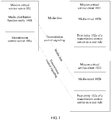
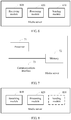
- a schematic architectural diagram of a mission critical service system shown in FIG. 1 includes a mission critical service server (Mission Critical Service Server) 101 and at least one mission critical service client (Mission Critical Service Client) 102 (a client 1021 and a client 1022 are shown in FIG. 1 ).
- the mission critical service server 101 is mainly responsible for call control and media control, and is a logical entity.
- the mission critical service server may be a mission-critical push-to-talk (mission-critical Push To Talk, MCPTT) server, a mission critical video (Mission Critical Video, MCVideo) server, a mission critical data (Mission Critical Data, MCData) server, or the like.
- the mission critical service client 102 is an application layer entity peering with the mission critical service server 101, and is mainly responsible for processing an application layer transaction.
- the mission critical service server 101 internally includes a transmission control server (Transmission control server) 101a and a media distribution function (Media distribution function) entity 101b.
- the transmission control server 101a is a media transmission control entity of a media plane, and is responsible for media uplink and/or downlink transmission control.
- the transmission control server 101a may be specifically a floor control server.
- the transmission control server 101a may be specifically a transmission control server.
- a function of sending or receiving transmission control signaling by the mission critical service server 101 is performed by the transmission control server 101a.
- the media distribution function entity 101b is a logical entity, and is responsible for receiving uplink media data and sending downlink media data. In this embodiment of this application, if there is no special description, a function of sending or receiving media data by the mission critical service server 101 is performed by the media distribution function entity 101b.
- the mission critical service client 102 internally includes a peer entity 102a (Transmission control participant) of the transmission control server on a user side and a media mixer (Media mixer) 102b.
- the peer entity 102a of the transmission control server on the user side is a media transmission control entity of the media plane, and is responsible for media uplink and/or downlink transmission control.
- the peer entity 102a may be a floor control participant.
- the media mixer 102b is a peer entity of the media distribution function entity 101b on the user side, and is responsible for receiving the downlink media data and sending the uplink media data.
- the execution method described in this embodiment of this application is a method for controlling media data downlink transmission in the system environment shown in FIG. 1 , so that an authorized user's control over media data transmission may adapt to more scenario requirements.
- media downlink transmission control methods in some embodiments of this application may be performed by a media server.
- the media server mentioned herein may be some or all functional entities or units in the foregoing mission critical service server.
- the media server in the embodiments of the present invention may be equivalent to the mission critical service server, or be implemented by some entities or units in the mission critical service server.
- the following describes a media downlink transmission control method in detail by using the embodiments shown in FIG. 2a to FIG. 5b .
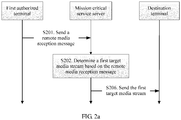
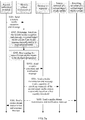
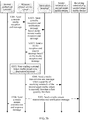
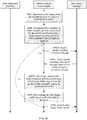
- FIG. 2a and FIG. 2b are schematic flowcharts of two media downlink transmission methods according to embodiments of this application.
- a first authorized terminal provided in this embodiment of this application is a terminal running a mission critical service client corresponding to a first authorized user, and the first authorized user is a user who has a control permission for media resource transmission of a destination terminal corresponding to a target user identifier.
- the destination terminal is also a terminal running the mission critical service client corresponding to a target user, and the target user is a user role who uses the destination terminal to perform a media transmission service.
- the target user is a controlled user subject to the control permission of the first authorized user in a control scenario.
- the first authorized user may be a user who has a control permission for media resource transmission of a communication group in which the destination terminal is located, or may be a user who has a control permission for media resource transmission of all communication members, and this is not specifically limited herein.
- the method includes the following steps.
- Step S201 A first authorized terminal sends a remote media reception message to a mission critical service server, where the remote media reception message includes a target user identifier.
- the remote media reception message is a control message used to instruct the mission critical service server to send media data to the destination terminal corresponding to the target user identifier.
- the mission critical service server may first perform authentication on a user of the first authorized terminal that sends the message, to be specific, detect whether the user has the control permission for the media resource transmission of the destination terminal corresponding to the target user identifier. If the user has the control permission for the media resource transmission of the destination terminal, step S202 is further performed. If the user does not have the control permission for the media resource transmission of the destination terminal, the received remote media reception message is discarded, and a response message may further be returned to the first authorized terminal that sends the message, indicating that the mission critical service server has processed the remote media reception message. If an authorization check fails, the response message indicates an authorization check failure, and the remote media reception message is rejected.
- Step S202 The mission critical service server determines a first target media stream based on the remote media reception message.
- the remote media reception message received by the mission critical service server does not include a media stream identifier that needs to be sent to the destination terminal. Then, the mission critical service server may determine that the first target media stream is all media streams in a communication session for the destination terminal.
- the remote media reception message includes a media stream identifier of the first target media stream.
- the mission critical service server may determine that the first target media stream is a media stream corresponding to the media stream identifier carried in the remote media reception message.
- the media stream identifier of the first target media stream may be one or a combination of the following items: a user identifier of a user who sends the first target media stream, a terminal identifier of a source terminal that sends the first target media stream, or a resource identifier of the first target media stream.
- the media stream identifier of the first target media stream may be a uniform resource locator (URL) of the first target media stream, a uniform resource identifier (Uniform Resource Identifier, URI) of the first target media stream, an IP address of a sending user of the first target media stream, or an IP address of the source terminal of the first target media stream.
- URL uniform resource locator
- URI Uniform Resource Identifier
- Step S206 The mission critical service server sends the first target media stream to the destination terminal corresponding to the target user identifier.
- the mission critical service server may find, based on the target user identifier, the destination terminal corresponding to the target user identifier in a currently collected correspondence between a terminal and a user identifier, so as to send the first target media stream to the destination terminal corresponding to the target user identifier.
- the mission critical service server has obtained the first target media stream, and then, the mission critical service server may directly send the first target media stream to the destination terminal.
- the mission critical service server previously sent the first target media stream to another client and stored media data of the first target media stream, and then, the mission critical service server may directly send the first target media stream to the destination terminal.
- the mission critical service server is currently transmitting the first target media stream to another client and therefore stores a transmission context of the first target media stream, and then, the mission critical service server may send the first target media stream to the destination terminal based on the stored transmission context.
- Step S203 specifically includes the following steps.
- the mission critical service server sends a media transmission grant message to a source terminal of the first target media stream.
- the mission critical service server may determine the source terminal of the first target media stream based on the media stream identifier of the first target media stream, in other words, generate a terminal of the first target media stream. Then, the mission critical service server sends the media transmission grant message to the source terminal of the first target media stream.
- the media transmission grant message is a control message used to instruct the source terminal of the first target media stream to send a media stream to the mission critical service server.
- the media transmission grant message may carry the media stream identifier of the first target media stream, so as to indicate a specific media stream that needs to be sent by the source terminal of the first target media stream.
- the media transmission grant message may not carry the media stream identifier of the first target media stream. In this case, it may be considered that all media streams generated by the source terminal of the first target media stream are the first target media stream, or the source terminal of the first target media stream generates only one media stream, namely, the first target media stream.
- the source terminal of the first target media stream sends the first target media stream to the mission critical service server based on the media transmission grant message.
- the source terminal of the first target media stream may determine, based on the media transmission grant message, the first target media stream that needs to be sent, so as to send the first target media stream to the mission critical service server.
- step S204 may further be performed, and is specifically as follows: Step S204.
- the mission critical service server determines that a quantity of media streams currently received by a destination terminal is less than a media stream quantity threshold corresponding to the destination terminal.
- the threshold of the quantity of the media streams corresponding to the destination terminal may be the upper limit, set based on an overall consideration of network performance, destination terminal performance, service quality, and the like, for the quantity of the media streams that can be simultaneously received by the destination terminal.
- the mission critical service server may determine whether the quantity of the media streams currently received by the destination terminal is less than the threshold of the quantity of the media streams corresponding to the destination terminal. If the quantity of the media streams currently received by the destination terminal is less than the threshold of the quantity of the media streams, it indicates that the destination terminal currently may further receive the media stream, and step S206 may be performed.
- the mission critical service server cannot send the first target media stream to the destination terminal, or can continue sending the first target media stream only in a manner of preempting a transmission resource of another media stream that is being transmitted to the destination terminal, or the like.
- the mission critical service server may determine, by calculating a quantity of media streams received by the destination terminal in a preset time, the quantity of the media streams currently received by the destination terminal, or may determine, based on a quantity of media streams received by the destination terminal at a current detection time point, the quantity of the media streams currently received by the destination terminal, or may determine, by requesting to obtain the quantity of the media streams currently received by the destination terminal from the destination terminal and receiving the quantity of the media streams returned by the destination terminal, the quantity of the media streams currently received by the destination terminal. This is not specifically limited herein.
- the mission critical service server may first notify the destination terminal, so as to instruct the destination terminal to receive the first target media stream. Then, before step S206, step S205 may further be performed, and step S205 specifically includes the following steps.
- Step S2051. The mission critical service server sends a media reception invitation message to the destination terminal.
- the media reception invitation message is a message used to notify the destination terminal to receive a media stream.
- the media reception invitation message may carry the media stream identifier of the first target media stream, so as to instruct the destination terminal to receive the first target media stream that is to be transmitted.
- the media reception invitation message may include a forced reception instruction, to be specific, instruct the destination terminal to forcibly receive the first target media stream that is to be sent by the mission critical service server, and the destination terminal further performs step S2052.
- the media reception invitation message does not include the forced reception instruction, to be specific, the destination terminal does not need to forcibly receive the first target media stream that is to be sent by the mission critical service server. Then, when receiving the media reception invitation message, the destination terminal may display a prompt box to inquire whether a user of the destination terminal receives the first target media stream. When receiving an acknowledgment reception instruction sent by the user, the destination terminal determines to receive the first target media stream that is to be sent by the mission critical service server, and the destination terminal further performs step S2052. When receiving no acknowledgment reception instruction sent by the user, the destination terminal may return a response message to the mission critical service server, to indicate that the destination terminal rejects to receive the first target media stream, and does not need to perform step S206.
- Step S2052 The destination terminal sends a media reception request message to the mission critical service server based on the media reception invitation message.
- the destination terminal may send the media reception request message to the mission critical service server, so as to instruct the mission critical service server to send the first target media stream to the destination terminal, in other words, perform step S206.
- Step S2052 the method may further include the following step: Step S2053.
- the mission critical service server sends a media reception response message to the destination terminal.
- the media reception response message is used to notify the destination terminal that the mission critical service server has responded to the media reception request message sent by the destination terminal.
- step S203, step S204, and step S205 before step S206 may be separately performed, or some or all of step S203, step S204, and step S205 may be performed in any sequence.
- the method may further include the following step: Step S207.
- Step S207 After sending the first target media stream to the destination terminal, the mission critical service server sends a media stream transmission completion notification message to the first authorized terminal.
- the media stream transmission completion notification message is used to notify the first authorized terminal that transmission of the first target media stream is completed, and may carry the media stream identifier of the first target media stream.
- the mission critical service server receives the remote media reception message sent by the authorized terminal, where the remote media reception message includes the target user identifier, then determines the first target media stream based on the remote media reception message, and sends the first target media stream to the destination terminal corresponding to the target user identifier, so that the authorized user may specify a sent first target media stream and a destination terminal receiving the first target media stream, so as to send a specific media stream to a terminal of a specific communication participant.
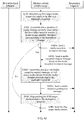
- FIG. 3a and FIG. 3b are schematic flowcharts of two media downlink transmission end methods according to embodiments of this application.
- a method provided in this embodiment may be further implemented based on the embodiments shown in FIG. 2a and FIG. 2b , or may be implemented as an independent embodiment.
- a second authorized terminal provided in this embodiment of this application is a terminal running a mission critical service client corresponding to a second authorized user, and the second authorized user is a user who has a control permission for media resource transmission of a destination terminal corresponding to a target user identifier.
- the destination terminal is also a terminal running the mission critical service client corresponding to a target user, and the target user is a user role who uses the destination terminal to perform a media transmission service.
- the target user is a controlled user subject to the control permission of the second authorized user in a control scenario.
- the second authorized user may be the first authorized user in an embodiment shown in FIG. 2a or FIG. 2b , or may not be the first authorized user.
- the second authorized user is a user who has a control permission for media resource transmission of a communication group in which the destination terminal is located, or may be a user who has a control permission for media resource transmission of all communication members.
- the method includes the following steps.
- Step S301 A second authorized terminal sends a remote media reception end message to a mission critical service server, where the remote media reception message includes a target user identifier.
- the remote media reception end message is a control message used to instruct the mission critical service server to stop sending media data to the destination terminal corresponding to the target user identifier.
- the remote media reception end message may be used to instruct the mission critical service server to suspend sending the second target media stream to the destination terminal, in other words, instruct the mission critical service server to temporarily suspend a transmission task of transmitting the second target media stream to the destination terminal and to retain a connection to the destination terminal and a transmission context, so that retransmission may be subsequently performed without a need to establish a communication connection and media negotiation again.
- the remote media reception end message may be used to instruct the mission critical service server to stop sending the second target media stream to the destination terminal, in other words, instruct the mission critical service server to disable the transmission task of transmitting the second target media stream to the destination terminal and to no longer retain the connection to the destination terminal and the transmission context. If retransmission is subsequently needed, the communication connection and the media negotiation need to be established again, for example, the mission critical service server receives a remote media sending message of an authorized terminal or receives a media reception request instruction message of the destination terminal.
- the mission critical service server may first perform authentication on a user of the second authorized terminal that sends the message, to be specific, detect whether the user has the control permission for the media resource transmission of the destination terminal corresponding to the target user identifier. If the user has the control permission for the media resource transmission of the destination terminal, step S302 is further performed. If the user does not have the control permission for the media resource transmission of the destination terminal, the received remote media reception end message is discarded, and a response message may further be returned to the second authorized terminal that sends the message, indicating that the mission critical service server has processed the remote media reception end message. If an authorization check fails, the response message indicates an authorization check failure, and the remote media reception end message is rejected.
- Step S302. The mission critical service server determines, based on the remote media reception end message, a second target media stream from media streams that are currently sent to a destination terminal corresponding to the target user identifier.
- the mission critical service server may find, based on the target user identifier, the destination terminal corresponding to the target user identifier in a currently collected correspondence between a terminal and a user identifier, so as to determine, based on the remote media reception end message, the second target media stream from the media streams that are currently sent to the destination terminal corresponding to the target user identifier.
- the remote media reception end message received by the mission critical service server does not include a media stream identifier that needs to stop being sent to the destination terminal. Then, the mission critical service server may determine that the second target media stream is all media streams that are currently sent to the destination terminal corresponding to the target user identifier.
- the remote media reception end message includes a media stream identifier of the second target media stream.
- the mission critical service server may determine that the second target media stream is a media stream corresponding to the media stream identifier carried in the remote media reception end message.
- the media stream identifier of the second target media stream may be one or a combination of the following items: a user identifier of a user who sends the second target media stream, a terminal identifier of a source terminal of the second target media stream, or a resource identifier of the second target media stream.
- the media stream identifier of the second target media stream may be a uniform resource locator (URL) of the second target media stream, a uniform resource identifier (Uniform Resource Identifier, URI) of the second target media stream, an IP address of a sending user of the second target media stream, or an IP address of a sending device of the second target media stream.
- URL uniform resource locator
- URI Uniform Resource Identifier
- a user of the destination terminal may determine whether to stop receiving a media stream and determine a specific media stream that stops being received. Then, step S302 may specifically include the following steps.
- Step S3021 The mission critical service server sends a media reception end notification message to the destination terminal based on the remote media reception end message.
- the media reception end notification message is a message used to notify the destination terminal that the mission critical service server is to stop sending the media stream to the destination terminal.
- the media reception end message may include a user identifier of the second authorized user, so as to notify the user of the destination terminal that the second authorized user stops sending the media stream.
- Step S3022 The destination terminal sends a media reception end request message to the mission critical service server based on the media reception end notification message, where the media reception end request message carries a media stream identifier of the second target media stream.
- the remote media reception end message does not carry the media stream identifier of the second target media stream.
- the destination terminal may display a prompt box to prompt the user of the destination terminal to select any quantity of media streams from all the media streams that are currently sent to the destination terminal, to stop receiving, and use, as the second target media stream based on a selection instruction of the user, a media stream selected by the user.
- the media reception end request message is sent to the mission critical service server
- the media reception end request message carries the media stream identifier of the second target media stream selected by the user.
- the destination terminal ignores the received media reception end message, and may further return a response message to the mission critical service server, to instruct the destination terminal to reject the media reception end message.
- the remote media reception end message carries the media stream identifier of the second target media stream, and then, the media reception end message may also include the media stream identifier of the second target media stream. Then, after receiving the media reception end message, the destination terminal may display a prompt box to inquire whether the user of the destination terminal stops receiving the second target media stream. When receiving an acknowledgment end reception instruction sent by the user, the destination terminal determines to stop receiving the second target media stream currently sent by the mission critical service server, and the destination terminal performs step S3022. When receiving no acknowledgment end reception instruction sent by the user, the destination terminal may return the response message to the mission critical service server, to indicate that the destination terminal rejects the media reception end message.
- the destination terminal may immediately respond to the media reception end notification message, so as to perform step S3022; or after a period of time after performing step S3021, the destination terminal initiates the media reception end request message, so as to perform step S3022. This is not specifically limited herein.
- Step S303 The mission critical service server stops sending the second target media stream to the destination terminal.
- the mission critical service server may stop sending the second target media stream to the destination terminal corresponding to the target user identifier.
- the mission critical service server may store the transmission context of the second target media stream that is sent to the destination terminal.
- the mission critical service server directly sends the second target media stream to the destination terminal without a need to establish the communication connection and the media negotiation again.
- step S303 may include the following step: Step S3031.
- the mission critical service server sends the media reception end notification message to the destination terminal based on the remote media reception end message.
- the media reception end notification message is a message that may be used to notify the destination terminal to stop receiving the second target media stream, in other words, the mission critical service server is to stop sending the media stream to the destination terminal.
- the media reception end message may include the user identifier of the second authorized user, so as to notify the user of the destination terminal that the second authorized user stops sending the media stream.
- the mission critical service server starts sending the second target media stream to each receiving terminal only when the quantity of the receiving terminals that receive the second target media stream reaches the first quantity threshold, or after a destination user serving as a mandatory user to which the second target media stream is sent uses the destination terminal to start receiving the second target media stream.
- the mission critical service server stops transmitting the second target media stream.
- the method may further include the following step: Step S304. If a quantity of receiving terminals of the second target media stream is currently less than a first quantity threshold, or a destination user corresponding to the target user identifier is a mandatory user to which the second target media stream is sent, the mission critical service server sends a media transmission end message to a source terminal of the second target media stream, where the media transmission end message is used to notify the source terminal of the second target media stream to stop sending the second target media stream.
- the mission critical service server may count the current quantity of the receiving terminals of the second target media stream. If the quantity of the receiving terminals of the second target media stream is less than the first quantity threshold, or a destination user corresponding to the target user identifier is a mandatory user to which the second target media stream is sent, it means that a current case cannot meet a requirement of the mission critical service server for transmitting the second target media stream. Then, the mission critical service server may send the media transmission end message to the source terminal of the second target media stream, and the media transmission end message is used to notify the source terminal of the second target media stream to stop sending the second target media stream to the mission critical service server.
- the mission critical service server may actively release a connection to the source terminal of the second target media stream, so as to stop receiving the second target media stream.
- the source terminal of the second target media stream may determine and start, based on the media transmission end message, to stop receiving the second target media stream.
- Step S305 The mission critical service server sends a media stream transmission end notification message to a current receiving terminal of the second target media stream.
- the transmission end notification message is used to notify the receiving terminal of the second target media stream that transmission of the second target media stream stops, and there may be a plurality of receiving terminals of the second target media stream herein.
- the transmission end notification message may further include a reason for stopping transmitting the second target media stream, for example, the quantity of the receiving terminals of the second target media stream is less than the first quantity threshold.
- the method may further include the following step: Step S306.
- the mission critical service server sends a media stream transmission end response message to the second authorized terminal.
- the media stream transmission end response message is used to notify the second authorized user that stopping transmission of the second target media stream has been responded to, and may carry the media stream identifier of the second target media stream.
- the mission critical service server receives the remote media reception end message sent by the authorized user, where the remote media reception message includes the target user identifier, then determines, based on the remote media reception end message, the second target media stream from the media streams that are currently sent to the destination terminal corresponding to the target user identifier, and stops sending the second target media stream to the destination terminal corresponding to the target user identifier, so that the authorized user may specify a second target media stream that stops being transmitted and a destination terminal receiving the second target media stream, so as to stop or suspend transmission of a specific media stream for a terminal of a specific communication participant.
- FIG. 4a to FIG. 4d are schematic flowcharts of four media downlink transmission preemption methods according to embodiments of this application.
- a method provided in this embodiment may be further implemented based on the embodiments shown in FIG. 2a to FIG. 3b , or may be independently implemented.
- the method may include the following steps.
- Step S402. A mission critical service server determines whether a quantity of media streams currently received by a destination terminal reaches a media stream quantity threshold corresponding to the destination terminal. If the quantity of the media streams currently received by the destination terminal reaches the threshold of the quantity of the media streams corresponding to the destination terminal, steps S404 and S405 are performed.
- the mission critical service server may monitor in real time whether the quantity of the media streams currently received by the destination terminal reaches the threshold of the quantity of the media streams corresponding to the destination terminal. If the quantity of the media streams currently received by the destination terminal does not reach the threshold of the quantity of the media streams, it indicates that the destination terminal currently may further receive the media stream, and steps S404 and S405 do not need to be performed.
- steps S404 and S405 may be performed, to choose to stop transmitting one of the media streams that are being sent, so as to provide a transmission resource for subsequent media stream reception.
- Step S403. The mission critical service server determines a third target media stream from the media streams currently sent to the destination terminal.
- the mission critical service server may randomly determine at least one third target media stream, or may determine at least one third target media stream based on a media stream attribute of each currently sent media stream, and this is not specifically limited herein.
- Step S404 Stop sending the third target media stream to the destination terminal.
- the mission critical service server may stop sending the third target media stream to the destination terminal.
- the method may include the following steps.
- Step S401 A mission critical service server determines a first target media stream that needs to be sent to the destination terminal.
- the mission critical service server needs to send the first target media stream to the destination terminal.
- the first target media stream herein may be requested by an authorized terminal to be sent to the destination terminal, or may be a first target media stream sending program that is preset or scheduled by the server, or may be a request of the destination terminal, and this is not specifically limited herein.
- Step S402. The mission critical service server determines whether a quantity of media streams currently received by the destination terminal reaches a media stream quantity threshold corresponding to the destination terminal. If the quantity of the media streams currently received by the destination terminal reaches the threshold of the quantity of the media streams corresponding to the destination terminal, steps S403 to S405 are performed. If the quantity of the media streams currently received by the destination terminal does not reach the threshold of the quantity of the media streams corresponding to the destination terminal, step S405 is performed.
- the mission critical service server may determine whether the quantity of the media streams currently received by the destination terminal reaches the threshold of the quantity of the media streams corresponding to the destination terminal. If the quantity of the media streams currently received by the destination terminal does not reach the threshold of the quantity of the media streams, it indicates that the destination terminal currently may further receive the media stream, and step S405 may be performed. If the quantity of the media streams currently received by the destination terminal reaches the threshold of the quantity of the media streams, it indicates that the destination terminal currently cannot receive more media streams.
- the mission critical service server needs to preempt another transmission resource to continue sending the first target media stream, to be specific, stops transmission of some media streams to make idle for transmitting the first target media stream. In other words, steps S403 to S405 are performed.
- Step S403. The mission critical service server determines a third target media stream from the media streams currently sent to the destination terminal.
- step S403 may be specifically as follows: Step S4031.
- the mission critical service server determines, based on a media stream attribute of the first target media stream and media stream attributes of the media streams currently sent to the destination terminal, the third target media stream from the media streams currently sent to the destination terminal.
- the media stream attribute may be at least one feature or type of the media stream, for example, the media stream attribute may include a priority of a media stream sending terminal, a service type (MCPTT or MCVideo) of the media stream, a criticalness type of the media stream, a call type (a private call or a group call) of the media stream, an arrival time sequence of the media stream, or transmission duration of the media stream.
- the mission critical service server may determine, based on any combination of the foregoing media stream attributes, the third target media stream from the media streams currently sent to the destination terminal. For example, there are three media streams currently sent to the destination terminal: a first media stream, a second media stream, and a third media stream.
- the mission critical service server determines a media stream with a lower criticalness type in a plurality of media streams as the third target media stream. It is assumed that the first media stream is a criticalness type media stream, and the second media stream and the third media stream are non-criticalness type media streams. Then, the mission critical service server may determine any one of the second media stream and the third media stream as the third target media stream.
- the method may further include the following step: Step S4032.
- the mission critical service server sends a media reception preemption message to the destination terminal.
- the media reception preemption message is a notification message used to notify the destination terminal that the third target media stream that is currently being transmitted is preempted, and may include a media stream identifier of the preempted third target media stream.
- the media reception preemption message may further include a preemption reason, and further include an identifier of the first target media stream, indicating that the second target media stream is preempted by the first media stream.
- the media reception preemption message may further indicate that the preempted third target media stream is suspended or stopped.
- the media reception preemption message indicates that the third target media stream is suspended, and then, it indicates that the mission critical service server and the destination terminal retain a transmission context of the third target media stream.
- the mission critical service server may actively continue to send the suspended third target media stream, without waiting for the destination terminal to initiate a reception request again for receiving the third target media stream.
- the media reception preemption message indicates that the third target media stream is stopped, and then, it indicates that the mission critical service server and the destination terminal do not retain the transmission context of the third target media stream.
- the mission critical service server does not actively send the stopped third target media stream to the destination terminal, but waits for the destination terminal to initiate the request again for receiving the third target media stream.
- step S403 may specifically include the following step: Step S4033.
- the mission critical service server sends a media reception invitation message to the destination terminal.
- the media reception invitation message is an instruction message used to notify the destination terminal to receive a media stream.
- the media reception invitation message may carry a media stream identifier of the first target media stream, so as to instruct the destination terminal to receive the first target media stream that is to be transmitted.
- Step S4034 The destination terminal sends a media reception end request message to the mission critical service server based on the media reception invitation message.
- the destination terminal may determine whether the quantity of the media streams currently received by the destination terminal reaches the threshold of the quantity of the media streams corresponding to the destination terminal. In a possible case, after determining that the quantity of the currently received media streams reaches the threshold of the quantity of the media streams, the destination terminal may display a prompt box to inquire whether the user of the destination terminal receives the first target media stream. When receiving an acknowledgment reception instruction sent by the user, the destination terminal displays a prompt box to prompt the user to select some of the media streams currently received by the destination terminal to perform preemption, in other words, determines that a preempted media stream selected by the user is the third target media stream.
- the destination terminal may also determine, based on the media stream attribute of the first target media stream and the media stream attributes of the media streams currently received by the destination terminal, the third target media stream from the media streams currently received by the destination terminal.
- the destination terminal may send the media reception end request message to the mission critical service server, where the media reception end request message carries the media stream identifier of the third target media stream, so as to instruct the mission critical service server to preempt the third target media stream.
- Step S4035 The mission critical service server determines, based on the media reception end request message, the third target media stream from the media streams currently sent to the destination terminal.
- the mission critical service server determines the third target media stream based on the media stream identifier of the third target media stream in the media reception end request message.
- step S403 may specifically include the following steps: Step S4033.
- the mission critical service server sends the media reception invitation message to the destination terminal, where the media reception invitation message carries a media stream identifier of the first target media stream.
- Step S4036 The destination terminal sends a media reception request message to the mission critical service server based on the media reception invitation message.
- the destination terminal may determine whether the quantity of the media streams currently simultaneously received by the destination terminal reaches the threshold of the quantity of the media streams corresponding to the destination terminal. After determining that the quantity of media streams currently simultaneously received reaches the threshold of the quantity of the media streams, the destination terminal may display the prompt box to inquire whether the user of the destination terminal receives the first target media stream.
- the destination terminal determines that the user determines to receive the first target media stream, and sends the media reception request message to the mission critical service server, so that the mission critical service server determines the third target media stream that needs to be preempted.
- Step S4037 The mission critical service server determines, based on the media reception request message, the third target media stream from the media streams currently sent to the destination terminal.
- the mission critical service server may determine, based on the media stream attribute of the first target media stream and the media stream attributes of the media streams currently sent to the destination terminal, the third target media stream from the media streams currently sent to the destination terminal.
- the method may further include the following steps: Step S4032.
- the mission critical service server sends the media reception preemption message to the destination terminal.
- Step S404 The mission critical service server stops sending the third target media stream to the destination terminal.
- the mission critical service server may stop sending the third target media stream to the destination terminal.
- Step S405. The mission critical service server sends the first target media stream to the destination terminal.
- the mission critical service server determines the third target media stream from the media streams currently sent to the destination terminal, and stops sending the third target media stream to the destination terminal. Therefore, when the quantity of the received media streams reaches the threshold of the quantity of the media streams, the destination terminal may receive a newly transmitted media stream in a manner of stopping occupying some transmission resources.
- FIG. 5a and FIG. 5b are schematic flowcharts of two media downlink transmission restart methods according to embodiments of this application. The method includes the following steps.
- Step S501 A mission critical service server determines that a quantity of media streams currently simultaneously received by a destination terminal reaches a media stream quantity threshold corresponding to the destination terminal.
- Step S502 The mission critical service server determines a third target media stream from the media streams currently sent to the destination terminal.
- Step S503. The mission critical service server stops sending the third target media stream to the destination terminal.
- Step S504. The mission critical service server detects whether the quantity of the media streams currently received by the destination terminal is less than the threshold of the quantity of the media streams corresponding to the destination terminal. If the quantity of the media streams currently received by the destination terminal is less than the threshold of the quantity of the media streams corresponding to the destination terminal, step S507 is performed.
- the mission critical service server may continue to detect whether the quantity of the media streams currently received by the destination terminal is less than the threshold of the quantity of the media streams corresponding to the destination terminal.
- the mission critical service server may trigger and restart the transmission of the third target media stream.
- Step S507. The mission critical service server starts sending the third target media stream to the destination terminal.
- the mission critical service server stores a transmission context of the third target media stream.
- the mission critical service server may directly restart the transmission of the third target media stream, in other words, start sending the third target media stream to the destination terminal.
- the mission critical service server does not store the transmission context of the third target media stream. Then, before step S507, step S5061 and step S5062 may further be performed.
- Step S5061 The mission critical service server sends a media transmission grant message to a source terminal of the third target media stream.
- the media transmission grant message is a control message used to instruct the source terminal of the third target media stream to send a media stream to the mission critical service server.
- Step S5062 The source terminal of the third target media stream sends the third target media stream to the mission critical service server based on the media transmission grant message.
- the source terminal of the third target media stream may determine, based on the media transmission grant message, the third target media stream that needs to be sent, so as to send the third target media stream to the mission critical service server.
- the method may further include the following step: Step S505.
- the destination terminal sends a media transmission restart message to the mission critical service server.
- the media transmission restart message is used to instruct the mission critical service server to retransmit the previously stopped media stream to the destination terminal.
- the media transmission restart message may carry a media stream identifier of the third target media stream, and is used to request to start transmitting the third target media stream.
- the mission critical service server determines the third target media stream from the media streams currently sent to the destination terminal, stops sending the third target media stream to the destination terminal, and starts sending the third target media stream to the destination terminal when detecting that the quantity of the media streams currently received by the destination terminal is less than the threshold of the quantity of the media streams corresponding to the destination terminal. Therefore, when the destination terminal can receive the media stream, the mission critical service server may directly start sending the third target media stream to the destination terminal, reducing signaling overheads, and improving user experience of a destination terminal user.
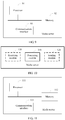
- FIG. 6 is a schematic structural diagram of a media server according to an embodiment of this application.
- the media server includes:
- the processing module 620 is further configured to: determine whether a quantity of media streams currently received by the destination terminal is less than a media stream quantity threshold corresponding to the destination terminal, and if the quantity of the media streams currently received by the destination terminal is less than the threshold of the quantity of the media streams corresponding to the destination terminal, notify the sending module 630 to send the first target media stream to the destination terminal corresponding to the target user identifier.
- the sending module 630 is further configured to send a media reception invitation message to the destination terminal, where the media reception invitation message is used to notify the destination terminal to receive the first target media stream.
- the receiving module 610 is further configured to: receive a media reception request message that is sent by the destination terminal based on the media reception invitation message, and trigger, based on the media reception request message, the sending module 630 to send the first target media stream to the destination terminal corresponding to the target user identifier.
- the media server receives the remote media reception message sent by the authorized terminal, where the remote media reception message includes the target user identifier, then determines the first target media stream based on the remote media reception message, and sends the first target media stream to the destination terminal corresponding to the target user identifier, so that the authorized user may specify a sent first target media stream and a destination terminal receiving the first target media stream, so as to send a specific media stream to a terminal of a specific communication participant.
- FIG. 7 is a schematic structural diagram of another media server according to an embodiment of this application.
- the device includes a processor 71, a memory 72, and a communications interface 73.
- the processor 71 is connected to the memory 72 and the communications interface 73.
- the processor 71 may be connected to the memory 72 and the communications interface 73 by using a bus.
- the processor 71 is configured to support the media server in performing corresponding functions in the methods in FIG. 2a and FIG. 2b .
- the processor 71 may be a central processing unit (English: central processing unit, CPU), a network processor (English: network processor, NP), a hardware chip or any combination thereof.
- the hardware chip may be an application-specific integrated circuit (English: application-specific integrated circuit, ASIC), a programmable logic device (English: programmable logic device, PLD), or a combination thereof.
- the PLD may be a complex programmable logical device (English: complex programmable logic device, CPLD), a field-programmable gate array (English: field-programmable gate array, FPGA), generic array logic (English: generic array logic, GAL), or any combination thereof.
- the memory 72 is configured to store program code and the like.
- the memory 72 may include a volatile memory (English: volatile memory), for example, a random access memory (random access memory, RAM for short).
- the memory 72 may also include a non-volatile memory (English: non-volatile memory), for example, a read-only memory (English: read-only memory, ROM for short), a flash memory (English: flash memory), a hard disk drive (English: hard disk drive, HDD for short), or a solid-state drive (English: solid-state drive, SSD for short).
- the memory 72 may further include a combination of the foregoing types of memories.
- the communications interface 73 is configured to communicate with each terminal in this embodiment of this application, so as to receive or transmit a message or a media stream provided in the foregoing methods.
- the processor 71 may invoke the program code to perform the following operations:
- the processor 71 before sending, by using the communications interface 73, the first target media stream to the destination terminal corresponding to the target user identifier, is further configured to: determine that a quantity of media streams currently received by the destination terminal is less than a media stream quantity threshold corresponding to the destination terminal.
- the remote media reception message further includes a media stream identifier of the first target media stream.
- the processor 71 before sending, by using the communications interface 73, the first target media stream to the destination terminal corresponding to the target user identifier, is further configured to:
- the processor 71 is further configured to: after sending the first target media stream to the destination terminal, send a media stream transmission completion notification message to the authorized user by using the communications interface 73.
- FIG. 8 is a schematic structural diagram of a media server according to another embodiment of this application. As shown in FIG. 8 , the media server includes:
- the processing module 820 is further configured to stop sending the second target media stream to the destination terminal corresponding to the target user identifier.
- the media server further includes: a sending module 830, configured to send a media reception end notification message to the destination terminal based on the remote media reception end message, where the media reception end notification message is used to notify the destination terminal that a mission critical service server currently stops sending the second target media stream to the destination terminal.
- a sending module 830 configured to send a media reception end notification message to the destination terminal based on the remote media reception end message, where the media reception end notification message is used to notify the destination terminal that a mission critical service server currently stops sending the second target media stream to the destination terminal.
- the receiving module 810 is further configured to receive a media reception end request message that is sent by the destination terminal based on the media reception end notification message, where the media reception end request message carries a media stream identifier of the second target media stream.
- the processing module 820 is further configured to stop, based on the media reception end request message, sending the second target media stream to the destination terminal corresponding to the target user identifier.
- the sending module 830 is further configured to send a media reception end response message to the destination terminal.
- the media server receives the remote media reception end message sent by the authorized user, where the remote media reception message includes the target user identifier, then determines, based on the remote media reception end message, the second target media stream from the media streams that are currently sent to the destination terminal corresponding to the target user identifier, and stops sending the second target media stream to the destination terminal corresponding to the target user identifier, so that the authorized user may specify a second target media stream that stops being transmitted and a destination terminal receiving the second target media stream, so as to stop or suspend transmission of a specific media stream for a terminal of a specific communication participant.
- FIG. 9 is a schematic structural diagram of another media server according to an embodiment of this application.
- the device includes a processor 91, a memory 92, and a communications interface 93.
- the processor 91 is connected to the memory 92 and the communications interface 93.
- the processor 91 may be connected to the memory 92 and the communications interface 93 by using a bus.
- the processor 91 is configured to support the media server in performing corresponding functions in the methods in FIG. 3a and FIG. 3b .
- the processor 91 may be a central processing unit (English: central processing unit, CPU), a network processor (English: network processor, NP), a hardware chip or any combination thereof.
- the hardware chip may be an application-specific integrated circuit (English: application-specific integrated circuit, ASIC), a programmable logic device (English: programmable logic device, PLD), or a combination thereof.
- the PLD may be a complex programmable logical device (English: complex programmable logic device, CPLD), a field-programmable gate array (English: field-programmable gate array, FPGA), generic array logic (English: generic array logic, GAL), or any combination thereof.
- the memory 92 is configured to store program code and the like.
- the memory 92 may include a volatile memory (English: volatile memory), for example, a random access memory (random access memory, RAM for short).
- the memory 92 may also include a non-volatile memory (English: non-volatile memory), for example, a read-only memory (English: read-only memory, ROM for short), a flash memory (English: flash memory), a hard disk drive (English: hard disk drive, HDD for short), or a solid-state drive (English: solid-state drive, SSD for short).
- the memory 92 may further include a combination of the foregoing types of memories.
- the communications interface 93 is configured to communicate with each terminal in this embodiment of this application, so as to receive or transmit a message or a media stream provided in the foregoing methods.
- the processor 91 may invoke the program code to perform the following operations:
- the processor 91 is further configured to: if a quantity of receiving terminals of the second target media stream is currently less than a first quantity threshold, or a destination user corresponding to the target user identifier is a mandatory user to which the second target media stream is sent, send a media transmission end message to a source terminal of the second target media stream by using the communications interface 93, where the media transmission end message is used to notify the source terminal of the second target media stream to stop sending the second target media stream.
- the remote media reception end message further includes a media stream identifier of the second target media stream.
- the processor 91 is further configured to: send a media reception end notification message to the destination terminal based on the remote media reception end message and by using the communications interface 93, where the media reception end notification message is used to notify the destination terminal that a mission critical service server currently stops sending the second target media stream to the destination terminal.
- the processor 91 determines, based on the remote media reception end message, the second target media stream from the media streams that are currently sent to the destination terminal corresponding to the target user identifier specifically includes: receiving, by using the communications interface 93, a media reception end request message that is sent by the destination terminal based on the media reception end notification message, where the media reception end request message carries the media stream identifier of the second target media stream.
- the stopping sending, by using the communications interface 93, the second target media stream to a destination terminal corresponding to the target user identifier includes: stopping sending, by using the communications interface 93, the second target media stream to the destination terminal corresponding to the target user identifier, and sending, by using the communications interface 93, a media reception end response message to the destination terminal.
- FIG. 10 is a schematic structural diagram of a media server according to another embodiment of this application.
- the media server includes: a processing module 110, configured to: when a quantity of media streams currently received by the destination terminal reaches a media stream quantity threshold corresponding to the destination terminal, determine a third target media stream from the media streams currently sent to the destination terminal.
- the processing module 110 is further configured to stop sending the third target media stream to the destination terminal.
- the processing module 110 is further configured to determine a first target media stream that needs to be sent to the destination terminal.
- the media server further includes: a sending module 120, configured to send a media reception preemption message to the destination terminal, where the media reception preemption message carries identification information of the first media stream and identification information of the third media stream, and the media reception preemption message is used to notify the destination terminal that a transmission resource of the third media stream is used to transmit the first media stream.
- a sending module 120 configured to send a media reception preemption message to the destination terminal, where the media reception preemption message carries identification information of the first media stream and identification information of the third media stream, and the media reception preemption message is used to notify the destination terminal that a transmission resource of the third media stream is used to transmit the first media stream.
- the media server further includes:
- the processing module 110 is further configured to: when it is detected that the quantity of the media streams currently received by the destination terminal is less than the threshold of the quantity of the media streams corresponding to the destination terminal, start sending the third target media stream to the destination terminal.
- the media server further includes: a receiving module 130, configured to: receive a media transmission restart message sent by the destination terminal, and trigger, based on the media transmission restart message, the sending module 120 to start sending the third target media stream to the destination terminal.
- a receiving module 130 configured to: receive a media transmission restart message sent by the destination terminal, and trigger, based on the media transmission restart message, the sending module 120 to start sending the third target media stream to the destination terminal.
- the media server determines the third target media stream from the media streams currently sent to the destination terminal, and stops sending the third target media stream to the destination terminal. Therefore, when the quantity of the received media streams reaches the threshold of the quantity of the media streams, the destination terminal may receive a newly transmitted media stream in a manner of stopping occupying some transmission resources.
- FIG. 11 is a schematic structural diagram of another media server according to an embodiment of this application.
- the device includes a processor 111, a memory 112, and a communications interface 113.
- the processor 111 is connected to the memory 112 and the communications interface 113.
- the processor 111 may be connected to the memory 112 and the communications interface 113 by using a bus.
- the processor 111 is configured to support the media server in performing corresponding functions in the methods in FIG. 4a to FIG. 5b .
- the processor 111 may be a central processing unit (English: central processing unit, CPU), a network processor (English: network processor, NP), a hardware chip or any combination thereof.
- the hardware chip may be an application-specific integrated circuit (English: application-specific integrated circuit, ASIC), a programmable logic device (English: programmable logic device, PLD), or a combination thereof.
- the PLD may be a complex programmable logical device (English: complex programmable logic device, CPLD), a field-programmable gate array (English: field-programmable gate array, FPGA), generic array logic (English: generic array logic, GAL), or any combination thereof.
- the memory 112 is configured to store program code and the like.
- the memory 112 may include a volatile memory (English: volatile memory), for example, a random access memory (random access memory, RAM for short).
- the memory 112 may also include a non-volatile memory (English: non-volatile memory), for example, a read-only memory (English: read-only memory, ROM for short), a flash memory (English: flash memory), a hard disk drive (English: hard disk drive, HDD for short), or a solid-state drive (English: solid-state drive, SSD for short).
- the memory 112 may further include a combination of the foregoing types of memories.
- the communications interface 113 is configured to communicate with each terminal in this embodiment of this application, so as to receive or transmit a message or a media stream provided in the foregoing methods.
- the processor 111 may invoke the program code to perform the following operations:
- the processor 111 is further configured to: determine a first target media stream that needs to be sent to the destination terminal.
- the processor 111 is further configured to: send a media reception preemption message to the destination terminal by using the communications interface 113, where the media reception preemption message carries identification information of the first media stream and identification information of the third media stream, and the media reception preemption message is used to notify the destination terminal that a transmission resource of the third media stream is used to transmit the first media stream.
- the processor 91 determines the third target media stream from the media streams currently sent to the destination terminal includes:
- the media reception end request message carries a media stream identifier of the third target media stream.
- the processor 111 is further configured to: when it is detected that the quantity of the media streams currently received by the destination terminal is less than the threshold of the quantity of the media streams corresponding to the destination terminal, start sending the third target media stream to the destination terminal.
- the processor 111 is further configured to: receive a media transmission restart message sent by the destination terminal.
- the media transmission restart message carries the media stream identifier of the third target media stream, and is used to request to start transmitting the third target media stream.
- the program may be stored in a computer-readable storage medium. When the program runs, the processes of the methods in the embodiments are performed.
- the foregoing storage medium may include: a magnetic disk, an optical disc, a read-only memory (Read-Only Memory, ROM), or a random access memory (Random Access Memory, RAM).
Landscapes
- Engineering & Computer Science (AREA)
- Multimedia (AREA)
- Computer Networks & Wireless Communication (AREA)
- Signal Processing (AREA)
- Business, Economics & Management (AREA)
- General Business, Economics & Management (AREA)
- Information Transfer Between Computers (AREA)
- Telephonic Communication Services (AREA)
- Two-Way Televisions, Distribution Of Moving Picture Or The Like (AREA)
Applications Claiming Priority (1)
| Application Number | Priority Date | Filing Date | Title |
|---|---|---|---|
| PCT/CN2017/070678 WO2018126487A1 (zh) | 2017-01-09 | 2017-01-09 | 一种媒体下行传输控制方法及相关设备 |
Publications (3)
| Publication Number | Publication Date |
|---|---|
| EP3554037A1 true EP3554037A1 (de) | 2019-10-16 |
| EP3554037A4 EP3554037A4 (de) | 2020-01-08 |
| EP3554037B1 EP3554037B1 (de) | 2023-07-26 |
Family
ID=62789008
Family Applications (1)
| Application Number | Title | Priority Date | Filing Date |
|---|---|---|---|
| EP17890138.5A Active EP3554037B1 (de) | 2017-01-09 | 2017-01-09 | Verfahren zur steuerung von downlink-medienübertragung und zugehörige vorrichtung |
Country Status (6)
| Country | Link |
|---|---|
| US (2) | US11108837B2 (de) |
| EP (1) | EP3554037B1 (de) |
| JP (1) | JP2020504557A (de) |
| KR (1) | KR102321889B1 (de) |
| CN (2) | CN109076061B (de) |
| WO (1) | WO2018126487A1 (de) |
Families Citing this family (8)
| Publication number | Priority date | Publication date | Assignee | Title |
|---|---|---|---|---|
| CN110463233B (zh) * | 2017-03-24 | 2022-06-24 | 三星电子株式会社 | 用于短数据服务的客户端协议选择的系统和方法 |
| EP3800906B1 (de) * | 2017-03-25 | 2026-05-06 | Samsung Electronics Co., Ltd. | Verfahren und vorrichtung zum senden und empfangen von daten in einem missionskritischen datenkommunikationssystem |
| US11876840B2 (en) * | 2018-09-12 | 2024-01-16 | Samsung Electronics Co., Ltd. | Method and apparatus for controlling streaming of multimedia data in a network |
| WO2020167078A1 (en) * | 2019-02-16 | 2020-08-20 | Samsung Electronics Co., Ltd. | Method and device for controlling video reception |
| CN115552864B (zh) * | 2020-05-13 | 2025-04-29 | 三星电子株式会社 | 在关键任务系统中处理媒体流接收的方法和关键任务服务器 |
| CN115486090B (zh) * | 2020-08-10 | 2026-01-02 | 三星电子株式会社 | 任务关键(mc)系统中处理媒体传输的系统和方法 |
| CN113746724B (zh) * | 2021-11-05 | 2022-04-12 | 阿里云计算有限公司 | 消息传输方法、装置、电子设备及介质 |
| CN116320264A (zh) * | 2023-02-27 | 2023-06-23 | 深圳华为云计算技术有限公司 | 一种媒体播放方法以及相关设备 |
Family Cites Families (38)
| Publication number | Priority date | Publication date | Assignee | Title |
|---|---|---|---|---|
| US6697983B1 (en) * | 2000-10-24 | 2004-02-24 | At&T Wireless Services, Inc. | Data link layer tunneling technique for high-speed data in a noisy wireless environment |
| US7782875B2 (en) * | 2002-06-18 | 2010-08-24 | Nokia Corporation | Megaco protocol with group termination |
| US20040024902A1 (en) * | 2002-06-18 | 2004-02-05 | Olli Mikkola | Megaco protocol with user termination |
| US7324555B1 (en) * | 2003-03-20 | 2008-01-29 | Infovalue Computing, Inc. | Streaming while fetching broadband video objects using heterogeneous and dynamic optimized segmentation size |
| US7206866B2 (en) * | 2003-08-20 | 2007-04-17 | Microsoft Corporation | Continuous media priority aware storage scheduler |
| US7809388B1 (en) * | 2004-02-26 | 2010-10-05 | Core Mobility, Inc. | Selectively replaying voice data during a voice communication session |
| KR101180993B1 (ko) | 2005-06-02 | 2012-09-07 | 삼성전자주식회사 | PoC 세션 대체를 위한 서버 및 클라이언트와 그 방법 |
| FI20055345A0 (fi) * | 2005-06-23 | 2005-06-23 | Nokia Corp | Ryhmäkommunikaation hallinta |
| CN1937778A (zh) * | 2005-09-20 | 2007-03-28 | 腾讯科技(深圳)有限公司 | 一种流媒体播放方法、系统及设备 |
| DK1781053T3 (da) * | 2005-10-28 | 2012-08-13 | Ericsson Telefon Ab L M | Fremgangsmåder og apparat til tjeneste af typen push-to-talk |
| JP4585479B2 (ja) * | 2006-03-30 | 2010-11-24 | 株式会社東芝 | サーバ装置および映像配信方法 |
| JP2008042889A (ja) | 2006-06-16 | 2008-02-21 | Ericsson Ab | インテリジェント音声制限方法、システム及びノード |
| CN101145900A (zh) | 2006-09-15 | 2008-03-19 | 华为技术有限公司 | 组播方法和组播系统以及组播设备 |
| US9210202B2 (en) * | 2007-06-20 | 2015-12-08 | Qualcomm Incorporated | System and method for sharing media in a group communication among wireless communication devices |
| US9154333B2 (en) | 2007-12-26 | 2015-10-06 | International Business Machines Corporation | Balanced management of scalability and server loadability for internet protocol (IP) audio conferencing based upon monitored resource consumption |
| CN101547191B (zh) * | 2008-03-28 | 2012-02-01 | 华为技术有限公司 | 一种媒体内容聚合控制方法及装置 |
| CN101626396B (zh) * | 2008-07-08 | 2014-01-08 | 华为技术有限公司 | 多用户业务建立和控制通道转移方法、装置及系统 |
| US9392576B2 (en) * | 2010-12-29 | 2016-07-12 | Motorola Solutions, Inc. | Methods for tranporting a plurality of media streams over a shared MBMS bearer in a 3GPP compliant communication system |
| CN103283205B (zh) | 2011-01-04 | 2016-07-13 | 瑞典爱立信有限公司 | 本地媒体再现 |
| CN102186261B (zh) | 2011-05-30 | 2014-08-20 | 杭州华三通信技术有限公司 | 一种WLAN中IPv6邻居发现协议的实现方法和装置 |
| CN102387140B (zh) | 2011-10-18 | 2015-01-21 | 华为技术有限公司 | 无线局域网络中开展多媒体业务的方法、装置及系统 |
| US9008591B2 (en) * | 2012-06-22 | 2015-04-14 | Ati Technologies Ulc | Remote audio keep alive for wireless display |
| CN103702147A (zh) * | 2012-09-27 | 2014-04-02 | 中兴通讯股份有限公司 | 一种多设备环境下业务内容管理系统及方法 |
| CN102882795B (zh) | 2012-09-29 | 2015-07-22 | 福建星网锐捷网络有限公司 | 一种无线网络中的ip组播报文下发的方法和设备 |
| CN102982116A (zh) * | 2012-11-09 | 2013-03-20 | 中国联合网络通信集团有限公司 | 基于云的多媒体转换方法及系统 |
| US8867425B2 (en) * | 2012-12-21 | 2014-10-21 | Motorola Solutions, Inc. | Method and apparatus multimedia broadcast/multicast service coverage boost |
| US20140192691A1 (en) | 2013-01-07 | 2014-07-10 | Gainspan Corporation | Reliable delivery of data specified for transmission by multicasting in wireless networks |
| CN103079231A (zh) | 2013-02-04 | 2013-05-01 | 北京傲天动联技术股份有限公司 | 在ap中基于无线局域网的组播转单播的装置和方法 |
| WO2015032032A1 (zh) * | 2013-09-03 | 2015-03-12 | 华为技术有限公司 | 用于传输媒体流的方法、装置和用户设备 |
| US9161272B2 (en) * | 2013-10-24 | 2015-10-13 | Motorola Solutions, Inc. | Method and apparatus to achieve lossless call in view of a temporary reception issue |
| US20150249868A1 (en) | 2014-02-28 | 2015-09-03 | Alcatel-Lucent Usa Inc. | Internet protocol television tiered service delivery over wi-fi networks |
| EP3141073B1 (de) * | 2014-05-09 | 2019-12-11 | Telefonaktiebolaget LM Ericsson (publ) | Verfahren, vorrichtung und system zur bestimmung von kommunikationspriorität |
| CN105376194B (zh) * | 2014-08-15 | 2019-03-26 | 中国电信股份有限公司 | 实时通信方法、系统和平台设备 |
| CN105812219A (zh) | 2014-12-31 | 2016-07-27 | 华为技术有限公司 | 帧传递方法以及相关装置和通信系统 |
| US9466035B2 (en) * | 2015-01-13 | 2016-10-11 | Songkick.Com B.V. | Systems and methods for leveraging social queuing to facilitate event ticket distribution |
| US10075970B2 (en) * | 2015-03-15 | 2018-09-11 | Qualcomm Incorporated | Mission critical data support in self-contained time division duplex (TDD) subframe structure |
| CN105392040B (zh) * | 2015-11-05 | 2019-02-19 | Oppo广东移动通信有限公司 | 一种多设备同步暂停和播放的控制方法及控制系统 |
| CN106230911A (zh) * | 2016-07-25 | 2016-12-14 | 腾讯科技(深圳)有限公司 | 一种播放数据推荐方法、兴趣标签确定方法及相关设备 |
-
2017
- 2017-01-09 WO PCT/CN2017/070678 patent/WO2018126487A1/zh not_active Ceased
- 2017-01-09 EP EP17890138.5A patent/EP3554037B1/de active Active
- 2017-01-09 CN CN201780003803.4A patent/CN109076061B/zh active Active
- 2017-01-09 CN CN202110536869.8A patent/CN113411310B/zh active Active
- 2017-01-09 JP JP2019537106A patent/JP2020504557A/ja active Pending
- 2017-01-09 KR KR1020197023204A patent/KR102321889B1/ko active Active
-
2019
- 2019-07-08 US US16/505,191 patent/US11108837B2/en active Active
-
2021
- 2021-08-10 US US17/398,449 patent/US11553021B2/en active Active
Also Published As
| Publication number | Publication date |
|---|---|
| EP3554037A4 (de) | 2020-01-08 |
| JP2020504557A (ja) | 2020-02-06 |
| US20190334969A1 (en) | 2019-10-31 |
| WO2018126487A1 (zh) | 2018-07-12 |
| KR20190099532A (ko) | 2019-08-27 |
| CN113411310B (zh) | 2022-08-26 |
| US20210367990A1 (en) | 2021-11-25 |
| CN113411310A (zh) | 2021-09-17 |
| BR112019014107A2 (pt) | 2020-02-11 |
| EP3554037B1 (de) | 2023-07-26 |
| CN109076061A (zh) | 2018-12-21 |
| KR102321889B1 (ko) | 2021-11-03 |
| US11553021B2 (en) | 2023-01-10 |
| US11108837B2 (en) | 2021-08-31 |
| CN109076061B (zh) | 2021-05-14 |
Similar Documents
| Publication | Publication Date | Title |
|---|---|---|
| US11553021B2 (en) | Media downlink transmission control method and related device | |
| US10925112B2 (en) | Method for applying for media transmission permission, and method and apparatus for canceling media transmission permission | |
| CN1790998B (zh) | 呈现综合管理系统、呈现服务器及呈现信息管理方法 | |
| US11251981B2 (en) | Communication method and apparatus | |
| CN105978938A (zh) | 一种业务处理设备的业务状态确定方法及调度设备 | |
| CN113612861A (zh) | 远程访问方法、系统及计算机可读存储介质 | |
| US11523157B2 (en) | Method and mission critical server for handling reception of media streams in mission critical system | |
| KR102314648B1 (ko) | 미션 크리티컬 데이터 통신 해제를 위한 방법 및 장치 | |
| CN114095280A (zh) | 云平台服务器通信通道构建、通信方法、装置及服务器 | |
| JP7260569B2 (ja) | メディアダウンリンク伝送制御方法及び関連するデバイス | |
| CN108551477A (zh) | 数据传输通道建立系统、网络存储设备、服务器及方法 | |
| CN113992740B (zh) | 一种基于自主可控的中间件及数据传输方法 | |
| CN109144919A (zh) | 一种接口转接方法及装置 | |
| CN112995095B (zh) | 数据处理方法、装置及计算机可读存储介质 | |
| CN114125856B (zh) | 网络切片连接方法、终端及计算机可读存储介质 | |
| BR112019014107B1 (pt) | Método, servidor de mídia e terminal | |
| CN116366654B (zh) | 任务处理方法、装置、计算机可读存储介质及电子设备 | |
| WO2018228298A1 (zh) | 一种话权分配、申请的方法、计算机设备及可读存储介质 | |
| AU2018322503B2 (en) | Communication method and apparatus | |
| CN113115235A (zh) | 一种mcptt组呼方法、服务器及通信系统 | |
| WO2021138894A1 (zh) | 一种mcptt组呼方法、服务器及通信系统 | |
| WO2018170897A1 (zh) | 一种媒体传输策略的处理方法及相关设备 |
Legal Events
| Date | Code | Title | Description |
|---|---|---|---|
| STAA | Information on the status of an ep patent application or granted ep patent |
Free format text: STATUS: THE INTERNATIONAL PUBLICATION HAS BEEN MADE |
|
| PUAI | Public reference made under article 153(3) epc to a published international application that has entered the european phase |
Free format text: ORIGINAL CODE: 0009012 |
|
| STAA | Information on the status of an ep patent application or granted ep patent |
Free format text: STATUS: REQUEST FOR EXAMINATION WAS MADE |
|
| 17P | Request for examination filed |
Effective date: 20190712 |
|
| AK | Designated contracting states |
Kind code of ref document: A1 Designated state(s): AL AT BE BG CH CY CZ DE DK EE ES FI FR GB GR HR HU IE IS IT LI LT LU LV MC MK MT NL NO PL PT RO RS SE SI SK SM TR |
|
| AX | Request for extension of the european patent |
Extension state: BA ME |
|
| A4 | Supplementary search report drawn up and despatched |
Effective date: 20191209 |
|
| RIC1 | Information provided on ipc code assigned before grant |
Ipc: H04L 29/06 20060101AFI20191203BHEP |
|
| DAV | Request for validation of the european patent (deleted) | ||
| DAX | Request for extension of the european patent (deleted) | ||
| STAA | Information on the status of an ep patent application or granted ep patent |
Free format text: STATUS: EXAMINATION IS IN PROGRESS |
|
| 17Q | First examination report despatched |
Effective date: 20211210 |
|
| REG | Reference to a national code |
Ref country code: DE Ref legal event code: R079 Ipc: H04L0065406100 Ref country code: DE Ref legal event code: R079 Ref document number: 602017071961 Country of ref document: DE Free format text: PREVIOUS MAIN CLASS: H04L0029060000 Ipc: H04L0065406100 |
|
| GRAP | Despatch of communication of intention to grant a patent |
Free format text: ORIGINAL CODE: EPIDOSNIGR1 |
|
| STAA | Information on the status of an ep patent application or granted ep patent |
Free format text: STATUS: GRANT OF PATENT IS INTENDED |
|
| RIC1 | Information provided on ipc code assigned before grant |
Ipc: H04L 65/75 20220101ALI20230117BHEP Ipc: H04L 65/1089 20220101ALI20230117BHEP Ipc: H04L 65/4061 20220101AFI20230117BHEP |
|
| INTG | Intention to grant announced |
Effective date: 20230209 |
|
| GRAS | Grant fee paid |
Free format text: ORIGINAL CODE: EPIDOSNIGR3 |
|
| GRAA | (expected) grant |
Free format text: ORIGINAL CODE: 0009210 |
|
| STAA | Information on the status of an ep patent application or granted ep patent |
Free format text: STATUS: THE PATENT HAS BEEN GRANTED |
|
| AK | Designated contracting states |
Kind code of ref document: B1 Designated state(s): AL AT BE BG CH CY CZ DE DK EE ES FI FR GB GR HR HU IE IS IT LI LT LU LV MC MK MT NL NO PL PT RO RS SE SI SK SM TR |
|
| REG | Reference to a national code |
Ref country code: CH Ref legal event code: EP |
|
| REG | Reference to a national code |
Ref country code: DE Ref legal event code: R096 Ref document number: 602017071961 Country of ref document: DE |
|
| REG | Reference to a national code |
Ref country code: IE Ref legal event code: FG4D |
|
| REG | Reference to a national code |
Ref country code: LT Ref legal event code: MG9D |
|
| REG | Reference to a national code |
Ref country code: NL Ref legal event code: MP Effective date: 20230726 |
|
| REG | Reference to a national code |
Ref country code: AT Ref legal event code: MK05 Ref document number: 1593293 Country of ref document: AT Kind code of ref document: T Effective date: 20230726 |
|
| PG25 | Lapsed in a contracting state [announced via postgrant information from national office to epo] |
Ref country code: NL Free format text: LAPSE BECAUSE OF FAILURE TO SUBMIT A TRANSLATION OF THE DESCRIPTION OR TO PAY THE FEE WITHIN THE PRESCRIBED TIME-LIMIT Effective date: 20230726 |
|
| PG25 | Lapsed in a contracting state [announced via postgrant information from national office to epo] |
Ref country code: GR Free format text: LAPSE BECAUSE OF FAILURE TO SUBMIT A TRANSLATION OF THE DESCRIPTION OR TO PAY THE FEE WITHIN THE PRESCRIBED TIME-LIMIT Effective date: 20231027 |
|
| PG25 | Lapsed in a contracting state [announced via postgrant information from national office to epo] |
Ref country code: IS Free format text: LAPSE BECAUSE OF FAILURE TO SUBMIT A TRANSLATION OF THE DESCRIPTION OR TO PAY THE FEE WITHIN THE PRESCRIBED TIME-LIMIT Effective date: 20231126 |
|
| PG25 | Lapsed in a contracting state [announced via postgrant information from national office to epo] |
Ref country code: SE Free format text: LAPSE BECAUSE OF FAILURE TO SUBMIT A TRANSLATION OF THE DESCRIPTION OR TO PAY THE FEE WITHIN THE PRESCRIBED TIME-LIMIT Effective date: 20230726 Ref country code: RS Free format text: LAPSE BECAUSE OF FAILURE TO SUBMIT A TRANSLATION OF THE DESCRIPTION OR TO PAY THE FEE WITHIN THE PRESCRIBED TIME-LIMIT Effective date: 20230726 Ref country code: PT Free format text: LAPSE BECAUSE OF FAILURE TO SUBMIT A TRANSLATION OF THE DESCRIPTION OR TO PAY THE FEE WITHIN THE PRESCRIBED TIME-LIMIT Effective date: 20231127 Ref country code: NO Free format text: LAPSE BECAUSE OF FAILURE TO SUBMIT A TRANSLATION OF THE DESCRIPTION OR TO PAY THE FEE WITHIN THE PRESCRIBED TIME-LIMIT Effective date: 20231026 Ref country code: LV Free format text: LAPSE BECAUSE OF FAILURE TO SUBMIT A TRANSLATION OF THE DESCRIPTION OR TO PAY THE FEE WITHIN THE PRESCRIBED TIME-LIMIT Effective date: 20230726 Ref country code: LT Free format text: LAPSE BECAUSE OF FAILURE TO SUBMIT A TRANSLATION OF THE DESCRIPTION OR TO PAY THE FEE WITHIN THE PRESCRIBED TIME-LIMIT Effective date: 20230726 Ref country code: IS Free format text: LAPSE BECAUSE OF FAILURE TO SUBMIT A TRANSLATION OF THE DESCRIPTION OR TO PAY THE FEE WITHIN THE PRESCRIBED TIME-LIMIT Effective date: 20231126 Ref country code: HR Free format text: LAPSE BECAUSE OF FAILURE TO SUBMIT A TRANSLATION OF THE DESCRIPTION OR TO PAY THE FEE WITHIN THE PRESCRIBED TIME-LIMIT Effective date: 20230726 Ref country code: GR Free format text: LAPSE BECAUSE OF FAILURE TO SUBMIT A TRANSLATION OF THE DESCRIPTION OR TO PAY THE FEE WITHIN THE PRESCRIBED TIME-LIMIT Effective date: 20231027 Ref country code: FI Free format text: LAPSE BECAUSE OF FAILURE TO SUBMIT A TRANSLATION OF THE DESCRIPTION OR TO PAY THE FEE WITHIN THE PRESCRIBED TIME-LIMIT Effective date: 20230726 Ref country code: AT Free format text: LAPSE BECAUSE OF FAILURE TO SUBMIT A TRANSLATION OF THE DESCRIPTION OR TO PAY THE FEE WITHIN THE PRESCRIBED TIME-LIMIT Effective date: 20230726 |
|
| PG25 | Lapsed in a contracting state [announced via postgrant information from national office to epo] |
Ref country code: PL Free format text: LAPSE BECAUSE OF FAILURE TO SUBMIT A TRANSLATION OF THE DESCRIPTION OR TO PAY THE FEE WITHIN THE PRESCRIBED TIME-LIMIT Effective date: 20230726 |
|
| PG25 | Lapsed in a contracting state [announced via postgrant information from national office to epo] |
Ref country code: ES Free format text: LAPSE BECAUSE OF FAILURE TO SUBMIT A TRANSLATION OF THE DESCRIPTION OR TO PAY THE FEE WITHIN THE PRESCRIBED TIME-LIMIT Effective date: 20230726 |
|
| REG | Reference to a national code |
Ref country code: DE Ref legal event code: R097 Ref document number: 602017071961 Country of ref document: DE |
|
| PG25 | Lapsed in a contracting state [announced via postgrant information from national office to epo] |
Ref country code: SM Free format text: LAPSE BECAUSE OF FAILURE TO SUBMIT A TRANSLATION OF THE DESCRIPTION OR TO PAY THE FEE WITHIN THE PRESCRIBED TIME-LIMIT Effective date: 20230726 Ref country code: RO Free format text: LAPSE BECAUSE OF FAILURE TO SUBMIT A TRANSLATION OF THE DESCRIPTION OR TO PAY THE FEE WITHIN THE PRESCRIBED TIME-LIMIT Effective date: 20230726 Ref country code: ES Free format text: LAPSE BECAUSE OF FAILURE TO SUBMIT A TRANSLATION OF THE DESCRIPTION OR TO PAY THE FEE WITHIN THE PRESCRIBED TIME-LIMIT Effective date: 20230726 Ref country code: EE Free format text: LAPSE BECAUSE OF FAILURE TO SUBMIT A TRANSLATION OF THE DESCRIPTION OR TO PAY THE FEE WITHIN THE PRESCRIBED TIME-LIMIT Effective date: 20230726 Ref country code: DK Free format text: LAPSE BECAUSE OF FAILURE TO SUBMIT A TRANSLATION OF THE DESCRIPTION OR TO PAY THE FEE WITHIN THE PRESCRIBED TIME-LIMIT Effective date: 20230726 Ref country code: CZ Free format text: LAPSE BECAUSE OF FAILURE TO SUBMIT A TRANSLATION OF THE DESCRIPTION OR TO PAY THE FEE WITHIN THE PRESCRIBED TIME-LIMIT Effective date: 20230726 Ref country code: SK Free format text: LAPSE BECAUSE OF FAILURE TO SUBMIT A TRANSLATION OF THE DESCRIPTION OR TO PAY THE FEE WITHIN THE PRESCRIBED TIME-LIMIT Effective date: 20230726 |
|
| PG25 | Lapsed in a contracting state [announced via postgrant information from national office to epo] |
Ref country code: IT Free format text: LAPSE BECAUSE OF FAILURE TO SUBMIT A TRANSLATION OF THE DESCRIPTION OR TO PAY THE FEE WITHIN THE PRESCRIBED TIME-LIMIT Effective date: 20230726 |
|
| PLBE | No opposition filed within time limit |
Free format text: ORIGINAL CODE: 0009261 |
|
| STAA | Information on the status of an ep patent application or granted ep patent |
Free format text: STATUS: NO OPPOSITION FILED WITHIN TIME LIMIT |
|
| REG | Reference to a national code |
Ref country code: GB Ref legal event code: 732E Free format text: REGISTERED BETWEEN 20240530 AND 20240605 |
|
| 26N | No opposition filed |
Effective date: 20240429 |
|
| REG | Reference to a national code |
Ref country code: DE Ref legal event code: R081 Ref document number: 602017071961 Country of ref document: DE Owner name: GODO KAISHA IP BRIDGE 1, JP Free format text: FORMER OWNER: HUAWEI TECHNOLOGIES CO., LTD., SHENZHEN, GUANGDONG, CN |
|
| PG25 | Lapsed in a contracting state [announced via postgrant information from national office to epo] |
Ref country code: SI Free format text: LAPSE BECAUSE OF FAILURE TO SUBMIT A TRANSLATION OF THE DESCRIPTION OR TO PAY THE FEE WITHIN THE PRESCRIBED TIME-LIMIT Effective date: 20230726 |
|
| PG25 | Lapsed in a contracting state [announced via postgrant information from national office to epo] |
Ref country code: MC Free format text: LAPSE BECAUSE OF FAILURE TO SUBMIT A TRANSLATION OF THE DESCRIPTION OR TO PAY THE FEE WITHIN THE PRESCRIBED TIME-LIMIT Effective date: 20230726 |
|
| PG25 | Lapsed in a contracting state [announced via postgrant information from national office to epo] |
Ref country code: MC Free format text: LAPSE BECAUSE OF FAILURE TO SUBMIT A TRANSLATION OF THE DESCRIPTION OR TO PAY THE FEE WITHIN THE PRESCRIBED TIME-LIMIT Effective date: 20230726 |
|
| REG | Reference to a national code |
Ref country code: CH Ref legal event code: PL |
|
| PG25 | Lapsed in a contracting state [announced via postgrant information from national office to epo] |
Ref country code: LU Free format text: LAPSE BECAUSE OF NON-PAYMENT OF DUE FEES Effective date: 20240109 |
|
| PG25 | Lapsed in a contracting state [announced via postgrant information from national office to epo] |
Ref country code: LU Free format text: LAPSE BECAUSE OF NON-PAYMENT OF DUE FEES Effective date: 20240109 |
|
| PG25 | Lapsed in a contracting state [announced via postgrant information from national office to epo] |
Ref country code: BE Free format text: LAPSE BECAUSE OF NON-PAYMENT OF DUE FEES Effective date: 20240131 |
|
| PG25 | Lapsed in a contracting state [announced via postgrant information from national office to epo] |
Ref country code: FR Free format text: LAPSE BECAUSE OF NON-PAYMENT OF DUE FEES Effective date: 20240131 |
|
| PG25 | Lapsed in a contracting state [announced via postgrant information from national office to epo] |
Ref country code: CH Free format text: LAPSE BECAUSE OF NON-PAYMENT OF DUE FEES Effective date: 20240131 |
|
| PG25 | Lapsed in a contracting state [announced via postgrant information from national office to epo] |
Ref country code: FR Free format text: LAPSE BECAUSE OF NON-PAYMENT OF DUE FEES Effective date: 20240131 Ref country code: CH Free format text: LAPSE BECAUSE OF NON-PAYMENT OF DUE FEES Effective date: 20240131 Ref country code: BE Free format text: LAPSE BECAUSE OF NON-PAYMENT OF DUE FEES Effective date: 20240131 |
|
| REG | Reference to a national code |
Ref country code: BE Ref legal event code: MM Effective date: 20240131 |
|
| PG25 | Lapsed in a contracting state [announced via postgrant information from national office to epo] |
Ref country code: BG Free format text: LAPSE BECAUSE OF FAILURE TO SUBMIT A TRANSLATION OF THE DESCRIPTION OR TO PAY THE FEE WITHIN THE PRESCRIBED TIME-LIMIT Effective date: 20230726 |
|
| PG25 | Lapsed in a contracting state [announced via postgrant information from national office to epo] |
Ref country code: BG Free format text: LAPSE BECAUSE OF FAILURE TO SUBMIT A TRANSLATION OF THE DESCRIPTION OR TO PAY THE FEE WITHIN THE PRESCRIBED TIME-LIMIT Effective date: 20230726 |
|
| PG25 | Lapsed in a contracting state [announced via postgrant information from national office to epo] |
Ref country code: IE Free format text: LAPSE BECAUSE OF NON-PAYMENT OF DUE FEES Effective date: 20240109 |
|
| PG25 | Lapsed in a contracting state [announced via postgrant information from national office to epo] |
Ref country code: IE Free format text: LAPSE BECAUSE OF NON-PAYMENT OF DUE FEES Effective date: 20240109 |
|
| PG25 | Lapsed in a contracting state [announced via postgrant information from national office to epo] |
Ref country code: CY Free format text: LAPSE BECAUSE OF FAILURE TO SUBMIT A TRANSLATION OF THE DESCRIPTION OR TO PAY THE FEE WITHIN THE PRESCRIBED TIME-LIMIT; INVALID AB INITIO Effective date: 20170109 |
|
| PG25 | Lapsed in a contracting state [announced via postgrant information from national office to epo] |
Ref country code: HU Free format text: LAPSE BECAUSE OF FAILURE TO SUBMIT A TRANSLATION OF THE DESCRIPTION OR TO PAY THE FEE WITHIN THE PRESCRIBED TIME-LIMIT; INVALID AB INITIO Effective date: 20170109 |
|
| PG25 | Lapsed in a contracting state [announced via postgrant information from national office to epo] |
Ref country code: TR Free format text: LAPSE BECAUSE OF FAILURE TO SUBMIT A TRANSLATION OF THE DESCRIPTION OR TO PAY THE FEE WITHIN THE PRESCRIBED TIME-LIMIT Effective date: 20230726 |
|
| PGFP | Annual fee paid to national office [announced via postgrant information from national office to epo] |
Ref country code: GB Payment date: 20260123 Year of fee payment: 10 |
|
| PGFP | Annual fee paid to national office [announced via postgrant information from national office to epo] |
Ref country code: DE Payment date: 20260121 Year of fee payment: 10 |