EP3552606A1 - Composition for preventing or treating diseases caused by caffeine abuse including euodia extract or evodiamine as active ingredient - Google Patents
Composition for preventing or treating diseases caused by caffeine abuse including euodia extract or evodiamine as active ingredient Download PDFInfo
- Publication number
- EP3552606A1 EP3552606A1 EP17879021.8A EP17879021A EP3552606A1 EP 3552606 A1 EP3552606 A1 EP 3552606A1 EP 17879021 A EP17879021 A EP 17879021A EP 3552606 A1 EP3552606 A1 EP 3552606A1
- Authority
- EP
- European Patent Office
- Prior art keywords
- caffeine
- euodia
- extract
- evodiamine
- present
- Prior art date
- Legal status (The legal status is an assumption and is not a legal conclusion. Google has not performed a legal analysis and makes no representation as to the accuracy of the status listed.)
- Withdrawn
Links
Images


Classifications
-
- A—HUMAN NECESSITIES
- A61—MEDICAL OR VETERINARY SCIENCE; HYGIENE
- A61K—PREPARATIONS FOR MEDICAL, DENTAL OR TOILETRY PURPOSES
- A61K31/00—Medicinal preparations containing organic active ingredients
- A61K31/33—Heterocyclic compounds
- A61K31/395—Heterocyclic compounds having nitrogen as a ring hetero atom, e.g. guanethidine or rifamycins
- A61K31/495—Heterocyclic compounds having nitrogen as a ring hetero atom, e.g. guanethidine or rifamycins having six-membered rings with two or more nitrogen atoms as the only ring heteroatoms, e.g. piperazine or tetrazines
- A61K31/505—Pyrimidines; Hydrogenated pyrimidines, e.g. trimethoprim
- A61K31/519—Pyrimidines; Hydrogenated pyrimidines, e.g. trimethoprim ortho- or peri-condensed with heterocyclic rings
-
- A—HUMAN NECESSITIES
- A61—MEDICAL OR VETERINARY SCIENCE; HYGIENE
- A61K—PREPARATIONS FOR MEDICAL, DENTAL OR TOILETRY PURPOSES
- A61K36/00—Medicinal preparations of undetermined constitution containing material from algae, lichens, fungi or plants, or derivatives thereof, e.g. traditional herbal medicines
- A61K36/18—Magnoliophyta (angiosperms)
- A61K36/185—Magnoliopsida (dicotyledons)
- A61K36/75—Rutaceae (Rue family)
- A61K36/754—Evodia
-
- A—HUMAN NECESSITIES
- A23—FOODS OR FOODSTUFFS; TREATMENT THEREOF, NOT COVERED BY OTHER CLASSES
- A23L—FOODS, FOODSTUFFS OR NON-ALCOHOLIC BEVERAGES, NOT OTHERWISE PROVIDED FOR; PREPARATION OR TREATMENT THEREOF
- A23L33/00—Modifying nutritive qualities of foods; Dietetic products; Preparation or treatment thereof
- A23L33/10—Modifying nutritive qualities of foods; Dietetic products; Preparation or treatment thereof using additives
-
- A—HUMAN NECESSITIES
- A23—FOODS OR FOODSTUFFS; TREATMENT THEREOF, NOT COVERED BY OTHER CLASSES
- A23L—FOODS, FOODSTUFFS OR NON-ALCOHOLIC BEVERAGES, NOT OTHERWISE PROVIDED FOR; PREPARATION OR TREATMENT THEREOF
- A23L33/00—Modifying nutritive qualities of foods; Dietetic products; Preparation or treatment thereof
- A23L33/10—Modifying nutritive qualities of foods; Dietetic products; Preparation or treatment thereof using additives
- A23L33/105—Plant extracts, their artificial duplicates or their derivatives
-
- A—HUMAN NECESSITIES
- A61—MEDICAL OR VETERINARY SCIENCE; HYGIENE
- A61K—PREPARATIONS FOR MEDICAL, DENTAL OR TOILETRY PURPOSES
- A61K31/00—Medicinal preparations containing organic active ingredients
- A61K31/33—Heterocyclic compounds
- A61K31/395—Heterocyclic compounds having nitrogen as a ring hetero atom, e.g. guanethidine or rifamycins
- A61K31/40—Heterocyclic compounds having nitrogen as a ring hetero atom, e.g. guanethidine or rifamycins having five-membered rings with one nitrogen as the only ring hetero atom, e.g. sulpiride, succinimide, tolmetin, buflomedil
- A61K31/407—Heterocyclic compounds having nitrogen as a ring hetero atom, e.g. guanethidine or rifamycins having five-membered rings with one nitrogen as the only ring hetero atom, e.g. sulpiride, succinimide, tolmetin, buflomedil condensed with other heterocyclic ring systems, e.g. ketorolac, physostigmine
-
- A—HUMAN NECESSITIES
- A61—MEDICAL OR VETERINARY SCIENCE; HYGIENE
- A61K—PREPARATIONS FOR MEDICAL, DENTAL OR TOILETRY PURPOSES
- A61K31/00—Medicinal preparations containing organic active ingredients
- A61K31/33—Heterocyclic compounds
- A61K31/395—Heterocyclic compounds having nitrogen as a ring hetero atom, e.g. guanethidine or rifamycins
- A61K31/435—Heterocyclic compounds having nitrogen as a ring hetero atom, e.g. guanethidine or rifamycins having six-membered rings with one nitrogen as the only ring hetero atom
- A61K31/4353—Heterocyclic compounds having nitrogen as a ring hetero atom, e.g. guanethidine or rifamycins having six-membered rings with one nitrogen as the only ring hetero atom ortho- or peri-condensed with heterocyclic ring systems
- A61K31/4375—Heterocyclic compounds having nitrogen as a ring hetero atom, e.g. guanethidine or rifamycins having six-membered rings with one nitrogen as the only ring hetero atom ortho- or peri-condensed with heterocyclic ring systems the heterocyclic ring system containing a six-membered ring having nitrogen as a ring heteroatom, e.g. quinolizines, naphthyridines, berberine, vincamine
-
- A—HUMAN NECESSITIES
- A61—MEDICAL OR VETERINARY SCIENCE; HYGIENE
- A61P—SPECIFIC THERAPEUTIC ACTIVITY OF CHEMICAL COMPOUNDS OR MEDICINAL PREPARATIONS
- A61P1/00—Drugs for disorders of the alimentary tract or the digestive system
-
- A—HUMAN NECESSITIES
- A61—MEDICAL OR VETERINARY SCIENCE; HYGIENE
- A61P—SPECIFIC THERAPEUTIC ACTIVITY OF CHEMICAL COMPOUNDS OR MEDICINAL PREPARATIONS
- A61P1/00—Drugs for disorders of the alimentary tract or the digestive system
- A61P1/04—Drugs for disorders of the alimentary tract or the digestive system for ulcers, gastritis or reflux esophagitis, e.g. antacids, inhibitors of acid secretion, mucosal protectants
-
- A—HUMAN NECESSITIES
- A61—MEDICAL OR VETERINARY SCIENCE; HYGIENE
- A61P—SPECIFIC THERAPEUTIC ACTIVITY OF CHEMICAL COMPOUNDS OR MEDICINAL PREPARATIONS
- A61P1/00—Drugs for disorders of the alimentary tract or the digestive system
- A61P1/08—Drugs for disorders of the alimentary tract or the digestive system for nausea, cinetosis or vertigo; Antiemetics
-
- A—HUMAN NECESSITIES
- A61—MEDICAL OR VETERINARY SCIENCE; HYGIENE
- A61P—SPECIFIC THERAPEUTIC ACTIVITY OF CHEMICAL COMPOUNDS OR MEDICINAL PREPARATIONS
- A61P1/00—Drugs for disorders of the alimentary tract or the digestive system
- A61P1/12—Antidiarrhoeals
-
- A—HUMAN NECESSITIES
- A61—MEDICAL OR VETERINARY SCIENCE; HYGIENE
- A61P—SPECIFIC THERAPEUTIC ACTIVITY OF CHEMICAL COMPOUNDS OR MEDICINAL PREPARATIONS
- A61P25/00—Drugs for disorders of the nervous system
- A61P25/30—Drugs for disorders of the nervous system for treating abuse or dependence
-
- A—HUMAN NECESSITIES
- A23—FOODS OR FOODSTUFFS; TREATMENT THEREOF, NOT COVERED BY OTHER CLASSES
- A23V—INDEXING SCHEME RELATING TO FOODS, FOODSTUFFS OR NON-ALCOHOLIC BEVERAGES AND LACTIC OR PROPIONIC ACID BACTERIA USED IN FOODSTUFFS OR FOOD PREPARATION
- A23V2002/00—Food compositions, function of food ingredients or processes for food or foodstuffs
-
- A—HUMAN NECESSITIES
- A23—FOODS OR FOODSTUFFS; TREATMENT THEREOF, NOT COVERED BY OTHER CLASSES
- A23V—INDEXING SCHEME RELATING TO FOODS, FOODSTUFFS OR NON-ALCOHOLIC BEVERAGES AND LACTIC OR PROPIONIC ACID BACTERIA USED IN FOODSTUFFS OR FOOD PREPARATION
- A23V2200/00—Function of food ingredients
- A23V2200/30—Foods, ingredients or supplements having a functional effect on health
-
- A—HUMAN NECESSITIES
- A61—MEDICAL OR VETERINARY SCIENCE; HYGIENE
- A61K—PREPARATIONS FOR MEDICAL, DENTAL OR TOILETRY PURPOSES
- A61K2236/00—Isolation or extraction methods of medicinal preparations of undetermined constitution containing material from algae, lichens, fungi or plants, or derivatives thereof, e.g. traditional herbal medicine
- A61K2236/30—Extraction of the material
- A61K2236/33—Extraction of the material involving extraction with hydrophilic solvents, e.g. lower alcohols, esters or ketones
Definitions
- the present invention relates to a composition including an euodia extract or evodiamine for preventing or treating a disease caused by caffeine abuse, and more particularly, to a pharmaceutical composition effective in preventing or improving somnipathy and central nervous system stimulation, which are induced by caffeine.
- the present invention relates to a method and health functional food composition including evodiamine for treating a disease caused by caffeine abuse.
- Caffeine a type of favorite food, has been widely used in society, and is contained in cola, chocolate, etc., which are popular with children or teens, as well as coffee or tea, and also in non-prescription medicines such as a headache medicine, a cold medicine, a diuretic and an anorectic agent as well as food and beverages.
- Caffeine is widely contained in coffee, tea, beverages, medicines, etc., and its main component is 1,3,7-trimethylxanthine, which is a bitter nitrogen-containing alkaloid compound, derived from purine and uric acid. Caffeine is an odorless white needle-like crystal that is sublimated at 176 well dissolved in hot water and has a distinctive bitter taste.
- caffeine is known to be present in leaves and fruits of about 60 types of plants, and is mainly extracted from seeds of coffee trees ( Coffee arabica ) .
- caffeine is also extracted from leaves of tea trees ( Camellia sinensis (L) O. Kuntze ), fruits of cacao trees ( Theobroma cacao ), fruits of kola trees ( Cola acuminata ), and leaves of mate trees ( Ilex paraguayensis ) .
- Caffeine a type of central nervous system stimulant for stimulating the central nervous system and the sympathetic nervous system, affects organs of the body, for example, the integumentary system, bone marrow, and the spinal cord.
- Experimental studies on the physical effects of caffeine have revealed the effects of absorption in the body, and it is known that a blood concentration of a stress hormone such as adrenaline, noradrenaline or cortisol is generally increased, thereby increasing blood pressure.
- Caffeine has an effect of stimulating the central nervous system and thus is widely used as a stimulant for overcoming drowsiness. As the sleeping disorder and the stimulating effect have been known to the public, highly caffeinated beverages have become popular and thus widely used.
- caffeine overdose can bring about risks of indigestion, palpitations, excitation, headaches, insomnia, hyperacidic gastritis, diuresis, mineral deficiency, etc.
- highly caffeinated beverages currently popular among teens are misunderstood as "drugs for studying for exams” and many teens are drinking these beverages in the test period.
- highly caffeinated beverages only have an effect of stimulating the central nervous system to temporarily shake off sleepiness, and there is no evidence that these beverages can help in improving grades.
- highly caffeinated beverages in Korea, there are no special legal provisions for protecting teens and children from drinking of the highly caffeinated beverages, and there is a problem of no legal restrictions on the sale of highly caffeinated beverages based on their harmfulness.
- no specific preventive and therapeutic agents for improving caffeine abuse have been suggested yet.
- evodiamine is a type of indole alkaloid having a molecular formula of C 19 H 17 N 3 O and a molecular weight of 303.36 and is a compound contained in the fruits of plants in the family Rutaceae such as Tetradium daniellii.
- Evodiamine is biosynthesized from tryptophan and anthranyl acid, has a yellow plate-like crystal and is well dissolved in acetone. It has been reported that evodiamine is a natural substance isolated form a plant, which hardly has cytotoxicity in a living organism and can prevent skin aging (Korean Unexamined Patent Application No. 10-2016-0085581 ) and treat inflammation induced by obesity (Korean Unexamined Patent Application No. 10-2014-0086213 ).
- the present invention is directed to providing a pharmaceutical composition including evodiamine or an euodia extract as an active ingredient for preventing or treating a disease caused by caffeine abuse.
- the present invention is also directed to providing a method for preventing or treating a disease caused by caffeine abuse, which includes administering the composition to a subject.
- the present invention is also directed to providing a use of the composition for preventing or treating a disease caused by caffeine abuse.
- the present invention is also directed to providing a health functional food composition including evodiamine or euodia extract as an active ingredient for improving a disease caused by caffeine abuse.
- the present invention provides a pharmaceutical composition including evodiamine or euodia extract as an active ingredient for preventing or treating a disease caused by caffeine abuse.
- the present invention also provides a method for preventing or treating a disease caused by caffeine abuse, which includes administering the above composition to a subject.
- the present invention also provides a use of the composition for preventing or treating a disease caused by caffeine abuse.
- the present invention also provides a health functional food composition including evodiamine or an euodia extract as an active ingredient to improve a disease caused by caffeine abuse.
- a composition including evodiamine, euodia extract or fraction thereof as an active ingredient can be effective in inhibiting central nervous system stimulation and improving somnipathy, and thus can be applied to a pharmaceutical composition or health functional food composition for preventing, treating or improving a disease caused by caffeine abuse.
- the present invention provides a pharmaceutical composition including evodiamine or euodia extract as an active ingredient for preventing or treating a disease caused by caffeine abuse.
- evodiamine used herein is a type of indole alkaloid having a molecular formula of C 19 H 17 N 3 O and a molecular weight of 303.36 and is a component contained in Tetradium daniellii and represented by Formula 1 below.
- the evodiamine may be commercially available, or synthesized or extracted from euodia, but the present invention is not limited thereto.
- caffeine abuse refers to abuse caused by caffeine, for example, abuse or dependency on caffeinated food such as coffee, highly caffeinated energy drinks, cola, green tea, black tea, or cocoa.
- a disease caused by the caffeine abuse may refer to one or more diseases selected from the group consisting of insomnia, diarrhea, excitement, headaches, a lack of concentration, nausea, vomiting, depression, anxiety, hand tremors, muscle pain and withdrawal symptoms, which are caused by various causes, regardless of caffeine dose and caffeine intake number.
- the pharmaceutical composition may include an euodia extract or fraction thereof.
- euodia used herein is a deciduous tree belonging to the family Rutaceae, originating in China and residing in Gyeongju in Gyeongsangbuk-do, Korea.
- the euodia may contain a volatile essential oil, and include the evodiamine as a main component.
- the euodia may be commercially available, or cultivated or harvested.
- extract used herein includes an extraction solution obtained by extraction of euodia, a diluent or concentrate of the extraction solution, a dry product obtained by drying the extraction solution, partially or completely purified components of the extraction solution or a mixture thereof, an extract solution itself, and all available forms of extracts using the extraction solution.
- the extract of the present invention may be used in the manner of being prepared in a powder form through extraction and freeze drying.
- a method of extracting the euodia may be a method conventionally used in the art, but the present invention is not limited thereto.
- Non-limiting examples of extraction solvents may include water, alcohols, hexane and mixed solvents thereof, and when an alcohol is used as a solvent, as an example, a C1 to C4 alcohol may be used.
- the euodia extract of the present invention may be specifically a hot water extract.
- the extract may be subjected to extraction or fractionation, followed by vacuum filtration and concentration and/or freeze-drying for concentration or solvent removal, and the obtained euodia extract may be stored in a quick-freeze refrigerator until use.
- fraction means a result obtained by performing fractionation to isolate a specific component or specific component group from a mixture containing various components.
- a method of fractionating the fraction is not particularly limited, and may be a method conventionally used in the art.
- a non-limiting example of the fractionation method may be a method of obtaining fraction from extract obtained by extraction of euodia by treating the extract with a predetermined solvent.
- the type of a fractionation solvent used to obtain the fraction in the present invention is not particularly limited, and thus any solvent known in the art may be used.
- Non-limiting examples of the fractionation solvents may include polar solvents such as water, an alcohol, etc.; and non-polar solvents such as hexane, ethyl acetate, chloroform and dichloromethane. These solvents may be used alone or in combination of two or more thereof.
- polar solvents such as water, an alcohol, etc.
- non-polar solvents such as hexane, ethyl acetate, chloroform and dichloromethane. These solvents may be used alone or in combination of two or more thereof.
- an alcohol among the fractionation solvents specifically, a C1 to C4 alcohol may be used.
- the composition may not include rutaecarpine.
- prevention refers to all actions of inhibiting or delaying a disease caused by caffeine abuse by administering the pharmaceutical composition including evodiamine or euodia extract or fraction thereof according to the present invention.
- treatment refers to all actions involved in alleviating or beneficially changing a disease caused by caffeine abuse by administration of the pharmaceutical composition according to the present invention.
- the pharmaceutical composition of the present invention may include 0.001 to 30 wt%, and specifically, 0.1 wt% to 20 wt% of evodiamine, euodia extract or fraction thereof with respect to the total weight of the composition, but the present invention is not limited thereto.
- the pharmaceutical composition for preventing or treating a disease caused by caffeine abuse according to the present invention may further contain a pharmaceutically acceptable carrier, and may be prepared with the carrier and applied to food, medicines, and drink additives.
- compositions including a pharmaceutically acceptable carrier may be prepared in various oral or parenteral forms. In preparation, the composition may be prepared using a diluent or excipient such as a filler, a thickening agent, a binder, a wetting agent, a dispersant or a surfactant, which is generally used.
- a diluent or excipient such as a filler, a thickening agent, a binder, a wetting agent, a dispersant or a surfactant, which is generally used.
- the excipient or the diluent one or more selected from the group consisting of lactose, dextrose, sucrose, sorbitol, mannitol, xylitol, erythritol, maltitol, starch, acacia gum, alginate, gelatin, calcium phosphate, calcium silicate, cellulose, methyl cellulose, microcrystalline cellulose, polyvinyl pyrrolidone, physiological saline, methylhydroxybenzoate, propylhydroxybenzoate, talc, magnesium stearate, mineral oil, dextrin, calcium carbonate, propylene glycol and liquid paraffin may be used, but the present invention is not limited thereto, and all conventional carriers, excipients and diluents can be used.
- the components may be added independently or in combination with evodiamine, and euodia extract or fraction thereof as an active ingredient.
- a solid formulation for oral administration may be a tablet, pill, powder, granule or capsule, and such a solid formulation may be prepared by mixing at least one excipient, for example, starch, calcium carbonate, sucrose, lactose and gelatinin one or more compounds. Also, in addition to the simple excipient, lubricants such as magnesium stearate and talc may also be used.
- a liquid formulation for oral administration a suspension, a liquid for internal use, an emulsion, or a syrup may be used, and a generally-used simple diluent such as water or liquid paraffin, as well as various types of excipients, for example, a wetting agent, a sweetener, a fragrance and a preservative may be included.
- a formulation for parenteral administration includes a sterilized aqueous solution, a non-aqueous solvent, a suspension, an emulsion, a lyophilized preparation and a suppository.
- a non-aqueous solvent or suspension propylene glycol, polyethylene glycol, a vegetable oil such as olive oil or an injectable ester such as ethyl oleate may be used.
- a suppository base witepsol, macrogol, Tween(tween) 61, cacao butter, laurin, or glycerogelatin may be used.
- the pharmaceutical composition of the present invention may be prepared in any one form selected from the group consisting from a tablet, a pill, a powder, a granule, a capsule, a suspension, a liquid for internal use, an emulsion, a syrup, a sterilized aqueous solution, a non-aqueous solvent, a lyophilized preparation and a suppository.
- the pharmaceutical composition of the present invention may be administered at a pharmaceutically effective amount.
- a dose which may be changed according to absorption in the body, a body weight, a patient's age, sex or health condition, diet, an administration time, an administration method, an excretion rate and the severity of a disease.
- the pharmaceutical composition of the present invention may be prepared in consideration of an effective amount range, and the unit-administration-type preparation prepared as described above may be administered using a specialized dosage regimen or at regular intervals several times according to the judgment or requirement of an expert inspecting or observing the administration of a drug as needed or the needs of an individual.
- the pharmaceutical composition of the present invention may be administered daily at 0.1 to 50 mg/kg, and more specifically, 10 to 30 mg/kg, based on the amount of evodiamine, and the administration may be performed once a day or divided into several times.
- the pharmaceutical composition of the present invention is specifically administered daily at 0.1 to 500 mg/kg, more specifically, 1 to 400 mg/kg, still more specifically , 50 to 350 mg/kg, and even more specifically , 100 to 300 mg/kg, based on the euodia extract or fraction thereof, and the administration may be performed once a day or divided into several times.
- the present invention may provide a method of preventing or treating a disease caused by caffeine abuse using a pharmaceutical composition including evodiamine, and euodia extract or fraction thereof as an active ingredient, the method including administering the pharmaceutical composition to a subject.
- administration means the introduction of a predetermined material to a subject by a suitable method, and an administration route of the composition may be any common route capable of reaching a desired tissue.
- the composition may be administered intraperitoneally, intravenously, intramuscularly, subcutaneously, intradermally, orally, locally, intranasally, intrapulmonarily, or intrarectally, but the present invention is not limited thereto.
- subject means all animals including humans in which a disease caused by caffeine abuse has occurred or will occur.
- the subject may include mammals including a human.
- a caffeine-administered subject may be included, or a subject into which evodiamine, an euodia extract or fraction thereof is administered may be included.
- the present invention provides a health functional food composition including evodiamine, an euodia extract or fraction thereof for improving a disease caused by caffeine abuse.
- improvement means all types of actions that at least reduce parameters related to a condition to be treated by administration of the composition including the euodia extract or evodiamine of the present invention, for example, a degree of a symptom.
- composition of the present invention When the composition of the present invention is used as an additive for a health functional food, evodiamine, an euodia extract or fraction thereof may be suitably added as is or used in combination with a different food or food component according to a conventional method.
- a mixing amount of the active component may be suitably determined according to a purpose of use (prevention, health or therapeutic treatment), and since the composition of the present invention may be eco-friendly and have no problem in terms of stability, there is no limitation to a mixing amount.
- the health functional food composition of the present invention can be routinely ingested, and thus an effect of improving a disease caused by caffeine abuse can be expected, it can be very useful for health improvement.
- the term "health functional food” used herein is the same term as food for special health use (FoSHU), and means food having a high medical effect, which is processed to efficiently exhibit a bio-control function in addition to nutrient supply.
- the term “function” means obtaining of an effect useful for control of a nutrient with respect to the structure and function of a human body or hygienic use such as a physiological action.
- the health functional food of the present invention can be prepared by a method conventionally used in the art, and may be prepared by adding a raw material and a component, which are conventionally added in the art during the preparation.
- a form of the health functional food may also be prepared without limitation as long as it is prepared in a form recognized as food.
- composition for health functional food of the present invention may be prepared in various forms, and contains food as a raw material unlike general drugs, and thus has an advantage that no side effects can occur in long-term use of a drug and excellent portability. For this reason, the health functional food of the present invention can be taken as a supplement to enhance an effect of improving caffeine abuse.
- the health functional food refers to food having an active health maintenance or improving effect, compared with common food, and health supplement food refers to food for health supplementation purposes.
- health functional food refers to food having an active health maintenance or improving effect, compared with common food
- health supplement food refers to food for health supplementation purposes.
- the terms of health functional food, health food, and health supplement food are used interchangeably.
- the health functional food is food prepared by adding the compound of the present invention to a food material such as beverages, teas, spices, gum or confectioneries, or prepared in the form of capsules, powder or a suspension.
- a food material such as beverages, teas, spices, gum or confectioneries
- the health functional food has a specific effect on health, but contains food as a raw material, unlike general drugs, and thus has an advantage that no side effects can occur due to long-term use of the drug.
- the health functional food composition may further include a physiologically acceptable carrier, and the type of a carrier is not particularly limited, and thus any carrier used in the art may be used.
- the health functional food composition may contain an additional component that can enhance smell, taste or visual appearance, which is generally used in a food composition.
- the health functional food composition may contain vitamin A, C, D, E, B1, B2, B6 or B12, niacin, biotin, folate, or pantothenic acid.
- the health functional food composition may contain a mineral such as zinc (Zn), iron (Fe), calcium (Ca), chromium (Cr), magnesium (Mg), manganese (Mn) or copper (Cu); or an amino acid such as lysine, tryptophan, cysteine or valine.
- the health functional food composition may contain food additives such as a preservative (potassium sorbate, sodium benzoate, salicylic acid, sodium dehydroacetate etc.), a sterilizer (bleaching powder, high-grade bleaching powder, sodium hypochlorite etc.), an antioxidant (butyl hydroxyanisole (BHA), butyl hydroxytoluene (BHT) etc), a dye (tar pigment), a coloring agent (sodium nitride or sodium nitrate), a bleaching agent (sodium sulfate), a flavor enhancer (monosodium glutamate; MSG etc,), a sweetener (dulcin, cyclamate, saccharin, sodium etc.), a spice (vanillin, lactone etc), a swelling agent (alum, potassium D-bitartrate etc.), a reinforcing agent, an emulsifier, a thickening agent (paste), a coating agent, a gum base agent, a foam inhibitor
- An example of the health functional food composition of the present invention may be a health beverage composition, and in this case, may contain additional components such as various flavoring agents or natural carbohydrates like a common beverage.
- the above-described natural carbohydrate may be a monosaccharide such as glucose or fructose; a disaccharide such as maltose or sucrose; a polysaccharide such as dextrin or cyclodextrin; sugar alcohol such as xylitol, sorbitol, or erythritol.
- the sweetening agent may be a natural sweetening agent such as a thaumatin or stevia extract; or a synthetic sweetening agent such as saccharin or aspartame.
- a ratio of the natural carbohydrate may generally be about 0.01 to 0.04 g, and specifically, about 0.02 to 0.03 g per 100 mL of the health beverage composition.
- the health beverage composition may contain various nutrients, vitamins, electrolytes, flavoring agents, coloring agents, pectic acid, salts of pectic acid, alginic acid, salts of alginic acid, organic acid, protective colloidal thickening agents, pH adjusters, stabilizers, preservatives, glycerin, alcohols, or carbonation agents.
- the health beverage composition may contain fruit or vegetable pulp for preparing a natural fruit juice, a fruit juice beverage or a vegetable beverage. These components may be used independently or in combination thereof. Ratios of the additives are not very significant, but are generally selected in the range of 0.01 to 20 parts by weight with respect to 100 parts by weight of the health beverage composition of the present invention.
- the present invention provides a use of a composition including evodiamine or an euodia extract as an active ingredient for preventing or treating a disease caused by caffeine abuse.
- Evodiamine caffeine, dimethyl sulfoxide (DMSO) and Tween-20 were purchased from Sigma-Aldrich Chemistry Co., Ltd. Entobar® was purchased from Hanlim Pharm. Co., Ltd.
- mice 4-week-old ICR male mice (20 to 22 g) were provided from Koatech (Pyeongtaek, Korea), acclimated by breeding for 1 week or more in an animal breeding room in the School of Pharmacy at Sungkyunkwan University, and freely fed water and feed. The temperature (23 ⁇ 2 ⁇ ), humidity (55 ⁇ 10%) and a dark/light cycle (12 hrs) were automatically controlled.
- Euodia originating in China was purchased from the Kyungdong Market (Seoul, Korea). 193 g of dry euodia was completely dried, ground, boiled in water at 70 to 80 ⁇ , cooled to 40 ⁇ , filtered through filter paper (Whatman, USA), and vacuum-concentrated using a rotary evaporator (EYELA, N-1000, Japan). The resulting product was freeze-dried, thereby obtaining 31 g of euodia crude extract.
- mice prepared in Example 2 were divided into four groups of 12 mice, and treated with evodiamine and caffeine in a different manner.
- the first group was a group treated with distilled water containing 10% DMSO (control)
- the second group was a group treated with 10% DMSO-containing distilled water and 10 mg/kg of caffeine
- the third group was a group treated with 10 mg/kg of evodiamine and 10 mg/kg of caffeine
- the fourth group was a group treated with 20 mg/kg of evodiamine and 10 mg/kg of caffeine.
- Evodiamine was dissolved in 10% DMSO-containing distilled water, and orally administered to mice at doses of 0, 10 and 20 mg/kg, and 30 minutes later, intraperitoneally injected with caffeine 10 mg/kg of caffeine. Then, after 30 minutes, the mice were put into a motor ability measurement box (diameter: 30x30x30 (cm)), and measured for a total of 60 minutes using a video measurement and analysis system (Neurovision, Busan, Korea), followed by conversion of the improvement or inhibition in an increased excitatory motor activity count (center count), excitatory motor activity time (center time) and total movement of excitatory motor activity (total movement) to percentage (%).
- FIG. 3 A result of comparing the total movement of each group is shown in FIG. 3 . While the total movement in the motor ability measurement box in the first group (control) not treated with caffeine was 7,107 cm, the total movement in the motor ability measurement box in the second group treated with caffeine was 15,078 cm, demonstrating that the total movement of a mouse was significantly increased by caffeine. Meanwhile, the total movement in the third group treated with 10 mg/kg of evodiamine and the fourth group treated with 20 mg/kg of evodiamine was decreased to 12,734 cm and 10,910 cm, respectively. Accordingly, it was confirmed that the central nervous system stimulation caused by caffeine administration was significantly decreased by evodiamine.
- mice prepared in Example 2 were divided into four groups of 12 mice (the first to fourth groups), and treated with the euodia extract prepared in Example 3, Entobar® and caffeine in a different manner.
- the first group was a group treated with 10% DMSO-containing distilled water and 40 mg/kg of Entobar® as a control
- the second group was a group treated with 10% DMSO-containing distilled water, 50 mg/kg of caffeine and 40 mg/kg of Entobar®
- the third group was a group treated with 200 mg/kg of the euodia extract, 50 mg/kg of caffeine and 40 mg/kg of Entobar®
- the fourth group was a group treated with 400 mg/kg of the euodia extract, 50 mg/kg of caffeine and 40 mg/kg of Entobar®.
- the euodia extract was dissolved in 10% DMSO-containing distilled water, orally administered to the mice at doses of 0, 200 and 400 mg/kg once a day for three days, and 30 minutes after the final administration, 50 mg/kg of caffeine was intraperitoneally injected into the mice. Thirty minutes after the caffeine injection, 40 mg/kg of Entobar® was intraperitoneally injected to induce sleep. Immediately after the Entobar® injection, the mice were put into each cage, and then sleep onset and sleep duration were measured.
- the sleep onset in the second group administered caffeine was 371 seconds. Accordingly, as the sleep onset was considerably increased due to caffeine, it was confirmed that somnipathy was significantly induced by caffeine abuse. Meanwhile, the sleep onsets were 222 seconds and 303 seconds in the third group treated with 200 mg/kg of the euodia extract and the fourth group treated with 400 mg/kg of the euodia extract, respectively, confirming that the sleep onset was accelerated. Accordingly, it was confirmed that the caffeine administration-induced somnipathy was significantly improved by the administration of the euodia extract.
- the sleep duration in the second group treated with caffeine was 1,812 seconds. Accordingly, as the sleep duration was significantly decreased by caffeine, it was confirmed that somnipathy was significantly induced by caffeine abuse. Meanwhile, the sleep durations were 2,558 seconds and 1,940 seconds in the third group treated with 200 mg/kg of the euodia extract and the fourth group treated with 400 mg/kg of the euodia extract, respectively, confirming that the total sleep duration was increased. Accordingly, it was confirmed that the caffeine administration-induced somnipathy was significantly improved by the administration of the euodia extract.
- the euodia extract can be effective in improving caffeine-induced somnipathy.
- the euodia hot water extract prepared in Example 3 were orally administered to the mice prepared in Example 2 once a day for 3 days, 30 minutes after the final administration, 50 mg/kg of caffeine was intraperitoneally injected into the mice. After thirty minutes, 40 mg/kg of Entobar® was intraperitoneally injected to induce sleep, followed by measuring sleep onset and total sleep duration.
- the ethanol extract used was prepared by extracting a ground and dried product of 600 g of euodia using 50% ethanol at room temperature for three times in the same manner as described in Example 3 (yield: 55.5 g).
- evodiamine has an effect in improving caffeine-induced somnipathy even at a significantly lower dose than that of the euodia extract.
- the effect of the euodia hot water extract in improving the sleep onset barrier was increased 11% or more, which was induced by caffeine, and particularly, the ethanol extract had no significant effect in improving the total sleep duration, but the hot water extract exhibited a significant improvement effect.
- a composition including evodiamine, euodia extract or fraction thereof as an active ingredient according to the present invention is effective in inhibiting central nervous system stimulation by caffeine abuse and improving somnipathy, and thus can be effectively used for preventing, treating or improving a disease caused by caffeine abuse, and improving somnipathy.
Landscapes
- Health & Medical Sciences (AREA)
- Life Sciences & Earth Sciences (AREA)
- Chemical & Material Sciences (AREA)
- Medicinal Chemistry (AREA)
- Pharmacology & Pharmacy (AREA)
- Animal Behavior & Ethology (AREA)
- General Health & Medical Sciences (AREA)
- Public Health (AREA)
- Veterinary Medicine (AREA)
- Engineering & Computer Science (AREA)
- Natural Medicines & Medicinal Plants (AREA)
- Epidemiology (AREA)
- Mycology (AREA)
- Nuclear Medicine, Radiotherapy & Molecular Imaging (AREA)
- Bioinformatics & Cheminformatics (AREA)
- Organic Chemistry (AREA)
- Chemical Kinetics & Catalysis (AREA)
- General Chemical & Material Sciences (AREA)
- Botany (AREA)
- Nutrition Science (AREA)
- Polymers & Plastics (AREA)
- Food Science & Technology (AREA)
- Microbiology (AREA)
- Alternative & Traditional Medicine (AREA)
- Biotechnology (AREA)
- Medical Informatics (AREA)
- Biomedical Technology (AREA)
- Addiction (AREA)
- Neurosurgery (AREA)
- Neurology (AREA)
- Psychiatry (AREA)
- Hospice & Palliative Care (AREA)
- Otolaryngology (AREA)
- Pharmaceuticals Containing Other Organic And Inorganic Compounds (AREA)
- Medicines Containing Plant Substances (AREA)
- Coloring Foods And Improving Nutritive Qualities (AREA)
Abstract
Description
- The present invention relates to a composition including an euodia extract or evodiamine for preventing or treating a disease caused by caffeine abuse, and more particularly, to a pharmaceutical composition effective in preventing or improving somnipathy and central nervous system stimulation, which are induced by caffeine. In addition, the present invention relates to a method and health functional food composition including evodiamine for treating a disease caused by caffeine abuse.
- According to westernized eating habits and a busy lifestyle, modern people are consuming various types of beverages, and in the selection criteria of food, the westernization tendency has increased, and thus, particularly, the consumption of caffeine-rich favorite beverages is increasing day by day. As a result, various caffeine-containing processed foods are being developed, and due to the increase in the use of coffee shops or fast-food restaurants, the consumption of caffeinated foods is increasing for all ages. A study on the coffee consumption market has reported that one person consumes 0.8 cup of coffee daily, and the number of yearly consumed cups is 300 cups. In addition, many teens drink coffee containing caffeine, and considering beverages and chocolates containing excessive caffeine, there may be a risk of overdosing of caffeine. Caffeine, a type of favorite food, has been widely used in society, and is contained in cola, chocolate, etc., which are popular with children or teens, as well as coffee or tea, and also in non-prescription medicines such as a headache medicine, a cold medicine, a diuretic and an anorectic agent as well as food and beverages.
- Caffeine is widely contained in coffee, tea, beverages, medicines, etc., and its main component is 1,3,7-trimethylxanthine, which is a bitter nitrogen-containing alkaloid compound, derived from purine and uric acid. Caffeine is an odorless white needle-like crystal that is sublimated at 176 well dissolved in hot water and has a distinctive bitter taste. In addition, caffeine is known to be present in leaves and fruits of about 60 types of plants, and is mainly extracted from seeds of coffee trees (Coffee arabica). In addition, caffeine is also extracted from leaves of tea trees (Camellia sinensis (L) O. Kuntze), fruits of cacao trees (Theobroma cacao), fruits of kola trees (Cola acuminata), and leaves of mate trees (Ilex paraguayensis).
- Caffeine, a type of central nervous system stimulant for stimulating the central nervous system and the sympathetic nervous system, affects organs of the body, for example, the integumentary system, bone marrow, and the spinal cord. Experimental studies on the physical effects of caffeine have revealed the effects of absorption in the body, and it is known that a blood concentration of a stress hormone such as adrenaline, noradrenaline or cortisol is generally increased, thereby increasing blood pressure. Caffeine has an effect of stimulating the central nervous system and thus is widely used as a stimulant for overcoming drowsiness. As the sleeping disorder and the stimulating effect have been known to the public, highly caffeinated beverages have become popular and thus widely used. However, long-term intake has a serious effect on normal sleep and a stimulated state, and it has been reported that caffeine overdose can bring about risks of indigestion, palpitations, excitation, headaches, insomnia, hyperacidic gastritis, diuresis, mineral deficiency, etc.
- Particularly, highly caffeinated beverages currently popular among teens are misunderstood as "drugs for studying for exams" and many teens are drinking these beverages in the test period. However, highly caffeinated beverages only have an effect of stimulating the central nervous system to temporarily shake off sleepiness, and there is no evidence that these beverages can help in improving grades. Like this, while there is a lack of good understanding about highly caffeinated beverages, in Korea, there are no special legal provisions for protecting teens and children from drinking of the highly caffeinated beverages, and there is a problem of no legal restrictions on the sale of highly caffeinated beverages based on their harmfulness. Moreover, to date, no specific preventive and therapeutic agents for improving caffeine abuse have been suggested yet.
- Meanwhile, evodiamine is a type of indole alkaloid having a molecular formula of C19H17N3O and a molecular weight of 303.36 and is a compound contained in the fruits of plants in the family Rutaceae such as Tetradium daniellii. Evodiamine is biosynthesized from tryptophan and anthranyl acid, has a yellow plate-like crystal and is well dissolved in acetone. It has been reported that evodiamine is a natural substance isolated form a plant, which hardly has cytotoxicity in a living organism and can prevent skin aging (Korean Unexamined Patent Application No.
10-2016-0085581 10-2014-0086213 - It also has been reported that evodiamine increases body heat production, and is effective in inhibiting an appetite due to its effect on a catecholamine level, but the effect of evodiamine on a disease caused by caffeine abuse has not been elucidated.
- Under this background, the inventors confirmed an effect of preventing or improving somnipathy and central nervous system stimulation due to caffeine induction in mice using evodiamine, and thus the present invention was completed.
- The present invention is directed to providing a pharmaceutical composition including evodiamine or an euodia extract as an active ingredient for preventing or treating a disease caused by caffeine abuse.
- The present invention is also directed to providing a method for preventing or treating a disease caused by caffeine abuse, which includes administering the composition to a subject.
- The present invention is also directed to providing a use of the composition for preventing or treating a disease caused by caffeine abuse.
- The present invention is also directed to providing a health functional food composition including evodiamine or euodia extract as an active ingredient for improving a disease caused by caffeine abuse.
- However, technical problems to be solved by the present invention are not limited to the above-described problems, and other problems which are not described herein will be fully understood by those of ordinary skill in the art from the following descriptions.
- To attain the objects of the present invention, the present invention provides a pharmaceutical composition including evodiamine or euodia extract as an active ingredient for preventing or treating a disease caused by caffeine abuse.
- The present invention also provides a method for preventing or treating a disease caused by caffeine abuse, which includes administering the above composition to a subject.
- The present invention also provides a use of the composition for preventing or treating a disease caused by caffeine abuse.
- The present invention also provides a health functional food composition including evodiamine or an euodia extract as an active ingredient to improve a disease caused by caffeine abuse.
- In the present invention, a composition including evodiamine, euodia extract or fraction thereof as an active ingredient can be effective in inhibiting central nervous system stimulation and improving somnipathy, and thus can be applied to a pharmaceutical composition or health functional food composition for preventing, treating or improving a disease caused by caffeine abuse.
-
-
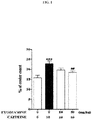
FIG. 1 is a graph showing an effect of evodiamine on the excitatory motor activity count % increased by caffeine abuse according to an exemplary embodiment of the present invention (***p<0.001 vs. solvent control, ##P<0.01 vs. caffeine control). -
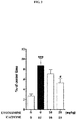
FIG. 2 is a graph showing an effect of evodiamine on the excitatory motor activity time % increased by caffeine abuse according to an exemplary embodiment of the present invention (***p<0.001 vs. solvent control, #P<0.05 vs. caffeine control). -
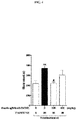
FIG. 3 is a graph showing an effect of evodiamine on the total movement of excitatory motor activity increased by caffeine abuse according to an exemplary embodiment of the present invention (***p<0.001 vs solvent control, #P<0.05 vs caffeine control). -
FIG. 4 is a graph showing an effect of euodia extract on sleep onset in caffeine abuse somnipathy models according to an exemplary embodiment of the present invention (Evodia officinalis DODE., euodia extract; pentobarbital, 40Entobar®; **p<0.01 vs. solvent control, #p<0.05 vs. caffeine control, as referred to later) -
FIG. 5 is a graph showing an effect of euodia extract on sleep duration in caffeine abuse somnipathy models. - In one aspect, the present invention provides a pharmaceutical composition including evodiamine or euodia extract as an active ingredient for preventing or treating a disease caused by caffeine abuse.
- The term "evodiamine" used herein is a type of indole alkaloid having a molecular formula of C19H17N3O and a molecular weight of 303.36 and is a component contained in Tetradium daniellii and represented by Formula 1 below.

- The evodiamine may be commercially available, or synthesized or extracted from euodia, but the present invention is not limited thereto.
- The term "caffeine abuse" used herein refers to abuse caused by caffeine, for example, abuse or dependency on caffeinated food such as coffee, highly caffeinated energy drinks, cola, green tea, black tea, or cocoa. A disease caused by the caffeine abuse may refer to one or more diseases selected from the group consisting of insomnia, diarrhea, excitement, headaches, a lack of concentration, nausea, vomiting, depression, anxiety, hand tremors, muscle pain and withdrawal symptoms, which are caused by various causes, regardless of caffeine dose and caffeine intake number.
- In an exemplary embodiment of the present invention, as a result of administering the evodiamine of the present invention to a mouse model having motor activity increased by central nervous system stimulation due to caffeine abuse, an effect of inhibiting the central nervous system stimulation (
FIGS. 1 to 3 ) was confirmed. This shows that the evodiamine can be effective in preventing, treating or improving a disease caused by caffeine abuse. - In the present invention, the pharmaceutical composition may include an euodia extract or fraction thereof.
- The term "euodia" used herein is a deciduous tree belonging to the family Rutaceae, originating in China and residing in Gyeongju in Gyeongsangbuk-do, Korea. The euodia may contain a volatile essential oil, and include the evodiamine as a main component. The euodia may be commercially available, or cultivated or harvested.
- The term "extract" used herein includes an extraction solution obtained by extraction of euodia, a diluent or concentrate of the extraction solution, a dry product obtained by drying the extraction solution, partially or completely purified components of the extraction solution or a mixture thereof, an extract solution itself, and all available forms of extracts using the extraction solution. Specifically, the extract of the present invention may be used in the manner of being prepared in a powder form through extraction and freeze drying.
- Regarding the euodia extract of the present invention, a method of extracting the euodia may be a method conventionally used in the art, but the present invention is not limited thereto. Non-limiting examples of extraction solvents may include water, alcohols, hexane and mixed solvents thereof, and when an alcohol is used as a solvent, as an example, a C1 to C4 alcohol may be used. As another example, the euodia extract of the present invention may be specifically a hot water extract.
- In addition, the extract may be subjected to extraction or fractionation, followed by vacuum filtration and concentration and/or freeze-drying for concentration or solvent removal, and the obtained euodia extract may be stored in a quick-freeze refrigerator until use.
- The term "fraction" used herein means a result obtained by performing fractionation to isolate a specific component or specific component group from a mixture containing various components.
- In the present invention, a method of fractionating the fraction is not particularly limited, and may be a method conventionally used in the art. A non-limiting example of the fractionation method may be a method of obtaining fraction from extract obtained by extraction of euodia by treating the extract with a predetermined solvent.
- The type of a fractionation solvent used to obtain the fraction in the present invention is not particularly limited, and thus any solvent known in the art may be used. Non-limiting examples of the fractionation solvents may include polar solvents such as water, an alcohol, etc.; and non-polar solvents such as hexane, ethyl acetate, chloroform and dichloromethane. These solvents may be used alone or in combination of two or more thereof. When an alcohol among the fractionation solvents is used, specifically, a C1 to C4 alcohol may be used.
- The composition may not include rutaecarpine.
- In an exemplary embodiment of the present invention, as a result of administering the euodia extract of the present invention to a mouse model having somnipathy caused by caffeine abuse, an effect of improving somnipathy caused by caffeine administration was confirmed (
FIGS. 4 and5 ). This suggests that the euodia extract can be effective in preventing, treating or improving a disease caused by caffeine abuse. - The term "prevention" used herein refers to all actions of inhibiting or delaying a disease caused by caffeine abuse by administering the pharmaceutical composition including evodiamine or euodia extract or fraction thereof according to the present invention.
- The term "treatment" used herein refers to all actions involved in alleviating or beneficially changing a disease caused by caffeine abuse by administration of the pharmaceutical composition according to the present invention.
- The pharmaceutical composition of the present invention may include 0.001 to 30 wt%, and specifically, 0.1 wt% to 20 wt% of evodiamine, euodia extract or fraction thereof with respect to the total weight of the composition, but the present invention is not limited thereto.
- The pharmaceutical composition for preventing or treating a disease caused by caffeine abuse according to the present invention may further contain a pharmaceutically acceptable carrier, and may be prepared with the carrier and applied to food, medicines, and drink additives.
- The term "pharmaceutically acceptable" used herein means non-toxicity to cells or a human exposed to the composition, and the carrier may include a non-naturally occurring carrier. The composition including a pharmaceutically acceptable carrier may be prepared in various oral or parenteral forms. In preparation, the composition may be prepared using a diluent or excipient such as a filler, a thickening agent, a binder, a wetting agent, a dispersant or a surfactant, which is generally used. As the carrier, the excipient or the diluent, one or more selected from the group consisting of lactose, dextrose, sucrose, sorbitol, mannitol, xylitol, erythritol, maltitol, starch, acacia gum, alginate, gelatin, calcium phosphate, calcium silicate, cellulose, methyl cellulose, microcrystalline cellulose, polyvinyl pyrrolidone, physiological saline, methylhydroxybenzoate, propylhydroxybenzoate, talc, magnesium stearate, mineral oil, dextrin, calcium carbonate, propylene glycol and liquid paraffin may be used, but the present invention is not limited thereto, and all conventional carriers, excipients and diluents can be used. The components may be added independently or in combination with evodiamine, and euodia extract or fraction thereof as an active ingredient.
- A solid formulation for oral administration may be a tablet, pill, powder, granule or capsule, and such a solid formulation may be prepared by mixing at least one excipient, for example, starch, calcium carbonate, sucrose, lactose and gelatinin one or more compounds. Also, in addition to the simple excipient, lubricants such as magnesium stearate and talc may also be used. As a liquid formulation for oral administration, a suspension, a liquid for internal use, an emulsion, or a syrup may be used, and a generally-used simple diluent such as water or liquid paraffin, as well as various types of excipients, for example, a wetting agent, a sweetener, a fragrance and a preservative may be included. A formulation for parenteral administration includes a sterilized aqueous solution, a non-aqueous solvent, a suspension, an emulsion, a lyophilized preparation and a suppository. As the non-aqueous solvent or suspension, propylene glycol, polyethylene glycol, a vegetable oil such as olive oil or an injectable ester such as ethyl oleate may be used. As a suppository base, witepsol, macrogol, Tween(tween) 61, cacao butter, laurin, or glycerogelatin may be used.
- In addition, the pharmaceutical composition of the present invention may be prepared in any one form selected from the group consisting from a tablet, a pill, a powder, a granule, a capsule, a suspension, a liquid for internal use, an emulsion, a syrup, a sterilized aqueous solution, a non-aqueous solvent, a lyophilized preparation and a suppository.
- The pharmaceutical composition of the present invention may be administered at a pharmaceutically effective amount. There is no particular limitation to a dose, which may be changed according to absorption in the body, a body weight, a patient's age, sex or health condition, diet, an administration time, an administration method, an excretion rate and the severity of a disease. The pharmaceutical composition of the present invention may be prepared in consideration of an effective amount range, and the unit-administration-type preparation prepared as described above may be administered using a specialized dosage regimen or at regular intervals several times according to the judgment or requirement of an expert inspecting or observing the administration of a drug as needed or the needs of an individual. Specifically, the pharmaceutical composition of the present invention may be administered daily at 0.1 to 50 mg/kg, and more specifically, 10 to 30 mg/kg, based on the amount of evodiamine, and the administration may be performed once a day or divided into several times. In addition, the pharmaceutical composition of the present invention is specifically administered daily at 0.1 to 500 mg/kg, more specifically, 1 to 400 mg/kg, still more specifically , 50 to 350 mg/kg, and even more specifically , 100 to 300 mg/kg, based on the euodia extract or fraction thereof, and the administration may be performed once a day or divided into several times.
- In another aspect, the present invention may provide a method of preventing or treating a disease caused by caffeine abuse using a pharmaceutical composition including evodiamine, and euodia extract or fraction thereof as an active ingredient, the method including administering the pharmaceutical composition to a subject.
- Here, the definitions of evodiamine, euodia, an extract, fraction thereof, and prevention and treatment are the same as described above.
- The term "administration" used herein means the introduction of a predetermined material to a subject by a suitable method, and an administration route of the composition may be any common route capable of reaching a desired tissue. The composition may be administered intraperitoneally, intravenously, intramuscularly, subcutaneously, intradermally, orally, locally, intranasally, intrapulmonarily, or intrarectally, but the present invention is not limited thereto.
- The term "subject" used herein means all animals including humans in which a disease caused by caffeine abuse has occurred or will occur. As a specific example, the subject may include mammals including a human. In the present invention, a caffeine-administered subject may be included, or a subject into which evodiamine, an euodia extract or fraction thereof is administered may be included.
- In still another aspect, the present invention provides a health functional food composition including evodiamine, an euodia extract or fraction thereof for improving a disease caused by caffeine abuse.
- Here, the definitions of evodiamine, euodia, extract, fraction and prevention are the same as described above.
- The term "improvement" used herein means all types of actions that at least reduce parameters related to a condition to be treated by administration of the composition including the euodia extract or evodiamine of the present invention, for example, a degree of a symptom.
- When the composition of the present invention is used as an additive for a health functional food, evodiamine, an euodia extract or fraction thereof may be suitably added as is or used in combination with a different food or food component according to a conventional method. A mixing amount of the active component may be suitably determined according to a purpose of use (prevention, health or therapeutic treatment), and since the composition of the present invention may be eco-friendly and have no problem in terms of stability, there is no limitation to a mixing amount.
- Since the health functional food composition of the present invention can be routinely ingested, and thus an effect of improving a disease caused by caffeine abuse can be expected, it can be very useful for health improvement.
- The term "health functional food" used herein is the same term as food for special health use (FoSHU), and means food having a high medical effect, which is processed to efficiently exhibit a bio-control function in addition to nutrient supply. Here, the term "function" means obtaining of an effect useful for control of a nutrient with respect to the structure and function of a human body or hygienic use such as a physiological action. The health functional food of the present invention can be prepared by a method conventionally used in the art, and may be prepared by adding a raw material and a component, which are conventionally added in the art during the preparation. In addition, a form of the health functional food may also be prepared without limitation as long as it is prepared in a form recognized as food. The composition for health functional food of the present invention may be prepared in various forms, and contains food as a raw material unlike general drugs, and thus has an advantage that no side effects can occur in long-term use of a drug and excellent portability. For this reason, the health functional food of the present invention can be taken as a supplement to enhance an effect of improving caffeine abuse.
- The health functional food refers to food having an active health maintenance or improving effect, compared with common food, and health supplement food refers to food for health supplementation purposes. In this case, the terms of health functional food, health food, and health supplement food are used interchangeably.
- Specifically, the health functional food is food prepared by adding the compound of the present invention to a food material such as beverages, teas, spices, gum or confectioneries, or prepared in the form of capsules, powder or a suspension. When ingested, the health functional food has a specific effect on health, but contains food as a raw material, unlike general drugs, and thus has an advantage that no side effects can occur due to long-term use of the drug.
- The health functional food composition may further include a physiologically acceptable carrier, and the type of a carrier is not particularly limited, and thus any carrier used in the art may be used.
- In addition, the health functional food composition may contain an additional component that can enhance smell, taste or visual appearance, which is generally used in a food composition. For example, the health functional food composition may contain vitamin A, C, D, E, B1, B2, B6 or B12, niacin, biotin, folate, or pantothenic acid. In addition, the health functional food composition may contain a mineral such as zinc (Zn), iron (Fe), calcium (Ca), chromium (Cr), magnesium (Mg), manganese (Mn) or copper (Cu); or an amino acid such as lysine, tryptophan, cysteine or valine.
- In addition, the health functional food composition may contain food additives such as a preservative (potassium sorbate, sodium benzoate, salicylic acid, sodium dehydroacetate etc.), a sterilizer (bleaching powder, high-grade bleaching powder, sodium hypochlorite etc.), an antioxidant (butyl hydroxyanisole (BHA), butyl hydroxytoluene (BHT) etc), a dye (tar pigment), a coloring agent (sodium nitride or sodium nitrate), a bleaching agent (sodium sulfate), a flavor enhancer (monosodium glutamate; MSG etc,), a sweetener (dulcin, cyclamate, saccharin, sodium etc.), a spice (vanillin, lactone etc), a swelling agent (alum, potassium D-bitartrate etc.), a reinforcing agent, an emulsifier, a thickening agent (paste), a coating agent, a gum base agent, a foam inhibitor, a solvent and an improving agent. The additive may be selected according to the type of food and used at a suitable amount.
- An example of the health functional food composition of the present invention may be a health beverage composition, and in this case, may contain additional components such as various flavoring agents or natural carbohydrates like a common beverage. The above-described natural carbohydrate may be a monosaccharide such as glucose or fructose; a disaccharide such as maltose or sucrose; a polysaccharide such as dextrin or cyclodextrin; sugar alcohol such as xylitol, sorbitol, or erythritol. The sweetening agent may be a natural sweetening agent such as a thaumatin or stevia extract; or a synthetic sweetening agent such as saccharin or aspartame. A ratio of the natural carbohydrate may generally be about 0.01 to 0.04 g, and specifically, about 0.02 to 0.03 g per 100 mL of the health beverage composition.
- Other than these, the health beverage composition may contain various nutrients, vitamins, electrolytes, flavoring agents, coloring agents, pectic acid, salts of pectic acid, alginic acid, salts of alginic acid, organic acid, protective colloidal thickening agents, pH adjusters, stabilizers, preservatives, glycerin, alcohols, or carbonation agents. Other than theses, the health beverage composition may contain fruit or vegetable pulp for preparing a natural fruit juice, a fruit juice beverage or a vegetable beverage. These components may be used independently or in combination thereof. Ratios of the additives are not very significant, but are generally selected in the range of 0.01 to 20 parts by weight with respect to 100 parts by weight of the health beverage composition of the present invention.
- Moreover, the present invention provides a use of a composition including evodiamine or an euodia extract as an active ingredient for preventing or treating a disease caused by caffeine abuse.
- Hereinafter, the present invention will be described in further detail with reference to examples. These examples are merely provided to illustrate the present invention, and it should not be construed that the scope of the present invention is limited by the following examples.
- Evodiamine, caffeine, dimethyl sulfoxide (DMSO) and Tween-20 were purchased from Sigma-Aldrich Chemistry Co., Ltd. Entobar® was purchased from Hanlim Pharm. Co., Ltd.
- 4-week-old ICR male mice (20 to 22 g) were provided from Koatech (Pyeongtaek, Korea), acclimated by breeding for 1 week or more in an animal breeding room in the School of Pharmacy at Sungkyunkwan University, and freely fed water and feed. The temperature (23 ± 2 □), humidity (55 ± 10%) and a dark/light cycle (12 hrs) were automatically controlled.
- Euodia originating in China was purchased from the Kyungdong Market (Seoul, Korea). 193 g of dry euodia was completely dried, ground, boiled in water at 70 to 80 □, cooled to 40 □, filtered through filter paper (Whatman, USA), and vacuum-concentrated using a rotary evaporator (EYELA, N-1000, Japan). The resulting product was freeze-dried, thereby obtaining 31 g of euodia crude extract.
- To measure an inhibitory effect of evodiamine on caffeine-induced central nervous system stimulation, the mice prepared in Example 2 were divided into four groups of 12 mice, and treated with evodiamine and caffeine in a different manner. The first group was a group treated with distilled water containing 10% DMSO (control), the second group was a group treated with 10% DMSO-containing distilled water and 10 mg/kg of caffeine, the third group was a group treated with 10 mg/kg of evodiamine and 10 mg/kg of caffeine, and the fourth group was a group treated with 20 mg/kg of evodiamine and 10 mg/kg of caffeine.
- Evodiamine was dissolved in 10% DMSO-containing distilled water, and orally administered to mice at doses of 0, 10 and 20 mg/kg, and 30 minutes later, intraperitoneally injected with
caffeine 10 mg/kg of caffeine. Then, after 30 minutes, the mice were put into a motor ability measurement box (diameter: 30x30x30 (cm)), and measured for a total of 60 minutes using a video measurement and analysis system (Neurovision, Busan, Korea), followed by conversion of the improvement or inhibition in an increased excitatory motor activity count (center count), excitatory motor activity time (center time) and total movement of excitatory motor activity (total movement) to percentage (%). - As shown in
FIG. 1 , as a result of comparing the motor activity counts of the groups, while the percentage of movement in the center of the motor ability measurement box in the first group (control) not treated with caffeine was 16%, the percentage of movement in the center of the motor ability measurement box in the second group treated with caffeine was 23%, demonstrating that the excitatory motor activity count (%) was significantly increased by caffeine. Therefore, it was confirmed that central nervous system stimulation was significantly induced by caffeine. Meanwhile, the percentages (%) of the excitatory motor count induced by caffeine in the third group treated with 10 mg/kg of evodiamine and the fourth group treated with 20 mg/kg of evodiamine were decreased to 20% and 19%, respectively. Accordingly, it was confirmed that the central nervous system stimulation caused by caffeine administration was significantly decreased by evodiamine. - In addition, as shown in
FIG. 2 , as a result of comparing motor activity time of the groups, while the percentage of maintenance in the center of the motor ability measurement box in the first group (control) not treated with caffeine was 3%, the percentage of maintenance in the center of the motor ability measurement box in the second group treated with caffeine was 9%, demonstrating that the excitatory motor activity time (%) was significantly increased by caffeine. Therefore, it was confirmed that the central nervous system stimulation was significantly induced by caffeine. Meanwhile, the percentages (%) of the motor activity time in the center of the box in the third group treated with 10 mg/kg of evodiamine and the fourth group treated with 20 mg/kg of evodiamine were 7% and 5%, respectively. Accordingly, it was confirmed that the central nervous system stimulation caused by caffeine administration was significantly decreased by evodiamine. - A result of comparing the total movement of each group is shown in
FIG. 3 . While the total movement in the motor ability measurement box in the first group (control) not treated with caffeine was 7,107 cm, the total movement in the motor ability measurement box in the second group treated with caffeine was 15,078 cm, demonstrating that the total movement of a mouse was significantly increased by caffeine. Meanwhile, the total movement in the third group treated with 10 mg/kg of evodiamine and the fourth group treated with 20 mg/kg of evodiamine was decreased to 12,734 cm and 10,910 cm, respectively. Accordingly, it was confirmed that the central nervous system stimulation caused by caffeine administration was significantly decreased by evodiamine. - From the results of
FIGs. 1 to 3 , it was confirmed that evodiamine can be effective in improving or inhibiting caffeine-induced central nervous system stimulation. - To prove an effect of euodia extract in improving caffeine-induced somnipathy, the mice prepared in Example 2 were divided into four groups of 12 mice (the first to fourth groups), and treated with the euodia extract prepared in Example 3, Entobar® and caffeine in a different manner. Specifically, the first group was a group treated with 10% DMSO-containing distilled water and 40 mg/kg of Entobar® as a control, the second group was a group treated with 10% DMSO-containing distilled water, 50 mg/kg of caffeine and 40 mg/kg of Entobar®, the third group was a group treated with 200 mg/kg of the euodia extract, 50 mg/kg of caffeine and 40 mg/kg of Entobar®, and the fourth group was a group treated with 400 mg/kg of the euodia extract, 50 mg/kg of caffeine and 40 mg/kg of Entobar®.
- Regarding the administration method, the euodia extract was dissolved in 10% DMSO-containing distilled water, orally administered to the mice at doses of 0, 200 and 400 mg/kg once a day for three days, and 30 minutes after the final administration, 50 mg/kg of caffeine was intraperitoneally injected into the mice. Thirty minutes after the caffeine injection, 40 mg/kg of Entobar® was intraperitoneally injected to induce sleep. Immediately after the Entobar® injection, the mice were put into each cage, and then sleep onset and sleep duration were measured.
- As shown in
FIG. 4 , as a result of comparing the sleep onset in the groups, while the sleep onset in the first group not treated with caffeine (control) was 219 seconds, the sleep onset in the second group administered caffeine was 371 seconds. Accordingly, as the sleep onset was considerably increased due to caffeine, it was confirmed that somnipathy was significantly induced by caffeine abuse. Meanwhile, the sleep onsets were 222 seconds and 303 seconds in the third group treated with 200 mg/kg of the euodia extract and the fourth group treated with 400 mg/kg of the euodia extract, respectively, confirming that the sleep onset was accelerated. Accordingly, it was confirmed that the caffeine administration-induced somnipathy was significantly improved by the administration of the euodia extract. - In addition, as shown in
FIG. 5 , as a result of comparing total sleep duration in each group, while the sleep duration in the first group not treated with caffeine (control) was 2,940 seconds, the sleep duration in the second group treated with caffeine was 1,812 seconds. Accordingly, as the sleep duration was significantly decreased by caffeine, it was confirmed that somnipathy was significantly induced by caffeine abuse. Meanwhile, the sleep durations were 2,558 seconds and 1,940 seconds in the third group treated with 200 mg/kg of the euodia extract and the fourth group treated with 400 mg/kg of the euodia extract, respectively, confirming that the total sleep duration was increased. Accordingly, it was confirmed that the caffeine administration-induced somnipathy was significantly improved by the administration of the euodia extract. - From the result, it was confirmed that the euodia extract can be effective in improving caffeine-induced somnipathy.
- To compare caffeine-induced somnipathy-improving effects of the euodia extract and evodiamine, the euodia hot water extract prepared in Example 3,ethanol extract thereof and evodiamine were orally administered to the mice prepared in Example 2 once a day for 3 days, 30 minutes after the final administration, 50 mg/kg of caffeine was intraperitoneally injected into the mice. After thirty minutes, 40 mg/kg of Entobar® was intraperitoneally injected to induce sleep, followed by measuring sleep onset and total sleep duration.
- The ethanol extract used was prepared by extracting a ground and dried product of 600 g of euodia using 50% ethanol at room temperature for three times in the same manner as described in Example 3 (yield: 55.5 g).
- As shown in Table 1, it can be confirmed that the sleep onset and the total sleep duration are significantly increased by administering the euodia extract and evodiamine.
- Meanwhile, when 200 mg/kg of the euodia hot water extract or 10 mg/kg of evodiamine was administered, the sleep onset was exhibited at a similar level. Even though the dose was reduced to 1/20, it was surprisingly shown that evodiamine exhibits a similar somnipathy-improving effect, compared to the euodia hot water extract.
- In addition, when 5 mg/kg of evodiamine was administered, the total sleep duration was increased to that of the normal group (vehicle) not treated with caffeine, but in the case of the euodia extract, even though it was administered at a dose (200 mg/kg) 40-fold higher than that of evodiamine, the evodiamine effect was still superior to that of the euodia extract.
- Therefore, it was confirmed that evodiamine has an effect in improving caffeine-induced somnipathy even at a significantly lower dose than that of the euodia extract.
- Meanwhile, compared with the euodia ethanol extract, the effect of the euodia hot water extract in improving the sleep onset barrier was increased 11% or more, which was induced by caffeine, and particularly, the ethanol extract had no significant effect in improving the total sleep duration, but the hot water extract exhibited a significant improvement effect.
[Table 1] Change in sleep onset (% of Control) Change in total sleep duration (% of Control) Vehicle control 100 100 Caffeine 166.8*** 57.4** Caffeine + DW 200 mg/kg101.0 # 88.9 # Caffeine + EtOH 200 mg/kg112.5 # 69.7 Caffeine + Evo 5 mg/kg138.7 100.5 # Caffeine + Evo 10 mg/kg108.2 # 94.0 (Vehicle control: 10% DMSO-containing distilled water, DW; euodia hot water extract, EtOH; euodia ethanol extract, Evo; evodiamine-administered group, ***P<0.001, **P<0.01 vs. Vehicle group, #P<0.05 vs. caffeine group) - All experimental results were analyzed using one way analysis of variance (ANOVA), and when the significance was verified, an LSD test was used to confirm significance at p<0.05.
- From the above description, it will be understood by those of ordinary skill in the art to which the present invention pertains that the present invention can be embodied in different specific forms without changing the technical spirit or essential characteristics thereof. In this regard, it should be understood that the above-described embodiments are merely illustrative and not limitative in all aspects. The scope of the present invention is defined by the appended claims and encompasses all modifications and alterations derived from meanings, the scope and equivalents of the appended claims.
- A composition including evodiamine, euodia extract or fraction thereof as an active ingredient according to the present invention is effective in inhibiting central nervous system stimulation by caffeine abuse and improving somnipathy, and thus can be effectively used for preventing, treating or improving a disease caused by caffeine abuse, and improving somnipathy.
Claims (6)
- A pharmaceutical composition including evodiamine or an euodia extract as an active ingredient for preventing or treating a disease caused by caffeine abuse.
- The pharmaceutical composition according to claim 1, wherein the euodia extract is extracted using one or more types of solvents selected from water and alcohols having 1 to 4 carbon atoms.
- The pharmaceutical composition according to claim 1, wherein the disease is selected from the group consisting of insomnia, diarrhea, excitement, headaches, a lack of concentration, nausea, vomiting, depression, anxiety, hand tremors and muscle pain, which are induced by caffeine administration.
- A method of preventing or treating a disease caused by caffeine abuse, which comprises administering the composition of any one of claims 1 to 3 to a subject.
- A health functional food composition for preventing or improving a disease caused by caffeine abuse, which comprises evodiamine or an euodia extract as an active ingredient.
- A use of the composition of any one of claims 1 to 3 for preventing or treating a disease caused by caffeine abuse.
Applications Claiming Priority (2)
| Application Number | Priority Date | Filing Date | Title |
|---|---|---|---|
| KR1020160165353A KR101923721B1 (en) | 2016-12-06 | 2016-12-06 | Composition for the preventing or treating of caffeinism comprising Evodia officinalis or evodiamine |
| PCT/KR2017/014021 WO2018105960A1 (en) | 2016-12-06 | 2017-12-01 | Composition for preventing or treating diseases caused by caffeine addiction including euodia extract or evodiamine as active ingredient |
Publications (2)
| Publication Number | Publication Date |
|---|---|
| EP3552606A1 true EP3552606A1 (en) | 2019-10-16 |
| EP3552606A4 EP3552606A4 (en) | 2020-08-19 |
Family
ID=62491245
Family Applications (1)
| Application Number | Title | Priority Date | Filing Date |
|---|---|---|---|
| EP17879021.8A Withdrawn EP3552606A4 (en) | 2016-12-06 | 2017-12-01 | COMPOSITION FOR THE PREVENTION OR TREATMENT OF DISEASES RESULTING FROM CAFFEINE ABUSE WITH EUODIA EXTRACT OR EVODIAMINE AS THE ACTIVE SUBSTANCE |
Country Status (6)
| Country | Link |
|---|---|
| US (1) | US11219658B2 (en) |
| EP (1) | EP3552606A4 (en) |
| JP (1) | JP6821163B2 (en) |
| KR (1) | KR101923721B1 (en) |
| CN (1) | CN110049766B (en) |
| WO (1) | WO2018105960A1 (en) |
Families Citing this family (6)
| Publication number | Priority date | Publication date | Assignee | Title |
|---|---|---|---|---|
| KR102188013B1 (en) * | 2018-07-25 | 2020-12-07 | (주)옥천당 | Composition for prevention or improvement of muscular fuctions comprising extract of evodiaefructus and use therof |
| KR102220918B1 (en) * | 2019-10-22 | 2021-02-26 | 성균관대학교산학협력단 | Pharmaceutical Composition comprising Euodia pasteuriana extract for Preventing or Treating Inflammatory disease as active ingredient |
| KR102727358B1 (en) * | 2021-05-21 | 2024-11-11 | 한국식품연구원 | Composition comprising Angelica dahurica extracts for reducing adverse side effects of caffeine, or for preventing, improving or treatmenting diseases caused by caffeinism |
| JP2023138179A (en) * | 2022-03-18 | 2023-10-02 | ロート製薬株式会社 | MRTF-A gene expression promoter and method for producing the same |
| CN116747231A (en) * | 2023-06-08 | 2023-09-15 | 南昌大学 | Application of evodiamine in the preparation of drugs for treating and/or preventing depression |
| CN117941700B (en) * | 2024-03-26 | 2024-06-04 | 西南林业大学 | A botanical fungicide for preventing and treating Panax notoginseng black spot disease |
Family Cites Families (17)
| Publication number | Priority date | Publication date | Assignee | Title |
|---|---|---|---|---|
| KR880001296Y1 (en) * | 1985-12-28 | 1988-04-02 | 심재훈 | Dryer & Sauna Bathroom |
| KR880001296A (en) | 1986-07-09 | 1988-04-22 | 이시복 | Addiction detoxifying agent and preparation method thereof |
| JPH04305527A (en) * | 1991-03-29 | 1992-10-28 | Kanebo Ltd | Improver for oversensitiveness to cold |
| KR20030070232A (en) * | 2002-02-21 | 2003-08-29 | 주식회사 바이오젠텍 | Composition containing an extract of evodiae fructus for the alleviation of alcohol-induced hangover and antioxidative activity |
| CN101019992A (en) | 2006-02-16 | 2007-08-22 | 张志明 | Combined plaster for treating insomnia |
| CN101829117A (en) * | 2010-05-05 | 2010-09-15 | 中国医学科学院实验动物研究所 | Application of evodiamine in preparation of medicaments for treating alzheimer disease |
| CN102091314B (en) * | 2011-03-02 | 2012-05-23 | 青岛大学 | Dried ginger and Evodia rutaecarpa composition, its preparation method and its use in the preparation of drugs with attenuated toxicity and enhanced efficacy in cancer radiotherapy and chemotherapy |
| US8669264B2 (en) * | 2011-06-17 | 2014-03-11 | Linnet Biopharmaceuticals, Inc. | Rutaecarpine derivatives for activating CYP1A2 in a subject |
| US20120322813A1 (en) * | 2011-06-17 | 2012-12-20 | Linnet Timothy N | Rutaecarpine derivatives for treating caffeine toxicity |
| KR20140086213A (en) | 2012-12-28 | 2014-07-08 | 한국식품연구원 | COMPOSITION COMPRISING Evodiamine FOR TREATING OBESITY-INDUCED INFLAMMATION |
| CN103340872A (en) * | 2013-07-22 | 2013-10-09 | 杭州东岸生物医药有限公司 | Anti-depression use of evodiamine |
| CN104367972A (en) * | 2014-10-13 | 2015-02-25 | 深圳市前海安测信息技术有限公司 | Traditional Chinese medicine composition for treating insomnia and preparation method thereof |
| CN104257676B (en) * | 2014-10-15 | 2017-03-29 | 首都医科大学 | One kind treats the migrainous compositionss of asthenic cold type |
| CN105639363A (en) * | 2014-11-13 | 2016-06-08 | 王德炫 | Insomnia inhibiting fructus evodiae drink |
| KR101689318B1 (en) | 2015-01-08 | 2016-12-23 | 부산대학교 산학협력단 | Compositions for prevention or treatment of skin-aging comprising Evodiamine |
| CN105497230A (en) * | 2015-12-24 | 2016-04-20 | 沈阳药科大学 | Tetradium ruticarpum fruit effective ingredient extract as well as preparation method and application thereof |
| CN106810495A (en) * | 2017-01-14 | 2017-06-09 | 华北理工大学 | Novel Quinolone Alkaloid and preparation method thereof in evodia rutaecarpa, using and pharmaceutical composition |
-
2016
- 2016-12-06 KR KR1020160165353A patent/KR101923721B1/en active Active
-
2017
- 2017-12-01 US US16/466,484 patent/US11219658B2/en active Active
- 2017-12-01 EP EP17879021.8A patent/EP3552606A4/en not_active Withdrawn
- 2017-12-01 JP JP2019550534A patent/JP6821163B2/en active Active
- 2017-12-01 WO PCT/KR2017/014021 patent/WO2018105960A1/en not_active Ceased
- 2017-12-01 CN CN201780075654.2A patent/CN110049766B/en active Active
Also Published As
| Publication number | Publication date |
|---|---|
| JP2020504169A (en) | 2020-02-06 |
| CN110049766A (en) | 2019-07-23 |
| WO2018105960A1 (en) | 2018-06-14 |
| KR20180064910A (en) | 2018-06-15 |
| US20190314440A1 (en) | 2019-10-17 |
| US11219658B2 (en) | 2022-01-11 |
| KR101923721B1 (en) | 2018-11-29 |
| CN110049766B (en) | 2022-05-17 |
| JP6821163B2 (en) | 2021-01-27 |
| EP3552606A4 (en) | 2020-08-19 |
Similar Documents
| Publication | Publication Date | Title |
|---|---|---|
| US11219658B2 (en) | Composition for preventing or treating diseases caused by caffeine abuse including Evodia officinalis extract or evodiamine as active ingredient | |
| KR20220147428A (en) | A composition for preventing, improving or treating sarcopenia comprising extracts of wheat sprout | |
| KR101565964B1 (en) | Composition Comprising Water Extracts from Pleurotus eryngii var. ferulea (Pf.). for Treating or Preventing hyperlipidemia | |
| KR102813946B1 (en) | A composition for improving cognitive ability or memory impairment containing agastache rugosa extracts | |
| KR101280421B1 (en) | Composition for treatment or prevention of learning or memory malfunctions comprising minari extract as a effective component and preparation method thereof | |
| US9895421B2 (en) | Pharmaceutical composition having preventative or treatment effect on inflammatory bowel diseases | |
| KR101910013B1 (en) | A composition for improving, preventing and treating of pain comprising herb extract | |
| KR20170055366A (en) | A composition for preventing or treating obesity comprising taraxacum coreanum root extract | |
| KR20200014567A (en) | A composition for improving, preventing and treating of liver diseases comprising Milk thistle | |
| KR102339923B1 (en) | Food therapy Jeho-Tang composition for enhancing blood circulation | |
| KR101490781B1 (en) | Composition comprsing alcohol extracts from albatrellus dispansus for treating or preventing hyperlipidemia | |
| KR101490794B1 (en) | Composition comprising alcohol extracts from oligoporus tephroleucus for treating or preventing hyperlipidemia | |
| KR102623117B1 (en) | Composition for prevention and treating obesity of 2,4,6-tripehenyl-1-hexene | |
| KR101780718B1 (en) | Pharmaceutical composition for preventing or treating diabetes mellitus comprising seed extract of platycodon | |
| KR101971986B1 (en) | Composition comprising Silverberry like taxillus extract for preventing or treating cancer | |
| KR102380295B1 (en) | A composition for preventing, improving or treating sarcopenia comprising extracts of oat | |
| JP6234838B2 (en) | Beverage | |
| KR101338532B1 (en) | Composition for preventing or treating colon cancer containing extract of sea cucumber | |
| KR20230016229A (en) | Composition comprising Curcuma longa extract for the prevention, improvement or treatment of diseases caused by caffeinism | |
| KR20210136854A (en) | Composition for preventing or treating cognitive impairment comprising extract of iris lactea | |
| KR101625280B1 (en) | COMPOSITION COMPRSING ALCOHOL EXRACTS FROM Albatrellus fletti FOR TREATING OR PREVENTING OBESITY | |
| JP5913395B2 (en) | Beverage | |
| KR20150048698A (en) | Composition Comprising Water Extracts from Pleurotus eryngii var. ferulea (Pf.). for Treating or Preventing hyperlipidemia | |
| KR101490792B1 (en) | Composition comprsing alcohol extracts from hapalopilus rutilans for treating or preventing obesity | |
| KR101490800B1 (en) | Composition comprising water extracts from laetiporus sulphureus var. miniatus (jungh.) imaz. for treating or preventing hyperlipidemia |
Legal Events
| Date | Code | Title | Description |
|---|---|---|---|
| STAA | Information on the status of an ep patent application or granted ep patent |
Free format text: STATUS: THE INTERNATIONAL PUBLICATION HAS BEEN MADE |
|
| PUAI | Public reference made under article 153(3) epc to a published international application that has entered the european phase |
Free format text: ORIGINAL CODE: 0009012 |
|
| STAA | Information on the status of an ep patent application or granted ep patent |
Free format text: STATUS: REQUEST FOR EXAMINATION WAS MADE |
|
| 17P | Request for examination filed |
Effective date: 20190628 |
|
| AK | Designated contracting states |
Kind code of ref document: A1 Designated state(s): AL AT BE BG CH CY CZ DE DK EE ES FI FR GB GR HR HU IE IS IT LI LT LU LV MC MK MT NL NO PL PT RO RS SE SI SK SM TR |
|
| AX | Request for extension of the european patent |
Extension state: BA ME |
|
| DAV | Request for validation of the european patent (deleted) | ||
| DAX | Request for extension of the european patent (deleted) | ||
| A4 | Supplementary search report drawn up and despatched |
Effective date: 20200717 |
|
| RIC1 | Information provided on ipc code assigned before grant |
Ipc: A23L 33/105 20160101ALI20200713BHEP Ipc: A61P 25/30 20060101ALI20200713BHEP Ipc: A23L 33/10 20160101ALI20200713BHEP Ipc: A61K 31/519 20060101AFI20200713BHEP Ipc: A61K 31/407 20060101ALI20200713BHEP Ipc: A61K 36/754 20060101ALI20200713BHEP Ipc: A61P 1/12 20060101ALI20200713BHEP Ipc: A61P 1/08 20060101ALI20200713BHEP Ipc: A61P 1/04 20060101ALI20200713BHEP Ipc: A61P 1/00 20060101ALI20200713BHEP |
|
| GRAP | Despatch of communication of intention to grant a patent |
Free format text: ORIGINAL CODE: EPIDOSNIGR1 |
|
| STAA | Information on the status of an ep patent application or granted ep patent |
Free format text: STATUS: GRANT OF PATENT IS INTENDED |
|
| INTG | Intention to grant announced |
Effective date: 20231005 |
|
| RAP3 | Party data changed (applicant data changed or rights of an application transferred) |
Owner name: RESEARCH & BUSINESS FOUNDATION SUNGKYUNKWAN UNIVERSITY Owner name: SG CORPORATION |
|
| STAA | Information on the status of an ep patent application or granted ep patent |
Free format text: STATUS: THE APPLICATION IS DEEMED TO BE WITHDRAWN |
|
| 18D | Application deemed to be withdrawn |
Effective date: 20240216 |