EP3520006B1 - Reihung von phänotyp-/krankheitsspezifischen genen mit gepflegten genbibliotheken und netzwerkbasierten datenstrukturen - Google Patents
Reihung von phänotyp-/krankheitsspezifischen genen mit gepflegten genbibliotheken und netzwerkbasierten datenstrukturen Download PDFInfo
- Publication number
- EP3520006B1 EP3520006B1 EP17784796.9A EP17784796A EP3520006B1 EP 3520006 B1 EP3520006 B1 EP 3520006B1 EP 17784796 A EP17784796 A EP 17784796A EP 3520006 B1 EP3520006 B1 EP 3520006B1
- Authority
- EP
- European Patent Office
- Prior art keywords
- genes
- gene
- scores
- data
- feature
- Prior art date
- Legal status (The legal status is an assumption and is not a legal conclusion. Google has not performed a legal analysis and makes no representation as to the accuracy of the status listed.)
- Active
Links
Images









Classifications
-
- G—PHYSICS
- G16—INFORMATION AND COMMUNICATION TECHNOLOGY [ICT] SPECIALLY ADAPTED FOR SPECIFIC APPLICATION FIELDS
- G16B—BIOINFORMATICS, i.e. INFORMATION AND COMMUNICATION TECHNOLOGY [ICT] SPECIALLY ADAPTED FOR GENETIC OR PROTEIN-RELATED DATA PROCESSING IN COMPUTATIONAL MOLECULAR BIOLOGY
- G16B5/00—ICT specially adapted for modelling or simulations in systems biology, e.g. gene-regulatory networks, protein interaction networks or metabolic networks
-
- G—PHYSICS
- G06—COMPUTING OR CALCULATING; COUNTING
- G06F—ELECTRIC DIGITAL DATA PROCESSING
- G06F16/00—Information retrieval; Database structures therefor; File system structures therefor
- G06F16/20—Information retrieval; Database structures therefor; File system structures therefor of structured data, e.g. relational data
- G06F16/24—Querying
- G06F16/245—Query processing
- G06F16/2457—Query processing with adaptation to user needs
- G06F16/24578—Query processing with adaptation to user needs using ranking
-
- G—PHYSICS
- G06—COMPUTING OR CALCULATING; COUNTING
- G06F—ELECTRIC DIGITAL DATA PROCESSING
- G06F17/00—Digital computing or data processing equipment or methods, specially adapted for specific functions
- G06F17/10—Complex mathematical operations
- G06F17/15—Correlation function computation including computation of convolution operations
-
- G—PHYSICS
- G06—COMPUTING OR CALCULATING; COUNTING
- G06F—ELECTRIC DIGITAL DATA PROCESSING
- G06F17/00—Digital computing or data processing equipment or methods, specially adapted for specific functions
- G06F17/10—Complex mathematical operations
- G06F17/16—Matrix or vector computation, e.g. matrix-matrix or matrix-vector multiplication, matrix factorization
-
- G—PHYSICS
- G16—INFORMATION AND COMMUNICATION TECHNOLOGY [ICT] SPECIALLY ADAPTED FOR SPECIFIC APPLICATION FIELDS
- G16B—BIOINFORMATICS, i.e. INFORMATION AND COMMUNICATION TECHNOLOGY [ICT] SPECIALLY ADAPTED FOR GENETIC OR PROTEIN-RELATED DATA PROCESSING IN COMPUTATIONAL MOLECULAR BIOLOGY
- G16B20/00—ICT specially adapted for functional genomics or proteomics, e.g. genotype-phenotype associations
-
- G—PHYSICS
- G16—INFORMATION AND COMMUNICATION TECHNOLOGY [ICT] SPECIALLY ADAPTED FOR SPECIFIC APPLICATION FIELDS
- G16B—BIOINFORMATICS, i.e. INFORMATION AND COMMUNICATION TECHNOLOGY [ICT] SPECIALLY ADAPTED FOR GENETIC OR PROTEIN-RELATED DATA PROCESSING IN COMPUTATIONAL MOLECULAR BIOLOGY
- G16B20/00—ICT specially adapted for functional genomics or proteomics, e.g. genotype-phenotype associations
- G16B20/20—Allele or variant detection, e.g. single nucleotide polymorphism [SNP] detection
-
- G—PHYSICS
- G16—INFORMATION AND COMMUNICATION TECHNOLOGY [ICT] SPECIALLY ADAPTED FOR SPECIFIC APPLICATION FIELDS
- G16B—BIOINFORMATICS, i.e. INFORMATION AND COMMUNICATION TECHNOLOGY [ICT] SPECIALLY ADAPTED FOR GENETIC OR PROTEIN-RELATED DATA PROCESSING IN COMPUTATIONAL MOLECULAR BIOLOGY
- G16B30/00—ICT specially adapted for sequence analysis involving nucleotides or amino acids
-
- G—PHYSICS
- G16—INFORMATION AND COMMUNICATION TECHNOLOGY [ICT] SPECIALLY ADAPTED FOR SPECIFIC APPLICATION FIELDS
- G16B—BIOINFORMATICS, i.e. INFORMATION AND COMMUNICATION TECHNOLOGY [ICT] SPECIALLY ADAPTED FOR GENETIC OR PROTEIN-RELATED DATA PROCESSING IN COMPUTATIONAL MOLECULAR BIOLOGY
- G16B5/00—ICT specially adapted for modelling or simulations in systems biology, e.g. gene-regulatory networks, protein interaction networks or metabolic networks
- G16B5/20—Probabilistic models
Definitions
- each of the aggregated vectors of (iv) for a particular gene among the first one or more genes is weighted in proportion to an experimental value of the particular gene.
- the method where each of the aggregated vectors of (iv) for a particular gene among the first one or more genes is weighted in proportion to a number of gene sets of the second plurality of gene sets identified for the particular gene.
- Some implementations provide the method where (d) includes obtaining the summary scores for the first and second one or more genes based at least in part on the gene- group scores for at least some of the third one or more genes, as well as the one or more experimental scores for the first one or more genes determined in (b) and the one or more in silico scores for the second one or more genes determined in (c).
- the interactome score is calculated as proportional to a sum of multiple fractions, each fraction being a summary score of another gene in the neighborhood divided by a connection distance between the particular gene and the other gene in the neighborhood.
- the database includes a plurality of sub-databases.
- a knowledge base may include information correlating feature sets to one another and to feature groups, a list of globally unique terms or identifiers for genes or other features, such as lists of features measured on different platforms (e.g., Affymetrix human HG_U133A chip), total number of features in different organisms, their corresponding transcripts, protein products and their relationships.
- a knowledge base typically also contains a taxonomy that contains a list of all tags (keywords) for different tissues, disease states, compound types, phenotypes, cells, as well as their relationships. For example, taxonomy defines relationships between cancer and liver cancer, and also contains keywords associated with each of these groups (e.g., a keyword "neoplasm” has the same meaning as "cancer”). Due to the specific contents of the database, it is also referred to as a knowledge base.
- the raw data will include "features" for which relevant information is produced from the experiment.
- the features are genes or genetic information from a particular tissue or cell sample exposed to a particular stimulus.
- the feature set may include information about only a subset of the features or responses contained in the raw data.
- a process such as curation converts raw data to feature sets.
- a feature set including genes and data related to the genes is a gene set. In this sense a gene set is also a type of bioset.
- Data import - Data import is the process of bringing feature sets and feature groups into a knowledge base or other repository in the system, and is an important operation in building a knowledge base.
- a user interface may facilitate data input by allowing the user to specify the experiment, its association with a particular study and/or project, and an experimental platform (e.g., an Affymetrix gene chip), and to identify key concepts with which to tag the data.
- data import also includes automated operations of tagging data, as well as mapping the imported data to data already in the system. Subsequent "preprocessing" (after the import) correlates the imported data (e.g., imported feature sets and/or feature groups) to other feature sets and feature groups.
- concept scoring involves i) identifying all Feature Sets having the concept under consideration, and ii) using the normalized rank of features within the identified Feature Sets or the pre-computed correlation scores of other Feature Sets or Feature Groups with the identified Feature Sets to determine a score indicating the relevance of the concept under consideration to each feature, Feature Set and Feature Group in the Knowledge Base.
- the concept scores can then be used to quickly identify the most relevant concepts for a particular feature, Feature Set or Feature Group. In certain embodiments, less relevant Feature Sets are removed prior to determining a score. For example, experiments done in a cell line may have little to do with the original disease tissue source for the cell line. Accordingly, in certain embodiments, Feature Sets relating to experiments done on this cell line may be excluded when computing scores for the disease concept.
- top level categories include all or some of the following: Diseases, Treatments and Tissues/Organs.
- An individual Feature Set may have tags from any or all of these categories.
- Feature Sets having the following tag combinations may be filtered according to the following logic: Tag Combinations Data Category Diseases Tissues/Organs Treatments Diseases Yes No No Diseases + Treatments Yes No Yes Diseases + Tissues Yes No No Diseases + Tissues + Treatments Yes No Yes Tissues No Yes No Tissues + Treatments No No Yes Treatments No No Yes Yes No No Yes Treatments No No Yes
- the decision logic may be based on the type of experimental data/model under consideration. As noted above, experiments done in cell lines may have little to do with the original disease tissue source for the cell line. Thus, a cell line Feature Set tagged with the original disease concept may skew the statistics with effects unrelated to the disease if allowed to contribute to the concept score of that disease. For example, if there are several hundred biosets (Feature Set) associated with MCF7 breast cancer cells treated with various types of compounds, without filtering these out, there be a significant "bias" when scores are computed for the concept "breast cancer.” In this case, filtering the Feature Sets may require excluding certain branches of a taxonomy when a particular disease concepts are scored.
- FIG. 6 schematically illustrates an implementation that uses experimental gene data (602), in silico gene data (604) and knowledge-based gene data (606) to obtain summary scores for genes.
- the summary scores may be used to rank the genes to identify genes that are correlated with or relevant to the concept of interest, such as a phenotype.
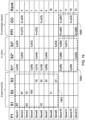
- Another type of knowledge-based data is shown in column with the heading GO, showing gene ontology (GO) data as a form of gene-group data.
- Experimental data for gene sets S1, S2, and S3 with values above a criterion are delineated in box of 1002. It is worth noting that in silico data for gene set S1*, S2*, and S3* based on the experimental data are obtained for some genes that are beyond the genes having the experimental data in box 1002 for genes 1-9. Namely, data for genes 10 to 13 are obtained and illustrated delineated in box 1004. Knowledge-based data are combined with the experimental data to provide the data in the table.
- process 700 also involves determining one or more in silico gene scores for second one or more genes among the plurality of genes based at least on the first one or more genes correlations with the second one or more genes. See block 706.
- the one or more in silico gene scores may be obtained by a process illustrated in FIG. 11 .
- the summary scores are binned into buckets of a particular size.
- bucket #1 includes genes ranked 1-5, to which a penalty weight of 1 is assigned. The penalty weight is multiplied by the gene summary scores. Therefore, genes ranked 1-5 are not penalized. Genes that are ranked from 6 to 10 are binned in bucket #2 and assigned the penalty score of 0.95. Genes ranked number 11 to 15 are assigned to bucket #3 and assigned a penalty score of 0.9. Finally, genes ranked 16 to 20 are placed in bucket #4 and assigned a penalty score of 0.85. Therefore, genes that are ranked higher are penalized less or weighted more heavily in the optimization process of block 808.
- the objective function is based only on top ranked summary scores, where lower ranked genes have a penalty score of zero.
- Biotag categories include but are not limited to tissue types, bio design, by group, bio source, compound, gene mode, etc. Examples of the tags in the different categories are provided below.
- Biosource required to describe how a sample was derived. It includes cell lines compiled from resources such as ATCC, HPA, Tumorscape, DSMZ, hESCreg, ISCR, JCRB, CellBank Australia, COSMIC, NIH Human Embryonic Stem Cell Registry, RIKEN BRC.
- Tissue required to define the specific organ/tissue/cell type. Tissue ontologies are derived from MeSH.
- Disease assigned only if a sample corresponds to a disease state.
- Disease ontologies are derived from SNOMED CT.
- gene sets are selected based on one or more biotags associated with the gene sets.
- the gene sets having the highest biotag scores are selected in the analysis, while the unselected genes are excluded from the downstream analysis.
- a study is excluded if the number of genes in the study is below the first criterion.
- the top ranked genes as in terms of biotag scores are selected, with the number of selected gene sets not exceeding a second criterion.
- FIG. 11 shows a process 1100 for obtaining in silico scores from experimental gene set data.
- in silico gene set data S1* is obtained for experimental gene set S1.
- in silico gene set data can be obtained for other empirical experimental gene sets, respectively.
- process 1100 involves identifying, for the for particular gene set (e.g.,, S1 in FIG. 10 ) the second plurality of gene sets from the database, each gene set of the second plurality of gene sets comprising a second plurality of genes and the second plurality of experimental values associated with the second plurality of genes.
- the second plurality of experimental values are associated with the first gene (e.g., Gene 1 in FIG. 10 ) among the first one or more genes (e.g., Gene 1, Gene 3, and Gene 6 of S1 in FIG. 10 ).
- each of the aggregated vectors for particular gene is weighted in proportion to the number of gene sets of the second plurality of gene sets identified for the particular gene.
- matrix 1204 has 4 gene sets
- matrix 1206 has 3 gene sets
- matrix 1208 has a 5 gene sets
- the three genes in matrix 1210 are weighted proportional to 4, 3, and 5.
- the gene scores for S1 in matrix 1210 can be normalized to a range between 0-1, which can be used as a weight factor for the vectors in matrix 1210.
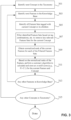
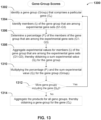
- FIG. 13 shows a process through which the gene-group scores may be obtained according to some implementations.
- Process 1300 involves identifying a gene group that comprises the particular gene for which the gene score is to be calculated. See block 1302.
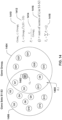
- Step 1302 of process 1300 of FIG. 13 identifies a gene group (Group i ) that comprises a particular gene (G k ). See equation 1410.
- Process 1300 further involves identifying members (I i ) of the gene group that are among experimental gene sets (S1-S3). See block 1304 and equation 1412.
- genes in the gene group comprise genes in a gene set library.
- the genes in the gene set library comprise genes in a gene ontology.
- a label of the gene group indicates a biological function, a biological pathway, a common feature, etc.
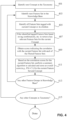
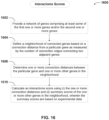
- Process 1600 further involves determining one or more connection distances between the particular gene (G1) and one or more other genes in the neighborhood. See block 1608.
- Process 1600 further involves calculating interactome score using (i) the one or more connection distances and (ii) summary scores of the one or more other genes in the neighborhood, wherein the summary scores are based on experimental data.
- Process 1800 further involves saving interactome scores that are smaller than a second threshold in a first pass dictionary. See block 1808.
- Process 1800 then proceeds to update the interactome scores by repeating the calculation of interactome scores for all genes in the first pass dictionary. See 1810.
- Process further 1800 involves determining whether to repeat for an additional pass of dictionary. See block 8012. If so, the process returns to block 1808, and saves interactome scores that are smaller a threshold in the second pass dictionary, and then update the interactome scores by repeating the calculation of interactome scores for all genes in the second pass dictionary. If the process determines not to further expand the interactome scores for the network, the process ends at 1814.
- the process of 1800 starts by computing interactome scores for genes that have high relatively high experimental values and strong connections. The process descends until even threshold is reached, thereby accessing notes with no experimental data assigned. The process then reevaluates the network strength by interaction to other nodes with higher experimental weight values.
- certain embodiments relate to computer readable media or computer program products that include program instructions and/or data (including data structures) for performing various computer-implemented operations associated with at least the following tasks: (1) obtaining raw data from instrumentation, databases (private or public (e.g., NCBI), and other sources, (2) curating raw data to provide Feature Sets, (3) importing Feature Sets and other data to a repository such as database or Knowledge Base, (4) mapping Features from imported data to pre-defined Feature references in an index, (5) generating a pre-defined feature index, (6) generating correlations or other scoring between Feature Sets and Feature Sets and between Feature Sets and Feature Groups, (7) creating Feature Groups, (8) generating concept scores or other measures of concepts relevant to features, Feature Sets and Feature Groups, (9) determining authority levels to be assigned to a concept for every feature, Feature Set and Feature Group that is relevant to the concept, (10) filtering by data source, organism, authority level or other category, (11) receiving queries from users (including
- Such data structures include, for example, Feature Sets, Feature Groups, taxonomy hierarchies, feature indexes, Score Tables, and any of the other logical data groupings presented herein.
- Certain embodiments also provide functionality (e.g., code and processes) for storing any of the results (e.g., query results) or data structures generated as described herein.
- results or data structures are typically stored, at least temporarily, on a computer readable medium such as those presented in the following discussion.
- the results or data structures may also be output in any of various manners such as displaying, printing, and the like.
- Examples of displays suitable for interfacing with a user in accordance with the invention include but are not limited to cathode ray tube displays, liquid crystal displays, plasma displays, touch screen displays, video projection displays, light-emitting diode and organic light-emitting diode displays, surface-conduction electron-emitter displays and the like.
- Examples of printers include toner-based printers, liquid inkjet printers, solid ink printers, dye-sublimation printers as well as inkless printers such as thermal printers. Printing may be to a tangible medium such as paper or transparencies.
- a system such as computer system 900 is used as a data import, data correlation, and querying system capable of performing some or all of the tasks described herein.
- System 900 may also serve as various other tools associated with Knowledge Bases and querying such as a data capture tool.
- Information and programs, including data files can be provided via a network connection 2012 for access or downloading by a researcher. Alternatively, such information, programs and files can be provided to the researcher on a storage device.
- Example 1 investigates the effect of genes that are correlated with the phenotype in the random gene sets vs. gene sets that are specific to the phenotype. Also investigated are the effects of bootstrapping.
- random set of a plurality of random gene sets are randomly chosen from the database, and the summary scores are obtained for genes in the random gene sets.
- the results of random gene sets a shown in FIG. 21A at 2102, 2106, 2012, and 2016.
- the result at 2102 is obtained from 10 random gene sets without bootstrapping.
- the result at 2106 is obtained from 10 random gene sets with bootstrapping.
- the result at 2112 is obtained from 50 random gene sets without bootstrapping.
- the result at 2016 is obtained from 50 random gene sets with bootstrapping.
Landscapes
- Engineering & Computer Science (AREA)
- Physics & Mathematics (AREA)
- Life Sciences & Earth Sciences (AREA)
- Theoretical Computer Science (AREA)
- Health & Medical Sciences (AREA)
- Bioinformatics & Cheminformatics (AREA)
- General Physics & Mathematics (AREA)
- Biophysics (AREA)
- Bioinformatics & Computational Biology (AREA)
- Biotechnology (AREA)
- Evolutionary Biology (AREA)
- General Health & Medical Sciences (AREA)
- Medical Informatics (AREA)
- Spectroscopy & Molecular Physics (AREA)
- Molecular Biology (AREA)
- Data Mining & Analysis (AREA)
- Mathematical Physics (AREA)
- Proteomics, Peptides & Aminoacids (AREA)
- Analytical Chemistry (AREA)
- Chemical & Material Sciences (AREA)
- Mathematical Optimization (AREA)
- Computational Mathematics (AREA)
- Mathematical Analysis (AREA)
- Pure & Applied Mathematics (AREA)
- Databases & Information Systems (AREA)
- General Engineering & Computer Science (AREA)
- Physiology (AREA)
- Genetics & Genomics (AREA)
- Algebra (AREA)
- Computing Systems (AREA)
- Software Systems (AREA)
- Computational Linguistics (AREA)
- Probability & Statistics with Applications (AREA)
- Measuring Or Testing Involving Enzymes Or Micro-Organisms (AREA)
- Information Retrieval, Db Structures And Fs Structures Therefor (AREA)
- Management, Administration, Business Operations System, And Electronic Commerce (AREA)
Claims (14)
- Verfahren, das in einem Computersystem implementiert ist, das einen oder mehrere Prozessoren und einen Systemspeicher einschließt, zum Identifizieren von Genen, die einem relevanten krankheitsbezogenen Phänotyp zugeordnet sind, wobei das Verfahren Folgendes umfasst:(a) Auswählen einer Vielzahl von Gensätzen aus einer Datenbank durch den einen oder die mehreren Prozessoren, wobei jeder Gensatz der Vielzahl von Gensätzen eine Vielzahl von Genen und eine Vielzahl von experimentellen Werten umfasst, die der Vielzahl von Genen zugeordnet sind, und wobei die Vielzahl von experimentellen Werten mit dem relevanten krankheitsbezogenen Phänotyp in mindestens einem Experiment korreliert sind;(b) Bestimmen, für jeden Gensatz und durch den einen oder die mehreren Prozessoren, eines oder mehrerer experimenteller Genscores für ein oder mehrere erste Gene unter der Vielzahl von Genen unter Verwendung eines oder mehrerer der experimentellen Werte des einen oder der mehreren ersten Gene, wobei der eine oder die mehreren experimentellen Genscores mit dem relevanten krankheitsbezogenen Phänotyp korreliert sind;(c) Bestimmen, für jeden Gensatz und durch den einen oder die mehreren Prozessoren, eines oder mehrerer in silico-Genscores für ein oder mehrere zweite Gene aus der Vielzahl von Genen, basierend auf den Korrelationen des einen oder der mehreren ersten Gene mit dem einen oder den mehreren zweiten Genen, wobei die Korrelationen des einen oder der mehreren ersten Gene mit dem einen oder den mehreren zweiten Genen in anderen Gensätzen in der Datenbank neben der Vielzahl von Gensätzen angegeben sind, wobei das Bestimmen des einen oder der mehreren in silico-Genscores für das eine oder die mehreren zweiten Gene Folgendes umfasst:(i) Identifizieren von einem oder mehreren zweiten Gensätzen aus den anderen Gensätzen in der Datenbank für jedes Gen unter dem einen oder den mehreren ersten Genen, wobei jeder Gensatz des einen oder der mehreren zweiten Gensätze mindestens eines des einen oder der mehreren zweiten Gene und einen oder mehrere zweite experimentelle Werte umfasst, die dem mindestens einen von dem einen oder den mehreren zweiten Genen zugeordnet sind, und wobei der eine oder die mehreren zweiten experimentellen Werte mit dem Gen unter dem einen oder den mehreren ersten Genen korreliert sind;(ii) Aggregieren der experimentellen Werte über den einen oder die mehreren zweiten Gensätze durch lineare Kombination, um einen Vektor von aggregierten Werten für jedes Gen unter dem einen oder den mehreren ersten Genen zu erzielen; und(iii) Aggregieren von Vektoren aggregierter Werte über das eine oder die mehreren ersten Gene durch lineare Kombination, wodurch ein komprimierter Vektor erzielt wird, der den einen oder die mehreren in silico-Genscores für das eine oder die mehreren zweiten Gene umfasst;(d) Erzielen, durch den einen oder die mehreren Prozessoren, von zusammenfassenden Scores für das eine oder die mehreren ersten und zweiten Gene, basierend auf dem einen oder den mehreren experimentellen Genscores für das eine oder die mehreren ersten Gene, die in (b) bestimmt wurden, und dem einen oder den mehreren in silico-Genscores für das eine oder die mehreren zweiten Gene, die in (c) bestimmt wurden, wobei jeder zusammenfassende Score eines bestimmten Gens als eine lineare Kombination der experimentellen Scores und der in silico-Scores des bestimmten Gens über die Vielzahl von Gensätzen berechnet wird; und(e) Identifizieren der Gene, die dem relevanten krankheitsbezogenen Phänotyp zugeordnet sind, durch den einen oder die mehreren Prozessoren, unter Verwendung der zusammenfassenden Scores des einen oder der mehreren ersten und zweiten Gene.
- Verfahren nach Anspruch 1, ferner umfassend das Bestimmen, vor (d), eines oder mehrerer Gengruppen-Scores für ein oder mehrere dritte Gene, wobei jeder Gengruppen-Score für ein bestimmtes Gen unter Verwendung von (i) Genmitgliedschaften einer oder mehrerer Gruppen von Genen, die jeweils eine Gruppe von Genen umfassen, die mit einem Gruppen-Label in Beziehung stehen, wobei die Gruppe von Genen das bestimmte Gen umfasst, und (ii) mindestens einiger des einen oder der mehreren experimentellen Werte des einen oder der mehreren ersten Gene bestimmt wird.
- Verfahren nach Anspruch 2, wobei (d) das Erzielen der zusammenfassenden Scores für das eine oder die mehreren ersten und zweiten Gene, basierend auf den Gengruppen-Scores für mindestens einige des einen oder der mehreren dritten Gene sowie des einen oder der mehreren experimentellen Scores für das eine oder die mehreren ersten Gene, die in (b) bestimmt wurden, und des einen oder der mehreren in silico-Genscores für das eine oder die mehreren zweiten Gene, die in (c) bestimmt wurden, umfasst.
- Verfahren nach Anspruch 2, wobei die Vielzahl von Genen, die mit dem Gruppen-Label in Beziehung stehen, Gene in einer Gensatzbibliothek umfasst, und wobei optional die Gene in einer Gensatzbibliothek Gene in einer Genontologie umfassen.
- Verfahren nach einem der vorhergehenden Ansprüche, ferner umfassend, vor (d), das Bestimmen von Interaktom-Scores jeweils für ein oder mehrere vierte Gene, wobei jeder Interaktom-Score für ein bestimmtes Gen unter Verwendung (i) von Verbindungen zwischen dem bestimmten Gen und anderen Genen, die dem bestimmten Gen in einem Netzwerk von Genen zugeordnet sind, und (ii) mindestens einiger des einen oder der mehreren experimentellen Werte des einen oder der mehreren ersten Gene bestimmt wird.
- Verfahren nach Anspruch 5, wobei (d) das Erzielen der zusammenfassenden Scores für mindestens das eine oder die mehreren ersten Gene und das eine oder die mehreren zweiten Gene, basierend auf den Interaktom-Scores für mindestens einige des einen oder der mehreren vierten Gene sowie des einen oder der mehreren experimentellen Genscores für das eine oder die mehreren ersten Gene, die in (b) bestimmt wurden, und des einen oder der mehreren in silico-Genscores für das eine oder die mehreren zweiten Gene, die in (c) bestimmt wurden, umfasst.
- Verfahren nach Anspruch 5, wobei das Netzwerk von Genen auf Wechselwirkungen und Beziehungen zwischen Genen, Proteinen und/oder Phospholipiden basiert.
- Verfahren nach Anspruch 5, wobei das Bestimmen von Interaktom-Scores jeweils für das eine oder die mehreren vierten Gene Folgendes umfasst:Bereitstellen eines Netzwerks von Genen, wobei jedes Paar von Genen in dem Netzwerk durch einen Rand verbunden ist, wobei die Gene des Netzwerks das eine oder die mehreren vierten Gene umfassen, die mindestens einige des einen oder der mehreren ersten Gene und/oder des einen oder der mehreren zweiten Gene umfassen;Definieren, für jedes Gen des einen oder der mehreren vierten Gene, einer Nachbarschaft von verbundenen Genen, basierend auf einer Verbindungsentfernung von einem bestimmten Gen, gemessen durch die Anzahl von Verbindungsrändern, die zwei benachbarte Gene verbinden; undBerechnen eines Interaktom-Scores für jedes Gen des einen oder der mehreren vierten Gene unter Verwendung (i) einer oder mehrerer Verbindungsentfernungen zwischen dem bestimmten Gen und einem oder mehreren anderen Genen in der Nachbarschaft und (ii) zusammenfassender Scores des einen oder der mehreren anderen Gene in der Nachbarschaft, wobei die zusammenfassenden Scores auf experimentellen Daten basieren.
- Verfahren nach Anspruch 8, wobei der Interaktom-Score proportional zu einer Summe mehrerer Bruchteile berechnet wird, wobei jeder Bruchteil ein zusammenfassender Score eines anderen Gens in der Nachbarschaft geteilt durch eine Verbindungsentfernung zwischen dem bestimmten Gen und dem anderen Gen in der Nachbarschaft ist.
- Verfahren nach Anspruch 5, wobei das Bestimmen von Interaktom-Scores jeweils für ein oder mehrere vierte Gene Folgendes umfasst:Bereitstellen eines Netzwerks von Genen, wobei die Gene des Netzwerks zusammenfassende Scores aufweisen, die auf experimentellen Daten oberhalb eines ersten Schwellenwerts basieren, jedes Paar von Genen durch einen Rand verbunden ist, und die Gene des Netzwerks das eine oder die mehreren vierten Gene umfassen, die mindestens einige von dem einen oder den mehreren ersten Genen und/oder von dem einen oder den mehreren zweiten Genen umfassen;Zuweisen, für jeden Rand, eines Gewichts zu dem Rand, der zwei Gene verbindet, basierend auf Verbindungsdaten für die zwei Gene in mindestens einer Interaktom-Wissensdatenbank; undBerechnen eines Interaktom-Scores für jedes Gen in dem Netzwerk unter Verwendung von (i) Gewichten von Rändern zwischen einem bestimmten Gen und allen mit dem bestimmten Gen verbundenen Genen, und (ii) zusammenfassenden Scores aller mit dem bestimmten Gen verbundener Gene.
- Verfahren nach einem der vorhergehenden Ansprüche, wobei die Vielzahl von experimentellen Werten varianten- oder genassoziierte Daten umfasst, wobei eine spezifische Beziehung von einem Datenwert zu einem Gen oder mehreren Genen abgeleitet werden kann, und wobei die Vielzahl von experimentellen Werten Spiegel einer RNA-Expression, Proteinexpression, DNA-Methylierung, Transkriptionsfaktoraktivität und/oder Assoziation in einer genomweiten Assoziationsstudie angibt.
- Verfahren nach einem der vorhergehenden Ansprüche, wobei die zusammenfassenden Scores des einen oder der mehreren ersten und zweiten Gene bestraft werden, basierend darauf, wie wahrscheinlich experimentelle Werte des einen oder der mehreren ersten und zweiten Gene in einem oder mehreren zufälligen Gensätzen mit dem relevanten krankheitsbezogenen Phänotyp korreliert sind.
- Computerprogrammprodukt, umfassend ein nichtflüchtiges maschinenlesbares Medium, das Programmcode speichert, der, wenn er von einem oder mehreren Prozessoren eines Computersystems ausgeführt wird, das Computersystem veranlasst, eines der Verfahren der Ansprüche 1 bis 12 zu implementieren.
- Computersystem, Folgendes umfassend:einen oder mehrere Prozessoren;Systemspeicher; undein oder mehrere computerlesbare Speichermedien, auf denen computerausführbare Anweisungen gespeichert sind, die, wenn sie von dem einen oder den mehreren Prozessoren ausgeführt werden, das Computersystem veranlassen, ein Verfahren zum Identifizieren von Genen zu implementieren, die einem relevanten krankheitsbezogenen Phänotyp zugeordnet sind, wobei das Verfahren eines der Verfahren nach den Ansprüchen 1 bis 12 ist.
Applications Claiming Priority (2)
| Application Number | Priority Date | Filing Date | Title |
|---|---|---|---|
| US201662403206P | 2016-10-03 | 2016-10-03 | |
| PCT/US2017/054977 WO2018067595A1 (en) | 2016-10-03 | 2017-10-03 | Phenotype/disease specific gene ranking using curated, gene library and network based data structures |
Publications (2)
| Publication Number | Publication Date |
|---|---|
| EP3520006A1 EP3520006A1 (de) | 2019-08-07 |
| EP3520006B1 true EP3520006B1 (de) | 2023-11-29 |
Family
ID=60117816
Family Applications (1)
| Application Number | Title | Priority Date | Filing Date |
|---|---|---|---|
| EP17784796.9A Active EP3520006B1 (de) | 2016-10-03 | 2017-10-03 | Reihung von phänotyp-/krankheitsspezifischen genen mit gepflegten genbibliotheken und netzwerkbasierten datenstrukturen |
Country Status (11)
| Country | Link |
|---|---|
| US (1) | US10810213B2 (de) |
| EP (1) | EP3520006B1 (de) |
| JP (1) | JP2020502697A (de) |
| KR (1) | KR20190077372A (de) |
| CN (1) | CN109906486B (de) |
| AU (2) | AU2017338775B2 (de) |
| CA (1) | CA3039201A1 (de) |
| MX (1) | MX2019003765A (de) |
| RU (1) | RU2019110756A (de) |
| SG (1) | SG11201902925PA (de) |
| WO (1) | WO2018067595A1 (de) |
Families Citing this family (30)
| Publication number | Priority date | Publication date | Assignee | Title |
|---|---|---|---|---|
| AU2012242847B2 (en) | 2011-04-15 | 2017-01-19 | The Johns Hopkins University | Safe sequencing system |
| ES2701742T3 (es) | 2012-10-29 | 2019-02-25 | Univ Johns Hopkins | Prueba de Papanicolaou para cánceres de ovario y de endometrio |
| WO2017027653A1 (en) | 2015-08-11 | 2017-02-16 | The Johns Hopkins University | Assaying ovarian cyst fluid |
| US11948662B2 (en) * | 2017-02-17 | 2024-04-02 | The Regents Of The University Of California | Metabolite, annotation, and gene integration system and method |
| CN120400338A (zh) | 2017-08-07 | 2025-08-01 | 约翰斯霍普金斯大学 | 用于评估和治疗癌症的方法和材料 |
| EP3550568B8 (de) * | 2018-04-07 | 2024-08-14 | Tata Consultancy Services Limited | Auf graphfaltung basierende genpriorisierung in heterogenen netzwerken |
| US11354591B2 (en) | 2018-10-11 | 2022-06-07 | International Business Machines Corporation | Identifying gene signatures and corresponding biological pathways based on an automatically curated genomic database |
| CA3115991A1 (en) * | 2018-10-12 | 2020-04-16 | Human Longevity, Inc. | Multi-omic search engine for integrative analysis of cancer genomic and clinical data |
| KR102230156B1 (ko) * | 2018-10-15 | 2021-03-19 | 연세대학교 산학협력단 | 네트워크 기반의 유전자 세트 증강 분석 방법을 이용한 약물 재창출 방법 |
| CN109684286B (zh) * | 2018-12-28 | 2021-10-22 | 中国科学院苏州生物医学工程技术研究所 | 数字期刊实验数据共享方法及系统、存储介质、电子设备 |
| US20220223225A1 (en) * | 2019-05-24 | 2022-07-14 | Northeastern University | Chemical-disease perturbation ranking |
| CN110310708A (zh) * | 2019-06-18 | 2019-10-08 | 广东省生态环境技术研究所 | 一种构建异化砷还原酶蛋白数据库的方法 |
| CN110364266A (zh) * | 2019-06-28 | 2019-10-22 | 深圳裕策生物科技有限公司 | 用于指导临床肿瘤个体化用药的数据库及其构建方法和装置 |
| WO2021033179A1 (en) * | 2019-08-20 | 2021-02-25 | Technion Research & Development Foundation Limited | Automated literature meta analysis using hypothesis generators and automated search |
| CN110797080A (zh) * | 2019-10-18 | 2020-02-14 | 湖南大学 | 基于跨物种迁移学习预测合成致死基因 |
| CN110729022B (zh) * | 2019-10-24 | 2023-06-23 | 江西中烟工业有限责任公司 | 一种被动吸烟大鼠早期肝损伤模型建立方法及相关基因筛选方法 |
| CN111028883B (zh) * | 2019-11-20 | 2023-07-18 | 广州达美智能科技有限公司 | 基于布尔代数的基因处理方法、装置及可读存储介质 |
| EP3855114A1 (de) * | 2020-01-22 | 2021-07-28 | Siemens Gamesa Renewable Energy A/S | Verfahren und vorrichtung zur computerimplementierten analyse einer strassentransportstrecke |
| IL295297A (en) | 2020-02-14 | 2022-10-01 | Univ Johns Hopkins | Methods and materials for assessing nucleic acids |
| CN111540405B (zh) * | 2020-04-29 | 2023-07-07 | 新疆大学 | 一种基于快速网络嵌入的疾病基因预测方法 |
| JP7402140B2 (ja) * | 2020-09-23 | 2023-12-20 | 株式会社日立製作所 | 登録装置、登録方法、および登録プログラム |
| AU2021286435A1 (en) * | 2020-12-23 | 2022-07-07 | Bgi Genomics Co., Ltd | Method and device for determining a degree of gene association |
| JP7657588B2 (ja) * | 2020-12-28 | 2025-04-07 | 株式会社日立製作所 | 計算機システム、及び、その方法 |
| CN112802546B (zh) * | 2020-12-29 | 2024-05-03 | 中国人民解放军军事科学院军事医学研究院 | 一种生物状态表征方法、装置、设备及存储介质 |
| TWI755261B (zh) * | 2021-01-25 | 2022-02-11 | 沐恩生醫光電股份有限公司 | 基因評估裝置以及方法 |
| US11823440B2 (en) | 2021-08-19 | 2023-11-21 | Rehrig Pacific Company | Imaging system with unsupervised learning |
| CN114137526B (zh) * | 2021-10-31 | 2025-02-11 | 际络科技(上海)有限公司 | 基于标签的车载毫米波雷达多目标检测方法和系统 |
| CN115240772B (zh) * | 2022-08-22 | 2023-08-22 | 南京医科大学 | 一种基于图神经网络的解析单细胞通路活性的方法 |
| US12493855B2 (en) | 2023-12-17 | 2025-12-09 | Rehrig Pacific Company | Validation system for conveyor |
| KR20250105951A (ko) | 2024-01-02 | 2025-07-09 | 순천향대학교 산학협력단 | 유전체 변이의 최신 임상적 의미를 추출하는 방법, 장치 및 컴퓨터프로그램 |
Family Cites Families (6)
| Publication number | Priority date | Publication date | Assignee | Title |
|---|---|---|---|---|
| JP2009520278A (ja) | 2005-12-16 | 2009-05-21 | ネクストバイオ | 科学情報知識管理のためのシステムおよび方法 |
| US9183349B2 (en) * | 2005-12-16 | 2015-11-10 | Nextbio | Sequence-centric scientific information management |
| US8364665B2 (en) | 2005-12-16 | 2013-01-29 | Nextbio | Directional expression-based scientific information knowledge management |
| CN101989297A (zh) * | 2009-07-30 | 2011-03-23 | 陈越 | 用于计算机上的疾病基因相关药物发掘系统 |
| CN102855398B (zh) | 2012-08-28 | 2016-03-02 | 中国科学院自动化研究所 | 基于多源信息融合的疾病潜在关联基因的获取方法 |
| US10072296B2 (en) * | 2016-09-19 | 2018-09-11 | The Charlotte Mecklenburg Hospital Authority | Compositions and methods for sjögren's syndrome |
-
2017
- 2017-10-02 US US15/723,055 patent/US10810213B2/en active Active
- 2017-10-03 KR KR1020197012690A patent/KR20190077372A/ko not_active Ceased
- 2017-10-03 CA CA3039201A patent/CA3039201A1/en active Pending
- 2017-10-03 AU AU2017338775A patent/AU2017338775B2/en not_active Ceased
- 2017-10-03 WO PCT/US2017/054977 patent/WO2018067595A1/en not_active Ceased
- 2017-10-03 CN CN201780068416.9A patent/CN109906486B/zh not_active Expired - Fee Related
- 2017-10-03 EP EP17784796.9A patent/EP3520006B1/de active Active
- 2017-10-03 MX MX2019003765A patent/MX2019003765A/es unknown
- 2017-10-03 RU RU2019110756A patent/RU2019110756A/ru not_active Application Discontinuation
- 2017-10-03 JP JP2019539731A patent/JP2020502697A/ja not_active Withdrawn
- 2017-10-03 SG SG11201902925PA patent/SG11201902925PA/en unknown
-
2022
- 2022-11-07 AU AU2022268283A patent/AU2022268283B2/en not_active Ceased
Also Published As
| Publication number | Publication date |
|---|---|
| MX2019003765A (es) | 2019-09-26 |
| US10810213B2 (en) | 2020-10-20 |
| AU2017338775A1 (en) | 2019-05-02 |
| WO2018067595A1 (en) | 2018-04-12 |
| JP2020502697A (ja) | 2020-01-23 |
| SG11201902925PA (en) | 2019-05-30 |
| RU2019110756A (ru) | 2020-11-06 |
| CN109906486B (zh) | 2023-07-14 |
| US20180095969A1 (en) | 2018-04-05 |
| CN109906486A (zh) | 2019-06-18 |
| AU2022268283A1 (en) | 2022-12-15 |
| EP3520006A1 (de) | 2019-08-07 |
| CA3039201A1 (en) | 2018-04-12 |
| KR20190077372A (ko) | 2019-07-03 |
| AU2022268283B2 (en) | 2024-03-28 |
| AU2017338775B2 (en) | 2022-08-11 |
Similar Documents
| Publication | Publication Date | Title |
|---|---|---|
| AU2022268283B2 (en) | Phenotype/disease specific gene ranking using curated, gene library and network based data structures | |
| Nguyen et al. | Fourteen years of cellular deconvolution: methodology, applications, technical evaluation and outstanding challenges | |
| Su et al. | iLoc-lncRNA: predict the subcellular location of lncRNAs by incorporating octamer composition into general PseKNC | |
| US9141913B2 (en) | Categorization and filtering of scientific data | |
| Langfelder et al. | When is hub gene selection better than standard meta-analysis? | |
| US10127353B2 (en) | Method and systems for querying sequence-centric scientific information | |
| Lazar et al. | Batch effect removal methods for microarray gene expression data integration: a survey | |
| US10275711B2 (en) | System and method for scientific information knowledge management | |
| US8364665B2 (en) | Directional expression-based scientific information knowledge management | |
| CN107025384A (zh) | 一种复杂数据预测模型的构建方法 | |
| Chen et al. | Integrative analysis using module-guided random forests reveals correlated genetic factors related to mouse weight | |
| Wang et al. | A multi-view latent variable model reveals cellular heterogeneity in complex tissues for paired multimodal single-cell data | |
| Ickstadt et al. | Toward integrative Bayesian analysis in molecular biology | |
| Sundar et al. | An intelligent prediction model for target protein identification in hepatic carcinoma using novel graph theory and ann model | |
| Choi et al. | Application of computational algorithms for single-cell RNA-seq and ATAC-seq in neurodegenerative diseases | |
| WO2025158025A1 (en) | Prediction of chromatin state | |
| WO2009039425A1 (en) | Directional expression-based scientific information knowledge management | |
| HK40012887A (en) | Phenotype/disease specific gene ranking using curated, gene library and network based data structures | |
| HK40012887B (en) | Phenotype/disease specific gene ranking using curated, gene library and network based data structures | |
| Linkowski et al. | Gene sets analysis using network patterns | |
| Wenzel et al. | Data driven refinement of gene expression signatures for enrichment analysis | |
| Aloqaily et al. | Feature prioritisation on big genomic data for analysing gene-gene interactions | |
| Crow et al. | Addressing the looming identity crisis in single cell RNA-seq | |
| Rahmati et al. | Comparative performance of machine learning models in ischemic stroke classification | |
| Boyeau et al. | Calibrated Identification of Feature Dependencies in Single-cell Multiomics |
Legal Events
| Date | Code | Title | Description |
|---|---|---|---|
| STAA | Information on the status of an ep patent application or granted ep patent |
Free format text: STATUS: UNKNOWN |
|
| STAA | Information on the status of an ep patent application or granted ep patent |
Free format text: STATUS: THE INTERNATIONAL PUBLICATION HAS BEEN MADE |
|
| PUAI | Public reference made under article 153(3) epc to a published international application that has entered the european phase |
Free format text: ORIGINAL CODE: 0009012 |
|
| STAA | Information on the status of an ep patent application or granted ep patent |
Free format text: STATUS: REQUEST FOR EXAMINATION WAS MADE |
|
| 17P | Request for examination filed |
Effective date: 20190502 |
|
| AK | Designated contracting states |
Kind code of ref document: A1 Designated state(s): AL AT BE BG CH CY CZ DE DK EE ES FI FR GB GR HR HU IE IS IT LI LT LU LV MC MK MT NL NO PL PT RO RS SE SI SK SM TR |
|
| AX | Request for extension of the european patent |
Extension state: BA ME |
|
| DAV | Request for validation of the european patent (deleted) | ||
| DAX | Request for extension of the european patent (deleted) | ||
| REG | Reference to a national code |
Ref country code: HK Ref legal event code: DE Ref document number: 40012887 Country of ref document: HK |
|
| STAA | Information on the status of an ep patent application or granted ep patent |
Free format text: STATUS: EXAMINATION IS IN PROGRESS |
|
| 17Q | First examination report despatched |
Effective date: 20210429 |
|
| REG | Reference to a national code |
Ref country code: DE Ref legal event code: R079 Free format text: PREVIOUS MAIN CLASS: G06F0019180000 Ipc: G16B0005000000 Ref country code: DE Ref legal event code: R079 Ref document number: 602017077002 Country of ref document: DE Free format text: PREVIOUS MAIN CLASS: G06F0019180000 Ipc: G16B0005000000 |
|
| GRAP | Despatch of communication of intention to grant a patent |
Free format text: ORIGINAL CODE: EPIDOSNIGR1 |
|
| STAA | Information on the status of an ep patent application or granted ep patent |
Free format text: STATUS: GRANT OF PATENT IS INTENDED |
|
| RIC1 | Information provided on ipc code assigned before grant |
Ipc: G16B 30/00 20190101ALI20230406BHEP Ipc: G16B 20/20 20190101ALI20230406BHEP Ipc: G16B 5/20 20190101ALI20230406BHEP Ipc: G16B 20/00 20190101ALI20230406BHEP Ipc: G16B 5/00 20190101AFI20230406BHEP |
|
| INTG | Intention to grant announced |
Effective date: 20230503 |
|
| GRAS | Grant fee paid |
Free format text: ORIGINAL CODE: EPIDOSNIGR3 |
|
| GRAA | (expected) grant |
Free format text: ORIGINAL CODE: 0009210 |
|
| STAA | Information on the status of an ep patent application or granted ep patent |
Free format text: STATUS: THE PATENT HAS BEEN GRANTED |
|
| AK | Designated contracting states |
Kind code of ref document: B1 Designated state(s): AL AT BE BG CH CY CZ DE DK EE ES FI FR GB GR HR HU IE IS IT LI LT LU LV MC MK MT NL NO PL PT RO RS SE SI SK SM TR |
|
| REG | Reference to a national code |
Ref country code: GB Ref legal event code: FG4D |
|
| REG | Reference to a national code |
Ref country code: CH Ref legal event code: EP |
|
| REG | Reference to a national code |
Ref country code: DE Ref legal event code: R096 Ref document number: 602017077002 Country of ref document: DE |
|
| REG | Reference to a national code |
Ref country code: IE Ref legal event code: FG4D |
|
| P01 | Opt-out of the competence of the unified patent court (upc) registered |
Effective date: 20231122 |
|
| REG | Reference to a national code |
Ref country code: LT Ref legal event code: MG9D |
|
| REG | Reference to a national code |
Ref country code: NL Ref legal event code: MP Effective date: 20231129 |
|
| PG25 | Lapsed in a contracting state [announced via postgrant information from national office to epo] |
Ref country code: GR Free format text: LAPSE BECAUSE OF FAILURE TO SUBMIT A TRANSLATION OF THE DESCRIPTION OR TO PAY THE FEE WITHIN THE PRESCRIBED TIME-LIMIT Effective date: 20240301 |
|
| PG25 | Lapsed in a contracting state [announced via postgrant information from national office to epo] |
Ref country code: IS Free format text: LAPSE BECAUSE OF FAILURE TO SUBMIT A TRANSLATION OF THE DESCRIPTION OR TO PAY THE FEE WITHIN THE PRESCRIBED TIME-LIMIT Effective date: 20240329 |
|
| PG25 | Lapsed in a contracting state [announced via postgrant information from national office to epo] |
Ref country code: LT Free format text: LAPSE BECAUSE OF FAILURE TO SUBMIT A TRANSLATION OF THE DESCRIPTION OR TO PAY THE FEE WITHIN THE PRESCRIBED TIME-LIMIT Effective date: 20231129 |
|
| PG25 | Lapsed in a contracting state [announced via postgrant information from national office to epo] |
Ref country code: ES Free format text: LAPSE BECAUSE OF FAILURE TO SUBMIT A TRANSLATION OF THE DESCRIPTION OR TO PAY THE FEE WITHIN THE PRESCRIBED TIME-LIMIT Effective date: 20231129 |
|
| PG25 | Lapsed in a contracting state [announced via postgrant information from national office to epo] |
Ref country code: LT Free format text: LAPSE BECAUSE OF FAILURE TO SUBMIT A TRANSLATION OF THE DESCRIPTION OR TO PAY THE FEE WITHIN THE PRESCRIBED TIME-LIMIT Effective date: 20231129 Ref country code: IS Free format text: LAPSE BECAUSE OF FAILURE TO SUBMIT A TRANSLATION OF THE DESCRIPTION OR TO PAY THE FEE WITHIN THE PRESCRIBED TIME-LIMIT Effective date: 20240329 Ref country code: GR Free format text: LAPSE BECAUSE OF FAILURE TO SUBMIT A TRANSLATION OF THE DESCRIPTION OR TO PAY THE FEE WITHIN THE PRESCRIBED TIME-LIMIT Effective date: 20240301 Ref country code: ES Free format text: LAPSE BECAUSE OF FAILURE TO SUBMIT A TRANSLATION OF THE DESCRIPTION OR TO PAY THE FEE WITHIN THE PRESCRIBED TIME-LIMIT Effective date: 20231129 Ref country code: BG Free format text: LAPSE BECAUSE OF FAILURE TO SUBMIT A TRANSLATION OF THE DESCRIPTION OR TO PAY THE FEE WITHIN THE PRESCRIBED TIME-LIMIT Effective date: 20240229 |
|
| REG | Reference to a national code |
Ref country code: AT Ref legal event code: MK05 Ref document number: 1636985 Country of ref document: AT Kind code of ref document: T Effective date: 20231129 |
|
| PG25 | Lapsed in a contracting state [announced via postgrant information from national office to epo] |
Ref country code: NL Free format text: LAPSE BECAUSE OF FAILURE TO SUBMIT A TRANSLATION OF THE DESCRIPTION OR TO PAY THE FEE WITHIN THE PRESCRIBED TIME-LIMIT Effective date: 20231129 |
|
| PG25 | Lapsed in a contracting state [announced via postgrant information from national office to epo] |
Ref country code: SE Free format text: LAPSE BECAUSE OF FAILURE TO SUBMIT A TRANSLATION OF THE DESCRIPTION OR TO PAY THE FEE WITHIN THE PRESCRIBED TIME-LIMIT Effective date: 20231129 Ref country code: RS Free format text: LAPSE BECAUSE OF FAILURE TO SUBMIT A TRANSLATION OF THE DESCRIPTION OR TO PAY THE FEE WITHIN THE PRESCRIBED TIME-LIMIT Effective date: 20231129 Ref country code: PL Free format text: LAPSE BECAUSE OF FAILURE TO SUBMIT A TRANSLATION OF THE DESCRIPTION OR TO PAY THE FEE WITHIN THE PRESCRIBED TIME-LIMIT Effective date: 20231129 Ref country code: NO Free format text: LAPSE BECAUSE OF FAILURE TO SUBMIT A TRANSLATION OF THE DESCRIPTION OR TO PAY THE FEE WITHIN THE PRESCRIBED TIME-LIMIT Effective date: 20240229 Ref country code: NL Free format text: LAPSE BECAUSE OF FAILURE TO SUBMIT A TRANSLATION OF THE DESCRIPTION OR TO PAY THE FEE WITHIN THE PRESCRIBED TIME-LIMIT Effective date: 20231129 Ref country code: LV Free format text: LAPSE BECAUSE OF FAILURE TO SUBMIT A TRANSLATION OF THE DESCRIPTION OR TO PAY THE FEE WITHIN THE PRESCRIBED TIME-LIMIT Effective date: 20231129 Ref country code: HR Free format text: LAPSE BECAUSE OF FAILURE TO SUBMIT A TRANSLATION OF THE DESCRIPTION OR TO PAY THE FEE WITHIN THE PRESCRIBED TIME-LIMIT Effective date: 20231129 |
|
| PG25 | Lapsed in a contracting state [announced via postgrant information from national office to epo] |
Ref country code: DK Free format text: LAPSE BECAUSE OF FAILURE TO SUBMIT A TRANSLATION OF THE DESCRIPTION OR TO PAY THE FEE WITHIN THE PRESCRIBED TIME-LIMIT Effective date: 20231129 |
|
| PG25 | Lapsed in a contracting state [announced via postgrant information from national office to epo] |
Ref country code: AT Free format text: LAPSE BECAUSE OF FAILURE TO SUBMIT A TRANSLATION OF THE DESCRIPTION OR TO PAY THE FEE WITHIN THE PRESCRIBED TIME-LIMIT Effective date: 20231129 Ref country code: CZ Free format text: LAPSE BECAUSE OF FAILURE TO SUBMIT A TRANSLATION OF THE DESCRIPTION OR TO PAY THE FEE WITHIN THE PRESCRIBED TIME-LIMIT Effective date: 20231129 |
|
| PG25 | Lapsed in a contracting state [announced via postgrant information from national office to epo] |
Ref country code: SK Free format text: LAPSE BECAUSE OF FAILURE TO SUBMIT A TRANSLATION OF THE DESCRIPTION OR TO PAY THE FEE WITHIN THE PRESCRIBED TIME-LIMIT Effective date: 20231129 |
|
| PG25 | Lapsed in a contracting state [announced via postgrant information from national office to epo] |
Ref country code: SM Free format text: LAPSE BECAUSE OF FAILURE TO SUBMIT A TRANSLATION OF THE DESCRIPTION OR TO PAY THE FEE WITHIN THE PRESCRIBED TIME-LIMIT Effective date: 20231129 Ref country code: SK Free format text: LAPSE BECAUSE OF FAILURE TO SUBMIT A TRANSLATION OF THE DESCRIPTION OR TO PAY THE FEE WITHIN THE PRESCRIBED TIME-LIMIT Effective date: 20231129 Ref country code: RO Free format text: LAPSE BECAUSE OF FAILURE TO SUBMIT A TRANSLATION OF THE DESCRIPTION OR TO PAY THE FEE WITHIN THE PRESCRIBED TIME-LIMIT Effective date: 20231129 Ref country code: IT Free format text: LAPSE BECAUSE OF FAILURE TO SUBMIT A TRANSLATION OF THE DESCRIPTION OR TO PAY THE FEE WITHIN THE PRESCRIBED TIME-LIMIT Effective date: 20231129 Ref country code: EE Free format text: LAPSE BECAUSE OF FAILURE TO SUBMIT A TRANSLATION OF THE DESCRIPTION OR TO PAY THE FEE WITHIN THE PRESCRIBED TIME-LIMIT Effective date: 20231129 Ref country code: DK Free format text: LAPSE BECAUSE OF FAILURE TO SUBMIT A TRANSLATION OF THE DESCRIPTION OR TO PAY THE FEE WITHIN THE PRESCRIBED TIME-LIMIT Effective date: 20231129 Ref country code: CZ Free format text: LAPSE BECAUSE OF FAILURE TO SUBMIT A TRANSLATION OF THE DESCRIPTION OR TO PAY THE FEE WITHIN THE PRESCRIBED TIME-LIMIT Effective date: 20231129 Ref country code: AT Free format text: LAPSE BECAUSE OF FAILURE TO SUBMIT A TRANSLATION OF THE DESCRIPTION OR TO PAY THE FEE WITHIN THE PRESCRIBED TIME-LIMIT Effective date: 20231129 |
|
| PG25 | Lapsed in a contracting state [announced via postgrant information from national office to epo] |
Ref country code: PT Free format text: LAPSE BECAUSE OF FAILURE TO SUBMIT A TRANSLATION OF THE DESCRIPTION OR TO PAY THE FEE WITHIN THE PRESCRIBED TIME-LIMIT Effective date: 20240401 |
|
| PG25 | Lapsed in a contracting state [announced via postgrant information from national office to epo] |
Ref country code: PT Free format text: LAPSE BECAUSE OF FAILURE TO SUBMIT A TRANSLATION OF THE DESCRIPTION OR TO PAY THE FEE WITHIN THE PRESCRIBED TIME-LIMIT Effective date: 20240401 |
|
| REG | Reference to a national code |
Ref country code: DE Ref legal event code: R097 Ref document number: 602017077002 Country of ref document: DE |
|
| PLBE | No opposition filed within time limit |
Free format text: ORIGINAL CODE: 0009261 |
|
| STAA | Information on the status of an ep patent application or granted ep patent |
Free format text: STATUS: NO OPPOSITION FILED WITHIN TIME LIMIT |
|
| PG25 | Lapsed in a contracting state [announced via postgrant information from national office to epo] |
Ref country code: SI Free format text: LAPSE BECAUSE OF FAILURE TO SUBMIT A TRANSLATION OF THE DESCRIPTION OR TO PAY THE FEE WITHIN THE PRESCRIBED TIME-LIMIT Effective date: 20231129 |
|
| PG25 | Lapsed in a contracting state [announced via postgrant information from national office to epo] |
Ref country code: SI Free format text: LAPSE BECAUSE OF FAILURE TO SUBMIT A TRANSLATION OF THE DESCRIPTION OR TO PAY THE FEE WITHIN THE PRESCRIBED TIME-LIMIT Effective date: 20231129 |
|
| 26N | No opposition filed |
Effective date: 20240830 |
|
| REG | Reference to a national code |
Ref country code: DE Ref legal event code: R119 Ref document number: 602017077002 Country of ref document: DE |
|
| REG | Reference to a national code |
Ref country code: CH Ref legal event code: PL |
|
| GBPC | Gb: european patent ceased through non-payment of renewal fee |
Effective date: 20241003 |
|
| PG25 | Lapsed in a contracting state [announced via postgrant information from national office to epo] |
Ref country code: MC Free format text: LAPSE BECAUSE OF FAILURE TO SUBMIT A TRANSLATION OF THE DESCRIPTION OR TO PAY THE FEE WITHIN THE PRESCRIBED TIME-LIMIT Effective date: 20231129 |
|
| PG25 | Lapsed in a contracting state [announced via postgrant information from national office to epo] |
Ref country code: DE Free format text: LAPSE BECAUSE OF NON-PAYMENT OF DUE FEES Effective date: 20250501 |
|
| PG25 | Lapsed in a contracting state [announced via postgrant information from national office to epo] |
Ref country code: GB Free format text: LAPSE BECAUSE OF NON-PAYMENT OF DUE FEES Effective date: 20241003 |
|
| PG25 | Lapsed in a contracting state [announced via postgrant information from national office to epo] |
Ref country code: LU Free format text: LAPSE BECAUSE OF NON-PAYMENT OF DUE FEES Effective date: 20241003 Ref country code: BE Free format text: LAPSE BECAUSE OF NON-PAYMENT OF DUE FEES Effective date: 20241031 |
|
| PG25 | Lapsed in a contracting state [announced via postgrant information from national office to epo] |
Ref country code: FR Free format text: LAPSE BECAUSE OF NON-PAYMENT OF DUE FEES Effective date: 20241031 |
|
| PG25 | Lapsed in a contracting state [announced via postgrant information from national office to epo] |
Ref country code: CH Free format text: LAPSE BECAUSE OF NON-PAYMENT OF DUE FEES Effective date: 20241031 |
|
| REG | Reference to a national code |
Ref country code: BE Ref legal event code: MM Effective date: 20241031 |
|
| PG25 | Lapsed in a contracting state [announced via postgrant information from national office to epo] |
Ref country code: FI Free format text: LAPSE BECAUSE OF FAILURE TO SUBMIT A TRANSLATION OF THE DESCRIPTION OR TO PAY THE FEE WITHIN THE PRESCRIBED TIME-LIMIT Effective date: 20231129 |
|
| PG25 | Lapsed in a contracting state [announced via postgrant information from national office to epo] |
Ref country code: IE Free format text: LAPSE BECAUSE OF NON-PAYMENT OF DUE FEES Effective date: 20241003 |
|
| PG25 | Lapsed in a contracting state [announced via postgrant information from national office to epo] |
Ref country code: CY Free format text: LAPSE BECAUSE OF FAILURE TO SUBMIT A TRANSLATION OF THE DESCRIPTION OR TO PAY THE FEE WITHIN THE PRESCRIBED TIME-LIMIT; INVALID AB INITIO Effective date: 20171003 |
|
| PG25 | Lapsed in a contracting state [announced via postgrant information from national office to epo] |
Ref country code: HU Free format text: LAPSE BECAUSE OF FAILURE TO SUBMIT A TRANSLATION OF THE DESCRIPTION OR TO PAY THE FEE WITHIN THE PRESCRIBED TIME-LIMIT; INVALID AB INITIO Effective date: 20171003 |