EP3517133B1 - Pharmaceutical composition containing mtor inhibitor for treating macular degeneration - Google Patents
Pharmaceutical composition containing mtor inhibitor for treating macular degeneration Download PDFInfo
- Publication number
- EP3517133B1 EP3517133B1 EP17848931.6A EP17848931A EP3517133B1 EP 3517133 B1 EP3517133 B1 EP 3517133B1 EP 17848931 A EP17848931 A EP 17848931A EP 3517133 B1 EP3517133 B1 EP 3517133B1
- Authority
- EP
- European Patent Office
- Prior art keywords
- mtor
- shrna
- macular degeneration
- cells
- choroidal neovascularization
- Prior art date
- Legal status (The legal status is an assumption and is not a legal conclusion. Google has not performed a legal analysis and makes no representation as to the accuracy of the status listed.)
- Active
Links
Images


Classifications
-
- A—HUMAN NECESSITIES
- A61—MEDICAL OR VETERINARY SCIENCE; HYGIENE
- A61K—PREPARATIONS FOR MEDICAL, DENTAL OR TOILETRY PURPOSES
- A61K31/00—Medicinal preparations containing organic active ingredients
- A61K31/70—Carbohydrates; Sugars; Derivatives thereof
- A61K31/7088—Compounds having three or more nucleosides or nucleotides
- A61K31/7105—Natural ribonucleic acids, i.e. containing only riboses attached to adenine, guanine, cytosine or uracil and having 3'-5' phosphodiester links
-
- A—HUMAN NECESSITIES
- A61—MEDICAL OR VETERINARY SCIENCE; HYGIENE
- A61K—PREPARATIONS FOR MEDICAL, DENTAL OR TOILETRY PURPOSES
- A61K48/00—Medicinal preparations containing genetic material which is inserted into cells of the living body to treat genetic diseases; Gene therapy
-
- A—HUMAN NECESSITIES
- A61—MEDICAL OR VETERINARY SCIENCE; HYGIENE
- A61K—PREPARATIONS FOR MEDICAL, DENTAL OR TOILETRY PURPOSES
- A61K48/00—Medicinal preparations containing genetic material which is inserted into cells of the living body to treat genetic diseases; Gene therapy
- A61K48/0008—Medicinal preparations containing genetic material which is inserted into cells of the living body to treat genetic diseases; Gene therapy characterised by an aspect of the 'non-active' part of the composition delivered, e.g. wherein such 'non-active' part is not delivered simultaneously with the 'active' part of the composition
-
- A—HUMAN NECESSITIES
- A61—MEDICAL OR VETERINARY SCIENCE; HYGIENE
- A61K—PREPARATIONS FOR MEDICAL, DENTAL OR TOILETRY PURPOSES
- A61K48/00—Medicinal preparations containing genetic material which is inserted into cells of the living body to treat genetic diseases; Gene therapy
- A61K48/005—Medicinal preparations containing genetic material which is inserted into cells of the living body to treat genetic diseases; Gene therapy characterised by an aspect of the 'active' part of the composition delivered, i.e. the nucleic acid delivered
-
- A—HUMAN NECESSITIES
- A61—MEDICAL OR VETERINARY SCIENCE; HYGIENE
- A61K—PREPARATIONS FOR MEDICAL, DENTAL OR TOILETRY PURPOSES
- A61K48/00—Medicinal preparations containing genetic material which is inserted into cells of the living body to treat genetic diseases; Gene therapy
- A61K48/0075—Medicinal preparations containing genetic material which is inserted into cells of the living body to treat genetic diseases; Gene therapy characterised by an aspect of the delivery route, e.g. oral, subcutaneous
-
- A—HUMAN NECESSITIES
- A61—MEDICAL OR VETERINARY SCIENCE; HYGIENE
- A61P—SPECIFIC THERAPEUTIC ACTIVITY OF CHEMICAL COMPOUNDS OR MEDICINAL PREPARATIONS
- A61P27/00—Drugs for disorders of the senses
- A61P27/02—Ophthalmic agents
-
- C—CHEMISTRY; METALLURGY
- C12—BIOCHEMISTRY; BEER; SPIRITS; WINE; VINEGAR; MICROBIOLOGY; ENZYMOLOGY; MUTATION OR GENETIC ENGINEERING
- C12N—MICROORGANISMS OR ENZYMES; COMPOSITIONS THEREOF; PROPAGATING, PRESERVING, OR MAINTAINING MICROORGANISMS; MUTATION OR GENETIC ENGINEERING; CULTURE MEDIA
- C12N15/00—Mutation or genetic engineering; DNA or RNA concerning genetic engineering, vectors, e.g. plasmids, or their isolation, preparation or purification; Use of hosts therefor
- C12N15/09—Recombinant DNA-technology
- C12N15/11—DNA or RNA fragments; Modified forms thereof; Non-coding nucleic acids having a biological activity
- C12N15/113—Non-coding nucleic acids modulating the expression of genes, e.g. antisense oligonucleotides; Antisense DNA or RNA; Triplex- forming oligonucleotides; Catalytic nucleic acids, e.g. ribozymes; Nucleic acids used in co-suppression or gene silencing
-
- C—CHEMISTRY; METALLURGY
- C12—BIOCHEMISTRY; BEER; SPIRITS; WINE; VINEGAR; MICROBIOLOGY; ENZYMOLOGY; MUTATION OR GENETIC ENGINEERING
- C12N—MICROORGANISMS OR ENZYMES; COMPOSITIONS THEREOF; PROPAGATING, PRESERVING, OR MAINTAINING MICROORGANISMS; MUTATION OR GENETIC ENGINEERING; CULTURE MEDIA
- C12N15/00—Mutation or genetic engineering; DNA or RNA concerning genetic engineering, vectors, e.g. plasmids, or their isolation, preparation or purification; Use of hosts therefor
- C12N15/09—Recombinant DNA-technology
- C12N15/11—DNA or RNA fragments; Modified forms thereof; Non-coding nucleic acids having a biological activity
- C12N15/113—Non-coding nucleic acids modulating the expression of genes, e.g. antisense oligonucleotides; Antisense DNA or RNA; Triplex- forming oligonucleotides; Catalytic nucleic acids, e.g. ribozymes; Nucleic acids used in co-suppression or gene silencing
- C12N15/1137—Non-coding nucleic acids modulating the expression of genes, e.g. antisense oligonucleotides; Antisense DNA or RNA; Triplex- forming oligonucleotides; Catalytic nucleic acids, e.g. ribozymes; Nucleic acids used in co-suppression or gene silencing against enzymes
-
- C—CHEMISTRY; METALLURGY
- C12—BIOCHEMISTRY; BEER; SPIRITS; WINE; VINEGAR; MICROBIOLOGY; ENZYMOLOGY; MUTATION OR GENETIC ENGINEERING
- C12N—MICROORGANISMS OR ENZYMES; COMPOSITIONS THEREOF; PROPAGATING, PRESERVING, OR MAINTAINING MICROORGANISMS; MUTATION OR GENETIC ENGINEERING; CULTURE MEDIA
- C12N15/00—Mutation or genetic engineering; DNA or RNA concerning genetic engineering, vectors, e.g. plasmids, or their isolation, preparation or purification; Use of hosts therefor
- C12N15/09—Recombinant DNA-technology
- C12N15/63—Introduction of foreign genetic material using vectors; Vectors; Use of hosts therefor; Regulation of expression
- C12N15/79—Vectors or expression systems specially adapted for eukaryotic hosts
- C12N15/85—Vectors or expression systems specially adapted for eukaryotic hosts for animal cells
- C12N15/86—Viral vectors
-
- A—HUMAN NECESSITIES
- A01—AGRICULTURE; FORESTRY; ANIMAL HUSBANDRY; HUNTING; TRAPPING; FISHING
- A01K—ANIMAL HUSBANDRY; AVICULTURE; APICULTURE; PISCICULTURE; FISHING; REARING OR BREEDING ANIMALS, NOT OTHERWISE PROVIDED FOR; NEW BREEDS OF ANIMALS
- A01K2207/00—Modified animals
- A01K2207/30—Animals modified by surgical methods
-
- A—HUMAN NECESSITIES
- A01—AGRICULTURE; FORESTRY; ANIMAL HUSBANDRY; HUNTING; TRAPPING; FISHING
- A01K—ANIMAL HUSBANDRY; AVICULTURE; APICULTURE; PISCICULTURE; FISHING; REARING OR BREEDING ANIMALS, NOT OTHERWISE PROVIDED FOR; NEW BREEDS OF ANIMALS
- A01K2227/00—Animals characterised by species
- A01K2227/10—Mammal
- A01K2227/105—Murine
-
- A—HUMAN NECESSITIES
- A01—AGRICULTURE; FORESTRY; ANIMAL HUSBANDRY; HUNTING; TRAPPING; FISHING
- A01K—ANIMAL HUSBANDRY; AVICULTURE; APICULTURE; PISCICULTURE; FISHING; REARING OR BREEDING ANIMALS, NOT OTHERWISE PROVIDED FOR; NEW BREEDS OF ANIMALS
- A01K2267/00—Animals characterised by purpose
- A01K2267/03—Animal model, e.g. for test or diseases
-
- C—CHEMISTRY; METALLURGY
- C12—BIOCHEMISTRY; BEER; SPIRITS; WINE; VINEGAR; MICROBIOLOGY; ENZYMOLOGY; MUTATION OR GENETIC ENGINEERING
- C12N—MICROORGANISMS OR ENZYMES; COMPOSITIONS THEREOF; PROPAGATING, PRESERVING, OR MAINTAINING MICROORGANISMS; MUTATION OR GENETIC ENGINEERING; CULTURE MEDIA
- C12N2310/00—Structure or type of the nucleic acid
- C12N2310/10—Type of nucleic acid
- C12N2310/14—Type of nucleic acid interfering nucleic acids [NA]
-
- C—CHEMISTRY; METALLURGY
- C12—BIOCHEMISTRY; BEER; SPIRITS; WINE; VINEGAR; MICROBIOLOGY; ENZYMOLOGY; MUTATION OR GENETIC ENGINEERING
- C12N—MICROORGANISMS OR ENZYMES; COMPOSITIONS THEREOF; PROPAGATING, PRESERVING, OR MAINTAINING MICROORGANISMS; MUTATION OR GENETIC ENGINEERING; CULTURE MEDIA
- C12N2750/00—MICROORGANISMS OR ENZYMES; COMPOSITIONS THEREOF; PROPAGATING, PRESERVING, OR MAINTAINING MICROORGANISMS; MUTATION OR GENETIC ENGINEERING; CULTURE MEDIA ssDNA viruses
- C12N2750/00011—Details
- C12N2750/14011—Parvoviridae
- C12N2750/14111—Dependovirus, e.g. adenoassociated viruses
- C12N2750/14141—Use of virus, viral particle or viral elements as a vector
- C12N2750/14143—Use of virus, viral particle or viral elements as a vector viral genome or elements thereof as genetic vector
-
- C—CHEMISTRY; METALLURGY
- C12—BIOCHEMISTRY; BEER; SPIRITS; WINE; VINEGAR; MICROBIOLOGY; ENZYMOLOGY; MUTATION OR GENETIC ENGINEERING
- C12Y—ENZYMES
- C12Y207/00—Transferases transferring phosphorus-containing groups (2.7)
- C12Y207/01—Phosphotransferases with an alcohol group as acceptor (2.7.1)
- C12Y207/01001—Hexokinase (2.7.1.1)
Definitions
- the present disclosure relates to a pharmaceutical composition for treating macular degeneration, and more particularly to a pharmaceutical composition for treating macular degeneration, which contains an inhibitor of mTOR gene expression.
- Age-related macular degeneration is the most common cause of blindness in people over 65 years in many developed countries. It is known that the underlying causes of this disease are the functional decline and age-related atrophy of the retinal pigment epithelium (RPE).
- RPE retinal pigment epithelium
- the RPE plays a crucial role in the maintenance of homeostasis and physiological functioning of the retina, while playing a key role in visual function.
- AMD is also thought to be caused by abnormalities resulting from age-related changes to Bruch's membrane, which functions as the basement membrane of the RPE, as well as the degeneration of the choriocapillaris, which supplies nutrients and oxygen to photoreceptor cells located in the outermost layer of the RPE and the neural retina, wherein phototransduction occurs.
- age-related macular degeneration is phenotypically divided into two subtypes: dry AMD, which is characterized by the degeneration and functional decline of the RPE, Bruch's membrane and the choriocapillaris; and wet AMD, which involves choroidal neovascularization (CNV) in addition to the aspects of dry AMD.
- dry AMD which is characterized by the degeneration and functional decline of the RPE, Bruch's membrane and the choriocapillaris
- wet AMD which involves choroidal neovascularization (CNV) in addition to the aspects of dry AMD.
- Dry AMD is characterized by the occurrence of drusen, in which complement system proteins and apolipoproteins accumulate between the RPE and the choriocapillaris. Perhaps the presence of drusen interferes with the movement of oxygen and nutrients in the choriocapillaris, and the occurrence of drusen itself reflects a decline in RPE cell function, eventually leading to oxygen deficiency, obstruction of mass transfer, and inflammation due to the death of RPE cells. Thus, dry AMD is characterized by geographic atrophy (GA), which results in extensive defects to RPE tissue over time.
- GA geographic atrophy
- Wet AMD occurs in 5-10% of patients with dry AMD, and exhibits an acute phenotype that can cause blindness within a few months if left untreated, unlike dry AMD where the deterioration of vision progresses over a period of several years or even decades.
- a wide range of oxygen partial pressure reduction and nutrient decline across the subretinal space and the sub-RPE space, that is, tissue ischemia and the accompanying inflammatory response play an important role.
- Oxidative stress and complement systems also act on wet AMD, with the latter playing an important role in immunological mechanisms, and choroidal neovascularization (CNV) characteristically occurs in the subretinal space or the sub-RPE space, resulting in serous fluid leakage and bleeding.
- CNV choroidal neovascularization
- Choroidal neovascularization is known to be generated by endothelial cells, RPE cells, and inflammatory cells, such as monocytes and macrophages.
- Treatment of wet AMD utilizes anti-VEGF antibodies, whose use began around 2005, and has been shown to reduce blindness in many patients. The reason for the use of such agents is because it is known that VEGF plays a major role in the development of choroidal neovascularization.
- anti-VEGF antibodies does not completely inhibit the formation and growth of choroidal neovascularization lesions, and photoreceptor cells in the macula which is the central part of the retina where choroidal neovascularization develops, eventually lose their function due to disintegration of the underlying RPE tissue.
- anti-VEGF antibodies act only on endothelial cells on the surface of the choroidal neovascularization lesions, and hence the size of choroidal neovascularization lesions continues to increase rather than decrease.
- mTOR mimmalian target of rapamycin
- rapamycin plays an important role in cell proliferation and autophagy, and is considered a potential target in the treatment of malignant tumors.
- therapeutic agents targeting mTOR has been conducted by many researchers. These therapeutic agents are mainly used for the purpose of inhibiting the action of mTOR to inhibit cell proliferation and activate autophagy.
- the present inventors have made extensive efforts to develop a therapeutic with a novel target and mechanistically separate from the anti-VEGF antibodies currently used to treat macular degeneration, and as a result, have found that when a macular degeneration model elicited via laser-induced choroidal neovascularization is treated with an mTOR inhibitor, the lesion size of macular degeneration is reduced, thereby completing the present invention.
- US 2012/0114637 describes ophthalmic formulations that deliver a variety of therapeutic agents, including but not limited to rapamycin (sirolimus), analogs thereof (rapalogs) or other mTOR inhibitors, to a subject for an extended period of time.
- WO 2010/064851 describes siRNA targeting mTOR with crosslinking activity.
- WO 2008/154482 disclosed compositions and methods for use of siRNA mixtures with appropriate delivery systems to treat various ocular diseases.
- the present invention provides a pharmaceutical composition for use in treating or preventing macular degeneration, said composition comprising an siRNA represented by the nucleotide sequence of SEQ ID NO: 1. As defined in claim 1.
- the present invention also provides a pharmaceutical composition for use in treating or preventing macular degeneration, said composition comprising a recombinant vector comprising an shRNA (shRNA-mTOR) with the ability to inhibit mTOR and represented by the nucleotide sequence of SEQ ID NO: 1. As defined in claim 2.
- the present disclosure also provides a method for treating macular degeneration, comprised of administering to a patient a siRNA represented by the nucleotide sequence of SEQ ID NO: 1.
- the present disclosure also provides a method for treating macular degeneration, comprised of administering to a patient a recombinant vector encoding a shRNA (shRNA-mTOR) with the ability to inhibit mTOR and represented by the nucleotide sequence of SEQ ID NO: 1.
- a recombinant vector encoding a shRNA (shRNA-mTOR) with the ability to inhibit mTOR and represented by the nucleotide sequence of SEQ ID NO: 1.
- age-related macular degeneration which is caused by the functional decline and age-related atrophy of the retinal pigment epithelium (RPE)
- RPE retinal pigment epithelium
- examinations were made of whether inhibiting the action of the mTOR protein, which plays an important role in cell proliferation and autophagy, is effective in the treatment of macular degeneration.
- a laser-induced choroidal neovascularization macular degeneration animal model was treated with a shRNA-based mTOR inhibitor, the size of the lesion in the treated group significantly decreased.
- the present invention is directed to a pharmaceutical composition for use in treating or preventing macular degeneration and is comprised of a siRNA represented by the nucleotide sequence of SEQ ID NO: 1.
- the siRNA represented by the nucleotide sequence of SEQ ID NO: 1 is a siRNA acting as an inhibitor of mTOR, and it is thought that the inhibition of mTOR can block the introduction and proliferation of various types of inflammatory cells involved in choroidal neovascularization (CNV) in age-related macular generation (AMD). This blocking is an effect which cannot be exhibited by anti-VEGF antibodies, and may represent a new drug development target with a novel mechanism.
- the inhibition of mTOR not only inhibits the proliferation of endothelial cells, a major component of choroidal neovascularization, but also activates autophagy. In addition, it inhibits the apoptosis of neural cells present in neural retina tissue.
- siRNA sequence of siRNA that is used in the present invention is as follows:
- the shRNA-based mTOR inhibitor used in the present disclosure was known to mediate autophagy activation in malignant tumor cells at the time of initial development. In the present disclosure, it has been found that the shRNA-based mTOR inhibitor activates autophagy in lesional and perilesional areas of a macular degeneration animal model.
- an experiment was performed in laser-induced choroidal neovascularization macular degeneration animal models, and it was confirmed that the size of lesion in the group treated with mTOR shRNA was significantly reduced when compared to an untreated saline control group and a non-specific shRNA control group, indicating that the mTOR shRNA has a therapeutic effect against macular degeneration ( FIGS. 1 and 3 ).
- the siRNA that is used in the present disclosure may be prepared according to RNA molecule preparation methods known in the art.
- the RNA molecule preparation methods include chemical synthesis methods and enzymatic methods.
- chemical synthesis of an RNA molecule may be performed using the method disclosed in the literature ( Verma and Eckstein, Annu. Rev. Biochem. 67, 99-134, 1999 ), and enzymatic synthesis of an RNA molecule may be performed by a method using phage RNA polymerases, such as T7, T3, and SP6 RNA polymerases, as disclosed in the literature ( Milligan and Uhlenbeck, Methods Enzymol. 180: 51-62, 1989 ).
- examples of a viral or non-viral vector useful for delivering the siRNA against mTOR include baculoviridae, parvoviridae, picornoviridae, herpesviridae, poxviridae, and adenoviridae, but is not limited thereto.
- the pharmaceutical composition may further contain a suitable carrier, excipient, or diluent which is commonly used in the preparation of pharmaceutical compositions.
- Examples of carriers, excipients, and diluents that can be used in the present disclosure may include lactose, dextrose, sucrose, sorbitol, mannitol, xylitol, erythritol, maltitol, starch, gum acacia, alginate, gelatin, calcium phosphate, calcium silicate, cellulose, methyl cellulose, microcrystalline cellulose, polyvinylpyrrolidone, water, methylhydroxybenzoate, propylhydroxybenzoate, talc, magnesium stearate, and mineral oil.
- the composition can be formulated according to a conventional method.
- it may be formulated in the form of powders, granules, tablets, capsules, suspensions, emulsions, syrups, aerosols, agents for oral or external applications, suppositories, and sterile injection solutions.
- composition according to the present disclosure is formulated using diluents or excipients, such as fillers, extenders, binders, wetting agents, disintegrants, or surfactants, which are commonly used.
- Solid formulations for oral administration include tablets, pills, powders, granules, capsules, etc. Such solid formulations are prepared by mixing the composition of present disclosure with at least one excipient, such as starch, calcium carbonate, sucrose, lactose, or gelatin.
- Liquid formulations for oral administration such as suspensions, internal solutions, emulsions, syrups, etc., may include simple diluents which are commonly used, e.g., water and liquid paraffin, as well as various excipients, e.g., wetting agents, sweeteners, aromatics, preservatives, etc.
- Formulations for parenteral administration include sterilized aqueous solutions, non-aqueous solvents, suspensions, emulsions, lyophilized agents, suppositories, etc.
- Non-aqueous solvents and suspensions may be prepared using propylene glycol, polyethylene glycol, vegetable oils such as olive oil, or injectable esters such as ethyloleate.
- As a base for suppositories Witepsol, Macrogol, Tween 61, cacao fat, laurin fat, glycerogelatin, etc. may be used.
- the dosage of the composition may vary depending on the patient's age, sex, and weight, but it may be administered at a dosage of 0.1-2.0 mg/kg once or several times a day.
- the preferred dose of such a composition can be suitably selected depending on the route of administration, the severity of disease, the patient's sex, weight, and age, etc.
- the dose is not intended to limit the present disclosure in any way.
- composition may be administered by various routes to mammals, including rats, mice, livestock, and humans. All routes of administration can be contemplated and include, for example, oral, rectal, intravenous, intramuscular, subcutaneous, intrauterine, intrathecal, or intracerebrovascular injections.
- the present disclosure is directed to a pharmaceutical composition for treating or preventing macular degeneration, comprising of a recombinant vector encoding a shRNA (shRNA-mTOR) with the ability to inhibit mTOR and is represented by the nucleotide sequence of SEQ ID NO: 1.
- the present disclosure is directed to a method for treating macular degeneration, comprised of administering to a patient either a siRNA represented by the nucleotide sequence of SEQ ID NO: 1 or a recombinant vector encoding a shRNA (shRNA-mTOR) with the ability to inhibit mTOR and is represented by the nucleotide sequence of SEQ ID NO: 1.
- a viral vector useful for delivering the siRNA against mTOR is most preferably adeno-associated virus (AAV).
- Adeno-associated viruses are non-immunogenic and non-cytotoxic.
- adeno-associated virus serotype 2 can efficiently deliver genes to neural cells of the CNS.
- transgenes can be effectively expressed in the neural system.
- a non-viral vector useful for delivering the siRNA against mTOR includes all vectors commonly used in genetic therapies, except for the above-described viral vector, and examples thereof include various plasmids and liposomes which may be expressed in eukaryotic cells.
- the mTOR-targeting siRNA is preferably linked operably to at least a promoter so that it is suitably transcribed in cells to which it has been delivered.
- the promoter may be any promoter that can function in eukaryotic cells, but is more preferably a human H1 polymerase-III promoter.
- the vector may, if necessary, further comprise regulatory sequences, including a leader sequence, a polyadenylation sequence, a promoter, an enhancer, an upstream activating sequence, a signal peptide sequence, and a transcription termination factor.
- Example 1 Construction of Macular Degeneration Models with Laser-Induced Choroidal Neovascularization (CNV)
- choroidal neovascularization was induced by irradiating a laser to the animal eye.
- 8-week-old male C57/BL6 mice were anesthetized with 40 mg/kg zolazepam/tiletamine and 5 mg/kg xylazine, and then the pupil was dilated with 0.5% tropicamide and 2.5% phenylephrine.
- CNV choroidal neovascularization
- LP laser photocoagulation of the right eye of the mice was induced using a PASCAL diode ophthalmic laser system (Nd:YAG, 532nm, Topcon Medical Laser Systems, Inc., Santa Clara, CA, USA).
- a laser was irradiated to five to six points around the optic nerve head, and then disruption of the Bruch's membrane was confirmed by observing the generation of gaseous bubbles at the laser irradiation points.
- induction of choroidal neovascularization could be confirmed by fundus fluorescein angiography 5 days after laser irradiation.
- a vector derived from scAAV2 self-complementary adeno-associated virus serotype 2 vector
- scAAV2 self-complementary adeno-associated virus serotype 2 vector
- the pupil of the mouse right eye was dilated and the vector was injected into the vitreous body.
- Injection of the vector was performed using a NanoFil syringe having a 35 gauge thickness and a blunt end, and 1 ⁇ l of the vector was injected at a concentration of 5.0 ⁇ 10 10 viral genomes (vg)/ml.
- mice with induced choroidal neovascularization were divided into 3 groups, each consisting of 15 animals, and saline, non-specific shRNA, or the mTOR shRNA of SEQ ID NO: 1 was injected into the vitreous body. Five mice were not subjected to choroidal neovascularization nor intravitreal injection, and were used as a negative control group.
- a scAAV vector with a GFP-encoding gene inserted therein was used.
- a frozen section sample was prepared as described in Example 2-3 below, and GFP expression was examined using an anti-GFP antibody (Abcam, Cambridge, MA).
- an anti-GFP antibody Abcam, Cambridge, MA
- FIG. 2a it was shown that GFP was expressed not only in inner retinal cells, but also CD31-positive endothelial cells ( FIG. 2a ).
- the scAAV vector is known to be introduced into retinal ganglion cells and inner retinal cells, including cells located in the inner nuclear layer in a wild-type mouse retina ( Lee SH et al., Hum Gene Ther Methods 25:159-61, 2015 ).
- the scAAV vector was also introduced into CD31-positive endothelial cells. This suggests that when macular degeneration occurred, it can be treated by targeting endothelial cells using the scAAV vector.
- tissue samples for immunofluorescence staining were performed in the following manner. After anesthetizing animals, 0.1 M PBS containing 150 U/ml heparin was perfused through the heart, and then 4% paraformaldehyde/0.1 M PBS was perfused. The fixed eyeball was dissected, and then the anterior segment containing the cornea and the vitreous body was removed. The neural retina-retinal pigment epithelium-choroid complex tissue samples prepared as described above were additionally fixed in 4% paraformaldehyde/0.1 M PBS. To prepare frozen section samples, the fixed tissues were transferred to and left to stand in 30% sucrose/PBS overnight. Next, the tissues were embedded in OCT compound (Sakura Finetek, Torrance, CA), frozen, and sectioned to a thickness of 10 ⁇ m. Each of the obtained sagittal sections was attached to a microscope slide.
- OCT compound Sakura Finetek, Torrance, CA
- mTOR expression was examined.
- the frozen section samples prepared as described in Example 2-3 above were fluorescence-stained with an anti-mTOR antibody (1:200; R&D Systems, Minneapolis, MN, AF15371).
- an anti-mTOR antibody (1:200; R&D Systems, Minneapolis, MN, AF15371.
- the expression of mTOR was not observed, but in the group with choroidal neovascularization induced by laser irradiation, the expression of mTOR increased in the neural retina and subretinal areas.
- the expression of mTOR was not changed by saline or nonspecific shRNA, but was reduced by the mTOR shRNA, indicating that the above-described sequence is effective in the inhibition of mTOR expression ( FIG. 2 ).
- the scAAV vector introduced with the mTOR shRNA as described in Example 2 above was injected intravitreally into macular degeneration animal models, and the therapeutic effect of the shRNA was examined as described in Examples 3-1 to 3-5 below.
- Fluorescein leakage from choroidal neovascularization was measured by fundus fluorescein angiography (FFA).
- FFA fundus fluorescein angiography
- the fundus fluorescein angiography was performed using a scanning laser ophthalmoscope (Heidelberg Retina Angiograph 2; Heidelberg Engineering, Heidelberg, Germany) device.
- 0.1 ml of 2% fluorescein sodium was injected intraperitoneally into mice under anesthesia, and after 3 to 5 minutes, the pupil was dilated, and then FFA images were acquired.
- Proper induction of choroidal neovascularization was confirmed 5 days after laser irradiation, and then scAAV-mTOR shRNA was injected intravitreally as described in Example 2-1 above.
- tissue samples for immunofluorescence staining were performed in the following manner. After anesthetizing animals, 0.1 M PBS containing 150 U/ml heparin was perfused through the heart, and then 4% paraformaldehyde/0.1 M PBS was perfused. The fixed eyeball was dissected, and then the anterior segment containing the cornea and the vitreous body was removed.
- retinal pigment epithelium (RPE) tissue samples RPE whole mounts
- the neural retina was additionally removed to make retinal pigment epithelium-choroid complex tissue samples which were then additionally fixed in 4% paraformaldehyde/0.1 M PBS.
- the anterior segment was removed, and the remaining tissue having neural retina attached thereto was additionally fixed in 4% paraformaldehyde/0.1 M PBS.
- the retinal pigment epithelium-choroid complex tissue samples or neural retina-retinal pigment epithelium-choroid complex tissue samples prepared as described above were transferred to and left to stand in 30% sucrose/PBS overnight.
- the tissues were embedded in OCT compound (Sakura Finetek, Torrance, CA), frozen, and sectioned to a thickness of 10 ⁇ m. Each of the obtained sagittal sections was attached to a microscope slide.
- the retinal pigment epithelium-choroid complex tissue samples were stained with an anti-CD31 antibody and phalloidin (Thermo Fisher Scientific, Waltham, MA, A22287), and as a result, it was shown that choroidal neovascularization areas were significantly reduced in the group injected with the mTOR shRNA when compared to the groups injected with saline or nonspecific shRNA ( FIG., 3 ).
- the results of examining the neural retina-retinal pigment epithelium-choroid complex tissue samples indicated that when the mTOR shRNA was introduced, the number of CD31-positive cells among GFP-expressing cells decreased ( FIG. 3 ).
- mTOR shRNA acts on endothelial cells, thereby exhibiting the effects of inhibiting blood vessel growth and treating macular degeneration.
- retinal cross-sections were stained with the anti-CDllb antibody (1:200; Serotec, Oxford, UK, MCA711G) and anti-F4/80 antibody (1:200; Serotec, Oxford, UK, MCA497GA) that selectively stain for leukocytes and macrophages, respectively.
- anti-CDllb antibody (1:200; Serotec, Oxford, UK, MCA711G
- anti-F4/80 antibody (1:200; Serotec, Oxford, UK, MCA497GA
- CD11b- and F4/80-positive cells were counted in five retinal cross-sections, respectively.
- the values were expressed as mean ⁇ SEM, and statistical analysis (Kruskal-Wallis test, post-hoc analysis, Bonferroni's method) was performed using SPSS software (ver. 20.0 for Windows; SPSS, Inc., Chicago, IL, USA), and p ⁇ 0.05 was considered statistically significant.
- the number of F4/80-positive inflammatory cells in the retina was 84.4 ⁇ 17 or 82.8 ⁇ 10.0 upon injection of saline or nonspecific shRNA, but decreased to 42.4 ⁇ 10.4 upon injection of the mTOR shRNA, and the number of CD11b-positive cells decreased from 123.8 ⁇ 13.0 or 127.6 ⁇ 14.4 to 90.0 ⁇ 11.6 ( FIG. 4 ).
- immunofluorescence staining was performed using the anti-LC3 antibody (1:200; Novus Biologicals, Littleton, CO, NB110-2220) and anti-ATG7 antibody capable of selectively detecting autophagy.
- the preparation of tissue samples for immunofluorescence staining followed the process of preparing neural retina-retinal pigment epithelium-choroid complex tissue samples as described in Example 3-2 above.
- TUNEL terminal dUTP nick-end labeling
- TUNEL-positive cells in the ONL significantly decreased in the group injected with the mTOR shRNA when compared to the groups injected with saline or nonspecific shRNA. Specifically, it was shown that the number of TUNEL-positive cells was 17.8 ⁇ 4.8 or 19.4 ⁇ 4.0 upon injection of saline or nonspecific shRNA, but decreased to 8.4 ⁇ 3.0 upon injection of the mTOR shRNA ( FIG. 6 ).
- the pharmaceutical composition according to the present disclosure can effectively treat age-related macular degeneration, a representative retinal disease that causes blindness in adults.
Landscapes
- Health & Medical Sciences (AREA)
- Life Sciences & Earth Sciences (AREA)
- Engineering & Computer Science (AREA)
- Genetics & Genomics (AREA)
- Chemical & Material Sciences (AREA)
- Molecular Biology (AREA)
- Biotechnology (AREA)
- General Health & Medical Sciences (AREA)
- Biomedical Technology (AREA)
- Bioinformatics & Cheminformatics (AREA)
- Organic Chemistry (AREA)
- Veterinary Medicine (AREA)
- Medicinal Chemistry (AREA)
- Public Health (AREA)
- Animal Behavior & Ethology (AREA)
- Pharmacology & Pharmacy (AREA)
- Wood Science & Technology (AREA)
- Zoology (AREA)
- General Engineering & Computer Science (AREA)
- Epidemiology (AREA)
- Biochemistry (AREA)
- Physics & Mathematics (AREA)
- Plant Pathology (AREA)
- Microbiology (AREA)
- Biophysics (AREA)
- Virology (AREA)
- Chemical Kinetics & Catalysis (AREA)
- Ophthalmology & Optometry (AREA)
- General Chemical & Material Sciences (AREA)
- Nuclear Medicine, Radiotherapy & Molecular Imaging (AREA)
- Pharmaceuticals Containing Other Organic And Inorganic Compounds (AREA)
- Medicines That Contain Protein Lipid Enzymes And Other Medicines (AREA)
- Medicines Containing Material From Animals Or Micro-Organisms (AREA)
- Medicinal Preparation (AREA)
Description
- The present disclosure relates to a pharmaceutical composition for treating macular degeneration, and more particularly to a pharmaceutical composition for treating macular degeneration, which contains an inhibitor of mTOR gene expression.
- Age-related macular degeneration (AMD) is the most common cause of blindness in people over 65 years in many developed countries. It is known that the underlying causes of this disease are the functional decline and age-related atrophy of the retinal pigment epithelium (RPE). The RPE plays a crucial role in the maintenance of homeostasis and physiological functioning of the retina, while playing a key role in visual function. AMD is also thought to be caused by abnormalities resulting from age-related changes to Bruch's membrane, which functions as the basement membrane of the RPE, as well as the degeneration of the choriocapillaris, which supplies nutrients and oxygen to photoreceptor cells located in the outermost layer of the RPE and the neural retina, wherein phototransduction occurs.
- Due to such changes, age-related macular degeneration is phenotypically divided into two subtypes: dry AMD, which is characterized by the degeneration and functional decline of the RPE, Bruch's membrane and the choriocapillaris; and wet AMD, which involves choroidal neovascularization (CNV) in addition to the aspects of dry AMD.
- Dry AMD is characterized by the occurrence of drusen, in which complement system proteins and apolipoproteins accumulate between the RPE and the choriocapillaris. Perhaps the presence of drusen interferes with the movement of oxygen and nutrients in the choriocapillaris, and the occurrence of drusen itself reflects a decline in RPE cell function, eventually leading to oxygen deficiency, obstruction of mass transfer, and inflammation due to the death of RPE cells. Thus, dry AMD is characterized by geographic atrophy (GA), which results in extensive defects to RPE tissue over time.
- Thus far, no therapeutics have been developed for dry AMD, though it is possible to delay its progression of somewhat via health foods containing vitamins, trace elements, and lutein, an antioxidant. Recently, various clinical studies targeting complement system-related proteins have been conducted, but studies targeting C3, C5, among others, have failed in developing an acceptable therapeutic. Lampalizumab (developed by Roche), a monoclonal antibody developed for factor blockade, was observed for 18 months in a phase II clinical trial, and showed the ability to inhibit GA enlargement by 20% when injected intravitreally once a month. It is currently undergoing phase III studies.
- Wet AMD occurs in 5-10% of patients with dry AMD, and exhibits an acute phenotype that can cause blindness within a few months if left untreated, unlike dry AMD where the deterioration of vision progresses over a period of several years or even decades. In this case, a wide range of oxygen partial pressure reduction and nutrient decline across the subretinal space and the sub-RPE space, that is, tissue ischemia and the accompanying inflammatory response, play an important role. Oxidative stress and complement systems also act on wet AMD, with the latter playing an important role in immunological mechanisms, and choroidal neovascularization (CNV) characteristically occurs in the subretinal space or the sub-RPE space, resulting in serous fluid leakage and bleeding.
- Choroidal neovascularization is known to be generated by endothelial cells, RPE cells, and inflammatory cells, such as monocytes and macrophages. Treatment of wet AMD utilizes anti-VEGF antibodies, whose use began around 2005, and has been shown to reduce blindness in many patients. The reason for the use of such agents is because it is known that VEGF plays a major role in the development of choroidal neovascularization. However, the use of anti-VEGF antibodies does not completely inhibit the formation and growth of choroidal neovascularization lesions, and photoreceptor cells in the macula which is the central part of the retina where choroidal neovascularization develops, eventually lose their function due to disintegration of the underlying RPE tissue. In addition, even when anti-VEGF antibodies are used, they act only on endothelial cells on the surface of the choroidal neovascularization lesions, and hence the size of choroidal neovascularization lesions continues to increase rather than decrease.
- As such, it is necessary to develop drugs that target pathways other than the VEGF pathway involved in the development of choroidal neovascularization. Recently, Novartis has developed a drug having anti-PDGF effects, which serves to enhance the effects of drugs by separating pericytes, which are thought to be a major cause preventing anti-VEGF antibodies from effectively acting on vascular endothelial cells, from endothelial cells of choroidal neovascularization, easing the binding of anti-VEGF antibodies to the endothelial cells.
- On the other hand, mTOR (mammalian target of rapamycin) plays an important role in cell proliferation and autophagy, and is considered a potential target in the treatment of malignant tumors. Thus, the development of therapeutic agents targeting mTOR has been conducted by many researchers. These therapeutic agents are mainly used for the purpose of inhibiting the action of mTOR to inhibit cell proliferation and activate autophagy.
- Accordingly, the present inventors have made extensive efforts to develop a therapeutic with a novel target and mechanistically separate from the anti-VEGF antibodies currently used to treat macular degeneration, and as a result, have found that when a macular degeneration model elicited via laser-induced choroidal neovascularization is treated with an mTOR inhibitor, the lesion size of macular degeneration is reduced, thereby completing the present invention.
-
US 2012/0114637 describes ophthalmic formulations that deliver a variety of therapeutic agents, including but not limited to rapamycin (sirolimus), analogs thereof (rapalogs) or other mTOR inhibitors, to a subject for an extended period of time. -
WO 2010/064851 describes siRNA targeting mTOR with crosslinking activity. - Johnson et al. (2013 doi:10.1038/miture11861) disclosed that mTOR is a key modulator of ageing and age-related disease.
- Kaiser et al. (2010 doi:10.1016/j.ajo.2010.02.006) describes RNAi-Based Treatn1ent for Neovascular Age-Related Macular Degeneration by Sirna-027.
-
WO 2008/154482 disclosed compositions and methods for use of siRNA mixtures with appropriate delivery systems to treat various ocular diseases. - It is an object of the present invention to provide a pharmaceutical composition for treating macular degeneration, which has a drug development target with a new mechanism.
- To achieve the above object, the present invention provides a pharmaceutical composition for use in treating or preventing macular degeneration, said composition comprising an siRNA represented by the nucleotide sequence of SEQ ID NO: 1. As defined in
claim 1. - The present invention also provides a pharmaceutical composition for use in treating or preventing macular degeneration, said composition comprising a recombinant vector comprising an shRNA (shRNA-mTOR) with the ability to inhibit mTOR and represented by the nucleotide sequence of SEQ ID NO: 1. As defined in claim 2.
- The present disclosure also provides a method for treating macular degeneration, comprised of administering to a patient a siRNA represented by the nucleotide sequence of SEQ ID NO: 1.
- The present disclosure also provides a method for treating macular degeneration, comprised of administering to a patient a recombinant vector encoding a shRNA (shRNA-mTOR) with the ability to inhibit mTOR and represented by the nucleotide sequence of SEQ ID NO: 1.
- The invention is defined in the claims.
-
-
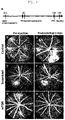
FIG. 1 shows the results of fundus fluorescein angiography (FFA) performed to confirm that fluorescein leakage from choroidal neovascularization was reduced after administering shRNA to a laser-induced choroidal neovascularization macular degeneration model. Specifically, A shows the experimental schematic, which consists of induction of macular degeneration, administration of shRNA, and fundus fluorescein angiography; B to D show the results of fundus fluorescein angiography before administration of shRNA; and E to G show the results of fundus fluorescein angiography after administration of shRNA. -
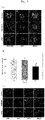
FIG. 2 depicts images showing cells administered with an scAAV vector and changes in the expression of mTOR after intravitreal injection of the scAAV vector. Specifically, (a) shows cells introduced with the vector, and (b) shows changes in the expression of mTOR. -
FIG. 3 shows the results of analyzing changes in the expression of CD31 after administering shRNA to a laser-induced choroidal neovascularization macular degeneration model. Specifically, (a) shows images from retinal pigment epithelium-choroid complex tissue samples; (b) is its corresponding graph; and (c) shows images of neural retina-retinal pigment epithelium-choroid complex tissue samples. -
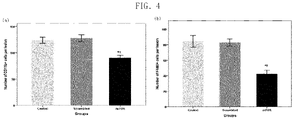
FIG. 4 depicts graphs showing the results of examining changes in inflammatory cells after administration of shRNA to a laser-induced choroidal neovascularization macular degeneration model wherein (a) shows CD11b-positive cells and (b) shows F4/80-positive cells. -
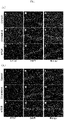
FIG. 5 depicts images showing the results of examining changes in autophagy after administration of shRNA to a laser-induced choroidal neovascularization macular degeneration model wherein (a) shows LC3B-positive cells and (b) shows ATG7-positive cells. -
FIG. 6 depicts images (a) and a graph (b), which show the results of examining changes in apoptosis after administering shRNA to a laser-induced choroidal neovascularization macular degeneration model . - In the present disclosure, it was attempted to treat age-related macular degeneration, which is caused by the functional decline and age-related atrophy of the retinal pigment epithelium (RPE), by a mechanism other than the neovascularization inhibitory mechanism based on the conventional method employing anti-VEGF antibodies. Furthermore, examinations were made of whether inhibiting the action of the mTOR protein, which plays an important role in cell proliferation and autophagy, is effective in the treatment of macular degeneration. As a result, it was found that when a laser-induced choroidal neovascularization macular degeneration animal model was treated with a shRNA-based mTOR inhibitor, the size of the lesion in the treated group significantly decreased.
- Therefore, in one aspect, the present invention is directed to a pharmaceutical composition for use in treating or preventing macular degeneration and is comprised of a siRNA represented by the nucleotide sequence of SEQ ID NO: 1.
- The siRNA represented by the nucleotide sequence of SEQ ID NO: 1 is a siRNA acting as an inhibitor of mTOR, and it is thought that the inhibition of mTOR can block the introduction and proliferation of various types of inflammatory cells involved in choroidal neovascularization (CNV) in age-related macular generation (AMD). This blocking is an effect which cannot be exhibited by anti-VEGF antibodies, and may represent a new drug development target with a novel mechanism. The inhibition of mTOR not only inhibits the proliferation of endothelial cells, a major component of choroidal neovascularization, but also activates autophagy. In addition, it inhibits the apoptosis of neural cells present in neural retina tissue.
- The sequence of siRNA that is used in the present invention is as follows:
- The shRNA-based mTOR inhibitor used in the present disclosure was known to mediate autophagy activation in malignant tumor cells at the time of initial development. In the present disclosure, it has been found that the shRNA-based mTOR inhibitor activates autophagy in lesional and perilesional areas of a macular degeneration animal model.
- In one example of the present disclosure, an experiment was performed in laser-induced choroidal neovascularization macular degeneration animal models, and it was confirmed that the size of lesion in the group treated with mTOR shRNA was significantly reduced when compared to an untreated saline control group and a non-specific shRNA control group, indicating that the mTOR shRNA has a therapeutic effect against macular degeneration (
FIGS. 1 and3 ). - In another example of the present disclosure, it was confirmed that the number of inflammatory cells around a choroidal neovascularization lesion administered with mTOR shRNA was reduced and the apoptosis of neural cells around the lesion was also reduced. This suggests that the shRNA-based inhibition of mTOR reduces the size of choroidal neovascularization lesions, and also exhibits the effects of alleviating inflammatory responses and inhibiting the apoptosis of neural cells in peripheral neural retinal tissue (
FIGS. 4 and6 ). - The siRNA that is used in the present disclosure may be prepared according to RNA molecule preparation methods known in the art. The RNA molecule preparation methods include chemical synthesis methods and enzymatic methods. For example, chemical synthesis of an RNA molecule may be performed using the method disclosed in the literature (Verma and Eckstein, Annu. Rev. Biochem. 67, 99-134, 1999), and enzymatic synthesis of an RNA molecule may be performed by a method using phage RNA polymerases, such as T7, T3, and SP6 RNA polymerases, as disclosed in the literature (Milligan and Uhlenbeck, Methods Enzymol. 180: 51-62, 1989).
- In the present disclosure, examples of a viral or non-viral vector useful for delivering the siRNA against mTOR include baculoviridae, parvoviridae, picornoviridae, herpesviridae, poxviridae, and adenoviridae, but is not limited thereto.
- If the mTOR-targeting siRNA according to the present disclosure is provided as a pharmaceutical composition, the pharmaceutical composition may further contain a suitable carrier, excipient, or diluent which is commonly used in the preparation of pharmaceutical compositions.
- Examples of carriers, excipients, and diluents that can be used in the present disclosure may include lactose, dextrose, sucrose, sorbitol, mannitol, xylitol, erythritol, maltitol, starch, gum acacia, alginate, gelatin, calcium phosphate, calcium silicate, cellulose, methyl cellulose, microcrystalline cellulose, polyvinylpyrrolidone, water, methylhydroxybenzoate, propylhydroxybenzoate, talc, magnesium stearate, and mineral oil.
- The composition can be formulated according to a conventional method. For example, it may be formulated in the form of powders, granules, tablets, capsules, suspensions, emulsions, syrups, aerosols, agents for oral or external applications, suppositories, and sterile injection solutions.
- The composition according to the present disclosure is formulated using diluents or excipients, such as fillers, extenders, binders, wetting agents, disintegrants, or surfactants, which are commonly used. Solid formulations for oral administration include tablets, pills, powders, granules, capsules, etc. Such solid formulations are prepared by mixing the composition of present disclosure with at least one excipient, such as starch, calcium carbonate, sucrose, lactose, or gelatin.
- In addition to simple expedients, lubricants such as magnesium stearate, talc, etc., may also be added. Liquid formulations for oral administration, such as suspensions, internal solutions, emulsions, syrups, etc., may include simple diluents which are commonly used, e.g., water and liquid paraffin, as well as various excipients, e.g., wetting agents, sweeteners, aromatics, preservatives, etc.
- Formulations for parenteral administration include sterilized aqueous solutions, non-aqueous solvents, suspensions, emulsions, lyophilized agents, suppositories, etc. Non-aqueous solvents and suspensions may be prepared using propylene glycol, polyethylene glycol, vegetable oils such as olive oil, or injectable esters such as ethyloleate. As a base for suppositories, Witepsol, Macrogol, Tween 61, cacao fat, laurin fat, glycerogelatin, etc. may be used.
- The dosage of the composition may vary depending on the patient's age, sex, and weight, but it may be administered at a dosage of 0.1-2.0 mg/kg once or several times a day.
- In addition, the preferred dose of such a composition can be suitably selected depending on the route of administration, the severity of disease, the patient's sex, weight, and age, etc. Thus, the dose is not intended to limit the present disclosure in any way.
- The composition may be administered by various routes to mammals, including rats, mice, livestock, and humans. All routes of administration can be contemplated and include, for example, oral, rectal, intravenous, intramuscular, subcutaneous, intrauterine, intrathecal, or intracerebrovascular injections.
- In another aspect, the present disclosure is directed to a pharmaceutical composition for treating or preventing macular degeneration, comprising of a recombinant vector encoding a shRNA (shRNA-mTOR) with the ability to inhibit mTOR and is represented by the nucleotide sequence of SEQ ID NO: 1.
- In still another aspect, the present disclosure is directed to a method for treating macular degeneration, comprised of administering to a patient either a siRNA represented by the nucleotide sequence of SEQ ID NO: 1 or a recombinant vector encoding a shRNA (shRNA-mTOR) with the ability to inhibit mTOR and is represented by the nucleotide sequence of SEQ ID NO: 1.
- In the present disclosure, a viral vector useful for delivering the siRNA against mTOR is most preferably adeno-associated virus (AAV). Adeno-associated viruses are non-immunogenic and non-cytotoxic. In particular, adeno-associated virus serotype 2 can efficiently deliver genes to neural cells of the CNS. In addition, transgenes can be effectively expressed in the neural system.
- In the present disclosure, a non-viral vector useful for delivering the siRNA against mTOR includes all vectors commonly used in genetic therapies, except for the above-described viral vector, and examples thereof include various plasmids and liposomes which may be expressed in eukaryotic cells.
- In the meantime, in the present disclosure, the mTOR-targeting siRNA is preferably linked operably to at least a promoter so that it is suitably transcribed in cells to which it has been delivered. The promoter may be any promoter that can function in eukaryotic cells, but is more preferably a human H1 polymerase-III promoter. For efficient transcription of the mTOR-targeting siRNA, the vector may, if necessary, further comprise regulatory sequences, including a leader sequence, a polyadenylation sequence, a promoter, an enhancer, an upstream activating sequence, a signal peptide sequence, and a transcription termination factor.
- Hereinafter, the present disclosure will be described in further detail with references to examples. It will be obvious to a person having ordinary skill in the art that these examples are for illustrative purposes only and are not to be construed to limit the scope of the present disclosure.
- To establish age-related macular degeneration animal models, choroidal neovascularization was induced by irradiating a laser to the animal eye. Specifically, 8-week-old male C57/BL6 mice were anesthetized with 40 mg/kg zolazepam/tiletamine and 5 mg/kg xylazine, and then the pupil was dilated with 0.5% tropicamide and 2.5% phenylephrine. To induce choroidal neovascularization (CNV), laser photocoagulation (LP) of the right eye of the mice was induced using a PASCAL diode ophthalmic laser system (Nd:YAG, 532nm, Topcon Medical Laser Systems, Inc., Santa Clara, CA, USA). A laser was irradiated to five to six points around the optic nerve head, and then disruption of the Bruch's membrane was confirmed by observing the generation of gaseous bubbles at the laser irradiation points. As shown in B to D of
FIG. 1 , induction of choroidal neovascularization could be confirmed byfundus fluorescein angiography 5 days after laser irradiation. - In this example, a vector derived from scAAV2 (self-complementary adeno-associated virus serotype 2 vector) was used. On 6 days after laser photocoagulation was induced under anesthesia, the pupil of the mouse right eye was dilated and the vector was injected into the vitreous body. Injection of the vector was performed using a NanoFil syringe having a 35 gauge thickness and a blunt end, and 1 µl of the vector was injected at a concentration of 5.0 × 10¹⁰ viral genomes (vg)/ml. As shown in Table 1 below, the mice with induced choroidal neovascularization were divided into 3 groups, each consisting of 15 animals, and saline, non-specific shRNA, or the mTOR shRNA of SEQ ID NO: 1 was injected into the vitreous body. Five mice were not subjected to choroidal neovascularization nor intravitreal injection, and were used as a negative control group.
Table 1 Groups Treatment Group 1 (shRNA-mTOR test group) Laser-induced choroidal neovascularization + AAV-mTOR shRNA/GFP injection Group 2 (shRNA-nonspecific control group) Laser-induced choroidal neovascularization + AAV-nonspecific shRNA/GFP injection Group 3 (saline control group) Laser-induced choroidal neovascularization + saline injection Group 4 (negative control group) Not treated - To determine the type of cells into which the scAAV vector injected into the vitreous body was introduced, a scAAV vector with a GFP-encoding gene inserted therein was used. A frozen section sample was prepared as described in Example 2-3 below, and GFP expression was examined using an anti-GFP antibody (Abcam, Cambridge, MA). As a result, it was shown that GFP was expressed not only in inner retinal cells, but also CD31-positive endothelial cells (
FIG. 2a ). The scAAV vector is known to be introduced into retinal ganglion cells and inner retinal cells, including cells located in the inner nuclear layer in a wild-type mouse retina (Lee SH et al., Hum Gene Ther Methods 25:159-61, 2015). However, it was shown that when choroidal neovascularization was induced via laser, the scAAV vector was also introduced into CD31-positive endothelial cells. This suggests that when macular degeneration occurred, it can be treated by targeting endothelial cells using the scAAV vector. - The preparation of tissue samples for immunofluorescence staining was performed in the following manner. After anesthetizing animals, 0.1 M PBS containing 150 U/ml heparin was perfused through the heart, and then 4% paraformaldehyde/0.1 M PBS was perfused. The fixed eyeball was dissected, and then the anterior segment containing the cornea and the vitreous body was removed. The neural retina-retinal pigment epithelium-choroid complex tissue samples prepared as described above were additionally fixed in 4% paraformaldehyde/0.1 M PBS. To prepare frozen section samples, the fixed tissues were transferred to and left to stand in 30% sucrose/PBS overnight. Next, the tissues were embedded in OCT compound (Sakura Finetek, Torrance, CA), frozen, and sectioned to a thickness of 10 µm. Each of the obtained sagittal sections was attached to a microscope slide.
- After intravitreal injection with the scAAV vector introduced with the mTOR shRNA of SEQ ID NO: 1, mTOR expression was examined. To examine the expression of mTOR, the frozen section samples prepared as described in Example 2-3 above were fluorescence-stained with an anti-mTOR antibody (1:200; R&D Systems, Minneapolis, MN, AF15371). As a result, it was confirmed that, in the negative control group not irradiated with a laser, the expression of mTOR was not observed, but in the group with choroidal neovascularization induced by laser irradiation, the expression of mTOR increased in the neural retina and subretinal areas. It was shown that the expression of mTOR was not changed by saline or nonspecific shRNA, but was reduced by the mTOR shRNA, indicating that the above-described sequence is effective in the inhibition of mTOR expression (
FIG. 2 ). - In order to examine whether the mTOR shRNA of SEQ ID NO: 1 exhibits a therapeutic effect in macular degeneration animal models, the scAAV vector introduced with the mTOR shRNA as described in Example 2 above was injected intravitreally into macular degeneration animal models, and the therapeutic effect of the shRNA was examined as described in Examples 3-1 to 3-5 below.
- Fluorescein leakage from choroidal neovascularization was measured by fundus fluorescein angiography (FFA). The fundus fluorescein angiography was performed using a scanning laser ophthalmoscope (Heidelberg Retina Angiograph 2; Heidelberg Engineering, Heidelberg, Germany) device. 0.1 ml of 2% fluorescein sodium was injected intraperitoneally into mice under anesthesia, and after 3 to 5 minutes, the pupil was dilated, and then FFA images were acquired. Proper induction of choroidal neovascularization was confirmed 5 days after laser irradiation, and then scAAV-mTOR shRNA was injected intravitreally as described in Example 2-1 above. After 7 days (13 days after laser irradiation), the therapeutic effect was examined. As shown in
FIG. 1 , in the group treated with saline or nonspecific shRNA, there was no change in fluorescein leakage from the lesion area, but in the group treated with the mTOR shRNA, fluorescein leakage was reduced. This suggests that the inhibition of mTOR by the mTOR shRNA is effective in the treatment of macular degeneration. - To examine the effect of the mTOR shRNA on the development of choroidal neovascularization, endothelial cells were observed using an anti-CD31 antibody (1:200; BD Pharmingen, Inc., San Diego, CA, 550274) capable of selectively staining the endothelial cells. The preparation of tissue samples for immunofluorescence staining was performed in the following manner. After anesthetizing animals, 0.1 M PBS containing 150 U/ml heparin was perfused through the heart, and then 4% paraformaldehyde/0.1 M PBS was perfused. The fixed eyeball was dissected, and then the anterior segment containing the cornea and the vitreous body was removed. To prepare retinal pigment epithelium (RPE) tissue samples (RPE whole mounts), the neural retina was additionally removed to make retinal pigment epithelium-choroid complex tissue samples which were then additionally fixed in 4% paraformaldehyde/0.1 M PBS. In addition, to prepare neural retina-retinal pigment epithelium-choroid complex tissue samples, the anterior segment was removed, and the remaining tissue having neural retina attached thereto was additionally fixed in 4% paraformaldehyde/0.1 M PBS. To prepare frozen section samples, the retinal pigment epithelium-choroid complex tissue samples or neural retina-retinal pigment epithelium-choroid complex tissue samples prepared as described above were transferred to and left to stand in 30% sucrose/PBS overnight. Next, the tissues were embedded in OCT compound (Sakura Finetek, Torrance, CA), frozen, and sectioned to a thickness of 10 µm. Each of the obtained sagittal sections was attached to a microscope slide.
- The retinal pigment epithelium-choroid complex tissue samples were stained with an anti-CD31 antibody and phalloidin (Thermo Fisher Scientific, Waltham, MA, A22287), and as a result, it was shown that choroidal neovascularization areas were significantly reduced in the group injected with the mTOR shRNA when compared to the groups injected with saline or nonspecific shRNA (
FIG., 3 ). In addition, the results of examining the neural retina-retinal pigment epithelium-choroid complex tissue samples indicated that when the mTOR shRNA was introduced, the number of CD31-positive cells among GFP-expressing cells decreased (FIG. 3 ). - This suggests that the mTOR shRNA acts on endothelial cells, thereby exhibiting the effects of inhibiting blood vessel growth and treating macular degeneration.
- In order to examine whether the alleviation of macular degeneration by inhibition of mTOR is achieved by controlling the activity of inflammatory cells, retinal cross-sections were stained with the anti-CDllb antibody (1:200; Serotec, Oxford, UK, MCA711G) and anti-F4/80 antibody (1:200; Serotec, Oxford, UK, MCA497GA) that selectively stain for leukocytes and macrophages, respectively. For preparation of tissue samples for immunofluorescence staining, neural retina-retinal pigment epithelium-choroid complex tissue samples were prepared as described in Example 3-2 above.
- For counting of the number of leukocytes and macrophages, CD11b- and F4/80-positive cells were counted in five retinal cross-sections, respectively. The values were expressed as mean ± SEM, and statistical analysis (Kruskal-Wallis test, post-hoc analysis, Bonferroni's method) was performed using SPSS software (ver. 20.0 for Windows; SPSS, Inc., Chicago, IL, USA), and p<0.05 was considered statistically significant.
- The results of counting the number of CD11b- and F4/80-positive cells in the subretinal and retinal portions indicated that the number of inflammatory cells significantly decreased in the group injected with the mTOR shRNA when compared to the groups injected with saline or nonspecific shRNA. The number of F4/80-positive inflammatory cells in the retina was 84.4 ± 17 or 82.8 ± 10.0 upon injection of saline or nonspecific shRNA, but decreased to 42.4 ± 10.4 upon injection of the mTOR shRNA, and the number of CD11b-positive cells decreased from 123.8 ± 13.0 or 127.6 ± 14.4 to 90.0 ± 11.6 (
FIG. 4 ). - This suggests that the inhibition of mTOR by the mTOR shRNA exhibits a therapeutic effect against macular degeneration by reducing the introduction and proliferation of inflammatory cells in the retina.
- In order to examine whether autophagy is involved in the reduction of choroidal neovascularization lesions by the mTOR shRNA, immunofluorescence staining was performed using the anti-LC3 antibody (1:200; Novus Biologicals, Littleton, CO, NB110-2220) and anti-ATG7 antibody capable of selectively detecting autophagy. The preparation of tissue samples for immunofluorescence staining followed the process of preparing neural retina-retinal pigment epithelium-choroid complex tissue samples as described in Example 3-2 above. As a result, it was shown that LC3B- or ATG7-positive cells were not observed in the groups injected with saline or nonspecific shRNA, but were observed in the group injected with the mTOR shRNA, indicating that autophagy is activated by the mTOR shRNA (
FIG. 5 ). - This suggests that the inhibition of mTOR by the mTOR shRNA exhibits a therapeutic effect against macular degeneration by activating autophagy.
- In order to examine the effect of the mTOR shRNA on apoptosis in laser-induced choroidal neovascularization, TUNEL (terminal dUTP nick-end labeling) was performed. The preparation of tissue samples for immunofluorescence staining followed the process of preparing neural retina-retinal pigment epithelium-choroid complex tissue samples as described in Example 3-2 above. The results of observation performed 14 days after laser irradiation indicated that, in all the groups treated with saline, nonspecific, and the mTOR shRNA, TUNEL-positive cells were found in the outer nuclear layer (ONL) and the CNV. It was shown that the number of TUNEL-positive cells in the ONL significantly decreased in the group injected with the mTOR shRNA when compared to the groups injected with saline or nonspecific shRNA. Specifically, it was shown that the number of TUNEL-positive cells was 17.8 ± 4.8 or 19.4 ± 4.0 upon injection of saline or nonspecific shRNA, but decreased to 8.4 ± 3.0 upon injection of the mTOR shRNA (
FIG. 6 ). - This suggests that the inhibition of mTOR by the mTOR shRNA exhibits a therapeutic effect against macular degeneration by reducing the number of apoptotic cells located in the outer nuclear layer.
- Taken together, as shown in
FIGS. 1 and3 , it was confirmed that, in the laser-induced choroidal neovascularization macular degeneration models, the size of the lesion significantly decreased in the mTOR shRNA test group compared to the saline control group and the nonspecific shRNA control group, indicating that the mTOR shRNA has the effect of treating macular degeneration. - In addition, as shown in
FIGS. 4 and6 , it was observed that the number of inflammatory cells around the choroidal neovascularization lesion was reduced and apoptosis was also reduced, compared to the two control groups. This suggests that the shRNA-based inhibition of mTOR simply reduces the size of choroidal neovascularization lesions, and also exhibits the effects of alleviating inflammatory responses and inhibiting the apoptosis of neural cells in peripheral neural retinal tissue. - The pharmaceutical composition according to the present disclosure can effectively treat age-related macular degeneration, a representative retinal disease that causes blindness in adults.
- Although the present disclosure has been described in detail with references to the specific features, it will be apparent to those skilled in the art that this description is only for a preferred embodiment and does not limit the scope of the present disclosure. Thus, the substantial scope of the present disclosure will be defined by the appended claims and equivalents thereof.
Claims (3)
- A pharmaceutical composition comprising an siRNA represented by the nucleotide sequence of SEQ ID NO: 1 for use in a method of treating or preventing macular degeneration.
- A pharmaceutical composition comprising a recombinant vector comprising an shRNA (shRNA-mTOR) with the ability to inhibit mTOR and represented by the nucleotide sequence of SEQ ID NO: 1 for use in a method of treating or preventing macular degeneration.
- The pharmaceutical composition for use in the method of claim 2, wherein the recombinant vector is an AAV.
Applications Claiming Priority (2)
| Application Number | Priority Date | Filing Date | Title |
|---|---|---|---|
| KR20160116310 | 2016-09-09 | ||
| PCT/KR2017/002943 WO2018048046A2 (en) | 2016-09-09 | 2017-03-17 | Pharmaceutical composition containing mtor inhibitor for treating macular degeneration |
Publications (3)
| Publication Number | Publication Date |
|---|---|
| EP3517133A2 EP3517133A2 (en) | 2019-07-31 |
| EP3517133A4 EP3517133A4 (en) | 2020-04-08 |
| EP3517133B1 true EP3517133B1 (en) | 2022-11-30 |
Family
ID=61911133
Family Applications (1)
| Application Number | Title | Priority Date | Filing Date |
|---|---|---|---|
| EP17848931.6A Active EP3517133B1 (en) | 2016-09-09 | 2017-03-17 | Pharmaceutical composition containing mtor inhibitor for treating macular degeneration |
Country Status (7)
| Country | Link |
|---|---|
| US (1) | US10583150B2 (en) |
| EP (1) | EP3517133B1 (en) |
| JP (2) | JP6931046B2 (en) |
| KR (1) | KR101951787B1 (en) |
| CN (1) | CN109937053B (en) |
| AU (1) | AU2017323898B2 (en) |
| CA (1) | CA3035675C (en) |
Families Citing this family (7)
| Publication number | Priority date | Publication date | Assignee | Title |
|---|---|---|---|---|
| KR102205830B1 (en) | 2017-10-26 | 2021-01-21 | 주식회사 큐로진생명과학 | Pharmaceutical Composition for Treating Macular Degeneration Containing AAV Including cDNA of Soluble VEGFR Variant |
| KR20200056540A (en) | 2018-11-14 | 2020-05-25 | 아이트로스 주식회사 | Macroscopic diagnosis system based on fundus photography |
| WO2021216548A1 (en) * | 2020-04-21 | 2021-10-28 | University Of Massachusetts | Methods and compositions for treatment of age-related macular degeneration |
| CN115725656B (en) * | 2021-09-01 | 2026-01-16 | 联邦生物科技(珠海横琴)有限公司 | A method for delivering interfering RNA using cytoplasmic RNA viruses as vectors |
| CN116515827B (en) * | 2023-03-20 | 2024-12-10 | 复旦大学附属眼耳鼻喉科医院 | Active ingredients, pharmaceutical compositions and uses for treating age-related macular degeneration |
| WO2025165154A1 (en) * | 2024-01-30 | 2025-08-07 | 소바젠 주식회사 | Compound for regulating activity or expression of mtor and use therof |
| CN120000797B (en) * | 2025-04-21 | 2025-07-11 | 天津医科大学眼科医院 | Application of RBM15 inhibitor in medicines for treating dry age-related macular degeneration |
Family Cites Families (8)
| Publication number | Priority date | Publication date | Assignee | Title |
|---|---|---|---|---|
| GB0611606D0 (en) | 2006-06-13 | 2006-07-19 | Univ Belfast | Protection against and treatment of age related macular degeneration |
| WO2008154482A2 (en) * | 2007-06-08 | 2008-12-18 | Sirnaomics, Inc. | Sirna compositions and methods of use in treatment of ocular diseases |
| WO2009143371A2 (en) | 2008-05-21 | 2009-11-26 | Intradigm Corporation | COMPOSITIONS COMPRISING mTOR SIRNA AND METHODS OF USE THEREOF |
| WO2010064851A2 (en) * | 2008-12-02 | 2010-06-10 | 울산대학교 산학협력단 | Mtor-targeted sirna having an interspecific cross reaction, recombination vector containing same, and pharmaceutical composition containing same |
| EP2427174A4 (en) * | 2009-05-04 | 2014-01-15 | Santen Pharmaceutical Co Ltd | Mtor pathway inhibitors for treating ocular disorders |
| EA201290442A1 (en) | 2009-12-04 | 2012-11-30 | Юклид Системз Корпорэйшн | COMPOSITION AND METHODS OF PREVENTION AND TREATMENT OF MACULAR DEGENERATION, DIABETIC RETINOPATIA AND DIABETIC MACULAR DIRECTION |
| WO2013056105A2 (en) | 2011-10-13 | 2013-04-18 | The Johns Hopkins University | INHIBITION OF SPINAL MAMMALIAN TARGET OF RAPAMYCIN (mTOR) REDUCES CANCER PAIN, OPIOID TOLERANCE, AND HYPERALGESIA |
| US10124008B2 (en) * | 2014-06-23 | 2018-11-13 | Wisconsin Alumni Research Foundation | Use of inhibitors of acid sphingomyelinase to treat acquired and inherited retinal degenerations |
-
2017
- 2017-03-17 JP JP2019514034A patent/JP6931046B2/en active Active
- 2017-03-17 CA CA3035675A patent/CA3035675C/en active Active
- 2017-03-17 AU AU2017323898A patent/AU2017323898B2/en active Active
- 2017-03-17 US US16/327,850 patent/US10583150B2/en active Active
- 2017-03-17 EP EP17848931.6A patent/EP3517133B1/en active Active
- 2017-03-17 CN CN201780062349.XA patent/CN109937053B/en active Active
- 2017-03-17 KR KR1020170033986A patent/KR101951787B1/en active Active
-
2021
- 2021-03-03 JP JP2021033444A patent/JP2021095411A/en not_active Withdrawn
Also Published As
| Publication number | Publication date |
|---|---|
| CN109937053B (en) | 2023-09-26 |
| AU2017323898B2 (en) | 2021-02-25 |
| KR20180028890A (en) | 2018-03-19 |
| EP3517133A4 (en) | 2020-04-08 |
| JP2021095411A (en) | 2021-06-24 |
| CN109937053A (en) | 2019-06-25 |
| AU2017323898A1 (en) | 2019-04-11 |
| EP3517133A2 (en) | 2019-07-31 |
| JP2019530675A (en) | 2019-10-24 |
| KR101951787B1 (en) | 2019-03-05 |
| CA3035675C (en) | 2023-06-13 |
| JP6931046B2 (en) | 2021-09-01 |
| US20190192551A1 (en) | 2019-06-27 |
| CA3035675A1 (en) | 2018-03-15 |
| US10583150B2 (en) | 2020-03-10 |
Similar Documents
| Publication | Publication Date | Title |
|---|---|---|
| AU2017323898B2 (en) | Pharmaceutical composition containing mTOR inhibitor for treating macular degeneration | |
| JP2012519696A (en) | Method for inhibiting apoptosis of photoreceptor cells | |
| CN110461862A (en) | Peptide-based proteasome inhibitors for the treatment of disorders mediated by senescent cells and for the treatment of cancer | |
| JP7089603B2 (en) | Demethylation to treat eye diseases | |
| KR20220118419A (en) | Compounds for the treatment of ocular diseases associated with excessive angiogenesis | |
| US20220175876A1 (en) | Angio-3 for treatment of retinal angiogenic diseases | |
| JP2025111432A (en) | Method for treatment of disease using pigment epithelium-derived factor (pedf) | |
| KR101794713B1 (en) | Pharmaceutical composition for preventing or treating macular degeneration | |
| KR102520382B1 (en) | Acyl sulfonamides as BCL family antagonists for use in the clinical management of conditions induced or mediated by senescent cells and for the treatment of cancer | |
| CN108472332B (en) | Composition for treating stroke by nasal administration | |
| Chi et al. | PR1P ameliorates neurodegeneration through activation of VEGF signaling pathway and remodeling of the extracellular environment | |
| CN108310365A (en) | A kind of application of the composition of the mutant containing MG53 in preparing nerve protection medicine | |
| US20100197580A1 (en) | Parstatin peptides and uses thereof | |
| HU230294B1 (en) | Use of il-18 inhibitors for treating or preventing cns injuries | |
| US20220110953A1 (en) | Methods and compositions for treating human papillomavirus (hpv)-induced cancers | |
| Wang et al. | Receptor tyrosine kinase inhibitors AG013764 and AG013711 reduce choroidal neovascularization in rat eye | |
| Xia et al. | CXCR3 Deficiency Alleviates Retinal Ganglion Cell Loss by Regulating Neuron–Astrocyte Communication in a Mouse Model of Glaucoma | |
| WO2018048046A2 (en) | Pharmaceutical composition containing mtor inhibitor for treating macular degeneration | |
| CN112156172B (en) | Application of thrombospondin 1 in preparation of medicine for preventing and/or treating age-related macular degeneration | |
| Liu | Dendrimer-based Delivery of Peptides and Antibodies for Choroidal Neovascularization | |
| RU2804300C2 (en) | Demethylation for treatment of eye disease | |
| AU2003200309B2 (en) | Pharmaceutical Composition for Preventing or Treating Ischaemic Diseases | |
| JP2023042650A (en) | ophthalmic agent | |
| HK40088811A (en) | Demethylation to treat eye disease | |
| HK40048213A (en) | Acyl sulfonamides that are bcl family antagonists for use in clinical management of conditions caused or mediated by senescent cells and for treating cancer |
Legal Events
| Date | Code | Title | Description |
|---|---|---|---|
| STAA | Information on the status of an ep patent application or granted ep patent |
Free format text: STATUS: THE INTERNATIONAL PUBLICATION HAS BEEN MADE |
|
| PUAI | Public reference made under article 153(3) epc to a published international application that has entered the european phase |
Free format text: ORIGINAL CODE: 0009012 |
|
| STAA | Information on the status of an ep patent application or granted ep patent |
Free format text: STATUS: REQUEST FOR EXAMINATION WAS MADE |
|
| 17P | Request for examination filed |
Effective date: 20190325 |
|
| AK | Designated contracting states |
Kind code of ref document: A2 Designated state(s): AL AT BE BG CH CY CZ DE DK EE ES FI FR GB GR HR HU IE IS IT LI LT LU LV MC MK MT NL NO PL PT RO RS SE SI SK SM TR |
|
| AX | Request for extension of the european patent |
Extension state: BA ME |
|
| RAP1 | Party data changed (applicant data changed or rights of an application transferred) |
Owner name: CUROGENE LIFE SCIENCES CO., LTD. |
|
| DAV | Request for validation of the european patent (deleted) | ||
| DAX | Request for extension of the european patent (deleted) | ||
| A4 | Supplementary search report drawn up and despatched |
Effective date: 20200309 |
|
| RIC1 | Information provided on ipc code assigned before grant |
Ipc: A61P 27/02 20060101ALI20200303BHEP Ipc: A61K 48/00 20060101AFI20200303BHEP |
|
| RAP1 | Party data changed (applicant data changed or rights of an application transferred) |
Owner name: CDMOGEN CO., LTD. |
|
| GRAP | Despatch of communication of intention to grant a patent |
Free format text: ORIGINAL CODE: EPIDOSNIGR1 |
|
| STAA | Information on the status of an ep patent application or granted ep patent |
Free format text: STATUS: GRANT OF PATENT IS INTENDED |
|
| INTG | Intention to grant announced |
Effective date: 20220609 |
|
| GRAL | Information related to payment of fee for publishing/printing deleted |
Free format text: ORIGINAL CODE: EPIDOSDIGR3 |
|
| GRAS | Grant fee paid |
Free format text: ORIGINAL CODE: EPIDOSNIGR3 |
|
| INTG | Intention to grant announced |
Effective date: 20220926 |
|
| GRAA | (expected) grant |
Free format text: ORIGINAL CODE: 0009210 |
|
| STAA | Information on the status of an ep patent application or granted ep patent |
Free format text: STATUS: THE PATENT HAS BEEN GRANTED |
|
| AK | Designated contracting states |
Kind code of ref document: B1 Designated state(s): AL AT BE BG CH CY CZ DE DK EE ES FI FR GB GR HR HU IE IS IT LI LT LU LV MC MK MT NL NO PL PT RO RS SE SI SK SM TR |
|
| REG | Reference to a national code |
Ref country code: CH Ref legal event code: EP Ref country code: GB Ref legal event code: FG4D |
|
| REG | Reference to a national code |
Ref country code: AT Ref legal event code: REF Ref document number: 1534166 Country of ref document: AT Kind code of ref document: T Effective date: 20221215 |
|
| REG | Reference to a national code |
Ref country code: IE Ref legal event code: FG4D |
|
| REG | Reference to a national code |
Ref country code: DE Ref legal event code: R096 Ref document number: 602017064220 Country of ref document: DE |
|
| REG | Reference to a national code |
Ref country code: LT Ref legal event code: MG9D |
|
| REG | Reference to a national code |
Ref country code: NL Ref legal event code: MP Effective date: 20221130 |
|
| PG25 | Lapsed in a contracting state [announced via postgrant information from national office to epo] |
Ref country code: SE Free format text: LAPSE BECAUSE OF FAILURE TO SUBMIT A TRANSLATION OF THE DESCRIPTION OR TO PAY THE FEE WITHIN THE PRESCRIBED TIME-LIMIT Effective date: 20221130 Ref country code: PT Free format text: LAPSE BECAUSE OF FAILURE TO SUBMIT A TRANSLATION OF THE DESCRIPTION OR TO PAY THE FEE WITHIN THE PRESCRIBED TIME-LIMIT Effective date: 20230331 Ref country code: NO Free format text: LAPSE BECAUSE OF FAILURE TO SUBMIT A TRANSLATION OF THE DESCRIPTION OR TO PAY THE FEE WITHIN THE PRESCRIBED TIME-LIMIT Effective date: 20230228 Ref country code: LT Free format text: LAPSE BECAUSE OF FAILURE TO SUBMIT A TRANSLATION OF THE DESCRIPTION OR TO PAY THE FEE WITHIN THE PRESCRIBED TIME-LIMIT Effective date: 20221130 Ref country code: FI Free format text: LAPSE BECAUSE OF FAILURE TO SUBMIT A TRANSLATION OF THE DESCRIPTION OR TO PAY THE FEE WITHIN THE PRESCRIBED TIME-LIMIT Effective date: 20221130 Ref country code: ES Free format text: LAPSE BECAUSE OF FAILURE TO SUBMIT A TRANSLATION OF THE DESCRIPTION OR TO PAY THE FEE WITHIN THE PRESCRIBED TIME-LIMIT Effective date: 20221130 |
|
| REG | Reference to a national code |
Ref country code: AT Ref legal event code: MK05 Ref document number: 1534166 Country of ref document: AT Kind code of ref document: T Effective date: 20221130 |
|
| PG25 | Lapsed in a contracting state [announced via postgrant information from national office to epo] |
Ref country code: RS Free format text: LAPSE BECAUSE OF FAILURE TO SUBMIT A TRANSLATION OF THE DESCRIPTION OR TO PAY THE FEE WITHIN THE PRESCRIBED TIME-LIMIT Effective date: 20221130 Ref country code: PL Free format text: LAPSE BECAUSE OF FAILURE TO SUBMIT A TRANSLATION OF THE DESCRIPTION OR TO PAY THE FEE WITHIN THE PRESCRIBED TIME-LIMIT Effective date: 20221130 Ref country code: LV Free format text: LAPSE BECAUSE OF FAILURE TO SUBMIT A TRANSLATION OF THE DESCRIPTION OR TO PAY THE FEE WITHIN THE PRESCRIBED TIME-LIMIT Effective date: 20221130 Ref country code: IS Free format text: LAPSE BECAUSE OF FAILURE TO SUBMIT A TRANSLATION OF THE DESCRIPTION OR TO PAY THE FEE WITHIN THE PRESCRIBED TIME-LIMIT Effective date: 20230330 Ref country code: HR Free format text: LAPSE BECAUSE OF FAILURE TO SUBMIT A TRANSLATION OF THE DESCRIPTION OR TO PAY THE FEE WITHIN THE PRESCRIBED TIME-LIMIT Effective date: 20221130 Ref country code: GR Free format text: LAPSE BECAUSE OF FAILURE TO SUBMIT A TRANSLATION OF THE DESCRIPTION OR TO PAY THE FEE WITHIN THE PRESCRIBED TIME-LIMIT Effective date: 20230301 |
|
| P01 | Opt-out of the competence of the unified patent court (upc) registered |
Effective date: 20230429 |
|
| PG25 | Lapsed in a contracting state [announced via postgrant information from national office to epo] |
Ref country code: NL Free format text: LAPSE BECAUSE OF FAILURE TO SUBMIT A TRANSLATION OF THE DESCRIPTION OR TO PAY THE FEE WITHIN THE PRESCRIBED TIME-LIMIT Effective date: 20221130 |
|
| PG25 | Lapsed in a contracting state [announced via postgrant information from national office to epo] |
Ref country code: SM Free format text: LAPSE BECAUSE OF FAILURE TO SUBMIT A TRANSLATION OF THE DESCRIPTION OR TO PAY THE FEE WITHIN THE PRESCRIBED TIME-LIMIT Effective date: 20221130 Ref country code: RO Free format text: LAPSE BECAUSE OF FAILURE TO SUBMIT A TRANSLATION OF THE DESCRIPTION OR TO PAY THE FEE WITHIN THE PRESCRIBED TIME-LIMIT Effective date: 20221130 Ref country code: EE Free format text: LAPSE BECAUSE OF FAILURE TO SUBMIT A TRANSLATION OF THE DESCRIPTION OR TO PAY THE FEE WITHIN THE PRESCRIBED TIME-LIMIT Effective date: 20221130 Ref country code: DK Free format text: LAPSE BECAUSE OF FAILURE TO SUBMIT A TRANSLATION OF THE DESCRIPTION OR TO PAY THE FEE WITHIN THE PRESCRIBED TIME-LIMIT Effective date: 20221130 Ref country code: CZ Free format text: LAPSE BECAUSE OF FAILURE TO SUBMIT A TRANSLATION OF THE DESCRIPTION OR TO PAY THE FEE WITHIN THE PRESCRIBED TIME-LIMIT Effective date: 20221130 Ref country code: AT Free format text: LAPSE BECAUSE OF FAILURE TO SUBMIT A TRANSLATION OF THE DESCRIPTION OR TO PAY THE FEE WITHIN THE PRESCRIBED TIME-LIMIT Effective date: 20221130 |
|
| PG25 | Lapsed in a contracting state [announced via postgrant information from national office to epo] |
Ref country code: SK Free format text: LAPSE BECAUSE OF FAILURE TO SUBMIT A TRANSLATION OF THE DESCRIPTION OR TO PAY THE FEE WITHIN THE PRESCRIBED TIME-LIMIT Effective date: 20221130 Ref country code: AL Free format text: LAPSE BECAUSE OF FAILURE TO SUBMIT A TRANSLATION OF THE DESCRIPTION OR TO PAY THE FEE WITHIN THE PRESCRIBED TIME-LIMIT Effective date: 20221130 |
|
| REG | Reference to a national code |
Ref country code: DE Ref legal event code: R097 Ref document number: 602017064220 Country of ref document: DE |
|
| PLBE | No opposition filed within time limit |
Free format text: ORIGINAL CODE: 0009261 |
|
| STAA | Information on the status of an ep patent application or granted ep patent |
Free format text: STATUS: NO OPPOSITION FILED WITHIN TIME LIMIT |
|
| PG25 | Lapsed in a contracting state [announced via postgrant information from national office to epo] |
Ref country code: MC Free format text: LAPSE BECAUSE OF FAILURE TO SUBMIT A TRANSLATION OF THE DESCRIPTION OR TO PAY THE FEE WITHIN THE PRESCRIBED TIME-LIMIT Effective date: 20221130 |
|
| REG | Reference to a national code |
Ref country code: CH Ref legal event code: PL |
|
| 26N | No opposition filed |
Effective date: 20230831 |
|
| PG25 | Lapsed in a contracting state [announced via postgrant information from national office to epo] |
Ref country code: SI Free format text: LAPSE BECAUSE OF FAILURE TO SUBMIT A TRANSLATION OF THE DESCRIPTION OR TO PAY THE FEE WITHIN THE PRESCRIBED TIME-LIMIT Effective date: 20221130 |
|
| REG | Reference to a national code |
Ref country code: BE Ref legal event code: MM Effective date: 20230331 |
|
| PG25 | Lapsed in a contracting state [announced via postgrant information from national office to epo] |
Ref country code: LU Free format text: LAPSE BECAUSE OF NON-PAYMENT OF DUE FEES Effective date: 20230317 |
|
| REG | Reference to a national code |
Ref country code: IE Ref legal event code: MM4A |
|
| PG25 | Lapsed in a contracting state [announced via postgrant information from national office to epo] |
Ref country code: LI Free format text: LAPSE BECAUSE OF NON-PAYMENT OF DUE FEES Effective date: 20230331 Ref country code: IE Free format text: LAPSE BECAUSE OF NON-PAYMENT OF DUE FEES Effective date: 20230317 Ref country code: CH Free format text: LAPSE BECAUSE OF NON-PAYMENT OF DUE FEES Effective date: 20230331 |
|
| PG25 | Lapsed in a contracting state [announced via postgrant information from national office to epo] |
Ref country code: BE Free format text: LAPSE BECAUSE OF NON-PAYMENT OF DUE FEES Effective date: 20230331 |
|
| PG25 | Lapsed in a contracting state [announced via postgrant information from national office to epo] |
Ref country code: IT Free format text: LAPSE BECAUSE OF FAILURE TO SUBMIT A TRANSLATION OF THE DESCRIPTION OR TO PAY THE FEE WITHIN THE PRESCRIBED TIME-LIMIT Effective date: 20221130 |
|
| PG25 | Lapsed in a contracting state [announced via postgrant information from national office to epo] |
Ref country code: BG Free format text: LAPSE BECAUSE OF FAILURE TO SUBMIT A TRANSLATION OF THE DESCRIPTION OR TO PAY THE FEE WITHIN THE PRESCRIBED TIME-LIMIT Effective date: 20221130 |
|
| PG25 | Lapsed in a contracting state [announced via postgrant information from national office to epo] |
Ref country code: BG Free format text: LAPSE BECAUSE OF FAILURE TO SUBMIT A TRANSLATION OF THE DESCRIPTION OR TO PAY THE FEE WITHIN THE PRESCRIBED TIME-LIMIT Effective date: 20221130 |
|
| PG25 | Lapsed in a contracting state [announced via postgrant information from national office to epo] |
Ref country code: CY Free format text: LAPSE BECAUSE OF FAILURE TO SUBMIT A TRANSLATION OF THE DESCRIPTION OR TO PAY THE FEE WITHIN THE PRESCRIBED TIME-LIMIT; INVALID AB INITIO Effective date: 20170317 |
|
| PG25 | Lapsed in a contracting state [announced via postgrant information from national office to epo] |
Ref country code: HU Free format text: LAPSE BECAUSE OF FAILURE TO SUBMIT A TRANSLATION OF THE DESCRIPTION OR TO PAY THE FEE WITHIN THE PRESCRIBED TIME-LIMIT; INVALID AB INITIO Effective date: 20170317 |
|
| PG25 | Lapsed in a contracting state [announced via postgrant information from national office to epo] |
Ref country code: TR Free format text: LAPSE BECAUSE OF FAILURE TO SUBMIT A TRANSLATION OF THE DESCRIPTION OR TO PAY THE FEE WITHIN THE PRESCRIBED TIME-LIMIT Effective date: 20221130 |
|
| PGFP | Annual fee paid to national office [announced via postgrant information from national office to epo] |
Ref country code: GB Payment date: 20260317 Year of fee payment: 10 |
|
| PGFP | Annual fee paid to national office [announced via postgrant information from national office to epo] |
Ref country code: DE Payment date: 20260317 Year of fee payment: 10 |
|
| PGFP | Annual fee paid to national office [announced via postgrant information from national office to epo] |
Ref country code: FR Payment date: 20260319 Year of fee payment: 10 |