EP3496713B1 - Naphthyridine azaquinolone to treat diseases associated with dna repeat instability - Google Patents
Naphthyridine azaquinolone to treat diseases associated with dna repeat instability Download PDFInfo
- Publication number
- EP3496713B1 EP3496713B1 EP17778331.3A EP17778331A EP3496713B1 EP 3496713 B1 EP3496713 B1 EP 3496713B1 EP 17778331 A EP17778331 A EP 17778331A EP 3496713 B1 EP3496713 B1 EP 3496713B1
- Authority
- EP
- European Patent Office
- Prior art keywords
- cag
- repeat
- dna
- repeats
- cells
- Prior art date
- Legal status (The legal status is an assumption and is not a legal conclusion. Google has not performed a legal analysis and makes no representation as to the accuracy of the status listed.)
- Active
Links
Images










Classifications
-
- A—HUMAN NECESSITIES
- A61—MEDICAL OR VETERINARY SCIENCE; HYGIENE
- A61K—PREPARATIONS FOR MEDICAL, DENTAL OR TOILETRY PURPOSES
- A61K31/00—Medicinal preparations containing organic active ingredients
- A61K31/33—Heterocyclic compounds
- A61K31/395—Heterocyclic compounds having nitrogen as a ring hetero atom, e.g. guanethidine or rifamycins
- A61K31/435—Heterocyclic compounds having nitrogen as a ring hetero atom, e.g. guanethidine or rifamycins having six-membered rings with one nitrogen as the only ring hetero atom
- A61K31/4353—Heterocyclic compounds having nitrogen as a ring hetero atom, e.g. guanethidine or rifamycins having six-membered rings with one nitrogen as the only ring hetero atom ortho- or peri-condensed with heterocyclic ring systems
- A61K31/4375—Heterocyclic compounds having nitrogen as a ring hetero atom, e.g. guanethidine or rifamycins having six-membered rings with one nitrogen as the only ring hetero atom ortho- or peri-condensed with heterocyclic ring systems the heterocyclic ring system containing a six-membered ring having nitrogen as a ring heteroatom, e.g. quinolizines, naphthyridines, berberine, vincamine
-
- A—HUMAN NECESSITIES
- A61—MEDICAL OR VETERINARY SCIENCE; HYGIENE
- A61K—PREPARATIONS FOR MEDICAL, DENTAL OR TOILETRY PURPOSES
- A61K9/00—Medicinal preparations characterised by special physical form
- A61K9/0012—Galenical forms characterised by the site of application
- A61K9/0019—Injectable compositions; Intramuscular, intravenous, arterial, subcutaneous administration; Compositions to be administered through the skin in an invasive manner
-
- A—HUMAN NECESSITIES
- A61—MEDICAL OR VETERINARY SCIENCE; HYGIENE
- A61K—PREPARATIONS FOR MEDICAL, DENTAL OR TOILETRY PURPOSES
- A61K9/00—Medicinal preparations characterised by special physical form
- A61K9/10—Dispersions; Emulsions
- A61K9/127—Synthetic bilayered vehicles, e.g. liposomes or liposomes with cholesterol as the only non-phosphatidyl surfactant
-
- A—HUMAN NECESSITIES
- A61—MEDICAL OR VETERINARY SCIENCE; HYGIENE
- A61P—SPECIFIC THERAPEUTIC ACTIVITY OF CHEMICAL COMPOUNDS OR MEDICINAL PREPARATIONS
- A61P21/00—Drugs for disorders of the muscular or neuromuscular system
-
- A—HUMAN NECESSITIES
- A61—MEDICAL OR VETERINARY SCIENCE; HYGIENE
- A61P—SPECIFIC THERAPEUTIC ACTIVITY OF CHEMICAL COMPOUNDS OR MEDICINAL PREPARATIONS
- A61P25/00—Drugs for disorders of the nervous system
-
- A—HUMAN NECESSITIES
- A61—MEDICAL OR VETERINARY SCIENCE; HYGIENE
- A61P—SPECIFIC THERAPEUTIC ACTIVITY OF CHEMICAL COMPOUNDS OR MEDICINAL PREPARATIONS
- A61P25/00—Drugs for disorders of the nervous system
- A61P25/14—Drugs for disorders of the nervous system for treating abnormal movements, e.g. chorea, dyskinesia
-
- A—HUMAN NECESSITIES
- A61—MEDICAL OR VETERINARY SCIENCE; HYGIENE
- A61P—SPECIFIC THERAPEUTIC ACTIVITY OF CHEMICAL COMPOUNDS OR MEDICINAL PREPARATIONS
- A61P25/00—Drugs for disorders of the nervous system
- A61P25/18—Antipsychotics, i.e. neuroleptics; Drugs for mania or schizophrenia
-
- A—HUMAN NECESSITIES
- A61—MEDICAL OR VETERINARY SCIENCE; HYGIENE
- A61P—SPECIFIC THERAPEUTIC ACTIVITY OF CHEMICAL COMPOUNDS OR MEDICINAL PREPARATIONS
- A61P25/00—Drugs for disorders of the nervous system
- A61P25/28—Drugs for disorders of the nervous system for treating neurodegenerative disorders of the central nervous system, e.g. nootropic agents, cognition enhancers, drugs for treating Alzheimer's disease or other forms of dementia
Definitions
- This disclosure generally relates to methods of treating diseases associated with repeat expansions.
- Gene-specific CAG/CTG trinucleotide repeat expansions are responsible for at least 16 of the >40 neurodegenerative diseases caused by unstable repeats, including Huntington's disease (HD) and myotonic dystrophy (DM1).
- HD Huntington's disease
- DM1 myotonic dystrophy
- Ongoing repeat expansions occurring in affected tissues correlate with disease age-of-onset, severity, and progression. Dramatic repeat length variations exist between tissues of the same individual, with differences >5,000 repeats, with the largest expansions in heart, cerebral cortex and striatum.
- the considerably larger expansions in the clinically affected tissues of individuals further correlate ongoing somatic expansions with disease onset, severity and progression.
- Jinxing Li et al. describe in Chemistry an Asian Journal vol. 11, no. 13, 5 July 2016 on pages 1971-1981 Naphthyridine-Benzoazaquinolone: Evaluation of a Tricyclic System for the Binding to (CAG) n Repeat DNA and RNA.
- This disclosure provides for an in vitro method of inhibiting the expansion of a repeat DNA sequence in a cell. Such a method typically includes contacting the cell with
- the contacting step is performed a plurality of times. In some embodiments, the method further includes, prior to the contacting step, determining the number of repeats within the repeat DNA sequence. In some embodiments, the method further includes, after the contacting step, determining the number of repeats within the repeat DNA sequence.
- the cells are contacted with an amount of that is dependent on the number of repeats within the repeat DNA sequence.
- a composition comprising for use in a method of treating or preventing a disease in an individual caused by expansion of a repeat DNA sequence, wherein the disease caused by expansion of a repeat DNA sequence is selected from the group consisting of Huntington's disease (HD), Huntington's disease-like 2 (HDL2), myotonic dystrophy (DM1), Spinocerebellar ataxia type 1 (SCA1), SCA2, SCA3, SCA6, SCA7, SCA8, SCA12, SCA17, Spinal and bulbar muscular atrophy (SBMA), Dentatorubropallidoluysian atrophy (DRPLA), Fuch's Endothelial Corneal Dystrophy 2 (FECD2), schizophrenia, bipolar disorder (KCNN3), and Amplified-In-Breast-cancer-1 (AIB-1)-involving breast cancer, is a provided.
- HD Huntington's disease
- HDL2 Huntington's disease-like 2
- DM1 myotonic dystrophy
- the composition for use is used in a method of preventing a disease in an individual caused by expansion of a repeat DNA sequence and the method further comprises identifying the individual as having an expansion of a repeat DNA sequence, optionally further comprises determining the size of the repeat in cells from the individual, optionally further comprises monitoring the size of the repeat in cells from the individual. In some embodiments, the composition for use is used in a method of treating a disease in an individual caused by expansion of a repeat DNA sequence and the method further comprises determining the size of the repeat in cells from the individual.
- the is administered prior to expansion of the repeat DNA sequence. In some embodiments, the is administered to the individual following expansion of the repeat DNA sequence.
- Ligands designed for therapeutic application must bind their target with high specificity for the mutant allele, and arrest expansions or induce contractions with little to no overall toxicity.
- This disclosure describes small molecules designed to bind specifically to slipped-CAG/CTG repeat structures ( Nakatani et al., 2005, Nat. Chem. Biol., 1:39-43 ; Hagihara et al., 2006, Nuc. Acids Symp. Ser.
- This disclosure describes methods for reducing the number of trinucleotide repeats within a trinucleotide repeat DNA sequence in an individual.
- This disclosure also describes methods that can be used to inhibit the expansion, or further expansion, of a trinucleotide repeat DNA sequence in an individual.
- the methods described herein can be used to treat an individual having a disease caused by trinucleotide repeat DNA instability.
- treating a disease caused by a trinucleotide repeat DNA instability can refer to arresting or halting the progression of the expansion and, hence, the symptoms associated with expansion of the trinucleotide repeat DNA sequence.
- treating a disease caused by a trinucleotide repeat DNA instability can refer to reversing progression of the disease. For example, if the number of trinucleotide repeats within a trinucleotide repeat DNA sequence can be reduced to within or below a threshold number, the symptoms associated with the disease can be halted, or prevented, or possibly even reversed to some extent given early intervention (e.g., prior to significant degeneration of cells and tissues).
- NA naphthyridine-azaquinolone
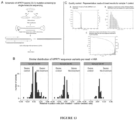
- NA consists of a 2-amino-1,8-naphthyridine moiety and an 8-azaquinolone moiety (see, for example Figure 1A ).
- Two molecules of NA intercalate into the DNA helix, with the 2-amino-1,8-naphthyridine moiety available for hydrogen bonding to guanine and the 8-azaquinolone moiety available for hydrogen bonding to adenine, which results in two cytosines being extruded or pushed out of the helix.
- the results presented herein indicate that NA acts in post-mitotic cells during transcription of the mutant repeat, is specific for the expanded mutant allele, and is mediated by modulating the repair of CAG slip-outs.
- trinucleotide repeat instability diseases that can be treated with NA as described herein include the diseases associated with the CAG / CTG trinucleotide repeats.
- Such diseases include, without limitation, Huntington's disease (HD), Huntington's disease-like 2 (HDL2), myotonic dystrophy (DM1), Spinocerebellar ataxia type 1 (SCA1), SCA2, SCA3, SCA4, SCA6, SCA7, SCA8, SCA12, SCA17, Spinal and bulbar muscular atrophy (SBMA), Dentatorubropallidoluysian atrophy (DRPLA), Fuch's Endothelial Corneal Dystrophy 2 (FECD2), schizophrenia, bipolar disorder (KCNN3), breast cancer risk factor AIB1 (also known as NCOA3, SRC-3, ACTR, pCIP, RAC3, and TRAM1).
- HD Huntington's disease
- HDL2 Huntington's disease-like 2
- DM1 myotonic dystrophy
- SCA1 Spinocerebellar ataxia type 1
- SCA2 Spinocerebellar ataxia type 1
- SCA2 Spinocere
- Individuals having a disease caused by a trinucleotide repeat DNA instability typically are identified using genetic analysis (e.g., PCR amplification, sequencing, restriction digest analysis, restriction fragment length polymorphisms) to determine the size of the repeat (e.g., the number of trinucleotide repeats) and/or the presence of an expanded region (e.g., an expansion).
- genetic analysis e.g., PCR amplification, sequencing, restriction digest analysis, restriction fragment length polymorphisms
- NA can be formulated with a pharmaceutically acceptable carrier for delivery to an individual in a therapeutic (or effective) amount.
- the particular formulation and the therapeutic amount is dependent upon a variety of factors including the route of administration, the dosage and dosage interval of the NA, the sex, age, and weight of the individual being treated, the severity of the affliction, and the judgment of the individual's physician.
- Determining the developmental timing of somatic expansions in a given tissue may enhance the ability to administer NA in a way that prevents the onset of somatic expansions and/or more easily induces contractions to lengths closer to the non-affected lengths.
- pharmaceutically acceptable carrier is intended to include any and all excipients, solvents, dispersion media, coatings, antibacterial and anti-fungal agents, isotonic and absorption delaying agents, and the like, compatible with administration.
- pharmaceutically acceptable carriers are well known in the art. Except insofar as any conventional media or agent is incompatible with a compound, use thereof is contemplated.
- Pharmaceutically acceptable carriers for delivering compounds are well known in the art. See, for example Remington: The Science and Practice of Pharmacy, University of the Sciences in Philadelphia, Ed., 21st Edition, 2005, Lippincott Williams & Wilkins ; and The Pharmacological Basis of Therapeutics, Goodman and Gilman, Eds., 12th Ed., 2001, McGraw-Hill Co.
- the type of pharmaceutically acceptable carrier used in a particular formulation can depend on various factors, such as, for example, the physical and chemical properties of the compound, the route of administration, and the manufacturing procedure.
- Pharmaceutically acceptable carriers are available in the art, and include those listed in various pharmacopoeias. See, for example, the U.S.
- USP Japanese Pharmacopoeia
- JP Japanese Pharmacopoeia
- EP European Pharmacopoeia
- BP British pharmacopeia
- FDA Food and Drug Administration
- CDER Center for Drug Evaluation and Research
- a pharmaceutical composition that includes NA as described herein is typically formulated to be compatible with its intended route of administration.
- Suitable routes of administration include, for example, oral, rectal, topical, nasal, pulmonary, ocular, intestinal, and parenteral administration.
- Routes of parenteral administration include intravenous, intramuscular, and subcutaneous administration, as well as intraperitoneal, intra-arterial, intra-articular, intracardiac, intracisternal, intradermal, intralesional, intraocular, intrapleural, intrathecal, intrauterine, and intraventricular administration.
- the NA may be formulated as an aqueous solution using physiologically compatible buffers, including, for example, phosphate, histidine, or citrate for adjustment of the formulation pH, and a tonicity agent, such as, for example, sodium chloride or dextrose.
- physiologically compatible buffers including, for example, phosphate, histidine, or citrate for adjustment of the formulation pH
- a tonicity agent such as, for example, sodium chloride or dextrose.
- NA can be formulated in liquid or solid dosage forms, and also formulated as an instant release or controlled / sustained release formulations. Suitable forms for oral ingestion by an individual include tablets, pills, hard and soft shell capsules, liquids, gels, syrups, slurries, suspensions, and emulsions.
- Solid oral dosage forms can be obtained using excipients, which can include fillers, disintegrants, binders (dry and wet), dissolution retardants, lubricants, glidants, anti-adherants, cationic exchange resins, wetting agents, antioxidants, preservatives, coloring, and flavoring agents.
- excipients can include fillers, disintegrants, binders (dry and wet), dissolution retardants, lubricants, glidants, anti-adherants, cationic exchange resins, wetting agents, antioxidants, preservatives, coloring, and flavoring agents.
- excipients examples include cellulose derivatives, citric acid, dicalcium phosphate, gelatine, magnesium carbonate, magnesium / sodium lauryl sulfate, mannitol, polyethylene glycol, polyvinyl pyrrolidone, silicates, silicium dioxide, sodium benzoate, sorbitol, starches, stearic acid or a salt thereof, sugars (e.g., dextrose, sucrose, lactose), talc, tragacanth mucilage, vegetable oils (hydrogenated), and waxes.
- sugars e.g., dextrose, sucrose, lactose
- talc talc
- tragacanth mucilage examples of such excipients.
- NA can be administered topically, such as through a skin patch, a semi-solid, or a liquid formulation, for example a gel, a (micro-) emulsion, an ointment, a solution, a (nano / micro)-suspension, or a foam.
- Penetration of NA into the skin and underlying affected tissues can be regulated, for example, using penetration enhancers; the appropriate choice and combination of lipophilic, hydrophilic, and amphiphilic excipients, including water, organic solvents, waxes, oils, synthetic and natural polymers, surfactants, emulsifiers; by pH adjustment; and/or the use of complexing agents.
- NA can be administered in a therapeutic amount to an individual having a disease caused by trinucleotide repeat DNA instability.
- a therapeutic amount or dose of NA refers to the amount of NA that results in either arresting somatic expansions, or a reduction in the inherited size of the trinucleotide repeat DNA sequence (e.g., a reduction in the number of trinucleotide repeats) and, eventually, a reduction in, or amelioration of, one or more symptoms without inducing any adverse effects.
- the therapeutic amount correlates with the number of repeats present.
- Toxicity and therapeutic efficacy of NA can be determined by standard pharmaceutical procedures in cell cultures or experimental animals, e.g., by determining the LD50 (the dose lethal to 50% of the population) and the ED50 (the dose therapeutically effective in 50% of the population).
- the dose ratio of toxic to therapeutic effects is the therapeutic index, which can be expressed as the ratio LD50/ED50.
- a therapeutic amount of NA can be administered in a single dose (i.e., a one-time dose) or a therapeutic amount of NA can be administered in more than one dose (i.e., a plurality of times) or even in a slow, continuous manner using, for example, a pump or a patch.
- a therapeutic amount of NA refers to about 0.01 ⁇ M to about 1 M (e.g., about 0.05 uM to about 0.75 M; about 0.1 uM to about 0.5 M; about 0.5 uM to about 0.1 M; about 1 uM to about 50 mM; about 50 uM to about 1 mM; or about 100 uM to about 0.5 mM) of NA.
- the concentration of NA in a composition as described herein can be between about 1% and about 50% (e.g., between about 5% and about 40%; between about 10% and about 30%; between about 15% and about 25%; or about 20%).
- NA can be administered in a dose-dependent manner depending upon the number of trinucleotide repeats a person has inherited, or the rate of somatic expansions in a given tissue.
- a therapeutic amount of NA e.g., in one or more doses
- the therapeutic amount of NA may differ for different tissues within the same individual.
- the primary tissues that exhibit the most expansion includes the striatum, the cerebral cortex, the basal ganglia, medium spiny neurons, and the male germline; in myotonic dystrophy type I, the primary somatic tissues that exhibit expansion includes the brain, heart, and the cerebral cortex.
- DM1 see, for example, Lopez Castel et al. (2011, Hum. Mol. Genet., 20:1-15 ) and Seriola et al. (2011, Hum. Mol.
- the methods described herein also can include the step of monitoring individuals that have received NA.
- the size of the trinucleotide repeat can be monitored in cells from the individual.
- the monitoring step can occur with the desired frequency; for example, the individual, or cells from one or more tissues from the individual, can be monitored with the same frequency as the NA is administered (e.g., before or after the NA is administered) or can be monitored at another desired frequency (e.g., weekly, monthly, or yearly).
- the results of the monitoring step can determine, or help determine, the tissue(s) that require treatment, the therapeutic amount, and/or the appropriate frequency with which the therapeutic amount should be delivered to the individual (or to the tissue).
- the NA can be modified in a number of ways to increase its stability, tissue-selectivity, uptake, or combinations thereof in vivo.
- the NA can be delivered via, for example, liposomes, an intracranial pump, intramuscular diffusion, a blood-brain barrier "key", or another formulation that stabilizes and/or provides protection for the NA during administration and delivery to the affected cells / tissues.
- NA increased the melting temperature of (CAG) 10 hairpins from 47.1 ( ⁇ 0.7) °C to 78.8 ( ⁇ 0.1) °C at 50 ⁇ M NA, surpassing the melting temperature of (CTG) 10 hairpins (54.4 ( ⁇ 0.3) °C).
- CCG melting temperature
- NA-binding increased for longer repeats with isolated short oligonucleotides of (CAG)10-30 ( Nakatani et al., 2005, Nat. Chem. Biol., 1:39-43 ).
- NA- CAG/CAG bound structure was determined by NMR spectroscopy, and this structure was deposited in the Protein Data Bank (PDB) and assigned Accession Number 1X26. These features explain the remarkable selectivity of NA for CAG hairpins; both sequence- and hairpin-specificity likely target the CAG/CTG expanded allele.
- Solvents and starting materials were purchased by the standard suppliers and used without further purification.
- Analytical thin-layer chromatography TLC was performed on 0.2 mm silica 60 coated on plates with F254 indicator. Flash column chromatography was performed on Wako gel C-200 silica gel.
- High performance liquid chromatography HPLC was performed by a Gilson 811C Dynamic Mixer system with a UV detector set at 254 nm using a Cosmosil 5C18-MS-II column (150 ⁇ 20 mm) with a dual solvent system of 0.1% HOAc/H 2 O (Solvent A) and MeCN (Solvent B).
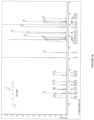
- NMR nuclear magnetic resonance
- HT1080 human fibrosarcoma cells were co-transfected with a plasmid (LC15-R) containing 800-850 (CTG)•(CAG) repeats ( Nakatani et al., 2005, Nat. Chem. Biol., 1:39-43 ) and a plasmid encoding PhiC31 integrase. Transfection was performed with a Nucleofector (Lonza, Basel, Switzerland), and stably transfected clones were selected with puromycin.
- the HT1080-non transcribing (CAG) 850 cell model was established by transfecting a plasmid modified from pLC16 by adding a SV40 polyadenylation signal downstream of the repeats, instead of LC15-R.
- the HT1080-non-transcribing (CAG)850 cell model was established by transfecting a plasmid modified from pLC16 by inserting an additional SV40 polyadenylation signal downstream of the repeats (in addition to the original polyadeniylation signals located upstream of the repeats), so that CAG/CTG repeats are floxed by transcription-terminator elements.
- the AttB-PhiC31 system has been widely used for single copy integration.
- the HD primary fibroblast cell line GM02191 (Coreill Biorepository) with an expanded allele of 43 CAG repeats and a non-expanded allele of 19 repeats, were cultured at 37°C with 5% CO 2 in Dulbecco's modified Eagle's medium supplemented with 10% fetal bovine serum and 1% penicillin/streptomycin. Cells were treated with or without continuous exposure to 50- ⁇ M NA for 30 days (HT1080 cells) or for 40 days (fibroblast cells). For experiments on non-proliferating cells, HT1080 cells were grown to confluence and then treated for the same period. WST-1 assay was performed according to the manufacturer's instructions (Roche, Basel, Switzerland). All cell lines were tested to be free of mycoplasma. Three biological replicates were performed for each experiment.
- Proliferation was inhibited by growth under contact inhibition and serum starvation, as previously performed. Degree of arrest from proliferation was assessed in living cells by counting BrdU positive cells after 24 hrs incubation with BrdU in proliferating or contact-inhibited (and serum starved) HT1080-(CAG)850 cells. The percentage of BrdU positive cells was 92.6% in proliferating cells and 8.17% in contact-inhibited cells. Although a small portion of HT1080-(CAG)850 cells were still proliferating even under contact-inhibition and serum starvation, the ratio is very small.
- HT1080-(CAG)850 cells were incubated with 50- ⁇ M NBD-labeled NA for 48 hr and Cell Light Plasma Membrane-RFP, BacMam 2.0 (Life Technologies, Carlsbad, CA), then fixed for 15 min at RT with 4% paraformaldehyde and washed 2 times for 10 min in phosphate buffered saline (PBS). Cells were mounted with Vectashield hard-set mounting media that contains DAPI (Vector Laboratories, Burlingame, CA). Fluorescence images were obtained using Olympus FV1000D confocal laser scanning microscope (Olympus, Tokyo, Japan).
- Genomic DNA was extracted from HT1080-(CAG)850 clones and HD primary fibroblasts using the Gentra Puregene Cell Kit (Qiagen, Valencia, CA).
- the expanded (CTG)•(CAG) repeats were sized by small-pool PCR (sp-PCR) followed by Southern blot as described previously ( Sathasivam et al., 1997, Hum. Genet., 99:692-5 ).
- small-pool PCR spPCR
- the repeat size difference in the models is, at most, 3000 base-pairs, therefore, being strictly conservative, a bias toward amplifying the shorter allele can be possible, even under optimized PCR conditions described herein.
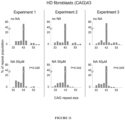
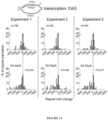
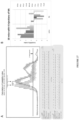
- the Y-axis, "% of repeat population" was calculated by determining the proportion of >50 individual small-pool PCR reactions across the CAG repeat tract, that harbored a certain size of repeat product with a certain length.
- Cell clones were grown 30 or 40 days with or without NA (see, for example, Sathasivam et al., 1997, Hum. Genet., 99:692-5 ).
- the histograms of repeat length distributions were from at least two different cell clones.
- Length distributions were determined as follows: Small-pool PCR followed by Southern blot for analysis of CAG/CTG repeat length. DNA from fibroblast clones was diluted to produce, on average, one amplifiable expanded repeat allele per PCR tube. The repeat tract was amplified by 24 cycles of PCR. Amplified products were electrophoretically resolved, detected by Southern blot probing with a CAG repeat oligonucleotide, and repeat lengths determined relative to a DNA size marker. The scale on the left shows molecular weight markers (M) converted into repeat number for CAG-repeat fragments of equivalent size. To facilitate comparisons, a dashed line indicates the unchanged CAG size.
- M molecular weight markers
- the trinucleotide and dinucleotide tract lengths of the HTT, CASK, ATXN8, Mfd15, TDP, and murine Mapkap1, Fgd4, and tdp loci were PCR amplified through use of primers (listed in Table 1) and amplification conditions described elsewhere (see, for example, Kremer et al., 1995, Am. J. Hum. Genet., 57:343-50 ; Brook et al., 1992, Cell, 69:385 ; Koob et al., 1999, 21:379-84; Dietmaier et al., 1997, Cancer Res., 57:4749-56 ; Kabbarah et al., 2003, Mol.
- Primer sequences for transgene mRNA in the CAG-repeat direction were 5'-AGA GAA TAG GAA CTT CGG AAT AGG - 3' (SEQ ID NO: 21) and 5'-CCA TGT TCA TGC CTT CTT CTT T-3' (SEQ ID NO: 22).
- the probe sequence was 5'-ACA GCA CAA TAA CCA GCA CGT TGC-3' (SEQ ID NO: 23).
- the affinity of each NA molecule/CAG-CAG was estimated as 1.8 ⁇ 10 6 M -1 as Ka or 0.56 ⁇ 10 -6 M as Kd ( Nakatani et al., 2005, Nat. Chem. Biol., 1:39-43 ).
- Substrates were identical except for a single slip-out that varied only in the number of excess repeats, or in the location of the nick.
- the slip-out extruded at a unique point from a fully base-paired backbone of (CTG)n•(CAG)n, where n could equal 30, 47, 48, or 50 repeats.
- CCG CCGn•(CAG)n
- n could equal 30, 47, 48, or 50 repeats.
- G-T mismatched substrate was prepared as described previously ( Panigrahi et al., 2005, Nat. Struct. & Mol. Biol., 12:654-62 ; Panigrahi et al., 2010, PNAS USA, 107:12593-8 ). All these substrates were processed in vitro by HeLa extracts and then were assessed for repair. Repair products were analyzed by Southern blotting, probed for the repeat-containing fragment, and compared with starting material, which permitted quantitative assessment of repair efficiency at a molar level. Each repair assay was
- Plasmids bearing an expanded (CAG)79•(CTG)79 repeat tract with convergent T3 and T7 RNA polymerase promoters have been previously described in detail ( Panigrahi et al., 2002, J. Biol. Chem., 277:13926-34 ). Transcription reactions were performed as previously described ( Reddy et al., 2014, Nuc. Acids Res., 42:10473-87 ). Briefly, 500 ng of template DNA in 1x transcription buffer (Roche) and 1x bovine serum albumin (NEB) were mixed for 1 h with 20 U of the appropriate RNA polymerase: T7, T3 or T7+T3 (Roche), with or without NA 120 ⁇ M.
- 1x transcription buffer Roche
- NEB 1x bovine serum albumin
- R-loop templates prepared from in vitro transcription and RNase A treatments were incubated with NA and then processed by extracts of HeLa or SH-SY5Y neuroblastoma cells, where the latter were terminally differentiated by retinoic acid, as previously described ( Panigrahi et al., 2005, Nat. Struct. & Mol. Biol., 12:654-62 ). These cell extracts are functional, processing slipped-strand DNAs formed by CAG/CTG repeats, and are capable of inducing replication-mediated CAG/CTG expansions and contractions. Nucleic acid material was subsequently extracted.
- Miniprep DNA was analyzed for changes in repeat length by analysis of the repeat-containing fragment on 4% polyacrylamide gels.
- the magnitudes of repeat length changes were determined by electrophoretic sizing of the repeat-containing fragments on 4% polyacrylamide gels relative to the starting length material and a known set of size markers.
- the non-transcribed DNA template (no transcription from T3 or T7 promoter) that was treated with human cell extract and subjected to STRIP served as the cell extract processing control to assess basal levels of length heterogeneity present in the starting material (instability during preparation in bacteria), as well as any instability that may be incurred by exposure of the fully-paired DNA repeat to the HeLa extract.
- Products were characterized as either stable (having 79 repeats) or unstable (having fewer than or greater than 79 repeats), based on electrophoretic migration and plotted.
- Data are derived from three independent in vitro transcription and human cell extract processing reactions with ⁇ 150 colonies ( ⁇ 50 colonies per replicate) representing 150 individual products of cell extract treatment analyzed for each R-loop configuration. Individual experiments were compared with each other within a triplicate using the ⁇ 2 test to ensure there were no significant differences between experiments and then data were pooled for each experimental condition. As described ( Reddy et al., 2014, Nuc. Acids Res., 42:10473-87 ), products of R-loop processing were compared to the DNA control processing products using the ⁇ 2 test.
- MutS beta was purified from baculovirus-infected Sf9 cells expressing his-tagged hMSH2 and hMSH3 as previously described ( Panigrahi et al., 2010, PNAS USA, 107:12593-8 ). Binding reactions were performed at room temperature. Heteroduplex SI-DNA with long (CAG)20 was prepared and end-labelled as described above. Protein was incubated with DNA for 30 minutes in a buffer containing 10mM HEPES-KOH pH 7.5, 110mM KCl, 1mM EDTA, and 1mM DTT with or without ATP in the buffer as indicated. Reactions were loaded onto a 4% native polyacrylamide gel with non-denaturing loading dye (20mM Tris-HCl pH 7.4, 4% glycerol, bromophenol blue). Gel was run in 1X TBE buffer for 2 h.
- FAN1 nuclease was purified from baculovirus-infected Sf9 cells using a double-affinity purification strategy as described previously for PALB2 ( Buisson et al., 2010, Nat. Struct. Mol. Biol., 17(10):1247-54 ) . Briefly, FAN1 was tagged at the N-terminus by a GST-tag and FLAG/His10-tagged at the C-terminus. Following GST-pull-down, the GST tag was removed by incubation with PreScission Protease and affinity purified on Talon beads (GE Healthcare).
- Nuclease reactions were stopped by adding 20 mM EDTA and purified by extraction with phenol/chloroform/isoamyl alcohol (25:24:1, v/v/v) following by ethanol precipitation. Reaction products were run on a 8% polyacrylamide gel at 200 V for 1 h. To identify FAN1 digestion sites, Maxam-Gilbert sequencing (G>A and T reactions) of the 32 P labelled oligos was performed. Digestion fragments were separated on a 8% sequencing gel at 2500V and 82W for 75 min.
- Pol beta Human DNA polymerase beta was isolated from E.coli clones and purified by ion exchange and affinity chromatography (Chimerx, catalog#1077, Lot#2203007). Protein concentrations were determined using a Bradford assay.
- Recombinant human polymerase delta (Pol delta) was prepared in insect cells using a recombinant baculovirus vector and purified by immunoaffinity column chromatography, as described ( Zhou et al., 2012, PLoS ONE, 7(6):e39156 ). Protein concentrations determined using a Bradford assay.
- Pol delta extension assay was performed as previously described ( Mason et al., 2010, Biochem., 49:5919-28 ), using an oligo containing (CAG)10 repeats. Oligo's sequence and primer condition were previously described ( Hagihara et al., 2011, Chem. Bio. Chem., 12:1686-9 ). Briefly, 0.1 ⁇ M primer and 0.1 ⁇ M oligo were denatured at 95°C for 3 min, annealed for 30 min at RT, and incubated with NA for 30 min. at RT. RPA and/or Pol delta were added and the reactions was started by adding 0.1 mM dNTPs in 10 ⁇ l reaction volume, and incubated at 37°C for 15 min.
- the reaction was stopped by adding 20 mM EDTA and purified by extraction with phenol/chloroform/isoamyl alcohol (25:24:1, v/v/v) following by ethanol precipitation. Pellets were resuspended in formamide buffer, denatured at 95°C for 10 min and run on a 6% sequencing gel at 2000 V and 90 W for 40 min.
- mice were anesthetized with 50 mg/kg pentobarbital sodium, and stereotaxically injected with 5 ⁇ l of saline (right side) or 500 ⁇ M NA dissolved in saline (left side) into three different sites of the striatum. The mice received injections once or twice bi-weekly, or weekly for 4 consecutive weeks.
- AP anterior-posterior
- ML medial-lateral
- DV dorsal-ventral
- AP 1.0 mm
- ML 1.5 mm
- DV 2.5 mm
- Each mouse had an internal control, as both sides of the brain were stereotaxically injected with either saline, in the right striatum, and NA, in the left striatum.
- the control of our NA treatment is therefore the contralateral side of the striatum of each mouse.
- Both right and left striatum were assessed for repeat length at the HD CAG transgene and at endogenous, long CAG tracts.
- DNAs from the tail prior to and following NA administration, as well as left and right frontal cortex and left and right cerebellum were harvested.
- DNAs were extracted from three independent NA treatments of the HD primary fibroblast cell line GM09197 and from three independent untreated control cells.
- HPRT1 exons 2 and 3 were amplified using the high fidelity Platinum Taq DNA Polymerase (Invitrogen, Cat #11304) and the primers shown in Table 1.
- Amplification products were analyzed using single molecule, real-time (SMRT) sequencing on the PacBio RSII instrument (see Figure 13A ).
- a ⁇ 2.8 kb PCR product spanning exons two and three of HPRT1 was sequenced for three replicates of male HD patient-derived cells in both NA- and saline-treated colonies on a Pacific Biosciences (PacBio) RSII with P6-C4v2 chemistry, 360 minute movies, and one SMRT cell per replicate/treatment combination.
- Individual molecules from the original cell colony were represented by single long reads from the corresponding SMRT cell.
- PacBio's SMRTbell construct allows a single molecule to be sequenced one or more times in a single long read based on the number of "passes" the sequencing polymerase makes around the SMRTbell insert.
- Consensus sequences were aligned to the corresponding region of the human reference (GRCh38, chrX:134,473,062-134,475,958) with BLASR (SMRT Analysis 2.3.0; parameters: - affineAlign -affineOpen 8 -affineExtend 0 -bestn 1 -maxMatch 30 -sdpTupleSize 13 -m 5) and all single base pair differences were identified between sequences and the reference (mismatches, insertions, and deletions) for sequences with full-length alignments (2.5-3 kbp).
- the average alignment identity of the consensus sequences was 99.698% +/- 0.3321% SD with a range of 94.7679% to 100%.
- the mutation rate for each replicate/treatment combination the number of times a specific variant occurred was calculated between high-quality PacBio consensus reads at a specific position in the human reference (GRCh38) divided by the total number of high-quality reads aligned across each position.
- the relative mutation rate was calculated between NA- and saline-treated cells as the mutation rate for NA-treated cells minus the rate for saline-treated cells and identified excess mutation rates based on an absolute relative rate >0.5%.
- a CAG-specific DNA binding compound Naphthyridine-Azaquinolone (NA) ( Nakatani et al., 2005, Nat. Chem. Biol., 1:39-43 ; Hagihara et al., 2006, Nuc. Acids Symp. Ser. (Oxf.), 50:147-8 ; Hagihara et al., 2011, Chembiochem., 12:1686-9 ) previously was designed.
- NA Naphthyridine-Azaquinolone
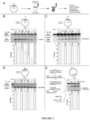
- NA bound a distorted intra-strand CAG hairpin where the naphthyridine and azaquinolone moieties in NA exhibit complementary hydrogen bonding to guanine and adenine, respectively, causing two cytosine bases to flip-out from the CAG hairpin ( Figure 2A and 2B ).
- NA also bound with a preference for longer CAG hairpins, where the greatest binding was to (CAG)30, followed by binding for (CAG)20, and (CAG)10 ( Nakatani et al., 2005, Nat. Chem.
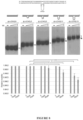
- NA did not bind to fully-duplexed DNA fragments containing (CAG)50•(CTG)50 repeats, and high concentrations of NA did not induce structural alterations of the fully-duplexed repeat ( Figure 2C-2D ).
- the same (CAG)50•(CTG)50 molecules could be induced to harbor clustered short slip-outs, called S-DNAs, which comprise a heterogeneous mixture of molecules, each containing 2-62 short slip-outs of mostly 1 to 5 repeat units each, extruding at various locations from both strands along the repeat tract ( Pearson et al., 1998, Nuc. Acids Res., 26:816-23 ; Panigrahi et al., 2010, PNAS USA, 107:12593-9 ).
- S-DNAs can bind NA to a limited degree, but their short slip-outs and electrophoretic heterogeneity may not permit detection of a single-shifted species.
- Slipped-heteroduplexes with an excess of twenty CAG repeats in the slip-out of (CAG)50•(CTG)30 were extensively bound by NA ( Figure 2C-2D , see also Figure 7 ).
- NA-binding caused a band-broadening, previously observed for other DNA-binding ligands ( Neilsen et al., 1988, Biochem., 27:67-73 ; Carlsson et al., 1995, Nuc.
- NA blocks processing of slipped-DNAs, suggesting it may modify repeat instability.
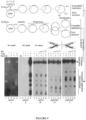
- NA specifically inhibits repair of slipped-DNAs with long (CAG)20 slip-outs, but not (CTG)20 slip-outs ( Figure 3A-3C ), consistent with its designed specificity for CAG hairpins ( Figure 2 ). That NA blocked the repair of a (CAG)20 slip-out, is consistent with the inability of human and other DNA polymerases to extend primers along NA-bound (CAG)10 - (CAG)20 templates.
- the repair of long (CAG)20 slip-outs is independent of mismatch repair (MMR), indicating that the effect of NA does not require an involvement of MMR.
- MMR mismatch repair
- NA did not block MMR and is unlikely to cause genome-wide mutations known to occur in the genetic absence of MMR ( Figure 3E ).
- the preference of NA to block repair of long CAG slip-outs may forcast the ability to modulate repeat instability.
- NA is cell-permeable and can enter the nuclei without causing acute cytotoxicity or slowed proliferation to human cells ( Figure 2E -2G) or DNA replication ( Figure 8 ).
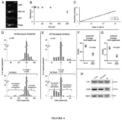
- NA is cell-permeable and can enter the nuclei without causing acute cytotoxicity or slowing proliferation of human cells ( Figure 4A-4C ) or altering DNA replication ( Figure 9 ). Tract lengths >200 repeats are frequent amongst brain cells that have incurred somatic expansions in HD individuals that inherited the common mutations of (CAG)40-50. NA induced a significant shift in repeat population towards contraction of a (CAG)180•(CTG)180 tract at the Huntington's disease locus in primary fibroblasts derived from an HD patient.
- An HD patient fibroblast also was treated with an expanded allele of 43 CAG repeats, a mutation common to the majority of patients.
- NA can induce contractions of expanded tract lengths common to inherited and somatically expanded alleles.
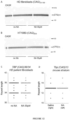
- NA does not affect either the non-expanded HD repeat or other microsatellite repeats known to be prone to instability under stressed conditions ( Figure 4H & Figure 12 ), suggesting that NA is specific for the expanded CAG/CTG repeat and will not deleteriously affect other repeats.
- the effect of NA was assessed at the very long, but not genetically unstable, CAG tract of the TBP gene in the NA-treated HD patient cells.
- the normal range of repeats in TBP is 25-41, while stretches of >49 repeats cause fully-penetrant disease (SCA17) and stretches of 42-48 are lead to reduced penetrance.
- the non-mutant TBP gene has lengths of 38 and 34 repeats, above and just below the HD disease CAG length threshold of 34/35 repeats.
- NA would only be expected to have an effect if the TBP repeat were actively undergoing events of instability that would lead to the formation of slipped-DNA structures - to which NA binds.
- NA did not change the length distribution of the TBP repeats ( Figure 12C , Table 2).
- Figure 12C Table 2
- Figure 4D-4G mutant HD tracts of (CAG)43-180
- Figure 4D-4G supports the specificity of NA for repeats actively undergoing instability, presumably involving slipped-DNAs.
- the inability of NA to affect a non-expanded repeat tract is likely due to the poor ability of short tracts to form slipped-DNAs, which is consistent with the absence of these structures at non-expanded loci.
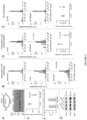
- the effect of NA was independent of cell proliferation and DNA replication ( Figure 5D , Figure 15 ), consistent with NA's lack of an effect upon cell proliferation ( Figure 4C ) or replication progression ( Figure 9 ).
- NA The effect of NA depended upon transcription across the repeat ( Figure 5E , Figure 16A-16C ), yet NA did not alter transcription across the expanded repeat ( Figure 5F ). NA does not affect non-expanded CAG/CTG tracts or other microsatellite repeats ( Figure 5G and Figure 12 ). Together, these results suggest that NA is effective independent of proliferation and dependent upon transcription across the repeat.
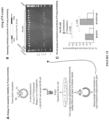
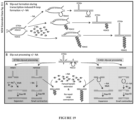
- NA may bind the intra-strand hairpins formed on the displaced dCAG strand and possibly further extend these to longer hairpins ( Figure 19A ). These NA-bound slipped-DNAs would escape repair and lead to contractions.
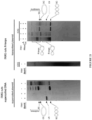
- MutS beta can bind long CAG slip-outs repeats, a complex that can be dissociated by ATP ( Figure 20 ), similar to previous reports.
- NA did not block binding of MutS beta to CAG slip-outs or block ATP-mediated dissociation of this complex ( Figure 20 ).
- NA does not block MutS beta from binding slip-outs, and since NA does not disallow formation of slip-outs from denatured repeat-containing DNAs ( Figure 2E )
- MutS beta if involved in the action of NA upon repeat instability, likely acts upstream, possibly forming slipped-DNAs during transcription, as suggested.
- FAN1/KIAA1018/MTMR15 is a DNA repair nuclease with a preference for DNA structures.
- FAN1 was recently identified as the top in several searches for modifiers of age-of-onset of HD and five other CAG diseases (SCA1, SCA2, SCA3, SCA7, & SCA17). While the manner by which FAN1 modulates age-of-onset is unknown, it could be speculated to do so by modulating somatic repeat instability. The action of FAN1 upon repeat DNAs was tested, for which there is no precedent.
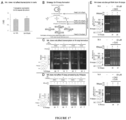
- FAN1 can cleave supercoiled and linear DNAs ( Figure 21 , left panel), and can cleave transcription-induced R-loop containing DNAs - thereby releasing the supercoil-dependent RNA portion ( Figure 21 , right panel).
- Slipped-DNAs may arise from misaligned DNA annealing following loss of the RNA from R-loops.
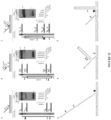
- FAN1 cleavage was mapped on three different slipped-DNA junctions: a control junction devoid of repeats; one with a CAG hairpin in the flap; and one with a CAG hairpin in the duplex region beyond the junction ( Figure 22 , top panels; Table 1).
- FAN1 cuts in the 5' single-strand flap and in the duplex beyond the flap. Cleavage at both sites is approximately equal for the control substrate ( Figure 22A & 22D ). However, for the CAG-substrates, cleavage is reduced at the duplex and hairpin regions ( Figure 22B-22C & 22E-22F , denaturing gels, see arrowheads). This suggests that the presence of a CAG hairpin may affect FAN1 activity. Inclusion of increasing amounts of NA in the reaction markedly reduced nuclease activity on the CAG in-duplex substrate, specifically affecting cleavage proximal to and within the CAG hairpin ( Figure 22C & 22F ).
- FAN1 cleavage of a slipped-CAG substrate can be altered by NA, a drug that has been shown to modify CAG instability ( Figures 3 , 5 & 6 ), supports the possibility that NA can modify the action of a DNA structure-specific nuclease, FAN1.
- the manner by which FAN1 may modulate HD age-of-onset is a focus of future studies.
- RPA Replication Protein A
- a key player in many DNA repair processes inhibits the formation of unusual DNA structures, like hairpins, through binding and stabilizing single-stranded regions.
- RPA has been reported to enhance DNA polymerase progression through difficult DNA templates by melting the structured template.
- the effect of NA upon RPA-binding to slipped-DNAs was assessed and upon enhancing progression by polymerase delta (pol delta, a polymerase implicated in CAG repeat instability) and active in brains in a repair capacity.
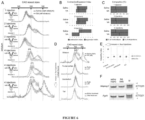
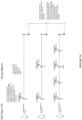
- NA competitively blocked the interaction of RPA to slipped-CAG repeats ( Figure 23A ).
- Pol delta was unable to synthesize across a CAG tract and this was rescued by the addition of RPA, likely through its ability to melt the impeding hairpin ( Figure 23B , lanes 2-4).
- NA blocked the enhanced progression of pol delta along the CAG template ( Figure 23A , lanes 5-6), a result consistent with NA binding competitively against RPA for the CAG tract ( Figure 23A ).
- These results support a mechanism of NA inducing CAG contractions through an inability of polymerases to synthesize through NA-bound CAG templates ( Figure 23C ). This result supports a process by which NA may induce contractions (see lower portion of Figure 19 ).
- the CAG repeats have been quantified to gain broadly distributed sizes of additional repeats at a rate of ⁇ 3.5 CAG unit per month per cell ( Lee et al., 2011, PLoS One, 6:e23647 ; Mollersen et al., 2010, PLoS Genet., 6:e1001242 ).
- mice with about 150 CAG repeats over a four-week period of NA treatment shows neurons en masse incurred contractions of -0.5 repeats lost/week.
- Extrapolating this to an HD-affected human applying a drug like NA prior to the rapid onset of somatic CAG expansions could effectively block expansions and induce contractions of the inherited expanded allele to shorter lengths, where treatments spanning one year could contract the repeat by 5-25 repeats.
- treatments spanning one year could contract the repeat by 5-25 repeats.
- this could be significant and modify disease onset and progression.
- NA-enhanced contractions in various cell models are consistent with the increased contractions in vivo, and the absence of an effect of NA at replication forks and an independence from replication but a requirement of transcription are all consistent with the absence of a requirement of proliferation in cells or striatum where transcription occurs.
- NA affects R-loop processing to contractions is consistent with NA affecting instability in cell lines and striatum undergoing transcription producing rCAG-dCTG R-loops, displacing the CAG DNA strand and allowing it to be bound by NA.
- NA binds to and inhibits repair of long, but not short, CAG slip-outs is consistent with NA preferentially affecting the larger repeat sizes in striatum, which undergo large saltatory expansions.
- a (CAG)6 antisense oligonucleotide was able to reduce instability of a (CTG)800, but did not induce contractions of an expanded repeat ( Nakamori et al., 2011, Mol. Ther., 19:2222-7 ).
- CRISPR/Cas9 treatment of HD cells to target the mutant allele, deleted ⁇ 44 kb DNA spanning promoter region, transcription start site, and the CAG expansion of the mutant HTT allele, resulting in haplo-insufficiency with a functional non-mutant allele.
- a small molecule approach may overcome some of the in vivo hurdles (delivery, specificity, etc.) of enzyme-mediated paths.
- NA a DNA ligand that binds slipped-strand DNA structures comprised of CAG repeats
- NA can shift the dynamic of repeat instability in favor of contractions rather than further expansions.
- NA likely acts by inhibiting cycles of aberrant repair of slipped-DNA, possibly by perturbing the interaction of DNA repair proteins with the slipped-DNA.
- Other nucleic acid binding compounds demonstrated to be effective towards attacking deleterious repeat r(CUG) RNA-protein interactions or CAG/CTG transcription may also affect repeat instability.
- NA The attributes of NA - its sequence- and structure-specificity, its preferential effect upon expanded repeat harboring slipped-DNAs, its ability to induce contractions in vivo in an affected brain region - make it a first-in-class example showing the potential of small molecule DNA-binding compounds to impact CAG repeat instability by inducing contractions and inhibiting expansions of disease-causing expanded repeats.
- Administration of such small molecules, once optimized for therapy, to human brains might effectively target the root cause and address all downstream effects caused by the expansion mutation. Table 2.
- a A cut-off point of ⁇ 25 repeats was used to determine expansion and contraction.
- b P-values were calculated using the ⁇ 2 test to compare the proportions of expanded, unchanged, and contracted alleles within the population of HT1080-(CAG)850 cells.
- d A cut-off point of ⁇ 10 repeats was used to determine expansion and contractions.
- e P-values were calculated using the ⁇ 2 test to compare the proportions of expanded, peak repeat, and contracted alleles within the populations of HD fibroblasts.
- f P-values were calculated by Student's t test.
Landscapes
- Health & Medical Sciences (AREA)
- Chemical & Material Sciences (AREA)
- Life Sciences & Earth Sciences (AREA)
- Medicinal Chemistry (AREA)
- Veterinary Medicine (AREA)
- Public Health (AREA)
- Pharmacology & Pharmacy (AREA)
- Animal Behavior & Ethology (AREA)
- General Health & Medical Sciences (AREA)
- Bioinformatics & Cheminformatics (AREA)
- Engineering & Computer Science (AREA)
- Neurology (AREA)
- Neurosurgery (AREA)
- Biomedical Technology (AREA)
- General Chemical & Material Sciences (AREA)
- Nuclear Medicine, Radiotherapy & Molecular Imaging (AREA)
- Organic Chemistry (AREA)
- Chemical Kinetics & Catalysis (AREA)
- Epidemiology (AREA)
- Psychiatry (AREA)
- Hospice & Palliative Care (AREA)
- Dermatology (AREA)
- Dispersion Chemistry (AREA)
- Physical Education & Sports Medicine (AREA)
- Orthopedic Medicine & Surgery (AREA)
- Psychology (AREA)
- Measuring Or Testing Involving Enzymes Or Micro-Organisms (AREA)
- Pharmaceuticals Containing Other Organic And Inorganic Compounds (AREA)
- Medicines That Contain Protein Lipid Enzymes And Other Medicines (AREA)
Applications Claiming Priority (2)
| Application Number | Priority Date | Filing Date | Title |
|---|---|---|---|
| US201662374072P | 2016-08-12 | 2016-08-12 | |
| PCT/IB2017/054932 WO2018029660A1 (en) | 2016-08-12 | 2017-08-12 | Methods of treating diseases associated with repeat instability |
Publications (2)
| Publication Number | Publication Date |
|---|---|
| EP3496713A1 EP3496713A1 (en) | 2019-06-19 |
| EP3496713B1 true EP3496713B1 (en) | 2024-03-13 |
Family
ID=60009661
Family Applications (1)
| Application Number | Title | Priority Date | Filing Date |
|---|---|---|---|
| EP17778331.3A Active EP3496713B1 (en) | 2016-08-12 | 2017-08-12 | Naphthyridine azaquinolone to treat diseases associated with dna repeat instability |
Country Status (6)
| Country | Link |
|---|---|
| US (1) | US11672786B2 (enExample) |
| EP (1) | EP3496713B1 (enExample) |
| JP (1) | JP7236707B2 (enExample) |
| CN (1) | CN110381943A (enExample) |
| CA (1) | CA3033590A1 (enExample) |
| WO (1) | WO2018029660A1 (enExample) |
Families Citing this family (1)
| Publication number | Priority date | Publication date | Assignee | Title |
|---|---|---|---|---|
| JP7084611B2 (ja) * | 2018-04-06 | 2022-06-15 | 国立大学法人大阪大学 | 脊髄小脳変性症31型抑制剤 |
Family Cites Families (2)
| Publication number | Priority date | Publication date | Assignee | Title |
|---|---|---|---|---|
| DK2049664T3 (da) | 2006-08-11 | 2012-01-02 | Prosensa Technologies Bv | Enkeltstrengede oligonukleotider, som er komplementære til repetitive elementer, til behandling af med DNA-repetitiv-ustabilitet associerede lidelser |
| JP5866283B2 (ja) * | 2009-07-28 | 2016-02-17 | サンガモ バイオサイエンシーズ, インコーポレイテッド | トリヌクレオチド反復疾患を治療するための方法および組成物 |
-
2017
- 2017-08-12 CA CA3033590A patent/CA3033590A1/en active Pending
- 2017-08-12 JP JP2019529315A patent/JP7236707B2/ja active Active
- 2017-08-12 EP EP17778331.3A patent/EP3496713B1/en active Active
- 2017-08-12 CN CN201780063252.0A patent/CN110381943A/zh active Pending
- 2017-08-12 WO PCT/IB2017/054932 patent/WO2018029660A1/en not_active Ceased
- 2017-08-12 US US16/325,066 patent/US11672786B2/en active Active
Also Published As
| Publication number | Publication date |
|---|---|
| CA3033590A1 (en) | 2018-02-15 |
| CN110381943A (zh) | 2019-10-25 |
| US20210283114A1 (en) | 2021-09-16 |
| JP2019524160A (ja) | 2019-09-05 |
| US11672786B2 (en) | 2023-06-13 |
| EP3496713A1 (en) | 2019-06-19 |
| JP7236707B2 (ja) | 2023-03-10 |
| WO2018029660A1 (en) | 2018-02-15 |
Similar Documents
| Publication | Publication Date | Title |
|---|---|---|
| Nakamori et al. | A slipped-CAG DNA-binding small molecule induces trinucleotide-repeat contractions in vivo | |
| JP6718474B2 (ja) | 延長リピート病を処置するためのオリゴヌクレオチド | |
| US10767178B2 (en) | Compositions and methods of using piRNAS in cancer diagnostics and therapeutics | |
| JP7416852B2 (ja) | Htra1の発現を調節するためのアンチセンスオリゴヌクレオチド | |
| US20100151470A1 (en) | Methods and compositions for locating snp heterozygosity for allele specific diagnosis and therapy | |
| US20220042022A1 (en) | Antisense oligonucleotides for modulating htra1 expression | |
| US11268093B2 (en) | Therapeutic method for huntington's disease | |
| EP3496713B1 (en) | Naphthyridine azaquinolone to treat diseases associated with dna repeat instability | |
| US20220372475A1 (en) | Inhibitors Of RNA Editing And Uses Thereof | |
| HK40016999A (en) | Methods of treating diseases associated with repeat instability | |
| Ging | Investigating the Role of Modifiers in Trinucleotide Repeat Diseases | |
| NZ749395A (en) | Antisense oligonucleotides for modulating htra1 expression | |
| HK40021168A (en) | Antisense oligonucleotides for modulating htra1 expression |
Legal Events
| Date | Code | Title | Description |
|---|---|---|---|
| STAA | Information on the status of an ep patent application or granted ep patent |
Free format text: STATUS: UNKNOWN |
|
| STAA | Information on the status of an ep patent application or granted ep patent |
Free format text: STATUS: THE INTERNATIONAL PUBLICATION HAS BEEN MADE |
|
| PUAI | Public reference made under article 153(3) epc to a published international application that has entered the european phase |
Free format text: ORIGINAL CODE: 0009012 |
|
| STAA | Information on the status of an ep patent application or granted ep patent |
Free format text: STATUS: REQUEST FOR EXAMINATION WAS MADE |
|
| 17P | Request for examination filed |
Effective date: 20190312 |
|
| AK | Designated contracting states |
Kind code of ref document: A1 Designated state(s): AL AT BE BG CH CY CZ DE DK EE ES FI FR GB GR HR HU IE IS IT LI LT LU LV MC MK MT NL NO PL PT RO RS SE SI SK SM TR |
|
| AX | Request for extension of the european patent |
Extension state: BA ME |
|
| DAV | Request for validation of the european patent (deleted) | ||
| DAX | Request for extension of the european patent (deleted) | ||
| STAA | Information on the status of an ep patent application or granted ep patent |
Free format text: STATUS: EXAMINATION IS IN PROGRESS |
|
| 17Q | First examination report despatched |
Effective date: 20200417 |
|
| GRAP | Despatch of communication of intention to grant a patent |
Free format text: ORIGINAL CODE: EPIDOSNIGR1 |
|
| STAA | Information on the status of an ep patent application or granted ep patent |
Free format text: STATUS: GRANT OF PATENT IS INTENDED |
|
| INTG | Intention to grant announced |
Effective date: 20230926 |
|
| GRAS | Grant fee paid |
Free format text: ORIGINAL CODE: EPIDOSNIGR3 |
|
| GRAA | (expected) grant |
Free format text: ORIGINAL CODE: 0009210 |
|
| STAA | Information on the status of an ep patent application or granted ep patent |
Free format text: STATUS: THE PATENT HAS BEEN GRANTED |
|
| AK | Designated contracting states |
Kind code of ref document: B1 Designated state(s): AL AT BE BG CH CY CZ DE DK EE ES FI FR GB GR HR HU IE IS IT LI LT LU LV MC MK MT NL NO PL PT RO RS SE SI SK SM TR |
|
| REG | Reference to a national code |
Ref country code: GB Ref legal event code: FG4D |
|
| REG | Reference to a national code |
Ref country code: CH Ref legal event code: EP |
|
| REG | Reference to a national code |
Ref country code: DE Ref legal event code: R096 Ref document number: 602017079999 Country of ref document: DE |
|
| REG | Reference to a national code |
Ref country code: IE Ref legal event code: FG4D |
|
| PG25 | Lapsed in a contracting state [announced via postgrant information from national office to epo] |
Ref country code: LT Free format text: LAPSE BECAUSE OF FAILURE TO SUBMIT A TRANSLATION OF THE DESCRIPTION OR TO PAY THE FEE WITHIN THE PRESCRIBED TIME-LIMIT Effective date: 20240313 |
|
| REG | Reference to a national code |
Ref country code: LT Ref legal event code: MG9D |
|
| PG25 | Lapsed in a contracting state [announced via postgrant information from national office to epo] |
Ref country code: GR Free format text: LAPSE BECAUSE OF FAILURE TO SUBMIT A TRANSLATION OF THE DESCRIPTION OR TO PAY THE FEE WITHIN THE PRESCRIBED TIME-LIMIT Effective date: 20240614 |
|
| REG | Reference to a national code |
Ref country code: NL Ref legal event code: MP Effective date: 20240313 |
|
| PG25 | Lapsed in a contracting state [announced via postgrant information from national office to epo] |
Ref country code: HR Free format text: LAPSE BECAUSE OF FAILURE TO SUBMIT A TRANSLATION OF THE DESCRIPTION OR TO PAY THE FEE WITHIN THE PRESCRIBED TIME-LIMIT Effective date: 20240313 Ref country code: RS Free format text: LAPSE BECAUSE OF FAILURE TO SUBMIT A TRANSLATION OF THE DESCRIPTION OR TO PAY THE FEE WITHIN THE PRESCRIBED TIME-LIMIT Effective date: 20240613 |
|
| PG25 | Lapsed in a contracting state [announced via postgrant information from national office to epo] |
Ref country code: ES Free format text: LAPSE BECAUSE OF FAILURE TO SUBMIT A TRANSLATION OF THE DESCRIPTION OR TO PAY THE FEE WITHIN THE PRESCRIBED TIME-LIMIT Effective date: 20240313 |
|
| PG25 | Lapsed in a contracting state [announced via postgrant information from national office to epo] |
Ref country code: RS Free format text: LAPSE BECAUSE OF FAILURE TO SUBMIT A TRANSLATION OF THE DESCRIPTION OR TO PAY THE FEE WITHIN THE PRESCRIBED TIME-LIMIT Effective date: 20240613 Ref country code: NO Free format text: LAPSE BECAUSE OF FAILURE TO SUBMIT A TRANSLATION OF THE DESCRIPTION OR TO PAY THE FEE WITHIN THE PRESCRIBED TIME-LIMIT Effective date: 20240613 Ref country code: LT Free format text: LAPSE BECAUSE OF FAILURE TO SUBMIT A TRANSLATION OF THE DESCRIPTION OR TO PAY THE FEE WITHIN THE PRESCRIBED TIME-LIMIT Effective date: 20240313 Ref country code: HR Free format text: LAPSE BECAUSE OF FAILURE TO SUBMIT A TRANSLATION OF THE DESCRIPTION OR TO PAY THE FEE WITHIN THE PRESCRIBED TIME-LIMIT Effective date: 20240313 Ref country code: GR Free format text: LAPSE BECAUSE OF FAILURE TO SUBMIT A TRANSLATION OF THE DESCRIPTION OR TO PAY THE FEE WITHIN THE PRESCRIBED TIME-LIMIT Effective date: 20240614 Ref country code: FI Free format text: LAPSE BECAUSE OF FAILURE TO SUBMIT A TRANSLATION OF THE DESCRIPTION OR TO PAY THE FEE WITHIN THE PRESCRIBED TIME-LIMIT Effective date: 20240313 Ref country code: ES Free format text: LAPSE BECAUSE OF FAILURE TO SUBMIT A TRANSLATION OF THE DESCRIPTION OR TO PAY THE FEE WITHIN THE PRESCRIBED TIME-LIMIT Effective date: 20240313 Ref country code: BG Free format text: LAPSE BECAUSE OF FAILURE TO SUBMIT A TRANSLATION OF THE DESCRIPTION OR TO PAY THE FEE WITHIN THE PRESCRIBED TIME-LIMIT Effective date: 20240313 |
|
| REG | Reference to a national code |
Ref country code: AT Ref legal event code: MK05 Ref document number: 1665110 Country of ref document: AT Kind code of ref document: T Effective date: 20240313 |
|
| PG25 | Lapsed in a contracting state [announced via postgrant information from national office to epo] |
Ref country code: SE Free format text: LAPSE BECAUSE OF FAILURE TO SUBMIT A TRANSLATION OF THE DESCRIPTION OR TO PAY THE FEE WITHIN THE PRESCRIBED TIME-LIMIT Effective date: 20240313 Ref country code: LV Free format text: LAPSE BECAUSE OF FAILURE TO SUBMIT A TRANSLATION OF THE DESCRIPTION OR TO PAY THE FEE WITHIN THE PRESCRIBED TIME-LIMIT Effective date: 20240313 |
|
| PG25 | Lapsed in a contracting state [announced via postgrant information from national office to epo] |
Ref country code: NL Free format text: LAPSE BECAUSE OF FAILURE TO SUBMIT A TRANSLATION OF THE DESCRIPTION OR TO PAY THE FEE WITHIN THE PRESCRIBED TIME-LIMIT Effective date: 20240313 |
|
| PG25 | Lapsed in a contracting state [announced via postgrant information from national office to epo] |
Ref country code: NL Free format text: LAPSE BECAUSE OF FAILURE TO SUBMIT A TRANSLATION OF THE DESCRIPTION OR TO PAY THE FEE WITHIN THE PRESCRIBED TIME-LIMIT Effective date: 20240313 |
|
| PG25 | Lapsed in a contracting state [announced via postgrant information from national office to epo] |
Ref country code: IS Free format text: LAPSE BECAUSE OF FAILURE TO SUBMIT A TRANSLATION OF THE DESCRIPTION OR TO PAY THE FEE WITHIN THE PRESCRIBED TIME-LIMIT Effective date: 20240713 |
|
| PG25 | Lapsed in a contracting state [announced via postgrant information from national office to epo] |
Ref country code: SM Free format text: LAPSE BECAUSE OF FAILURE TO SUBMIT A TRANSLATION OF THE DESCRIPTION OR TO PAY THE FEE WITHIN THE PRESCRIBED TIME-LIMIT Effective date: 20240313 Ref country code: PT Free format text: LAPSE BECAUSE OF FAILURE TO SUBMIT A TRANSLATION OF THE DESCRIPTION OR TO PAY THE FEE WITHIN THE PRESCRIBED TIME-LIMIT Effective date: 20240715 |
|
| PG25 | Lapsed in a contracting state [announced via postgrant information from national office to epo] |
Ref country code: EE Free format text: LAPSE BECAUSE OF FAILURE TO SUBMIT A TRANSLATION OF THE DESCRIPTION OR TO PAY THE FEE WITHIN THE PRESCRIBED TIME-LIMIT Effective date: 20240313 Ref country code: CZ Free format text: LAPSE BECAUSE OF FAILURE TO SUBMIT A TRANSLATION OF THE DESCRIPTION OR TO PAY THE FEE WITHIN THE PRESCRIBED TIME-LIMIT Effective date: 20240313 |
|
| PG25 | Lapsed in a contracting state [announced via postgrant information from national office to epo] |
Ref country code: AT Free format text: LAPSE BECAUSE OF FAILURE TO SUBMIT A TRANSLATION OF THE DESCRIPTION OR TO PAY THE FEE WITHIN THE PRESCRIBED TIME-LIMIT Effective date: 20240313 |
|
| PG25 | Lapsed in a contracting state [announced via postgrant information from national office to epo] |
Ref country code: PL Free format text: LAPSE BECAUSE OF FAILURE TO SUBMIT A TRANSLATION OF THE DESCRIPTION OR TO PAY THE FEE WITHIN THE PRESCRIBED TIME-LIMIT Effective date: 20240313 |
|
| PG25 | Lapsed in a contracting state [announced via postgrant information from national office to epo] |
Ref country code: SK Free format text: LAPSE BECAUSE OF FAILURE TO SUBMIT A TRANSLATION OF THE DESCRIPTION OR TO PAY THE FEE WITHIN THE PRESCRIBED TIME-LIMIT Effective date: 20240313 |
|
| PG25 | Lapsed in a contracting state [announced via postgrant information from national office to epo] |
Ref country code: SM Free format text: LAPSE BECAUSE OF FAILURE TO SUBMIT A TRANSLATION OF THE DESCRIPTION OR TO PAY THE FEE WITHIN THE PRESCRIBED TIME-LIMIT Effective date: 20240313 Ref country code: SK Free format text: LAPSE BECAUSE OF FAILURE TO SUBMIT A TRANSLATION OF THE DESCRIPTION OR TO PAY THE FEE WITHIN THE PRESCRIBED TIME-LIMIT Effective date: 20240313 Ref country code: RO Free format text: LAPSE BECAUSE OF FAILURE TO SUBMIT A TRANSLATION OF THE DESCRIPTION OR TO PAY THE FEE WITHIN THE PRESCRIBED TIME-LIMIT Effective date: 20240313 Ref country code: PT Free format text: LAPSE BECAUSE OF FAILURE TO SUBMIT A TRANSLATION OF THE DESCRIPTION OR TO PAY THE FEE WITHIN THE PRESCRIBED TIME-LIMIT Effective date: 20240715 Ref country code: PL Free format text: LAPSE BECAUSE OF FAILURE TO SUBMIT A TRANSLATION OF THE DESCRIPTION OR TO PAY THE FEE WITHIN THE PRESCRIBED TIME-LIMIT Effective date: 20240313 Ref country code: IS Free format text: LAPSE BECAUSE OF FAILURE TO SUBMIT A TRANSLATION OF THE DESCRIPTION OR TO PAY THE FEE WITHIN THE PRESCRIBED TIME-LIMIT Effective date: 20240713 Ref country code: EE Free format text: LAPSE BECAUSE OF FAILURE TO SUBMIT A TRANSLATION OF THE DESCRIPTION OR TO PAY THE FEE WITHIN THE PRESCRIBED TIME-LIMIT Effective date: 20240313 Ref country code: CZ Free format text: LAPSE BECAUSE OF FAILURE TO SUBMIT A TRANSLATION OF THE DESCRIPTION OR TO PAY THE FEE WITHIN THE PRESCRIBED TIME-LIMIT Effective date: 20240313 Ref country code: AT Free format text: LAPSE BECAUSE OF FAILURE TO SUBMIT A TRANSLATION OF THE DESCRIPTION OR TO PAY THE FEE WITHIN THE PRESCRIBED TIME-LIMIT Effective date: 20240313 |
|
| PG25 | Lapsed in a contracting state [announced via postgrant information from national office to epo] |
Ref country code: IT Free format text: LAPSE BECAUSE OF FAILURE TO SUBMIT A TRANSLATION OF THE DESCRIPTION OR TO PAY THE FEE WITHIN THE PRESCRIBED TIME-LIMIT Effective date: 20240313 |
|
| REG | Reference to a national code |
Ref country code: DE Ref legal event code: R097 Ref document number: 602017079999 Country of ref document: DE |
|
| PG25 | Lapsed in a contracting state [announced via postgrant information from national office to epo] |
Ref country code: IT Free format text: LAPSE BECAUSE OF FAILURE TO SUBMIT A TRANSLATION OF THE DESCRIPTION OR TO PAY THE FEE WITHIN THE PRESCRIBED TIME-LIMIT Effective date: 20240313 |
|
| PG25 | Lapsed in a contracting state [announced via postgrant information from national office to epo] |
Ref country code: DK Free format text: LAPSE BECAUSE OF FAILURE TO SUBMIT A TRANSLATION OF THE DESCRIPTION OR TO PAY THE FEE WITHIN THE PRESCRIBED TIME-LIMIT Effective date: 20240313 |
|
| PLBE | No opposition filed within time limit |
Free format text: ORIGINAL CODE: 0009261 |
|
| STAA | Information on the status of an ep patent application or granted ep patent |
Free format text: STATUS: NO OPPOSITION FILED WITHIN TIME LIMIT |
|
| PG25 | Lapsed in a contracting state [announced via postgrant information from national office to epo] |
Ref country code: DK Free format text: LAPSE BECAUSE OF FAILURE TO SUBMIT A TRANSLATION OF THE DESCRIPTION OR TO PAY THE FEE WITHIN THE PRESCRIBED TIME-LIMIT Effective date: 20240313 |
|
| 26N | No opposition filed |
Effective date: 20241216 |
|
| REG | Reference to a national code |
Ref country code: CH Ref legal event code: PL |
|
| PG25 | Lapsed in a contracting state [announced via postgrant information from national office to epo] |
Ref country code: LU Free format text: LAPSE BECAUSE OF NON-PAYMENT OF DUE FEES Effective date: 20240812 |
|
| PG25 | Lapsed in a contracting state [announced via postgrant information from national office to epo] |
Ref country code: SI Free format text: LAPSE BECAUSE OF FAILURE TO SUBMIT A TRANSLATION OF THE DESCRIPTION OR TO PAY THE FEE WITHIN THE PRESCRIBED TIME-LIMIT Effective date: 20240313 Ref country code: CH Free format text: LAPSE BECAUSE OF NON-PAYMENT OF DUE FEES Effective date: 20240831 Ref country code: MC Free format text: LAPSE BECAUSE OF FAILURE TO SUBMIT A TRANSLATION OF THE DESCRIPTION OR TO PAY THE FEE WITHIN THE PRESCRIBED TIME-LIMIT Effective date: 20240313 |
|
| REG | Reference to a national code |
Ref country code: BE Ref legal event code: MM Effective date: 20240831 |
|
| PG25 | Lapsed in a contracting state [announced via postgrant information from national office to epo] |
Ref country code: BE Free format text: LAPSE BECAUSE OF NON-PAYMENT OF DUE FEES Effective date: 20240831 |
|
| PG25 | Lapsed in a contracting state [announced via postgrant information from national office to epo] |
Ref country code: IE Free format text: LAPSE BECAUSE OF NON-PAYMENT OF DUE FEES Effective date: 20240812 |
|
| PGFP | Annual fee paid to national office [announced via postgrant information from national office to epo] |
Ref country code: DE Payment date: 20250820 Year of fee payment: 9 |
|
| PGFP | Annual fee paid to national office [announced via postgrant information from national office to epo] |
Ref country code: GB Payment date: 20250821 Year of fee payment: 9 |
|
| PGFP | Annual fee paid to national office [announced via postgrant information from national office to epo] |
Ref country code: FR Payment date: 20250828 Year of fee payment: 9 |