EP3487537B1 - Zwitterionische mikrogele, deren anordnungen und zugehörige formulierungen und verfahren zu deren verwendung - Google Patents
Zwitterionische mikrogele, deren anordnungen und zugehörige formulierungen und verfahren zu deren verwendung Download PDFInfo
- Publication number
- EP3487537B1 EP3487537B1 EP17831902.6A EP17831902A EP3487537B1 EP 3487537 B1 EP3487537 B1 EP 3487537B1 EP 17831902 A EP17831902 A EP 17831902A EP 3487537 B1 EP3487537 B1 EP 3487537B1
- Authority
- EP
- European Patent Office
- Prior art keywords
- cells
- zwitterionic
- microgel
- crosslinked
- tissue
- Prior art date
- Legal status (The legal status is an assumption and is not a legal conclusion. Google has not performed a legal analysis and makes no representation as to the accuracy of the status listed.)
- Active
Links
Images






Classifications
-
- A—HUMAN NECESSITIES
- A01—AGRICULTURE; FORESTRY; ANIMAL HUSBANDRY; HUNTING; TRAPPING; FISHING
- A01N—PRESERVATION OF BODIES OF HUMANS OR ANIMALS OR PLANTS OR PARTS THEREOF; BIOCIDES, e.g. AS DISINFECTANTS, AS PESTICIDES OR AS HERBICIDES; PEST REPELLANTS OR ATTRACTANTS; PLANT GROWTH REGULATORS
- A01N1/00—Preservation of bodies of humans or animals, or parts thereof
- A01N1/10—Preservation of living parts
- A01N1/12—Chemical aspects of preservation
- A01N1/128—Chemically defined matrices for immobilising, holding or storing living parts, e.g. alginate gels; Chemically altering living parts, e.g. by cross-linking
-
- A—HUMAN NECESSITIES
- A01—AGRICULTURE; FORESTRY; ANIMAL HUSBANDRY; HUNTING; TRAPPING; FISHING
- A01N—PRESERVATION OF BODIES OF HUMANS OR ANIMALS OR PLANTS OR PARTS THEREOF; BIOCIDES, e.g. AS DISINFECTANTS, AS PESTICIDES OR AS HERBICIDES; PEST REPELLANTS OR ATTRACTANTS; PLANT GROWTH REGULATORS
- A01N1/00—Preservation of bodies of humans or animals, or parts thereof
- A01N1/10—Preservation of living parts
- A01N1/12—Chemical aspects of preservation
- A01N1/122—Preservation or perfusion media
- A01N1/124—Disinfecting agents, e.g. antimicrobials
-
- A—HUMAN NECESSITIES
- A01—AGRICULTURE; FORESTRY; ANIMAL HUSBANDRY; HUNTING; TRAPPING; FISHING
- A01N—PRESERVATION OF BODIES OF HUMANS OR ANIMALS OR PLANTS OR PARTS THEREOF; BIOCIDES, e.g. AS DISINFECTANTS, AS PESTICIDES OR AS HERBICIDES; PEST REPELLANTS OR ATTRACTANTS; PLANT GROWTH REGULATORS
- A01N25/00—Biocides, pest repellants or attractants, or plant growth regulators, characterised by their forms, or by their non-active ingredients or by their methods of application, e.g. seed treatment or sequential application; Substances for reducing the noxious effect of the active ingredients to organisms other than pests
- A01N25/02—Biocides, pest repellants or attractants, or plant growth regulators, characterised by their forms, or by their non-active ingredients or by their methods of application, e.g. seed treatment or sequential application; Substances for reducing the noxious effect of the active ingredients to organisms other than pests containing liquids as carriers, diluents or solvents
- A01N25/04—Dispersions, emulsions, suspoemulsions, suspension concentrates or gels
-
- A—HUMAN NECESSITIES
- A61—MEDICAL OR VETERINARY SCIENCE; HYGIENE
- A61K—PREPARATIONS FOR MEDICAL, DENTAL OR TOILETRY PURPOSES
- A61K31/00—Medicinal preparations containing organic active ingredients
- A61K31/70—Carbohydrates; Sugars; Derivatives thereof
- A61K31/7028—Compounds having saccharide radicals attached to non-saccharide compounds by glycosidic linkages
- A61K31/7034—Compounds having saccharide radicals attached to non-saccharide compounds by glycosidic linkages attached to a carbocyclic compound, e.g. phloridzin
- A61K31/704—Compounds having saccharide radicals attached to non-saccharide compounds by glycosidic linkages attached to a carbocyclic compound, e.g. phloridzin attached to a condensed carbocyclic ring system, e.g. sennosides, thiocolchicosides, escin, daunorubicin
-
- A—HUMAN NECESSITIES
- A61—MEDICAL OR VETERINARY SCIENCE; HYGIENE
- A61K—PREPARATIONS FOR MEDICAL, DENTAL OR TOILETRY PURPOSES
- A61K47/00—Medicinal preparations characterised by the non-active ingredients used, e.g. carriers or inert additives; Targeting or modifying agents chemically bound to the active ingredient
- A61K47/30—Macromolecular organic or inorganic compounds, e.g. inorganic polyphosphates
-
- A—HUMAN NECESSITIES
- A61—MEDICAL OR VETERINARY SCIENCE; HYGIENE
- A61K—PREPARATIONS FOR MEDICAL, DENTAL OR TOILETRY PURPOSES
- A61K8/00—Cosmetics or similar toiletry preparations
- A61K8/02—Cosmetics or similar toiletry preparations characterised by special physical form
- A61K8/04—Dispersions; Emulsions
- A61K8/042—Gels
-
- A—HUMAN NECESSITIES
- A61—MEDICAL OR VETERINARY SCIENCE; HYGIENE
- A61L—METHODS OR APPARATUS FOR STERILISING MATERIALS OR OBJECTS IN GENERAL; DISINFECTION, STERILISATION OR DEODORISATION OF AIR; CHEMICAL ASPECTS OF BANDAGES, DRESSINGS, ABSORBENT PADS OR SURGICAL ARTICLES; MATERIALS FOR BANDAGES, DRESSINGS, ABSORBENT PADS OR SURGICAL ARTICLES
- A61L27/00—Materials for grafts or prostheses or for coating grafts or prostheses
- A61L27/28—Materials for coating prostheses
- A61L27/34—Macromolecular materials
-
- A—HUMAN NECESSITIES
- A61—MEDICAL OR VETERINARY SCIENCE; HYGIENE
- A61L—METHODS OR APPARATUS FOR STERILISING MATERIALS OR OBJECTS IN GENERAL; DISINFECTION, STERILISATION OR DEODORISATION OF AIR; CHEMICAL ASPECTS OF BANDAGES, DRESSINGS, ABSORBENT PADS OR SURGICAL ARTICLES; MATERIALS FOR BANDAGES, DRESSINGS, ABSORBENT PADS OR SURGICAL ARTICLES
- A61L27/00—Materials for grafts or prostheses or for coating grafts or prostheses
- A61L27/50—Materials characterised by their function or physical properties, e.g. injectable or lubricating compositions, shape-memory materials, surface modified materials
- A61L27/52—Hydrogels or hydrocolloids
-
- A—HUMAN NECESSITIES
- A61—MEDICAL OR VETERINARY SCIENCE; HYGIENE
- A61L—METHODS OR APPARATUS FOR STERILISING MATERIALS OR OBJECTS IN GENERAL; DISINFECTION, STERILISATION OR DEODORISATION OF AIR; CHEMICAL ASPECTS OF BANDAGES, DRESSINGS, ABSORBENT PADS OR SURGICAL ARTICLES; MATERIALS FOR BANDAGES, DRESSINGS, ABSORBENT PADS OR SURGICAL ARTICLES
- A61L27/00—Materials for grafts or prostheses or for coating grafts or prostheses
- A61L27/50—Materials characterised by their function or physical properties, e.g. injectable or lubricating compositions, shape-memory materials, surface modified materials
- A61L27/54—Biologically active materials, e.g. therapeutic substances
-
- A—HUMAN NECESSITIES
- A61—MEDICAL OR VETERINARY SCIENCE; HYGIENE
- A61Q—SPECIFIC USE OF COSMETICS OR SIMILAR TOILETRY PREPARATIONS
- A61Q19/00—Preparations for care of the skin
-
- A—HUMAN NECESSITIES
- A61—MEDICAL OR VETERINARY SCIENCE; HYGIENE
- A61K—PREPARATIONS FOR MEDICAL, DENTAL OR TOILETRY PURPOSES
- A61K2800/00—Properties of cosmetic compositions or active ingredients thereof or formulation aids used therein and process related aspects
- A61K2800/10—General cosmetic use
-
- A—HUMAN NECESSITIES
- A61—MEDICAL OR VETERINARY SCIENCE; HYGIENE
- A61K—PREPARATIONS FOR MEDICAL, DENTAL OR TOILETRY PURPOSES
- A61K35/00—Medicinal preparations containing materials or reaction products thereof with undetermined constitution
- A61K35/12—Materials from mammals; Compositions comprising non-specified tissues or cells; Compositions comprising non-embryonic stem cells; Genetically modified cells
- A61K35/14—Blood; Artificial blood
- A61K35/19—Platelets; Megacaryocytes
-
- A—HUMAN NECESSITIES
- A61—MEDICAL OR VETERINARY SCIENCE; HYGIENE
- A61L—METHODS OR APPARATUS FOR STERILISING MATERIALS OR OBJECTS IN GENERAL; DISINFECTION, STERILISATION OR DEODORISATION OF AIR; CHEMICAL ASPECTS OF BANDAGES, DRESSINGS, ABSORBENT PADS OR SURGICAL ARTICLES; MATERIALS FOR BANDAGES, DRESSINGS, ABSORBENT PADS OR SURGICAL ARTICLES
- A61L2202/00—Aspects relating to methods or apparatus for disinfecting or sterilising materials or objects
-
- A—HUMAN NECESSITIES
- A61—MEDICAL OR VETERINARY SCIENCE; HYGIENE
- A61L—METHODS OR APPARATUS FOR STERILISING MATERIALS OR OBJECTS IN GENERAL; DISINFECTION, STERILISATION OR DEODORISATION OF AIR; CHEMICAL ASPECTS OF BANDAGES, DRESSINGS, ABSORBENT PADS OR SURGICAL ARTICLES; MATERIALS FOR BANDAGES, DRESSINGS, ABSORBENT PADS OR SURGICAL ARTICLES
- A61L2300/00—Biologically active materials used in bandages, wound dressings, absorbent pads or medical devices
- A61L2300/60—Biologically active materials used in bandages, wound dressings, absorbent pads or medical devices characterised by a special physical form
- A61L2300/62—Encapsulated active agents, e.g. emulsified droplets
-
- A—HUMAN NECESSITIES
- A61—MEDICAL OR VETERINARY SCIENCE; HYGIENE
- A61L—METHODS OR APPARATUS FOR STERILISING MATERIALS OR OBJECTS IN GENERAL; DISINFECTION, STERILISATION OR DEODORISATION OF AIR; CHEMICAL ASPECTS OF BANDAGES, DRESSINGS, ABSORBENT PADS OR SURGICAL ARTICLES; MATERIALS FOR BANDAGES, DRESSINGS, ABSORBENT PADS OR SURGICAL ARTICLES
- A61L2300/00—Biologically active materials used in bandages, wound dressings, absorbent pads or medical devices
- A61L2300/60—Biologically active materials used in bandages, wound dressings, absorbent pads or medical devices characterised by a special physical form
- A61L2300/64—Animal cells
-
- A—HUMAN NECESSITIES
- A61—MEDICAL OR VETERINARY SCIENCE; HYGIENE
- A61L—METHODS OR APPARATUS FOR STERILISING MATERIALS OR OBJECTS IN GENERAL; DISINFECTION, STERILISATION OR DEODORISATION OF AIR; CHEMICAL ASPECTS OF BANDAGES, DRESSINGS, ABSORBENT PADS OR SURGICAL ARTICLES; MATERIALS FOR BANDAGES, DRESSINGS, ABSORBENT PADS OR SURGICAL ARTICLES
- A61L2400/00—Materials characterised by their function or physical properties
- A61L2400/06—Flowable or injectable implant compositions
Definitions
- Hydrogels are hydrated elastic polymer networks that share many properties with natural tissues. Many of their growing biomedical applications, including cosmetic procedures, localized therapeutic delivery and as regenerative cell scaffolds, demand injectability or malleability to avoid invasive surgery or fill unique three-dimensional (3 D) volumes.
- polyzwitterions have gained particular attention in recent years because of their uniquely biocompatible attributes. These polymers contain repeated pairs of cationic and anionic groups along their chain, mimicking the phospholipids comprising cell membranes or the mixed-charge surfaces of many proteins.
- Zwitterionic polymer brushes, hydrogels, and elastomers confer ultra-low levels of nonspecific protein fouling from complex physiological fluids, exceeding the performance of popular hydrophilic or amphiphilic polymers like poly(ethylene glycol) (PEG).
- Hydrogels formed from pure zwitterionic polycarboxybetaine (PCB) and CB crosslinkers can inhibit the foreign body response and resist collagenous capsule formation when implanted in mice, as well as shield proteins from immunogenic responses in the bloodstream.
- PCB poly(ethylene glycol)
- CB crosslinkers can inhibit the foreign body response and resist collagenous capsule formation when implanted in mice, as well as shield proteins from immunogenic responses in the bloodstream.
- stem cells encapsulated in PCB hydrogels maintain their therapeutic multipotency and avoid nonspecific differentiation.
- hydrogel injectable able to pass through a needle
- malleable able to be molded into new shapes without cracking
- creative crosslinking strategies have been developed to address this challenge.
- One class of injectable hydrogel frequently described as in situ forming, leverages bioorthogonal 'click' reactions to spontaneously form a covalently crosslinked network when two components are mixed or injected together.
- thiol-ene coupling and azide-alkyne cycloaddition reactions such as SPAAC have both been used to develop in situ -forming PEG-based hydrogels, such as described in DeForest and Anseth, Nature Chemistry, 3, 2011, 925 .
- This crosslinking strategy is useful for 3-D cell encapsulation, as it avoids radical-based chain reactions that can damage cells, leave behind toxic molecules, and are difficult to initiate in vivo.
- reminiscent of epoxy glues in situ network formation is typically irreversible and the gels cannot be significantly re-shaped once formed. Additionally, these polymer architectures are often expensive and complex to develop, and require significant optimization for different applications. Many of these gels are based on PEG because of its presumed biocompatibility, but PEG has been increasingly reported to cause immunogenic reactions.
- a second class of dynamic or injectable hydrogel relies on some form of physical crosslinking, which can enable repeated switching between "solid-like” and “liquid-like” forms under different conditions. For many clinical applications, these materials are more practical and useful than irreversible in situ forming gels. Some of these can be thermally triggered to reversibly assemble into physically crosslinked supramolecular structures, such as NIPAM block copolymers or PEG-based Pluronics/poloxamers. While these are commonly used for injectable drug formulations, their lack of covalent crosslinking makes them relatively weak and short-lived in vivo, their temperature sensitivity requires refrigerated storage, and many variations result in toxicity as they disassemble.
- reversible gels are often referred to as viscoelastic hydrogels: these are commonly designed to flow in response to increased shear (such as when pushed through a needle) and then self-heal into a new elastic shape.
- Many gels in this category are based on polysaccharides, such as alginate, dextran, and hyaluronic acid; these natural polymers can reversibly crosslink by chelating divalent ions such as Ca 2+ and Mg 2+ .
- polysaccharide gels which have poor long-term physiological stability, varying biocompatibility, and are difficult and costly to purify from natural sources or synthesize into medical grade materials.
- US2004208985A1 describes local drug delivery.
- WO2016040489A1 describes functionalized zwitterionic and mixed charge polymers, related hydrogels, and methods for their use.
- US2011195104A1 describes integrated antimicrobial and low fouling materials.
- This disclosure provides injectable and malleable hydrogels combining high biocompatibility, physiological stability and ease-of-use that are highly desirable for biomedical applications.
- This disclosure provides self-healing zwitterionic and mixed charge microgels.
- Zwitterionic polycarboxybetaine (PCB) forms superhydrophilic and non-immunogenic hydrogels completely devoid of nonspecific cell and tissue interactions, uniquely enabling PCB to mitigate the foreign body reaction.
- PCB Zwitterionic polycarboxybetaine
- This disclosure provides a simple and scalable strategy to create injectable self-healing zwitterionic and mixed charge hydrogels and cell scaffolds by reconstructing microgel units into new bulk materials.
- ZIP zwitterionic injectable pellet
- the disclosure provides a method of claim 1.
- the disclosure provides a method for cell culturing as defined in the claims.
- the method comprises culturing a population of cells in a matrix comprising a zwitterionic microgel, as defined in the claims.
- the disclosure provides a method for protectively storing a population of cells, a tissue, or an organ, comprising storing a population of cells, a tissue, or an organ as defined in the claims.
- the method comprises a zwitterionicmicrogel as defined in the claimsto provide stored cells, a stored tissue or a stored organ, wherein the stored cells, stored tissue, or stored organ substantially retains its biological function on storage.
- the disclosure provides a microgel composition prepared from physical processing of a crosslinked zwitterionic hydrogel or a crosslinked mixed charge hydrogel to provide a microgel composition comprising a plurality of crosslinked zwitterionic or a plurality of crosslinked mixed charge microgel units, respectively.
- the disclosure provides a method for cell culturing as defined in the claims.
- the method comprises culturing a population of cells in a matrix comprising a zwitterionic microgel, as defined in the claims.
- the step of culturing the population of cells can comprise expanding the population.
- culturing the population of cells comprises expressing a protein such as an antibody or other biologic.
- the cells are selected from pluripotent and multipotent stem and progenitor cells, induced pluripotent stem cells and progenitors or differentiated lineages thereof, hematopoietic cells, genetically engineered cells (vaccines), immune cells and progenitors or differentiated lineages thereof (e.g., T cells, B cells, dendritic cells, antigen-presenting cells), pancreatic islet or other insulin-producing cells, nervous system cells and progenitors, and cardiovascular system cells and progenitors, blood cells (red blood cell, white blood cell, platelets).
- pluripotent and multipotent stem and progenitor cells induced pluripotent stem cells and progenitors or differentiated lineages thereof, hematopoietic cells, genetically engineered cells (vaccines), immune cells and progenitors or differentiated lineages thereof
- the cells are stem cells or progenitor cells and culturing the population of cells comprises expanding the population without differentiation or change in phenotype. In some embodiments, the cells are stem cells or progenitor cells and culturing the population of cells comprises controlling the differentiation pathway.
- the disclosure provides a method for protectively storing a population of cells, a tissue, or an organ, comprising storing a population of cells, a tissue, or an organ as defined in the claims.
- the method comprises a zwitterionic microgel as defined in the claims to provide stored cells, a stored tissue or a stored organ, wherein the stored cells, stored tissue, or stored organ substantially retains its biological function on storage.
- the cells can be selected from pluripotent and multipotent stem and progenitor cells, hematopoietic cells, genetically engineered cells (vaccines), immune cells and progenitors or differentiated lineages thereof (e.g., T cells, B cells, dendritic cells, antigen-presenting cells), pancreatic islet or other insulin-producing cells, nervous system cells and progenitors, and cardiovascular system cells and progenitors.
- pluripotent and multipotent stem and progenitor cells hematopoietic cells
- hematopoietic cells hematopoietic cells
- genetically engineered cells (vaccines) immune cells and progenitors or differentiated lineages thereof (e.g., T cells, B cells, dendritic cells, antigen-presenting cells), pancreatic islet or other insulin-producing cells, nervous system cells and progenitors, and cardiovascular system cells and progenitors.
- the tissue is muscle (skeletal, smooth, cardiac, vasculature including blood vessels), nerve tissue (peripheral nervous tissue, central nervous tissue including tissue comprised of neuroglia that are astrocytes, microglial cells, ependymal cells, oligodendrocytes, satellite cells, or Schwann cells), connective tissue (cartilage, elastic cartilage, fibrocartilage, bone tissue, white adipose tissue, brown adipose tissue, fascia, blood), subcutaneous tissue, or epithelial tissue (squamous epithelium, cuboidal epithelium, columnar epithelium, stratified epithelium, pseudostratified epithelium, transitional epithelium).
- nerve tissue peripheral nervous tissue including tissue comprised of neuroglia that are astrocytes, microglial cells, ependymal cells, oligodendrocytes, satellite cells, or Schwann cells
- connective tissue cartilage, elastic cartilage, fibrocarti
- the organ is kidney, heart, brain (cerebrum, cerebral hemispheres, dencephalon), brainstem (midbrain, pons, medulla oblongata, cerebellum, spinal cord, ventricular system, choroid plexus), esophagus, pharynx, salivary glands (parotid glands, submandibular glands, sublingual glands), stomach, small intestine (duodenum, jejunum, ileum), large intestine, liver, gallbladder, pancreas, nose (nasal cavity, pharynx, larynx, trachea, bronchi, lungs), Ureters, bladder, urethra, arteries, veins, capillaries, lymphatic vessel, lymph node, bone marrow, thymus, spleen, gut-associate lymphoid tissue (tonsils), eye, ear, olfactory epithelium,
- the cells, tissue, or organ are stored in the absence of a cryoprotectant, or in the presence of an osmolyte.
- the cells are isolated for use by filtration from the microgels.
- the zwitterionic microgel can comprise a crosslinked zwitterionic polymer having crosslinking range (crosslink sites relative to monomer) from about 0.005% to about 100% (about 0.01% to about 30%, about 0.01% to about 10%).
- the zwitterionic microgel comprises a crosslinked zwitterionic polymer having covalent crosslinks, ionic crosslinks, or crosslinks formed by association of a portion of one zwitterionic polymer with another (zwitterionic fusion).
- the zwitterionic microgel comprises degradable crosslinks (e.g., hydrolytic, proteolytic, or other stimuli-responsive or physiologically responsive group).
- the zwitterionic microgel comprises a crosslinked zwitterionic polymer selected from a crosslinked polycarboxybetaine, a crosslinked polysulfobetaine, a crosslinked polyphosphobetaine, and a crosslinked polyphosphorylcholine.
- crosslinked zwitterionic polymer is prepared as recited in the claims.
- the zwitterionic microgel consists of a crosslinked zwitterionic polymer.
- the zwitterionic microgel comprises a crosslinked mixed charge copolymer having a diameter from about 1 micron to about 1000 microns.
- the zwitterionic microgel comprises a crosslinked mixed charge copolymer having crosslinking range (crosslink sites relative to monomer) from about 0.01% to about 50% (from about 0.1% to about 30%, from about 0.1% to about 10%, from about 1% to about 5%).
- the zwitterionic microgel comprises a crosslinked mixed charge copolymer having covalent crosslinks, ionic crosslinks, or crosslinks formed by association of a portion of one mixed charge copolymer with another.
- the zwitterionic microgel consists of a crosslinked mixed charge copolymer.
- the microgel composition is prepared from physical processing of a crosslinked zwitterionic hydrogel or a crosslinked mixed charge hydrogel to provide a microgel composition comprising a plurality of crosslinked zwitterionic or a plurality of crosslinked mixed charge microgel units, respectively.
- the microgel units have a diameter from about 1 micron to about 1000 microns.
- the zwitterionic hydrogel is formed from a polymerizable zwitterionic unit.
- the mixed charge hydrogel is formed from polymerizable mixed charge units.
- microgel units are formed from a physical processing selected from cutting, chopping, grinding, grading, templating, rubbing, mincing, extruding or crushing the hydrogel defined in the claims to provide the microgel composition.
- the zwitterionic hydrogel is formed from a polymerizable carboxybetaine, a polymerizable sulfobetaine, a polymerizable phosphobetaine, a polymerizable phosphorylcholine, or mixtures thereof.
- the microgel units comprise crosslinks that are covalent bonds, ionic or zwitterionic fusion interactions including intermolecular forces.
- the microgel units comprise degradable crosslinks (e.g., hydrolytic, proteolytic, or other stimuli-responsive or physiologically responsive group).
- the microgel composition is sterilized.
- the microgel composition is lyophilized.
- the microgel composition can be reconstituted from a lyophilized state.
- the microgel composition further comprises a therapeutic or cosmetic agent.
- Hydrogels have numerous biomedical applications owing to their similarity with biological tissues and ease of functional and mechanical tuning.
- bulk hydrogels typically lack viscoelastic or shear-dependent material properties; they cannot be injected through a needle, spread on a surface or tissue, molded into new self-supporting shapes, or easily and reversibly assembled into multicomponent constructs. These properties are desirable for many applications, including tissue adhesives, injectable depots to deliver drugs or therapeutic cells, cell growth and preservation scaffolds, wound-healing materials, biologic stabilization, and cosmetic or reconstructive surgery.
- the present invention uses in its methods zwitterionic microgels for injection as well as moldable materials, viscoelastic materials, cell growth and preservation scaffolds, bioadhesive materials to produce dynamic assemblies from these micro-scale hydrogels or microgels.
- Each microgel unit is of a similar size as most cells. The combination of these small discrete microgel units and their interactions when assembled enable a dynamic material with many unique properties, which are described herein.
- zwitterionic microgel refers to a hydrogel having micron dimensions (i.e., having a diameter that is from about 1 and about 1000 microns) that is a crosslinked zwitterionic polymer (e.g., a polycarboxybetaine, polyphosphocholine, polysulfobetaine, polyphosphobetaine) or a mixed charge polymer (e.g., a substantially electronically neutral copolymer having cationic and anionic repeating units).
- the microgel can be crosslinked via covalent crosslinks, ionic crosslinks, or crosslinks formed by association of a portion of one zwitterionic (or mixed charge) polymer with another (zwitterionic fusion).
- Microgels can be produced primarily from zwitterionic monomers, oligomers, crosslinkers or their precursors, such as carboxybetaines, sulfobetaines, phosphobetaines or phosphocholines, or combinations of cationic and anionic monomers (including mixed charge peptides such as those comprising E and K), using various production methods for many different applications; these are described below with carboxybetaine as an example.
- microgel size is important for several reasons: to realize desirable bulk material properties, injection capabilities, and use as a cell growth and/or preservation scaffold material.
- Important cell types and multicellular structures for growth and preservation vary in size from about 2 ⁇ m (platelets) to about 100 ⁇ m (pancreatic islets), with the average cell around 20 ⁇ m.
- microgels should also be near this size range.
- microgels smaller than about 500 ⁇ m are required, depending on particle flexibility and other factors.
- Other bulk material properties such as spreadability also require each discrete microgel to be about 1000 ⁇ m or smaller for the aggregate material to have viscoelastic behavior.
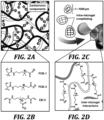
- microgels are crosslinked hydrated polymeric structures of approximate length scale D (micron dimensions), primarily composed of zwitterionic polymers (Z) n (e.g., having zwitterionic or mixed charge repeating units prepared from polymerization of zwitterionic monomers, such as a polymerizable carboxybetaine, a polymerizable sulfobetaine, a polymerizable phosphobetaine or a polymerizable phosphocholine, or mixtures thereof, or the copolymerization of cationic and anionic monomers, respectively).
- Z zwitterionic polymers
- zwitterionic fusion One crosslinking strategy is referred to as "zwitterionic fusion" and integrates strong hydration, intermolecular zwitterion pair attraction, and H-bonding between side chains and backbone amides to facilitate time-independent self-healing in some zwitterionic materials, as described in Jiang et al., Biomaterials, 35, 2014, 3926 .
- D the average diameter or size of each crosslinked discrete structure, is between about 1 ⁇ m (micron) and about 1 mm (millimeter).
- the discrete structures may be roughly spherical, cubical, tubular or any other three-dimensional shape.
- the crosslinked microgels of the invention are crosslinked polymers having repeating groups and crosslinks derived from the zwitterionic crosslinking agent.
- the crosslinked microgels of the disclosure may be crosslinked polymers prepared from copolymerization of the zwitterionic crosslinking agent and suitable polymerizable zwitterionic monomers.
- the appended claims are directed to methods of the invention, and describe microgel s used within the claimed methods.
- a crosslinked polymer e.g., microgel
- Z repeating units (Z) having formula (I): wherein
- R 5 and R 6 are independently selected from hydrogen, alkyl and aryl, or taken together with the nitrogen to which they are attached form a cationic center. In one embodiment, R 5 and R 6 are C1-C3 alkyl.
- L 5 is -(CH 2 ) n -, where n is an integer from 1 to 20.
- a 2 is C or SO.
- n is an integer from 5 to about 5,000.
- Z (and polymers (Z) n ) may be a mixture of polycarboxybetaine-based monomers or polymers and other classes of ionic or non-ionic nonfouling monomers or polymers, or a copolymer of polycarboxybetaine and other classes of ionic or non-ionic monomers, or a mixture or copolymer of cationic and anionic monomers/polymers such that the overall character of the microgel is substantially zwitterionic, mixed charge, or resists protein adhesion and nonspecific interactions (nonfouling).
- the crosslinked polymer as recited in the claims may have zwitterionic crosslinks having formula (II): wherein R 1 , R 2 , R 3 , L 1 , L 2 , L 3 , and A 1 , are as described above for the zwitterionic crosslinking agent (formula (I)), and x is an integer from about 5 to about 10,000.
- R 3 includes a polymerizable group
- the hydrogel is further crosslinked through R 3 , as shown above (-L 1 -CR 1 -CH 2 - and -L 2 -CR 2 -CH 2 -).
- Microgels are defined in the claimed methods.
- the term "mixed charge copolymer” refers to a copolymer having a polymer backbone, a plurality of positively charged repeating units, and a plurality of negatively charged repeating units. In the practice of the invention, these copolymers may be prepared by polymerization of an ion-pair comonomer.
- the mixed charge copolymer includes a plurality of positively charged repeating units, and a plurality of negatively charged repeating units.
- the mixed charge copolymer is substantially electronically neutral.
- substantially electronically neutral refers to a copolymer that imparts advantageous nonfouling properties to the copolymer.
- a substantially electronically neutral copolymer is a copolymer having a net charge of substantially zero (i.e., a copolymer about the same number of positively charged repeating units and negatively charged repeating units).
- the ratio of the number of positively charged repeating units to the number of the negatively charged repeating units is from about 1:1.1 to about 1:0.5.
- the ratio of the number of positively charged repeating units to the number of the negatively charged repeating units is from about 1:1.1 to about 1:0.7. In one embodiment, the ratio of the number of positively charged repeating units to the number of the negatively charged repeating units is from about 1:1.1 to about 1:0.9.
- the crosslinked hydrogels of the claimed methods are crosslinked polymers prepared from copolymerization of the zwitterionic crosslinking agent and suitable polymerizable ion pair comonomers.
- the crosslinked polymer e.g., microgel
- R 7 and R 8 are C1-C3 alkyl.
- R 9 , R 10 , and R 11 are independently selected from hydrogen, alkyl, and aryl, or taken together with the nitrogen to which they are attached form a cationic center. In one embodiment, R 9 , R 10 , and R 11 are C1-C3 alkyl.
- L 7 is a C1-C20 alkylene chain.
- Representative L 7 groups include -(CH 2 ) n -, where n is 1-20 (e.g., 1, 3, or 5)
- a 3 is C, S, SO, P, or PO.
- n is an integer from 5 to about 5,000.
- the crosslinked polymer includes zwitterionic crosslinks having formula (II).
- crosslinking agent monomers, comonomers, polymers, copolymers, and crosslinks of formulas (I)-(VIII) described above.
- PB is the polymer backbone.
- Representative polymer backbones include vinyl backbones (e.g., -C(R')(R")-C(R′′′)(R ⁇ )-, where R', R", R′′′, and R′′′ are independently selected from hydrogen, alkyl, and aryl) derived from vinyl monomers (e.g., acrylate, methacrylate, acrylamide, methacrylamide, styrene).
- Other suitable backbones include polymer backbones that provide for pendant groups.
- Other representative polymer backbones include peptide (polypeptide), urethane (polyurethane), and epoxy backbones.
- CH 2 C(R)- is the polymerizable group. It will be appreciated that other polymerizable groups, including those noted above, can be used to provide the monomers and polymers of the invention.
- N + is the cationic center.
- the cationic center is a quaternary ammonium (e.g., N bonded to L 4 , R 5 , R 6 , and L 5 ).
- other useful cationic centers include imidazolium, triazaolium, pyridinium, morpholinium, oxazolidinium, pyrazinium, pyridazinium, pyrimidinium, piperazinium, and pyrrolidinium.
- R 4 , R 5 , R 6 , R 9 , R 10 , and R 11 are independently selected from hydrogen, alkyl, and aryl groups.
- Representative alkyl groups include C1-C10 straight chain and branched alkyl groups.
- the alkyl group is further substituted with one of more substituents including, for example, an aryl group (e.g., -CH 2 C 6 H 5 , benzyl).
- Representative aryl groups include C6-C12 aryl groups including, for example, phenyl.
- R 5 and R 6 , or R 9 , R 10 , and R 11 are taken together with N + form the cationic center.
- L 4 (or L 6 ) is a linker that covalently couples the cationic center to the polymer backbone.
- L 4 includes a functional group (e.g., ester or amide) that couples the remainder of L 4 to the polymer backbone (or polymerizable moiety for the monomers).
- L 4 can include an C1-C20 alkylene chain.
- L 5 can be a C1-C20 alkylene chain.
- Representative L 5 groups include -(CH 2 ) n -, where n is 1-20 (e.g., 1, 3, or 5).
- L 7 is a linker that covalently couples the polymer backbone to the anionic group.
- L 7 can be a C1-C20 alkylene chain.
- Representative L 7 groups include -(CH 2 ) n -, where n is 1-20 (e.g., 1, 3, or 5).
- the anionic center can be a carboxylic acid ester (A is C), a sulfinic acid (A is S), a sulfonic acid (A is SO), a phosphinic acid (A is P), or a phosphonic acid (A is PO).
- representative alkyl groups include C1-C30 straight chain and branched alkyl groups.
- the alkyl group is further substituted with one of more substituents including, for example, an aryl group (e.g., -CH 2 C 6 H 5 , benzyl).
- aryl groups include C6-C12 aryl groups including, for example, phenyl including substituted phenyl groups (e.g., benzoic acid).
- X - is the counter ion associated with the cationic center.
- the counter ion can be the counter ion that results from the synthesis of the cationic polymers or the monomers (e.g., Cl, Br - , I - ).
- the counter ion that is initially produced from the synthesis of the cationic center can also be exchanged with other suitable counter ions to provide polymers having controllable hydrolysis properties and other biological properties.
- counter ions also can be chosen from chloride, bromide, iodide, sulfate; nitrate; perchlorate (ClO 4 ); tetrafluoroborate (BF 4 ); hexafluorophosphate (PF 6 ); trifluoromethylsulfonate (SO 3 CF 3 ); and derivatives thereof.
- suitable counter ions include hydrophobic counter ions and counter ions having therapeutic activity (e.g., an antimicrobial agent, such as salicylic acid (2-hydroxybenzoic acid), benzoate, lactate.
- R 1 and R 2 [formula (I)] and R 4 [formula (III)] is selected from hydrogen, fluoride, trifluoromethyl, and C1-C6 alkyl (e.g., methyl, ethyl, propyl, butyl).
- R 1 , R 2 , and R 4 are hydrogen.
- R 1 , R 2 , and R 4 are methyl.
- Z may be a functionalized carboxybetaine-based monomer, oligomer, or polymer, which in certain embodiments incorporates (a) one of a reactive pair selected from an azide and an alkyne, an azide and an alkene, a thiol and a maleimide, a thiol and an alkene, a thiol and a disulfide, or any other 'click', bioorthogonal, or other reactive pair; (b) a functional group positioned at the terminus of the polymeric structure(s) or along the backbone; and/or (c) a peptide, nucleic acid, protein, antibody, other biomolecule, nanoparticle, microparticle, micelle, liposome, polymersome, drug, drug precursor, or other therapeutic species or drug delivery modality, for surgical applications, cosmetic or aesthetic applications, therapeutic applications, wound-healing applications, drug delivery formulations, cell culture, storage and/or preservation, or regenerative medicine.
- a reactive pair selected from an
- X crosslinking mechanism
- X 1 and X 2 A schematic illustration of both types of crosslinking (denoted X 1 and X 2 ) is shown below.
- X includes (a) chemical crosslinkers of any structure that are copolymerized with the monomers via a radical-mediated reaction, including commercially available crosslinkers based on polyethylene glycol (PEG), oligoethylene glycol (OEG) or other structures or groups, terminated with two or more acrylate, methacrylate, acrylamide, maleimide or similar reactive groups, or custom synthesized crosslinkers incorporating any functional, reactive, or degradable groups.
- PEG polyethylene glycol
- OEG oligoethylene glycol
- Optional degradable groups may be selected from disulfide bonds, esters, anhydrides, enzymatically cleavable peptides (such as the matrix metalloproteinase (MMP)-cleavable motifs derived from collagen), or chemistries responsive to external stimuli; (b) bioorthogonal crosslinking chemistries and 'click' chemistries, such as azide/alkyne (including SPAAC) and thiol-ene chemistries, whether through inclusion as functional groups in the main polymer chain(s) or architectures or as separate crosslinking molecules; (c) physical interactions of any type including ionic interactions, hydrogen bonding, hydrophobic interactions, interactions with biomolecules or nanoparticles of a natural or synthetic origin, or any other reversible or nonreversible physical interactions; (d) crosslinks formed by association of a portion of one zwitterionic polymer with another (zwitterionic fusion); or (e) any combination of the above crosslink
- X is a crosslinking molecule, oligomer, or polymer incorporating one or more zwitterionic or mixed-charge moieties or precursors thereof, or a mixture of these molecules (a) that may be selected from carboxybetaines, sulfobetaines, phosphobetaines, and phosphorylcholines; (b) that may or may not incorporate degradable groups such as disulfide bonds, esters, or stimuli-responsive groups or degradable peptides.
- the microgels are produced at or near their final size D during the polymerization reaction, for example, in a process such as microemulsion polymerization.
- the microgels are derived from bulk hydrogels and sized to their final dimensions D after polymerization using any processing step to grind, extrude, mince, cut, or pellet the bulk hydrogels to discrete units of approximate diameter D.
- the microgels are dried or lyophilized (freeze-dried) to a dehydrated powder for storage, transport, use, or sterilization.
- the dried microgel is rehydrated with any aqueous fluid, including but not limited to water, saline or ionic solutions, cell growth or preservation media containing or not containing cells, or any other physiologically relevant solution which may contain drugs, protein therapies, nucleic acid therapies, cells, nanoparticles, or microparticles.
- zwitterionic microgel assembly refers to two or more (typically about 100 or more) zwitterionic microgels in contact forming an aggregated gel material.
- This disclosure describes a zwitterionic microgel assembly, which is a material formed from two or more microgels assembled through interactions between each discrete microgel resulting in a bulk material.
- the assembly may have one or more of the following properties: (a) both viscous and elastic properties under different circumstances or other non-Newtonian flow properties; (b) the ability to be spread on surfaces and tissues and reversibly adhere to said objects; (c) the ability to be injected through standard needles typically used in clinical settings; (d) the ability to change viscosity reversibly under differing shear forces; (e) the ability to self-heal upon molding or reconfigurement; and (f) the ability to support other molecules, biomolecules, nanoparticles, microparticles, cells, tissues, or organs as a carrier, scaffold, matrix, storage, or preservation solution or formulation.
- the assembly may be a material formed from two or more microgels and includes one or more additional components supported within the assembly.
- additional components include small molecule drugs, peptides, biomolecules, nanoparticles, microparticles, cells, and tissues.
- Microgels are as defined in the claimed methods.
- Representative uses include:
- microgels and their assemblies can be used as an injectable or spreadable material for biomedical applications, particularly in applications requiring non-Newtonian fluid properties and high biocompatibility, such as (a) injectable or spreadable materials capable of mechanical support, such as those used in cosmetic or reconstructive surgery, blood vessel prostheses, skin repair devices, cochlear replacements, injectable vitreous substances, artificial cartilage, artificial fat, collagen-mimics and other soft tissue-mimics or supports; (b) injectable or spreadable materials with desirable or specific biological interactions with a surface or tissue, particularly when nonspecific interactions should be avoided or a desired balance of nonspecific/specific interactions must be achieved; and (c) injectable or spreadable carriers to deliver and/or protect or shield drugs, biomolecules (e.g., nucleic acids, peptides, proteins, polysaccharides), cells (e.g., pancreatic islets, cardiovascular cells, stem cells, immune cells, blood cells), nanoparticles or microparticles (e.g., PLGA/
- microgels and their assemblies can be used as a scaffold, matrix, or other substrate for the growth, maintenance or expansion of cells, tissues, or organs in which the microgel constructs can be grown using any culture or maintenance method or apparatus including any type of bioreactor, and can be derived from lineages including, but not limited to:
- microgels and their assemblies can be used as a biocompatible material, scaffold, formulation component or contacting material for any method of preserving cells or tissues or retaining their biological function for clinical or military utility, particularly for cell types that are difficult to preserve with conventional methods such as blood cells (e.g., platelets and red blood cells) for extended time periods, at room or low temperatures, in whole blood or preservation solutions, and with or without the presence of DMSO, glycerol, glycine betaine or other osmolytes or cryoprotectants.
- blood cells e.g., platelets and red blood cells
- microgels were processed to have a mean diameter slightly greater than most human cells (15 - 30 ⁇ m), though the same strategy can be used to target any micro-scale size.
- the overall design and production process is straightforward and amenable to small or large scales.
- assemblies of these microgels to form malleable but self-supporting constructs with consistent properties between batches.
- ZIP Zero-injectable Pellet
- Zwitterionic fusion is unique because it is both time- and pH-independent; in single-charged or non-ionic self-healing materials, hydrophobic surface reconstruction or a pH-dependent charge barrier limits healing. Even with these key advantages, zwitterionic fusion encounters a geometric limitation; only polymer chains near the exposed surface of crosslinked PCB hydrogels have sufficient mobility to rearrange and form the new supramolecular interactions that lead to bulk healing (e.g. between two large cut segments). In ZIP constructs, each internally crosslinked microgel participates in dynamic healing interactions with many neighboring pellets in 3-D.
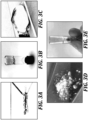
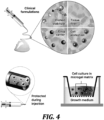
- each individual gel is large enough to retain strength and elasticity from its covalent crosslink network, yet small enough to involve a higher percentage of its polymer chains in dynamic interactions. While the molecular identity of each microgel is the same as the bulk hydrogel, inter-microgel zwitterionic fusion interactions are key to the tunable rheological behavior of the aggregate material. All ZIP hydrogels in this work were injectable through a 25-G needle and rapidly reverted to a self-supporting gel state in an inverted vial or on a flat surface. Images showing examples of these key characteristics are shown in FIGURE 3 . The schematics in FIGURE 4 give an overview of some of the promising clinical applications of ZIP-based formulations.
- PCB-2 ZIP gels displayed higher G' values at each crosslinking level compared with PCB-1, especially at very low crosslinker content (0.025 mol% CB-X).
- PCB-2 constructs all exhibited lower tan ⁇ values (around 0.25) compared with PCB-1 (around 0.6).
- tan ⁇ is inversely associated with elasticity, this indicated PCB-2 produced more elastic constructs-these results were consistent across all crosslinking concentrations and between differently-crosslinked PCB-1 and PCB-2 samples with similar G', suggesting zwitterionic fusion interactions endow PCB-2 constructs with additional bulk strength and elasticity.
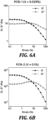
- FIGURES 6A-6D show shear-thinning rheological properties of representative microgel compositions of the invention as measured by oscillatory strain sweep tests: PCB-1 based zwitterionic microgels, PCB-2 based zwitterionic microgels, MPC based zwitterionic microgels, and mixed charge microgels.
- storage (G', solid markers) and loss (G", open markers) moduli are plotted as strain increases from ⁇ 1% to 100%. We found G' to dominate over G" in these and other representative formulations at low strains (0.1 - 1%).
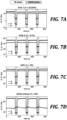
- FIGURES 7A-7D compare self-healing properties of representative microgel formulations as measured by rheological step-strain tests. In all subfigures, storage (G', solid markers) and loss (G", open markers) moduli are plotted as the strain is toggled between 1% (white background) and 300% (shaded background). Representative formulations show inversion of G' and G" at high strain followed by a rapid recovery of elastic properties when low strain is returned. This is indicative of efficient self-healing across all samples.
- each milliliter of gel only contains around 10 mg of dry material, which could be combined from multiple batches for simplified storage and formulation.
- dry ZIP powder with the volume of pure water necessary to return the gels to their original EWC, hydration completed within seconds.
- the rapidly rehydrated gel constructs retained their transparency, homogeneity, and practical attributes (e.g., injectability and self-healing).
- injectability and self-healing e.g., injectability and self-healing
- Injectable drug depot formulations that release therapies at a predictable rate over a designated period of time represent one example of a clinical need motivating the development of biocompatible injectable hydrogels.
- Reconstitution of drug-loaded PLGA or PCL microspheres in an injectable crosslinked gel facilitates accurate volumetric dosing and keeps the formulation localized at the injection site. Based on the ability of zwitterionic hydrogel to mitigate the foreign body reaction, it was envisioned that they may also be helpful in shielding otherwise-immunogenic materials from immune recognition and attack in a composite formulation.
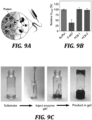
- PLGA microspheres (MS) containing chemotherapeutic drug doxorubicin (DOX) were prepared using a double (W/O/W) emulsion method, tuning the process parameters to achieve smooth particles ⁇ 30 ⁇ m in diameter ( FIGURE 8A ) and targeting a 2-3-week controlled release period.
- DOX-PLGA MS was mixed with ZIP powder and reconstituted this formulation to 40 mg DOX-PLGA MS (containing 2 mg total DOX) per mL of ZIP gel.
- the lyophilized mix reconstituted to a homogeneous formulation in seconds, with only brief vortexing required during hydration to disperse particles evenly.
- PLGA MS were held in place by the gel in an inverted vial; no obvious changes, settling, or separation were observed in undisturbed vials for -at least 4 weeks.
- DOX release rate at 37°C in vitro was evaluated by dispensing the ZIP-DOX-PLGA depot (or DOX-PLGA without gel) into porous Transwell inserts suspended in PBS ( FIGURE 8B ). This was designed to simulate the in vivo environment of a subcutaneously injected cancer treatment, as might be administered to prevent tumor recurrence after surgery. The resulting release data are shown in FIGURE 8C . Both ZIP-formulated and control MS samples released about 90% of their total DOX cargo within two weeks, with an insignificant difference in overall release.
- an injectable hydrogel (comparative example) based on temperature-responsive Pluronic PEG-PPG-PEG triblocks was formulated with B-La.
- This alternative formula reduced the enzyme activity by over half, consistent with the well-known and deleterious effects of high PEG content on protein bioactivity.
- its simplicity would translate well to a clinical or biomanufacturing setting, as no specialized chemistry knowledge or conditions are required.
- the ability of ZIP culture to maintain naive markers is pronounced of previous reports describing how zwitterionic hydrogels are capable of restraining stem cell differentiation.
- the simplicity of the ZIP platform makes it more suitable for clinical translation, and these reconstituted scaffolds are a promising strategy to culture and preserve many human cell lines while maintaining their therapeutic potency.
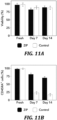
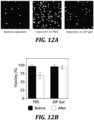
- the ZIP-cell construct and a control suspension in PBS were carefully transferred to a 1 mL syringe and injected into a new well plate through a 28G needle. Promisingly, no significant decrease in viability was seen in the ZIP-protected formulation, while a 25-30% decrease was observed in the control (buffer-only) sample.
- FIGURES 12A - 12B Fluorescent micrographs of stained cells and quantified viability data are shown in FIGURES 12A - 12B .
- ZIP constructs could serve as an all-in-one solution for common problems in the practical implementation of cell-based therapies.
- this disclosure describes a simple and versatile strategy to create shear-thinning and self-healing "zwitterionic injectable pellet" (ZIP) hydrogels based on reconstructed microgel assemblies and zwitterionic fusion.
- ZIP zwitterionic injectable pellet
- these gels consist purely of carboxybetaine polymers and crosslinker, are straightforward to make at any scale, and can be simply sterilized and lyophilized for long-term storage and facile reconstitution.
- Injectable and malleable ZIP formulations can easily be created for many clinical applications, containing therapeutic cells, drug-loaded microspheres, or biologics. As they show promise for injectable filler materials, drug delivery, and even 3-D T-cell culture and preservation, ZIP hydrogels present a versatile platform for a wide variety of clinical applications requiring biocompatible injectable materials.
- Microgel production To prepare zwitterionic microgel constructs, bulk zwitterionic hydrogels were prepared using a photopolymerization method. Carboxybetaine acrylamide (CBAA) monomer (2.5 M), CBAA-X crosslinker (0.01-1% mol/mol), and photoinitiator 2-hydroxy-1-[4-(2-hydroxyethoxy)phenyl]-2-methyl-1-propanone (I2959) were dissolved in water, mixed well, and degassed under vacuum. The concentrated solution was then cast into a 1-mm thick glass mold and polymerized in a Spectroline XL-1500 UV oven. The resulting hydrogels were equilibrated in water for several days to remove any unreacted reagents and allow swelling.
- CBAA Carboxybetaine acrylamide
- I2959 photoinitiator 2-hydroxy-1-[4-(2-hydroxyethoxy)phenyl]-2-methyl-1-propanone
- a library of these parent hydrogels was generated using either CBAA-1 or CBAA-2 monomer and several CBAA-X crosslinker concentrations between 0.025 and 1 mol%, relative to CBAA monomer.
- Bulk hydrogels were then converted into zwitterionic microgels; equilibrated bulk gels were cut into pieces and placed into an extrusion apparatus consisting of a tightly-fit piston and cylinder capped with a section of micronic steel Dutch-weave mesh, and progressively extruded through meshes of decreasing pore size from 120 ⁇ m to 25 ⁇ m.
- the material was extruded at least three times to improve pellet size homogeneity.
- the final pellets were sterilized with progressive ethanol precipitation, re-swollen with sterile water, and lyophilized for long-term storage.
- Dynamic viscoelasticity properties of all ZIP constructs were measured with an Anton Paar Physica MCR 301 Rheometer using parallel plates of 40-mm diameter and a plate-to-plate distance of 900 ⁇ m. For each experiment, G', G", complex viscosity ( ⁇ ) and tan ⁇ (G"/G') were recorded. Dynamic oscillatory frequency sweeps were conducted at a constant 10% strain over a frequency range of 0.1-100 rad/s at 25°C. Oscillatory strain sweeps were conducted at a constant 1 rad/s frequency over a 0.1% to 100% strain at 25°C. Step-strain experiments were conducted by toggling the strain between 1% and 300% for three or more cycles.
- DOX doxorubicin
- DOX-PLGA microspheres were mixed with ZIP powder to a reconstituted formulation consisting of 40 mg DOX-PLGA (containing 2 mg total DOX) per mL of ZIP gel.
- Drug release rates were evaluated at 37°C in vitro by dispensing the ZIP -DOX-PLGA depot (or DOX-PLGA microspheres without gel) into porous inserts (Corning Transwell, 8 ⁇ m pore size) suspended in PBS. The buffer was sampled and replaced at selected time intervals and the cumulative amount of released DOX assayed spectroscopically at 480 nm.
- Enzyme formulations were produced containing TEM-1 ⁇ -Lactamase in ZIP gels, with nitrocefin (Life Technologies) used as a model substrate.
- CD4 + T-cell culture Media containing CD4 + human T lymphocytes (Lonza) (1 mL, 10 6 cells/mL) was used to rehydrate 50 mg of lyophilized ZIP powder, and cells were gently mixed well with the gel during hydration. This construct was transferred to a porous tissue culture insert (Corning Transwell, 8 ⁇ m pore size) which was then placed in a 12-well plate with cell media even with the level of the ZIP-cells construct. Cells were suspended in RMPI media containing 10% FBS, 1% penicillin and streptomycin.
- Cells were stimulated to proliferate with Dynabeads Human T-Activator CD3/CD28, at a ratio of 1:1 bead:cell (seeded at 1 ⁇ 10 6 cells mL -1 ) at day 1 and day 8, and 30 U mL -1 Interleukin-2 and incubated at 37°C and 5% CO 2 for 7 days. They were then analyzed via fluorescence flow cytometry on a BD LSR II instrument equipped with a 488-nm excitation source and a 530/30-nm band pass filter; CD45RA + cells were labeled with a FITC marker having excitation and emission peaks of 525 nm.
- Proliferation analyses were performed using FlowJo software for isotype IgG1 controls tagged with FITC and cell samples within the ZIP construct. Cells stained with CD45RA were visualized by fluorescence intensity peaks to evaluate lineage and phenotype of T cells after 7 days and 14 days and compared to controls.
- Platelets are blood cells that play a key role in clotting and have many other functions. Platelet transfusion is necessary in trauma and blood disorders. Unfortunately, platelets activate and rapidly become therapeutically useless when removed from the bloodstream of a donor and put into storage.
- the current state-of-the-art protocol calls for room temperature storage under constant gentle agitation, to prevent aggregation and allow even oxygen diffusion.
- Low temperature refrigerated storage (4°C) paradoxically causes platelets to lose their clotting ability even faster, but the maximum room-temperature storage time is only between 5-7 days. While platelet additive solutions and gas-permeable bags have increased this maximum storage time, nonspecific aggregation, bacterial contamination, and platelets' interactions with each other and the synthetic bag materials still triggers activation and limits storage time.
- the present invention provides a "comingled microgel” storage method in which platelets are mixed with representative zwitterionic microgels of the invention (i.e., PCB microgels) to limit aggregation and nonspecific interactions and improve maximum preservation time.
- Representative zwitterionic microgels of the invention i.e., PCB microgels
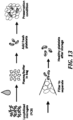
- FIGURE 13 An overall schematic showing this method is shown in FIGURE 13 .
- fresh platelets in plasma were added to lyophilized microgels in a platelet storage bag, with platelets suspended and supported by the PCB microgels, but not interacting with the gels or each other.
- the construct is gently washed through a size-limiting membrane to separate the platelets (about 4 ⁇ m diameter) from microgels (about 20 ⁇ m diameter).
- the separated platelets are then analyzed for marker expression, clotting ability, and morphology score.
- FIGURE 14 The improvement seen in platelet morphology score after 7 days of microgel storage vs. the current standard of care condition (control) is shown in FIGURE 14 .
- the morphology score quantifies the percentage of platelets retaining a discoid form and is used as a simple indicator of platelet health. This score, which can reach a maximum value of 400, is equal to 4*(disc%) + 2*(spheres%) + (dendrite%).
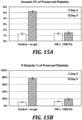
- Platelet health can also be analyzed using flow cytometry analysis of two markers: Annexin V and P-selectin.
- Annexin V is a cellular protein used as an indicator of cellular apoptosis; the mechanism involves the ability of Annexin V ability to bind to phosphatidylserine.
- P-Selectin a cell adhesion molecule, or CAM, is detected on the surface of activated endothelial cells or platelets, which further indicates the number of usable platelets. The improvement seen in these markers after 5 days of comingled microgel storage is shown in FIGURE 15 .
- Comingled PCB-1 microgels do not increase apoptosis in stored platelets and annexin is significantly lower at day 5 when compared to the current standard of care condition (control). P-selectin levels are also significantly lower at 5 days when compared to the control, indicating more platelets are unactivated, and therefore still usable for donation.
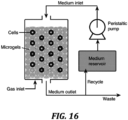
- FIGURE 16 illustrates a representative type of bioreactor matrix.
- a pumping system is connected to a cell culture bag or porous vessel, and a cell-microgel slurry is injected into the reactor and maintained on an orbital shaker at 37°C and 5% CO 2 .
- the pump delivers fresh media at 30 min intervals at a flow rate of 30 mL/min, for semi-continuous delivery.
- Cultured cells are harvested via size-dependent filters and then analyzed for phenotype and cell function after different time points.
Landscapes
- Health & Medical Sciences (AREA)
- Life Sciences & Earth Sciences (AREA)
- General Health & Medical Sciences (AREA)
- Chemical & Material Sciences (AREA)
- Veterinary Medicine (AREA)
- Public Health (AREA)
- Animal Behavior & Ethology (AREA)
- Epidemiology (AREA)
- Medicinal Chemistry (AREA)
- Dermatology (AREA)
- Engineering & Computer Science (AREA)
- Dispersion Chemistry (AREA)
- Dentistry (AREA)
- Oral & Maxillofacial Surgery (AREA)
- Environmental Sciences (AREA)
- Transplantation (AREA)
- Zoology (AREA)
- Wood Science & Technology (AREA)
- Molecular Biology (AREA)
- Pharmacology & Pharmacy (AREA)
- Inorganic Chemistry (AREA)
- Plant Pathology (AREA)
- Toxicology (AREA)
- Pest Control & Pesticides (AREA)
- Agronomy & Crop Science (AREA)
- Birds (AREA)
- Biomedical Technology (AREA)
- Micro-Organisms Or Cultivation Processes Thereof (AREA)
- Medicines Containing Material From Animals Or Micro-Organisms (AREA)
- Medicinal Preparation (AREA)
Claims (14)
- Ein Verfahren zur schützenden Lagerung einer Population von Zellen, eines Gewebes oder eines Organs, das das Lagern einer Population von Zellen, eines Gewebes oder eines Organs in einem zwitterionischen Mikrogel umfasst, um gelagerte Zellen, ein gelagertes Gewebe oder ein gelagertes Organ bereitzustellen, wobei die gelagerten Zellen, das gelagerte Gewebe oder das gelagerte Organ ihre biologische Funktion bei der Lagerung im Wesentlichen beibehalten;wobei das zwitterionische Mikrogel eine Mikrogelzusammenfassung umfasst, die aus der physikalischen Verarbeitung eines vernetzten zwitterionischen Hydrogels oder eines vernetzten Hydrogels mit gemischter Ladung hergestellt wird, um eine Mikrogelzusammenfassung bereitzustellen, die eine Vielzahl von vernetzten zwitterionischen oder eine Vielzahl von vernetzten Mikrogeleinheiten mit gemischter Ladung umfasst; undwobei die physikalische Verarbeitung das Schneiden, Hacken, Mahlen, Klassifizieren, Schablonieren, Reiben, Zerkleinern, Extrudieren oder Zerquetschen des vernetzten zwitterionischen Hydrogels oder des vernetzten Hydrogels mit gemischter Ladung umfasst, um die Mikrogelzusammenfassung bereitzustellen.
- Verfahren nach Anspruch 1, wobei die Zellen aus Folgenden ausgewählt sind: pluripotenten und multipotenten Stamm- und Progenitorzellen; hämatopoetischen Zellen; gentechnisch hergestellten Zellen, wie etwa Impfstoffen, Immunzellen und Progenitoren oder differenzierten Zelllinien davon, wie etwa T-Zellen, B-Zellen, dendritischen Zellen, antigenpräsentierenden Zellen; Pankreas-Inselzellen oder anderen insulinproduzierenden Zellen; Nervensystemzellen und -progenitoren; und Herz-Kreislauf-Systemzellen und -progenitoren.
- Verfahren nach Anspruch 1 oder Anspruch 2, wobei das Gewebe Folgendes ist: Muskel, wie etwa Skelettmuskel, glatter Muskel, Herzmuskel, Gefäßmuskel einschließlich Blutgefäßen; Nervengewebe, wie etwa peripheres Nervengewebe, Zentralnervengewebe einschließlich Gewebe, das aus Neuroglia besteht, die Astrozyten, Mikrogliazellen, Ependymzellen, Oligodendrozyten, Satellitenzellen oder Schwannzellen sind; Bindegewebe, wie etwa Knorpel, elastischer Knorpel, Faserknorpel, Knochengewebe, weißes Fettgewebe, braunes Fettgewebe, Faszien, Blut; subkutanes Gewebe; oder Epithelgewebe, wie etwa Plattenepithel, kubisches Epithel, Säulenepithel, mehrschichtiges Epithel, pseudomehrschichtiges Epithel, Übergangsepithel.
- Verfahren nach einem der vorhergehenden Ansprüche, wobei das Organ Folgendes ist: Niere; Herz; Gehirn einschließlich Großhirn, Großhirnhemisphären, Zwischenhim; Hirnstamm einschließlich Mittelhirn, Pons, Medulla oblongata, Cerebellum, Rückenmark, Ventrikelsystem, Plexus choroideus; Ösophagus; Pharynx; Speicheldrüsen, wie etwa Parotisdrüsen, Submandibularisdrüsen, Sublingualdrüsen; Magen; Dünndarm einschließlich Duodenum, Jejunum, Ileum; Dickdarm; Leber; Gallenblase; Bauchspeicheldrüse; Nase einschließlich Nasenhöhle, Pharynx, Larynx, Trachea, Bronchien, Lungen; Harnleiter; Blase; Harnröhre; Arterien; Venen; Kapillaren; Lymphgefäß; Lymphknoten; Knochenmark; Thymus; Milz; mit dem Darm assoziiertes Lymphgewebe, wie etwa Tonsillen; Auge; Ohr; olfaktorisches Epithel; Zunge; oder Haut.
- Verfahren nach einem der vorhergehenden Ansprüche, wobei die Zellen, das Gewebe oder das Organ in Abwesenheit eines Kryoprotektivums oder in Gegenwart eines Osmolyten gelagert werden.
- Verfahren nach einem der vorhergehenden Ansprüche, wobei die Zellen zur Verwendung mittels Filtration aus dem Mikrogel isoliert werden.
- Verfahren nach einem der vorhergehenden Ansprüche, wobei das zwitterionische Mikrogel ein vernetztes zwitterionisches Polymer umfasst, das einen Vernetzungsbereich von etwa 0.005% bis etwa 100%, wie etwa 0.01% bis etwa 30% oder etwa 0.01% bis etwa 10% aufweist.
- Verfahren nach einem der vorhergehenden Ansprüche, wobei das zwitterionische Mikrogel ein vernetztes zwitterionisches Polymer umfasst, das kovalente Vernetzungen, ionische Vernetzungen oder durch Assoziation eines Anteils eines zwitterionischen Polymers mit einem anderen gebildete Vernetzungen aufweist.
- Verfahren nach einem der vorhergehenden Ansprüche, wobei das zwitterionische Mikrogel abbaubare Vernetzungen, wie etwa eine hydrolytische, proteolytische oder andere auf Stimuli ansprechende oder physiologisch ansprechende Gruppe, umfasst.
- Verfahren nach einem der vorhergehenden Ansprüche, wobei das zwitterionische Mikrogel ein vernetztes zwitterionisches Polymer, das aus einem vernetzten Polycarboxybetain, einem vernetzten Polysulfobetain, einem vernetzten Polyphosphobetain und einem vernetzten Polyphosphorylcholin ausgewählt ist, umfasst.
- Verfahren nach einem der vorhergehenden Ansprüche, wobei das zwitterionische Mikrogel aus einem vernetzten zwitterionischen Polymer besteht.
- Verfahren nach einem der vorhergehenden Ansprüche, wobei das zwitterionische Mikrogel ein vernetztes Copolymer mit gemischter Ladung umfasst, das einen Vernetzungsbereich von etwa 0.01% bis etwa 50%, wie etwa von etwa 0.1% bis etwa 30%, von etwa 0.1% bis etwa 10% oder von etwa 1% bis etwa 5% aufweist; und/oder
wobei das zwitterionische Mikrogel ein vernetztes Copolymer mit gemischter Ladung umfasst, das kovalente Vernetzungen, ionische Vernetzungen oder durch Assoziation eines Anteils eines Copolymers mit gemischter Ladung mit einem anderen gebildete Vernetzungen aufweist. - Ein Verfahren zum Kultivieren von Zellen, wobei das Verfahren das Kultivieren einer Population von Zellen in einer Matrix umfasst, die ein zwitterionisches Mikrogel umfasst,wobei das zwitterionische Mikrogel eine Mikrogelzusammenfassung umfasst, die aus einer physikalischen Verarbeitung eines vernetzten zwitterionischen Hydrogels oder eines vernetzten Hydrogels mit gemischter Ladung hergestellt wird, um eine Mikrogelzusammenfassung bereitzustellen, die eine Vielzahl von vernetzten zwitterionischen oder eine Vielzahl von vernetzten Mikrogeleinheiten mit gemischter Ladung umfasst, undwobei die physikalische Verarbeitung das Schneiden, Hacken, Mahlen, Klassifizieren, Schablonieren, Reiben, Zerkleinern, Extrudieren oder Zerquetschen des vernetzten zwitterionischen Hydrogels oder des vernetzten Hydrogels mit gemischter Ladung umfasst, um die Mikrogelzusammenfassung bereitzustellen.
- Verfahren nach Anspruch 13, wobei das Verfahren das Expandieren der Population von Zellen umfasst.
Applications Claiming Priority (2)
| Application Number | Priority Date | Filing Date | Title |
|---|---|---|---|
| US201662365788P | 2016-07-22 | 2016-07-22 | |
| PCT/US2017/043153 WO2018017879A1 (en) | 2016-07-22 | 2017-07-20 | Zwitterionic microgels, their assemblies and related formulations, and methods for their use |
Publications (3)
| Publication Number | Publication Date |
|---|---|
| EP3487537A1 EP3487537A1 (de) | 2019-05-29 |
| EP3487537A4 EP3487537A4 (de) | 2020-01-22 |
| EP3487537B1 true EP3487537B1 (de) | 2024-10-16 |
Family
ID=60996111
Family Applications (1)
| Application Number | Title | Priority Date | Filing Date |
|---|---|---|---|
| EP17831902.6A Active EP3487537B1 (de) | 2016-07-22 | 2017-07-20 | Zwitterionische mikrogele, deren anordnungen und zugehörige formulierungen und verfahren zu deren verwendung |
Country Status (4)
| Country | Link |
|---|---|
| US (1) | US20200253192A1 (de) |
| EP (1) | EP3487537B1 (de) |
| CN (1) | CN109843332A (de) |
| WO (1) | WO2018017879A1 (de) |
Families Citing this family (16)
| Publication number | Priority date | Publication date | Assignee | Title |
|---|---|---|---|---|
| WO2013134543A1 (en) | 2012-03-08 | 2013-09-12 | Medtronic Ardian Luxembourg Sarl | Immune system neuromodulation and associated systems and methods |
| US20190069949A1 (en) | 2014-12-03 | 2019-03-07 | Metavention, Inc. | Systems and methods for modulatng nerves or other tissue |
| US10524859B2 (en) | 2016-06-07 | 2020-01-07 | Metavention, Inc. | Therapeutic tissue modulation devices and methods |
| WO2019236544A1 (en) | 2018-06-04 | 2019-12-12 | Rhodia Operations | Methods for reducing or preventing colloids adhesion and/or fouling on a substrate, compositions, and copolymers useful therefor |
| KR102040083B1 (ko) * | 2018-09-06 | 2019-11-05 | 숭실대학교산학협력단 | 초분자 구조체 및 그 제조 방법과 자가치유 탄성체 |
| CN113454166A (zh) * | 2018-12-19 | 2021-09-28 | 泰普鲁特医疗技术有限责任公司 | 基于多糖和两性离子聚合物的水凝胶组合物及其使用方法 |
| CN110192655B (zh) * | 2019-04-28 | 2022-02-18 | 中国科学院上海药物研究所 | 一种α-生育酚的微球及其制备方法 |
| CN112587667A (zh) * | 2019-09-16 | 2021-04-02 | 天津大学 | 一种长循环的cbma构建的纳米载体及其制备方法 |
| IL291624B2 (en) | 2019-09-27 | 2025-09-01 | Isla Tech Inc | Bioartificial pancreas |
| US20250268833A1 (en) * | 2020-08-28 | 2025-08-28 | Board Of Regents For The Oklahoma Agricultural And Mechanical Colleges | Zwitterionic Hydrogels and Methods of Making and Using Same for Protein Therapy |
| WO2021258668A1 (zh) * | 2020-12-14 | 2021-12-30 | 浙江大学 | 一种包裹疏水性固体粉末的p/h微球的制备方法 |
| CN114796099A (zh) * | 2021-10-27 | 2022-07-29 | 天津大学 | 负载细胞的两性离子微凝胶及其制备方法和应用 |
| CN114796624A (zh) * | 2022-04-08 | 2022-07-29 | 天津大学 | 一种仿生抗凝血两性离子微凝胶涂层及其制备方法 |
| EP4289414A1 (de) * | 2022-06-08 | 2023-12-13 | ETH Zürich | Gewebeschützendes hydrogel |
| CN117567764B (zh) * | 2023-11-20 | 2024-06-28 | 无锡知妍生物科技有限公司 | 一种壬二酸/甜菜碱/泛醇自识别des体系及制备方法 |
| CN119684515B (zh) * | 2024-12-18 | 2025-09-30 | 哈尔滨工业大学 | 一种高强韧形状记忆低共熔凝胶及其制备方法 |
Family Cites Families (7)
| Publication number | Priority date | Publication date | Assignee | Title |
|---|---|---|---|---|
| WO2001001957A1 (en) * | 1999-05-27 | 2001-01-11 | Biocompatibles Limited | Local drug delivery |
| US6632666B2 (en) * | 2000-01-14 | 2003-10-14 | Biolife Solutions, Inc. | Normothermic, hypothermic and cryopreservation maintenance and storage of cells, tissues and organs in gel-based media |
| US8658192B2 (en) | 2007-11-19 | 2014-02-25 | University Of Washington | Integrated antimicrobial and low fouling materials |
| WO2011161174A1 (en) * | 2010-06-22 | 2011-12-29 | Universite De Rouen | Method for harvesting cells cultured in 3d hydrogel matrices |
| JP2016514568A (ja) * | 2013-04-01 | 2016-05-23 | サイトソーベンツ・コーポレーション | 架橋ポリマー材料のための血液適合性改質剤 |
| CN106999270B (zh) * | 2014-09-09 | 2021-01-01 | 华盛顿大学 | 官能化的两性离子和混合电荷聚合物、相关的水凝胶及它们的使用方法 |
| CN105641743B (zh) * | 2016-03-16 | 2019-05-17 | 宁波瑞柏思生物材料科技有限公司 | 一种微流控装置及利用该装置制备微凝胶的方法 |
-
2017
- 2017-07-20 EP EP17831902.6A patent/EP3487537B1/de active Active
- 2017-07-20 CN CN201780058571.2A patent/CN109843332A/zh active Pending
- 2017-07-20 WO PCT/US2017/043153 patent/WO2018017879A1/en not_active Ceased
- 2017-07-20 US US16/320,433 patent/US20200253192A1/en active Pending
Also Published As
| Publication number | Publication date |
|---|---|
| EP3487537A1 (de) | 2019-05-29 |
| US20200253192A1 (en) | 2020-08-13 |
| WO2018017879A1 (en) | 2018-01-25 |
| EP3487537A4 (de) | 2020-01-22 |
| CN109843332A (zh) | 2019-06-04 |
Similar Documents
| Publication | Publication Date | Title |
|---|---|---|
| US20200253192A1 (en) | Zwitterionic microgels, their assemblies and related formulations, and methods for their use | |
| US12448498B2 (en) | Hydrogel compositions based on polysaccharides and zwitterionic polymers, and methods for their use | |
| Sinclair et al. | Self‐healing zwitterionic microgels as a versatile platform for malleable cell constructs and injectable therapies | |
| Wei et al. | A self-healing hydrogel as an injectable instructive carrier for cellular morphogenesis | |
| Aviv et al. | Improving the mechanical rigidity of hyaluronic acid by integration of a supramolecular peptide matrix | |
| Wu et al. | Stem cell niche-inspired microcarriers with ADSCs encapsulation for diabetic wound treatment | |
| Oelschlaeger et al. | Synthesis, structural and micromechanical properties of 3D hyaluronic acid-based cryogel scaffolds | |
| Shi et al. | Schiff based injectable hydrogel for in situ pH-triggered delivery of doxorubicin for breast tumor treatment | |
| Whitmire et al. | Self-assembling nanoparticles for intra-articular delivery of anti-inflammatory proteins | |
| Karabiyik Acar et al. | Hyaluronic acid/chitosan coacervate-based scaffolds | |
| Wang et al. | PLGA‐chitosan/PLGA‐alginate nanoparticle blends as biodegradable colloidal gels for seeding human umbilical cord mesenchymal stem cells | |
| US6630154B1 (en) | Polymer formulations containing perfluorinated compounds for the engineering of cells and tissues for transplantation that improves cell metabolism and survival, and methods for making same | |
| Hall et al. | Microencapsulation of islets within alginate/poly (ethylene glycol) gels cross-linked via Staudinger ligation | |
| US20230181462A1 (en) | Dynamic Covalent Hydrogels, Precursors Thereof and Uses Thereof | |
| CN106467613B (zh) | 一种自愈合聚阴离子-壳聚糖季铵盐水凝胶及其应用 | |
| US20220233454A1 (en) | Tunable degradation in hydrogel microparticles | |
| CN107530295A (zh) | 与生物相容性植入物相关的方法和组合物 | |
| Dai et al. | Thermosensitive hybrid elastin-like polypeptide-based ABC triblock hydrogel | |
| KR102102153B1 (ko) | 탈세포 조직 기반 세포 봉입 및 배양용 비드, 및 이의 용도 | |
| WO2019183637A1 (en) | Immunosuppressive materials and related methods | |
| Hao et al. | Photo-crosslinkable hyaluronic acid microgels with reactive oxygen species scavenging capacity for mesenchymal stem cell encapsulation | |
| Dong et al. | Effect of peptide–polymer host–guest electrostatic interactions on self-assembling peptide hydrogels structural and mechanical properties and polymer diffusivity | |
| Urosev et al. | Injectable Poly (oligoethylene glycol methacrylate)-based hydrogels fabricated from highly branched precursor polymers: Controlling gel properties by precursor polymer morphology | |
| Dong et al. | A simple and effective hydrogel dressing for advanced management of full-thickness skin wound by multi-functional strategies | |
| KR20230123959A (ko) | 화학 가교 알긴산을 사용한 이식용 디바이스 |
Legal Events
| Date | Code | Title | Description |
|---|---|---|---|
| STAA | Information on the status of an ep patent application or granted ep patent |
Free format text: STATUS: THE INTERNATIONAL PUBLICATION HAS BEEN MADE |
|
| PUAI | Public reference made under article 153(3) epc to a published international application that has entered the european phase |
Free format text: ORIGINAL CODE: 0009012 |
|
| STAA | Information on the status of an ep patent application or granted ep patent |
Free format text: STATUS: REQUEST FOR EXAMINATION WAS MADE |
|
| 17P | Request for examination filed |
Effective date: 20190222 |
|
| AK | Designated contracting states |
Kind code of ref document: A1 Designated state(s): AL AT BE BG CH CY CZ DE DK EE ES FI FR GB GR HR HU IE IS IT LI LT LU LV MC MK MT NL NO PL PT RO RS SE SI SK SM TR |
|
| AX | Request for extension of the european patent |
Extension state: BA ME |
|
| DAV | Request for validation of the european patent (deleted) | ||
| DAX | Request for extension of the european patent (deleted) | ||
| A4 | Supplementary search report drawn up and despatched |
Effective date: 20191219 |
|
| RIC1 | Information provided on ipc code assigned before grant |
Ipc: A61K 47/30 20060101AFI20191213BHEP Ipc: A61K 31/711 20060101ALI20191213BHEP Ipc: A61K 38/02 20060101ALI20191213BHEP |
|
| STAA | Information on the status of an ep patent application or granted ep patent |
Free format text: STATUS: EXAMINATION IS IN PROGRESS |
|
| 17Q | First examination report despatched |
Effective date: 20201005 |
|
| REG | Reference to a national code |
Ref legal event code: R079 Free format text: PREVIOUS MAIN CLASS: A61K0047300000 Ref country code: DE Ref document number: 602017085559 Country of ref document: DE Ipc: A01N0001020000 |
|
| GRAP | Despatch of communication of intention to grant a patent |
Free format text: ORIGINAL CODE: EPIDOSNIGR1 |
|
| STAA | Information on the status of an ep patent application or granted ep patent |
Free format text: STATUS: GRANT OF PATENT IS INTENDED |
|
| RIC1 | Information provided on ipc code assigned before grant |
Ipc: A61K 47/30 20060101ALI20240306BHEP Ipc: A61Q 19/00 20060101ALI20240306BHEP Ipc: A61L 27/54 20060101ALI20240306BHEP Ipc: A61L 27/52 20060101ALI20240306BHEP Ipc: A61L 27/34 20060101ALI20240306BHEP Ipc: A61K 8/04 20060101ALI20240306BHEP Ipc: A61K 35/19 20150101ALI20240306BHEP Ipc: A61K 31/704 20060101ALI20240306BHEP Ipc: A01N 25/04 20060101ALI20240306BHEP Ipc: A01N 1/02 20060101AFI20240306BHEP |
|
| GRAJ | Information related to disapproval of communication of intention to grant by the applicant or resumption of examination proceedings by the epo deleted |
Free format text: ORIGINAL CODE: EPIDOSDIGR1 |
|
| STAA | Information on the status of an ep patent application or granted ep patent |
Free format text: STATUS: EXAMINATION IS IN PROGRESS |
|
| INTG | Intention to grant announced |
Effective date: 20240408 |
|
| GRAP | Despatch of communication of intention to grant a patent |
Free format text: ORIGINAL CODE: EPIDOSNIGR1 |
|
| STAA | Information on the status of an ep patent application or granted ep patent |
Free format text: STATUS: GRANT OF PATENT IS INTENDED |
|
| INTC | Intention to grant announced (deleted) | ||
| INTG | Intention to grant announced |
Effective date: 20240507 |
|
| GRAS | Grant fee paid |
Free format text: ORIGINAL CODE: EPIDOSNIGR3 |
|
| GRAA | (expected) grant |
Free format text: ORIGINAL CODE: 0009210 |
|
| STAA | Information on the status of an ep patent application or granted ep patent |
Free format text: STATUS: THE PATENT HAS BEEN GRANTED |
|
| P01 | Opt-out of the competence of the unified patent court (upc) registered |
Free format text: CASE NUMBER: APP_47664/2024 Effective date: 20240819 |
|
| AK | Designated contracting states |
Kind code of ref document: B1 Designated state(s): AL AT BE BG CH CY CZ DE DK EE ES FI FR GB GR HR HU IE IS IT LI LT LU LV MC MK MT NL NO PL PT RO RS SE SI SK SM TR |
|
| REG | Reference to a national code |
Ref country code: GB Ref legal event code: FG4D |
|
| REG | Reference to a national code |
Ref country code: CH Ref legal event code: EP |
|
| REG | Reference to a national code |
Ref country code: IE Ref legal event code: FG4D |
|
| REG | Reference to a national code |
Ref country code: DE Ref legal event code: R096 Ref document number: 602017085559 Country of ref document: DE |
|
| REG | Reference to a national code |
Ref country code: DE Ref legal event code: R079 Ref document number: 602017085559 Country of ref document: DE Free format text: PREVIOUS MAIN CLASS: A01N0001020000 Ipc: A01N0001100000 |
|
| REG | Reference to a national code |
Ref country code: LT Ref legal event code: MG9D |
|
| REG | Reference to a national code |
Ref country code: NL Ref legal event code: MP Effective date: 20241016 |
|
| REG | Reference to a national code |
Ref country code: AT Ref legal event code: MK05 Ref document number: 1732134 Country of ref document: AT Kind code of ref document: T Effective date: 20241016 |
|
| PG25 | Lapsed in a contracting state [announced via postgrant information from national office to epo] |
Ref country code: NL Free format text: LAPSE BECAUSE OF FAILURE TO SUBMIT A TRANSLATION OF THE DESCRIPTION OR TO PAY THE FEE WITHIN THE PRESCRIBED TIME-LIMIT Effective date: 20241016 |
|
| PG25 | Lapsed in a contracting state [announced via postgrant information from national office to epo] |
Ref country code: NL Free format text: LAPSE BECAUSE OF FAILURE TO SUBMIT A TRANSLATION OF THE DESCRIPTION OR TO PAY THE FEE WITHIN THE PRESCRIBED TIME-LIMIT Effective date: 20241016 |
|
| PG25 | Lapsed in a contracting state [announced via postgrant information from national office to epo] |
Ref country code: IS Free format text: LAPSE BECAUSE OF FAILURE TO SUBMIT A TRANSLATION OF THE DESCRIPTION OR TO PAY THE FEE WITHIN THE PRESCRIBED TIME-LIMIT Effective date: 20250216 Ref country code: HR Free format text: LAPSE BECAUSE OF FAILURE TO SUBMIT A TRANSLATION OF THE DESCRIPTION OR TO PAY THE FEE WITHIN THE PRESCRIBED TIME-LIMIT Effective date: 20241016 Ref country code: PT Free format text: LAPSE BECAUSE OF FAILURE TO SUBMIT A TRANSLATION OF THE DESCRIPTION OR TO PAY THE FEE WITHIN THE PRESCRIBED TIME-LIMIT Effective date: 20250217 |
|
| PG25 | Lapsed in a contracting state [announced via postgrant information from national office to epo] |
Ref country code: FI Free format text: LAPSE BECAUSE OF FAILURE TO SUBMIT A TRANSLATION OF THE DESCRIPTION OR TO PAY THE FEE WITHIN THE PRESCRIBED TIME-LIMIT Effective date: 20241016 |
|
| PG25 | Lapsed in a contracting state [announced via postgrant information from national office to epo] |
Ref country code: BG Free format text: LAPSE BECAUSE OF FAILURE TO SUBMIT A TRANSLATION OF THE DESCRIPTION OR TO PAY THE FEE WITHIN THE PRESCRIBED TIME-LIMIT Effective date: 20241016 |
|
| PG25 | Lapsed in a contracting state [announced via postgrant information from national office to epo] |
Ref country code: ES Free format text: LAPSE BECAUSE OF FAILURE TO SUBMIT A TRANSLATION OF THE DESCRIPTION OR TO PAY THE FEE WITHIN THE PRESCRIBED TIME-LIMIT Effective date: 20241016 |
|
| PG25 | Lapsed in a contracting state [announced via postgrant information from national office to epo] |
Ref country code: NO Free format text: LAPSE BECAUSE OF FAILURE TO SUBMIT A TRANSLATION OF THE DESCRIPTION OR TO PAY THE FEE WITHIN THE PRESCRIBED TIME-LIMIT Effective date: 20250116 |
|
| PG25 | Lapsed in a contracting state [announced via postgrant information from national office to epo] |
Ref country code: LV Free format text: LAPSE BECAUSE OF FAILURE TO SUBMIT A TRANSLATION OF THE DESCRIPTION OR TO PAY THE FEE WITHIN THE PRESCRIBED TIME-LIMIT Effective date: 20241016 Ref country code: GR Free format text: LAPSE BECAUSE OF FAILURE TO SUBMIT A TRANSLATION OF THE DESCRIPTION OR TO PAY THE FEE WITHIN THE PRESCRIBED TIME-LIMIT Effective date: 20250117 Ref country code: AT Free format text: LAPSE BECAUSE OF FAILURE TO SUBMIT A TRANSLATION OF THE DESCRIPTION OR TO PAY THE FEE WITHIN THE PRESCRIBED TIME-LIMIT Effective date: 20241016 |
|
| PG25 | Lapsed in a contracting state [announced via postgrant information from national office to epo] |
Ref country code: PL Free format text: LAPSE BECAUSE OF FAILURE TO SUBMIT A TRANSLATION OF THE DESCRIPTION OR TO PAY THE FEE WITHIN THE PRESCRIBED TIME-LIMIT Effective date: 20241016 |
|
| PG25 | Lapsed in a contracting state [announced via postgrant information from national office to epo] |
Ref country code: RS Free format text: LAPSE BECAUSE OF FAILURE TO SUBMIT A TRANSLATION OF THE DESCRIPTION OR TO PAY THE FEE WITHIN THE PRESCRIBED TIME-LIMIT Effective date: 20250116 |
|
| PG25 | Lapsed in a contracting state [announced via postgrant information from national office to epo] |
Ref country code: SM Free format text: LAPSE BECAUSE OF FAILURE TO SUBMIT A TRANSLATION OF THE DESCRIPTION OR TO PAY THE FEE WITHIN THE PRESCRIBED TIME-LIMIT Effective date: 20241016 |
|
| PG25 | Lapsed in a contracting state [announced via postgrant information from national office to epo] |
Ref country code: DK Free format text: LAPSE BECAUSE OF FAILURE TO SUBMIT A TRANSLATION OF THE DESCRIPTION OR TO PAY THE FEE WITHIN THE PRESCRIBED TIME-LIMIT Effective date: 20241016 |
|
| REG | Reference to a national code |
Ref country code: DE Ref legal event code: R097 Ref document number: 602017085559 Country of ref document: DE |
|
| PG25 | Lapsed in a contracting state [announced via postgrant information from national office to epo] |
Ref country code: EE Free format text: LAPSE BECAUSE OF FAILURE TO SUBMIT A TRANSLATION OF THE DESCRIPTION OR TO PAY THE FEE WITHIN THE PRESCRIBED TIME-LIMIT Effective date: 20241016 |
|
| PGFP | Annual fee paid to national office [announced via postgrant information from national office to epo] |
Ref country code: FR Payment date: 20250626 Year of fee payment: 9 |
|
| PG25 | Lapsed in a contracting state [announced via postgrant information from national office to epo] |
Ref country code: RO Free format text: LAPSE BECAUSE OF FAILURE TO SUBMIT A TRANSLATION OF THE DESCRIPTION OR TO PAY THE FEE WITHIN THE PRESCRIBED TIME-LIMIT Effective date: 20241016 |
|
| PG25 | Lapsed in a contracting state [announced via postgrant information from national office to epo] |
Ref country code: SK Free format text: LAPSE BECAUSE OF FAILURE TO SUBMIT A TRANSLATION OF THE DESCRIPTION OR TO PAY THE FEE WITHIN THE PRESCRIBED TIME-LIMIT Effective date: 20241016 |
|
| PG25 | Lapsed in a contracting state [announced via postgrant information from national office to epo] |
Ref country code: CZ Free format text: LAPSE BECAUSE OF FAILURE TO SUBMIT A TRANSLATION OF THE DESCRIPTION OR TO PAY THE FEE WITHIN THE PRESCRIBED TIME-LIMIT Effective date: 20241016 |
|
| PG25 | Lapsed in a contracting state [announced via postgrant information from national office to epo] |
Ref country code: IT Free format text: LAPSE BECAUSE OF FAILURE TO SUBMIT A TRANSLATION OF THE DESCRIPTION OR TO PAY THE FEE WITHIN THE PRESCRIBED TIME-LIMIT Effective date: 20241016 |
|
| PLBE | No opposition filed within time limit |
Free format text: ORIGINAL CODE: 0009261 |
|
| STAA | Information on the status of an ep patent application or granted ep patent |
Free format text: STATUS: NO OPPOSITION FILED WITHIN TIME LIMIT |
|
| PG25 | Lapsed in a contracting state [announced via postgrant information from national office to epo] |
Ref country code: SE Free format text: LAPSE BECAUSE OF FAILURE TO SUBMIT A TRANSLATION OF THE DESCRIPTION OR TO PAY THE FEE WITHIN THE PRESCRIBED TIME-LIMIT Effective date: 20241016 |
|
| 26N | No opposition filed |
Effective date: 20250717 |
|
| PGFP | Annual fee paid to national office [announced via postgrant information from national office to epo] |
Ref country code: DE Payment date: 20250618 Year of fee payment: 9 |
|
| PGFP | Annual fee paid to national office [announced via postgrant information from national office to epo] |
Ref country code: GB Payment date: 20250728 Year of fee payment: 9 |
|
| REG | Reference to a national code |
Ref country code: CH Ref legal event code: H13 Free format text: ST27 STATUS EVENT CODE: U-0-0-H10-H13 (AS PROVIDED BY THE NATIONAL OFFICE) Effective date: 20260224 |
|
| PG25 | Lapsed in a contracting state [announced via postgrant information from national office to epo] |
Ref country code: LU Free format text: LAPSE BECAUSE OF NON-PAYMENT OF DUE FEES Effective date: 20250720 |
|
| REG | Reference to a national code |
Ref country code: BE Ref legal event code: MM Effective date: 20250731 |
|
| PG25 | Lapsed in a contracting state [announced via postgrant information from national office to epo] |
Ref country code: BE Free format text: LAPSE BECAUSE OF NON-PAYMENT OF DUE FEES Effective date: 20250731 |
|
| PG25 | Lapsed in a contracting state [announced via postgrant information from national office to epo] |
Ref country code: CH Free format text: LAPSE BECAUSE OF NON-PAYMENT OF DUE FEES Effective date: 20250731 |