EP3481392B1 - Acc-hemmer zur verwendung bei der behandlung von mycobakteriellen erkrankungen - Google Patents
Acc-hemmer zur verwendung bei der behandlung von mycobakteriellen erkrankungen Download PDFInfo
- Publication number
- EP3481392B1 EP3481392B1 EP17734362.1A EP17734362A EP3481392B1 EP 3481392 B1 EP3481392 B1 EP 3481392B1 EP 17734362 A EP17734362 A EP 17734362A EP 3481392 B1 EP3481392 B1 EP 3481392B1
- Authority
- EP
- European Patent Office
- Prior art keywords
- mycobacterium
- tuberculosis
- compound
- pharmaceutical composition
- rifampicin
- Prior art date
- Legal status (The legal status is an assumption and is not a legal conclusion. Google has not performed a legal analysis and makes no representation as to the accuracy of the status listed.)
- Active
Links
Images


Classifications
-
- A—HUMAN NECESSITIES
- A61—MEDICAL OR VETERINARY SCIENCE; HYGIENE
- A61K—PREPARATIONS FOR MEDICAL, DENTAL OR TOILETRY PURPOSES
- A61K31/00—Medicinal preparations containing organic active ingredients
- A61K31/33—Heterocyclic compounds
- A61K31/395—Heterocyclic compounds having nitrogen as a ring hetero atom, e.g. guanethidine or rifamycins
- A61K31/41—Heterocyclic compounds having nitrogen as a ring hetero atom, e.g. guanethidine or rifamycins having five-membered rings with two or more ring hetero atoms, at least one of which being nitrogen, e.g. tetrazole
- A61K31/425—Thiazoles
- A61K31/427—Thiazoles not condensed and containing further heterocyclic rings
-
- A—HUMAN NECESSITIES
- A61—MEDICAL OR VETERINARY SCIENCE; HYGIENE
- A61K—PREPARATIONS FOR MEDICAL, DENTAL OR TOILETRY PURPOSES
- A61K31/00—Medicinal preparations containing organic active ingredients
- A61K31/33—Heterocyclic compounds
- A61K31/395—Heterocyclic compounds having nitrogen as a ring hetero atom, e.g. guanethidine or rifamycins
- A61K31/535—Heterocyclic compounds having nitrogen as a ring hetero atom, e.g. guanethidine or rifamycins having six-membered rings with at least one nitrogen and one oxygen as the ring hetero atoms, e.g. 1,2-oxazines
- A61K31/5375—1,4-Oxazines, e.g. morpholine
- A61K31/5377—1,4-Oxazines, e.g. morpholine not condensed and containing further heterocyclic rings, e.g. timolol
-
- A—HUMAN NECESSITIES
- A61—MEDICAL OR VETERINARY SCIENCE; HYGIENE
- A61K—PREPARATIONS FOR MEDICAL, DENTAL OR TOILETRY PURPOSES
- A61K31/00—Medicinal preparations containing organic active ingredients
-
- A—HUMAN NECESSITIES
- A61—MEDICAL OR VETERINARY SCIENCE; HYGIENE
- A61K—PREPARATIONS FOR MEDICAL, DENTAL OR TOILETRY PURPOSES
- A61K31/00—Medicinal preparations containing organic active ingredients
- A61K31/13—Amines
- A61K31/133—Amines having hydroxy groups, e.g. sphingosine
-
- A—HUMAN NECESSITIES
- A61—MEDICAL OR VETERINARY SCIENCE; HYGIENE
- A61K—PREPARATIONS FOR MEDICAL, DENTAL OR TOILETRY PURPOSES
- A61K31/00—Medicinal preparations containing organic active ingredients
- A61K31/33—Heterocyclic compounds
- A61K31/395—Heterocyclic compounds having nitrogen as a ring hetero atom, e.g. guanethidine or rifamycins
- A61K31/435—Heterocyclic compounds having nitrogen as a ring hetero atom, e.g. guanethidine or rifamycins having six-membered rings with one nitrogen as the only ring hetero atom
- A61K31/44—Non condensed pyridines; Hydrogenated derivatives thereof
- A61K31/4409—Non condensed pyridines; Hydrogenated derivatives thereof only substituted in position 4, e.g. isoniazid, iproniazid
-
- A—HUMAN NECESSITIES
- A61—MEDICAL OR VETERINARY SCIENCE; HYGIENE
- A61K—PREPARATIONS FOR MEDICAL, DENTAL OR TOILETRY PURPOSES
- A61K31/00—Medicinal preparations containing organic active ingredients
- A61K31/33—Heterocyclic compounds
- A61K31/395—Heterocyclic compounds having nitrogen as a ring hetero atom, e.g. guanethidine or rifamycins
- A61K31/495—Heterocyclic compounds having nitrogen as a ring hetero atom, e.g. guanethidine or rifamycins having six-membered rings with two or more nitrogen atoms as the only ring heteroatoms, e.g. piperazine or tetrazines
- A61K31/496—Non-condensed piperazines containing further heterocyclic rings, e.g. rifampin, thiothixene or sparfloxacin
-
- A—HUMAN NECESSITIES
- A61—MEDICAL OR VETERINARY SCIENCE; HYGIENE
- A61K—PREPARATIONS FOR MEDICAL, DENTAL OR TOILETRY PURPOSES
- A61K31/00—Medicinal preparations containing organic active ingredients
- A61K31/33—Heterocyclic compounds
- A61K31/395—Heterocyclic compounds having nitrogen as a ring hetero atom, e.g. guanethidine or rifamycins
- A61K31/495—Heterocyclic compounds having nitrogen as a ring hetero atom, e.g. guanethidine or rifamycins having six-membered rings with two or more nitrogen atoms as the only ring heteroatoms, e.g. piperazine or tetrazines
- A61K31/4965—Non-condensed pyrazines
-
- A—HUMAN NECESSITIES
- A61—MEDICAL OR VETERINARY SCIENCE; HYGIENE
- A61K—PREPARATIONS FOR MEDICAL, DENTAL OR TOILETRY PURPOSES
- A61K31/00—Medicinal preparations containing organic active ingredients
- A61K31/33—Heterocyclic compounds
- A61K31/395—Heterocyclic compounds having nitrogen as a ring hetero atom, e.g. guanethidine or rifamycins
- A61K31/495—Heterocyclic compounds having nitrogen as a ring hetero atom, e.g. guanethidine or rifamycins having six-membered rings with two or more nitrogen atoms as the only ring heteroatoms, e.g. piperazine or tetrazines
- A61K31/4965—Non-condensed pyrazines
- A61K31/497—Non-condensed pyrazines containing further heterocyclic rings
-
- A—HUMAN NECESSITIES
- A61—MEDICAL OR VETERINARY SCIENCE; HYGIENE
- A61K—PREPARATIONS FOR MEDICAL, DENTAL OR TOILETRY PURPOSES
- A61K45/00—Medicinal preparations containing active ingredients not provided for in groups A61K31/00 - A61K41/00
- A61K45/06—Mixtures of active ingredients without chemical characterisation, e.g. antiphlogistics and cardiaca
-
- A—HUMAN NECESSITIES
- A61—MEDICAL OR VETERINARY SCIENCE; HYGIENE
- A61P—SPECIFIC THERAPEUTIC ACTIVITY OF CHEMICAL COMPOUNDS OR MEDICINAL PREPARATIONS
- A61P31/00—Antiinfectives, i.e. antibiotics, antiseptics, chemotherapeutics
- A61P31/04—Antibacterial agents
-
- A—HUMAN NECESSITIES
- A61—MEDICAL OR VETERINARY SCIENCE; HYGIENE
- A61P—SPECIFIC THERAPEUTIC ACTIVITY OF CHEMICAL COMPOUNDS OR MEDICINAL PREPARATIONS
- A61P31/00—Antiinfectives, i.e. antibiotics, antiseptics, chemotherapeutics
- A61P31/04—Antibacterial agents
- A61P31/06—Antibacterial agents for tuberculosis
-
- A—HUMAN NECESSITIES
- A61—MEDICAL OR VETERINARY SCIENCE; HYGIENE
- A61P—SPECIFIC THERAPEUTIC ACTIVITY OF CHEMICAL COMPOUNDS OR MEDICINAL PREPARATIONS
- A61P31/00—Antiinfectives, i.e. antibiotics, antiseptics, chemotherapeutics
- A61P31/04—Antibacterial agents
- A61P31/08—Antibacterial agents for leprosy
-
- A—HUMAN NECESSITIES
- A61—MEDICAL OR VETERINARY SCIENCE; HYGIENE
- A61P—SPECIFIC THERAPEUTIC ACTIVITY OF CHEMICAL COMPOUNDS OR MEDICINAL PREPARATIONS
- A61P43/00—Drugs for specific purposes, not provided for in groups A61P1/00-A61P41/00
Definitions
- the invention relates to compounds which are suitable for treating mycobacterial diseases in a subject afflicted therewith and to pharmaceutical compositions containing such compounds, as defined in the claims. That is, the present invention relates to inhibitors of host-ACC2 as means for treating mycobacterial diseases in a host, as defined in the claims. Also encompassed in the disclosure are such compounds for use in medicine.
- the invention further relates to a kit of parts comprising a pharmaceutical composition containing such compounds and at least one additional pharmaceutically active compound, as defined in the claims.
- Mycobacteria are a diverse collection of acid-fast, non-motile, gram-positive bacteria. It comprises several species, which include, Mycobacterium africanum ( M. africanum), M. avium, M. bovis, M. bovis-BCG, M. chelonae, M. fortuitum, M. gordonae, M. intracellulare, M. kansasii, M. microti, M. scrofulaceum, M. paratuberculosis, M. leprae, M. tuberculosis, and M. ranae. Certain of these organisms are the causative agents of disease.
- M. africanum Mycobacterium africanum
- M. avium M. bovis
- M. bovis-BCG M. chelonae
- M. fortuitum M. gordonae
- M. intracellulare M. kansasii, M. microti, M. scrofulaceum, M
- Tuberculosis and leprosy are the best known mycobacterial diseases. People may also be infected by any of a group of mycobacterial species collectively called non-tuberculous mycobacteria (NTM). In children, NTM cause lymphadenitis, skin and soft tissue infections, and occasionally also lung disease and disseminated infections. Manifestations can be indistinguishable from tuberculosis on the basis of clinical and radiological findings and tuberculin skin testing. Although over 150 different species of NTM have been described, pulmonary infections are most commonly due to Mycobacterium avium complex (MAC), Mycobacterium kansasii, and Mycobacterium abscessus.
- MAC Mycobacterium avium complex
- Mycobacterium kansasii Mycobacterium abscessus.
- Tuberculosis is one of the world's most prevalent infectious diseases responsible for the largest fraction of infection-related casualties (before HIV).
- the disease is caused by bacteria of the Mycobacterium tuberculosis complex.
- Species in this complex include M. tuberculosis, M. africanum, M. bovis, M. caprae etc, whereby M. tuberculosis is the main causative agent of tuberculosis.
- Tuberculosis usually affects the lung and represents the most frequent form of TB. Worldwide, TB had an estimated incidence of 9.6 million people with 1.5 million annual deaths in 2014.
- Tuberculosis is usually controlled using extended antibiotic therapy.
- the preferred mode of treatment for tuberculosis is the short course chemotherapy in which there are two phases.
- the first phase consists of a daily regimen with isoniazid (300 mg), rifampicin (600 mg), pyrazinamide (3 g) and ethambutol (1.5 g) for two months.
- the second phase or the continuation phase consists of a daily regimen with isoniazid and rifampicin for the next four months.
- MDR-TB multidrug-resistant tuberculosis
- Mycobacterium tuberculosis is transmitted by aerosol and is initially taken up by alveolar lung macrophages, which phagocytose but don't kill the bacterium. Most infected individuals can control the disease for a long time. Estimates believe that onethird of the world's population is latently infected (LTBI; latent tuberculosis infection). The bacteria adapt and survive in diverse environmental niches in vivo, e.g. in solid granulomas, a characteristic feature of latent TB infection. It is presumed that M.
- LTBI latent tuberculosis infection
- tuberculosis resides in these regions in a slow growing or non-replicating, phenotypically drug resistant dormant-like state, due to limited availability and supply of oxygen and nutrients ( Gengenbacher, M. and S.H. Kaufmann, Mycobacterium tuberculosis: success through dormancy. FEMS Microbiol Rev, 2012. 36(3): p. 514-32 ).
- TAGs triacylglycerols
- tuberculosis and open a new opportunity to shorten the long TB therapy ( Warner DF, Mizrahi V. Shortening treatment for tuberculosis--to basics. N Engl J Med, 2014. 371 (17): 1642-3 ), e.g. when given simultaneously with known first and second line antibiotics.
- Acetyl-CoA-carboxylase is a biotin-dependent enzyme that catalyzes the irreversible carboxylation of acetyl-CoA to produce malonyl-CoA through its two catalytic activities, namely, biotin carboxylase and carboxyl transferase.
- ACC can be found as a multi-subunit enzyme in most prokaryotes. In M.
- Tuberculosis acyl- CoA carboxylases consisting of the two sequentially working enzymes biotin carboxylase (AccA) and carboxyltransferase (AccD), provide the building blocks for de novo fatty acid biosynthesis by fatty acid synthase I (FAS I) and for the elongation of FAS I end products by the FAS II complex to produce meromycolic acids.
- the M. tuberculosis genome contains three biotin carboxylase subunits (AccA1 to -3) and six carboxyltransferase subunits (AccD1 to -6), with accD6 located in a genetic locus that contains members of the FAS II complex.
- AccD6 in complex with AccA3 can synthesize malonyl-CoA from acetyl-CoA.
- acetyl-CoA-carboxylase-2 is associated with the outer mitochondrial membrane
- acetyl-CoA-carboxylase-1 (ACC1) is localized in the cytoplasm of the eukaryotes.
- ACC human acetyl-CoA carboxylase
- ACC is a complex, multifunctional enzyme system.
- ACC is a biotin-containing enzyme, which catalyzes the carboxylation of acetyl-CoA to malonyl-CoA, the rate-limiting step in fatty acid synthesis in mammals.
- ACC-2 has been shown to control fatty acid oxidation by means of the ability of malonyl-CoA to inhibit carnitine palmitoyltransferase I, the rate-limiting step in fatty acid uptake and oxidation by mitochondria.
- Mtb AccD and mammalian ACC enzymes catalyze the same biochemical reaction, the Mtb proteins are structurally seen very different from their e.g. human counterparts.
- a BLAST (Basic local Alignment Search Tool) protein search of AccD6 using the human data base does not lead to hits directly related to the human ACC1 (ACACA) or ACC2 (ACACB).
- ACACA human ACC1
- ACC2 ACC2
- the ACC enzymes play pivotal roles in energy homeostasis, not only through direct participation in fatty acid synthesis, but also through regulation of fatty acid ⁇ -oxidation.
- Malonyl-CoA is a key metabolite that serves as a precursor for de novo fatty acid synthesis.
- malonyl-CoA also serves as a sensor to gauge the rate of mitochondrial fatty acid ⁇ -oxidation through an allosteric inhibition of carnitine palmitoyl-CoA transferase (CPT-1).
- CPT-1 carnitine palmitoyltransferase system is an essential and rate limiting step in the ⁇ -oxidation of long chain fatty acids.
- ACC1 may maintain regulation of fatty acid synthesis, while ACC2 may mainly regulate fatty acid oxidation.
- WO2015/131019 A1 relates to compositions an methods for inhibition of mycobacteria based on inhibiting mybacterial ACC.
- Polyak, S.W., et al., Appl Micrbiol Biotechnol, 2012, 93, 983 to 992 and Reddy, M.C.M., et al., AAC, 2014, 58(10), 6122 to 6132 describe structure and function of mycobacterial ACC and selective inhibition thereof. The fact that M.
- tuberculosis AccD5 cannot be inhibited by the herbicides diclofop and haloxyfop, two compounds that specifically target eukaryotic ACC highlights the divergence in the binding sites between the bacterial and eukaryotic species ( Lin T-W., et al.” PNAS 2006, 103(9), 3072-3077 ).
- Glund et al, Diabetologia, 2012, 55: p2044-53 disclose that inhibition of ACC2 enhances skeletal muscle fatty acid oxidation and improves whole-body glucose homeostasis in db / db mice.
- a review of ACC inhibitors is given by Corbett, 2008, Expert Opinion on Therapeutic Patents, 19(7): 943-56 .
- Fullerton et al, Nature Medicine, 2013, 19 (12): 1649-54 describe that single phosphorylation sites in ACC1 and ACC2 regulate lipid homeostasis and the insulin-sensitizing effects of metformin a compound known as an active agent in treating type 2 diabetes.
- Metformin was also recently described as a compound reducing the intracellular growth of M, tuberculosis, see Singhal A., et al, Science Translational Medicine, 2014, 6 (263), 236ra159 .
- acyl-coenzyme A (CoA) carboxylases. It has been previously shown that the growth of M. tuberculosis bacteria can be inhibited by inhibitors of mycobacterial acyl-CoA carboxylases as shown in WO 2015/131019 A1 , Polyak S W et al., Applied Microbiology and Biotechnology, Springer, vol. 93, no.3, 20 December 2011, pages 983-992 and M. C. M. Reddy et al., Antimicrobial Agents and Chemotherapy, vo. 58, no. 10, 1 October 2014, pages 6122-6132 .
- CoA acyl-coenzyme A
- WO 95/19706 A1 refers to inhibitors of fatty acid synthesis as antimicrobial agents.
- WO 2015/131019 A1 identifies compositions and methods for inhibition of Mycobacteria. Reddy M. C., et al., Antimicrobial agents and chemotherapy, 2014, 58(10), 6122 ff ., refers to the structure, activity, inhibition of the ACC D6 from M. tuberculosis.
- the underlying problem of the present invention is the provision of new chemical agents having significant therapeutic activity against mycobacterial diseases, allowing inhibiting the extracellular and intracellular growth of mycobacteria.
- inhibitors of the acetyl-CoA-transferase (ACC) of subjects suffering from mycobacterial diseases in particular, inhibitors effective against the ACC2 of subjects suffering from mycobacterial diseases represents a suitable agent allowing decreasing the replication rate of M. tuberculosis in the primary host, namely, macrophages while not negatively influencing the macrophages, e.g. killing the same.
- the key issue with regard to the present invention is the inhibition of the human/host ACC, rather than the Mtb isoform to limit Mtb growth.
- the compounds namely, the inhibitors of host ACC inhibit the growth of M. tuberculosis, in particular the intracellular growth of M. tuberculosis in human macrophage host cells, while not affecting the viability of the host cells accordingly.
- the present invention relates to an inhibitor of the host acetyl-CoA-carboxylase (ACC2) for use in the treatment of mycobacterial disease in a subject afflicted with mycobacterial disease according to the claims.
- ACC2 acetyl-CoA-carboxylase
- therapeutically effective amounts of an inhibitor of the host ACC represents a suitable measure for the treatment of mycobacterial disease.
- the term "host acetyl-CoA-carboxylase” or "host ACC” refers to the ACC present in the host cell of a subject afflicted with a mycobacterial disease or mycobacterial infection.
- the host ACC is an eukaryotic ACC.
- the host ACC is a primate host ACC, like a human ACC. Unless otherwise identified, the term ACC refers to the host ACC.
- the inhibitor used in a therapeutically effective amount is a host ACC2 inhibitor for use in the treatment of mycobacterial disease.
- the present invention relates to a pharmaceutical composition for use in the treatment of a mycobacterial disease in a subject afflicted therewith wherein said composition comprises an inhibitor of the host ACC2 as defined in the claims.
- the compound for use in the treatment of a mycobacterial disease as disclosed herein above the compound for use in medicine as disclosed herein above and the compound of the composition for use in the treatment of a mycobacterial disease as disclosed herein above are further defined.
- the present invention relates to a pharmaceutical composition for use in the treatment of a mycobacterial disease in macrophage host cells of a host organism, wherein said composition comprises a therapeutically effective amount of an inhibitor of the host acetyl-CoA-car-boxylase 2 (ACC2) as defined in the claims while not affecting the viability of the host macrophages and decreasing the replication rate of M.
- ACC2 acetyl-CoA-car-boxylase 2
- tuberculosis in the primary host wherein the mycobacterial disease is tuberculosis caused by bacteria of Mycobacterium tuberculosis, and wherein said subject is treated with at least one additional pharmaceutically active compound, wherein said additional pharmaceutically active compound is an antibiotic, antifungal and/or anti-HIV compound, more preferably an antibiotic, optionally with a pharmaceutically acceptable carrier, diluent or excipient, wherein said antibiotic is selected from the group consisting of Isoniazid, Rifampicin, Ethambutol, Pyrazinamide, Rifapentine, Rifabutin, Animoglycosides including Kanamycin and/or Amikacin, Polypetides including Capreomycin, Viomycin and/or Streptomycin, fluoroquinolones including Moxifloxacin, Levofloxacin, Ofloxacin and/or Gatifloxacin, thioamides including Ethionamide and/or Protionamide, Cycloserine, Terizidone,
- the name of the compound is N -(1-(2'-(4-Isopropoxyphenoxy)-2,5'-bithiazol-5-yl)ethyl)acetamide.
- the compounds for use or the compound of the pharmaceutical composition for use according to claim 1 are useful for the treatment of a mycobacterial disease, wherein the mycobacterial disease is caused by at least one bacteria selected from the group consisting of Mycobacterium tuberculosis, Mycobacterium africanum, Mycobacterium bovis, Mycobacterium caprae, Mycobacterium microti, Mycobacterium leprae, Mycobacterium lepromatosis, Mycobacterium avium, Mycobacterium silvaticum, Mycobacterium hominissuis, Mycobacterium paratuberculosis, Mycobacterium kansasii, Mycobacterium xenopi, Mycobacterium simiae, Mycobacterium abcessus, Mycobacterium fortuitum, Mycobacterium chelonae, Mycobacterium ulcerans, Mycobacterium marinum and/or Mycobacterium fortuitum, preferably Mycobacterium tuberculosis, Mycobacterium
- Mycobacterial diseases are caused by mycobacteria. Tuberculosis and leprosy (Hansen's disease) are the best known mycobacterial diseases. However, people may also be infected by any of a group of mycobacterial species collectively called non-tuberculous mycobacteria. While tuberculosis and leprosy are most common in resource-limited countries, non-tuberculous mycobacterial infections occur worldwide.
- Tuberculosis is caused by bacteria of the Mycobacterium tuberculosis Complex.
- the Mycobacterium tuberculosis Complex includes bacteria selected from the group consisting of Mycobacterium tuberculosis, Mycobacterium africanum, Mycobacterium bovis, Mycobacterium caprae and Mycobacterium microti.
- the mycobacterial disease is caused by at least one bacteria of the Mycobacterium tuberculosis Complex.
- the mycobacterial disease is caused by Mycobacterium tuberculosis.
- the mycobacterial disease is caused by Mycobacterium africanum.
- the mycobacterial disease is caused by Mycobacterium bovis.
- the mycobacterial disease is caused by Mycobacterium caprae. In some embodiments the mycobacterial disease is caused by Mycobacterium microti. In some embodiments the mycobacterial disease is tuberculosis and/or caused by bacteria of the group consisting of Mycobacterium tuberculosis, Mycobacterium africanum, Mycobacterium bovis, Mycobacterium caprae, Mycobacterium microti, preferably Mycobacterium tuberculosis. Leprosy (also known as Hansen's disease) is caused by Mycobacterium leprae. In some embodiments the mycobacterial disease is caused by Mycobacterium leprae. The mycobacterial disease may be also caused by non-tuberculous mycobacteria (NTM).
- NTM non-tuberculous mycobacteria
- non-tuberculous mycobacteria means mycobacteria which do not cause tuberculosis or leprosy.
- NTM cause lymphadenitis, skin and soft tissue infections, and occasionally also lung disease and disseminated infections. Manifestations can be indistinguishable from tuberculosis on the basis of clinical and radiological findings and tuberculin skin testing.
- pulmonary infections are most commonly due to Mycobacterium avium complex (MAC), Mycobacterium kansasii, and Mycobacterium abscessus.
- the non-tuberculosis bacteria are selected from a group consisting of Mycobacterium avium, Mycobacterium silvaticum, Mycobacterium hominissuis, Mycobacterium paratuberculosis, Mycobacterium kansasii, Mycobacterium xenopi, Mycobacterium simiae, Mycobacterium abcessus, Mycobacterium fortuitum, Mycobacterium chelonae, Mycobacterium ulcerans, Mycobacterium marinum, Mycobacterium gordonae and/or Mycobacterium fortuitum.
- the Mycobacterium avium complex includes bacteria selected from the group consisting of Mycobacterium avium, Mycobacterium silvaticum, Mycobacterium hominissuis and Mycobacterium paratuberculosis.
- the mycobacterial disease is caused by non-tuberculous mycobacteria.
- the mycobacterial disease is caused by at least one bacteria of the Mycobacterium avium complex (MAC).
- the mycobacterial disease is caused by Mycobacterium avium.
- the mycobacterial disease is caused by Mycobacterium silvaticum.
- the mycobacterial disease is caused by Mycobacterium hominissuis.
- the mycobacterial disease is caused by Mycobacterium paratuberculosis.
- the mycobacterial disease is caused by Mycobacterium kansasii.
- Mycobacterium kansasii causes chronic pulmonary infection that resembles pulmonary tuberculosis. However, it may also infect other organs.
- M kansasii infection is the second-most-common non-tuberculous opportunistic mycobacterial infection associated with HIV/AIDS.
- the mycobacterial disease is caused by Mycobacterium xenopi. In some embodiments the mycobacterial disease is caused by Mycobacterium simiae. In some embodiments the mycobacterial disease is caused by Mycobacterium abcessus. In some embodiments the mycobacterial disease is caused by Mycobacterium fortuitum, Mycobacterium chelonae.
- the mycobacterial disease is caused by Mycobacterium ulcerans. In some embodiments the mycobacterial disease is caused by Mycobacterium marinum. In some embodiments the mycobacterial disease is caused by Mycobacterium fortuitum. In some embodiments the mycobacterial disease is caused by Mycobacterium gordonae.
- the mycobacterial disease is a pulmonary infection caused by non-tuberculous mycobacteria (NTM), preferably a chronic pulmonary infection.
- the mycobacterial disease is a skin and/or soft tissue infection caused by non-tuberculous mycobacteria (NTM).
- the mycobacterial disease is a lung disease caused by non-tuberculous mycobacteria (NTM).
- the mycobacterial disease is selected from tuberculosis, leprosy (Hansen's disease), lepromatosis infections caused by non-tuberculosis mycobacteria including lymphadenitis and pulmonary infections, skin infections caused by mycobacteria including Buruli ulcer and fish tank granuloma.
- the mycobacterial disease is tuberculosis.
- the mycobacterial disease is leprosy (Hansen's disease).
- the mycobacterial disease is lepromatosis.
- the mycobacterial disease is a skin infection caused by mycobacteria including Buruli ulcer and fish tank granuloma.
- the mycobacterial disease is multidrug-resistant tuberculosis (MDR-TB).
- the mycobacterial disease is extensively drug-resistant tuberculosis (XDR-TB).
- the compounds being inhibitors of the ACC2 according to claim 1 may be used on their own but will generally be administered in the form of a pharmaceutical composition in which the inhibitor, is in association with a pharmaceutically-acceptable adjuvant, diluent or carrier.
- the pharmaceutical composition will preferably comprise from 0.05 to 99 % w (per cent by weight), more preferably from 0.10 to 70 % w, of active ingredient, and, from 1 to 99.95 % w, more preferably from 30 to 99.90 % w, of a pharmaceutically-acceptable adjuvant, diluent or carrier, all percentages by weight being based on total composition.
- the pharmaceutical composition may additionally contain an additional pharmaceutically active agent, such as an antibiotic, antifungal or anti-HIV compound and/or various other ingredients known in the art, for example, a lubricant, stabilising agent, buffering agent, emulsifying agent, viscosity regulating agent, surfactant, preservative, flavouring or colorant.
- the compounds for use or the compound of the pharmaceutical composition for use being inhibitors of the ACC2 according to claim 1 are in particular useful as bactericidal agents and/or bacteriostatic agents.
- the compounds are also non-hazardous for bacteria of gram-positive bacterial strains other than mycobacterial strains and non-hazardous for gram-negative bacterial strains, in particular they do not inhibit the growth of gram-negative bacterial strains and gram-positive bacterial stains other than mycobacterial strain.
- the compounds for use or the compound of the pharmaceutical composition for use being inhibitors of the ACC2 according to the present invention are characterized in that they are bacteriostatic, preferably bacteriostatic for mycobacteria.
- the compounds for use or the compound of the pharmaceutical composition for use being inhibitors of the ACC2 according to the present invention are characterized in that they are bactericidal, preferably bactericidal for mycobacteria.
- the compounds for use or the compound of the pharmaceutical composition for use being inhibitors of the ACC2, according to the present invention are characterized in that they are non-hazardous for bacteria of gram-positive bacterial strains other than mycobacterial strains and non-hazardous for gram-negative bacterial strains, in particular the growth of gram-negative bacterial strains and gram-positive bacterial stains other than mycobacterial strain is not inhibited.
- the compounds for use or the compound of the pharmaceutical composition for use being inhibitors of the ACC2, according to the present invention are characterized in that they are non-hazardous for bacteria of gram-positive bacterial strains other than mycobacterial strains, in particular the growth of gram-positive bacterial stains other than mycobacterial strain is not inhibited.
- the compounds for use or the compound of the pharmaceutical composition for use being inhibitors of the ACC2 according to the present invention are characterized in that they are non-hazardous for gram-negative bacterial strains, in particular the growth of gram-negative bacterial strains is not inhibited.
- the pharmaceutical composition for use as disclosed herein further comprises at least one pharmaceutically acceptable carrier.
- the compounds being inhibitors of the ACC2 according to the present invention, or a pharmaceutically acceptable salt, solvate or hydrate thereof may be included in a pharmaceutically acceptable carrier.
- carrier and “excipient” are used interchangeably herein.
- Pharmaceutically acceptable carriers or excipients include diluents (fillers, bulking agents, e.g. lactose, microcrystalline cellulose), disintegrants (e.g. sodium starch glycolate, croscarmellose sodium), binders (e.g. PVP, HPMC), lubricants (e.g. magnesium stearate), glidants (e.g. colloidal SiO 2 ), solvents/co-solvents (e.g. aqueous vehicle, Propylene glycol, glycerol), buffering agents (e.g.
- citrate, gluconates, lactates preservatives (e.g. Na benzoate, parabens (Me, Pr and Bu), BKC), anti-oxidants (e.g. BHT, BHA, Ascorbic acid), wetting agents (e.g. polysorbates, sorbitan esters), anti-foaming agents (e.g. Simethicone), thickening agents (e.g. methylcellulose or hydroxyethylcellulose), sweetening agents (e.g. sorbitol, saccharin, aspartame, acesulfame), flavoring agents (e.g. peppermint, lemon oils, butterscotch, etc), humectants (e.g. propylene, glycol, glycerol, sorbitol).
- preservatives e.g. Na benzoate, parabens (Me, Pr and Bu), BKC), anti-oxidants (e.g. BHT, BHA, Ascorbic acid), we
- a non-exhaustive list of exemplary pharmaceutically acceptable carriers or excipients includes (biodegradable) liposomes; microspheres made of the biodegradable polymer poly(D,L)-lactic-coglycolic acid (PLGA), albumin microspheres; synthetic polymers (soluble); nanofibers, protein-DNA complexes; protein conjugates; erythrocytes; or virosomes.
- Various carrier based dosage forms comprise solid lipid nanoparticles (SLNs), polymeric nanoparticles, ceramic nanoparticles, hydrogel nanoparticles, copolymerized peptide nanoparticles, nanocrystals and nanosuspensions, nanocrystals, nanotubes and nanowires, functionalized nanocarriers, nanospheres, nanocapsules, liposomes, lipid emulsions, lipid microtubules/microcylinders, lipid microbubbles, lipospheres, lipopolyplexes, inverse lipid micelles, dendrimers, ethosomes, multicomposite ultrathin capsules, aquasomes, pharmacosomes, colloidosomes, niosomes, discomes, proniosomes, microspheres, microemulsions and polymeric micelles.
- the pharmaceutical composition of the invention will generally be designed for specific routes and methods of administration, for specific dosages and frequencies of administration, for specific treatments of specific diseases, with ranges of bio-availability and persistence, among other things.
- the materials of the composition are preferably formulated in concentrations that are acceptable for the site of administration.
- Formulations and compositions thus may be designed in accordance with the invention for delivery by any suitable route of administration.
- the routes of administration include:
- the administration may be a parenteral route, in particular intravenous or intramuscular.
- the pharmaceutical composition, as disclosed herein is administered to a subject in need thereof in an amount effective to treat said mycobacterial disease.
- the subject is preferably a mammal.
- the subject is more preferably a primate, like a human subject.
- the mycobacterial disease can be any mycobacterial disease disclosed herein above and below.
- Subject means eukaryotes, like animals, including warm blooded mammals such as humans and primates; avians; domestic household or farm animals such as cats, dogs, sheep, goats, cattle, horses and pigs; laboratory animals such as mice, rats and guinea pigs; fish; reptiles; zoo and wild animals; and the like.
- the subject is preferably a mammal, more preferably a human.
- the term "amount effective" in the context of a composition or dosage form for administration to a subject refers to an amount of the composition or dosage form sufficient to provide a benefit in the treatment of mycobacterial disease, to delay or minimize symptoms associated with mycobacterial infection or mycobacterial-induced disease, or to cure or ameliorate the disease or infection or cause thereof.
- a therapeutically effective amount means an amount sufficient to provide a therapeutic benefit in vivo.
- the term preferably encompasses a non-toxic amount that improves overall therapy, reduces or avoids symptoms or causes of disease, or enhances the therapeutic efficacy of or synergies with another therapeutic agent.
- Amounts effective will depend, of course, on the particular subject being treated; the severity of a condition, disease or disorder; the individual patient parameters including age, physical condition, size and weight; the duration of the treatment; the nature of concurrent therapy (if any); the specific route of administration and like factors within the knowledge and expertise of the health practitioner. These factors are well known to those of ordinary skill in the art and can be addressed with no more than routine experimentation. It is generally preferred that a maximum dose be used, that is, the highest safe dose according to sound medical judgment. It will be understood by those of ordinary skill in the art, however, that a patient may insist upon a lower dose or tolerable dose for medical reasons, psychological reasons or for virtually any other reason.
- the pharmaceutical composition for use, as disclosed herein is administered to a subject in need thereof in an amount effective to treat said mycobacterial disease, wherein said subject is treated with at least one additional pharmaceutically active compound, including an antibiotic, antifungal or anti-HIV compound.
- the additional pharmaceutically active compound is preferably an antibiotic, antifungal and/or anti-HIV compound.
- the additional pharmaceutically active compound is more preferably an antibiotic.
- the antibiotic is preferably an anti-tuberculosis drug or an agent or compound active against Mycobacterium tuberculosis.
- Anti-tuberculosis (TB) drugs are classified into five groups based on evidence of efficacy, potency, drug class and experience of use. In the United States rifampicin is called rifampin. First-line anti-TB drugs (Group 1) are currently recommended in a four-drug combination for the treatment of drug-susceptible TB. Second-line anti-TB drugs (Groups 2, 3 and 4) are reserved for drug-resistant TB. Third-line anti-TB drugs (Group 5) have unclear efficacy or undefined roles.
- the additional pharmaceutically active compound is selected from the group of First-line agents consisting of Isoniazid, Rifampicin, Ethambutol, Pyrazinamide, Rifapentin and Rrifabutin.
- the additional pharmaceutically active compound is selected from the group of Second-line agents consisting of Aminoglycosides including Kanamycin and Amikacin, Polypeptides including Capreomycin and Viomycin and Streptomycin.
- the additional pharmaceutically active compound is selected from the group of Second-line agents consisting of fluoroquinolones including Moxifloxacin, Levofloxacin, Ofloxacin and Gatifloxacin.
- the additional pharmaceutically active compound is selected from the group of a bacteriostatic Second-line agents consisting of Thioamides including Ethionamide and protionamide, Cycloserine, Terizidone, Thioacetone and p-Aminosalicylic acid.
- the additional pharmaceutically active compound is selected from the group of Third-line agents consisting of Clofazimine, Linezolid, Amoxicillin/clavulanate, Thioacetazone, Imipenem/cilastatin, high-dose isoniazid and Clarithromycin.
- the additional pharmaceutically active compound is selected from the group consisting of Isoniazid, Rifampicin, Ethambutol, Pyrazinamide, Rifapentin, Rifabutin, Animoglycosides including Kanamycin and/or Amikacin, Polypetides including Capreomycin, Viomycin and/or Streptomycin, fluoroquinolones including Moxifloxacin, Levofloxacin, Ofloxacin and/or Gatifloxacin, thioamides including Ethionamide and/or Protionamide, Cycloserine, Terizidone, Thioacetone, p-Aminosalicylic acid, Clofazimine, Linezolid, Amoxicillin, Clavulanate, Thioacetazone, Imipenem, Cilastatin, Clarithromycin, Delamanid and/or Bedaquiline, Q203, BTZ043 PNU-100480 (Sutelozid), SQ109, PBTZ
- the additional pharmaceutically active compound is selected from the group consisting of Isoniazid, Rifampicin, Ethambutol, Pyrazinamide, Rifapentine, Rifabutin, Animoglycosides including Kanamycin and/or Amikacin, Polypetides including Capreomycin, Viomycin and/or Streptomycin, fluoroquinolones including Moxifloxacin, Levofloxacin, Ofloxacin and/or Gatifloxacin, thioamides including Ethionamide and/or Protionamide, Cycloserine, Terizidone, Thioacetone and/or p-Aminosalicylic acid.
- the additional pharmaceutically active compound is selected from the group consisting of Isoniazid, Rifampicin, Ethambutol, Pyrazinamide, Rifapentine and/or Rifabutin. In some embodiments the additional pharmaceutically active compound is selected from the group consisting of Isoniazid, Rifampicin, Ethambutol and/or Pyrazinamide. In some embodiments the additional pharmaceutically active compound is Isoniazid. In some embodiments the additional pharmaceutically active compound is Rifampicin. In some embodiments the additional pharmaceutically active compound is Ethambutol. In some embodiments the additional pharmaceutically active compound is Pyrazinamide. In some embodiments the additional pharmaceutically active compound is Rifabutine. In some embodiments the additional pharmaceutically active compound is Delamanid. In some embodiments the additional pharmaceutically active compound is Bedaquiline.
- the additional pharamceutically active compound is an antifungal compound.
- the antifungal compound is selected from the group consisting of Allylamines including Terbinafin and/or Naftifin, Azole-Antimycotics including Bifonazole, Butoconazole, Clotrimazole, Econazole, Fenticonazole, Fluconazole, Isoconazole, Itraconazole, Ketoconazole, Miconazole, Oxiconazole, Posaconazole, Voriconazole, Efinaconazole, Luliconazole, Sertaconazole and/or Tioconazole, Benzylamines including Butenafine, Polyenes including Amphotericin B, Nystatin and/or Pentamycine, Morpholine-Derivates including Amorolfine, Hydroxypyridone derivates including Ciclopirox, Echinocandins including Anidulafungin, Caspo
- the additional pharmaceutically active compound is an anti-HIV compound.
- the anti-HIV compound is selected from the group consisting of Nucleoside/Nucleotide Reverse Transcriptase Inhibitors (NRTIs) including Abacavir, Atripla, Combivir, Complera, Didanosine, Emtriva, Entecavir, Epivir, Epzicom, Retrovir, Trizivir, Truvada, Videx, Videx EC, Viread, Zerit and/or Ziagen, Non-Nucleoside Reverse Transcriptase Inhibitors (NNRTIs) including Edurant,Intelence, Rescriptor, Sustiva, Viramune and/or Viramune XR, Protease Inhibitors (Pis) including Aptivus, Crixivan, Evotaz, Invirase, Kaletra, Lexiva, Norvir, Prezcobix, Prezista, Reyataz and/or Viracept, Entry/ Fusion Inhibitors including Fuze
- the additional pharmaceutically active compound may be provided in form of a kit of parts with the compounds according to the present invention. Further, the administration in the method as defined herein may be at the same time or may be at different time point as well as by different routes of administration. For example, the compounds according to the present invention may be adapted for inhalation while the additional active compound may be administered by the parenteral route.
- the present disclosure relates to a method of treating subjects afflicted with a mycobacterial disease, like any of the mycobacterial disease exemplified herein.
- the treatment is a combinatorial treatment using the compounds according to the present invention in combination with a first line or second line tuberculosis medicament or with other suitable pharmaceutically active compounds used for the treatment of mycobacterial diseases, for example as exemplified above.
- the method includes the step of administering simultaneously, separately or sequentially the compounds as defined herein with the additional compound mentioned.
- GFP-expressing Mycobacterium tuberculosis H37Rv were generated using the plasmid 32362:pMN437 (Addgene), kindly provided by M. Niederweis (University of Alabama, Birmingham, AL) ( Song, H., et al., Tuberculosis (Edinb), 2008. 88(6): p. 526-44 ).
- Mononuclear cells were isolated from peripheral blood (PBMC) of healthy volunteers by density gradient centrifugation. Monocytes were separated (purity consistently >95%) by counterflow elutriation.
- Human monocyte-derived Macrophages hMDM
- M-CSF human macrophage colonystimulating factor
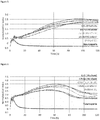
- Real-time viability assays (5x10 4 human monocyte derived macrophages/well) were performed with the xCELLigence System (Acea Biosciences Inc.) ( Otero-González L et al., Environ Sci Technol. 2012; 46(18): 10271-8 ). Impedance measurement was carried out using plates with incorporated sensor array (E-Plate) and the Real-Time Cell Analyzer (RTCA) SP instrument for 120h.
- E-Plate sensor array
- RTCA Real-Time Cell Analyzer
Landscapes
- Health & Medical Sciences (AREA)
- Life Sciences & Earth Sciences (AREA)
- Veterinary Medicine (AREA)
- Chemical & Material Sciences (AREA)
- Public Health (AREA)
- General Health & Medical Sciences (AREA)
- Medicinal Chemistry (AREA)
- Animal Behavior & Ethology (AREA)
- Pharmacology & Pharmacy (AREA)
- Epidemiology (AREA)
- Nuclear Medicine, Radiotherapy & Molecular Imaging (AREA)
- Organic Chemistry (AREA)
- General Chemical & Material Sciences (AREA)
- Chemical Kinetics & Catalysis (AREA)
- Oncology (AREA)
- Communicable Diseases (AREA)
- Pulmonology (AREA)
- Engineering & Computer Science (AREA)
- Bioinformatics & Cheminformatics (AREA)
- Pharmaceuticals Containing Other Organic And Inorganic Compounds (AREA)
- Nitrogen Condensed Heterocyclic Rings (AREA)
- Thiazole And Isothizaole Compounds (AREA)
- Hydrogenated Pyridines (AREA)
- Pyridine Compounds (AREA)
- Plural Heterocyclic Compounds (AREA)
- Quinoline Compounds (AREA)
- Heterocyclic Carbon Compounds Containing A Hetero Ring Having Nitrogen And Oxygen As The Only Ring Hetero Atoms (AREA)
- Saccharide Compounds (AREA)
- Nitrogen And Oxygen Or Sulfur-Condensed Heterocyclic Ring Systems (AREA)
- Medicines That Contain Protein Lipid Enzymes And Other Medicines (AREA)
- Acyclic And Carbocyclic Compounds In Medicinal Compositions (AREA)
Claims (10)
- Eine therapeutisch wirksame Menge eines Inhibitors der Wirts-Acetyl-CoA-Carboxylase (ACC) zur Verwendung bei der Behandlung einer mykobakteriellen Erkrankung in einem Wirtsorganismus, wobei der Inhibitor der Wirts-Acetyl-CoA-Carboxylase (ACC) ein ACC2 Inhibitor ausgewählt ist, aus der Gruppe der Verbindungen:

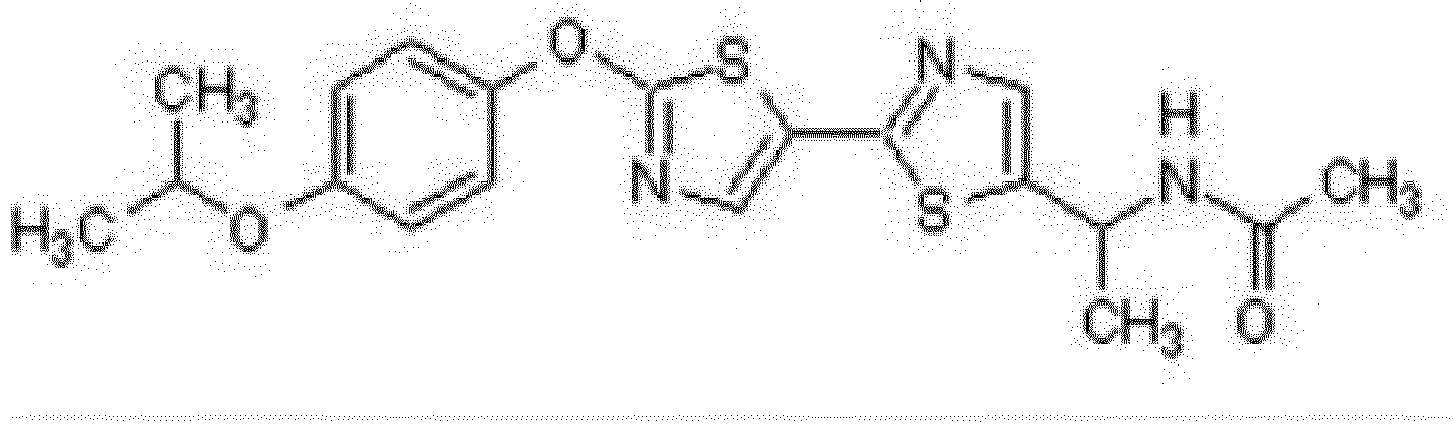
- Die therapeutisch wirksame Menge des Inhibitors der Wirts-Acetyl-CoA-Carboxylase 2 (ACC2) zur Verwendung gemäß Anspruch 1, wobei die mykobakterielle Erkrankung hervorgerufen wird durch Mycobakterium tuberculosis in Macrophagen Wirtszellen des Wirtsorganismus, der Inhibitor ist ausgewählt aus:


- Eine pharmazeutische Zusammensetzung zur Verwendung in der Behandlung einer mykobakteriellen Erkrankung in einem Wirt, wobei die Zusammensetzung eine Verbindung umfasst, wie in einem der Ansprüche 1 oder 2 definiert, optional mit einem pharmazeutisch akzeptablen Träger, Diluenten oder Recipienten.
- Die Verbindung zur Verwendung oder die pharmazeutische Zusammensetzung zur Verwendung nach einem der Ansprüche 1 bis 3, wobei die mykobakteriellen Erkrankung hervorgerufen wird durch mindestens ein Bakterium, ausgewählt aus der Gruppe bestehend aus Mycobacterium tuberculosis, Mycobacterium africanum, Mycobacterium bovis, Mycobacterium caprae, Mycobacterium microti, Mycobacterium leprae, Mycobacterium lepromatosis, Mycobacterium avium, Mycobacterium silvaticum, Mycobacterium hominissuis, Mycobacterium paratuberculosis, Mycobacterium kansasii, Mycobacterium xenopi, Mycobacterium simiae, Mycobacterium abcessus, Mycobacterium fortuitum, Mycobacterium chelonae, Mycobacterium ulcerans, Mycobacterium marinum and/or Mycobacterium fortuitum, bevorzugt Mycobacterium tuberculosis, Mycobacterium africanum, Mycobacterium bovis, Mycobacterium caprae, Mycobacterium microti, Mycobacterium leprae, Mycobacterium lepromatosis und/oder Mycobacterium kansasii, bevorzugter Mycobacterium tuberculosis, Mycobacterium africanum, Mycobacterium bovis, Mycobacterium caprae, Mycobacterium microti und/oder Mycobacterium kansasii noch bevorzugter Mycobacterium tuberculosis.
- Die Verbindung zur Verwendung nach Anspruch 1 oder die pharmazeutische Zusammensetzung zur Verwendung nach Anspruch 3, wobei die mycobakterielle Erkrankung ausgewählt ist aus Tuberkulose und/oder hervorgerufen wird durch Bakterien der Gruppe bestehend aus Mycobacterium tuberculosis, Mycobacterium africanum, Mycobacterium bovis, Mycobacterium caprae, Mycobacterium microti, bevorzugt Mycobacterium tuberculosis.
- Die Verbindung zur Verwendung oder die pharmazeutische Zusammensetzung zur Verwendung nach einem der Ansprüche 1 bis 5, wobei die mycobakterielle Erkrankung ausgewählt ist aus Tuberkulose, Lepra (Hansen's Erkrankung), Lepromatose, Infektionen hervorgerufen durch Nichttuberkulose-Mycobakterien einschließlich Lymphadenitis und Lungeninfektionen, Hautinfektionen, hervorgerufen durch Mycobakteria einschließlich Buruli ulcer und Fischtankgranulom .
- Die pharmazeutische Zusammensetzung und Verwendung nach einem der Ansprüche 4 bis 6, wobei die Zusammensetzung einen Subjekt, das es benötigt, in einer Menge verabreicht wird, die wirksam ist, um die mycobakterielle Erkrankung zu behandeln, wobei das Subjekt vorzugsweise ein Säugetier, noch bevorzugter ein menschliches Subjekt ist.
- Die pharmazeutische Zusammensetzung zur Verwendung nach einem der Ansprüche 3 oder 4, wobei das Subjekt behandelt wird mit mindestens einer zusätzlichen pharmazeutisch aktiven Verbindung einschließlich Antibiotikum, antimykotische oder Anti-HIV Verbindung, wobei die zusätzlich pharmazeutische aktive Verbindung vorzugsweise eine antibiotische, antimykotische und/oder Anti-HIV-Verbindung, besonders bevorzugt ein Antibiotikum ist.
- Die pharmazeutische Zusammensetzung zur Verwendung nach Anspruch 8, wobei die zusätzliche pharmazeutisch aktive Verbindung ausgewählt ist aus der Gruppe bestehend aus Isoniazid, Rifampicin, Ethambutol, Pyrazinamid, Rifapentin, Rifabutin, Animoglykoside inklusive Kanamycin und/oder Amikacin, Polypetide einschließlich Capreomycin, Viomycin und/oder Streptomycin, Fluoroquinolone inklusive Moxifloxacin, Levofloxacin, Ofloxacin und/oder Gatifloxacin, Thioamide inklusive Ethionamid und/oder Protionamid, Cycloserin, Terizidon, Thioaceton, p-Aminosalizyklische Säure, Clofazimin, Linezolid, Amoxicillin, Clavulanat, Thioacetazon, Imipenem, Cilastatin, Clarithromycin, Delamanid und/oder Bedaquilin, bevorzugt Isoniazid, Rifampicin, Ethambutol, Pyrazinamid, Rifapentin, Rifabutin, Animoglykoside inklusive Kanamycin und/oder Amikacin, Polypetide inklusive Capreomycin, Viomycin und/oder Streptomycin, Fluoroquinolone inklusive Moxifloxacin, Levofloxacin, Ofloxacin und/oder Gatifloxacin, Thioamide inklusive Ethionamid und/oder Protionamid, Cycloserin, Terizidon, Thioaceton und/oder p-Aminosalizyklische Säure, besonders bevorzugt Isoniazid, Rifampicin, Ethambutol, Pyrazinamid, Rifapentin und/oder Rifabutin, noch bevorzugter Isoniazid, Rifampicin, Ethambutol und/oder Pyrazinamid.
- Kit of parts umfassend eine pharmazeutische Zusammensetzung und mindestens eine zusätzliche pharmazeutisch aktive Verbindung, wobei die pharmazeutische Zusammensetzung eine Verbindung wie in einem der Ansprüche 1 bis 3 definiert umfasst und wobei eine zusätzliche, pharmazeutisch aktive Verbindung ausgewählt ist aus der Gruppe bestehend aus antibiotischer, antimykotischer oder Anti-HIV-Verbindung, bevorzugt ein Antibiotikum ausgewählt aus der Gruppe bestehend aus Isoniazid, Rifampicin, Ethambutol, Pyrazinamid, Rifapentin, Rifabutin, Animoglykoside inklusive Kanamycin und/oder Amikacin, Polypetide einschließlich Capreomycin, Viomycin und/oder Streptomycin, Fluoroquinolone inklusive Moxifloxacin, Levofloxacin, Ofloxacin und/oder Gatifloxacin, Thioamide inklusive Ethionamid und/oder Protionamid, Cycloserin, Terizidon, Thioaceton, p-Aminosalizyklische Säure, Clofazimin, Linezolid, Amoxicillin, Clavulanat, Thioacetazon, Imipenem, Cilastatin, Clarithromycin, Delamanid und/oder Bedaquilin, bevorzugt Isoniazid, Rifampicin, Ethambutol, Pyrazinamid, Rifapentin, Rifabutin, Animoglykoside inklusive Kanamycin und/oder Amikacin, Polypetide inklusive Capreomycin, Viomycin und/oder Streptomycin, Fluoroquinolone inklusive Moxifloxacin, Levofloxacin, Ofloxacin und/oder Gatifloxacin, Thioamide inklusive Ethionamid und/oder Protionamid, Cycloserin, Terizidon, Thioaceton und/oder p-Aminosalizyklische Säure, besonders bevorzugt Isoniazid, Rifampicin, Ethambutol, Pyrazinamid, Rifapentin und/oder Rifabutin, noch bevorzugter Isoniazid, Rifampicin, Ethambutol und/oder Pyrazinamid ist.
Applications Claiming Priority (3)
| Application Number | Priority Date | Filing Date | Title |
|---|---|---|---|
| US201662359294P | 2016-07-07 | 2016-07-07 | |
| EP16178441.8A EP3266454A1 (de) | 2016-07-07 | 2016-07-07 | Acc-hemmer zur verwendung bei der behandlung von mycobakteriellen erkrankungen |
| PCT/EP2017/066734 WO2018007430A1 (en) | 2016-07-07 | 2017-07-05 | Acc inhibitors for use in treating mycobacterial diseases |
Publications (2)
| Publication Number | Publication Date |
|---|---|
| EP3481392A1 EP3481392A1 (de) | 2019-05-15 |
| EP3481392B1 true EP3481392B1 (de) | 2021-09-15 |
Family
ID=56372805
Family Applications (2)
| Application Number | Title | Priority Date | Filing Date |
|---|---|---|---|
| EP16178441.8A Withdrawn EP3266454A1 (de) | 2016-07-07 | 2016-07-07 | Acc-hemmer zur verwendung bei der behandlung von mycobakteriellen erkrankungen |
| EP17734362.1A Active EP3481392B1 (de) | 2016-07-07 | 2017-07-05 | Acc-hemmer zur verwendung bei der behandlung von mycobakteriellen erkrankungen |
Family Applications Before (1)
| Application Number | Title | Priority Date | Filing Date |
|---|---|---|---|
| EP16178441.8A Withdrawn EP3266454A1 (de) | 2016-07-07 | 2016-07-07 | Acc-hemmer zur verwendung bei der behandlung von mycobakteriellen erkrankungen |
Country Status (5)
| Country | Link |
|---|---|
| US (1) | US20190307760A1 (de) |
| EP (2) | EP3266454A1 (de) |
| JP (1) | JP2019520371A (de) |
| RU (1) | RU2019102934A (de) |
| WO (1) | WO2018007430A1 (de) |
Families Citing this family (6)
| Publication number | Priority date | Publication date | Assignee | Title |
|---|---|---|---|---|
| BR112018005208B1 (pt) | 2015-09-17 | 2023-12-12 | Marvin J. Miller | Compostos heterocíclicos que contêm benzilamina e composições úteis contra infecção micobacteriana |
| WO2020243224A1 (en) * | 2019-05-28 | 2020-12-03 | Shionogi & Co., Ltd. | A MEDICAMENT FOR TREATING MYCOBACTERIAL INFECTION CHARACTERIZED BY COMBINING A CYTOCHROME bc1 INHIBITOR WITH CLARITHROMYCIN OR AZITHROMYCIN AND CLOFAZIMINE |
| CN111870594B (zh) * | 2020-08-27 | 2022-03-22 | 首都医科大学附属北京胸科医院 | 苯乙肼在制备抗偶发分枝杆菌感染的药物中的应用 |
| US11793808B2 (en) | 2021-02-22 | 2023-10-24 | Mannkind Corp. | Compositions of clofazimine, combinations comprising them, processes for their preparation, uses and methods comprising them |
| US20250041279A1 (en) | 2021-11-19 | 2025-02-06 | Shionogi & Co., Ltd. | Therapeutic medicine for heart disease or skeletal muscle disease |
| CN118924715B (zh) * | 2024-09-06 | 2025-03-21 | 首都医科大学附属北京胸科医院 | 布替萘芬在抗脓肿分枝杆菌感染中的应用 |
Family Cites Families (5)
| Publication number | Priority date | Publication date | Assignee | Title |
|---|---|---|---|---|
| US5614551A (en) * | 1994-01-24 | 1997-03-25 | The Johns Hopkins University | Inhibitors of fatty acid synthesis as antimicrobial agents |
| IL163659A0 (en) * | 2002-02-27 | 2005-12-18 | Pfizer Prod Inc | Acc inhibitors |
| CA2641734A1 (en) * | 2006-02-15 | 2007-08-23 | Abbott Laboratories | Acetyl-coa carboxylase (acc) inhibitors and their use in diabetes, obesity and metabolic syndrome |
| US8765959B2 (en) * | 2011-12-23 | 2014-07-01 | Boehringer Ingelheim International Gmbh | Piperidine derivatives |
| EP3110415A4 (de) * | 2014-02-28 | 2017-12-13 | The Texas A & M University System | Zusammensetzungen und verfahren zur hemmung von myobakterien |
-
2016
- 2016-07-07 EP EP16178441.8A patent/EP3266454A1/de not_active Withdrawn
-
2017
- 2017-07-05 RU RU2019102934A patent/RU2019102934A/ru not_active Application Discontinuation
- 2017-07-05 JP JP2018568847A patent/JP2019520371A/ja active Pending
- 2017-07-05 US US16/315,017 patent/US20190307760A1/en not_active Abandoned
- 2017-07-05 WO PCT/EP2017/066734 patent/WO2018007430A1/en not_active Ceased
- 2017-07-05 EP EP17734362.1A patent/EP3481392B1/de active Active
Also Published As
| Publication number | Publication date |
|---|---|
| US20190307760A1 (en) | 2019-10-10 |
| RU2019102934A (ru) | 2020-08-10 |
| WO2018007430A1 (en) | 2018-01-11 |
| JP2019520371A (ja) | 2019-07-18 |
| RU2019102934A3 (de) | 2020-11-12 |
| EP3266454A1 (de) | 2018-01-10 |
| EP3481392A1 (de) | 2019-05-15 |
Similar Documents
| Publication | Publication Date | Title |
|---|---|---|
| EP3481392B1 (de) | Acc-hemmer zur verwendung bei der behandlung von mycobakteriellen erkrankungen | |
| Hasenoehrl et al. | Bioenergetic inhibitors: antibiotic efficacy and mechanisms of action in Mycobacterium tuberculosis | |
| Yuan et al. | Hit generation in TB drug discovery: from genome to granuloma | |
| Egorova et al. | Pipeline of anti‐Mycobacterium abscessus small molecules: repurposable drugs and promising novel chemical entities | |
| Via et al. | Host-mediated bioactivation of pyrazinamide: implications for efficacy, resistance, and therapeutic alternatives | |
| Gopal et al. | In vivo-selected pyrazinoic acid-resistant Mycobacterium tuberculosis strains harbor missense mutations in the aspartate decarboxylase PanD and the unfoldase ClpC1 | |
| US20060009527A1 (en) | Method of treating TRX mediated diseases | |
| US8951992B2 (en) | Mycobacterium membrane protease as a target for inhibitors of intrabacterial pH homeostasis | |
| Asif | A review of antimycobacterial drugs in development | |
| US20170071951A1 (en) | Methionine Aminopeptidase Inhibitors for Treating Infectious Diseases | |
| De Souza et al. | Fluoroquinolones: an important class of antibiotics against tuberculosis | |
| Kaur et al. | A multi-targeting pre-clinical candidate against drug-resistant tuberculosis | |
| Gutti et al. | Latent tuberculosis infection (LTBI) and its potential targets: an investigation into dormant phase pathogens | |
| US11717508B2 (en) | Compounds, compositions, and methods for inhibiting bacterial growth | |
| Ashfaq et al. | Synthetic thioamide, benzimidazole, quinolone and derivatives with carboxylic acid and ester moieties: A strategy in the design of antituberculosis agents | |
| Bown et al. | Mycobacterial membrane proteins QcrB and AtpE: roles in energetics, antibiotic targets, and associated mechanisms of resistance | |
| CN101277740A (zh) | 包含唑化合物的抗结核组合物 | |
| V Patel et al. | Nitroimidazoles, quinolones and oxazolidinones as fluorine bearing antitubercular clinical candidates | |
| US20210290629A1 (en) | Acc inhibitors for use in treating mycobacterial diseases | |
| Sohaskey | Latent tuberculosis: is there a role for thioridazine? | |
| US9308215B2 (en) | Avermectins and milbemycins as anti-mycobacterial agents | |
| Bohnert et al. | Antimicrobial drug efflux pump inhibitors | |
| Chhabria et al. | Recent development and future perspective of antitubercular therapy | |
| US6929799B2 (en) | D-alanine racemase mutants of mycobacteria and uses therefore | |
| Agrawal | Characterization of nitrite induced viable but non-cultivable mycobacterium tuberculosis bacilli |
Legal Events
| Date | Code | Title | Description |
|---|---|---|---|
| STAA | Information on the status of an ep patent application or granted ep patent |
Free format text: STATUS: UNKNOWN |
|
| STAA | Information on the status of an ep patent application or granted ep patent |
Free format text: STATUS: THE INTERNATIONAL PUBLICATION HAS BEEN MADE |
|
| PUAI | Public reference made under article 153(3) epc to a published international application that has entered the european phase |
Free format text: ORIGINAL CODE: 0009012 |
|
| STAA | Information on the status of an ep patent application or granted ep patent |
Free format text: STATUS: REQUEST FOR EXAMINATION WAS MADE |
|
| 17P | Request for examination filed |
Effective date: 20190109 |
|
| AK | Designated contracting states |
Kind code of ref document: A1 Designated state(s): AL AT BE BG CH CY CZ DE DK EE ES FI FR GB GR HR HU IE IS IT LI LT LU LV MC MK MT NL NO PL PT RO RS SE SI SK SM TR |
|
| AX | Request for extension of the european patent |
Extension state: BA ME |
|
| DAV | Request for validation of the european patent (deleted) | ||
| DAX | Request for extension of the european patent (deleted) | ||
| STAA | Information on the status of an ep patent application or granted ep patent |
Free format text: STATUS: EXAMINATION IS IN PROGRESS |
|
| 17Q | First examination report despatched |
Effective date: 20191115 |
|
| GRAP | Despatch of communication of intention to grant a patent |
Free format text: ORIGINAL CODE: EPIDOSNIGR1 |
|
| STAA | Information on the status of an ep patent application or granted ep patent |
Free format text: STATUS: GRANT OF PATENT IS INTENDED |
|
| INTG | Intention to grant announced |
Effective date: 20210329 |
|
| GRAS | Grant fee paid |
Free format text: ORIGINAL CODE: EPIDOSNIGR3 |
|
| GRAA | (expected) grant |
Free format text: ORIGINAL CODE: 0009210 |
|
| STAA | Information on the status of an ep patent application or granted ep patent |
Free format text: STATUS: THE PATENT HAS BEEN GRANTED |
|
| AK | Designated contracting states |
Kind code of ref document: B1 Designated state(s): AL AT BE BG CH CY CZ DE DK EE ES FI FR GB GR HR HU IE IS IT LI LT LU LV MC MK MT NL NO PL PT RO RS SE SI SK SM TR |
|
| REG | Reference to a national code |
Ref country code: CH Ref legal event code: EP |
|
| REG | Reference to a national code |
Ref country code: DE Ref legal event code: R096 Ref document number: 602017046044 Country of ref document: DE |
|
| REG | Reference to a national code |
Ref country code: IE Ref legal event code: FG4D |
|
| REG | Reference to a national code |
Ref country code: AT Ref legal event code: REF Ref document number: 1429990 Country of ref document: AT Kind code of ref document: T Effective date: 20211015 |
|
| REG | Reference to a national code |
Ref country code: LT Ref legal event code: MG9D |
|
| REG | Reference to a national code |
Ref country code: NL Ref legal event code: MP Effective date: 20210915 |
|
| PG25 | Lapsed in a contracting state [announced via postgrant information from national office to epo] |
Ref country code: BG Free format text: LAPSE BECAUSE OF FAILURE TO SUBMIT A TRANSLATION OF THE DESCRIPTION OR TO PAY THE FEE WITHIN THE PRESCRIBED TIME-LIMIT Effective date: 20211215 Ref country code: LT Free format text: LAPSE BECAUSE OF FAILURE TO SUBMIT A TRANSLATION OF THE DESCRIPTION OR TO PAY THE FEE WITHIN THE PRESCRIBED TIME-LIMIT Effective date: 20210915 Ref country code: FI Free format text: LAPSE BECAUSE OF FAILURE TO SUBMIT A TRANSLATION OF THE DESCRIPTION OR TO PAY THE FEE WITHIN THE PRESCRIBED TIME-LIMIT Effective date: 20210915 Ref country code: NO Free format text: LAPSE BECAUSE OF FAILURE TO SUBMIT A TRANSLATION OF THE DESCRIPTION OR TO PAY THE FEE WITHIN THE PRESCRIBED TIME-LIMIT Effective date: 20211215 Ref country code: HR Free format text: LAPSE BECAUSE OF FAILURE TO SUBMIT A TRANSLATION OF THE DESCRIPTION OR TO PAY THE FEE WITHIN THE PRESCRIBED TIME-LIMIT Effective date: 20210915 Ref country code: RS Free format text: LAPSE BECAUSE OF FAILURE TO SUBMIT A TRANSLATION OF THE DESCRIPTION OR TO PAY THE FEE WITHIN THE PRESCRIBED TIME-LIMIT Effective date: 20210915 Ref country code: SE Free format text: LAPSE BECAUSE OF FAILURE TO SUBMIT A TRANSLATION OF THE DESCRIPTION OR TO PAY THE FEE WITHIN THE PRESCRIBED TIME-LIMIT Effective date: 20210915 |
|
| REG | Reference to a national code |
Ref country code: AT Ref legal event code: MK05 Ref document number: 1429990 Country of ref document: AT Kind code of ref document: T Effective date: 20210915 |
|
| PG25 | Lapsed in a contracting state [announced via postgrant information from national office to epo] |
Ref country code: LV Free format text: LAPSE BECAUSE OF FAILURE TO SUBMIT A TRANSLATION OF THE DESCRIPTION OR TO PAY THE FEE WITHIN THE PRESCRIBED TIME-LIMIT Effective date: 20210915 Ref country code: GR Free format text: LAPSE BECAUSE OF FAILURE TO SUBMIT A TRANSLATION OF THE DESCRIPTION OR TO PAY THE FEE WITHIN THE PRESCRIBED TIME-LIMIT Effective date: 20211216 |
|
| PG25 | Lapsed in a contracting state [announced via postgrant information from national office to epo] |
Ref country code: AT Free format text: LAPSE BECAUSE OF FAILURE TO SUBMIT A TRANSLATION OF THE DESCRIPTION OR TO PAY THE FEE WITHIN THE PRESCRIBED TIME-LIMIT Effective date: 20210915 |
|
| PG25 | Lapsed in a contracting state [announced via postgrant information from national office to epo] |
Ref country code: IS Free format text: LAPSE BECAUSE OF FAILURE TO SUBMIT A TRANSLATION OF THE DESCRIPTION OR TO PAY THE FEE WITHIN THE PRESCRIBED TIME-LIMIT Effective date: 20220115 Ref country code: SM Free format text: LAPSE BECAUSE OF FAILURE TO SUBMIT A TRANSLATION OF THE DESCRIPTION OR TO PAY THE FEE WITHIN THE PRESCRIBED TIME-LIMIT Effective date: 20210915 Ref country code: SK Free format text: LAPSE BECAUSE OF FAILURE TO SUBMIT A TRANSLATION OF THE DESCRIPTION OR TO PAY THE FEE WITHIN THE PRESCRIBED TIME-LIMIT Effective date: 20210915 Ref country code: RO Free format text: LAPSE BECAUSE OF FAILURE TO SUBMIT A TRANSLATION OF THE DESCRIPTION OR TO PAY THE FEE WITHIN THE PRESCRIBED TIME-LIMIT Effective date: 20210915 Ref country code: PT Free format text: LAPSE BECAUSE OF FAILURE TO SUBMIT A TRANSLATION OF THE DESCRIPTION OR TO PAY THE FEE WITHIN THE PRESCRIBED TIME-LIMIT Effective date: 20220117 Ref country code: PL Free format text: LAPSE BECAUSE OF FAILURE TO SUBMIT A TRANSLATION OF THE DESCRIPTION OR TO PAY THE FEE WITHIN THE PRESCRIBED TIME-LIMIT Effective date: 20210915 Ref country code: NL Free format text: LAPSE BECAUSE OF FAILURE TO SUBMIT A TRANSLATION OF THE DESCRIPTION OR TO PAY THE FEE WITHIN THE PRESCRIBED TIME-LIMIT Effective date: 20210915 Ref country code: ES Free format text: LAPSE BECAUSE OF FAILURE TO SUBMIT A TRANSLATION OF THE DESCRIPTION OR TO PAY THE FEE WITHIN THE PRESCRIBED TIME-LIMIT Effective date: 20210915 Ref country code: EE Free format text: LAPSE BECAUSE OF FAILURE TO SUBMIT A TRANSLATION OF THE DESCRIPTION OR TO PAY THE FEE WITHIN THE PRESCRIBED TIME-LIMIT Effective date: 20210915 Ref country code: CZ Free format text: LAPSE BECAUSE OF FAILURE TO SUBMIT A TRANSLATION OF THE DESCRIPTION OR TO PAY THE FEE WITHIN THE PRESCRIBED TIME-LIMIT Effective date: 20210915 Ref country code: AL Free format text: LAPSE BECAUSE OF FAILURE TO SUBMIT A TRANSLATION OF THE DESCRIPTION OR TO PAY THE FEE WITHIN THE PRESCRIBED TIME-LIMIT Effective date: 20210915 |
|
| REG | Reference to a national code |
Ref country code: DE Ref legal event code: R097 Ref document number: 602017046044 Country of ref document: DE |
|
| PLBE | No opposition filed within time limit |
Free format text: ORIGINAL CODE: 0009261 |
|
| STAA | Information on the status of an ep patent application or granted ep patent |
Free format text: STATUS: NO OPPOSITION FILED WITHIN TIME LIMIT |
|
| PG25 | Lapsed in a contracting state [announced via postgrant information from national office to epo] |
Ref country code: DK Free format text: LAPSE BECAUSE OF FAILURE TO SUBMIT A TRANSLATION OF THE DESCRIPTION OR TO PAY THE FEE WITHIN THE PRESCRIBED TIME-LIMIT Effective date: 20210915 |
|
| 26N | No opposition filed |
Effective date: 20220616 |
|
| PG25 | Lapsed in a contracting state [announced via postgrant information from national office to epo] |
Ref country code: SI Free format text: LAPSE BECAUSE OF FAILURE TO SUBMIT A TRANSLATION OF THE DESCRIPTION OR TO PAY THE FEE WITHIN THE PRESCRIBED TIME-LIMIT Effective date: 20210915 |
|
| PG25 | Lapsed in a contracting state [announced via postgrant information from national office to epo] |
Ref country code: IT Free format text: LAPSE BECAUSE OF FAILURE TO SUBMIT A TRANSLATION OF THE DESCRIPTION OR TO PAY THE FEE WITHIN THE PRESCRIBED TIME-LIMIT Effective date: 20210915 |
|
| PG25 | Lapsed in a contracting state [announced via postgrant information from national office to epo] |
Ref country code: MC Free format text: LAPSE BECAUSE OF FAILURE TO SUBMIT A TRANSLATION OF THE DESCRIPTION OR TO PAY THE FEE WITHIN THE PRESCRIBED TIME-LIMIT Effective date: 20210915 |
|
| REG | Reference to a national code |
Ref country code: BE Ref legal event code: MM Effective date: 20220731 |
|
| REG | Reference to a national code |
Ref country code: DE Ref legal event code: R082 Ref document number: 602017046044 Country of ref document: DE Representative=s name: MEISSNER BOLTE PATENTANWAELTE RECHTSANWAELTE P, DE |
|
| PG25 | Lapsed in a contracting state [announced via postgrant information from national office to epo] |
Ref country code: LU Free format text: LAPSE BECAUSE OF NON-PAYMENT OF DUE FEES Effective date: 20220705 |
|
| PG25 | Lapsed in a contracting state [announced via postgrant information from national office to epo] |
Ref country code: BE Free format text: LAPSE BECAUSE OF NON-PAYMENT OF DUE FEES Effective date: 20220731 |
|
| P01 | Opt-out of the competence of the unified patent court (upc) registered |
Effective date: 20230516 |
|
| PG25 | Lapsed in a contracting state [announced via postgrant information from national office to epo] |
Ref country code: IE Free format text: LAPSE BECAUSE OF NON-PAYMENT OF DUE FEES Effective date: 20220705 |
|
| PG25 | Lapsed in a contracting state [announced via postgrant information from national office to epo] |
Ref country code: HU Free format text: LAPSE BECAUSE OF FAILURE TO SUBMIT A TRANSLATION OF THE DESCRIPTION OR TO PAY THE FEE WITHIN THE PRESCRIBED TIME-LIMIT; INVALID AB INITIO Effective date: 20170705 |
|
| PG25 | Lapsed in a contracting state [announced via postgrant information from national office to epo] |
Ref country code: MK Free format text: LAPSE BECAUSE OF FAILURE TO SUBMIT A TRANSLATION OF THE DESCRIPTION OR TO PAY THE FEE WITHIN THE PRESCRIBED TIME-LIMIT Effective date: 20210915 Ref country code: CY Free format text: LAPSE BECAUSE OF FAILURE TO SUBMIT A TRANSLATION OF THE DESCRIPTION OR TO PAY THE FEE WITHIN THE PRESCRIBED TIME-LIMIT Effective date: 20210915 |
|
| PG25 | Lapsed in a contracting state [announced via postgrant information from national office to epo] |
Ref country code: TR Free format text: LAPSE BECAUSE OF FAILURE TO SUBMIT A TRANSLATION OF THE DESCRIPTION OR TO PAY THE FEE WITHIN THE PRESCRIBED TIME-LIMIT Effective date: 20210915 |
|
| PG25 | Lapsed in a contracting state [announced via postgrant information from national office to epo] |
Ref country code: MT Free format text: LAPSE BECAUSE OF FAILURE TO SUBMIT A TRANSLATION OF THE DESCRIPTION OR TO PAY THE FEE WITHIN THE PRESCRIBED TIME-LIMIT Effective date: 20210915 |
|
| PGFP | Annual fee paid to national office [announced via postgrant information from national office to epo] |
Ref country code: DE Payment date: 20250728 Year of fee payment: 9 |
|
| PGFP | Annual fee paid to national office [announced via postgrant information from national office to epo] |
Ref country code: GB Payment date: 20250724 Year of fee payment: 9 |
|
| PGFP | Annual fee paid to national office [announced via postgrant information from national office to epo] |
Ref country code: FR Payment date: 20250723 Year of fee payment: 9 |
|
| PGFP | Annual fee paid to national office [announced via postgrant information from national office to epo] |
Ref country code: CH Payment date: 20250801 Year of fee payment: 9 |